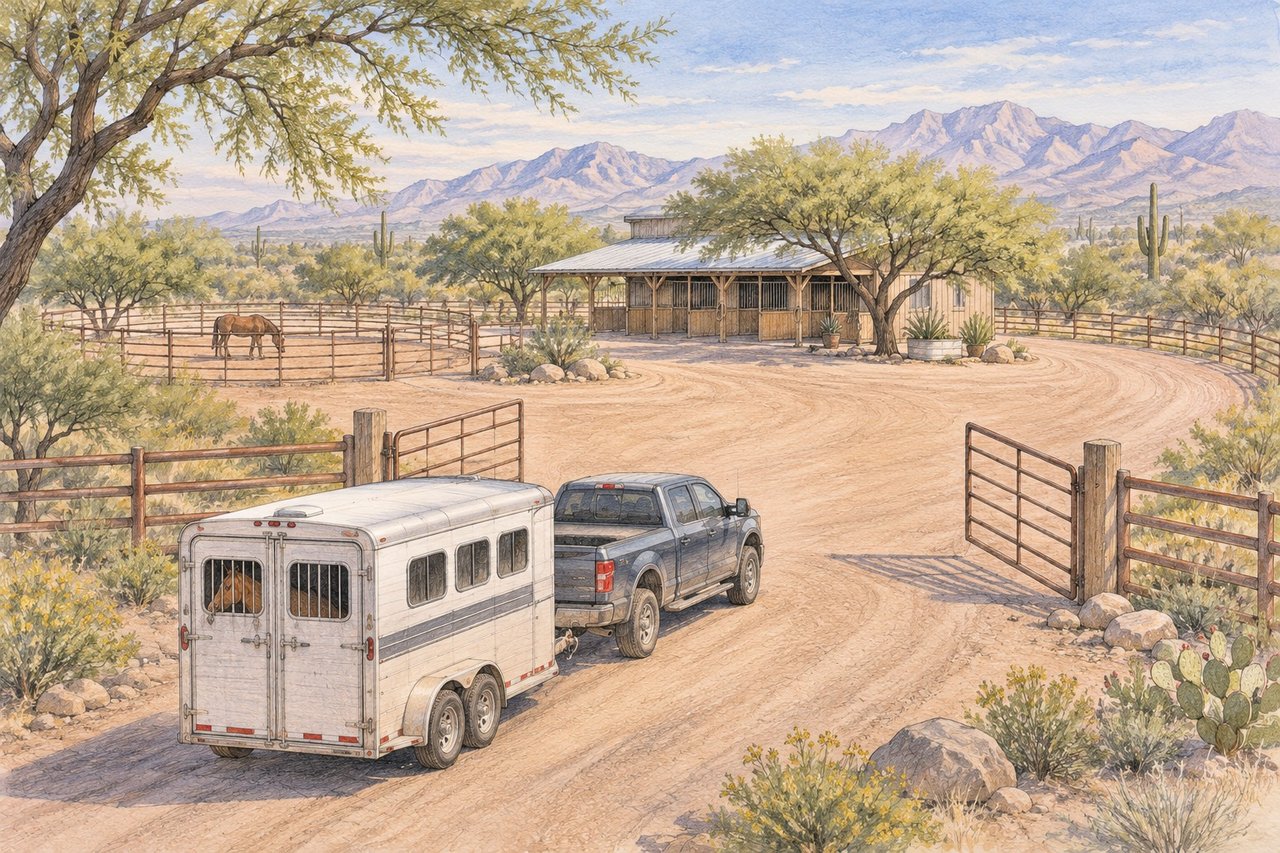
The barn can be exactly right and the turn into it can still rule out a house. When I plan a Tanque Verde tour for a buyer who hauls horses, the most useful dimensions to bring are the ones sitting in their driveway. What truck and trailer will they use, what does the combination measure, and which side or end needs to open when they arrive?
To decide whether a property fits, follow that rig from the road to the unloading area, then all the way back out. Check where it waits while someone opens the gate, where the horse goes after unloading and where the trailer stays between trips. A parcel can offer room for all three activities in different corners and still lack a workable connection between them. In northeast Tucson’s Tanque Verde Valley, two La Cebadilla listings illustrate how much the arrangement varies at a similar scale and purchase price.
Two La Cebadilla homes, two different ways to use the land
At 2305 N El Camino Rinconado, the asking price on November 22, 2026 was $1.125 million. The listing describes nearly four acres with three stalls, turnouts, a wash rack, hay storage and trailer access added in 2023. That provides a clear starting point for a rider. Request a site sketch and trace the route between the trailer parking, wash rack and stalls. The person who loads before daylight will care about the gate locations along that path.
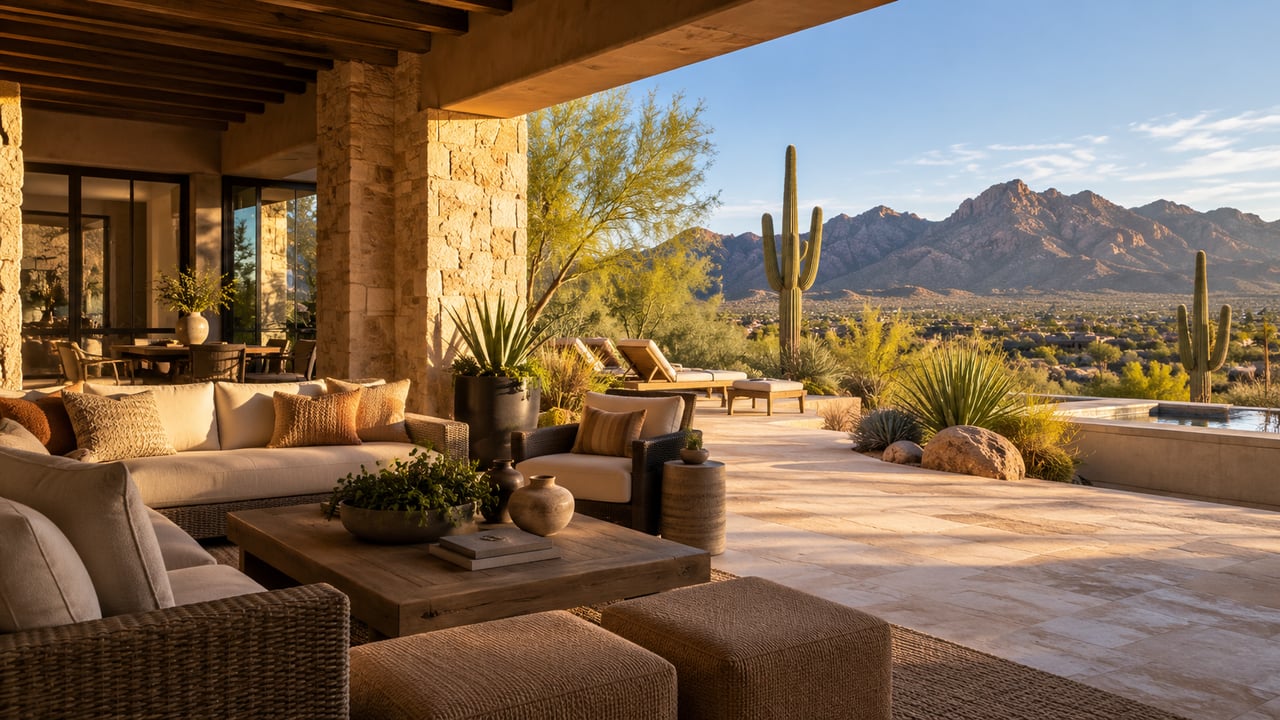
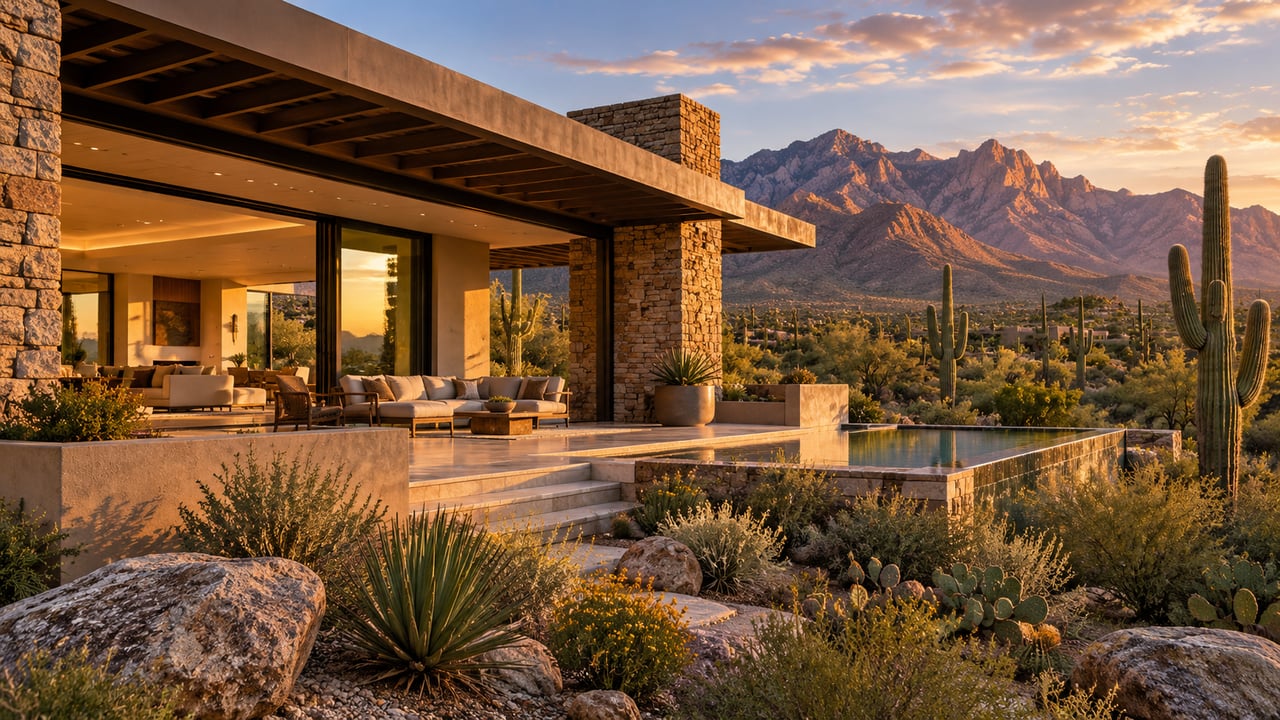
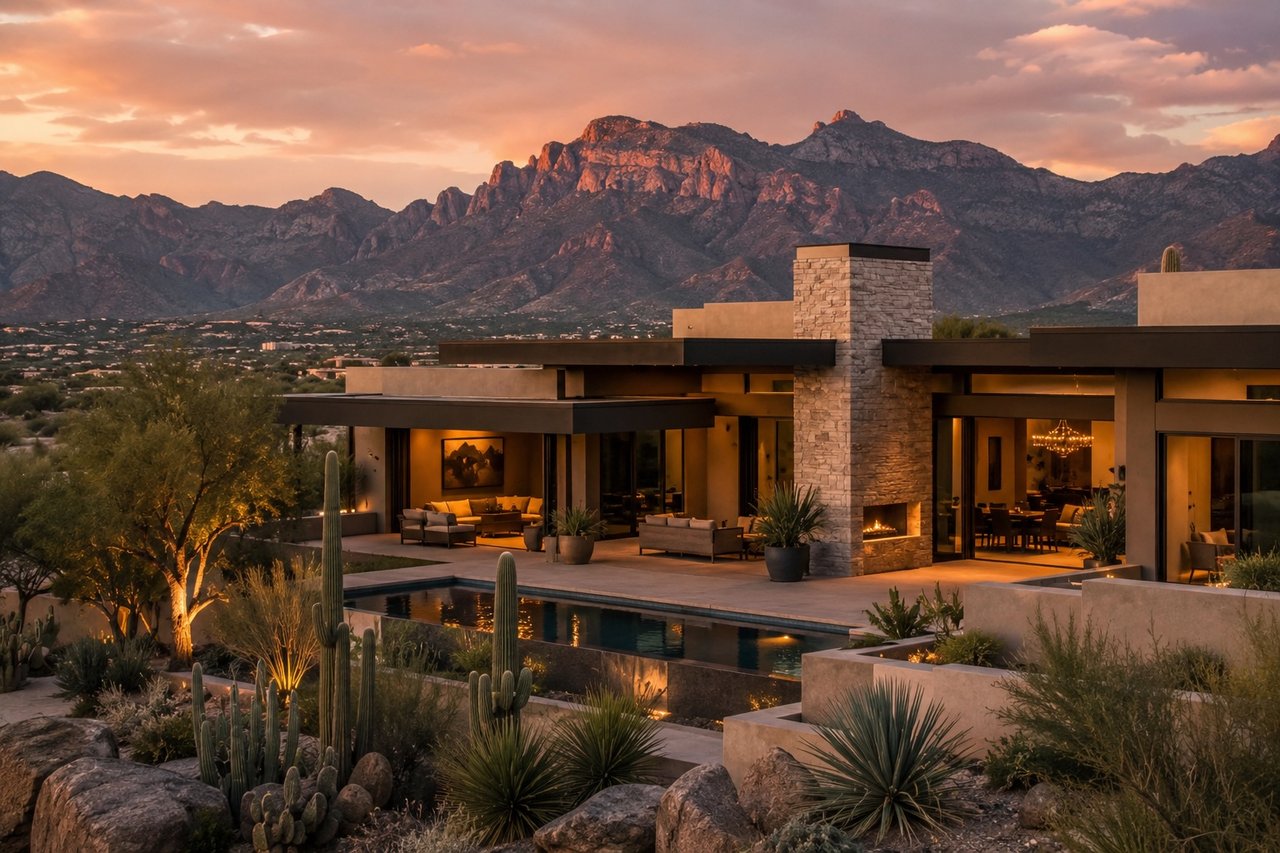
At 13350 E Camino La Cebadilla, the asking price the same day was $1 million. The 3.65 acres are described through their pool, putting green, chicken coop and covered terrace. The two homes are close enough in asking price and land area to appear on the same shortlist. They ask very different things of the next owner. At the first, you can evaluate an existing horse setup. At the second, a buyer who wants facilities would first need to establish what is permitted, where improvements could fit and what building them would entail.
That $125,000 difference compares two complete properties offered for sale. It supplies no separate market value for stalls or turnout. If you are weighing the two approaches, obtain a property-specific estimate for the work you would actually undertake. Also decide where the horses would live while the work was being approved and completed. For someone moving several animals at once, timing can decide the question before price does.
Walk the route in the order you will drive it
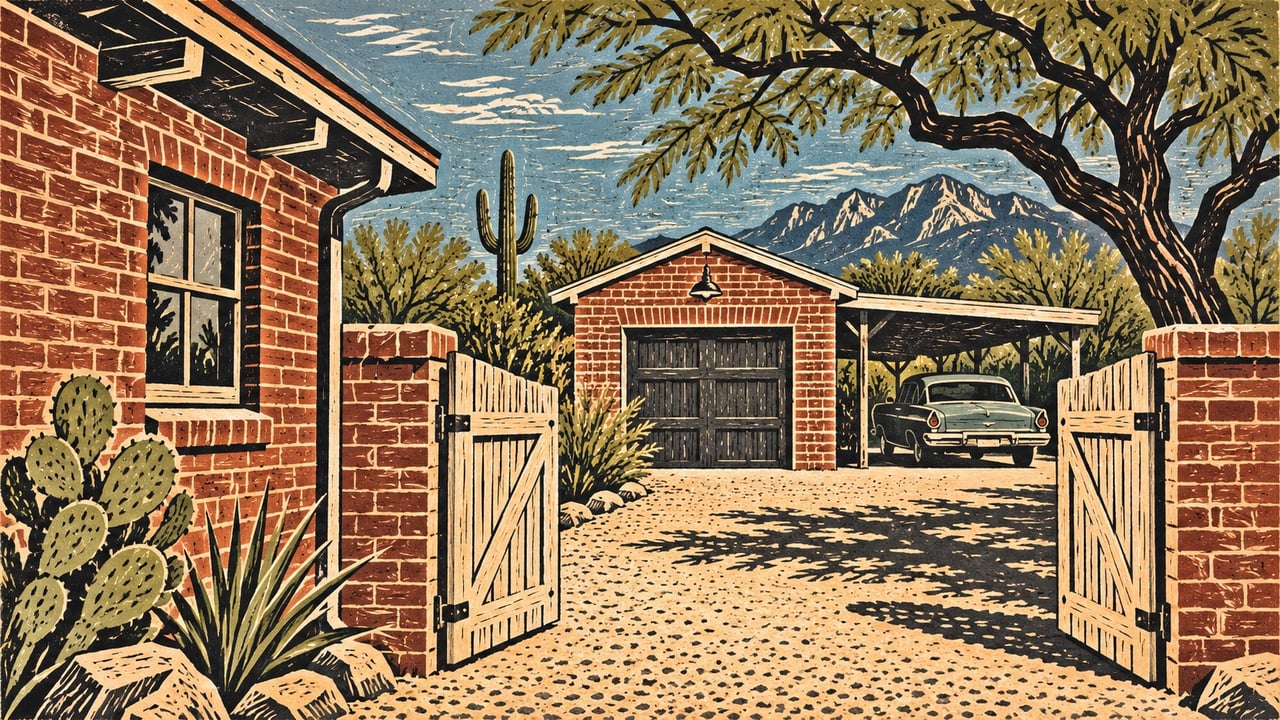
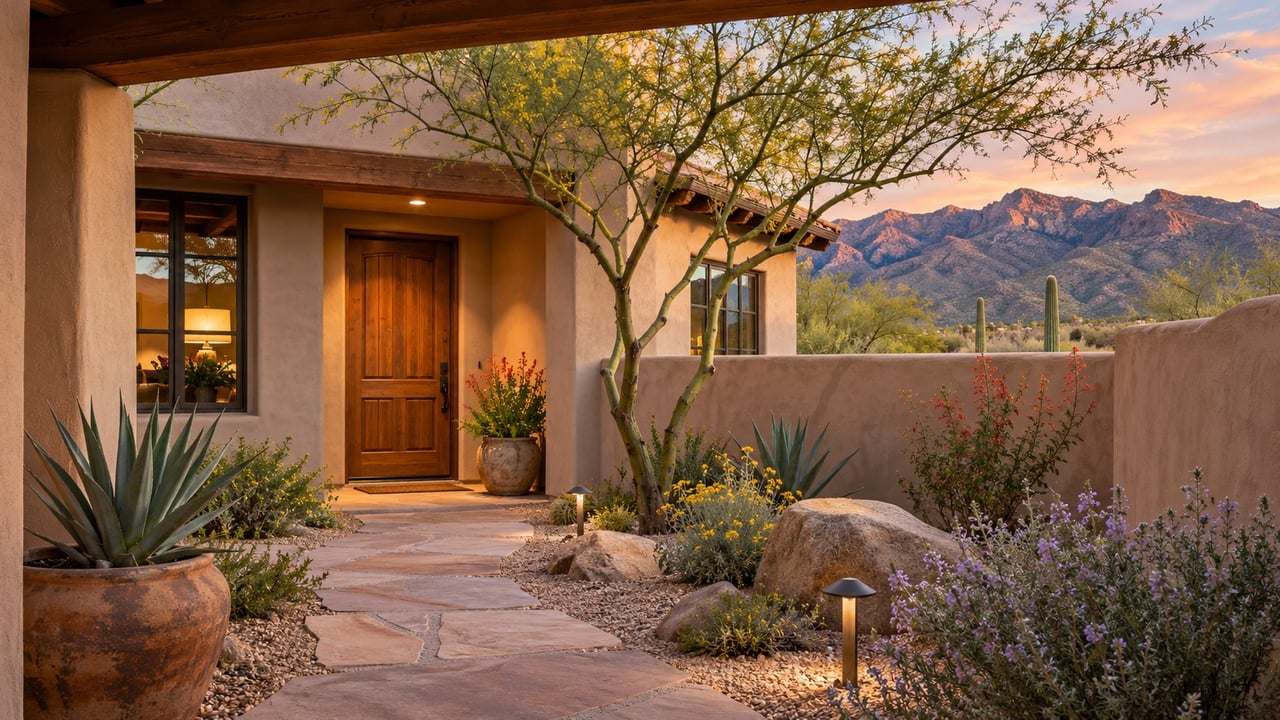
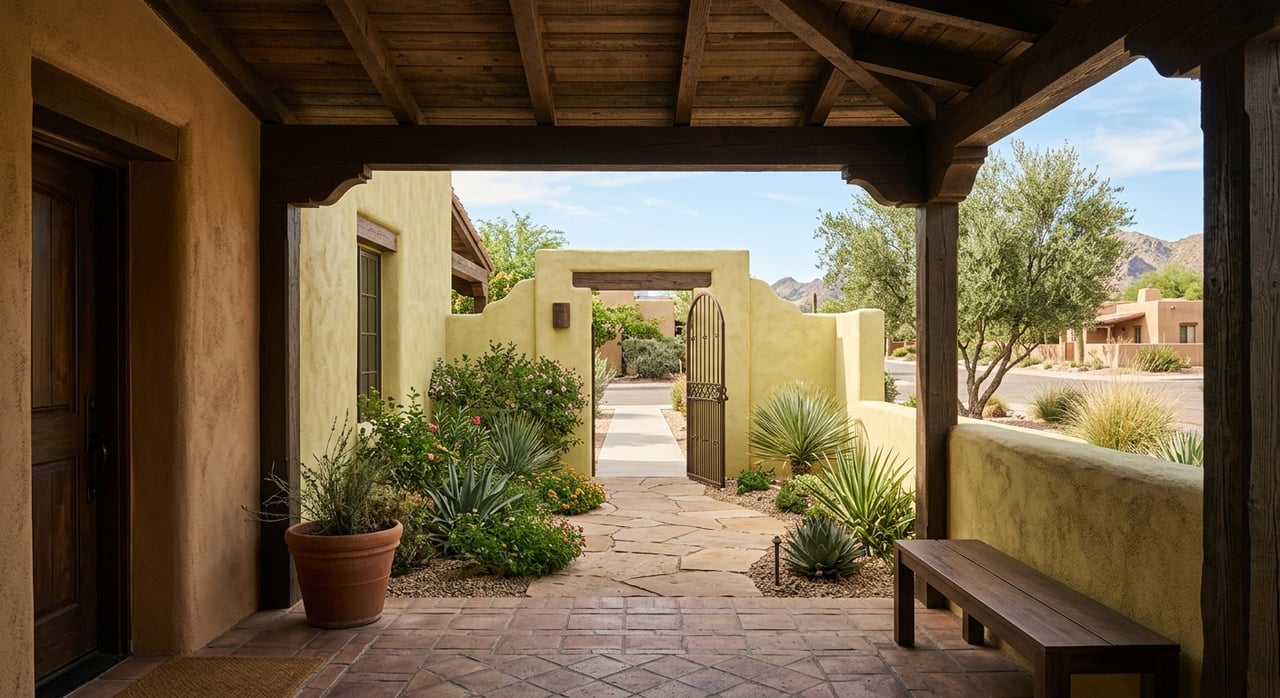
Start on the approach. From the passenger seat of a regular vehicle, look at the final turn from the road. Which direction will you normally arrive from? Is there space on the property to stop the full rig while the gate opens? Identify the narrowest point between posts and the space beyond it. A wide gate reached at an awkward angle may demand more maneuvering than a narrower gate with a straight approach.
Stand where the horse would unload. Picture the trailer with the ramp down or the doors open. Where does the handler stand? Which gate must already be closed? Could a parked car, delivery truck or stack of hay occupy the only workable unloading space? Walk from there to the first enclosure. In a well-arranged yard, that short walk makes sense even with another person bringing a horse out in the opposite direction.
Finish the trip. Stand where the empty trailer will sit and trace the next departure. Consider whether a second vehicle would have to move, whether a visitor could block the turn and whether the hookup area will be usable after rain. Bring the actual rig for a trial only by arrangement with the owner, with an experienced driver and adequate clearance. A first showing is usually the time for walking and measurements.
For a remote purchase, I would ask for one continuous video at walking pace. Begin on the property looking back at the road, turn toward the gate, walk to the proposed unloading spot and finish by looking toward the exit. A sequence of beautiful barn photographs can leave out the one corner you needed to see. A continuous view makes that missing connection obvious.
Is community boarding a better fit?
The Sahuaro Sunset Road estate in Redington Ranch offers another ownership model. Its listing describes community boarding stables and riding trails. Someone who wants desert privacy, a distinctive home and access to riding may prefer that arrangement to running a private barn. Someone who wants to feed at their back door or control their own turnout schedule may feel differently.
Ask the stable operator about current availability, what care is included, turnout arrangements, fees, trailer parking and the procedure for bringing in a new horse. If boarding is essential, establish when a space could actually be available for your horse. Then walk the route between the residence and the stable at the hour you usually do chores. A home can suit you beautifully while the timing or service offered by its associated stable does not.
Read the parcel and the paperwork together
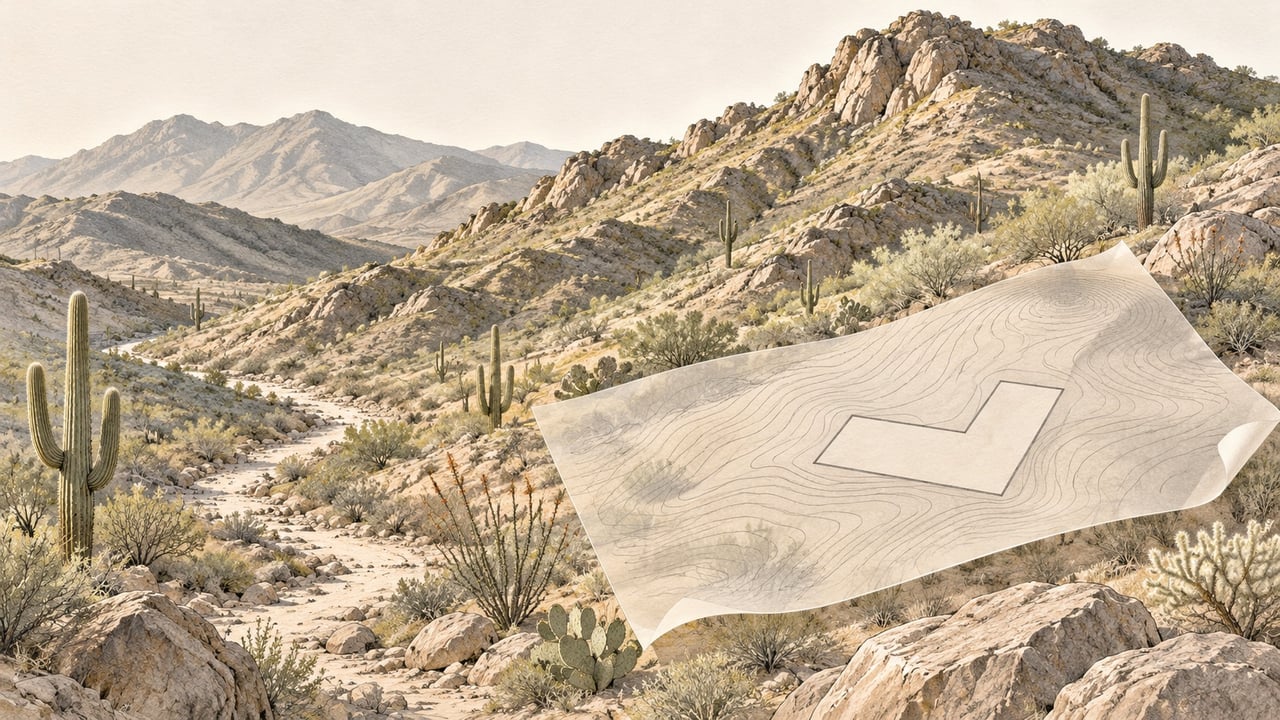
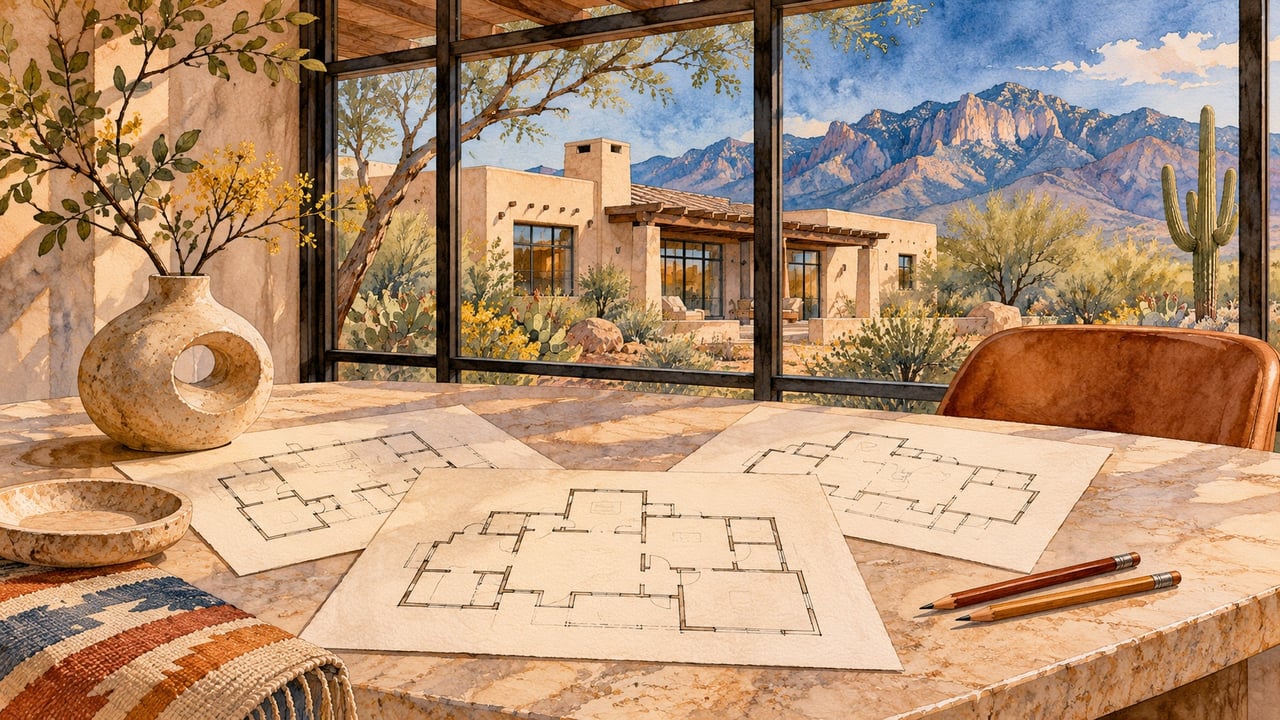
Use Pima County’s guide to parcel mapping to locate the address, jurisdiction, zoning, plats and mapped floodplains. Mark the drive, existing facilities and proposed trailer area on a copy of the site plan. A Tucson mailing address alone does not identify the permitting authority. Take questions about keeping horses, stall construction or changing the drive to the jurisdiction responsible for that parcel. Review recorded restrictions and any association rules alongside that answer.
If a trail is part of the appeal, ask where authorized access begins and how you reach it. A gate facing open desert is a physical feature. A recorded easement, club arrangement or public access point answers a different question. For a drive that crosses a wash or uses a shared lane, ask who maintains it and how the owner handles a disruption after rain. My guide to usable acreage in Tanque Verde covers the broader question of how much of a parcel serves everyday life.
When comparing Tanque Verde homes on an acre or more from $1 million to $1.5 million, mark each as existing private facilities, a possible project, or a boarding option to investigate. This search selects acreage and asking price. You will still need the listing details and parcel documents to put a property in the right group. A seller can make that work easier with an annotated plan, facility records and a photograph showing the turn from the gate.
If someone you know is relocating with horses, introduce us by email at [email protected]. Include their rig dimensions and whether they want private stalls or boarding. I can use those details to narrow the tour, and through Sotheby’s International Realty’s Well-Connected network I can introduce an advisor at the other end of the move.
About Daniel Sotelo
Daniel Sotelo, a Tucson native with Russ Lyon Sotheby’s International Realty, consistently ranks among the highest-producing individual agents in the Tucson MLS. He represents buyers and sellers of distinctive properties, with particular attention to how the land, improvements and terms of a purchase work together.