How to Sell a Historic Home in Barrio Hollywood, Tucson
Why Historic Homes Deserve a Different Marketing Strategy
There are homes that sell because of what they have.
Then there are homes that sell because of how they make people feel.
A three-car garage, a brand-new kitchen, or a resort-style backyard can all be measured, compared, and assigned a value. Historic homes operate differently. Their greatest strengths often aren't found on a feature sheet—they're found in craftsmanship, authenticity, and the emotional connection they create the moment someone walks through the front door.
That's exactly why selling a historic home in Tucson's Barrio Hollywood requires a different approach than selling a newer home in a master-planned community.
I've learned something after years of walking through homes with buyers.
The homes they remember are rarely the ones with the longest list of upgrades.
They're the homes that make them slow down.
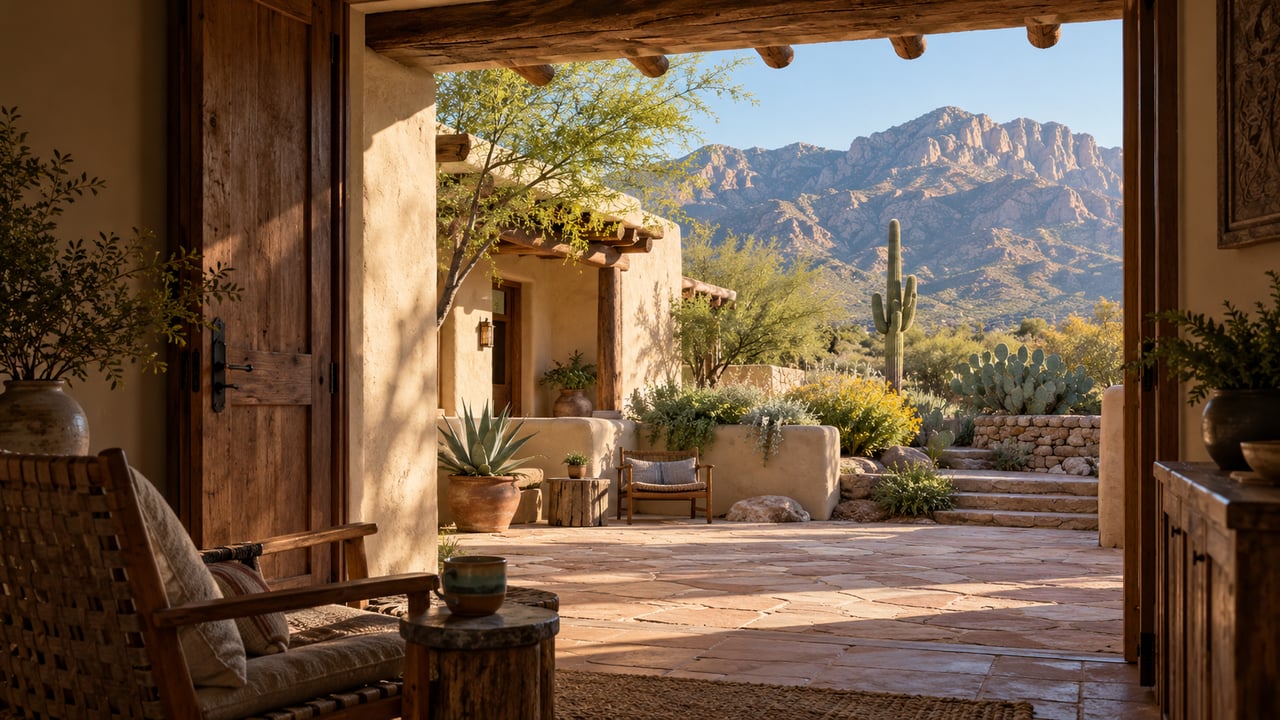
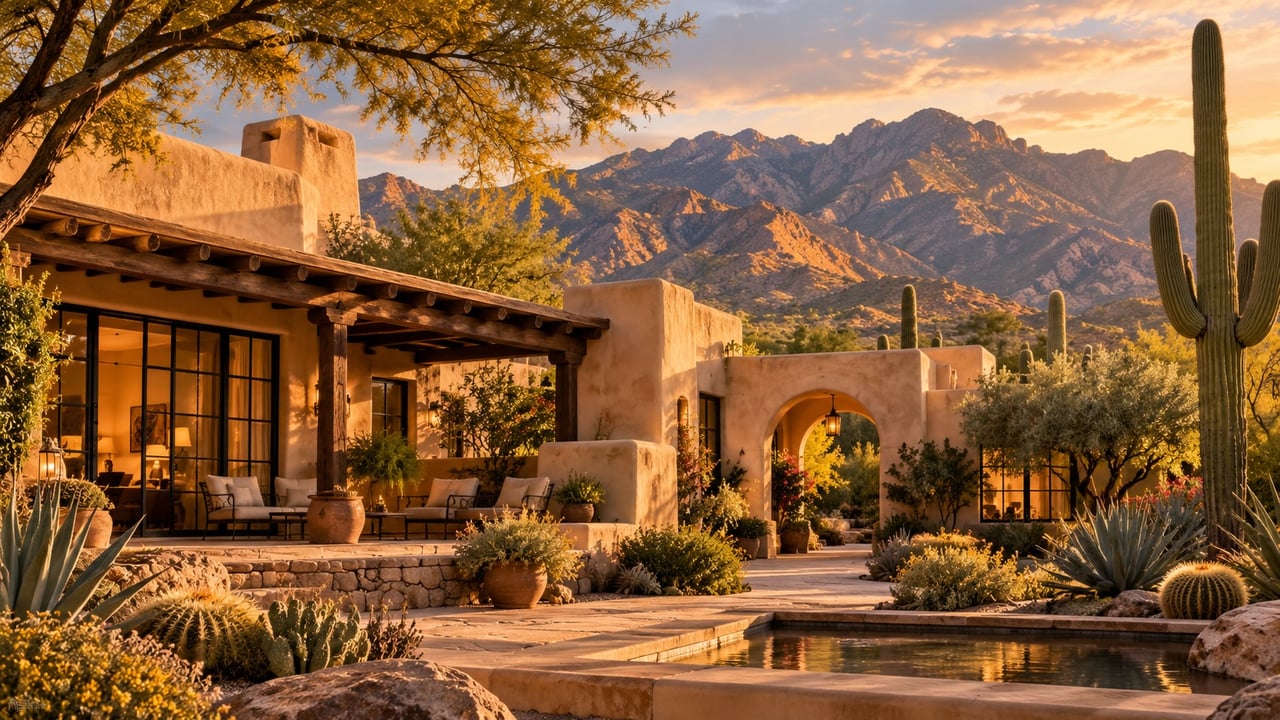
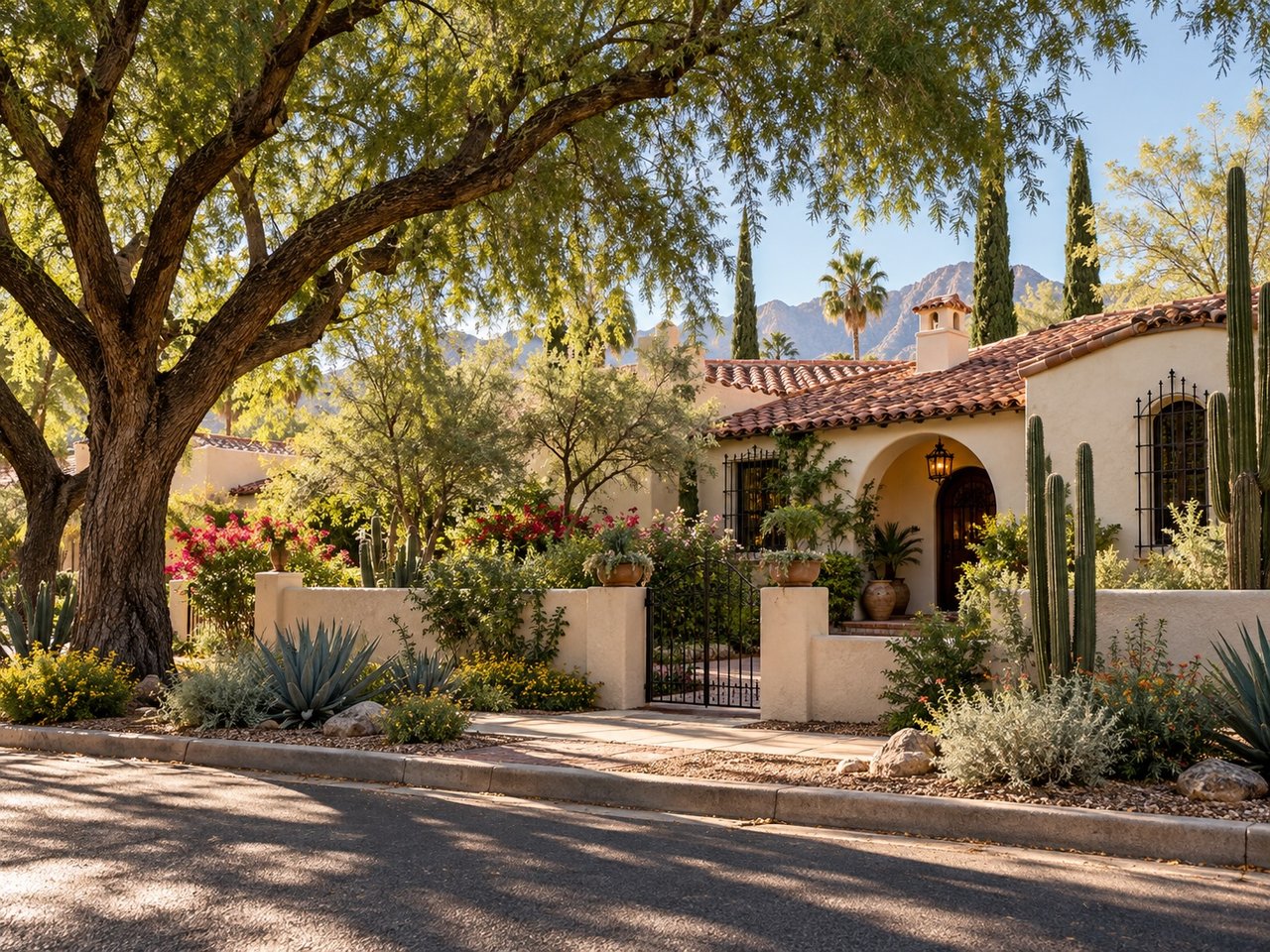
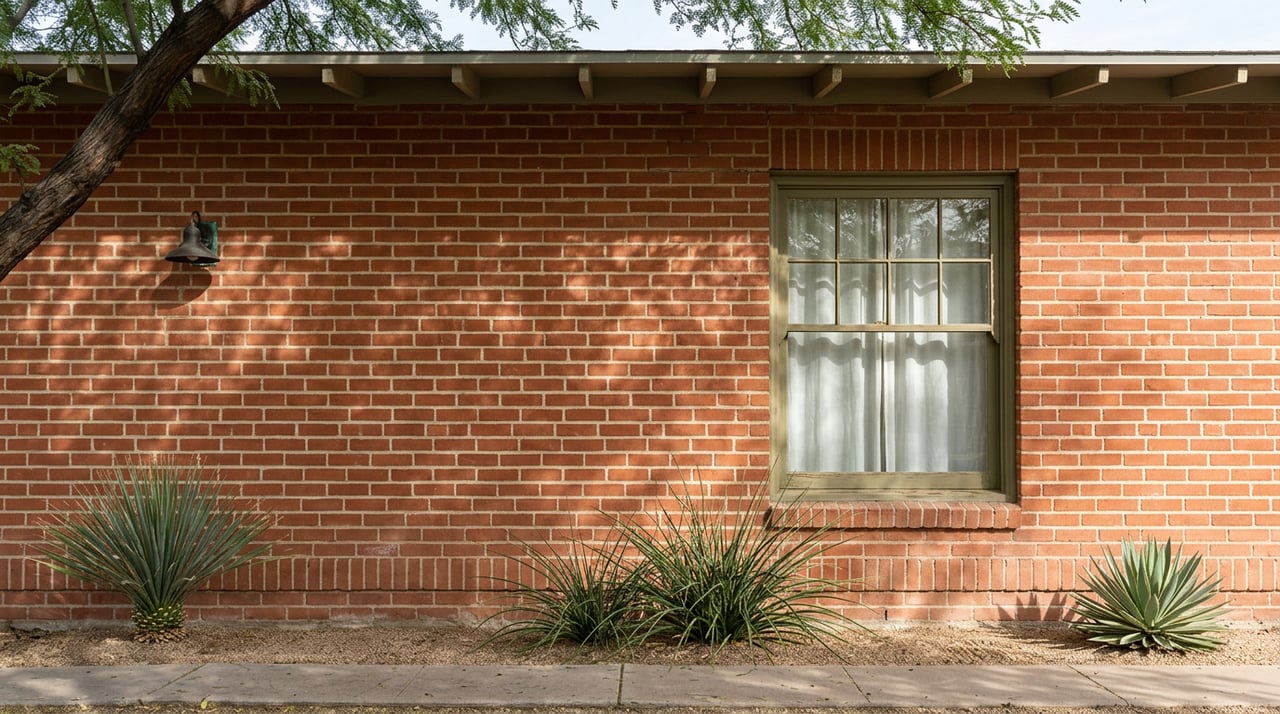
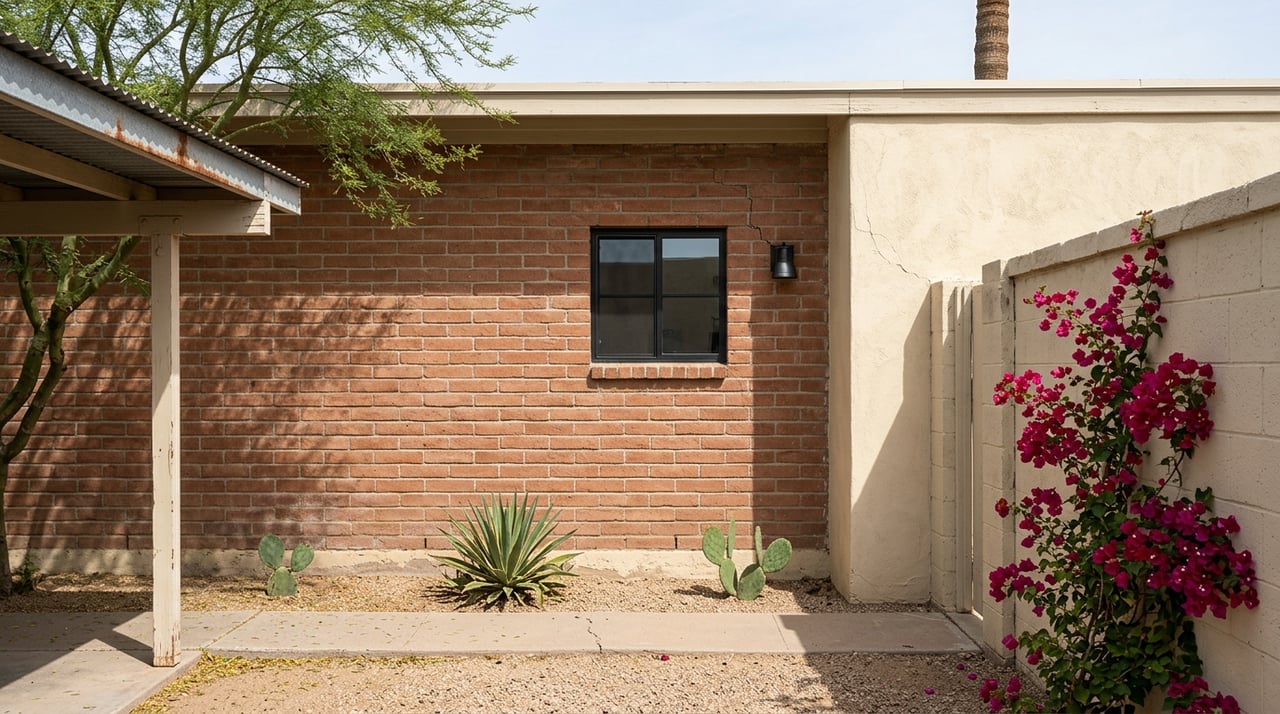
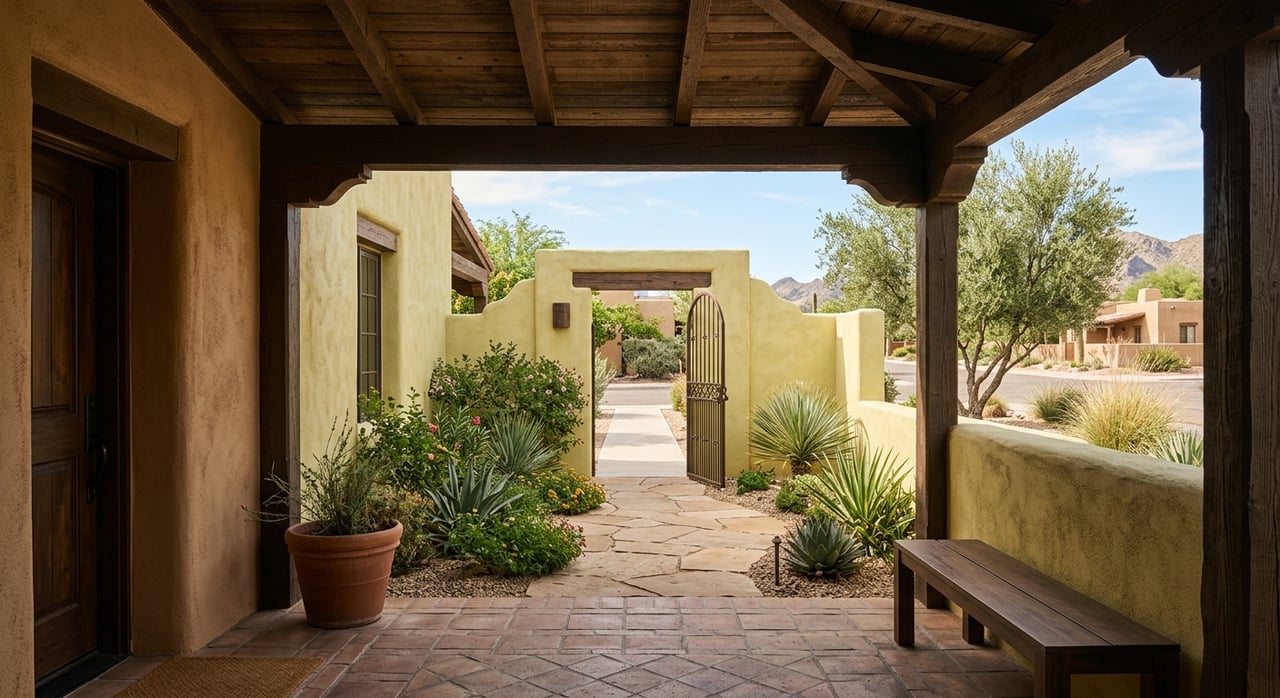
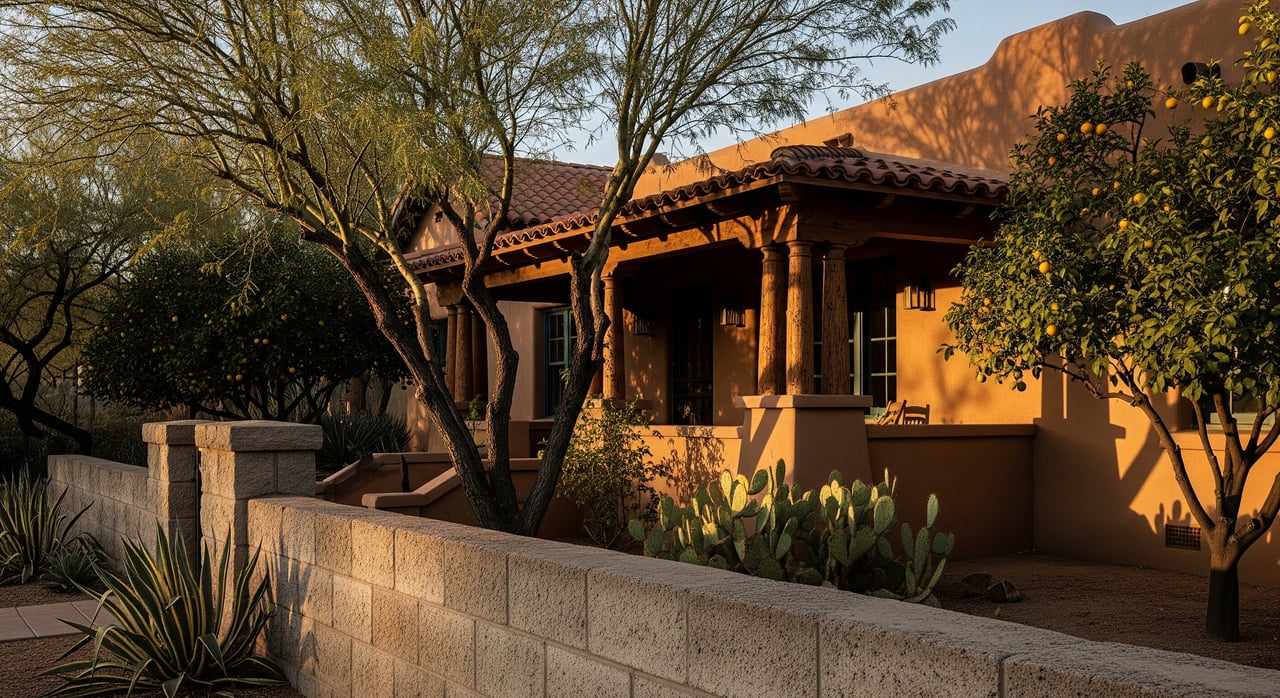
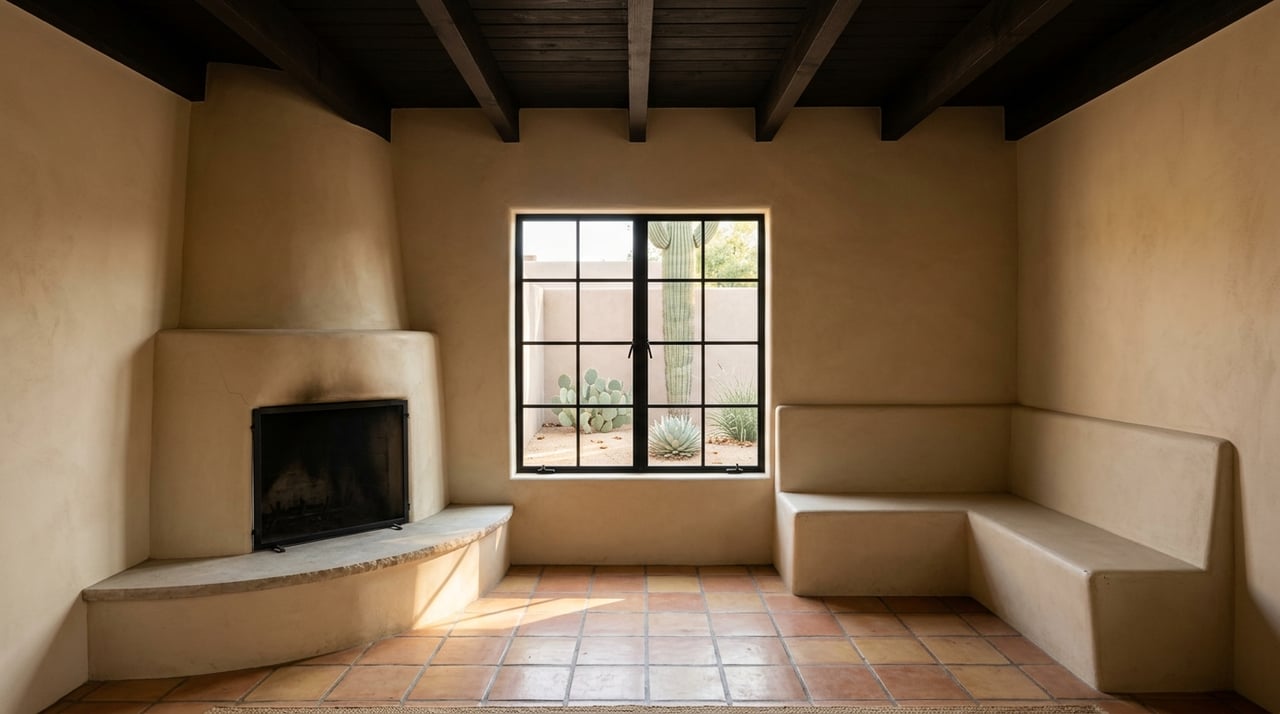
Sometimes it's the way afternoon light filters through original wood-framed windows. Sometimes it's the cool touch of an adobe wall during a Tucson summer. Sometimes it's a hand-built archway, a courtyard shaded by a mature mesquite tree, or hardwood floors that have quietly supported generations of families.
The house simply feels like it belongs exactly where it is.
That feeling is difficult to manufacture.
It's also incredibly valuable.
"Authenticity is one of the few qualities in real estate that becomes more valuable as it becomes harder to find."
I think that's one of the reasons neighborhoods like Barrio Hollywood continue to attract buyers from across Tucson—and increasingly from around the country. People relocating from California, Colorado, Washington, Oregon, and other parts of Arizona often aren't searching for another house that looks like every other house they've ever seen.
They're looking for something with identity.
Something with permanence.
Something with a story.
If you're preparing to sell a historic home, it's important to recognize that your property isn't competing on the same terms as new construction. The buyer searching for a Barrio Hollywood adobe isn't usually deciding between your home and a brand-new subdivision. They're searching for an entirely different lifestyle.
Understanding that changes everything about how the home should be prepared, photographed, marketed, and ultimately presented to the world.
Unfortunately, many historic homes are marketed exactly like every other listing.
The description talks about quartz countertops.
The photos focus exclusively on remodeled bathrooms.
The architecture becomes an afterthought.
In my experience, that's a missed opportunity.
Because buyers don't fall in love with history by accident.
They fall in love because someone helped them see it.
Barrio Hollywood Is More Than a Neighborhood
One of the reasons I enjoy representing homes throughout Tucson is that every neighborhood has its own personality.
Barrio Hollywood has one of the strongest.
Located just west of Downtown Tucson, Barrio Hollywood has quietly become one of the city's most recognizable historic neighborhoods. Originally developed during the early twentieth century, the neighborhood has evolved naturally over generations instead of being built all at once.
You notice it immediately.
No two streets feel exactly alike.
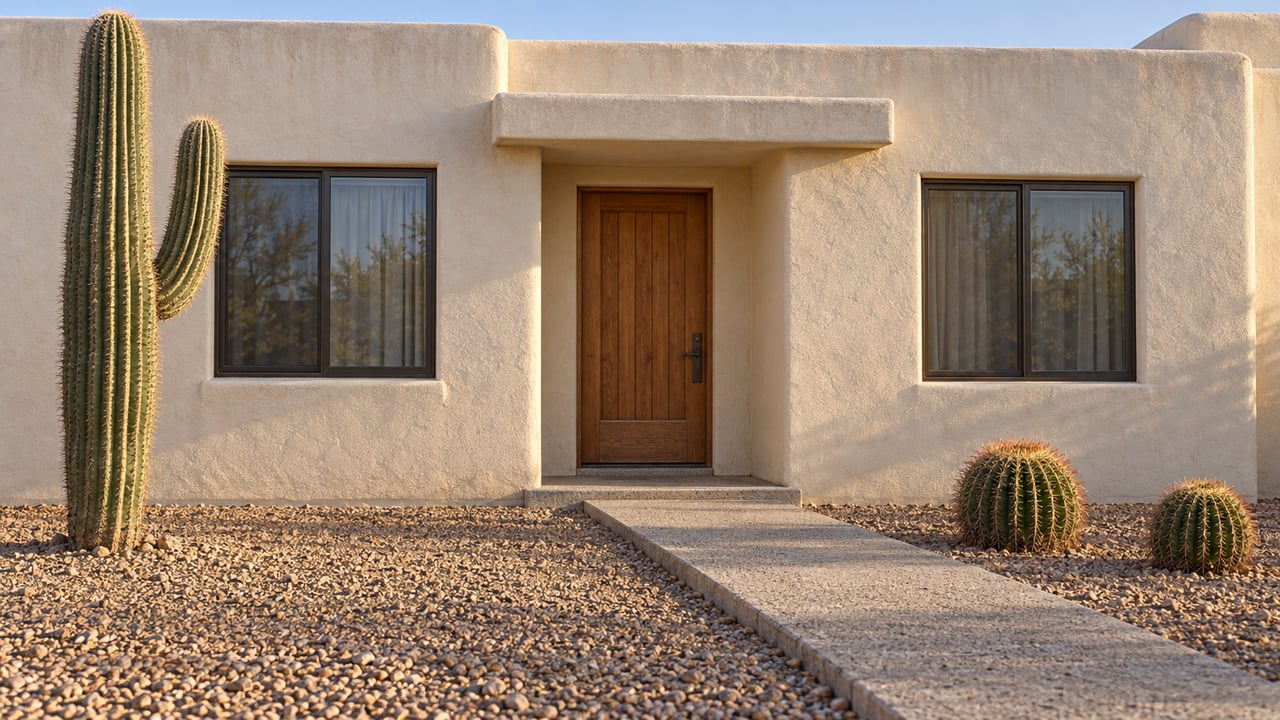
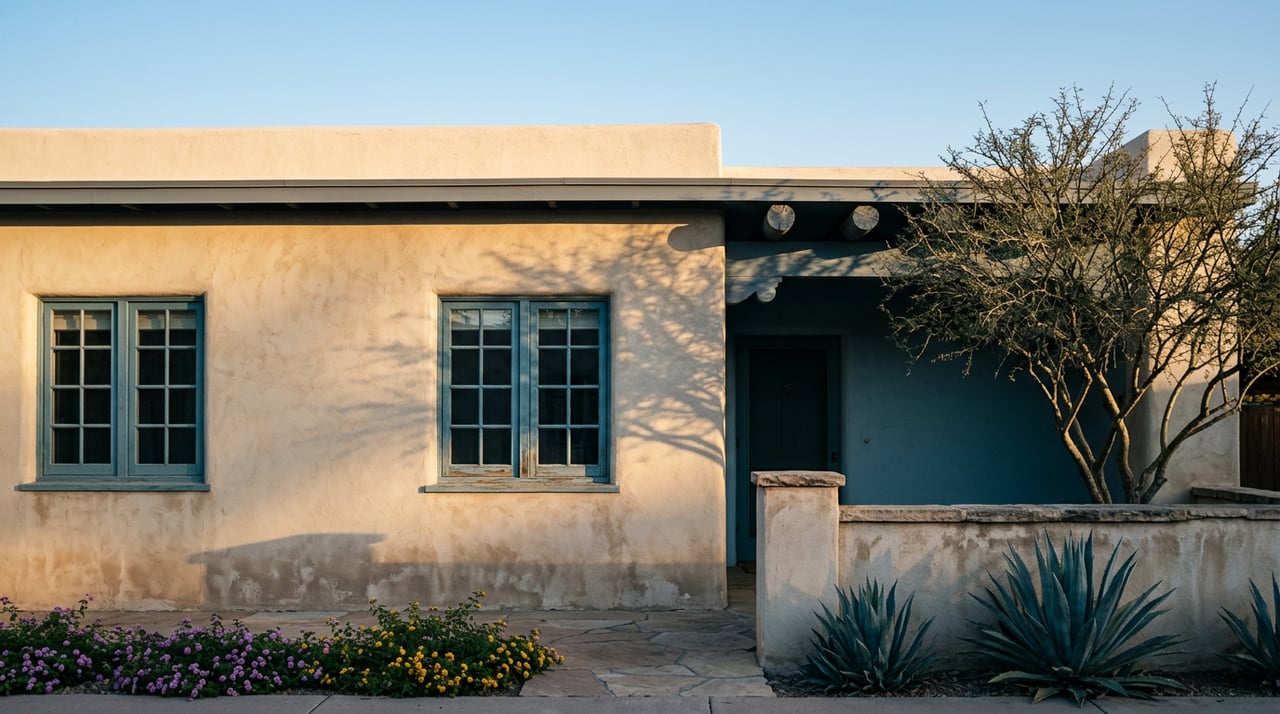
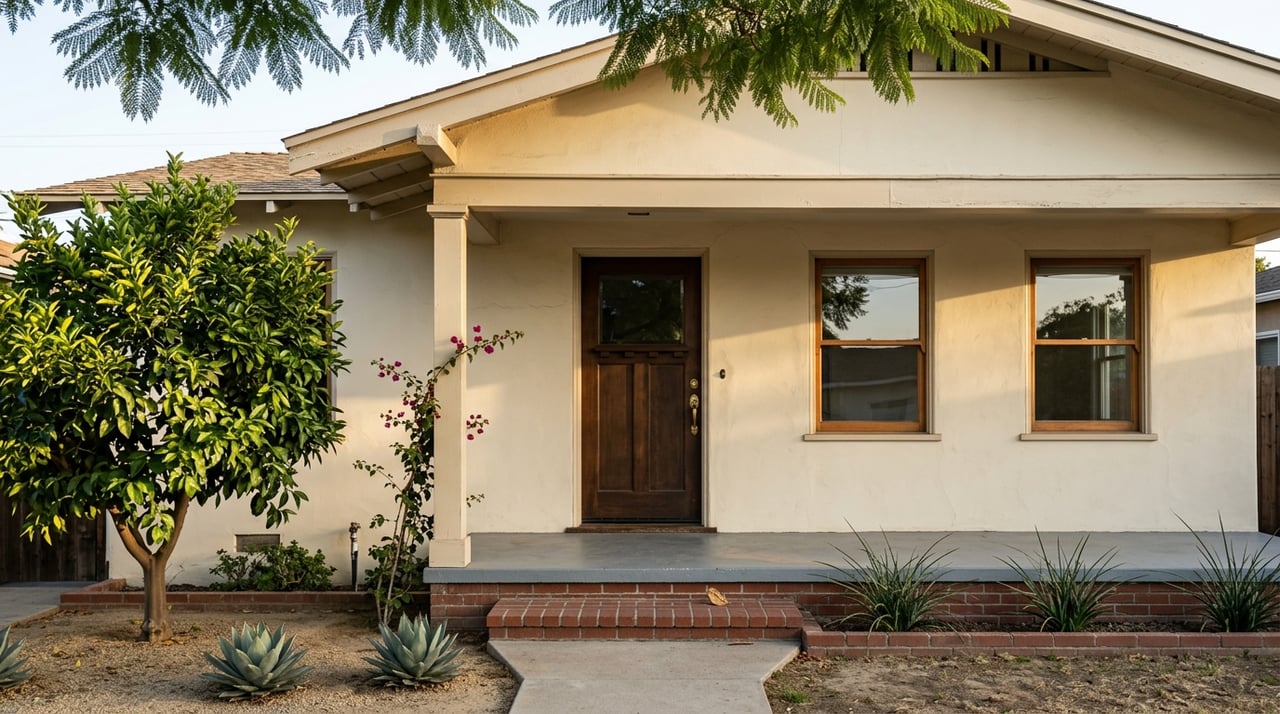
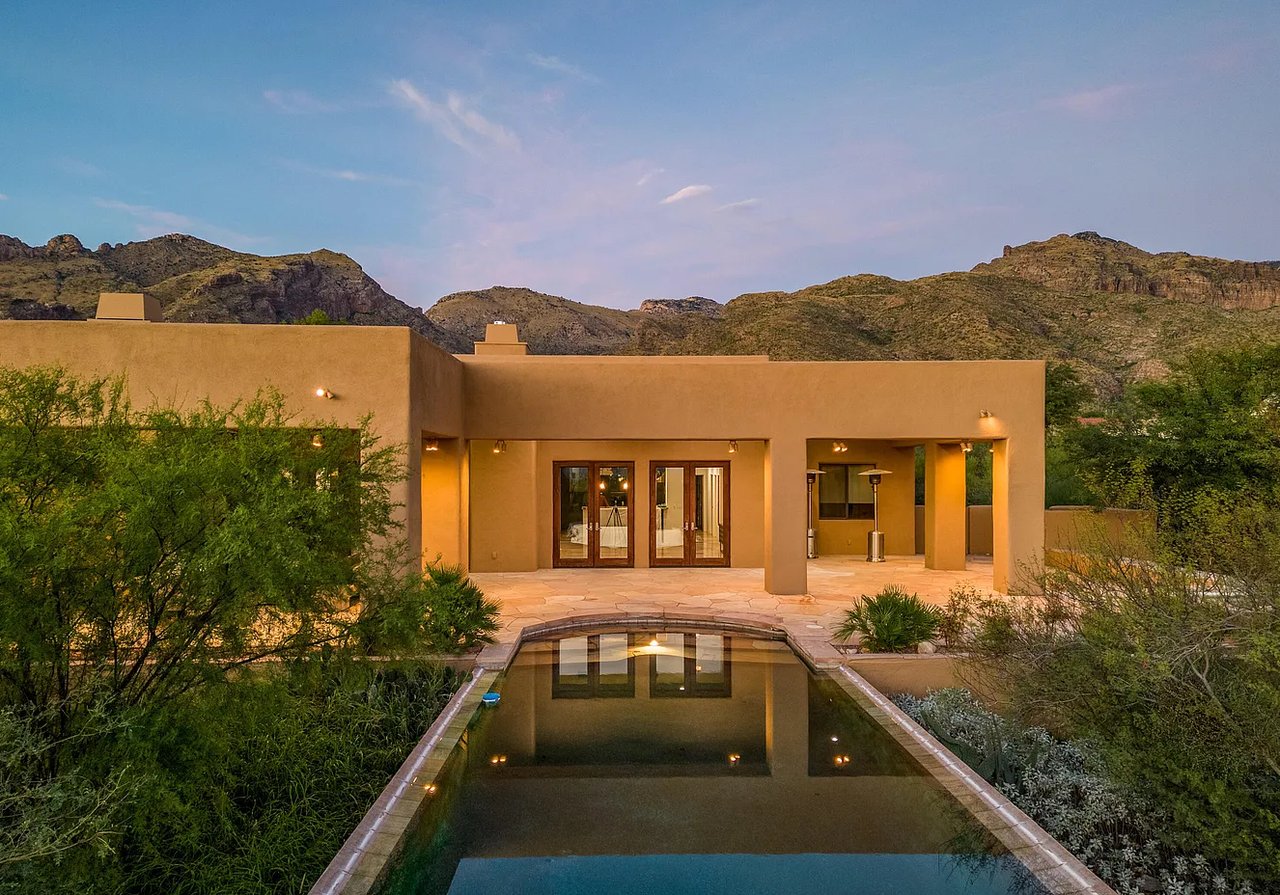
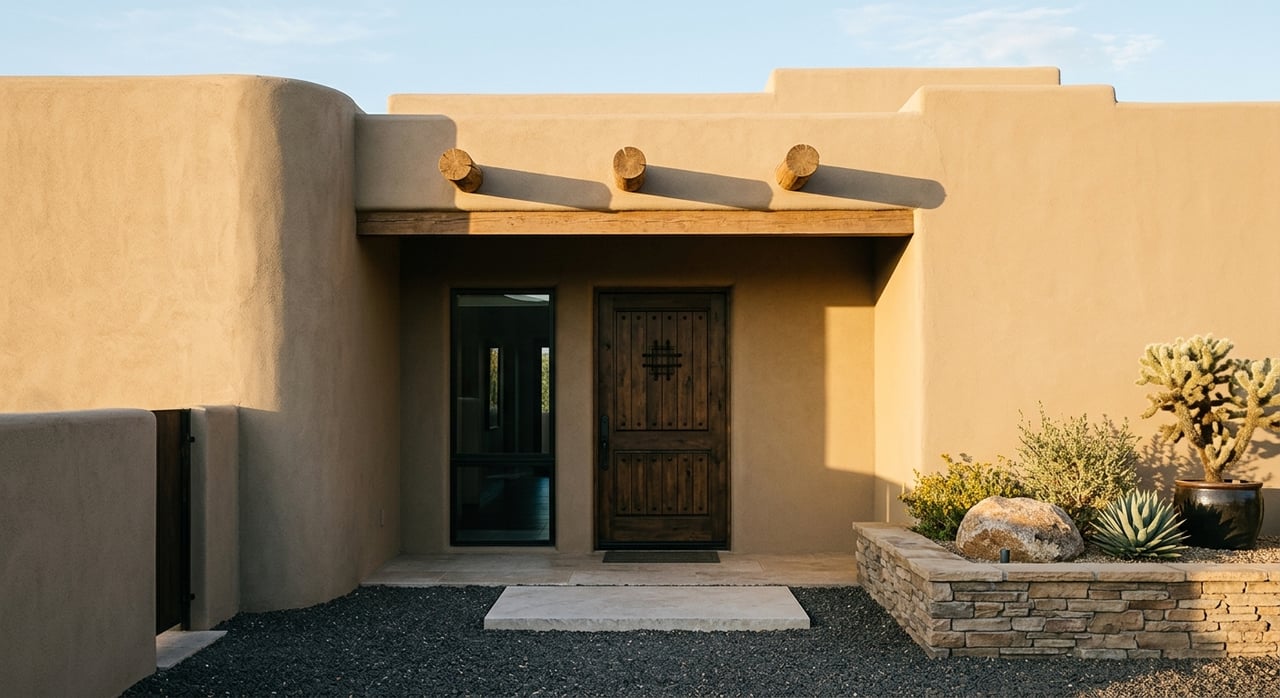
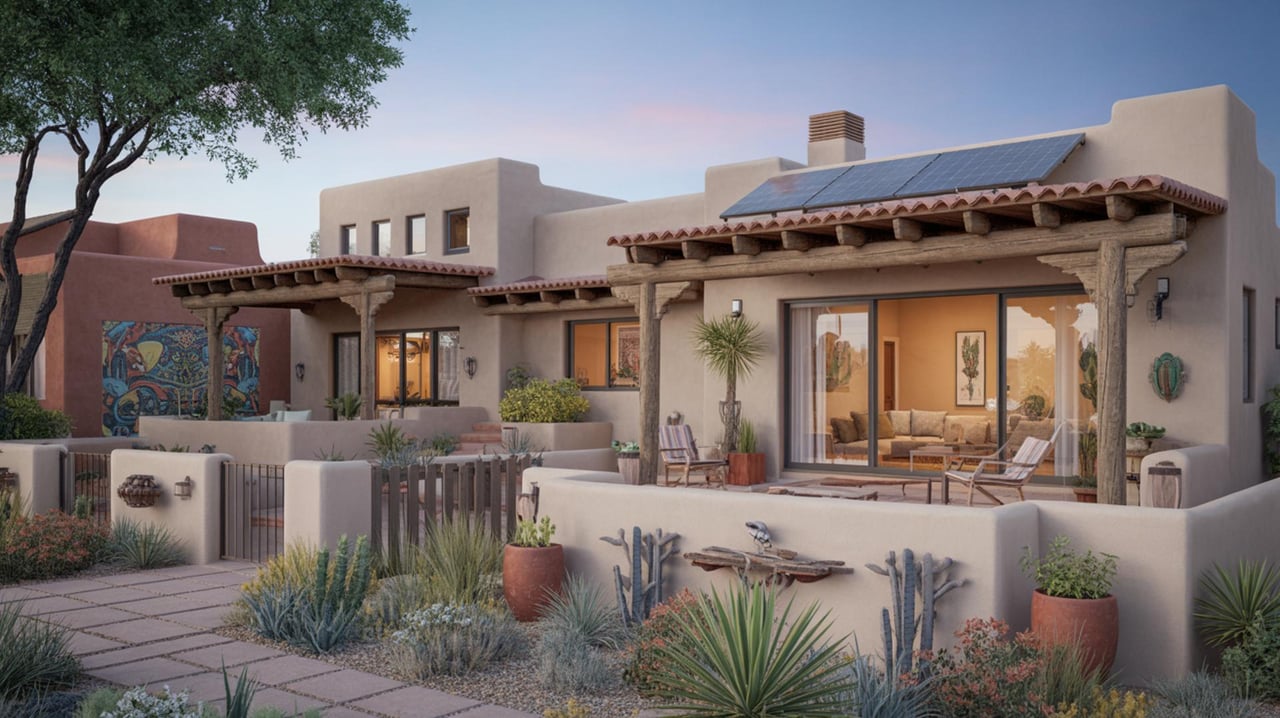
One home may be an adobe bungalow with thick plaster walls and original wood windows. The next might feature handcrafted ironwork, mature desert landscaping, or colorful architectural details that reflect decades of thoughtful stewardship.
That variety isn't a weakness.
It's one of the neighborhood's greatest strengths.
Unlike newer communities where homes often share identical floor plans, Barrio Hollywood feels collected rather than manufactured.
There is texture here.
History.
Character.
People who choose to live here usually aren't searching for perfection.
They're searching for authenticity.
That distinction matters because it changes how a home should be marketed.
If your listing tries to compete directly with brand-new construction, you've already started the conversation on someone else's terms.
Instead, the goal is to help buyers understand why this home offers something they simply can't build today.
Architecture tells a story.
Craftsmanship tells a story.
Neighborhoods tell stories.
When all three come together, buyers begin imagining themselves becoming part of the next chapter.
That's powerful.
Buyers Don't Fall in Love With Perfection
One of the most interesting things I've noticed over the years is that sellers often apologize for the very features buyers came hoping to find.
They'll point to original wood windows and say,
"Those will probably need to be replaced."
They'll apologize for hardwood floors that show eighty years of life.
Sometimes they'll even suggest removing handcrafted details because they worry buyers want something more modern.
Meanwhile, the buyers are standing quietly across the room admiring those exact features.
There's an important difference between deferred maintenance and authentic character.
A leaking roof should absolutely be repaired.
Rotting wood should be replaced.
Mechanical systems should function properly.
Deferred maintenance isn't charming.
But authenticity shouldn't be renovated out of a home simply because it isn't new.
I've come to believe something that's influenced the way I market historic properties.
Authenticity creates scarcity.
There are thousands of homes that can be remodeled to resemble current design trends.
There are very few homes that could only exist in Barrio Hollywood.
That's what creates value.
The harder something is to replicate, the more meaningful it becomes to the buyer who appreciates it.
Historic homes shouldn't try to compete with new construction.
They should compete as something entirely different.
"The goal isn't to erase the past. It's to help buyers appreciate why this home has remained meaningful for generations."
That philosophy changes nearly every recommendation I make before a home goes on the market.
Sometimes preserving an original detail creates more value than replacing it.
Sometimes restoring craftsmanship is far more impactful than installing something brand new.
Experience helps you recognize the difference.
Every Historic Home Has Two Stories
Every property has a physical story.
It has a year it was built.
Materials that were selected.
Craftsmanship that reflects a particular era.
Architectural decisions that have quietly survived changing styles, economic cycles, and generations of ownership.
Those facts matter.
But they're only half the story.
Historic homes also have an emotional story.
It's the front porch where neighbors still stop to talk during evening walks.
The courtyard where dinner lasts long after sunset because nobody wants to go inside.
The mature tree that has shaded countless family gatherings.
The original fireplace that has remained the heart of the home for decades.
Those moments can't be measured in square footage.
They can't be entered into the MLS.
They don't appear on an appraisal.
Yet they're often the very things buyers remember long after they've forgotten the dimensions of the guest bedroom.
I've watched buyers walk through beautifully remodeled homes and forget them within hours.
I've also watched buyers step into a thoughtfully preserved historic home and begin imagining their future before they've even reached the kitchen.
That's the difference emotion makes.
Facts inform.
Stories persuade.
The most successful historic home marketing combines both.
It gives buyers the practical information they need while helping them understand something much more important:
What it would feel like to call this place home.
Preparing a Historic Home for Sale
One of the first conversations I have with sellers is about preparation.
Not because every home needs a major renovation.
Quite the opposite.
One of the biggest misconceptions in real estate is that spending the most money before selling automatically produces the highest return. In my experience, that's rarely true—especially with historic homes.
Preparation isn't about making your home look brand new.
It's about making buyers feel confident.
There's a difference.
A buyer can appreciate original cabinetry, vintage tile, and eighty-year-old hardwood floors if they believe the home has been thoughtfully cared for. On the other hand, even the most charming property can lose momentum if buyers begin wondering what hidden maintenance issues might be waiting for them after closing.
Confidence is one of the most valuable things a seller can create.
Sometimes that means repairing deteriorated wood.
Sometimes it means servicing the HVAC system before the inspection.
Sometimes it's replacing cracked window panes, refreshing landscaping, touching up paint, or having the roof inspected before a buyer ever asks.
None of those improvements are glamorous.
But together, they tell buyers something important:
This home has been respected.
I've found that buyers are remarkably intuitive. They notice when a home has been maintained with care, even if they can't immediately explain why. They also notice when cosmetic improvements are covering up larger concerns.
The goal isn't perfection.
The goal is trust.
Restoration Is Different Than Renovation
Historic homes ask a different question than newer homes.
Instead of asking, "What should we replace?"
I prefer asking,
"What deserves to be preserved?"
That's a completely different mindset.
A thoughtful restoration respects the architecture.
It enhances what makes the property unique instead of trying to erase it.
Original hardwood floors often have more warmth than brand-new flooring.
Solid wood doors frequently have craftsmanship that's difficult to duplicate today.
Old-growth lumber, handcrafted plaster, exposed beams, and vintage details tell buyers this home was built during a different era—one where craftsmanship often mattered as much as speed.
That doesn't mean every historic feature should remain untouched.
Some updates improve comfort, efficiency, and everyday living.
Modern electrical systems.
Updated plumbing.
Energy-efficient HVAC equipment.
Tastefully renovated kitchens and bathrooms.
These improvements often make excellent sense.
The key is making them feel intentional.
The most successful historic homes don't feel frozen in time.
Nor do they feel stripped of their identity.
They feel balanced.
They honor the past while making everyday life more comfortable.
That's exactly what today's buyers are looking for.
Pricing a Historic Home Requires Perspective
Pricing any home involves analyzing comparable sales.
Pricing a historic home requires something more.
Judgment.
One of the challenges with neighborhoods like Barrio Hollywood is that no two properties are exactly alike.
One home may have original adobe construction.
Another may have undergone an extensive architectural restoration.
Some lots are significantly larger.
Others offer guest houses, artist studios, or unique outdoor living spaces.
Simply comparing price per square foot rarely tells the complete story.
That's why historic homes deserve thoughtful pricing rather than formulaic pricing.
I spend as much time understanding the property's story as I do reviewing comparable sales.
Who is the buyer most likely to purchase this home?
What qualities make it irreplaceable?
How does it compare emotionally—not just numerically—to competing listings?
Those answers often matter just as much as the statistics.
Pricing isn't simply mathematics.
It's psychology.
The asking price establishes expectations before buyers ever schedule a showing.
Price too aggressively, and buyers may never walk through the door.
Price too conservatively without a clear strategy, and you may leave money on the table.
The goal is to create interest.
Interest creates showings.
Showings create competition.
Competition creates stronger offers.
I've always believed that pricing is one of the most important marketing decisions a seller makes.
Everything else builds from there.
Photography Should Capture More Than Rooms
Today's buyers almost always meet your home online before they meet it in person.
That's why photography deserves far more attention than simply documenting each room.
The best real estate photography doesn't just show a house.
It creates anticipation.
Historic homes provide opportunities that newer construction often doesn't.
Morning light filtering through divided-light windows.
The texture of adobe walls.
Handcrafted iron hardware.
Brick pathways leading to a private courtyard.
Shadows cast by mature desert trees during golden hour.
Those are emotional details.
They help buyers imagine living there before they've even scheduled a showing.
Wide-angle photographs remain important, but they shouldn't tell the entire story.
Some of the most memorable images are close-ups.
The worn brass doorknob.
The original fireplace.
The exposed vigas.
The handmade tile.
The reading nook tucked beside a historic window.
Those photographs remind buyers they're looking at something that can't simply be recreated.
They're looking at craftsmanship.
Not just construction.
Every Listing Description Should Tell a Story
One of the quickest ways to make a remarkable home feel ordinary is to write an ordinary listing description.
Unfortunately, that's exactly what happens far too often.
"Three-bedroom, two-bath home featuring updated kitchen, granite countertops, and spacious backyard."
Technically accurate.
Completely forgettable.
Historic homes deserve better.
Rather than simply listing features, I believe the description should explain why those features matter.
Instead of saying the home has an enclosed courtyard, describe how it becomes an outdoor living room during Tucson's beautiful evenings.
Instead of mentioning original hardwood floors, explain that they've quietly supported generations of families and remain one of the home's defining architectural features.
Instead of simply saying the property is located in Barrio Hollywood, explain why buyers have fallen in love with this neighborhood for decades.
Good marketing doesn't exaggerate.
It provides context.
It helps buyers recognize value they might otherwise overlook.
That's especially important with historic homes because so much of their appeal is emotional rather than numerical.
The Buyers Most Likely to Purchase Your Home
One of the questions I ask myself before marketing any property is surprisingly simple.
Who is this home waiting for?
Not every buyer is looking for the same thing.
Someone searching for a low-maintenance suburban home probably isn't the ideal audience for a historic adobe.
That's perfectly okay.
Effective marketing isn't about attracting everyone.
It's about attracting the right people.
The buyers who appreciate Barrio Hollywood often value authenticity over uniformity.
They enjoy architecture with personality.
They appreciate neighborhoods that have evolved naturally instead of being built all at once.
Many are artists, entrepreneurs, architects, physicians, attorneys, professors, retirees, or professionals relocating from larger metropolitan areas who intentionally chose Tucson because they wanted something different.
They're often willing to overlook minor imperfections because they understand those imperfections are part of the home's story.
That's an entirely different buyer profile than someone prioritizing new construction warranties and identical floor plans.
When marketing speaks directly to the people most likely to appreciate the property, the conversation changes.
The home doesn't need to appeal to everyone.
It only needs to resonate deeply with the people who already value what makes it special.
My Philosophy on Marketing Historic Homes
I've always believed that great real estate marketing does more than generate showings.
It builds confidence.
Confidence encourages buyers to spend more time looking.
Confidence leads to stronger emotional connections.
Confidence creates better offers.
That's why I don't believe my role is simply placing a home into the Multiple Listing Service.
My responsibility is helping buyers recognize value they might otherwise overlook.
That means understanding the property's history.
Understanding the neighborhood.
Understanding the architecture.
Understanding the buyer most likely to appreciate it.
Every marketing decision—from photography to pricing, storytelling, staging, and digital exposure—should support the same objective:
Present the home honestly, thoughtfully, and with enough context that buyers understand why it's different.
Historic homes don't need exaggerated marketing.
They need meaningful marketing.
When buyers understand not only what they're purchasing, but why it's worth preserving, remarkable things begin to happen.
Final Thoughts
Selling a historic home in Barrio Hollywood isn't simply about finding a buyer.
It's about finding the right buyer.
The person who understands that character is something earned over decades, not manufactured over a weekend.
The person who appreciates thoughtful restoration more than trendy renovation.
The person who sees craftsmanship instead of inconvenience.
The person who values authenticity because they know it can't be replicated.
Those buyers exist.
The key is making sure they recognize your home when they see it.
That's where thoughtful preparation, exceptional photography, strategic pricing, and compelling storytelling come together.
Every historic home has already spent decades becoming unique.
Its marketing should be just as distinctive.
If you're considering selling a historic home in Barrio Hollywood—or anywhere in Tucson's historic districts—I would be honored to help you develop a strategy that respects your home's history while positioning it for today's market.
Because remarkable homes deserve more than ordinary marketing.
They deserve representation that understands what makes them irreplaceable.
Frequently Asked Questions
Is Barrio Hollywood a historic neighborhood in Tucson?
Yes. Barrio Hollywood is one of Tucson's best-known historic neighborhoods, recognized for its adobe architecture, mature landscaping, artistic character, and close proximity to Downtown Tucson.
Should I renovate my historic home before selling?
Not necessarily. Strategic repairs and thoughtful restoration often provide a better return than extensive renovations. Preserving original architectural details can be one of a historic home's greatest strengths.
How do you price a historic home when every property is different?
Pricing historic homes requires more than comparing square footage. Architectural significance, condition, craftsmanship, lot characteristics, location, and buyer demand all influence value.
What attracts buyers to Barrio Hollywood?
Many buyers are drawn to the neighborhood's authenticity, historic architecture, walkability, artistic culture, mature vegetation, and unique sense of place. They are often looking for a home with character rather than a newly built property.
Why is professional marketing so important for historic homes?
Historic homes appeal to buyers emotionally as much as financially. Professional photography, compelling storytelling, strategic pricing, and neighborhood expertise help communicate value in ways that standard marketing often cannot.