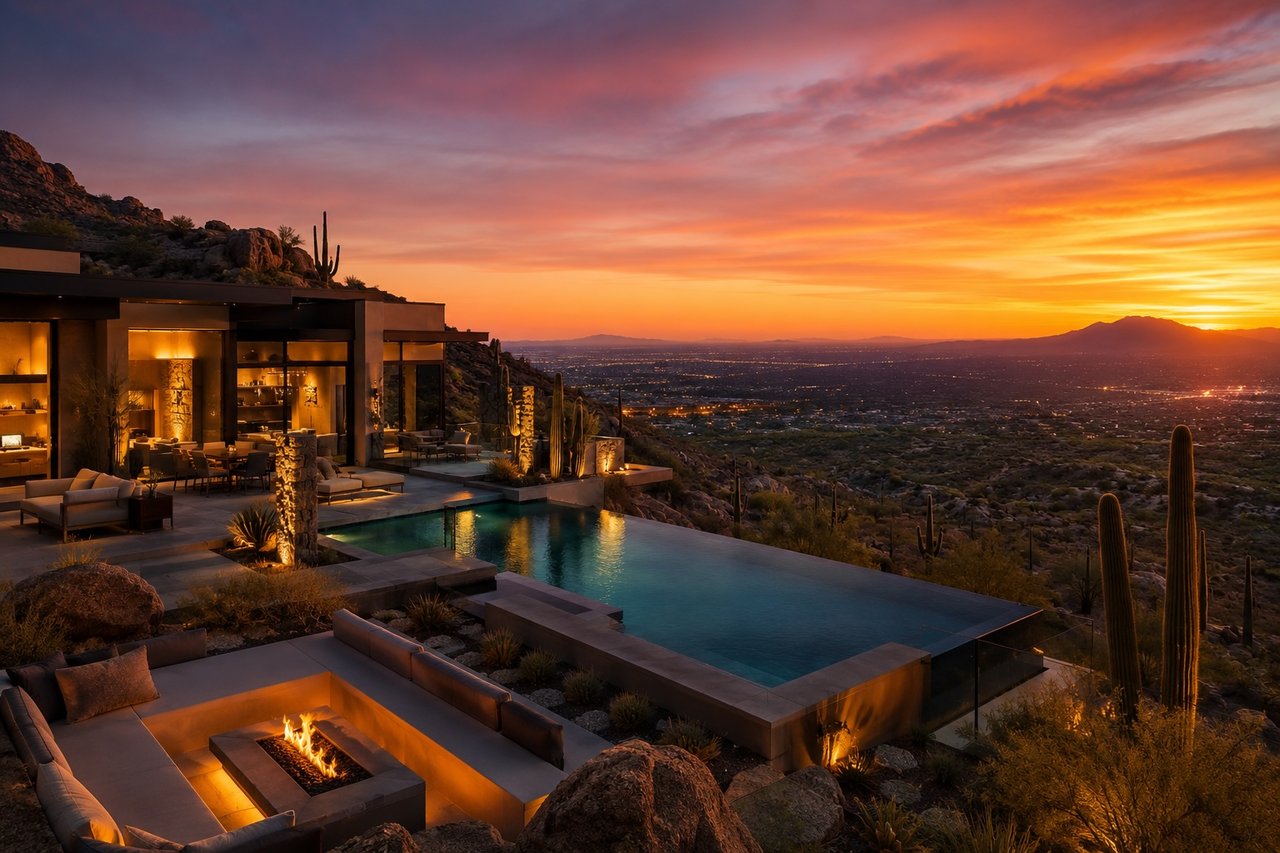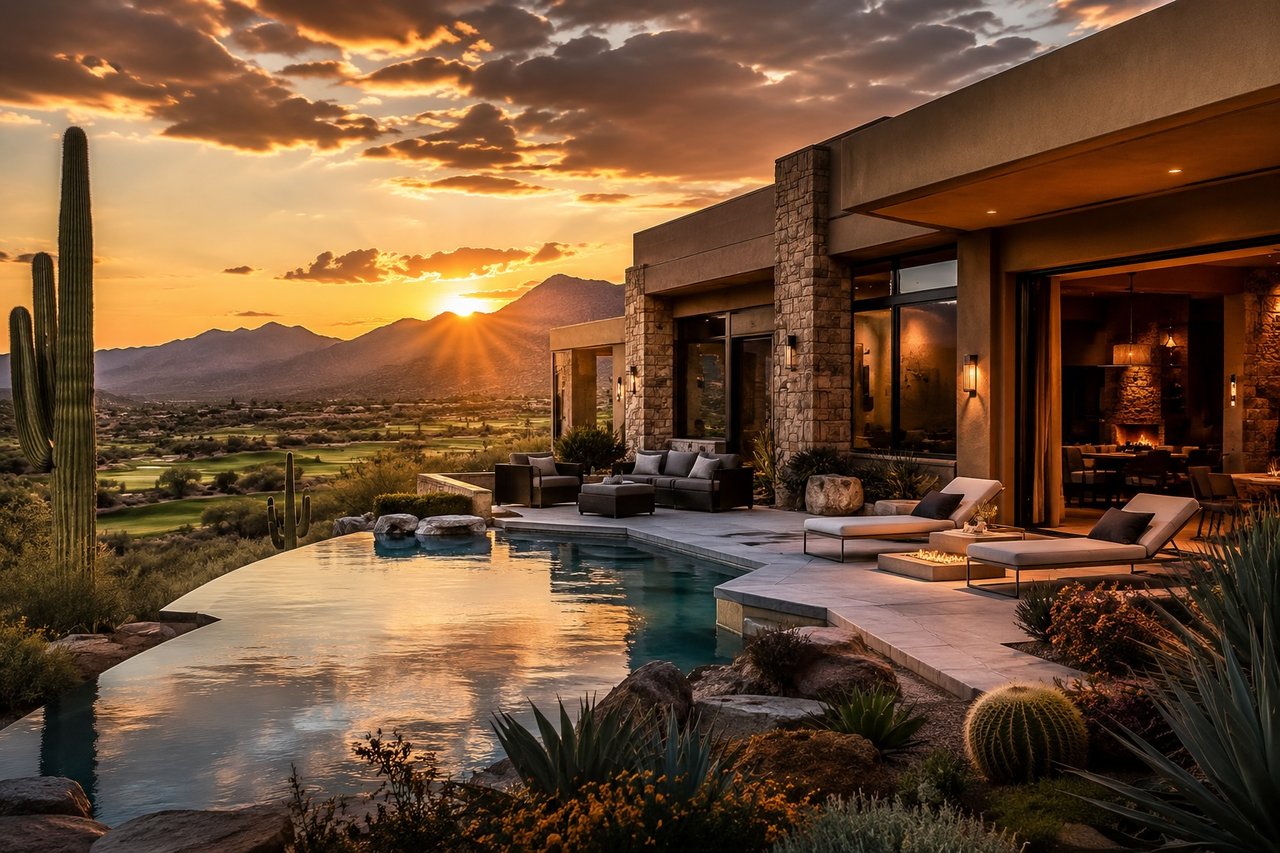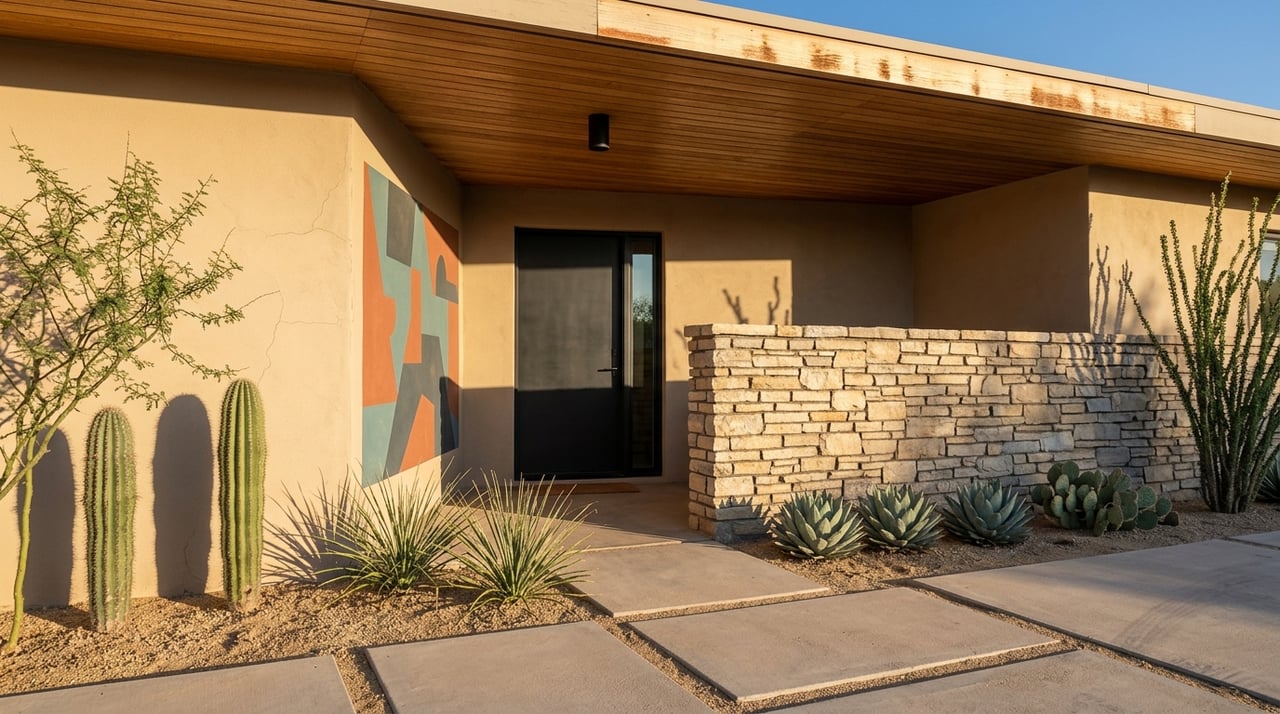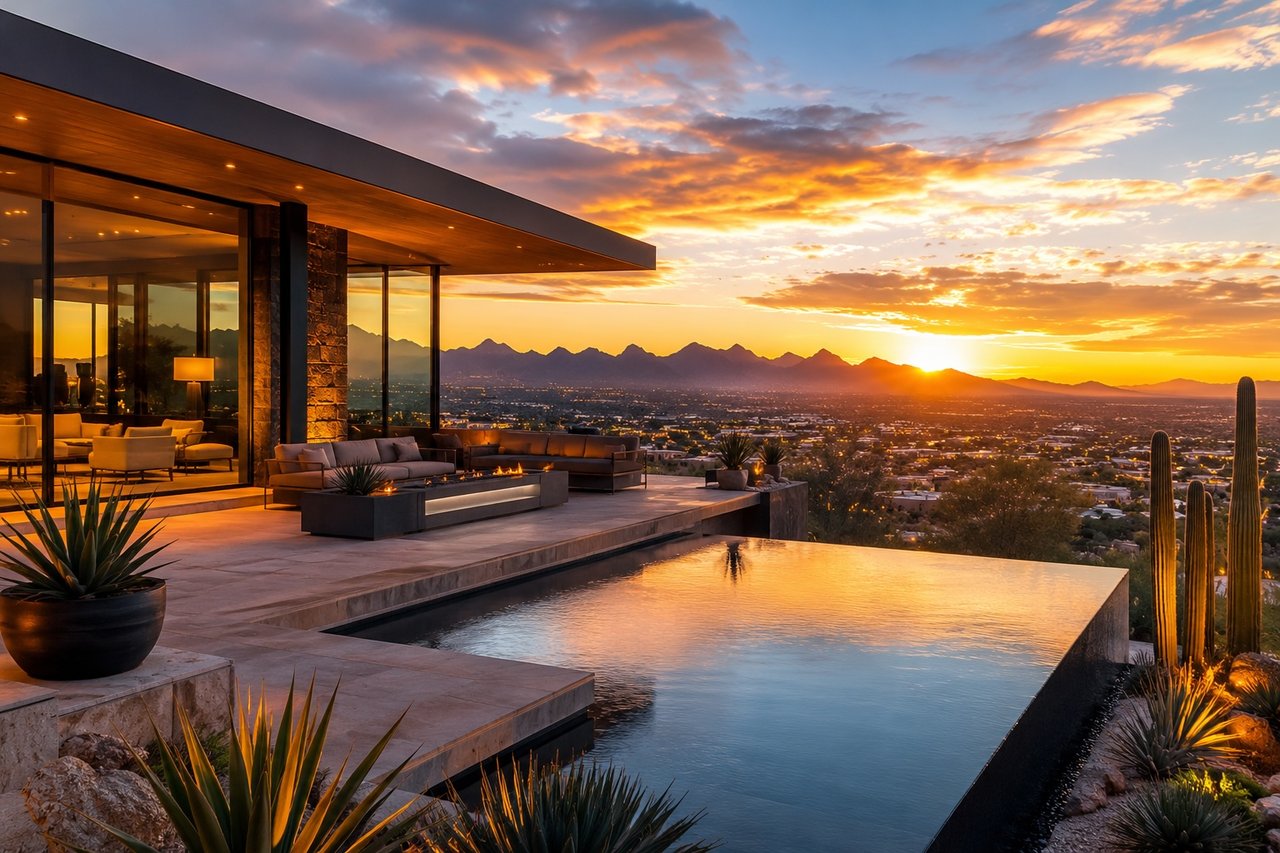
Torn between mountain views and urban energy? You’re not alone. Many Tucson buyers weigh the Catalina Foothills’ scenic, suburban feel against central Tucson’s walkability and culture. In this guide, you’ll learn the real trade-offs on price, lifestyle, commute, HOAs and outdoor access so you can pick the right base for your Sonoran Desert life. Let’s dive in.
The quick take: Who fits where
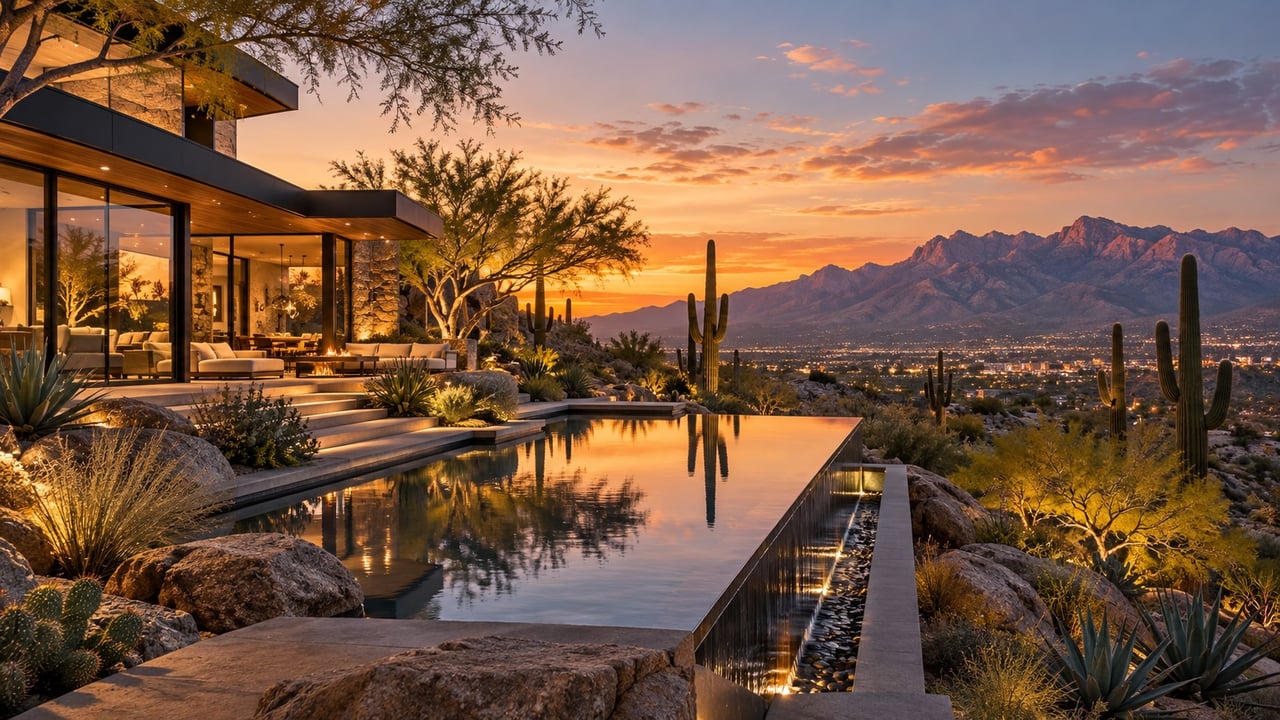
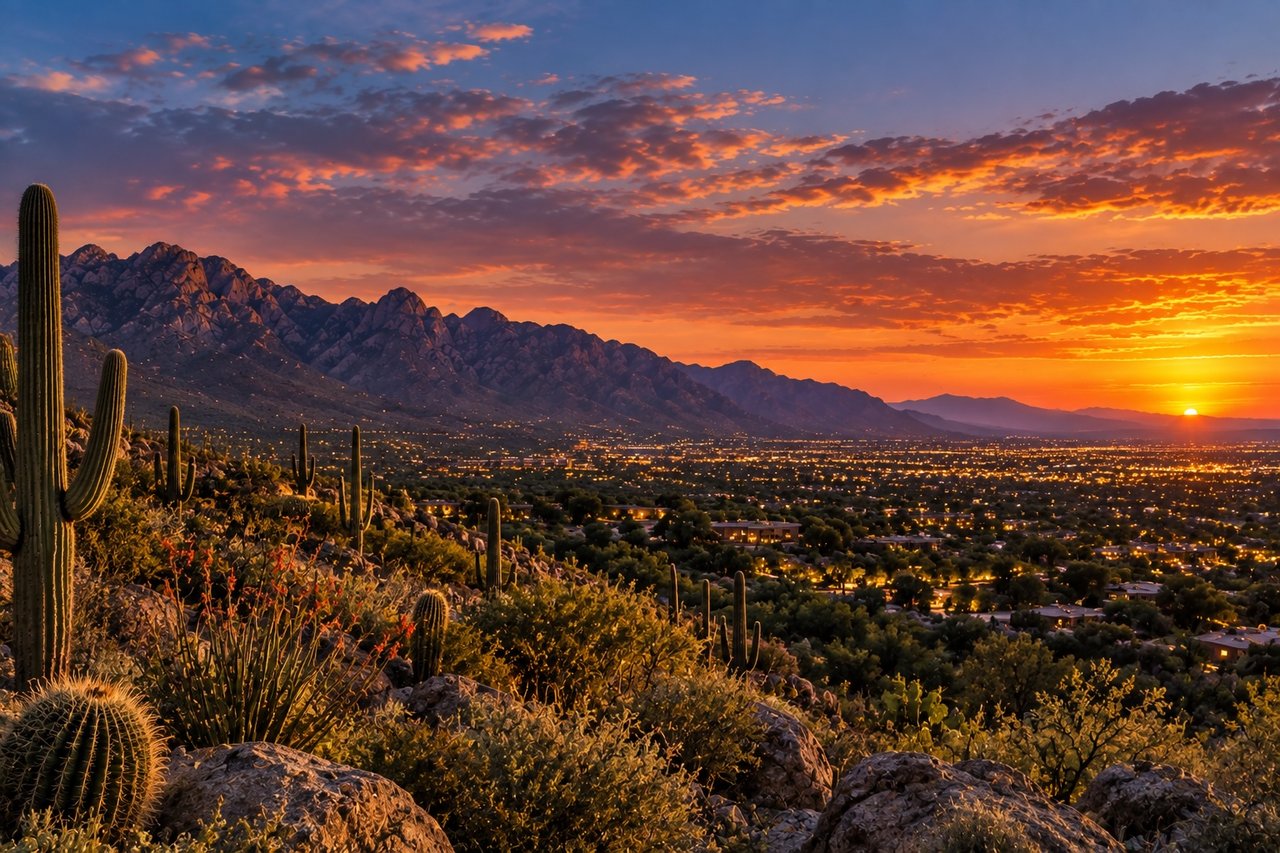
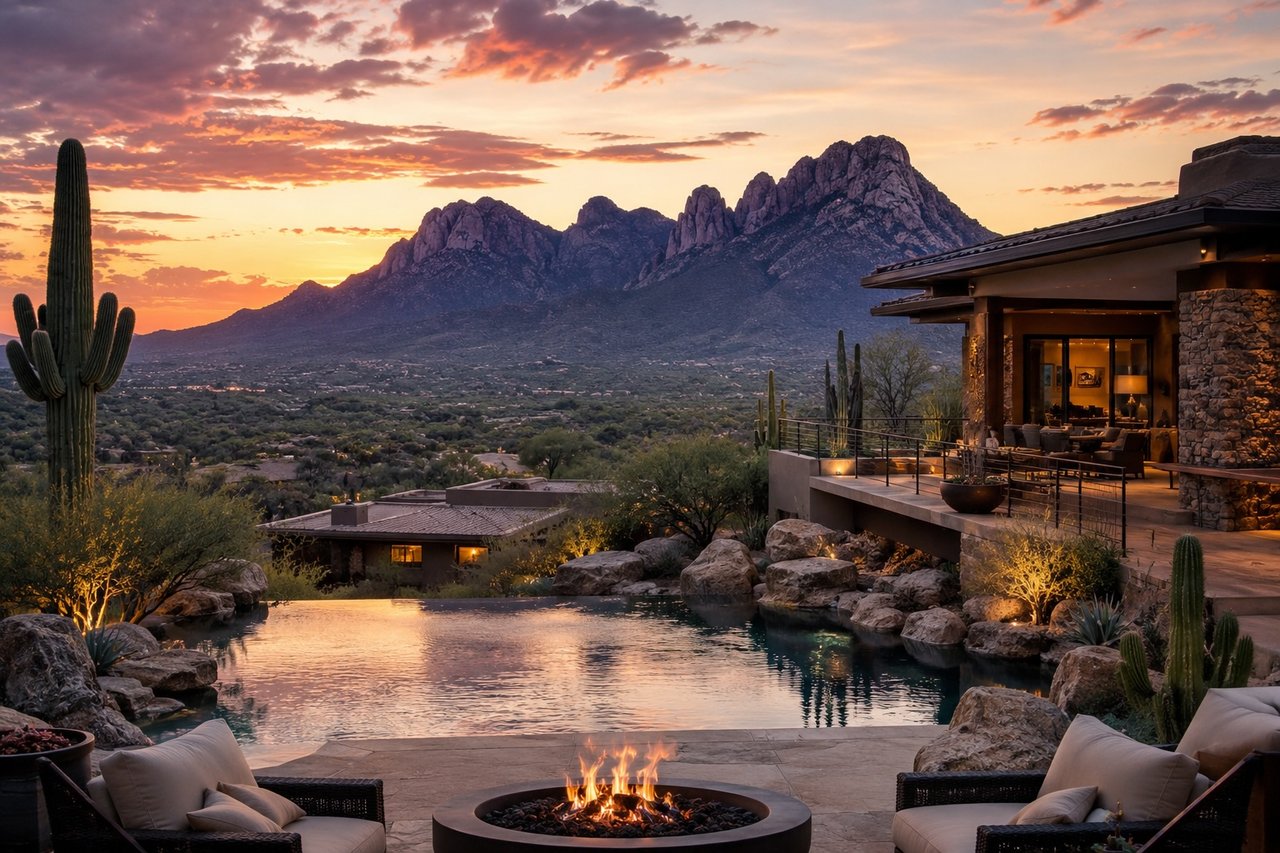
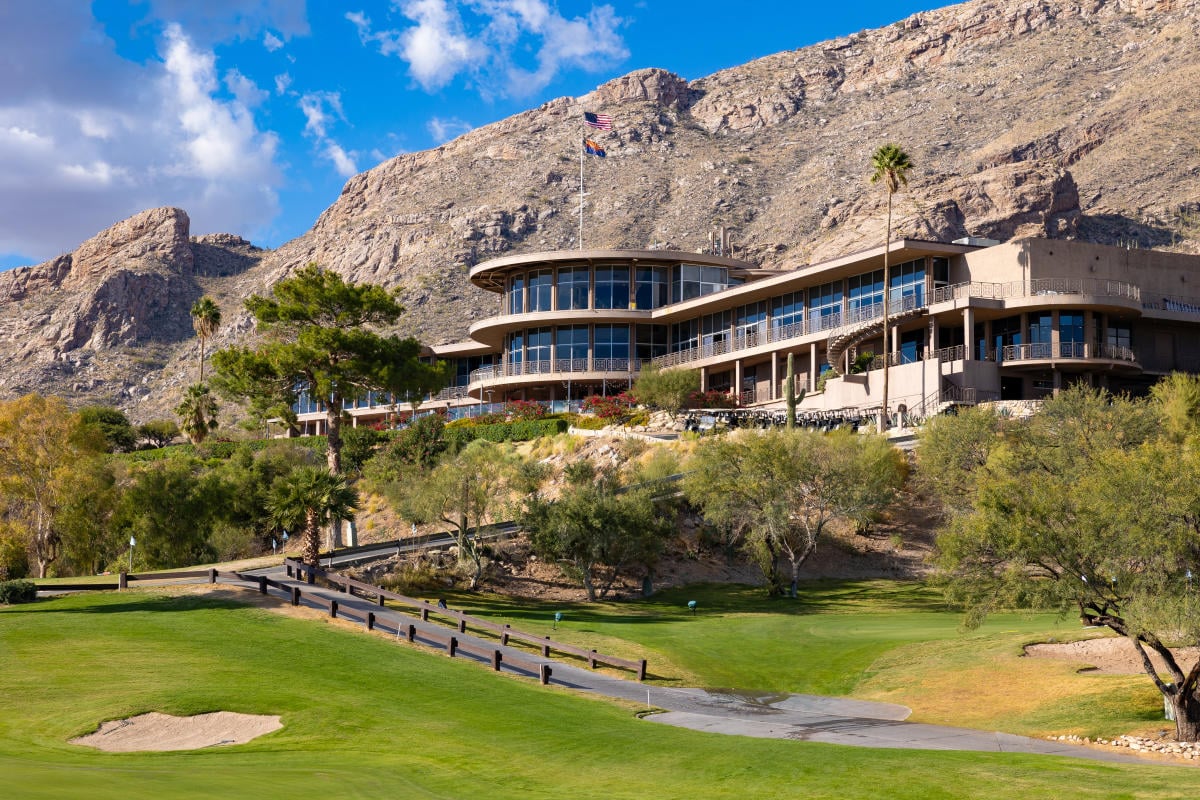
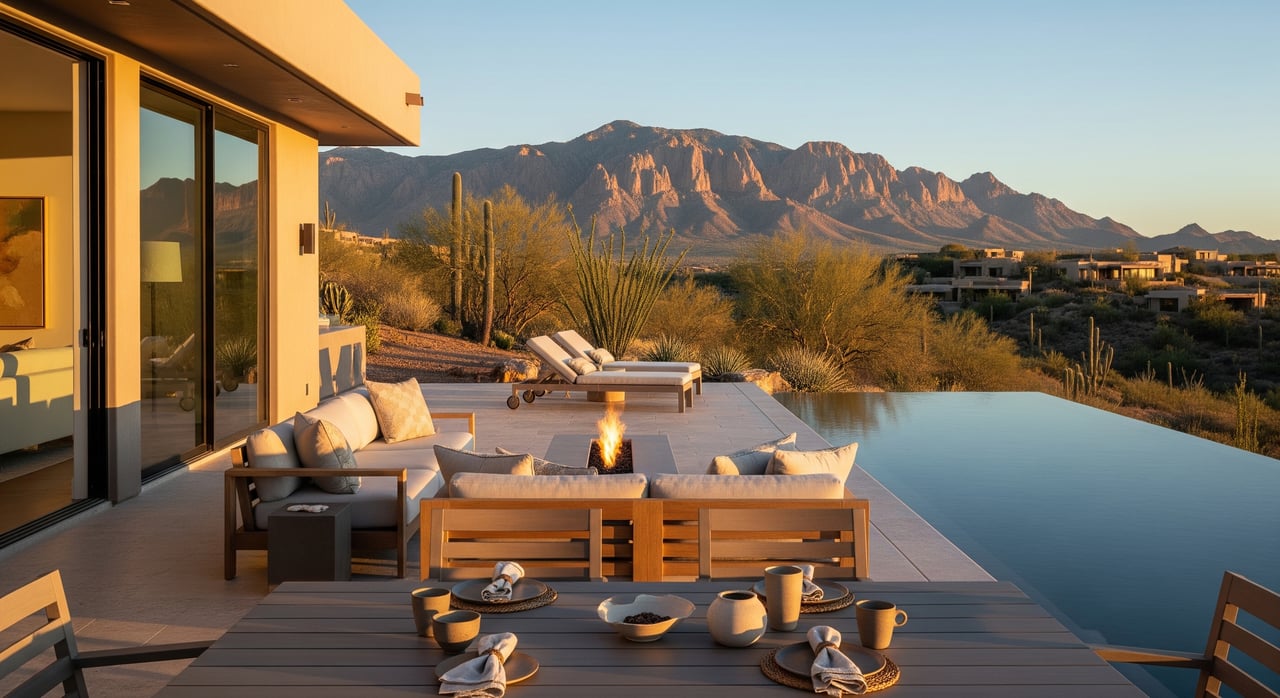
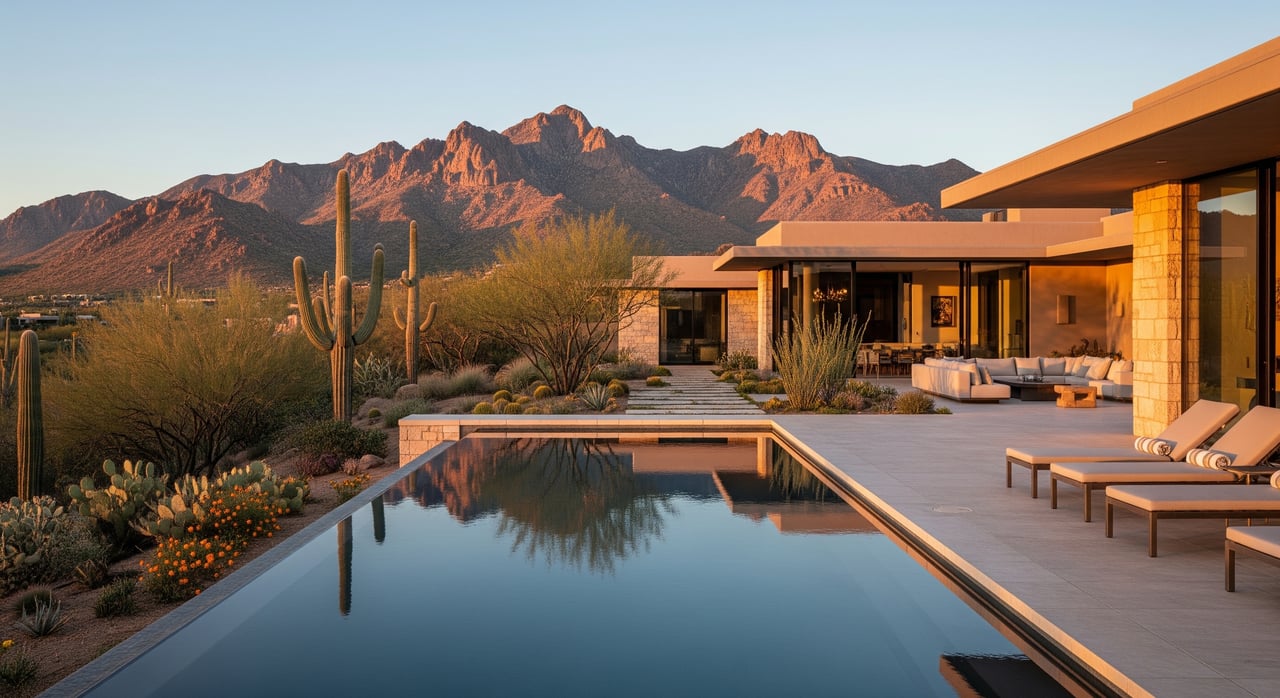
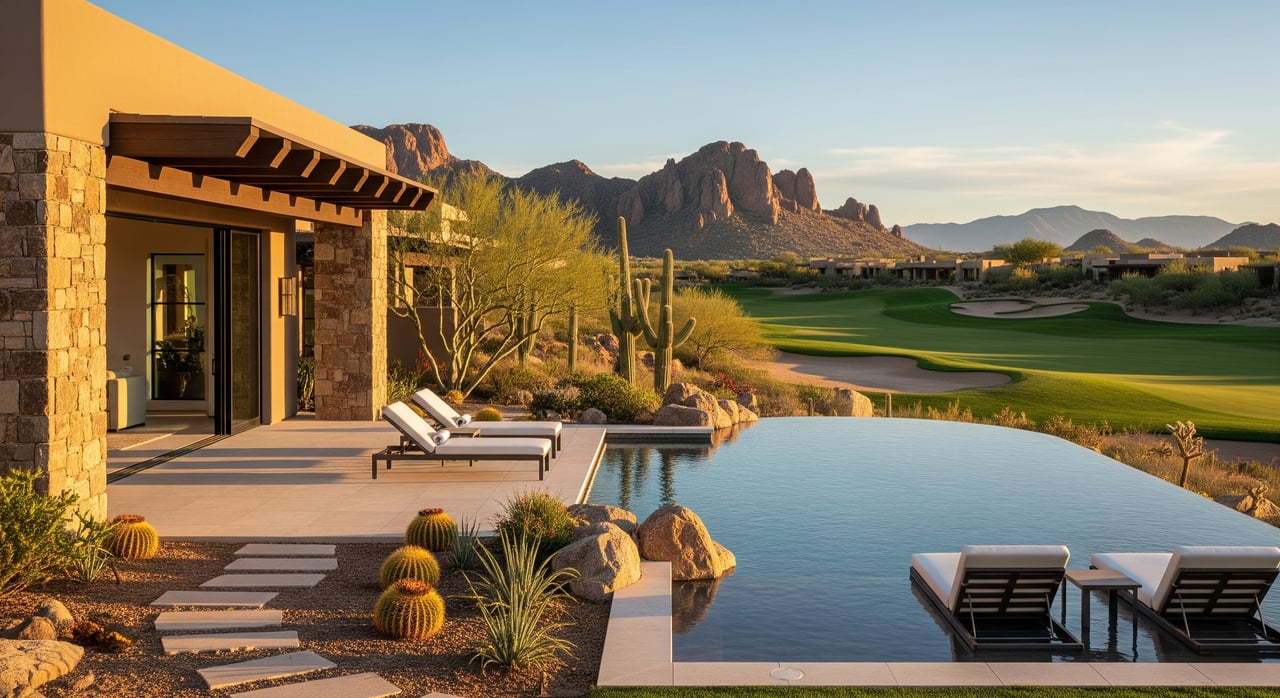
- Catalina Foothills: You want larger lots, striking mountain or city-light views, custom or semi-custom homes, and a quieter, suburban setting within a 15 to 35 minute drive to downtown and major employers.
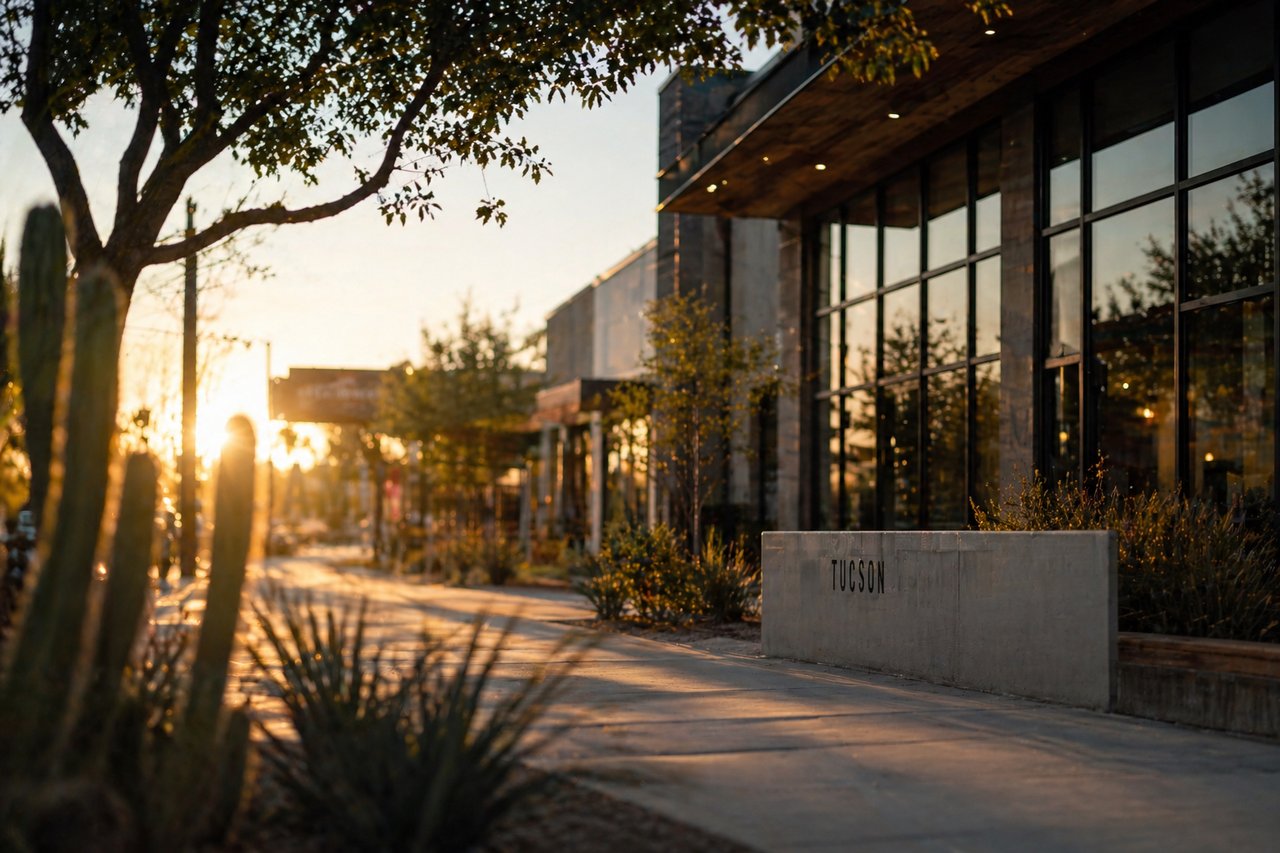
- Central Tucson: You prioritize walkability, quick errands, nightlife and culture near downtown, 4th Avenue, and the University area, with a broader mix of price points and property types.
Note: “Catalina Foothills” is not a single city. It’s a collection of unincorporated Pima County subdivisions along the north slope of the Santa Catalina Mountains. Services, taxes and utilities can differ from in-city Tucson. Always verify for a specific address.
What your budget buys
Catalina Foothills homes typically command a premium. That premium reflects larger lots, elevated views, newer or custom construction, and access to resort-style amenities like golf and gated communities. Central Tucson generally offers lower entry prices and a wider range of smaller single-family homes, condos and multi-family buildings.
If you’re price-sensitive or exploring an investment, central neighborhoods often see higher turnover and more varied property types. If you’re aiming for a mountain-adjacent, private-feeling home with outdoor living spaces, the Foothills focus can be worth the added cost. Market numbers change seasonally, so compare current medians and price-per-square-foot before you tour.
Home styles and lots
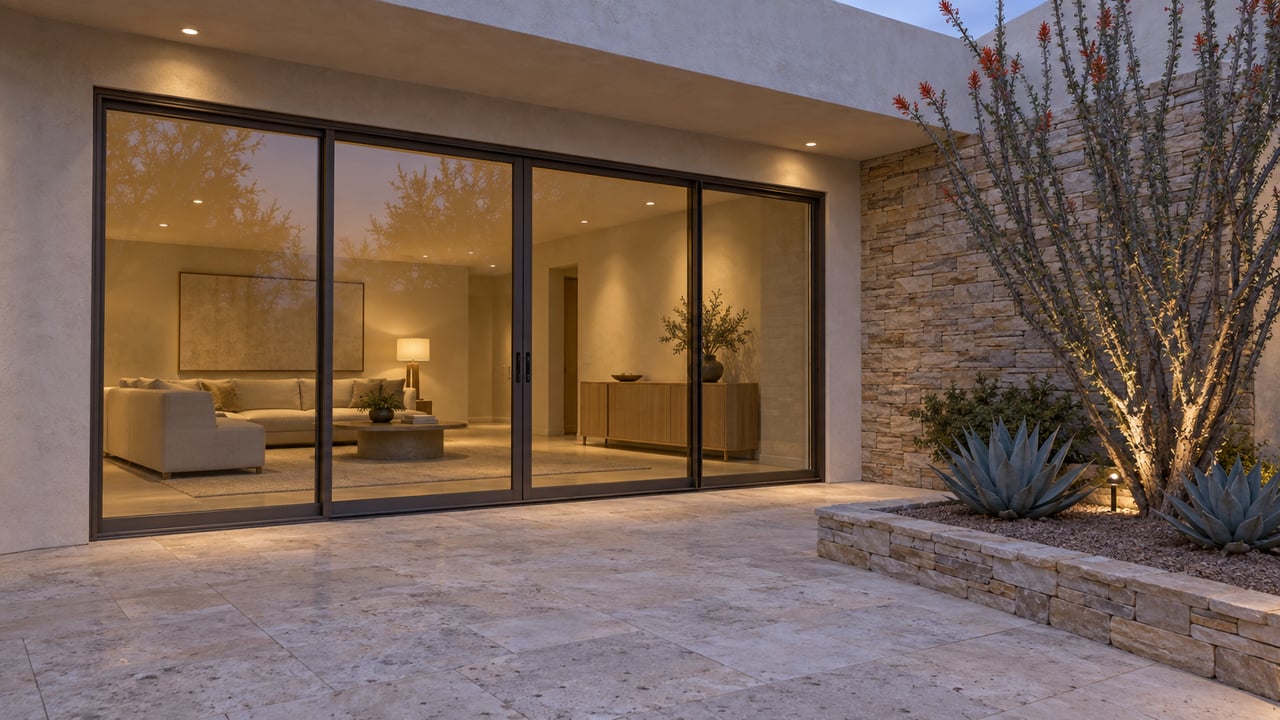
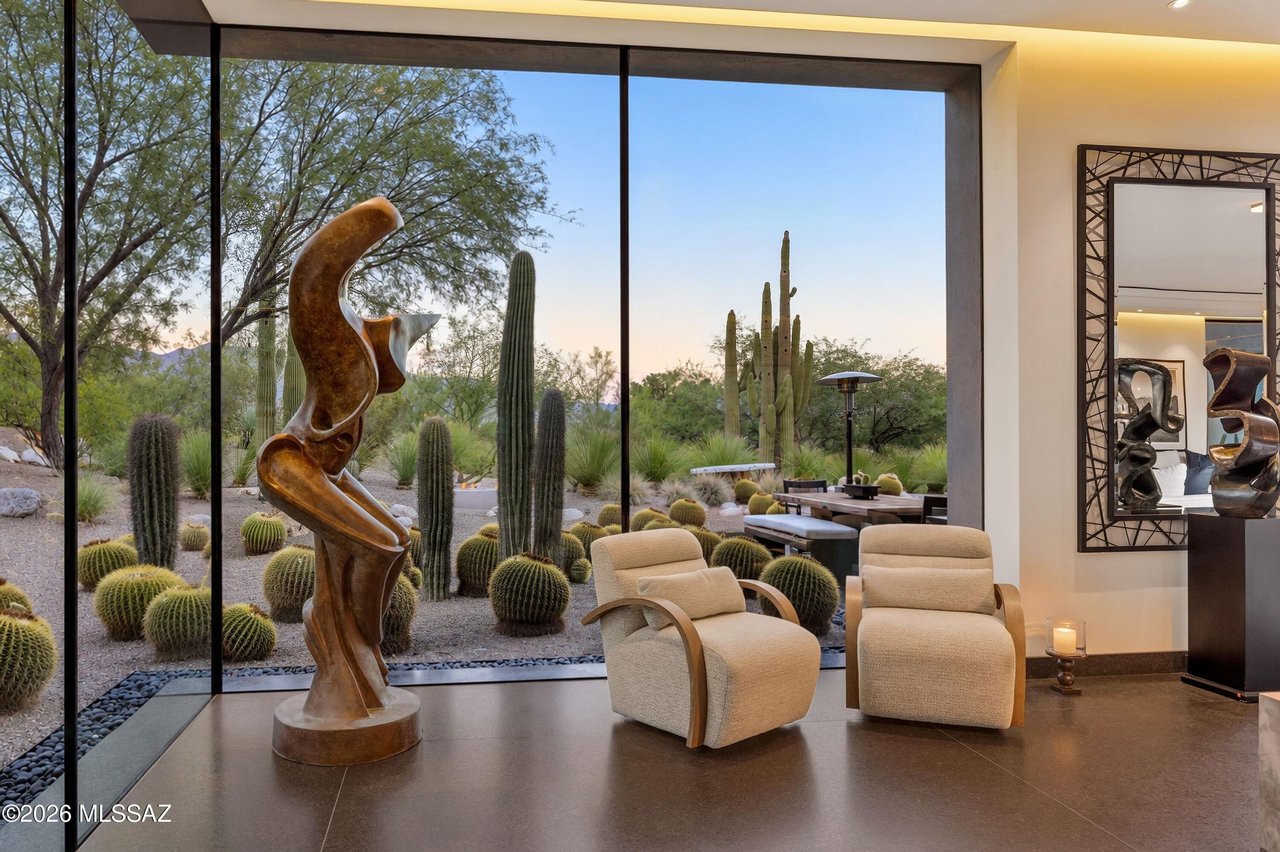
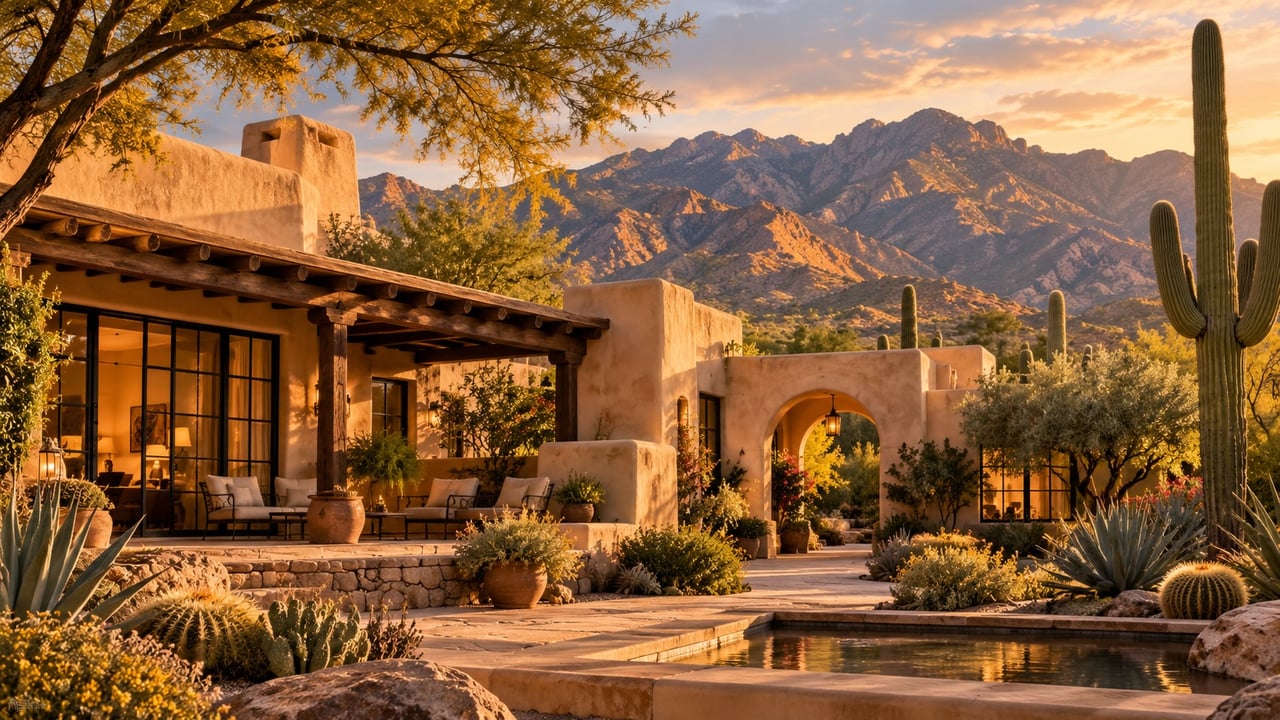
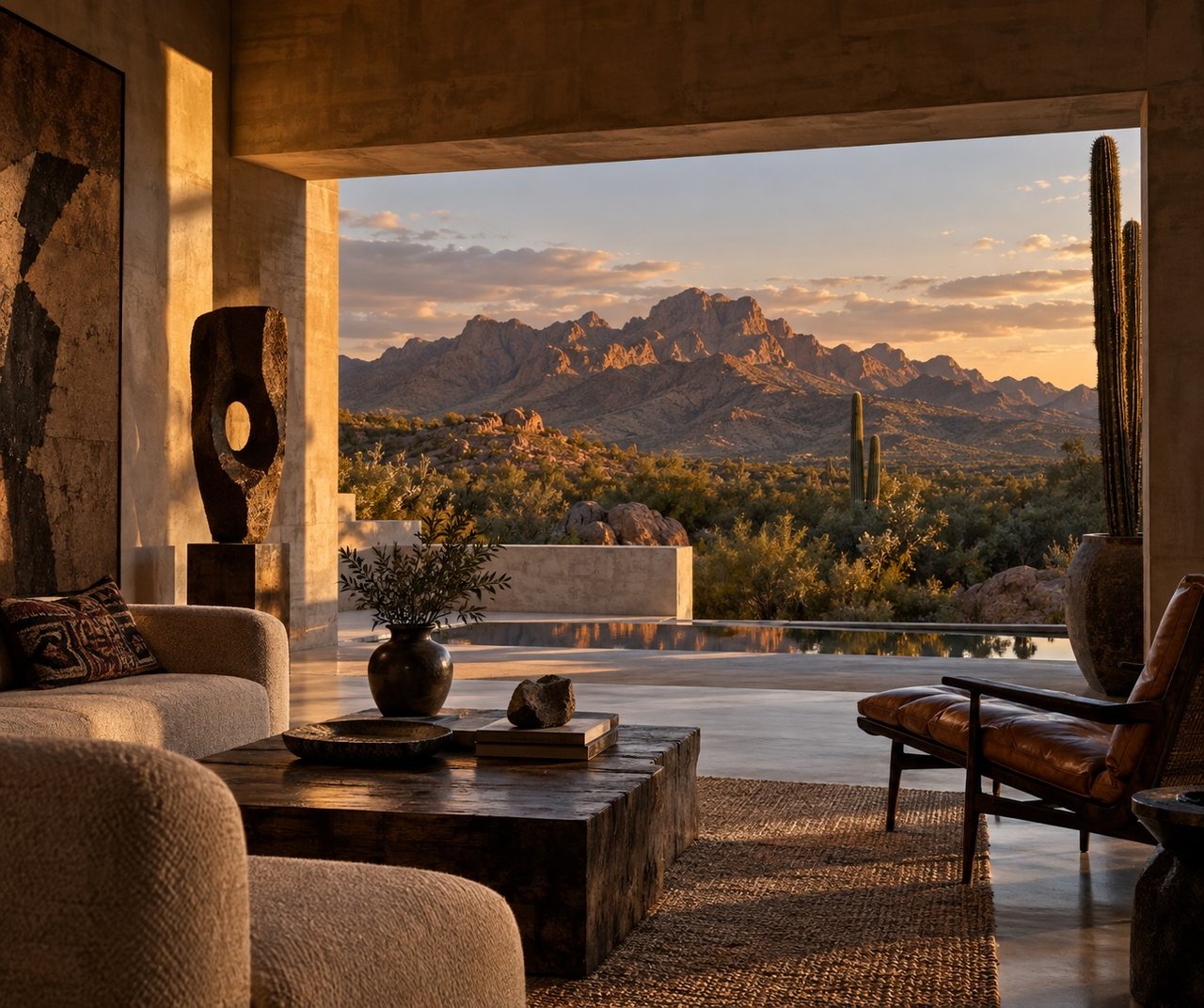
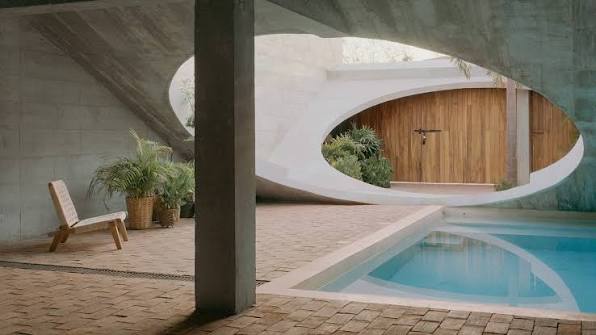
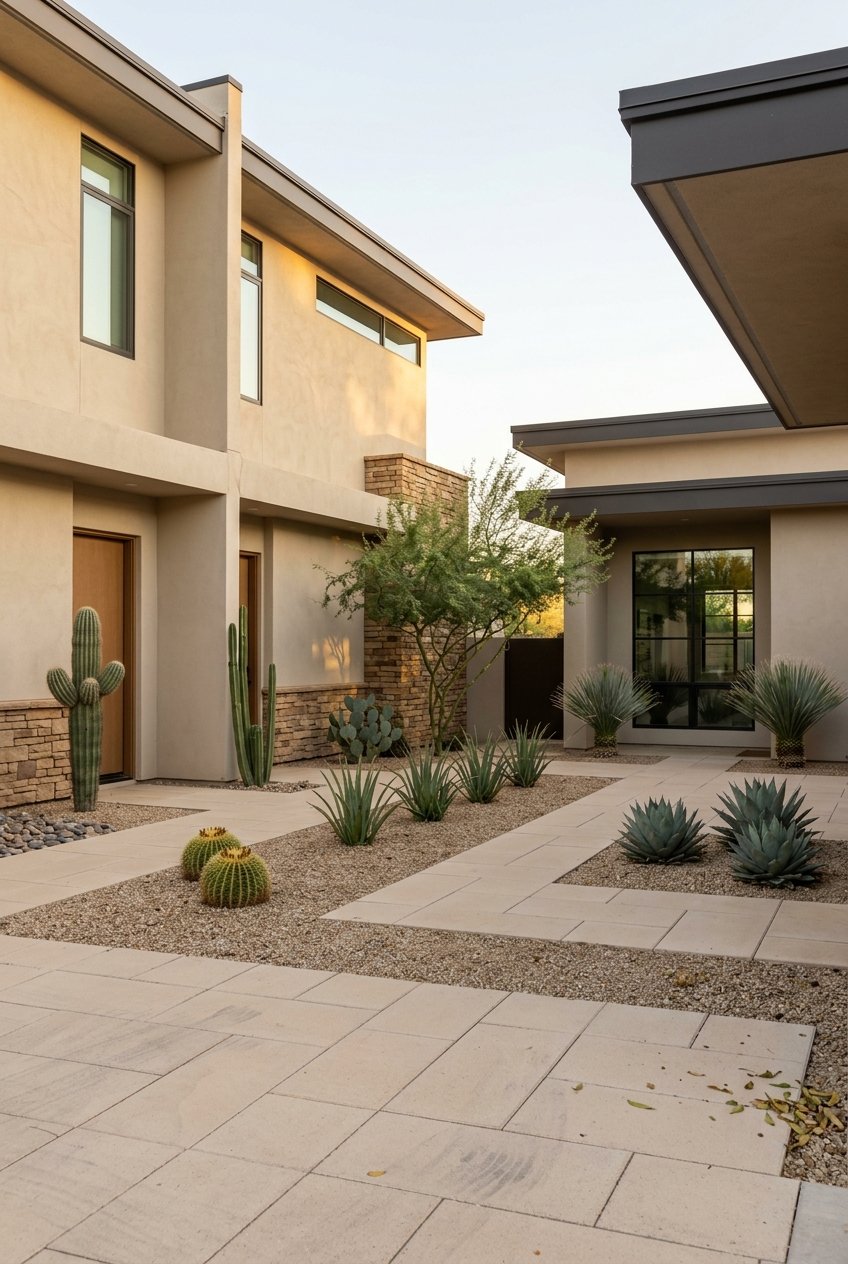
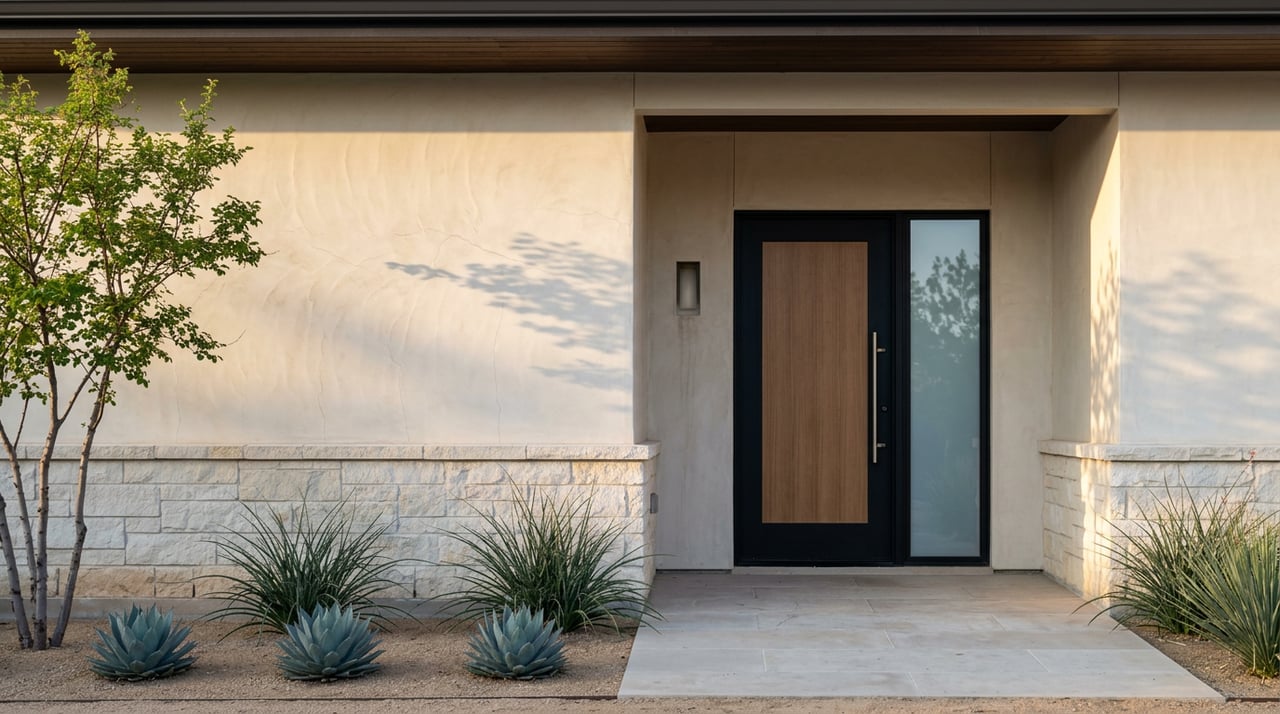
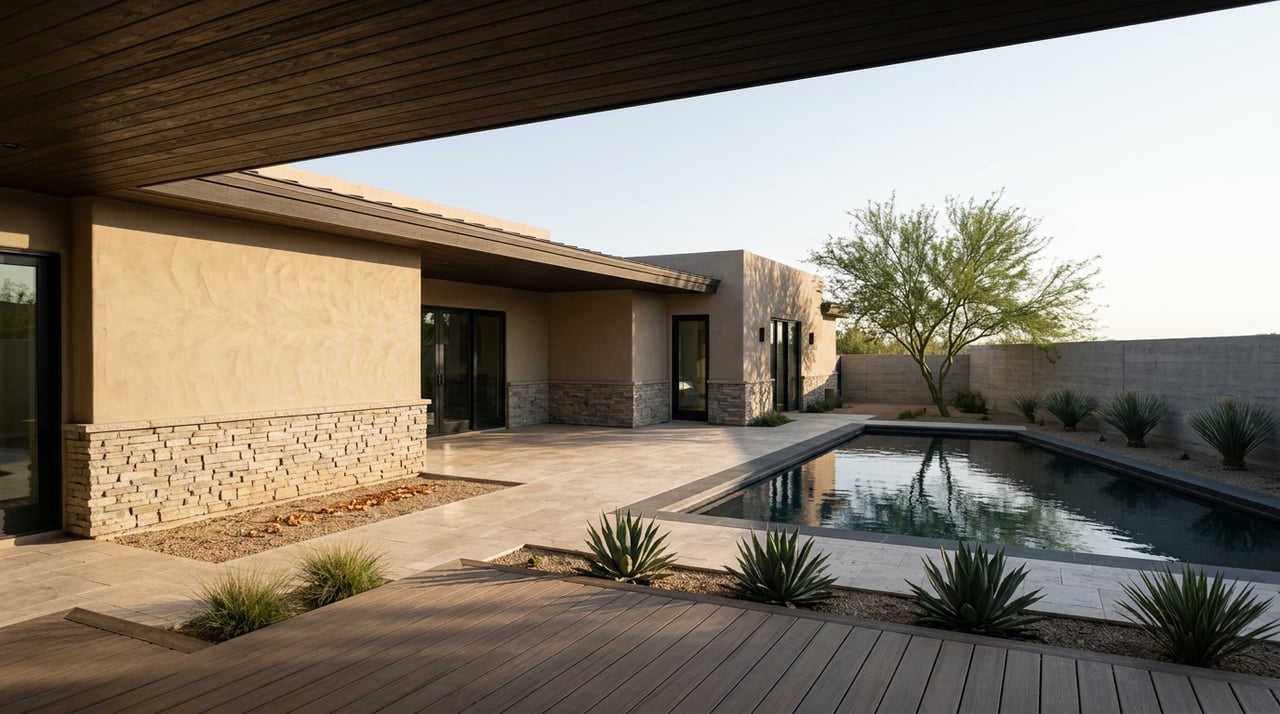
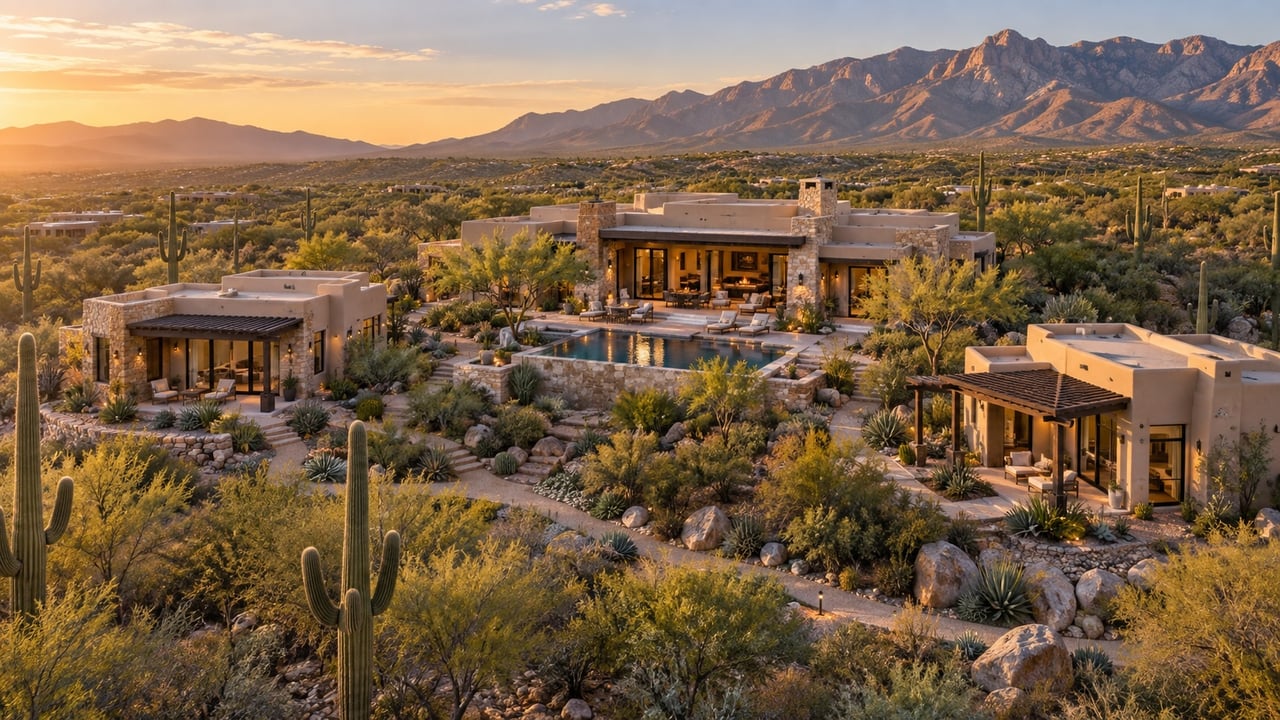
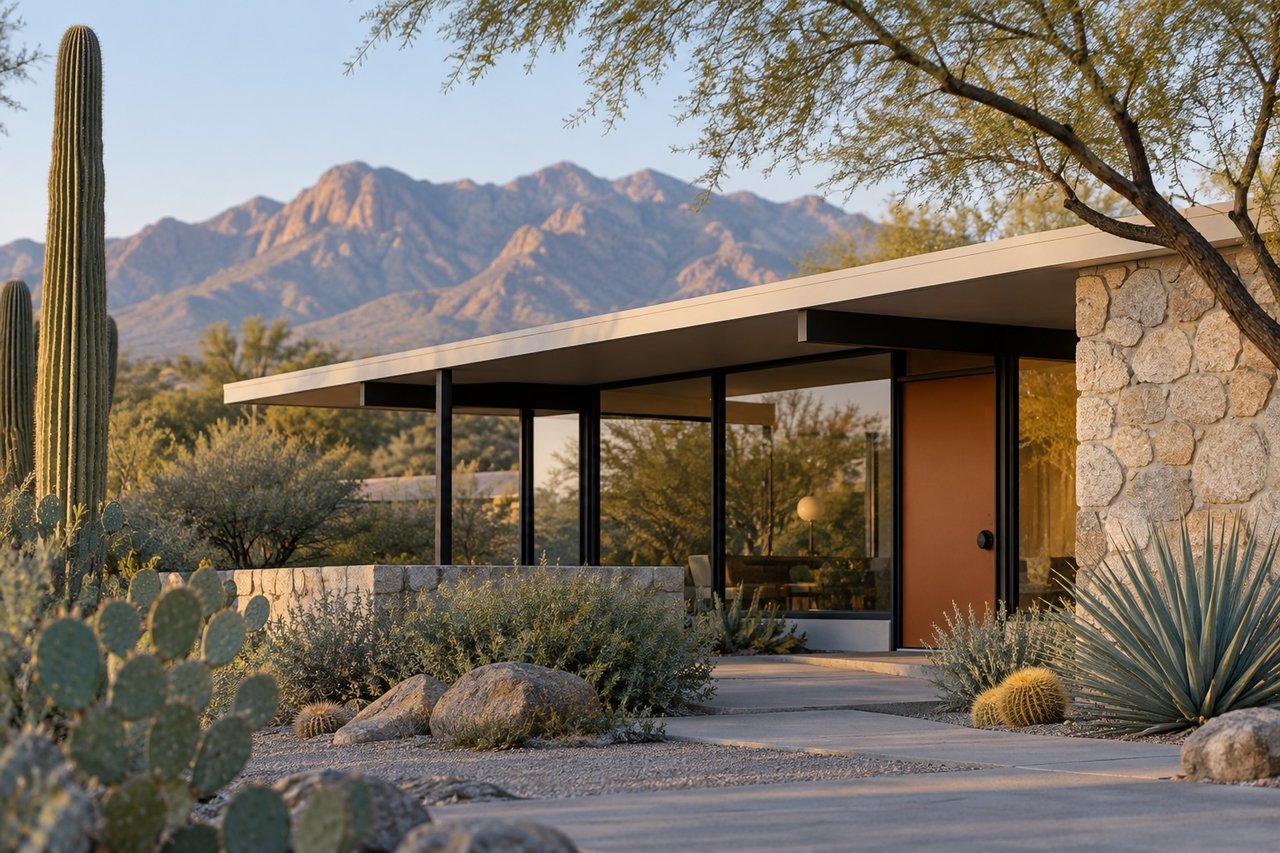
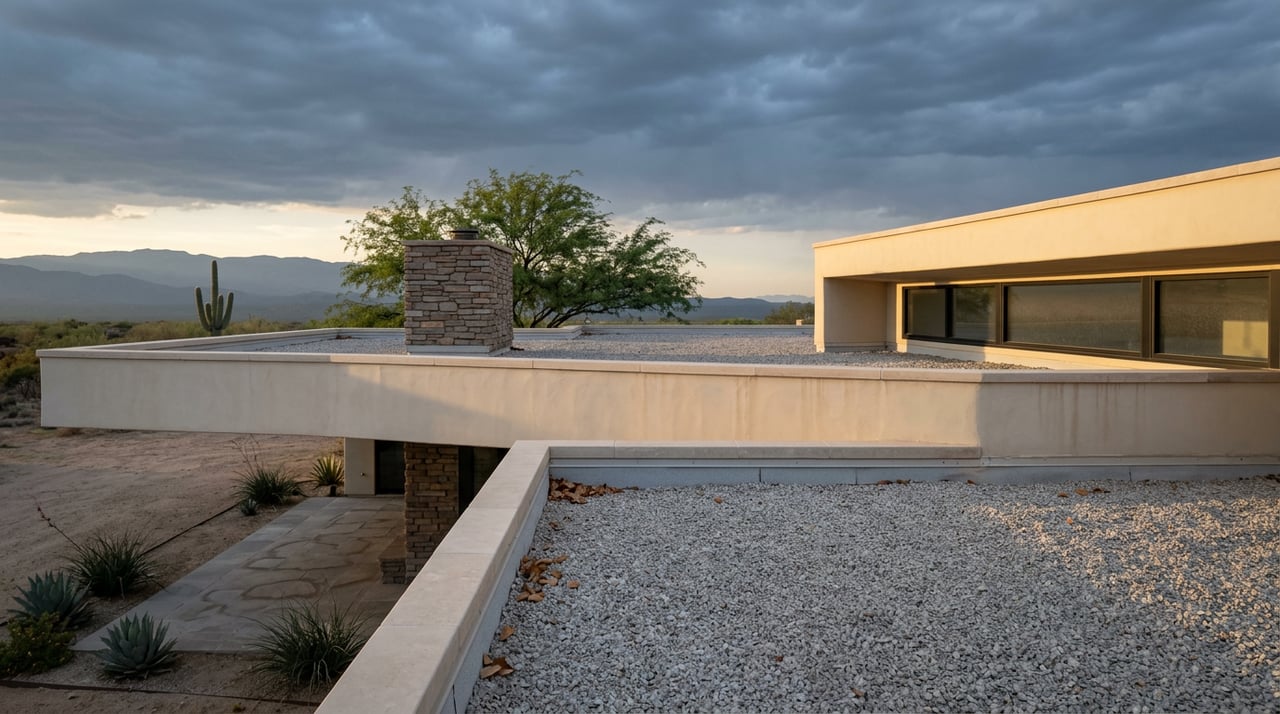
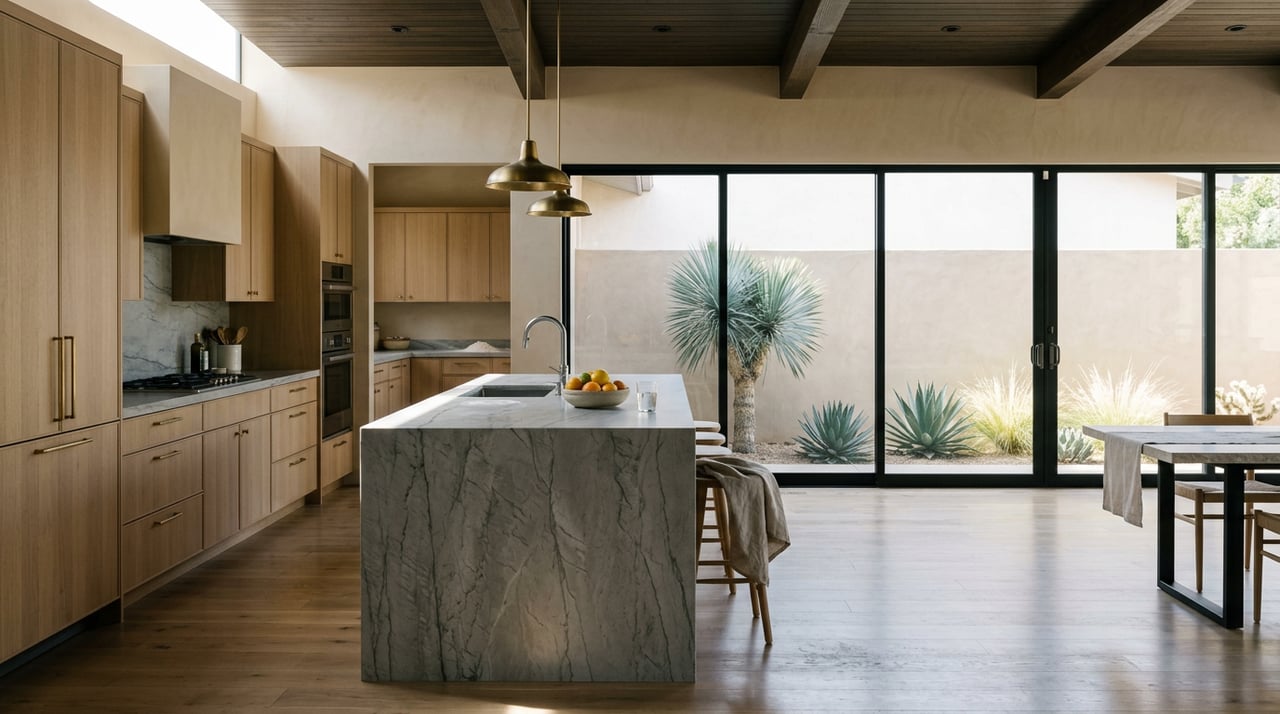
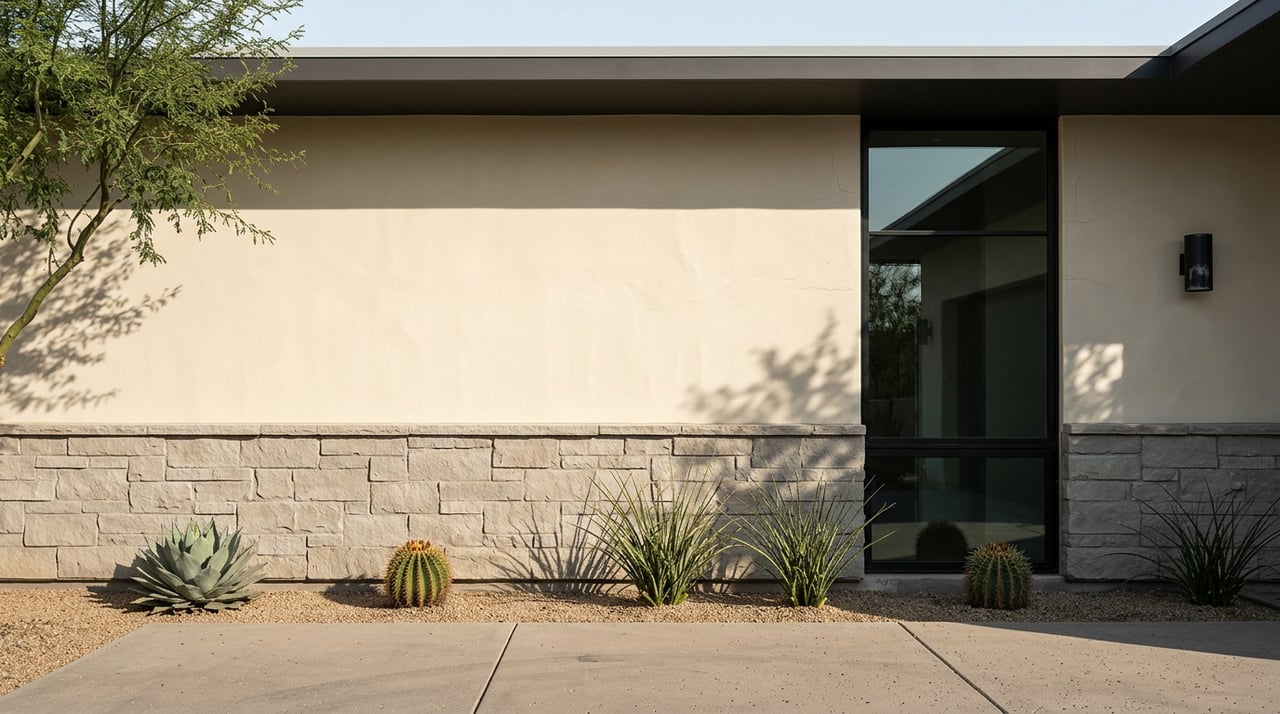
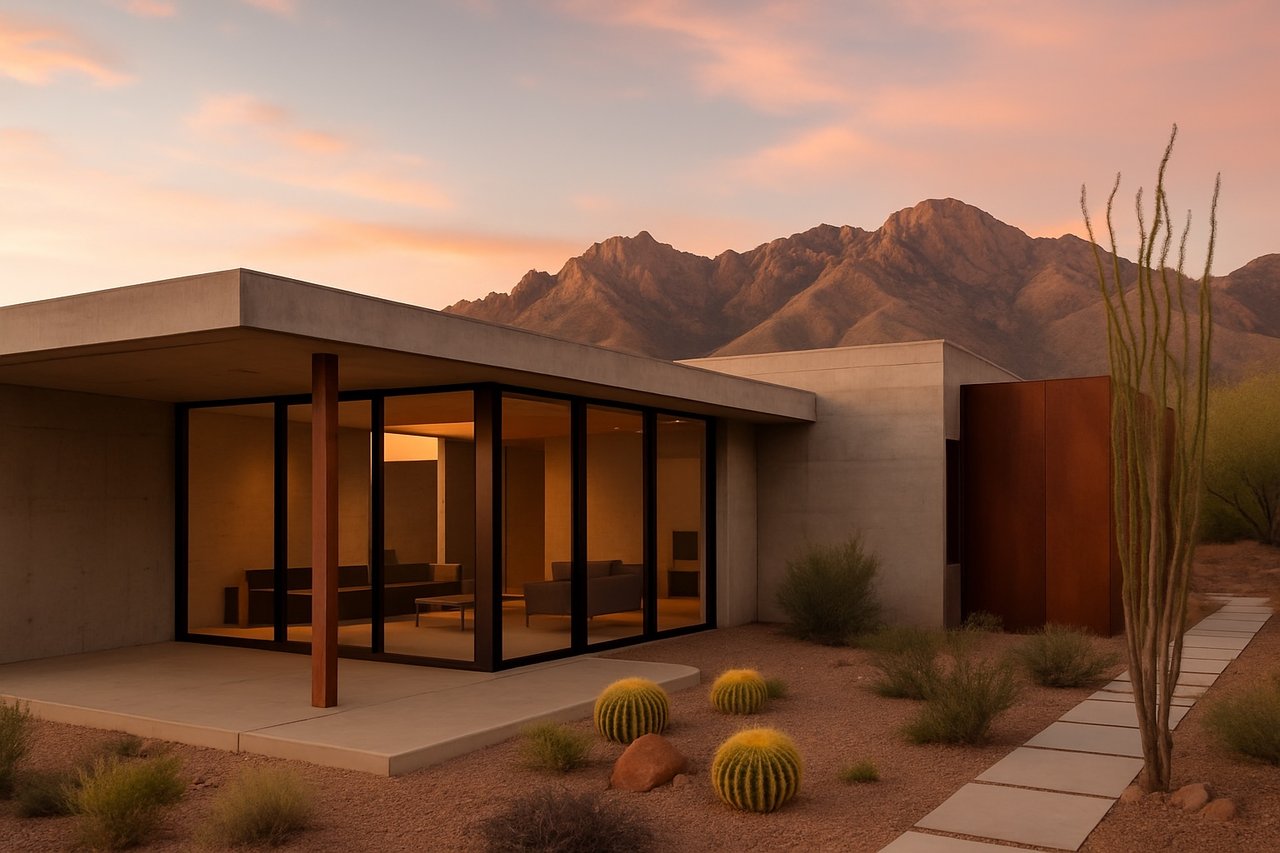
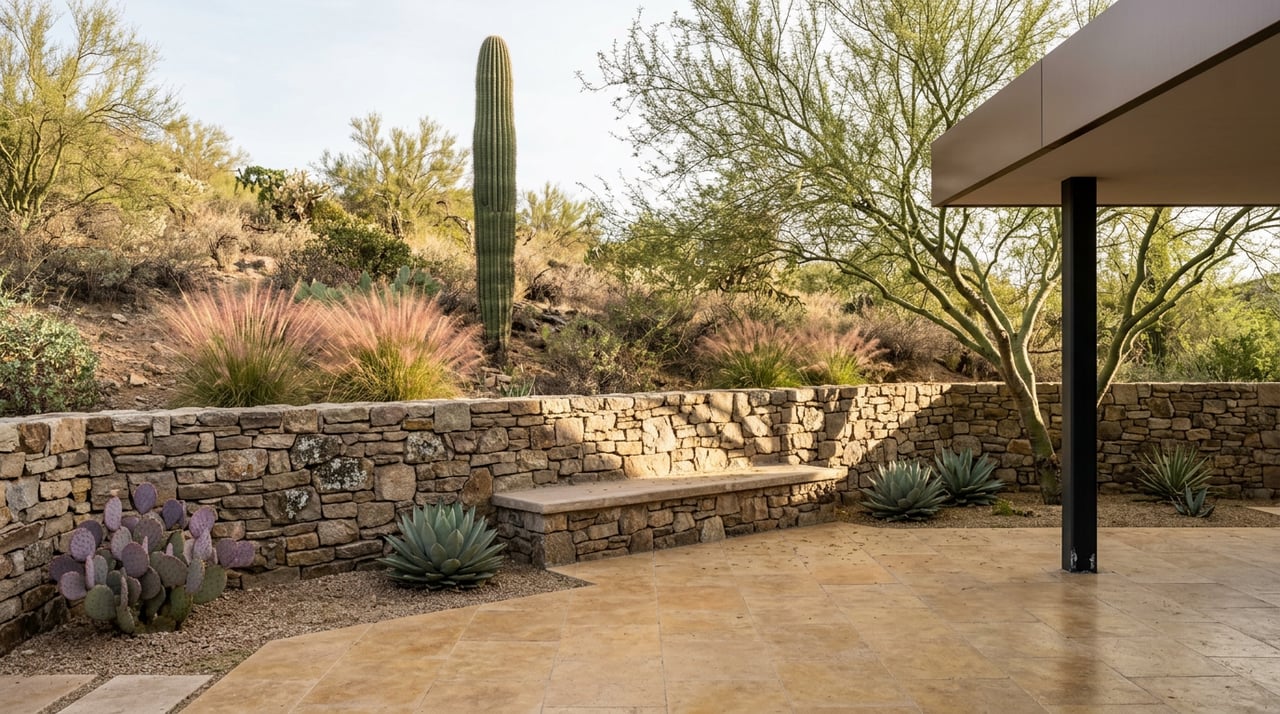
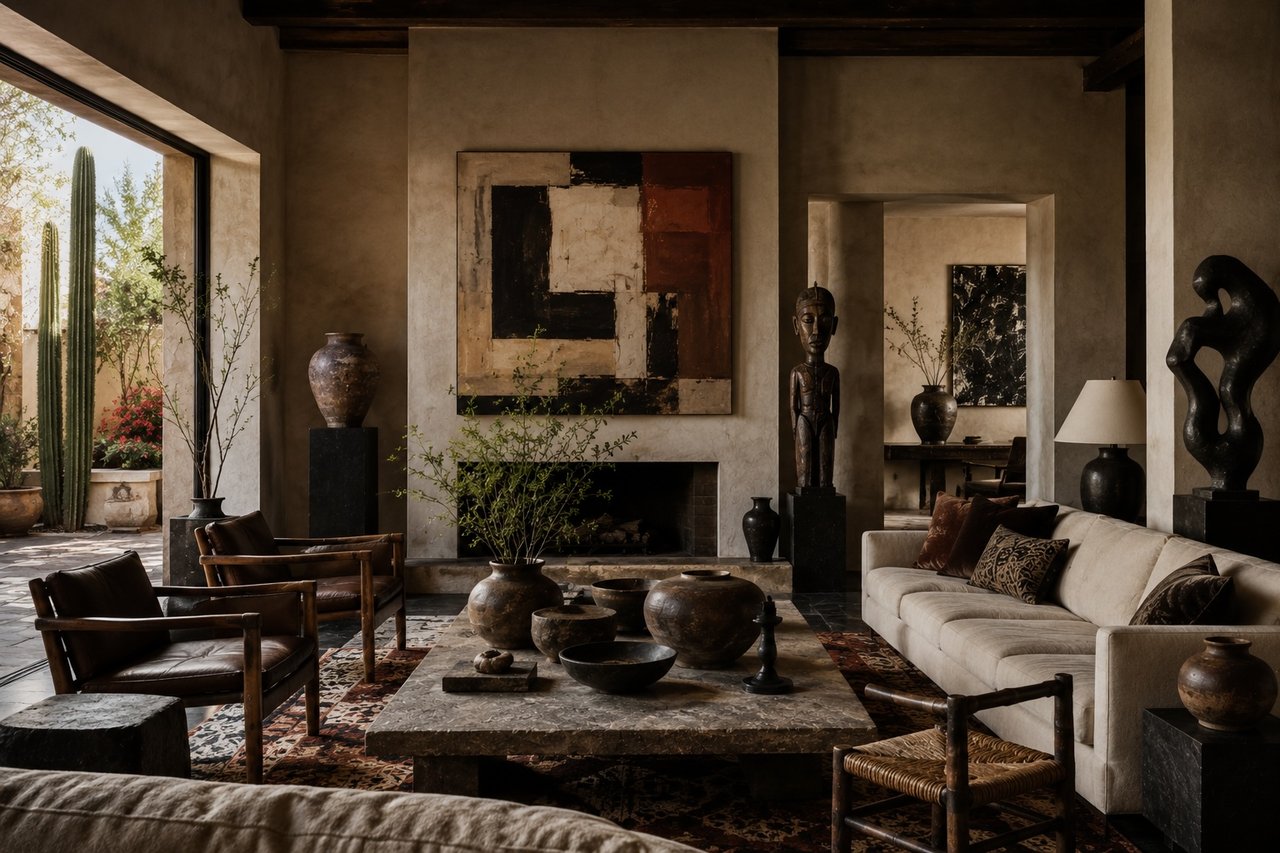
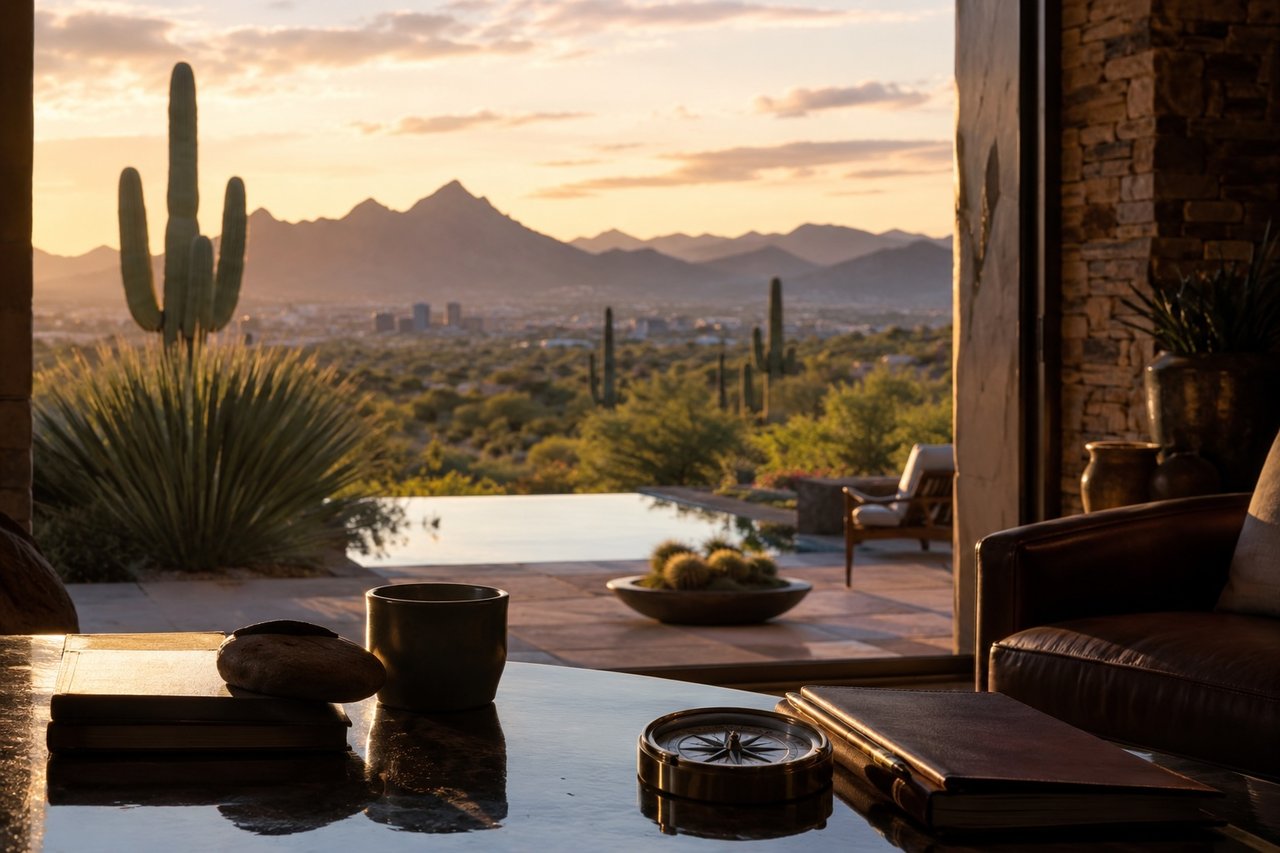
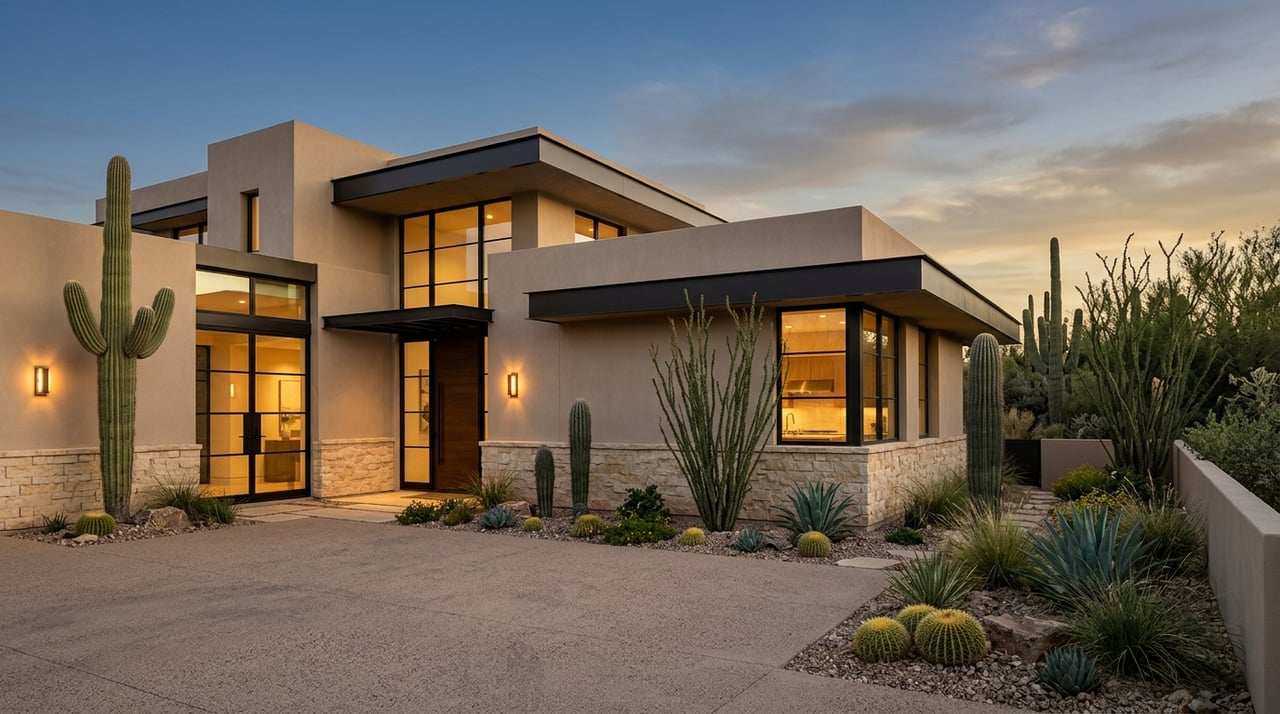
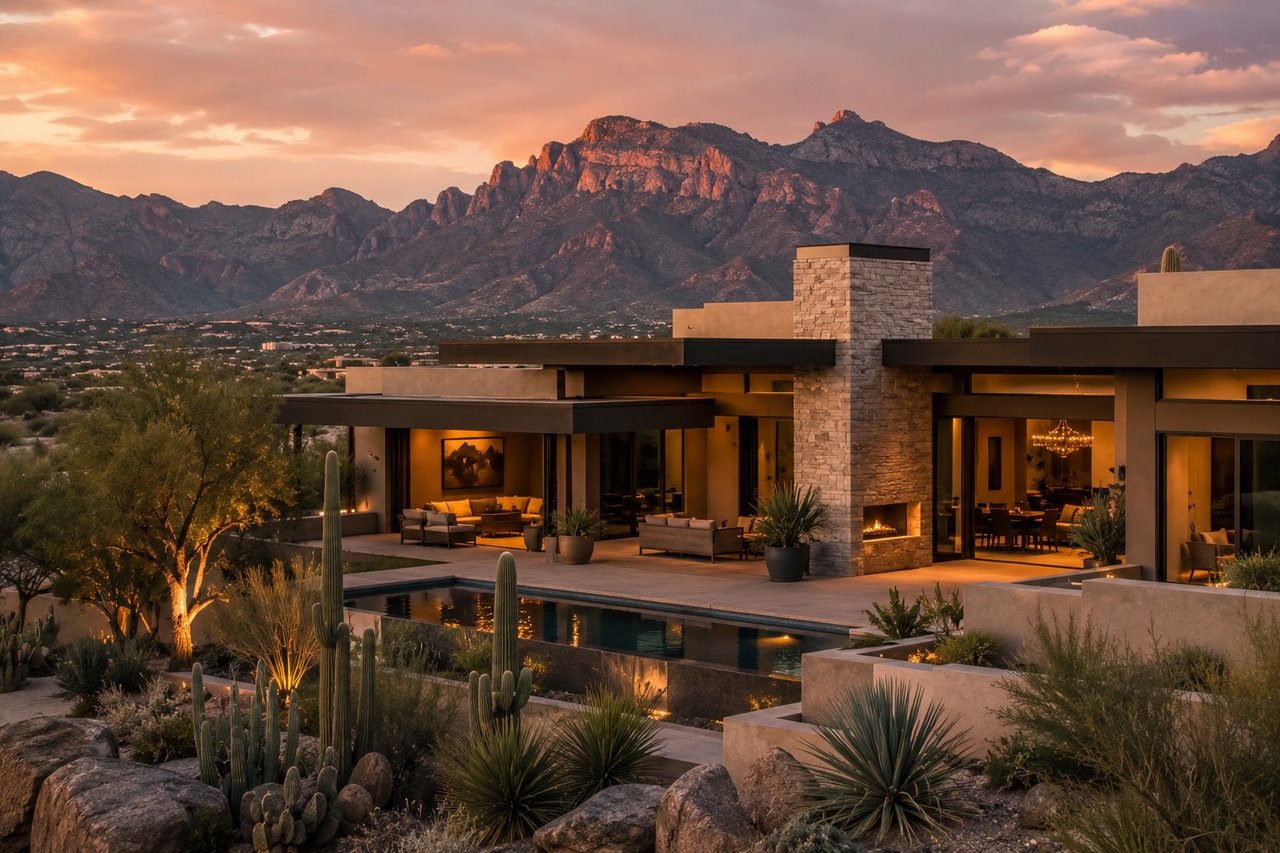
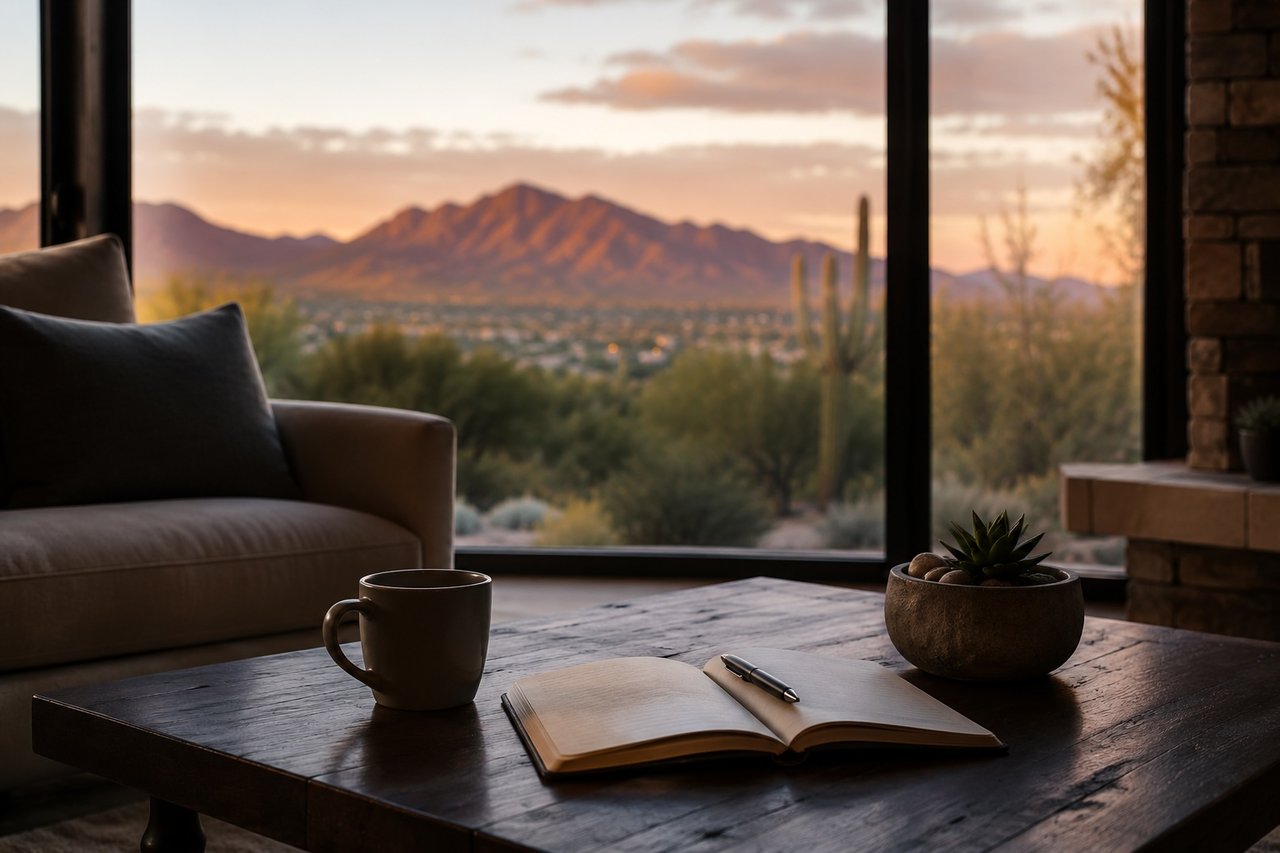
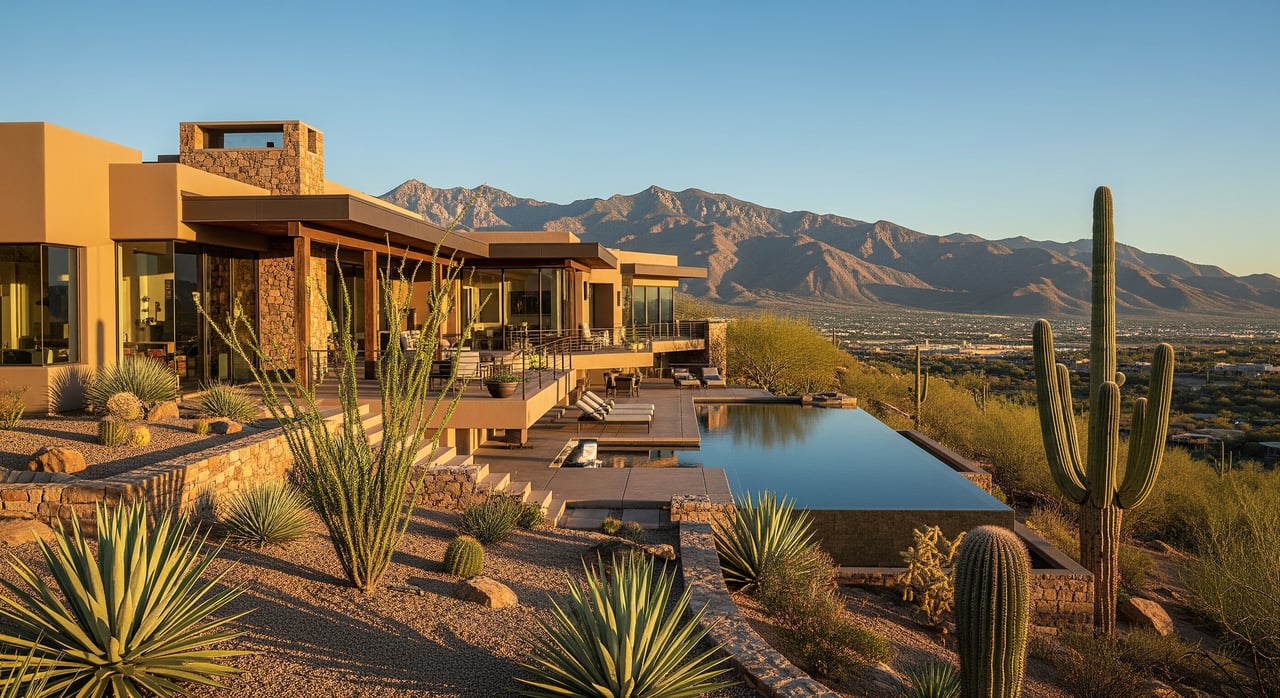
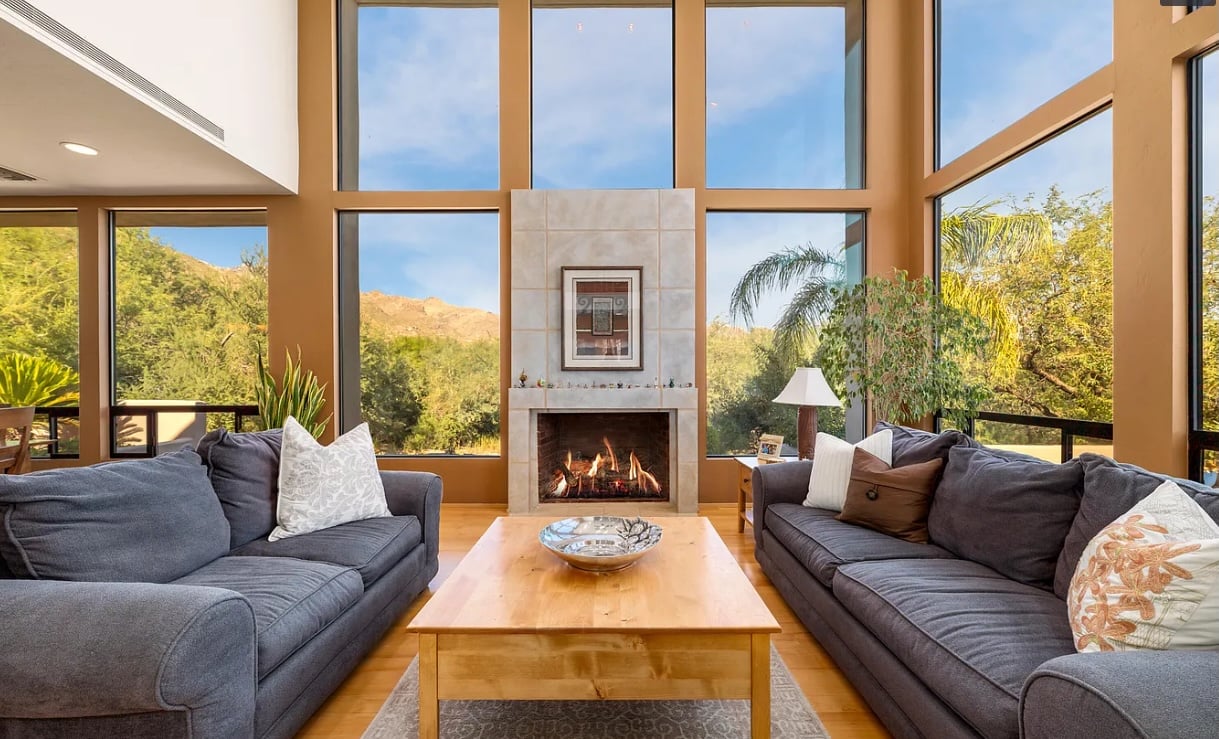
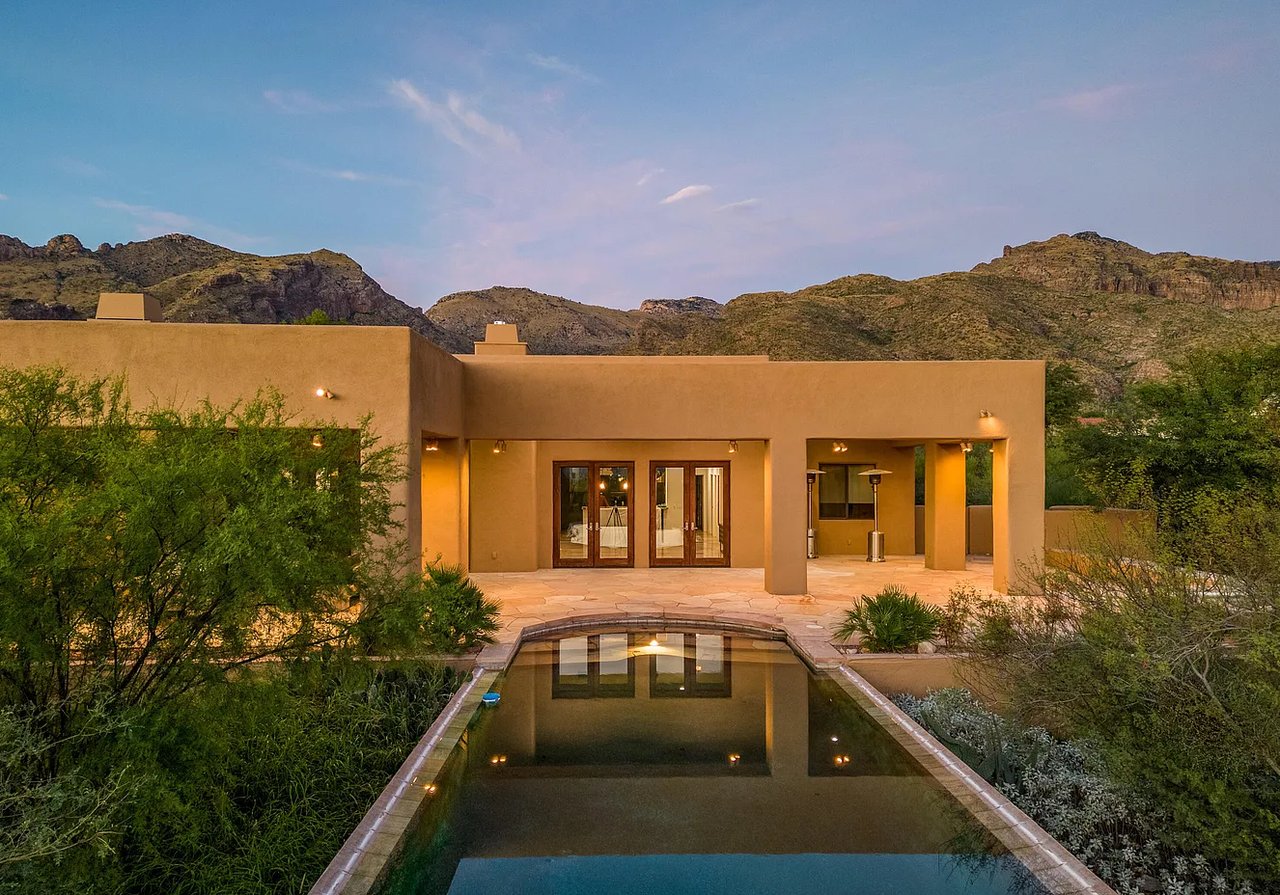
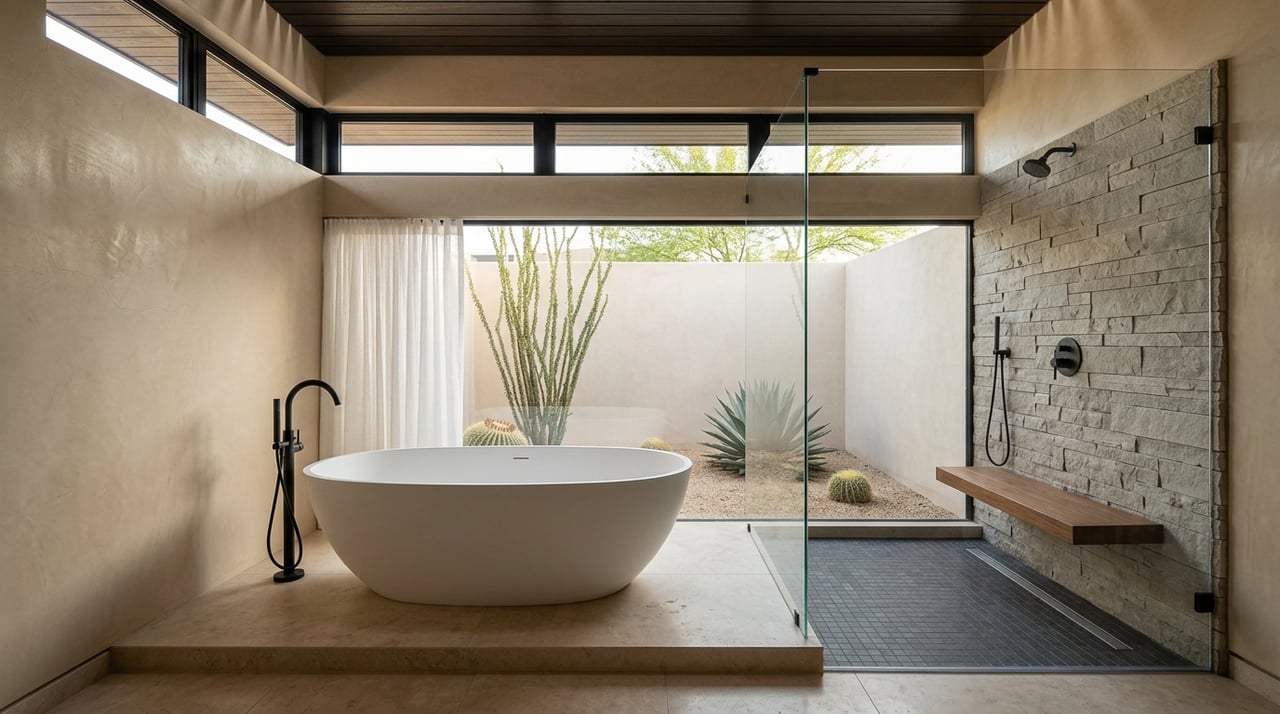
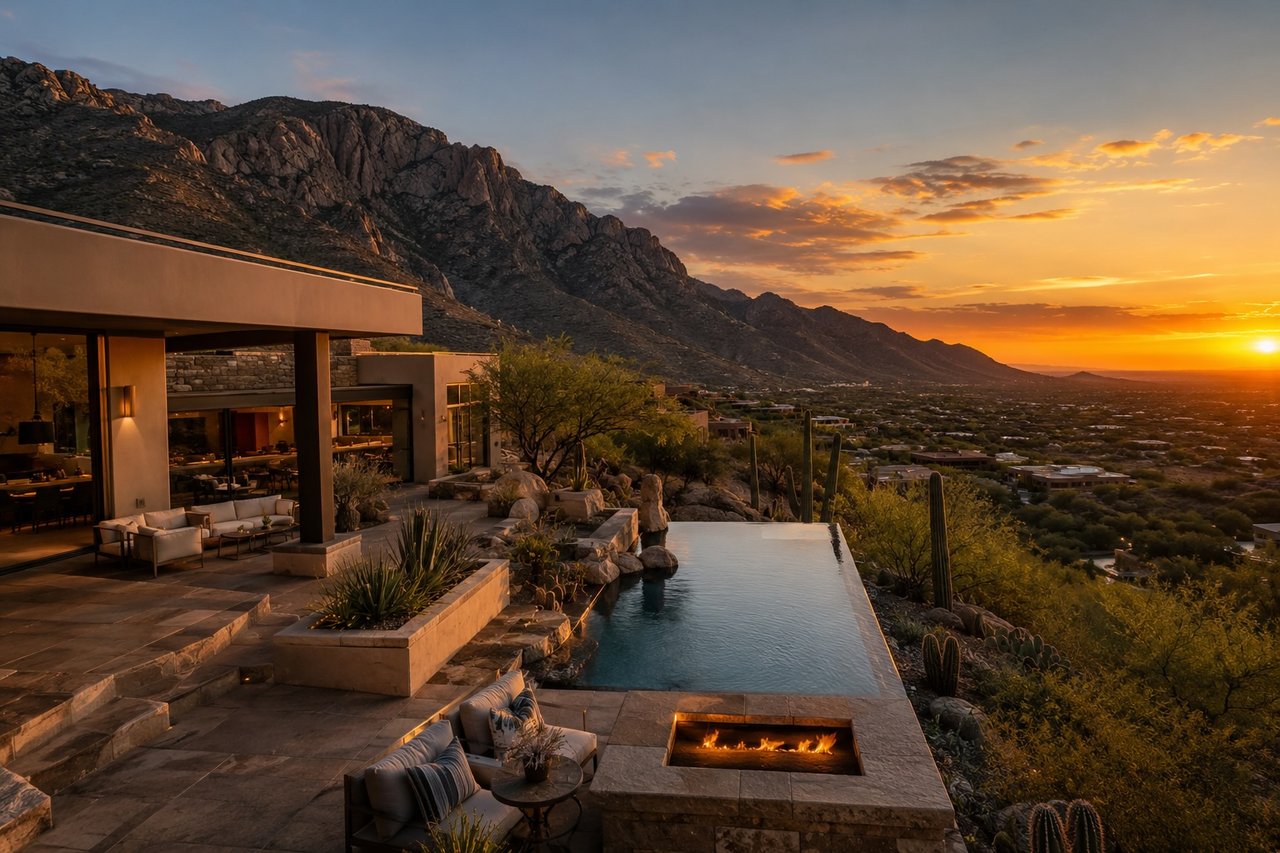
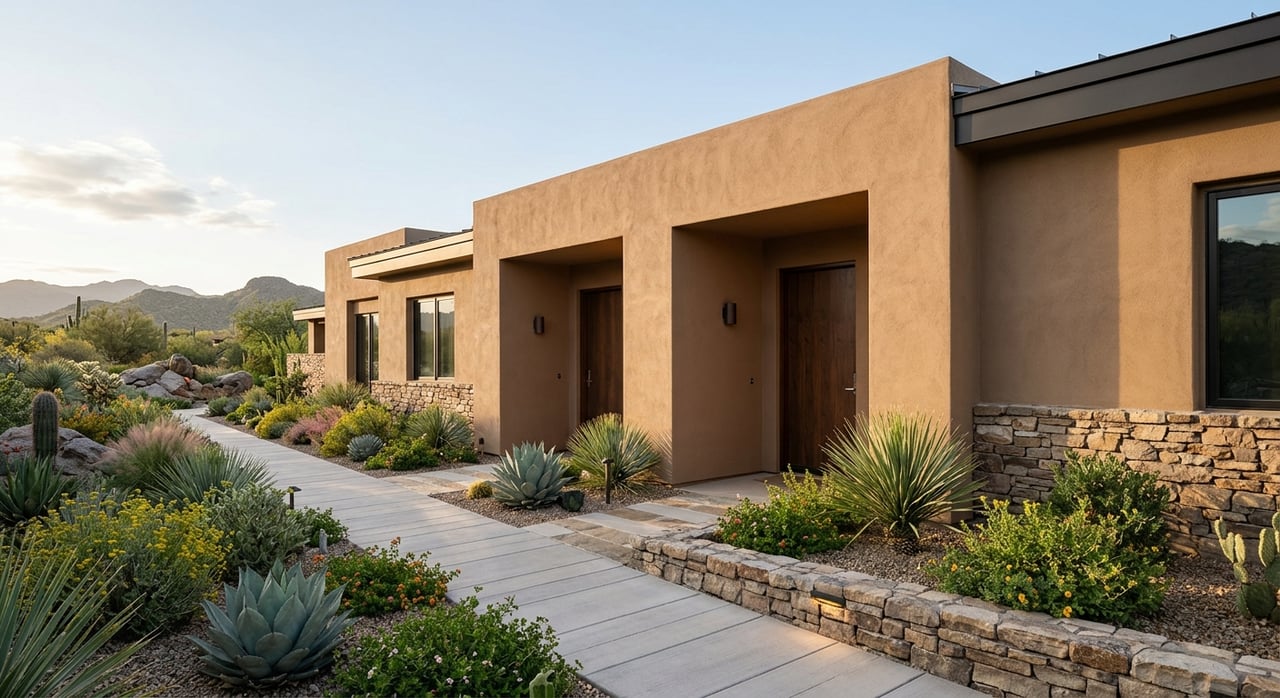
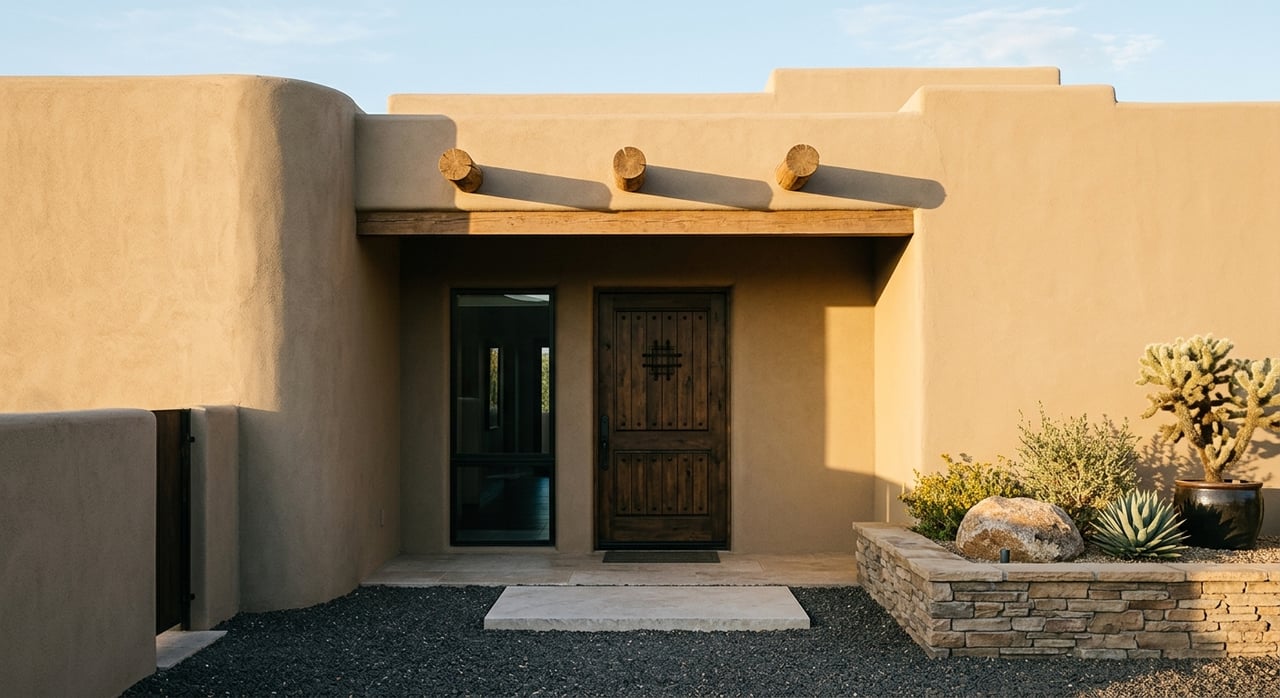
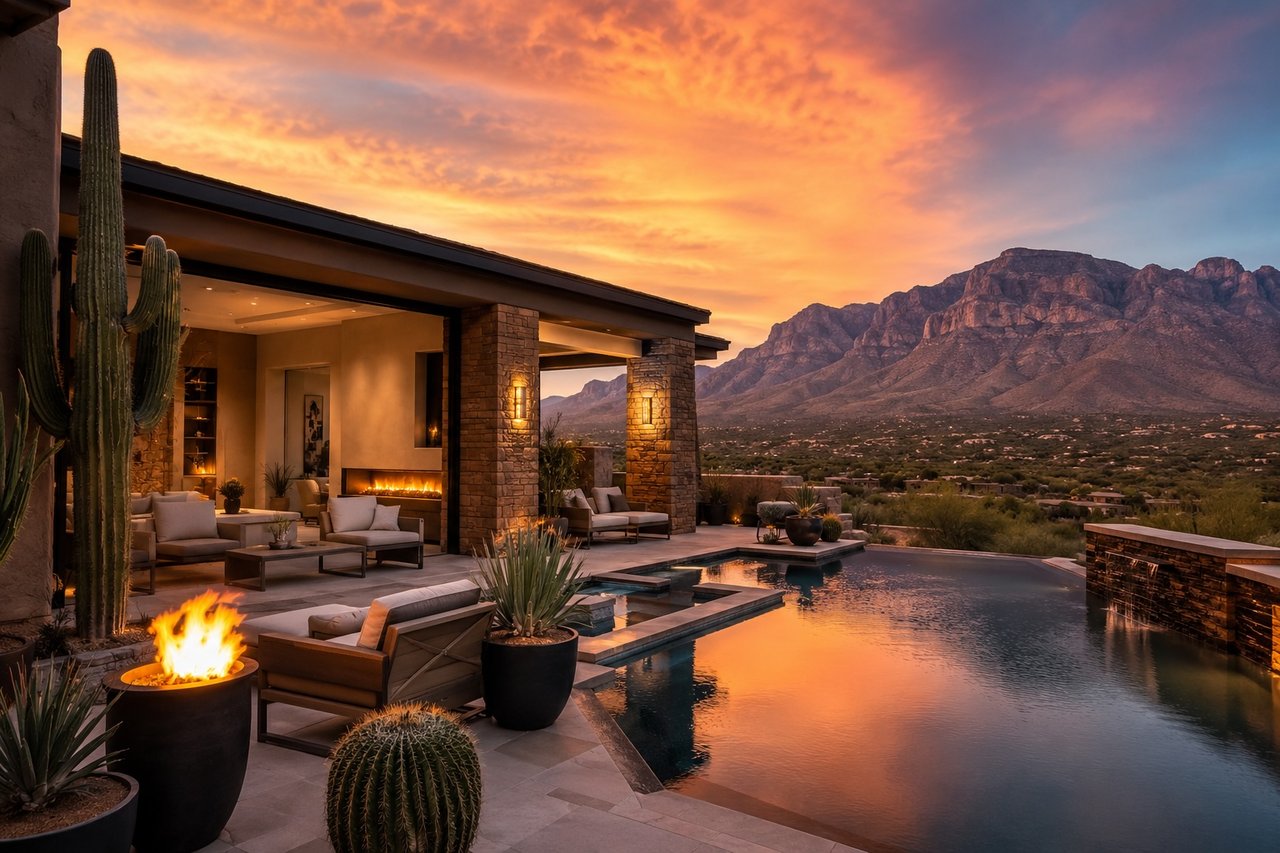
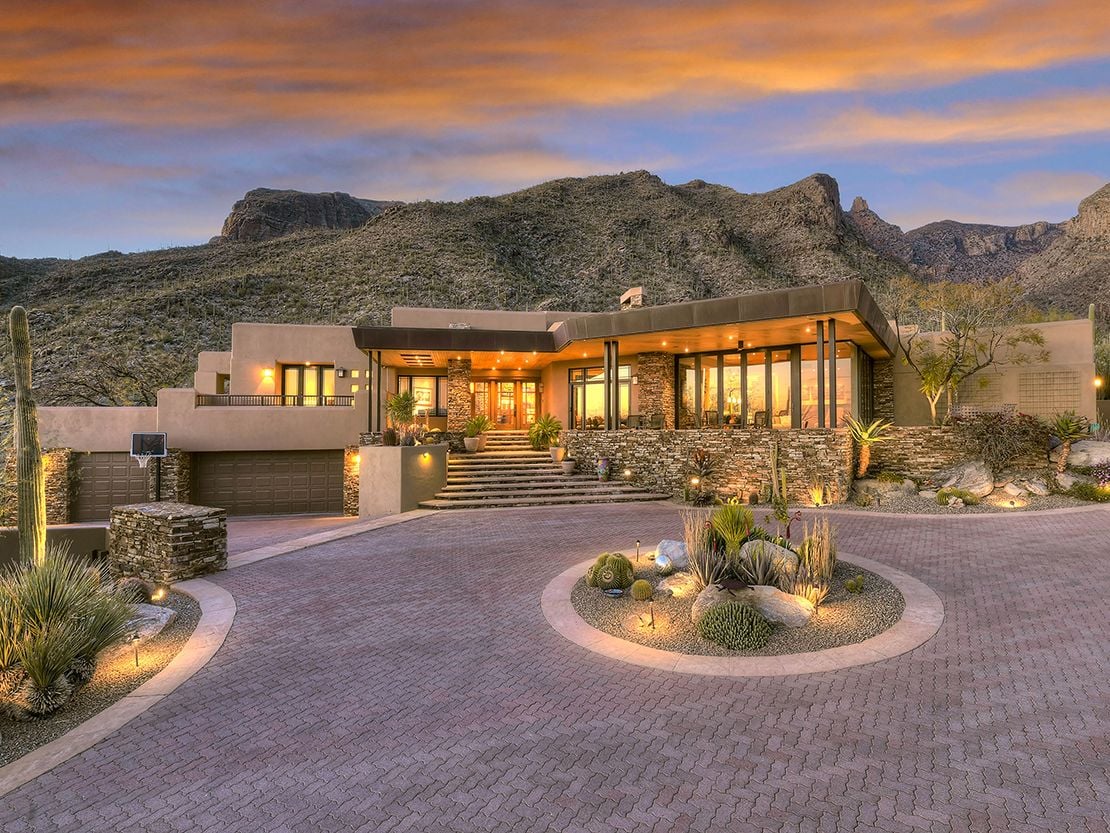
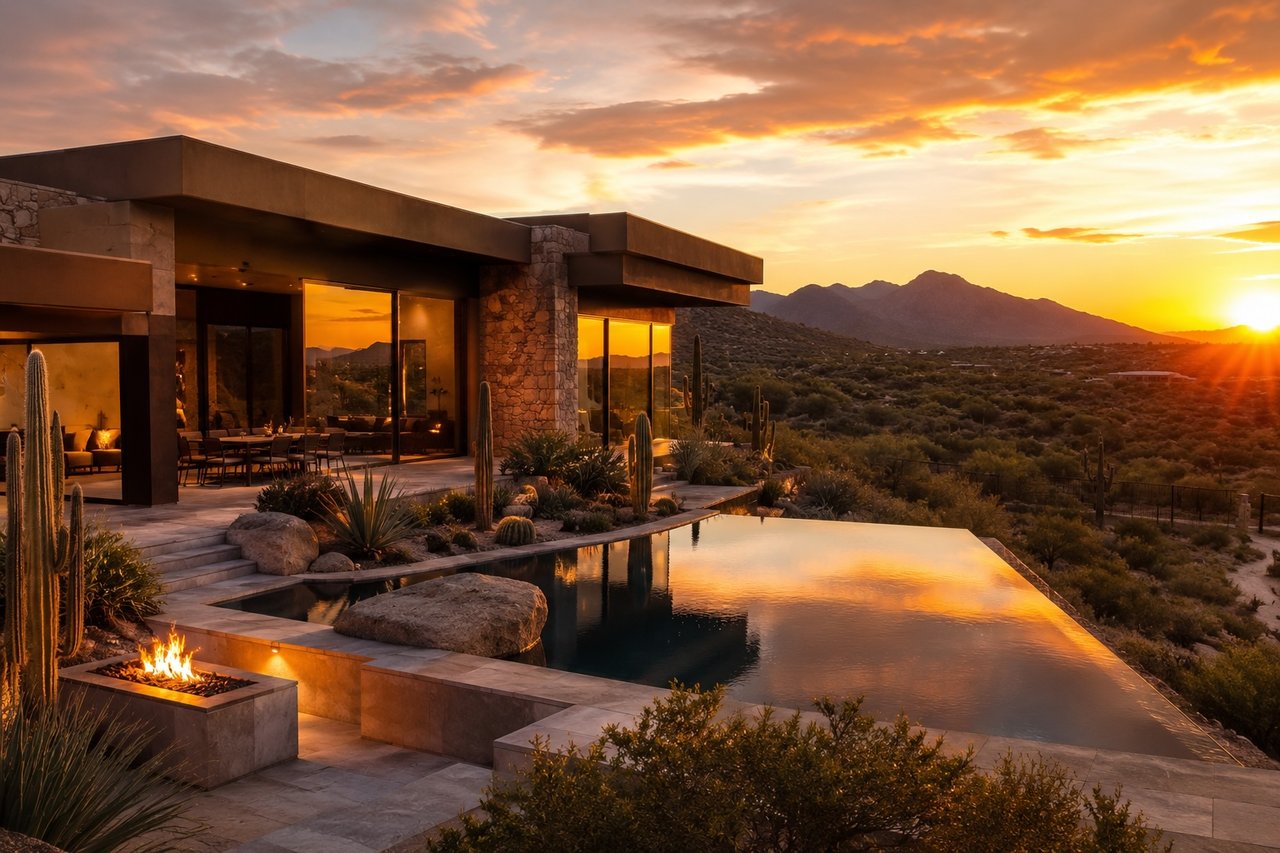
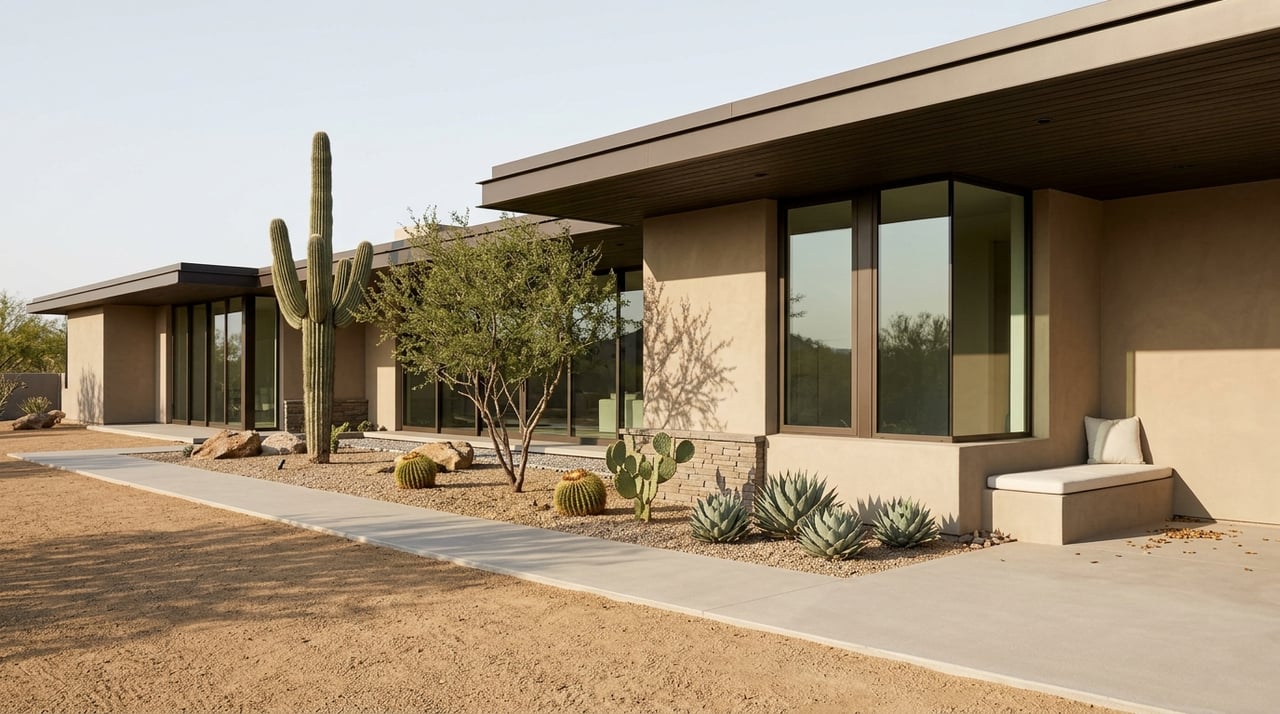
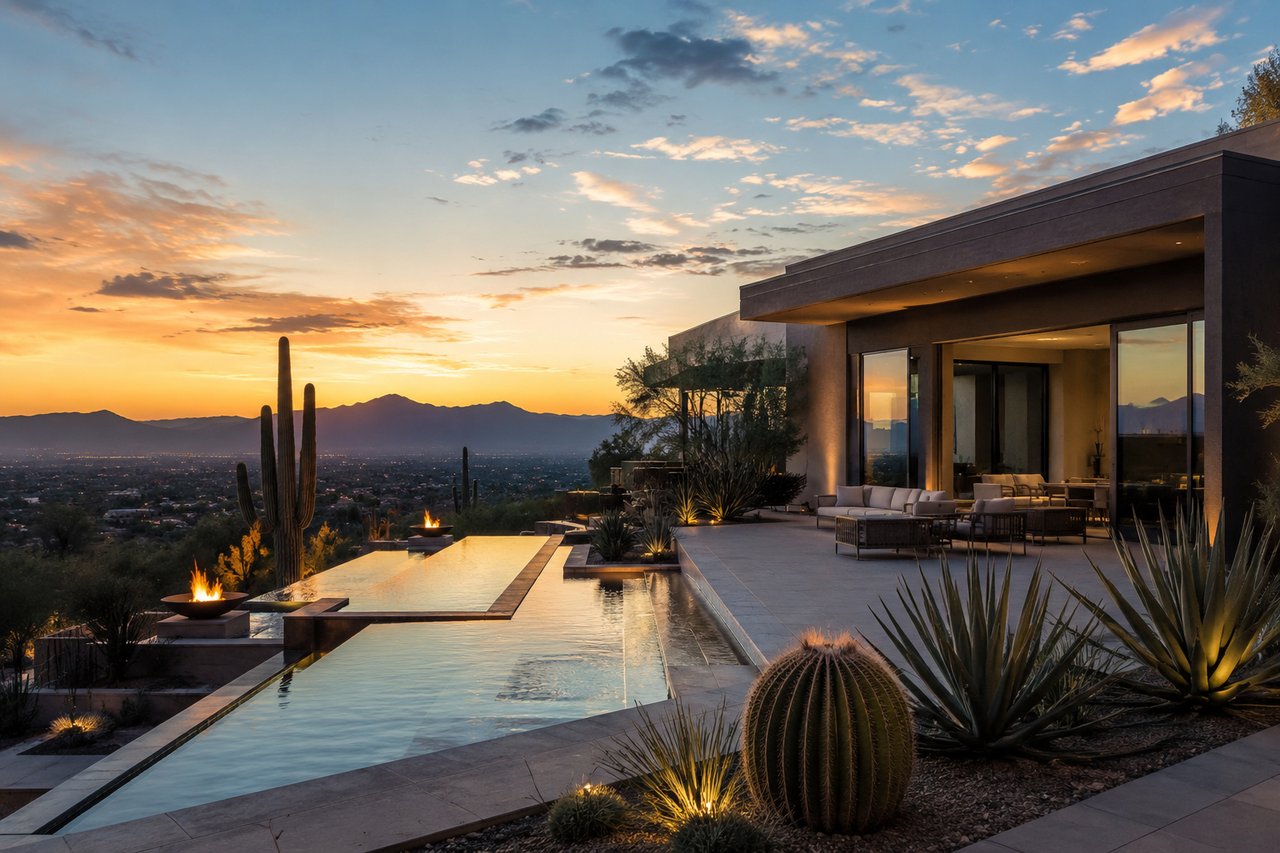
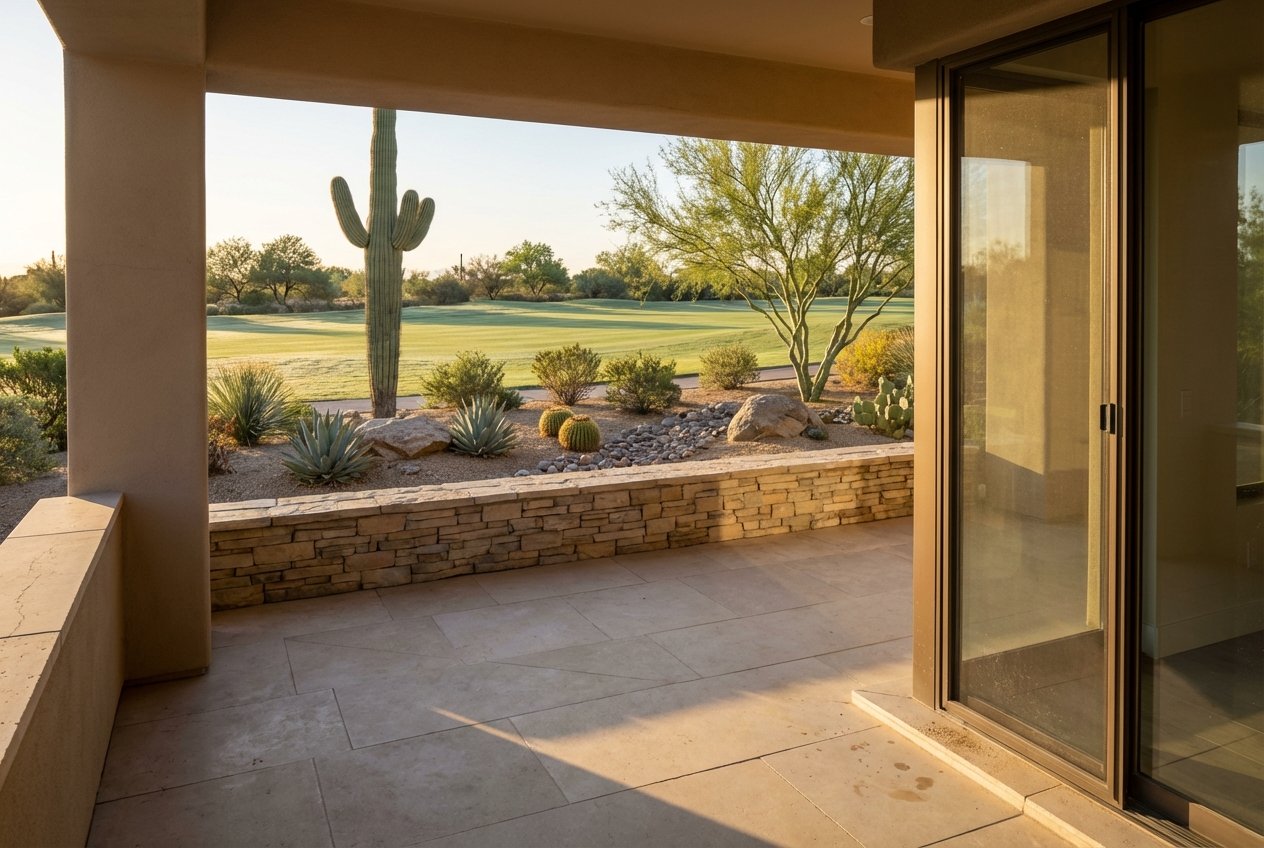
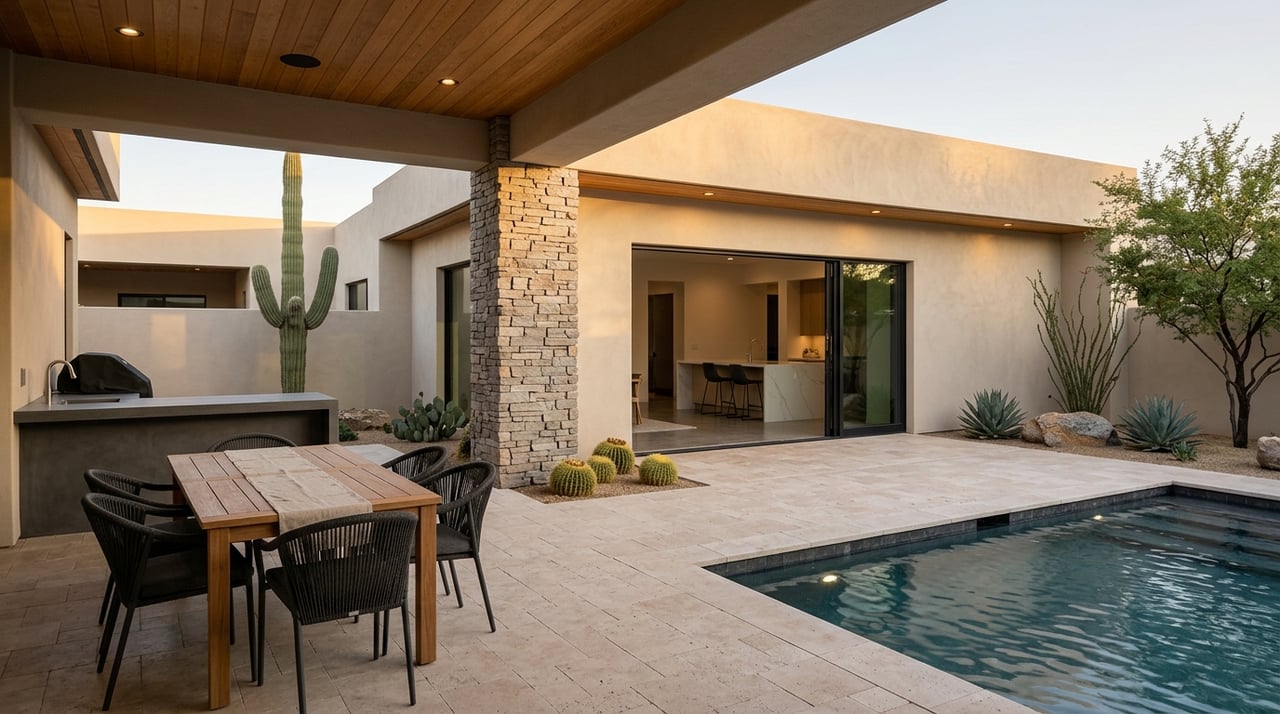
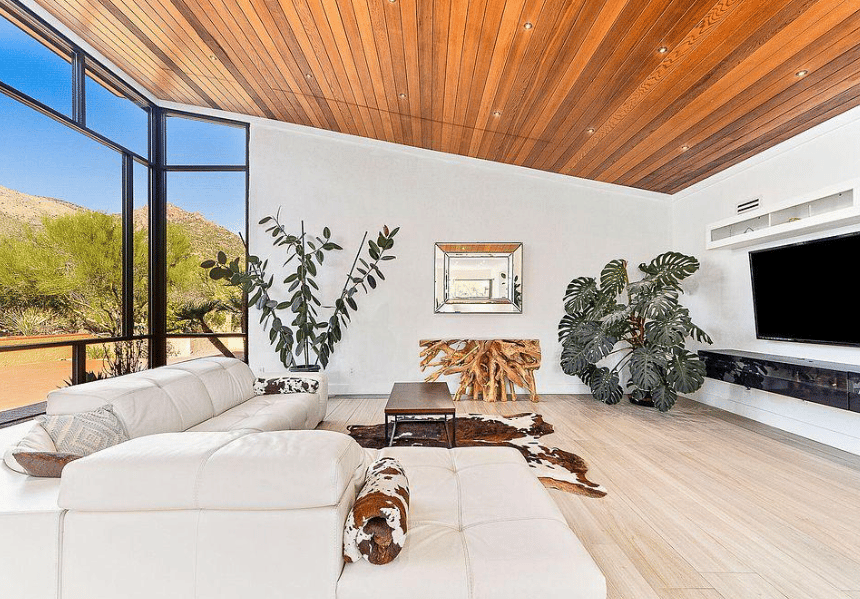
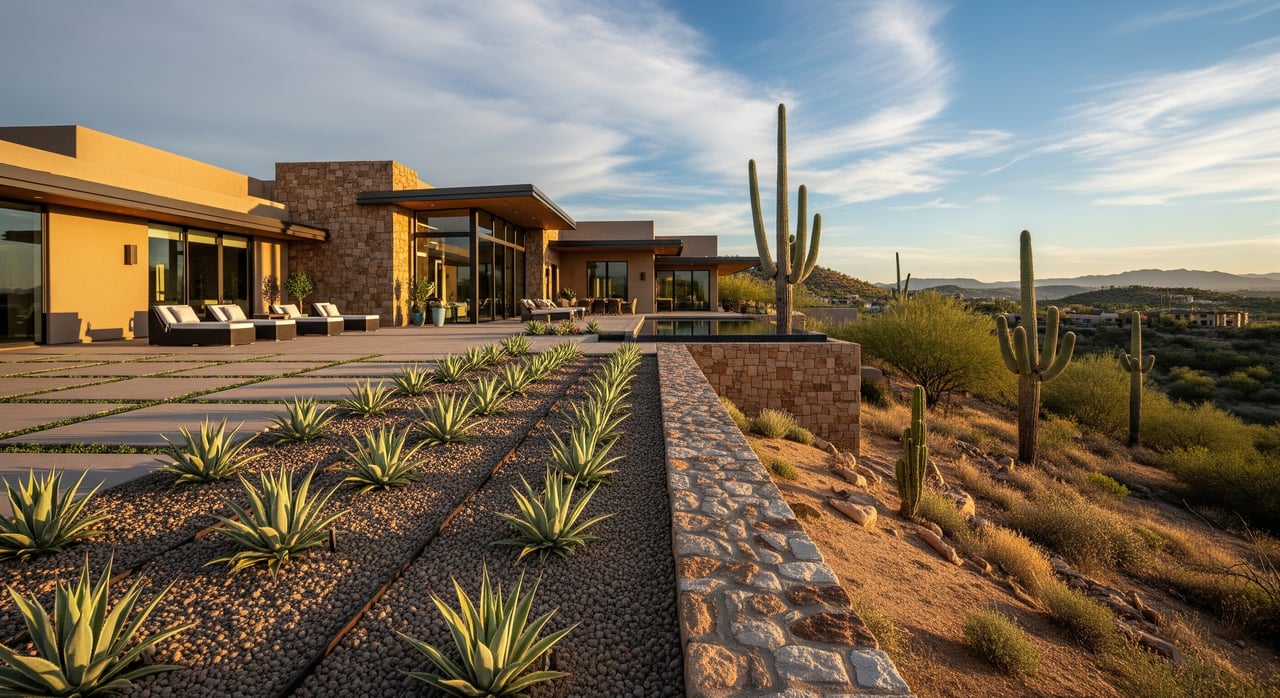
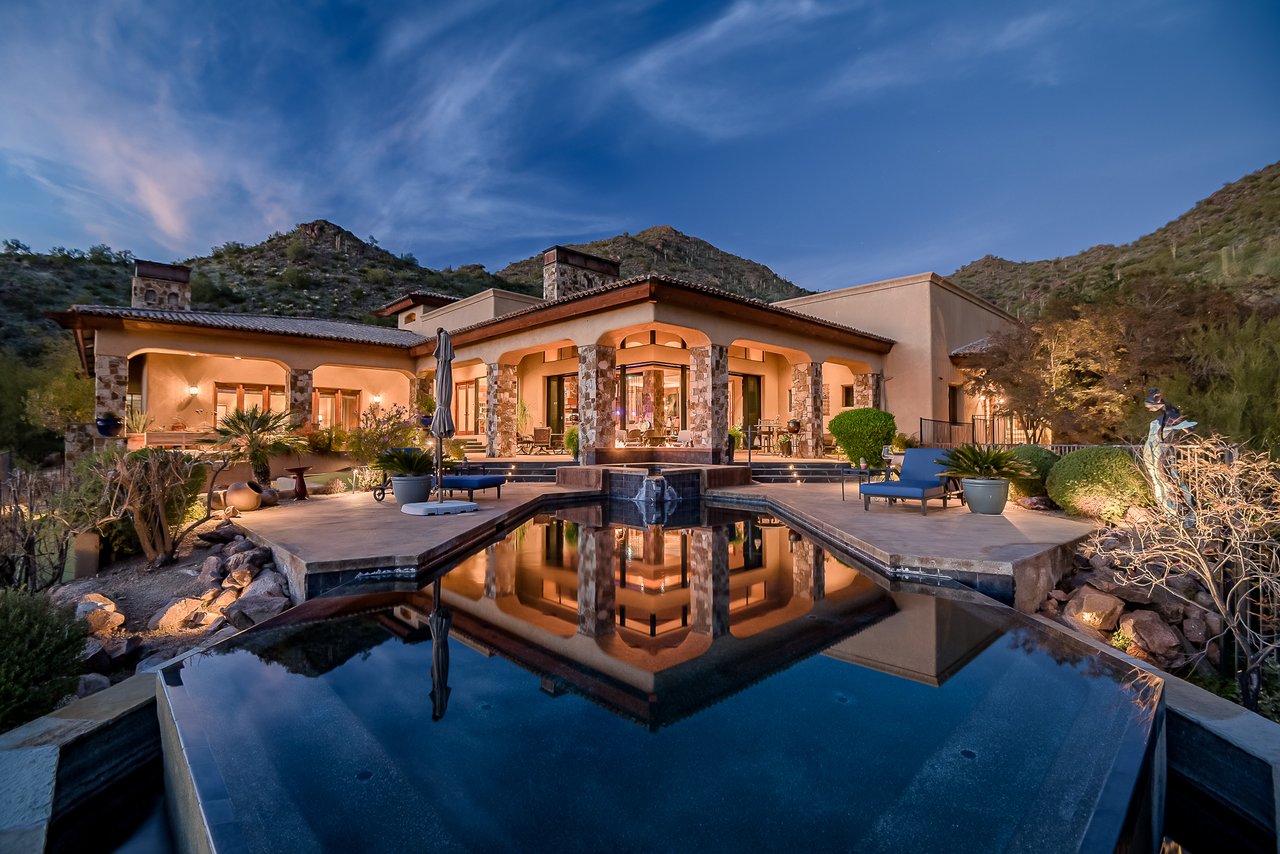
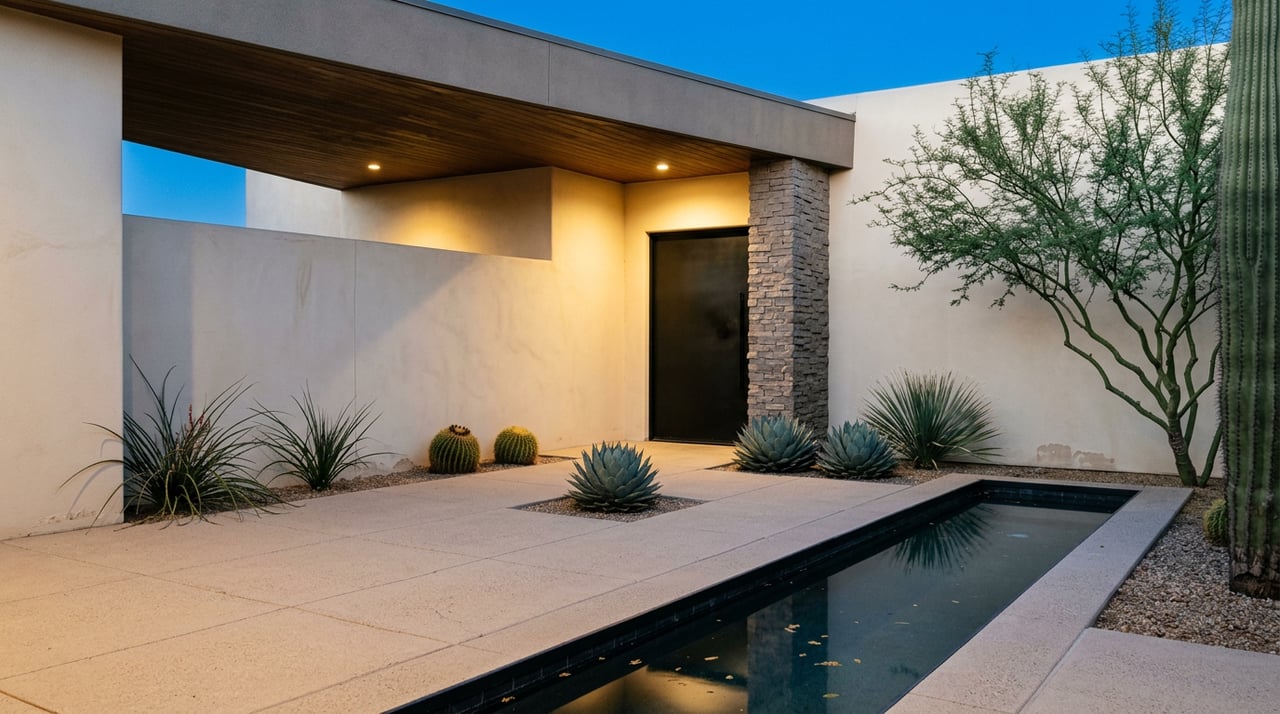
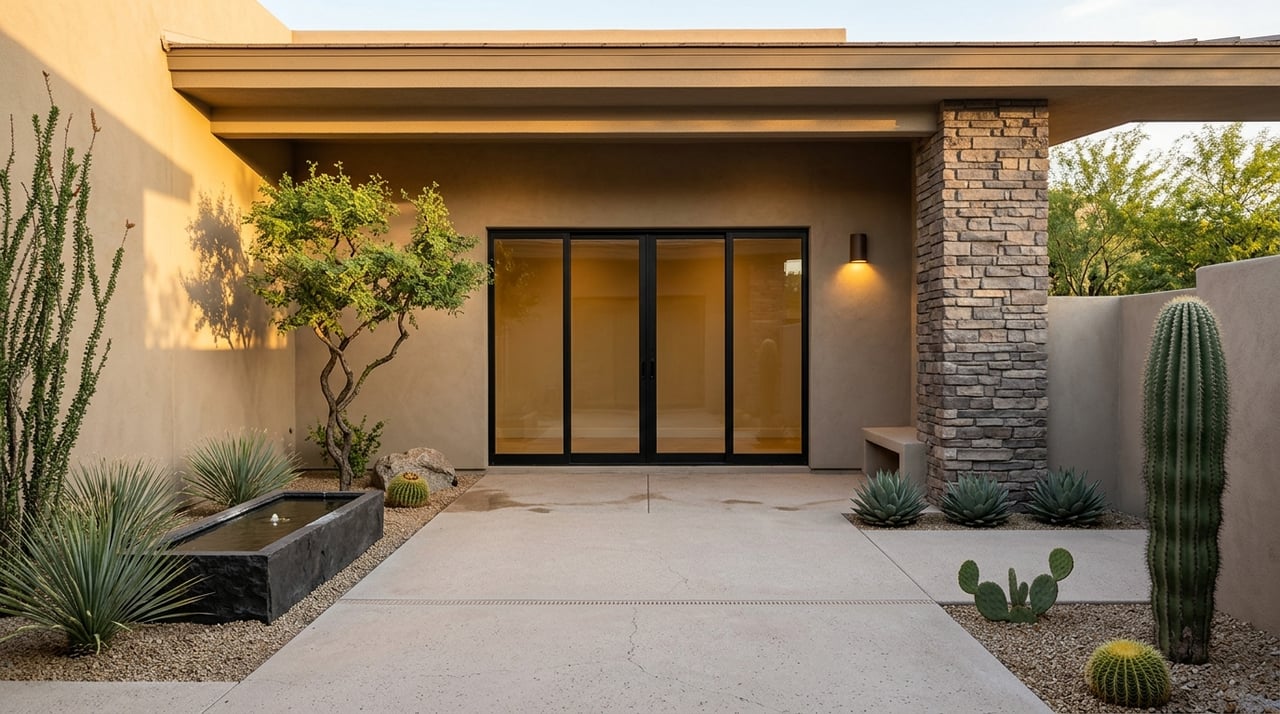
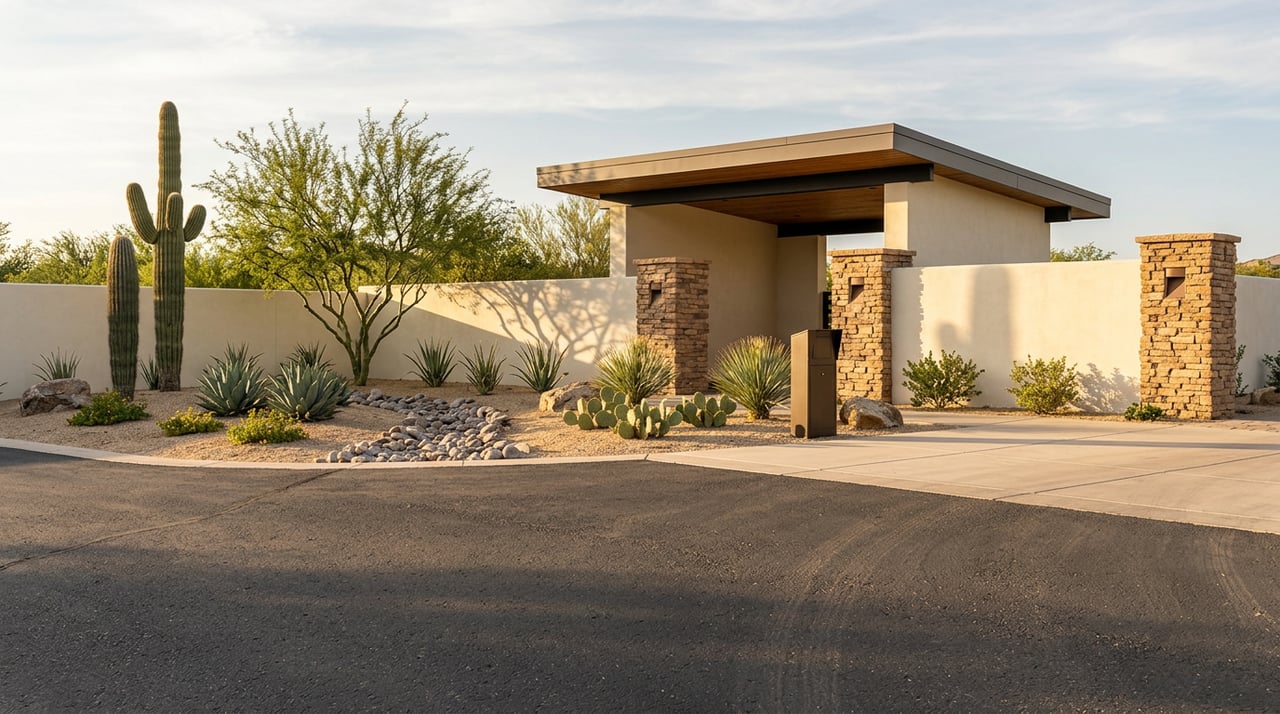
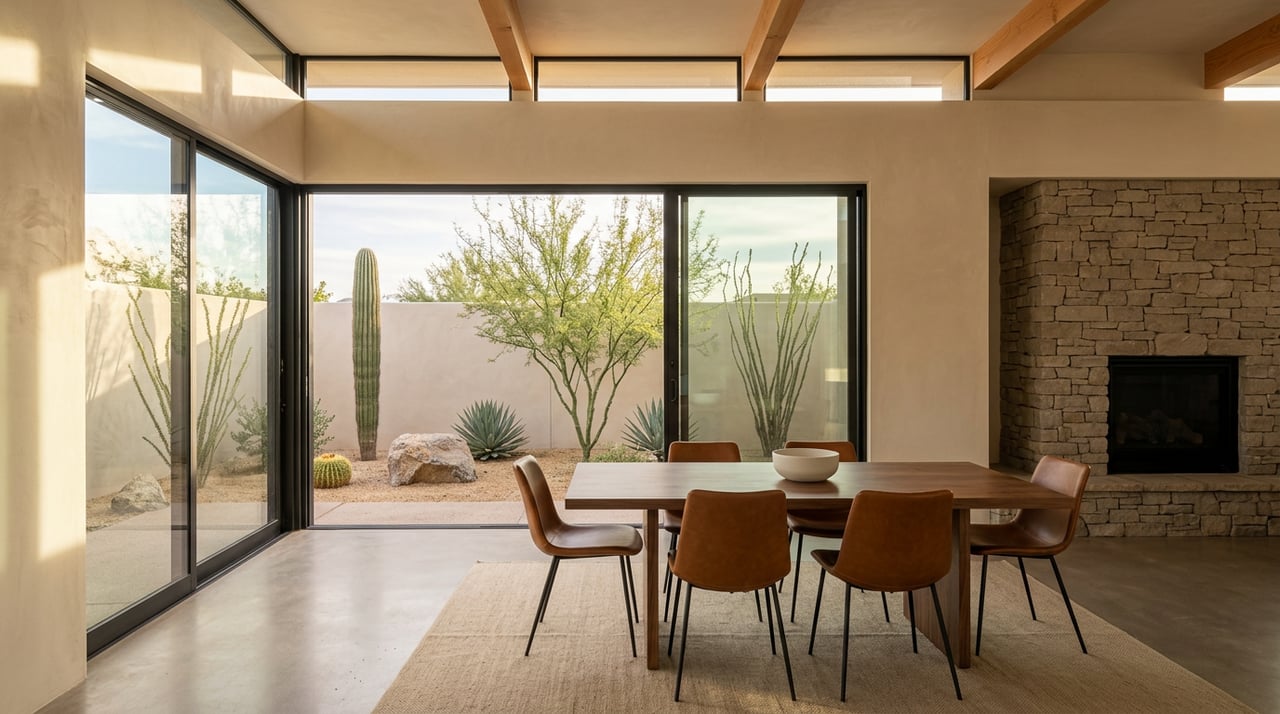
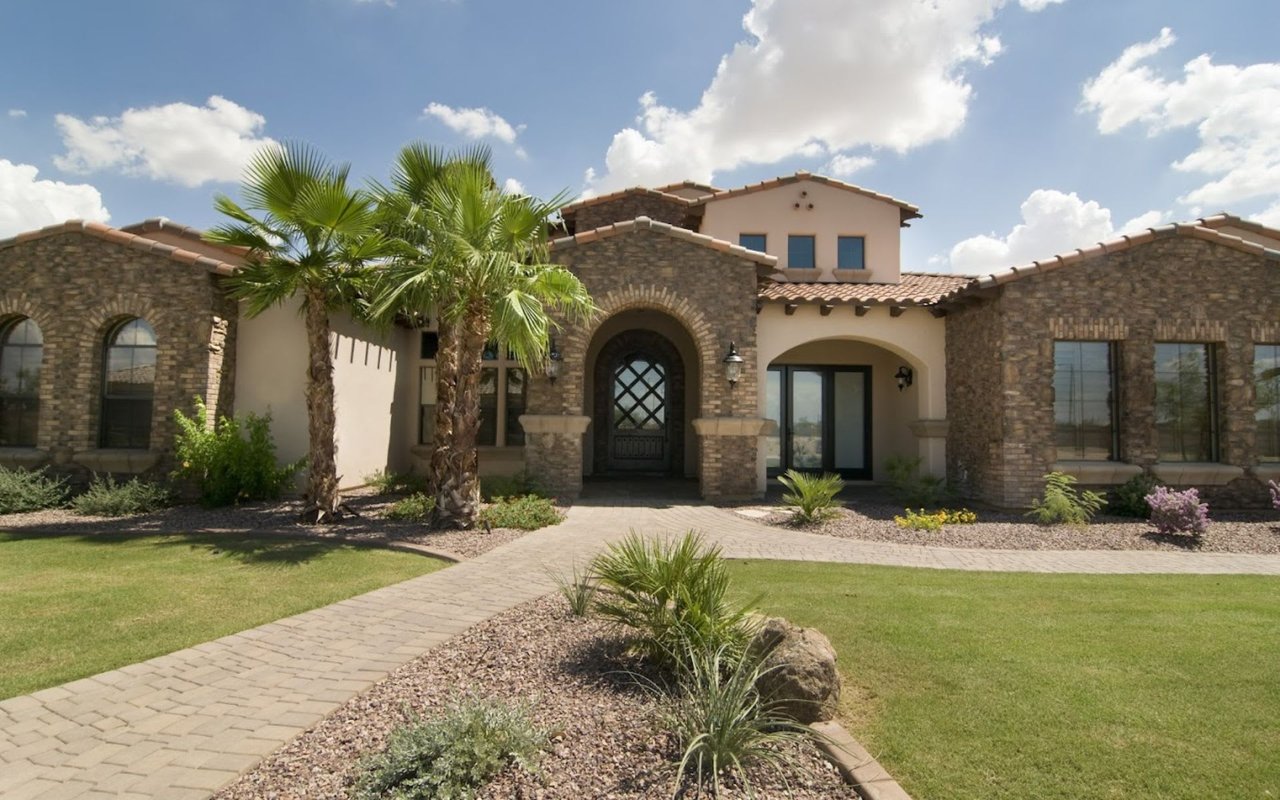
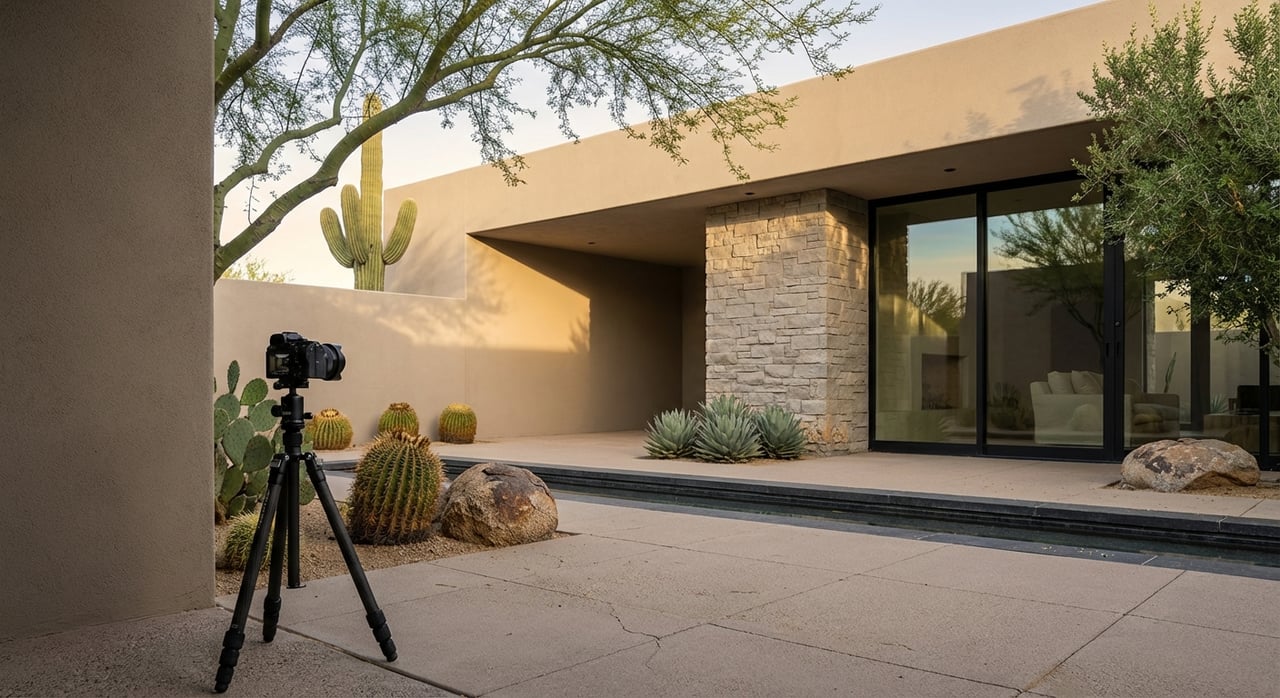
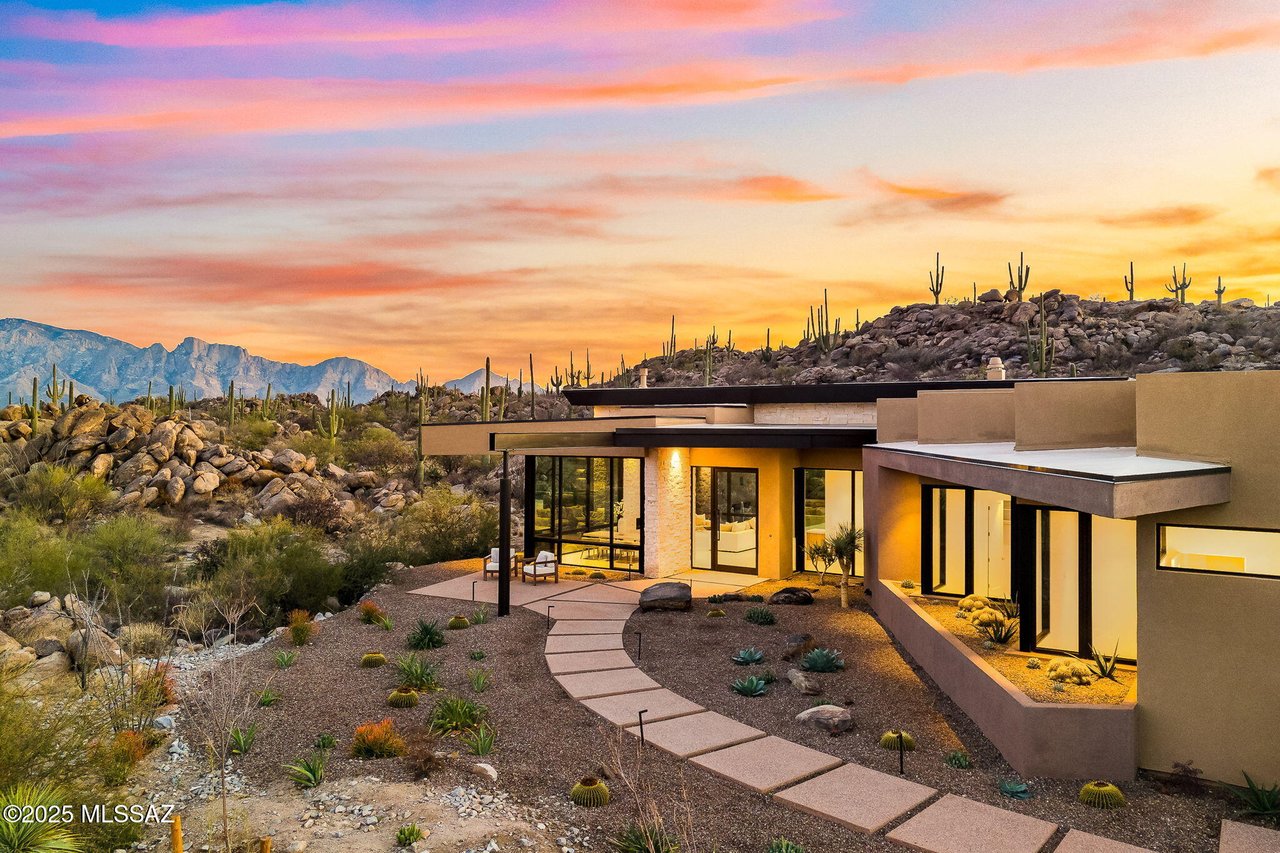
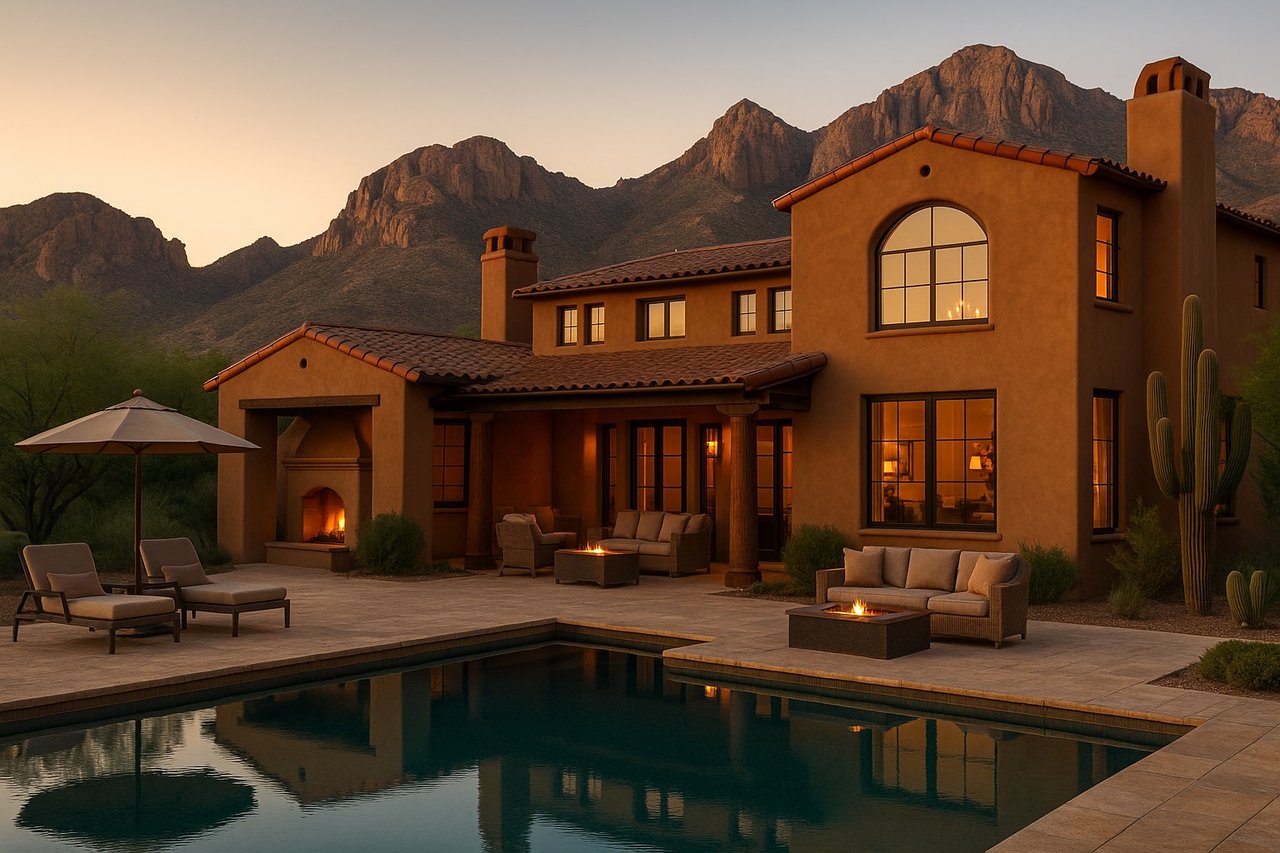
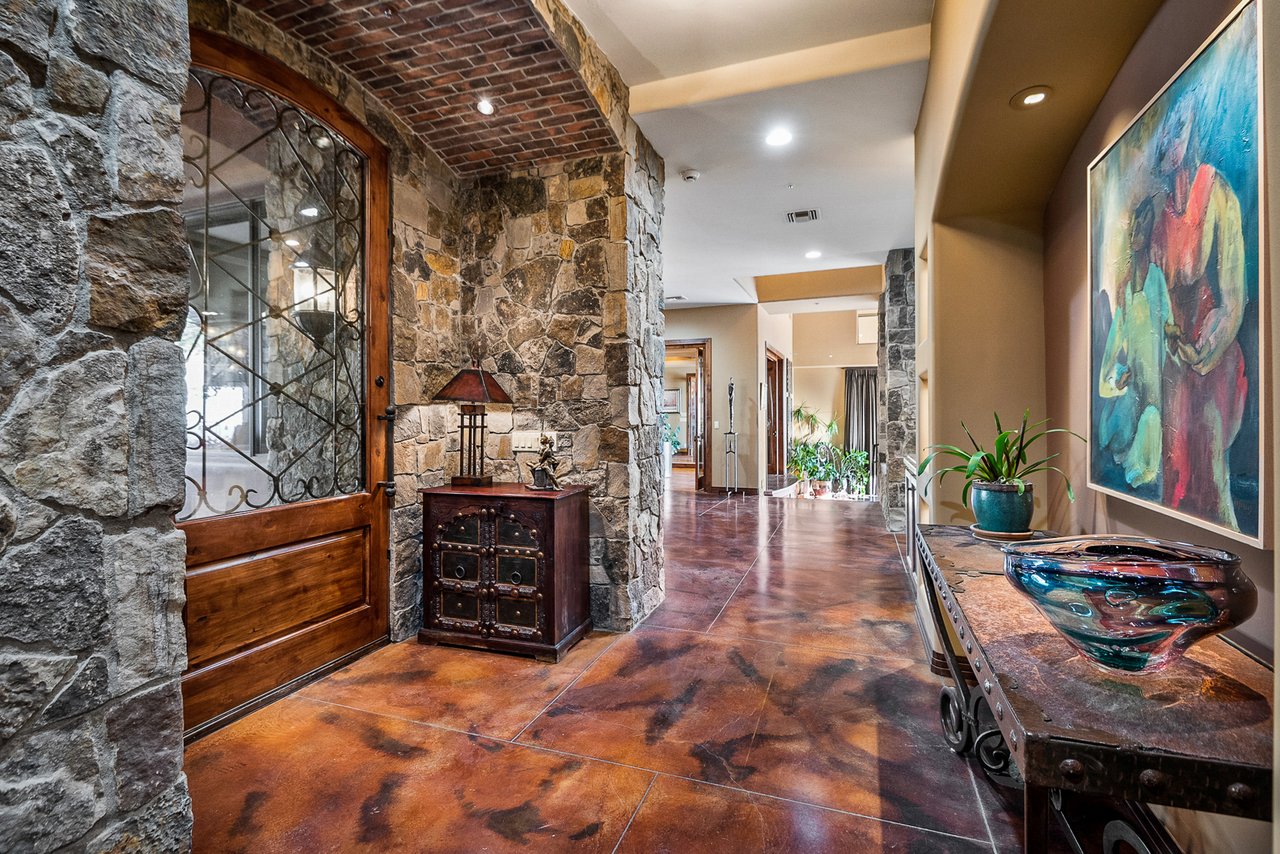
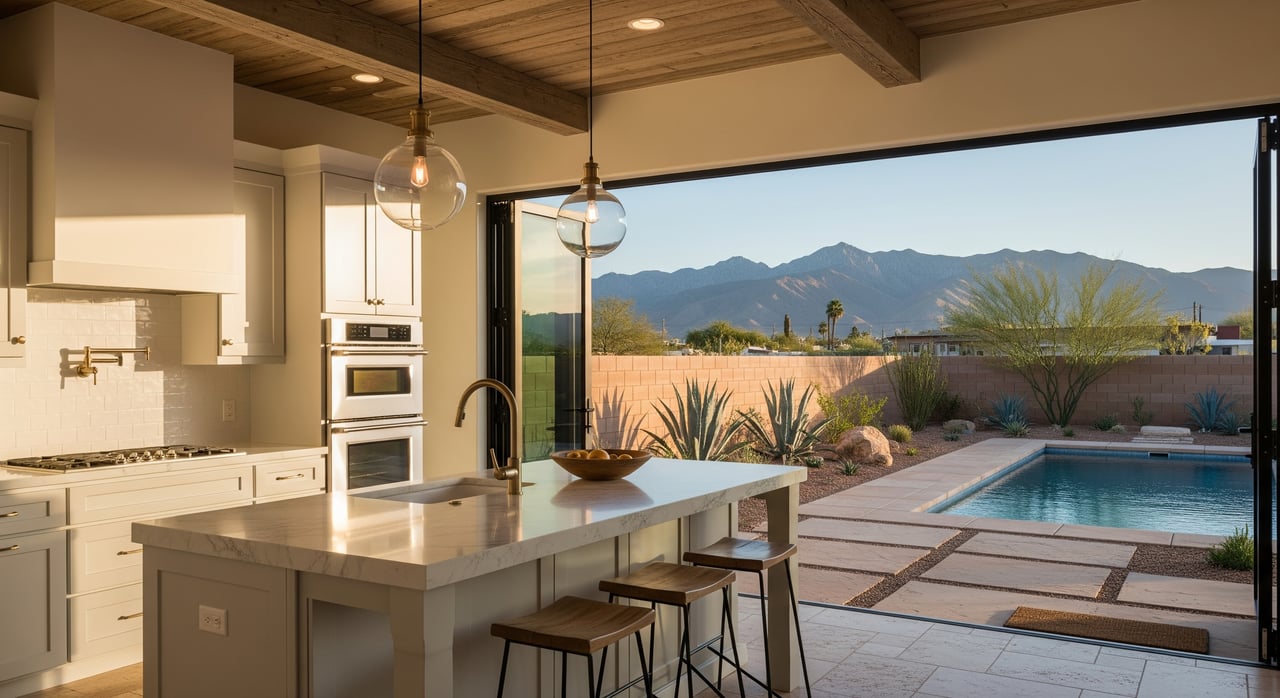
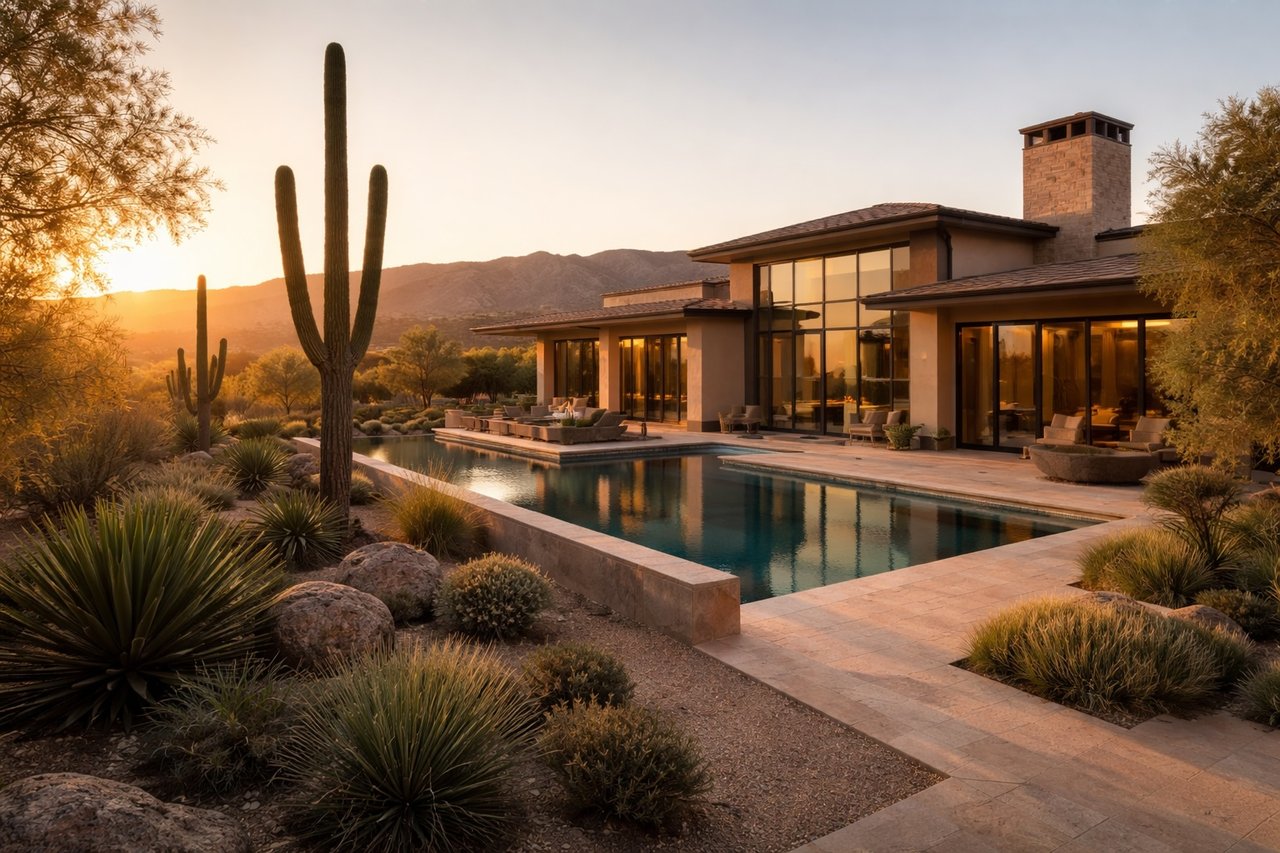
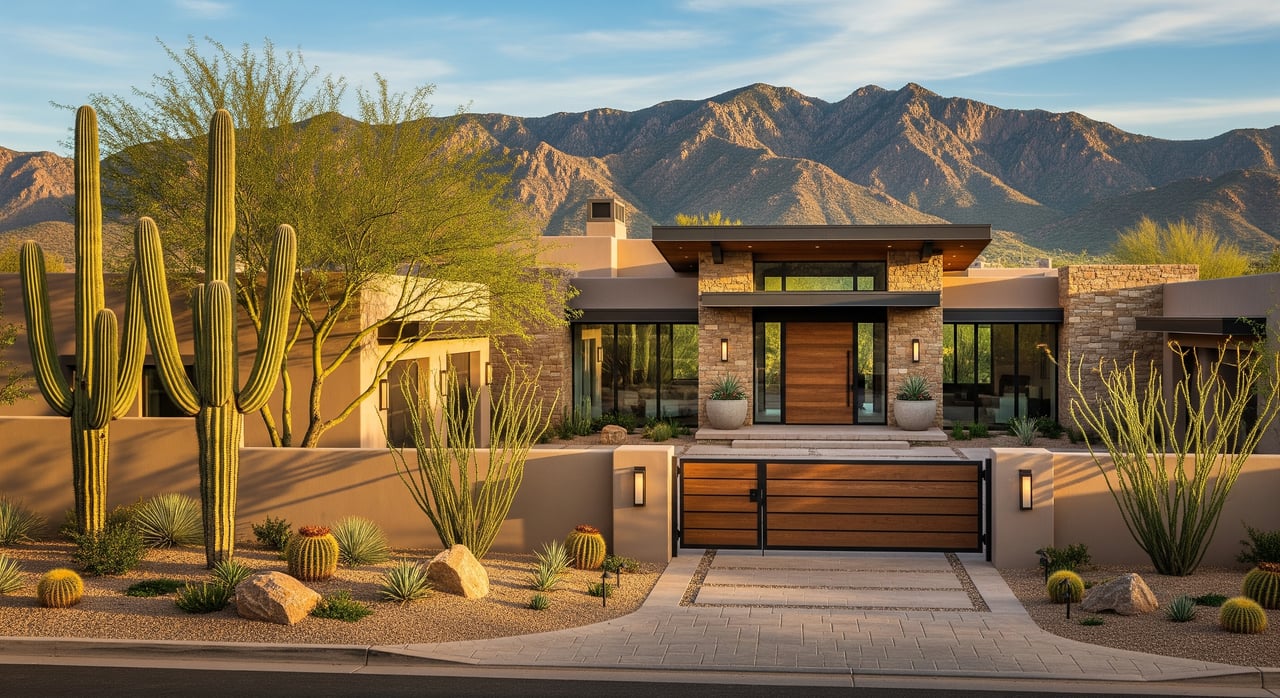
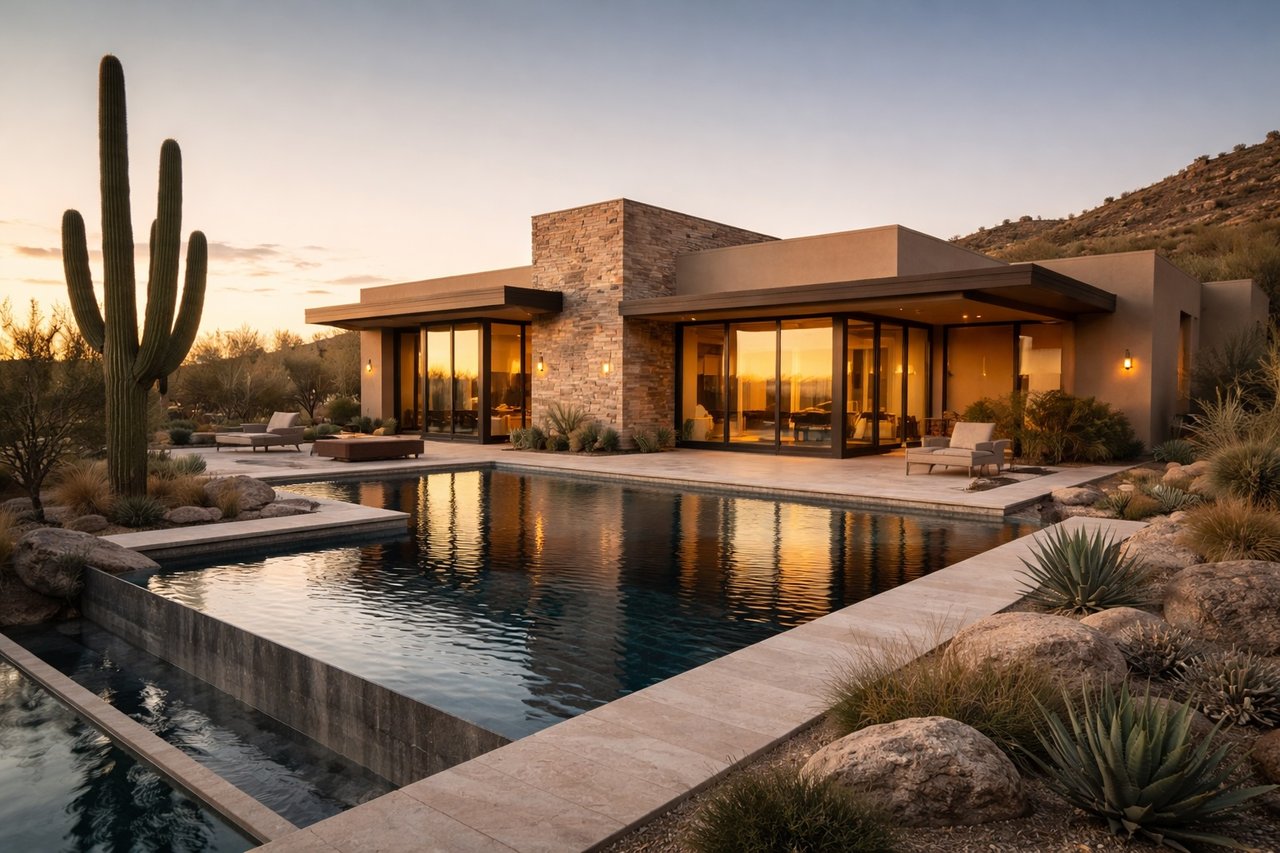
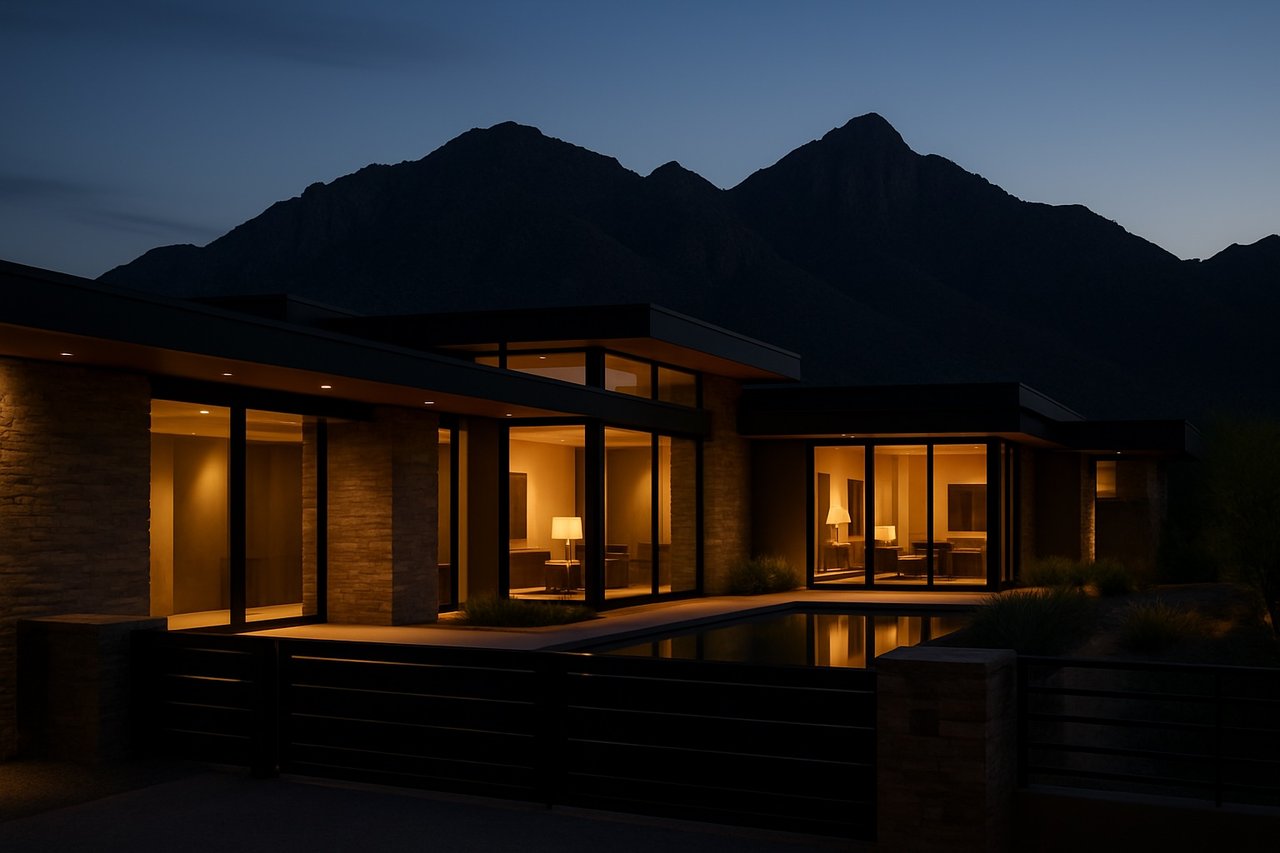
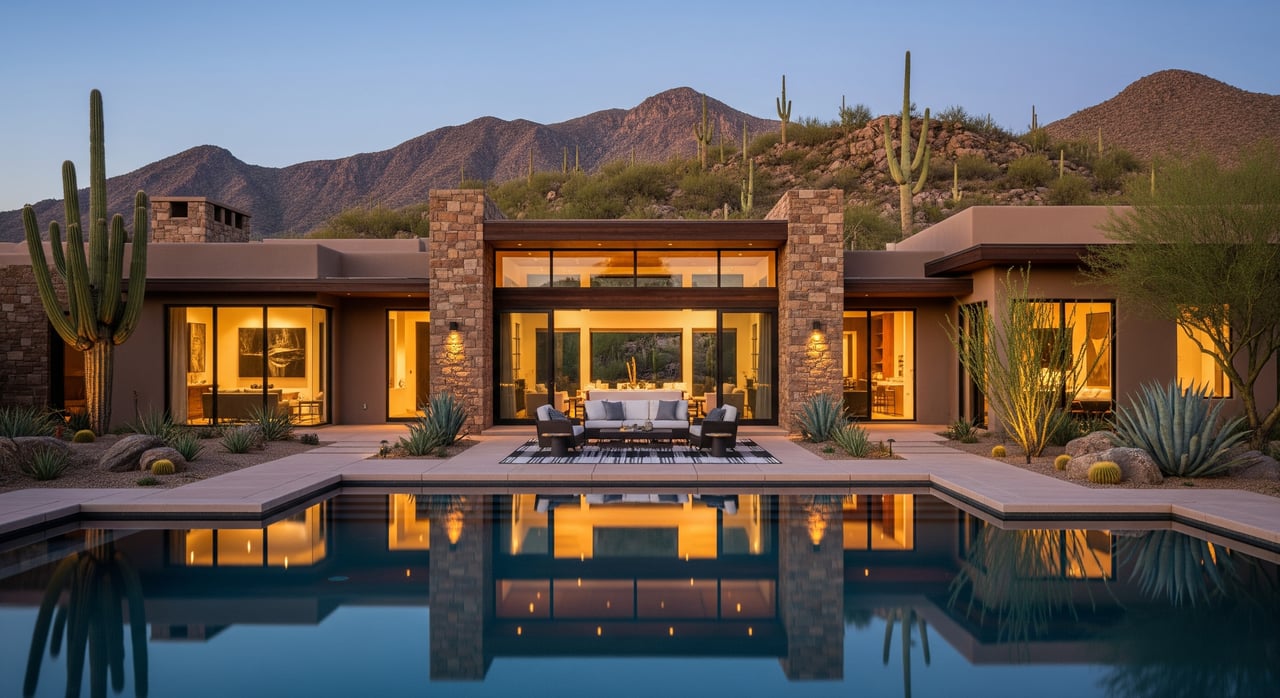
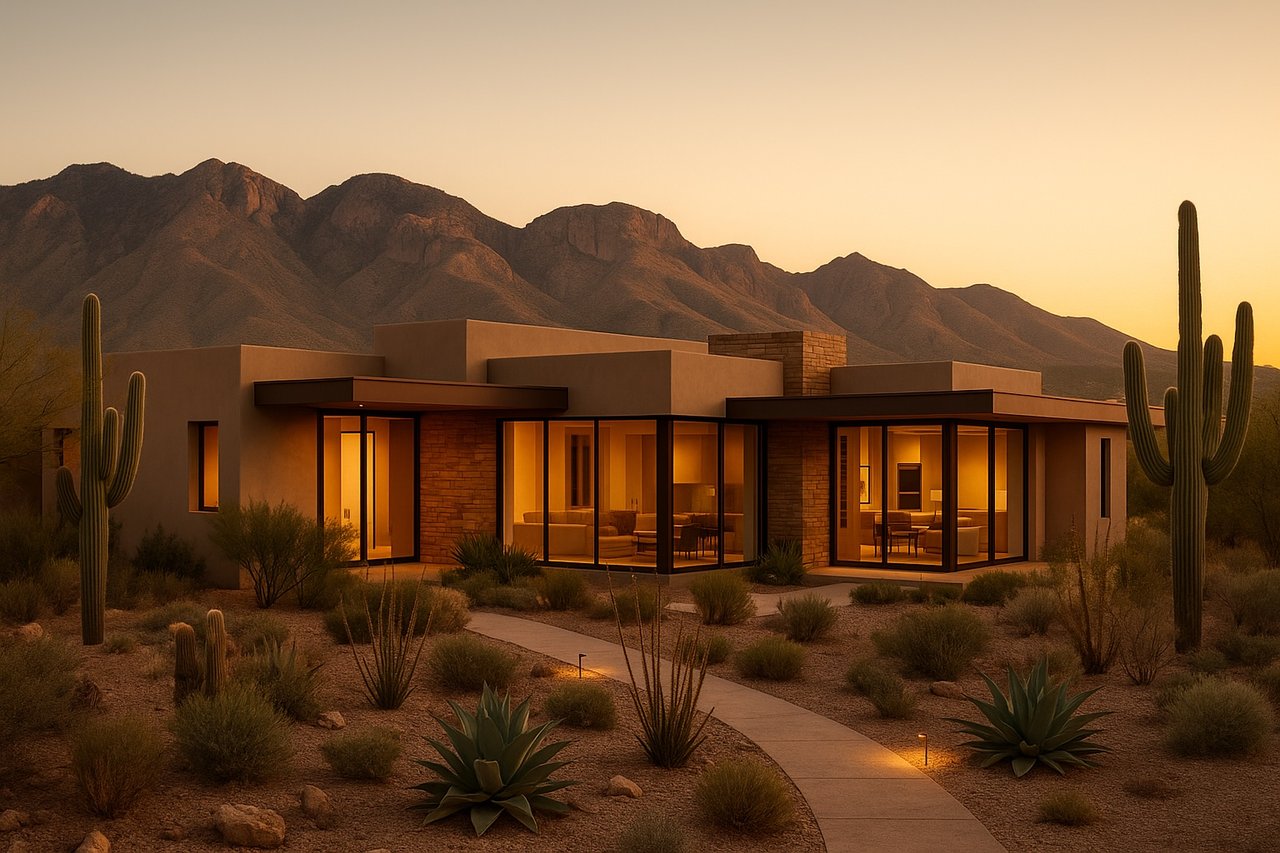
- Catalina Foothills: Predominantly larger single-family residences, many custom or semi-custom. Styles include Southwestern, Spanish/Mediterranean, desert contemporary, and updated mid-century ranch. Lots often start around a quarter acre and can extend to 1+ acres in higher-end pockets. Orientation toward Catalina Mountain views or city lights is a major value driver.
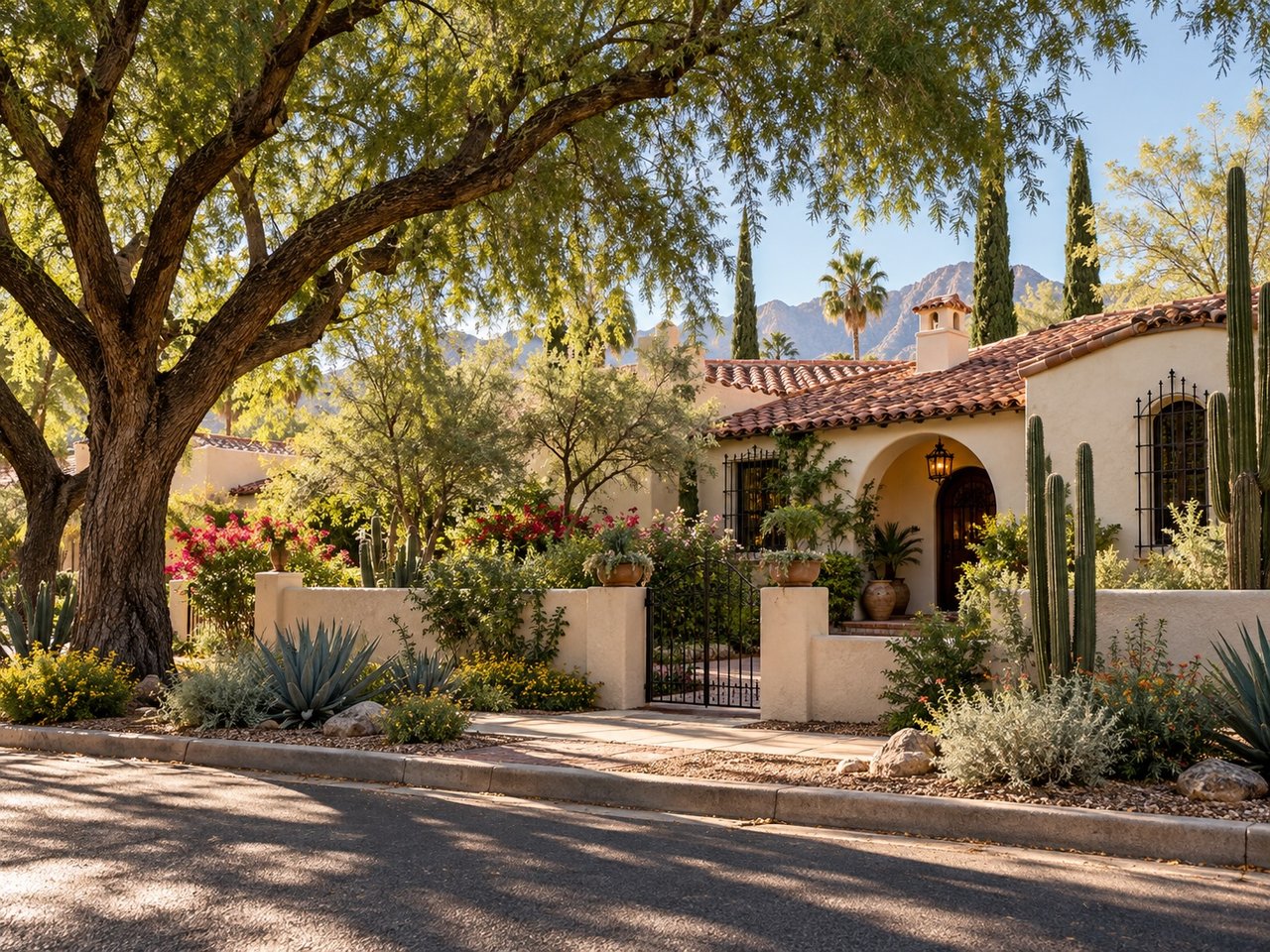
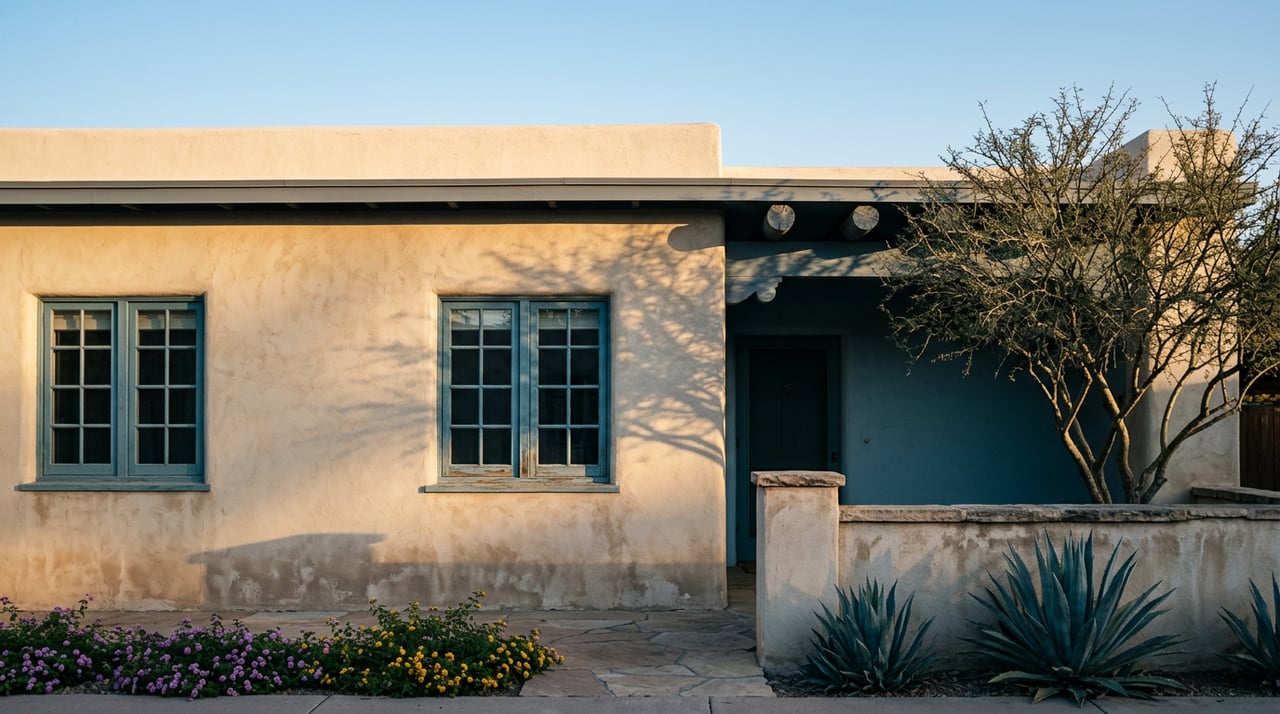
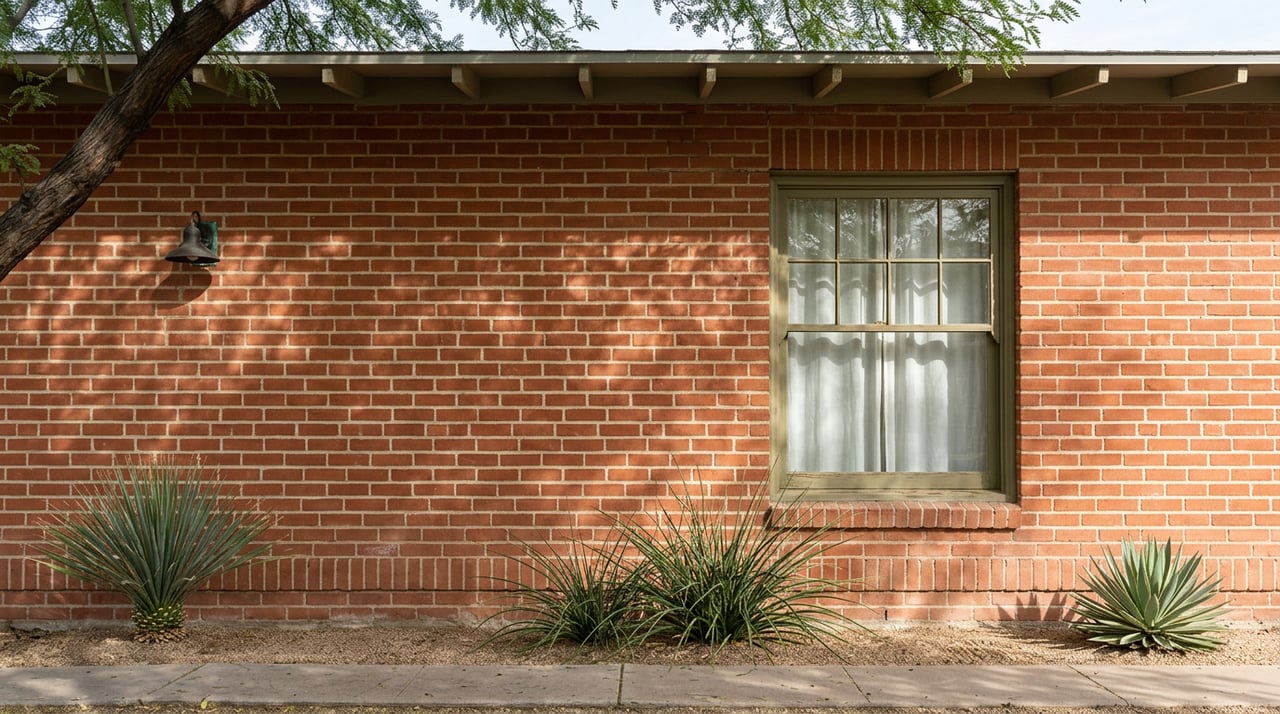
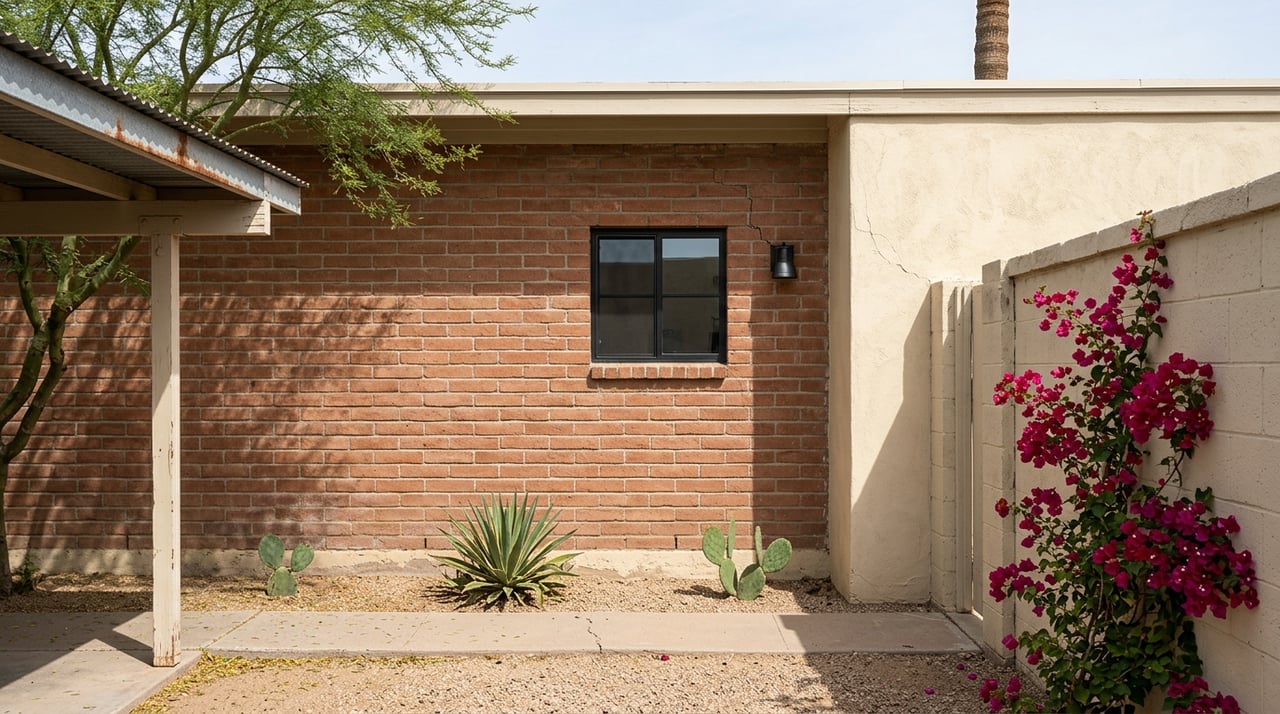
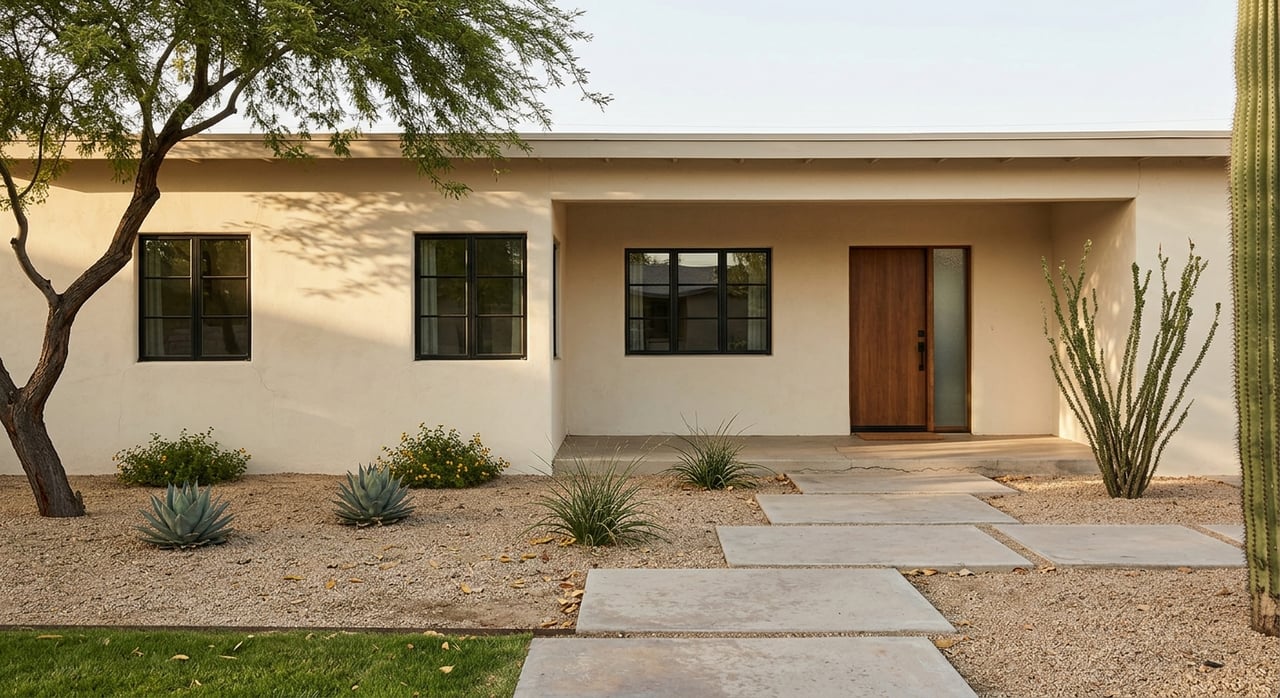
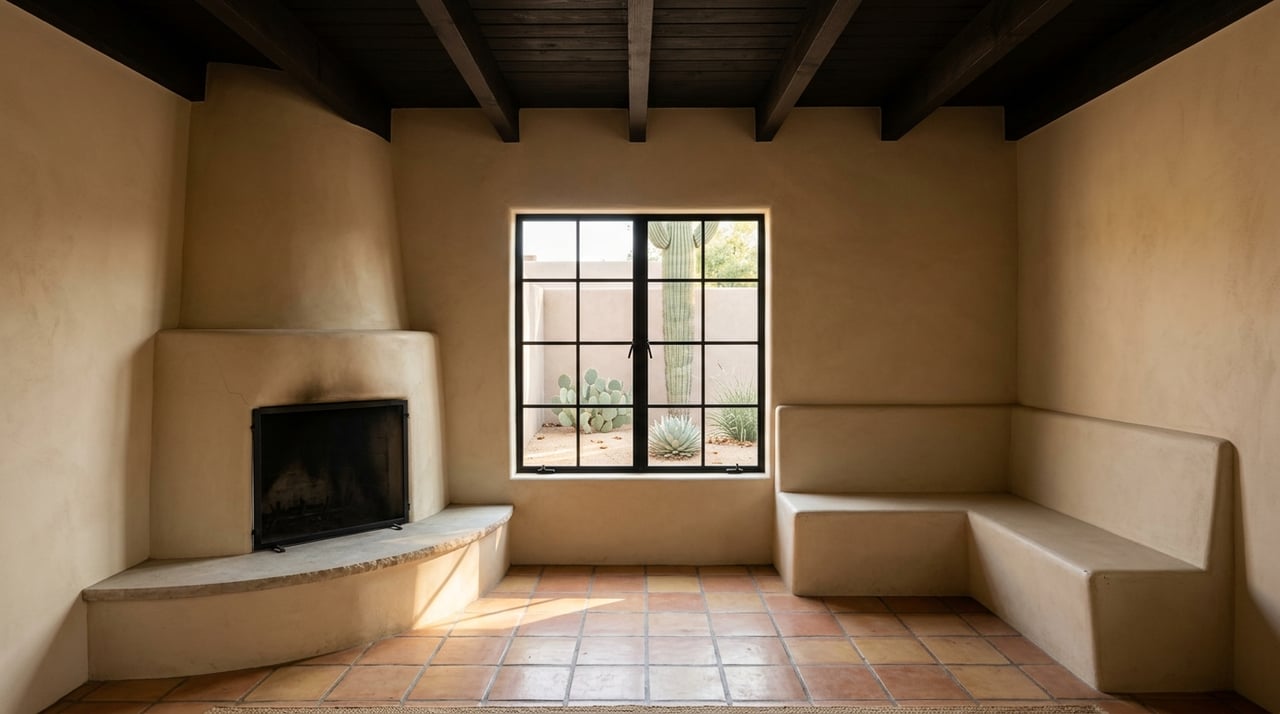
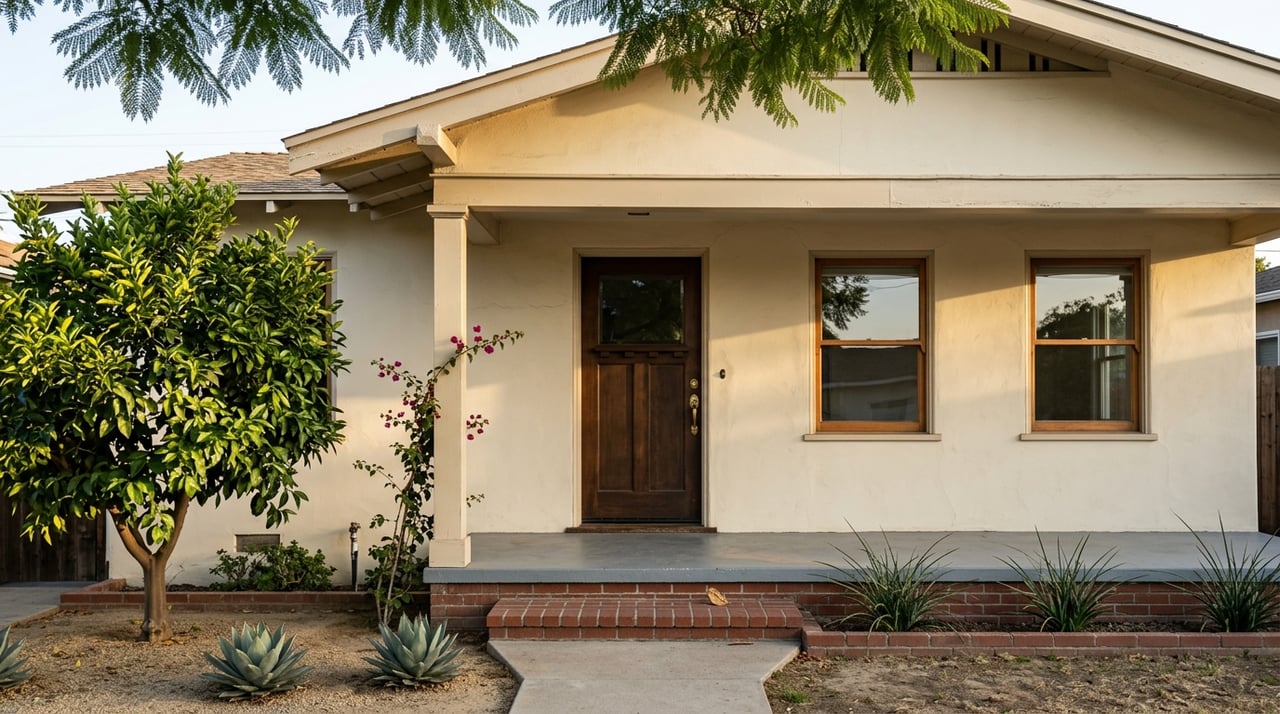
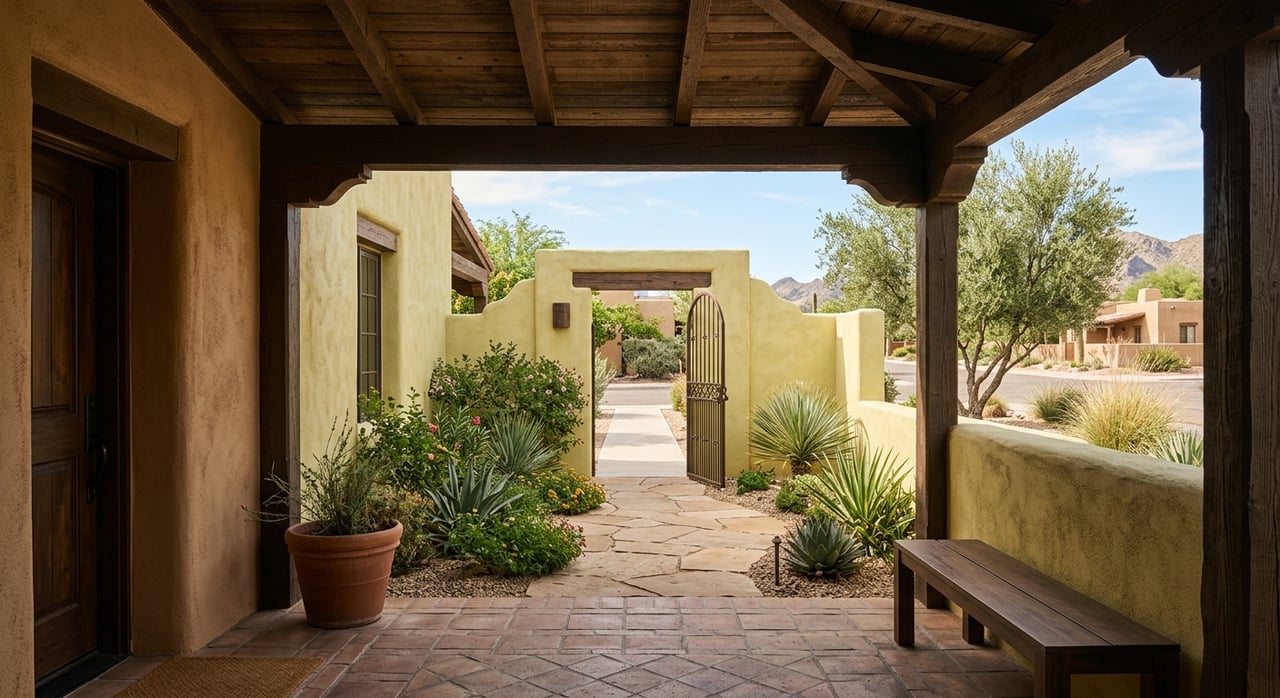
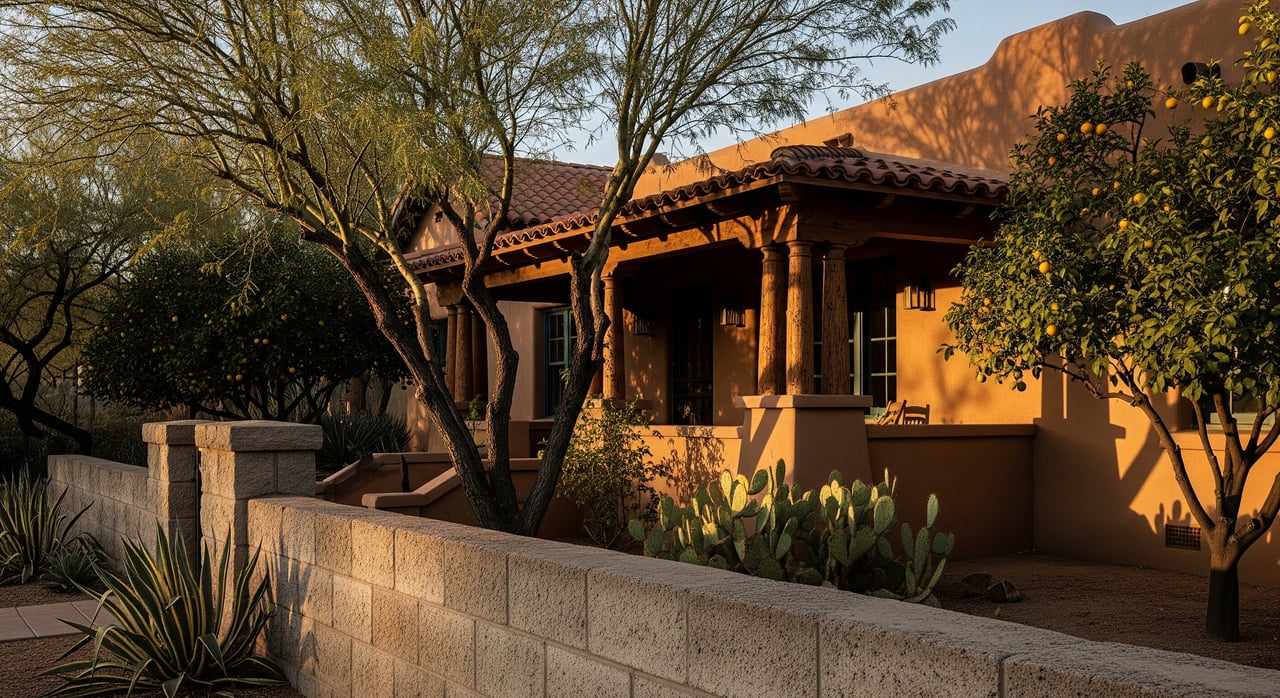
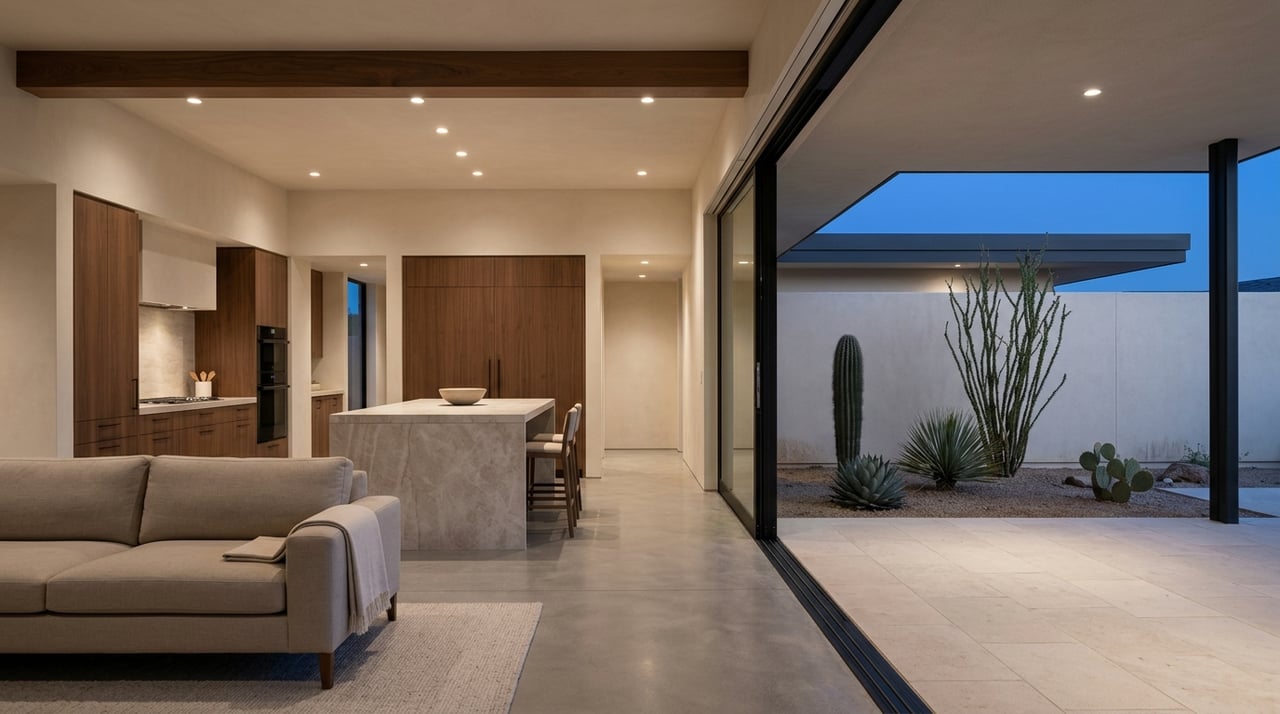
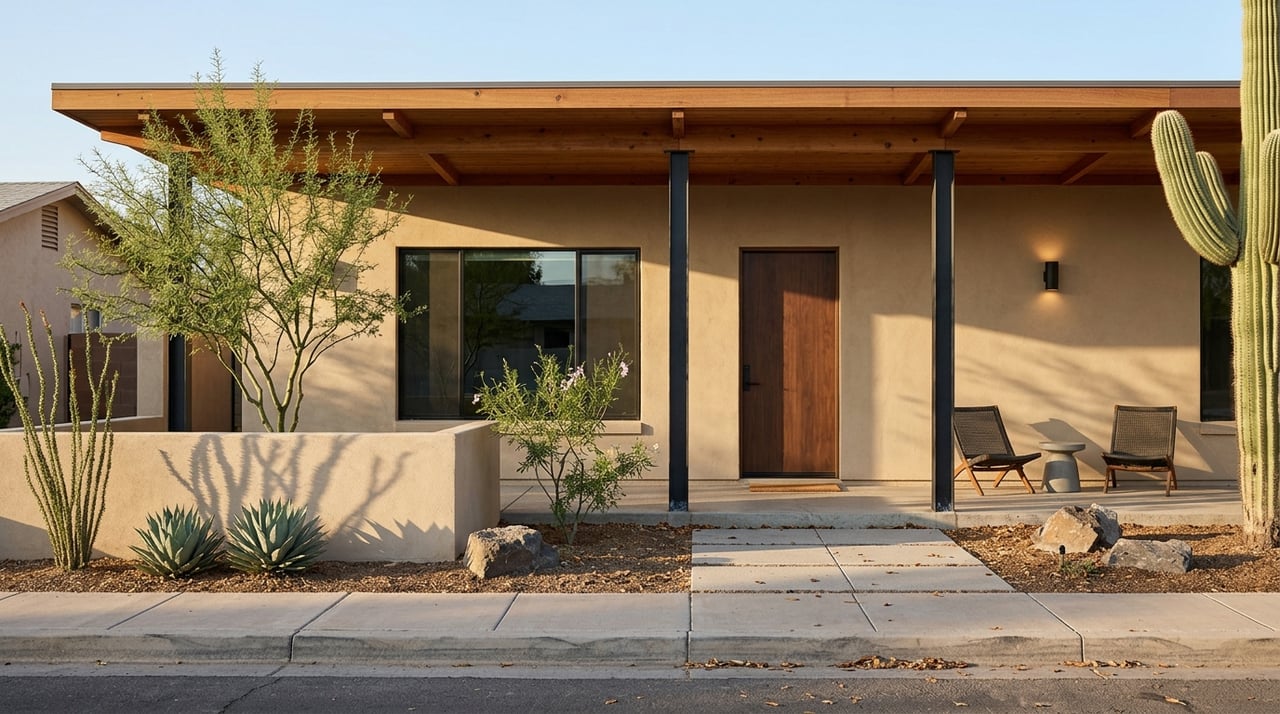
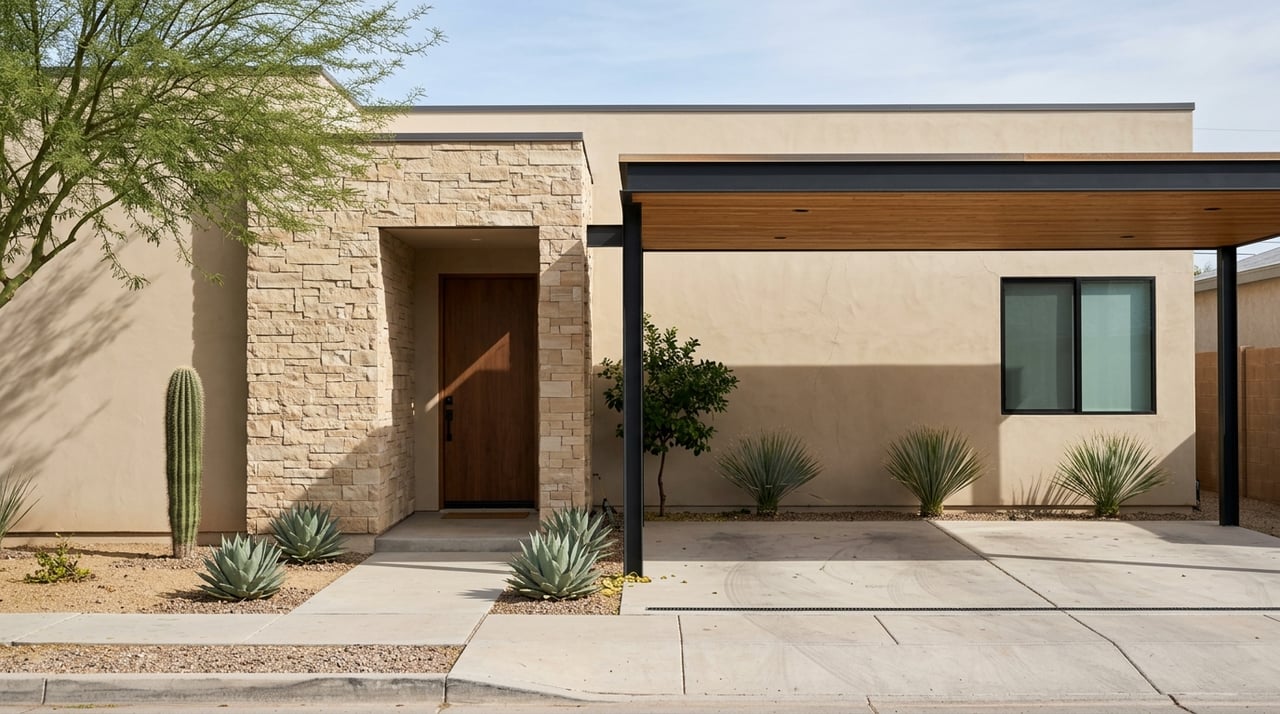
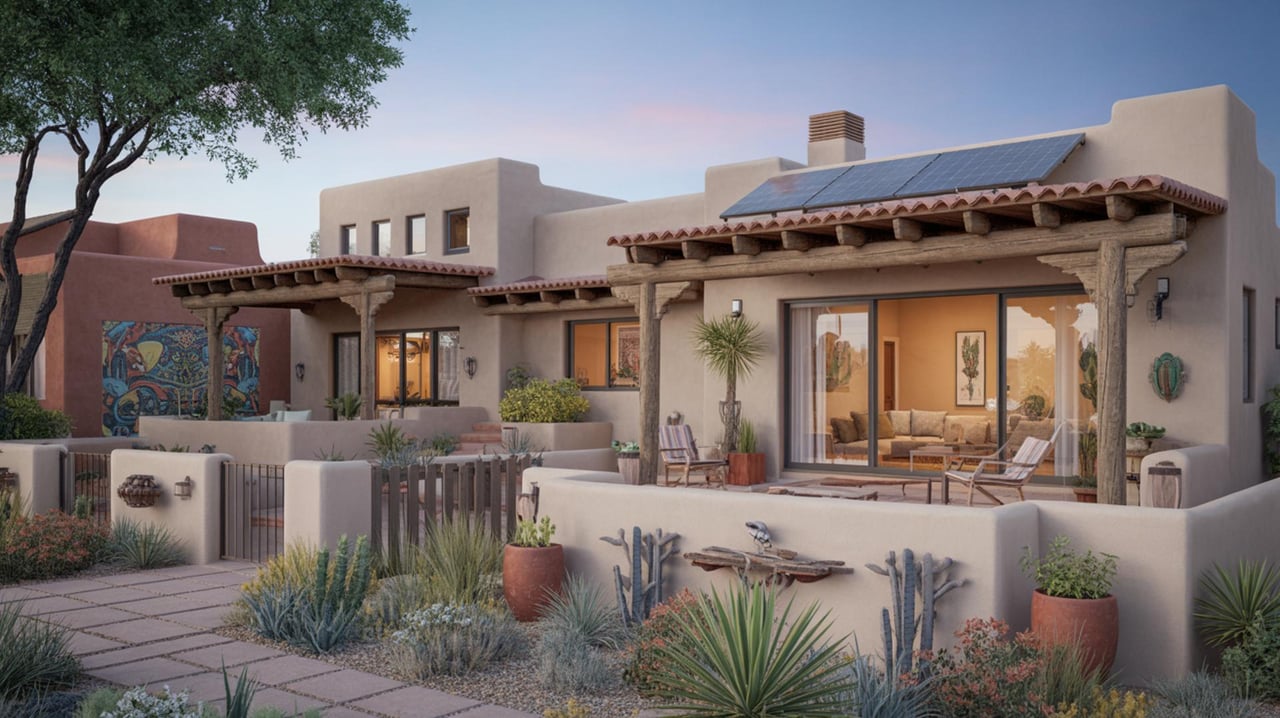
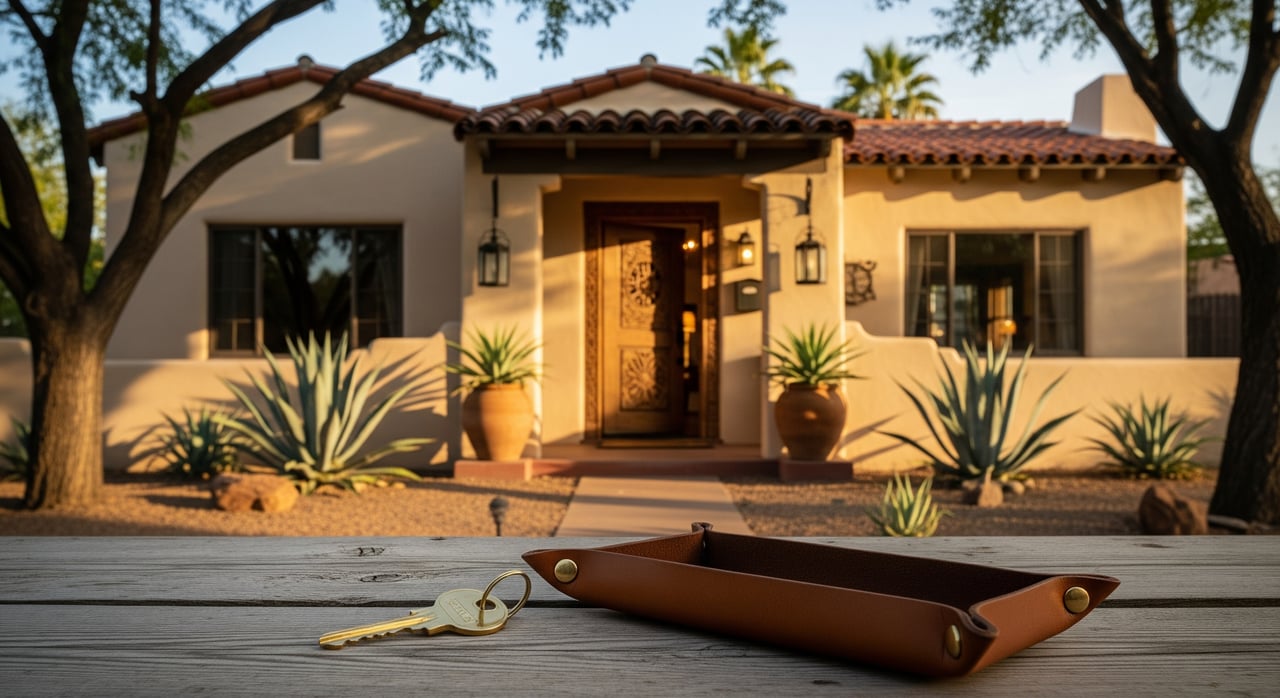
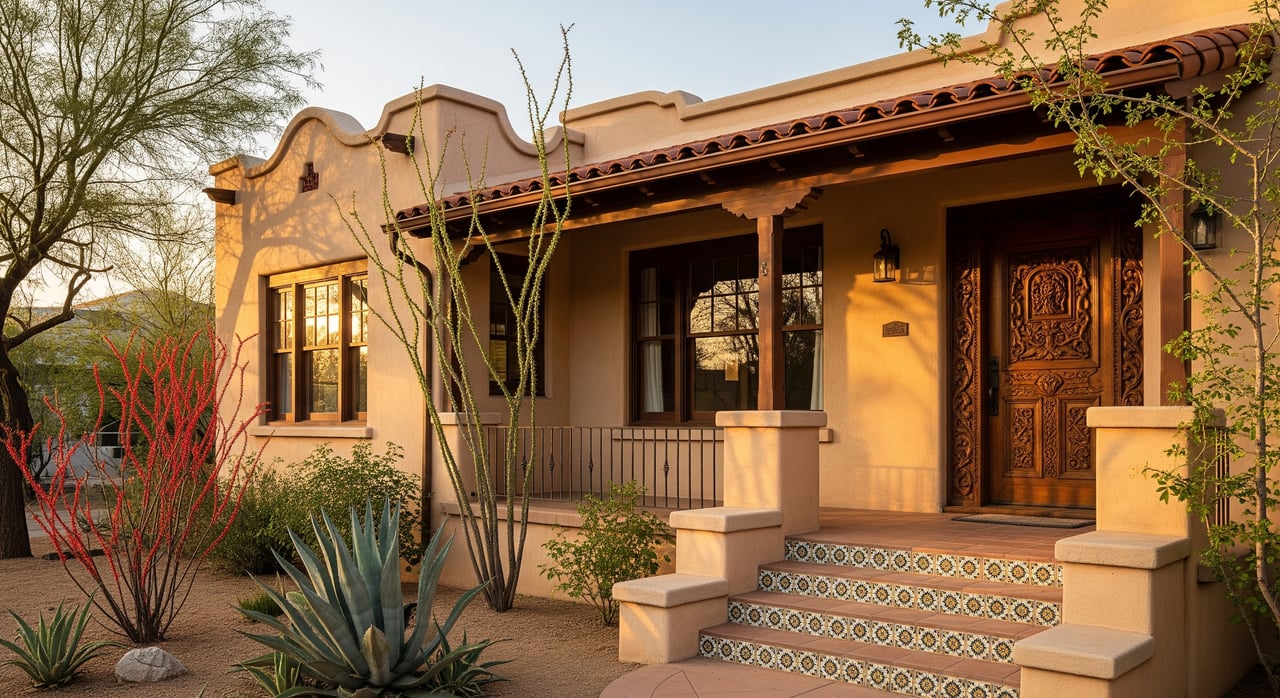
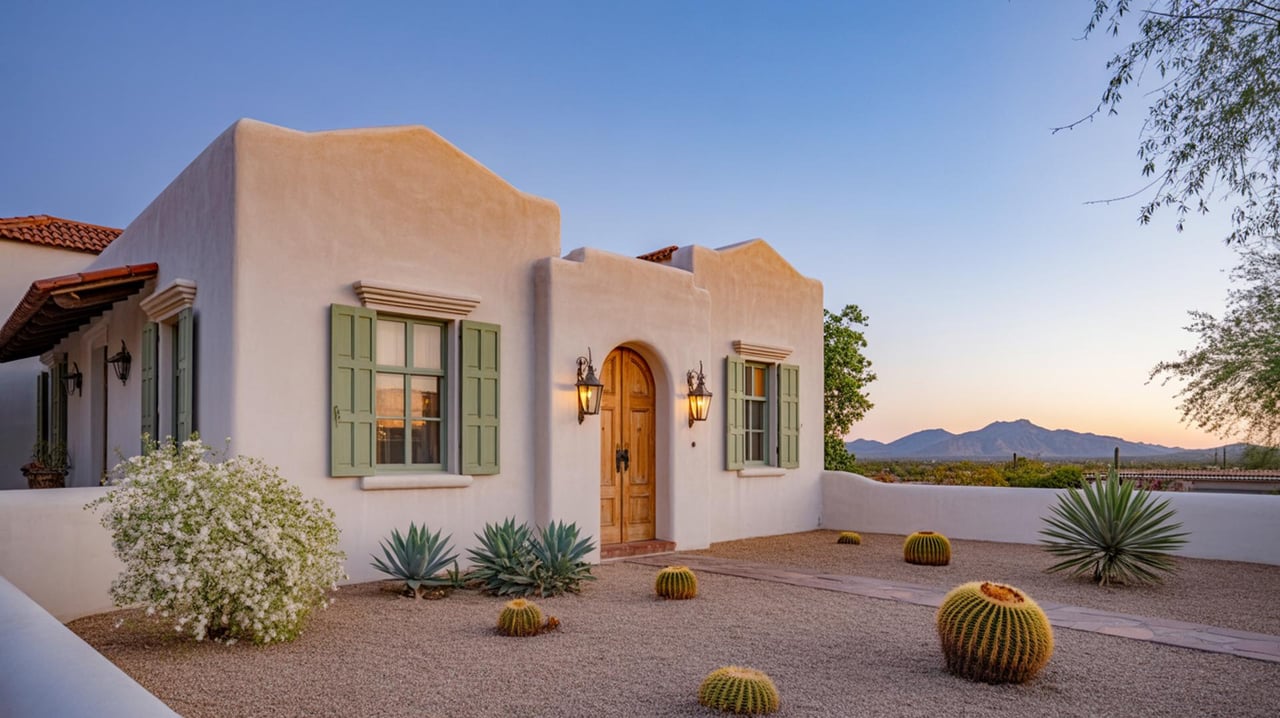
- Central Tucson: A diverse mix of bungalows, Craftsman, Pueblo/Spanish Colonial influences, mid-century modern, and infill builds. You’ll also see more condos and small apartment buildings, especially near downtown and the University. Lots are typically smaller than in the Foothills, with more street-facing and courtyard-style designs.
HOAs, maintenance and ongoing costs
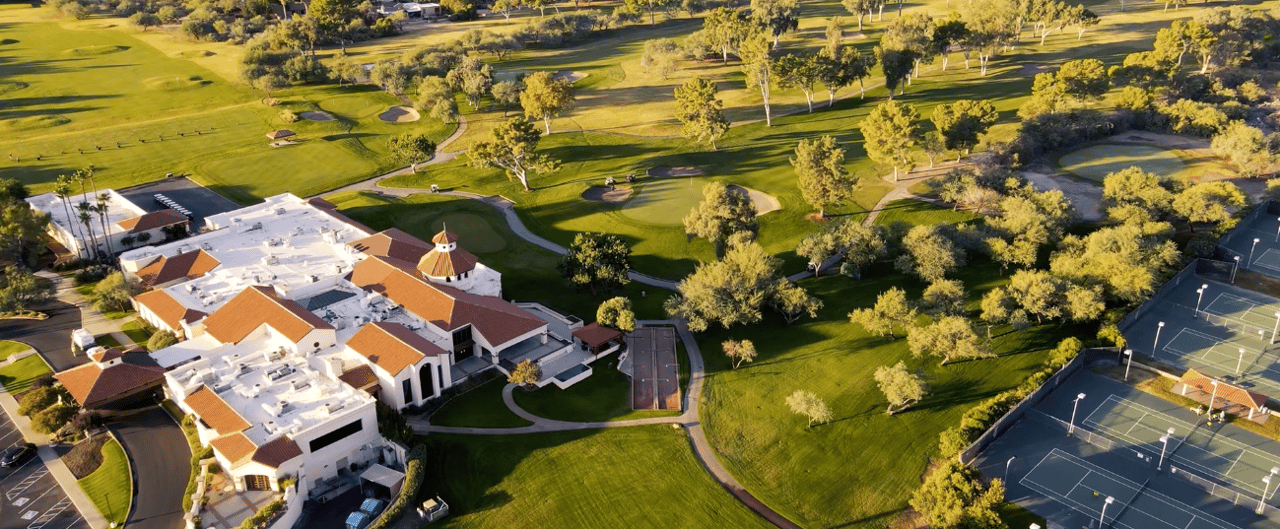
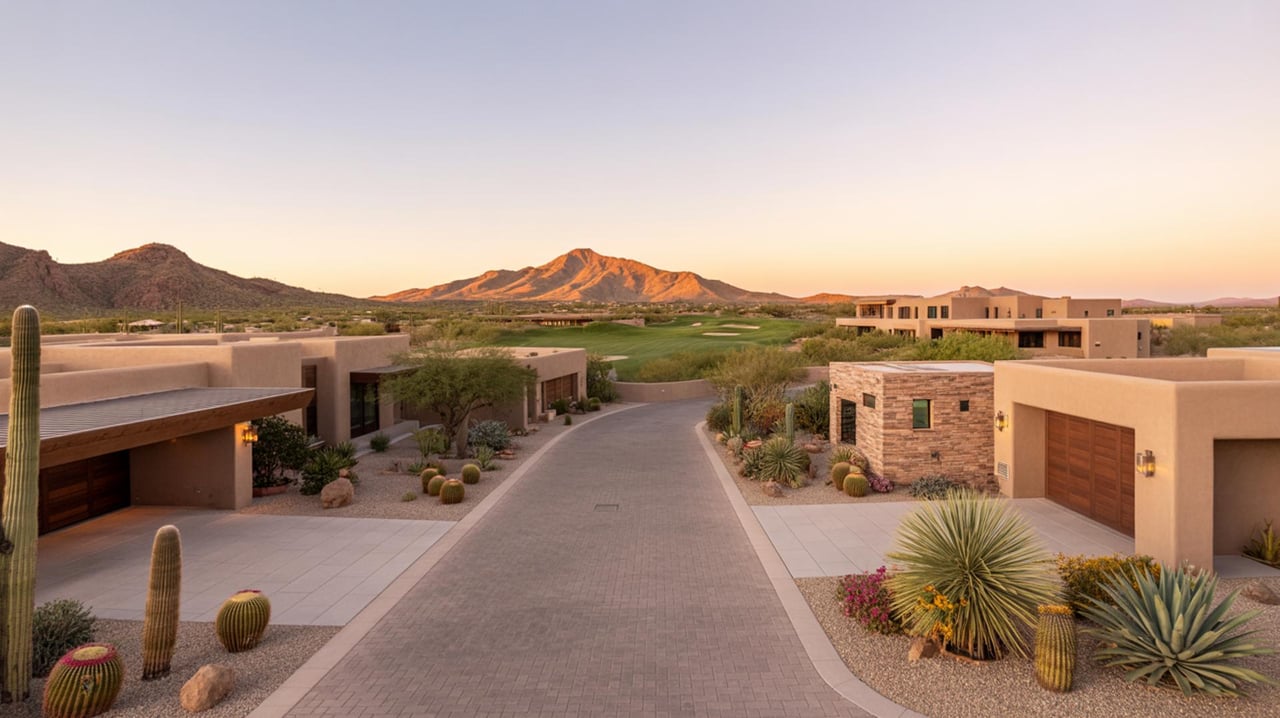
- HOAs and amenities: The Foothills has a higher prevalence of HOAs, gated communities, private roads, community pools and club-style features. Rules can affect exterior changes and rental options, and fees vary by development. Central Tucson has fewer HOAs in historic neighborhoods, with more small associations tied to condos.
- Maintenance: Larger lots and custom builds often bring higher ongoing costs, from pool care and landscaping to driveway and retaining-wall upkeep. Sloped parcels may require erosion control and drainage management. Budget accordingly.
Daily life and commute
From many Foothills subdivisions, you can expect about a 15 to 35 minute drive to downtown Tucson, the University area, and central medical centers. Peak-hour slowdowns tend to cluster along major connectors like Oracle Road, River Road, Skyline Drive and Campbell Avenue. In central neighborhoods, you’ll likely have shorter trips to dining, shopping and events, with options to walk or bike in key districts.
Public transit is more robust in central Tucson, with broader Sun Tran coverage. Walkability scores and bike options also tend to be stronger near downtown, 4th Avenue and the University. The Foothills is more car-dependent, with most errands requiring a short drive.
Services and utilities: city vs county
The Catalina Foothills is largely unincorporated Pima County. That can mean different policing and fire coverage compared with City of Tucson neighborhoods, along with variations in trash, water and sewer providers. Some Foothills properties rely on county services, special districts, or private wells and septic systems. In the City of Tucson, residents receive municipal services and city utility billing. Always verify water and sewer providers, utility rates and any special service fees for each address you’re considering.
Outdoor access and recreation
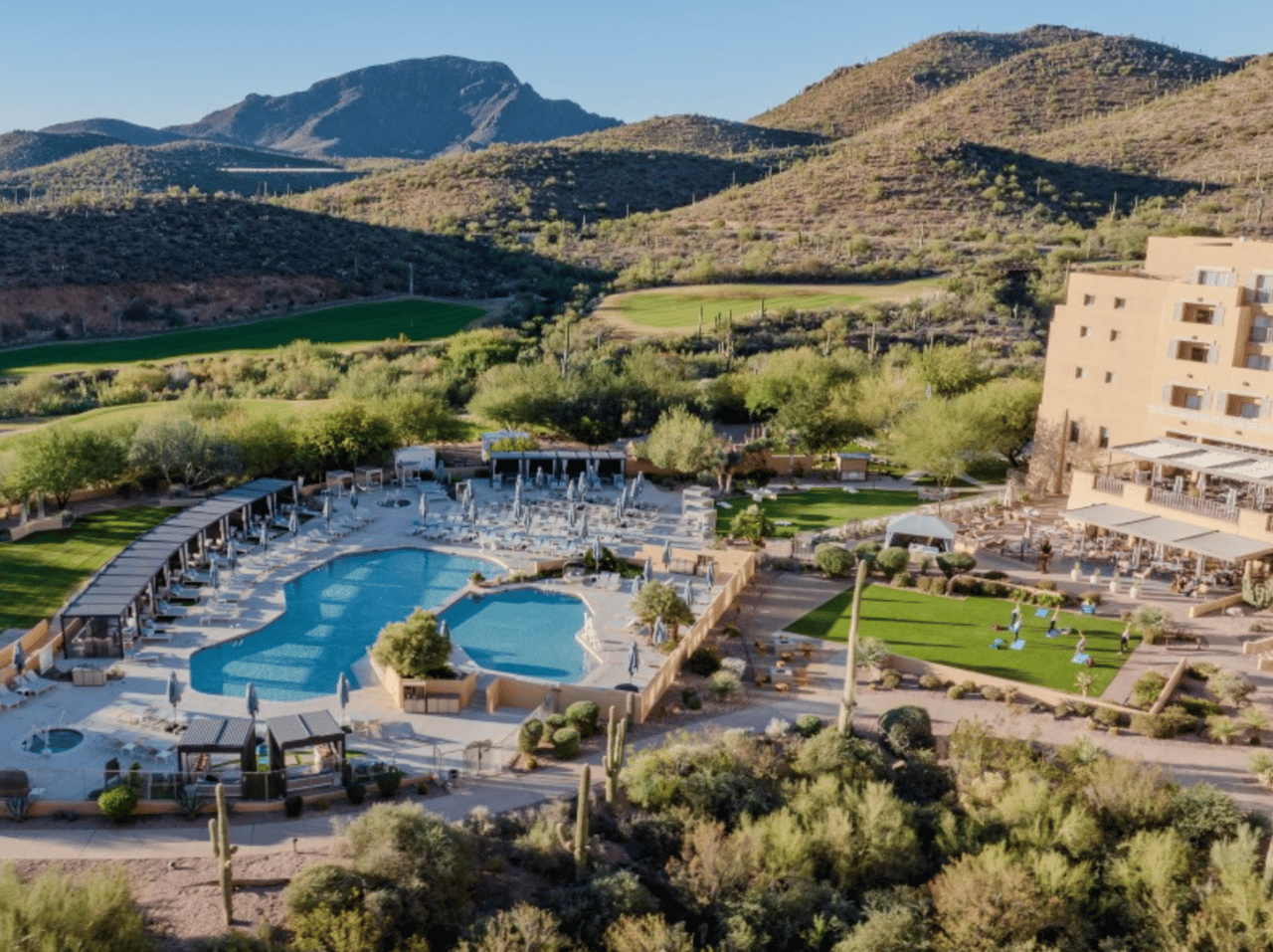
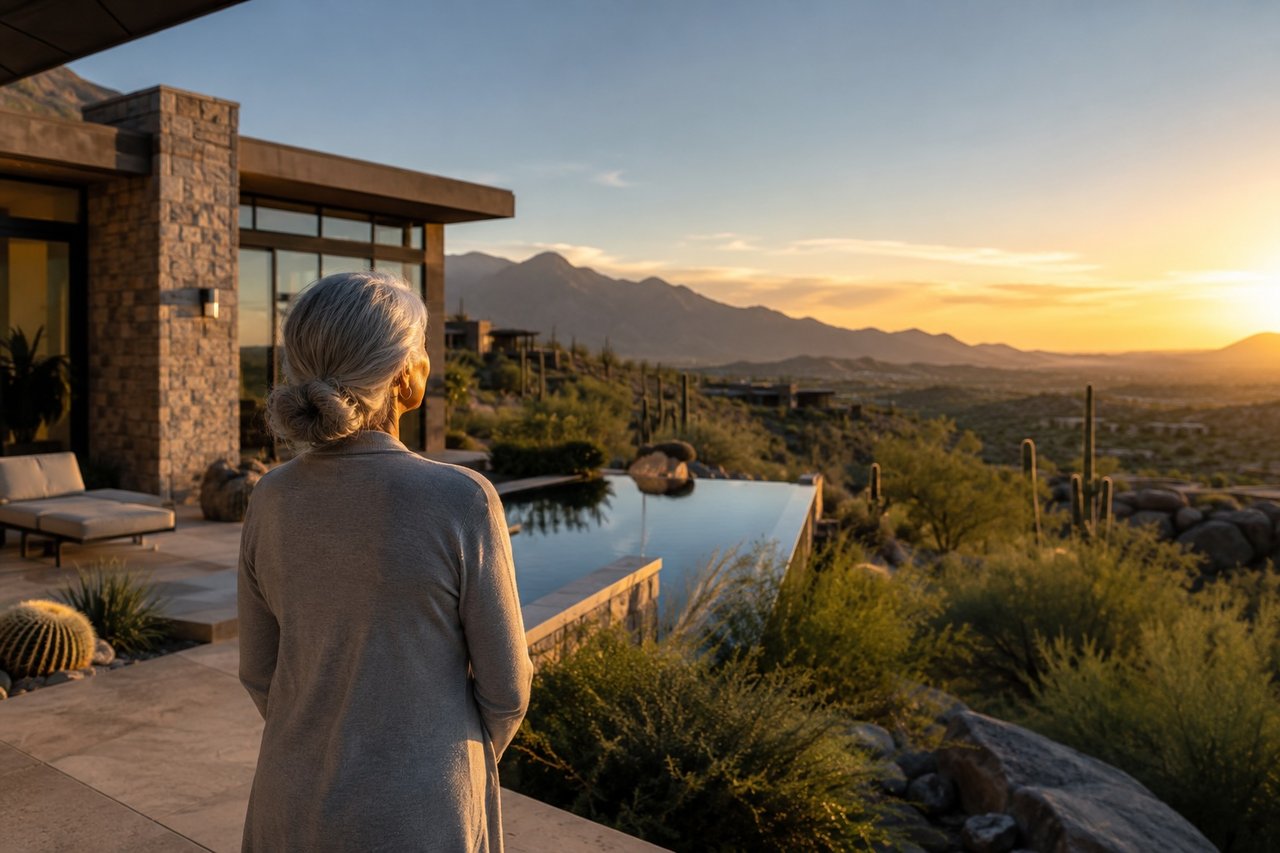
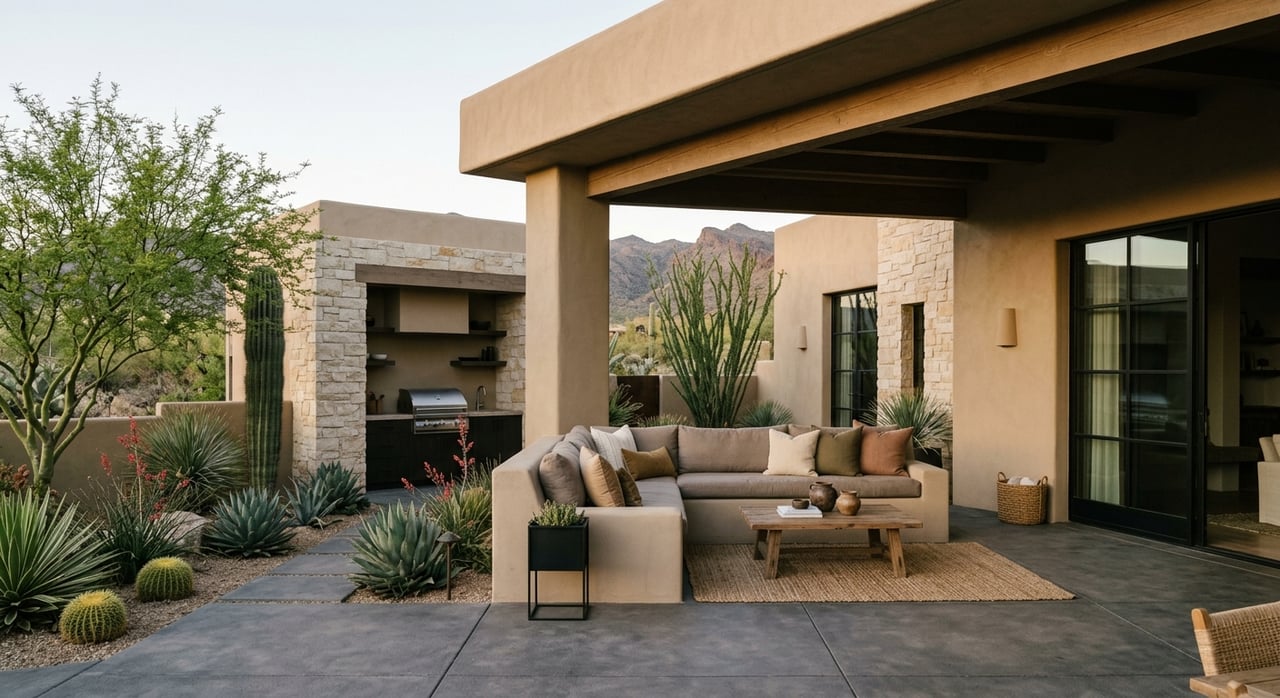
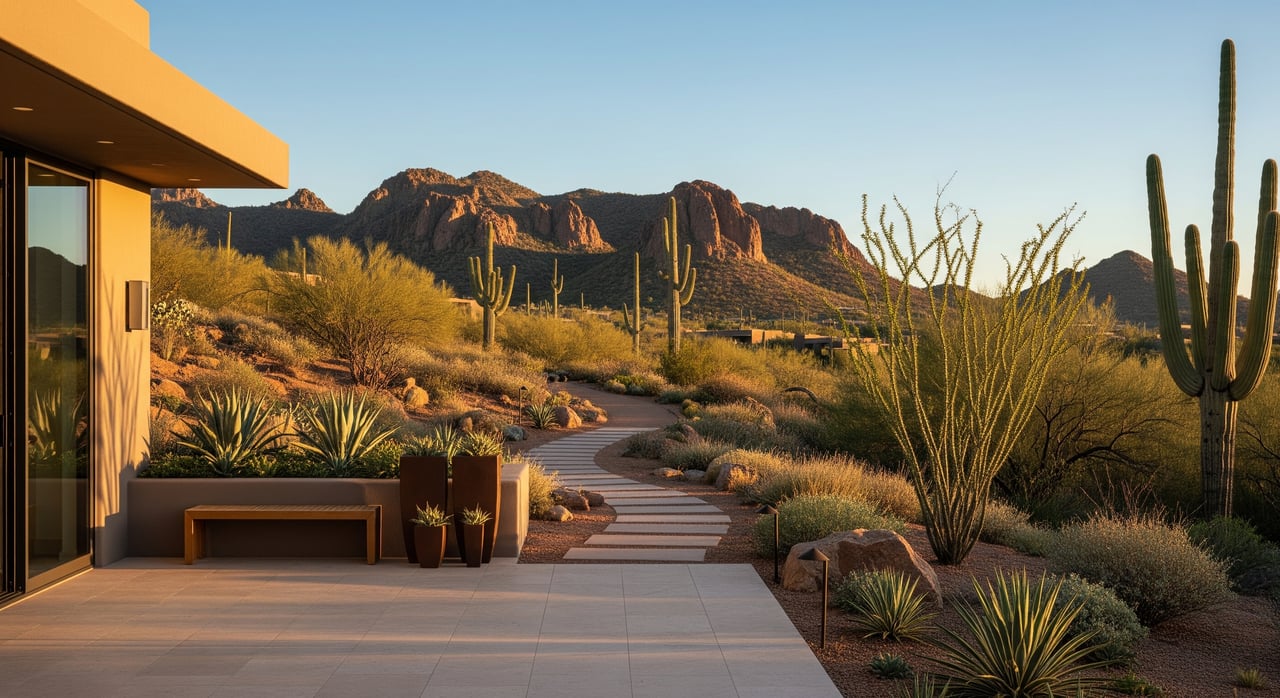
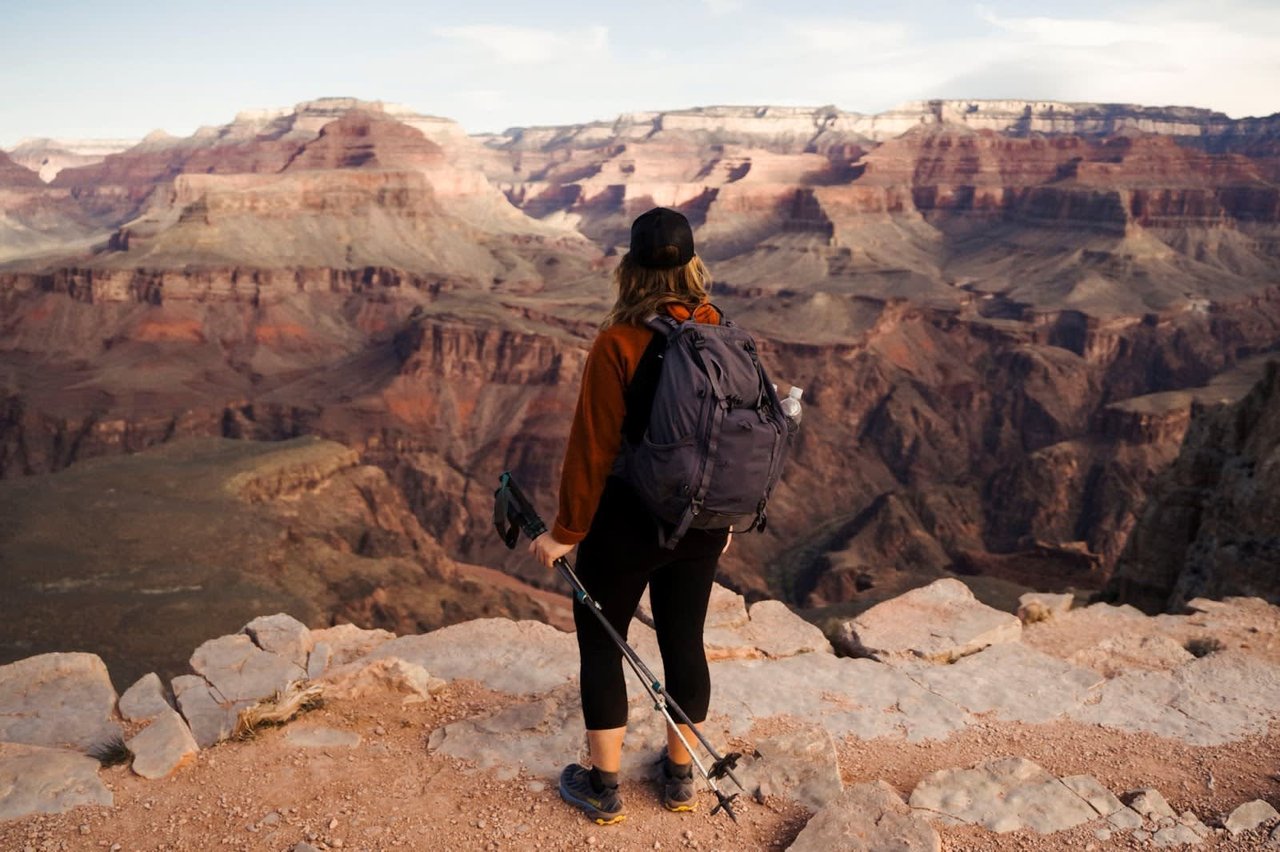
If you want mountain trailheads minutes away, the Foothills is hard to beat. You’ll find close access to Coronado National Forest trailheads, the Sabino Canyon Recreation Area, and Catalina State Park. The higher-elevation foothills can feel slightly cooler on summer evenings, and outdoor living features like patios and pools are common.
Central Tucson shines for urban recreation. You’ll be near museums, theaters, and events, plus parks like Reid Park and Himmel Park. The Rillito and Santa Cruz multi-use paths create easy biking and jogging loops, and central locations make quick trips to Saguaro National Park’s east and west units simple.
Environmental considerations
- Heat: Both areas experience hot Sonoran Desert summers. Slightly higher elevations in the Foothills can be marginally cooler, especially at night.
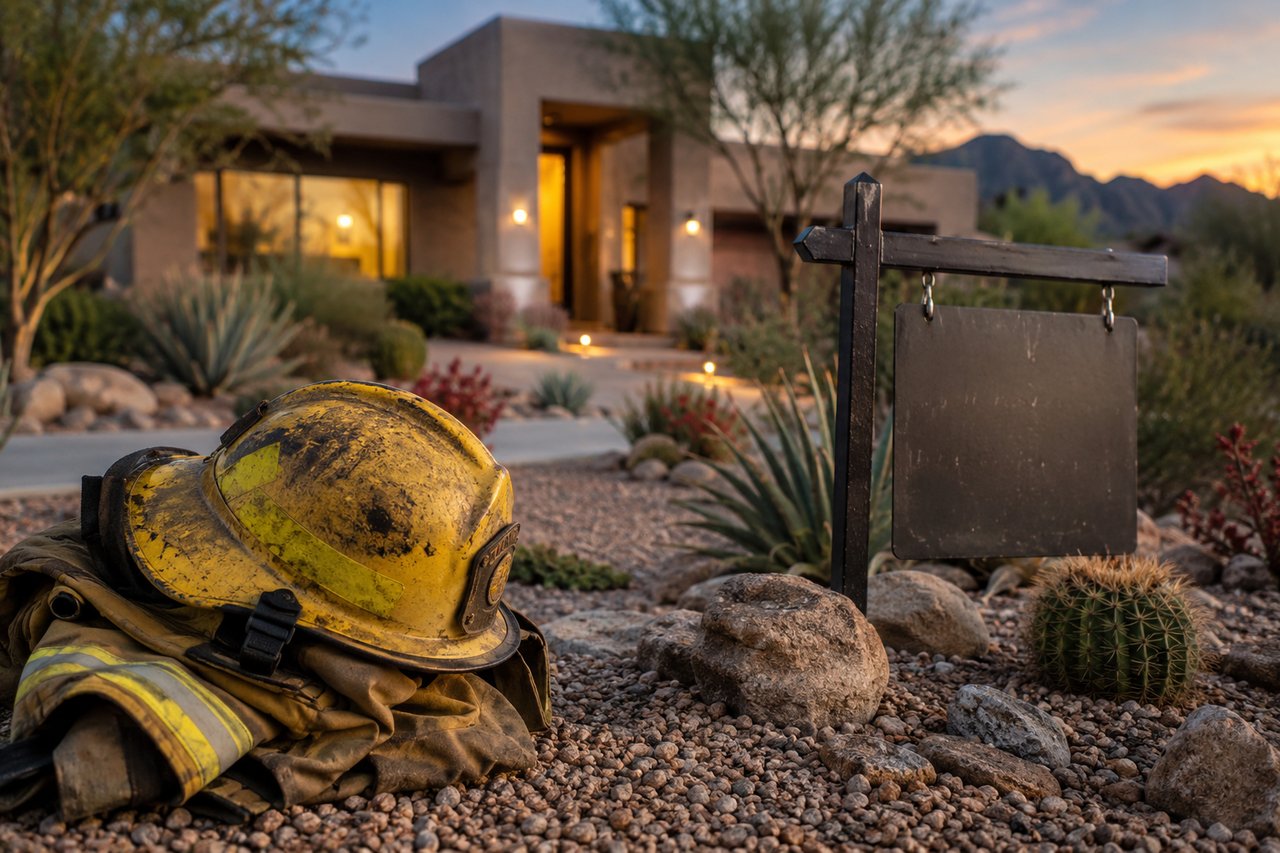
- Wildfire/brush-fire risk: Mountain-edge properties face elevated wildfire risk compared with central urban areas. Plan for defensible space, fire-resistant landscaping, and insurance checks.
- Flash floods and drainage: Steeper slopes and washes in the Foothills can create localized runoff issues. Review FEMA flood maps and Pima County flood-control data for any home you’re evaluating.
- Utilities and access: More remote parcels may use wells or septic and could have longer service response times. Confirm these details in diligence.
Side-by-side snapshot
| Factor | Catalina Foothills | Central Tucson |
|---|---|---|
| Overall vibe | Quieter, suburban, mountain-edge living | Urban energy, cultural hubs, walkable pockets |
| Typical housing | Larger single-family, many custom/semi-custom | Mix of bungalows, historic styles, condos, small multi-family |
| Lot size | Larger on average; many 0.25–1+ acre parcels | Smaller urban lots; closer street presence |
| HOAs | Common; gated communities and amenities | Fewer in historic areas; more condo associations |
| Commute to downtown | About 15–35 minutes depending on subdivision/time | Often shorter local trips; some walk/bike options |
| Transit/walkability | Car-dependent; limited transit coverage | Broader bus service; stronger walk/bike in key districts |
| Shopping/dining | Upscale centers like La Encantada; boutique venues | Dense mix of restaurants, bars, theaters and markets |
| Outdoor access | Immediate trailheads, Sabino Canyon, mountain views | Urban parks, river paths; easy drives to Saguaro NP |
| Environmental risks | Elevated wildfire/brush-fire and drainage on slopes | Lower wildfire risk; typical urban drainage checks |
How to decide: a practical checklist
- Budget and value
- Clarify your target price and monthly costs. Compare recent medians and price-per-square-foot in the Foothills vs specific central neighborhoods.
- Factor in HOA fees, landscape and pool care, and any slope-related maintenance.
- Commute and mobility
- Test-drive your preferred routes at peak times. Expect 15 to 35 minutes from Foothills to downtown/UA depending on location.
- Decide how much you rely on walking, biking or transit for daily errands.
- Property features
- Prioritize views, privacy, lot size and architectural style. In the Foothills, orientation to mountain and city-light views is a major value lever.
- Note whether you’re comfortable with HOAs and their rules.
- Services and utilities
- Verify police/fire coverage, trash, water and sewer providers for each address.
- Confirm whether a property uses a well or septic and understand associated upkeep.
- Environmental due diligence
- Check FEMA flood maps and Pima County flood-control data for drainage and wash proximity.
- Discuss wildfire exposure and defensible-space practices with your insurance professional.
Next steps
- Shortlist 2–3 Foothills subdivisions and 2–3 central neighborhoods that match your budget and lifestyle.
- Schedule a route test during rush hour to compare drive times.
- Pull current market snapshots for each area to understand pricing and velocity.
- Set up tours that let you feel the differences on the ground: slope, views, street activity and access to errands.
Ready to weigh the trade-offs with a local guide who knows both sides of the mountain? Reach out to Daniel Sotelo for a no-pressure consult and a tailored plan.
FAQs
How do prices compare between Catalina Foothills and central Tucson?
- Catalina Foothills homes generally command a premium due to larger lots, elevated views, newer or custom builds, and access to resort-style amenities.
How long is the commute from the Foothills to downtown Tucson?
- Depending on the subdivision and time of day, typical drive times range from about 15 to 35 minutes.
Are utilities and services the same in the Foothills as in city neighborhoods?
- Not always; much of the Foothills is unincorporated Pima County, so police/fire and utility providers can differ, while City of Tucson neighborhoods receive municipal services.
What should I know about HOAs in the Foothills vs central areas?
- HOAs are more common in the Foothills, often with gated access and amenities; central historic areas have fewer HOAs, though condo buildings may have smaller associations.
What environmental risks should I check for a foothills home?
- Mountain-edge properties can have elevated wildfire and drainage concerns; review FEMA flood maps and Pima County data and confirm insurance coverage requirements.
Which area is better for quick outdoor recreation?
- The Foothills offers immediate access to mountain trailheads like Sabino Canyon, while central Tucson excels for urban parks and multi-use river paths for biking and jogging.