Buying a Historic Home in Barrio Hollywood, Tucson
A Luxury Buyer’s Guide by Daniel Sotelo with Long Realty
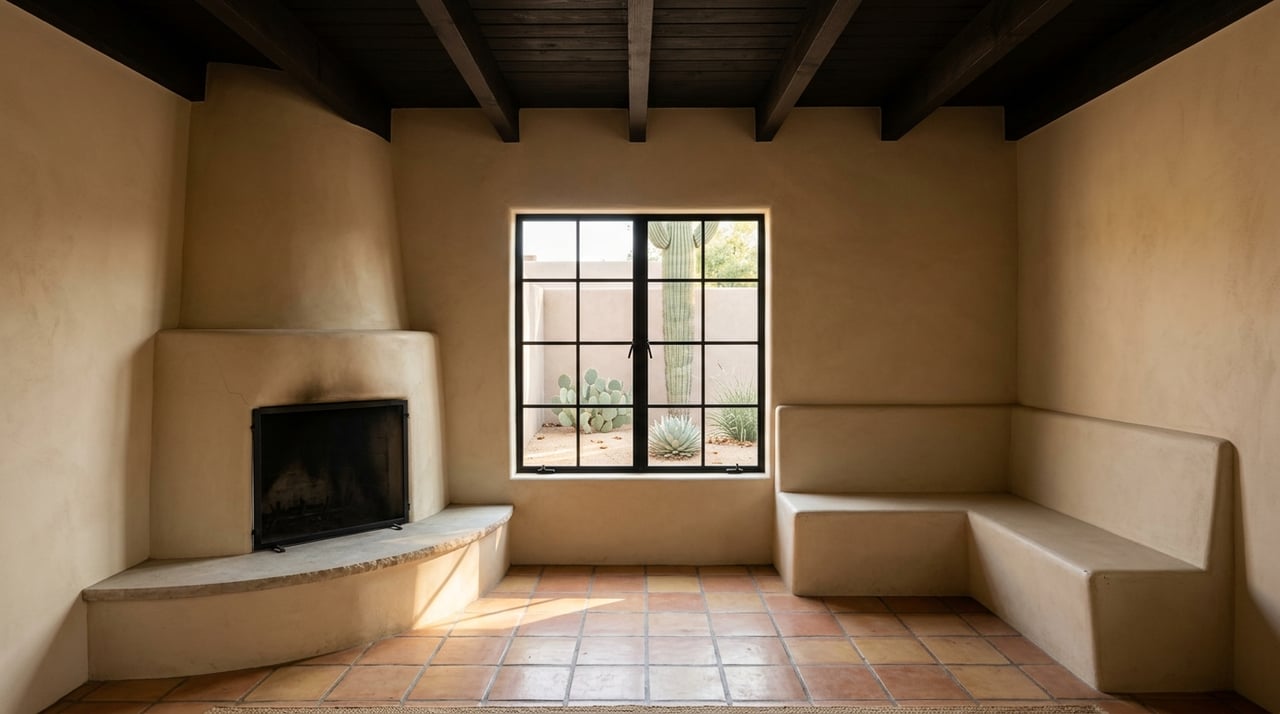
When a client calls me about a historic home in Barrio Hollywood, I know exactly what’s happening. They’ve fallen for the soul of the place. The thick adobe walls. The proportions you don’t see anymore. The feeling that the home has a story and that they might become part of it.
That emotional pull is real. My job is to make sure it’s matched with clarity, strategy, and protection.
Buying a historic home here can be incredibly rewarding, but it is not the same as buying a newer build. You need the right information, the right inspections, and the right plan from day one. This is how I guide my clients through it.
Why Barrio Hollywood Still Pulls People In
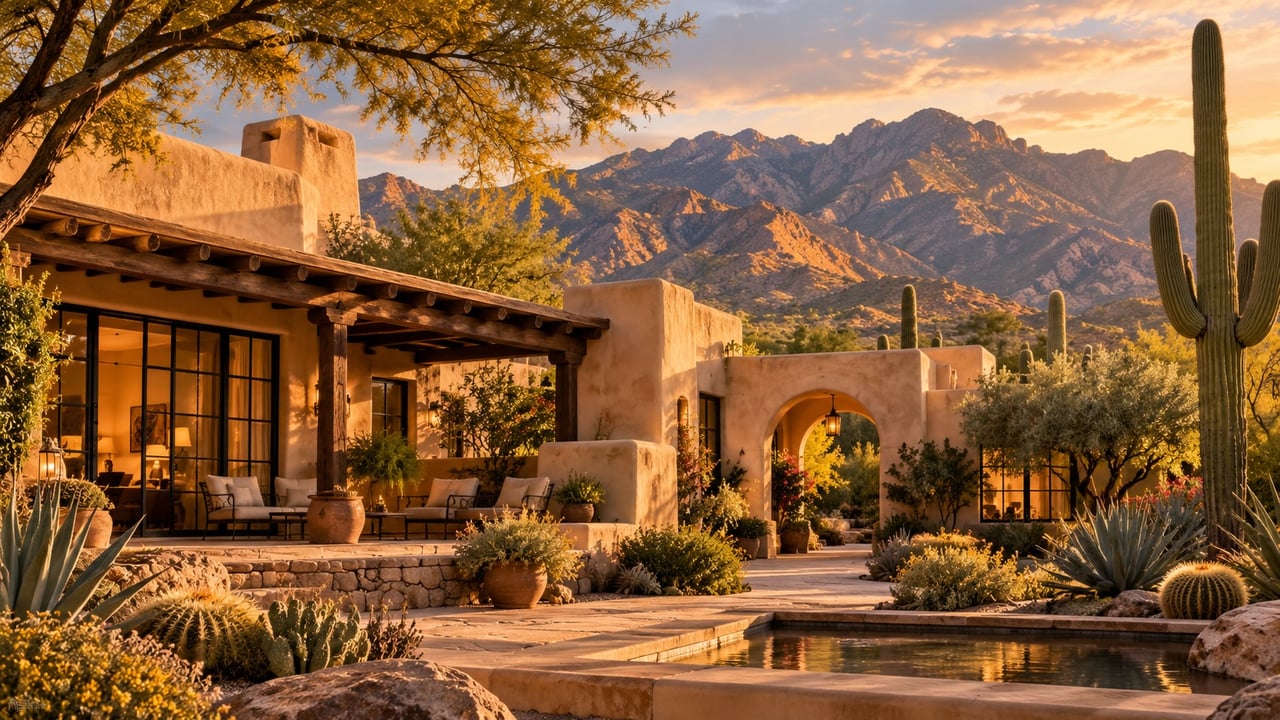
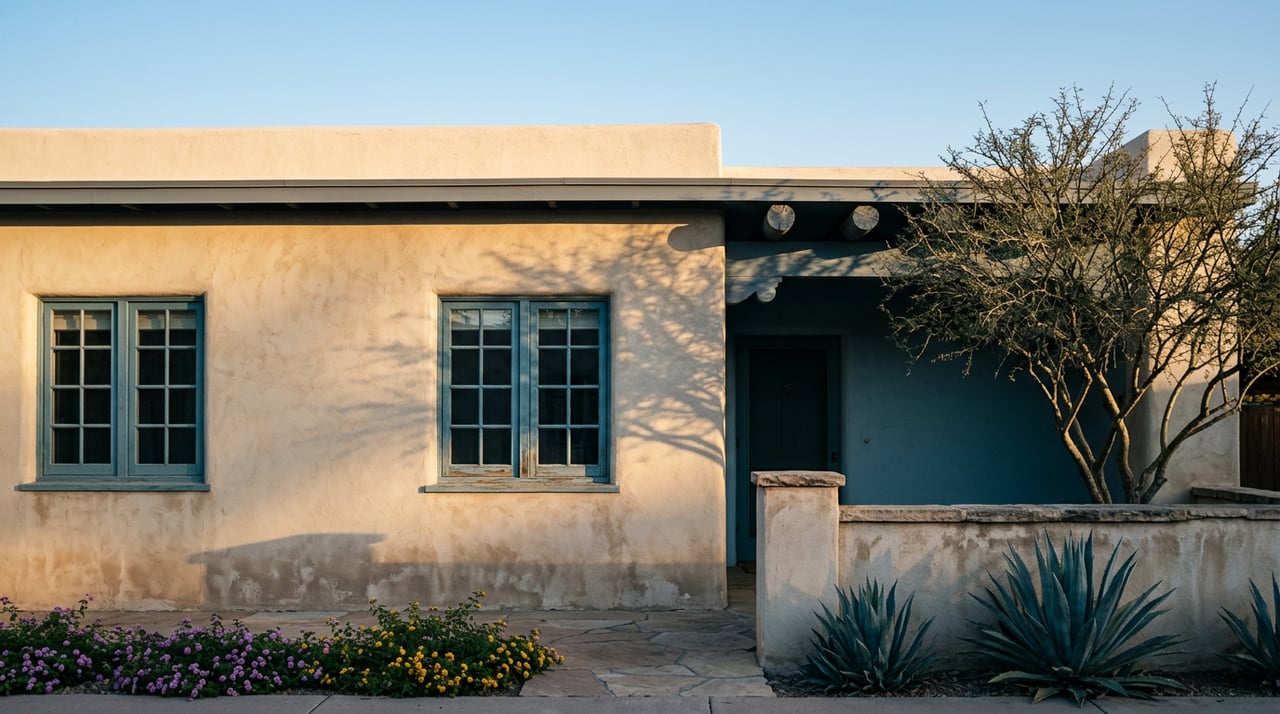
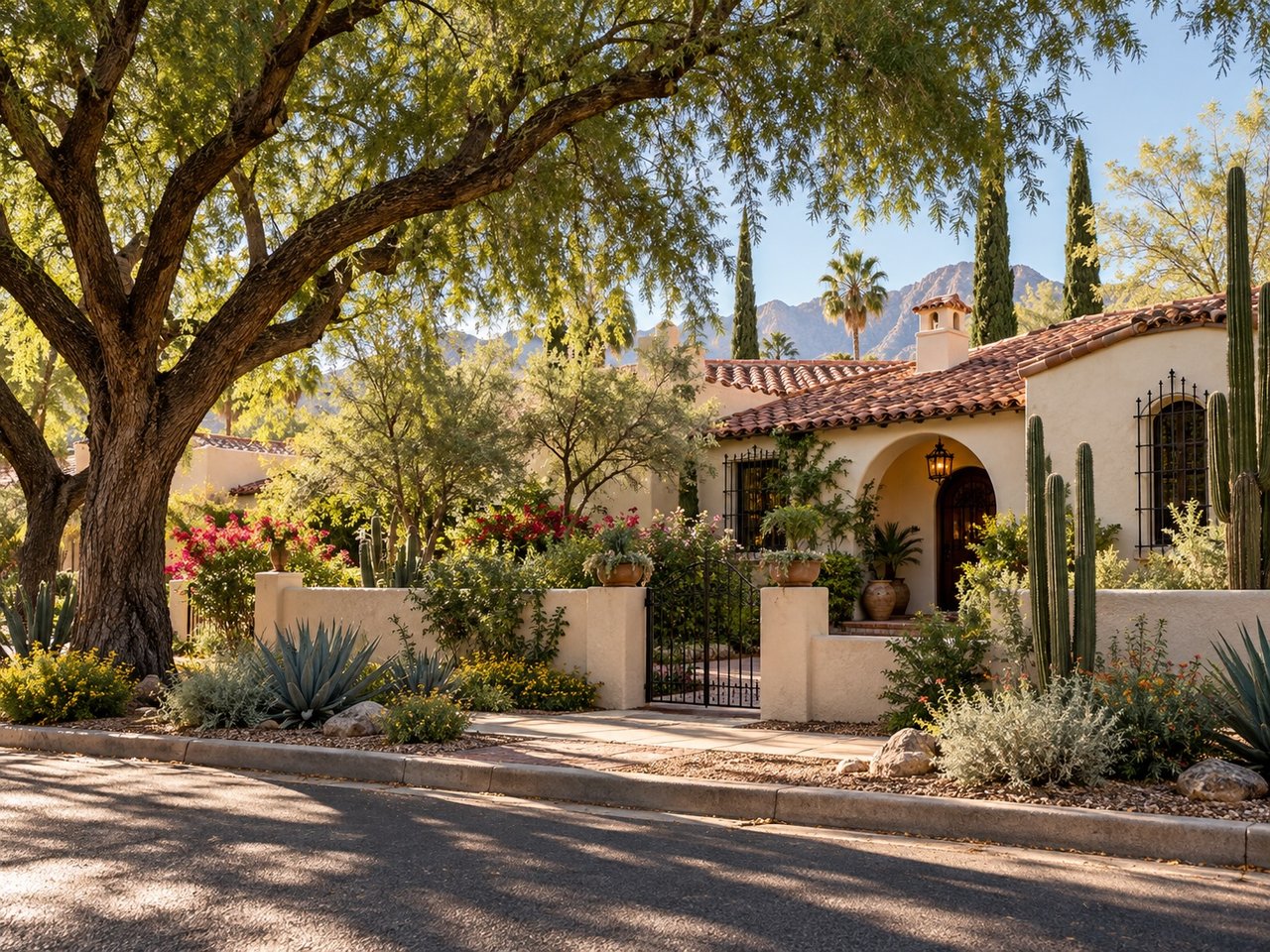
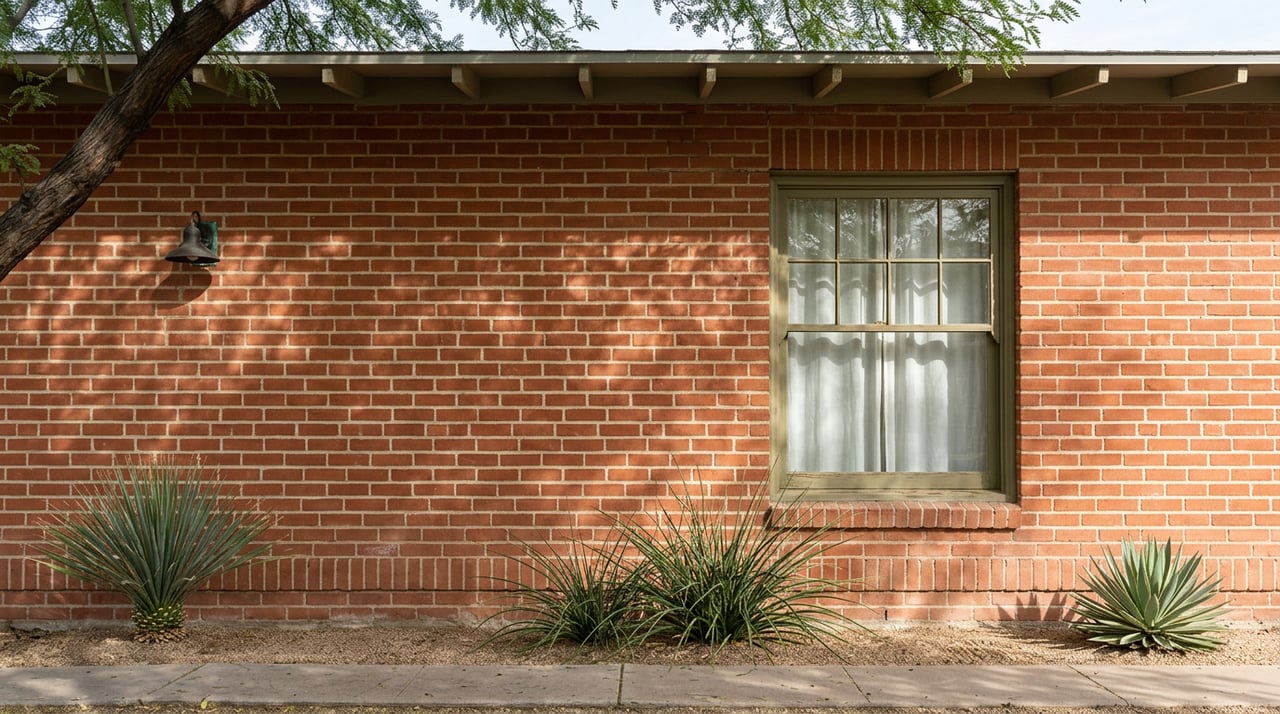
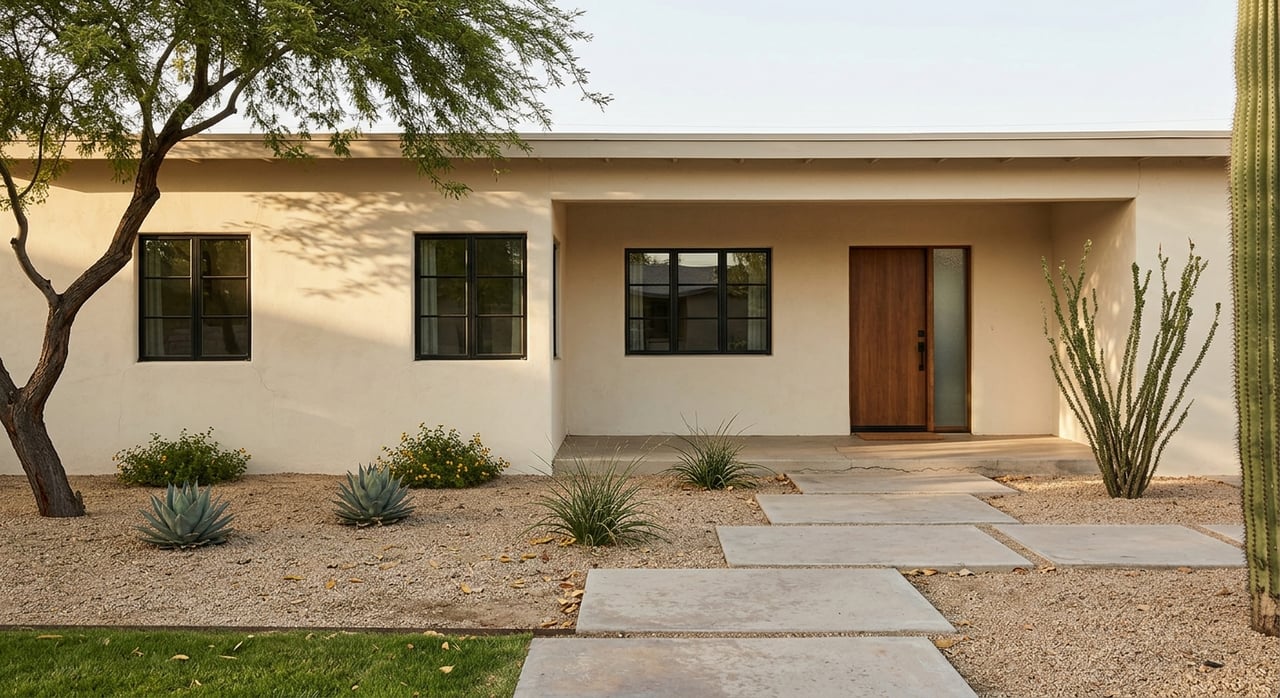
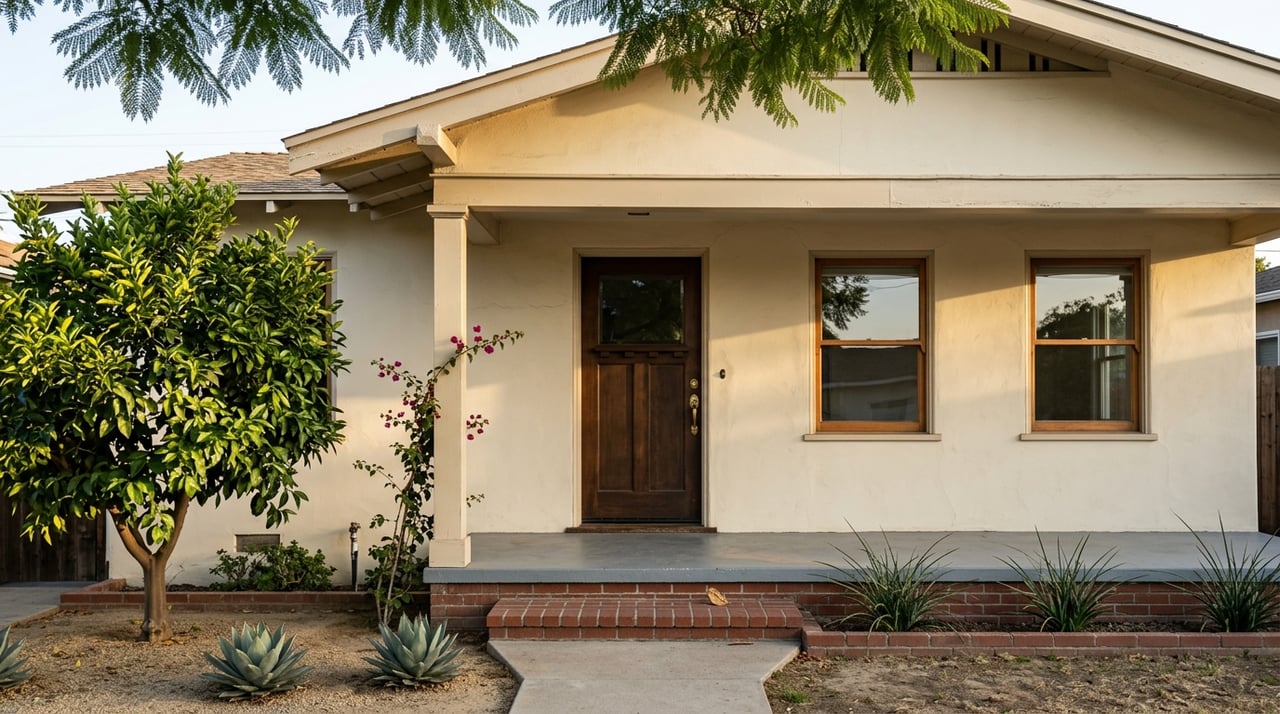
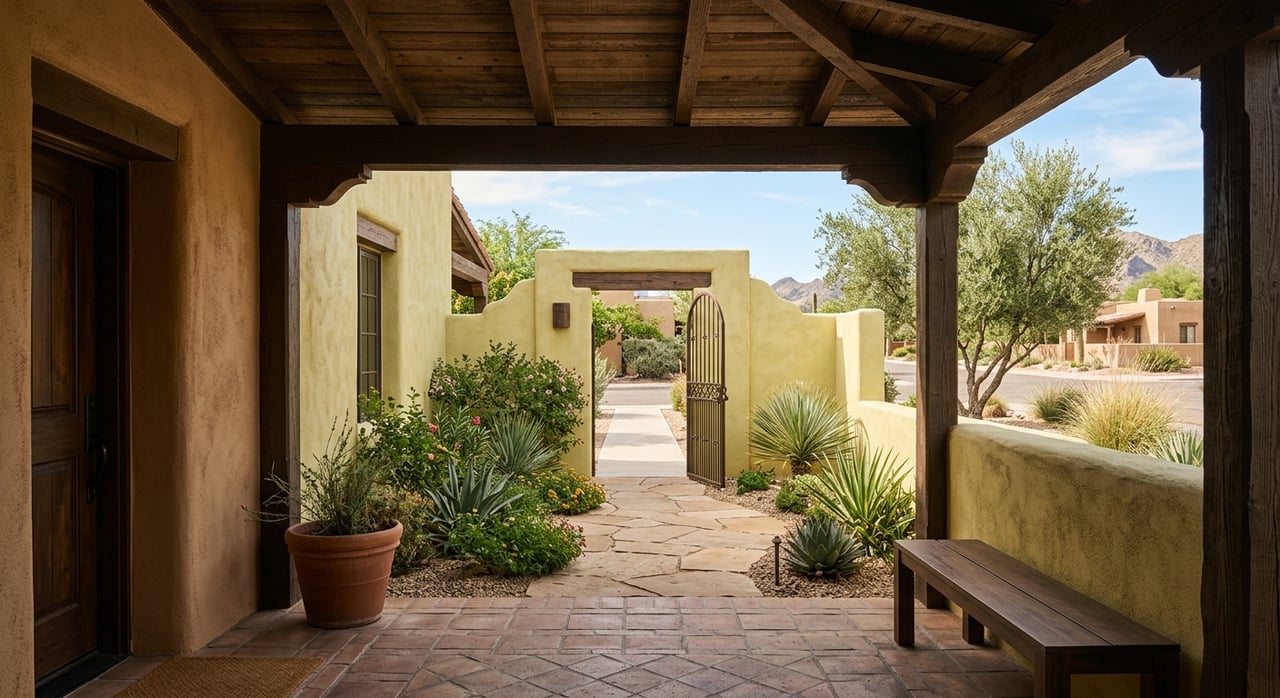
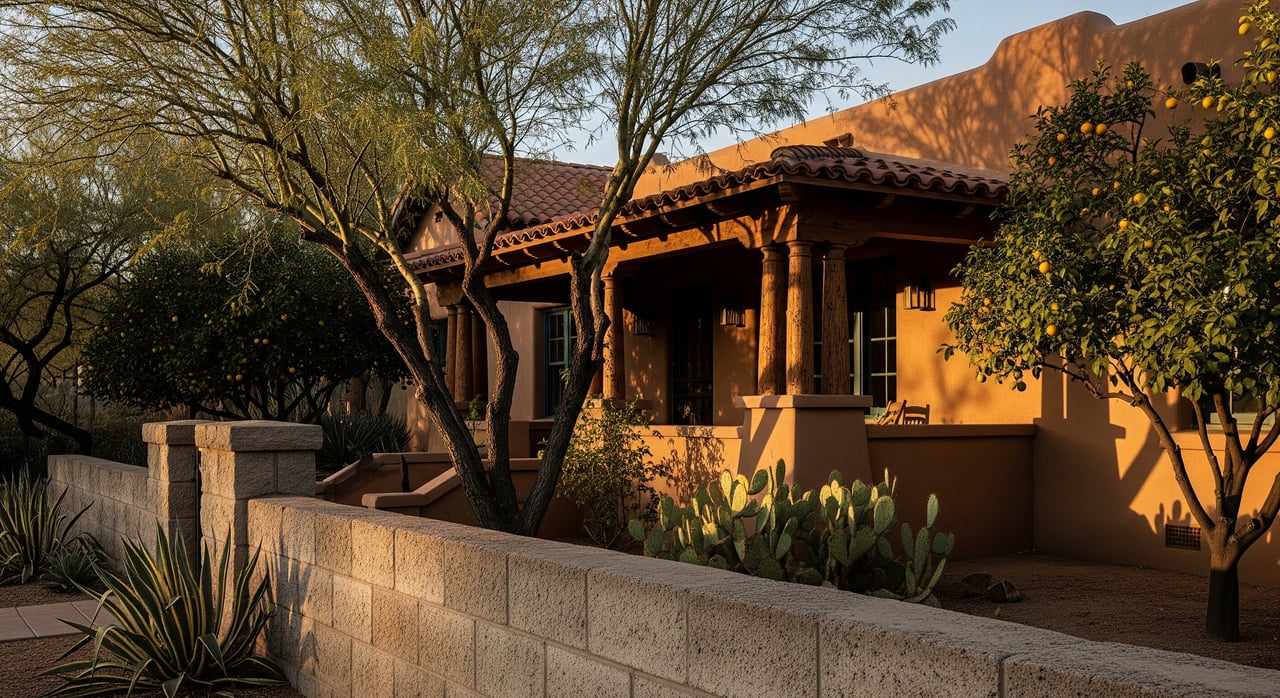
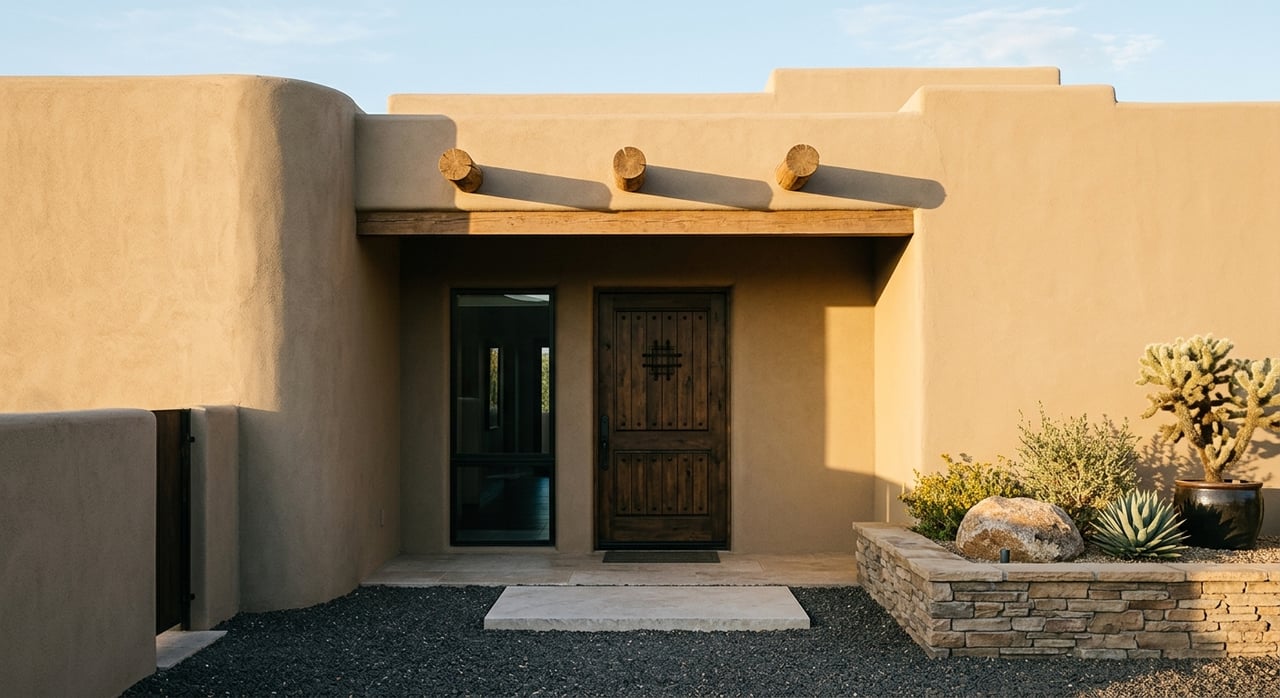
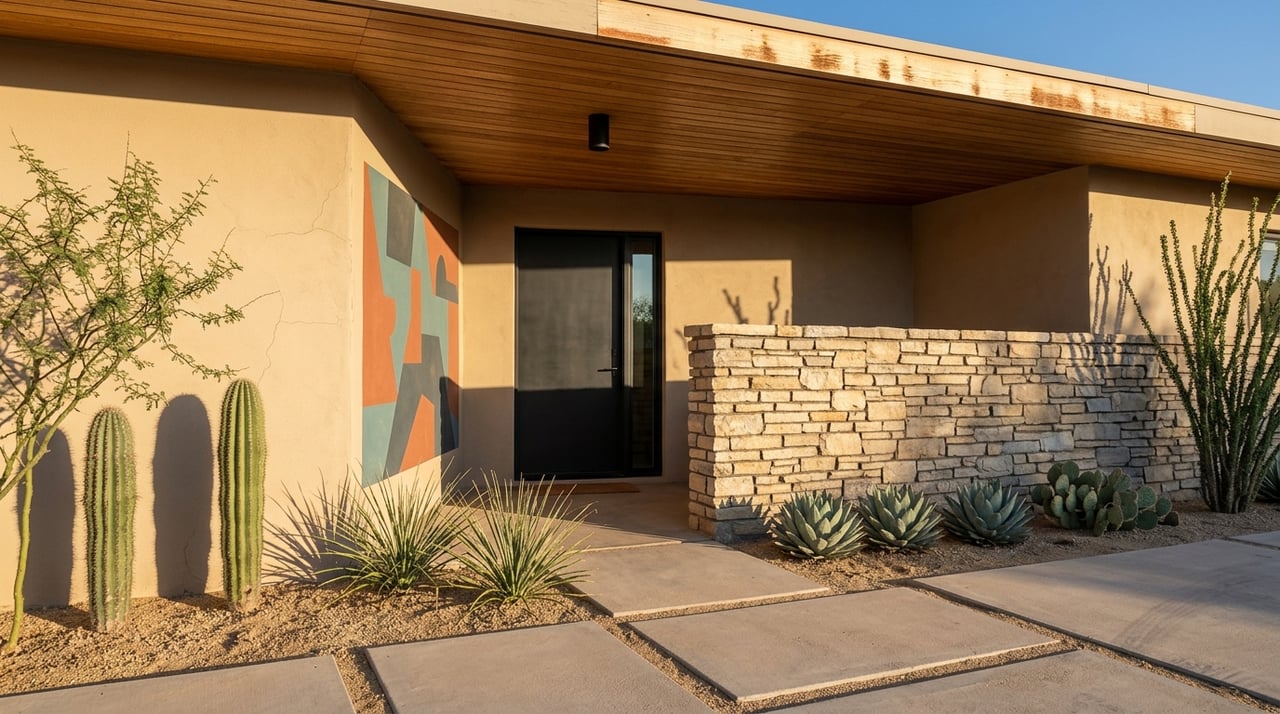
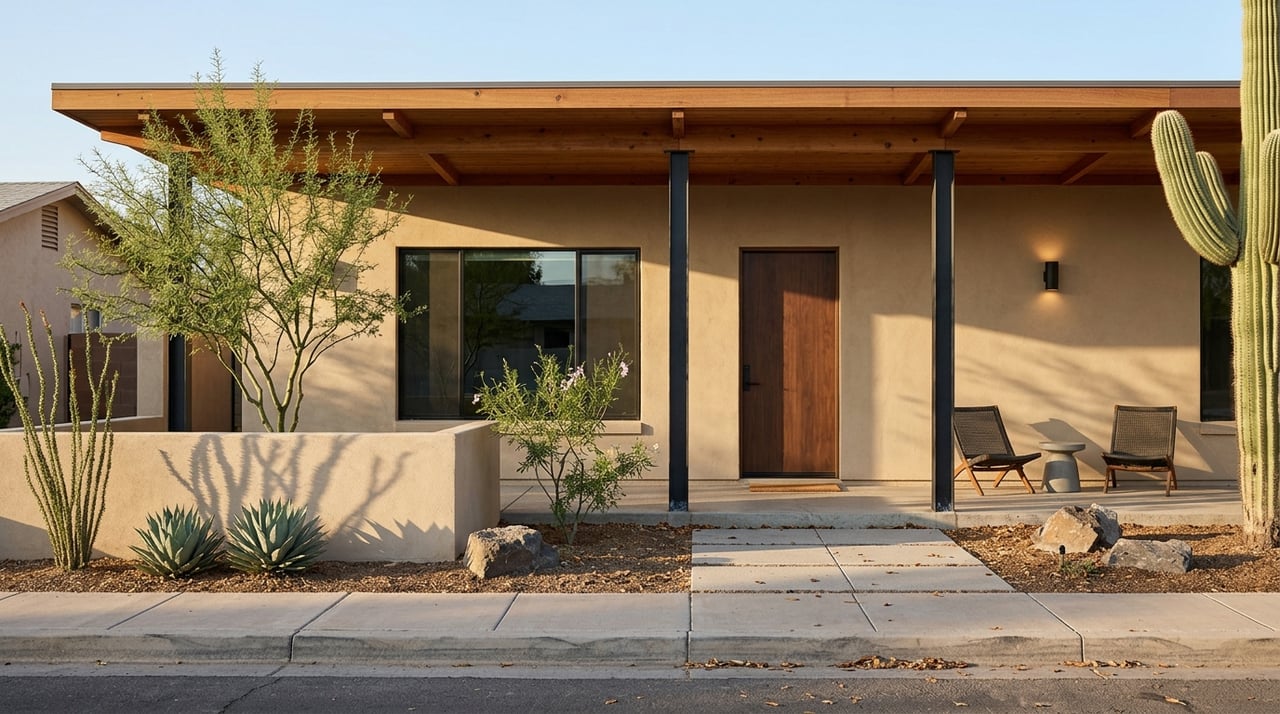
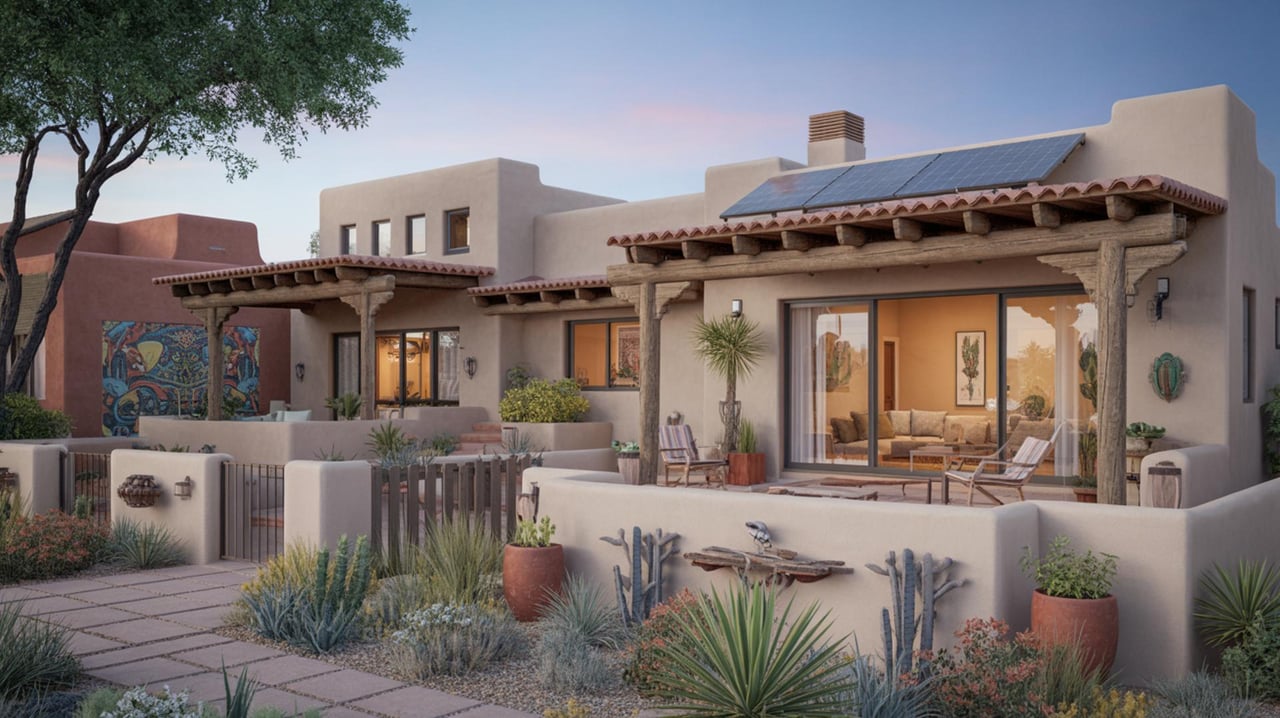
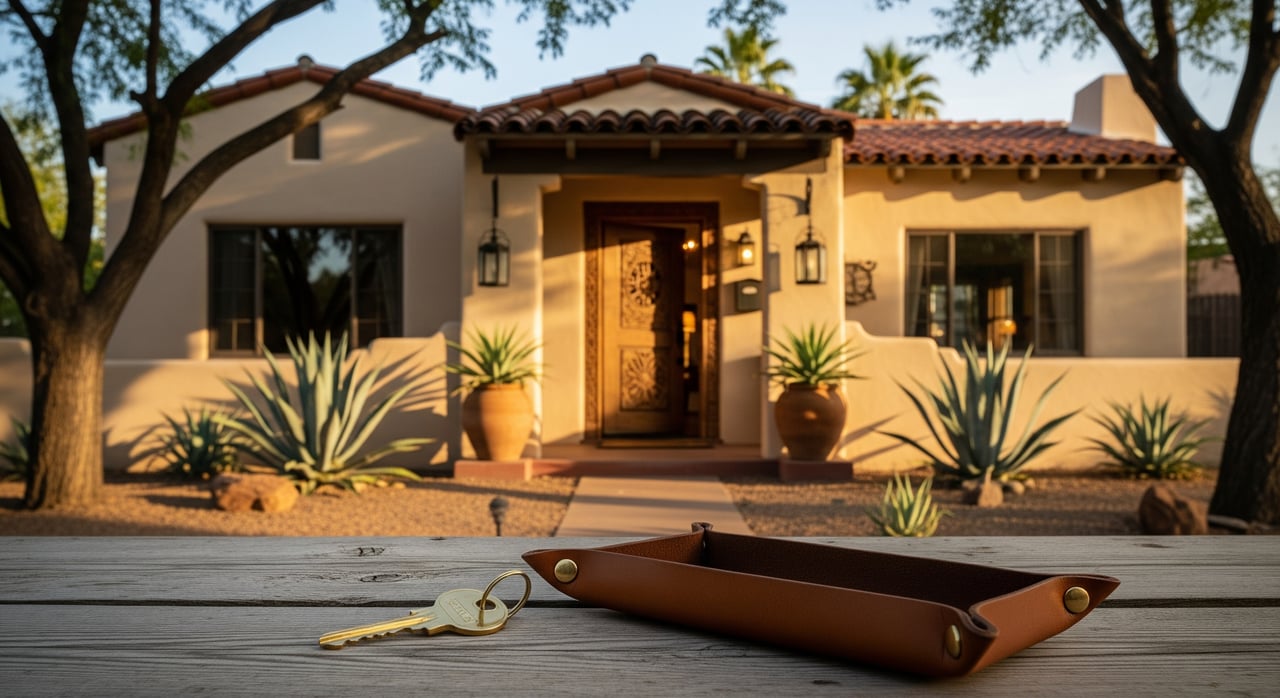
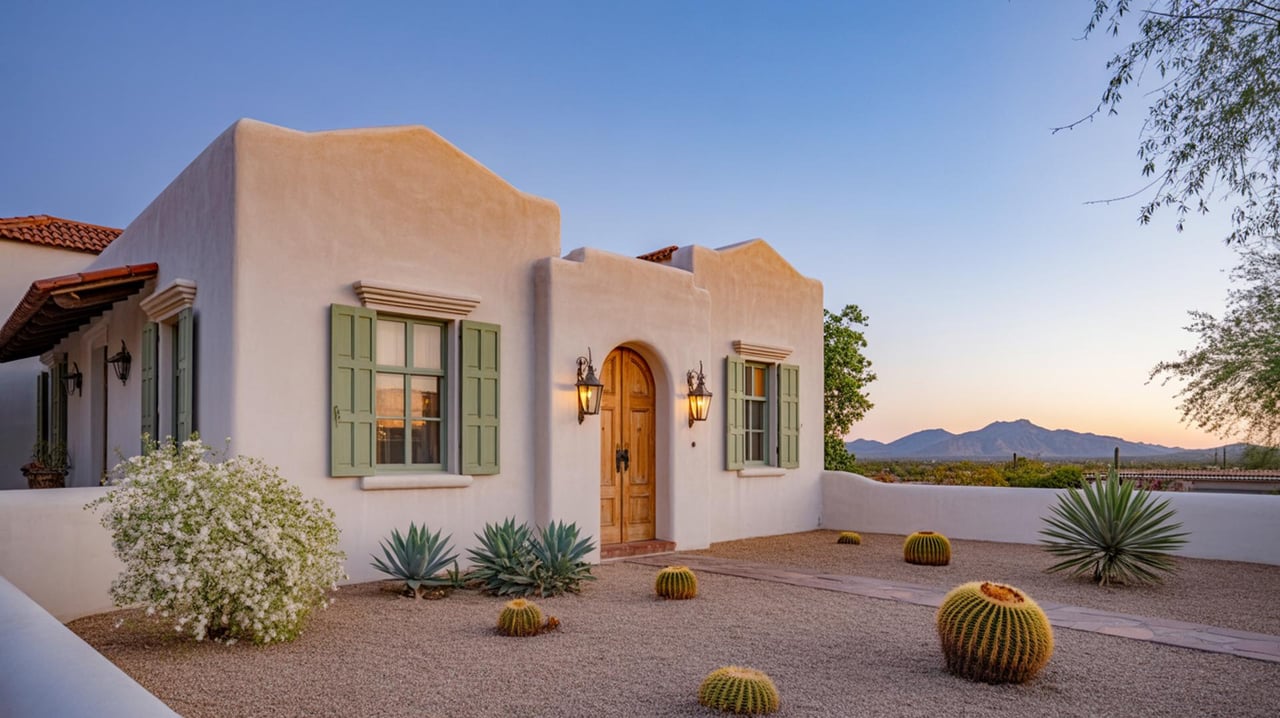
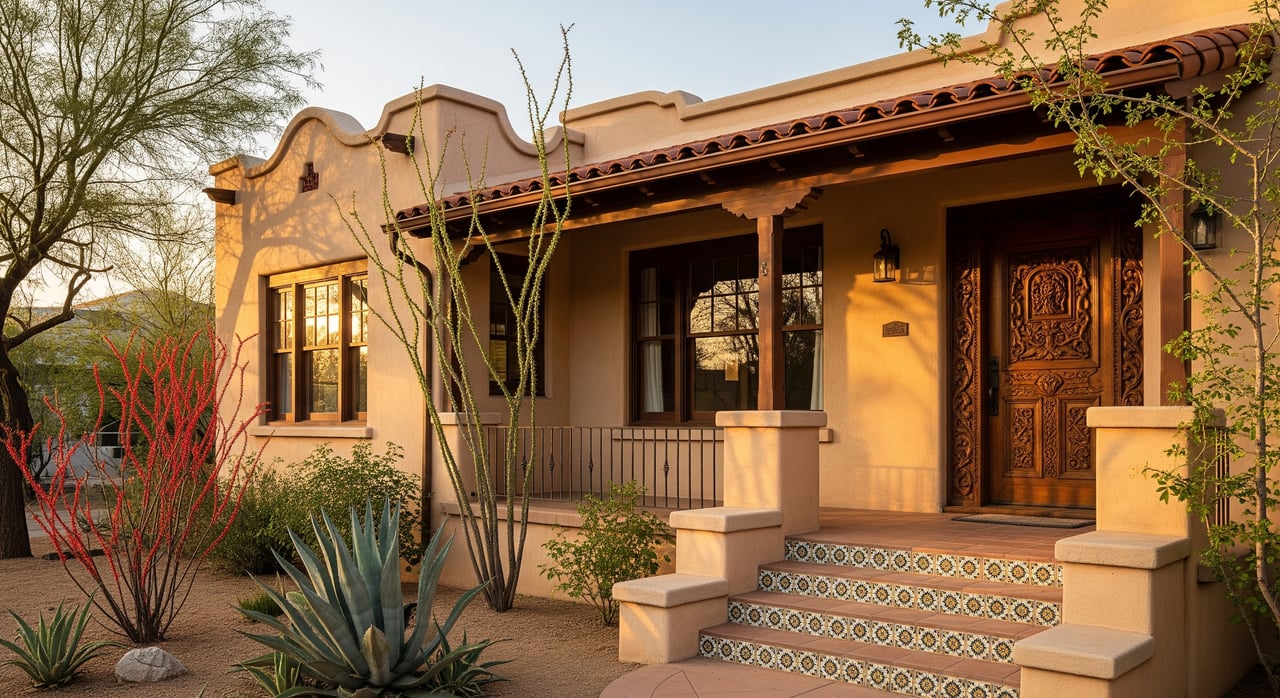
Barrio Hollywood is one of those neighborhoods that hasn’t been over-polished. It feels authentic. Many of the homes date back to the early and mid-1900s, built with adobe or stucco, clay tile roofs, and hand-finished details that simply aren’t replicated today.
What my clients love is the combination of character and location. You’re close to downtown, the Mercado, and the cultural core of Tucson, yet the neighborhood still feels grounded and residential.
What I always say next is this: charm comes with responsibility. Older homes demand a higher level of respect, planning, and due diligence. That’s where experience matters.
The First Thing I Do: Verify Historic Status
Before we talk renovations, before we talk price strategy, I verify what we’re actually dealing with.
Not every older home is legally historic, and that distinction matters.
Here’s what I confirm for my clients:
-
Is the home individually listed on the National Register of Historic Places?
-
Is it located within a locally designated historic district?
-
Are there preservation easements or covenants recorded against the property?
To get real answers, I work directly with the City of Tucson Historic Preservation Office, review county records, and cross-check national listings through the National Park Service.
This step is never optional. I also make sure historic verification is built into the purchase contingencies. Information is leverage, and leverage protects my clients.
Understanding the Rules Before You Fall in Love
Historic homes operate under different layers of oversight, and misunderstanding them can cost time, money, and momentum.
Here’s how I explain it to buyers.
National Register status is largely honorary for private homeowners. It doesn’t automatically restrict changes, but it can open the door to tax incentives for income-producing properties.
Local historic designation is different. In Tucson, it can require design review and a Certificate of Appropriateness for exterior changes visible from the street. Windows, doors, rooflines, porches, and materials all matter.
Interior work is usually less regulated unless a preservation easement is involved, but permits still apply. Electrical, plumbing, HVAC, roofing, and structural work all require proper approvals.
I coordinate these conversations early, before plans are drawn and money is spent. That alone saves my clients thousands.
Where Historic Homes in Tucson Really Need Scrutiny
This is where experience shows up in a meaningful way.
Historic Tucson homes age differently than newer construction. Materials like adobe and traditional stucco perform beautifully when cared for correctly and fail quickly when they aren’t.
Here’s what I focus on during inspections:
-
Moisture and drainage, especially after monsoon storms
-
Adobe and masonry integrity and compatibility of past repairs
-
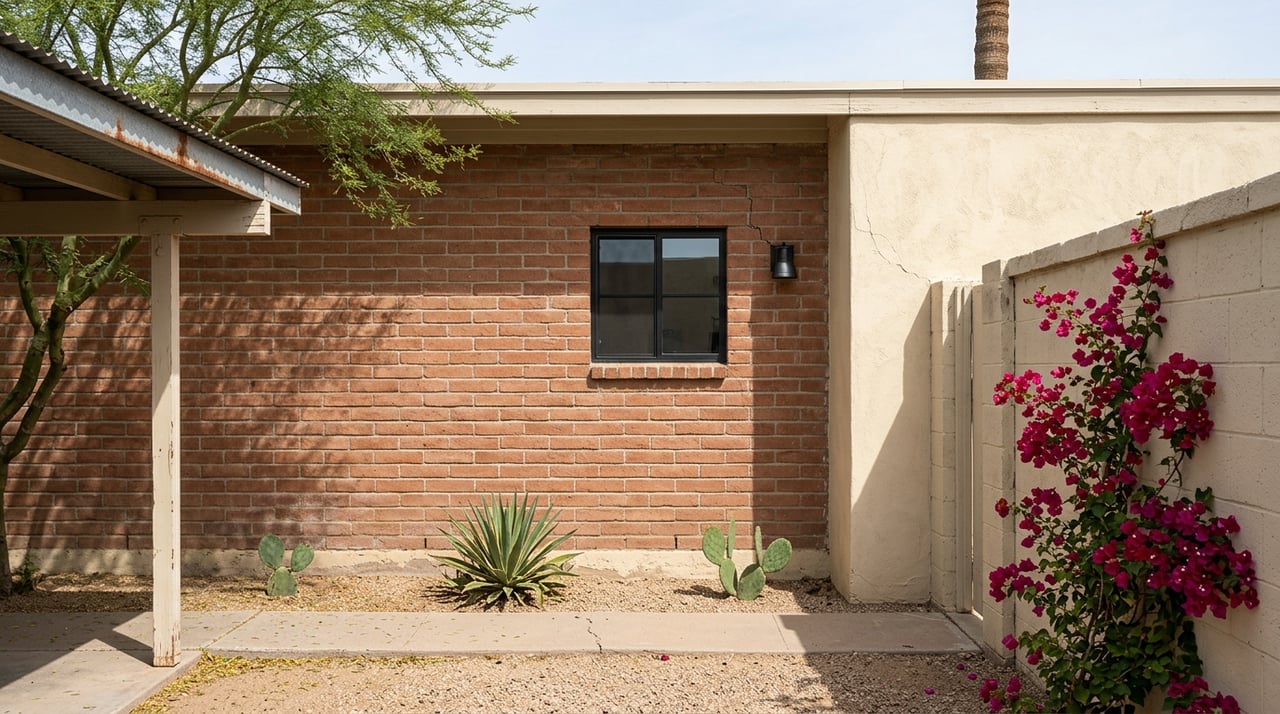
Stucco cracking and delamination
-
Clay tile roofs and the condition of the underlayment
-
Termites and wood-destroying organisms
-
Electrical, plumbing, and HVAC systems
-
Lead-based paint and asbestos risks
-
Energy performance and upgrade potential
I don’t rely on one inspector. I build an inspection team. That often includes an adobe or masonry specialist and, when warranted, a structural engineer. This is how surprises get removed before they become problems.
Budgeting and Financing Without Guesswork
Historic homes reward thoughtful sequencing. I tell my clients to think in layers.
First comes structure and safety. Then the envelope. Then comfort and efficiency. Aesthetics come last.
If renovations are part of the plan, we explore options like FHA 203(k) or Fannie Mae HomeStyle loans early. Lenders need to understand the home’s construction and historic status upfront. Waiting to disclose that information creates delays and friction.
Insurance is another area where older homes differ. Replacement costs can be higher, and older systems can affect premiums or eligibility. Flood risk and wash proximity also need to be reviewed carefully in this part of Tucson.
I help clients evaluate all of this before emotions take over.
Thinking About Resale From Day One
One of the biggest mistakes I see is buyers treating historic homes like blank slates. They aren’t.
The value of a Barrio Hollywood home is tied to its integrity. Well-documented, properly permitted, and historically compatible improvements protect value. Shortcuts do the opposite.
Even if a client plans to stay long-term, I want the home to make sense to the next buyer too. That mindset keeps decisions grounded.
My Due-Diligence Standard for Historic Buyers
This is the baseline I won’t compromise on:
-
Confirm historic designation and documentation
-
Review all easements, covenants, and restrictions
-
Verify permits and final inspections for past work
-
Complete comprehensive and specialty inspections
-
Assess drainage and flood risk
-
Review maintenance and repair history
-
Confirm approval requirements for future plans
-
Obtain written estimates from qualified specialists
-
Align financing before removing contingencies
This is how confidence is built.
The Local Expertise That Makes the Difference
Historic homes demand the right bench of professionals. Over the years, I’ve built relationships with:
-
Preservation architects and rehab-focused designers
-
Contractors skilled in adobe, stucco, tile roofing, and historic woodwork
-
Structural engineers familiar with Sonoran Desert masonry
-
City preservation staff who offer early guidance
-
Title professionals experienced with easements
-
The University of Arizona Cooperative Extension for regional materials, pests, and landscape considerations
This network matters as much as the house itself.
A Personal Word on Buying in Barrio Hollywood
Buying a historic home here isn’t just a transaction. It’s a stewardship decision. When it’s done right, it’s deeply rewarding. When it’s rushed or misunderstood, it can become frustrating fast.
My role is to slow the process down just enough to get it right. To protect your upside, your lifestyle, and your long-term value.
If you’re considering a historic home in Barrio Hollywood and want guidance that’s both practical and deeply informed, I’d be honored to help. This is exactly the kind of real estate I love navigating.
Daniel Sotelo with Long Realty