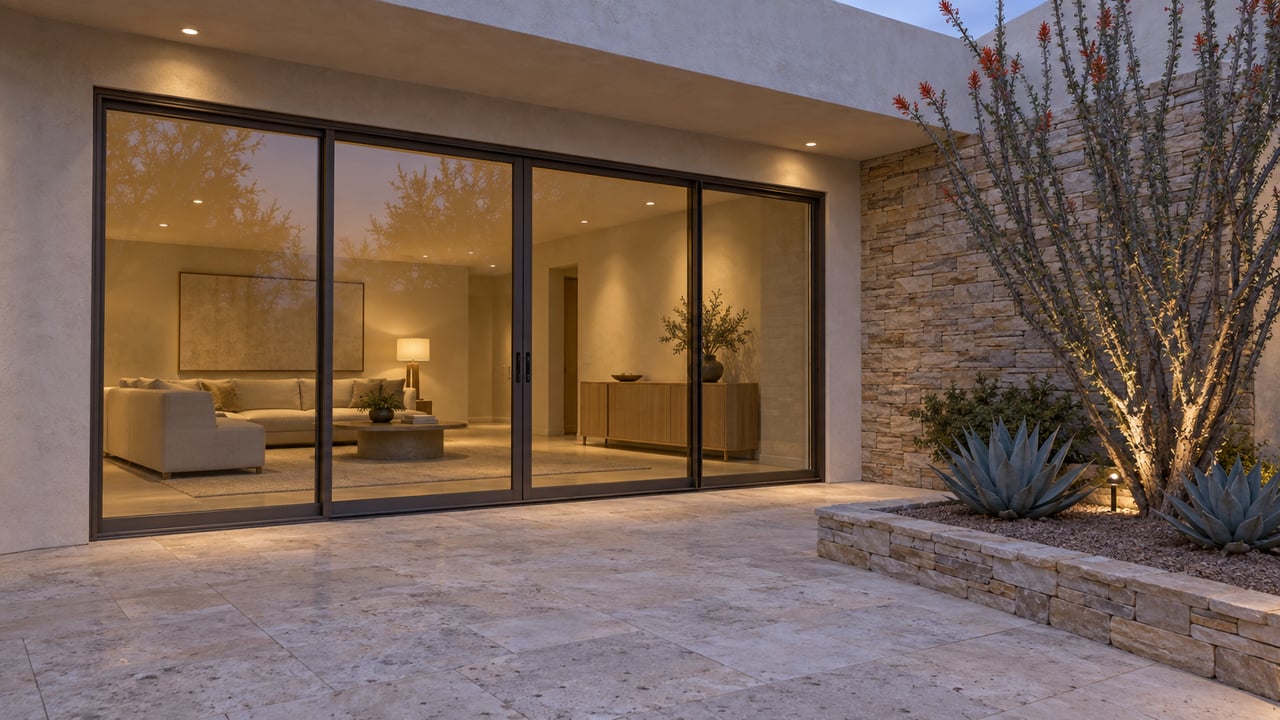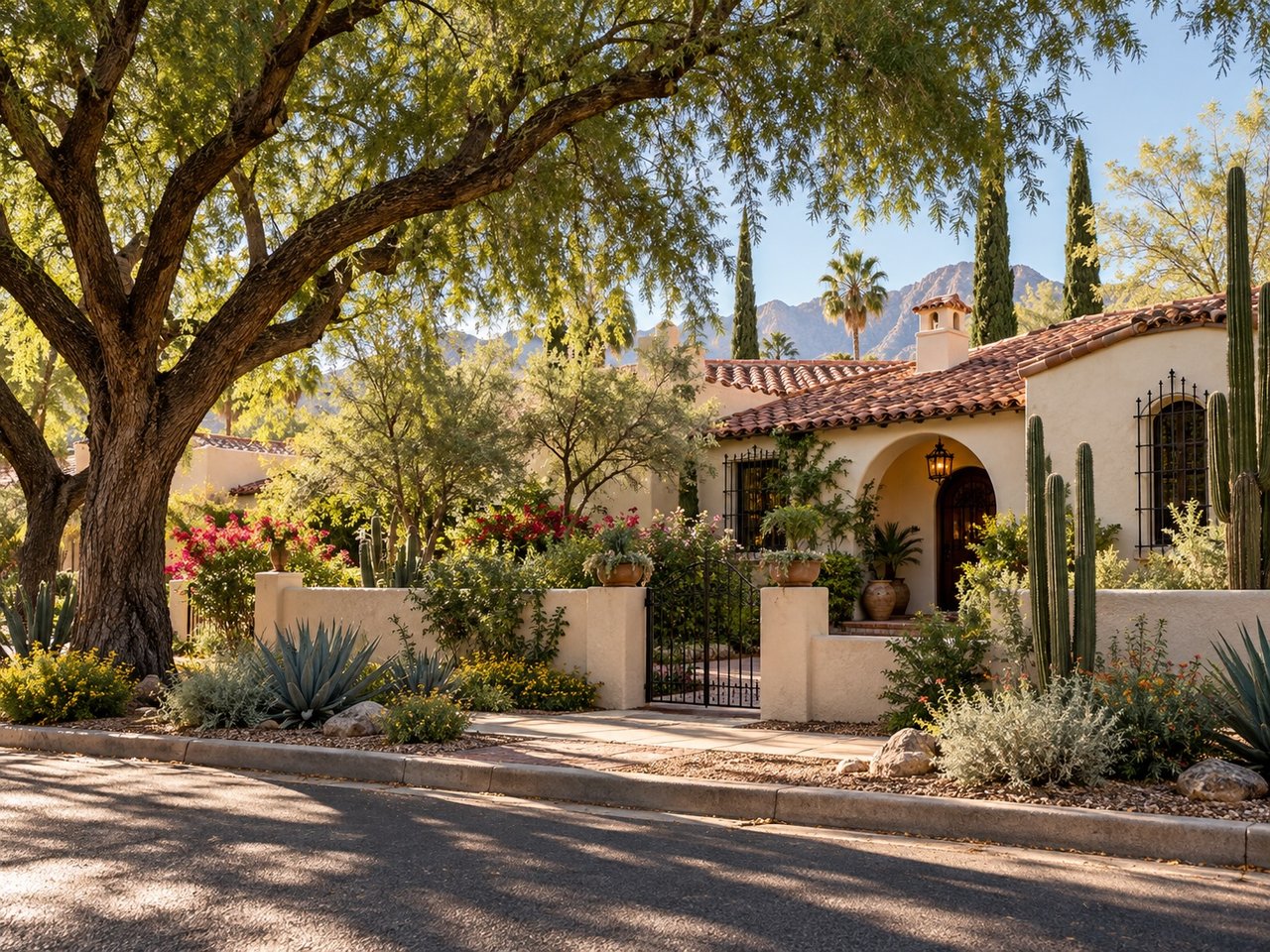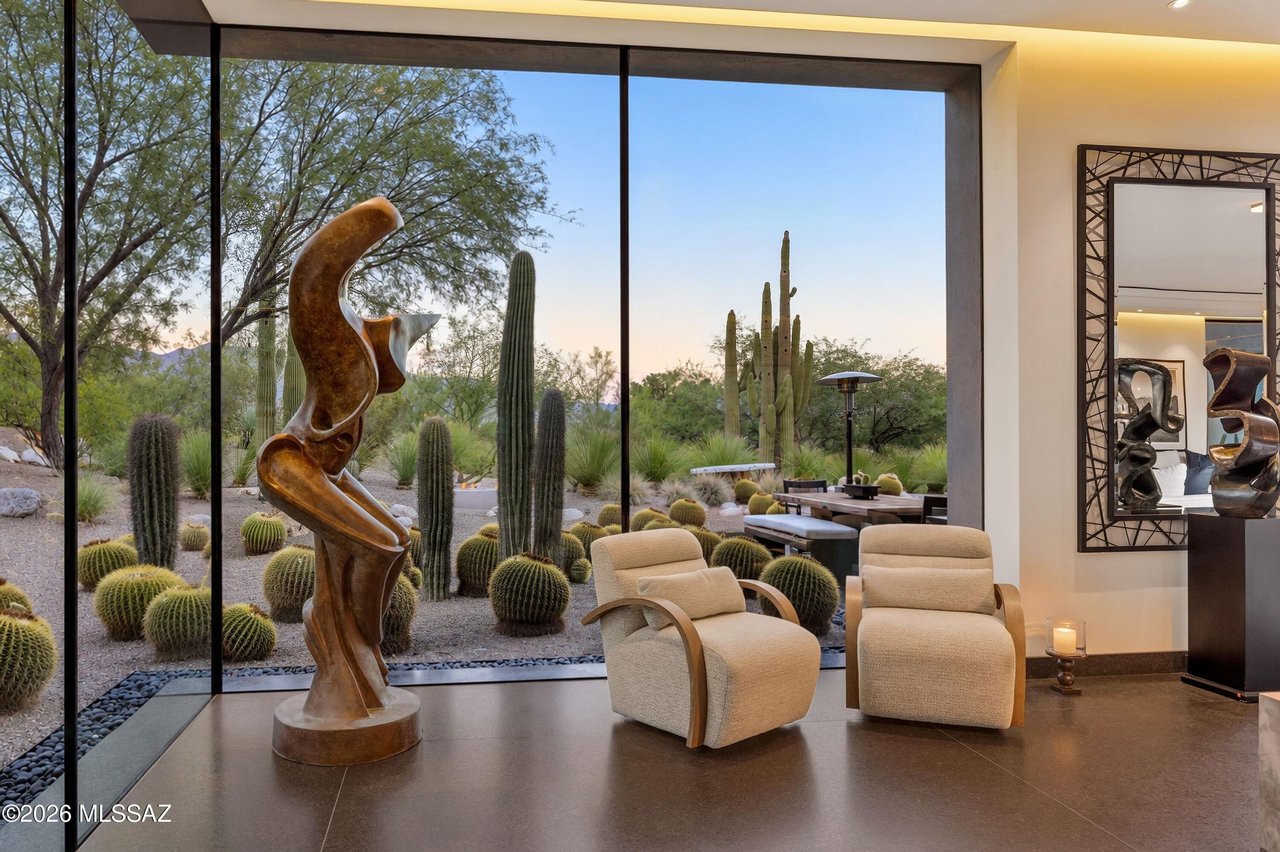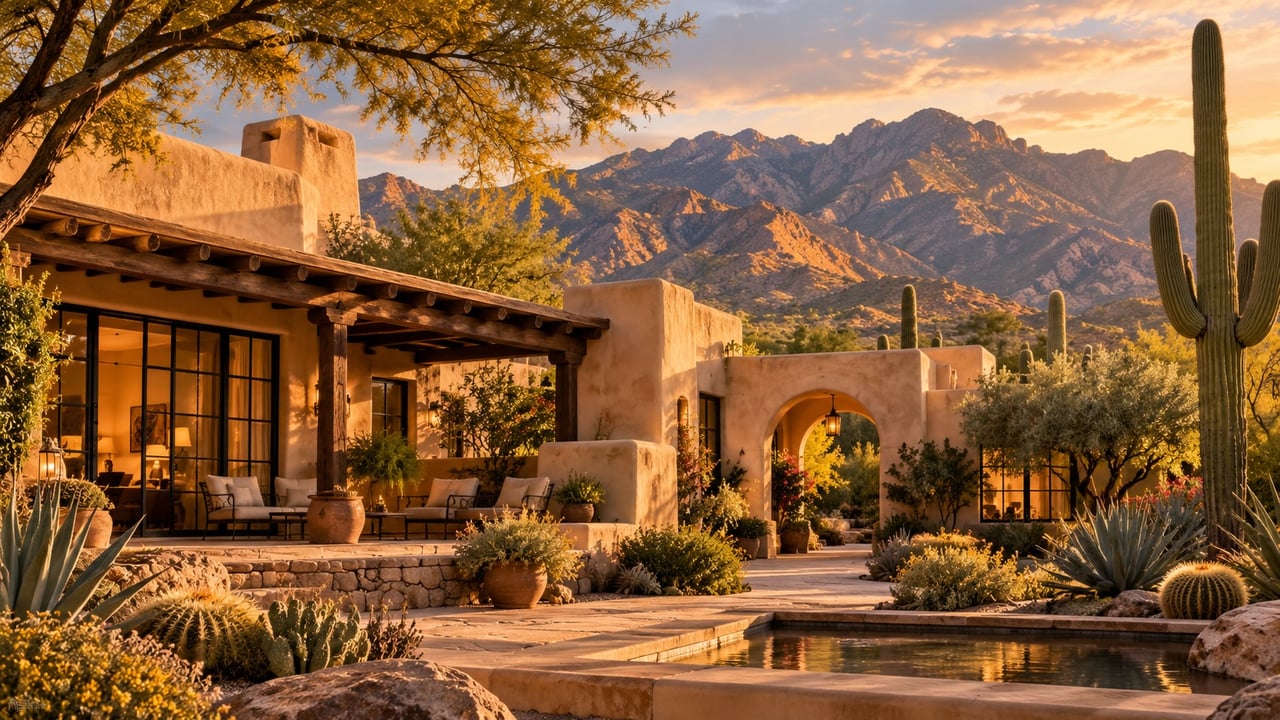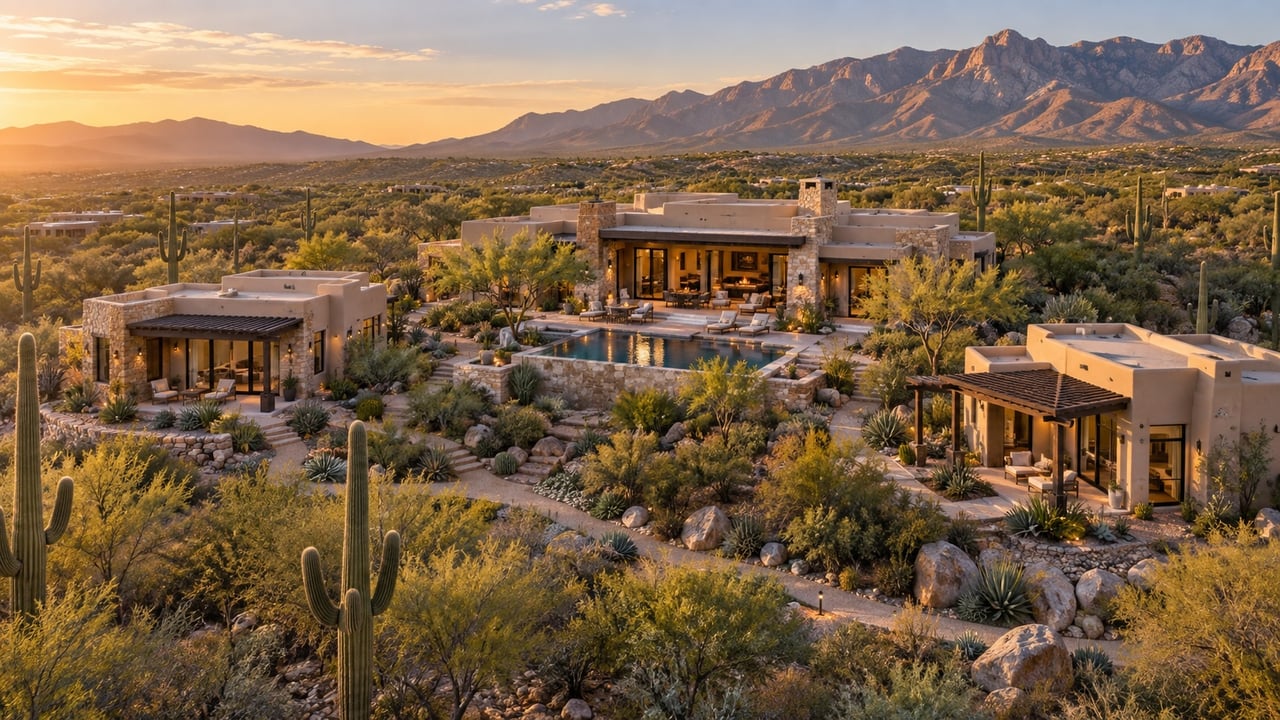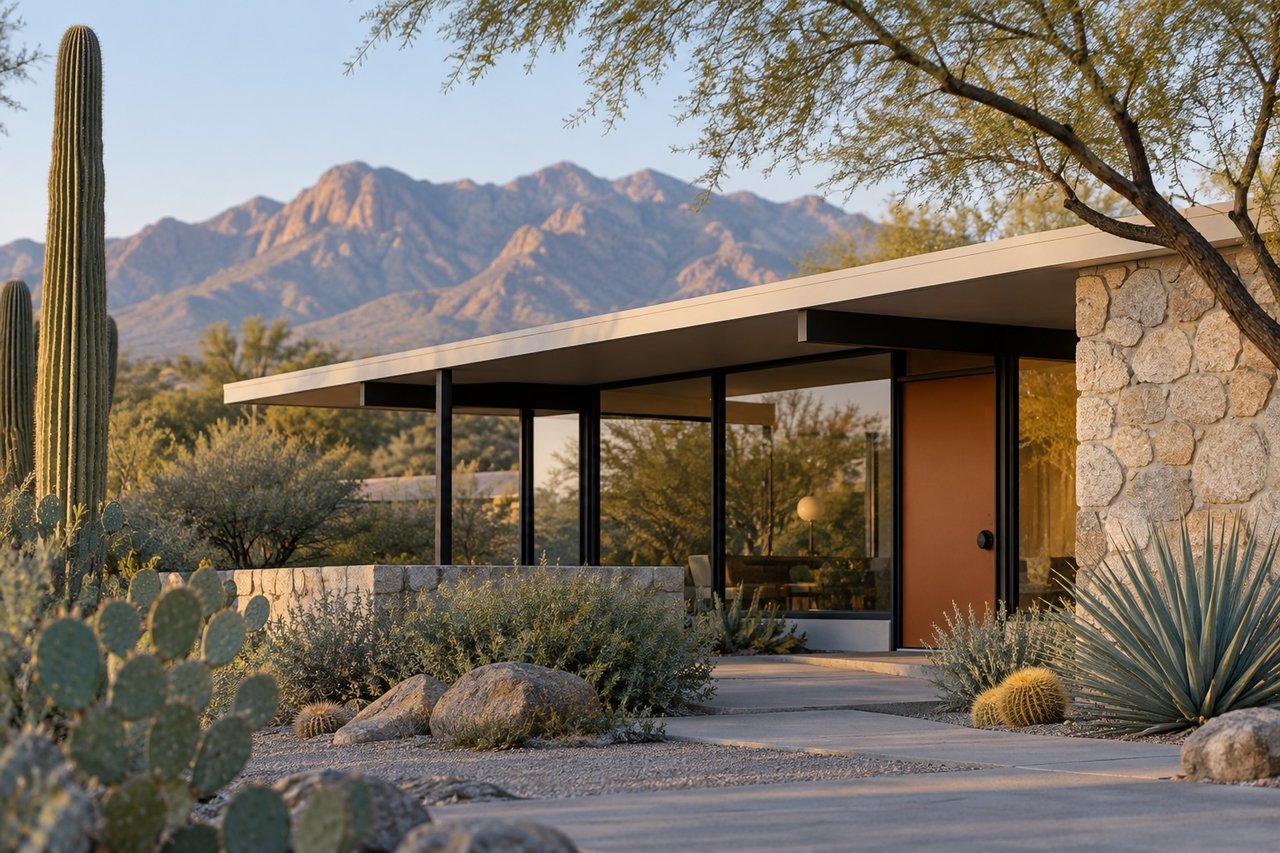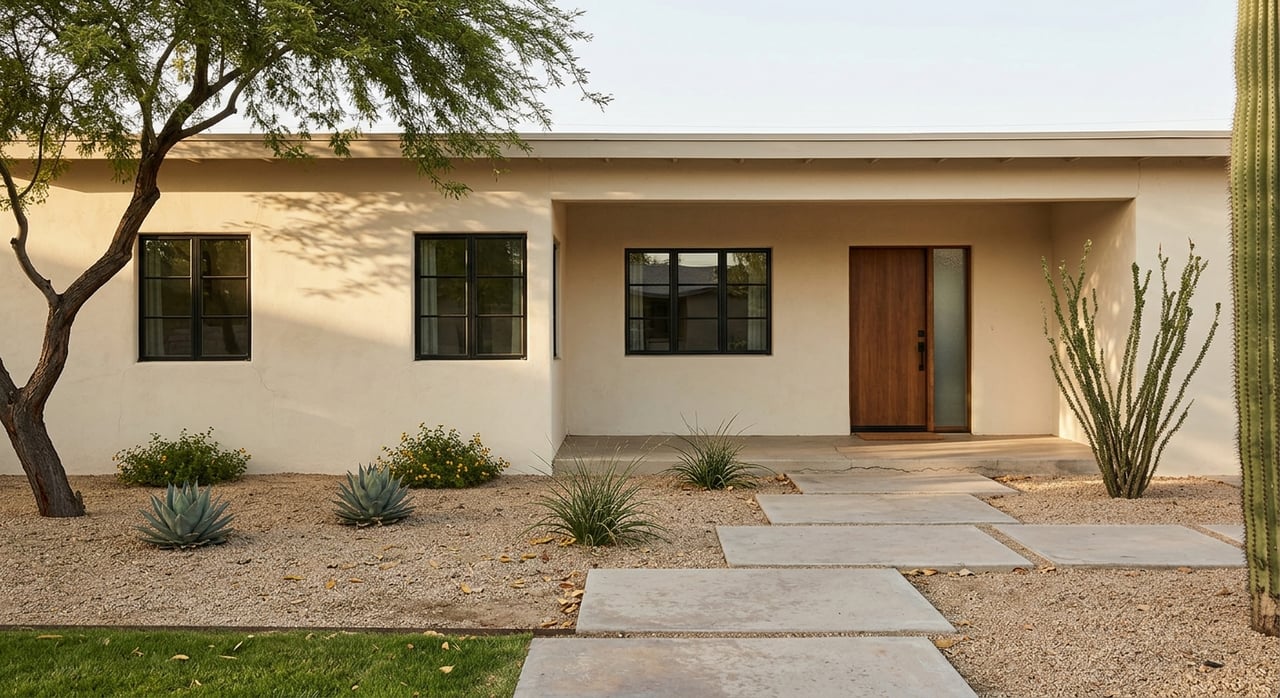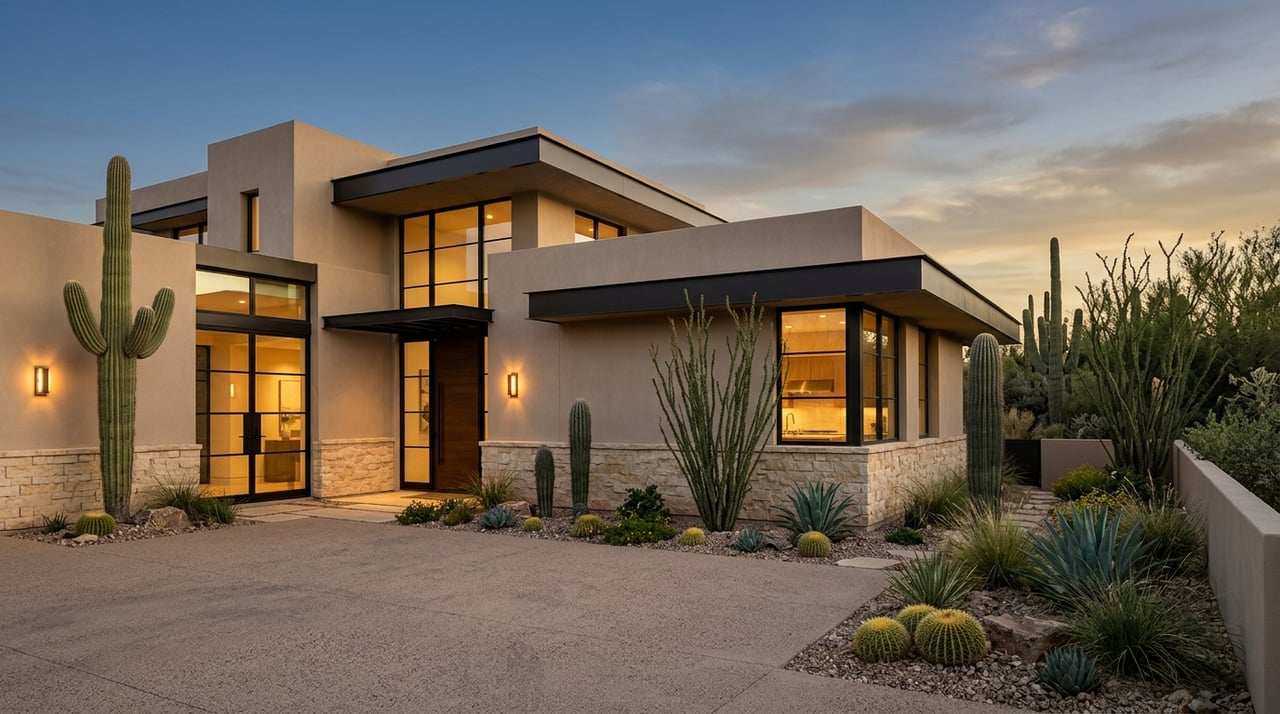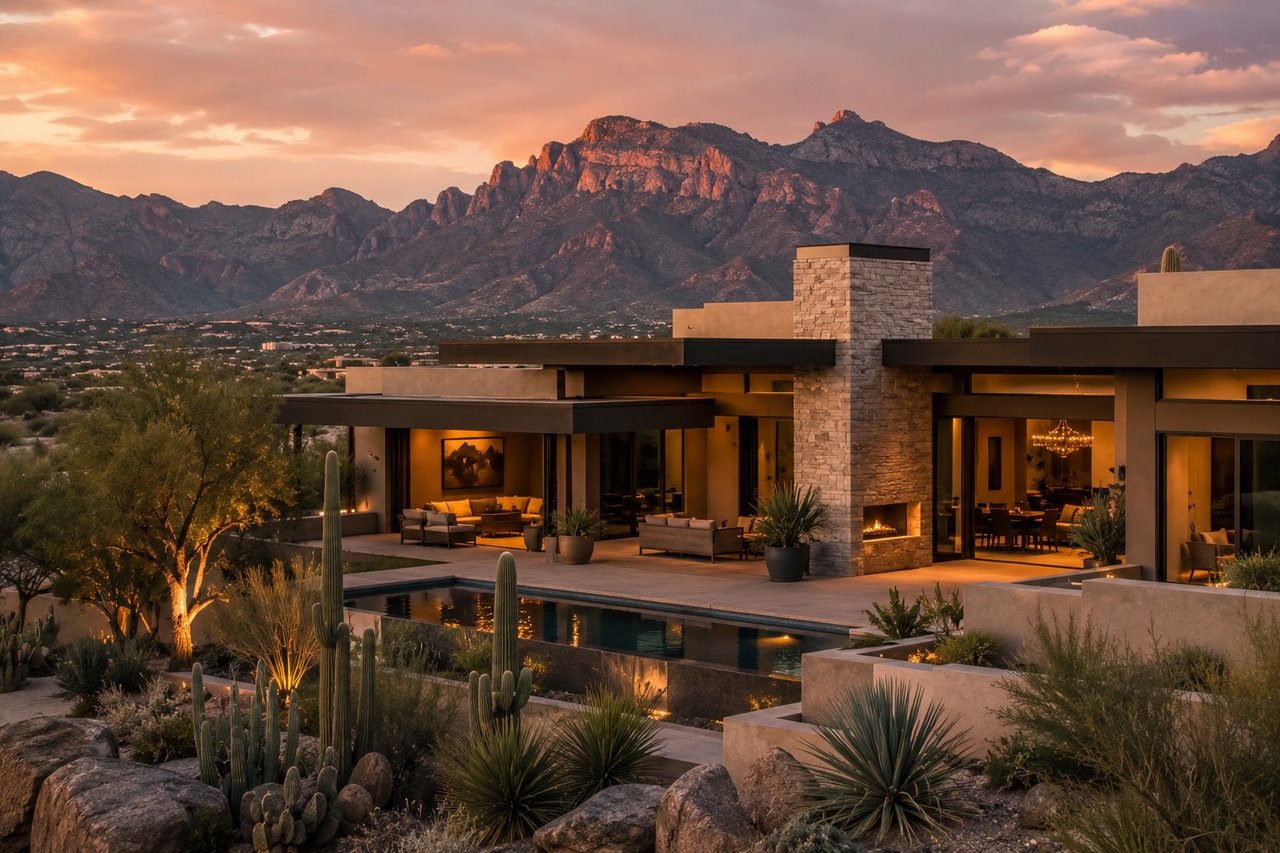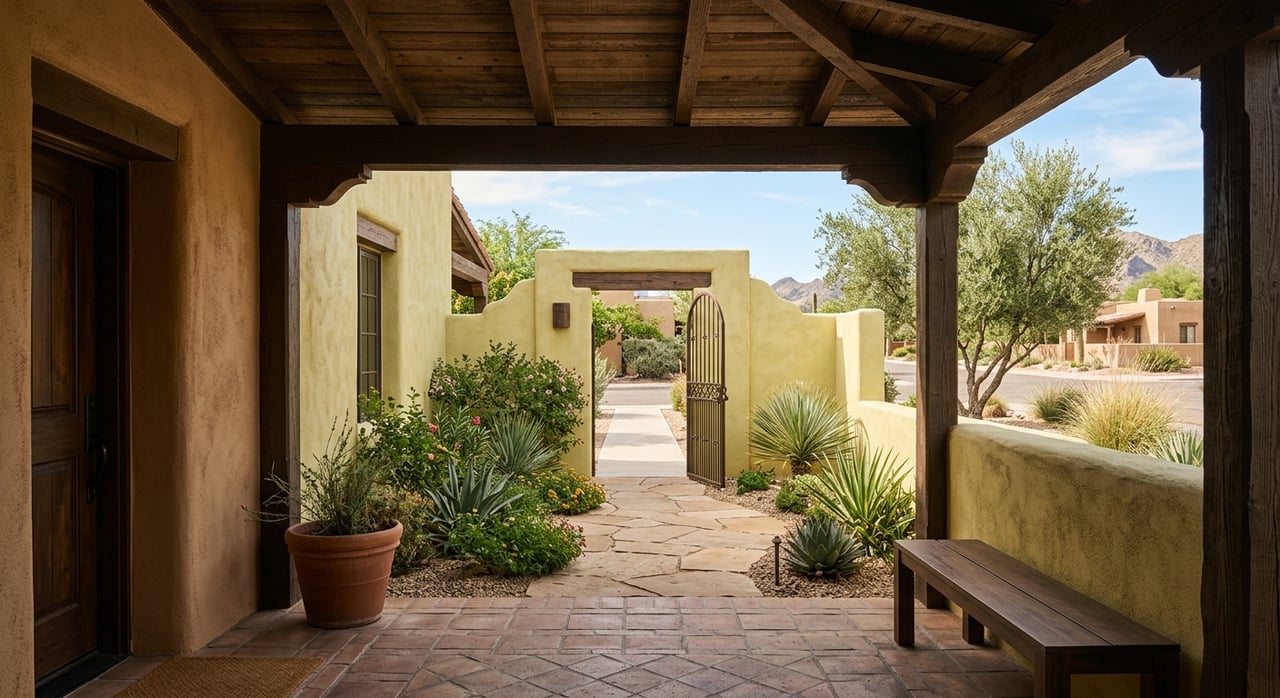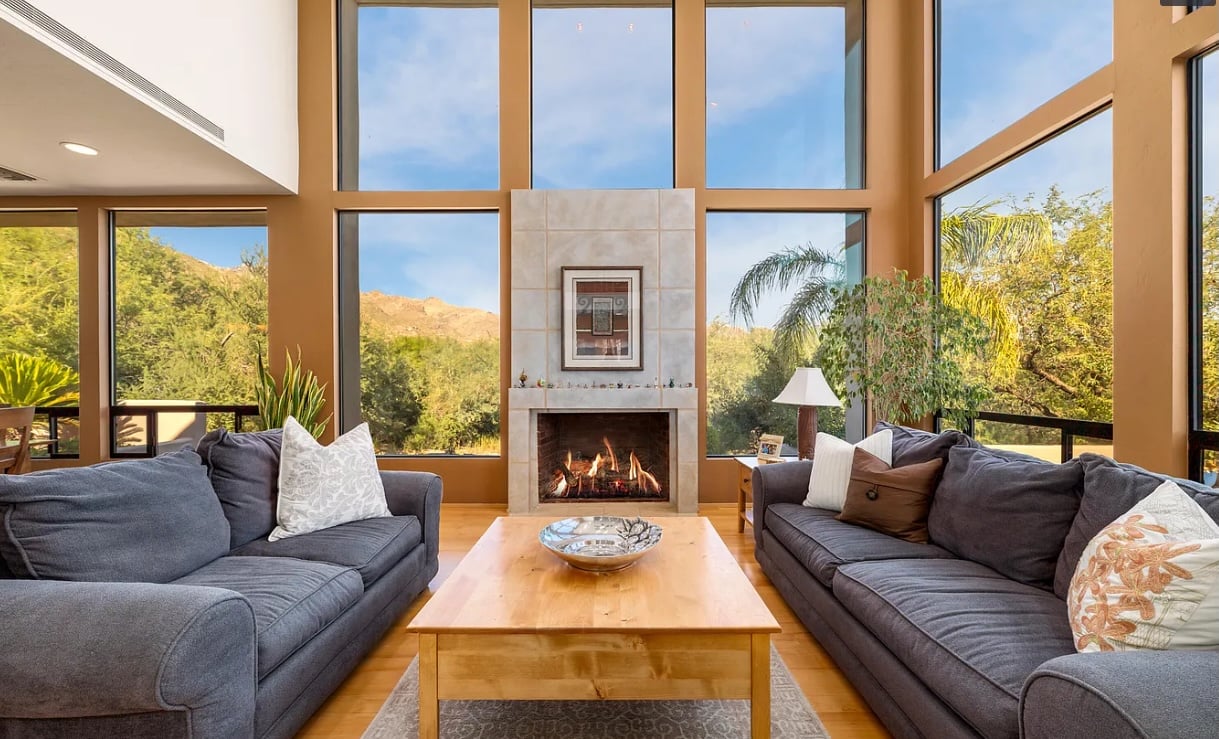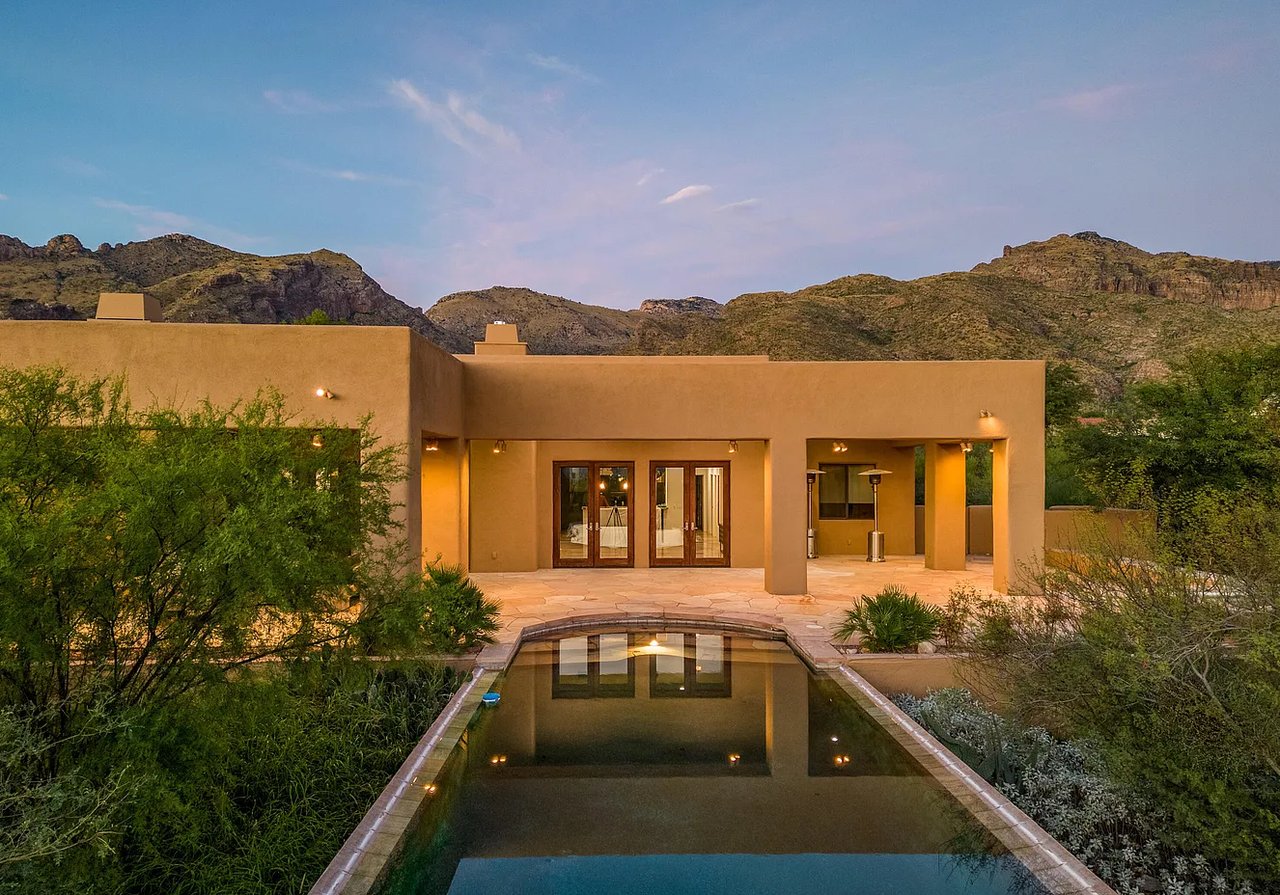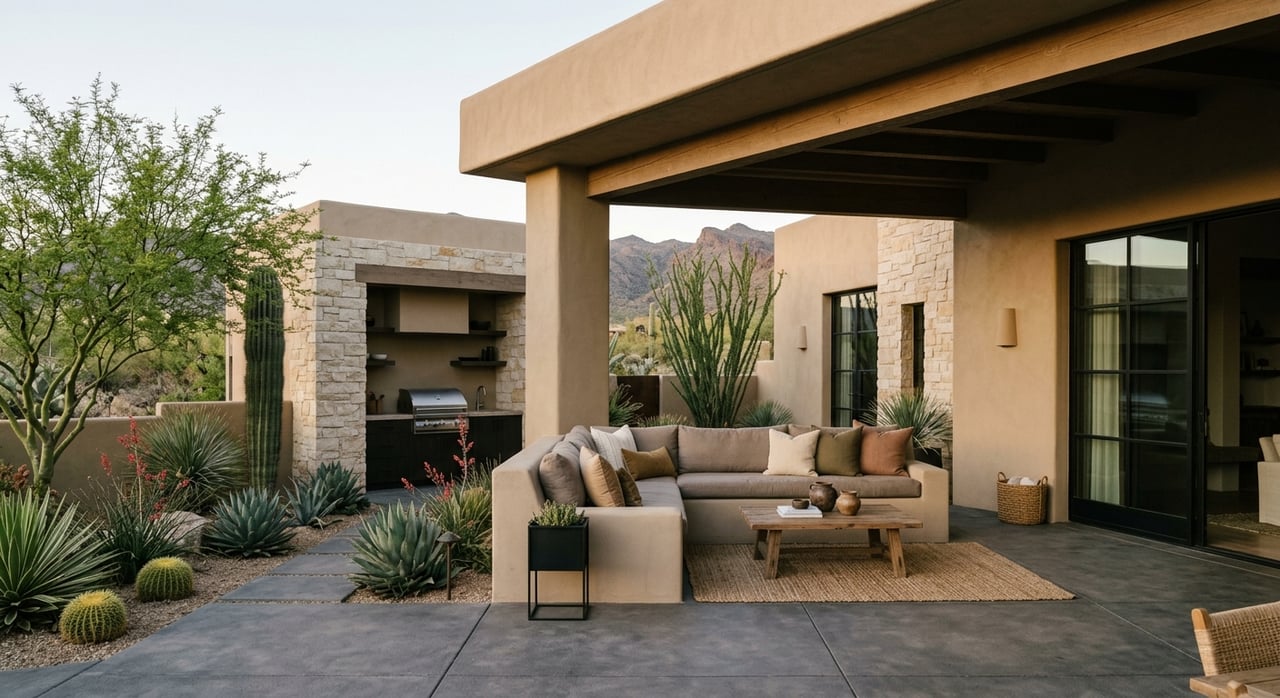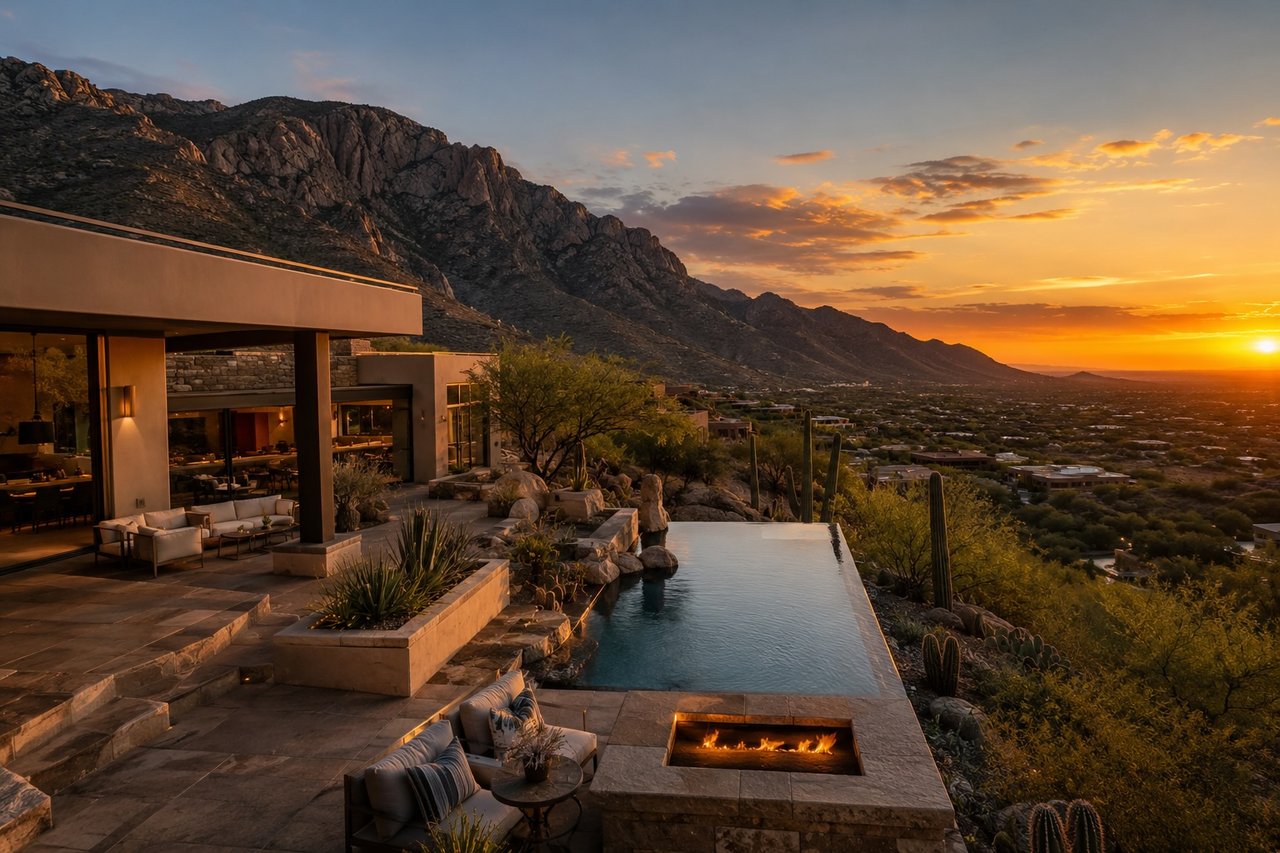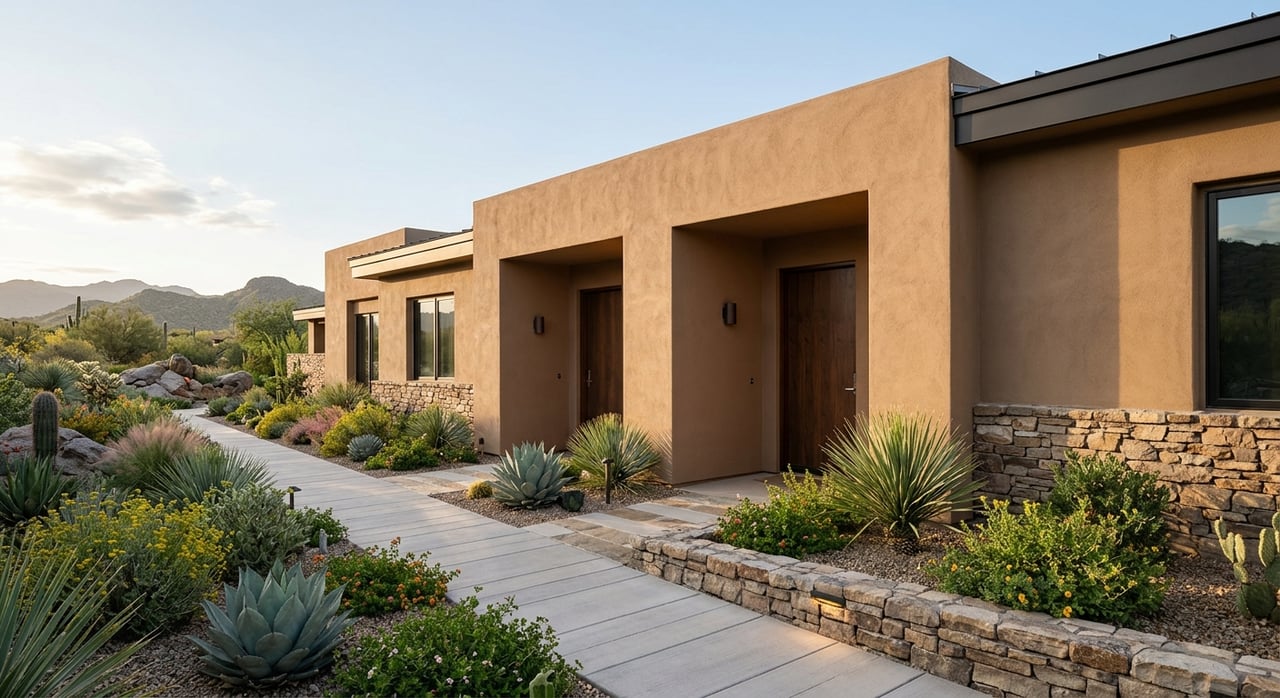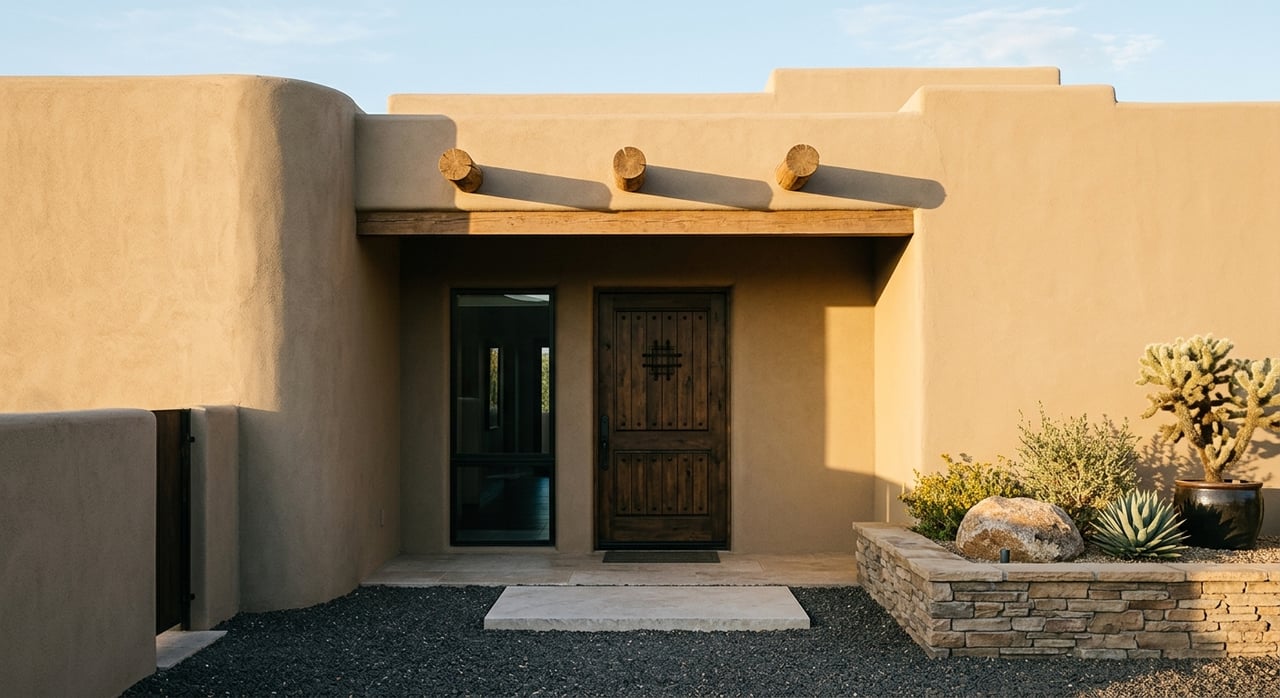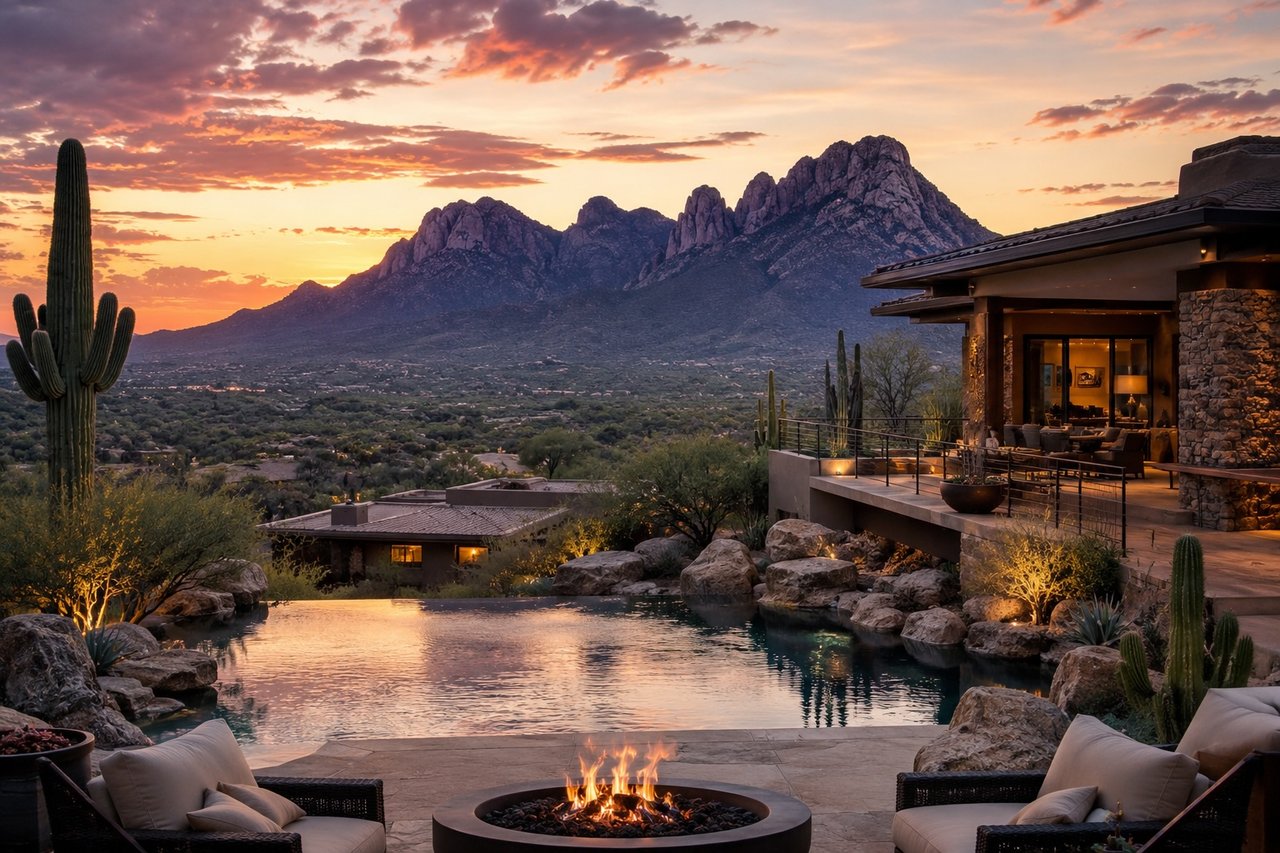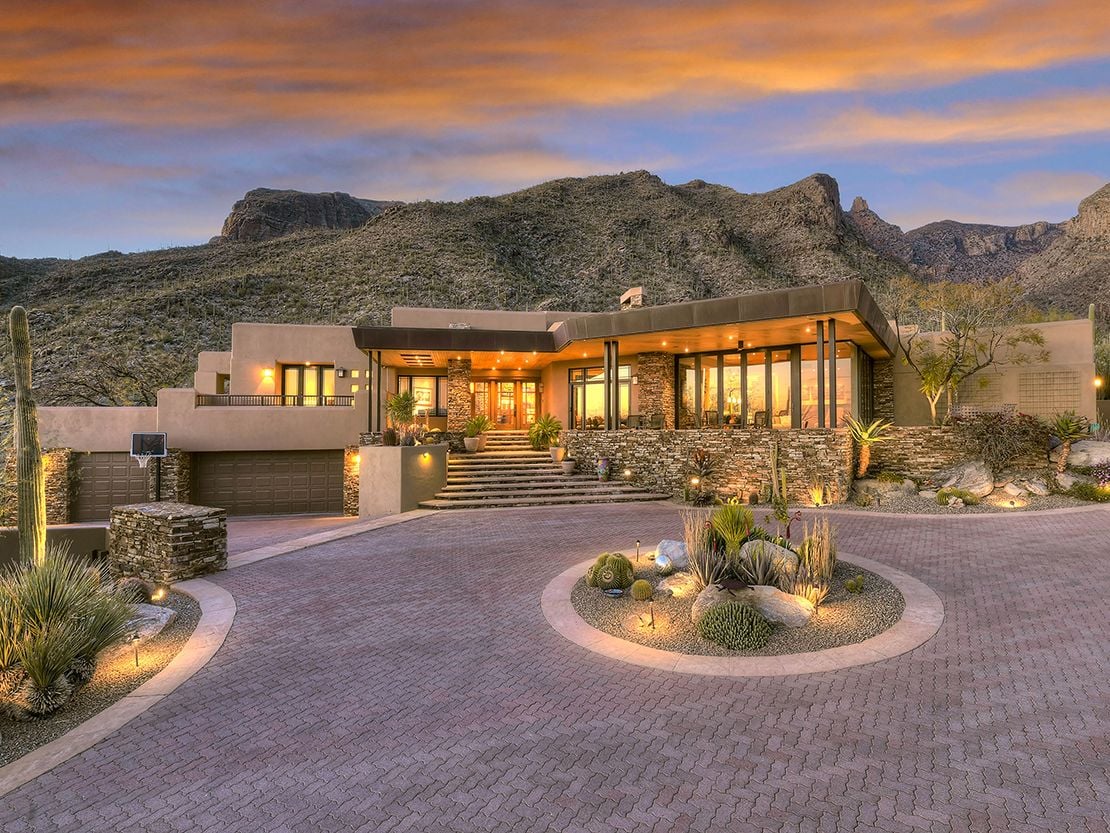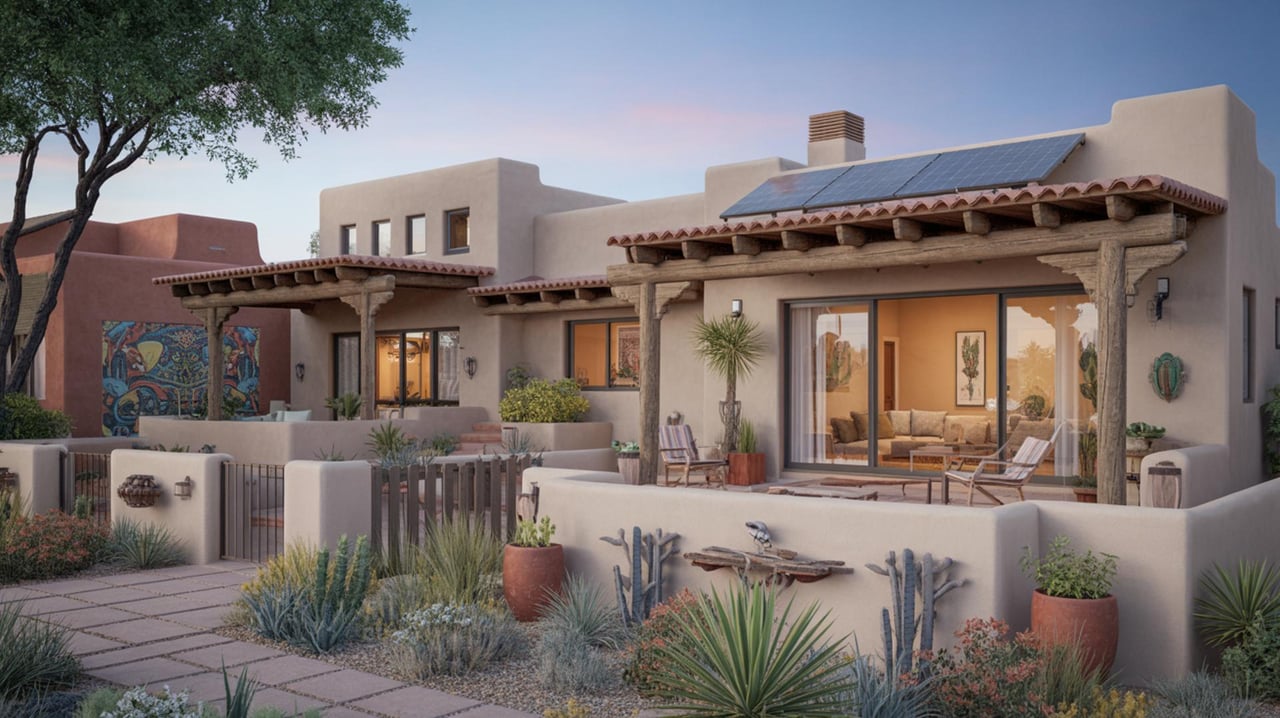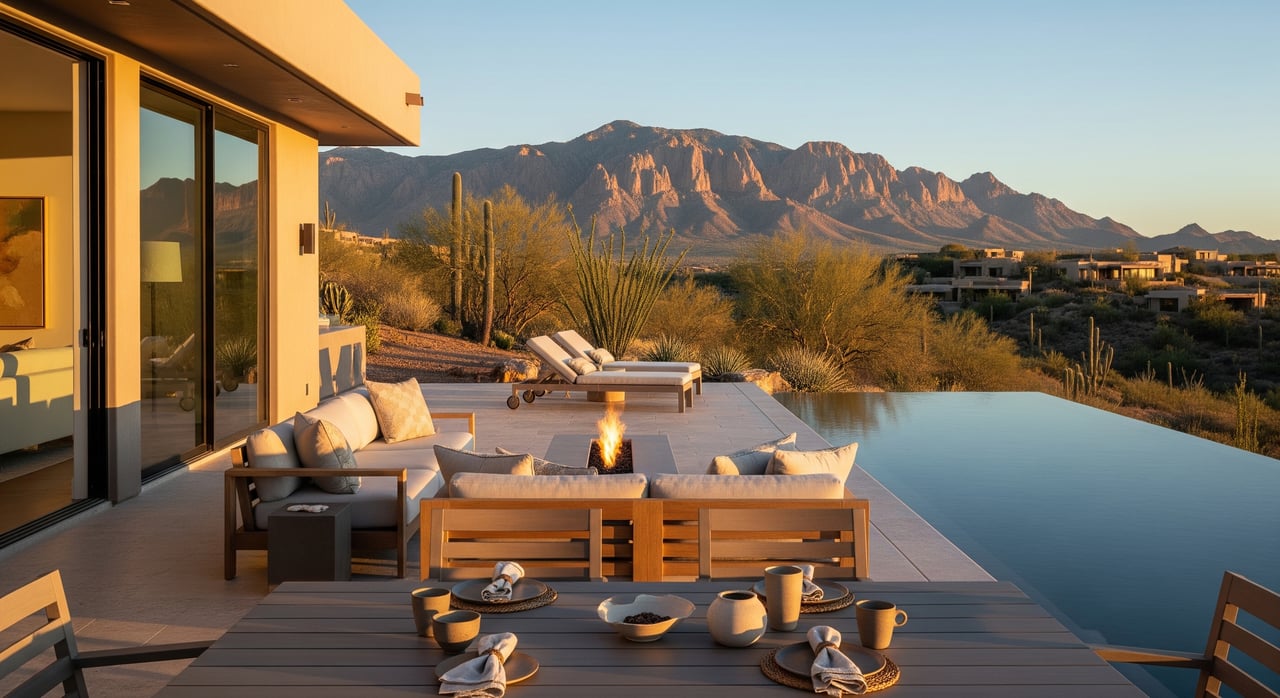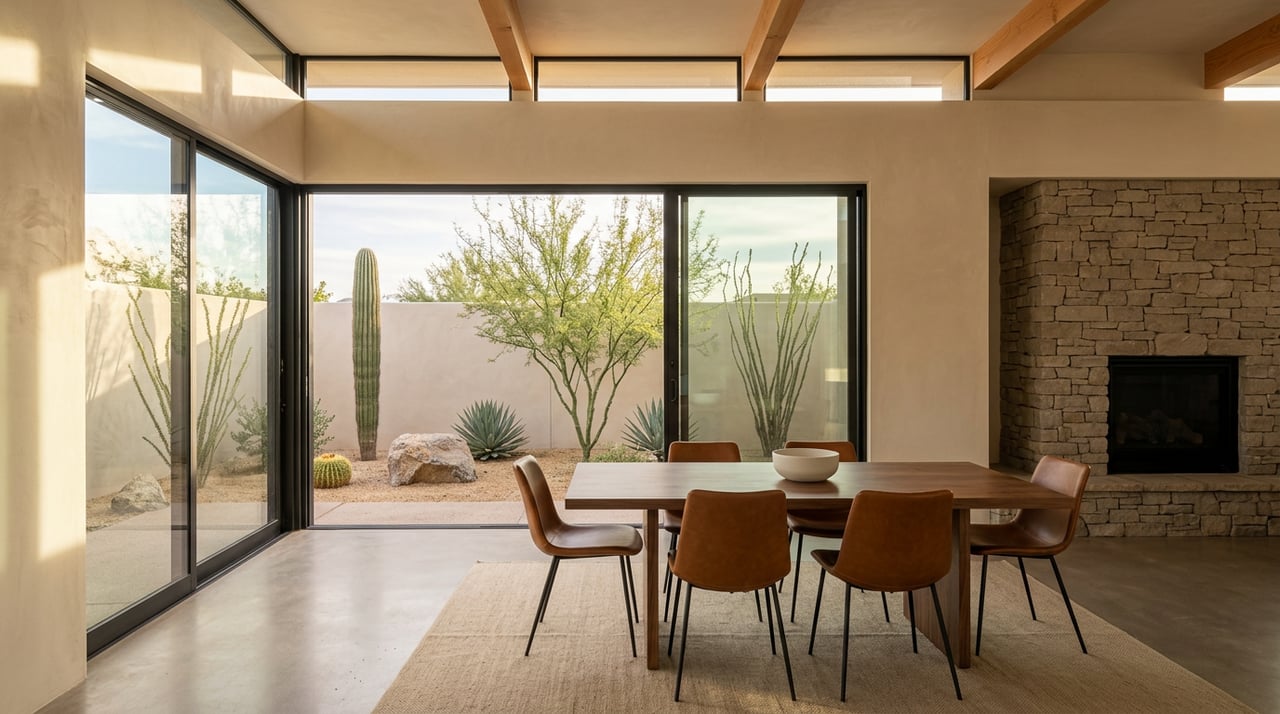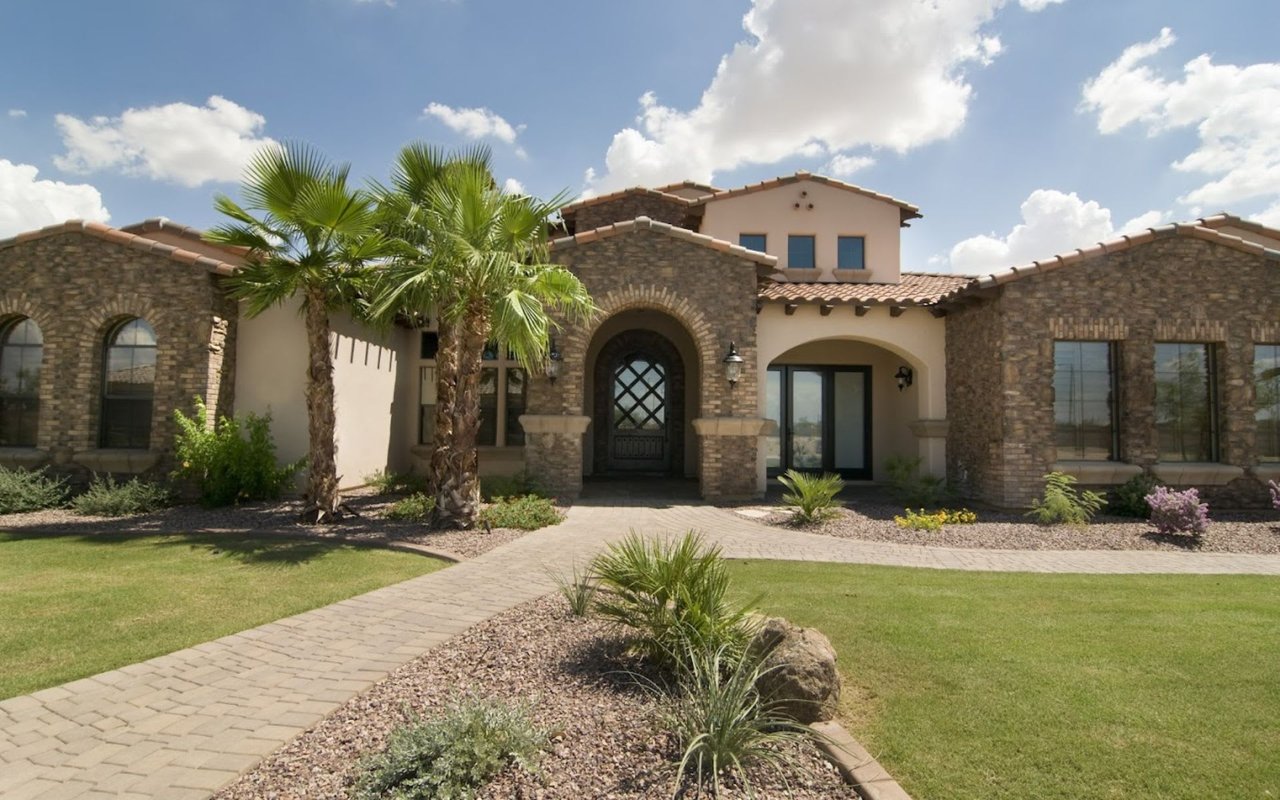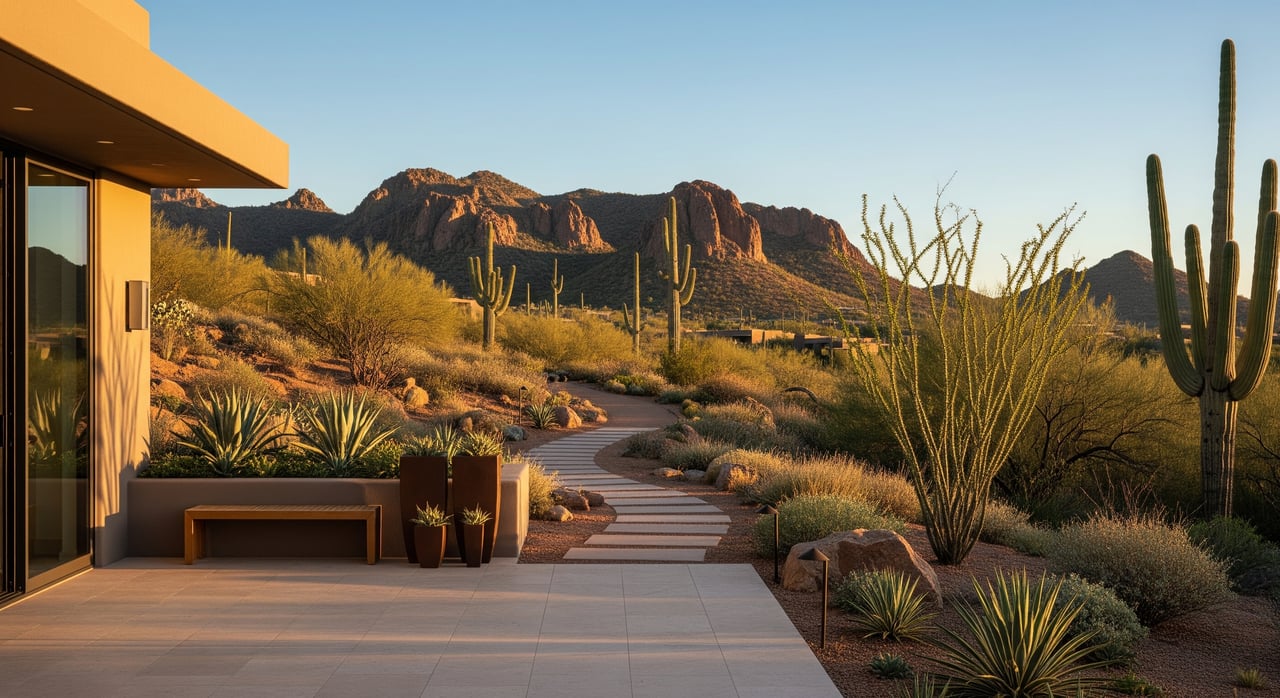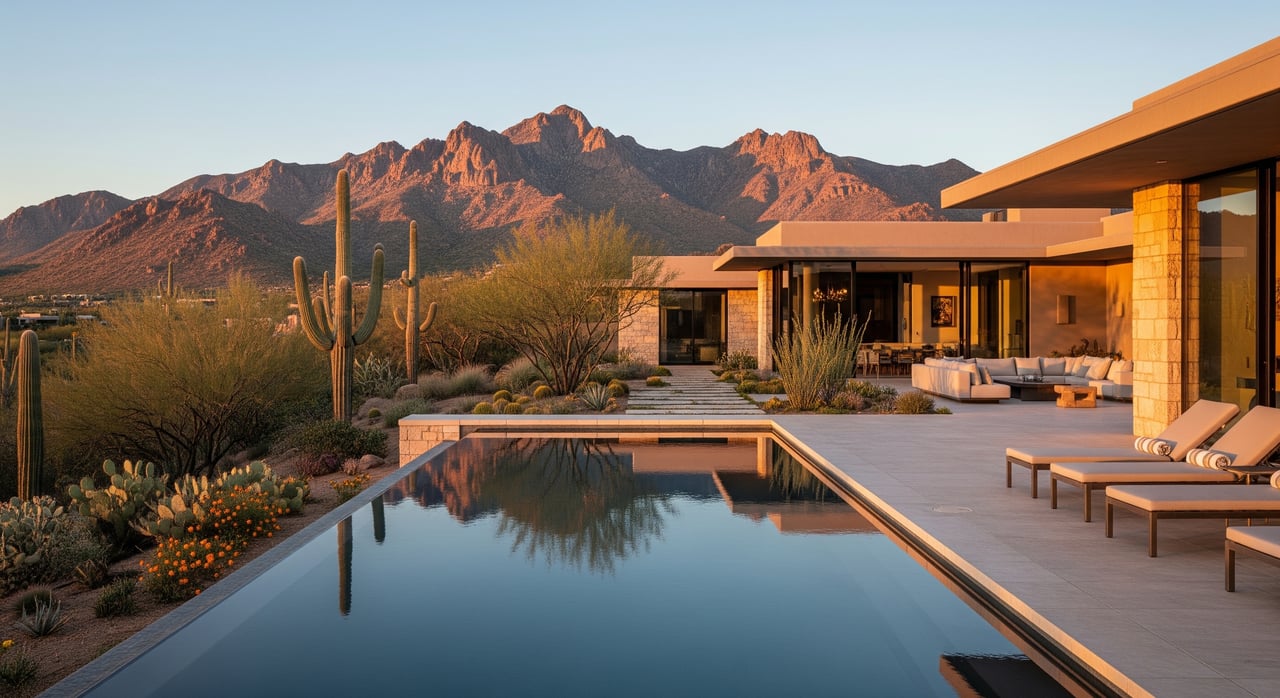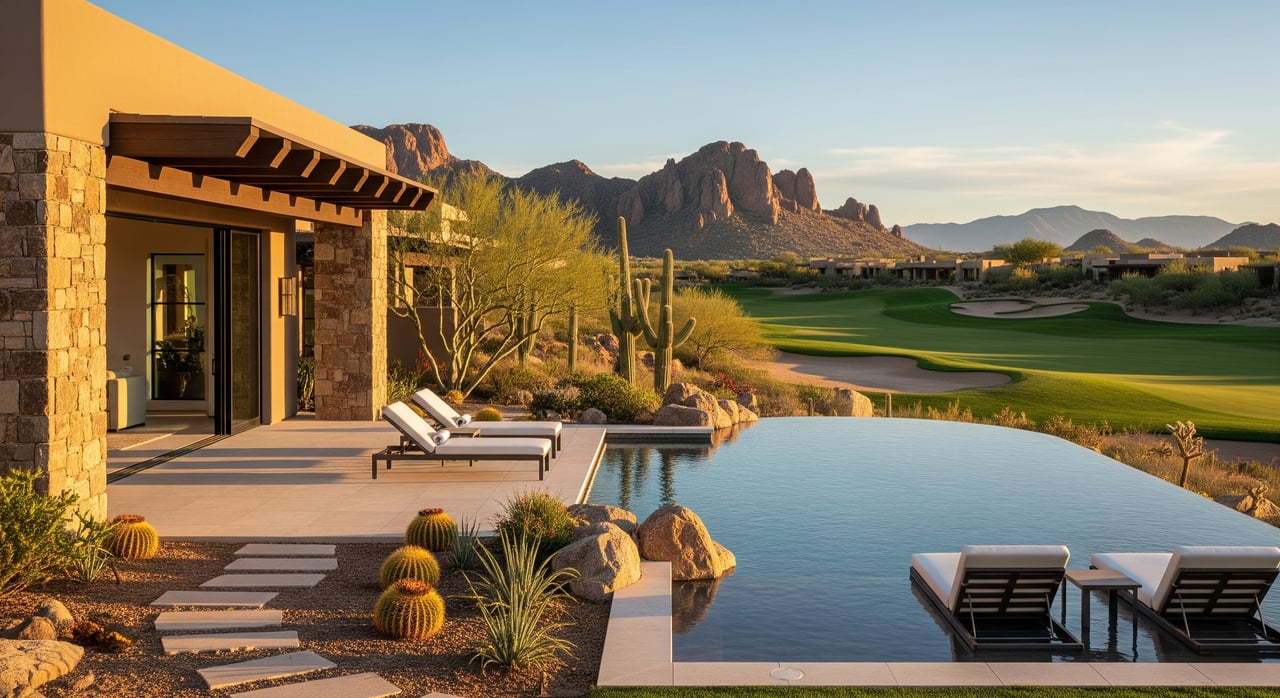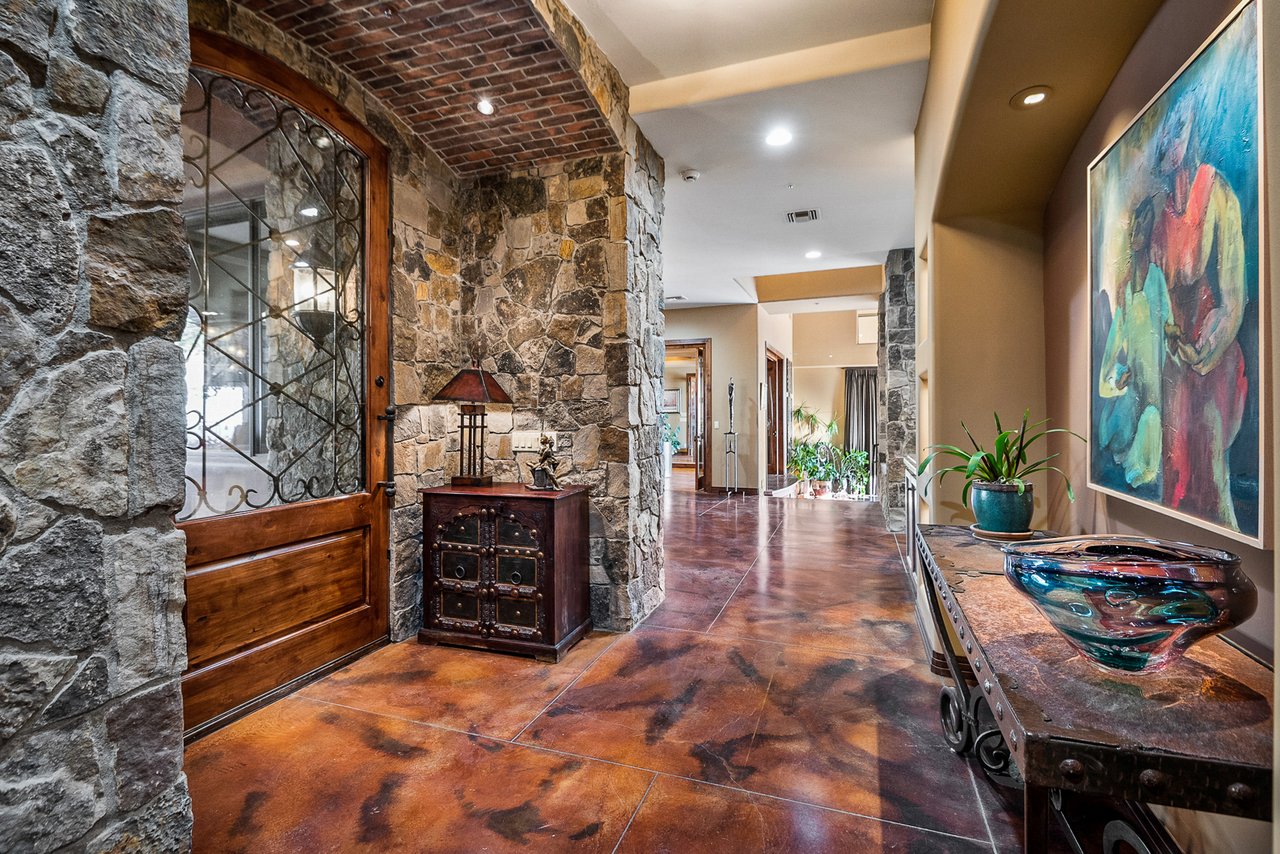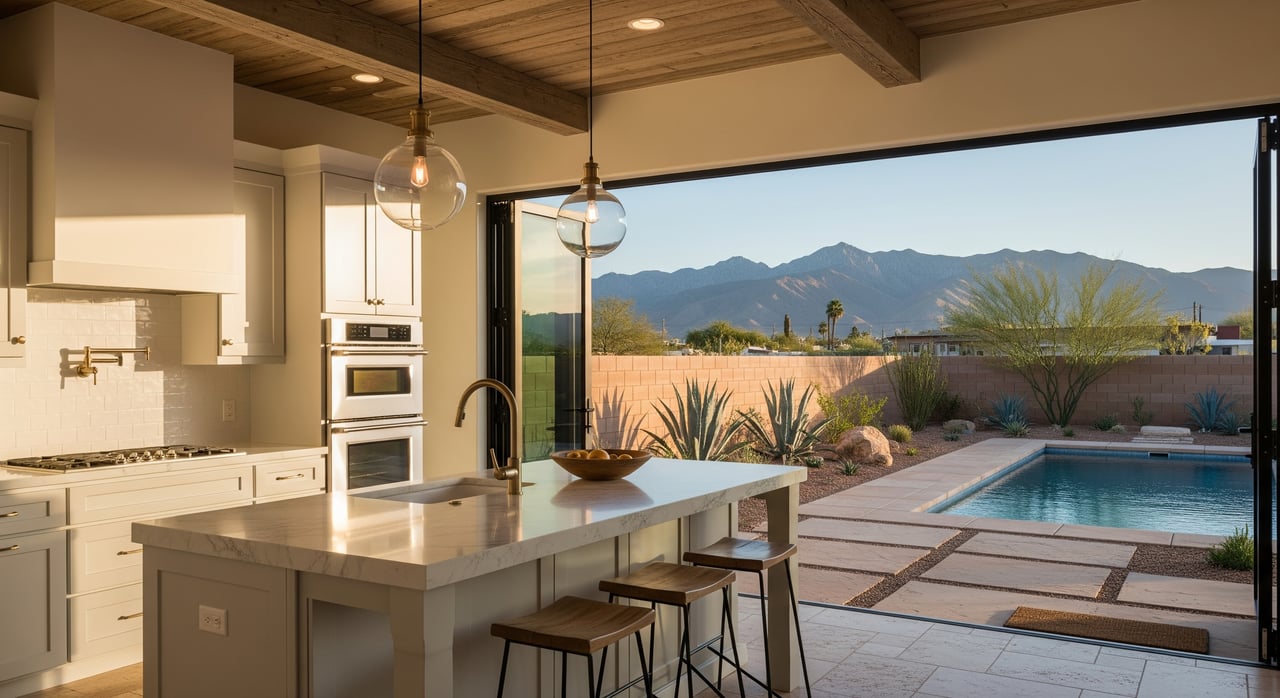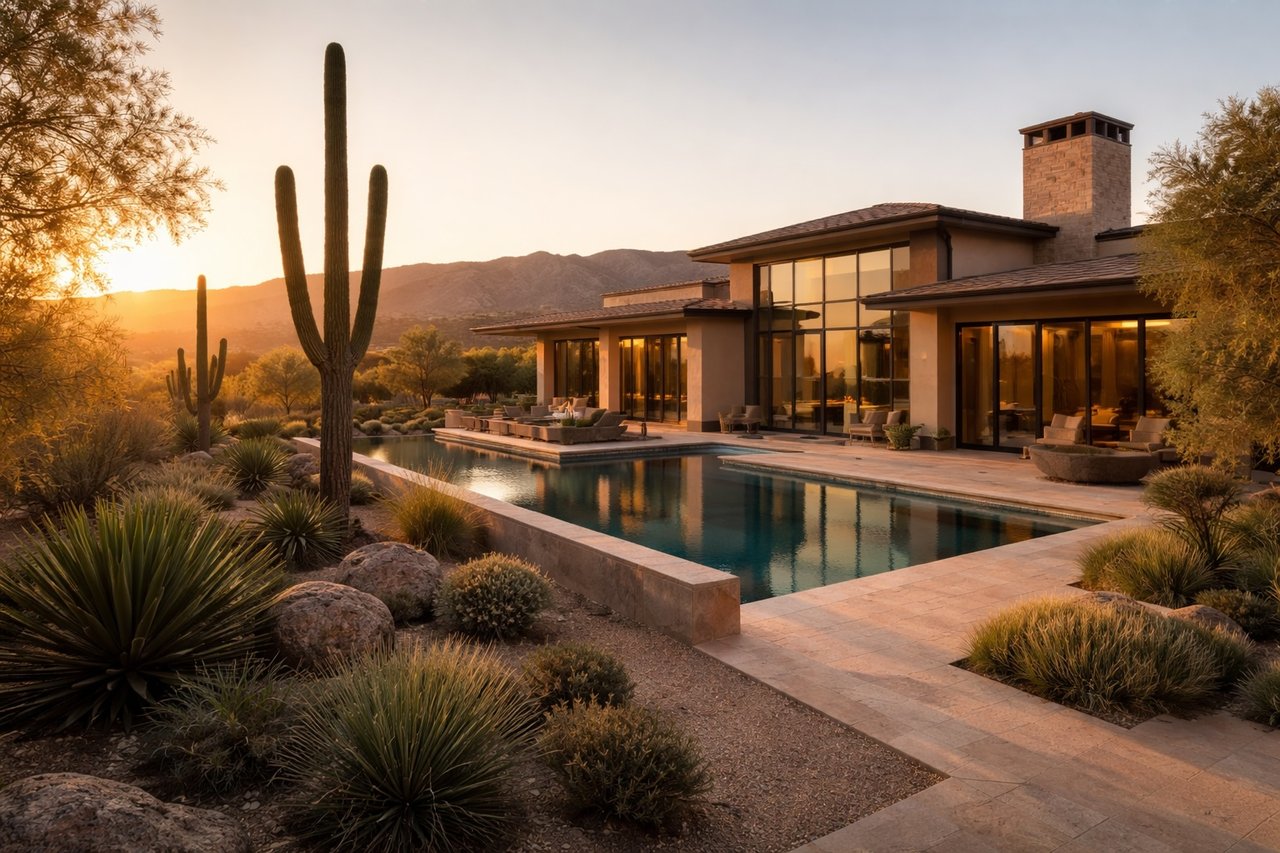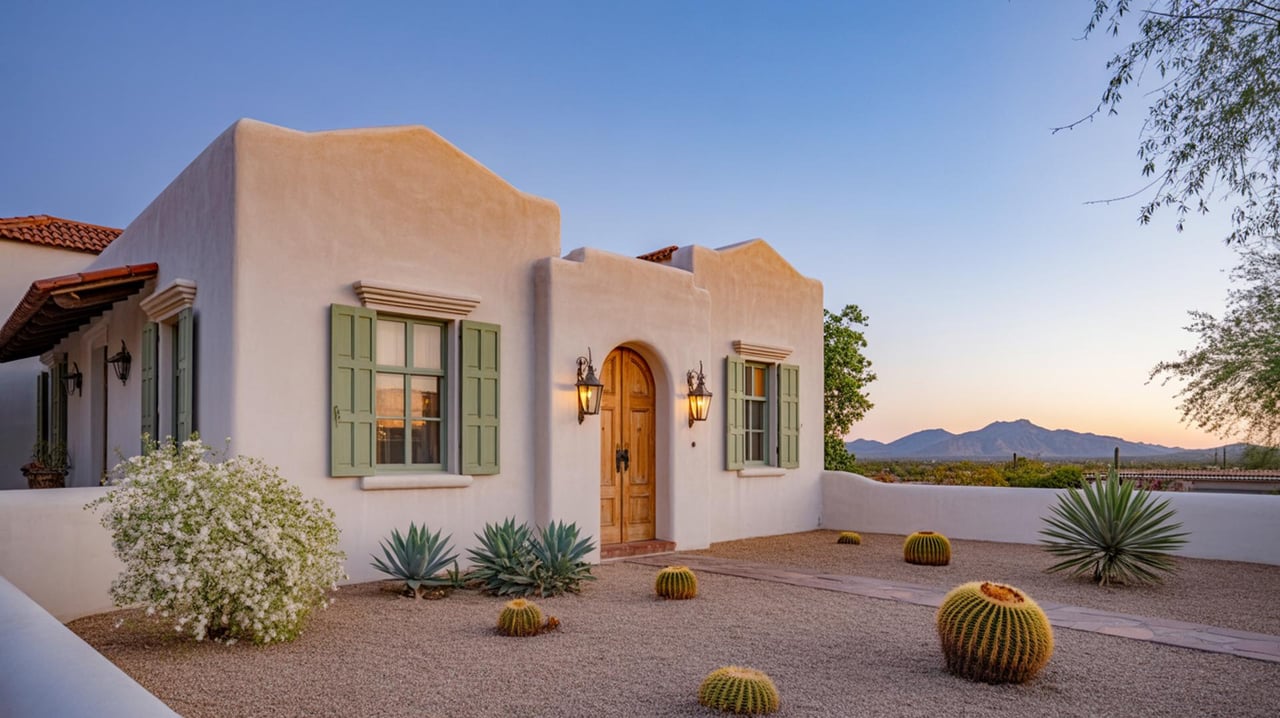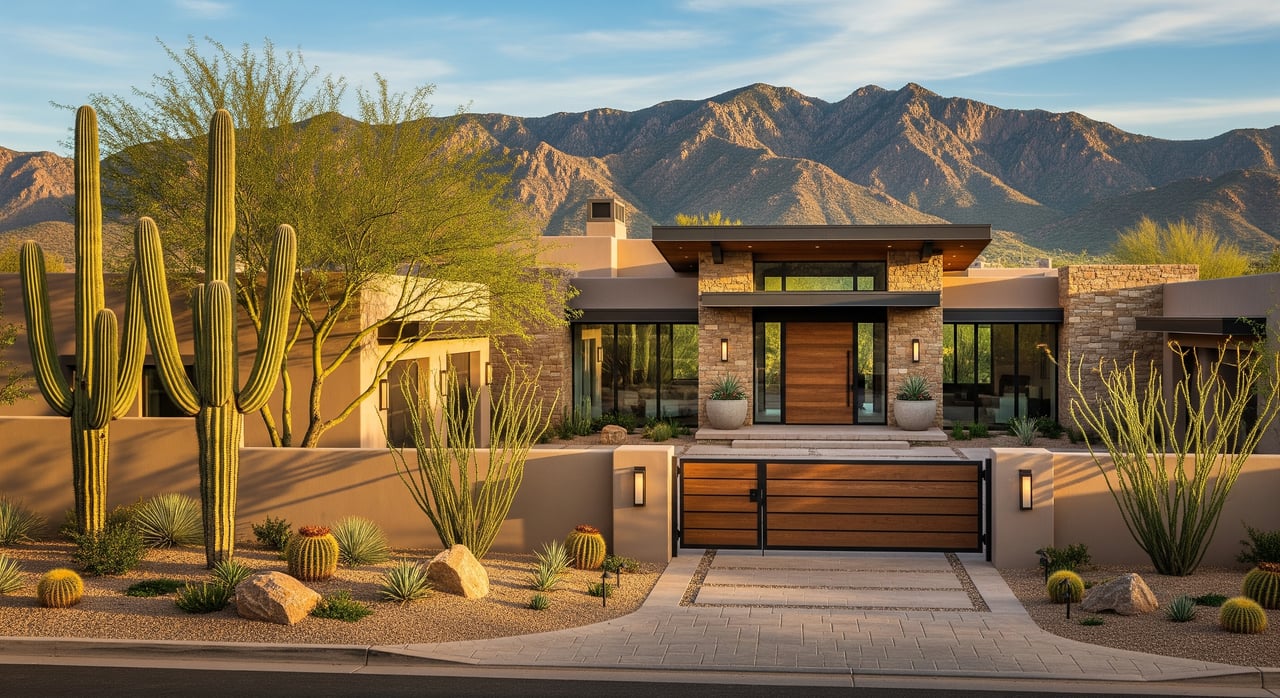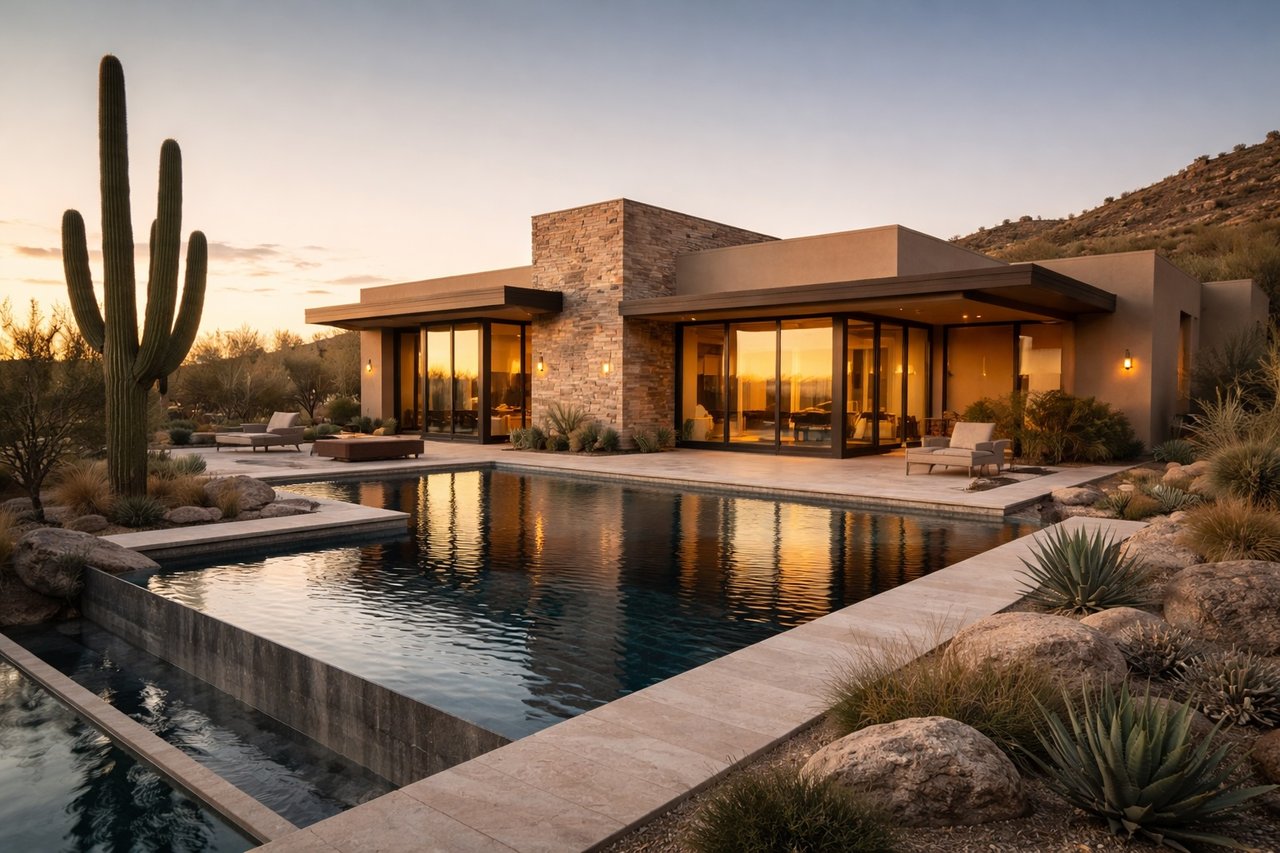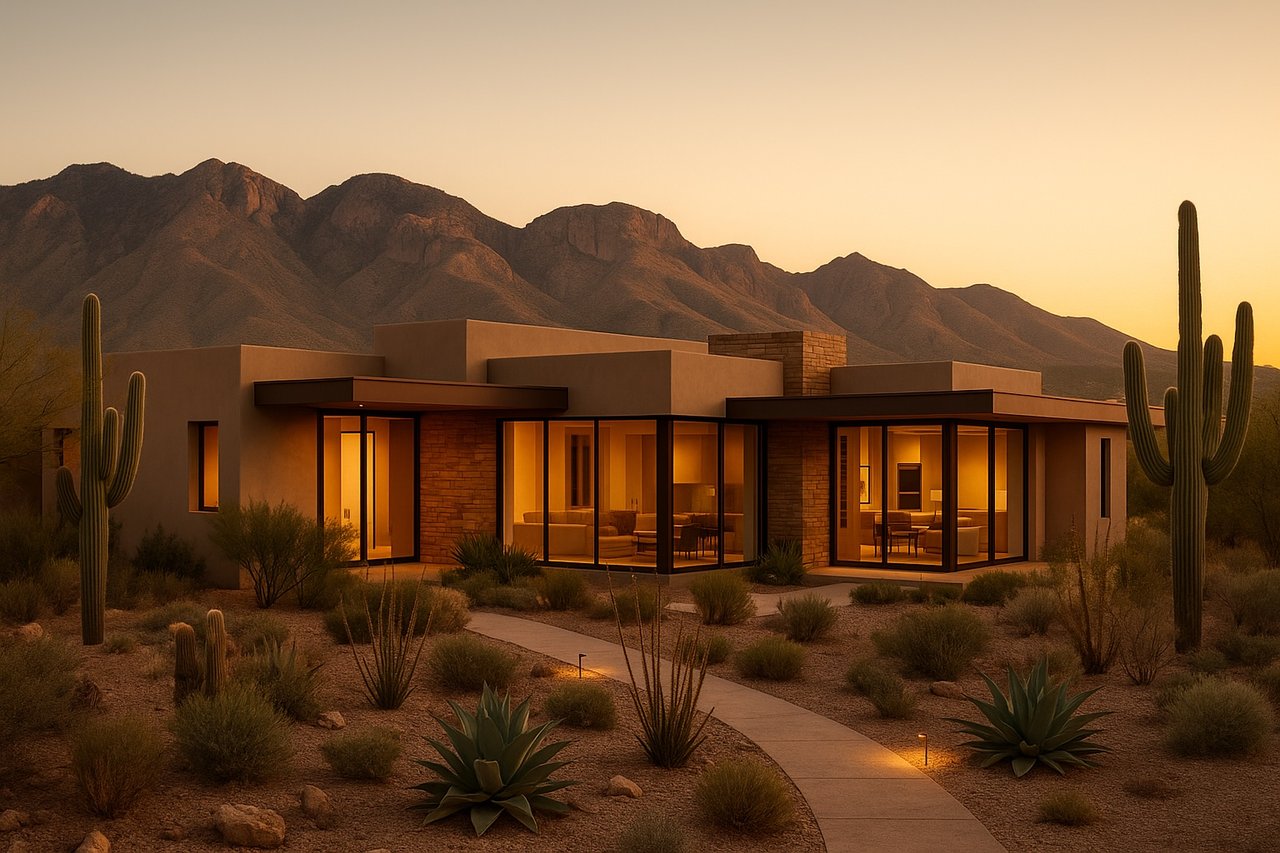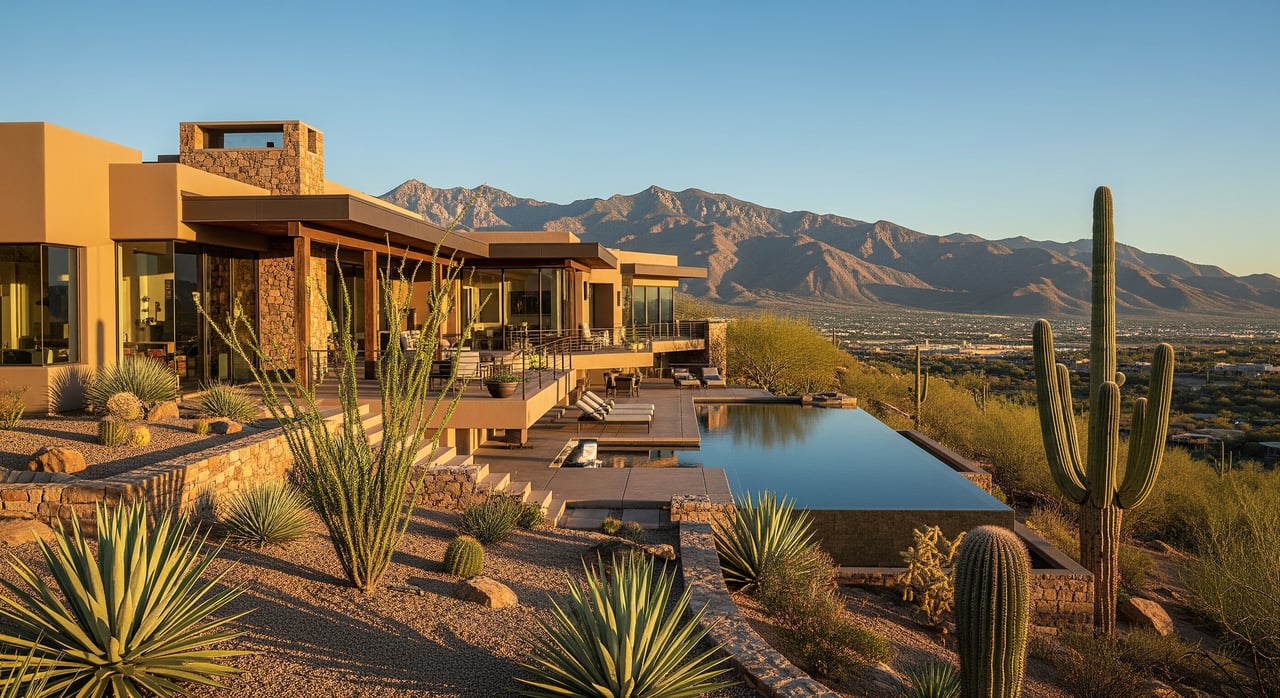
Thinking about a view home in the Catalina Foothills and noticing many list prices push past typical loan limits? You are not alone. In this pocket of greater Tucson, jumbo financing is common, and it comes with its own rules. If you understand how these loans work, you can shop with confidence, write smarter offers, and avoid last‑minute surprises. This guide breaks down what makes a loan “jumbo,” what lenders expect, and the local appraisal, lot, and insurance factors that matter most in the Foothills. Let’s dive in.
What a jumbo loan means in Pima County
A jumbo loan is any mortgage that exceeds the conforming loan limit set by the Federal Housing Finance Agency for Pima County in a given year. Loans above that limit are not purchased or guaranteed by Fannie Mae or Freddie Mac. They follow lender-specific jumbo guidelines.
Conforming limits are updated yearly and vary by county. Before you start touring homes, confirm the current Pima County limit for the year you plan to buy. Whether you need a jumbo depends on that limit and your planned loan amount.
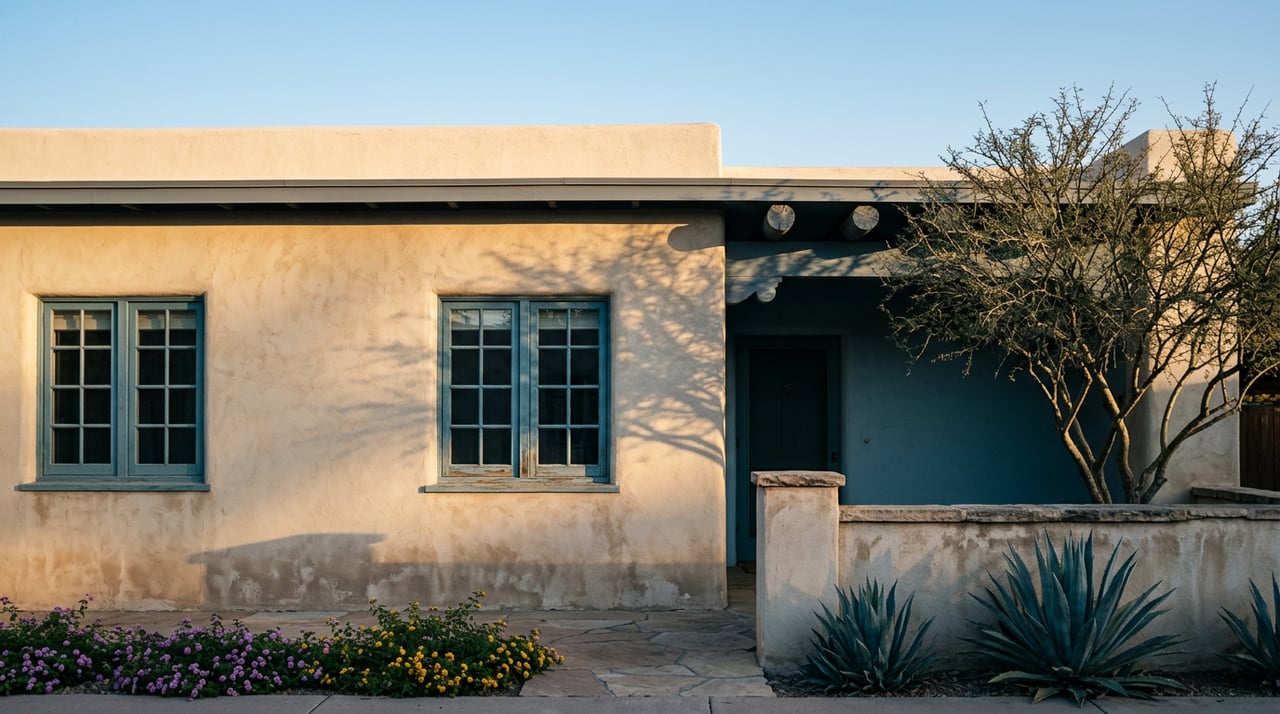
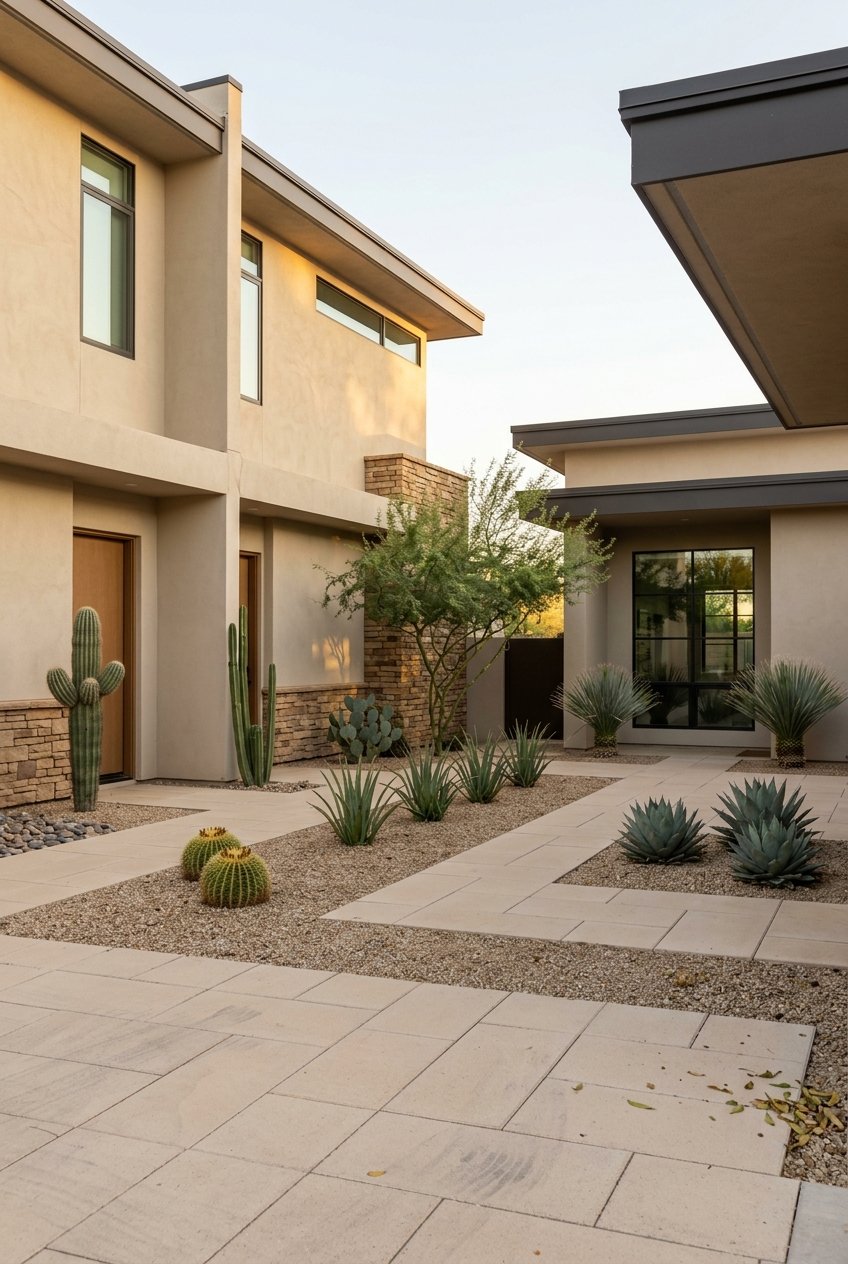
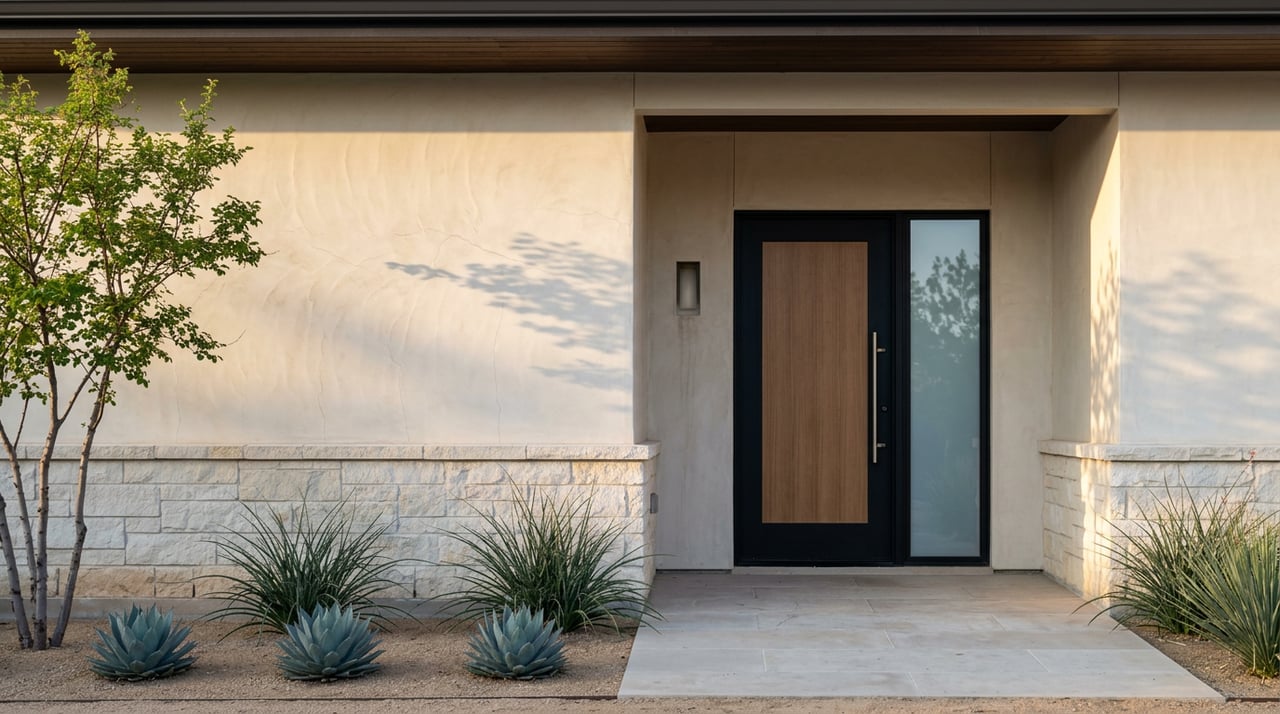
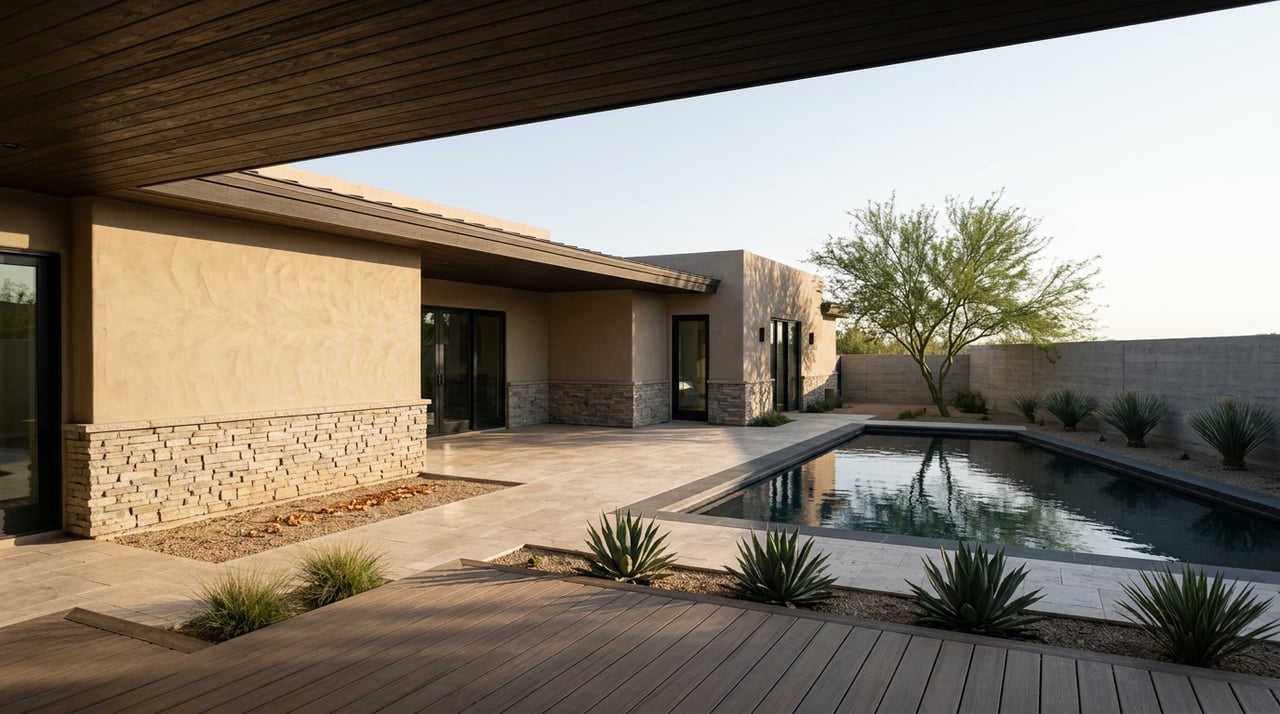
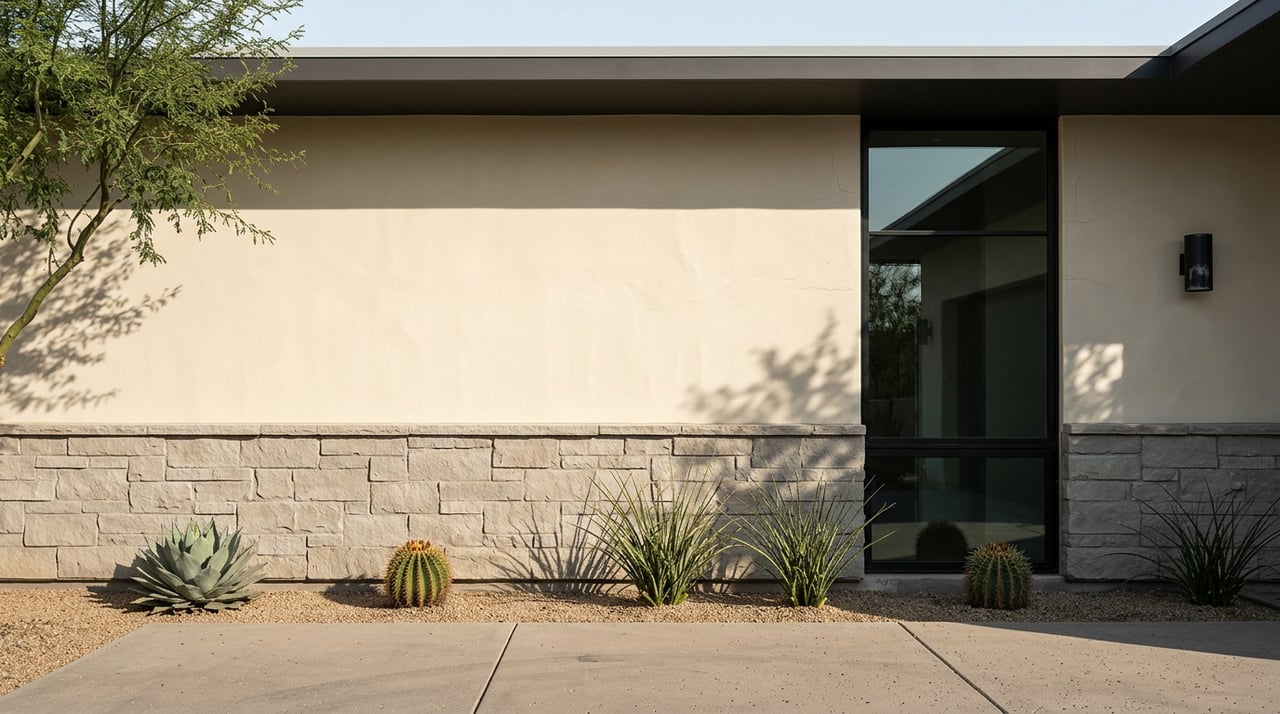
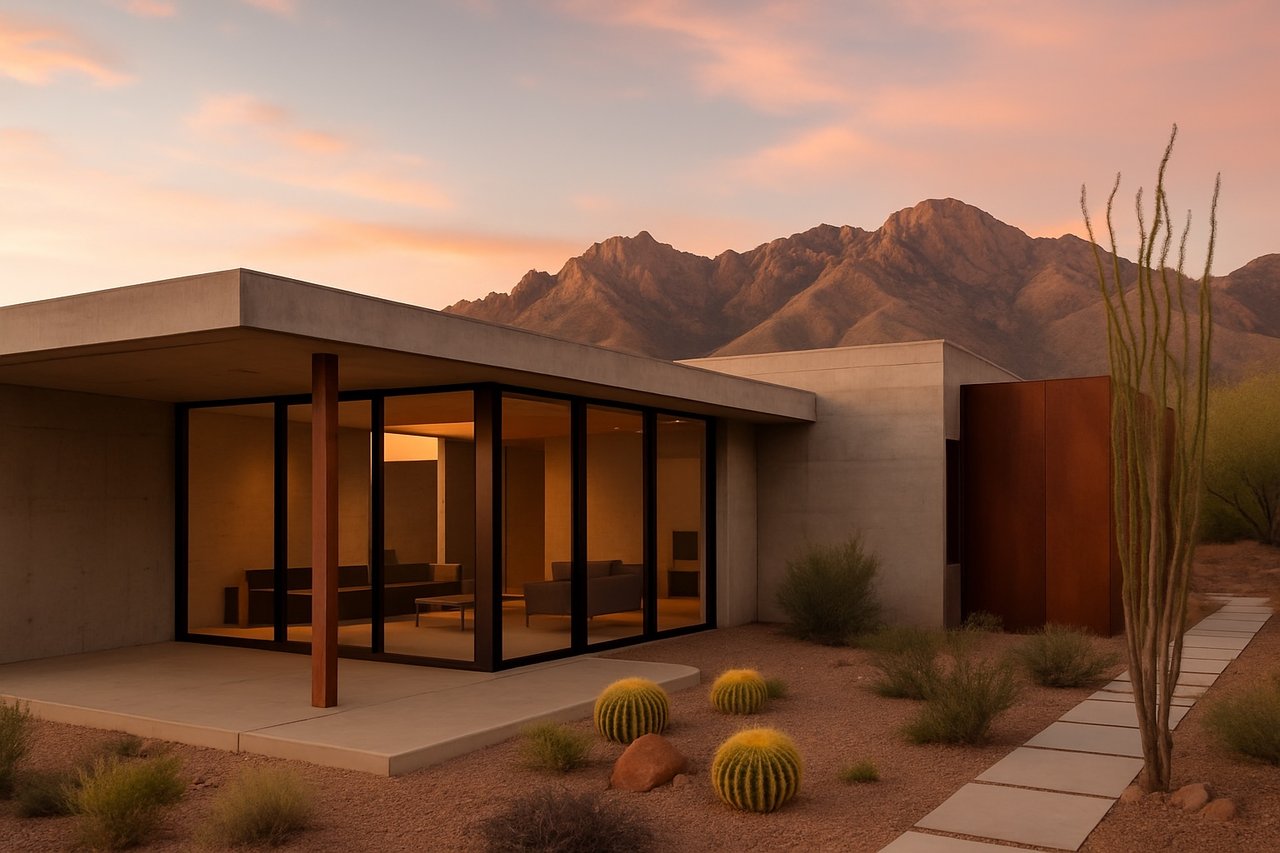
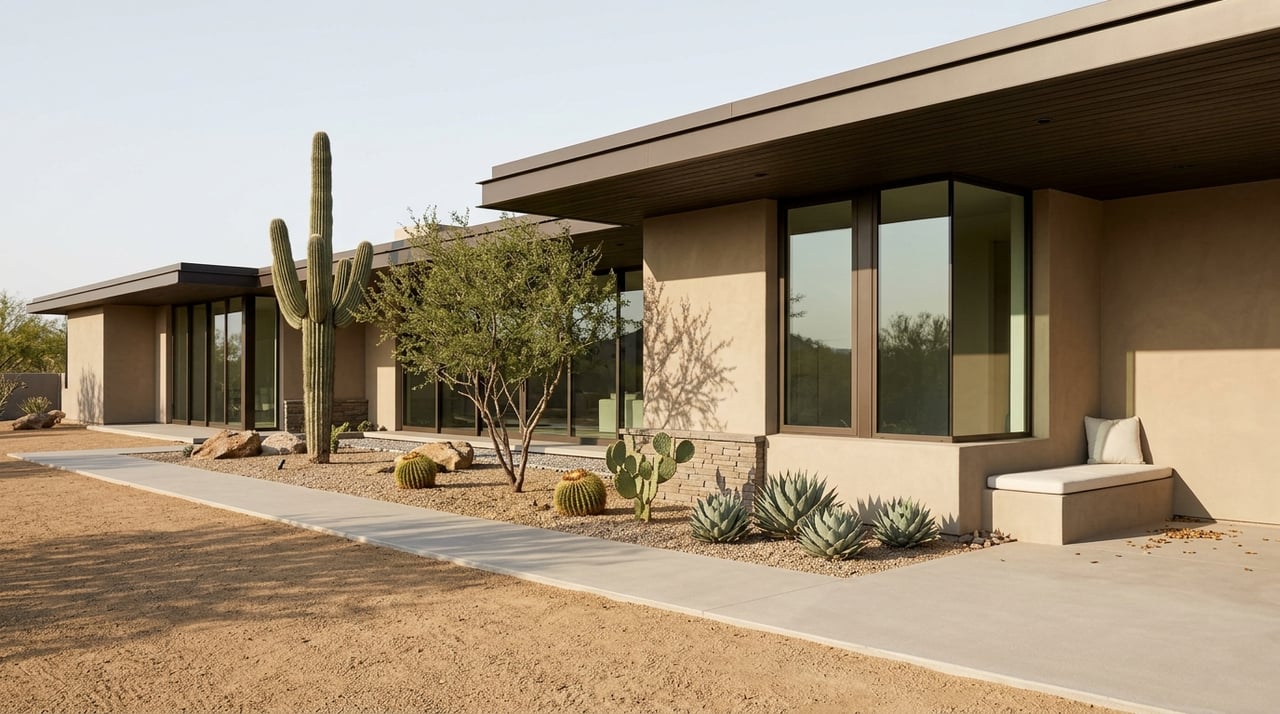
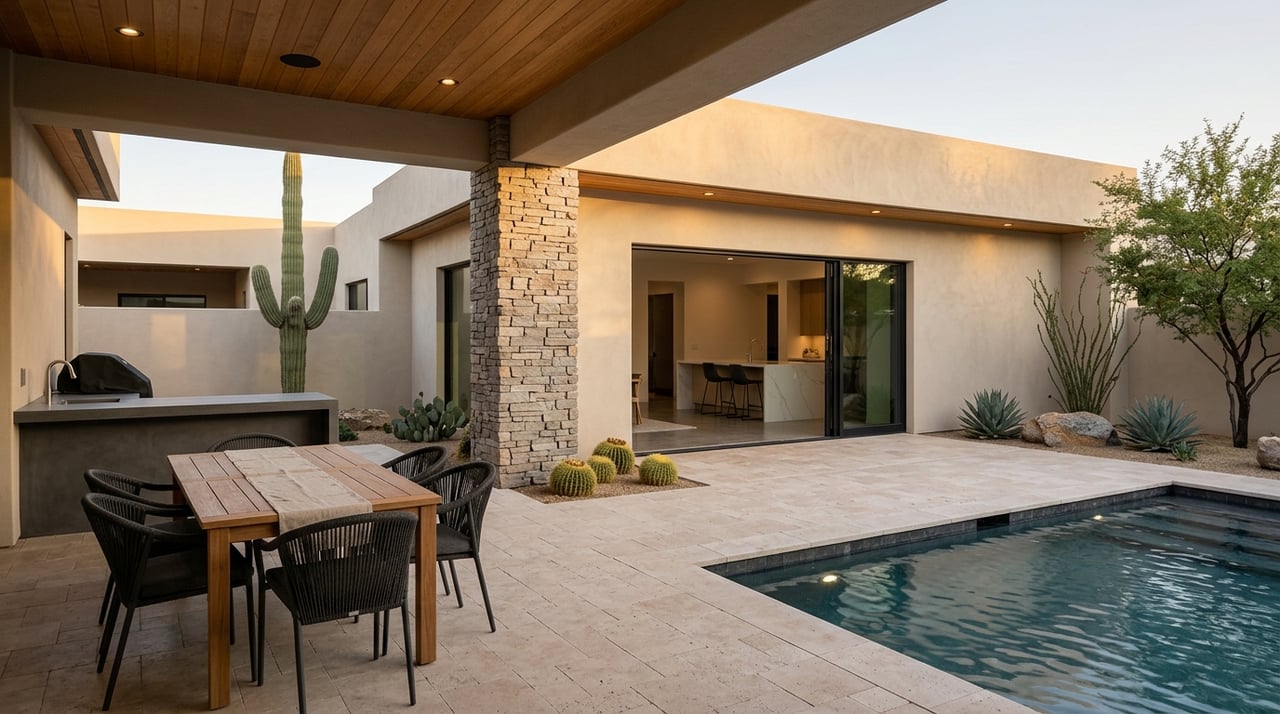
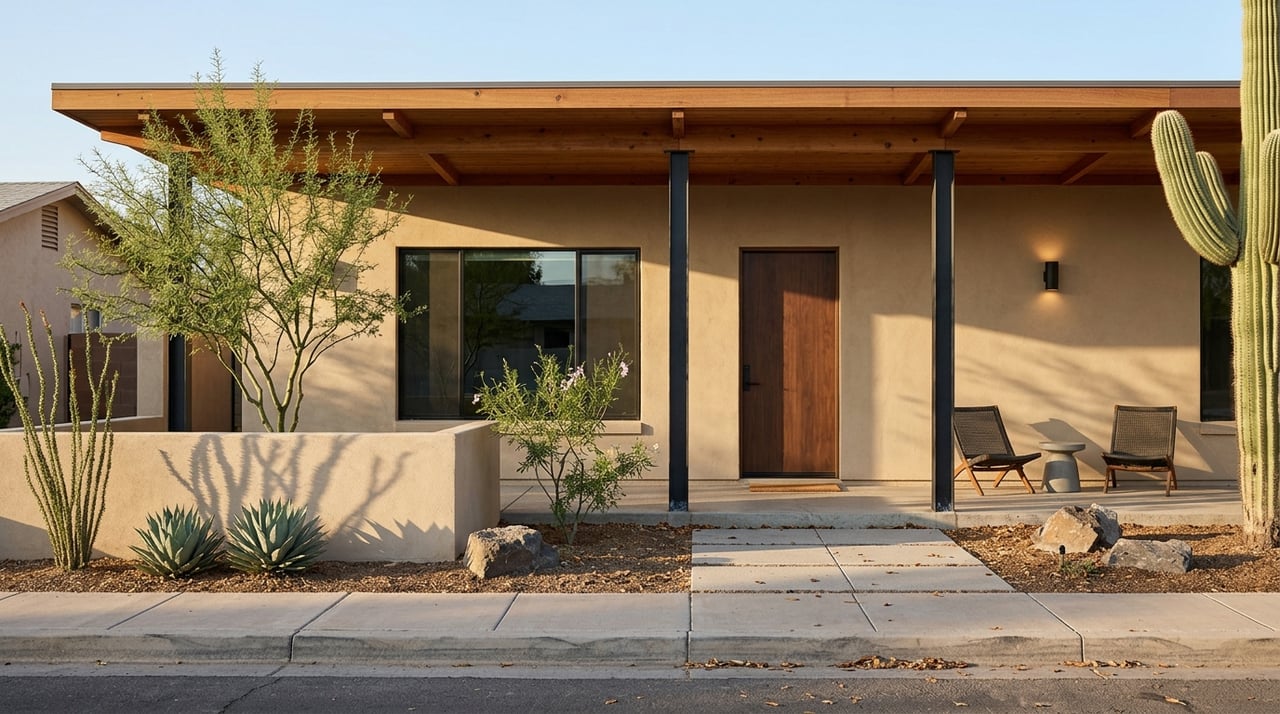
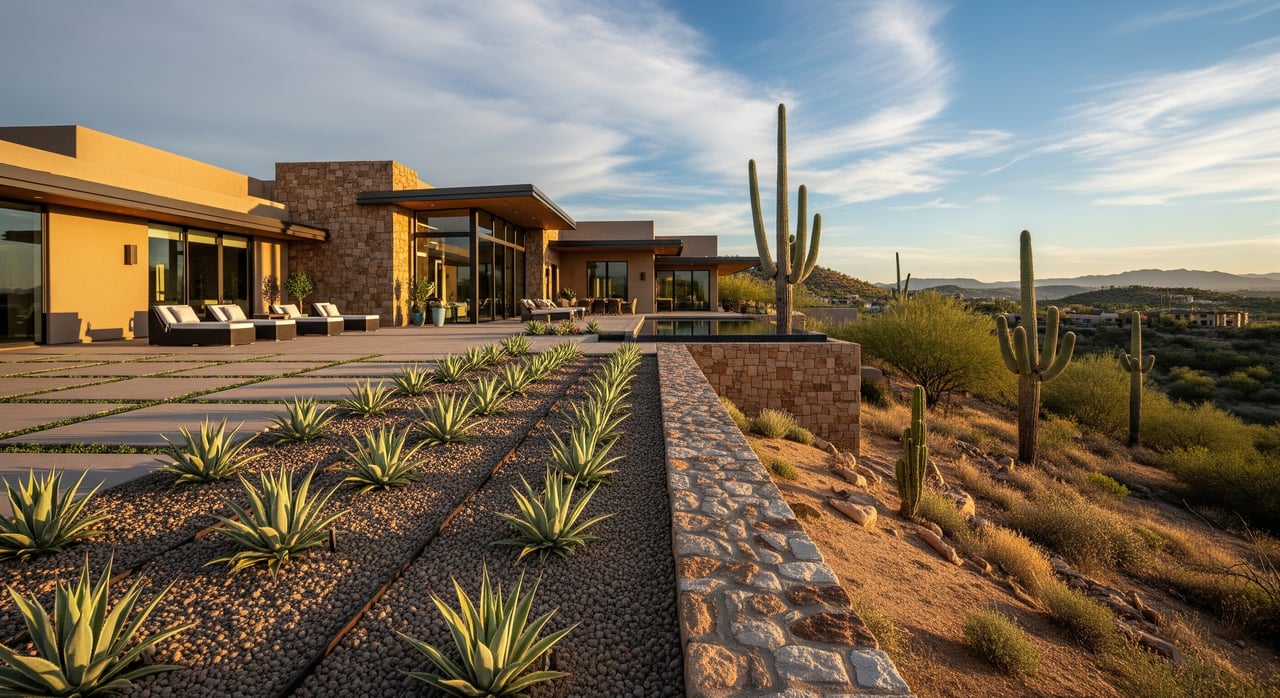
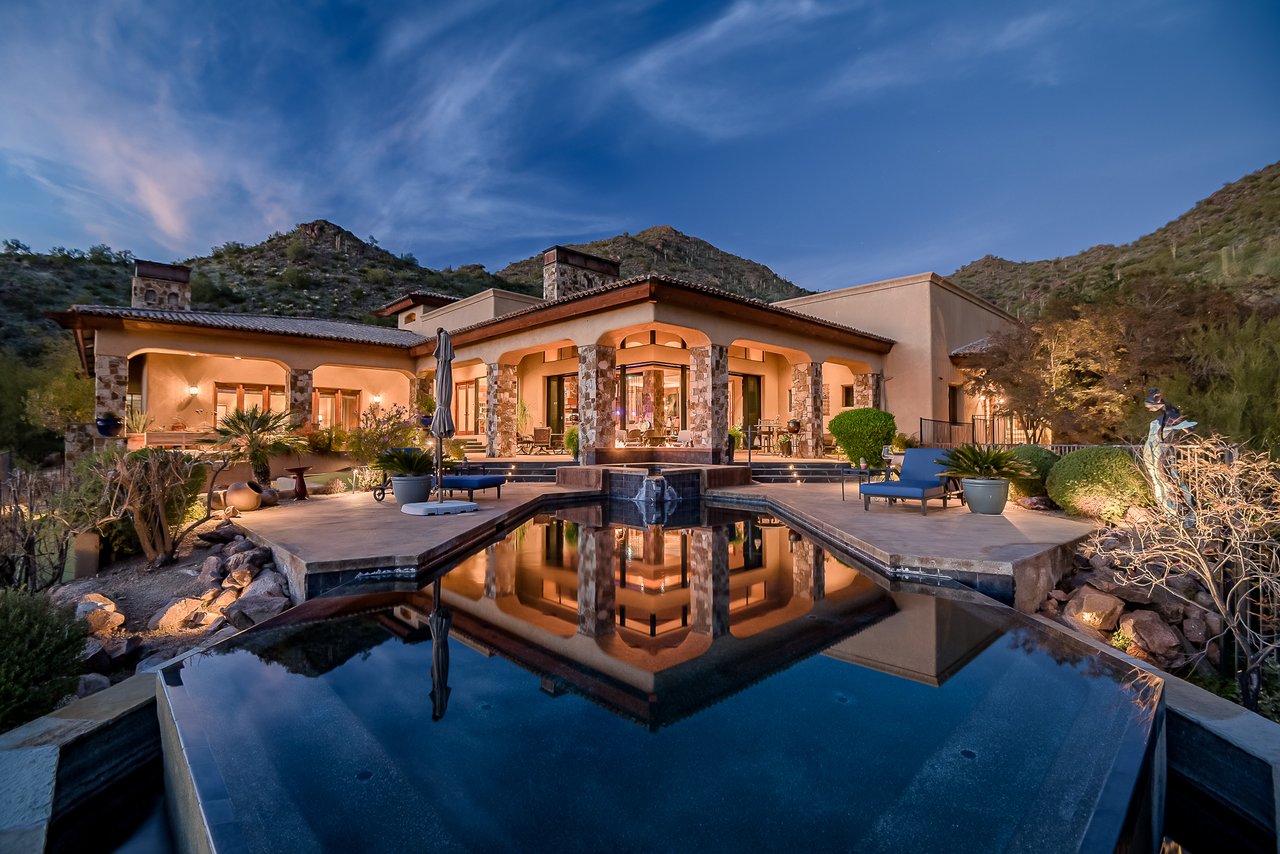
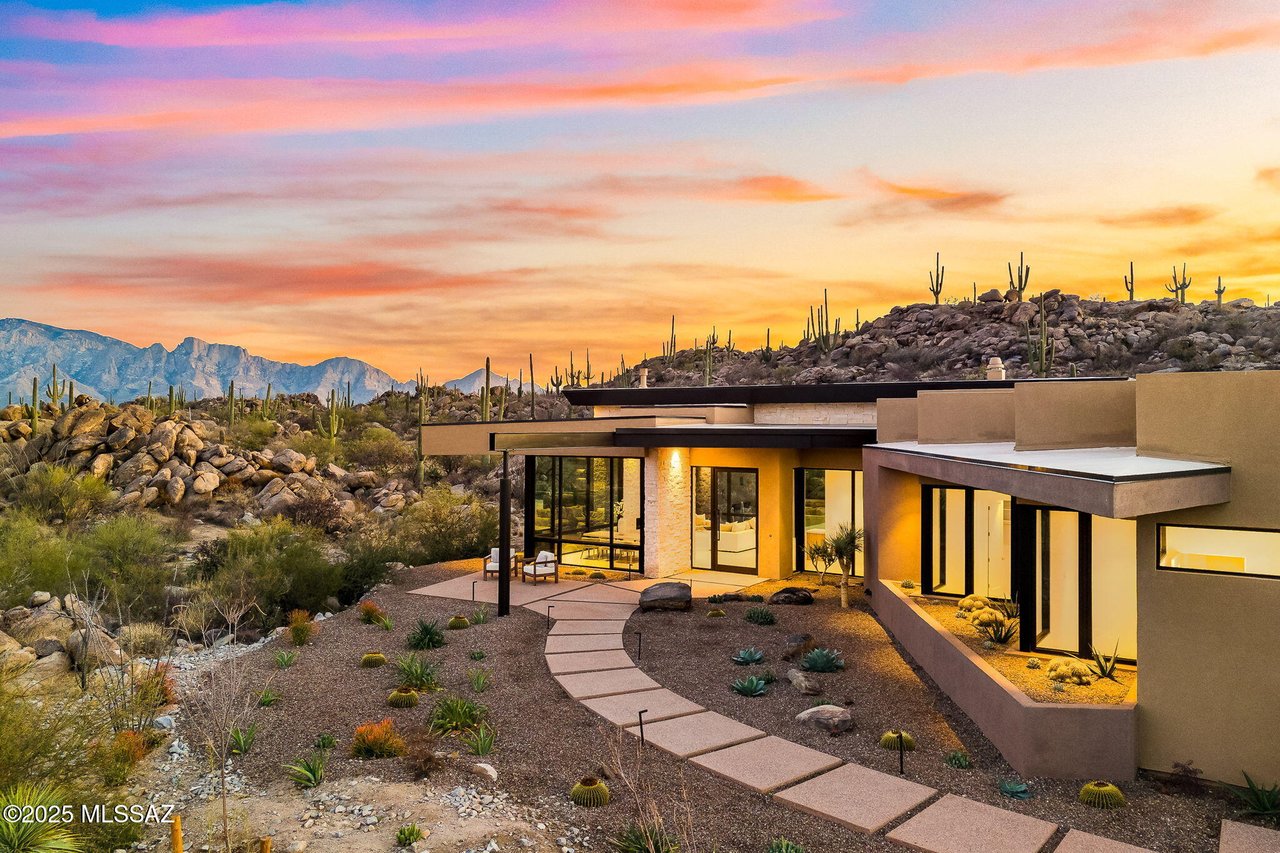
In Catalina Foothills, custom homes, larger lots, hillside settings, and luxury finishes often push prices above the conforming threshold. If you are not paying all cash, jumbo financing is a practical path.
Why jumbo financing is common in the Foothills
Catalina Foothills attracts a mix of local move-up buyers, out-of-area relocations to the Sun Belt, and second-home purchasers. Many of these buyers have complex financial profiles that include investment accounts, retirement funds, or stock-based compensation. That can require specialized underwriting and documentation.
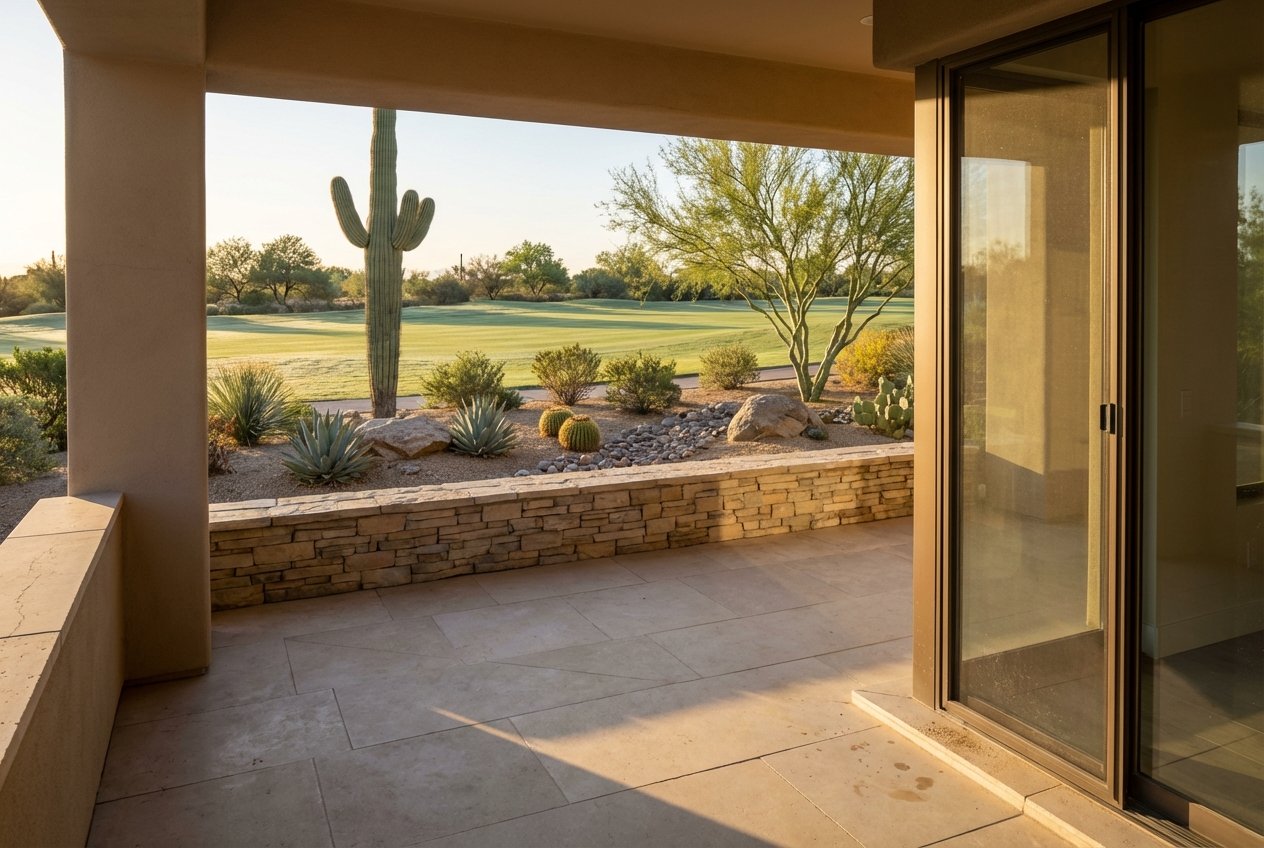
Unique properties are part of the draw here. Mountain views, architect-designed homes, and one-of-a-kind sites create pricing power. The same features can make appraisals and underwriting more nuanced, which is why working with a local team and a lender experienced in jumbo loans is important.
How jumbo underwriting works
Common jumbo products
- Conventional jumbo loans: Standard full-doc underwriting, just above FHFA limits. Available through banks, credit unions, and mortgage brokers.
- Portfolio loans: Kept on a lender’s balance sheet with lender-specific guidelines. Useful for unique income, property types, or non-warrantable condos.
- Non-traditional jumbos: Bank-statement, asset-depletion, or asset-backed options for buyers with atypical income patterns.
- Construction-to-permanent and renovation jumbos: Designed for custom builds or major remodels. Expect more documentation, larger reserves, and structured draws.
Typical lender requirements
- Down payment and LTV: Many programs expect 20 to 30 percent down. Some allow 10 to 15 percent down with stricter credit, higher pricing, or larger reserve requirements.
- Credit scores: Best pricing usually goes to mid‑700s and above. Minimums vary by lender and product.
- Debt-to-income ratio: Common maximums range from about 43 to 50 percent, with flexibility for strong compensating factors like high liquidity and excellent credit.
- Cash reserves: Plan to document 6 to 12 months of total housing payments in reserves after closing. Investment or non‑owner‑occupied homes can require more.
- Asset verification and seasoning: Lenders review bank, brokerage, and retirement statements for the prior 60 to 90 days. Large deposits and gifts must be sourced and explained.
- Income documentation: Full documentation using W‑2s, tax returns, and 1099s is standard. If income is investment heavy or self‑employed, bank‑statement or asset‑depletion programs may fit.
- Interest rates and pricing: Jumbo rates move with the market. They can be comparable to or slightly higher than conforming rates depending on lender competition, loan size, LTV, and credit.
Mortgage insurance on jumbos
Private mortgage insurance is typically not available on jumbos the way it is on conforming loans with small down payments. To offset risk, lenders use larger down payments, higher rate pricing, or lender‑paid structures. At higher LTVs you should also expect tighter reserves or DTI requirements.
Property and market issues in the Catalina Foothills
Appraisals on unique homes
One-of-a-kind properties, panoramic views, large acreages, and extensive upgrades can make comparable sales hard to find. That increases the chance of a low appraisal or a request for a second opinion.
Ways to prepare:
- Create an appraisal package with a list of upgrades, cost-to-replace estimates, and recent comparable sales.
- Discuss appraisal contingency language and appraisal gap strategies before you write an offer.
- If value comes in low, you can request a reconsideration with added comps and documentation. Portfolio lenders can be more flexible but still require substantiation.
Lot, site, and systems
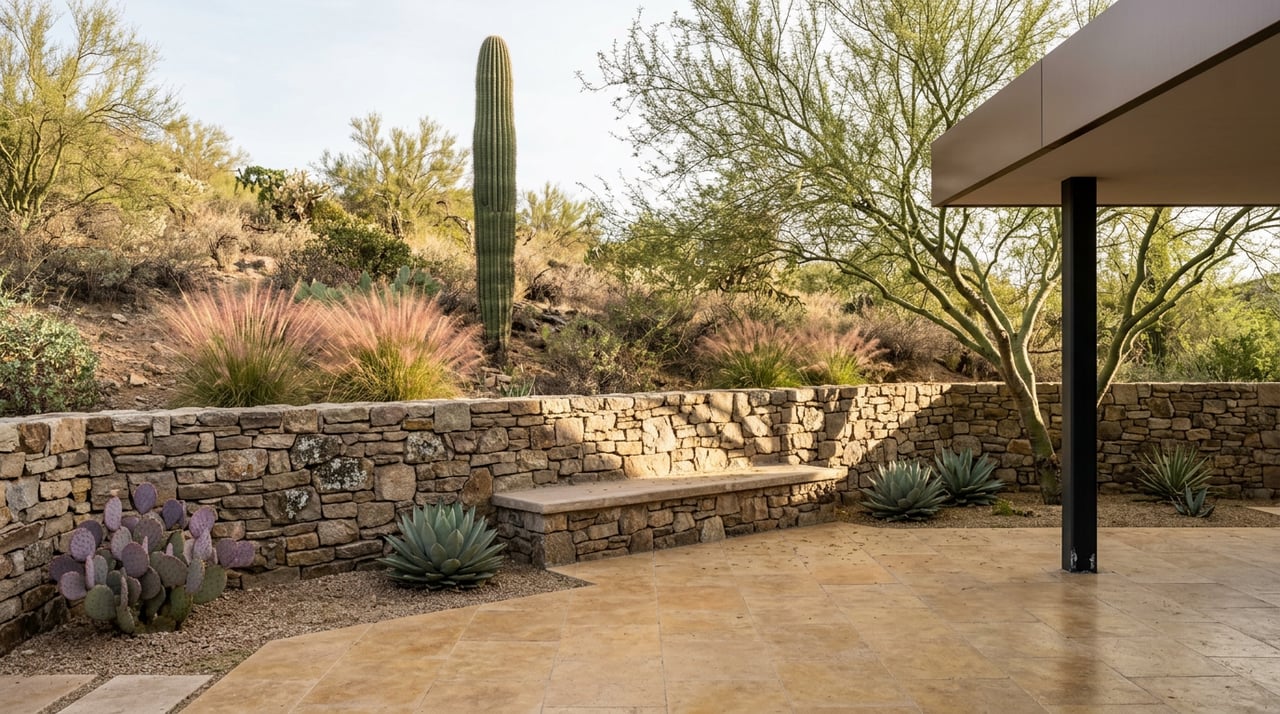
Hillside grading, slope stability, retaining walls, and drainage are common local considerations. Unique site improvements can trigger extra inspections, such as geotechnical or structural reviews.
Some properties include wells, septic systems, or partial off‑grid features. Lenders will require proof that the home meets habitability and insurability standards. Gather well tests, septic documentation, and permits early to keep underwriting on track.
Insurance and hazards
Lenders require homeowners insurance. In some foothills areas, wildfire risk can raise premiums or require special underwriting. Flash flood risk exists in arroyo corridors, and flood insurance is required when a property sits in a mapped FEMA flood zone. Get quotes and confirm insurability early in your process, ideally before finalizing contract terms.
Condominiums and HOAs
Project eligibility matters on condos. Owner‑occupancy ratios, single‑owner concentration, pending litigation, or developer control can render a project non‑warrantable, which limits financing options. In those cases, portfolio or specialty lenders may be needed.
HOA dues and special assessments count in your debt-to-income ratio. Lenders will review HOA financials as part of project approval, so request these documents early.
Financing and negotiation strategies
For buyers
- Get a true jumbo pre‑approval early. Submit full documentation and compare several lenders, including national banks, local credit unions, and brokers. Look for product fit and underwriting flexibility, not just rate.
- Build liquidity and document reserves. Season your assets and minimize unexplained transfers during underwriting.
- Write realistic appraisal terms. Appraisal waivers are unlikely on jumbos. Discuss appraisal gap language and how you would handle a short appraisal before you make an offer.
- Consider bridge options. If you need equity from a current home, explore bridge loans, jumbo HELOCs, or delayed financing.
For sellers
- Price with support. Provide buyers and appraisers with a clean package that includes an upgrades list, invoices, plans, and a comp sheet. A pre‑listing appraisal can add confidence, though the buyer’s lender will order their own.
- Understand financing timelines. Jumbo underwriting can take longer if there are site inspections, unique features, or complex assets. Build a realistic calendar.
- Negotiate with clarity. Appraisal gap clauses and limited concessions can help a deal hold together. Keep financing and appraisal timelines tight but practical.
Timelines, rate locks, and closing
Jumbo loans can close as fast as conforming loans when files are clean and appraisals come in on target. In complex cases, plan for 30 to 45 days or more. Ask your lender about lock length options and any float‑down features. Longer locks can cost more, so match the lock to your appraisal and inspection schedule.
Quick jumbo prep checklist
Use this as a starting point with your lender and agent:
- Confirm the current FHFA conforming loan limit for Pima County and your planned loan amount.
- Gather documents: last two years of W‑2s and tax returns, recent pay stubs or income statements, and 1099s as needed.
- Prepare asset statements for the last 60 to 90 days, including bank, brokerage, and retirement accounts. Be ready to source large deposits and gifts.
- Estimate cash to close and reserves. Target 6 to 12 months of total housing payments post‑closing.
- Request insurance quotes early, including fire and, if applicable, flood coverage.
- Review site considerations: slope, retaining walls, drainage, well and septic records, and any unusual systems that may need inspection.
- For condos, verify project eligibility and request HOA financials and questionnaires early.
- Align appraisal strategy: comps list, upgrades sheet, and a plan for low appraisal scenarios.
- Discuss bridge financing, a HELOC, or delayed financing if you need equity from a current property.
Work with a local guide who knows the Foothills
Jumbo deals move smoothly when your team anticipates local issues. You want a partner who understands hillside lots, luxury finishes, portfolio lending options, and how to position your appraisal. Daniel Sotelo pairs deep neighborhood knowledge of the Catalina Foothills with high‑touch, responsive service and premium marketing. If you are buying, you get clear guidance and a focused search strategy. If you are selling, your home is presented with care and supported by evidence.
If you are considering a foothills purchase or planning a sale, let’s talk through your jumbo options, timeline, and strategy. Connect with Daniel Sotelo to get started.
FAQs
How much down do I need on a jumbo loan in Catalina Foothills?
- Many buyers put 20 to 30 percent down; select programs allow lower down with tighter credit, higher pricing, and larger reserve requirements.
Are jumbo mortgage rates higher than conforming rates?
- It depends on market conditions, loan size, credit, and competition among lenders. Jumbo rates can be comparable or slightly higher, and your profile matters most.
What if the appraisal comes in below the contract price on a Foothills home?
- Options include renegotiating price, paying the gap in cash, requesting a reconsideration with stronger comps, ordering a second appraisal, or using a lender open to added documentation.
Can I finance a custom build or major remodel with a jumbo loan?
- Yes. Construction‑to‑permanent and renovation jumbo options exist, but they require detailed budgets, contractor contracts, inspections, and often higher reserves.
Are Catalina Foothills condos harder to finance with a jumbo?
- They can be if the project is non‑warrantable due to occupancy ratios, litigation, or ownership concentration. Portfolio or specialty lenders may be needed.
How long does a jumbo loan take to close in Pima County?
- Clean files can close on a similar timeline as conforming loans, but unique properties and extra inspections can extend timing. Plan for 30 to 45 days or more in complex cases.