Thinking about buying or selling in the Catalina Foothills and wondering whether an HOA fits your life? You are not alone. The right choice comes down to your priorities around freedom, maintenance, amenities, and long-term costs. In this guide you will learn the real differences between HOA and non-HOA living in the Foothills, what to check before you buy, and how local terrain and climate shape each option. Let’s dive in.
Catalina Foothills at a glance
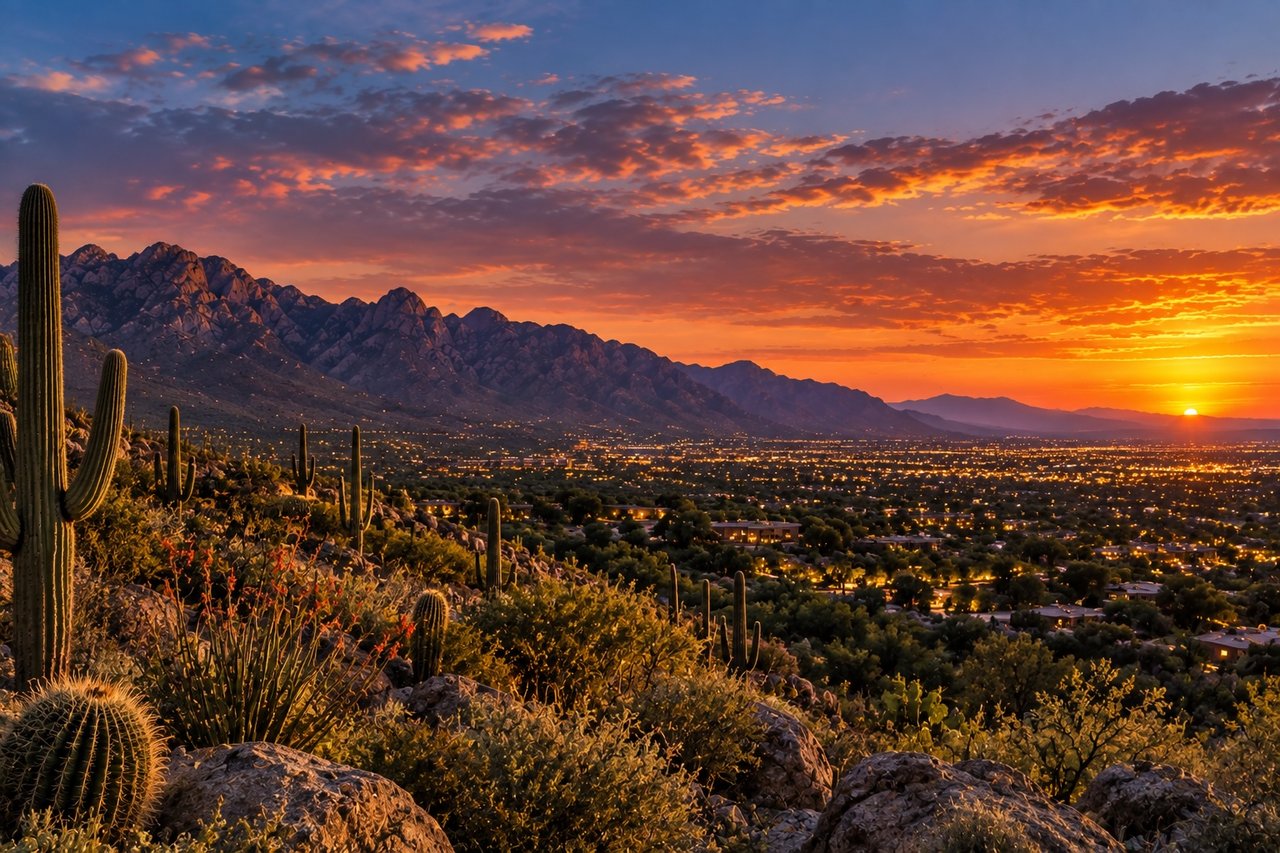
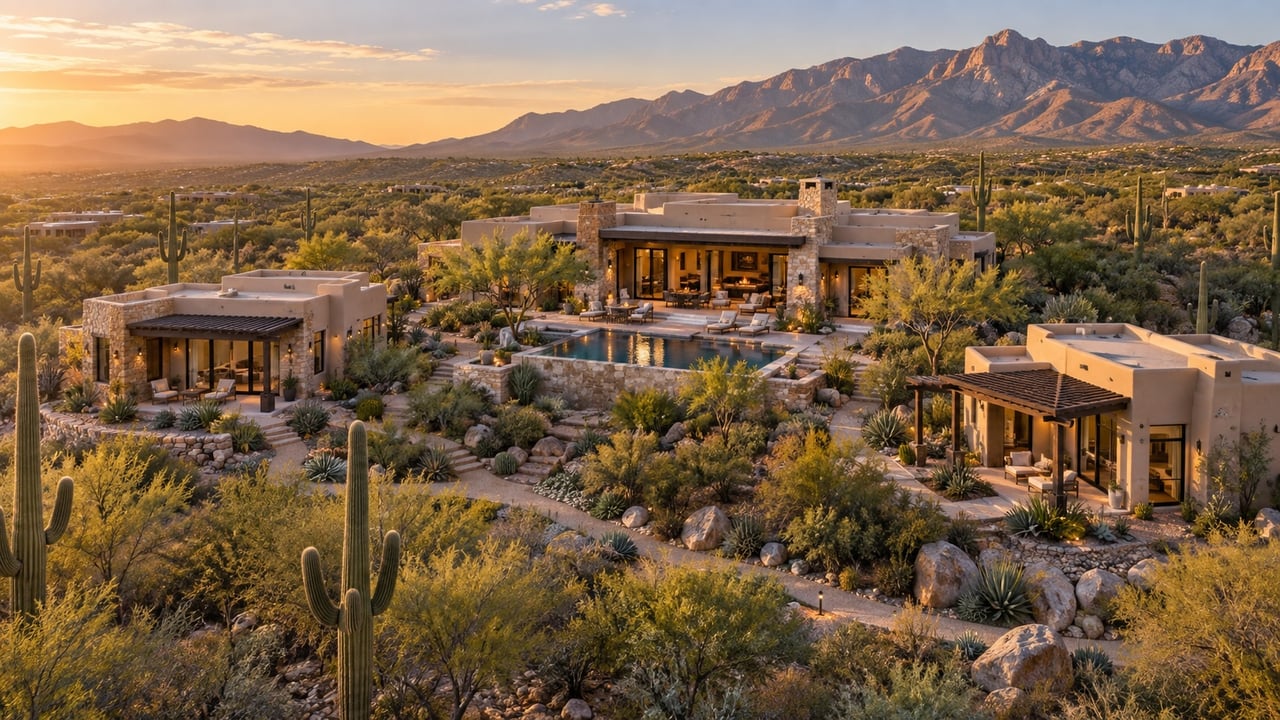
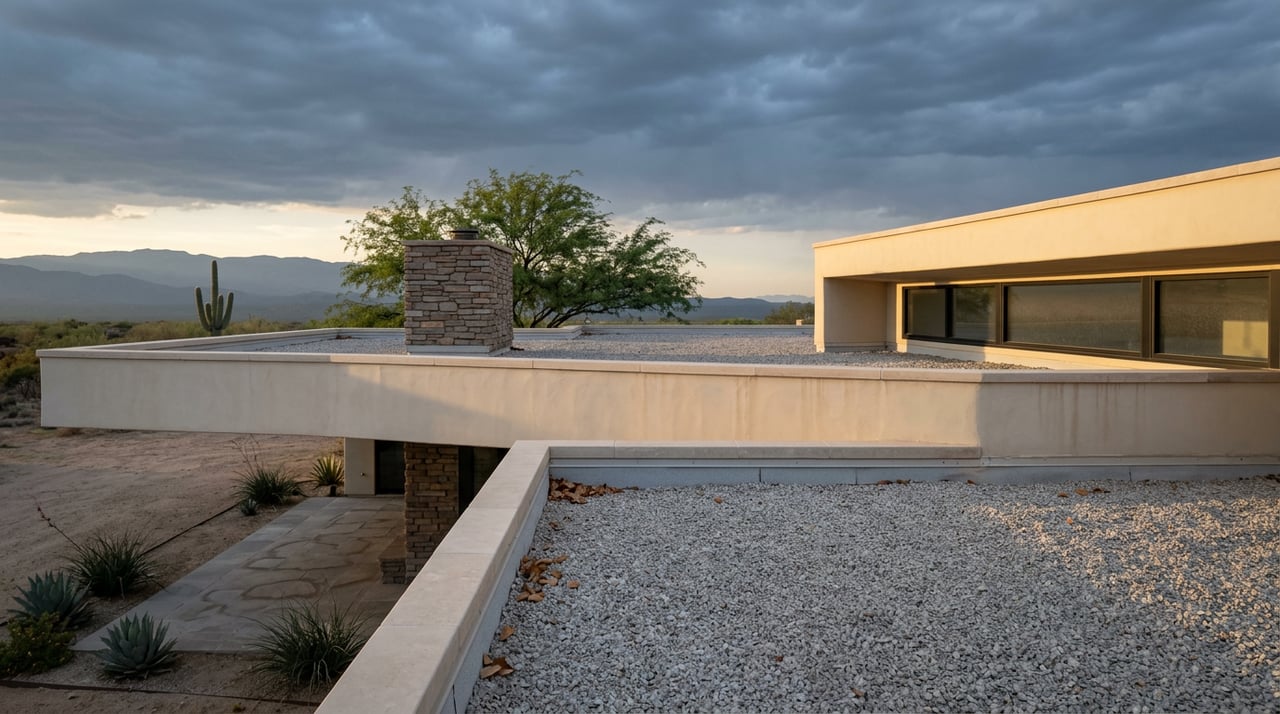
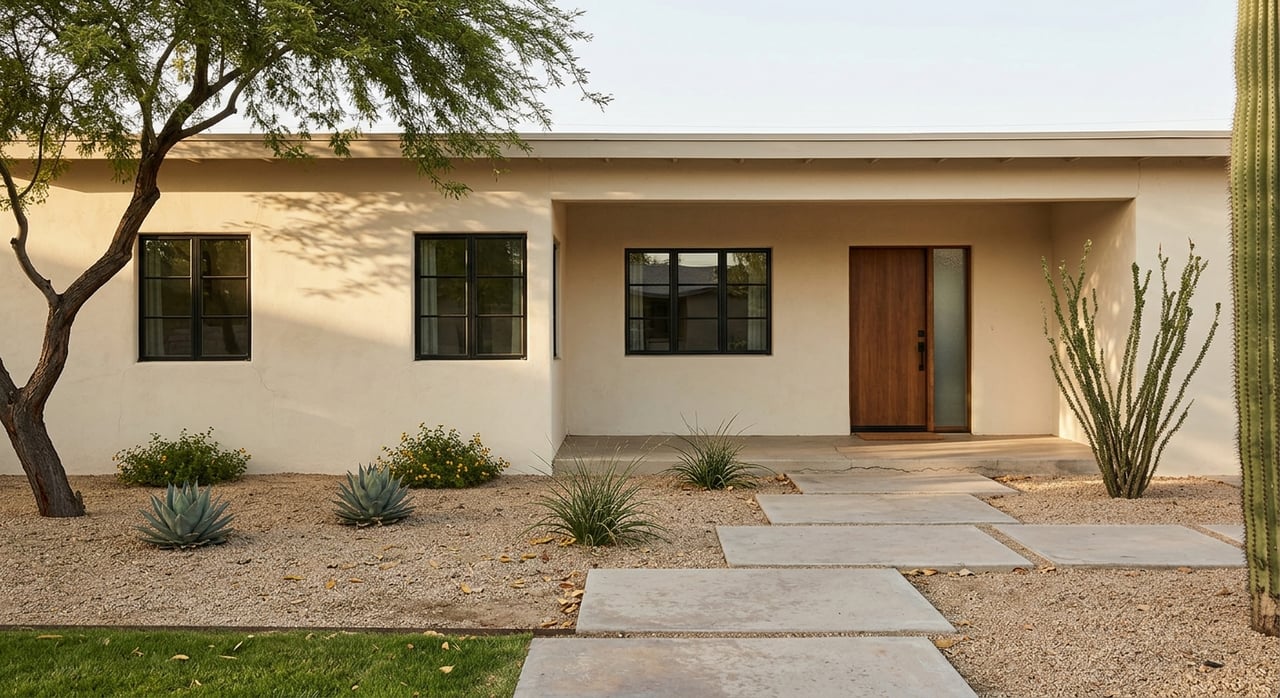
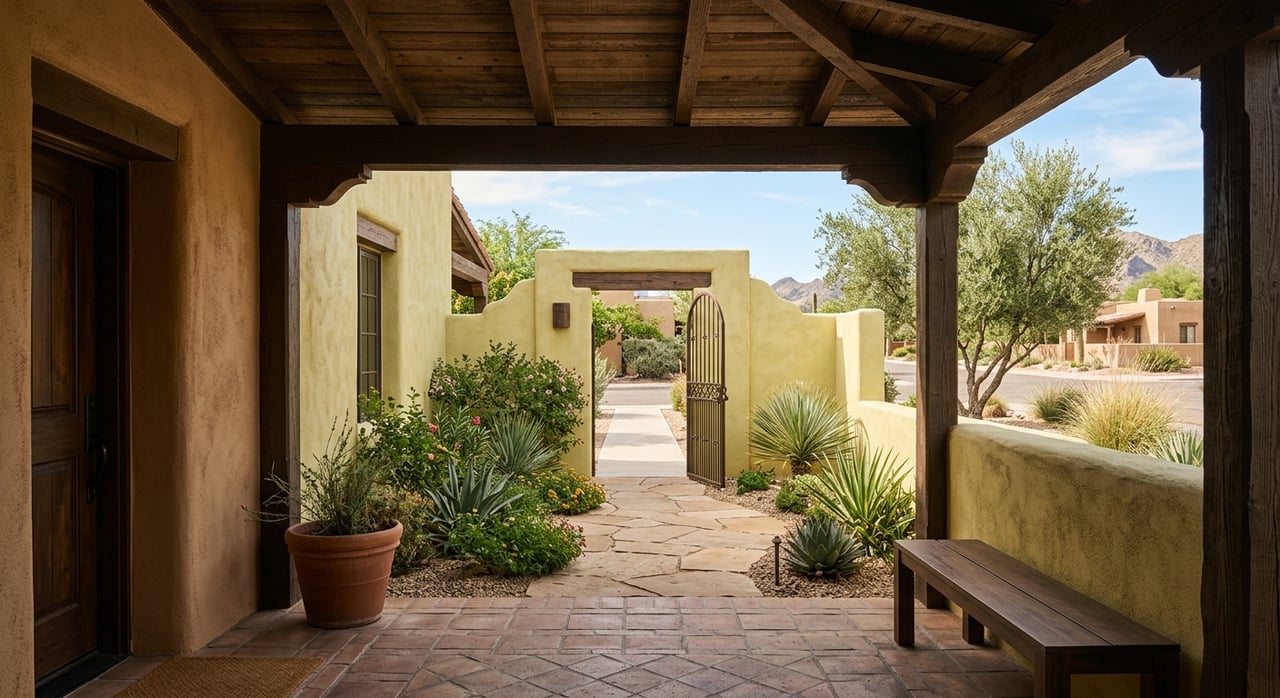
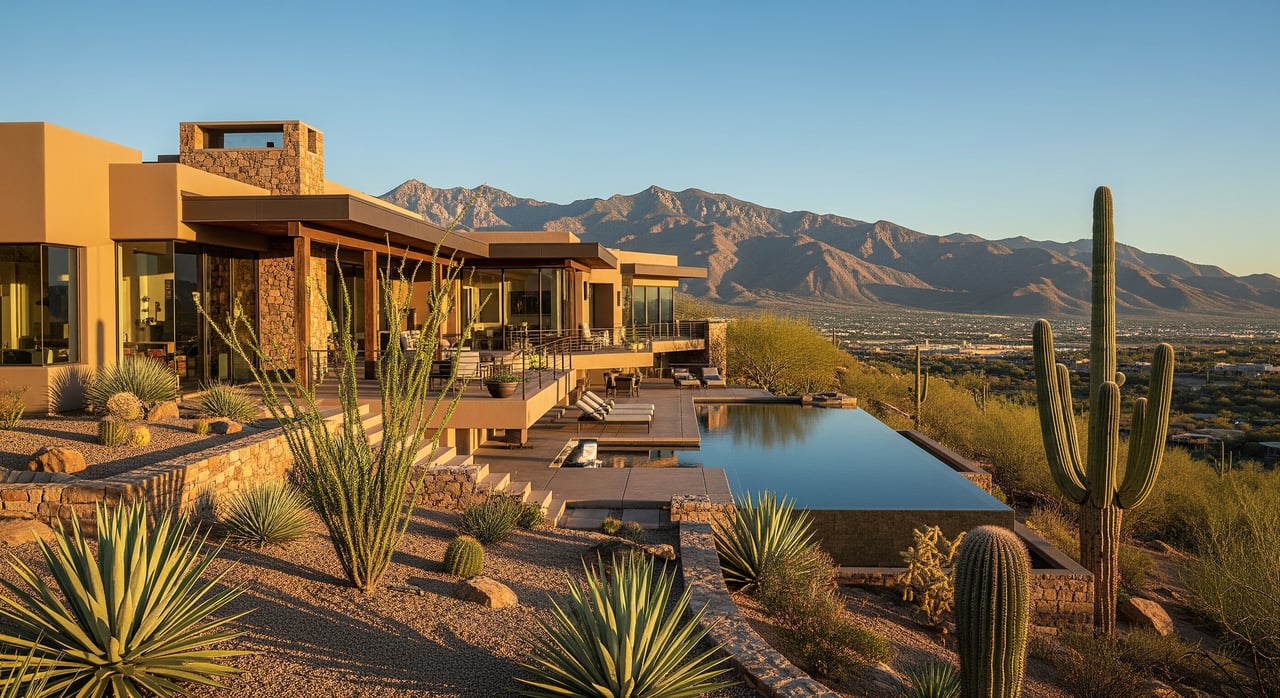
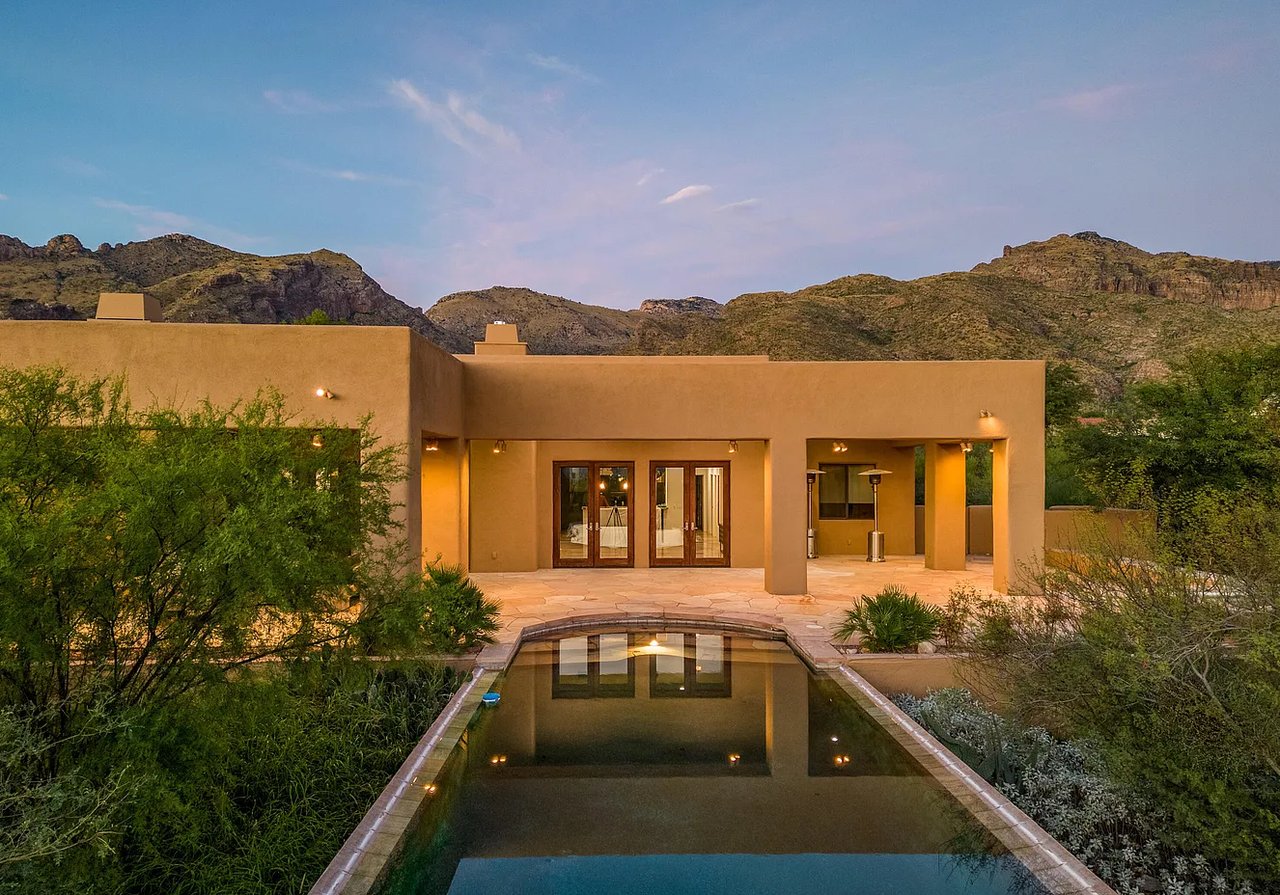
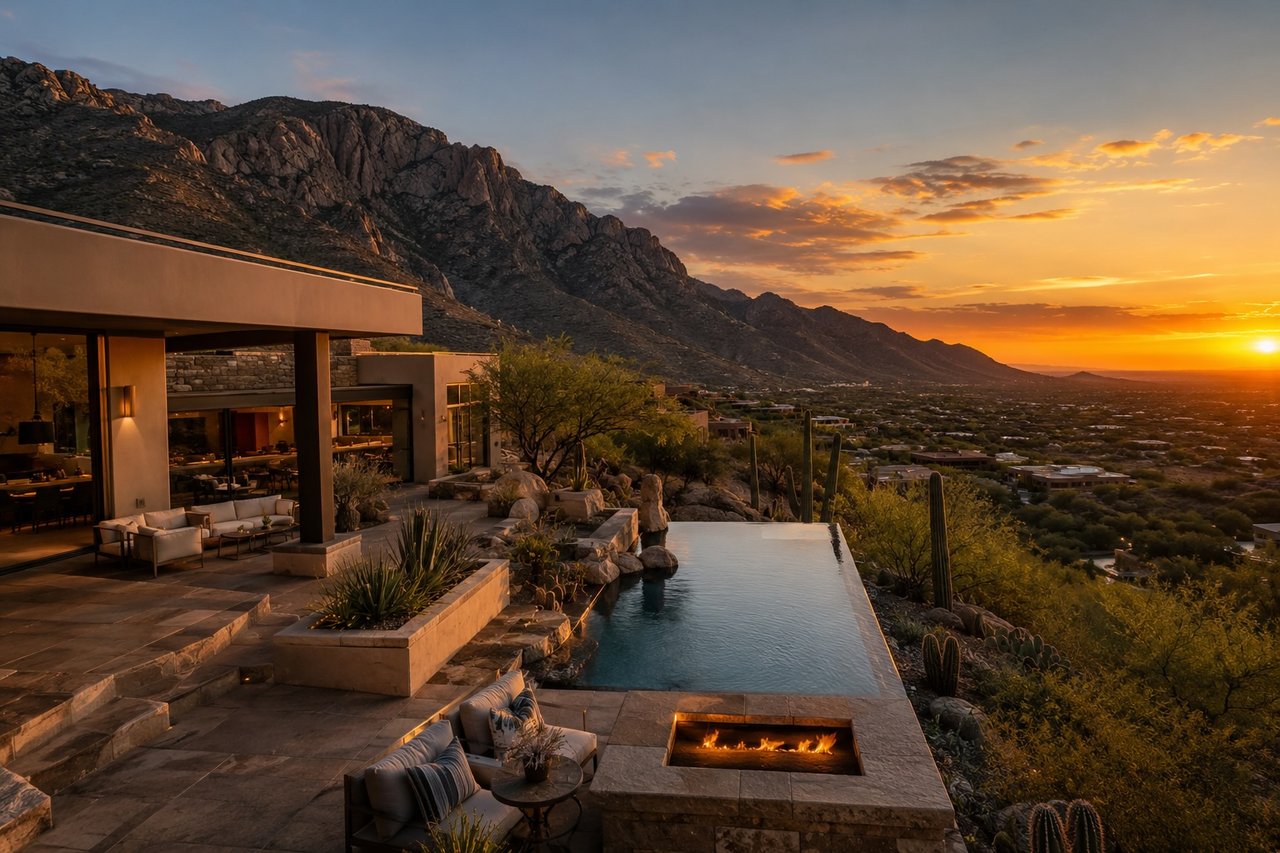
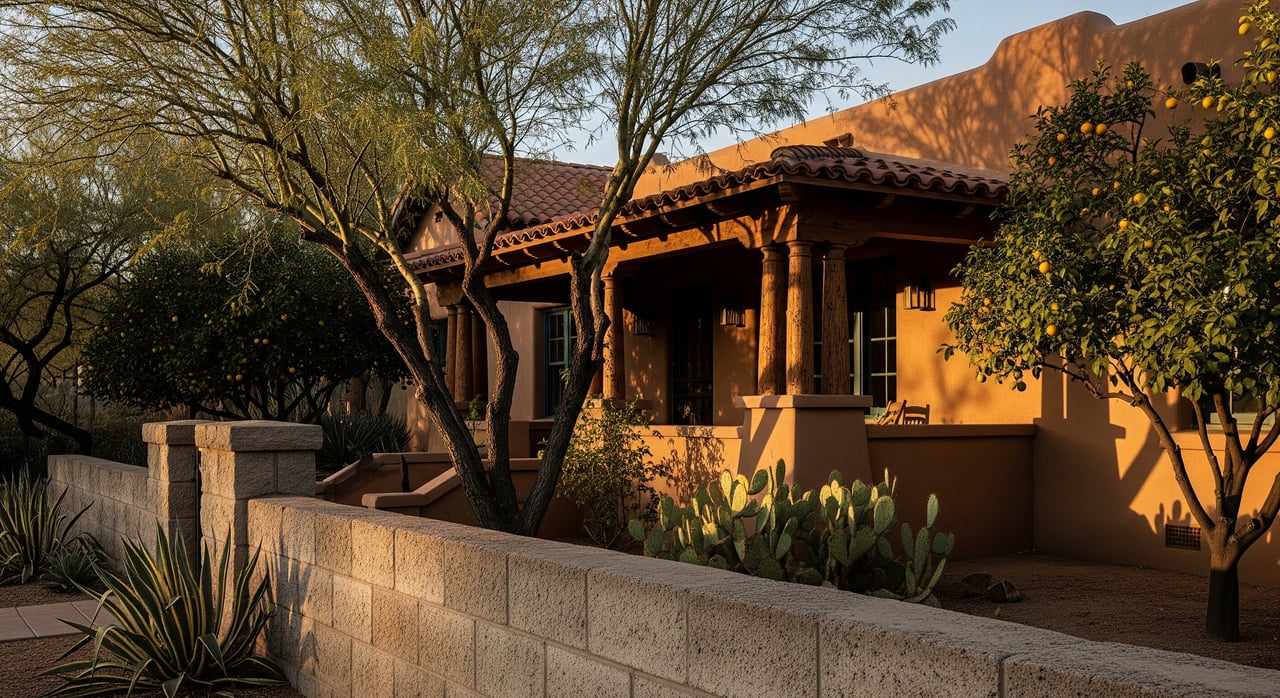
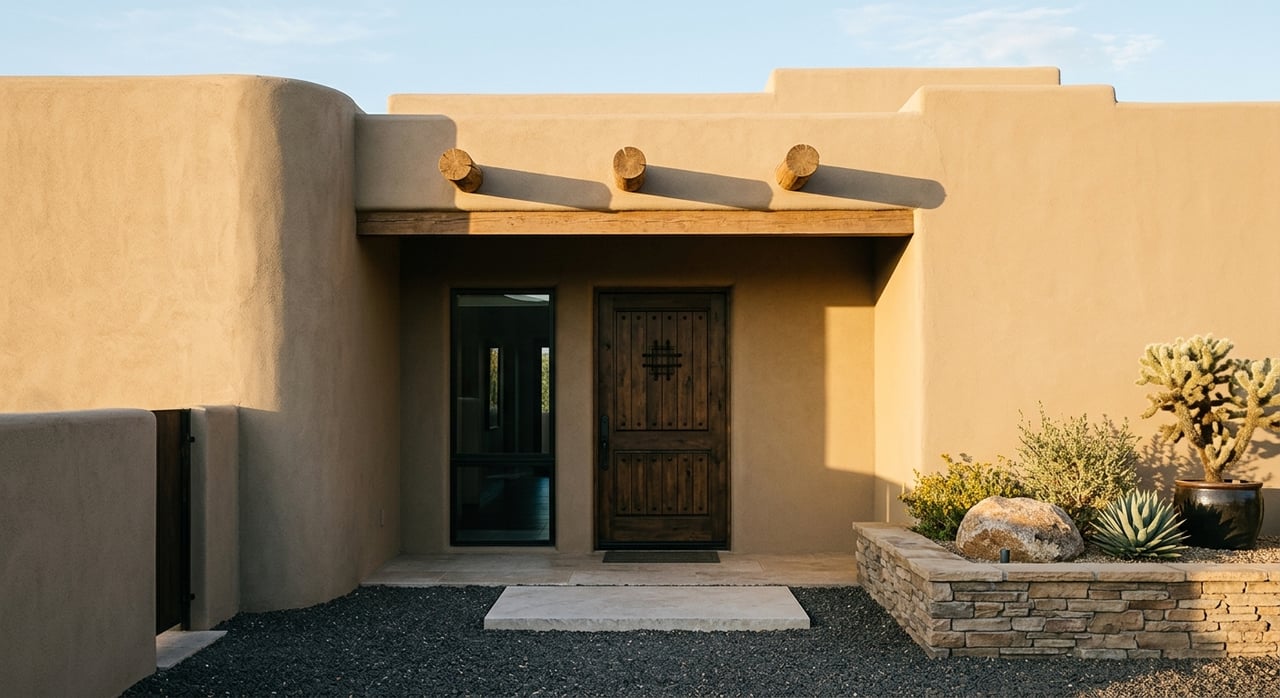
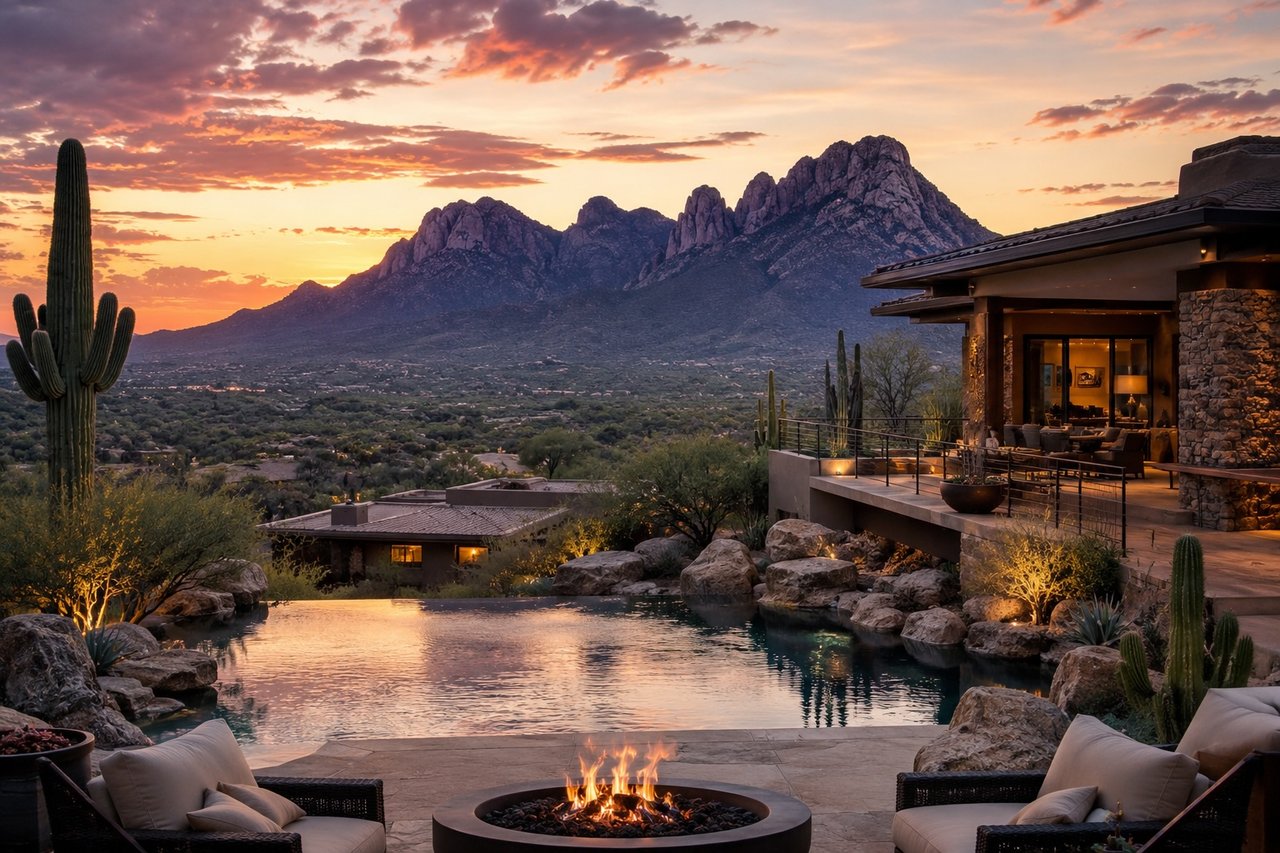
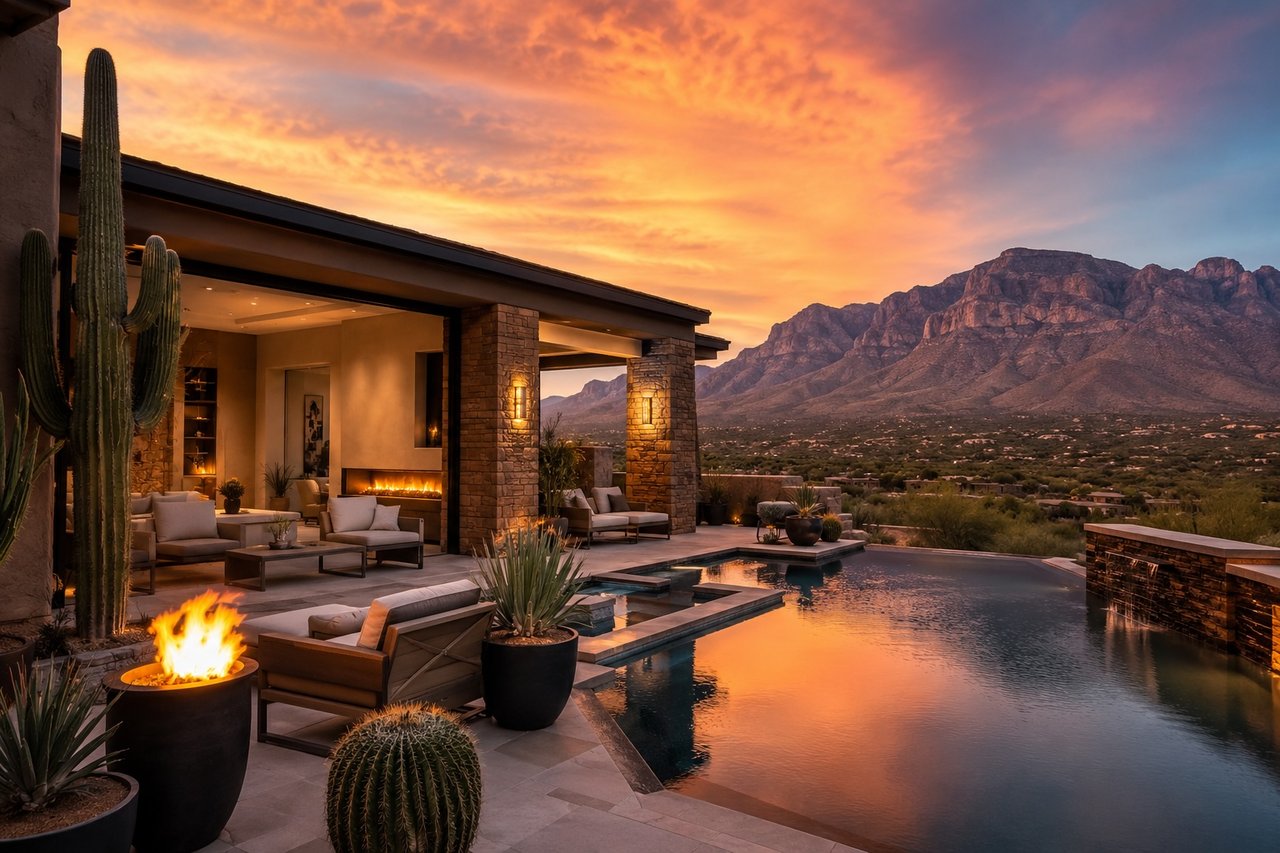
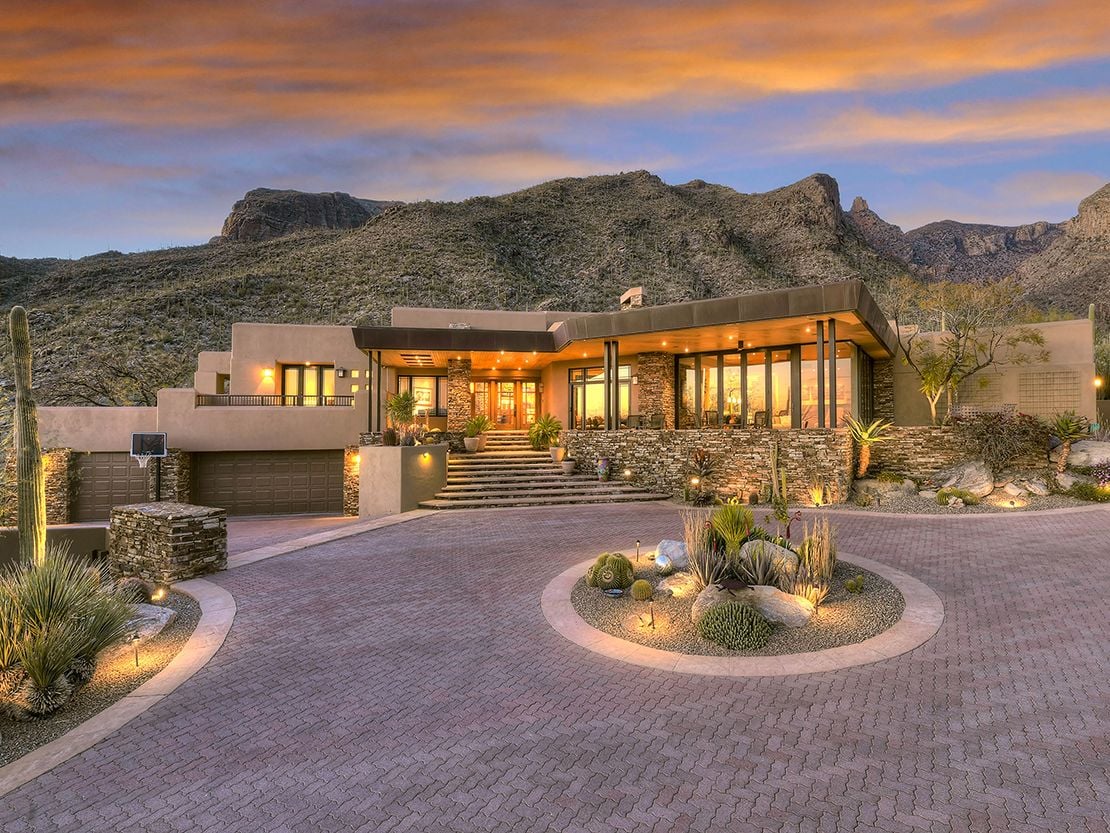
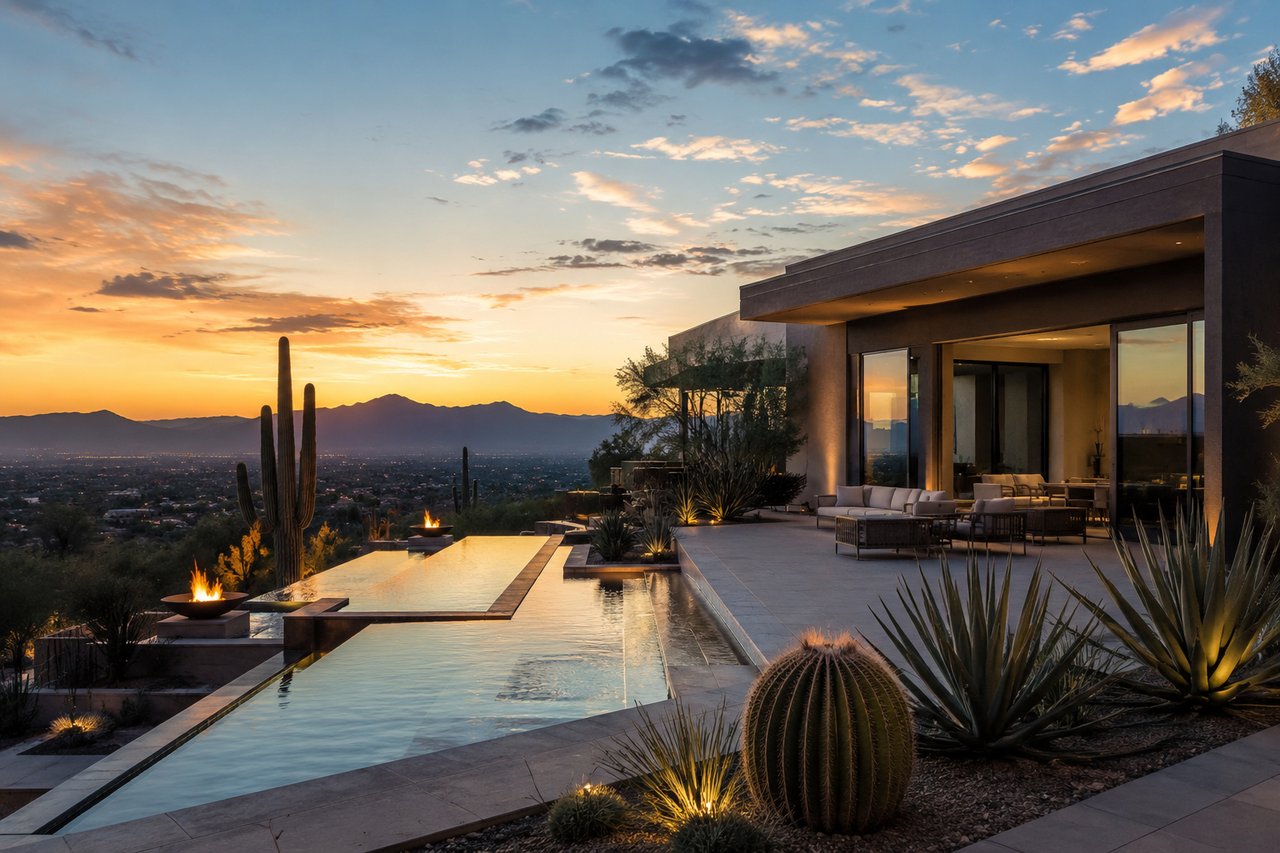
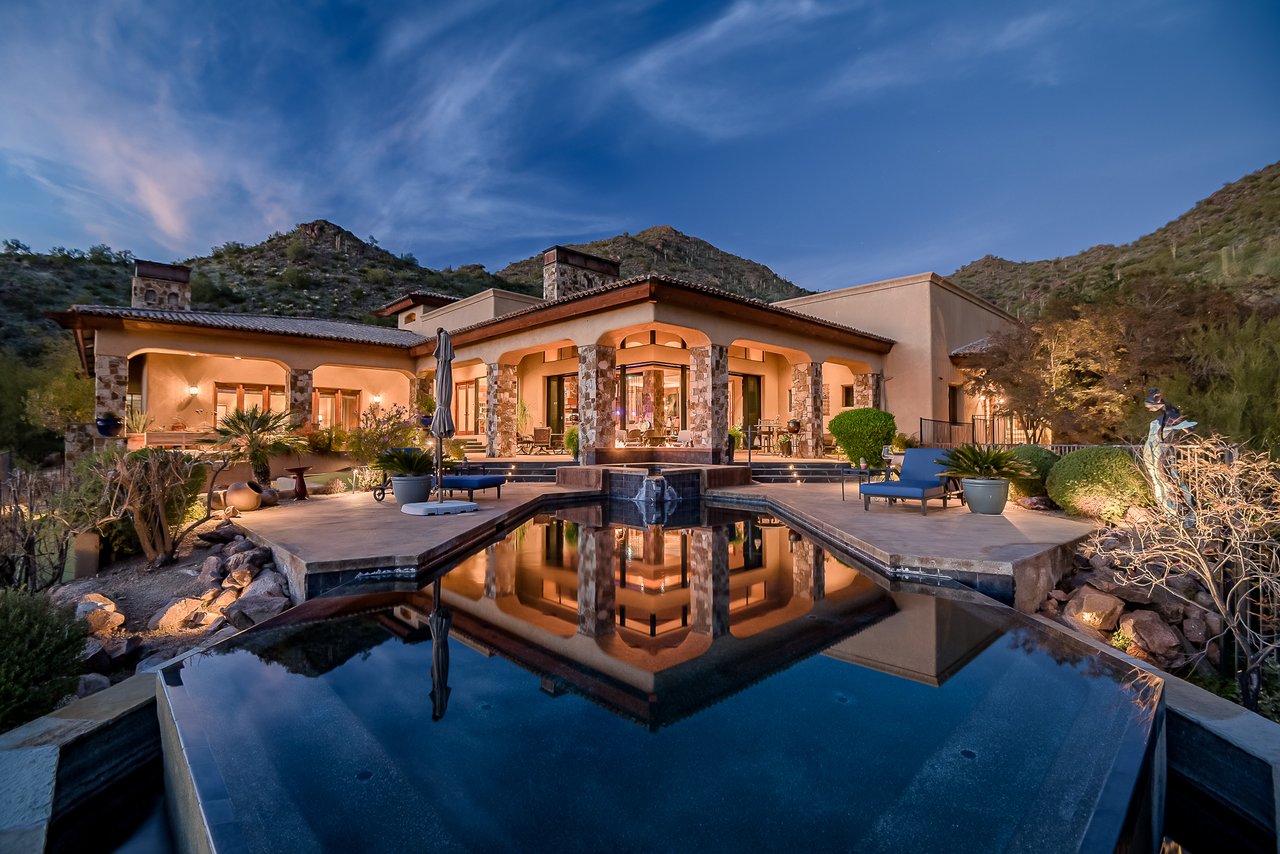
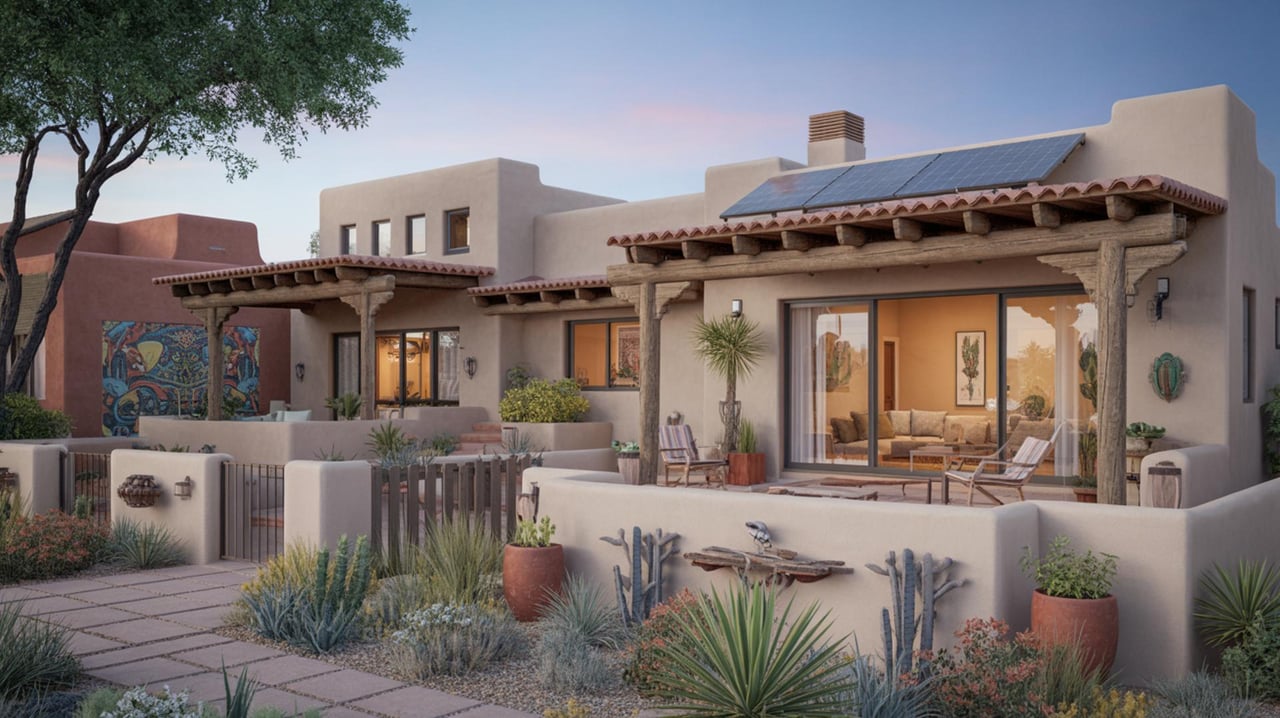
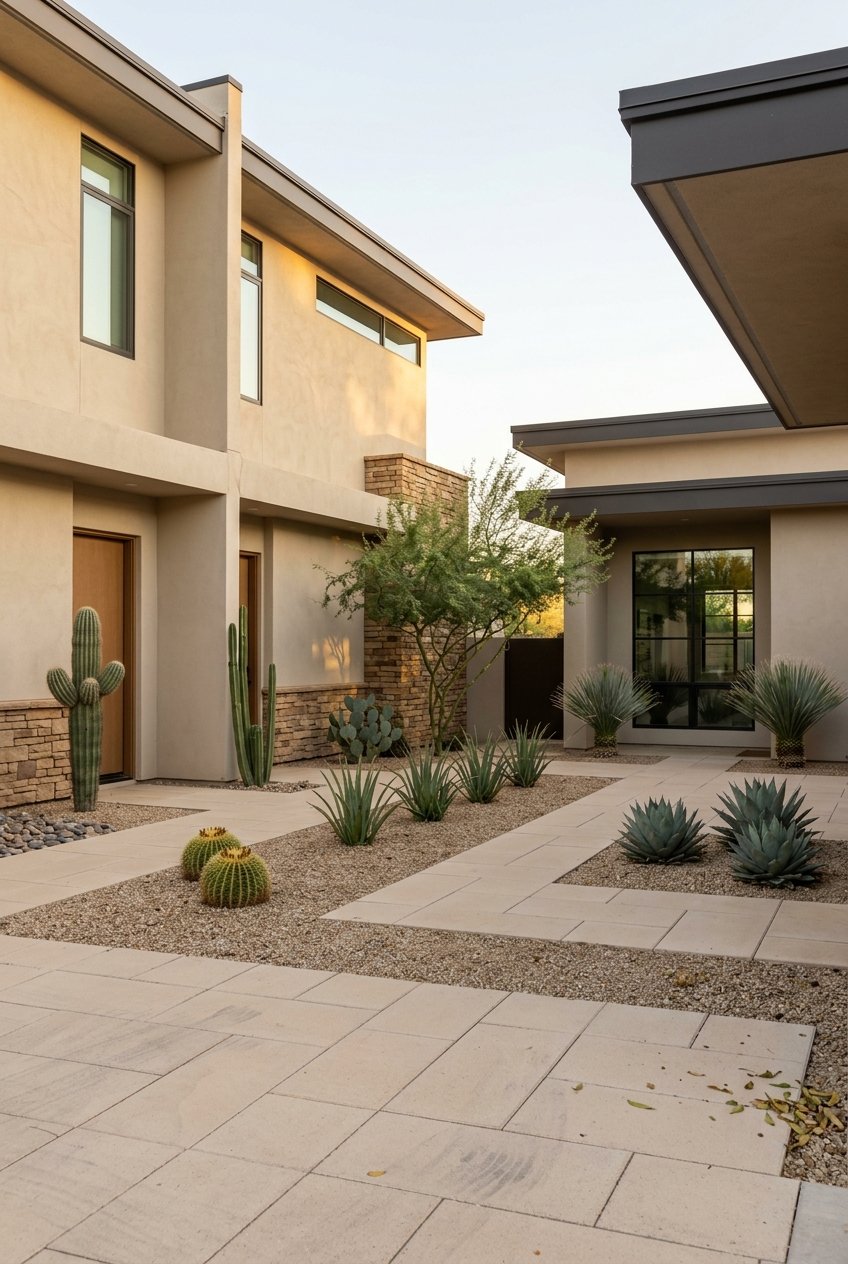
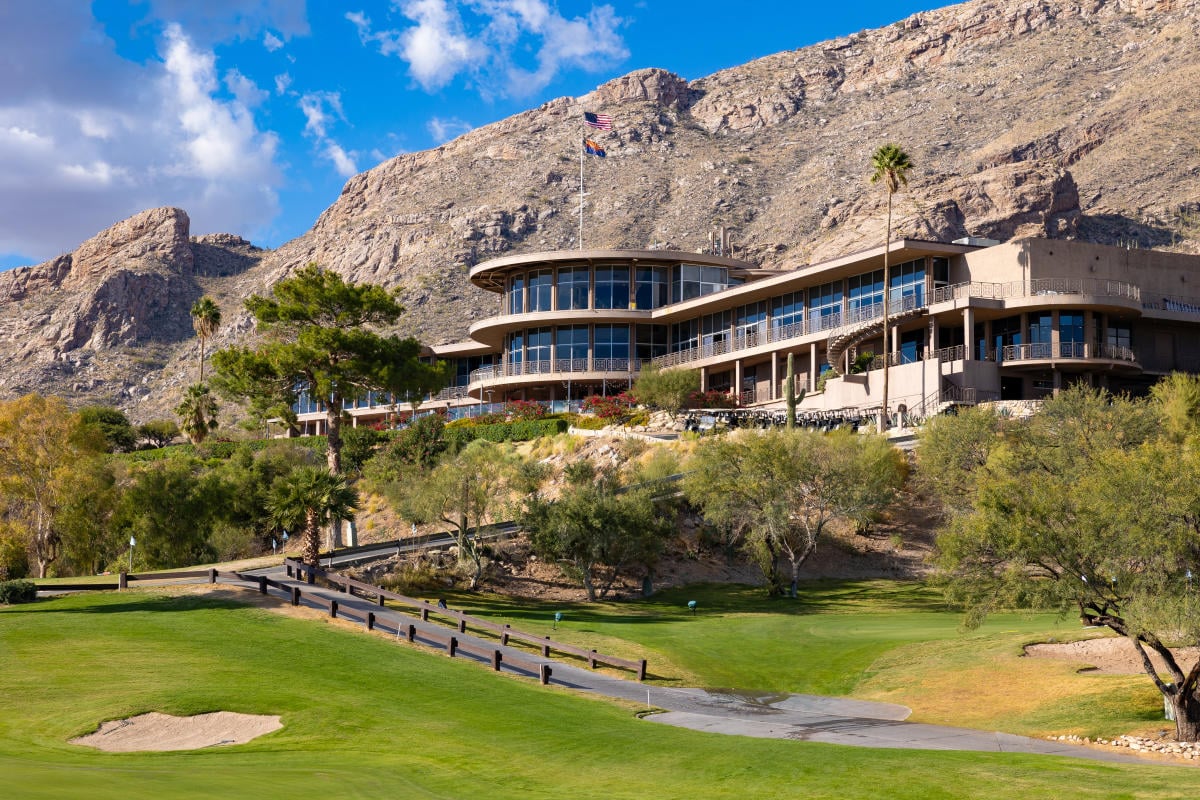
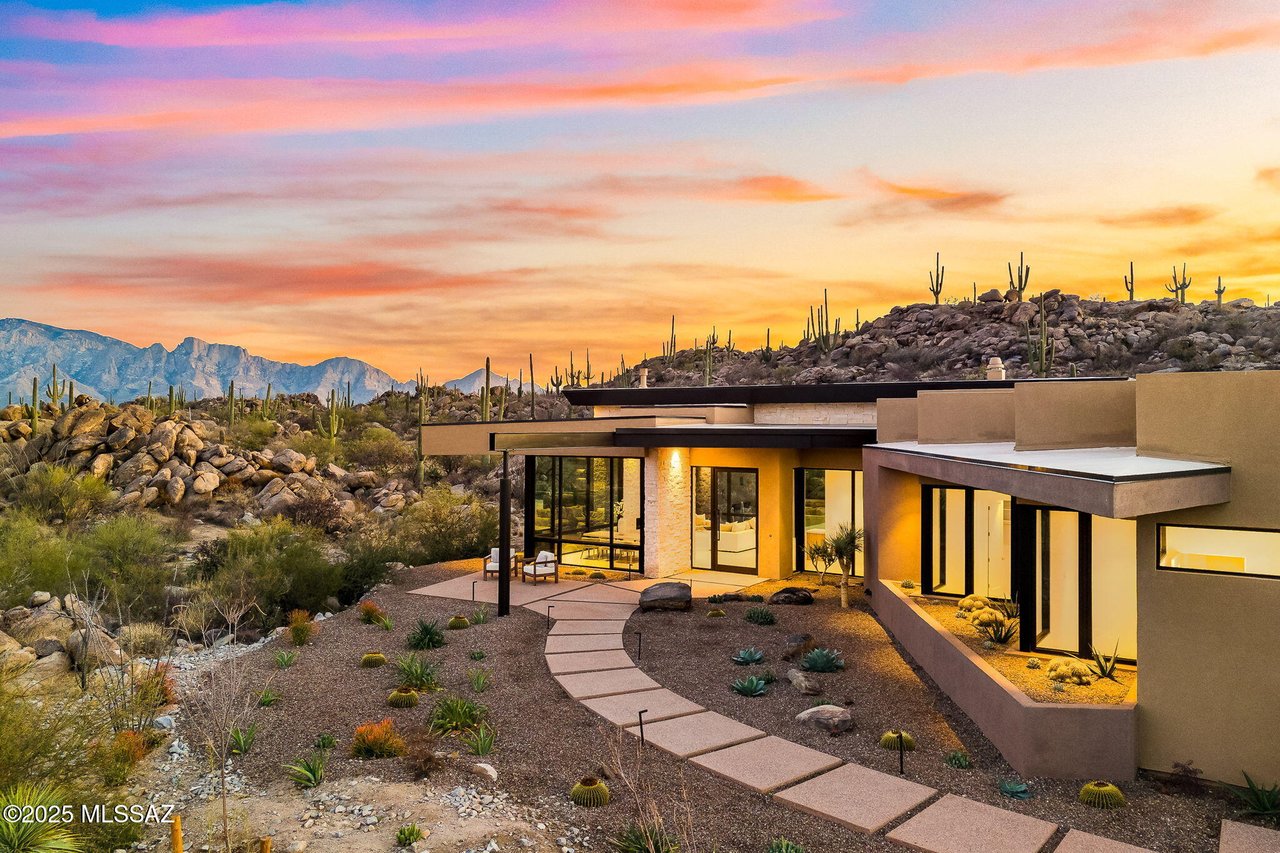
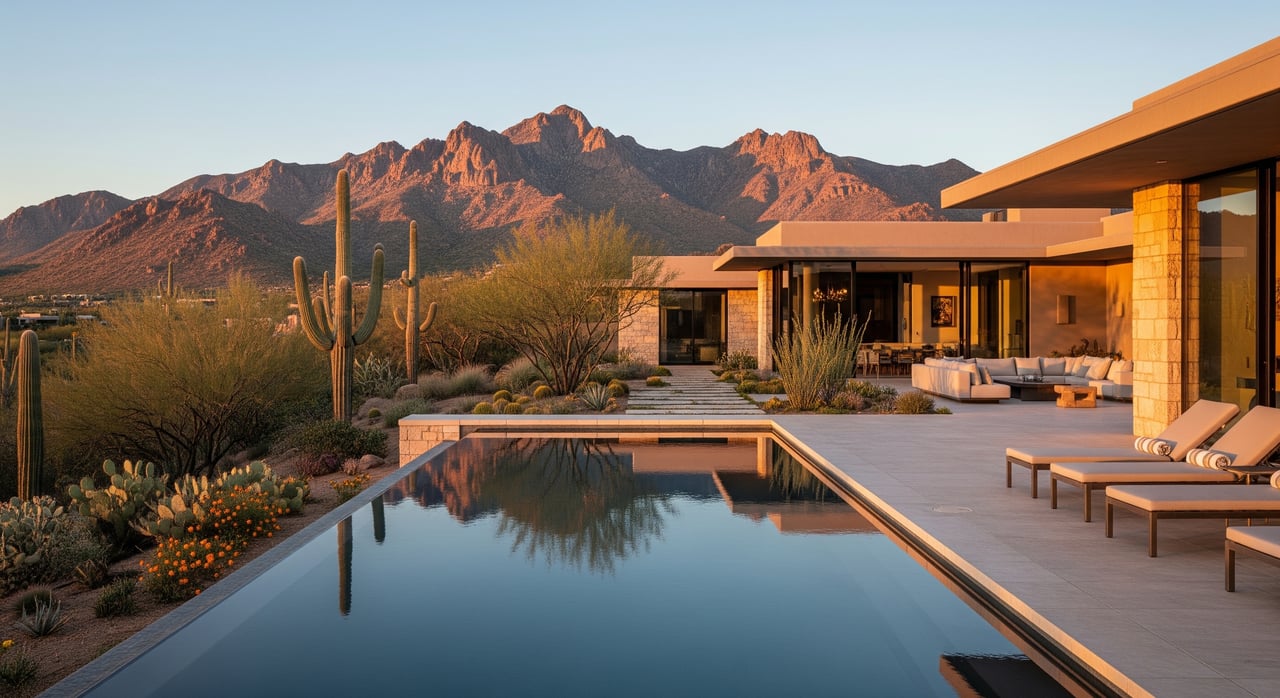
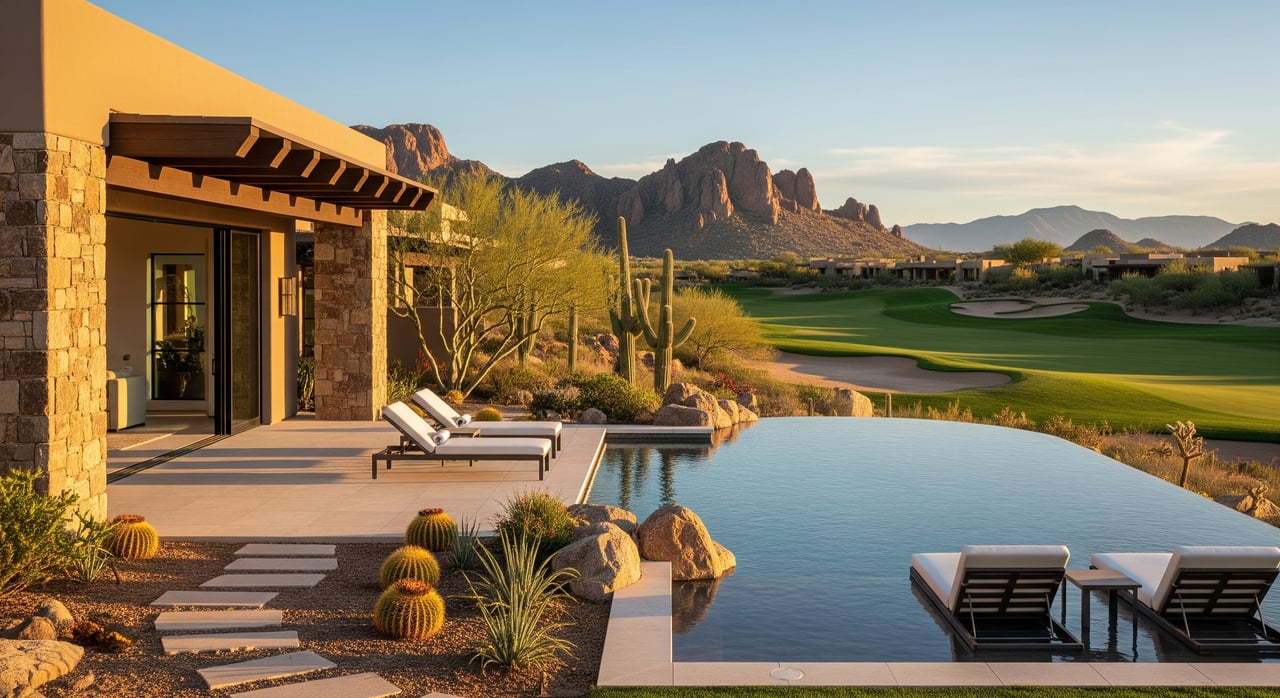
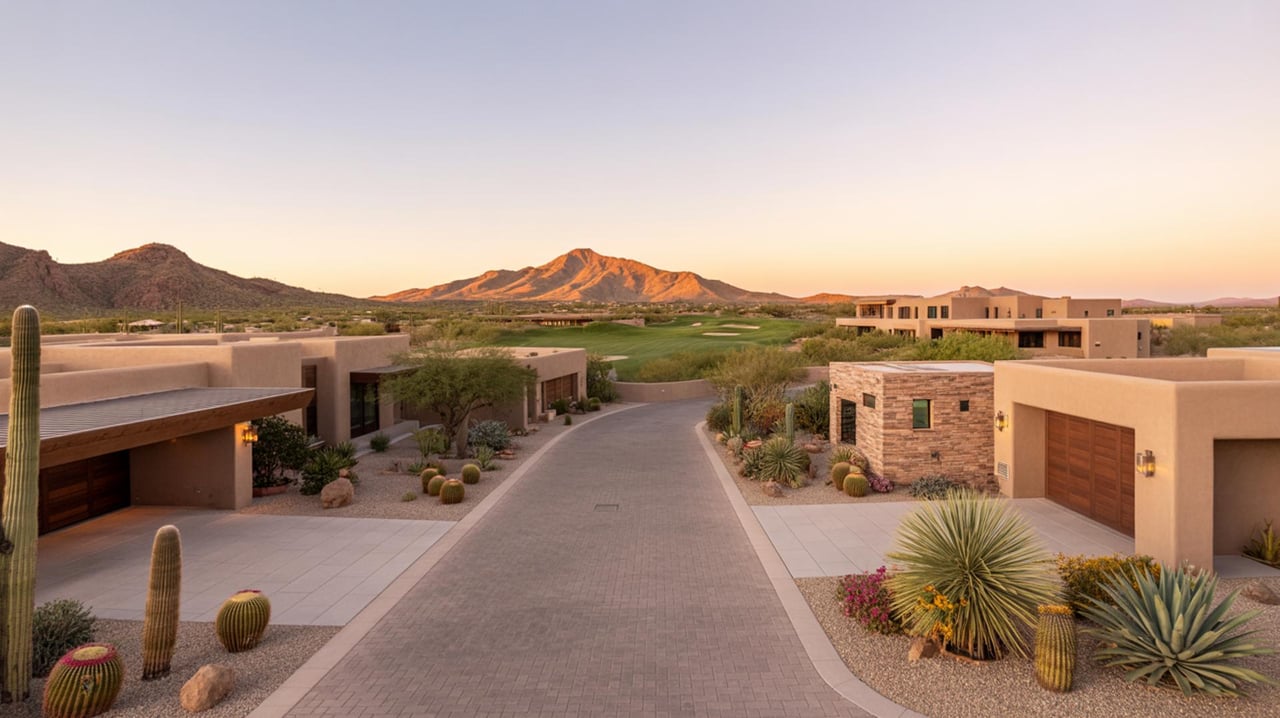
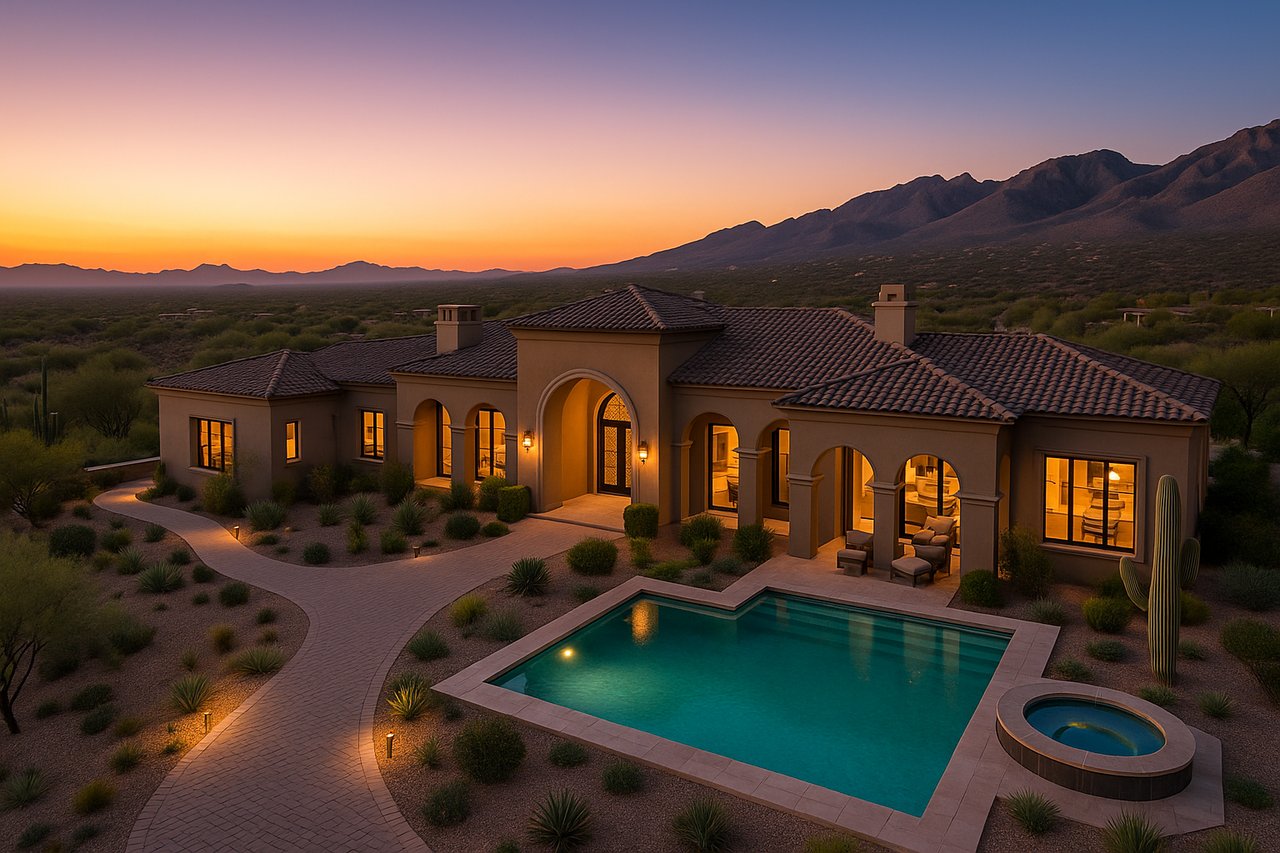
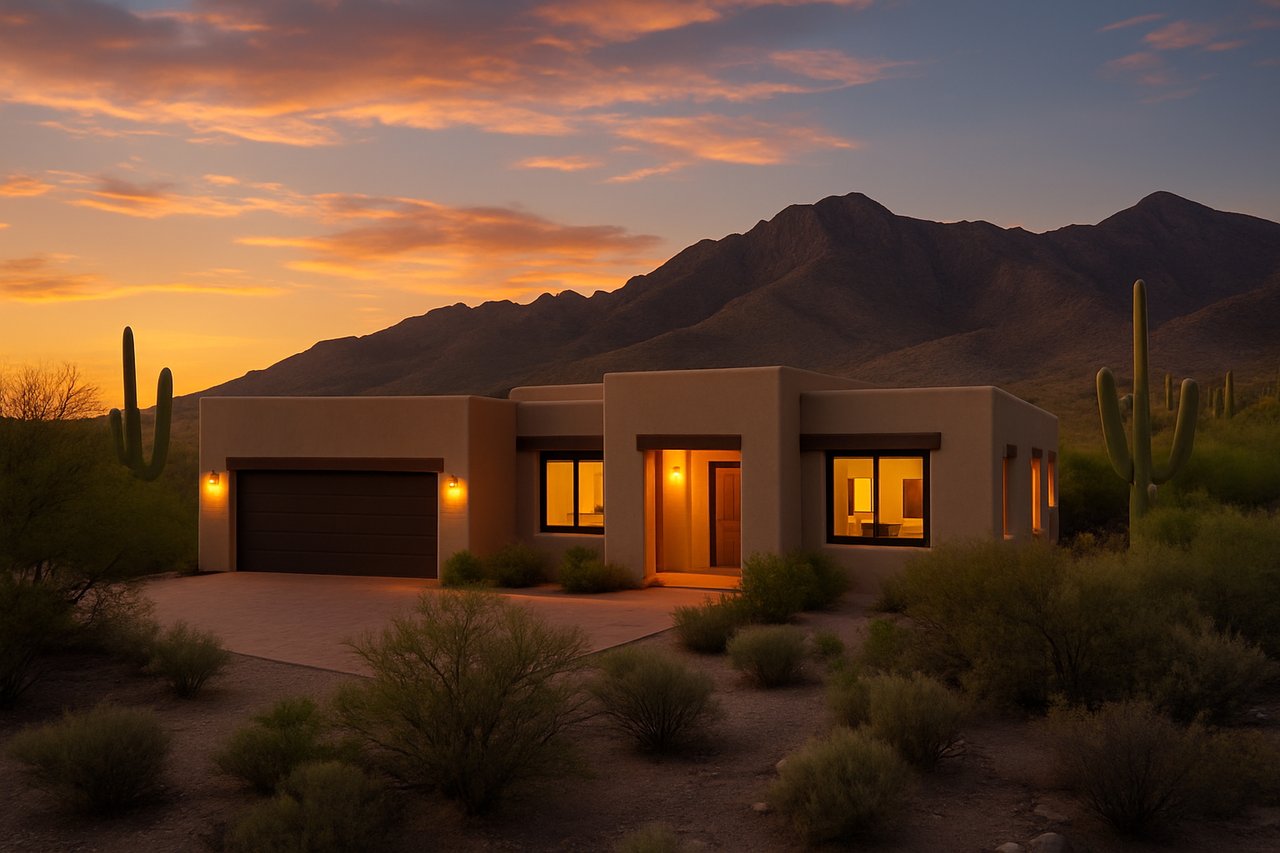
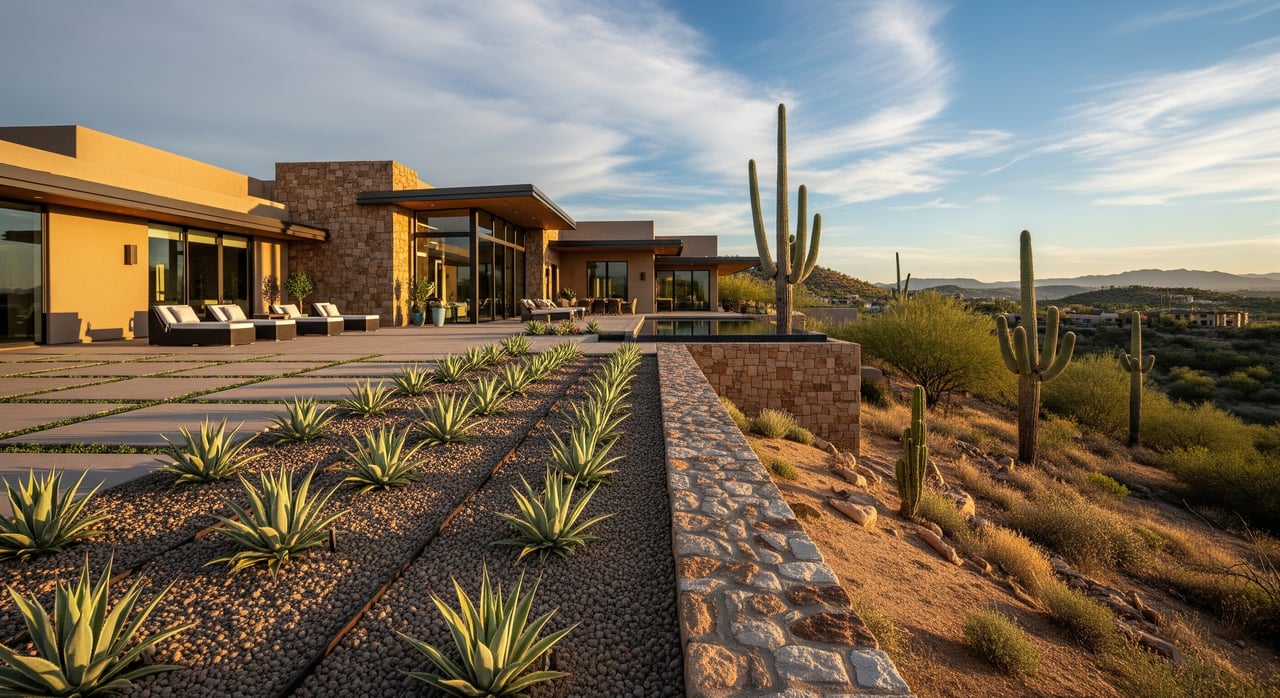
Catalina Foothills blends gated communities with amenities, hillside estates on large lots, and smaller pockets of homes on irregular parcels. Newer planned developments are more likely to have an HOA, while many older or larger-lot properties do not. Local conditions matter here, including desert water conservation, steep slopes and washes, and wildfire risk along vegetated hillsides. Those factors often show up in HOA rules and in the due diligence you should do on any Foothills home.
HOA vs no HOA: key differences
Governance and rules
- HOA: You agree to recorded CC&Rs, bylaws, and community rules. These often cover exterior paint and materials, additions, fencing, landscaping standards, parking, trash containers, pets, noise, and signage.
- No HOA: You follow county and state codes, including zoning and building permits. Private deed restrictions may still exist on some properties, so review the title documents.
The tradeoff is simple. With an HOA, you give up some autonomy for community standards. Without an HOA, you gain flexibility but rely on public codes, not neighborhood enforcement.
Maintenance and amenities
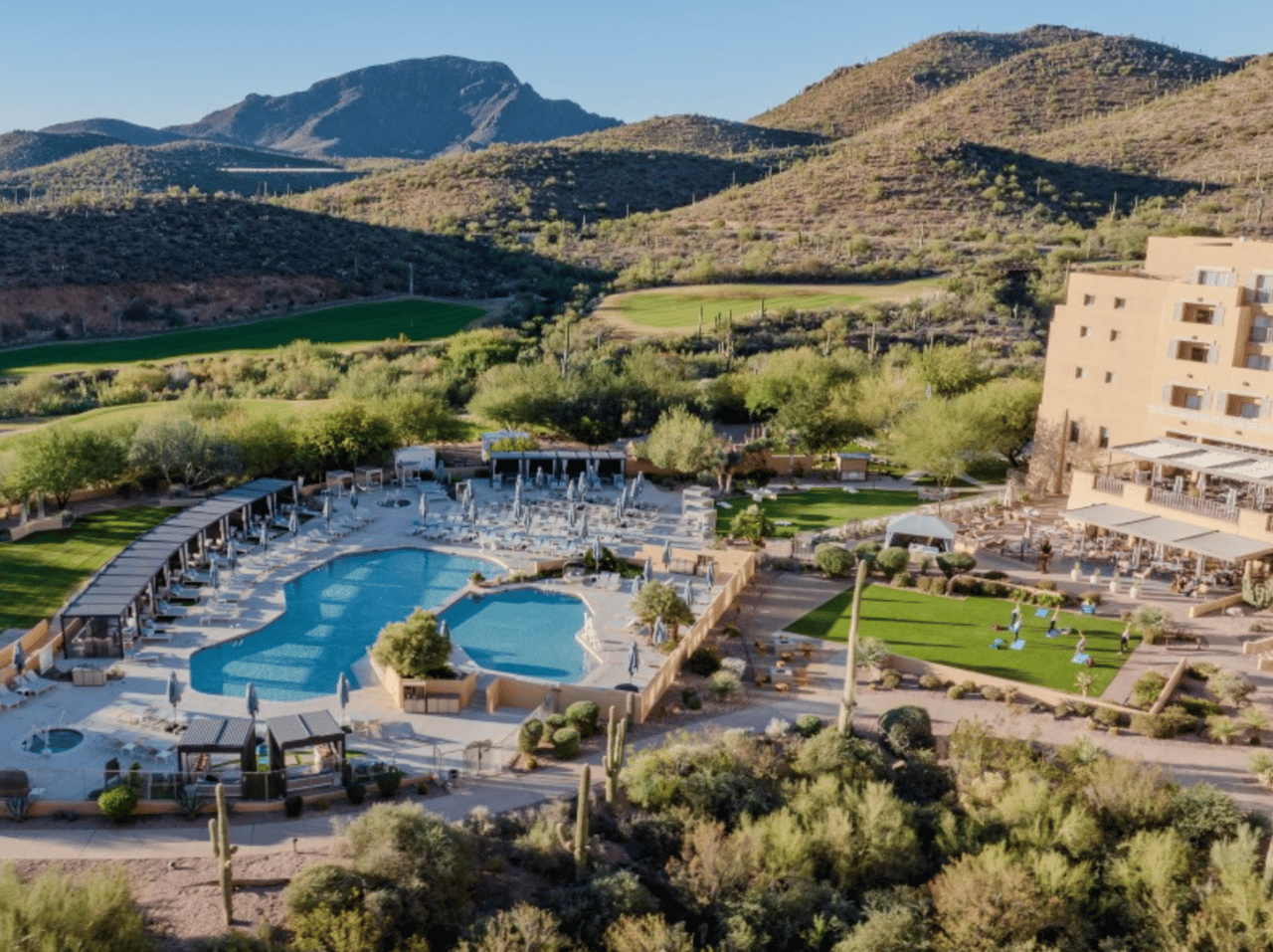
- HOA: The association typically maintains gates, private roads, entry landscaping, walls, trails, and sometimes pools or fitness spaces. Some communities arrange landscaping, private security, or trash service.
- No HOA: You handle your own property and access maintenance. There are usually no shared amenities.
If you value low-maintenance living and shared facilities, a well-run HOA can be a plus. If privacy and independence are your priorities, no HOA may feel like a better fit.
Costs and assessments
- HOA: Expect regular dues to fund operations, insurance, and reserves. Special assessments can be levied for major repairs or capital projects.
- No HOA: No dues, although you may face higher individual upkeep costs and potential private road expenses.
Assessment levels vary widely across the Foothills. Plan your budget for ongoing dues where applicable and the possibility of future special assessments.
Enforcement and disputes
- HOAs can fine for violations, suspend common-area privileges, record liens for unpaid assessments, and in some cases pursue foreclosure based on governing documents and Arizona law.
- Without an HOA, enforcement comes from county code, neighbor-to-neighbor actions, or private deed restriction enforcement if it exists.
Ask about an HOA’s enforcement approach during your review. Consistent, fair enforcement supports neighborhood standards, but very strict rules can create friction if they conflict with your plans.
Modifications and landscaping
- HOA: Exterior changes typically require Architectural Review Committee approval. Landscaping standards are common. Many associations now allow or encourage desert-friendly yards, but some still have turf or plant palette rules.
- No HOA: Exterior work is governed by permits and zoning. You will still want to consider water-use best practices and any rebate or conservation programs.
In the Foothills, water-wise landscaping is a priority. If you plan to install solar or convert to xeriscape, confirm the HOA’s policies and approval steps in advance.
Rentals and STR use
- HOA: Rental rules vary, from minimum lease terms to limits on the number of rental homes. Some communities restrict short-term rentals.
- No HOA: You follow county rules. Unincorporated Pima County may have different requirements than nearby cities, so verify before you buy.
If rental income or short-term rental use is part of your plan, confirm both HOA restrictions and county-level requirements.
Resale value and appeal
- Pros of HOA: Uniform maintenance and amenities can help support values and marketability.
- Cons of HOA: High dues, restrictive rules, litigation, or weak reserves can reduce buyer appeal.
- No HOA: Some buyers prize flexibility and privacy, while others may discount areas without consistent neighborhood upkeep.
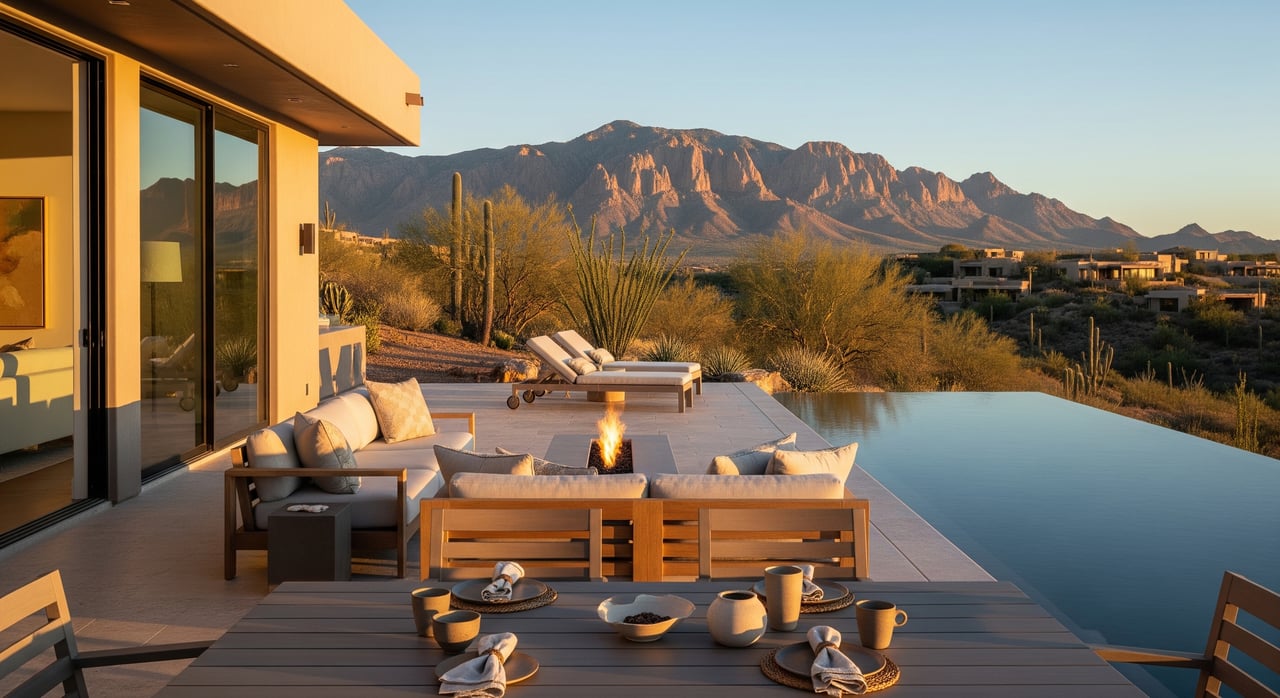
In the Foothills, buyers often value mountain views, thoughtful landscaping, and lower-maintenance living. Match the home’s setup to your lifestyle and budget.
Due diligence for HOA buyers
Request the right documents
Ask for a complete resale or estoppel package and review:
- CC&Rs, bylaws, articles, rules, and architectural guidelines
- Current budget and recent financial statements
- Reserve study, if available
- Board and owner meeting minutes from the last 12 to 24 months
- Insurance summary and owner coverage obligations
- Violation history for the specific property
- Any pending special assessments and litigation disclosures
- Management agreement, if a management company is used
Build in enough time in your contract to receive and review everything. Some associations and sellers charge a fee for document preparation.
Analyze the financials
- Assessments: Look at trends in dues, recent increases, and any planned or approved special assessments.
- Reserves: Compare reserve balances to the age and scope of common-area assets.
- Delinquencies: High delinquency rates can strain operations and financing.
- Insurance: Confirm what the master policy covers and what you must insure yourself.
Watch for red flags
- Minimal reserves without a reserve study in an older community
- Large or frequent special assessments
- Ongoing, high-cost litigation
- Outdated CC&Rs that conflict with current Arizona law or county codes
- Rules that conflict with your priorities, such as solar or xeriscaping limits
Protect yourself in the contract
- Include an HOA-document review contingency so you can cancel or negotiate if issues surface
- Require the seller to resolve outstanding violations or liens before closing
- Confirm lender requirements regarding insurance, reserves, and estoppel details
Local factors to check
Water and landscaping
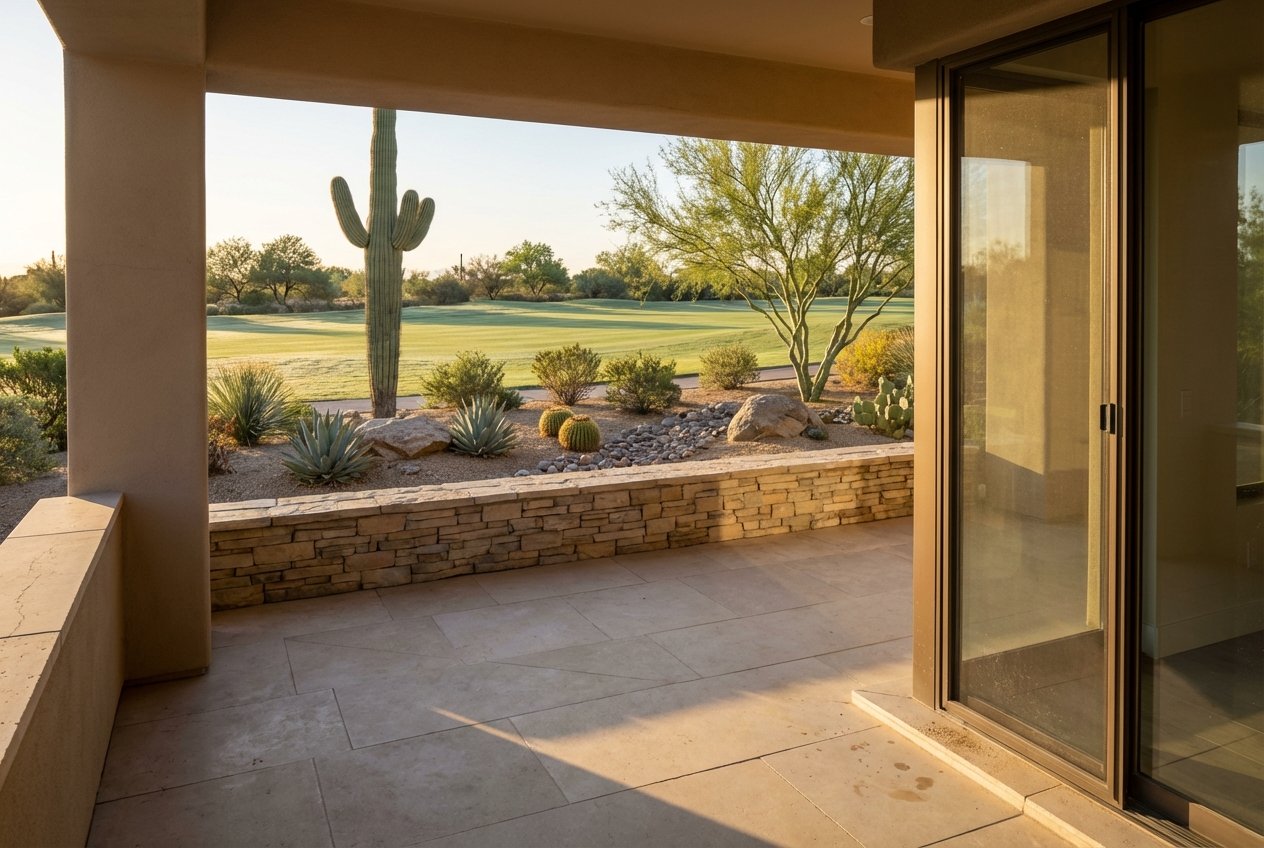
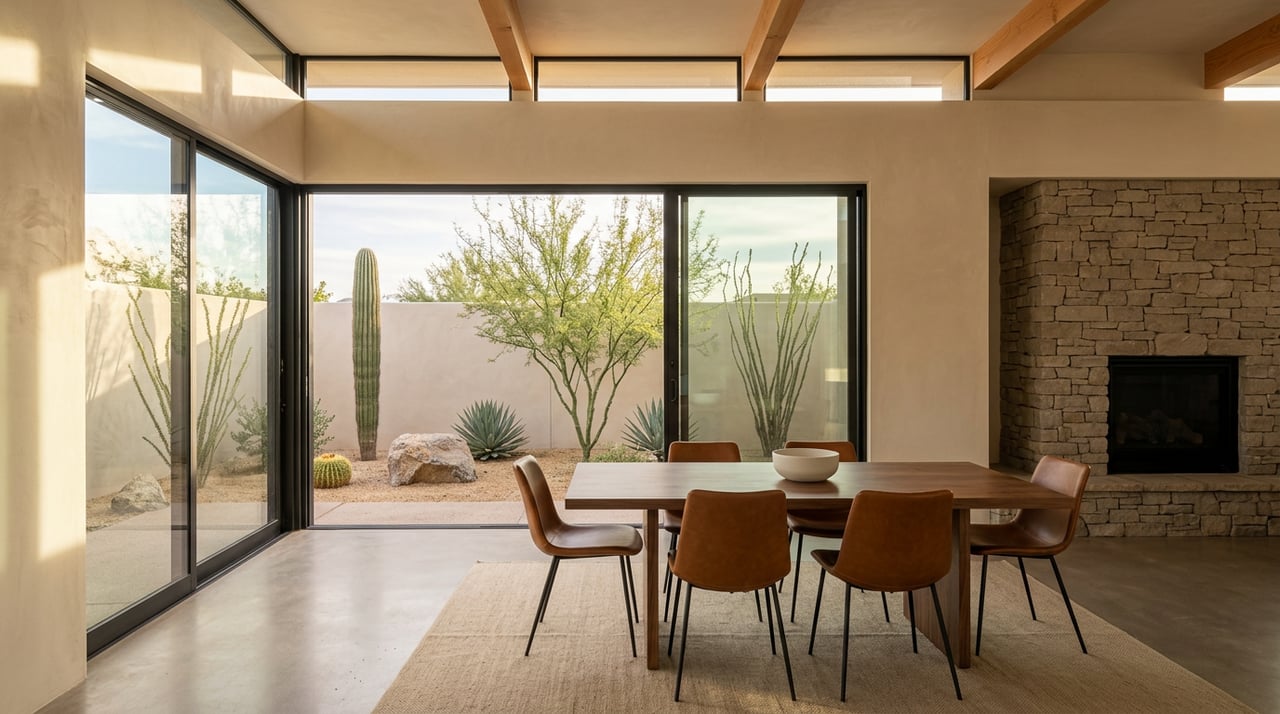
The desert climate shapes landscaping choices and water use. Many HOAs now accommodate xeriscaping and native-plant palettes. If you plan turf removal, hardscape, or drip irrigation, review the HOA’s standards and approval process.
Wildfire and defensible space
Vegetation and slopes create wildfire risk in parts of the Foothills. Some HOAs proactively enforce brush clearance and fuel management, while others do not. Ask about community policies, and consider defensible-space best practices for any property near open desert.
Hillsides, drainage, and geotechnical
Slopes and washes are common. If you plan additions or major hardscape, review permits and consider a geotechnical or civil engineering opinion. Check for recorded drainage easements and ensure improvements do not disrupt natural flow paths.
Flood risk and mapping
Washes and low-lying areas can fall within mapped flood zones. Review FEMA flood maps and Pima County floodplain information to understand insurance needs and any building restrictions before you commit to a property.
Utilities and broadband
Most of the Tucson metro, including the Foothills, is served by Tucson Electric Power, with Southwest Gas providing natural gas in many areas. Water service varies and some larger-lot homes use septic systems. Broadband options vary by street, so verify providers at the address level.
Short-term rental regulations
Short-term rental use is governed by both HOA rules and county-level regulation in unincorporated Pima County. If STR income matters to you, verify restrictions early in the process.
Tips for sellers in HOAs
- Order the resale or estoppel package as early as possible to avoid delays
- Clear violations and obtain any needed compliance sign-offs before listing
- Gather approvals and receipts for past exterior changes and major work
- Disclose dues, pending assessments, and any litigation in your seller disclosures
- Confirm any transfer or prepayment procedures with the association
Is no HOA right for you?
Choose an HOA if you want shared amenities, consistent curb appeal, and community standards, and you are comfortable with rules and dues. Choose no HOA if flexibility, privacy, customization, and fewer restrictions are your top priorities.
Ask yourself:
- How much freedom do you want with paint, additions, and landscaping?
- Will you use community amenities enough to justify dues?
- Do you plan to rent the home, and if so, on what timeline?
- How do you feel about neighborhood enforcement and rules?
If you are on the fence, tour options in both categories. Seeing how each feels in person often clarifies the right fit for your lifestyle.
Ready to weigh your options with a local expert who knows the nuances of Catalina Foothills communities and hillside properties? Reach out to Daniel Sotelo for thoughtful guidance and a clear plan.
FAQs
What does an HOA cover in Catalina Foothills communities?
- Most HOAs handle common-area upkeep such as gates, private roads, walls, entry landscaping, trails, and sometimes pools or fitness spaces, as defined in the CC&Rs and budget.
How do HOA dues and special assessments work for buyers?
- You pay regular dues for operations and reserves, and you may face special assessments for major projects; always review the budget, reserve study, and meeting minutes for upcoming costs.
What should I review in an HOA resale package before I buy?
- Read the CC&Rs, rules, budget, financials, reserve study, minutes, insurance summary, violation status, and any litigation disclosures to understand obligations and risks.
Can an Arizona HOA foreclose for unpaid assessments?
- Associations in Arizona have collection tools that can include liens and, in some situations, foreclosure as outlined by CC&Rs and state law; consult your advisor for specifics.
What landscaping rules are common in Foothills HOAs?
- Many allow desert-friendly yards, native plant palettes, and drip systems, but standards vary; confirm rules and approval steps if you plan xeriscaping or turf removal.
How do short-term rentals work in the Foothills?
- You must comply with any HOA rental rules and unincorporated Pima County regulations; verify minimum lease terms, rental caps, or STR restrictions before you buy.
What extra checks should I do for hillside or wash-adjacent homes?
- Review flood maps and county floodplain data, check permits and easements, and consider geotechnical or drainage reviews if you plan significant additions or hardscape.