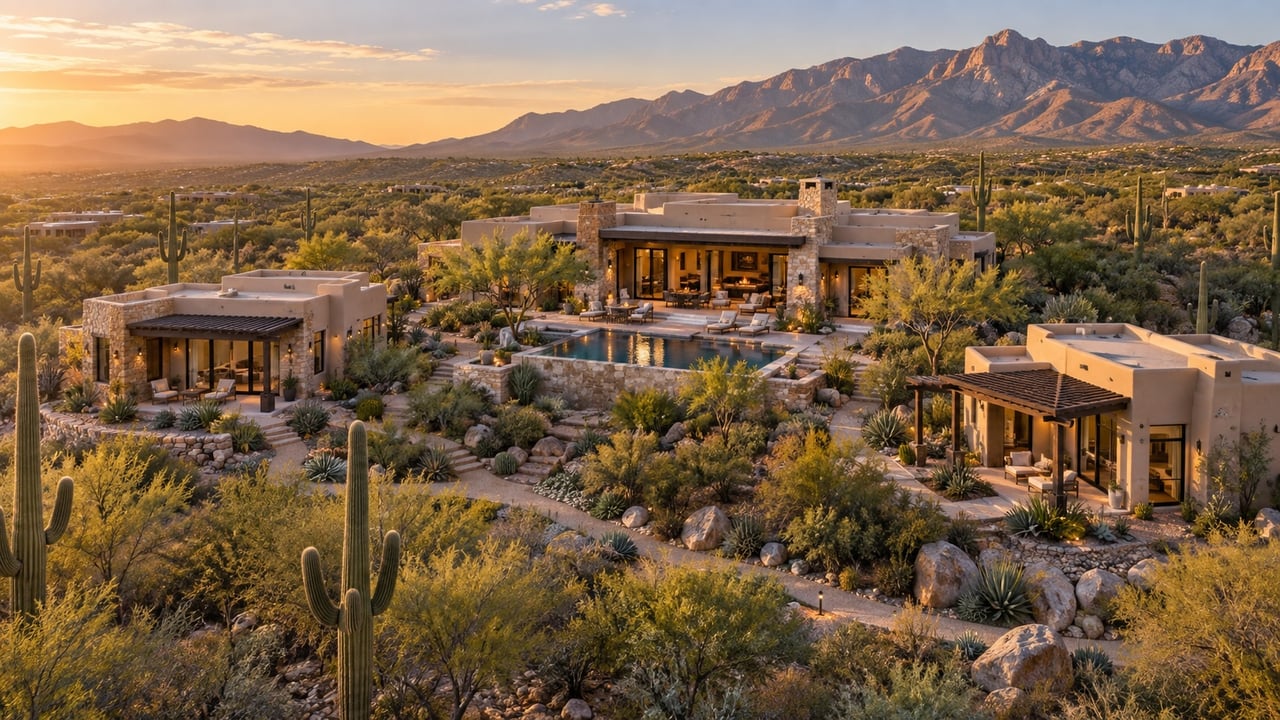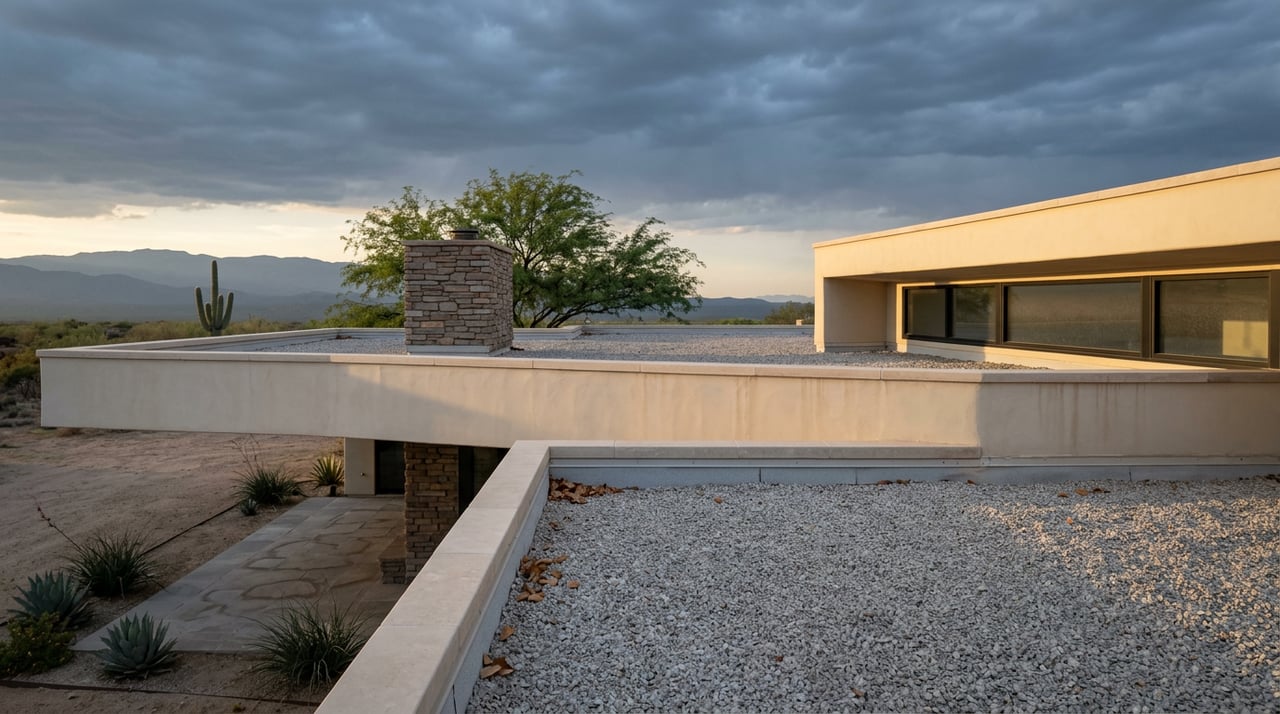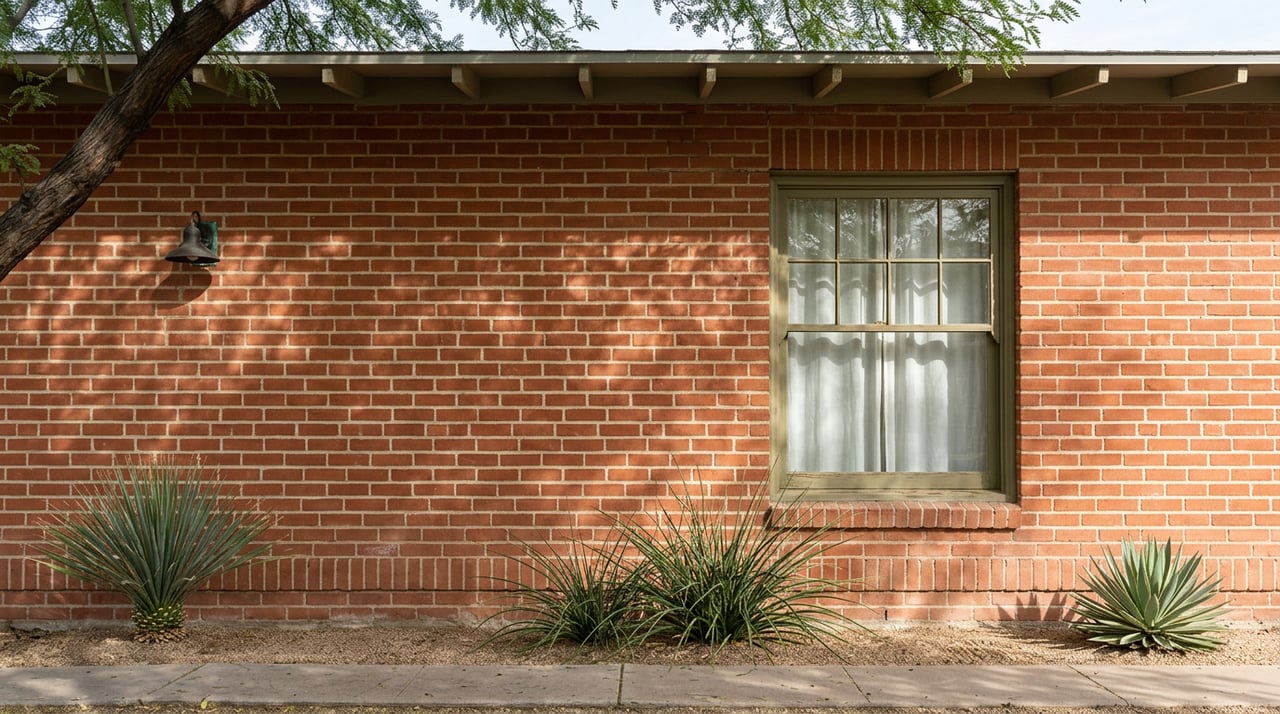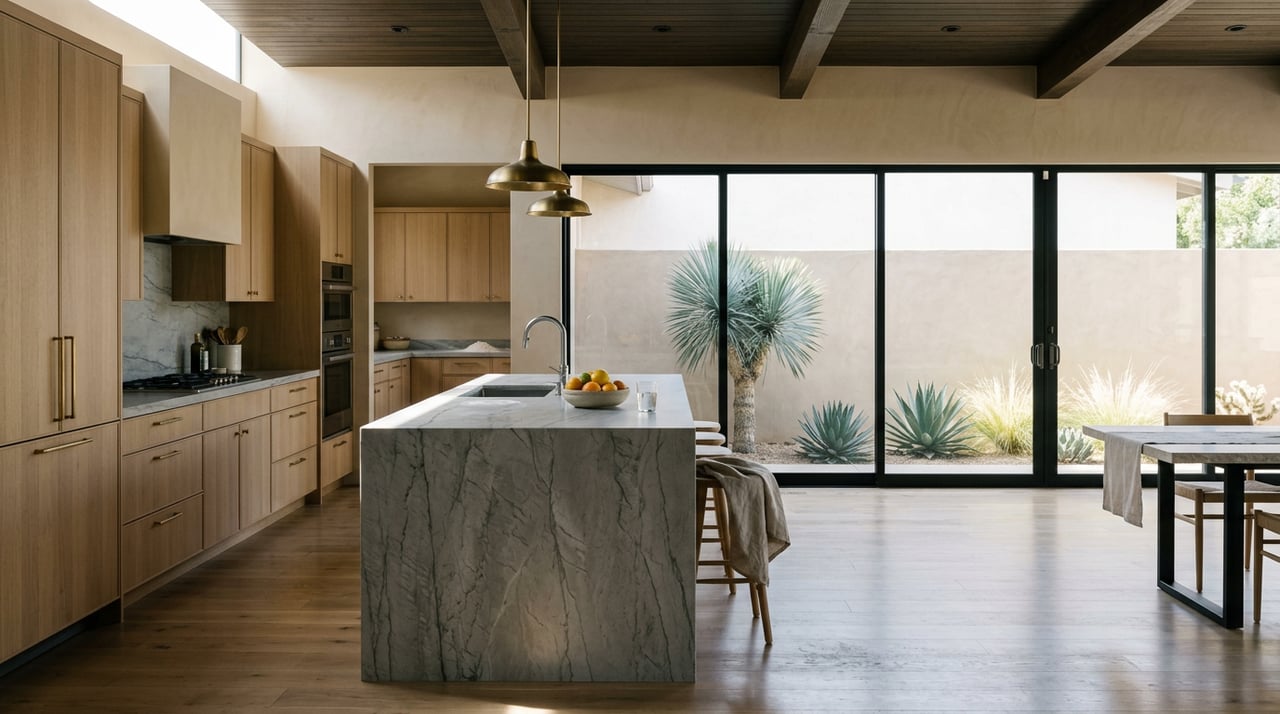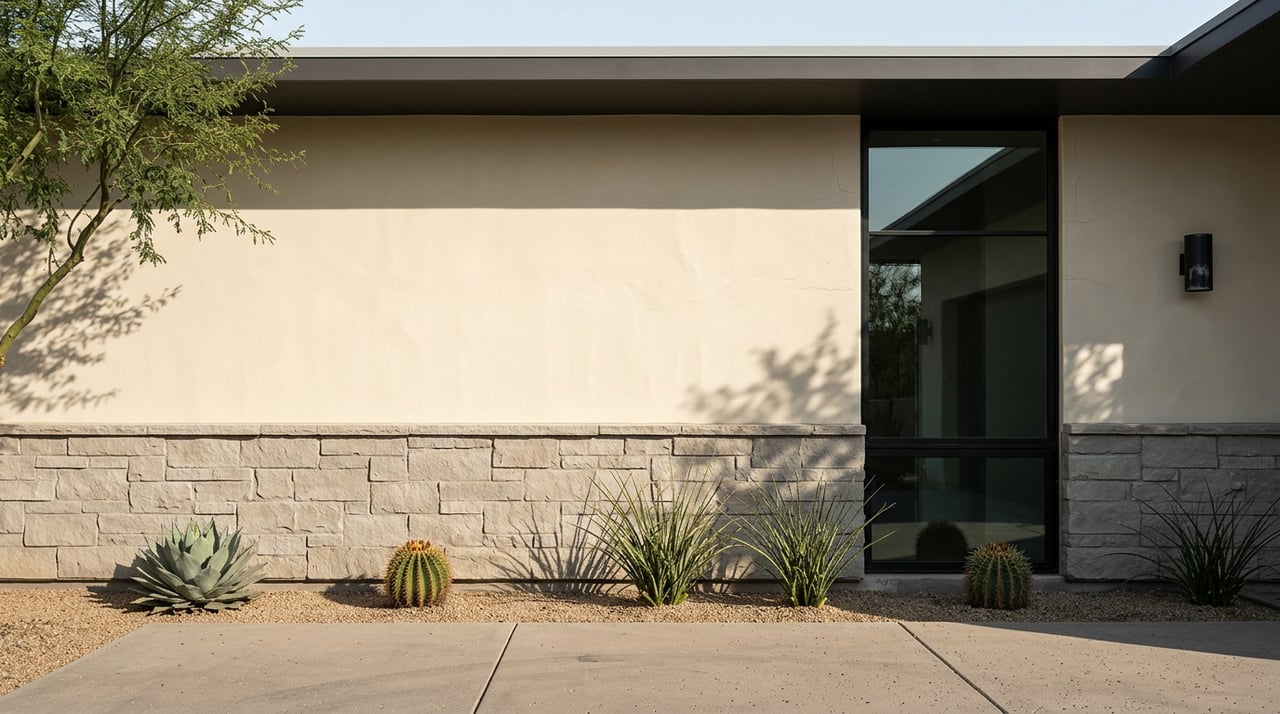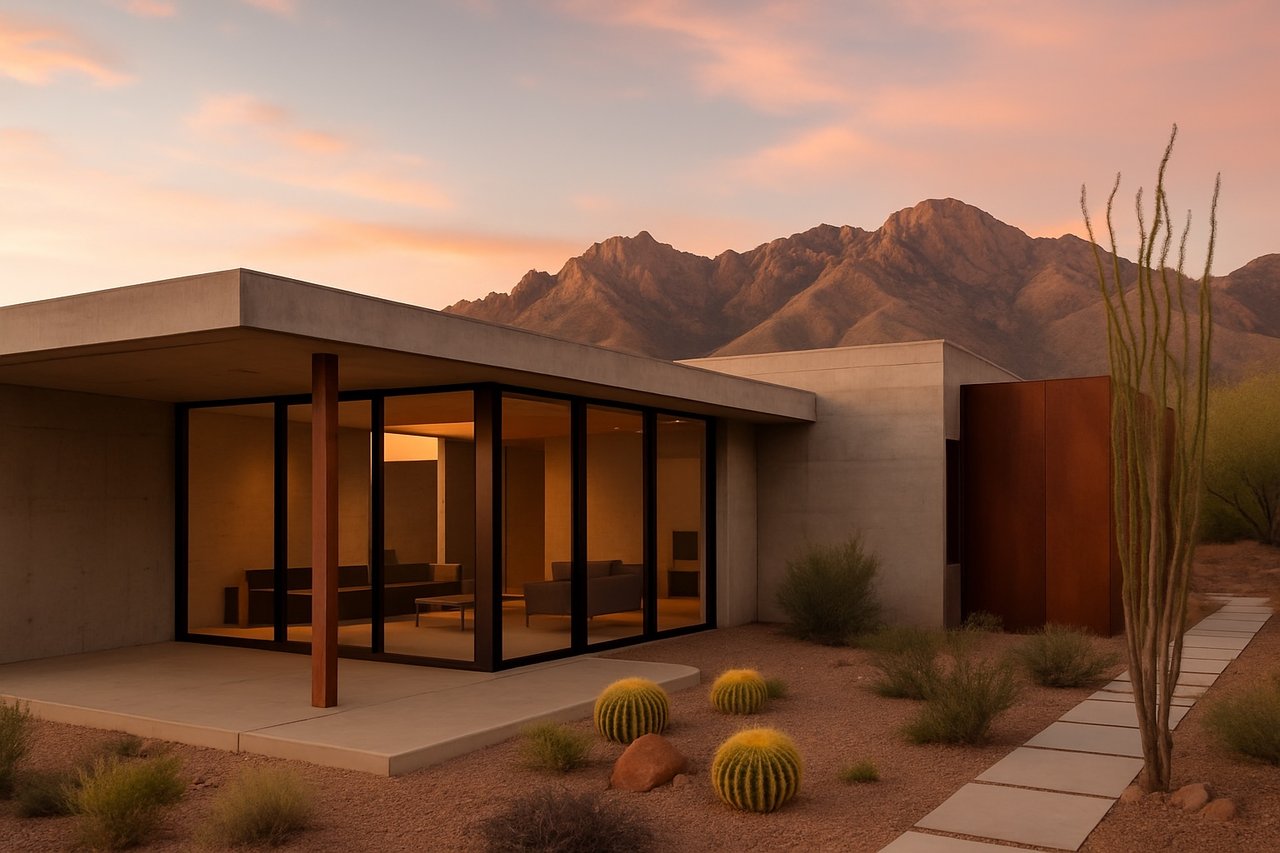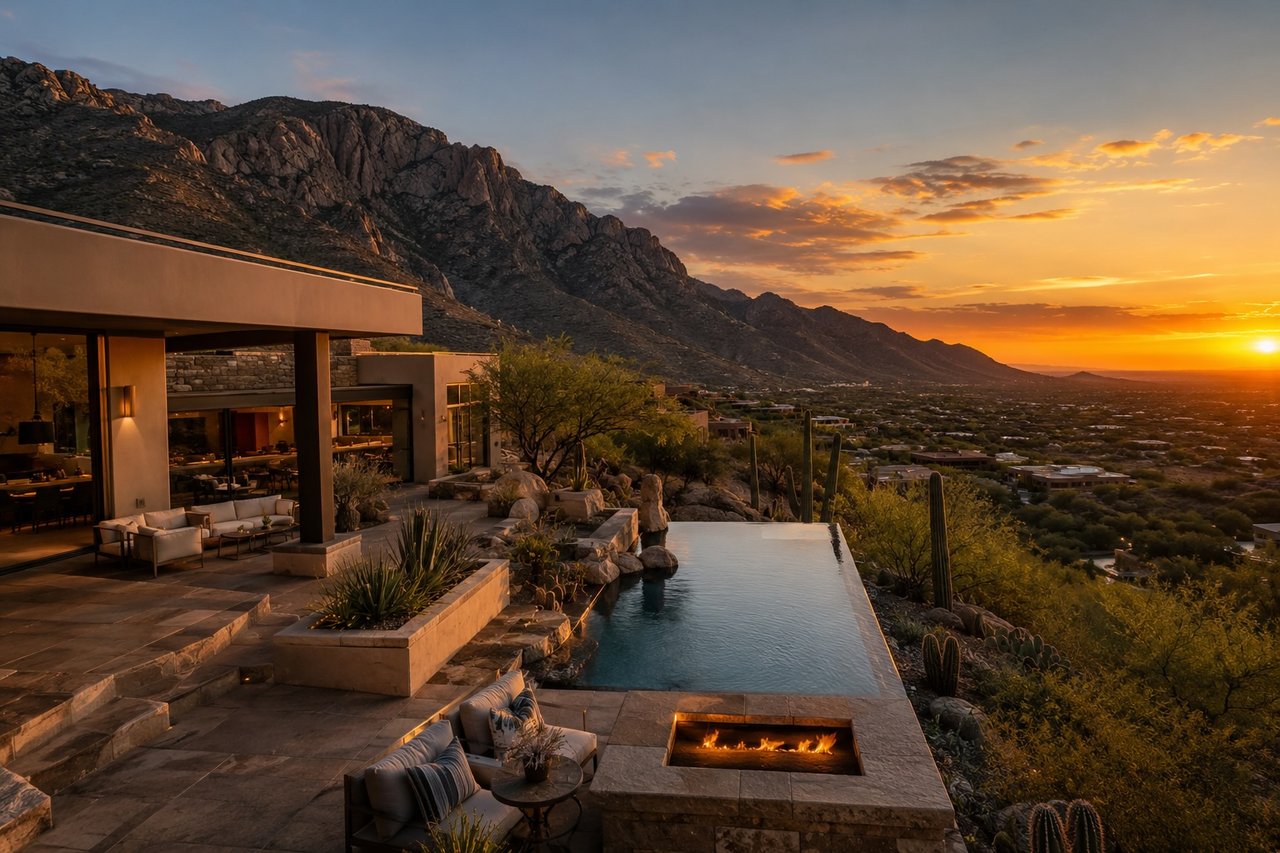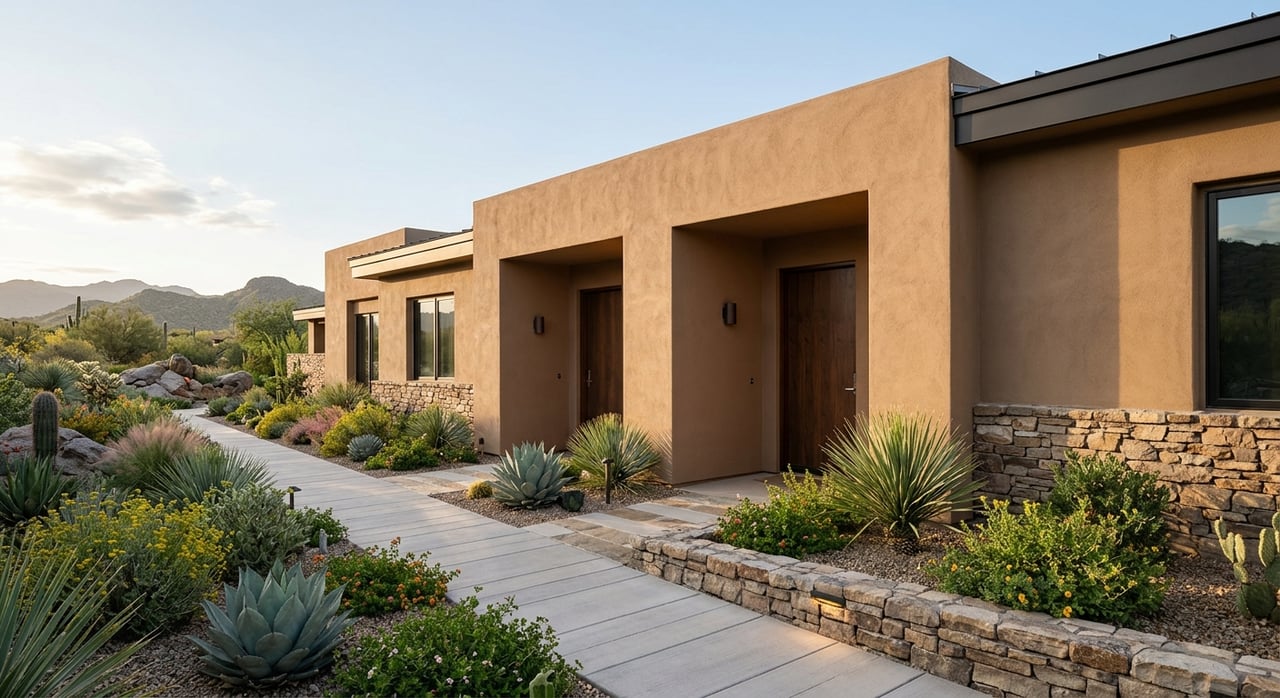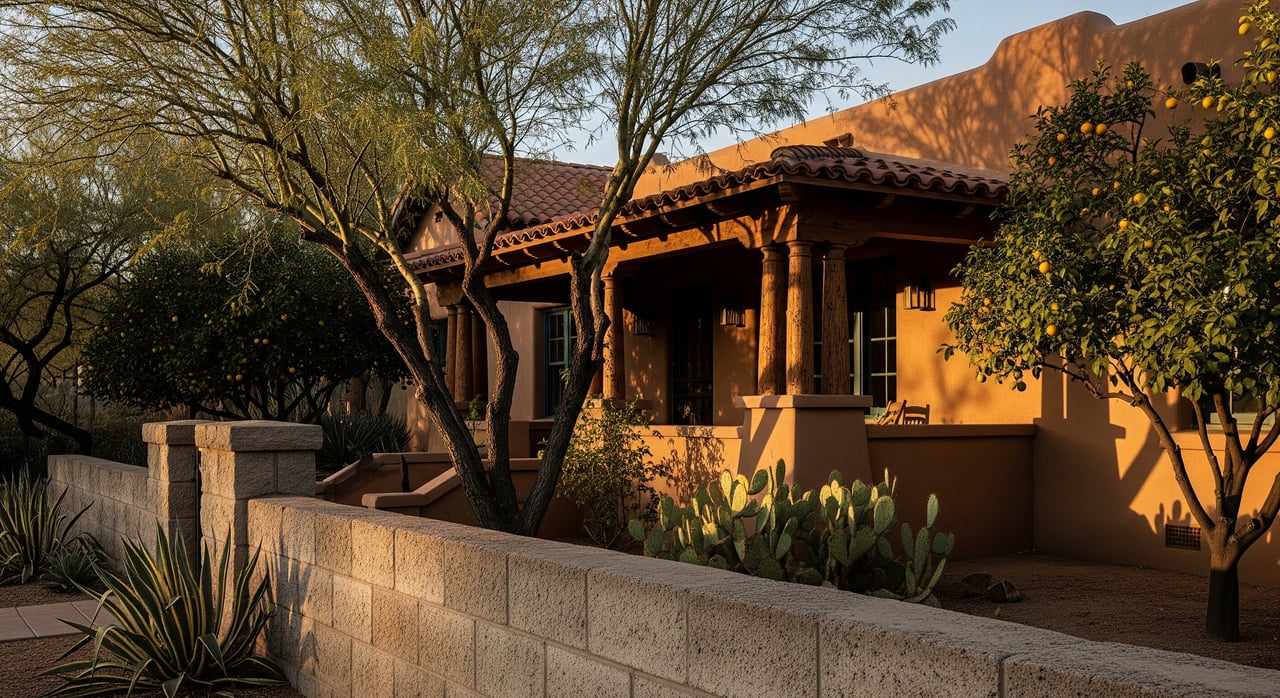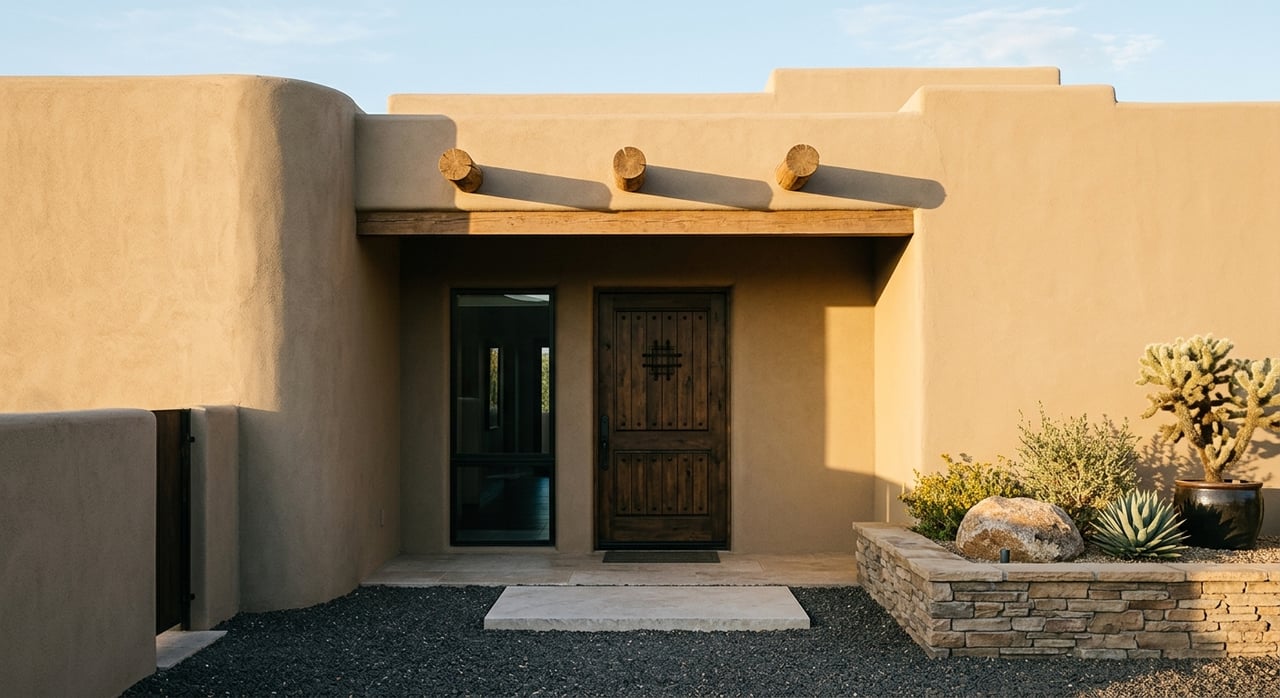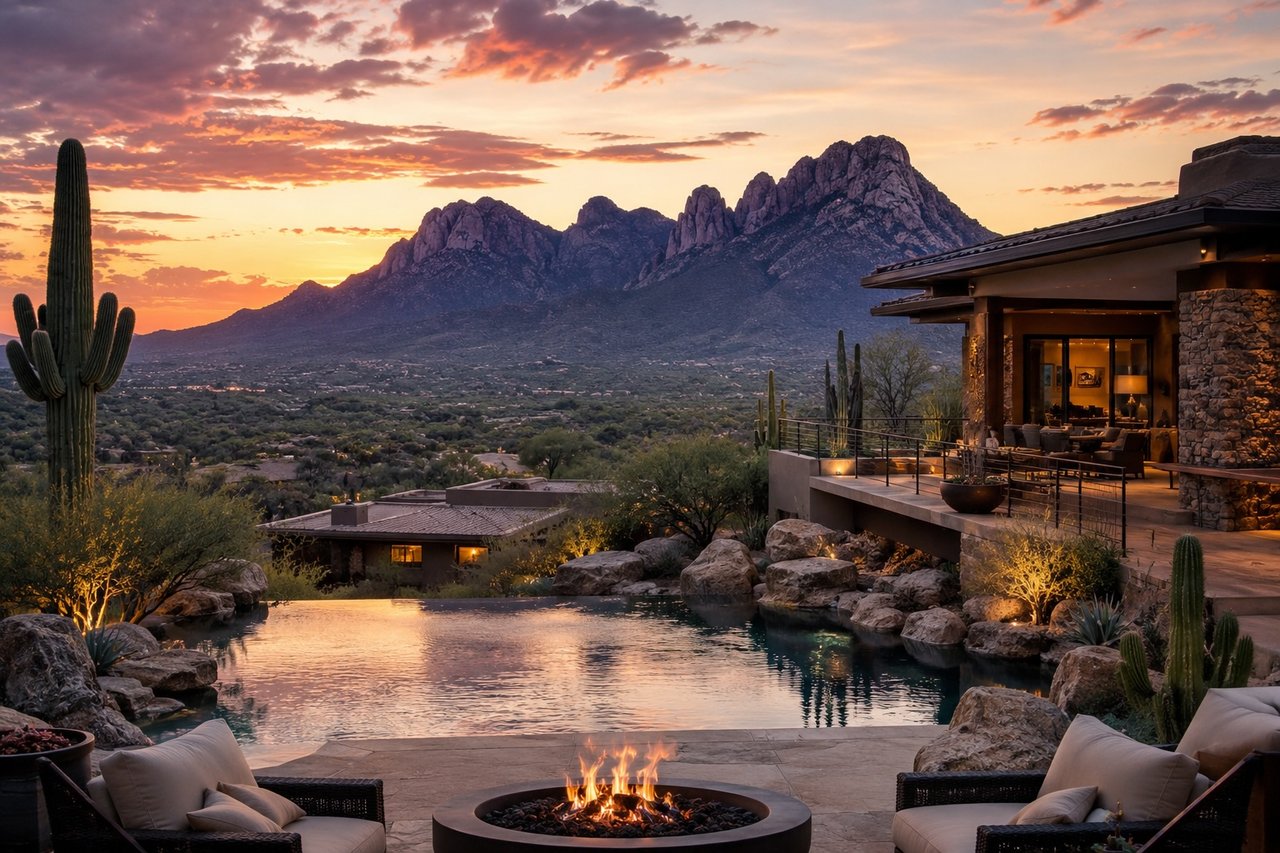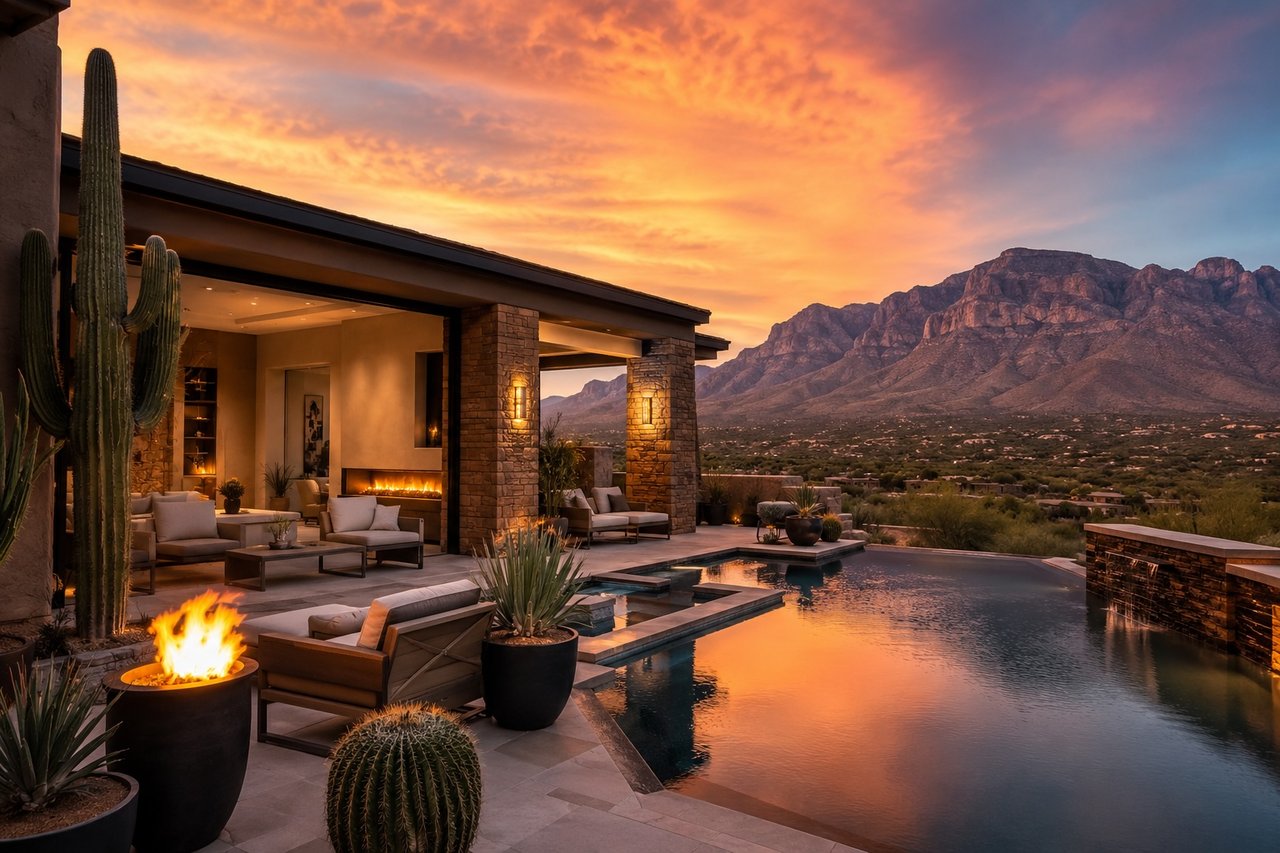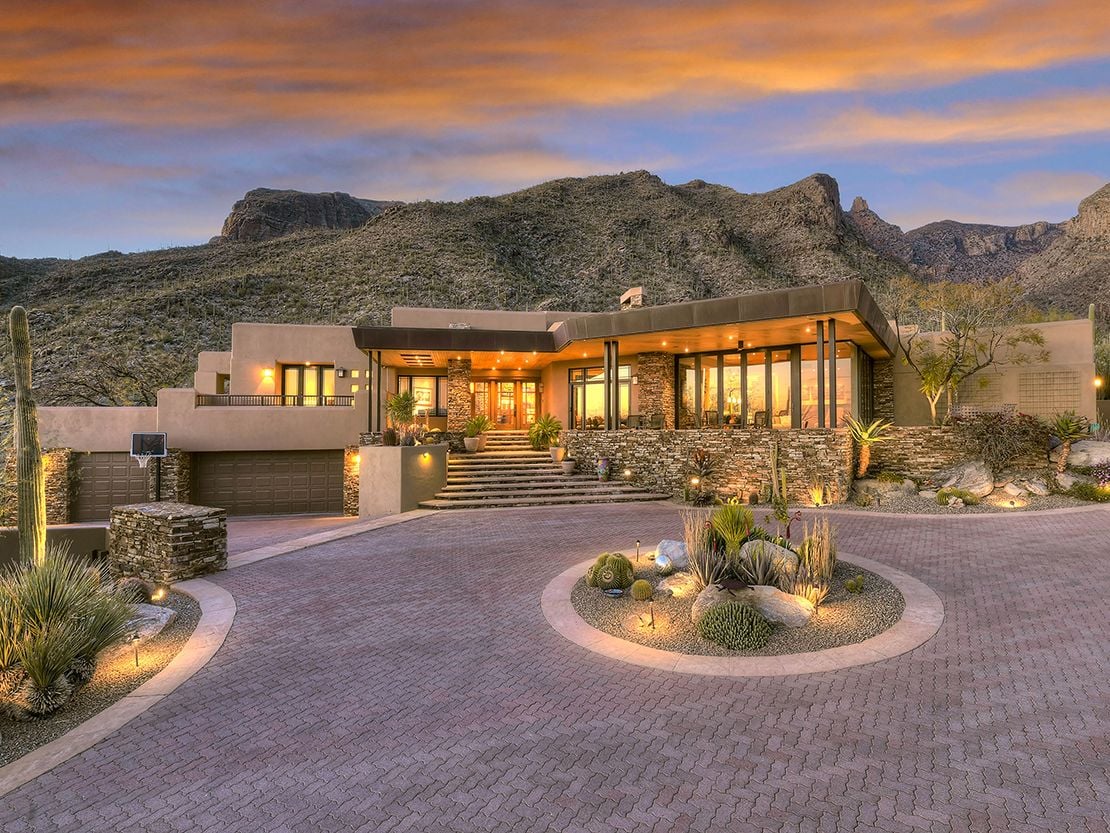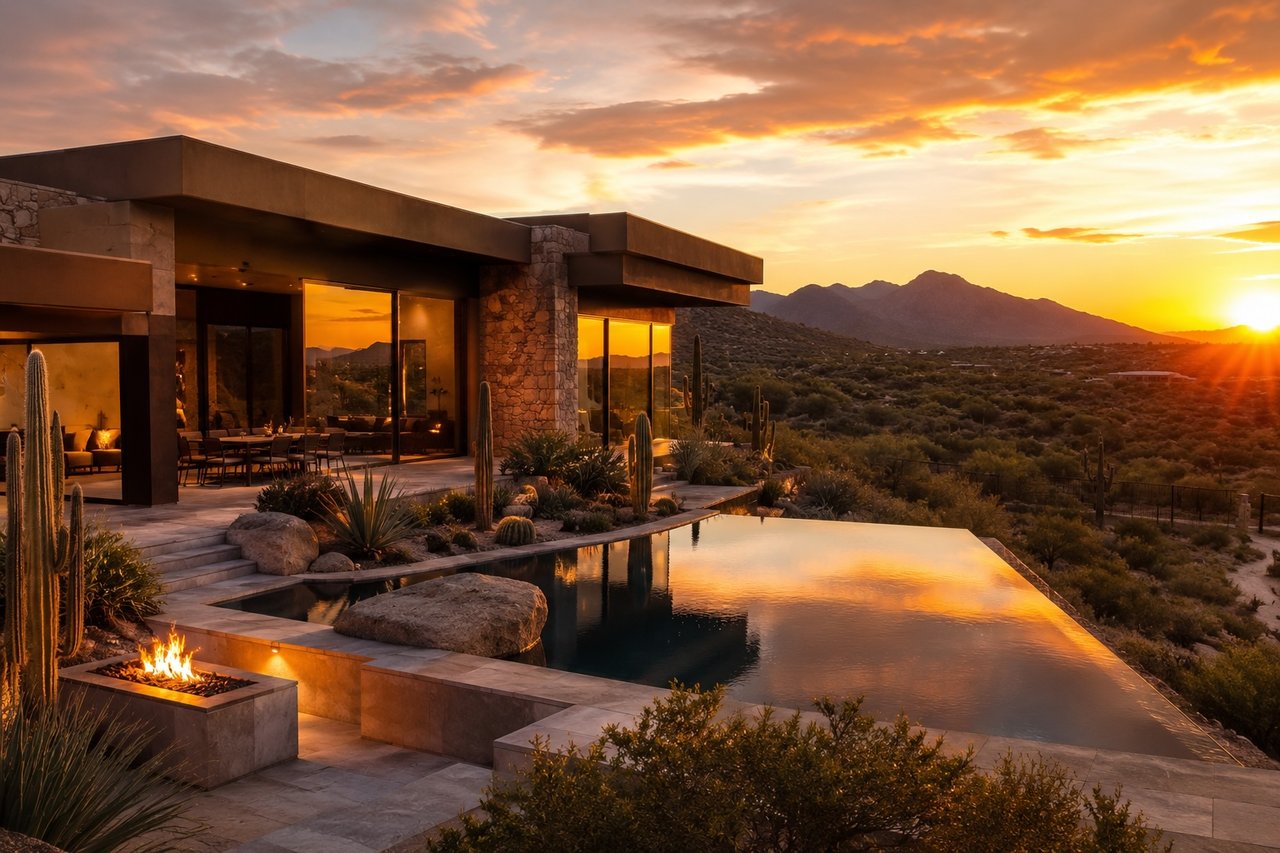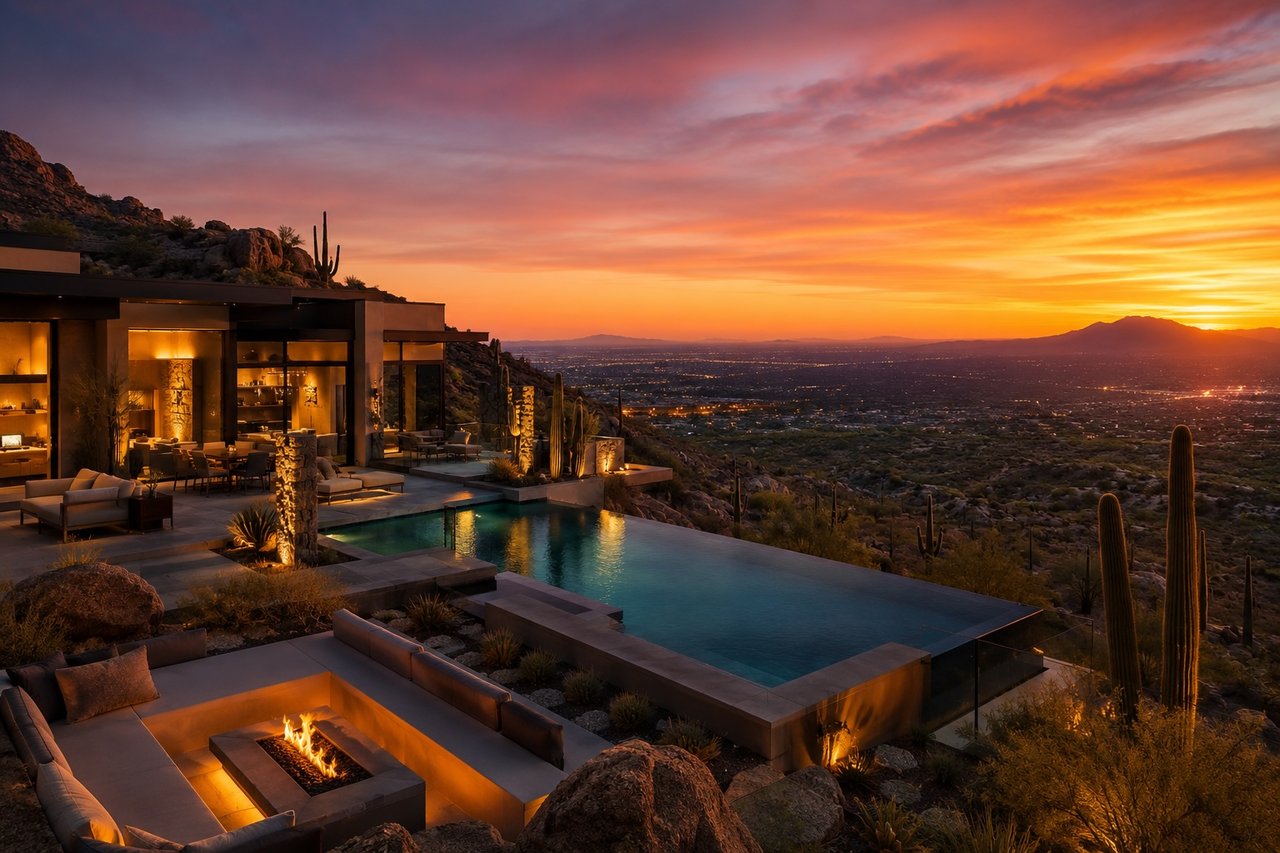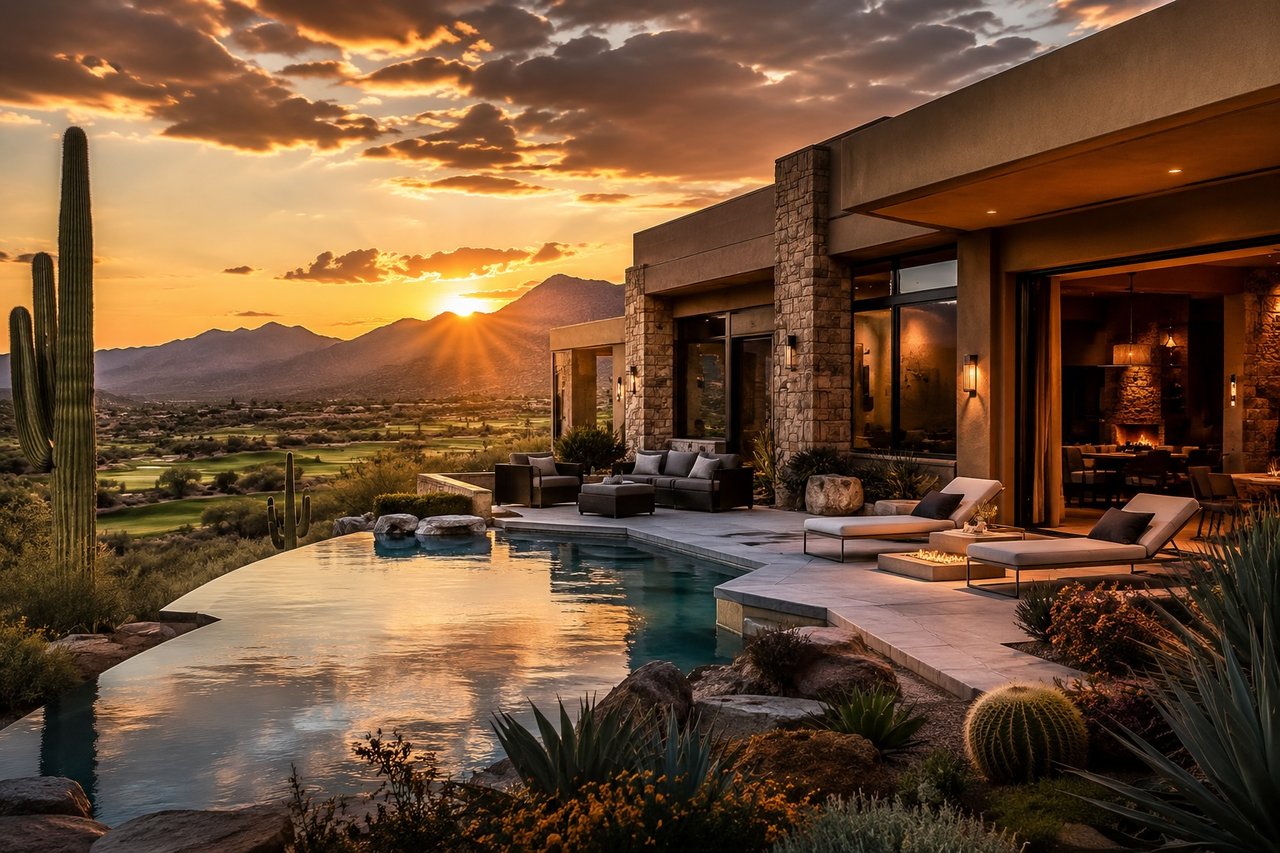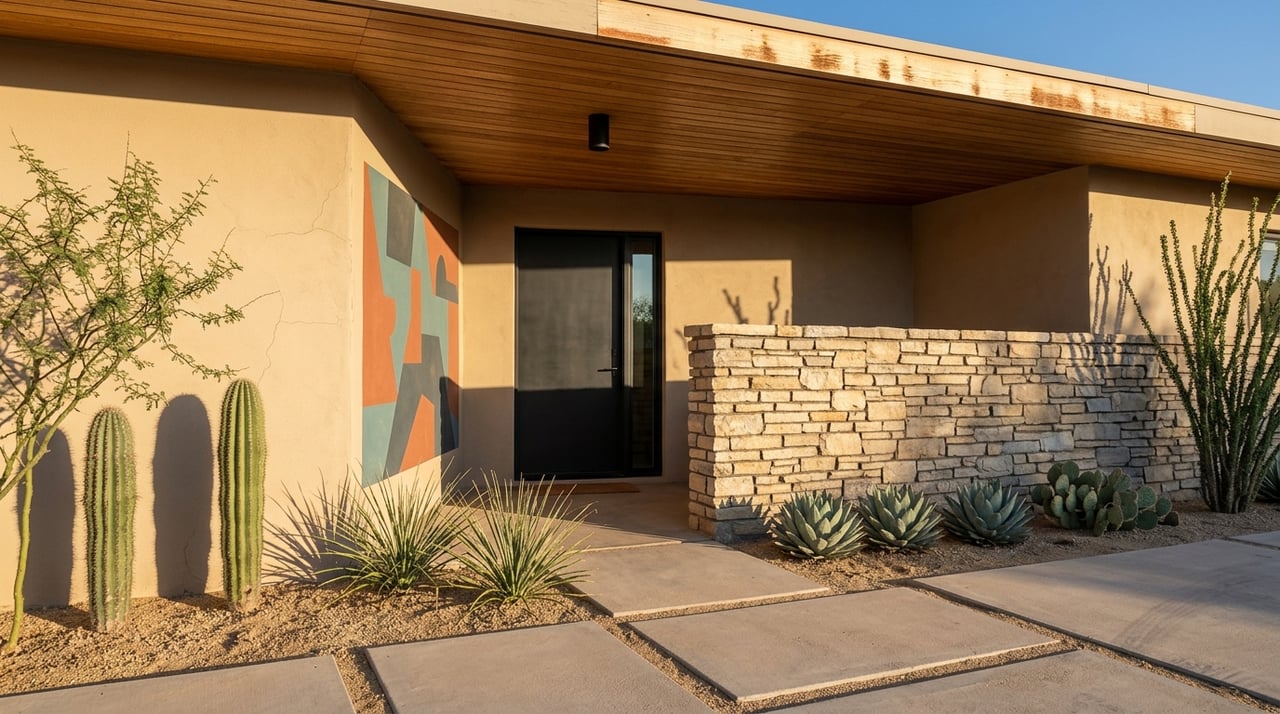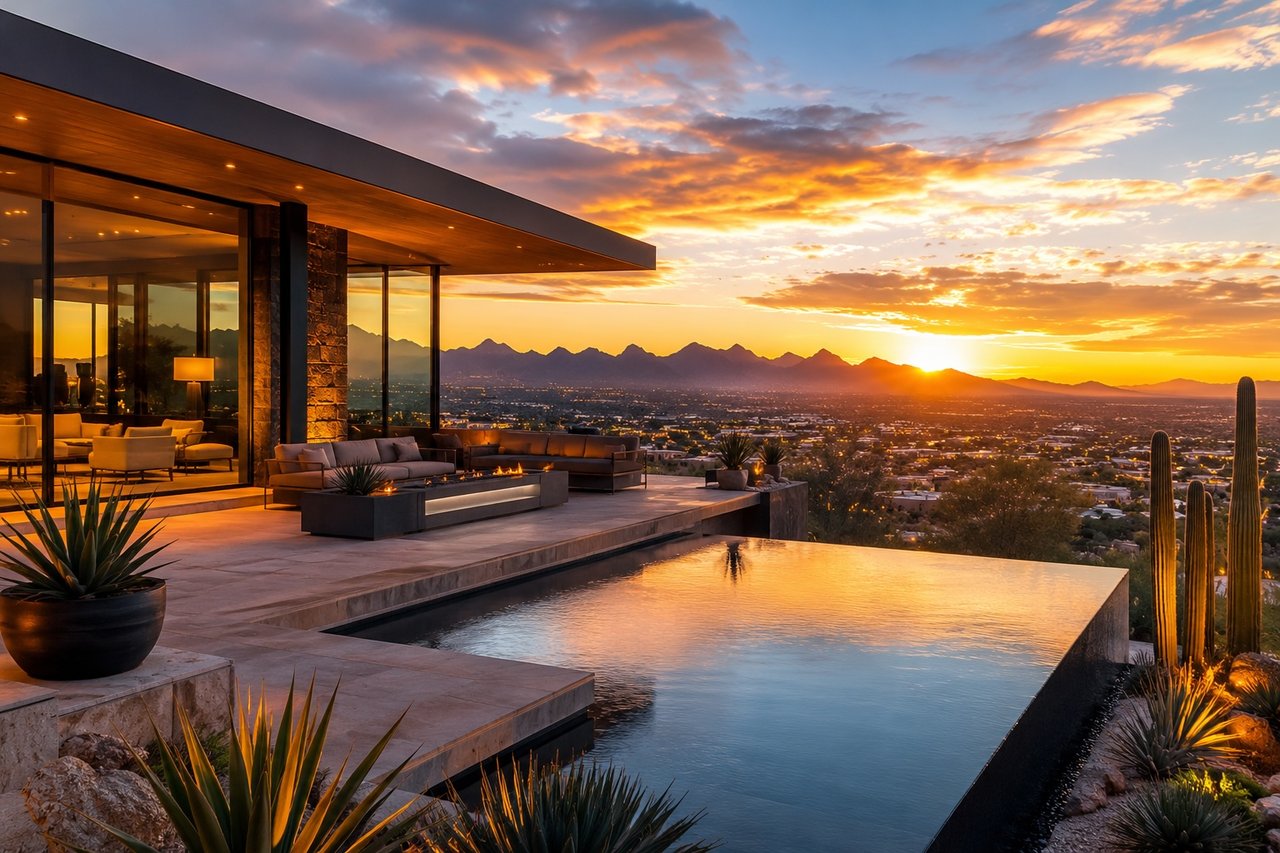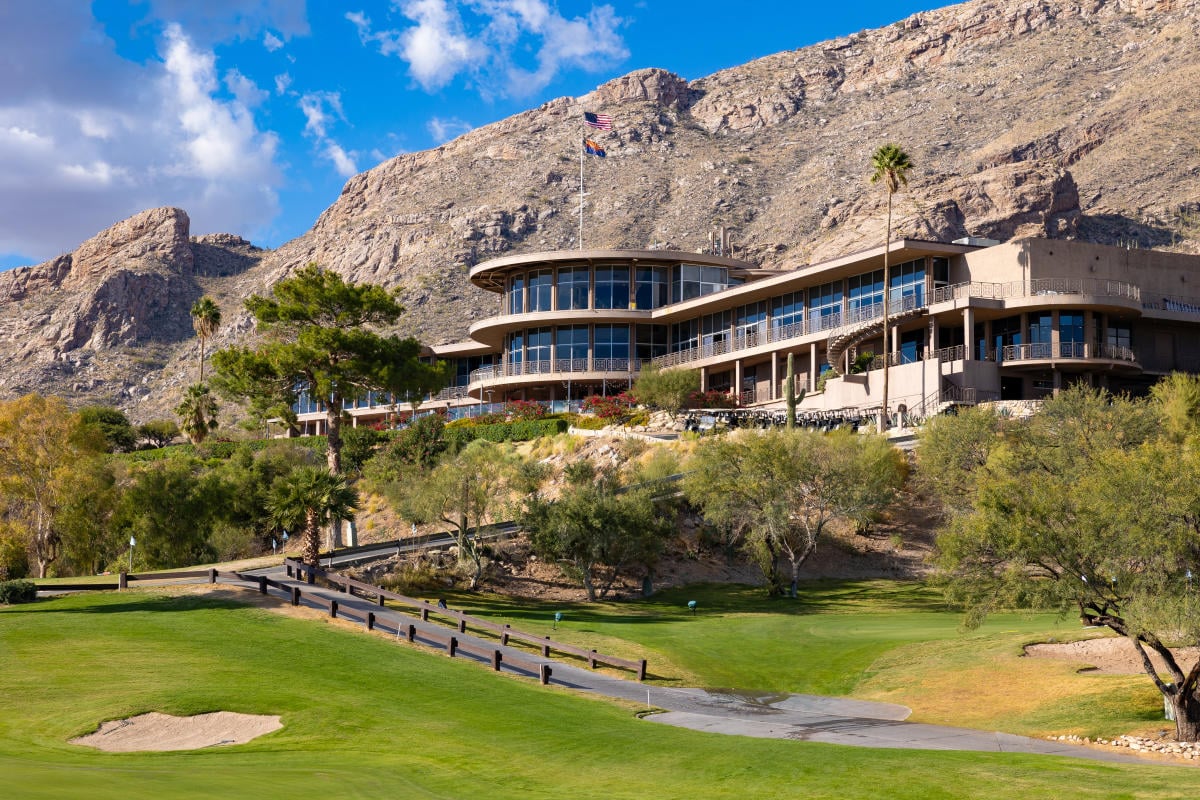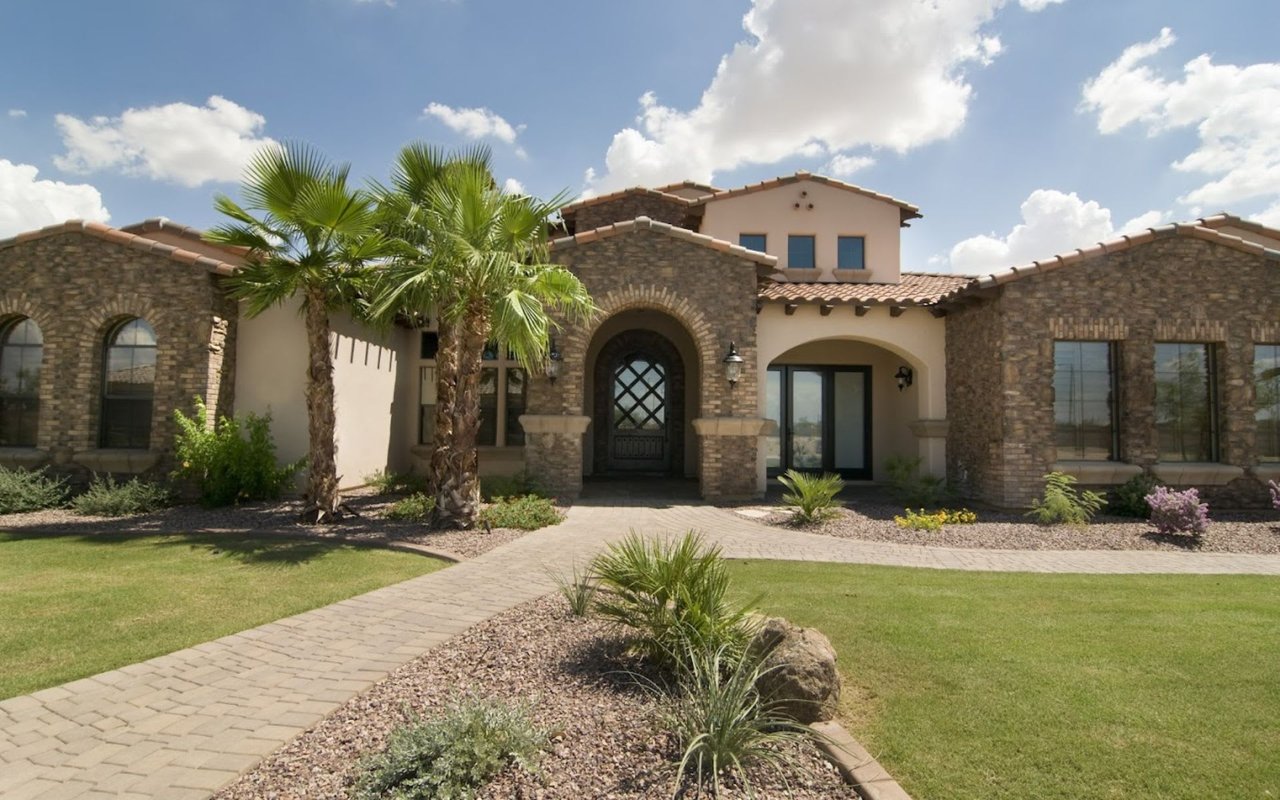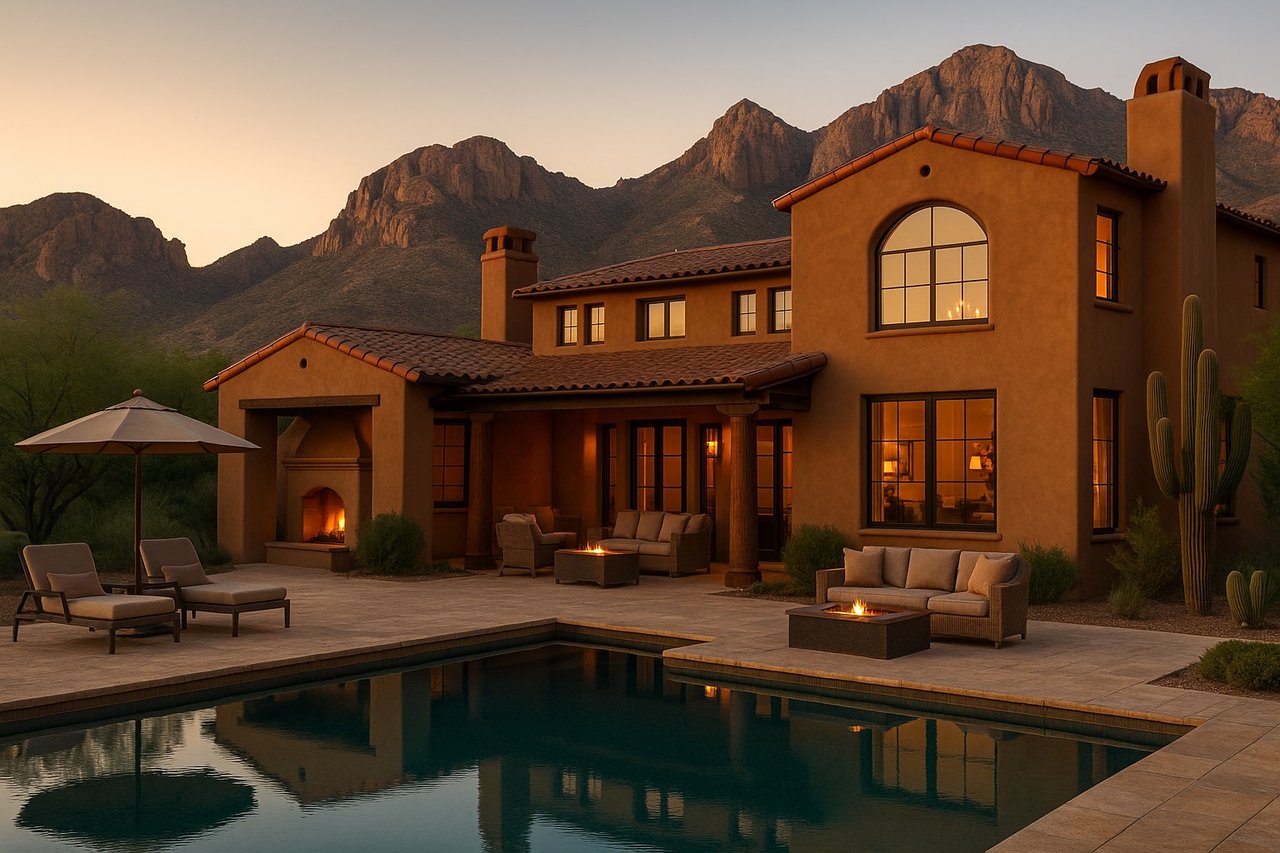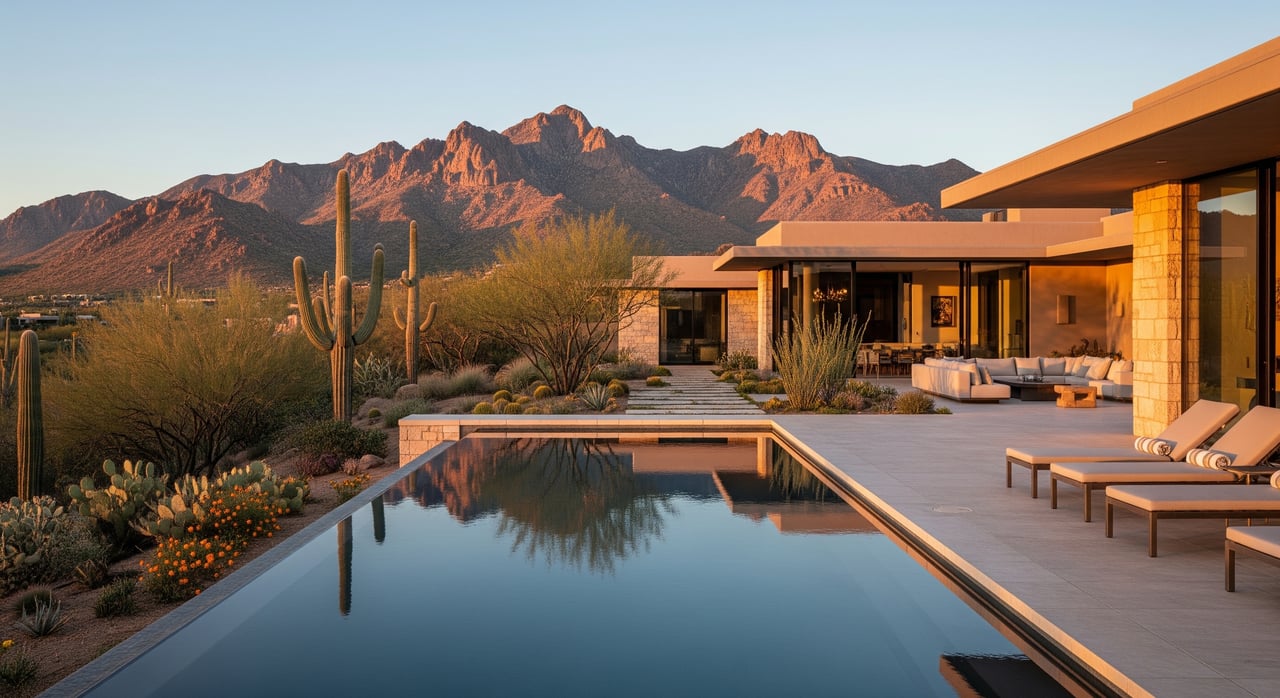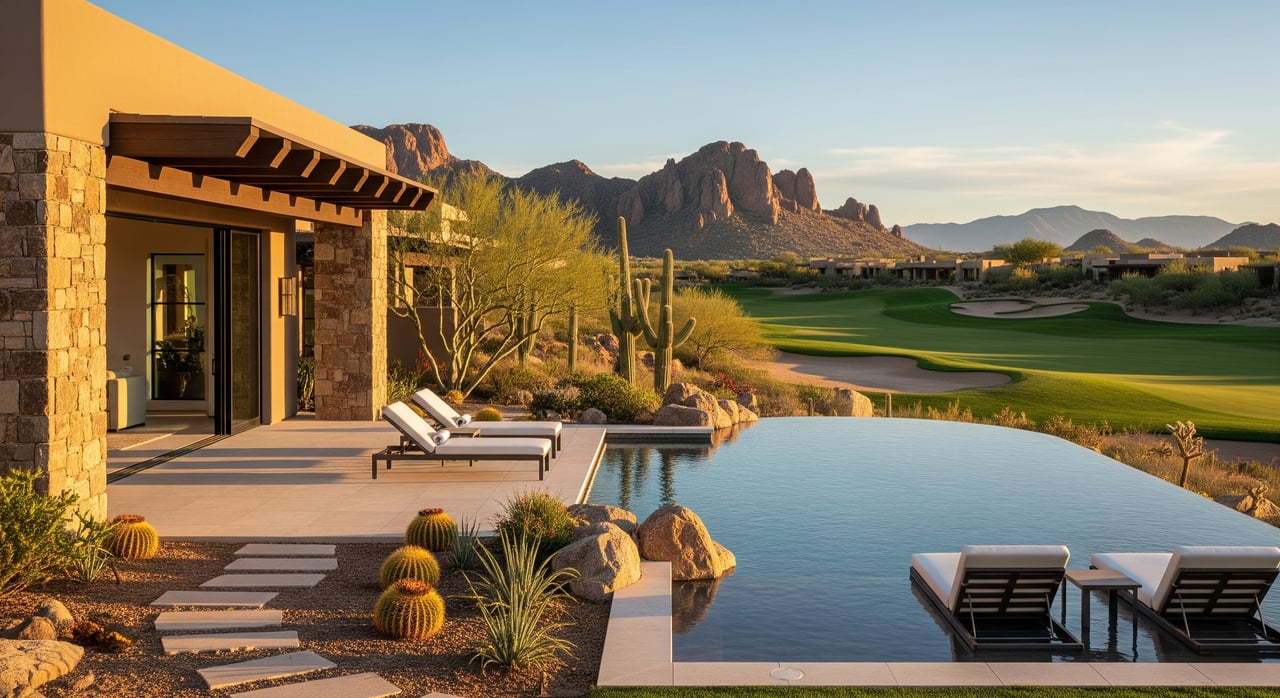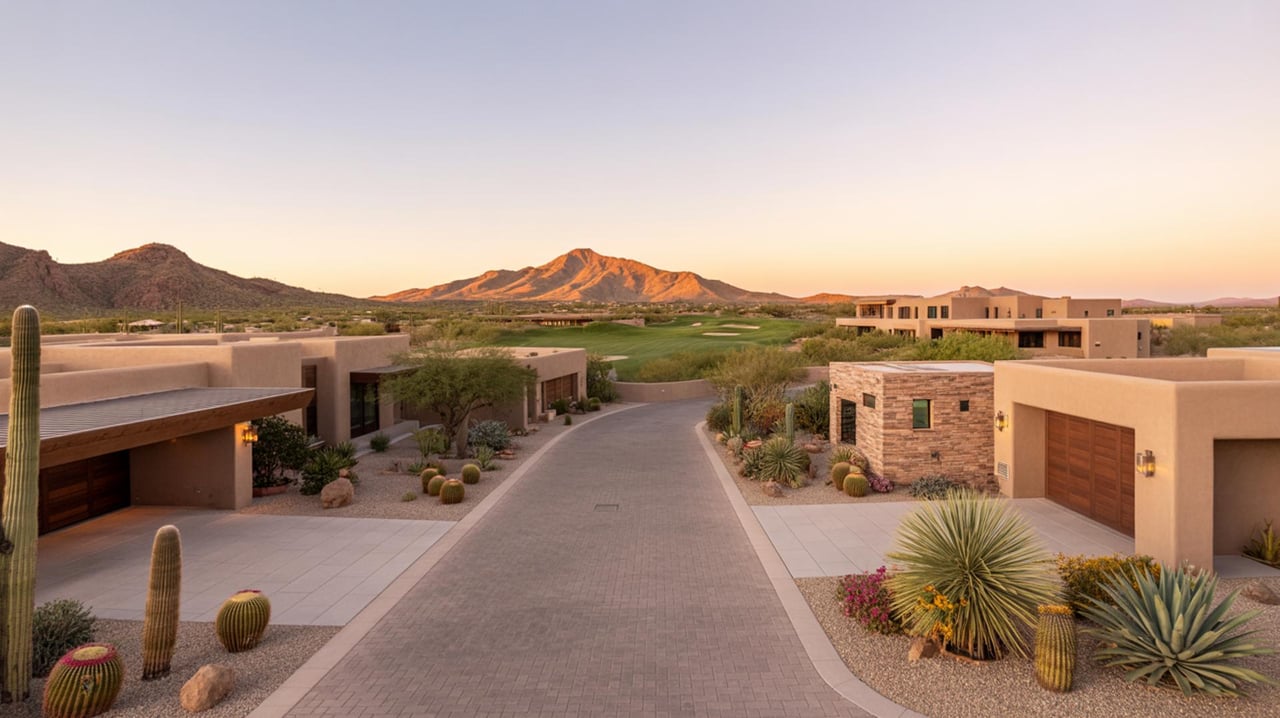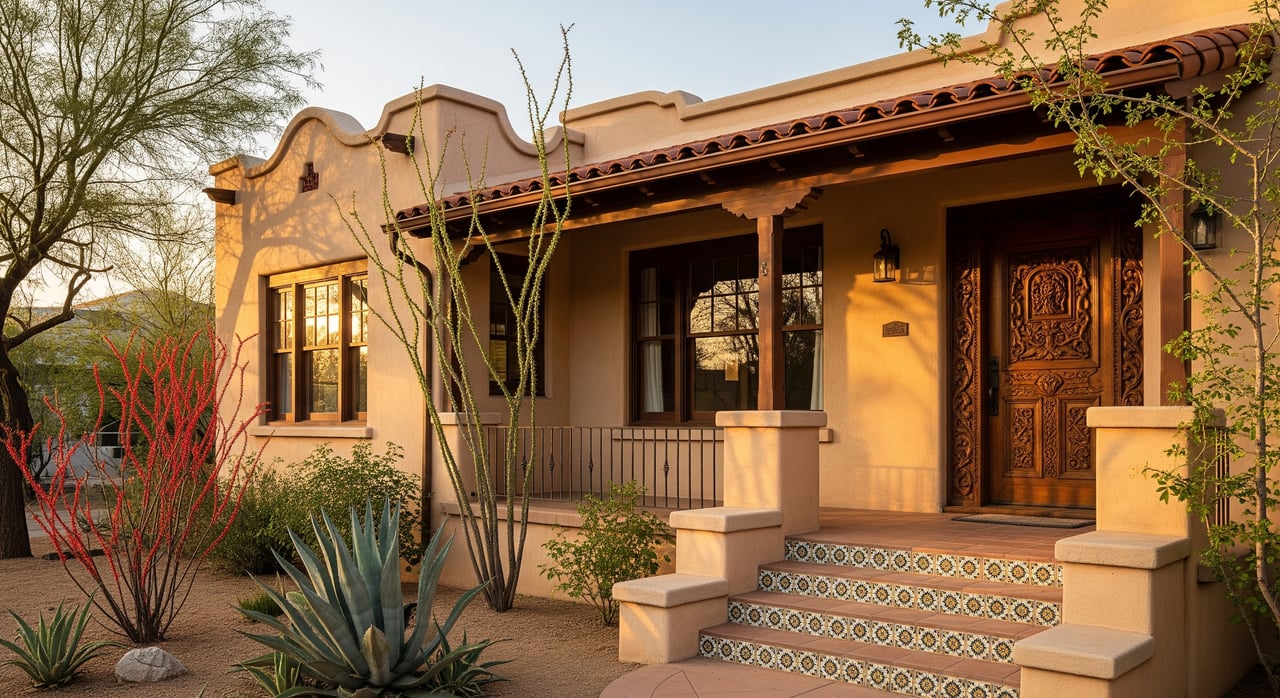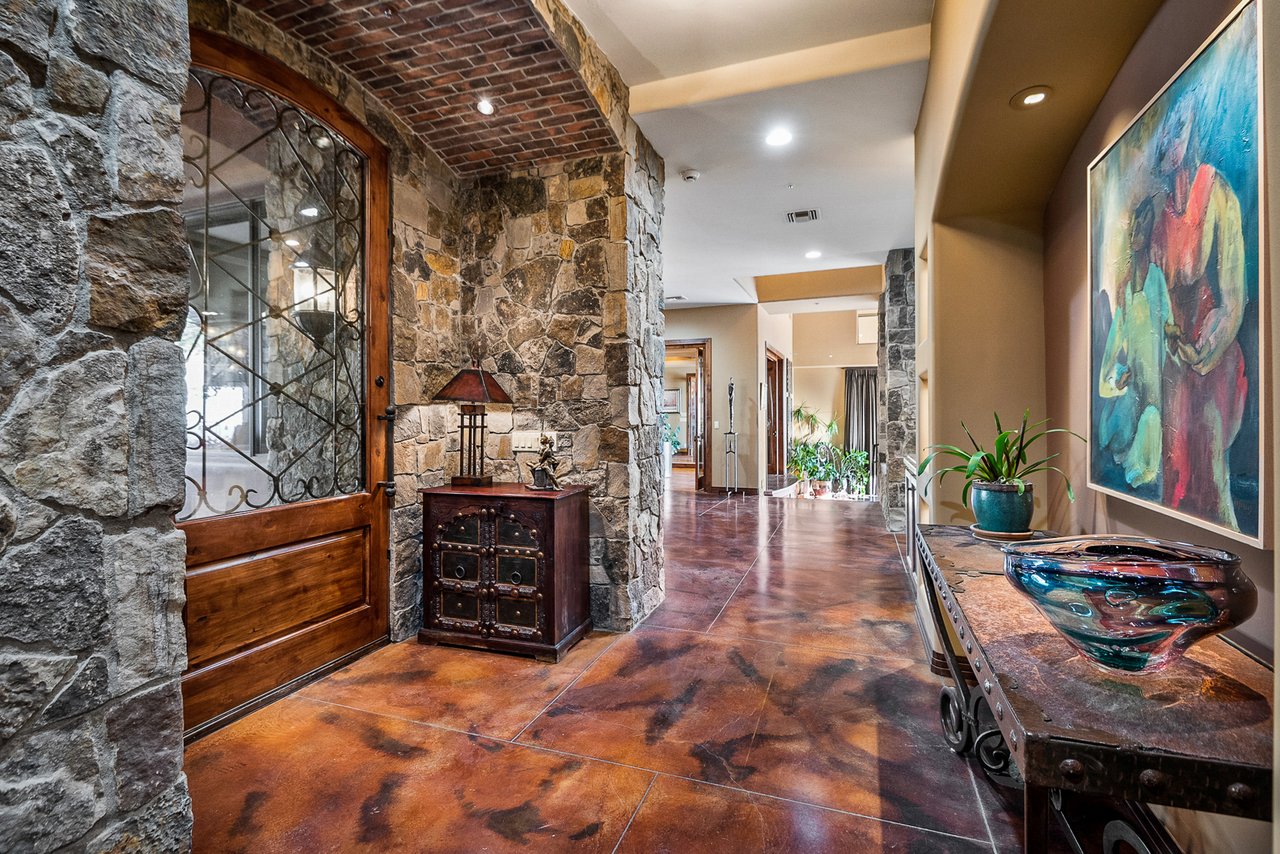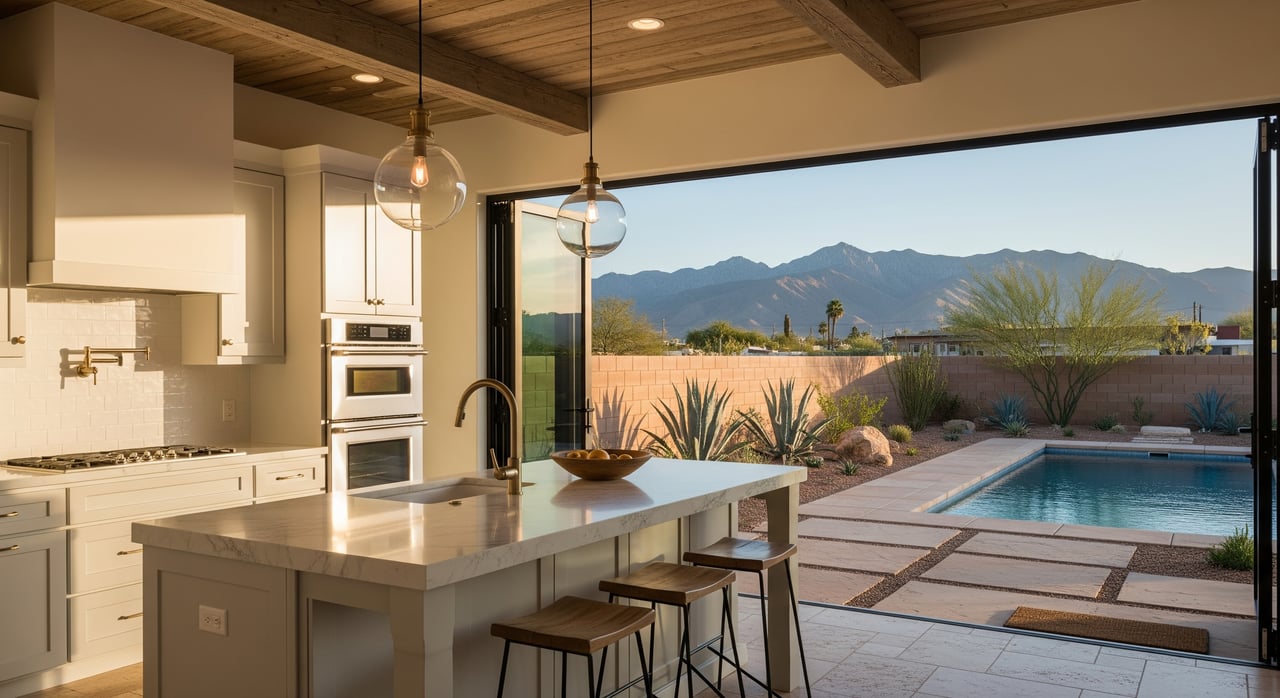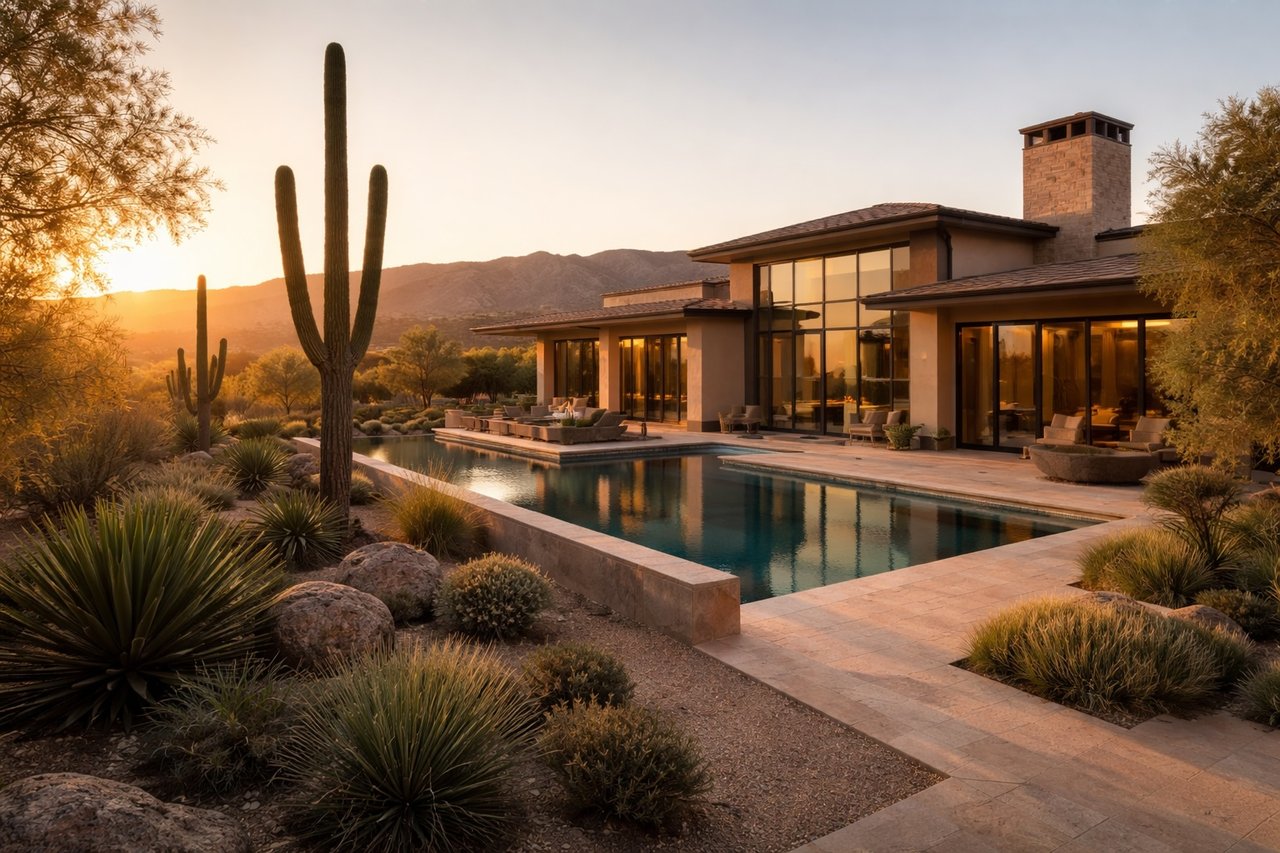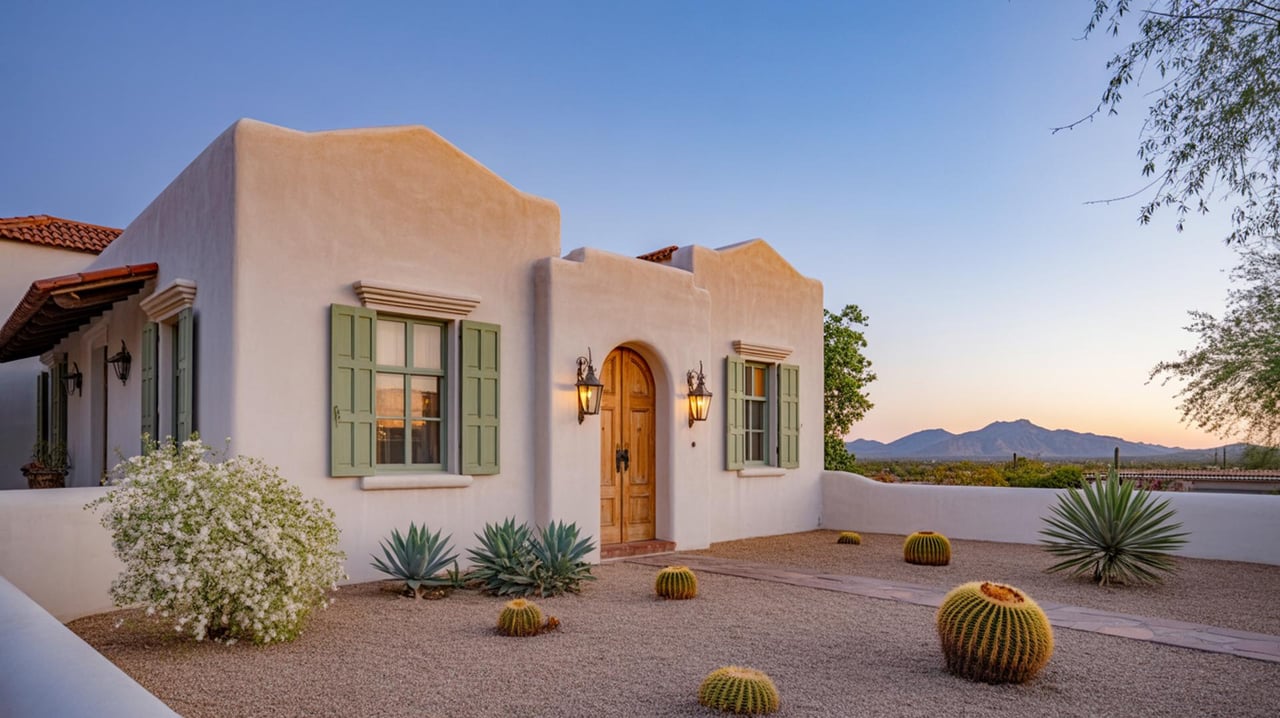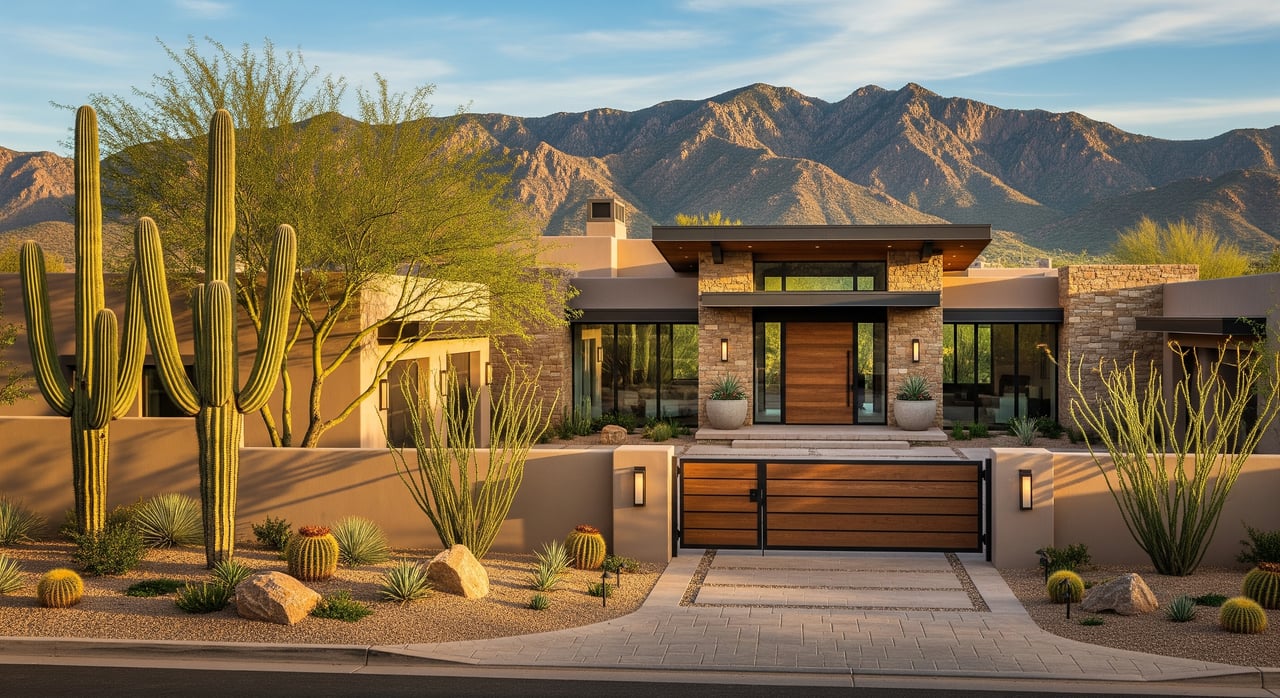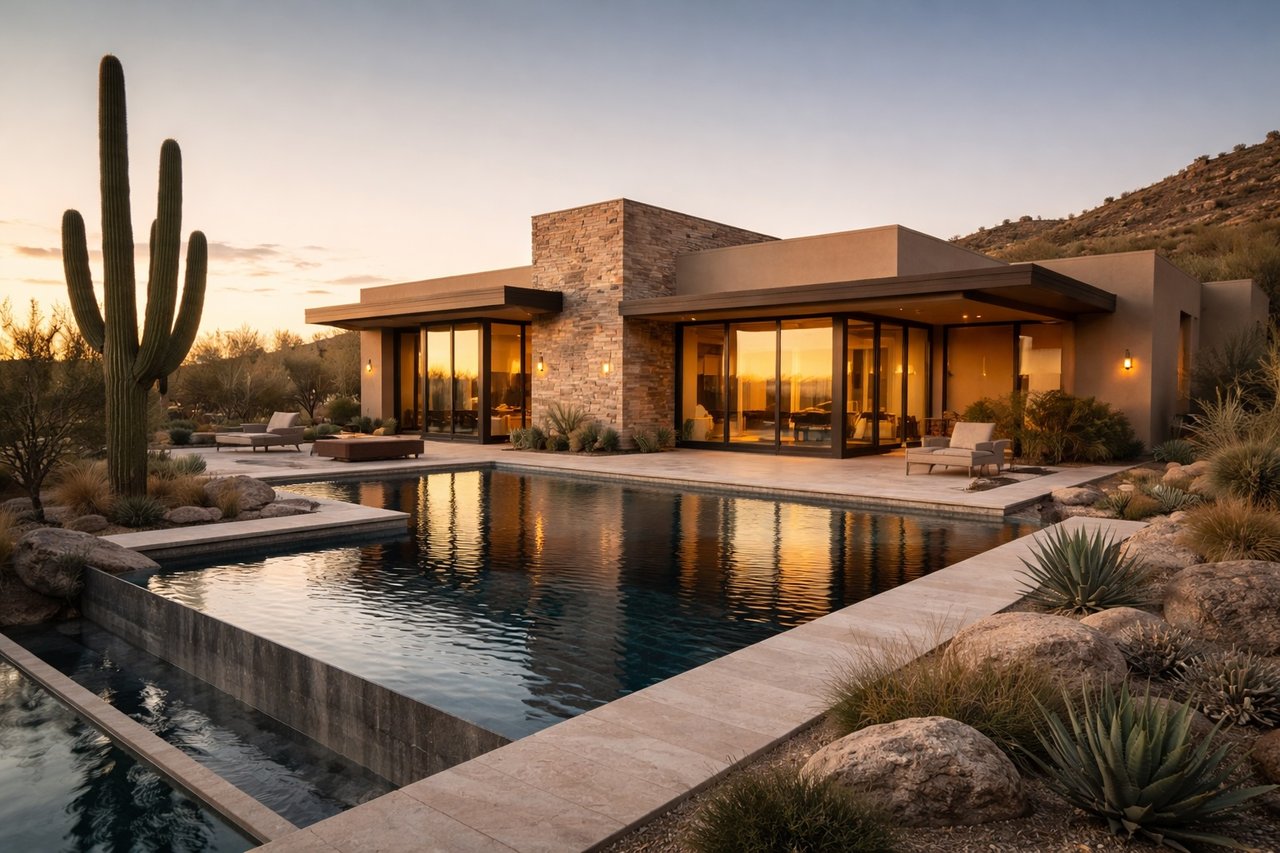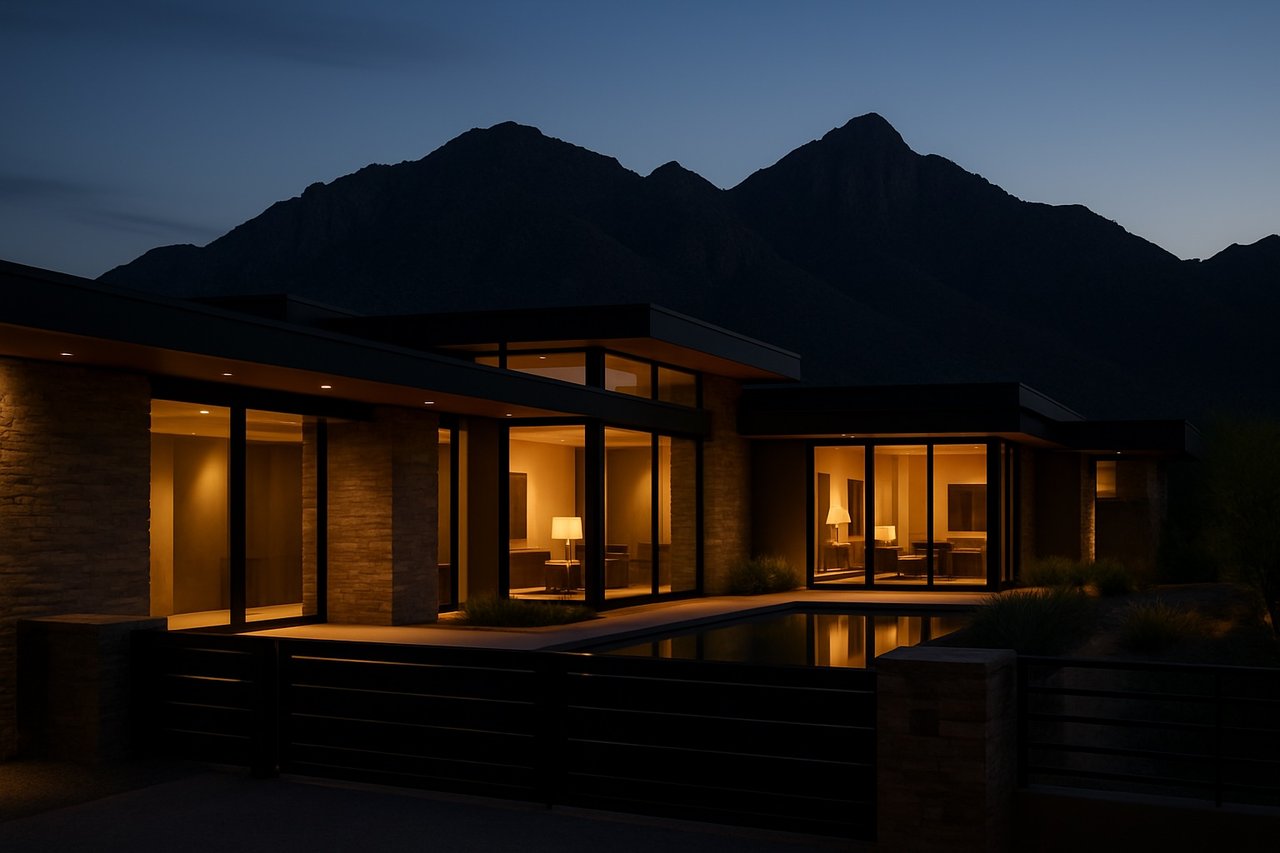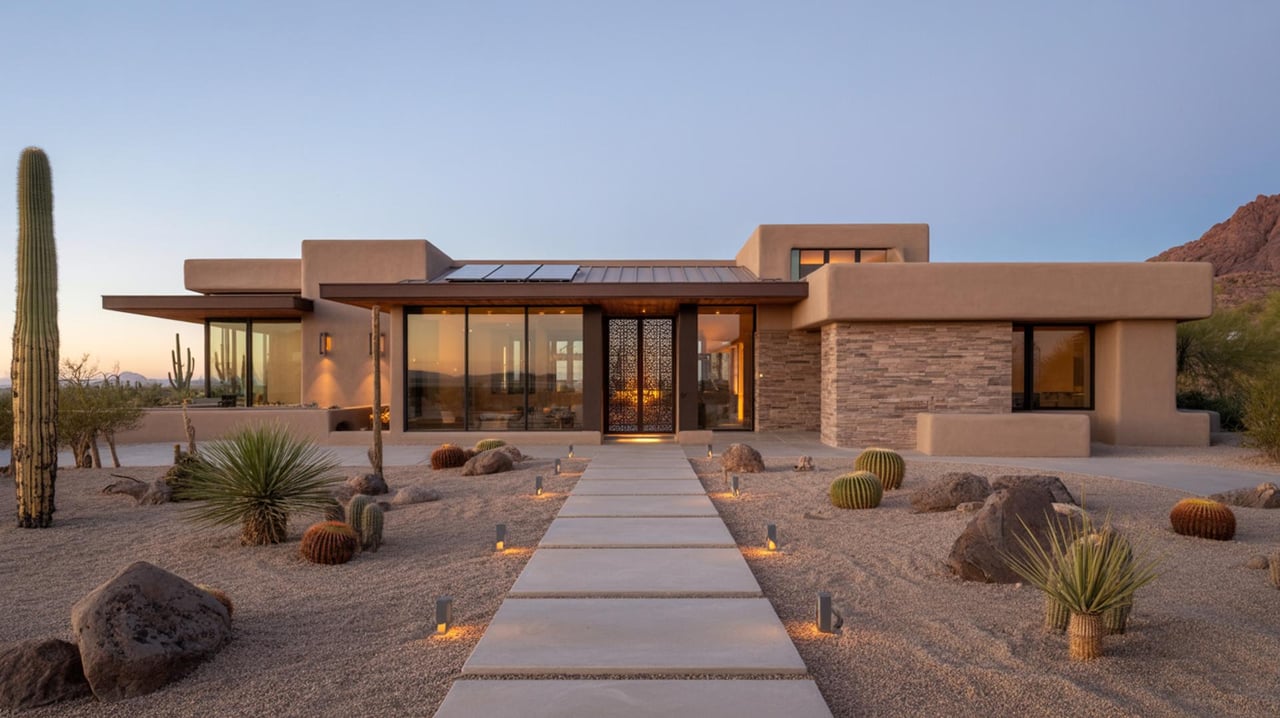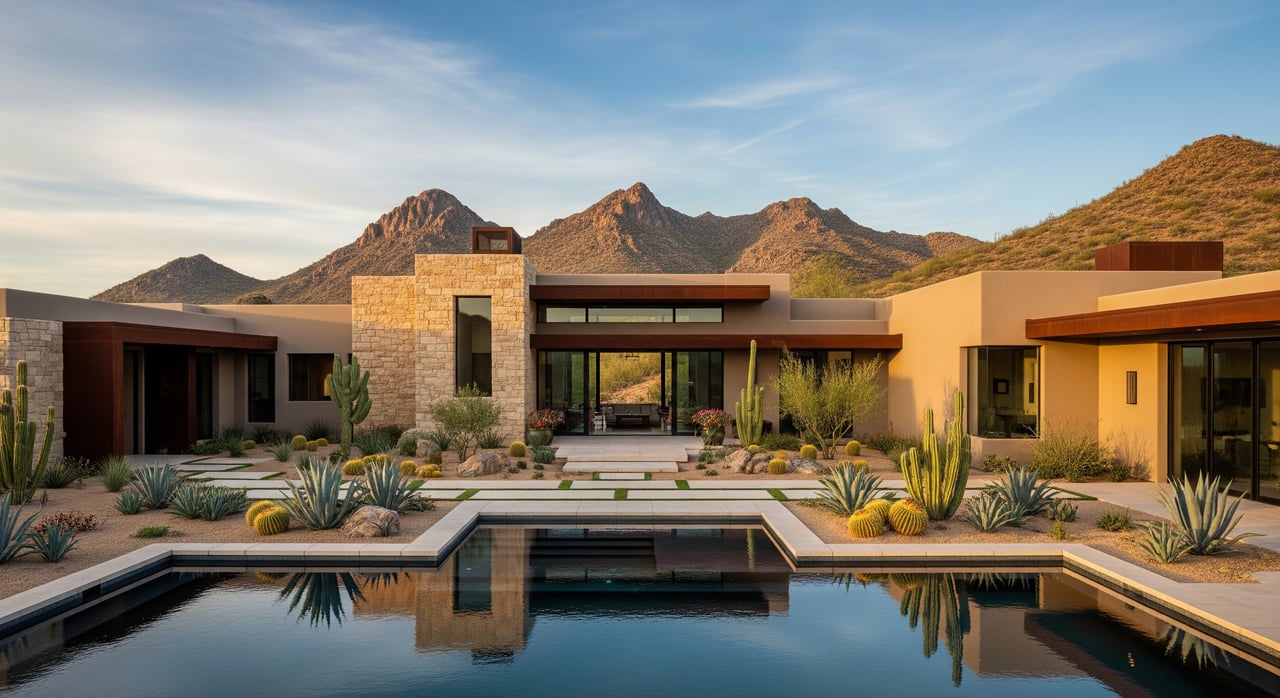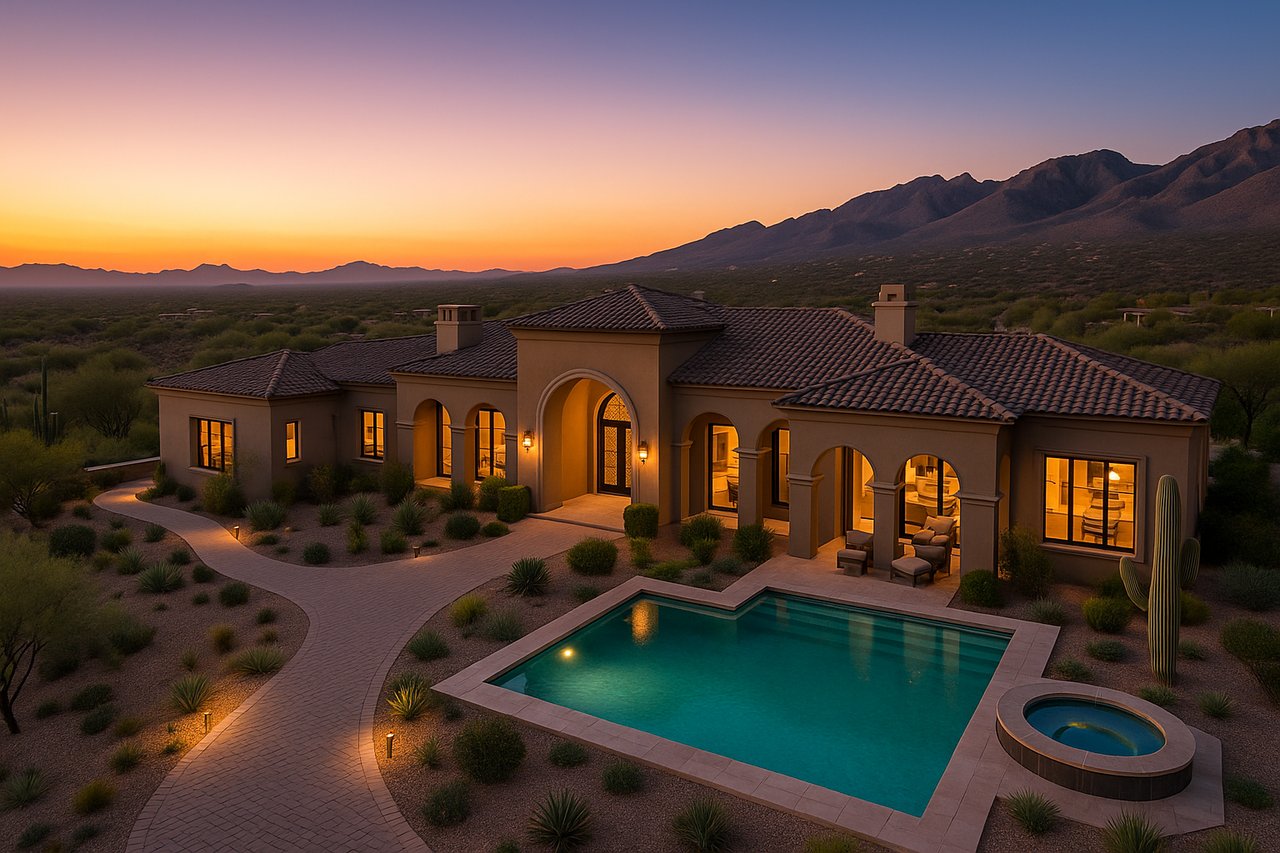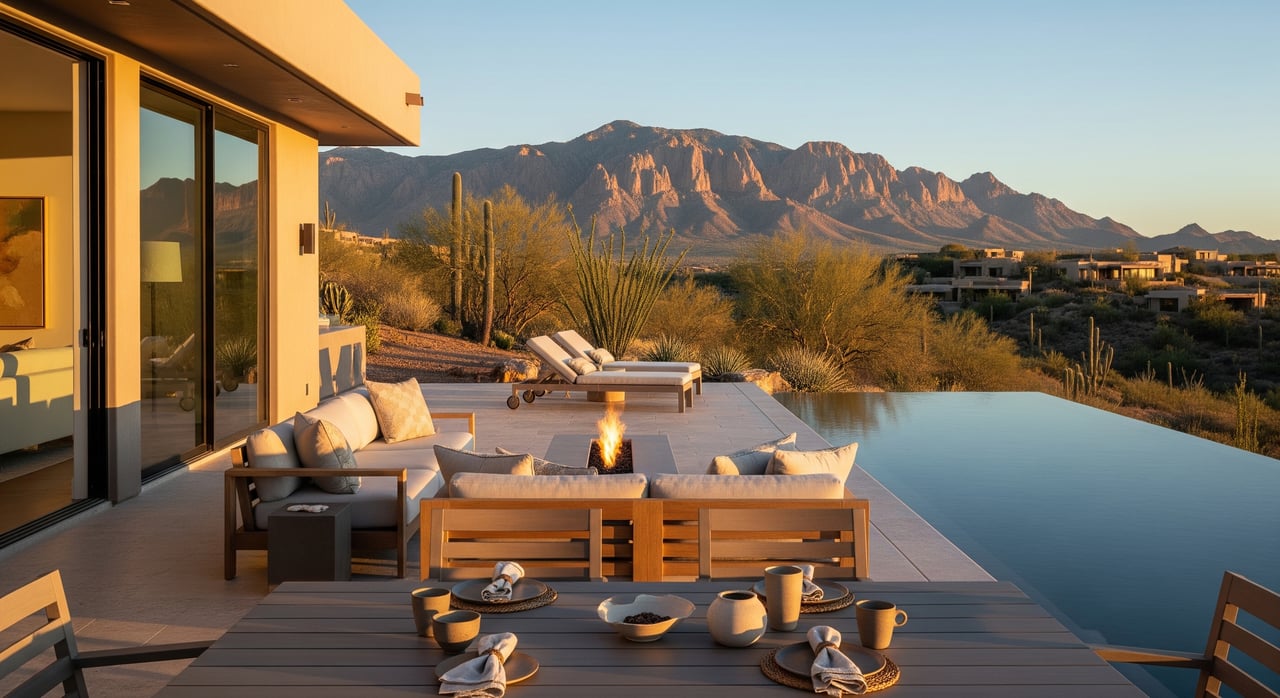
What does desert luxury look like on a Tuesday? In Catalina Foothills, it often starts with sunrise light on the Santa Catalinas, coffee on a shaded patio, and a plan to beat the heat. If you are weighing a move here, you want the real story on daily routines, local conveniences, and what it takes to care for a hillside home. This guide walks you through a typical day, plus the climate rhythms, safety practices, and upkeep that shape life in this unincorporated part of Pima County. Let’s dive in.
Mornings: views and cooler air
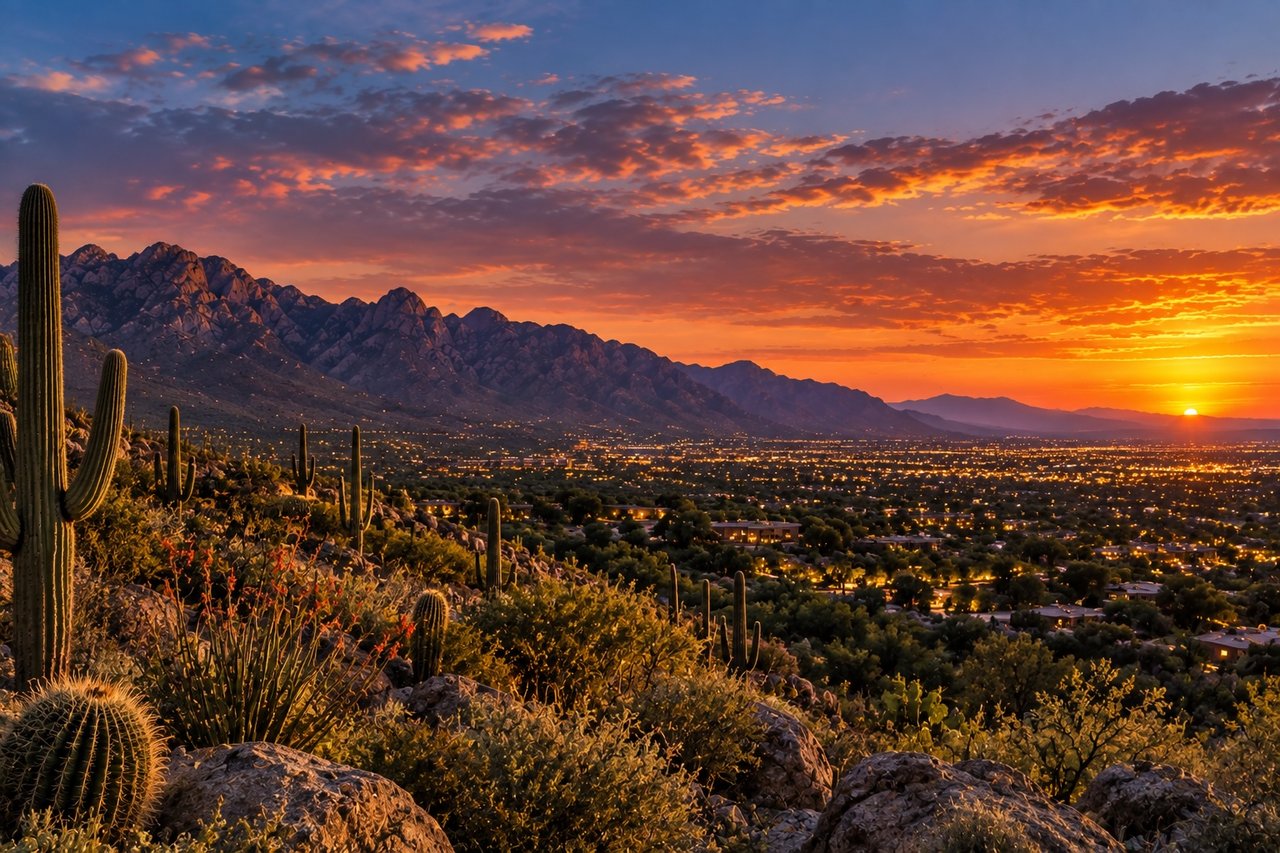
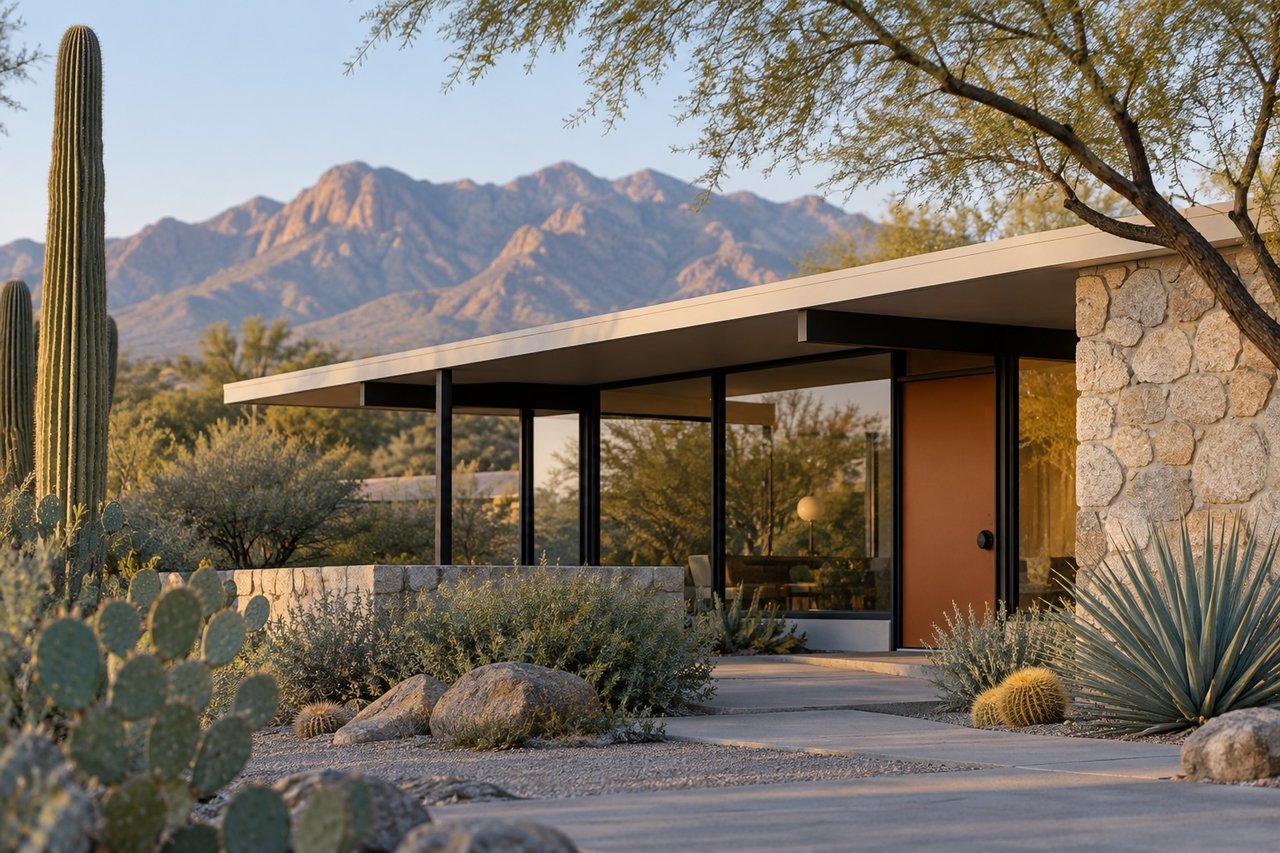
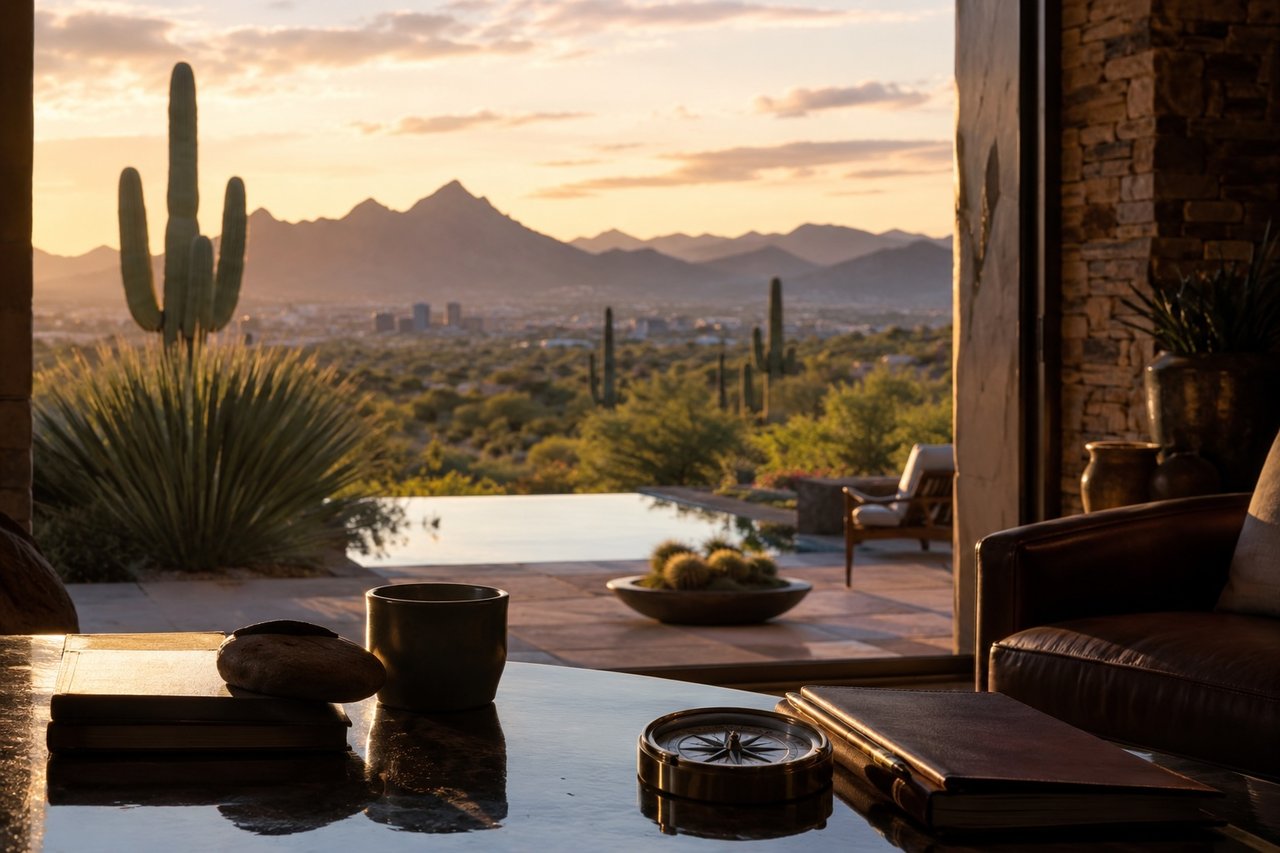
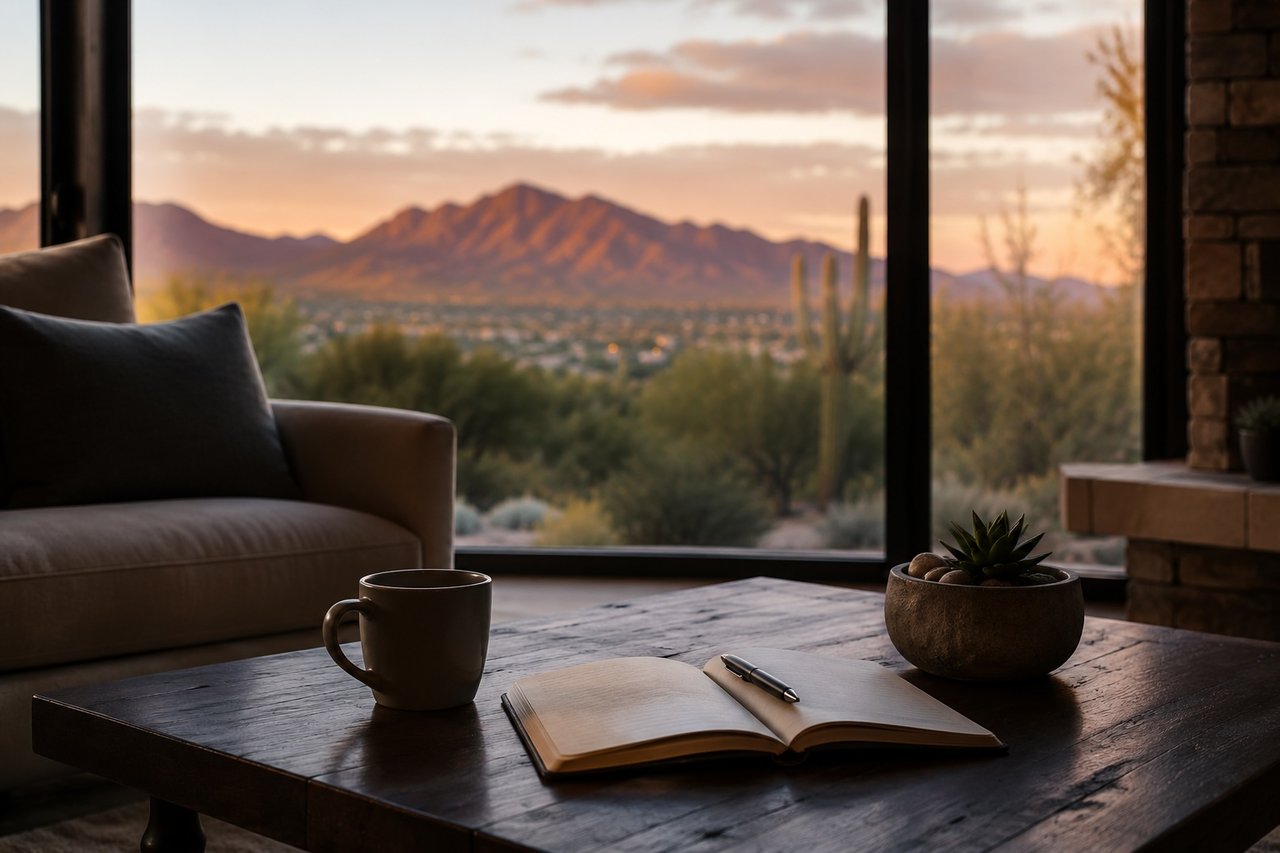
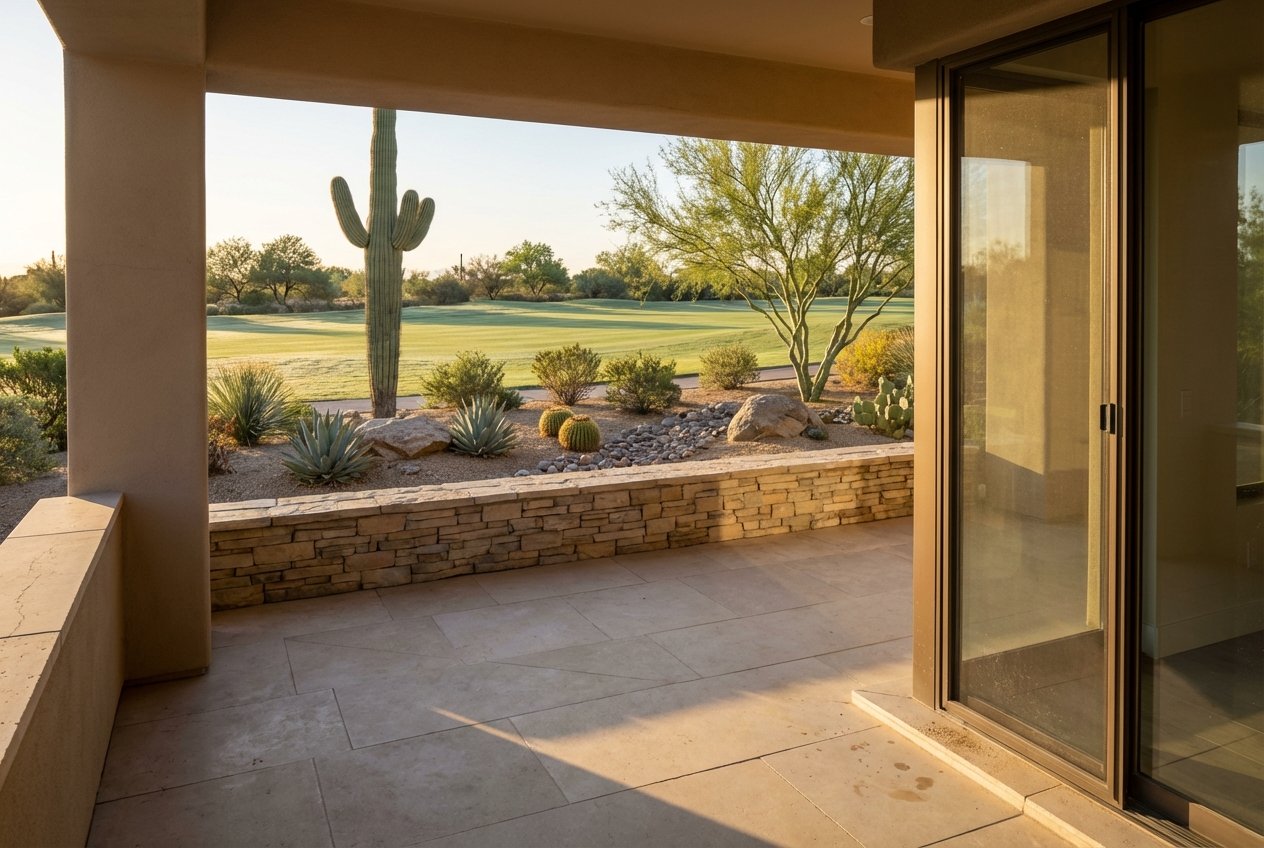
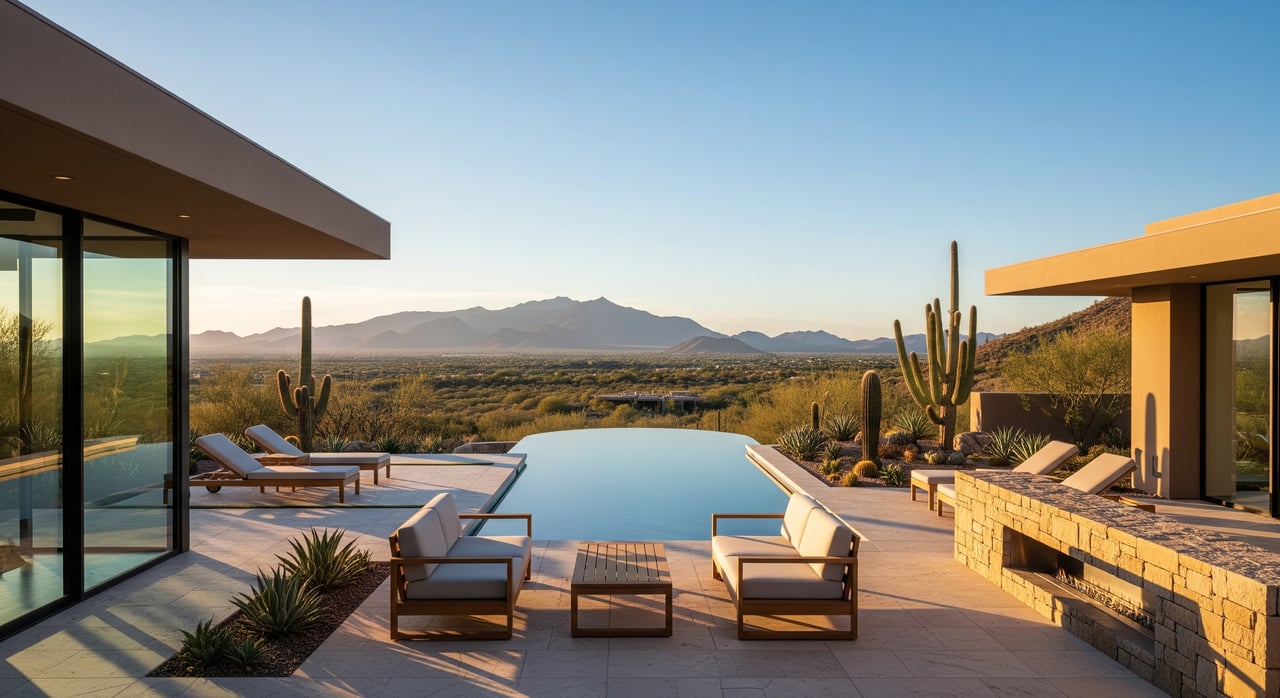
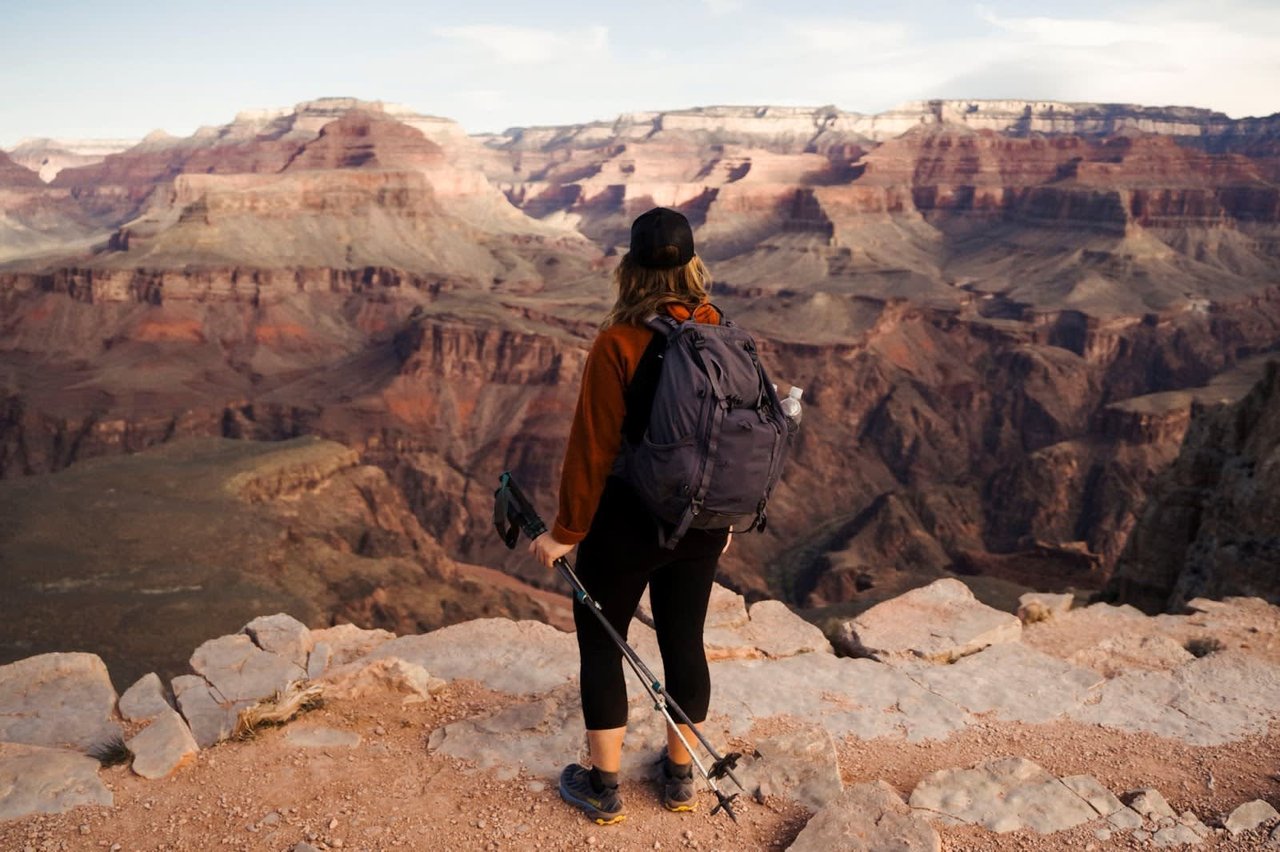
Early hours are prime time. You can sip coffee outside while the mountains glow and the air is cooler than downtown Tucson thanks to the Foothills’ higher elevation. Many residents walk the neighborhood, jog, or head to nearby trailheads before the day warms up.
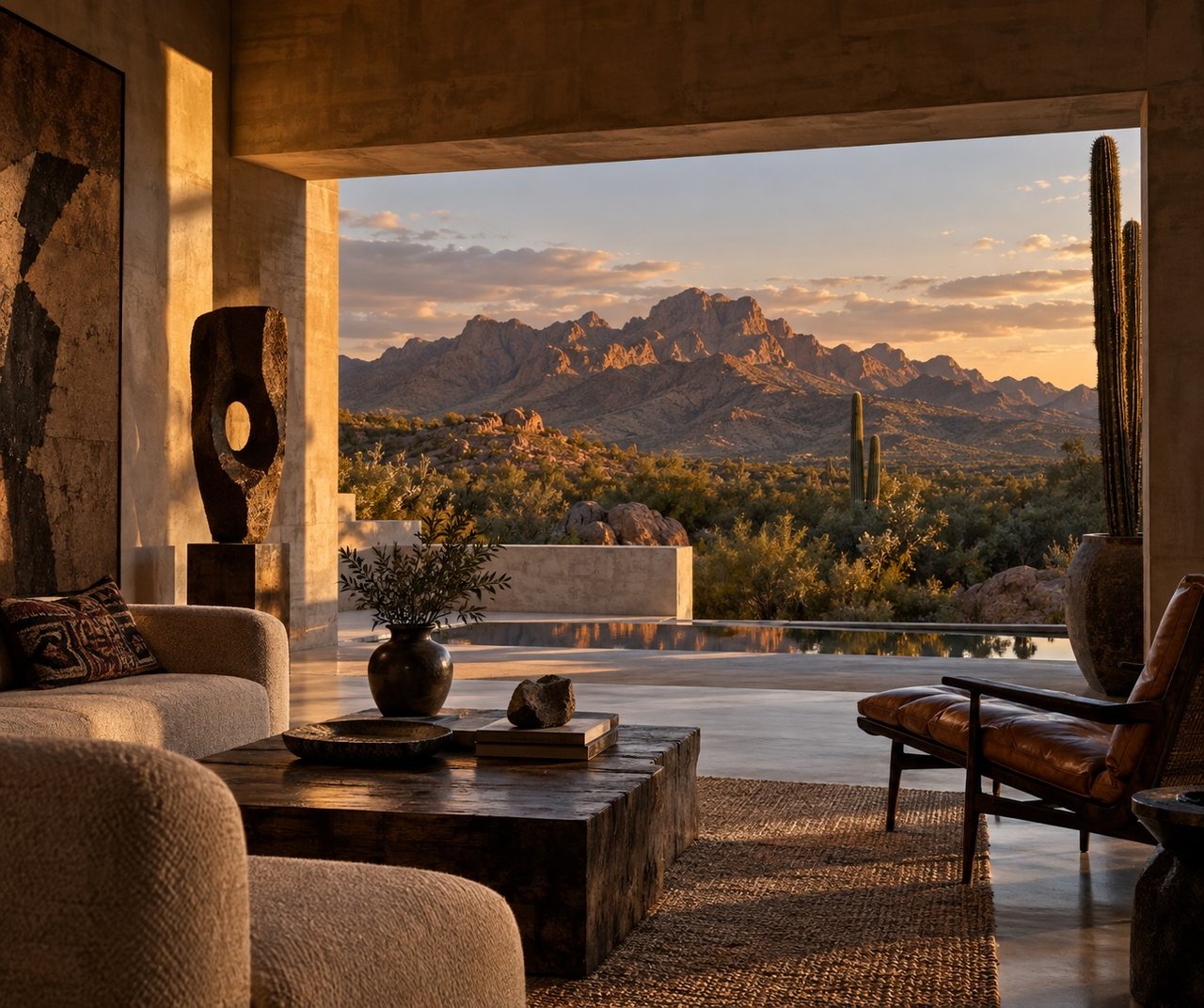
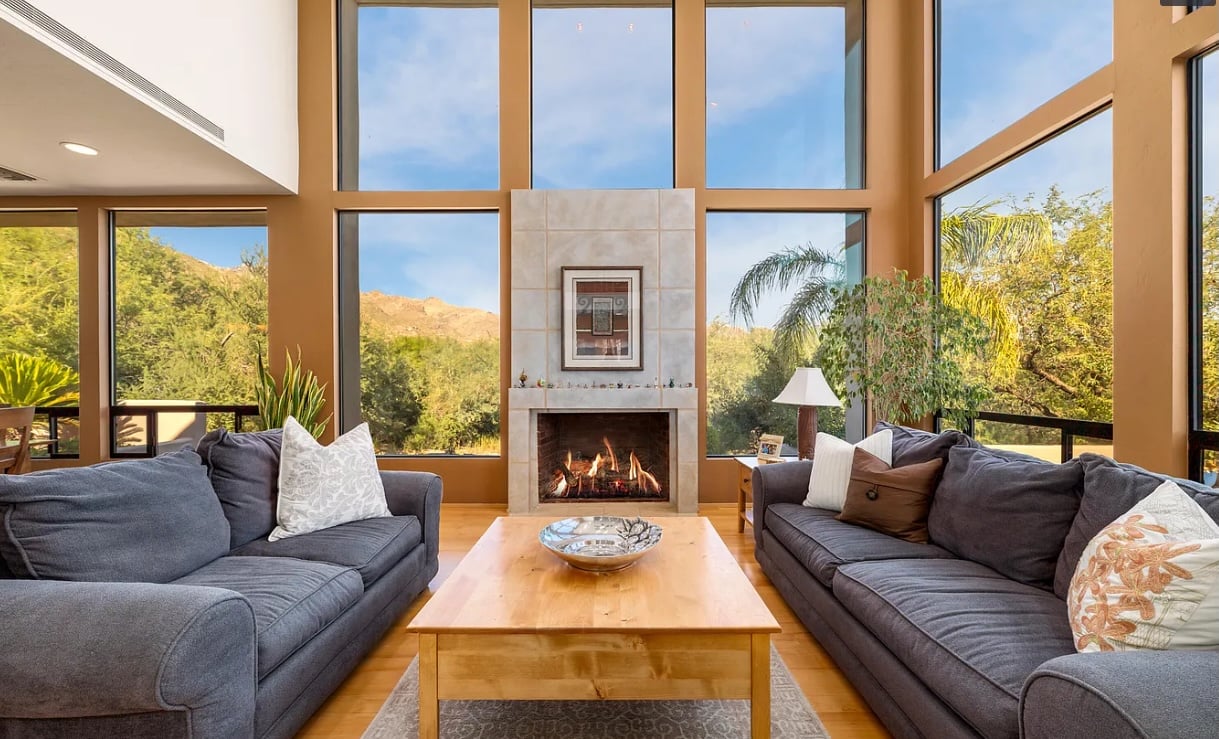
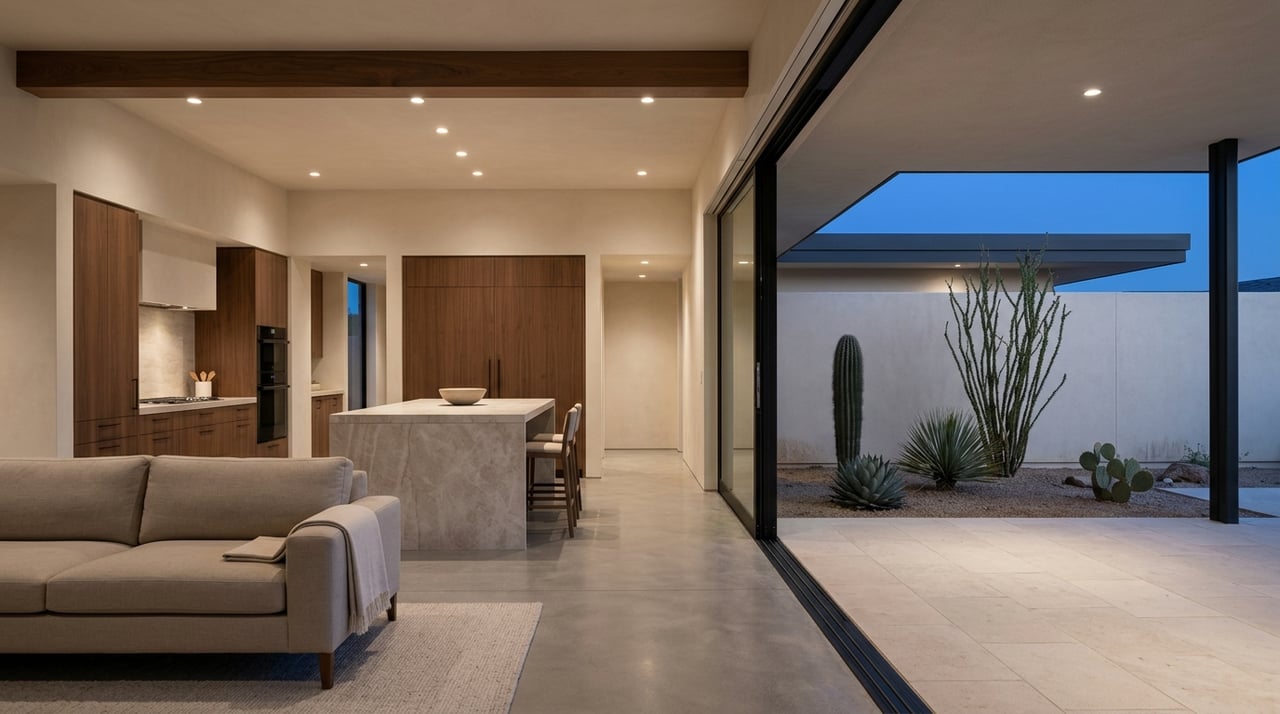
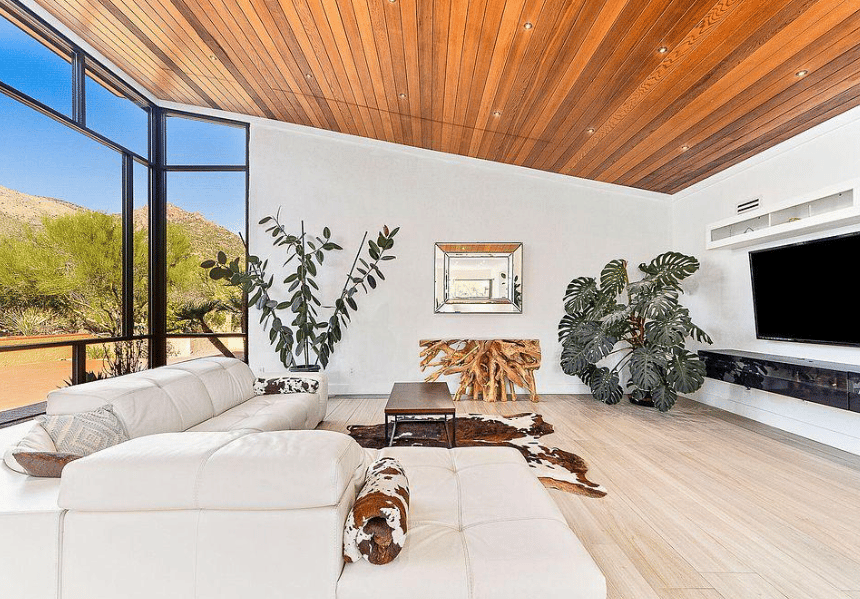
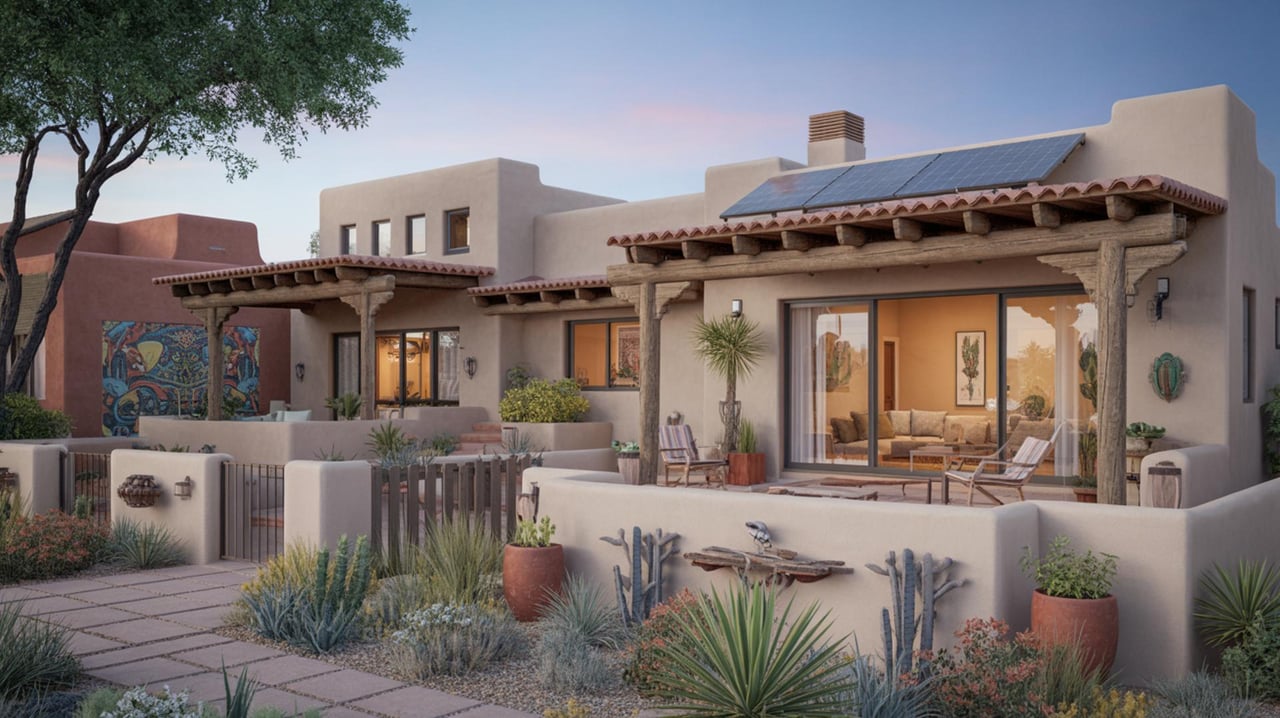
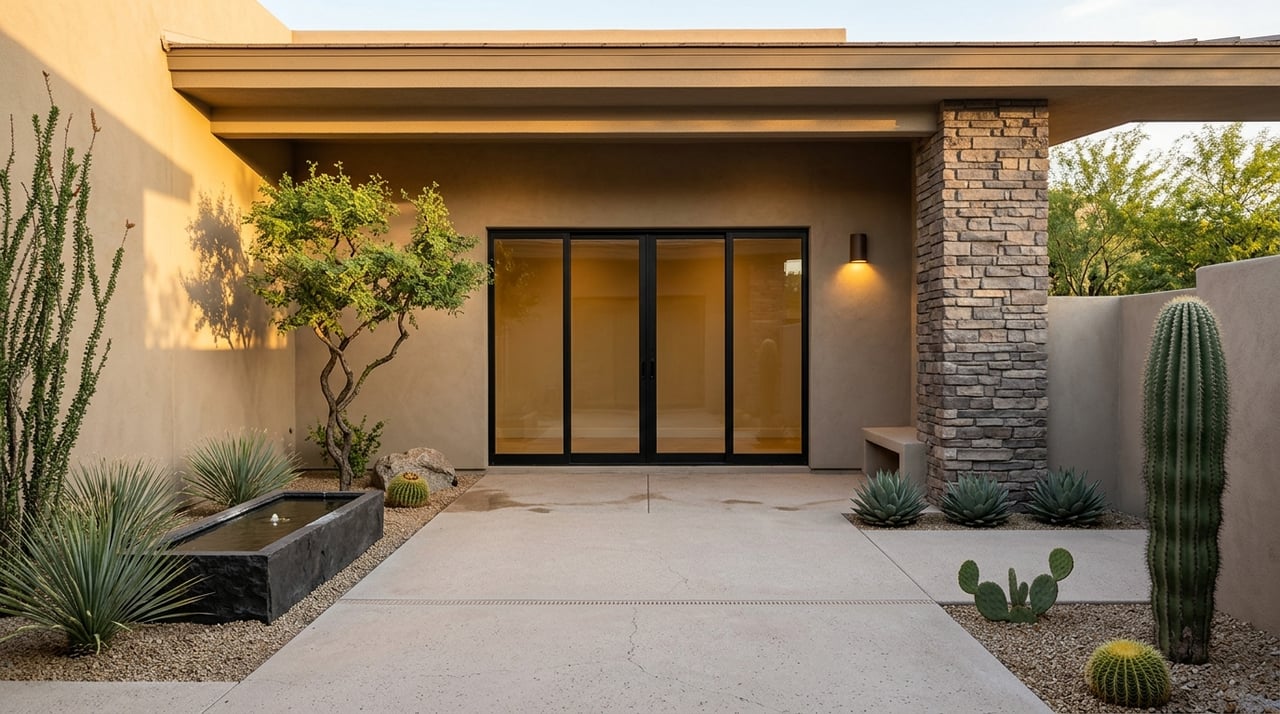
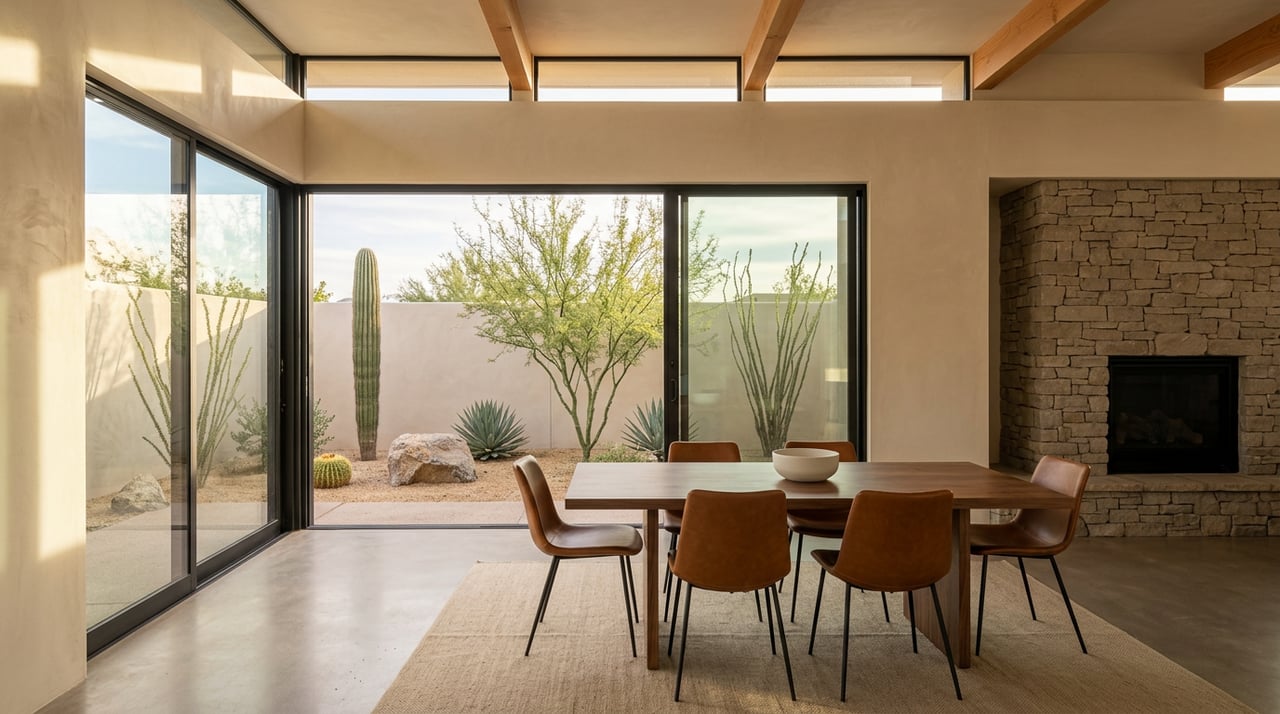
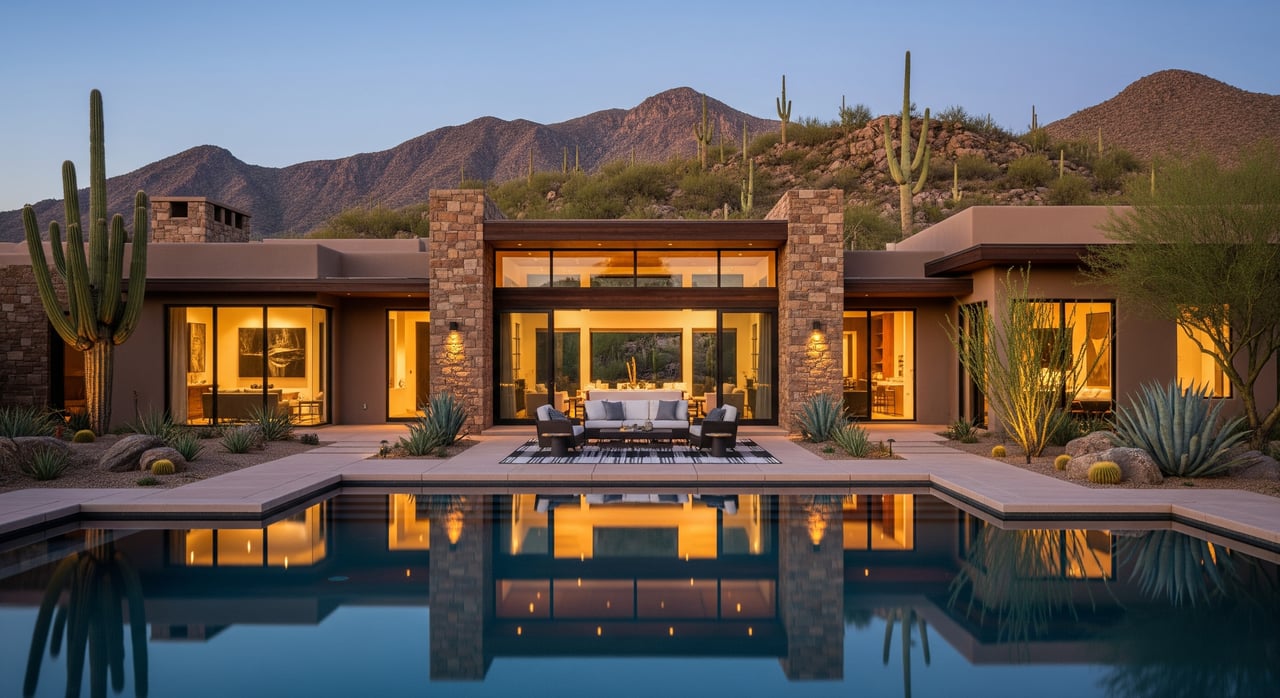
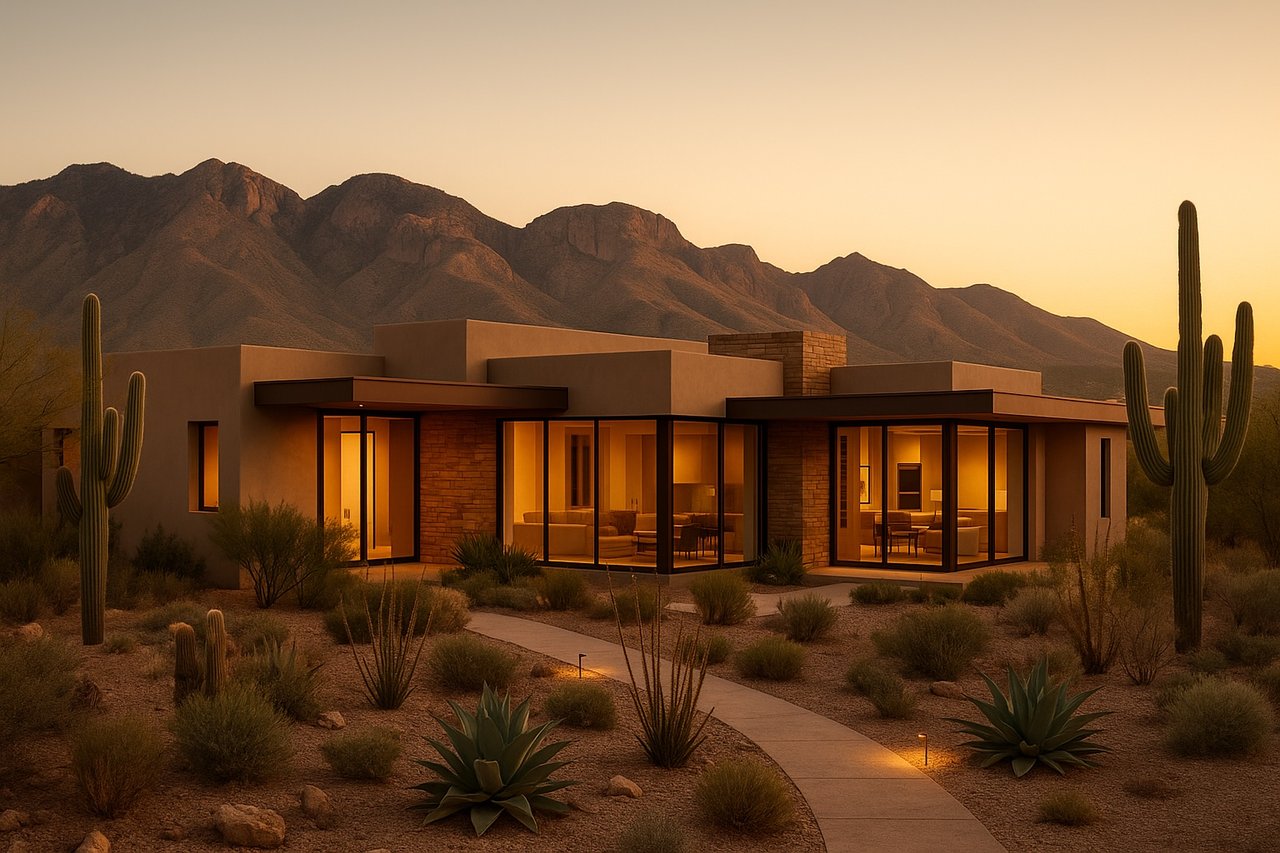
If you prefer a quick nature fix, plan short morning outings and save long hikes for spring and fall. Homes here often blend indoor and outdoor living, so opening sliders to a shaded patio can turn breakfast into a daily ritual with a view.
Daytime errands and services
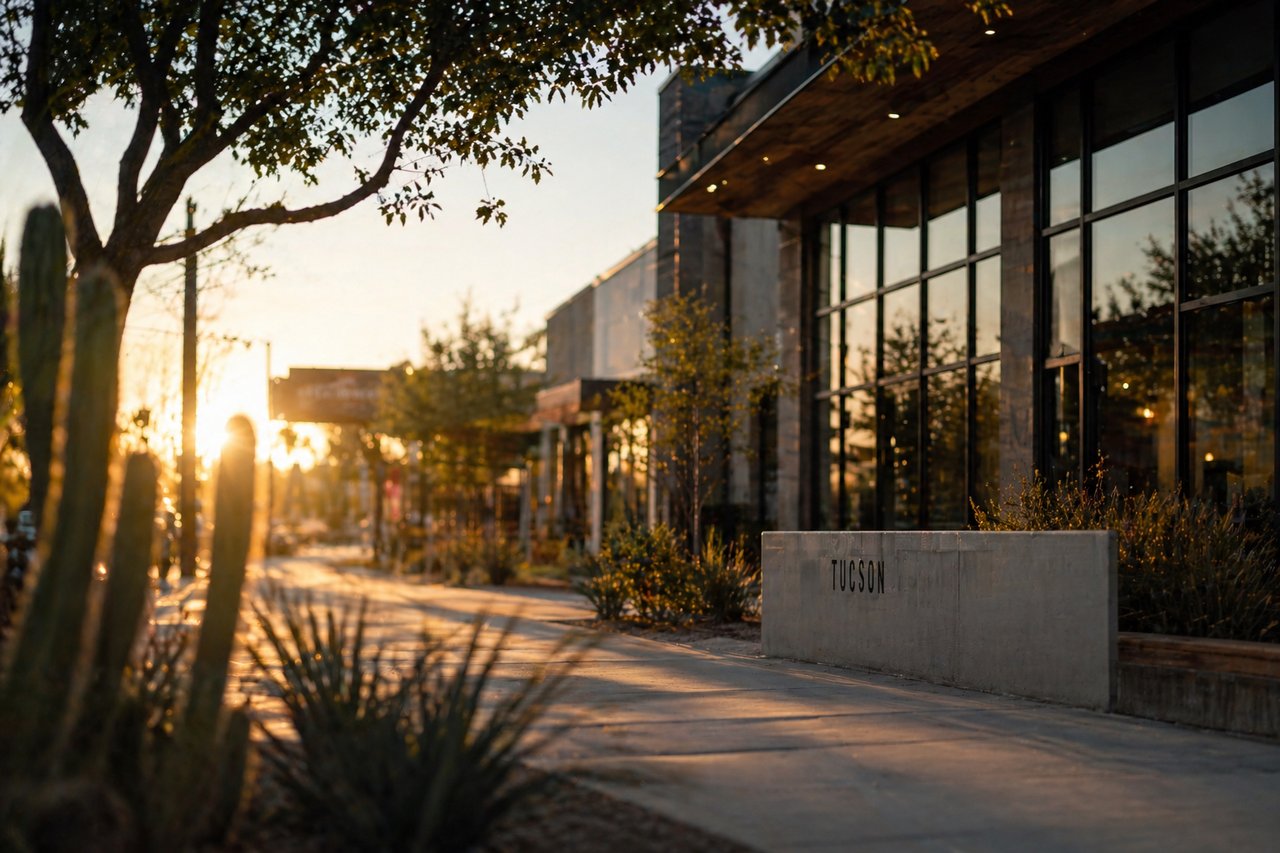
Your daily errands are simple. La Encantada serves as the Foothills’ primary upscale, open-air center for boutiques, cafés, and services. You also have grocery and retail options in nearby corridors, with most central Tucson destinations 20 to 40 minutes away depending on traffic and your exact location.
Catalina Foothills is unincorporated, so municipal services and permitting are handled by Pima County. If you plan projects or exterior updates, it helps to check county guidelines and any HOA rules early. You can explore county services on the Pima County website.
Afternoons on trail and by the pool
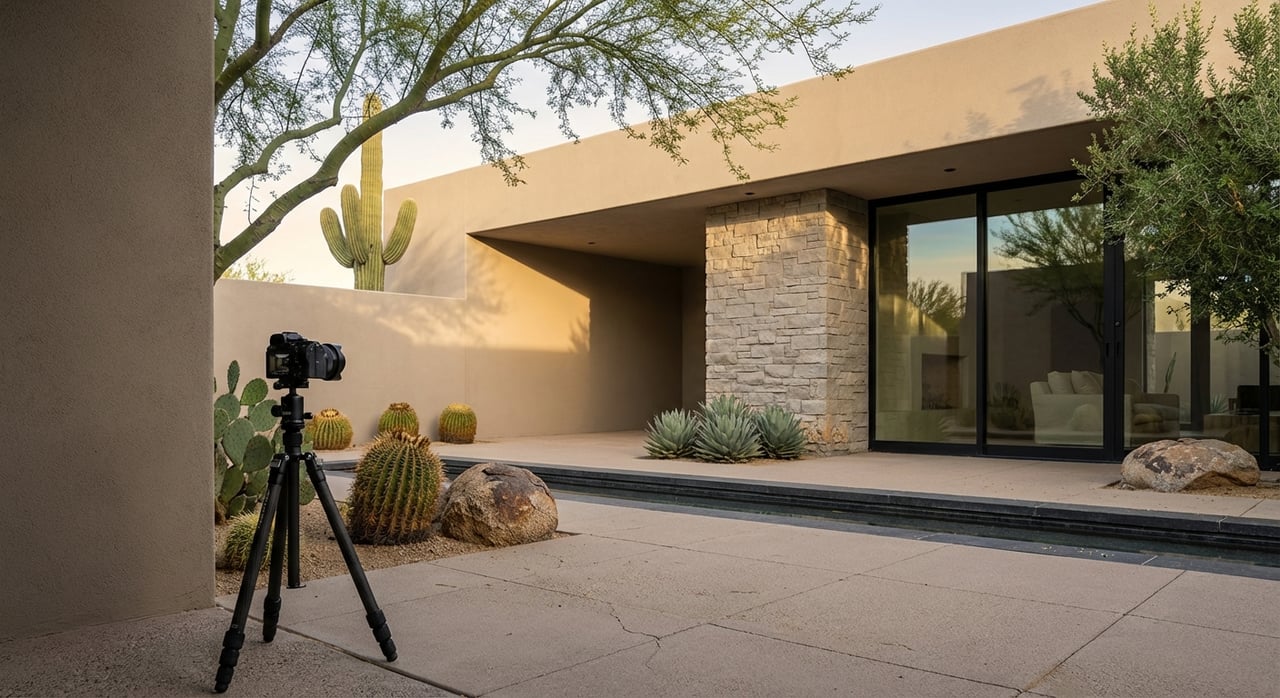
Outdoor time shifts with the seasons. In mild months, you might head into the mountains for a scenic hike or photography session. The Coronado National Forest offers quick access to canyon trails and a scenic drive toward Mount Lemmon, while Catalina State Park to the north is a favorite for hiking and birdwatching.
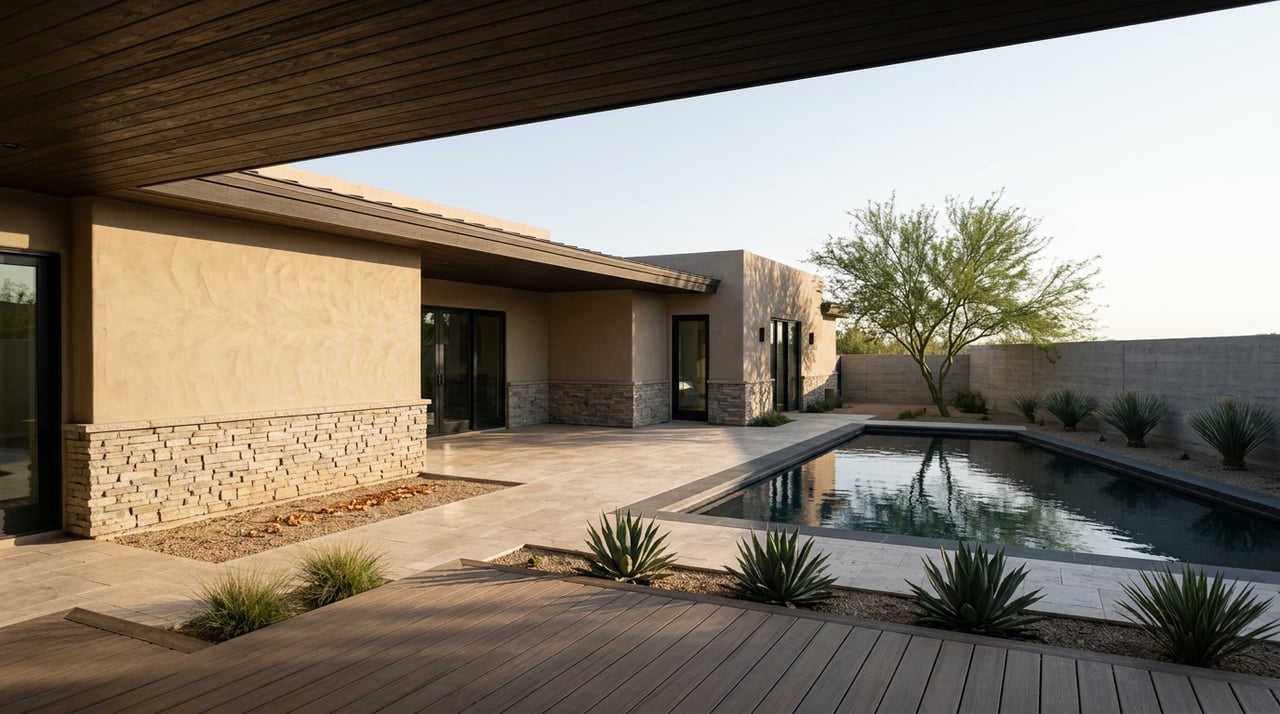
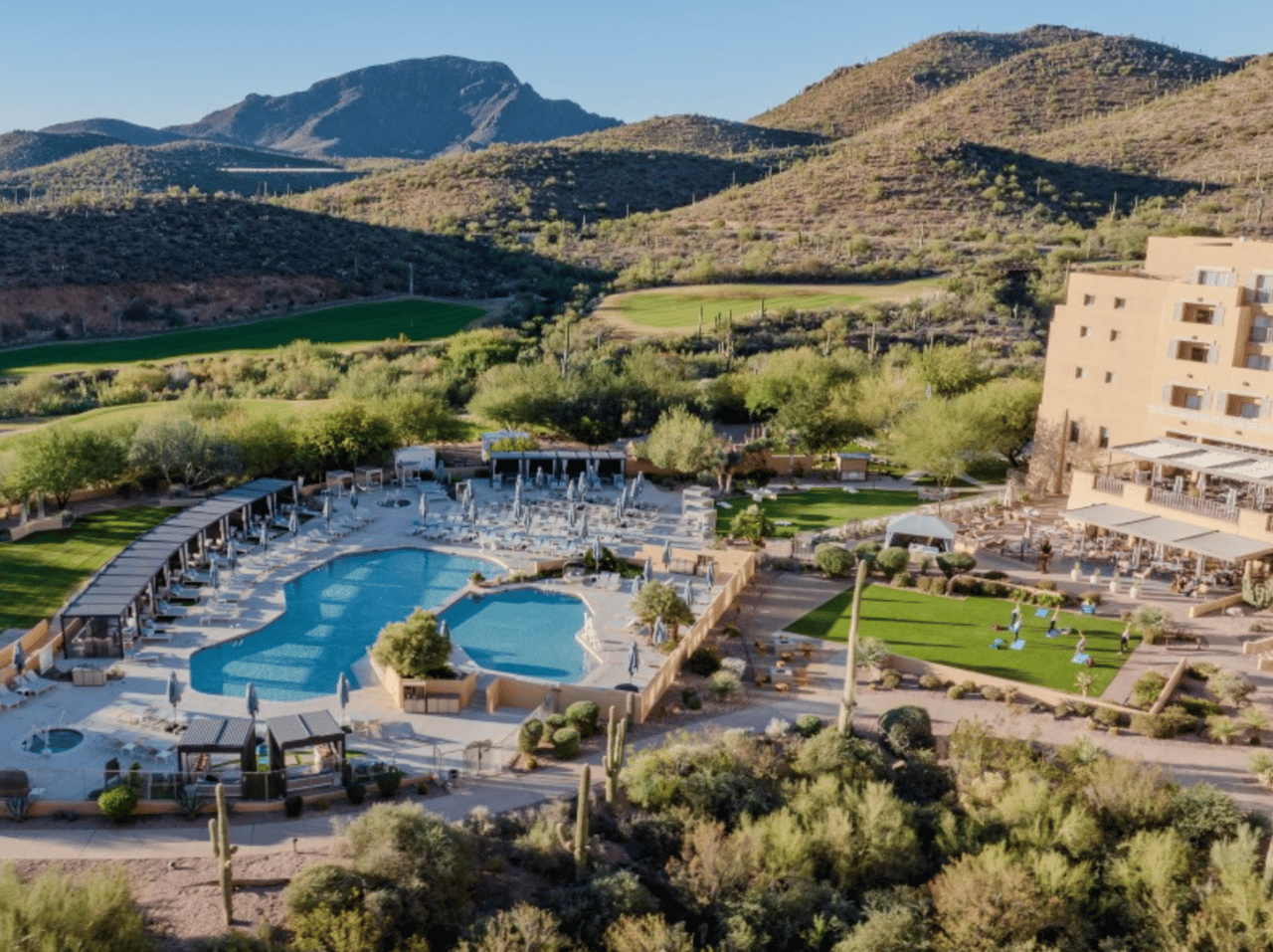
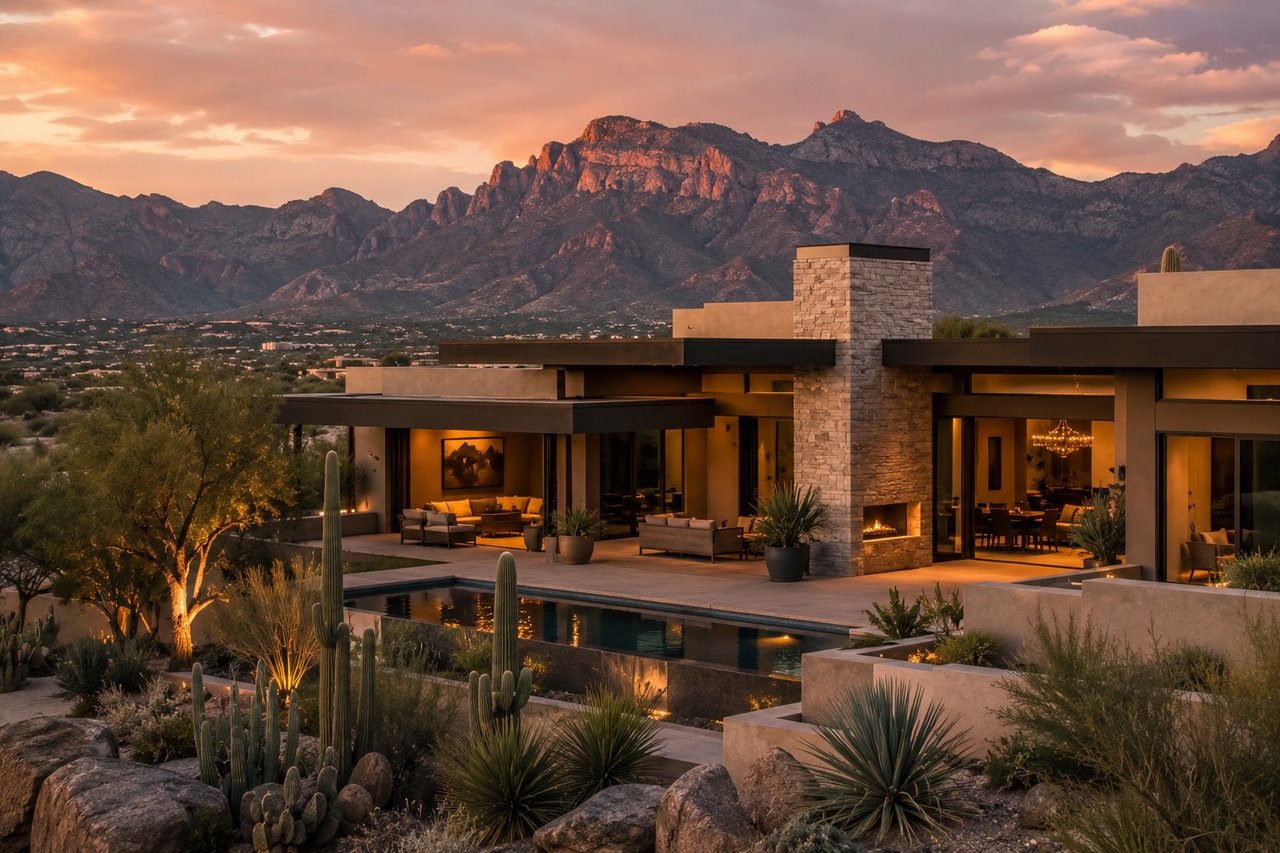
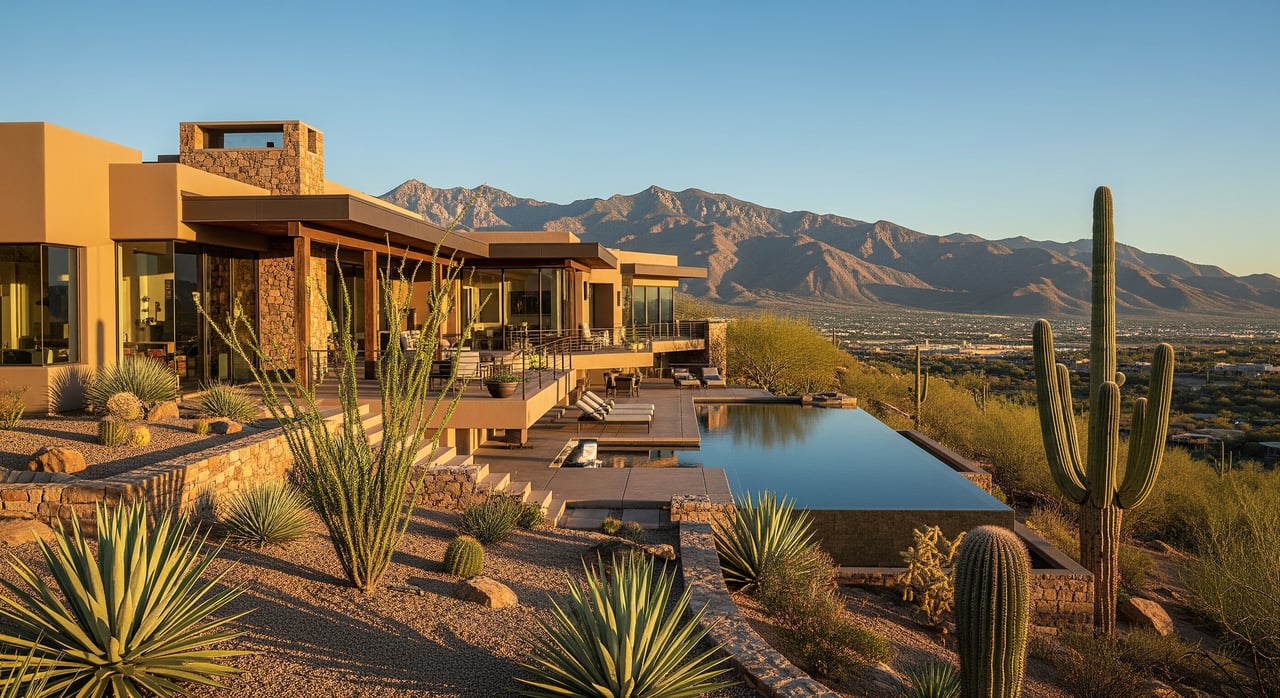
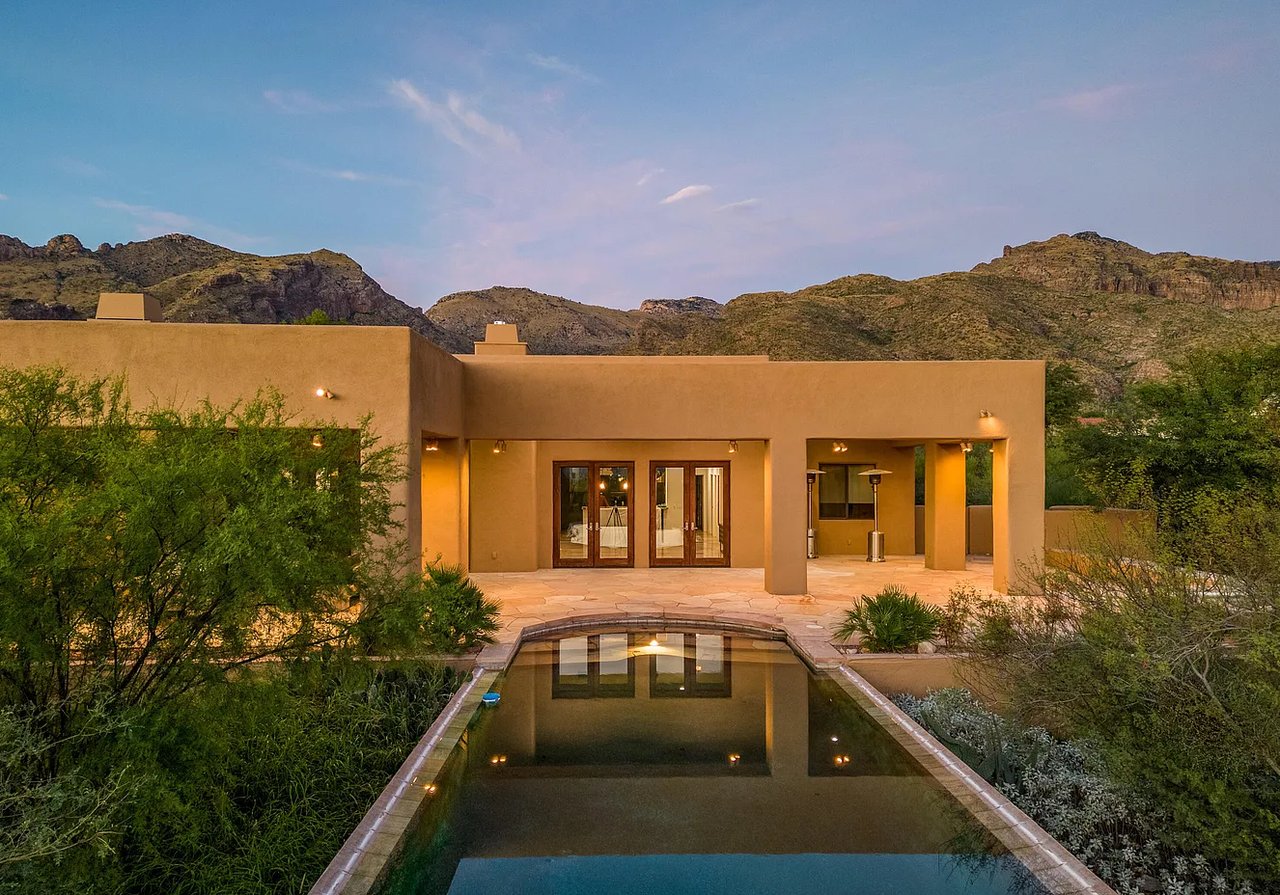
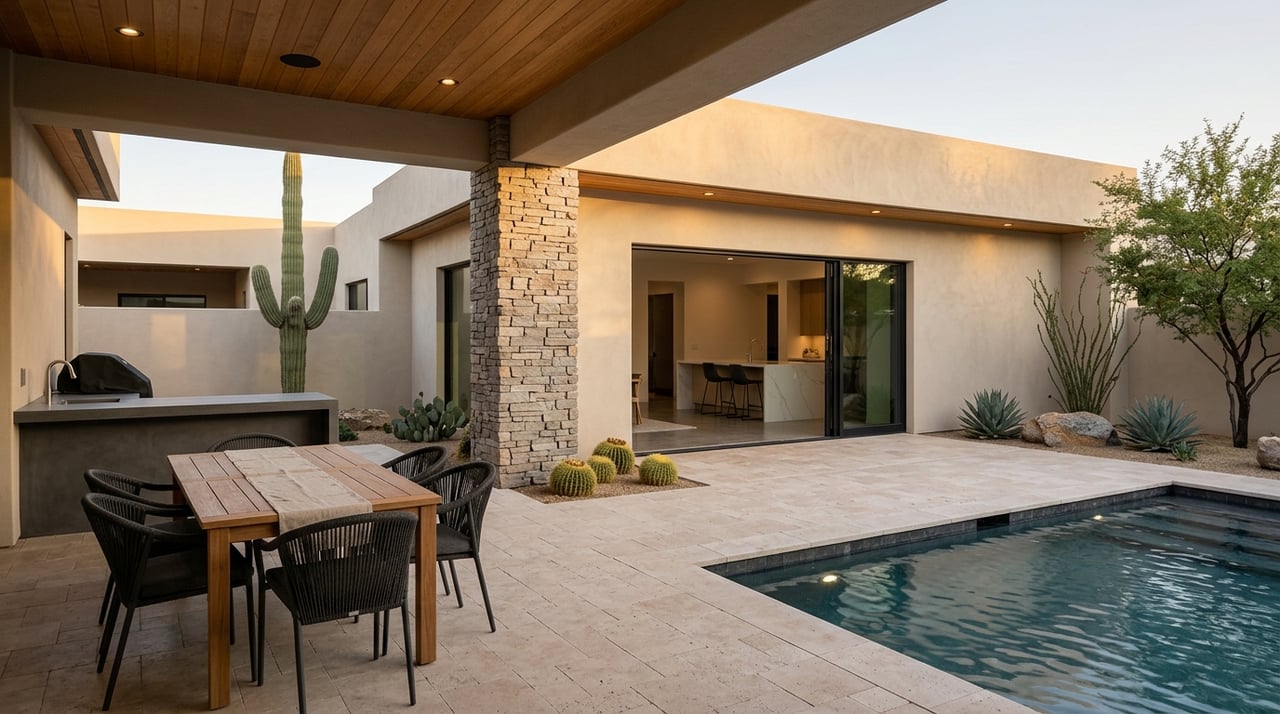
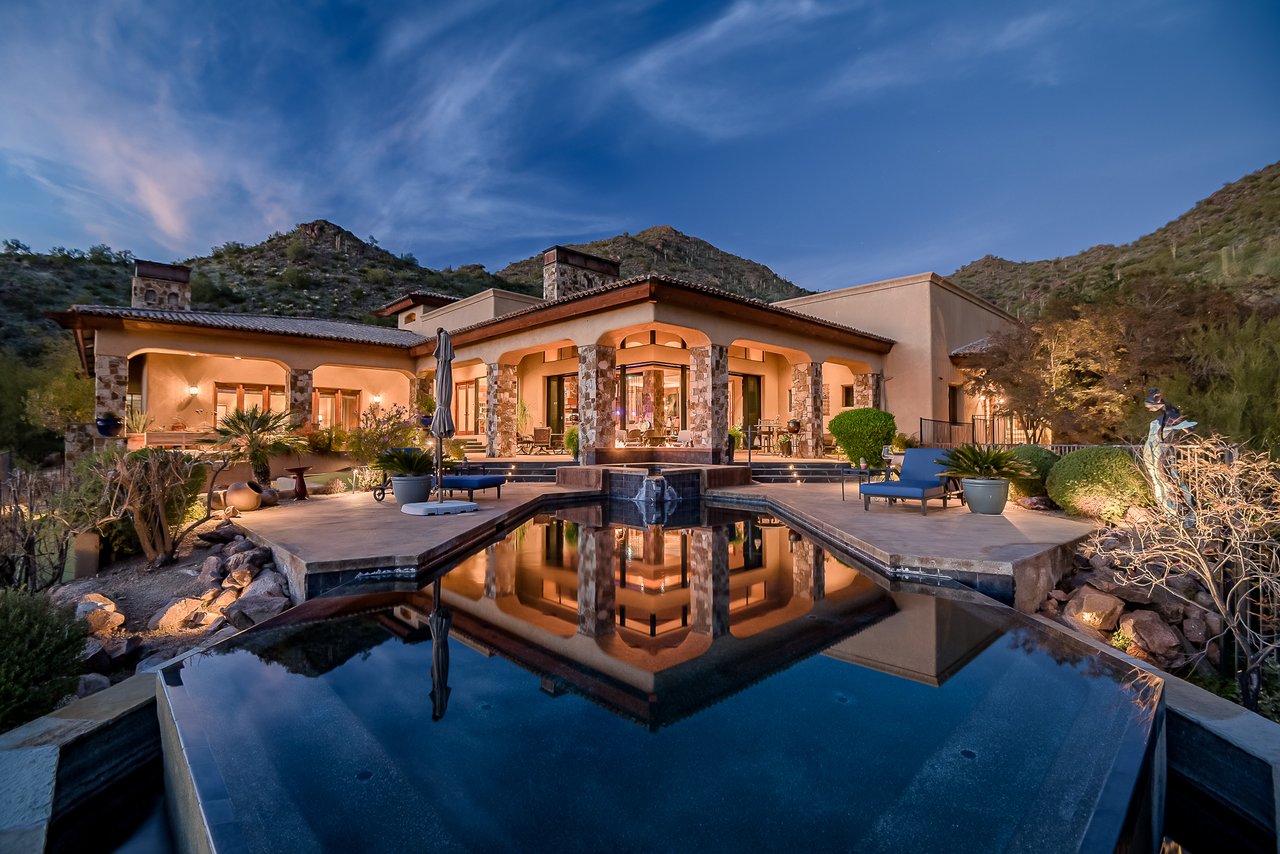
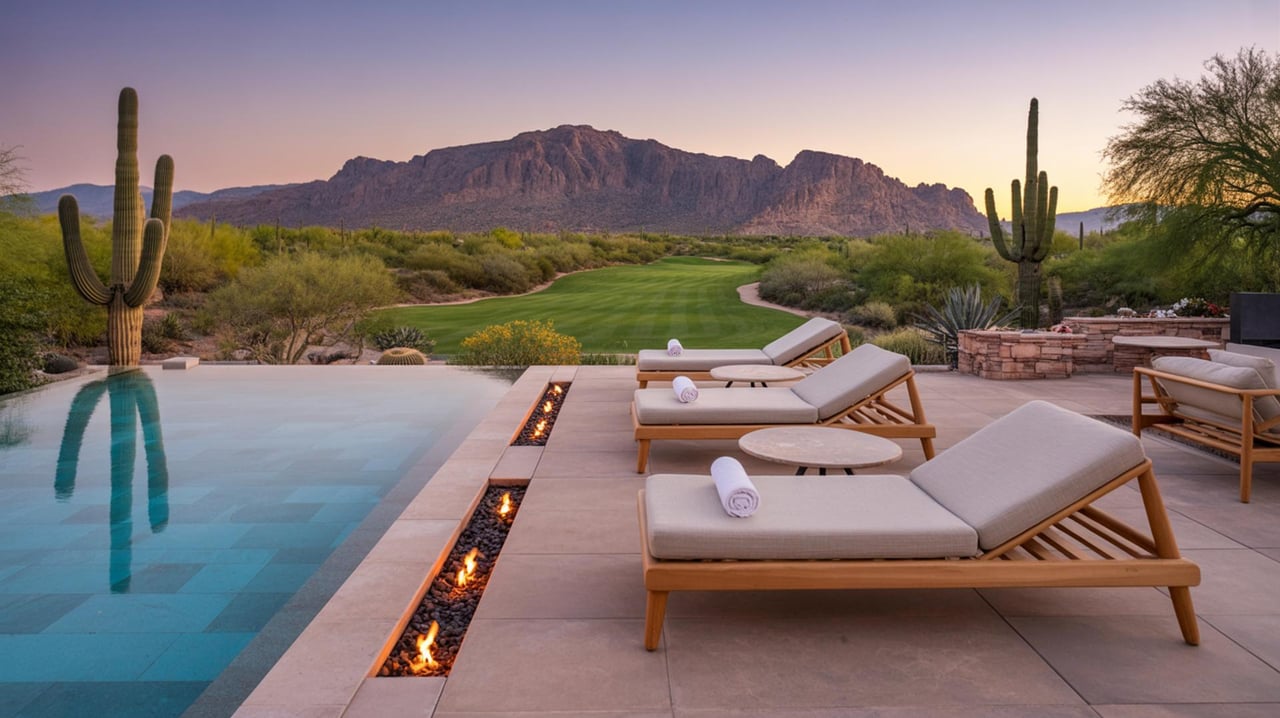
In summer, afternoons are for pools, shaded patios, and indoor breaks. Many luxury homes include ramadas, misters, and covered lounge areas that make midday downtime easy.
Evenings, dining, and arts
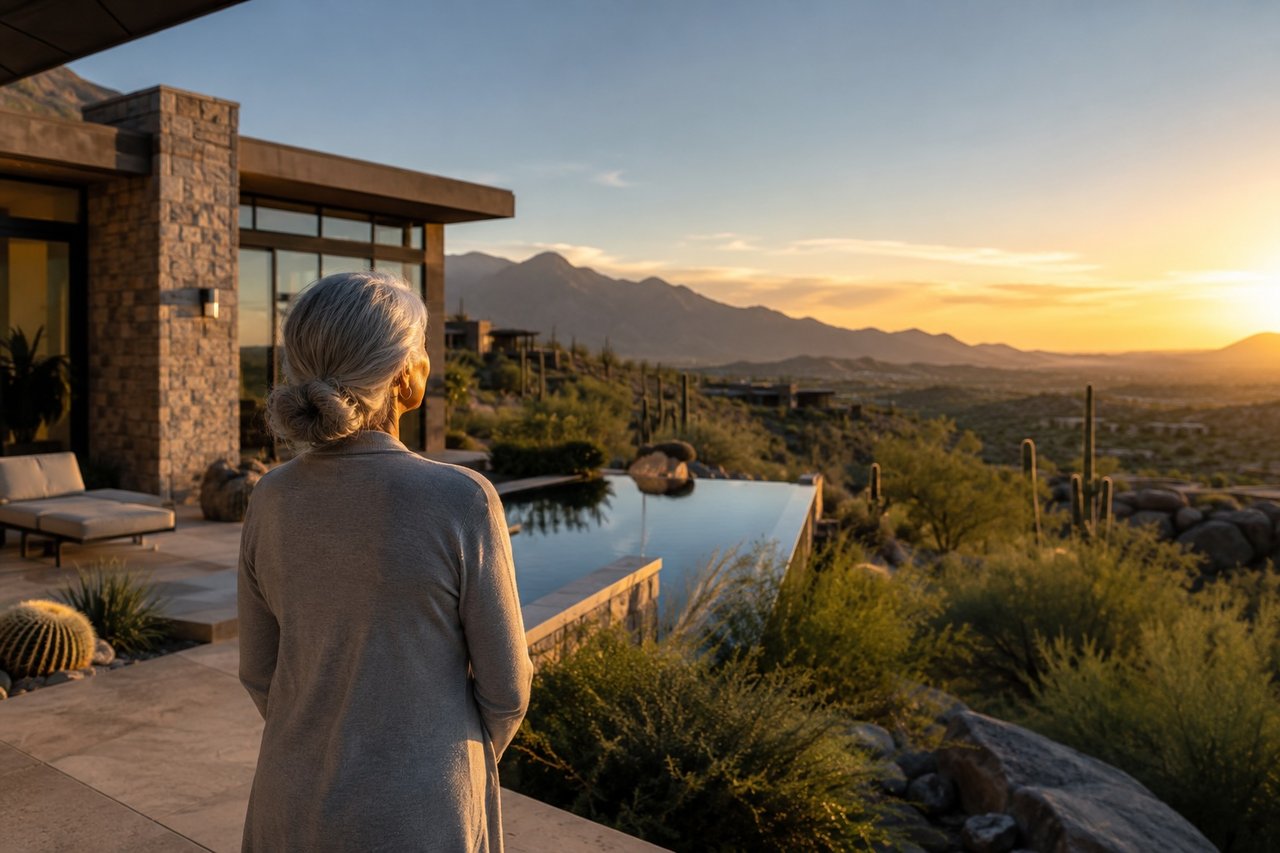
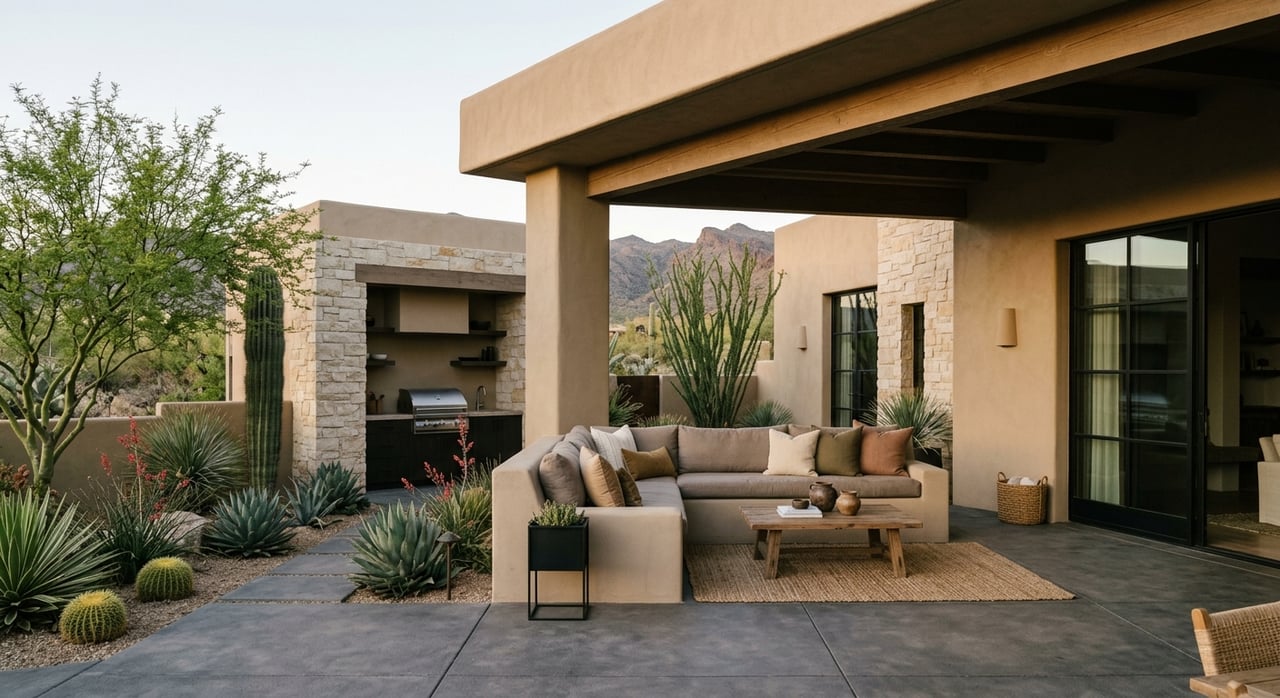
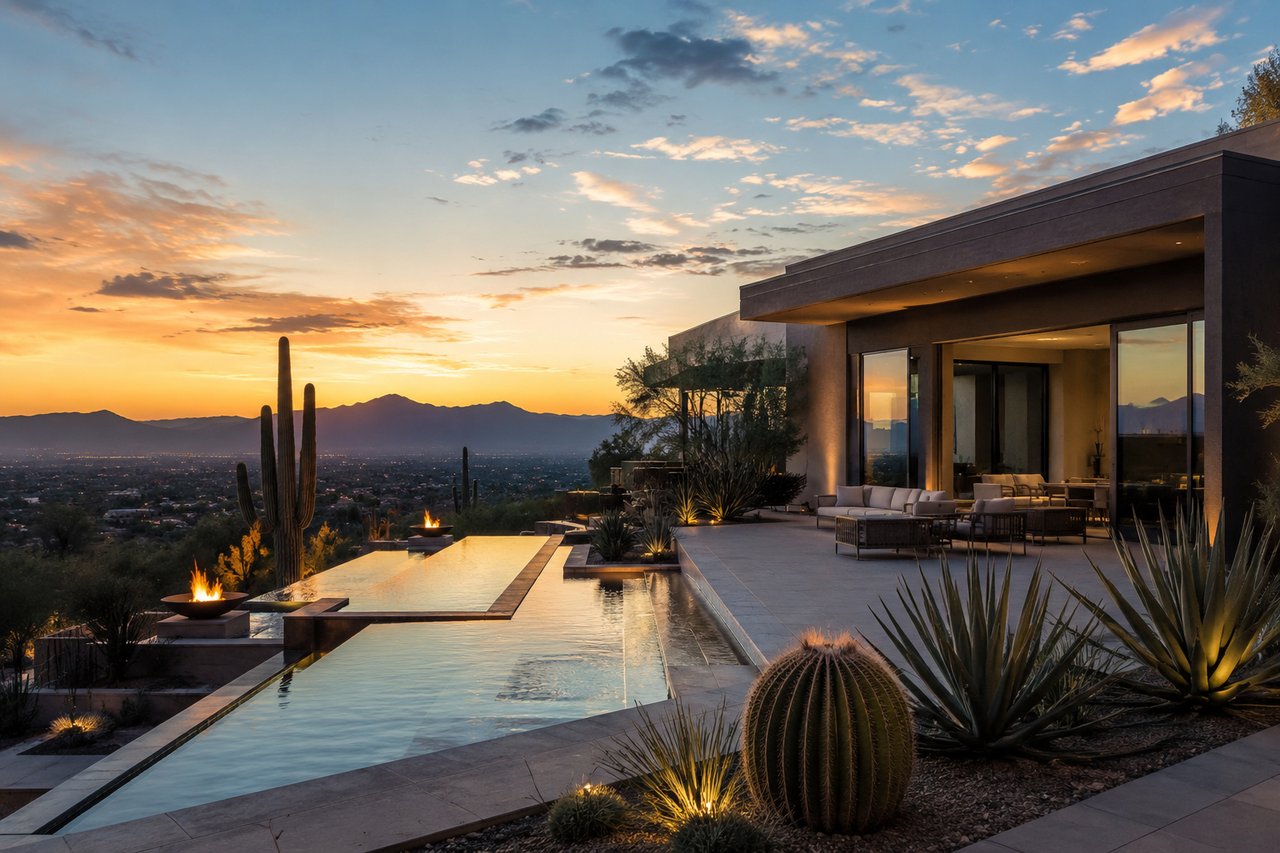
Evenings bring softer light and cooler air. You can grill on the patio, gather by a fire feature, or book a table at nearby restaurants with outdoor seating. Monsoon months often produce dramatic cloudscapes and, after storms, a pleasant drop in temperature.
For culture, you are a short drive from Tucson’s museums, live music, and university performances. Night skies are relatively dark compared with many metro areas, so casual stargazing is a common home pastime.
Climate rhythms and seasons
Catalina Foothills has a desert climate: hot summers, mild winters, and low humidity for much of the year. The summer monsoon typically runs July through September, bringing brief but intense storms. For seasonal patterns and safety tips, the National Weather Service Tucson office is a helpful reference.
Quick summer living tips:
- Plan workouts and hikes for sunrise or evening.
- Use shade structures, ceiling fans, and misters outdoors.
- Keep pool maintenance on schedule to manage heat and storm debris.
- Track monsoon forecasts and avoid washes during storms.
Water-wise landscaping basics
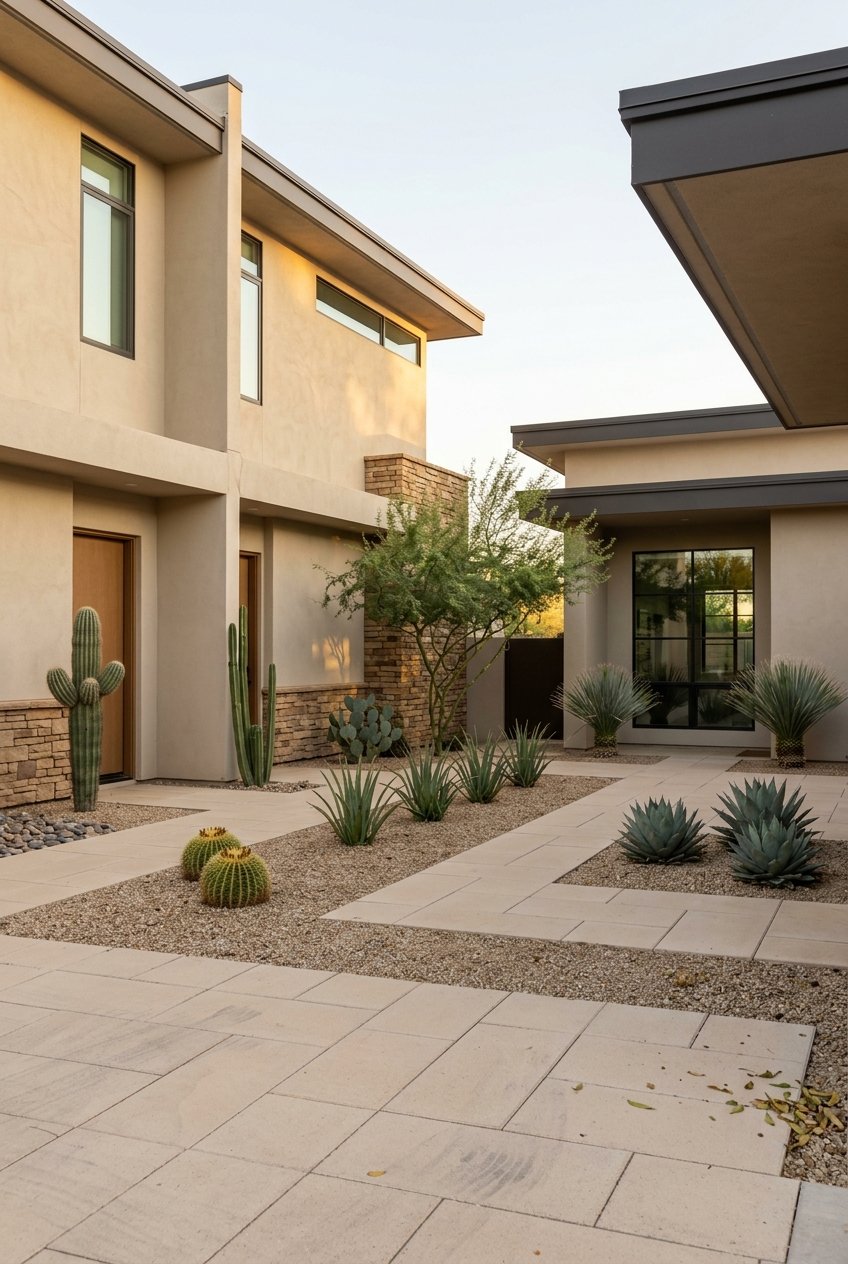
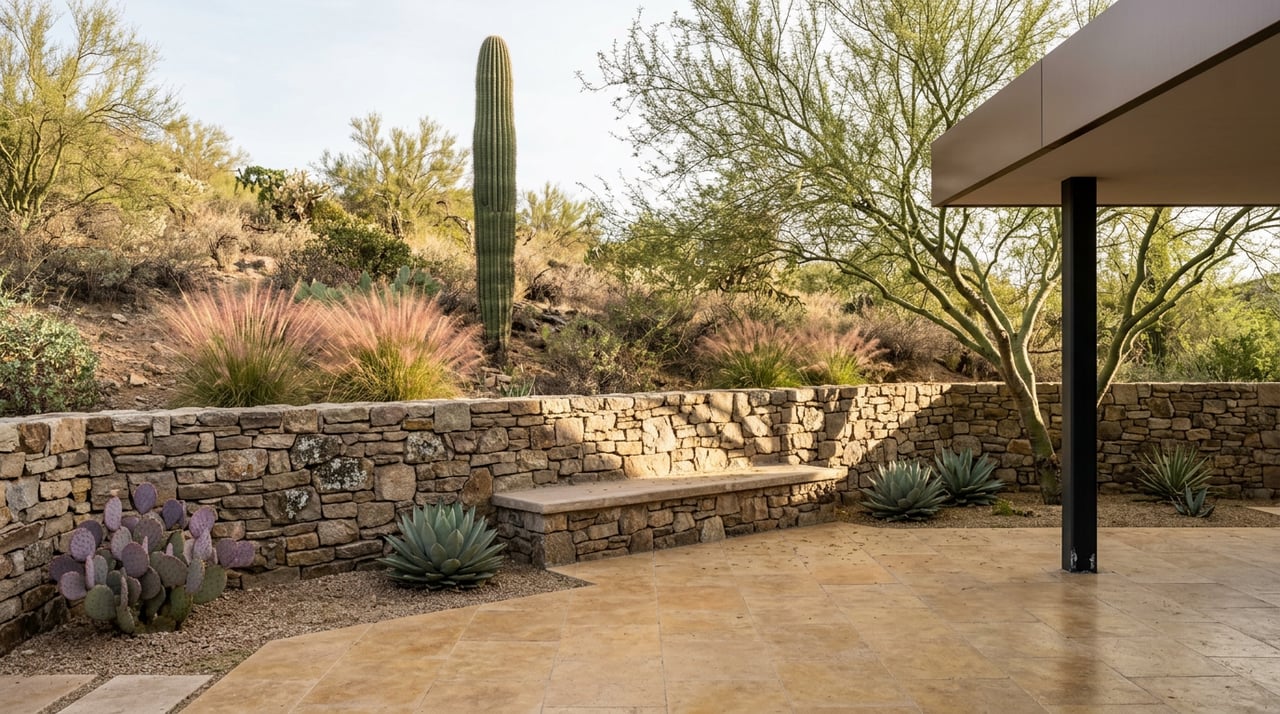
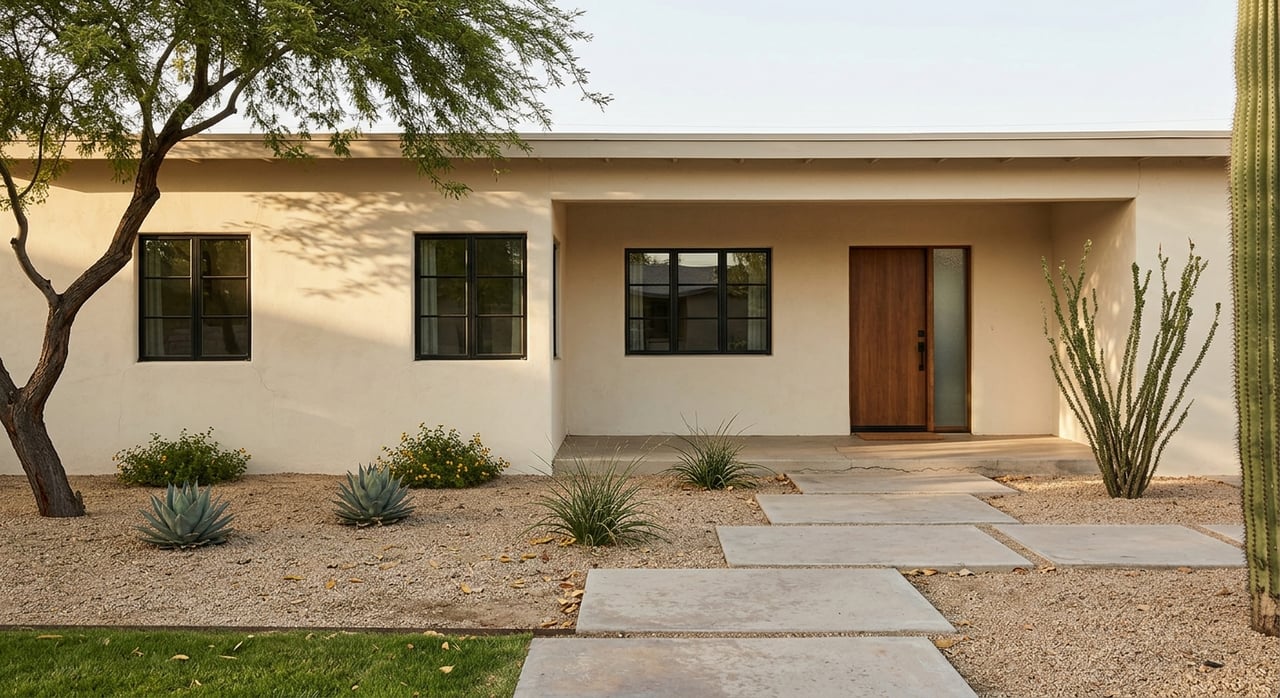
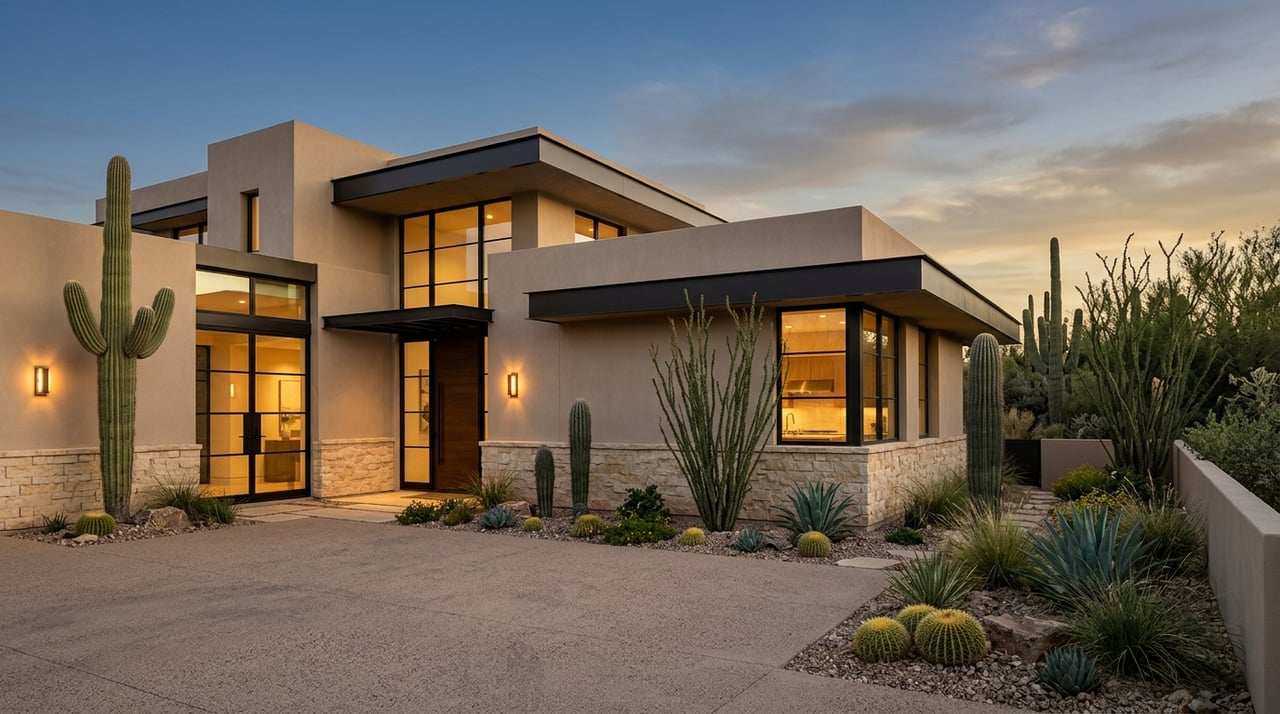
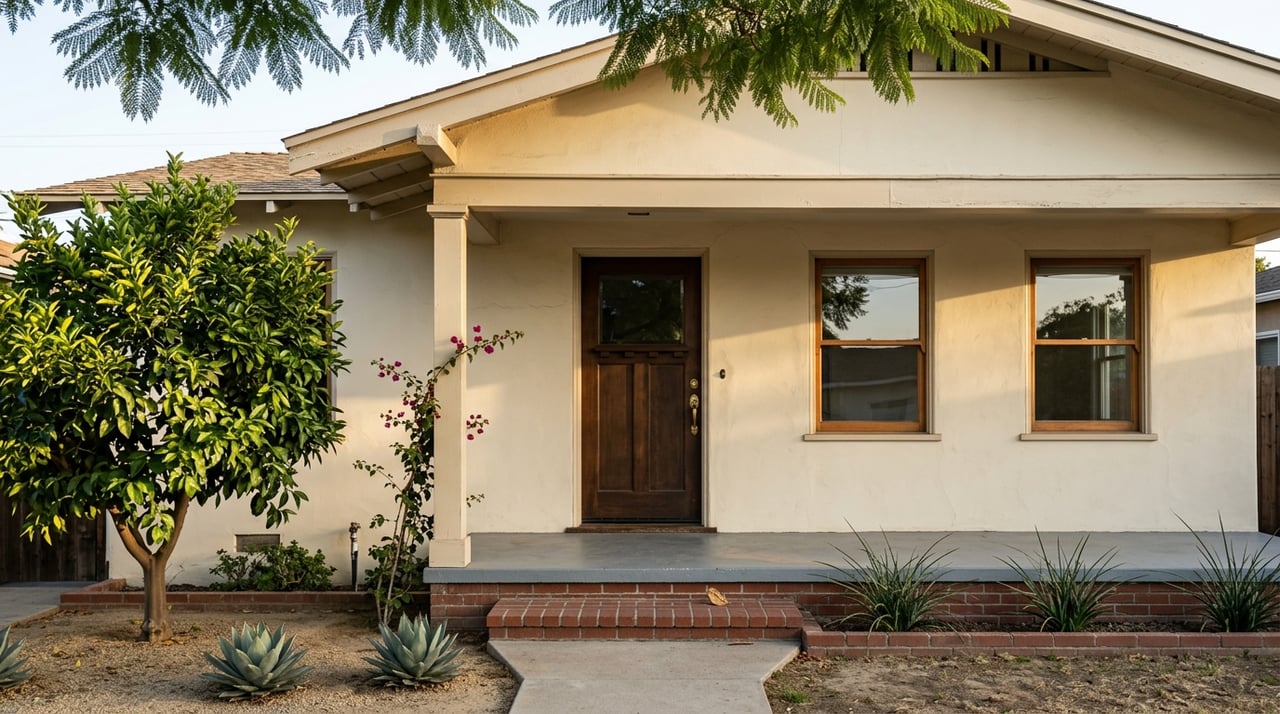
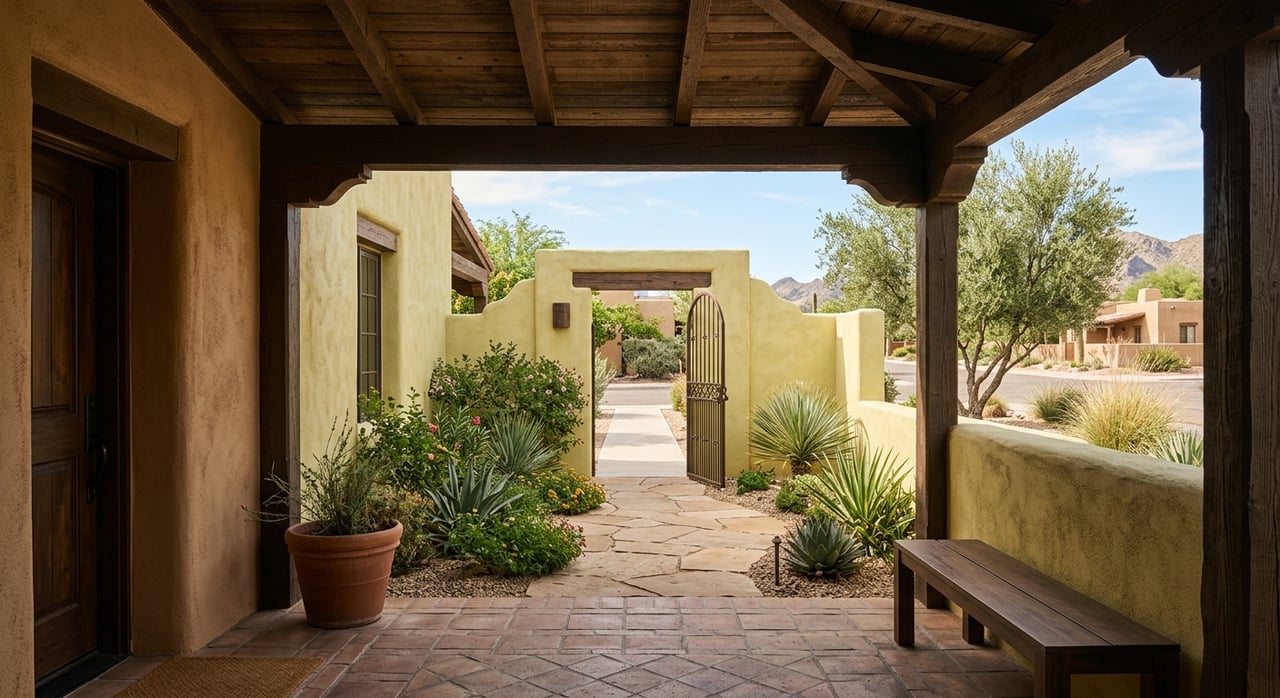
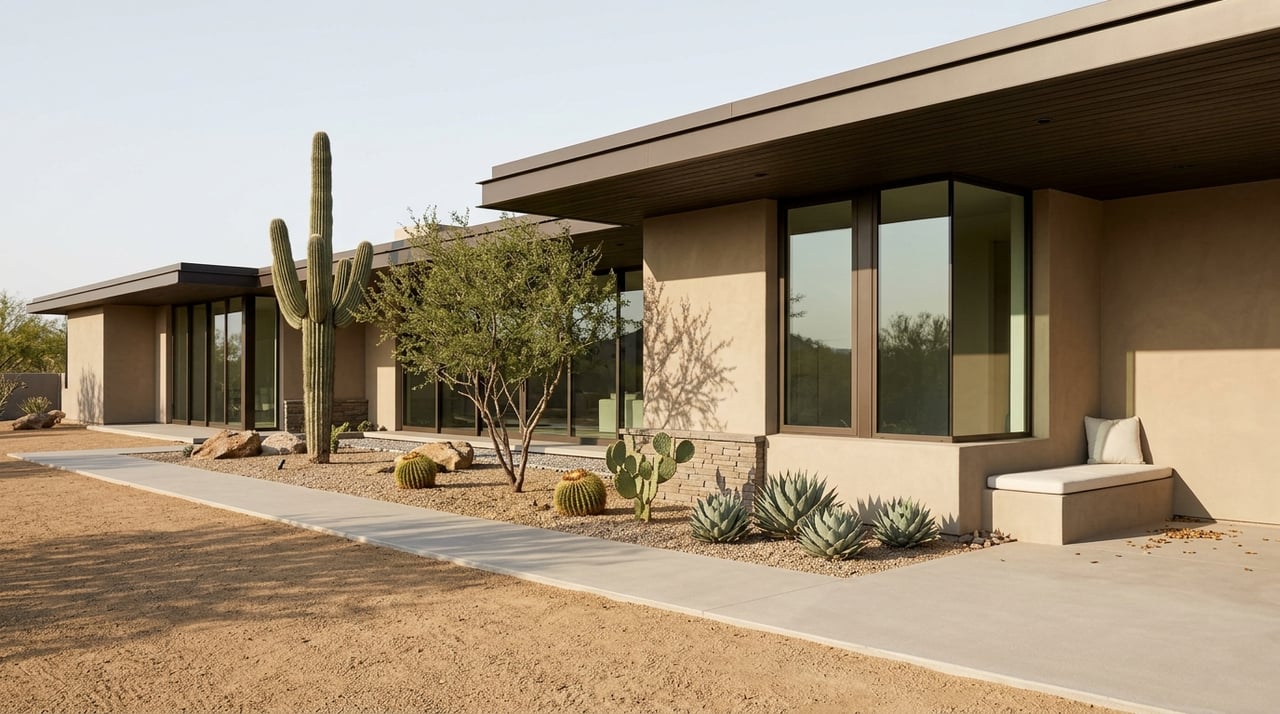
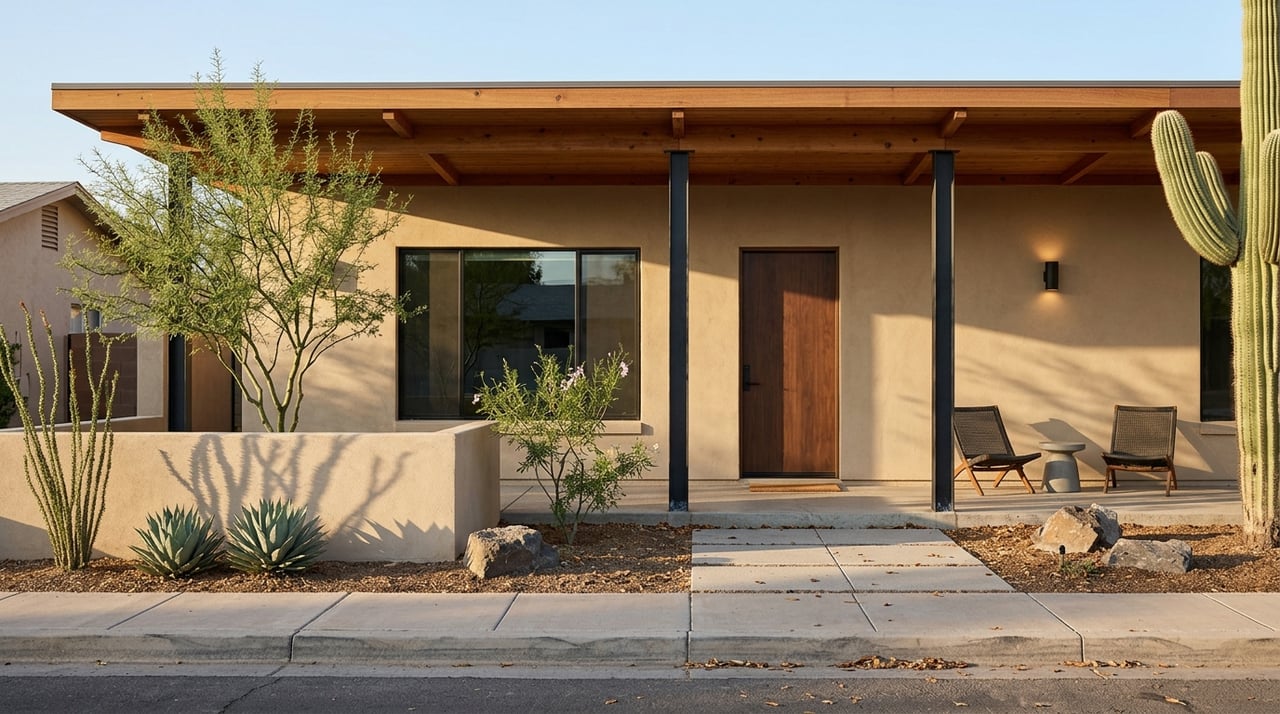
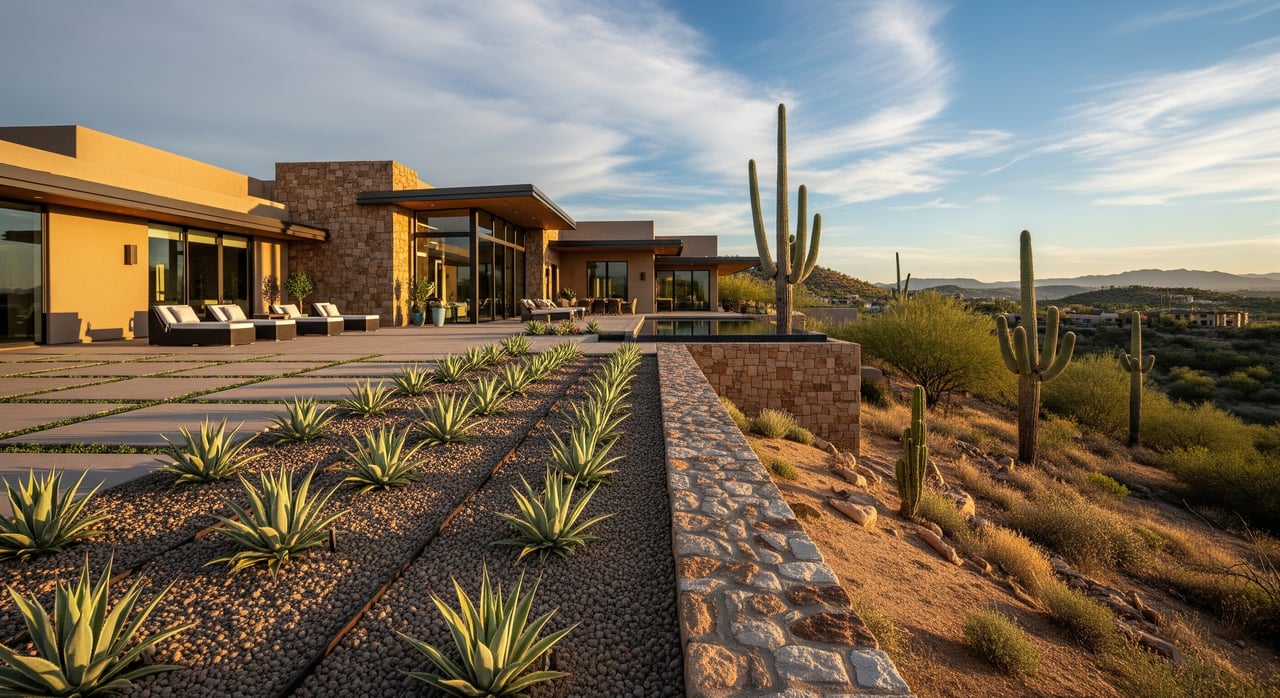
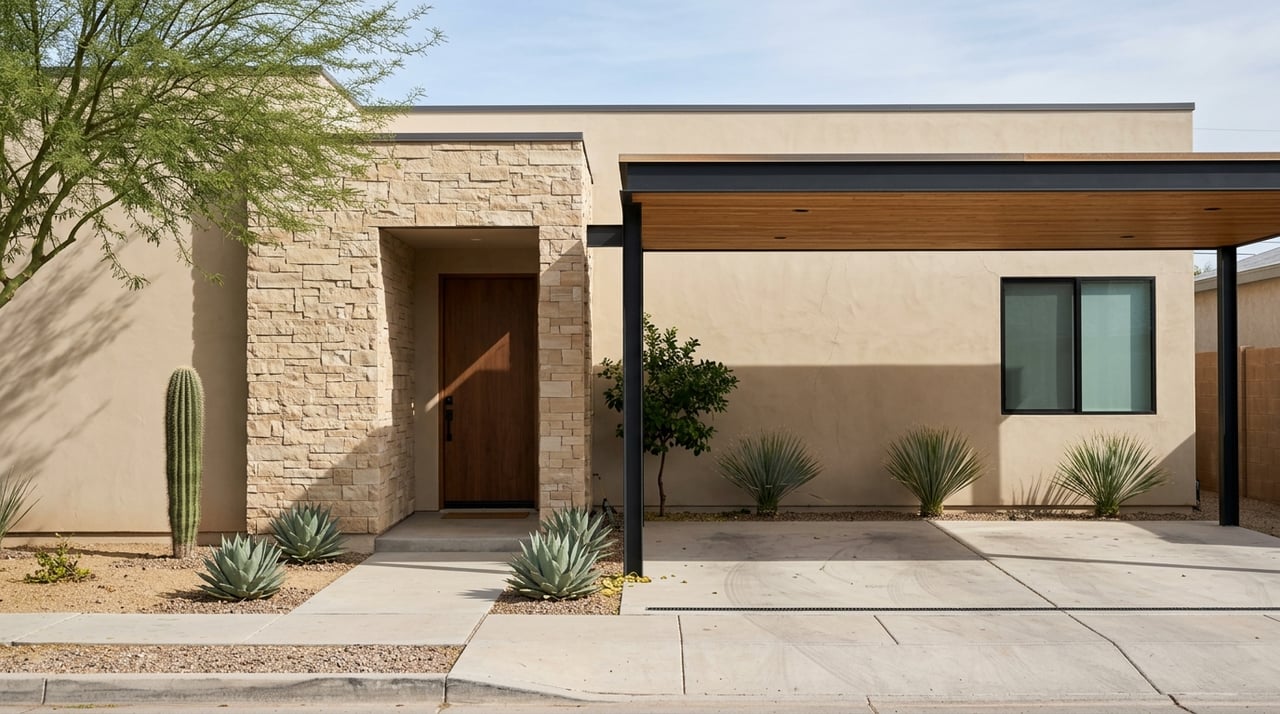
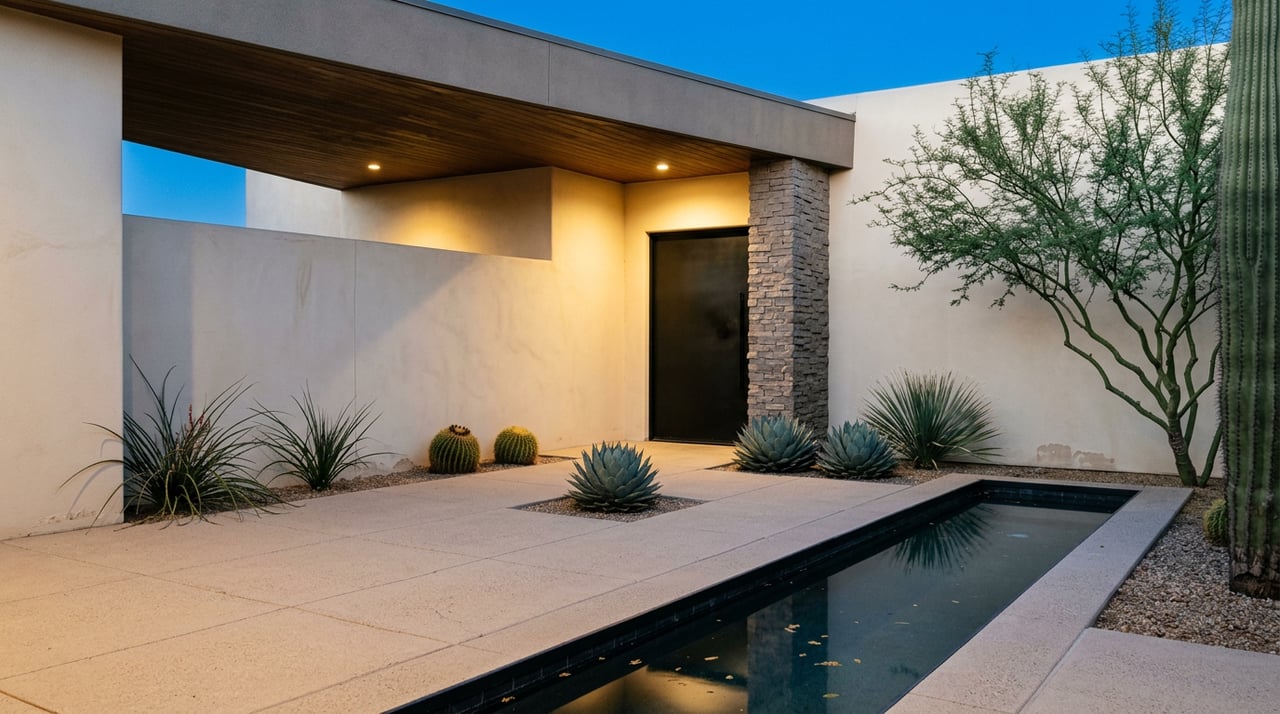
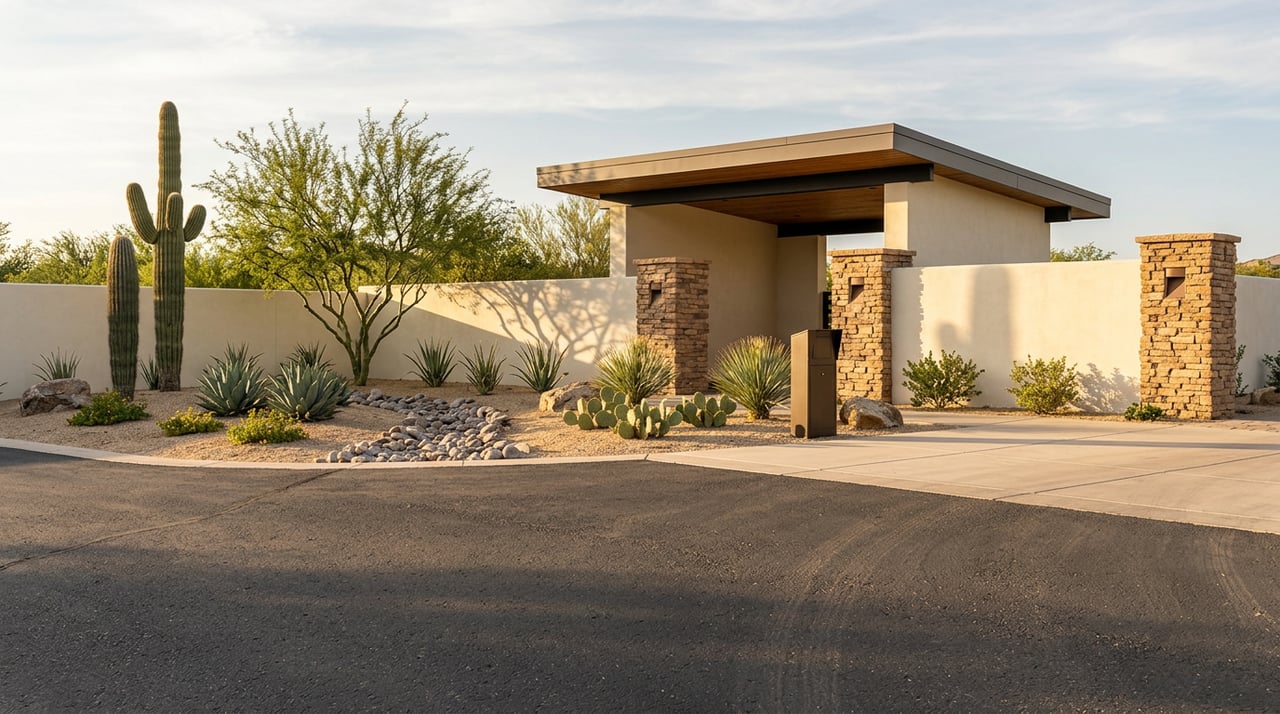
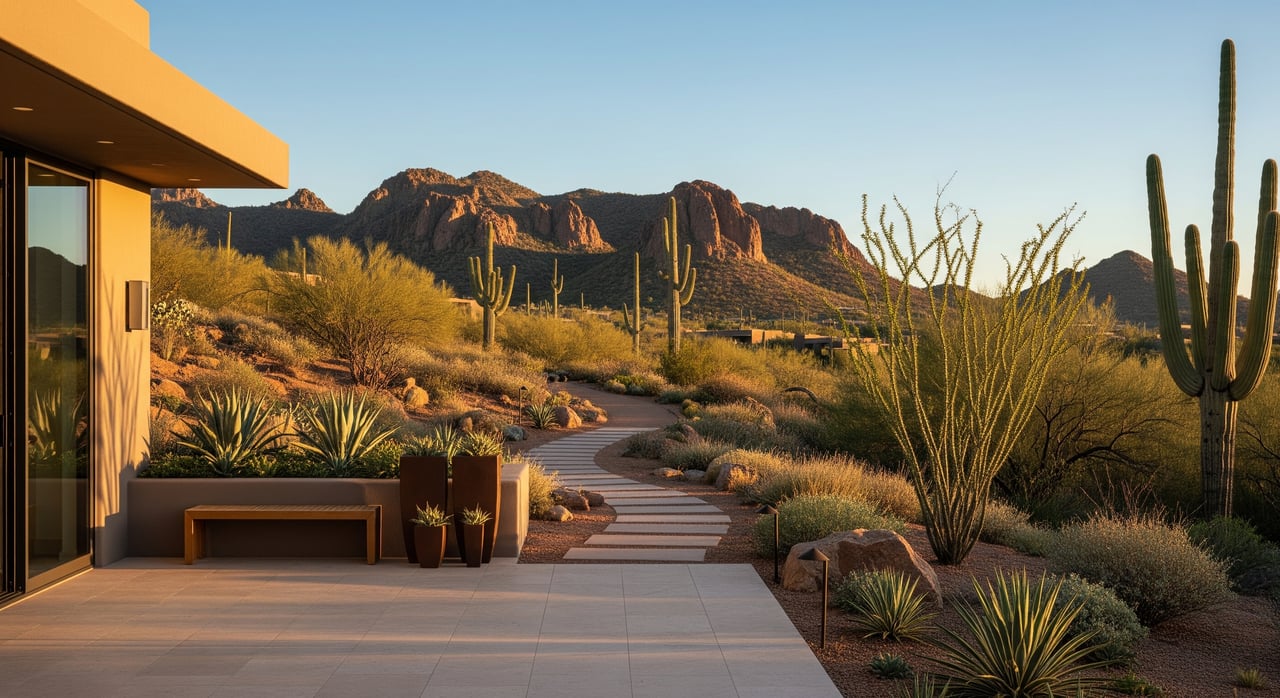
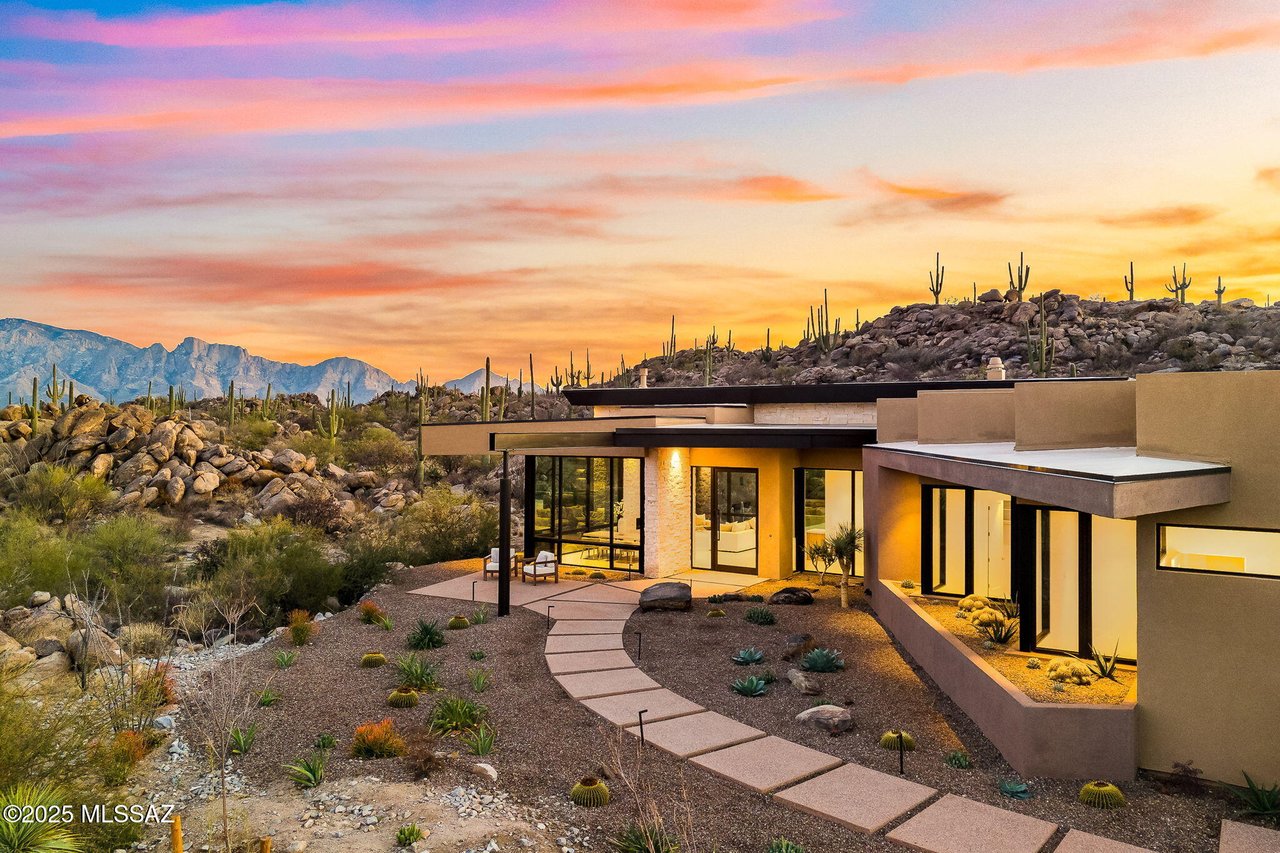
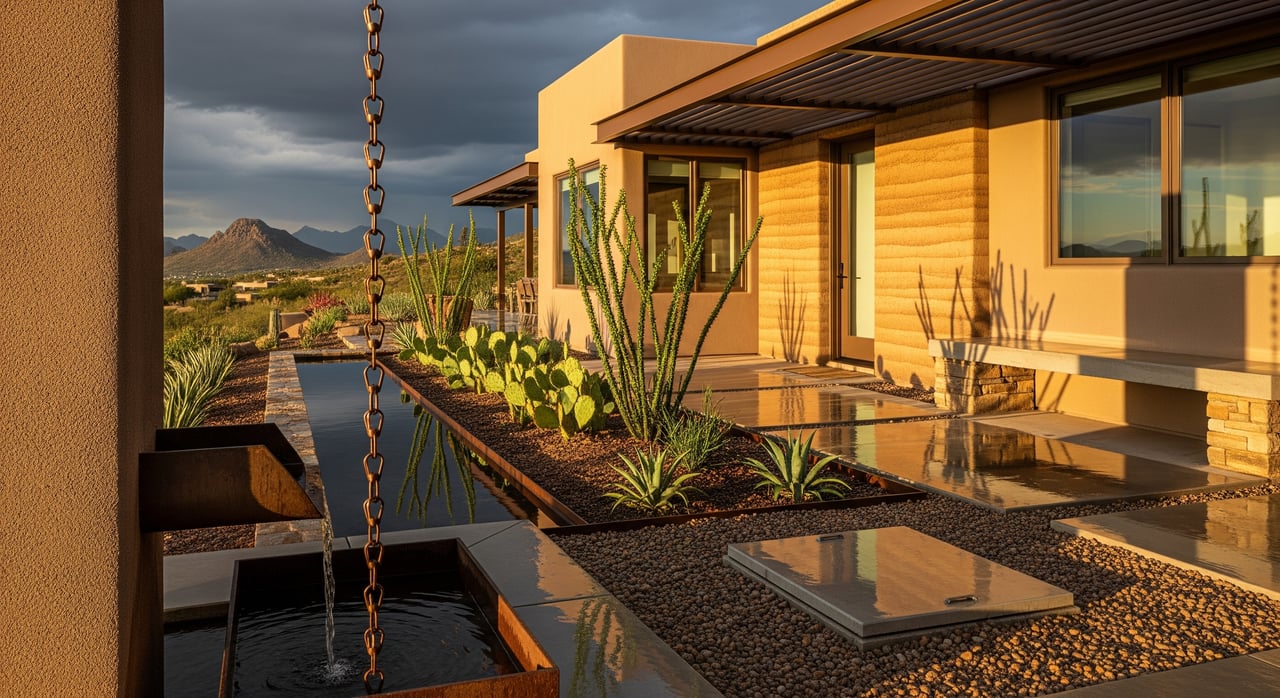
Most properties use a mix of native plants and xeriscaping with drip irrigation. This keeps yards beautiful and efficient in the Sonoran Desert. Water guidance and conservation programs can vary by provider and HOA, so review local rules before making changes. The Arizona Department of Water Resources is a good starting point for statewide best practices.
Water-smart moves to plan:
- Optimize your drip system and set seasonal schedules.
- Choose low-water, native plants with deep mulch for cooler soil.
- Consider artificial turf for play areas that stay green without heavy use.
- Check HOA guidelines before altering front landscaping or hardscape.
Wildlife and wildfire awareness
You share the Foothills with native wildlife. Javelina, coyotes, raptors, and snakes are part of daily life here. Secure trash, feed pets indoors, and use enclosed areas for small animals, especially at night. For practical coexistence tips, explore the Arizona Game and Fish Department.
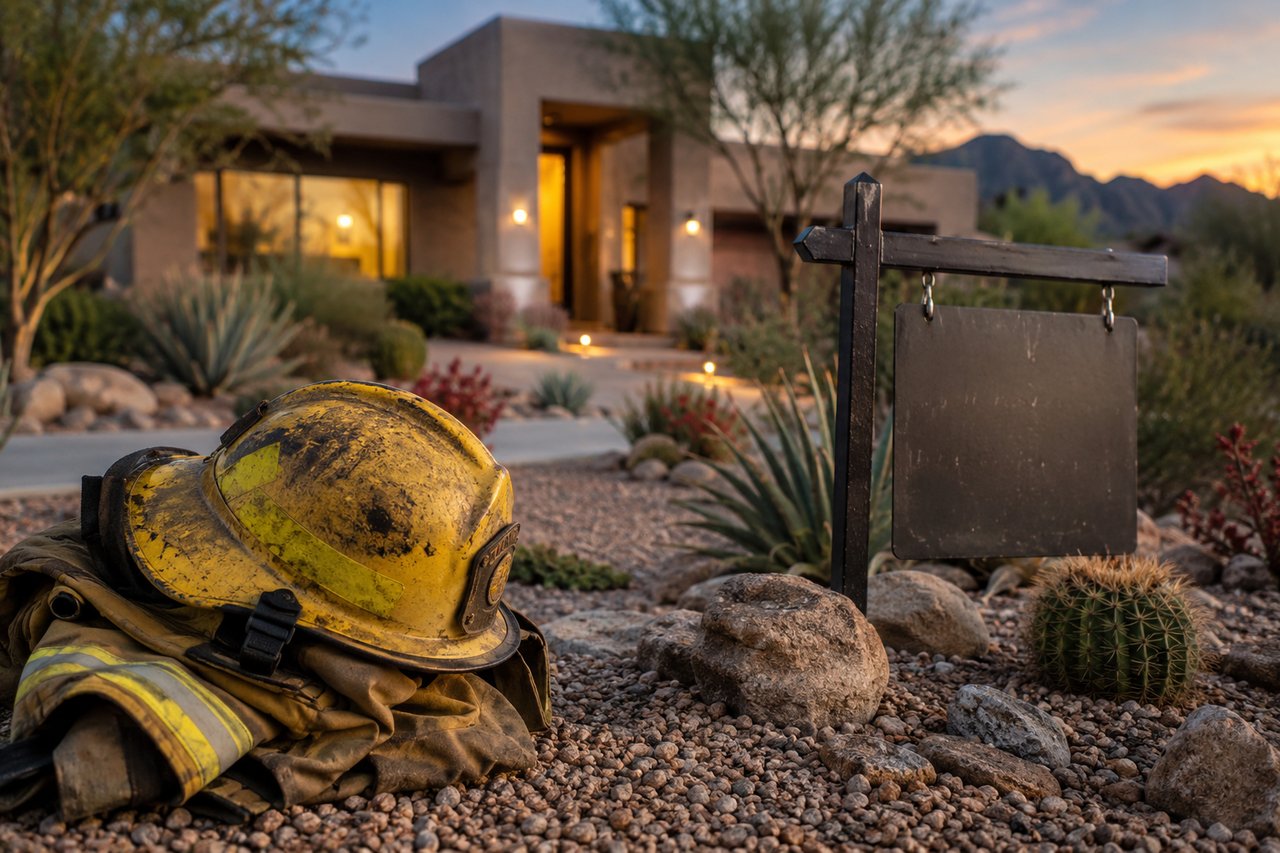
Wildfire risk exists along the wildland–urban edge. Many homeowners adopt defensible-space landscaping and ember-aware home features. Consult local fire authorities when planning hillside projects, and keep a seasonal checklist for vegetation management. If you want background on wildfire safety programs, the Coronado National Forest site links to current conditions and alerts that affect nearby recreation areas.
Wildlife and wildfire checklist:
- Trim vegetation near structures and clear roofs and gutters.
- Store firewood and propane safely away from the home.
- Keep pets supervised outdoors and fencing secure.
- Learn snake-awareness basics and call professionals for removals.
Services, HOAs, and commuting
Because the area is unincorporated, you will work with Pima County for permitting, code enforcement, and many utilities, while HOAs handle neighborhood rules and maintenance standards. Review community CC&Rs early if you plan exterior changes or short-term rentals.
Most residents rely on cars rather than public transit. Commute times to downtown Tucson, the University of Arizona, and Tucson International Airport are typically moderate, often 20 to 40 minutes depending on time of day and your address.
Home upkeep and costs
Luxury and custom homes in hillside settings often carry higher maintenance needs. Plan for regular pool and spa service, irrigation checks, seasonal storm prep, and landscape care tailored to slopes and native plants. If your lot includes steep areas, monitor erosion control and drainage.
Insurance is another consideration. Discuss wildfire and flood coverage with your carrier, especially if your property is near natural washes or open space. HOA fees vary by subdivision; confirm current rates and services included.
Is Catalina Foothills a fit for you?
If you love mountain views, indoor-outdoor living, and easy access to trails and culture, the Foothills offers a distinctive rhythm. You get quiet neighborhoods, dramatic sunsets, and a lifestyle that rewards early mornings and relaxed evenings. It does ask for smart planning around heat, water, and home maintenance, which is why local guidance matters.
If you want tailored advice on neighborhoods, HOAs, and the day-to-day realities of a specific property, connect with a local expert. Daniel Sotelo offers responsive, high-touch service with deep Foothills knowledge to help you buy or sell with confidence.
FAQs
How far is Catalina Foothills from Tucson’s core?
- Most central Tucson destinations and the airport are about 20 to 40 minutes by car, depending on your exact Foothills address and traffic.
What outdoor recreation is closest to the Foothills?
- You are minutes from canyon and mountain trails in the Coronado National Forest and a short drive from Catalina State Park for hiking, birding, and photography.
What is summer like in Catalina Foothills?
- Afternoons are very hot; residents plan outdoor time for mornings and evenings, rely on shade and pools, and follow monsoon guidance from the National Weather Service Tucson.
Are wildlife encounters common in Catalina Foothills?
- Yes. You may see javelina, coyotes, raptors, and snakes. Follow coexisting tips from the Arizona Game and Fish Department and supervise pets outdoors.
Who provides services and permitting in Catalina Foothills?
- The area is unincorporated, so you work with Pima County and with your HOA for neighborhood rules, landscaping standards, and exterior changes.
How do homeowners approach water use in the desert?
- Most properties use xeriscaping with drip irrigation. Review local rules and best practices through the Arizona Department of Water Resources and any HOA guidelines.