“Authorized to Go Higher”: What the Phrase Really Means
By Daniel Sotelo with Russ Lyon Sotheby’s International Realty | Tucson Real Estate Insights
Separate the Conversation From the Offer
A buyer can tell their agent they would consider a higher price. That instruction is different from submitting a higher offer to the seller. The phrase “authorized to go higher” can describe a negotiating conversation; it does not, by itself, establish the price in a purchase agreement.
An escalation clause is one possible way to express a conditional price increase in an offer. It is not the only way to negotiate. A buyer can also submit a revised offer or respond to a counteroffer after considering the full terms.
Why It Matters
Before discussing a higher price, separate three questions: what you are comfortable considering, what you want your agent to communicate, and what you are prepared to submit in writing. Those answers may differ. A private ceiling is part of your planning; it should not be casually announced to the other side.
Arizona’s statute of frauds generally requires a signed writing for an enforceable agreement to sell real property. It also addresses written authority when an agent makes that agreement for a party. A discussion of negotiating preferences should not be confused with authority to sign a contract for someone. The legal effect of a particular communication depends on its facts and should be reviewed when a question arises.
Choose a Strategy for the Property
The right strategy depends on the property, competing offers, available alternatives and your priorities. There is no need to assume that every Tucson home attracts multiple offers. When competition exists, price is only part of the decision: financing, timing, contingencies and the practical ability to complete the purchase also matter.
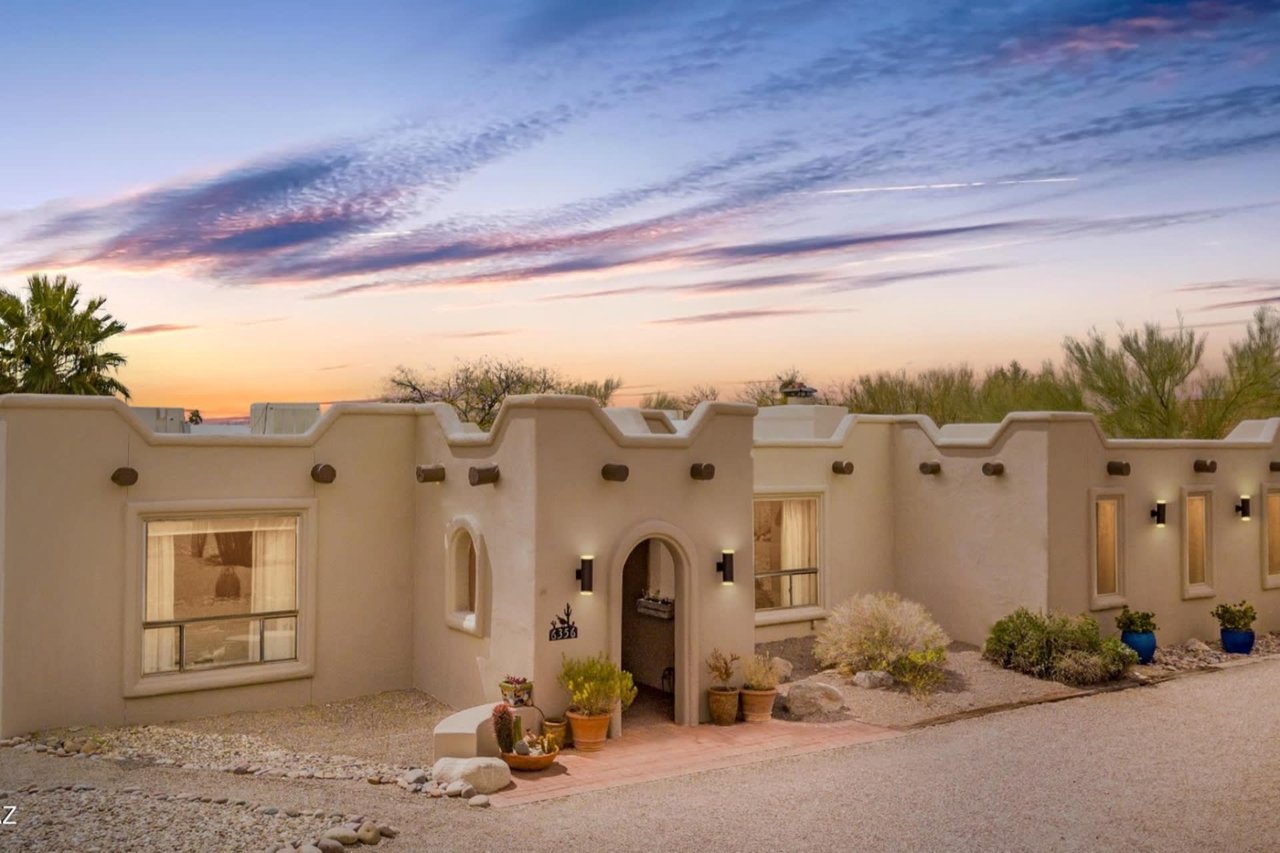
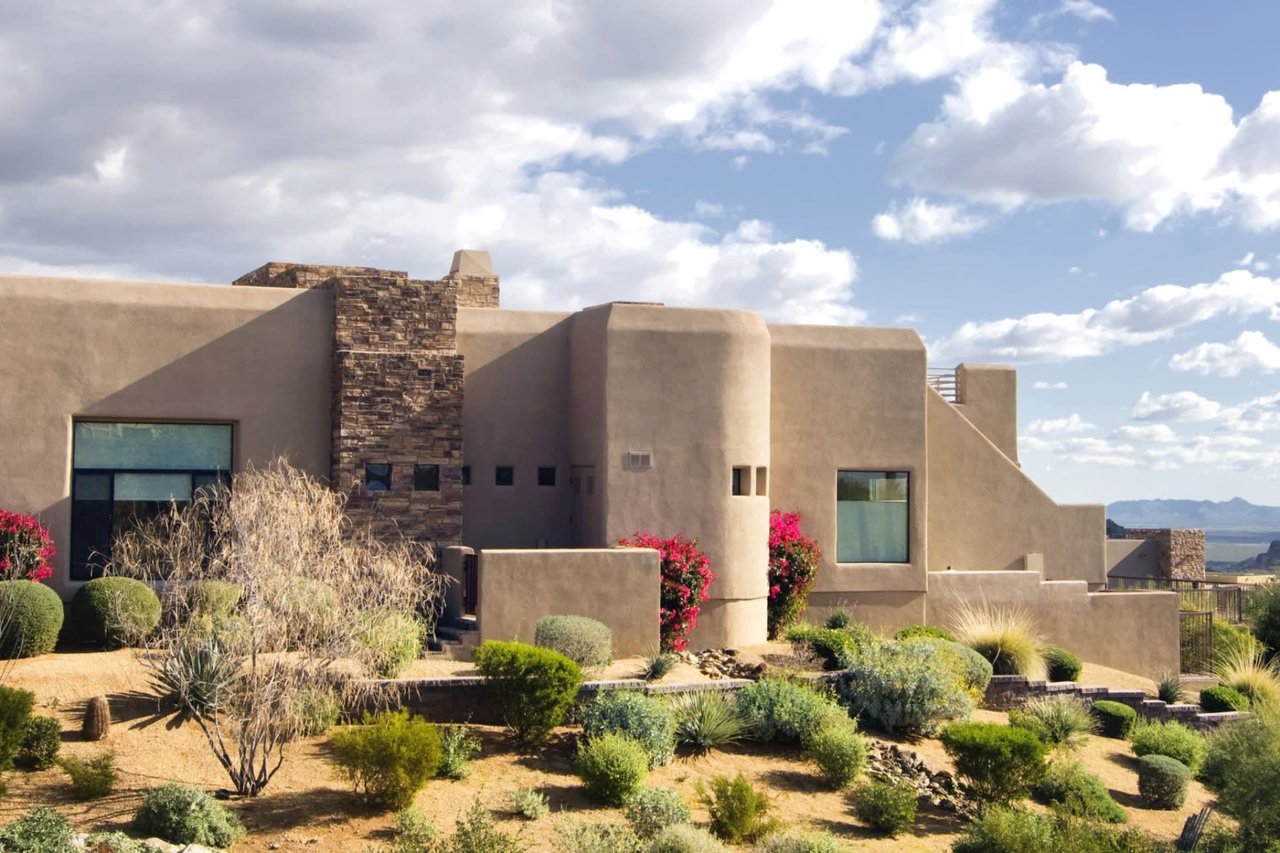
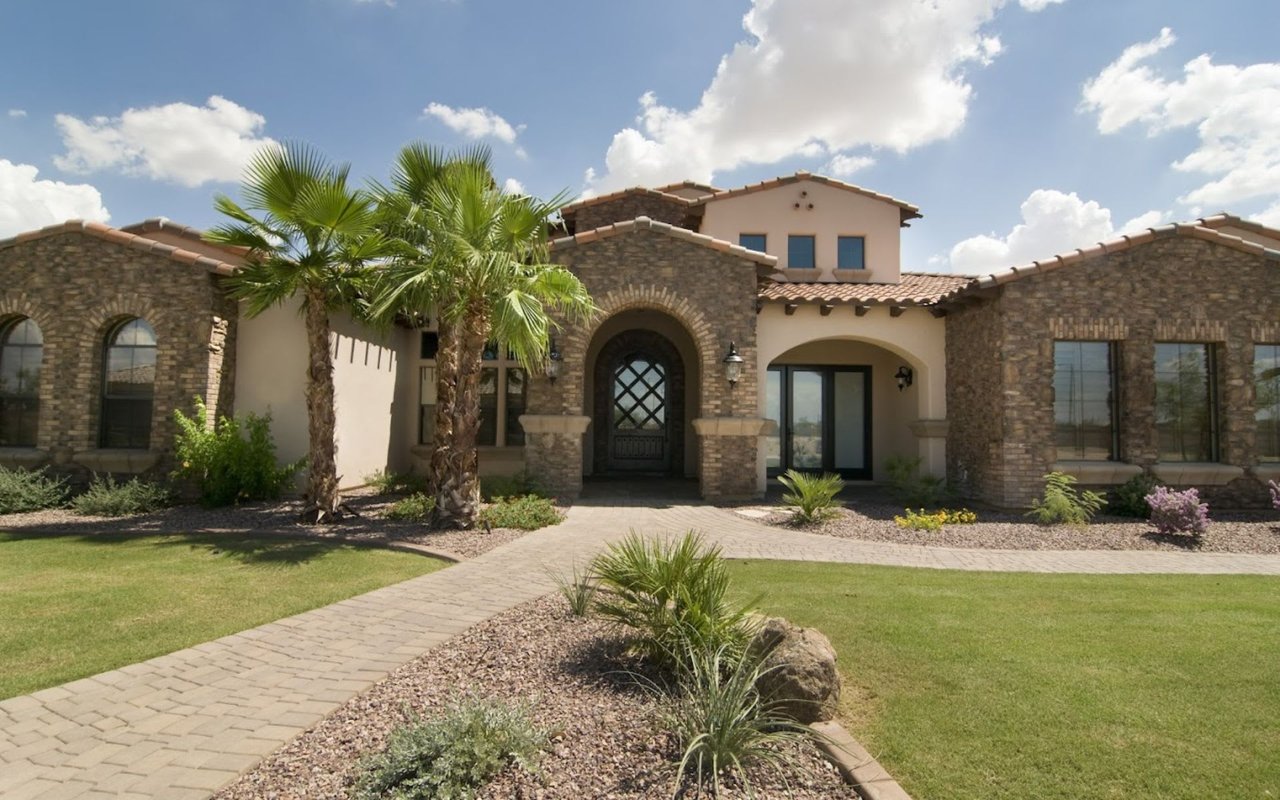
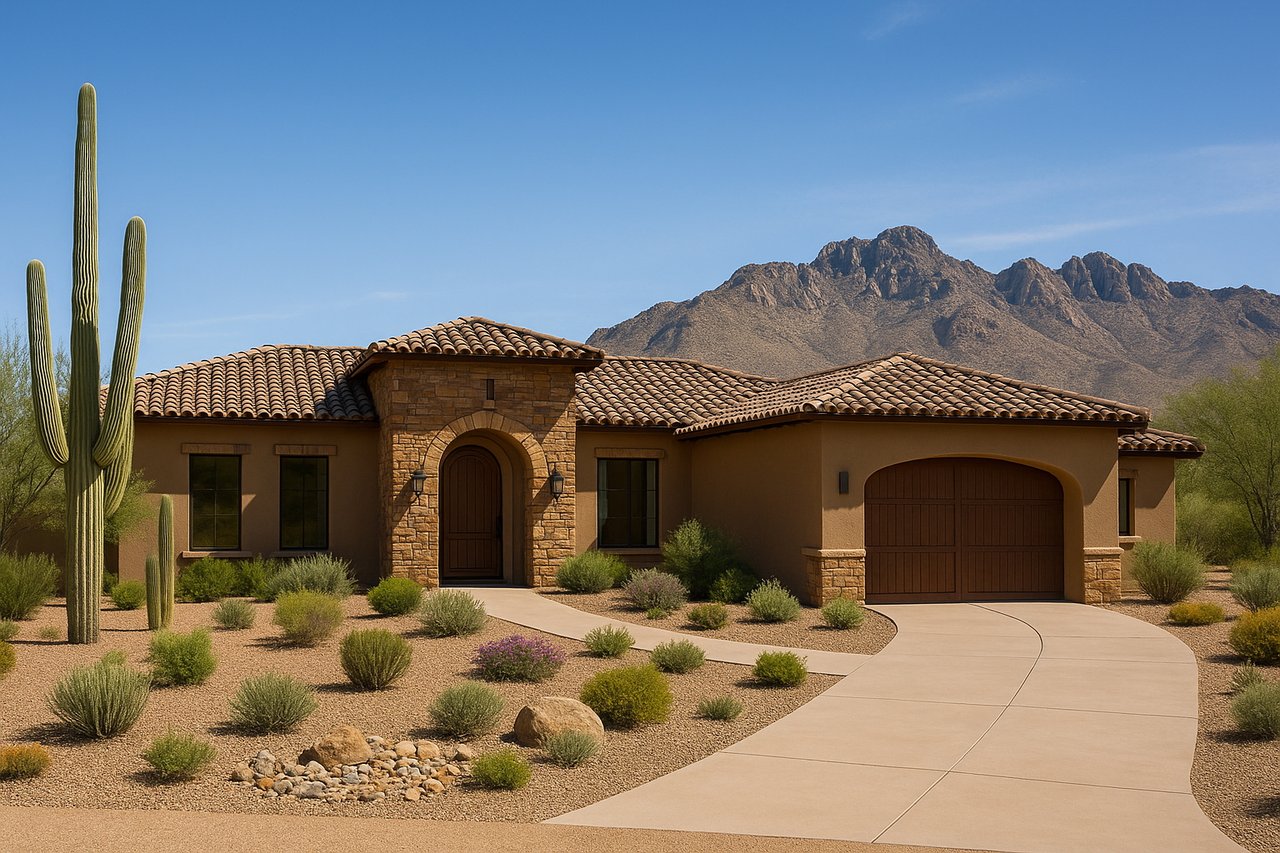
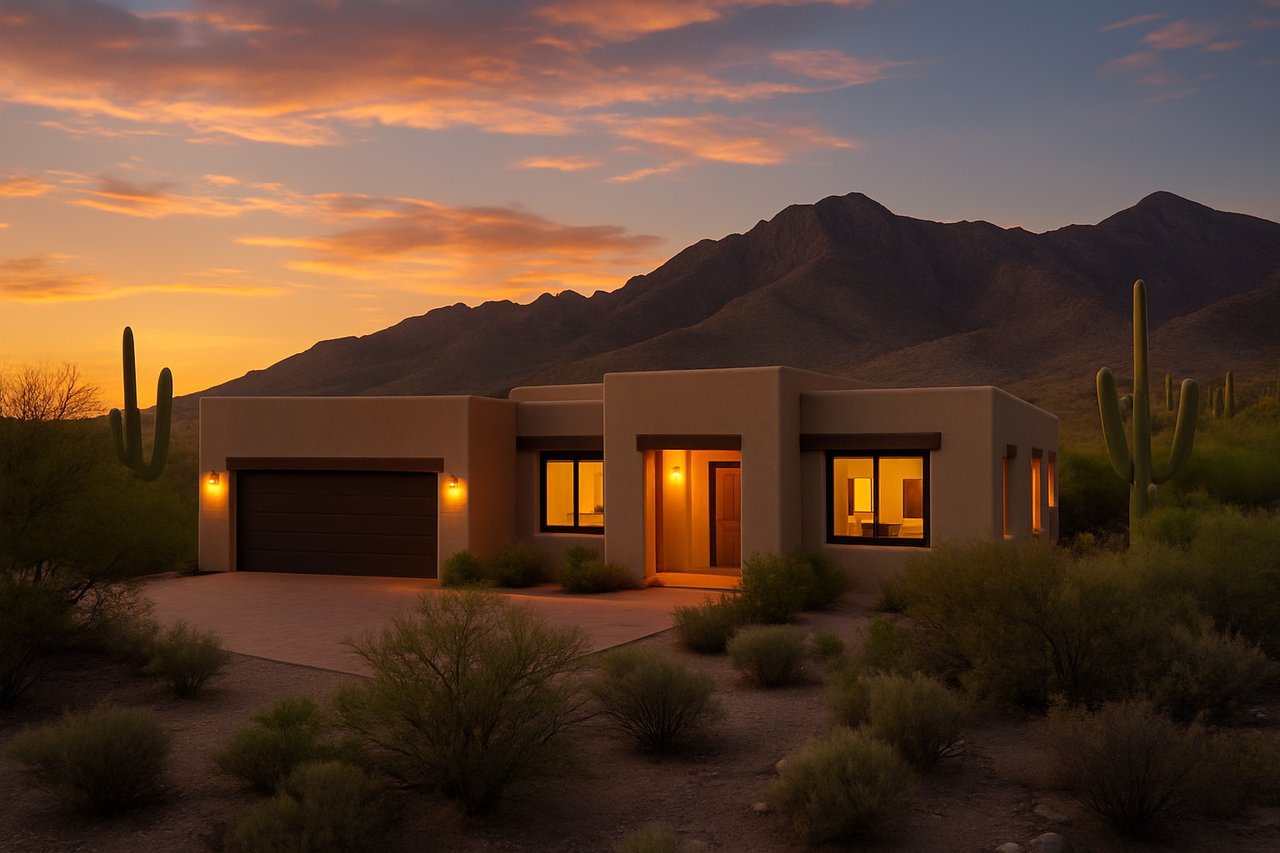
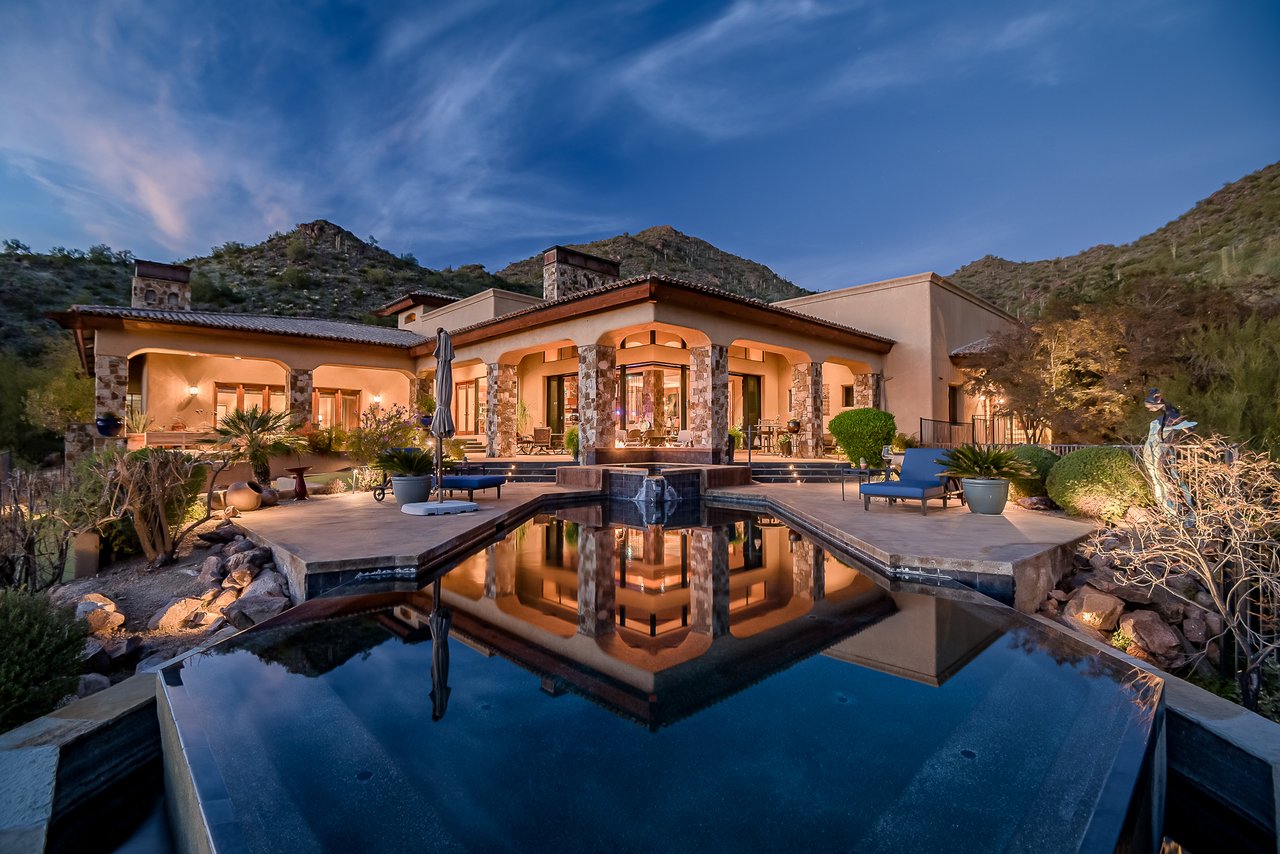
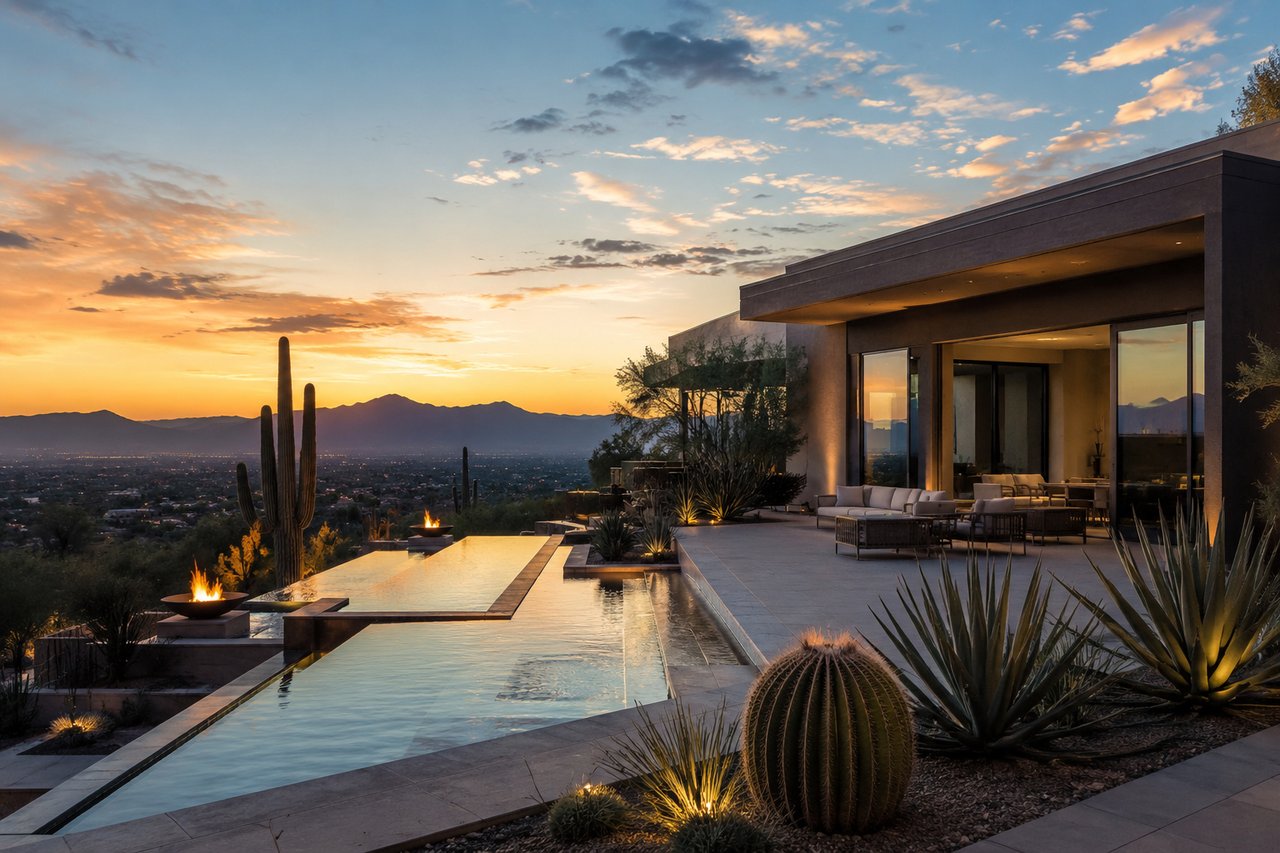
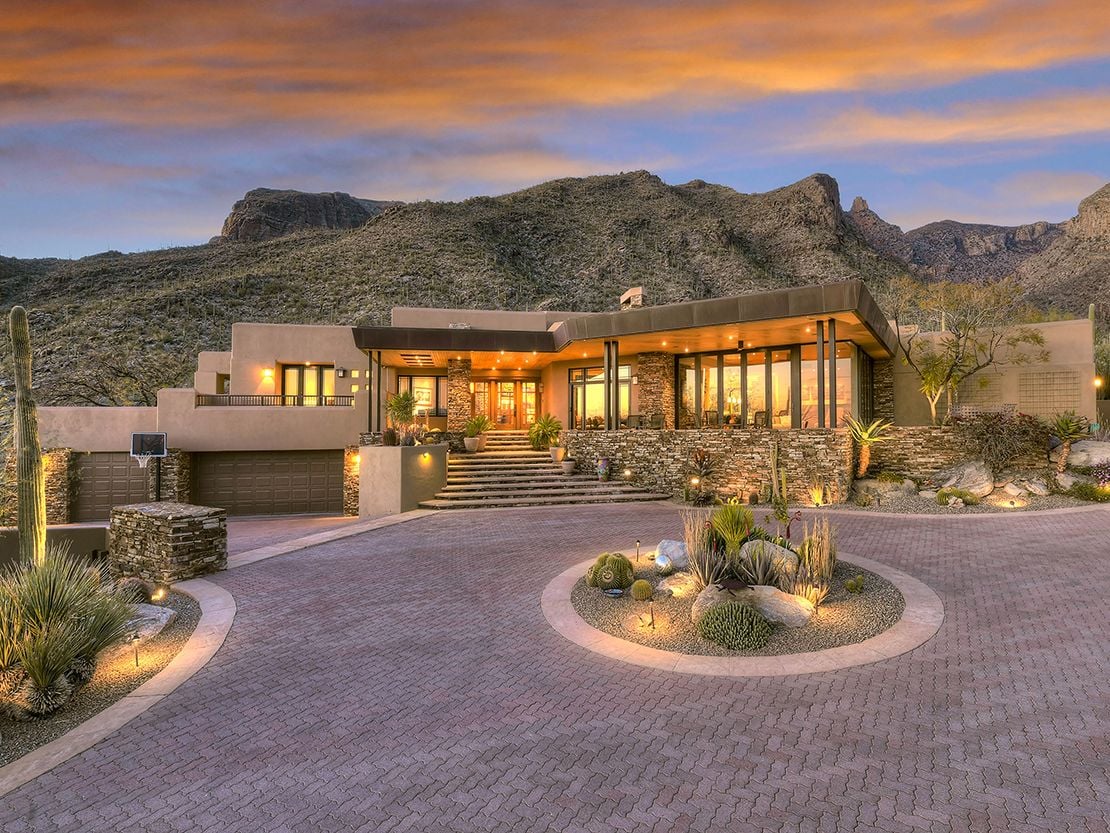
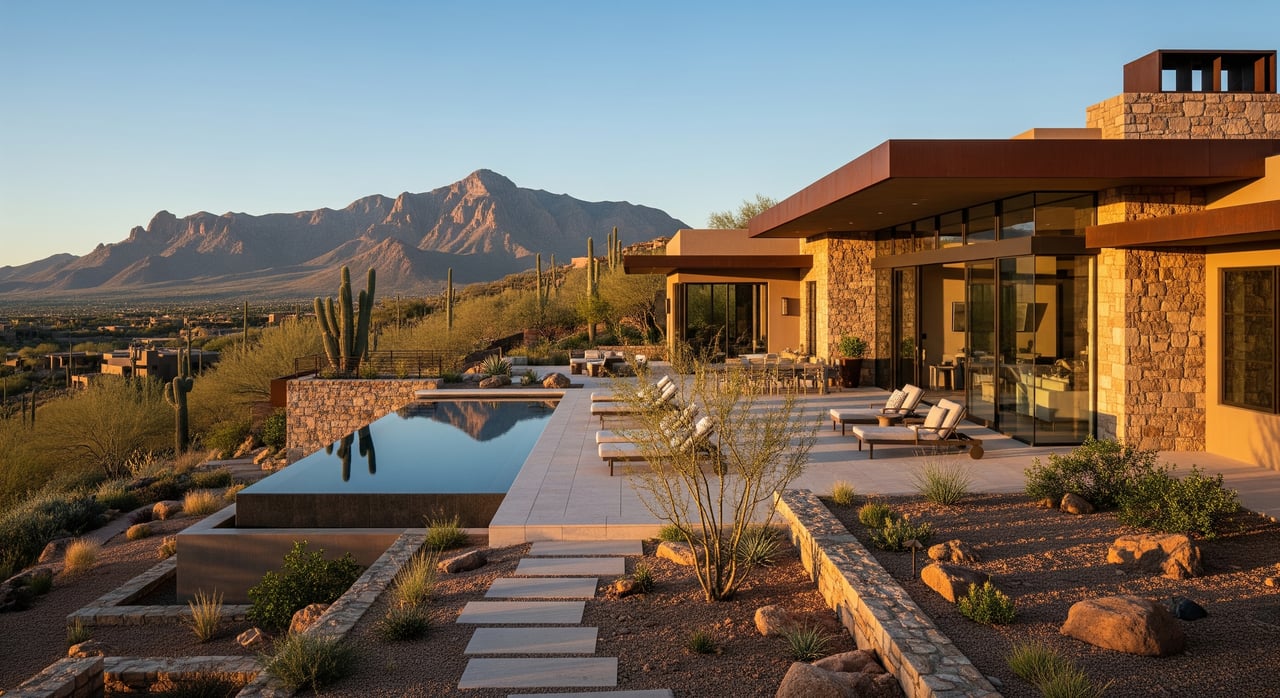
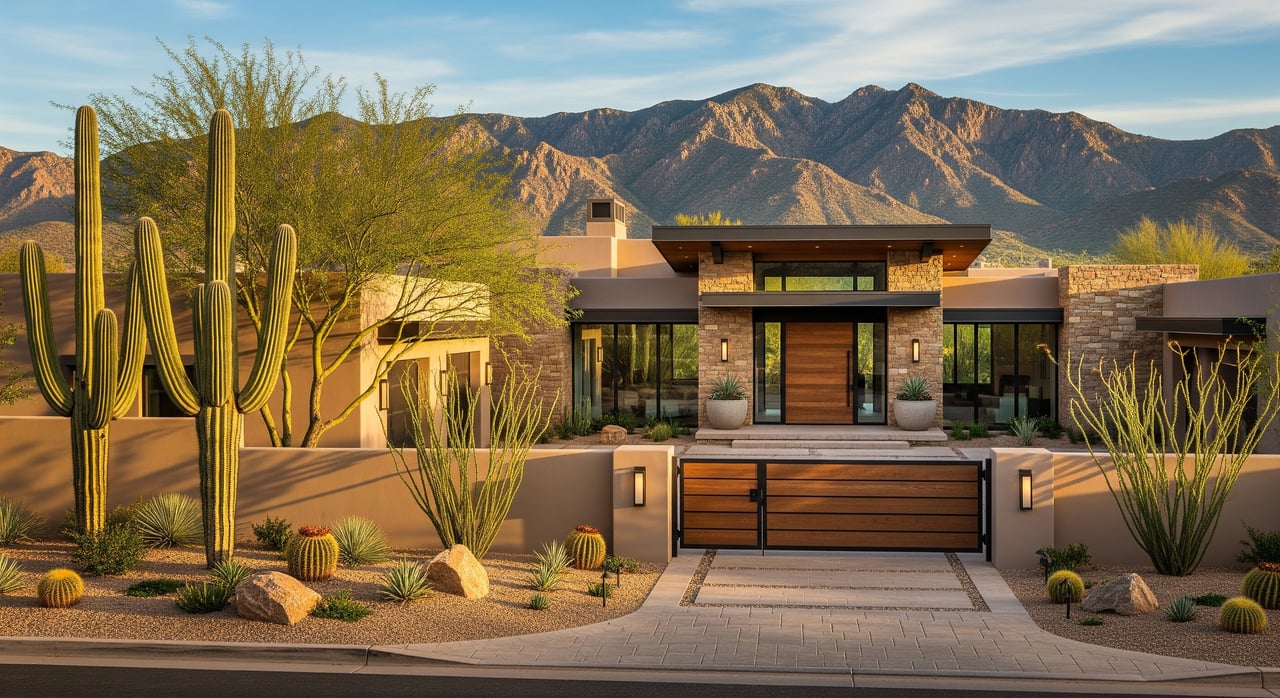
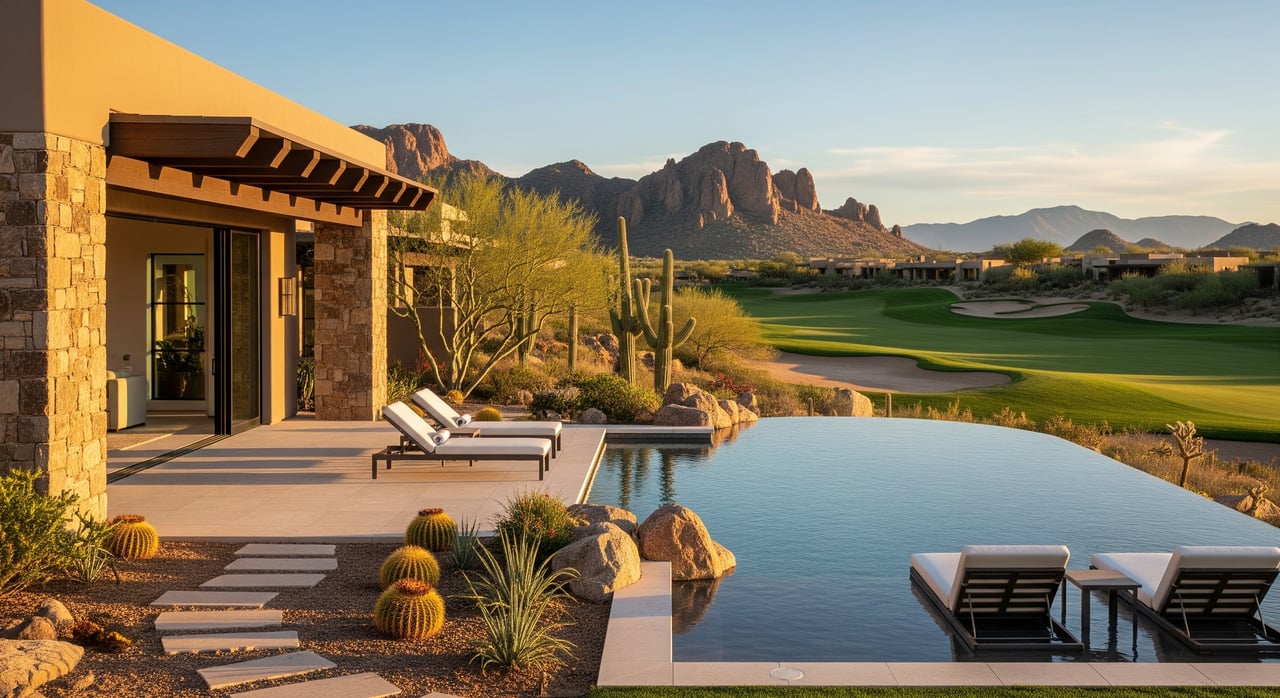
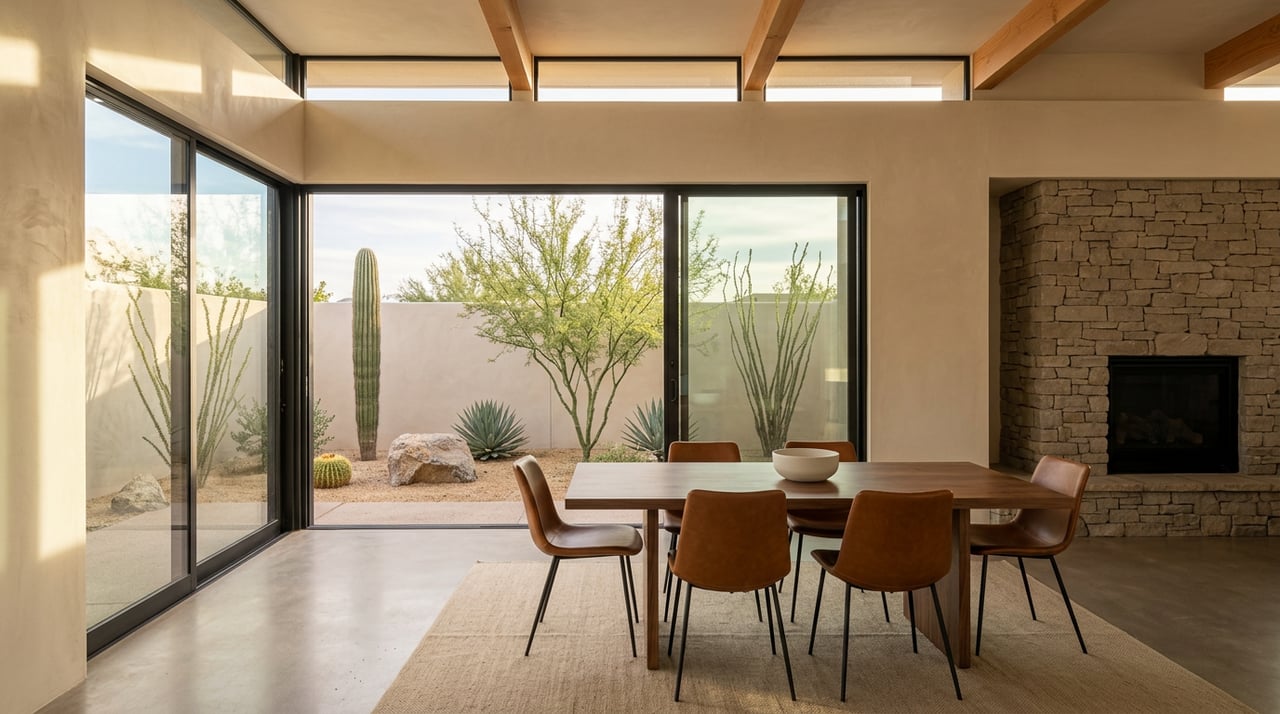
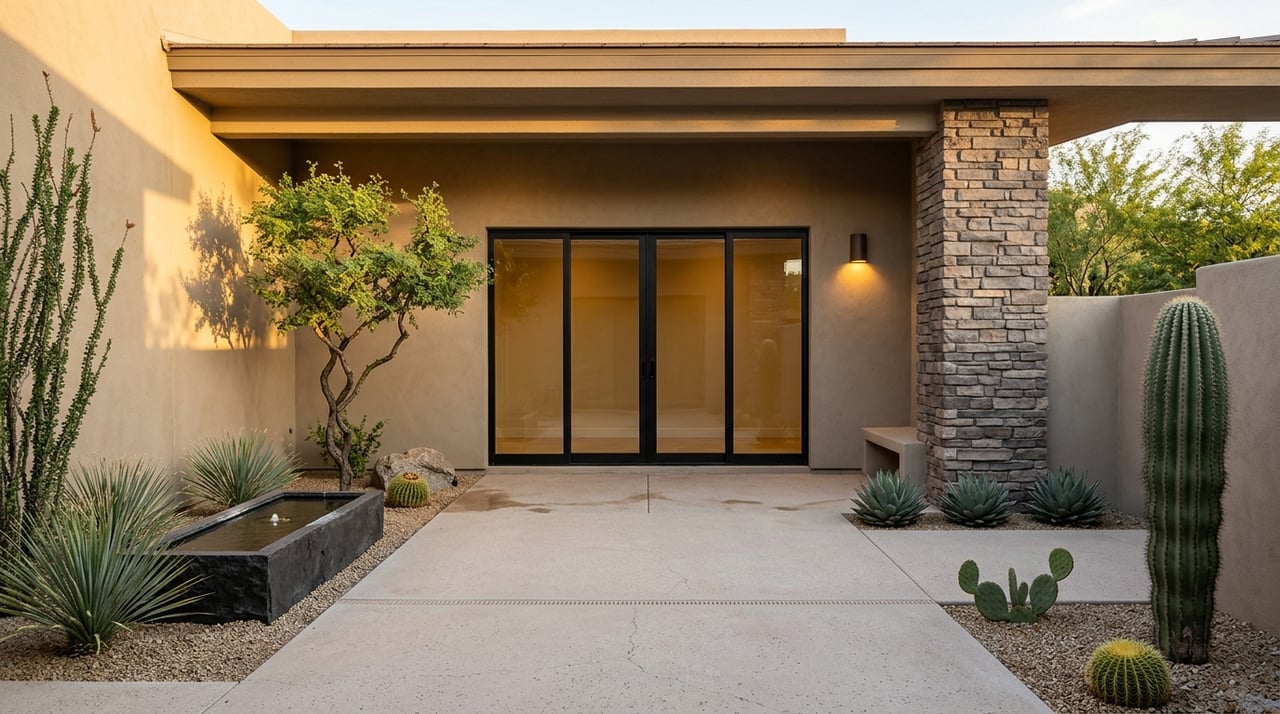
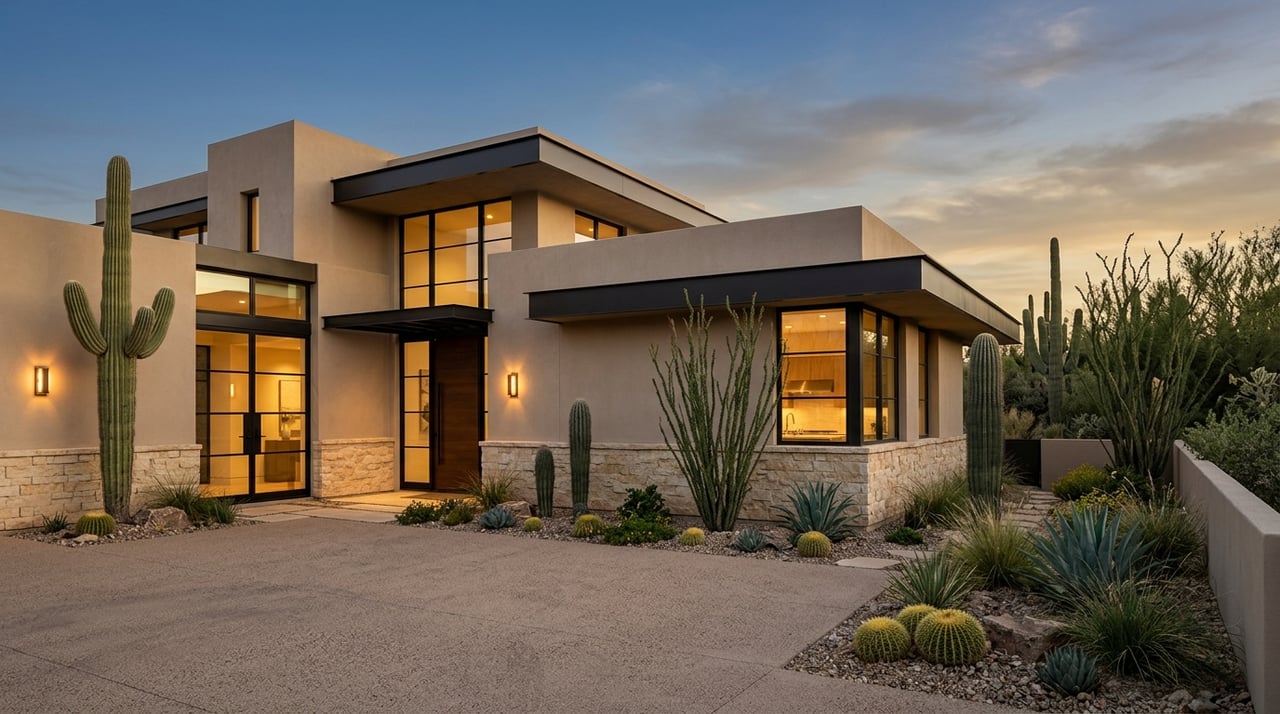
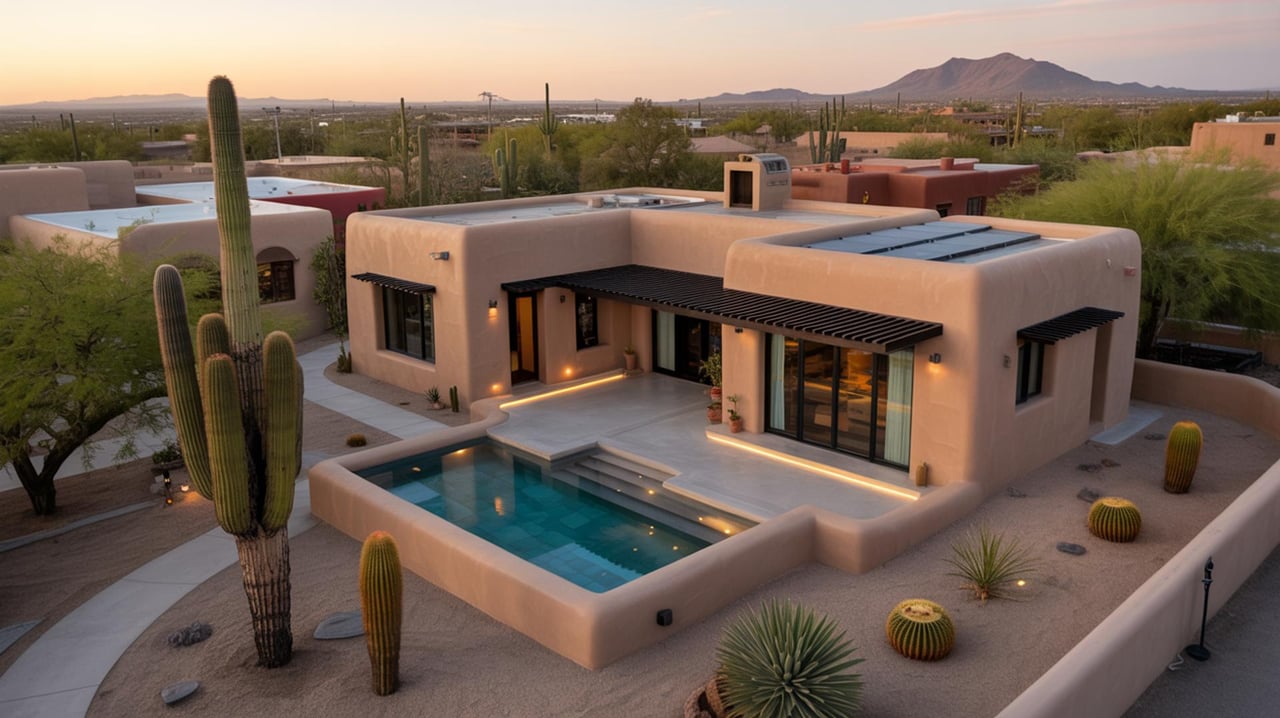
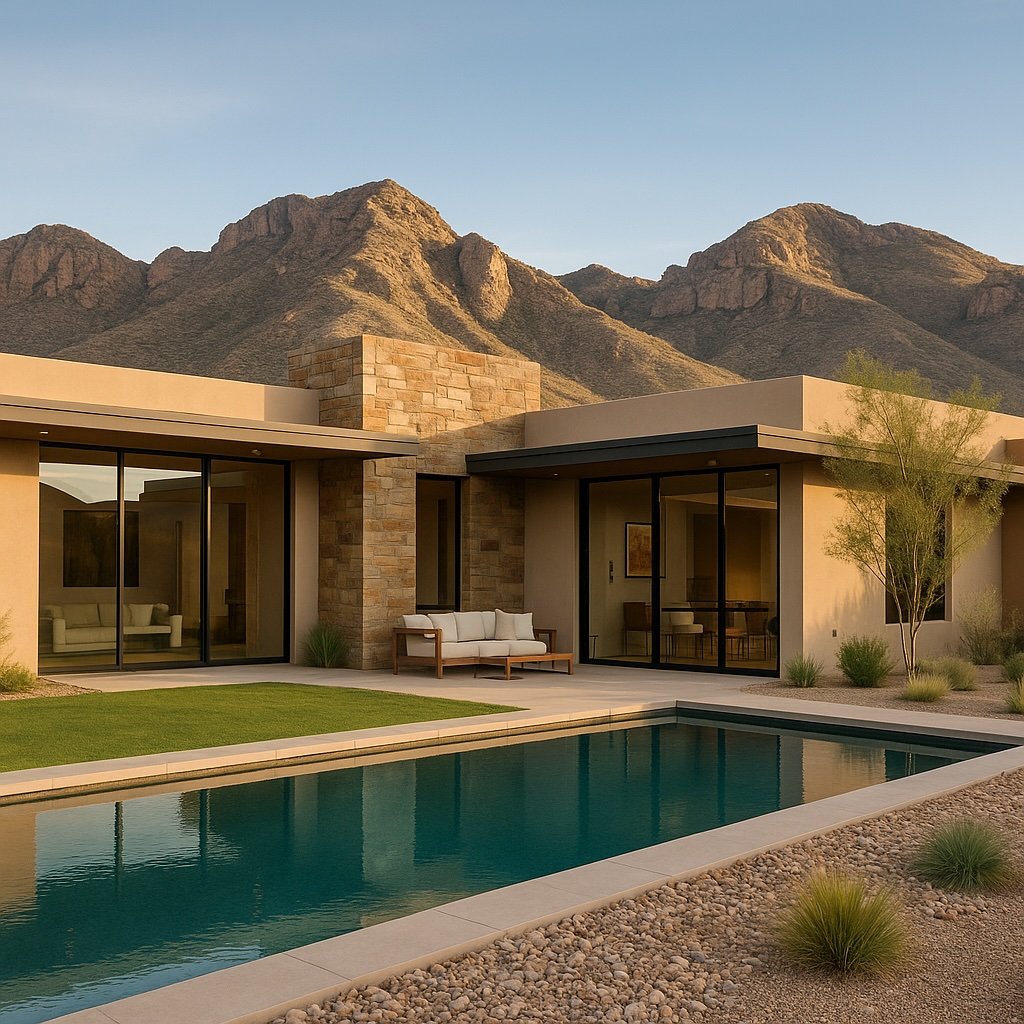
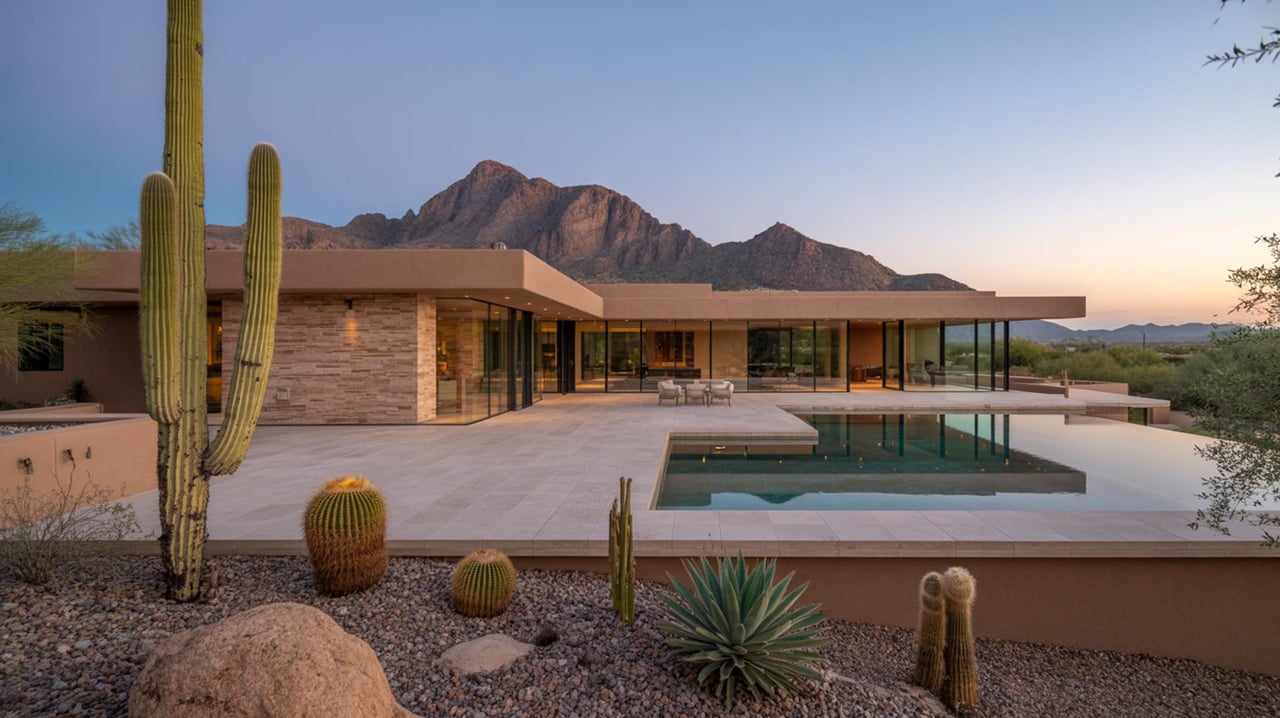
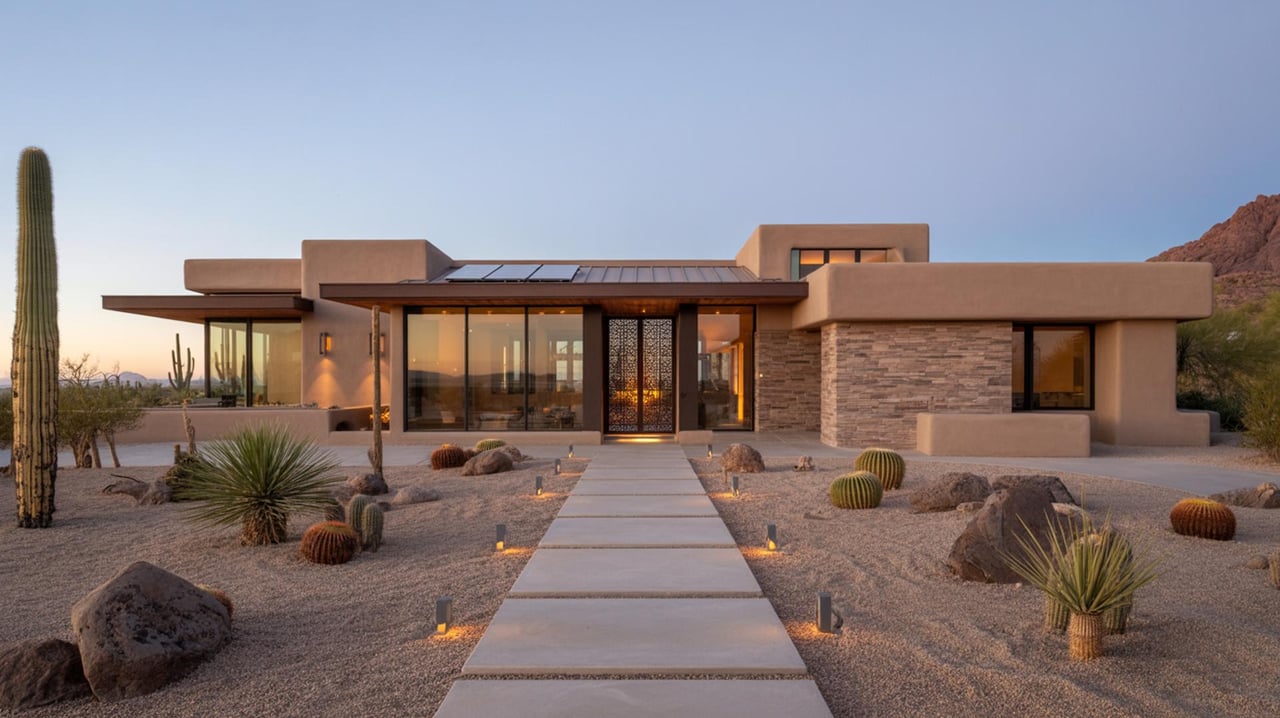
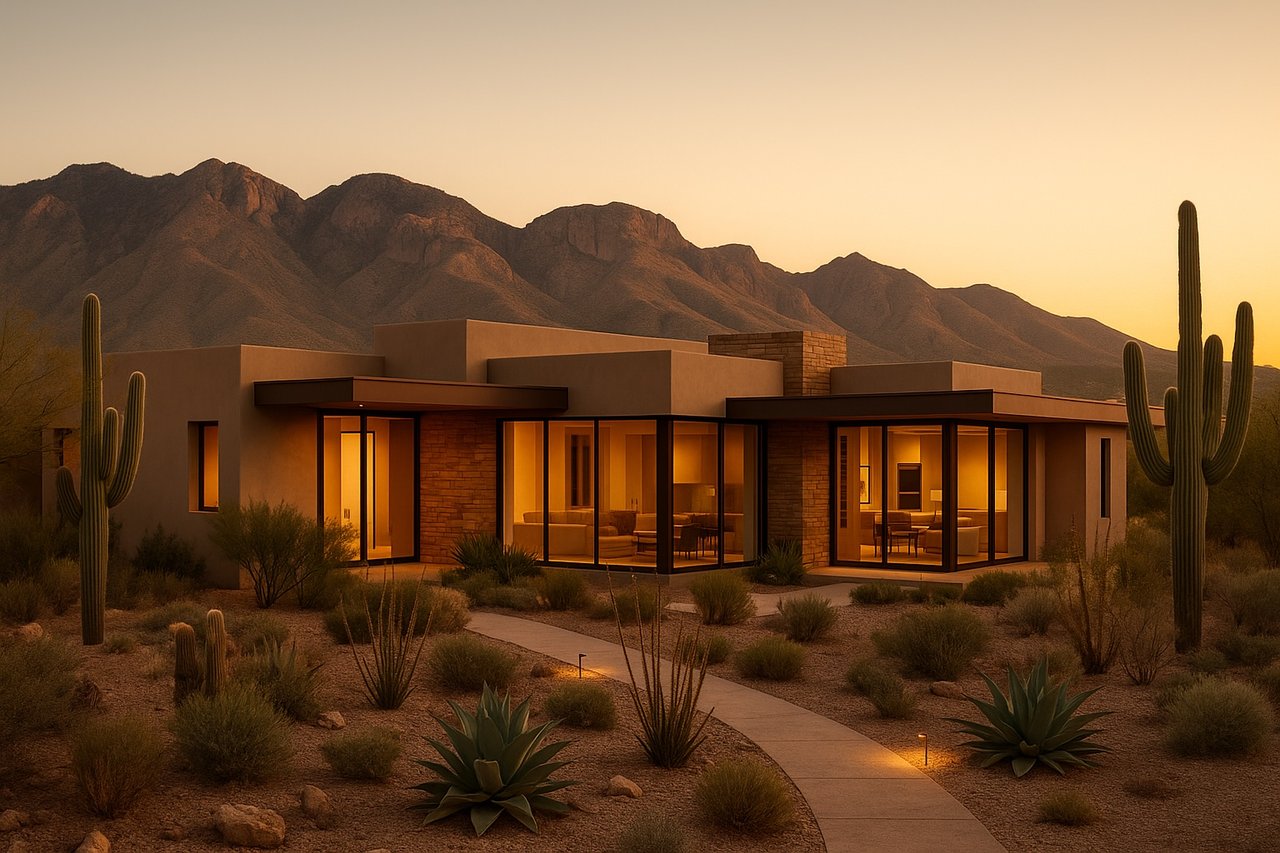
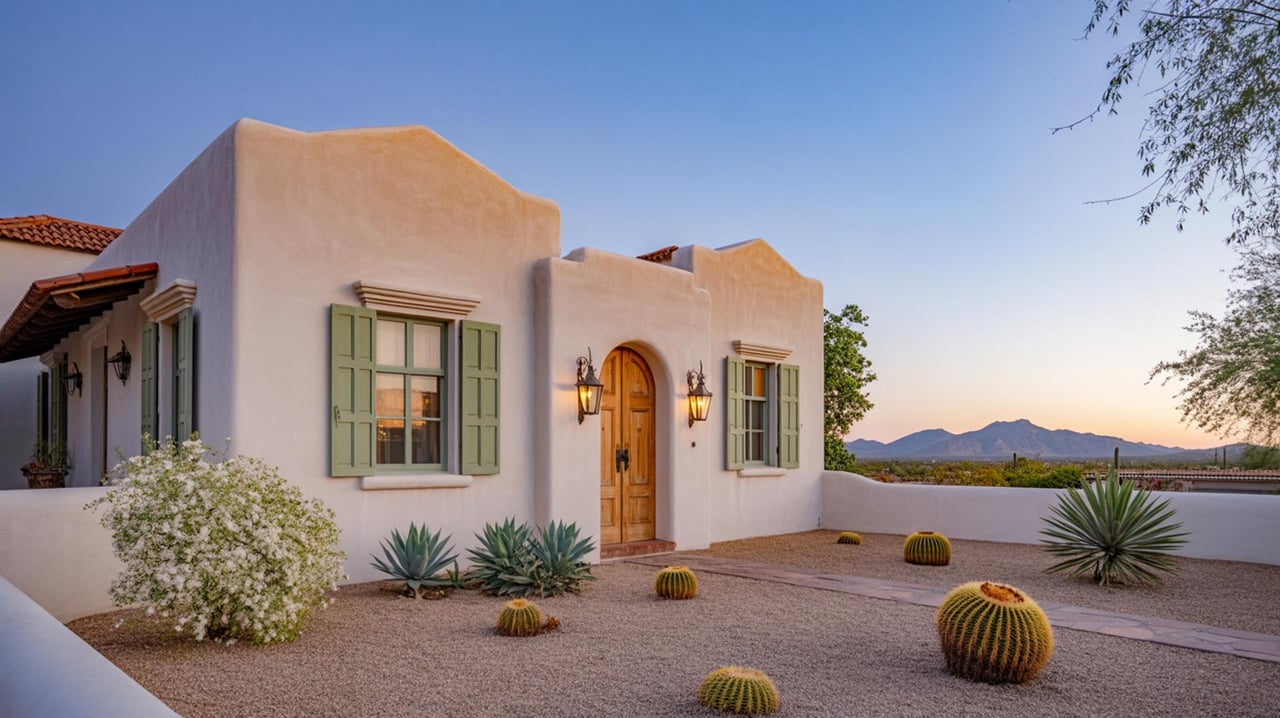
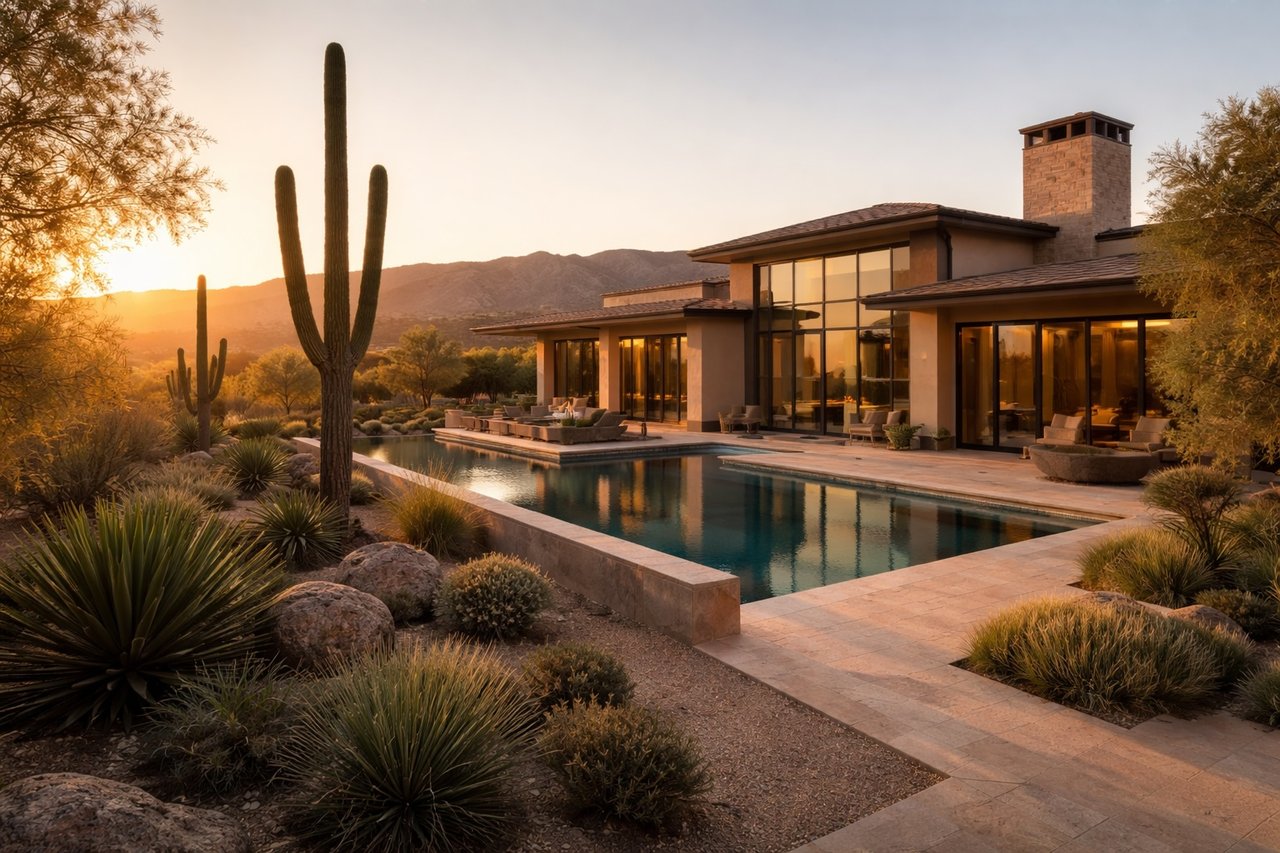
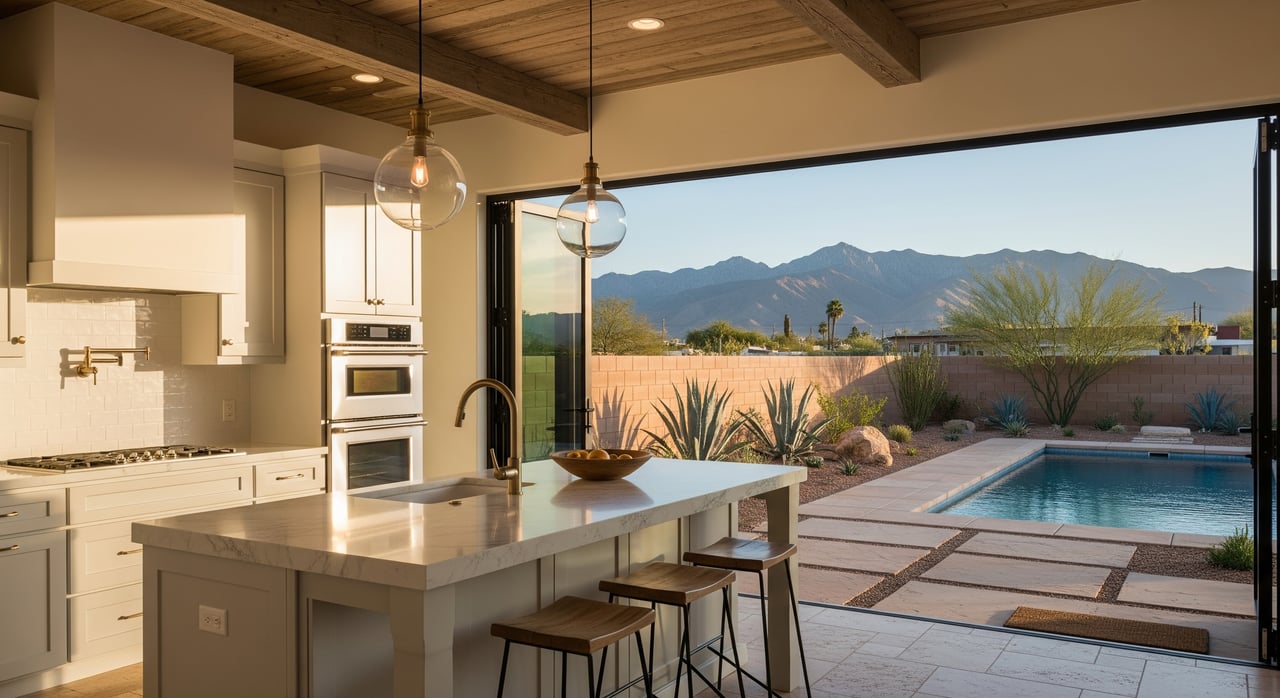
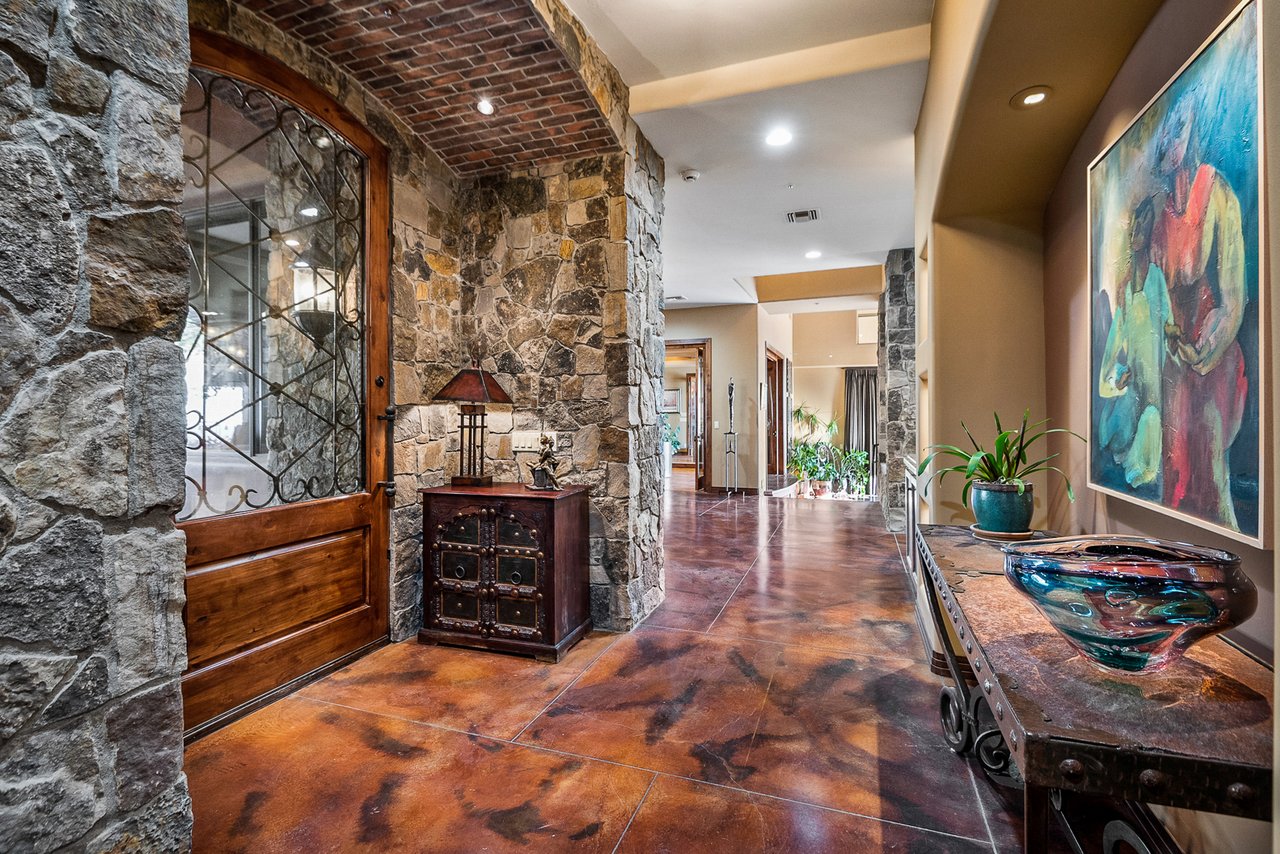
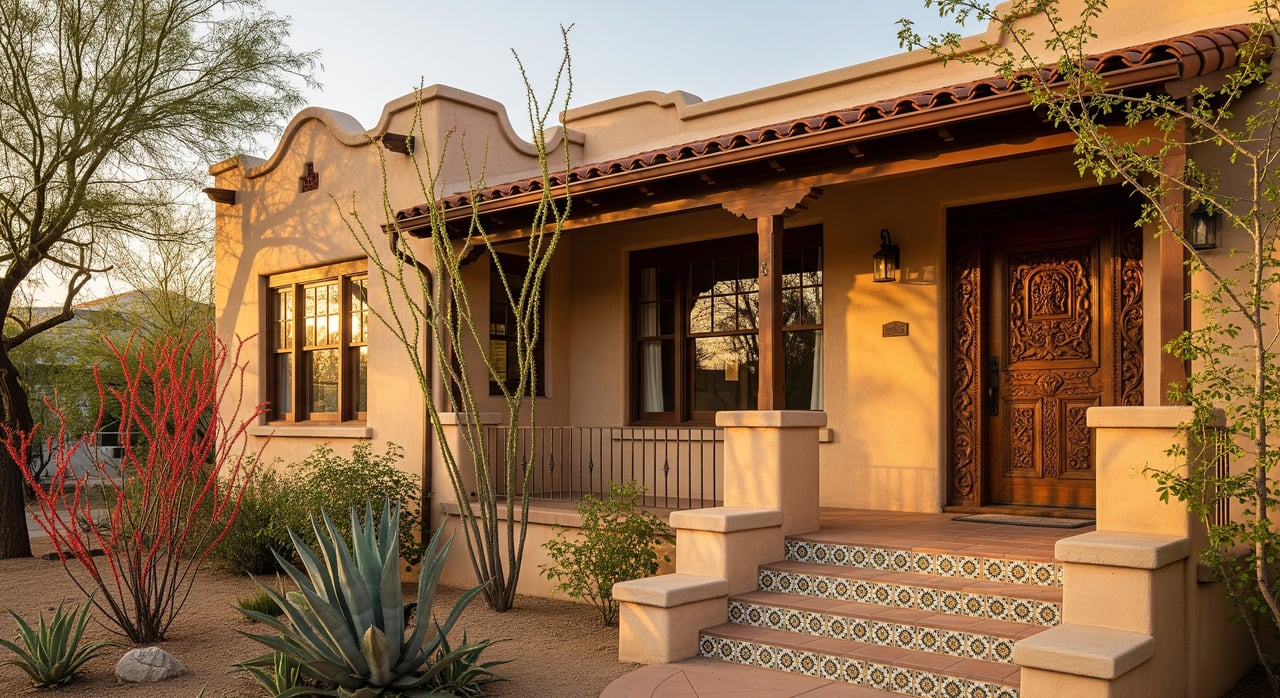
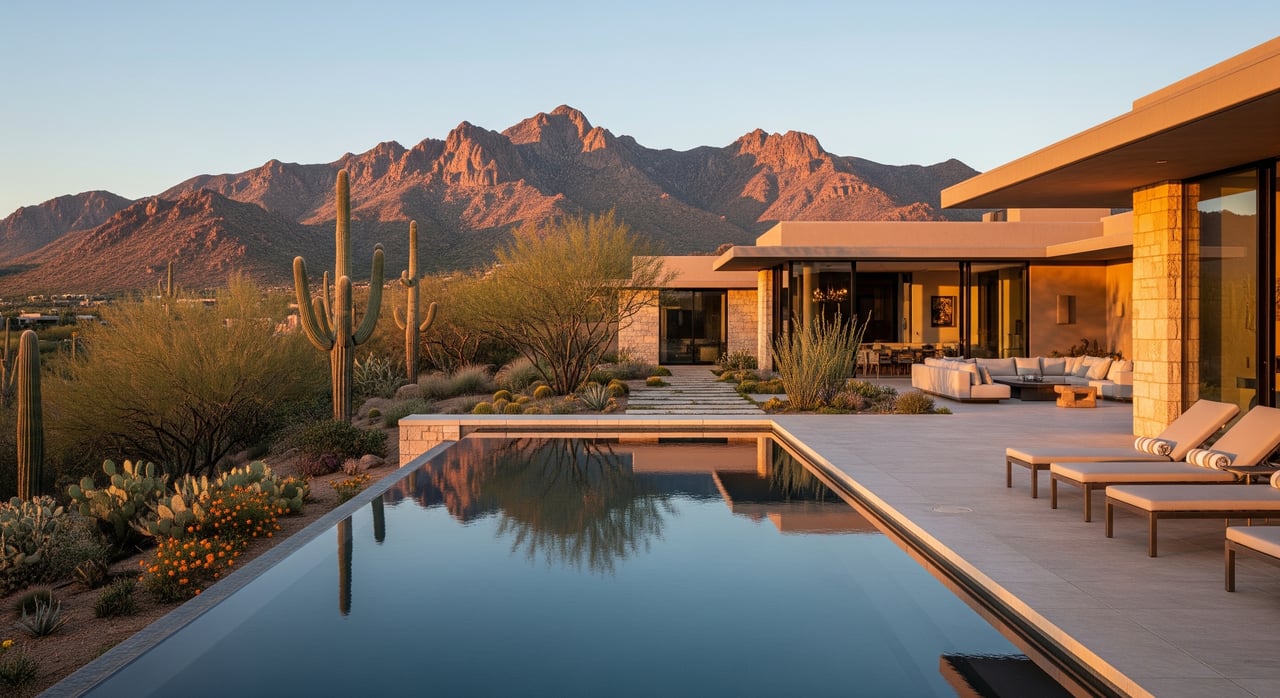
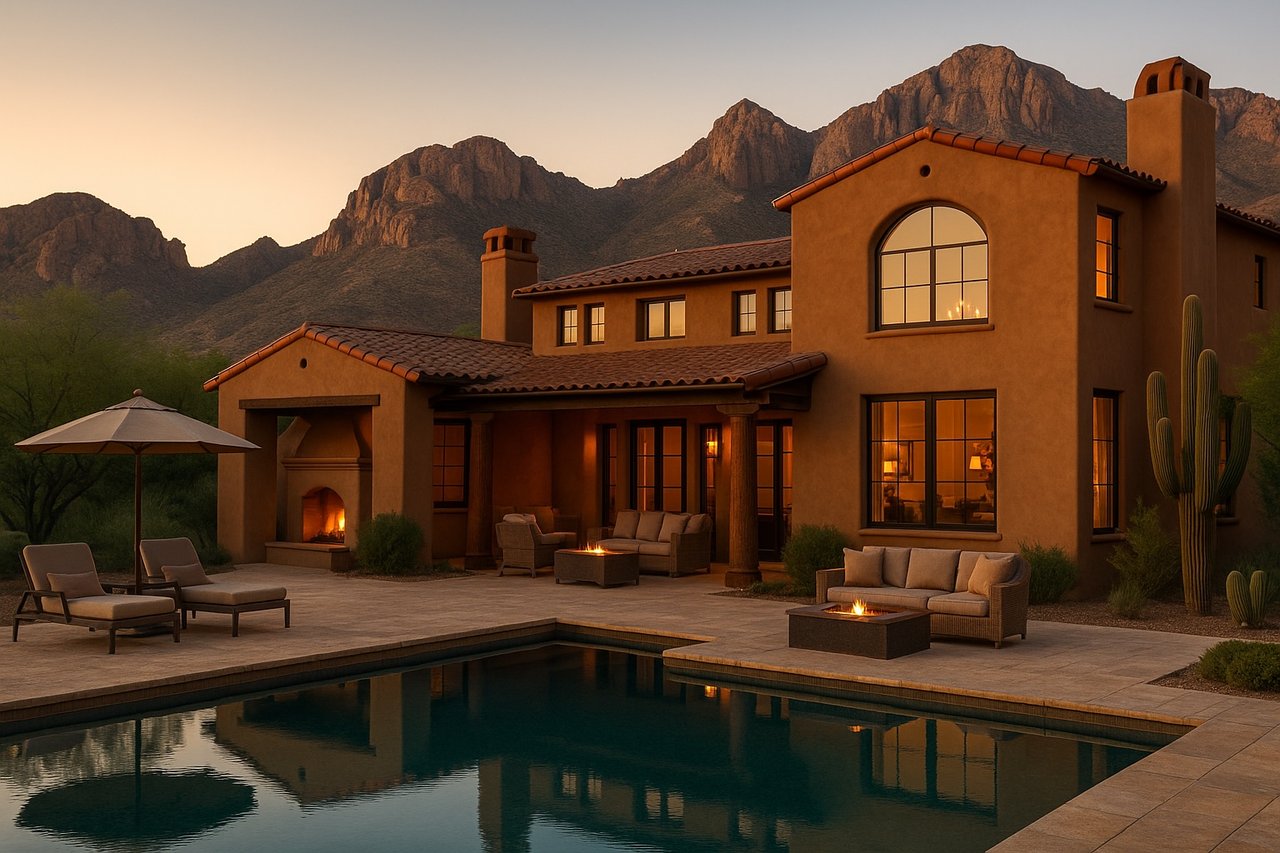
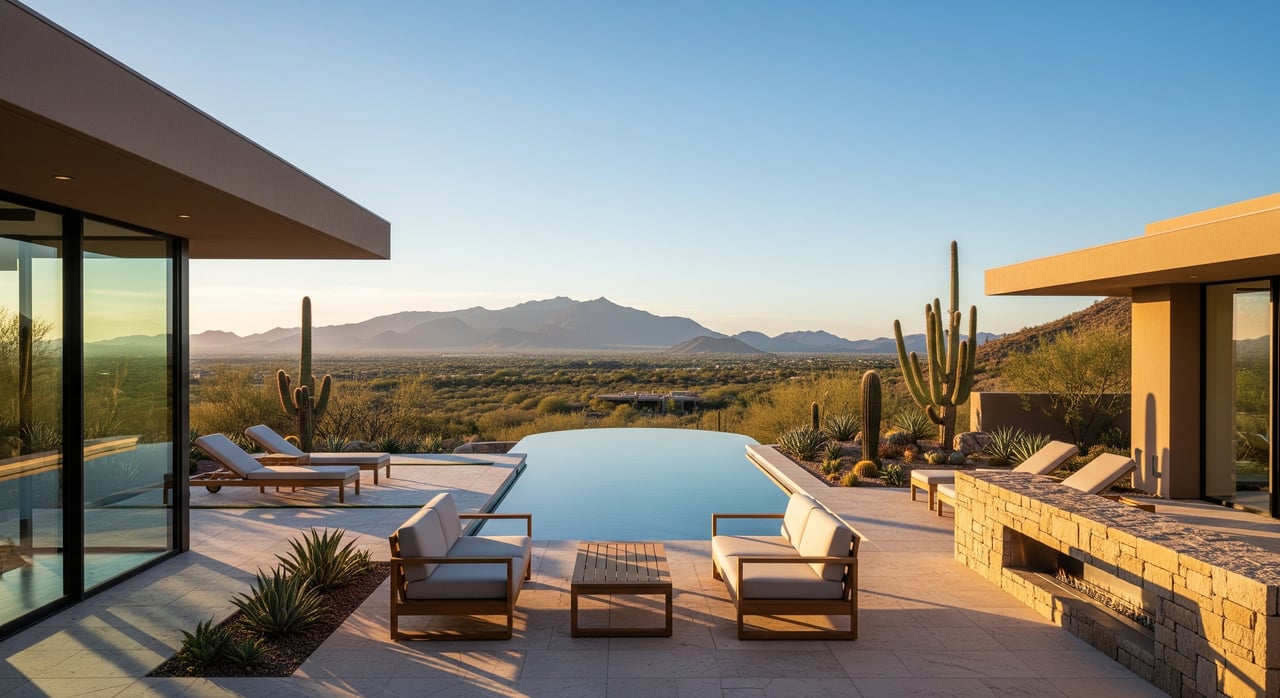
Compare Tucson-area homes from $1 million to $2 million and identify which alternatives you would seriously consider before discussing a higher offer on one property. Note the differences in condition, site and layout that matter to you. Understanding those choices helps clarify the tradeoffs in the negotiation. The search provides current alternatives; it does not establish that a particular listing has competing offers or requires a higher price.
My role is to help you evaluate those choices, communicate your instructions accurately and keep the submitted terms clear. Before using an escalation clause, we should discuss its trigger, increment, maximum price, required evidence and interaction with the rest of the offer. The National Association of REALTORS® consumer guide describes escalation clauses as one option in a multiple-offer situation, with advantages and disadvantages to consider.
Plan the Next Move
Consider a hypothetical buyer who privately tells their agent that a home could be worth a higher offer if the seller agrees to a particular closing date. The next step is to clarify that condition and decide what to submit. It is not to treat the private conversation as an accepted purchase price. A clear written proposal gives the seller terms to evaluate; an agreement still depends on the parties reaching the required acceptance.
If you’re thinking about buying or selling in Tucson and want a professional who navigates negotiations with integrity and precision, let’s connect.
📞 Daniel Sotelo with Russ Lyon Sotheby’s International Realty
About Daniel Sotelo
Daniel Sotelo, a Tucson native with Russ Lyon Sotheby’s International Realty, consistently ranks among the highest-producing individual agents in the Tucson MLS. He brings the perspective of an active, successful luxury real estate practice to pricing, property comparisons and negotiation.
Know someone weighing a purchase or sale in Tucson? Introduce us. I can help them compare their options and develop a thoughtful plan.
Substantively updated November 16, 2026, to distinguish buyer instructions, submitted offer terms and contract authority. Original publication date retained.