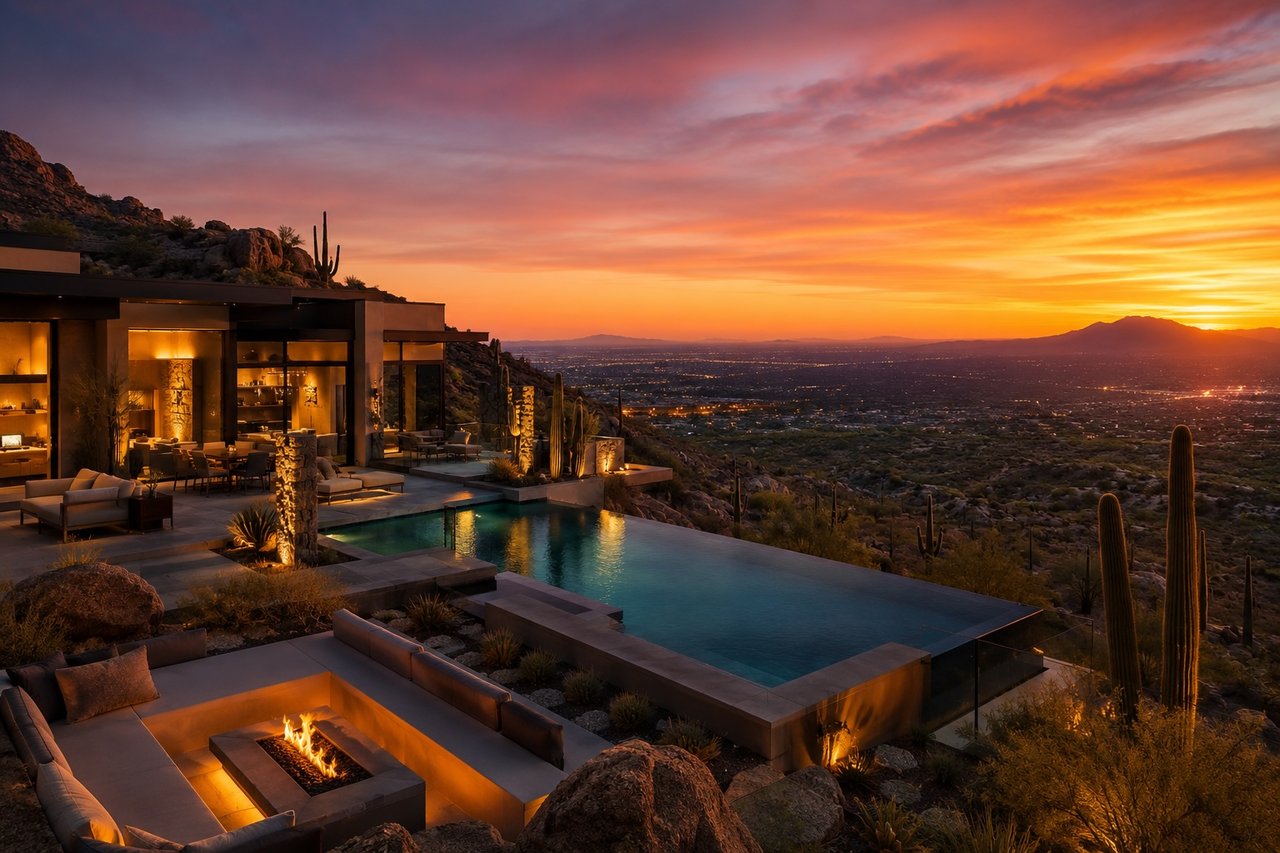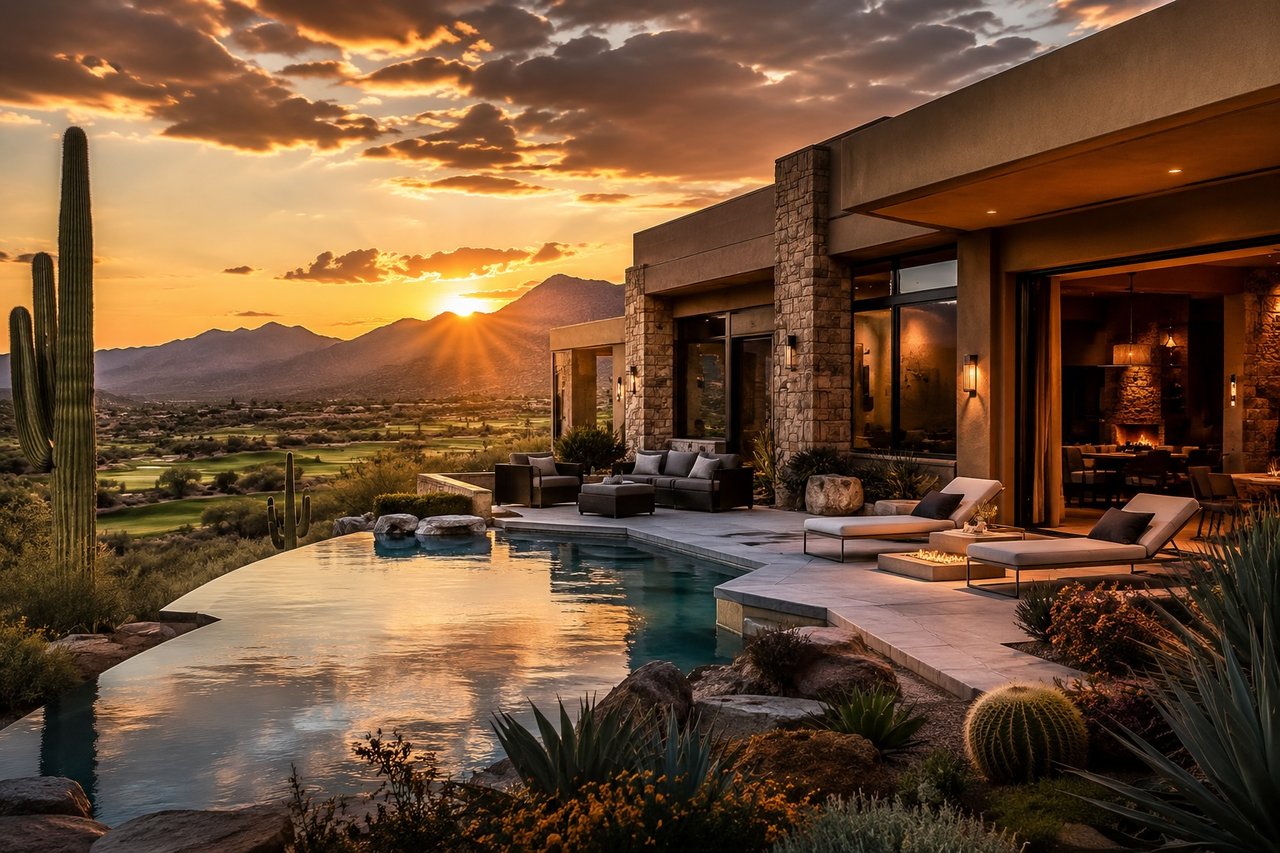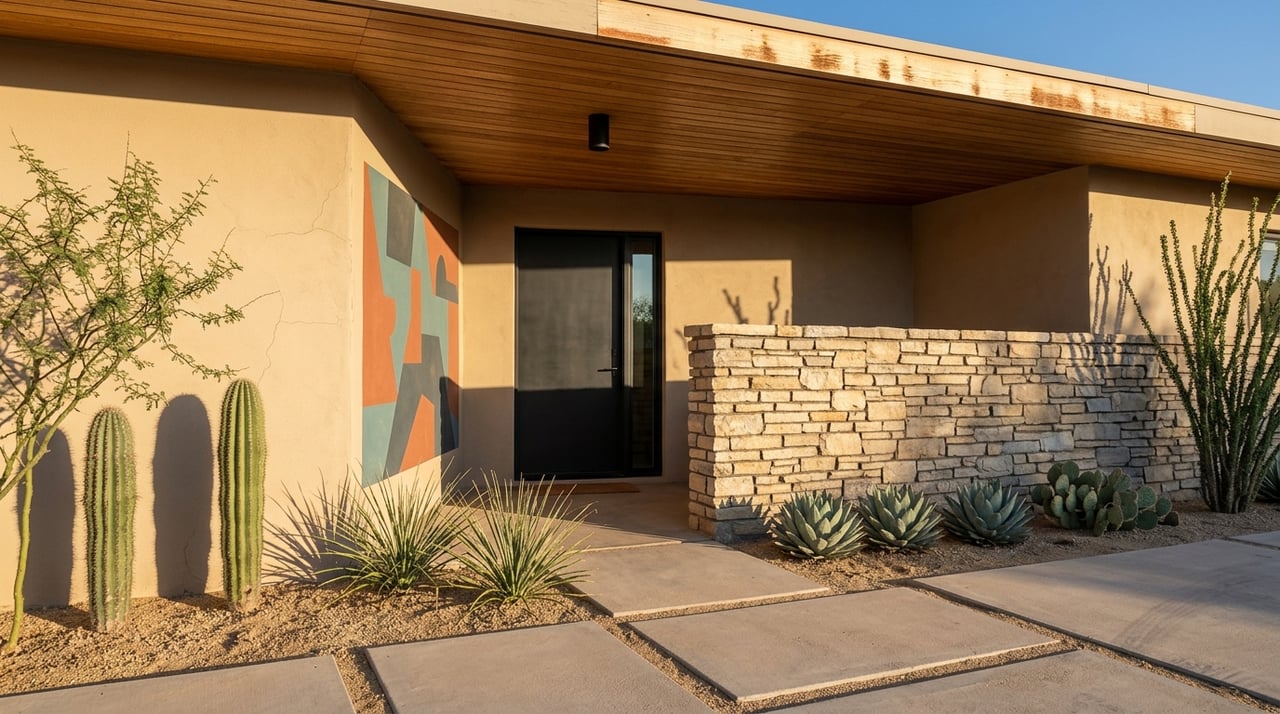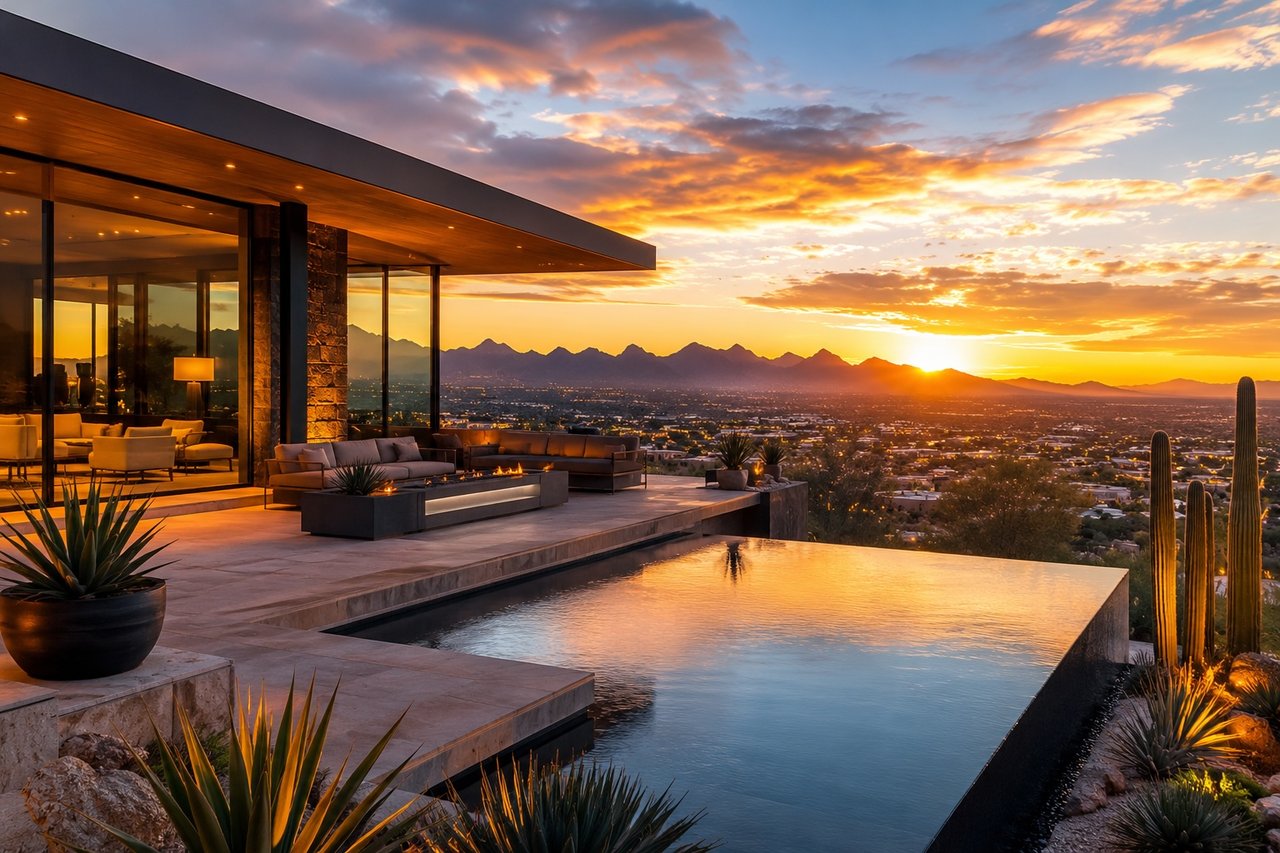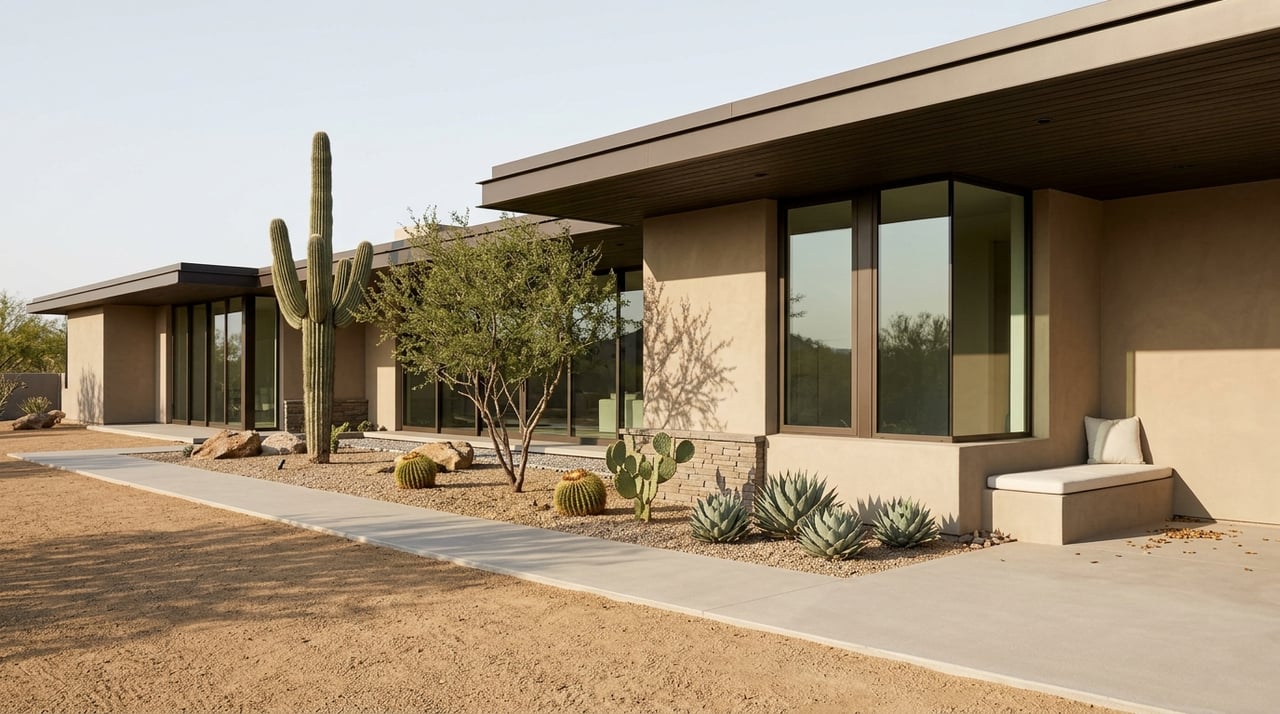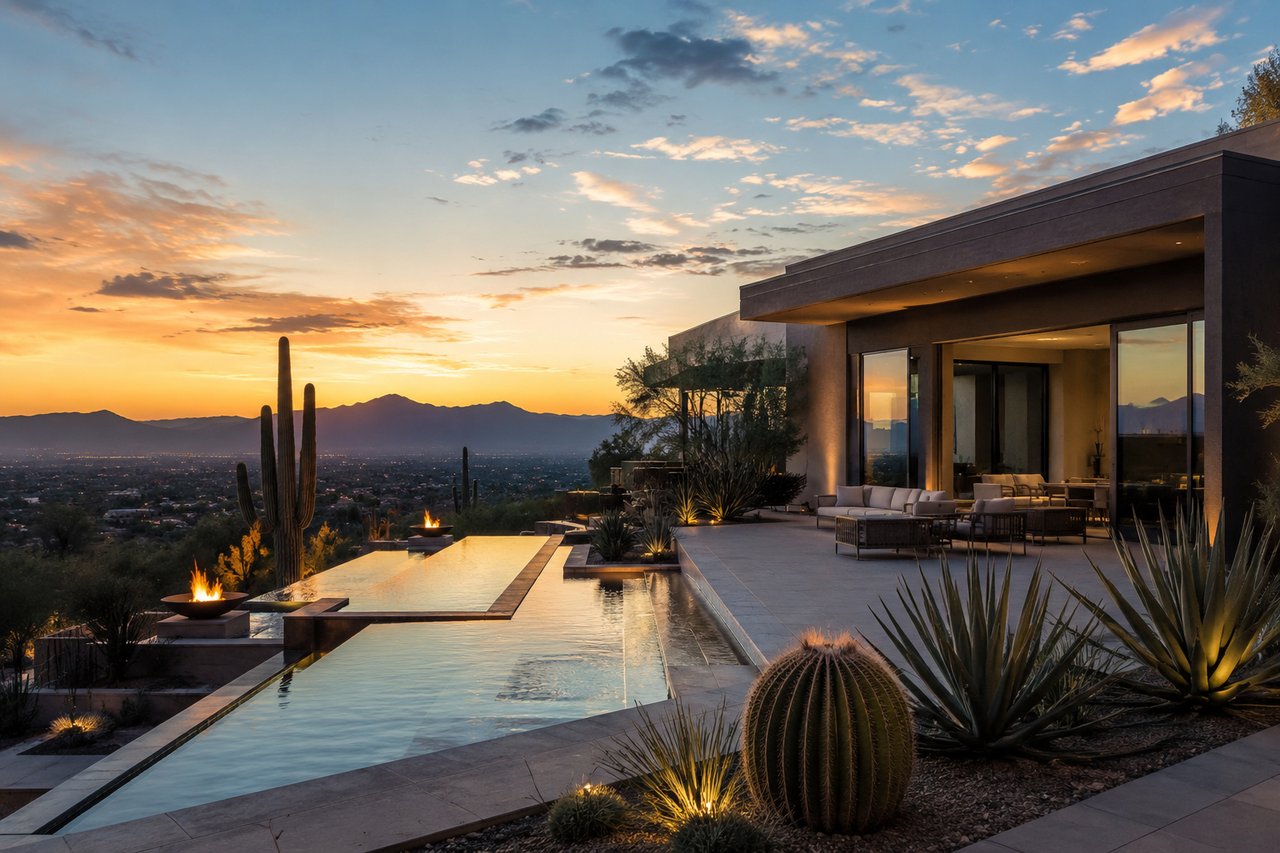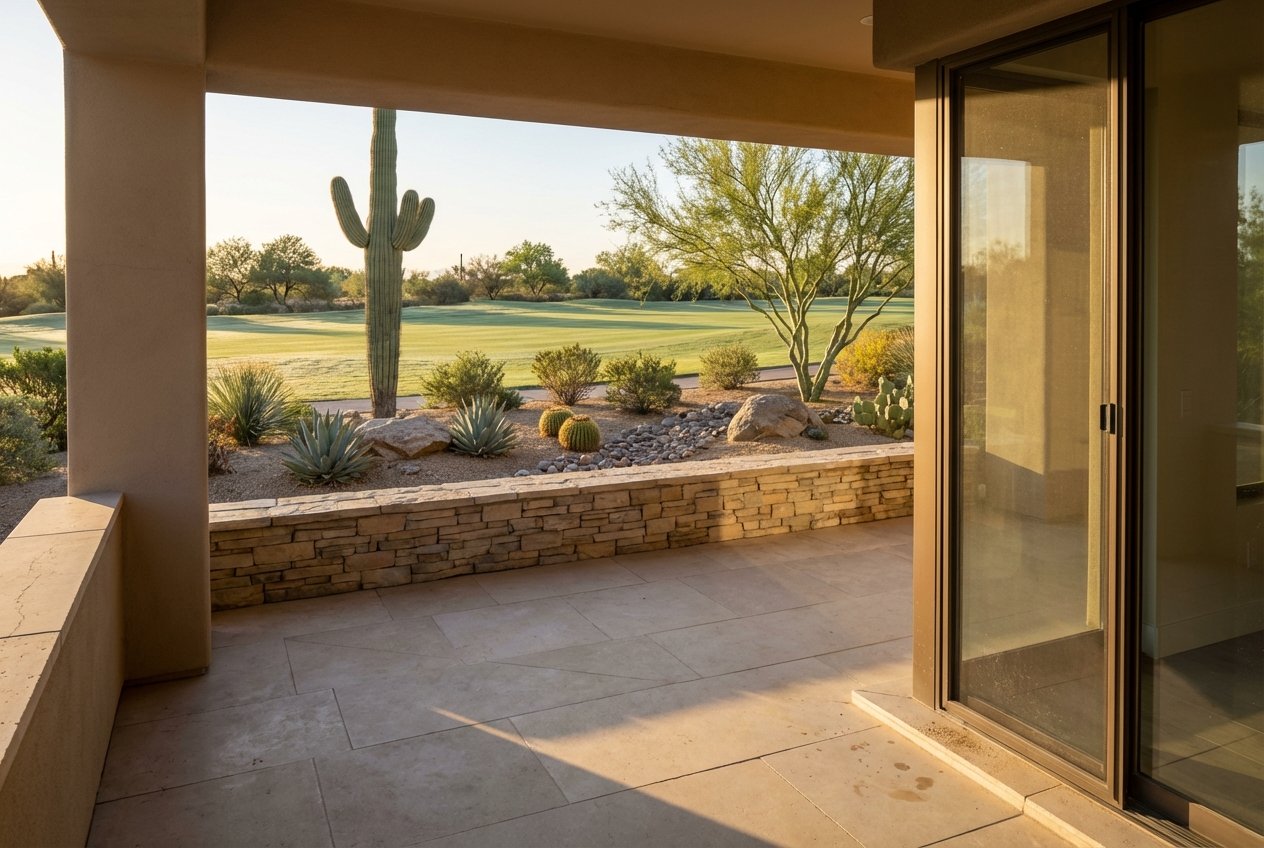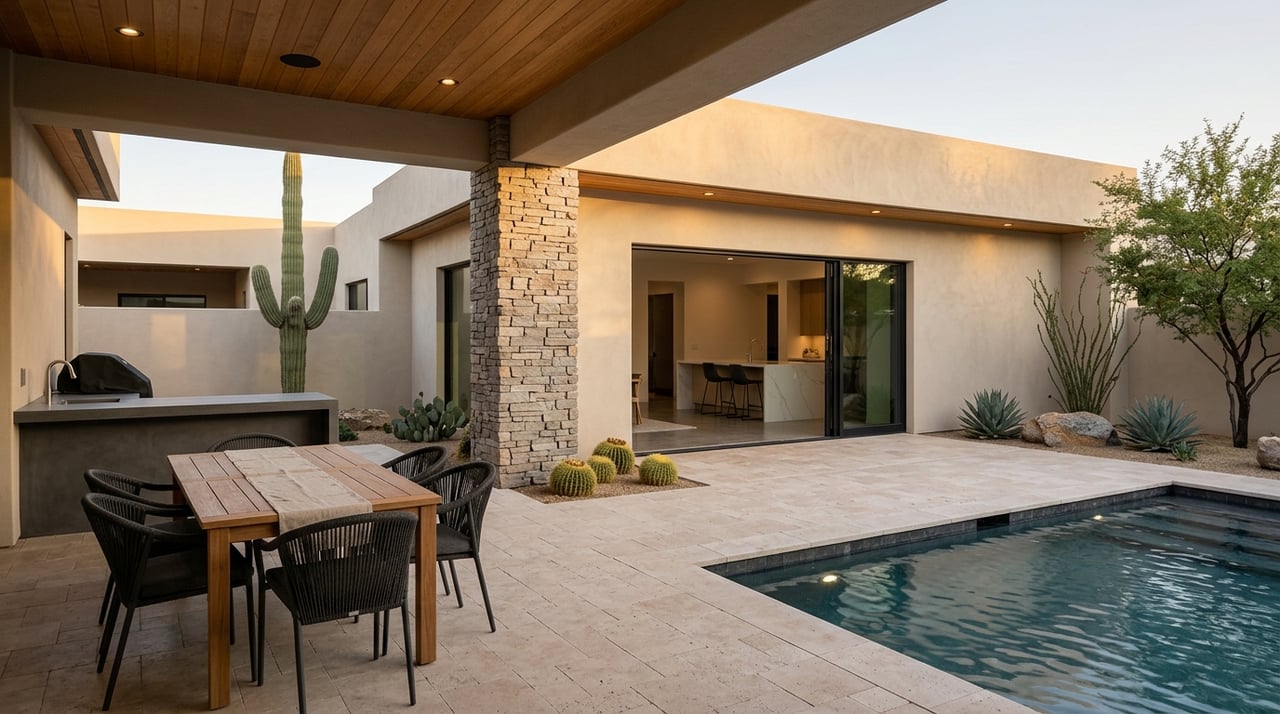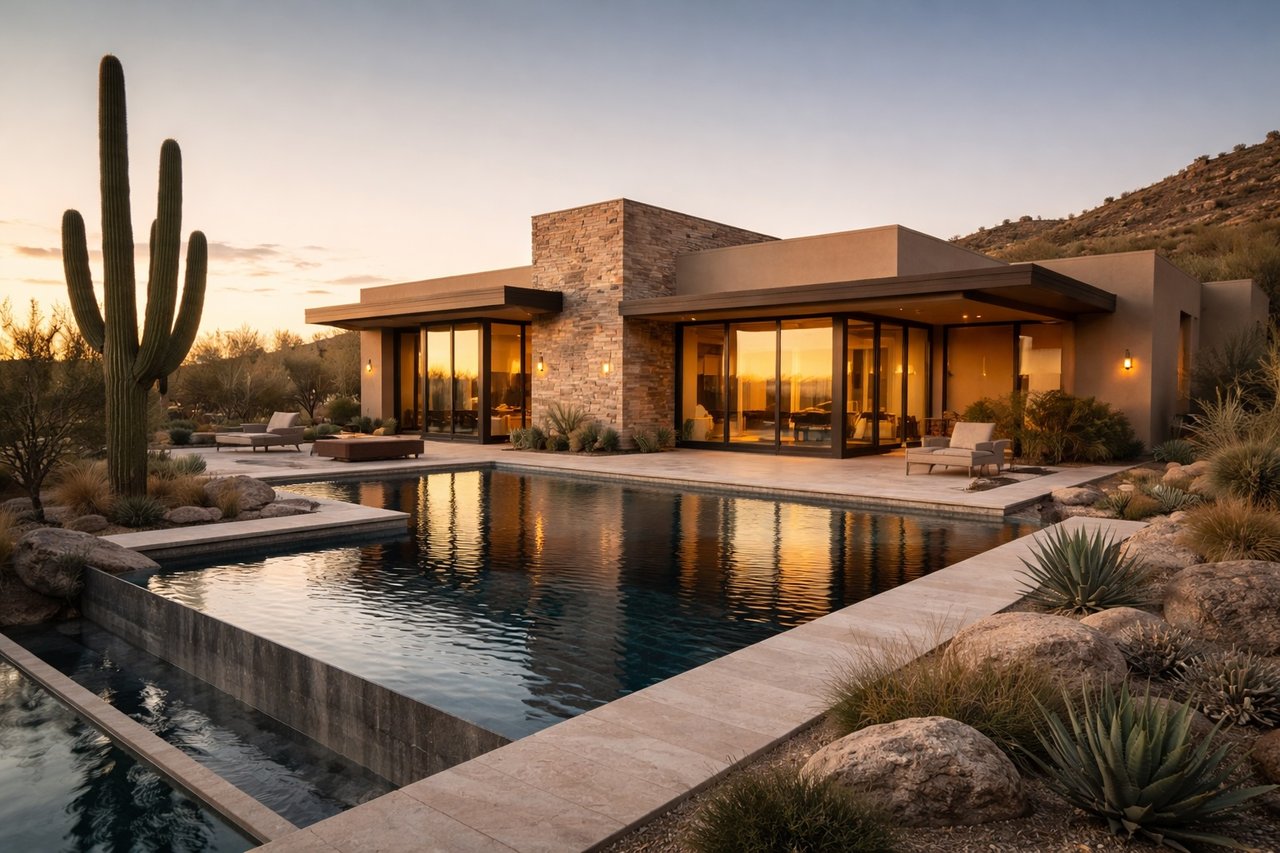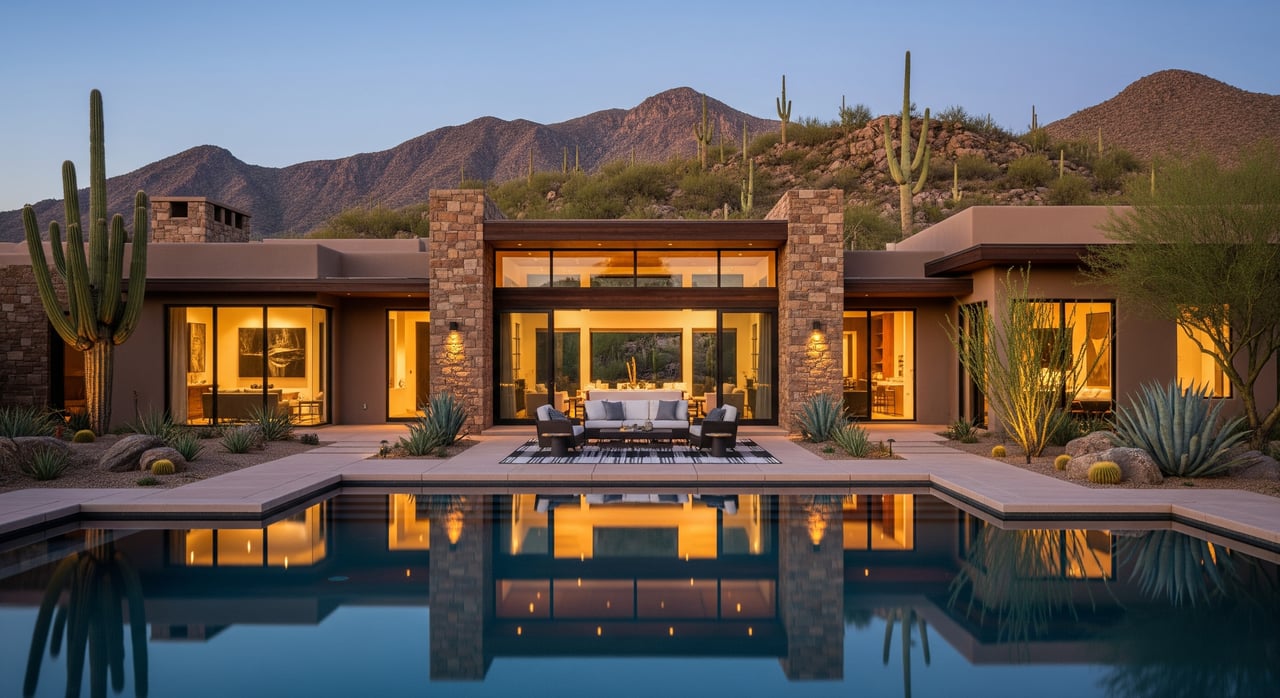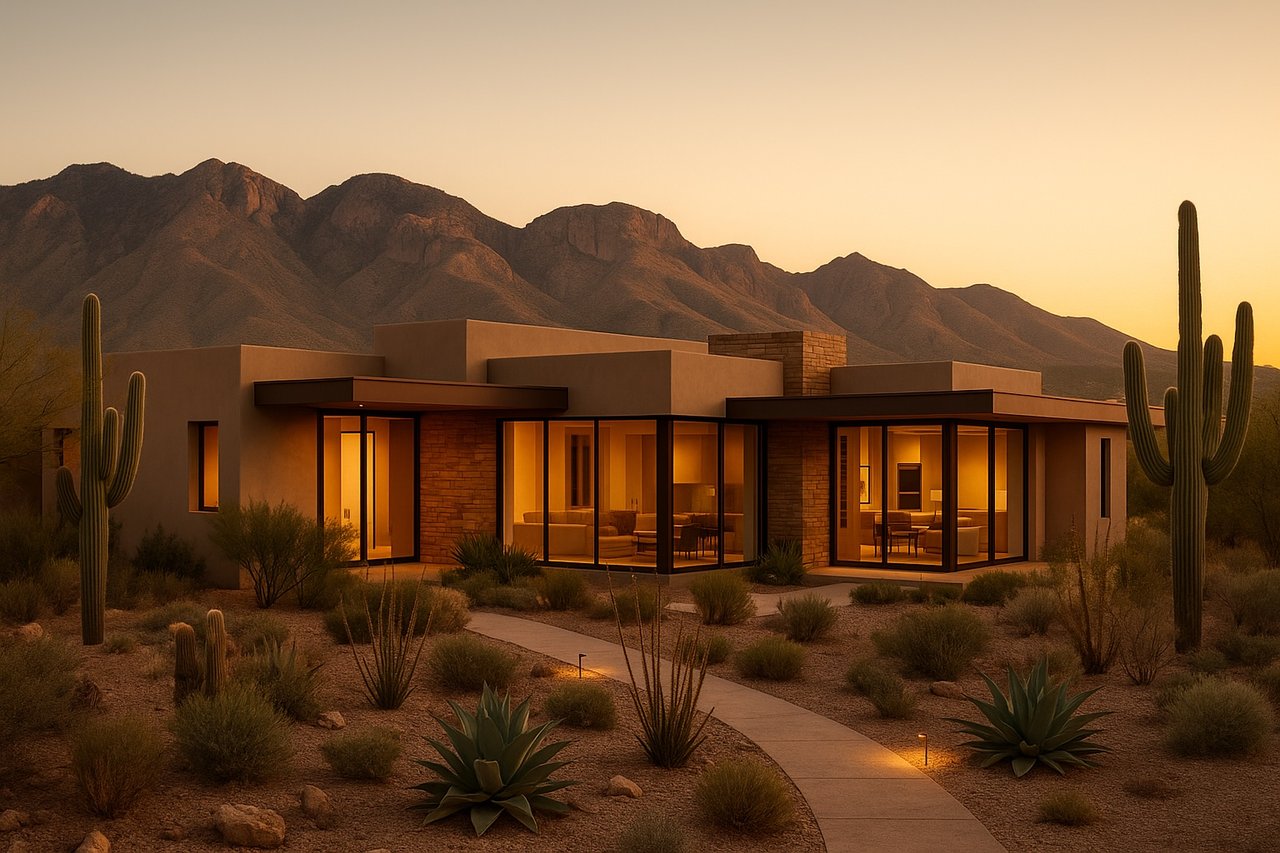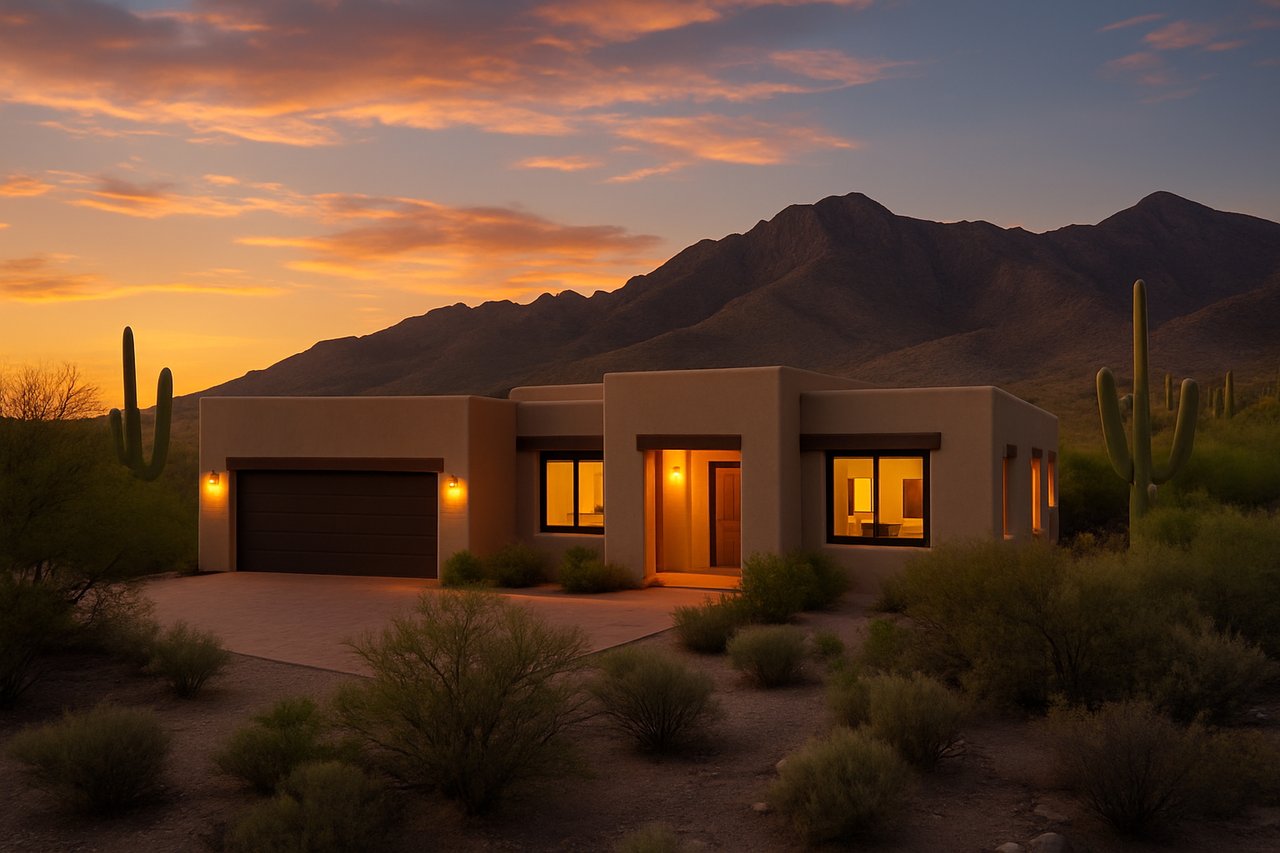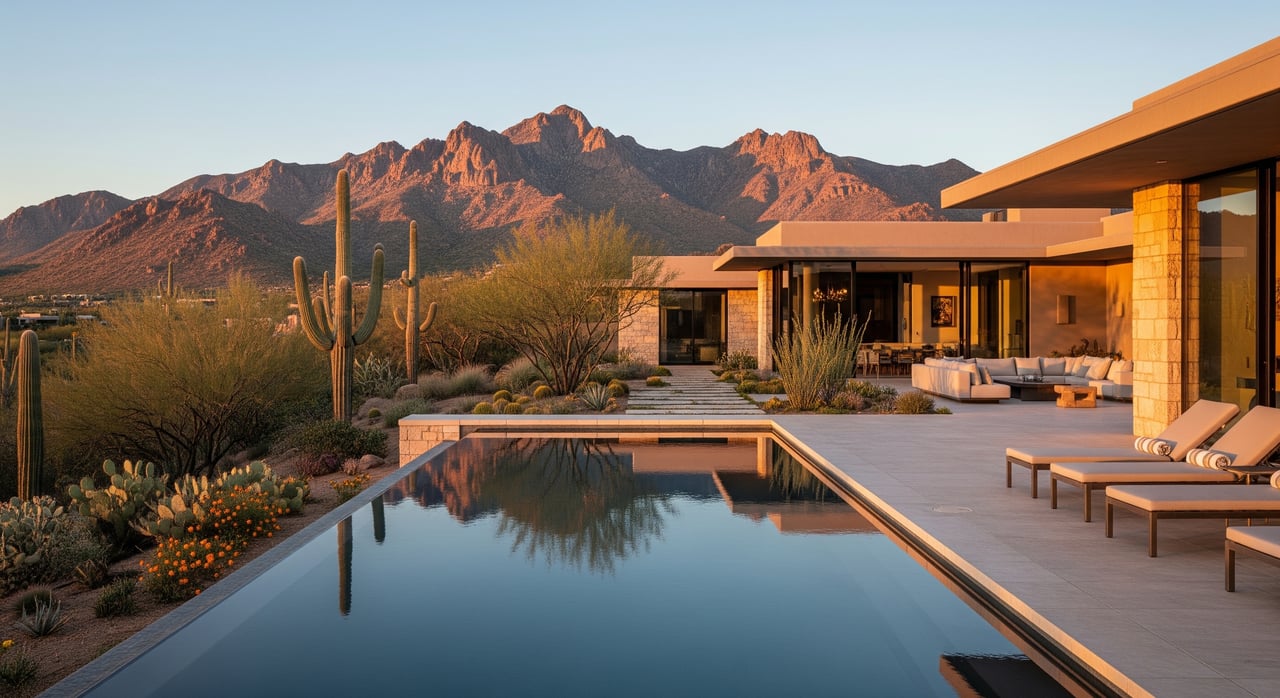
If you have noticed Catalina Foothills listings surge in spring and thin out by late summer, you are seeing seasonality at work. Timing matters here because the Foothills often carries a higher median sale price than central Tucson and draws a mix of local move-up buyers, second-home owners, and relocating professionals. In this guide, you will learn how inventory and competition shift through the year and how to plan your move with confidence. Let’s dive in.
What drives seasonality in the Foothills
The Catalina Foothills experiences clear cycles that shape both inventory and buyer activity.
- Winter visitors arrive from colder states and Canada roughly November through March. Their presence lifts demand for second homes and longer winter rentals, which can tighten selection in certain luxury or view-centric segments.
- Spring is the traditional selling season. Many sellers choose March through May to list, which produces the deepest selection and the broadest pool of active buyers.
- Summer heat and monsoon patterns reduce in-person showings, which often softens competition and can lengthen days on market.
- School calendars and relocation timelines concentrate household moves in spring and early summer. Families and relocating professionals align closings with the end of the school year and job start dates.
- Mortgage rates and the broader economy influence how strong each seasonal swing feels. Higher rates or uncertainty can blunt spring surges or extend slower stretches.
Season-by-season: inventory, prices, competition
Winter: November to March
Inventory is often moderate to low compared with spring because many sellers wait to list. Some downsizers, retirees, and second-home owners do list to meet winter visitor demand, especially in higher-end or view-focused areas. Seasonal and second-home buyers are active, while many local owner-occupants step back around the holidays and re-engage after New Year. Prices can remain firm in the upper tiers due to affluent winter buyers, though competition in mainstream tiers is often calmer than in spring.
What this means for you:
- Buyers can find motivated sellers and negotiate, particularly if you are flexible on closing or repairs.
- Choice can be limited in specific segments, especially under the most in-demand price points.
Spring: March to May
Spring typically brings the deepest selection of the year because many sellers target this window. Buyer traffic is highest, including families, move-up buyers, and relocating professionals preparing for summer moves. Competition is hottest, particularly for well-presented homes priced under roughly the luxury threshold. Multiple offers and faster days on market are common.
What this means for you:
- Sellers benefit from maximum exposure and strong pricing when presentation and pricing strategy are on point.
- Buyers should come mortgage-ready, understand inspection timelines, and be prepared to decide quickly on the right home.
Summer: June to August
As temperatures climb, showings and buyer activity often slow. Inventory can accumulate when some listings linger, while other sellers pull back to avoid showing in the heat. Price reductions become more common, and days on market lengthen as competition eases. Relocating professionals remain in play, but many do their initial scouting earlier or use virtual showings.
What this means for you:
- Buyers willing to tour in the heat can secure favorable terms and more negotiation room.
- Sellers who list in summer should emphasize indoor comfort, energy efficiency, and shaded outdoor living to stand out.
Fall: September to October
Fall is a transition period as temperatures cool and some seasonal buyers return. Activity is not as intense as spring, but it can be healthy, especially in luxury and second-home segments. Some sellers who missed spring re-enter, which can improve selection compared with late summer.
What this means for you:
- Buyers enjoy a balance of choice and calmer competition.
- Sellers of luxury or second homes can tap into early seasonal demand heading toward winter.
How price tiers behave
Seasonality looks different across segments.
- Entry to mid-range homes show the strongest seasonal swings. Spring delivers the most new listings and the highest competition, while summer tends to be the softest period.
- Luxury and second-home properties can perform well in winter because seasonal buyers are present. That said, these homes transact year-round when buyers are ready and the property tells a clear story of value.
Guidance for relocating professionals
If you control your timetable, begin your search in late winter or early spring. You will see the broadest selection and can line up a closing in late spring or early summer. Expect more competition, so have pre-approval ready, understand your must-haves, and plan for a tight inspection window.
If you are moving during winter, understand choice may be tighter in some segments. Consider a long-term rental or interim housing while you search. Winter can favor buyers on price in certain tiers, but you may need patience to find a specific lot, view, or floor plan.
If you want to avoid peak competition, target late summer or early fall. You may have fewer options, but it can be easier to negotiate on price or timing, especially for homes that have been on the market through the summer.
Strategy for move-up buyers and sellers
If you plan to sell and buy in the Foothills, align your moves with your financial and life calendar.
- Sellers who list in spring typically capture the strongest buyer traffic and pricing. This can shorten time on market, improve proceeds, and give you leverage for your next purchase.
- If you must sell first, plan staging and prep so your home lists in early spring. That timing can help your sale fund a smoother move-up purchase.
- If you need to buy first, consider purchasing in late summer when competition eases. Then list your current home the following spring for top dollar. This approach requires contingency planning and an understanding of carrying costs.
Timing details that matter
Inspections and weather
Monsoon season can affect scheduling and exterior repairs. Build a little cushion into timelines for roof, drainage, or landscaping work, and plan follow-up verification after heavy rain if needed.
HOAs and CC&Rs
Many Foothills neighborhoods have community associations and terrain-related guidelines. Allow extra time for document review and for HOA approvals where required.
Financing and income patterns
If you are out of state or purchasing a second home, work with a lender familiar with seasonal income and relocation scenarios. Align your financing milestones with your search timing so you can act quickly when the right property appears.
How to prepare for each season
A bit of front-end prep can make a big difference.
Buyers: quick-start checklist
- Get fully pre-approved, not just pre-qualified, before peak spring.
- Define your must-haves and nice-to-haves so you can decide quickly in a hot week.
- Set viewing strategies for summer, including virtual tours and targeted in-person showings during cooler hours.
- Plan inspections and contractors in advance if you are aiming for spring closings.
Sellers: listing-readiness checklist
- Choose your timing. Spring is usually best for exposure. Winter can work for luxury and second-home appeal. Summer requires sharper pricing and comfort-focused marketing.
- Elevate presentation. Professional photos, clear staging, and story-led marketing help homes rise above the noise in every season.
- Address comfort. Service HVAC, check shading and outdoor living, and highlight energy efficiency during warmer months.
- Price with the season. Be assertive in spring when demand is strongest, calibrated in fall, and mindful of shifts if you list through summer.
Putting it all together
In the Catalina Foothills, seasonality is predictable enough to plan around and flexible enough to reward good strategy. Spring is your widest stage to sell and your biggest selection to buy, winter can be efficient for focused searches and luxury listings, summer favors patient buyers who want to negotiate, and fall provides a measured middle ground. The right plan aligns your timeline, financing, and must-haves with the rhythm of the market.
If you want a tailored approach that fits your goals, connect with a local advisor who knows these cycles and the nuances of each neighborhood. For a high-touch, data-informed plan for your move, reach out to Daniel Sotelo.
FAQs
When is the best time to find the most homes for sale in the Catalina Foothills?
- Spring, roughly March through May, typically offers the deepest selection because many sellers choose to list then.
When is buyer competition strongest in the Catalina Foothills?
- Spring is usually the most competitive, as families, move-up buyers, and relocating professionals are active and homes sell faster.
Is winter a bad time to buy in the Catalina Foothills?
- Not necessarily. Winter often has fewer competing buyers in many tiers, and luxury or second-home segments can be active. Selection may be tighter in some price points.
Should I list my Catalina Foothills home in summer?
- Summer can be slower. If you need to list then, set clear pricing expectations and emphasize indoor comfort, energy efficiency, and shaded outdoor living in your marketing.
How should a relocating professional time a house hunt in the Catalina Foothills?
- If possible, start in late winter or early spring to maximize options and align closings before summer. If timing is tight, consider temporary housing and a targeted, well-prepped search trip.