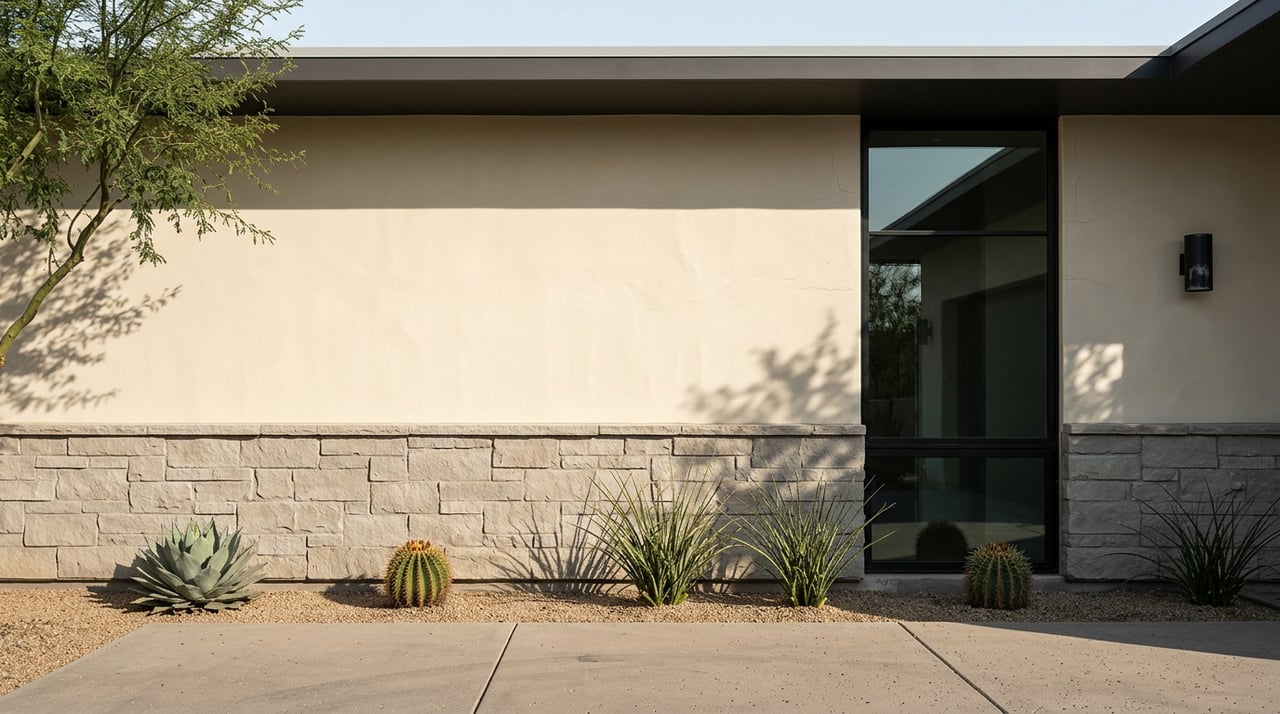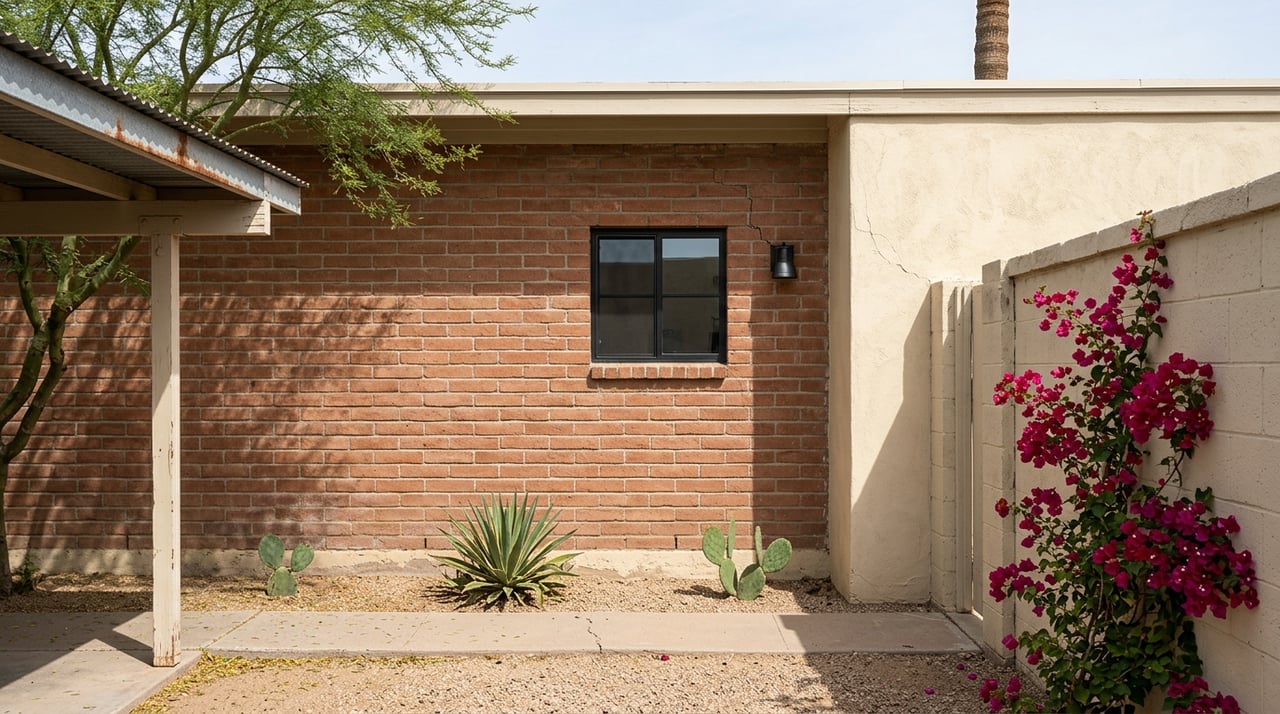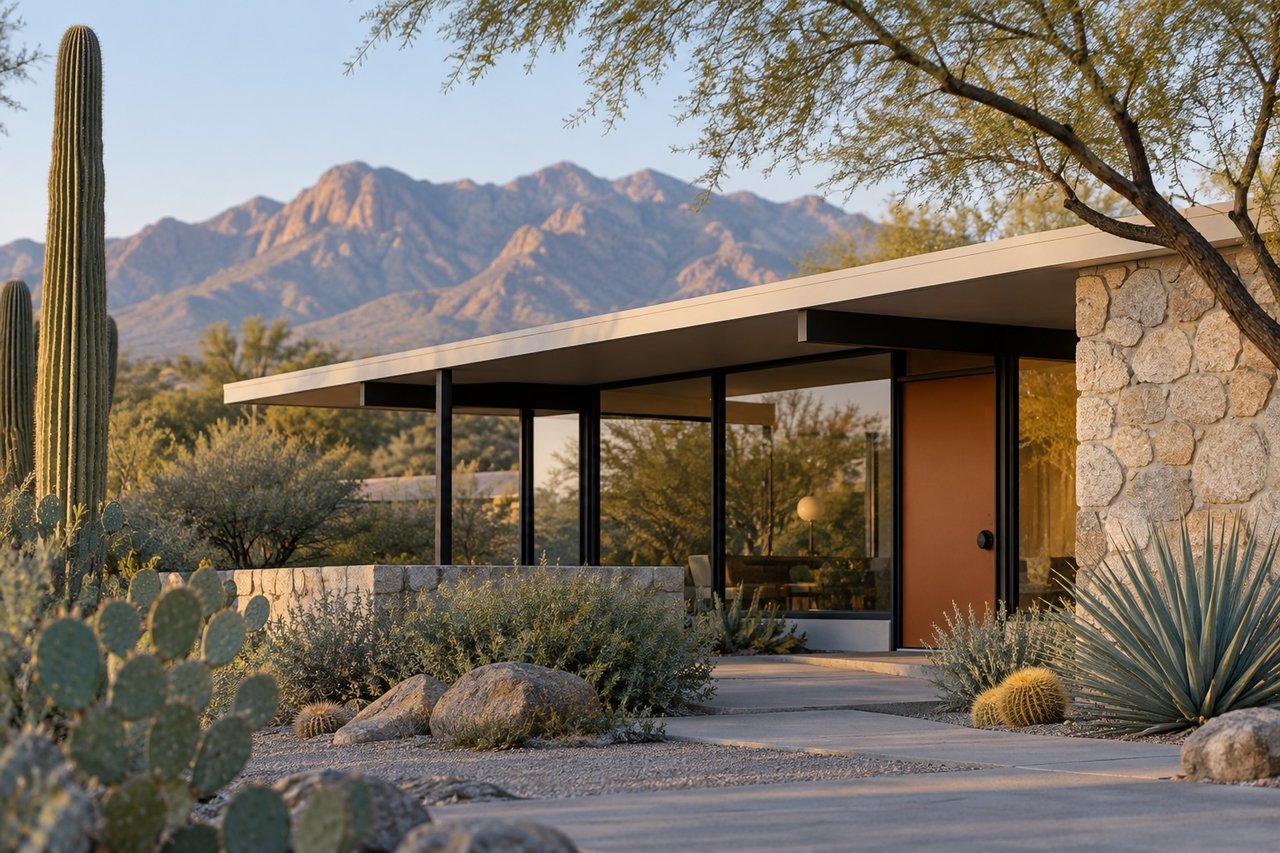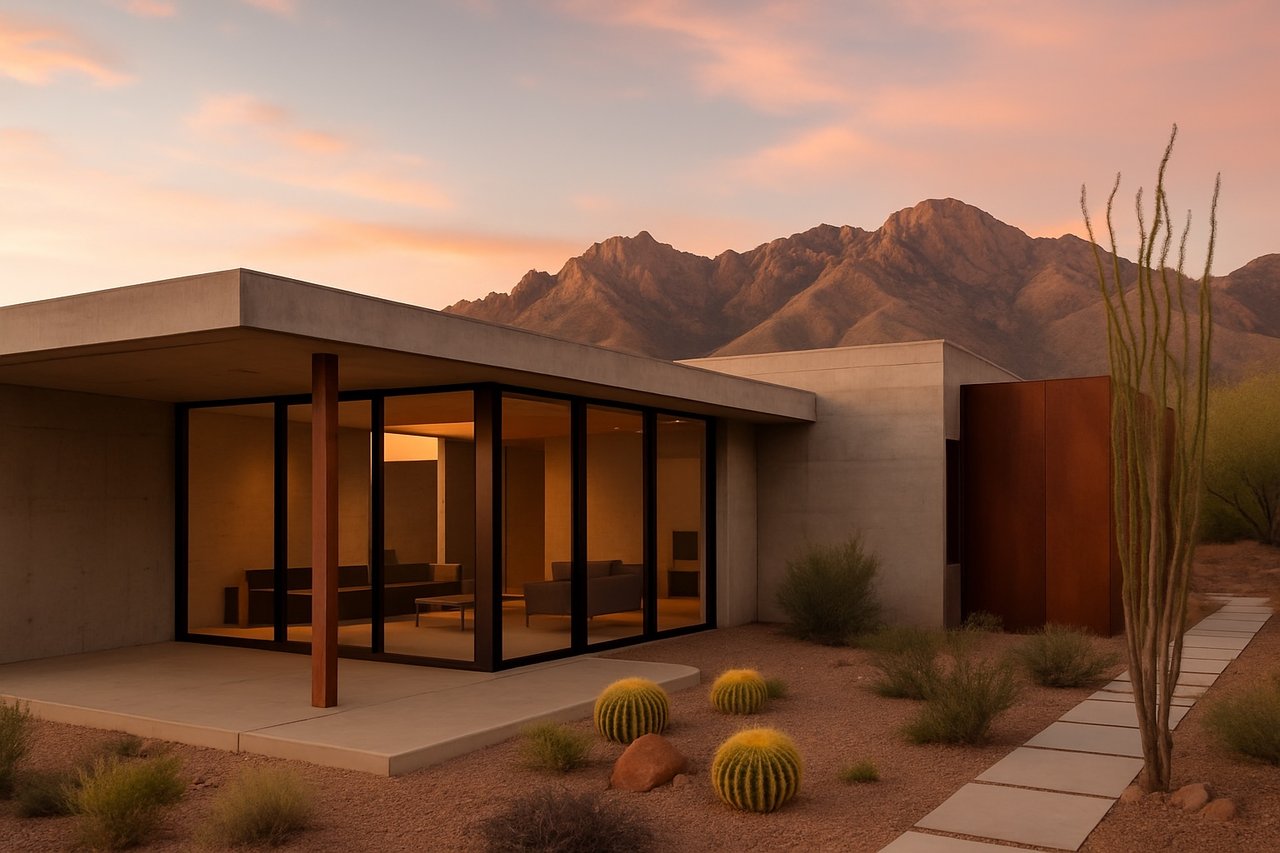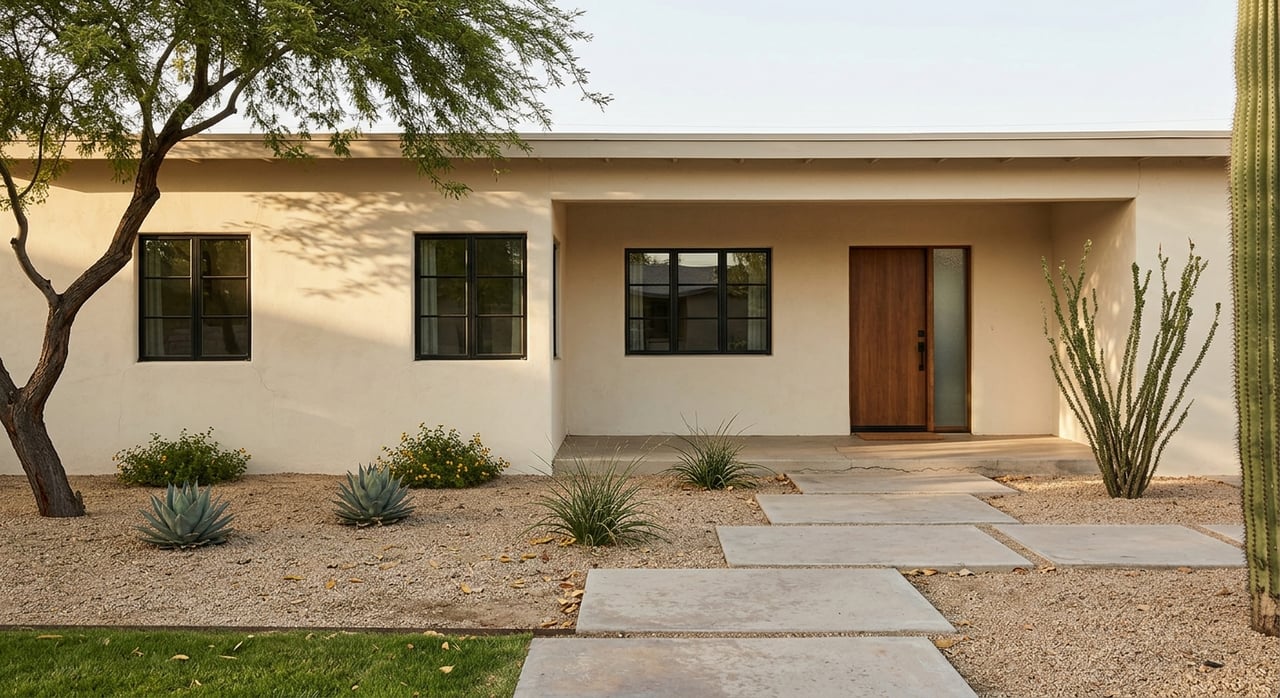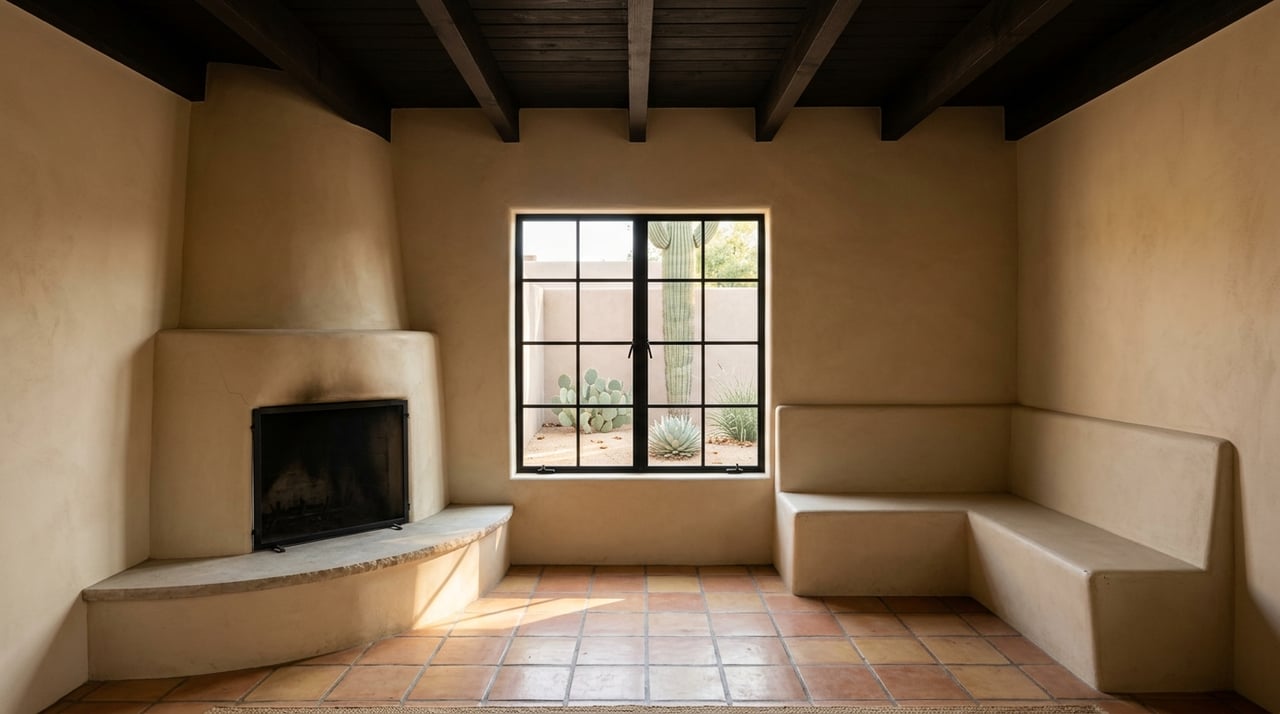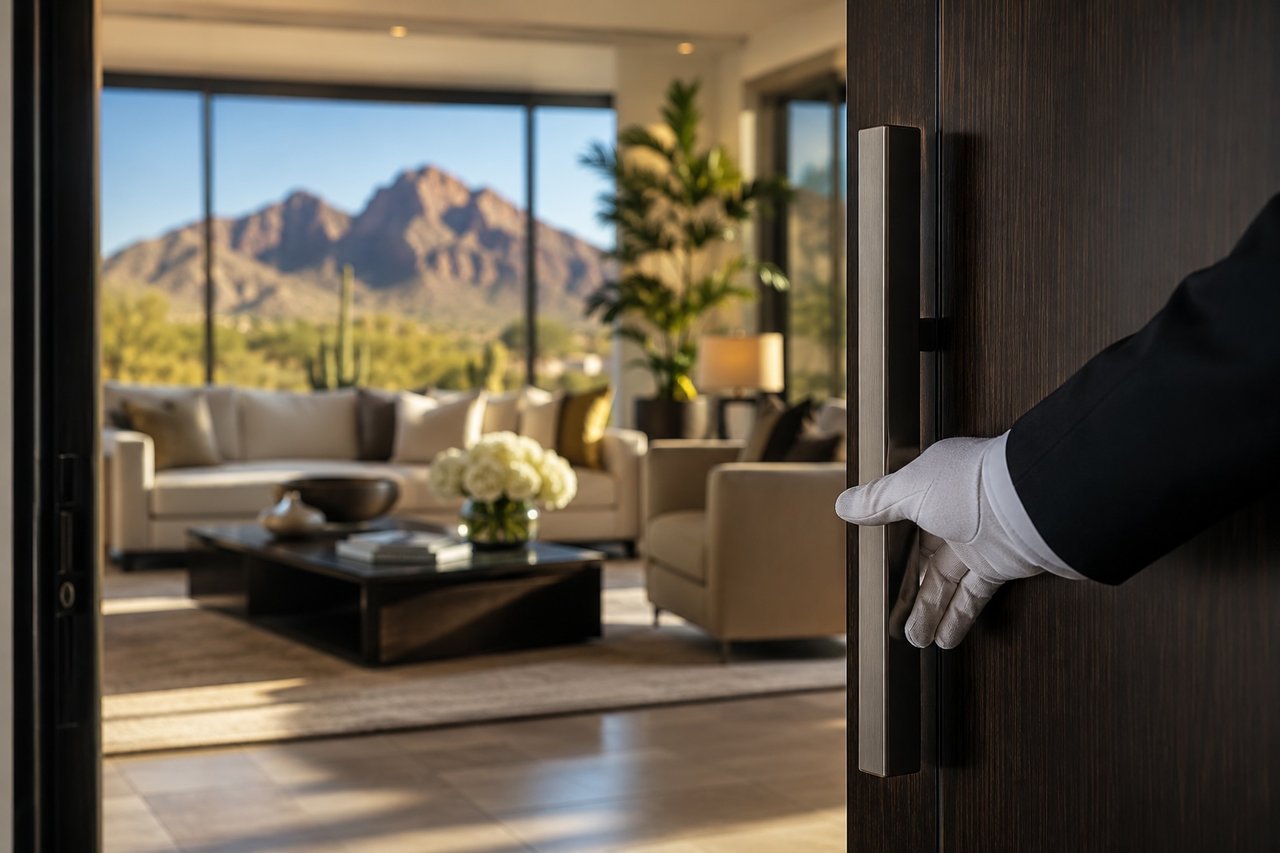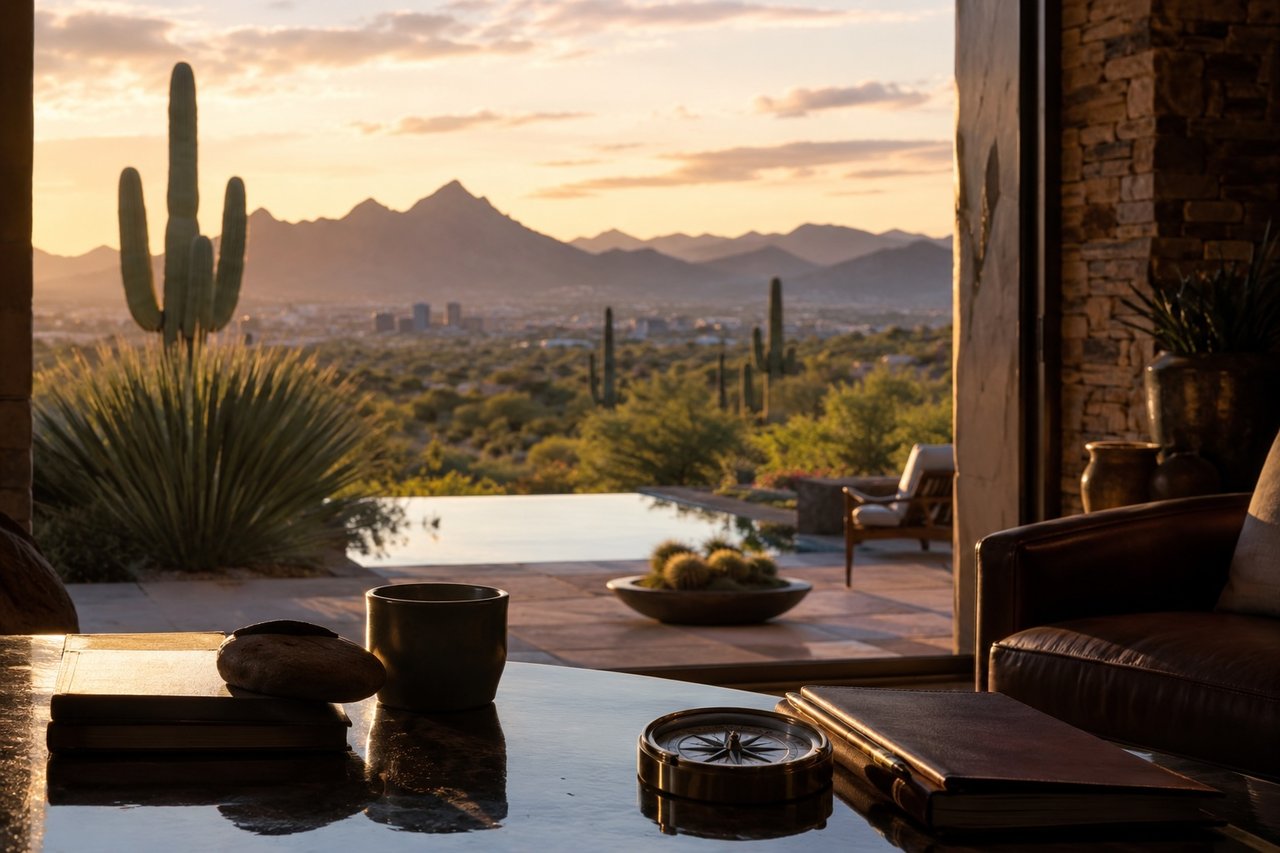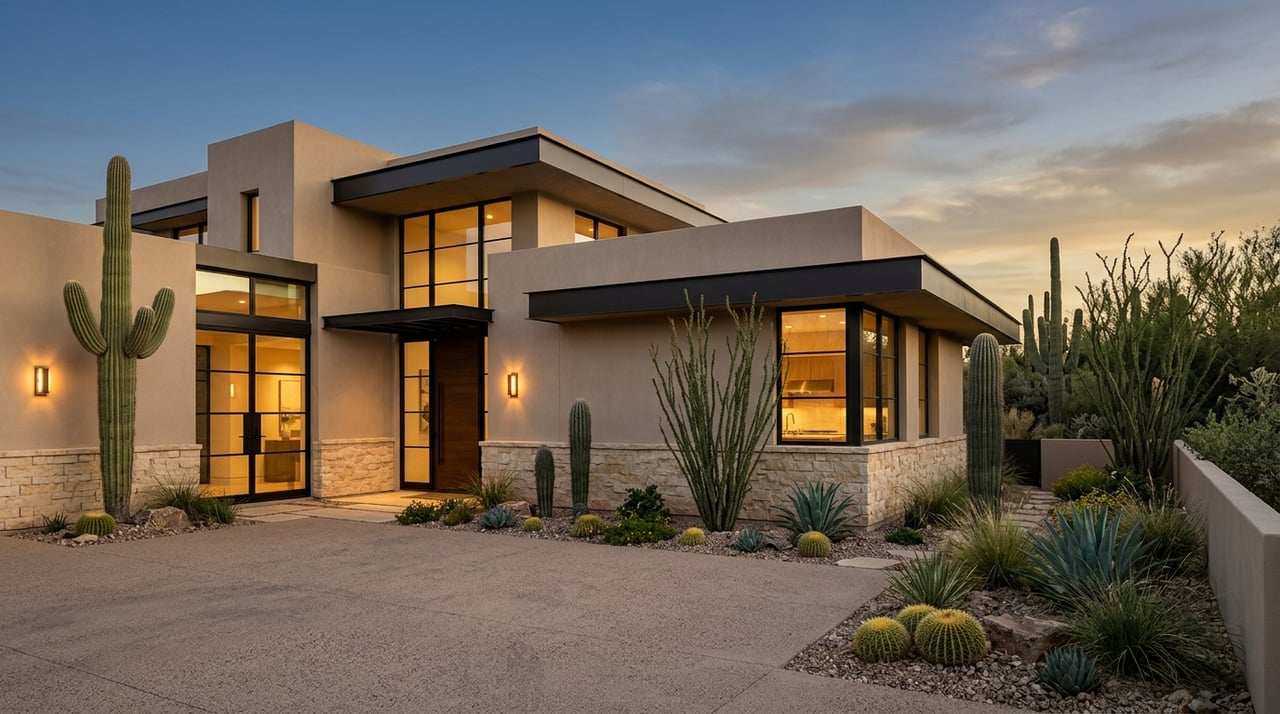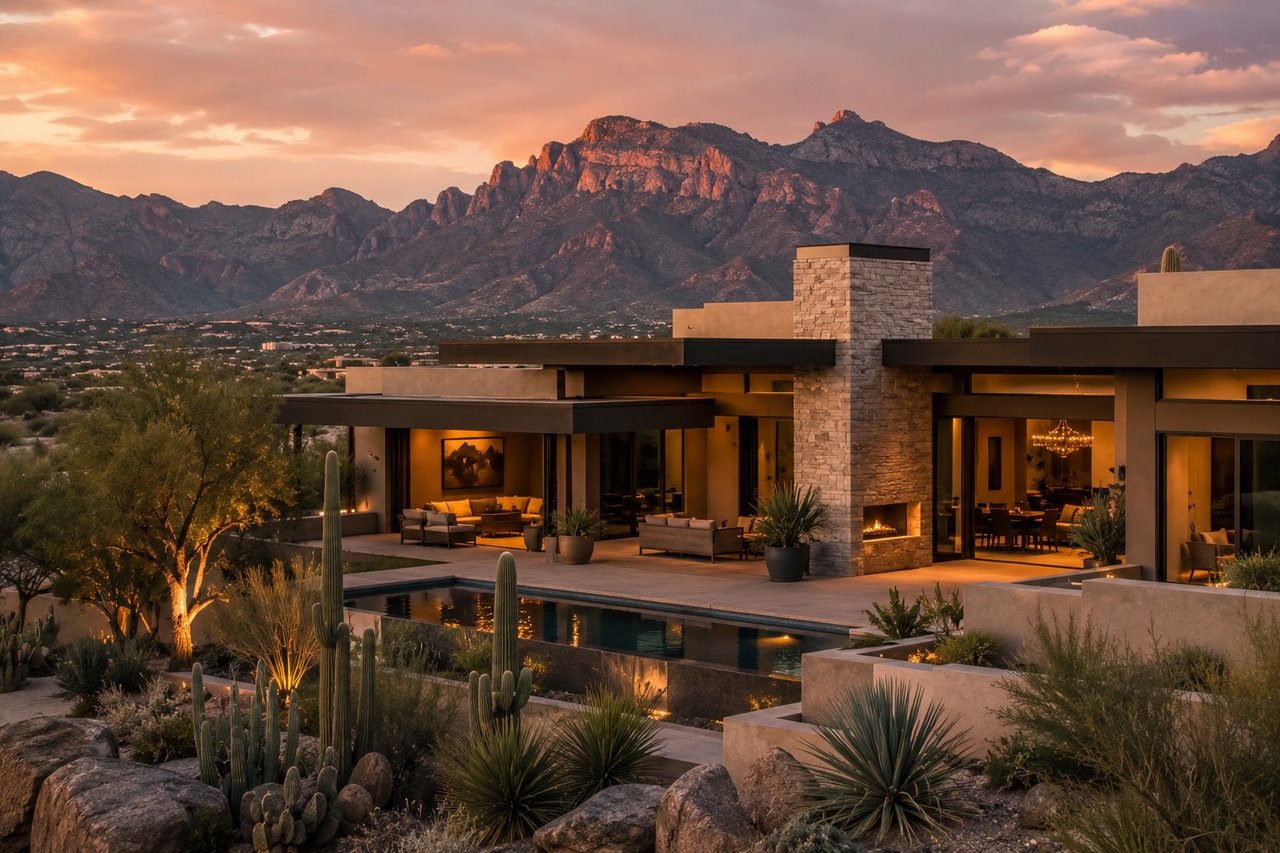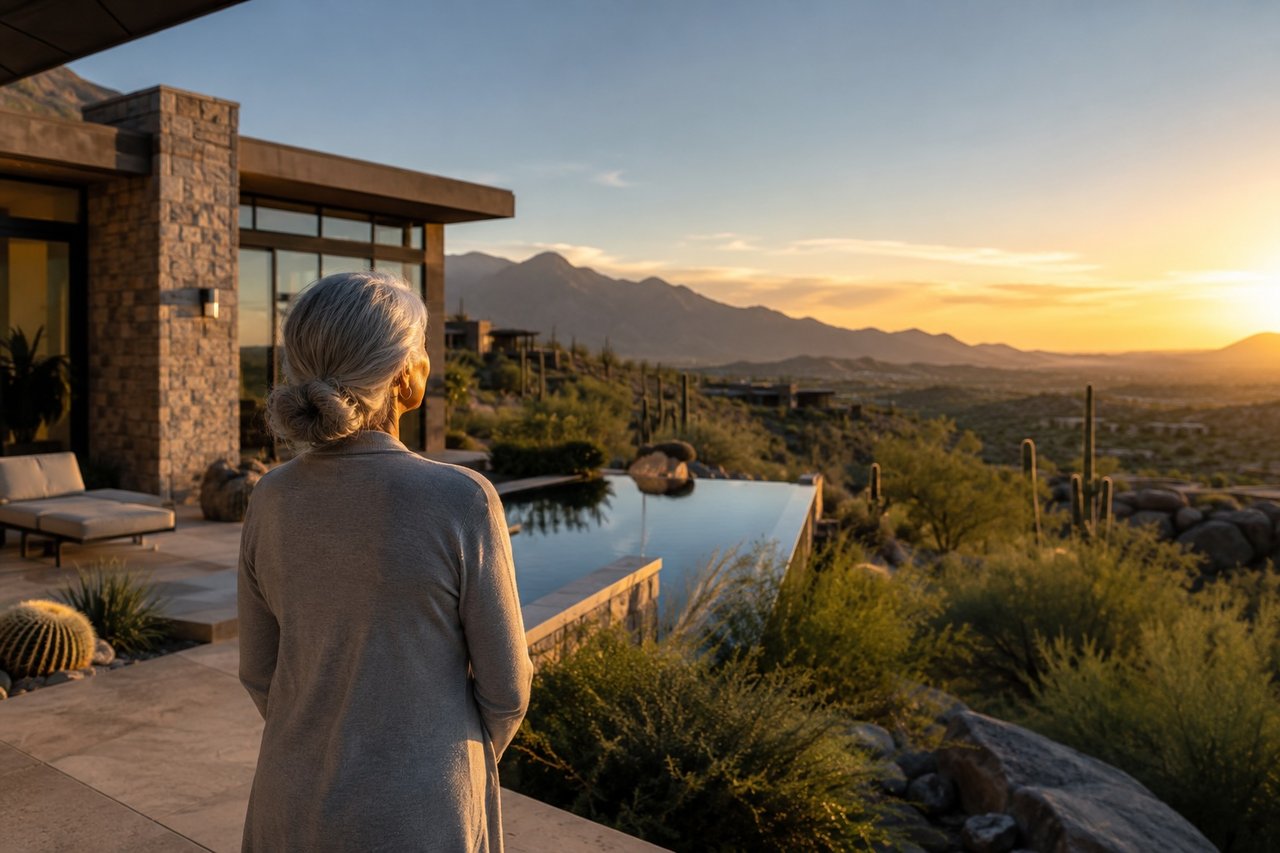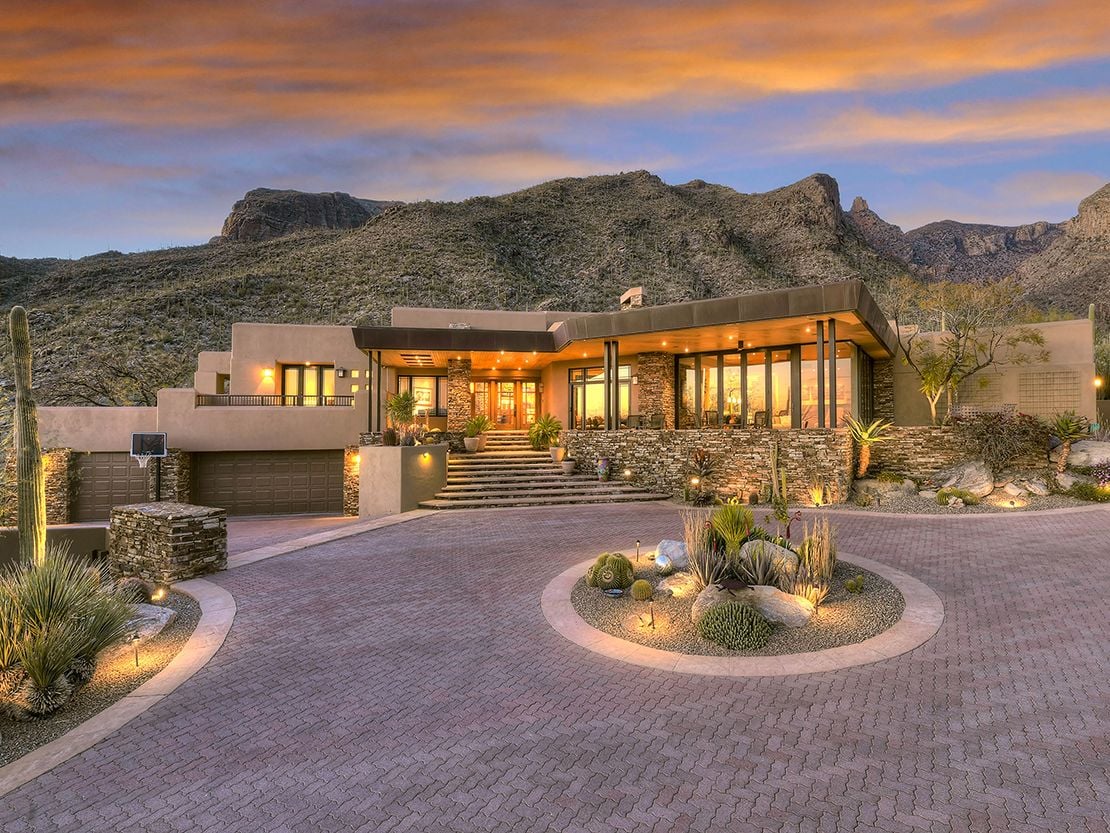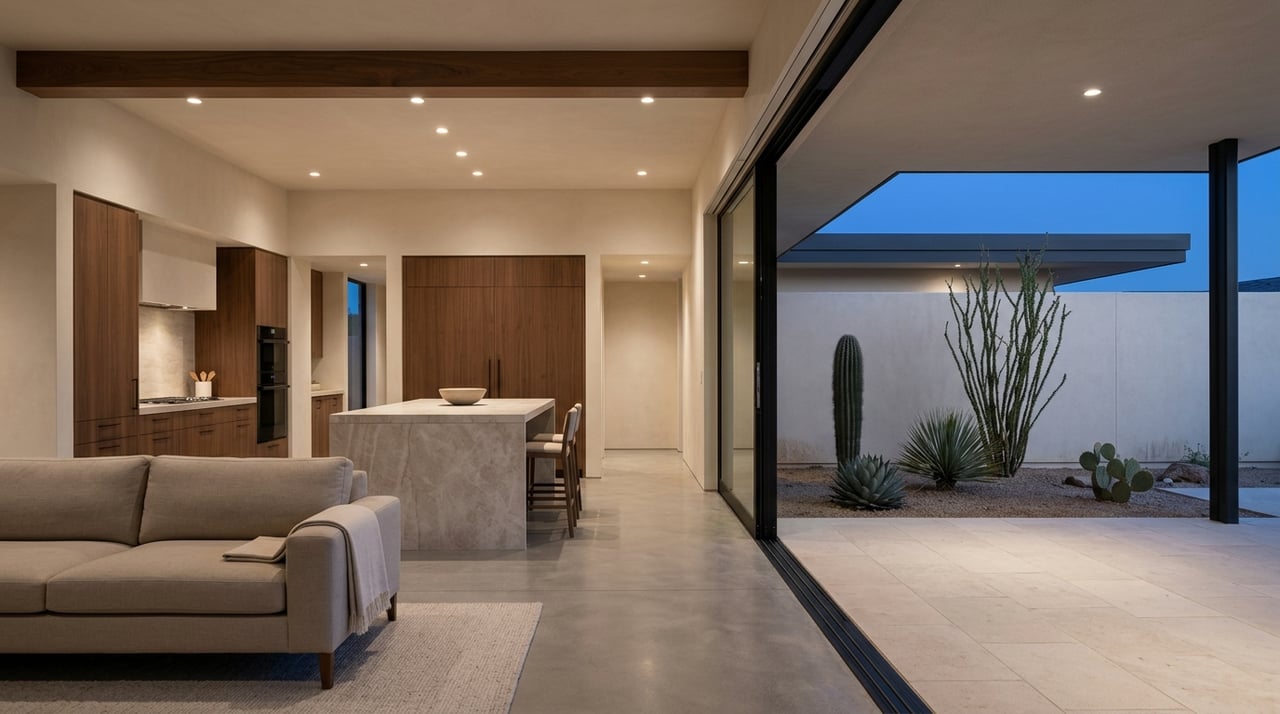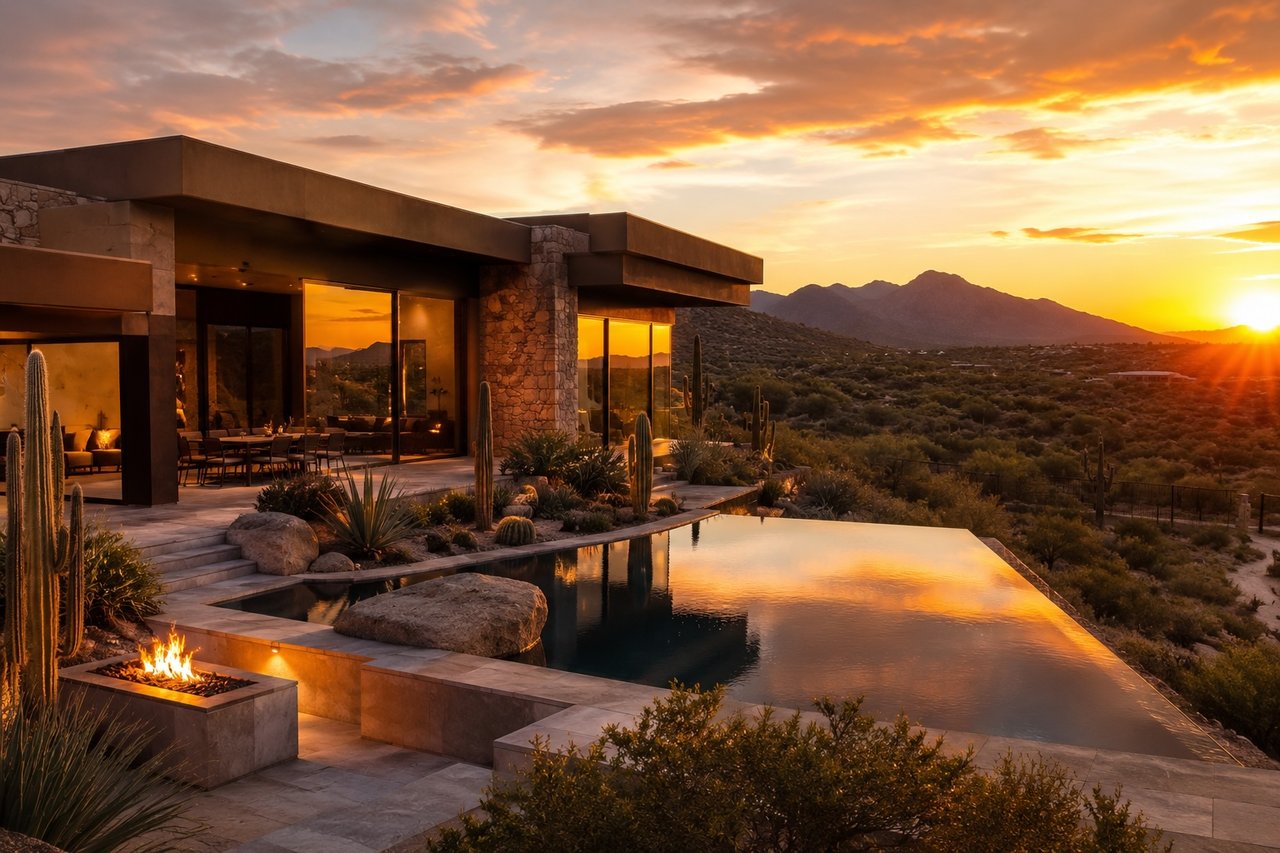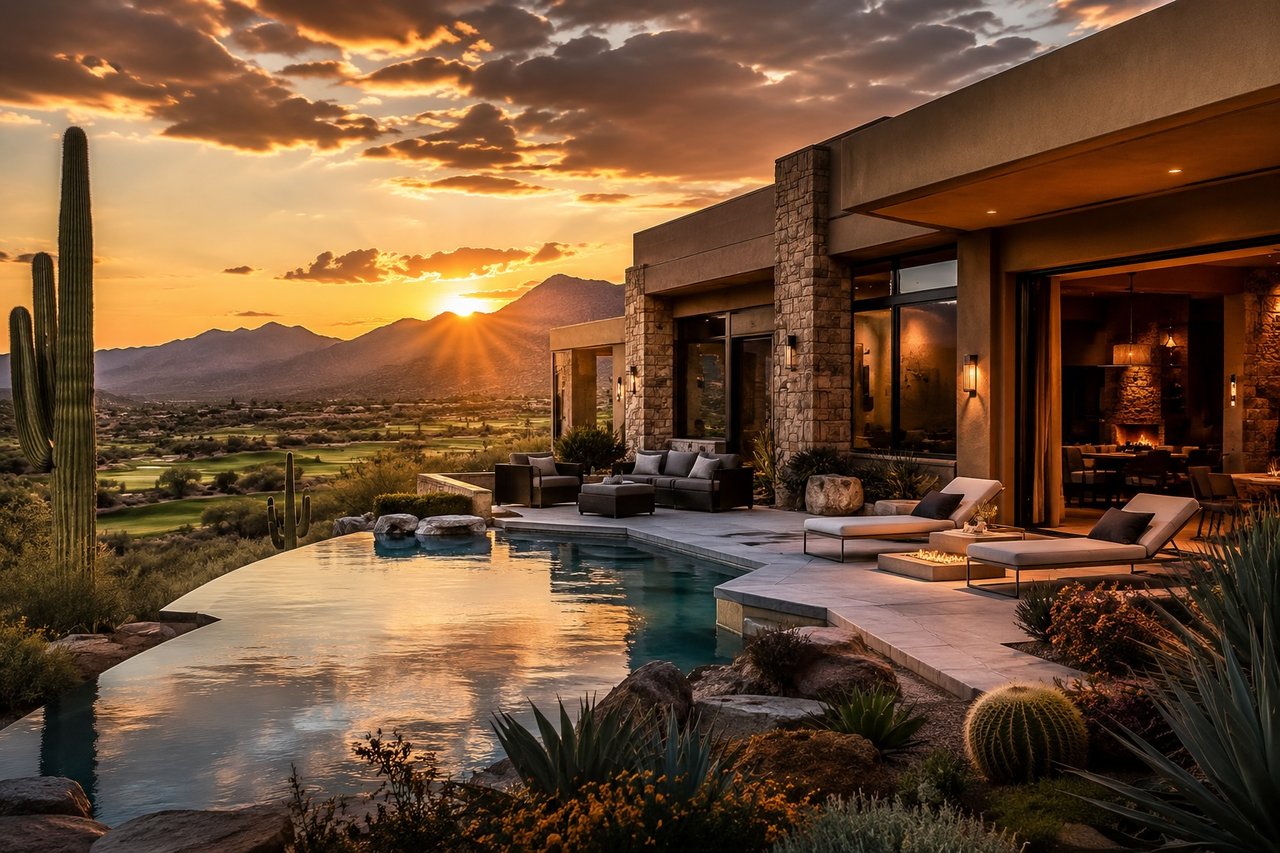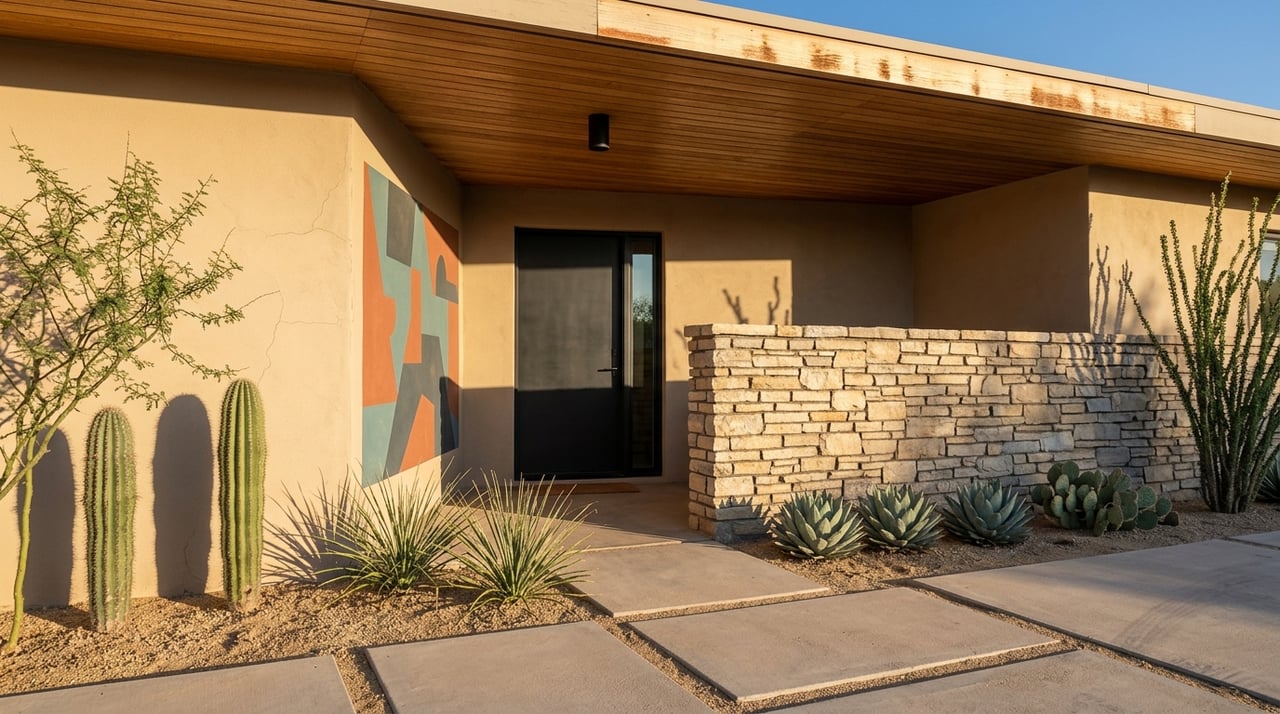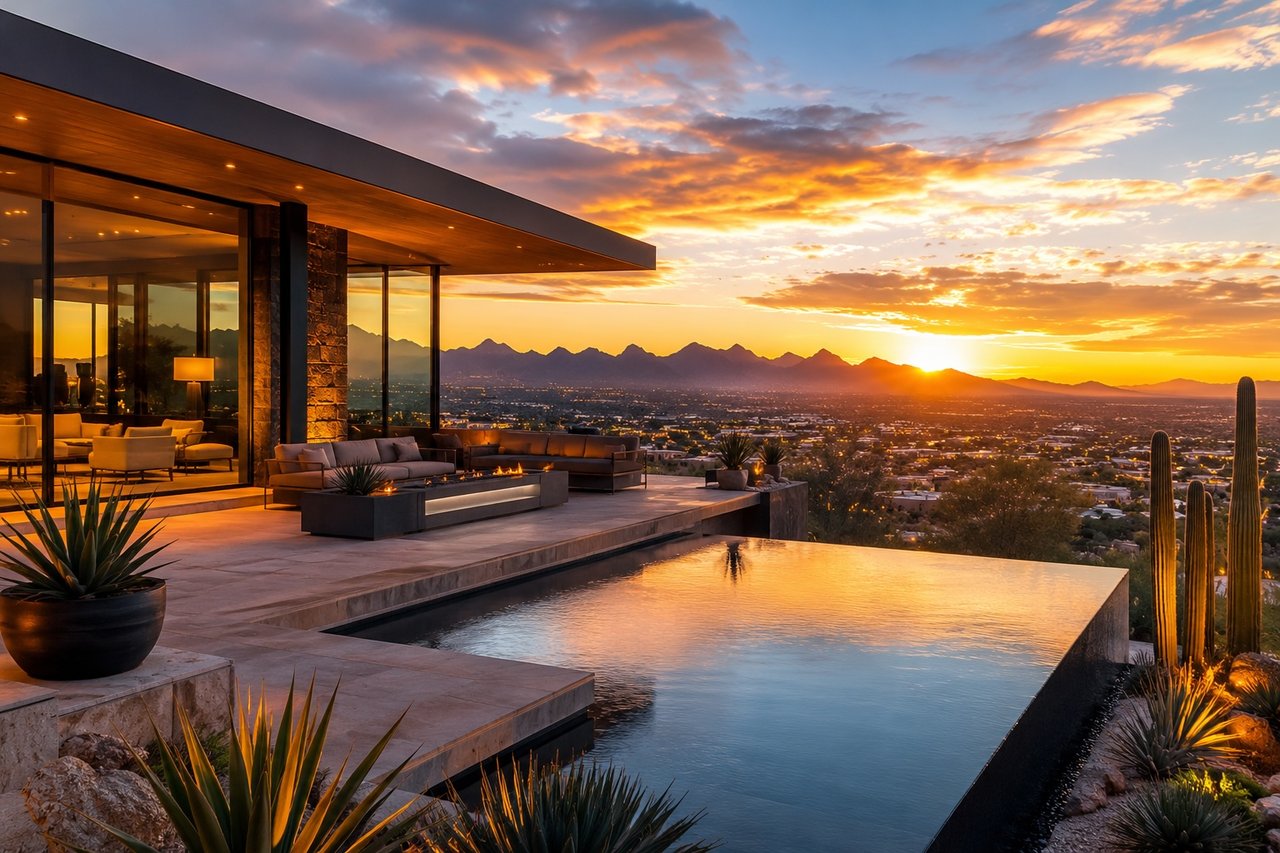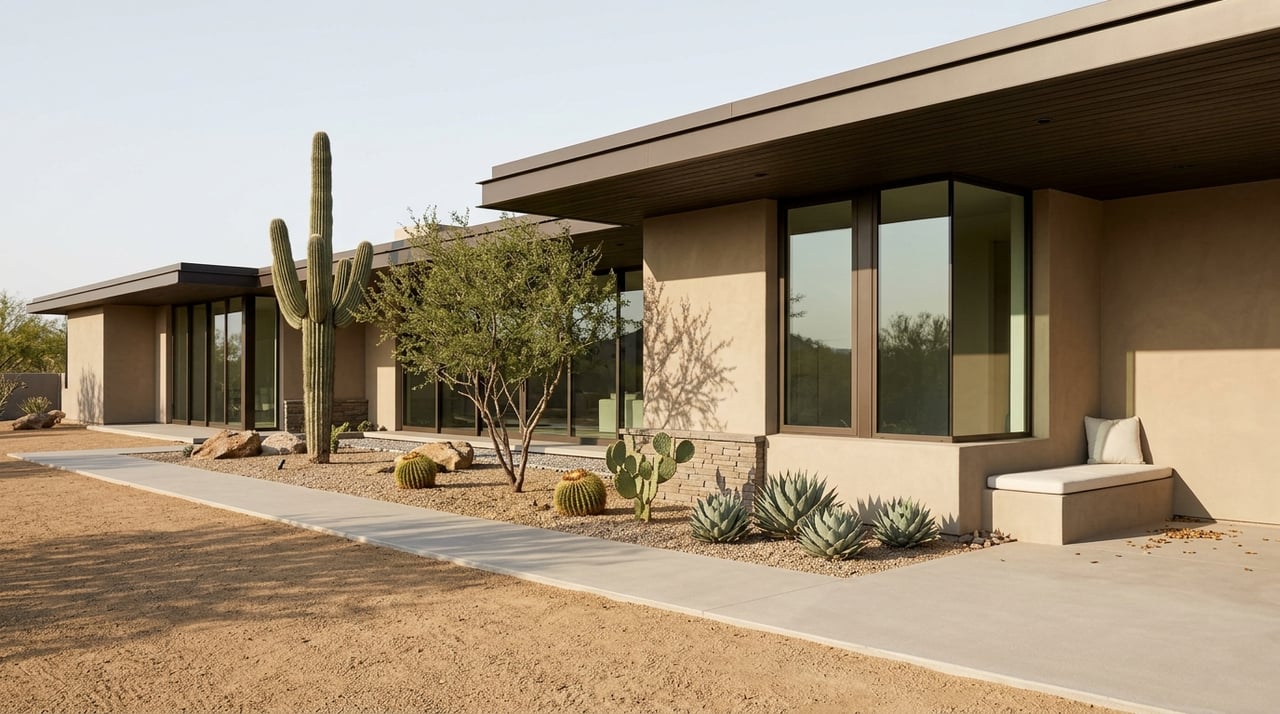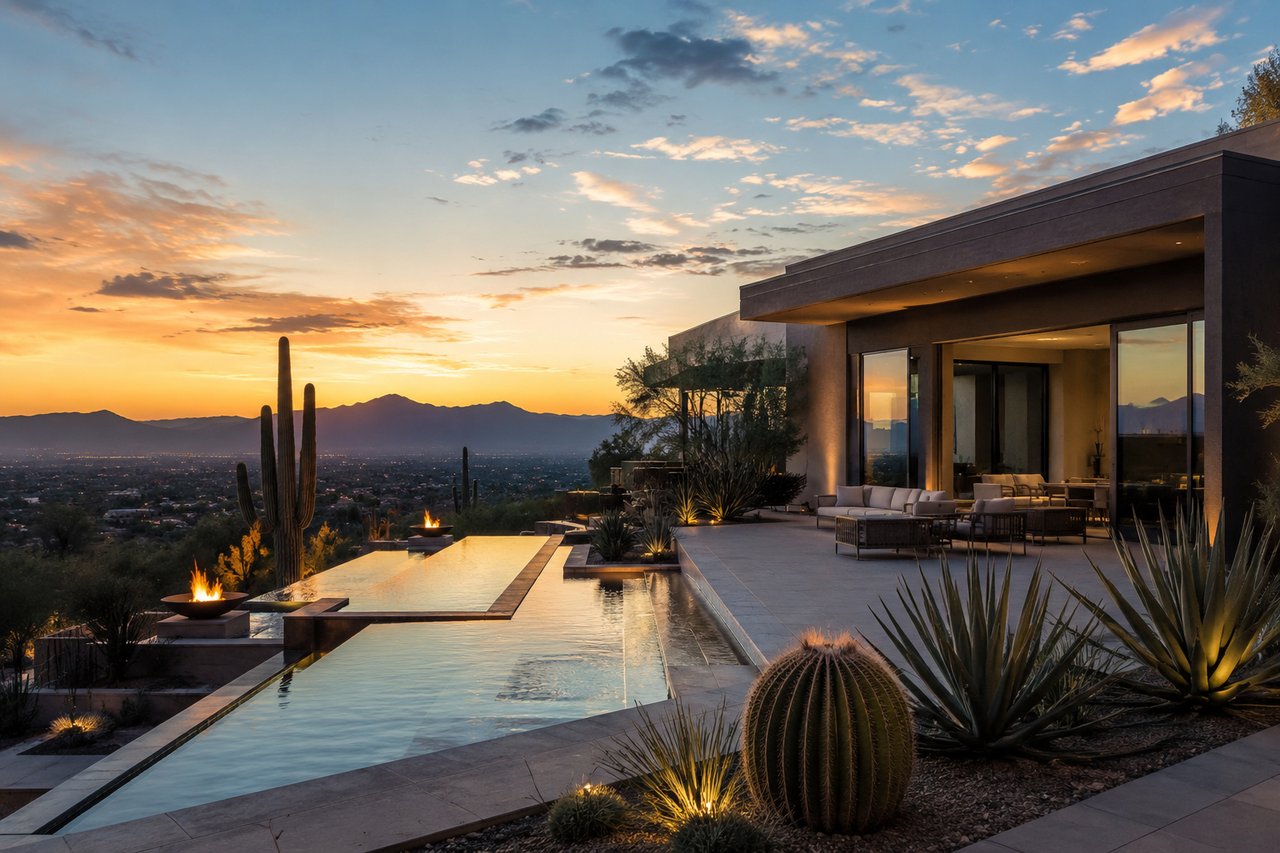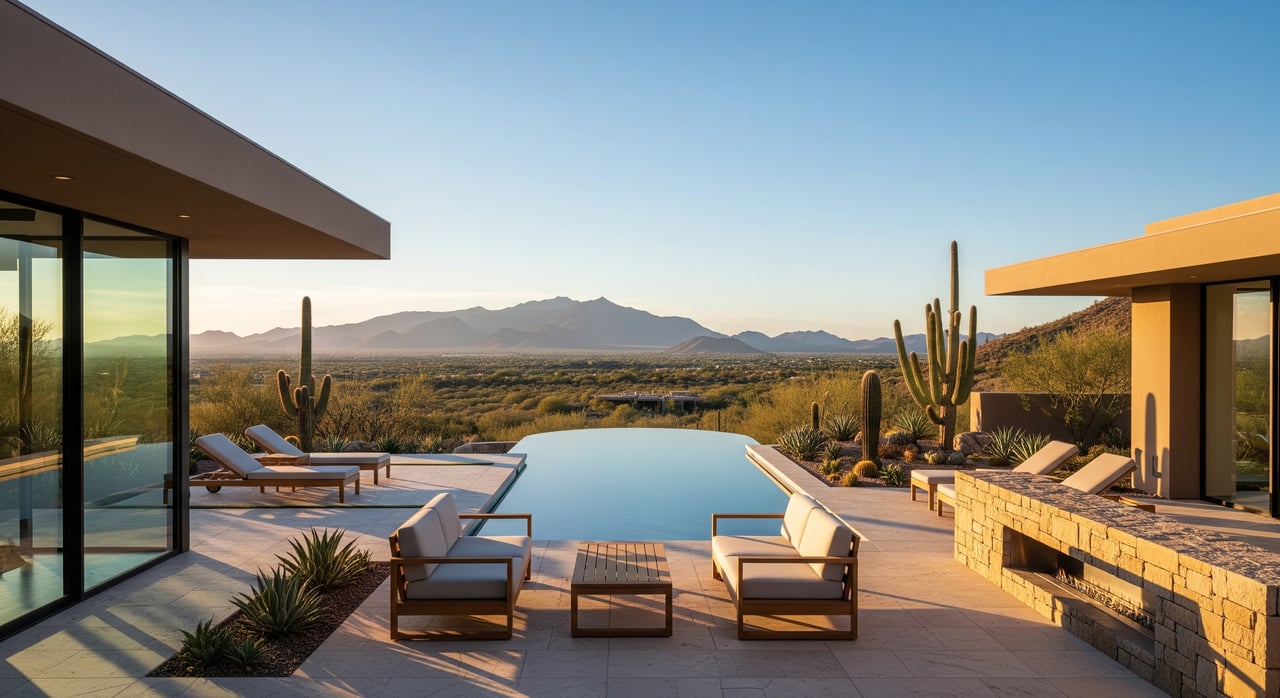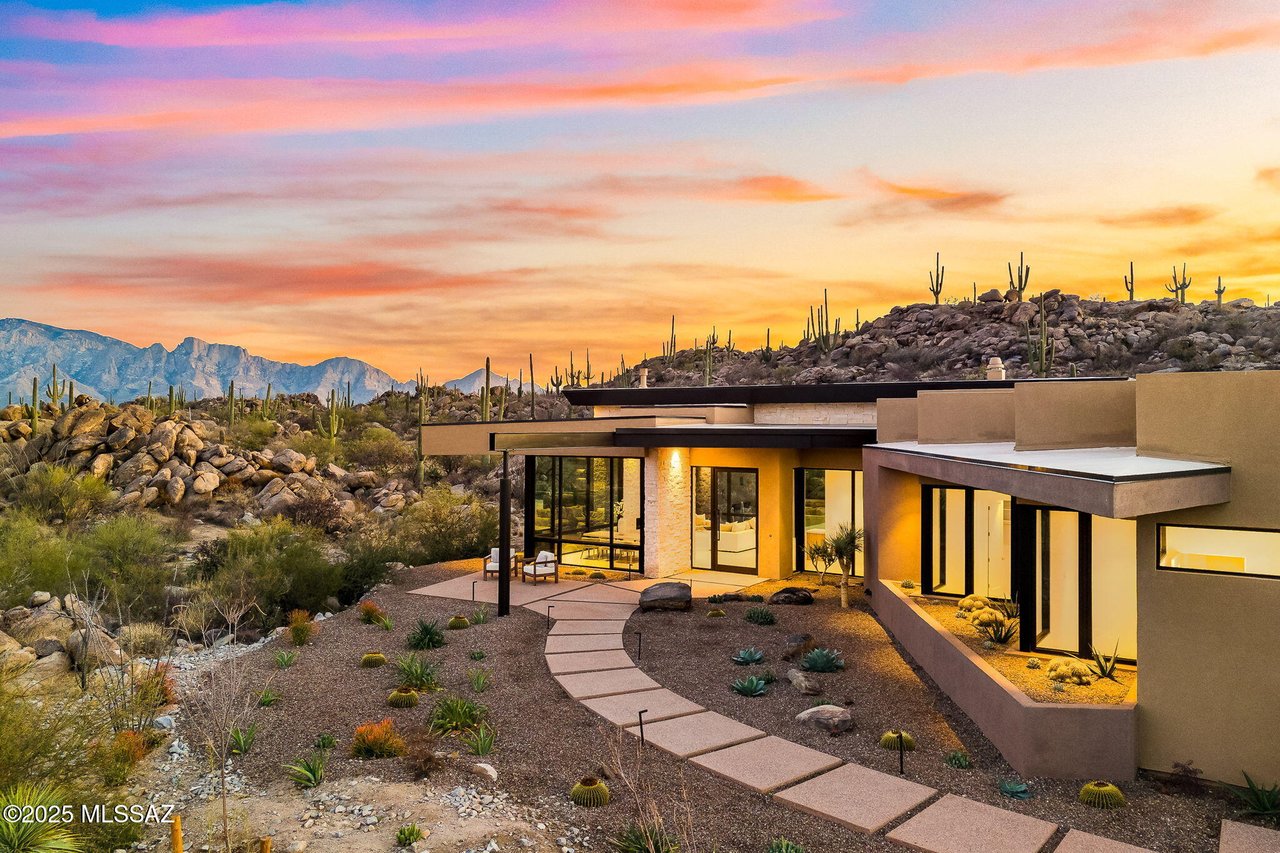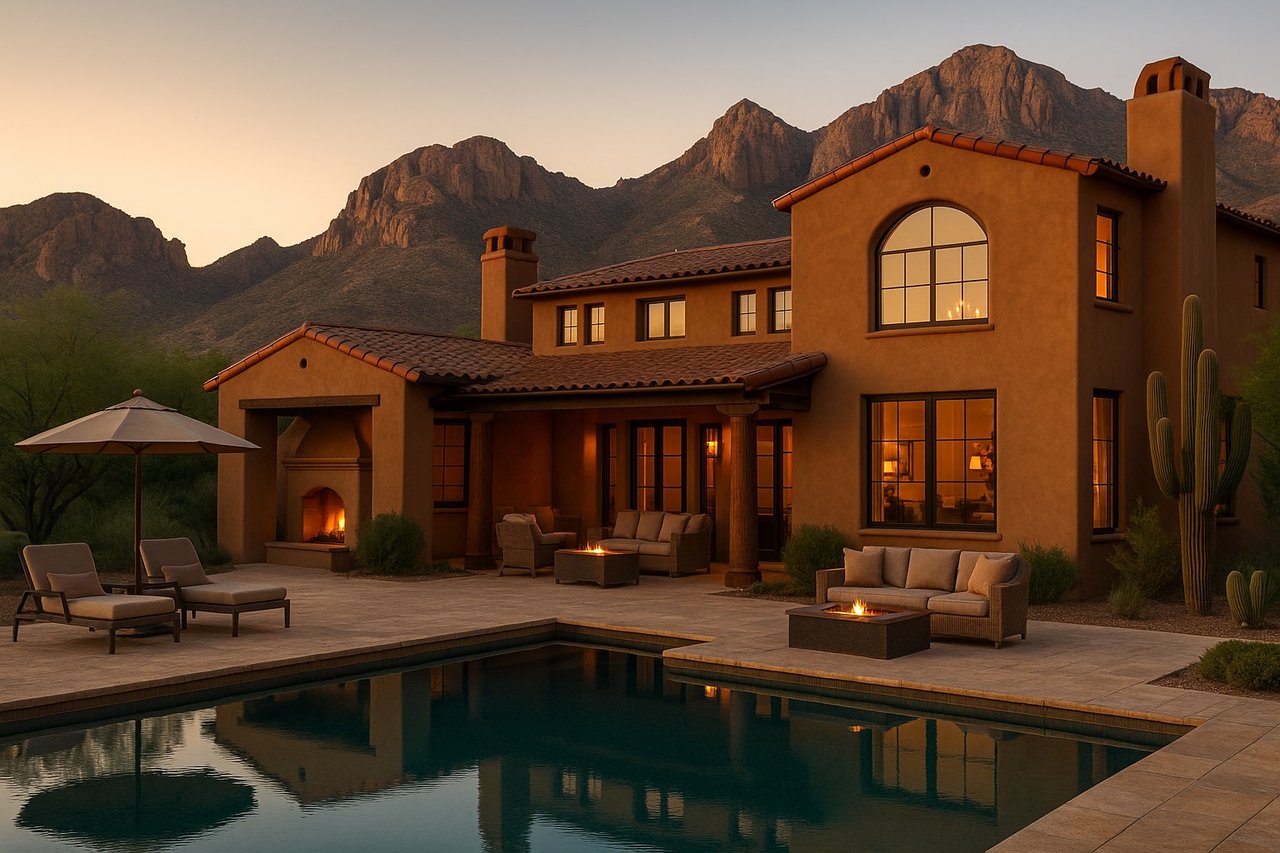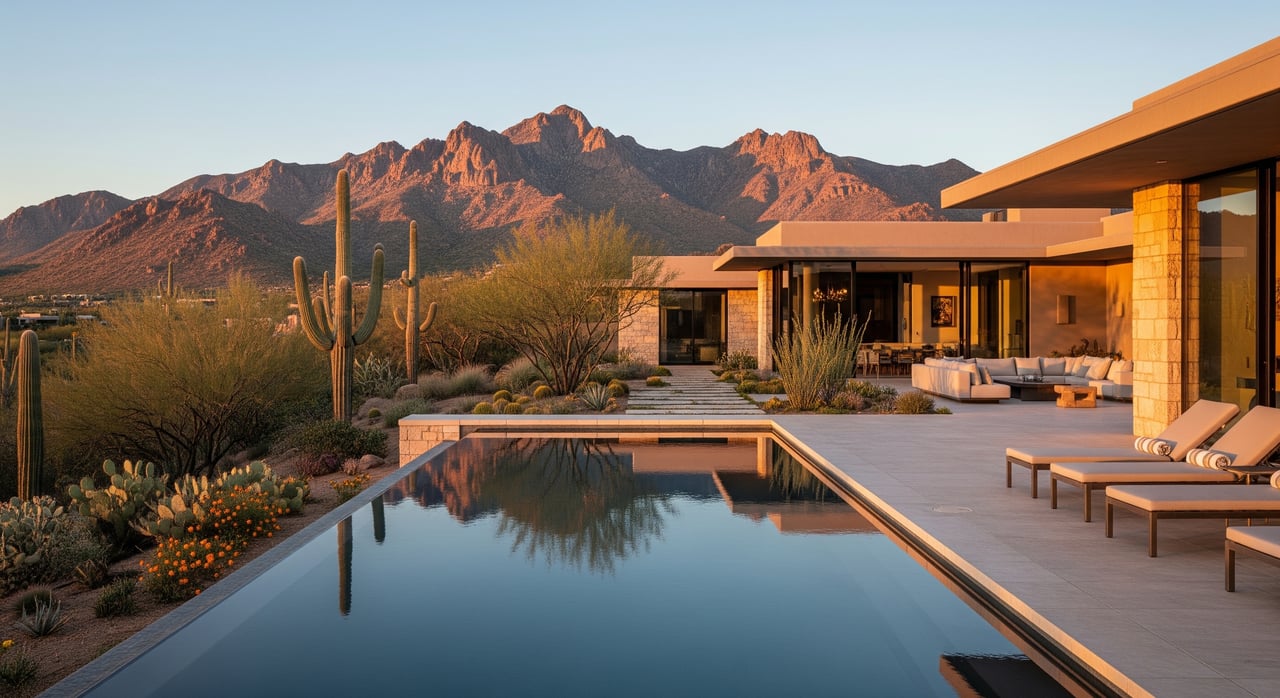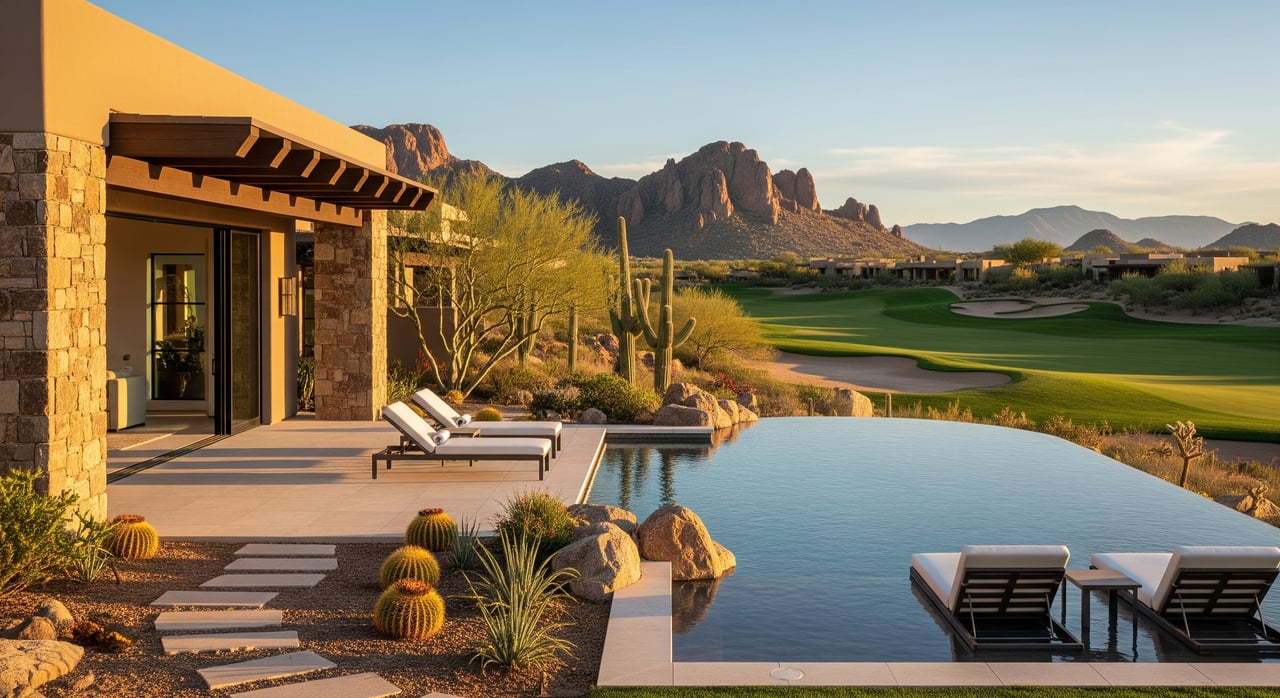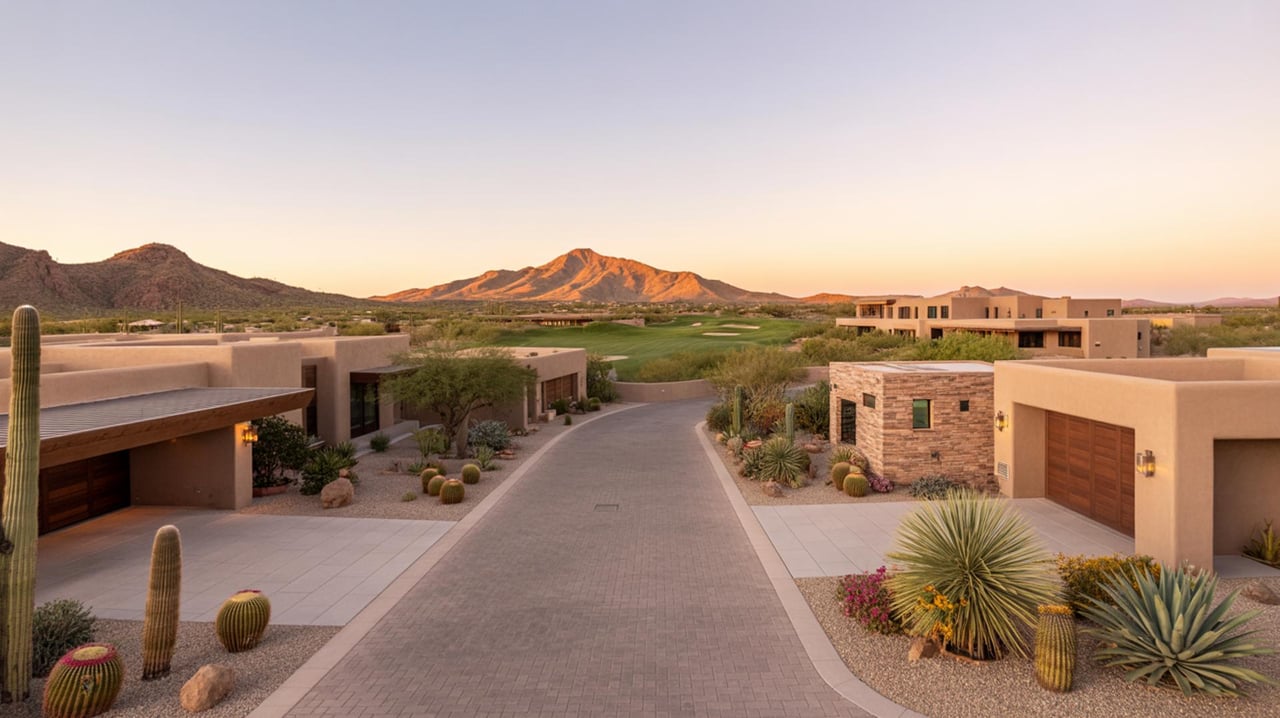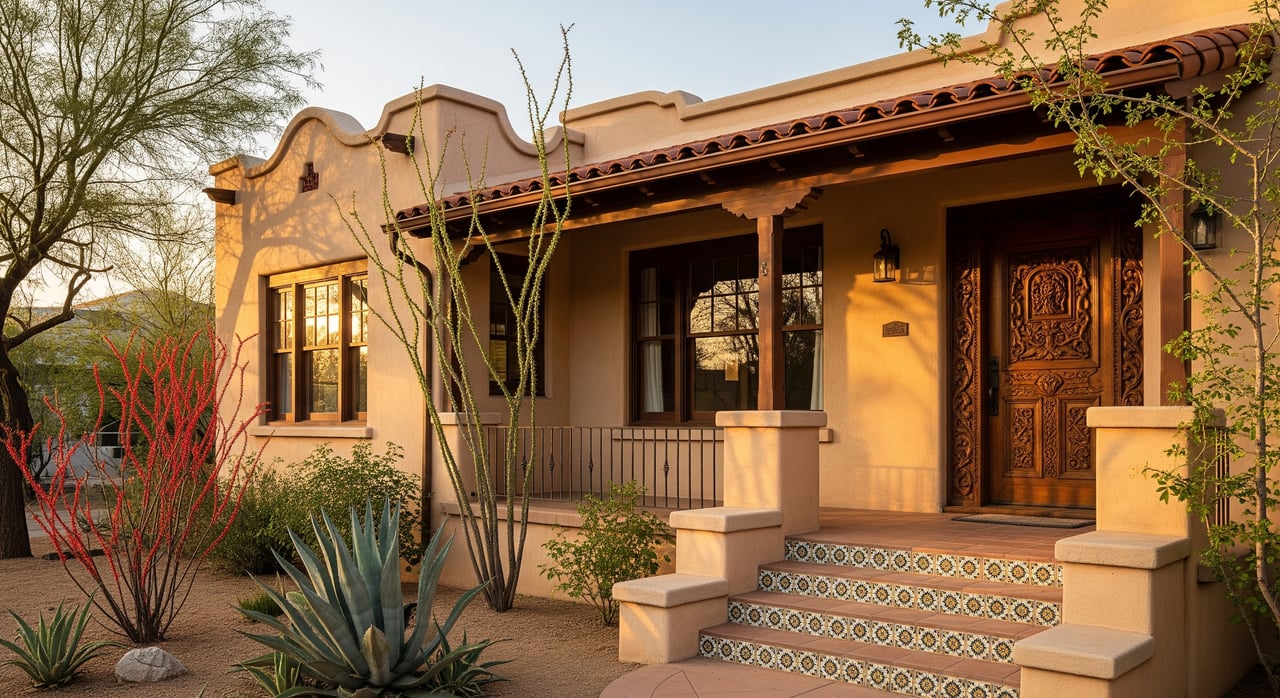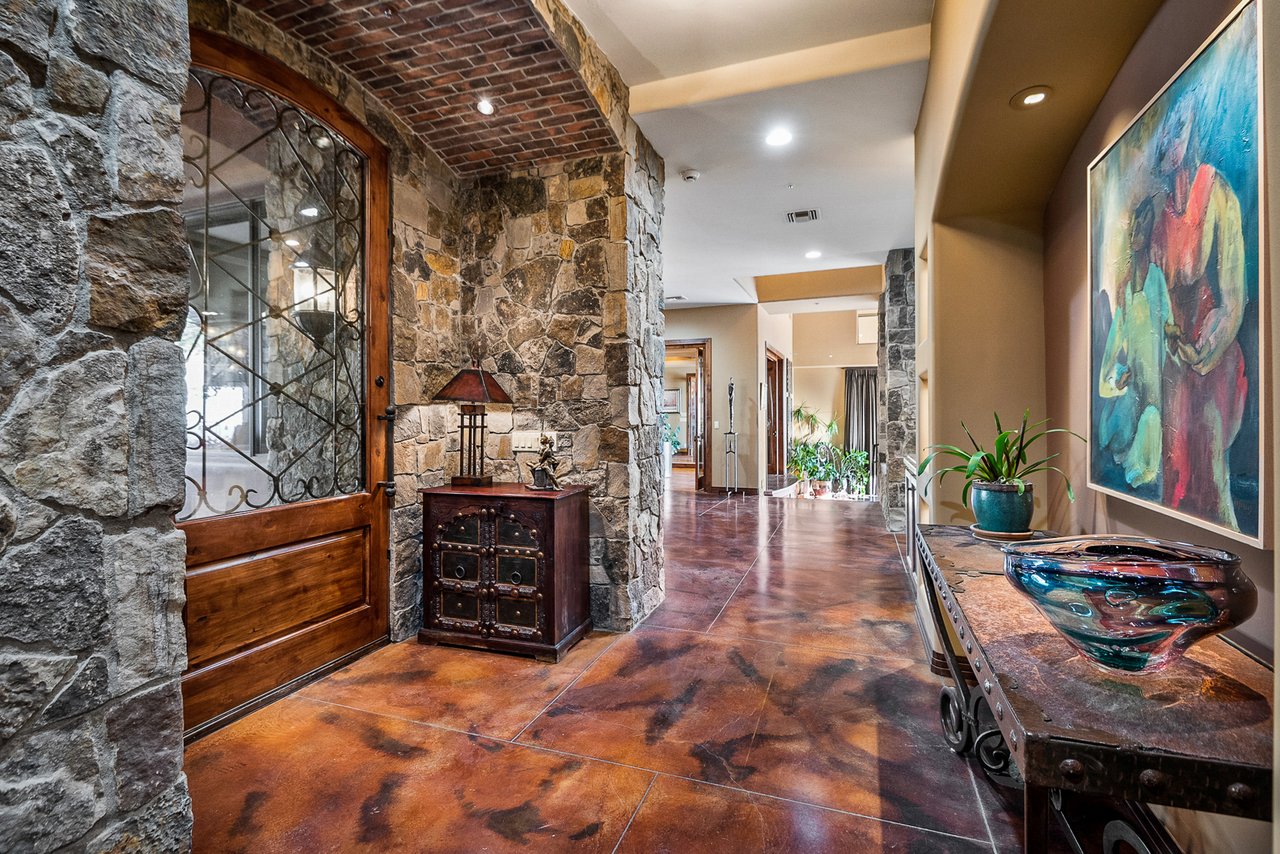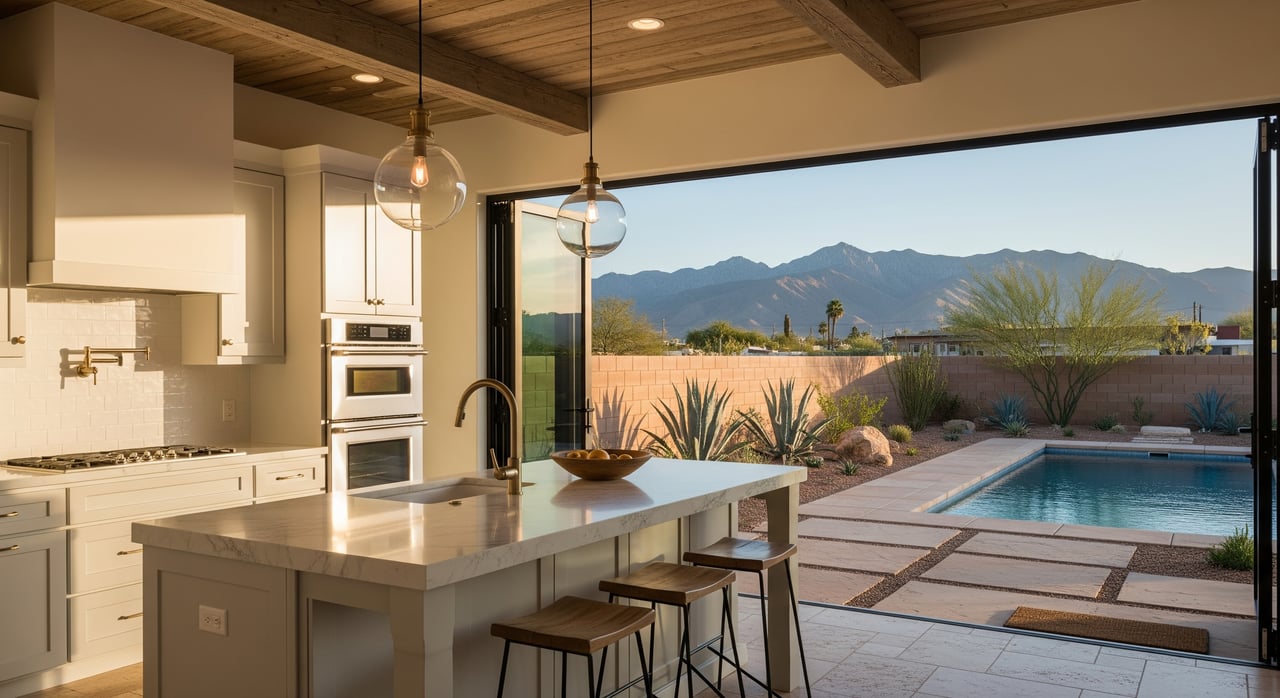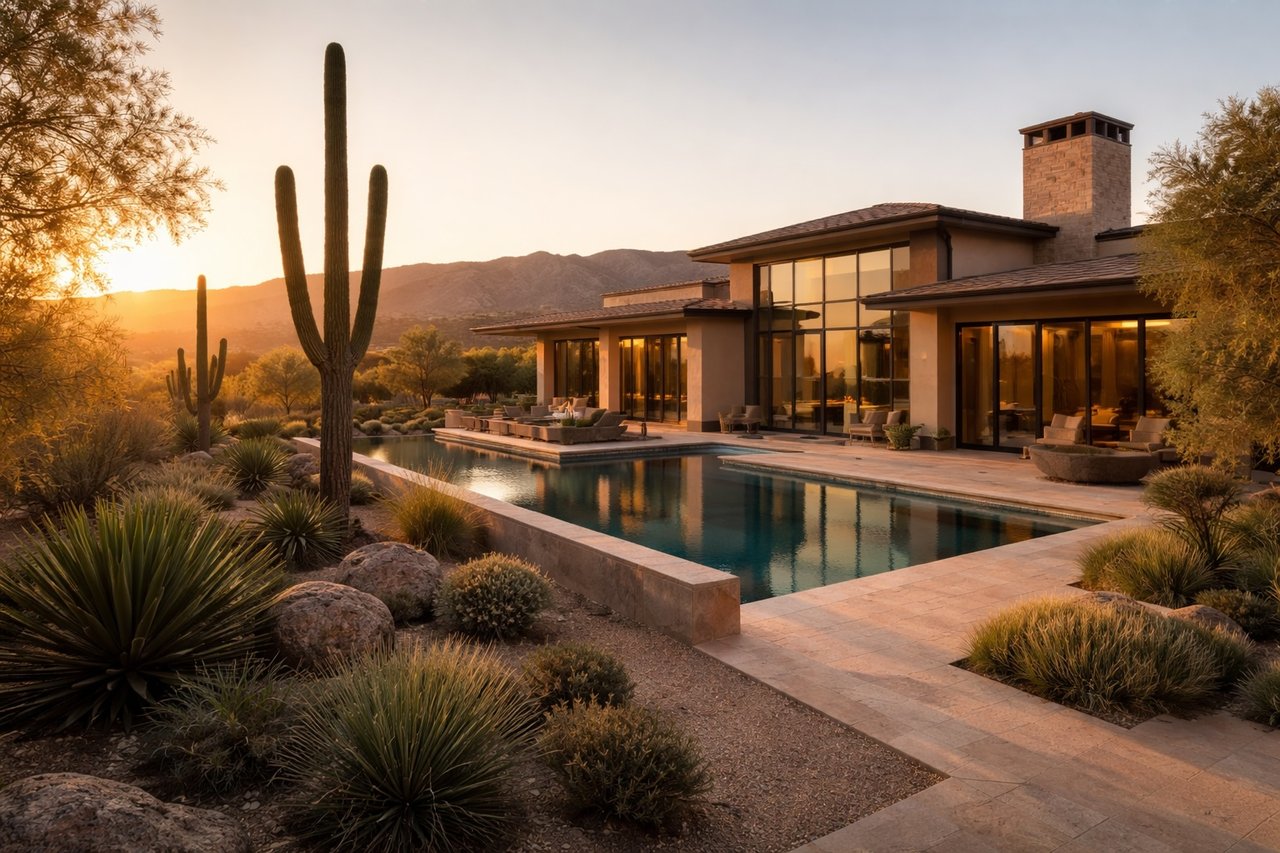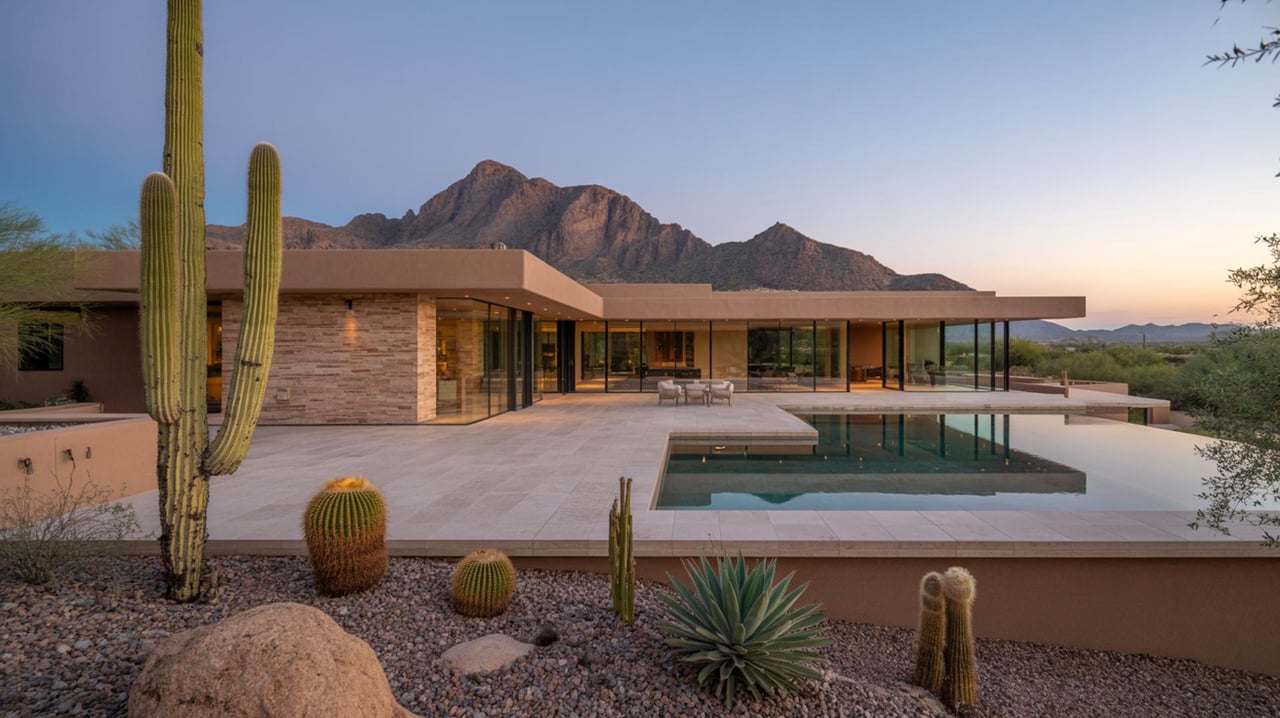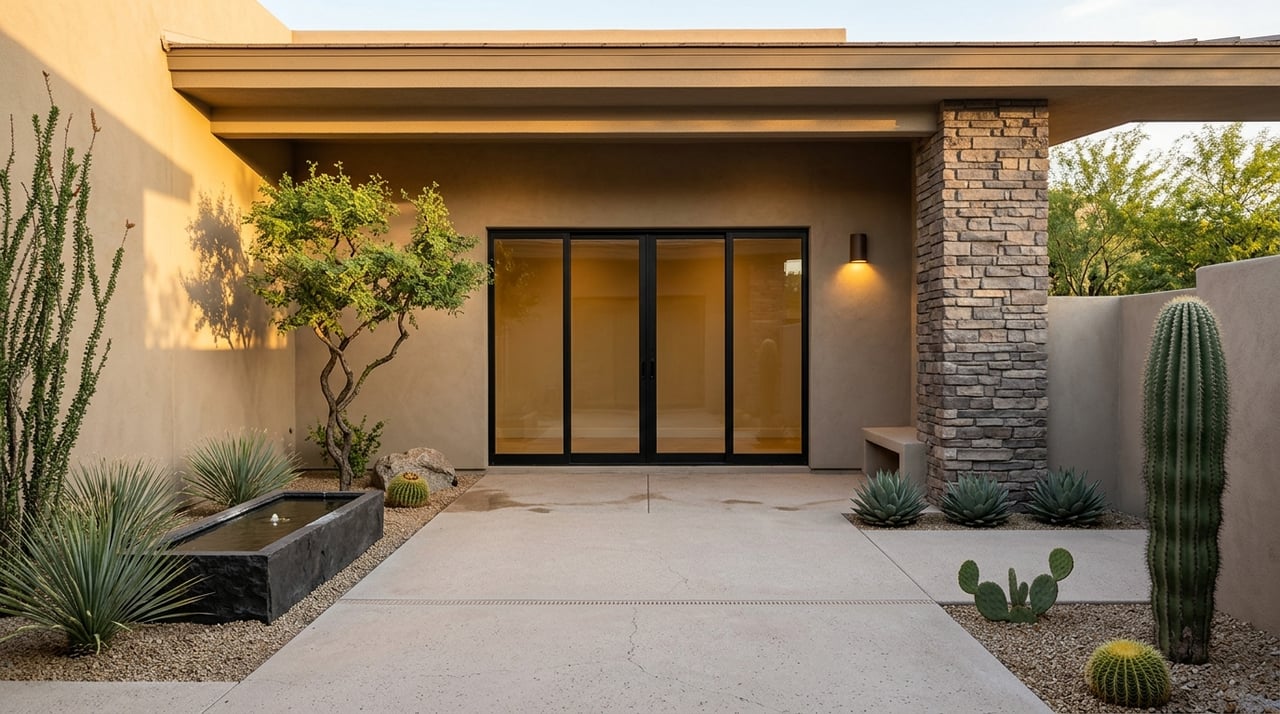
Looking for a Tucson property that can double as a personal retreat and a smart long-term hold? Starr Pass stands out because it offers a resort-style setting, easy access to trails, and close proximity to downtown without feeling like the middle of the city. If you are weighing a second home, seasonal getaway, or an income-producing property, understanding how Starr Pass works in practice can help you make a more confident decision. Let’s dive in.
Why Starr Pass draws second-home buyers
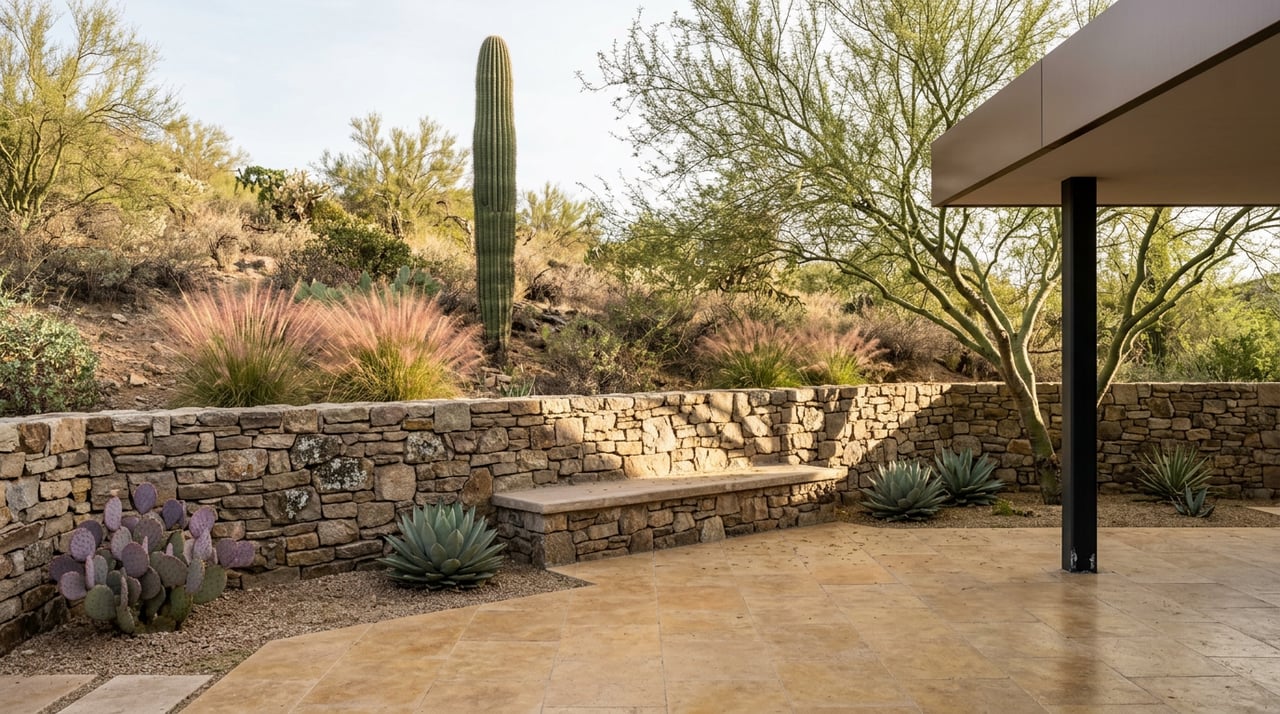
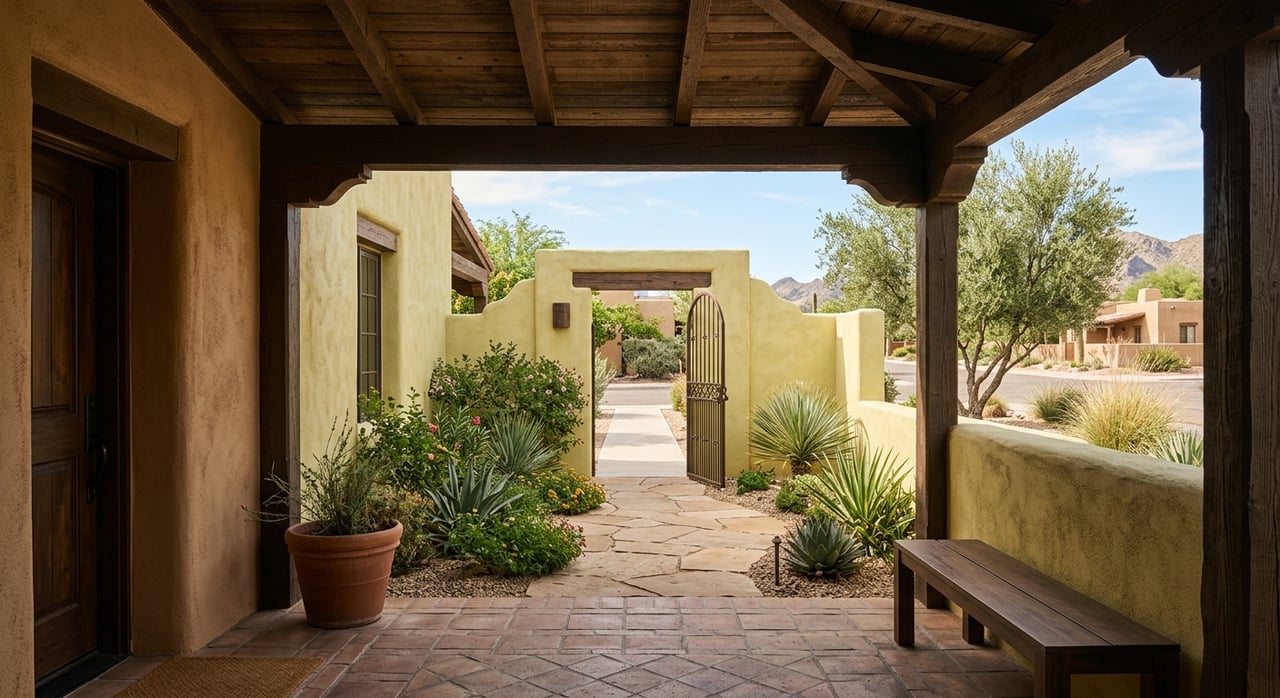
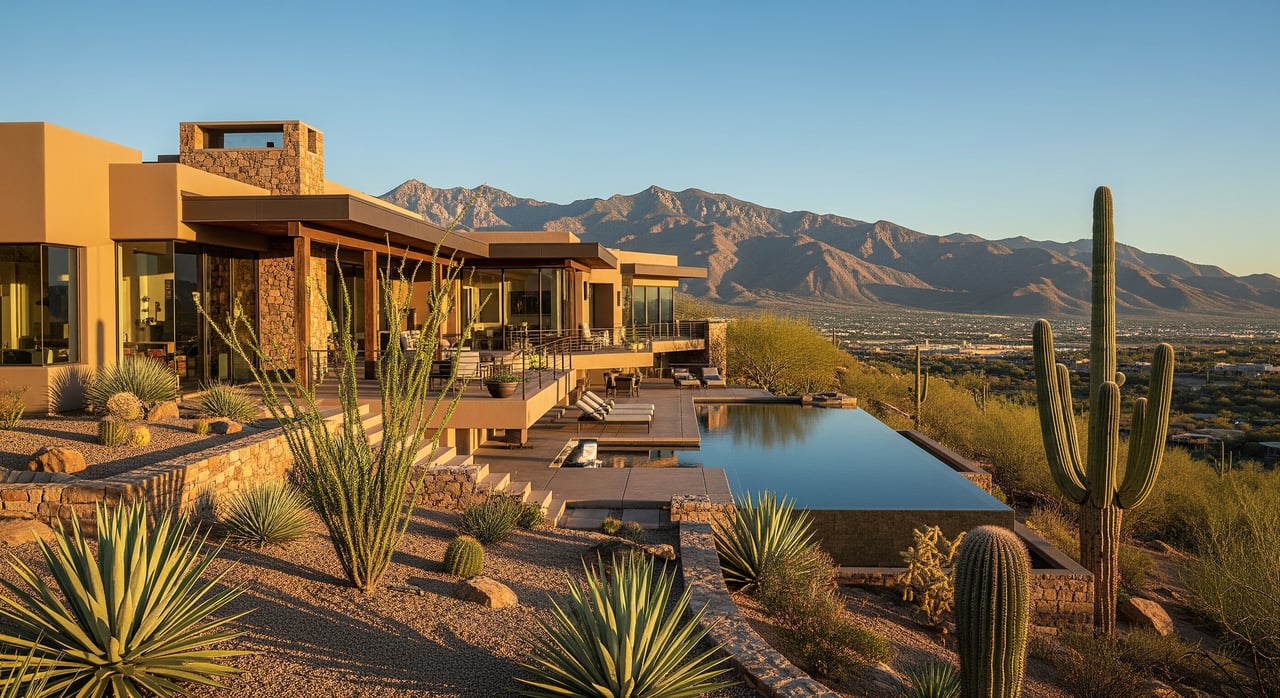
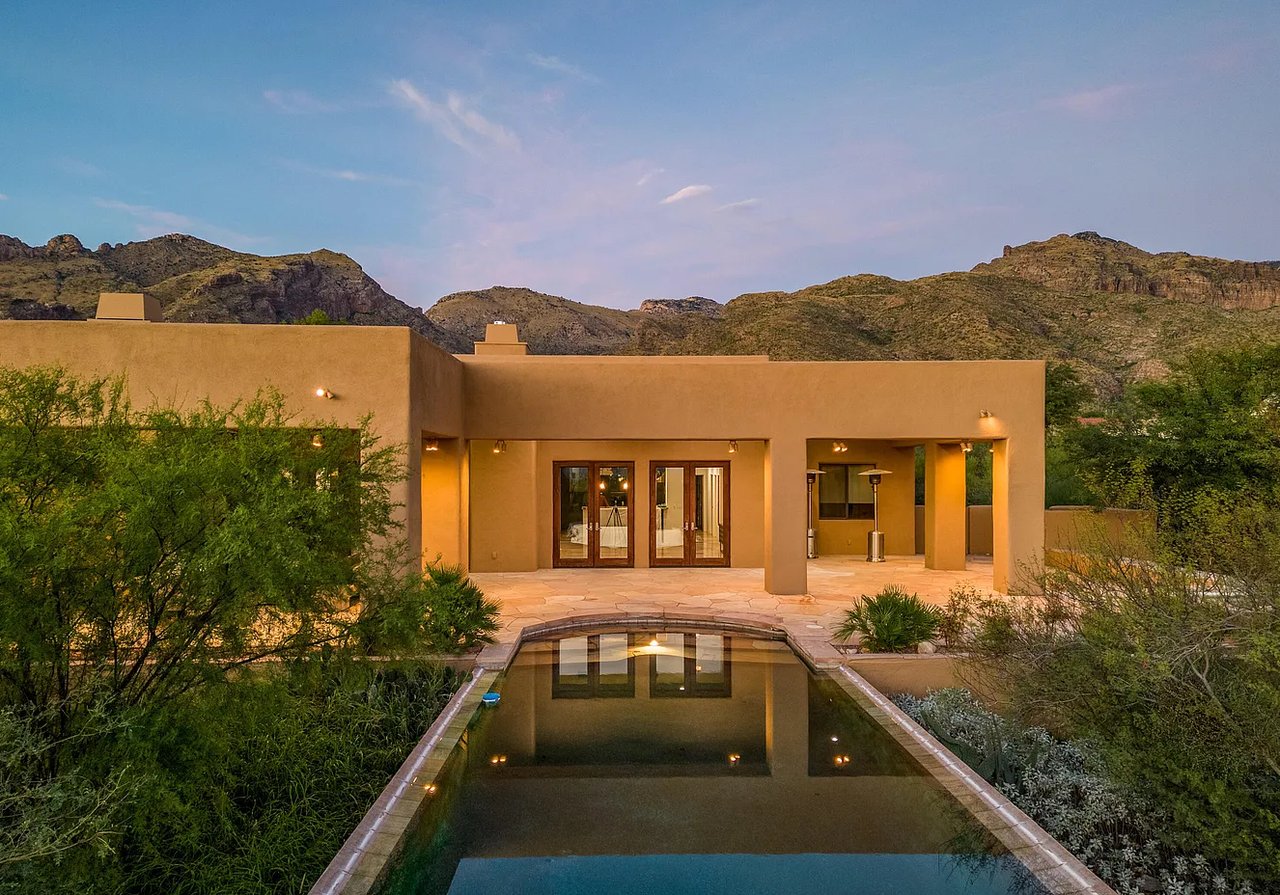
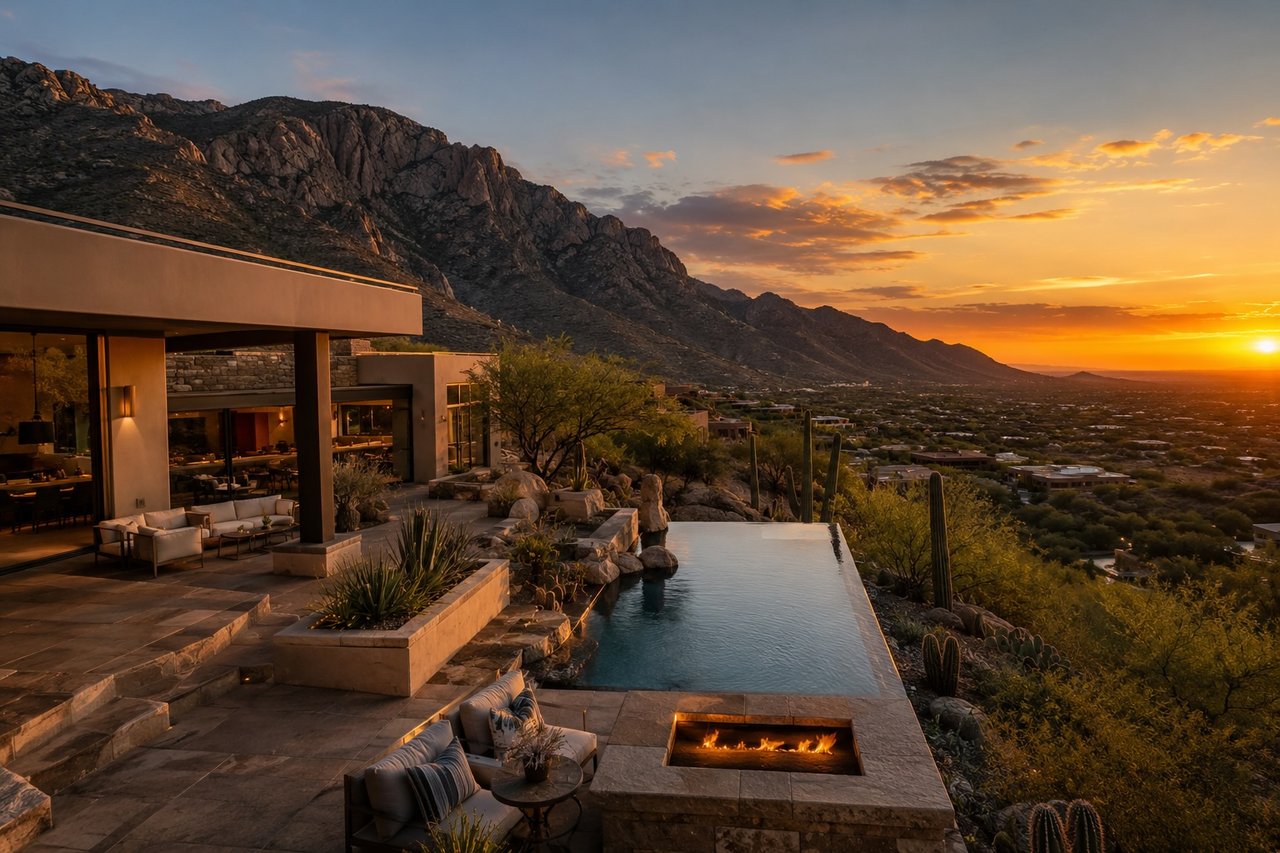
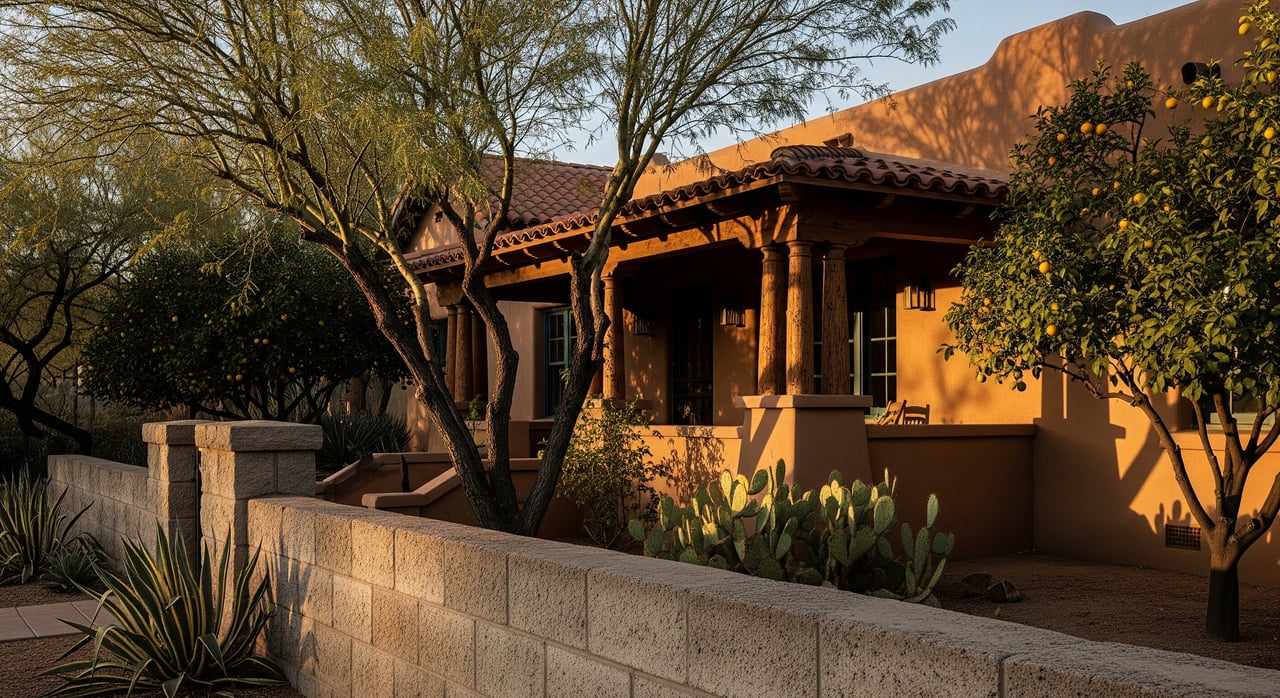
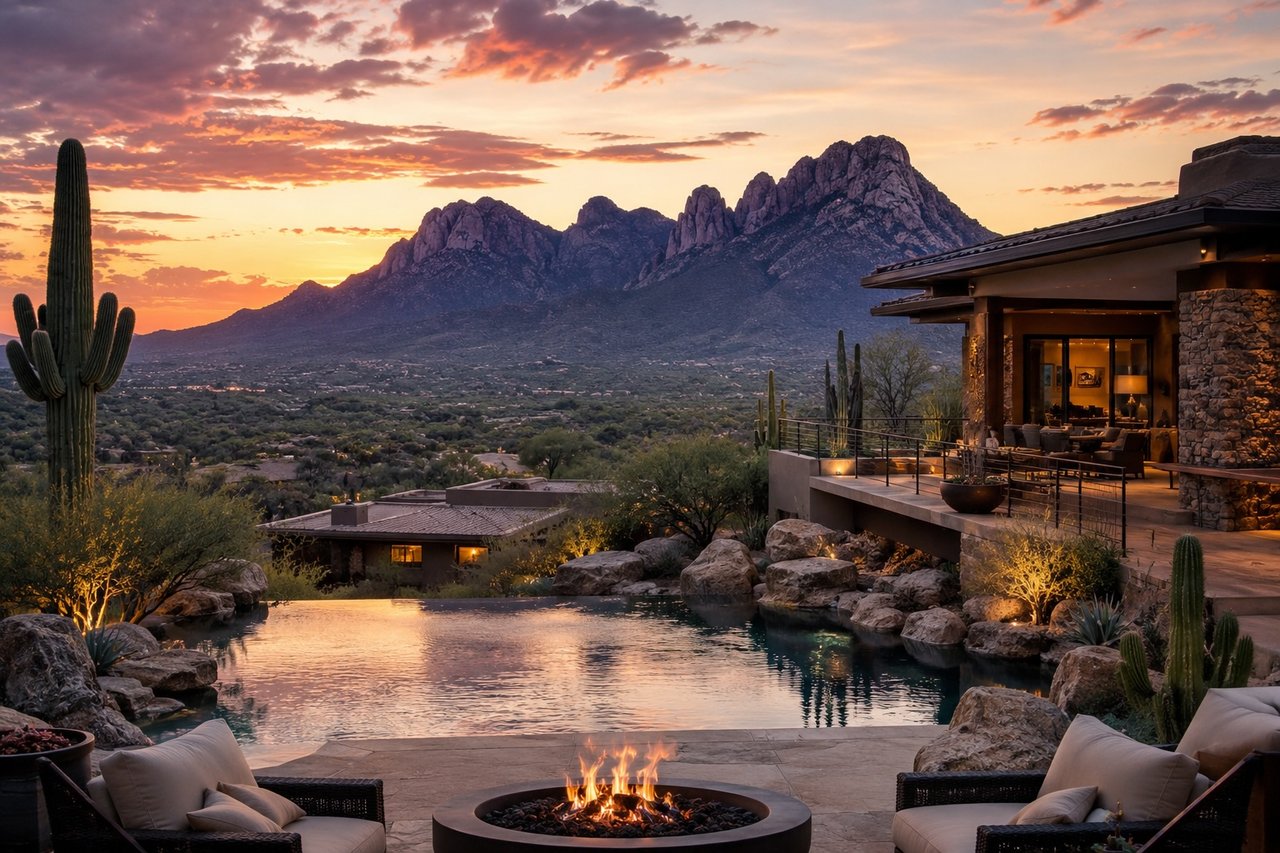
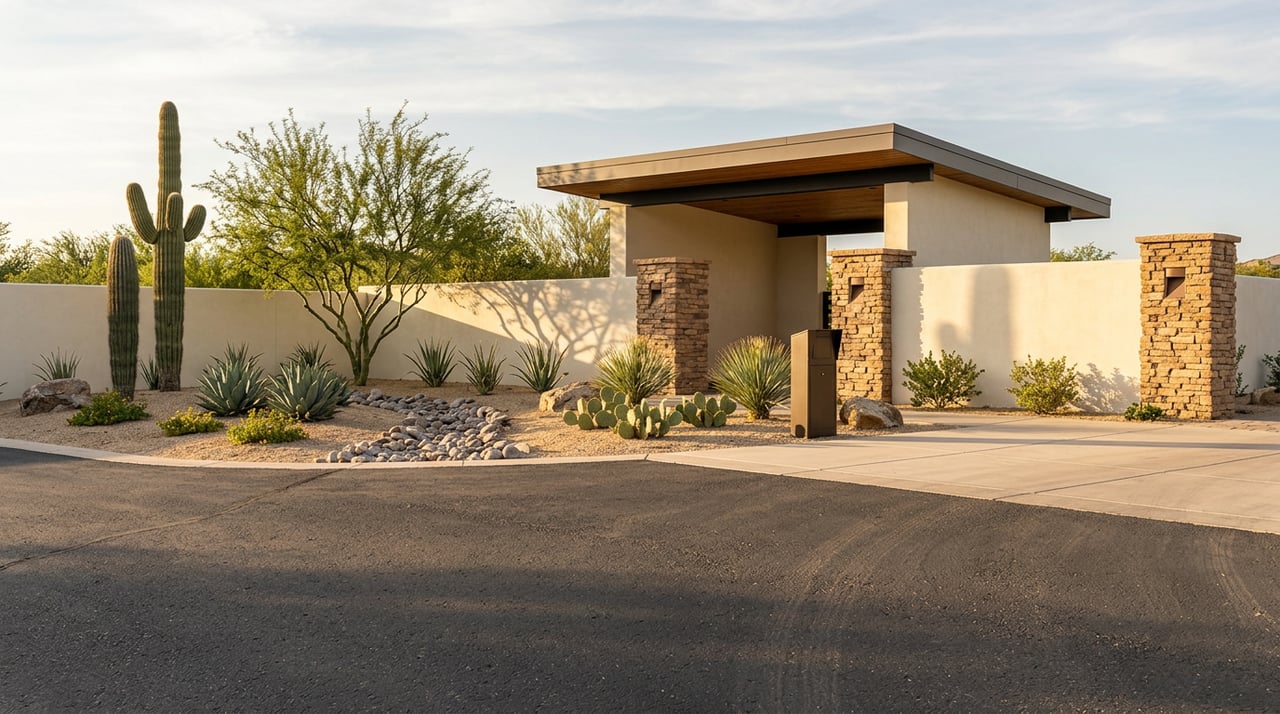
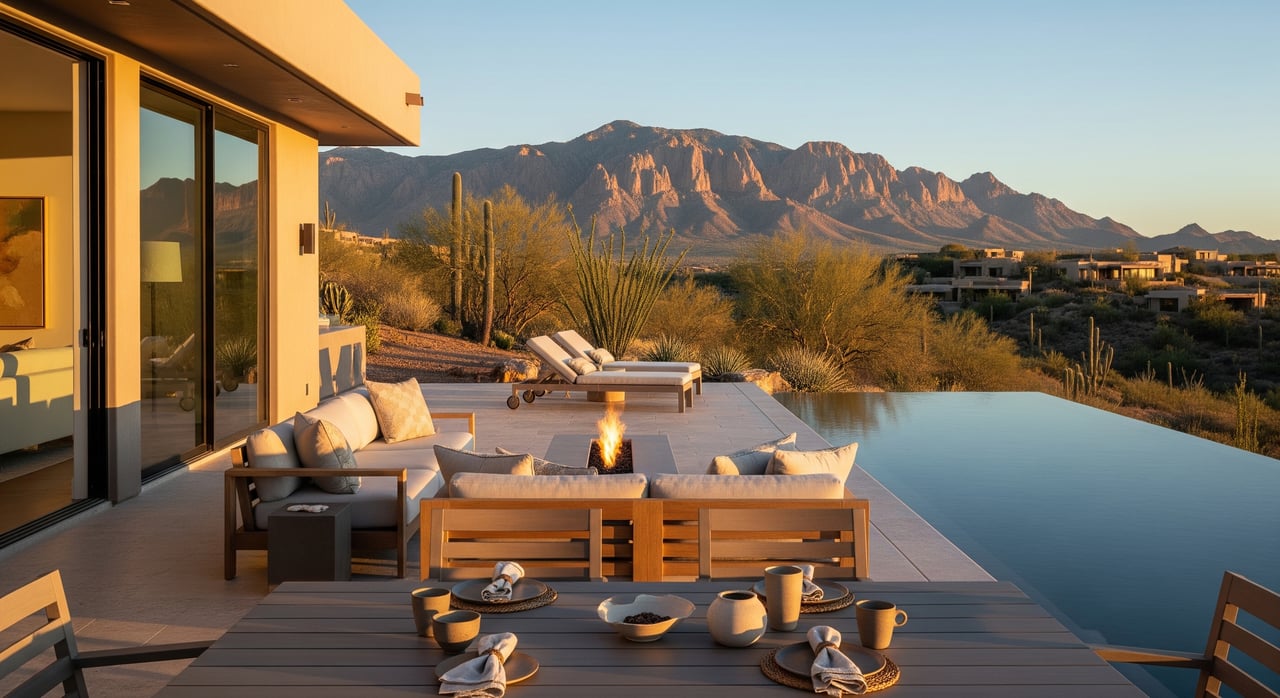
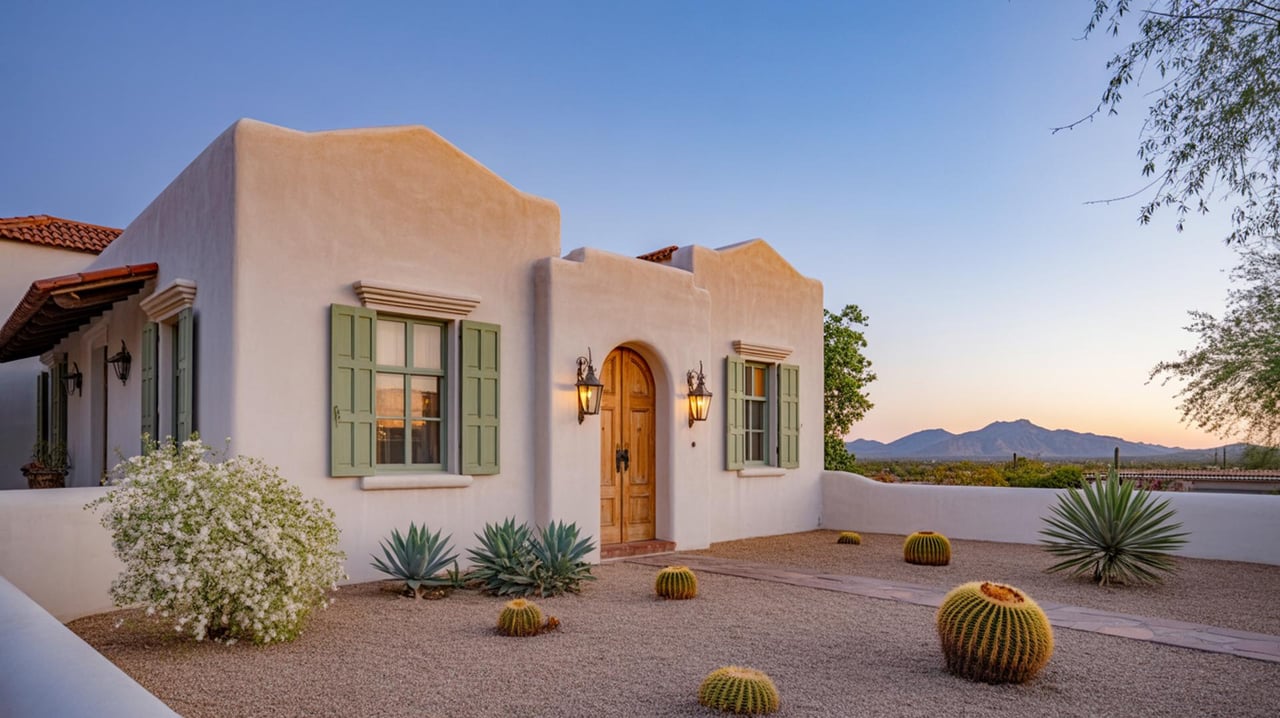
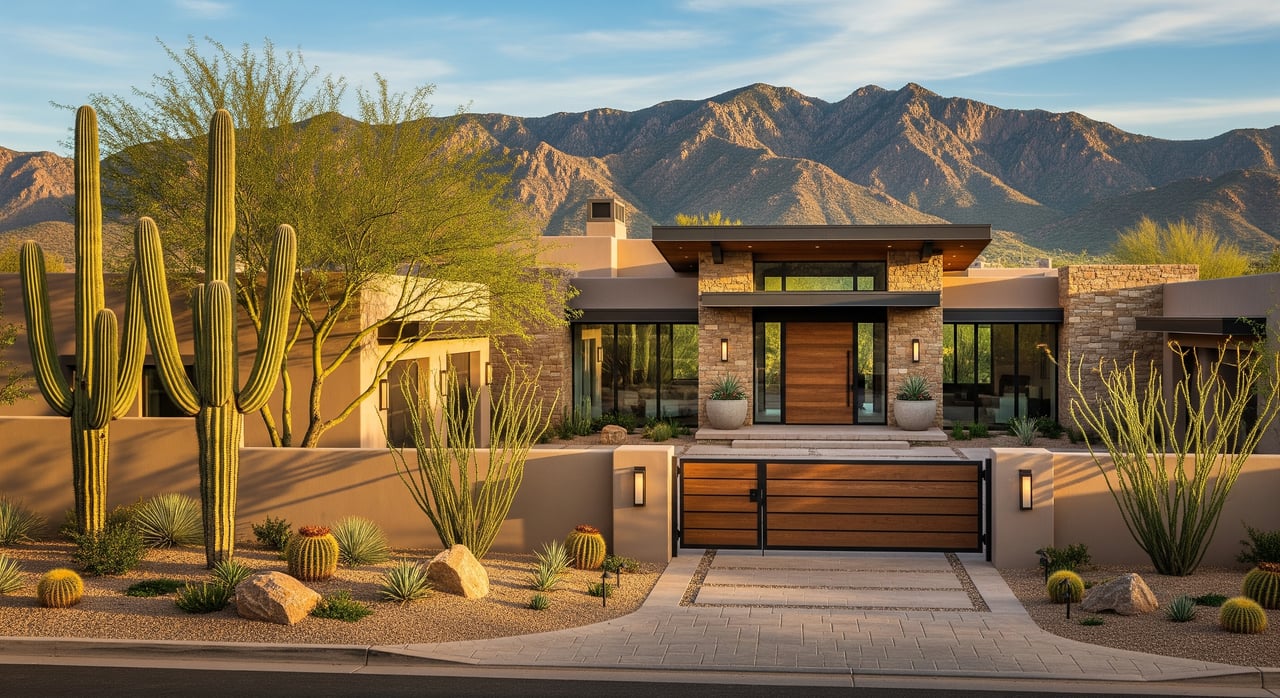
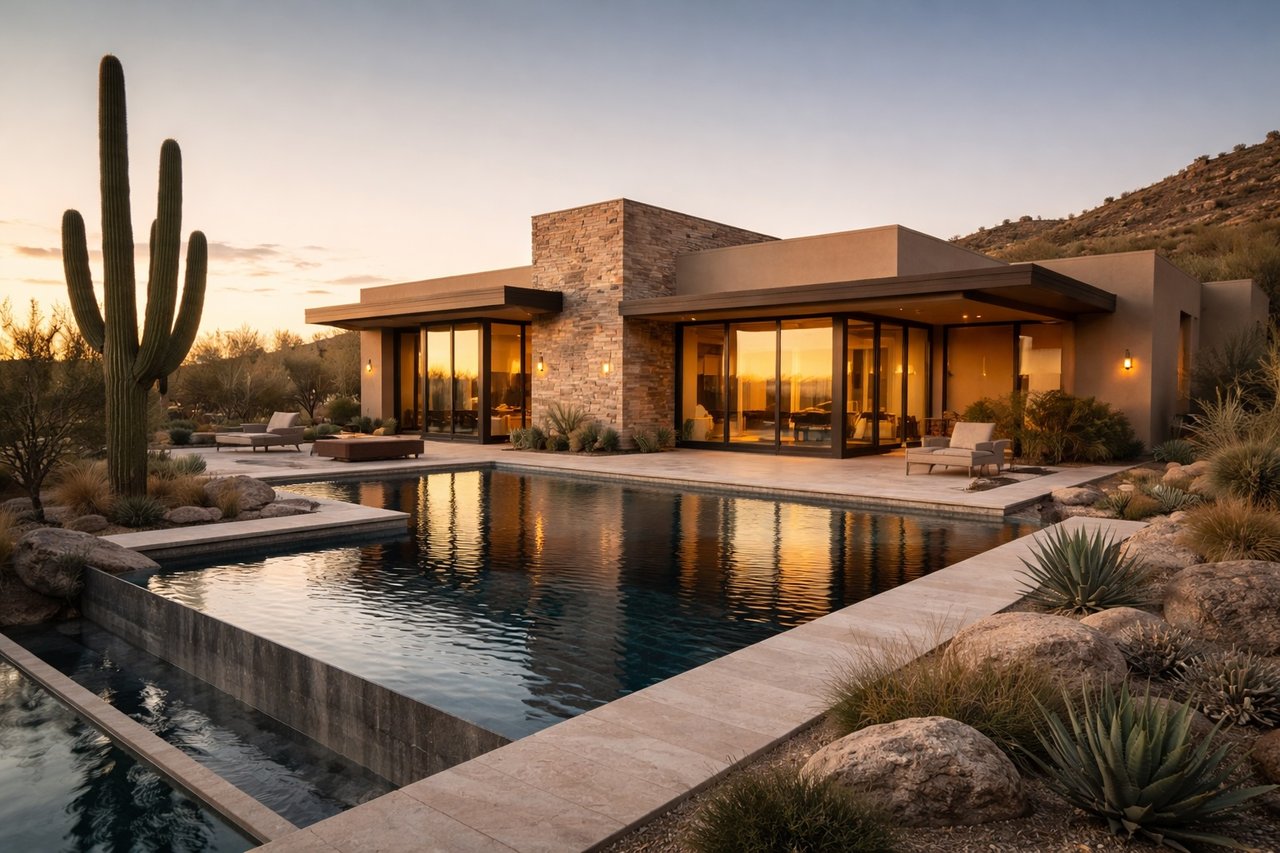
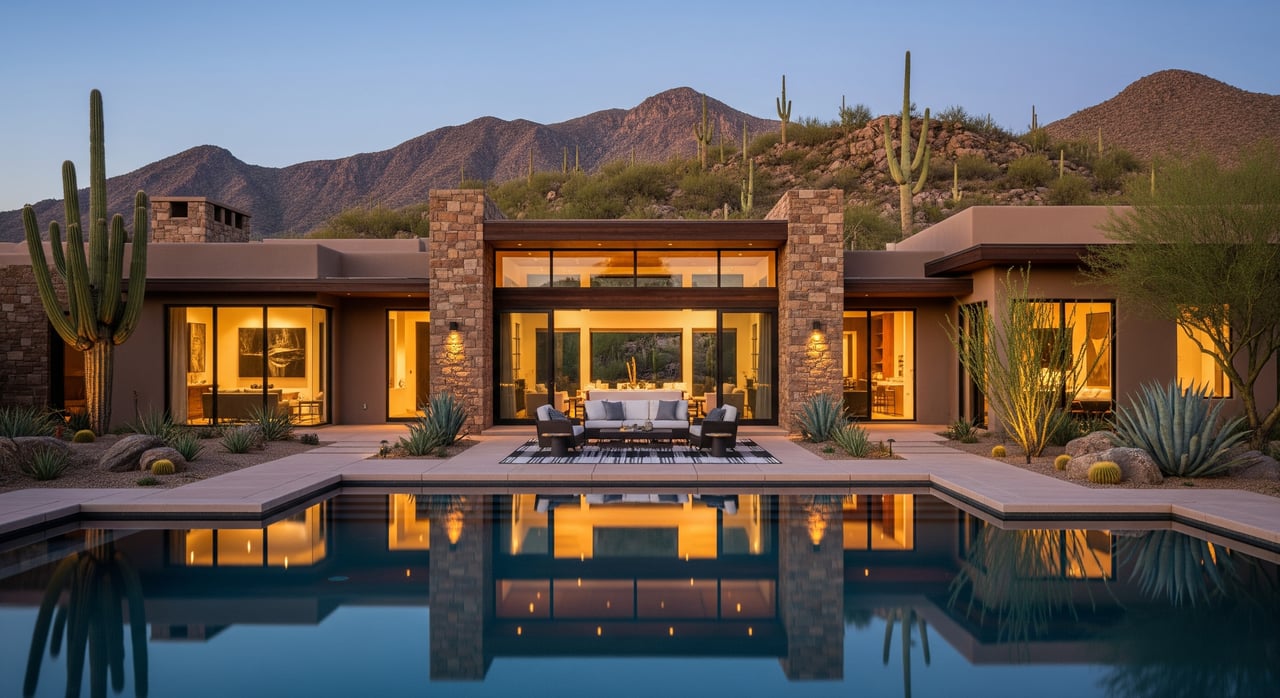
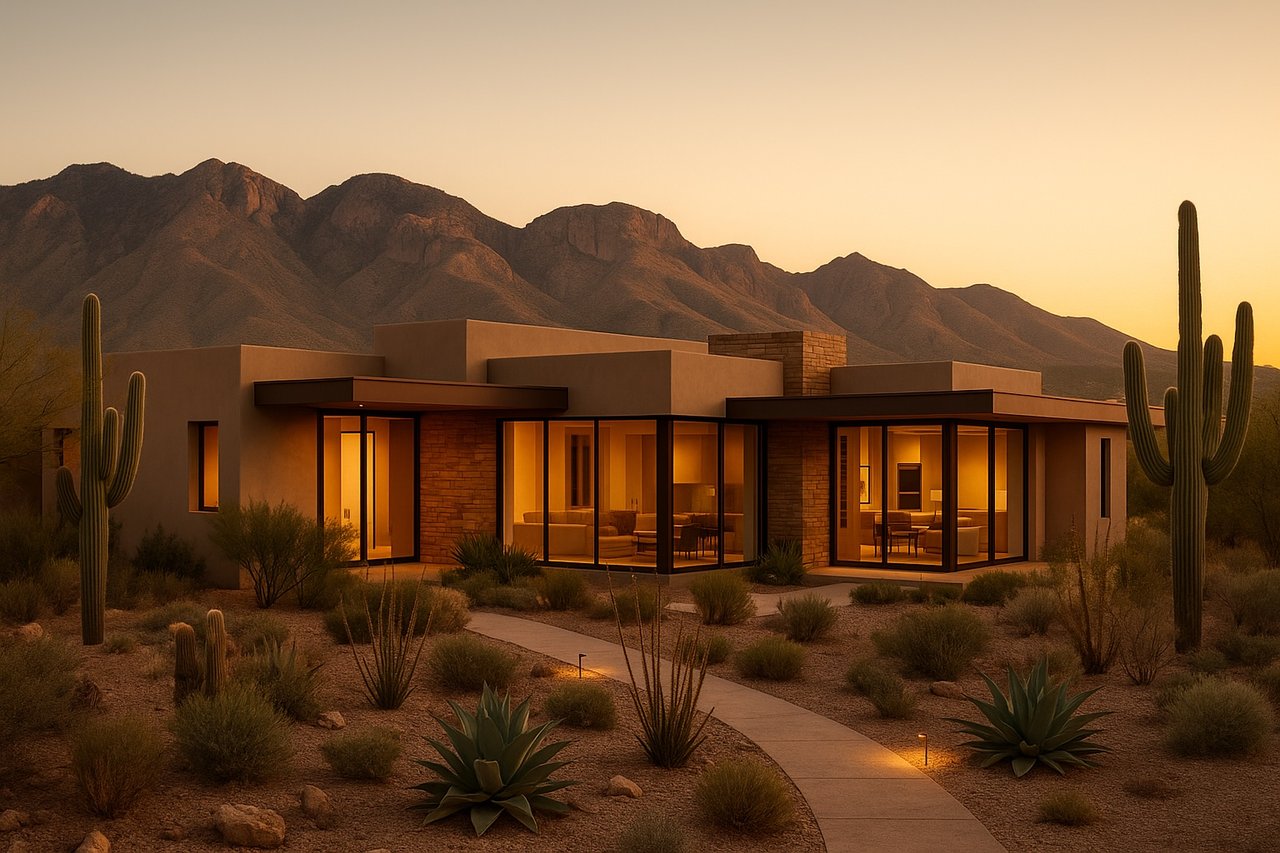
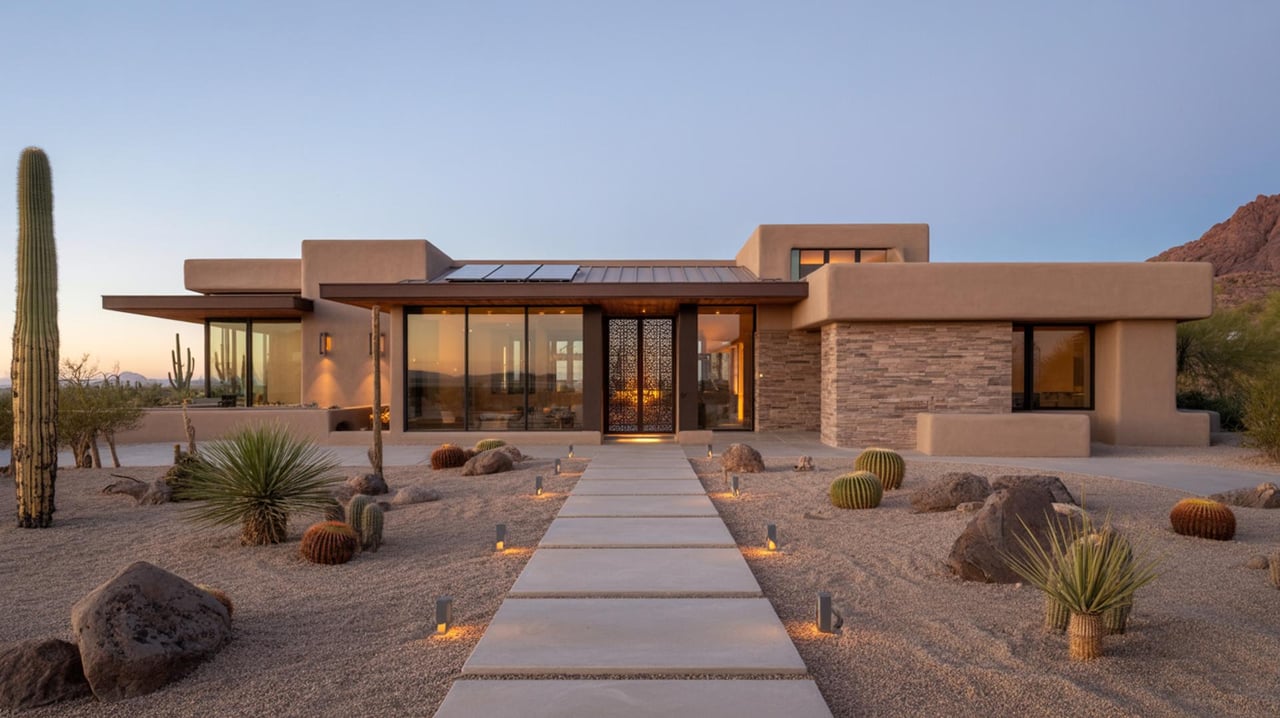
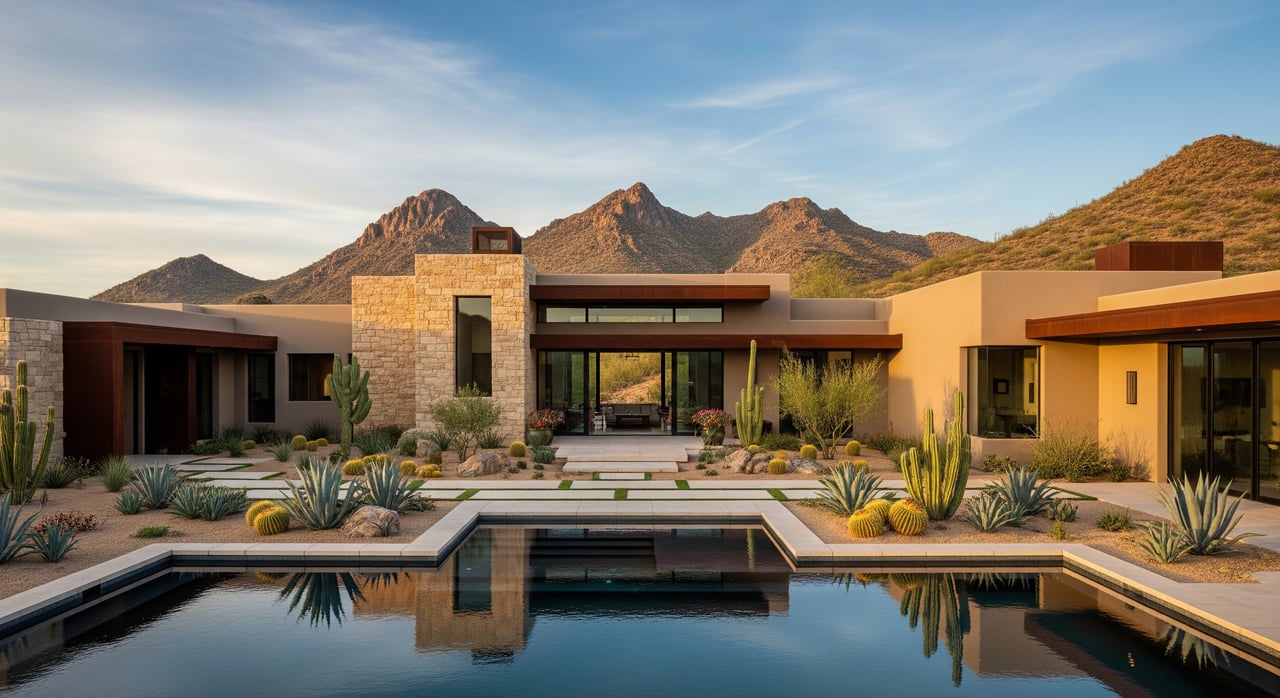
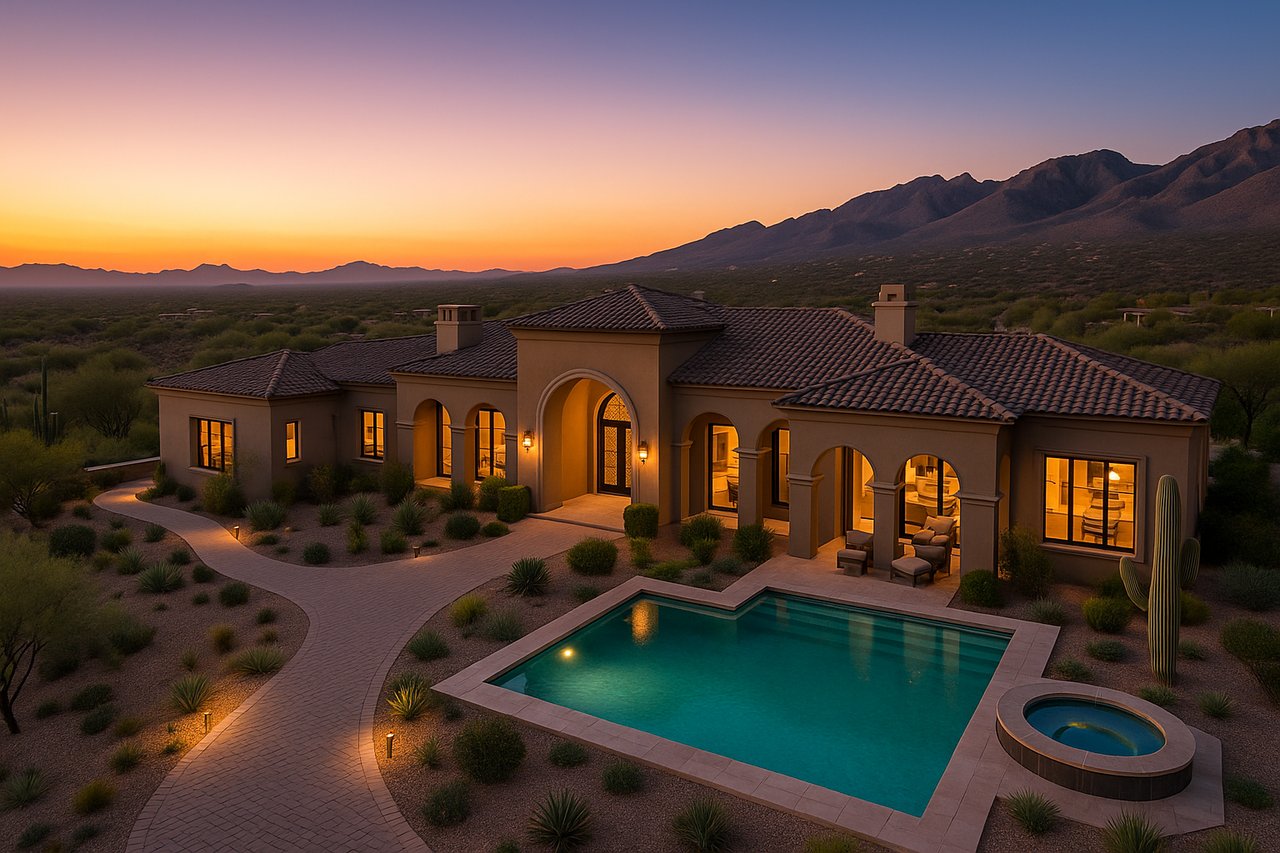
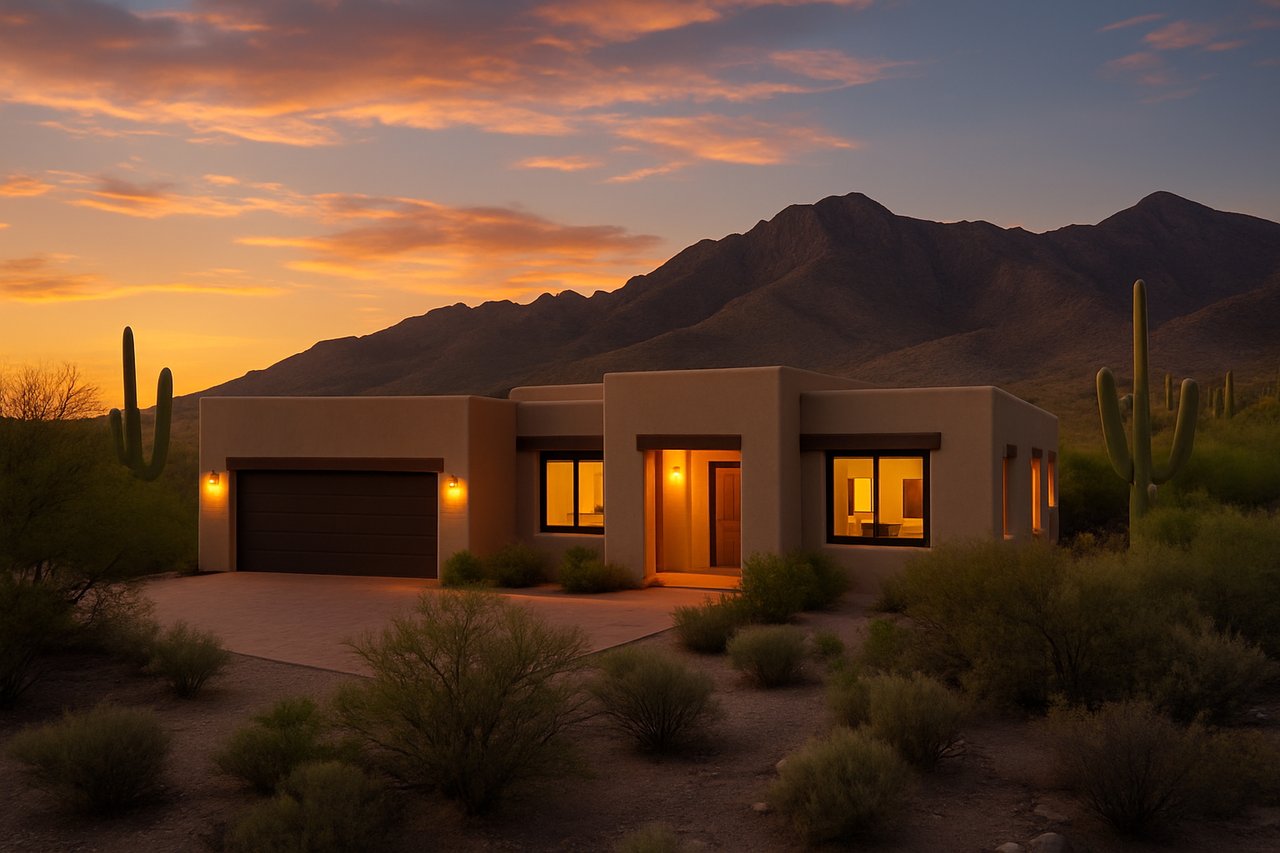
Starr Pass sits in the Tucson Mountains on the west side of Tucson, a setting that feels tucked into the desert while remaining about a 15-minute drive from downtown, according to Visit Tucson’s guide to the Tucson Mountains. That balance matters if you want scenery and recreation without giving up access to the city.
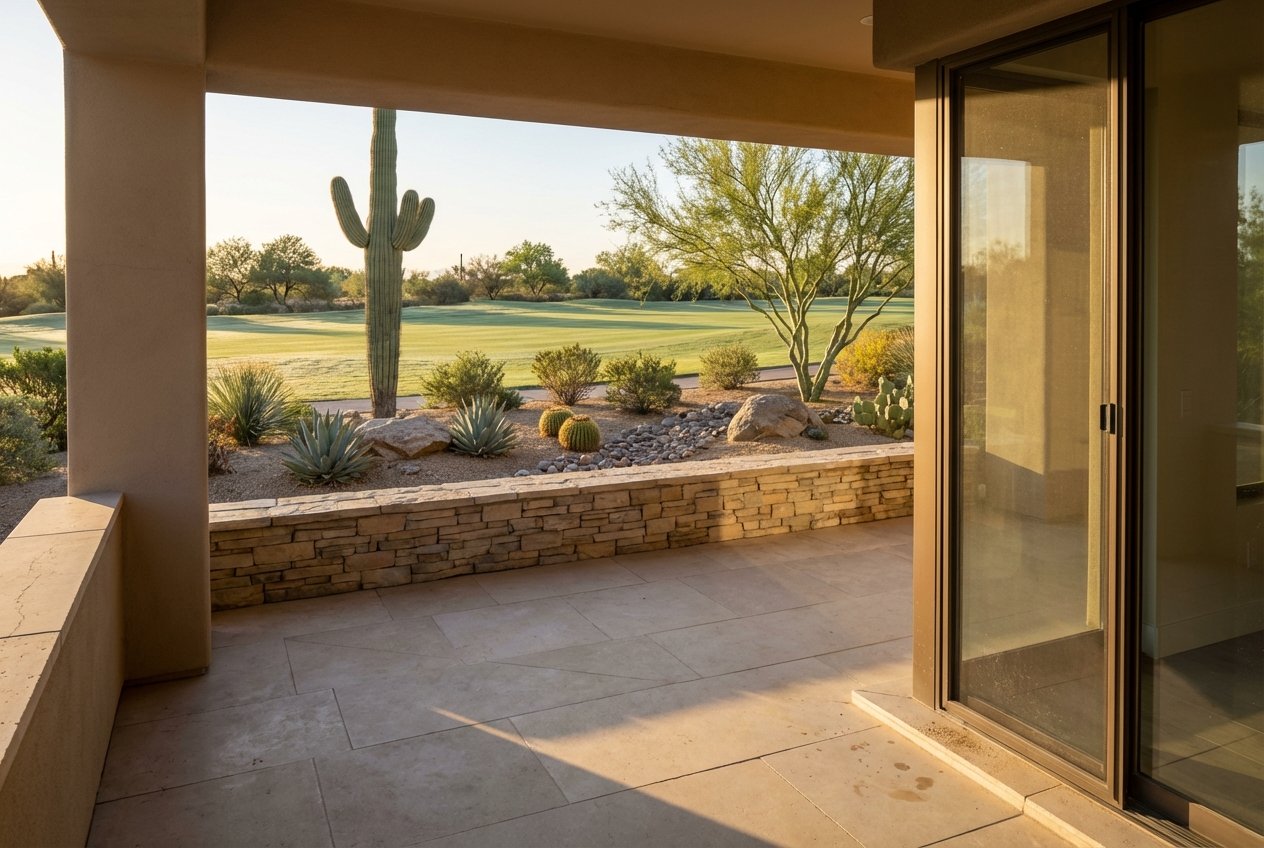
The area also has strong lifestyle appeal. Visit Tucson highlights nearby destinations like Tucson Mountain Park, Saguaro National Park West, Old Tucson, and the Arizona-Sonora Desert Museum, all of which reinforce Starr Pass as a place people choose for experience and setting, not just square footage.
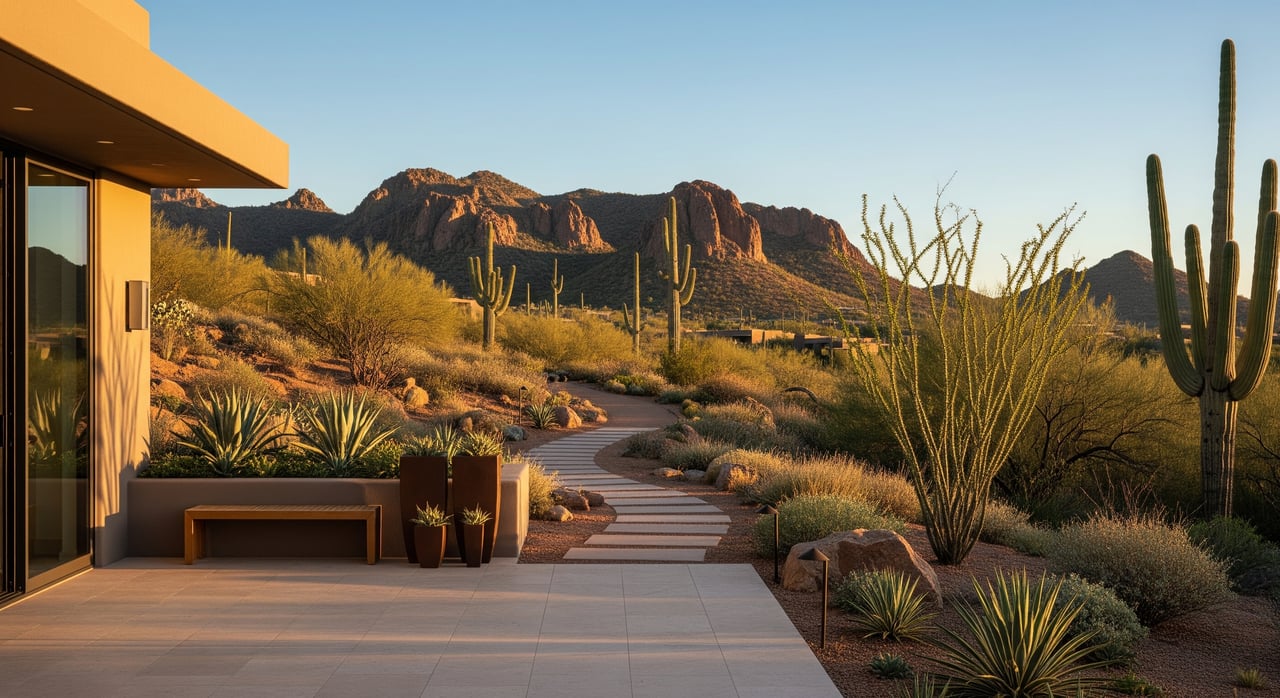
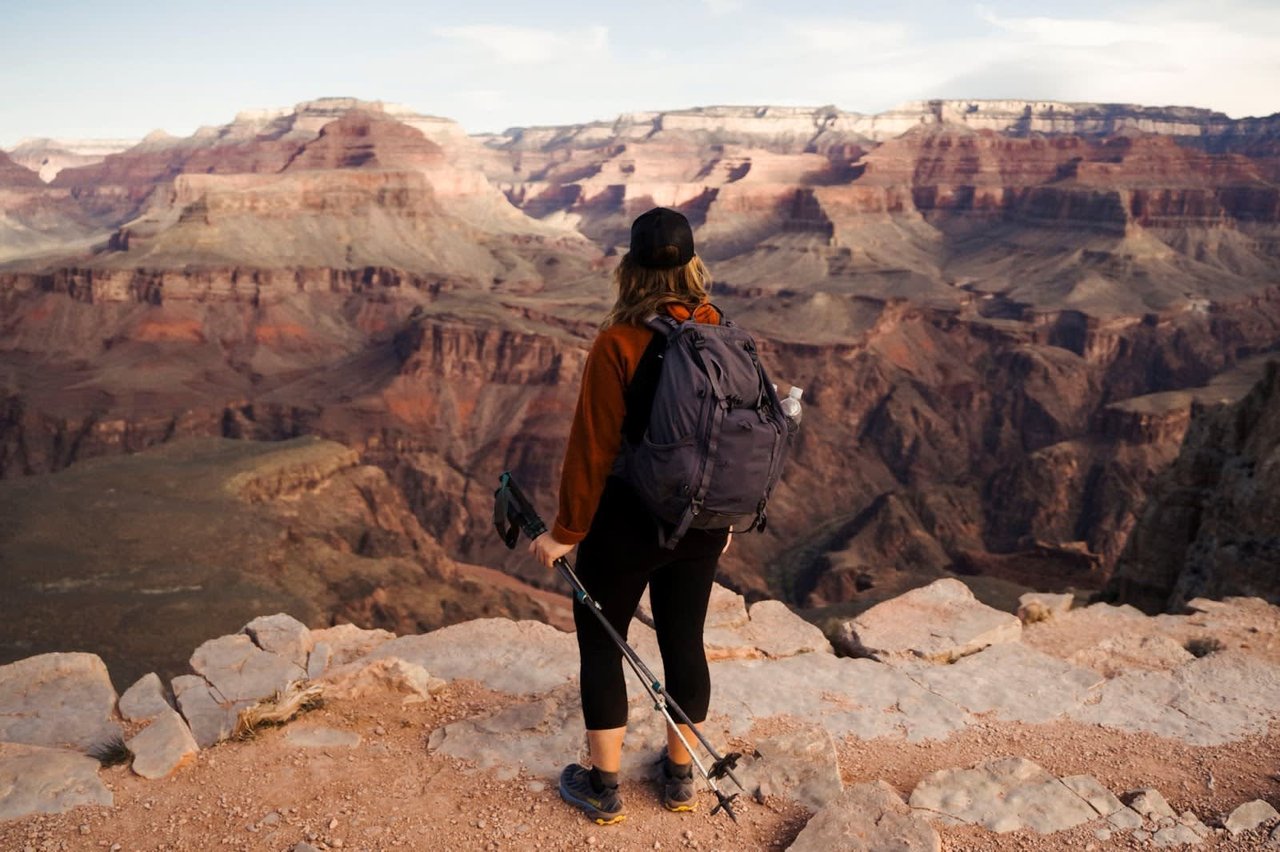
Outdoor access is a major part of the draw. Pima County’s trailhead information includes Richard Genser Starr Pass Trailhead and notes that county-managed trailheads generally open at dawn and close at dusk, with many recreational trails accessible from public trailheads.
Resort lifestyle shapes demand
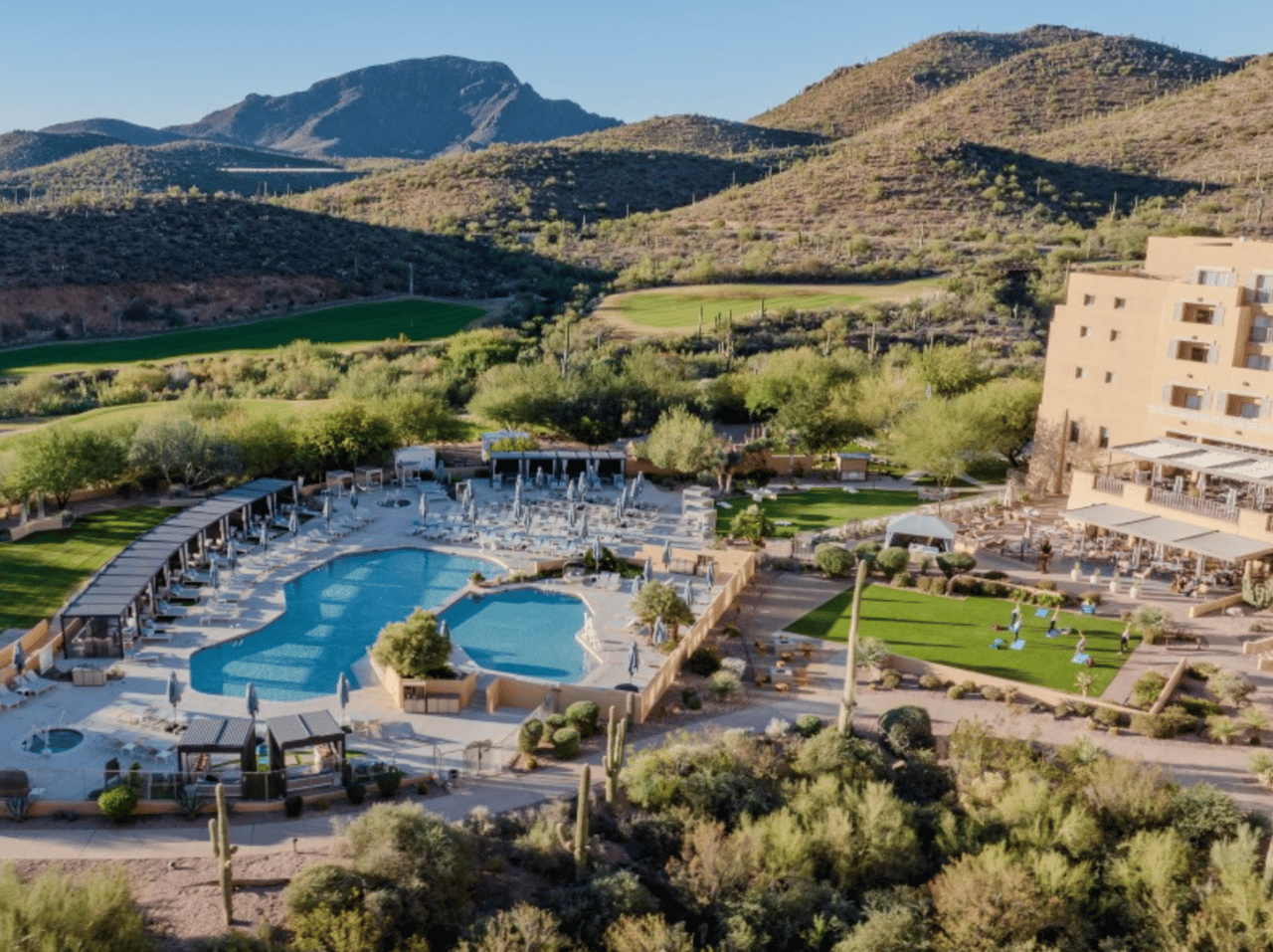
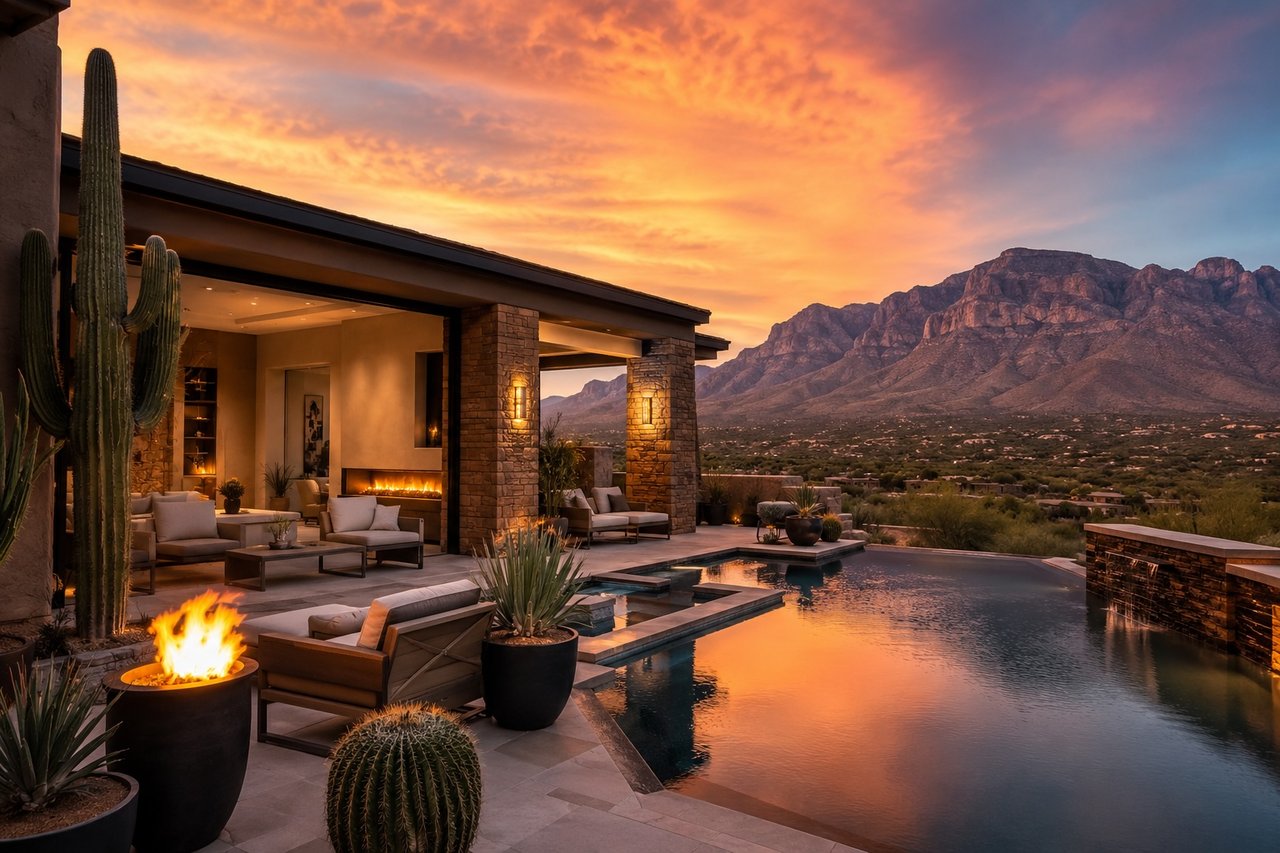
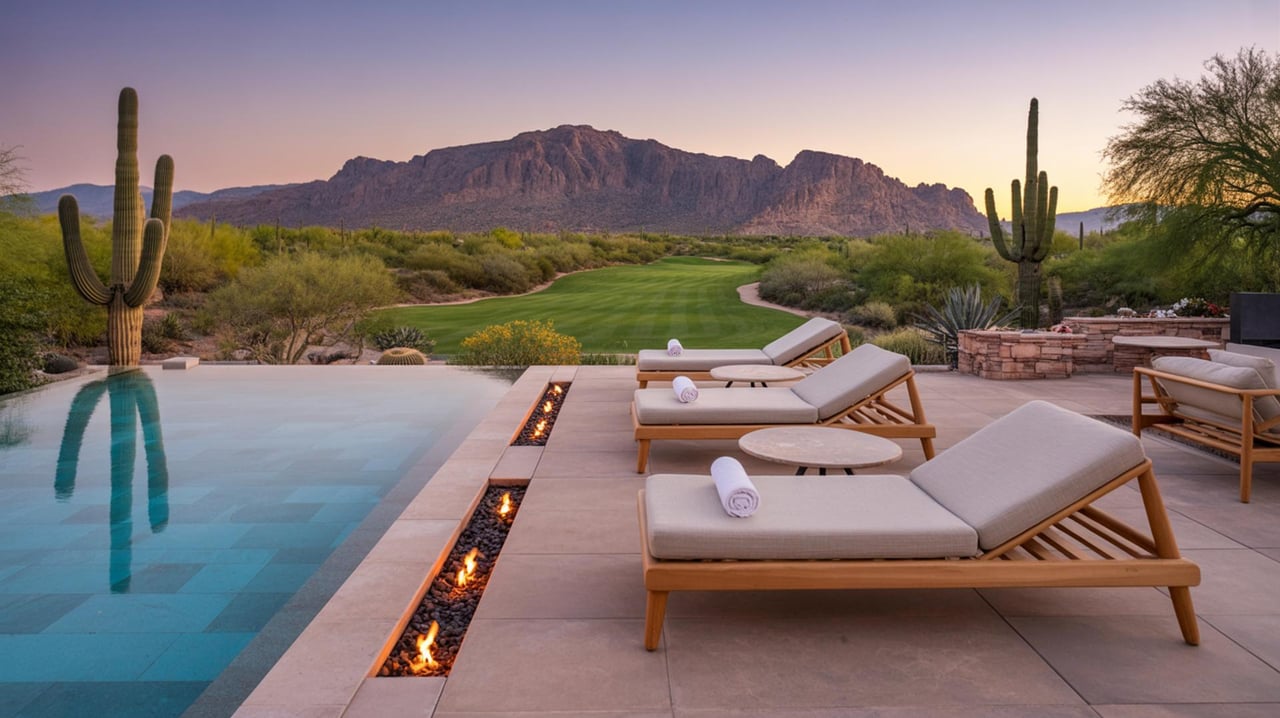
A big reason Starr Pass attracts second-home interest is the resort anchor. The JW Marriott Tucson Starr Pass Resort & Spa features 27 holes of Arnold Palmer Signature Golf across three nine-hole courses, along with restaurants, a pool, spa, fitness center, and meeting space.
That kind of amenity base tends to appeal to buyers who care more about leisure, views, and lock-and-leave convenience than a daily commute. In other words, Starr Pass is often a lifestyle decision first.
Best ownership strategies in Starr Pass
The right strategy usually depends less on broad market hype and more on how you plan to use the property. In Starr Pass, most buyers tend to fall into one of three practical categories.
Second home for personal use
If your goal is a true second home, Starr Pass can work well as a private retreat. The combination of desert scenery, golf access, resort amenities, and trailheads nearby supports a use case centered on relaxation and seasonal enjoyment.
It is important to know that Pima County treats a non-primary second residence differently from rental use. The county’s classification form separates second residence, long-term rental, and short-term rental categories, which is a reminder that your intended use matters before closing.
Seasonal lock-and-leave ownership
For many buyers, the strongest fit is seasonal occupancy. Starr Pass has the ingredients people often want for winter stays or part-time use: a self-contained setting, outdoor recreation, and a location near downtown Tucson but apart from heavier urban activity.
This seasonal appeal is an inference from the area’s amenity mix rather than a formal market statistic, but it lines up with what makes the west Tucson desert attractive in the first place. If you want a property you can enjoy for long weekends or part of the year, lower-maintenance options may deserve extra attention.
Hybrid use with rental income
Some buyers consider a hybrid approach, using the home personally and renting it out when they are away. That can be viable, but it should be treated as a full due diligence exercise, not a casual assumption.
In Starr Pass, that means looking carefully at taxes, parcel classification, HOA rules, guest-use limits, and management costs. Arizona law allows cities and towns to regulate short-term rentals in specific ways even though they cannot ban them outright, as outlined in Arizona Revised Statutes § 9-500.39.
Short-term rental rules to know
If you are considering short-term rental income, the first checkpoint is the 30-day threshold. The Arizona Department of Revenue says stays of fewer than 30 days count as short-term lodging and are subject to Arizona transaction privilege tax.
ADOR also says the TPT license number must appear in short-term rental advertising. Its January 2026 update notes that Tucson’s transient-non-hotel short-term rental rate is 10 percent effective January 1, 2026, according to the state’s residential rental tax guidance.
You may also need more than a tax license. The City of Tucson business license page says businesses operating in Tucson require business licenses, and ADOR notes that some short-term property owners may need a city business license in addition to a TPT license.
One more detail matters here. The city also notes that a large portion of postal Tucson lies outside city limits, so parcel-level verification is important before assuming which local rules apply.
Long-term rental rules are different
If your plan is to lease the property for 30 days or more, the tax picture changes. ADOR says the city transaction privilege tax on residential rentals ended beginning January 1, 2025, and long-term stays of 30 days or more should no longer collect city TPT.
That does not mean you can skip local paperwork. ADOR says county assessor registration still applies, and Pima County’s forms continue to distinguish between second residence, long-term rental, and short-term rental use.
For buyers comparing rental models, this is a key planning point. A long-term rental may look simpler from a tax perspective, while a short-term strategy may involve more active compliance and operations.
HOA rules can matter more than city rules
One of the most important realities in Starr Pass is that public rules are only part of the picture. Even if a city allows a use, private restrictions may still limit or prohibit it.
The City of Tucson states that permit approval does not override HOA CC&Rs or deed restrictions, as noted on its permit exemptions and approvals page. In practical terms, that means the parcel’s recorded rules, minimum-stay requirements, parking standards, and guest policies may shape your options more than the Starr Pass name itself.
This is why broad assumptions can get buyers into trouble. Two properties in the same general area can offer very different ownership flexibility depending on the association and recorded restrictions.
Matching property type to your goals
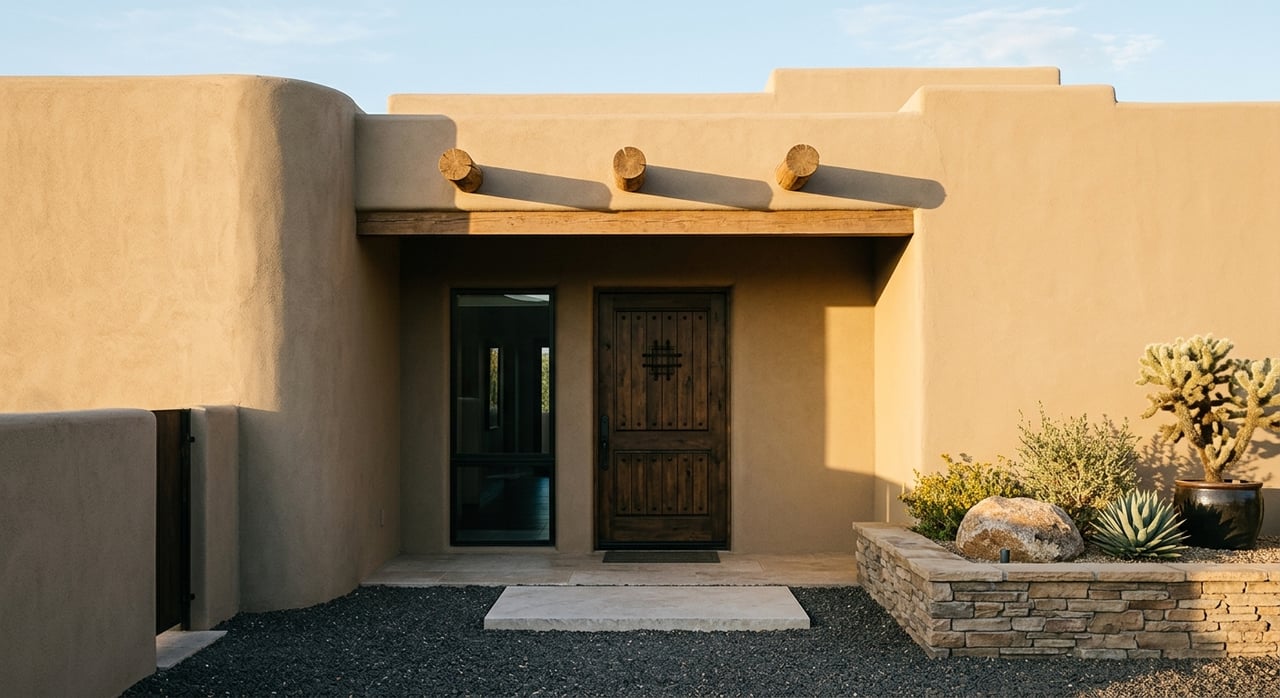
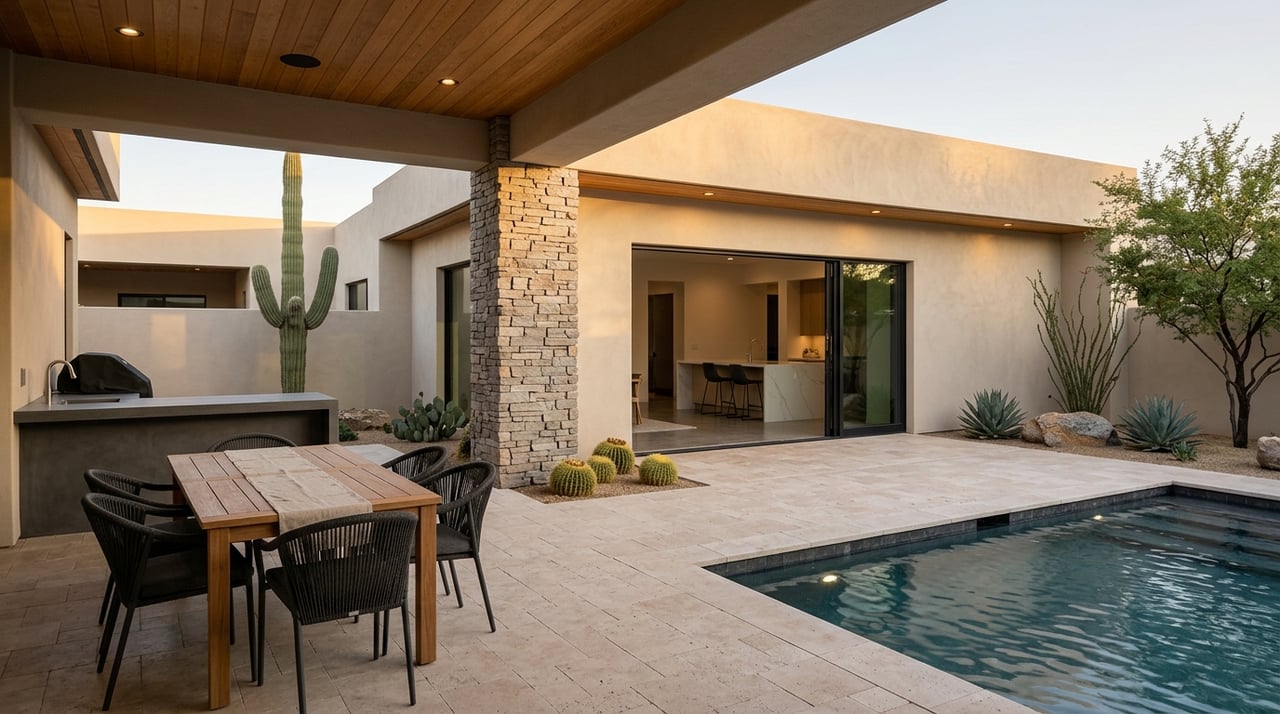
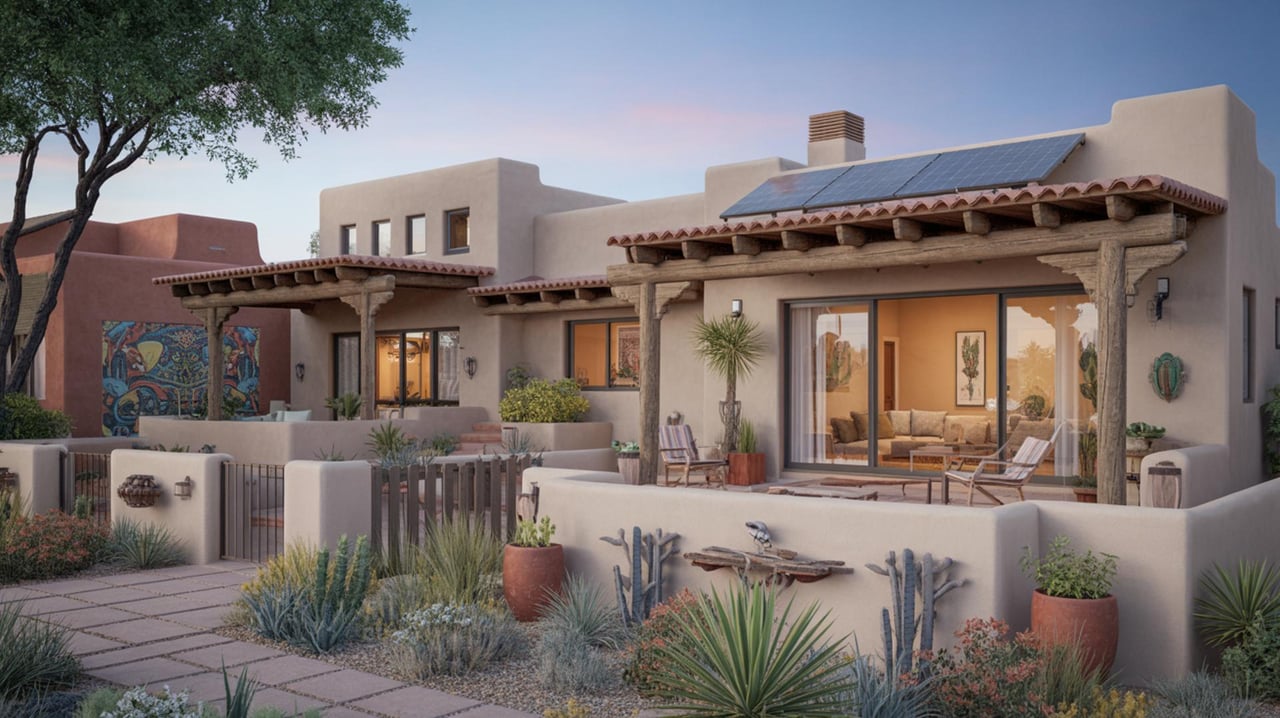
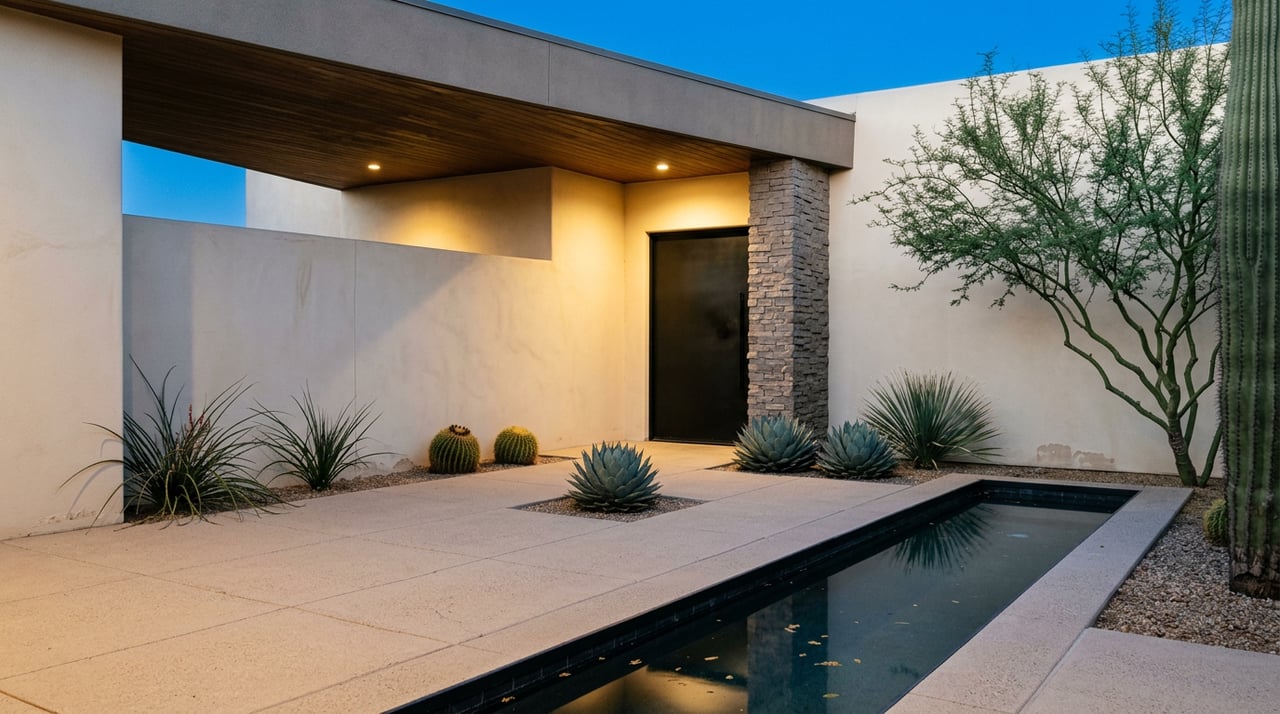
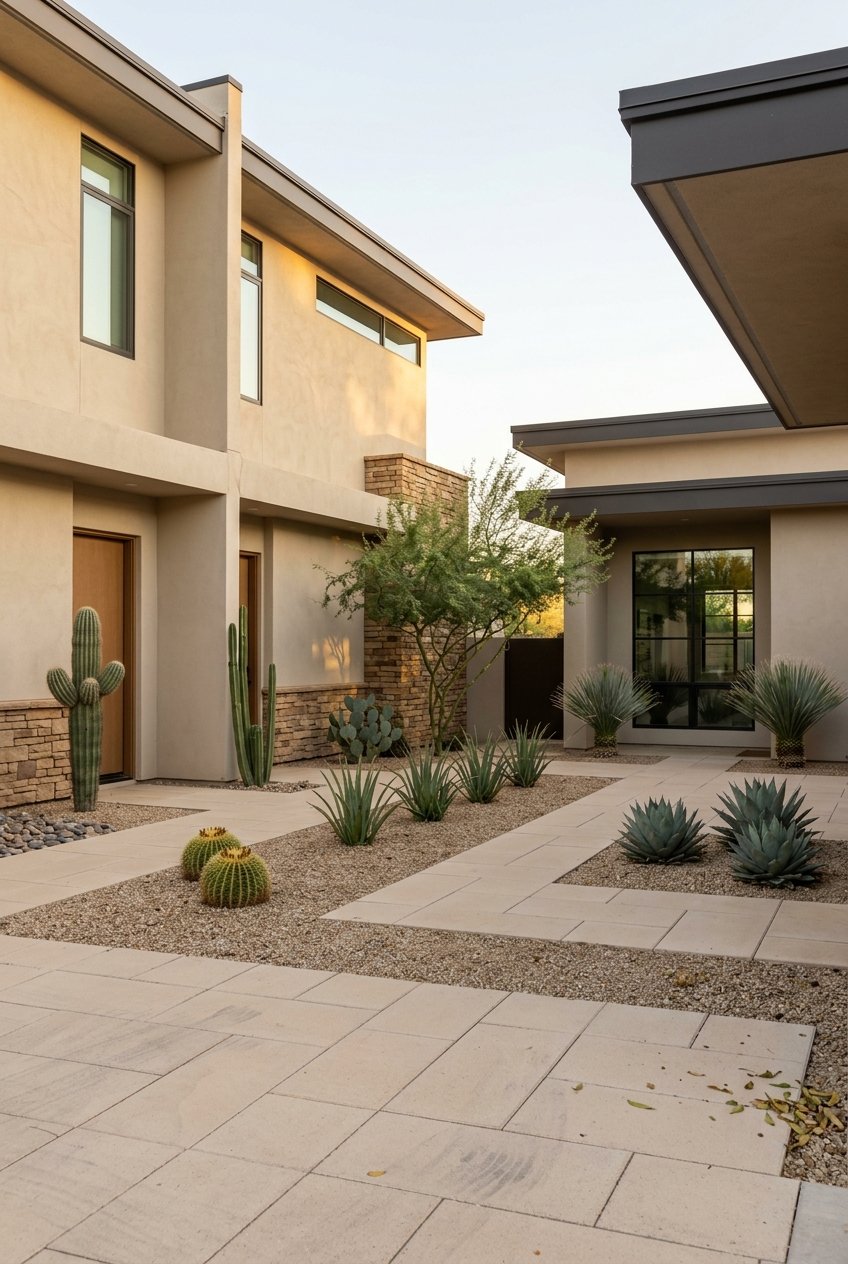
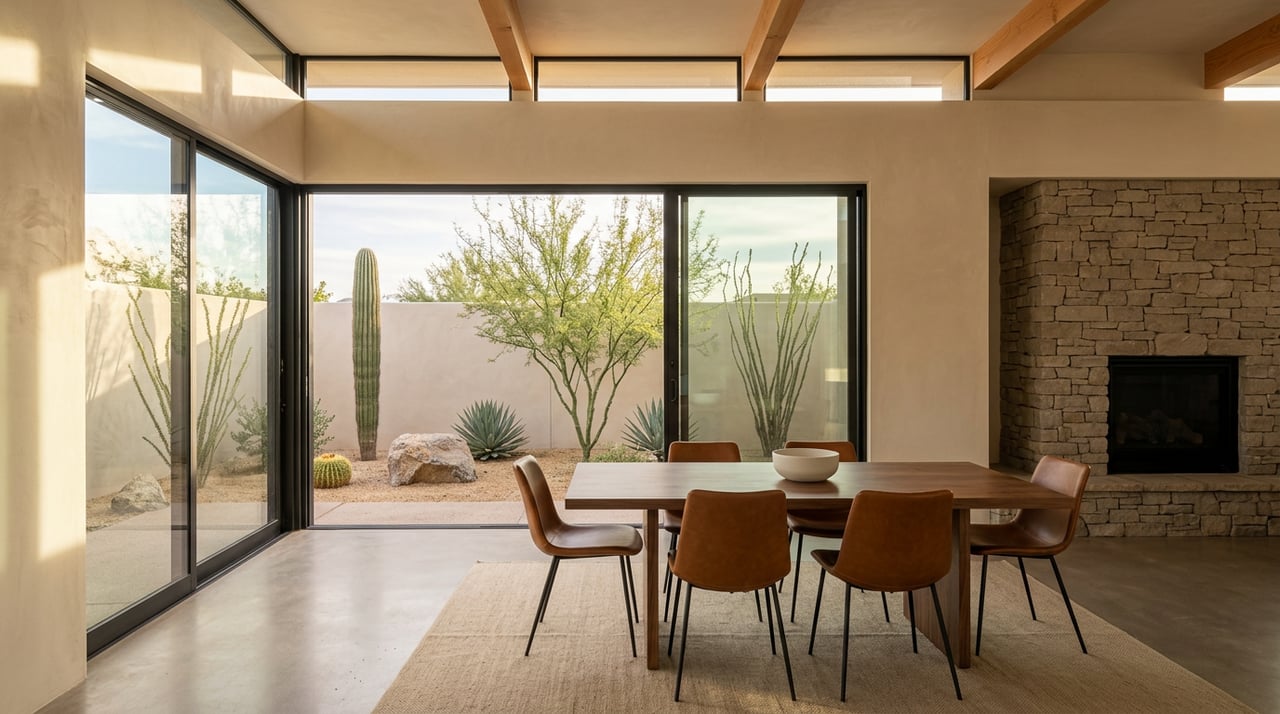
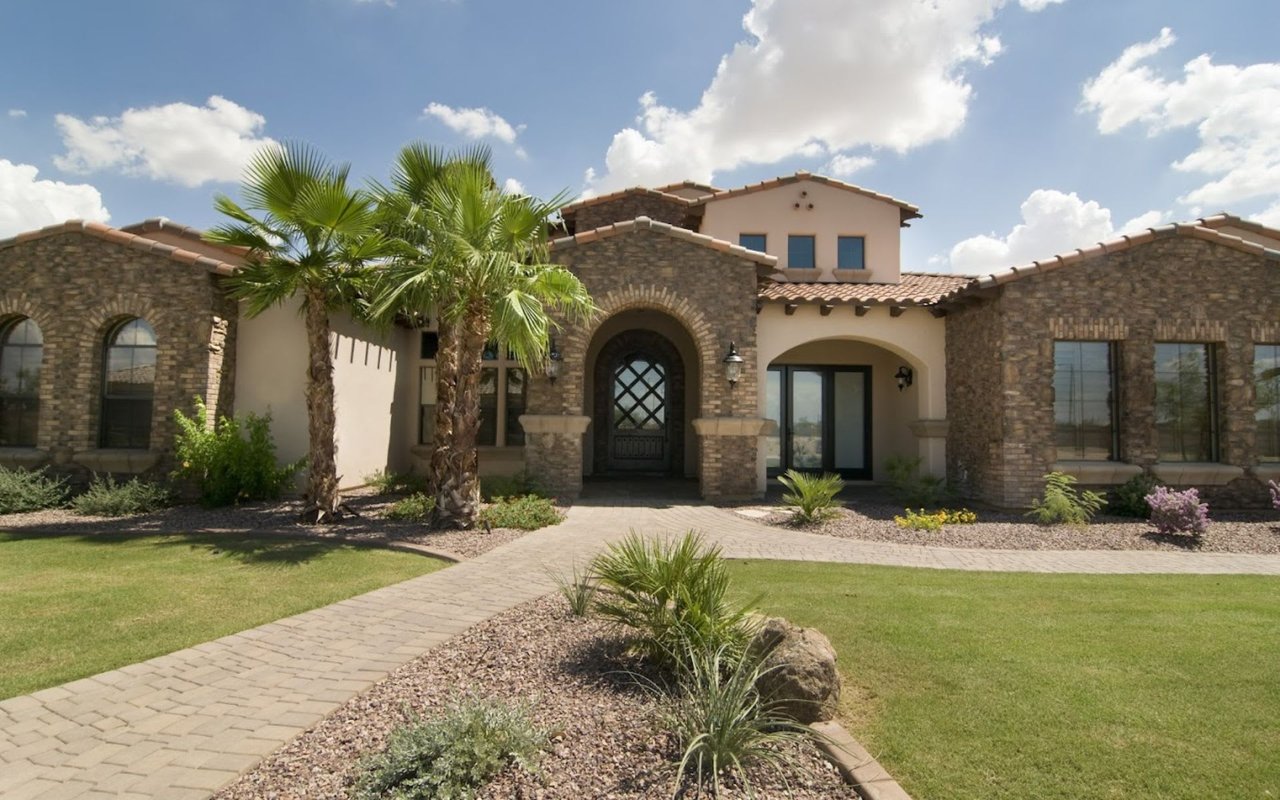
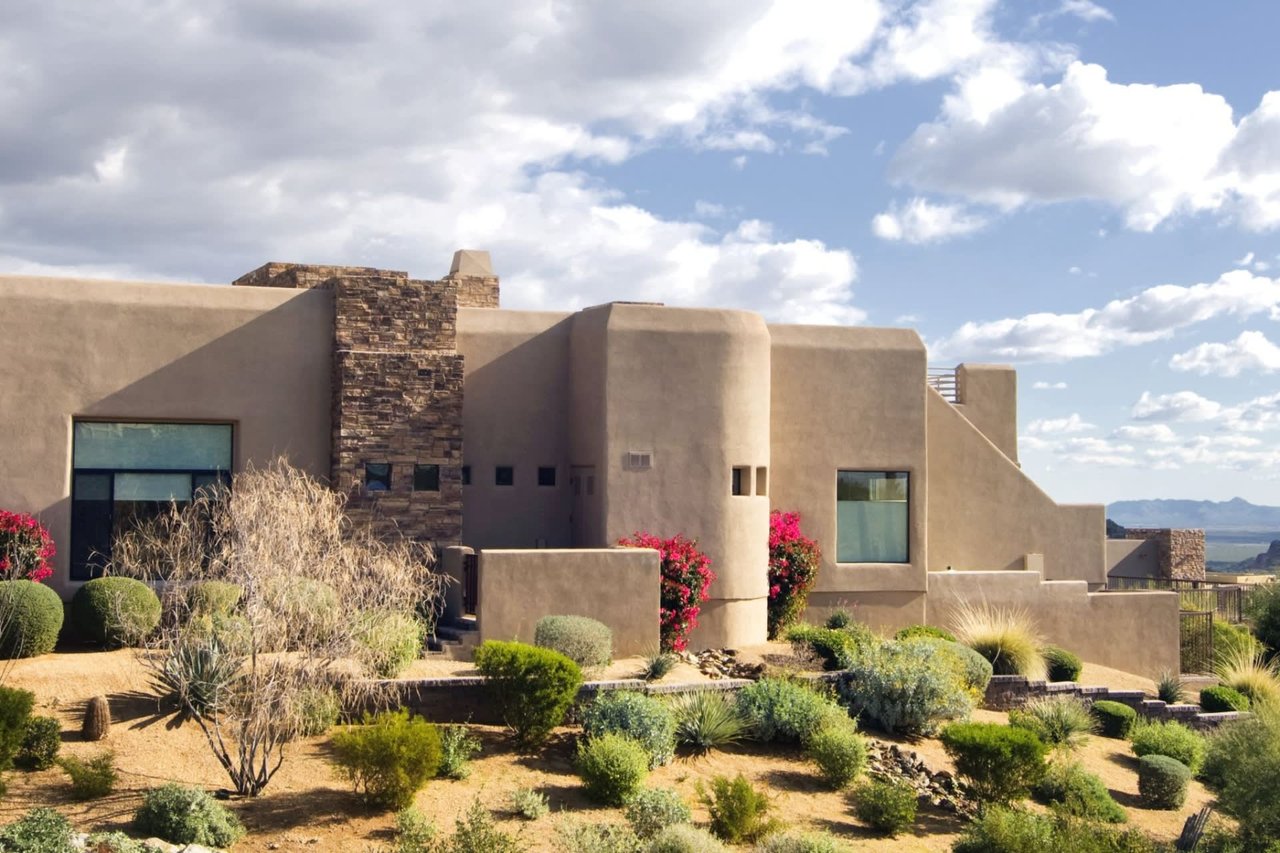
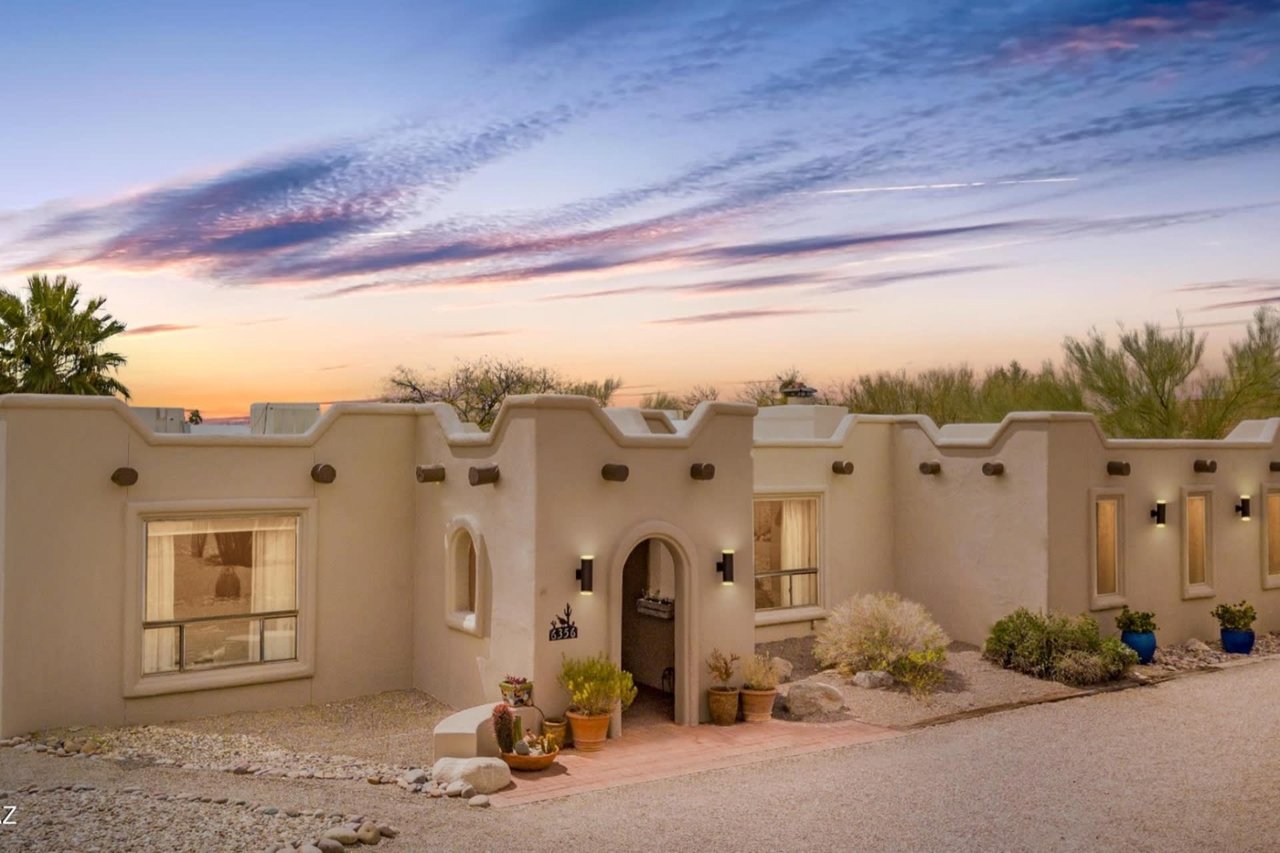
Not every Starr Pass property fits every strategy equally well. In general, lower-maintenance properties often make the most sense for seasonal or lock-and-leave ownership, while detached homes may better suit buyers who want privacy, storage, and more outdoor living space.
The better question is not simply, “Is Starr Pass a good investment?” A more useful question is whether the specific property supports your intended hold period, maintenance preferences, and allowed uses.
That includes reviewing:
- HOA dues and rules
- Parcel classification
- Short-term or long-term rental restrictions
- Ongoing maintenance needs
- Management expectations if you will not be local year-round
- How the property’s amenities align with your actual lifestyle
Think portfolio first, not speculation first
Starr Pass is best understood as a lifestyle-driven ownership decision with optional income potential. The area’s strongest appeal comes from the setting, trail access, golf, and resort atmosphere, not from a simple fast-profit thesis.
That does not make it less compelling. In fact, for many buyers, that is exactly the point. A property that you enjoy using, can maintain comfortably, and understand from a rules and cost standpoint is often a stronger long-term decision than chasing a theoretical yield without enough due diligence.
If you are comparing second-home and investment options in Starr Pass, a property-by-property review is usually the smartest next step. Working through parcel classification, HOA documents, licensing questions, and the fit between the home and your intended use can save you time and reduce surprises later.
If you want a clear, local perspective on Starr Pass opportunities, Daniel Sotelo can help you evaluate properties through both a lifestyle and strategy lens.
FAQs
Can you use a Starr Pass home as both a second home and a rental?
- Possibly, but Pima County distinguishes second residence from rental use, so you should confirm parcel classification and intended use before closing.
Are short-term rentals allowed in Starr Pass and Tucson?
- Arizona law says cities and towns may not prohibit short-term rentals outright, but they can regulate them in specific ways related to licensing, taxes, health and safety, and nuisance issues.
Do HOA rules affect rental use in Starr Pass?
- Yes. City approvals do not override HOA CC&Rs or private deed restrictions, so HOA documents may limit rental terms, guest use, parking, or minimum stay lengths.
How are long-term rentals taxed in Tucson?
- According to ADOR, city TPT on residential rentals ended beginning January 1, 2025, for stays of 30 days or more, but county assessor registration still applies.
What makes Starr Pass appealing for seasonal ownership?
- Starr Pass offers resort amenities, desert views, nearby trail access, and proximity to downtown Tucson, which together support part-time and lock-and-leave use.
What should you review before buying in Starr Pass for investment or second-home use?
- Focus on parcel classification, HOA restrictions, licensing requirements, tax treatment, maintenance burden, and whether the specific property matches your intended use.