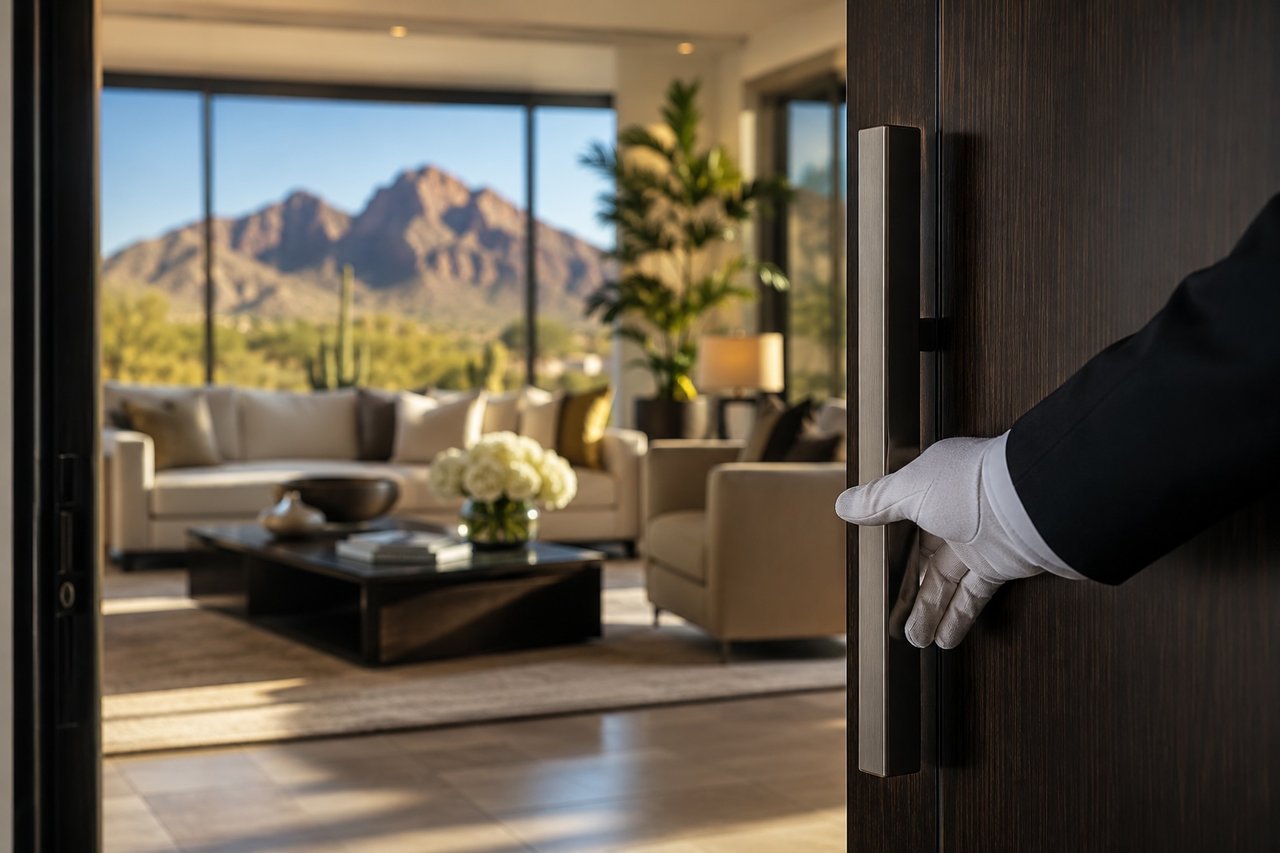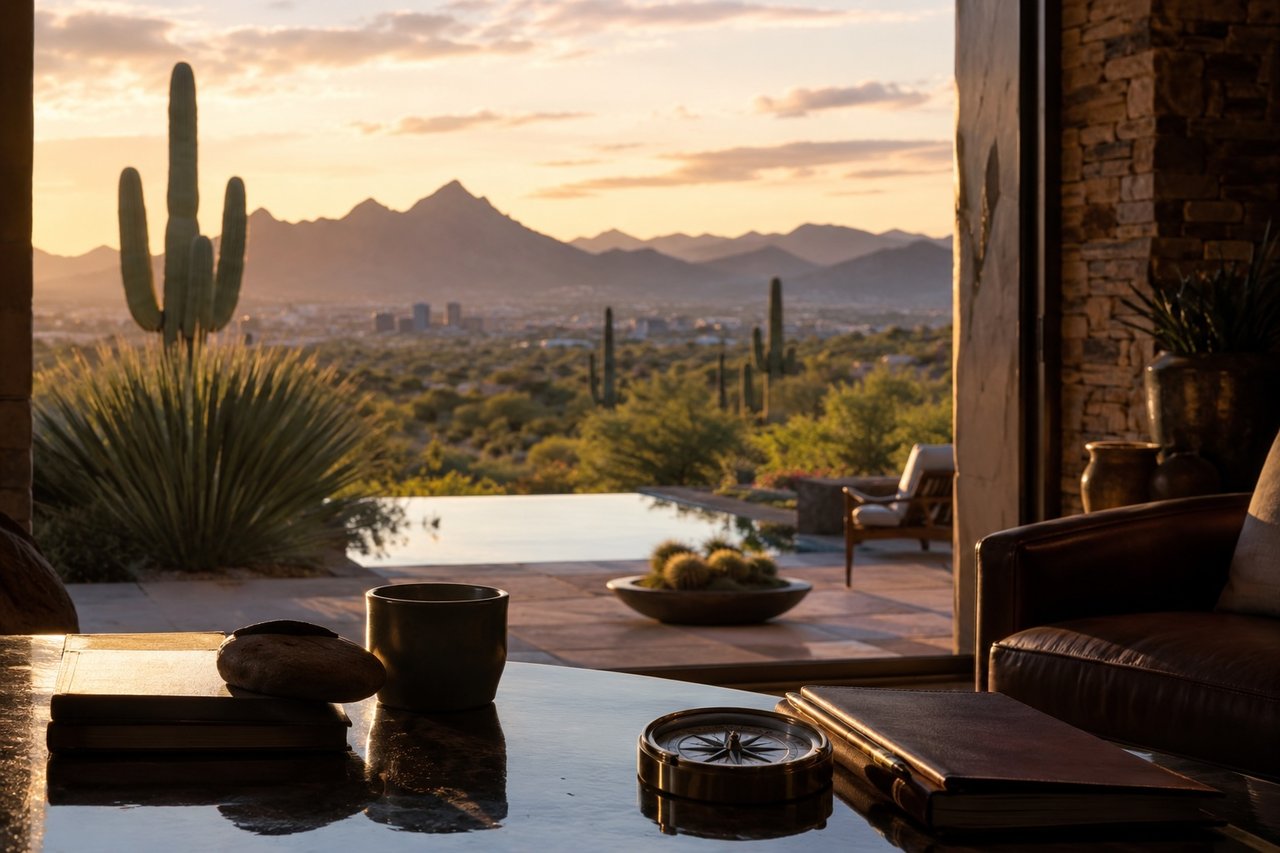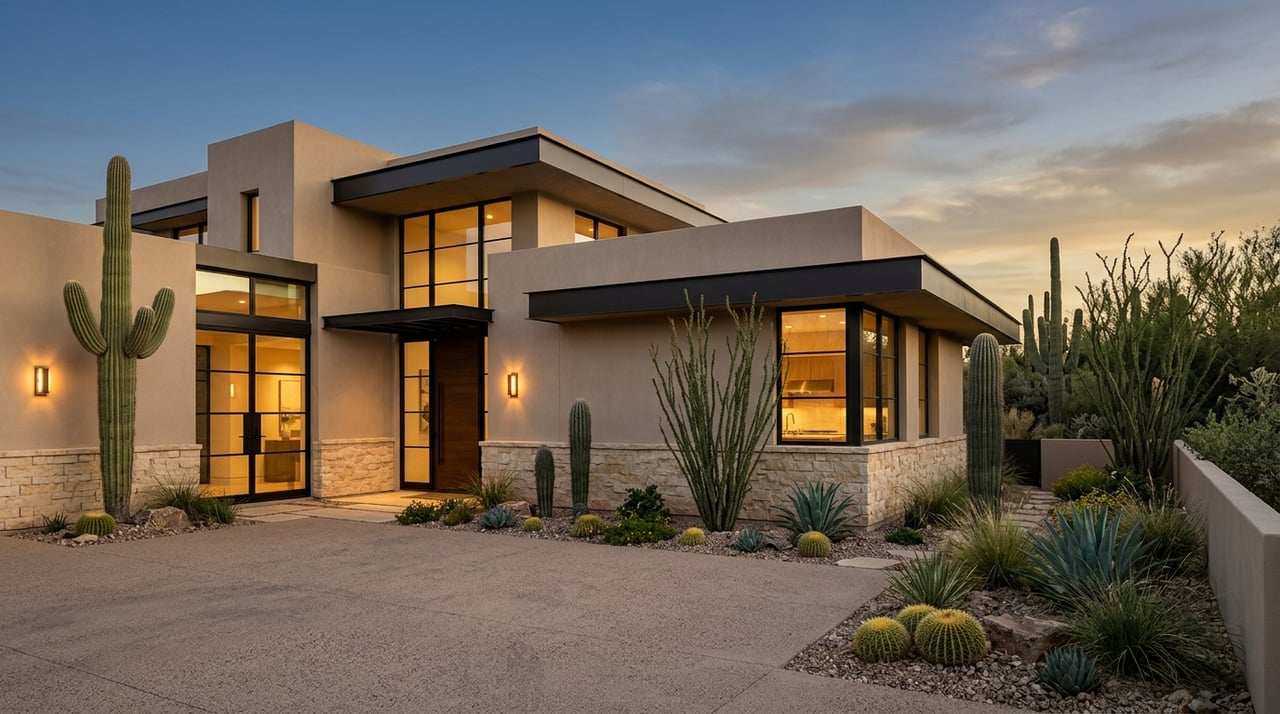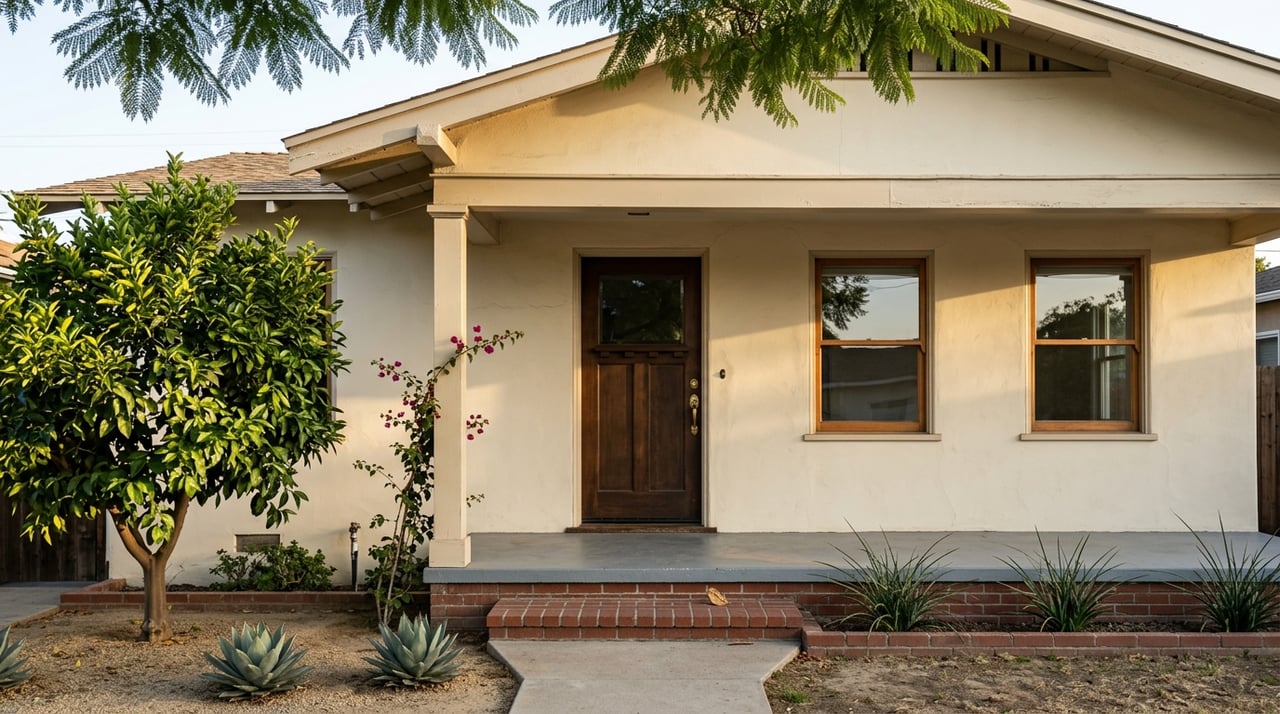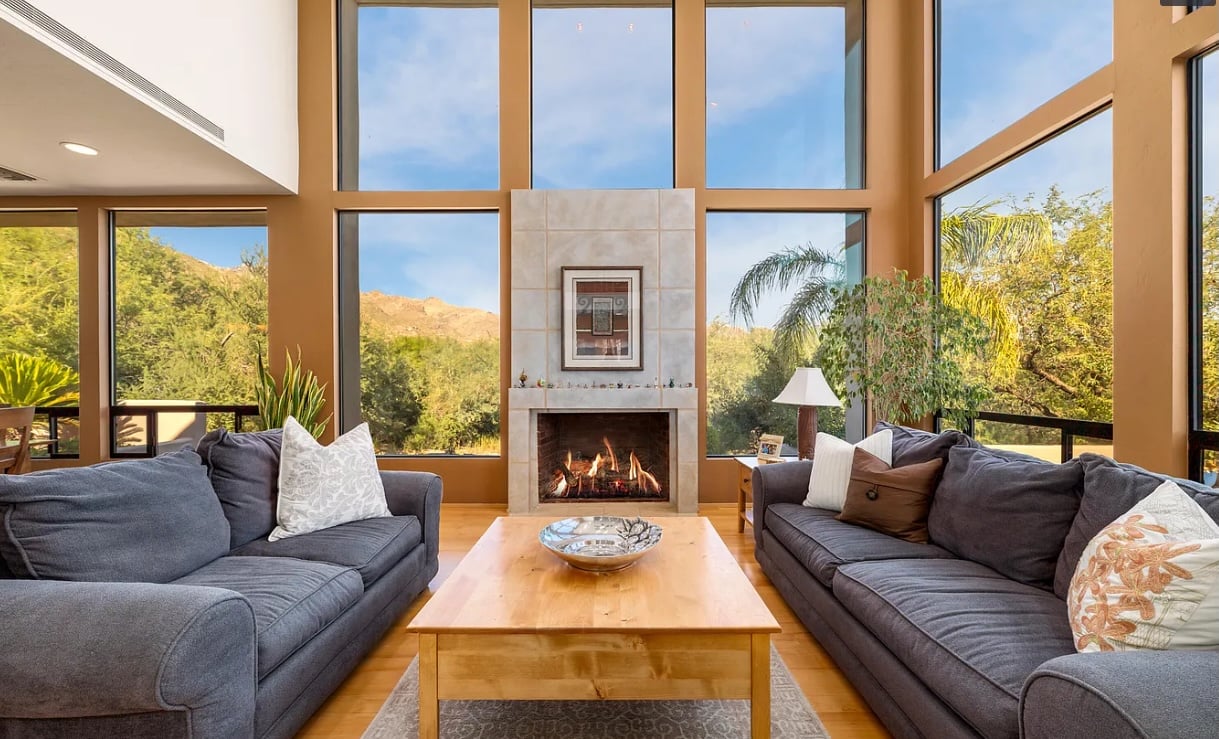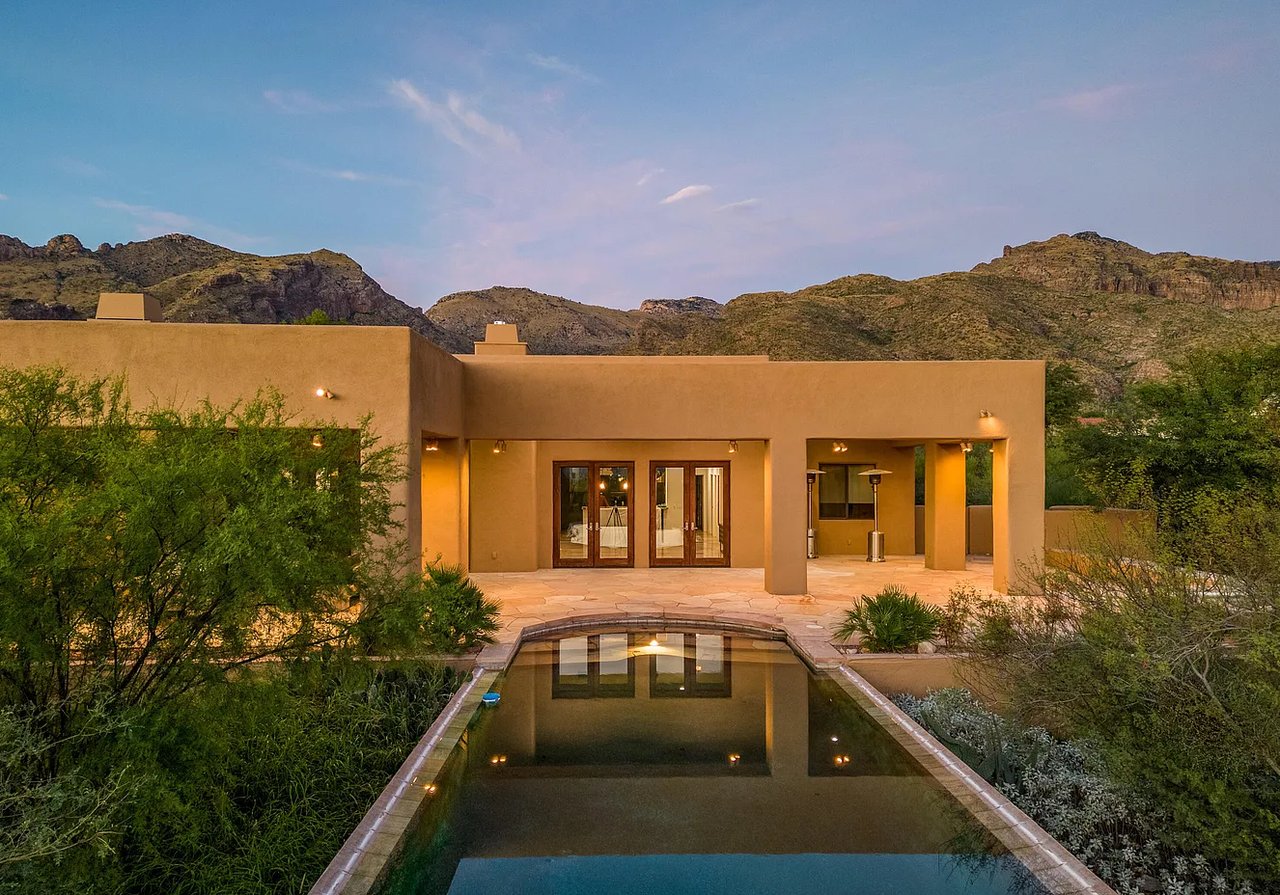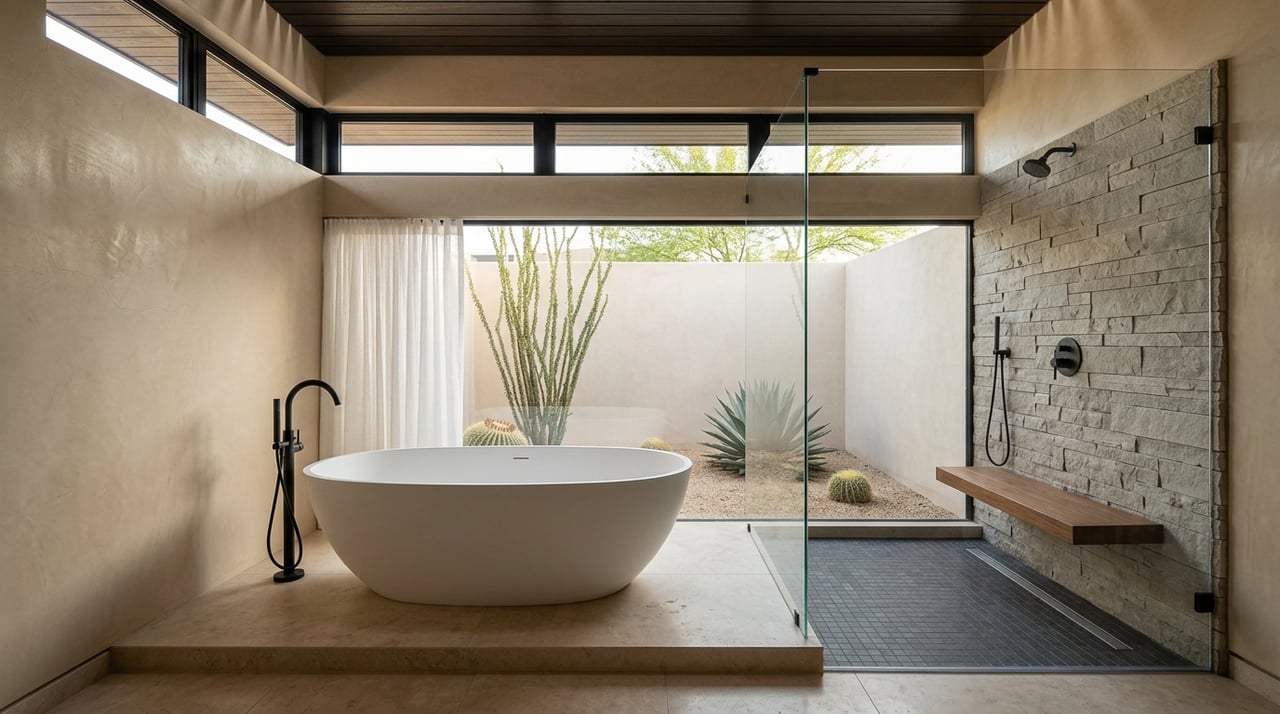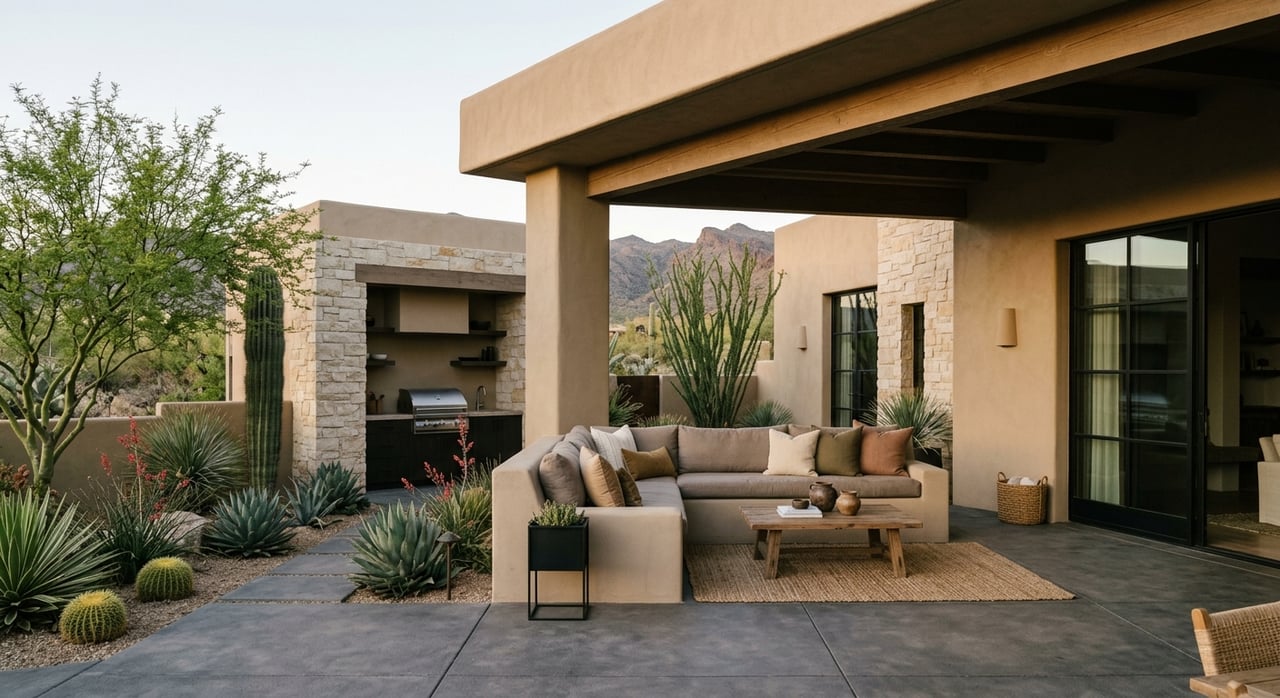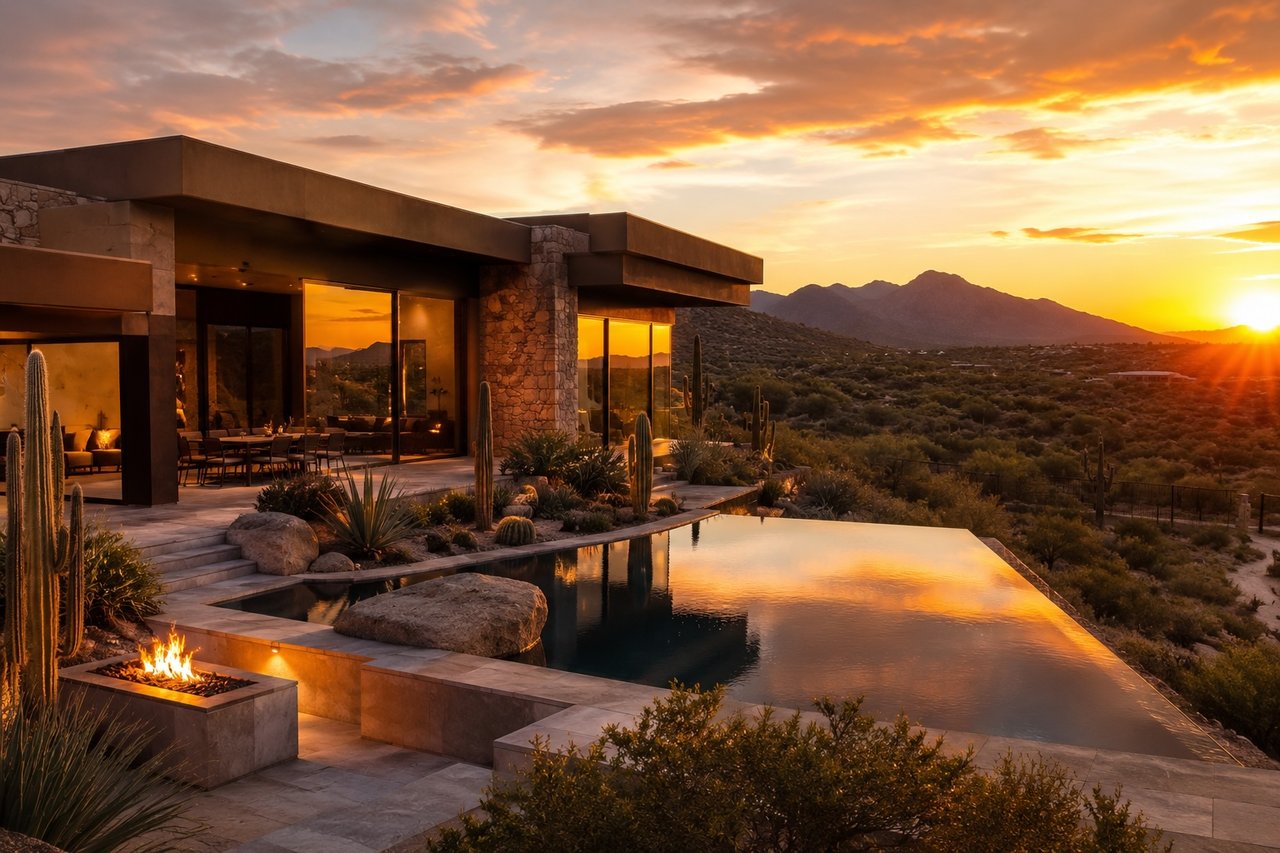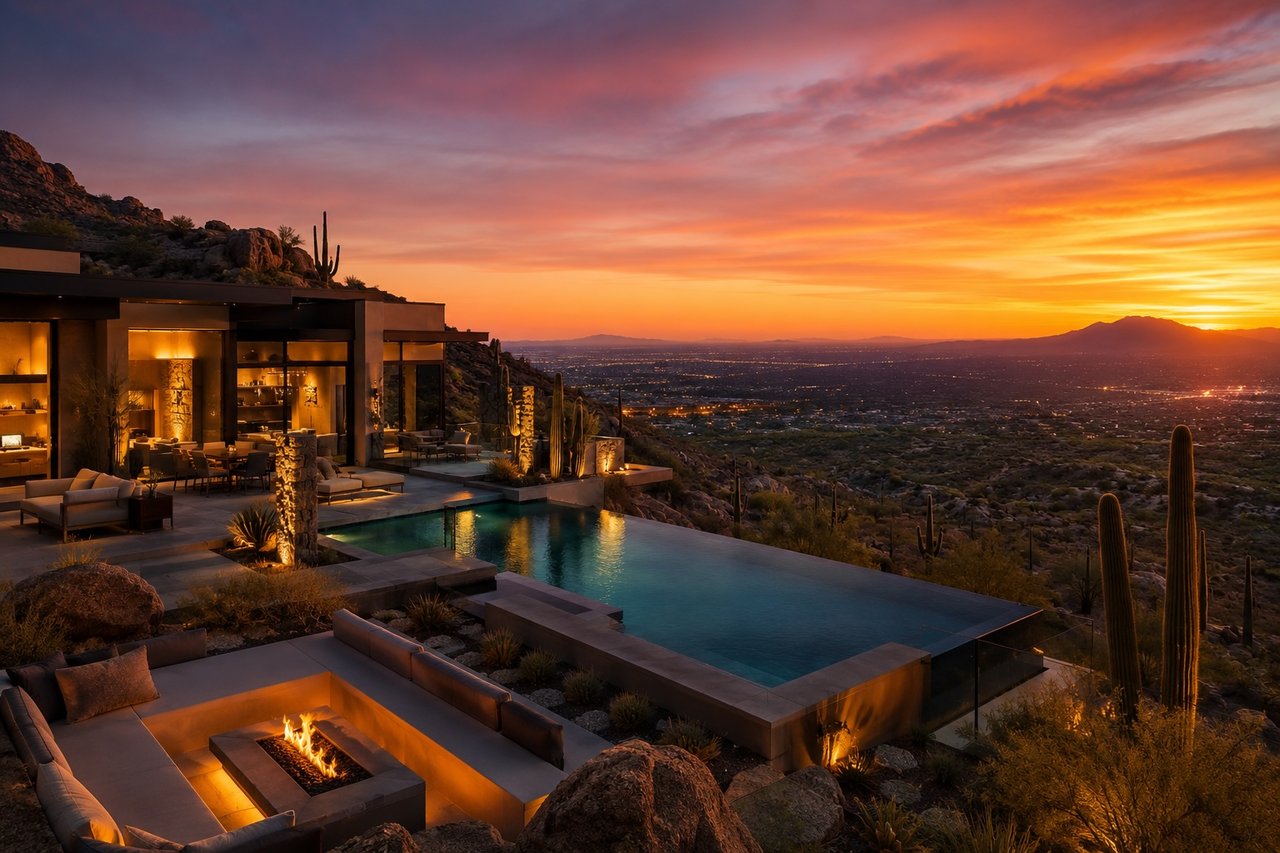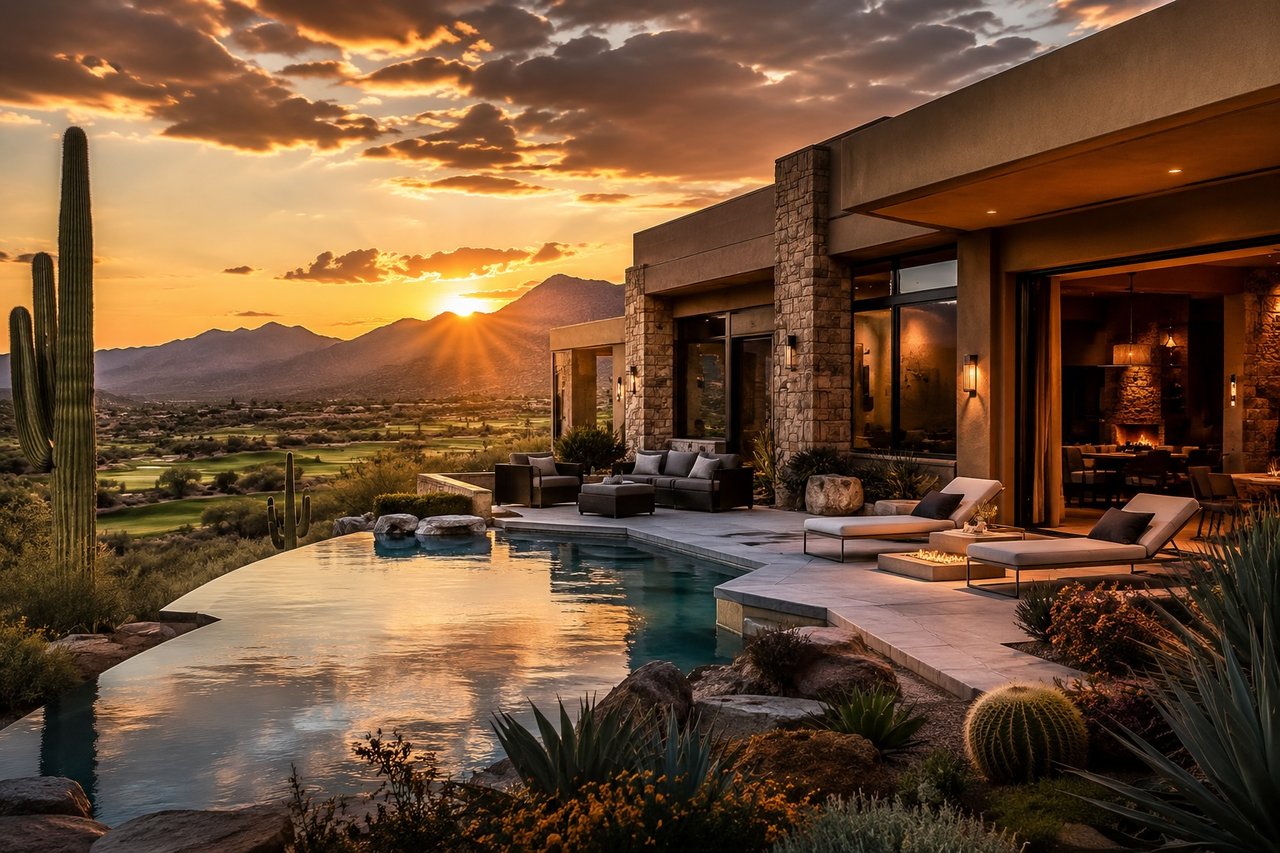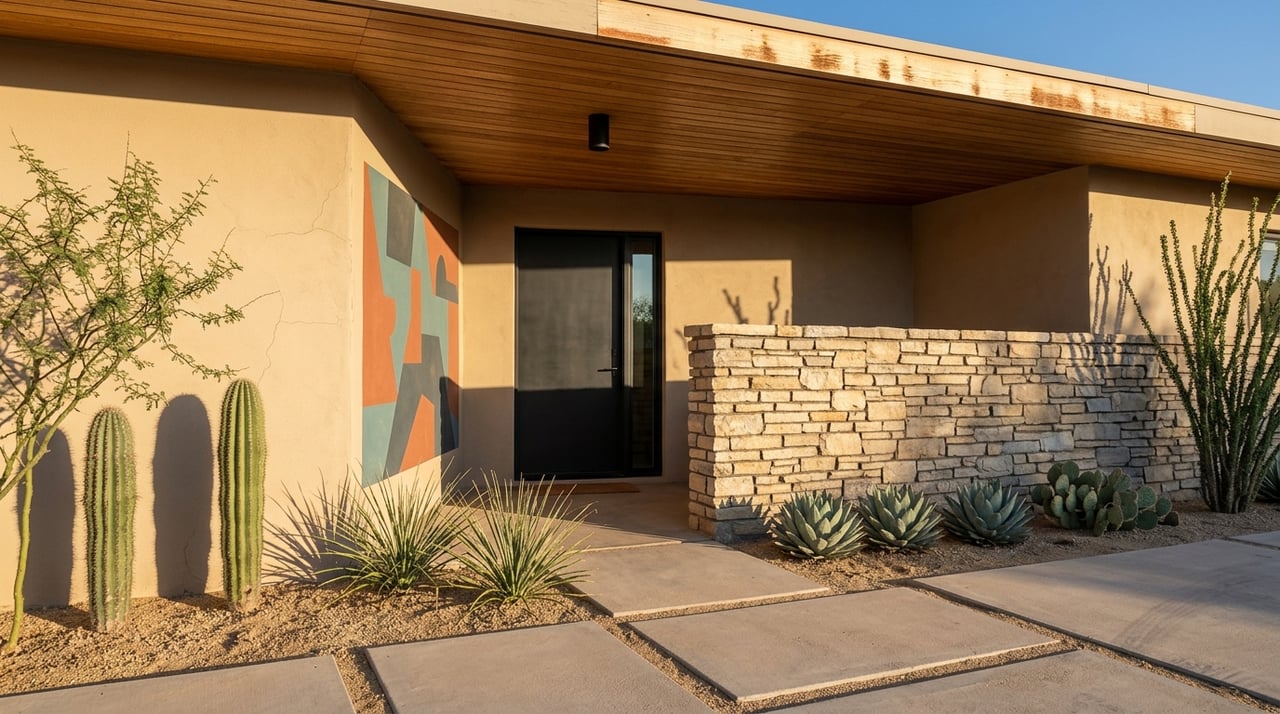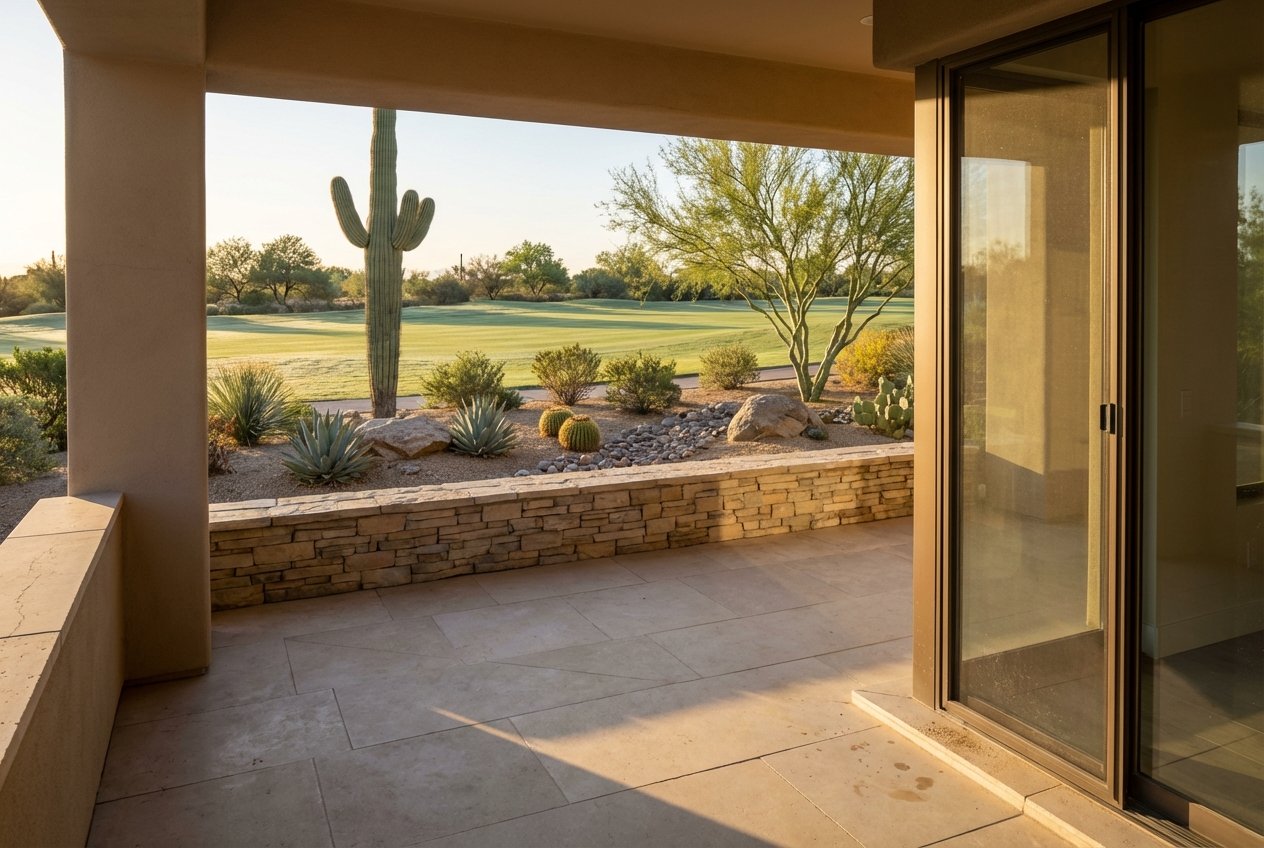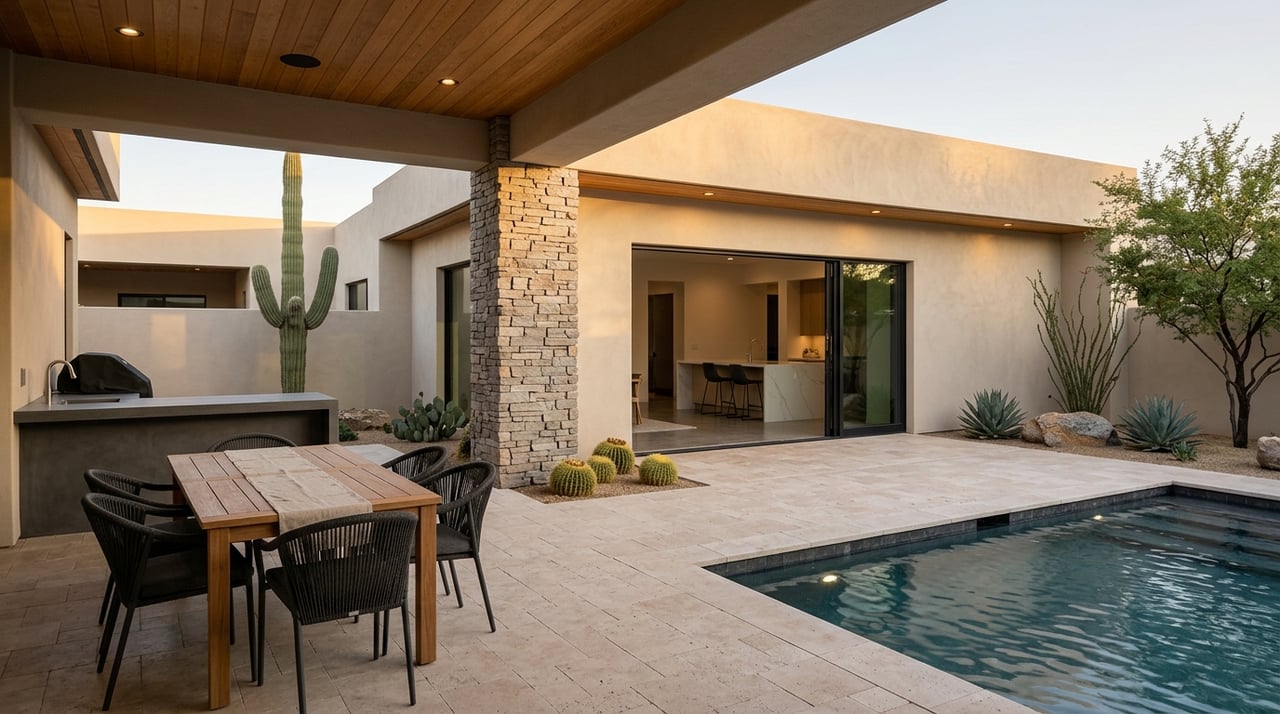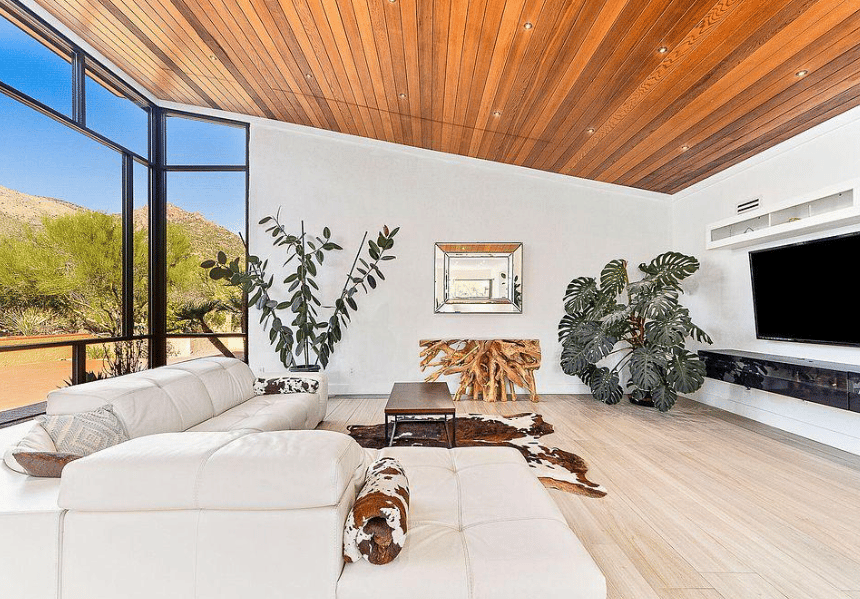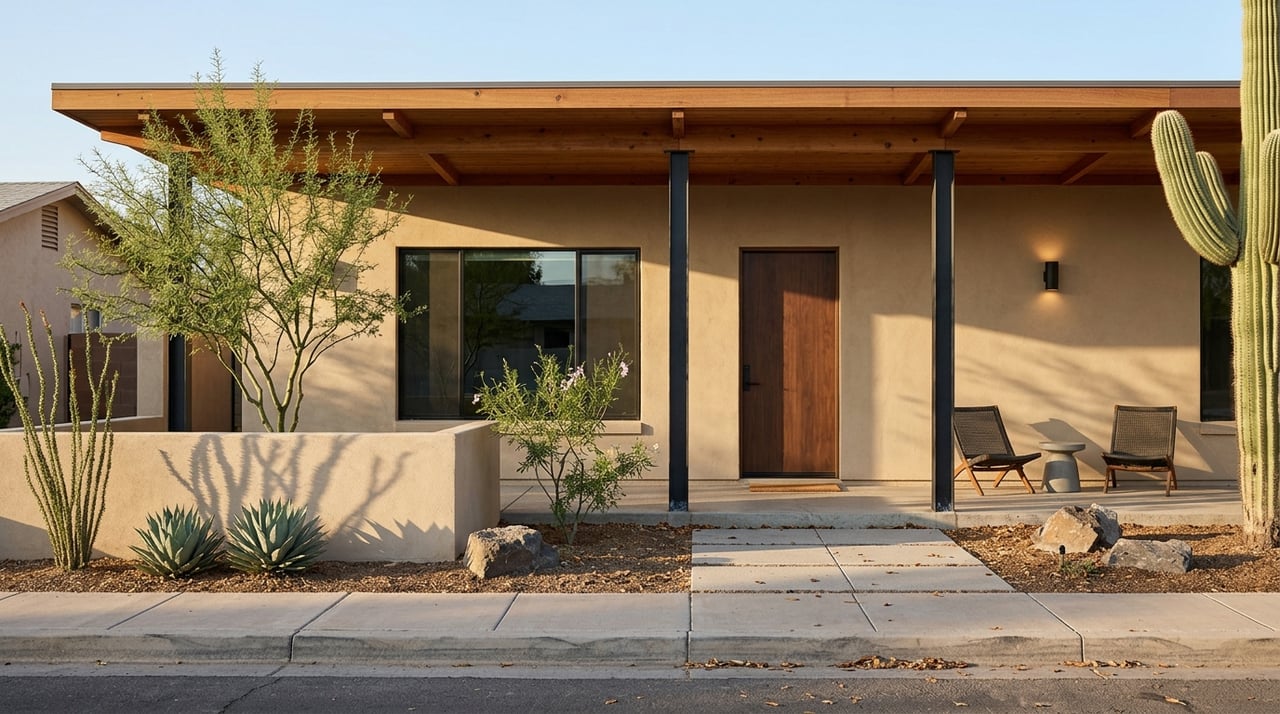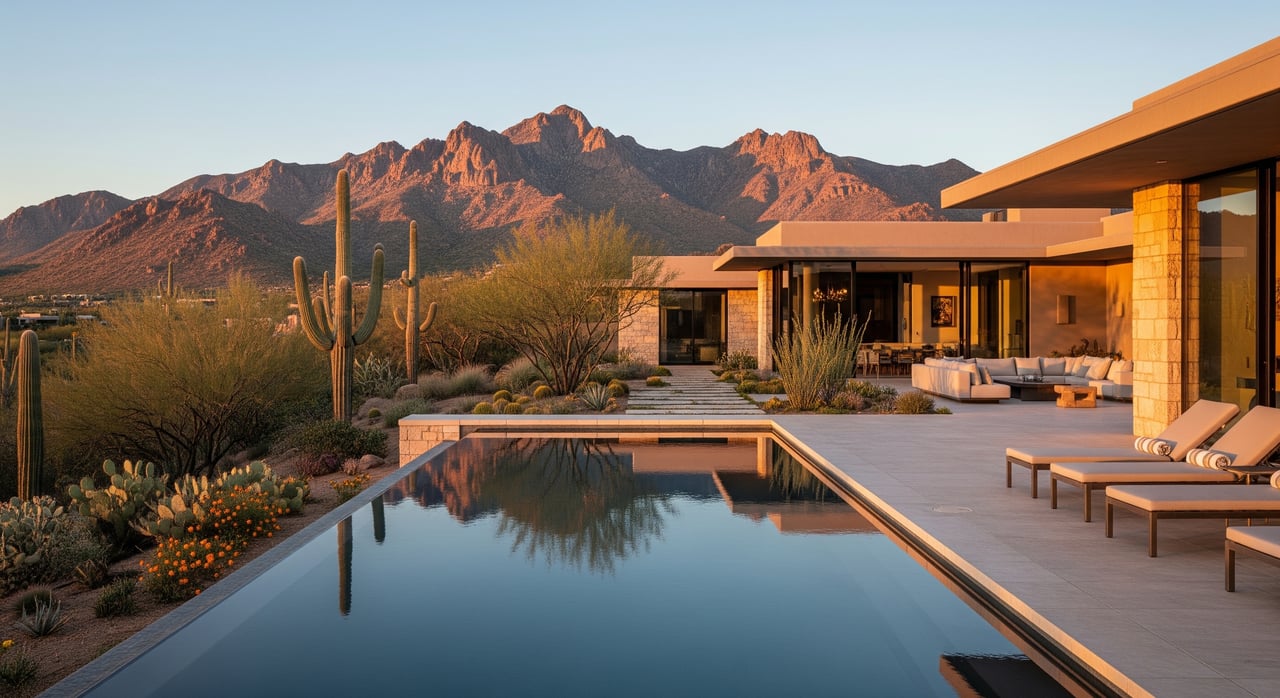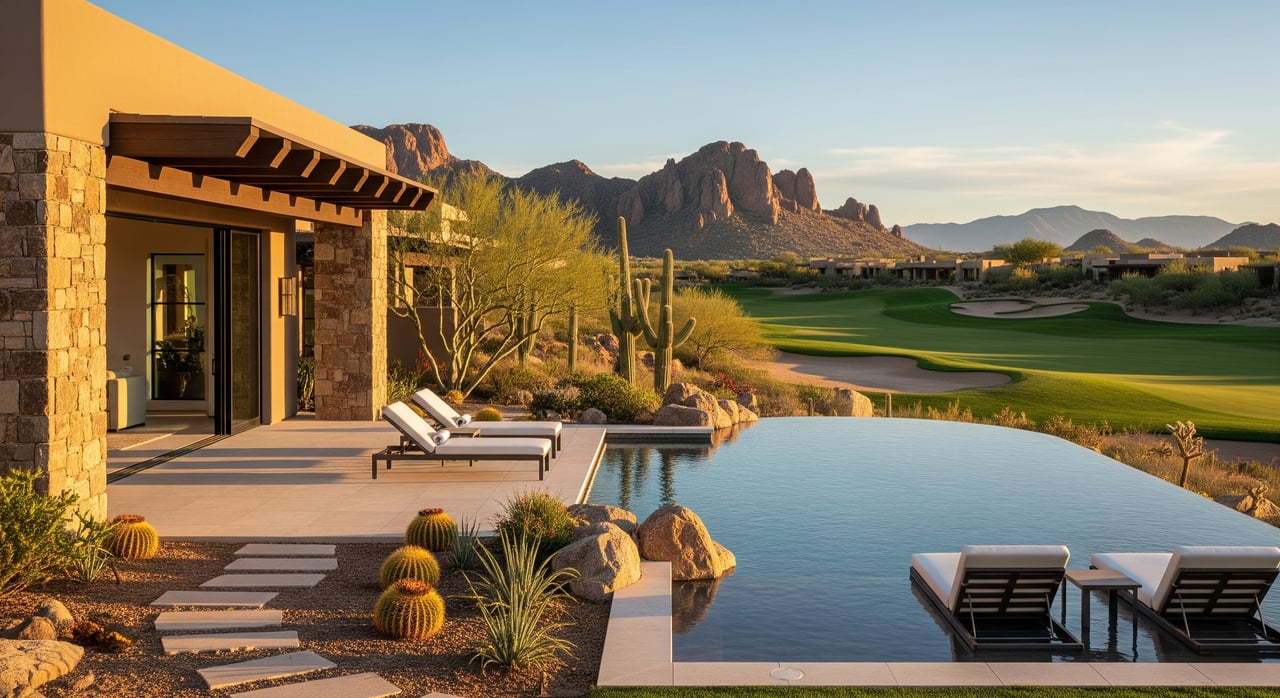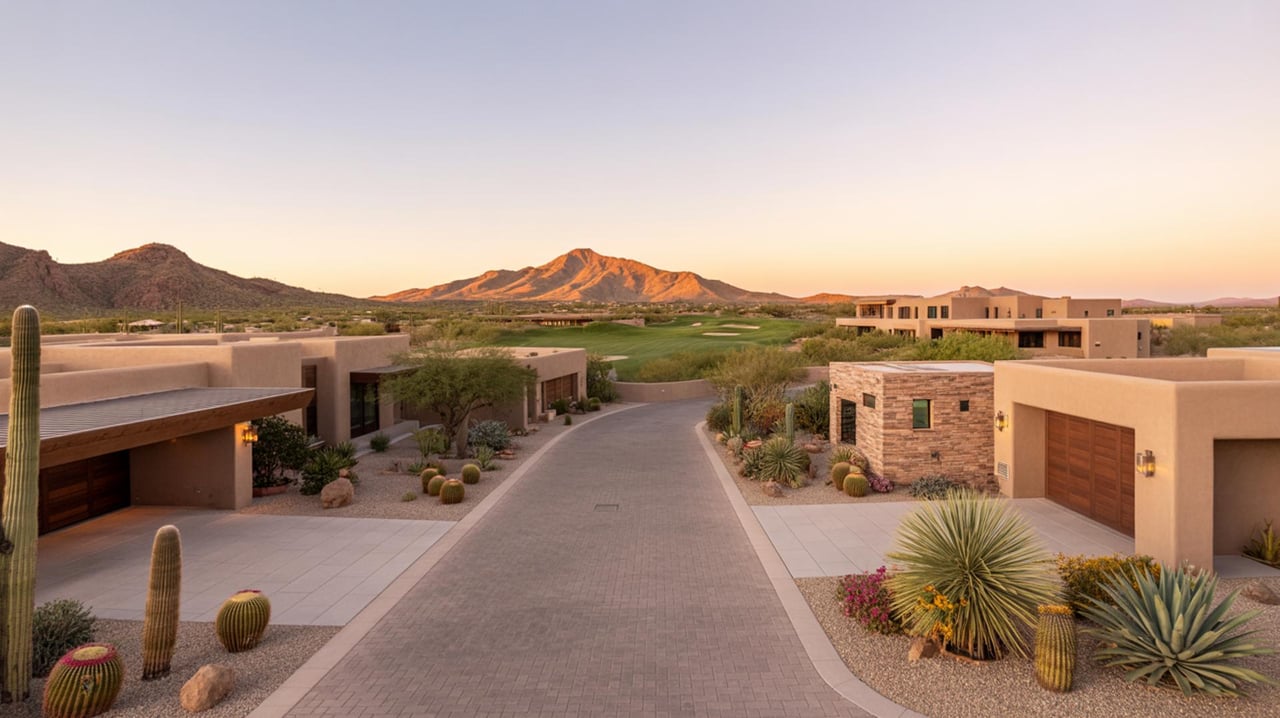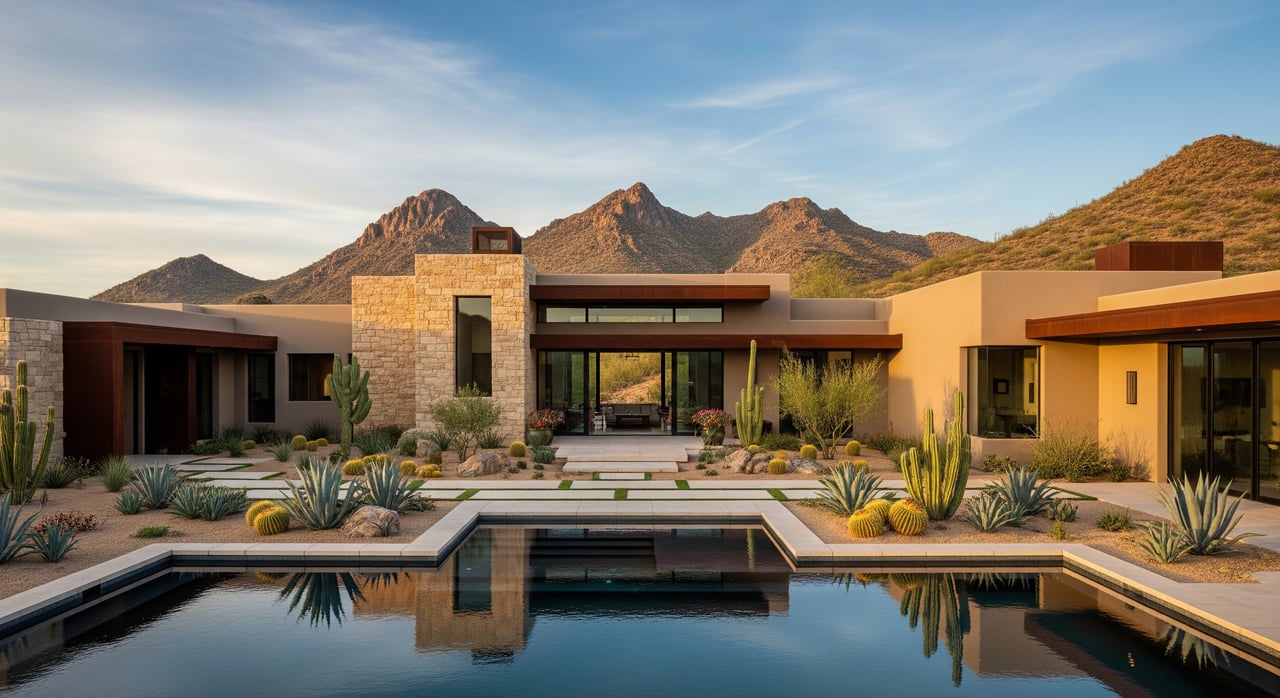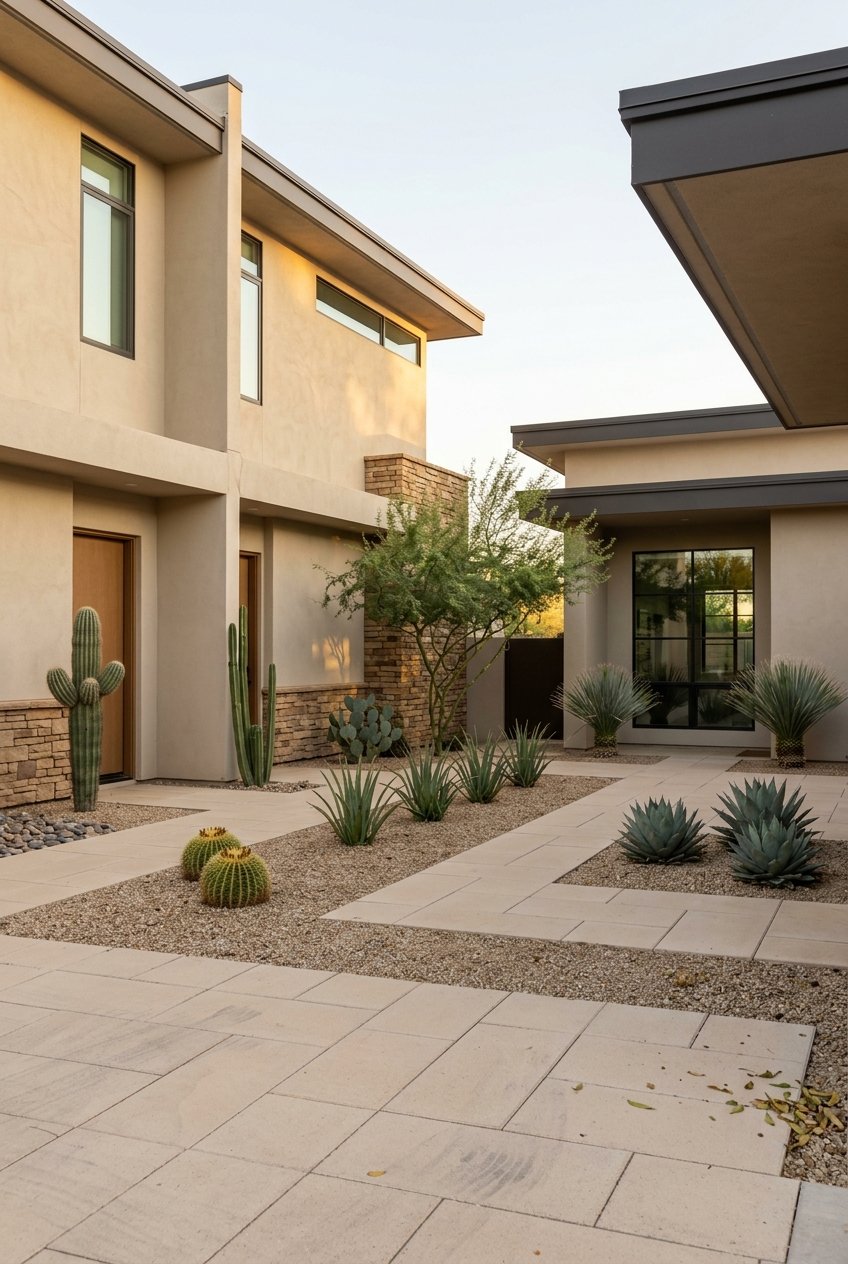
Are you torn between the easy pace of a Starr Pass townhome and the freedom of a detached home? You are not alone. With resort amenities, trail access, and a wide mix of properties, Starr Pass offers great options that fit very different lifestyles. In this guide, you will learn how maintenance, space, outdoor living, costs, taxes, and rental rules compare so you can choose with confidence. Let’s dive in.
Starr Pass at a glance
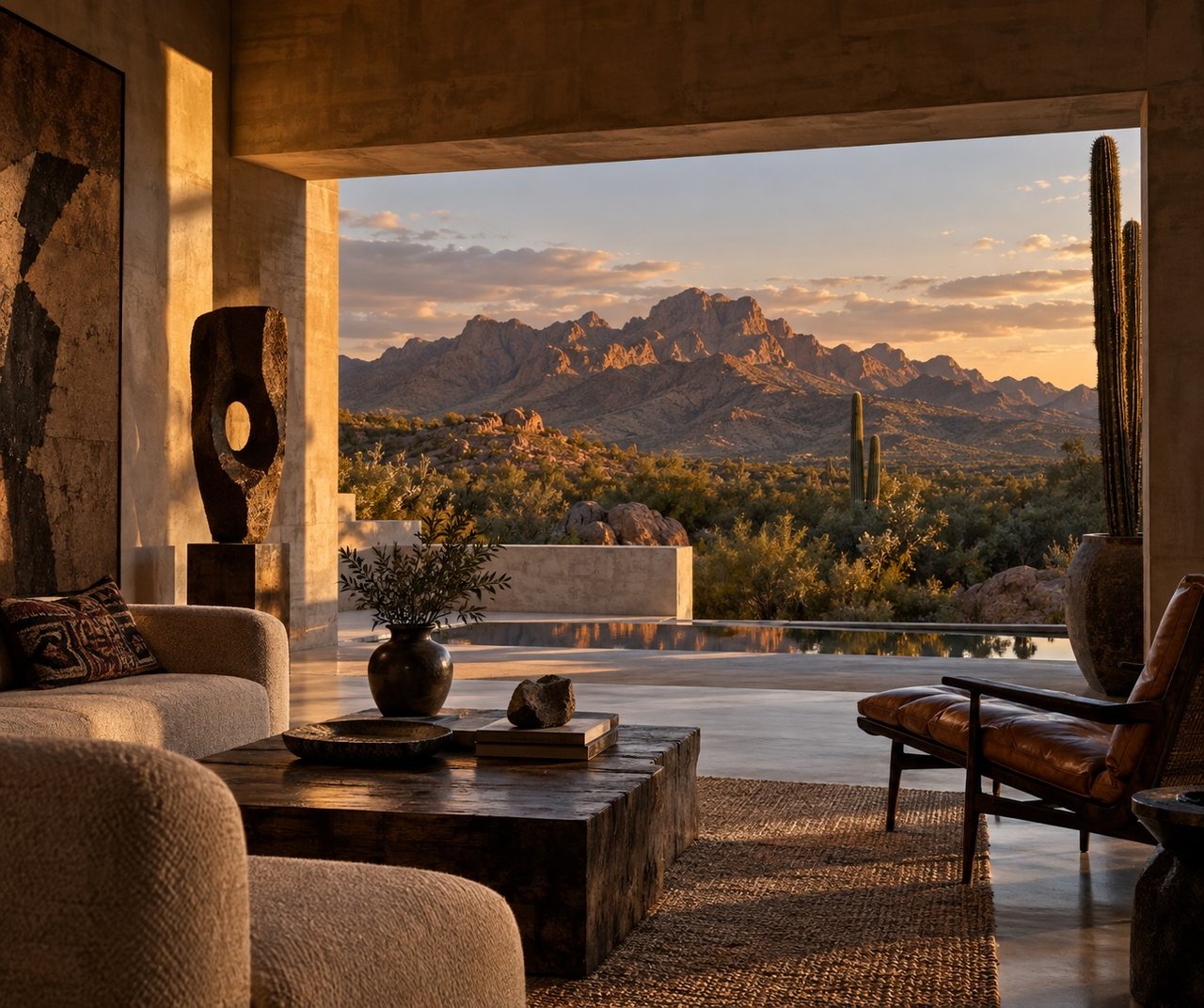
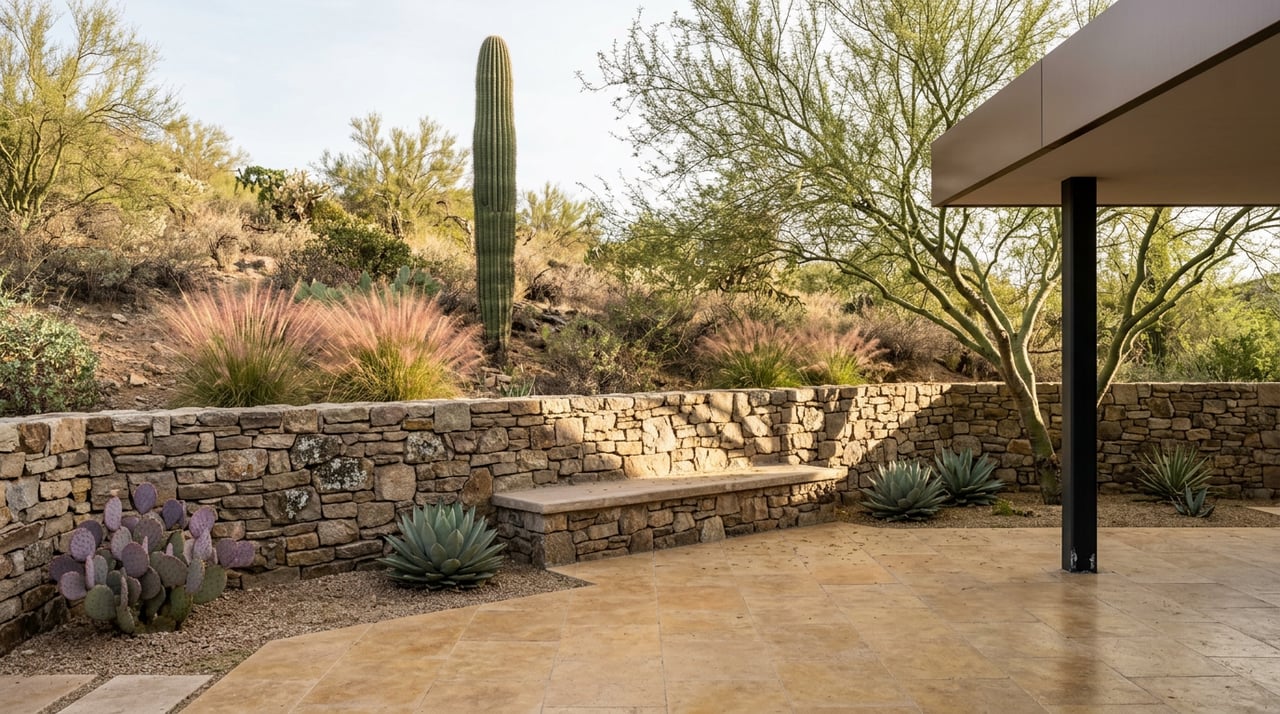
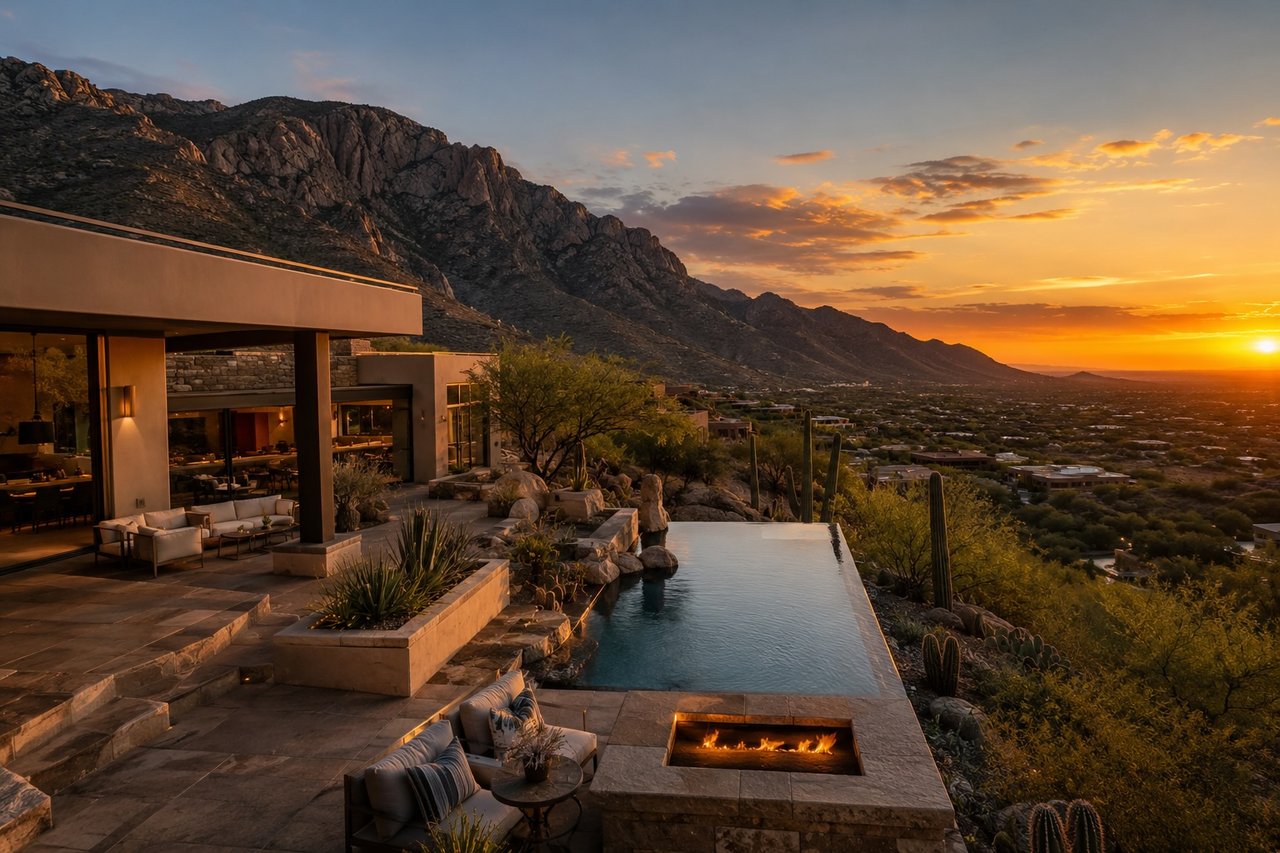
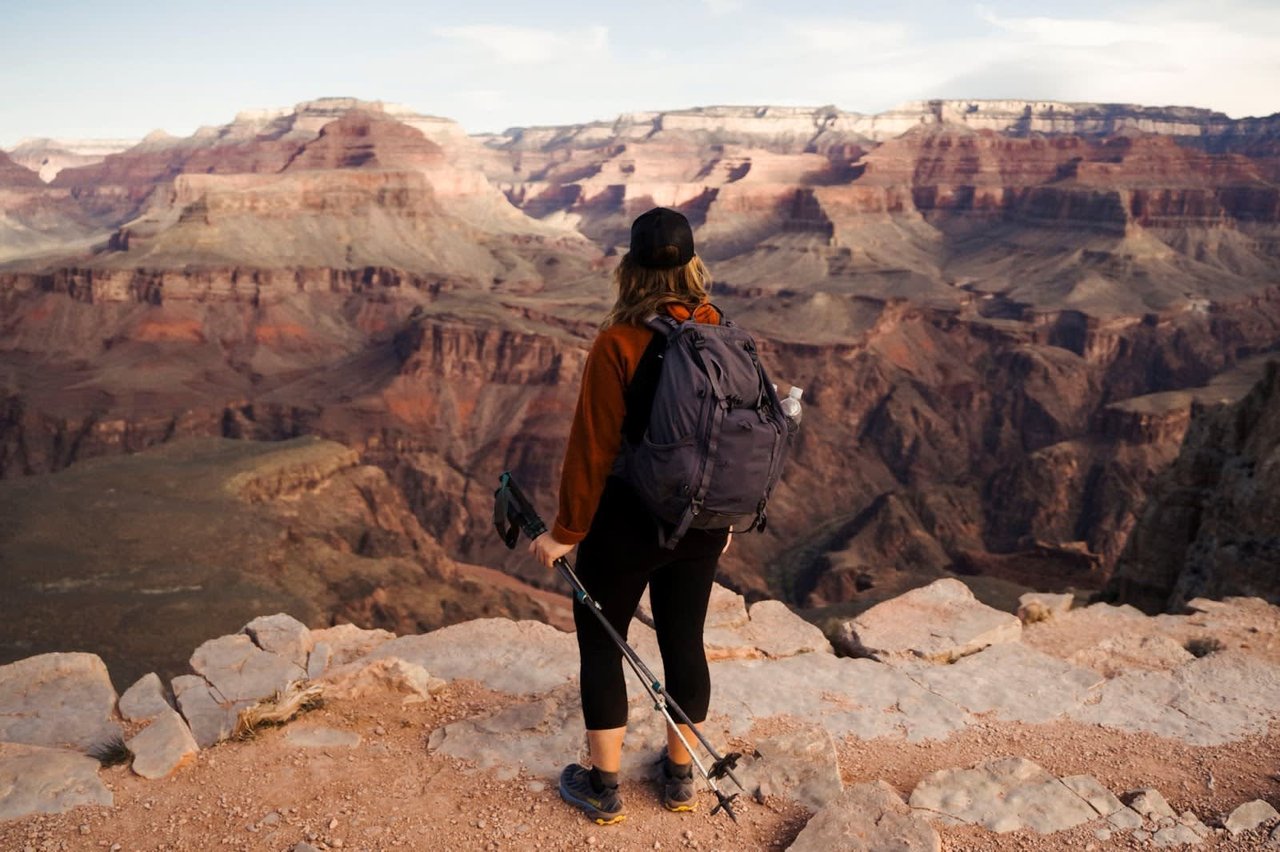
Starr Pass sits in Tucson’s western foothills beside the Tucson Mountains, anchored by the JW Marriott Tucson Starr Pass Resort and its golf complex. If you love staying active outdoors, you are minutes from desert trails and scenic lookouts in Tucson Mountain Park, including access points near the area such as the Gates Pass Trailhead and the resort’s golf and recreation scene at JW Marriott Tucson Starr Pass Resort.
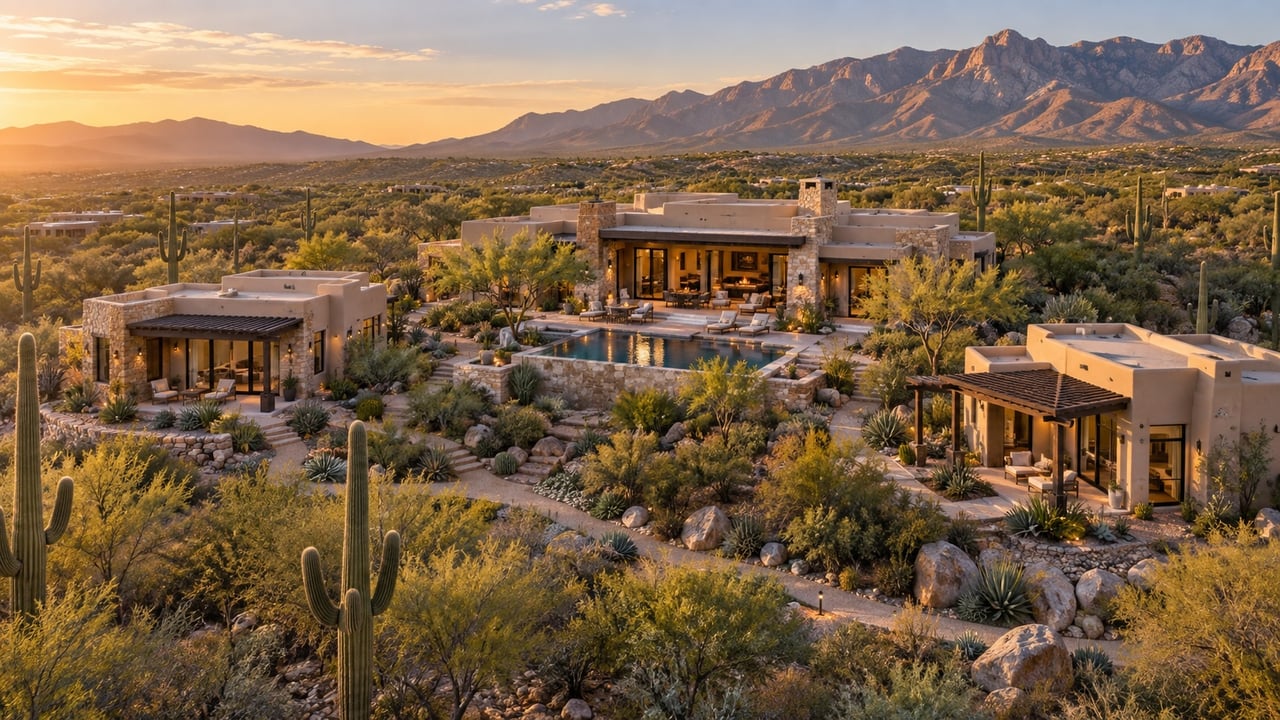
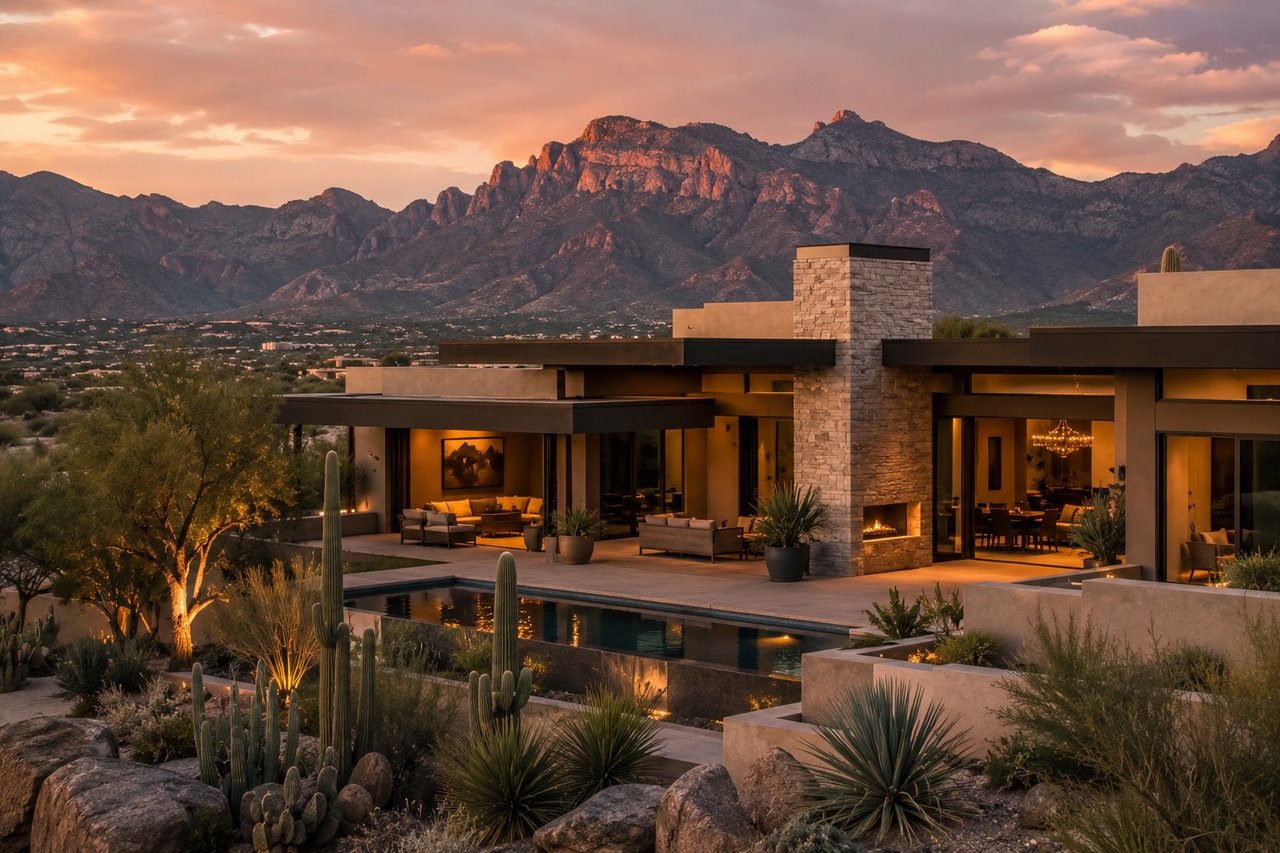
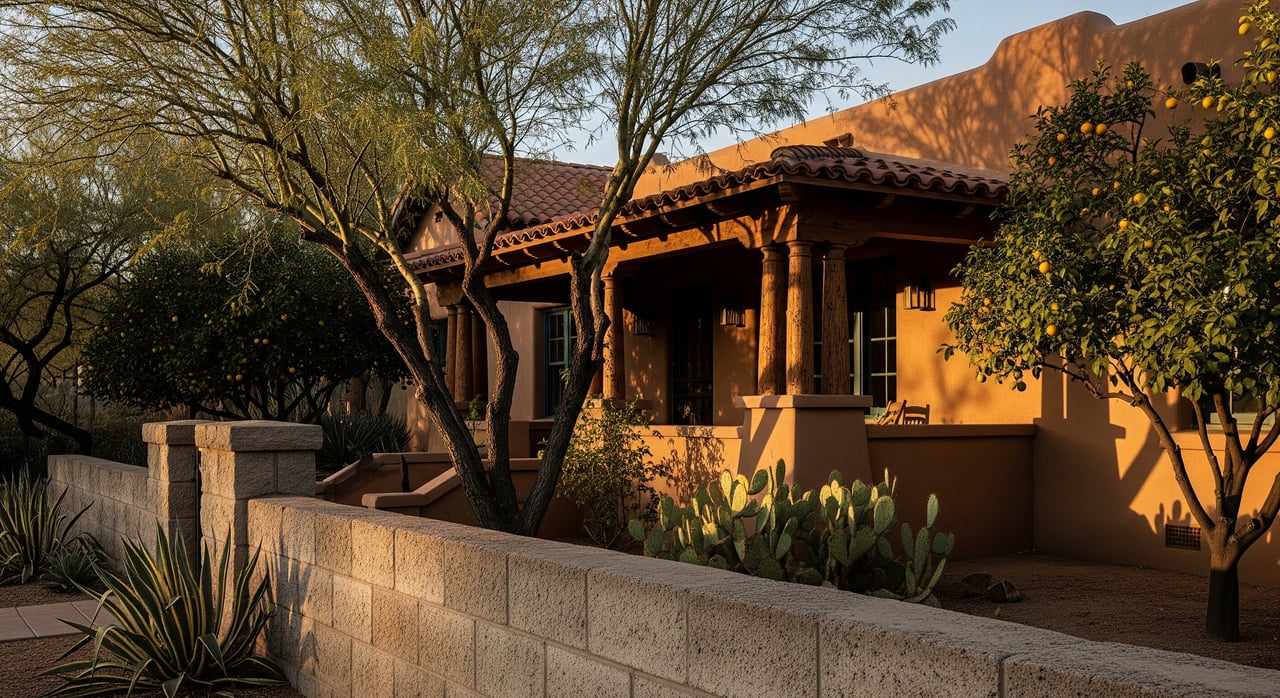
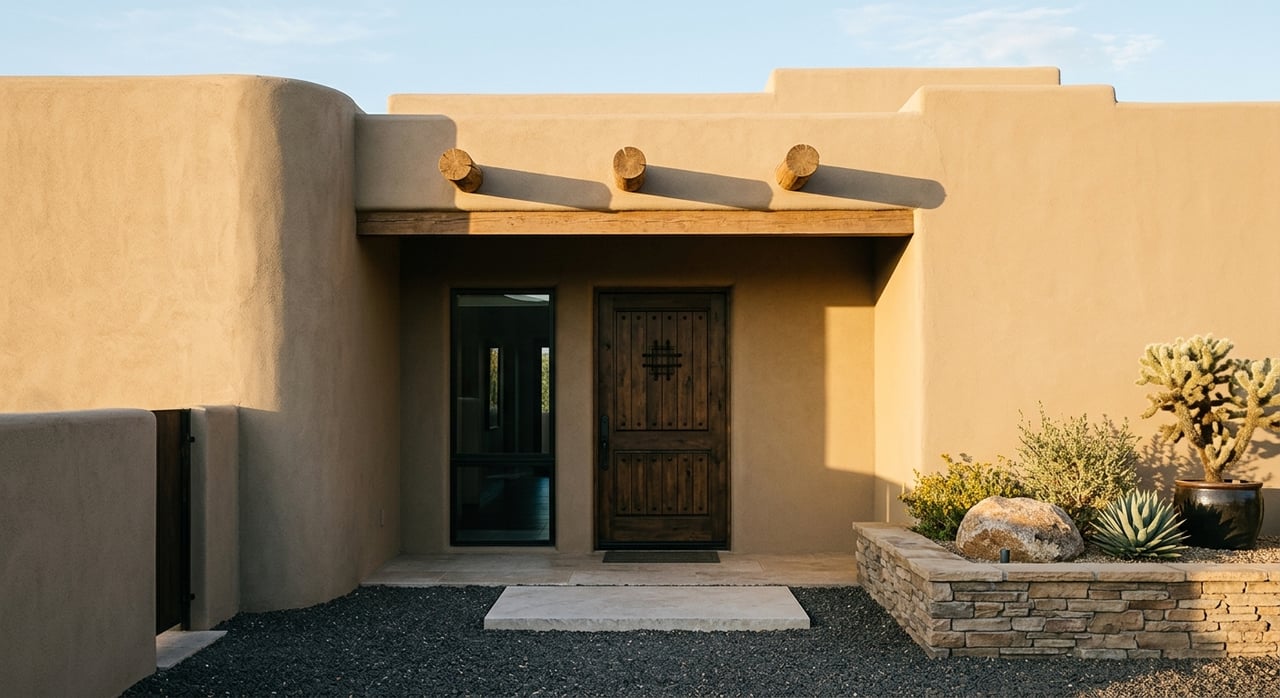
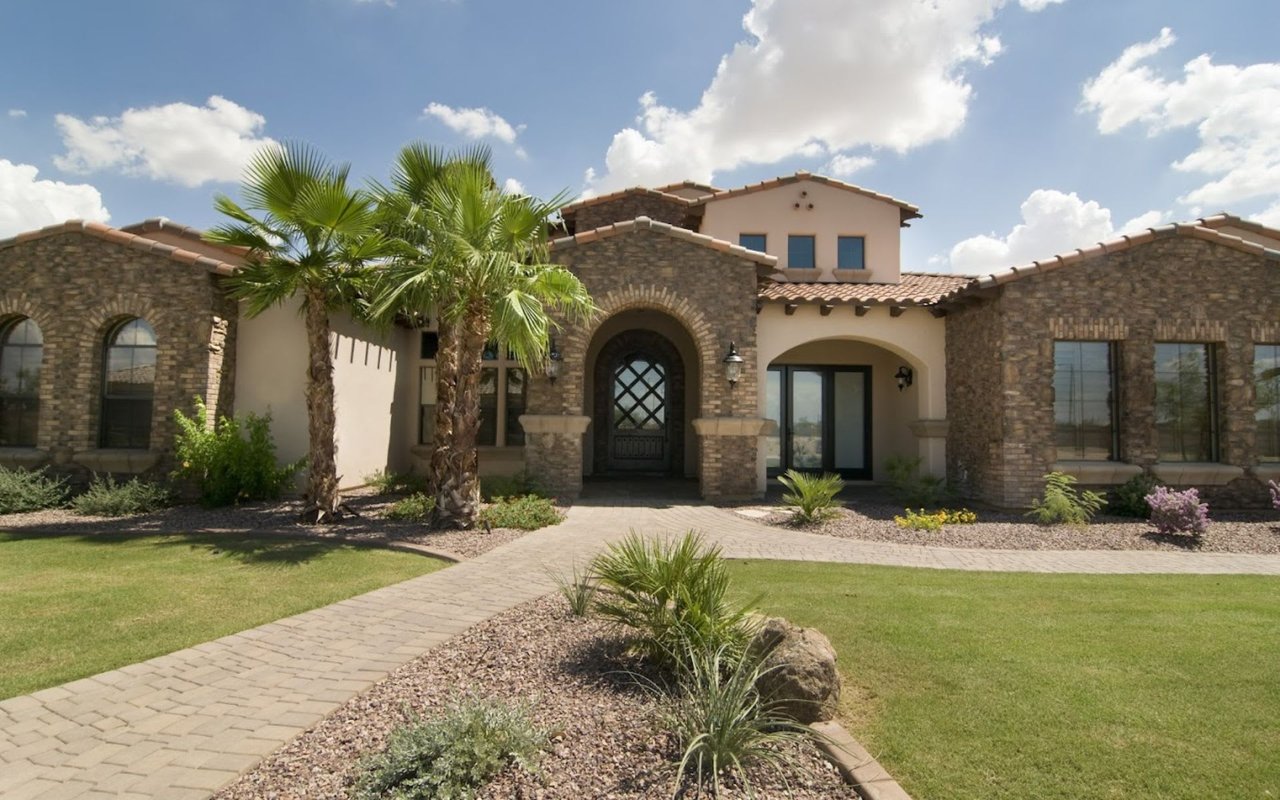
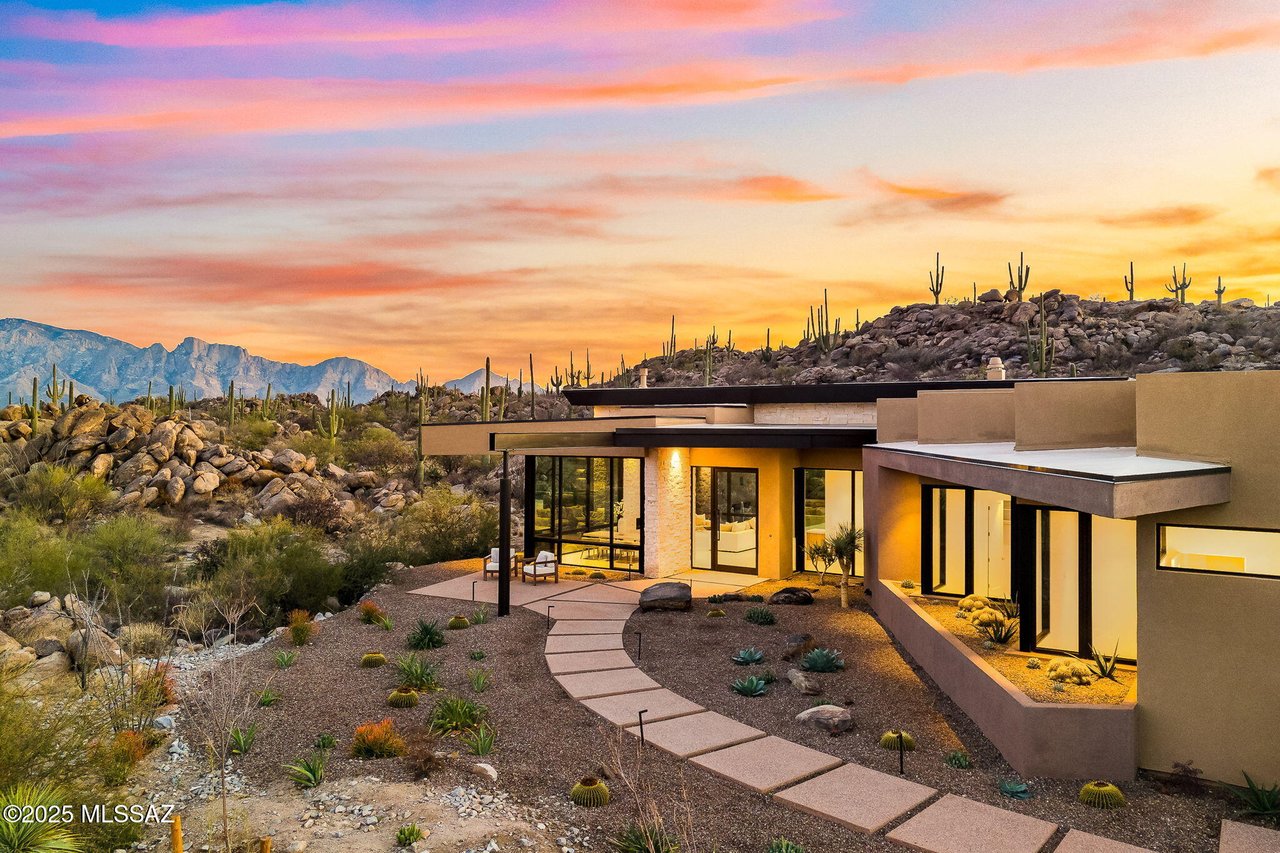
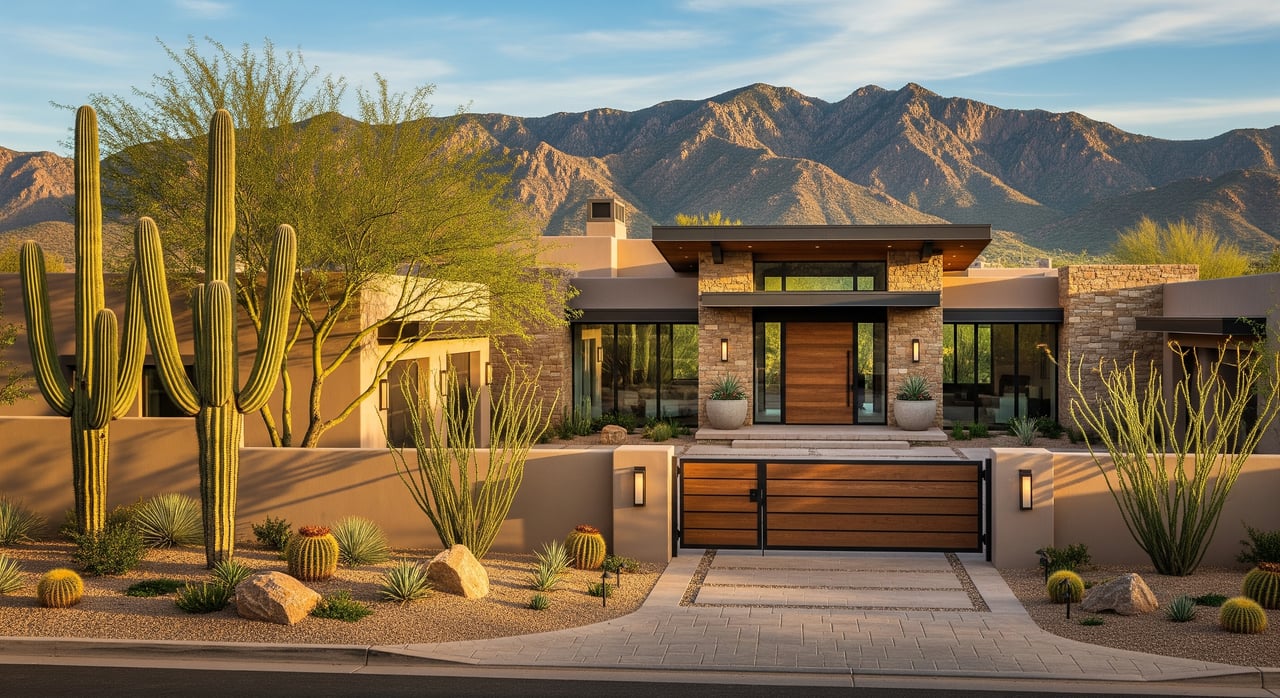
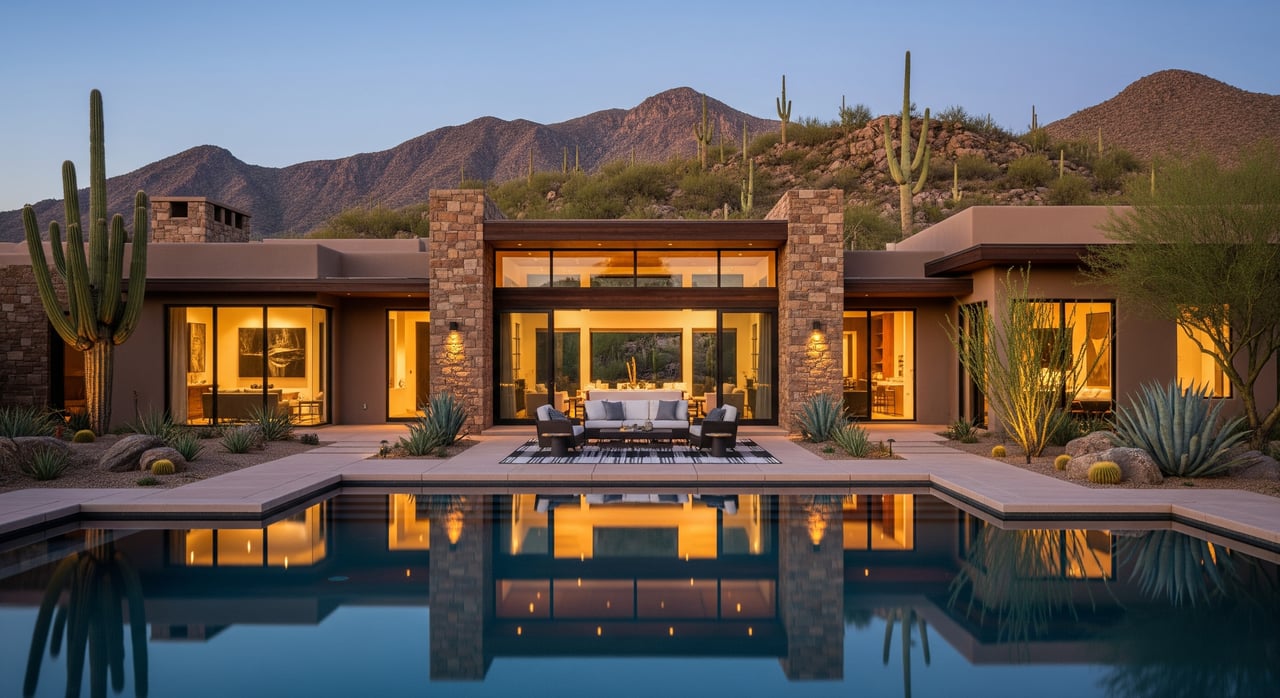
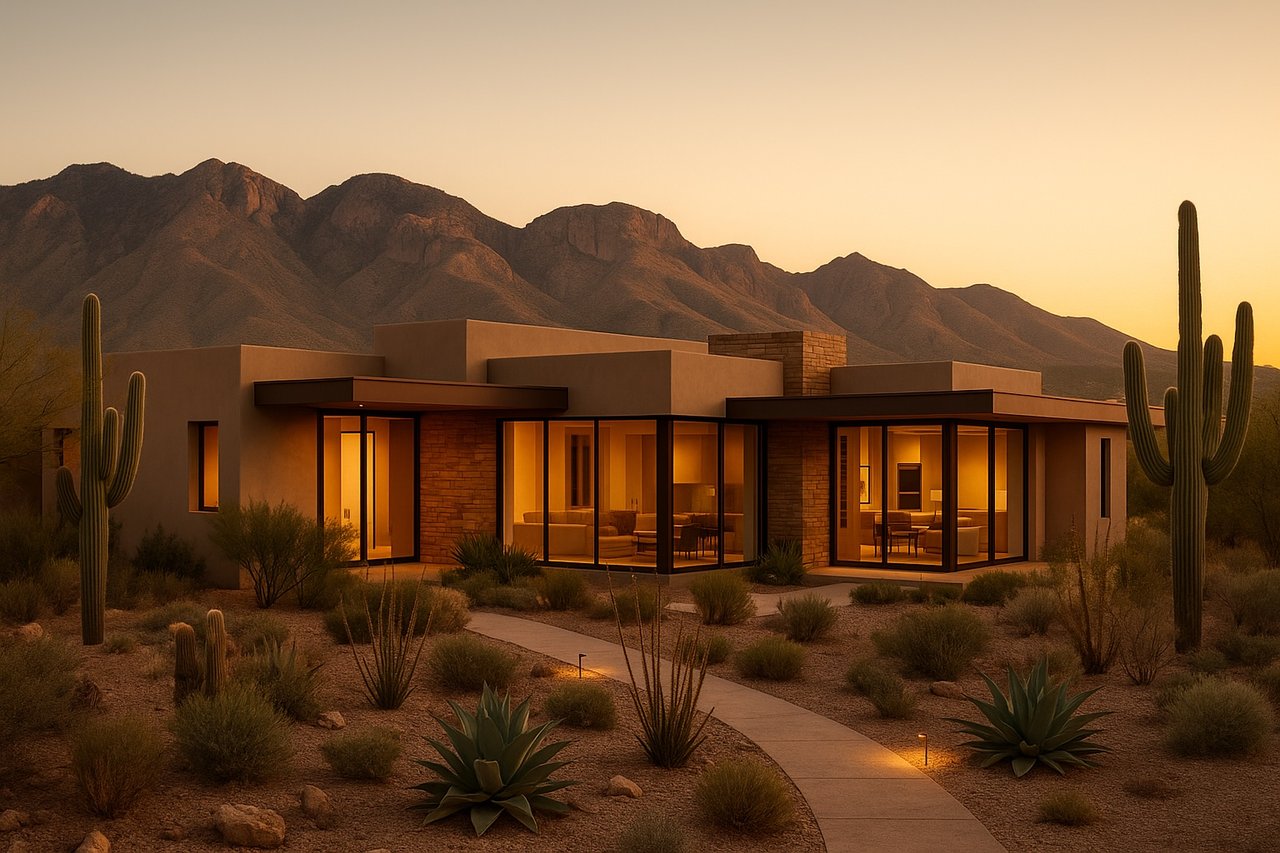
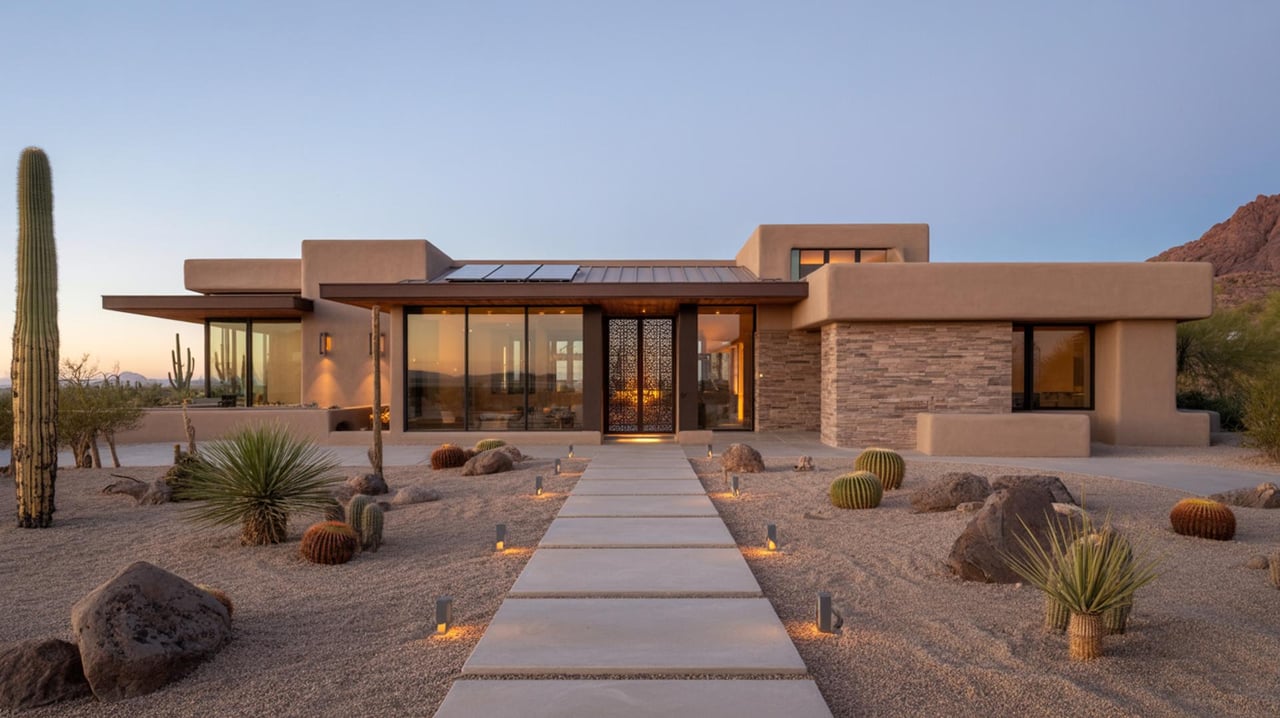
The housing mix here is varied. You will find condominium and townhome communities close to the resort, plus neighborhoods of detached single-family homes that range from modest ranch layouts to larger hillside properties on generous lots. Because the area includes multiple property types and price points, public market medians you see online often vary by how each site defines the neighborhood and which properties they include. The smart move is to compare like with like and focus on the specific property type you want.
Townhomes and condos: what to expect
Maintenance and HOA coverage
If you want low-effort living, many Starr Pass condo and townhome communities handle exterior building elements, roof, common-area landscaping and irrigation, trash and sewer, and shared amenities through the HOA. Monthly association dues usually reflect that coverage. In local listings, typical dues for condo and townhome units appear in the ballpark of about 130 to 320 dollars per month, depending on amenities and what the association maintains. Always request the HOA resale packet to confirm exactly what is included and what is not. For a clear checklist of what to review in those documents, see this HOA document guide.
Floorplans and parking
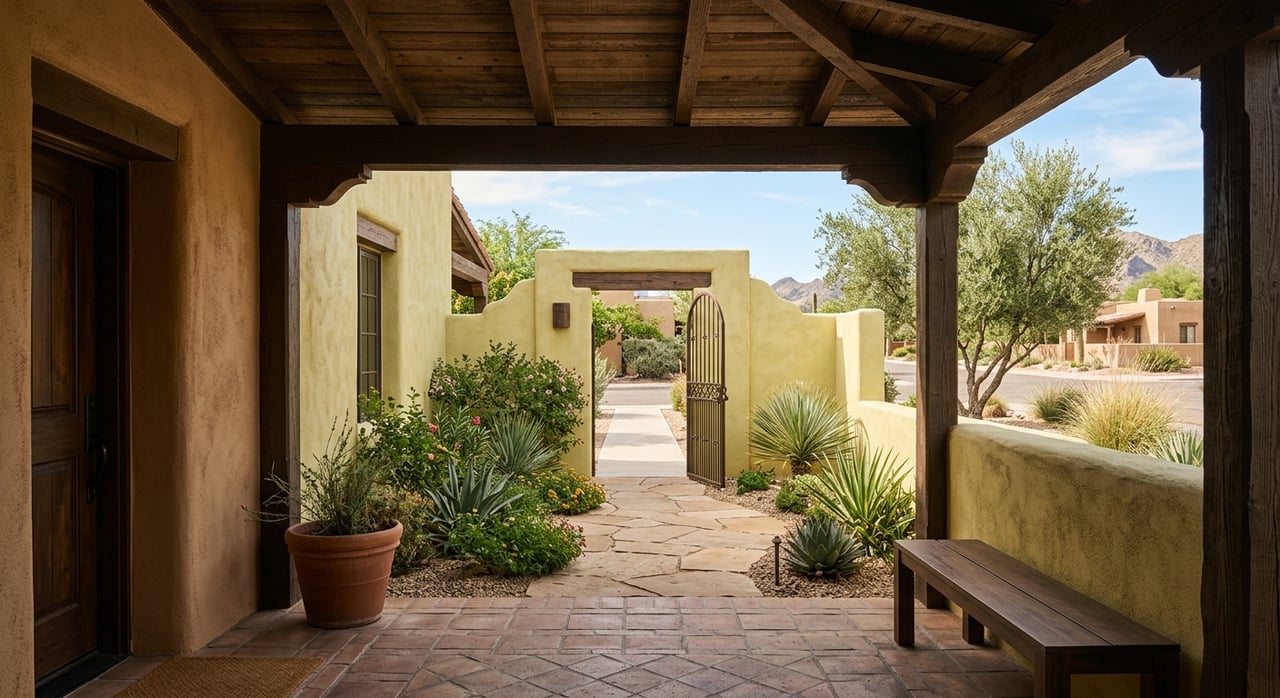
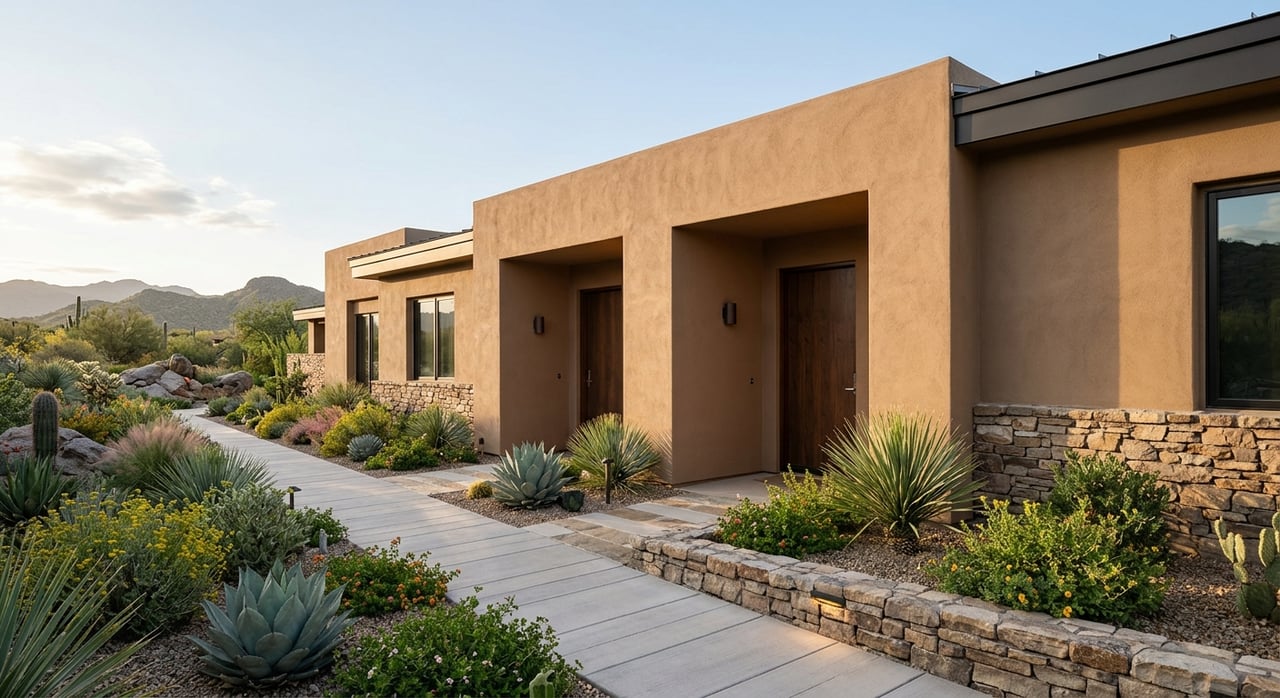
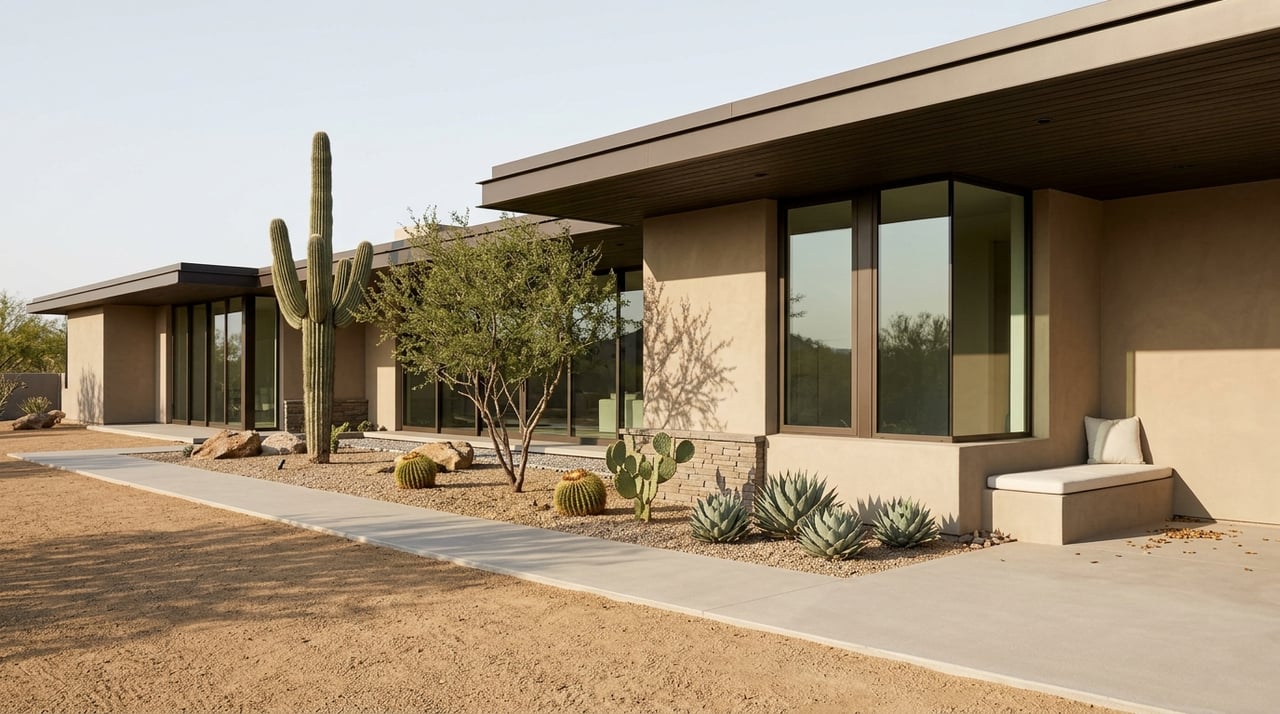
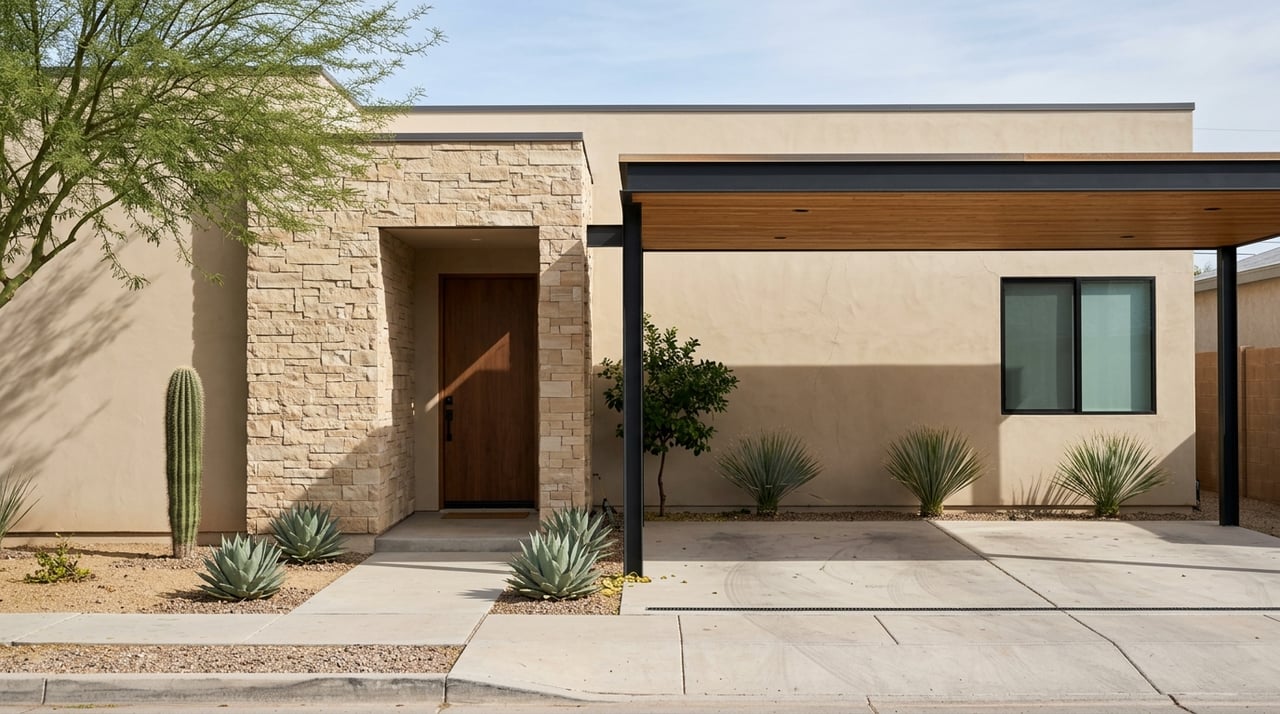
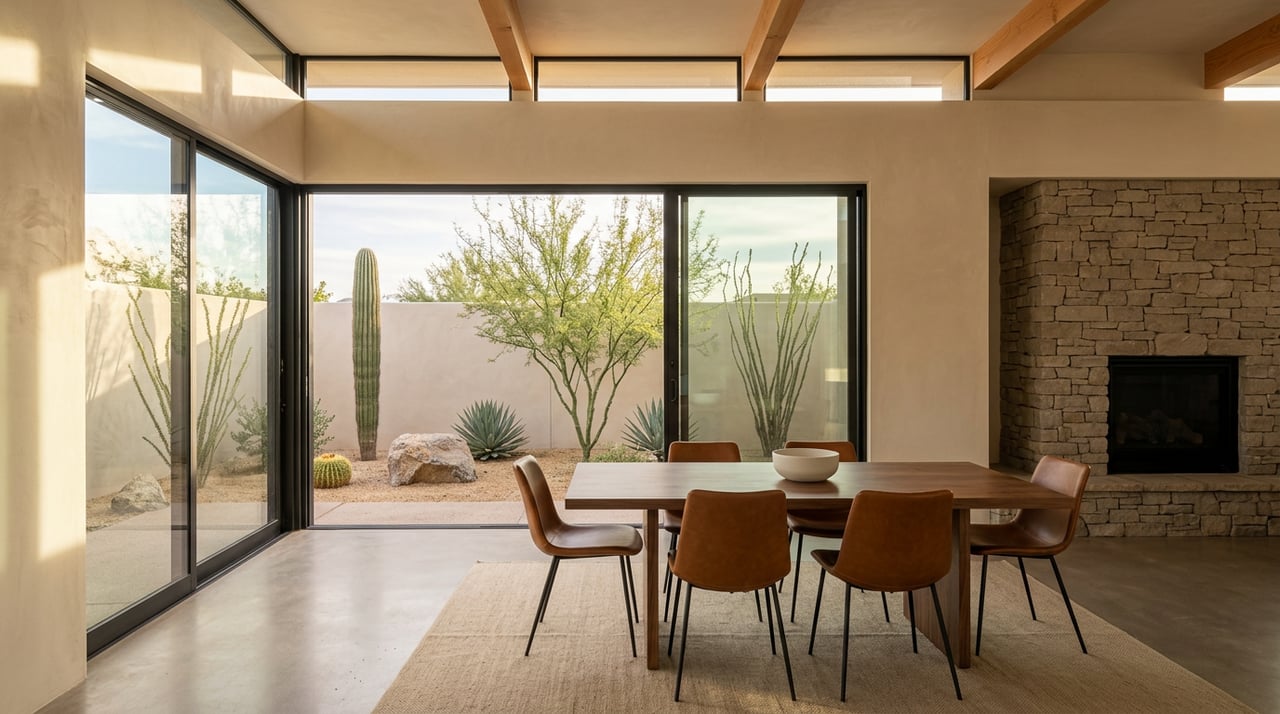
Most Starr Pass townhomes and condos fall in a practical 900 to 1,900 square foot range, with one to three bedrooms. Many offer two-story layouts, a small private patio or courtyard, and one to two covered or garage spaces. It is a comfortable setup if you want to live light, lock up, and go.
Outdoor space, privacy, and noise
Expect smaller private outdoor areas and shared amenities like a community pool or workout room. Because walls are often attached, you may experience more neighbor sounds than in a detached home. On the plus side, you trade yard work for amenities and easy access to trails and resort features nearby.
Detached single-family homes: what to expect
Maintenance and control
With a detached home, you control more and maintain more. You are usually responsible for the exterior, roof, private yard, and any pool equipment. Some neighborhoods fall under a master HOA that handles limited shared items like gate access or street landscaping, often billed quarterly rather than monthly. For example, a Starr Pass community document shows a quarterly dues structure for owners in one of the villages, which illustrates how fees can differ by association. You can review a sample master-association disclosure here: Starr Pass Vistas Village 2 HOA document. Always verify the exact scope of services for the specific home you are considering.
Space, lots, and features
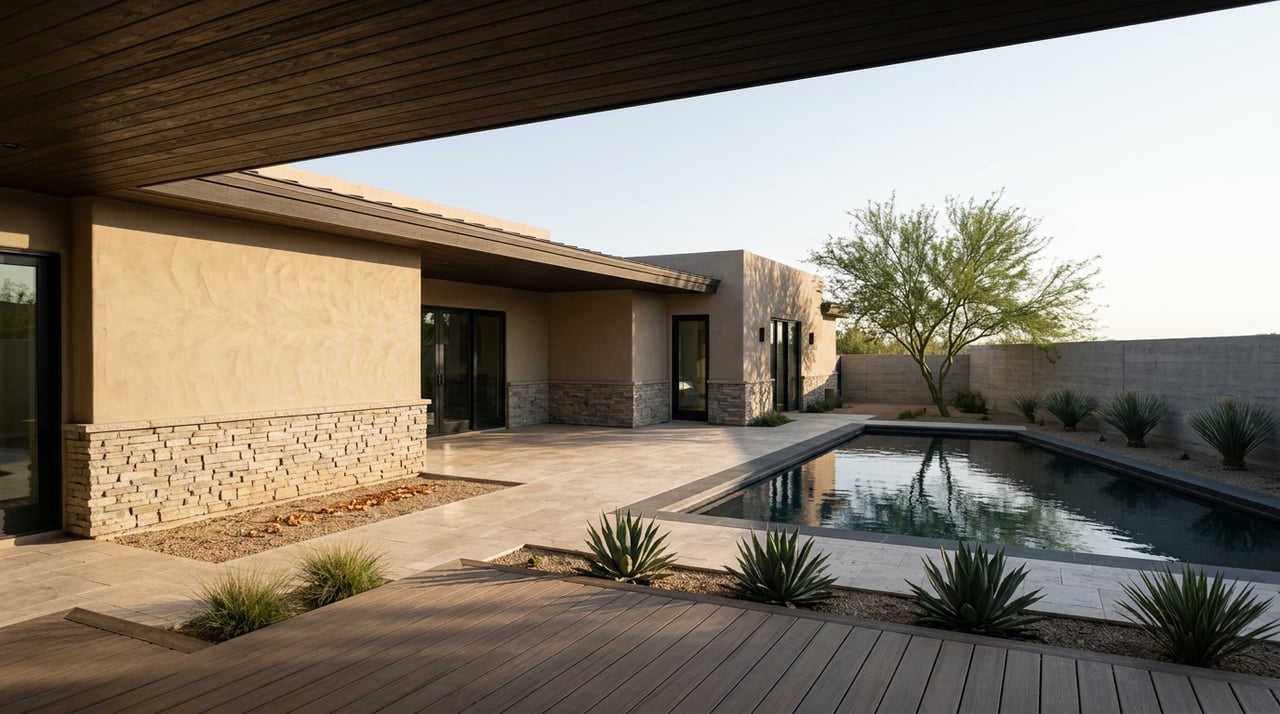
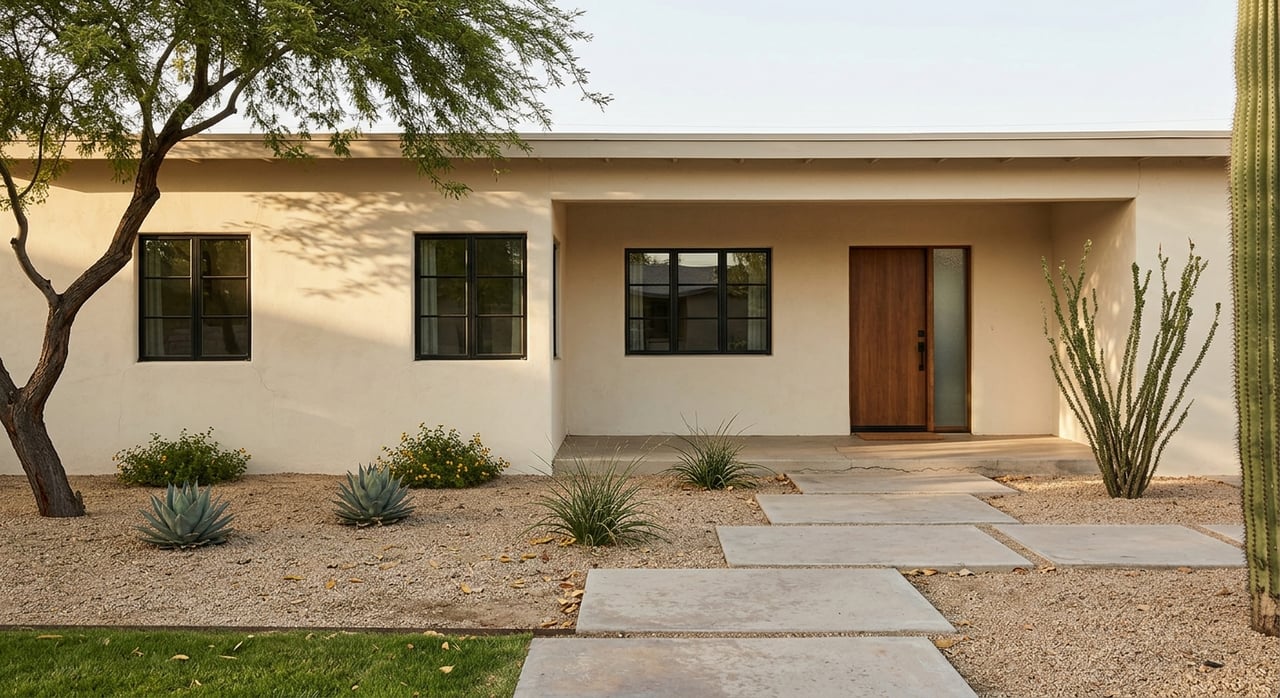
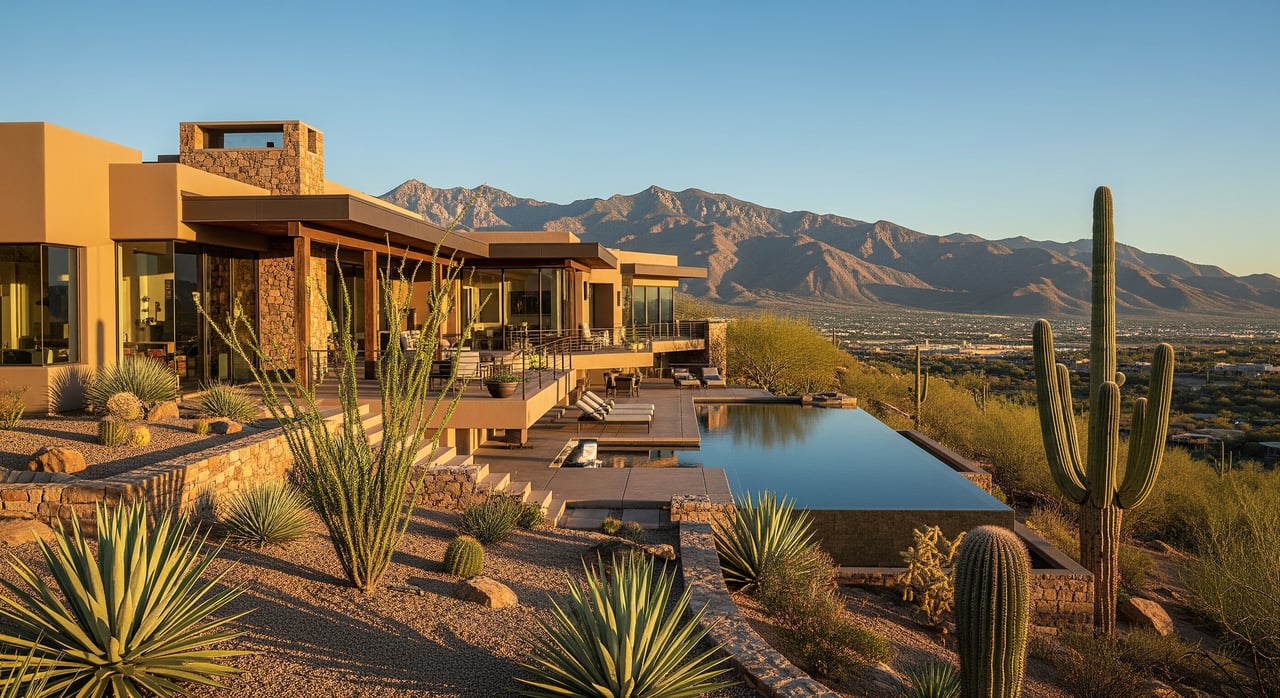
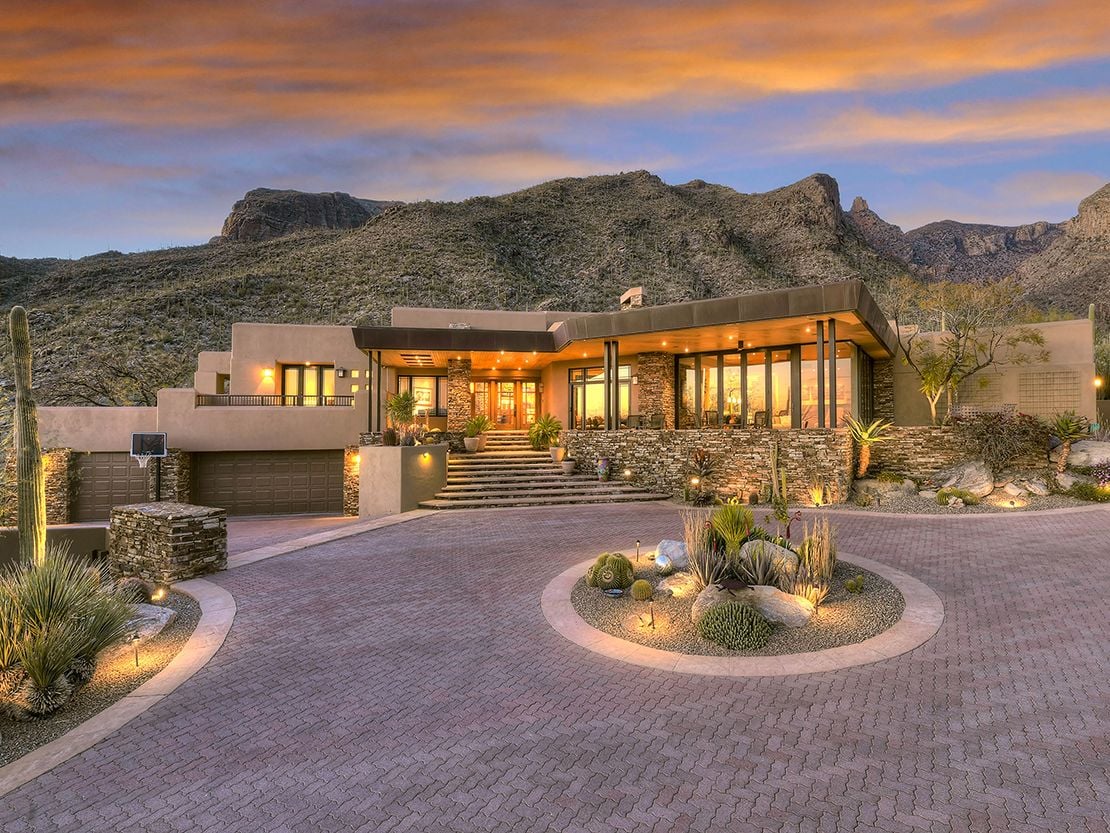
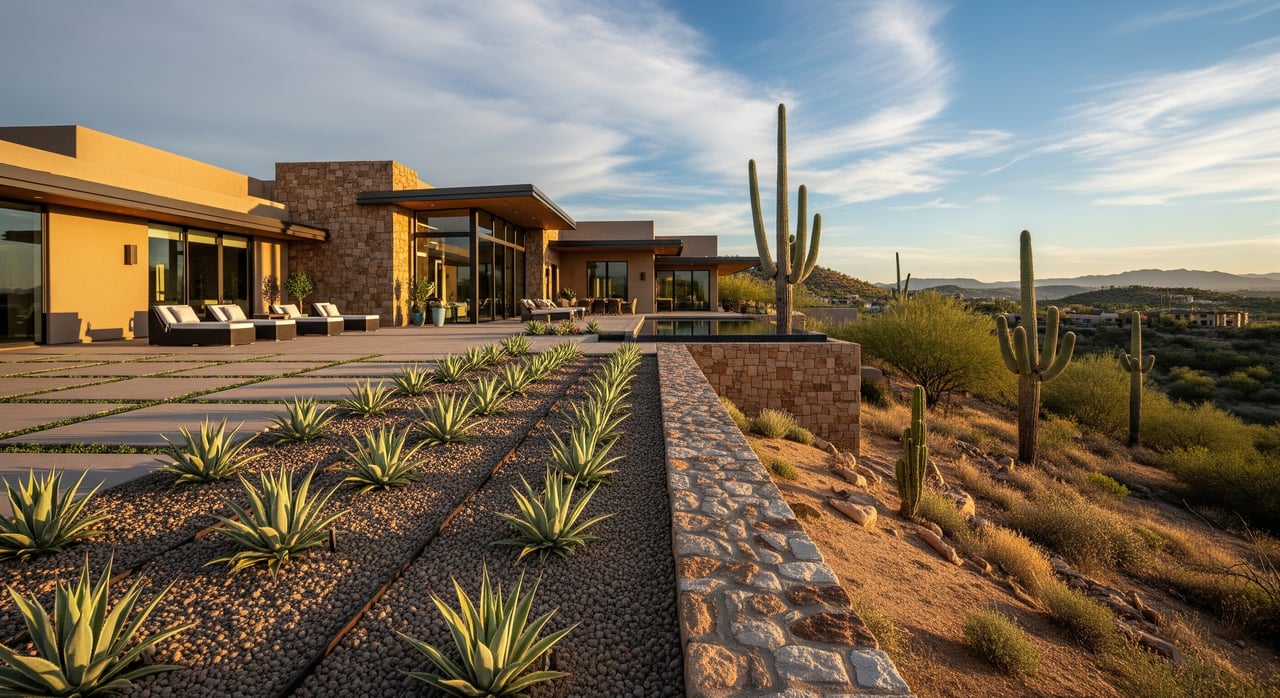
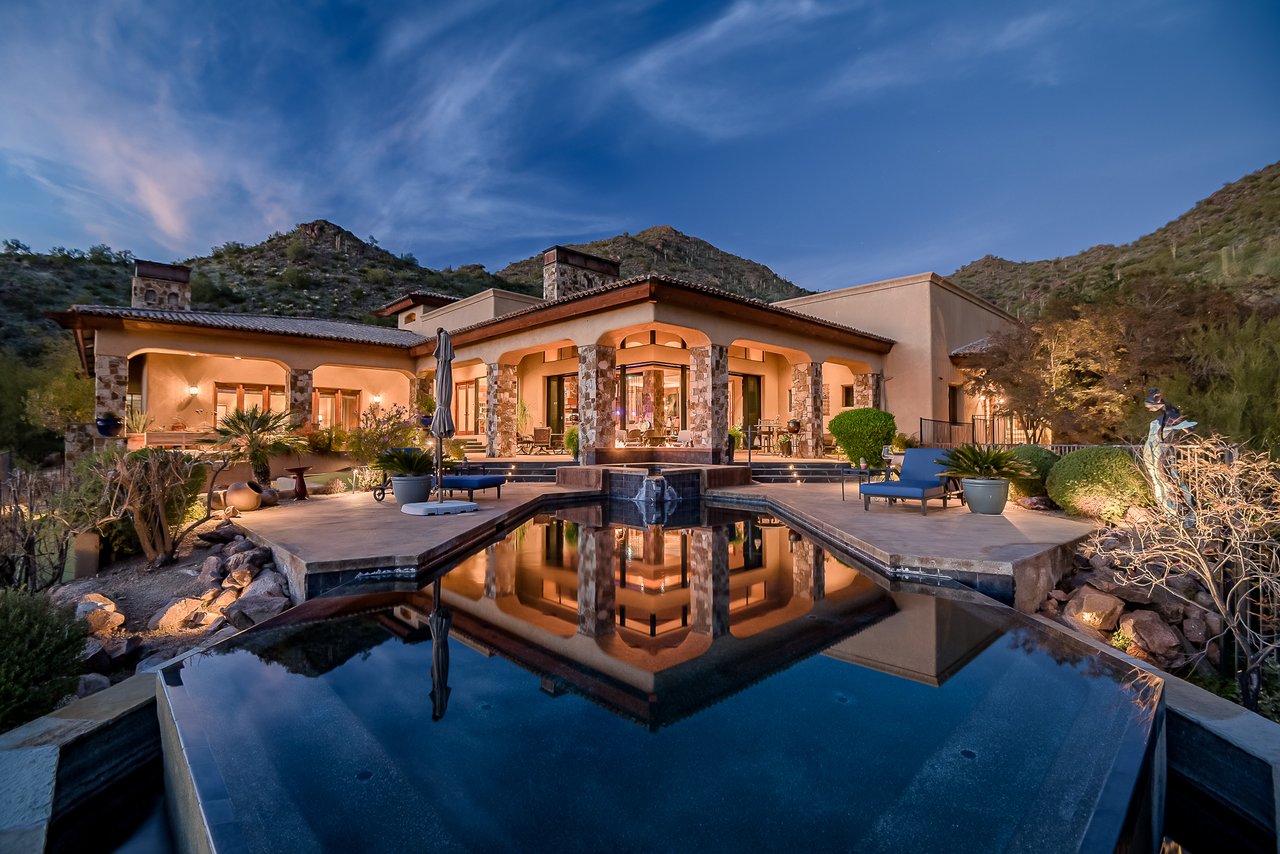
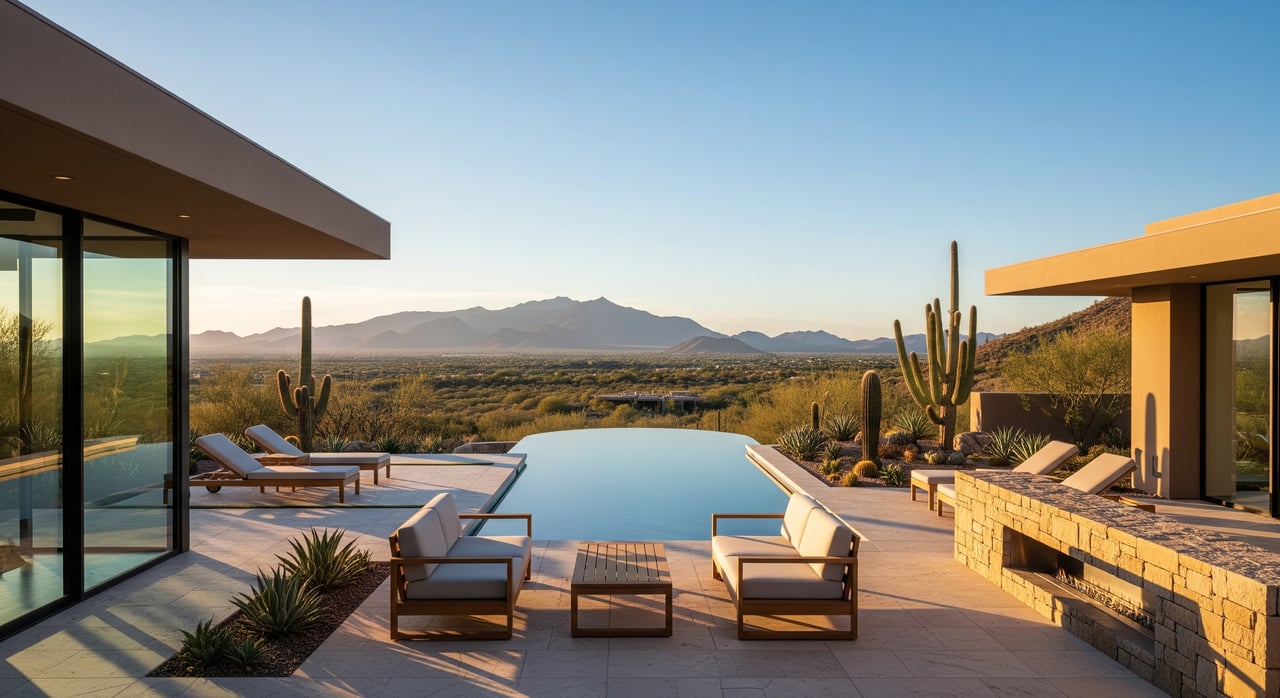
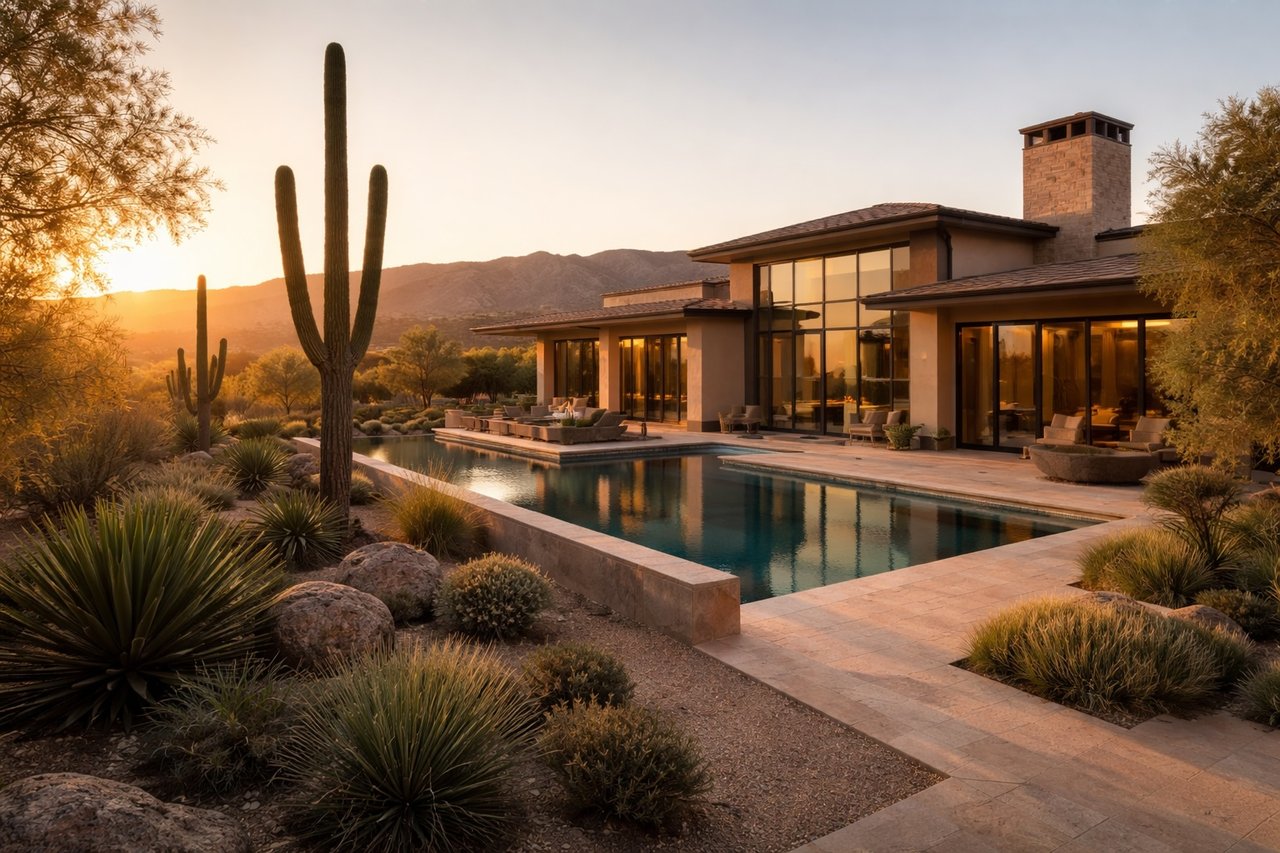
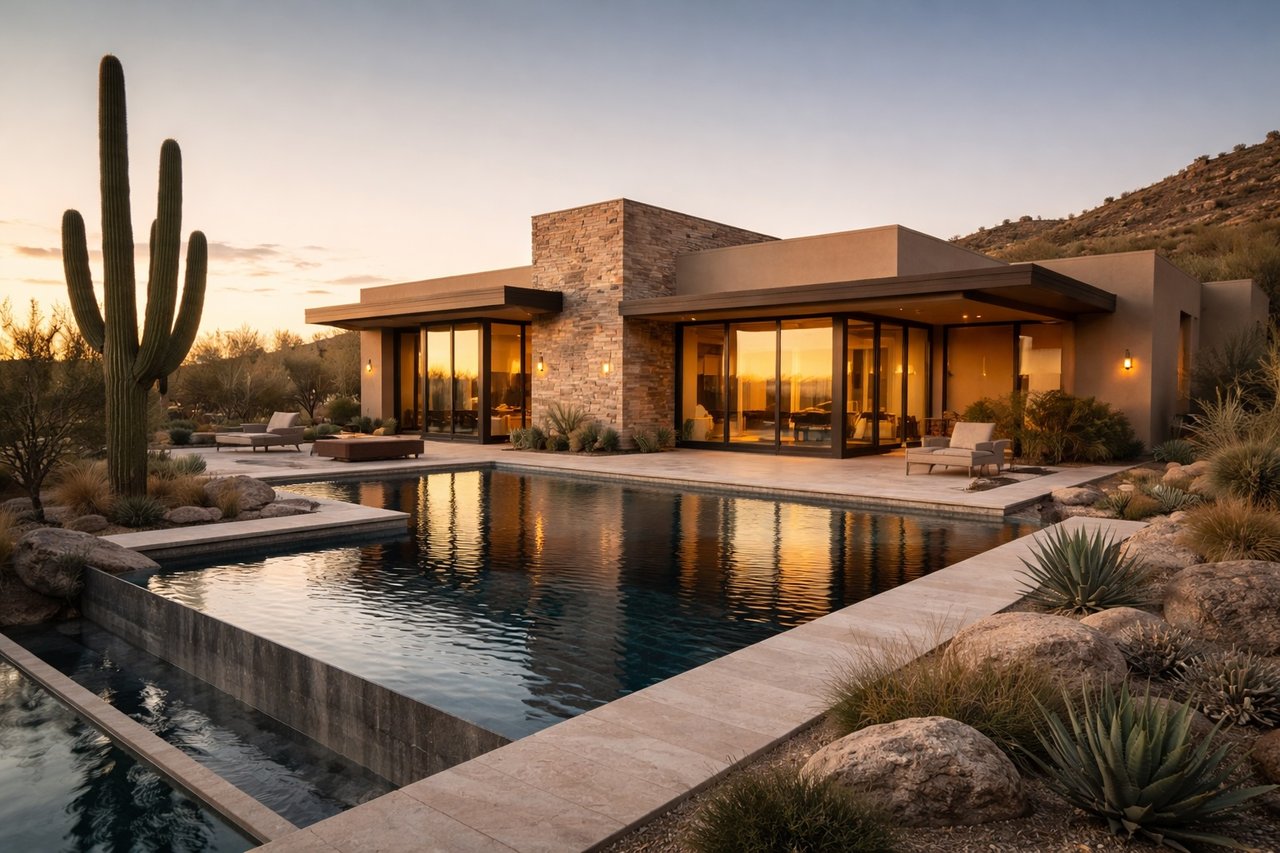
Detached homes in Starr Pass span a wider size range, roughly 1,200 up to 3,000 to 4,000 plus square feet. Many sit on larger lots from about 0.1 to over 1 acre and may include private pools, multi-car garages, and flexible outdoor living areas. If you want room for pets, gardening, or hobbies, this setup gives you options.
Privacy and outdoor living
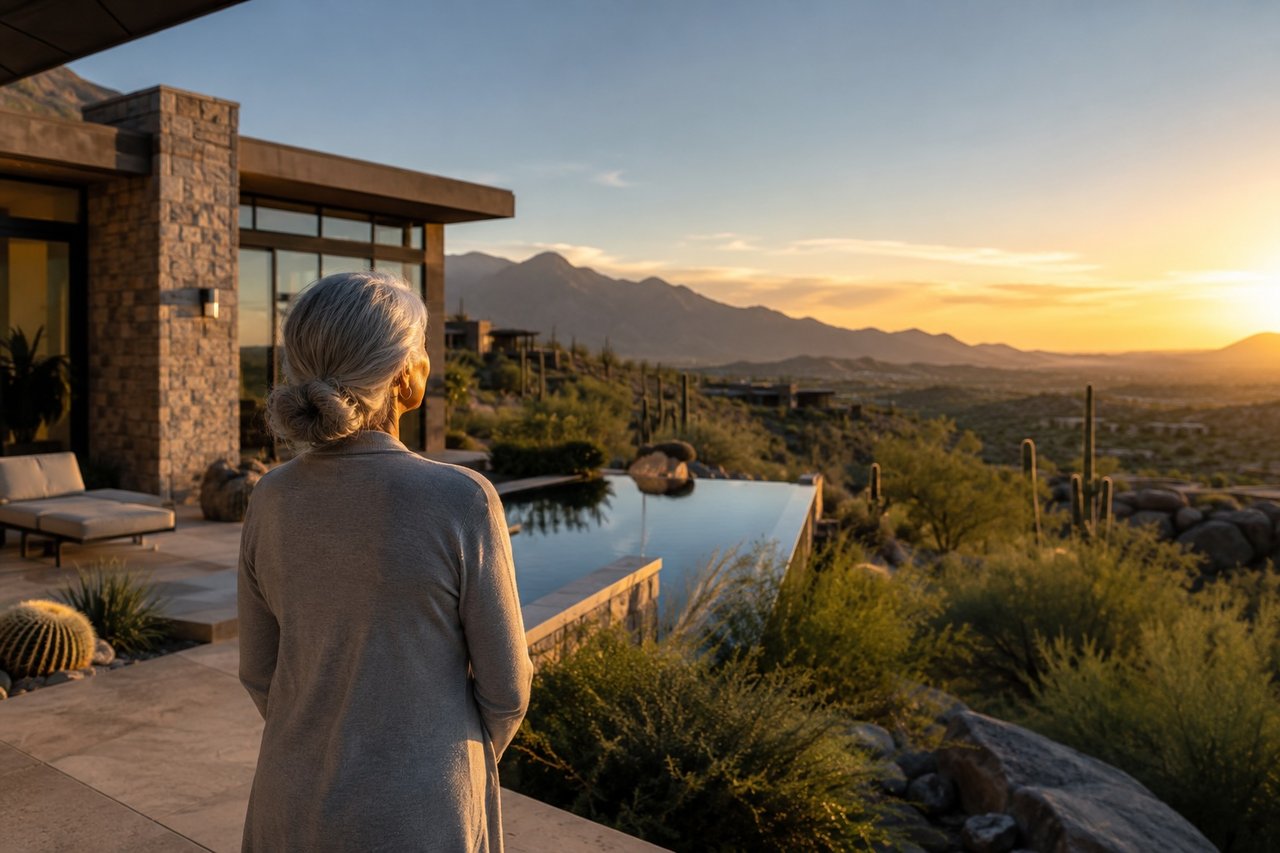
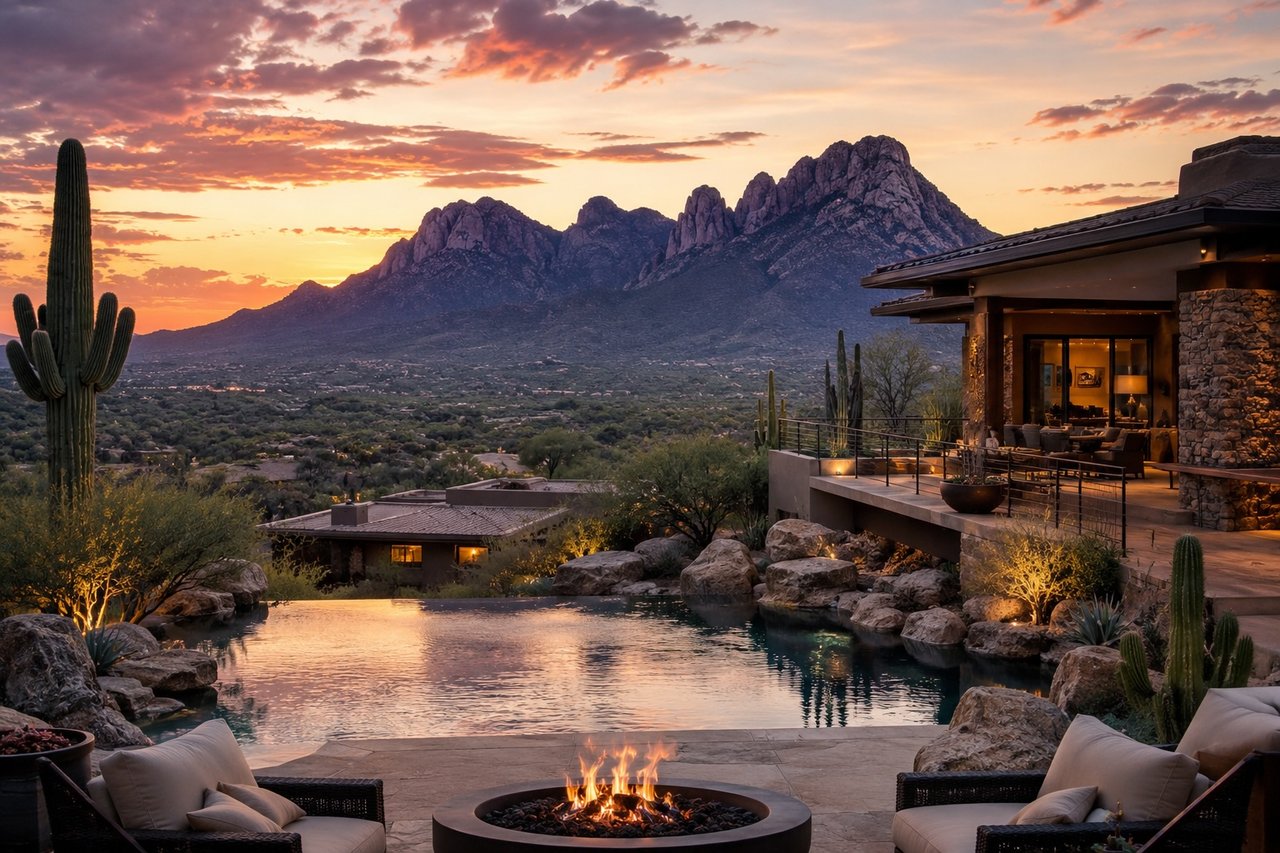
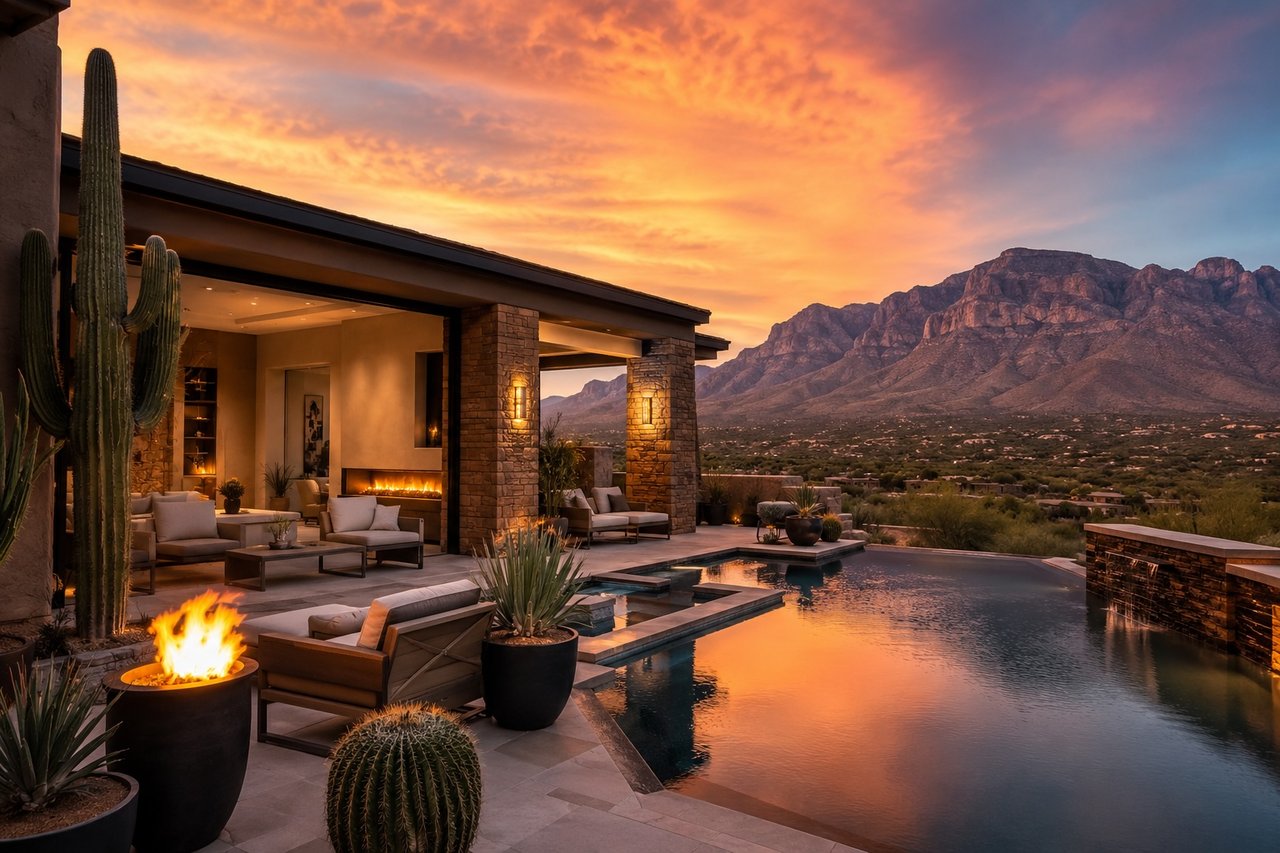
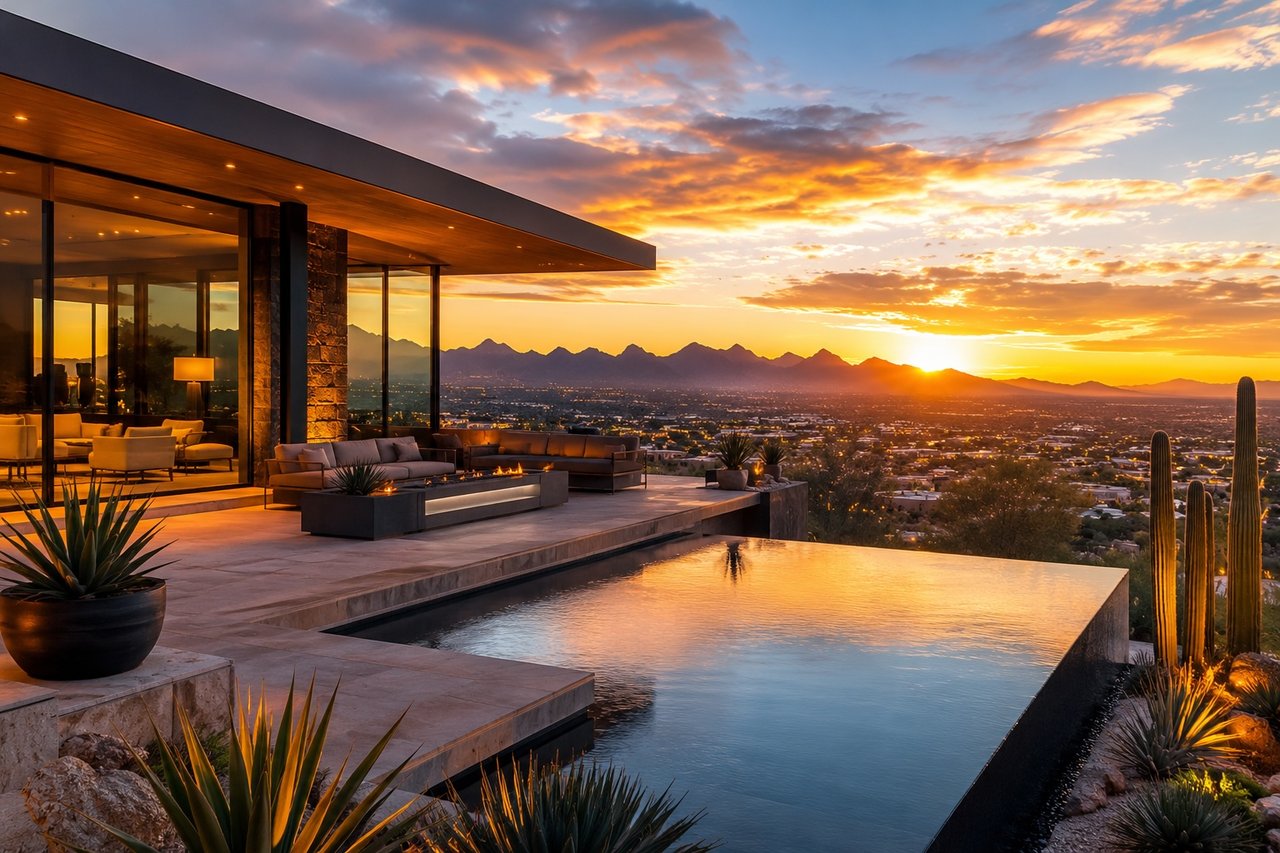
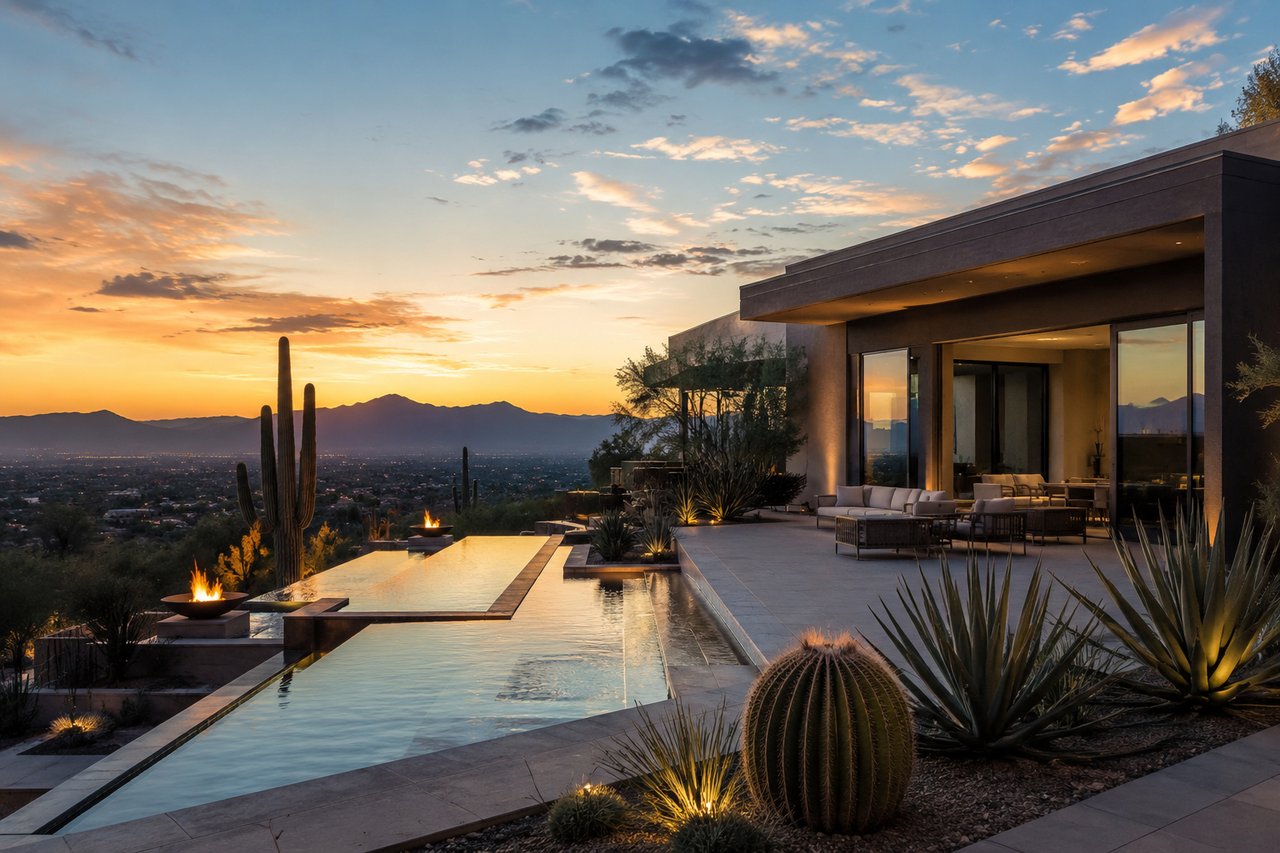
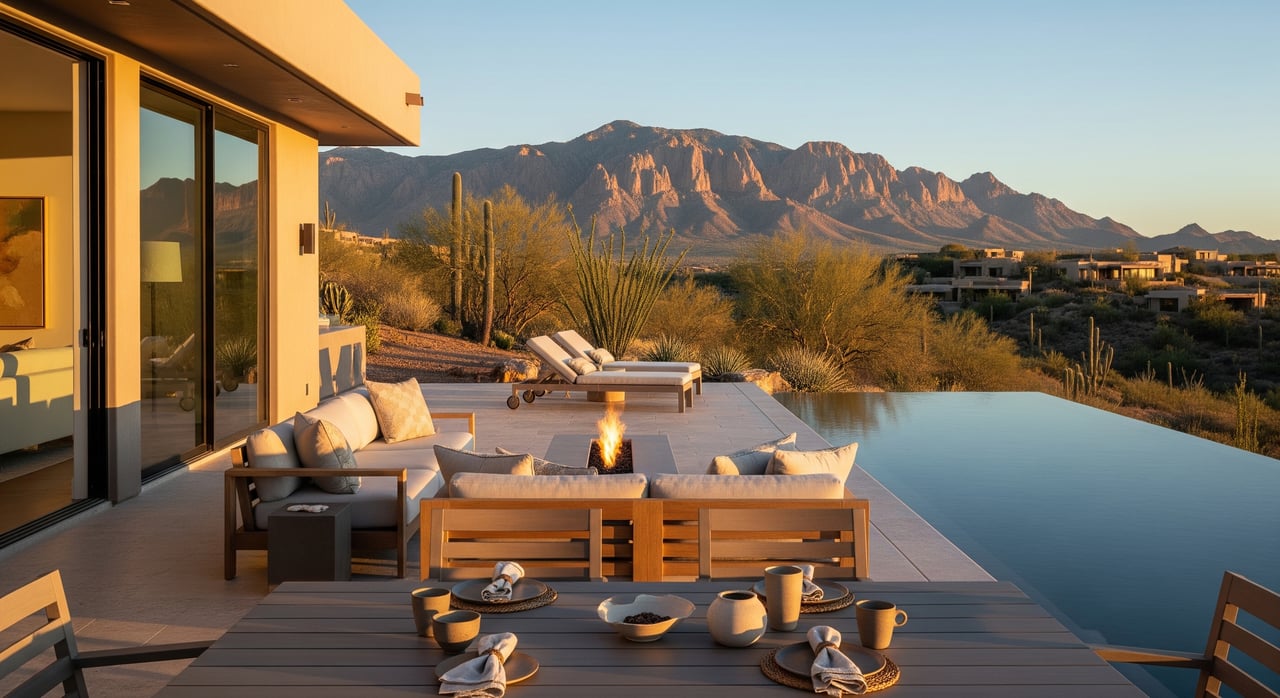
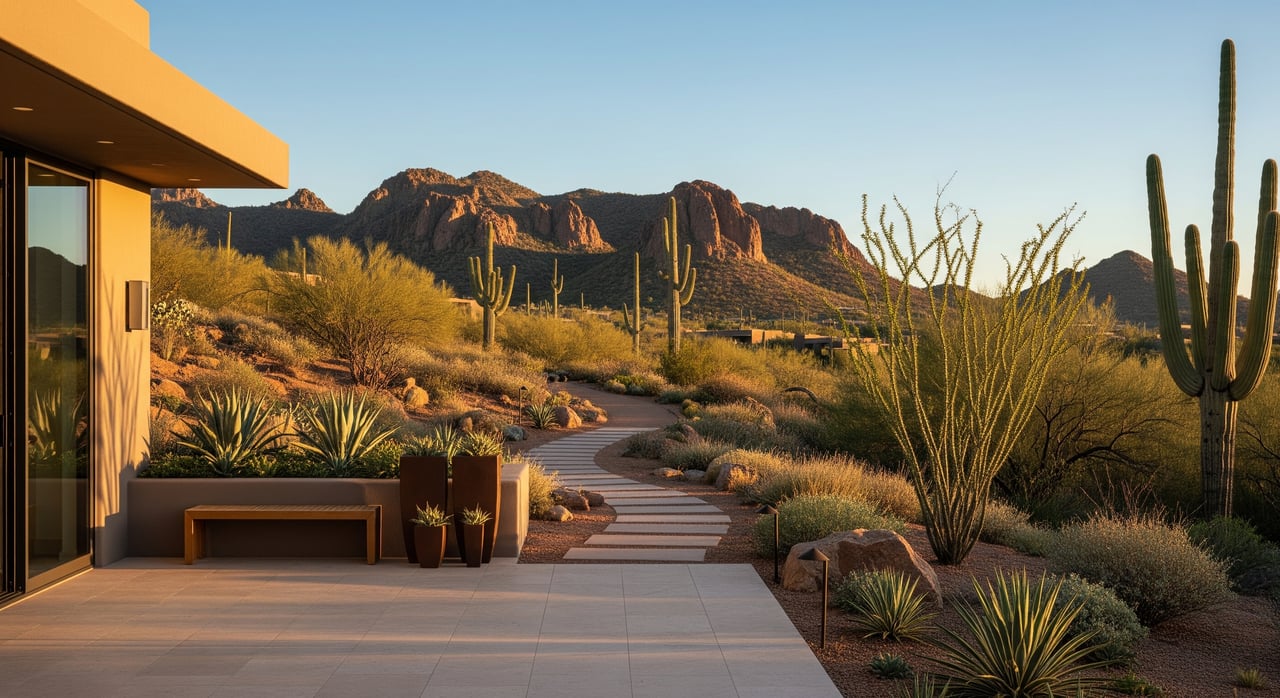
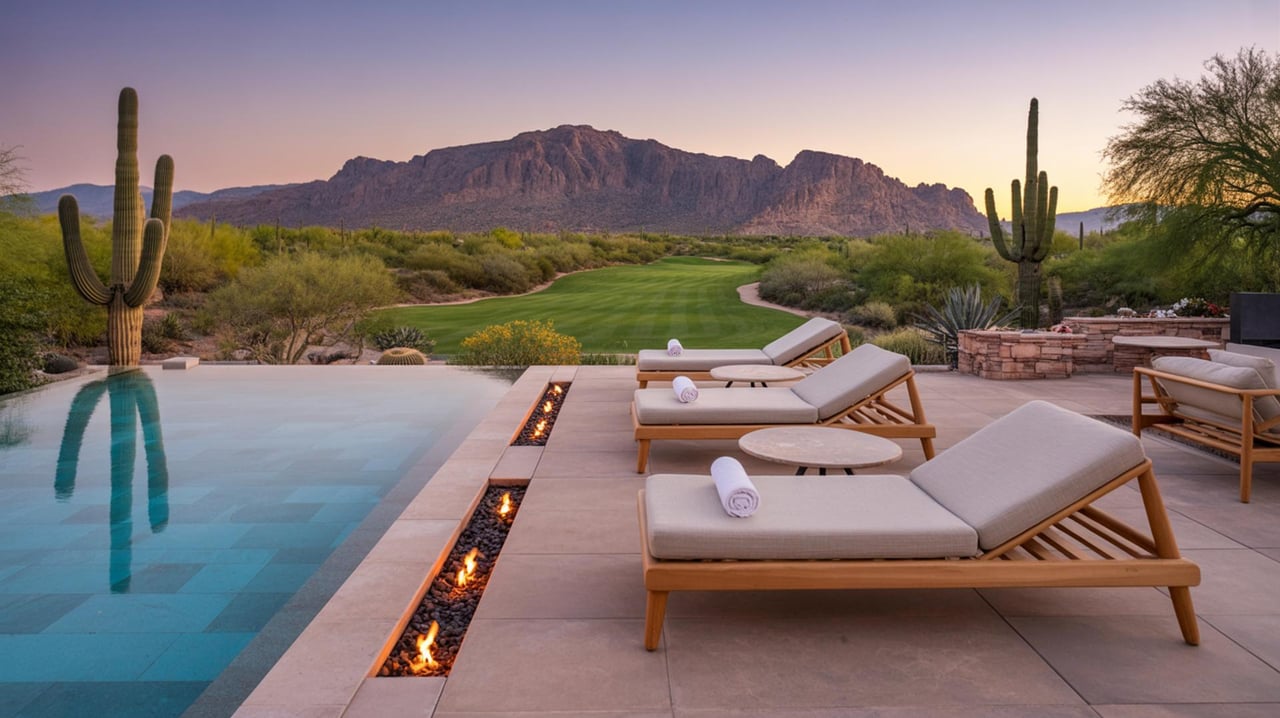
Detached homes offer more separation from neighbors and fewer shared walls, which can mean more privacy and a quieter experience. On hillside or view lots, outdoor areas are often designed to capture sunsets, mountain ridgelines, and desert skies.
Cost factors to budget in Starr Pass
HOA fees and assessments
In townhome and condo communities, monthly HOA dues commonly fall somewhere around 130 to 320 dollars in Starr Pass, with higher dues typically tied to more amenities or broader HOA-maintained components. In detached neighborhoods with a master HOA, dues may be quarterly or annual. Before you commit, request and review the full HOA resale packet, including CC&Rs, bylaws, budgets, reserve studies, insurance, meeting minutes, and any pending special assessments. This HOA document review checklist can help you spot red flags early.
Property taxes in Pima County
Property tax rates in Pima County vary by parcel based on tax area codes that combine city, county, school, library, flood, and bond levies. Do not rely on a neighborhood average. During escrow, use the parcel number to look up the specific bill and tax-area rate code through the county’s site. Start here: Pima County property taxes.
Insurance: condo/townhome vs detached
Insurance needs differ by property type. Condo and townhome owners often carry an HO-6 policy for interior finishes, personal property, and liability because the HOA’s master policy typically covers the building exterior and common areas. Detached homes normally require an HO-3 policy that insures the dwelling, other structures, contents, and liability. Ask your insurance agent to quote the correct form and confirm how the HOA’s master policy and deductibles interact with your coverage. Learn more about the differences here: types of home insurance policy forms.
Utilities, water, and pools
Many detached homes in Starr Pass include private pools, which require ongoing service and energy and water use. Typical Arizona pool service can range roughly from 80 to 180 dollars per month, not including periodic repairs or equipment replacements. See a useful overview of pool upkeep costs here: Arizona pool maintenance cost guide.
Water rates in Tucson use tiered structures and seasonal factors, so outdoor irrigation and pool usage can impact your bill. Desert-adapted landscaping helps. It is smart to add estimated utility costs to your comparison. For context on local utility rates, visit Tucson utility rate information.
Short-term rental rules
Many HOAs include rental provisions that may limit or prohibit short-term rentals. Always read the CC&Rs and confirm any rental caps, minimum lease terms, and enforcement policies in the resale packet. At the state level, Arizona law generally preempts cities from banning short-term rentals outright, while allowing reasonable local regulations related to safety and nuisance. You can review the statute text here: Arizona STR statute. Practically, that means your ability to operate a short-term rental depends on both state law and your HOA’s private rules, and you should verify any city or county registration or permit requirements before you buy.
Which fits your lifestyle
If you want lock-and-leave ease
- Choose: Townhome or condo near the resort.
- Why it fits: Exterior maintenance, roof, and common-area landscaping are typically covered by the HOA. Shared amenities like pools reduce personal upkeep.
- What to check: Confirm what the HOA covers and the reserve study health in the resale packet.
If you want privacy, yard, and flexibility
- Choose: Detached single-family home.
- Why it fits: Larger lots, private pools, and fewer shared walls offer more privacy and room for pets, gardening, and outdoor living.
- What to check: Plan for roof, yard, and pool maintenance and confirm any master HOA scope and dues.
If you want a seasonal retreat
- Choose: Either can work.
- Why it fits: A condo or townhome is ideal if you want minimal maintenance and resort-style amenities. A detached home suits you if you value privacy and a standalone second-home feel and have a plan for remote maintenance.
- What to check: Decide who will manage the property when you are away and review rental policies if you want income flexibility.
Quick buyer checklist
- Request the full HOA resale packet early. Include CC&Rs, bylaws, current budget, reserve study, 12 months of meeting minutes, master insurance certificate, litigation disclosures, and rental policies. Use this HOA document guide to review.
- Confirm maintenance boundaries. Ask what the HOA maintains versus what the owner maintains, including roof, exterior paint, patios, private yard, garage doors, and pool equipment.
- Check fee history and reserves. Review past increases and special assessments. Look at the reserve study’s percent funded and upcoming projects.
- Verify the exact property tax bill. Use the parcel number to pull current data on Pima County property taxes. Do not rely on neighborhood medians.
- Get insurance quotes. Ask an agent about HO-6 vs HO-3 and whether loss-assessment coverage or HOA deductibles affect your risk. See policy form basics.
- Budget for pools and utilities. If you want a private pool, estimate monthly service of about 80 to 180 dollars plus occasional repairs. See this pool cost overview. Review local utility rates at Tucson utility rates.
- Clarify rental flexibility. Confirm HOA rental rules in the CC&Rs, check any city or county registration requirements, and review the Arizona STR statute to understand statewide limits.
Comparing your options
- Townhome/condo highlights: Lower personal maintenance, shared amenities, smaller private outdoor spaces, attached walls, monthly HOA dues.
- Detached home highlights: More privacy and yard space, private pools and larger lots, more owner maintenance, possible master HOA with quarterly or annual dues.
- Budget watchouts: HOA reserves and special assessments, parcel-specific property taxes, correct insurance coverage, and realistic pool and water costs.
Ready to see how these choices look on the ground in Starr Pass? I can help you compare specific communities, review HOA documents, and run property-level cost estimates so you can choose confidently. Let’s walk the neighborhood together, tour both styles, and zero in on the home that matches your lifestyle.
If you are weighing townhomes vs detached homes in Starr Pass and want clear, local guidance, reach out to Daniel Sotelo. Let’s connect.
FAQs
What is the main difference between a Starr Pass townhome and a detached home?
- Townhomes and condos typically include HOA-managed exterior maintenance and shared amenities, while detached homes offer more space and privacy but require you to handle exterior, yard, and pool maintenance.
How much are HOA fees for Starr Pass townhomes and condos?
- Local listings commonly show monthly dues in the 130 to 320 dollar range, varying by amenities and what the HOA covers. Always verify exact dues and coverage in the HOA resale packet.
How do property taxes work for Starr Pass homes in Pima County?
- Taxes vary by parcel and tax area code. Use the parcel number to look up the current bill on the Pima County property taxes site instead of relying on neighborhood averages.
What insurance policy do I need for a Starr Pass condo or home?
- Condo and townhome owners usually carry an HO-6 policy that covers interiors and personal property, while detached homes use an HO-3 policy that covers the structure and other structures. Learn more about forms here: home insurance policy types.
Are short-term rentals allowed in Starr Pass communities?
- Arizona law permits short-term rentals with certain local regulations, but your HOA may restrict them through CC&Rs. Review the Arizona STR statute and your HOA rules, and confirm any city or county registration requirements.
What should I budget for a private pool at a Starr Pass home?
- Plan for routine Arizona pool service in the range of about 80 to 180 dollars per month, plus energy, water, and occasional repairs. See this pool maintenance cost guide.