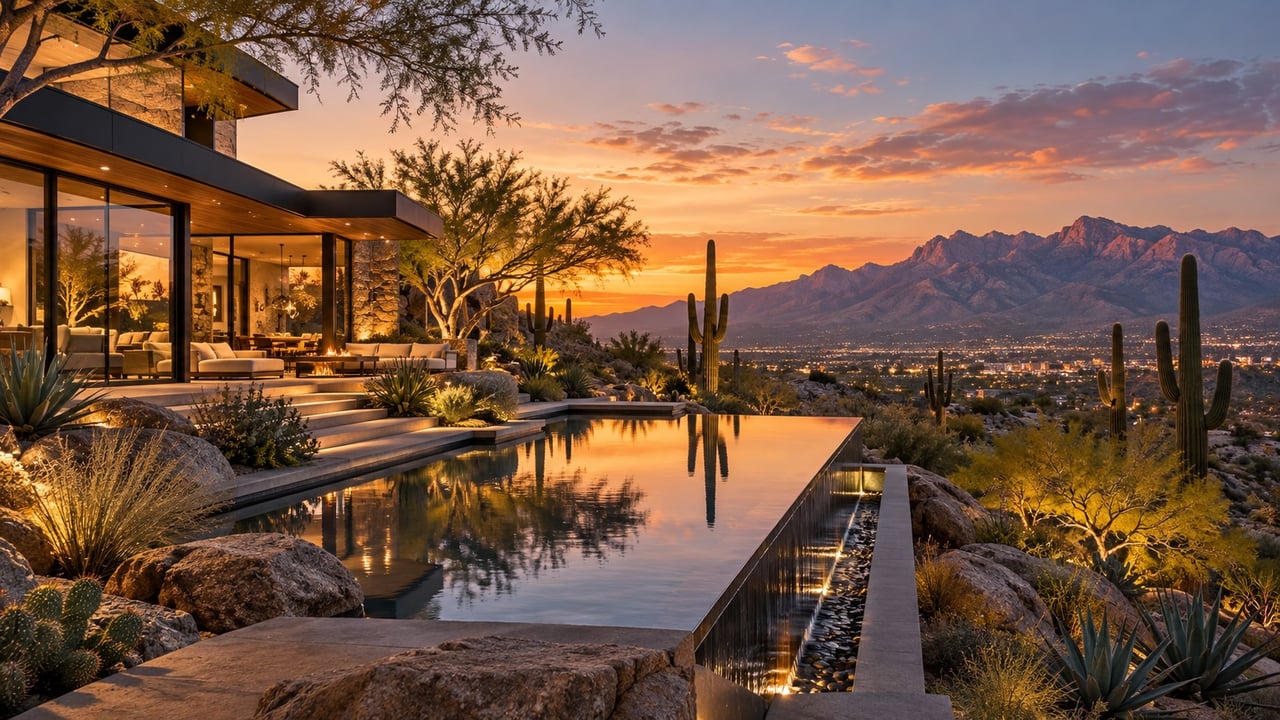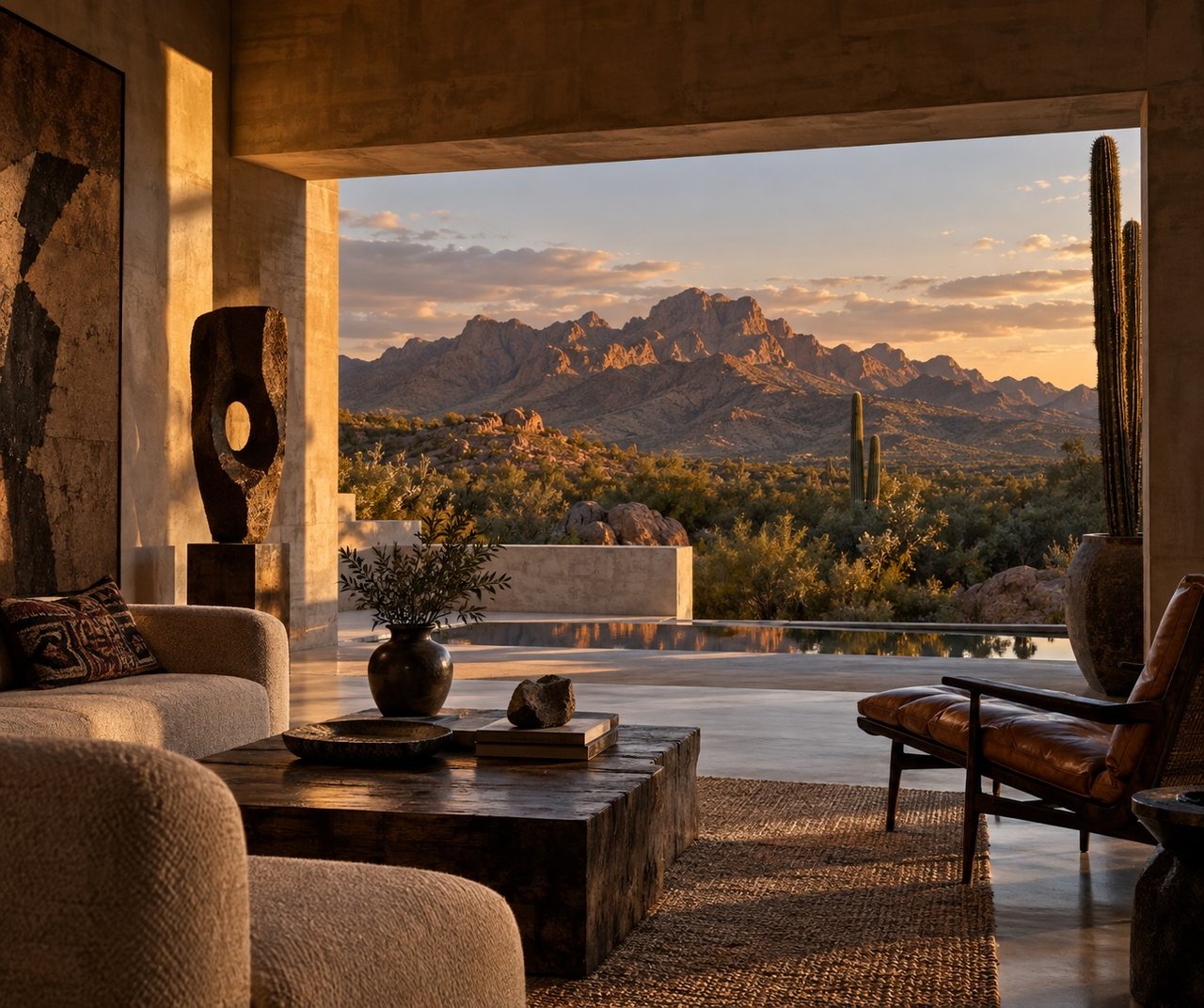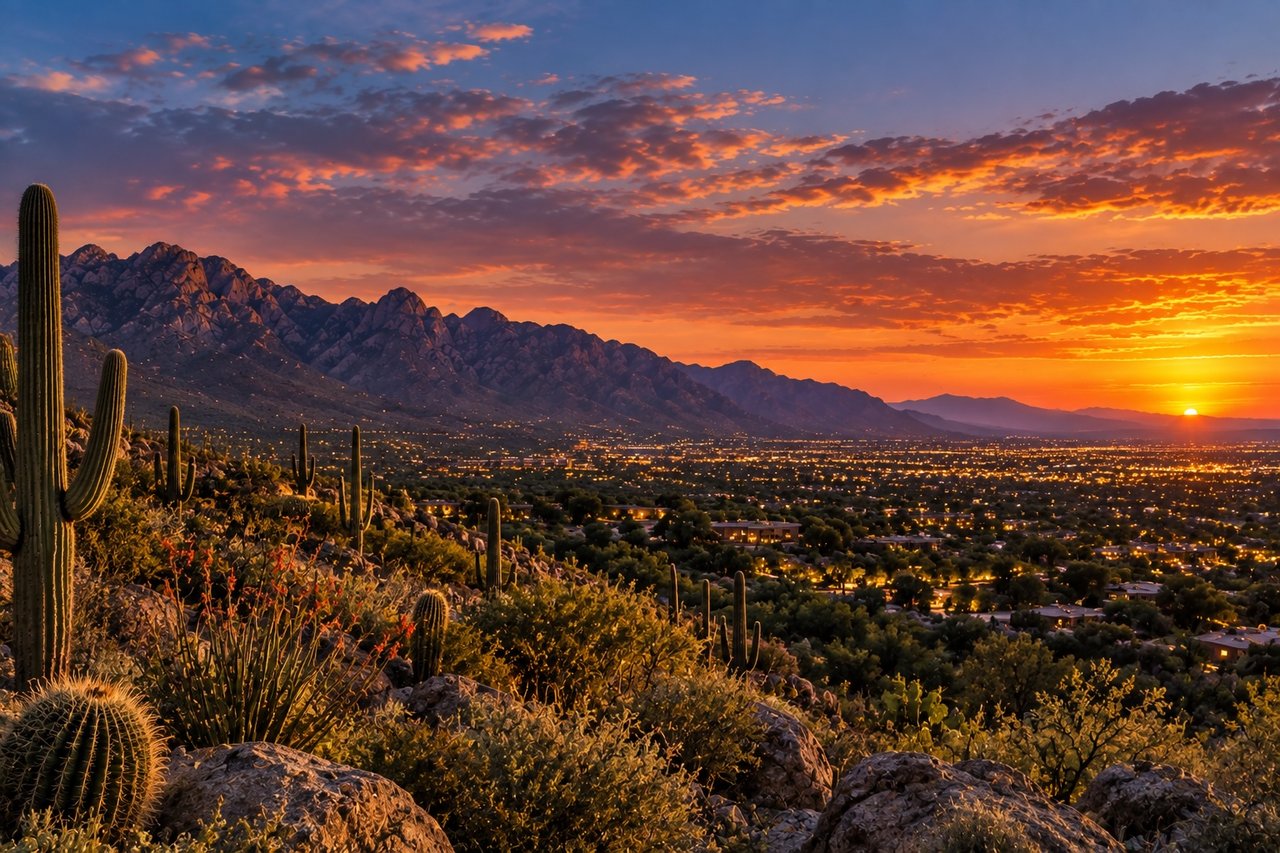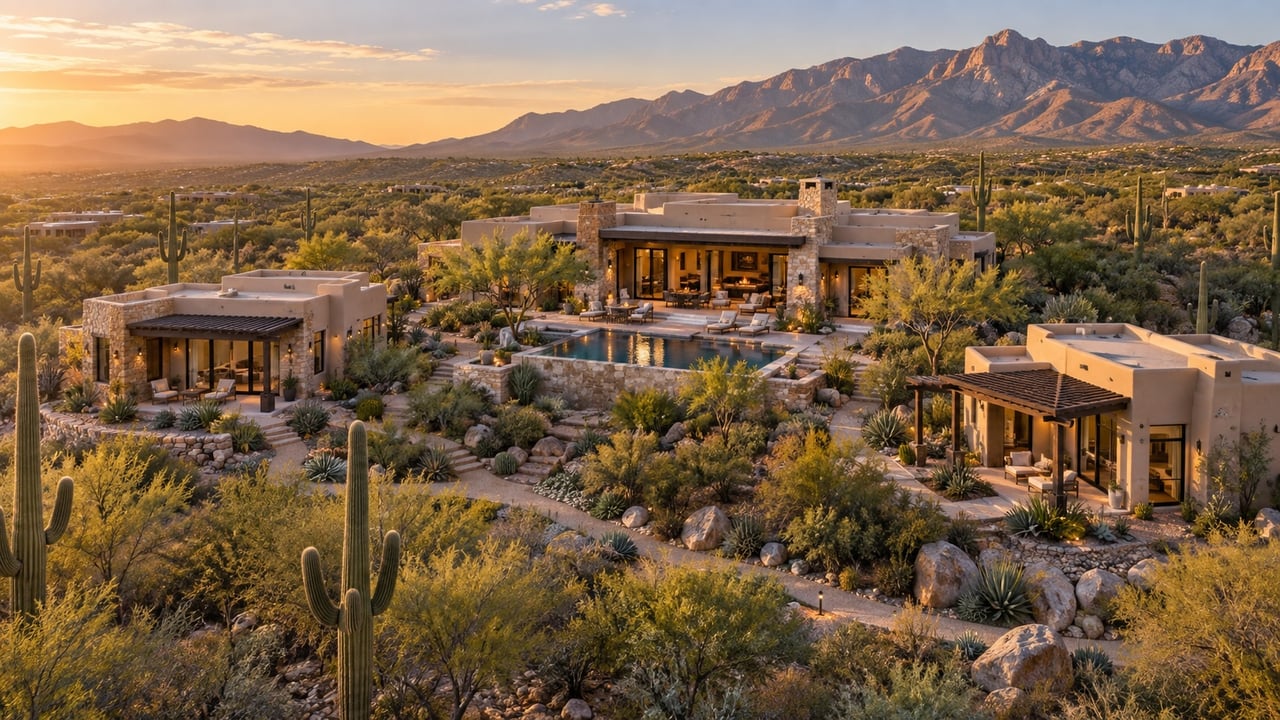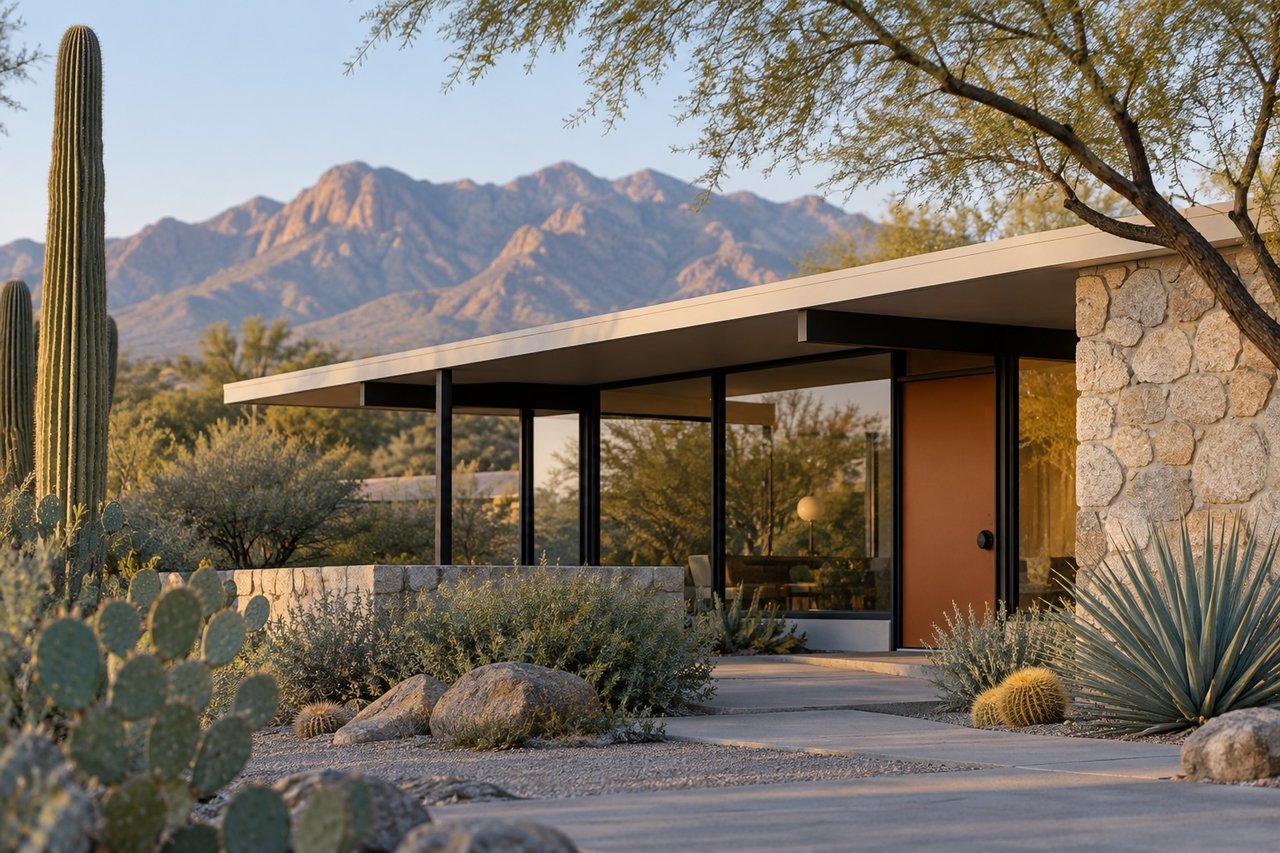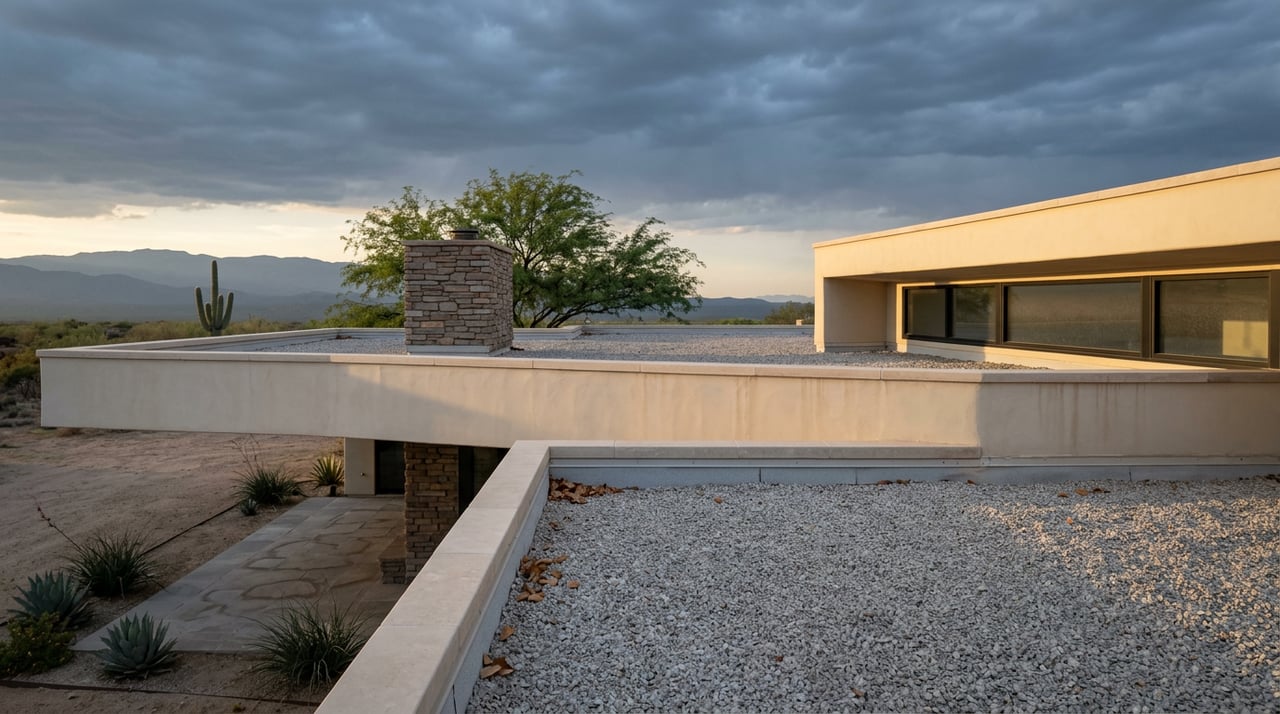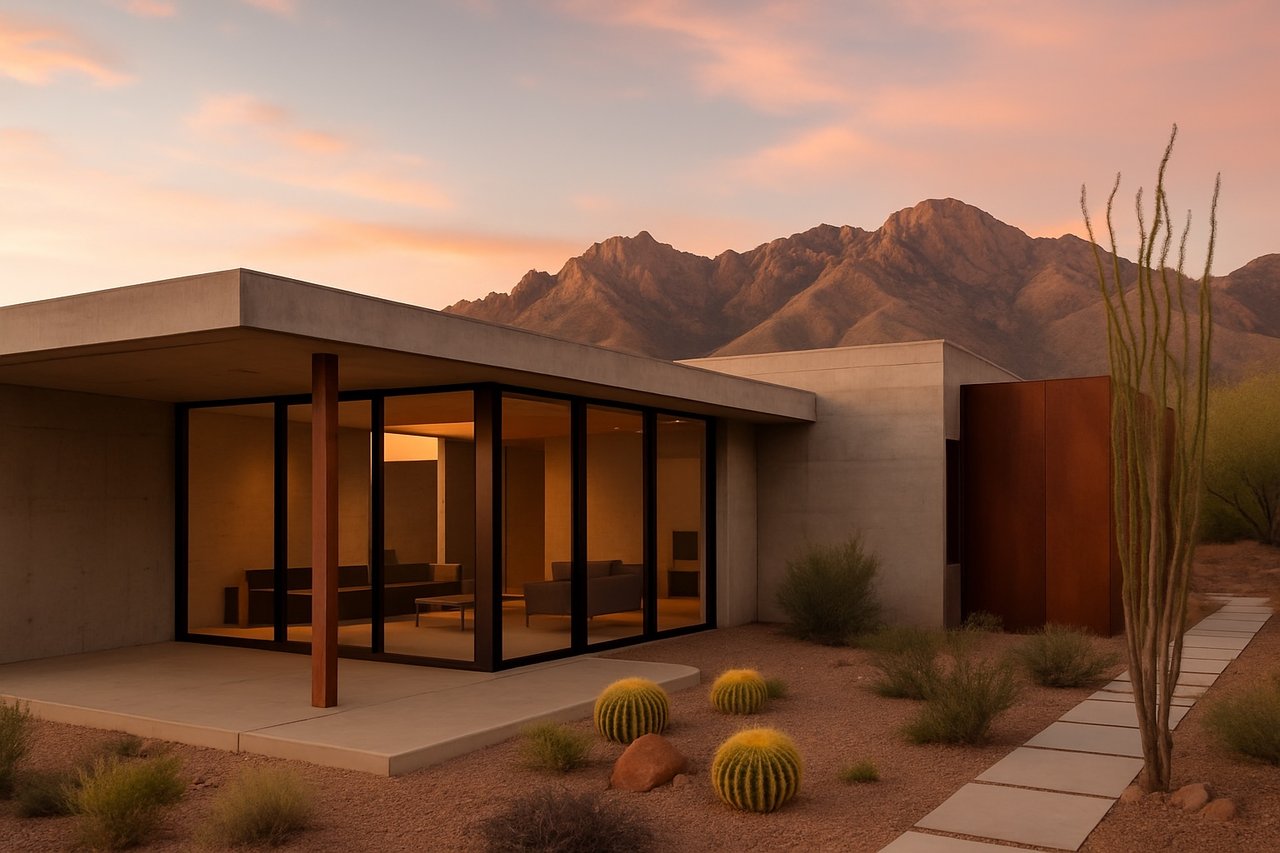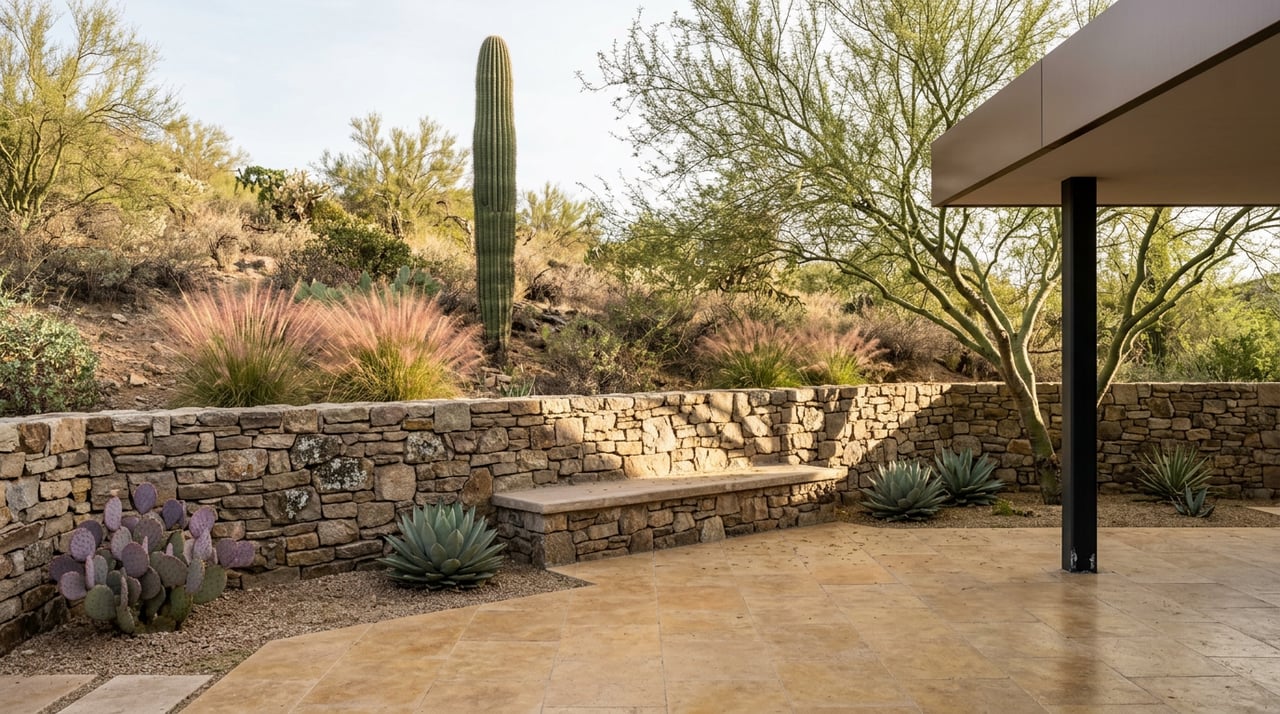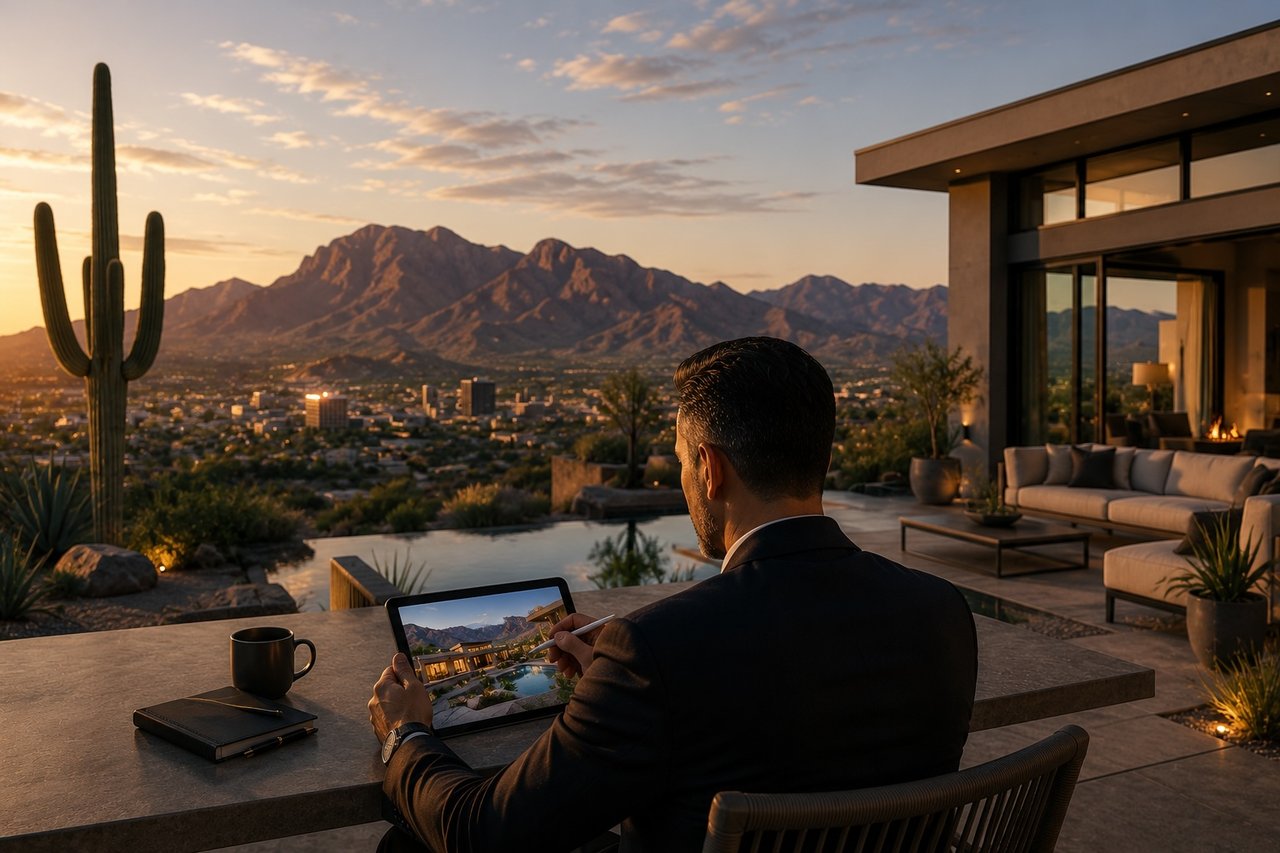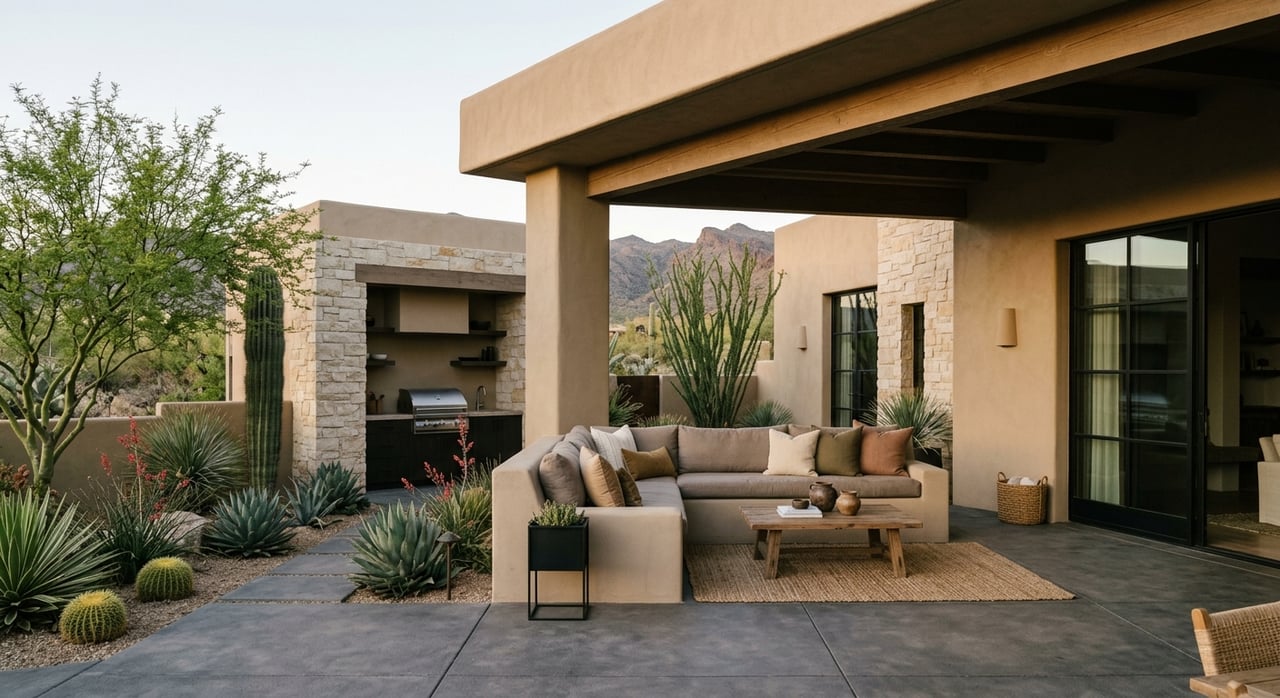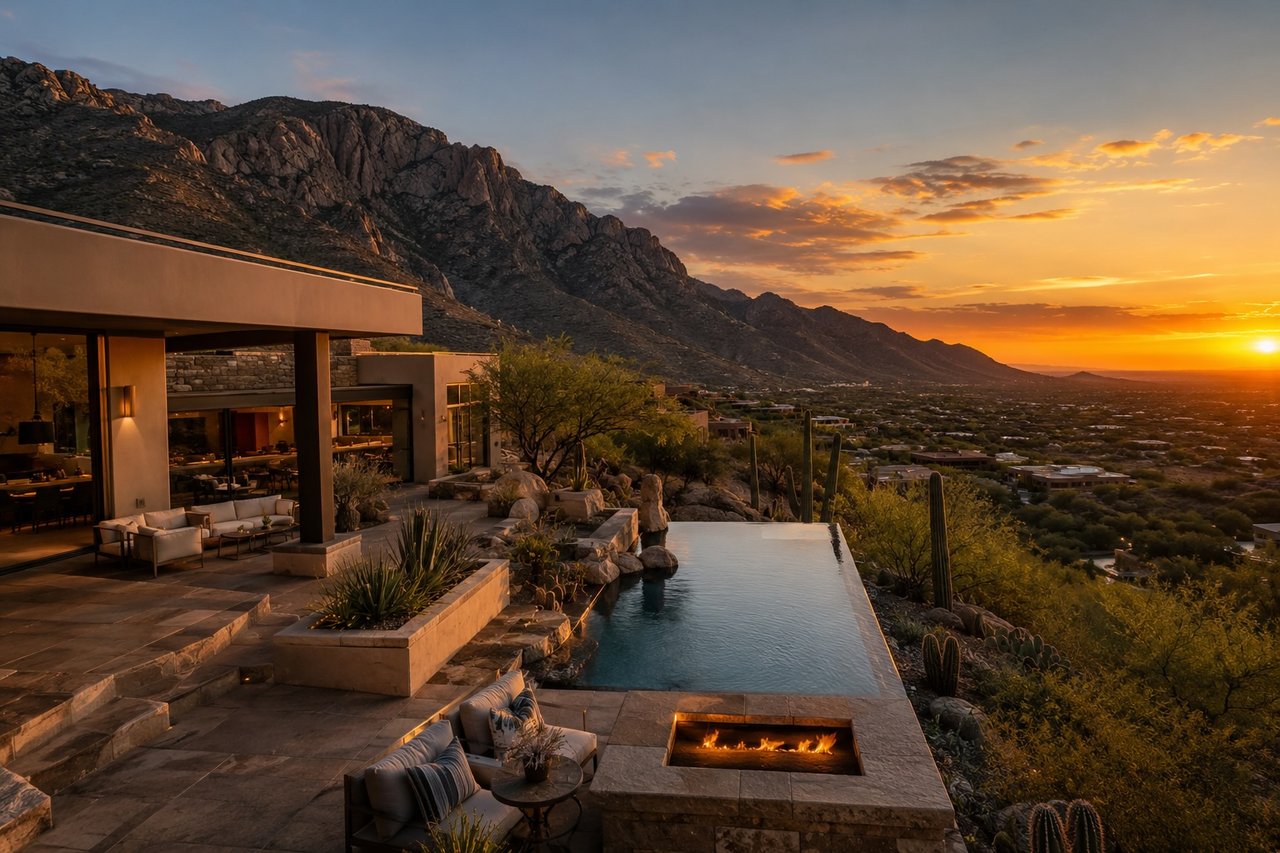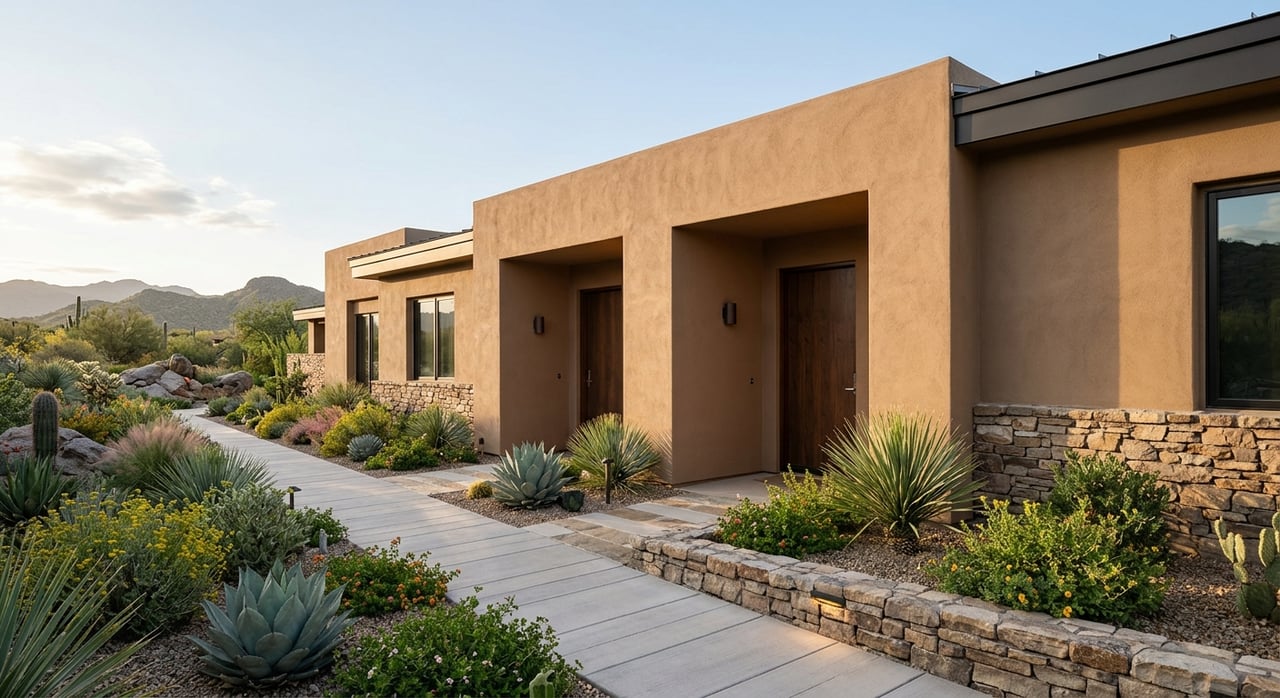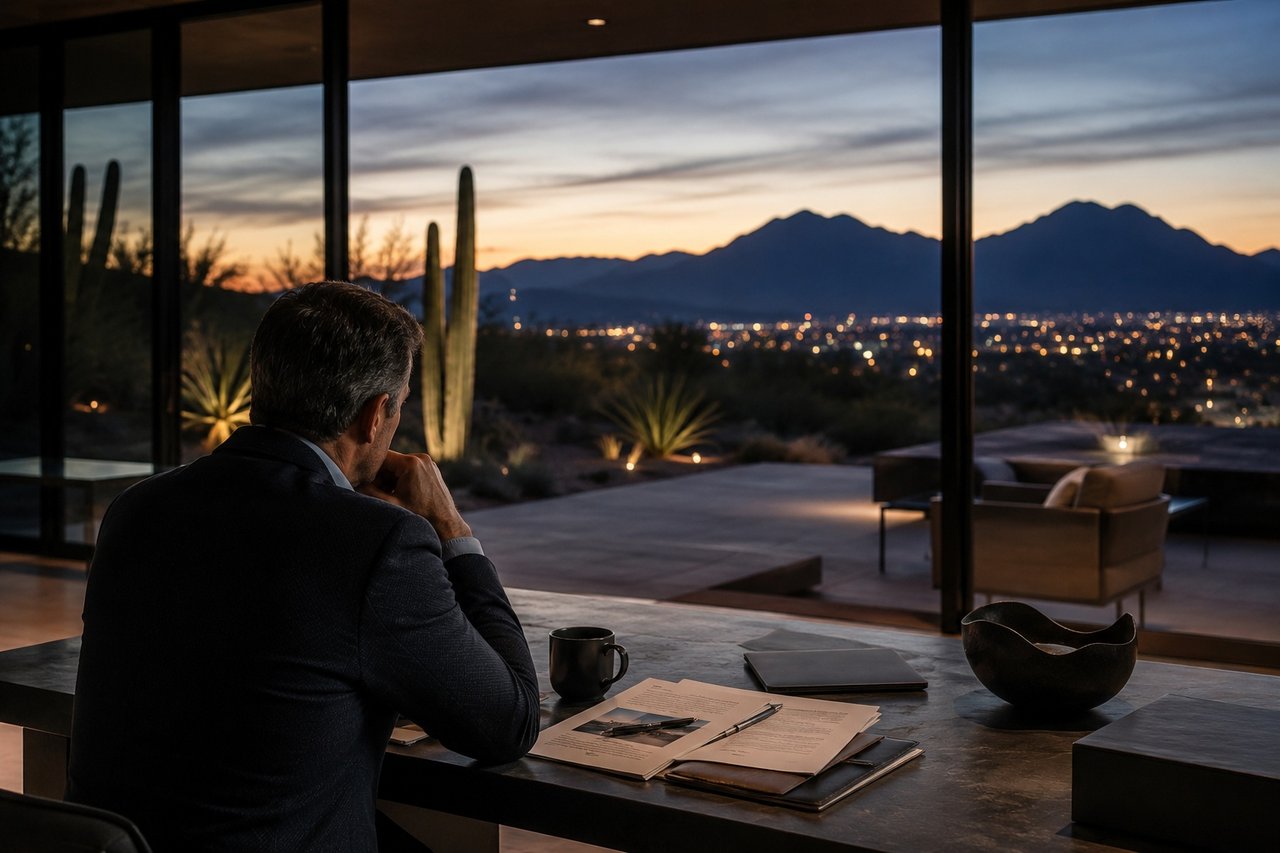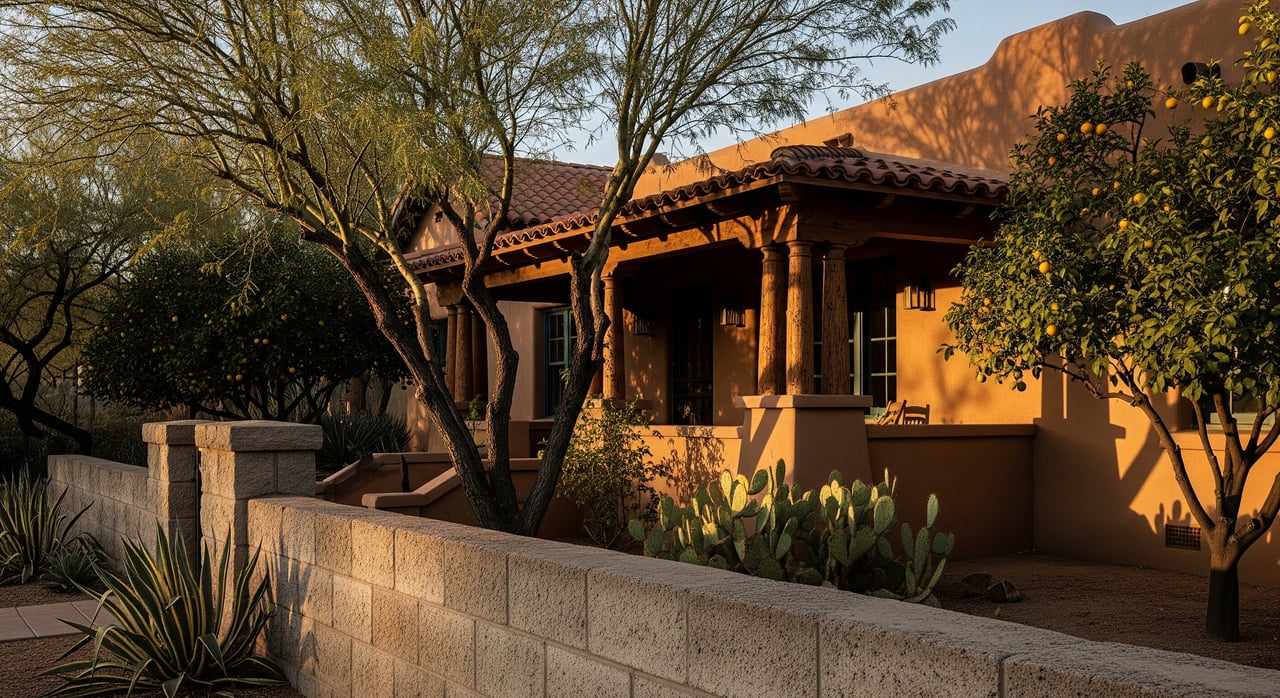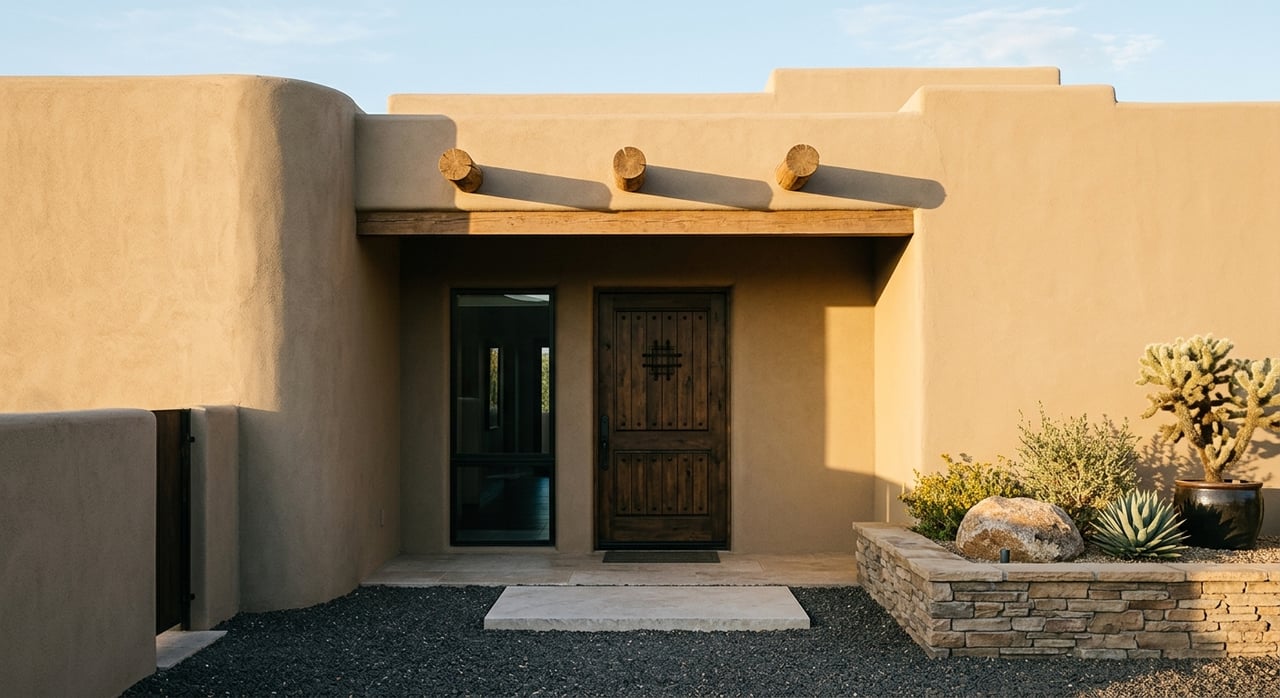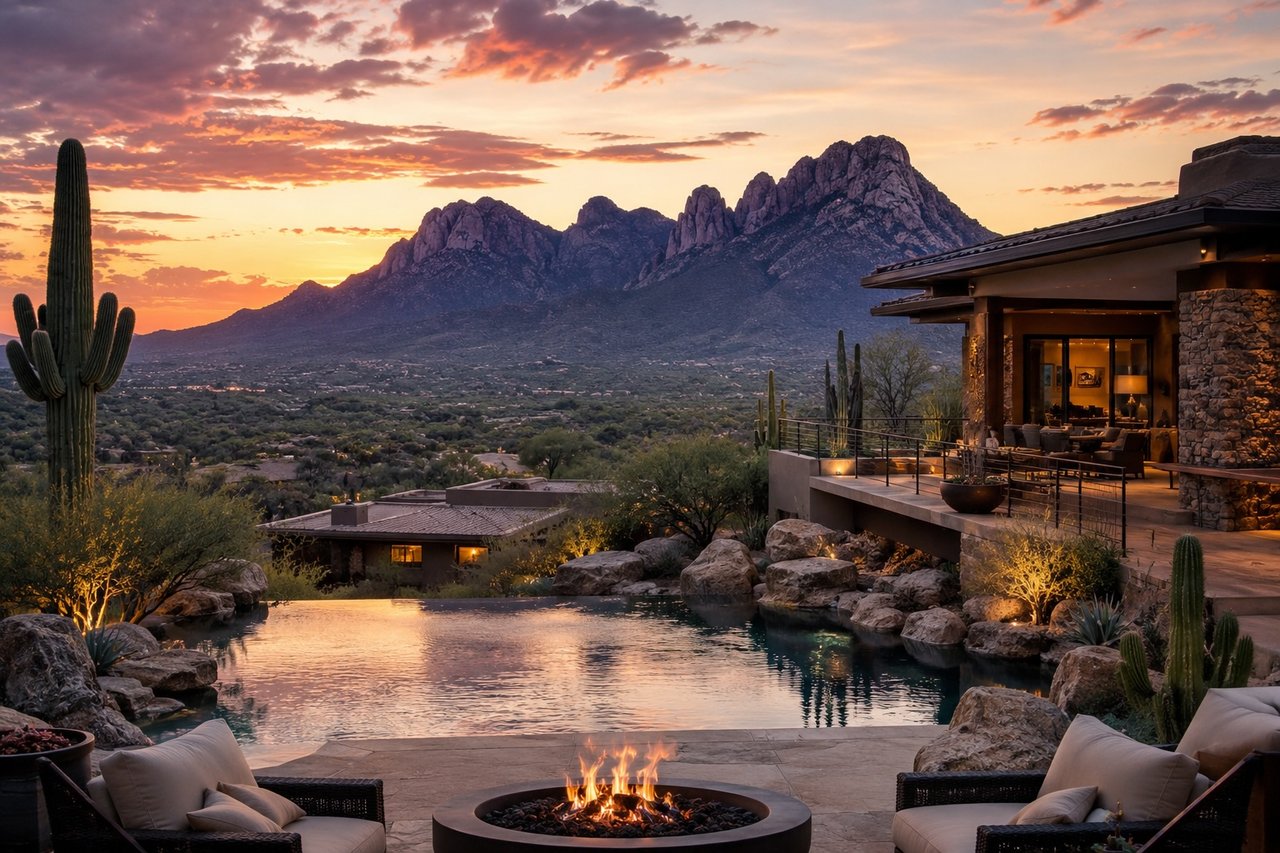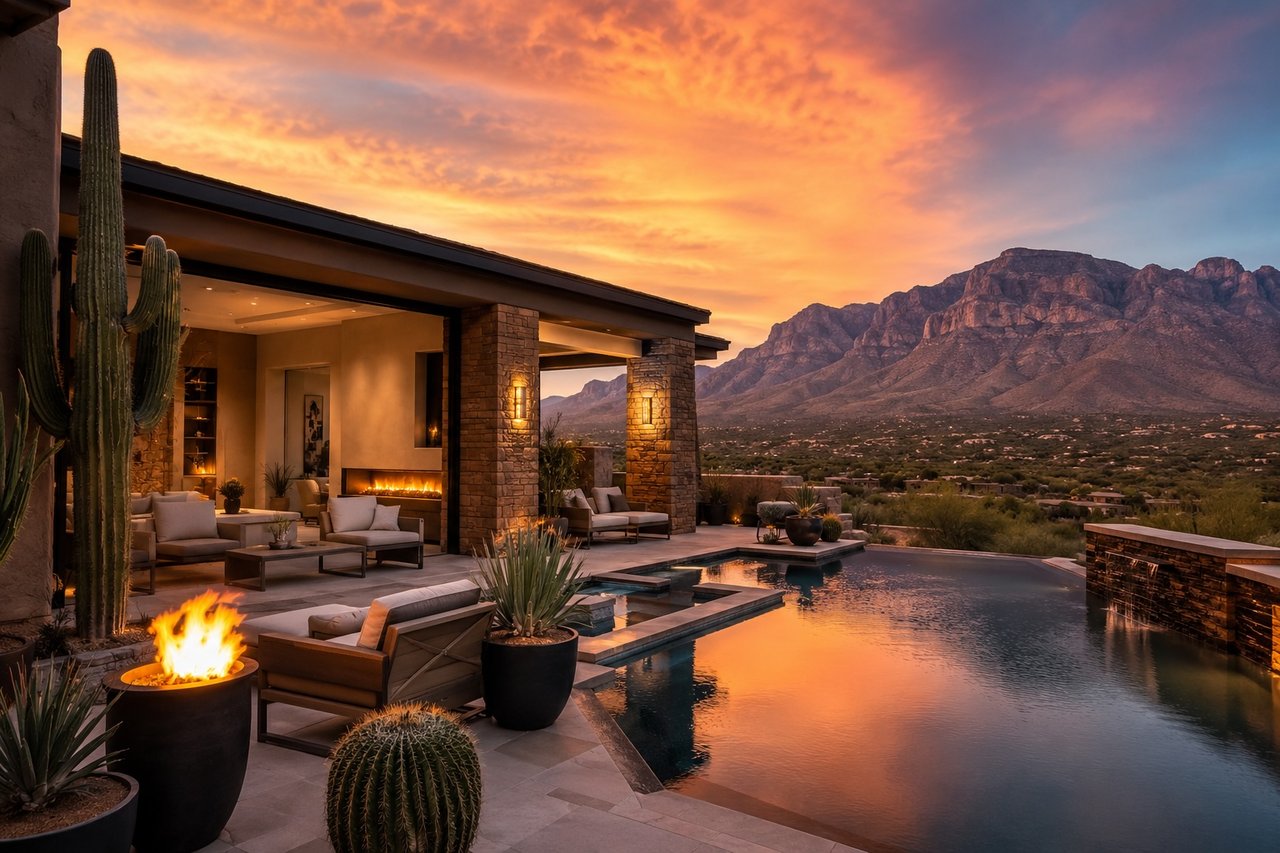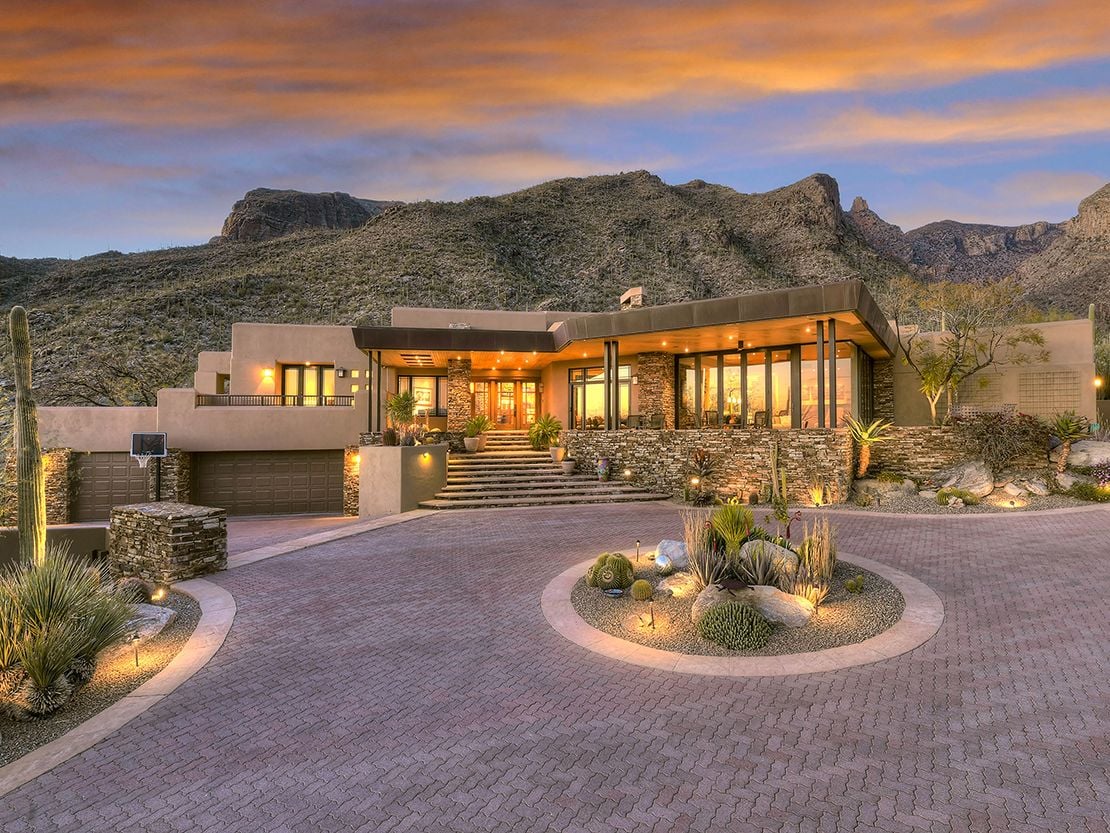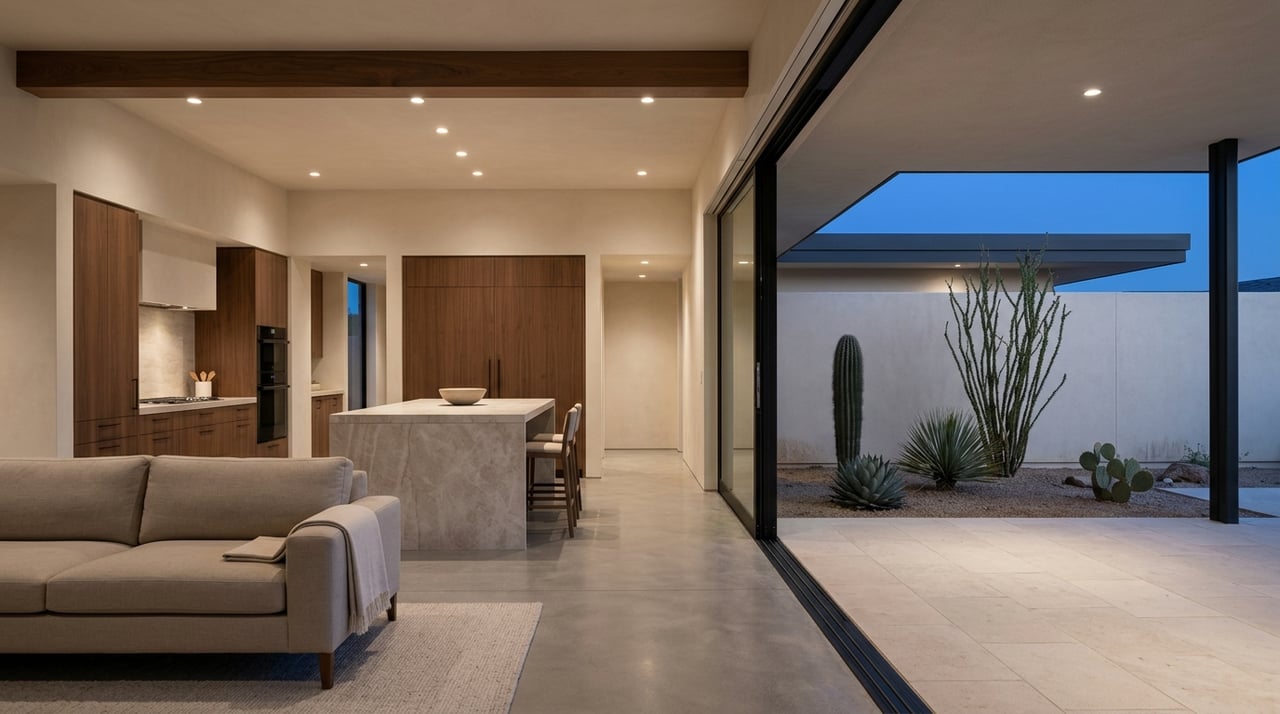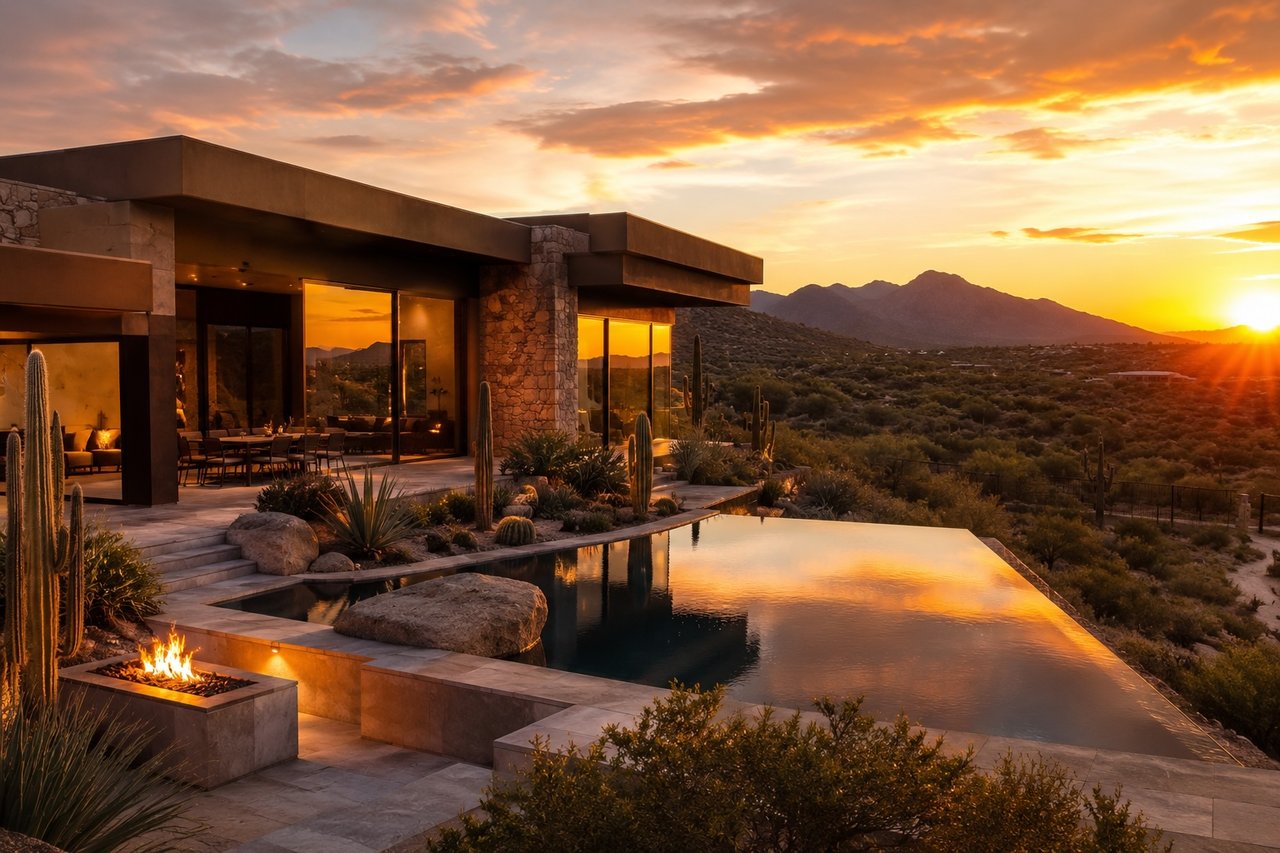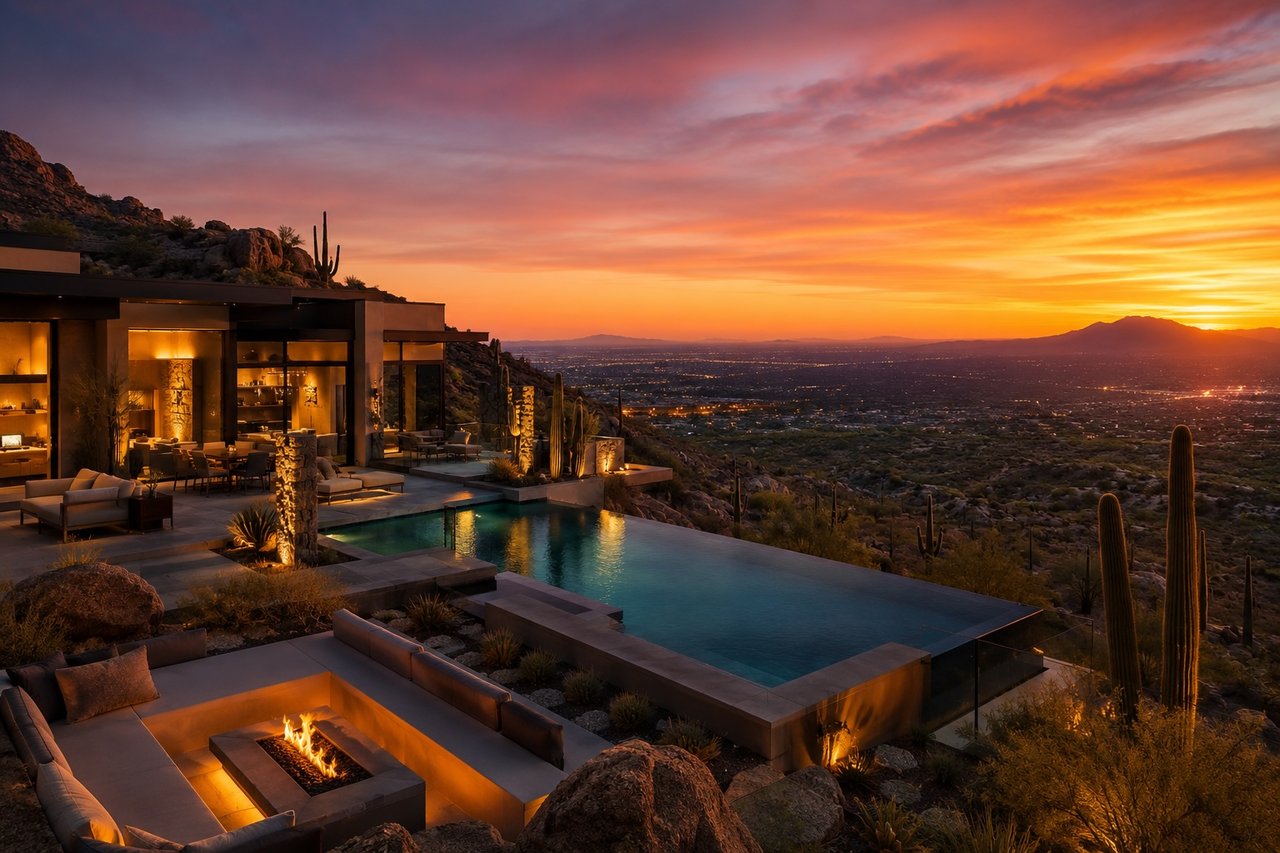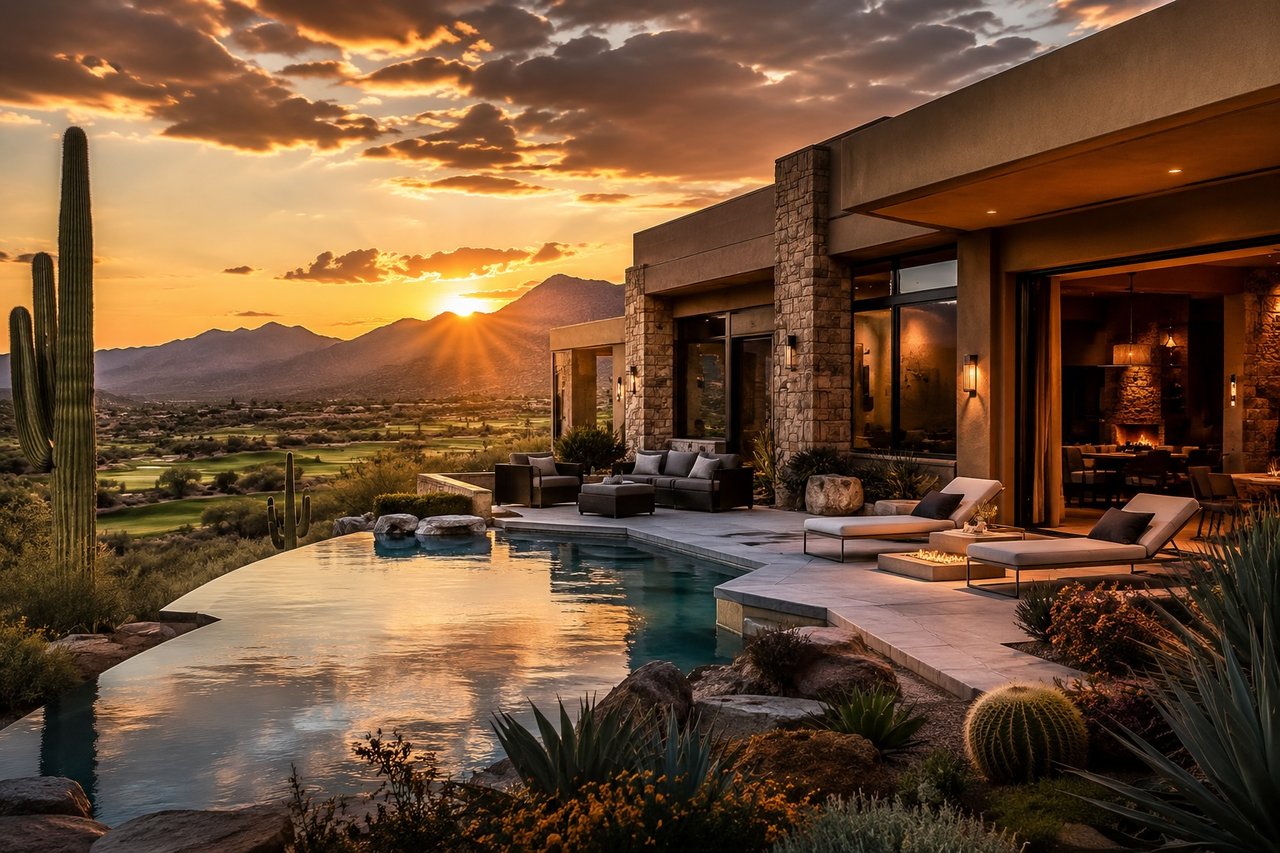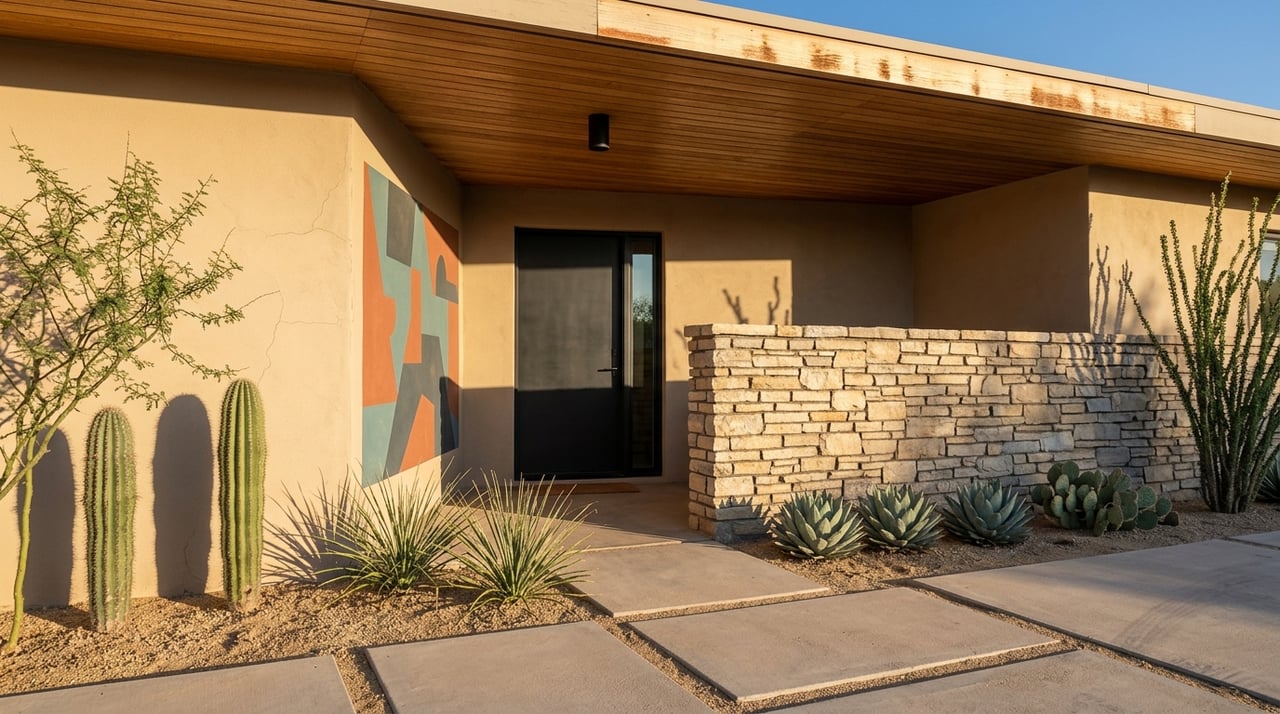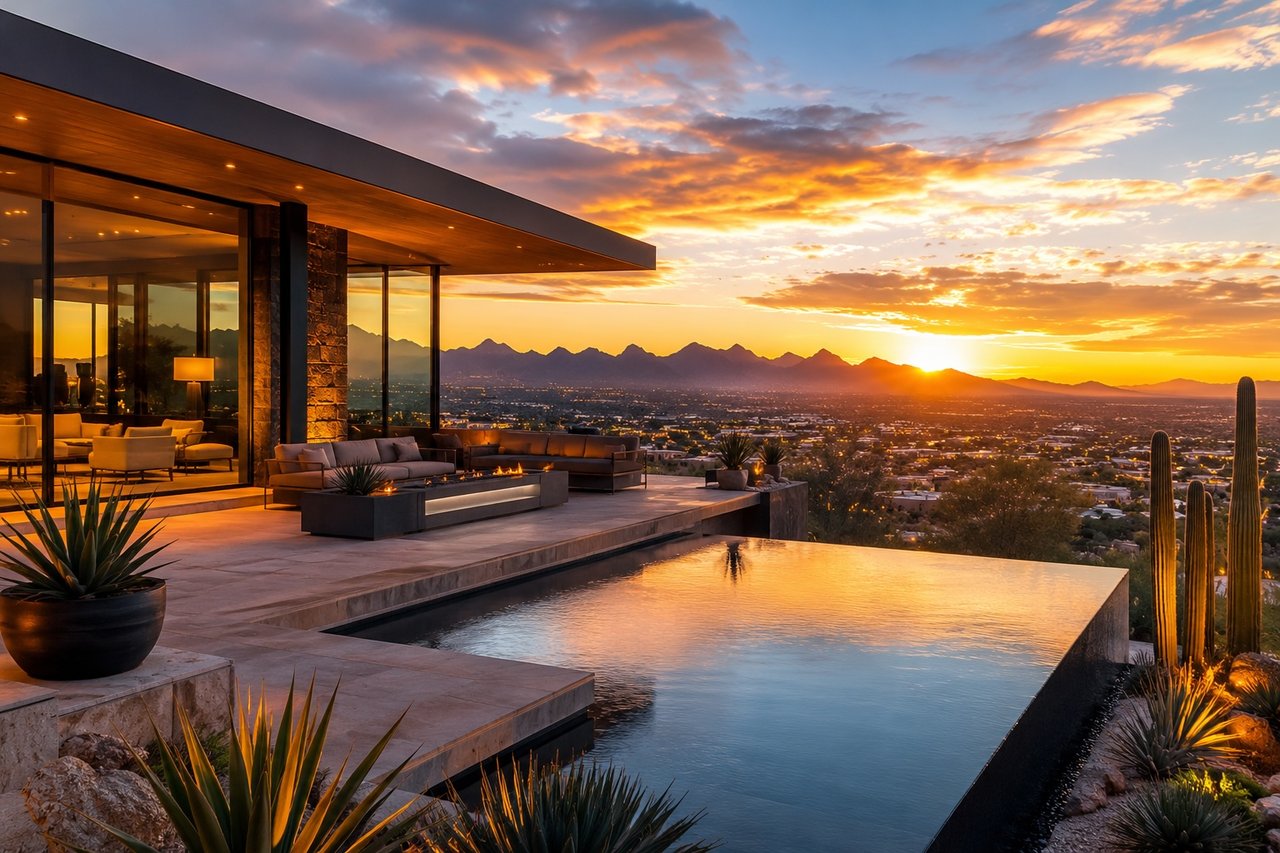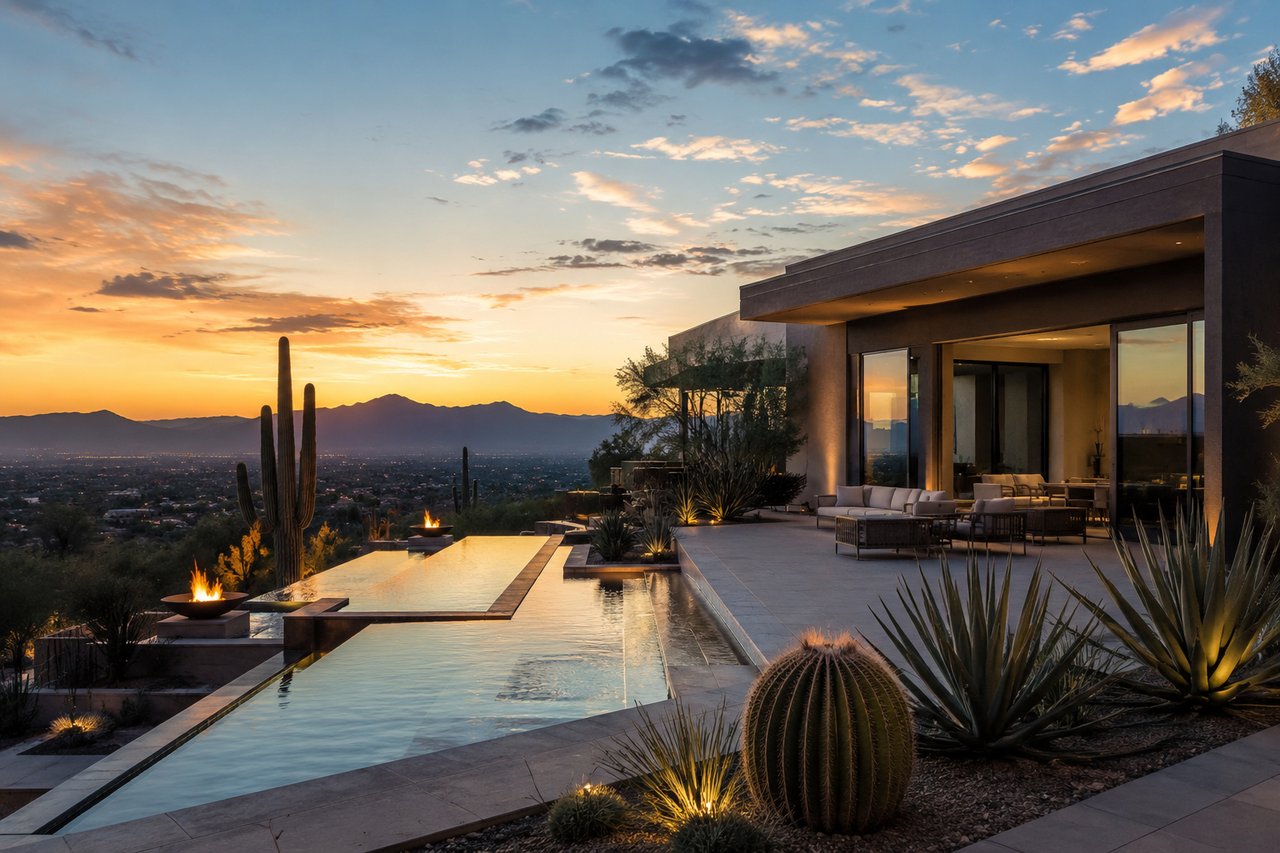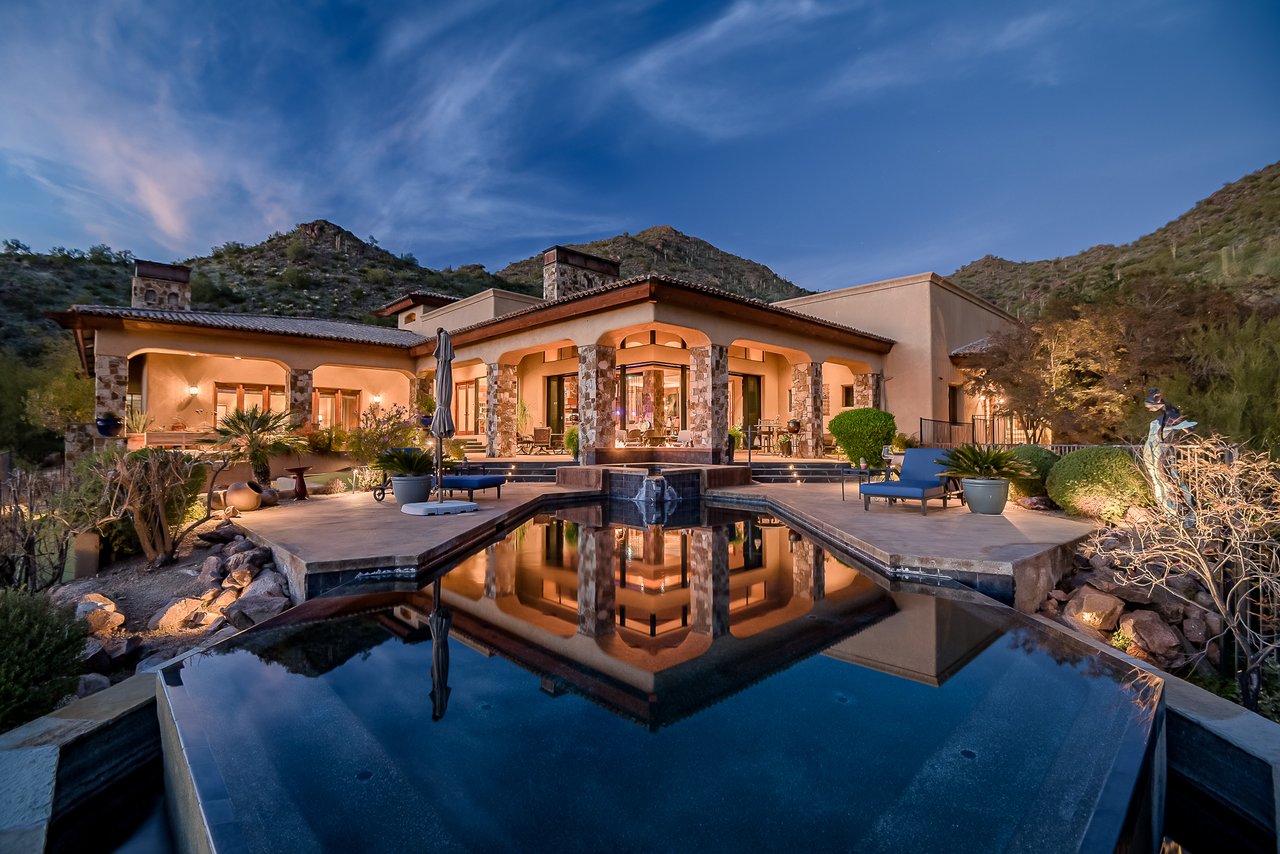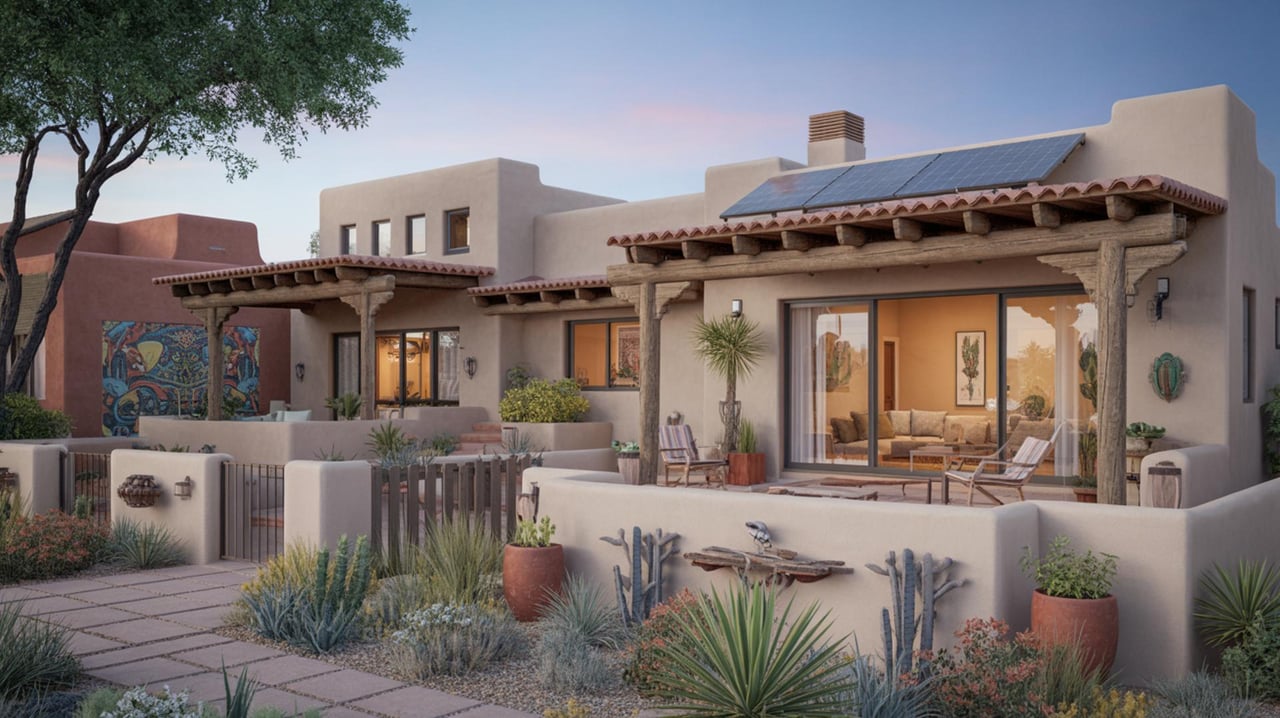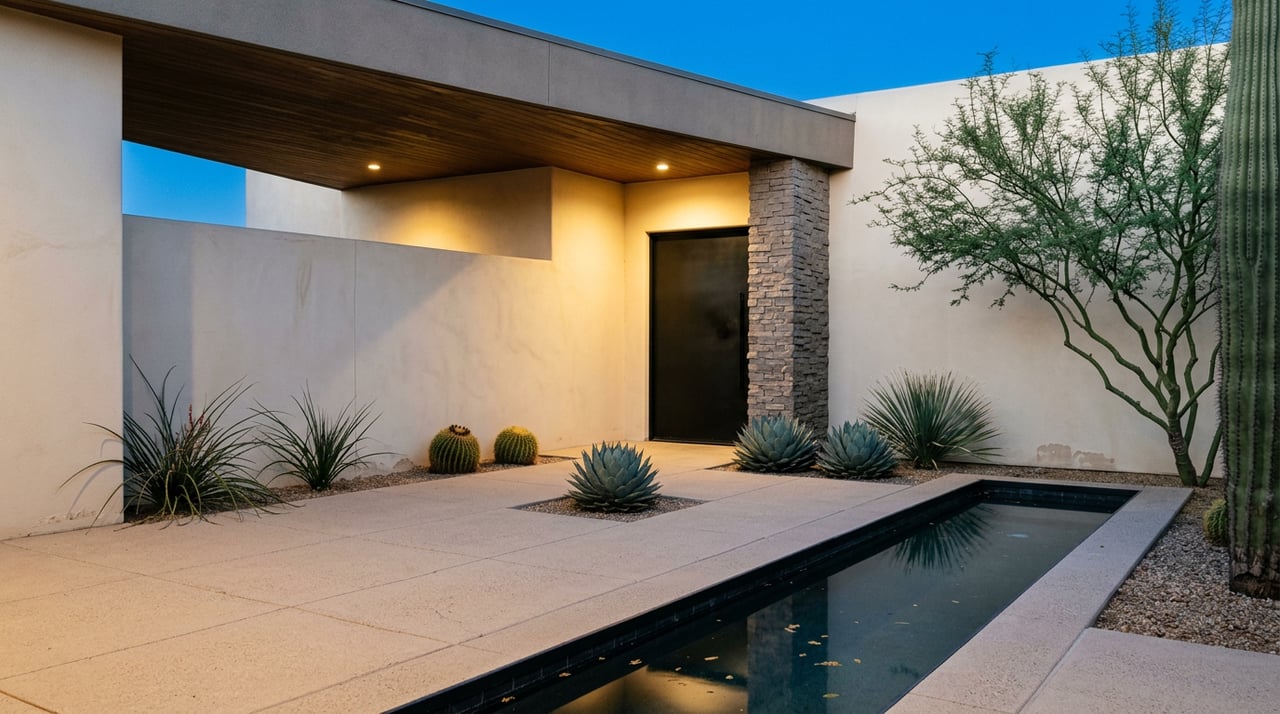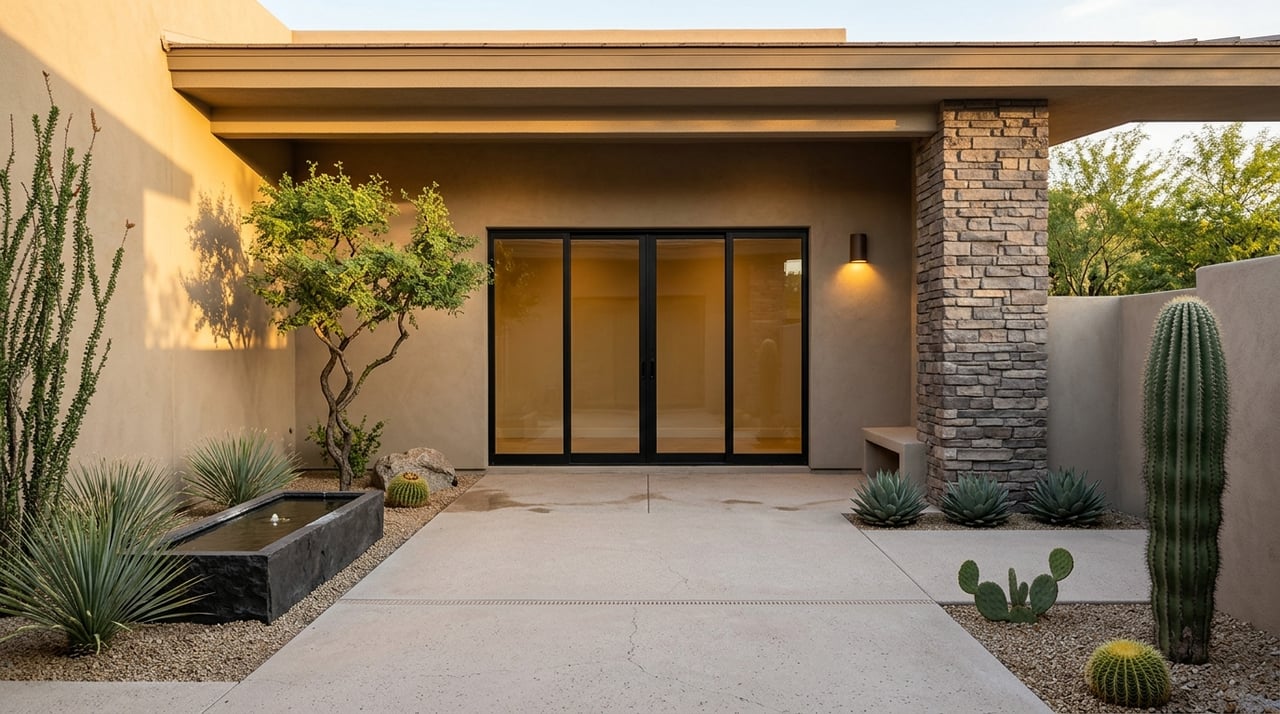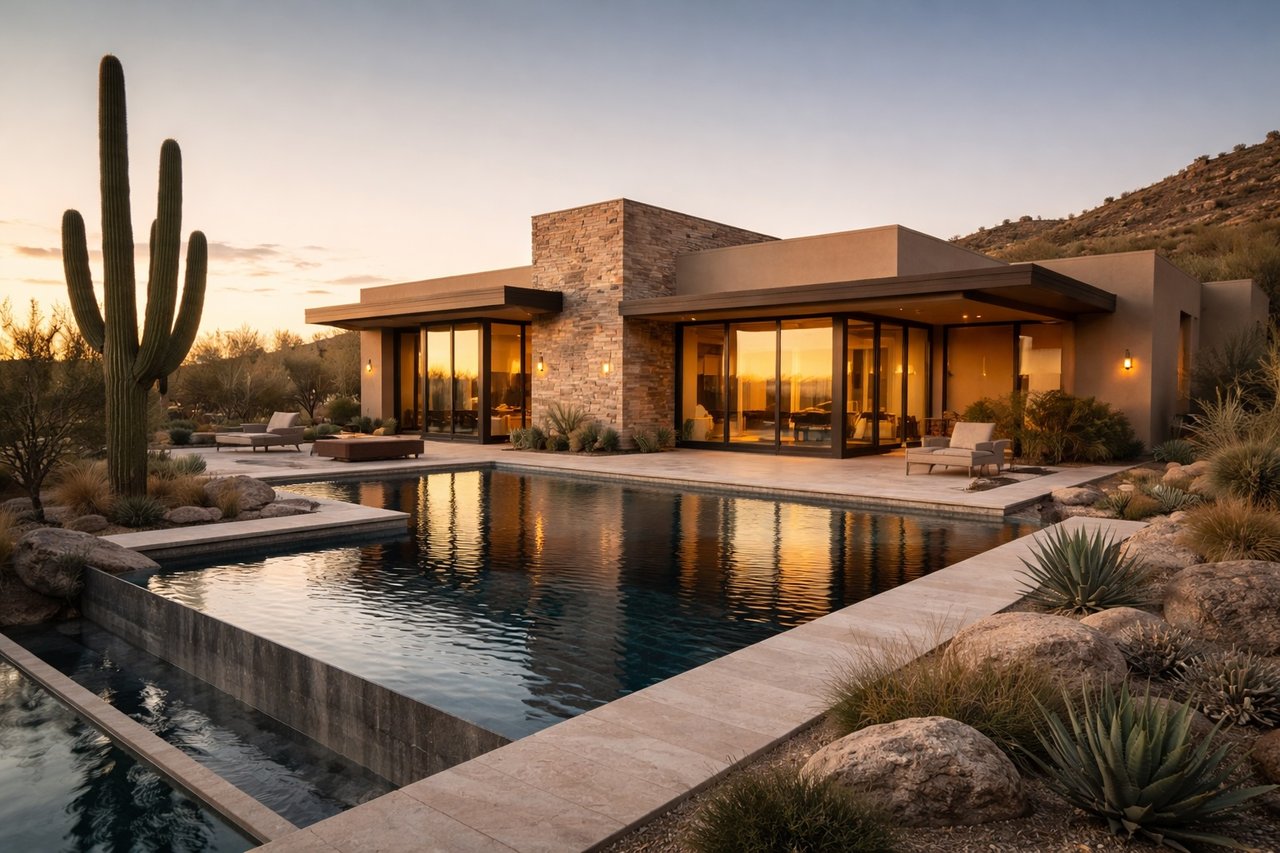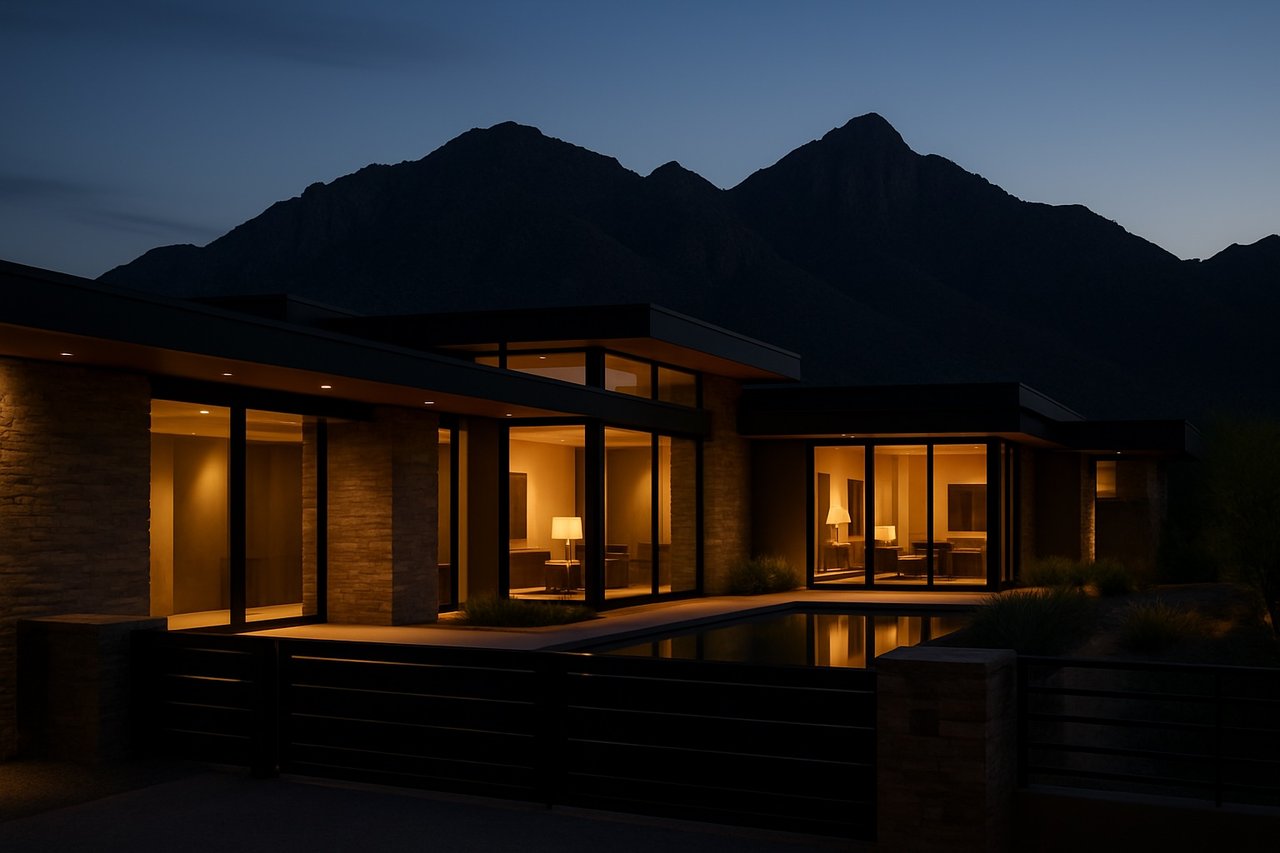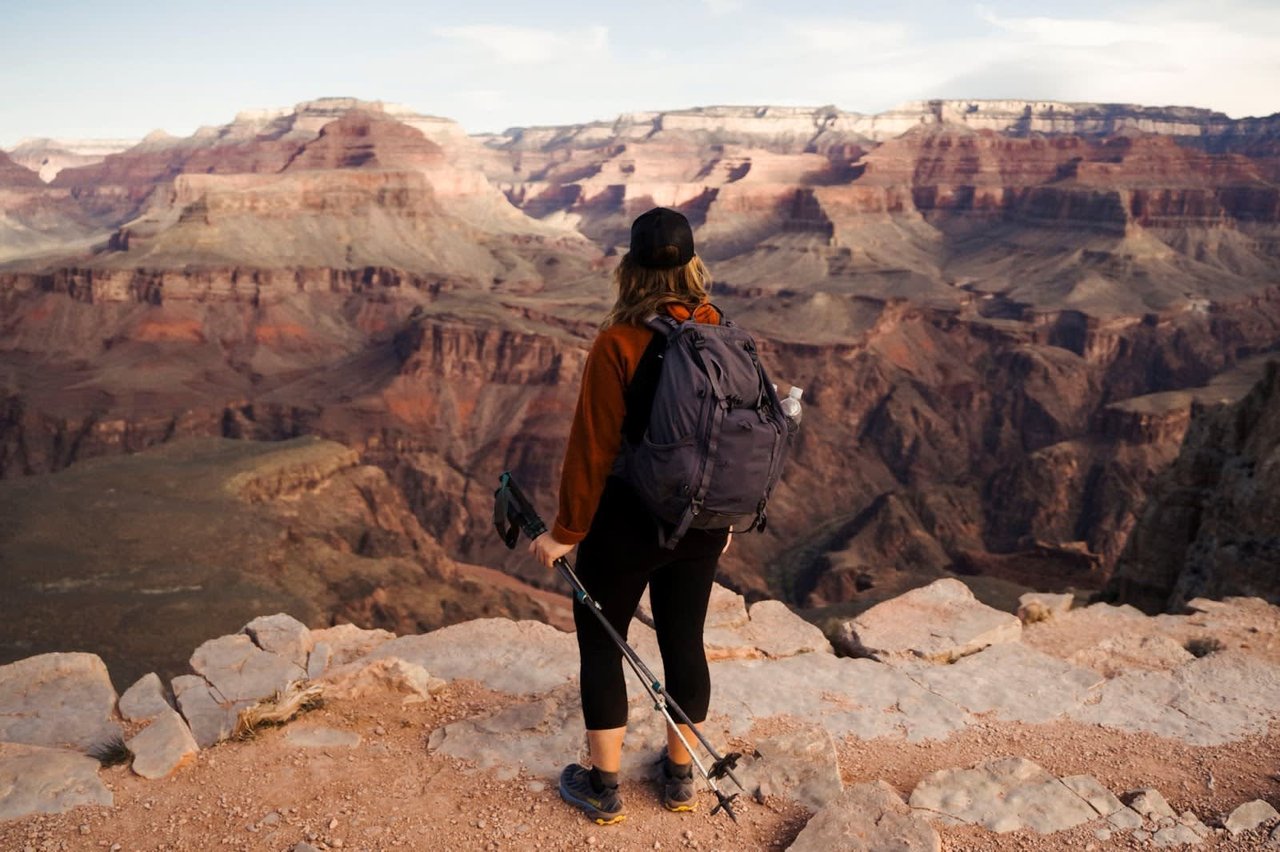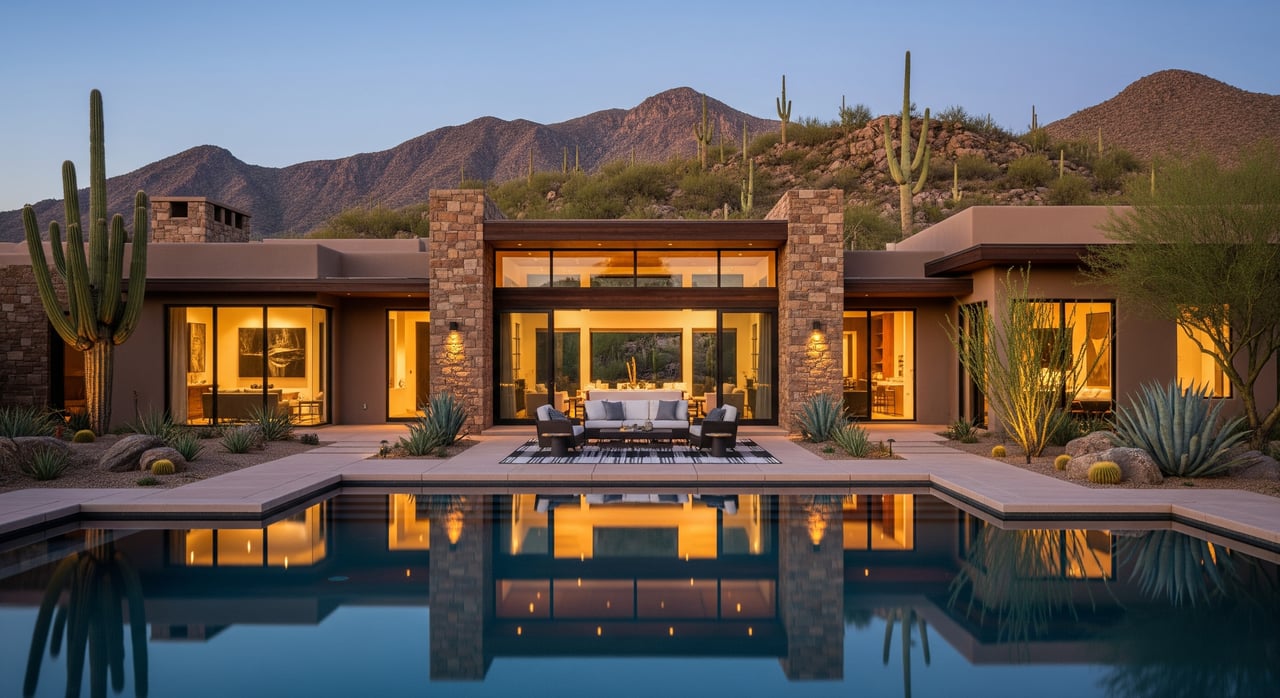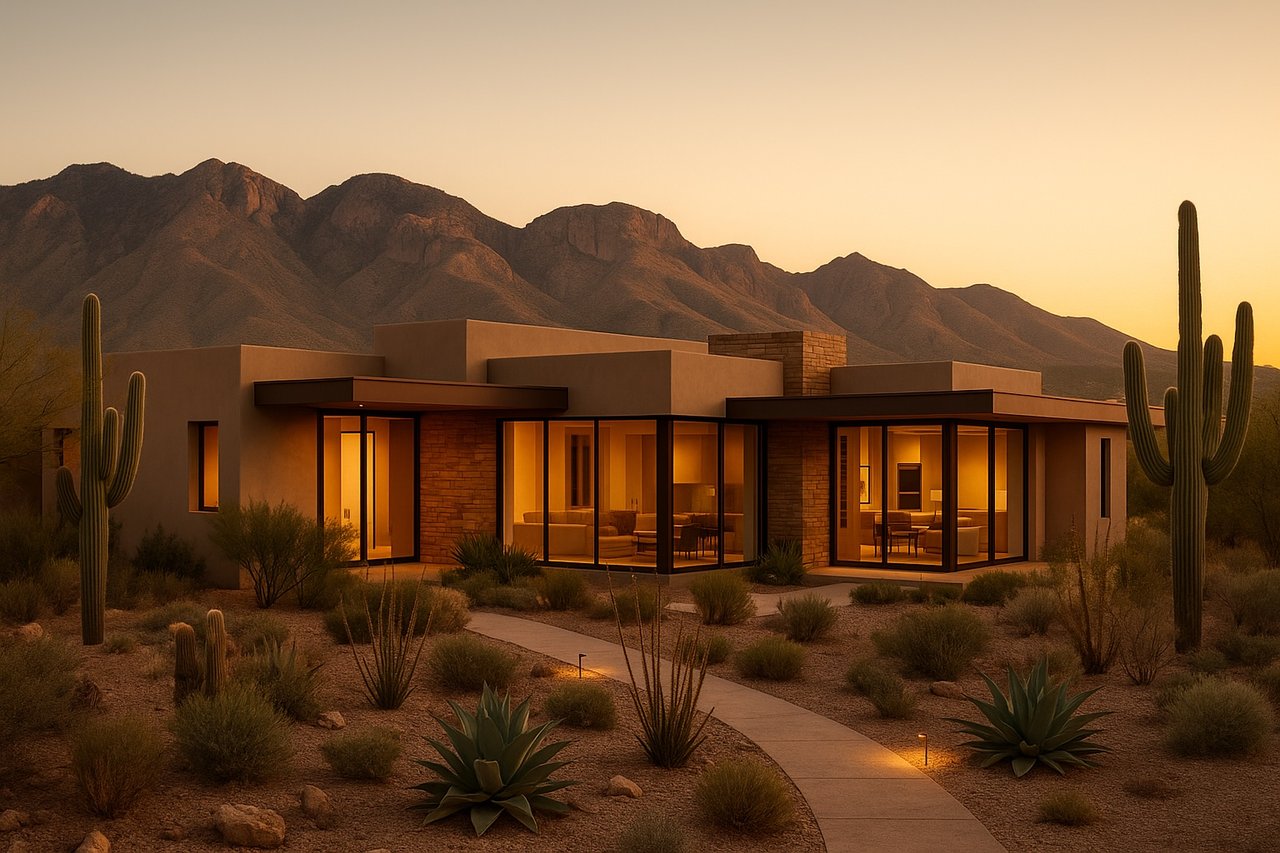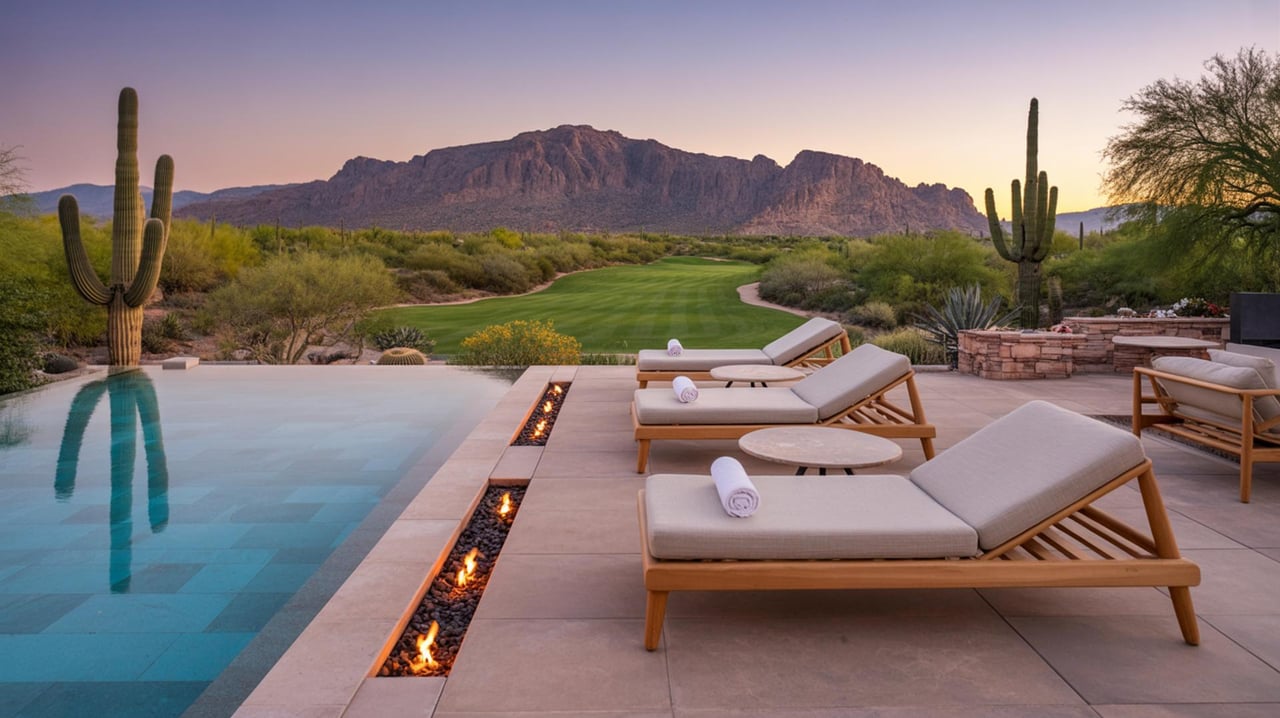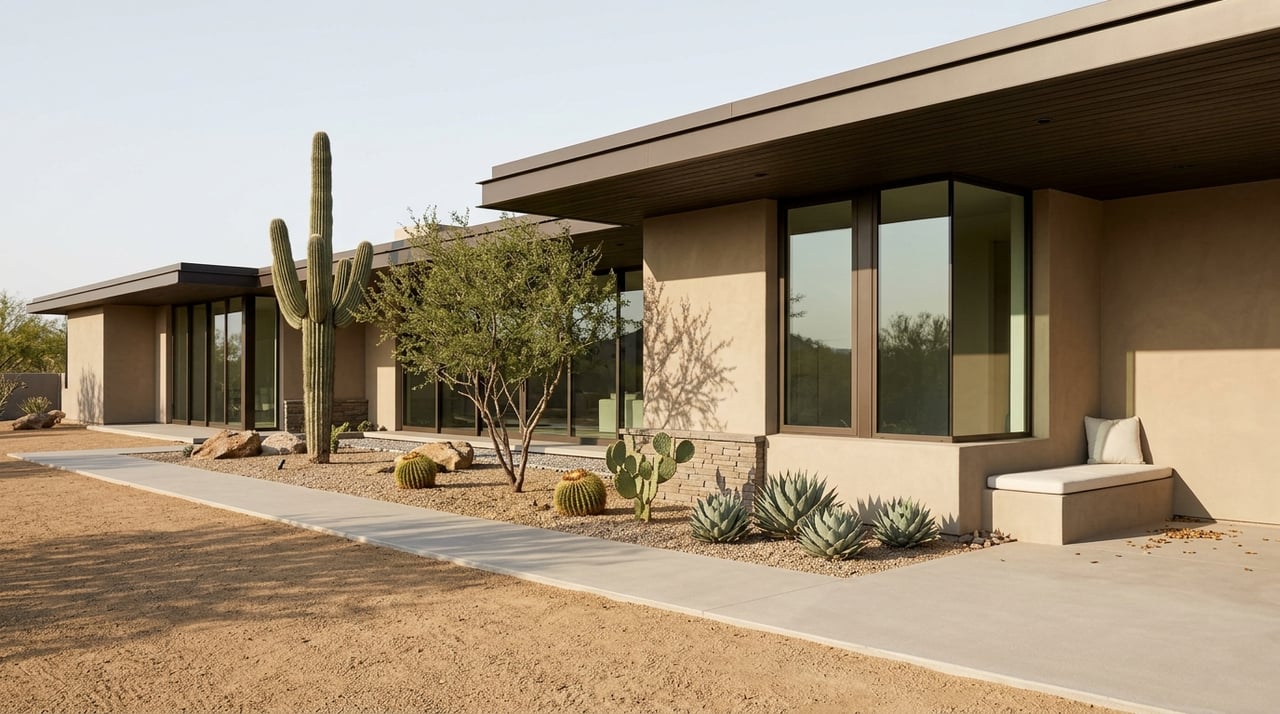
Wondering if a Catalina Foothills view home is worth the premium? It can be, but the best view on a listing sheet is not always the best view for daily living. If you are buying in the foothills, you need to look past the panorama and understand comfort, privacy, site constraints, and long-term value. Let’s dive in.
Why view homes stand out here
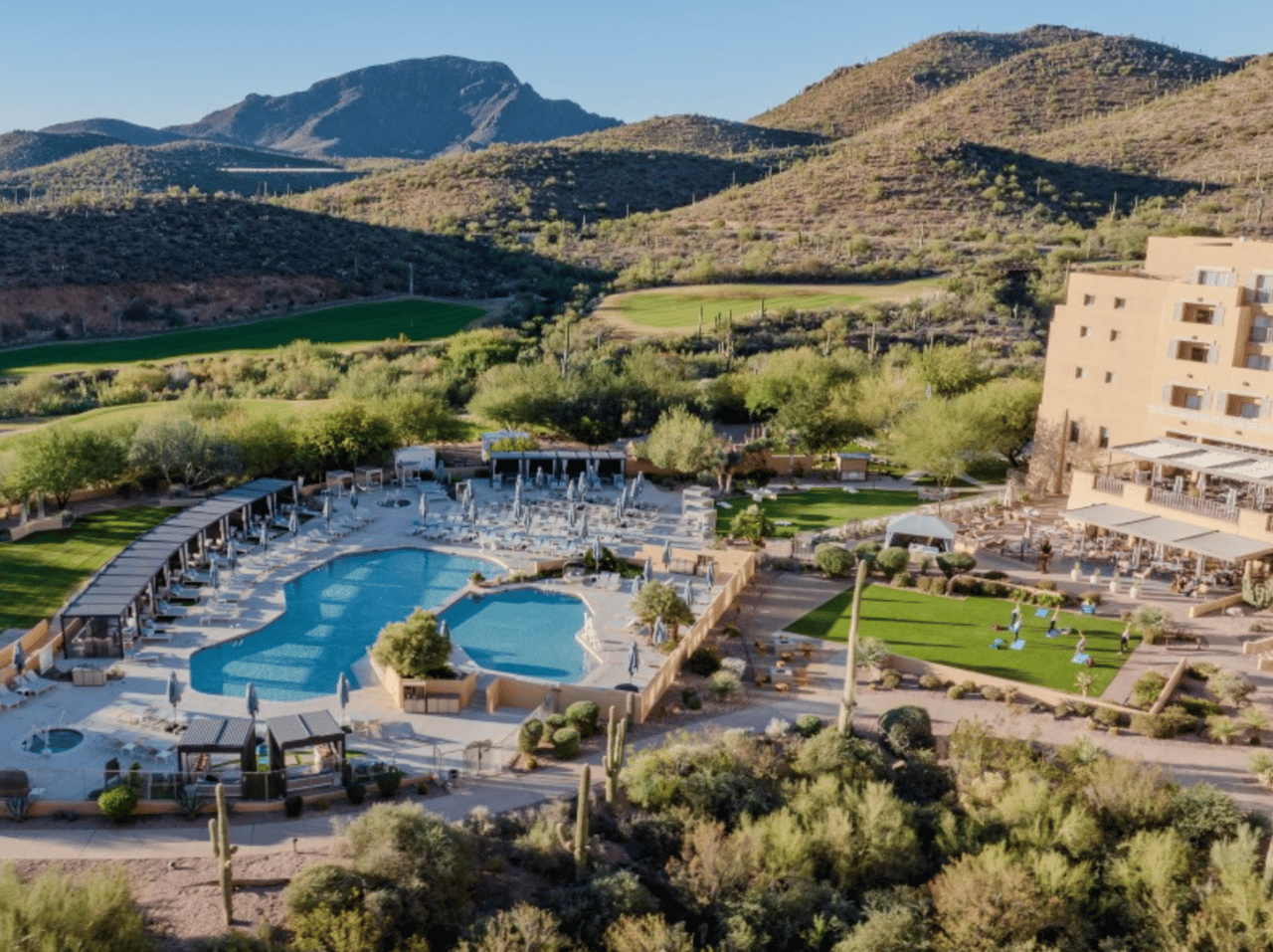
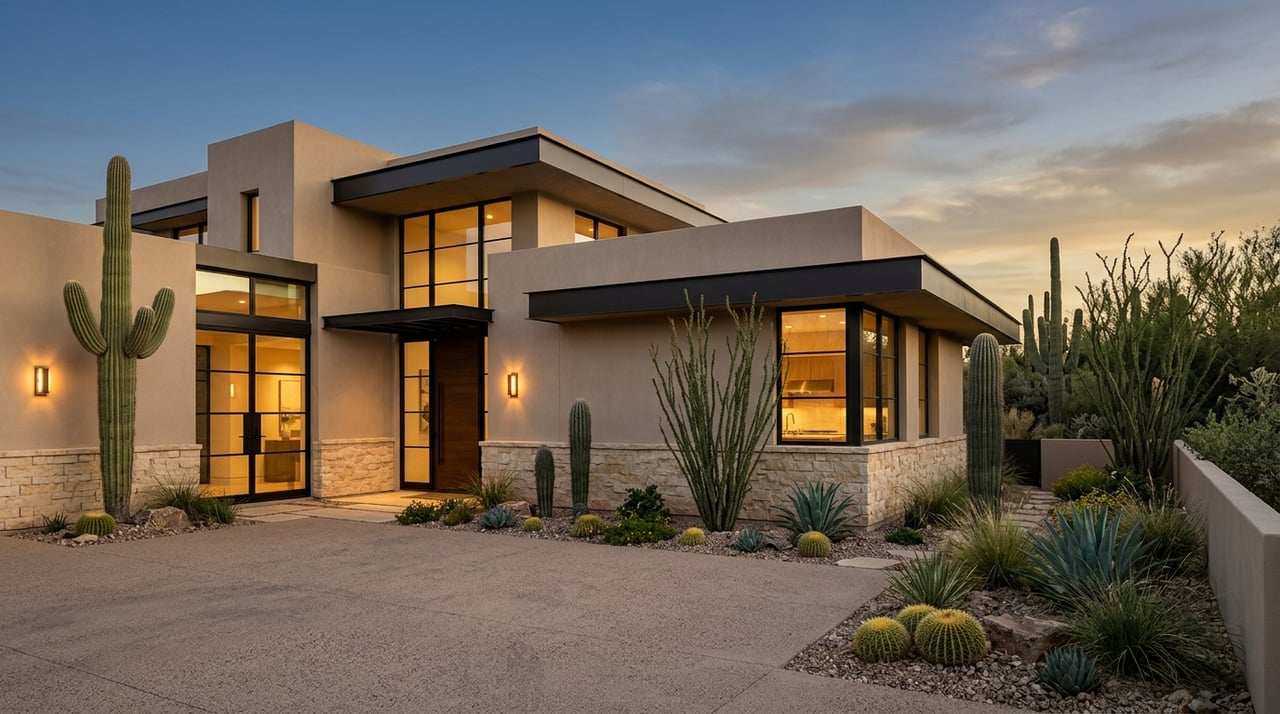
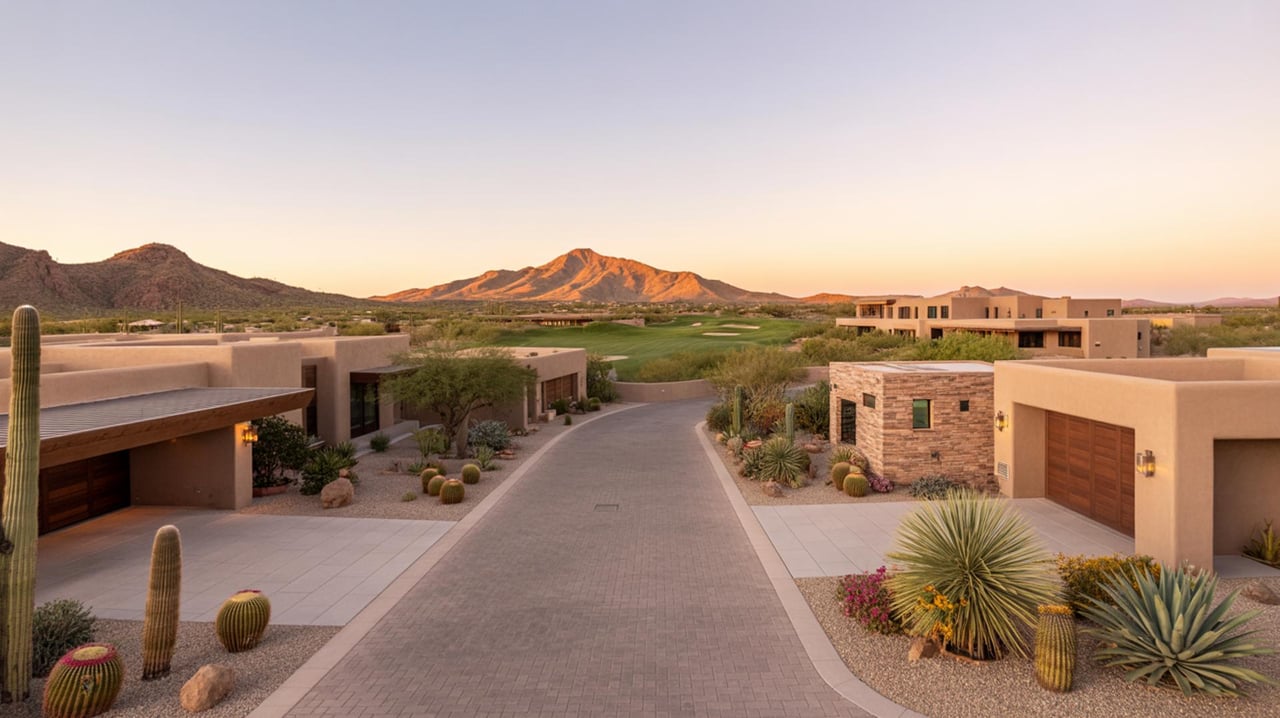
Catalina Foothills is an unincorporated community in Pima County just north of Tucson. Local planning materials describe the broader area as predominantly low- and very low-density residential, with specific attention to scenic resources and open-space protection. That helps explain why views are such a defining part of the market.
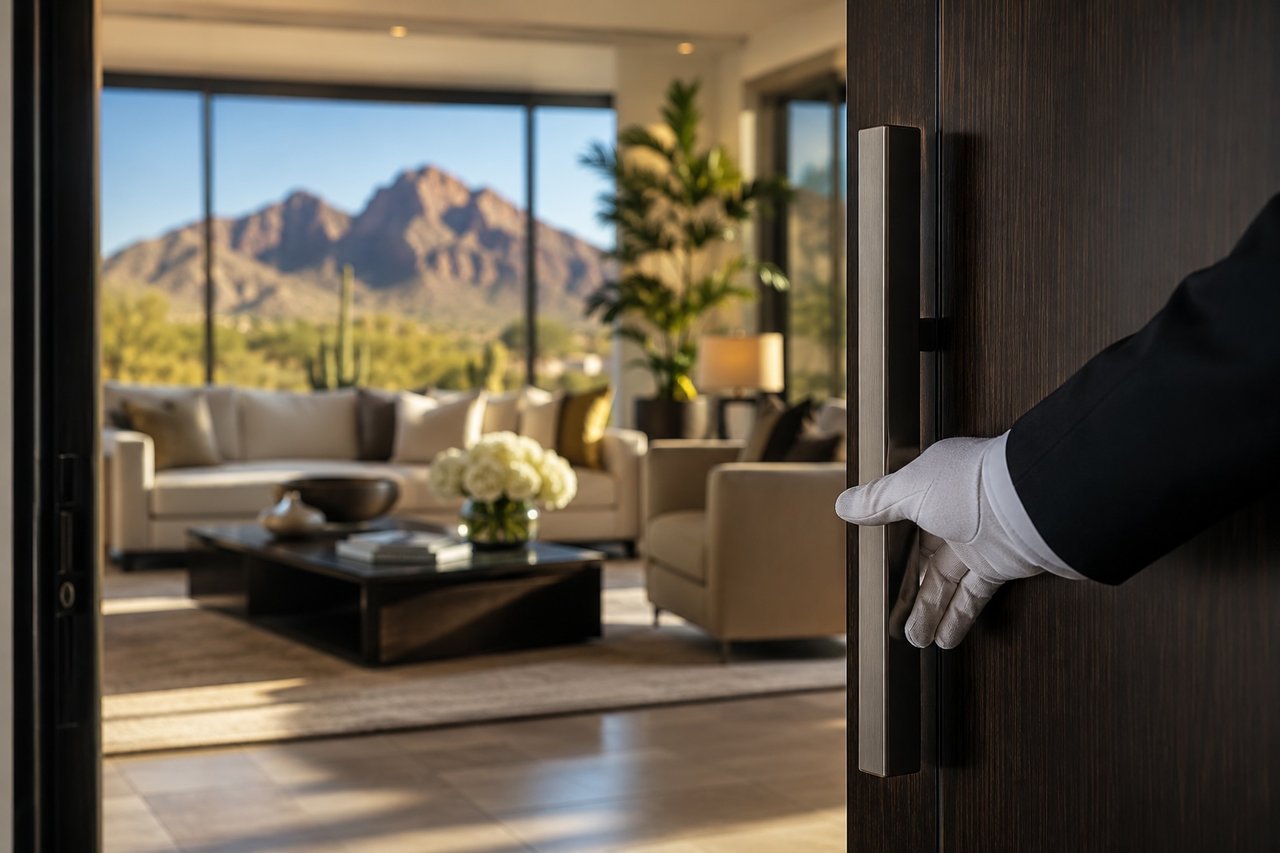
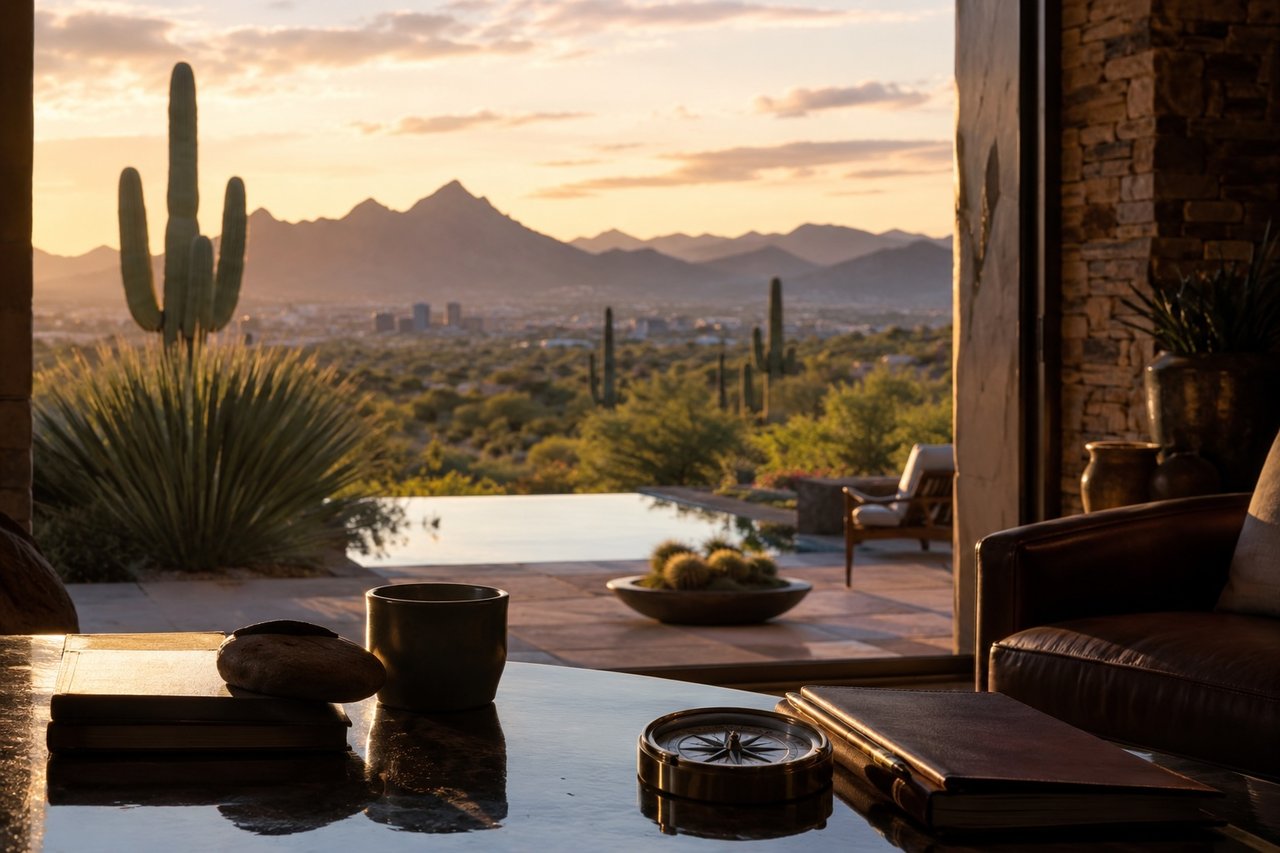
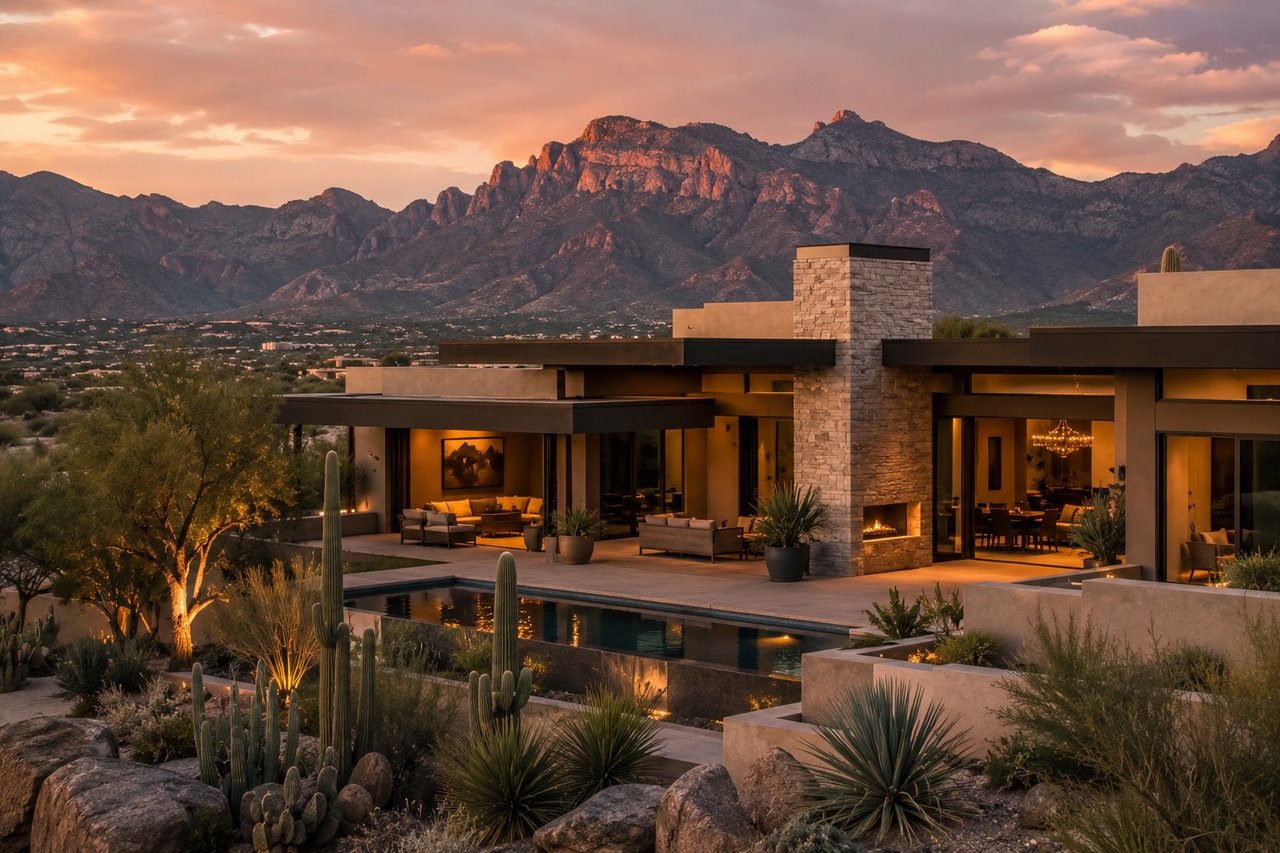
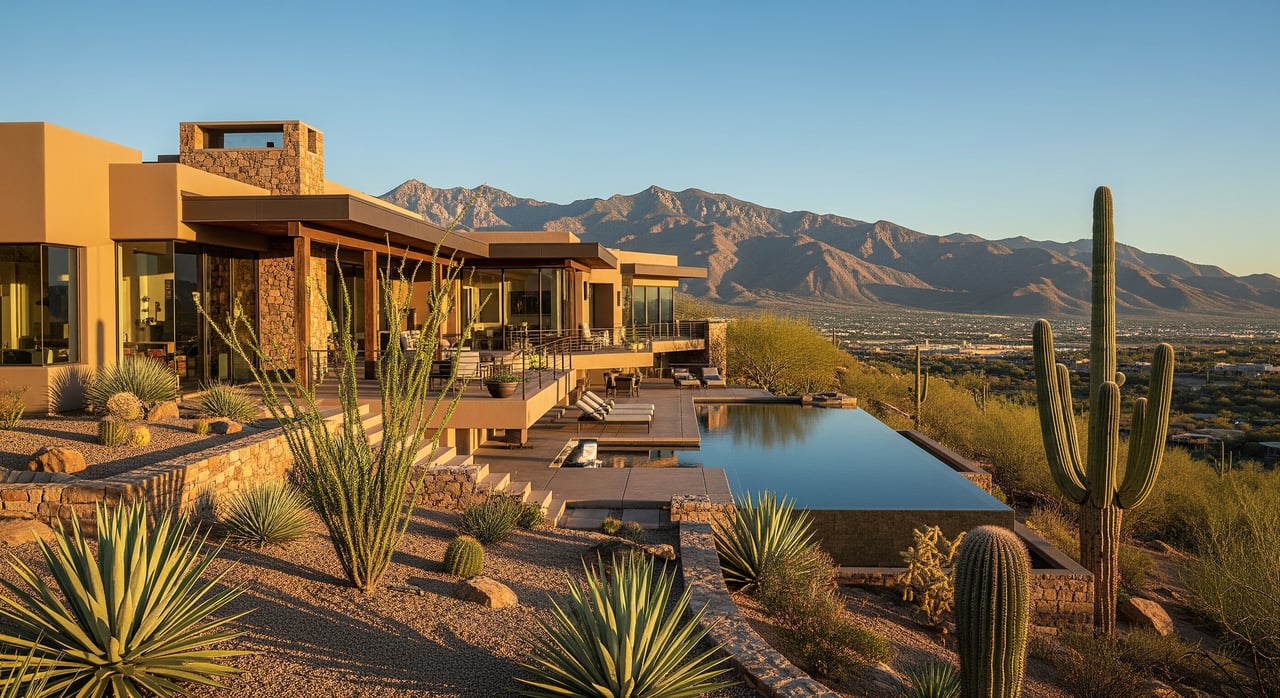
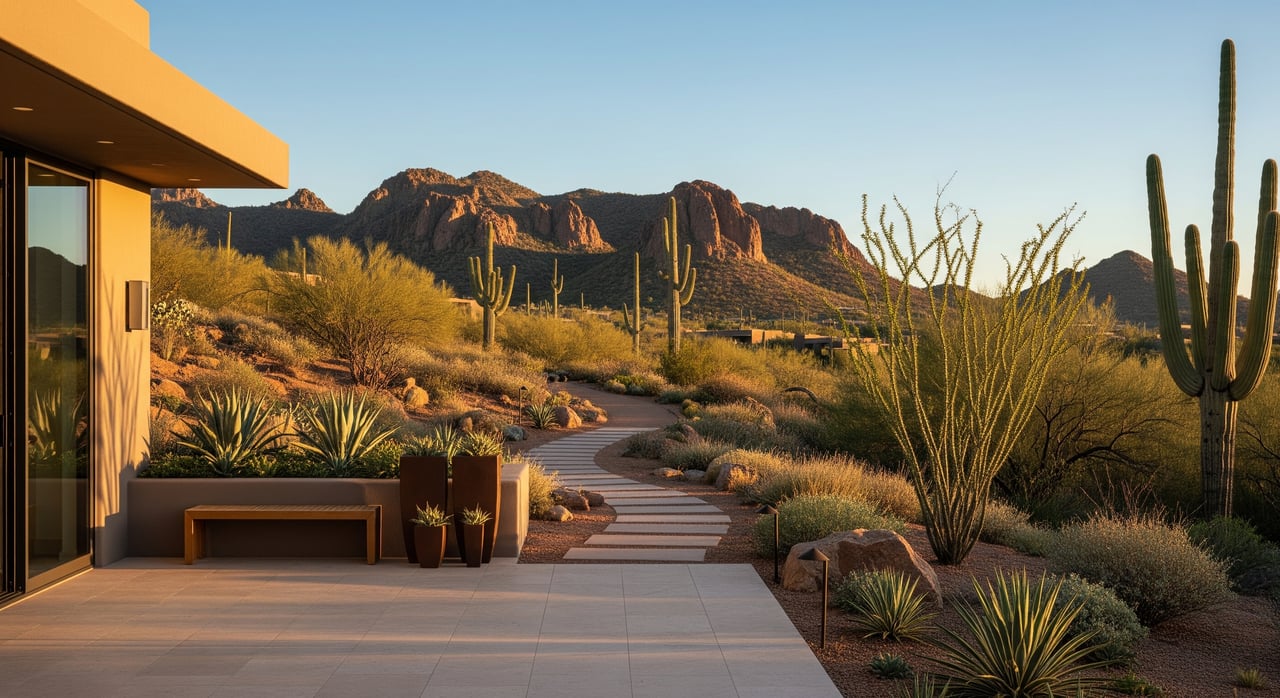
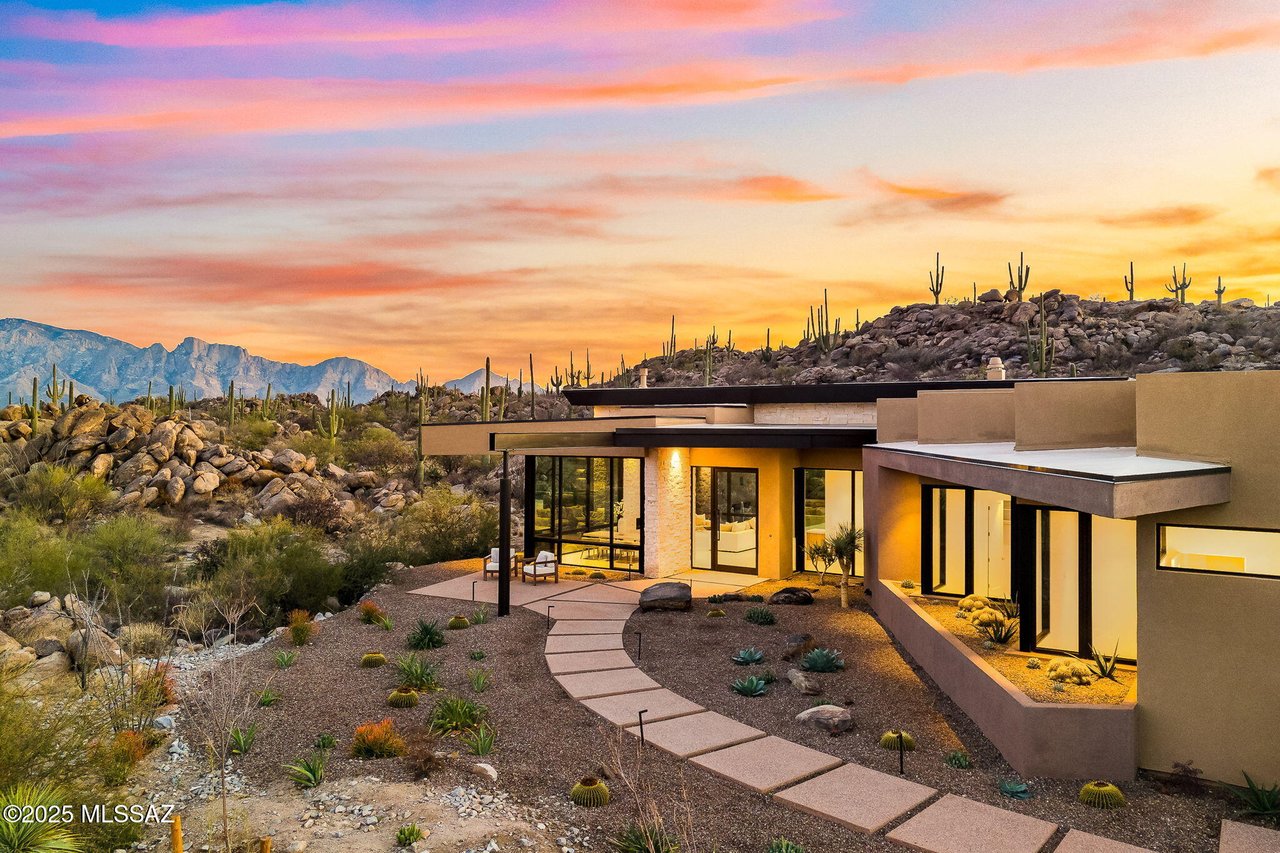
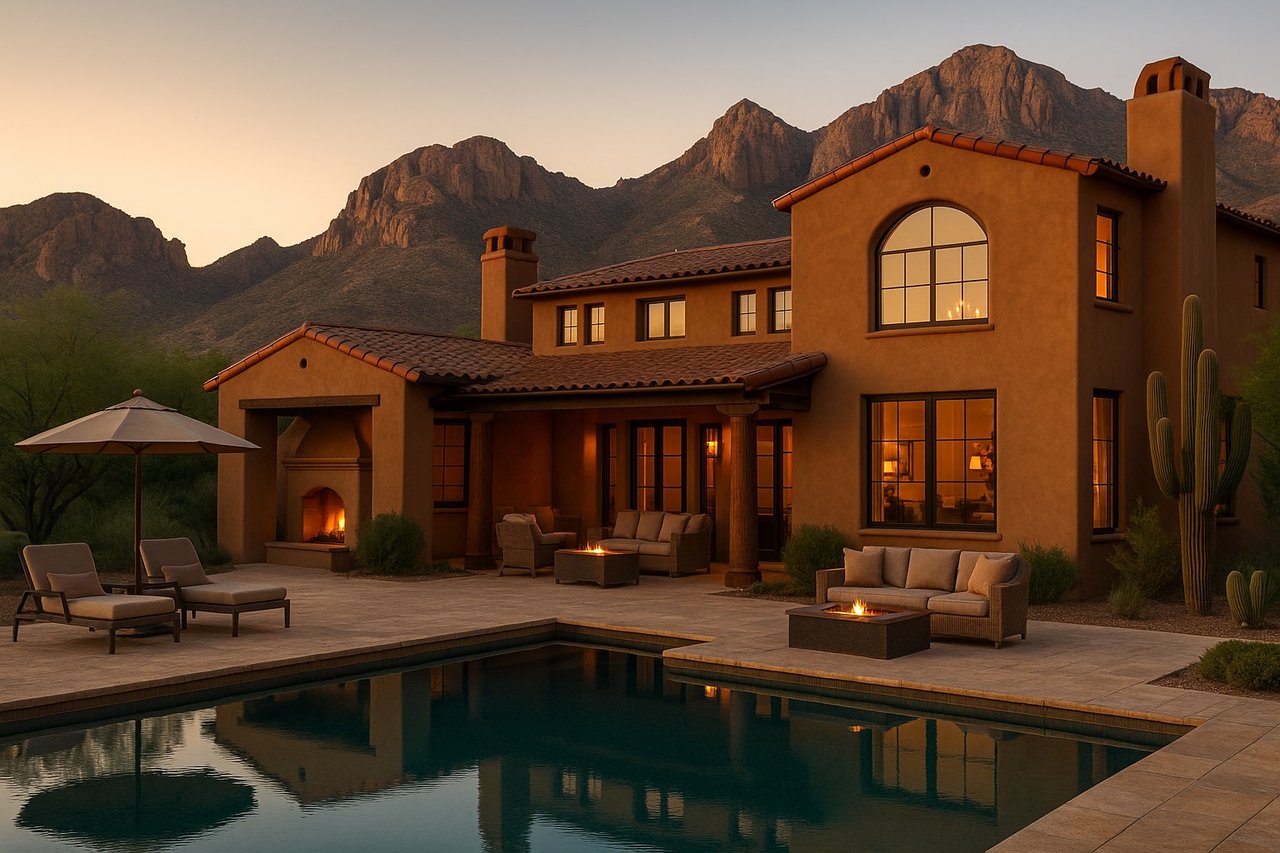
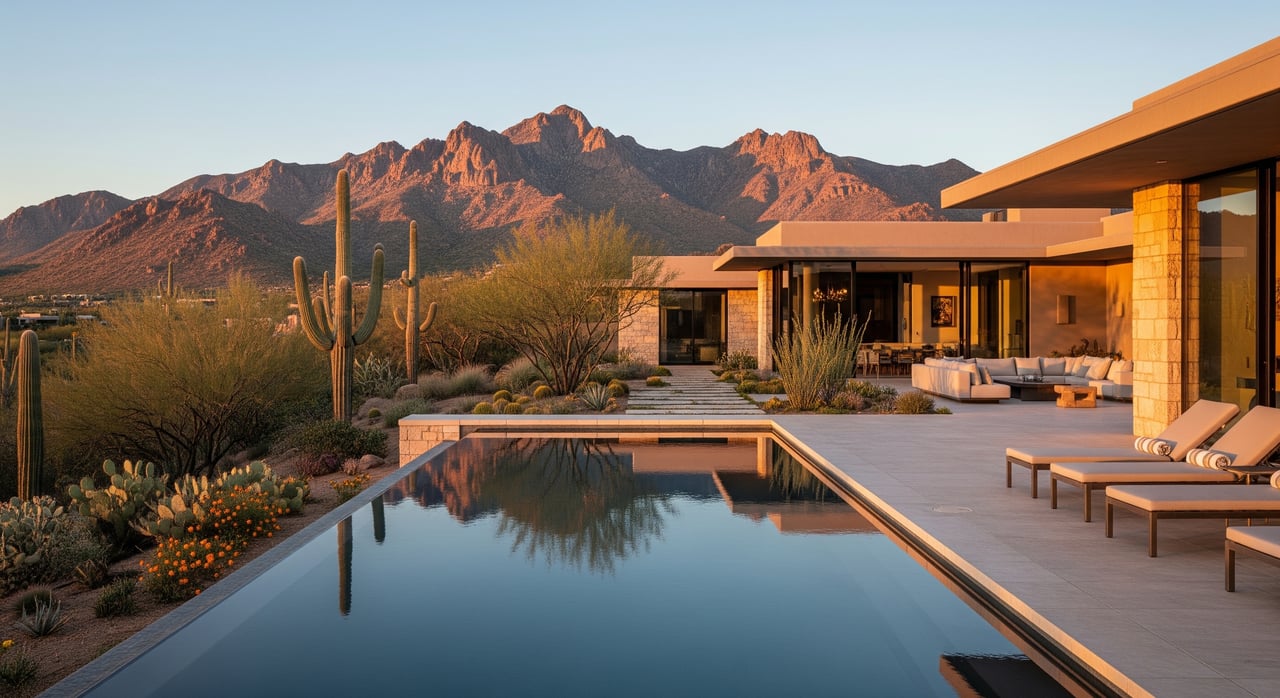
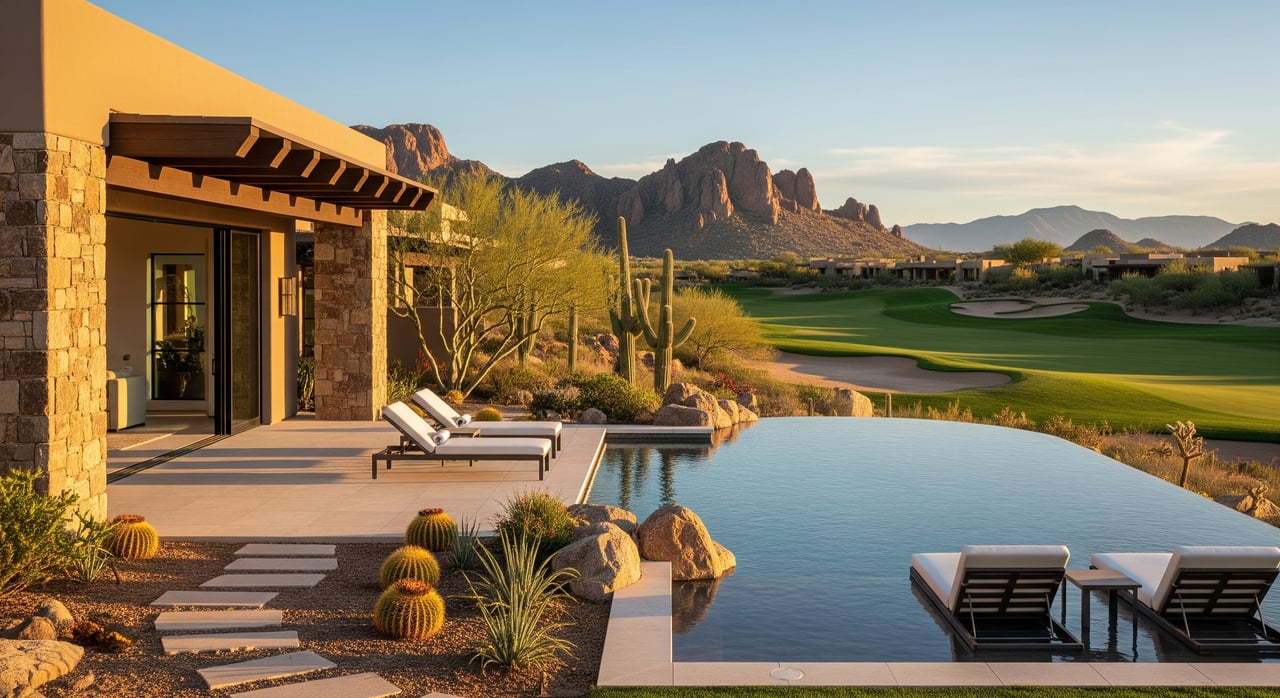
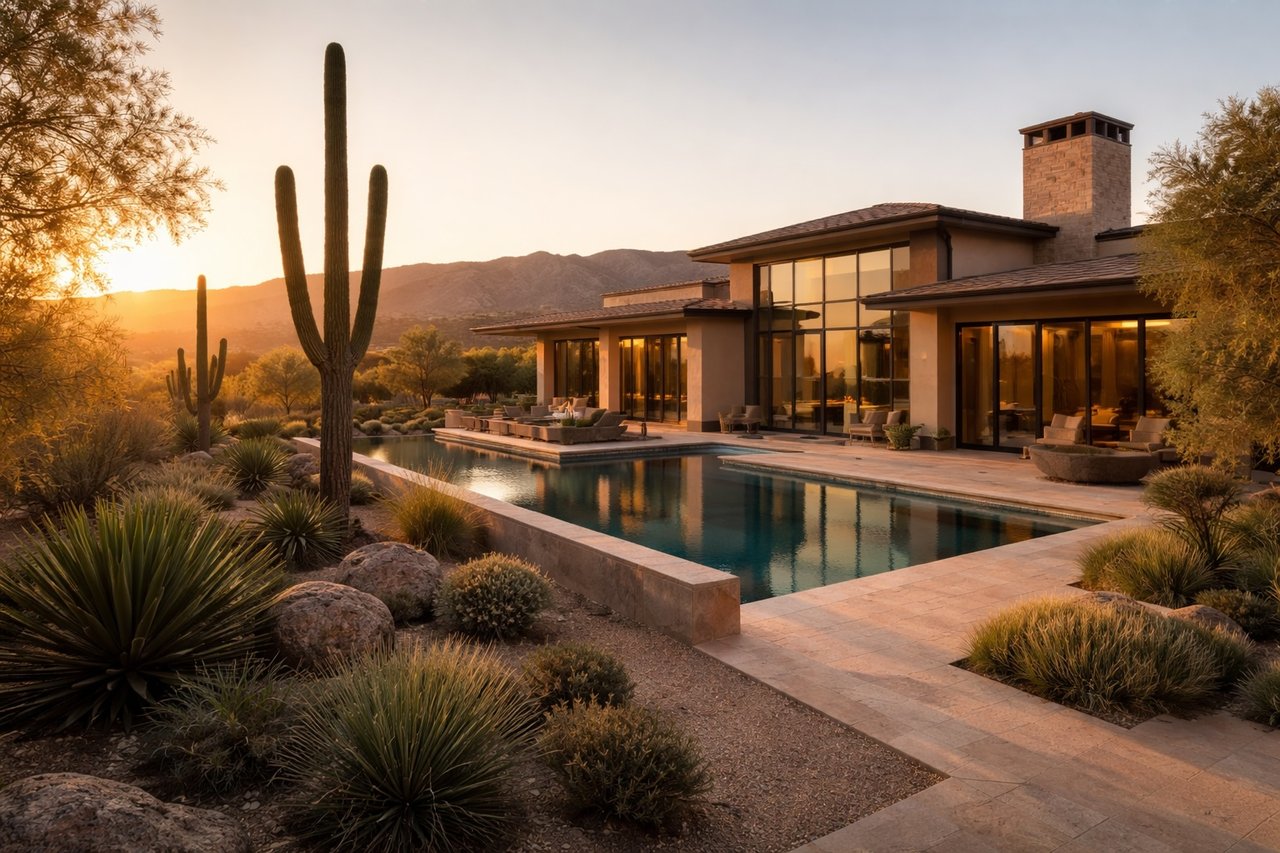
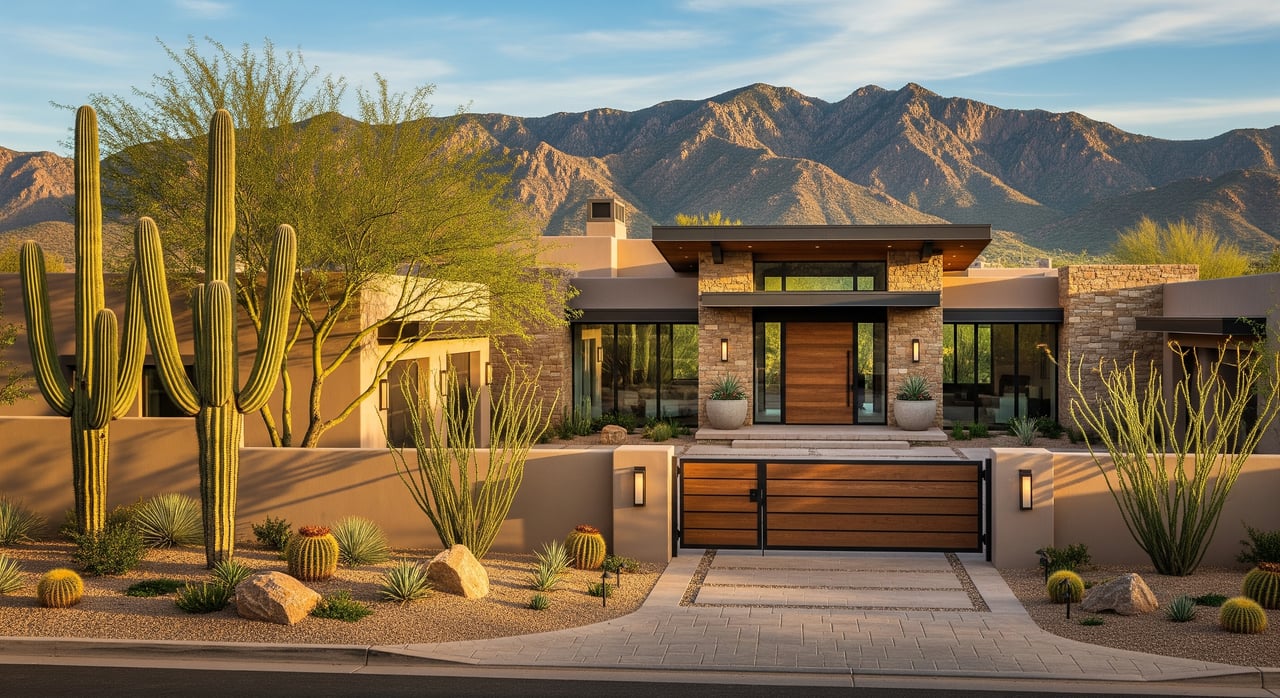
In practical terms, buyers here are often paying for more than square footage. Mountain views, city-light views, and open desert outlooks all shape how a home feels and how it is positioned in the market. In Catalina Foothills, the view is often part of the property’s identity.
County assessor data also shows this is one of Pima County’s higher-value residential districts. For 2024, the median value for residential single-family parcels was $585,044, and the median time-adjusted sale was $765,413. That matters because you should separate the foothills location premium from any additional amount tied to a specific view.
Define the view you are buying
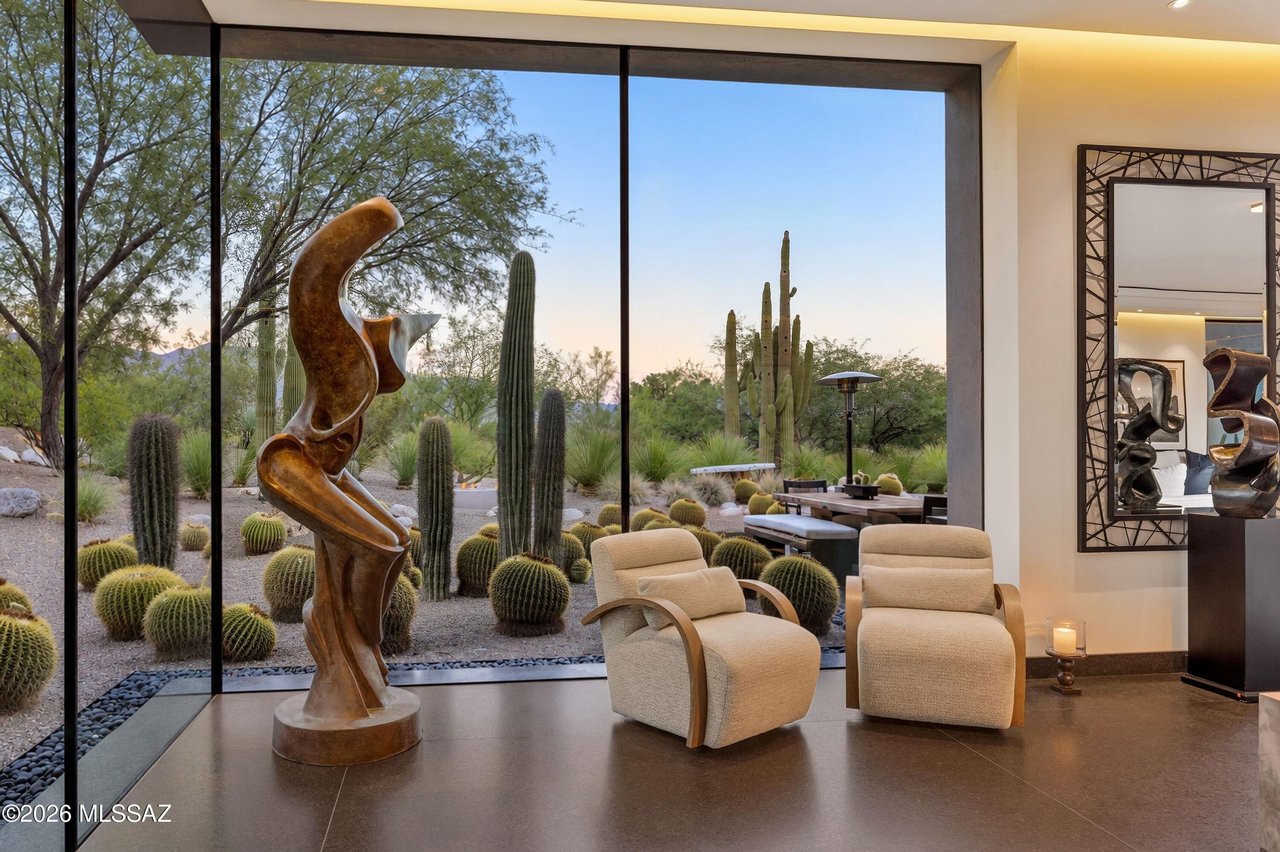
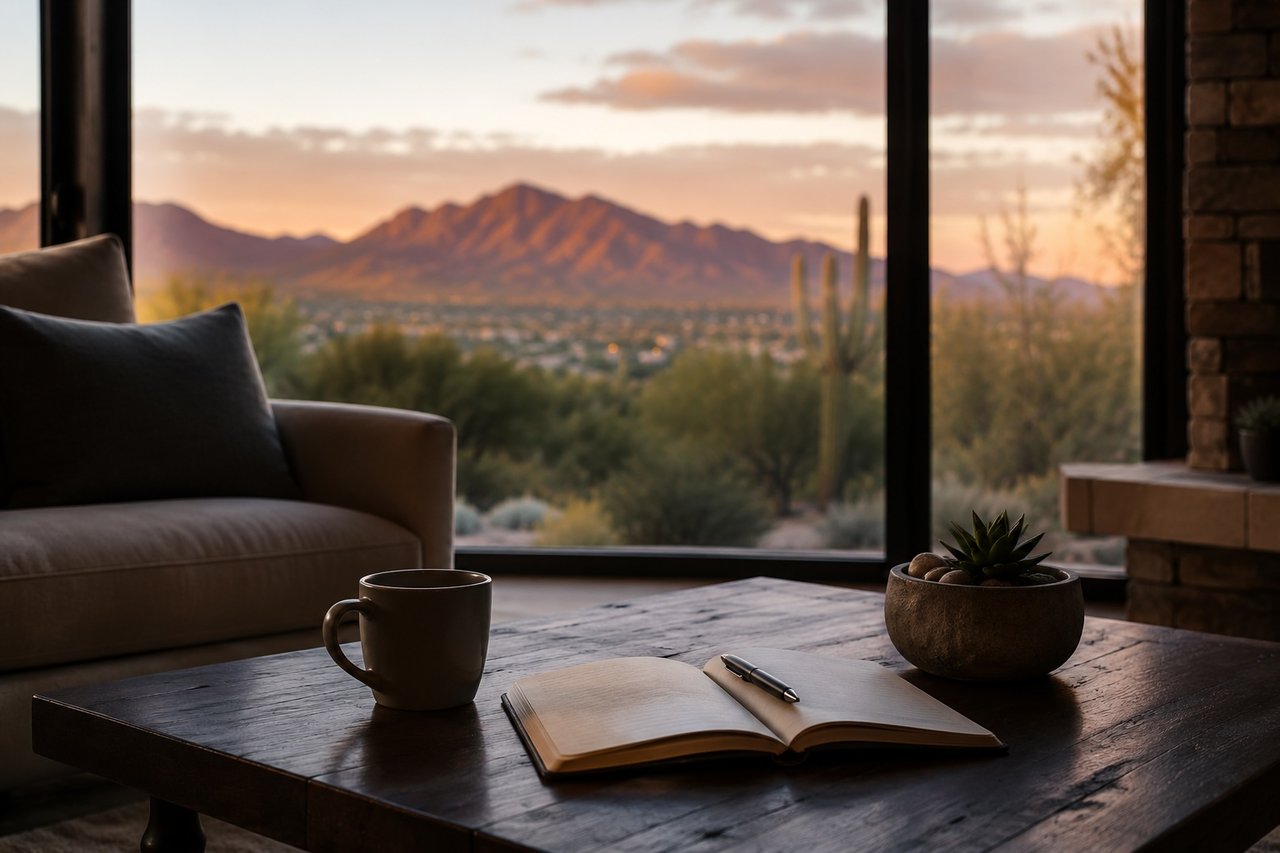
Not all views carry the same value or lifestyle benefit. A wide Catalina Mountain backdrop feels very different from a narrow city-light opening framed between neighboring homes. Before you focus on price, get clear about what the property is actually offering.
A useful starting point is to ask whether the home has:
- Mountain views
- City-light views
- Open-space views
- A partial or framed view corridor
That distinction matters because pricing literature does not support one fixed view premium. A 2019 review found many street-level view studies reported premiums roughly in the 4.9% to 9.29% range, while some mountain-view studies showed mixed or even negative results. The takeaway is simple: the premium is local, property-specific, and tied to the quality and durability of the exact view.
Stronger views usually command more
Appraisal literature also points to a hierarchy effect. Clear, unobstructed, more desirable views tend to outperform partial or compromised ones. In the foothills, that means a broad, protected view corridor may justify a premium more than a home where the view is limited to one angle or one room.
Still, broader research also suggests that what buyers and real estate professionals perceive as a great view does not always match how view quality is measured. That is why an in-person evaluation matters so much in Catalina Foothills.
Check orientation before you fall in love
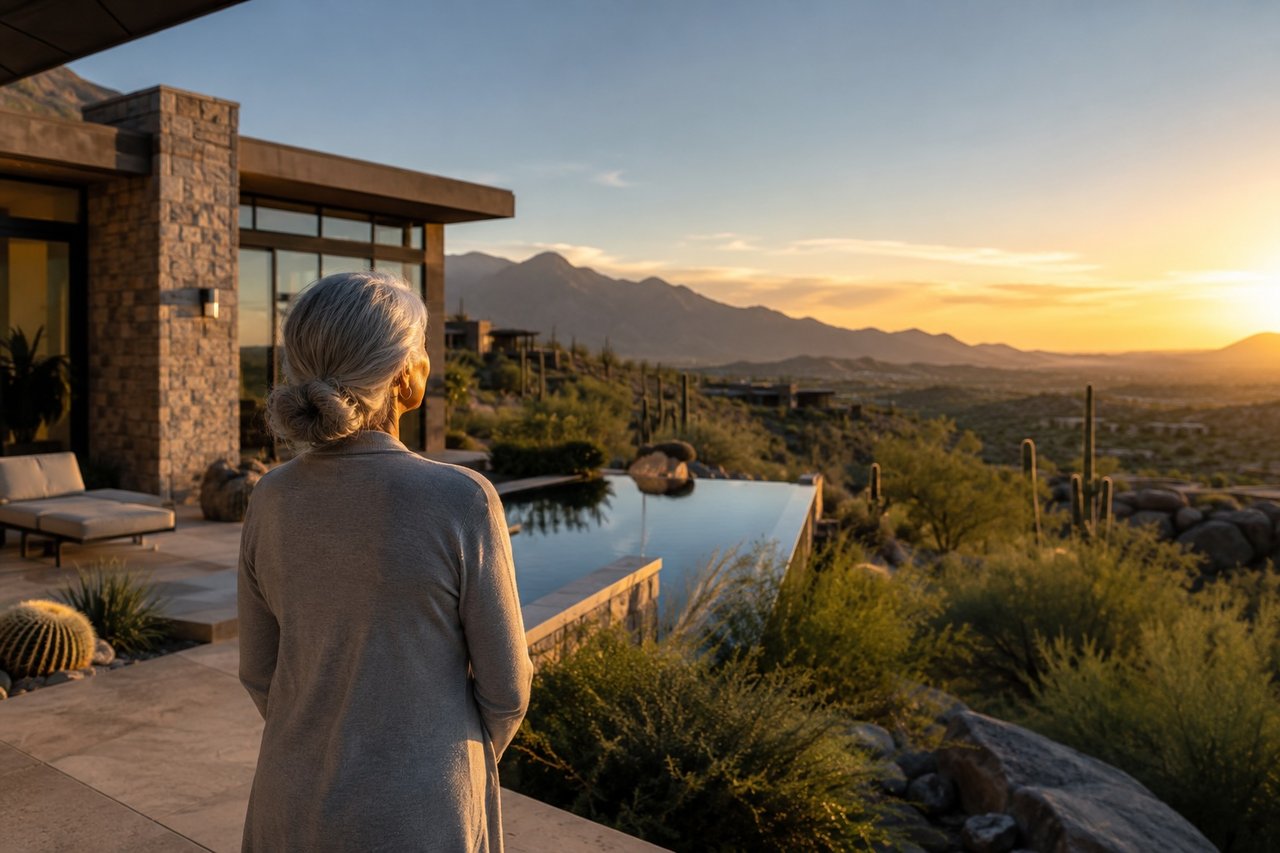
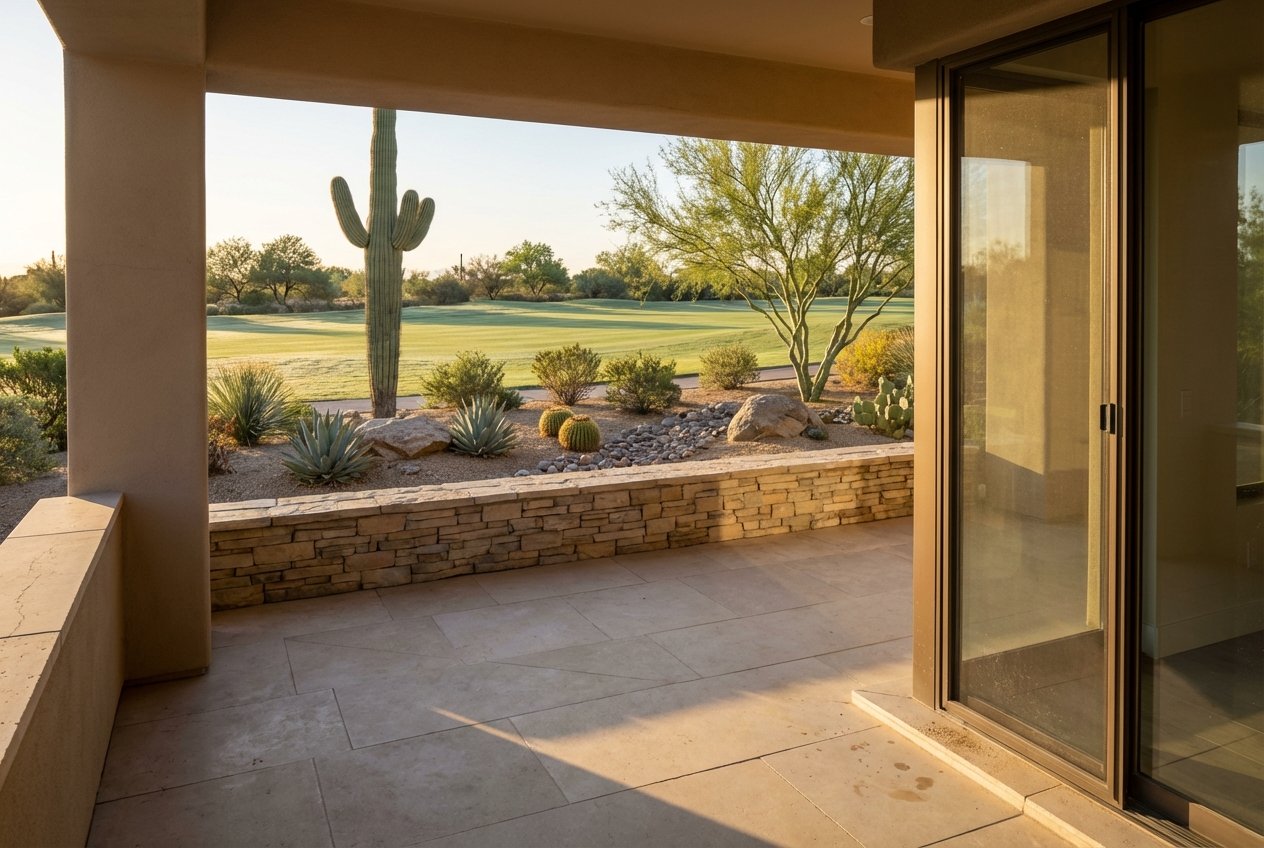
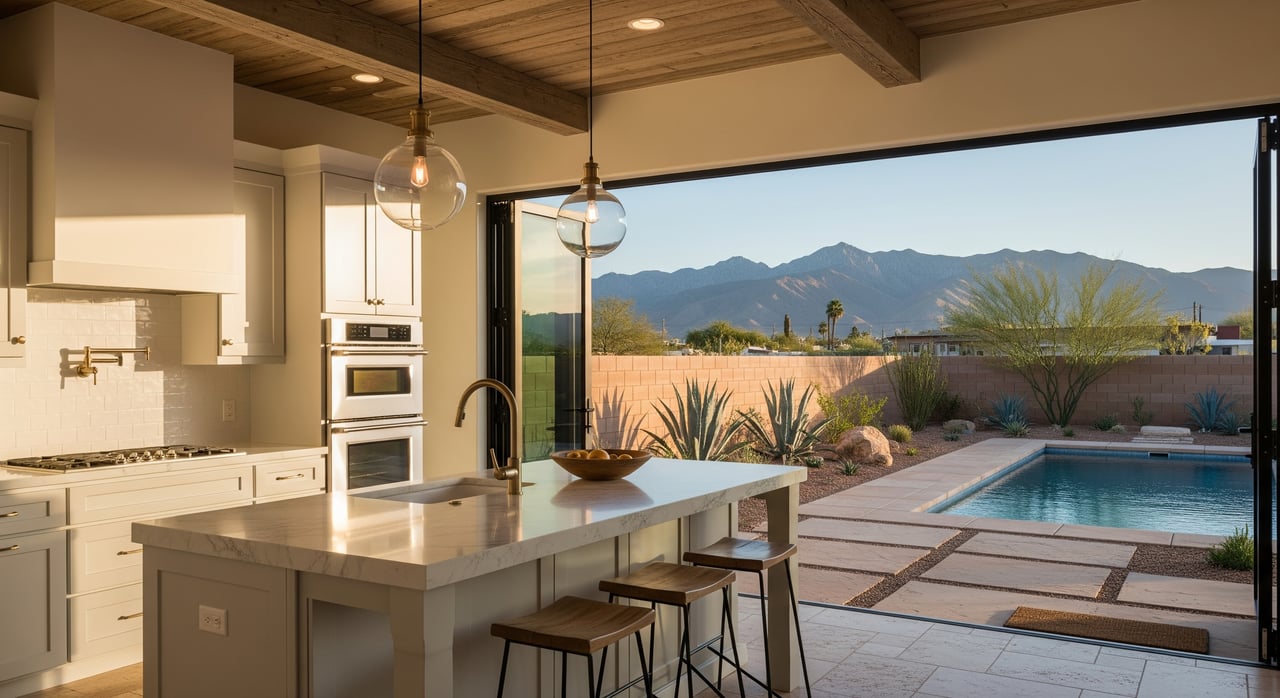
A dramatic sunset view can be beautiful, but it may also come with real afternoon heat and glare. Tucson’s climate normals show the city averages 68 days at 100 degrees or above, with normal daily highs around 101 in June and 100 in July. In that kind of climate, orientation matters.
Guidance from the U.S. Department of Energy notes that east- and west-facing windows can create glare and summer heat gain, while north-facing windows generally provide more even daylight with less unwanted summer heat. For a view home, that means the most impressive wall of glass may not be the most comfortable one.
Ask how the home lives in late afternoon
When you tour a foothills property, pay attention to where the sun lands later in the day. That is especially important for:
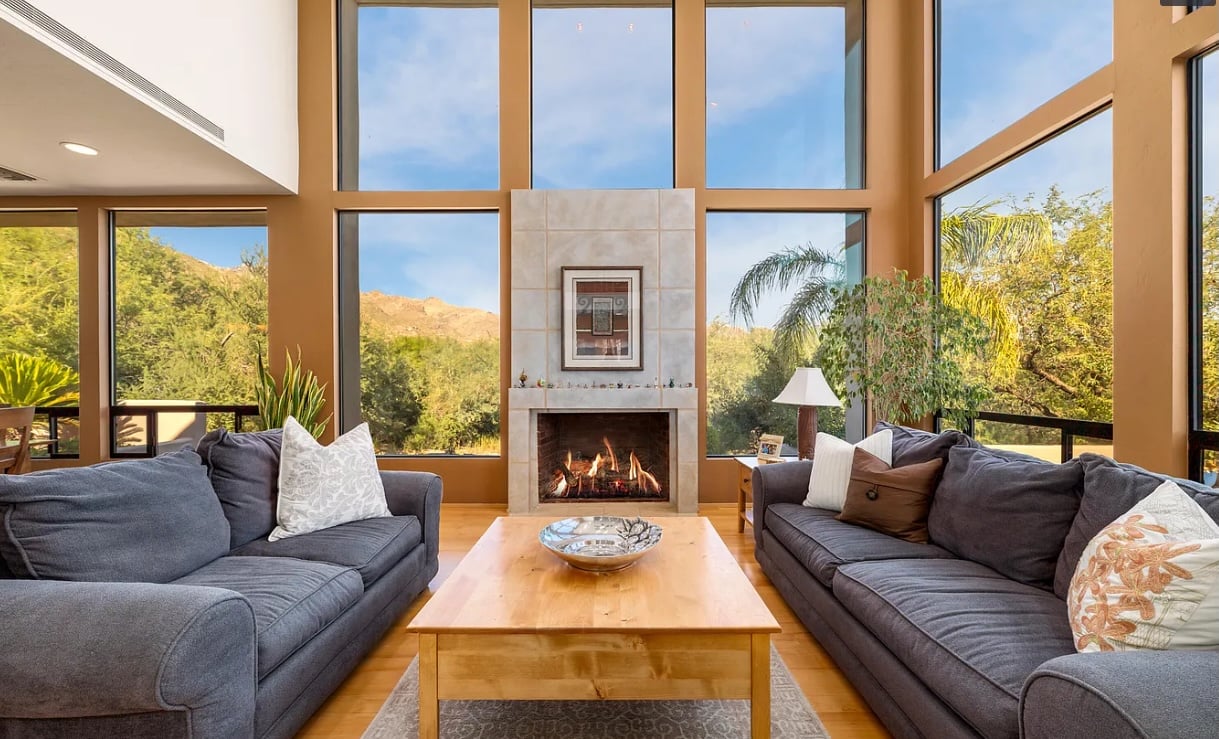
- Great-room windows
- Primary bedroom windows
- Covered and uncovered patios
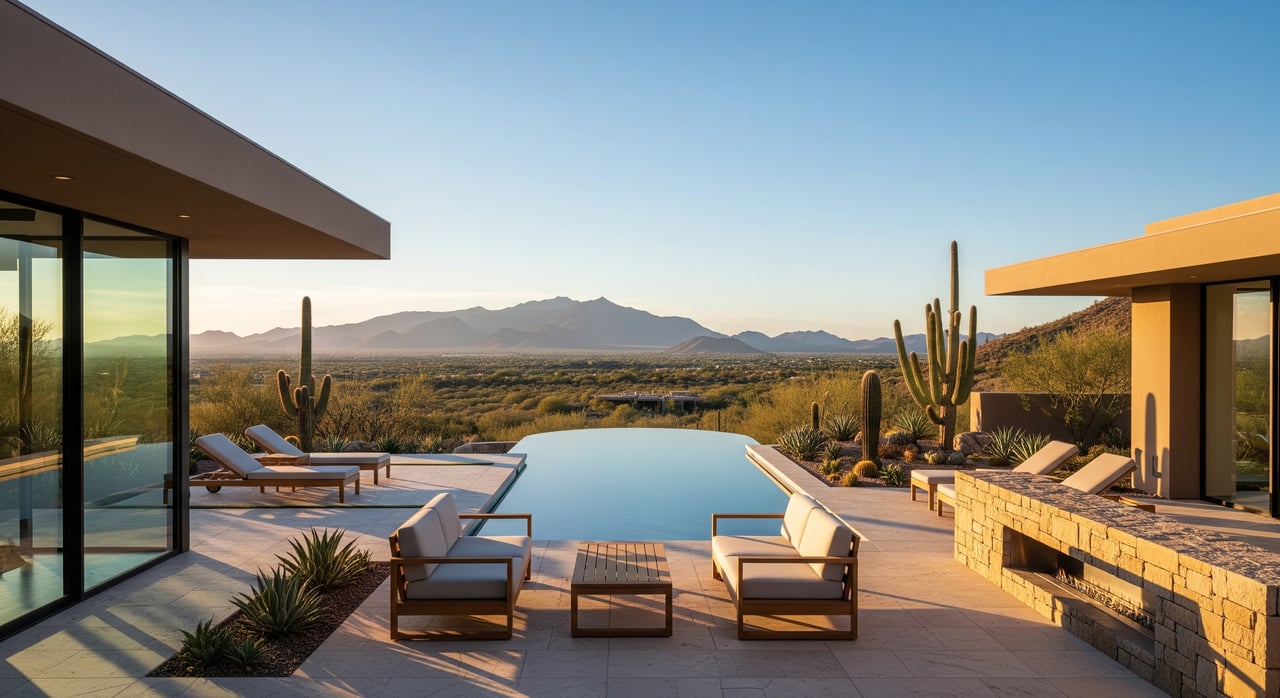
- Pool and outdoor seating areas
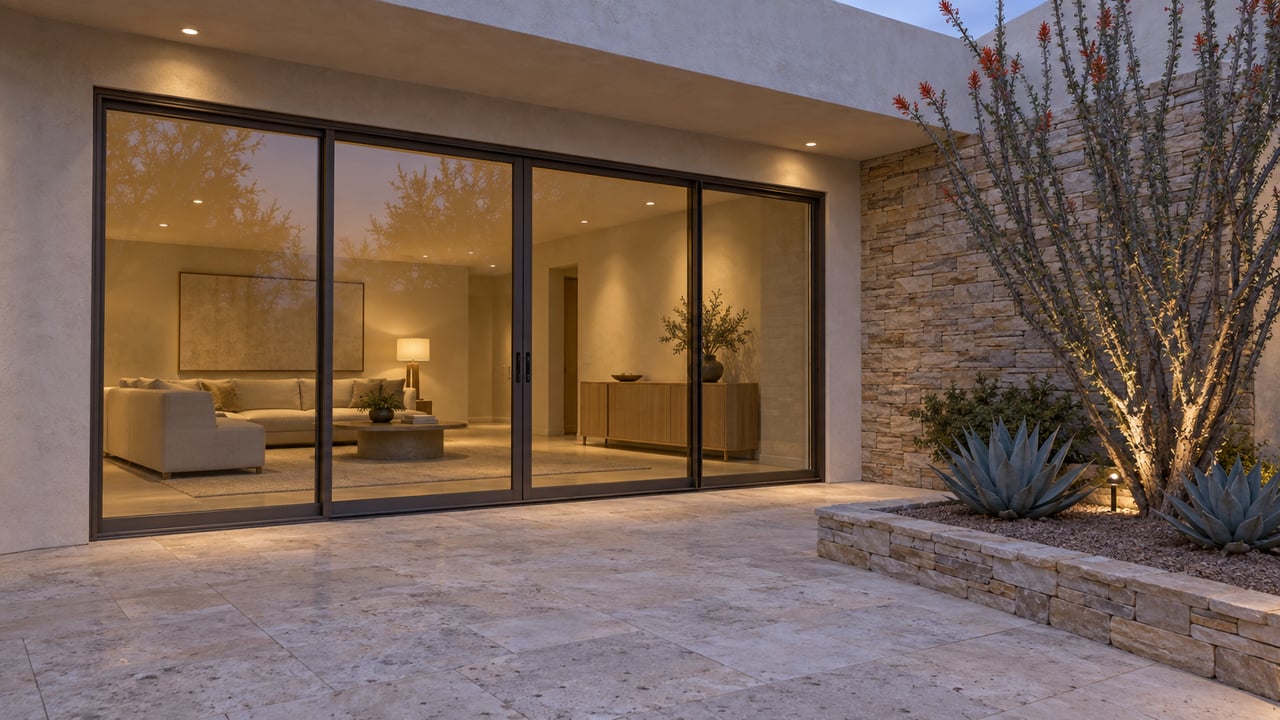
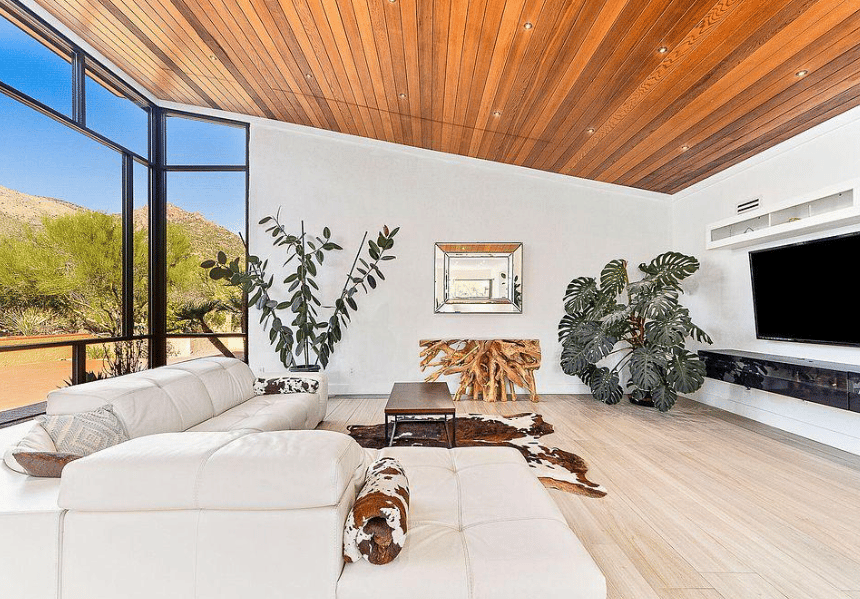
If the main view comes through large west- or southwest-facing glass, ask what has been done to manage heat and glare. Features like exterior shading, low-e glass, and reflective films can make a meaningful difference in comfort.
A usable view is more valuable
This is one of the easiest mistakes to make when buying a view property. A home can have a premium outlook on paper, but if the patio is too hot in the afternoon or the main living area gets harsh glare, you may not use that view as much as you expected.
In other words, a strong view is worth more when you can actually enjoy it. In Catalina Foothills, comfort and scenery should be evaluated together.
Understand elevation and lot complexity
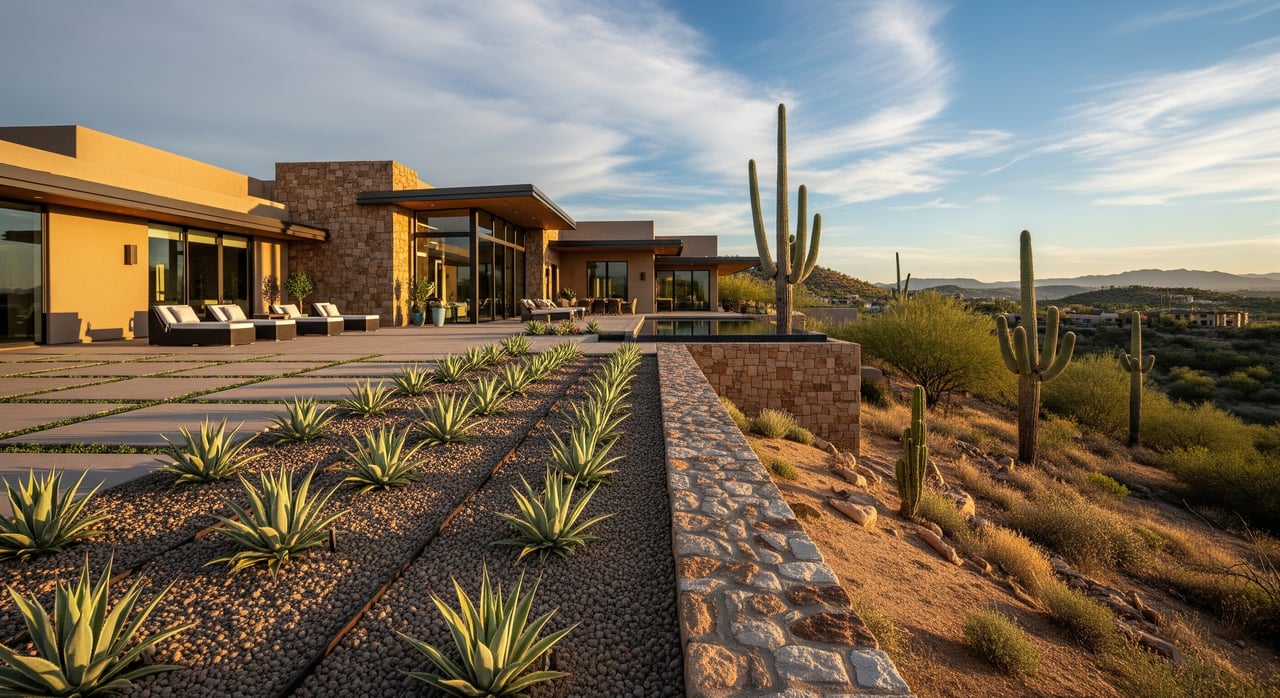
Higher lots often offer wider sightlines, but they can also bring added complexity. The Santa Catalina Mountains rise from the foothills to over 9,000 feet, and in unincorporated Pima County, the hillside overlay applies to parcels with slopes of 15% or greater. That can affect what it takes to build, remodel, or access the home.
County hillside submittals can require topography, finished floor elevations, driveway location, cross sections, and grading plans. So while elevation can improve the view, it can also create more design constraints and more site work.
What to look for on sloped lots
If you are considering a home on a hillside parcel, pay close attention to:
- Driveway steepness and ease of access
- Grading and visible slope treatment
- Outdoor usability on the lot
- Future remodeling limits tied to the site
A higher lot is not automatically better. Sometimes a slightly lower site with easier access and better outdoor function can offer a better day-to-day experience than a steeper parcel with a broader panorama.
Think about privacy and view permanence
One of the biggest questions with any view home is whether the view will still be there years from now. Catalina Foothills planning policies include limits related to density, building height, screening, and buffering in certain areas. Those rules support the area’s privacy profile, but they do not guarantee that every current view is permanent.
That is why you should look beyond the lot itself. The real question is not just whether the home has a view today. It is what could happen on neighboring parcels over time.
Evaluate the surrounding parcels
In a market where views matter, some of the most valuable properties are the ones with fewer likely future obstructions. That means you should ask about:
- Nearby vacant parcels
- Development potential on adjacent lots
- Whether local rules may limit future height or density
- How the home sits relative to neighboring building pads
This kind of review can help you understand whether you are paying for a durable asset or a temporary advantage.
Compare the home value to the view value
Because Catalina Foothills already sits in a higher-value residential district, it is easy to over-attribute a high list price to the view alone. A better approach is to compare like-for-like homes and ask how much of the price is tied to the home itself versus the view component.
For example, a buyer should compare similar homes in similar parts of the foothills and then isolate what changes when one property has a wider, more protected, or more usable view. That gives you a more realistic framework than assuming every foothills home with mountain scenery carries the same premium.
Use a simple value lens
When evaluating price, think about the view as a bundle of factors:
- Panorama quality
- Orientation and sun exposure
- Elevation and lot geometry
- Privacy
- Likelihood the view remains intact
This helps you avoid overpaying for a view that looks impressive in photos but has weaknesses in comfort, privacy, or permanence.
Review glare, comfort, and maintenance
View homes should be evaluated as systems, not just settings. The glass, shading, HVAC demand, patio design, and reflectivity all affect how enjoyable the property feels over time. This is especially important in hillside settings where glare control can shape both comfort and appearance.
DOE guidance notes that window attachments can improve comfort, reduce glare, provide privacy, and reduce unwanted solar heat gain. Exterior shades and solar-control films can be especially useful on east- and west-facing windows. Those details may not be the first thing you notice on a showing, but they can have a major impact after move-in.
Practical questions to ask
As you narrow your options, consider asking:
- Which rooms get the strongest afternoon sun?
- Are there exterior shades, low-e windows, or solar-control films?
- How usable is the patio in late afternoon?
- Does the home feel bright and comfortable, or bright and hot?
- Are there hillside-related design features that affect glare or upkeep?
These questions can help you judge whether the home supports the lifestyle the view is supposed to deliver.
A smart buyer framework for foothills views
Buying a view home in Catalina Foothills is rarely just about scenery. The best purchases usually happen when you balance emotion with site-specific analysis. You want the view to feel special, but you also want it to work in real life.
A strong foothills view tends to be worth more when it checks several boxes at once. It should be attractive, comfortable, reasonably protected, and tied to a lot that supports how you want to live. When one or more of those pieces is missing, the premium may be harder to justify.
If you are serious about buying in the foothills, the goal is not just to find a home with a view. It is to find the right kind of view, on the right lot, at the right price.
If you want help comparing Catalina Foothills view homes with a sharper local lens, Daniel Sotelo can help you evaluate not just what looks impressive today, but what will feel like the right purchase long after closing.
FAQs
What makes a view home in Catalina Foothills different from other Tucson homes?
- Catalina Foothills is known for low-density residential patterns, scenic resources, and open-space protection, so views are a major part of the area’s identity and often a meaningful part of pricing.
How much more does a Catalina Foothills view home cost?
- There is no single premium that applies to every property. Research suggests some view premiums fall roughly in the 4.9% to 9.29% range, but the actual premium depends on the exact view, lot, and how durable the view is.
Why does window orientation matter in a Catalina Foothills view home?
- Tucson’s heat makes orientation important because east- and west-facing glass can increase glare and summer heat gain, while north-facing windows often provide more even light with less unwanted heat.
What should buyers ask about hillside lots in Catalina Foothills?
- Buyers should ask whether the parcel falls under hillside overlay rules and how slope, grading, driveway design, and site constraints could affect access, comfort, or future remodeling.
How can you tell if a Catalina Foothills view is likely to last?
- The best approach is to review neighboring parcels, nearby vacant land, and local planning limits related to density or building height to understand whether future obstructions are likely.
Is a bigger view always a better buy in Catalina Foothills?
- Not always. A larger panorama may come with more afternoon sun, more glare, steeper access, or less privacy, so the better buy is often the home with the most usable and durable view rather than the widest one alone.