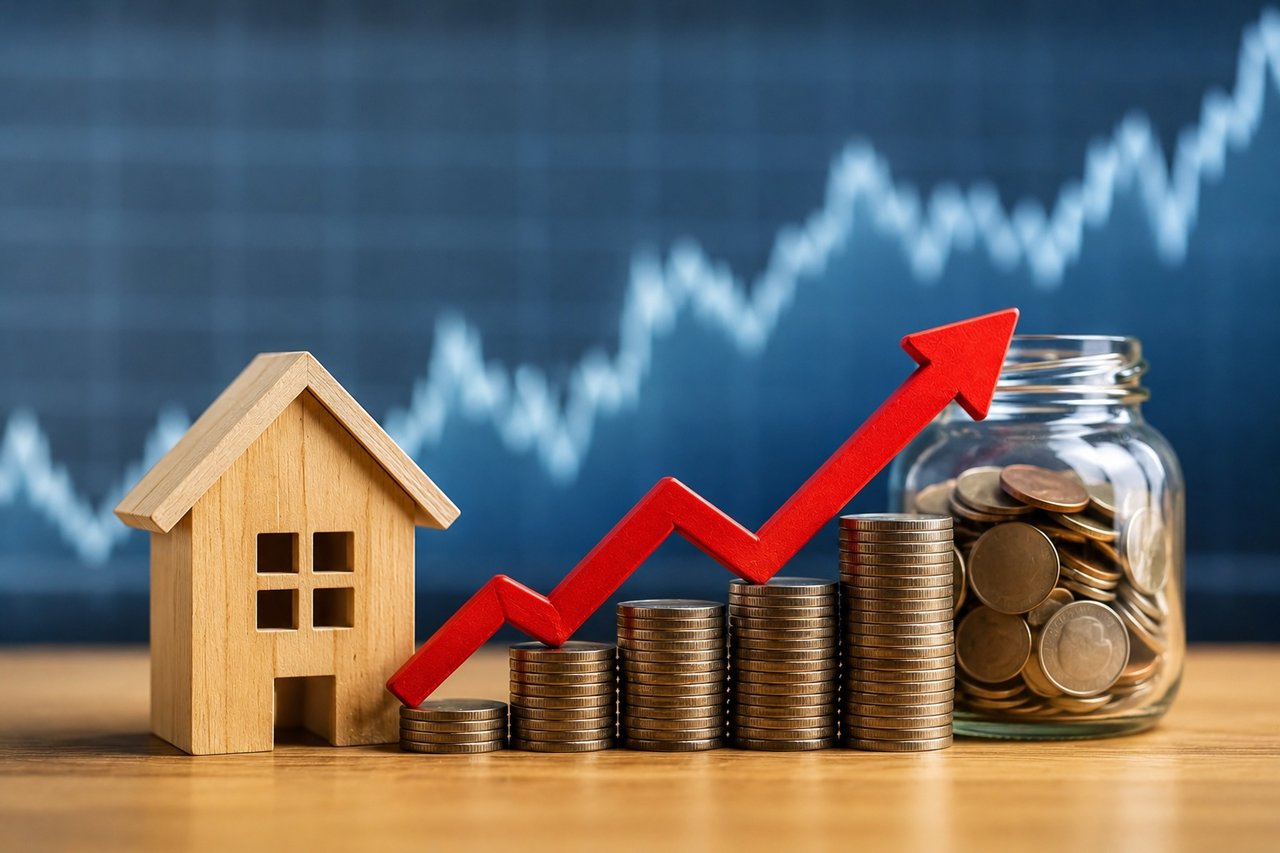
Why Mortgage Rates Aren't Coming Down: The Inflation Story Most Home Buyers and Sellers Are Missing
Every few weeks, a new headline appears predicting lower mortgage rates.
The Federal Reserve may cut rates.
Inflation may be cooling.
The economy may be slowing.
The stock market may be signaling weakness.
Yet mortgage rates remain stubbornly elevated.
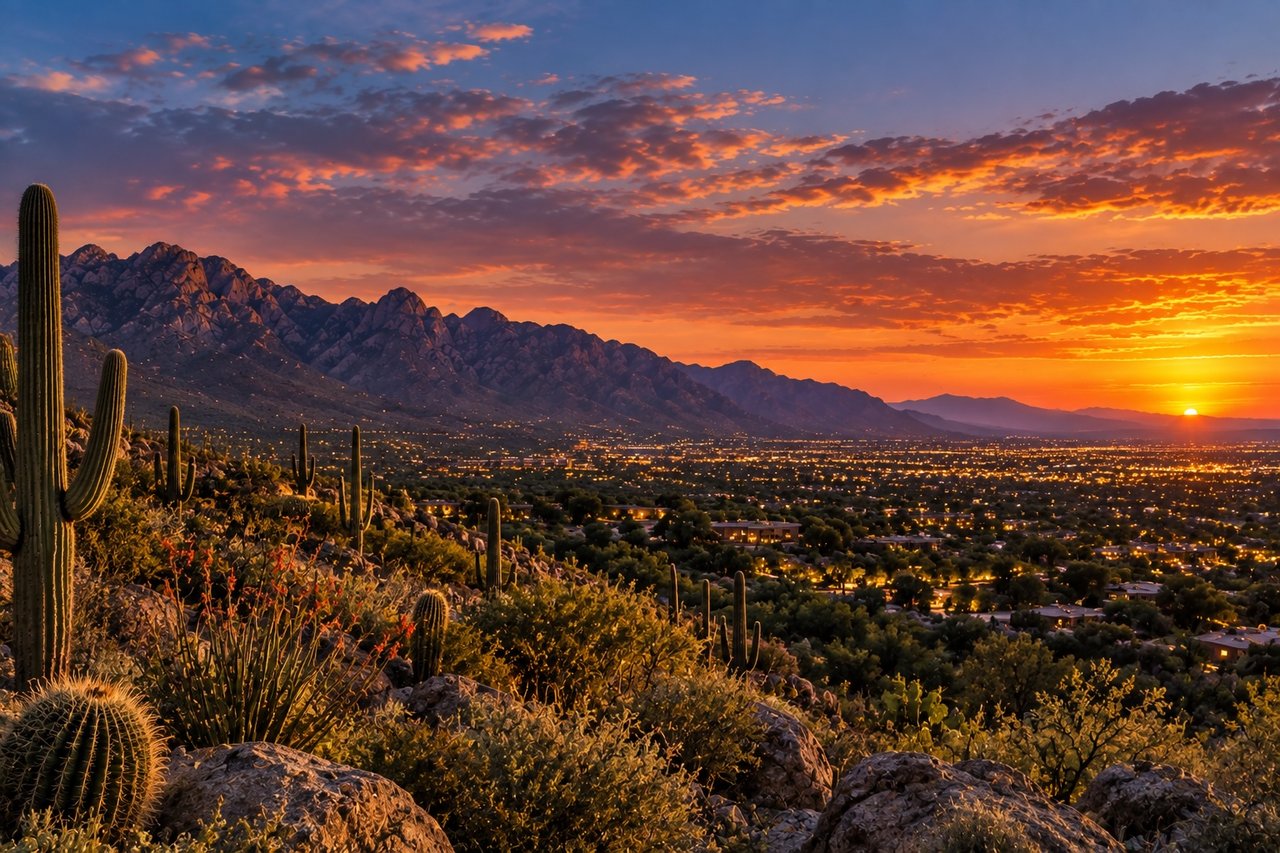
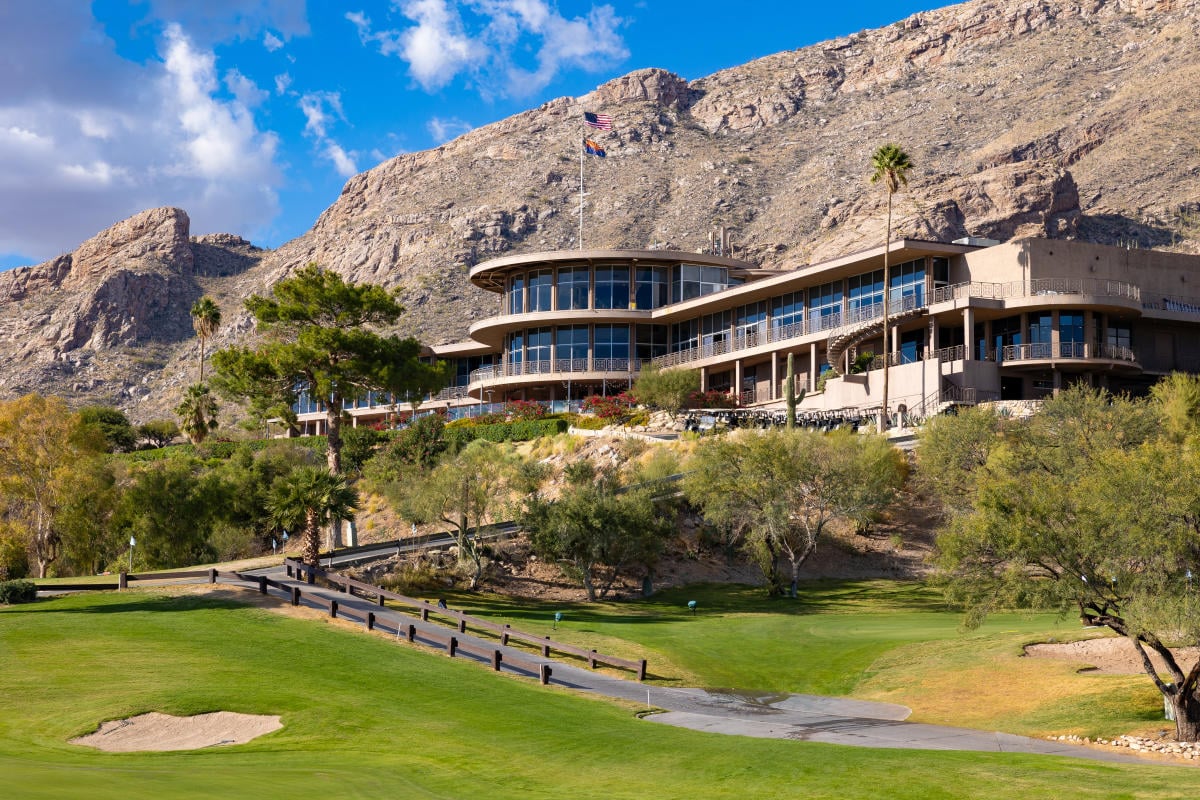
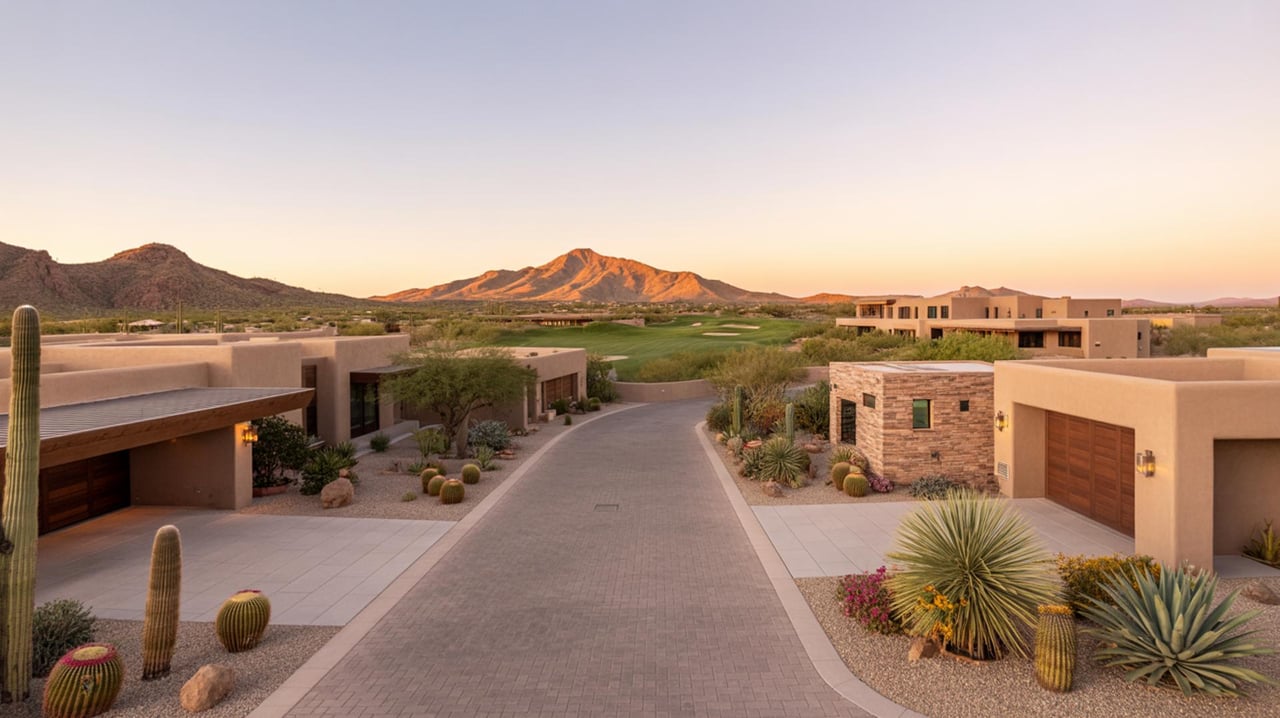
For many prospective buyers across Tucson, Catalina Foothills, Oro Valley, Ventana Canyon, Pima Canyon, Dove Mountain, and the surrounding luxury communities, the assumption has become almost universal:
"We're waiting for rates to come down."
It's an understandable position.
The problem is that many consumers are watching the wrong indicator.
The conversation has become centered on Federal Reserve policy when the real story is inflation.
And until inflation is genuinely under control, mortgage rates may remain higher than many buyers, sellers, and even economists would like.
The Mortgage Rate Myth
One of the most common misconceptions in real estate is that mortgage rates move in lockstep with Federal Reserve decisions.
They do not.
The Federal Reserve directly influences short-term borrowing costs. Mortgage rates, however, are influenced far more heavily by the bond market and investors' expectations about future inflation.
When investors purchase mortgage-backed securities, they are making a long-term commitment.
If inflation remains elevated over the next decade, every future dollar repaid becomes less valuable.
To compensate for that risk, investors demand higher returns.
Those higher returns eventually become higher mortgage rates.
"Markets move on expectations, not headlines."
This is why mortgage rates sometimes rise even when the Federal Reserve signals future rate cuts.
Investors are not merely evaluating today's inflation numbers.
They are evaluating the risk of inflation tomorrow.
In many respects, mortgage rates are less about what happened last month and more about what investors believe will happen over the next ten years.
For buyers hoping that a single Federal Reserve announcement will suddenly transform affordability, the reality is far more nuanced. Inflation expectations remain one of the most powerful forces influencing borrowing costs, and until those expectations stabilize, mortgage rates may remain higher than many people anticipate.
Inflation: The Invisible Architect of Housing Markets
Inflation impacts far more than the cost of groceries or gasoline.
It quietly influences nearly every aspect of the housing market.
Construction materials.
Labor.
Insurance.
Land development.
Permitting.
Infrastructure.
Transportation.
Energy.
The cost of building a home today is dramatically different than it was just a few years ago.
When replacement costs increase, existing housing inventory often becomes more valuable.
This is one reason real estate has historically been viewed as a hedge against inflation.
"Inflation is often the hidden architect of housing markets."
Many consumers see inflation as a challenge.
Long-term investors often see it as a reason to own hard assets.
Real estate remains one of the most tangible and durable assets available.
People will always need a place to live.
As inflation increases the cost of creating new housing, existing homes often become increasingly valuable simply because replacing them becomes more expensive.
This reality is particularly relevant in markets like Tucson, where rising construction costs, labor shortages, insurance premiums, and development expenses continue to place upward pressure on housing prices.
The Waiting Game
Many buyers tell me they are waiting for rates to fall before making a move.
The logic seems reasonable.
Lower rates should create lower monthly payments.
But there is another side of the equation that deserves consideration.
Competition.
There is significant pent-up demand sitting on the sidelines.
The moment mortgage rates decline meaningfully, thousands of buyers who have been waiting may re-enter the market simultaneously.
Demand increases.
Inventory tightens.
Competition intensifies.
Prices rise.
The irony is that the same buyers waiting for affordability may find themselves competing against far more buyers for the same home.
"The biggest risk isn't always high rates. Sometimes it's waiting for lower ones."
History repeatedly demonstrates that when financing becomes easier, demand tends to accelerate rapidly.
The housing market is no exception.
A buyer who saves a few hundred dollars per month on financing could ultimately spend tens of thousands more on the purchase price if increased competition drives values higher.
This is why some of the most successful buyers focus less on trying to perfectly time interest rates and more on identifying opportunities when competition is lower.
Why Tucson Is Different
National real estate headlines rarely tell the full story.
Tucson is not New York.
It is not Chicago.
It is not San Francisco.
And it is certainly not every housing market discussed on cable news.
A substantial portion of Tucson luxury real estate demand comes from outside Arizona.
Buyers relocating from California, Colorado, Washington, Illinois, Minnesota, Wisconsin, and other higher-cost states continue to view Tucson as an exceptional value proposition.
Many arrive with significant equity.
Many arrive after selling homes in substantially more expensive markets.
Some purchase with cash.
Others make large down payments.
For these buyers, quality of life often matters more than mortgage rates.
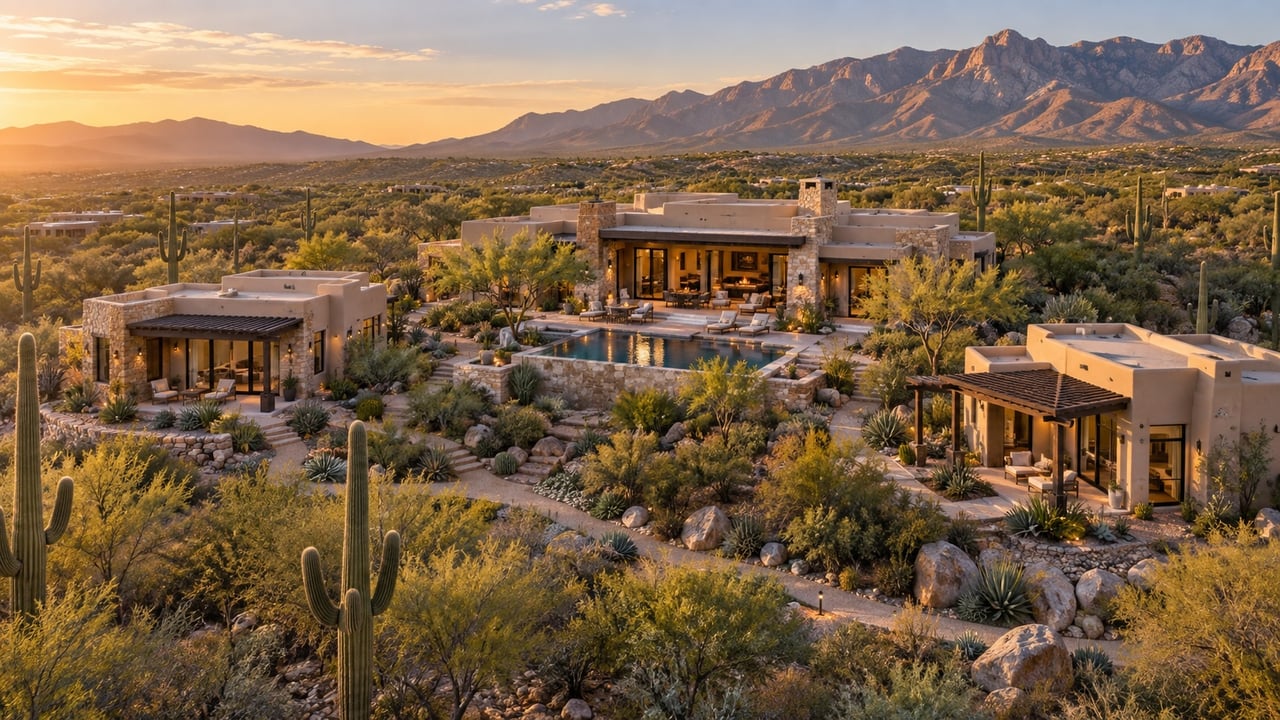
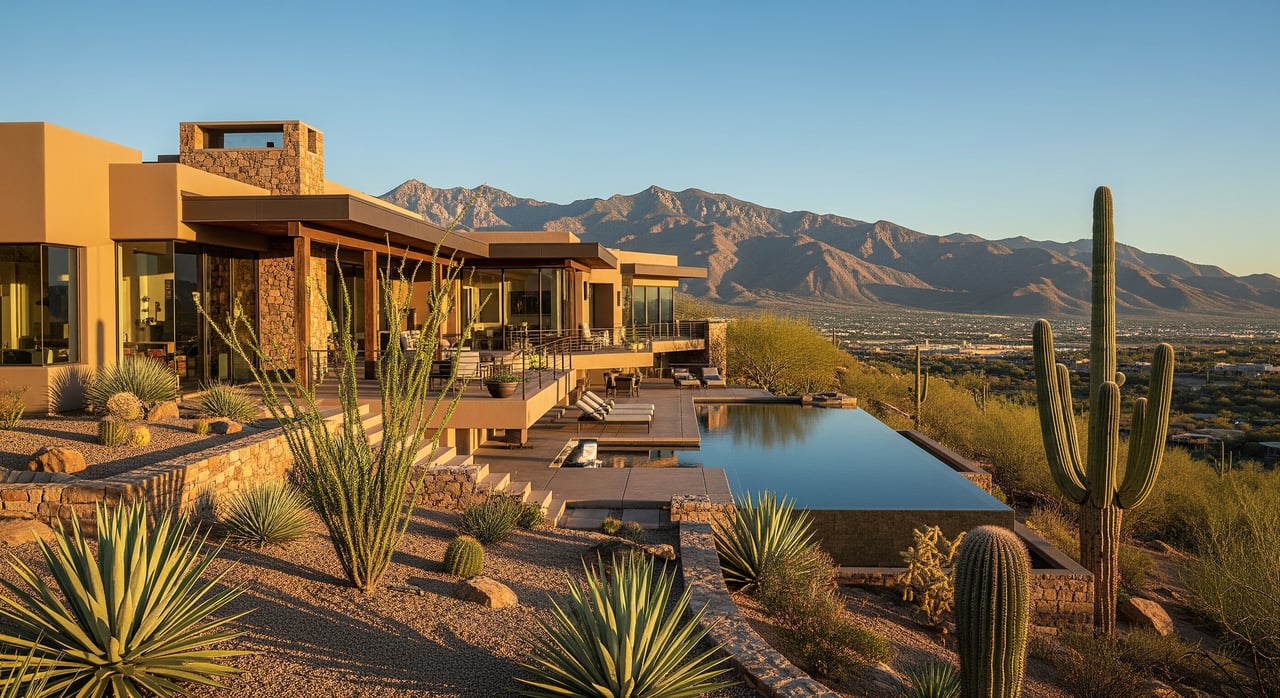
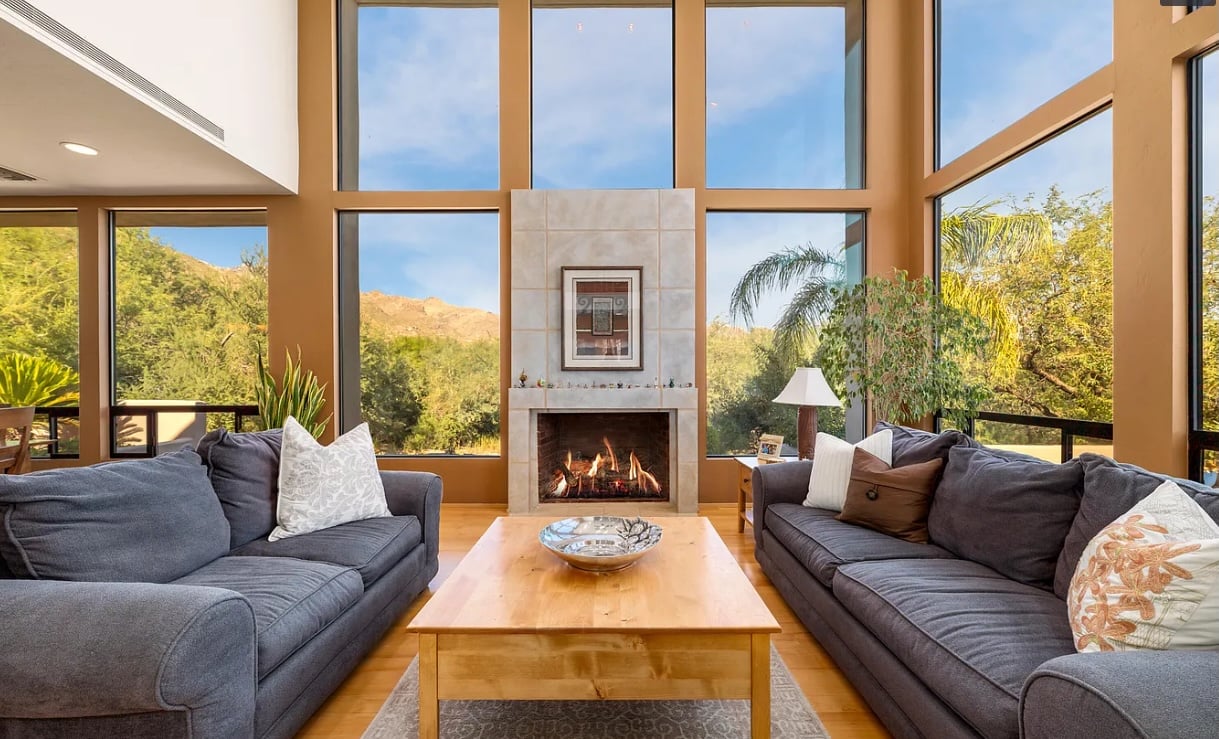
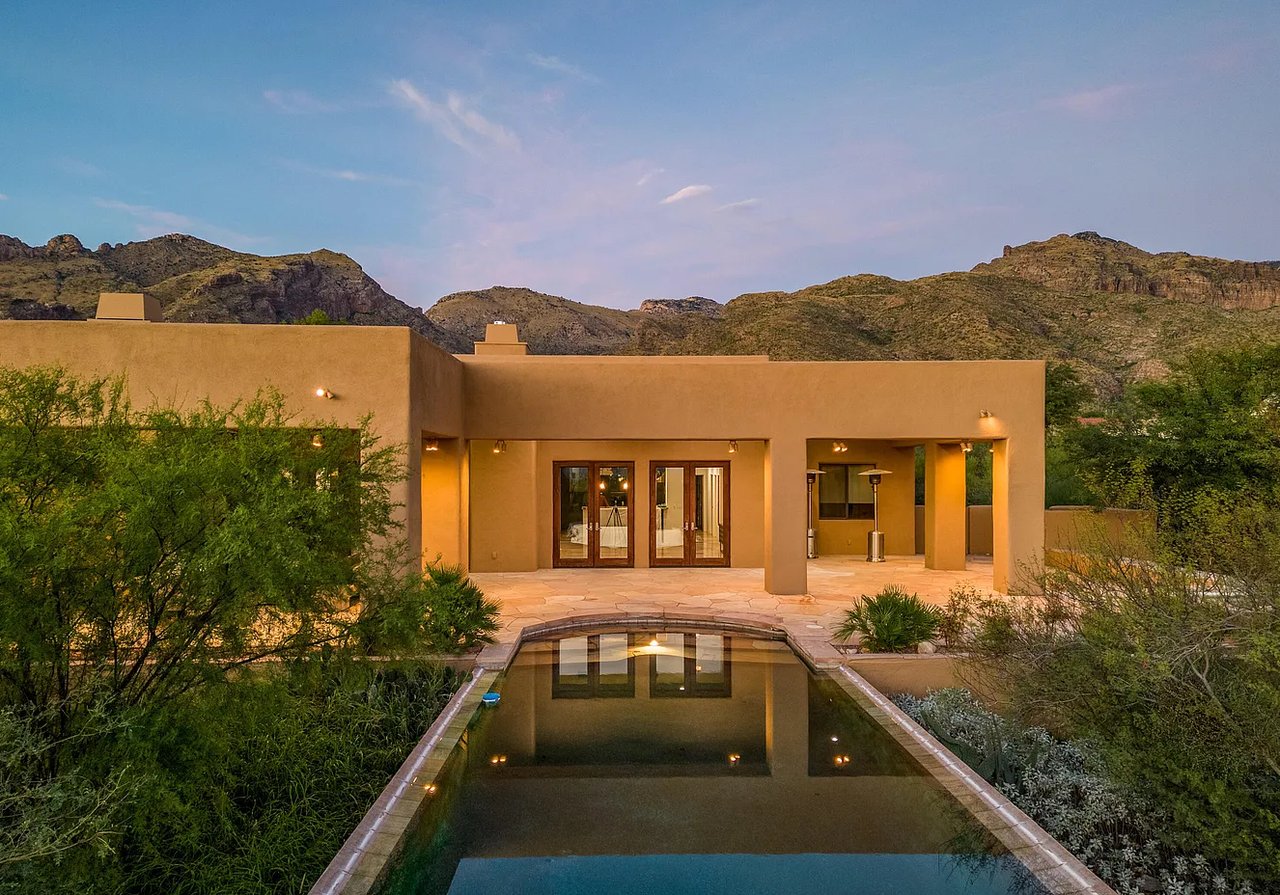
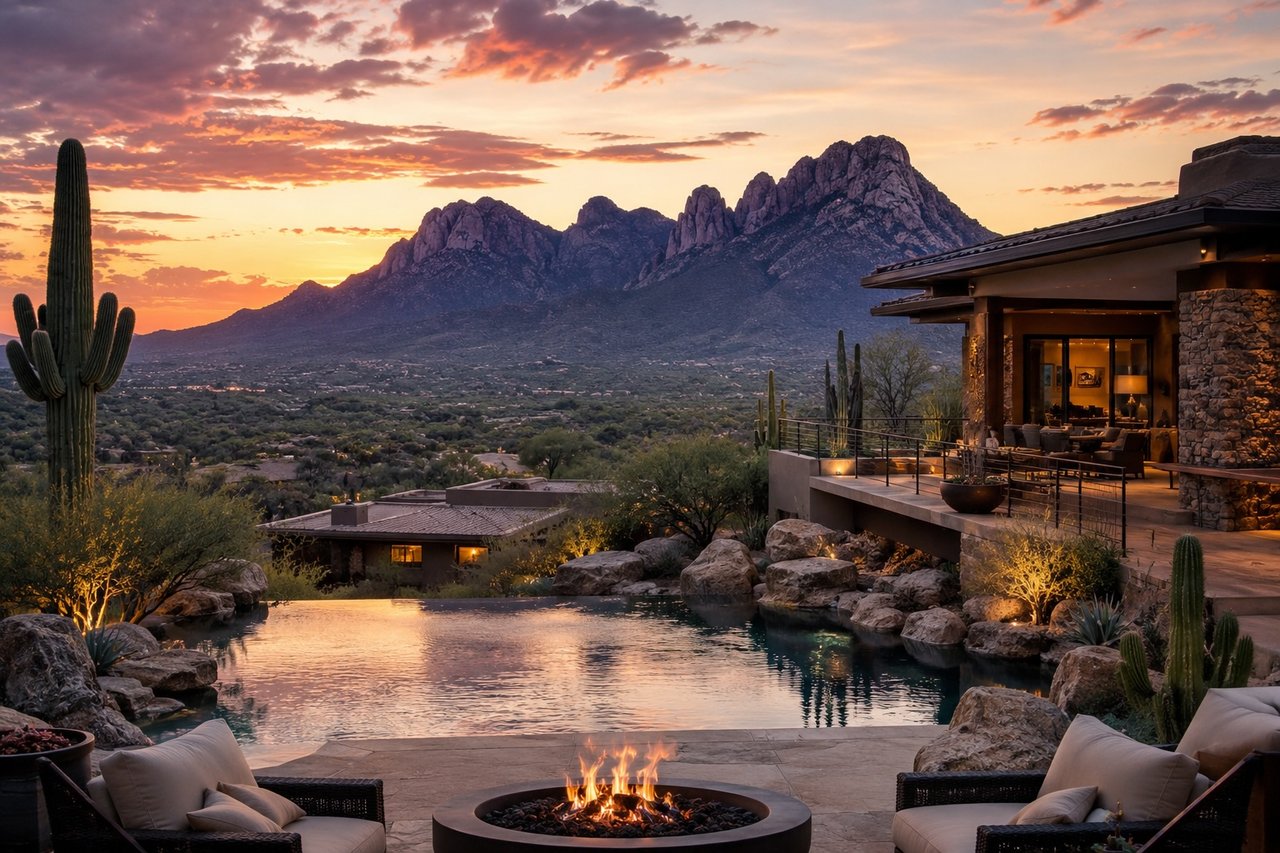
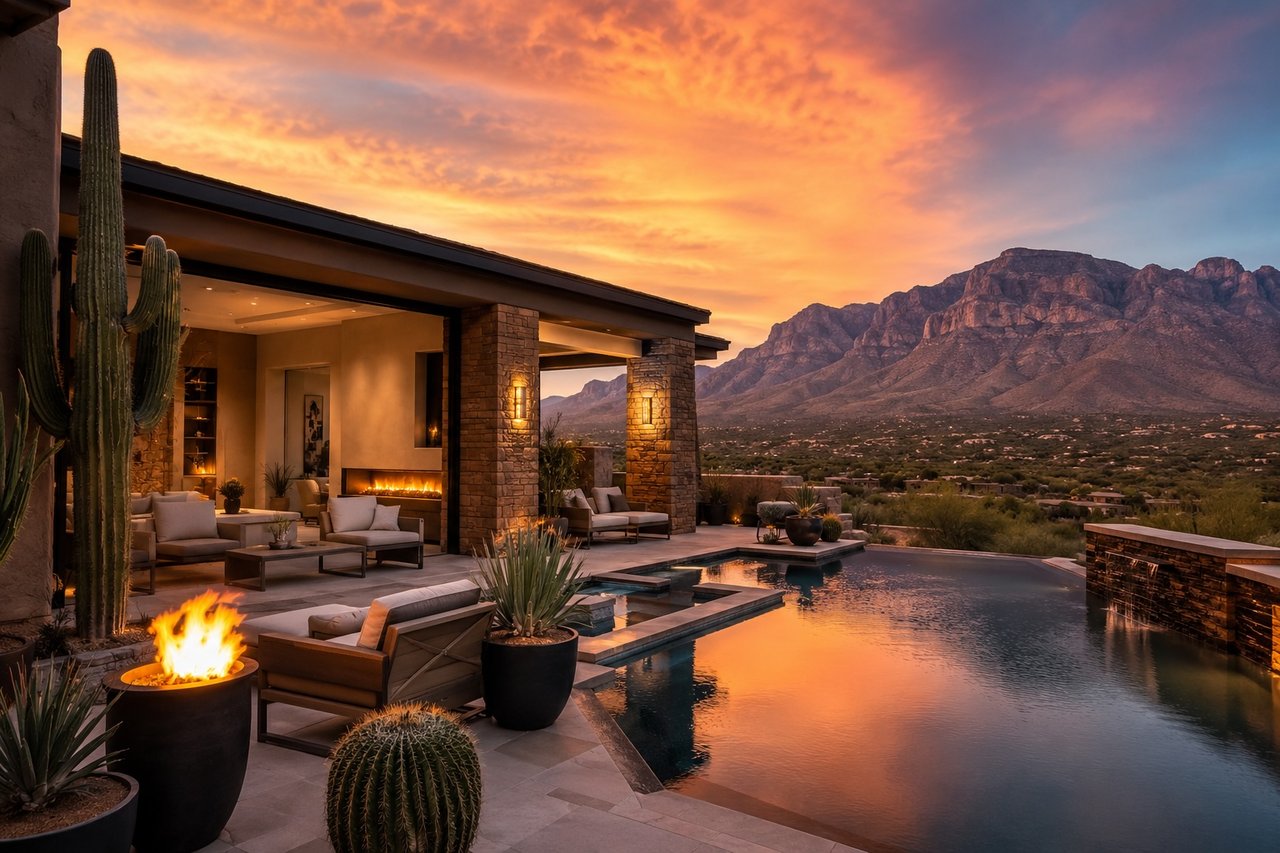
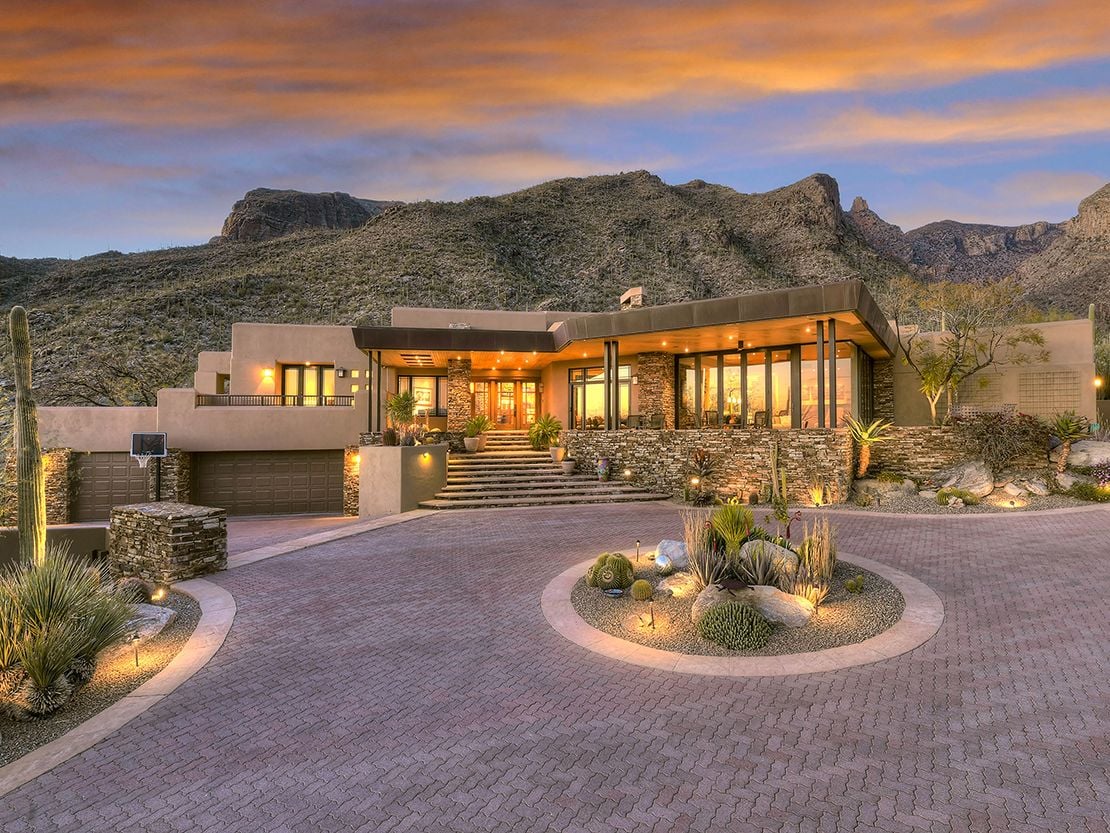
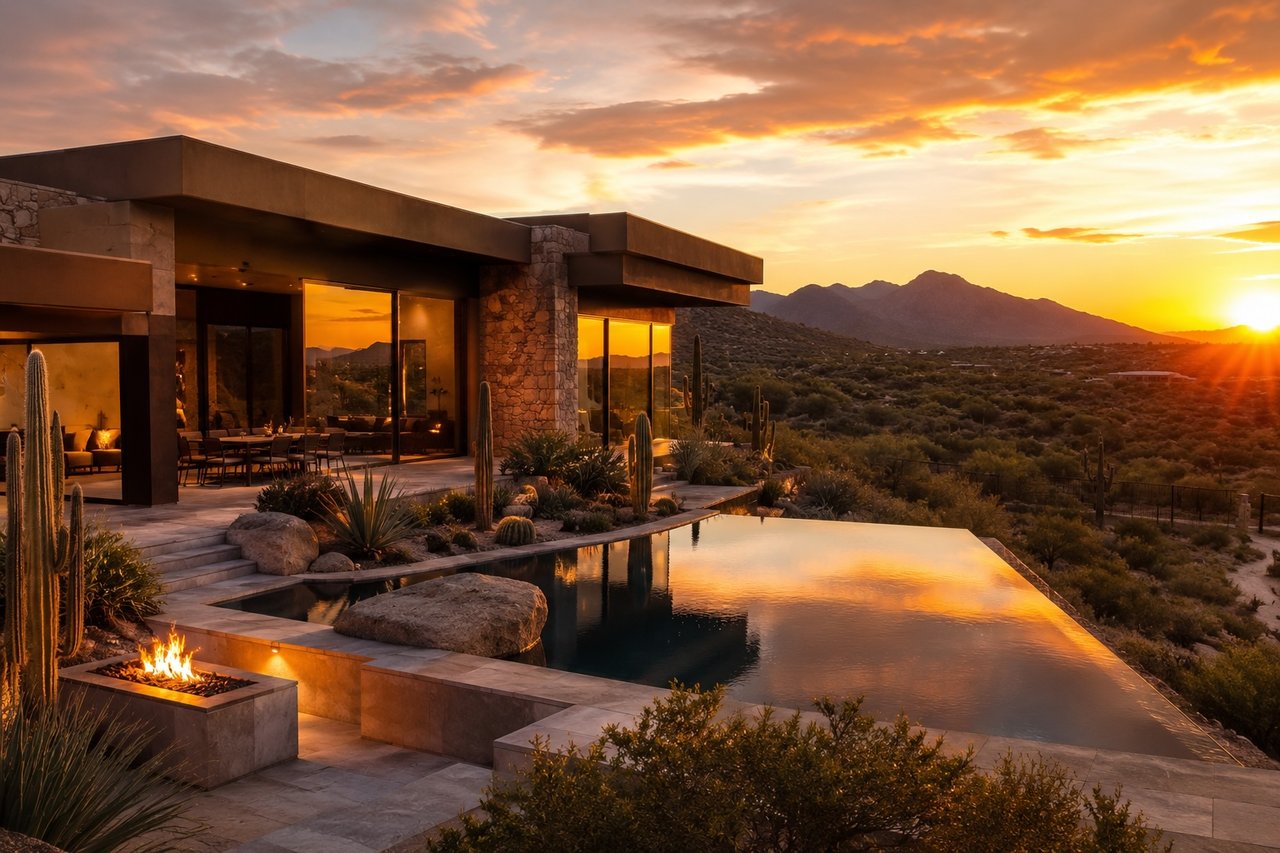
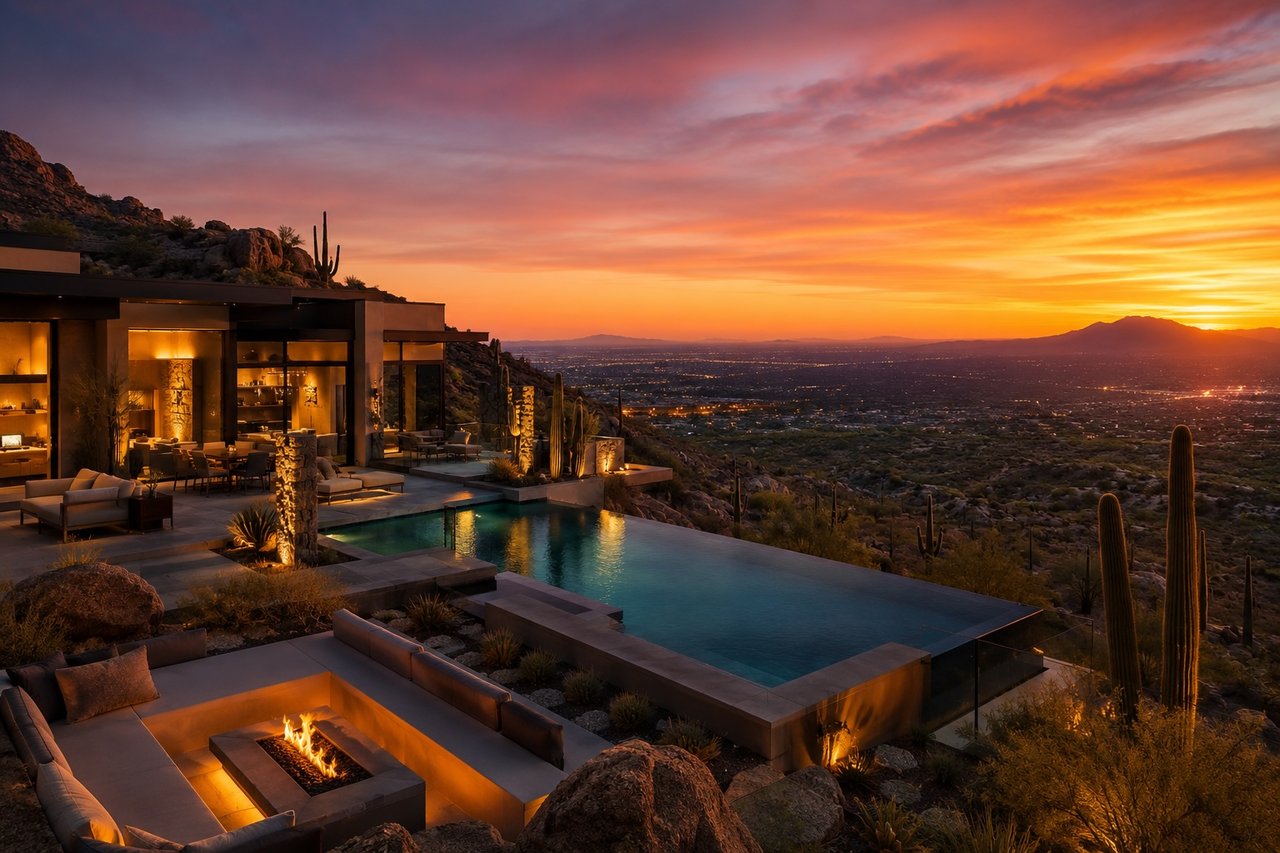
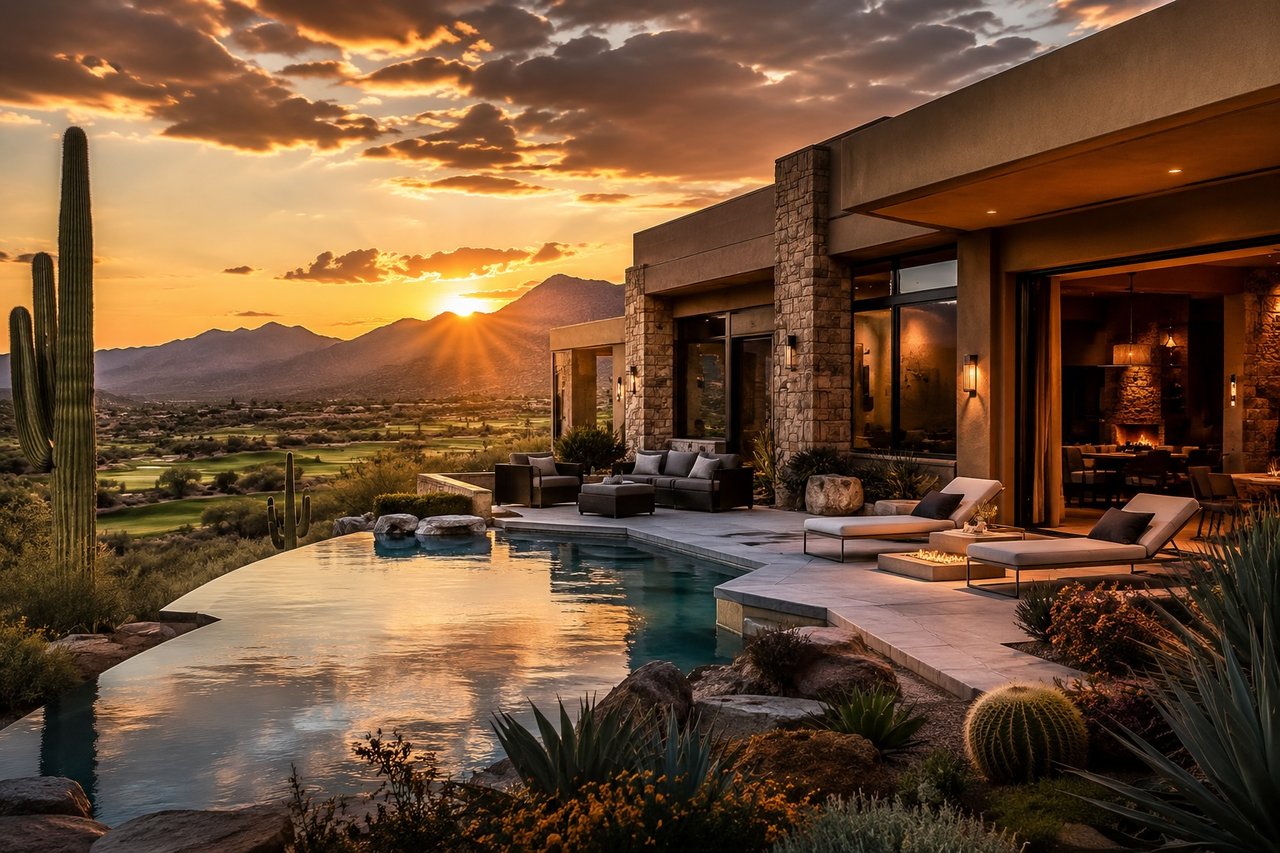
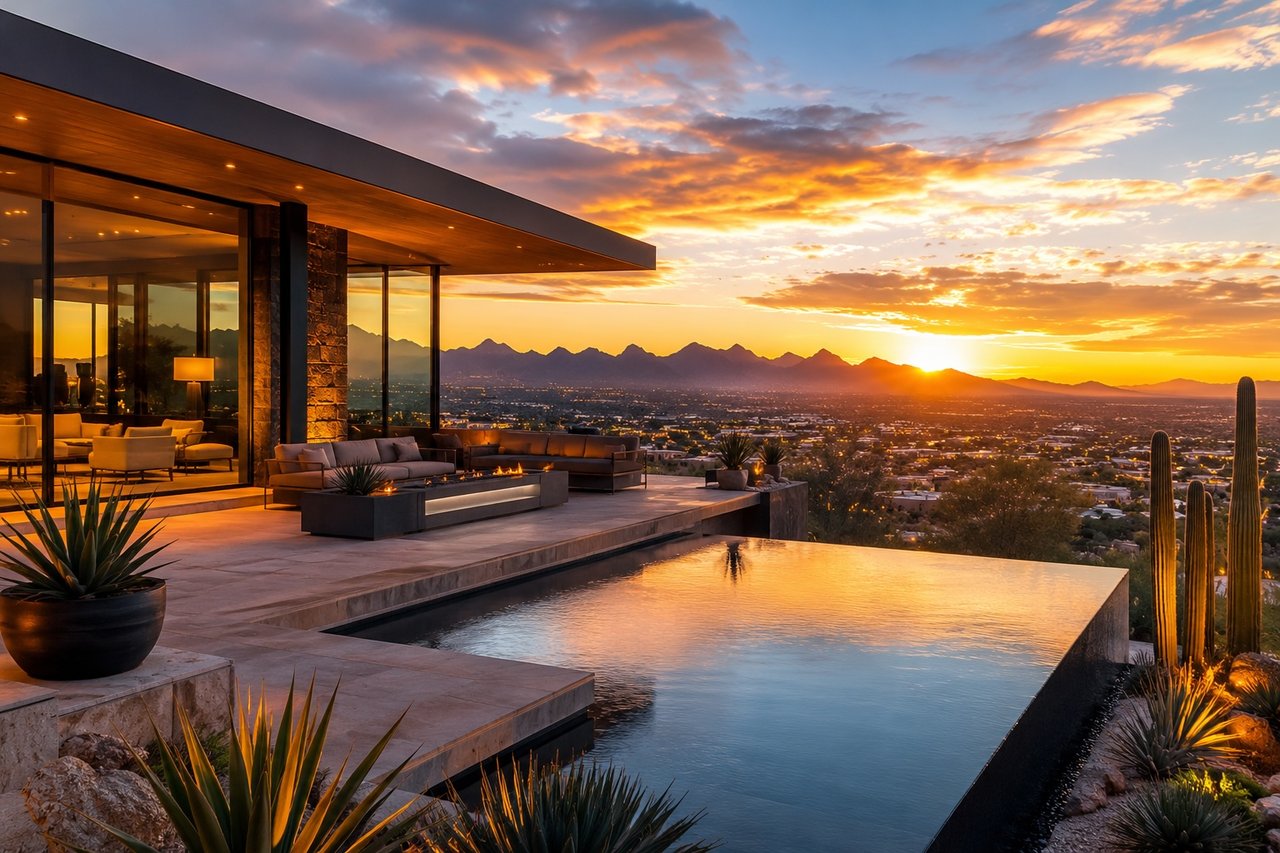
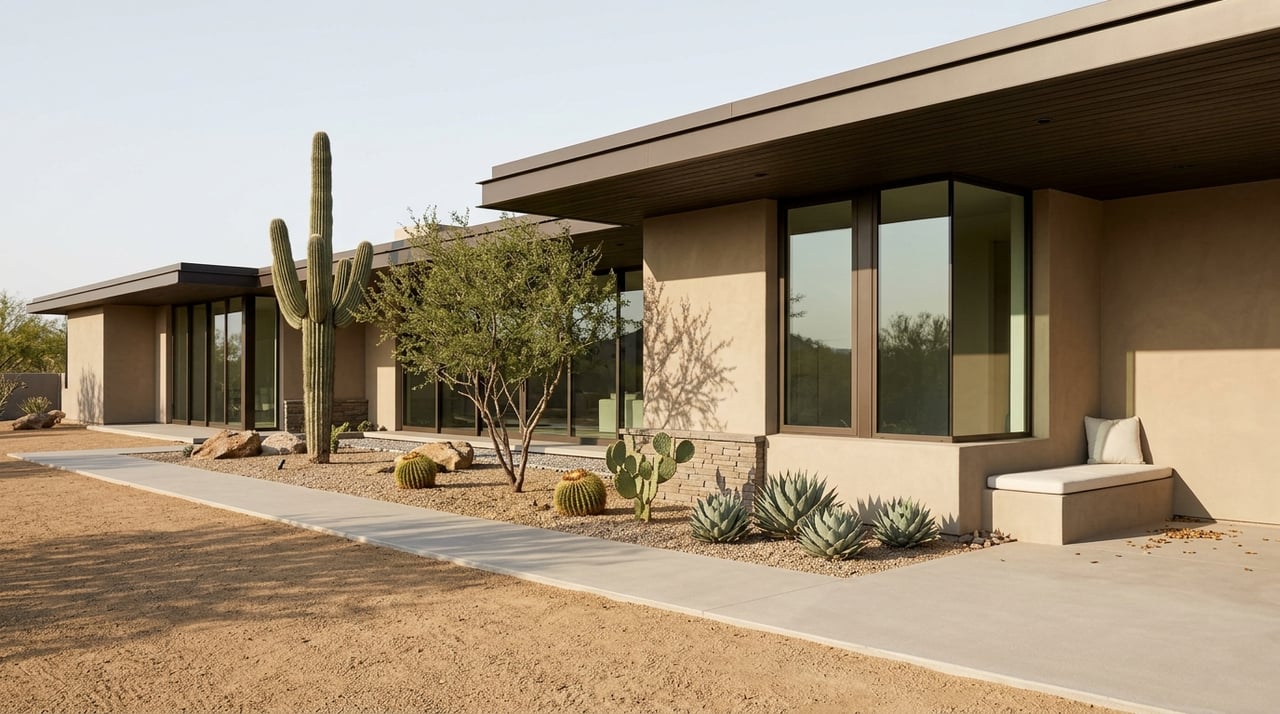
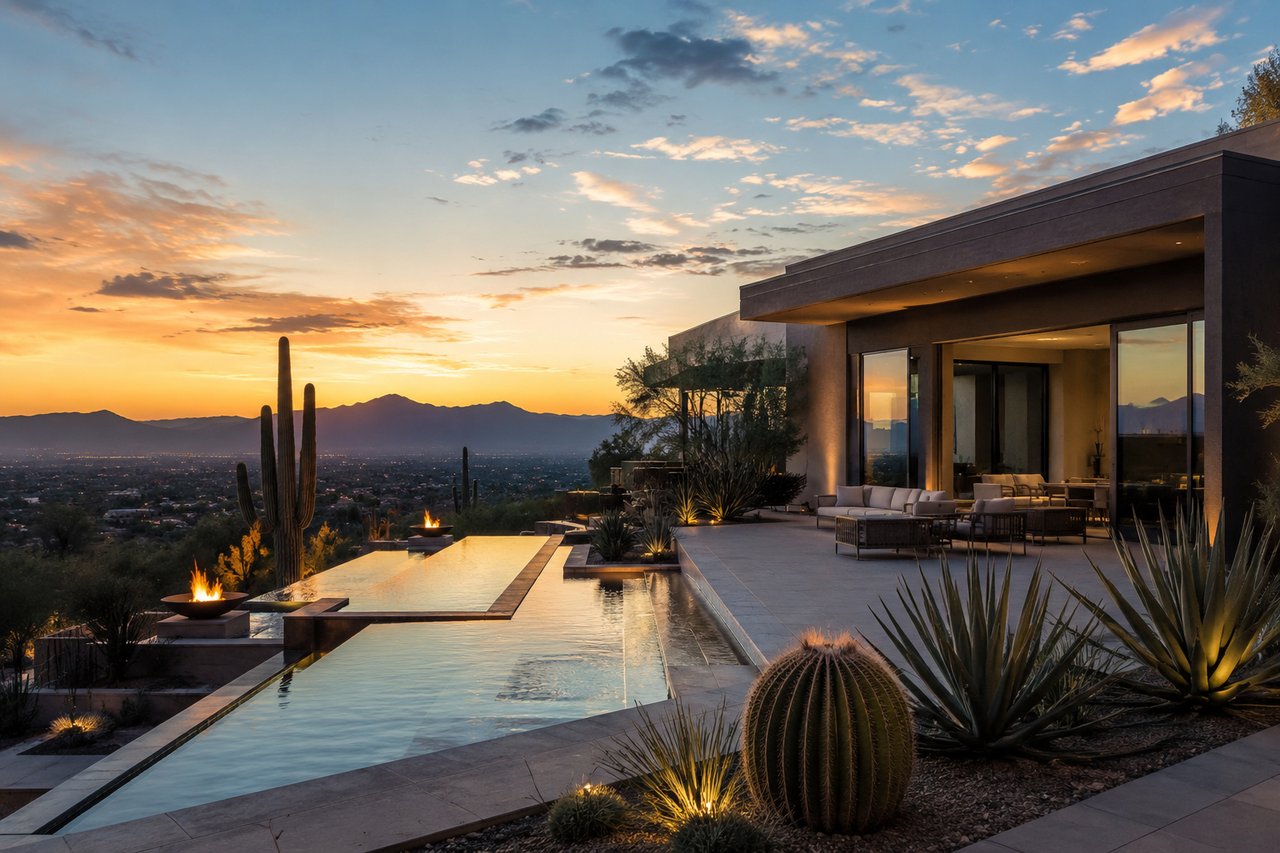
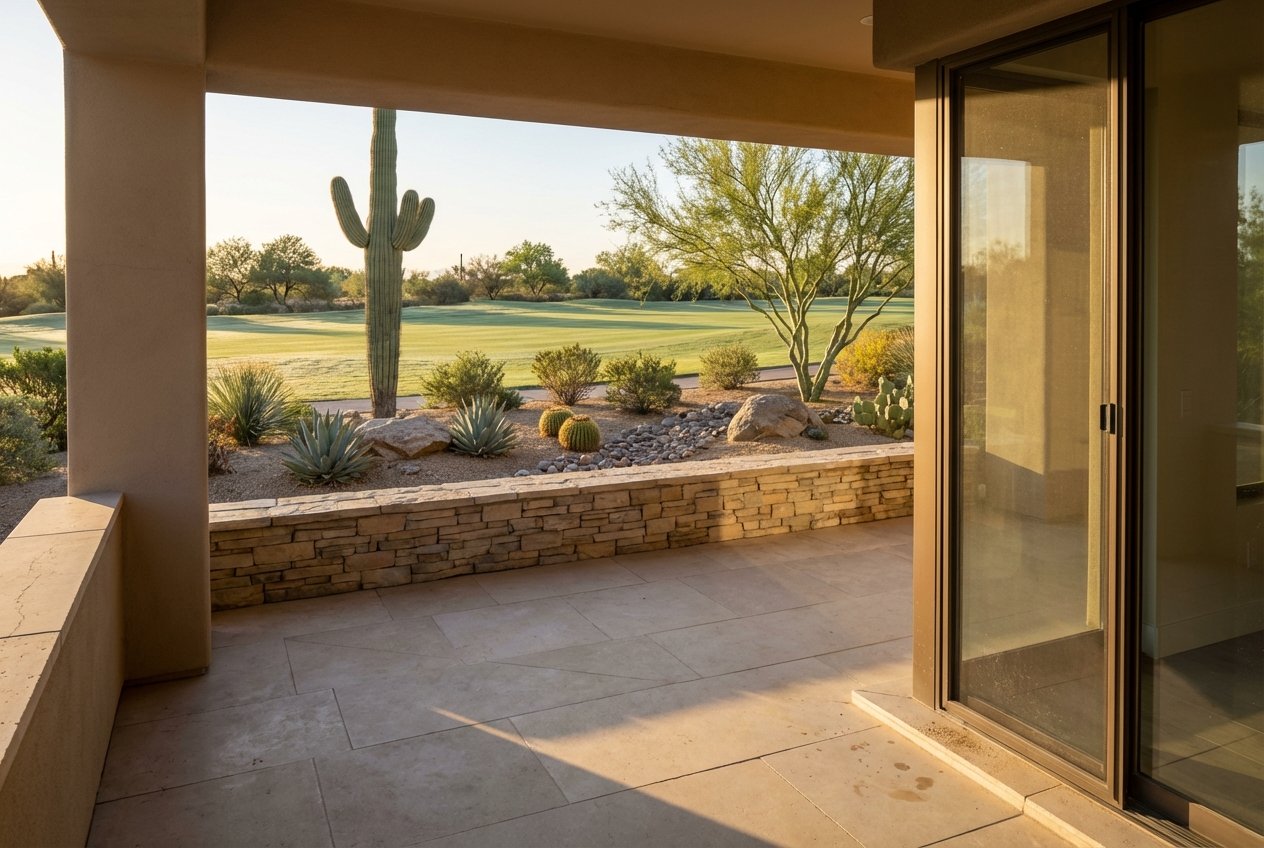
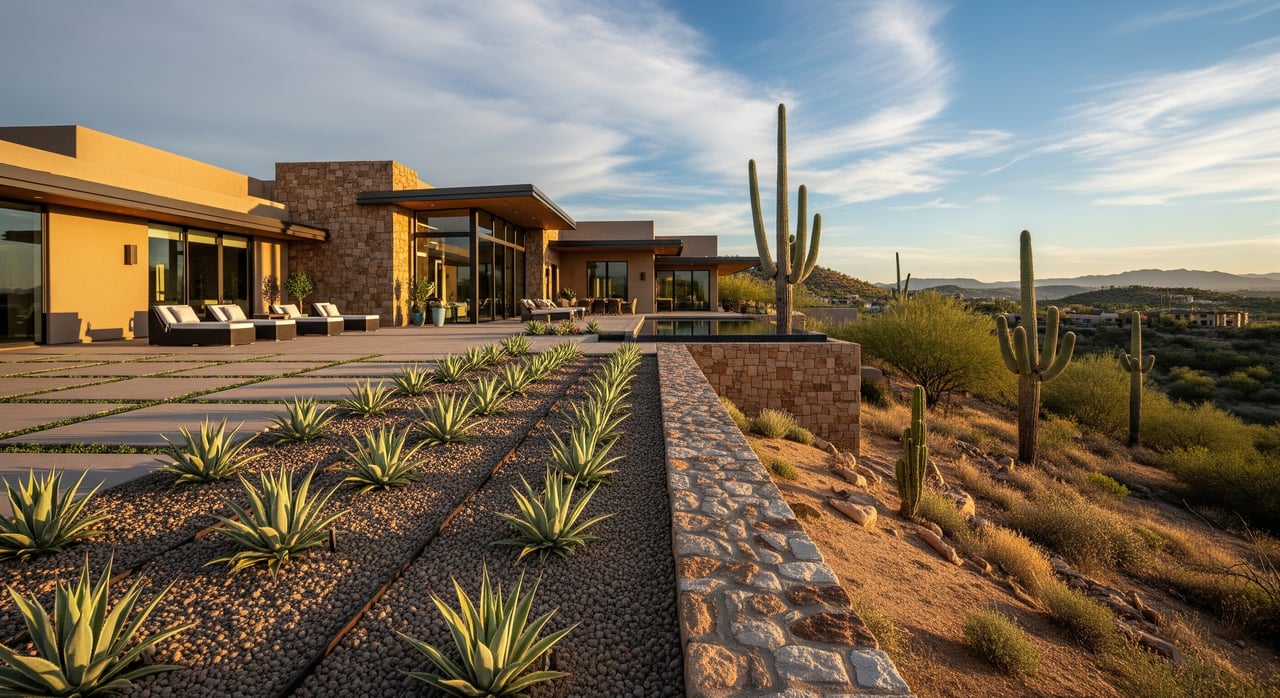
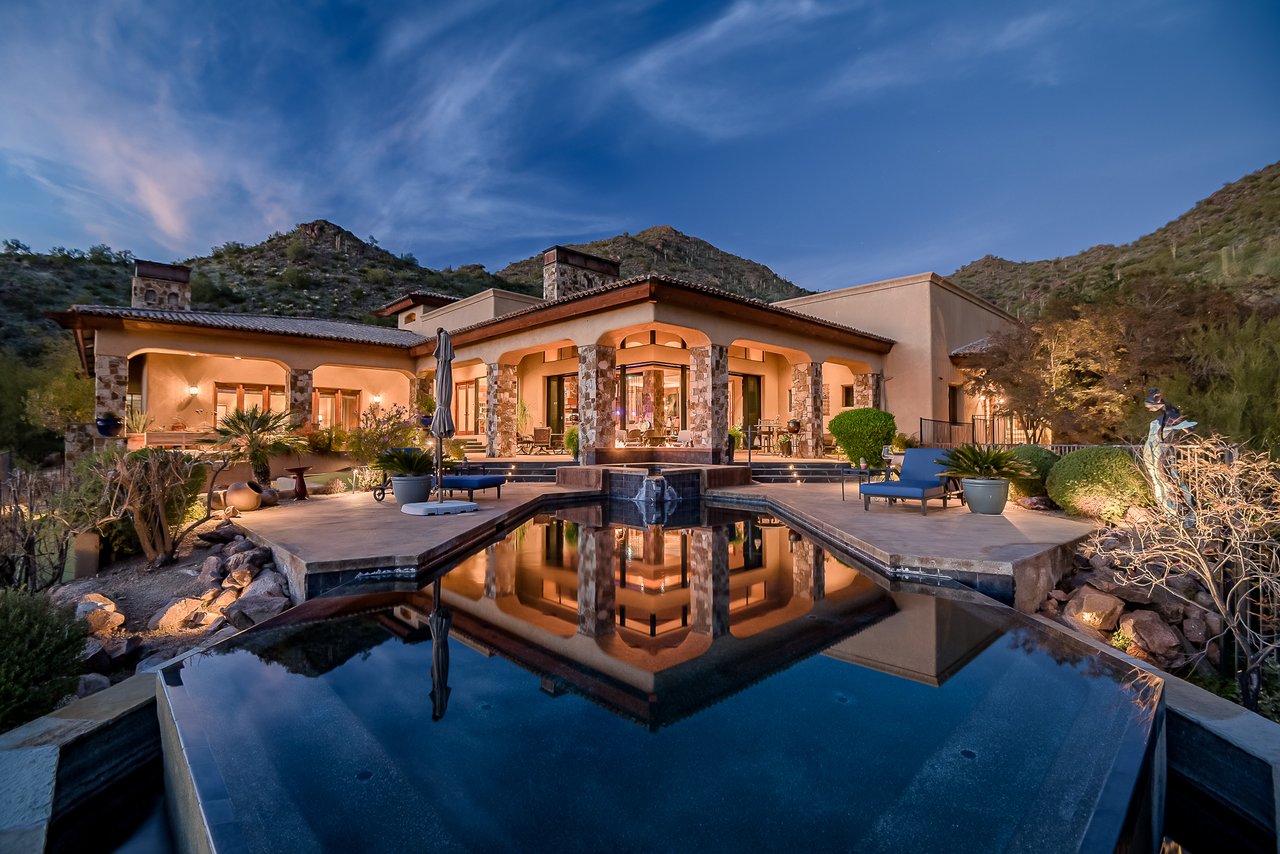
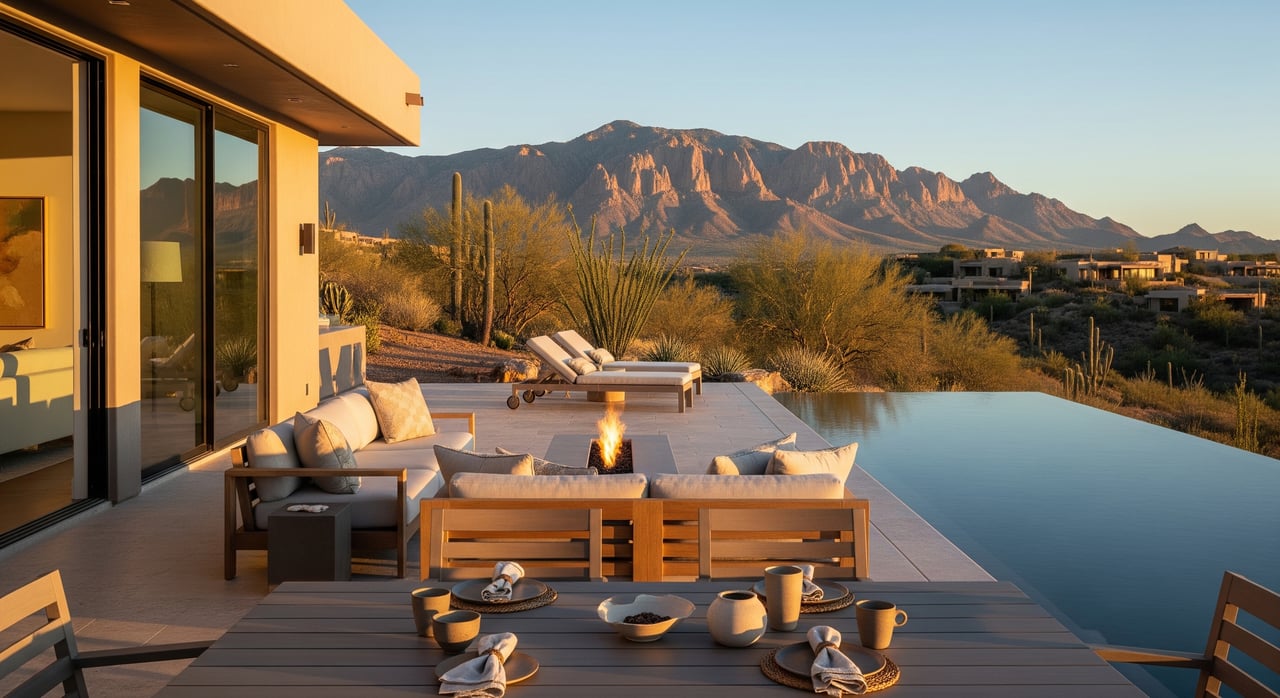
They are drawn to Tucson luxury homes because of lifestyle, climate, outdoor recreation, world-class golf, architecture, and long-term value.
They are choosing Catalina Foothills real estate for mountain views and prestige.
Ventana Canyon homes for location and amenities.
Pima Canyon luxury homes for privacy and exclusivity.
Dove Mountain real estate for resort-style living.
Oro Valley homes for quality of life, safety, and community.
Mortgage rates influence these decisions, but they are rarely the only factor.
"People move to Tucson for a lifestyle. They buy real estate because they recognize the value."
This migration trend has become one of the defining forces shaping the Tucson housing market.
Many buyers arrive after comparing Tucson to Scottsdale, Park City, Denver, Palm Springs, San Diego, and other destination markets. What they often discover is that Tucson offers a compelling combination of luxury, lifestyle, and relative affordability that remains increasingly difficult to find elsewhere.
The Inflation Story Sellers Need to Understand
Many homeowners are delaying their sale while waiting for lower rates.
The assumption is simple:
Lower rates will bring more buyers.
That may be true.
But lower rates may also bring more sellers.
Thousands of homeowners currently holding low-interest mortgages have postponed their move because they dislike today's borrowing environment.
When rates eventually decline, many of those sellers may decide to enter the market.
Inventory could rise significantly.
Competition among listings could increase.
Today's market has something many sellers overlook:
Limited inventory.
In many Tucson neighborhoods, quality homes still stand out because buyers have relatively few alternatives.
"Waiting for lower rates may bring more buyers. It may also bring more competition."
A stronger market is not always defined by lower interest rates.
Sometimes it is defined by supply and demand.
For sellers, the question is not simply whether rates may be lower six months from now. The question is whether market conditions will actually be more favorable than they are today.
A Different Reality for Luxury Home Sellers
There is another factor worth considering, particularly for owners of luxury homes in Tucson.
Not all buyers are equally sensitive to interest rates.
In the entry-level and move-up segments of the market, monthly payment affordability often drives purchasing decisions. A one-percent change in mortgage rates can significantly impact purchasing power and alter buyer behavior.
The luxury market frequently operates differently.
Many buyers shopping in Catalina Foothills, Pima Canyon, Ventana Canyon, Canyon Pass, Stone Canyon, and other premier communities are arriving with substantial equity from the sale of another property. Some are making large down payments. Others are purchasing with cash altogether.
As a result, the buyer pool for luxury homes tends to be less dependent on financing than the broader housing market.
That does not mean luxury buyers ignore interest rates.
They absolutely pay attention to them.
Interest rates influence overall market sentiment, investment decisions, portfolio allocations, and perceptions of value. Higher borrowing costs can affect confidence, even among affluent buyers.
However, luxury purchasing decisions are often driven by a broader set of considerations:
Lifestyle.
Privacy.
Architecture.
Views.
Exclusivity.
Tax considerations.
Wealth preservation.
Quality of life.
For a buyer relocating from California, Washington, Colorado, Illinois, or Minnesota, the decision to purchase a home in Tucson may have far more to do with long-term lifestyle goals than whether mortgage rates move by half a percentage point.
"Interest rates influence luxury buyers. They rarely define them."
This distinction is important for luxury home sellers.
While mortgage rates remain a factor in every market, they are often a less dominant force in the upper tiers of Tucson real estate, where lifestyle, scarcity, and location continue to drive demand.
The result is a market that may be more resilient than many sellers realize, even during periods of elevated borrowing costs.
In fact, some luxury sellers may benefit from looking beyond national mortgage-rate headlines altogether and focusing instead on where their likely buyer is coming from. A buyer relocating from Seattle, Los Angeles, Denver, Minneapolis, or Chicago may be comparing Tucson not to last year's mortgage rate, but to the cost of ownership, taxes, lifestyle, climate, and overall value proposition available in their current market.
The Wealth Creation Perspective
The most successful real estate investors rarely build wealth by perfectly timing interest rates.
They build wealth by acquiring quality assets and holding them through multiple market cycles.
No one knows exactly where mortgage rates will be six months from now.
No one knows where inflation will be next year.
No one knows what geopolitical events may impact financial markets.
What we do know is that Tucson remains one of the most attractive lifestyle and value markets in the American Southwest.
Population growth continues.
Migration continues.
Luxury demand continues.
New construction costs remain elevated.
Desirable land remains finite.
These are long-term fundamentals.
"You can refinance a mortgage. You cannot refinance the price you paid."
That statement has become increasingly relevant in today's market.
If rates eventually decline, refinancing may be available.
The opportunity to purchase a particular property at a particular price may not be.
The greatest wealth in real estate has often been created not by perfect timing, but by long-term ownership of quality assets.
Is Now a Good Time to Buy a Home in Tucson?
The better question is often:
Is now a good time to buy the right home?
For buyers planning to own a property for years rather than months, long-term considerations typically matter far more than short-term interest rate forecasts.
For sellers, the question becomes whether current inventory conditions create an opportunity that may not exist later.
Every real estate decision should be based on personal goals, financial circumstances, and long-term strategy.
Not headlines.
Not predictions.
Not speculation.
"The market rewards preparation more often than prediction."
Whether you are considering a luxury home in Catalina Foothills, a golf property in Dove Mountain, a custom estate in Pima Canyon, or a relocation purchase anywhere in Tucson, successful decisions are rarely made by waiting for perfect conditions.
They are made by understanding the market in front of you.
Final Thoughts
The housing market is often discussed through the lens of mortgage rates.
The reality is far more complex.
Inflation remains one of the most powerful forces shaping mortgage rates, housing affordability, construction costs, insurance premiums, development costs, and long-term real estate values.
Until inflation is fully contained, meaningful declines in mortgage rates may remain elusive.
For buyers and sellers throughout Tucson, Catalina Foothills, Oro Valley, Ventana Canyon, Pima Canyon, Canyon Pass, Stone Canyon, and Dove Mountain, the most important decision is not predicting the next rate movement.
It is understanding how today's market realities align with your long-term objectives.
The best real estate decisions are rarely made by trying to outguess the future.
They are made by understanding the present.
"The most successful real estate decisions are made with strategy, not certainty."
And right now, inflation remains one of the most important stories shaping the future of Tucson real estate.
A Note to Readers
This article reflects market conditions, inflation trends, mortgage rate environments, and Tucson real estate dynamics as understood at the time of publication. Economic conditions, Federal Reserve policy, bond markets, and mortgage rates can change over time. The opinions expressed are intended for educational and informational purposes only and should not be considered financial, tax, legal, or investment advice. Buyers and sellers should consult qualified professionals regarding their individual circumstances before making any real estate or financial decisions.