If you are wondering whether paying a premium in Sam Hughes can make sense over the long run, the short answer is yes, but for reasons that are different from a fast-growth subdivision. This neighborhood’s appeal is tied to limited supply, historic character, and a location just east of the University of Arizona. If you want to understand why buyers keep coming back, what supports long-term demand, and what to watch before you buy, this guide will walk you through it. Let’s dive in.
Why Sam Hughes Holds Value
Sam Hughes stands out as a long-term home investment because its value is rooted in scarcity, not new construction. The historic district was listed on the National Register in 1994 and expanded in 2000, with boundaries drawn to include an area of high historic integrity and minimal intrusions. For you as a buyer, that matters because it signals a neighborhood where the overall character is not easily replicated.
The area developed largely between 1921 and the 1950s as an early suburban district next to the University of Arizona. Its historic fabric is mostly residential, with limited infill after 1953. In practical terms, that tends to support preservation and renovation rather than large-scale tear-down and rebuild cycles.
Location Supports Long-Term Demand
A major reason Sam Hughes continues to draw attention is its relationship to the University of Arizona. The university reported 54,384 total students in fall 2025, and it also operates an off-campus housing system used by students, faculty, staff, and property owners or managers. That creates a recurring housing ecosystem that can support both owner-occupier interest and rental demand.
Location also adds daily convenience. Redfin rates Sam Hughes as fairly walkable, with a Walk Score of 76. The neighborhood also benefits from Himmel Park, Sam Hughes Elementary, the major bike-route boulevard along Third Street, and traffic restrictions at key crossings that help reduce through-traffic.
For a long-term owner, those features matter because they are not trends. They are part of the neighborhood’s built-in appeal and help explain why buyers are often willing to pay more to live here.
What Makes Sam Hughes Different
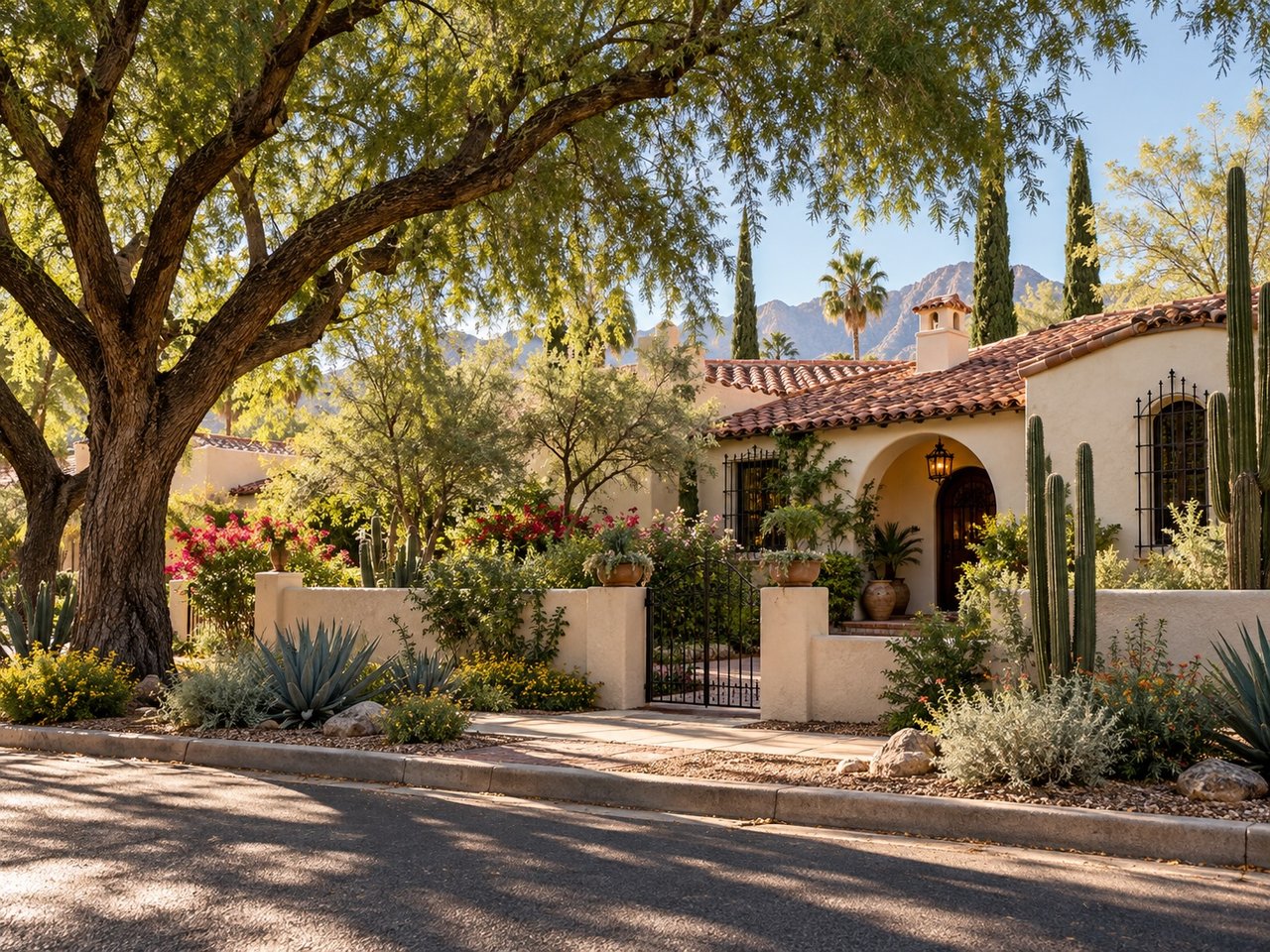
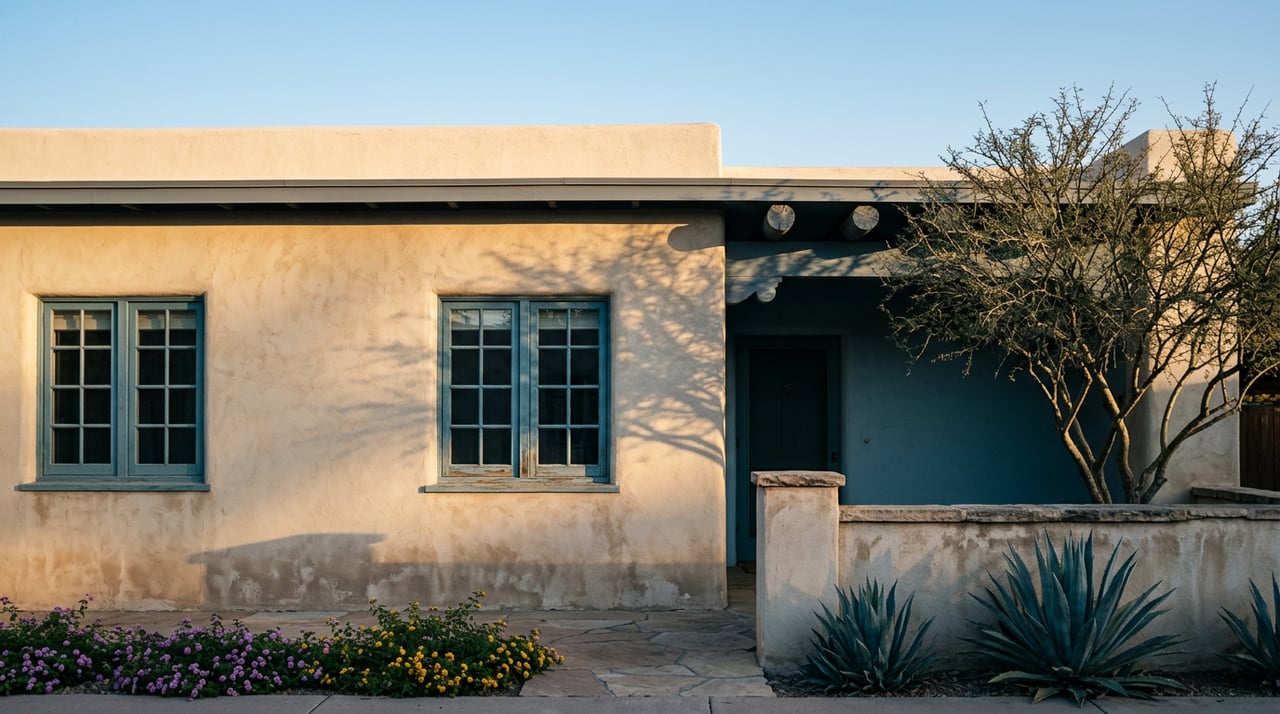
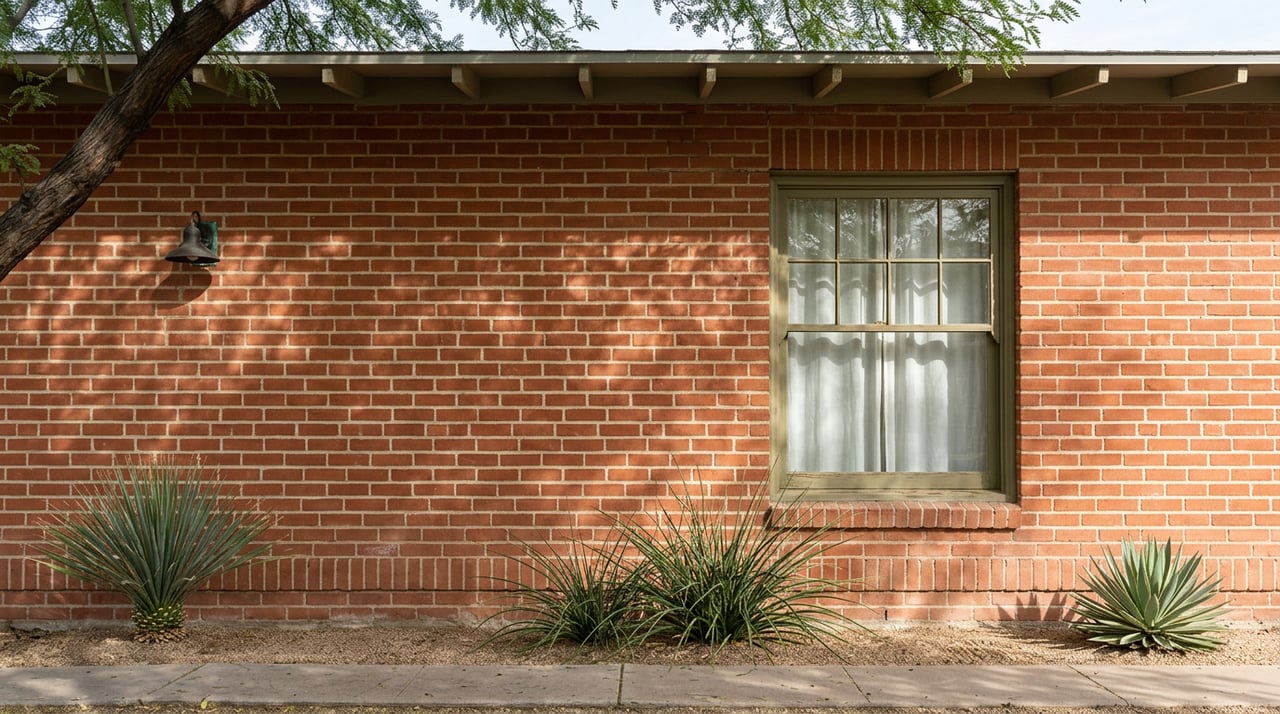
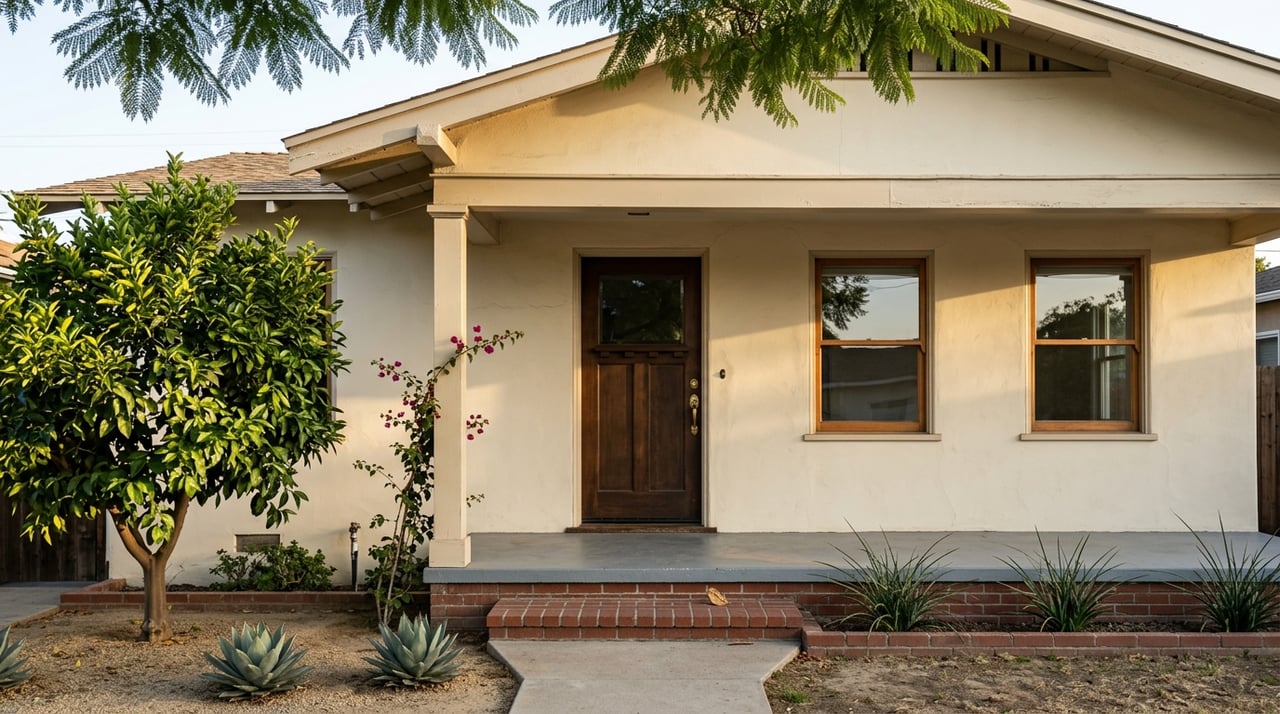
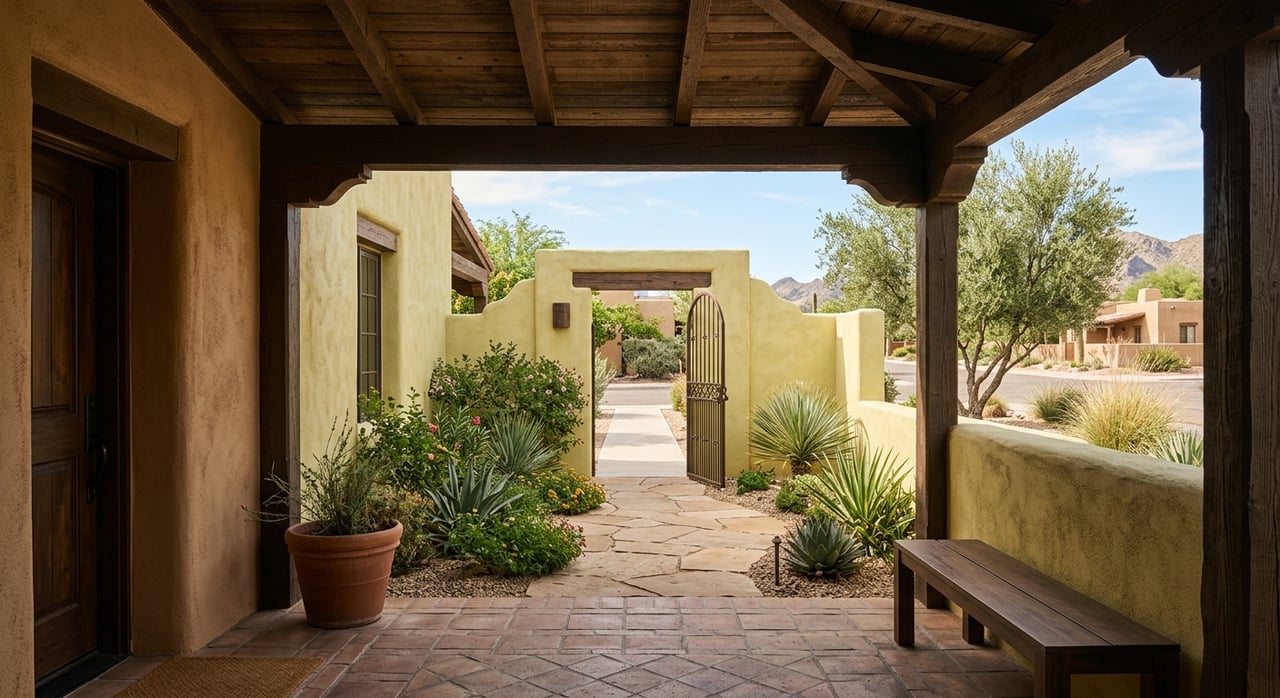
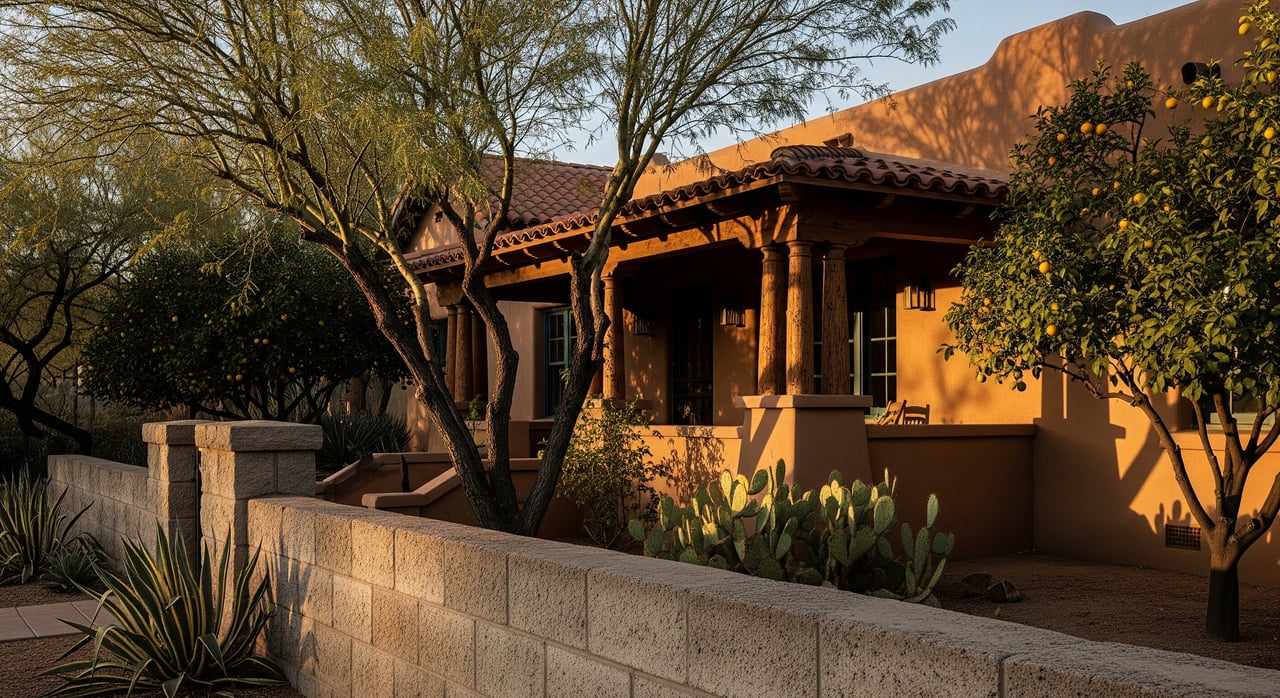
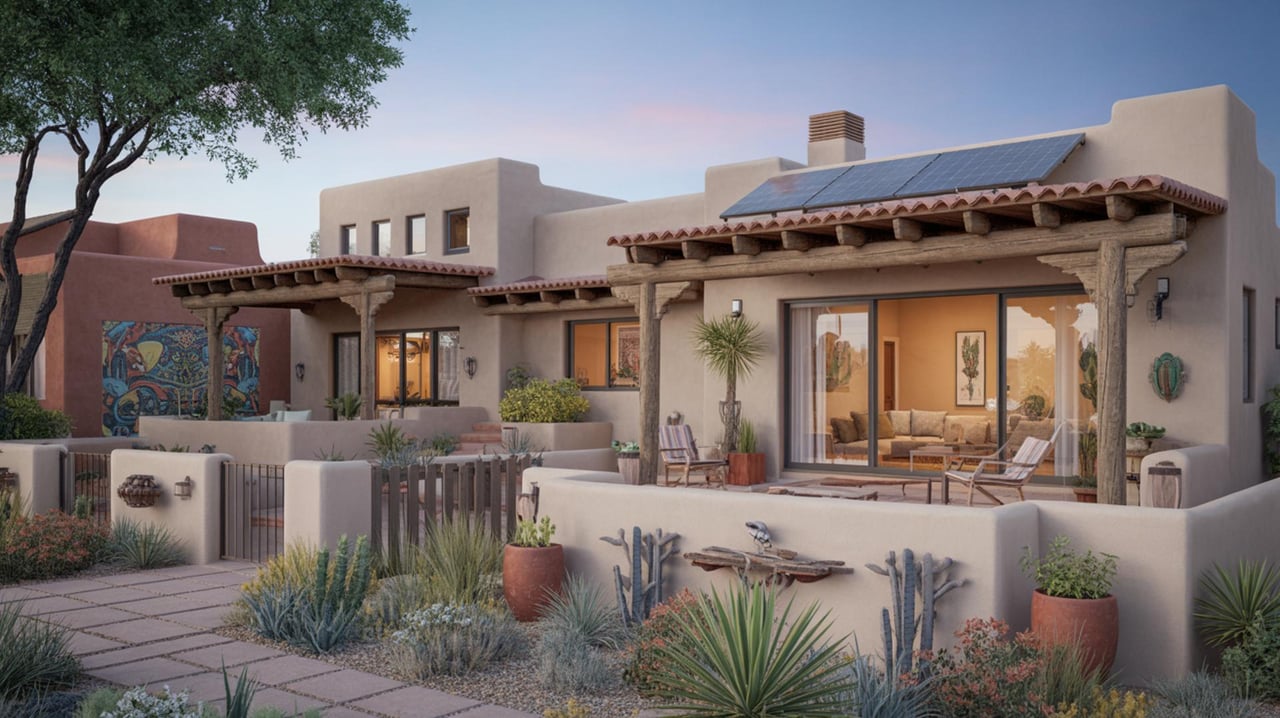
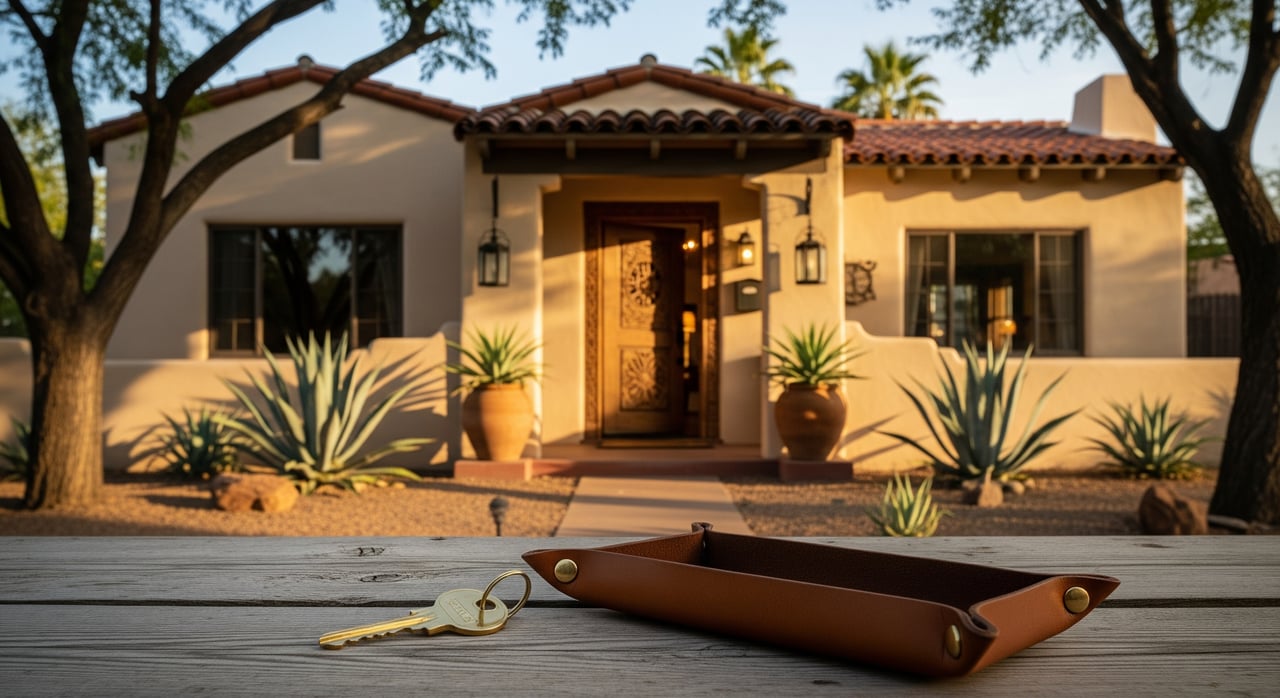
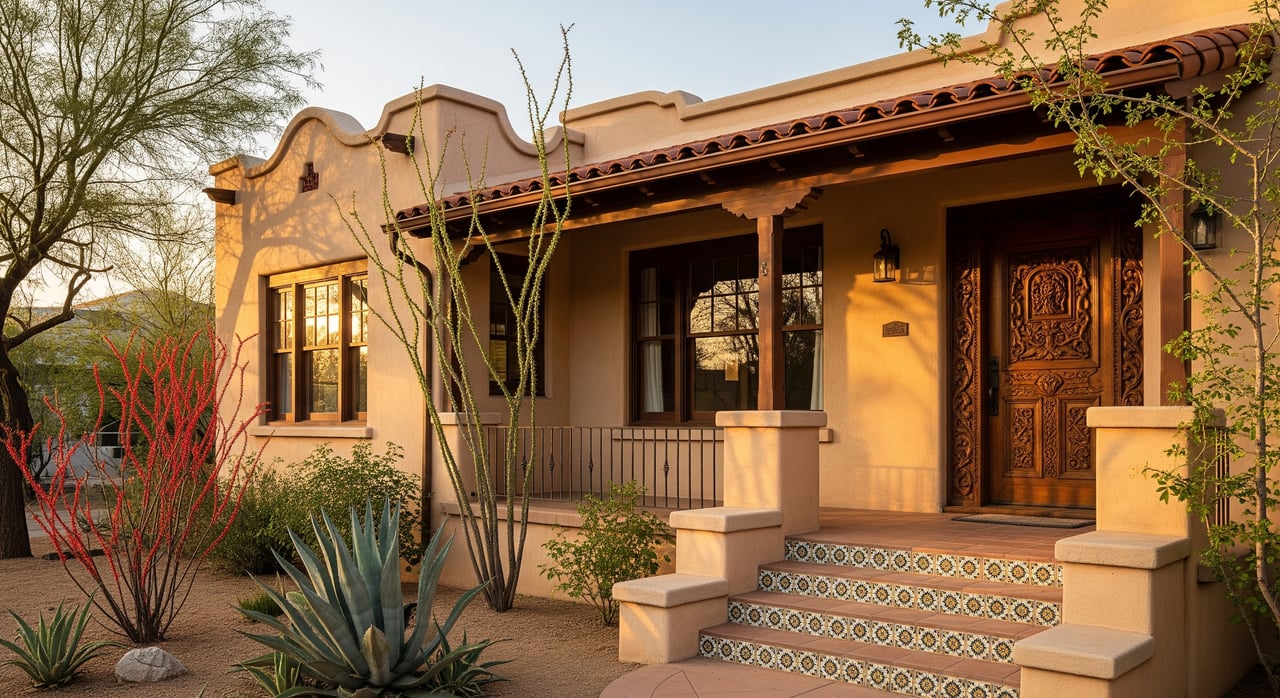
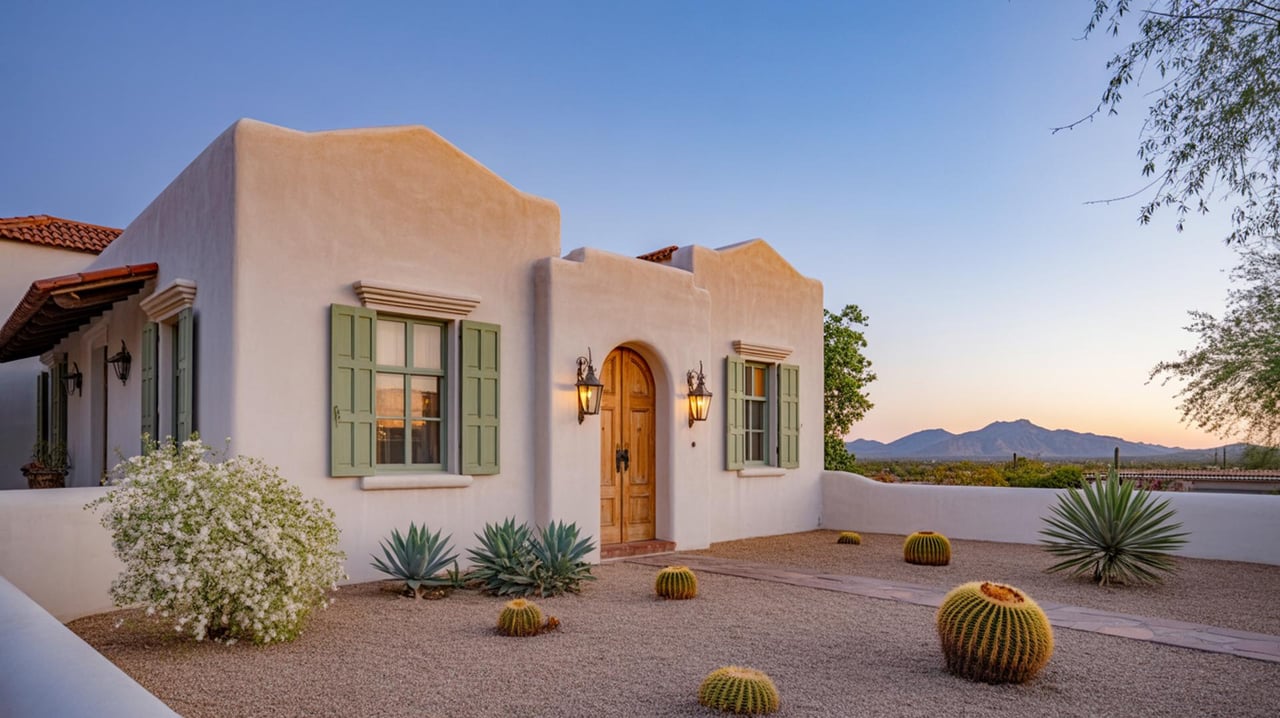
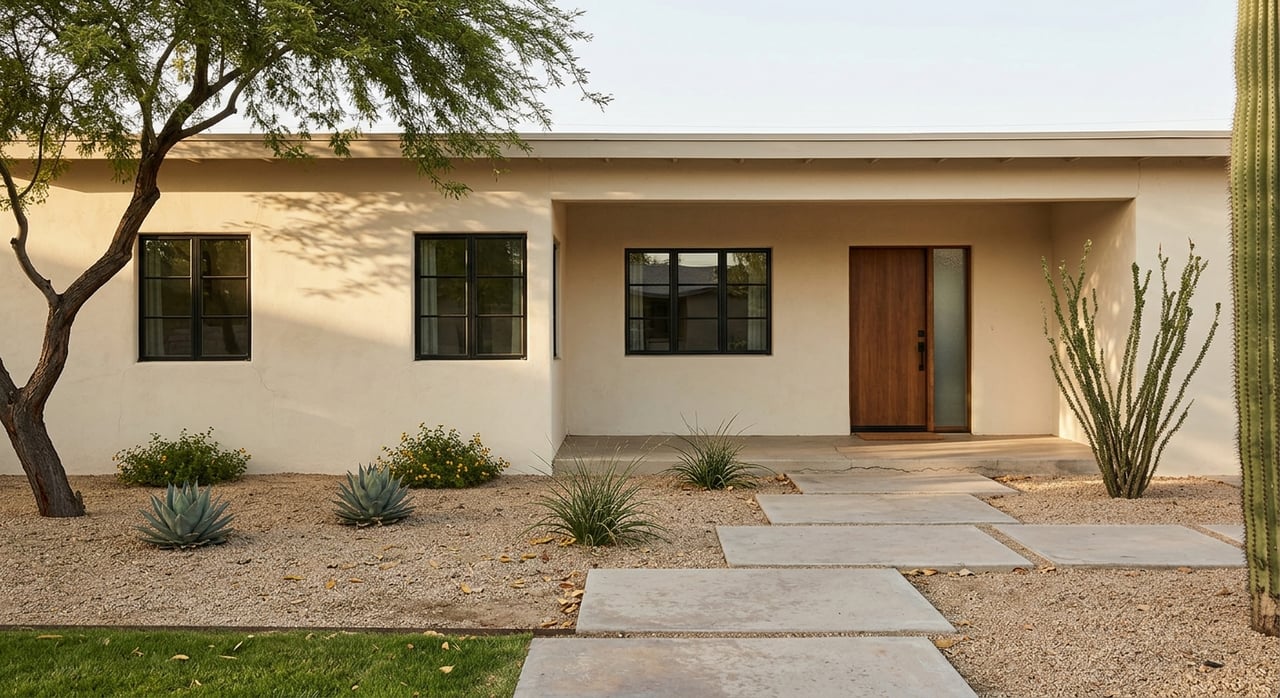
Sam Hughes has a character that is hard to duplicate elsewhere in Tucson. The neighborhood includes a strong mix of 1920s to 1950s architecture, with Spanish Eclectic as the dominant style, along with Craftsman Bungalow, Mission Revival, International, Ranch, and other period designs. That architectural variety gives the area visual consistency without making it feel repetitive.
The neighborhood also has established civic anchors. Himmel Park adds a 24-acre green space, and the Roy Place-designed Sam Hughes Elementary School contributes to the area’s long-standing identity. For many buyers, this blend of location, architecture, and mature public spaces is exactly what makes the neighborhood feel durable over time.
Why Buyers Pay a Premium
Sam Hughes trades at a clear premium compared with Tucson overall. Redfin reported a median sale price of $525,823 for the three months ending May 2026, compared with a Tucson-wide median sale price of $320,000 during the same period. That gap is meaningful, but it does not appear disconnected from demand.
Recent data also suggest the neighborhood remains relatively liquid. Redfin reported a median 43 days on market and a 98.0% sale-to-list ratio, while Realtor.com reported about 42 days on market and homes selling around asking price in May 2026. The safest takeaway is that Sam Hughes generally trades in the mid-$500,000s to low-$600,000s, sells near asking, and moves in about six weeks.
If you are evaluating the premium, the case is strongest when you see Sam Hughes as a long-hold neighborhood. Buyers are often paying for:
- Historic identity
- Limited supply
- University proximity
- Walkability and bike access
- Established parks and neighborhood anchors
- Potential owner-occupied historic tax relief on qualifying properties
Rental Potential in Sam Hughes
If part of your long-term strategy includes rental flexibility, Sam Hughes may offer options, but you should think in parcel-specific terms. The district is primarily made up of single-family homes, though the 2000 boundary increase also noted occasional duplexes and six apartment complexes. The original nomination also referenced about 418 accessory buildings, including guest houses, garages, and storage sheds.
That does not mean every property is set up for rental use or easy conversion. It does mean the neighborhood is not purely one housing type, and the university-driven housing ecosystem can support recurring rental interest. If rental income is part of your plan, it is worth checking the specific property, financing terms, and any local requirements before you assume flexibility.
Renovation Matters More Than Flipping
In Sam Hughes, a strong long-term investment usually looks more like thoughtful stewardship than a quick cosmetic flip. Because the neighborhood’s appeal depends on historic integrity and established character, preservation-sensitive updates often make more sense than dramatic repositioning. Buyers who do best here usually budget for long-term maintenance, systems upgrades, and exterior improvements that fit the home’s era.
This is especially important in an older housing stock. Roofing, plumbing, electrical, windows, drainage, and other envelope issues can have a bigger impact on your budget than surface-level finishes. If you are buying for a long hold, it helps to think beyond what looks attractive today and focus on what will protect value over the next 10 to 15 years.
National Register Status and Remodeling
One of the biggest misconceptions about Sam Hughes is that National Register status automatically blocks remodels or demolition. It does not. Under federal law, listing on the National Register does not by itself restrict what a non-federal owner may do with a property, and it does not automatically create local historic zoning or local landmark designation.
That said, local rules can still matter in Tucson. Separate local overlays and age-based demolition review may affect what is possible on a specific parcel. The smartest approach is to treat every property as its own due diligence case rather than making assumptions based on the district name alone.
Historic Tax Relief Can Change the Math
For some owner-occupants, the tax picture can be a meaningful part of the long-term investment story. The City of Tucson says owner-occupied homes listed on the National Register may qualify for the State Historic Property Tax Reclassification Program, which can reduce property taxes by 35% to 45%. Arizona law says that classification can last for 15 consecutive tax years and may be renewed.
This benefit is not automatic. Owners must file with the county assessor, and eligibility should be reviewed carefully. The city also advises owners to consult an accountant or tax attorney when determining whether a property qualifies.
If you are buying to live in the home long term, this is one area where good planning may improve the carrying-cost equation. If you are buying primarily as a rental or rehab project, you should not assume the same benefit applies.
What to Budget For
If you want Sam Hughes to perform well as a long-term home investment, you should budget with realism. The neighborhood’s age and historic character can reward careful ownership, but they usually come with more ongoing maintenance than newer suburban inventory. That is part of the tradeoff when you buy into a place with strong identity and limited supply.
A practical budget should account for:
- Core system upgrades over time
- Exterior and envelope maintenance
- Preservation-sensitive remodeling choices
- Possible review steps tied to age or local rules
- Higher entry pricing than Tucson overall
When you approach the purchase with that mindset, the premium can feel more intentional and less speculative.
Who Sam Hughes Fits Best
Sam Hughes tends to work best for buyers who want more than simple square footage. It can be a strong fit if you value a close-in Tucson location, established neighborhood character, walkability, and a home with lasting appeal. It may also appeal to buyers who want a property that can serve as both a lifestyle purchase and a disciplined long-term hold.
It may be less ideal if your plan depends on major redevelopment, minimal maintenance, or a quick turnaround. The neighborhood’s strengths are real, but they reward patience, planning, and respect for the existing fabric.
Final Takeaway
As a long-term home investment, Sam Hughes stands out because it combines limited supply, historic identity, walkable livability, and a steady demand engine from the University of Arizona. The neighborhood’s price premium is real, but recent market data suggest it remains active and supported by actual buyer demand. For the right buyer, that makes Sam Hughes less about chasing short-term upside and more about owning a scarce piece of Tucson in a location that continues to matter.
If you want help evaluating whether a specific Sam Hughes property fits your long-term goals, Daniel Sotelo can help you weigh the neighborhood, the numbers, and the property details with a clear local perspective.
FAQs
Is Sam Hughes in Tucson a good long-term home investment?
- Yes, the strongest case is based on scarcity, historic character, university proximity, walkability, and steady demand rather than on new development potential.
Does National Register status in Sam Hughes stop remodeling?
- No, National Register listing alone does not restrict what a non-federal owner can do, but local overlays and age-based demolition review may still apply depending on the property.
Can a Sam Hughes property work as a rental in Tucson?
- Potentially yes, since the neighborhood sits near the University of Arizona and includes some duplexes, apartment complexes, and accessory structures, but rental suitability depends on the specific parcel and financing.
Why are home prices in Sam Hughes higher than Tucson overall?
- Buyers are generally paying for limited supply, historic identity, a close-in location near the university, walkability, and established neighborhood features like Himmel Park.
What should you budget for when buying in Sam Hughes?
- You should plan for ongoing maintenance, core system updates, exterior and envelope work, and remodeling choices that fit the age and character of the home.
Can owner-occupants in Sam Hughes get historic property tax relief?
- Some owner-occupied homes listed on the National Register may qualify for Arizona’s historic property tax reclassification program, but enrollment is not automatic and eligibility must be confirmed through the county assessor process.