Luxury Has a Sameness Problem. I’m Interested in Something Else.
Walk through enough expensive homes and you begin to notice it.
The same neutral palettes.
The same designer furniture.
The same carefully placed art.
The same perfectly coordinated rooms.
Everything is beautiful.
Everything is expensive.
And increasingly, everything looks the same.
After years of walking through homes across Tucson, working with buyers and sellers, studying architecture, traveling, and developing my own sense of taste, I have become increasingly interested in something else.
I am interested in homes that resist immediate understanding.
Homes that contain contradiction.
Homes where objects from different countries, centuries, cultures, and design movements somehow occupy the same space.
Homes that reveal themselves slowly.
Homes with something intelligent to say.
I have begun thinking of this philosophy as Intellectual Maximalism.
And I believe it offers a more interesting way to think about luxury.
What Is Intellectual Maximalism?
Intellectual Maximalism is not simply maximalism.
It is not about filling every wall, covering every surface, or accumulating objects for the sake of accumulation.
More is not necessarily more.
Intellectual Maximalism is the deliberate layering of architecture, art, history, culture, objects, and ideas to create spaces that reward curiosity.
It is the belief that a home should contain something to discover.
Something to question.
Something that requires a second look.
The rooms feel collected rather than decorated.
There is an important difference.
A decorated room attempts to create harmony.
A collected room allows tension.
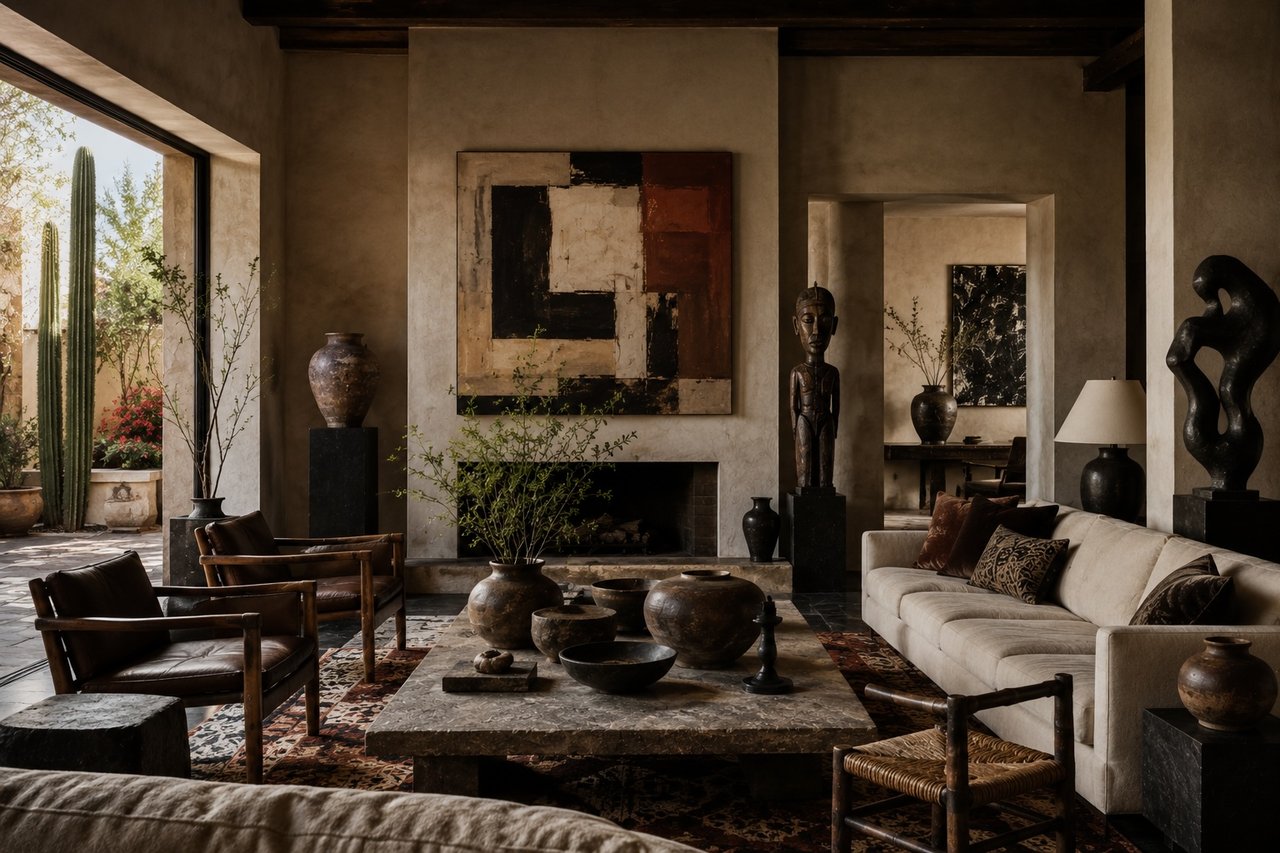
An ancient object might sit beside contemporary art. A brutalist chair might occupy a historic adobe room. Mexican modernism might converse with European antiques. Folk art might share space with museum-quality design.
On paper, the pieces should not necessarily work together.
And yet, somehow, they do.
Nothing matches, yet everything belongs.
That tension is where things become interesting.
Can a Home Be Beautiful and Still Be Boring?
I believe it can.
That may be an uncomfortable idea in a world increasingly surrounded by beautiful imagery.
We have never had greater access to extraordinary interiors, architecture, hotels, restaurants, and homes.
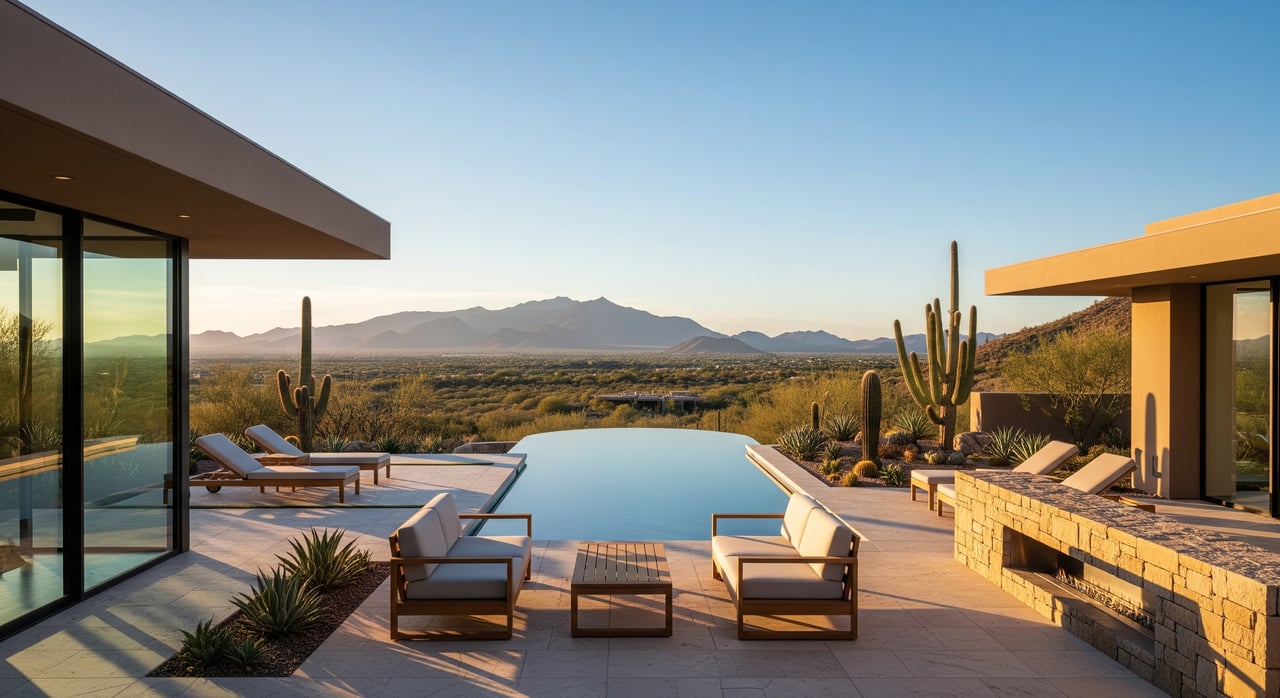
Open a magazine or scroll through social media and you can see thousands of perfectly designed spaces.
The problem is that perfection has become remarkably easy to recognize.
And increasingly difficult to remember.
A room can be impeccably designed and leave you with nothing to think about.
It can contain the correct furniture, the correct art, the correct materials, and the correct lighting.
Everything works.
But nothing challenges you.
Nothing surprises you.
Nothing makes you curious.
A beautiful room catches your attention. An intelligent room holds it.
This distinction has become increasingly important to me.
Because the homes I remember most are rarely the ones that achieved perfection.
They are the ones that gave me something to think about.
Real Estate Has Given Me an Unusual Education in Taste
Working in Tucson luxury real estate has given me the privilege of walking through hundreds of homes.
Historic properties.
Adobe homes.
Midcentury architecture.
Contemporary desert residences.
Modest houses filled with extraordinary collections.
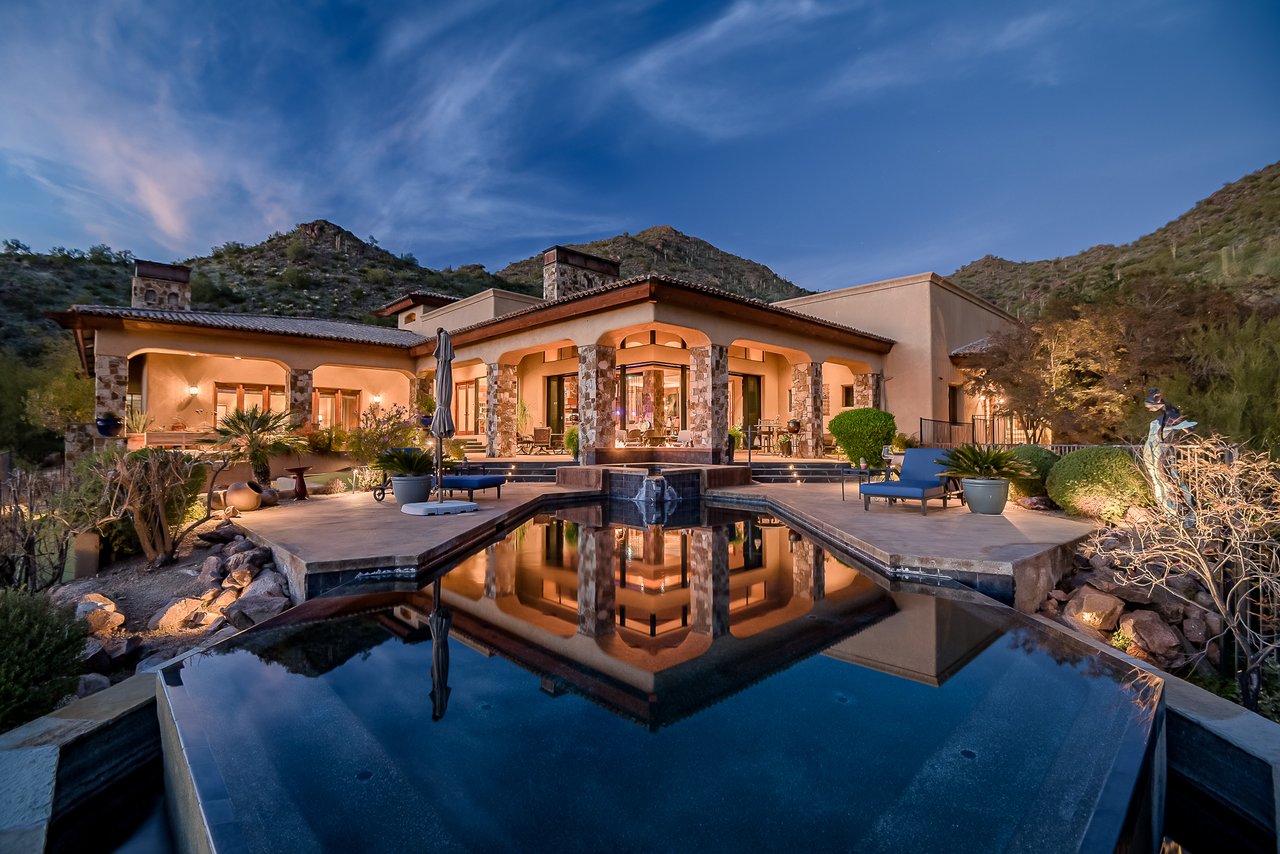
Multimillion-dollar estates in the Catalina Foothills.
And I have learned something.
Price and interesting are not synonyms.
Some extraordinary homes are forgotten almost immediately.
Others stay with you for years.
I have become fascinated by the difference.
Why do certain spaces remain in our imagination?
Why does one house feel alive while another, despite its beauty and expense, feels strangely anonymous?
I believe the answer has something to do with evidence.
Evidence of curiosity.
Evidence of experience.
Evidence of time.
Evidence of a life actually lived.
The unusual painting.
The books that have clearly been read.
The furniture brought home from another country.
The inherited object that does not perfectly match anything else.
The strange sculpture whose presence initially makes no sense—and then somehow becomes the most memorable thing in the room.
These homes contain layers.
And layers cannot be manufactured overnight.
Good Taste Coordinates. Great Taste Creates Tension.
We are frequently taught that good design is about coordination.
Colors should complement one another.
Furniture should belong to a recognizable style.
Architecture and interiors should speak the same visual language.
There is nothing wrong with this approach.
It often creates beautiful homes.
But I am increasingly interested in what happens when we move beyond coordination.
What happens when a room contains contradiction?
What happens when something ancient sits beside something unapologetically modern?
What happens when an object that is conventionally considered beautiful shares space with something strange, imperfect, primitive, humorous, or even slightly unsettling?
The room develops a personality.
It begins to ask questions.
And perhaps most importantly, it begins to reveal something about the person who lives there.
Good taste coordinates. Great taste creates tension.
But here is where maximalism often goes wrong.
Intellectual Maximalism Is Not Clutter
Creating tension requires confidence.
It also requires restraint.
The difference between Intellectual Maximalism and clutter is discernment.
Not every object deserves to be collected.
Not every contradiction is interesting.
Not every expensive piece is important.
And not every unusual object belongs in the room.
Intellectual Maximalism requires curiosity, knowledge, patience, and the willingness to develop your taste over time.
The objective is not simply to own more.
It is to understand more.
That distinction matters.
The maximalist asks:
What else can I add?
The Intellectual Maximalist asks:
Why does this deserve to be here?
Every object does not need to match.
But every object should contribute something.
Beauty.
History.
Memory.
Humor.
Contradiction.
Provenance.
Mystery.
An idea.
The luxury is in the discernment, not the display.
Luxury Should Reveal Itself Slowly
Conventional luxury often communicates itself immediately.
You walk into a room and understand exactly what you are supposed to see.
The expensive stone.
The designer furniture.
The impressive chandelier.
The recognizable artwork.
The scale.
The view.
Intellectual Maximalism is interested in a quieter and, I believe, more sophisticated question:
What happens after the initial impression?
The most interesting homes continue to reveal themselves.
You notice the architecture first.
Then the art.
Then an unusual chair.
Then a photograph.
Then an object sitting quietly on a table that turns out to have an extraordinary history.
You begin asking questions.
Where did that come from?
Who made it?
Why is it here?
What does it mean?
Suddenly, the home becomes a conversation.
This is the kind of luxury I find increasingly compelling.
Elevated without being conventional.
Sophisticated without becoming sterile.
Curated without feeling calculated.
It is not interested in proving wealth.
It is interested in demonstrating curiosity.
Generic luxury wants to be recognized. Interesting luxury wants to be discovered.
The Architecture Provides Discipline. The Objects Provide Personality.
One of the dangers of maximalism is that a space can quickly become overwhelmed.
This is why architecture matters.
Strong architecture creates boundaries.
Proportion, scale, material, light, and spatial organization provide the discipline that allows unusual objects to coexist.
The architecture holds the room together.
The objects disrupt it.
I find this relationship fascinating.
A restrained architectural environment can support extraordinary complexity.
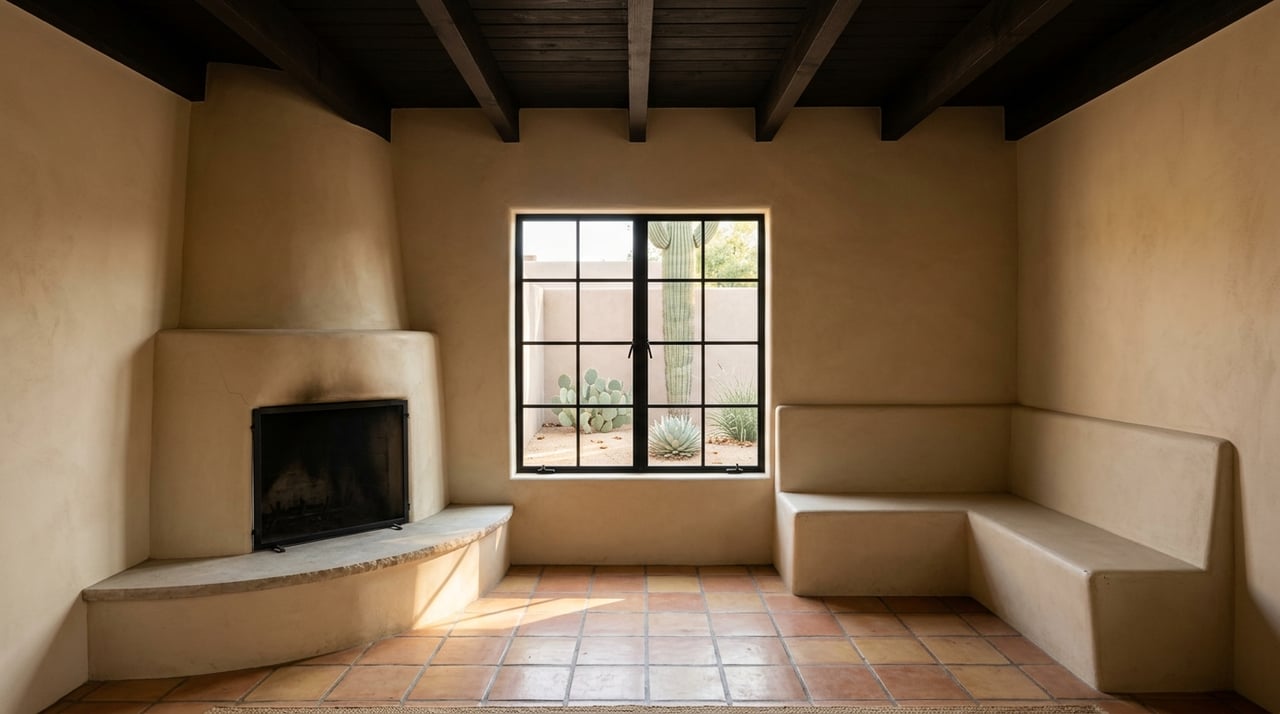
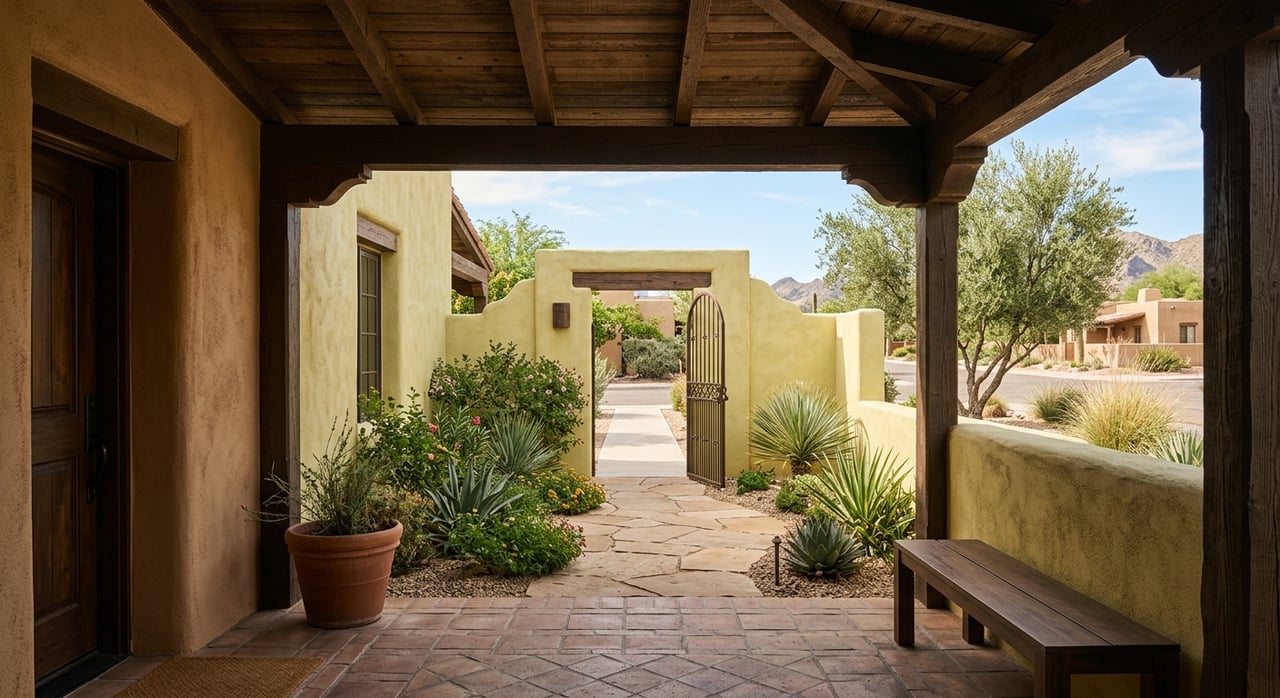
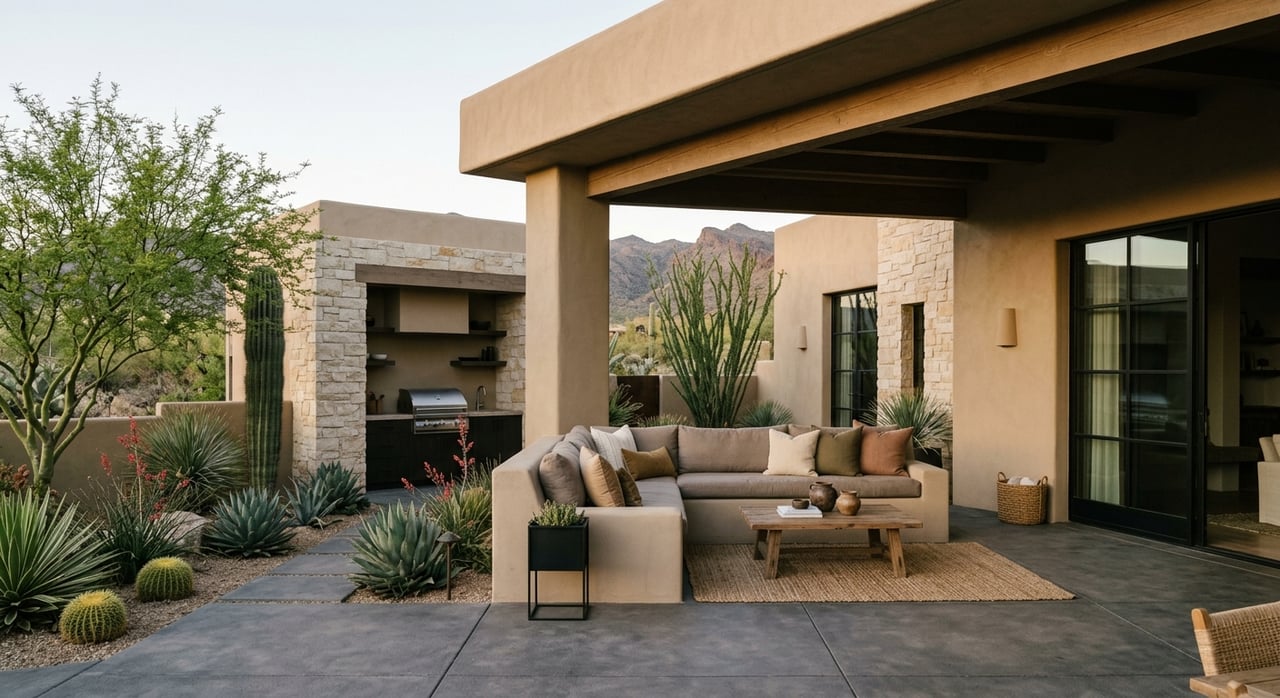
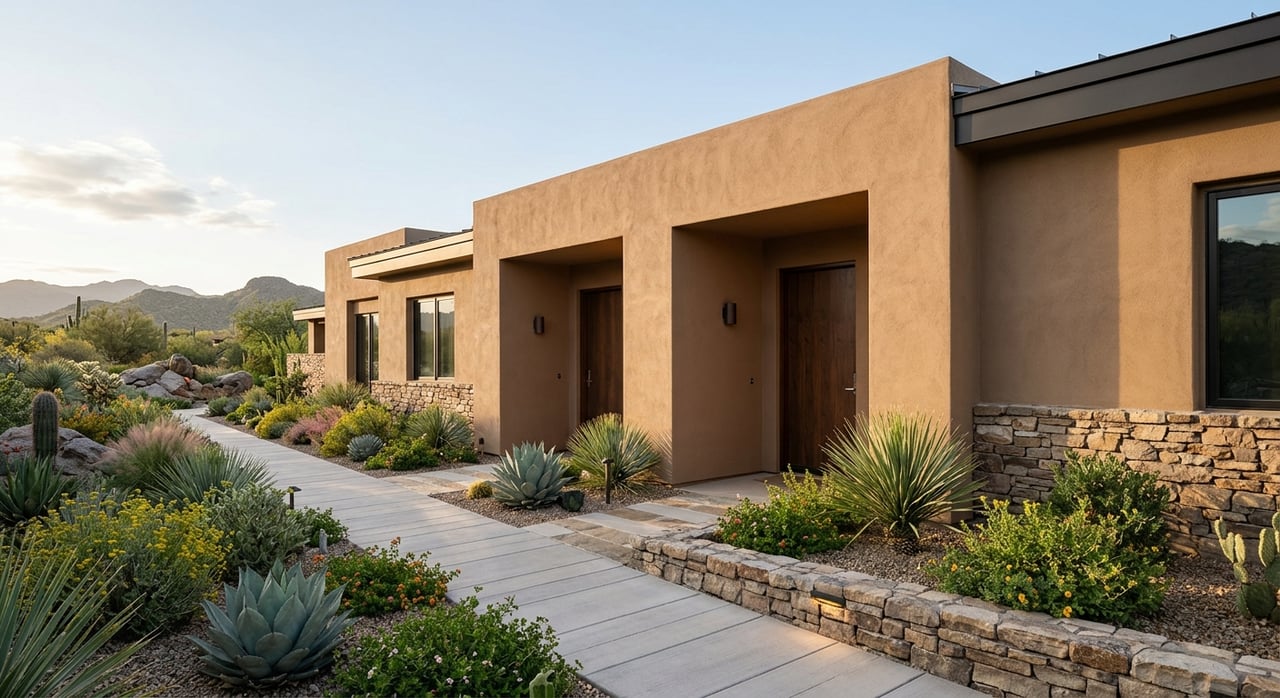
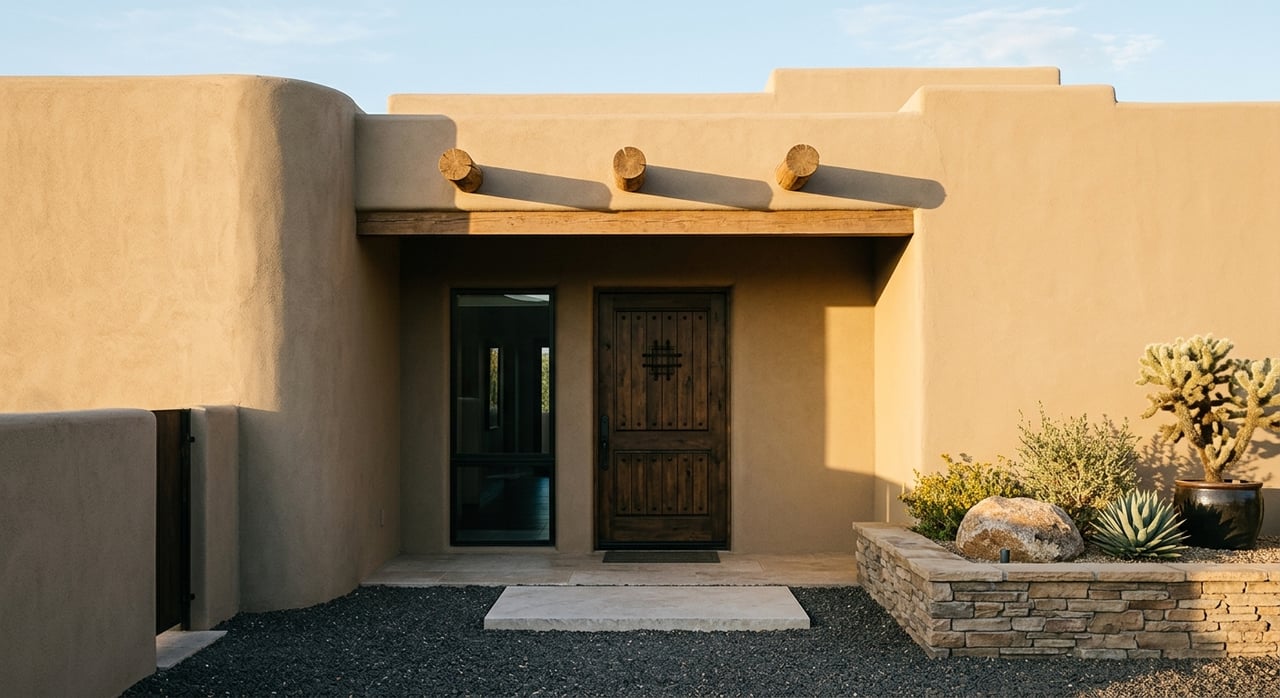
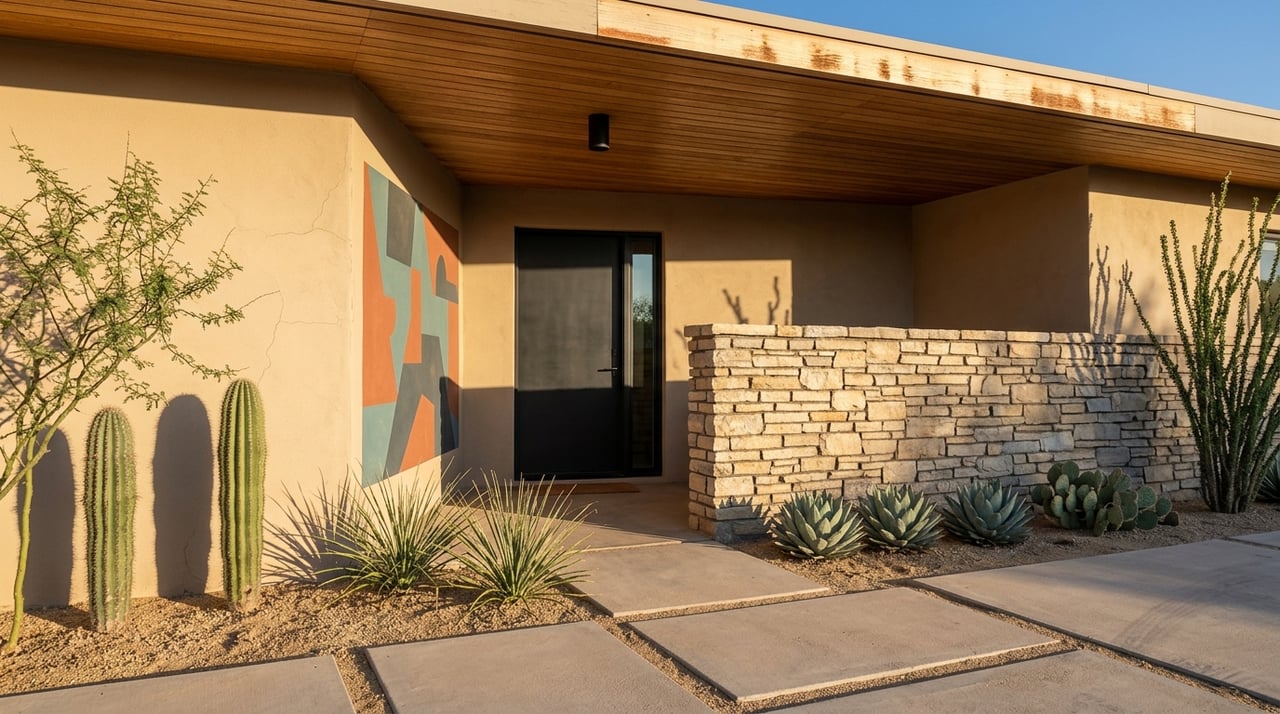
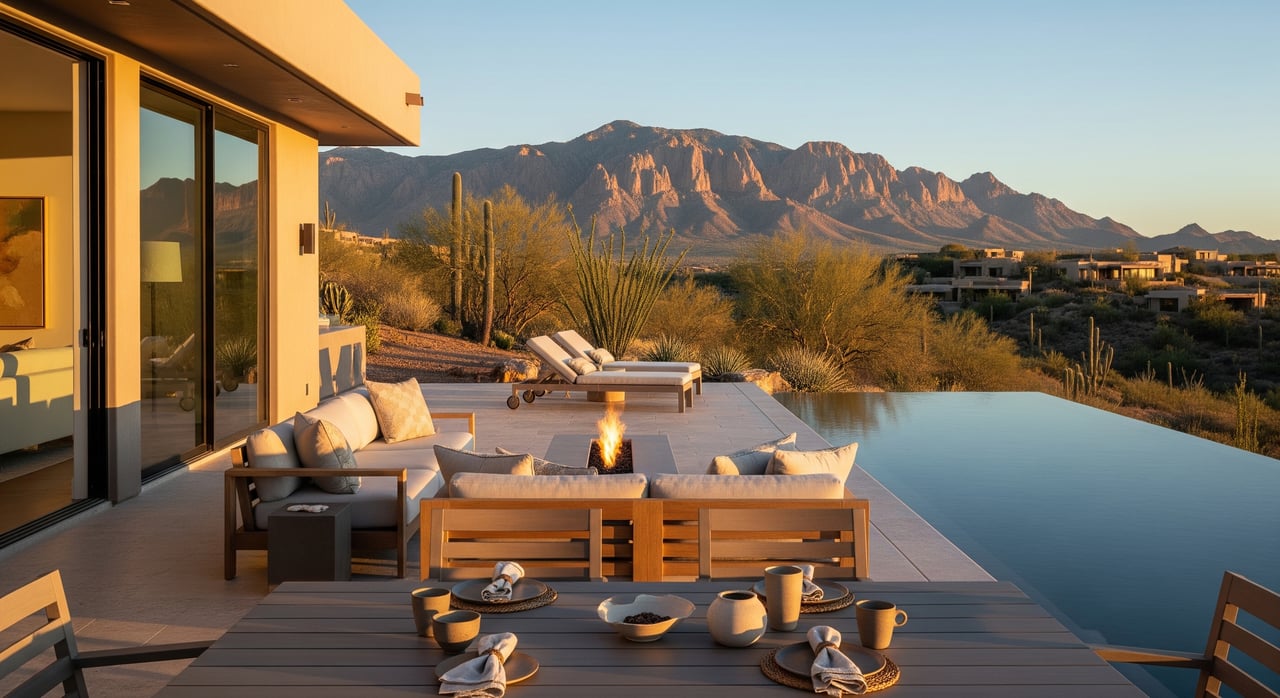
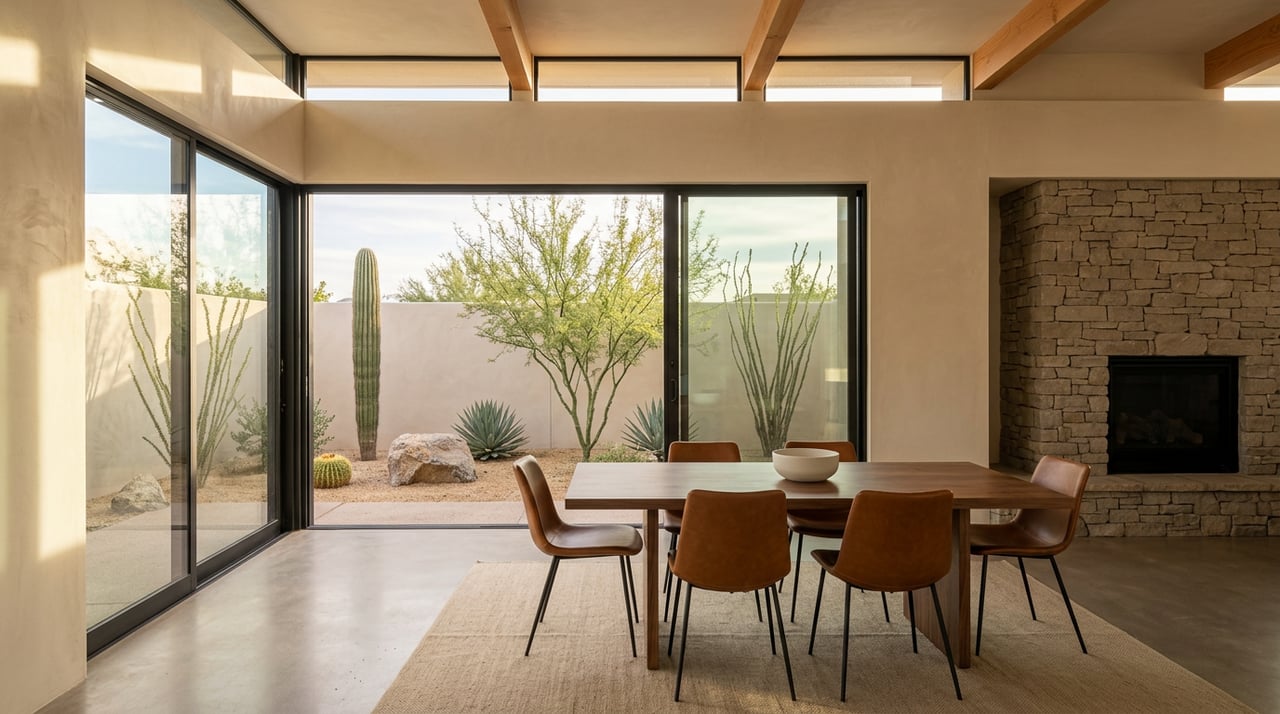
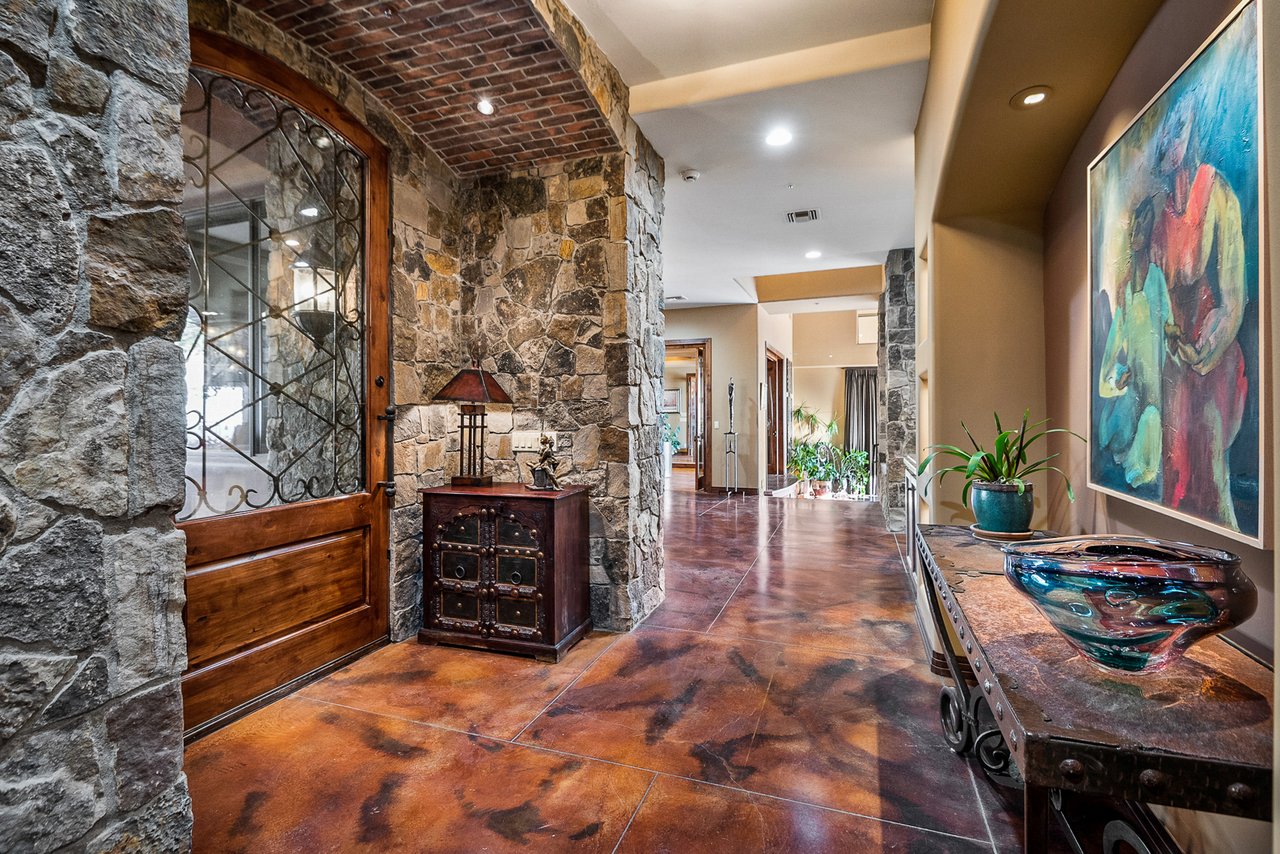
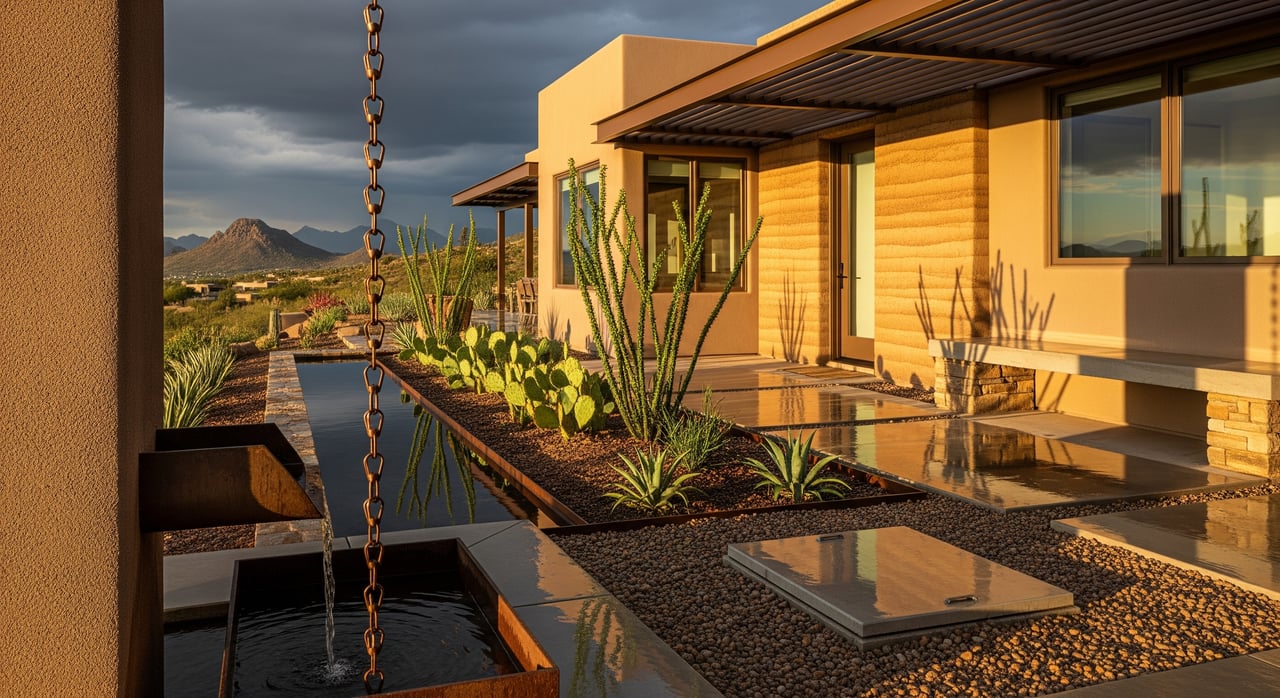
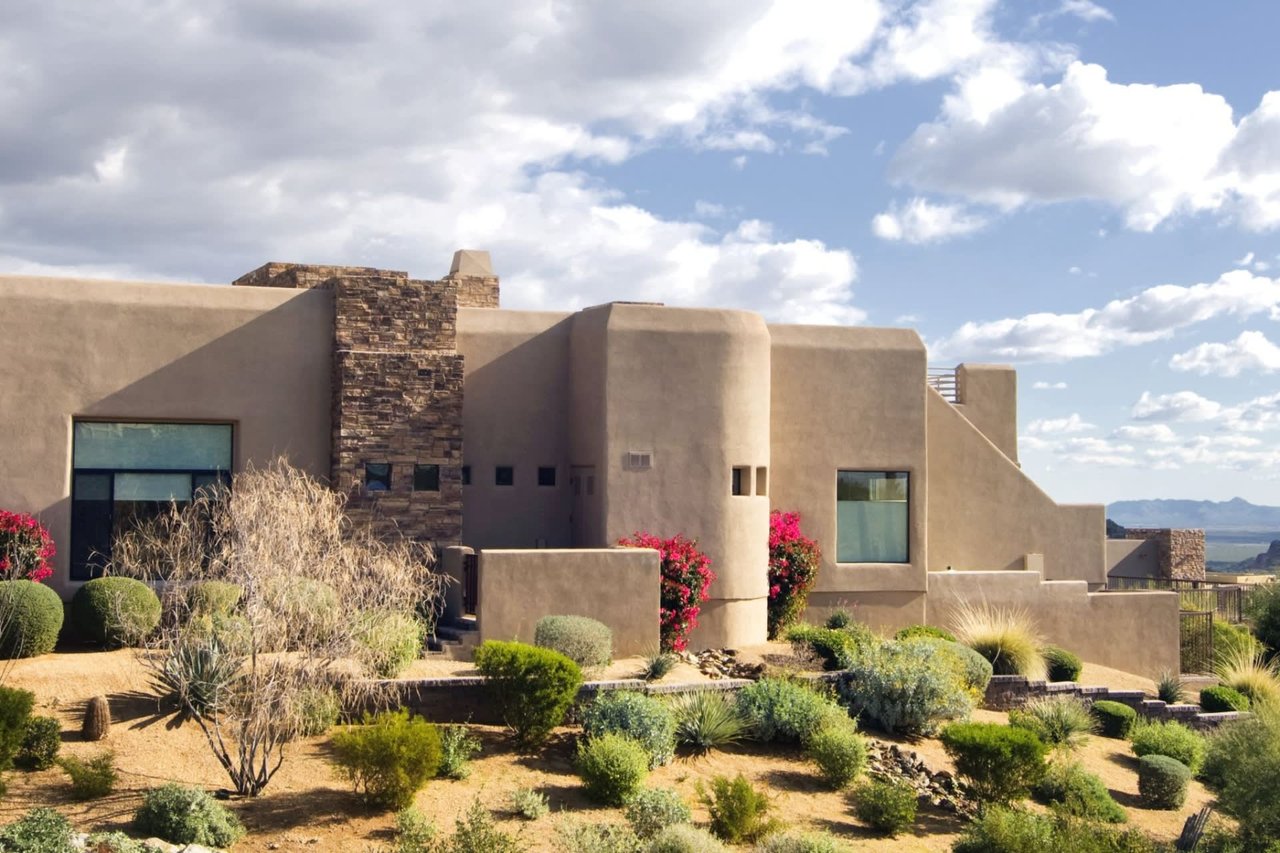
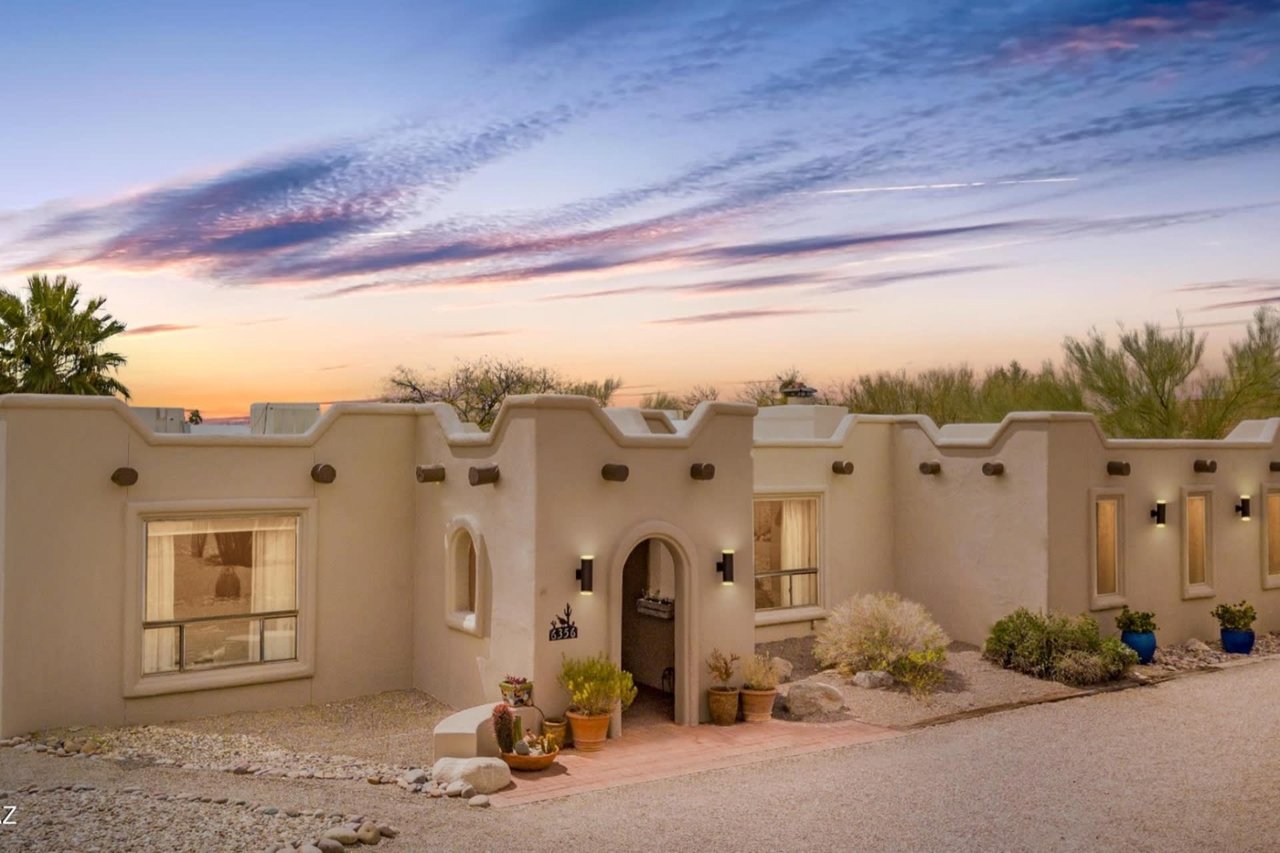
Thick plaster walls.
Concrete floors.
Aged wood.
Stone.
Deep shadows.
Monumental windows.
Quiet courtyards.
Against this disciplined backdrop, objects are allowed to become more expressive.
A massive contemporary painting.
An ancient vessel.
A strange sculpture.
An inherited piece of furniture.
A chair that appears almost impossible to sit in.
Something humorous.
Something imperfect.
Something whose beauty is difficult to explain.
The architecture provides discipline. The objects provide personality.
The result is not chaos.
It is conversation.
Why Tucson Is the Perfect Setting for Intellectual Maximalism
Perhaps this philosophy resonates so deeply with me because I live and work in Tucson.
Tucson itself is layered.
Indigenous history.
Spanish influence.
Mexican culture.
Territorial architecture.
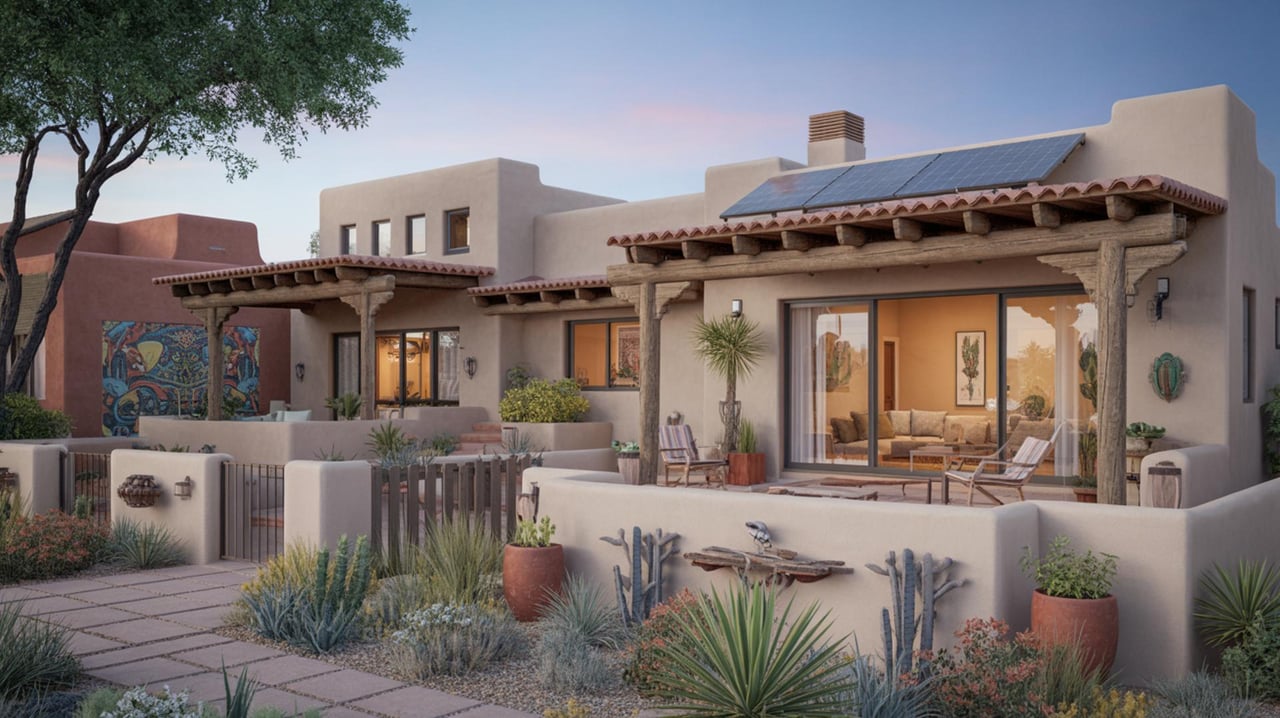
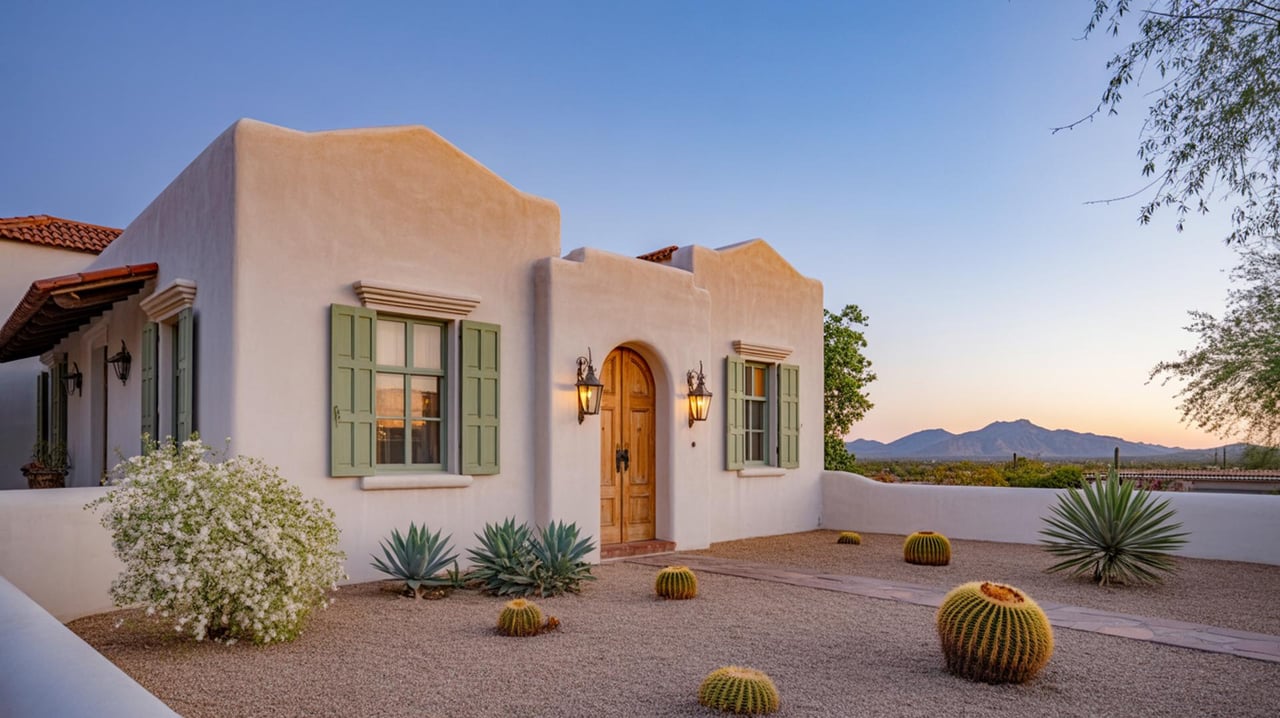
Adobe.
Midcentury modernism.
Brutalism.
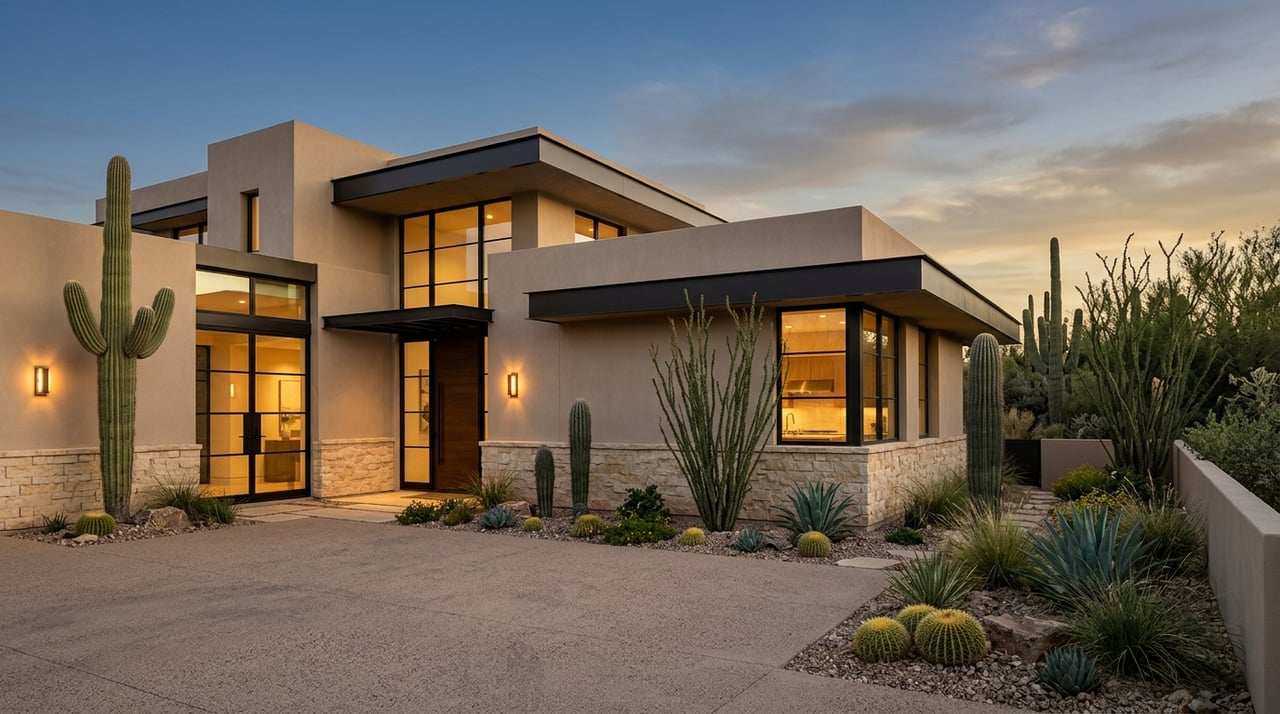
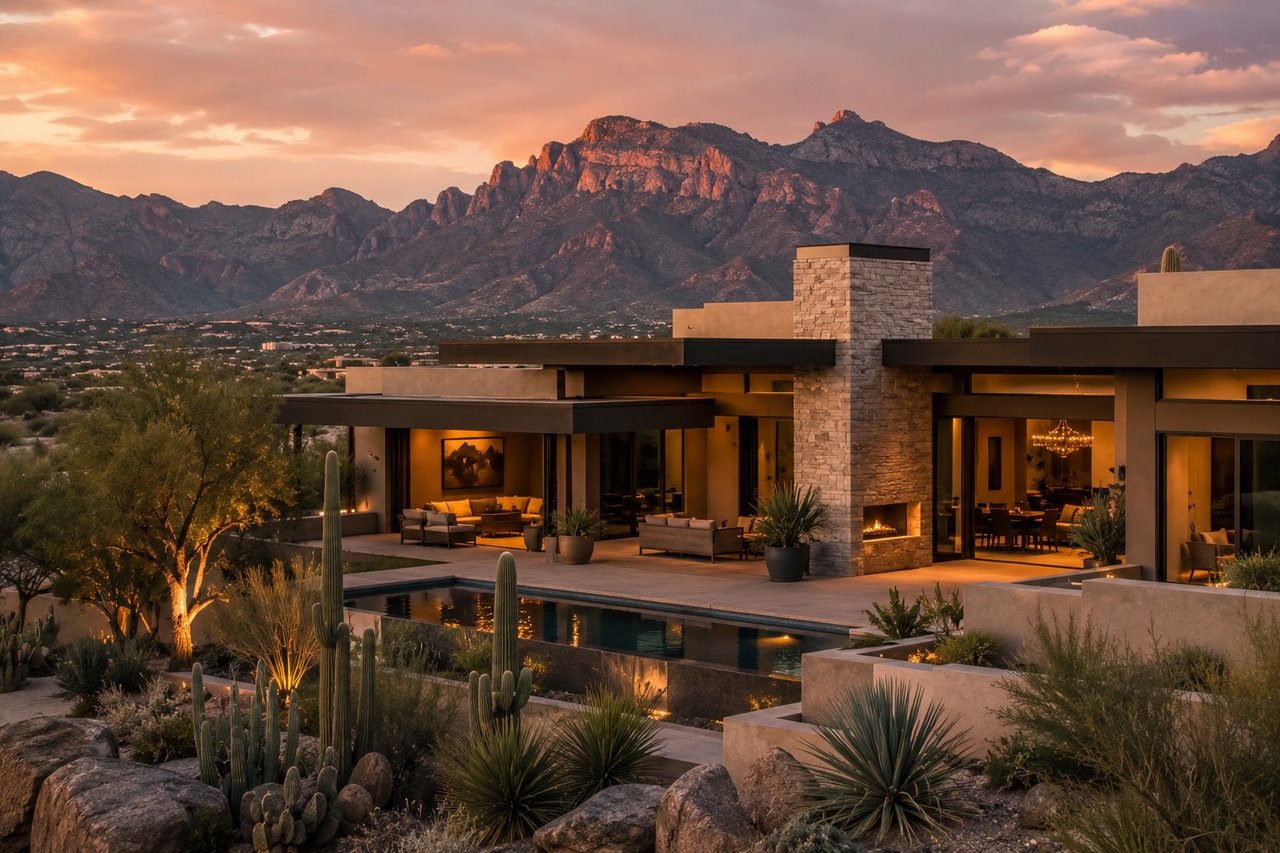
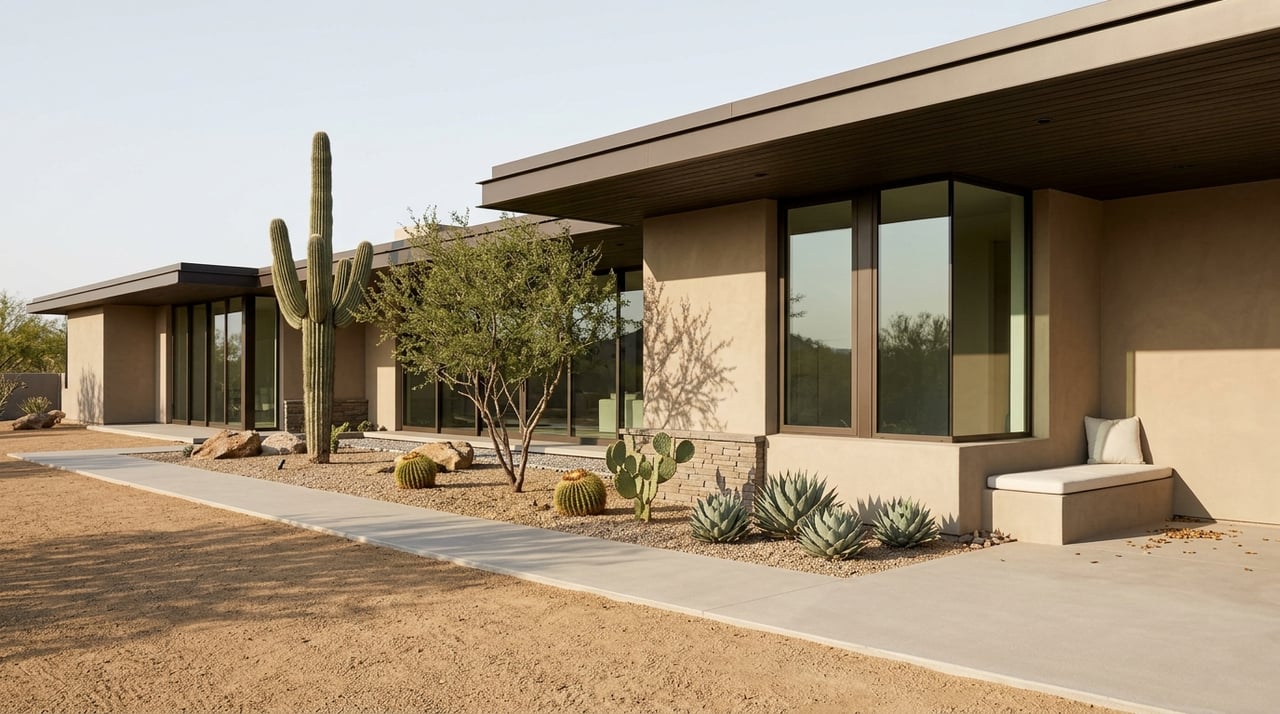
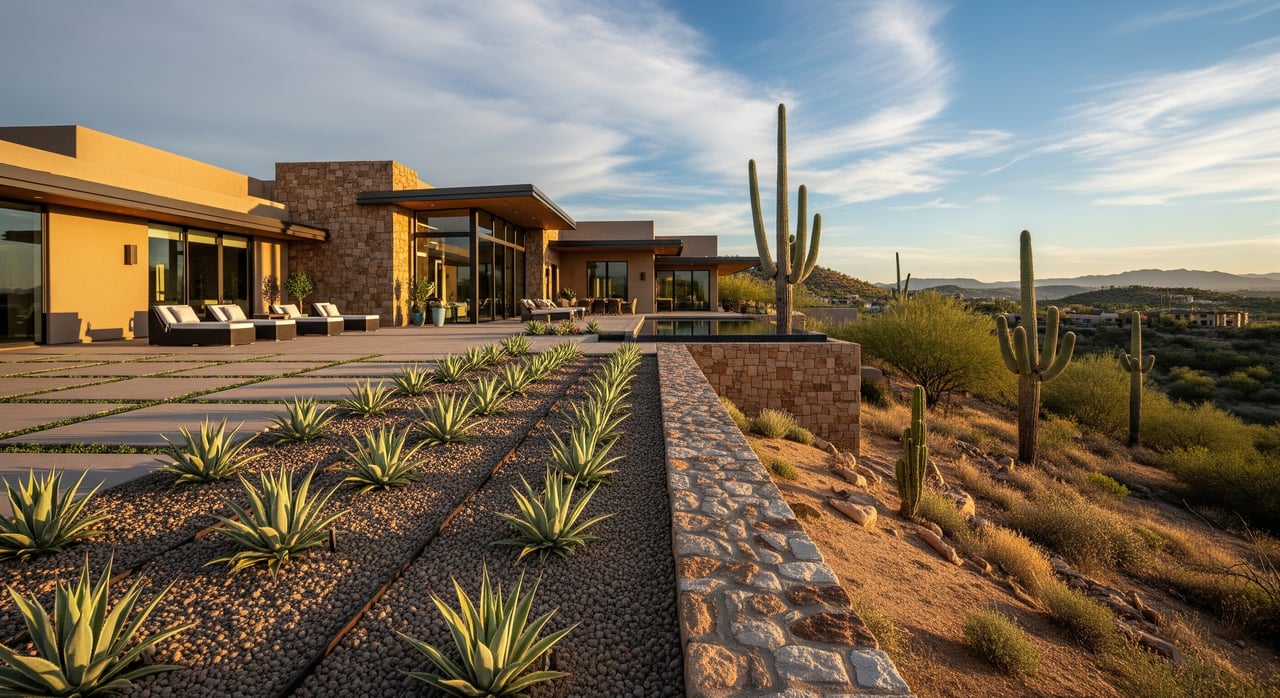
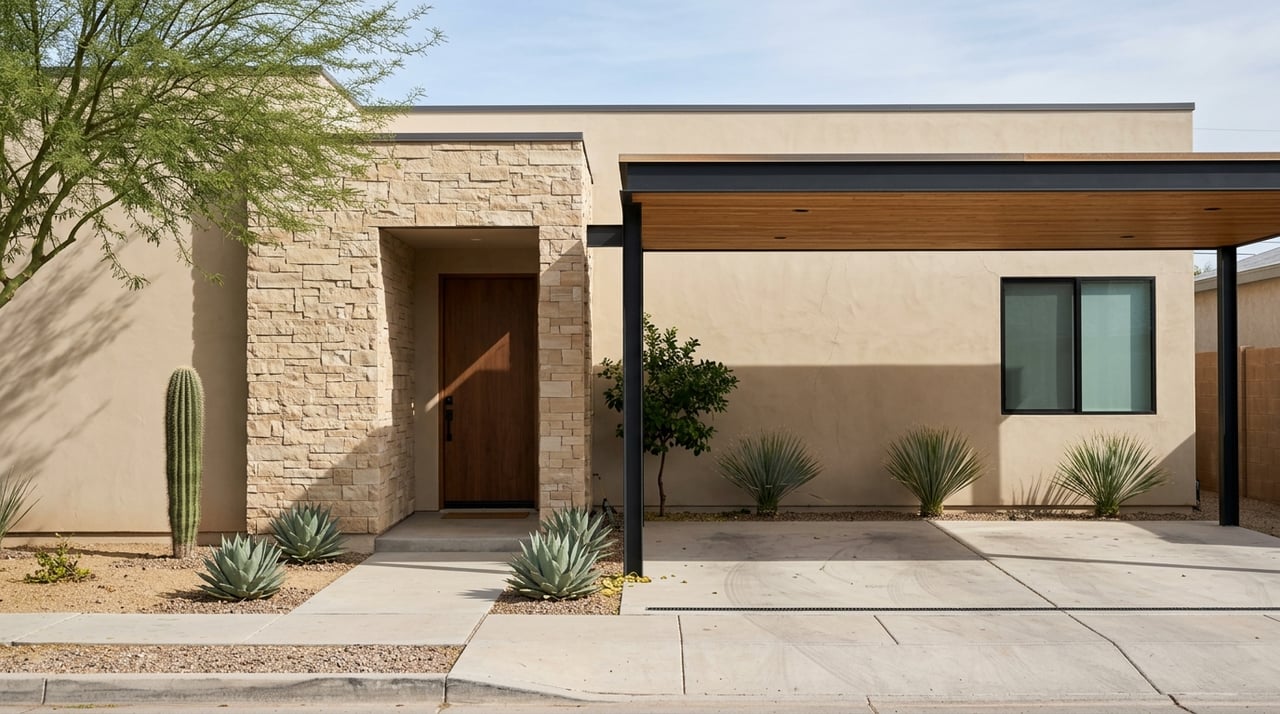
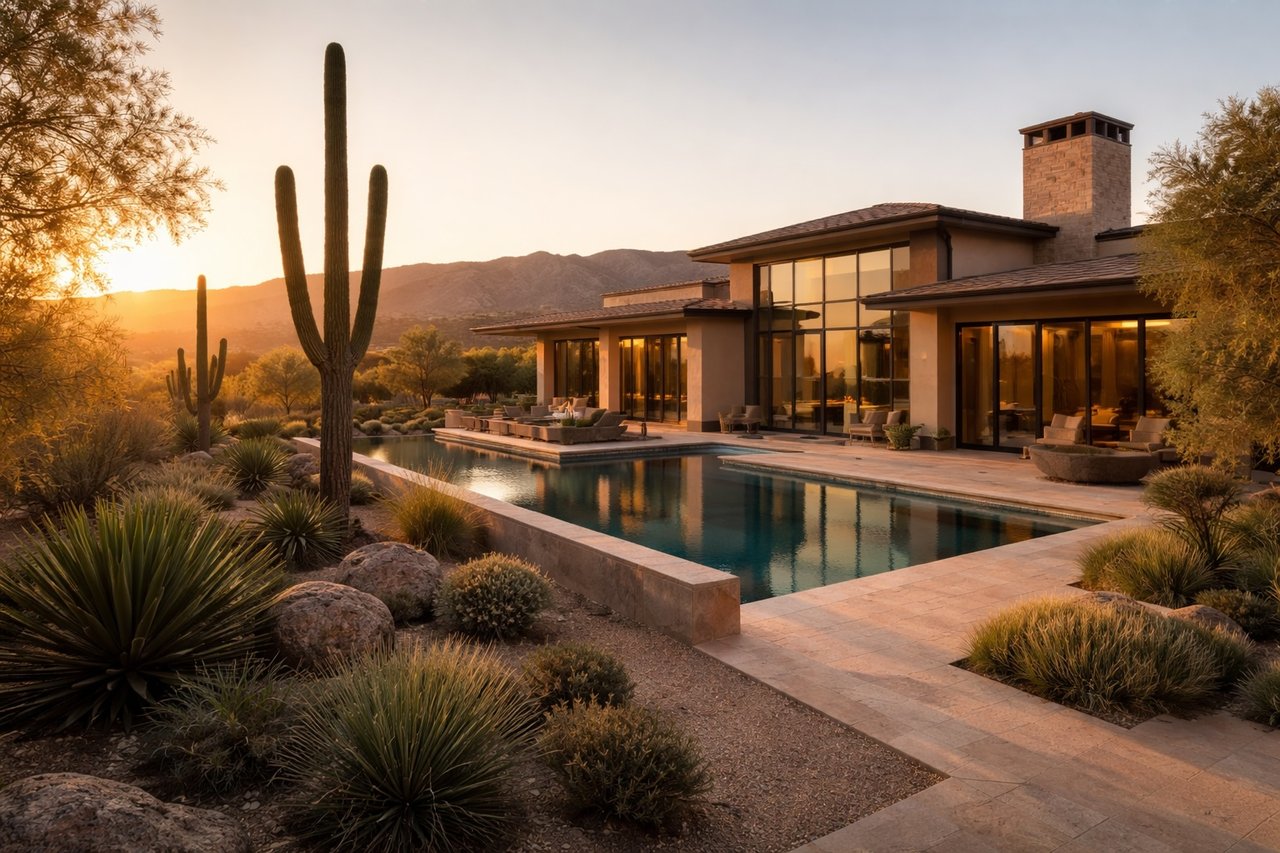
Contemporary Sonoran Desert architecture.
The Sonoran Desert has never been interested in simplicity.
Look closely at the landscape.
It is complex, contradictory, harsh, delicate, ancient, and constantly changing.
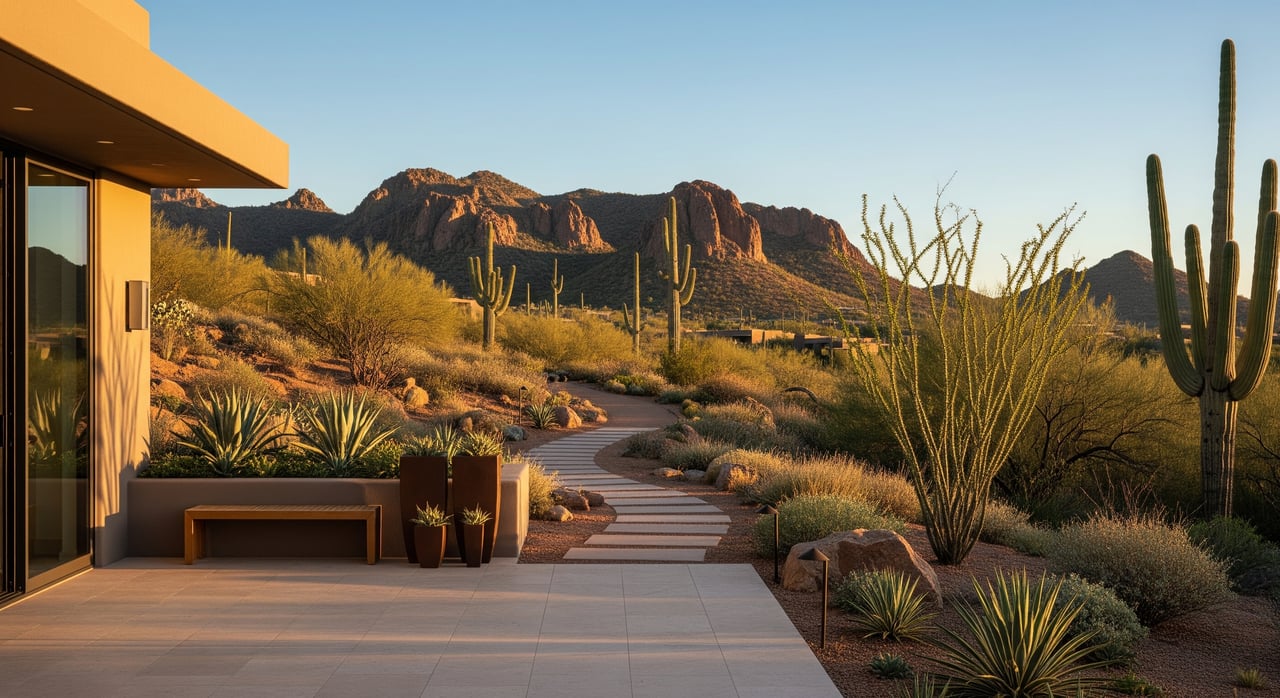
A towering saguaro can stand beside an impossibly small desert flower.
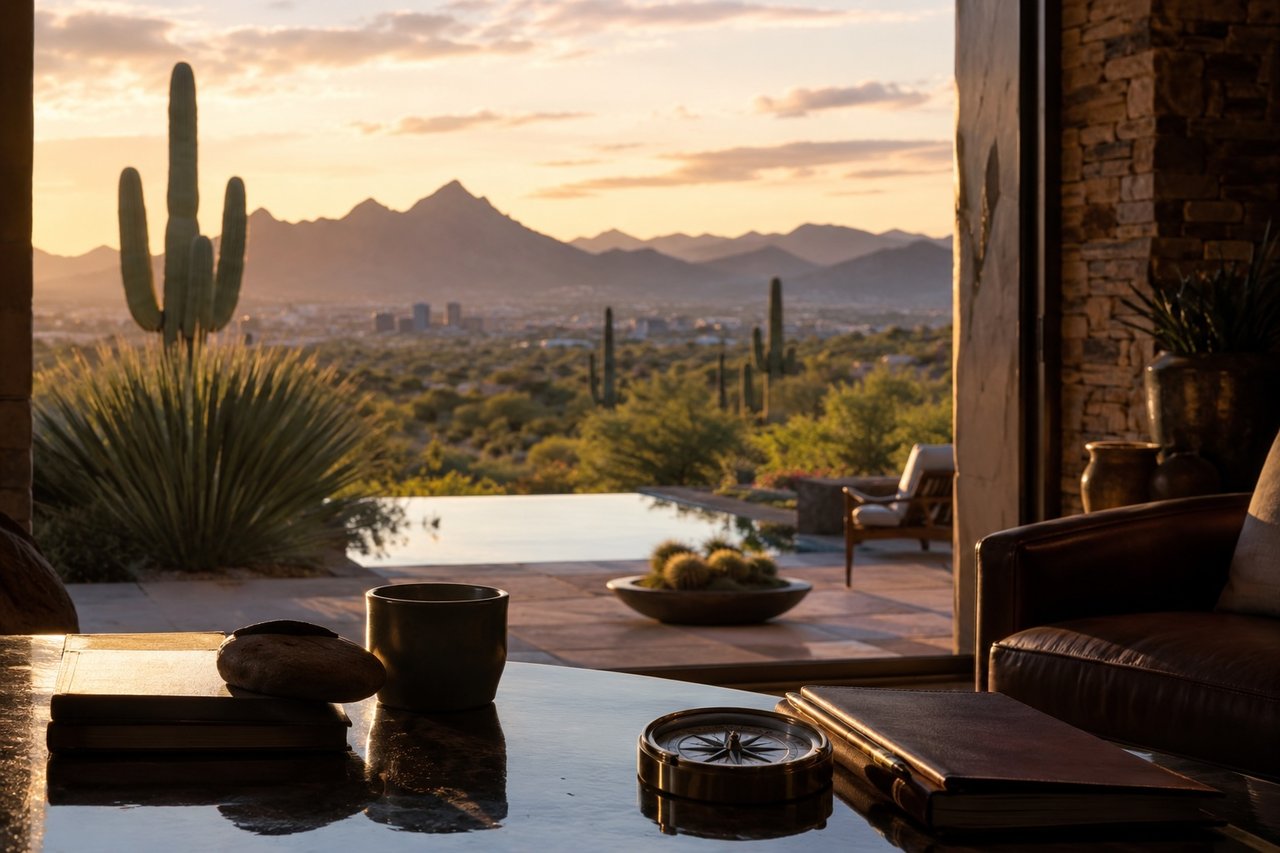
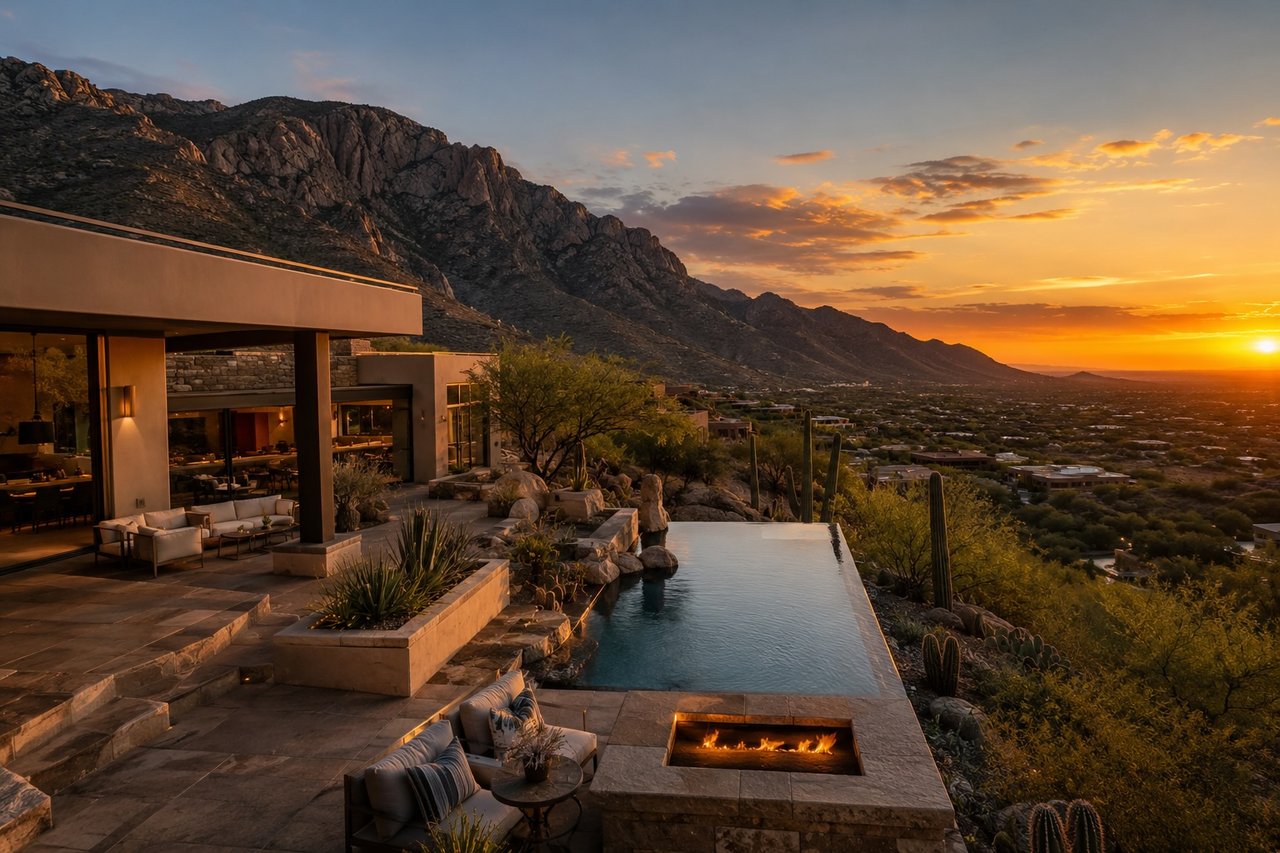
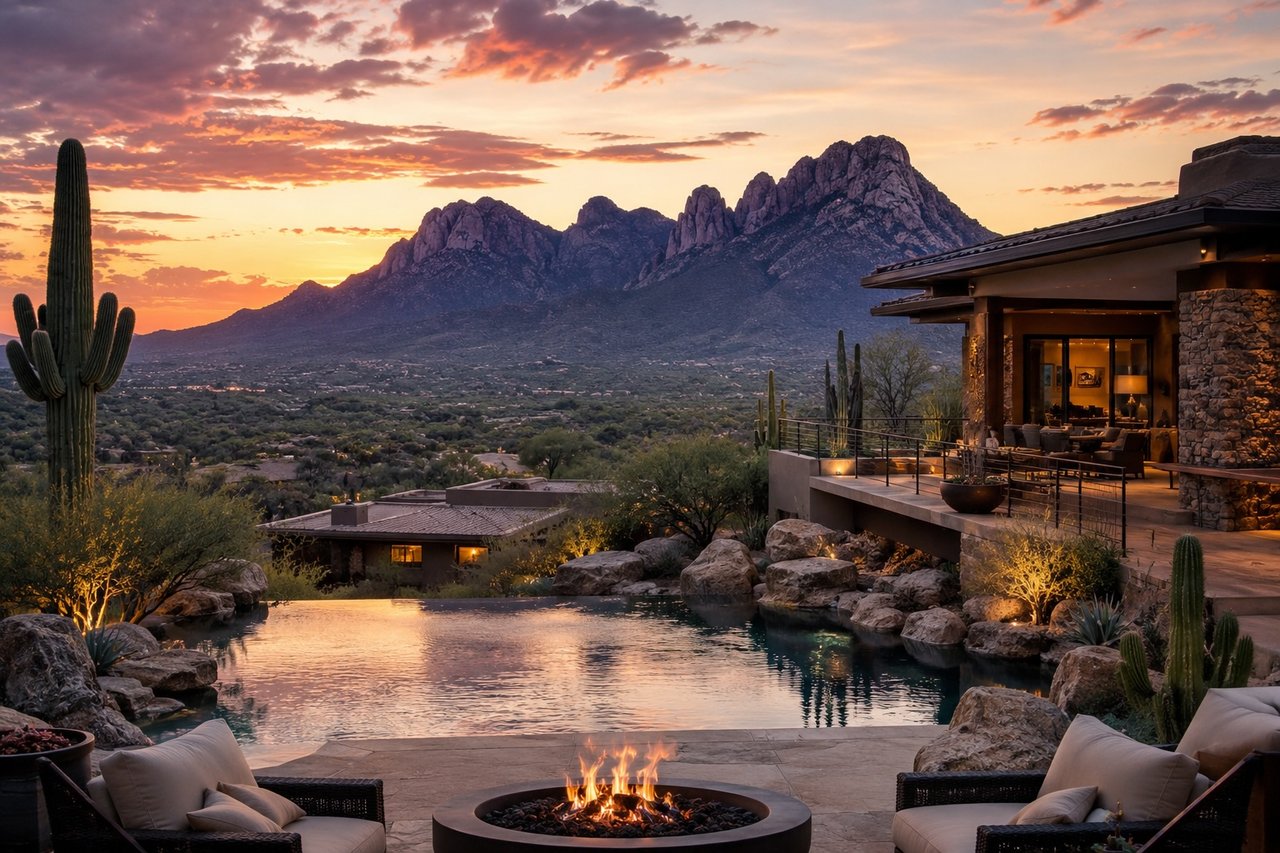
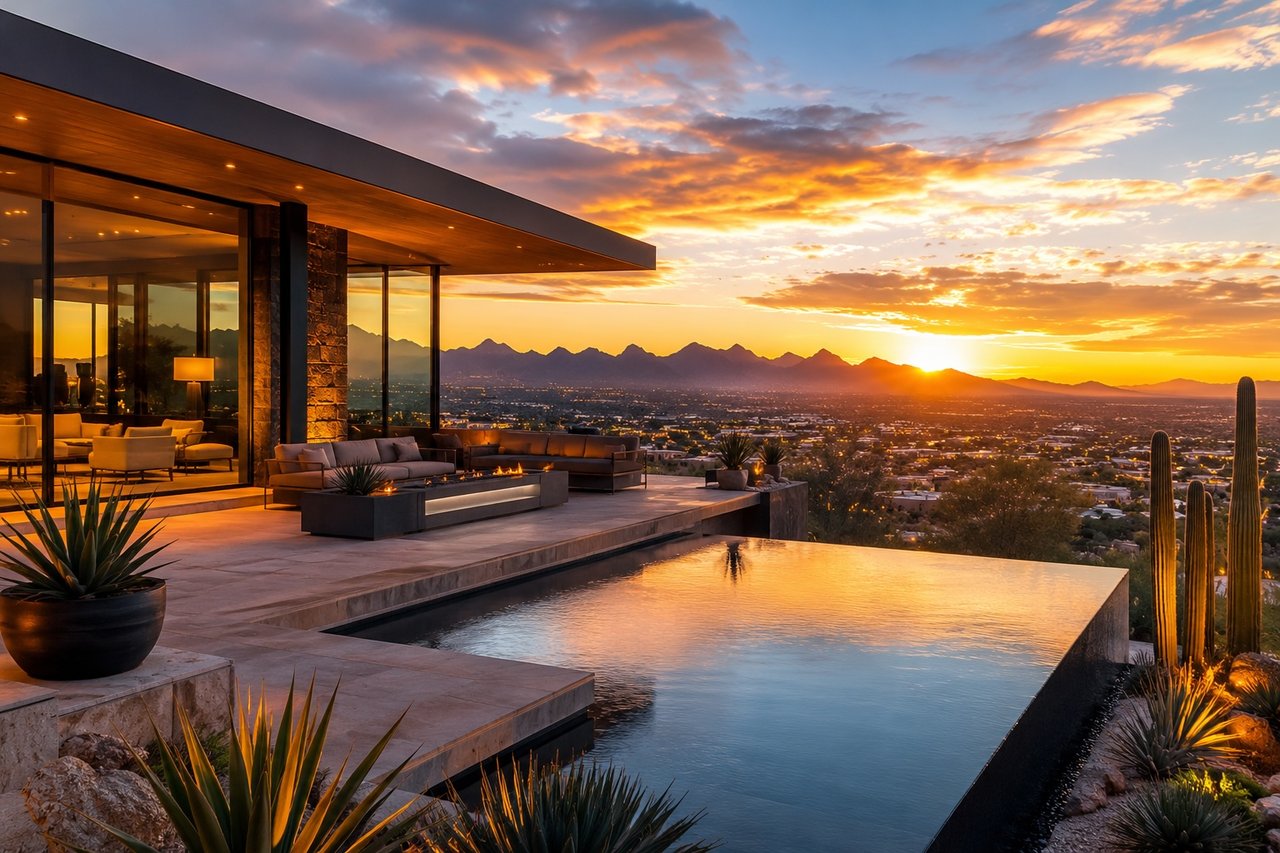
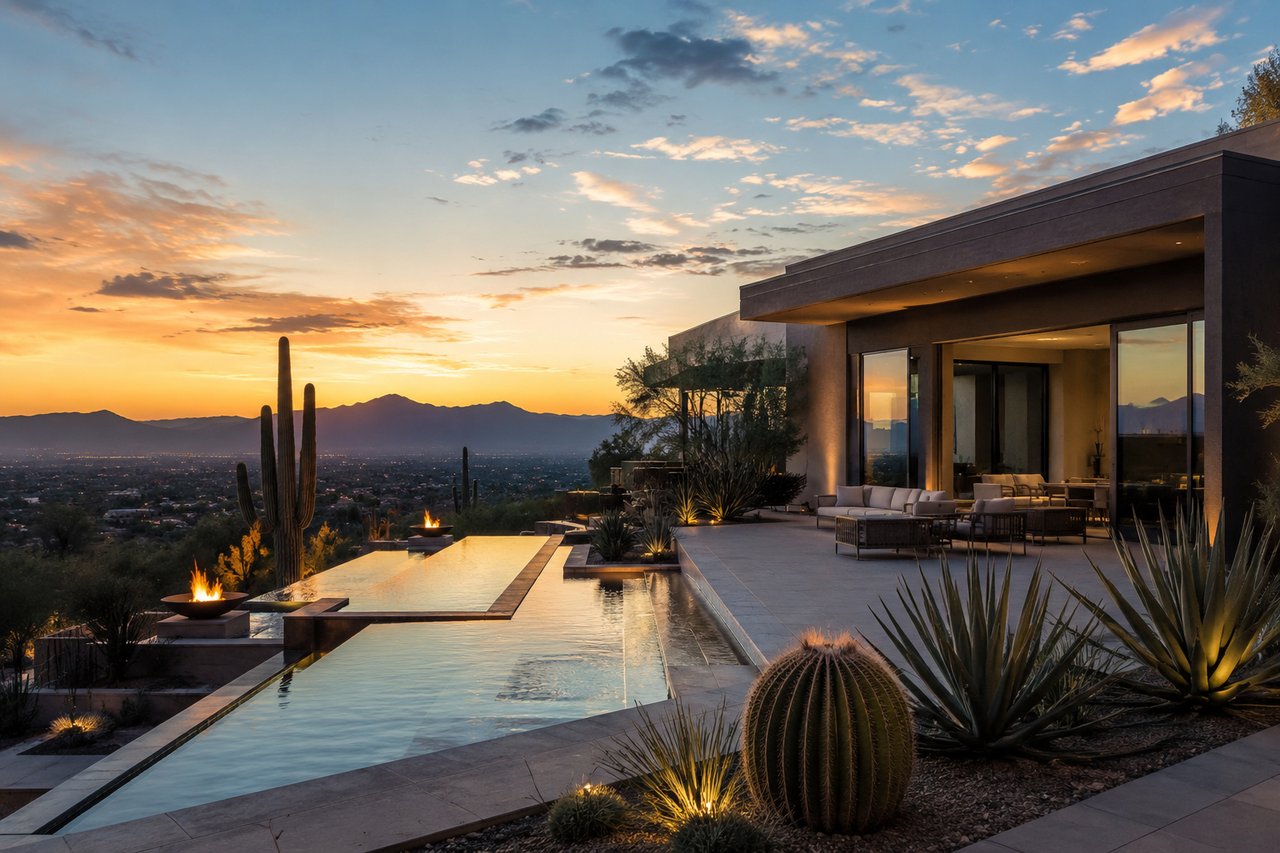
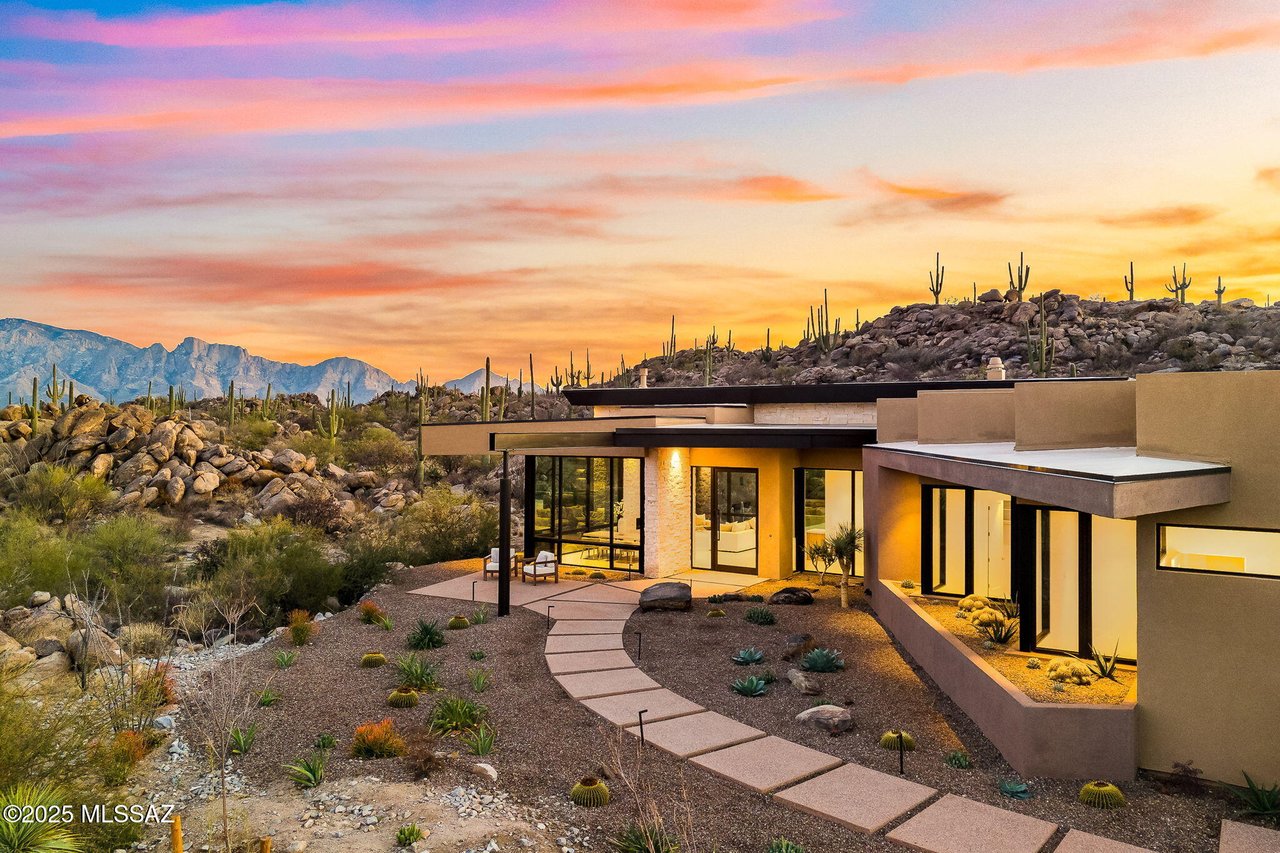
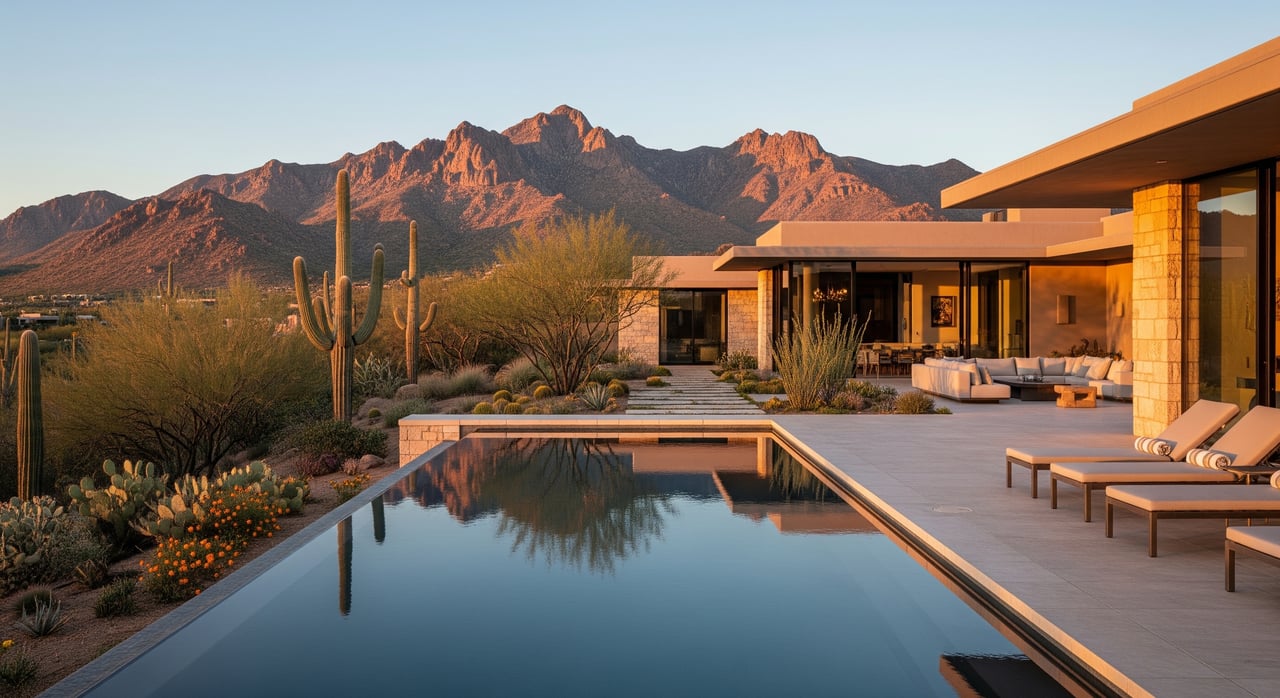
Jagged mountains become soft purple silhouettes at sunset.
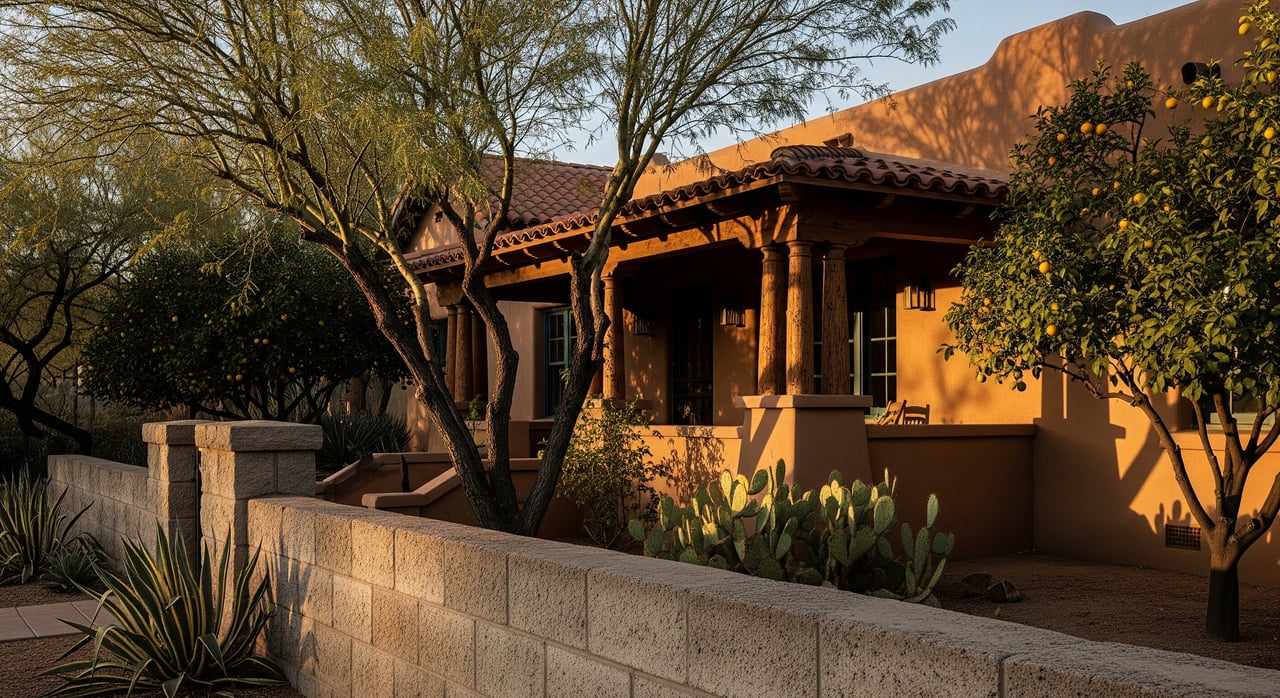
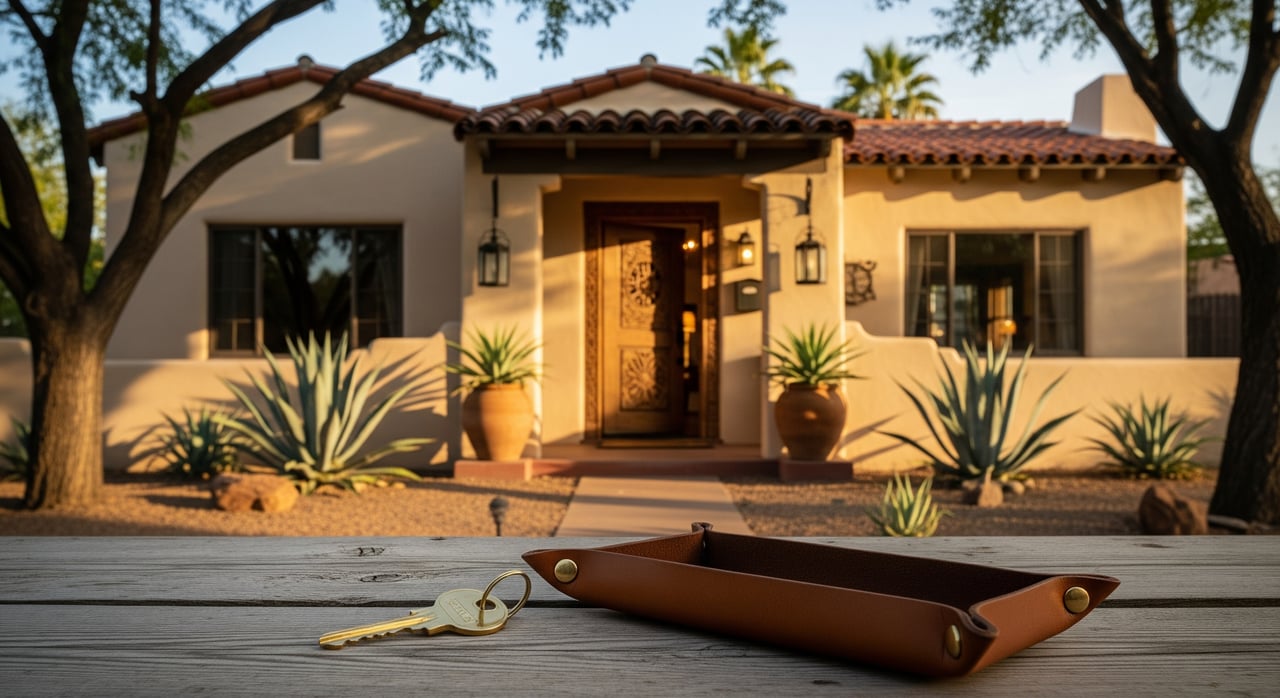
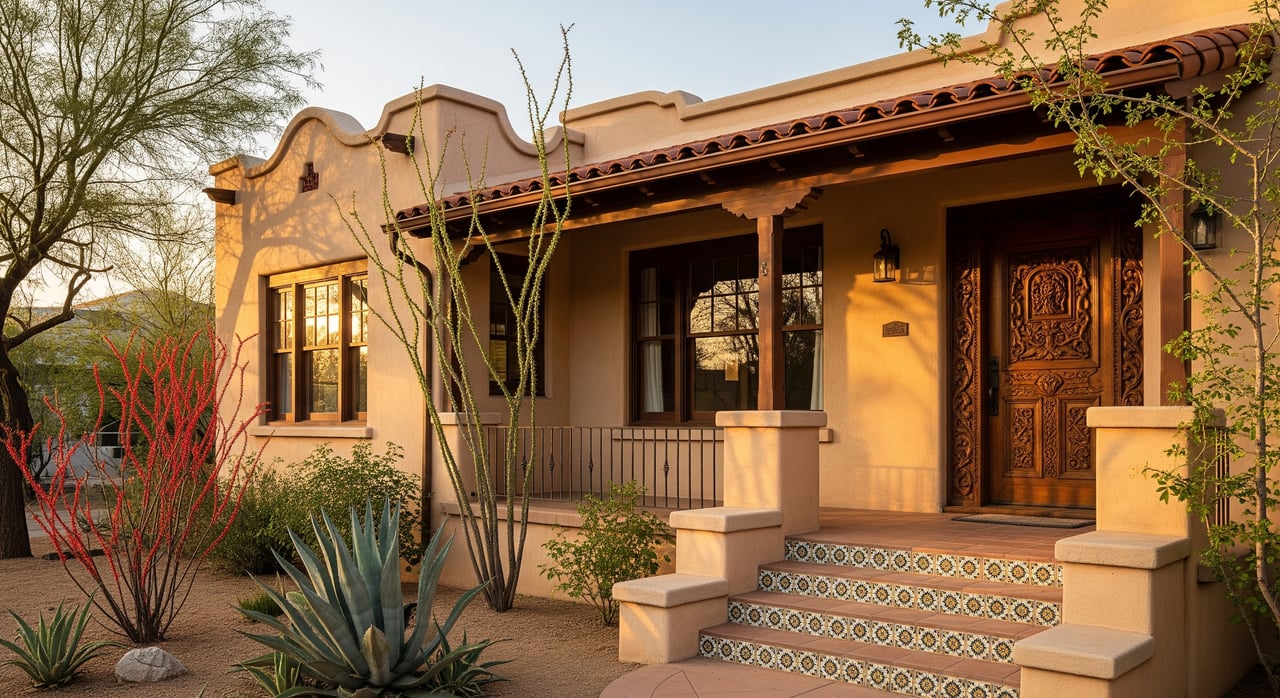
Historic adobe buildings exist beside modernist architecture.
Mexican craftsmanship, Western history, contemporary art, Indigenous traditions, and international influences continually intersect.
On paper, these things should not necessarily work together.
But they do.
Perhaps Tucson itself is collected rather than decorated.
And perhaps that is exactly what makes it so interesting.
This is one reason I believe Tucson luxury homes have the potential to become something far more interesting than conventional expressions of wealth.
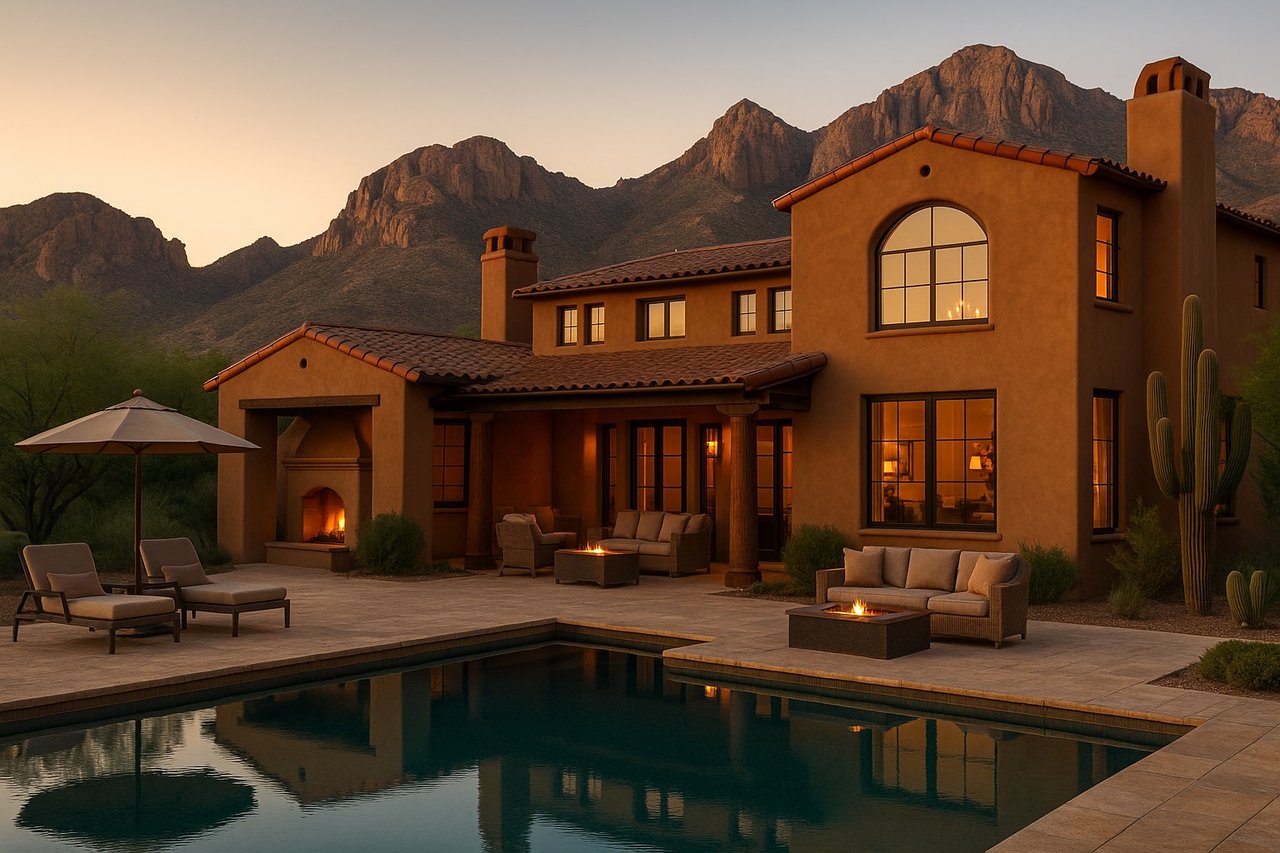
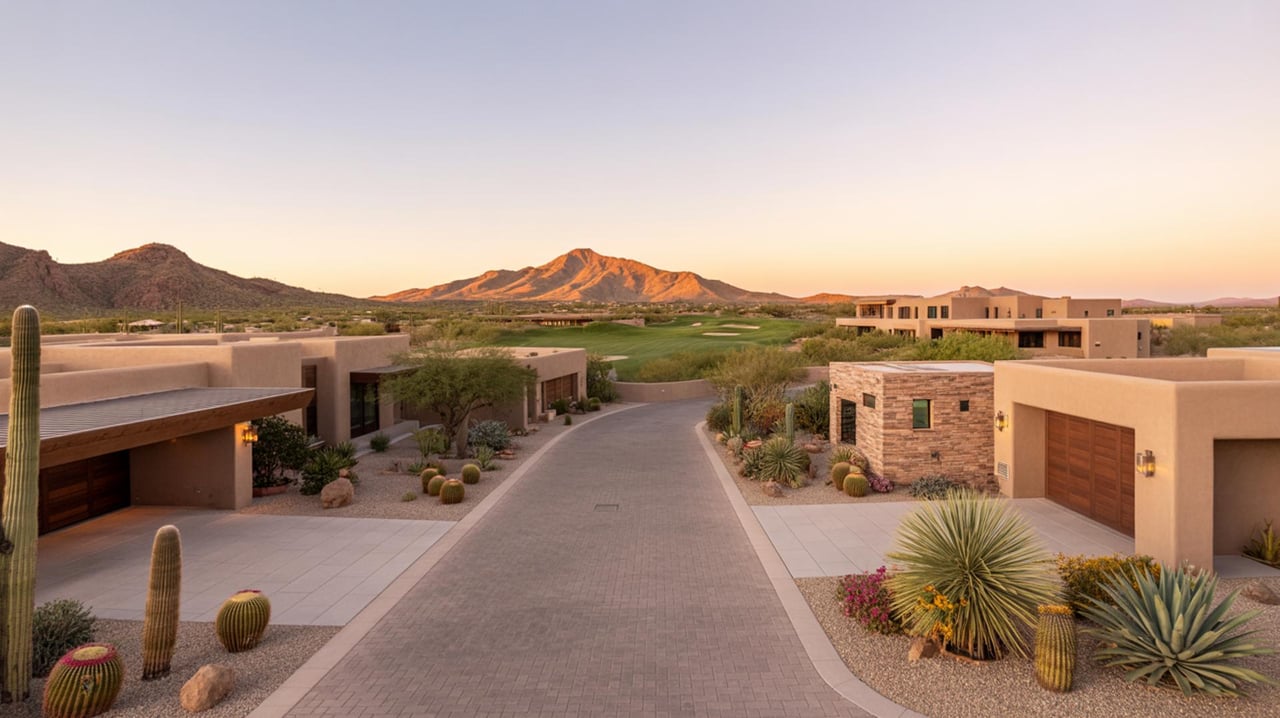
The Catalina Foothills, historic central Tucson, the surrounding Sonoran Desert, and our architecturally significant communities provide an extraordinary canvas.
Adobe.
Plaster.
Stone.
Aged wood.
Courtyards.
Desert landscapes.
Contemporary art.
Mexican design.
Inherited objects.
Architectural experimentation.
We already have the vocabulary.
The opportunity is to create something more personal with it.
The Most Interesting Homes Are Rarely the Most Expensive
This is one of the great lessons real estate has taught me.
Money can purchase extraordinary things.
Architecture.
Craftsmanship.
Art.
Land.
Privacy.
Materials.
Views.
But money cannot automatically purchase taste.
And it certainly cannot purchase an interesting life.
You cannot buy personality by the square foot.
You cannot order provenance from a catalog.
You cannot create a meaningful collection in an afternoon.
Character requires time.
Taste requires development.
Collections require curiosity.
The most memorable homes contain evidence of all three.
I remember the unusual courtyard.
The extraordinary art collection.
The library filled with decades of books.
The piece of furniture brought home from another country.
The strange sculpture that somehow made the entire room work.
The architecture that forced me to reconsider how people might live.
These homes contain evidence of a life.
That is difficult to manufacture.
Decorating Finishes a Room. Collecting Never Does.
Perhaps the greatest difference between decorating and collecting is time.
Decorating attempts to complete a space.
The room is designed.
The furniture arrives.
The art is installed.
The photographs are taken.
The project is finished.
Collecting operates differently.
A collected home evolves because the person living inside it evolves.
Objects arrive.
Objects leave.
Art moves.
Furniture is rearranged.
New interests emerge.
Old interests deepen.
Travel introduces new ideas.
Age changes perspective.
The house develops alongside its inhabitants.
Decorating attempts to finish a room. Collecting accepts that the room may never be finished.
I find that idea extraordinarily compelling.
Because a home should not be a static representation of who you were when you purchased it.
It should become an evolving autobiography.
Not written with words, but with architecture, objects, art, and experience.
What Does Your Home Say About You?
Perhaps this is ultimately what Intellectual Maximalism means to me.
A home should reveal something about the person who inhabits it.
Not everything.
Mystery is important.
But something.
Where have you traveled?
What have you studied?
What do you find beautiful?
What do you find strange?
What have you inherited?
What have you discovered?
What are you still trying to understand?
The answers do not need to be obvious.
In fact, I prefer when they are not.
I am interested in homes that reveal themselves slowly.
A visitor should be able to return ten times and continue discovering things.
A different painting.
A hidden courtyard.
An unusual book.
An object whose significance was initially overlooked.
A story they had never heard before.
The best homes do not tell you everything at once.
They trust you to pay attention.
Perfection Is Not the Objective
We live in an era of unprecedented visual perfection.
Social media provides us with an endless stream of beautiful rooms.
Perfect kitchens.
Perfect bathrooms.
Perfect hotels.
Perfect restaurants.
Perfect houses.
The result is an interesting paradox.
We have never had access to more beautiful imagery.
And yet so much of it has begun to look the same.
Perhaps perfection is not the objective.
Perhaps the scratch on the table matters.
Perhaps the inherited chair deserves to stay.
Perhaps the strange piece of art you cannot stop thinking about is more valuable to your home than the painting that perfectly coordinates with the sofa.
Perhaps beauty becomes more interesting when it contains imperfection.
I am not advocating for carelessness.
Quite the opposite.
Intellectual Maximalism requires enormous intentionality.
But intentionality and perfection are not the same thing.
Sometimes the most powerful decision is allowing something unexpected to remain.
Perfection impresses immediately. Character becomes more interesting over time.
Develop Taste. Don’t Follow It.
Trends tell us what to like.
Taste requires us to decide.
That distinction matters.
Developing taste requires exposure.
You have to look at architecture.
Study art.
Travel.
Read.
Visit museums.
Walk through old buildings.
Talk to interesting people.
Enter rooms that make you uncomfortable.
Encounter objects you do not immediately understand.
And occasionally, change your mind.
Taste is not static.
It evolves as we evolve.
The home you create at 30 should not necessarily be the same home you want at 50 or 70.
A truly collected home changes because the person living inside it changes.
This is why I believe the pursuit of taste is ultimately more interesting than the pursuit of luxury.
Luxury can be acquired.
Taste has to be developed.
A More Interesting Version of Luxury
I do not pretend to have Intellectual Maximalism completely figured out.
That would defeat the purpose.
I am introducing it because I want to explore it.
Through architecture.
Through interiors.
Through art.
Through travel.
Through collecting.
Through Tucson.
And especially through the remarkable homes and people I encounter through my work in real estate.
I want to understand why certain spaces stay with us.
Why some beautiful homes are immediately forgotten while others remain in our imagination for years.
Why imperfection can sometimes be more compelling than perfection.
Why contradiction creates interest.
Why the objects we collect reveal something about who we are.
And why the most extraordinary homes often resist immediate understanding.
This is not a rejection of luxury.
It is an argument for a more interesting version of it.
Luxury with curiosity.
Luxury with provenance.
Luxury with contradiction.
Luxury with imperfection.
Luxury with personality.
Luxury with something intelligent to say.
This Is Only the Beginning
I believe the future of luxury belongs to people willing to become more interesting.
To travel.
To study.
To collect.
To question.
To remain curious.
To develop taste rather than follow trends.
To create homes that cannot be understood in a single photograph.
Homes that reveal themselves slowly.
Homes with provenance, contradiction, imperfection, and personality.
Homes with something intelligent to say.
I call it Intellectual Maximalism.
And this is only the beginning.
About Daniel Sotelo
Daniel Sotelo is a Tucson luxury real estate advisor with Russ Lyon Sotheby’s International Realty and a student of architecture, design, culture, and the psychology of home.
Through his work in Tucson real estate, Daniel explores the relationship between extraordinary properties, thoughtful design, and the people who give homes meaning.
If you own an architecturally significant, historically interesting, beautifully unconventional, or simply remarkable Tucson home, I would enjoy hearing its story.
Because some of the most extraordinary homes are not defined by price or perfection.
They are defined by the ideas, people, and histories they contain.