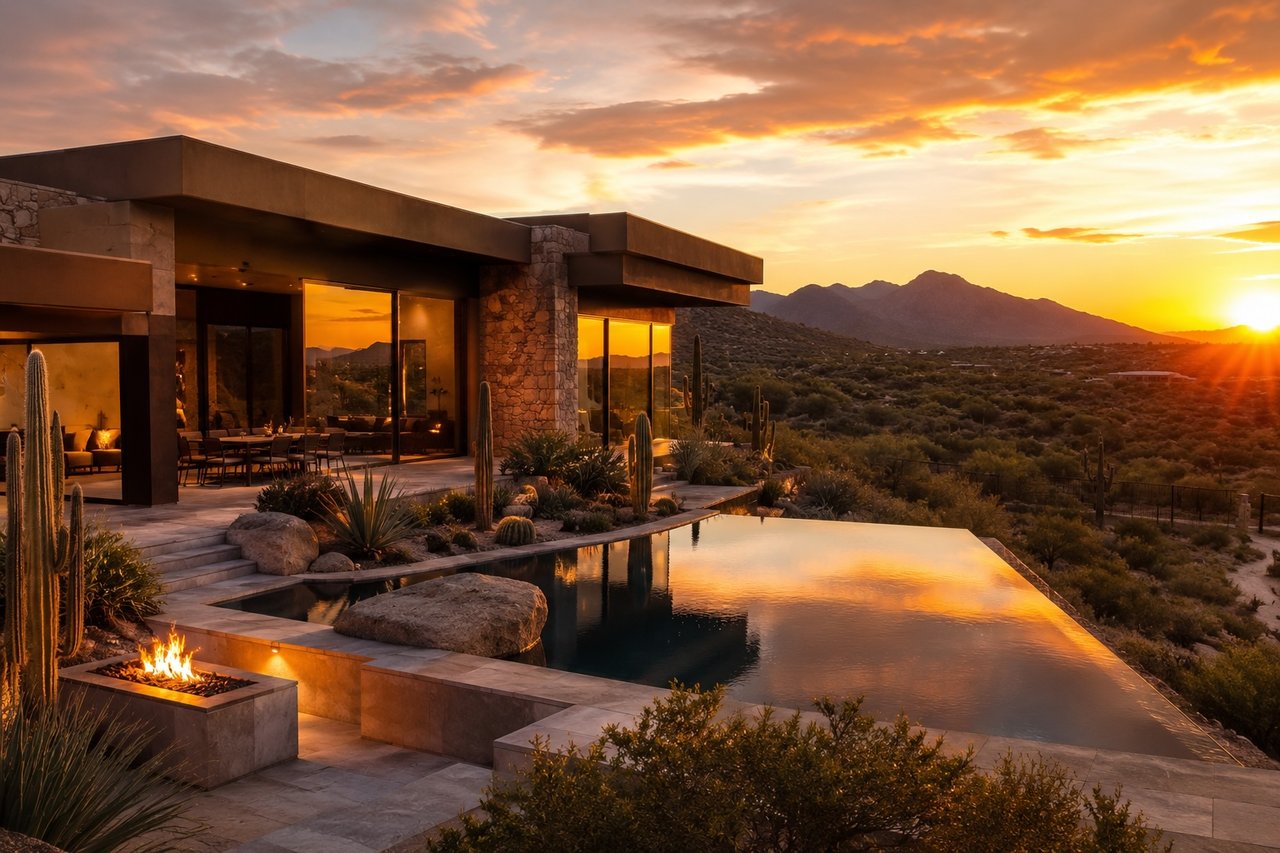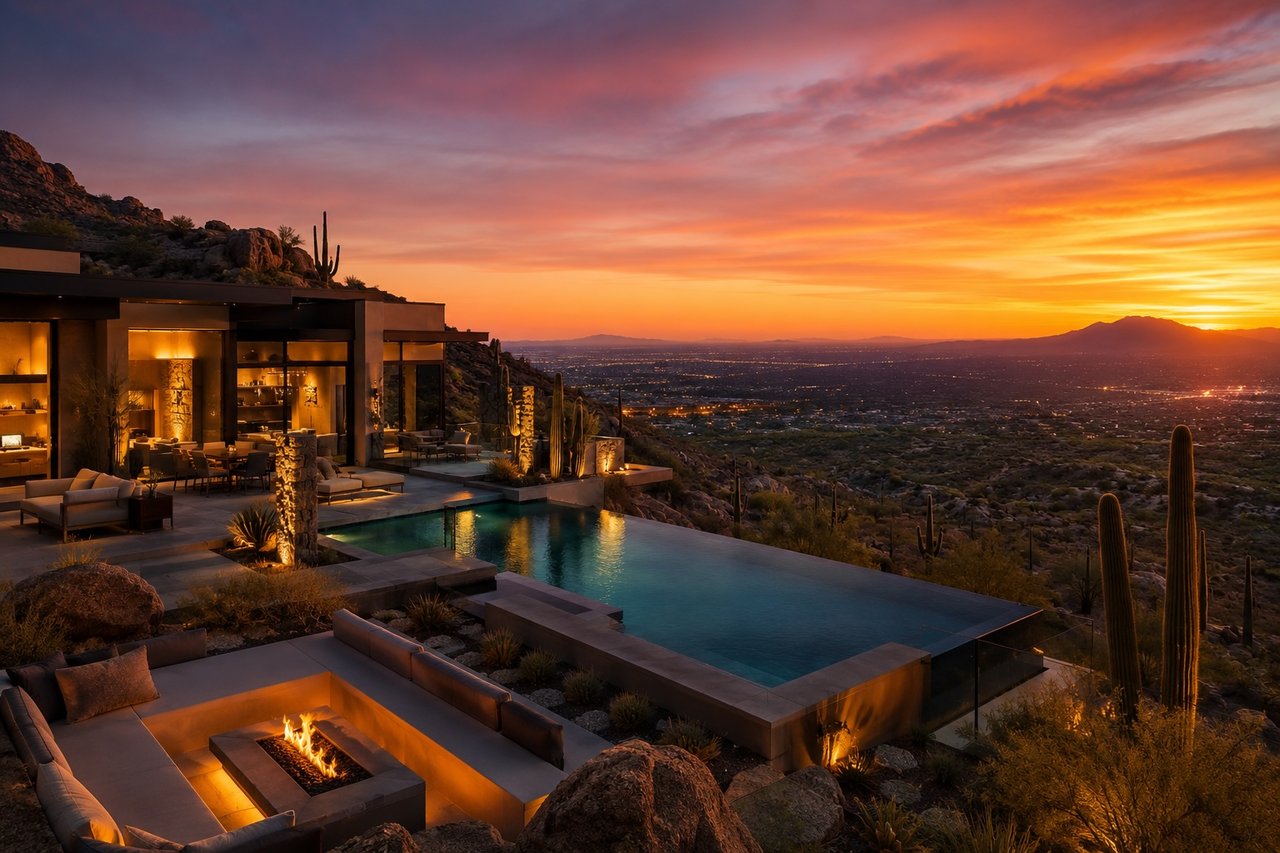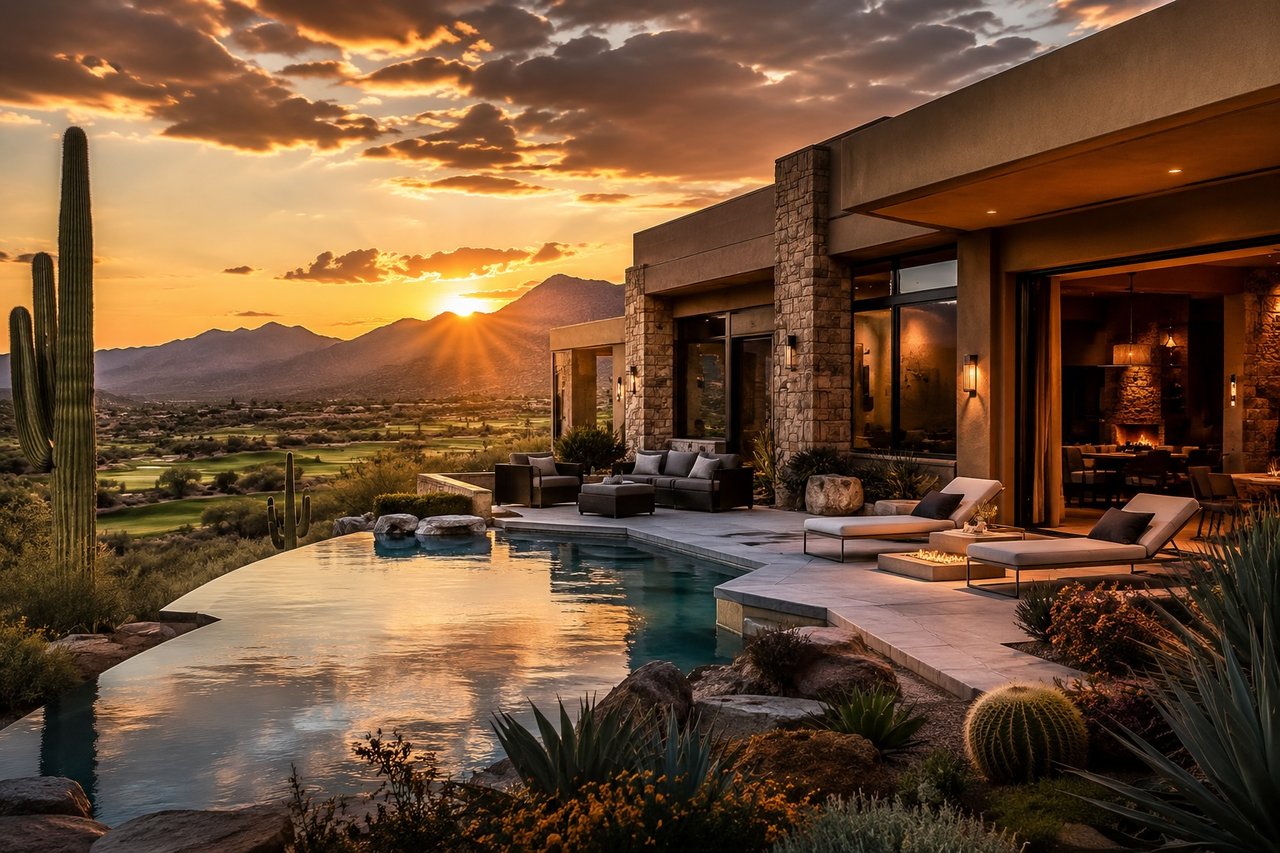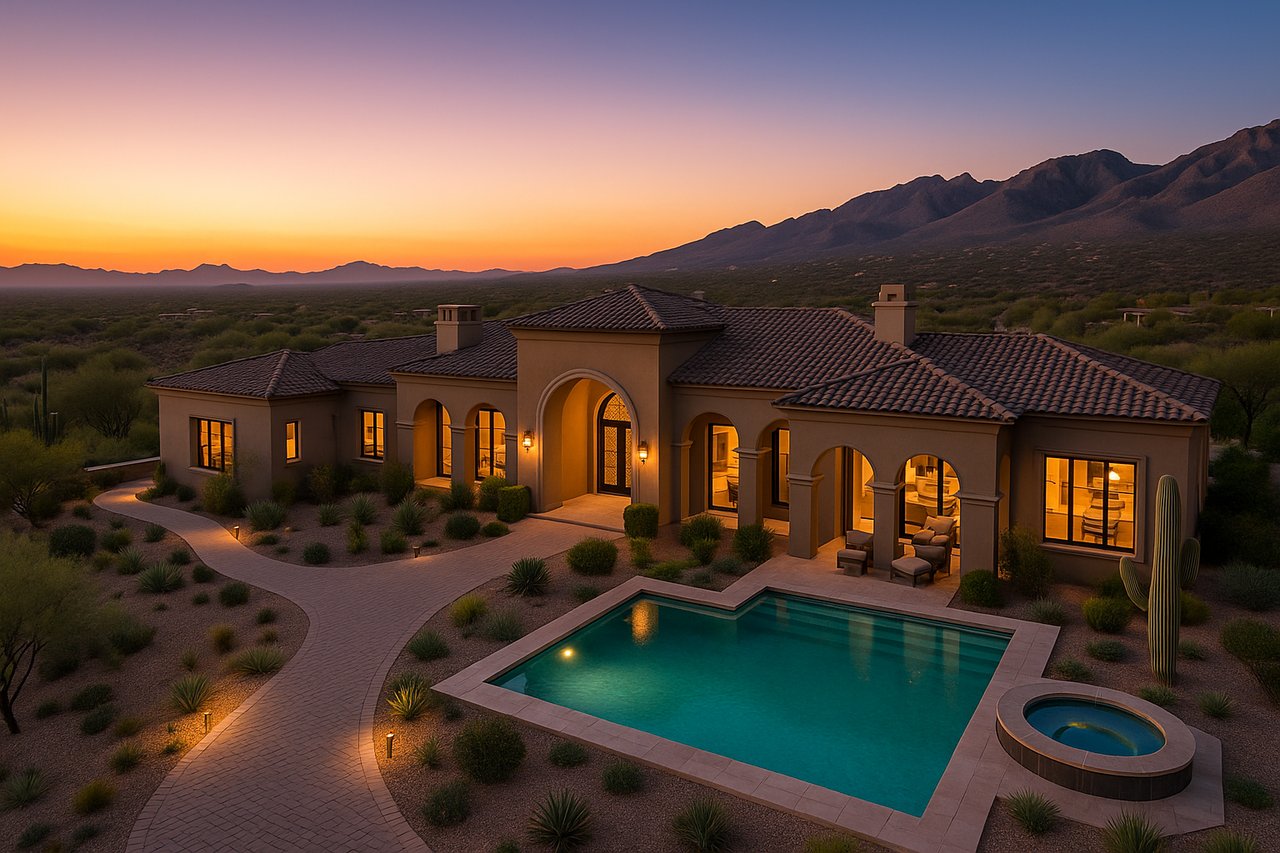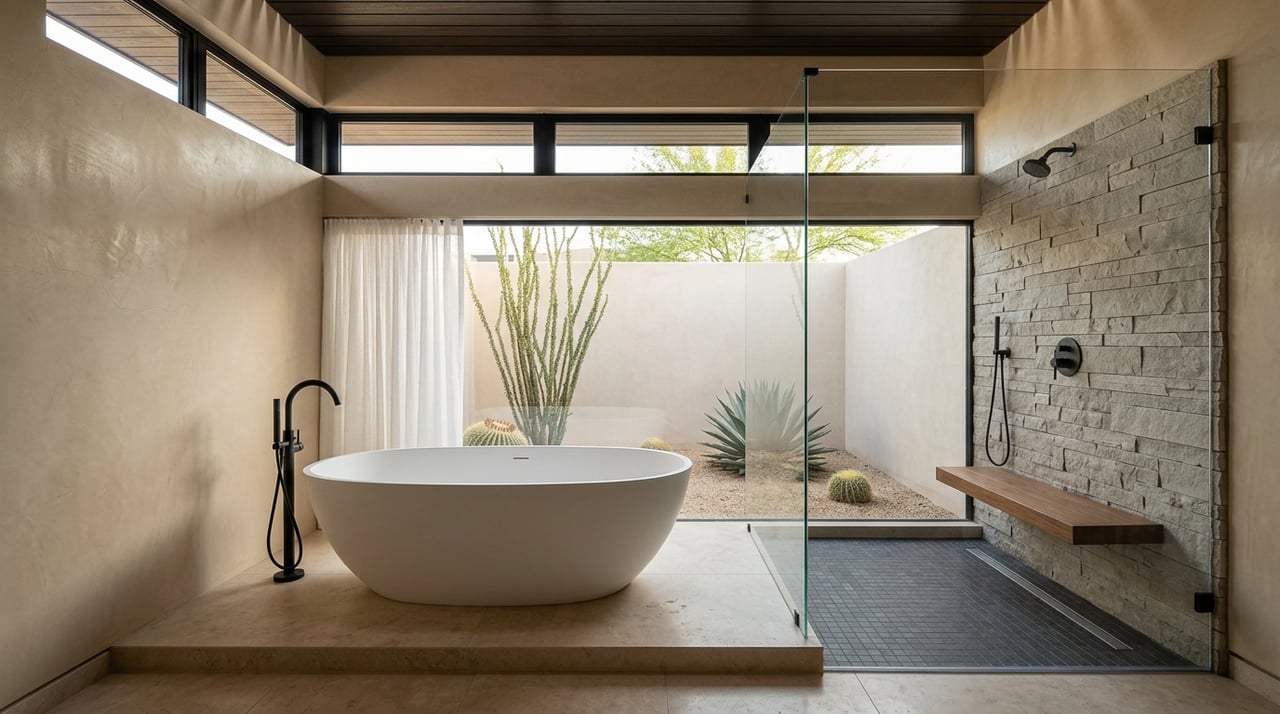
If your ideal day starts with a sunrise walk, includes time outdoors, and ends under a darker desert sky, Starr Pass is worth a closer look. This west-side Tucson setting offers a lifestyle that feels connected to the Sonoran Desert without being far from downtown. If you are exploring a move, a second home, or a lifestyle upgrade, understanding how wellness shows up here can help you decide whether the area fits the way you want to live. Let’s dive in.
Why Starr Pass Feels Different
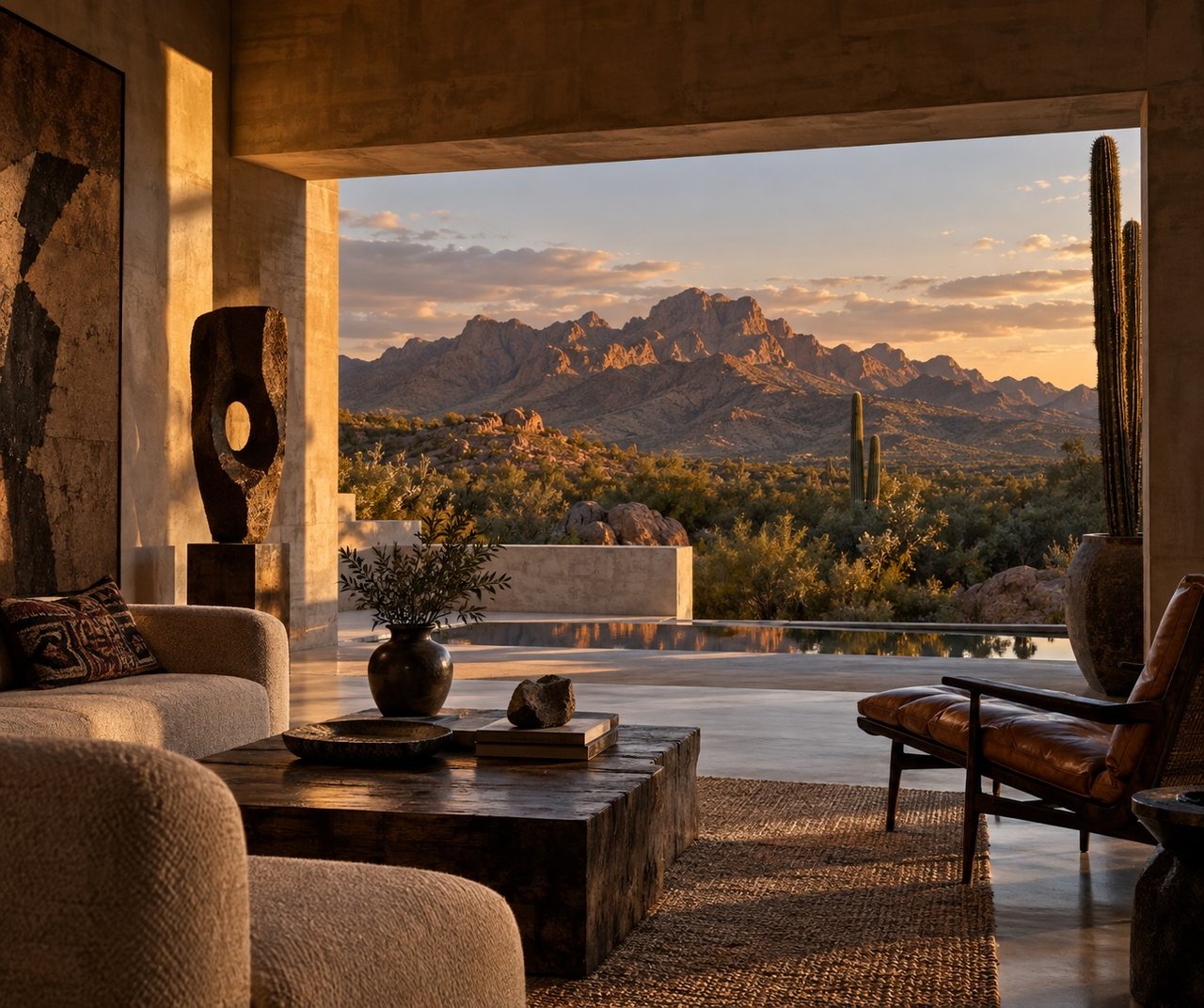
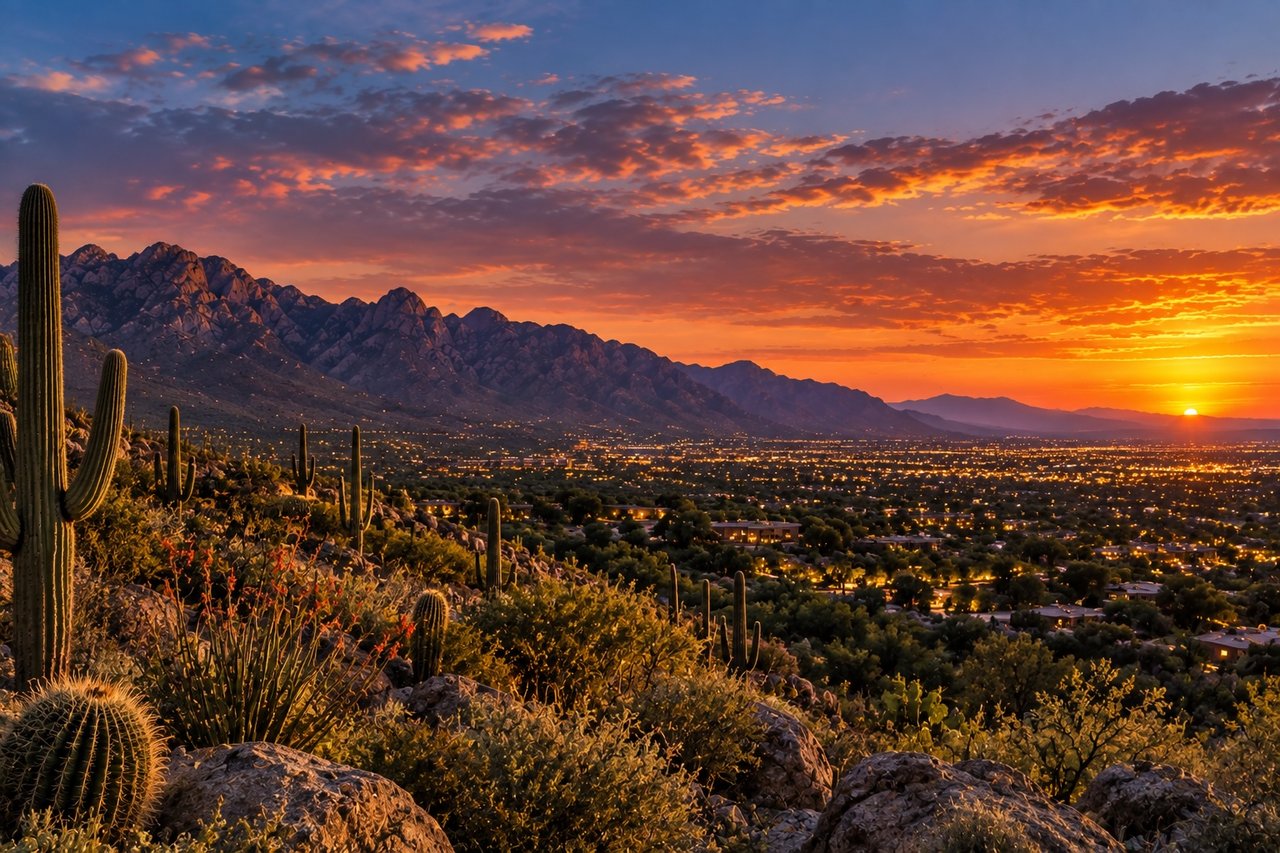
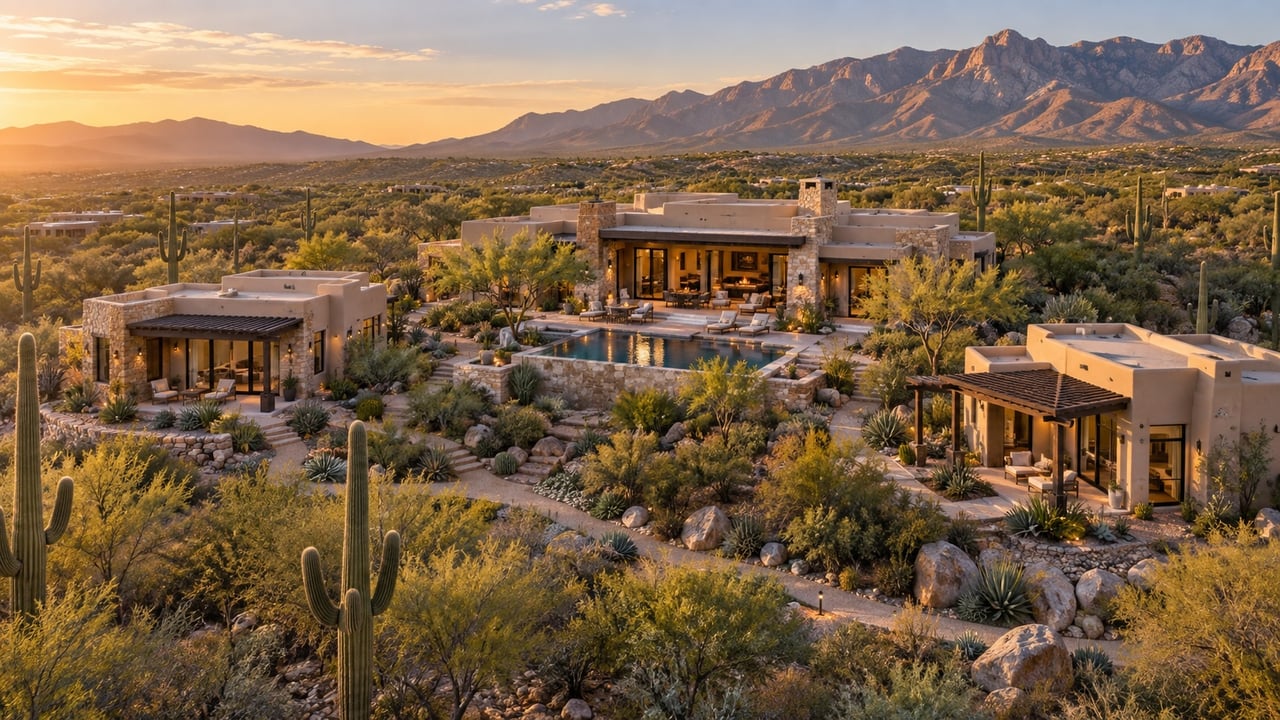
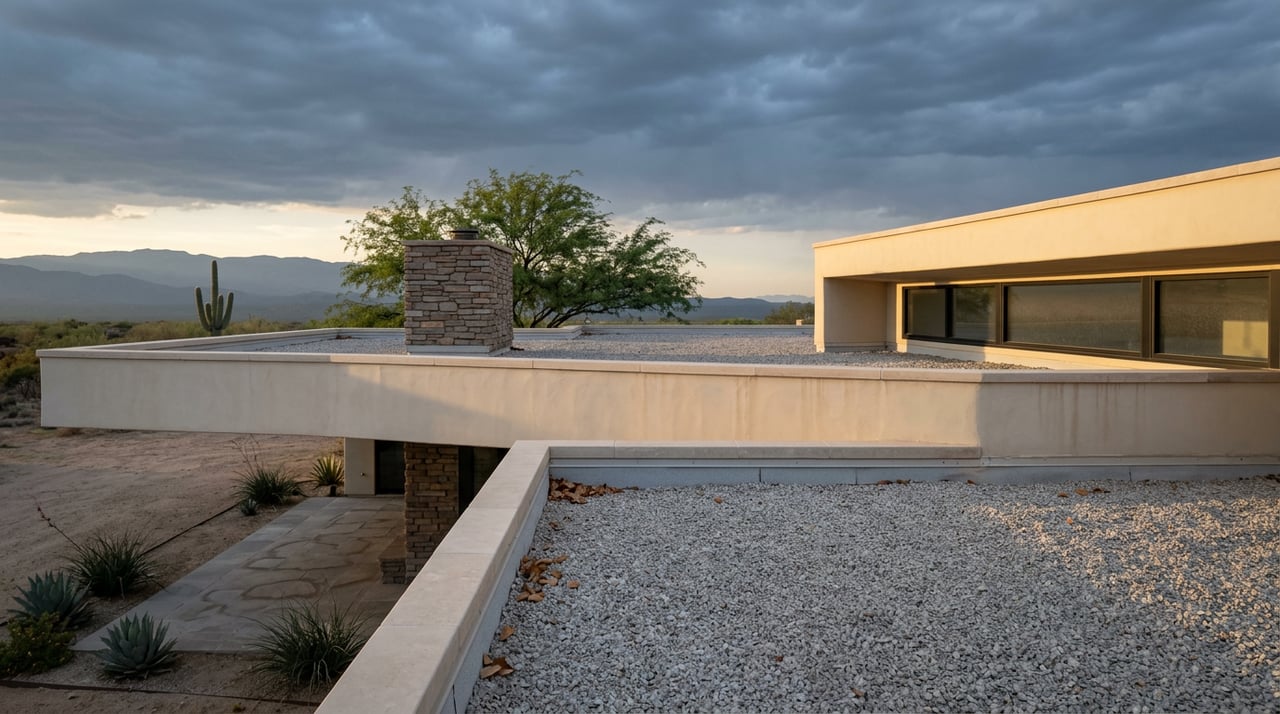
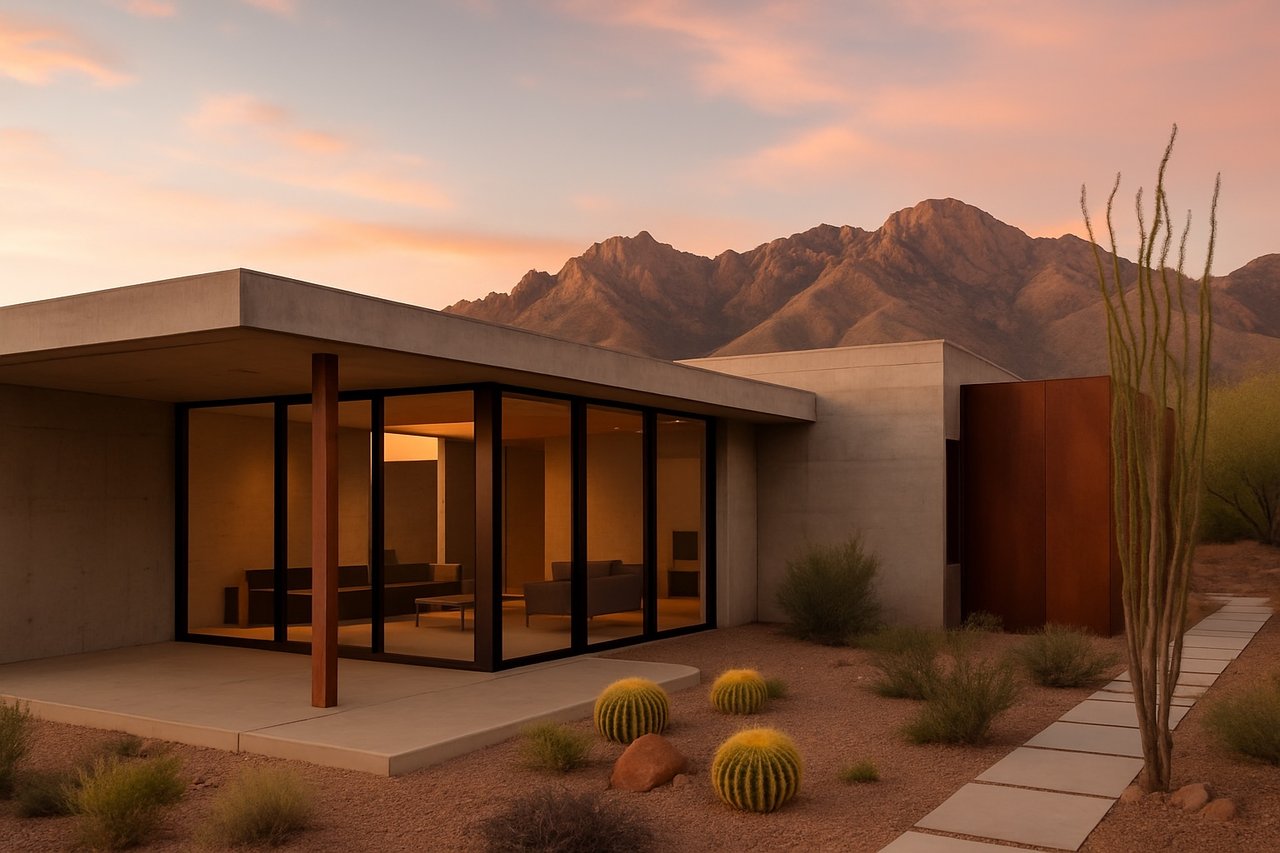
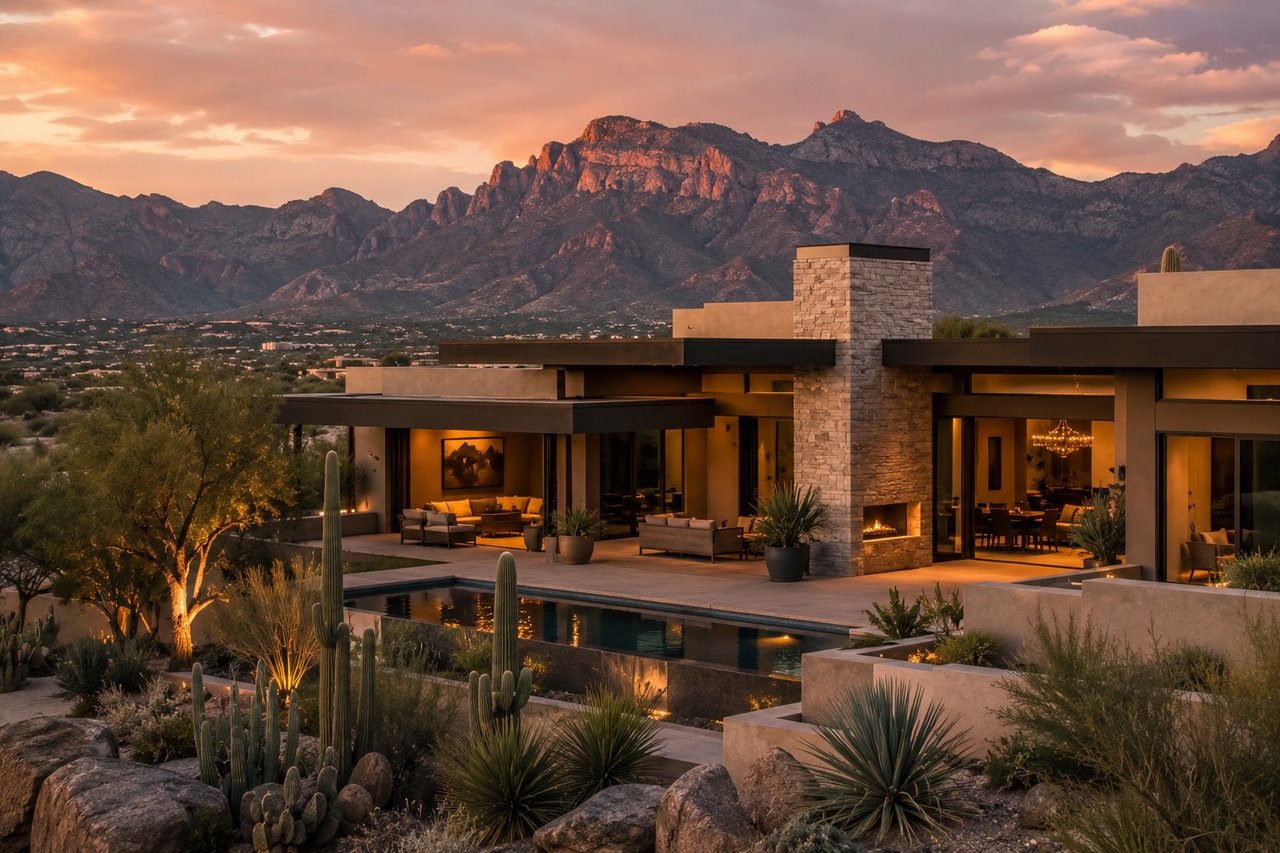
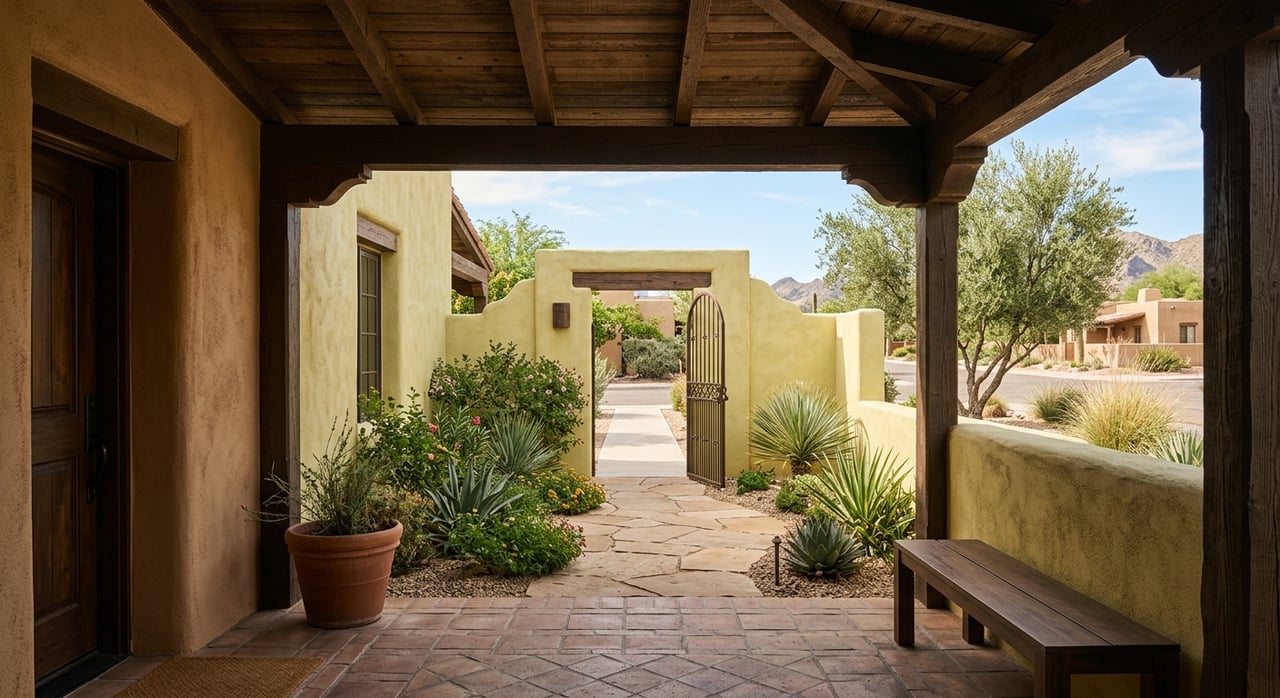
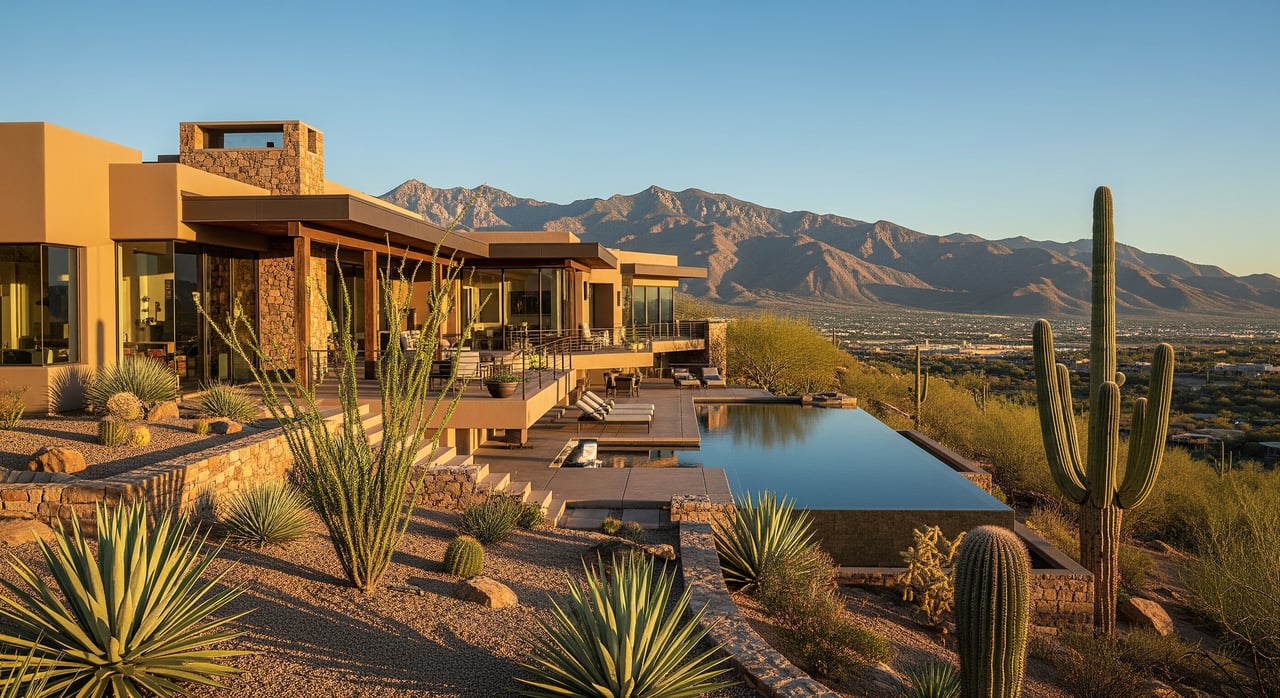
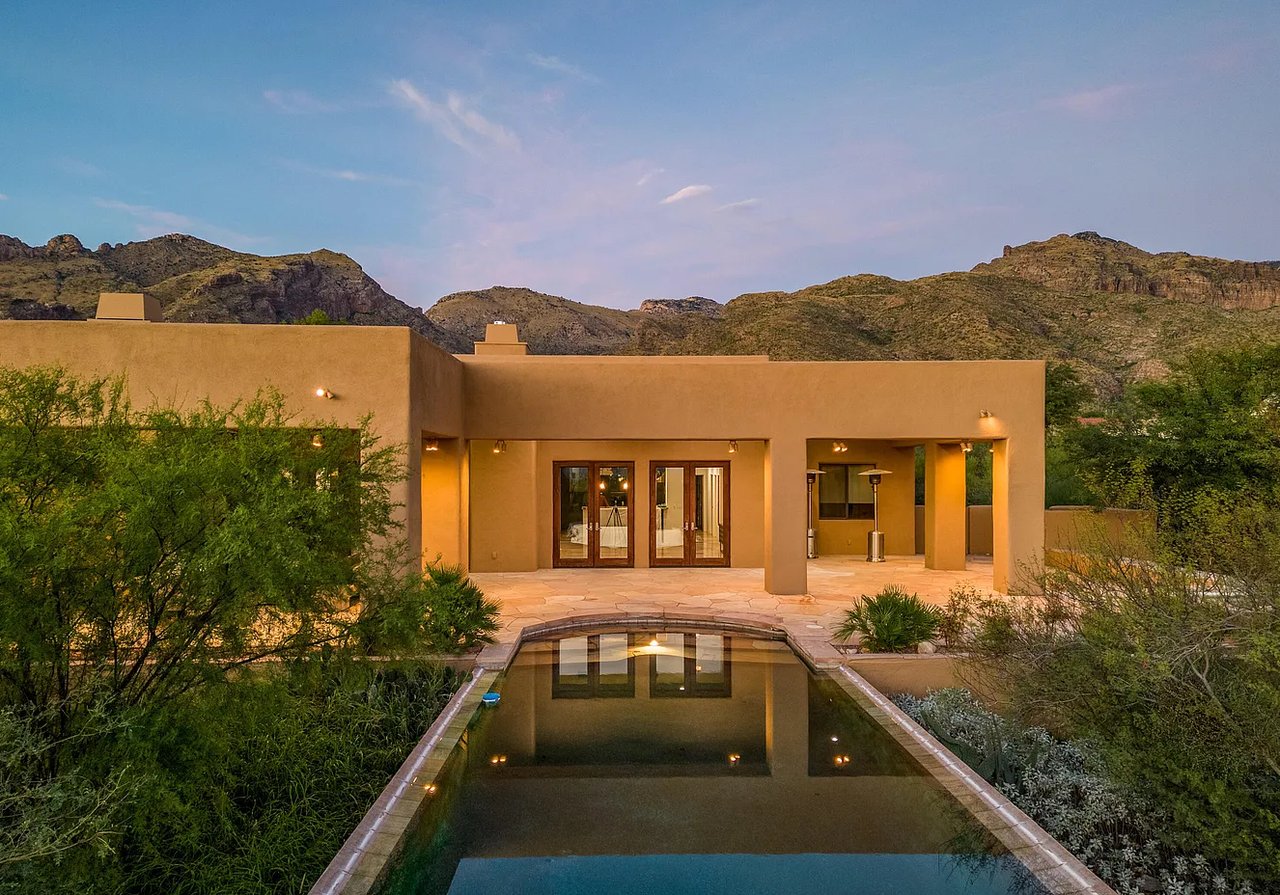
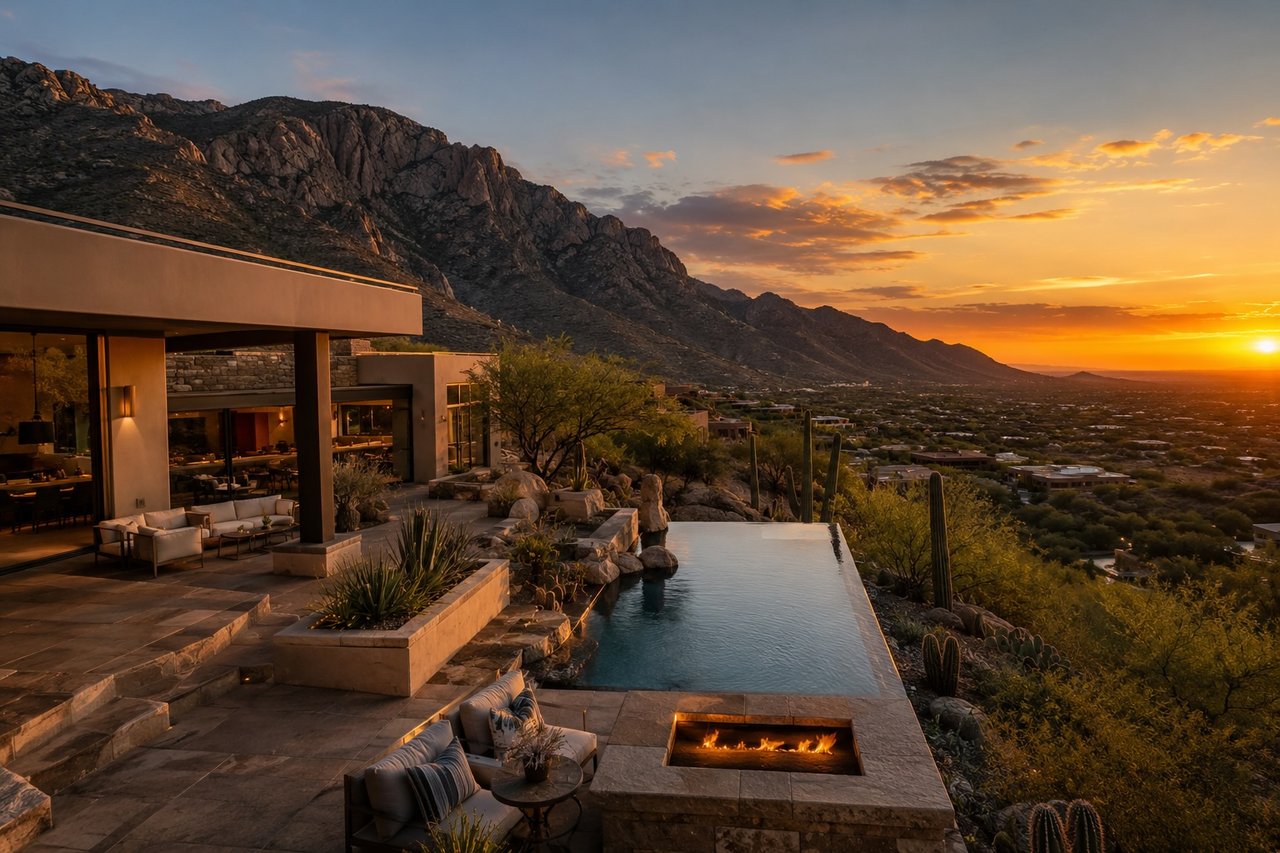
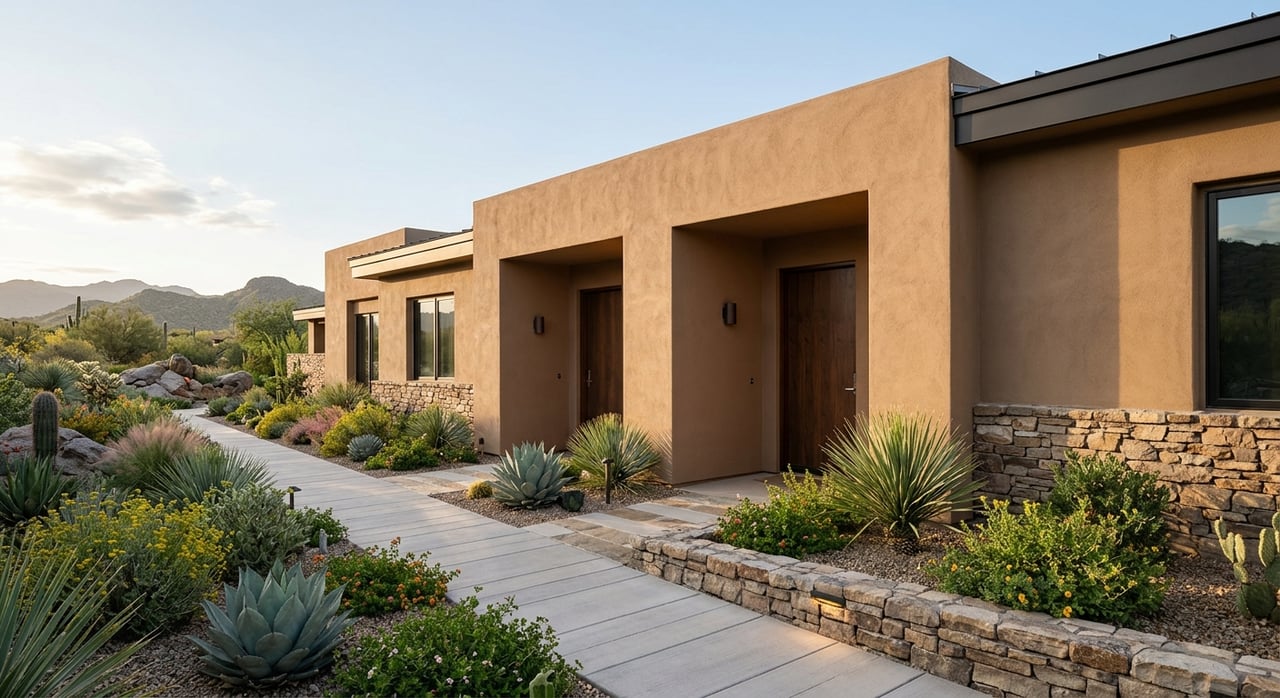
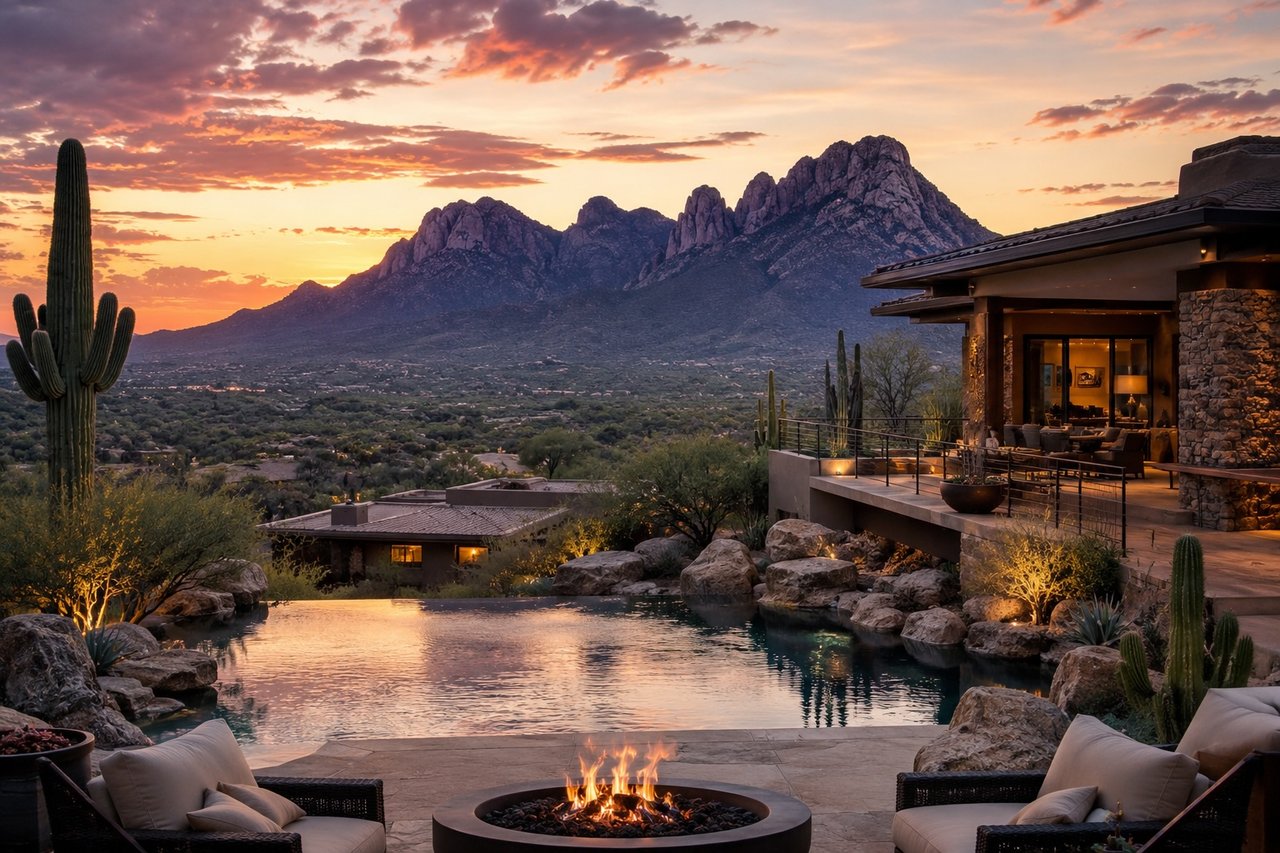
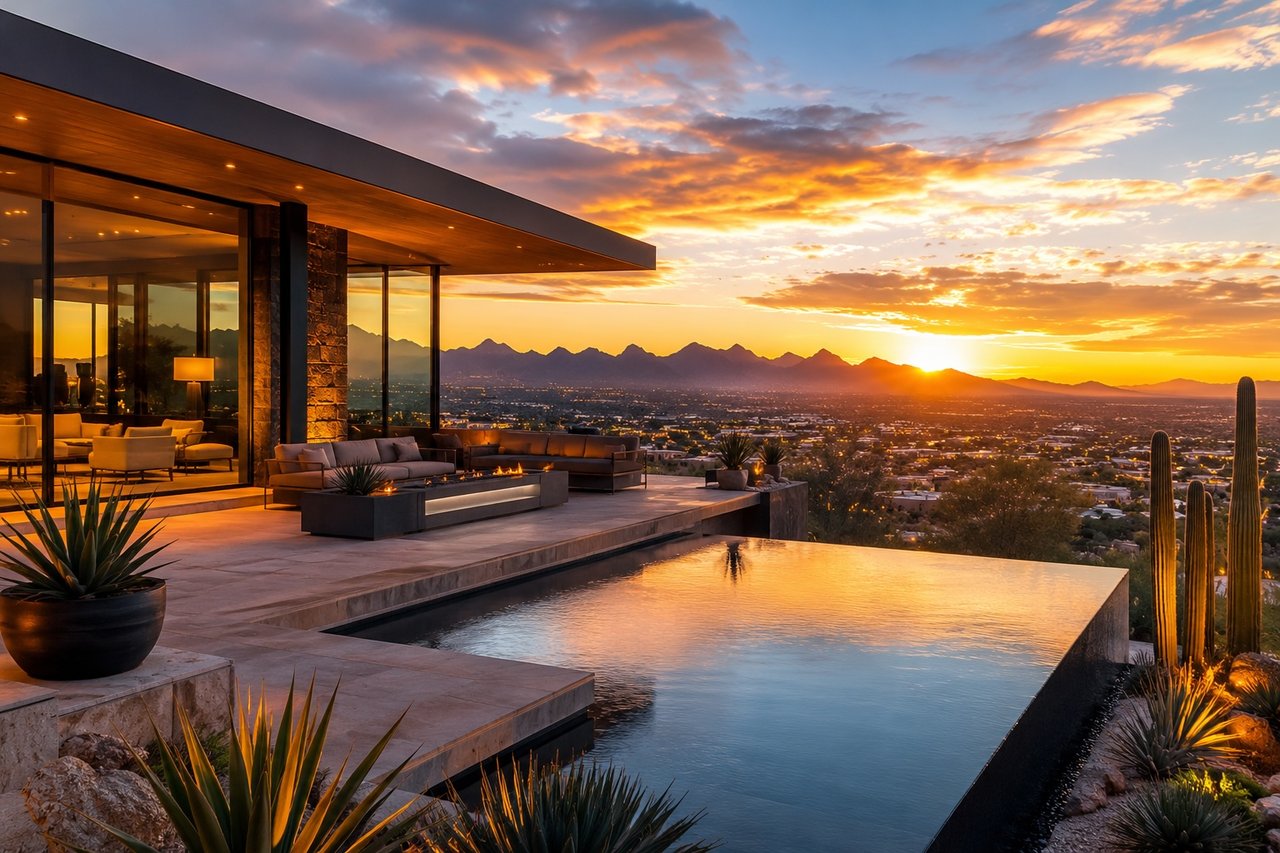
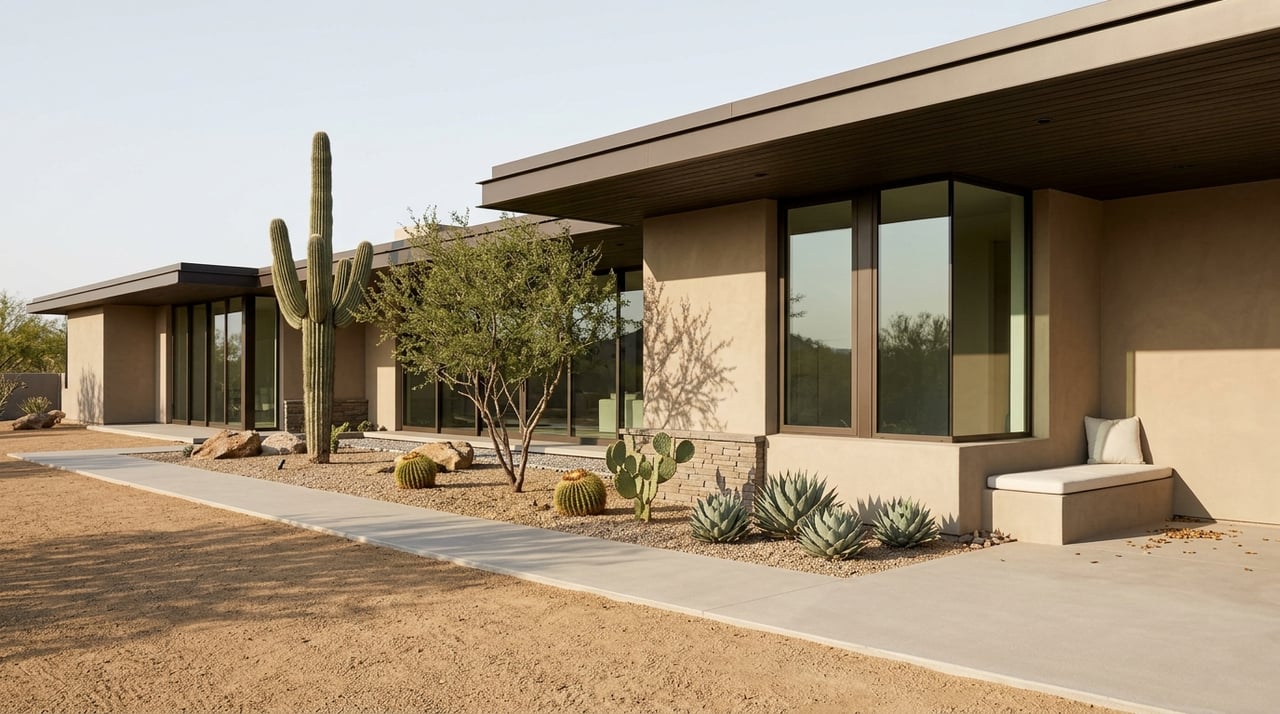
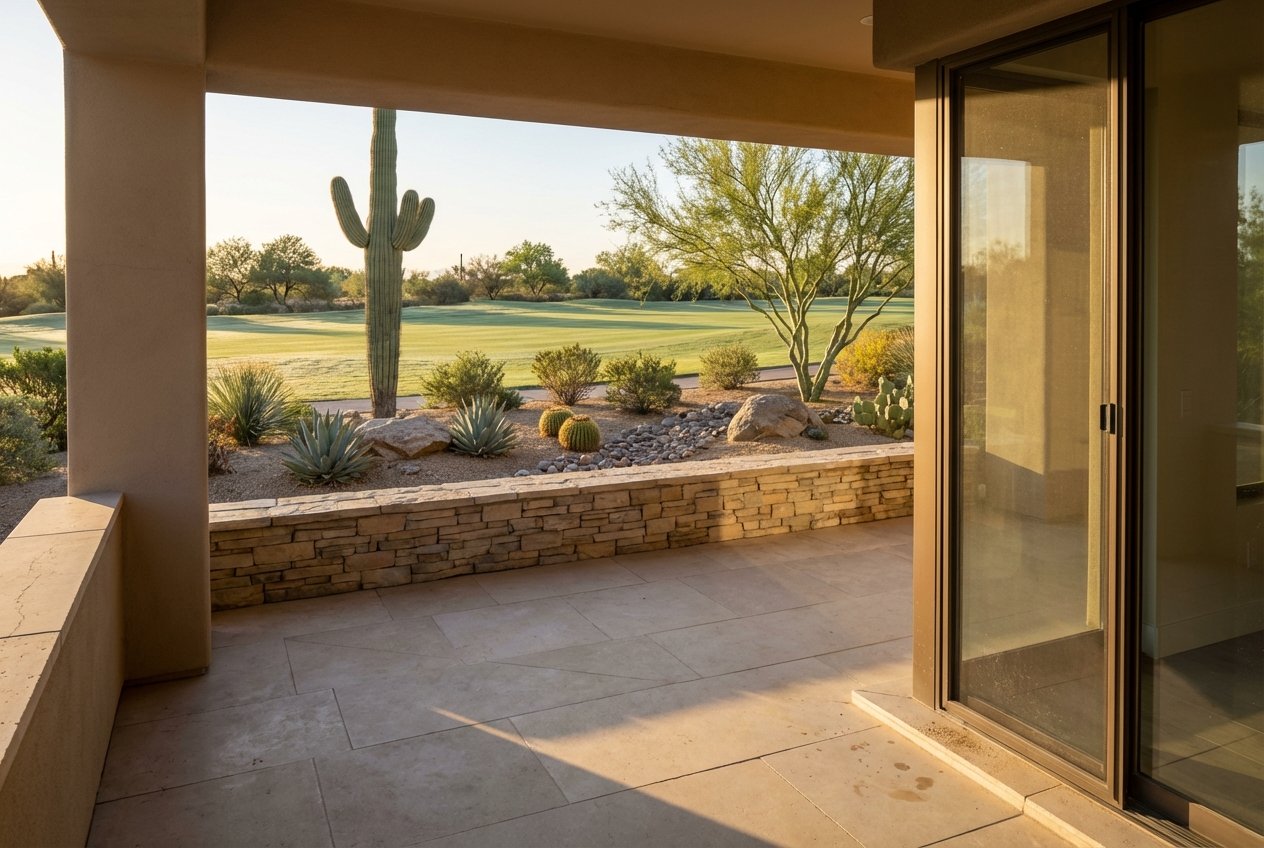
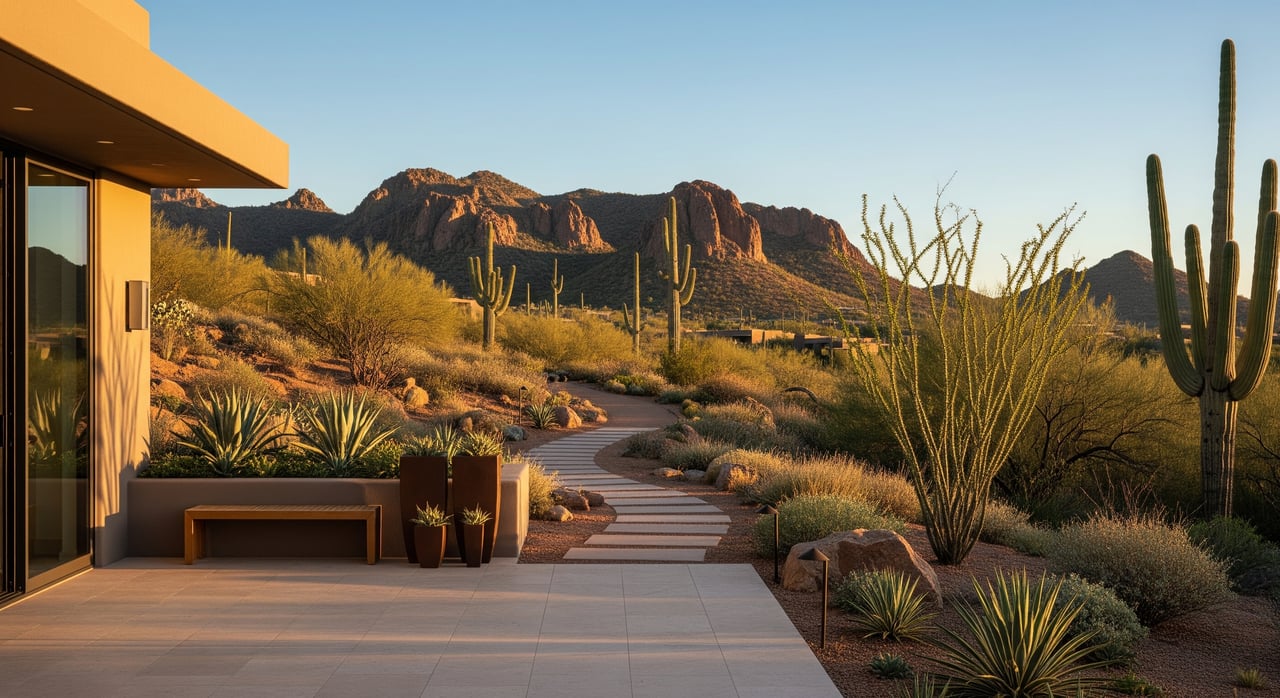
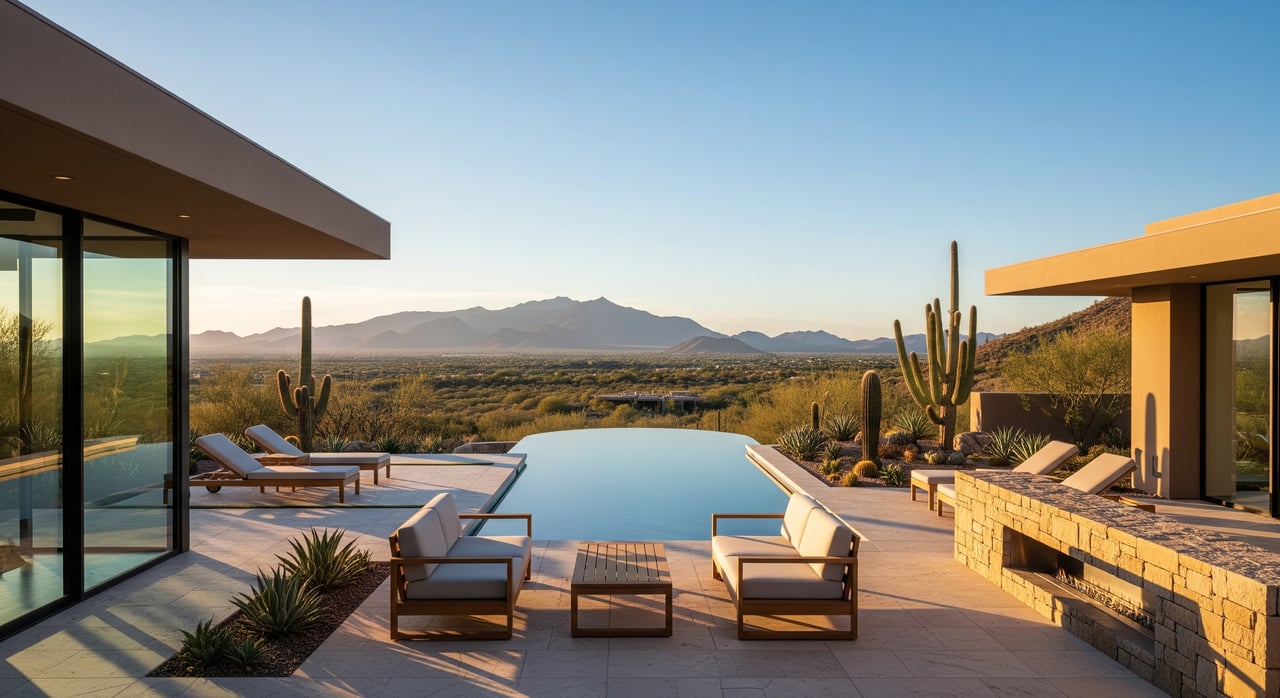
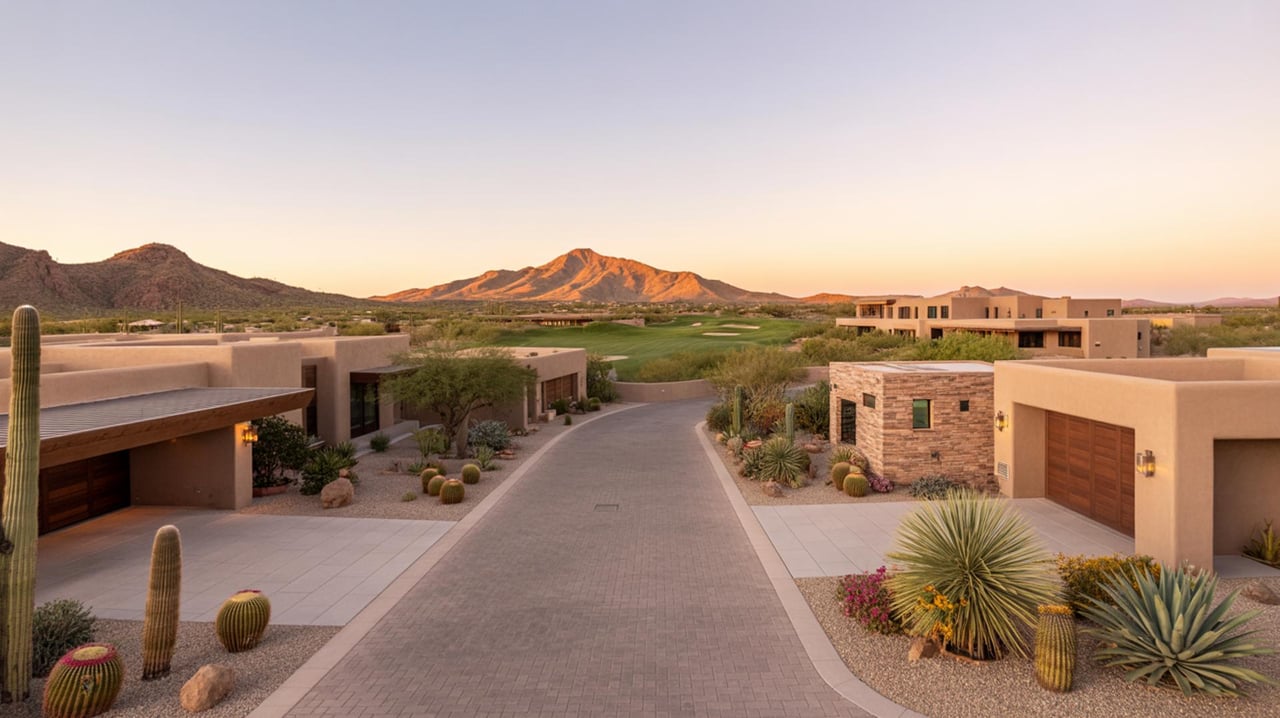
Starr Pass sits in a distinctly west-side desert setting. Visit Tucson describes the area as being within Tucson Mountain Park, about 6 miles west of Tucson and roughly 15 minutes from downtown. That location gives you a strong sense of open space and desert surroundings rather than a dense urban feel.
This part of Tucson also connects naturally to some of the area’s most recognizable outdoor destinations. The Arizona-Sonora Desert Museum is on the west side near Old Tucson, Saguaro National Park West, and Tucson Mountain Park. For buyers who want daily life to feel grounded in scenery, access, and outdoor rhythm, that setting is a major part of Starr Pass’s appeal.
Trails Drive the Wellness Lifestyle
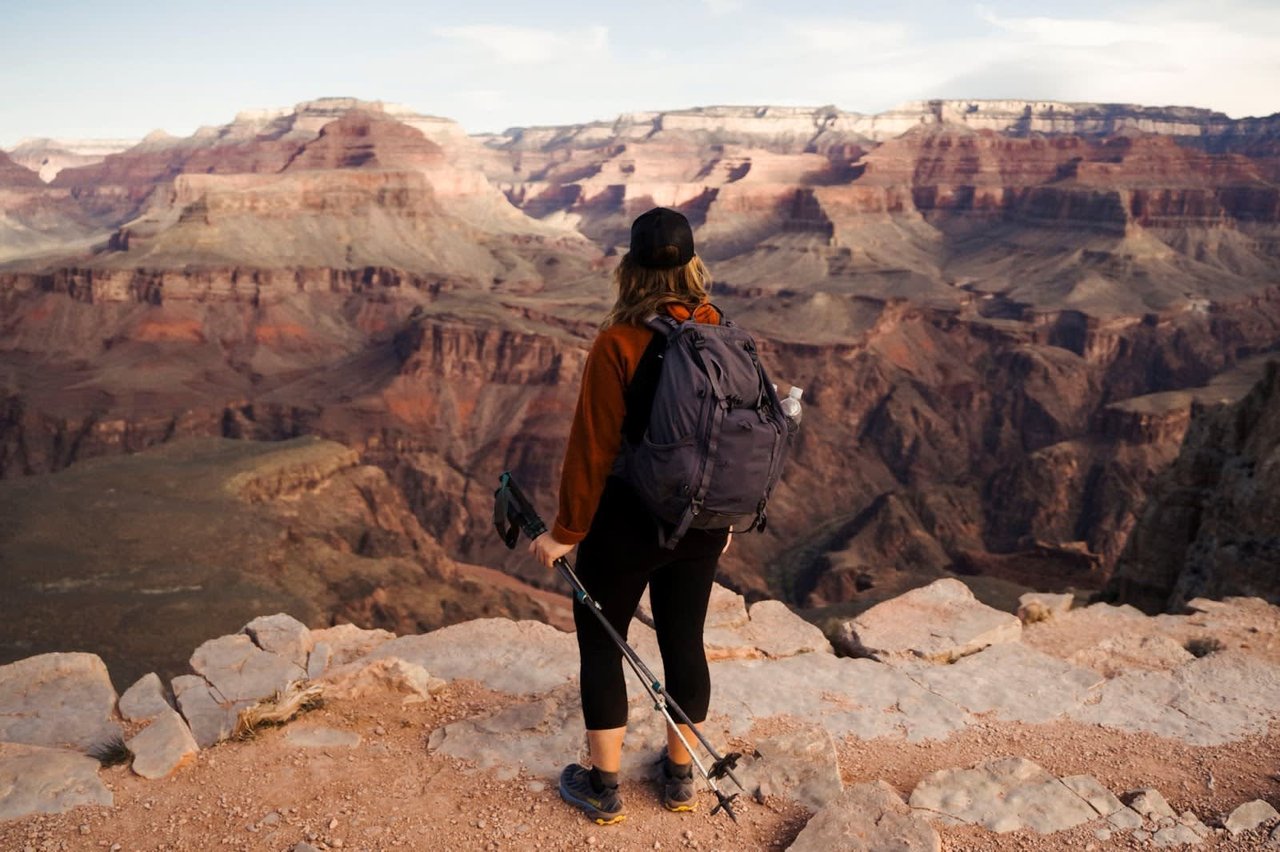
The clearest wellness feature in Starr Pass is trail access. Pima County says Tucson Mountain Park covers about 20,000 acres and includes approximately 62 miles of non-motorized shared-use trails. Those trails are officially open to hikers, equestrians, and mountain bikers.
Pima County also lists hiking, trail running, mountain biking, and horseback riding as official activities in the park. That matters because it supports a wide range of movement styles close to home. Whether you prefer a quiet walk, a weekend ride, or a more active training routine, the trail network gives you options.
Trail Access Near Home
The Richard Genser Starr Pass Trailhead is the main access point to Tucson Mountain Park from this area. Rock Wren Trail connects the trailhead to the larger system, and the trailhead is open from sunrise to sunset. Visit Tucson also identifies the Starr Pass Trail and Yetman Trail as part of the local network.
For many buyers, that kind of access shapes the entire week. It makes it easier to fit in an early hike, a trail run after work, or a slower outdoor reset on the weekend. That is not a measured health outcome, but it is a meaningful lifestyle advantage if you value regular movement and desert scenery.
A Natural Fit for Daily Routines
In some neighborhoods, wellness means driving across town to reach a gym, park, or recreation area. In Starr Pass, the landscape itself becomes part of the routine. The ability to step into a trail-oriented environment on the west side of town is one of the biggest reasons the area stands out.
That can be especially appealing if you are relocating from a denser market or searching for a home that supports a more balanced pace. Instead of treating outdoor time as an occasional outing, you may find it becomes part of your normal day. For many buyers, that shift is the real lifestyle value.
Resort Amenities Add Recovery and Recreation
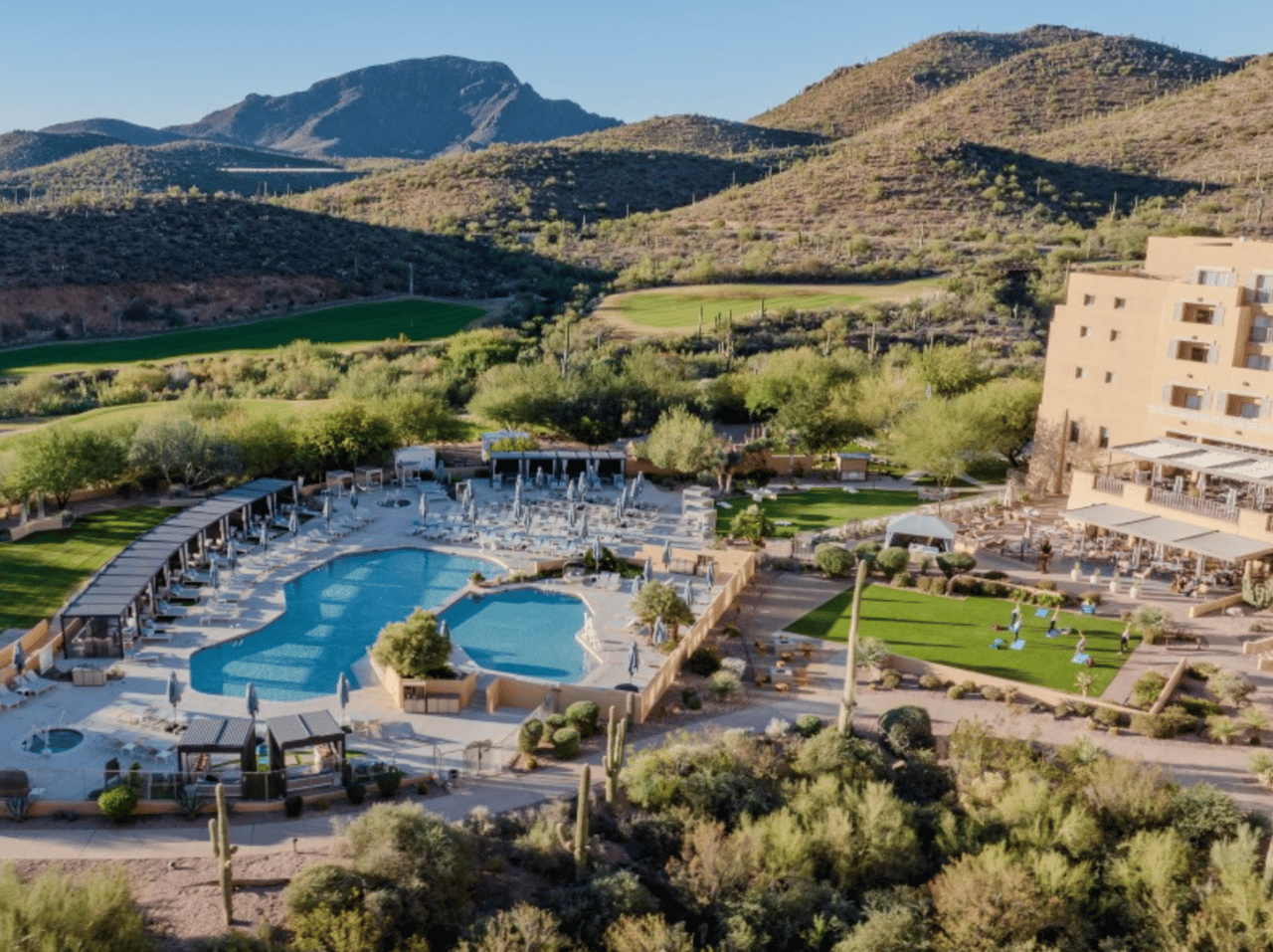
Outdoor access is only part of the picture. Starr Pass also benefits from resort-style amenities that complement an active lifestyle. At the JW Marriott Tucson Starr Pass Resort & Spa, Hashani Spa serves as a strong wellness anchor in the area.
Marriott describes the spa as a serene, desert-inspired setting with yoga, a 24-hour fitness center, an outdoor saline pool, a relaxation lounge, a steam room, and an indoor whirlpool. The spa FAQ also lists body scrubs, facials, fitness classes, lap pool access, manicures and pedicures, massages, and separate men’s and women’s lounges. Together, those amenities support both movement and recovery.
Wellness Beyond the Trails
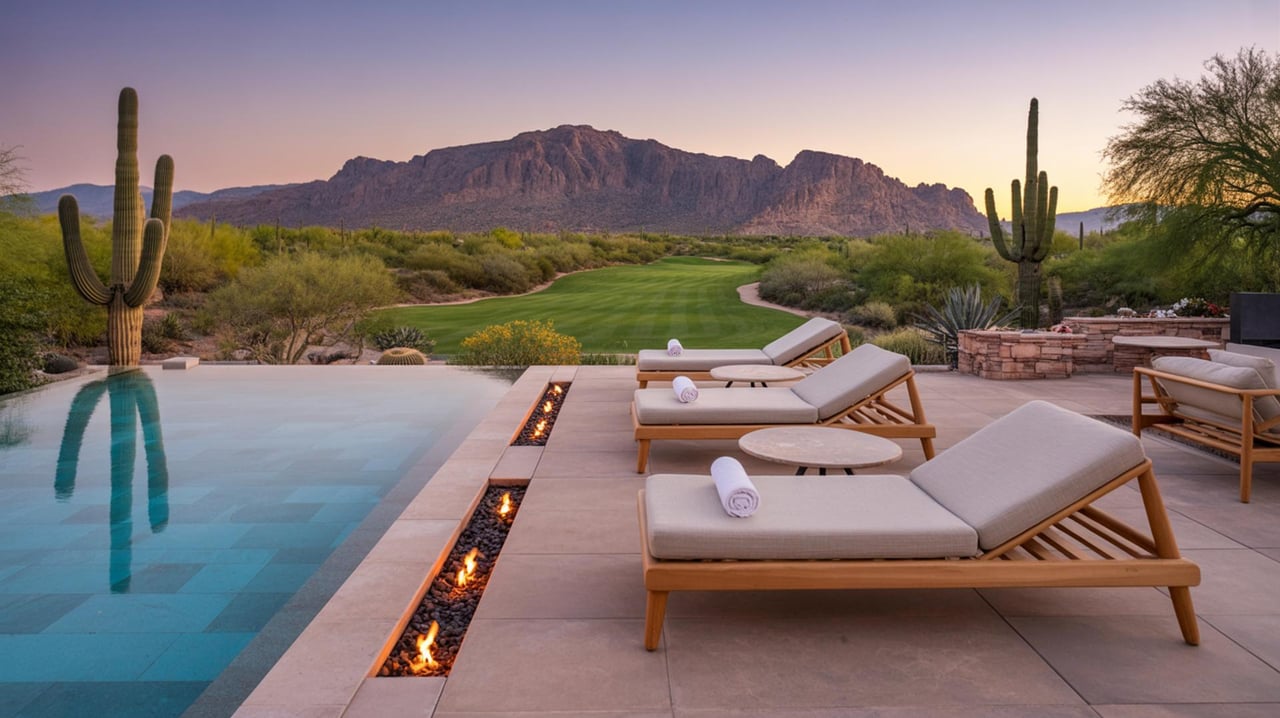
A neighborhood lifestyle feels more complete when active time and restorative time exist in the same area. In Starr Pass, that can look like a morning hike followed by a pool afternoon, a fitness class, or a spa treatment. For buyers who want a resort-style environment, that mix can be a real draw.
Marriott also highlights pools, cabanas, and resort experiences such as sunrise hiking. These details reinforce the idea that wellness in Starr Pass is not limited to one activity. It is a broader pattern of outdoor use, downtime, and recreation that fits the setting.
Golf as Part of the Lifestyle
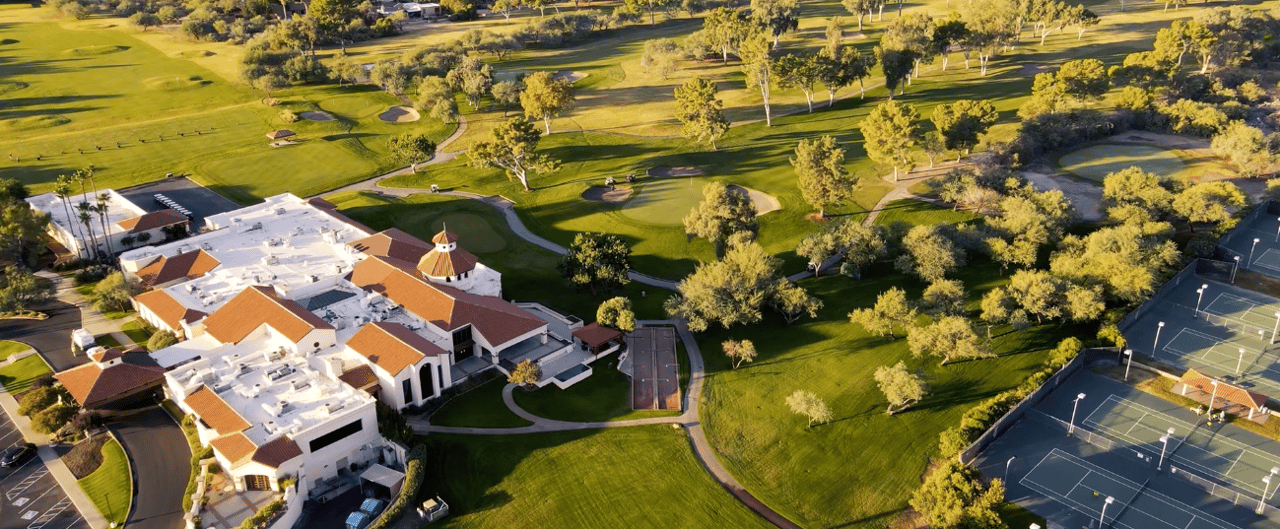
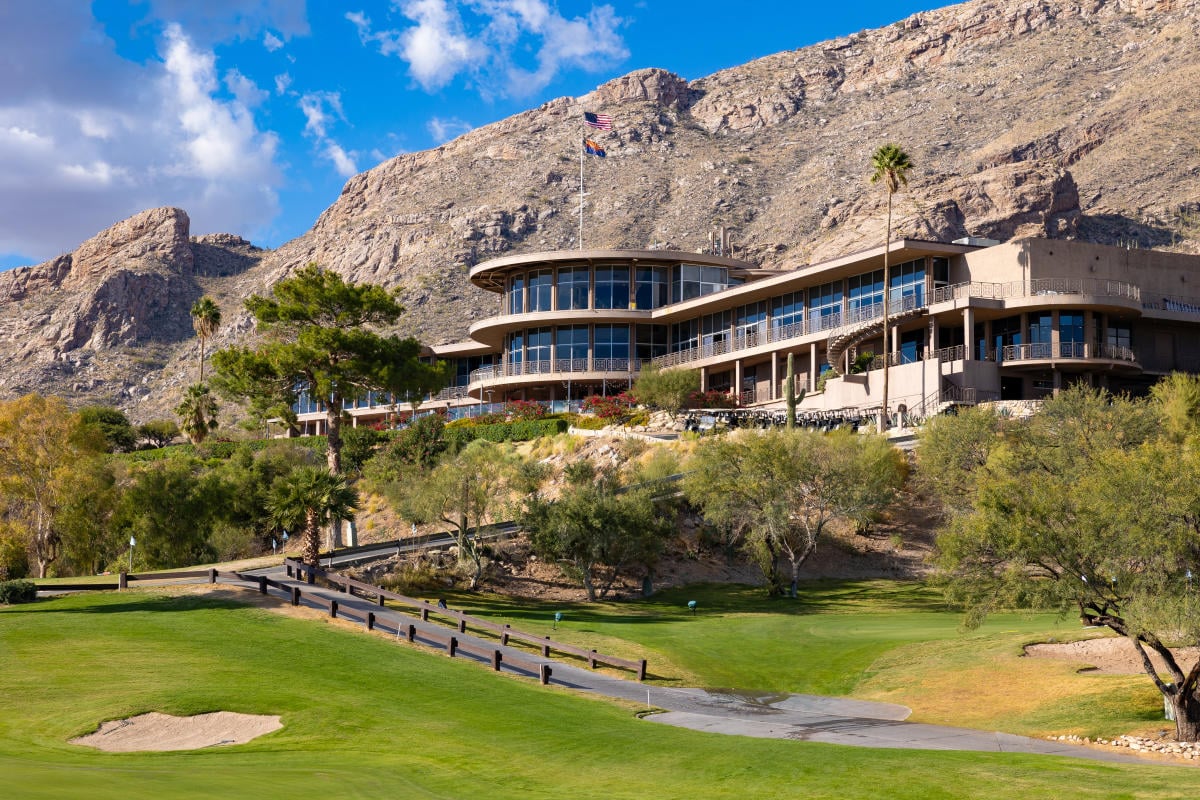
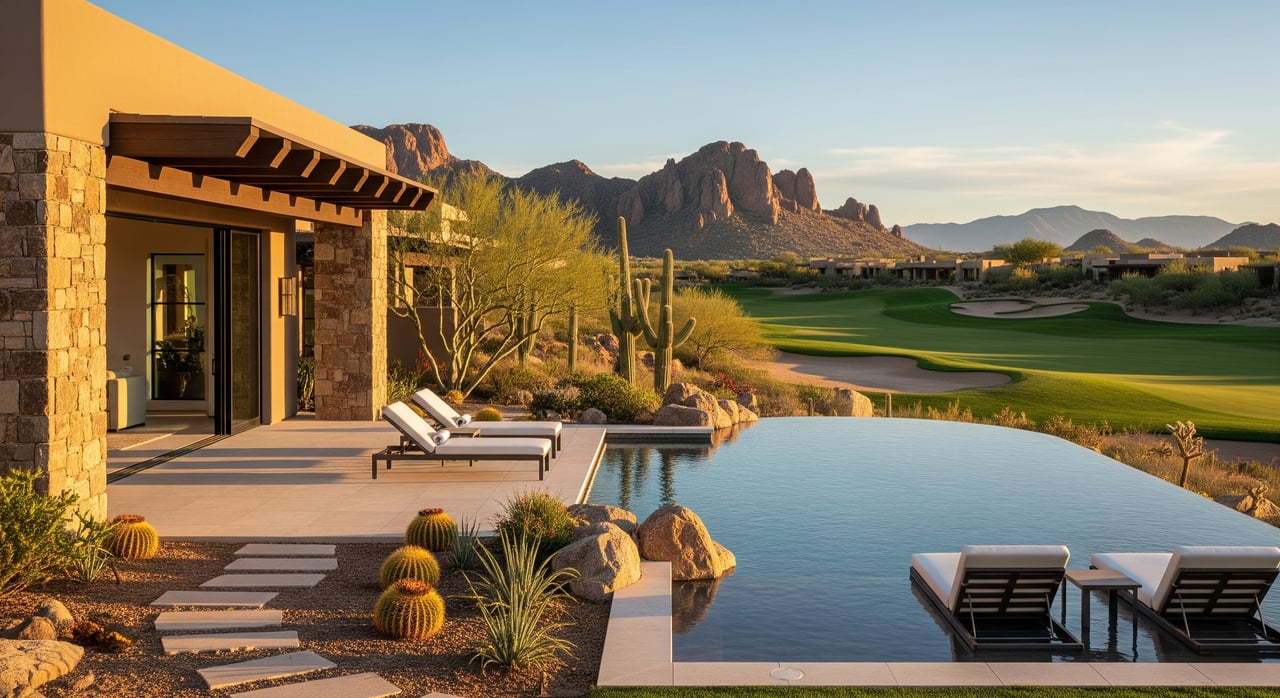
The Club at Starr Pass adds another layer to the area’s recreation mix. Marriott notes that the club offers 27 holes of Arnold Palmer Signature Golf across three nine-hole courses. The refreshed clubhouse also includes a Sonoran-style restaurant.
For some buyers, golf is a primary reason to consider the area. For others, it is part of a more flexible social and recreational routine. Either way, the presence of golf, dining, spa access, and trails in one west-side setting helps explain why Starr Pass often appeals to buyers looking for a resort-oriented lifestyle.
Darker Skies Shape the Evenings
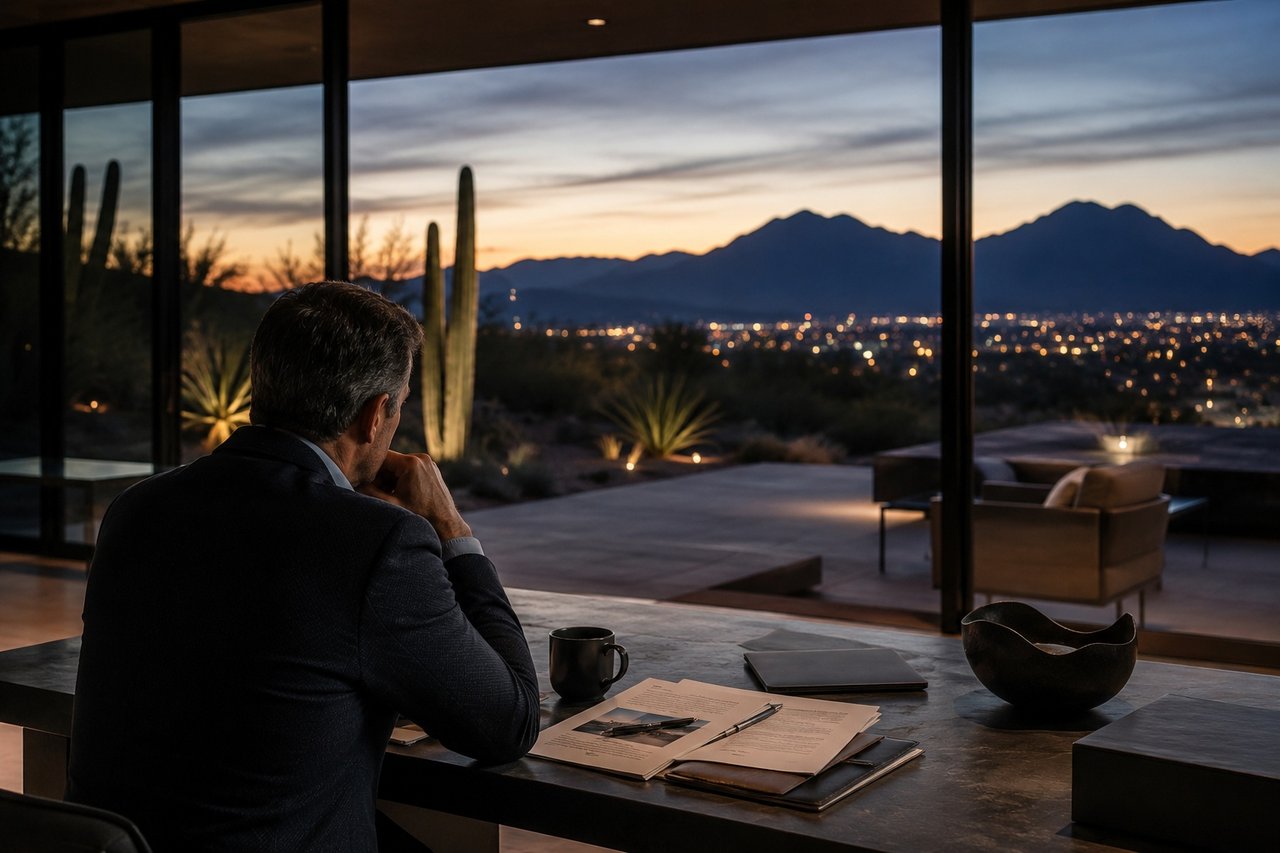
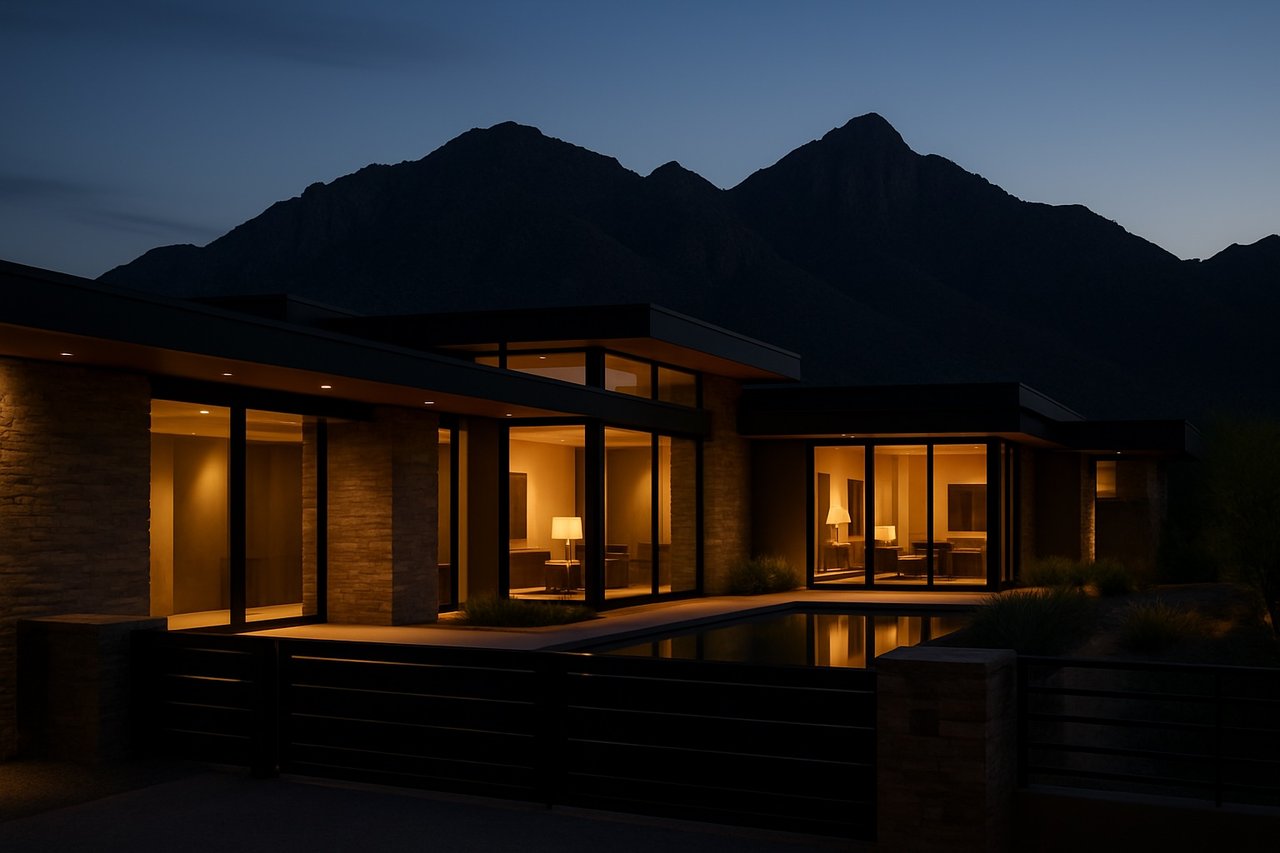
Wellness in the desert is not only about how you spend the morning. It is also about how the evenings feel. In the Tucson area, dark-sky protection plays a meaningful role in that experience.
The City of Tucson and the Pima County Outdoor Lighting Code Committee say the local code is intended to preserve access to dark skies, minimize excessive outdoor lighting, safeguard the night sky for astronomical activities, and reduce energy waste. Nearby, DarkSky International certified Saguaro National Park as an Urban Night Sky Place in 2023 and notes that city and county lighting regulations help protect the park from glare and light pollution.
What That Means for Daily Life
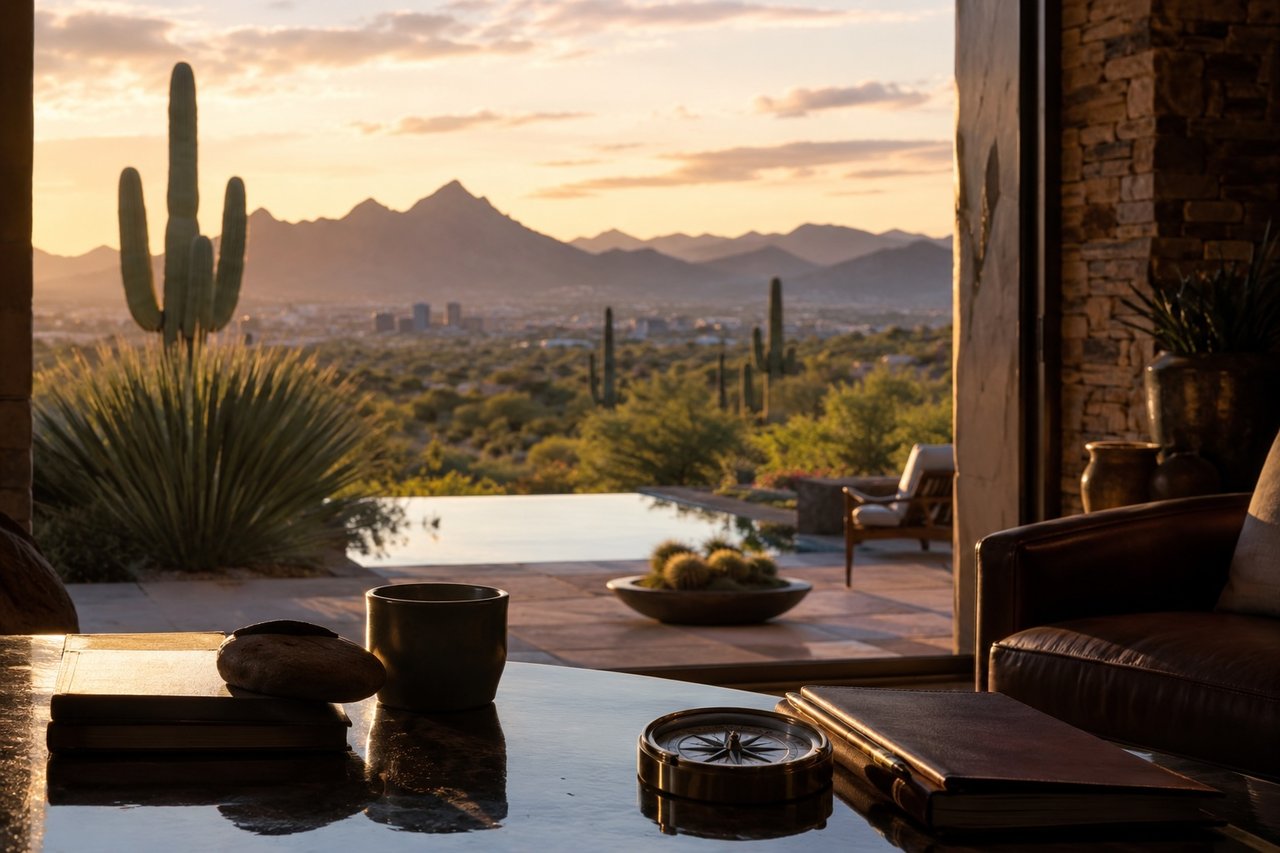
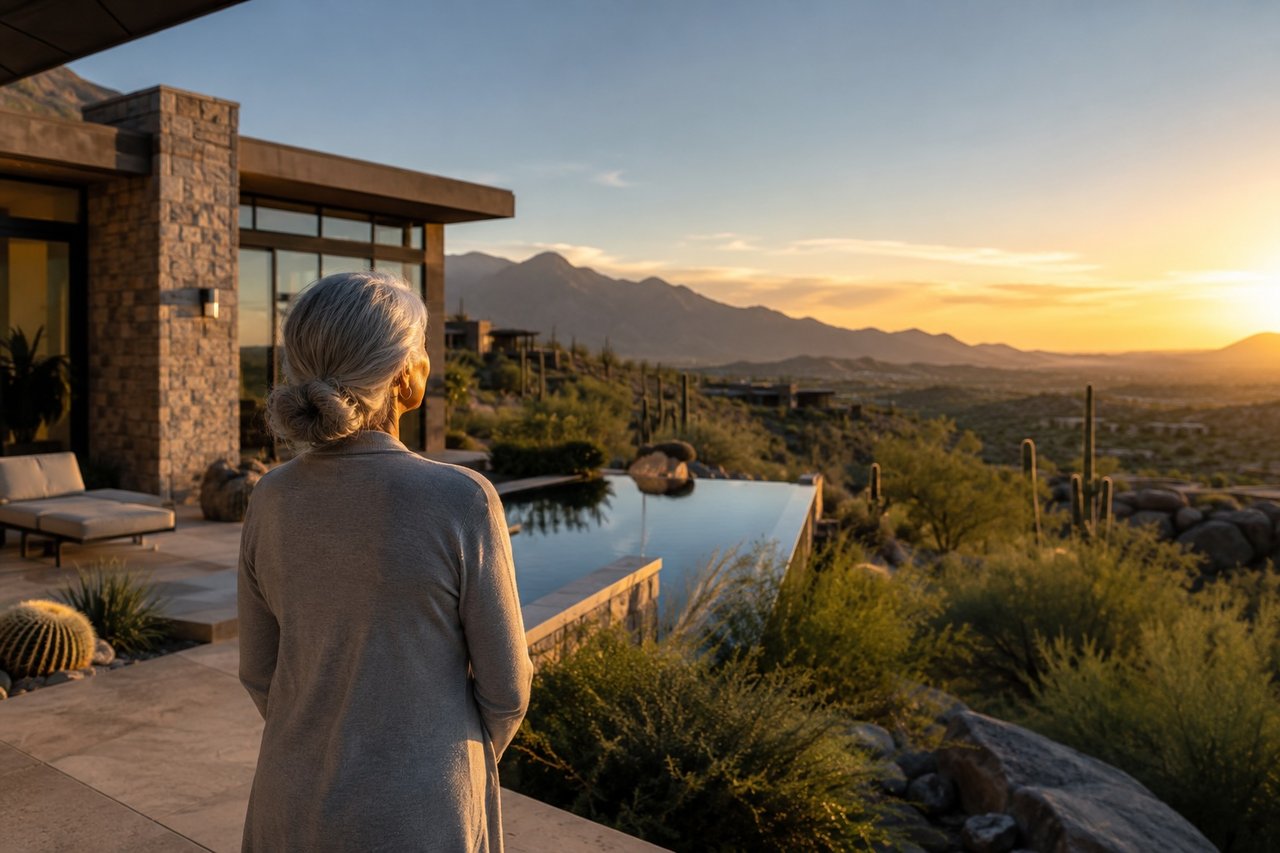
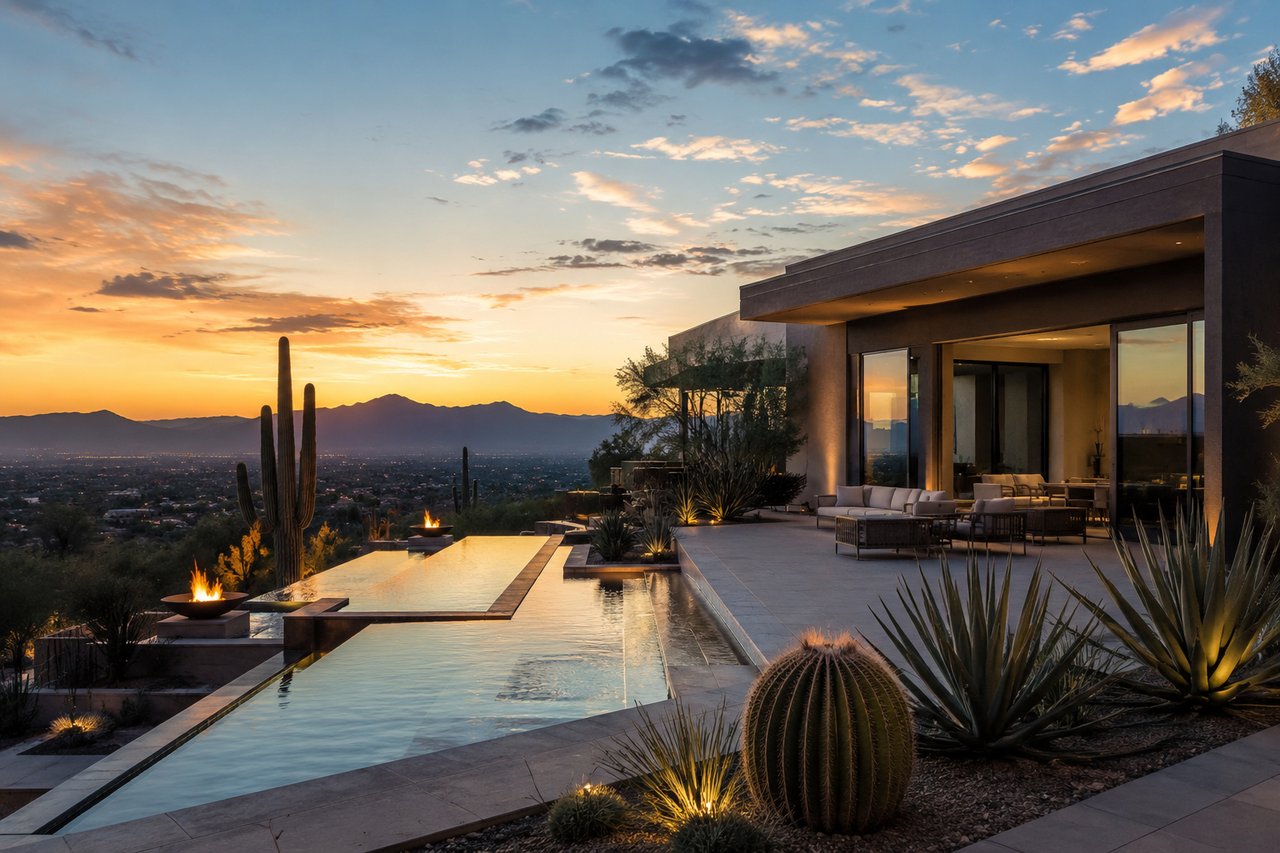
In practical terms, this supports a lifestyle story built around lower-glare evenings and stronger awareness of the night sky in the west Tucson desert corridor. It does not guarantee the same view or lighting conditions from every property, but it does help explain why this part of town can feel more connected to the desert after sunset.
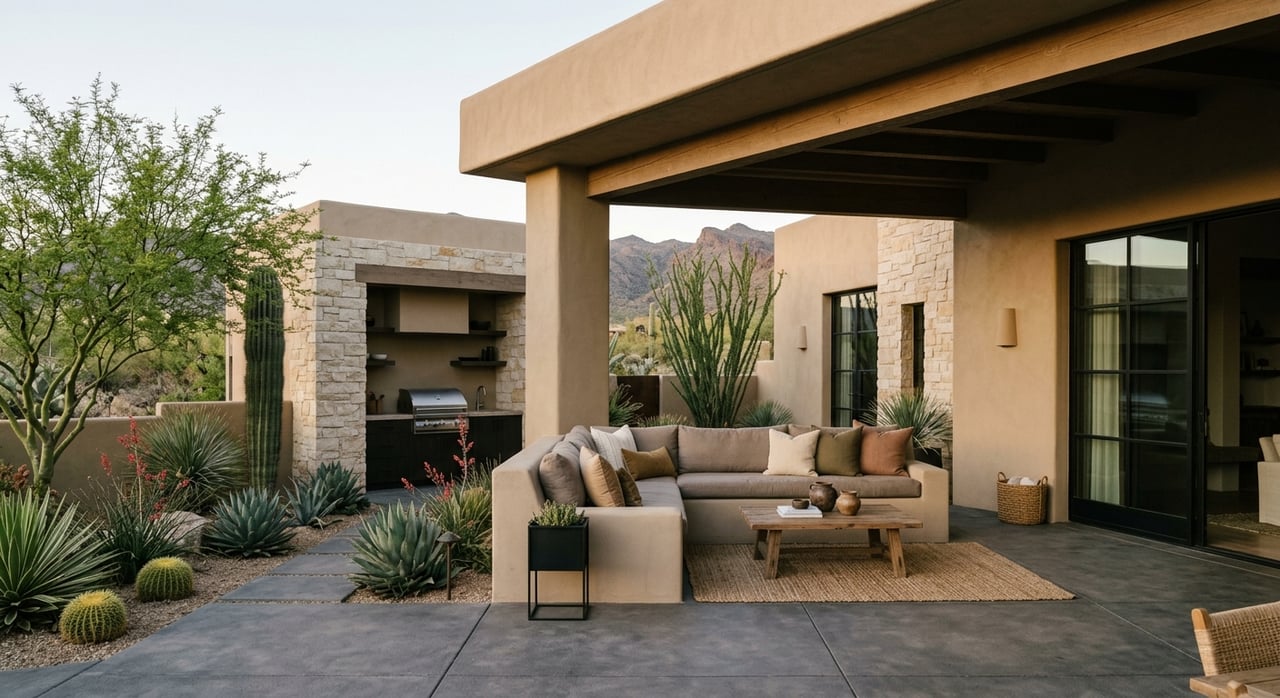
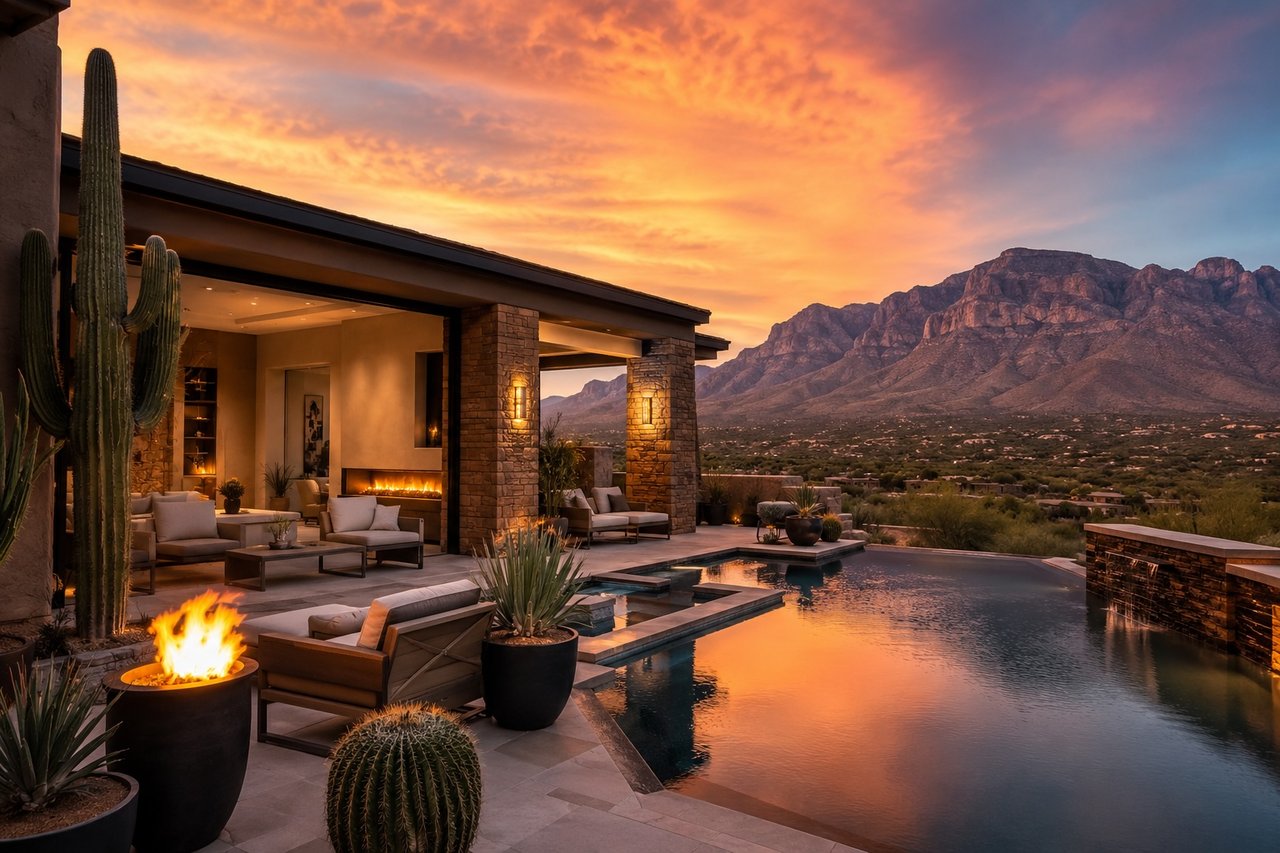
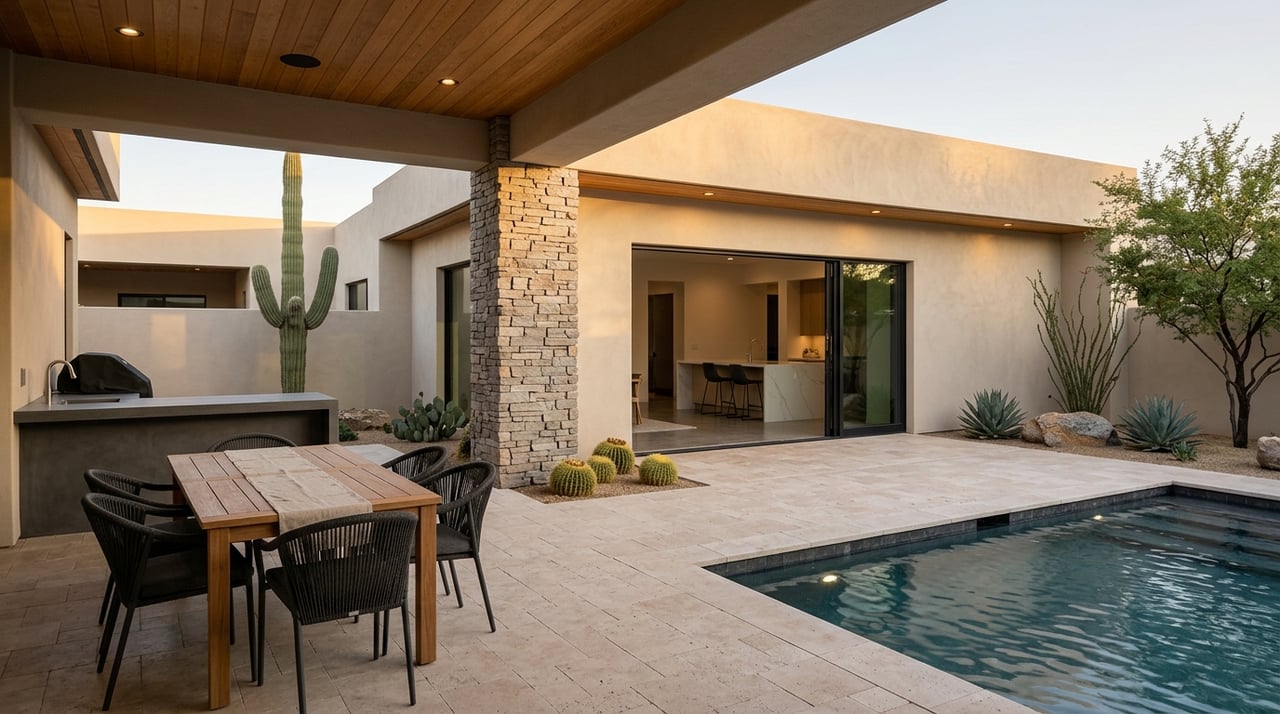
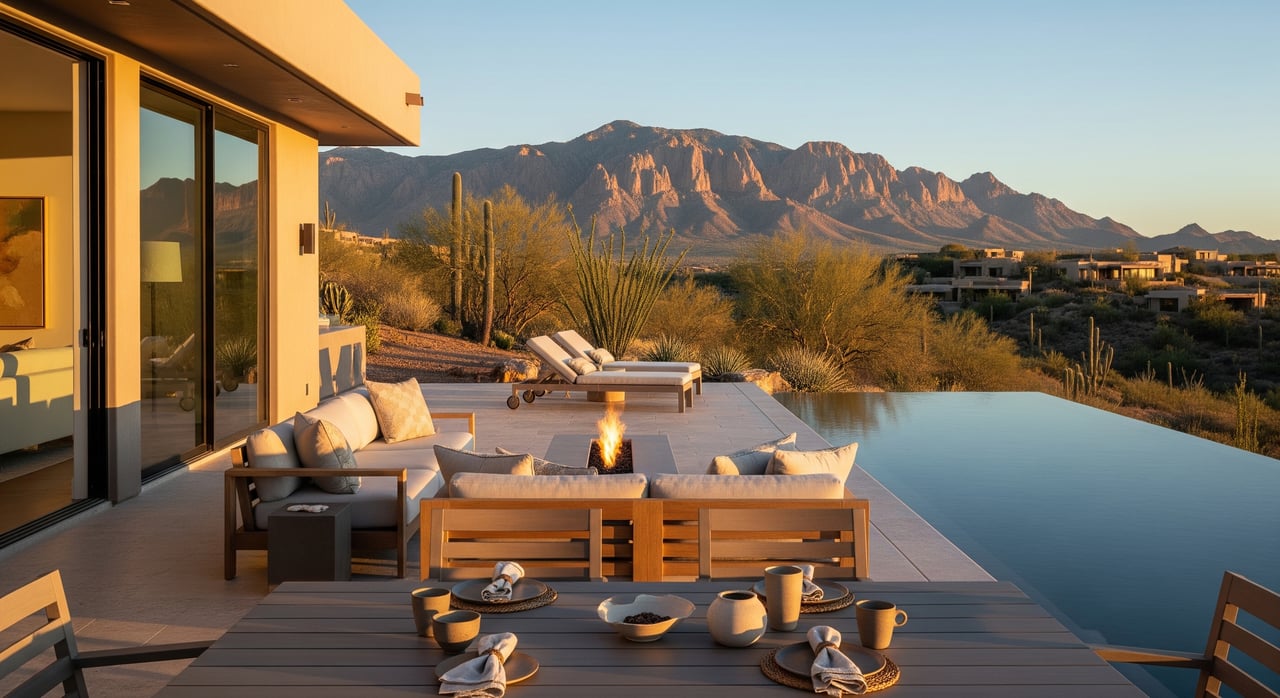
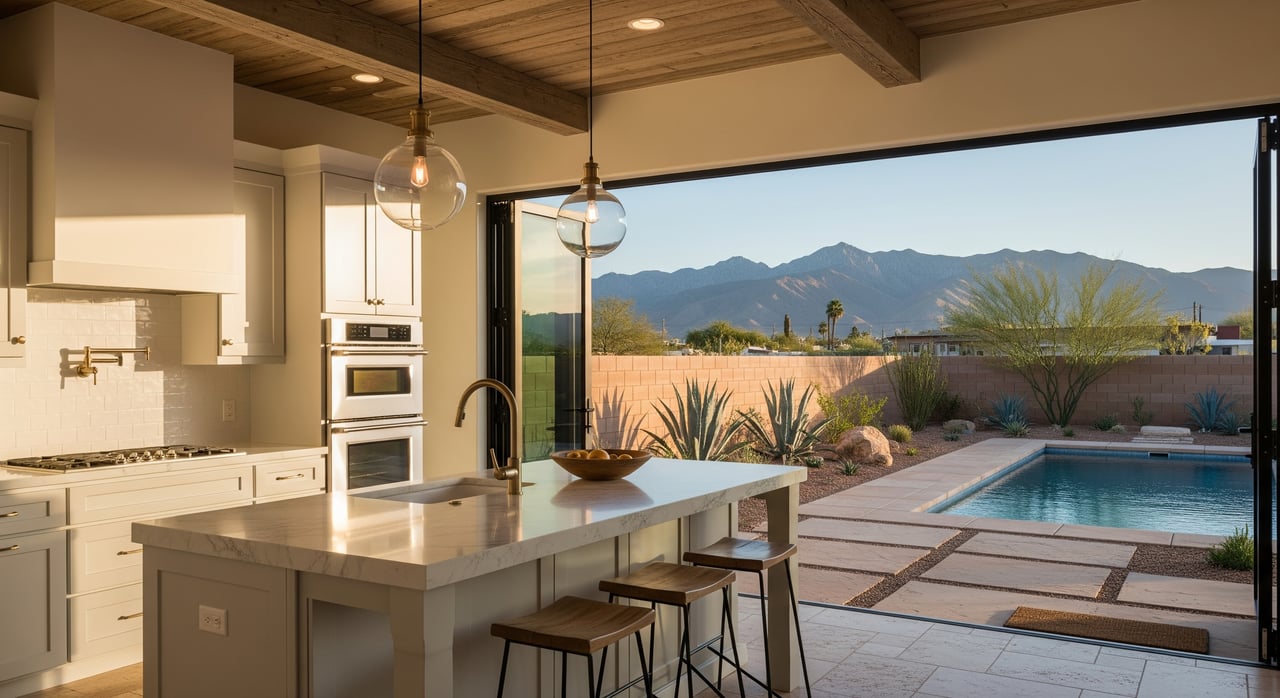
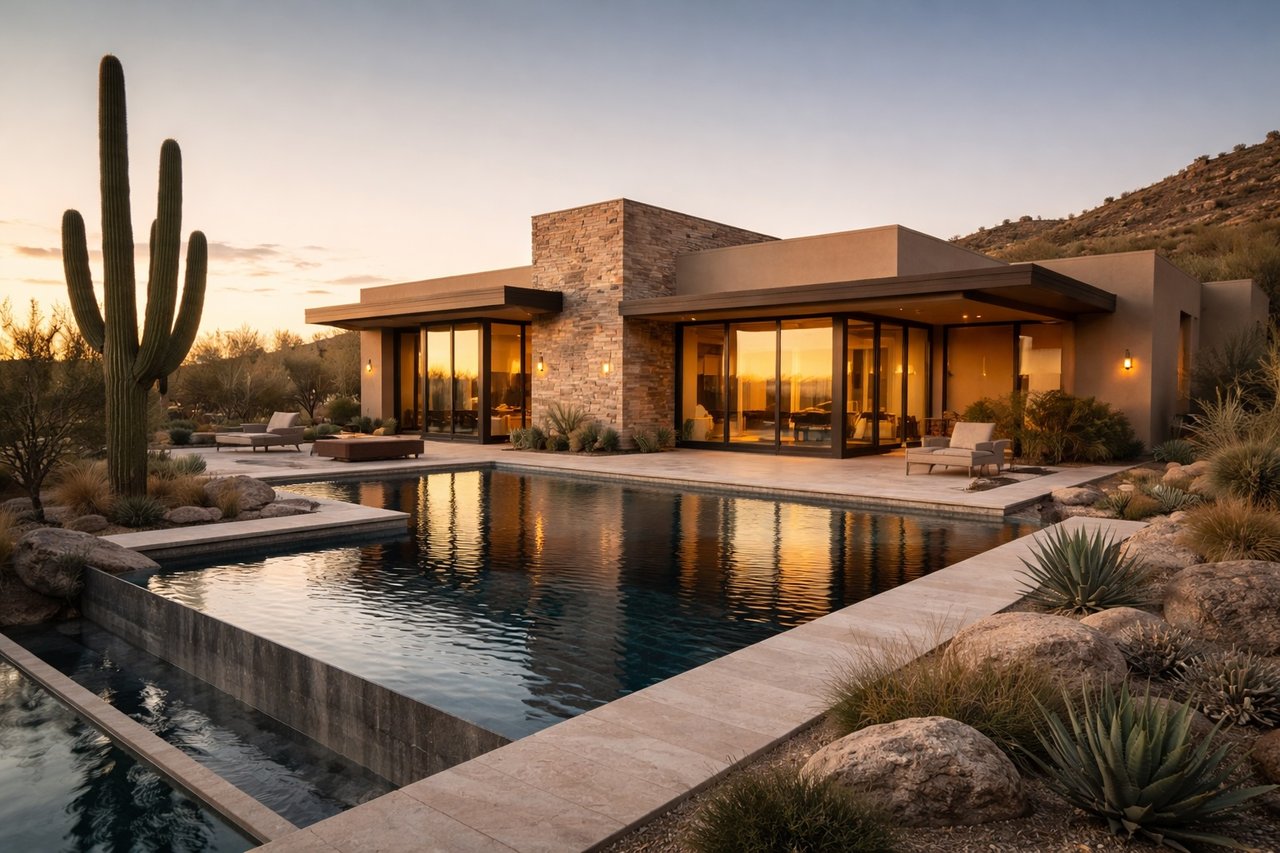
If you enjoy a quiet patio evening, cooler-season outdoor dining, or simply a neighborhood atmosphere that feels less overlit, that context matters. It is a subtle quality, but often an important one. Buyers drawn to Starr Pass are often looking for that sense of calm as much as they are looking for square footage or finishes.
Seasonal Rhythm Matters in Starr Pass
The Sonoran Desert has a strong seasonal rhythm, and that rhythm shapes how people use Starr Pass. According to the National Park Service, Saguaro National Park is open every day except Thanksgiving and Christmas. The park notes that winter temperatures generally range from the high 50s to the mid-70s.
The same source says cactus and wildflower blooms begin in late February and March, the iconic saguaro blooms in late April, and monsoon season begins around July. These seasonal patterns help explain why outdoor routines often shift throughout the year. In cooler months, patios, walks, and hikes may become more frequent, while hotter periods may push activity toward early mornings or evenings.
Why Buyers Should Care
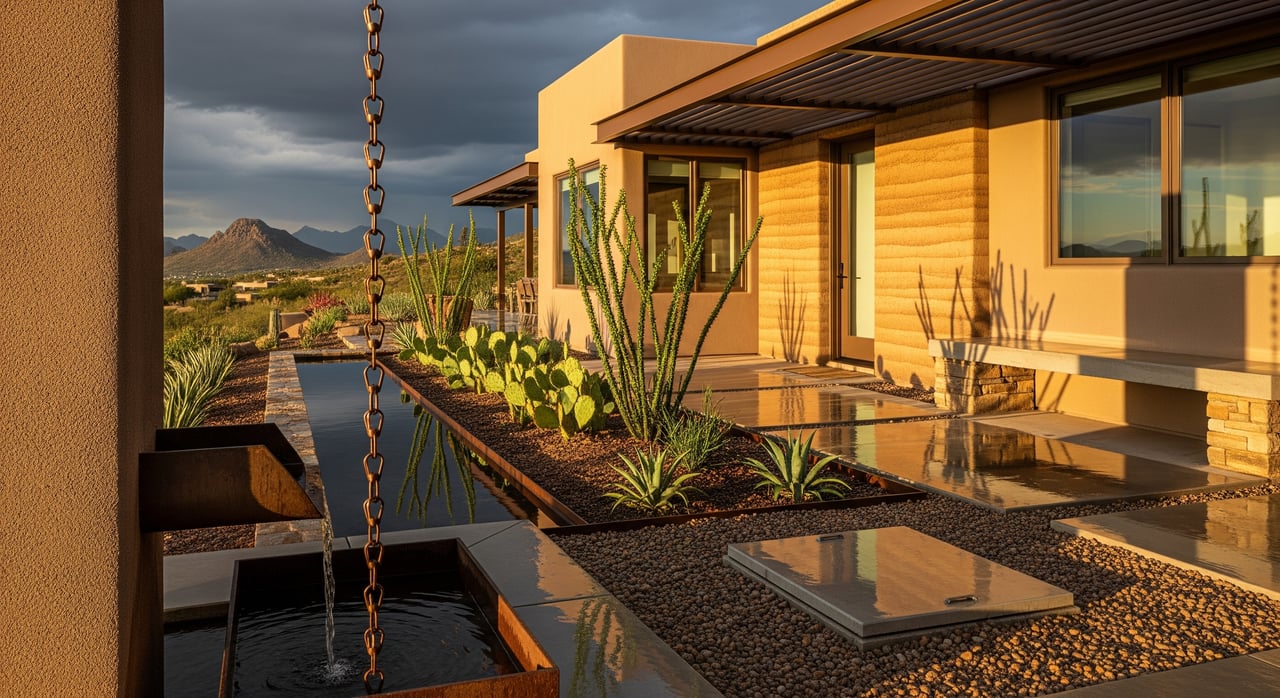
If you are comparing Tucson neighborhoods, seasonal use is an important lens. A home in Starr Pass is not just about the house itself. It is also about how often you will use the outdoor spaces around it and how naturally the area supports the routines you enjoy.
That is especially important for relocation buyers and second-home buyers. When a neighborhood aligns with how you actually want to spend your time, the value becomes easier to feel day to day. In Starr Pass, the desert setting, trail network, and resort amenities all work together to create that pattern.
What Buyers Often Notice First
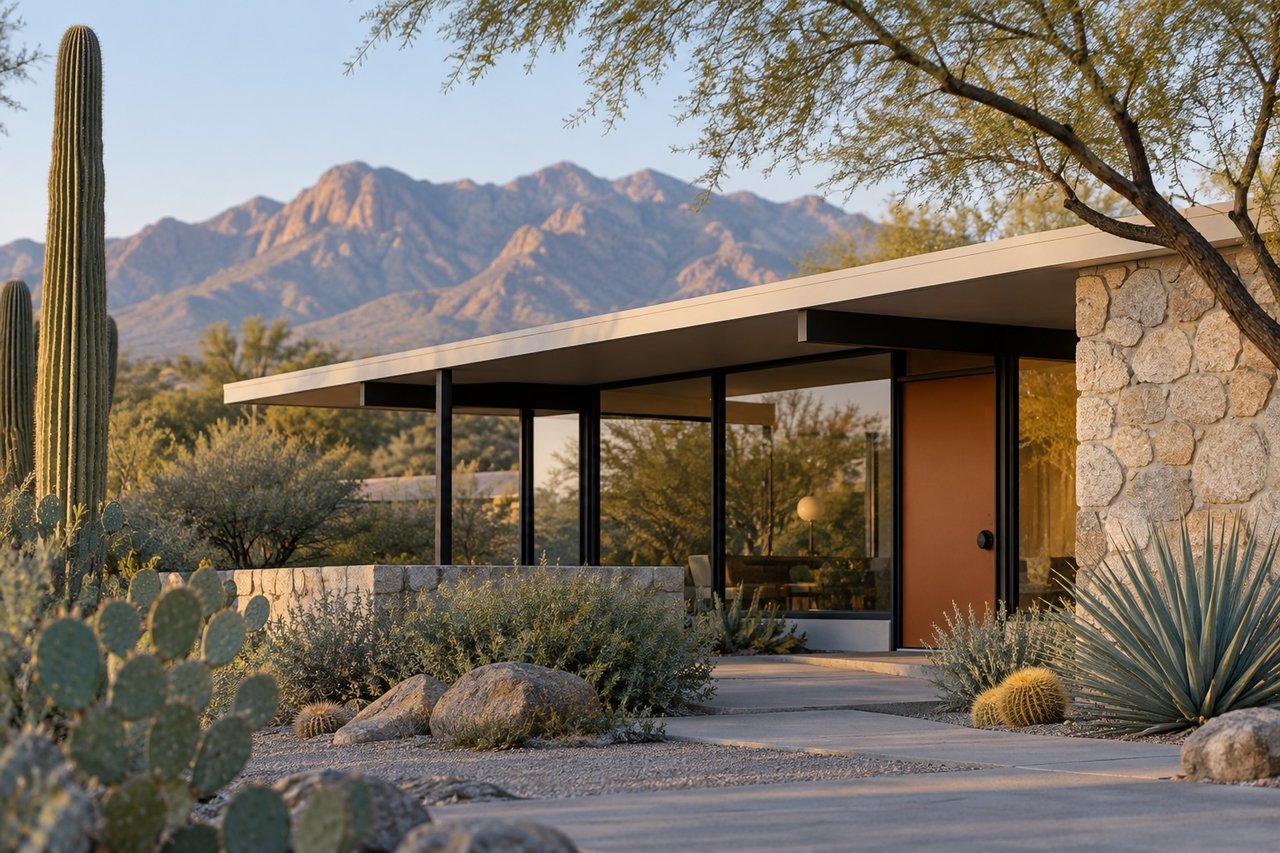
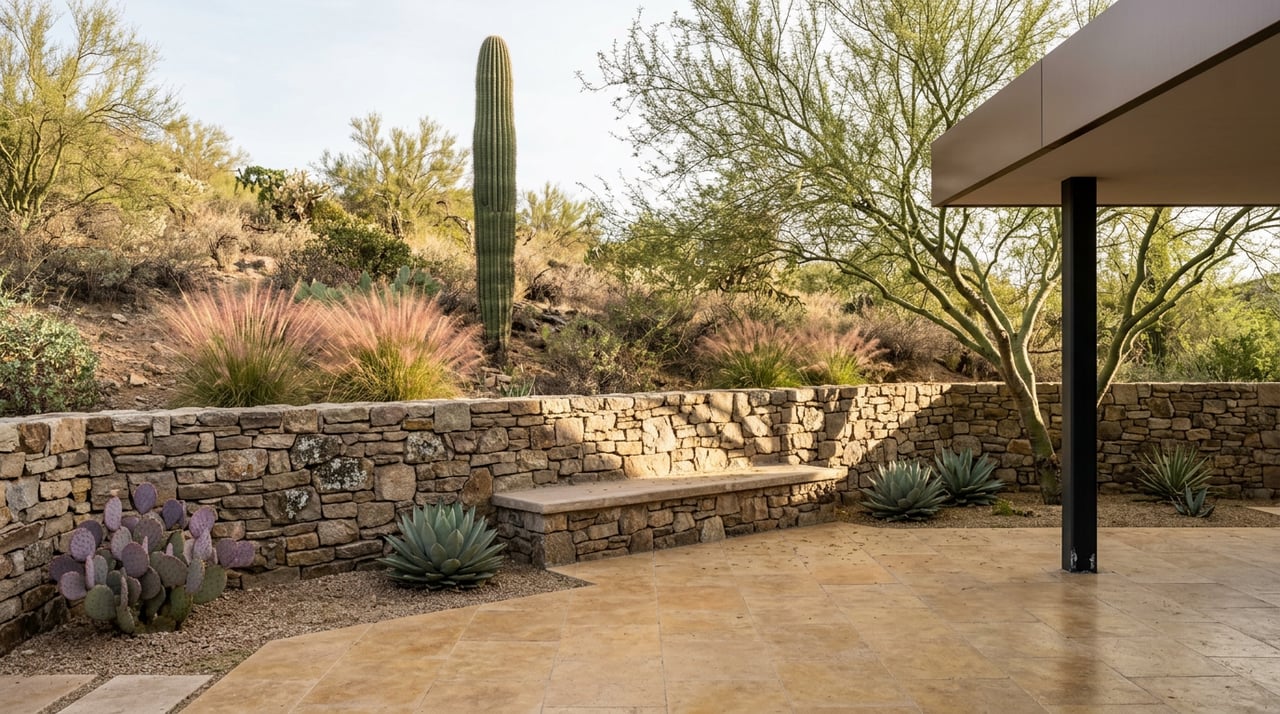
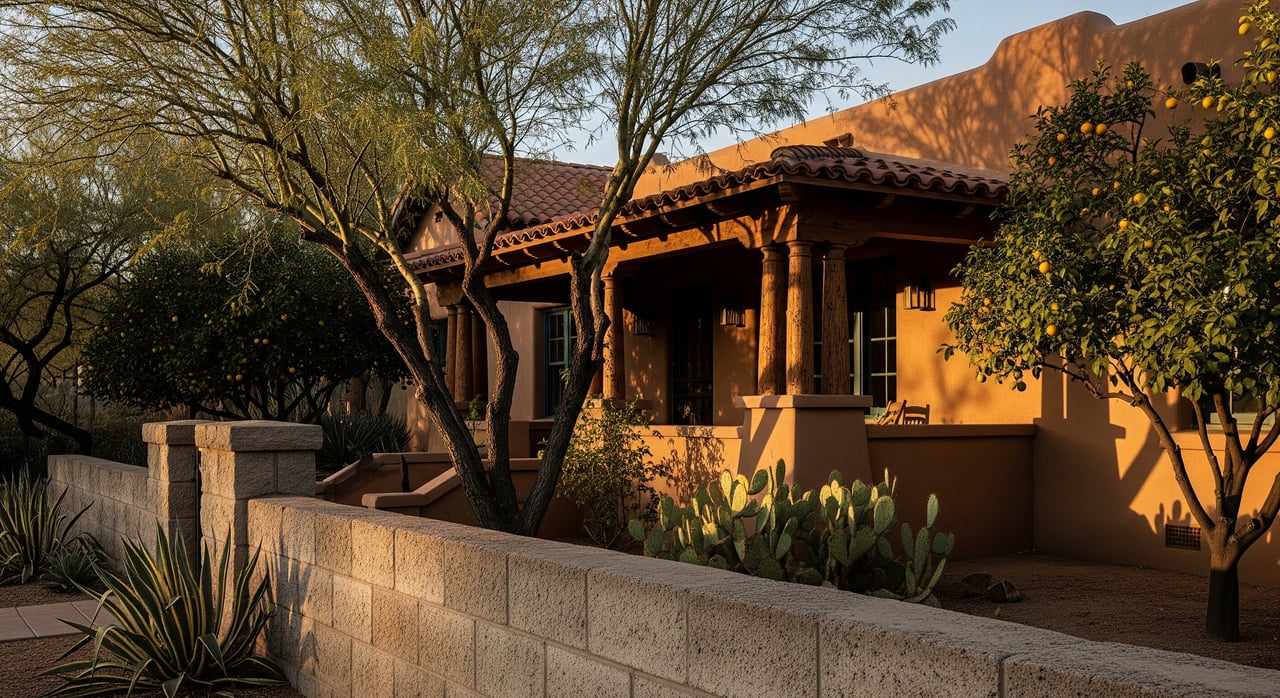
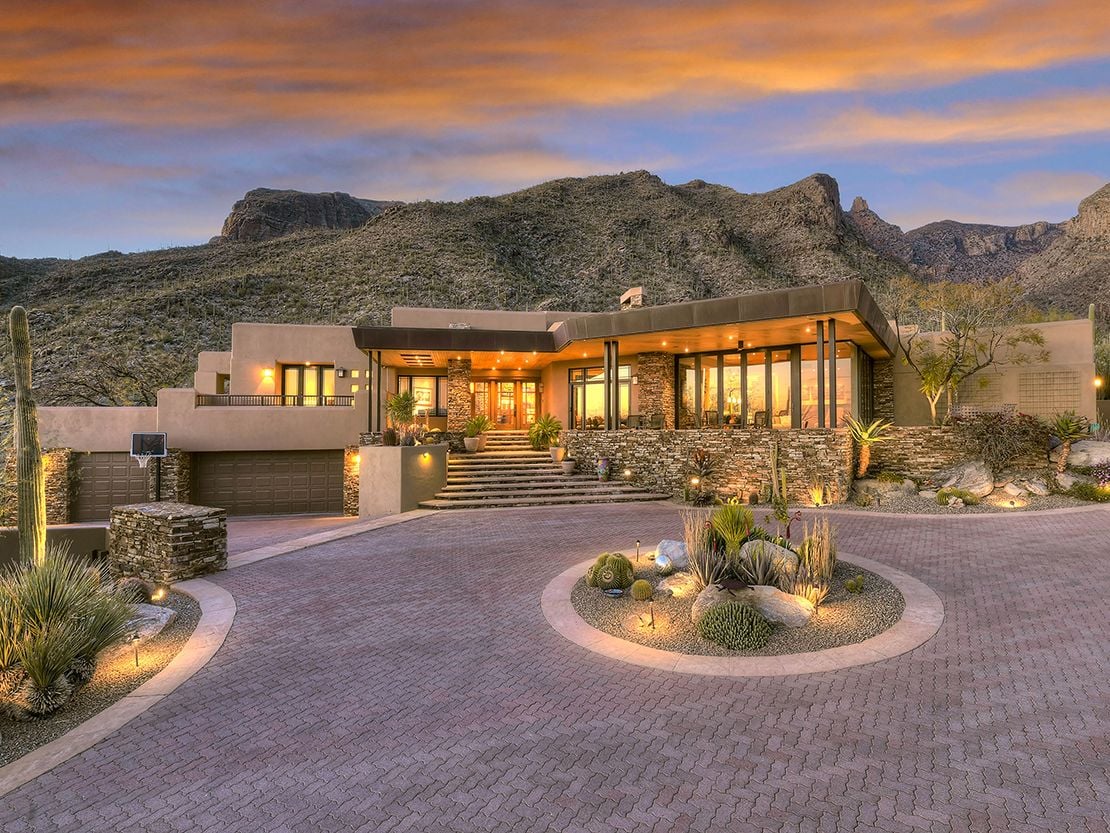
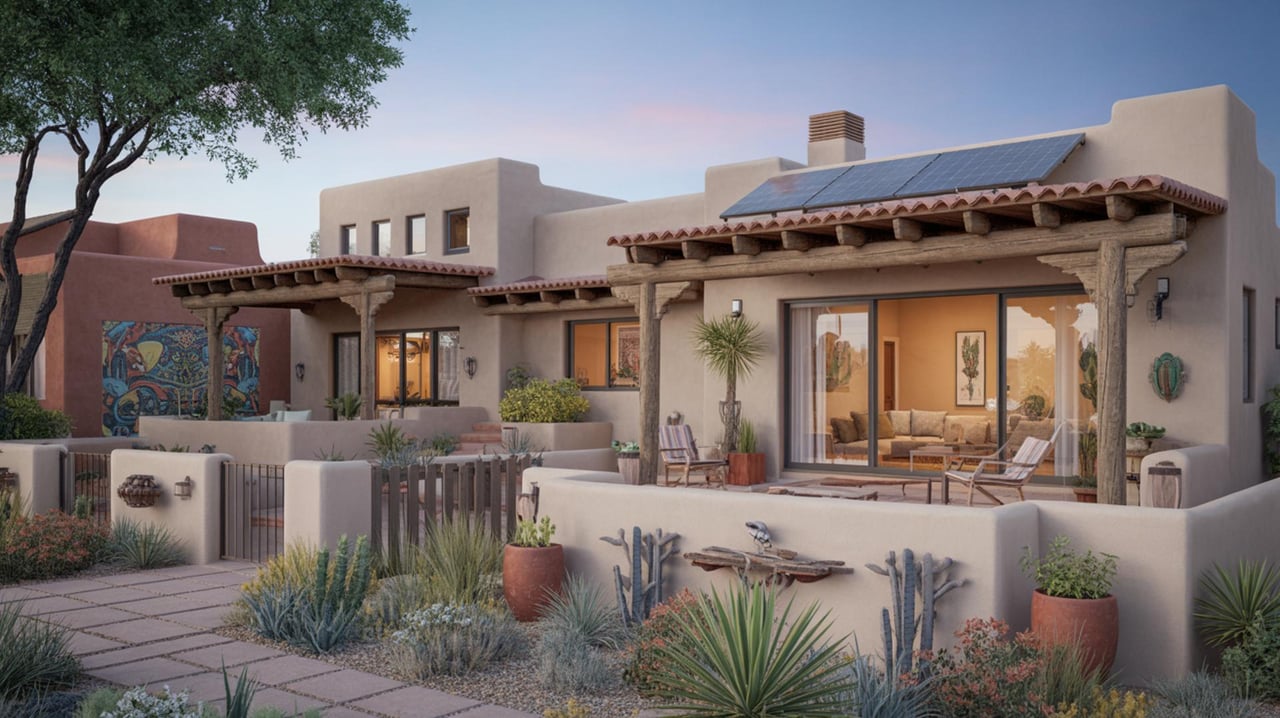
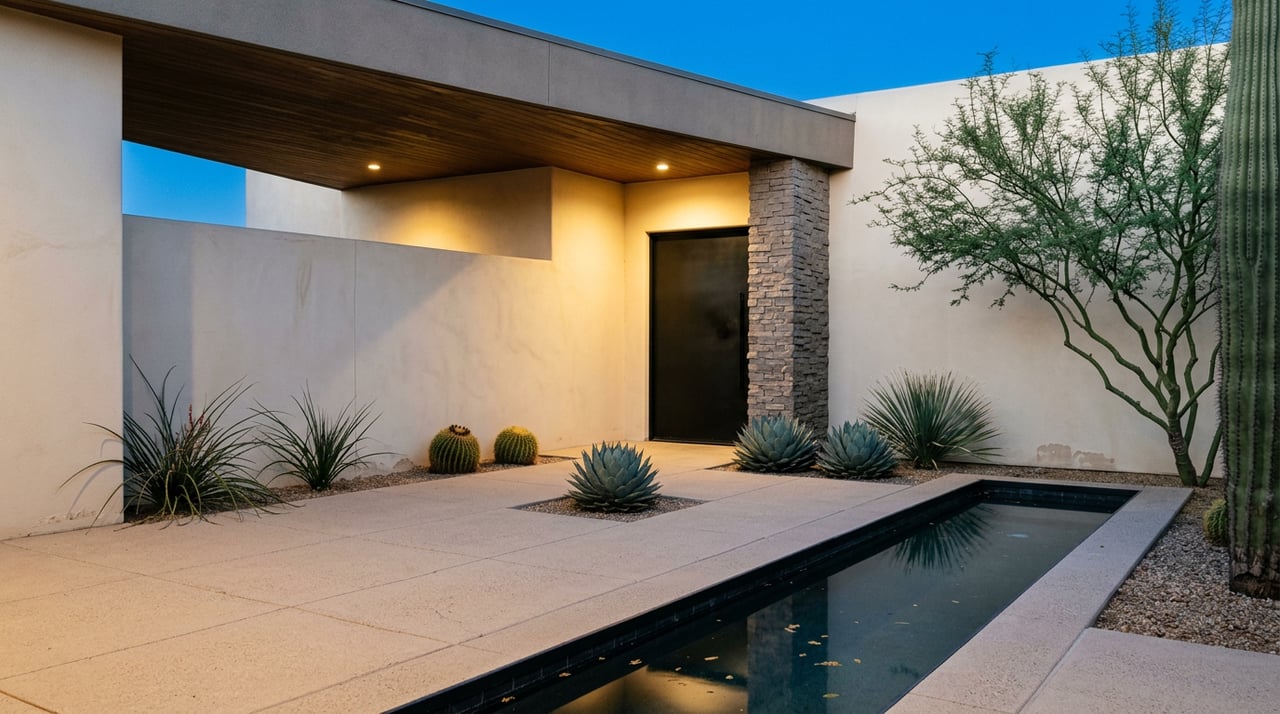
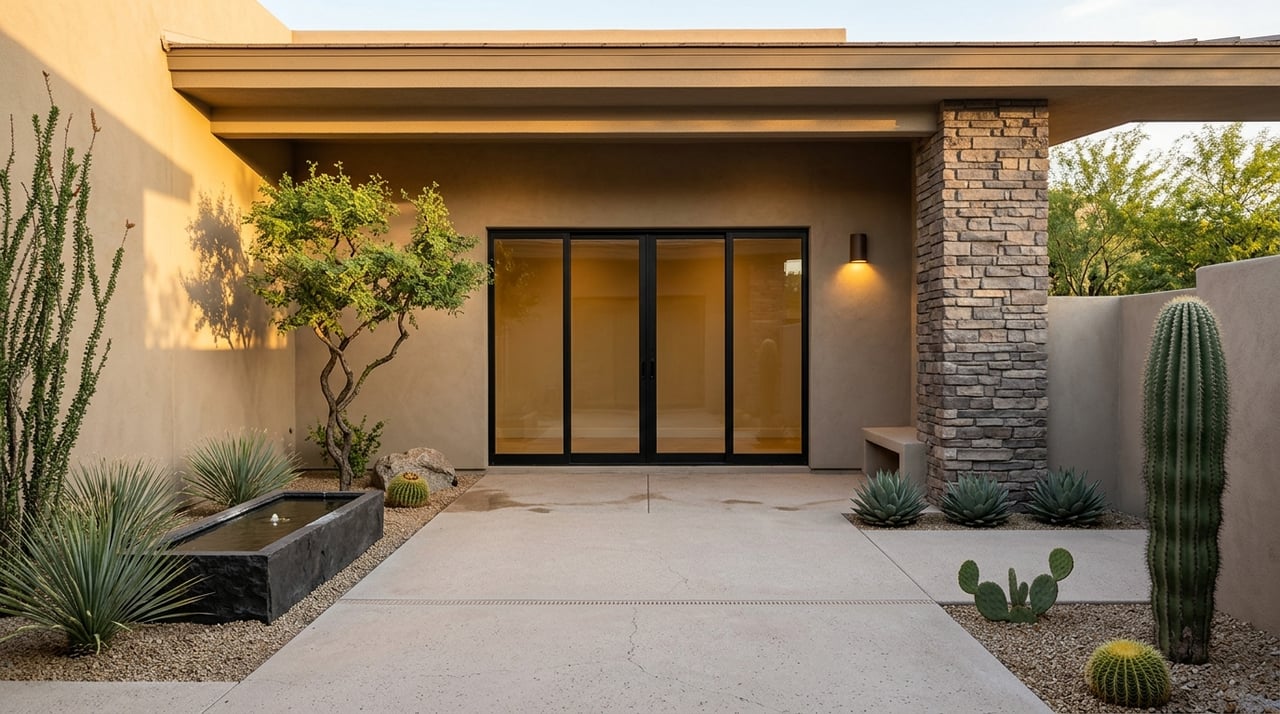
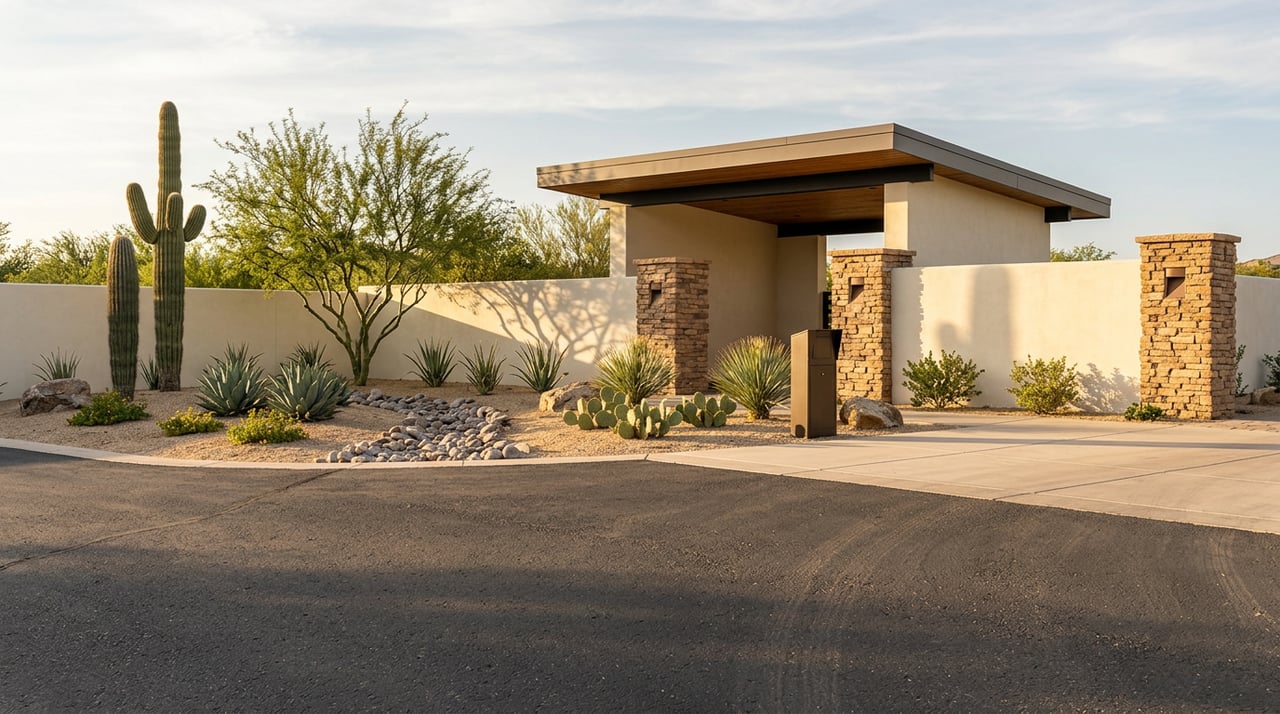
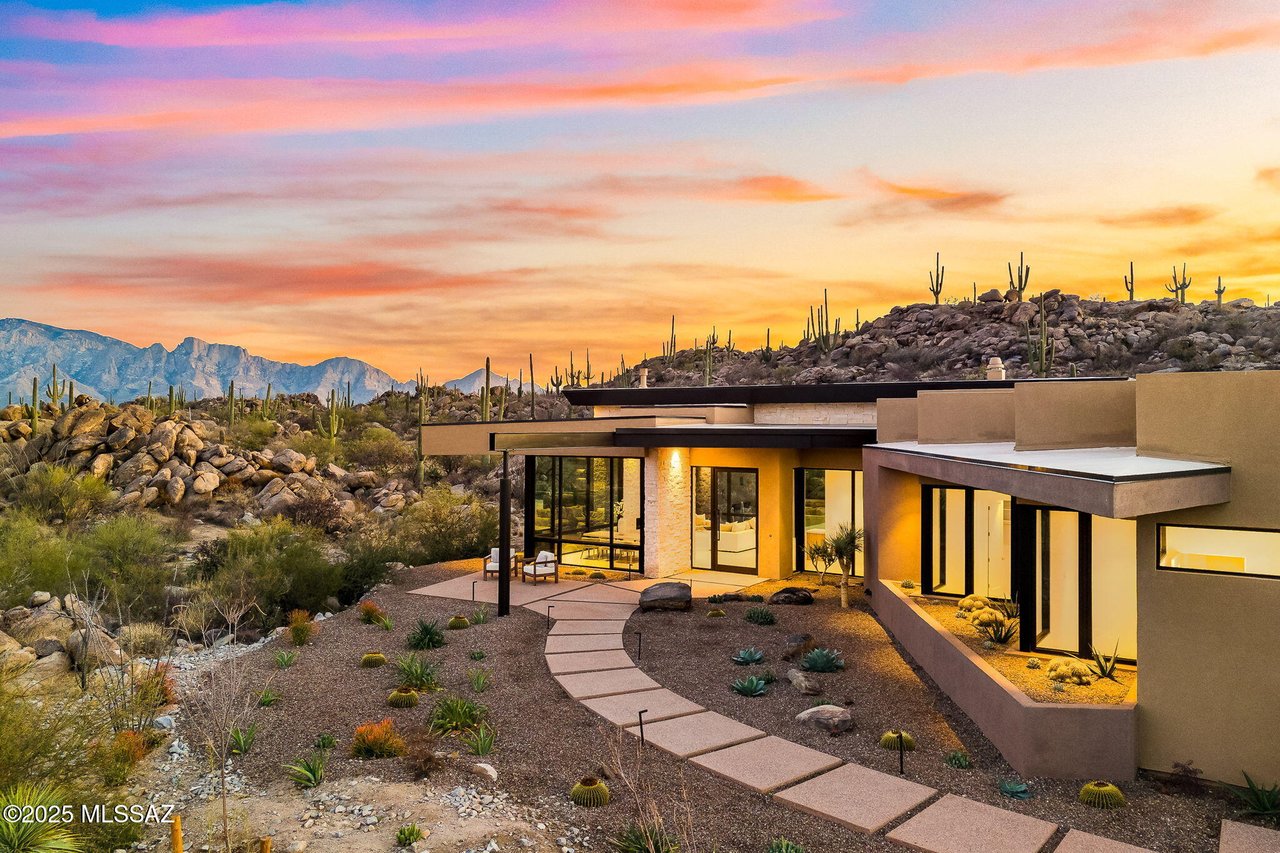
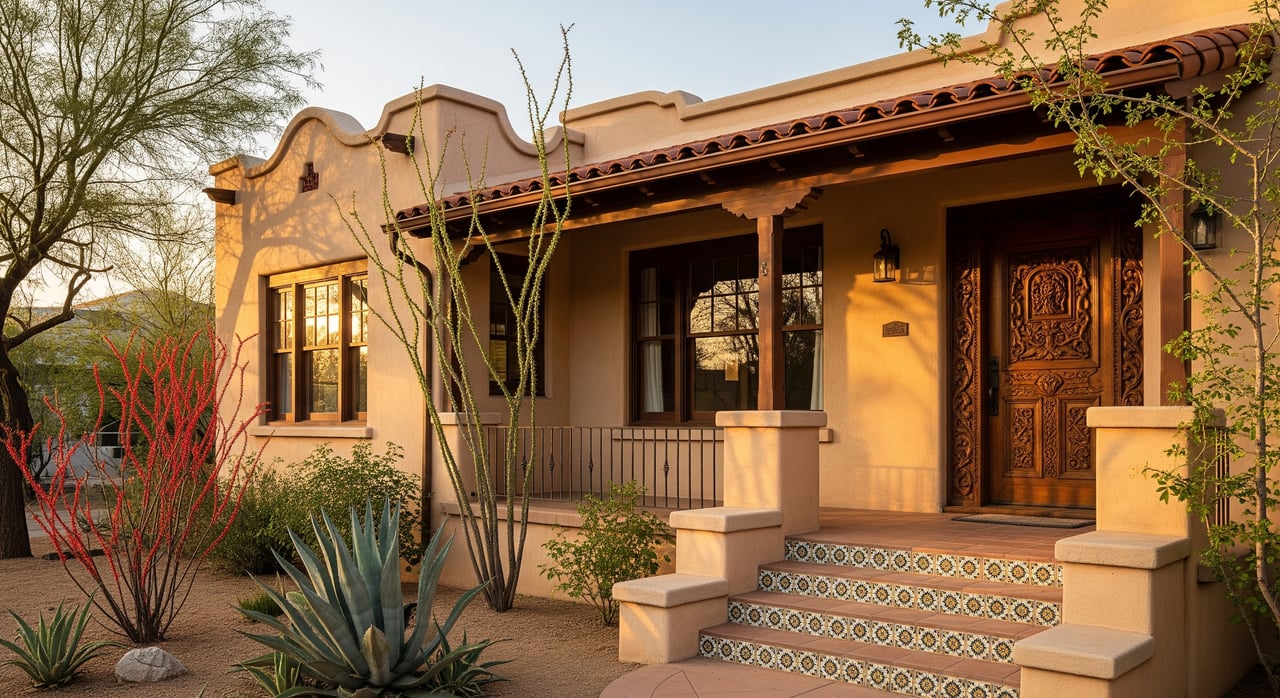
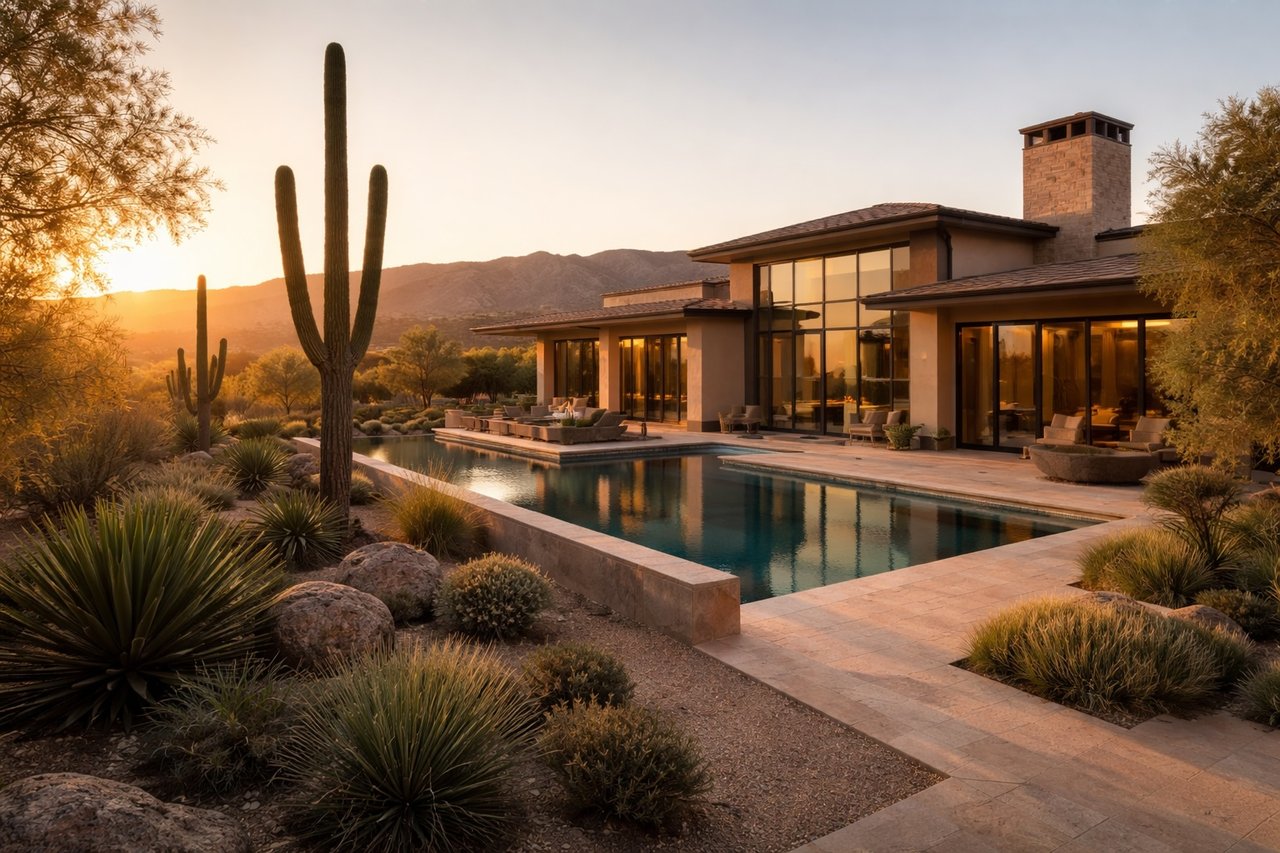
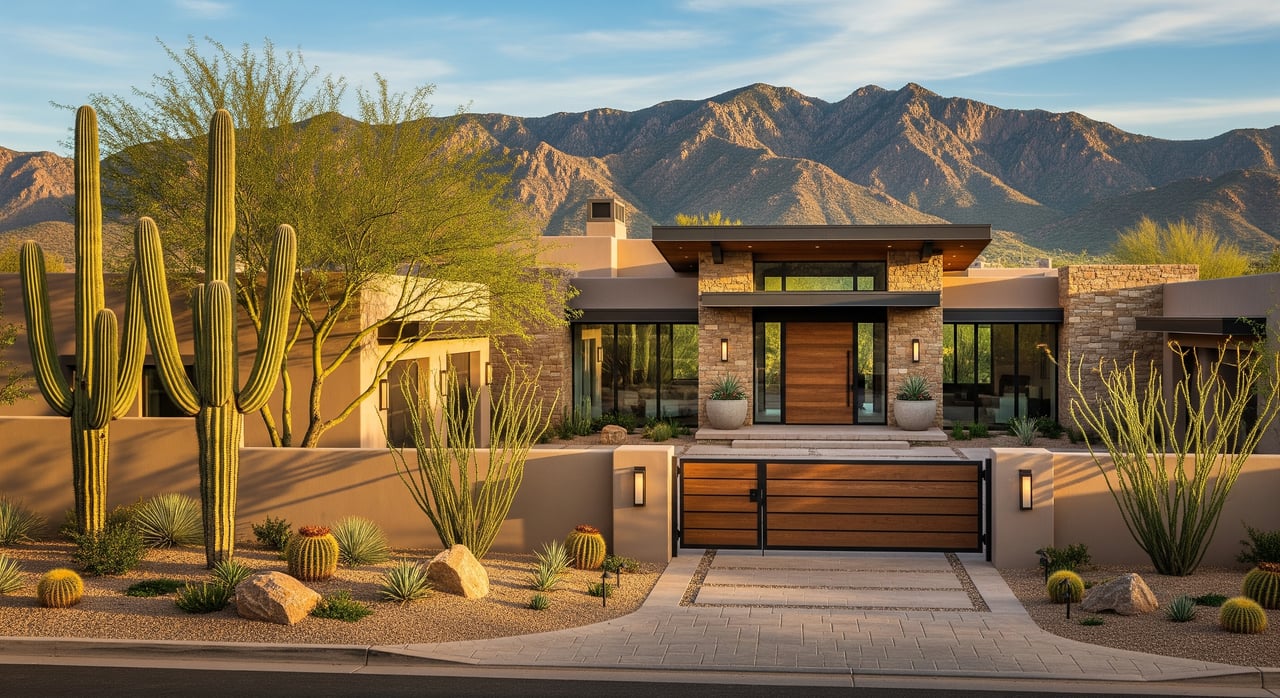
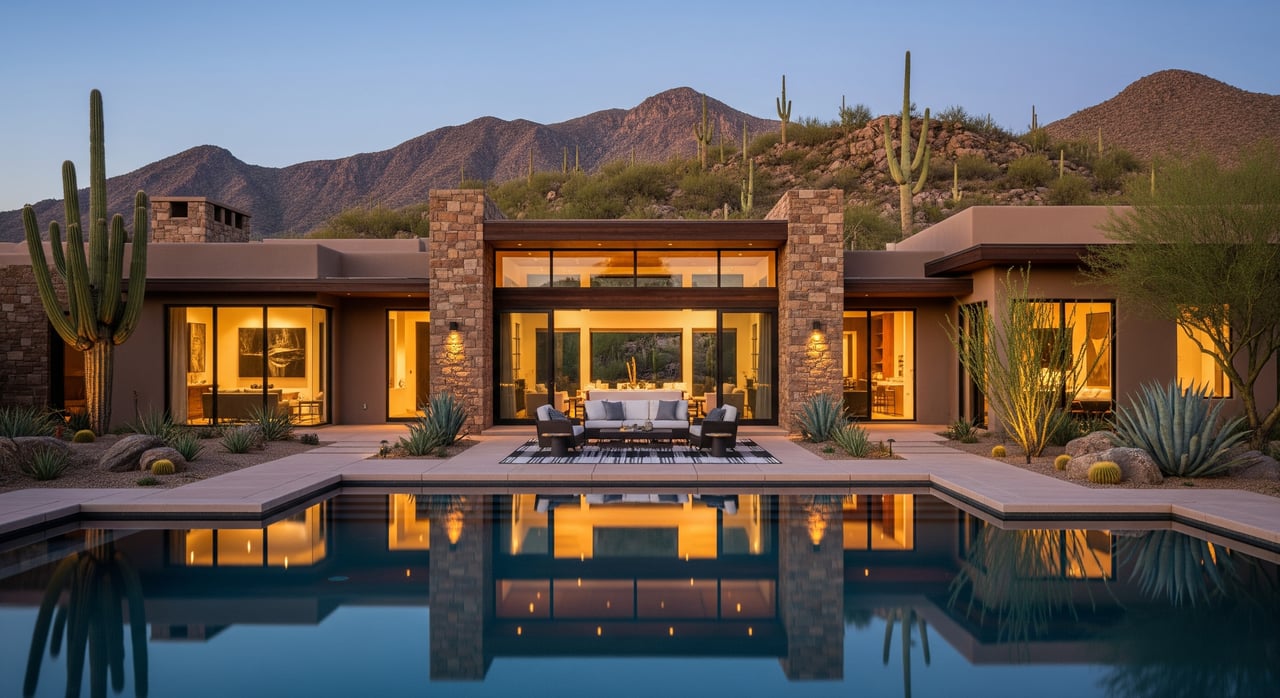
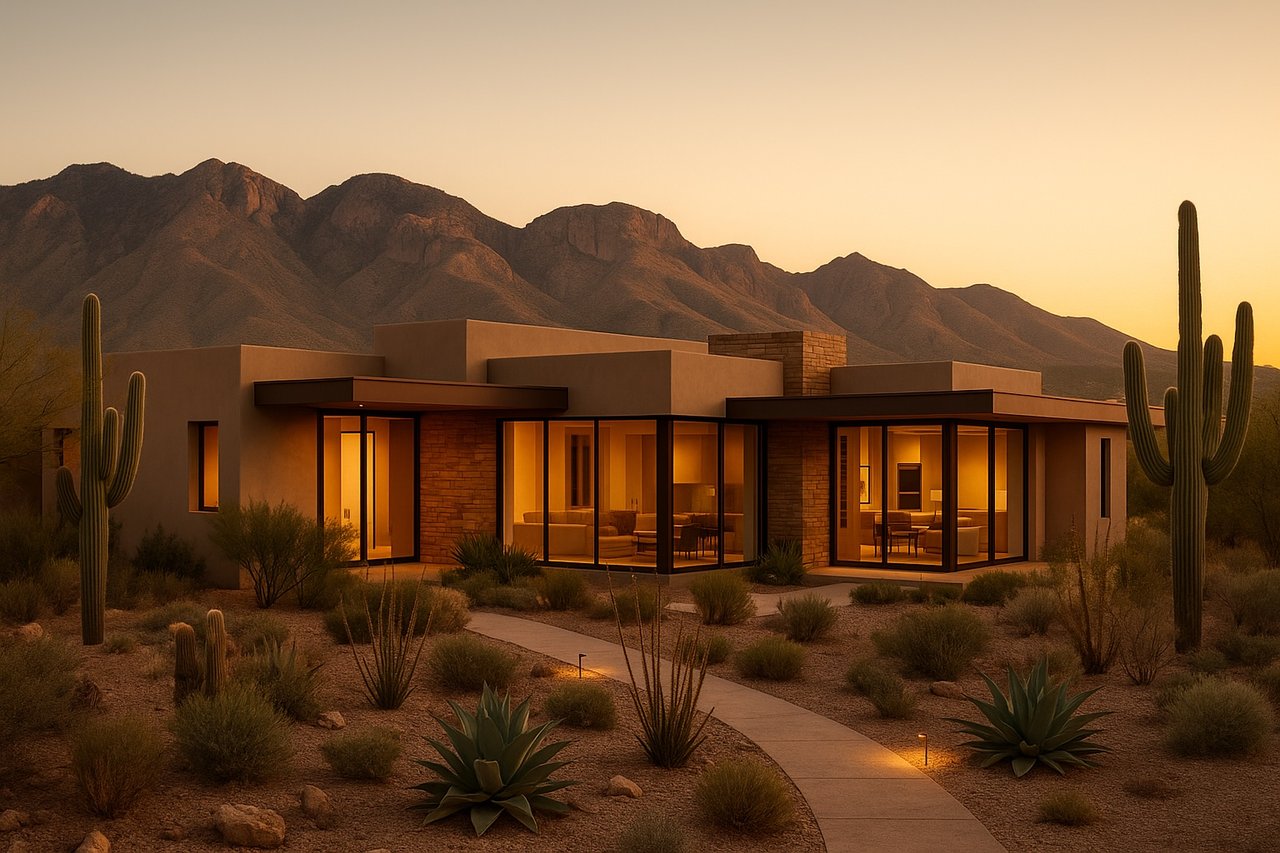
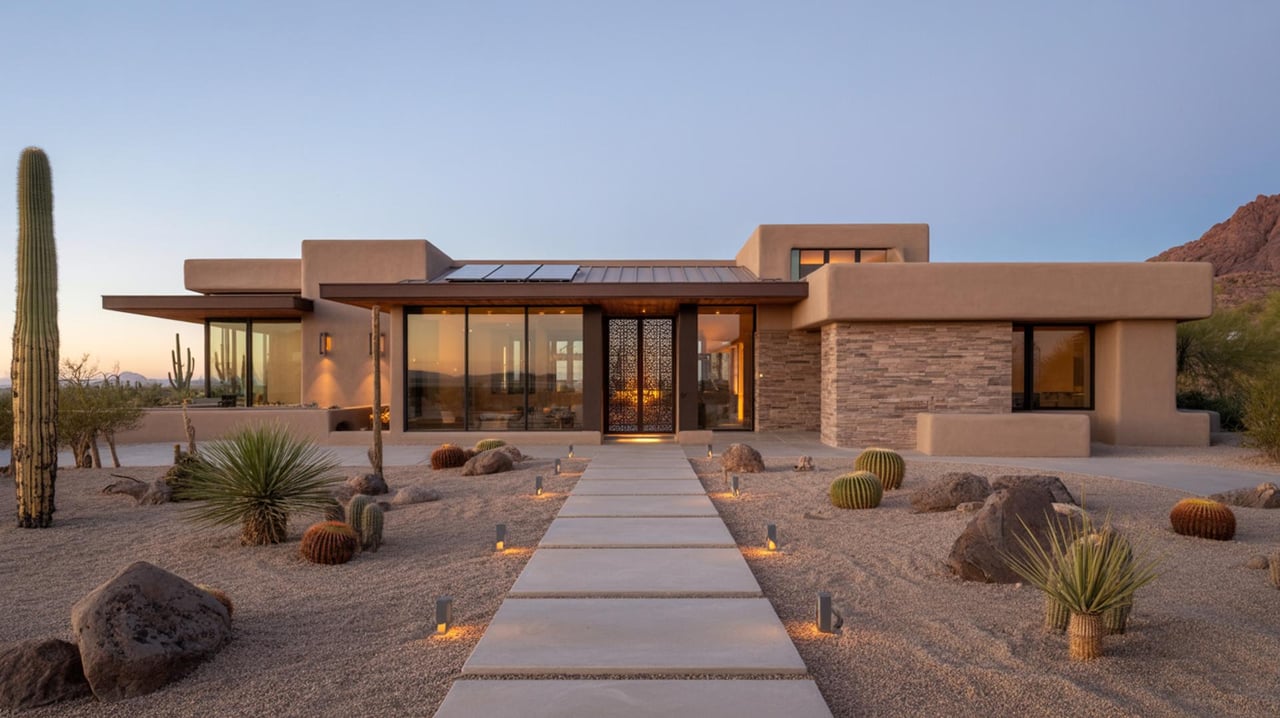
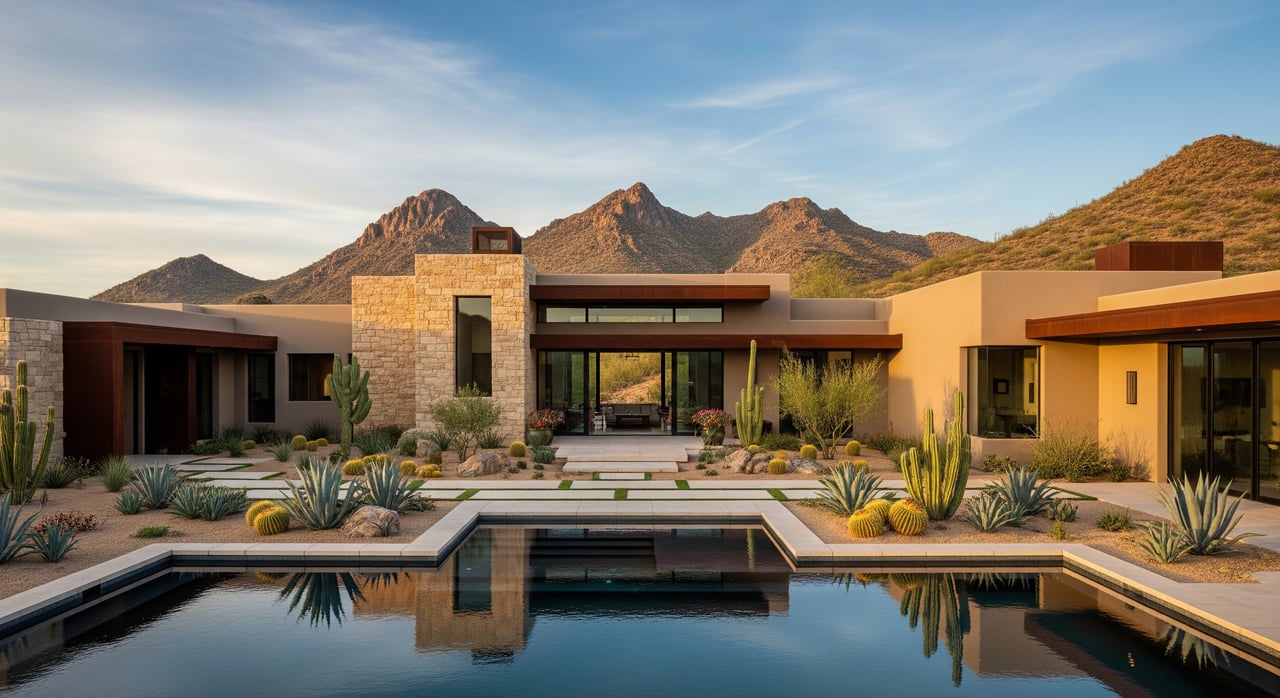
When buyers tour Starr Pass, the first impression is often the setting. The area feels tied to the land, with a west-side desert backdrop and quick access to Tucson Mountain Park. That sense of place can be hard to duplicate in more built-up parts of town.
The second thing many buyers notice is how many lifestyle elements come together here. Trails, golf, spa amenities, pools, and darker desert evenings all contribute to a version of Tucson living that feels active but relaxed. If you are looking for a neighborhood where wellness is supported by location and amenities rather than just marketed as a buzzword, Starr Pass deserves serious consideration.
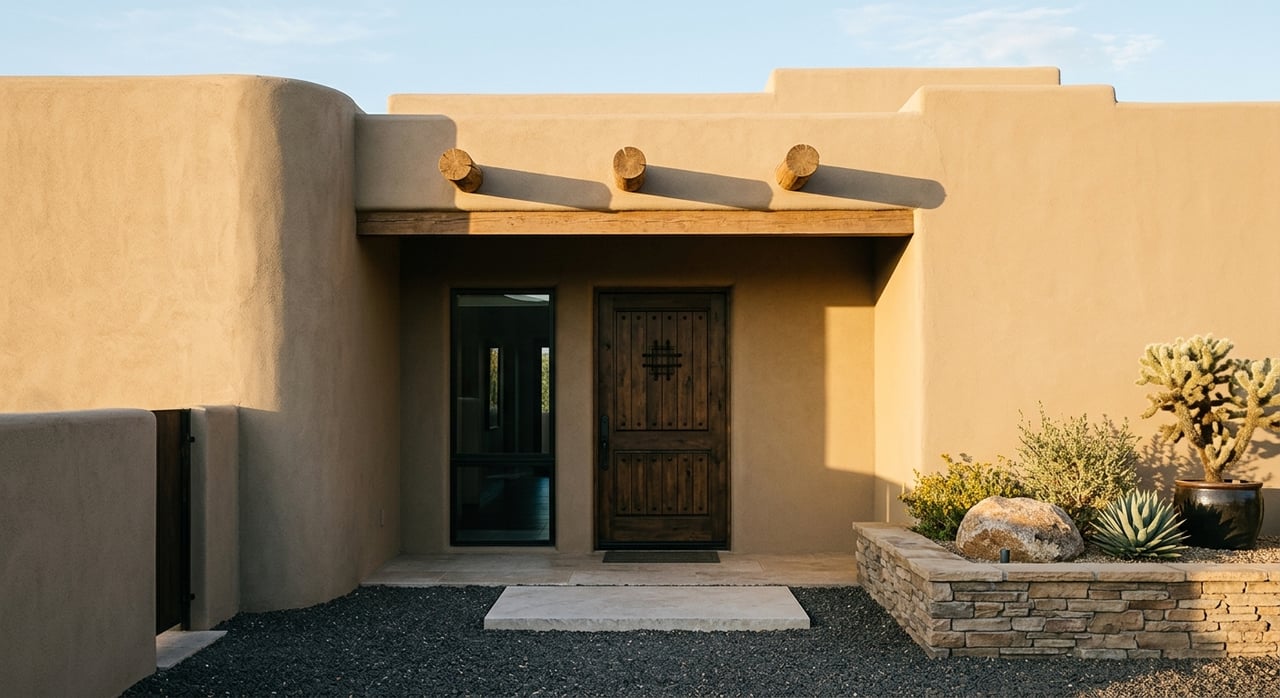
If you are considering buying or selling in Starr Pass, working with someone who understands both the homes and the lifestyle context can make a real difference. Daniel Sotelo offers local insight, thoughtful guidance, and a high-touch approach tailored to Tucson’s resort-style neighborhoods.
FAQs
What makes Starr Pass a wellness-focused neighborhood in Tucson?
- Starr Pass stands out for its direct access to Tucson Mountain Park trails, resort spa amenities, golf, and a west-side Sonoran Desert setting that supports active outdoor routines.
What trails are near Starr Pass in Tucson?
- Pima County identifies the Richard Genser Starr Pass Trailhead as the main access point to Tucson Mountain Park, with Rock Wren Trail connecting to the larger system, and Visit Tucson also references Starr Pass Trail and Yetman Trail.
How large is Tucson Mountain Park near Starr Pass?
- Pima County says Tucson Mountain Park covers about 20,000 acres and includes approximately 62 miles of non-motorized shared-use trails.
What wellness amenities are available at Starr Pass Resort?
- Marriott says Hashani Spa at the JW Marriott Tucson Starr Pass Resort & Spa includes yoga, a 24-hour fitness center, an outdoor saline pool, a relaxation lounge, a steam room, an indoor whirlpool, and additional spa and fitness services.
Does Starr Pass offer golf as part of the lifestyle?
- Yes. Marriott states that The Club at Starr Pass features 27 holes of Arnold Palmer Signature Golf across three nine-hole courses.
How do dark-sky protections affect life in Starr Pass?
- City and county lighting rules are intended to reduce glare and preserve access to dark skies, which supports a calmer evening atmosphere in the west Tucson desert corridor.
What is the best season for outdoor living in Starr Pass?
- According to the National Park Service, winter temperatures in the area generally range from the high 50s to the mid-70s, and cooler months often support more hiking, patio time, and evening outdoor use.