How Tucson Luxury Real Estate Has Evolved Since the Record $8 Million Sale
Nearly 20 years ago, Tucson questioned whether it was ready for luxury. Today, the better question is how Tucson came to define luxury on its own terms.
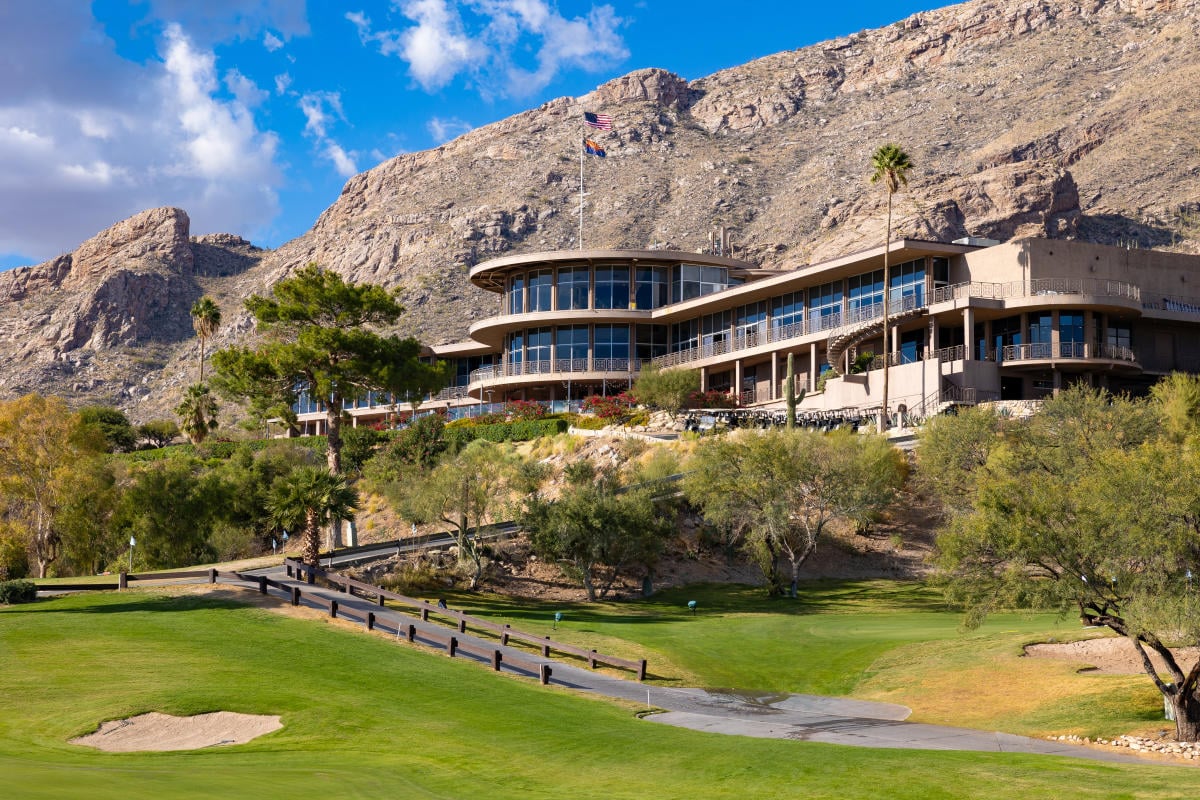
In November 2007, an $8 million home sale in Ventana Canyon established a new benchmark for Tucson luxury real estate.
The record-breaking price made headlines, but the most revealing detail was not the number.
The buyer was local.
At the time, many of Tucson’s most expensive properties were associated with seasonal residents and affluent buyers arriving from California, Chicago, New York, and other major markets. A Tucson resident making an $8 million investment in a local home represented something more consequential than a record sale.
It suggested that Tucson had developed enough economic confidence, cultural sophistication, and local wealth to sustain a luxury real estate market of its own.
The reporter, Bud Foster, thought this detail was important enough to repeat:
“Repeat. A local buyer.”
Then came the observation that, nearly two decades later, may be the most revealing line in the entire story:
“That’s so new to Tucson.”
As a Tucson native and real estate advisor working throughout Catalina Foothills, Ventana Canyon, Tucson Country Club, Pima Canyon, Oro Valley, Dove Mountain, and the surrounding communities, I find the story even more interesting nearly two decades later.
The question is no longer whether Tucson is capable of supporting luxury real estate.
The better question is how Tucson learned to define luxury on its own terms.
The Evolution of Tucson Luxury Real Estate at a Glance
Since 2007, Tucson luxury real estate has evolved into a more mature and locally supported market shaped by longtime residents, entrepreneurs, returning Tucsonans, seasonal homeowners, and affluent buyers relocating for lifestyle.
The definition of luxury has evolved as well.
While price, size, and amenities remain important, sophisticated Tucson buyers increasingly evaluate privacy, architecture, land, mountain views, construction quality, neighborhood identity, and a home’s relationship to the Sonoran Desert.
The most important transformation is not simply that Tucson homes have become more expensive.
It is that Tucson has become more confident in the qualities that make its luxury market distinctive.
Today’s sophisticated buyer may care as much about privacy as square footage.
Architecture as much as amenities.
Provenance as much as perfection.
Land as much as living area.
A protected view corridor as much as an elaborate interior.
A home that cannot easily be replicated may be more compelling than one that is simply expensive.
That evolution is particularly important in Tucson because some of our greatest luxuries have always been here.
Space.
Silence.
Desert.
Mountains.
Architecture.
Privacy.
Light.
History.
Perhaps Tucson did not need to become more luxurious.
Perhaps the rest of the world simply needed to reconsider what luxury actually means.
What Tucson’s Record $8 Million Sale Revealed
Real estate has always had a fascination with records.
The highest sale.
The largest estate.
The most expensive neighborhood.
The biggest price per square foot.
These numbers make headlines because they give us an easy way to measure change.
But the most interesting real estate stories are rarely about numbers alone.
They are about what the numbers reveal.
In 2007, an $8 million home sale represented something significant for Tucson. But the original article repeatedly returned to the fact that wealthy local buyers were purchasing some of the city’s most expensive homes.
Historically, Tucson’s luxury market had depended heavily on buyers arriving from somewhere else.
The assumption was that serious wealth came to Tucson from outside Tucson.
Then something began to change.
Local residents were buying multimillion-dollar homes.
Former Tucsonans were returning.
People who had experienced some of the world’s greatest cities were choosing to make Tucson home again.
The city was not simply attracting wealth.
It was retaining it.
That distinction matters.
Because a city reaches a different level of maturity when the people who know it best are willing to make their largest investments there.
Why Affluent Buyers Return to Tucson
Perhaps my favorite part of the original 2007 article has nothing to do with real estate statistics.
Pam and Terry Valeski had both graduated from the University of Arizona before leaving Tucson in 1968.
Over the following decades, they lived extraordinary lives.
Rome.
London.
Prague.
Amsterdam.
Twenty-six different addresses.
And eventually, they came back to Tucson.
Pam’s assessment of her future here was wonderfully direct:
“They’ll take me out of here in a box.”
There is something profound about that statement.
Because Tucson has always had an unusual relationship with people who leave.
Many eventually return.
They experience larger cities.
Different cultures.
Different architecture.
Different definitions of luxury.
And then, sometimes decades later, they see Tucson differently.
Not as the place they left.
But as the place they intentionally choose.
That may be one of the most overlooked characteristics of the Tucson luxury real estate market.
Some of the people who appreciate Tucson most deeply are those who have experienced enough of the world to understand exactly what Tucson offers.
Tucson Didn’t Become Scottsdale. That May Be the Point.
One of the real estate professionals interviewed in the original article described clients who were considering Tucson, Scottsdale, and Sedona.
His advice was simple.
Go look.
He believed they would come back.
At the time, the argument was largely economic.
Buyers could get more for their money in Tucson.
More land.
More house.
More privacy.
More architectural character.
That argument still exists.
But I believe the conversation has become much more interesting.
Because Tucson’s value is not simply that it offers more real estate for the money.
Tucson offers something increasingly difficult to manufacture:
Identity.
Scottsdale has its identity.
Palm Springs has its identity.
Santa Fe has its identity.
And Tucson, increasingly, has become more comfortable with its own.
The most compelling homes here do not need to imitate another luxury market.
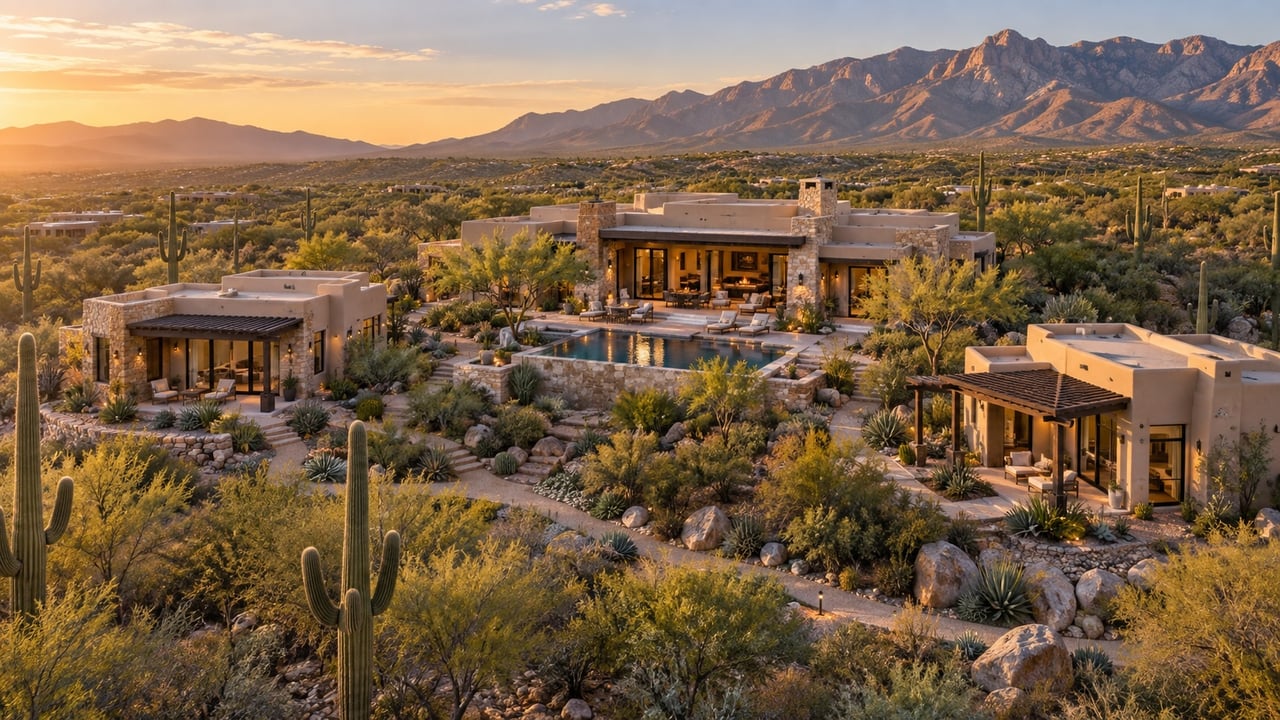
They emerge from the desert.
They respond to the landscape.
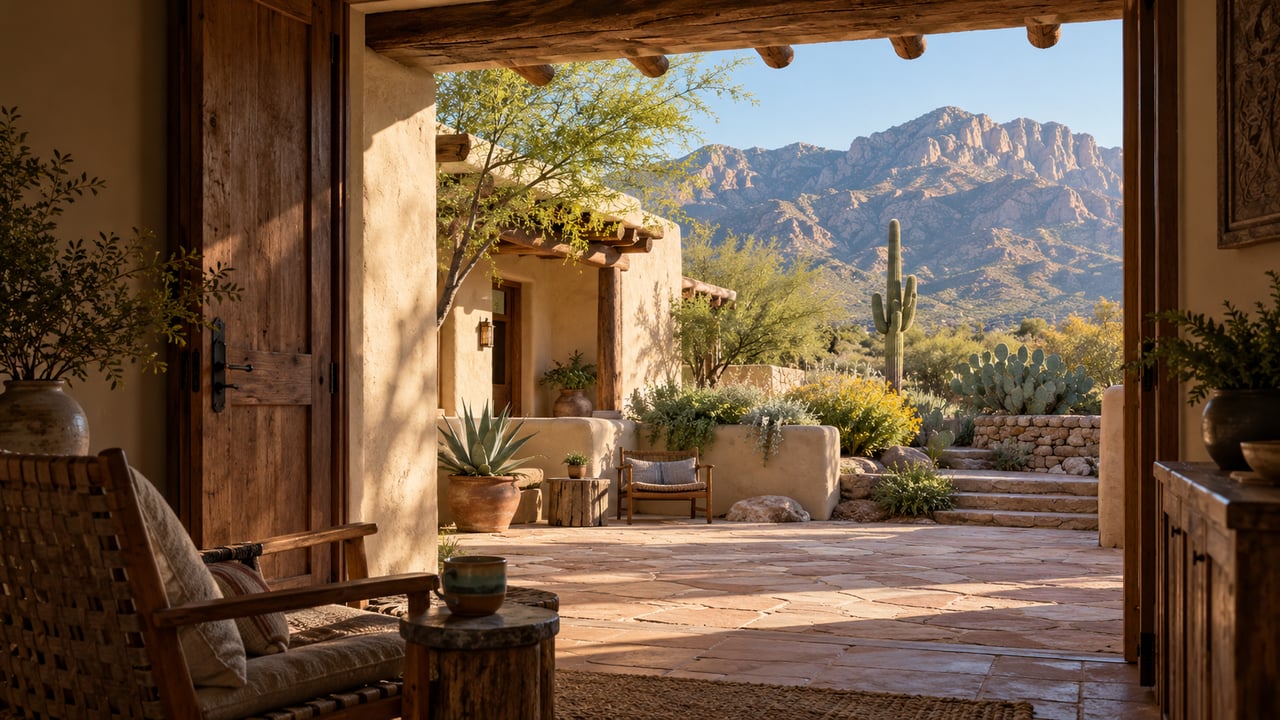
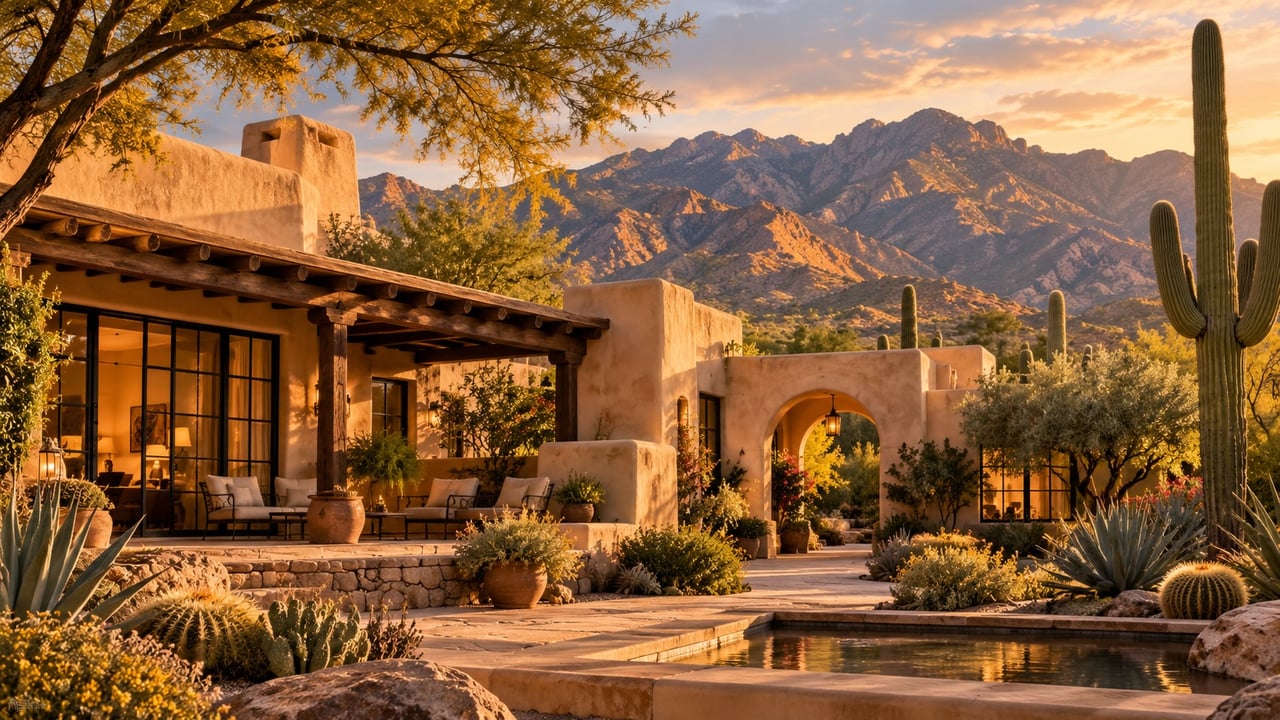
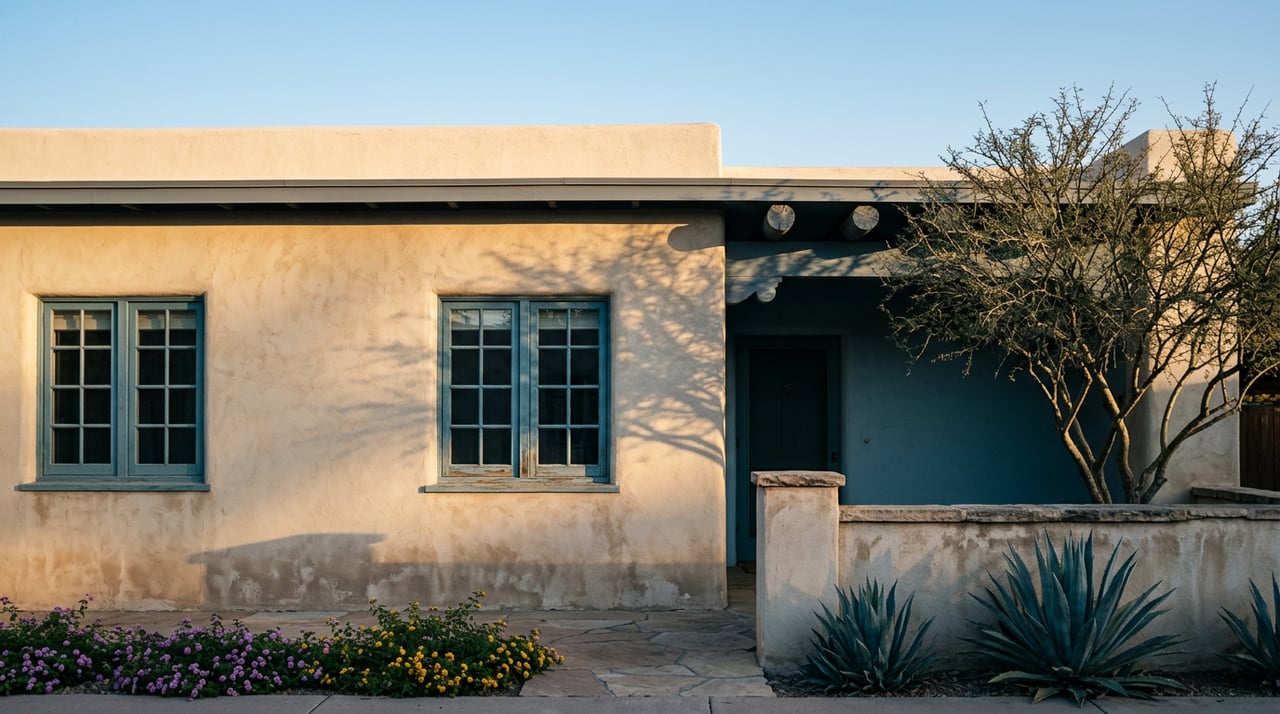
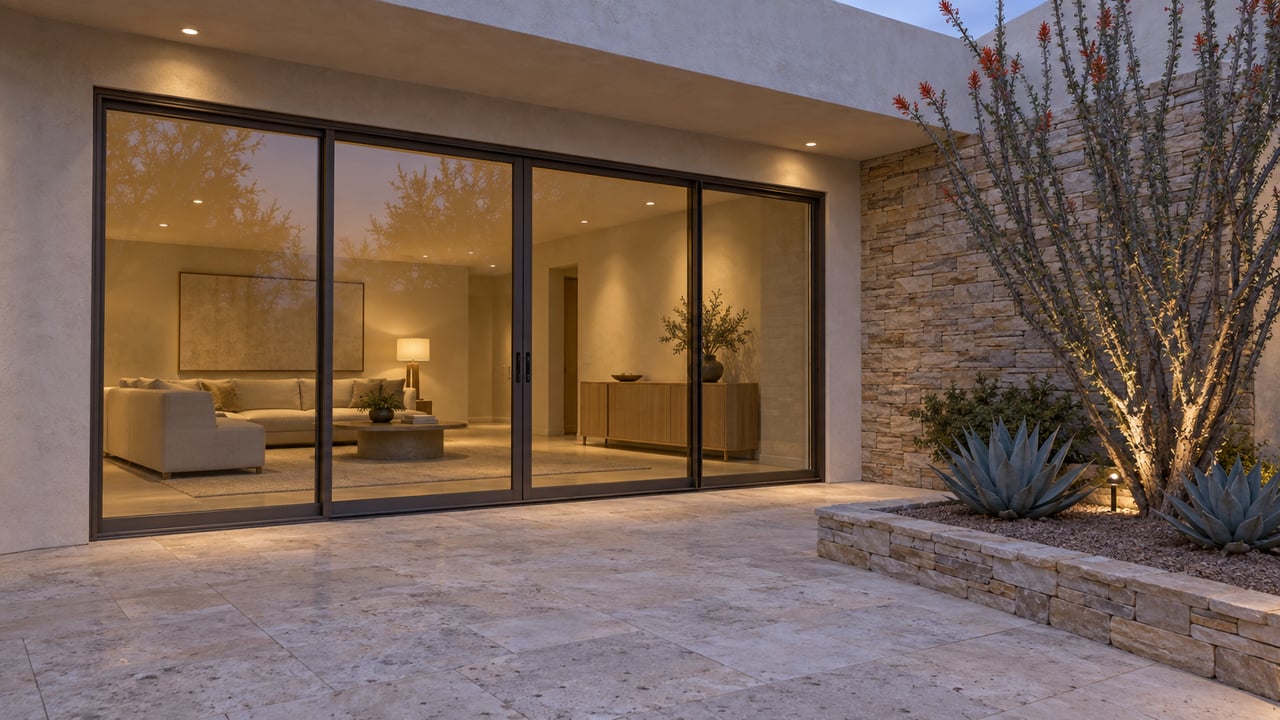
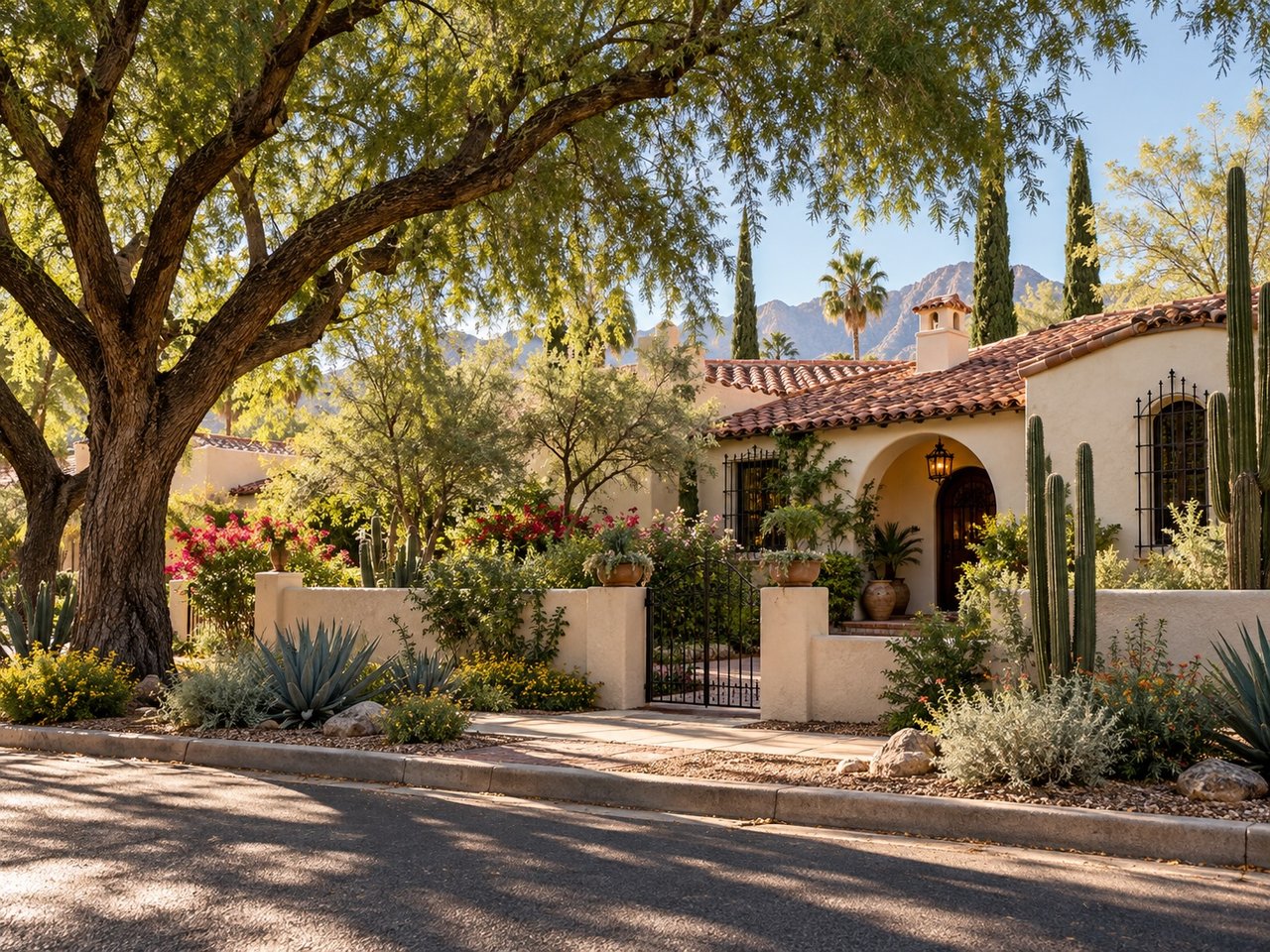
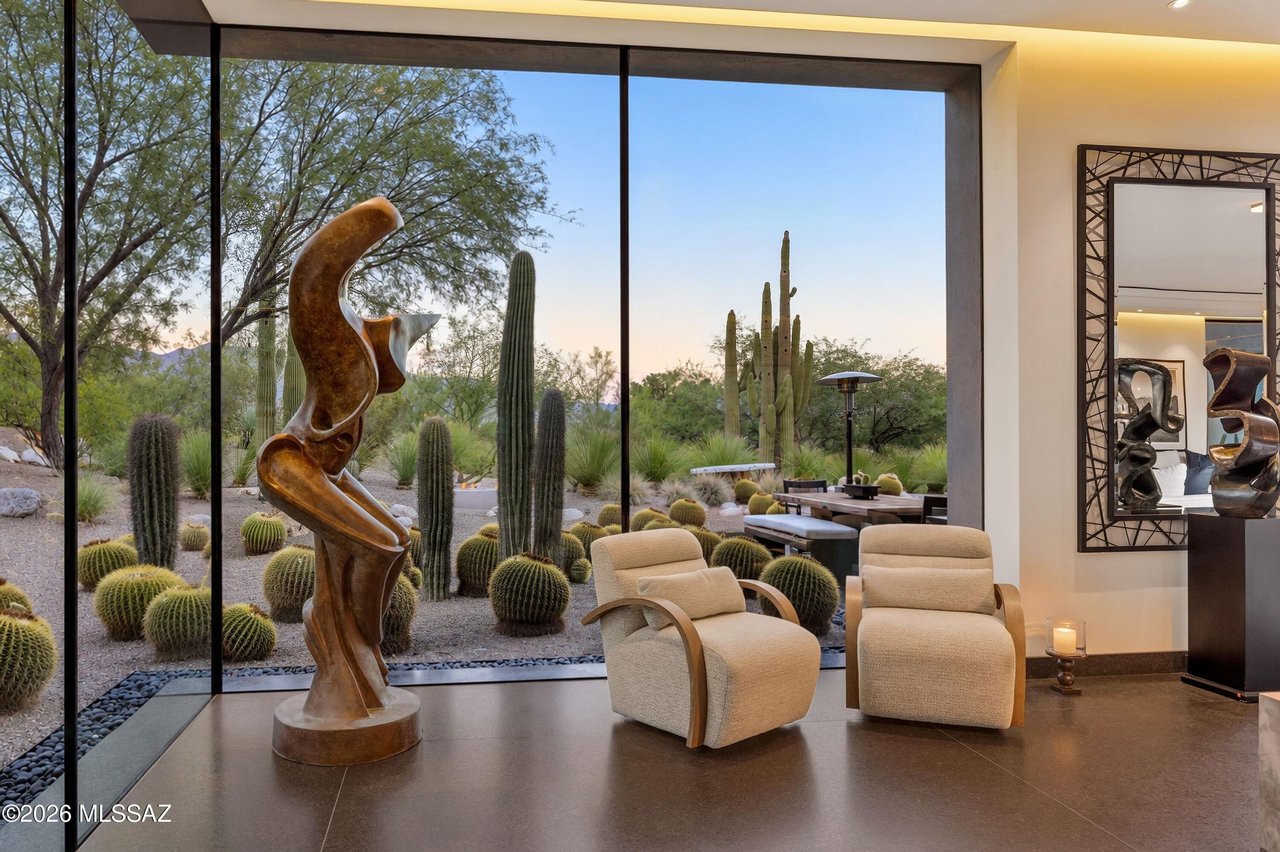
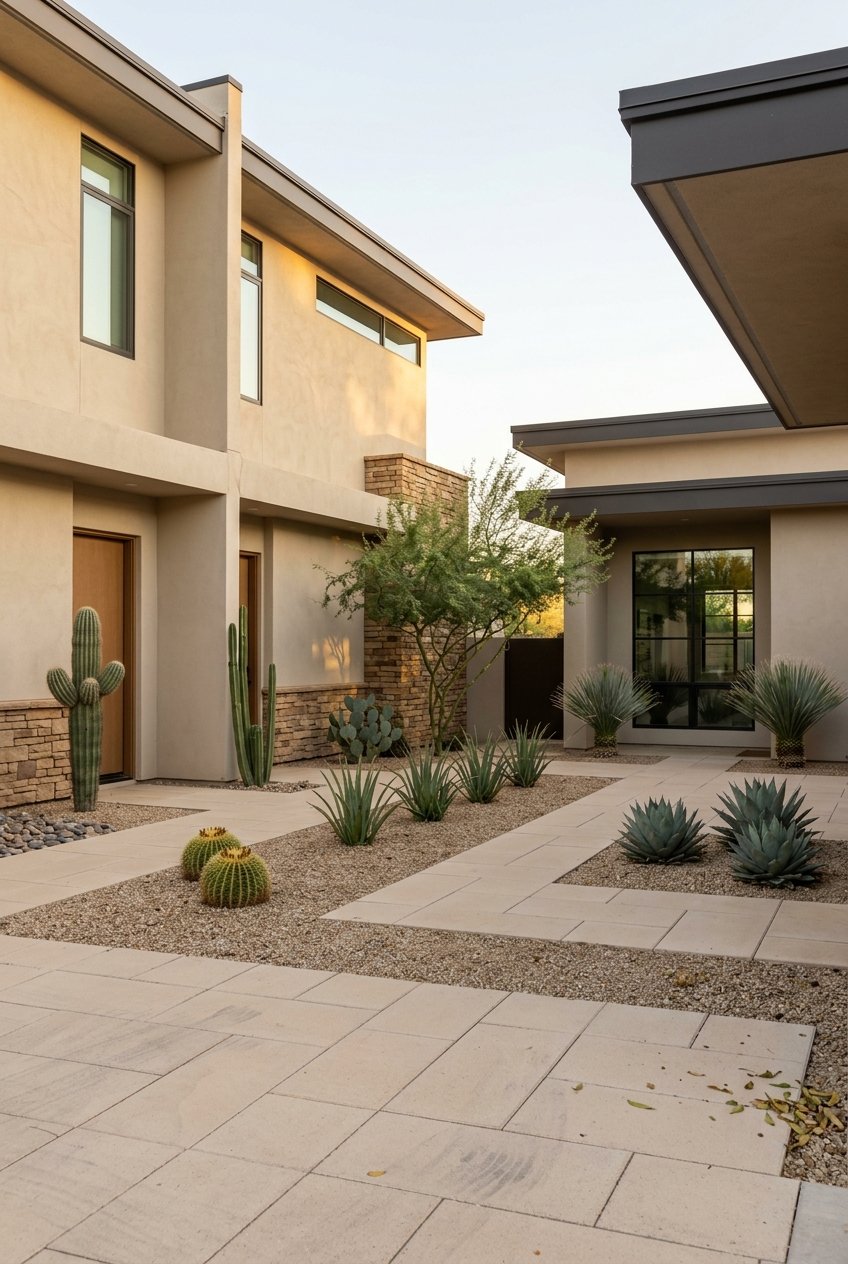
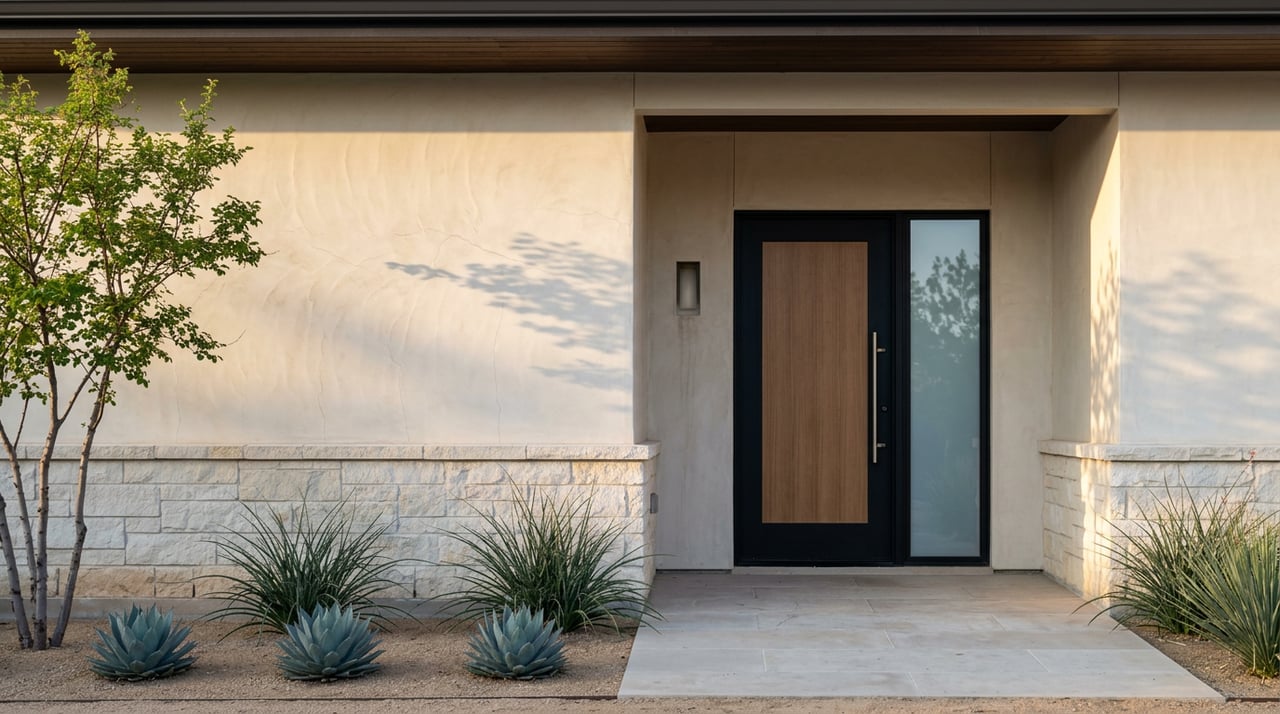
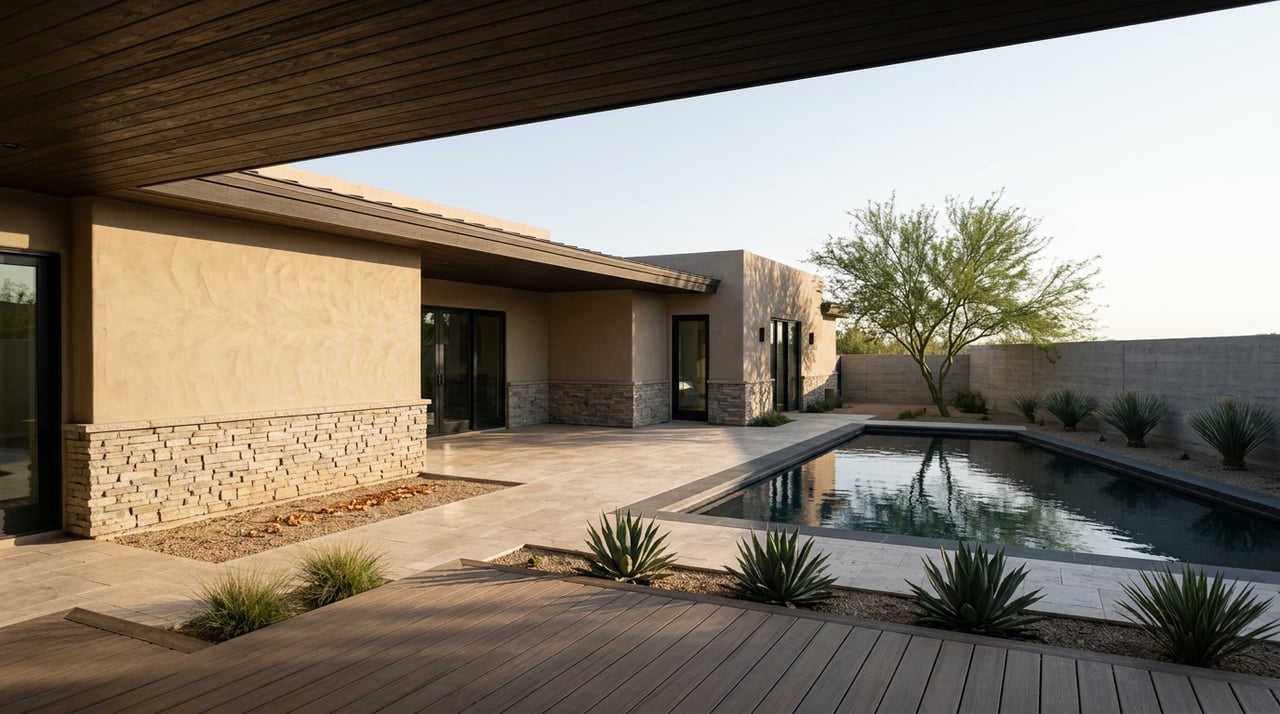
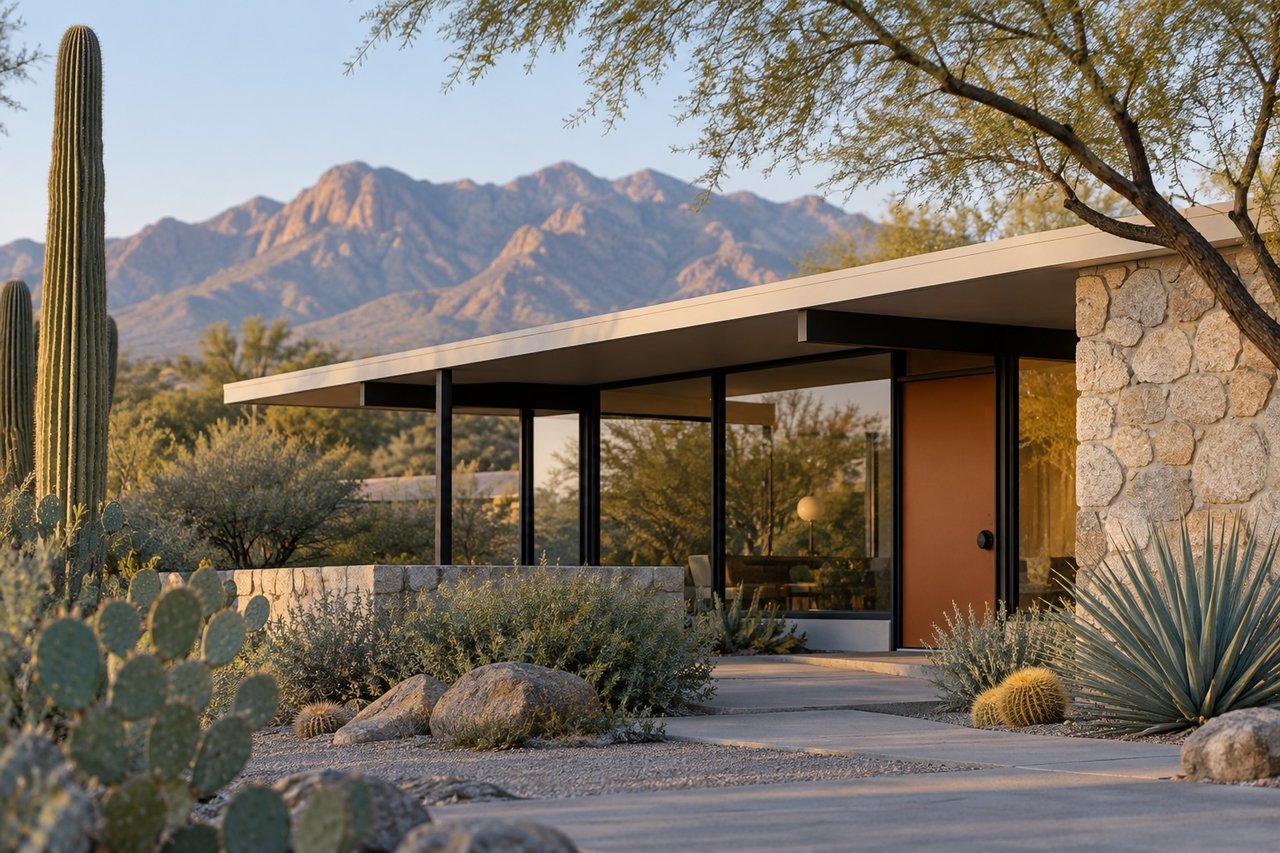
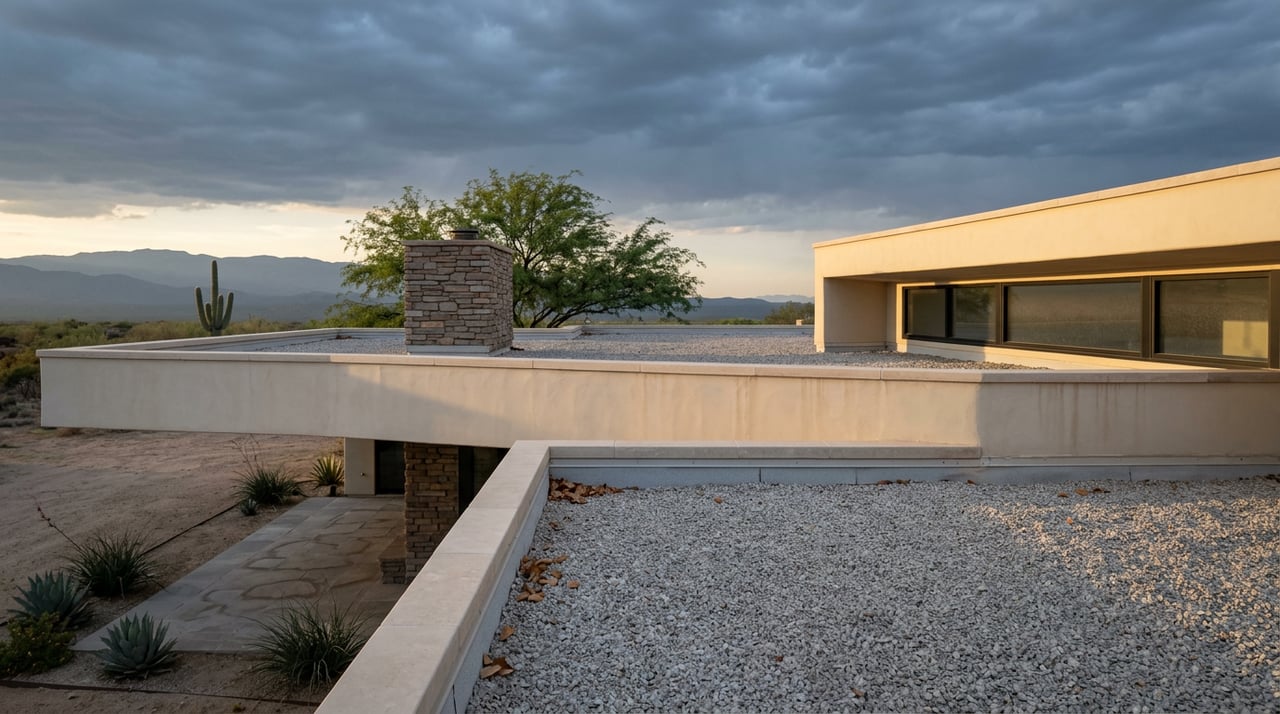
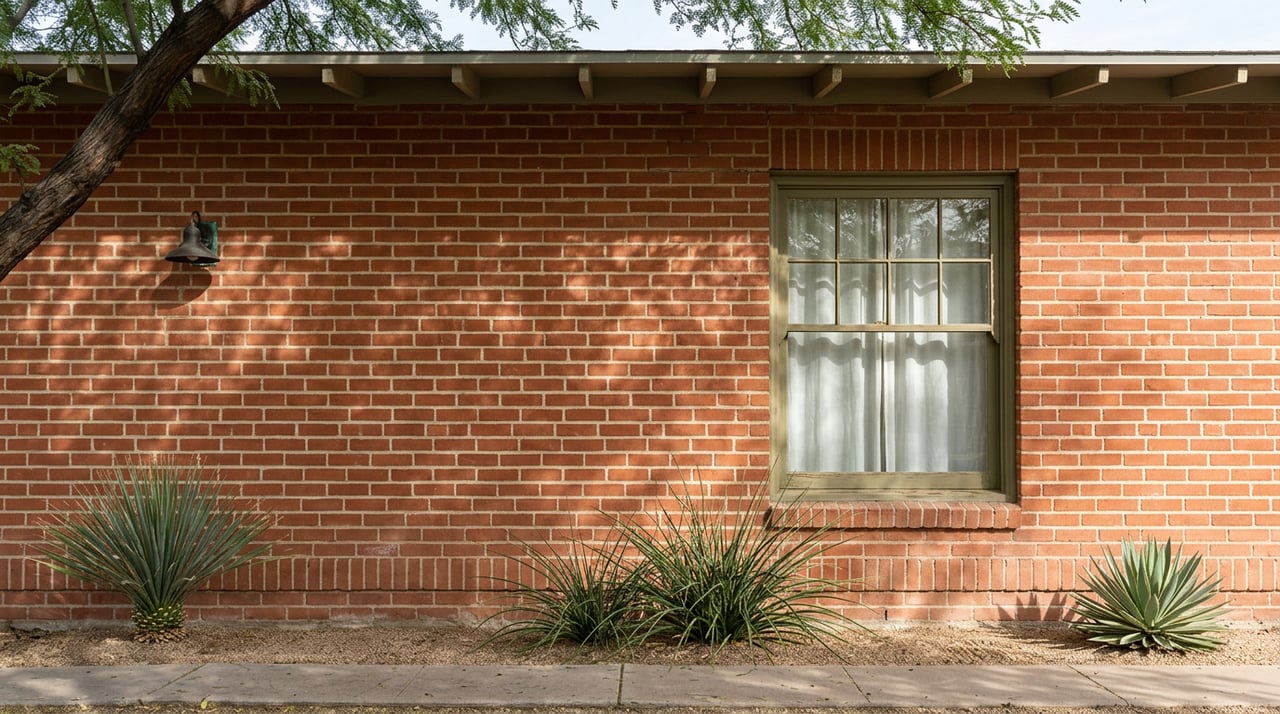
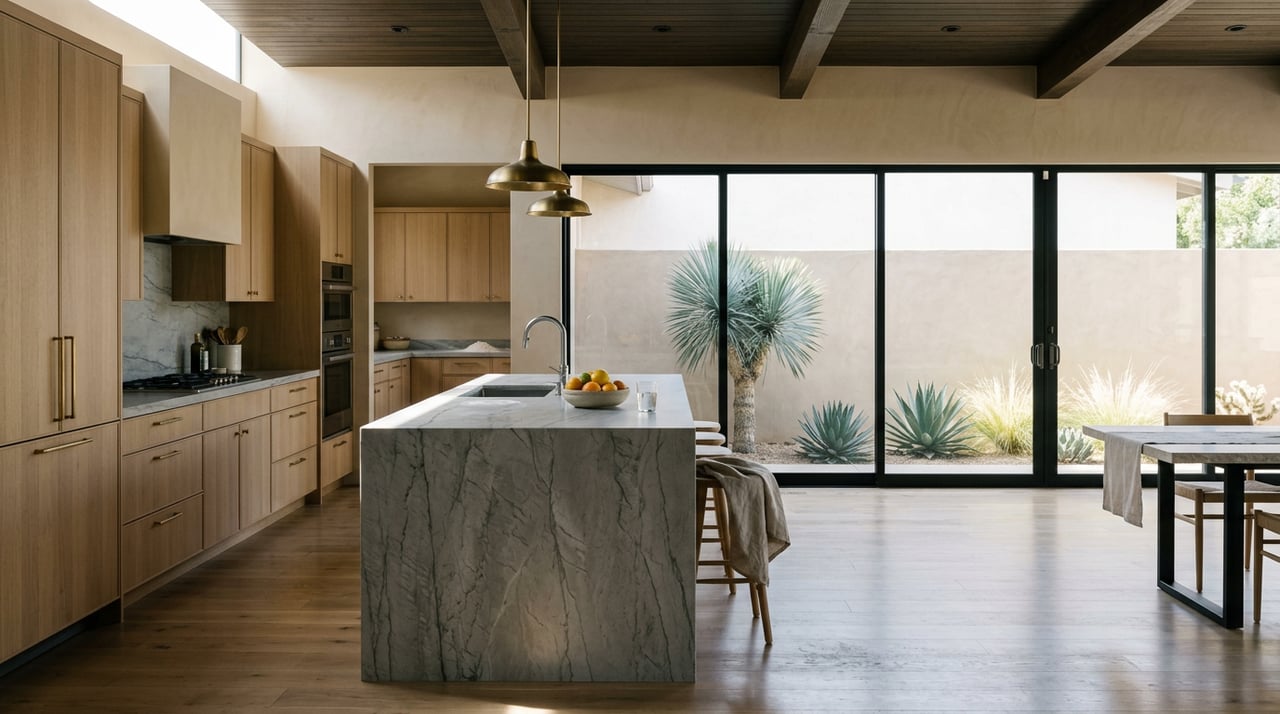
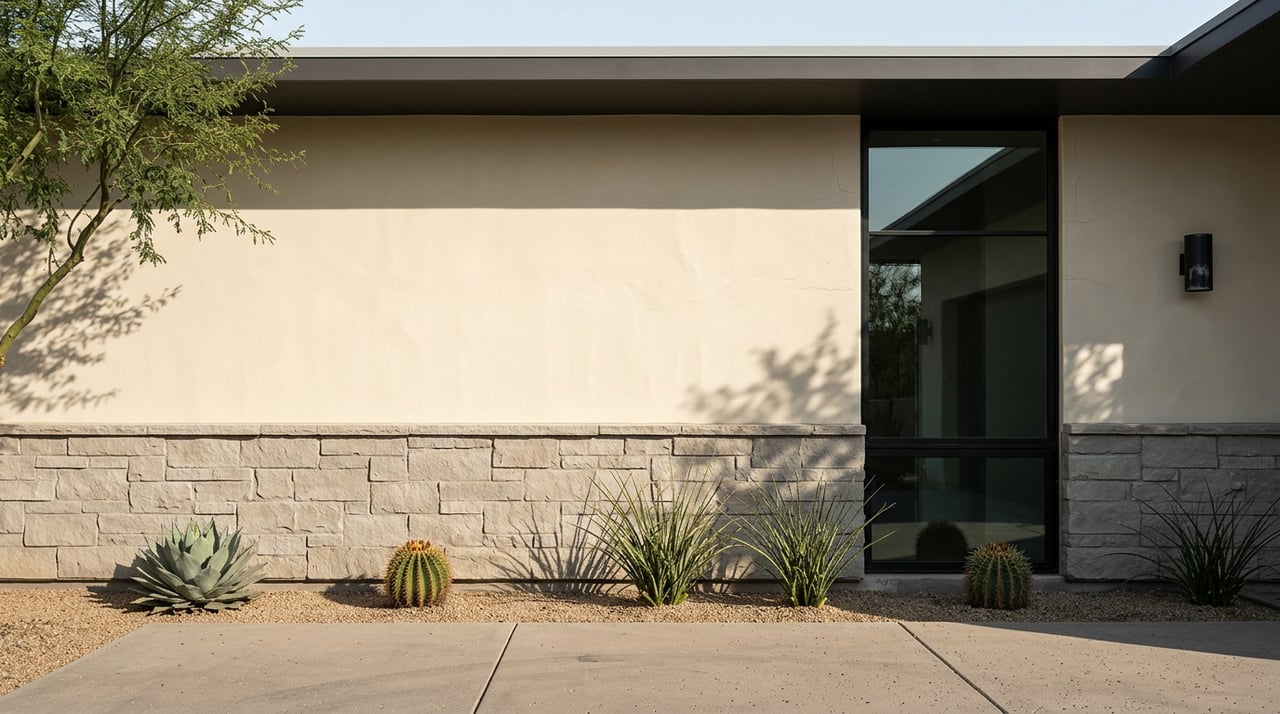
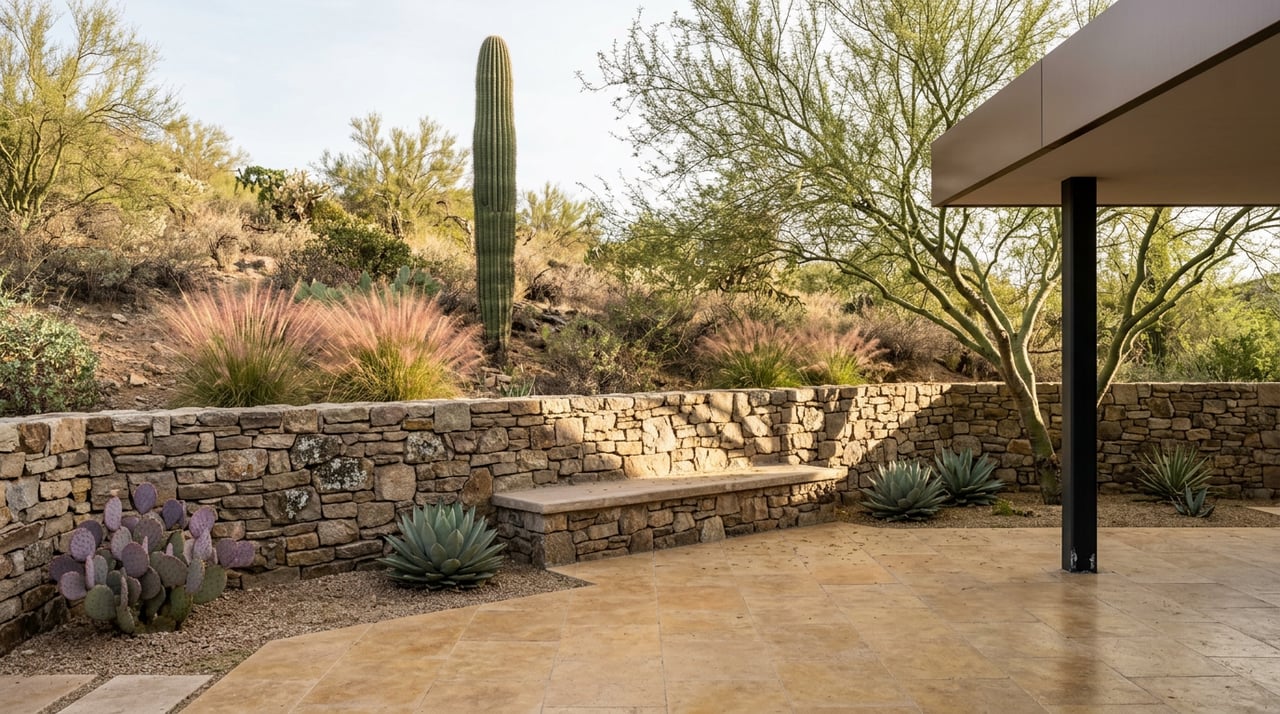
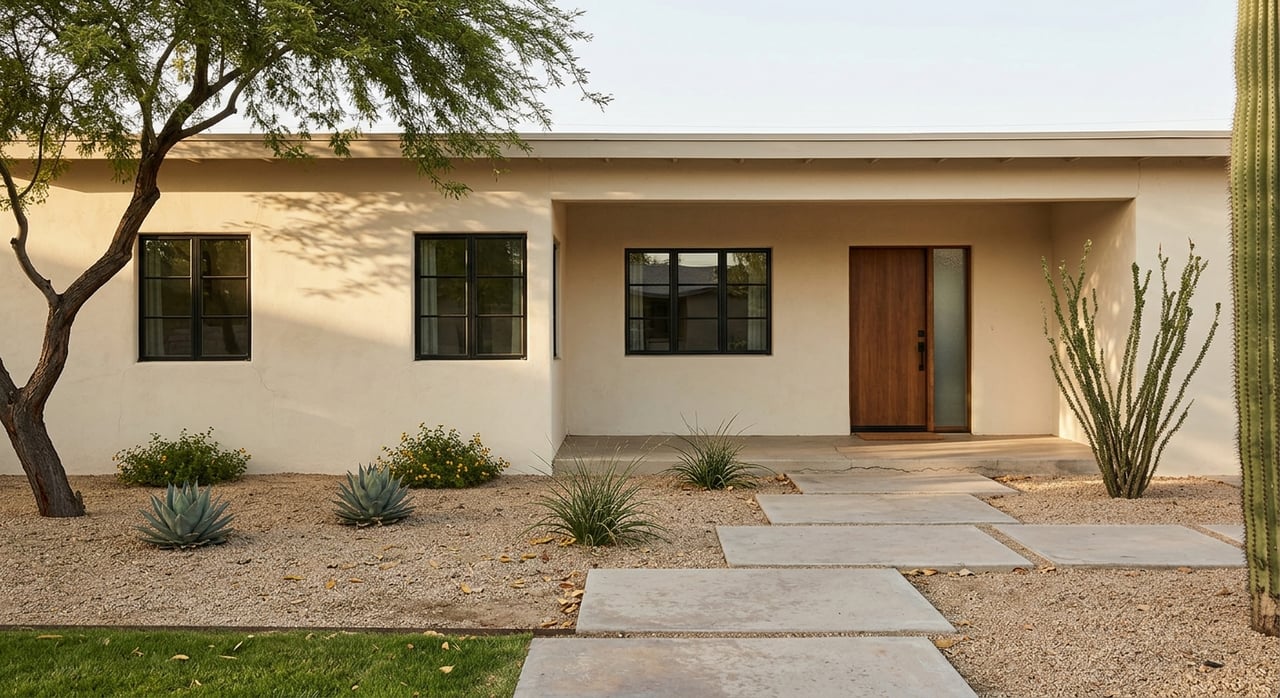
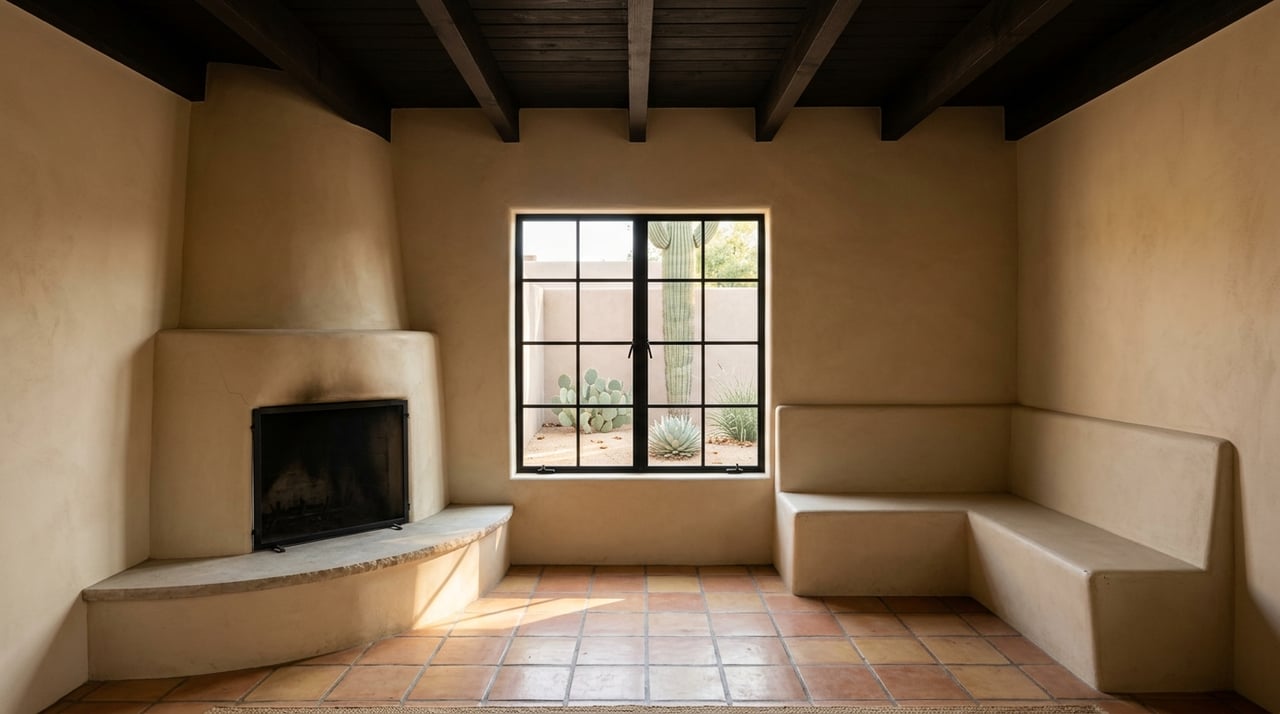
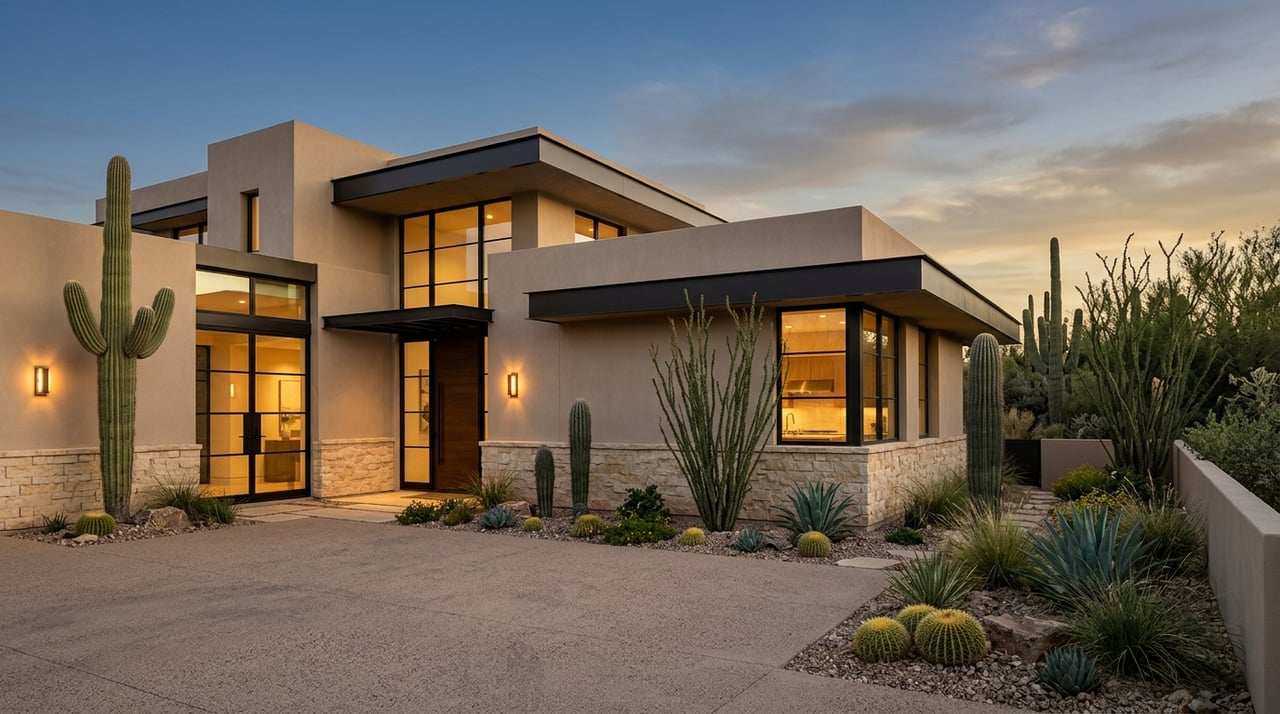
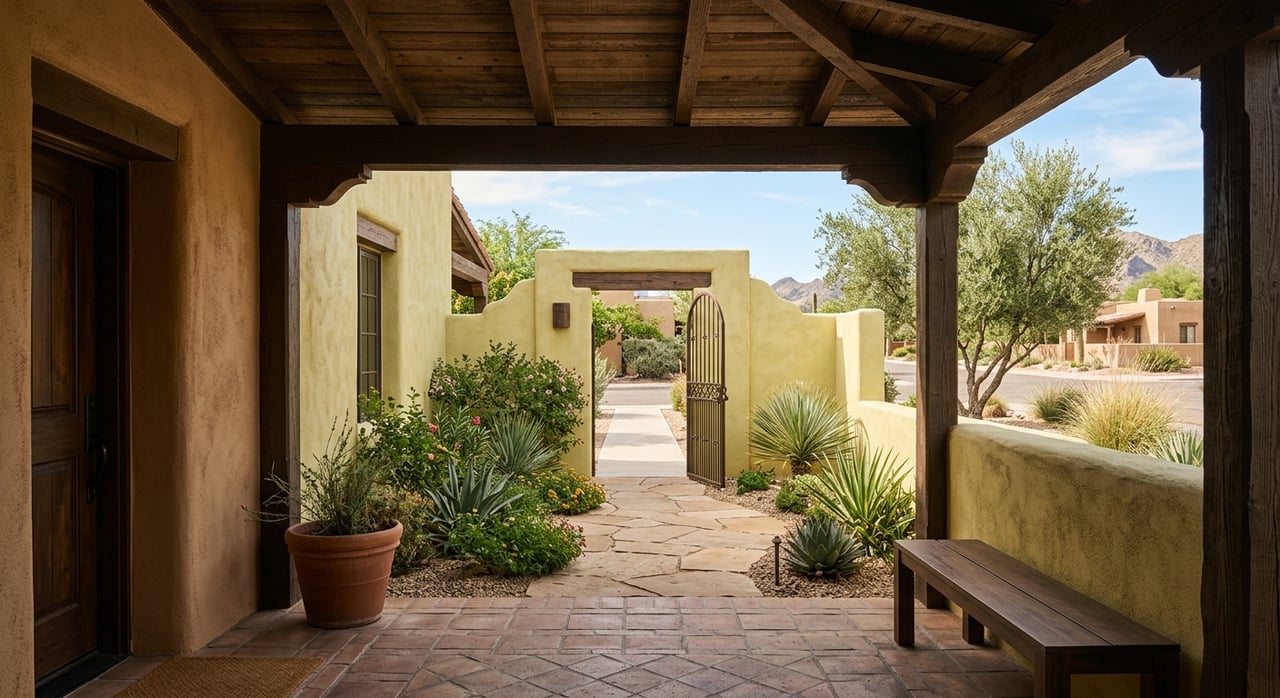
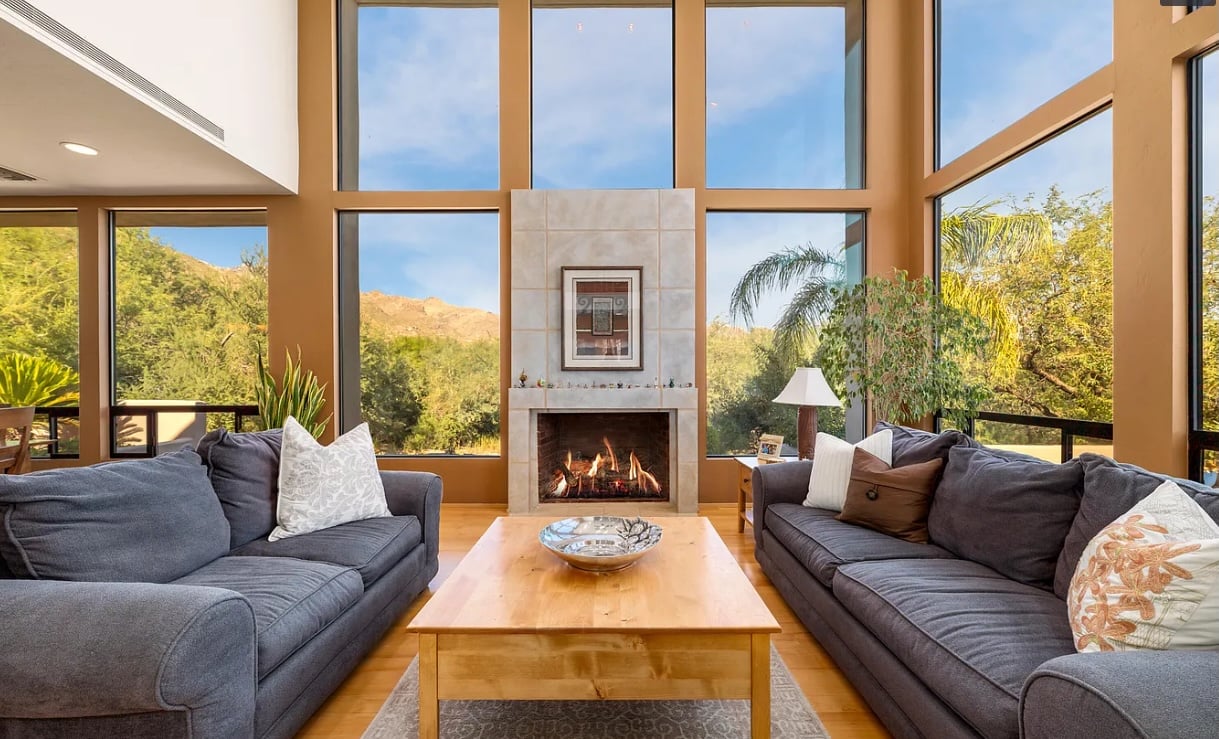
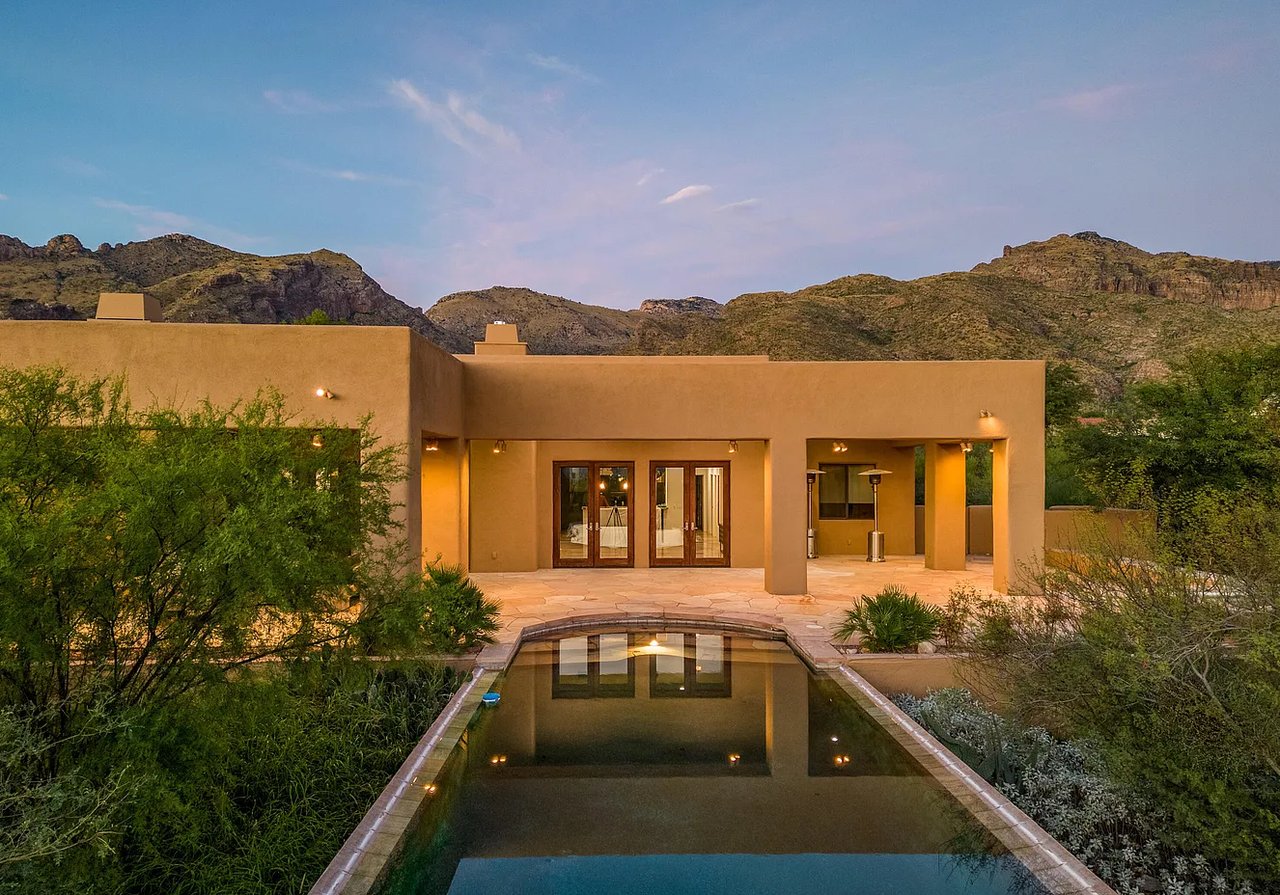
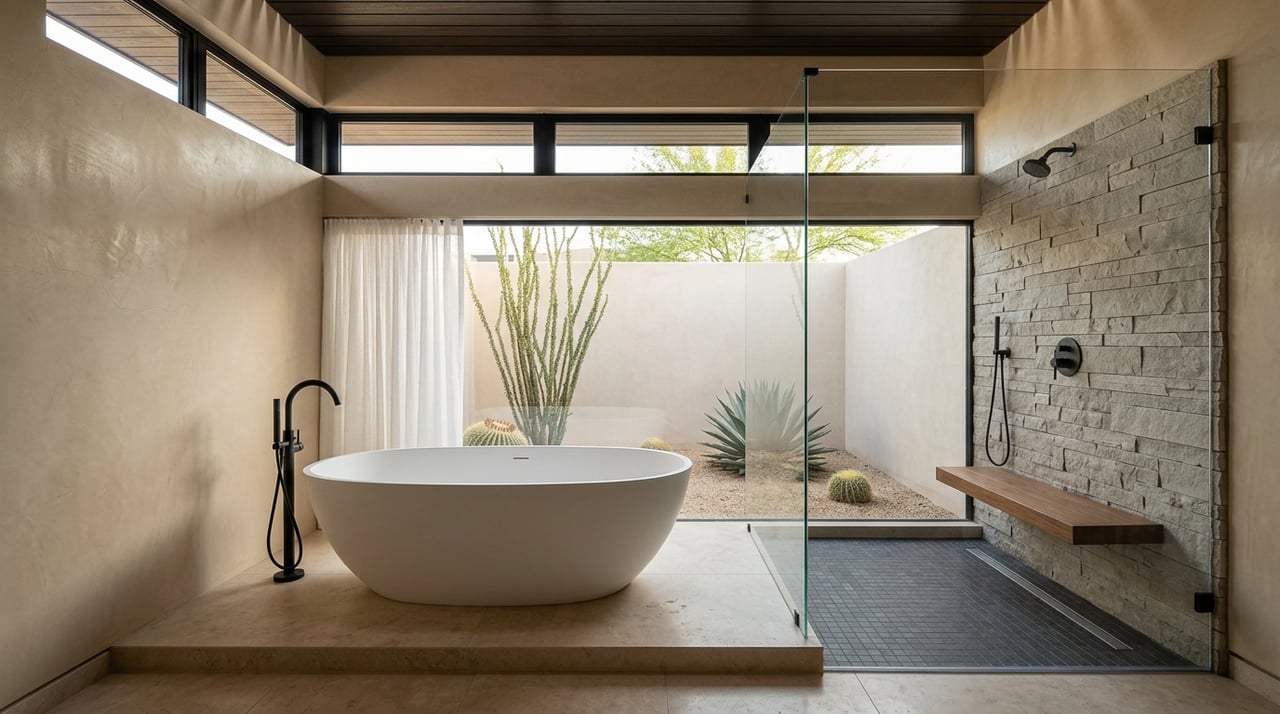
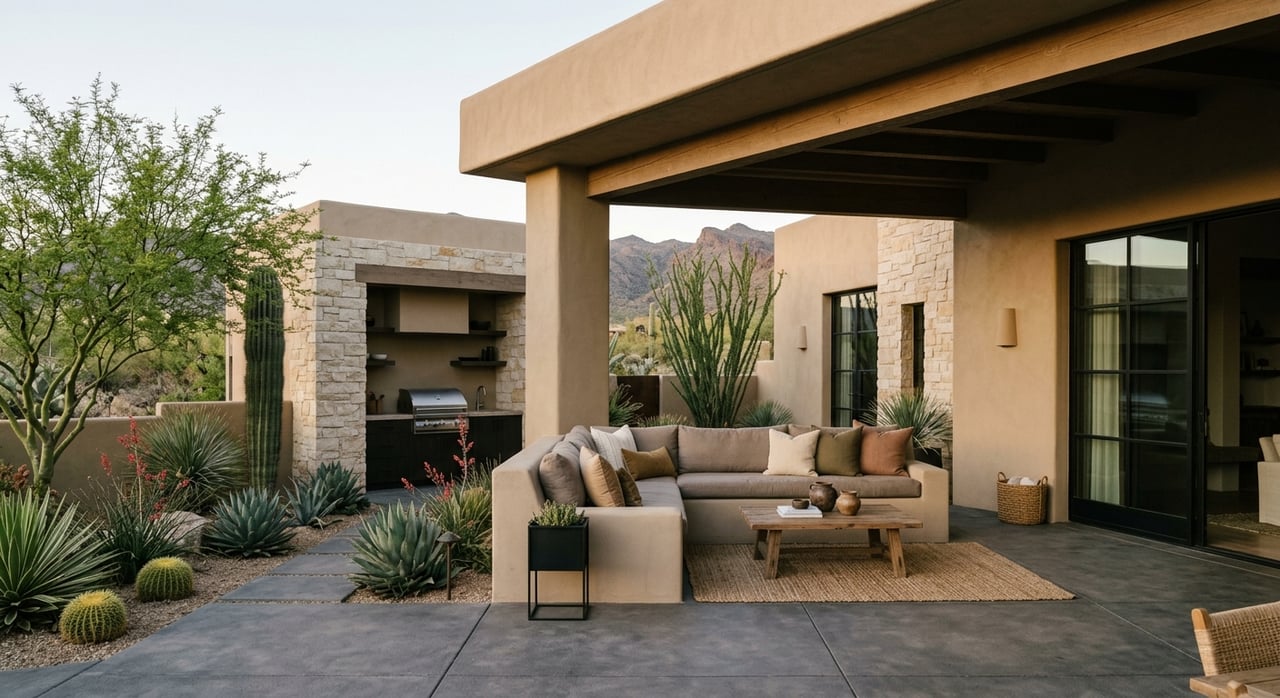
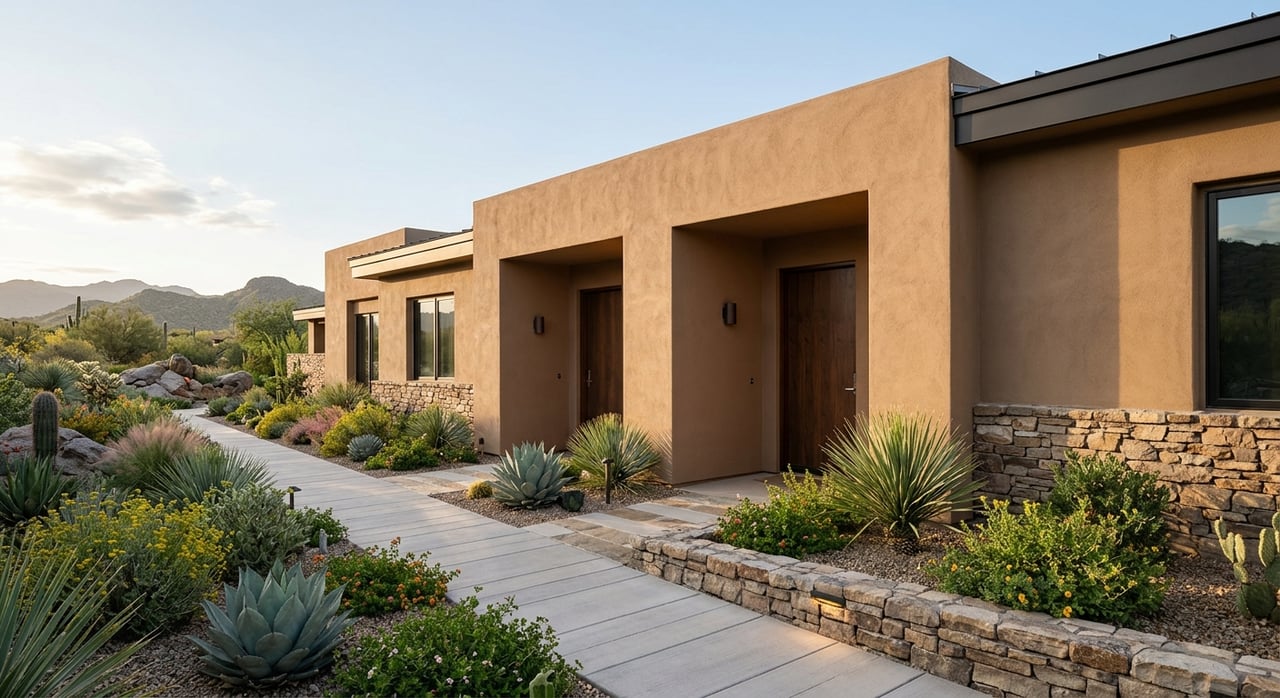
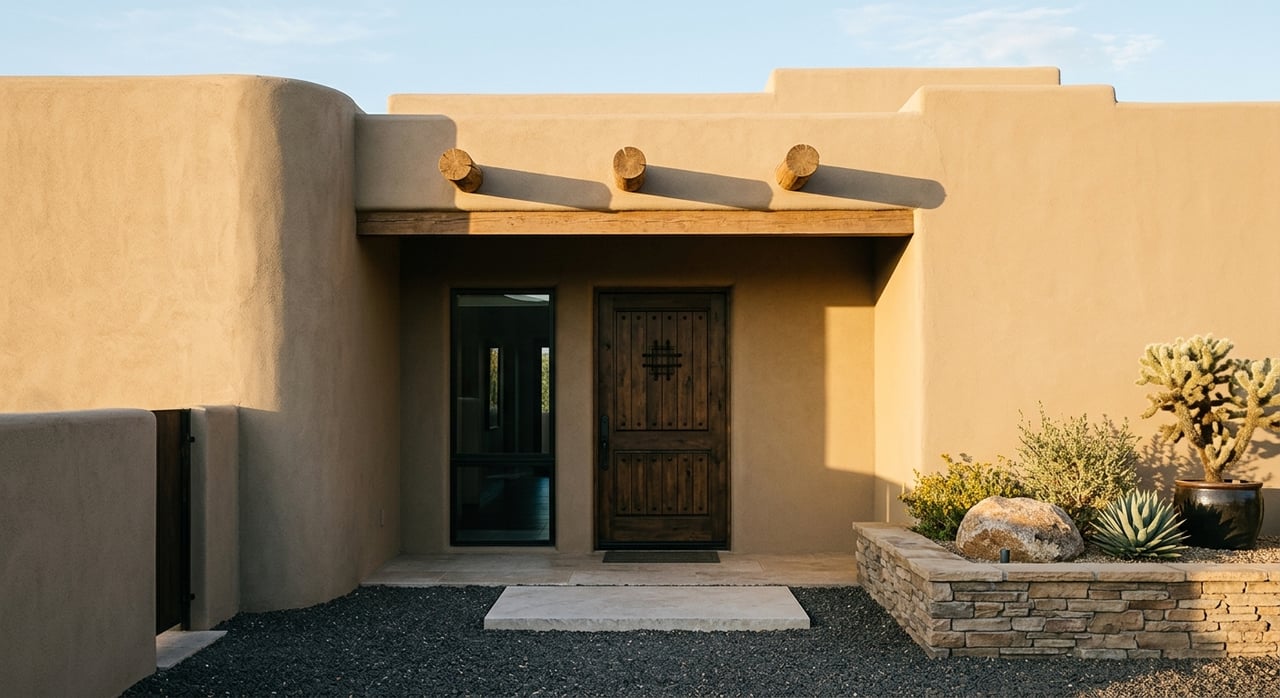
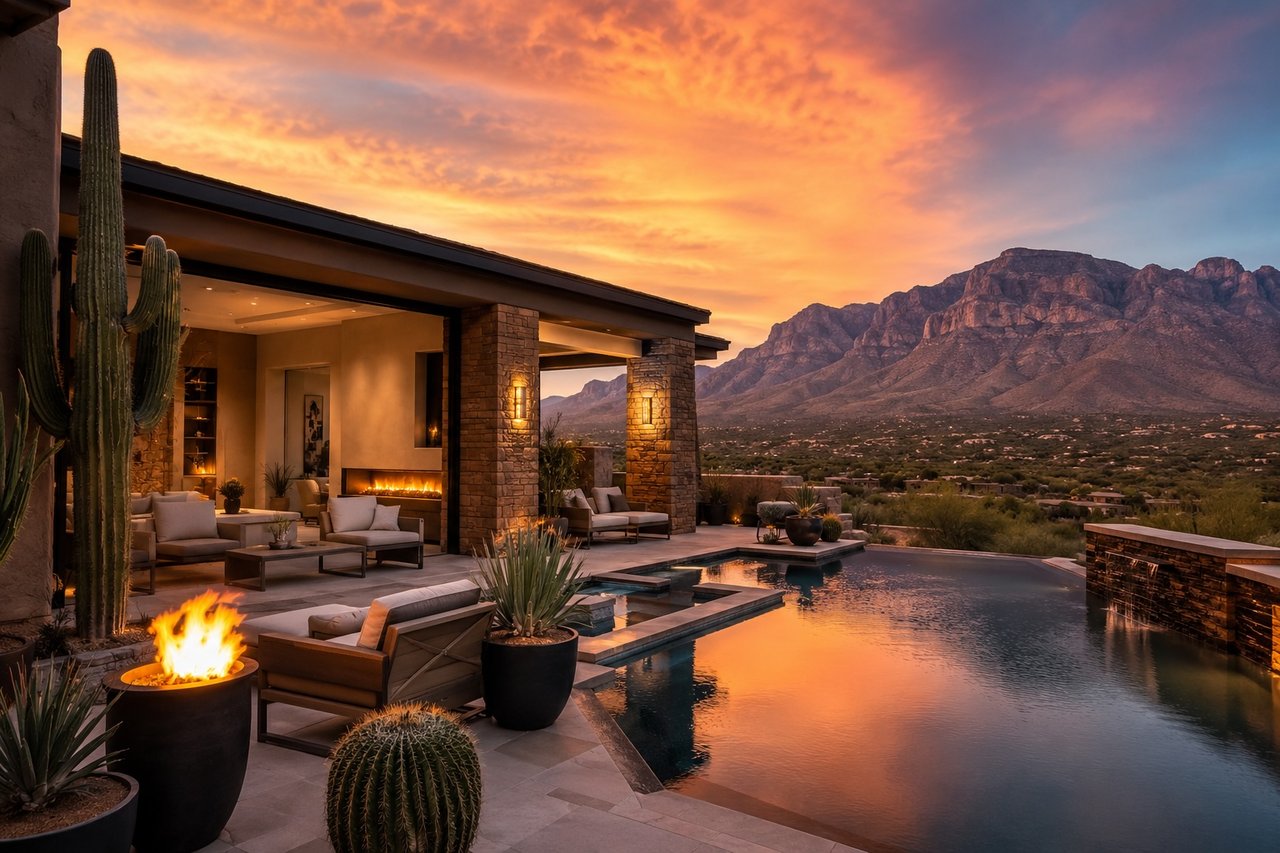
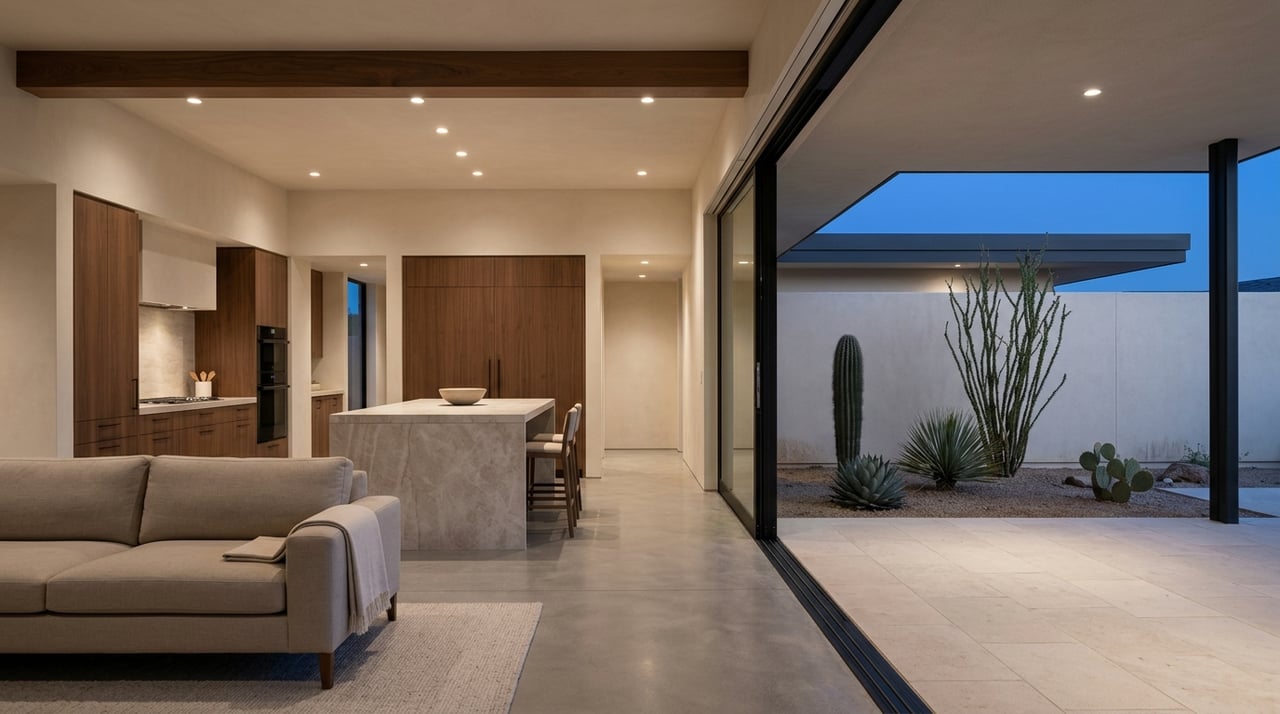
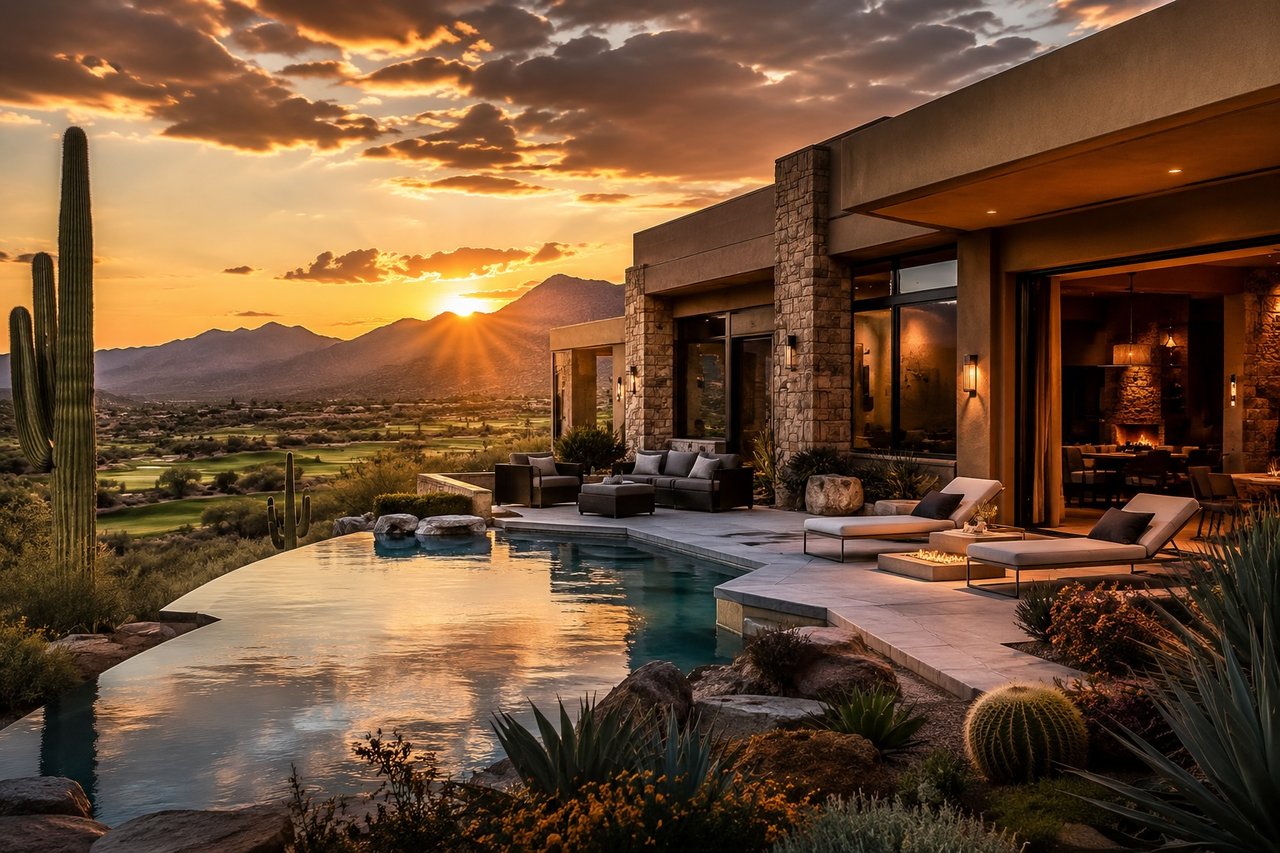
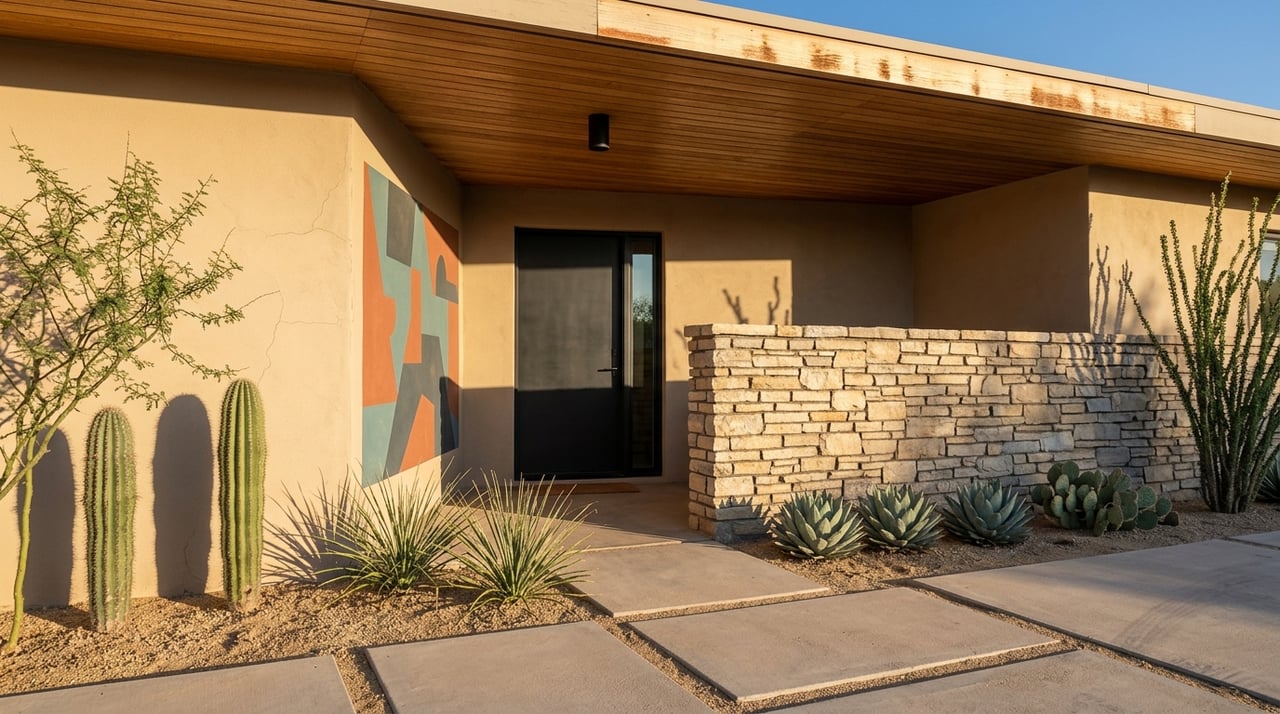
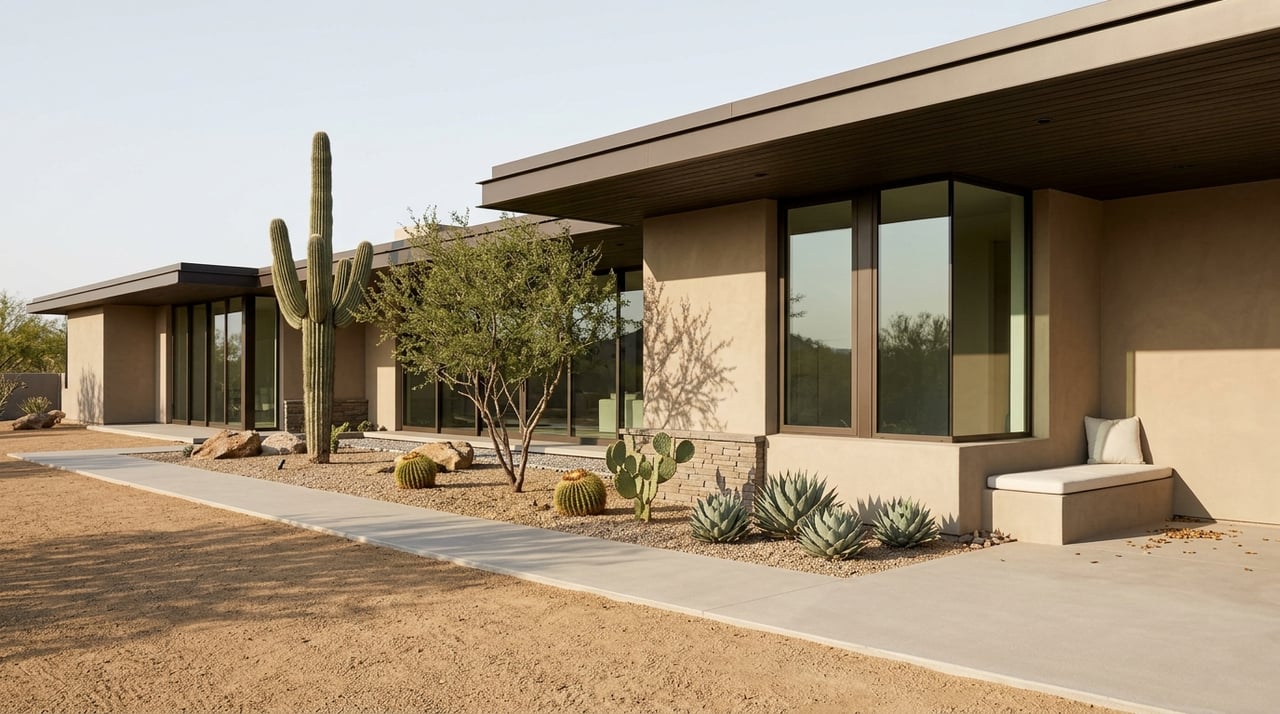
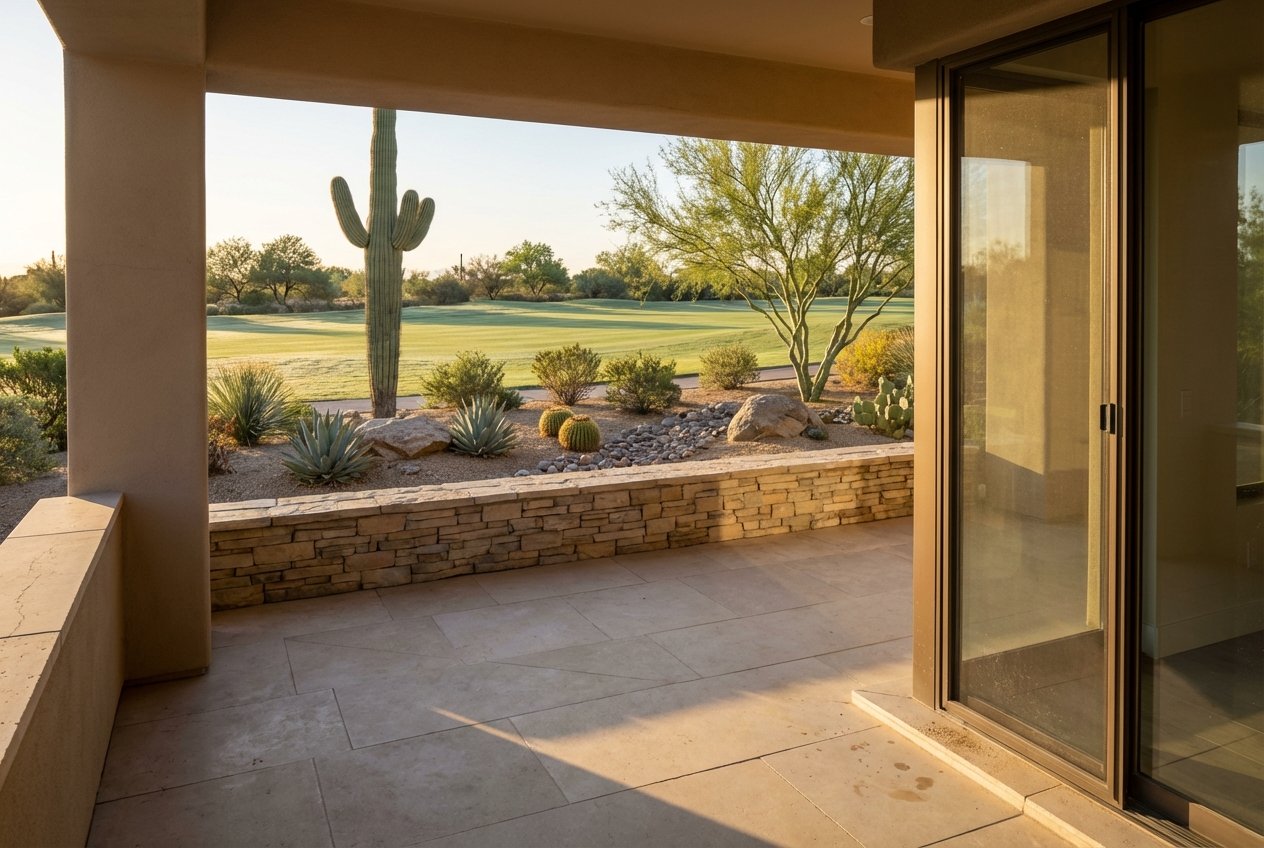
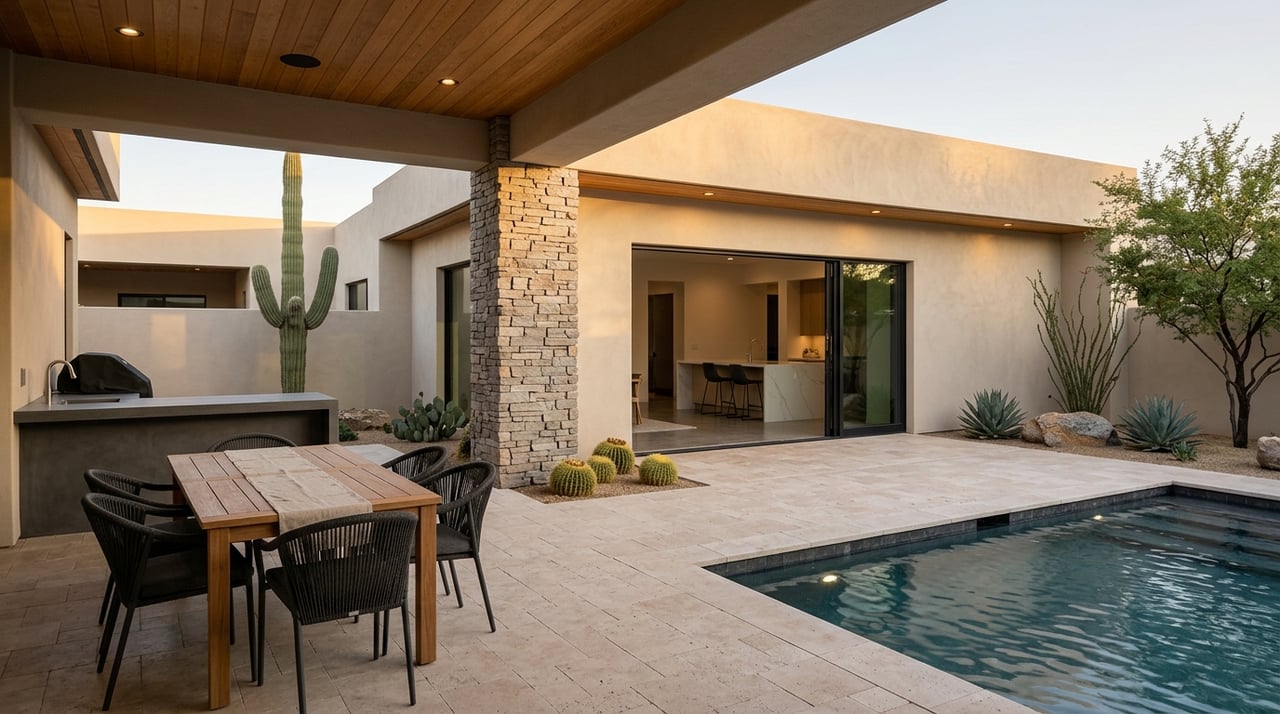
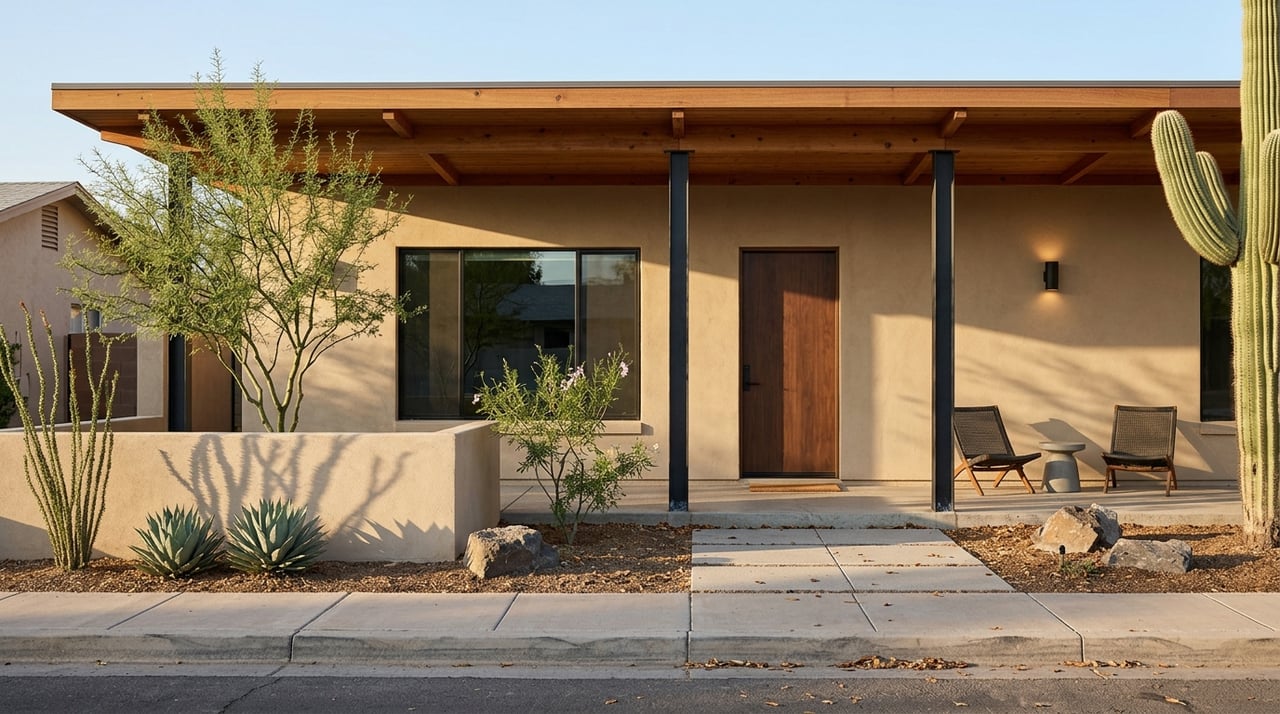
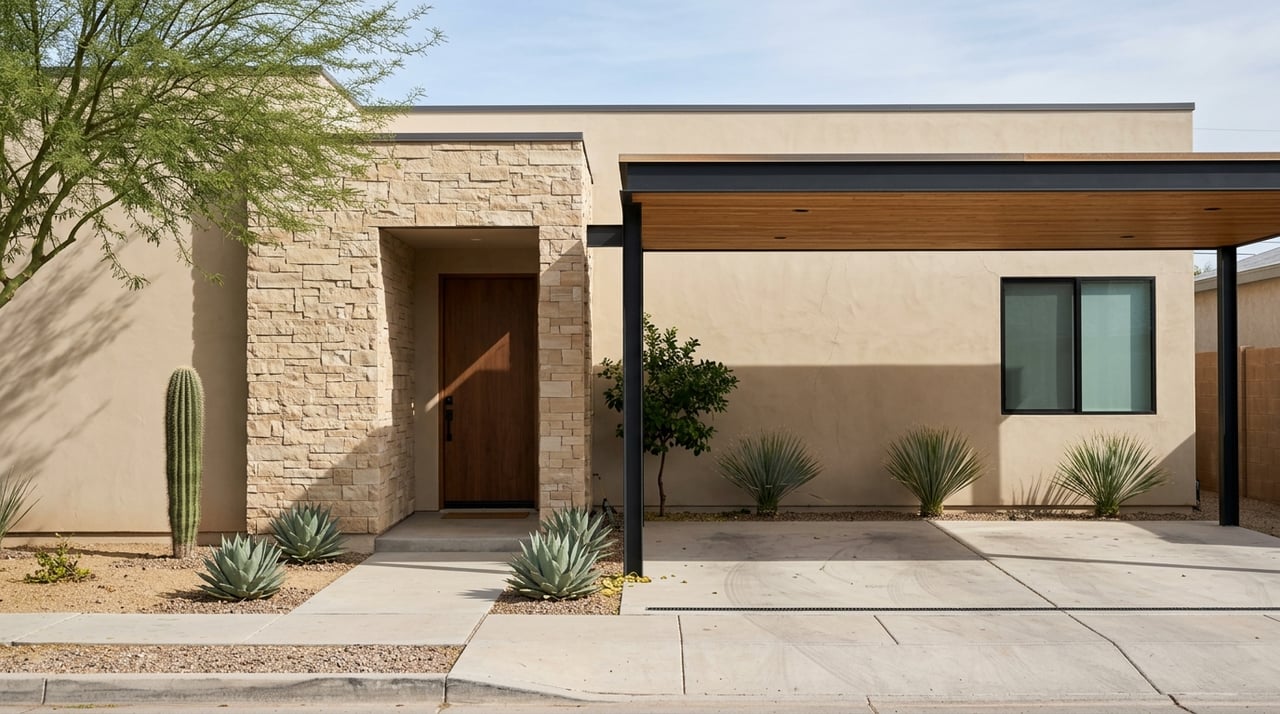
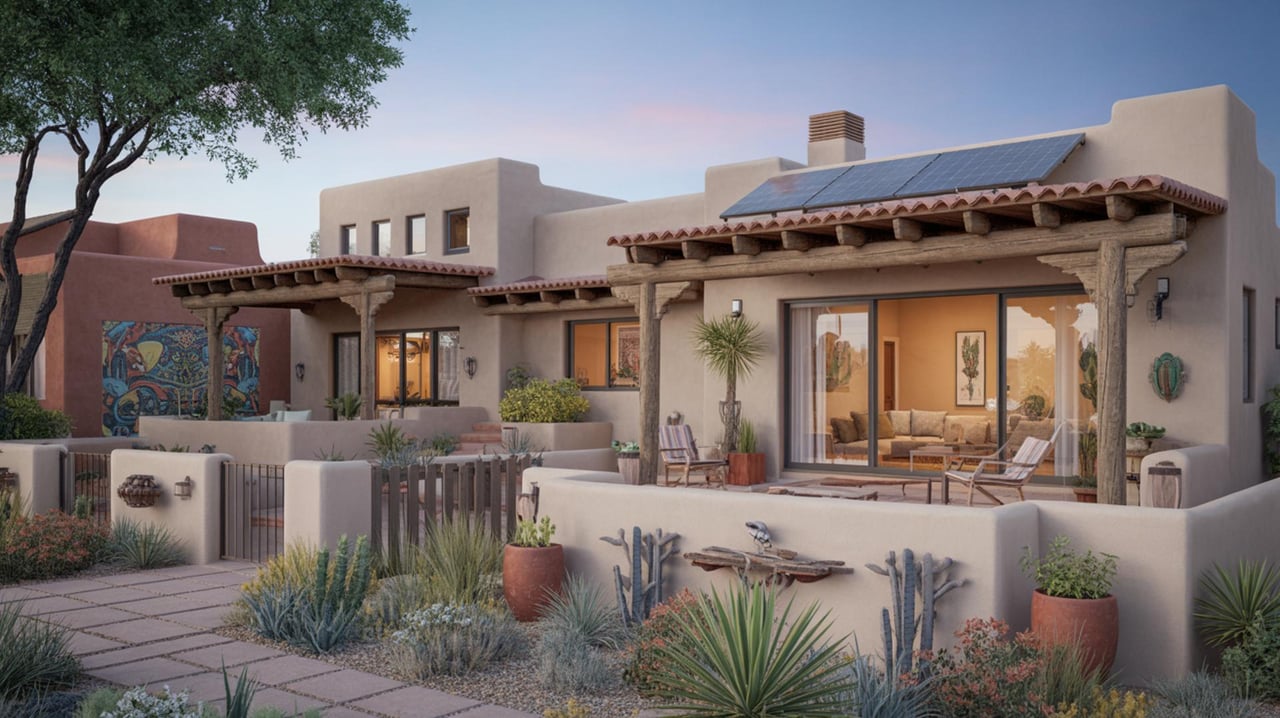
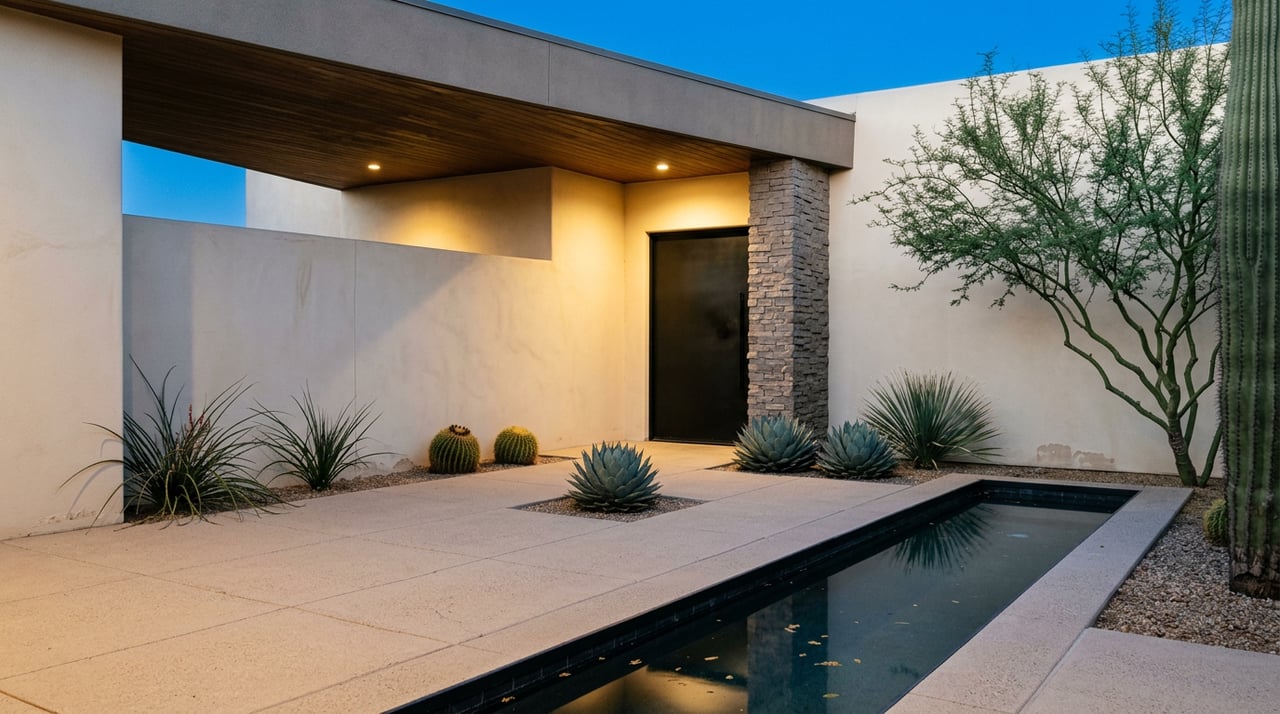
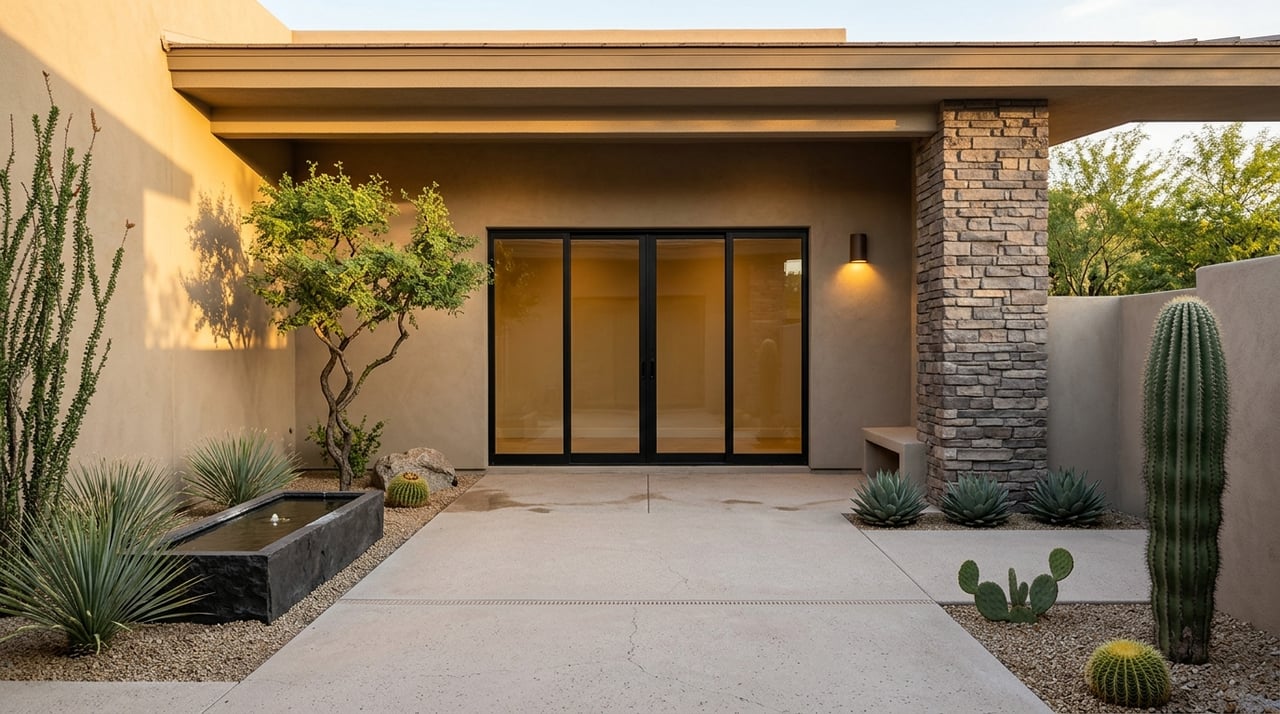
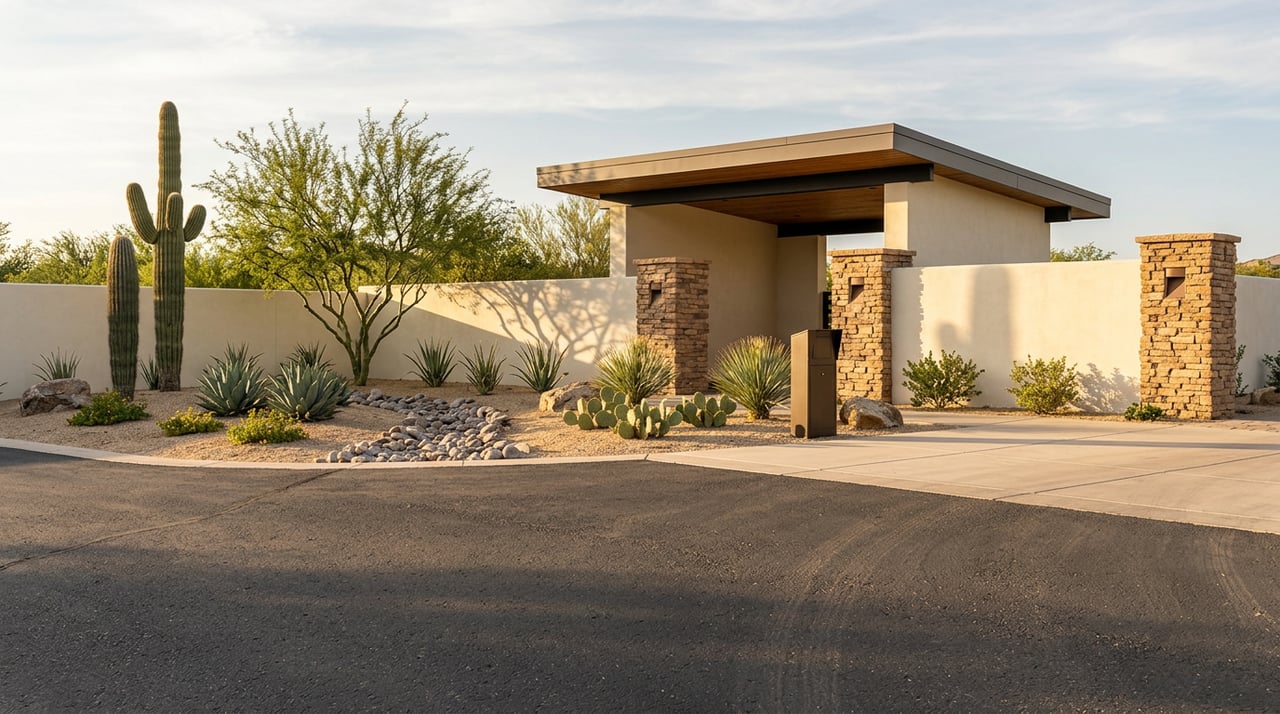
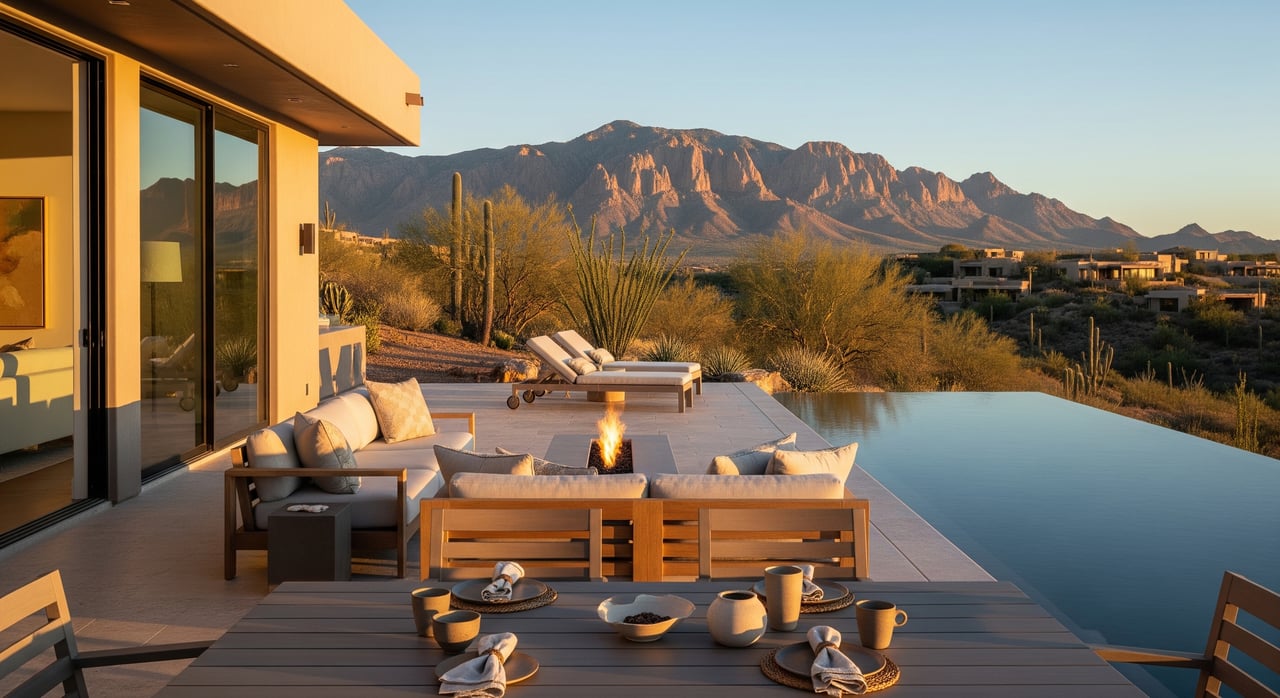
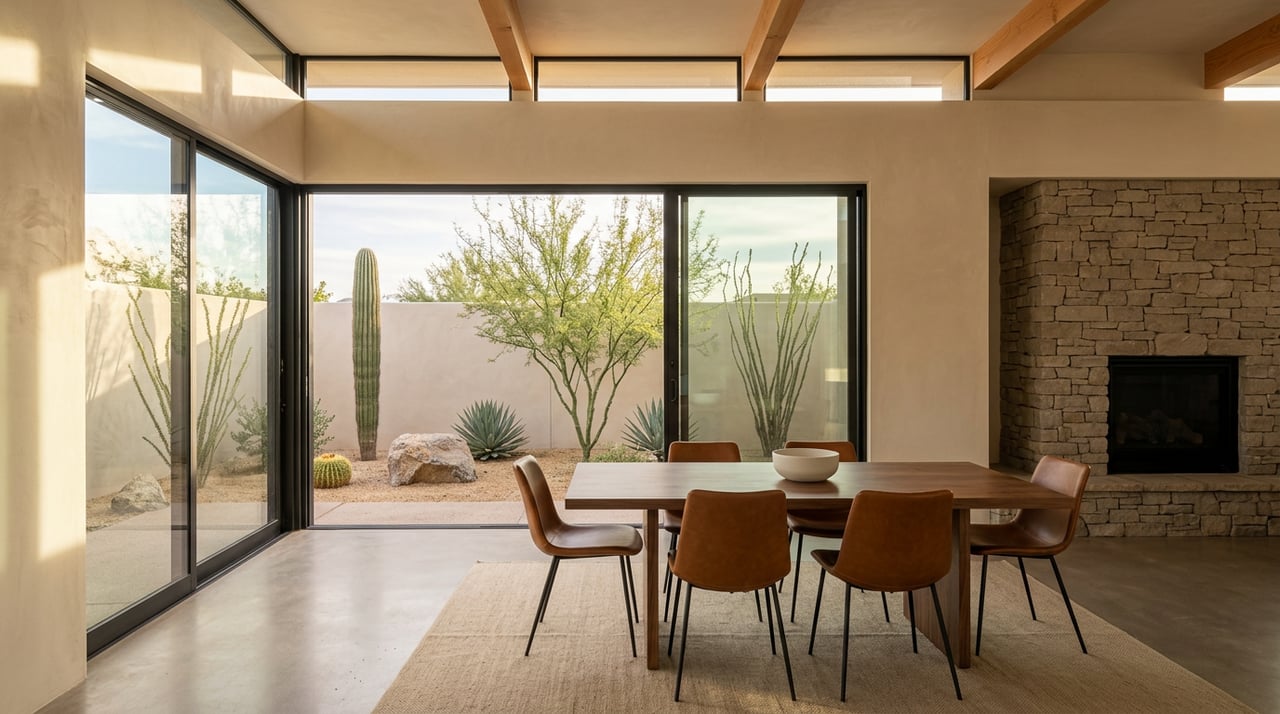
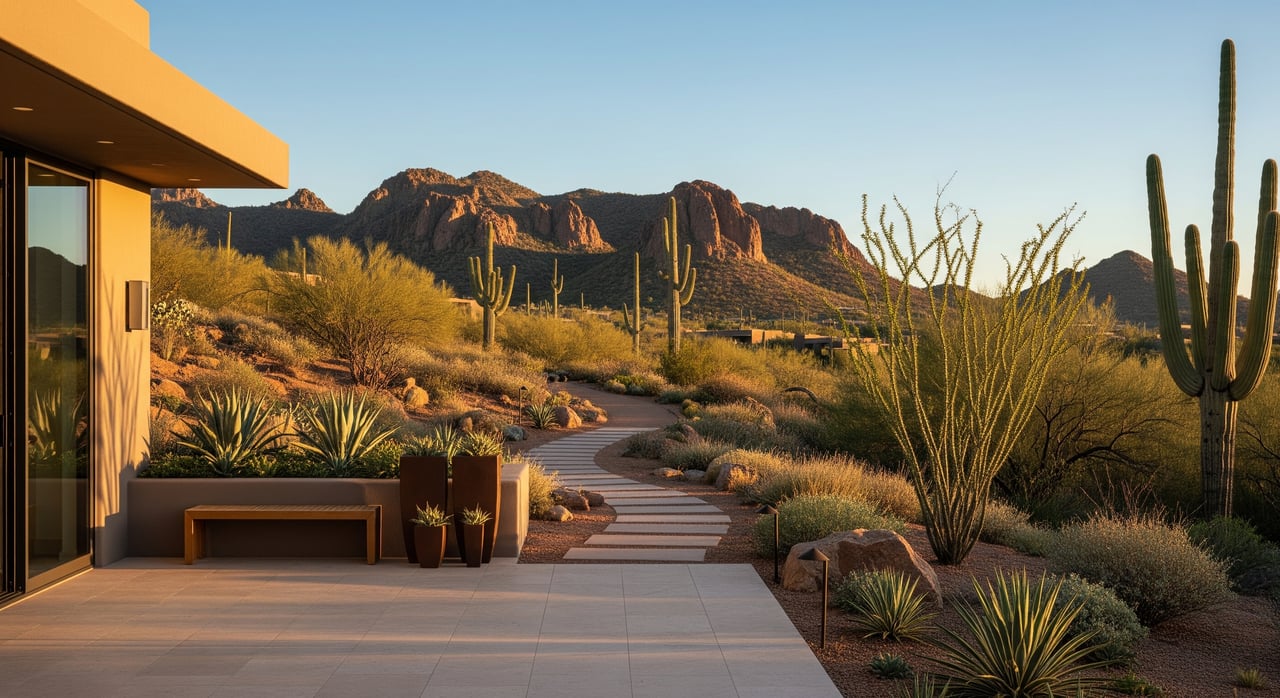
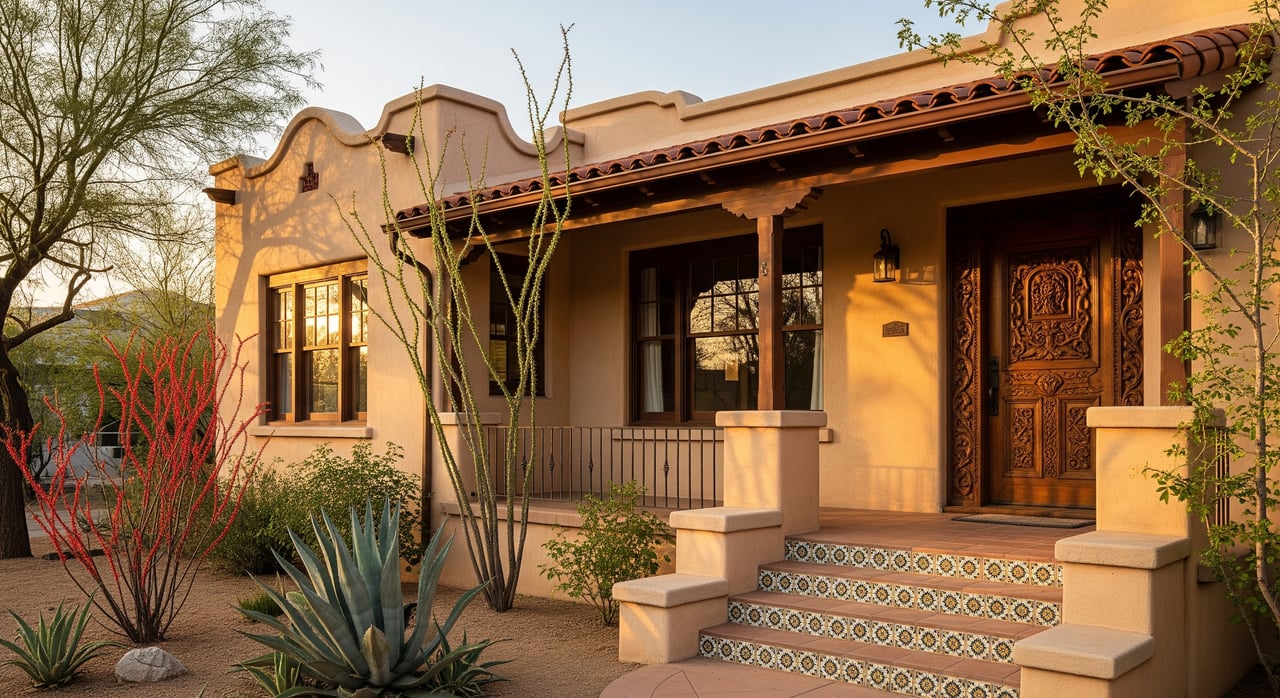
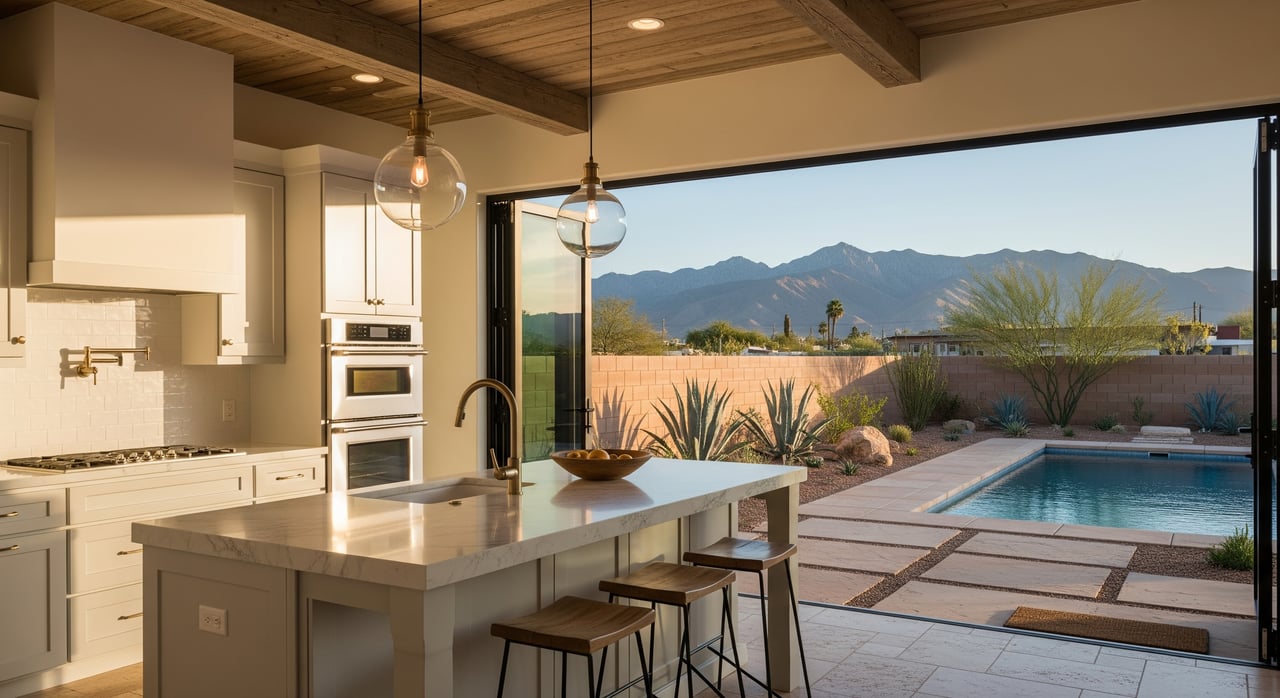
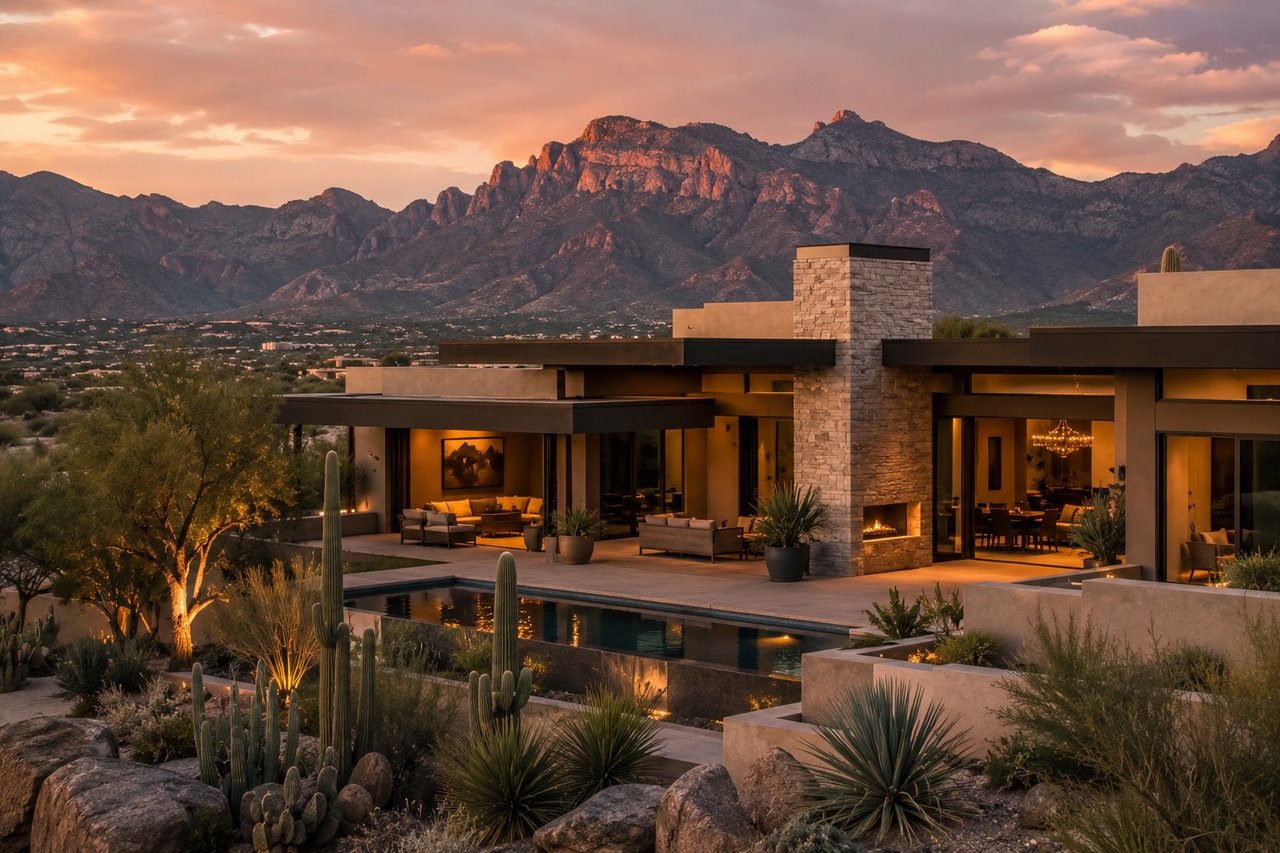
They embrace courtyards, shadows, texture, mountain views, native materials, historic influences, and an indoor-outdoor relationship that feels distinctly Southern Arizona.
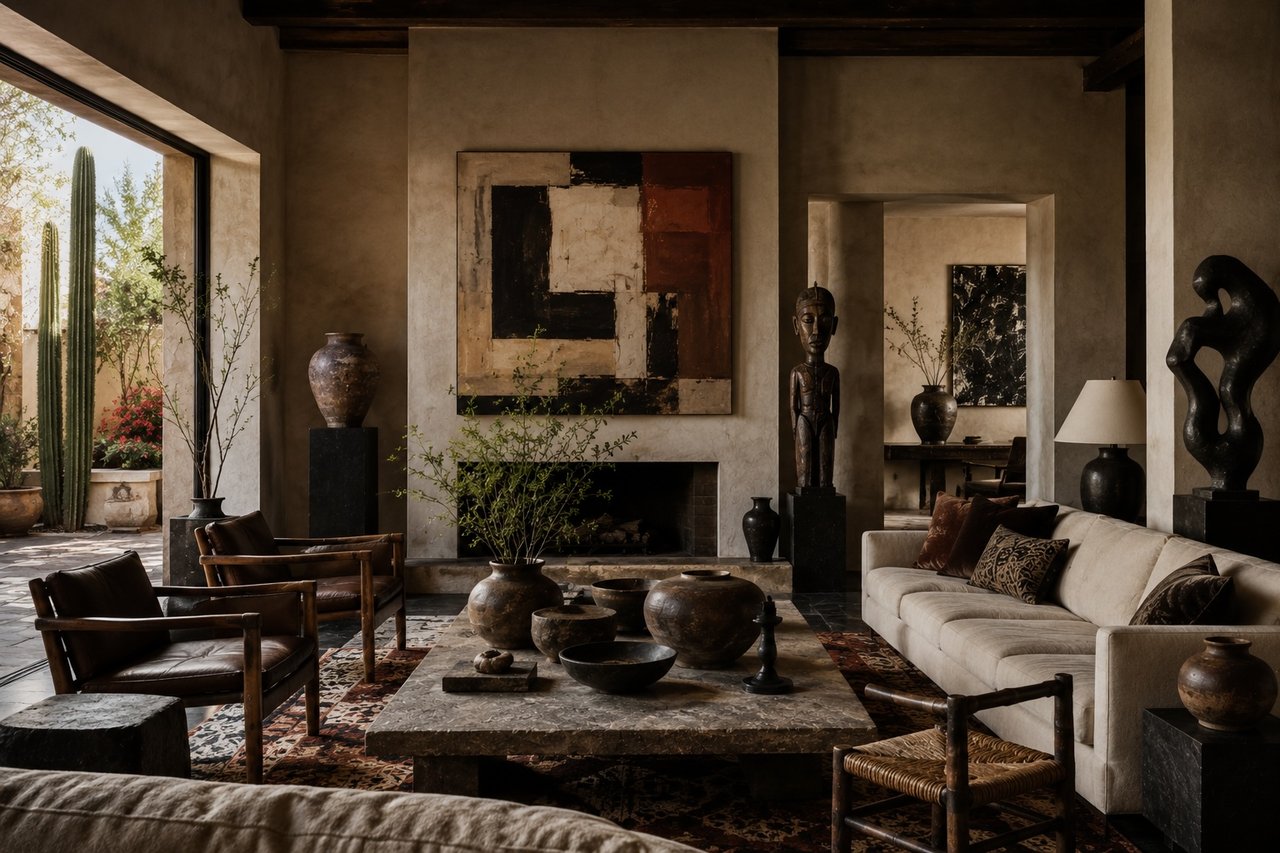
The best Tucson homes feel collected rather than decorated.
Elevated without being conventional.
Sophisticated without needing to announce their sophistication.
On paper, some of the elements should not necessarily work together.
And yet they do.
That is Tucson.
How Tucson’s Luxury Communities Differ
Tucson luxury real estate is not a single market or architectural style.
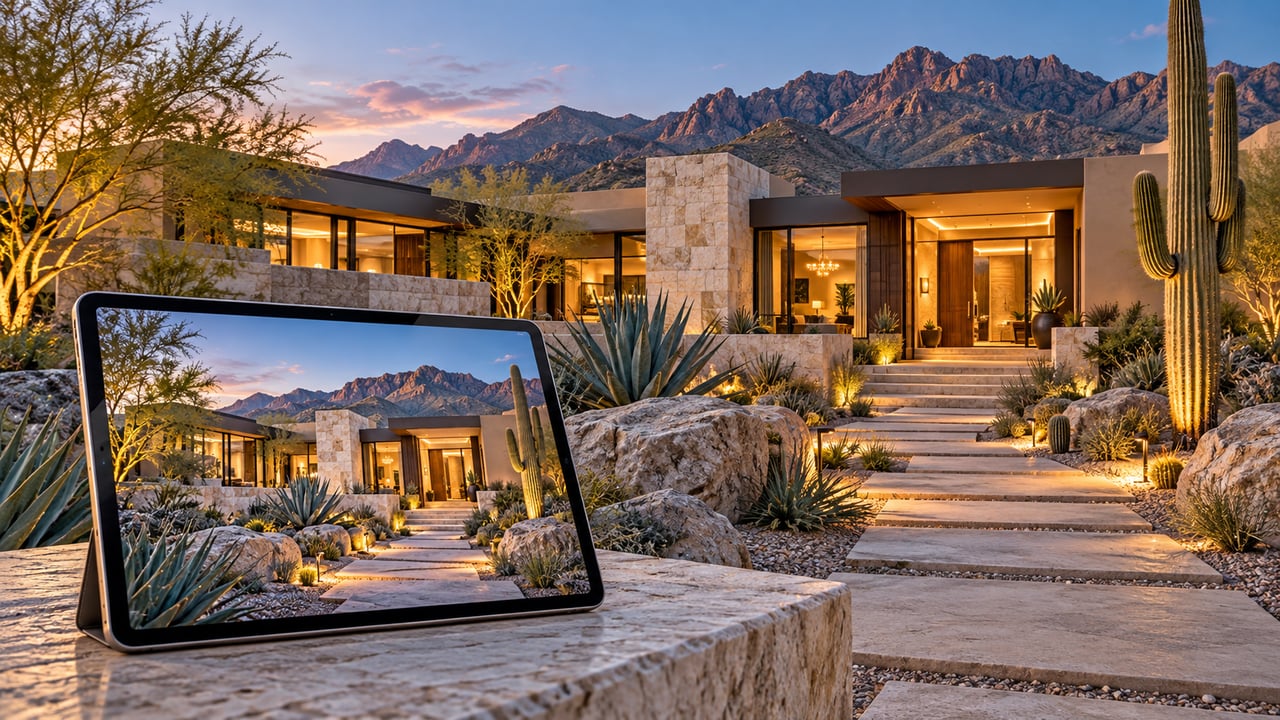
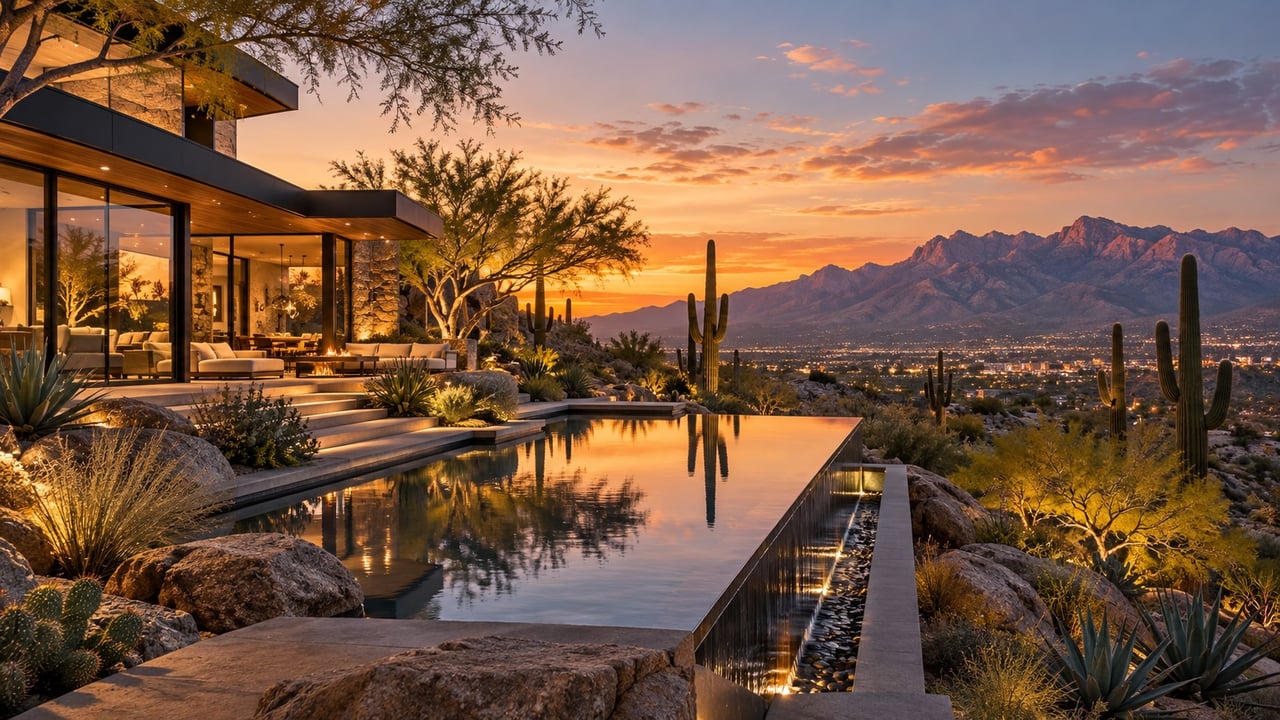
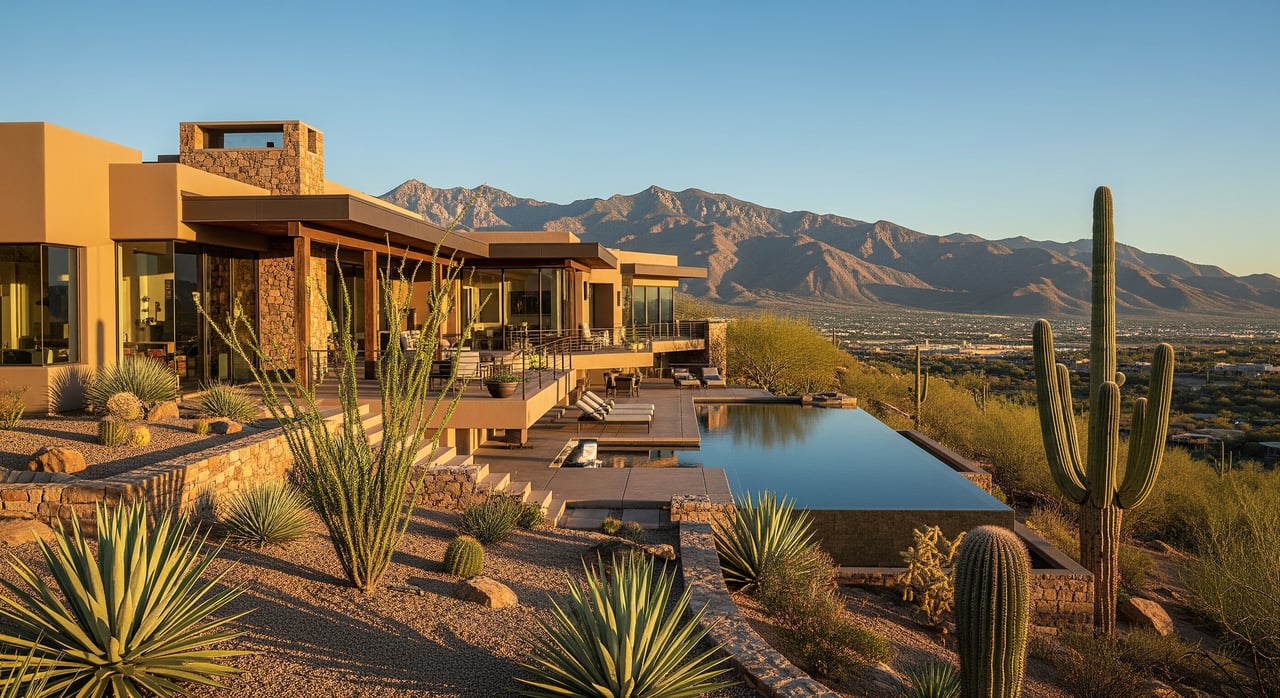
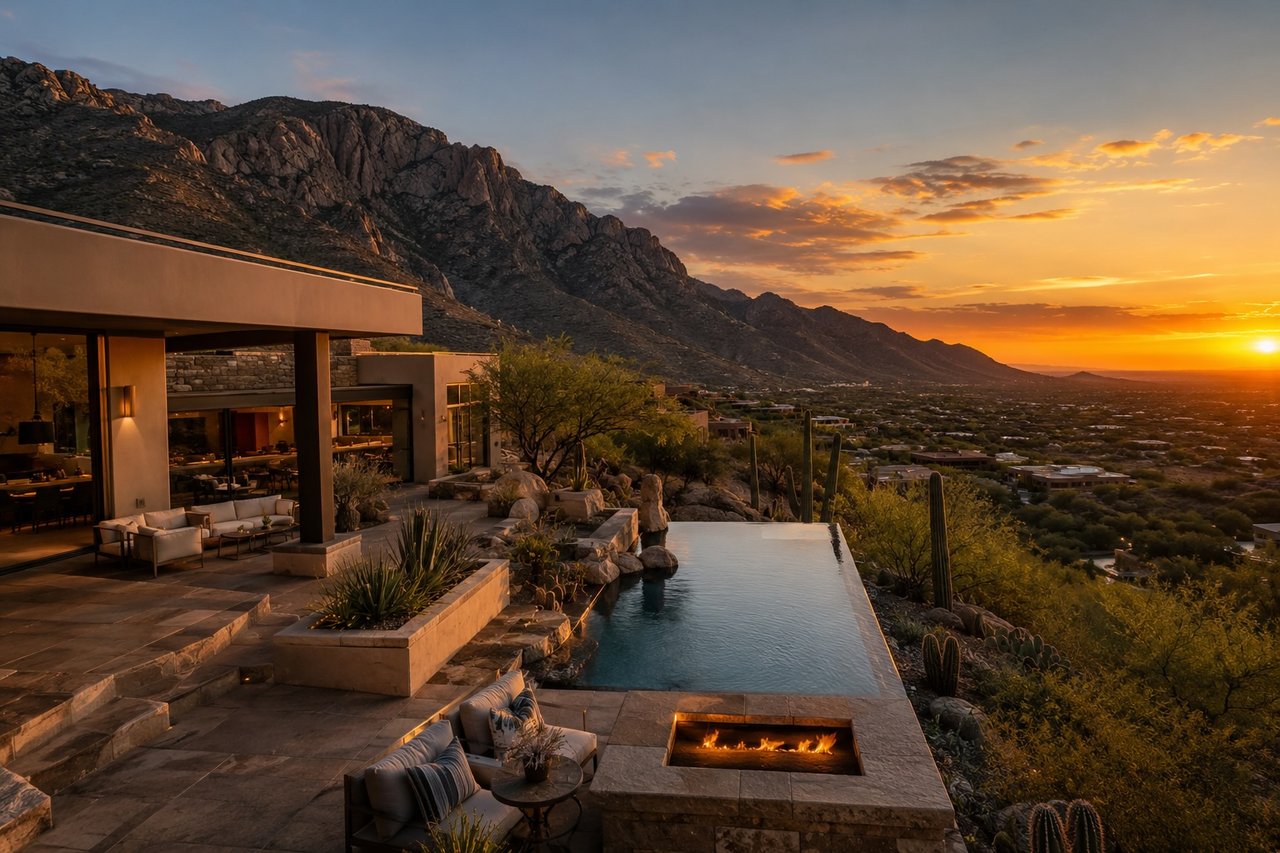
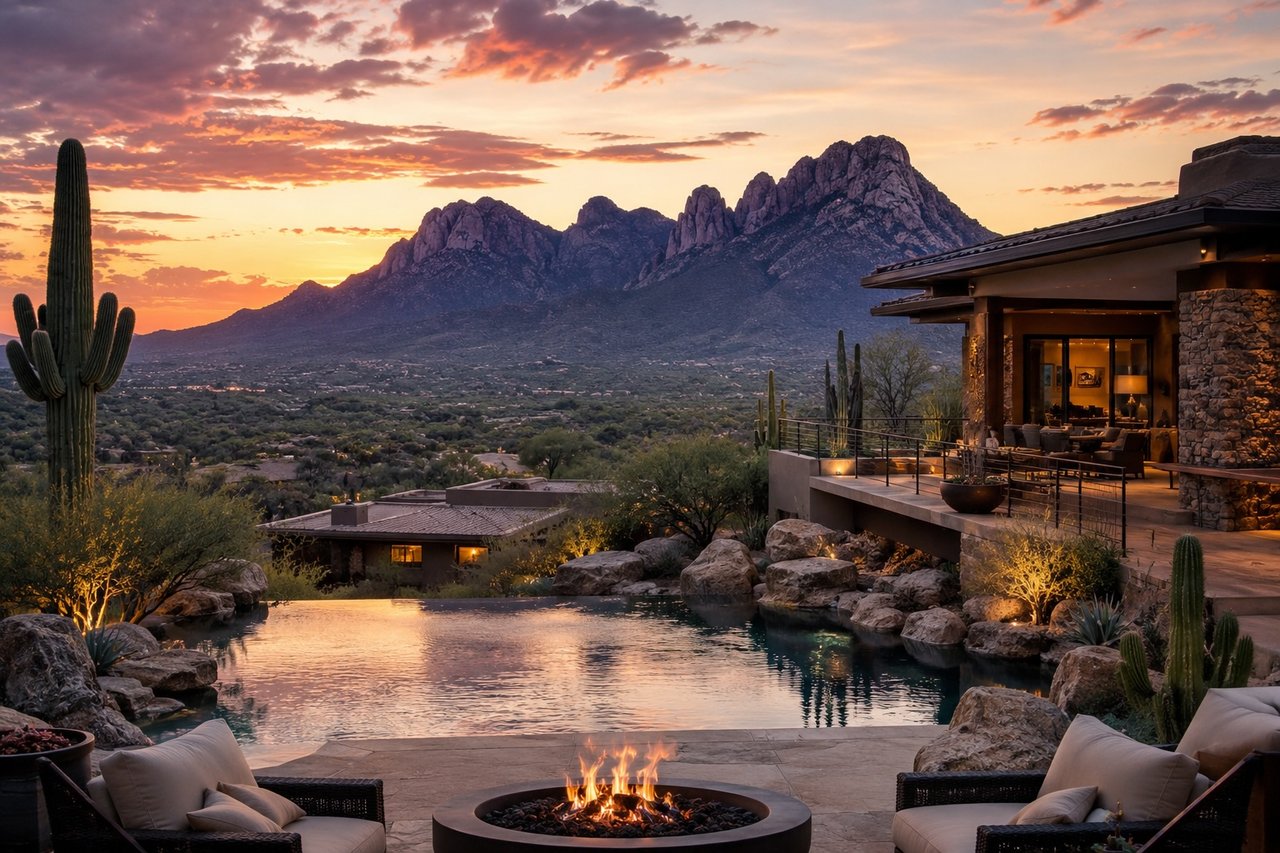
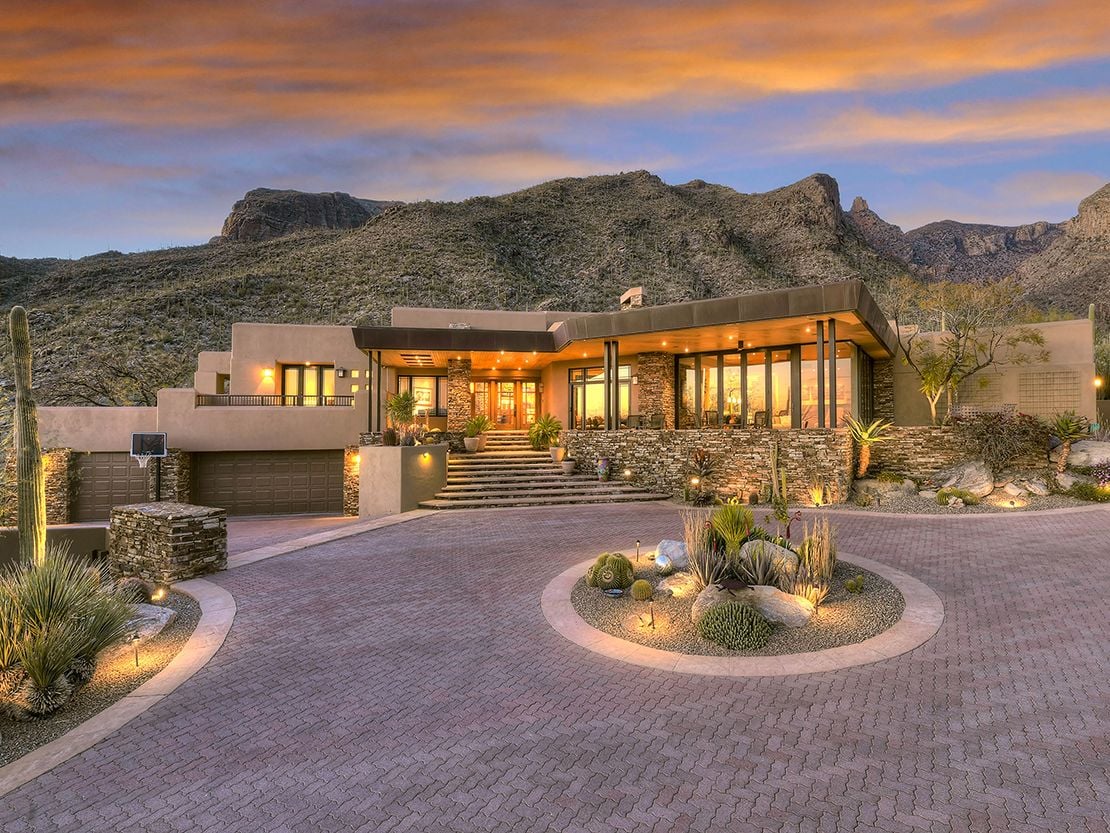
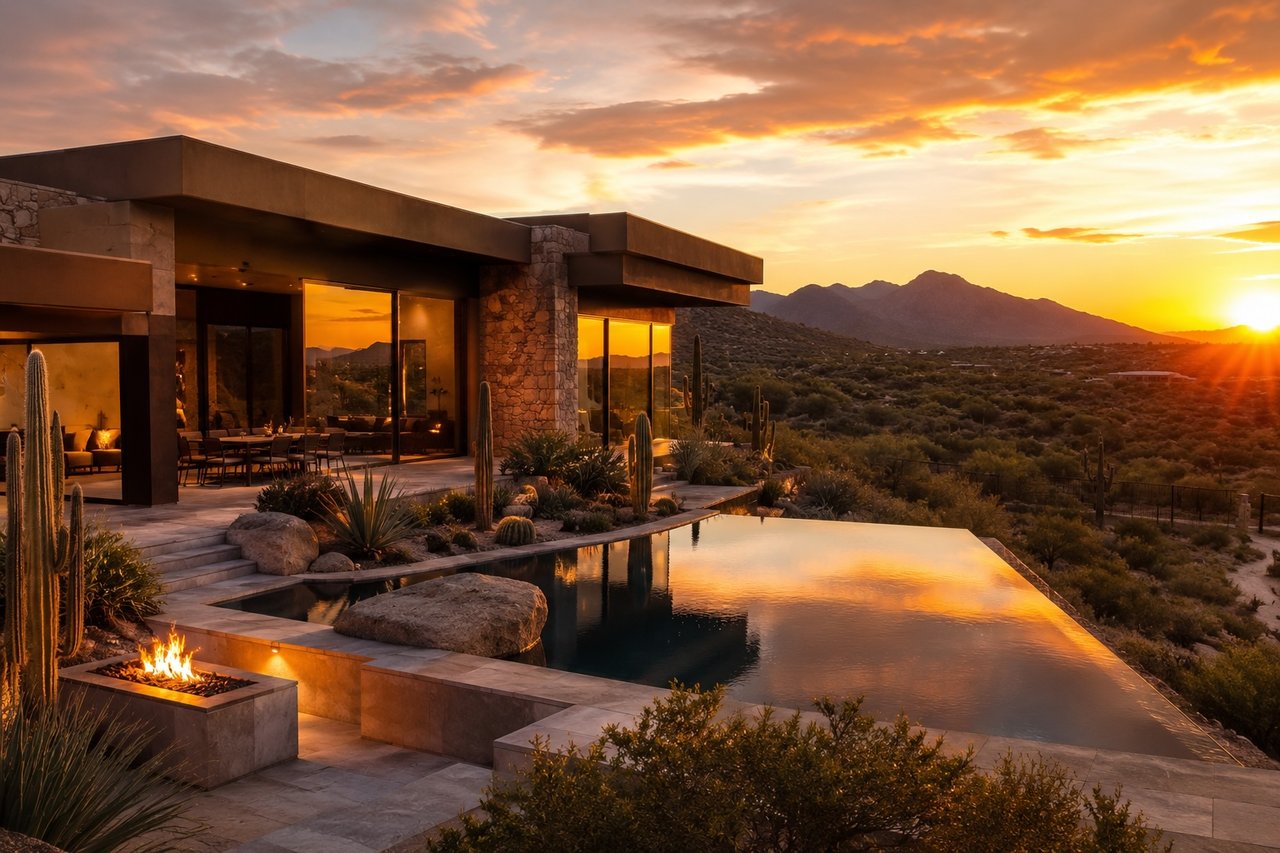
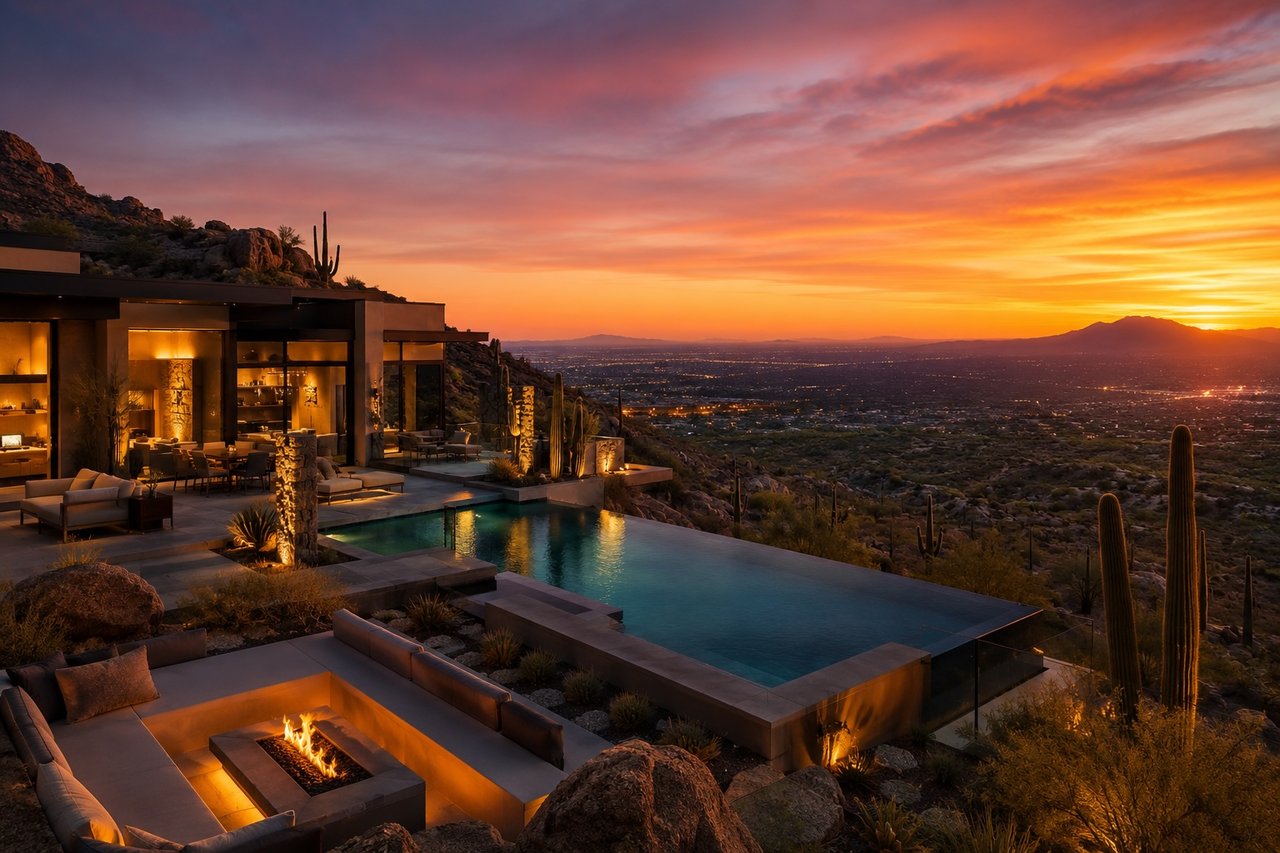
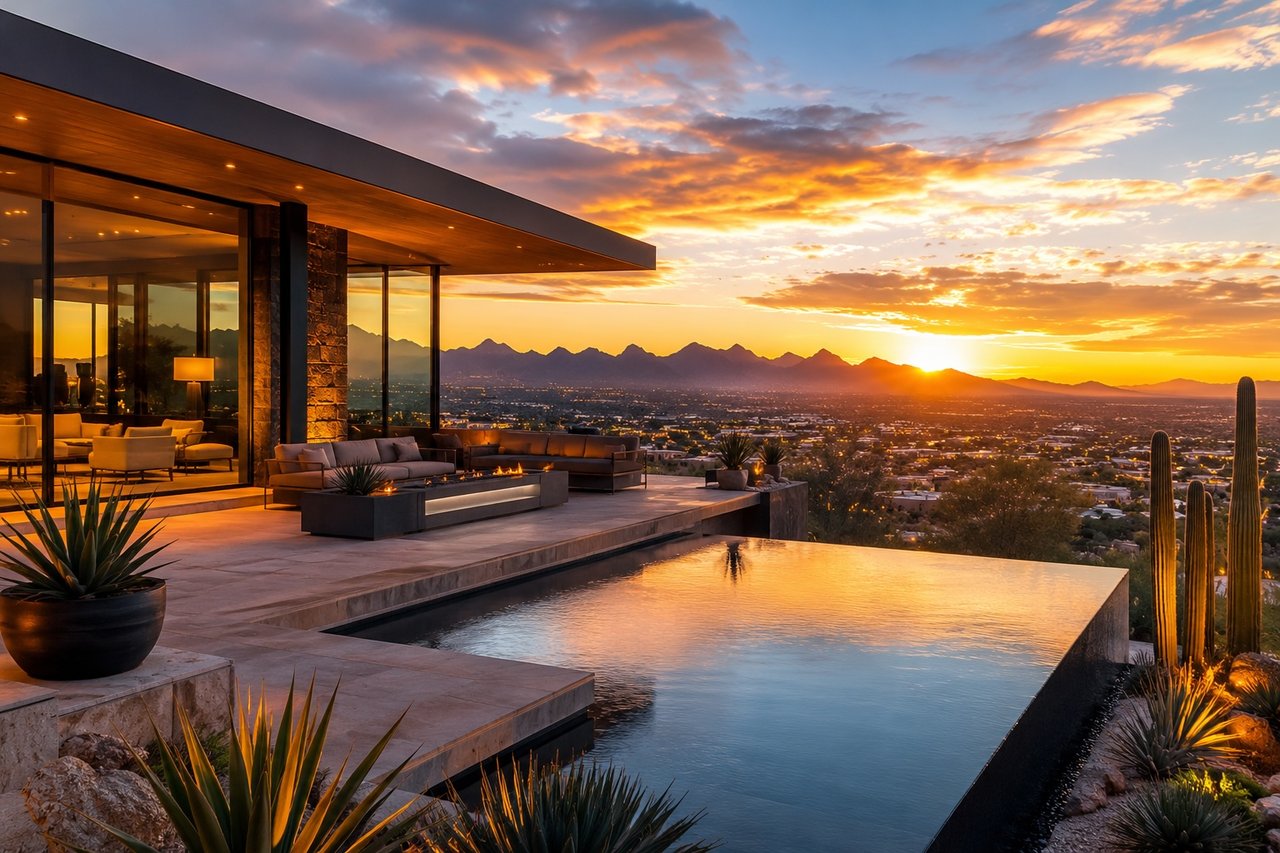
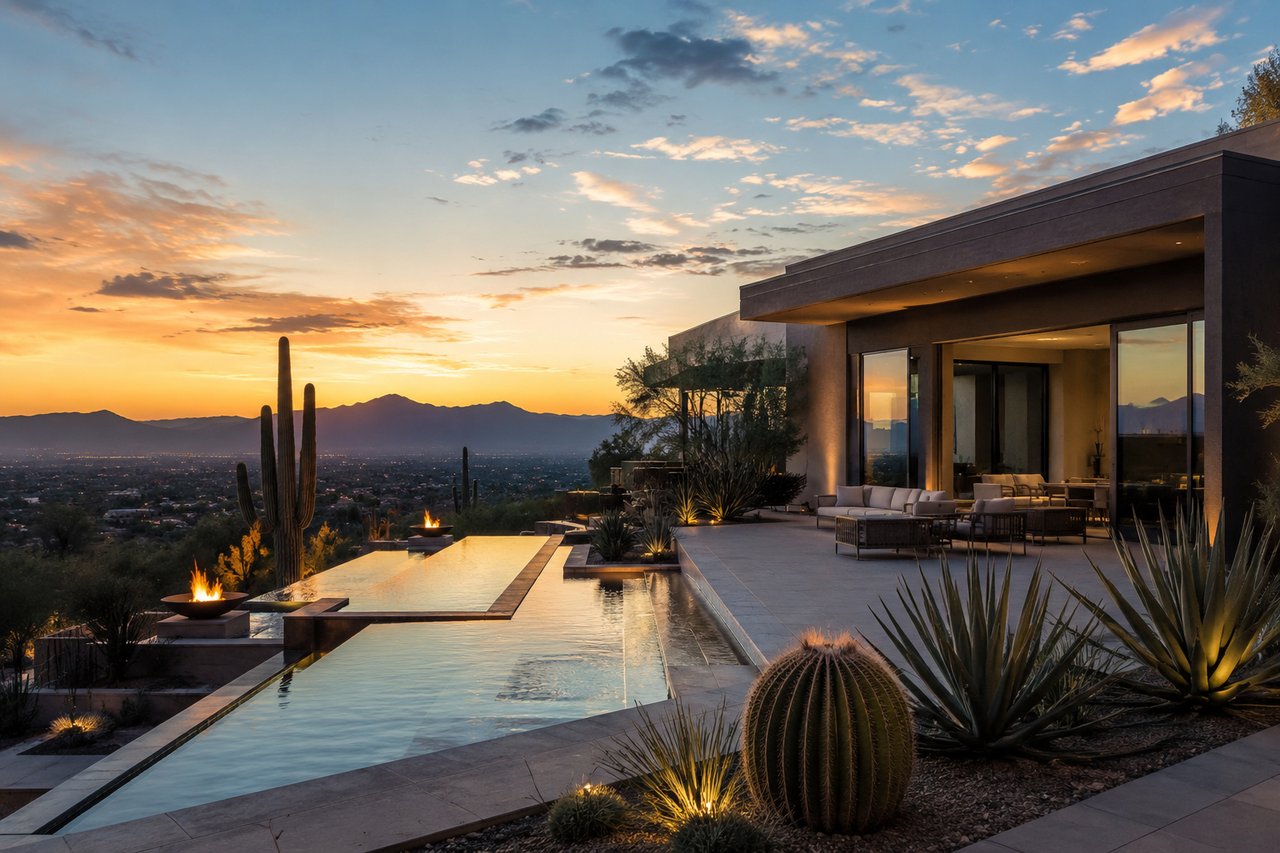
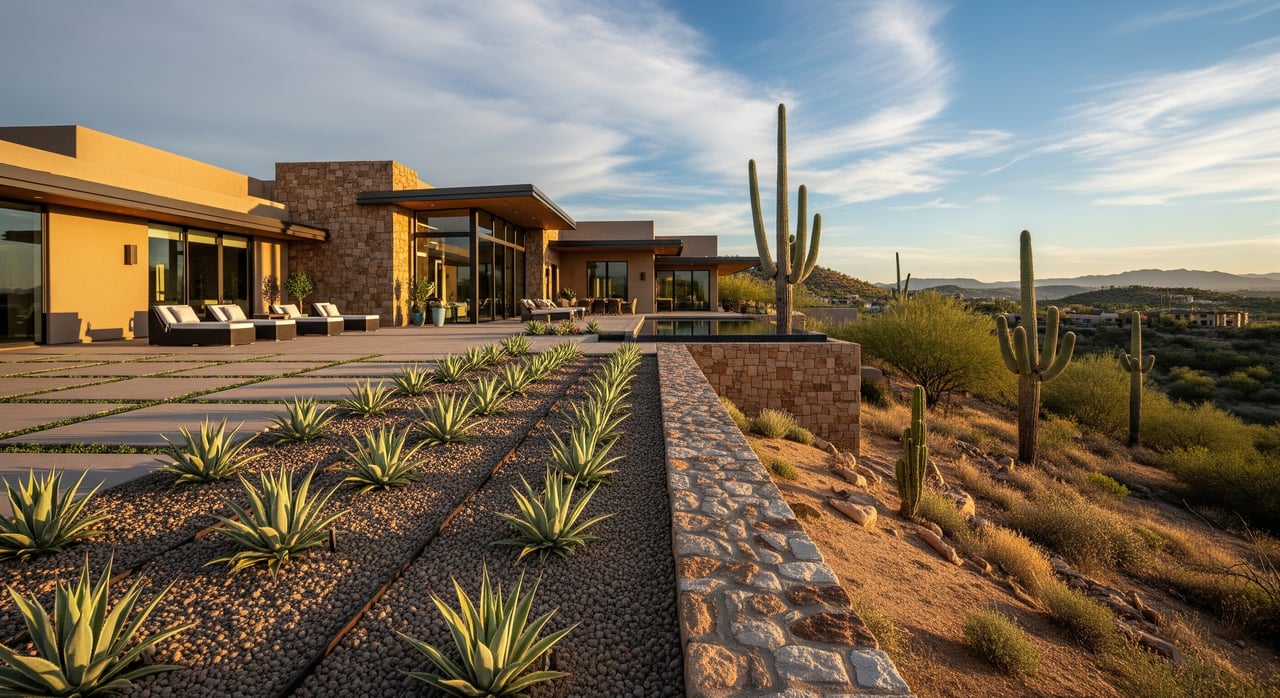
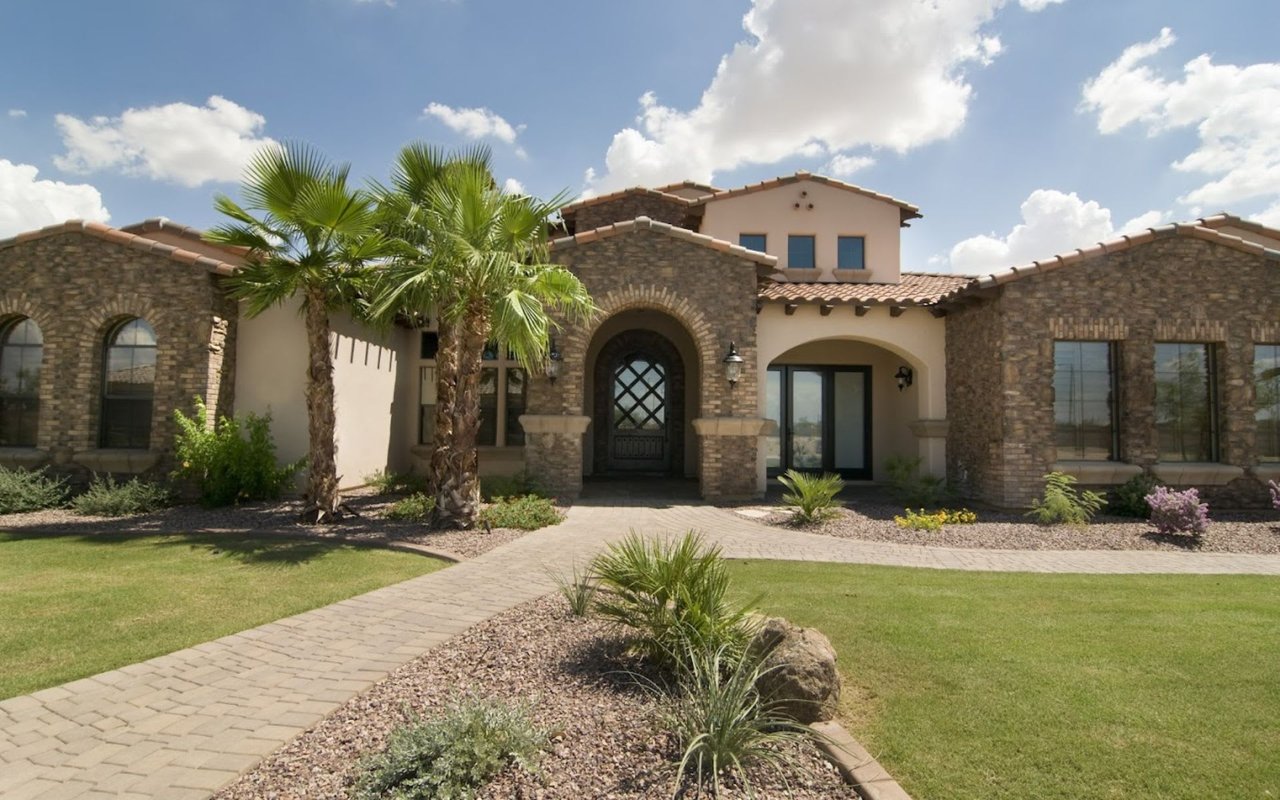
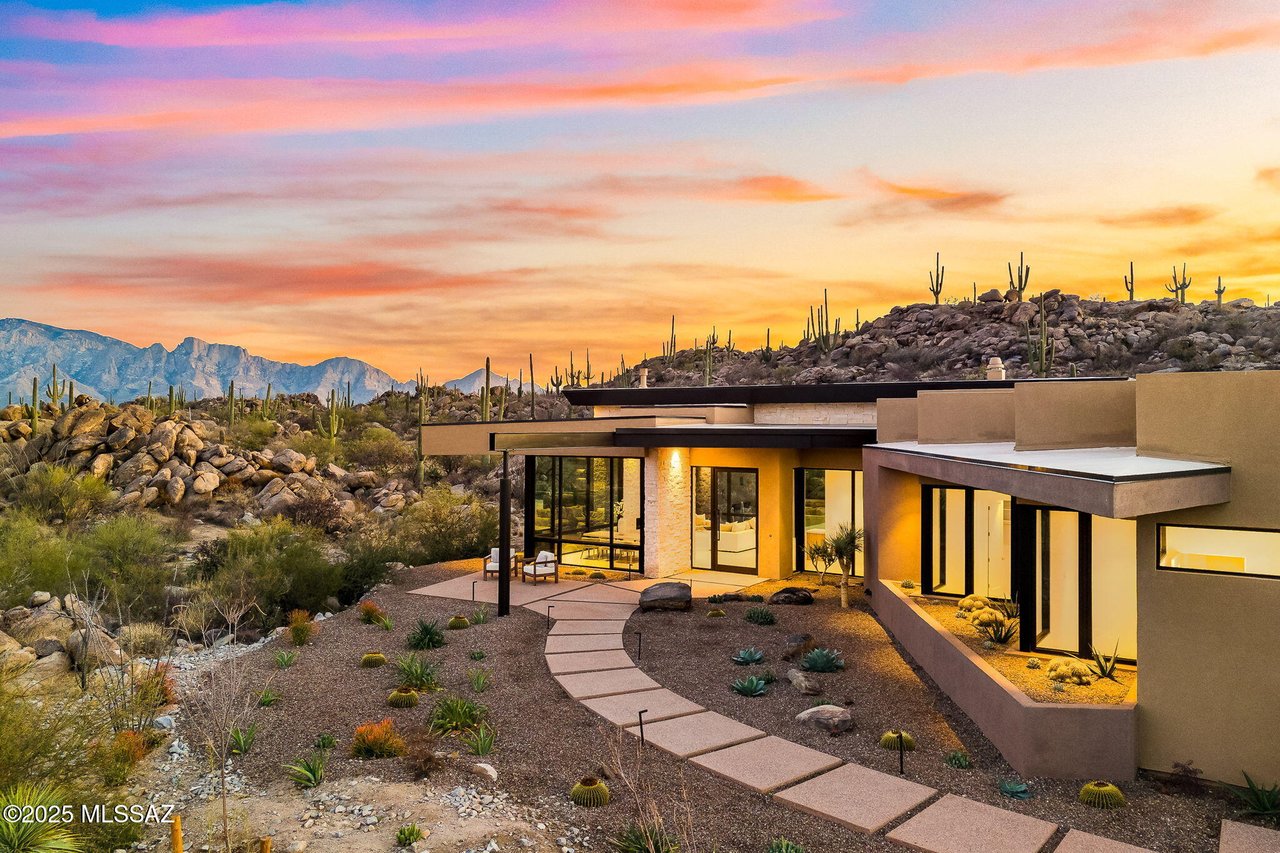
In Catalina Foothills, buyers may encounter everything from midcentury architecture and established estates to contemporary mountainside homes designed around dramatic city and Catalina Mountain views.
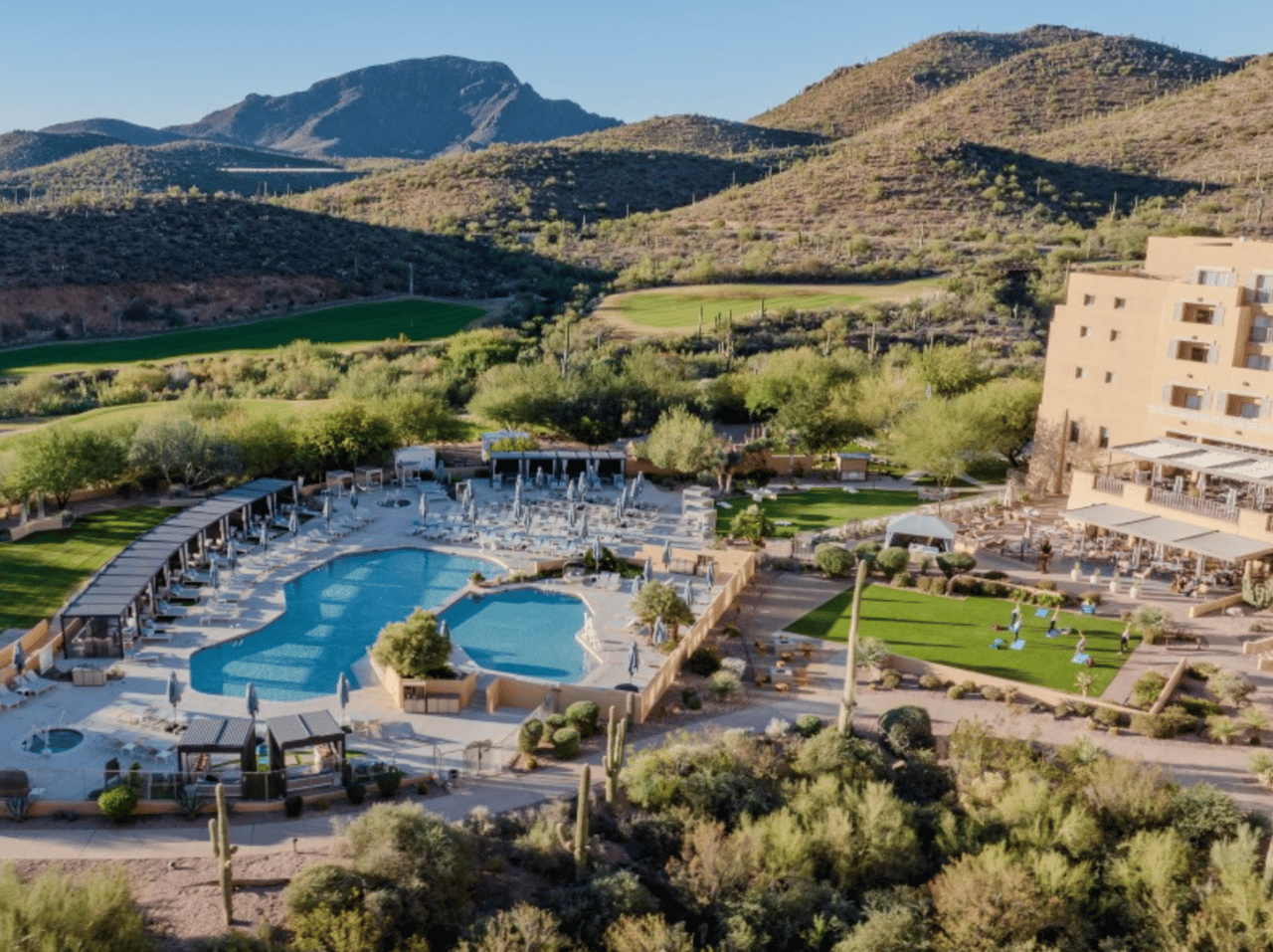
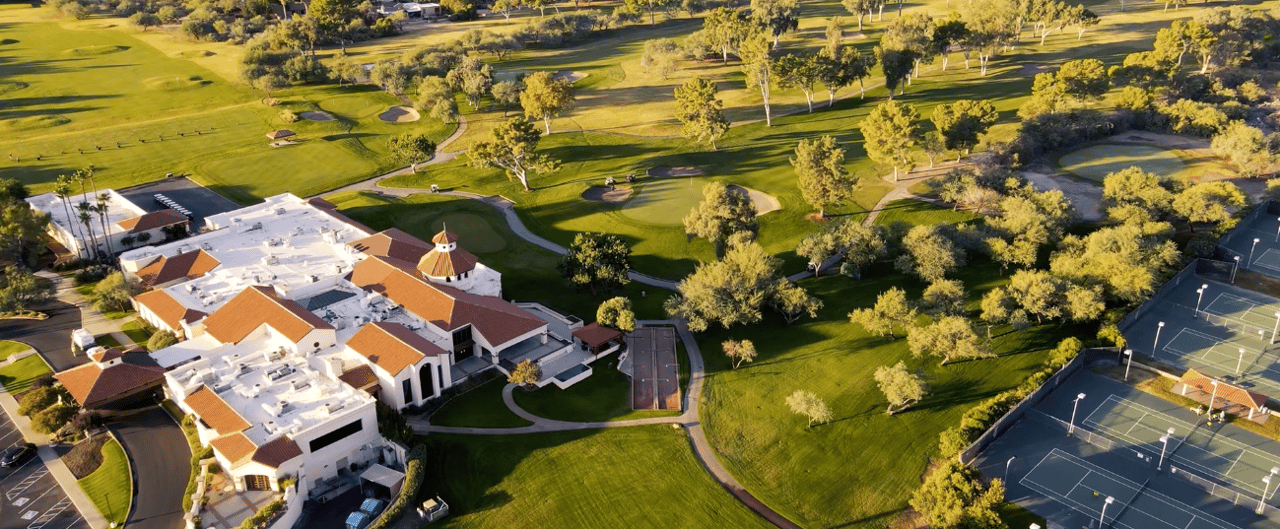
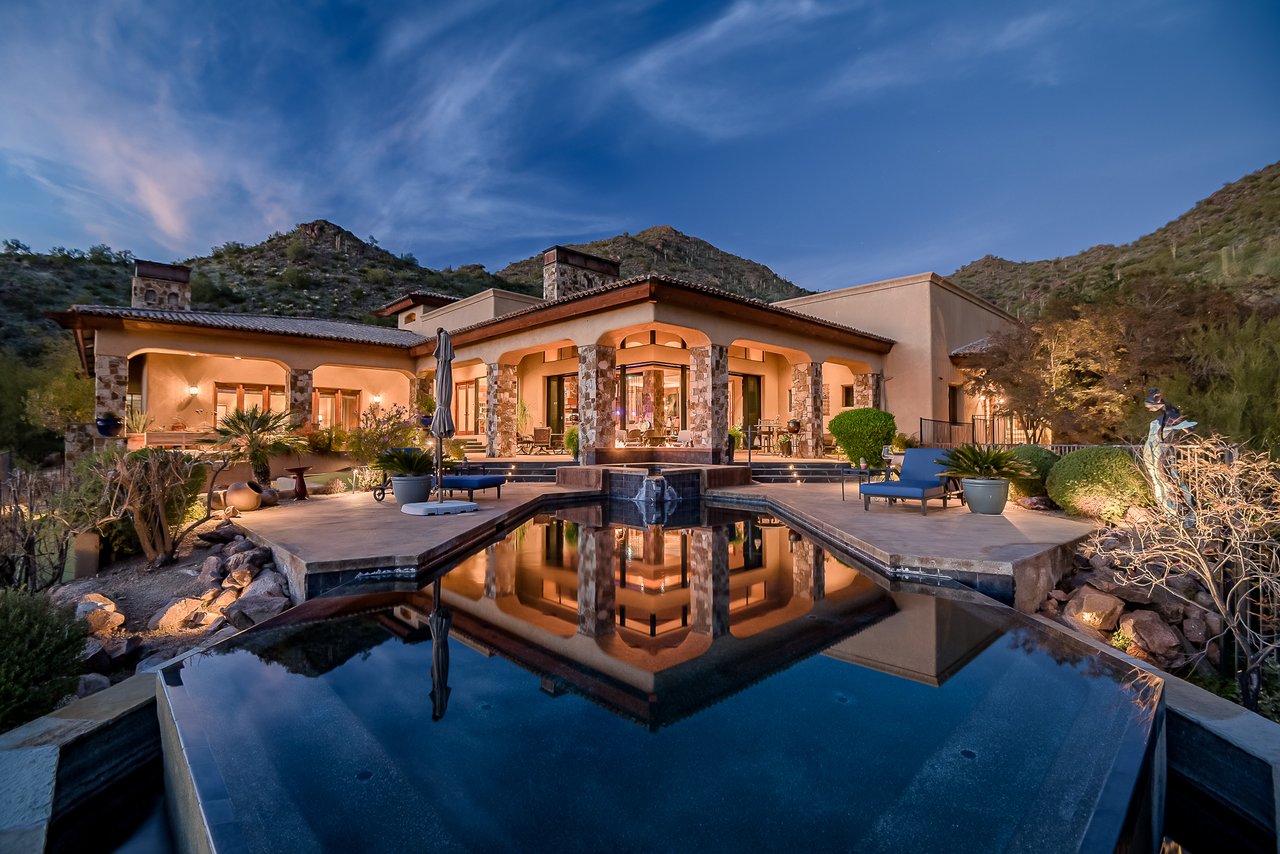
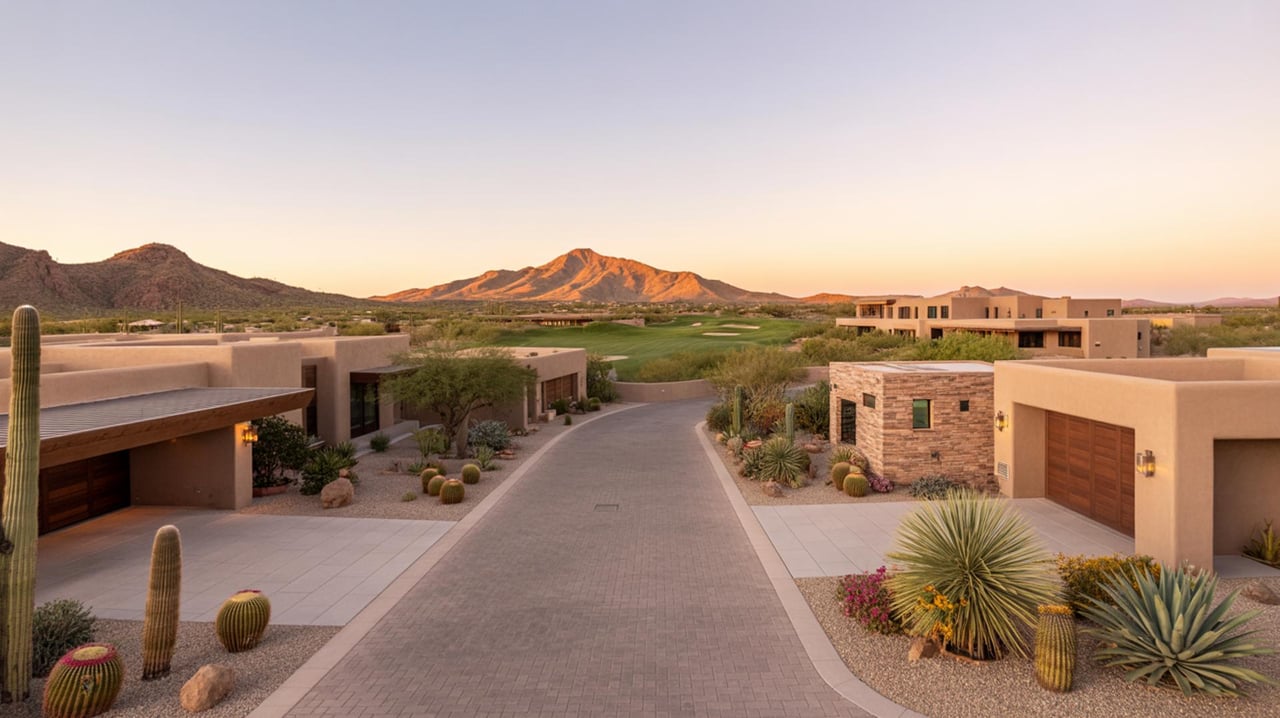
Ventana Canyon combines gated living, golf, resort amenities, desert scenery, and architecturally distinctive homes along the northeastern foothills.
Pima Canyon is known for privacy, custom properties, mountain settings, and limited opportunities within one of the foothills’ most recognizable gated communities.
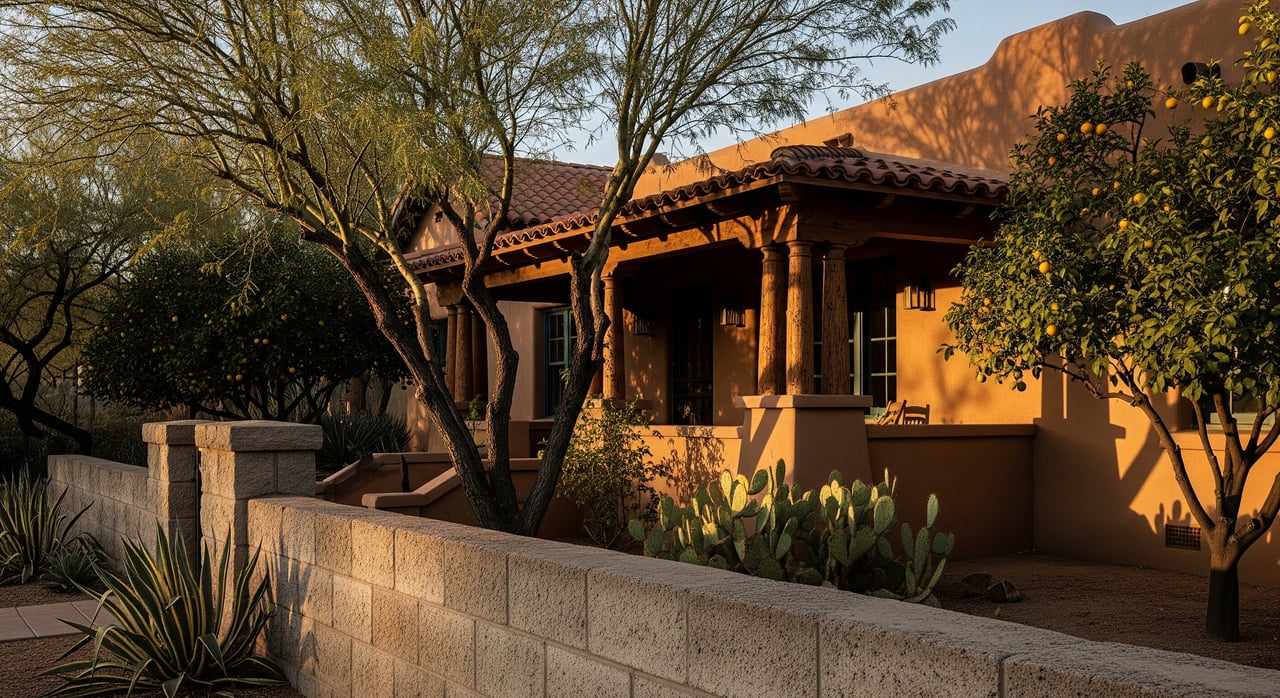
Tucson Country Club offers an entirely different form of luxury: mature landscaping, larger lots, central accessibility, established architecture, and a residential atmosphere that feels unusually green for the Sonoran Desert.
The Canyons and Canyon Pass appeal to buyers seeking dramatic custom architecture, elevation, privacy, and expansive desert or mountain views.
Oro Valley and Dove Mountain broaden the luxury conversation further, offering golf communities, newer construction, resort-oriented living, and access to the Tortolita and Catalina Mountain landscapes.
These communities should not be evaluated as interchangeable collections of expensive homes.
Each represents a different interpretation of Tucson luxury.
And each attracts buyers with different priorities.
Understanding those distinctions is part of accurately valuing, positioning, and marketing a luxury property.
Tucson Luxury Is Not a Single Aesthetic
A buyer searching for an architecturally significant desert home may evaluate value very differently from someone looking for a historic estate, a contemporary mountainside property, or a private compound on several acres.
Price per square foot can provide useful information.
Comparable sales matter.
Market statistics matter.
But luxury real estate often requires a deeper level of interpretation.
Two homes with similar square footage may offer completely different experiences.
One may have exceptional architecture.
Another may have irreplaceable views.
One may offer privacy that cannot be recreated.
Another may sit on a property with historical significance or extraordinary land.
The most interesting homes are rarely understood through a single number.
How the Meaning of Luxury Has Changed
In 2007, luxury was often discussed through visible symbols.
An $8 million home.
A Bentley in the parking lot.
Shopping at La Encantada.
Larger estates.
Higher sale prices.
Those symbols still exist.
But nearly 20 years later, I believe the definition of luxury has become more nuanced.
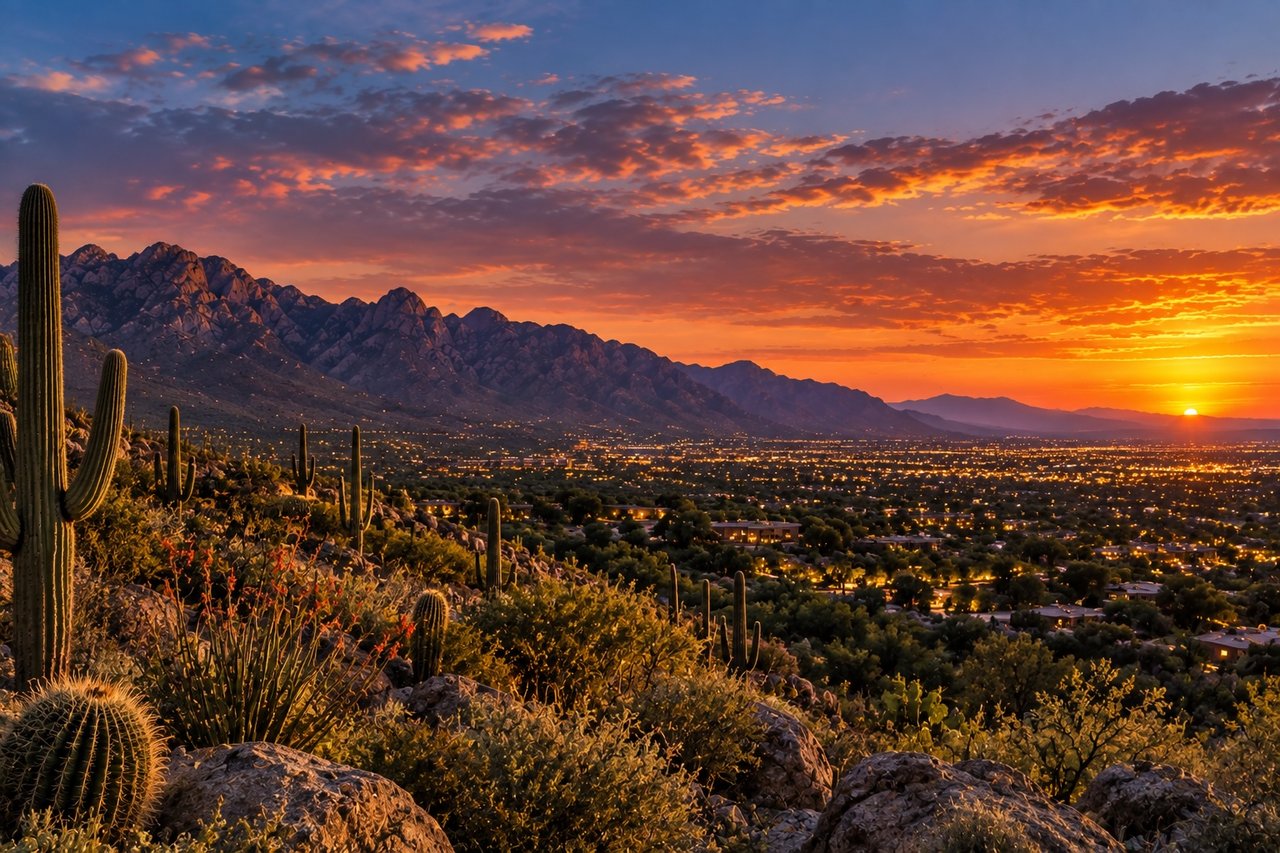
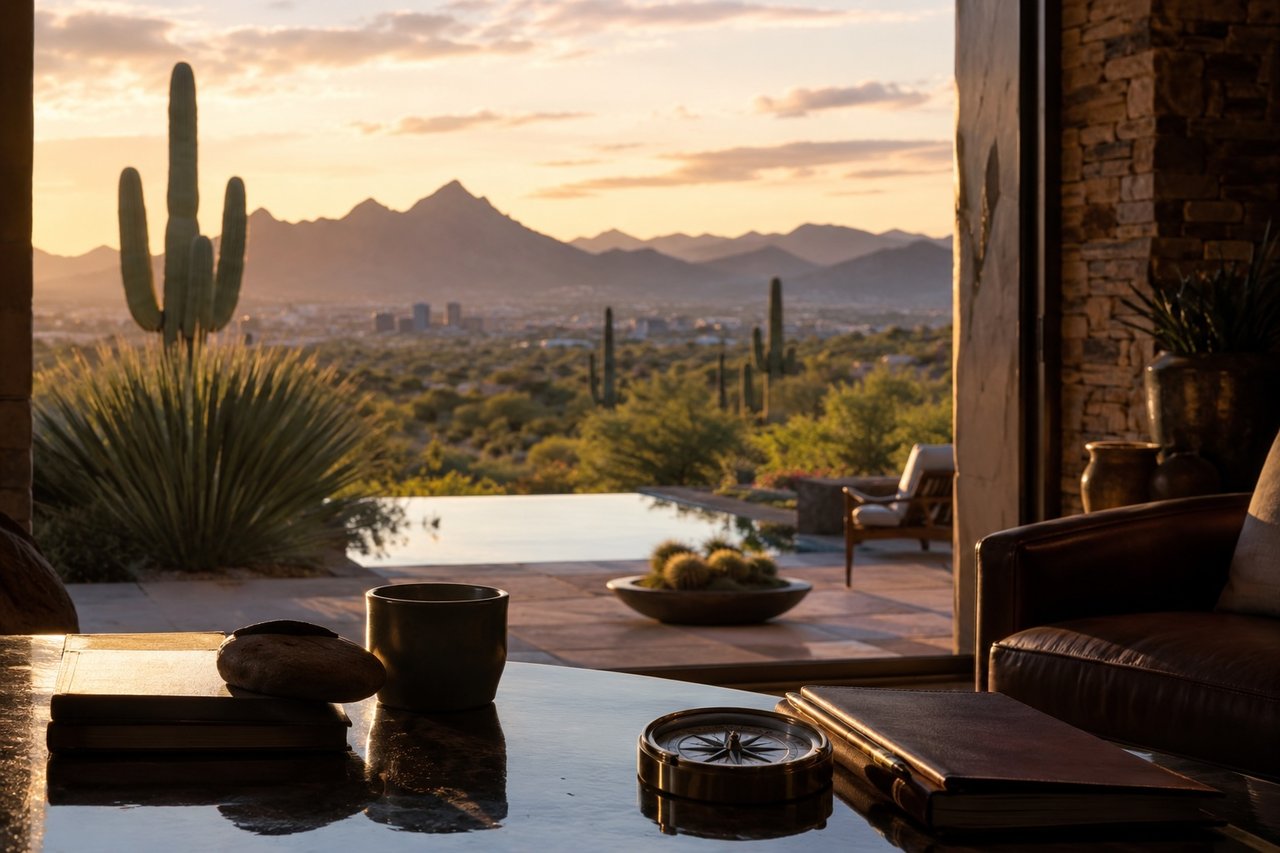
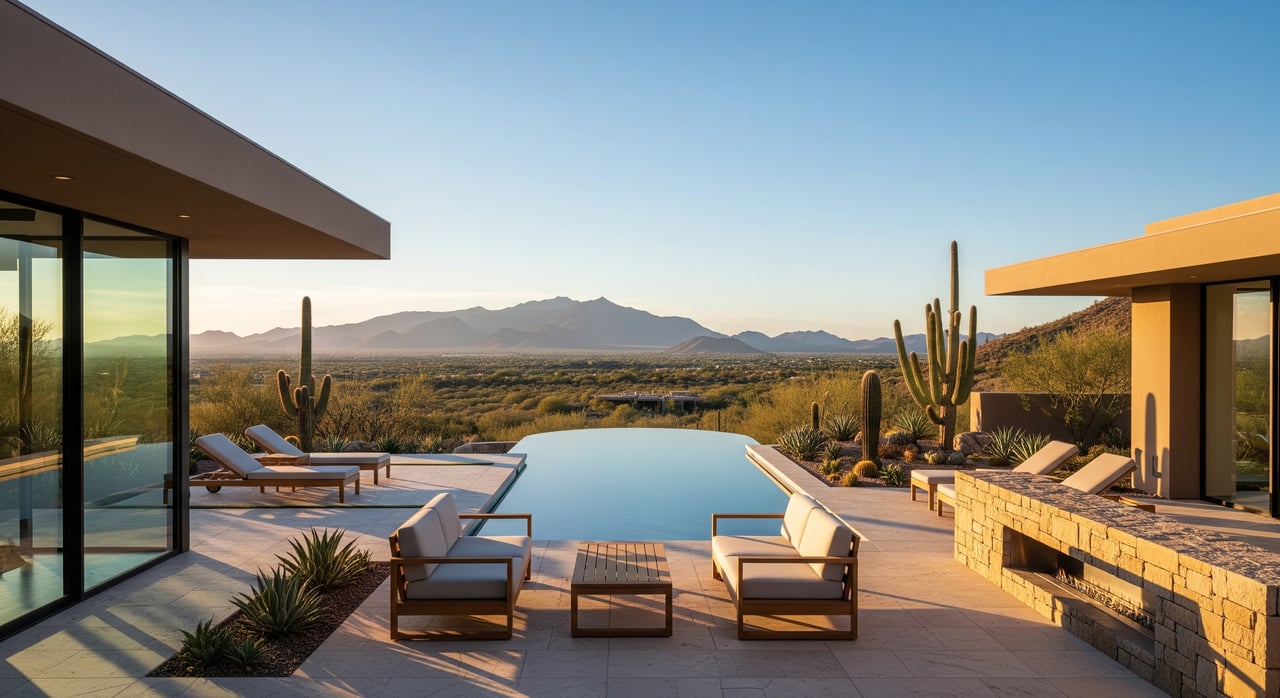
Today, luxury may mean waking up to an unobstructed view of the Catalina Mountains.
It may mean owning enough land that your neighbors disappear into the landscape.
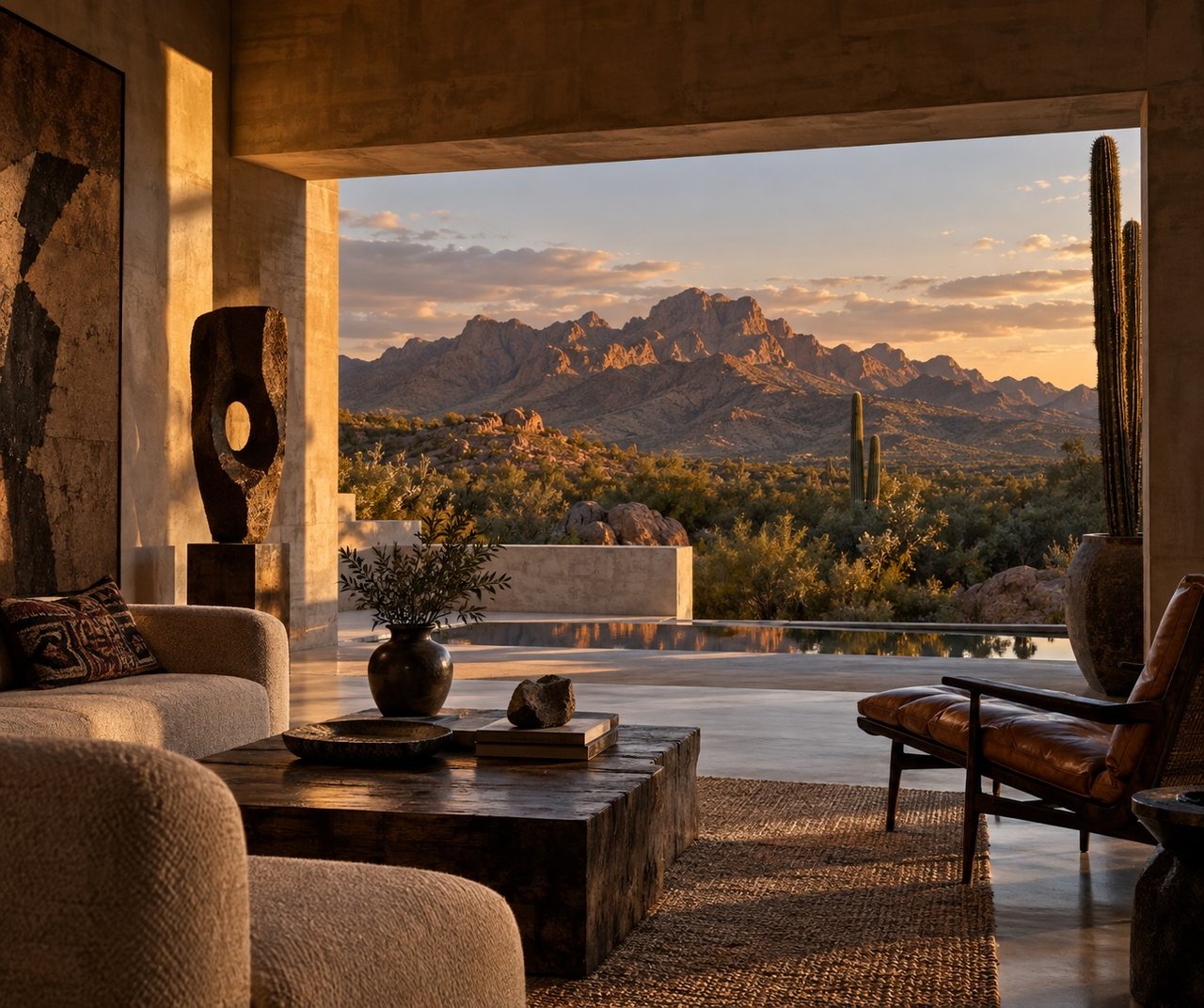
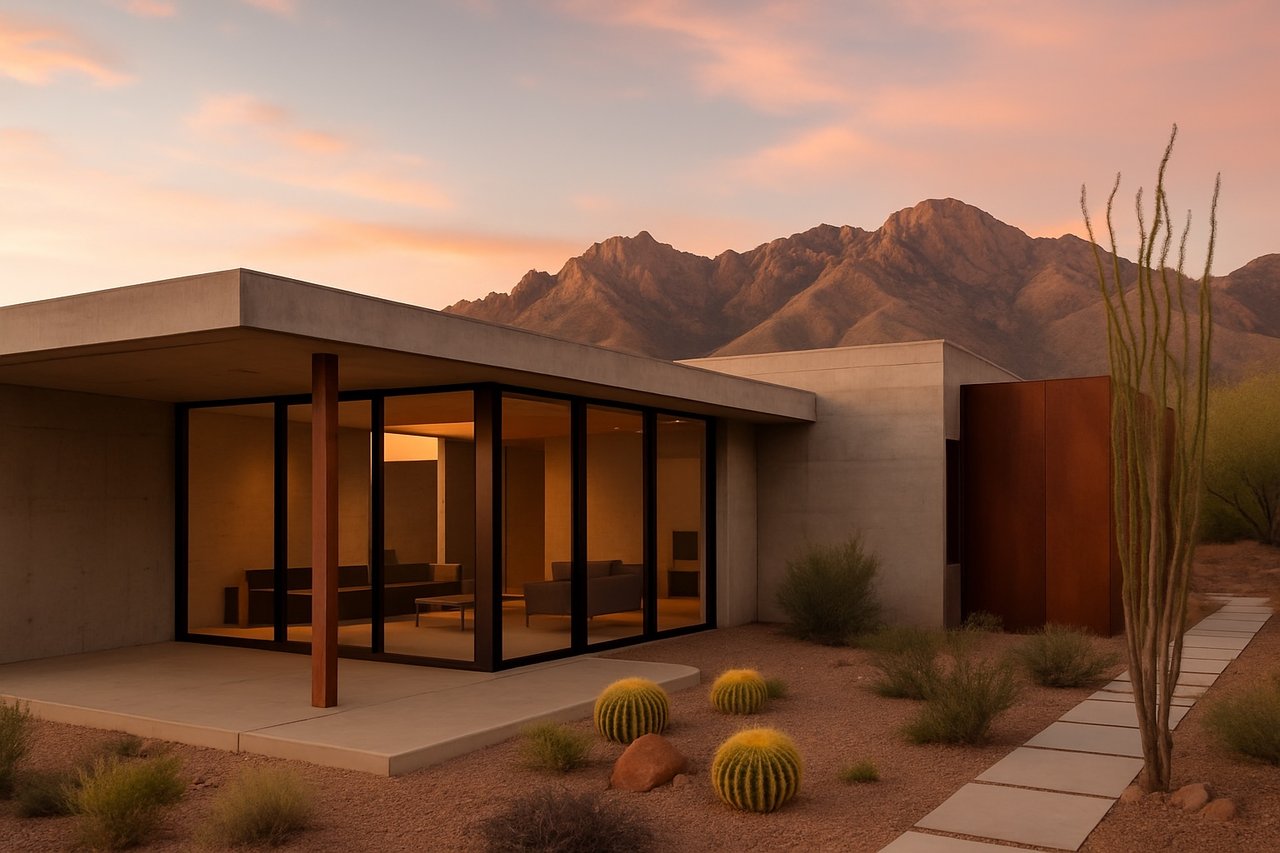
It may mean living in a home designed specifically for the desert rather than imported from somewhere else.
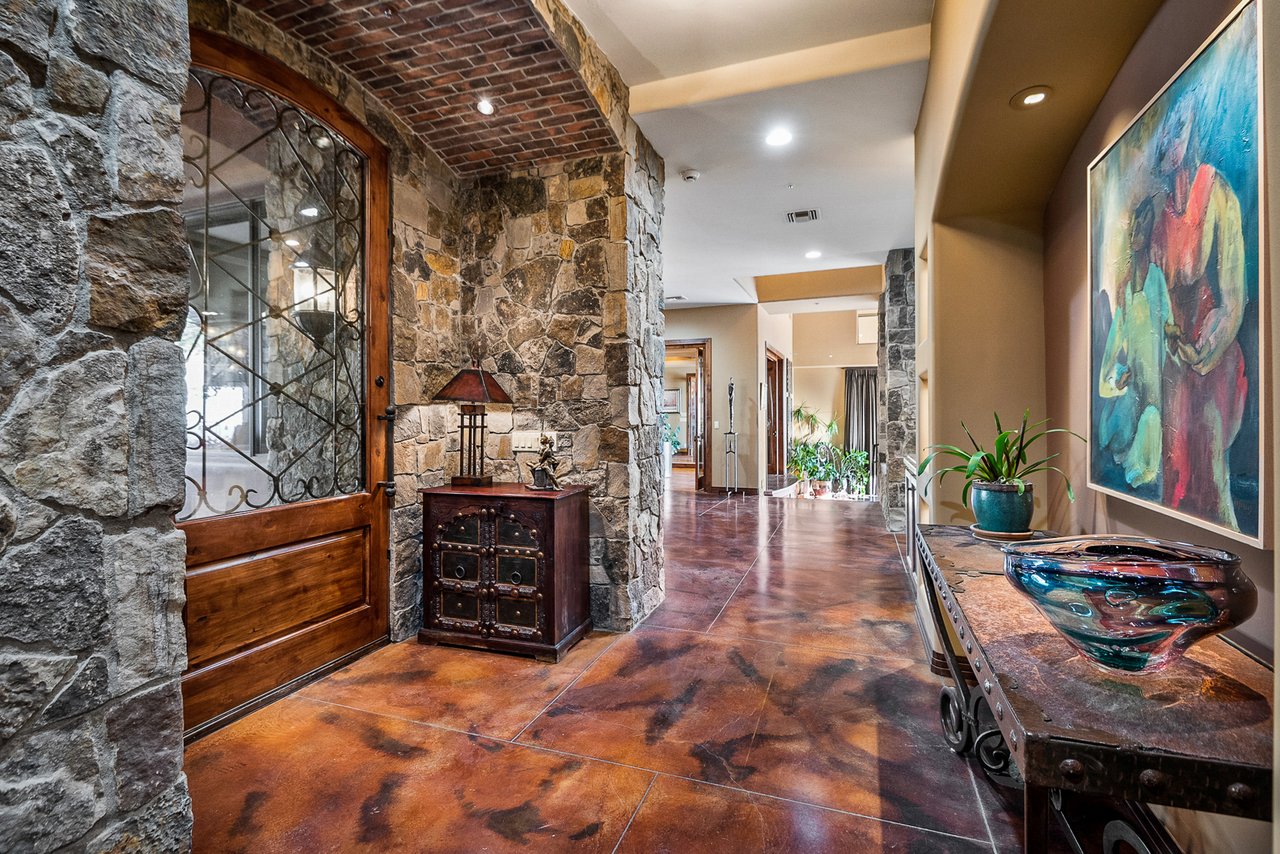
It may mean architecture with provenance.
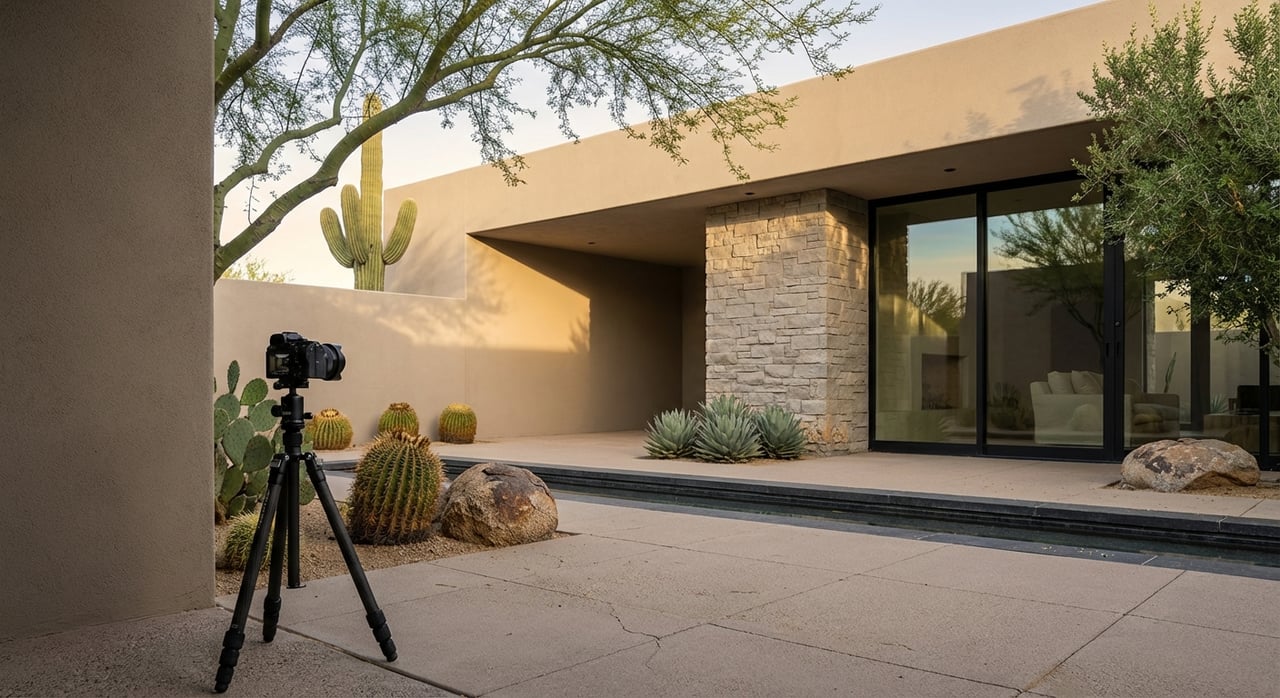
A courtyard that changes throughout the day as the light moves across it.
A home that has evolved over decades rather than being designed around the latest trend.
Or simply having enough privacy, beauty, and quiet that life feels different when you arrive home.
The evolution of Tucson luxury real estate is not simply a story about increasing prices.
It is a story about increasing sophistication.
The Most Interesting Homes Are Rarely the Most Obvious
This is where my own philosophy about real estate has evolved.
I have become increasingly interested in what I think of as intellectual maximalism.
Not maximalism in the traditional sense of simply having more.
More furniture.
More color.
More objects.
More decoration.
Intellectual maximalism is about layers.
History.
Context.
Contradictions.
Ideas.
It is the understanding that the most interesting things in life are rarely explained by a single number, trend, or aesthetic.
I believe the same is true of real estate.
A home can be architecturally significant but imperfect.
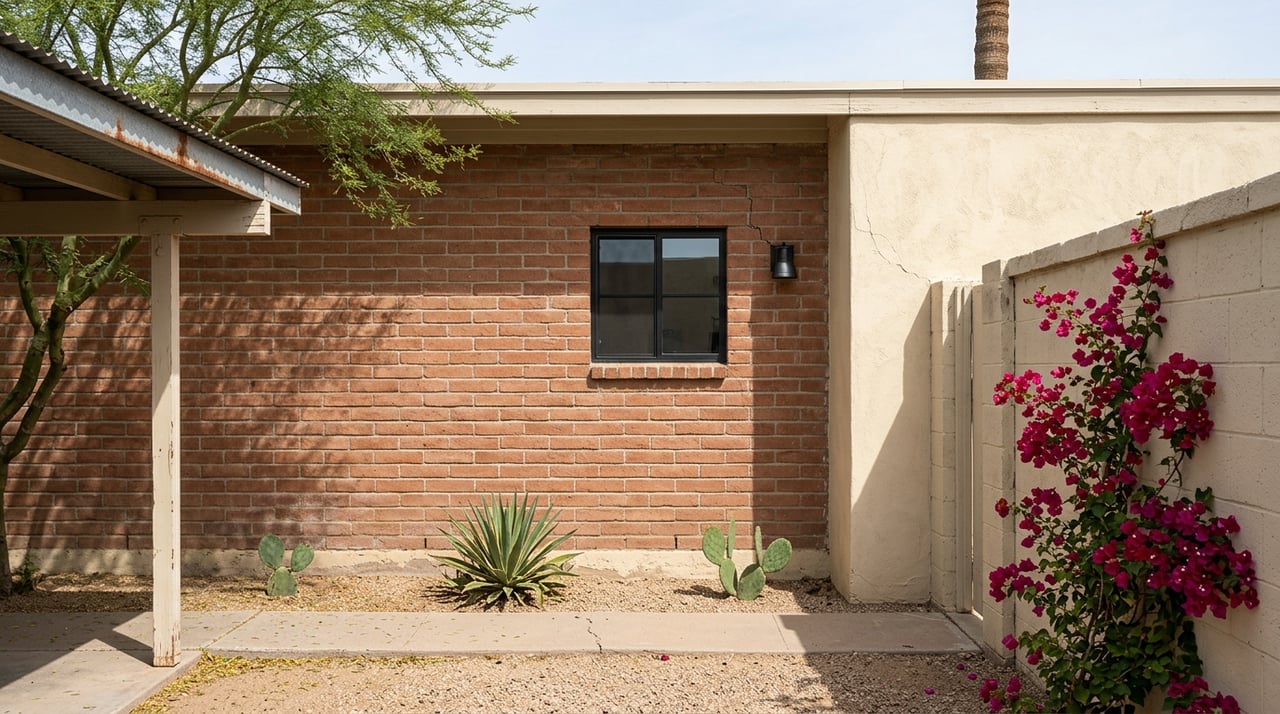
Historic but modernized.
Understated but extraordinarily valuable.
Luxurious without being conventionally glamorous.
The same is true of Tucson.
This city has never been particularly interested in explaining itself quickly.
You have to spend time here.
You have to understand the neighborhoods.
The architecture.
The history.
The mountains.
The strange beauty of the desert.
The differences between Catalina Foothills, Tucson Country Club, Ventana Canyon, Pima Canyon, the historic neighborhoods near the center of the city, and the increasingly sophisticated communities extending north toward Oro Valley and Dove Mountain.
Tucson rewards curiosity.
I believe the same is true of good real estate.
What Representing Tucson Buyers and Sellers Has Taught Me
After years of representing buyers and sellers throughout Tucson, I have learned that luxury real estate decisions are rarely driven by one feature or one statistic.
A buyer may initially say that square footage is the priority, only to realize that privacy, natural light, or an uninterrupted mountain view is what creates the strongest emotional response.
A seller may focus on a nearby price-per-square-foot comparison even though the property’s architecture, lot orientation, guest accommodations, land, or renovation quality places it in a different competitive category.
This is especially true in Tucson, where two homes of similar size may offer fundamentally different experiences.
One may sit on a ridge overlooking the city.
Another may be surrounded by mature vegetation in Tucson Country Club.
One may carry architectural provenance.
Another may provide acreage, equestrian possibilities, or multigenerational living.
One may be beautifully renovated but easily replicated.
Another may be imperfect yet impossible to recreate.
My responsibility is not simply to present clients with more information.
It is to determine which information matters, place it into the correct local context, and help clients understand the consequences of each decision.
That combination of local knowledge, pattern recognition, negotiation experience, and property-specific judgment is particularly important in a luxury market where the most valuable attributes are not always visible in automated estimates.
The Five Elements of Tucson Luxury
When I evaluate a distinctive Tucson property, I generally consider five interconnected elements.
Place
How does the property relate to its neighborhood, elevation, landscape, views, privacy, and surrounding development?
A luxury property does not exist in isolation.
Its setting is part of its value.
Architecture
Was the home meaningfully designed for its setting, or could it have been built almost anywhere?
The most compelling Tucson homes often respond directly to the desert, the mountains, the light, and the landscape.
Irreplaceability
Which characteristics would be difficult, prohibitively expensive, or impossible to reproduce today?
Land.
Views.
Privacy.
Architecture.
Materials.
History.
In luxury real estate, scarcity often matters as much as size.
Lifestyle
How does the property support the owner’s actual life through entertaining, privacy, outdoor living, recreation, work, guests, or multigenerational needs?
Luxury should not simply be impressive.
It should be meaningful to the person living there.
Market Context
How does the property compare not only with recent sales, but with the limited alternatives available to the buyer at that particular moment?
This framework recognizes that luxury value is both quantitative and qualitative.
Comparable sales establish context.
Irreplaceability creates distinction.
And the market ultimately determines what a qualified buyer is willing to pay for the combination.
What the 2007 Prediction Got Right
Reading the original article today, what strikes me most is the optimism.
The people interviewed believed Tucson was growing into itself.
They saw increasing wealth.
A stronger cultural community.
More sophisticated real estate.
Returning residents.
Greater confidence in the city’s future.
Nearly two decades later, many of those observations feel remarkably prescient.
But I think the most important prediction was never explicitly stated.
Tucson was beginning to understand that it did not need outside validation to become a serious luxury market.
That transformation takes time.
Cities, like people, often spend years comparing themselves to others before understanding what makes them distinctive.
The Tucson of 2007 was still asking whether it could compete.
The Tucson of today can ask a much more sophisticated question:
Why compete at all?
Real Estate Markets Change. Human Nature Changes Much More Slowly.
Think about everything that has happened since that article was published.
The housing crisis.
The Great Recession.
Years of recovery.
Historically low interest rates.
A global pandemic.
Extraordinary housing appreciation.
Changing migration patterns.
Remote work.
Rising construction costs.
Changing interest rates.
New technology.
Social media.
The rise of real estate portals and instant access to market information.
The mechanics of buying and selling real estate have changed enormously.
Human nature has not.
People still want to feel confident about their decisions.
Sellers still struggle with the emotional relationship between price and value.
Buyers still wonder whether they are purchasing at the right time.
People still compare one city to another.
One neighborhood to another.
One house to another.
And the most consequential real estate decisions still require something no algorithm has fully replaced.
Judgment.
Information Has Become Abundant. Perspective Has Become More Valuable.
In 2007, consumers had far less access to real estate information.
Today, almost anyone can see listings, sales history, estimated values, neighborhood data, mortgage rates, and market statistics within seconds.
That is a tremendous improvement.
But access to more information has created an interesting paradox.
The more information we have, the more difficult it can become to determine which information actually matters.
A buyer can analyze hundreds of homes online and still misunderstand a neighborhood.
A seller can study automated valuations and still misjudge the market.
A homeowner can watch national real estate news every day and still have little understanding of what is happening on their own street.
Data tells us what happened.
Context helps us understand why.
Judgment helps us decide what to do next.
That distinction has become increasingly important to how I approach real estate.
My role is not simply to provide access to information.
Information is everywhere.
My role is to help clients interpret it.
What Today’s Tucson Buyers and Sellers Can Learn From 2007
Perhaps the greatest lesson from the original article is that markets are often changing before the broader public fully recognizes the transformation.
By the time a trend becomes obvious, it has usually been developing for years.
That is why understanding real estate requires more than watching prices.
You have to watch people.
Where are they moving?
Where are they returning?
What are they building?
What are they preserving?
What are they willing to pay a premium to own?
And perhaps most importantly:
What are sophisticated buyers beginning to value that the broader market has not yet fully recognized?
Those questions were relevant in 2007.
They remain relevant today.
Nearly 20 Years Later, Tucson Is Still Becoming
Perhaps that is the most interesting conclusion.
The 2007 article captured Tucson at a particular moment.
A city growing.
Changing.
Becoming wealthier.
More confident.
More culturally sophisticated.
Nearly two decades later, the story is not finished.
Tucson is still evolving.
New residents continue to discover it.
Former residents continue to return.
Architects, builders, artists, entrepreneurs, retirees, families, and investors continue to reinterpret what life in the desert can look like.
And the Tucson luxury real estate market continues to mature.
But I hope Tucson never becomes too polished.
Too predictable.
Too easily explained.
Because the most interesting cities, like the most interesting homes and people, contain contradictions.
They have history.
Patina.
Imperfections.
Surprises.
Layers.
They feel collected rather than manufactured.
In 2007, Tucson wondered whether it was ready for an $8 million home sale.
Nearly 20 years later, perhaps the more interesting realization is this:
Tucson was never waiting to become somewhere else.
We were simply learning to recognize the value of what was already here.
And sometimes, the greatest luxury is understanding the difference.
Frequently Asked Questions About Tucson Luxury Real Estate
Is Tucson considered a luxury real estate market?
Yes. Tucson has an established luxury real estate market encompassing custom estates, architecturally significant homes, gated communities, historic properties, golf communities, and large desert estates. Prominent luxury areas include Catalina Foothills, Ventana Canyon, Pima Canyon, Tucson Country Club, The Canyons, and Canyon Pass, along with select communities throughout Oro Valley and Dove Mountain.
How has Tucson luxury real estate changed since 2007?
Since 2007, Tucson’s luxury real estate market has matured through a combination of local wealth, returning residents, seasonal homeowners, entrepreneurs, and affluent buyers relocating from other markets. The definition of luxury has also expanded beyond price and size to include architecture, privacy, views, land, scarcity, construction quality, and connection to the Sonoran Desert.
What defines a luxury home in Tucson?
Luxury in Tucson may include architectural distinction, exceptional mountain or city views, privacy, acreage, custom construction, historic provenance, premium materials, unique locations, and a strong relationship between indoor and outdoor living. Because Tucson luxury properties can differ significantly, value often requires a more nuanced analysis than price per square foot alone.
Which Tucson neighborhoods are known for luxury real estate?
Prominent Tucson luxury areas include Catalina Foothills, Ventana Canyon, Pima Canyon, Tucson Country Club, The Canyons, and Canyon Pass. Oro Valley and Dove Mountain also offer distinctive luxury opportunities, including golf communities, custom estates, newer construction, and resort-oriented living.
Why do affluent buyers choose Tucson instead of Scottsdale?
Many affluent buyers are attracted to Tucson’s privacy, distinctive architecture, mountain and desert settings, larger parcels, cultural identity, and connection to the Sonoran Desert. Tucson and Scottsdale offer fundamentally different interpretations of Arizona luxury, and buyers often choose Tucson because of its sense of place, history, architecture, and understated character.
Are local or out-of-state buyers driving Tucson’s luxury market?
Both local and relocating buyers play important roles in Tucson’s luxury real estate market. The market includes established Tucson residents, entrepreneurs, returning Tucsonans, seasonal homeowners, retirees, and affluent buyers relocating from across the United States.
Why are Tucson luxury homes difficult to value using price per square foot?
Price per square foot is a useful reference point, but it cannot fully measure architecture, privacy, acreage, views, renovation quality, historical significance, lot orientation, guest facilities, or the scarcity of comparable properties.
Tucson luxury homes often require a property-specific analysis that combines recent sales with qualitative differences and the alternatives available to buyers at that particular moment.
Source and Historical Context
This essay was inspired by Bud Foster’s KOLD News 13 article, “$8,000,000 Record Won’t Last Long,” originally published on November 2, 2007.
The original report documented an $8 million Ventana Canyon sale, the growing participation of local buyers in Tucson’s luxury market, the return of former Tucson residents, and the belief that Tucson was becoming increasingly competitive with other Southwestern luxury destinations.
This article revisits those observations through the perspective of today’s Tucson real estate market.
About Daniel Sotelo
Daniel Sotelo is a Tucson native and luxury real estate advisor with Russ Lyon Sotheby’s International Realty.
He represents buyers and sellers throughout Tucson and Southern Arizona, with experience involving luxury homes, distinctive properties, custom estates, investment properties, and complex real estate negotiations.
Daniel’s approach combines local market knowledge, strategic property positioning, thoughtful negotiation, and an appreciation for architecture, design, and the character of the Sonoran Desert.
He holds the Certified Luxury Home Marketing Specialist designation and has represented clients across Catalina Foothills, Ventana Canyon, Tucson Country Club, Starr Pass, Oro Valley, Dove Mountain, and surrounding Tucson communities.
For Daniel, luxury representation is not simply about presenting an expensive property.
It is about understanding what makes that property exceptional—and communicating its value to the right audience.
For buyers and sellers considering Tucson’s luxury real estate market, the most valuable information is rarely found in a single statistic.
It comes from understanding the property, the neighborhood, the history, the market, and the people shaping it.
To discuss buying or selling a distinctive property in Tucson or Southern Arizona, contact Daniel Sotelo for strategic, highly personalized real estate representation.