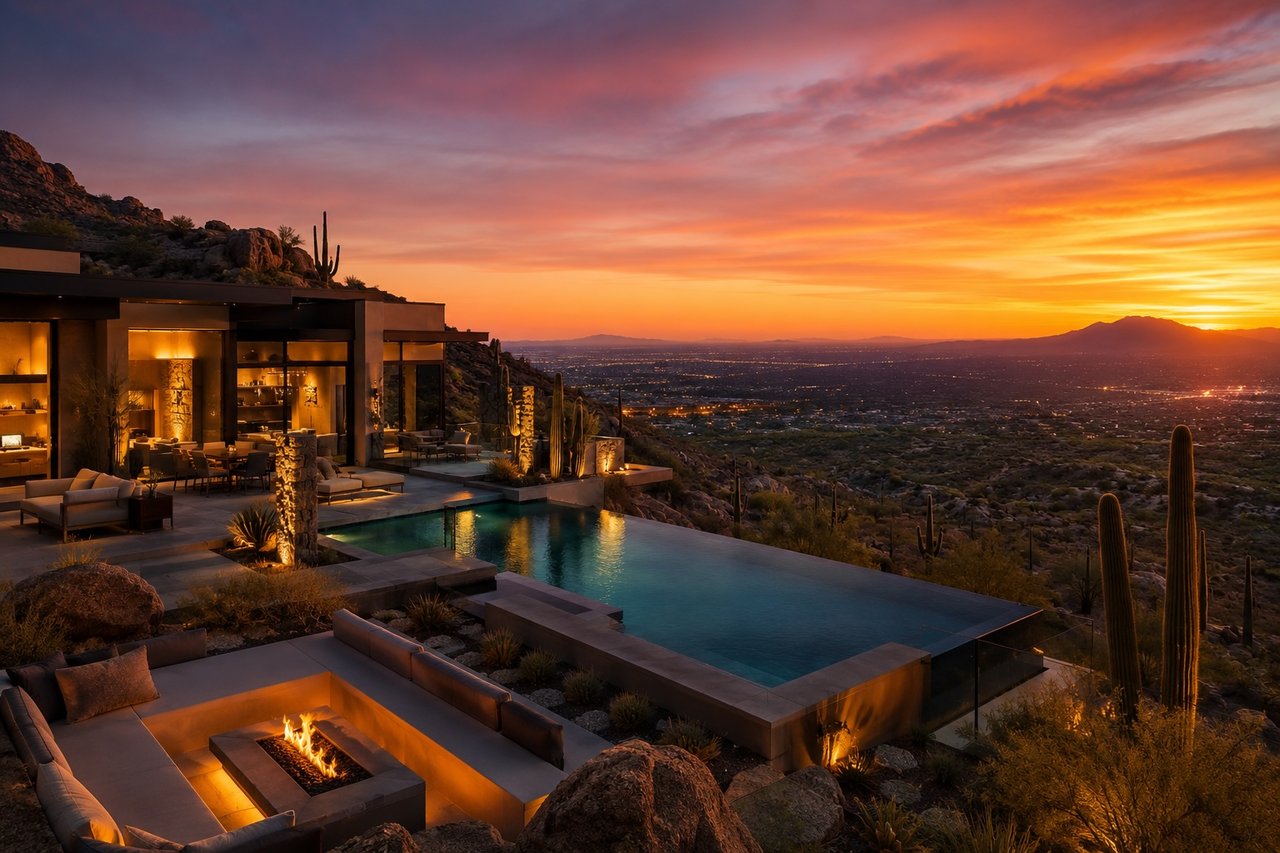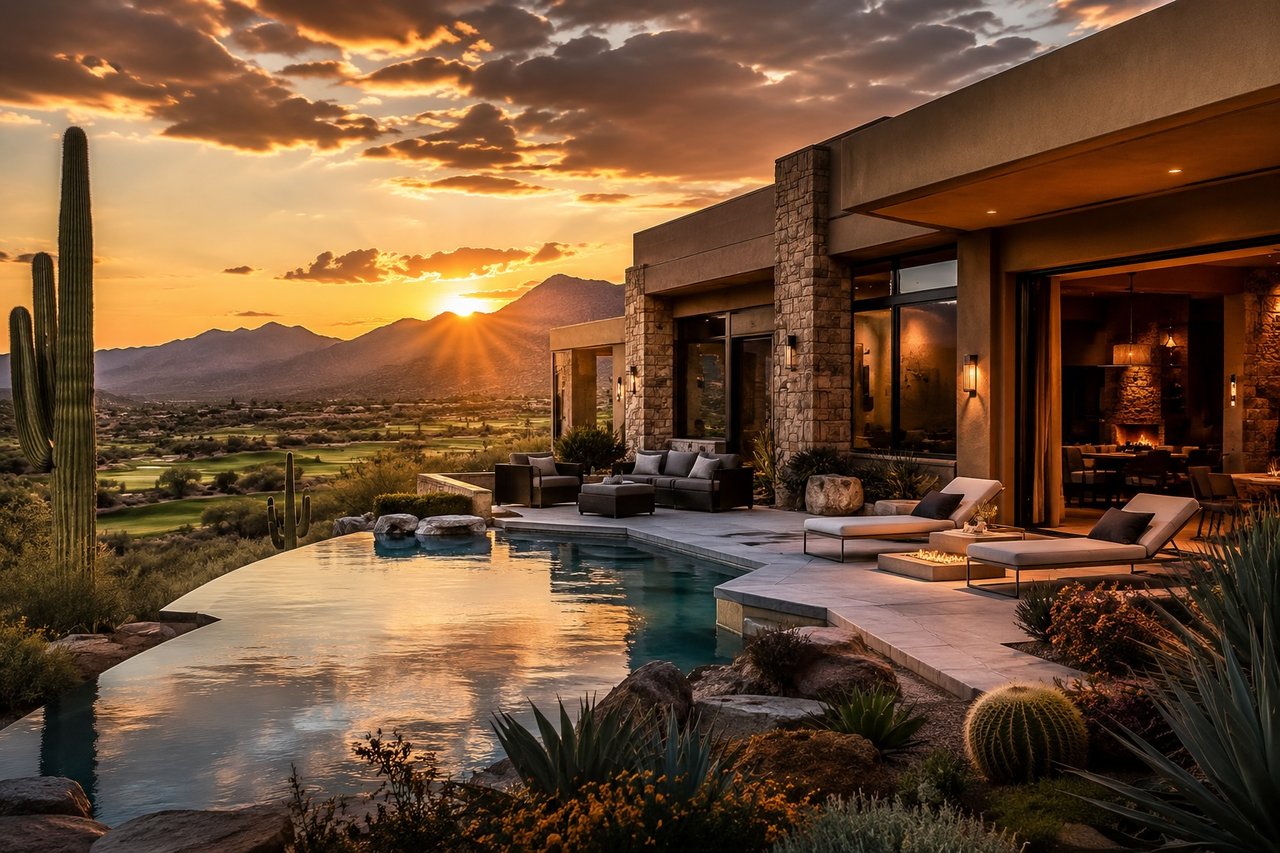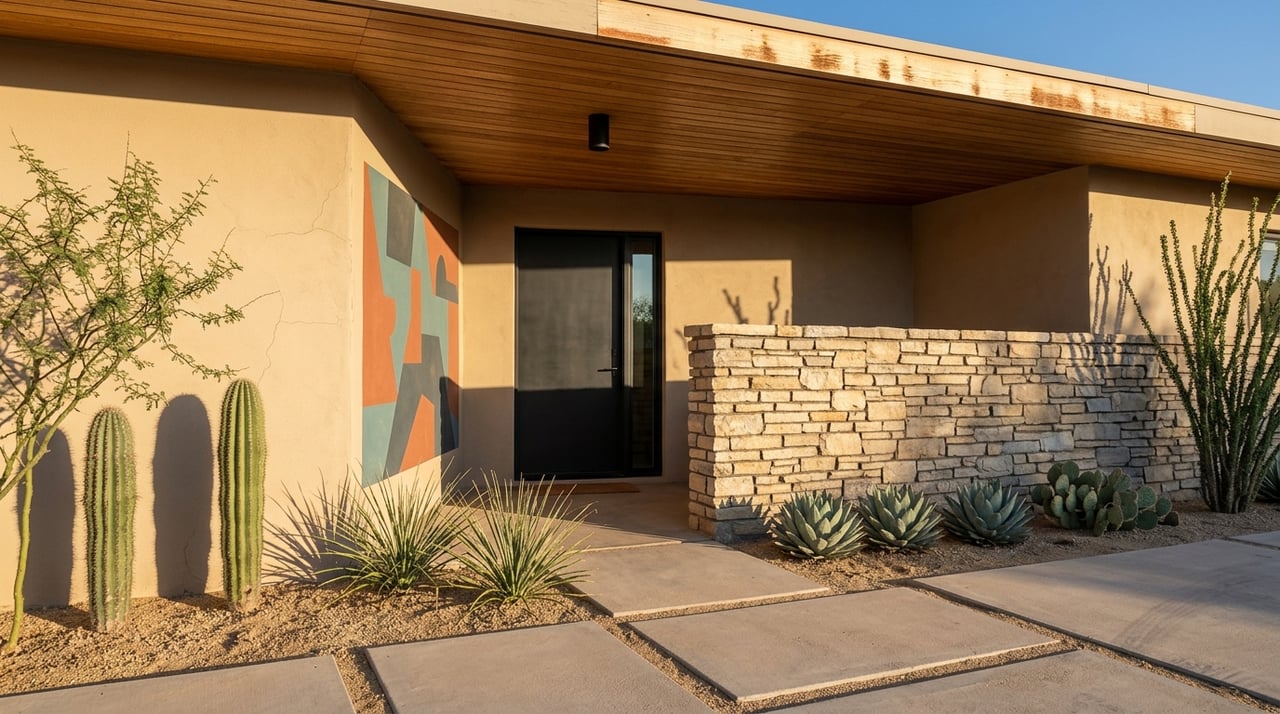
If you are searching for a home in Ventana Canyon Country Club, you will notice something right away: the architecture feels consistent, but not repetitive. That is part of what makes this Catalina Foothills community so appealing. You get a clear desert-resort identity, yet each home can tell a different design story.
For buyers, that variety can be exciting and a little confusing at the same time. You may see one home described as desert contemporary, another as Territorial, and another with Santa Fe or Mediterranean influence. This guide will help you understand the main architectural styles in Ventana Canyon homes and what those styles can mean for daily living, views, light, and long-term appeal. Let’s dive in.
Why Ventana Canyon Homes Vary
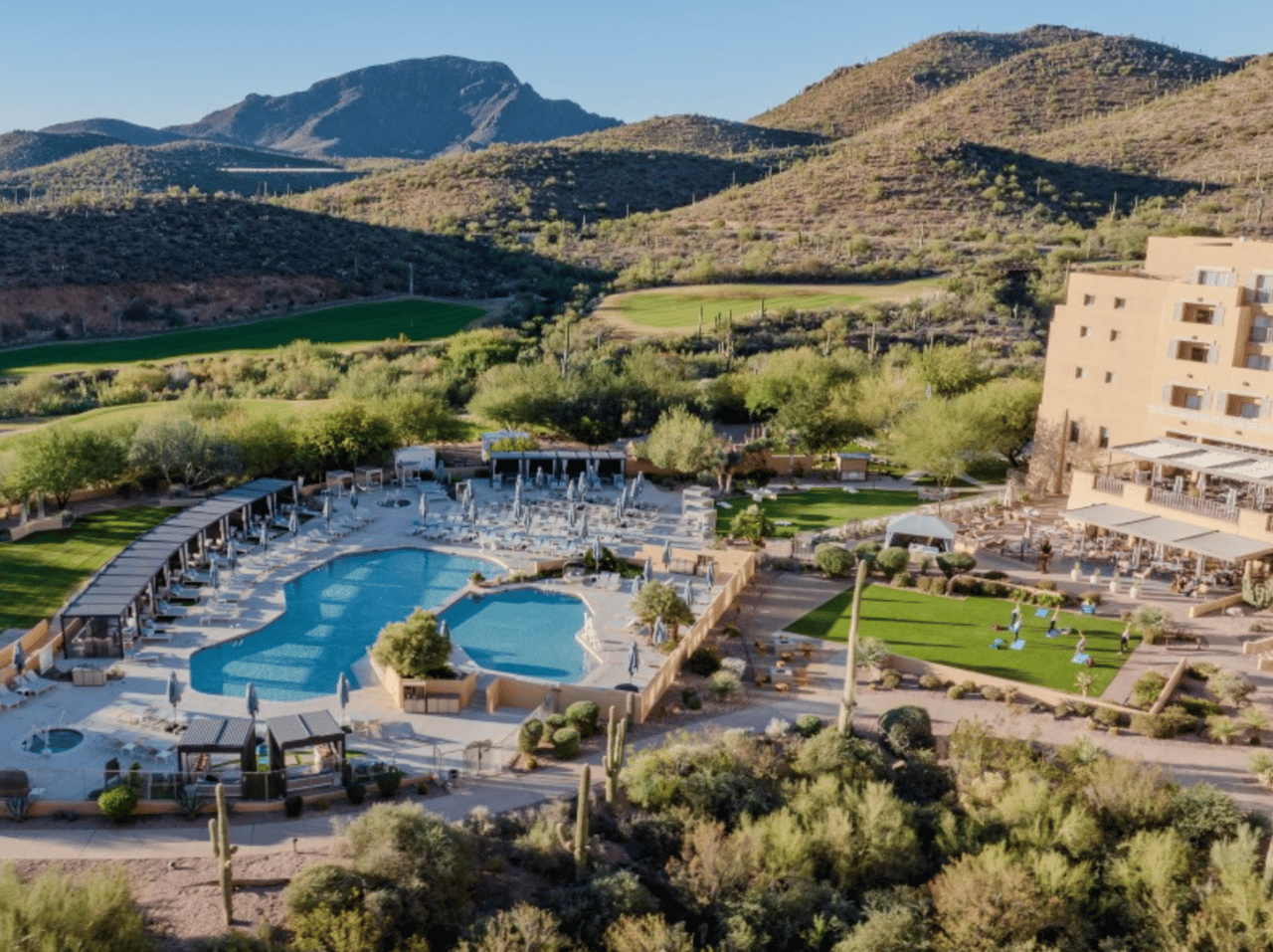
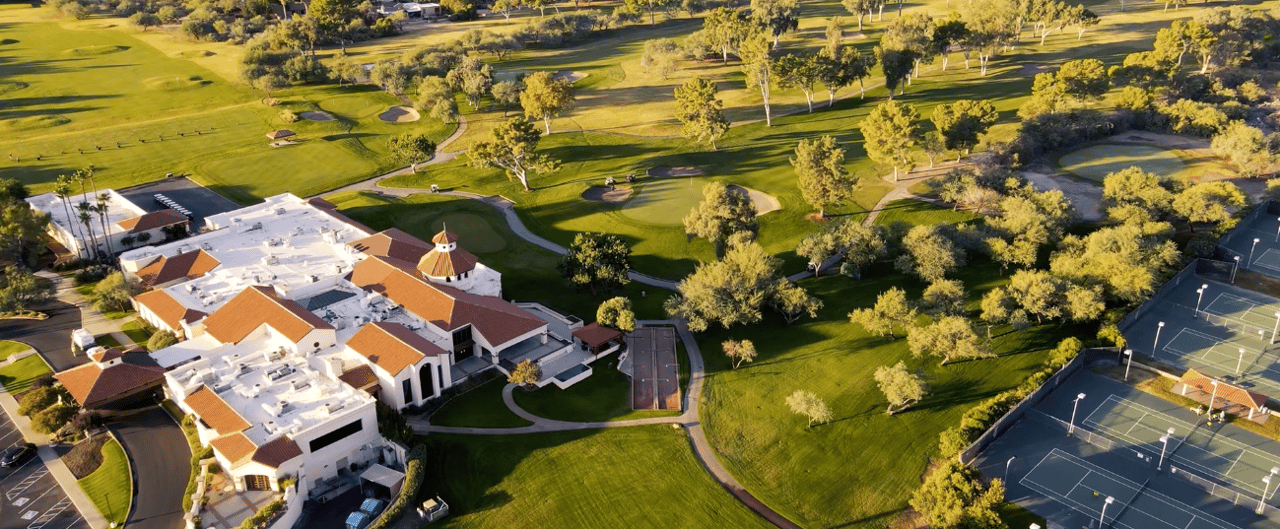
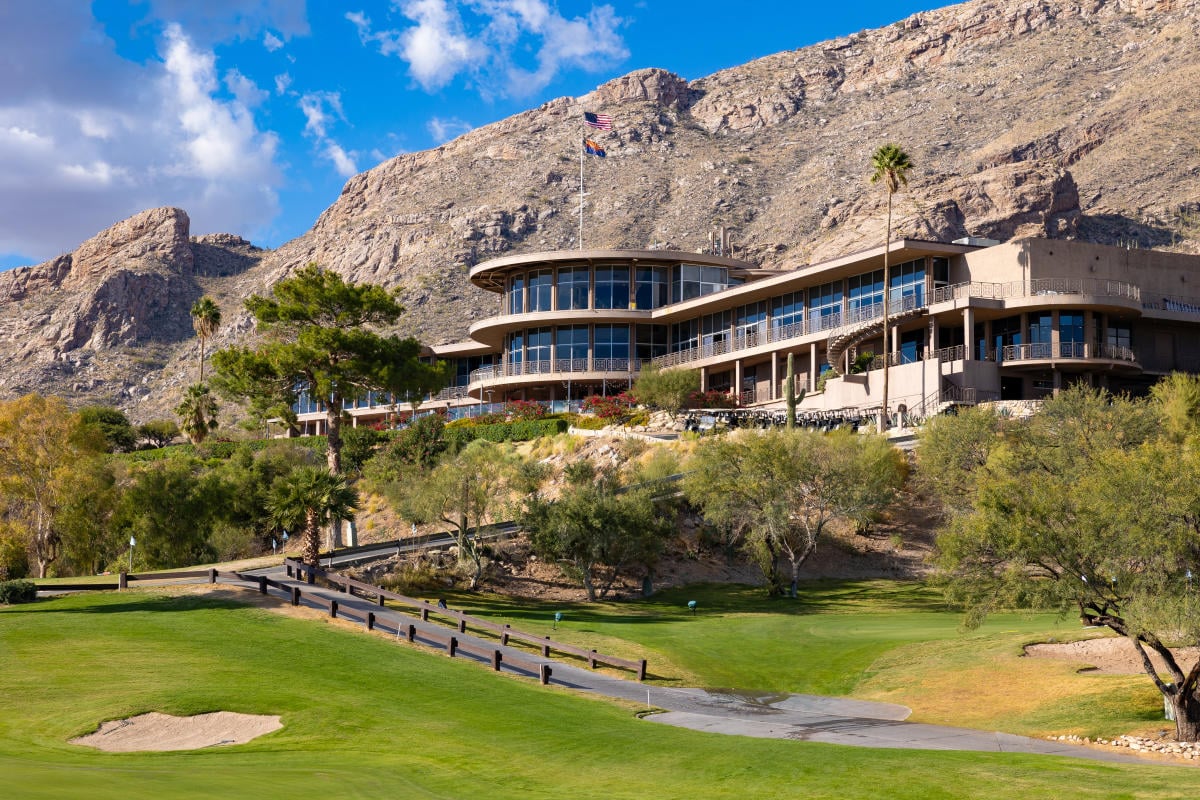
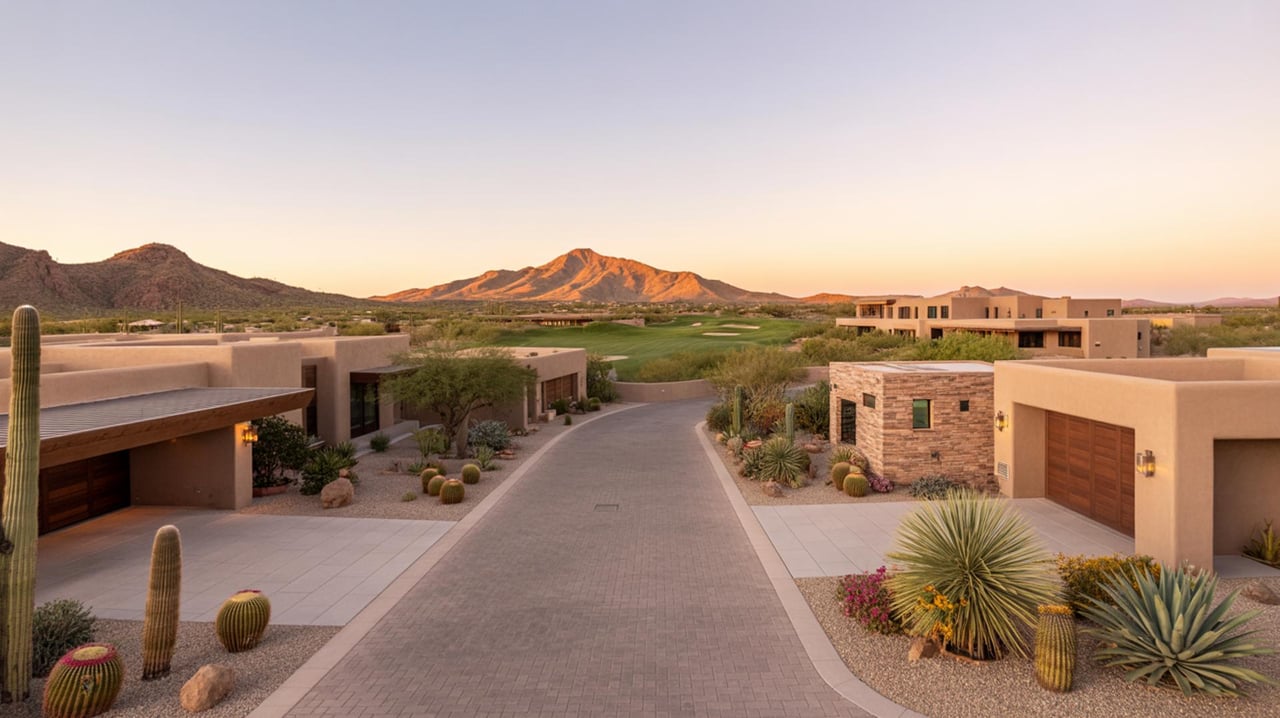
Ventana Canyon is a private master-planned community in the Catalina Foothills northeast of Tucson. According to the HOA, it includes roughly 700 homes, three condominium complexes, commercial properties, Sonoran Desert landscaping, and access to trails, golf, and racquet sports. The community is also made up of distinct neighborhoods developed by several builders, with design guidelines enforced by the Architectural Review Committee.
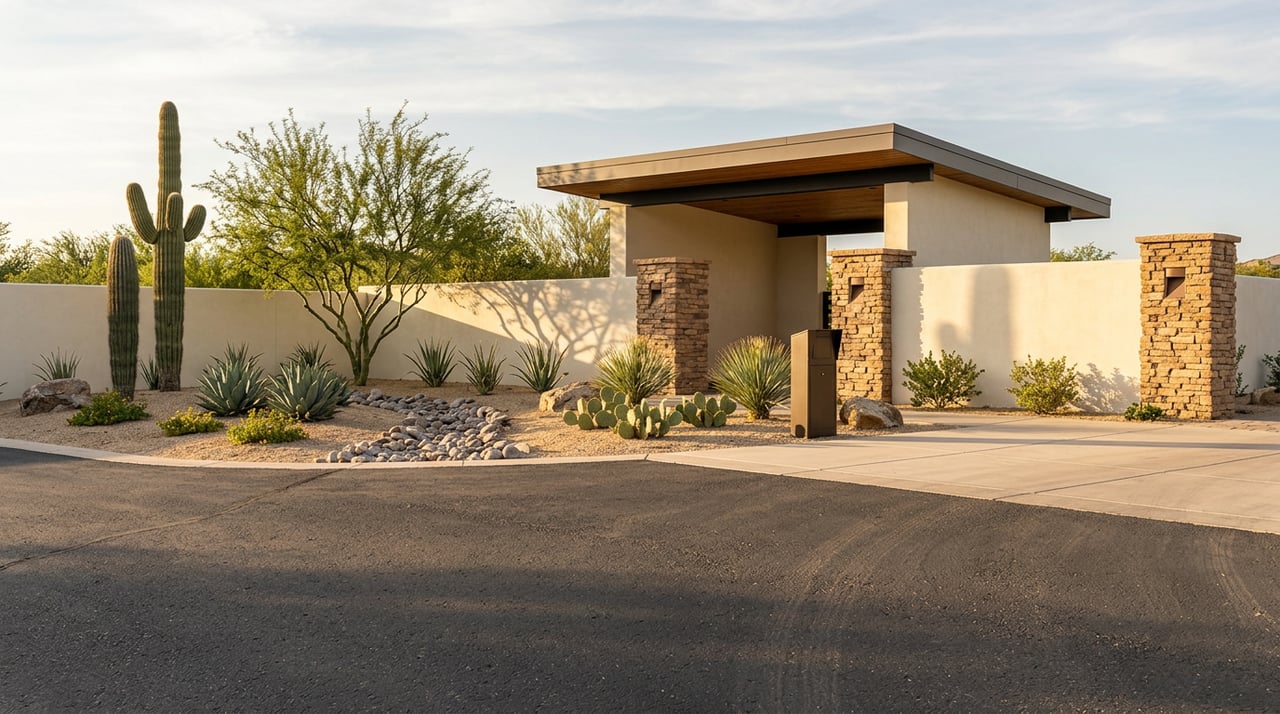
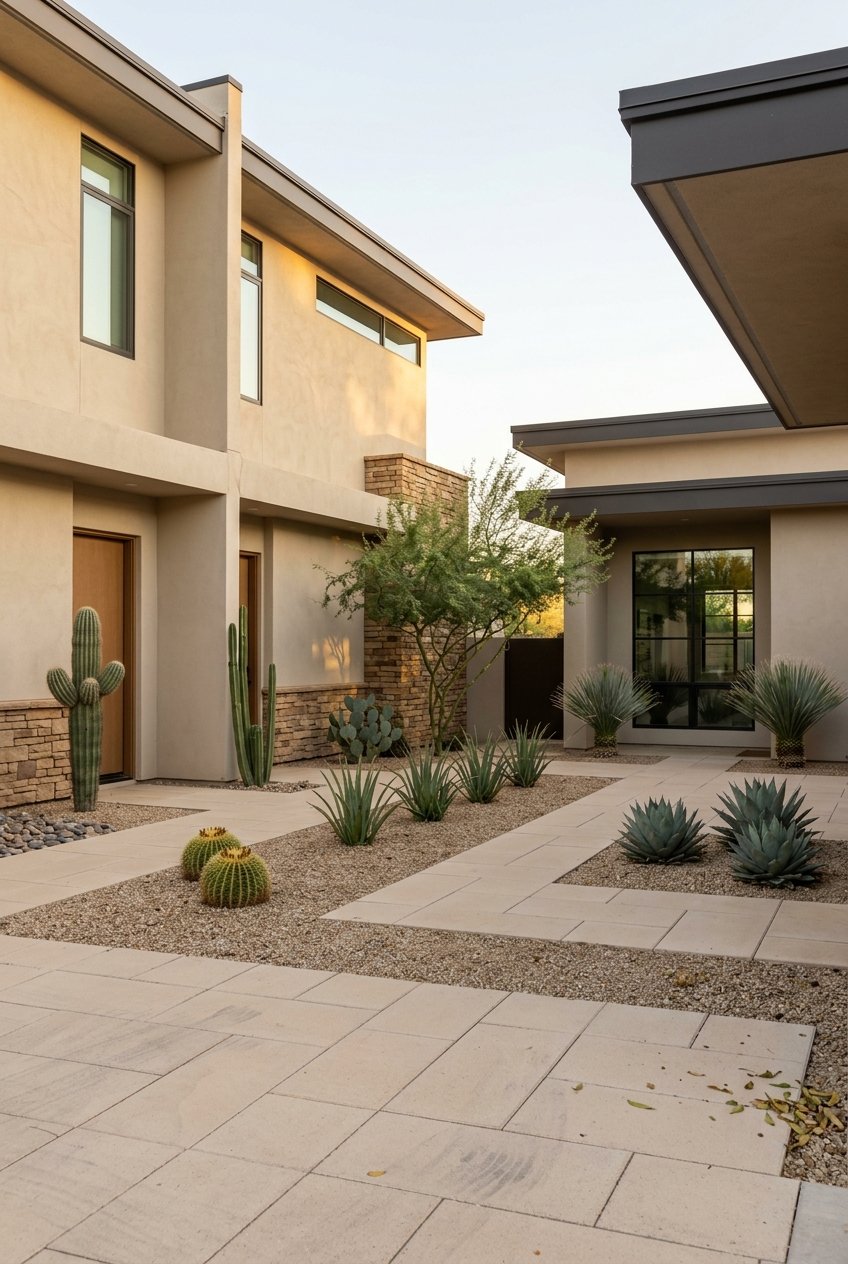
That mix helps explain why the area feels cohesive without looking cookie-cutter. You will see recurring desert materials, low-profile forms, and strong connections to the outdoors, but not a single uniform style. In practical terms, that gives buyers more choice while still preserving the overall character of the community.
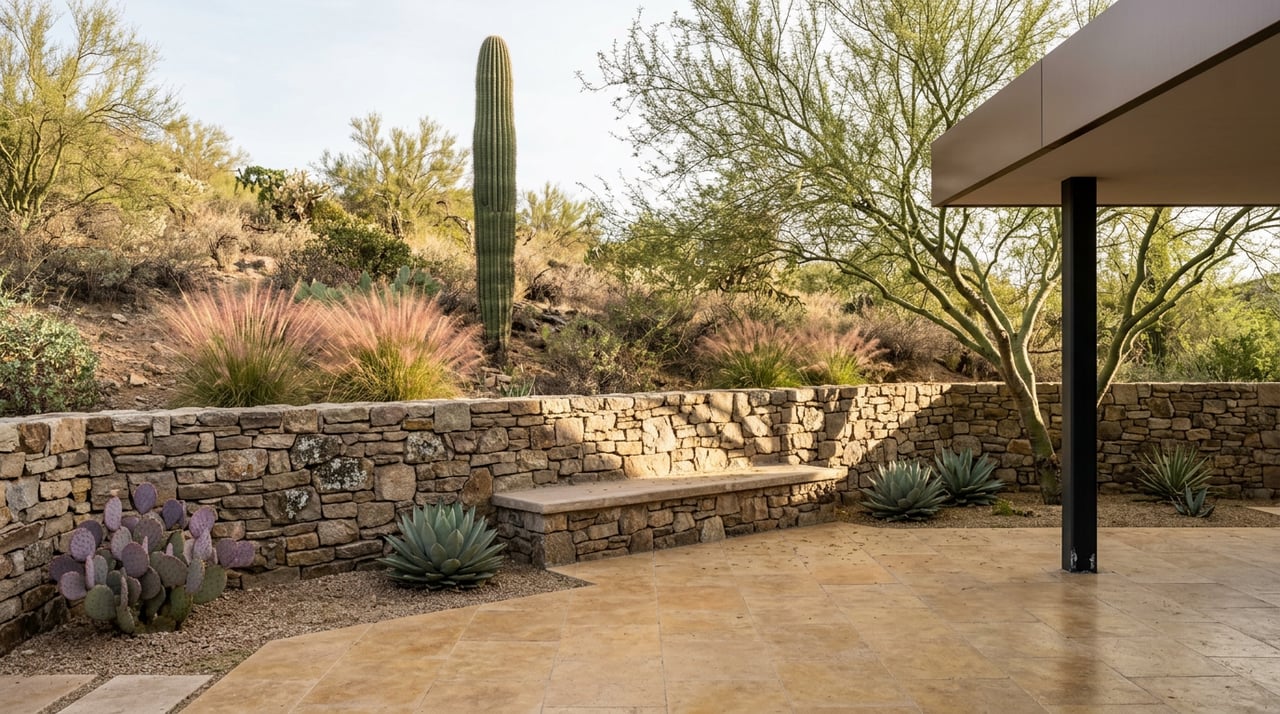
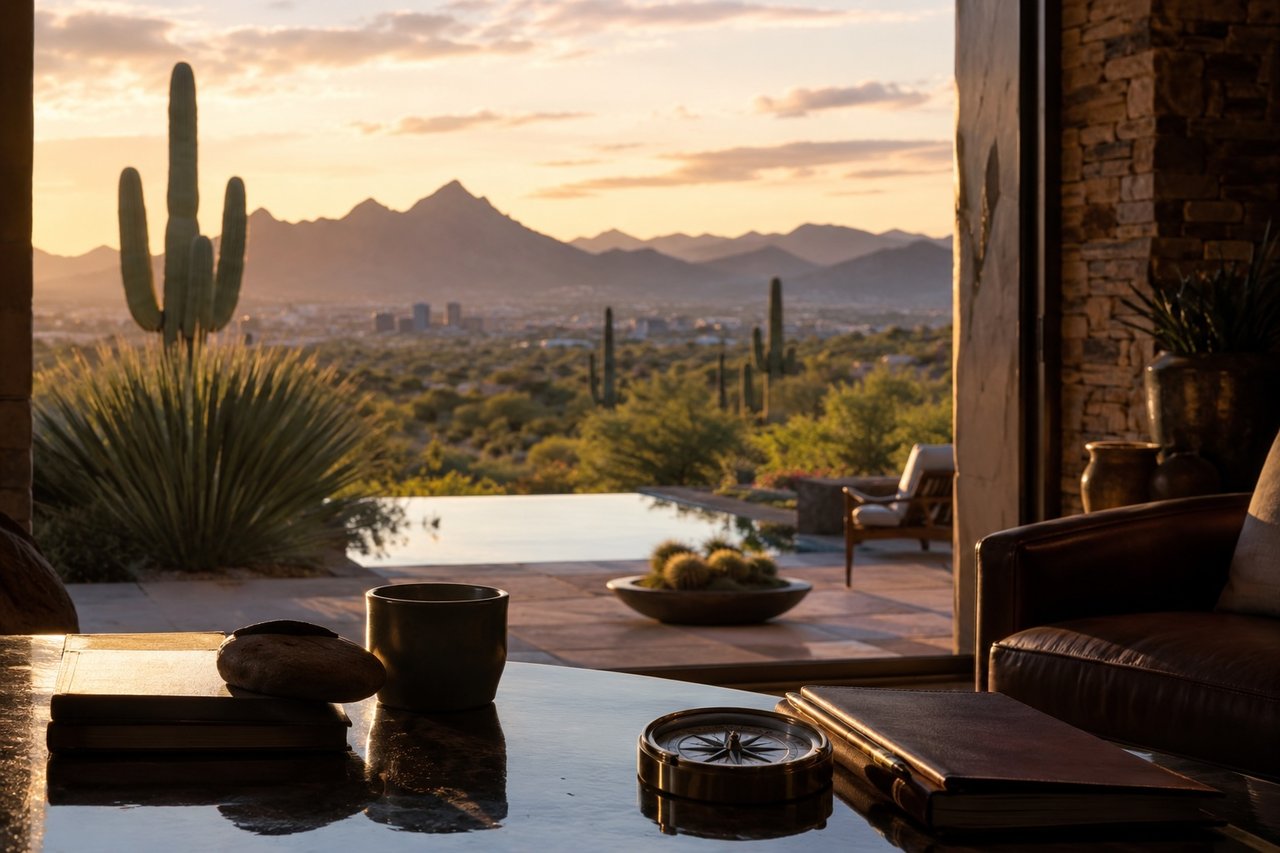
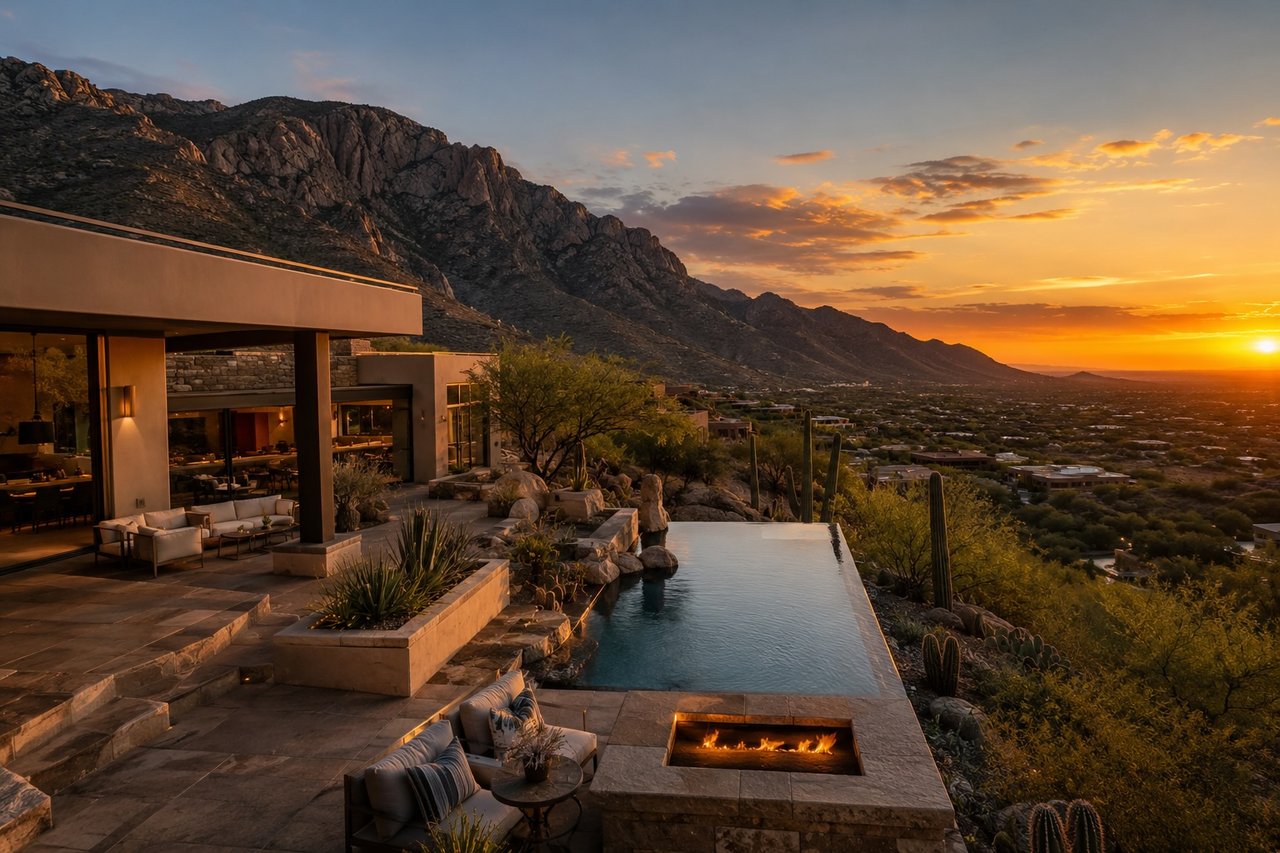
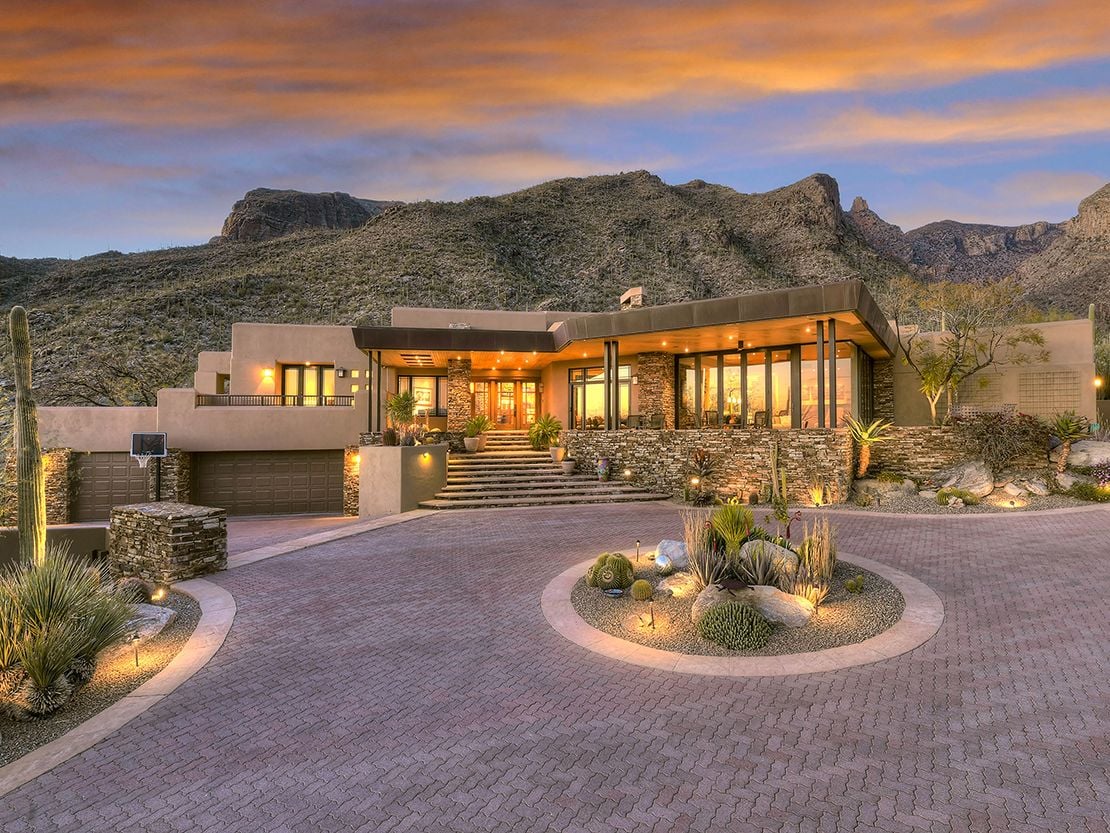
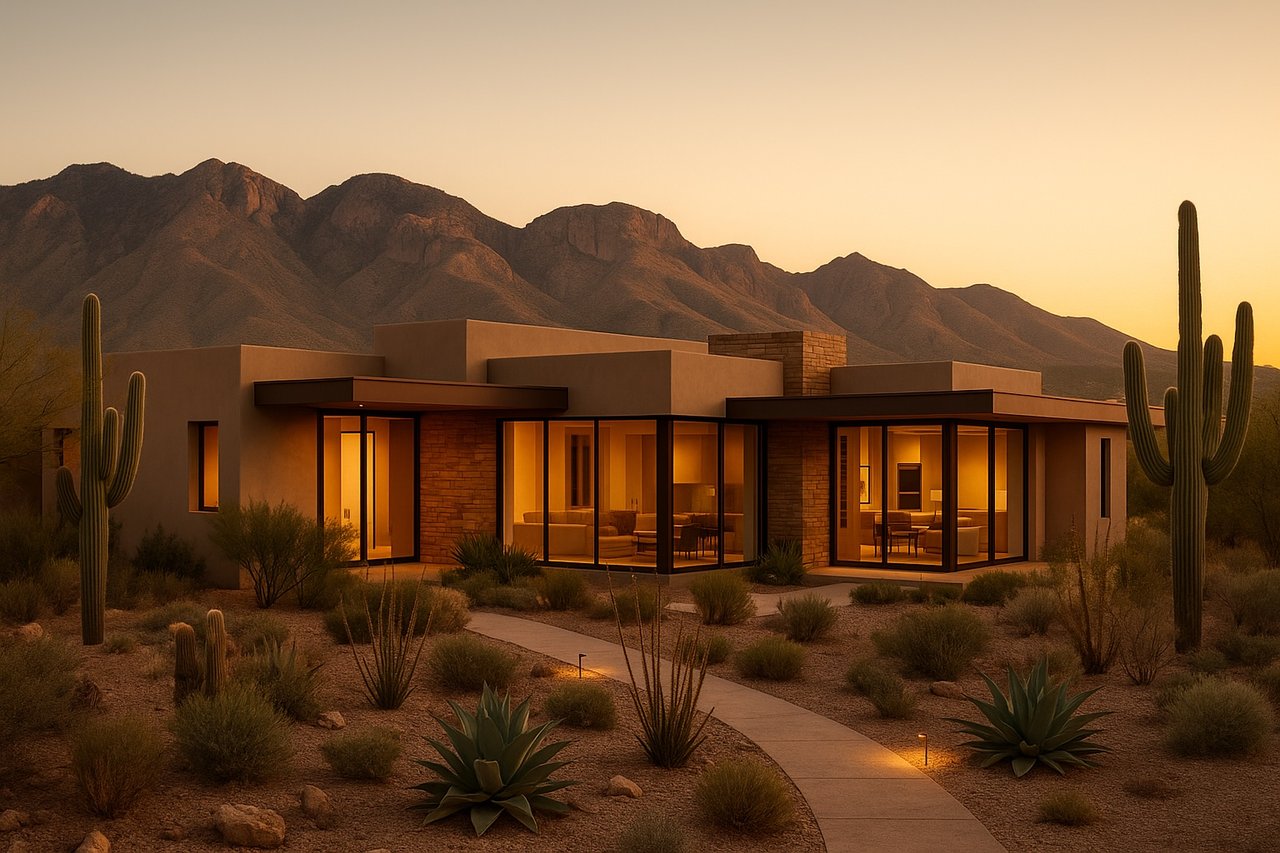
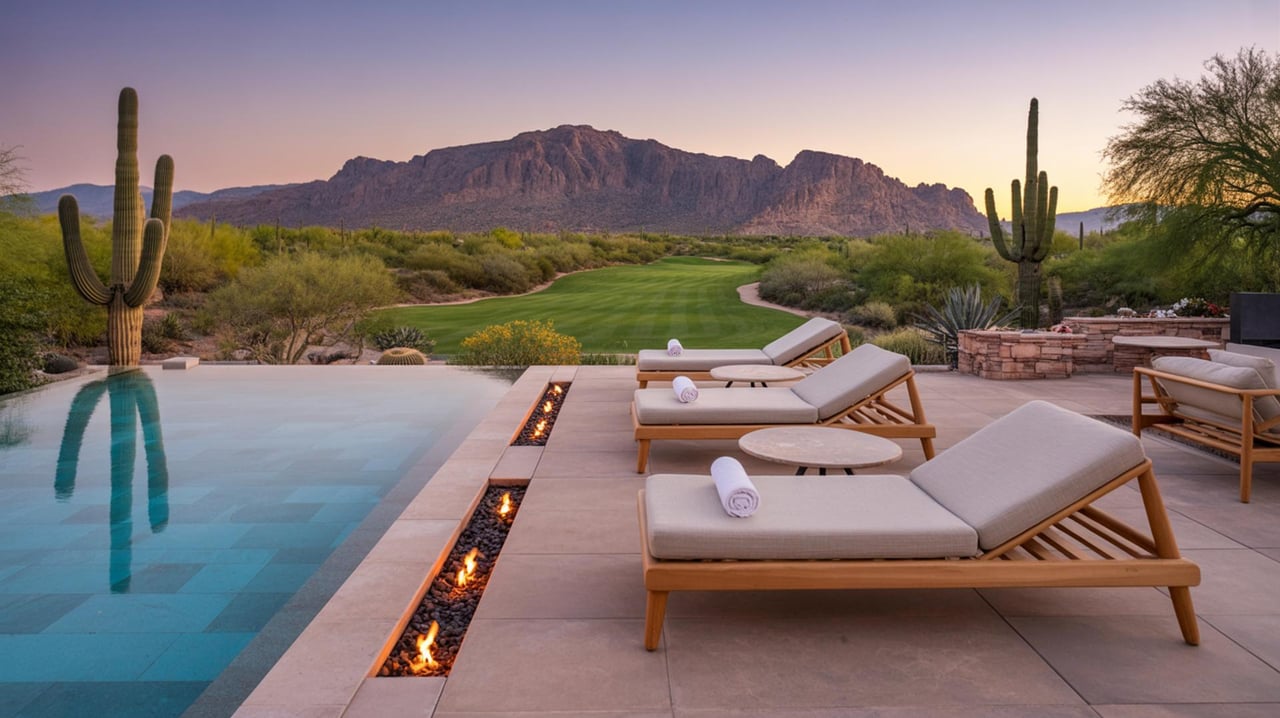
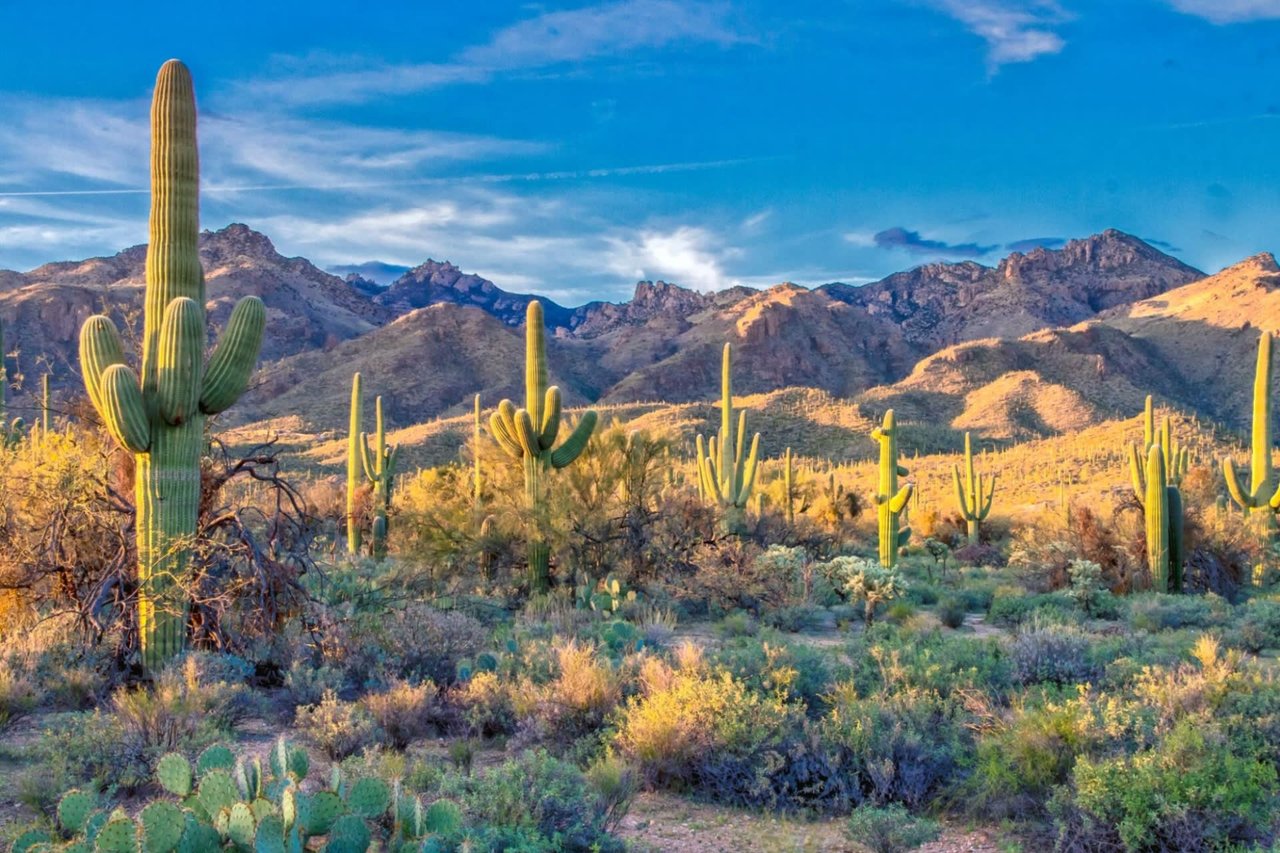
The setting also shapes the architecture in a major way. Ventana Canyon sits against the Santa Catalina foothills, with homes positioned around mountain views, natural desert scenery, city views, and in some cases fairway frontage. In a place like this, style is not just about appearance. It is also about how a home meets the land.
How Desert Climate Shapes Design
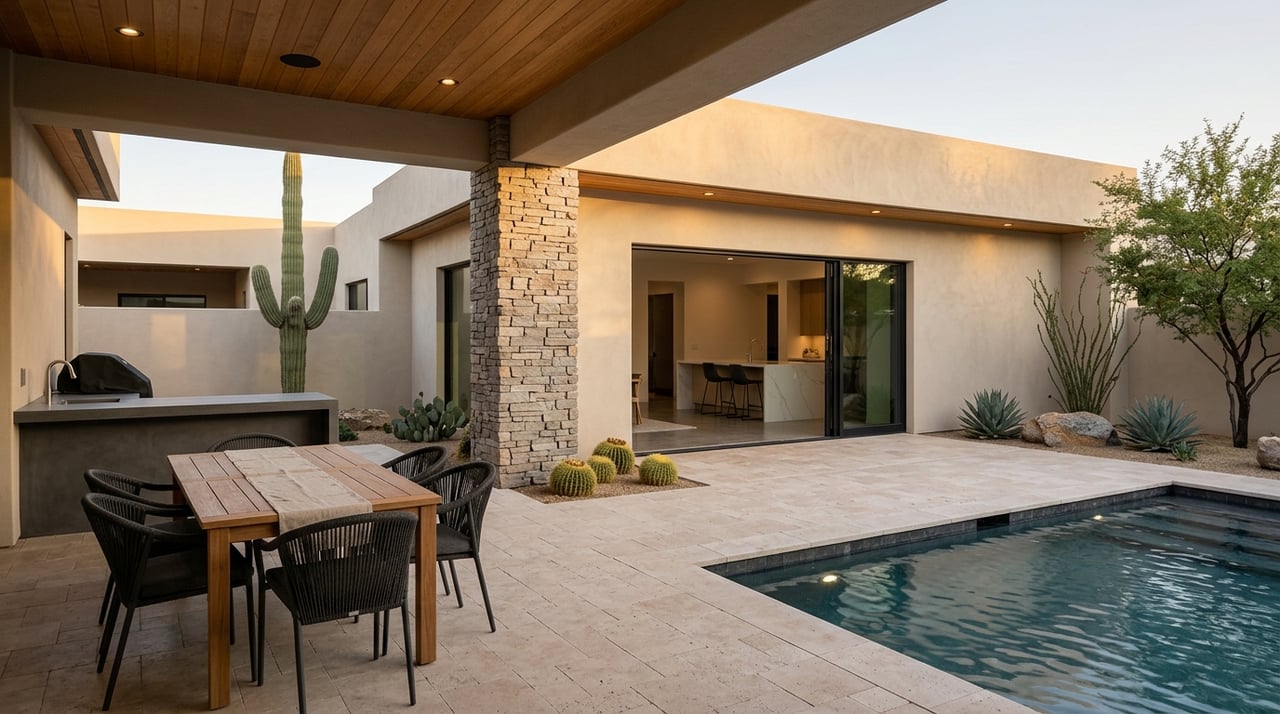
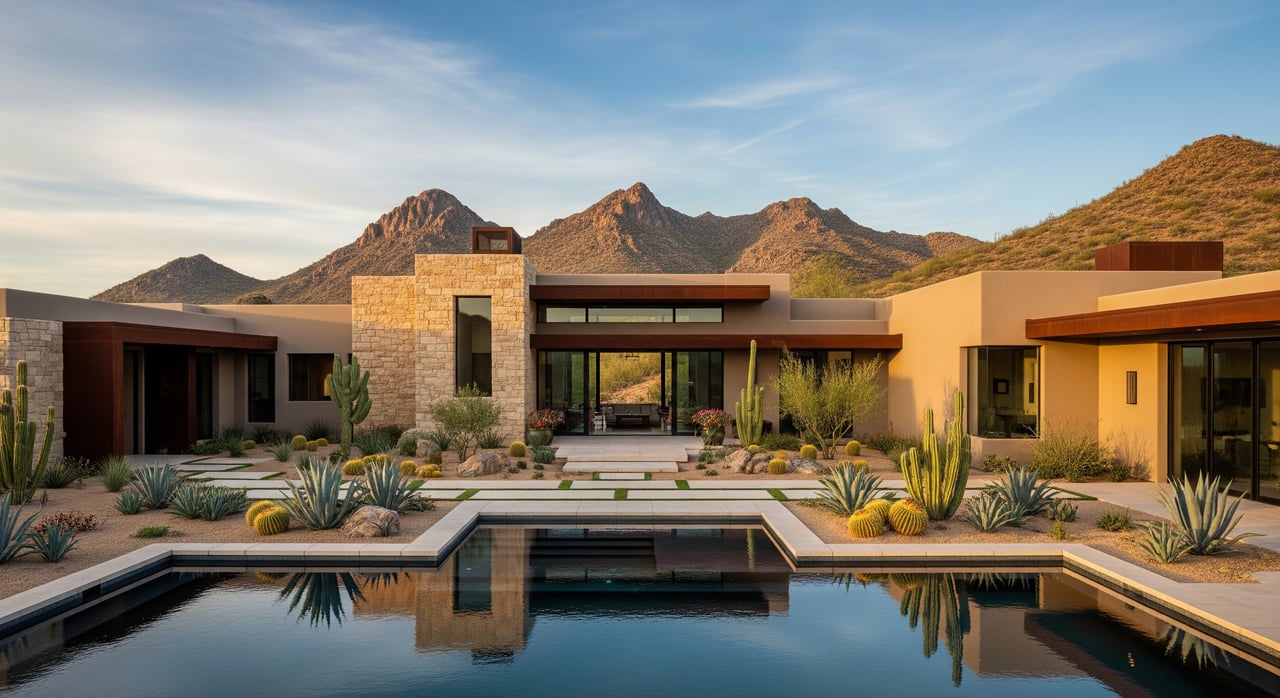
Tucson gets more than 300 sunny days a year, and that has a direct impact on what works well architecturally. Local design thinking in the Sonoran Desert often emphasizes courtyards, shaded terraces, framed views, and reduced western sun exposure. In Ventana Canyon, those ideas show up again and again across different home styles.
That means a beautiful house is not just one with attractive finishes. It is also one that handles light well, creates usable outdoor living space, and protects interiors from harsh heat. When you tour homes here, you are not only evaluating the style label. You are also evaluating how successfully the design responds to the desert.
Main Architectural Styles in Ventana Canyon
Desert Contemporary
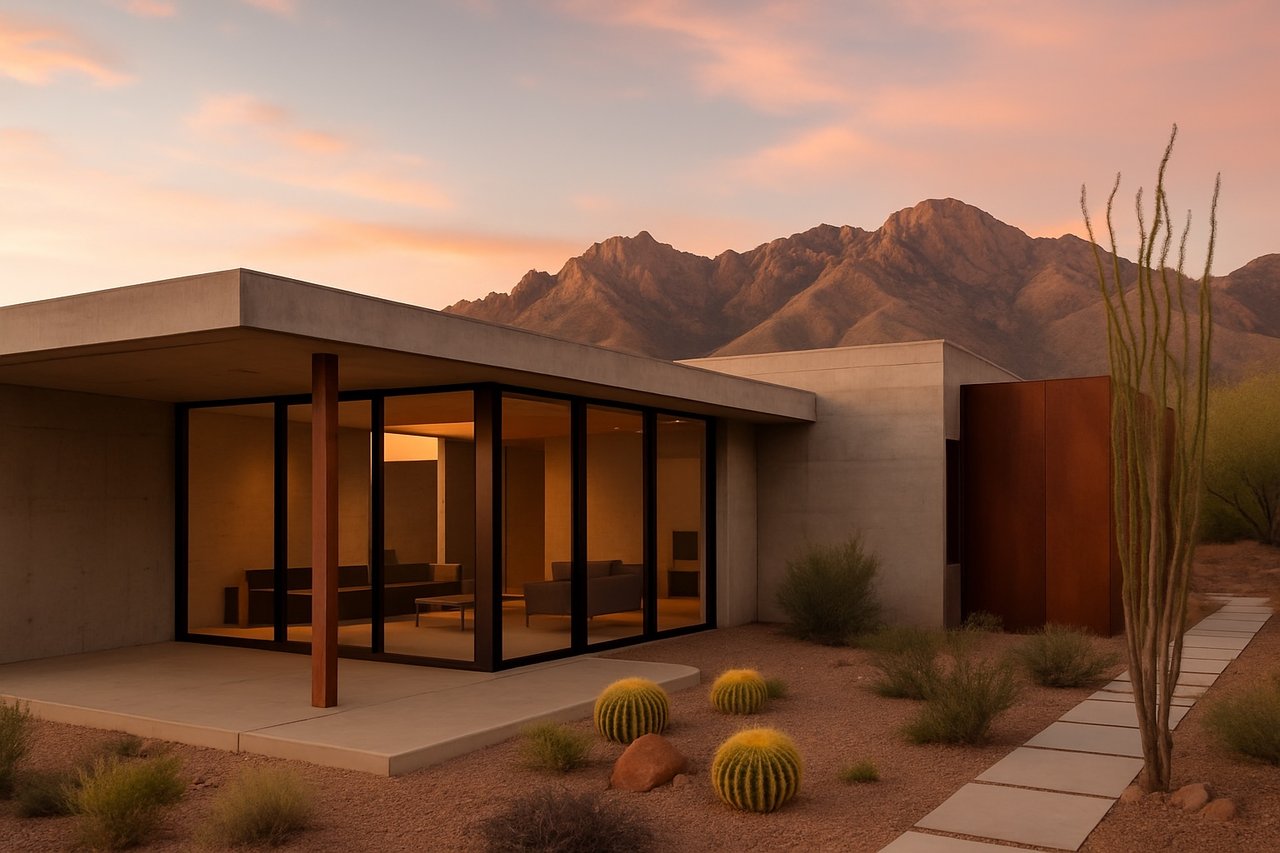
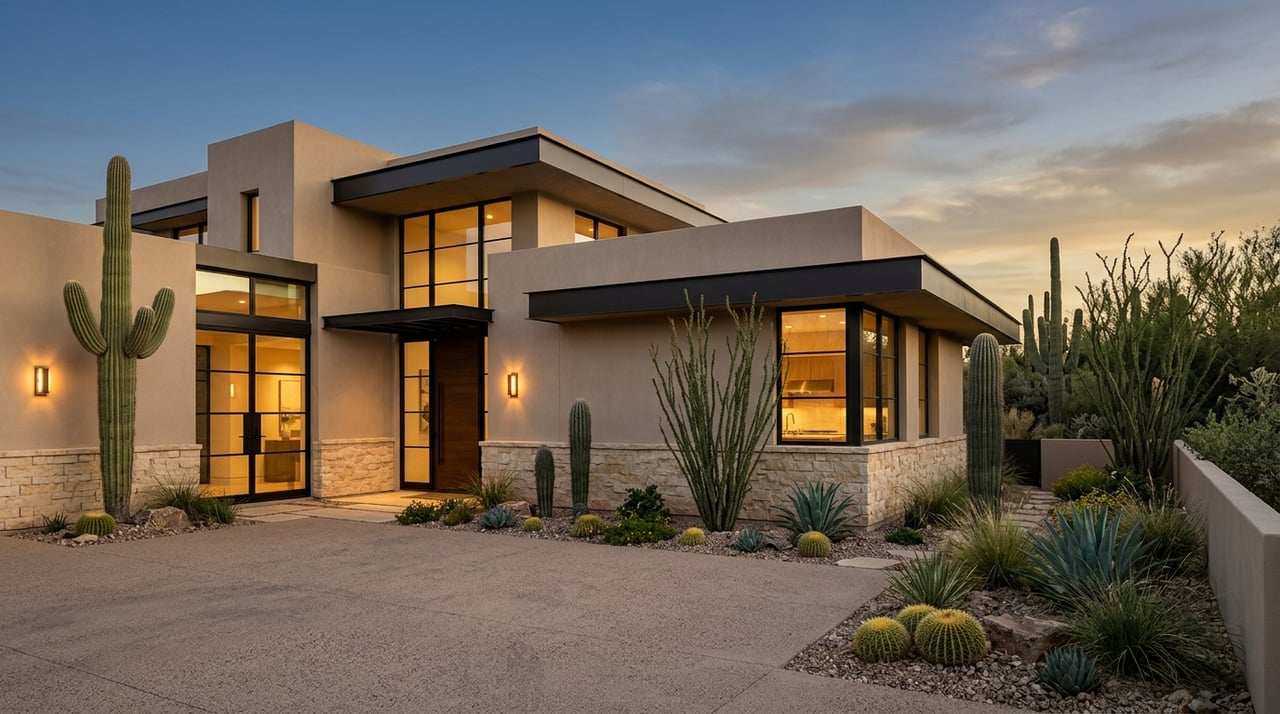
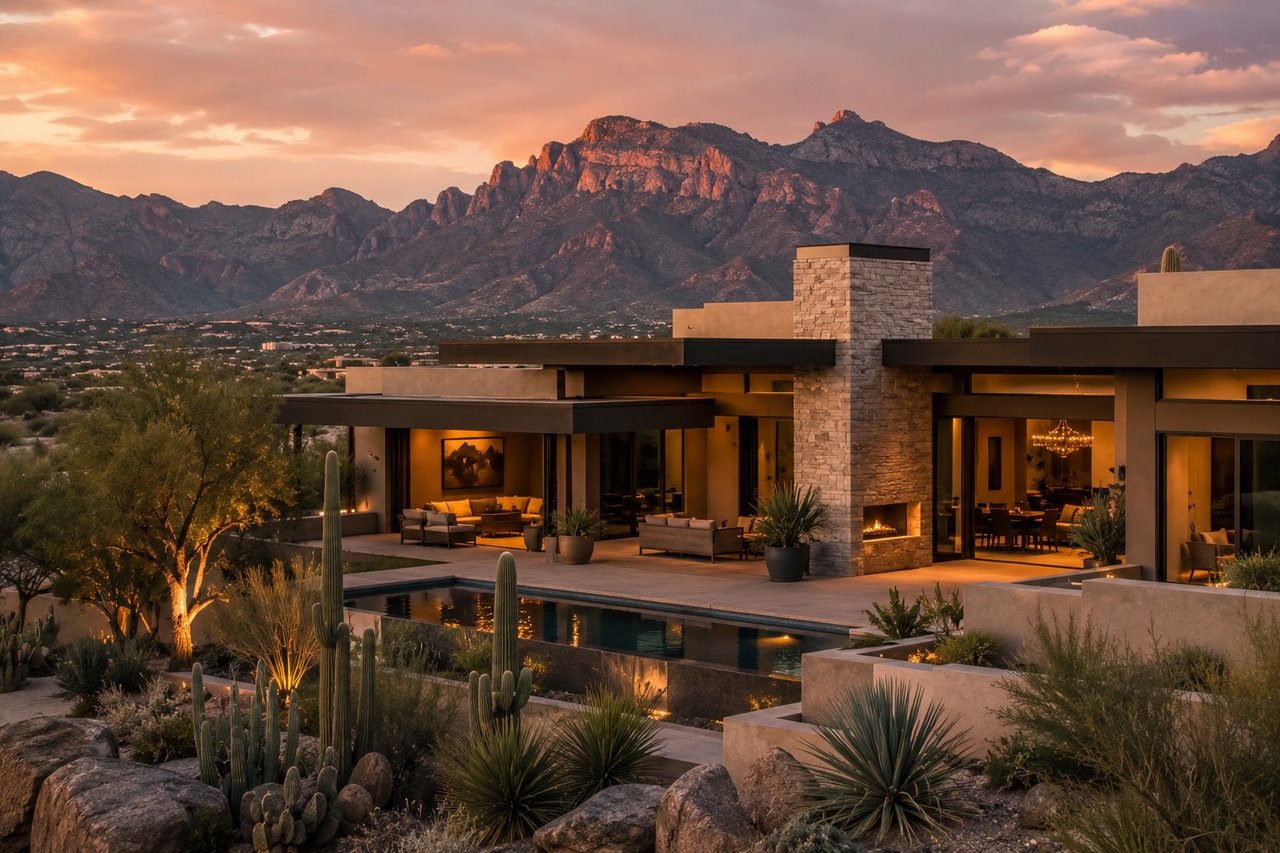
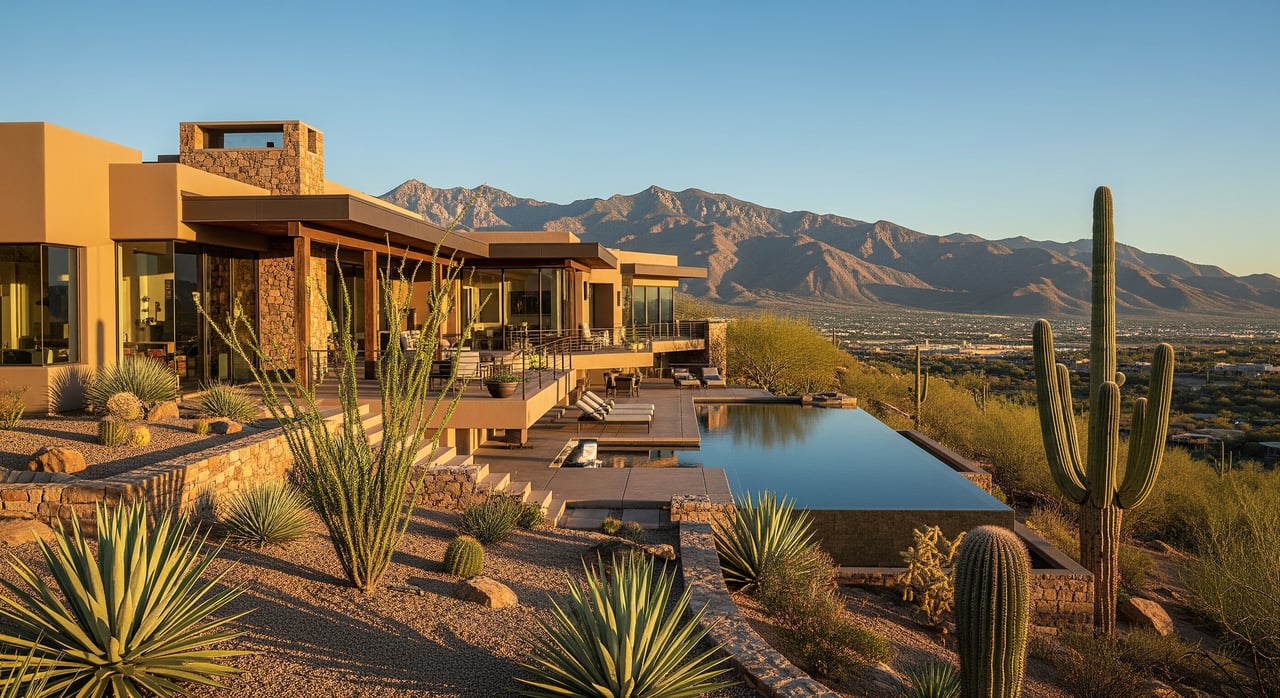
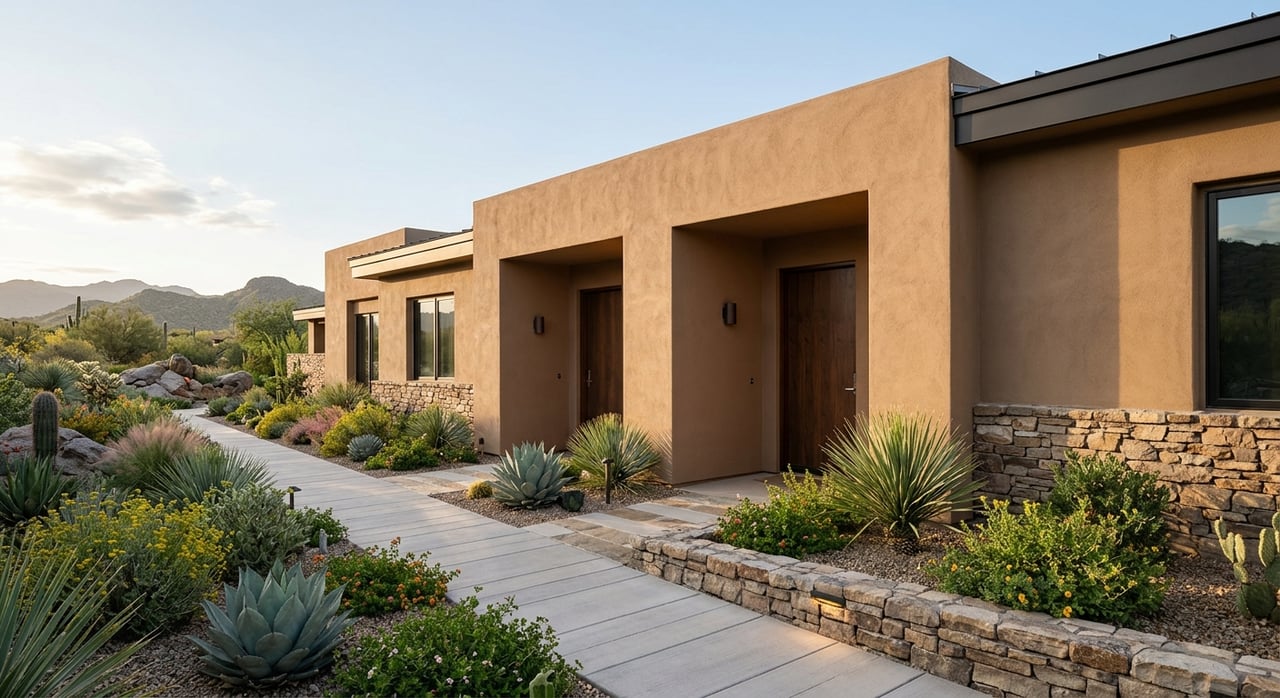
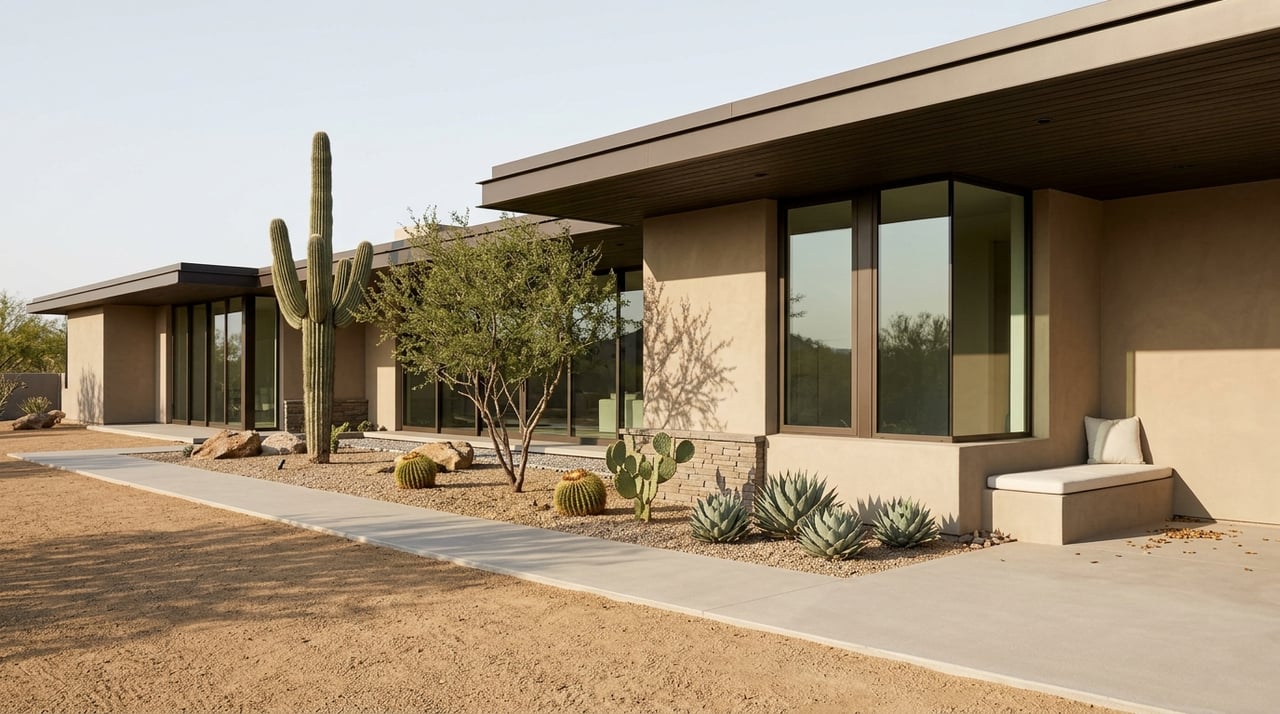
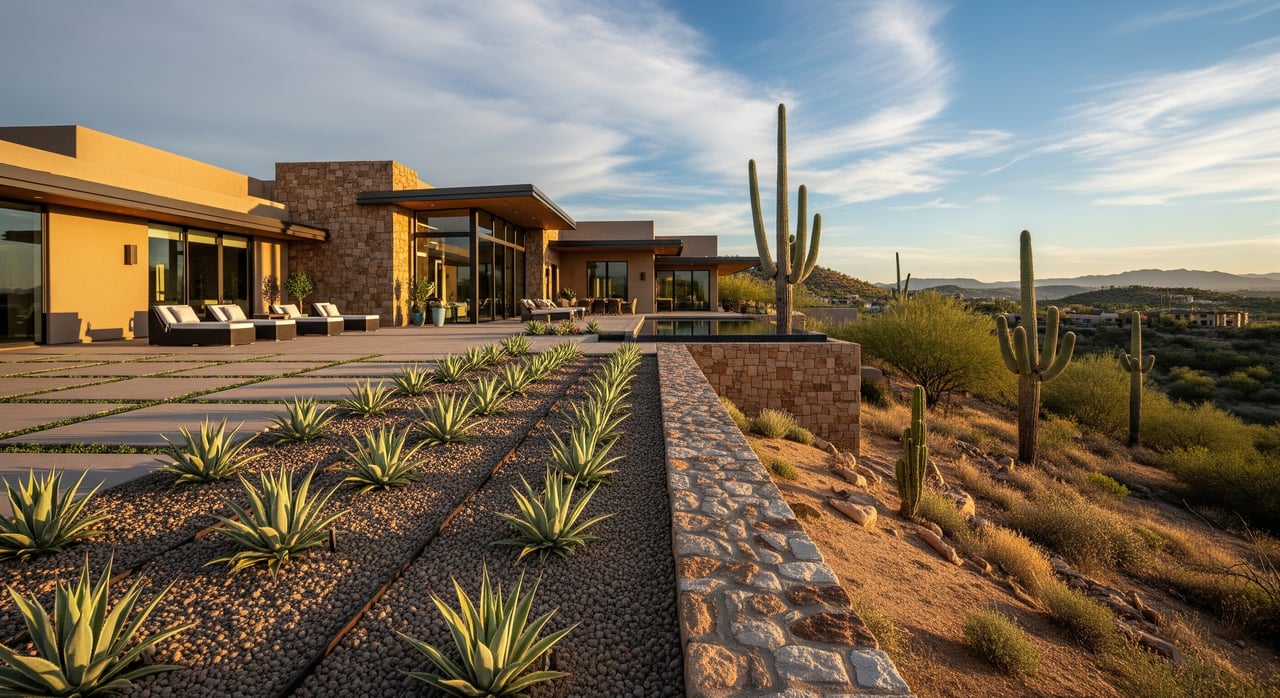
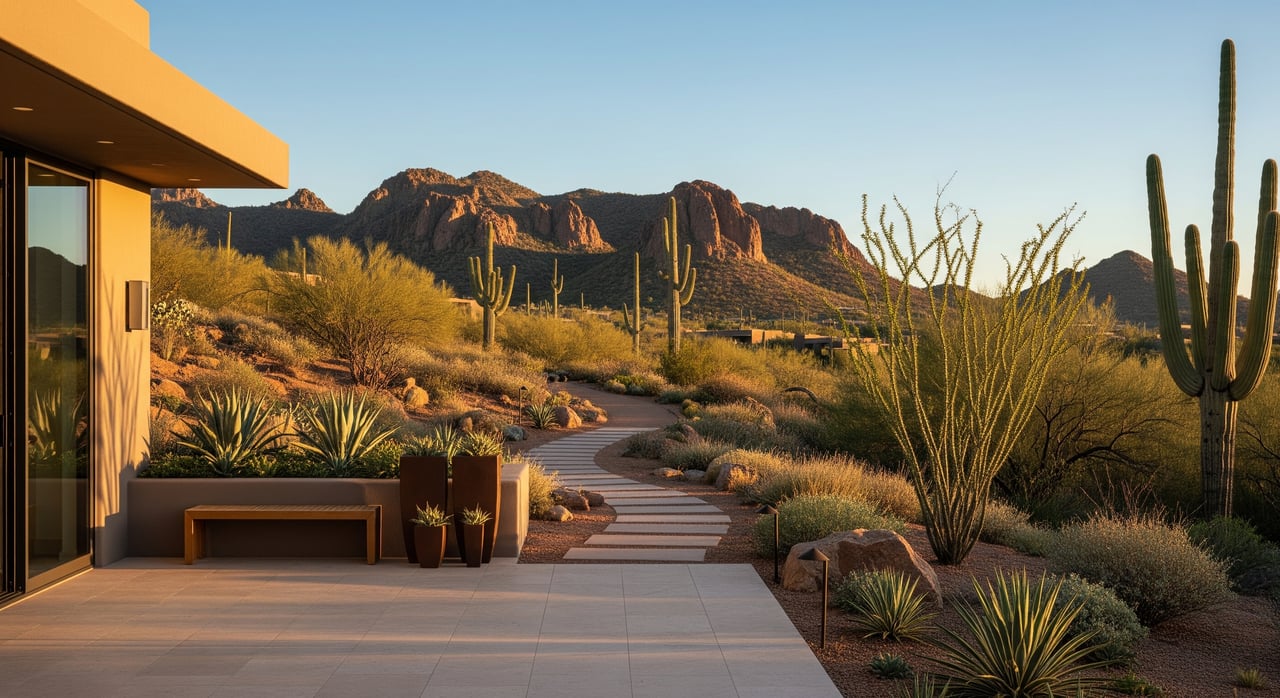
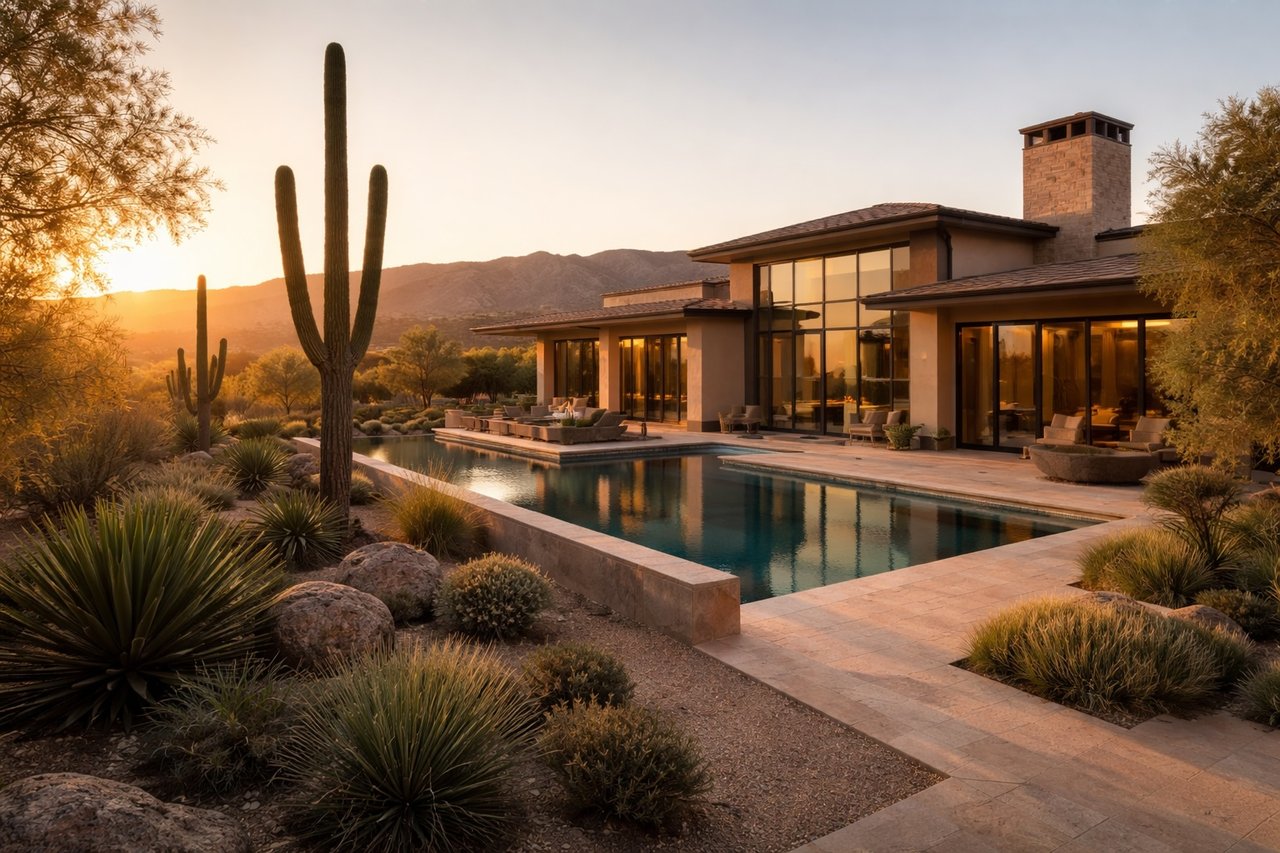
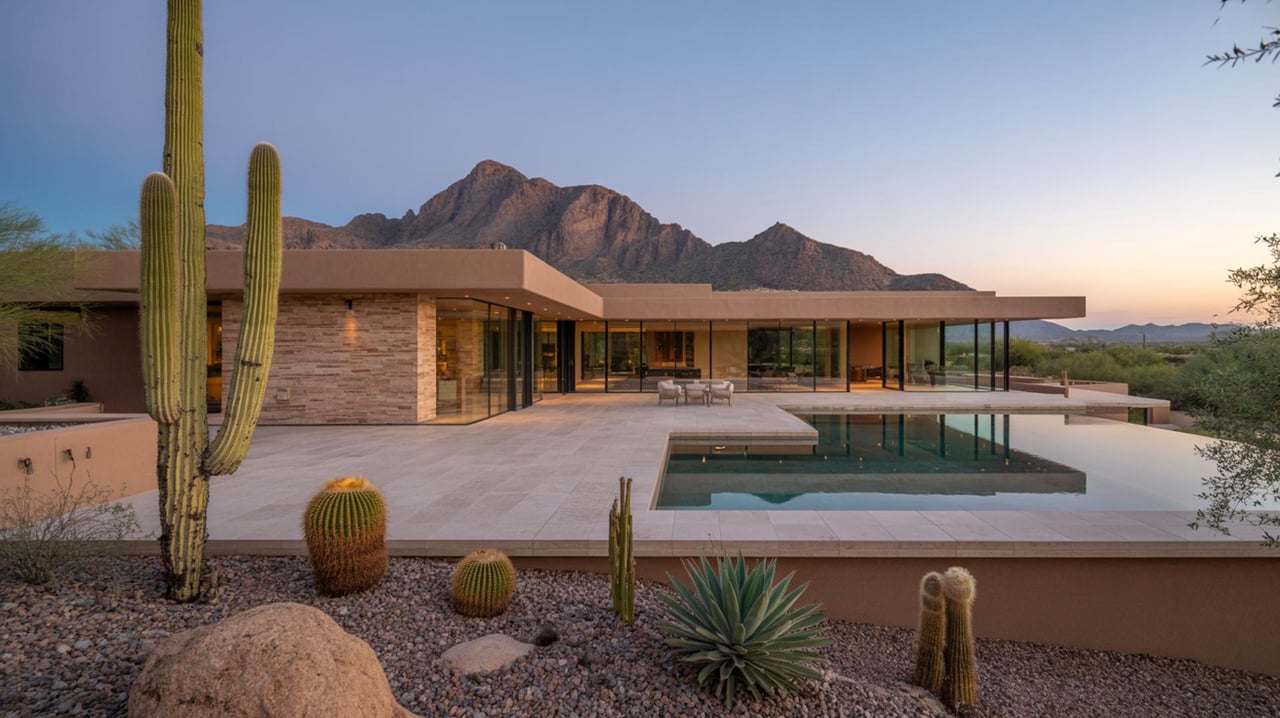
Desert contemporary is one of the clearest style families you will see in Ventana Canyon. Listing descriptions often use terms like contemporary or contemporary desert modernism, and the visual cues are usually easy to spot.
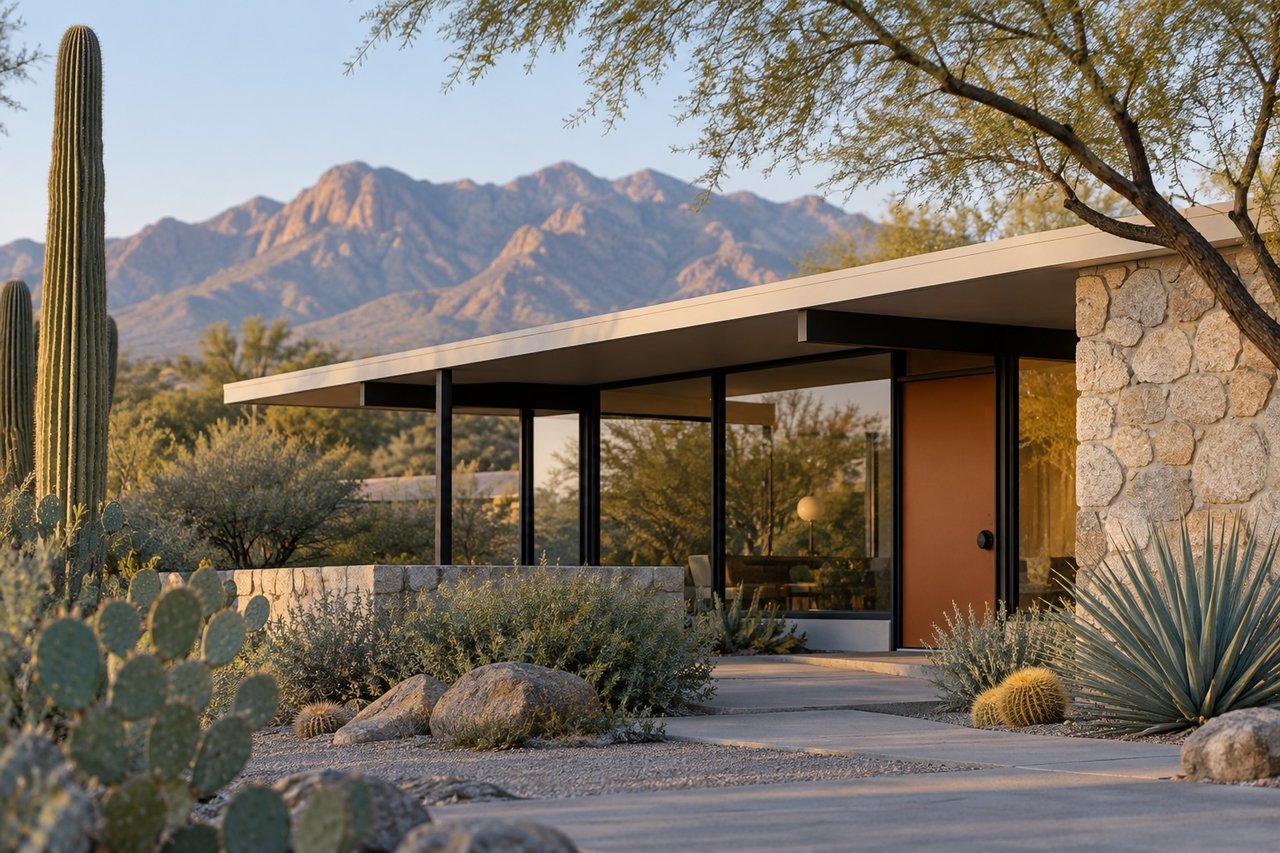
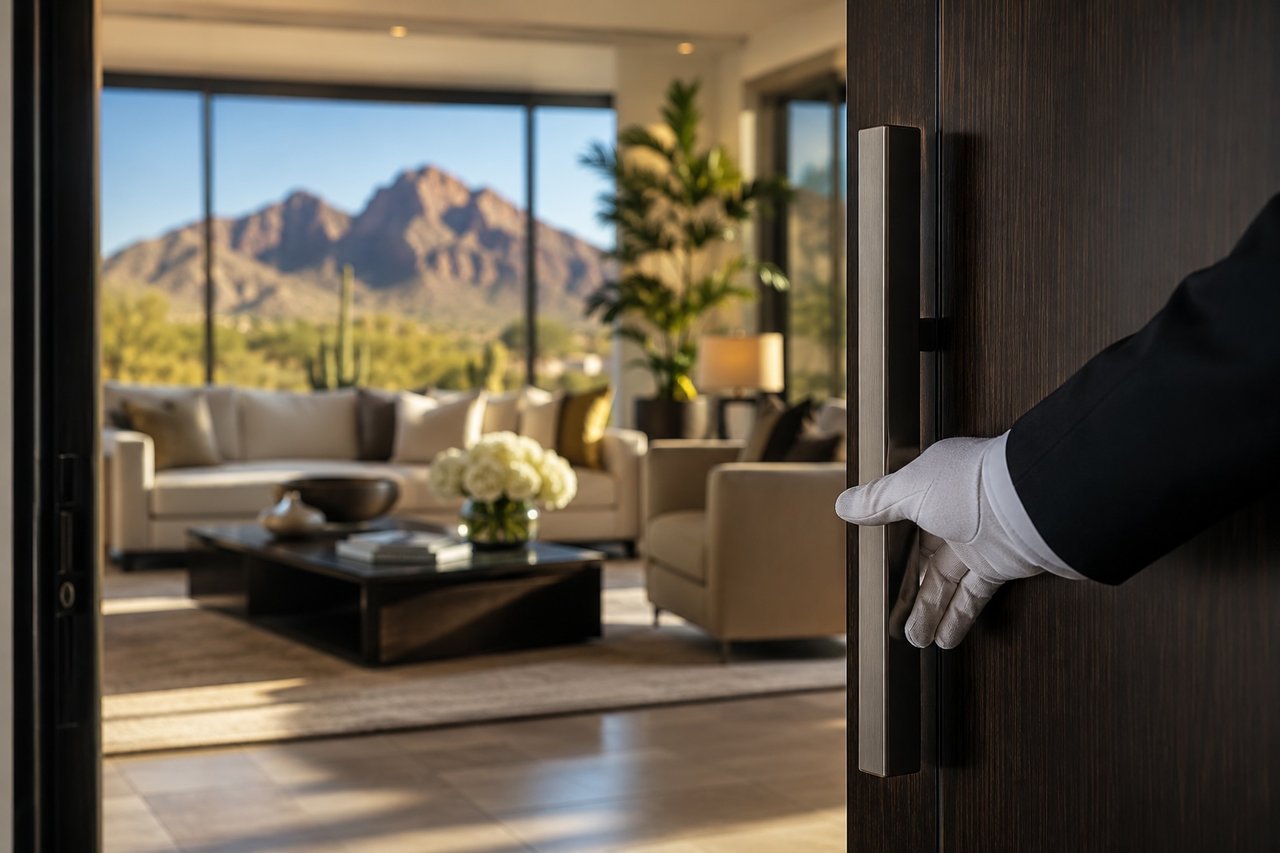
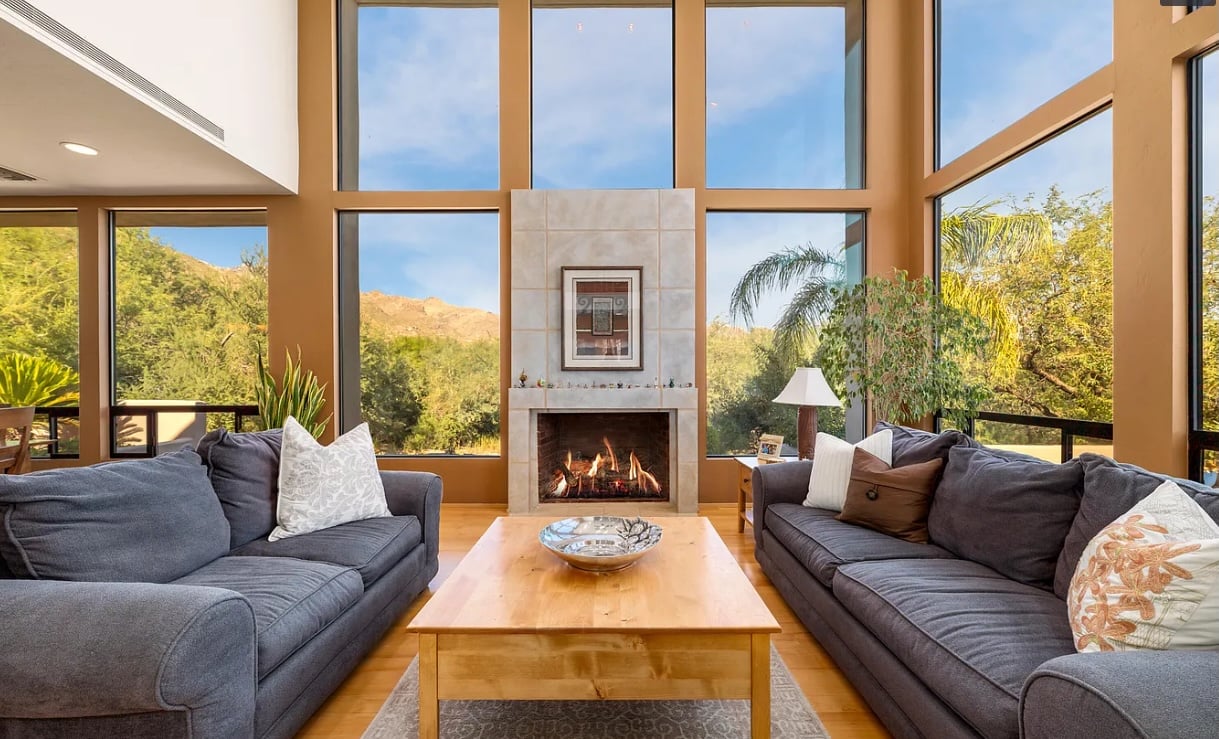
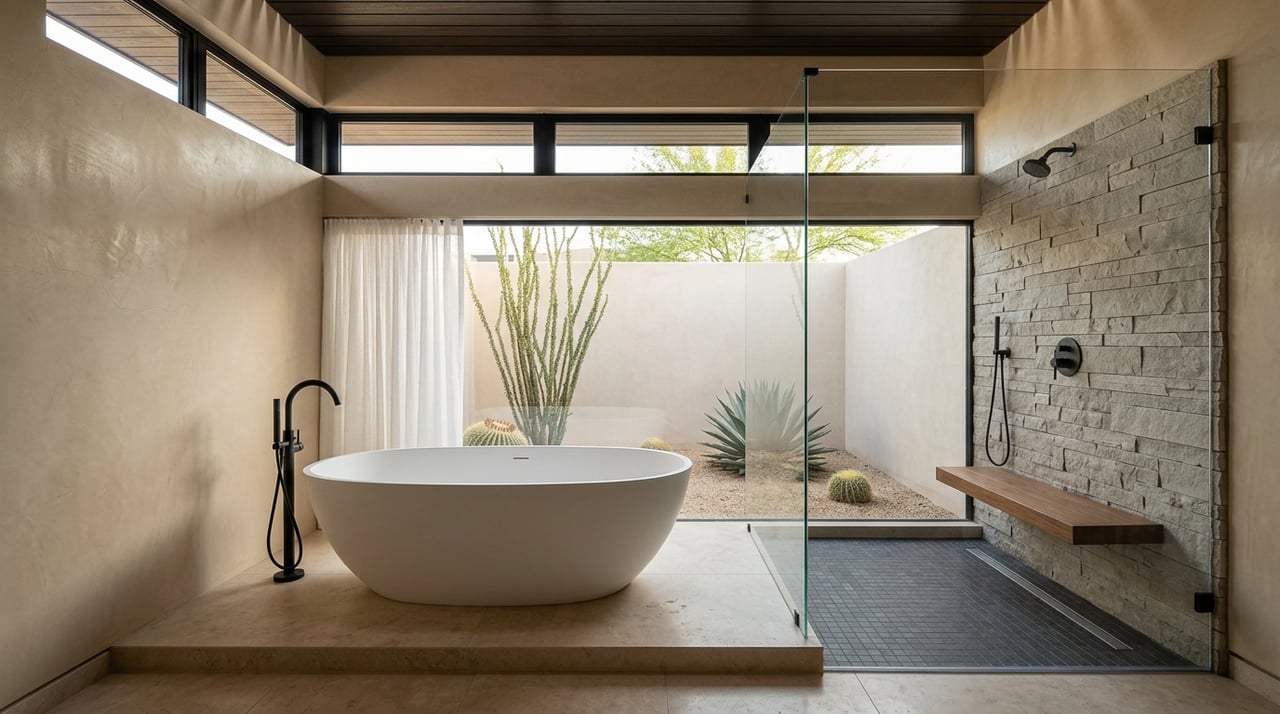
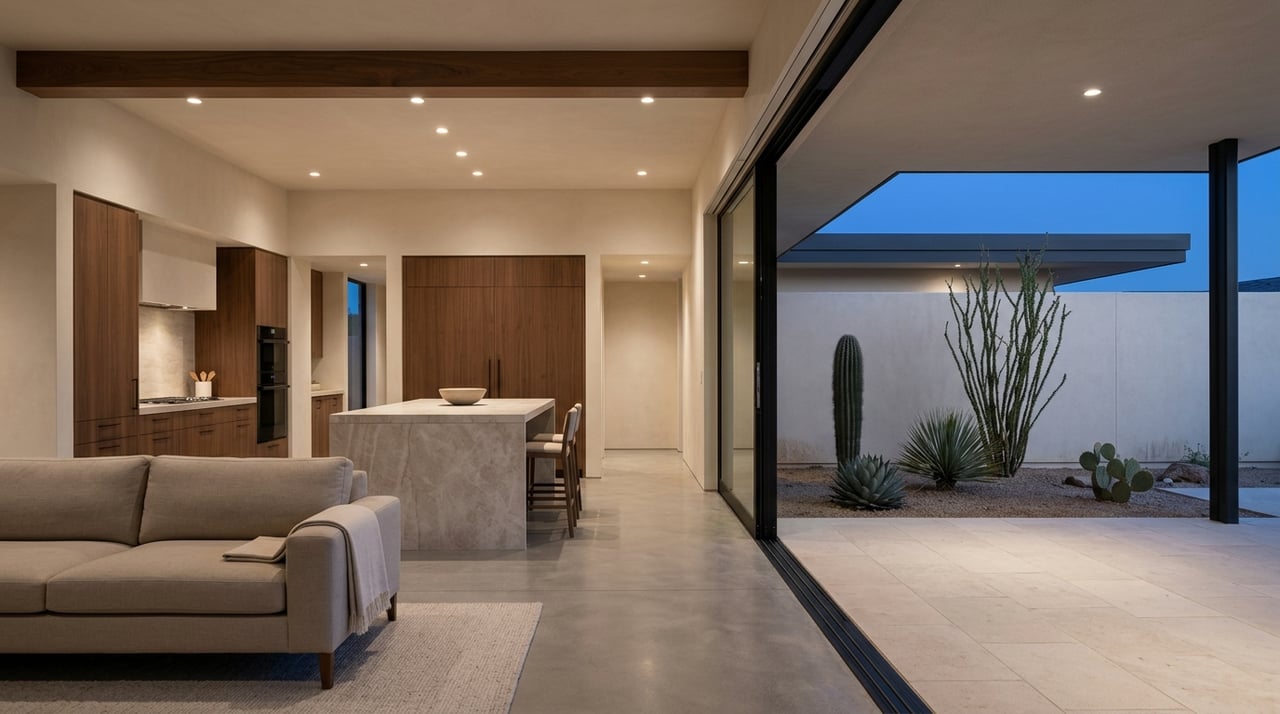
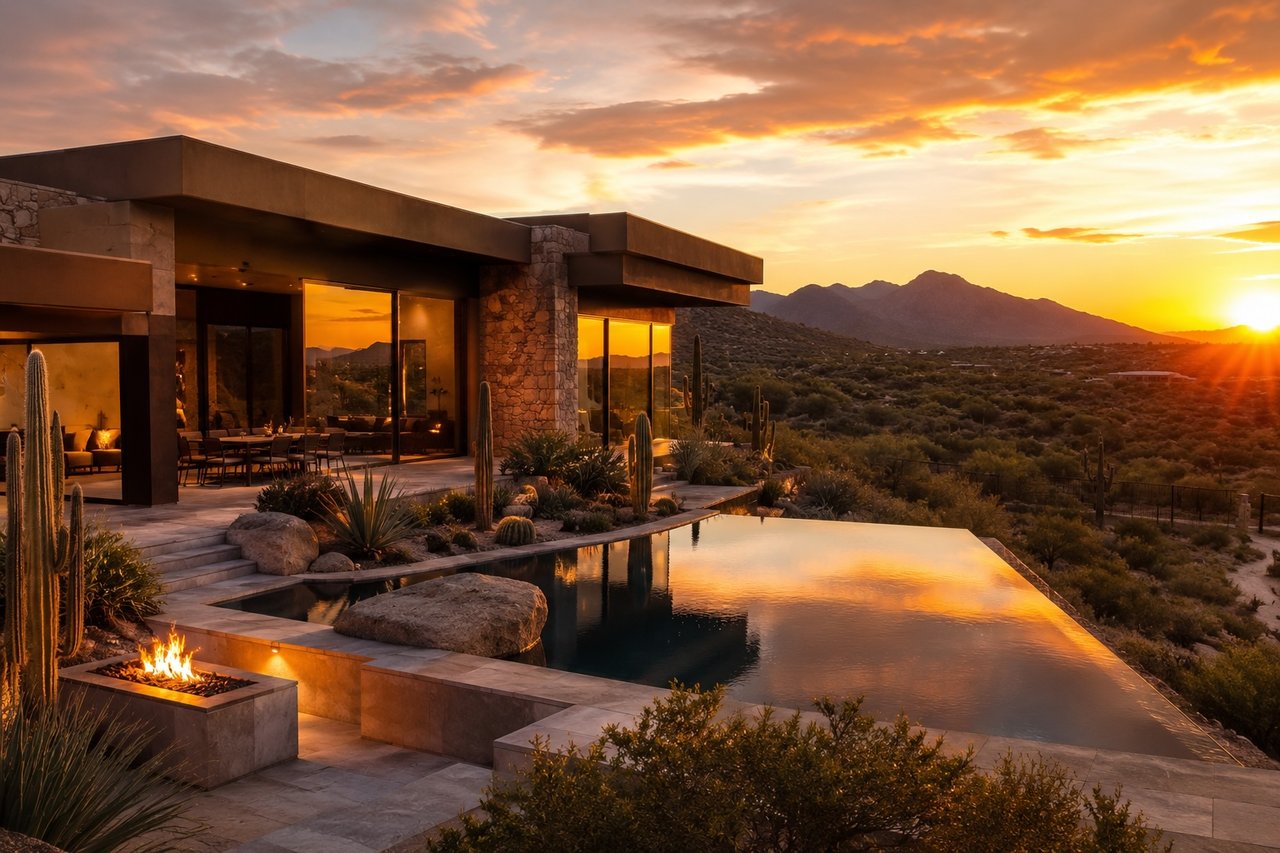
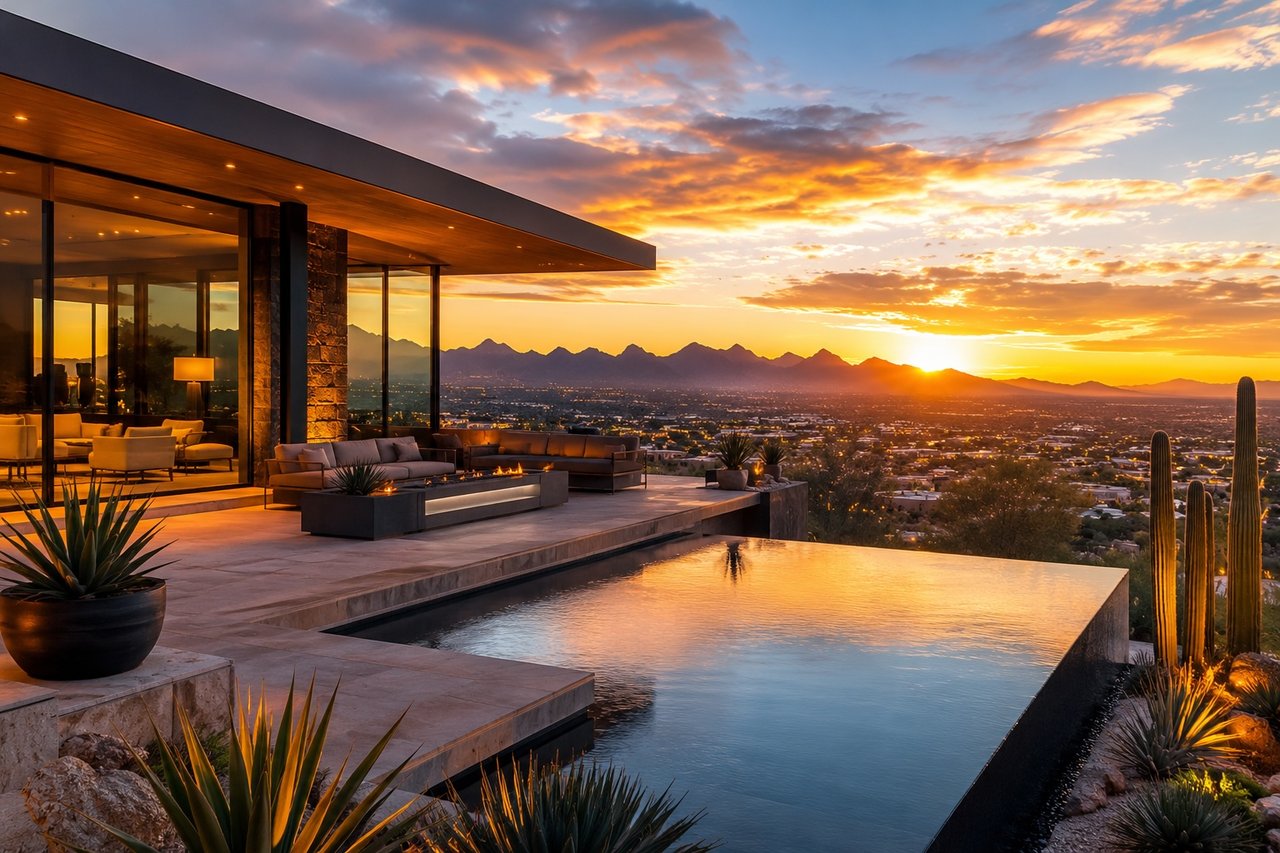
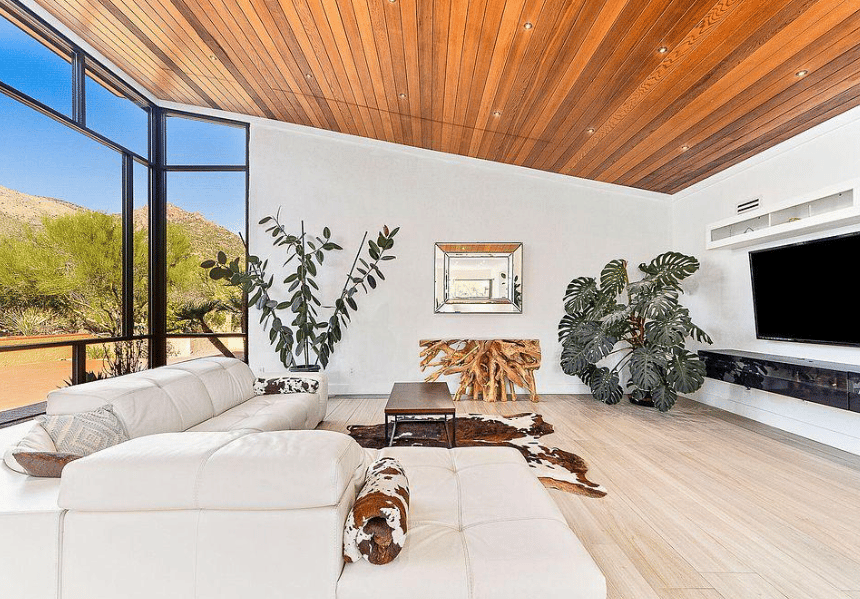
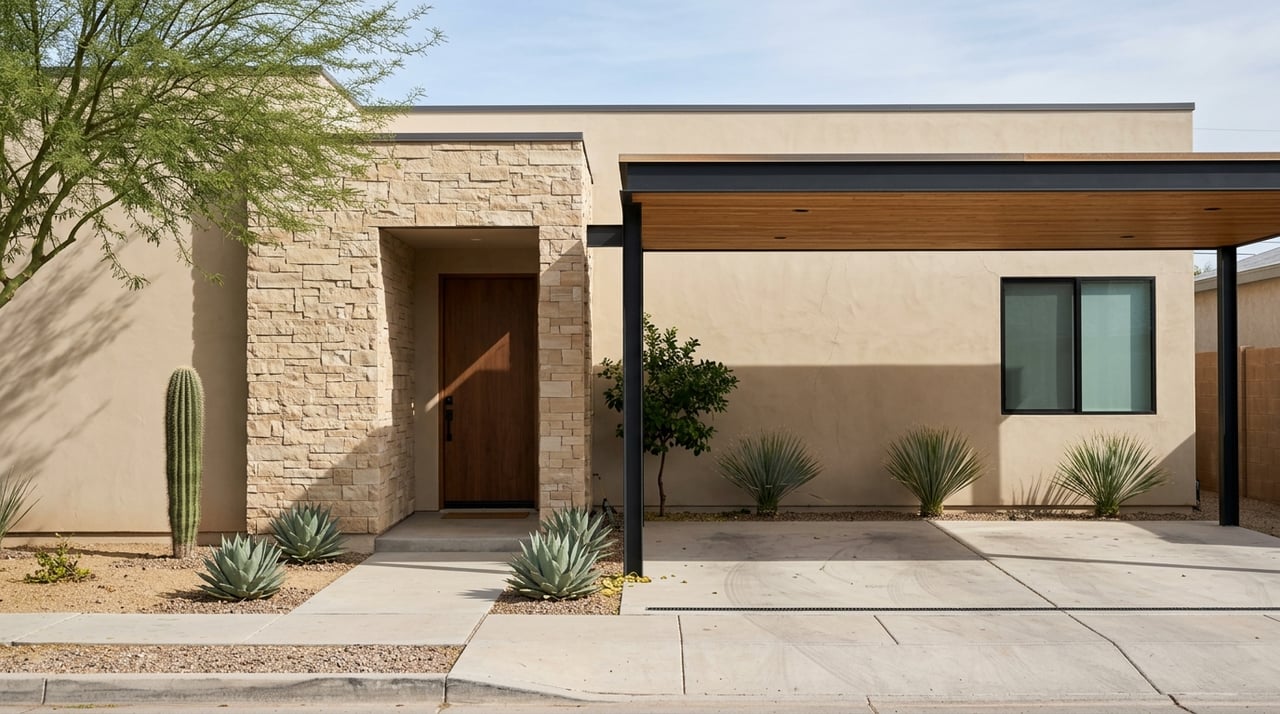
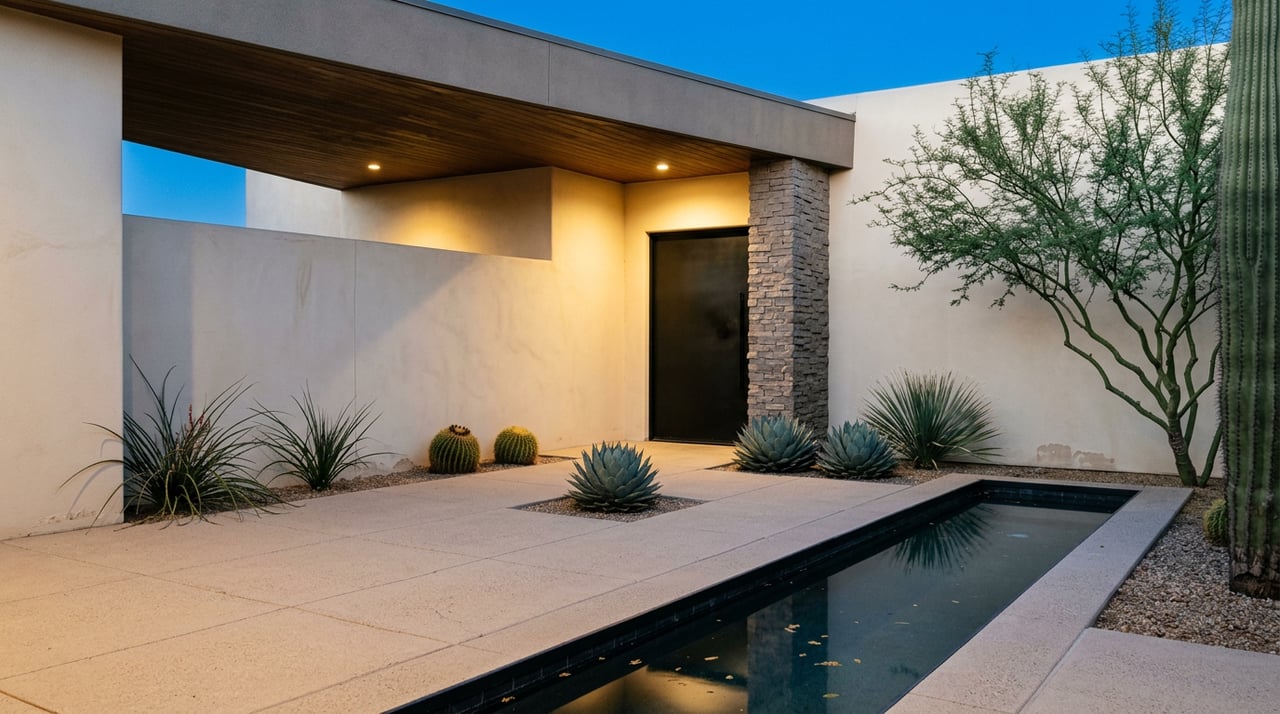
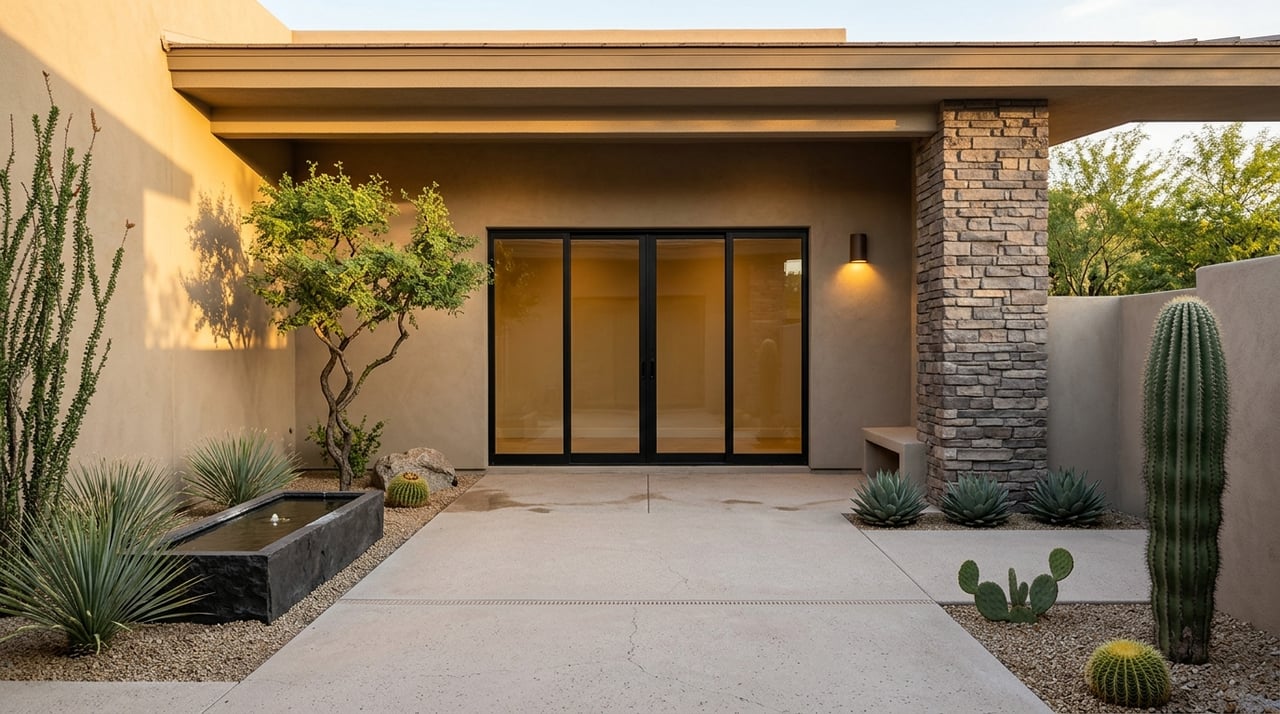
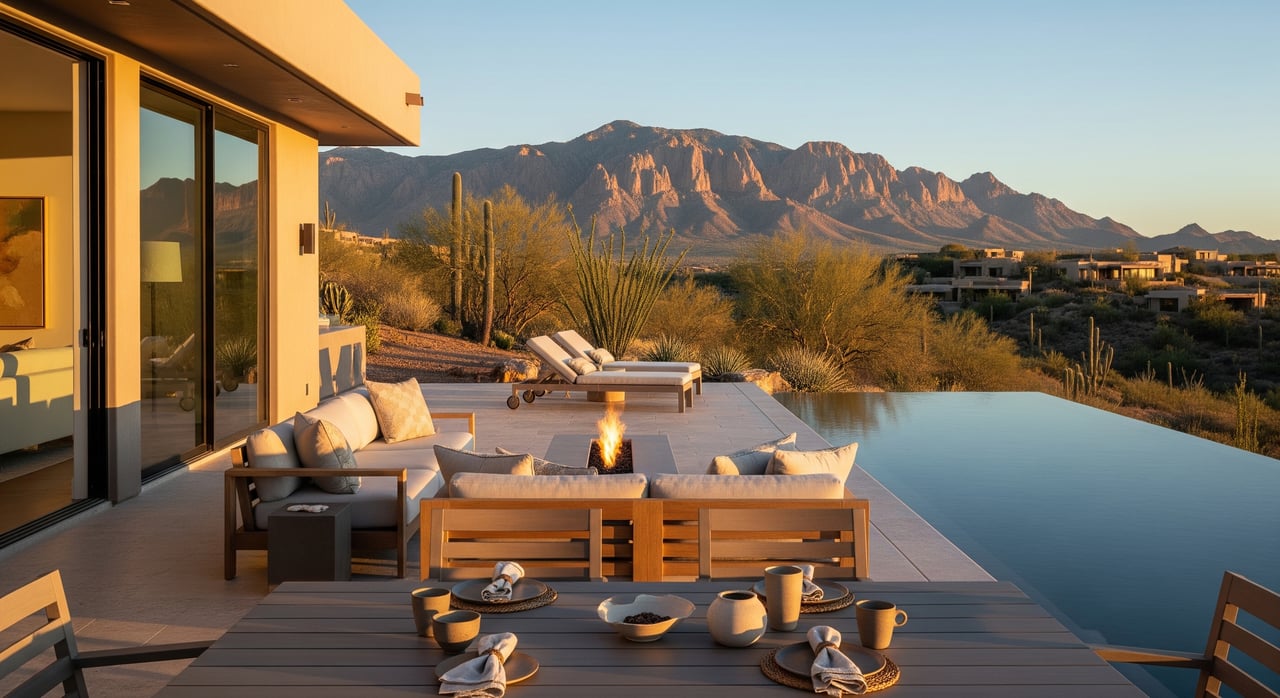
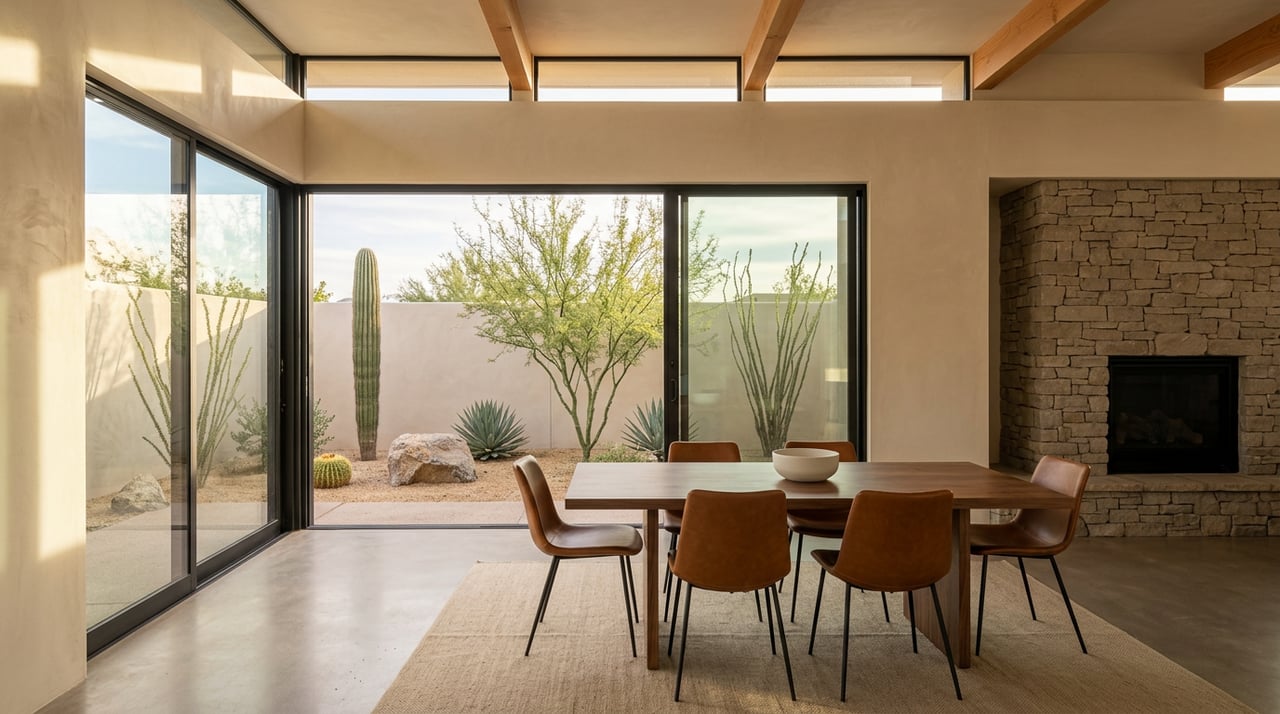
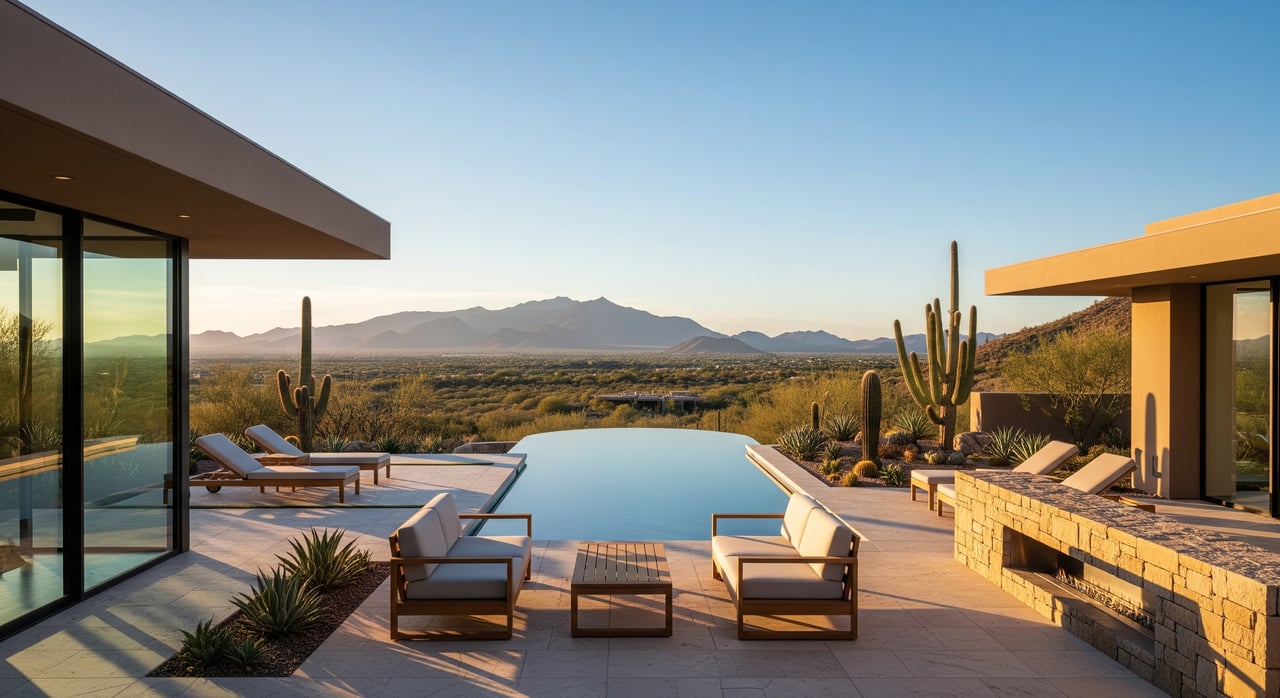
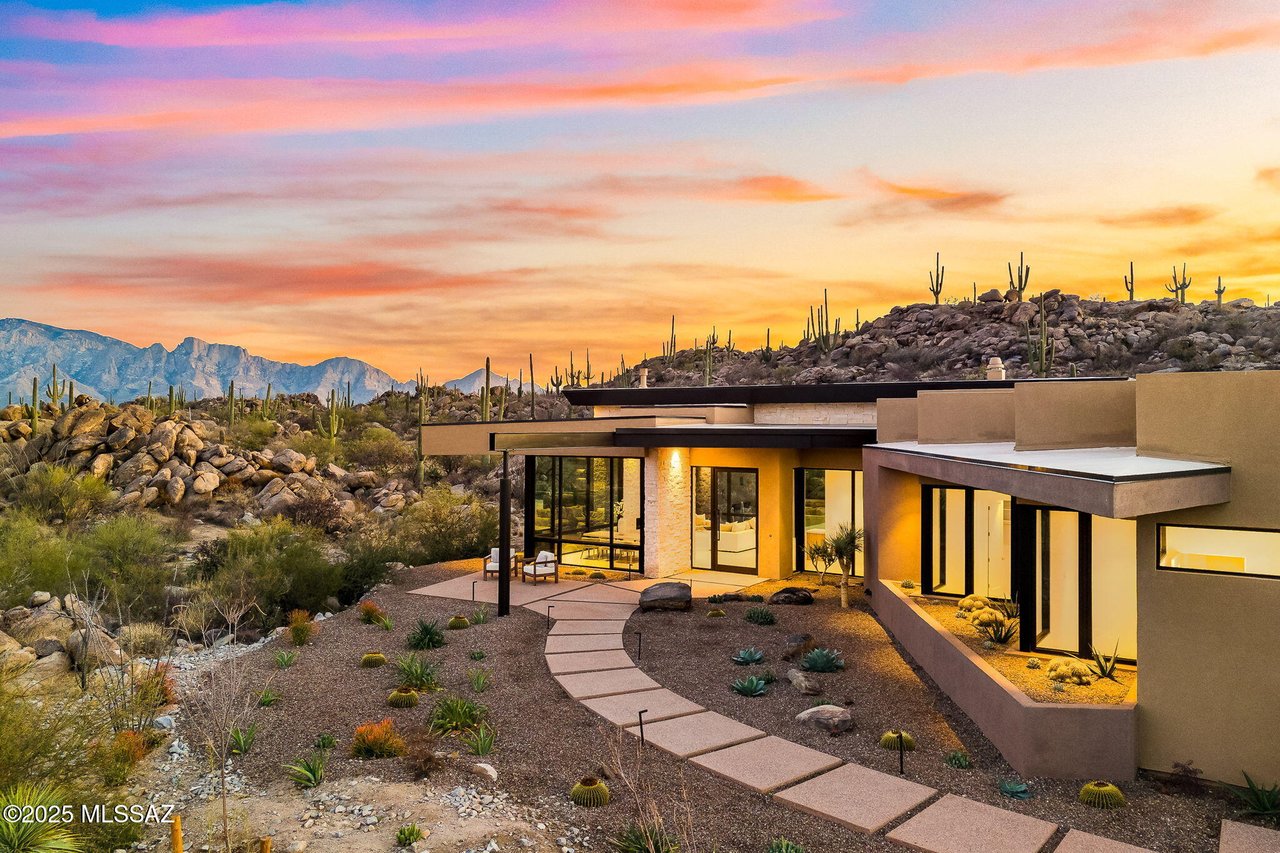
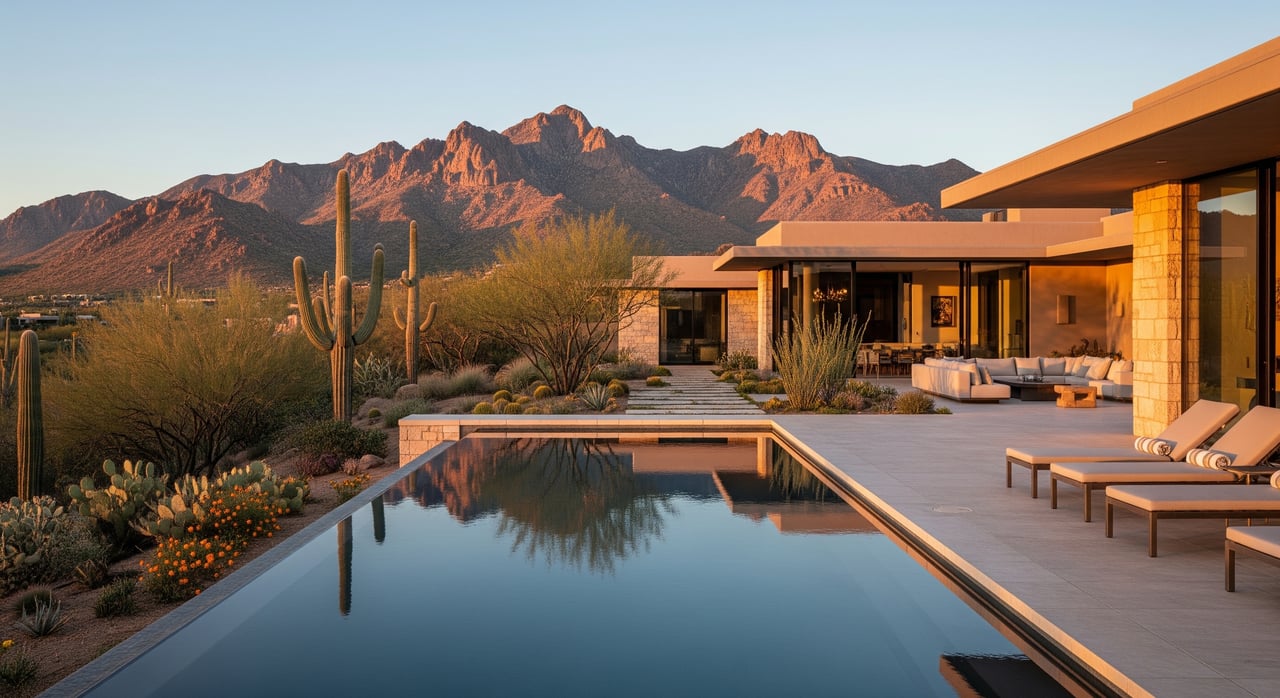
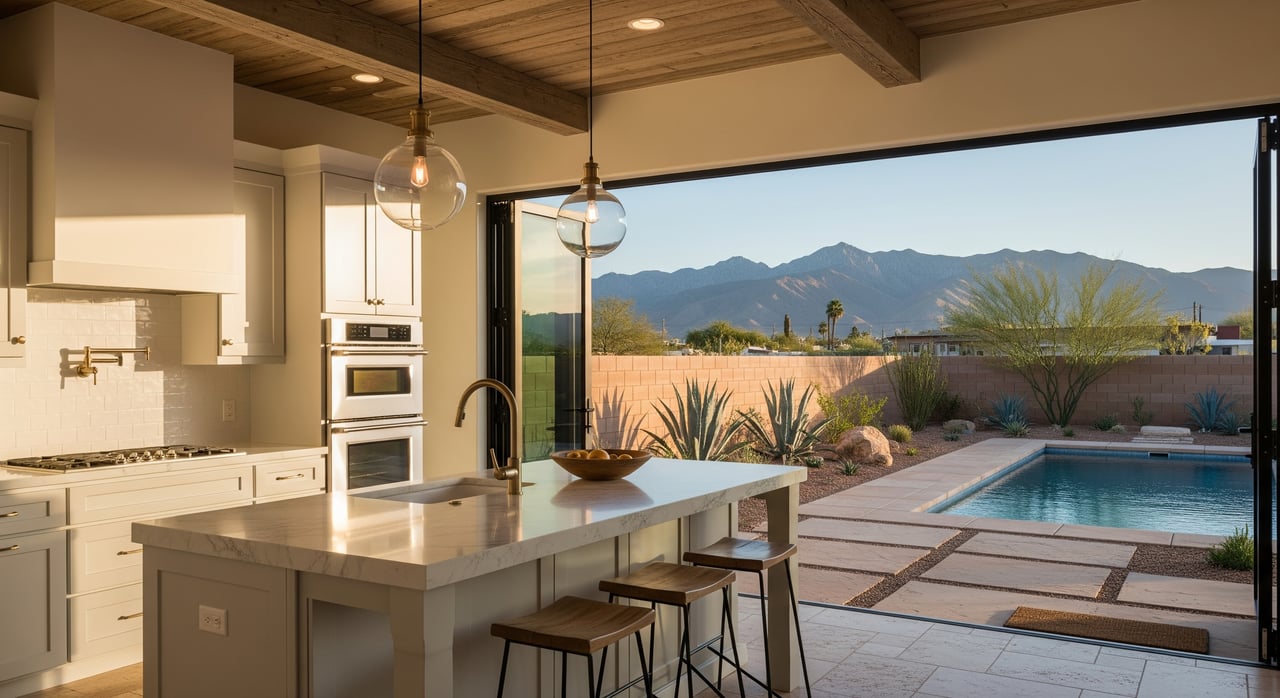
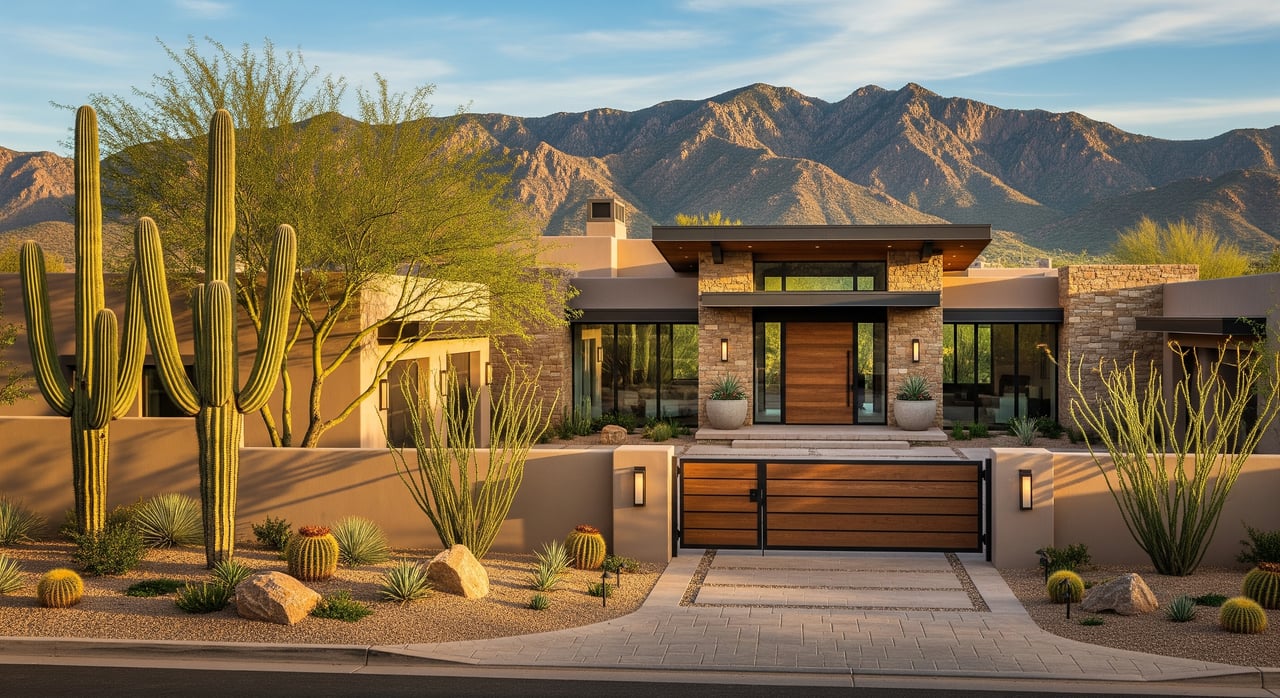
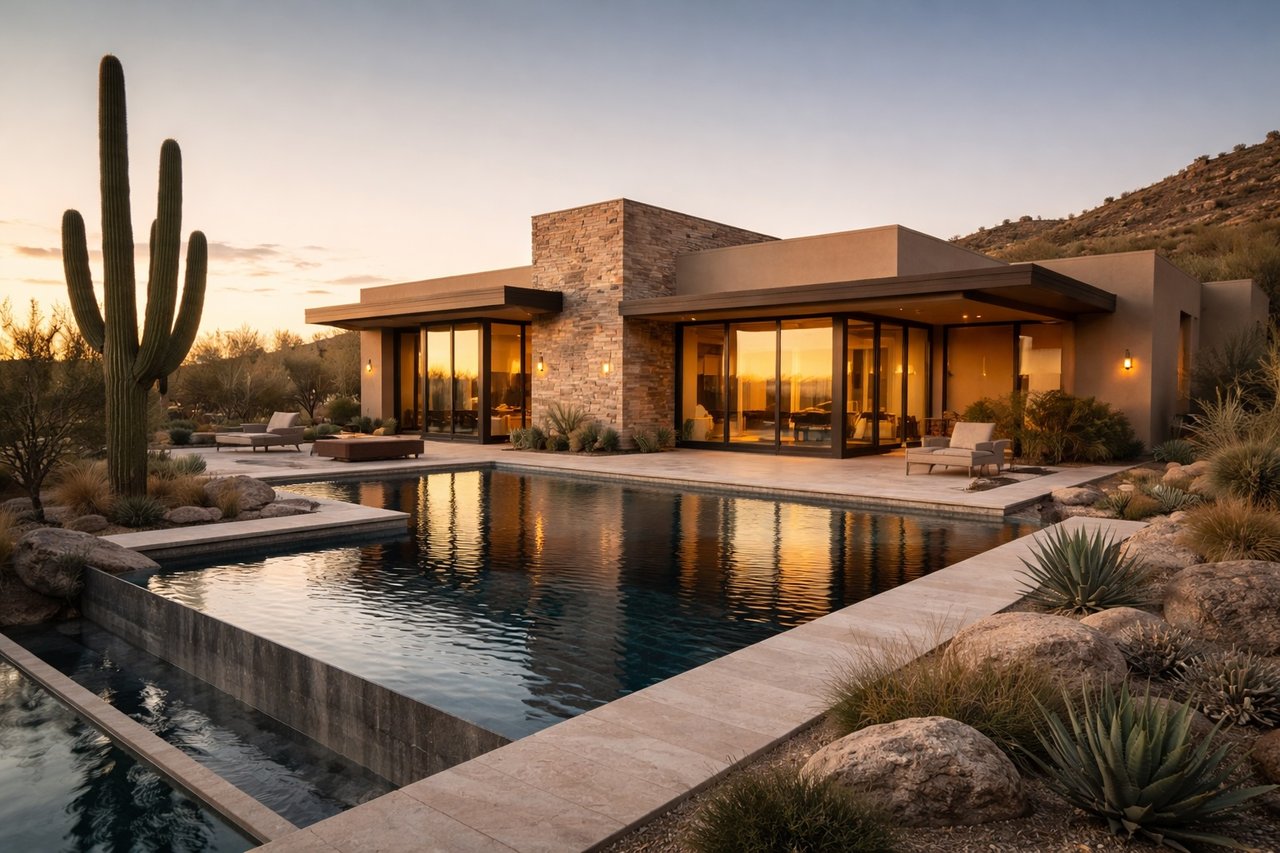
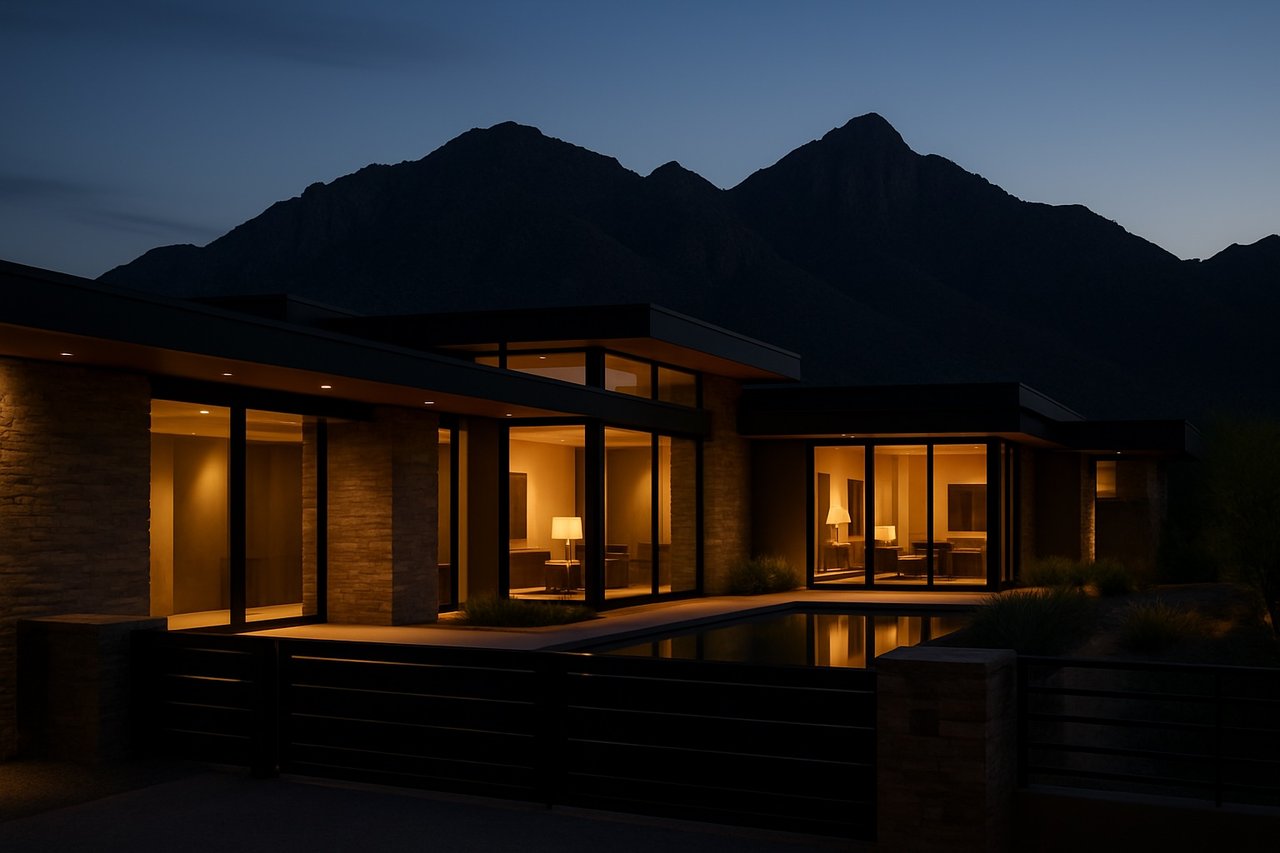
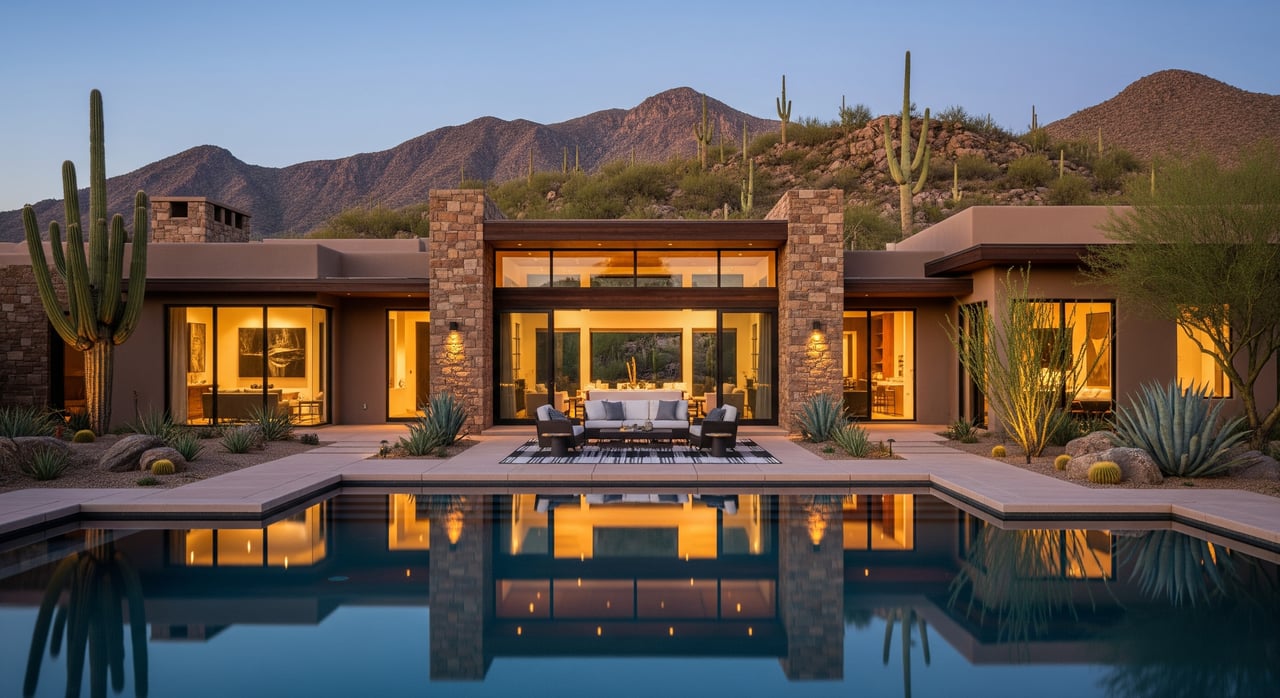
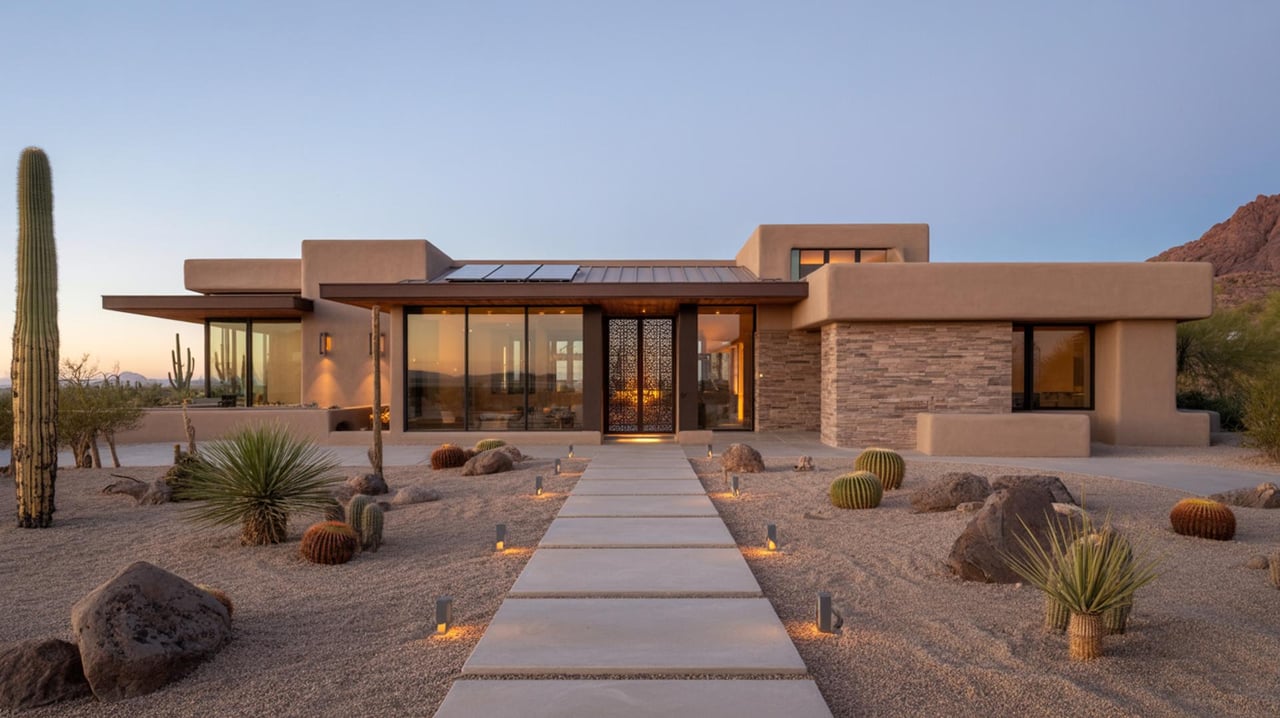
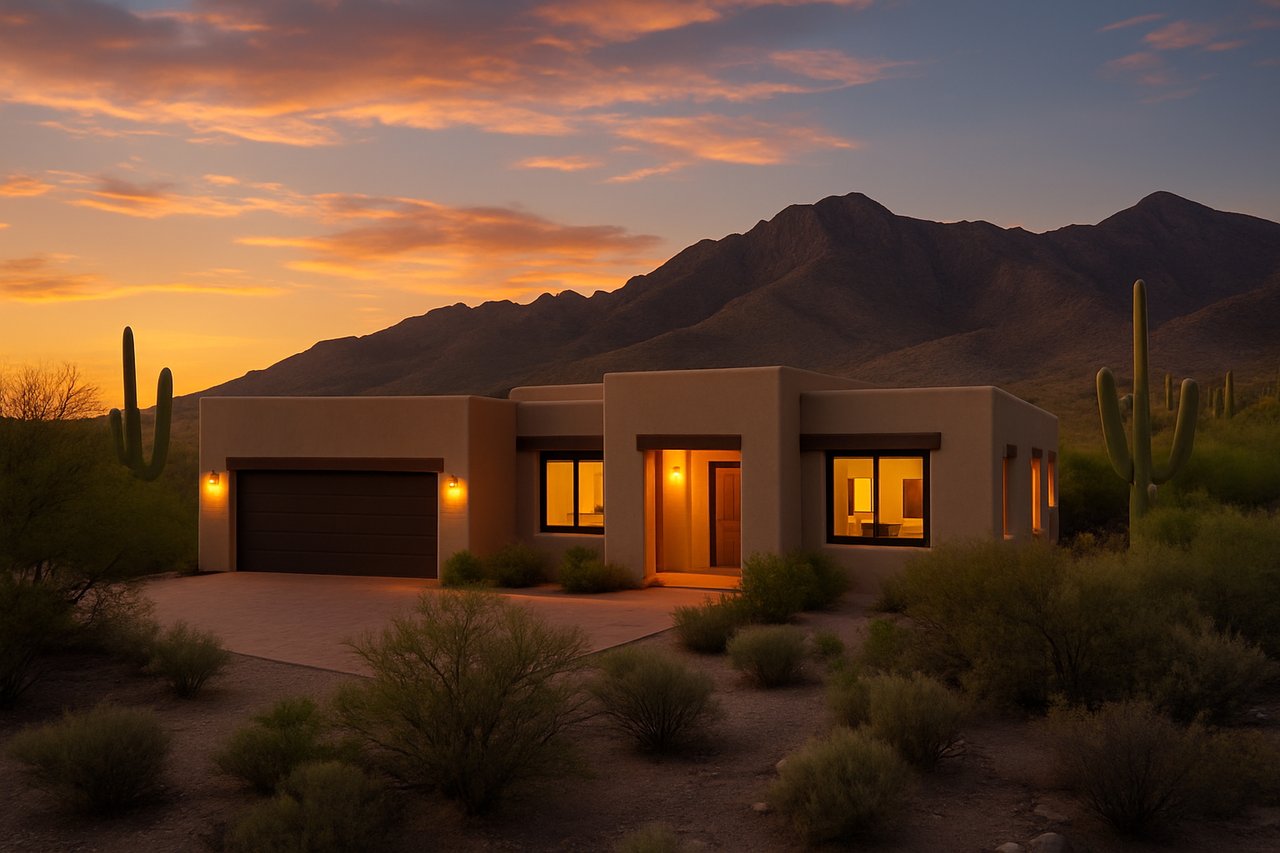
These homes often feature walls of glass, clerestory windows, open floor plans, and broad overhangs. The look is cleaner and less ornamental than traditional Southwestern design, with more emphasis on natural light and the relationship between the interior and the lot.
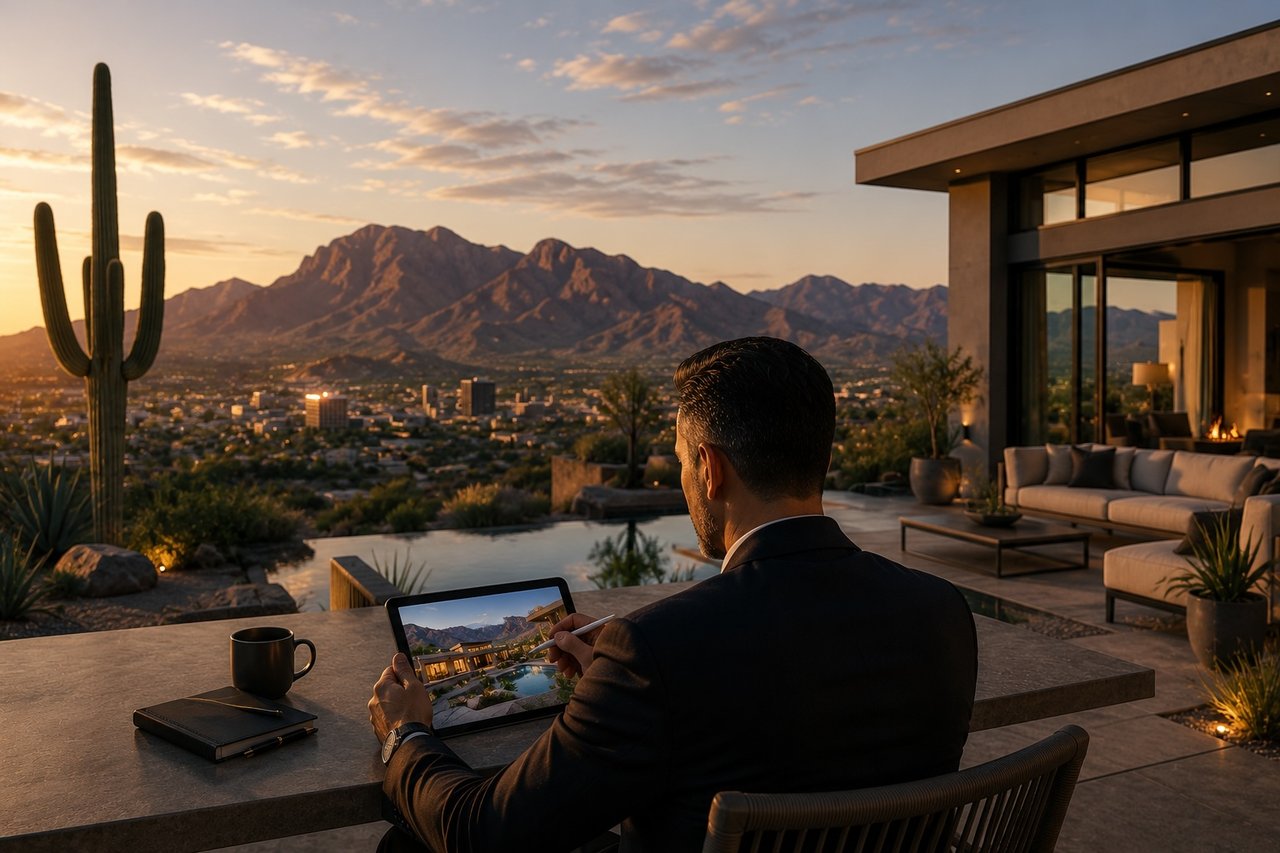
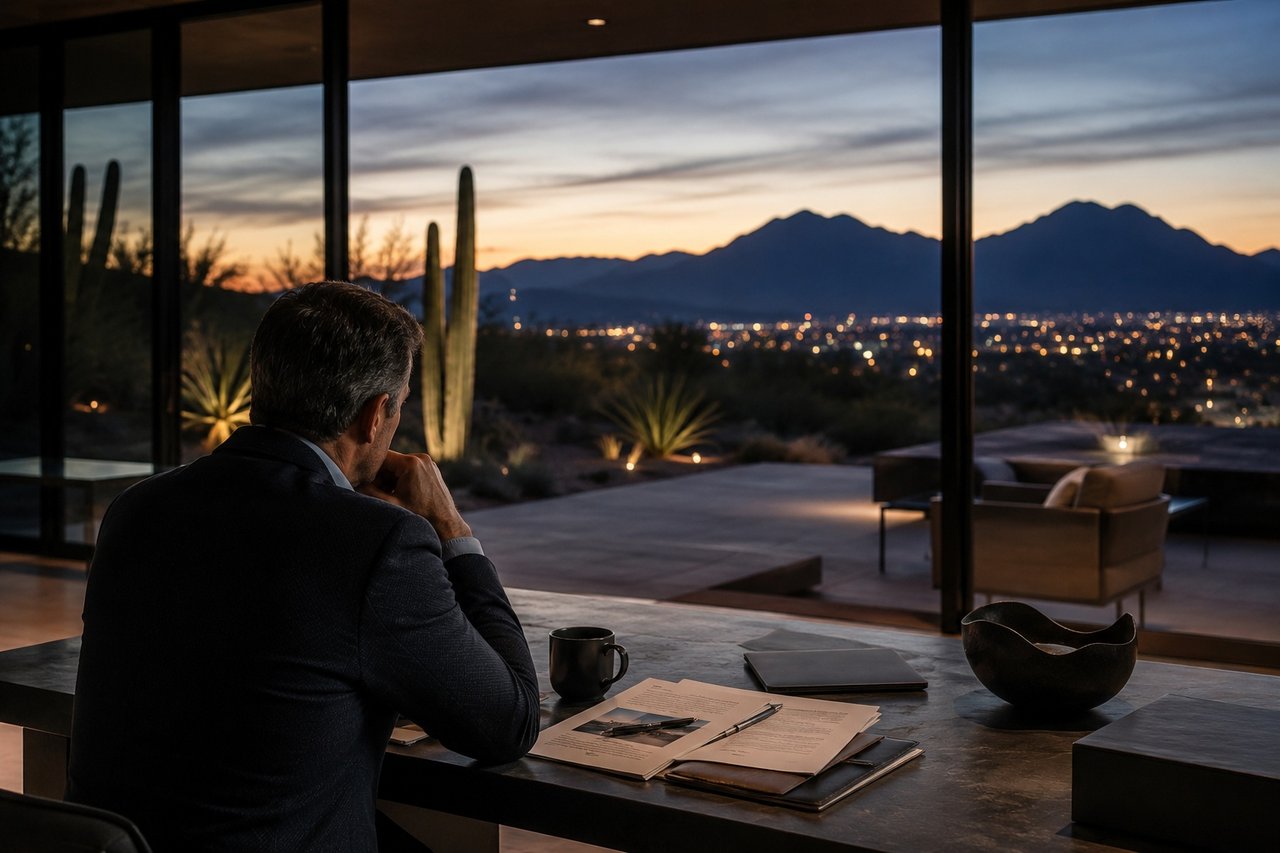
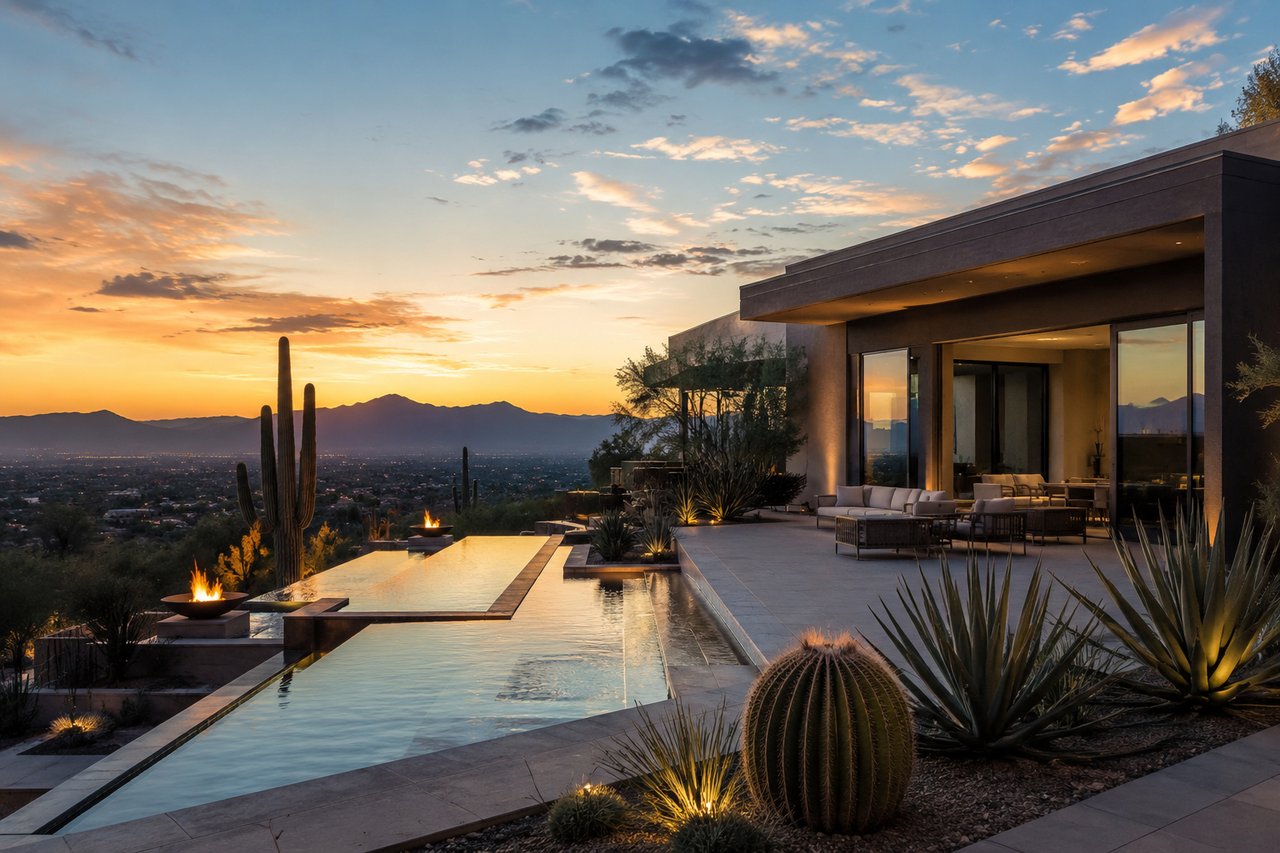
In everyday living, desert contemporary homes often feel open, bright, and view-driven. If you love strong mountain sightlines, seamless indoor-outdoor flow, and a more modern finish palette, this style may stand out to you. It tends to frame the landscape rather than compete with it.
Santa Fe and Pueblo Revival
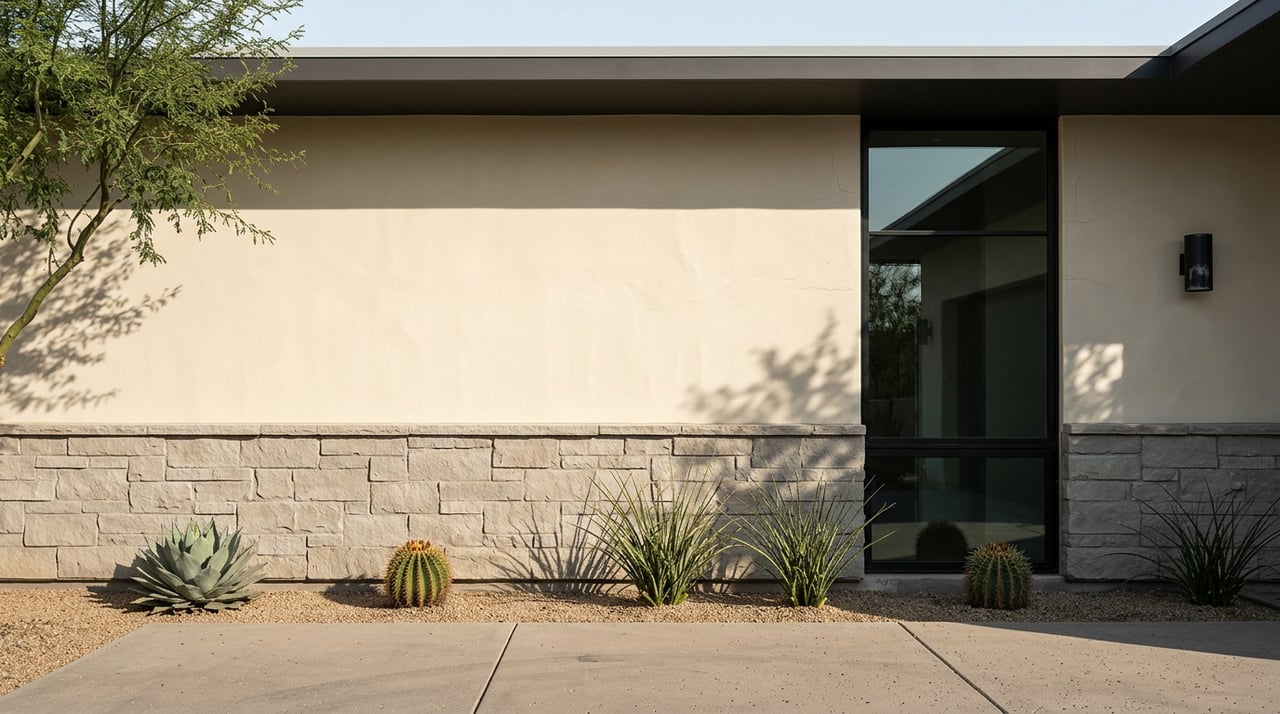
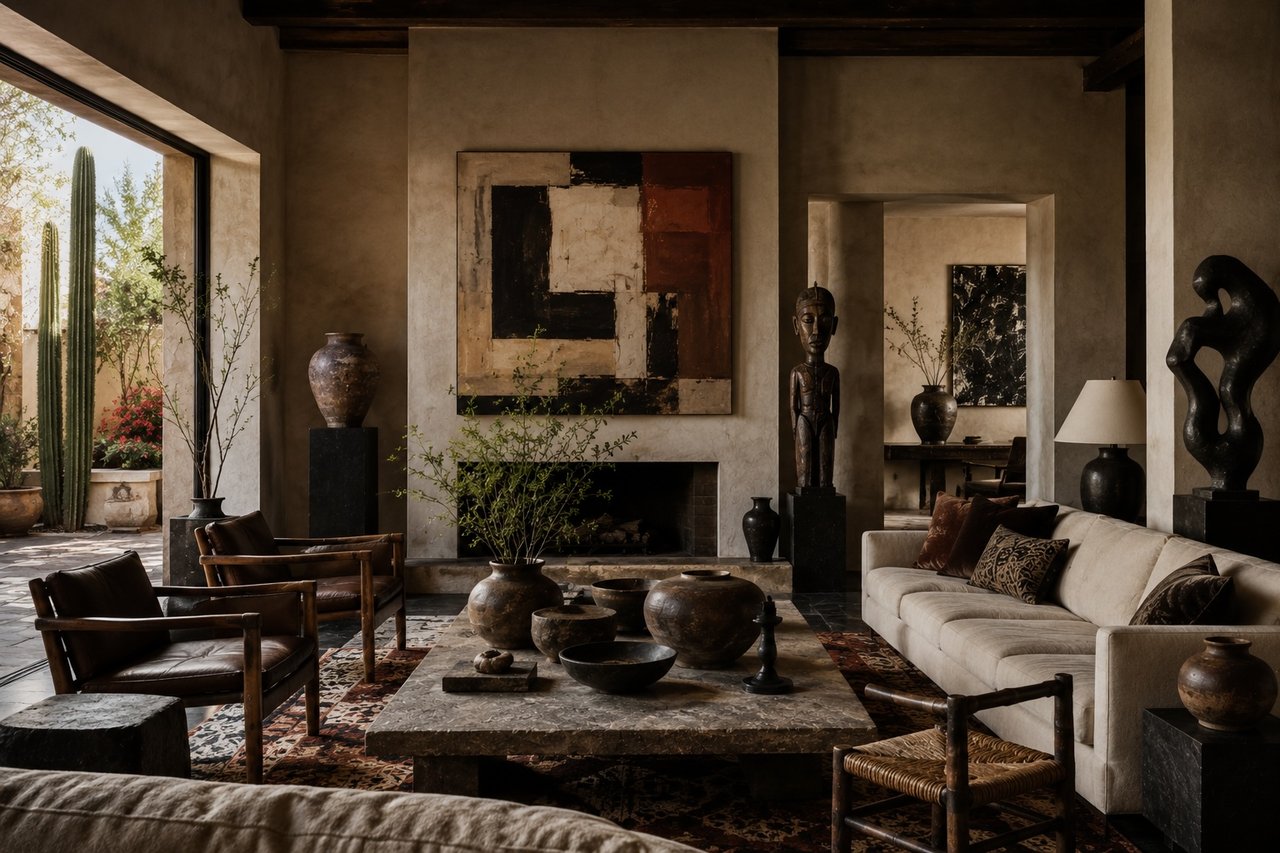
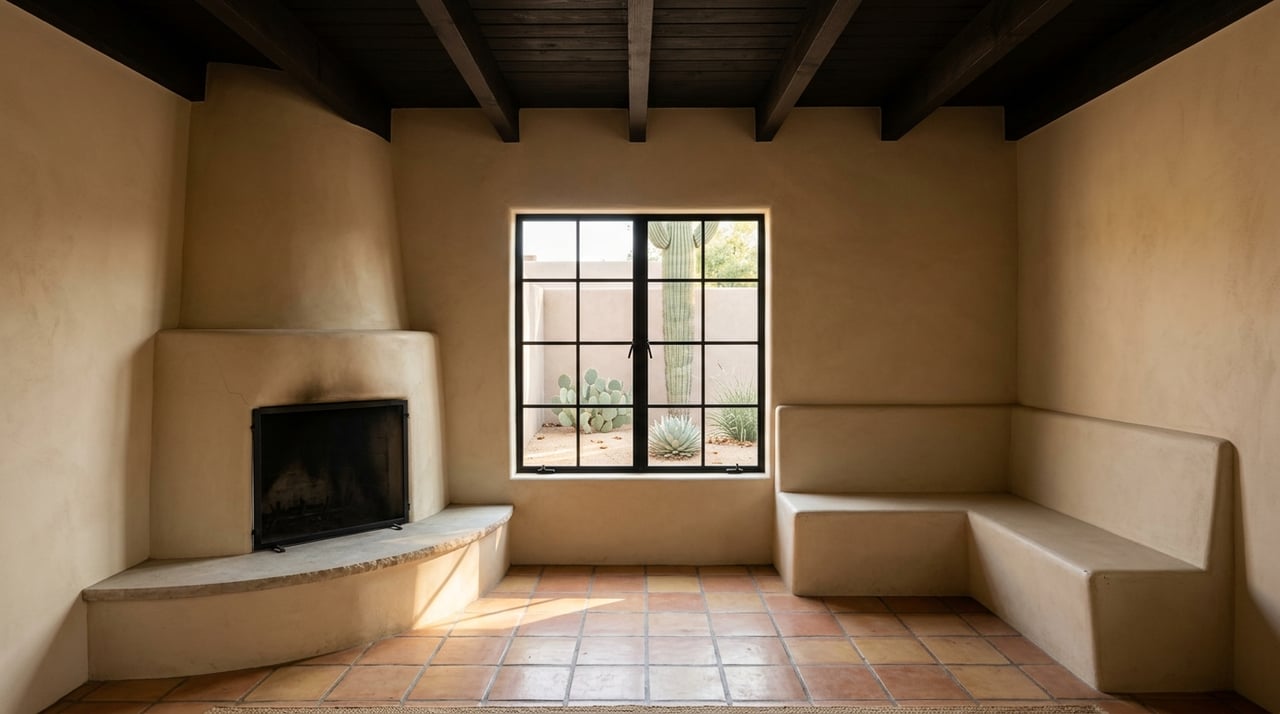
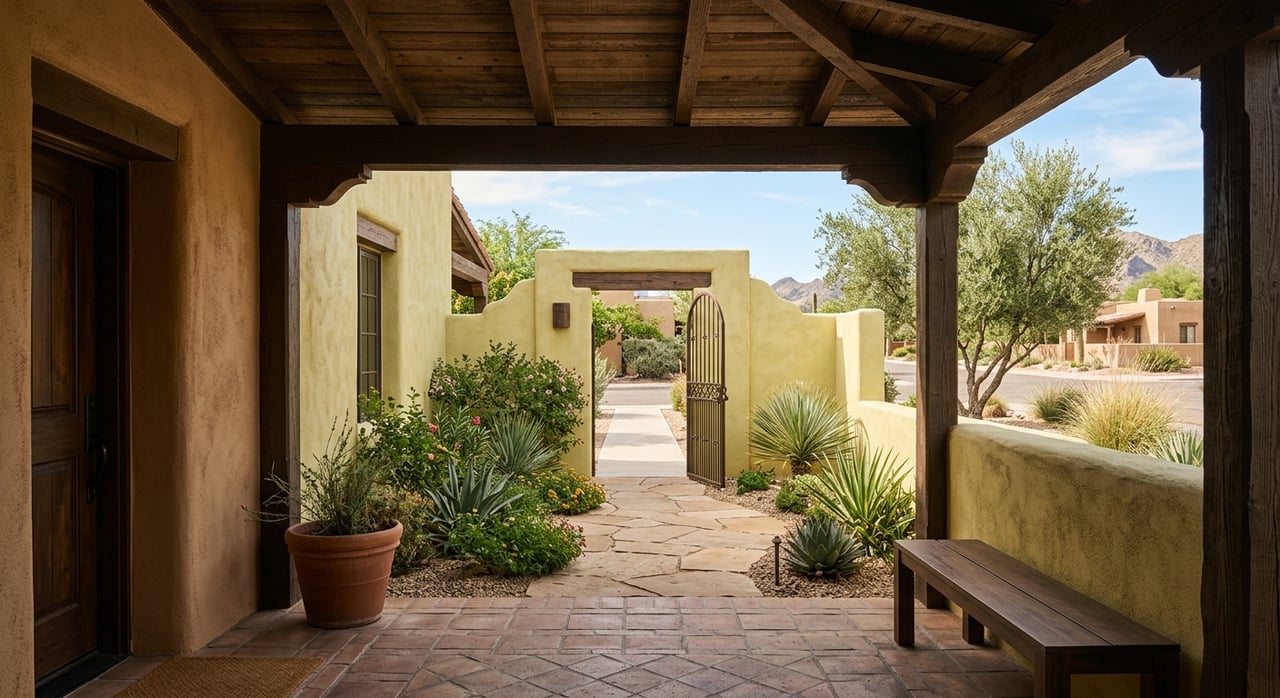
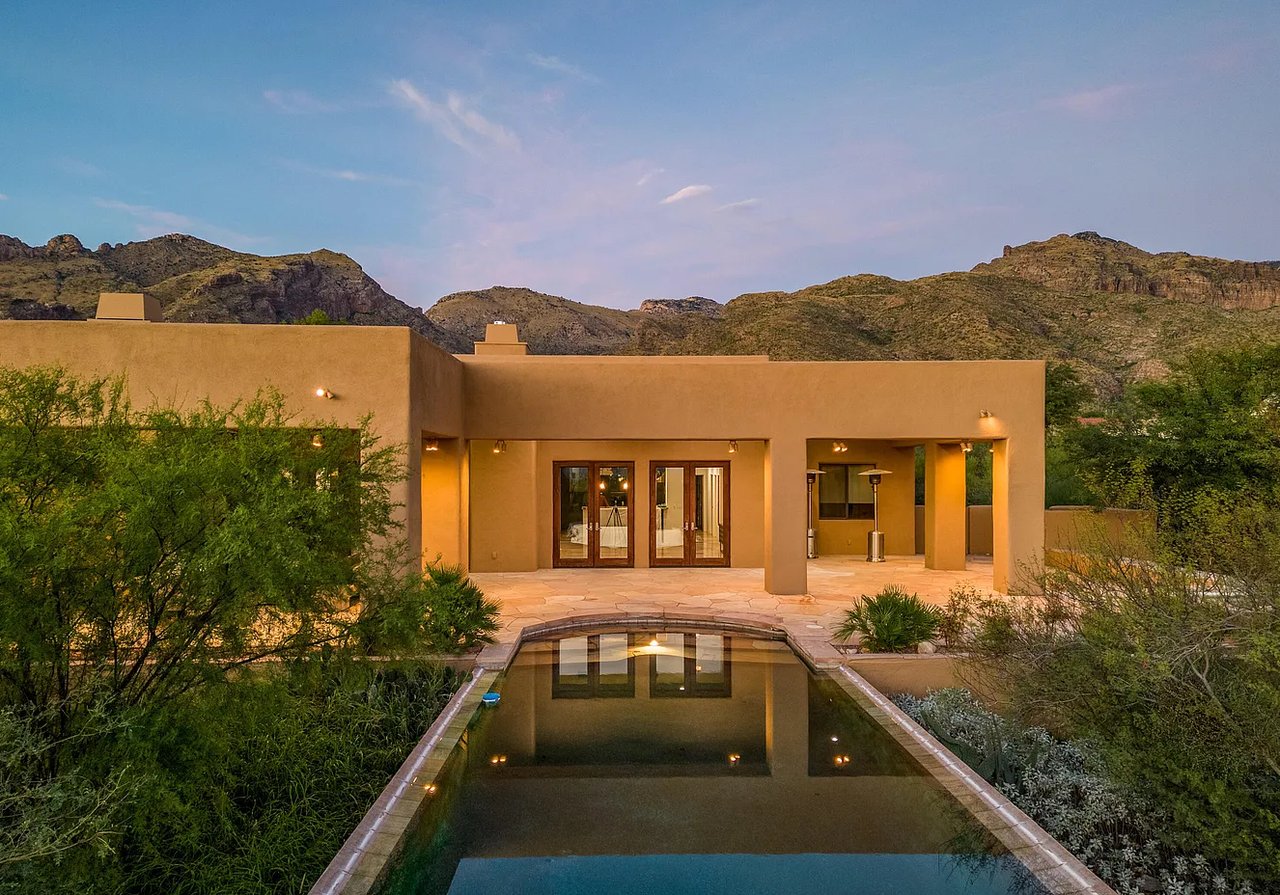
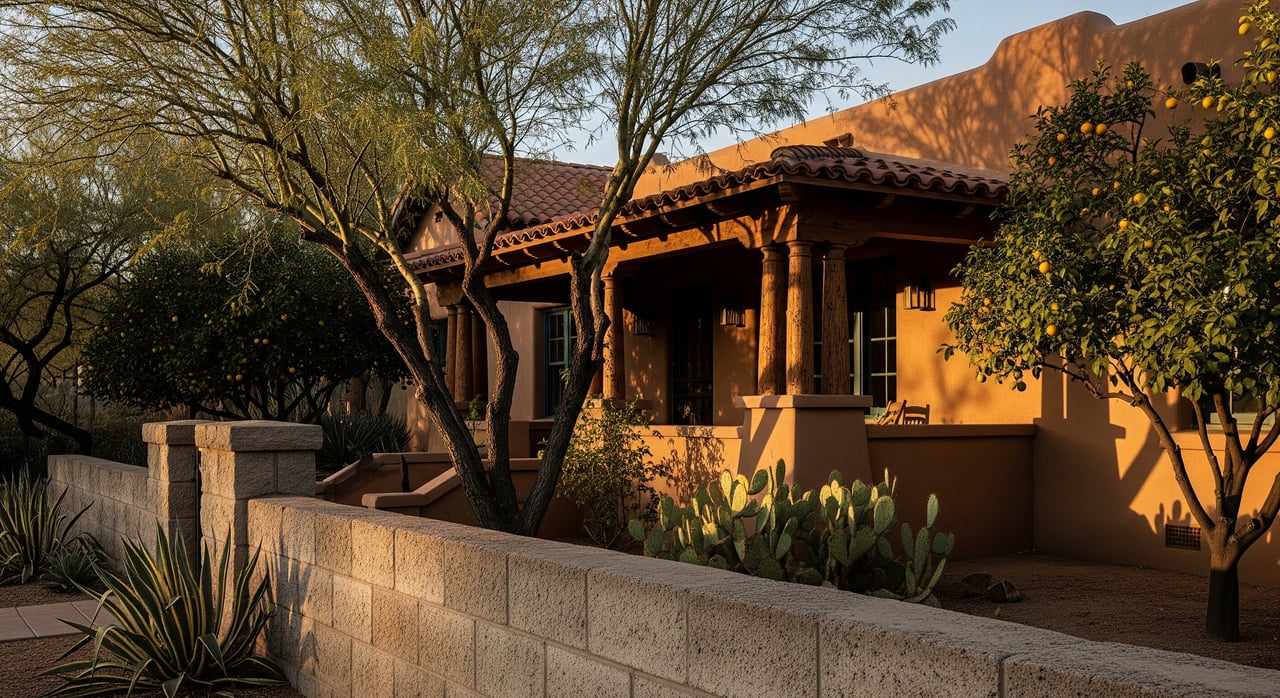
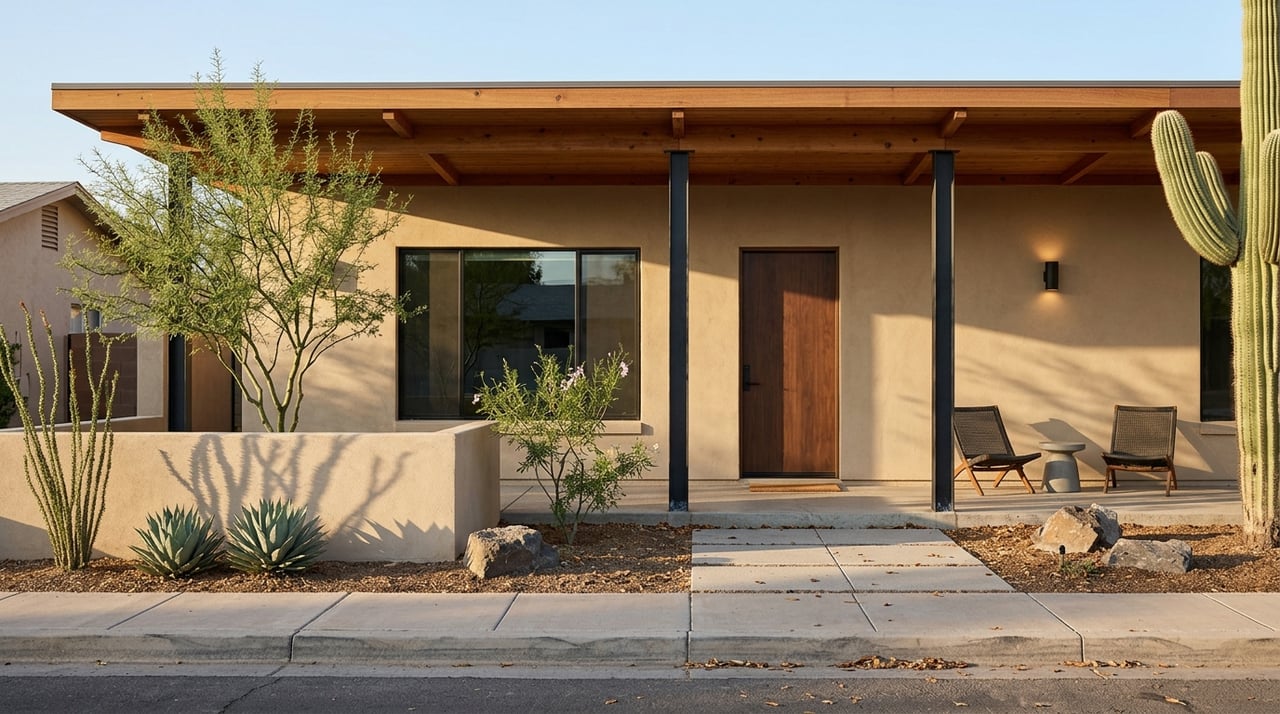
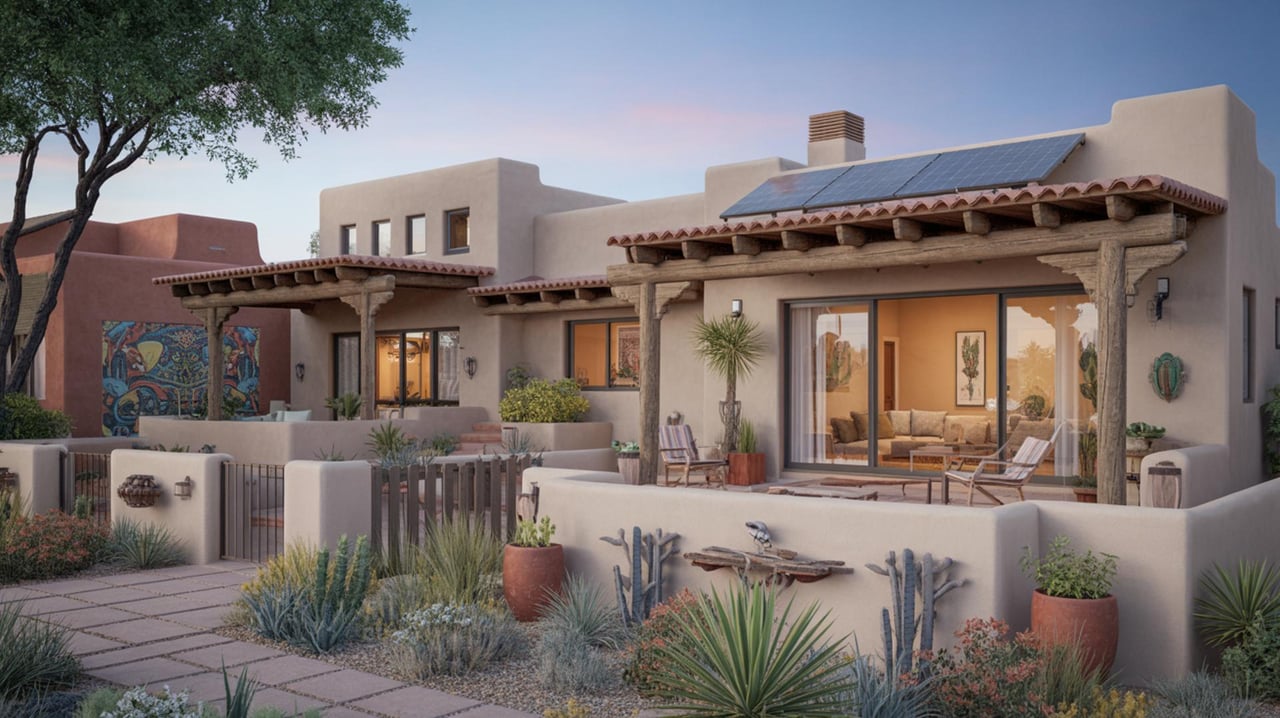
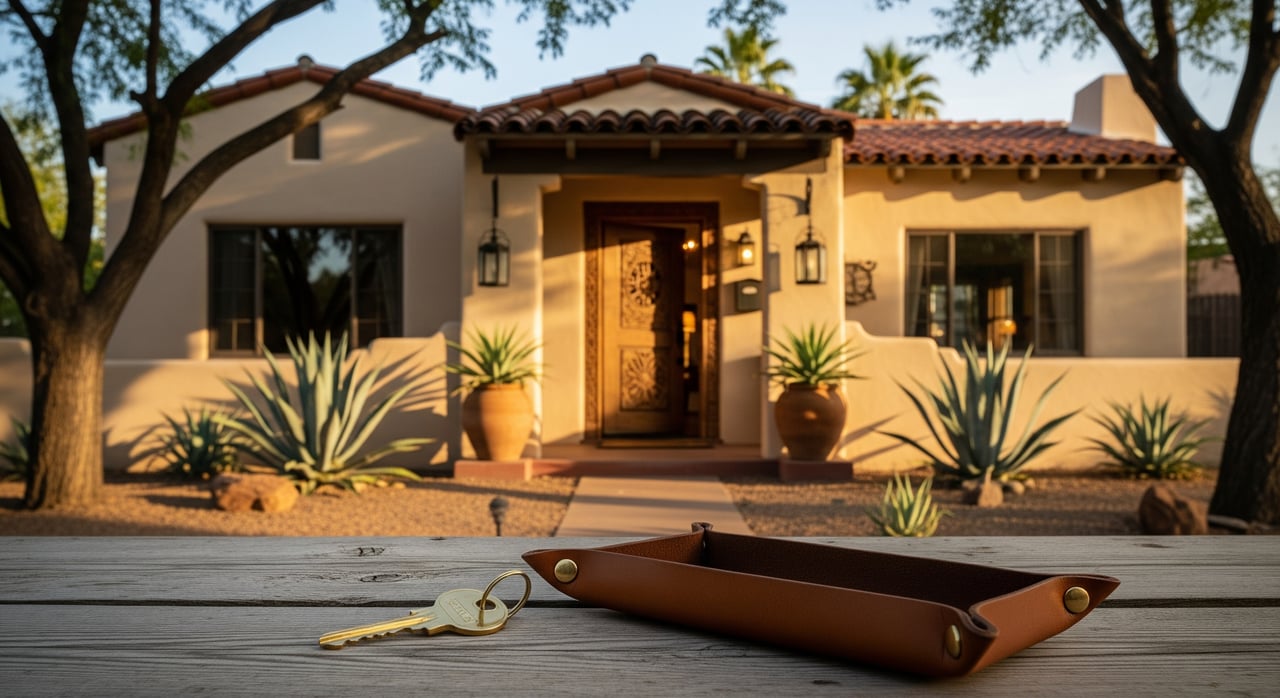
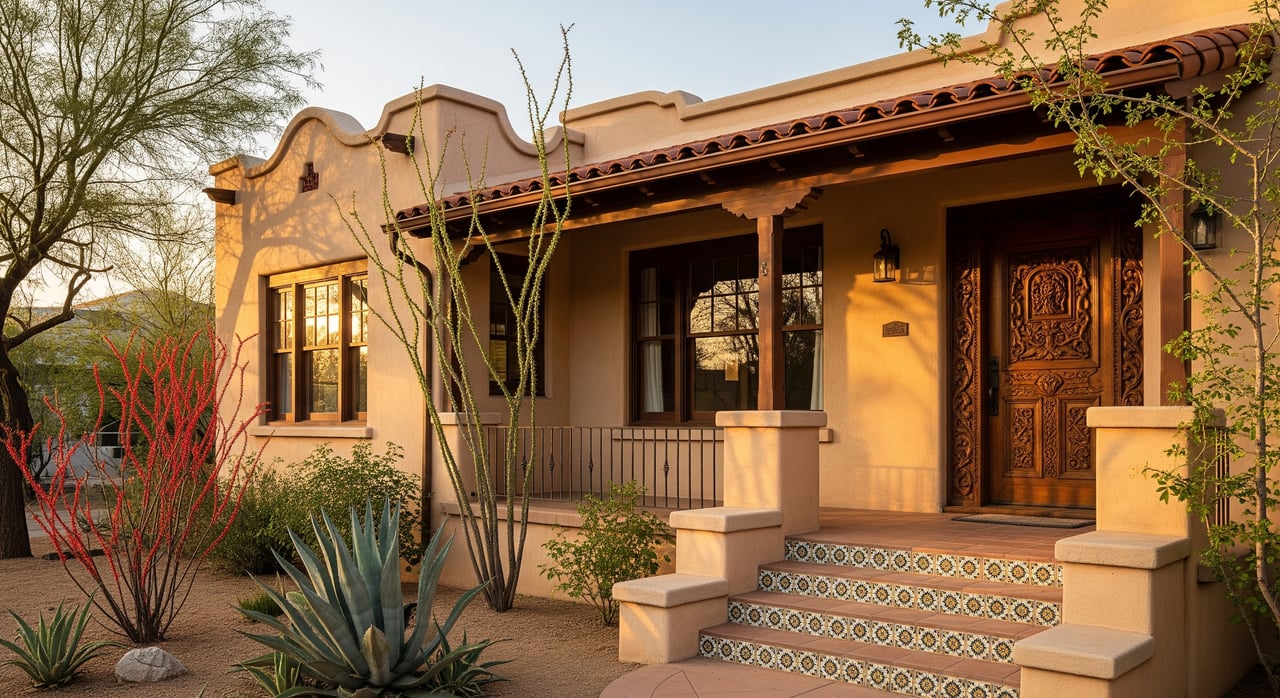
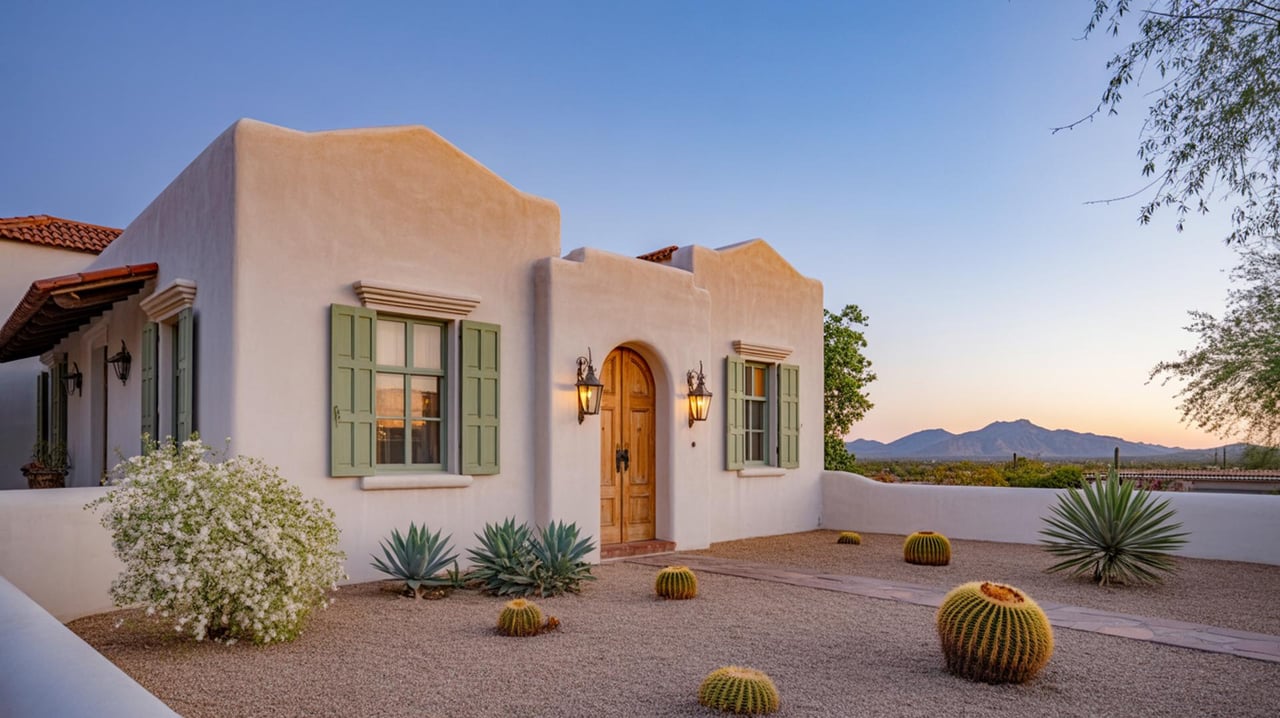
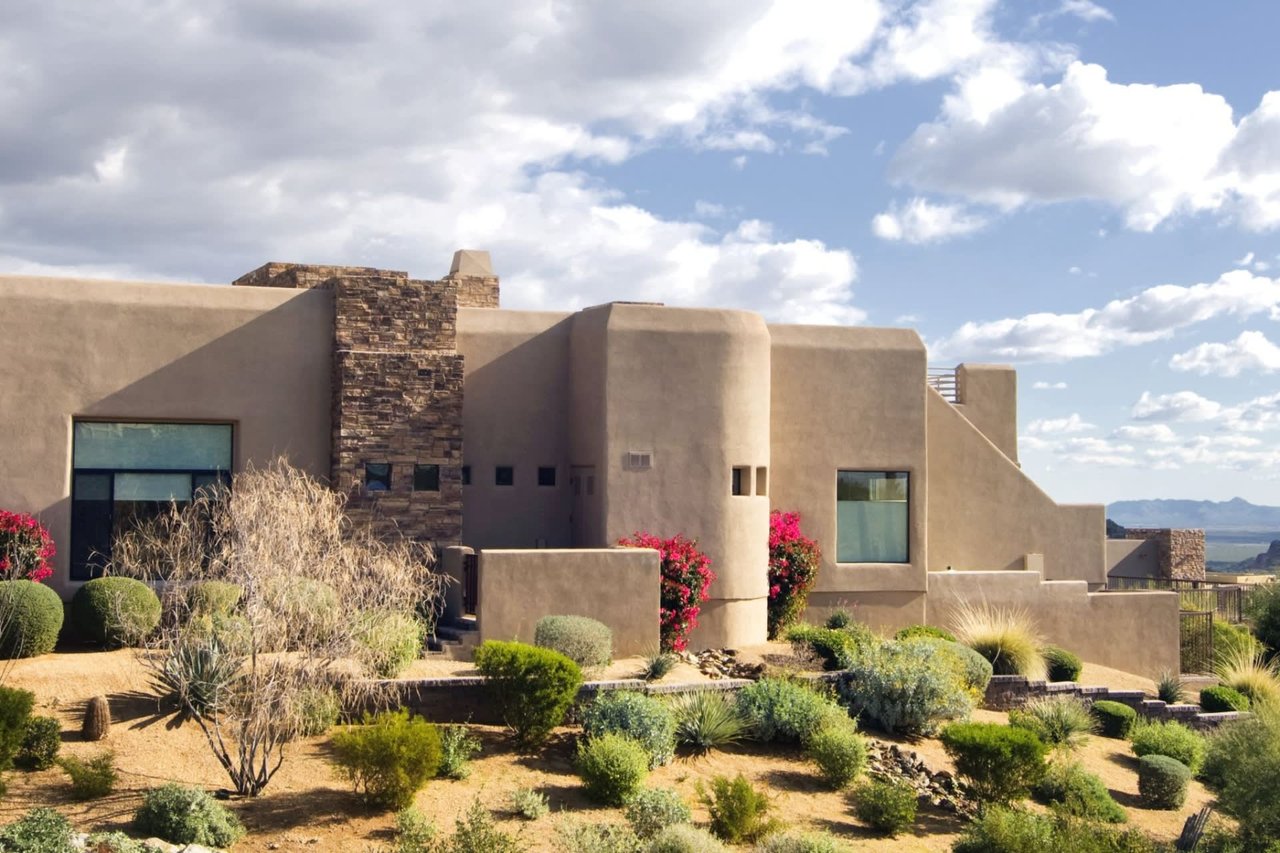
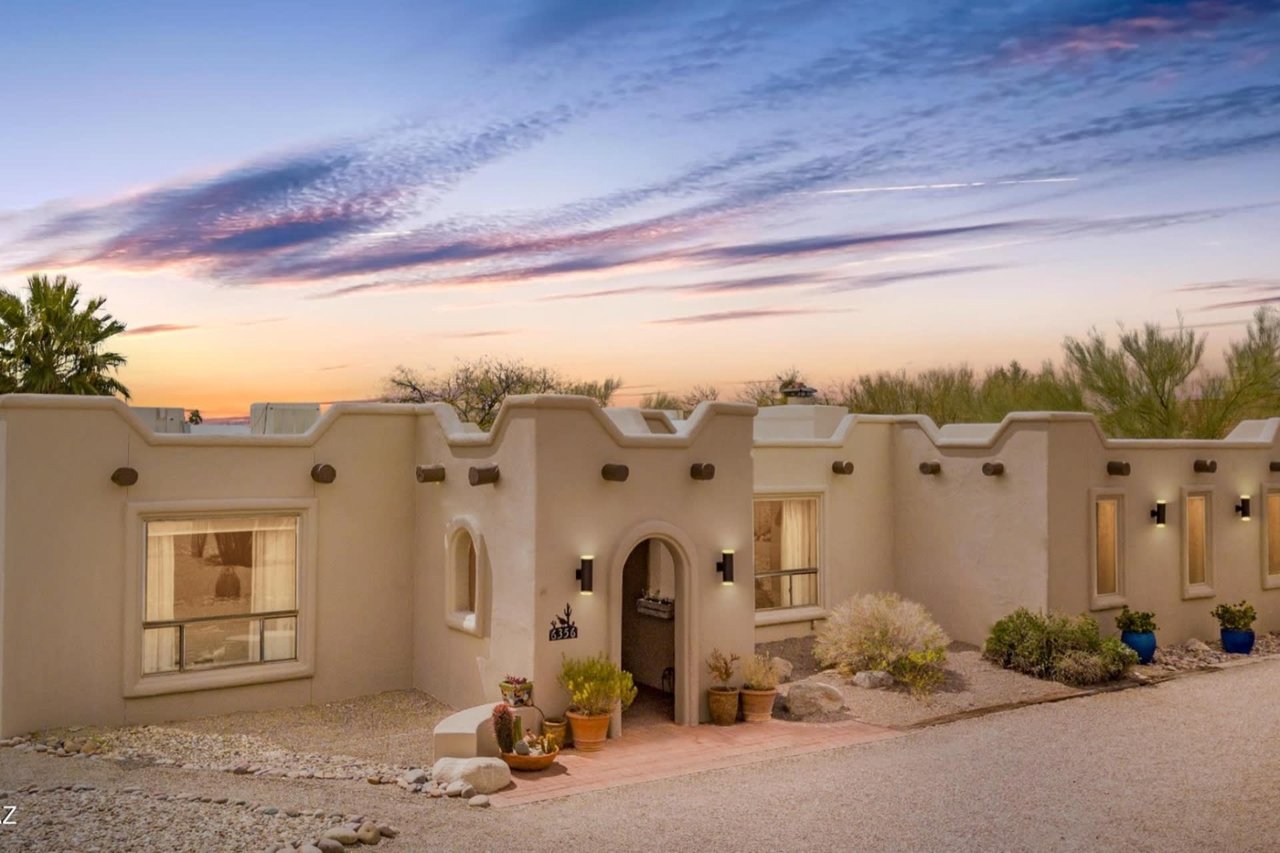
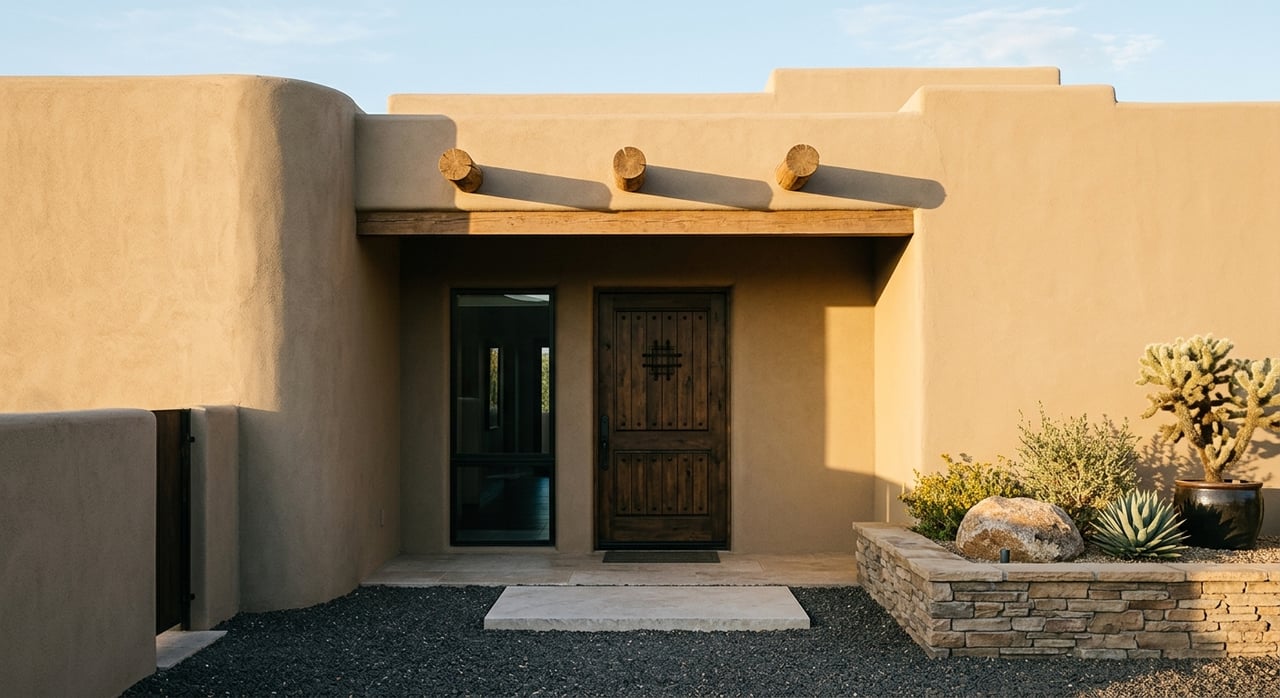
Santa Fe-influenced homes in Ventana Canyon draw from Pueblo Revival vocabulary that is closely tied to the Southwest. Tucson’s historic architectural guidance describes this style with earth-toned stucco, simple window openings, flat roofs, rounded or stepped parapets, and vigas.
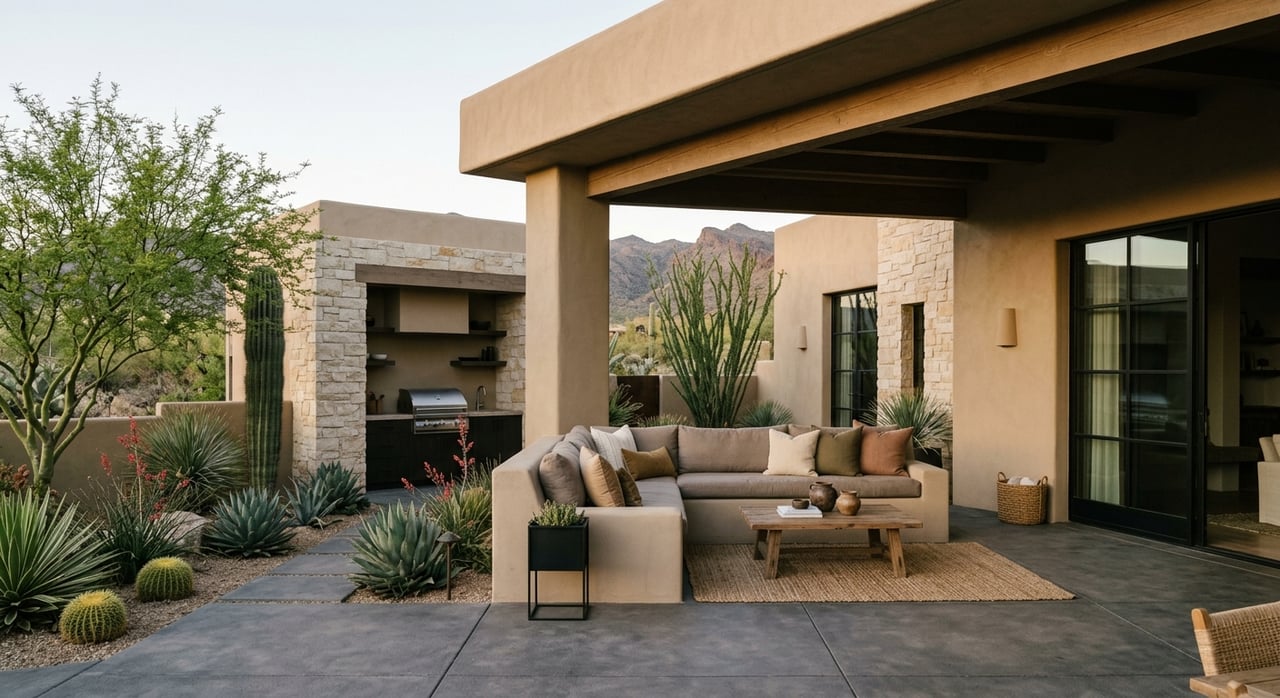
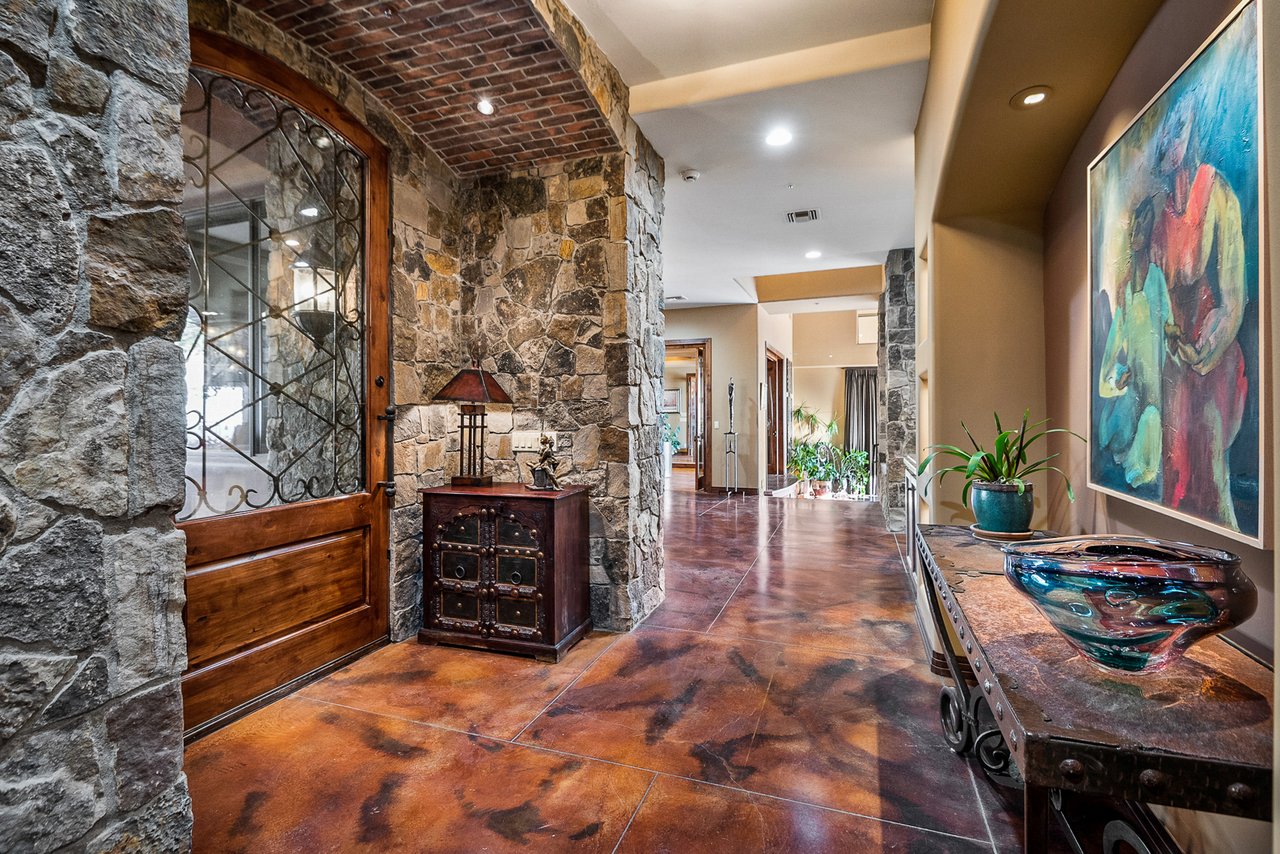
In Ventana Canyon, that language often shows up through masonry walls, courtyards, mesquite doors, wrought iron details, balconies, and kiva-style or beehive-style fireplaces. These homes usually feel warmer and more textured than glass-forward contemporary homes.
If you are drawn to tactile materials and a more enclosed, intimate atmosphere, this style may feel especially comfortable. Courtyards and shaded entries can also create a strong sense of arrival, which many buyers appreciate in foothills homes.
Territorial
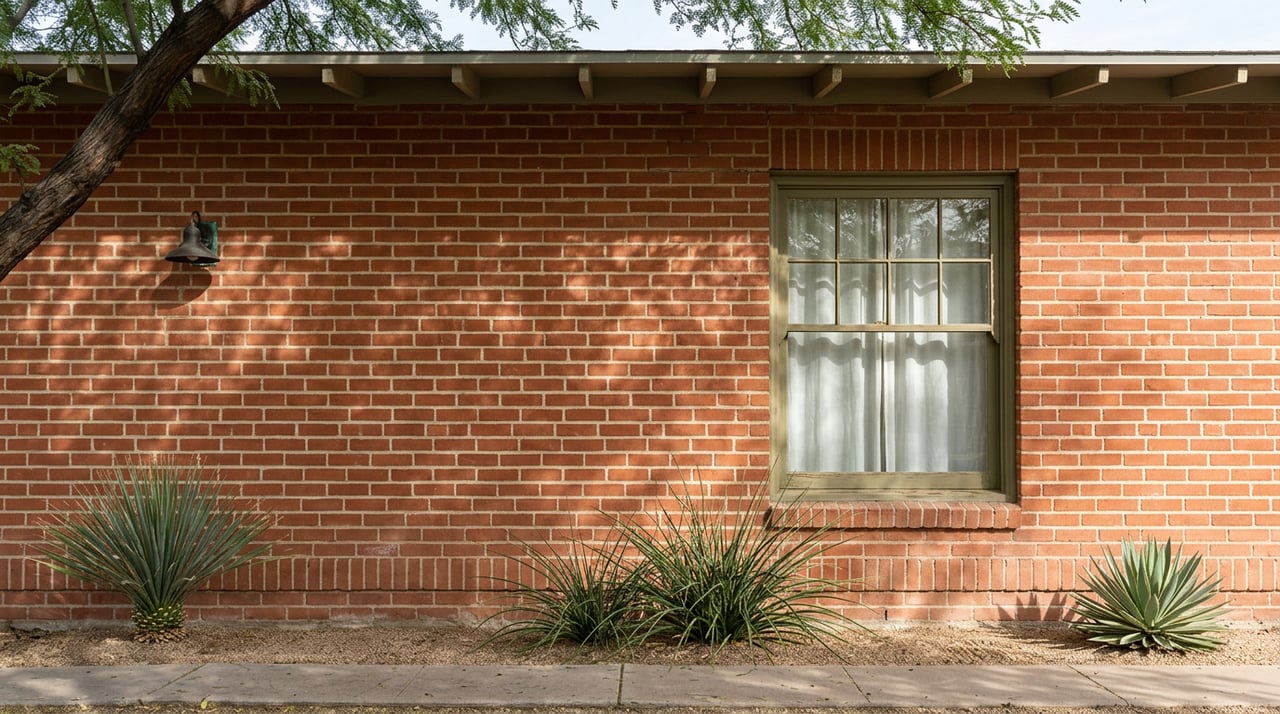
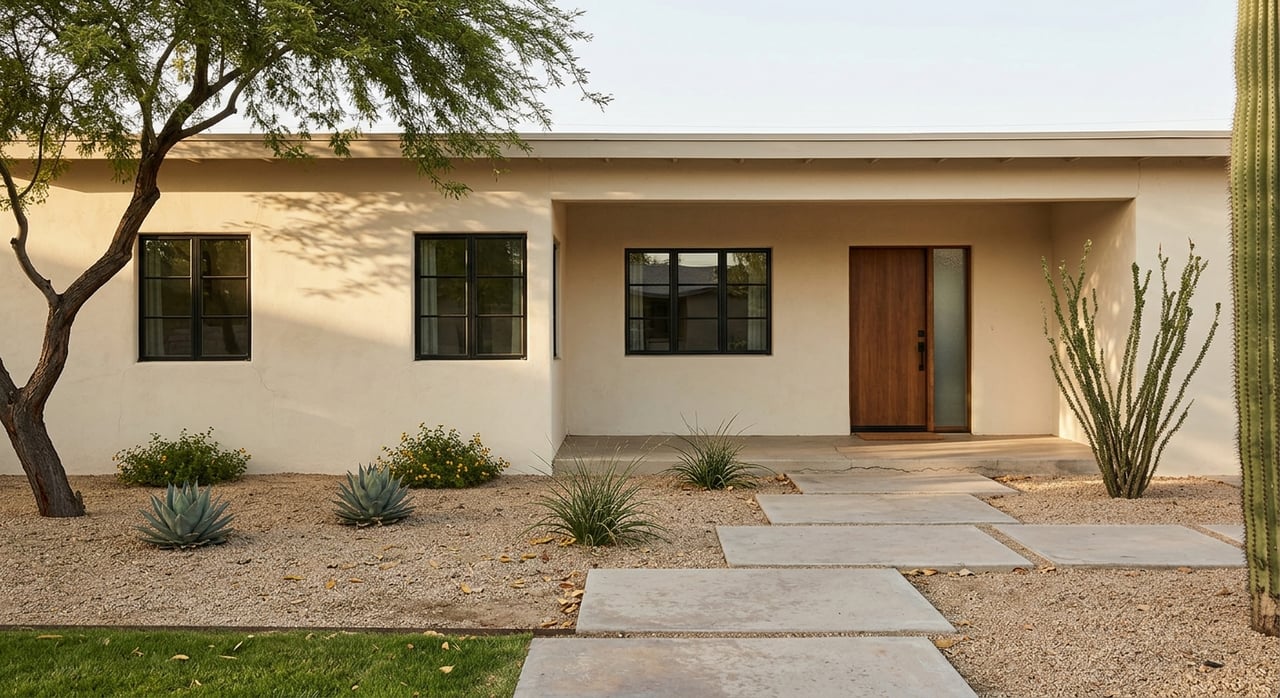
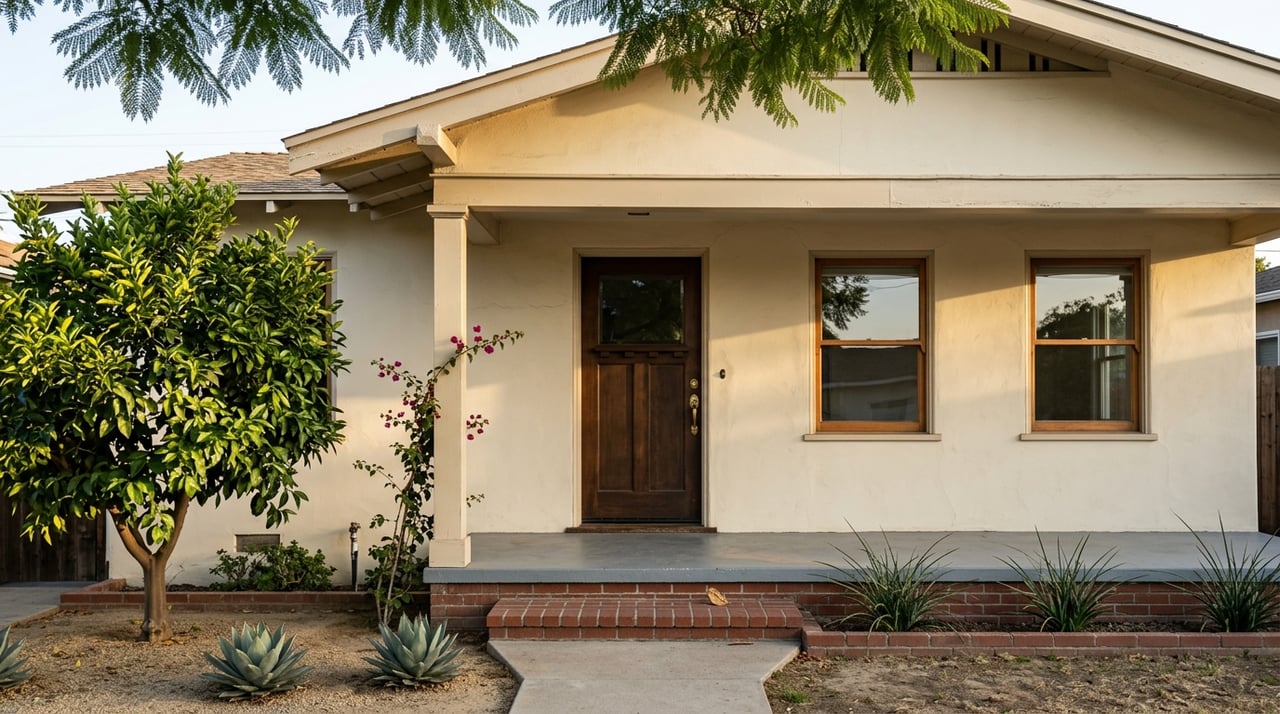
Territorial homes occupy an interesting middle ground. Tucson’s architectural history describes Territorial and post-war Territorial as a desert-adapted blend of Sonoran and American influences, often with flat roofs or parapets, more articulated front facades, and tiled shed-roof entries.
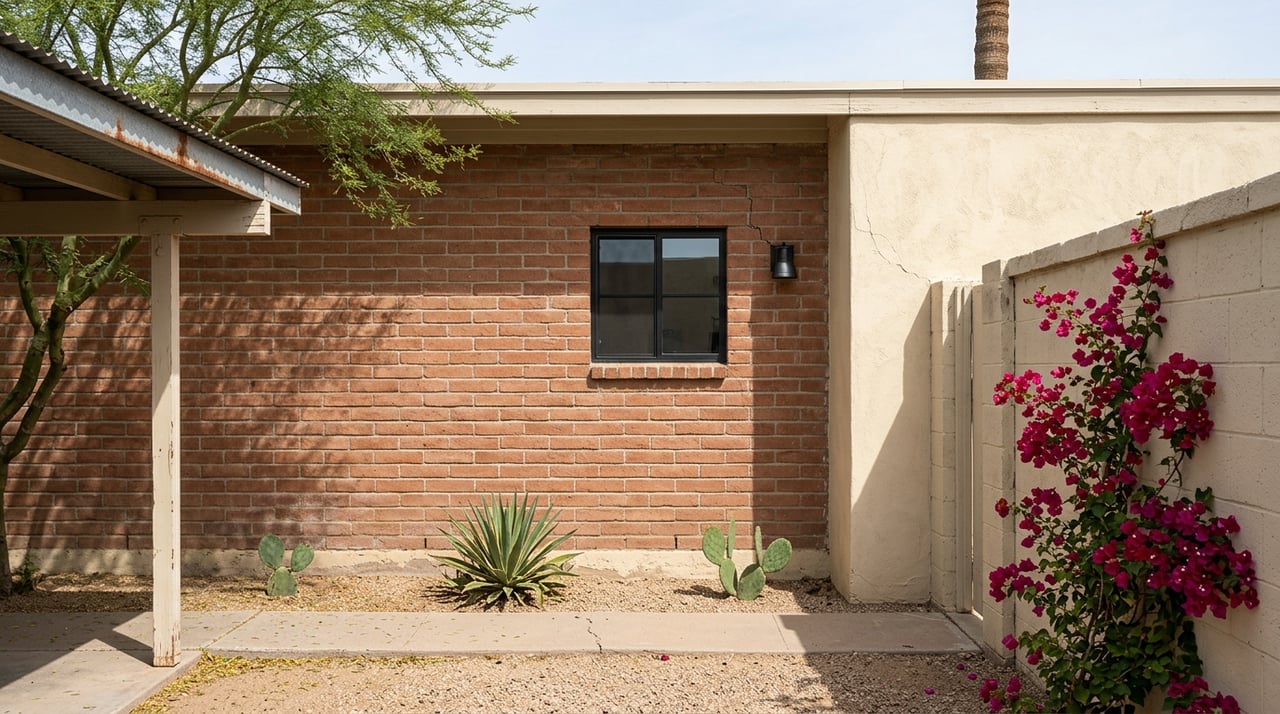
In Ventana Canyon, Territorial homes may include soaring ceilings, exposed beams, brick accents, and clerestory windows. Compared with Santa Fe or Pueblo forms, they can feel a bit more structured and rectilinear while still fitting comfortably into the Tucson desert setting.
For some buyers, Territorial design offers a strong balance. It can deliver Southwestern character without leaning too rustic, and it often pairs traditional masonry materials with brighter, more open interior spaces.
Mediterranean and Santa Barbara Influences
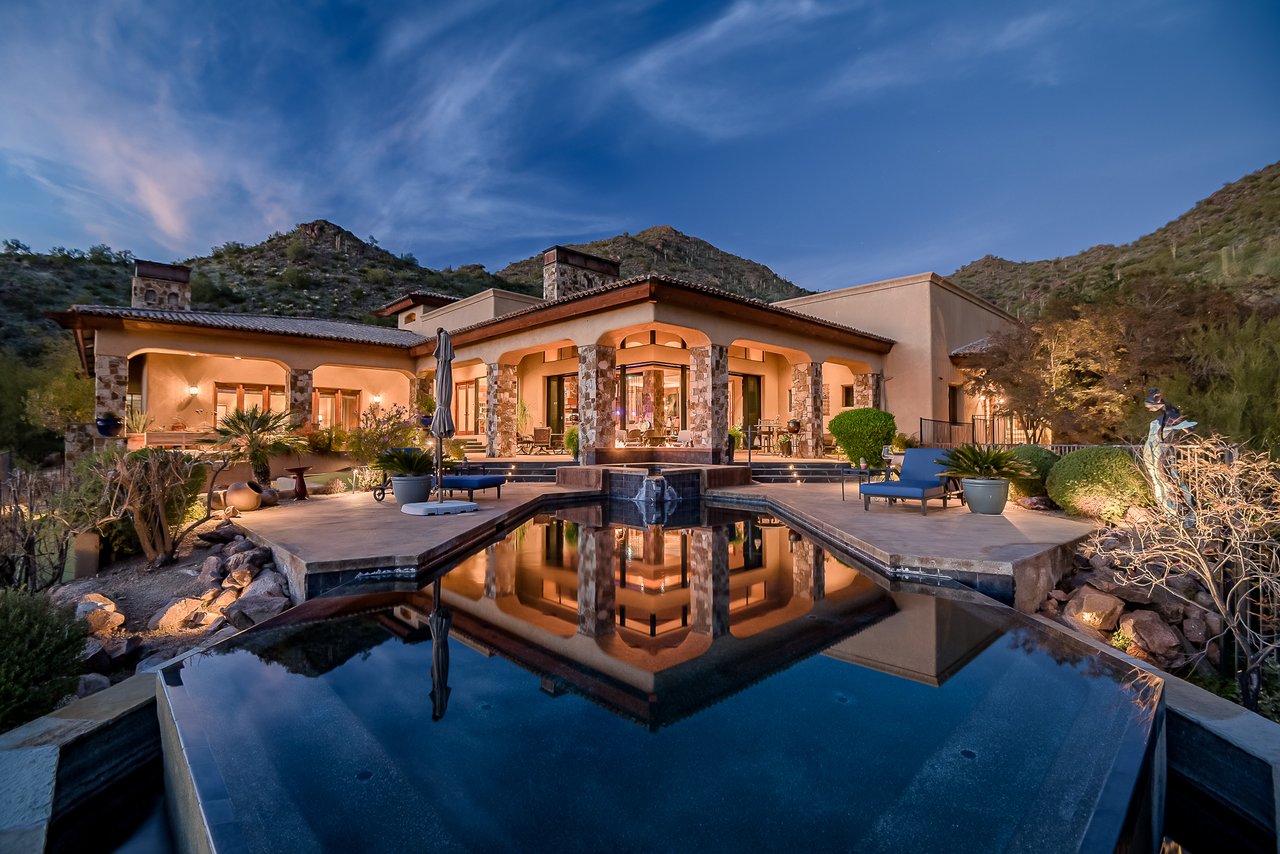
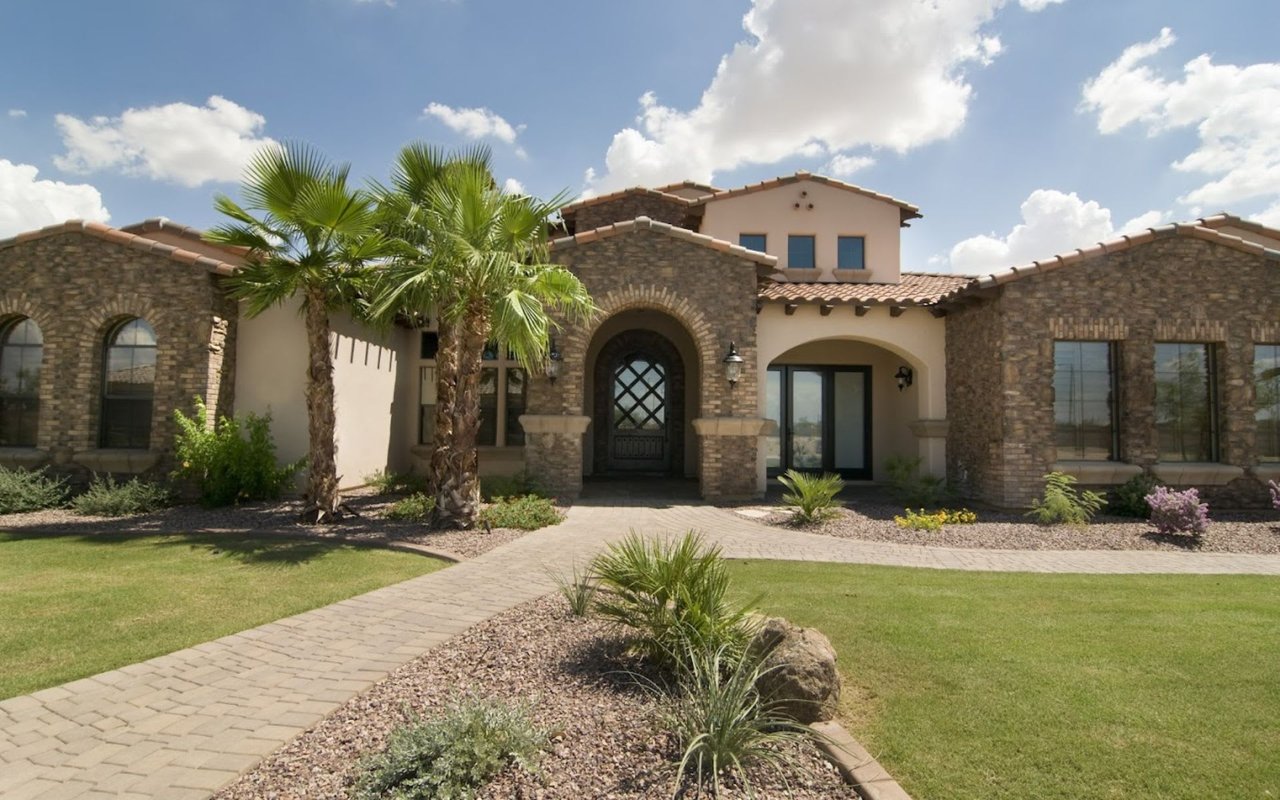
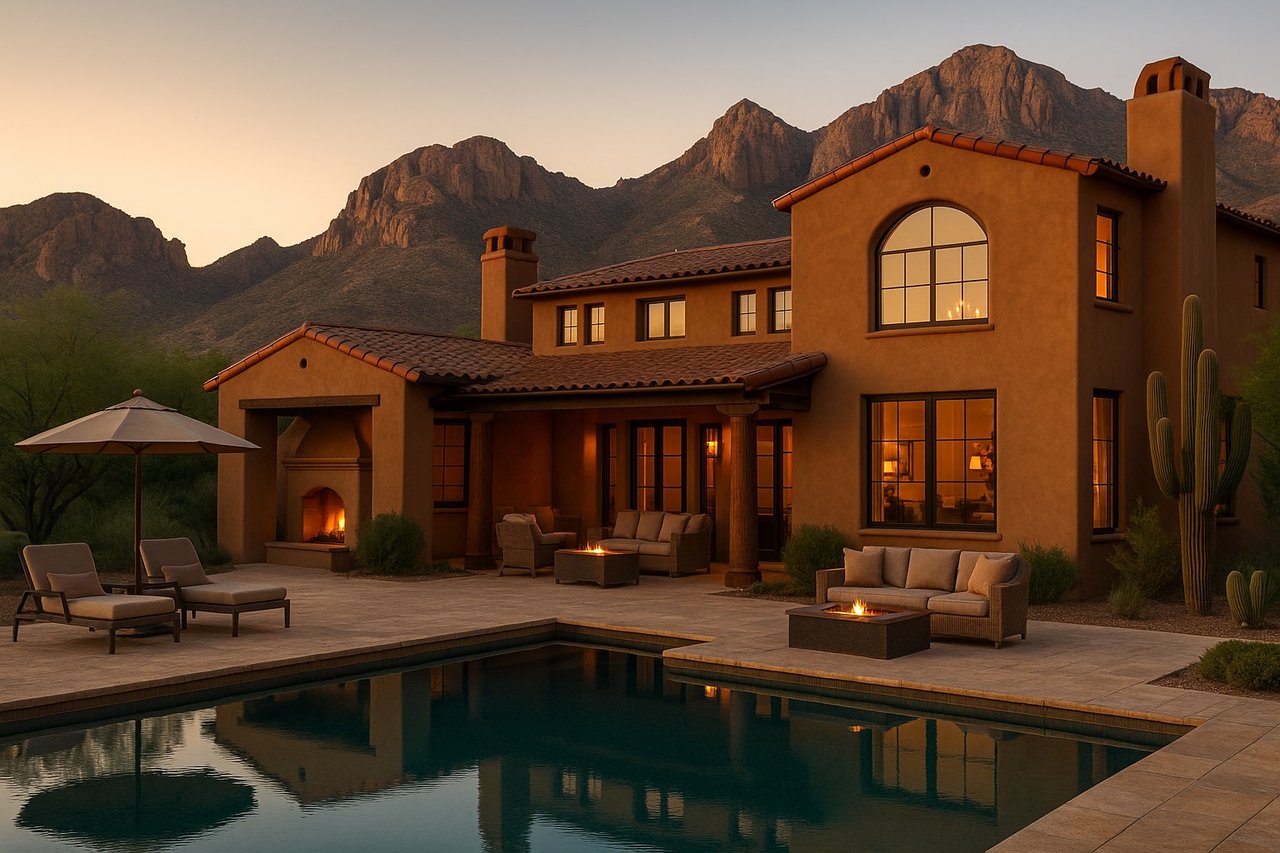
Not every home in Ventana Canyon follows a purely Southwestern path. Some properties show Mediterranean or Santa Barbara influence, which can add a more formal and decorative finish level.
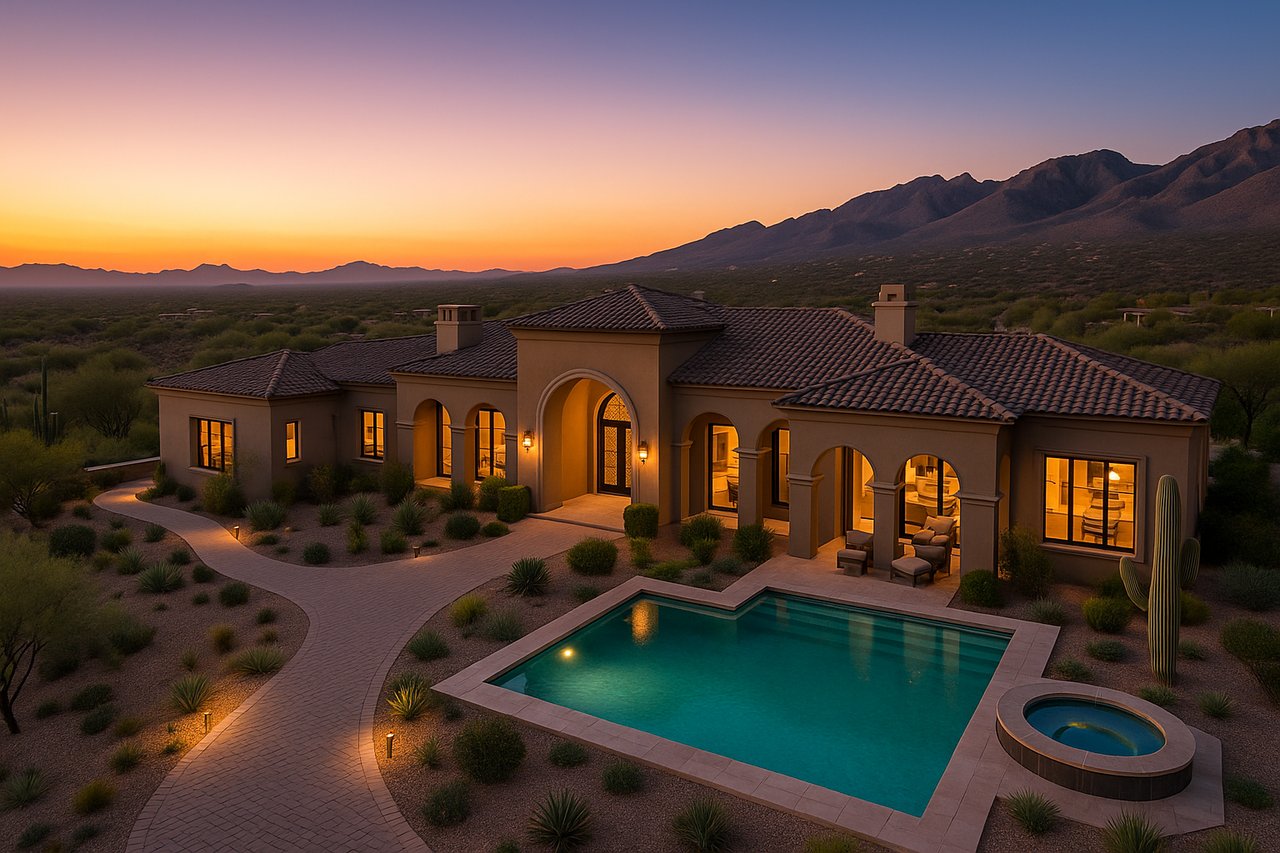
These homes may include stucco exteriors, columns, coffered or pan ceilings, crown molding, travertine, and more defined entry sequences. Even with these traditional details, they still tend to sit comfortably in the foothills because the overall palette and massing remain grounded in the desert landscape.
If you prefer a more classic and polished interior feel, these homes may be worth close attention. They often appeal to buyers who want resort-style surroundings with a slightly more formal architectural presentation.
What Matters Beyond the Style Name
In Ventana Canyon, the style label only tells part of the story. Two homes may both be described as Territorial or contemporary, but live very differently based on lot orientation, shade, and how they capture the landscape.
A helpful way to evaluate any home here is to ask three simple questions:
- How does the home handle sun?
- How does it frame the view?
- How much of the design is original versus later renovation?
Those questions often reveal more than the marketing description alone. A home that works well with its site can feel more comfortable, more visually compelling, and more valuable over time.
How Ventana Canyon Homes Respond to Views
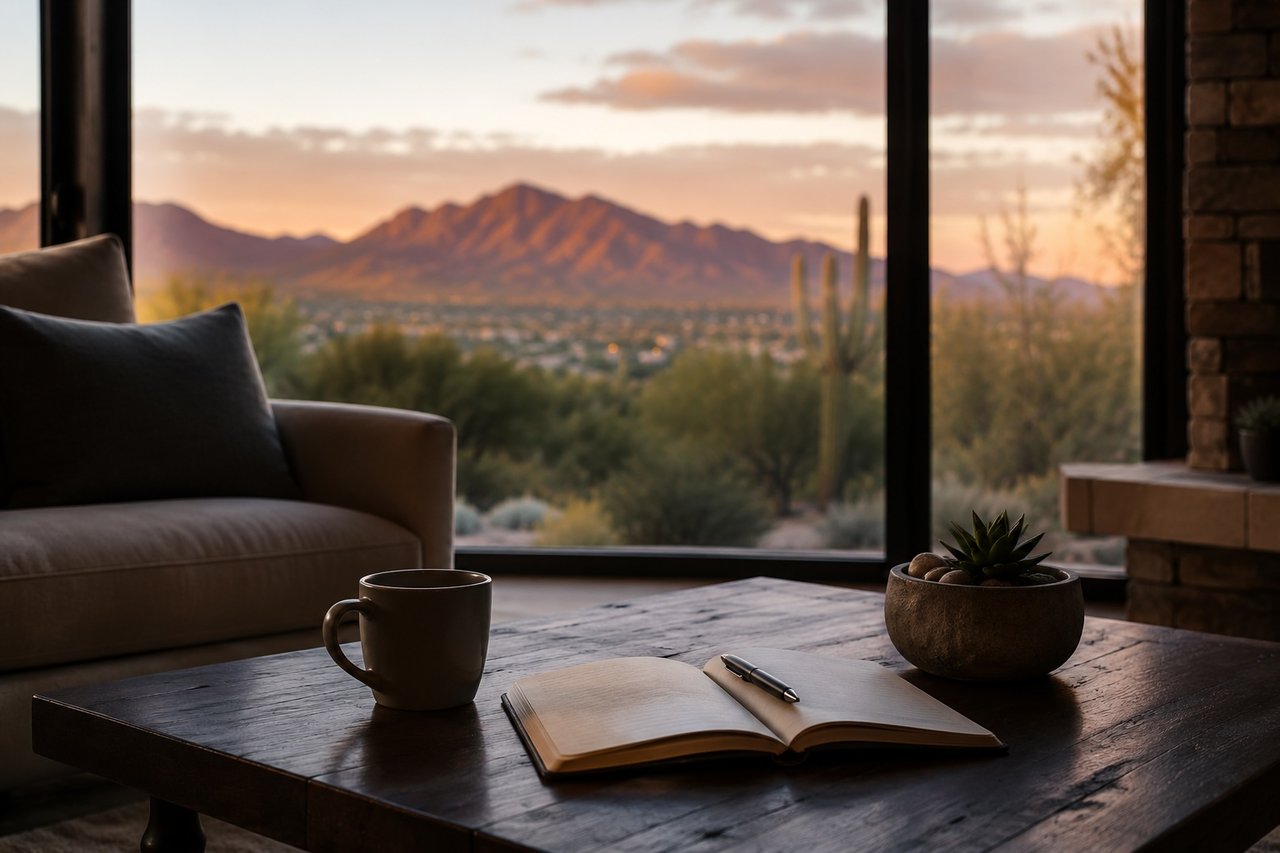
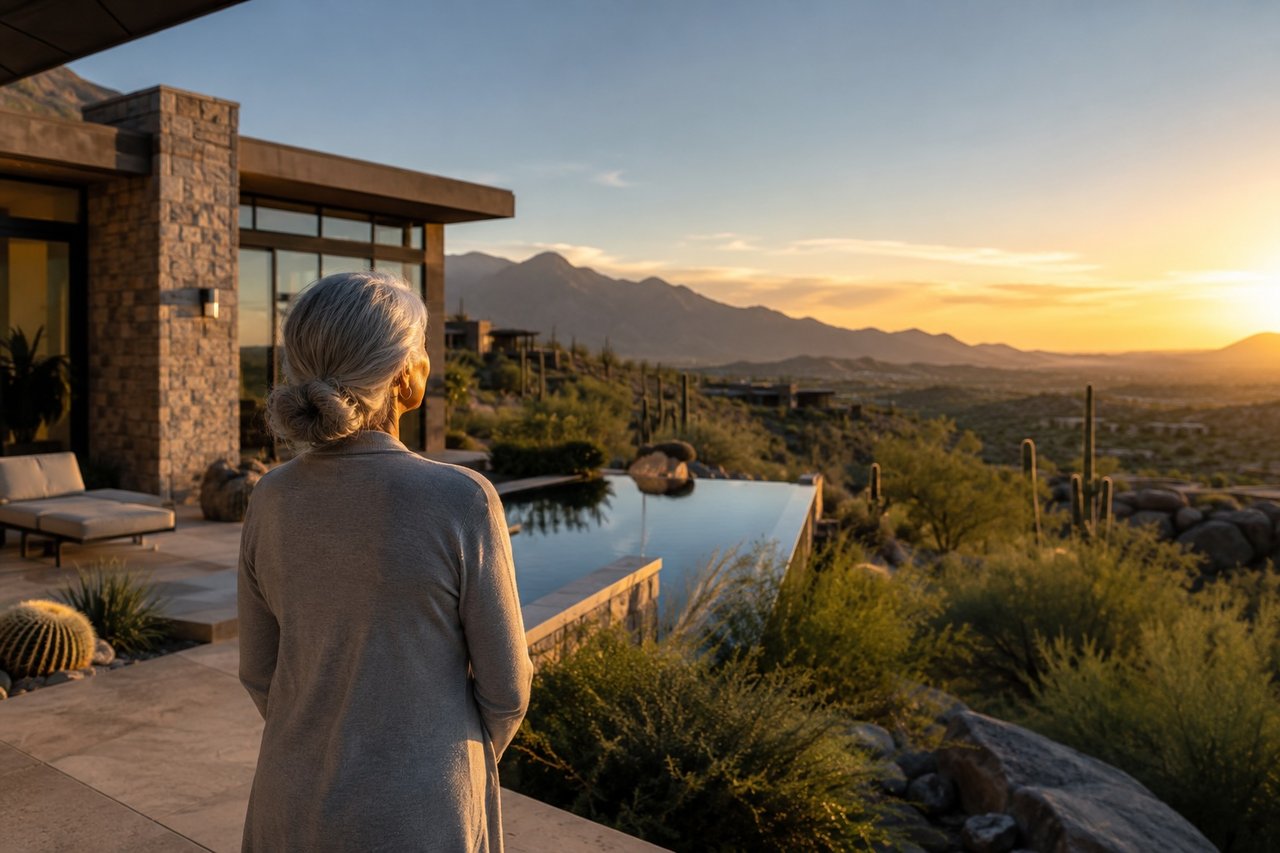
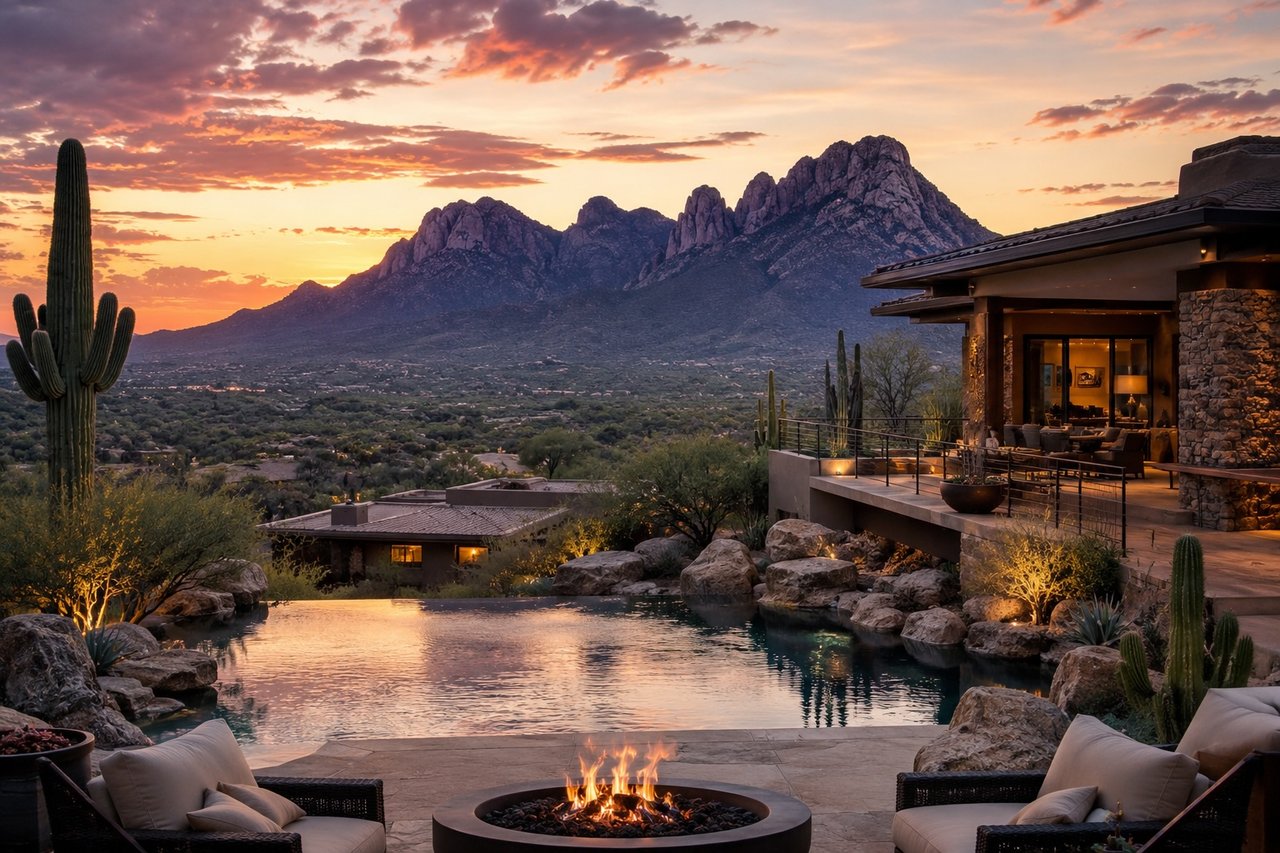
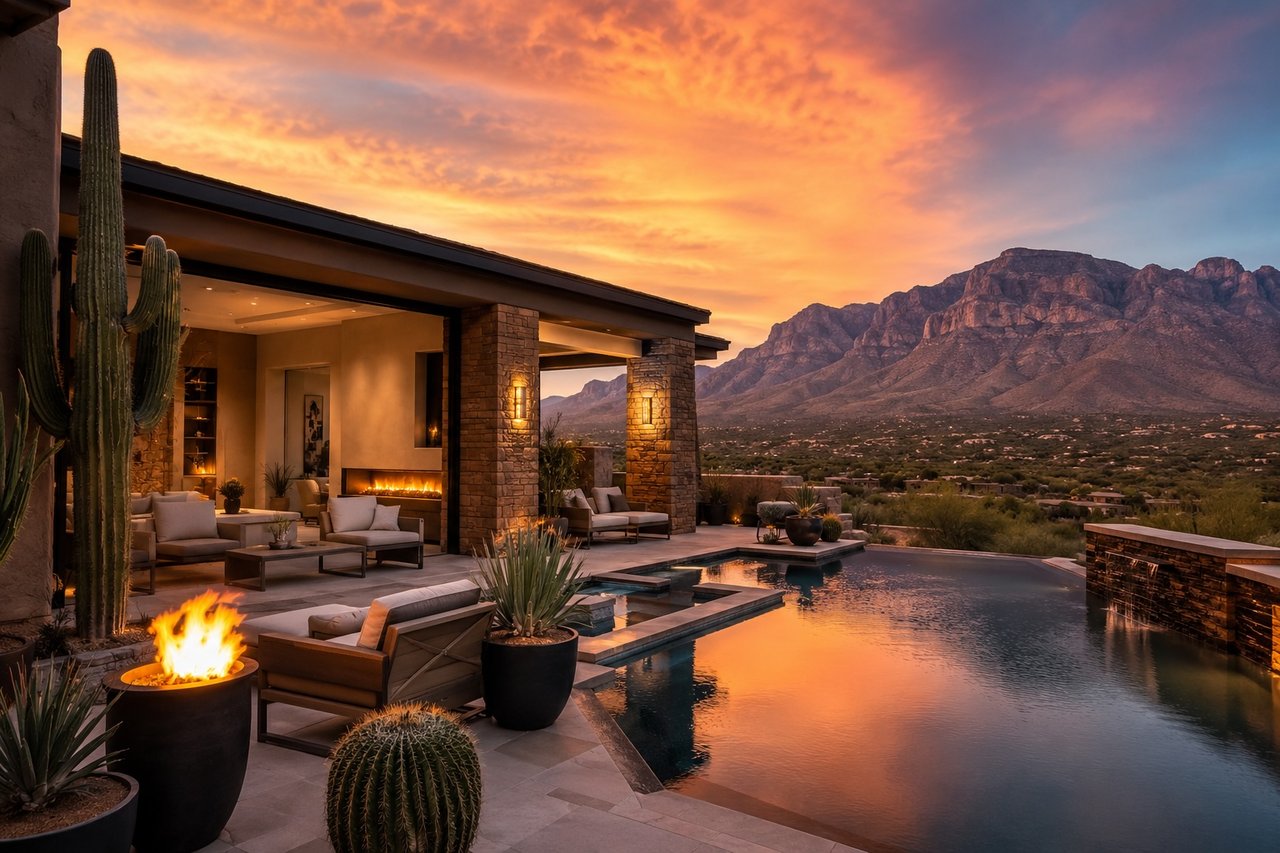
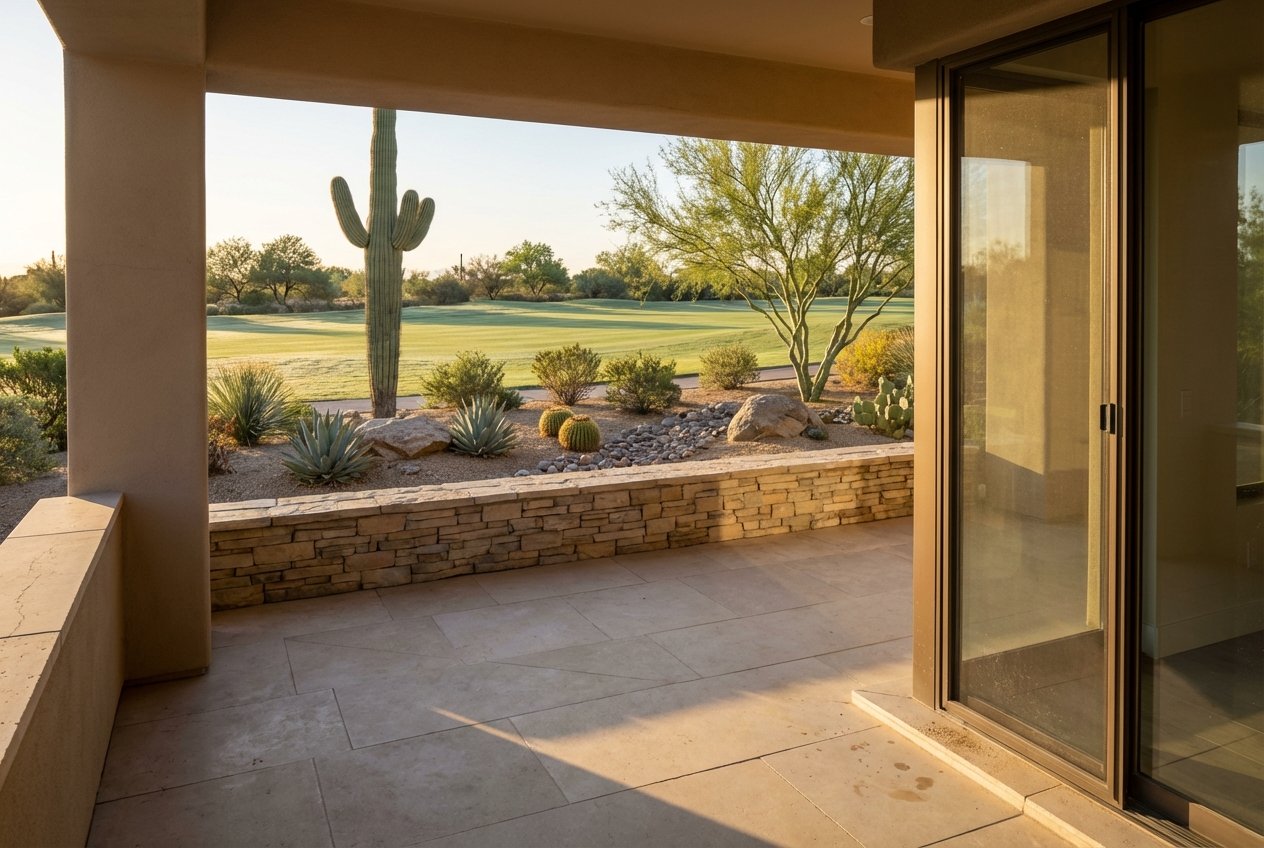
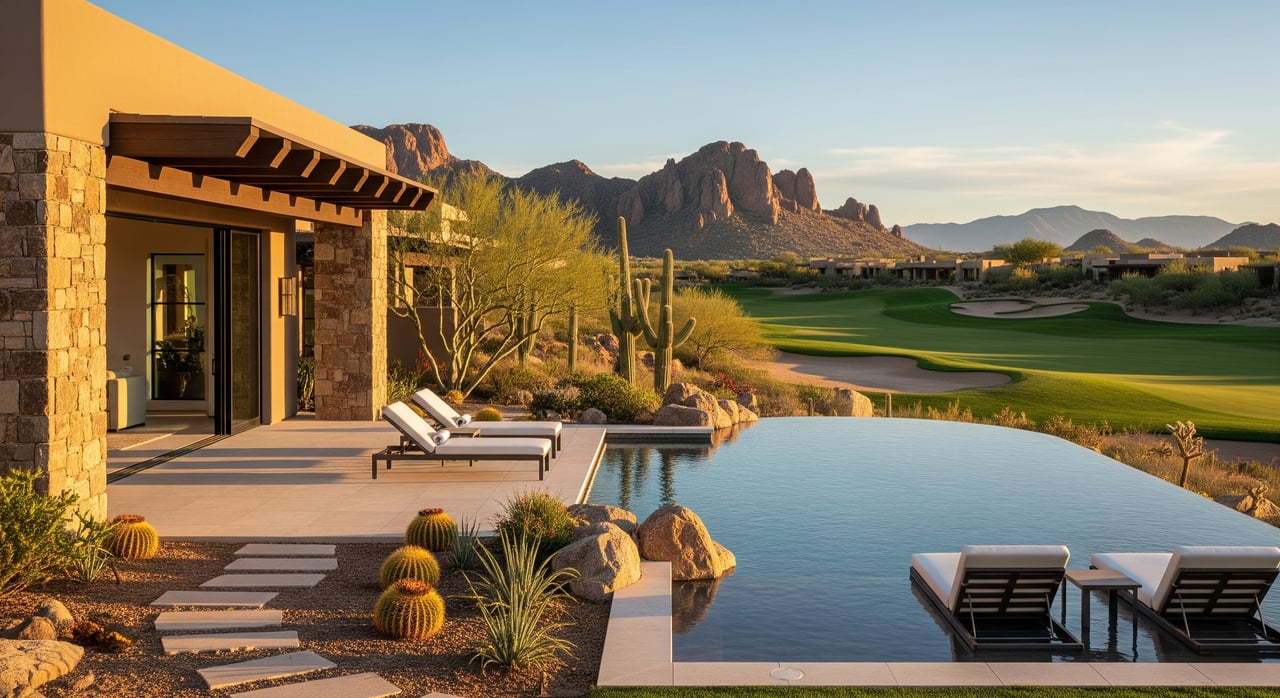
One of the strongest design themes in Ventana Canyon is the relationship between architecture and scenery. The community is known for mountain views, natural desert terrain, city views, and golf-course outlooks, and many homes are positioned to make the most of those assets.
That is why you will often see features like broad overhangs, deep window reveals, outdoor living areas, and carefully placed glass. These elements are not only aesthetic choices. They help shape how you experience the mountains, the desert, and changing light throughout the day.
A successful home in Ventana Canyon usually feels connected to its surroundings. The best examples do not overpower the lot. They sit low, frame key views, and create a natural flow between indoor rooms and outdoor spaces.
Buyer Vocabulary That Helps
When you browse Ventana Canyon homes, a few architectural terms can help you read listings and tours more confidently.
Courtyard
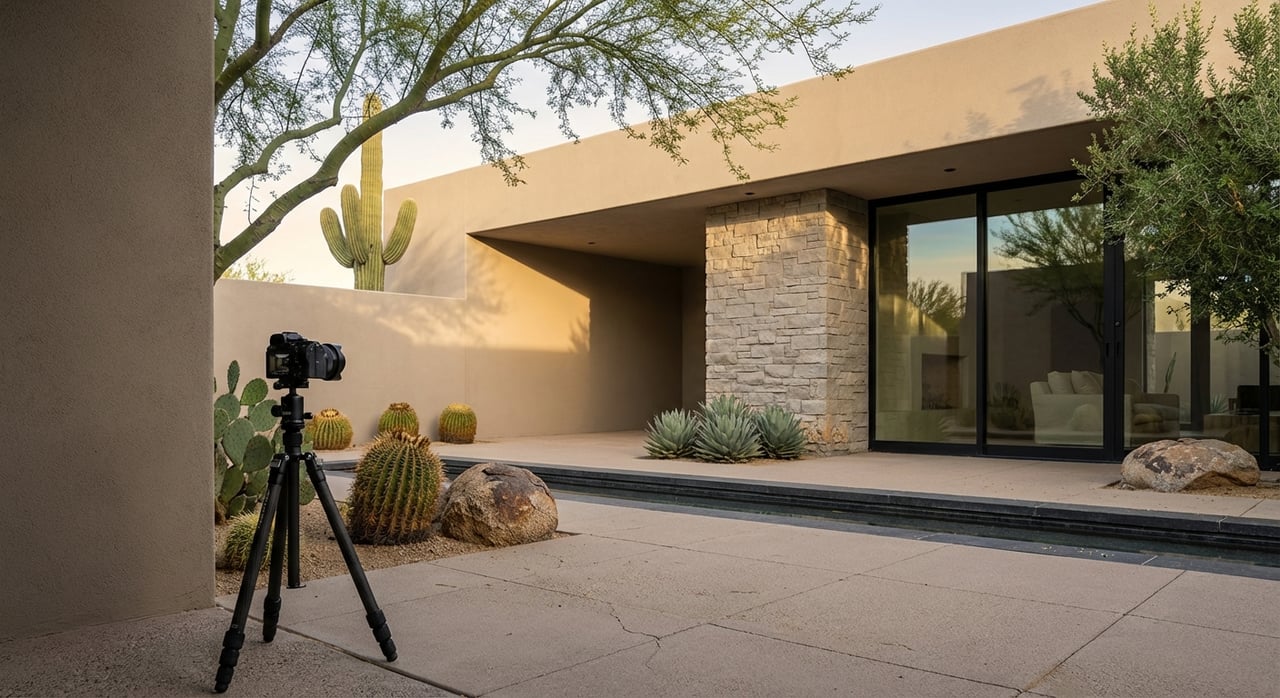
A courtyard is a protected outdoor room, often near the entry or within the floor plan. In the Sonoran Desert, courtyards can create a useful microclimate and add privacy while still supporting outdoor living.
Parapet
A parapet is a low wall that rises above a flat roof. You will commonly see parapets in Pueblo Revival and Territorial architecture.
Vigas
Vigas are exposed round roof beams associated with Southwestern revival styles. They add texture and visual warmth, especially in Santa Fe-influenced homes.
Clerestory Windows
Clerestory windows are high windows that bring in natural light while preserving privacy and wall space. They are especially useful in desert homes where light matters, but direct sun exposure needs to be managed carefully.
Walls of Glass
Walls of glass are large glazed openings that visually connect interiors to views and patios. They are often associated with desert contemporary design and can be a major feature in view-oriented homes.
Broad Overhangs
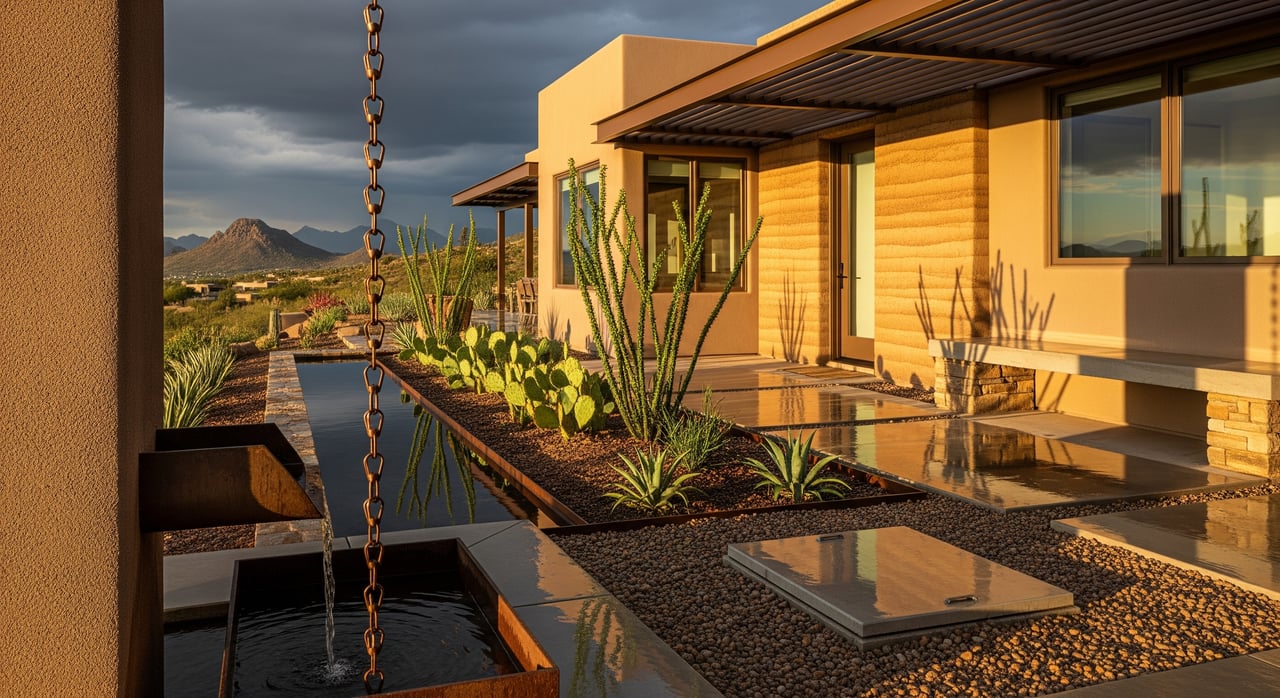
Broad overhangs are deeper roof edges that help shade interiors and entries. In Tucson’s climate, they are more than a design detail. They are part of how a home stays comfortable.
How to Tour Homes With a Better Eye
As you visit homes in Ventana Canyon, try to look past staging and surface finishes for a moment. Pay attention to where the sun hits in the afternoon, how outdoor spaces are shaded, and whether major windows frame the best parts of the lot.
Notice whether the home feels settled into the site or simply placed on it. In a foothills setting, architecture tends to perform best when it respects grade changes, desert vegetation, and the natural lines of the land.
It also helps to think about your own lifestyle. You may prefer the openness of desert contemporary, the warmth of Santa Fe style, the balance of Territorial design, or the classic finish of Mediterranean influence. The right choice often comes down to how you want the home to feel day to day.
Why Style Knowledge Matters for Buyers
Understanding architectural styles in Ventana Canyon can make your search much more focused. Instead of reacting only to finishes or listing language, you can compare homes based on livability, design intent, and how well they fit the desert environment.
That is especially useful in a community where homes share a luxury foothills setting but vary meaningfully in character. A knowledgeable buyer can spot the difference between a home that looks appealing in photos and one that is truly well matched to its site.
When you know what to look for, it becomes easier to narrow your options and make a confident decision. In a place like Ventana Canyon, that local architectural context matters.
If you are considering a home in Ventana Canyon or anywhere in the Catalina Foothills, working with someone who understands both the neighborhood and the design language can make the process much easier. For tailored guidance on Ventana Canyon homes, neighborhood context, and what to look for in foothills properties, connect with Daniel Sotelo.
FAQs
What architectural styles are most common in Ventana Canyon homes?
- The main style families commonly seen in Ventana Canyon include desert contemporary, Santa Fe or Pueblo Revival, Territorial, and Mediterranean or Santa Barbara influences.
What defines desert contemporary architecture in Ventana Canyon?
- Desert contemporary homes in Ventana Canyon often feature walls of glass, clerestory windows, open layouts, broad overhangs, and a strong visual connection to mountain, desert, or golf-course views.
What makes Santa Fe-style homes different in Ventana Canyon?
- Santa Fe-style homes usually feel warmer and more textured, with features like earth-toned stucco, parapets, vigas, courtyards, wrought iron details, and kiva-style fireplaces.
Why does home orientation matter in Ventana Canyon?
- In Tucson’s sunny desert climate, orientation affects shade, interior comfort, and how well a home captures views, so buyers should evaluate sun exposure along with architectural style.
What is a Territorial-style home in Tucson?
- A Territorial-style home blends regional desert design with more structured American forms and may include parapets, tiled entry elements, exposed beams, brick accents, and clerestory windows.
How can you compare Ventana Canyon homes beyond style labels?
- A useful approach is to ask how the home handles sun, how it frames the view, and whether key architectural features are original or part of a later renovation.