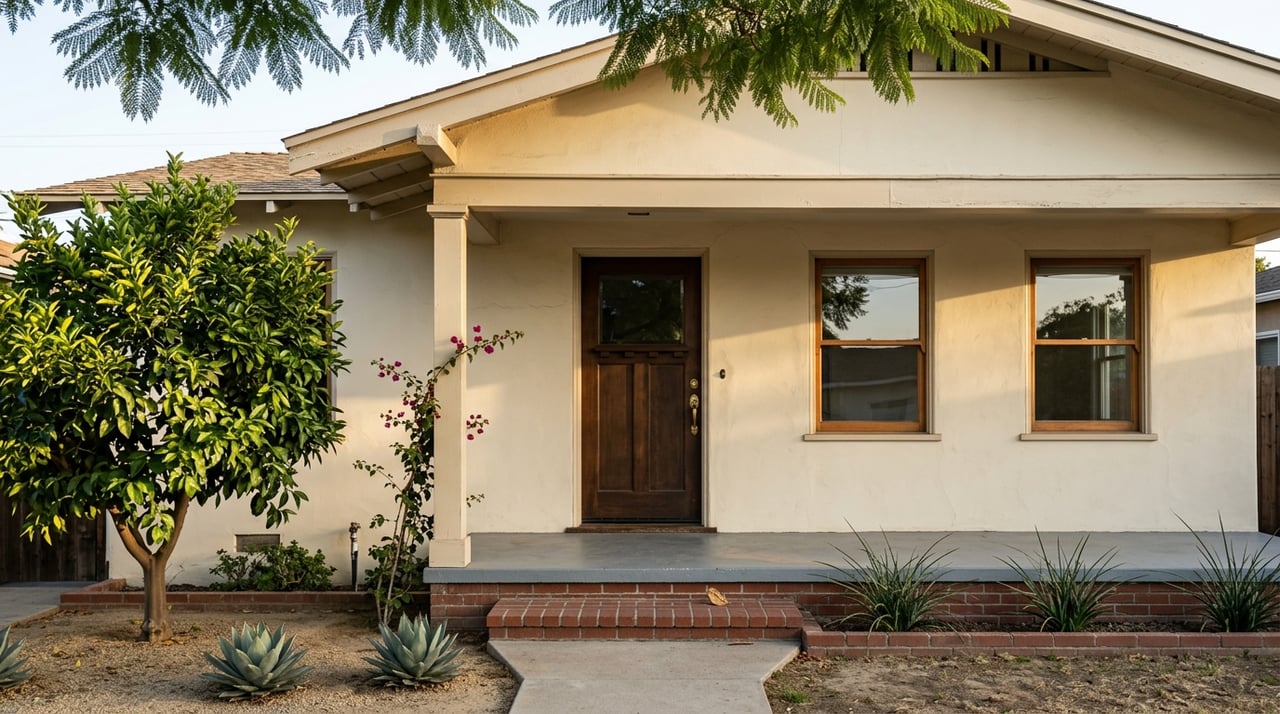
Selling a bungalow in Sam Hughes is not the same as selling a generic house anywhere else in Tucson. Buyers here often respond to charm, visible care, and the way a home fits into the block around it, which means your prep work should protect character as much as it improves condition. If you want to make smart updates, avoid permit missteps, and present your home in a way that feels true to the neighborhood, this guide will help you focus on what matters most. Let’s dive in.
Why Sam Hughes prep is different
Sam Hughes is one of Tucson’s best-known historic areas, listed as the Sam Hughes Residential Historic District and located just east of the University of Arizona. The district covers about 218 acres and includes 718 houses and six public buildings, with a mix of Craftsman, Spanish Eclectic, Mission Revival, and Ranch-era homes. That architectural variety is part of the appeal, but so is the shared neighborhood fabric.
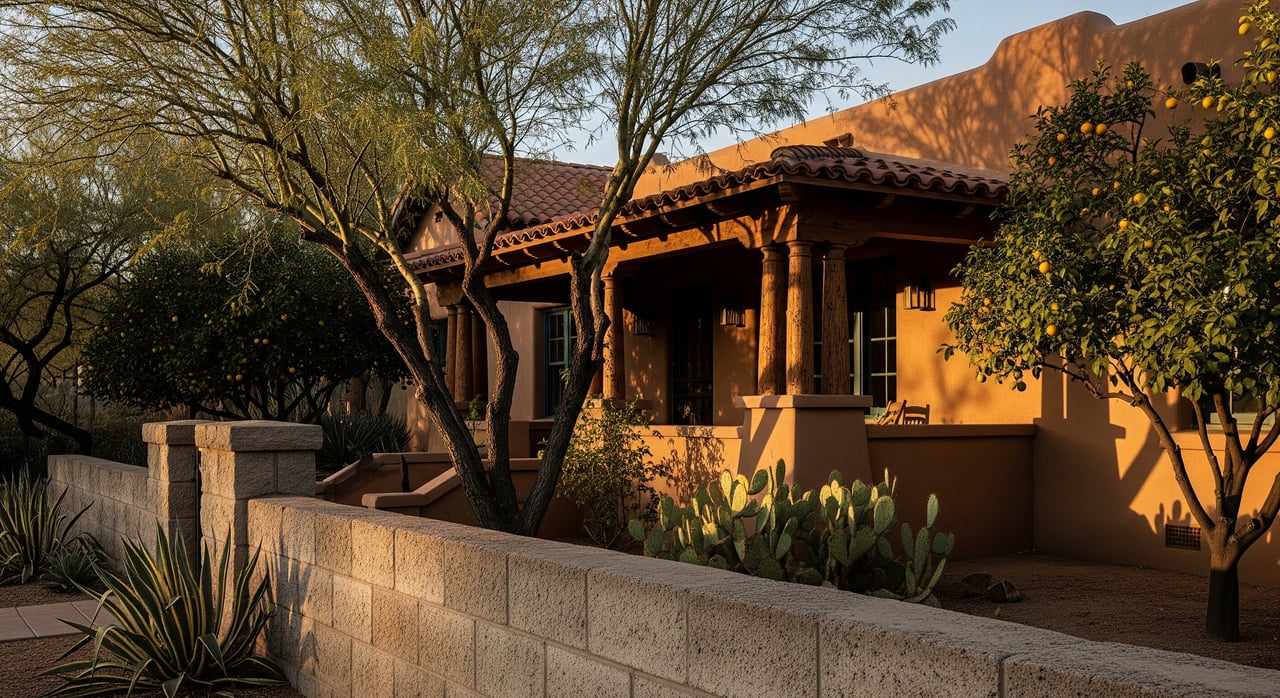
The district’s character comes through in palm-lined streets, mature trees, low retaining walls, and homes that still feel connected to their original era. In a setting like this, buyers are often looking for authenticity rather than a heavy-handed remodel. That means your goal is usually to make the home feel cared for, functional, and visually consistent with the streetscape.
That approach also matches broader buyer behavior. Research cited in the report shows that 23% of buyers of previously owned homes wanted more charm and character, while neighborhood quality was the top factor in neighborhood choice for 60% of buyers. In Sam Hughes, your home and the block around it work together.
Check historic review before exterior work
Before you repaint, replace windows, swap a front door, or rebuild a fence, confirm whether your parcel has a local historic overlay such as HPZ or HL. Sam Hughes is a National Register historic district, but local review is parcel-specific. That distinction matters because local designation can affect what exterior work requires review.
According to the City of Tucson, exterior changes on locally designated parcels may require historic design review before permits are issued. The city also notes that pre-application meetings are encouraged, minor reviews can take up to 45 working days, and full reviews can take up to 60. If you are listing on a timeline, that review window can shape your entire prep schedule.
Exterior changes that may trigger review
Minor review examples can include:
- Roof work
- Window replacement or repair
- Door changes
- Fence or gate work
- Solar panel installation
- Cistern-related work
Full review may be required for:
- New structures
- Parking-lot work
- Alterations that change the exterior appearance of the home
The practical takeaway is simple. Verify the overlay first, then plan the work. That can save you time, money, and last-minute listing delays.
Fix condition issues before cosmetic updates
If you are deciding where to spend first, start with anything that makes the home look neglected or raises concerns about maintenance. Visible issues tend to distract buyers quickly, especially in older homes where people already expect some upkeep questions.
Prioritize repairs such as:
- Roof leaks
- Broken windows or doors
- Peeling paint
- Damaged caulk or grout
- Safety or function problems that are easy to spot
These fixes are often more important than trend-based upgrades. Buyers can appreciate an older kitchen more easily than they can overlook obvious deferred maintenance. In a historic bungalow, good condition supports the story that the home has been cared for over time.
Preserve the features buyers want
One of the biggest mistakes sellers make with older homes is stripping out the details that make them memorable. In Sam Hughes, period features are often part of the value proposition, especially when they are intact and visually strong.
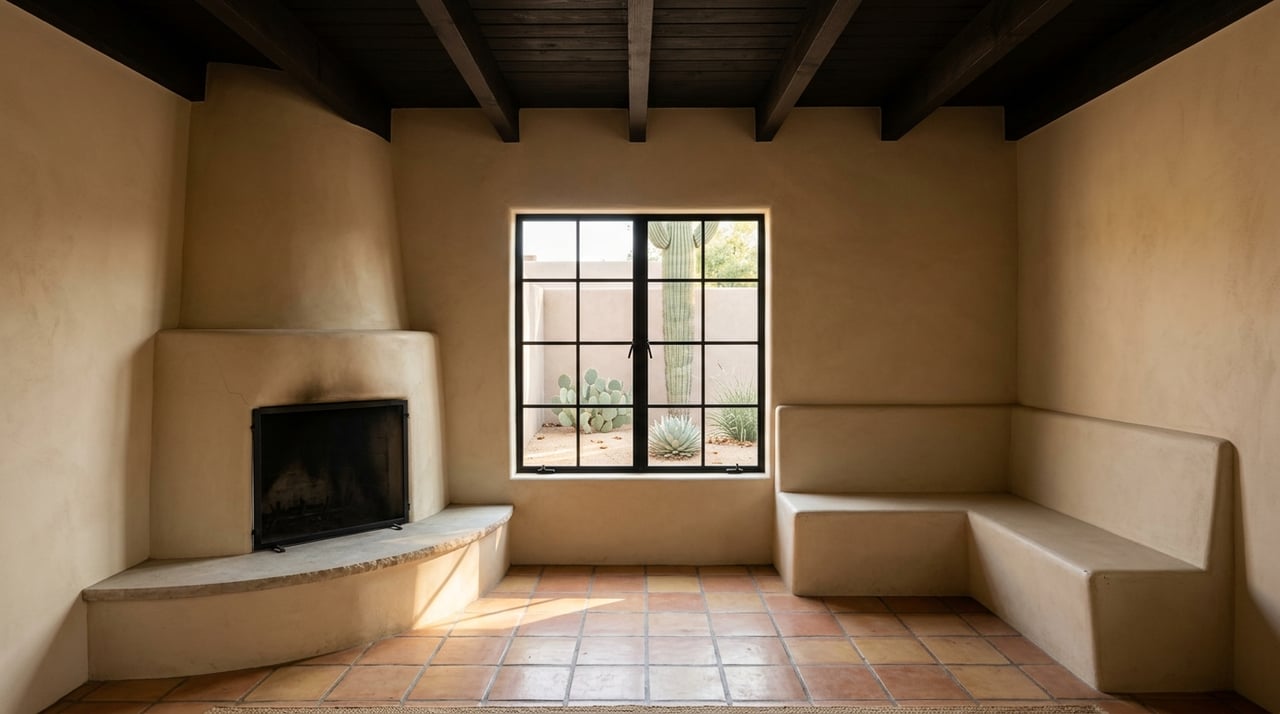
Features that often show well include original hardwood floors, original windows, pocket doors, vintage light fixtures, fireplaces, wainscoting, and porch details. If these features are in good shape, they should usually be preserved and highlighted. If they are damaged, repairs should be thoughtful rather than rushed or overly modern.
What to showcase in your bungalow
Focus on the details that help buyers understand the home’s era and craftsmanship:
- Original trim and millwork
- Hardwood flooring
- Fireplace surrounds
- Porch columns and rail details
- Historic window patterns
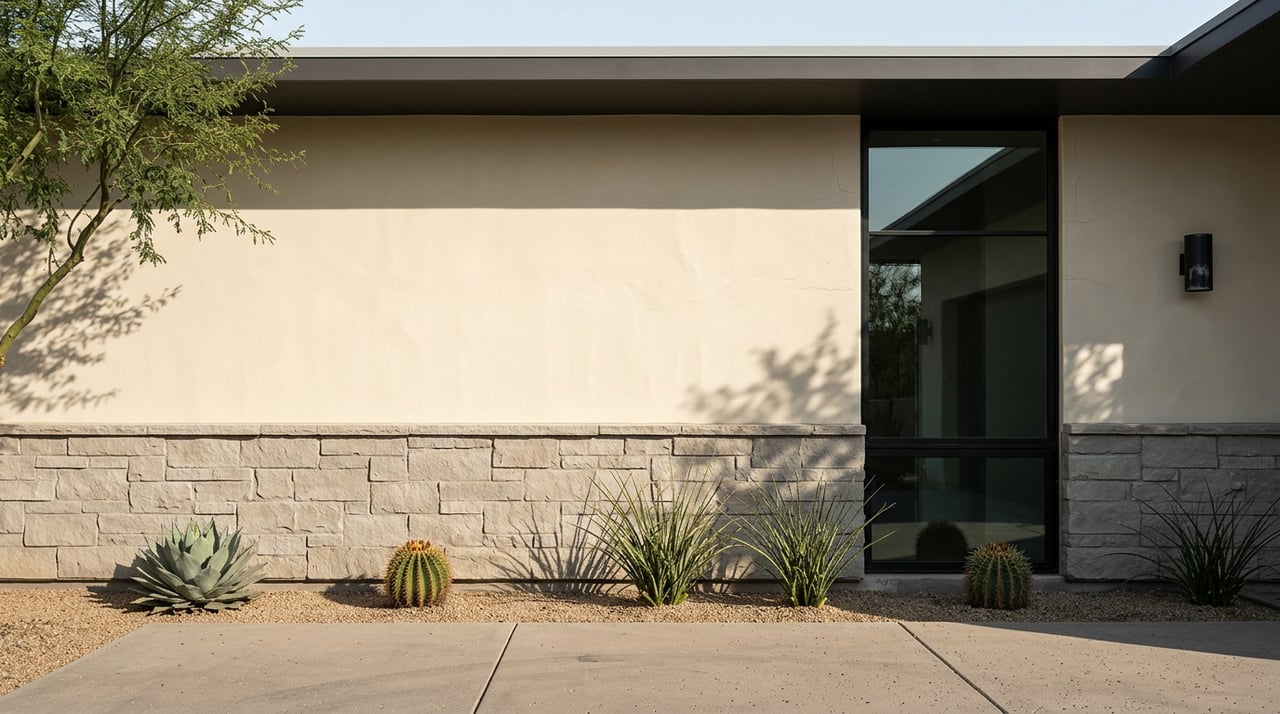
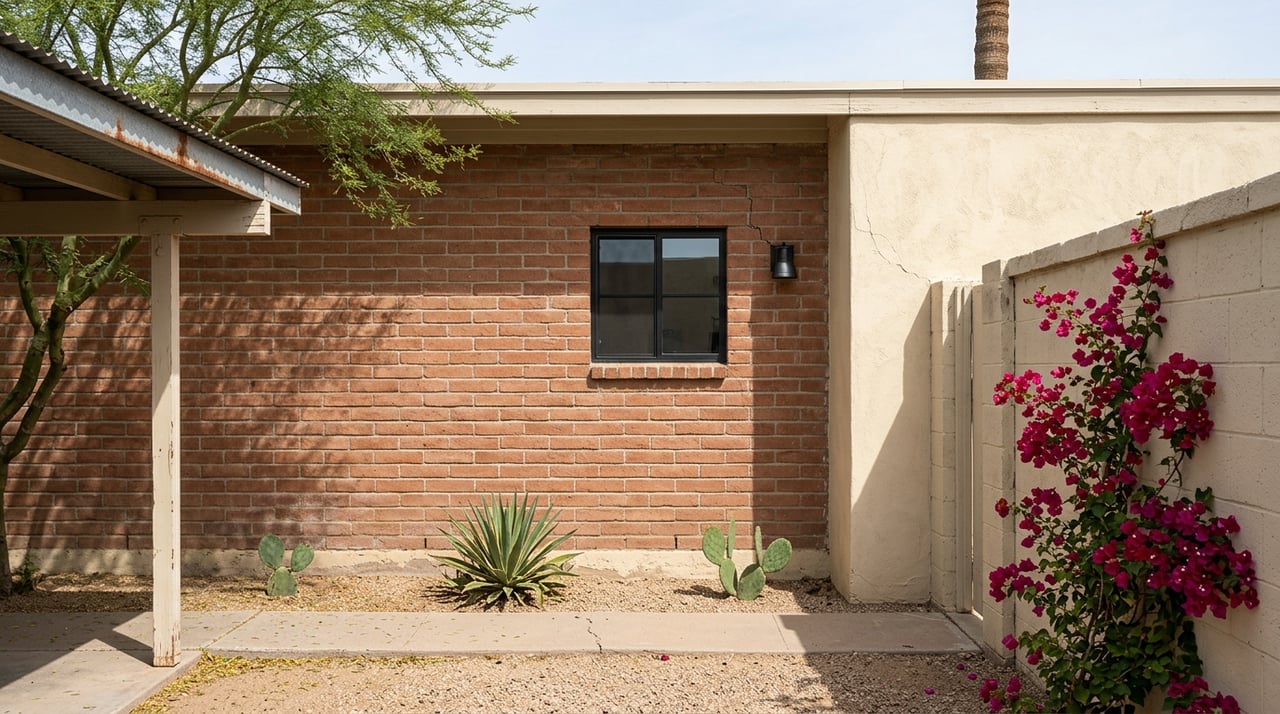
- Masonry or stucco texture
If you have records of renovations or maintenance, organize them before listing. Buyers of historic homes often want to know what has been updated, what has been preserved, and how work has been handled over time.
Refresh kitchens and baths carefully
Kitchens and bathrooms matter in every sale, but that does not mean you need a full remodel before listing. In many cases, the most effective approach is cosmetic, clean, and condition-focused.
Deep cleaning, decluttering, improving lighting, refreshing caulk and grout, and replacing worn hardware can go a long way. If a surface is clearly damaged or functionally obsolete, selective replacement may make sense. A full gut renovation, however, can be expensive, time-consuming, and harder to justify if the existing space still works.
Smart pre-listing updates
Consider practical improvements like:
- Professional deep cleaning
- Fresh caulk at tubs, sinks, and backsplashes
- Repaired grout
- Brighter, warm lighting
- Simple hardware updates
- Removing countertop clutter
- Repainting walls if they are worn or overly personal
The goal is to help buyers see a home that feels usable and well-kept, without erasing its character.
Improve curb appeal the Sam Hughes way
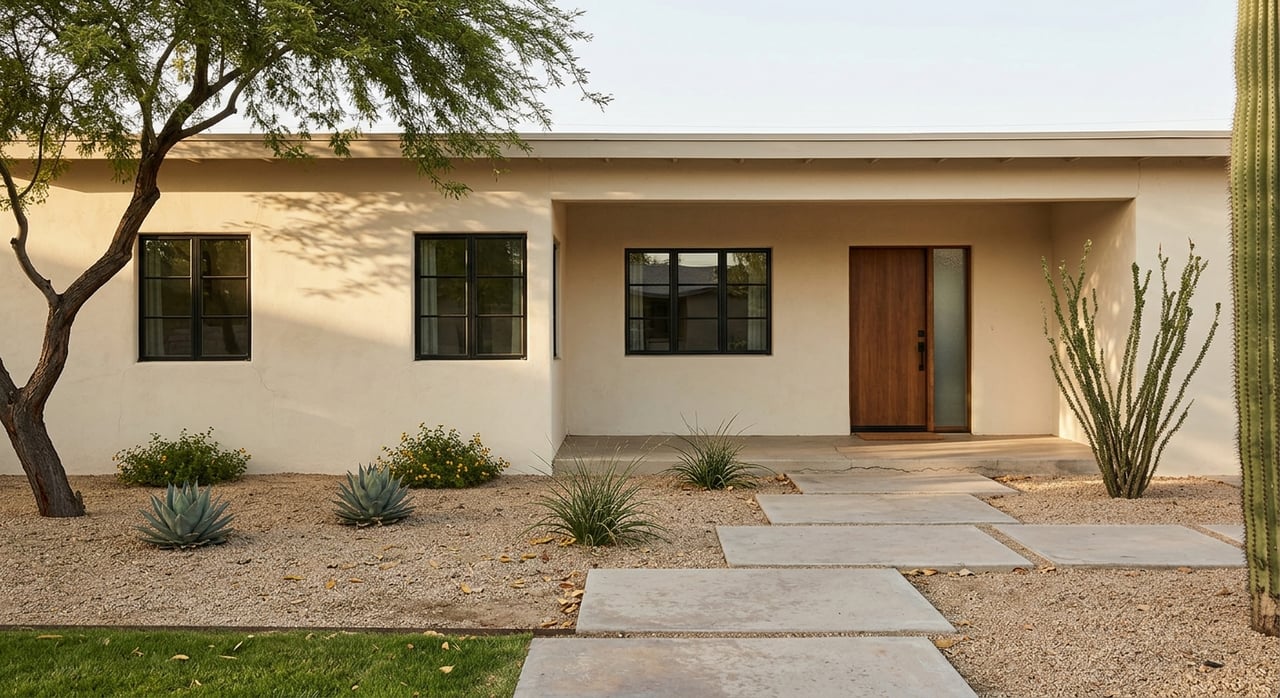
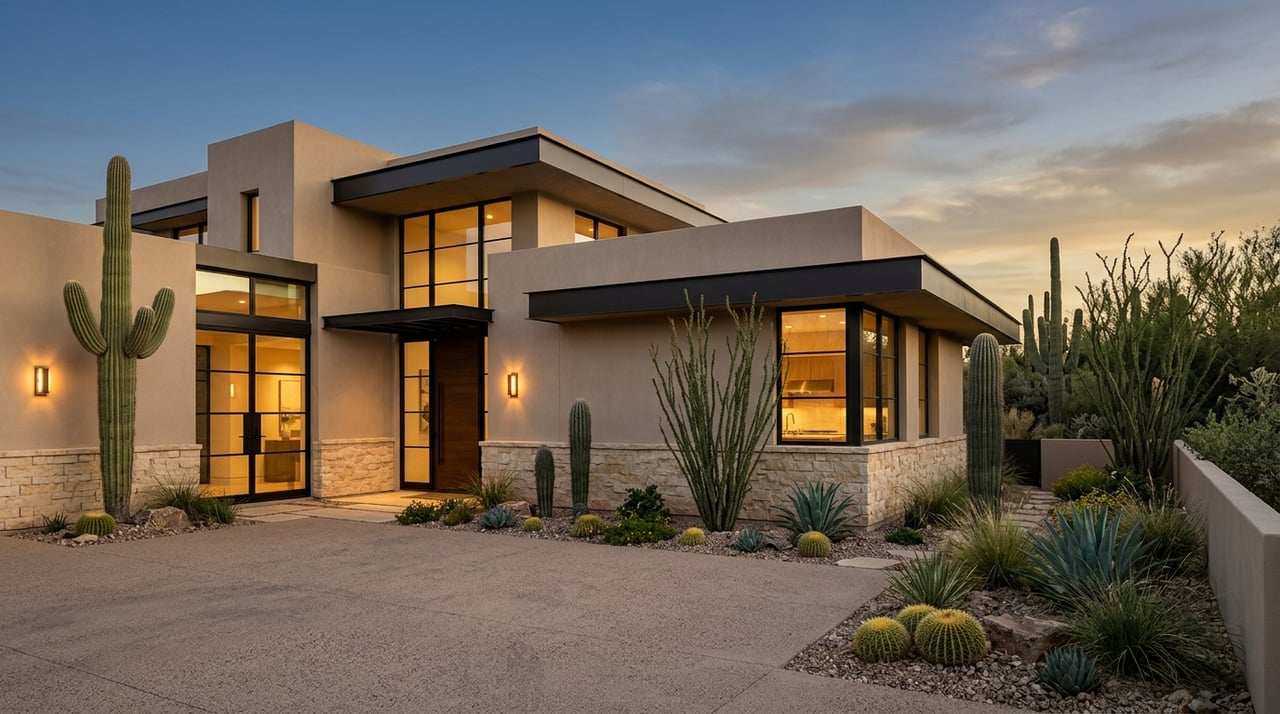
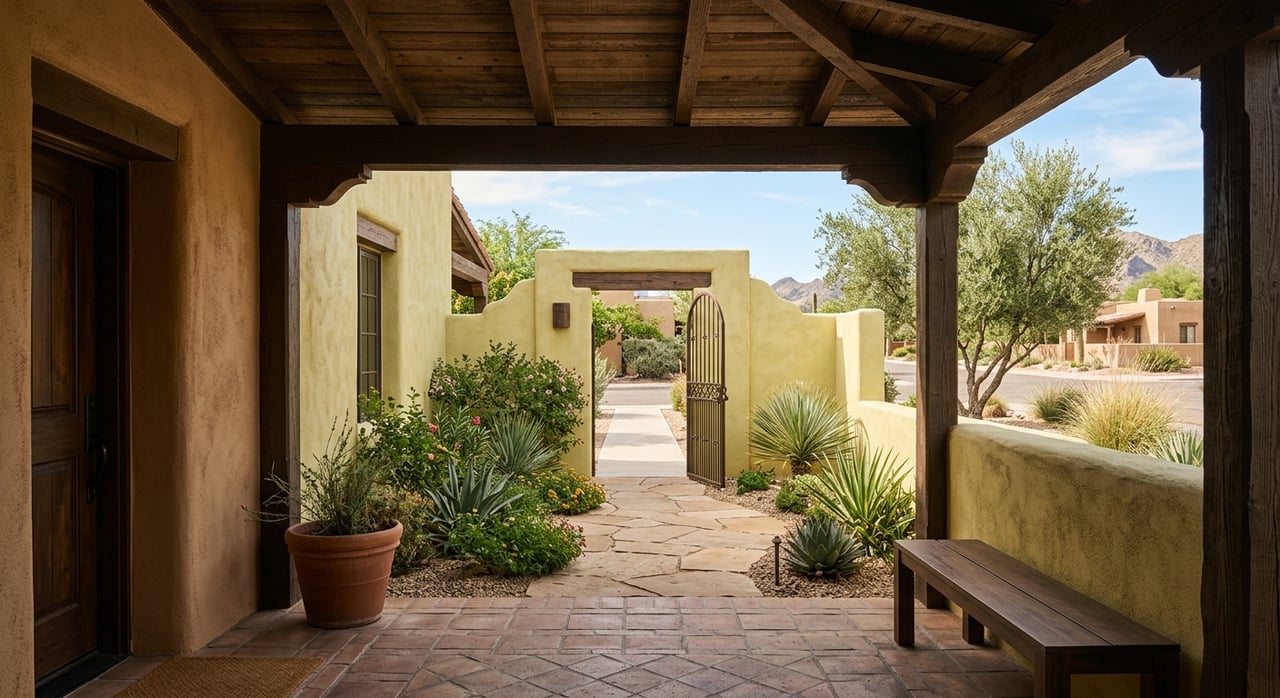
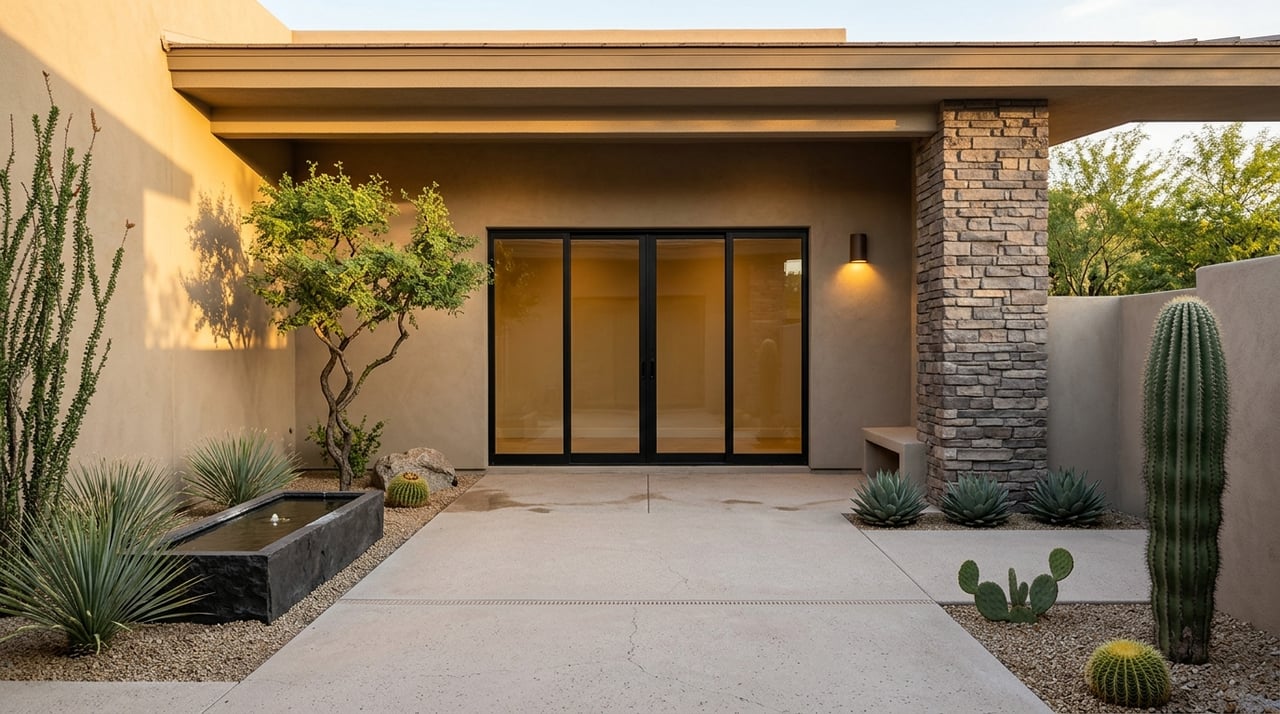
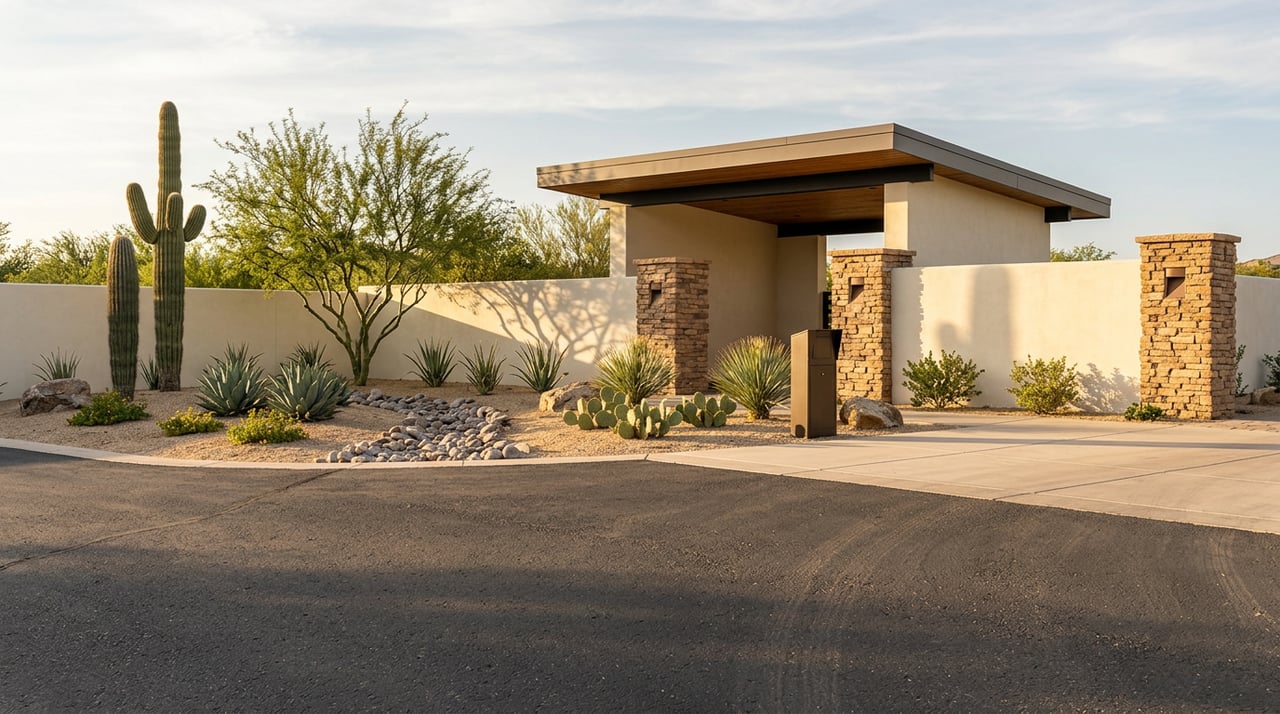
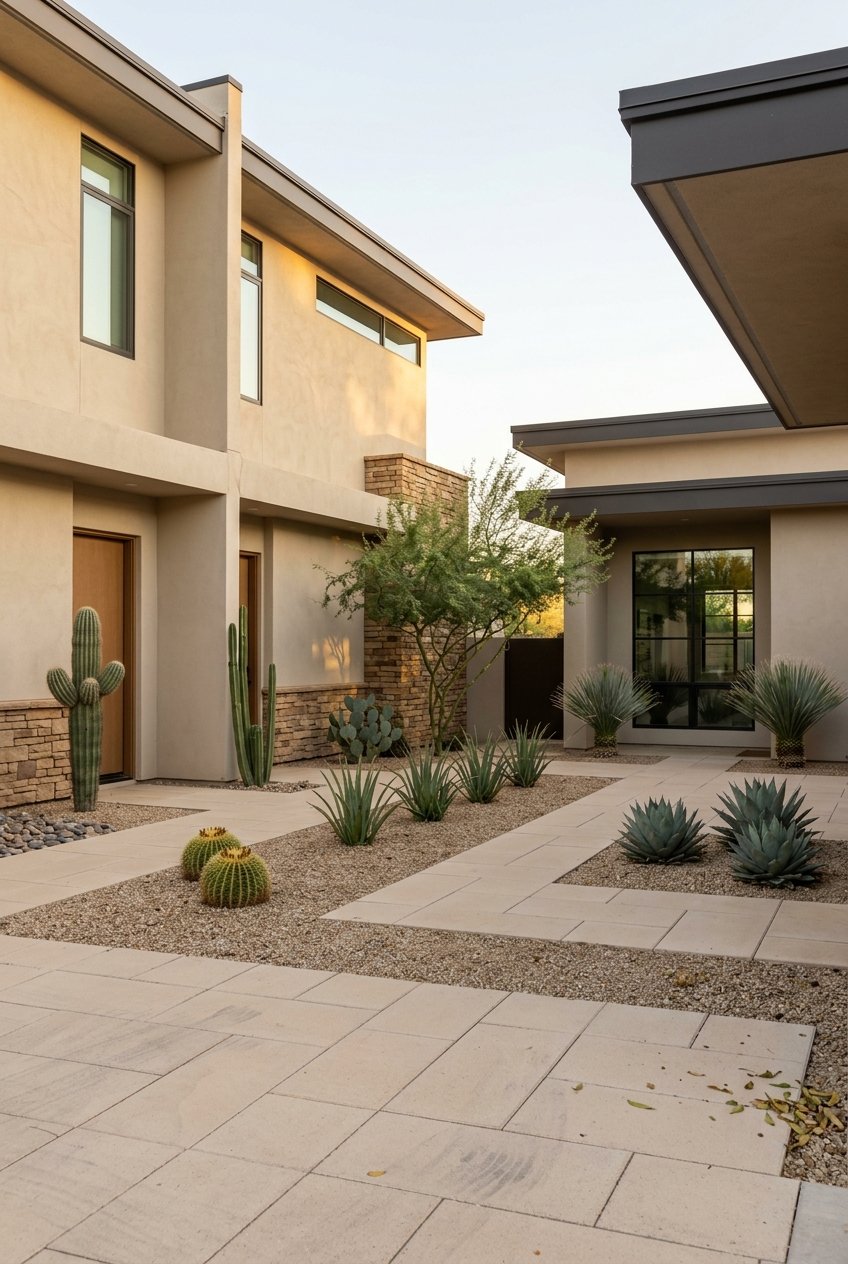
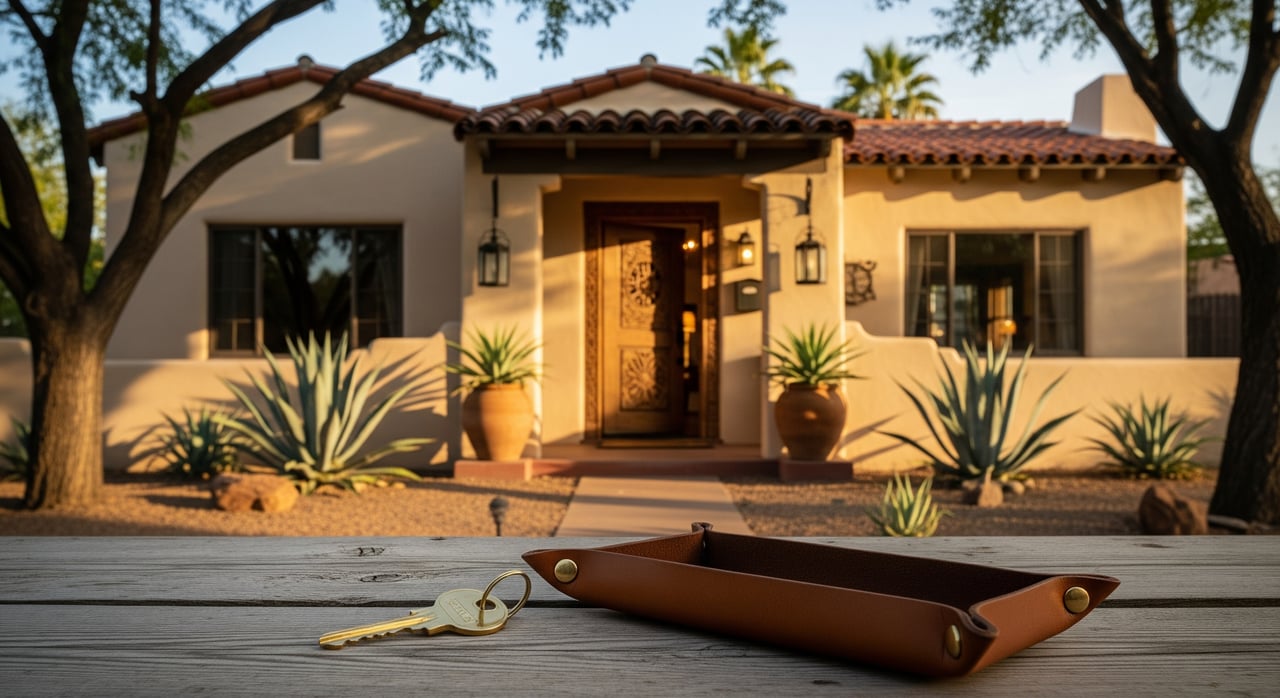
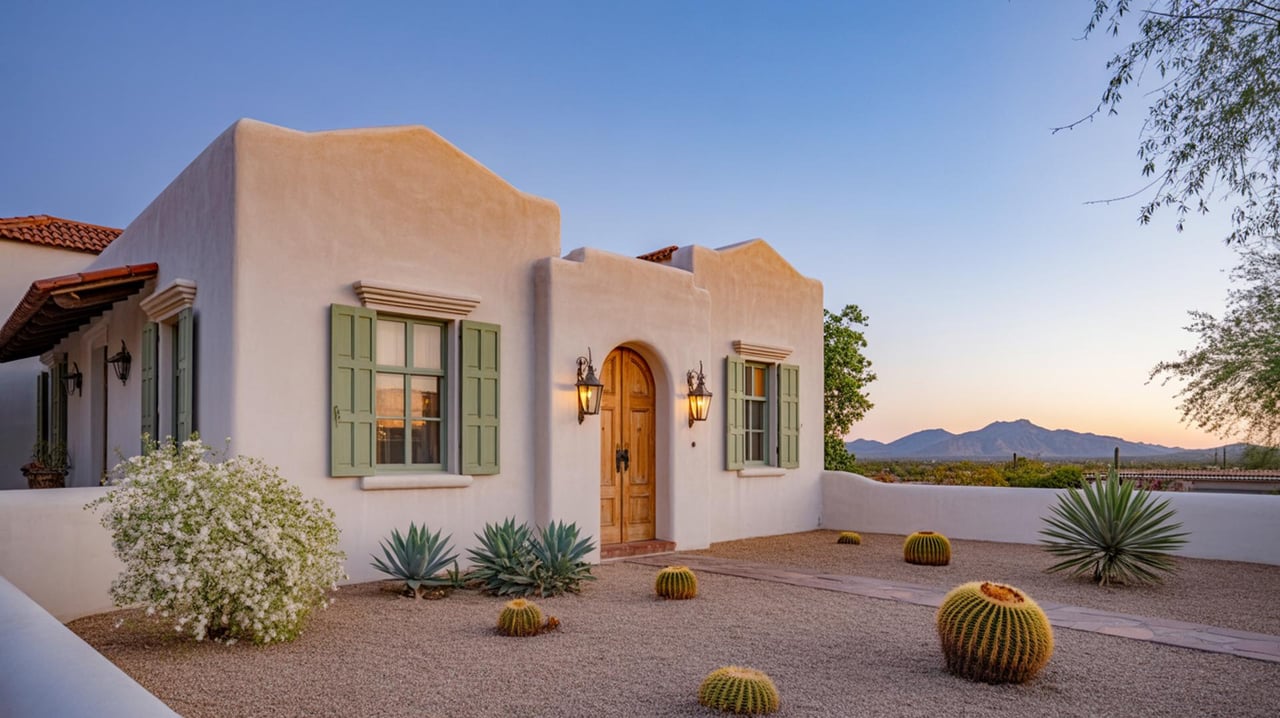
Curb appeal matters in any neighborhood, but in Sam Hughes it should feel restrained and compatible with the street. The strongest first impression is usually not dramatic new landscaping. It is a tidy front yard, a visible entry, and an exterior that feels in step with the surrounding homes.
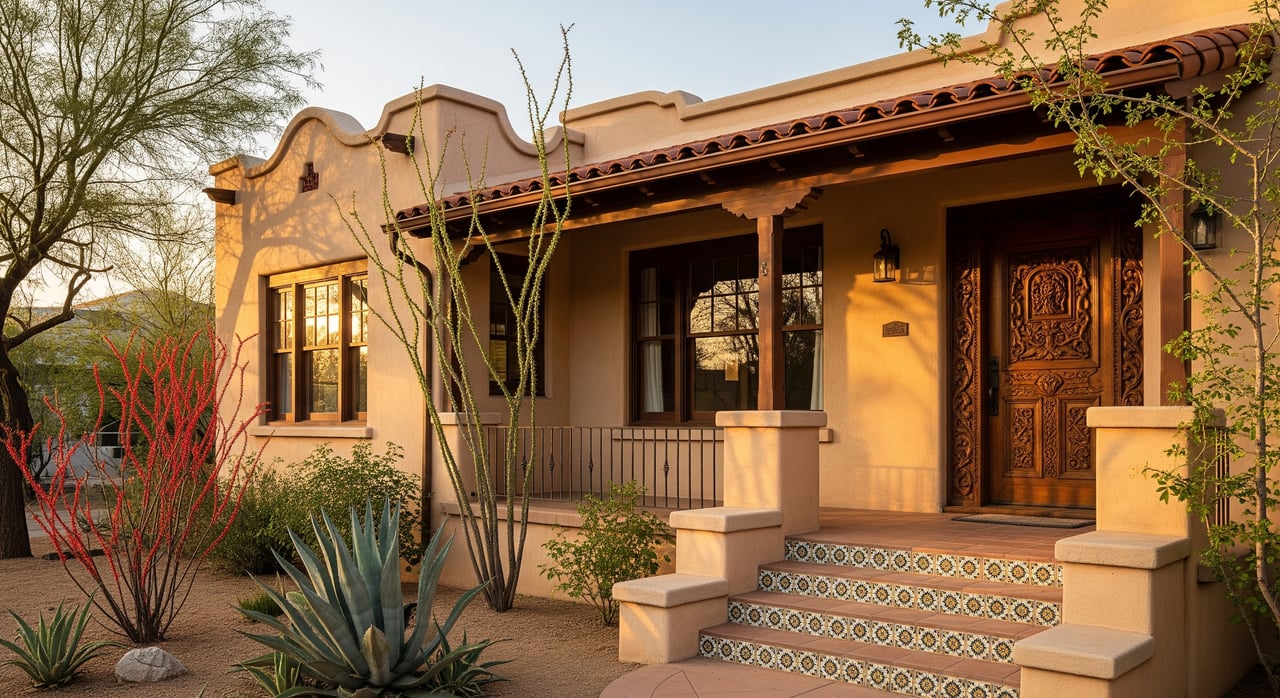
Porches, walkway lighting, and manicured landscaping can all improve first impressions. For a bungalow, the porch and front path often frame the architecture, so they deserve extra attention. Trim back plants that hide key features, clean the walkway, and make sure the front door area feels welcoming.
Front-yard details to review
Before listing, check:
- Whether shrubs are covering windows or porch details
- Whether the entry path is clean and easy to follow
- Whether porch lights work and look consistent
- Whether the yard looks maintained without feeling overdesigned
- Whether paint touch-ups are needed on visible exterior elements
If you plan front-yard work near the street, remember Tucson’s right-of-way rules. The city requires a minimum 5-foot clear pedestrian path and has rules related to sight triangles, utilities, and certain water-harvesting or curb-cut work. Also note that city-planted landscaping cannot be removed or damaged.
Plan for parking and showings
In parts of Sam Hughes, especially near the campus edge or Third Street, parking and traffic can affect showings and open houses. The district nomination notes that East Third Street is a commuter route for many University of Arizona students and also references a resident parking program within district boundaries.
That means showing logistics should be part of your listing prep, not an afterthought. Clear instructions can reduce friction for buyers and help your open house feel more organized.
Helpful showing logistics
Prepare:
- A simple parking plan for guests
- Clear open-house instructions
- Showing windows that avoid the busiest times when possible
- Entry guidance if the home sits on a busier street
These details may seem small, but they can improve the buyer experience and make your home easier to access.
Stage and photograph for character
Historic homes should not be marketed like blank boxes. In Sam Hughes, buyers are often responding to both architecture and setting, so your presentation should capture both.
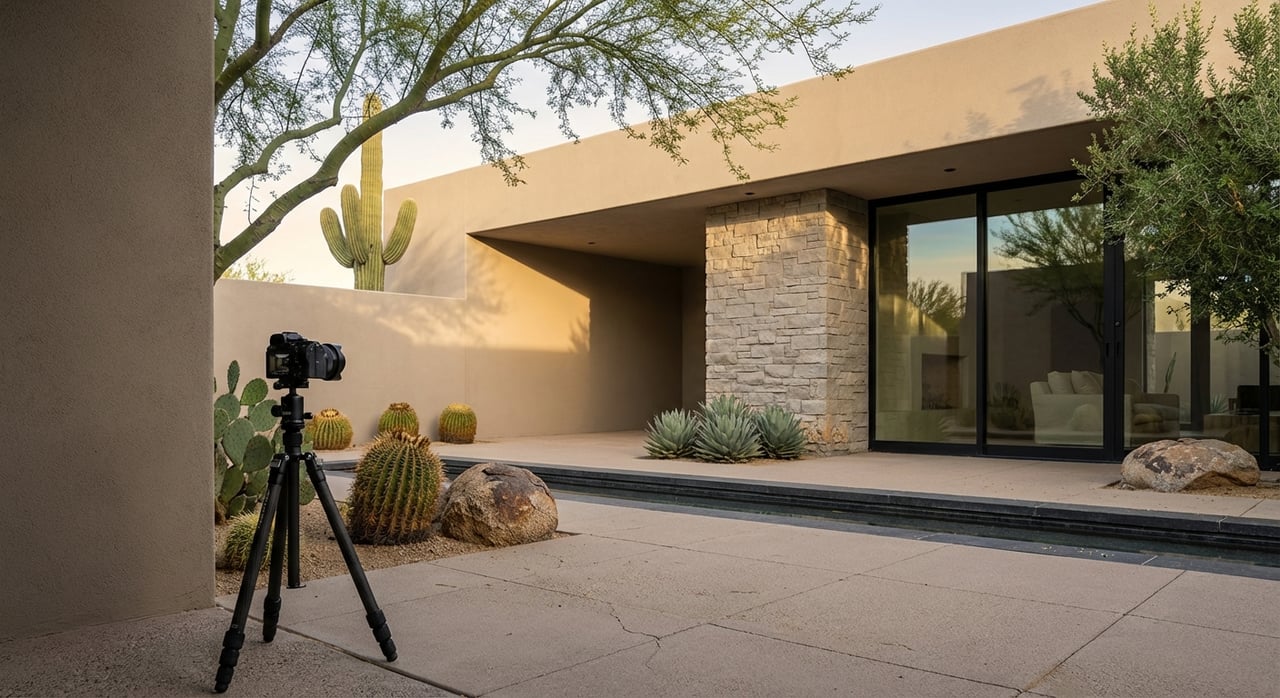
Before photos, remove clutter and personal items, clean thoroughly, and make sure windows, walls, lighting fixtures, and floors are in strong condition. Professional photography is especially helpful because it can show room flow, exterior details, and the home’s relationship to the street more clearly.
Photos that matter most
A strong Sam Hughes photo set should usually include:
- Wide shots of the front facade
- Porch and entry images
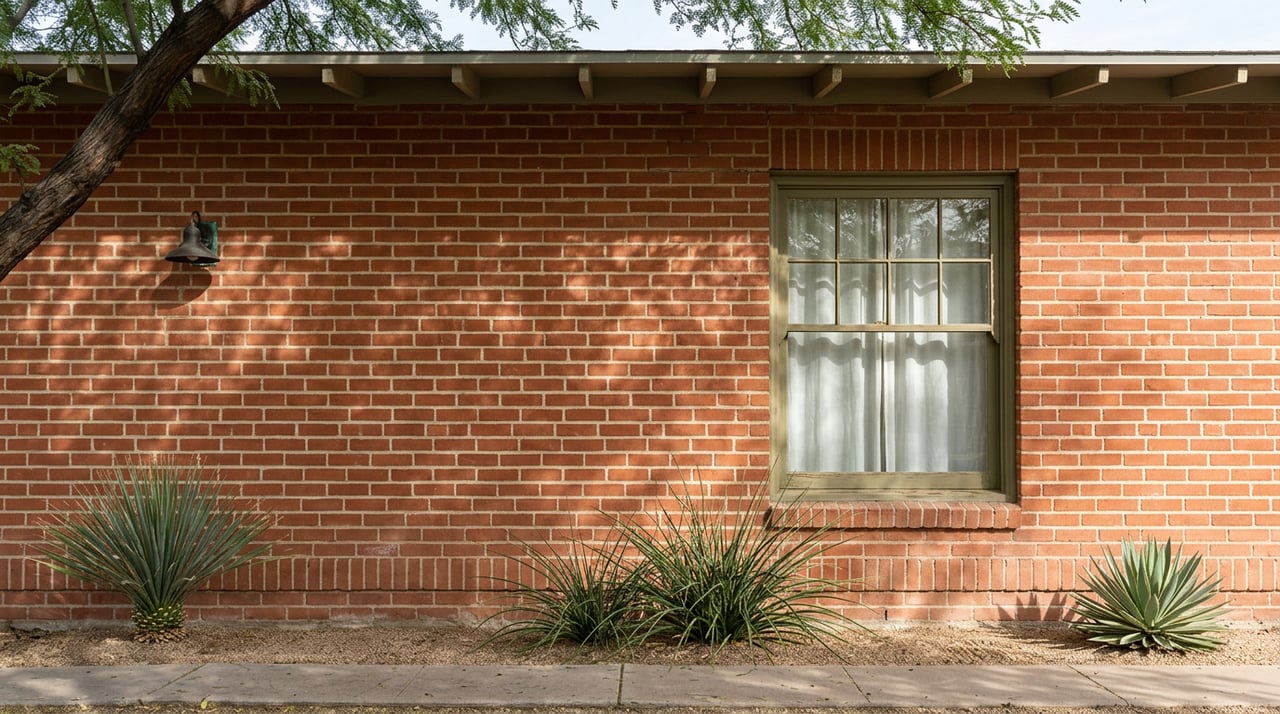
- Roofline, masonry, or stucco details
- Original interior features such as trim or windows
- Rooms photographed from angles that show flow
- Exterior images that include mature trees or the broader streetscape
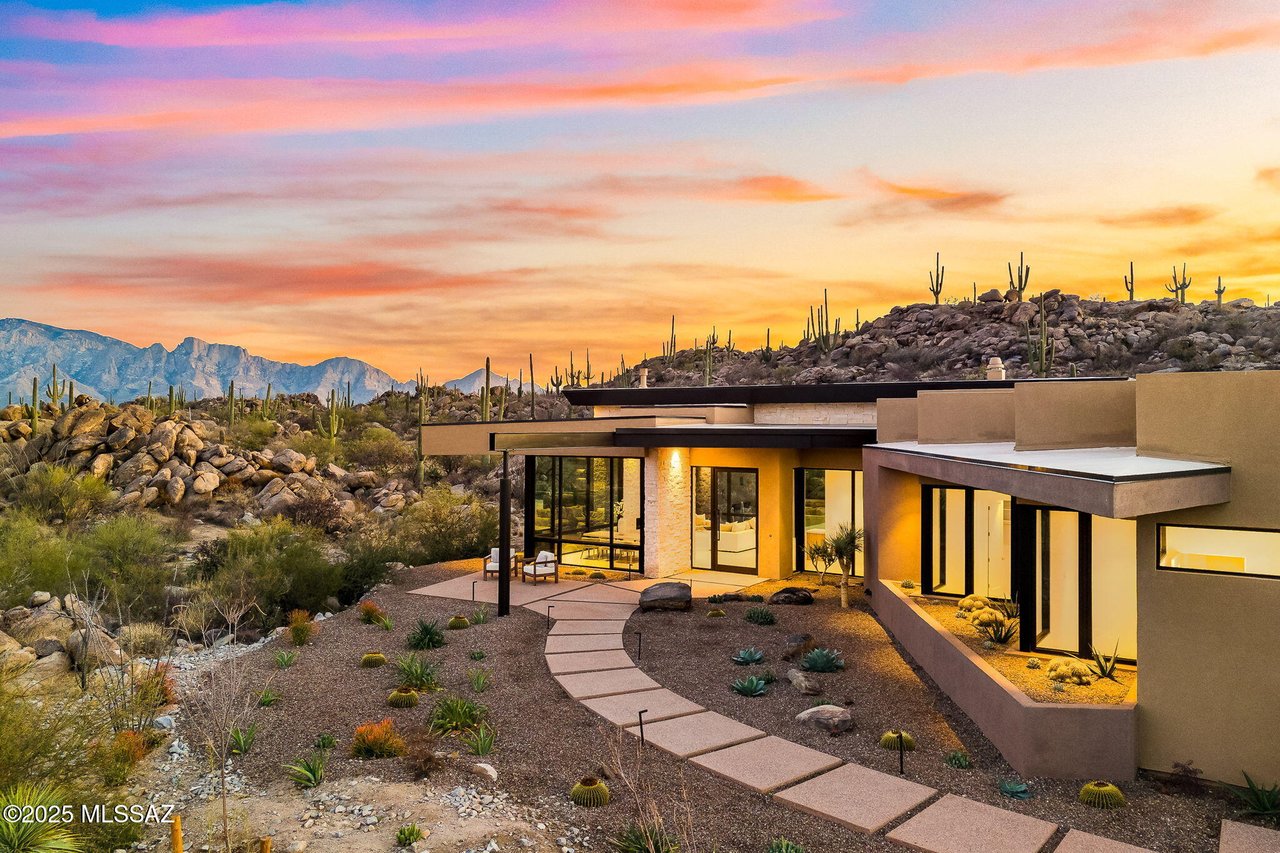
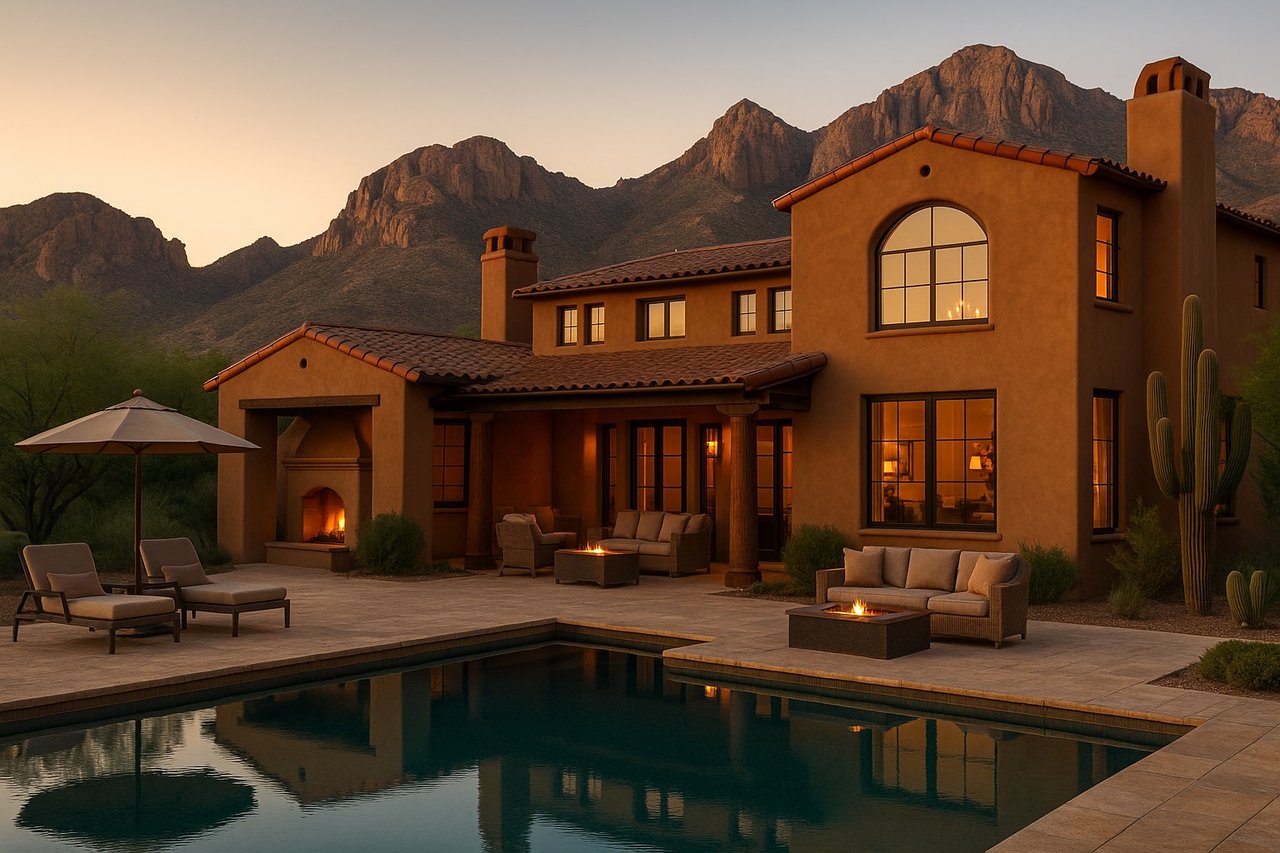
Try to schedule exterior photos when the sun is on the front of the home. While twilight images can work well for landscaping, they can be harder to execute reliably. For most sellers, crisp daylight images are the safer choice.
Create a smart seller timeline
Because historic review, exterior prep, and presentation all take time, sequencing matters. It is usually best to start with verification and repairs, then move into cosmetics, staging, and photography.
Here is a practical order for many Sam Hughes sellers:
- Confirm whether the parcel has a local historic overlay.
- Identify any exterior work that may need review.
- Repair visible maintenance issues.
- Refresh kitchens, baths, and paint if needed.
- Tidy the yard and porch.
- Declutter and stage for character.
- Plan parking and showing instructions.
- Schedule professional photography.
This kind of step-by-step prep helps you avoid rushed decisions that can cost more and show less well.
Why local knowledge matters
Selling a historic bungalow is part property prep and part neighborhood storytelling. You need to know which details are worth preserving, which updates are worth making, and how to position the home so buyers understand what makes it special.
That is where local experience can make a real difference. A thoughtful listing strategy can connect permit timing, prep choices, photography, pricing, and buyer expectations into one plan. In a neighborhood like Sam Hughes, that level of care often shows up in the final presentation.
If you are getting ready to sell and want a smart, high-touch plan for your Sam Hughes bungalow, Daniel Sotelo can help you prepare, position, and market your home with the kind of local insight that buyers notice.
FAQs
What should you fix first before selling a Sam Hughes bungalow?
- Start with visible maintenance issues such as roof leaks, broken windows or doors, peeling paint, and damaged caulk or grout, because these can make the home feel neglected.
Do Sam Hughes homes need historic approval for exterior work?
- Some do, depending on whether the parcel has a local designation such as HPZ or HL, so you should verify the overlay before starting exterior changes.
Should you remodel the kitchen before listing a Sam Hughes home?
- Usually, cosmetic updates and deep cleaning are the most practical pre-listing move unless the kitchen is clearly damaged or functionally outdated.
What original features help a Sam Hughes bungalow stand out?
- Buyers often respond well to original hardwood floors, windows, pocket doors, fireplaces, vintage light fixtures, wainscoting, and strong porch character.
How should you handle front-yard landscaping for a Sam Hughes listing?
- Keep it tidy, make the entry easy to see, avoid hiding the architecture, and follow Tucson right-of-way rules if any work affects the area near the street.
Why does parking matter when selling a Sam Hughes home?
- In some parts of the neighborhood, especially near campus routes and Third Street, parking and traffic can affect open houses and showings, so clear instructions can improve buyer access.