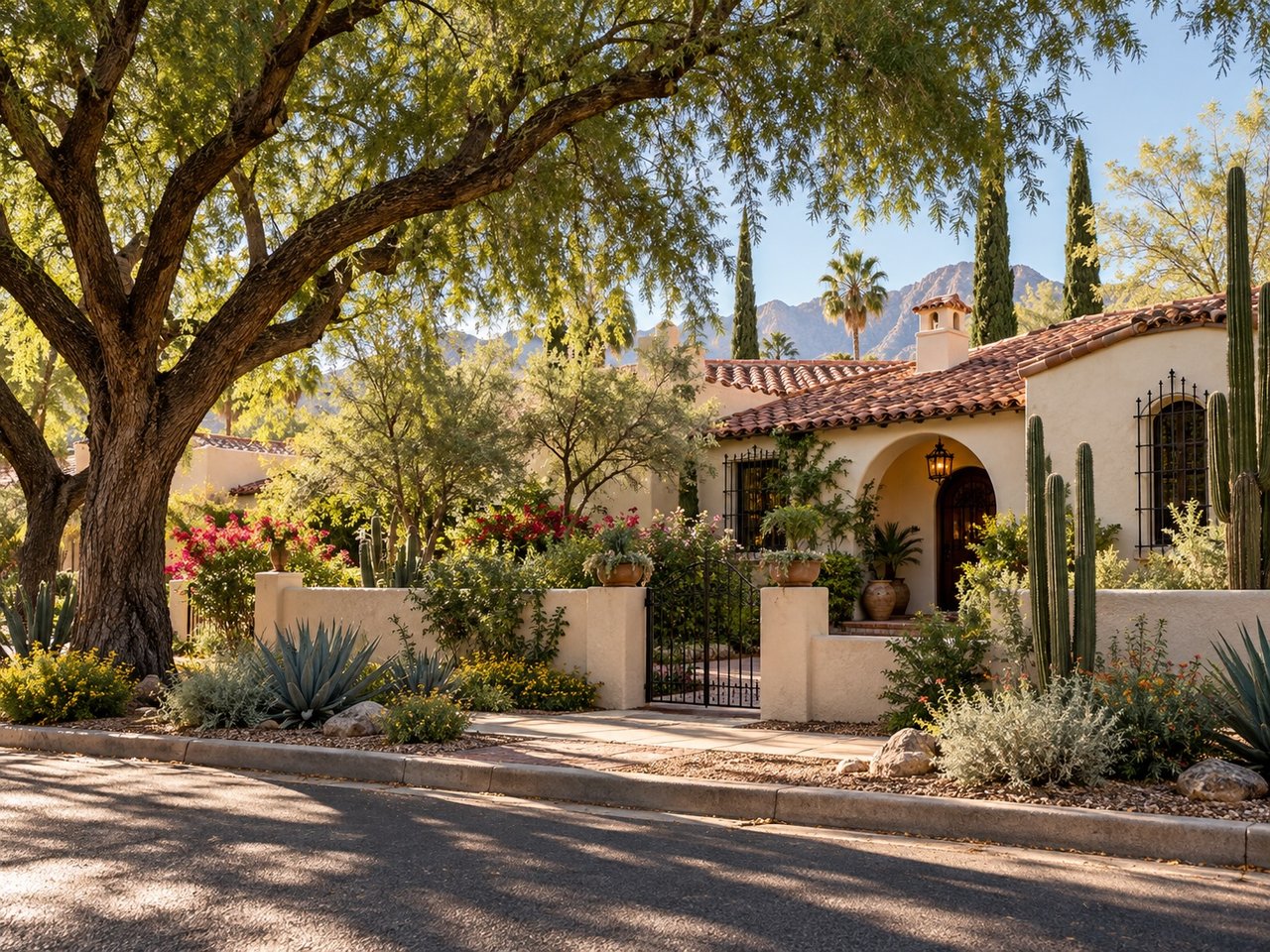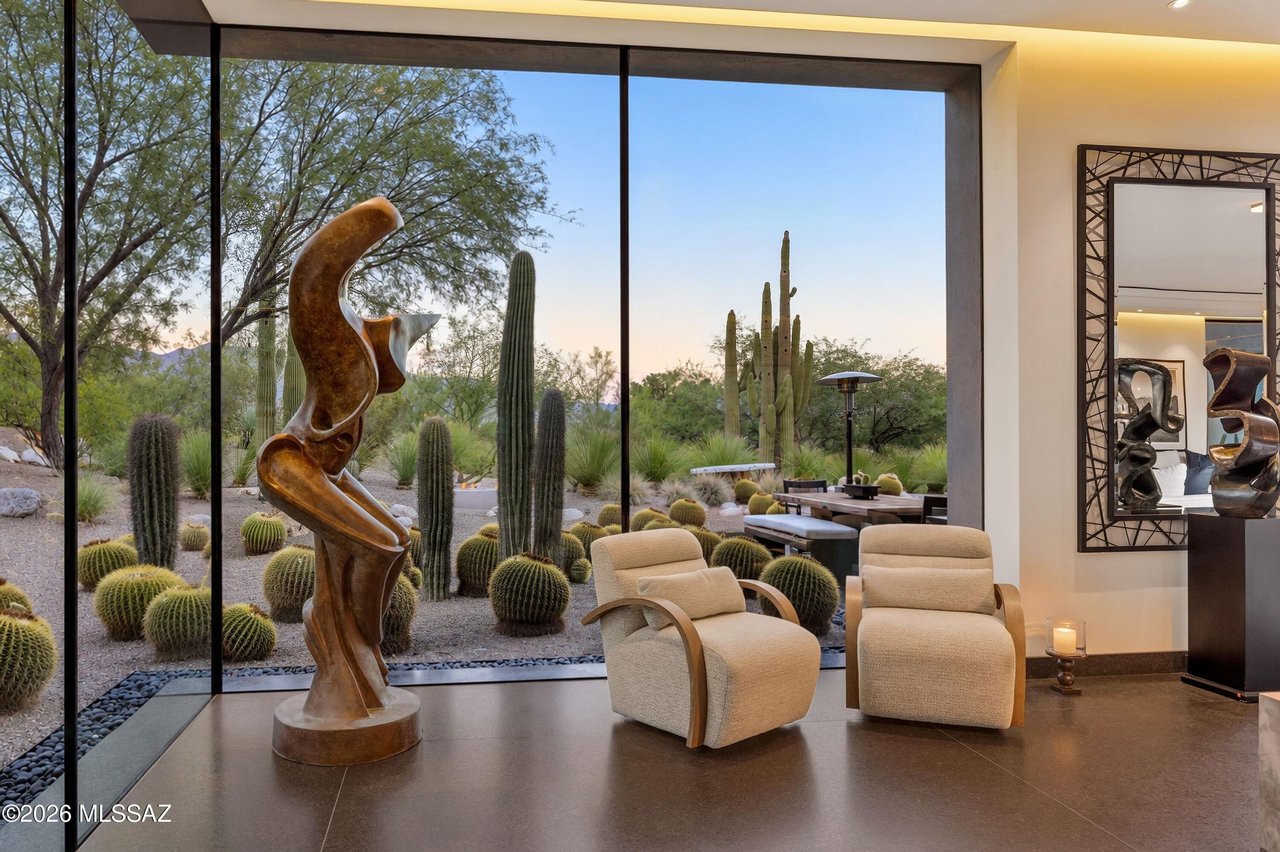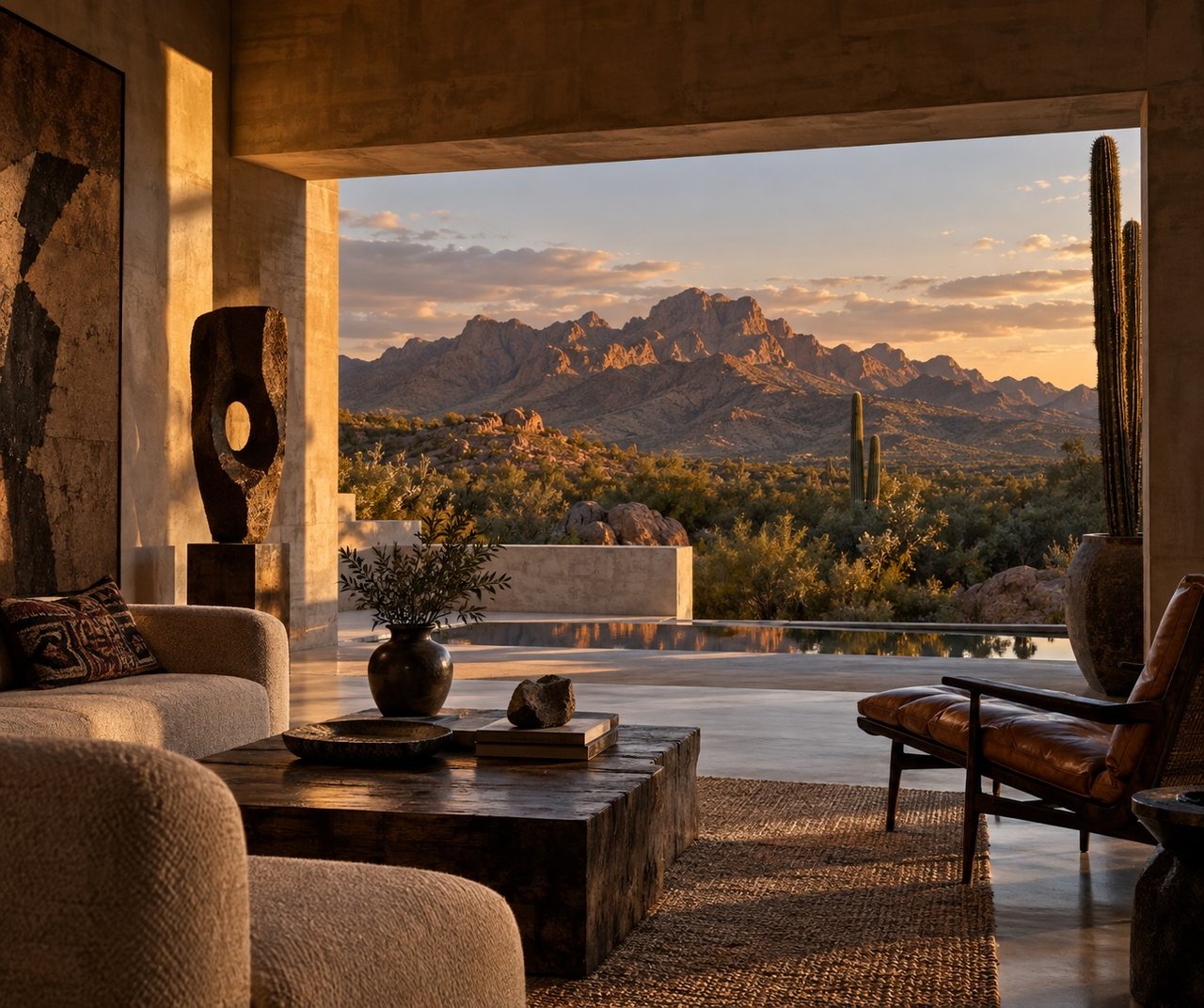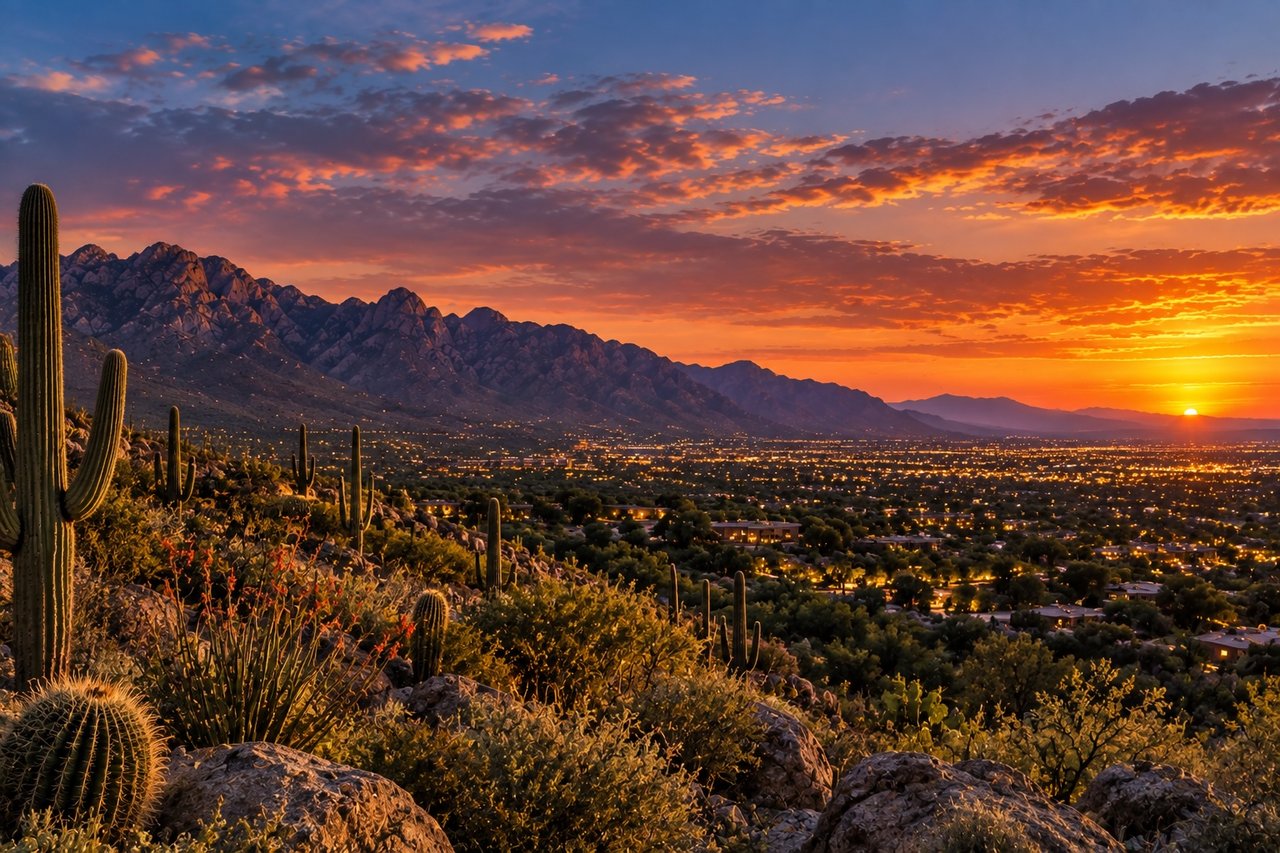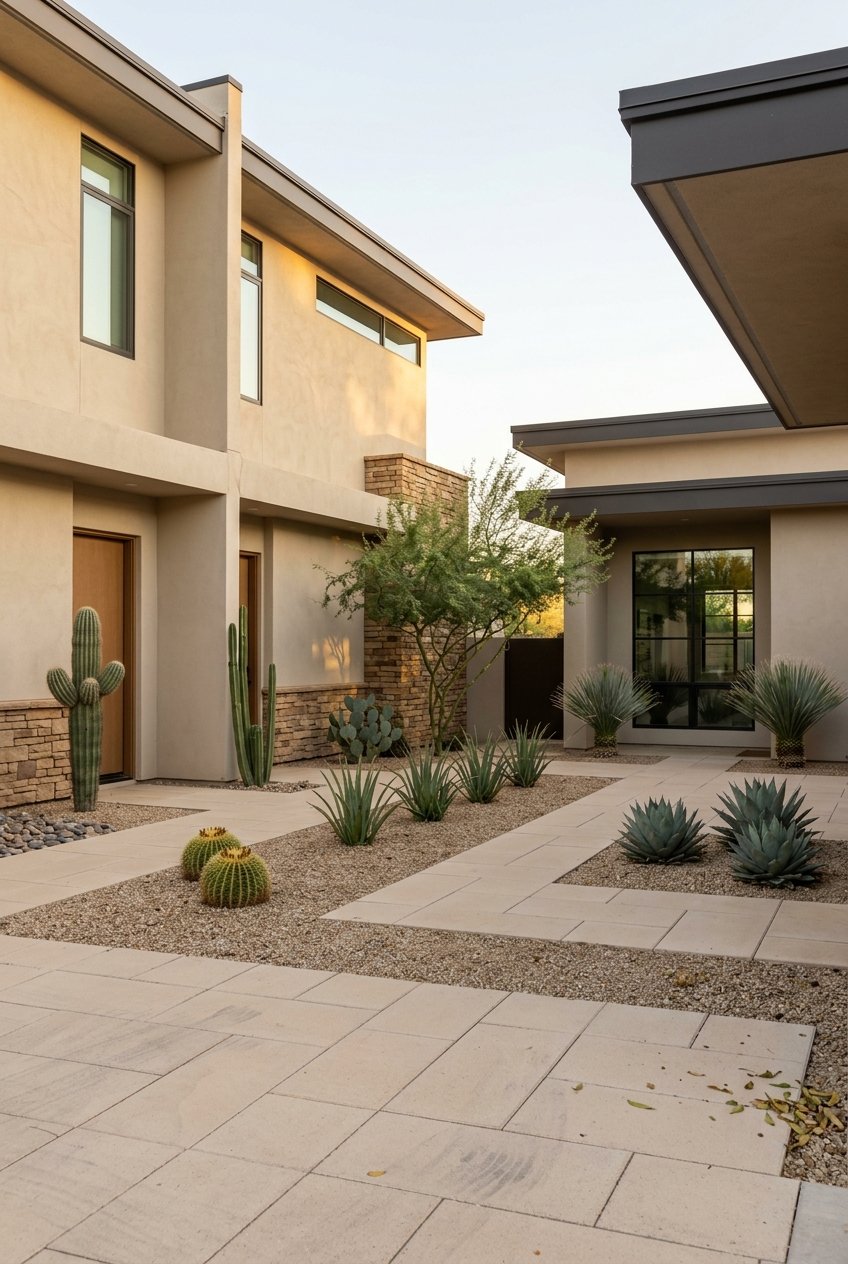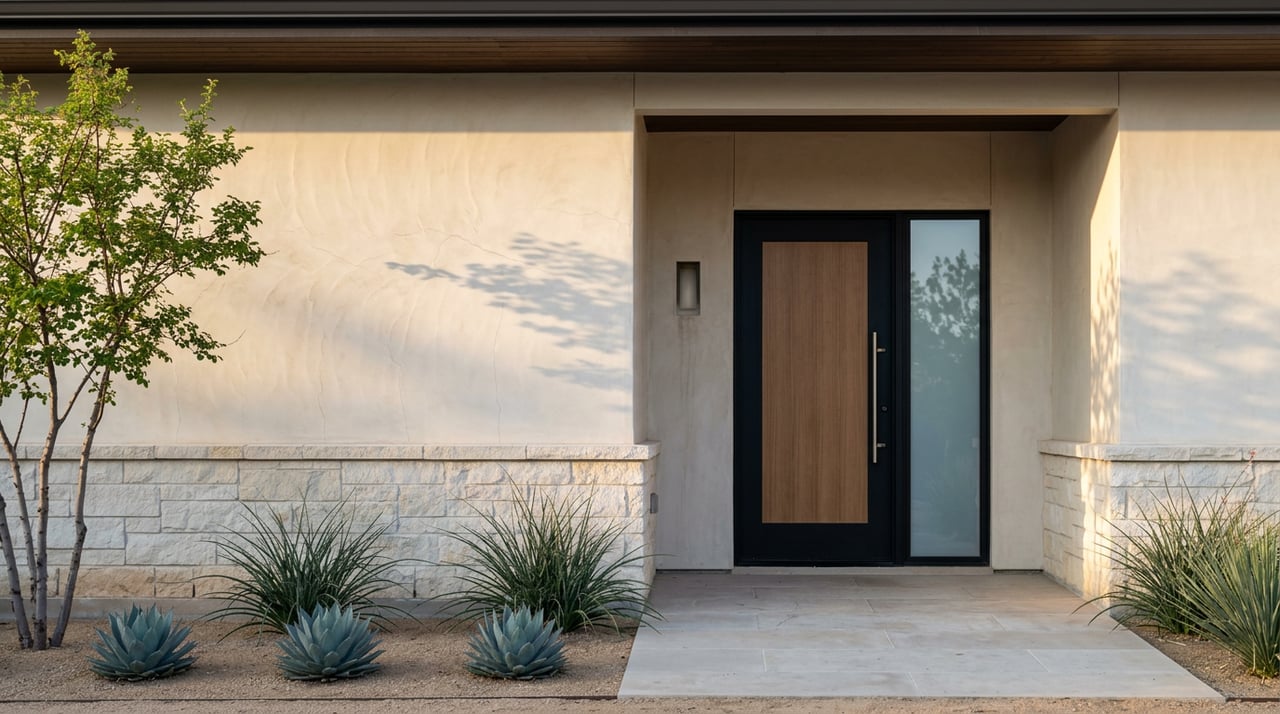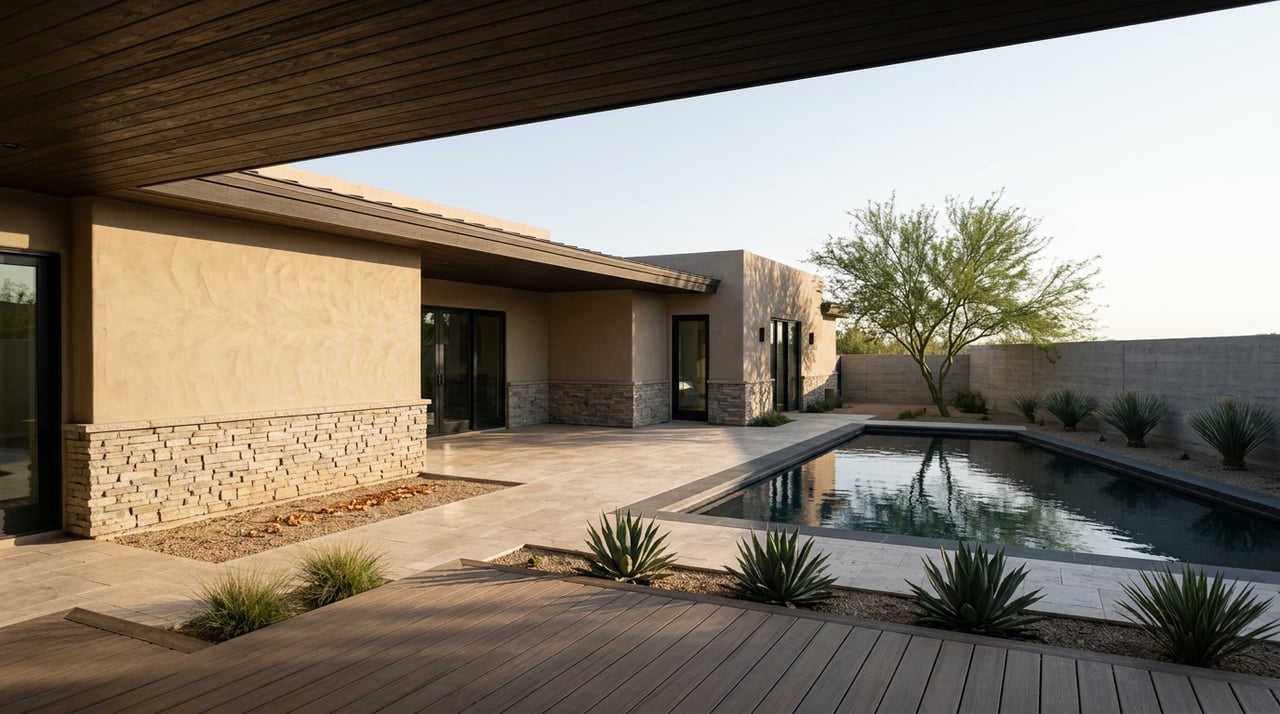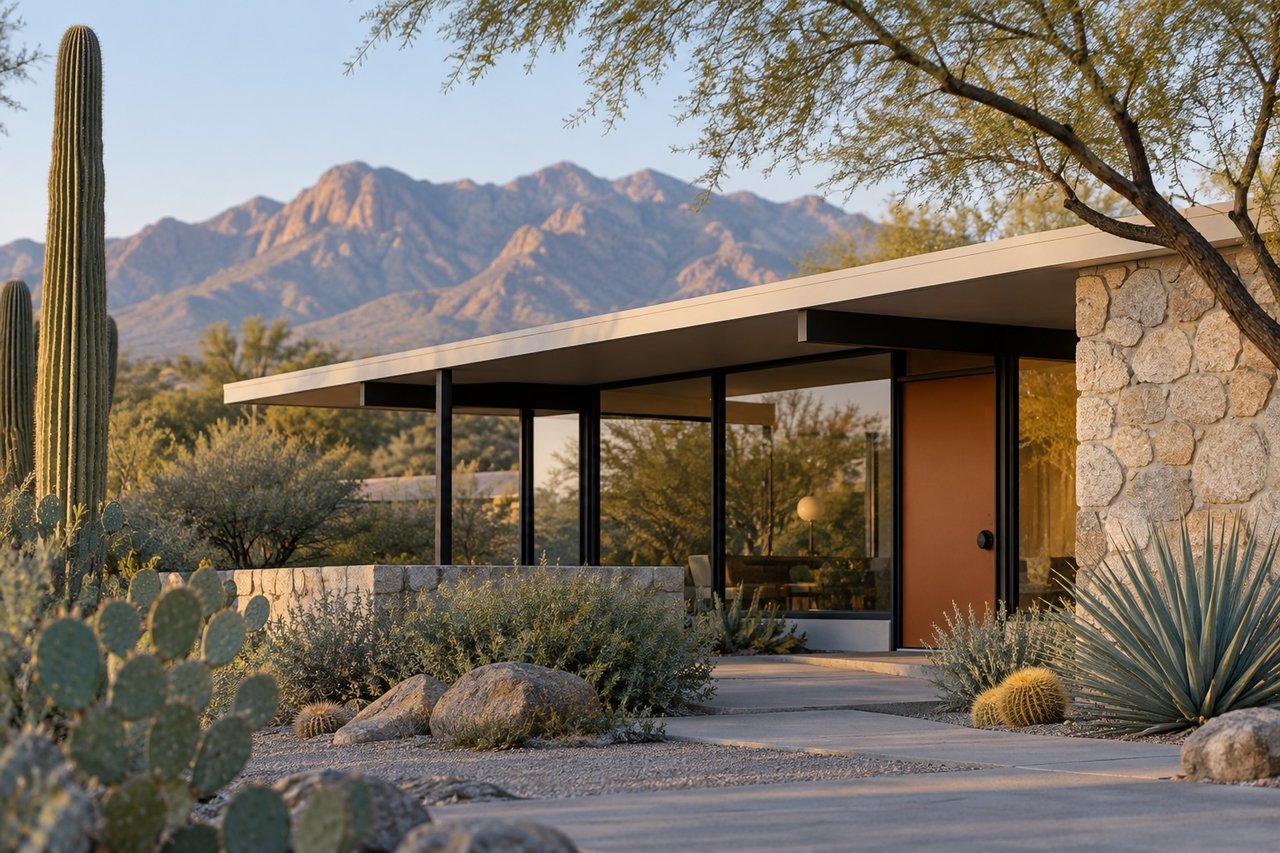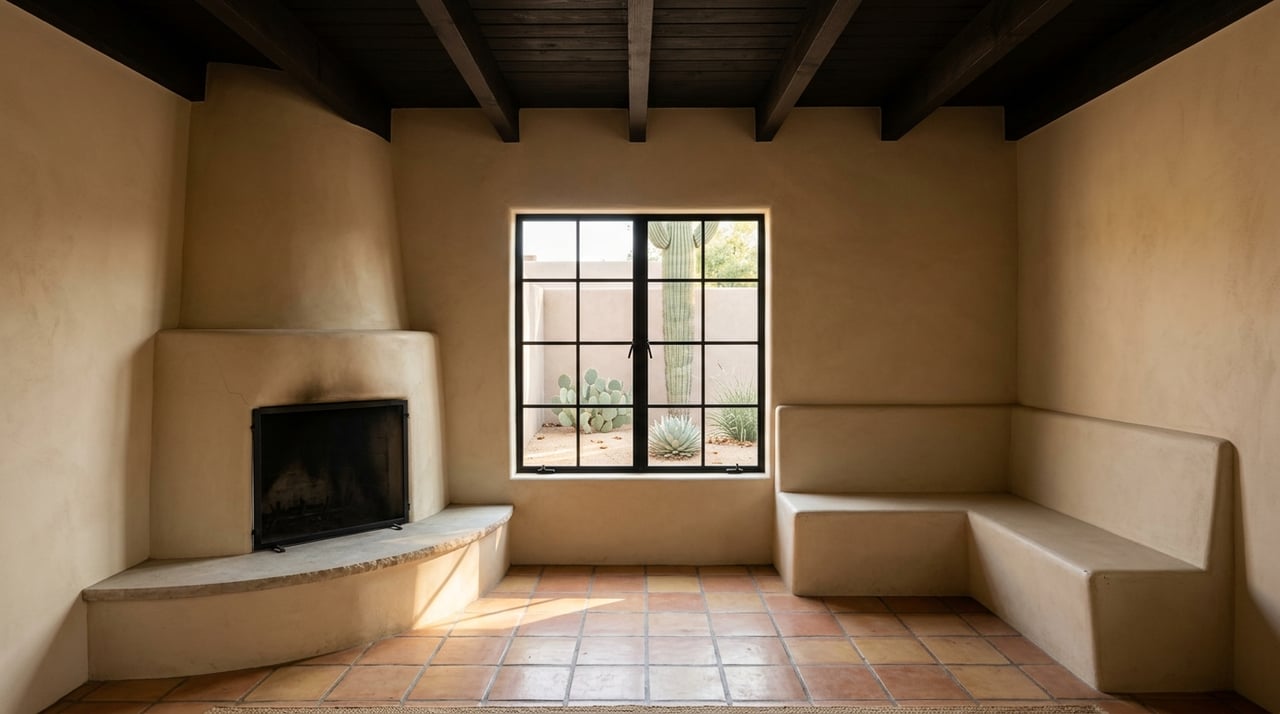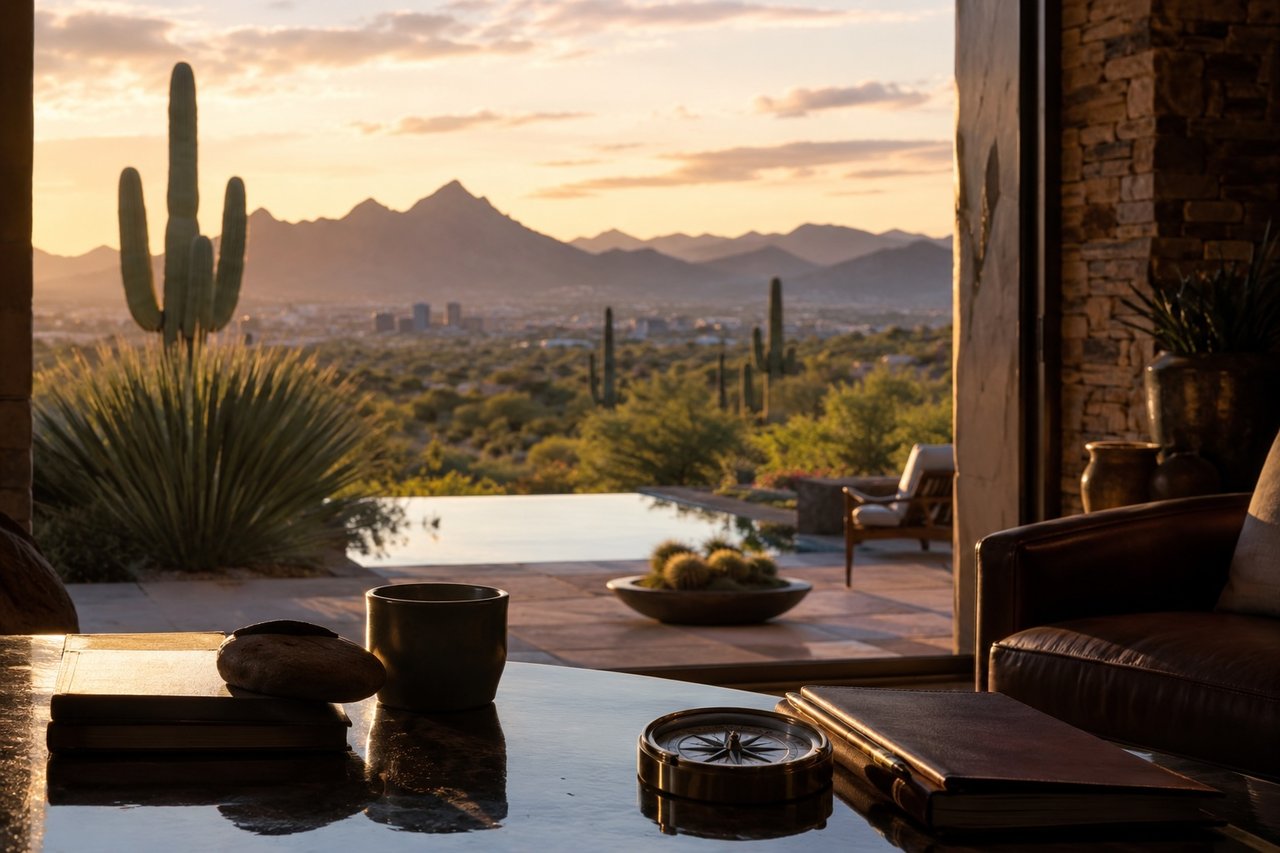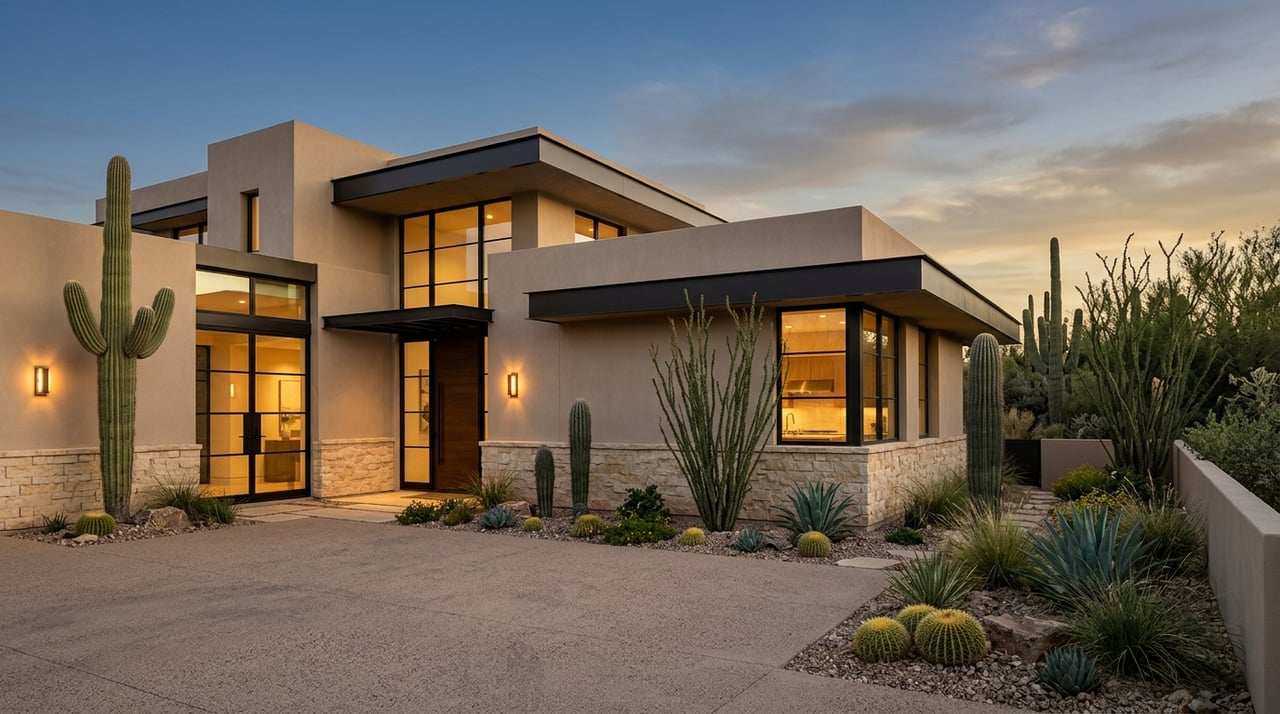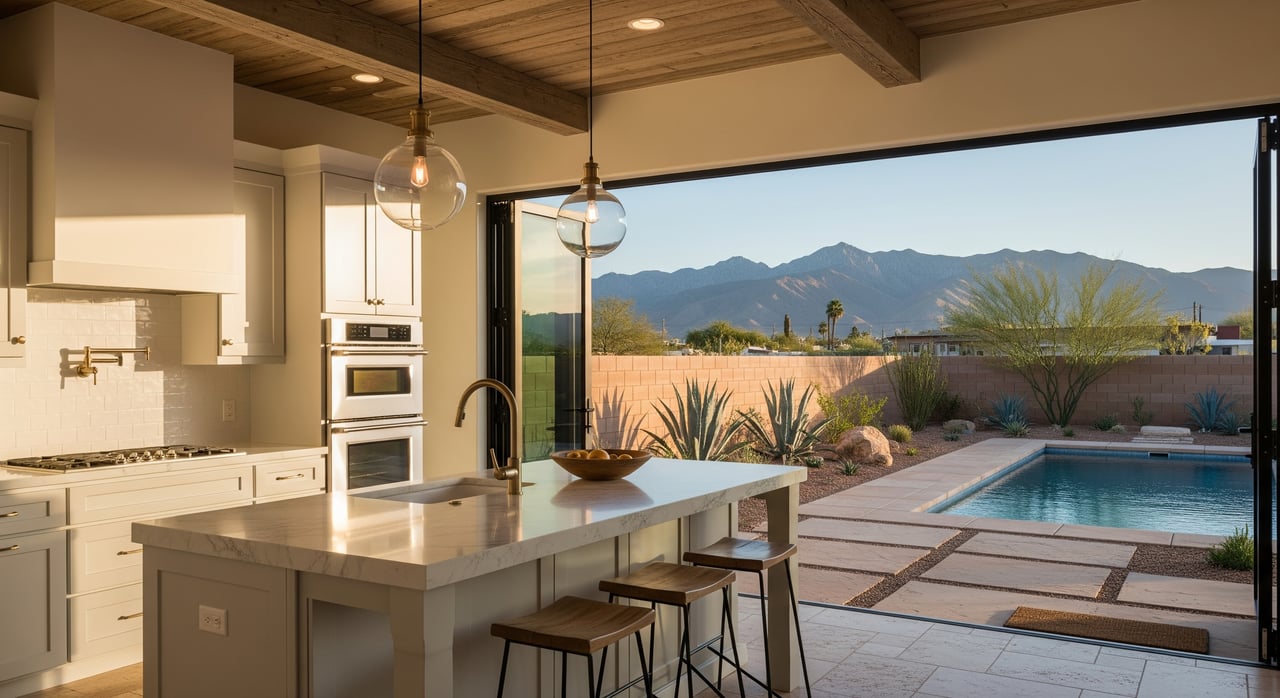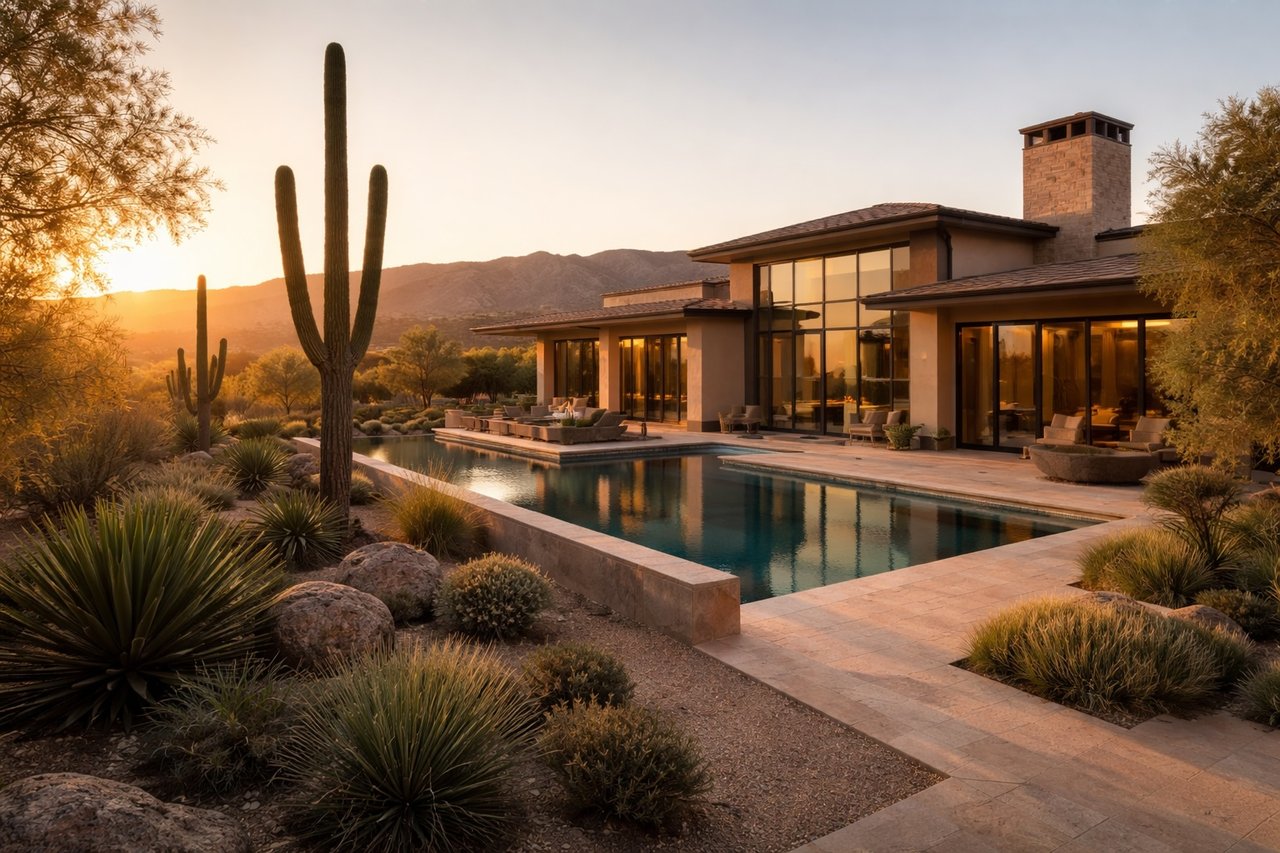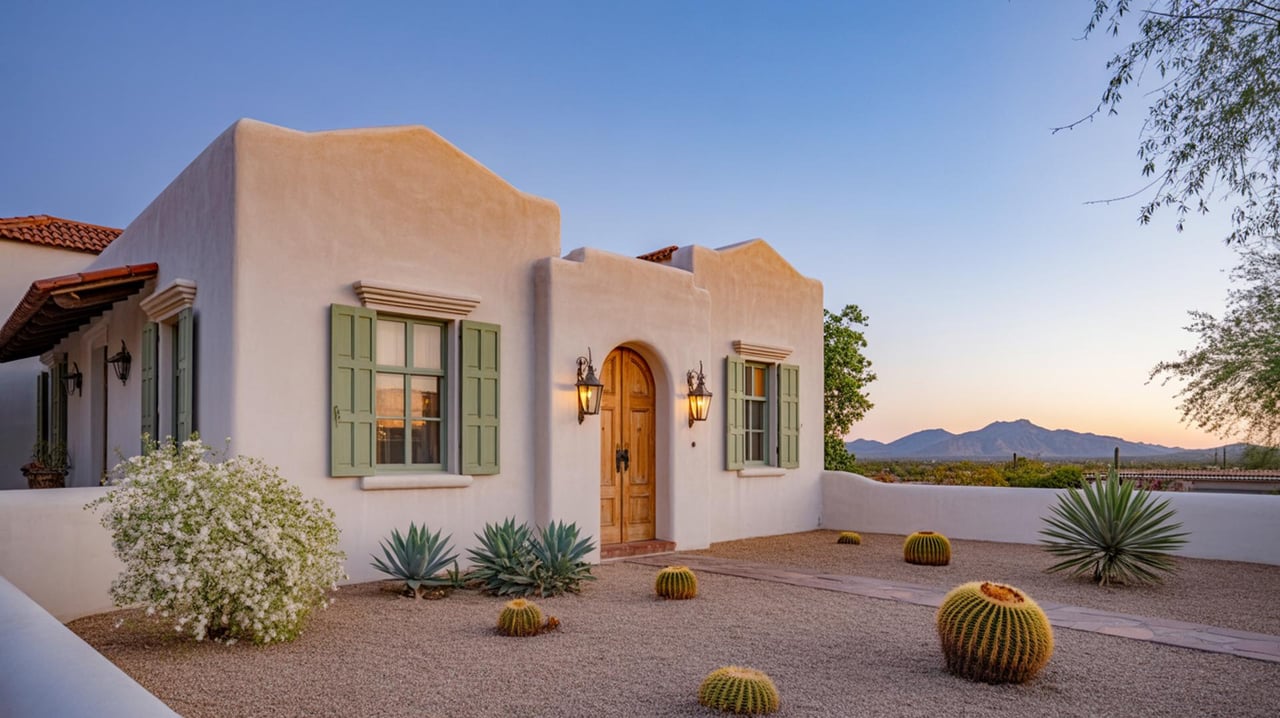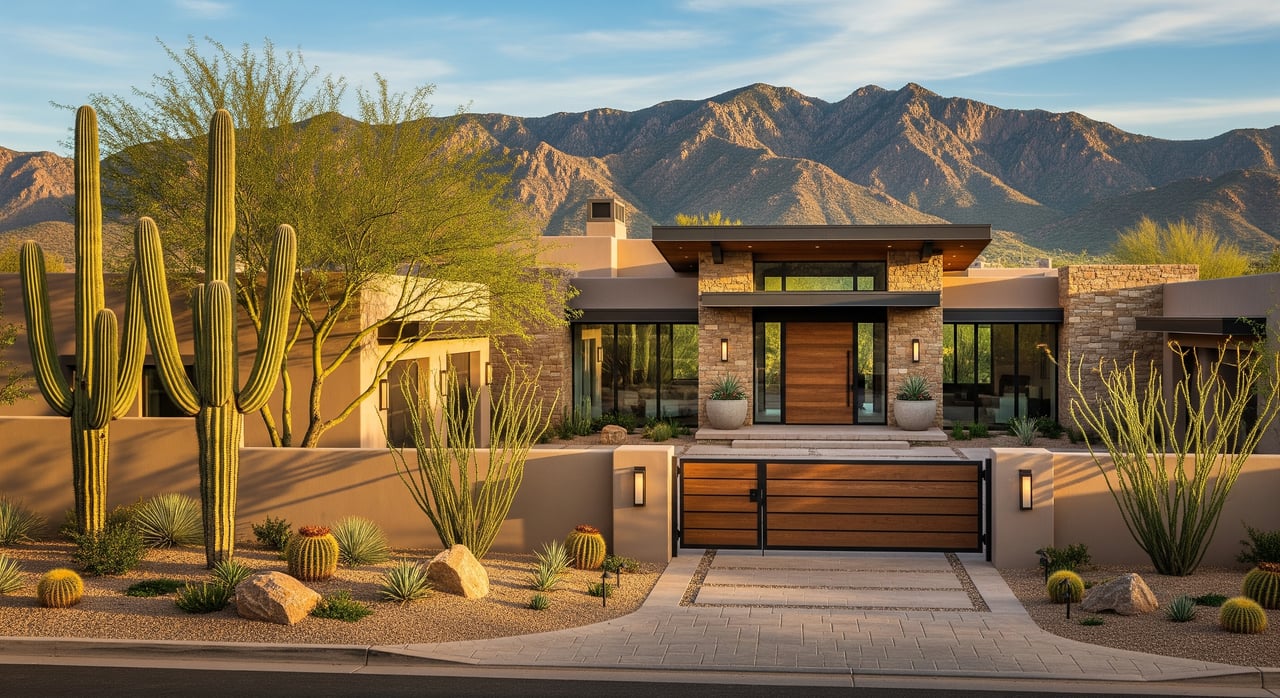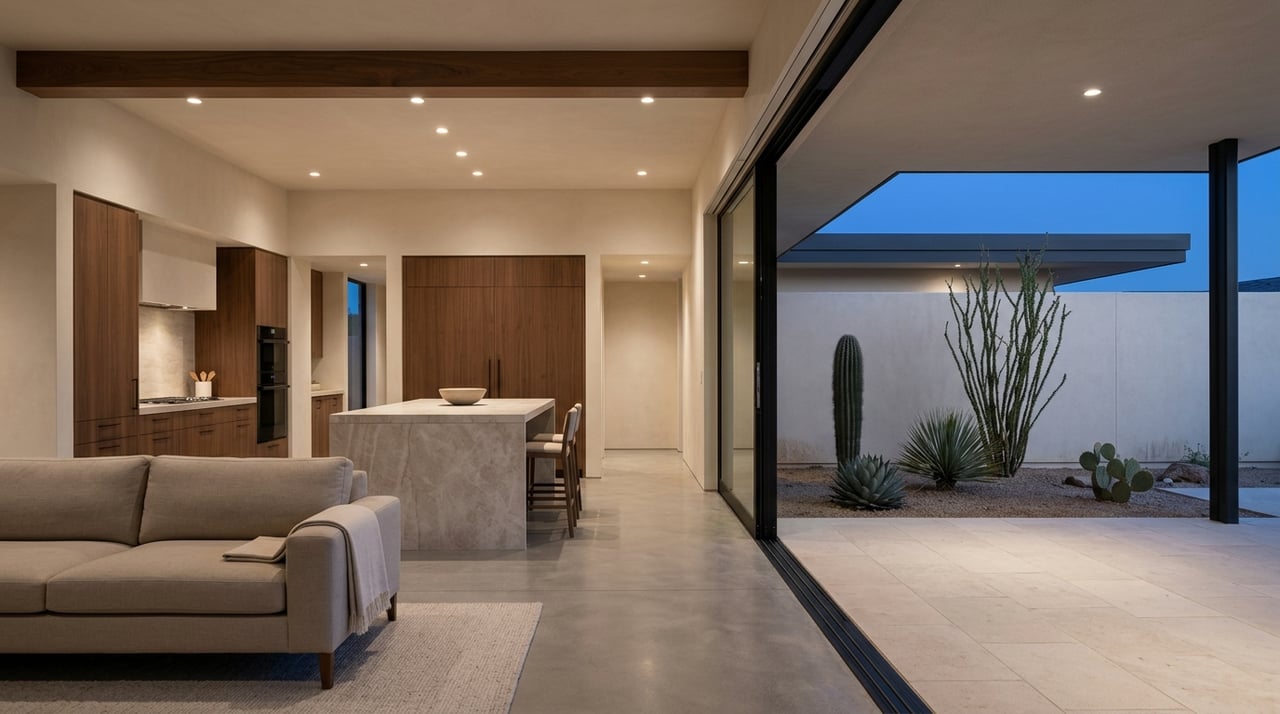
If you own a luxury home in the Catalina Foothills but live somewhere else, selling can feel like a logistical headache before it ever feels exciting. You may be wondering how to handle prep, pricing, showings, disclosures, and closing without hopping on a plane every week. The good news is that Arizona’s digital tools and a strong local plan can make a remote sale very manageable. Let’s dive in.
Why remote selling works here
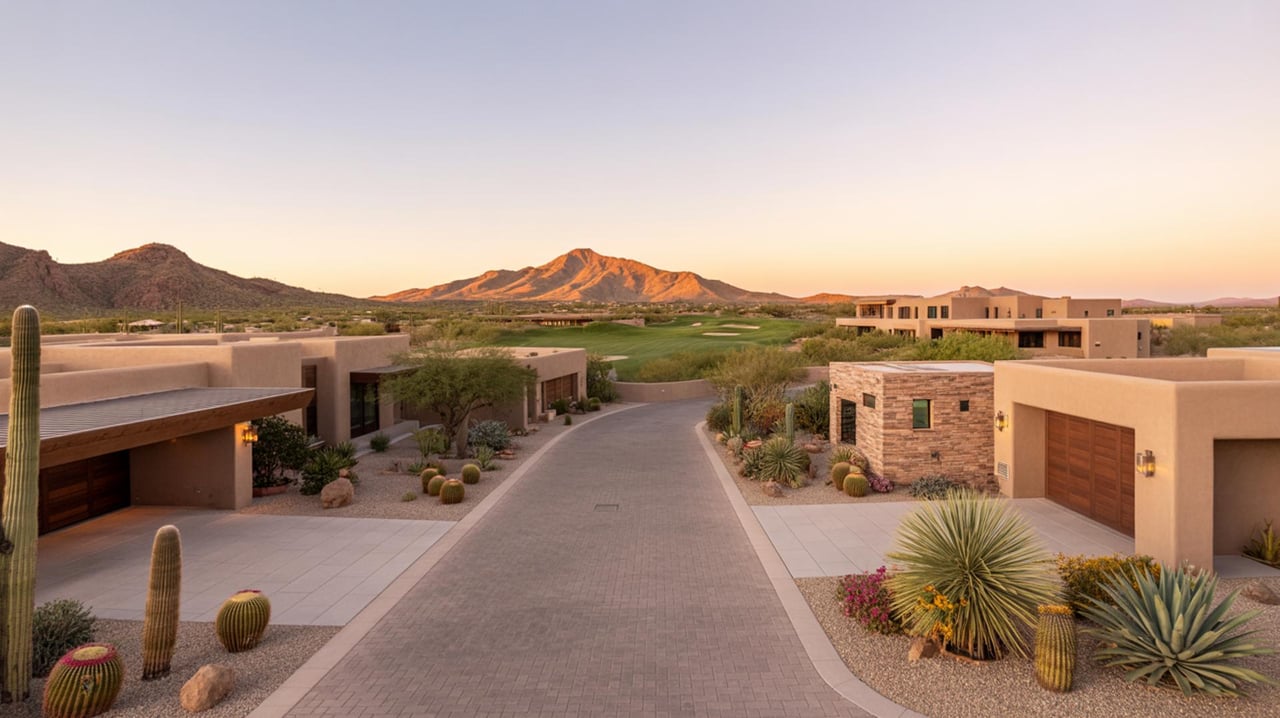
Catalina Foothills is a named unincorporated community in Pima County, which means county processes and property-specific documents like HOA records and CC&Rs often play a big role. That matters when you are selling from afar because the details tied to access, road maintenance, and association rules can shape both preparation and buyer questions.
A digital-first selling process is also realistic in this area. Census QuickFacts for the Catalina Foothills show that 98.6% of households have a computer and 95.5% have broadband service, which supports a market where online communication, digital documents, and virtual coordination are part of normal life.
Current market snapshots also suggest solid activity. Realtor.com reported in April 2026 that Catalina Foothills had a median listing price of $712,475, a median sold price of $599,500, about 500 homes for sale, a 98% sale-to-list ratio, and a median of 52 days on market, classifying the area as a seller’s market. For a luxury home, though, these numbers are only a starting point, not a substitute for a property-specific pricing strategy.
Start with a local game plan
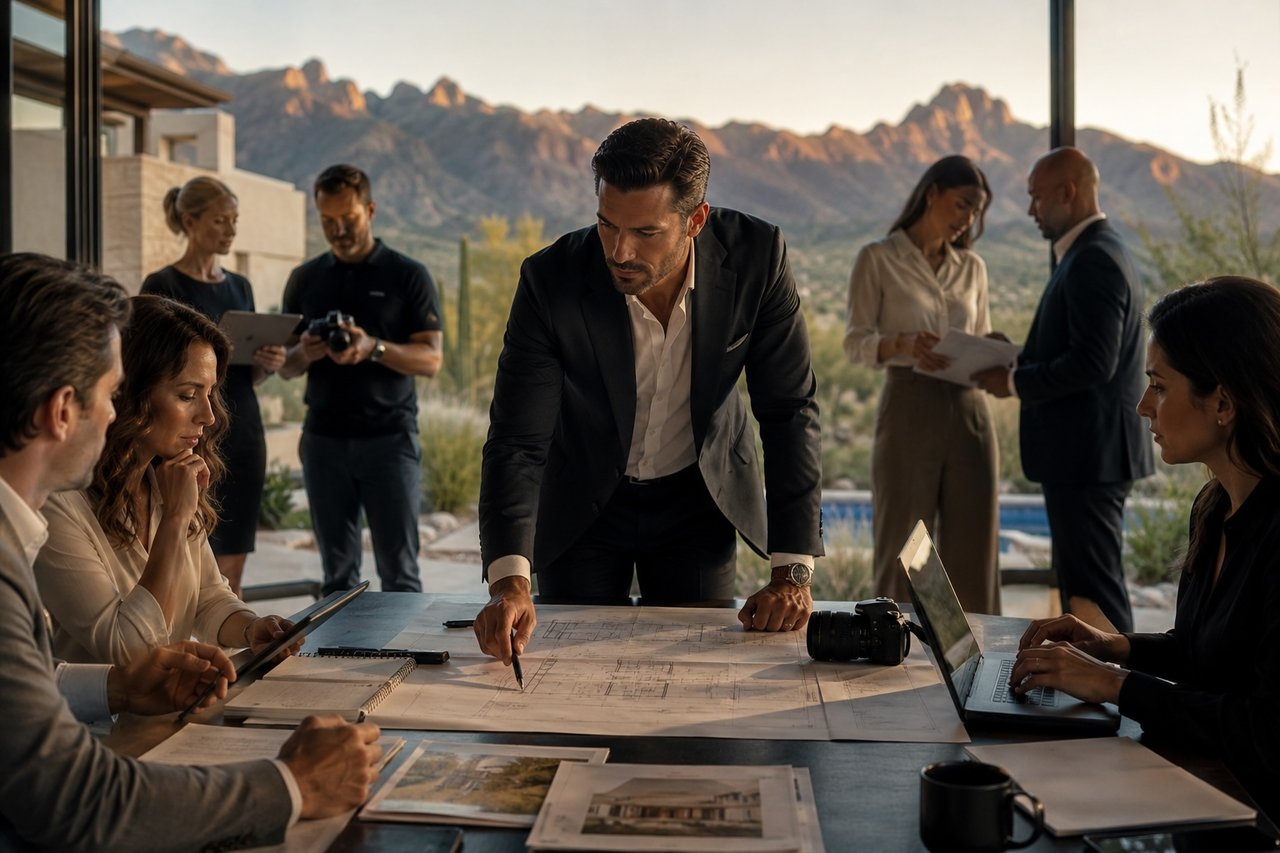
When you are not in town, your sale needs structure from day one. That usually means deciding who will oversee vendors, how updates will be shared, and what timeline makes sense for preparing the home, launching the listing, and moving through escrow.
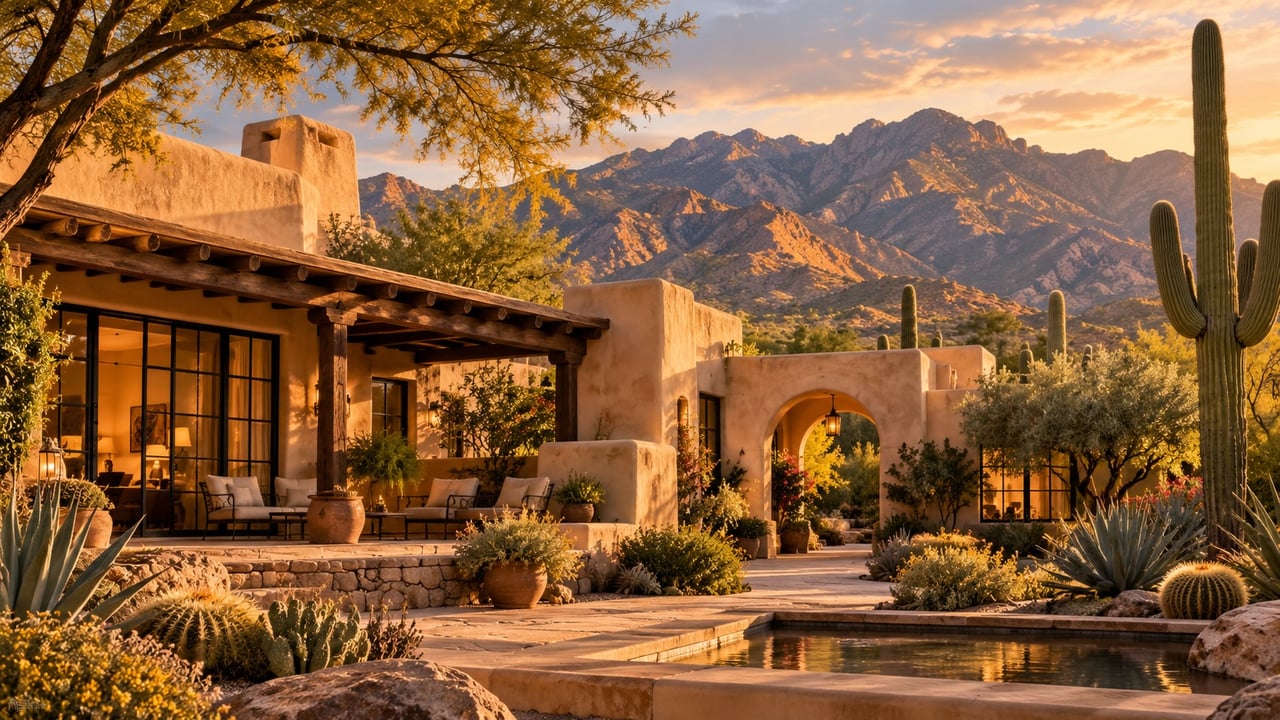
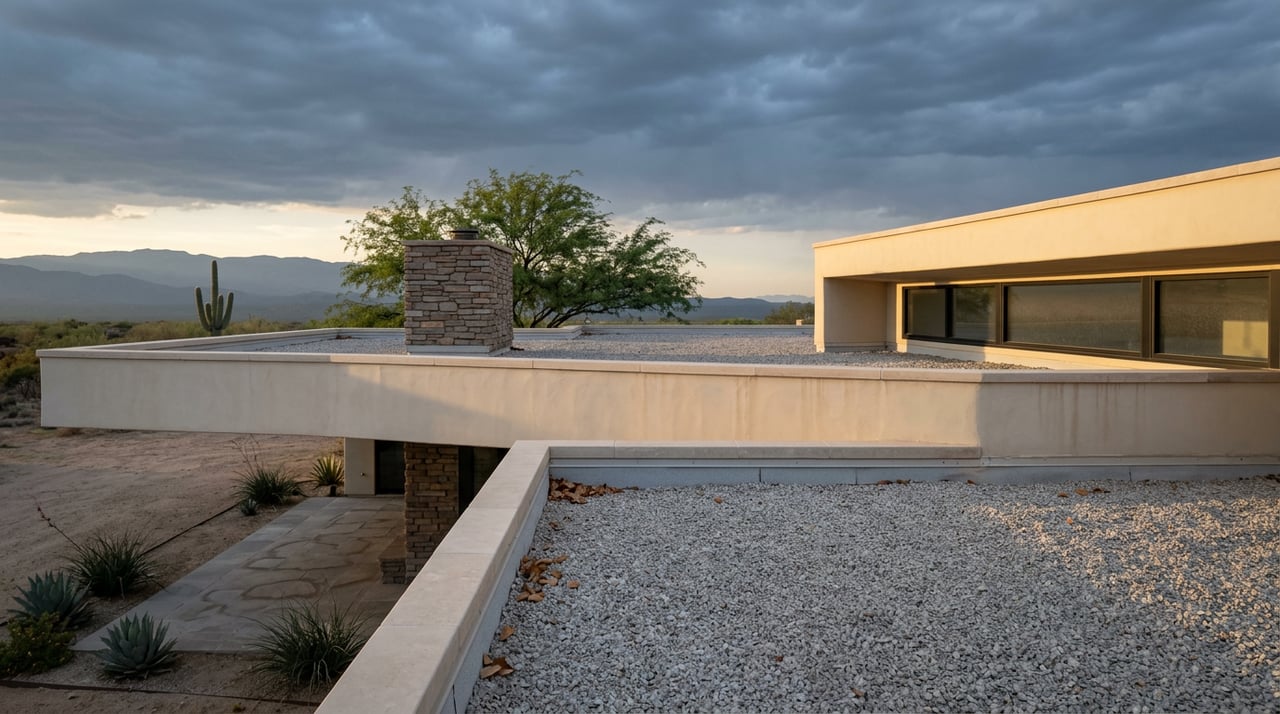
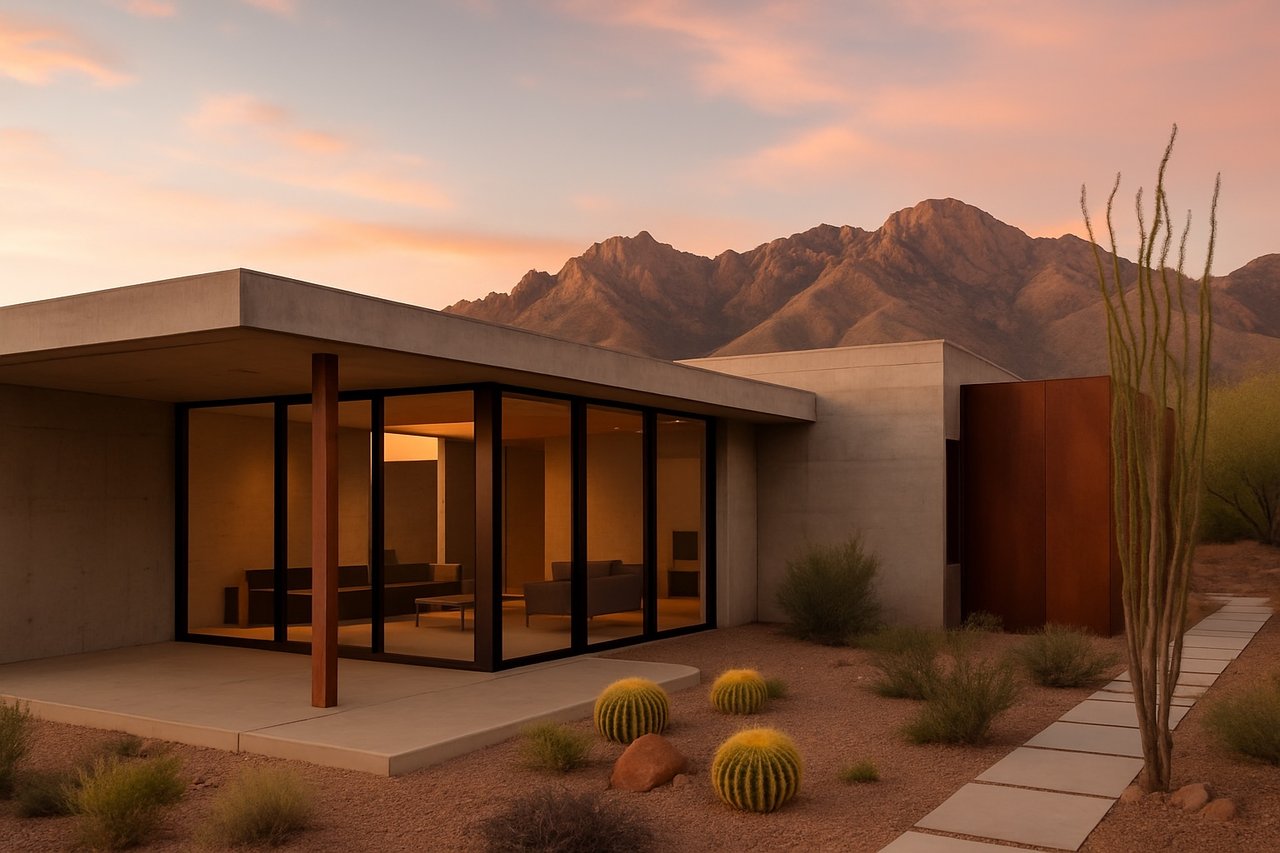
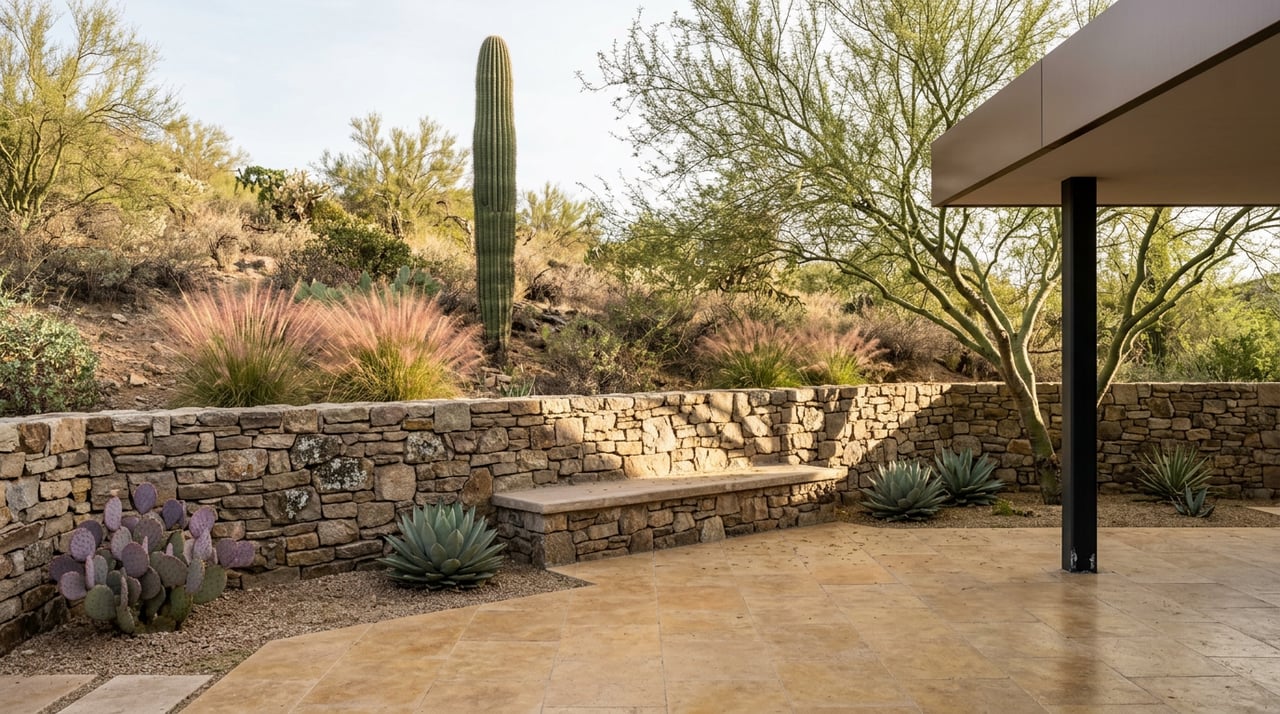
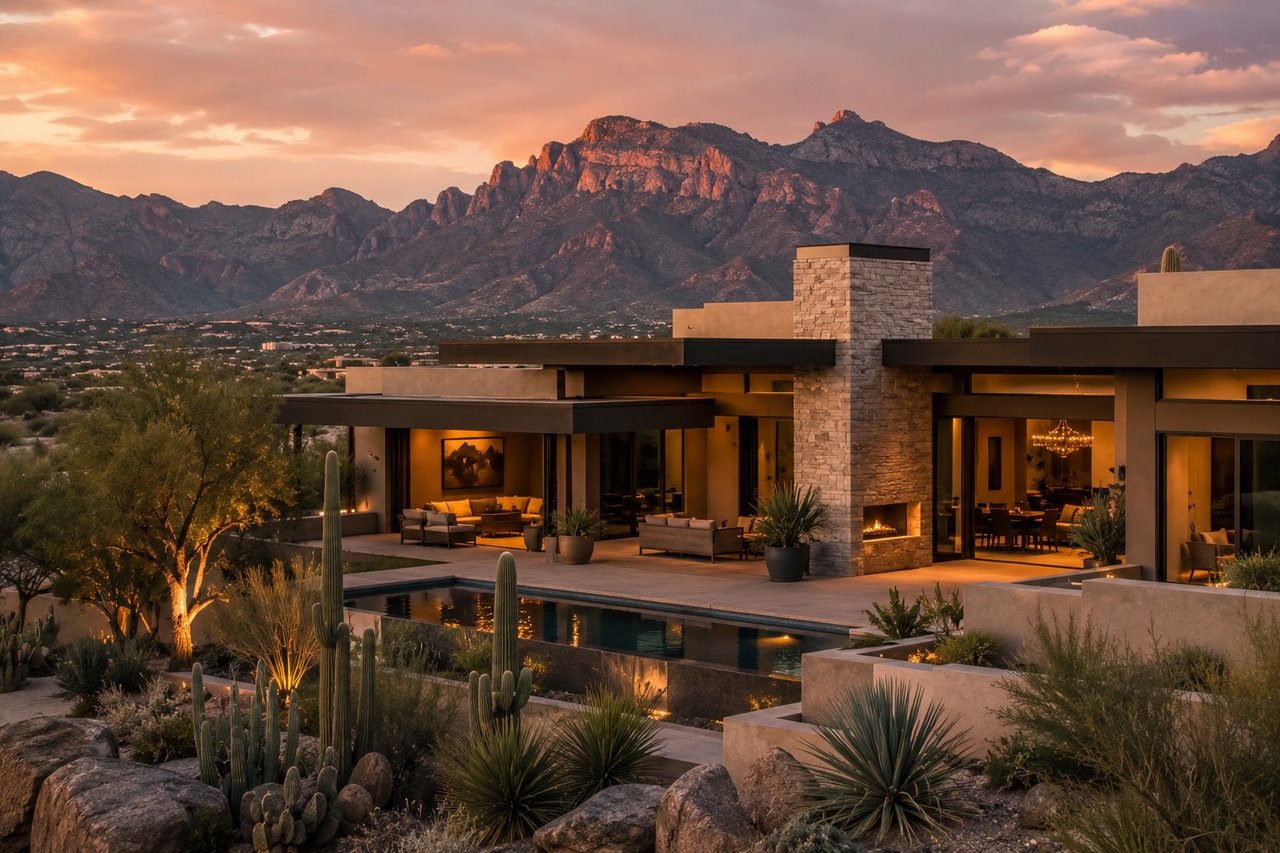
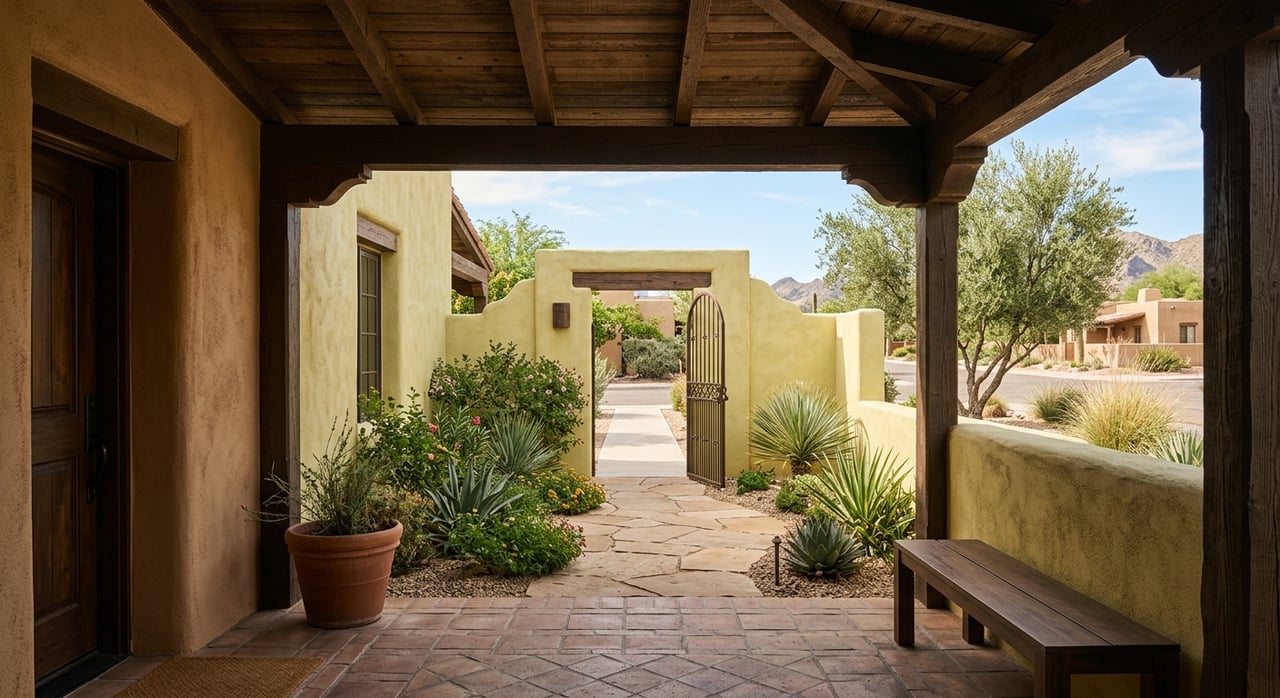
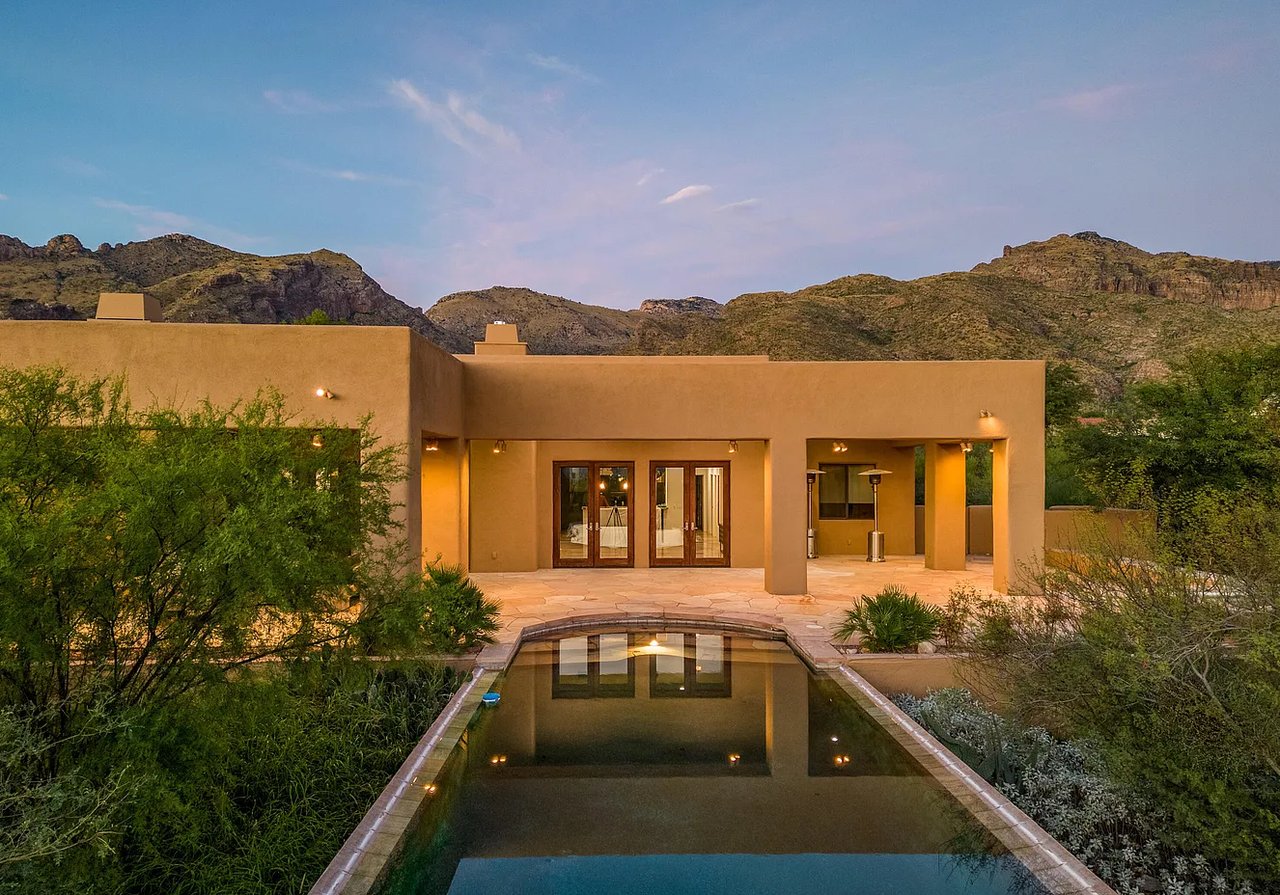
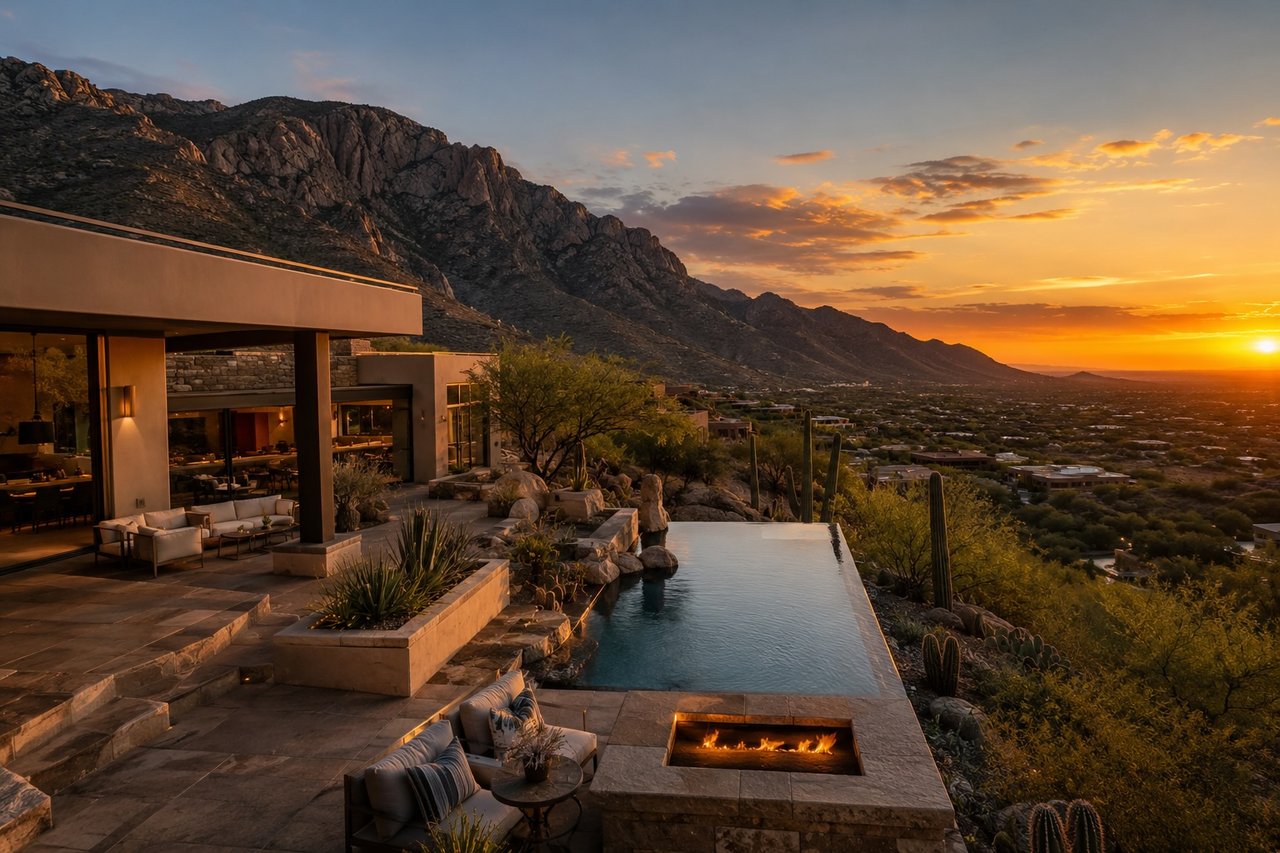
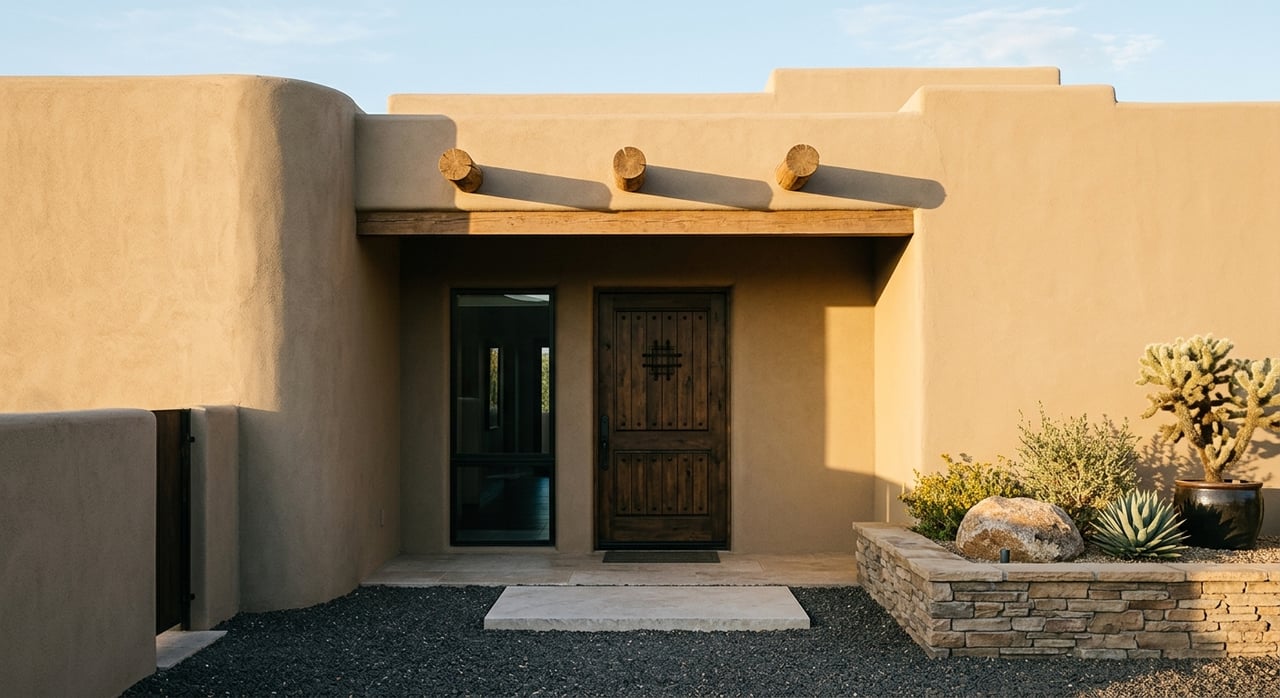
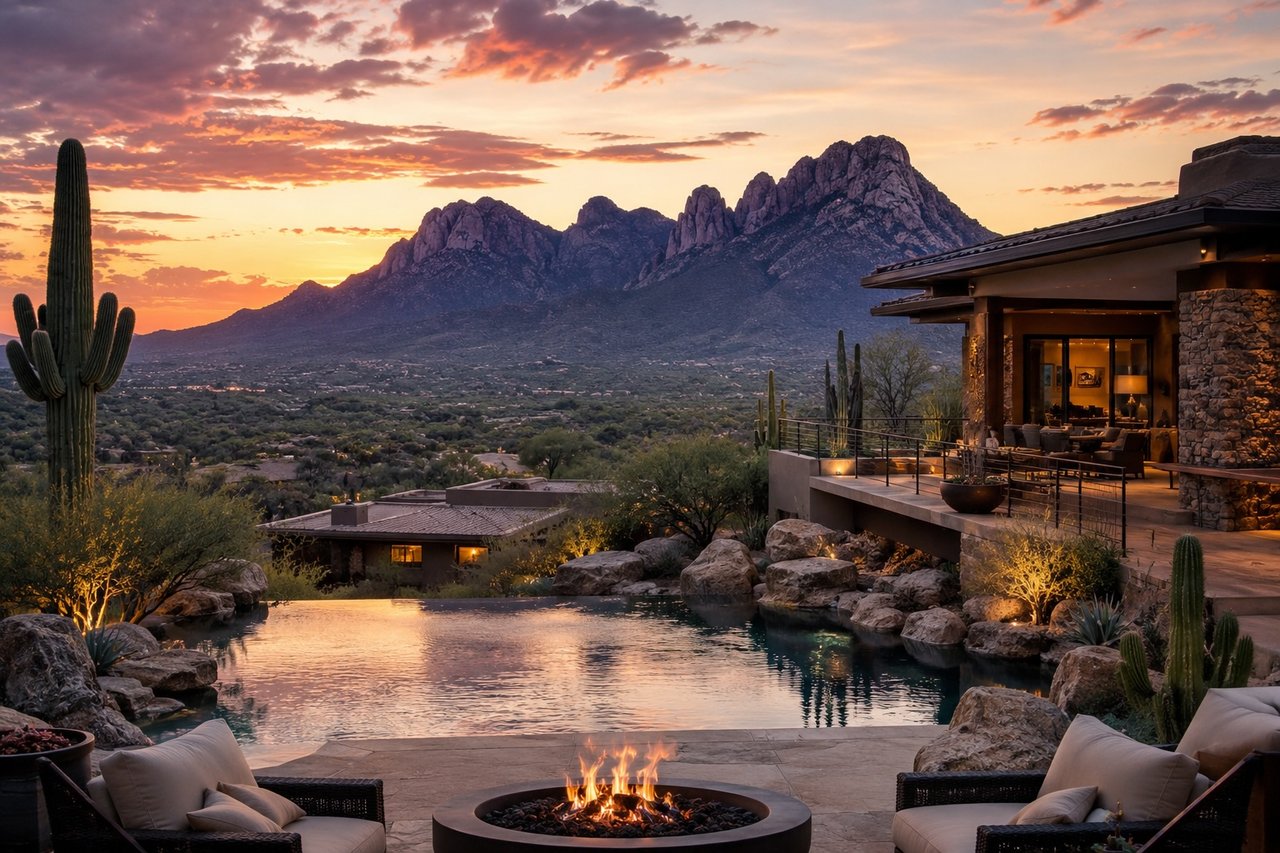
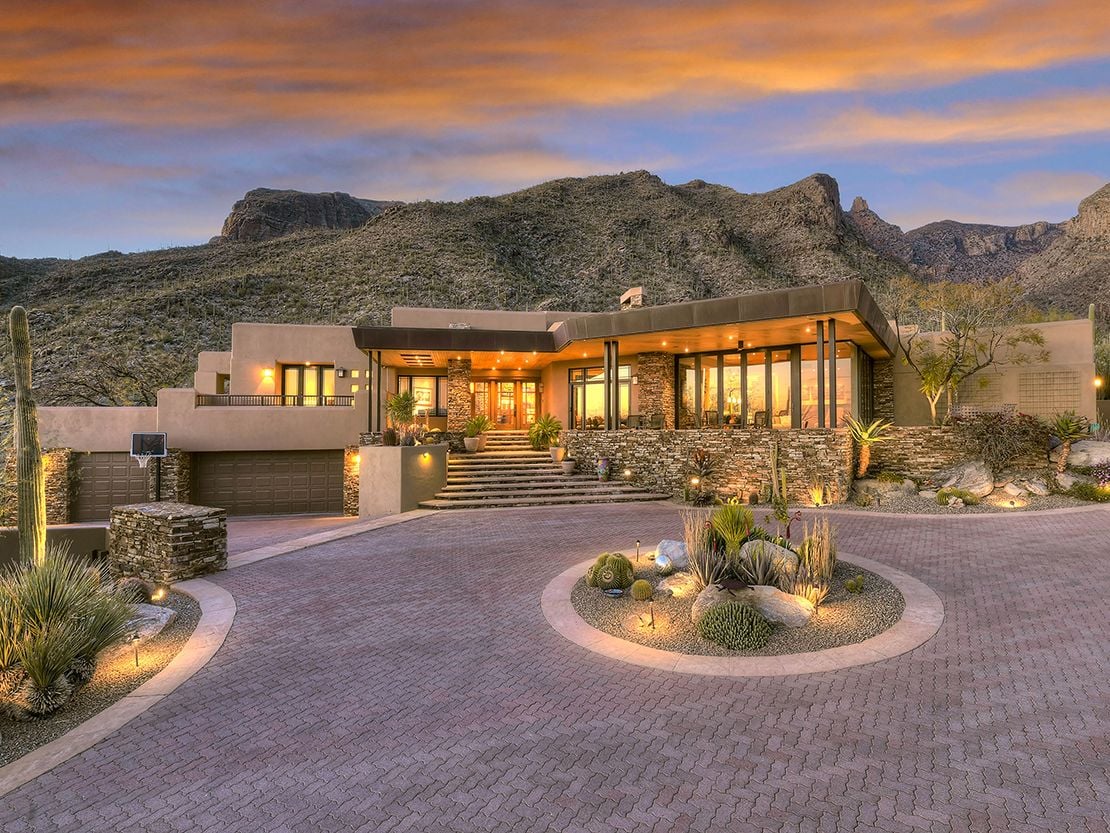
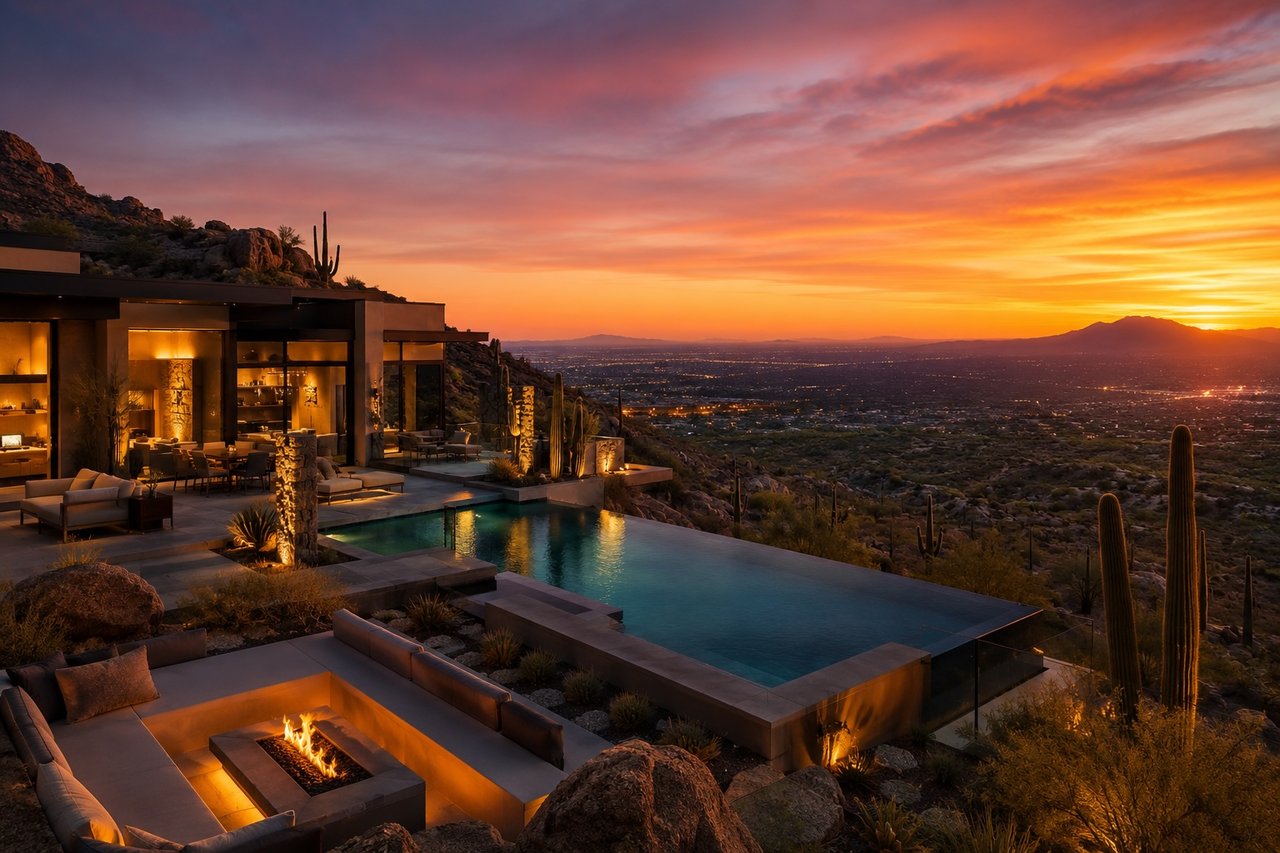
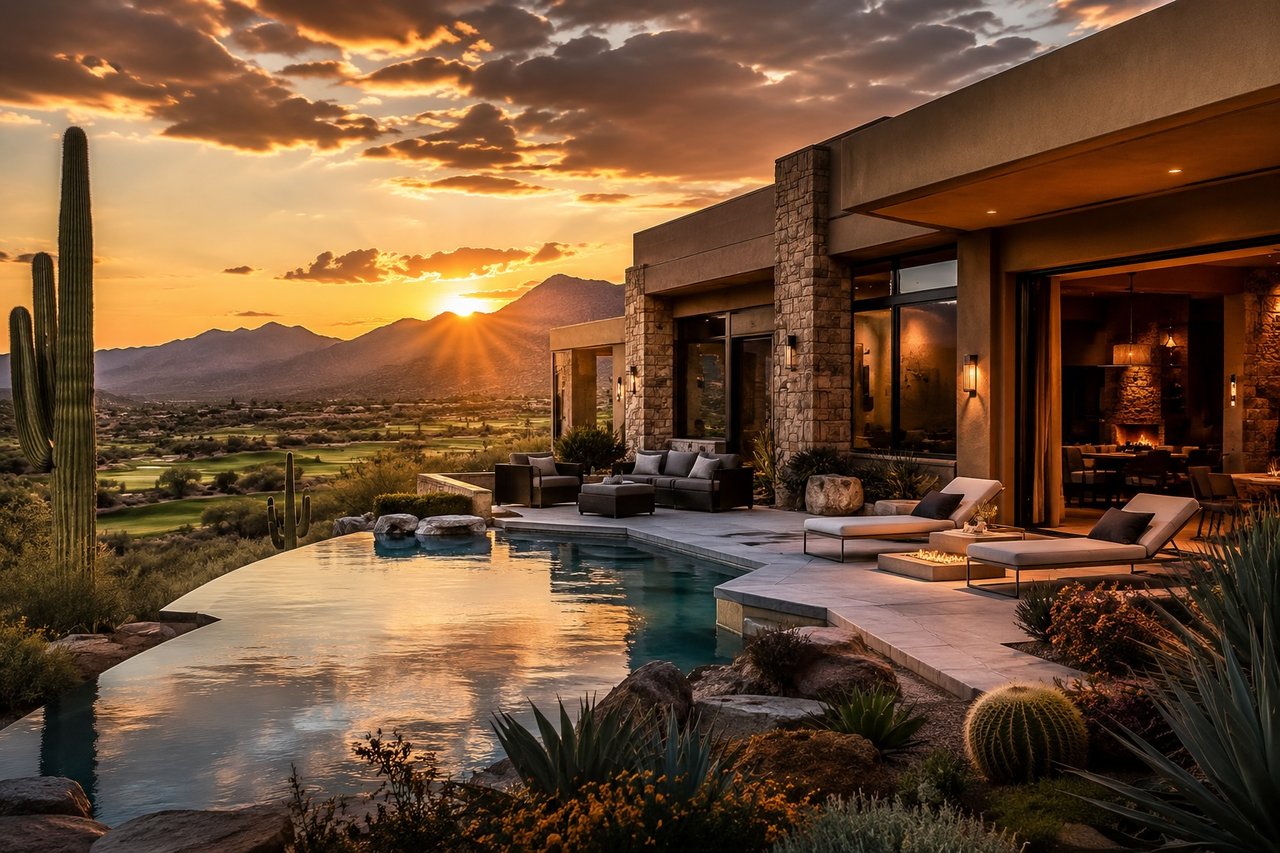
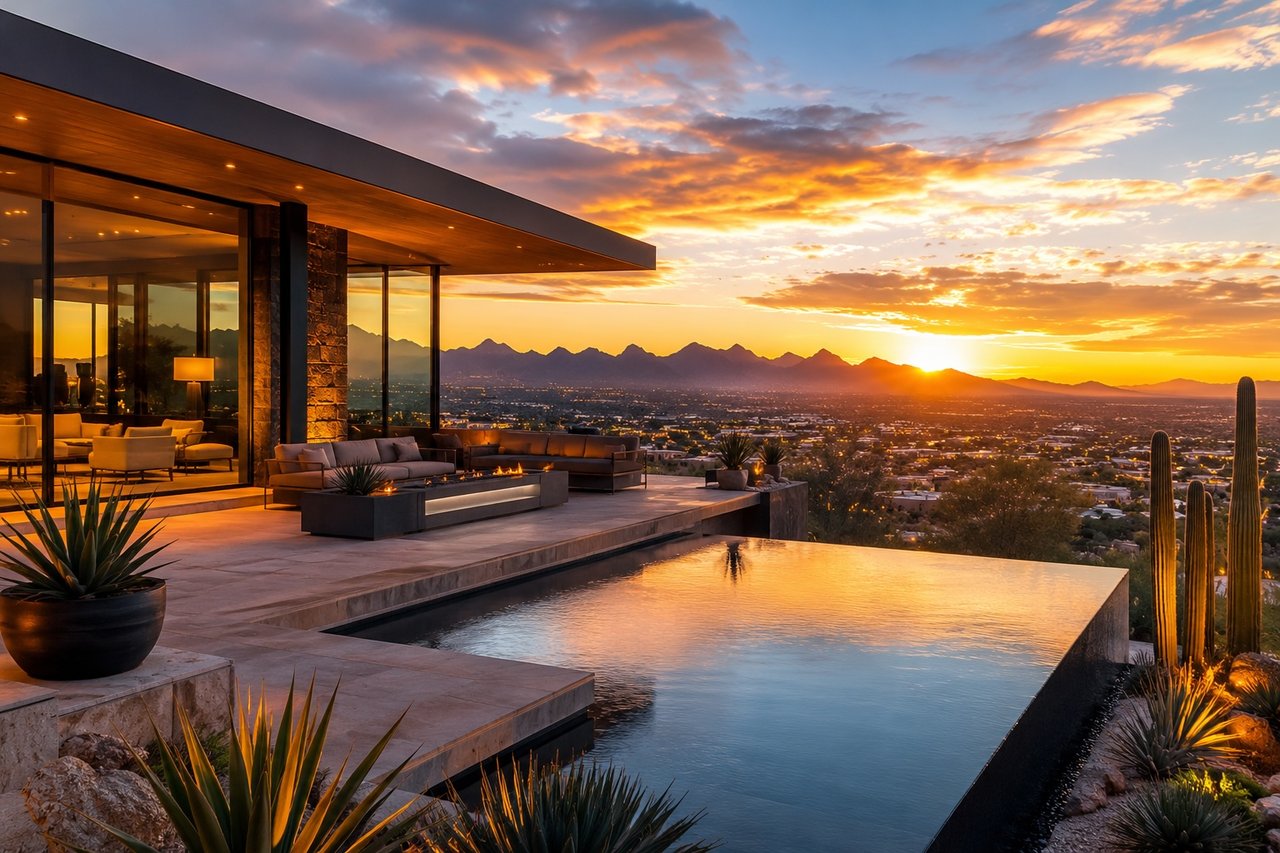
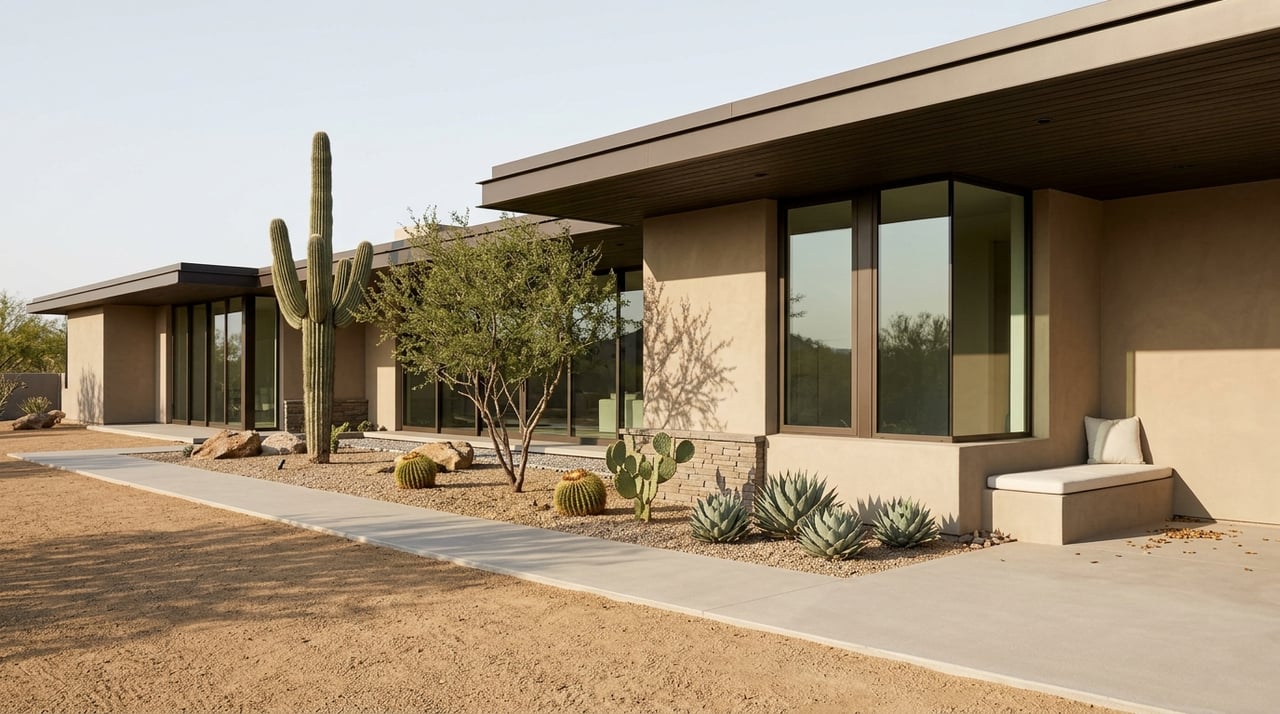
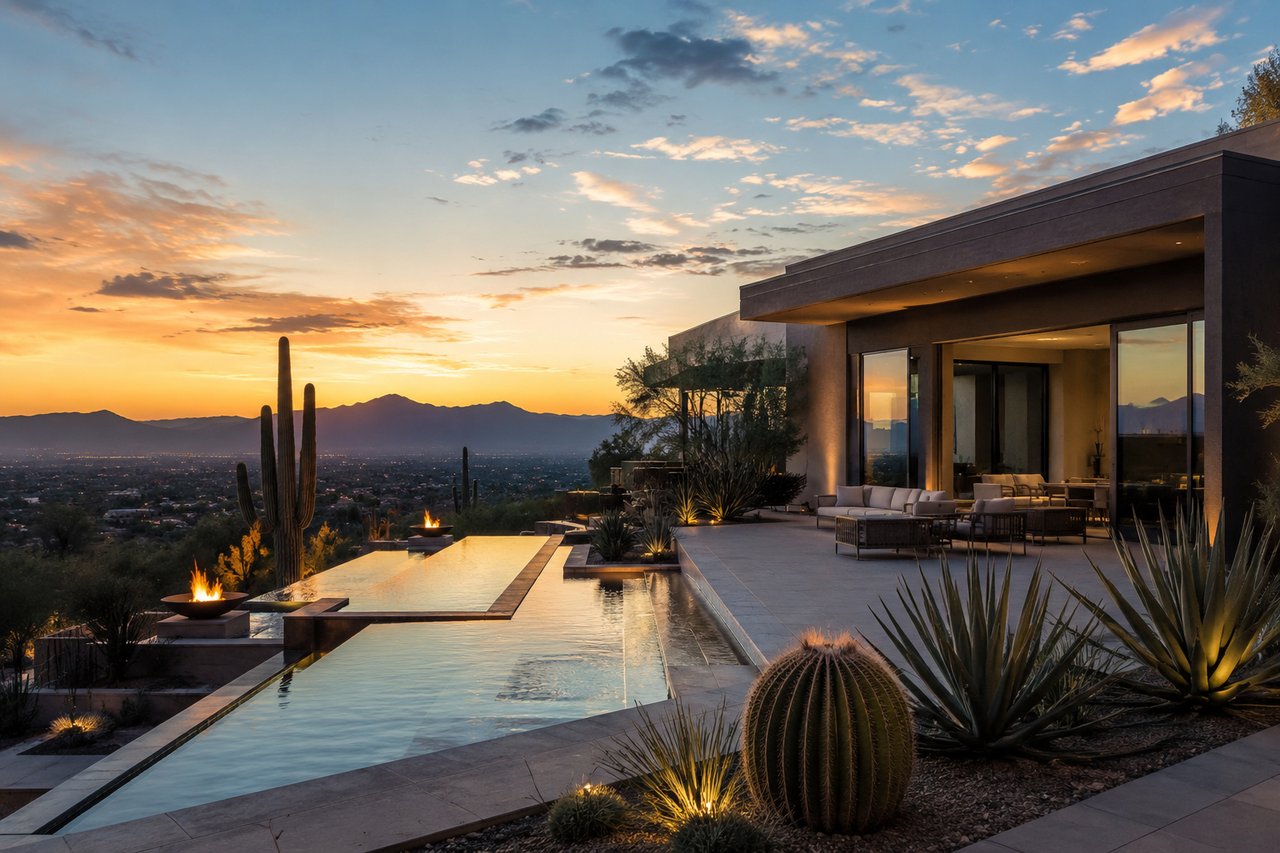
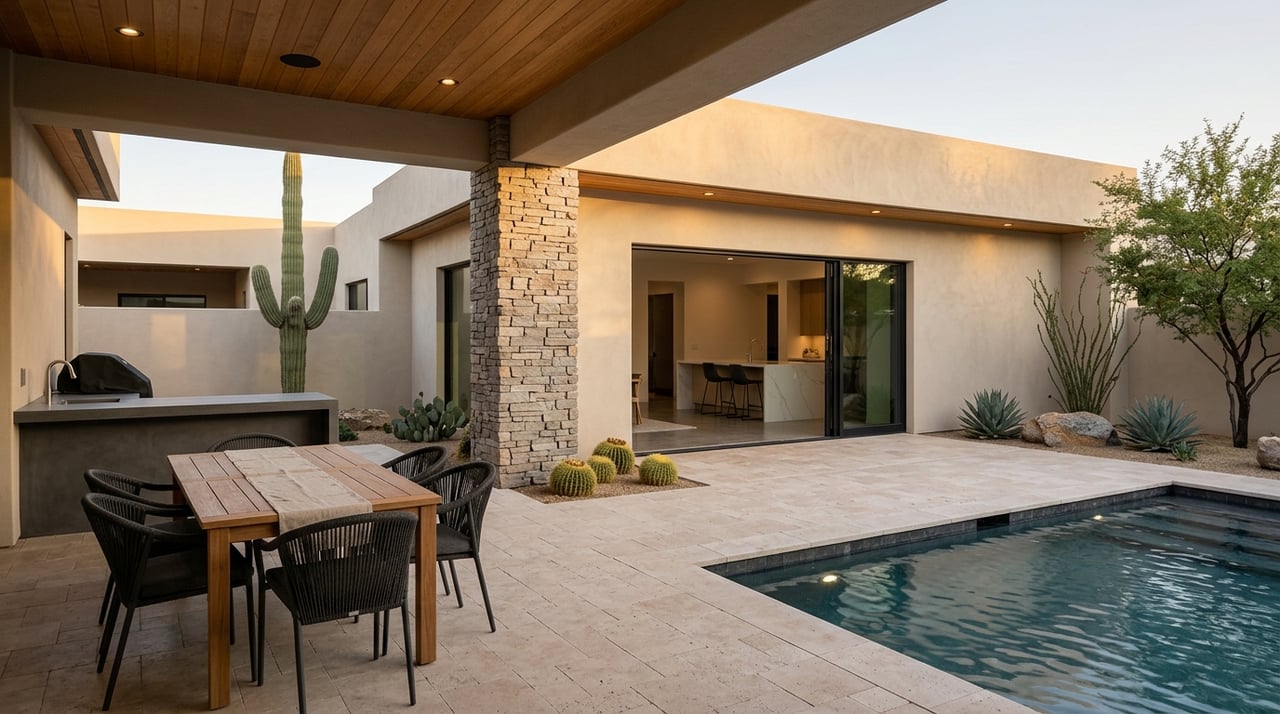
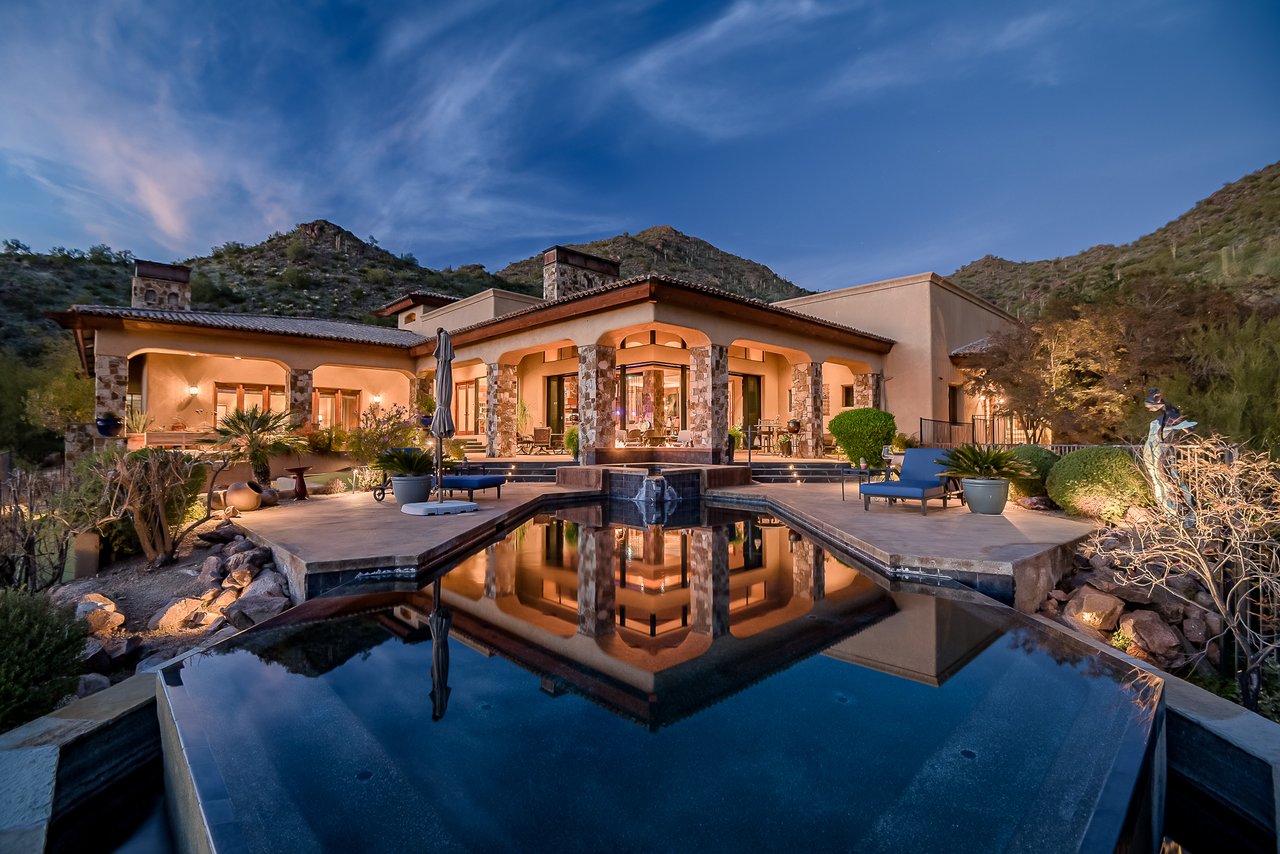
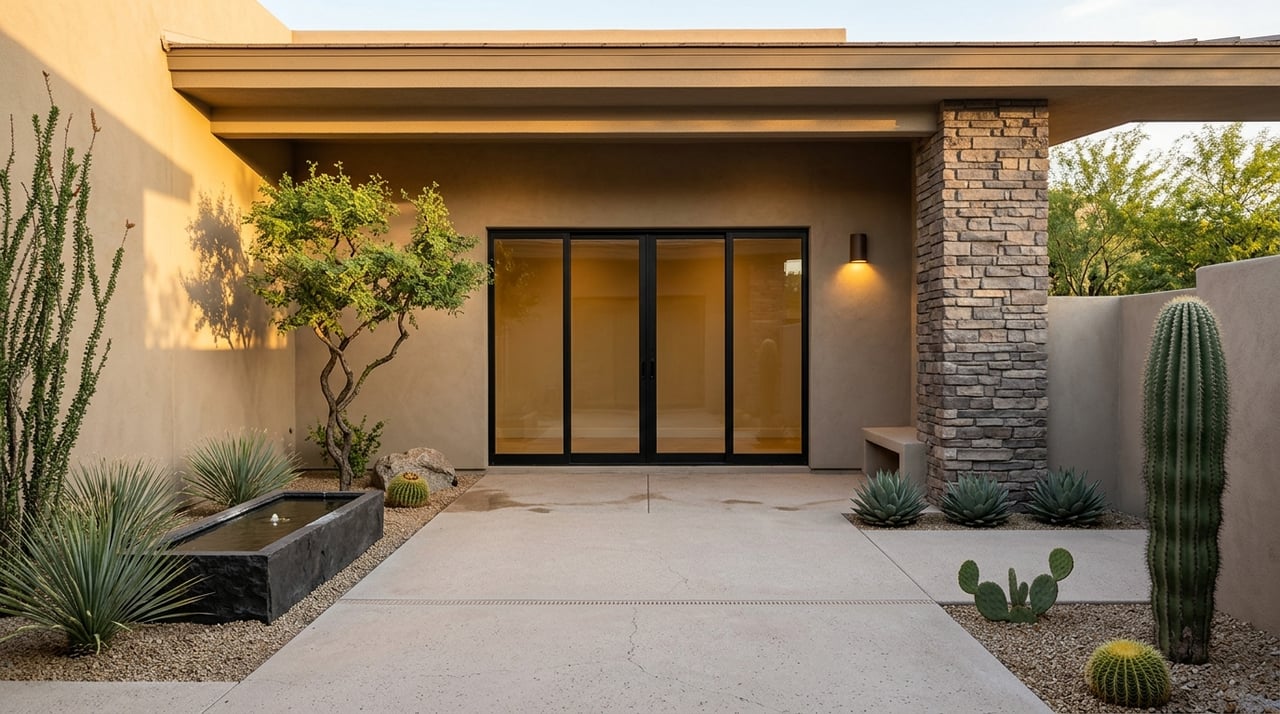
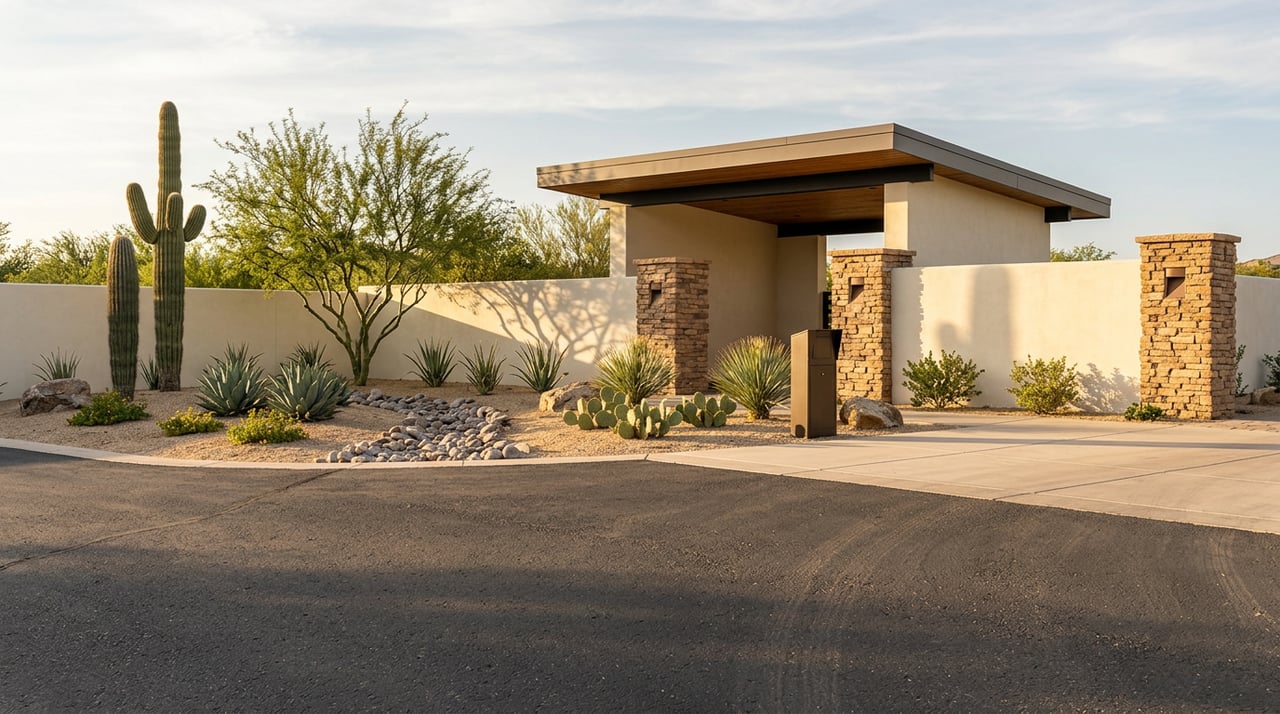
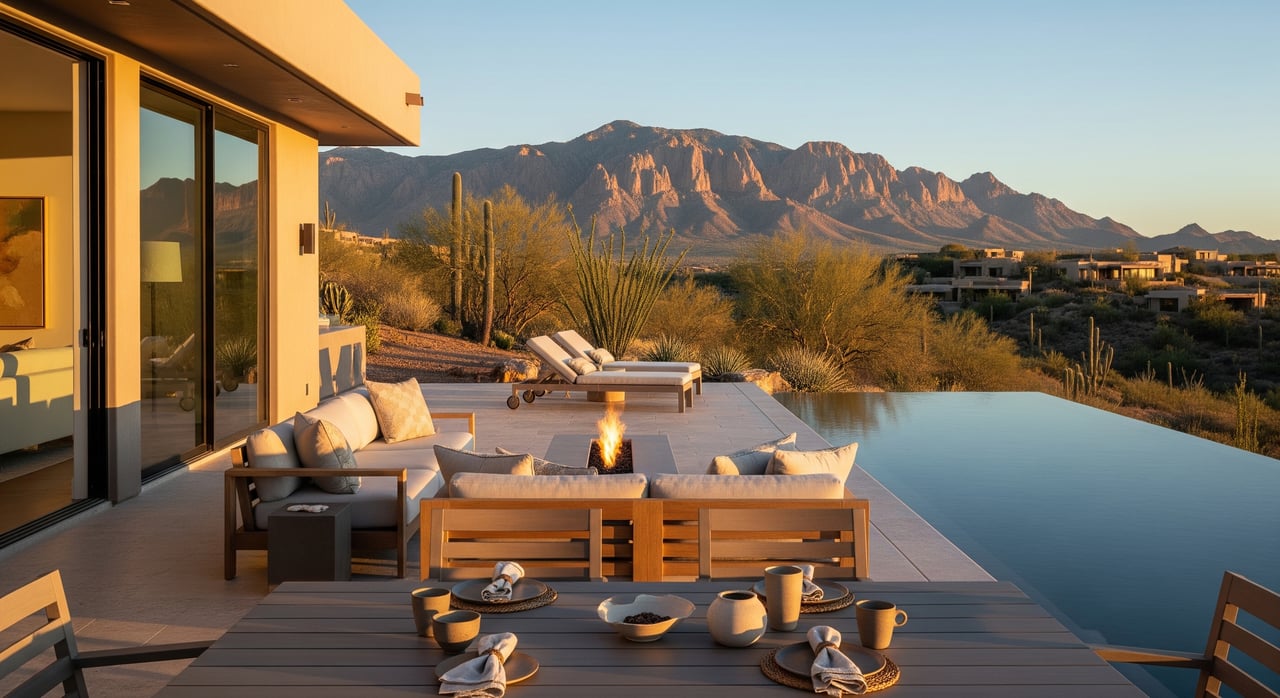
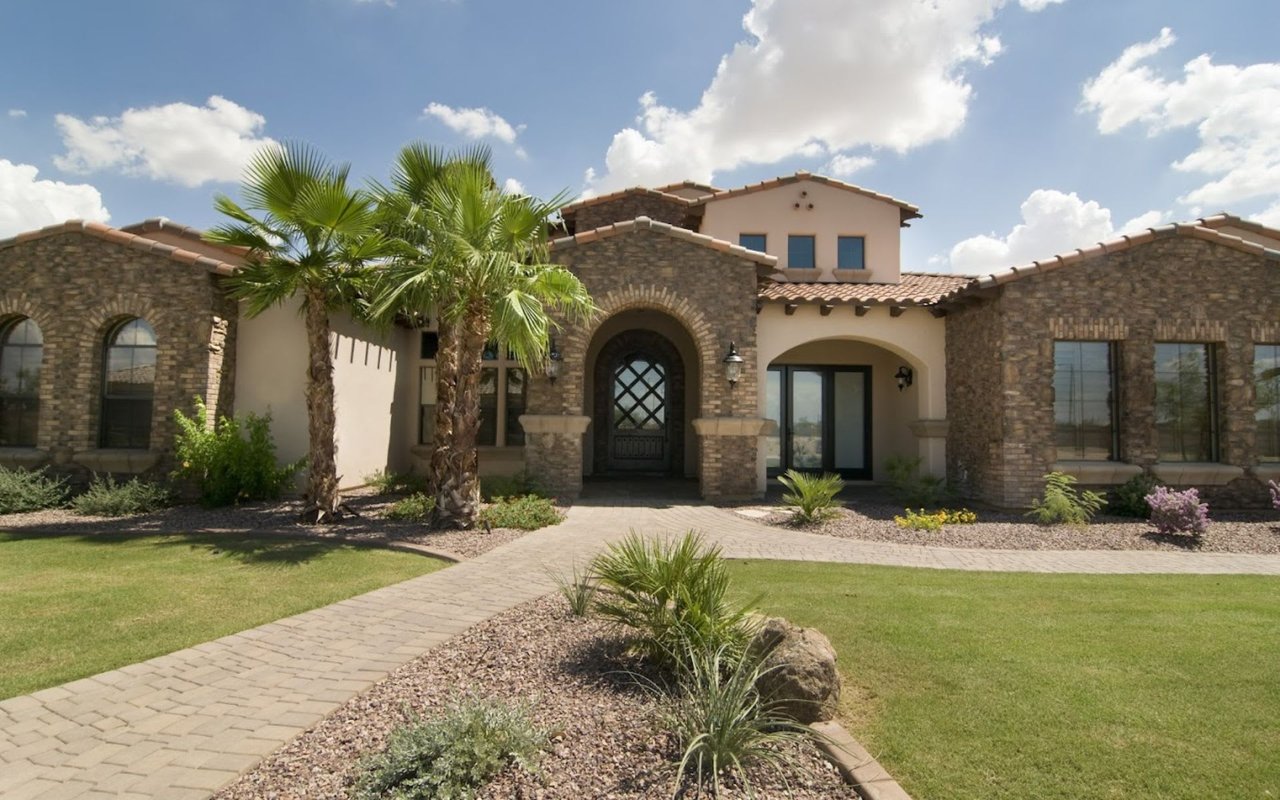
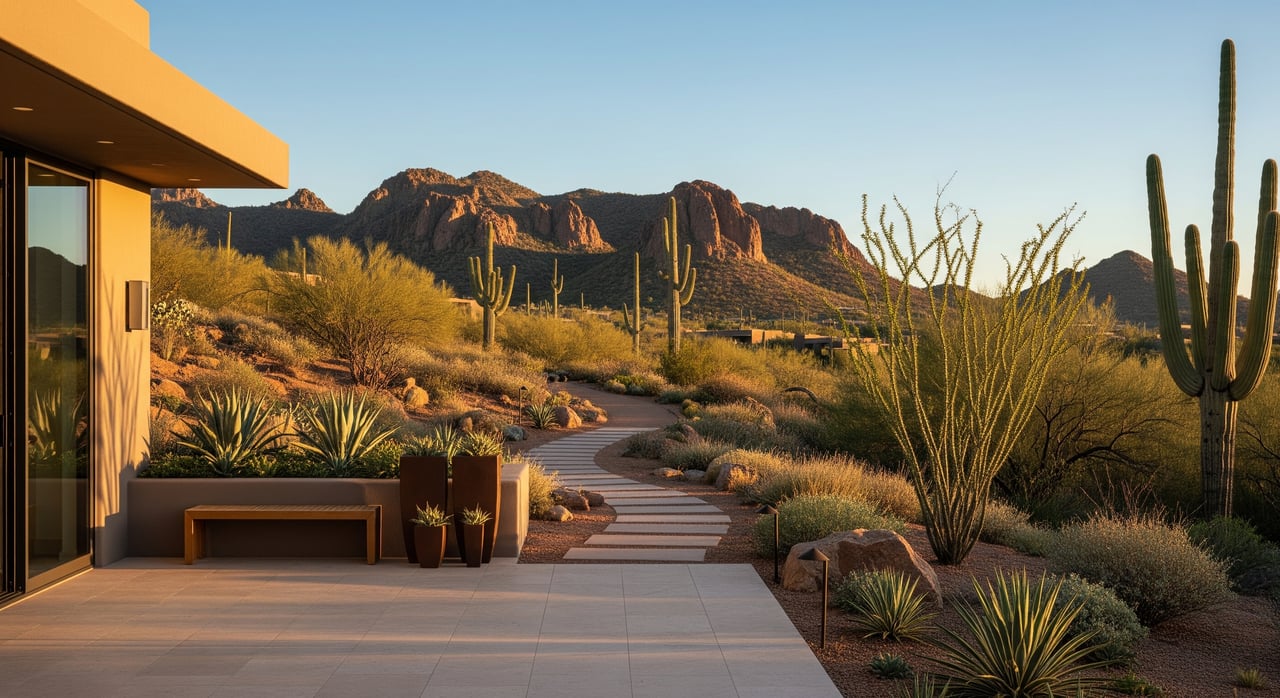
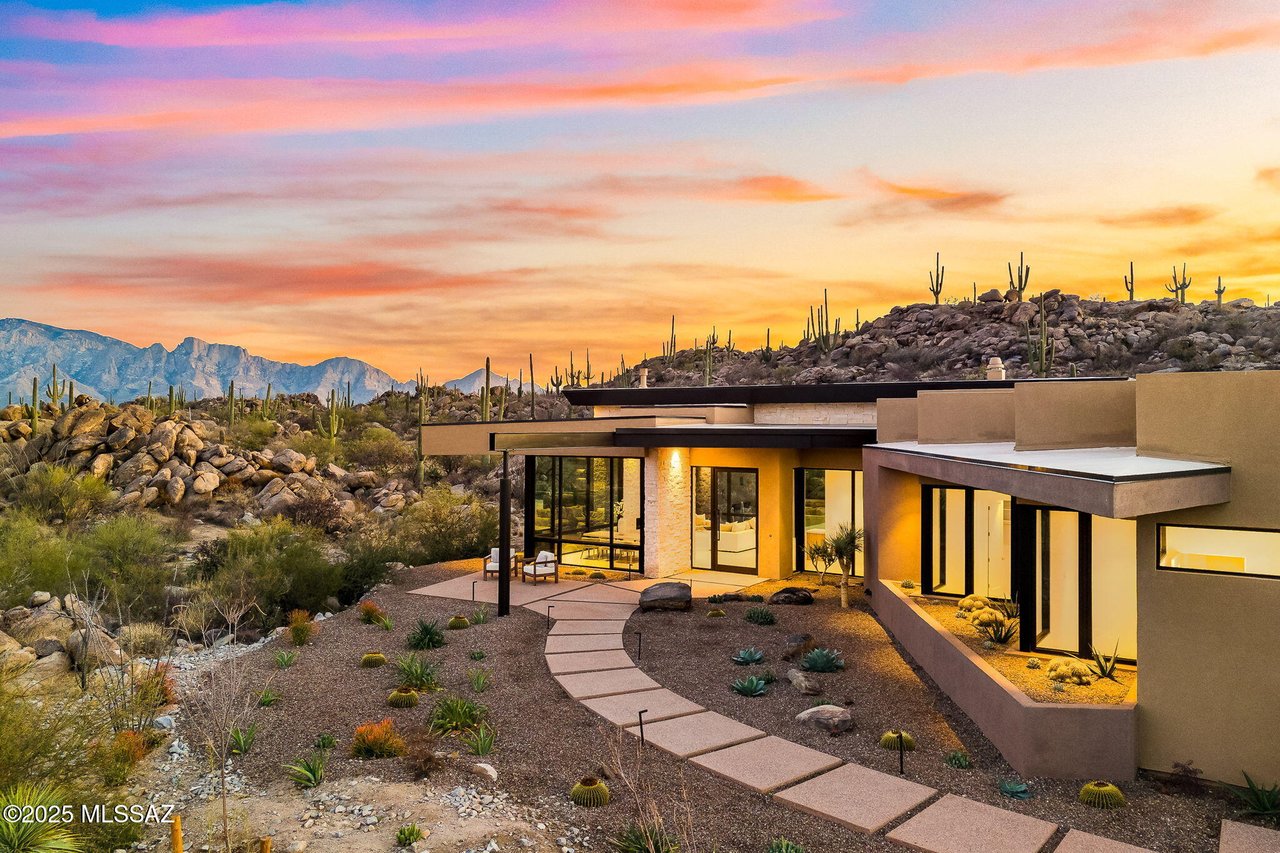
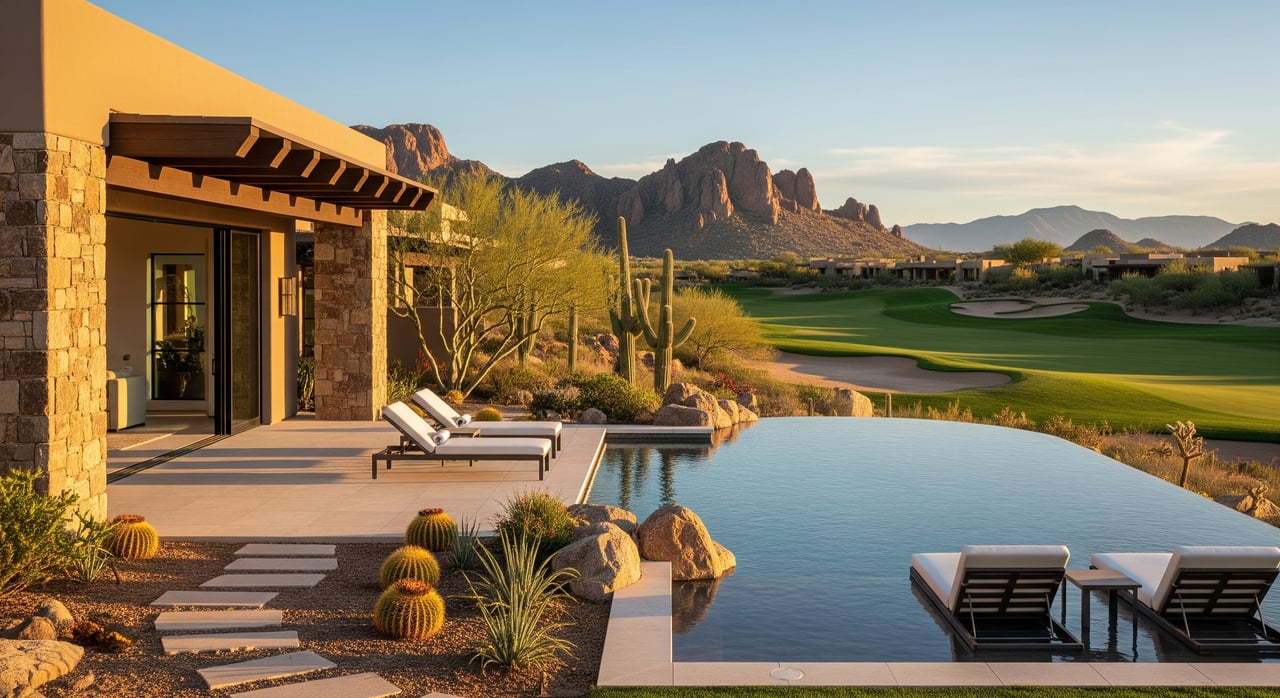
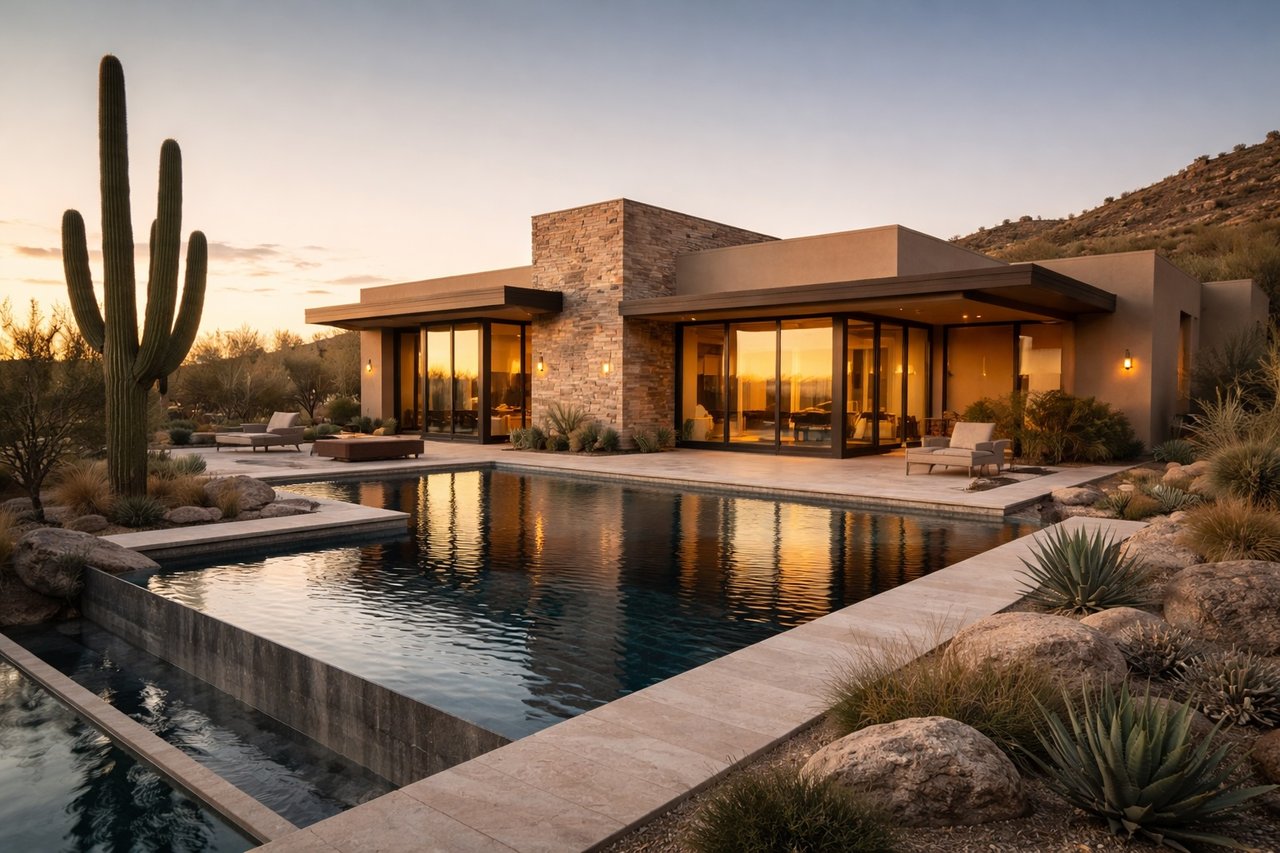
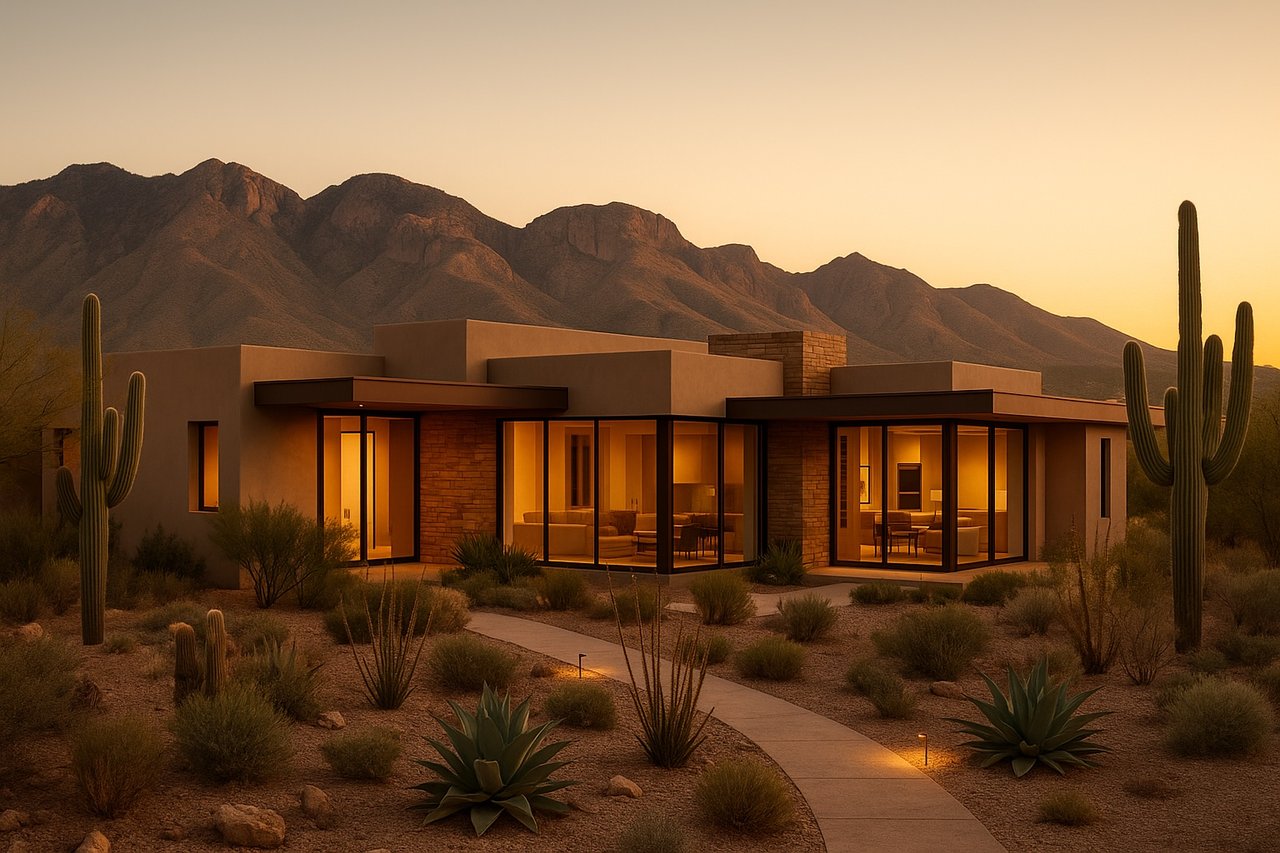
A luxury property in the Catalina Foothills often has features that need careful attention before it goes live. View orientation, outdoor living spaces, gate access, private roads, and HOA details can all affect how the home is presented and what buyers need to understand early.
This is where a responsive local point person matters. Buyers still rely heavily on agents for help understanding homes and negotiating terms, and when questions come up, a remote seller benefits from having one person on the ground coordinating answers and keeping the process moving.
Price your home with property-specific context
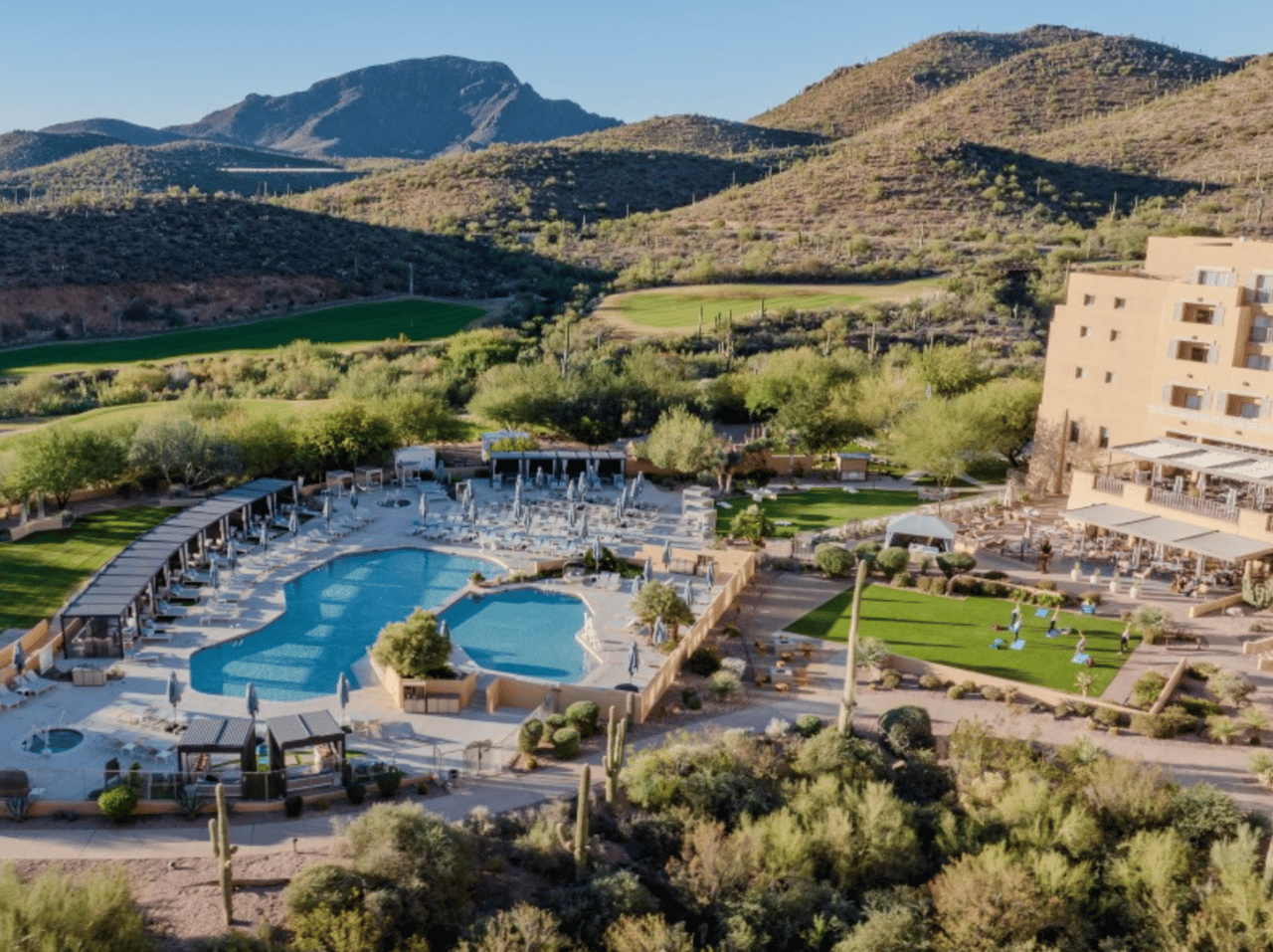
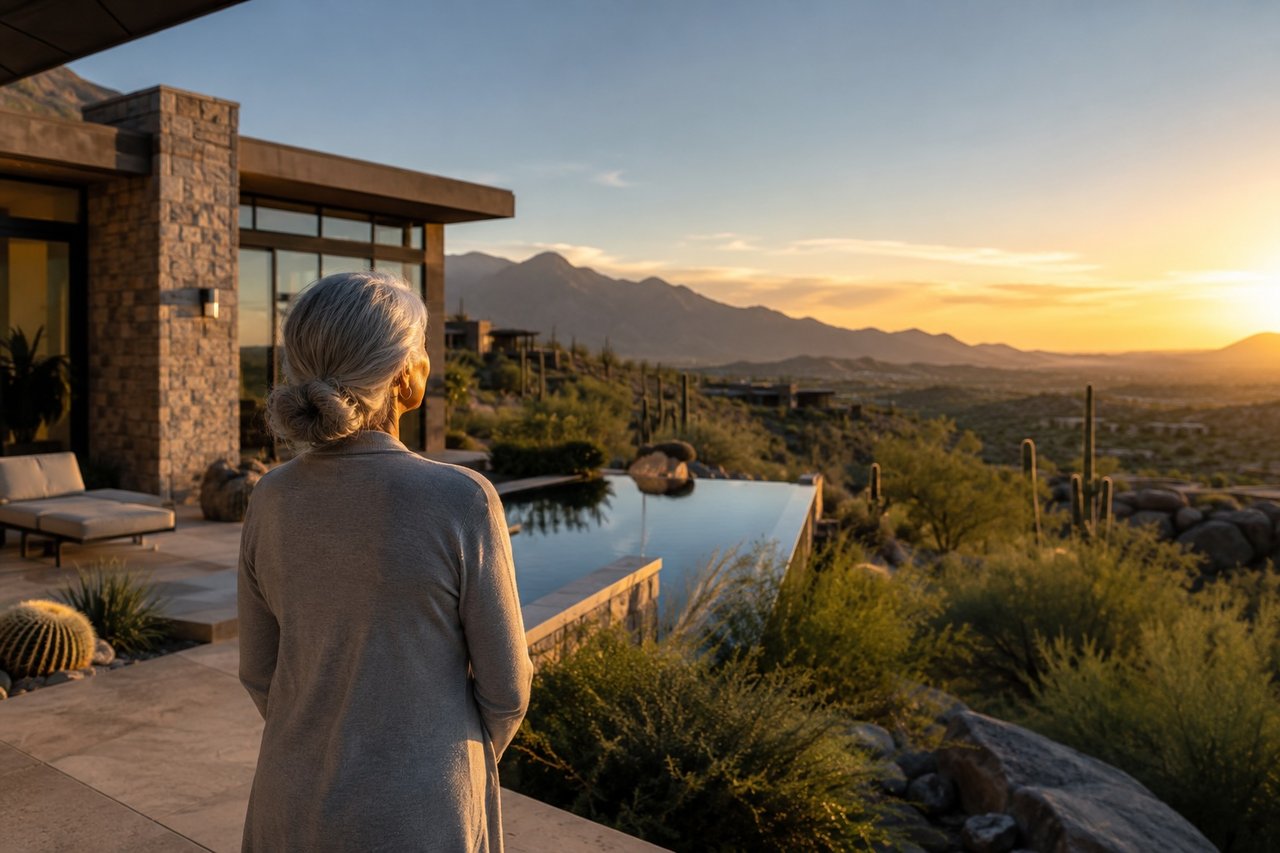
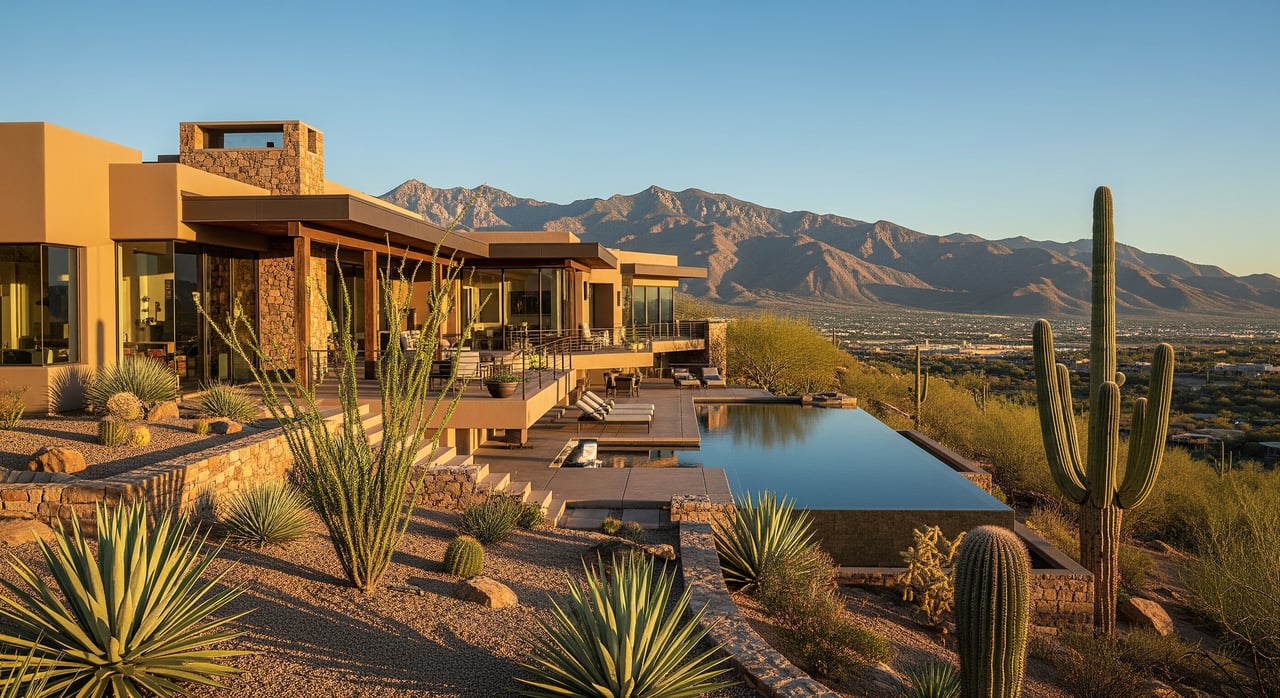
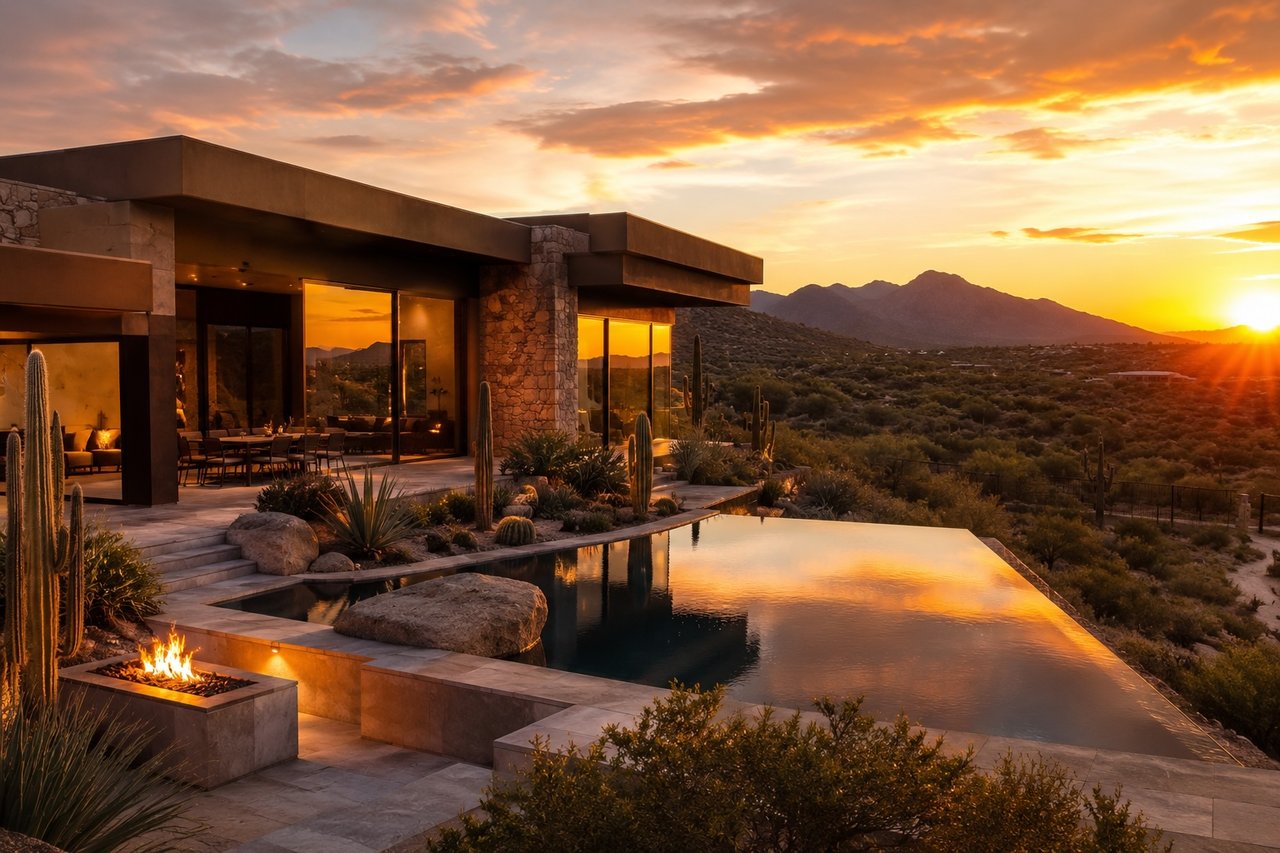
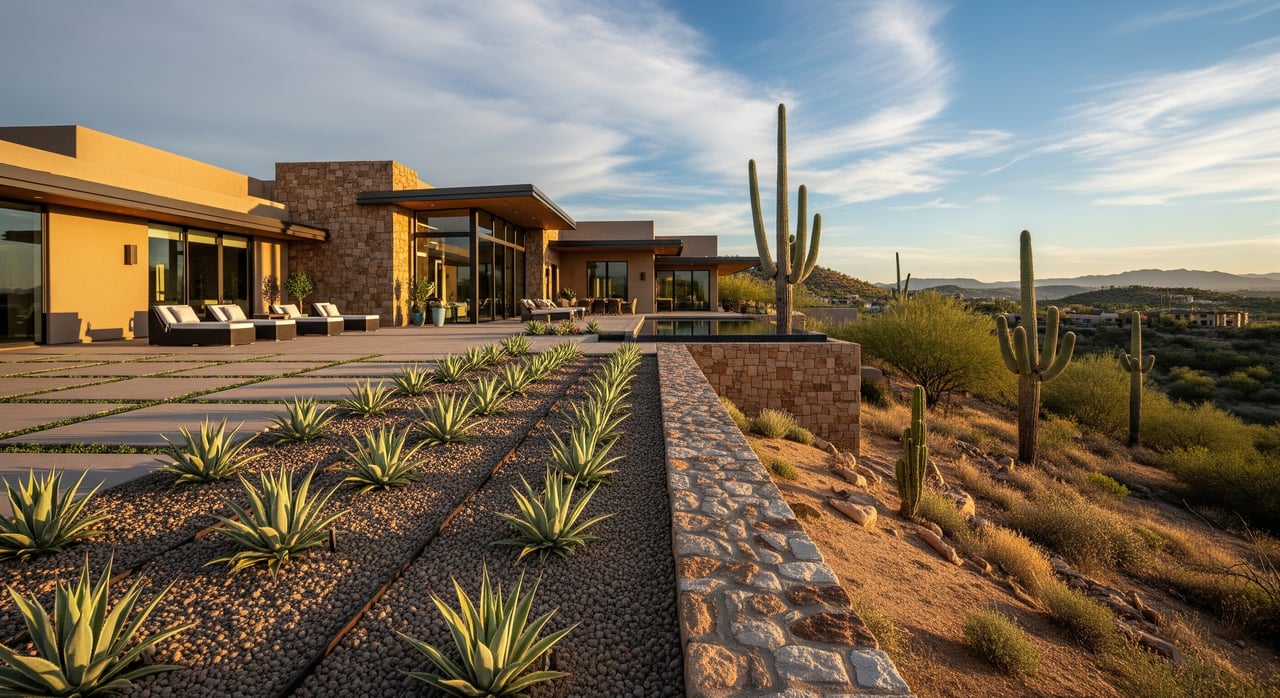
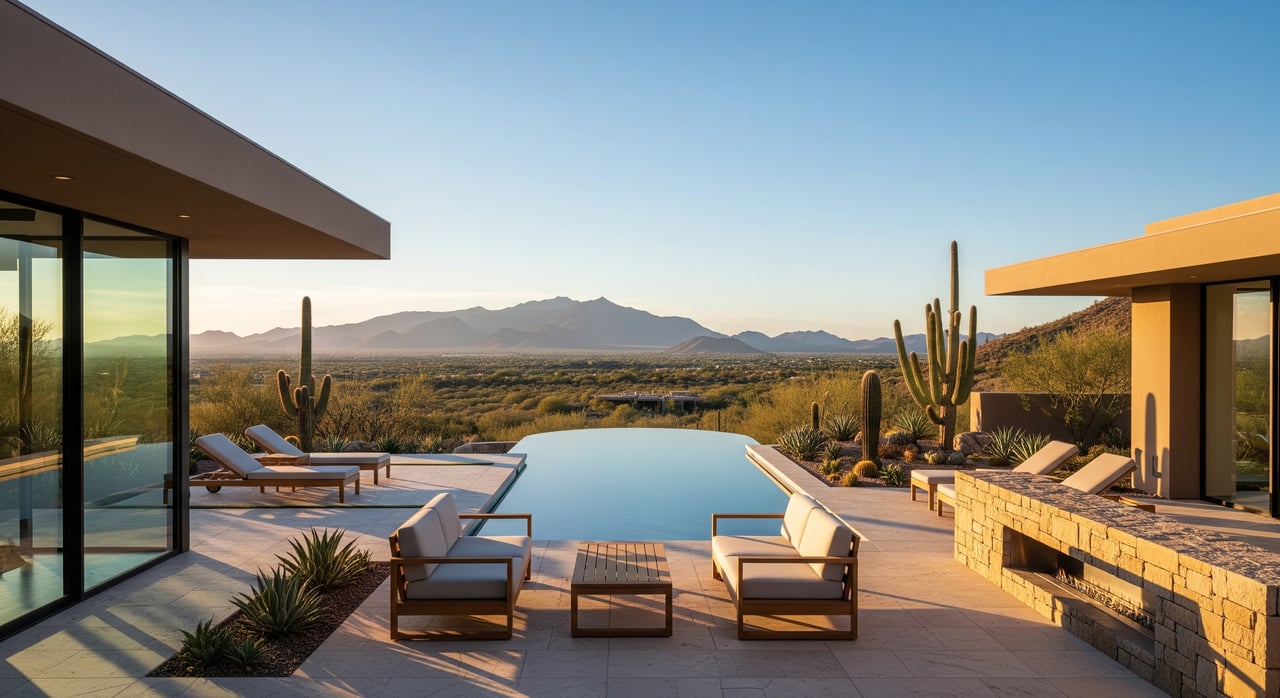
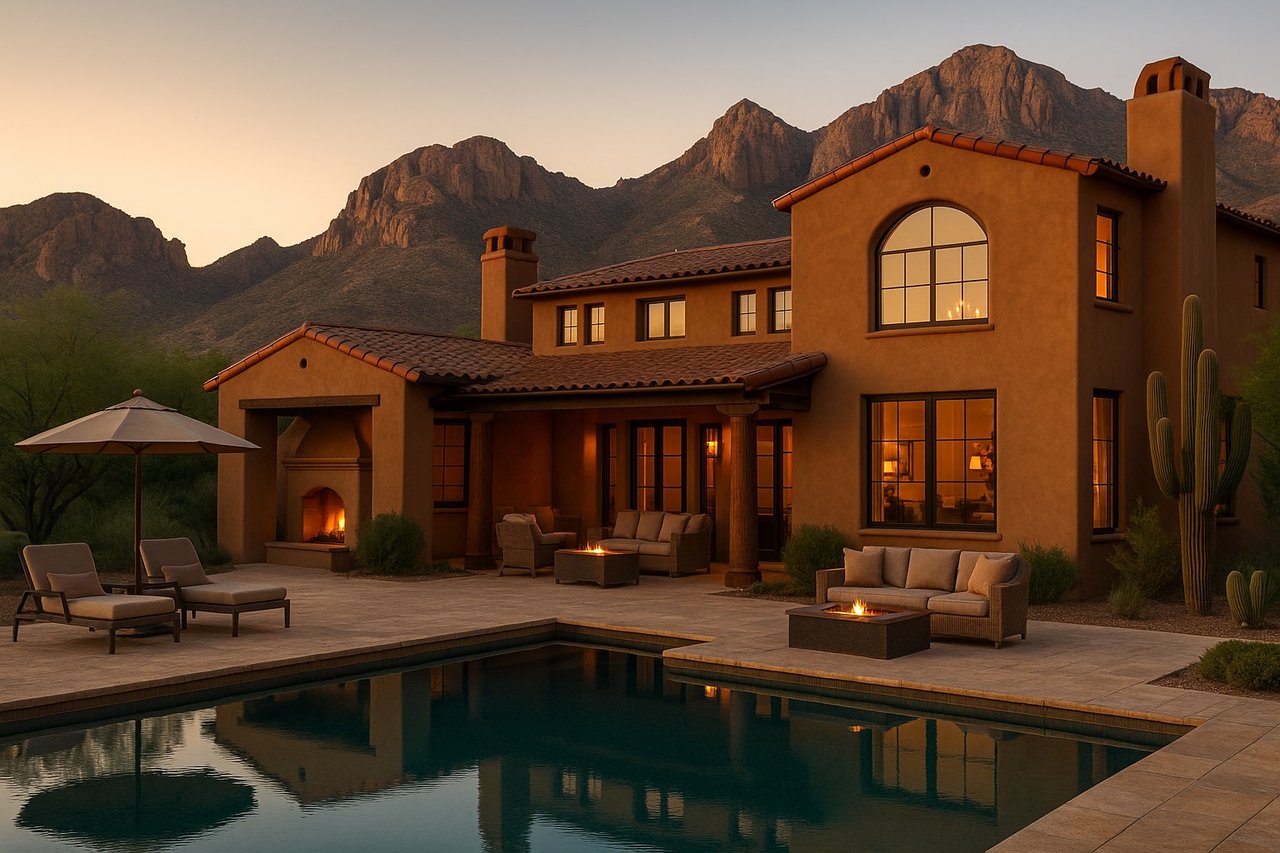
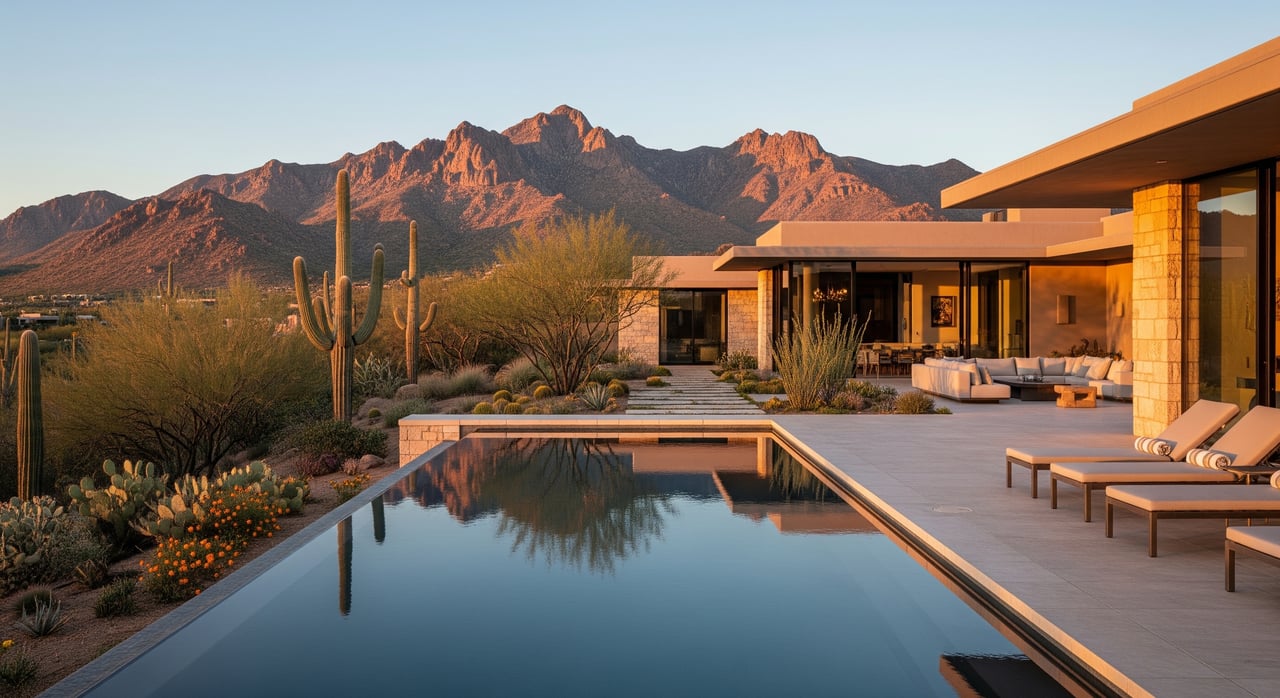
Broad market stats are helpful, but luxury pricing should be more precise. A foothills estate with panoramic mountain views, a large lot, recent updates, or resort-style outdoor spaces should not be treated like an average listing simply because it shares the same ZIP code.
In a market where the overall sale-to-list ratio is 98%, pricing still has to reflect what makes your property distinct. If the asking price is too aggressive without support, buyers may hesitate. If it is too low, you may leave value on the table.
A thoughtful pricing strategy should account for the home’s condition, presentation, amenities, and how it compares with current competition in the Catalina Foothills. For remote sellers, this step is especially important because you are relying on the listing to make a strong first impression without your physical presence.
Prepare the home before it hits the market
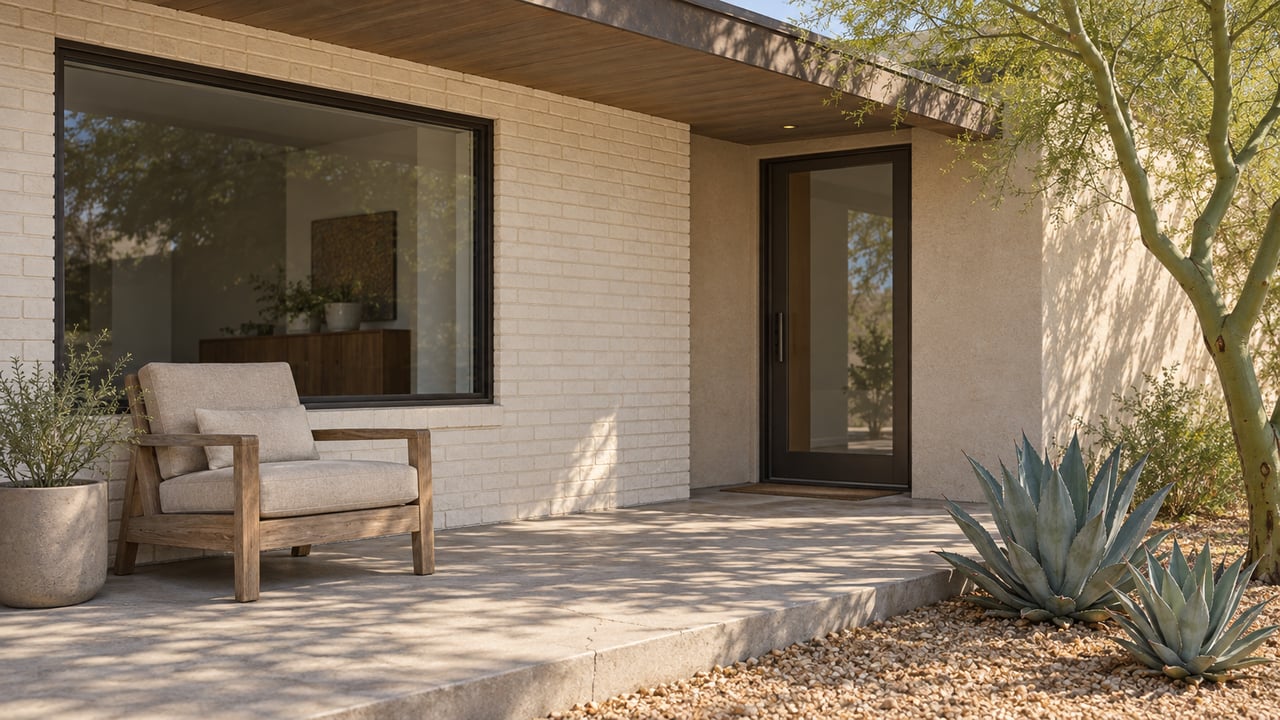
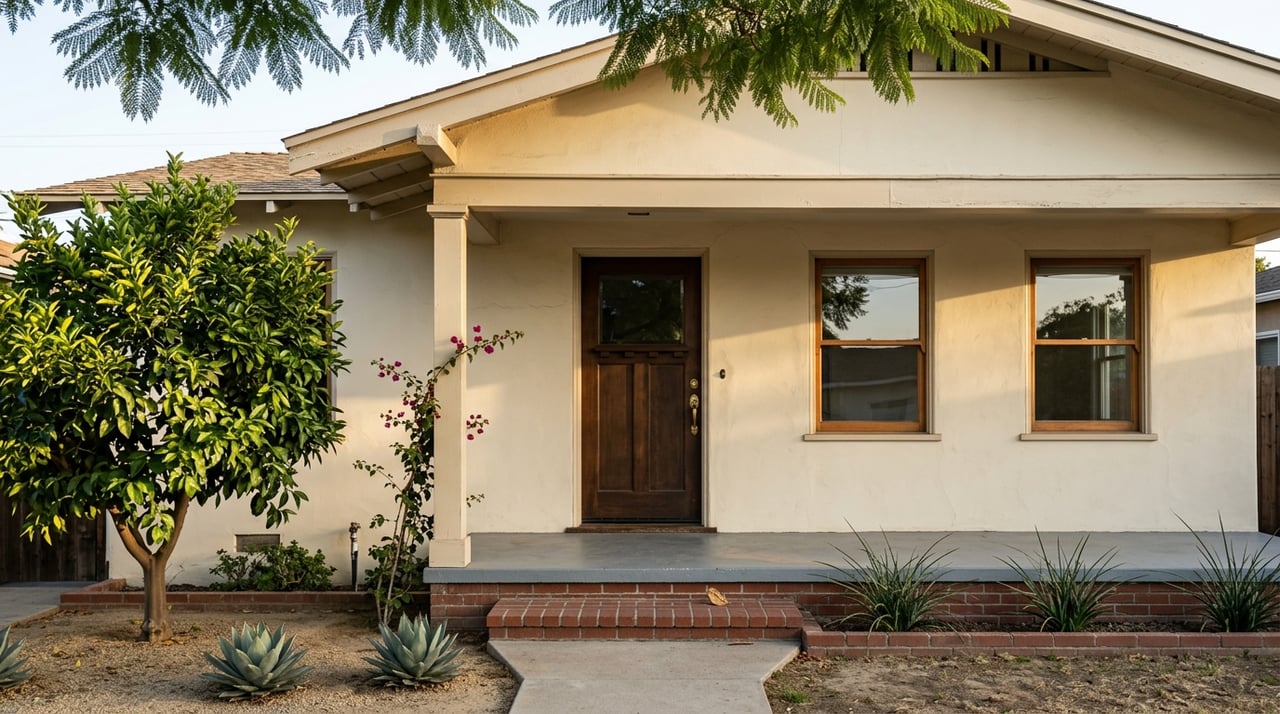
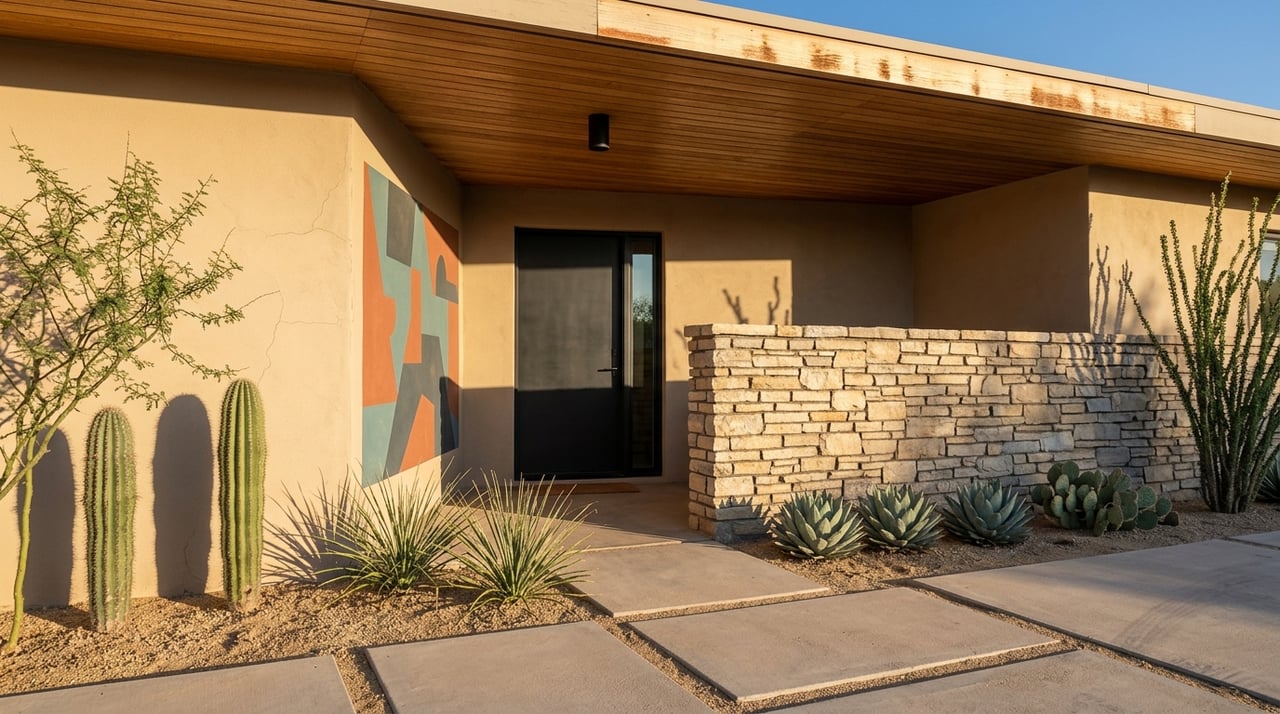
Selling from afar gets easier when the home is truly ready before the first showing. NAR’s 2025 staging report found that the most common recommendations were decluttering, cleaning, and improving curb appeal. Those are simple ideas, but they make a real difference when buyers are judging a home first through photos and video.
A local prep team can help you manage the practical side. That may include cleaners, stagers, photographers, and other vendors who can get the home market-ready without requiring you to come back to Tucson to supervise every detail.
For many sellers, the most effective prep checklist includes:
- Decluttering interior spaces
- Deep cleaning the home
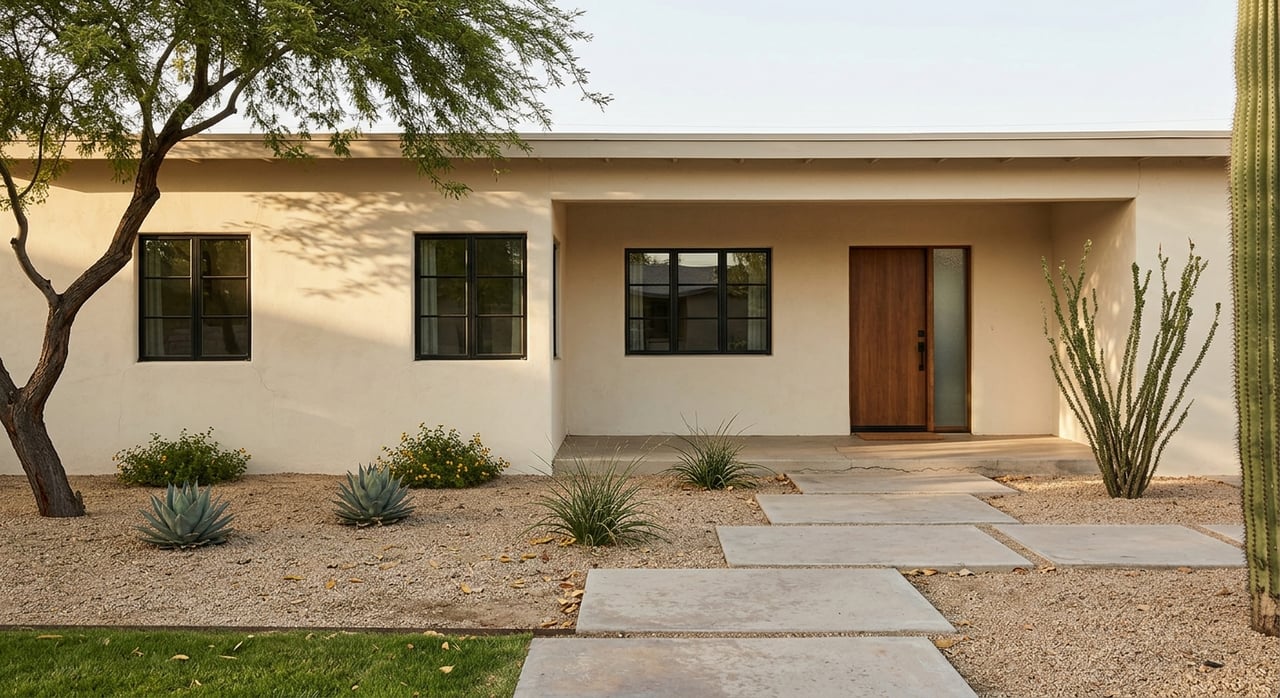
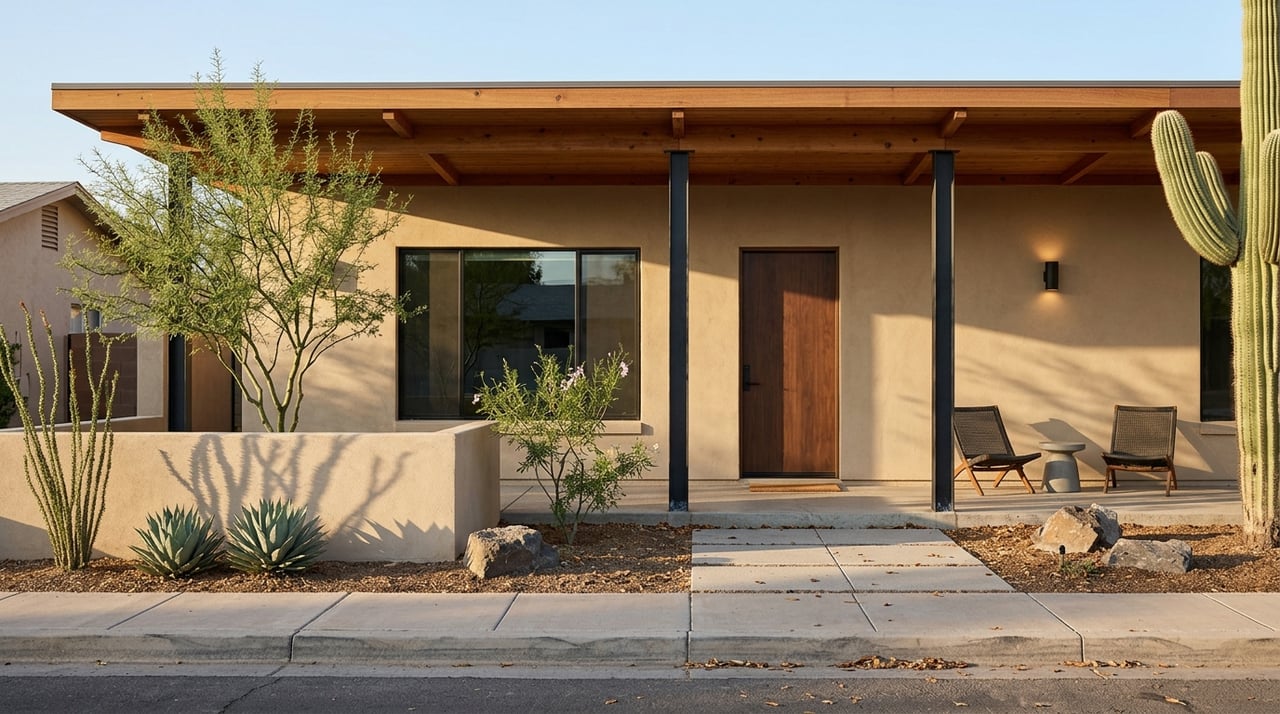
- Refreshing curb appeal
- Addressing visible maintenance items
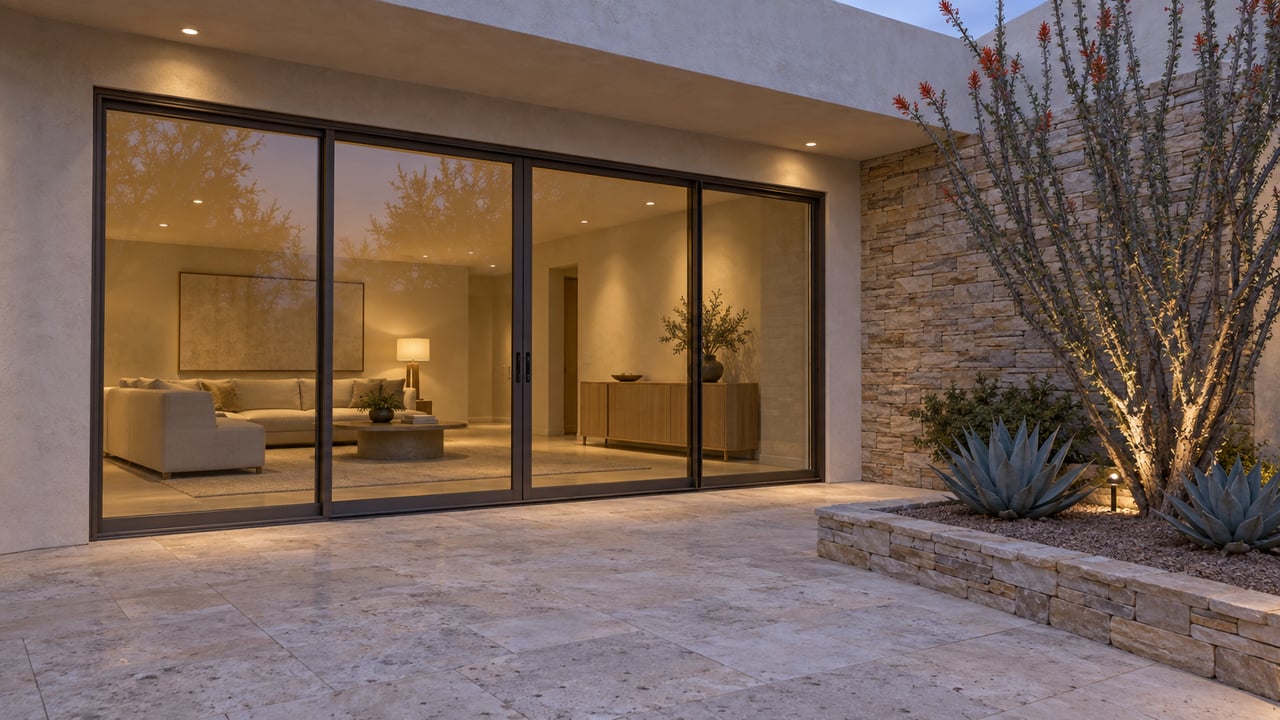
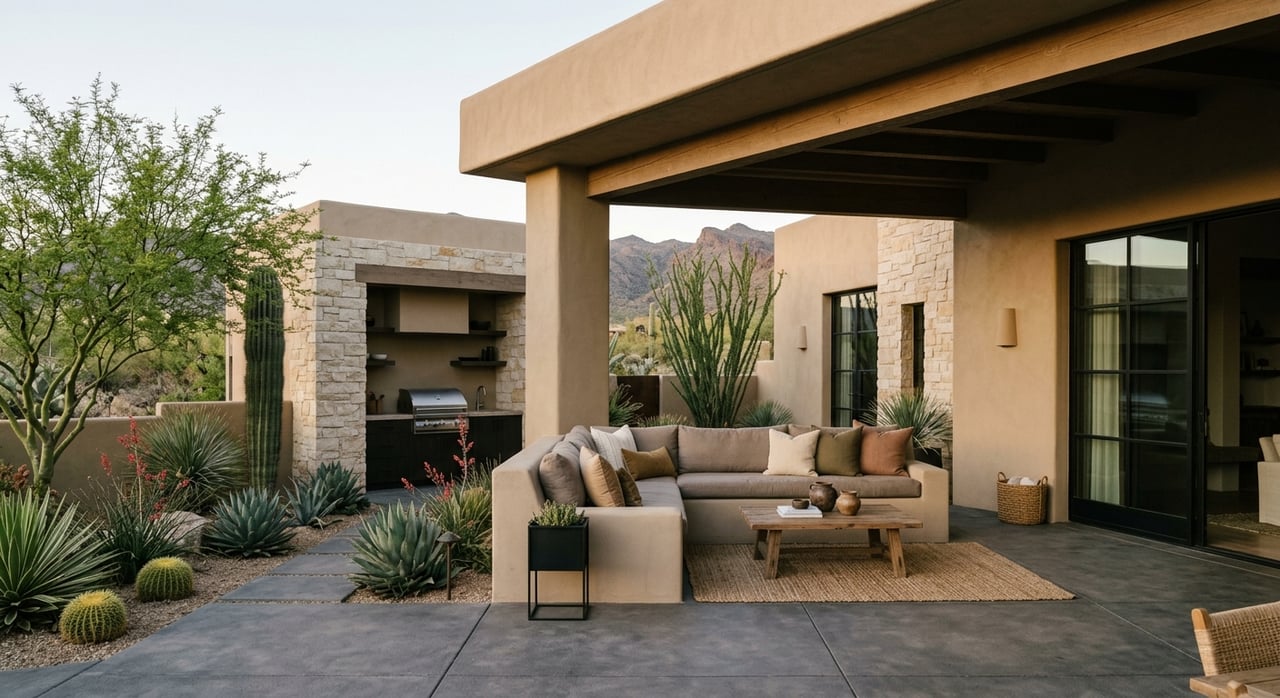
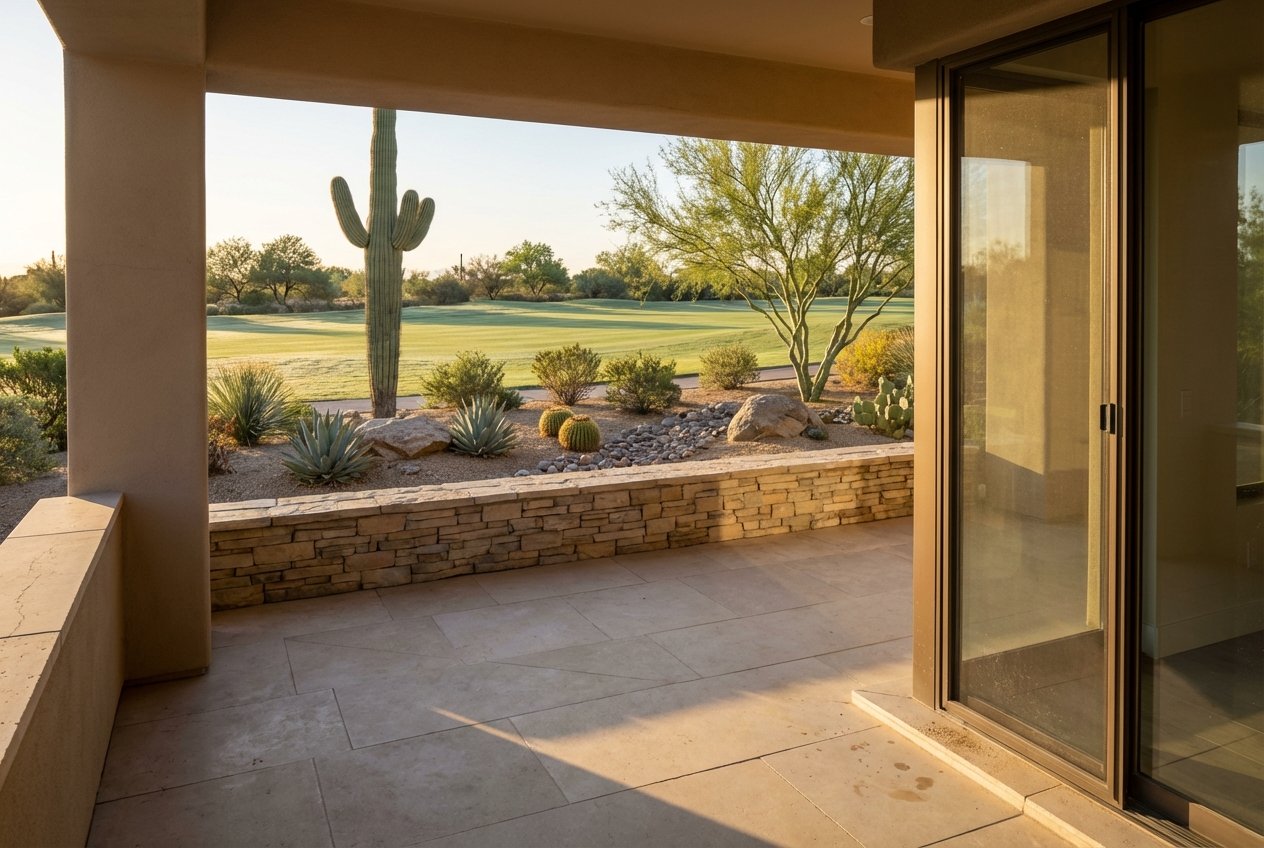
- Preparing patios, courtyards, and outdoor living areas
- Organizing manuals, warranties, and repair invoices
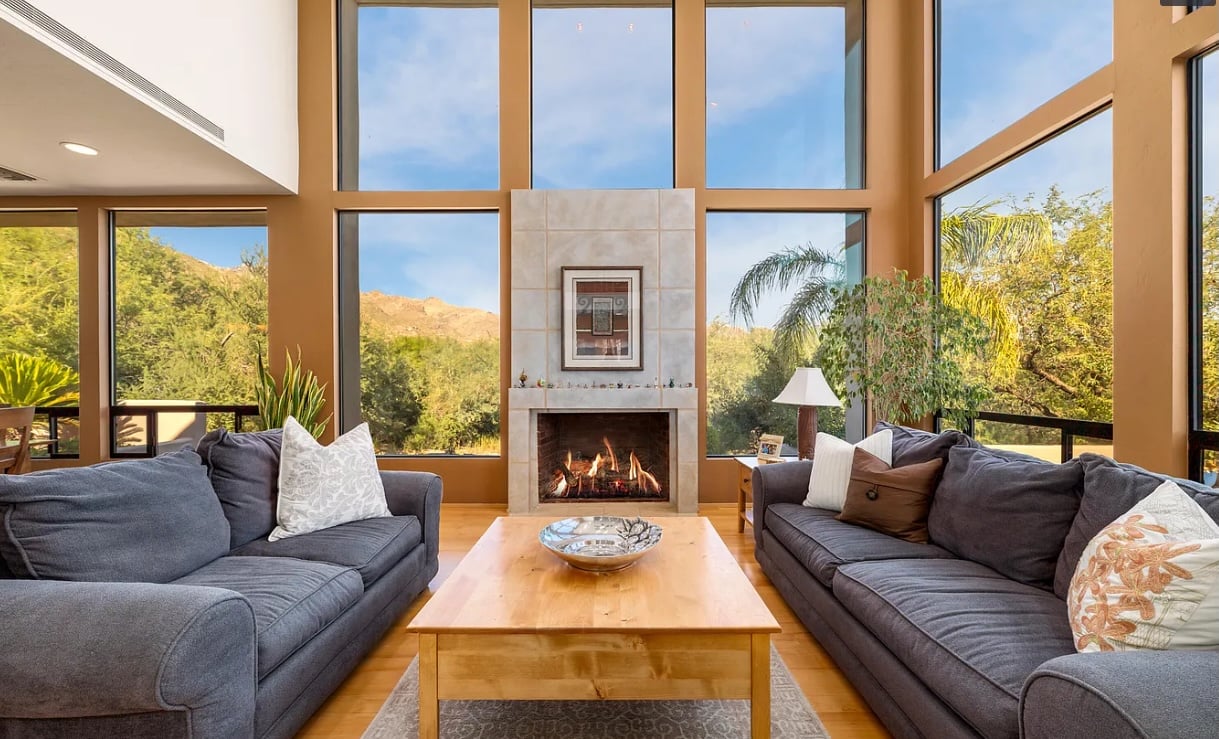
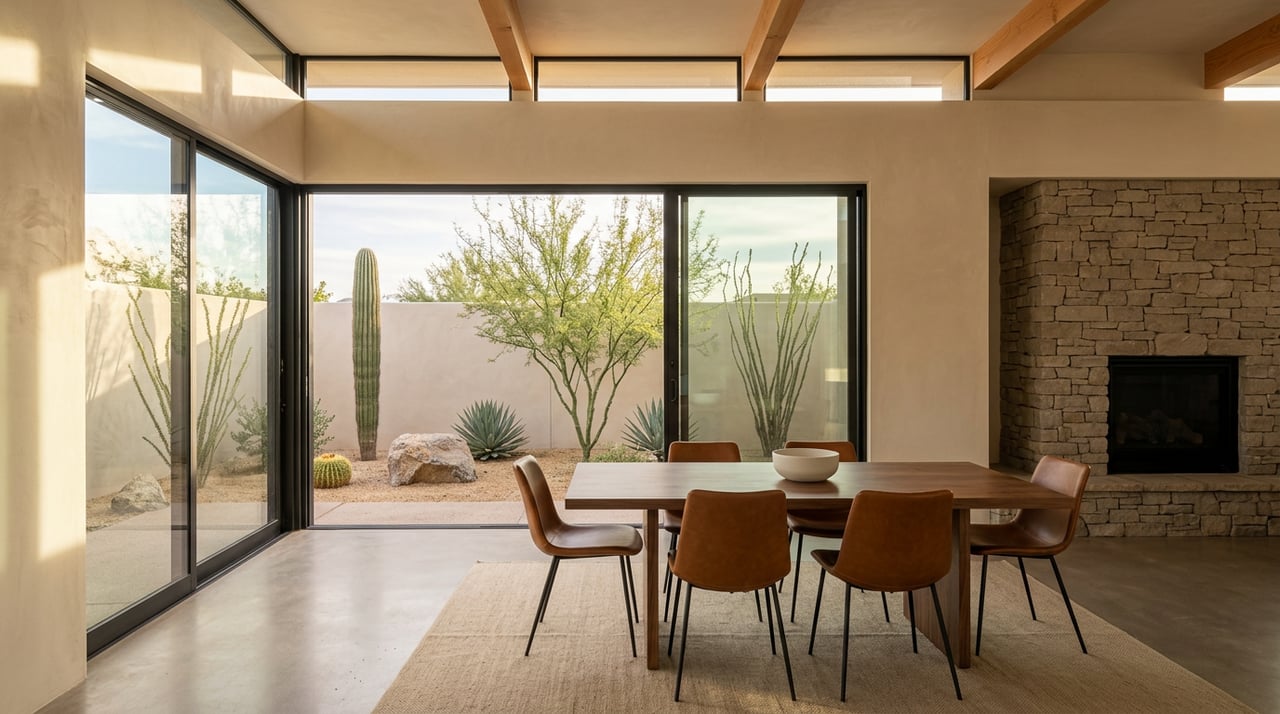
Staging can also support a stronger outcome. NAR reported that staging was associated with a 1% to 10% increase in offered value in 29% of agents’ reports, and nearly half said it helped reduce time on market. In the luxury segment, thoughtful staging can help buyers understand scale, function, and flow.
Build a marketing package for online buyers
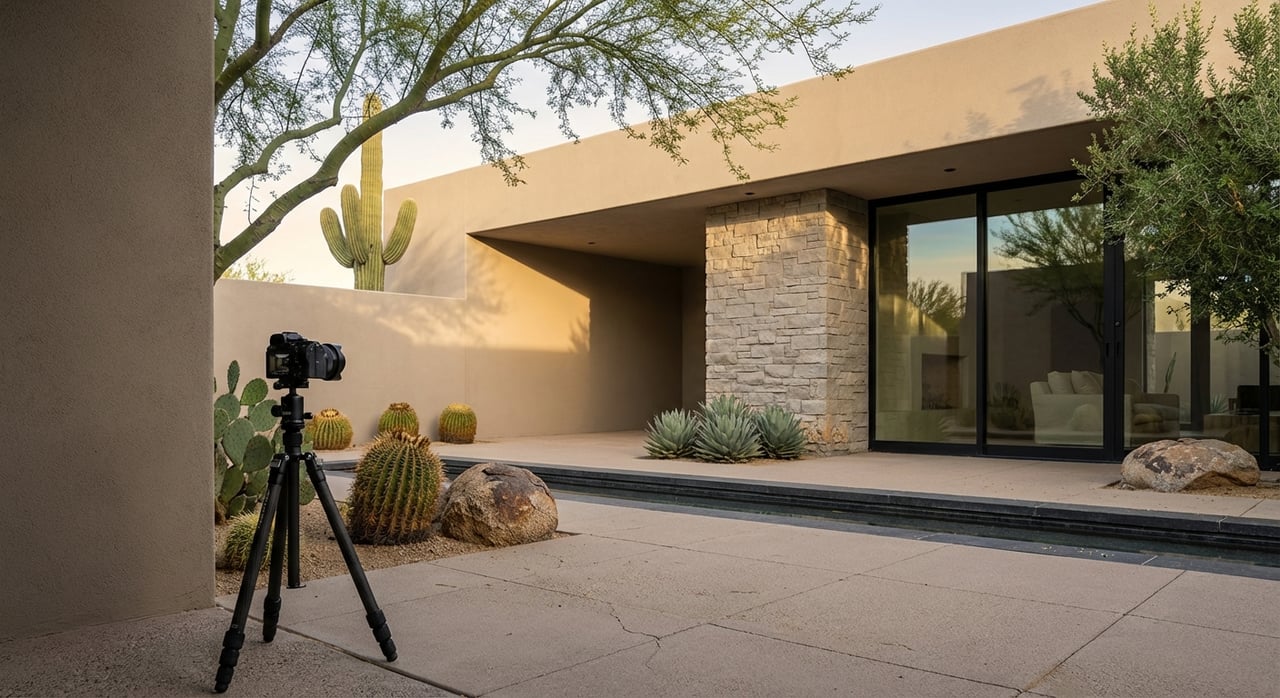
Your listing has to do serious work online. According to NAR’s 2024 Profile of Home Buyers and Sellers, 43% of buyers began their home search on the internet, 51% found their home through online search, 41% found photos very useful, 39% valued detailed property information, and 31% appreciated floor plans.
That means professional marketing is not just a nice extra. It is central to how buyers discover, evaluate, and narrow down homes before they ever schedule a showing.
For a luxury home in the Catalina Foothills, a strong marketing package should usually include:
- Professional photography
- Detailed property information
- Floor plans
- Video content
- Virtual tour assets when appropriate
NAR’s 2025 staging report adds more support here. Buyer agents rated photos, physical staging, videos, and virtual tours as highly important, and 83% said staging made it easier for buyers to picture the property as their future home.
There is one important caution, though. Polished marketing should still be accurate. The same report found that many buyers expected homes to look like they were staged on TV, and many were disappointed when reality did not match. Great presentation should elevate your home, not misrepresent it.
Stay disciplined with Arizona disclosures
Remote selling does not reduce your disclosure responsibilities. Arizona sellers are still expected to disclose all known material facts, and the Residential Seller Disclosure Statement, or SPDS, is designed to help organize those disclosures.
The Arizona Association of REALTORS advises sellers to answer thoroughly and attach supporting documents like invoices, warranties, inspection reports, and leases when available. Under the common AAR contract, the completed SPDS is due within three days after contract acceptance, so it helps to gather records early rather than scramble later.
In the Catalina Foothills, disclosure questions can be especially relevant around:
- Associations and HOA matters
- Legal and physical access
- Road maintenance
- Utility or sanitary issues
- Zoning or building-code notices
- CC&R or other violation notices
These topics fit many foothills properties, especially where private roads, custom lots, or association oversight are involved. If you are selling from another state, it is smart to review your records carefully so your disclosures are complete and consistent.
Update disclosures if anything changes
Your disclosure duties do not stop once the home goes under contract. Arizona Association of REALTORS guidance says the seller must notify the buyer if there are changes to the premises or to disclosures already made in the SPDS or elsewhere.
For a remote seller, this matters more than you might think. If a leak appears, a repair is completed, an inspection reveals new information, or a document changes during escrow, that update should be communicated quickly in writing.
This is another reason a local, hands-on representative is so valuable. When something happens at the property, you need fast awareness and a clear process for sharing updated information with the buyer.
Handle signatures and closing digitally
One of the biggest concerns for out-of-area owners is whether they need to come back to Arizona for signatures and closing. In many cases, the answer is no.
Arizona law gives electronic records and signatures the same legal effect as paper records and signatures. Under A.R.S. 44-7007, an electronic signature cannot be denied legal effect solely because it is electronic, and it satisfies a law that requires a signature.
Arizona also allows Remote Online Notarization through audio-visual technology over the internet. The Arizona Secretary of State explains that the signer’s identity is verified under Arizona rules, and the documents are signed electronically with an electronic seal.
That said, not every document is handled the same way. The title and escrow team still needs to direct which forms can be signed electronically and which require notarization. A remote sale can be highly digital, but it still works best when the process is organized and document-specific.
Keep communication simple and consistent
When you are selling from afar, silence creates stress. You should know what is happening with prep, listing activity, showings, feedback, offers, repairs, and escrow milestones without having to chase people down.
A simple communication plan can make the experience much smoother. That might include scheduled updates, quick reporting after showings, and clear next steps whenever a decision is needed.
This matters because buyers often depend on agents to help them understand the process. If your side is responsive and organized, it helps reduce friction, builds confidence, and keeps negotiations moving forward.
Why local foothills knowledge matters
Catalina Foothills is not a one-size-fits-all market. Even within the same broader area, homes can differ widely based on views, privacy, road access, elevation, lot orientation, and association structure.
For remote sellers, local knowledge helps turn those details into an advantage. It informs pricing, prepares the right disclosures, shapes the marketing story, and helps answer buyer questions quickly and accurately.
That is especially important in a boutique luxury sale, where presentation and execution often matter just as much as exposure. If you are no longer in Tucson, the right representation should make your home feel well-managed, well-positioned, and easy for buyers to understand.
If you are preparing to sell a luxury home in the Catalina Foothills from another city or another state, the process does not have to feel overwhelming. With premium presentation, clear communication, and a local strategy grounded in the details of your property, you can move forward with confidence. If you want a high-touch plan tailored to your home and timeline, connect with Daniel Sotelo.
FAQs
Can I sell a Catalina Foothills home from another state?
- Yes. Arizona recognizes electronic signatures, and the state allows Remote Online Notarization for eligible documents, which makes many parts of a remote sale manageable.
What disclosures matter most when selling a Catalina Foothills property remotely?
- Arizona sellers must disclose all known material facts, and foothills properties often require careful attention to HOA matters, access, road maintenance, utilities, zoning notices, and CC&Rs.
What should a luxury listing package include for a Catalina Foothills home?
- Strong photos, detailed property information, floor plans, and video or virtual-tour assets are especially important because many buyers begin and narrow their search online.
Do I need to return to Tucson for closing on a Catalina Foothills home sale?
- Not always. Many documents can be handled electronically, but your title and escrow team will determine which documents require notarization and how each should be signed.
Why is local help important when selling a Catalina Foothills home from afar?
- A local representative can coordinate prep, manage vendors, monitor the property, handle buyer questions, and communicate updates quickly if anything changes during escrow.