What Does a Luxury Realtor Actually Do Behind the Scenes?
The Invisible Work Behind Successful Tucson Luxury Real Estate Transactions
There is an old philosophical question:
If a tree falls in the forest and no one is there to hear it, does it still make a sound?
Real estate has its own version of that question.
If a Realtor is making calls, studying the market, following up with buyers, speaking with other agents, solving problems, planning negotiations, and preparing a property—but the client does not see every conversation—does that work still create value?
Absolutely.
In fact, some of the most important work in Tucson luxury real estate happens long before the phone rings, before a showing is scheduled, and before an offer is written.
The visible moments receive most of the attention:
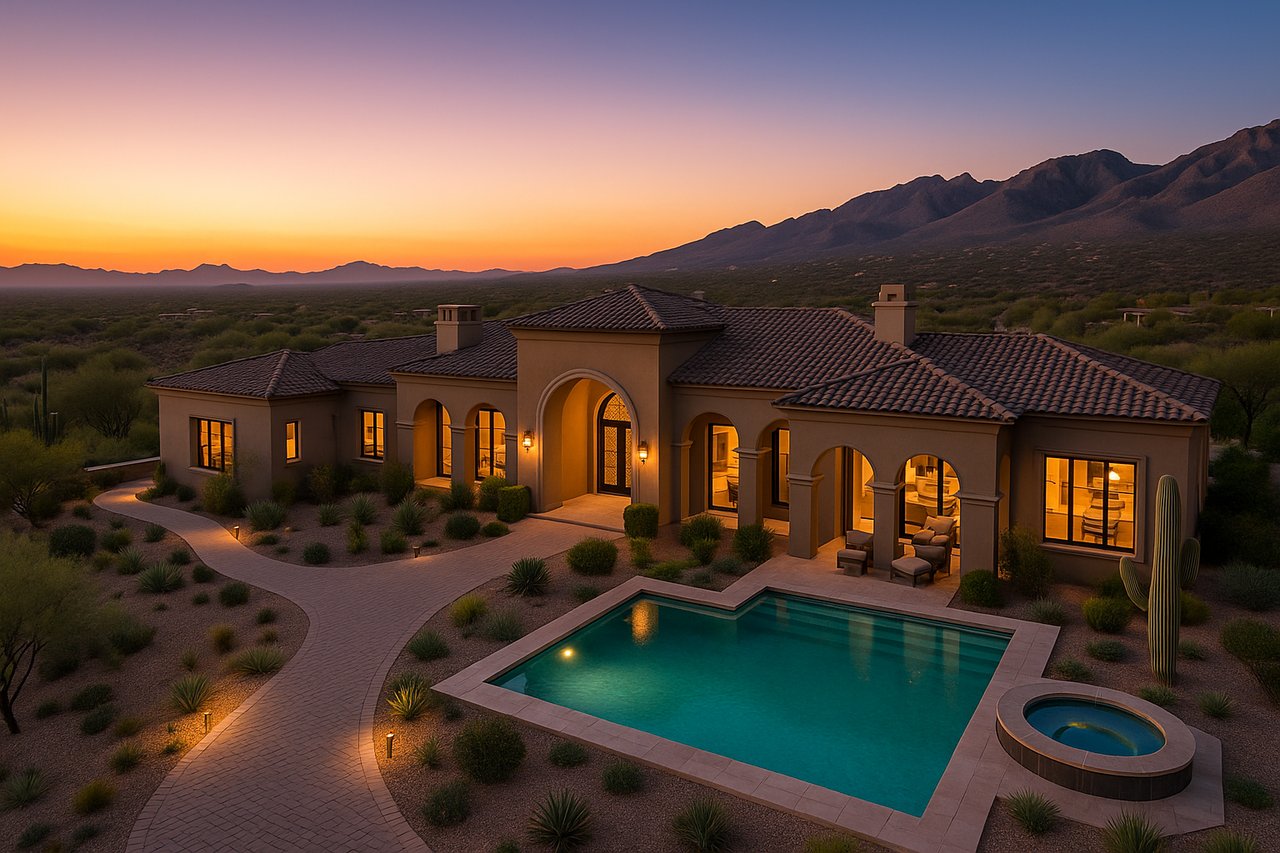
- The professional photography
- The private showing
- The open house
- The offer
- The sold sign
- The closing
But those moments represent only a small portion of the work.
As a Tucson Realtor with Russ Lyon Sotheby’s International Realty, my role is not simply to list a home or open a door. My job is to create opportunities, protect my client’s position, anticipate problems, interpret the market, and make a complex transaction feel organized and manageable.
That is especially important in Tucson’s luxury market, where every neighborhood, property type, architectural style, and buyer profile behaves differently.
Tucson Is Not One Real Estate Market
One of the most important things a luxury Realtor does behind the scenes is study the individual markets within the larger Tucson market.
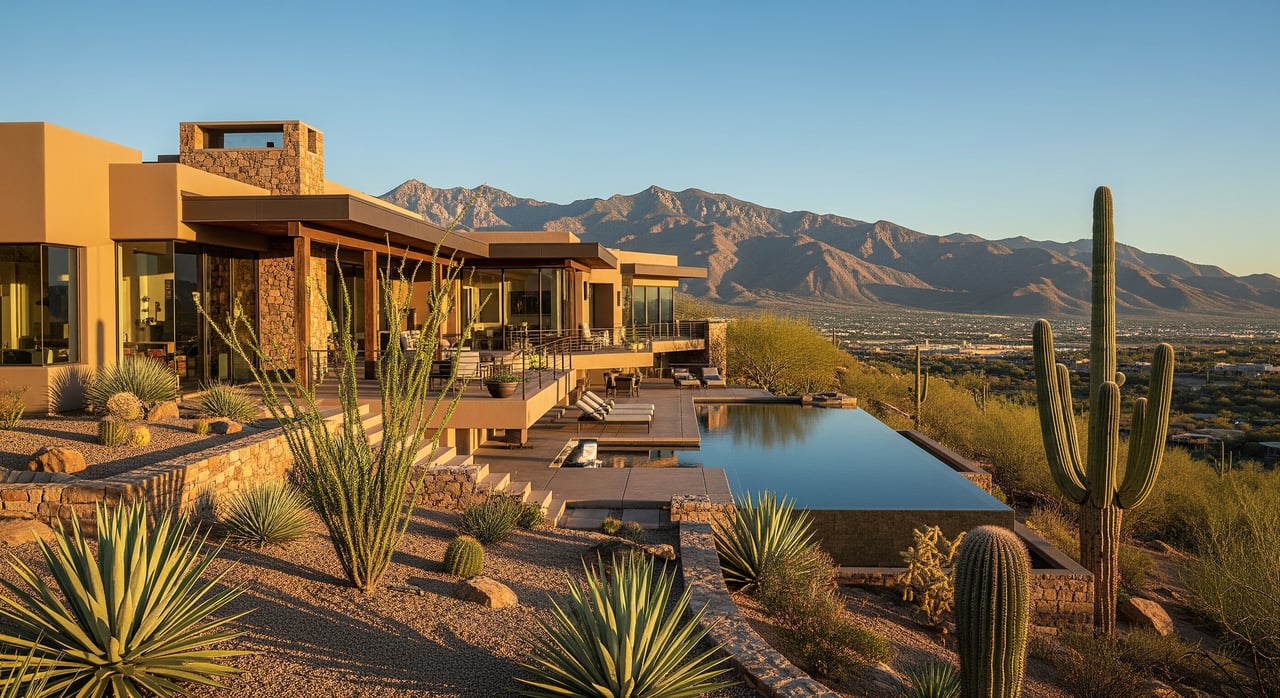
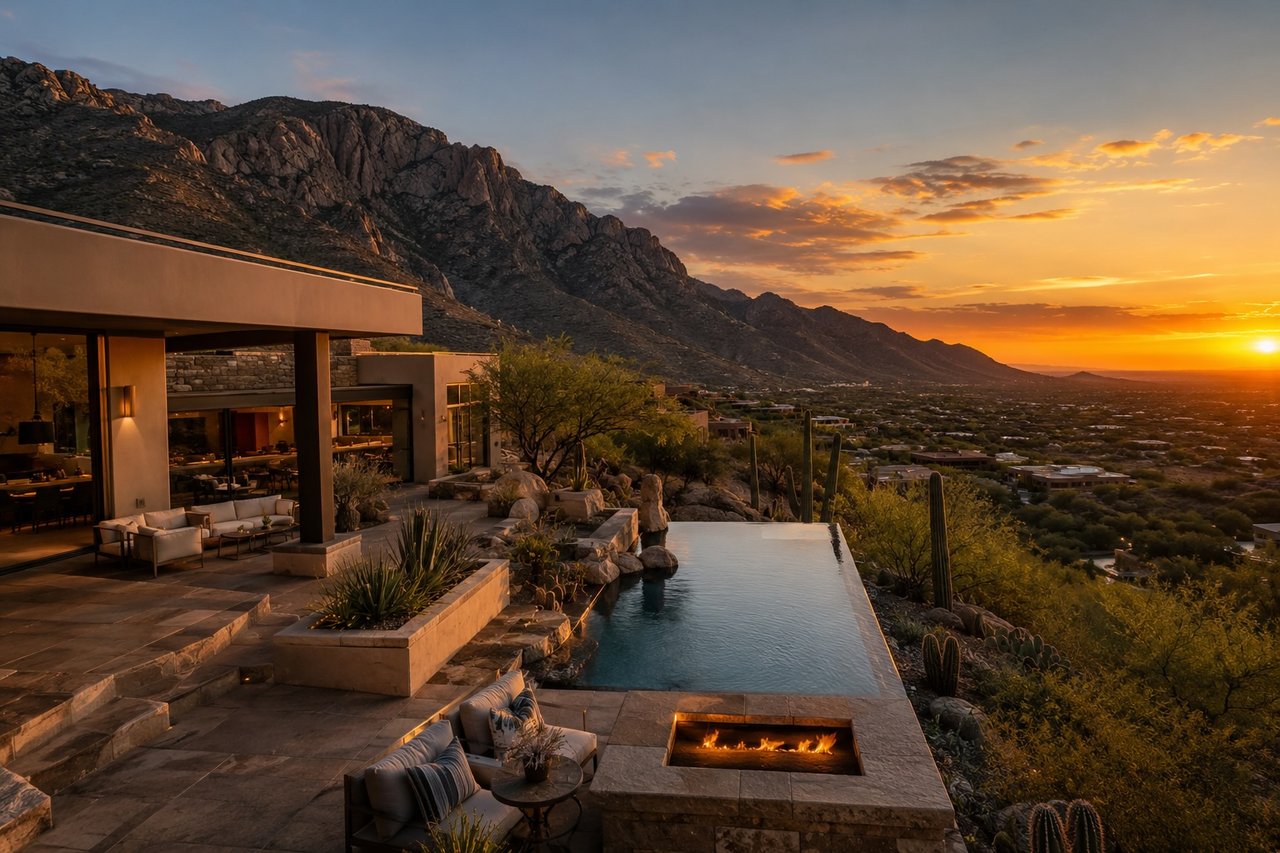
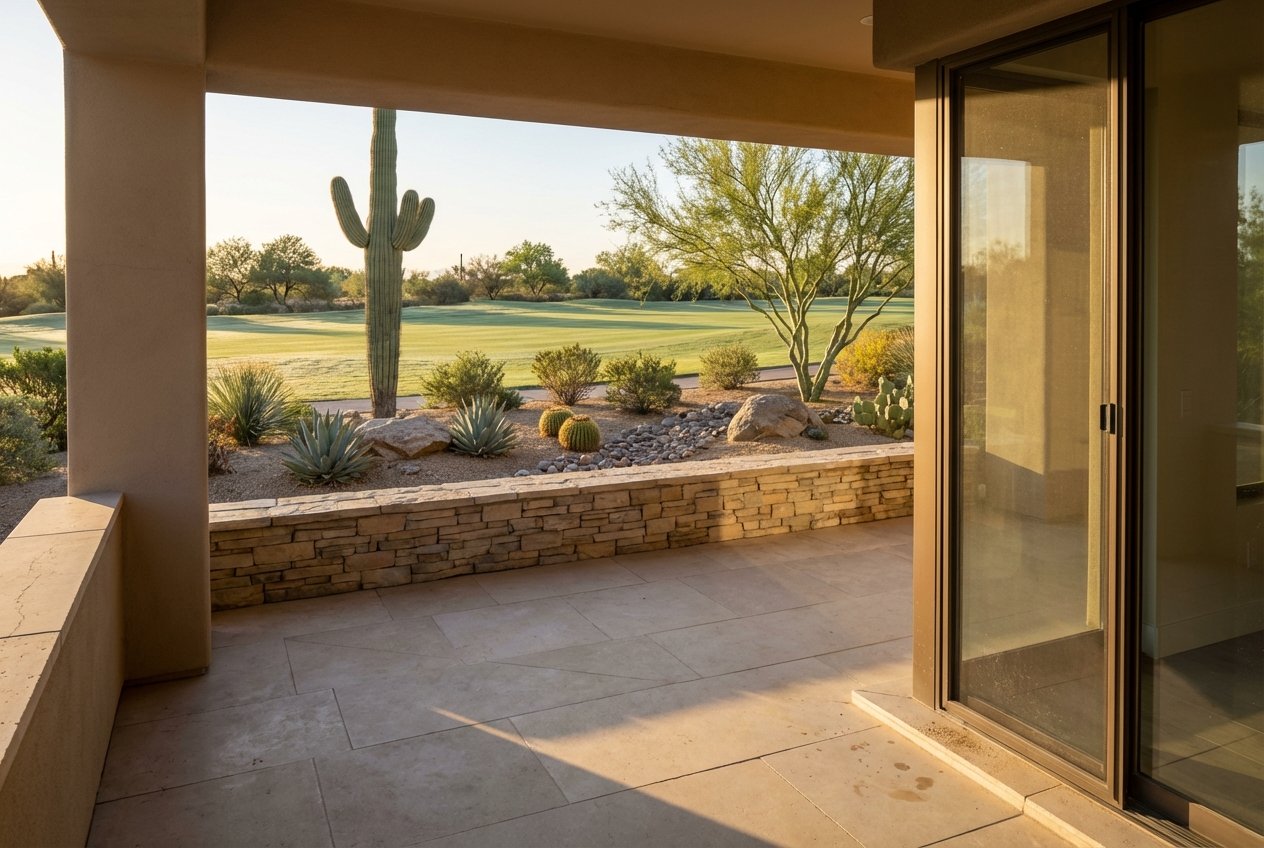
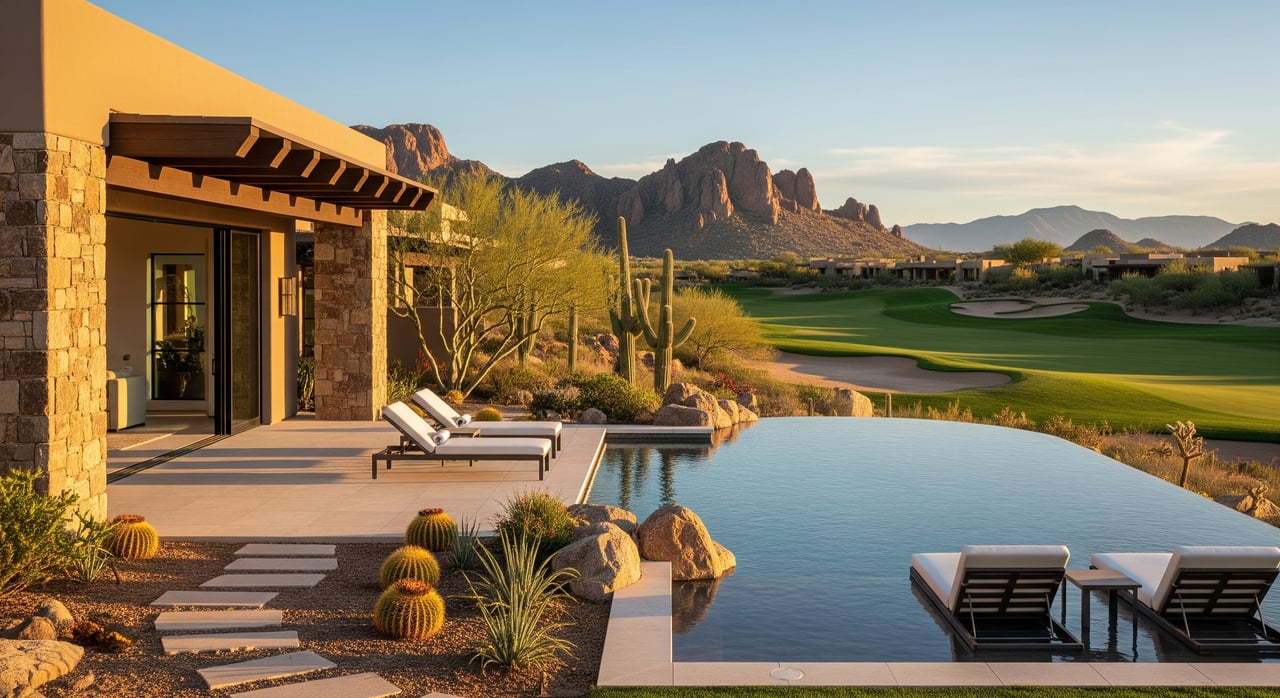
A contemporary home in the Catalina Foothills does not compete in exactly the same way as a golf-course residence in Starr Pass.
A gated estate in Pima Canyon may attract a different buyer than an architect-designed property near Campbell Avenue or a desert retreat in the Tucson Mountains.
A home in Ventana Canyon may be evaluated differently from a residence in Skyline Country Club, La Paloma, Oro Valley, Dove Mountain, or Sam Hughes.
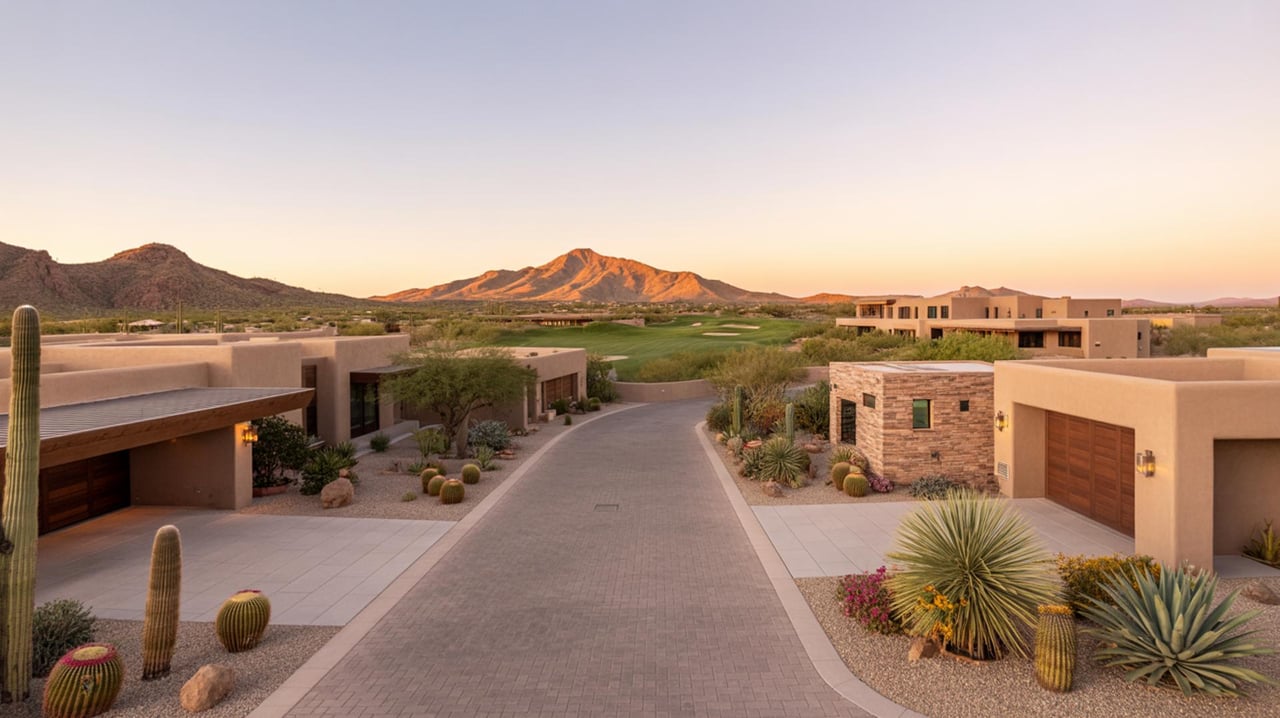
The Tucson luxury real estate market is made up of numerous micro-markets, including:
- Catalina Foothills
- Pima Canyon
- Ventana Canyon
- Skyline Country Club
- La Paloma
- Starr Pass
- Tucson Mountains
- Oro Valley
- Dove Mountain
- Hacienda del Sol area
- Sabino Canyon
- El Encanto
- Colonia Solana
- Sam Hughes
- Historic Central Tucson
Each area has its own buyer profile, architectural character, price sensitivity, inventory patterns, and lifestyle appeal.
Behind the scenes, I study:
- New luxury listings
- Pending sales
- Recently closed properties
- Price reductions
- Expired and withdrawn listings
- Days on market
- Buyer activity
- Competing inventory
- Price-per-square-foot trends
- Architectural distinctions
- Lot quality
- Mountain and city views
- Privacy
- Golf-course position
- Gated access
- Proximity to resorts, restaurants, schools, and medical facilities
This allows me to advise clients based on what is actually happening in their segment of the Tucson market—not simply on broad statistics that may have little relevance to their home.
Why Tucson Luxury Real Estate Requires Local Judgment
Luxury real estate cannot be reduced to a formula.
Two homes with the same square footage may have dramatically different values based on architecture, orientation, views, privacy, renovations, lot placement, finishes, and emotional appeal.
In Tucson, those distinctions are especially important.
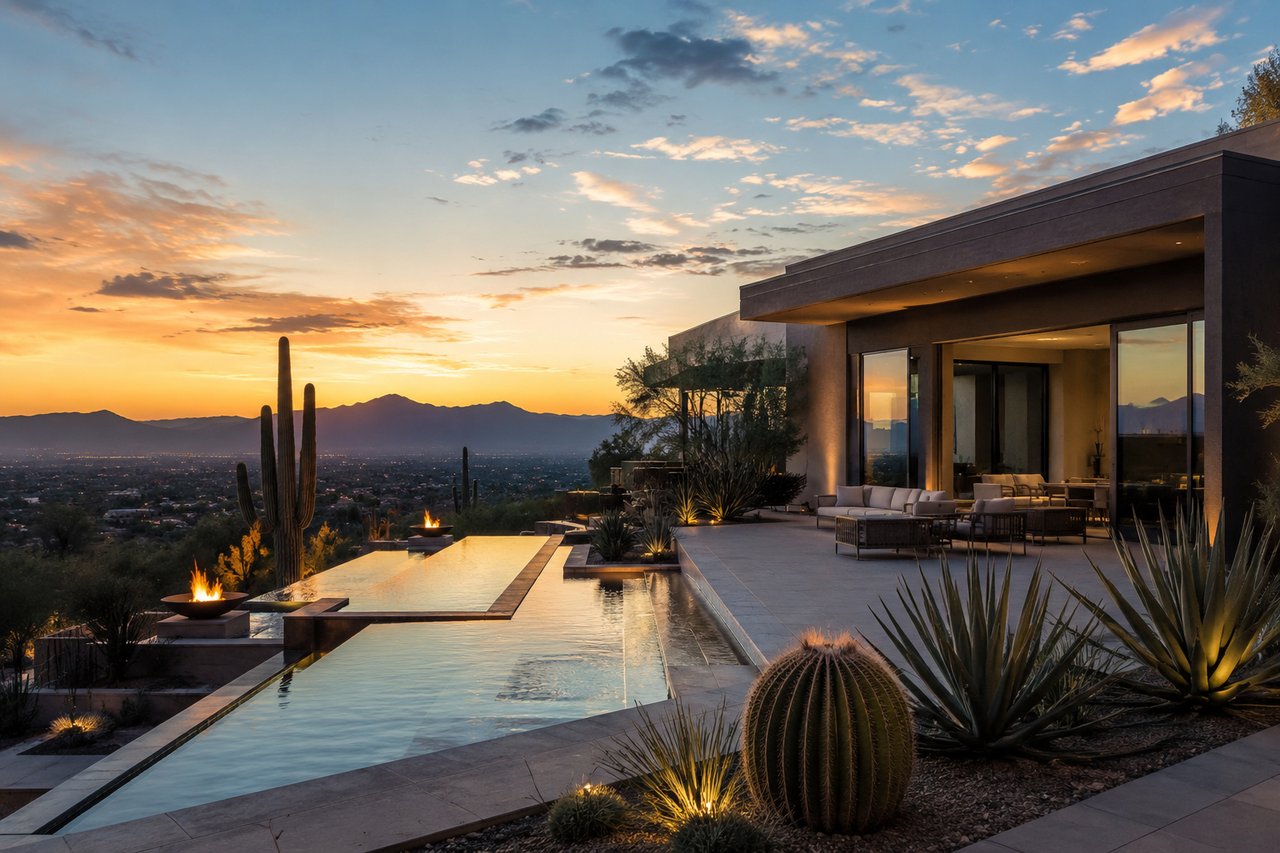
A south-facing city view may appeal differently from an east-facing Catalina Mountain view.
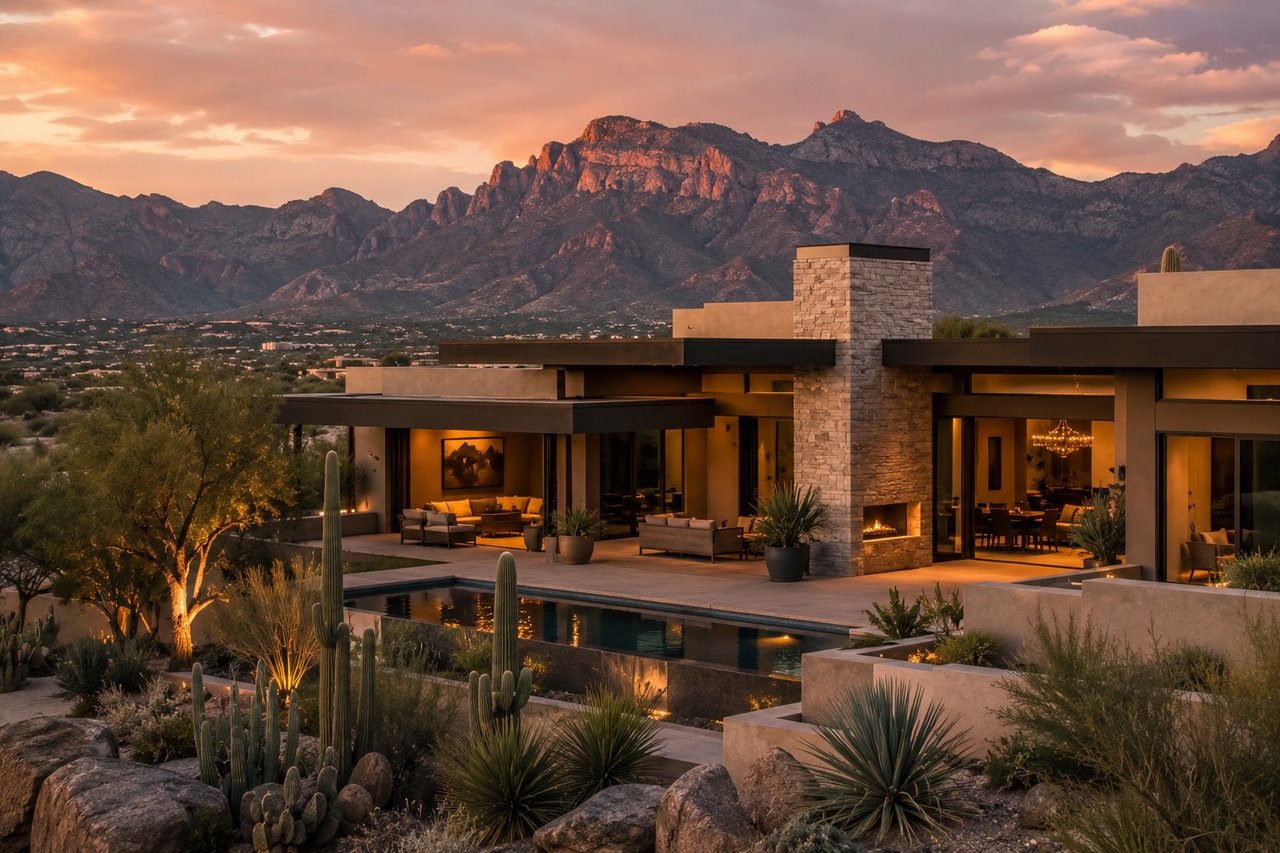
A home on a signature golf hole in Starr Pass may attract a buyer seeking a resort lifestyle, while a secluded property in Pima Canyon may appeal to someone prioritizing privacy, security, and proximity to the Foothills.
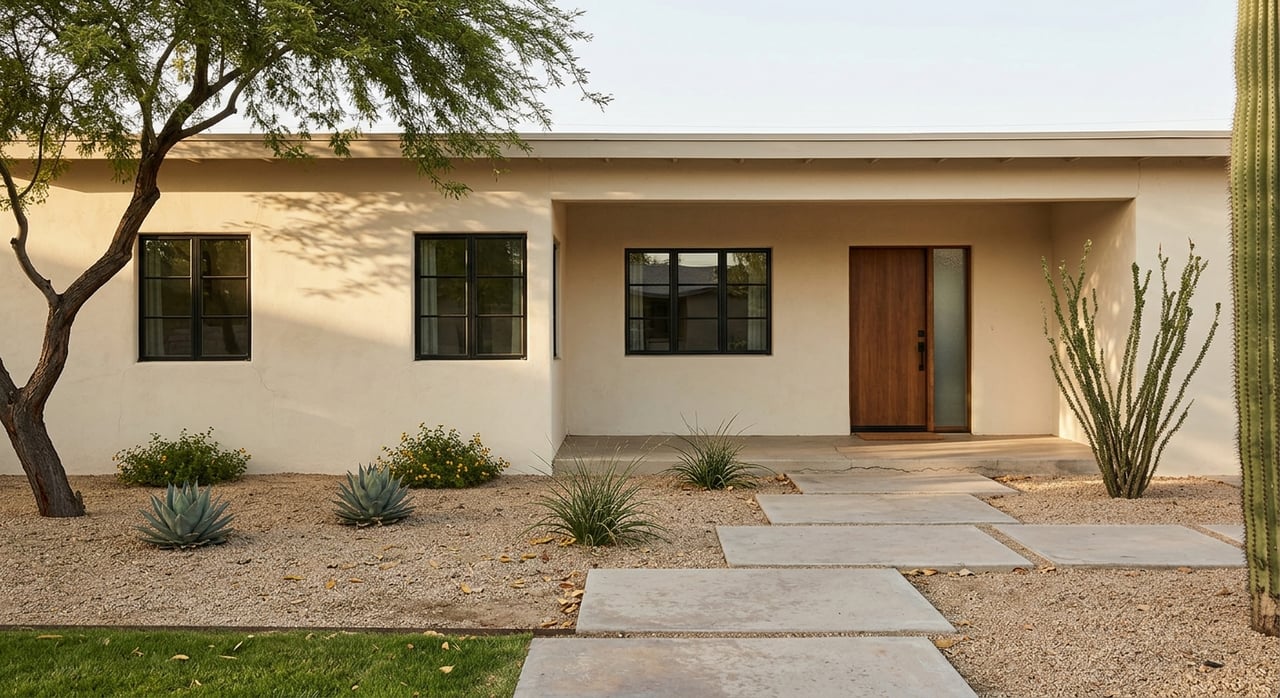
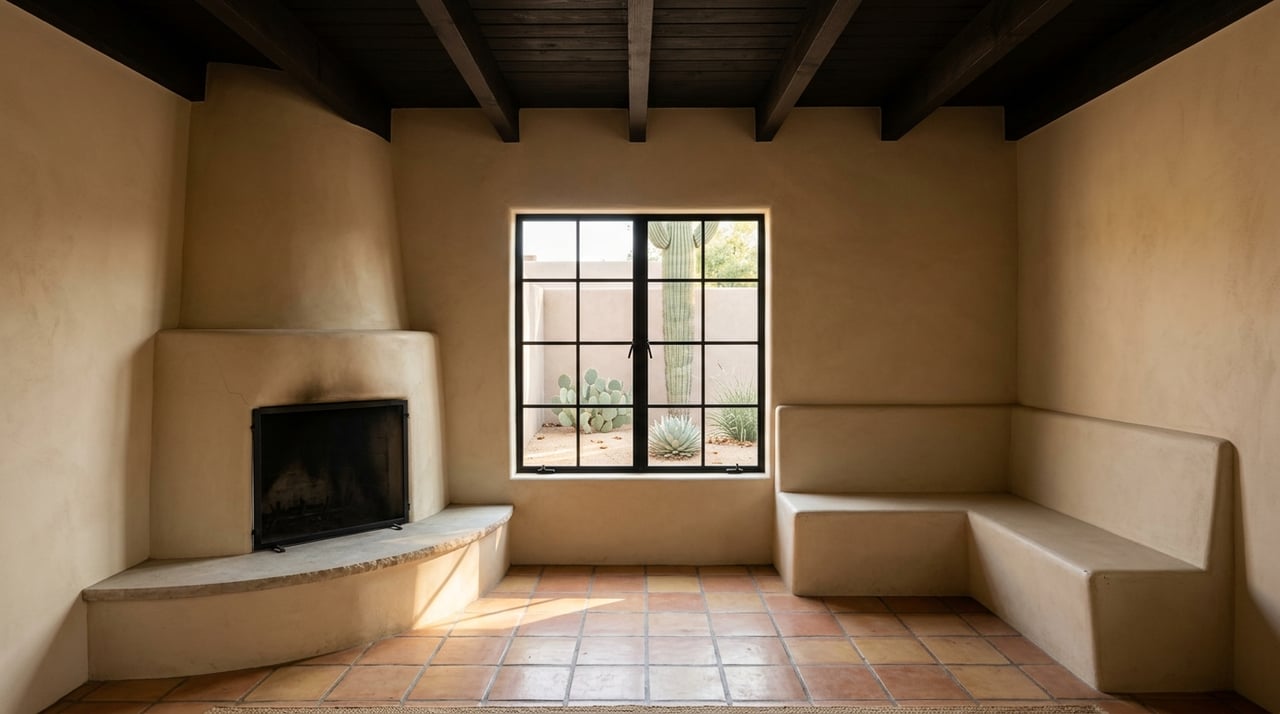
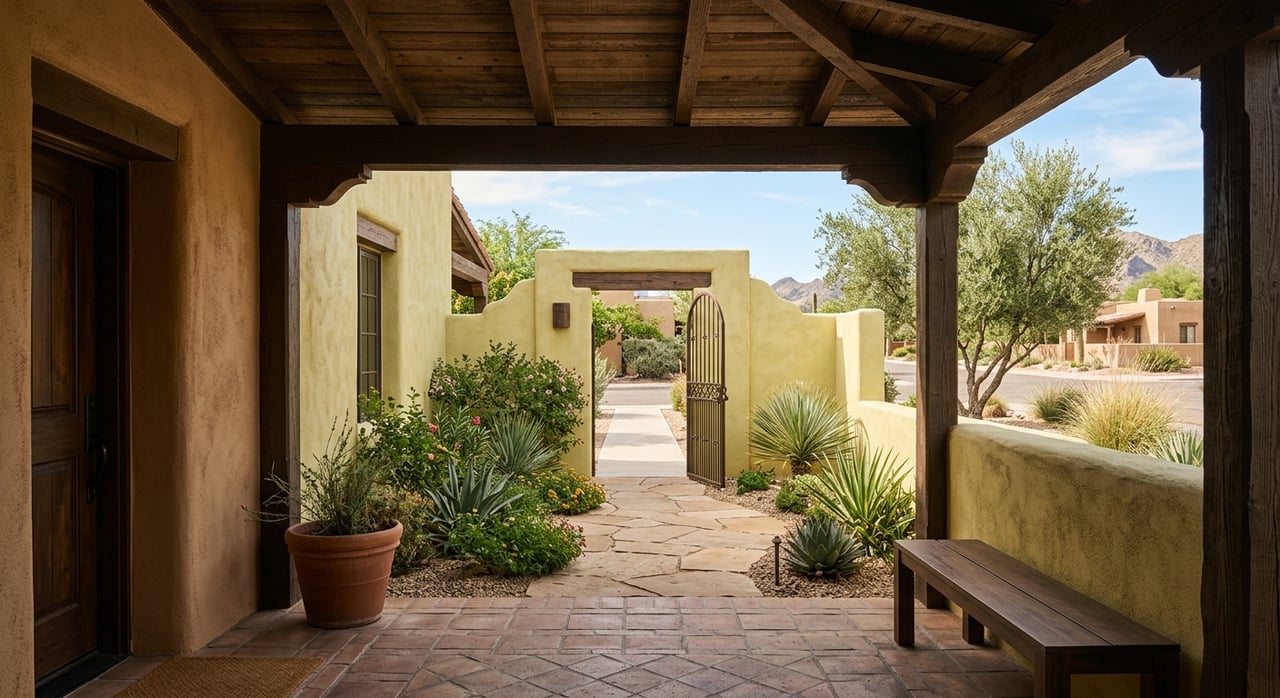
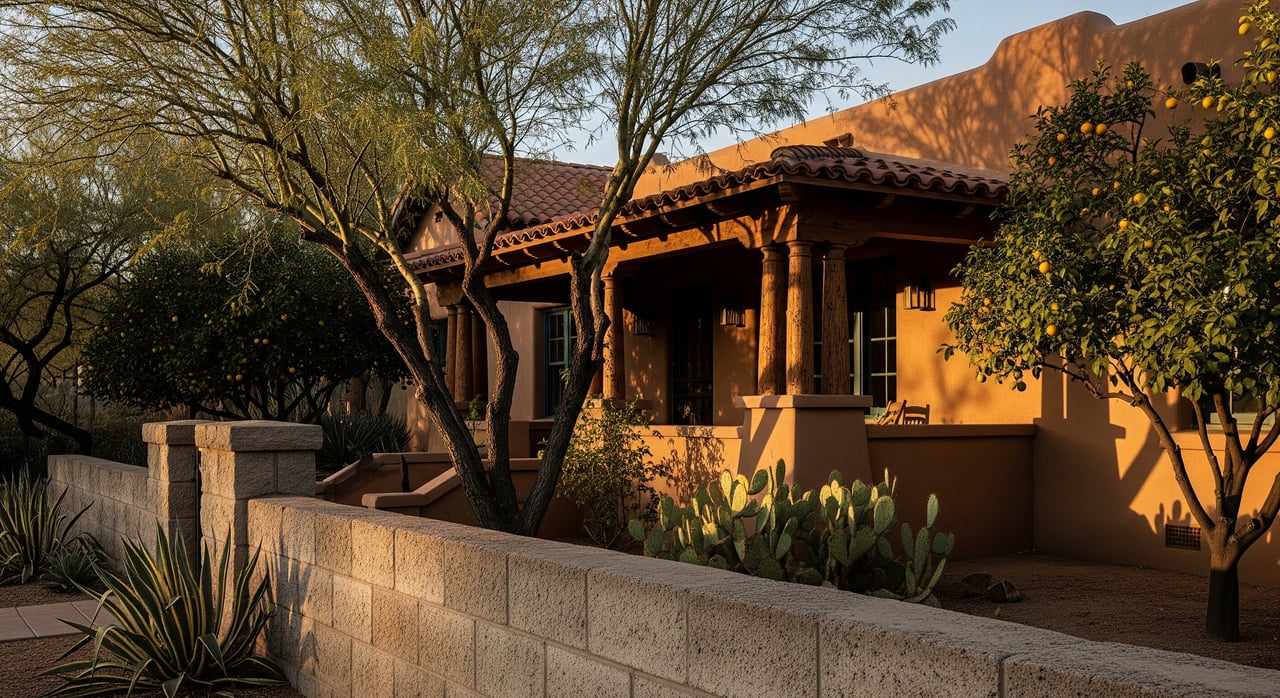
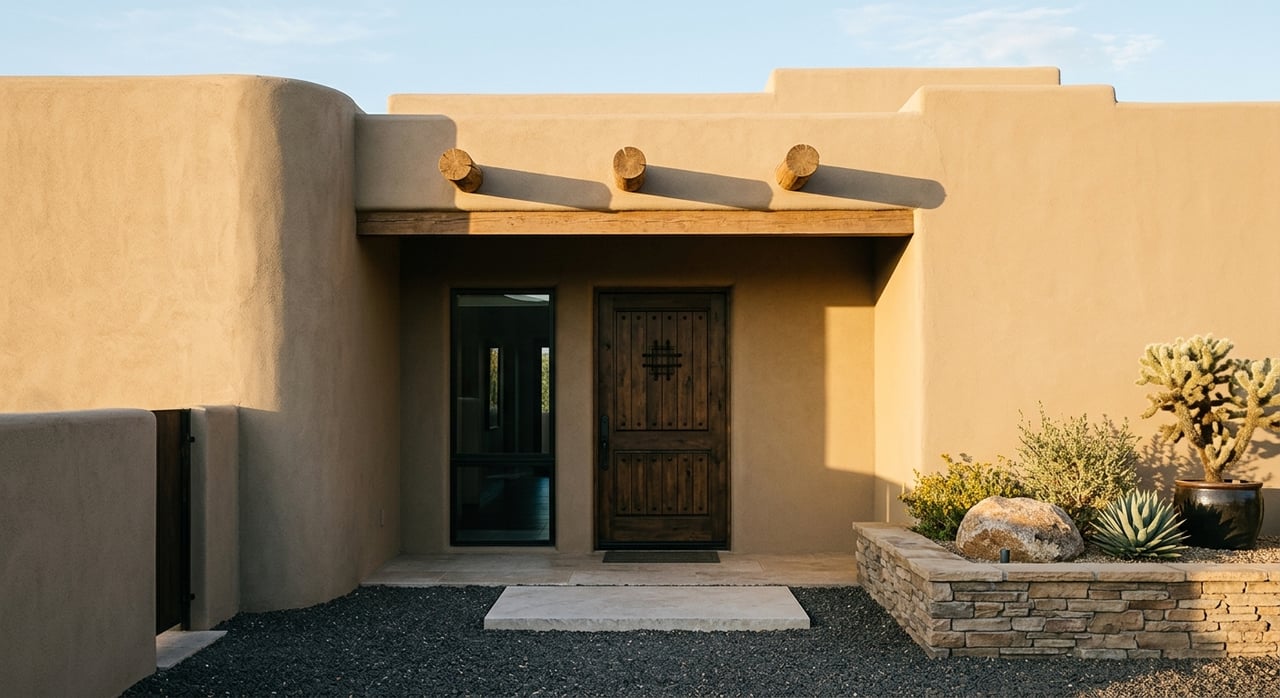
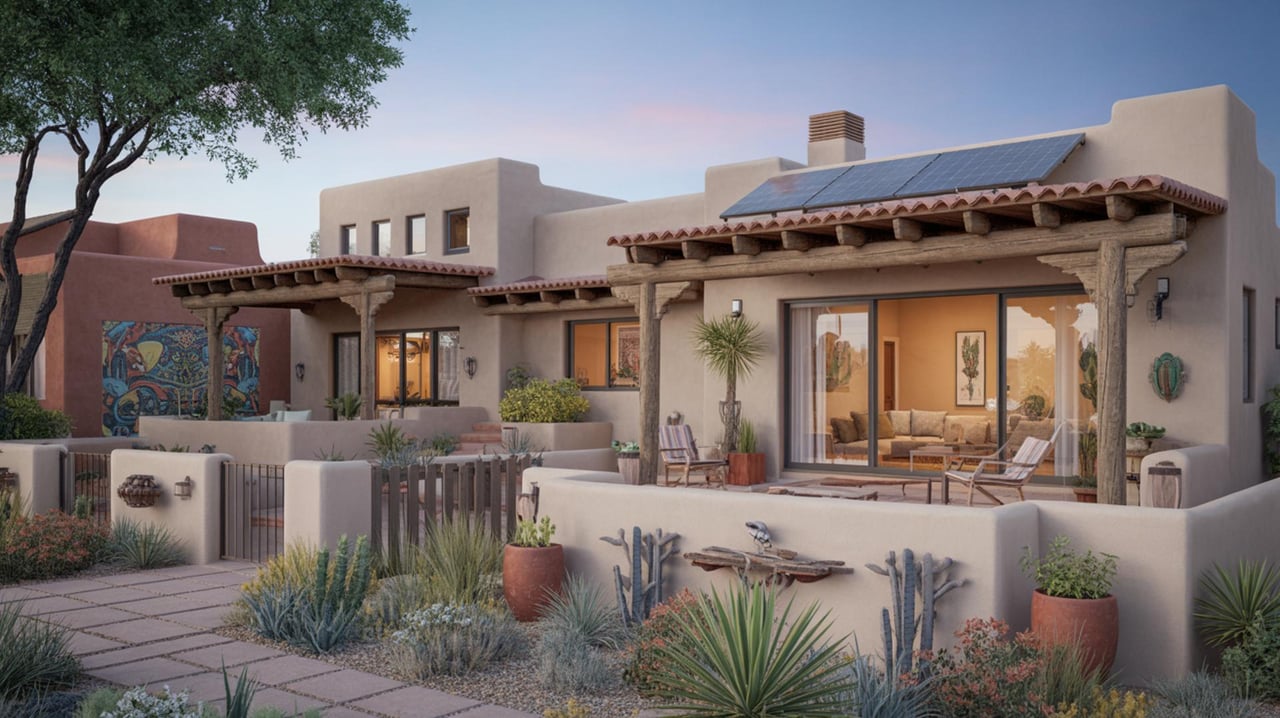
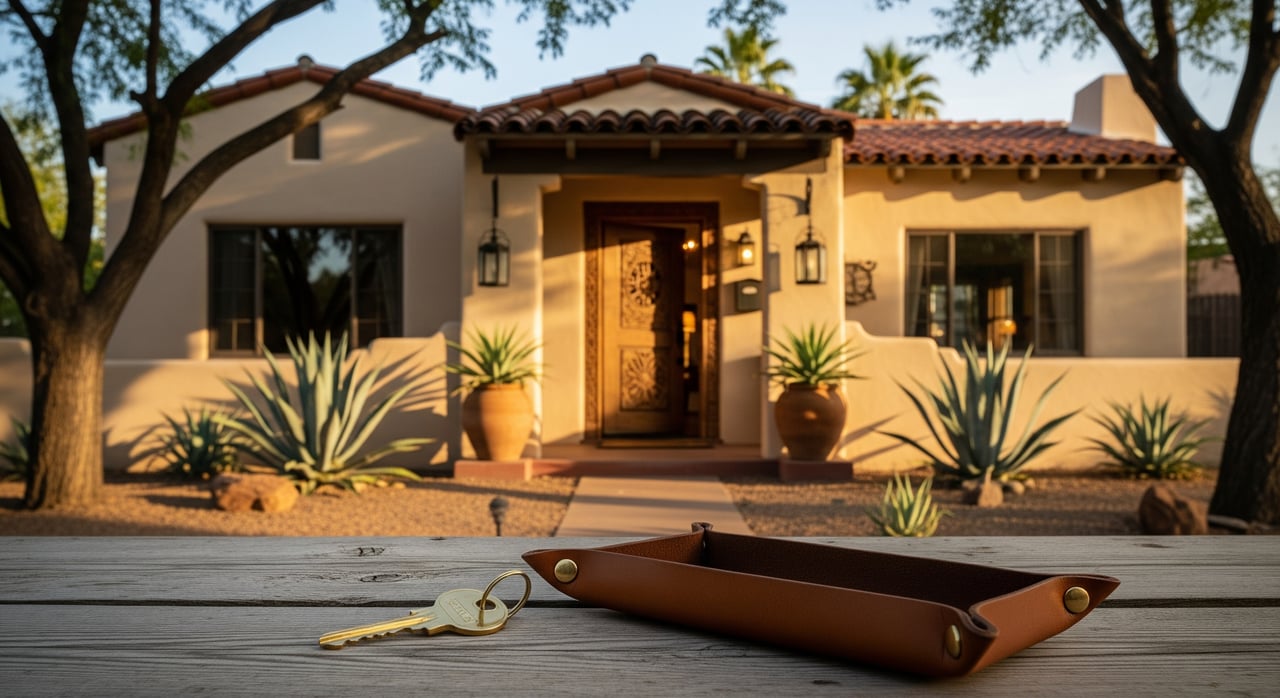
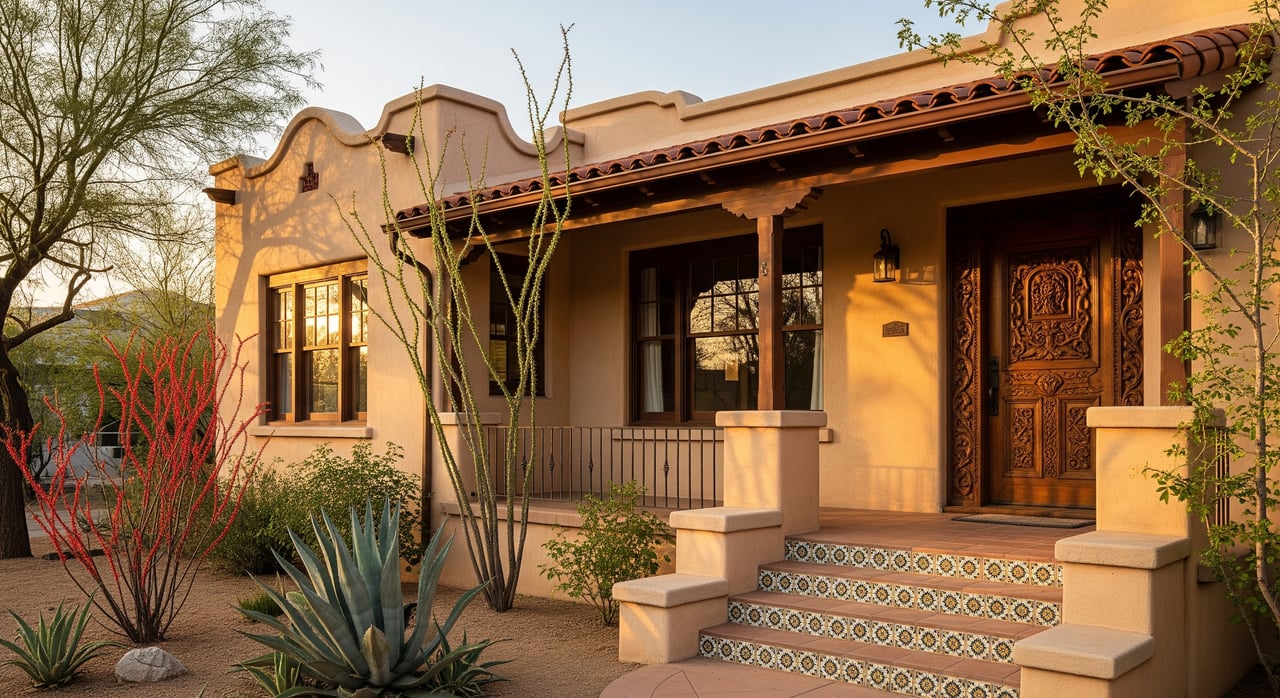
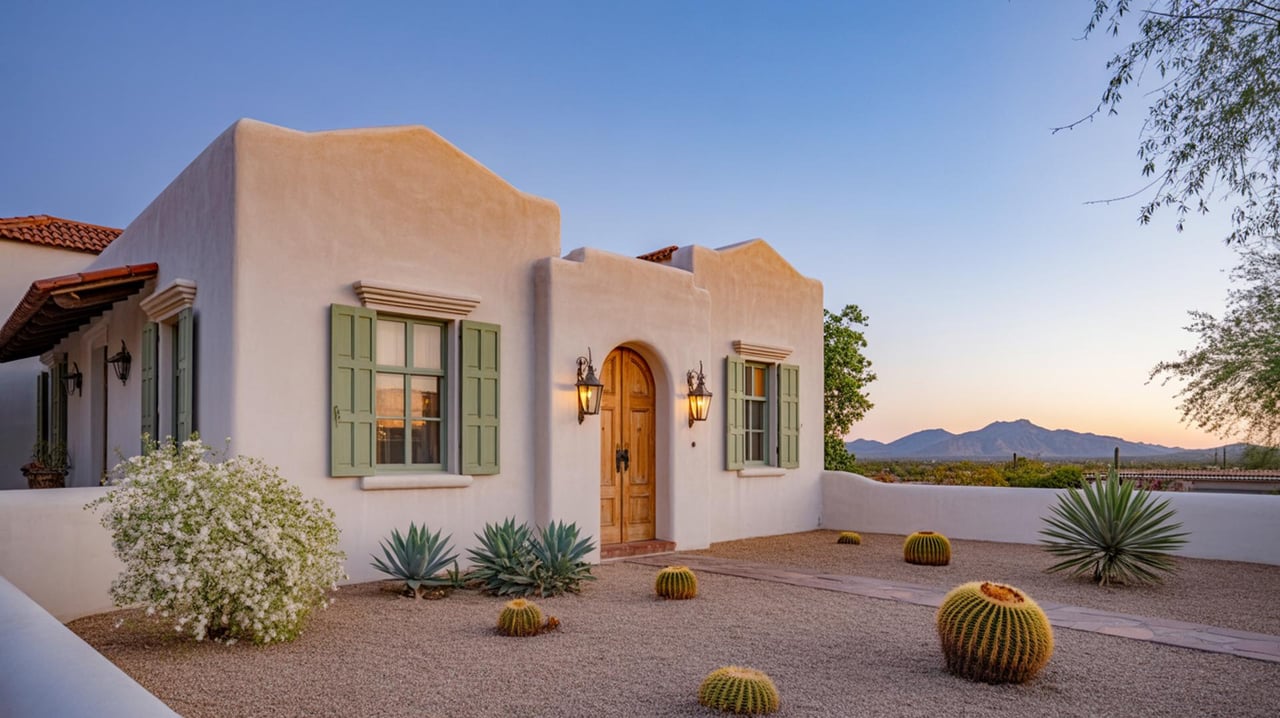
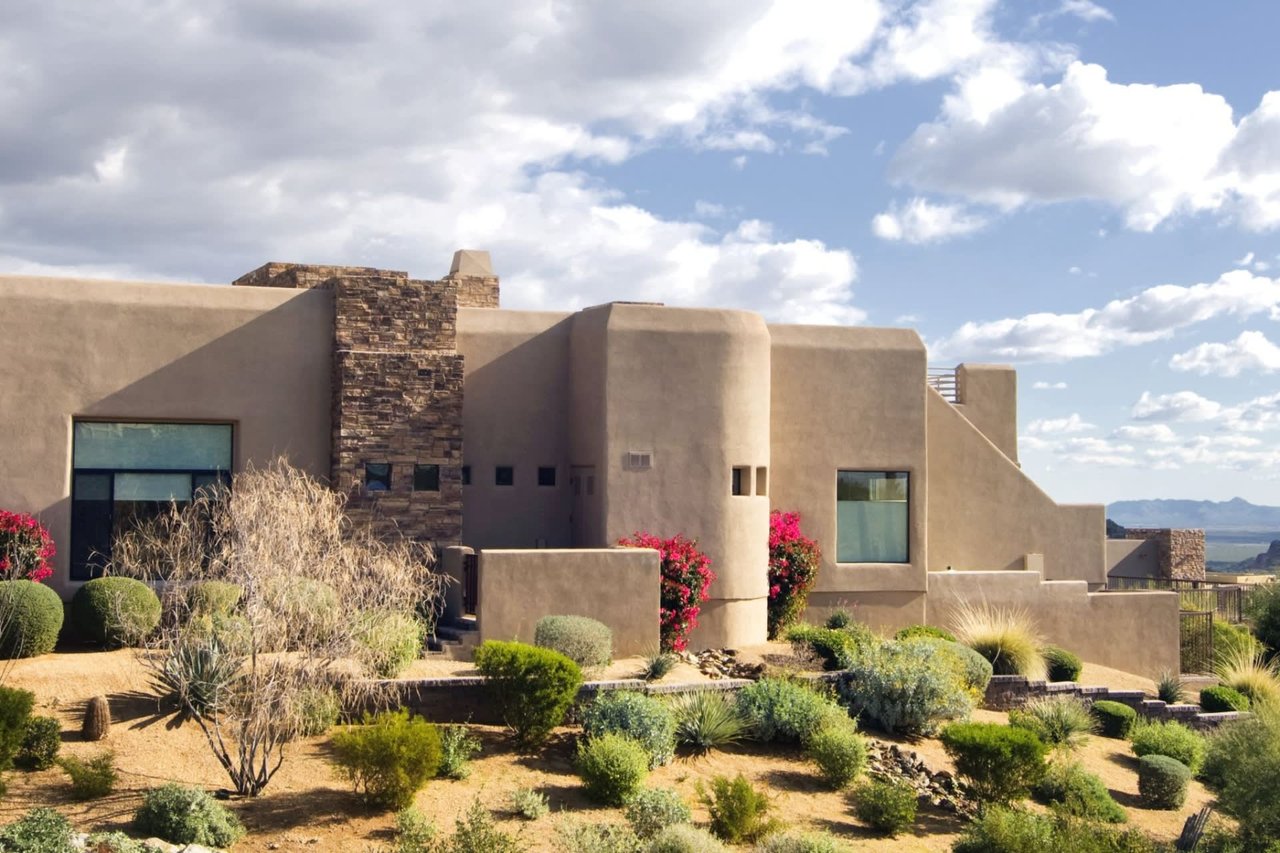
An older adobe home may possess architectural authenticity and character that cannot be measured through price per square foot alone.
A newly renovated home may command a premium, but only if the improvements align with the expectations of the buyer pool.
A luxury Realtor’s job is to understand which features are meaningful, which are expected, and which are likely to create an emotional response.
That requires judgment.
It also requires local experience.
What a Luxury Realtor Does Before a Home Is Listed
The work of selling a luxury home begins well before the property appears online.
Preparation may include:
- Evaluating the property’s current condition
- Recommending repairs or improvements
- Identifying features that should be emphasized
- Advising on staging and furniture placement
- Coordinating painters, cleaners, landscapers, roofers, inspectors, and contractors
- Planning professional photography and video
- Determining the best time to enter the market
- Reviewing competing listings
- Establishing a pricing and positioning strategy
- Preparing a narrative around the home’s architecture, history, views, location, and lifestyle
The goal is not merely to make the house look attractive.
The goal is to make the right buyer understand why the home is special.
That distinction matters.
Luxury buyers are not simply comparing bedroom counts and square footage. They are evaluating privacy, design, lifestyle, convenience, quality, and emotional connection.
The marketing must communicate those qualities clearly.
Pricing Is Marketing
One of my core beliefs is simple:
Pricing is marketing.
A listing price does more than state what a seller hopes to receive.
It determines which buyers discover the property, how agents perceive it, how it compares with competing homes, and whether the market responds with curiosity or commitment.
In Tucson luxury real estate, pricing requires a deeper analysis than applying an average price per square foot.
I consider:
- Recent sales
- Current competition
- Buyer behavior
- Property condition
- Architectural significance
- Views
- Location
- Lot quality
- Renovation level
- Privacy
- Community amenities
- Days on market for similar homes
- The likely search ranges buyers and agents are using
A home may be beautiful and still be positioned incorrectly.
When that happens, the market often responds with interest but no action.
I describe that as the difference between curiosity and commitment.
A seller may receive online views, saves, open-house traffic, and compliments. But real progress is measured by stronger signals:
- Repeat showings
- Serious questions
- Requests for documents
- Discussions about terms
- Written offers
A luxury Realtor must recognize the difference and advise the seller accordingly.
Marketing Beyond the MLS
Placing a luxury home in the Multiple Listing Service is only the beginning.
Behind the scenes, marketing may include:
- Professional photography
- Cinematic video
- Drone photography when appropriate
- Property-specific website content
- Social media campaigns
- Direct outreach to agents
- Brokerage networking
- Relocation exposure
- Email marketing
- Private previews
- Broker events
- Follow-up with prior luxury buyers
- Outreach to agents with clients seeking similar properties
- Strategic placement through Sotheby’s International Realty networks
One reason I joined Russ Lyon Sotheby’s International Realty is that the brand aligns with my belief that exceptional properties deserve thoughtful presentation—not merely exposure.
Exposure is important.
But exposure without positioning is often just noise.
A successful campaign must answer several questions:
- Who is the likely buyer?
- Where are they coming from?
- What will make them stop and pay attention?
- What feature will create an emotional connection?
- What concern may prevent them from acting?
- How do we distinguish the property from competing homes?
The answers are often different for a Catalina Foothills estate, a Starr Pass golf property, a Ventana Canyon residence, or a luxury home in Oro Valley.
Relationships Create Opportunities
Some of the most valuable work in luxury real estate does not happen publicly.
It happens through relationships.
Experienced Tucson Realtors regularly communicate about buyers, listings, market activity, and properties that may be coming soon.
A colleague may be working with a client relocating from California, Chicago, Seattle, New York, or another part of Arizona.
An agent may remember a buyer who toured a similar home months earlier.
A buyer who was not ready last season may now be prepared to move.
A property that appears wrong on paper may become compelling once the agent understands the architecture, lot, privacy, or lifestyle.
These conversations are rarely reflected in a showing report.
But they can create meaningful opportunities.
The phone call is not always the beginning of the process.
Often, it is the result of work that began weeks or months earlier.
What Happens After Every Showing
A showing is not complete when the buyer leaves the property.
The follow-up matters.
After a showing, I want to understand:
- What did the buyer like?
- What concerns did they have?
- How does the home compare with others they are considering?
- Is the buyer serious or simply exploring?
- Is price the obstacle?
- Is condition the concern?
- Is there a property-specific question that can be answered?
- Could additional information create confidence?
- Is there a realistic path toward an offer?
Not all feedback is equally useful.
One buyer’s personal preference should not dictate a seller’s strategy.
But repeated patterns can reveal what the market is communicating.
For example, if several buyers admire a property but hesitate over the same issue, that may indicate a positioning, condition, or pricing challenge.
A luxury Realtor’s job is to separate meaningful information from noise and help the seller respond strategically rather than emotionally.
Negotiating More Than the Price
In a luxury transaction, the purchase price is only one part of the offer.
The full value of an offer may depend on:
- Financing
- Cash verification
- Appraisal terms
- Inspection period
- Repair requests
- Seller concessions
- Closing date
- Possession
- Earnest money
- Contingencies
- Furnishings
- Personal property
- Home-sale conditions
- Leaseback terms
- Title considerations
A higher offer is not always the strongest offer.
A lower offer may provide greater certainty.
Behind the scenes, I evaluate both the written terms and the risks those terms may create.
I also consider motivation.
Why does the buyer want the home?
How quickly do they need to move?
Are they emotionally committed?
Do they have another property to sell?
Are they likely to renegotiate during inspections?
Could the appraisal become an issue?
Does the closing timeline create an advantage or a burden for the seller?
Negotiation is not simply about being aggressive.
It is about understanding the entire situation and responding with purpose.
Solving Problems Before They Become Expensive
Every real estate transaction has moving parts.
Inspections reveal unexpected conditions.
Appraisals create uncertainty.
Contractors miss deadlines.
Lenders request additional documents.
Title issues arise.
Insurance becomes complicated.
Buyers and sellers become anxious.
A significant part of luxury representation involves identifying these issues early and resolving as many of them as possible before they become larger problems.
That can mean:
- Reviewing inspection concerns
- Coordinating estimates
- Communicating with lenders
- Clarifying timelines
- Working with title professionals
- Managing repair negotiations
- Preparing for appraisal risk
- Keeping all parties focused on the transaction
- Identifying alternative solutions when the original plan no longer works
The client may never see every conversation.
That is often the point.
The best service does not eliminate complexity.
It manages complexity so the client does not have to carry all of it.
Discretion Is Part of the Service
Luxury clients often value privacy as much as exposure.
Not every property should be marketed the same way.
Not every personal detail belongs in public conversation.
Not every showing request should be handled casually.
Behind the scenes, a luxury Realtor must make thoughtful decisions about:
- Property access
- Showing procedures
- Buyer qualification
- Photography
- Security
- Personal belongings
- Seller circumstances
- Off-market conversations
- Communication with agents
- Information shared publicly
Discretion is not simply a courtesy.
It is part of professional representation.
Relocation Buyers Need More Than a Home Search
Tucson continues to attract buyers from outside Arizona who are drawn to the climate, natural beauty, quality of life, lower density, golf communities, architecture, medical resources, university connections, and relative value compared with larger Western markets.
Relocation buyers often need more than a list of homes.
They need context.
They want to understand:
- The difference between the Catalina Foothills and Oro Valley
- Whether Starr Pass or Dove Mountain better fits their lifestyle
- Which areas offer golf, resort access, privacy, or gated living
- How commute times actually feel
- Where mountain views are strongest
- Which neighborhoods feel established versus newer
- How seasonal traffic affects daily life
- How architecture and construction styles vary throughout Tucson
- What ownership costs may differ by community
A luxury Realtor’s role is to help the buyer understand Tucson—not simply the inventory.
That local guidance can prevent a buyer from choosing the right house in the wrong location.
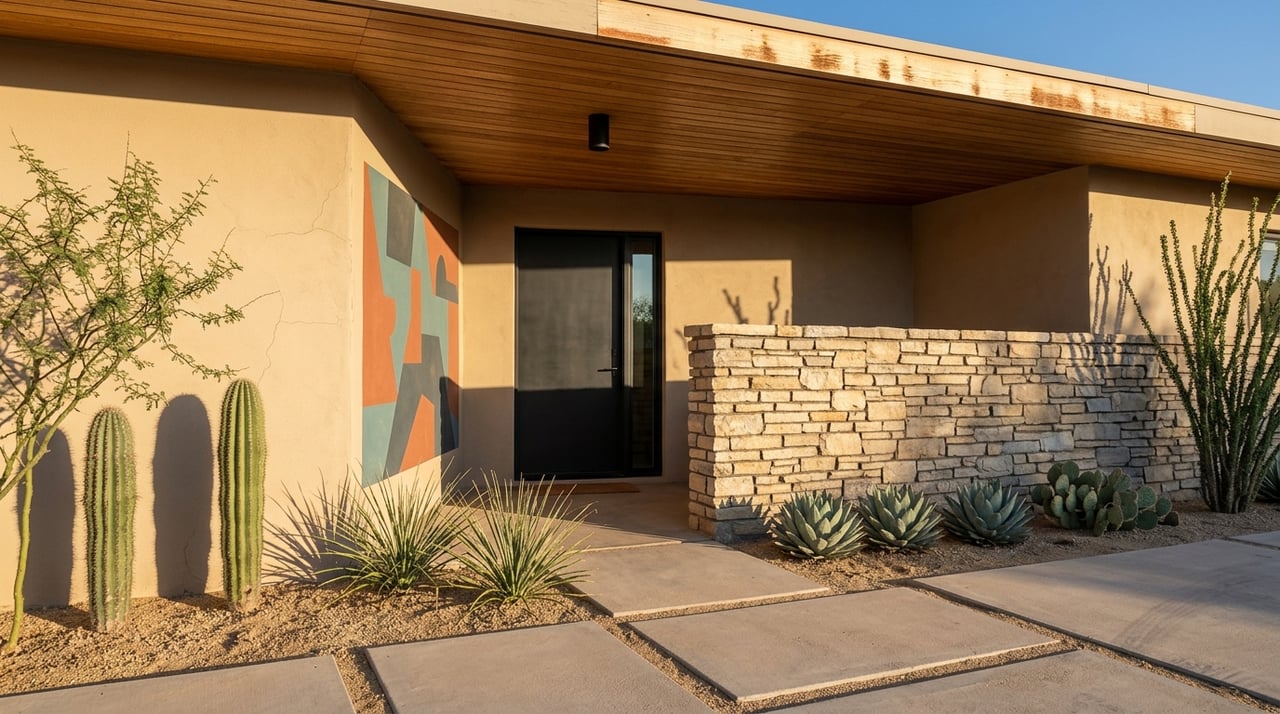
The Architecture of Tucson Matters
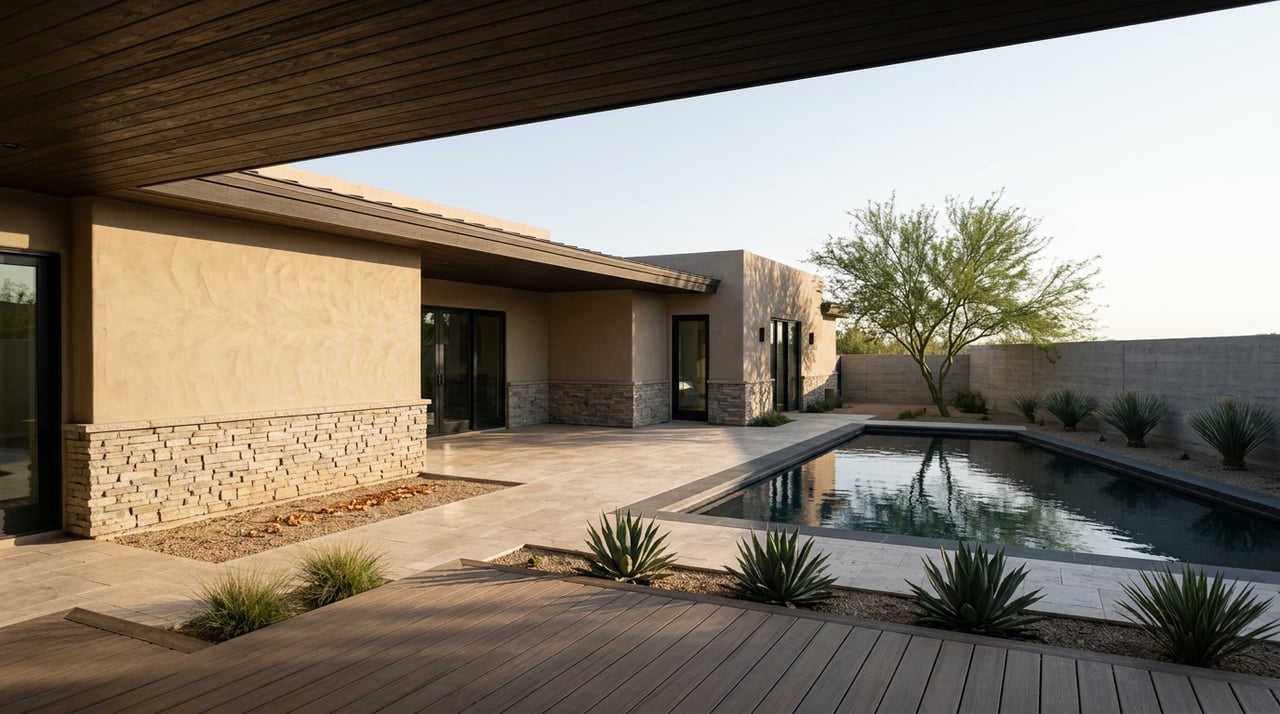
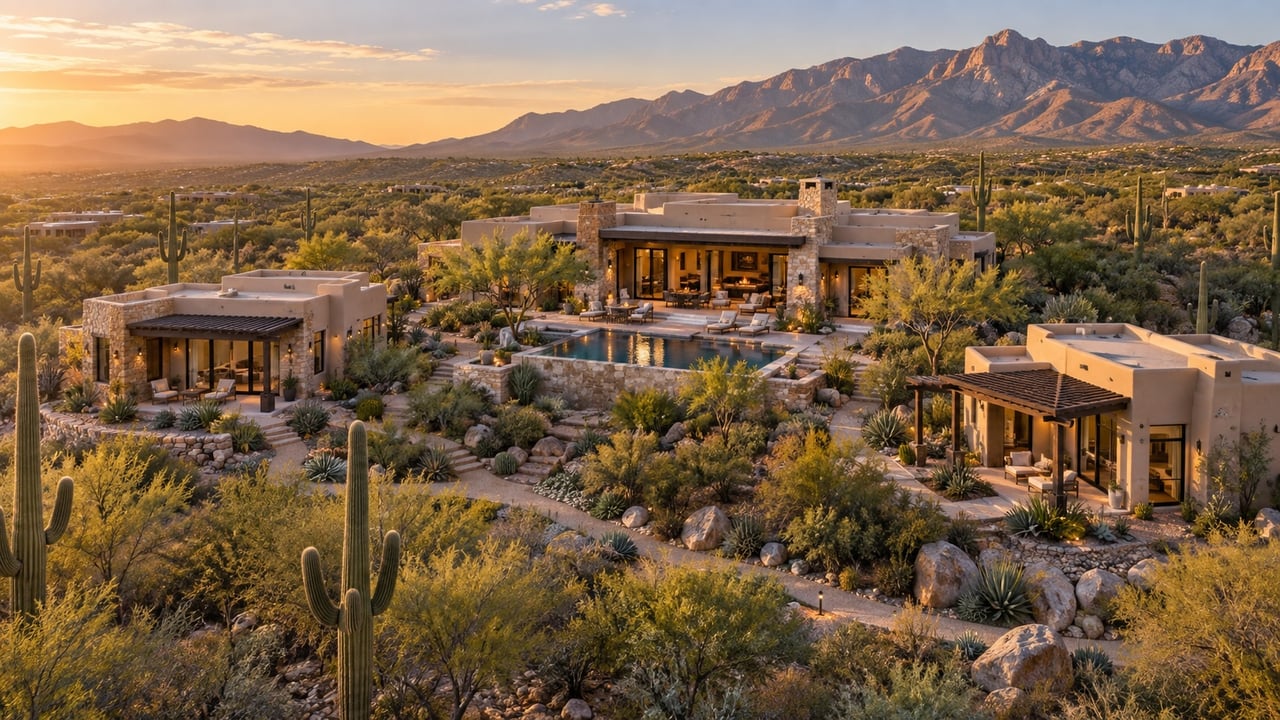
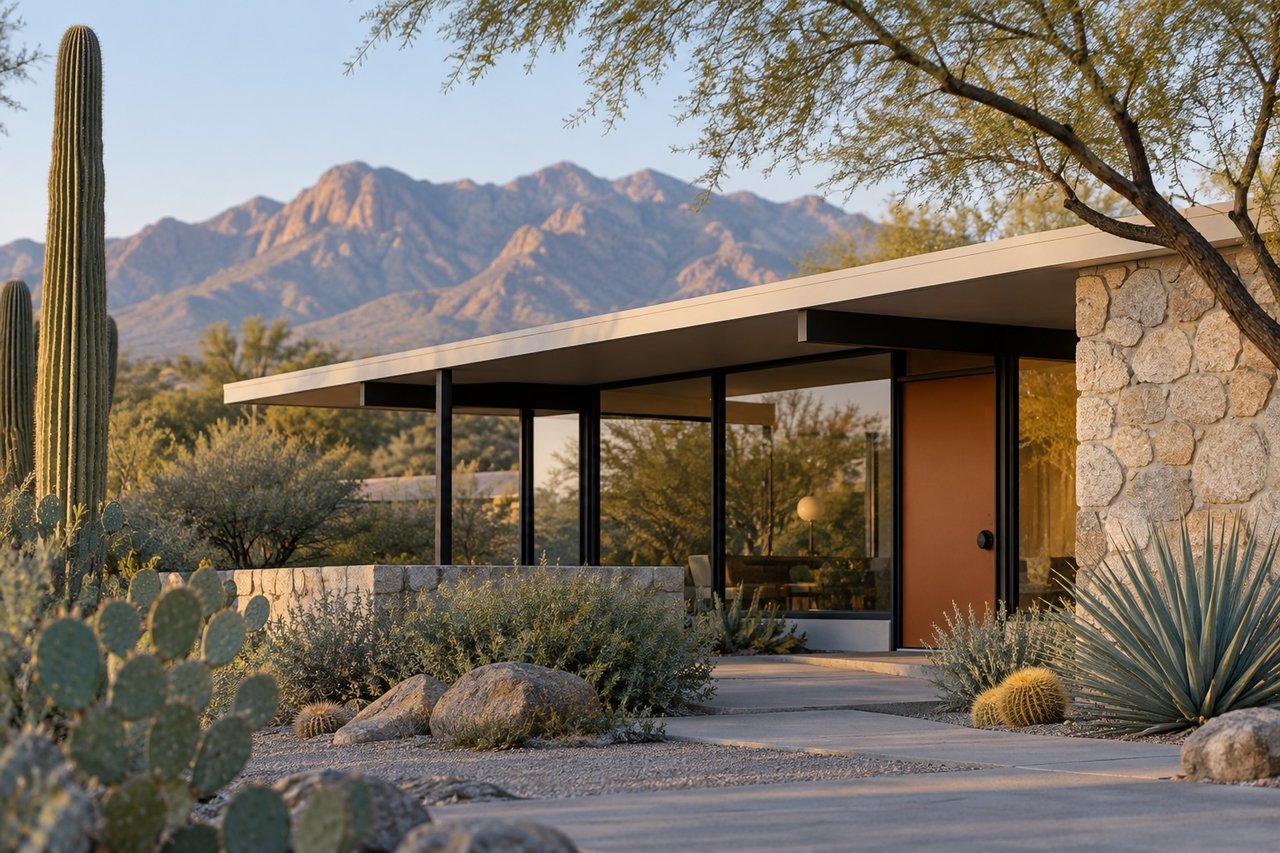
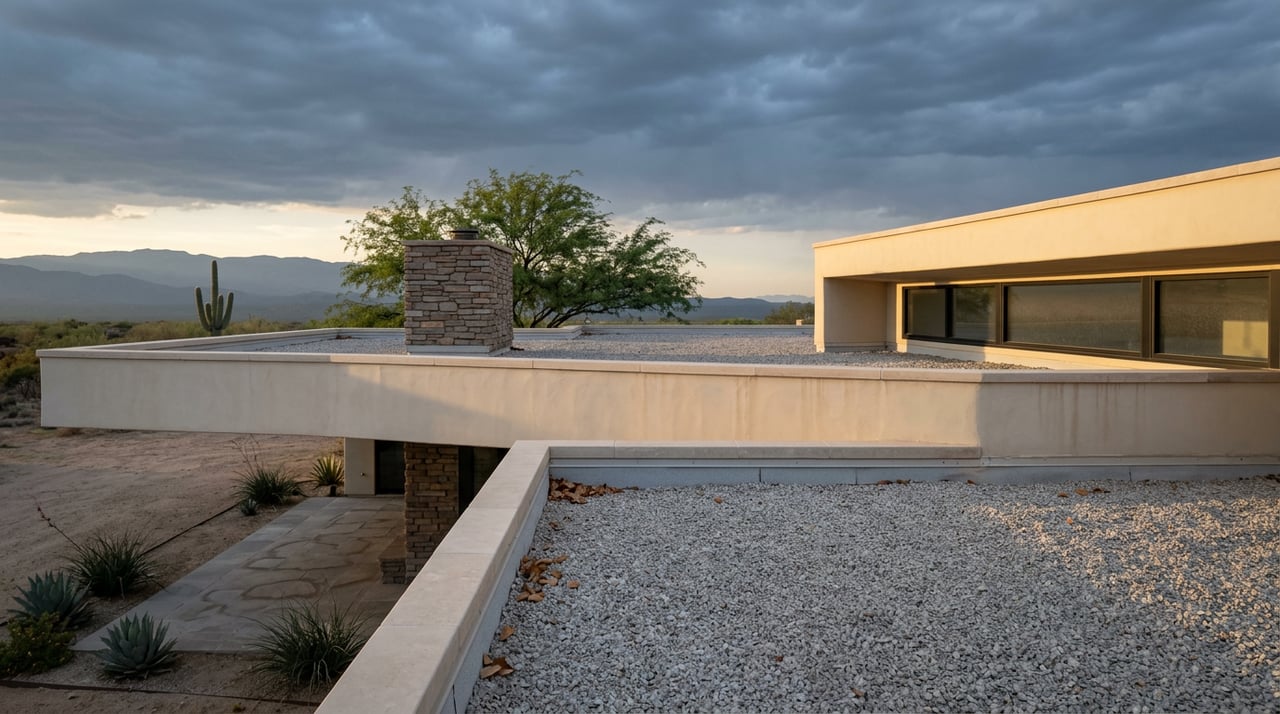
Tucson’s luxury market includes a diverse range of architectural styles:
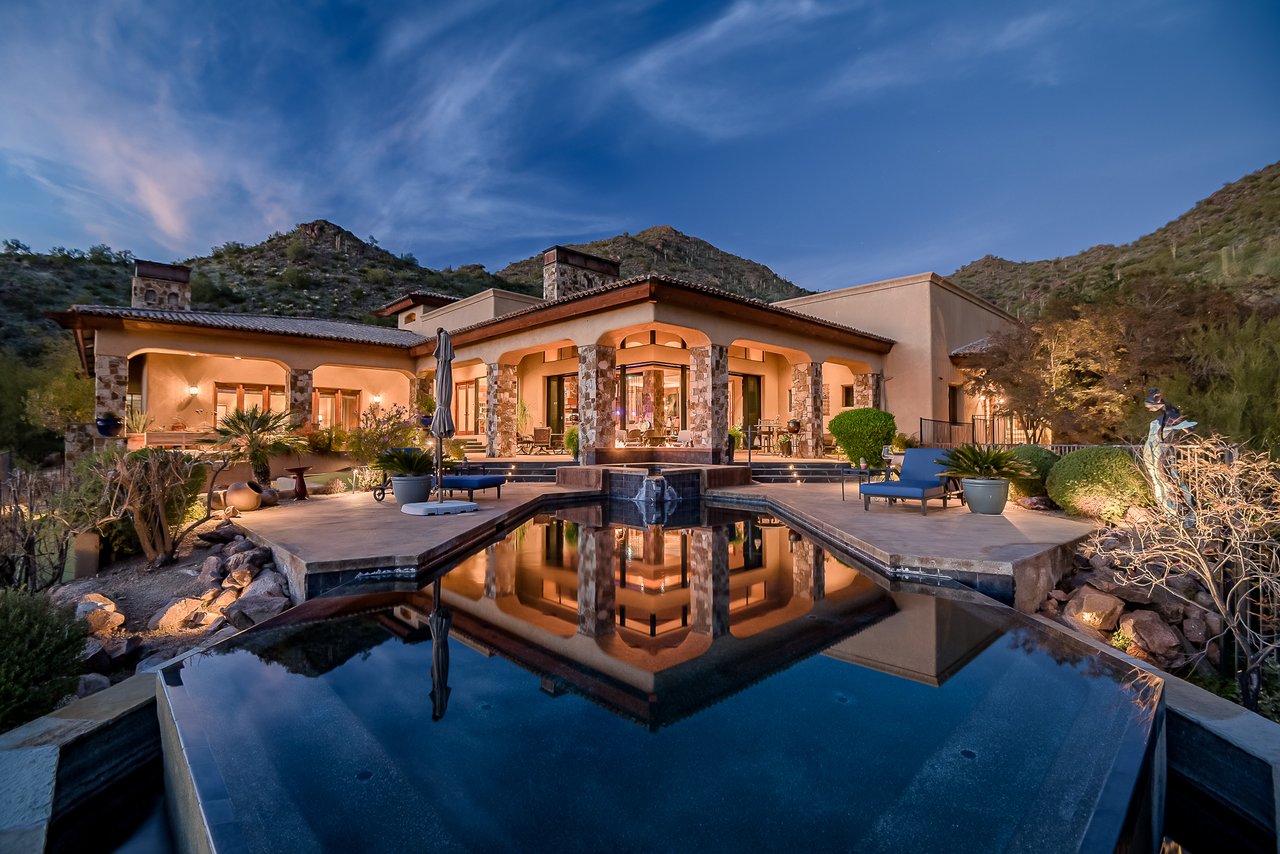
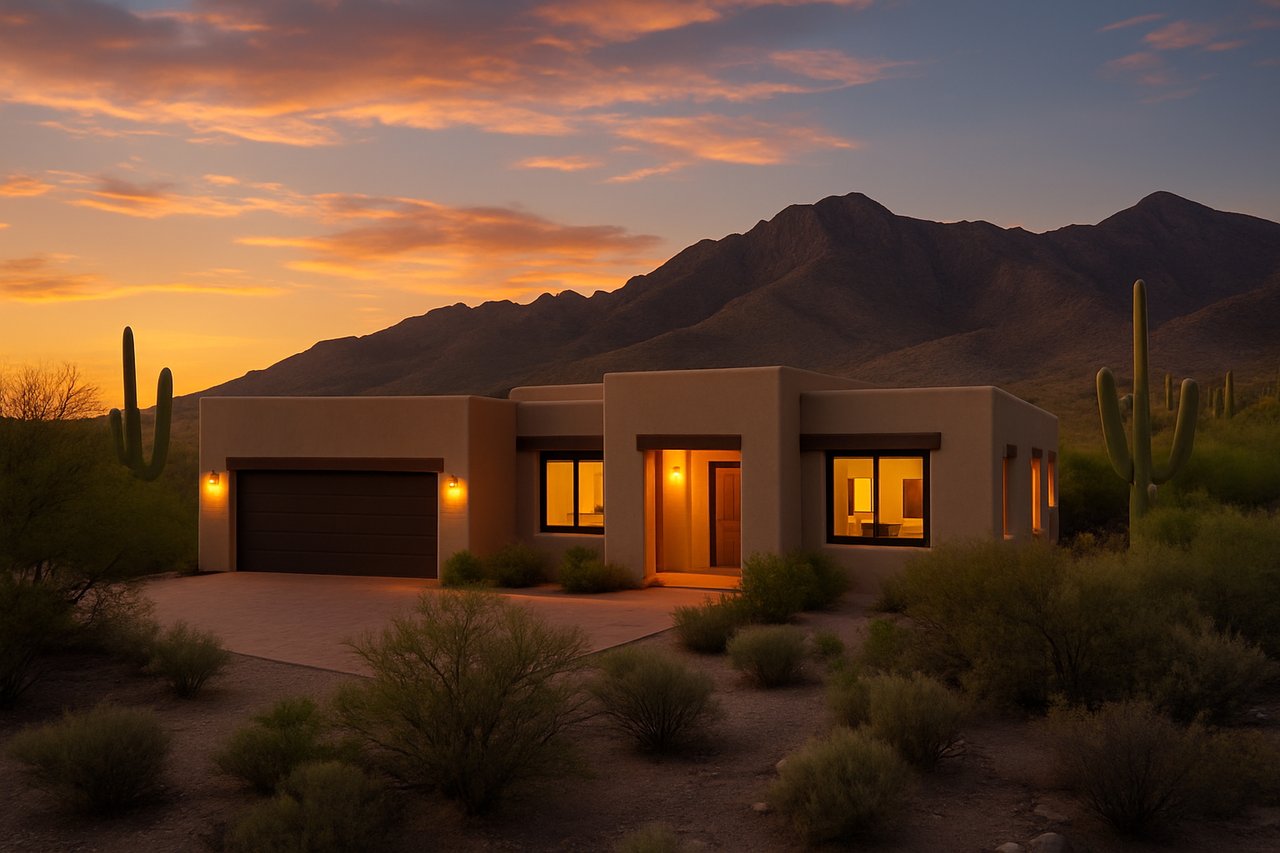
- Adobe
- Territorial
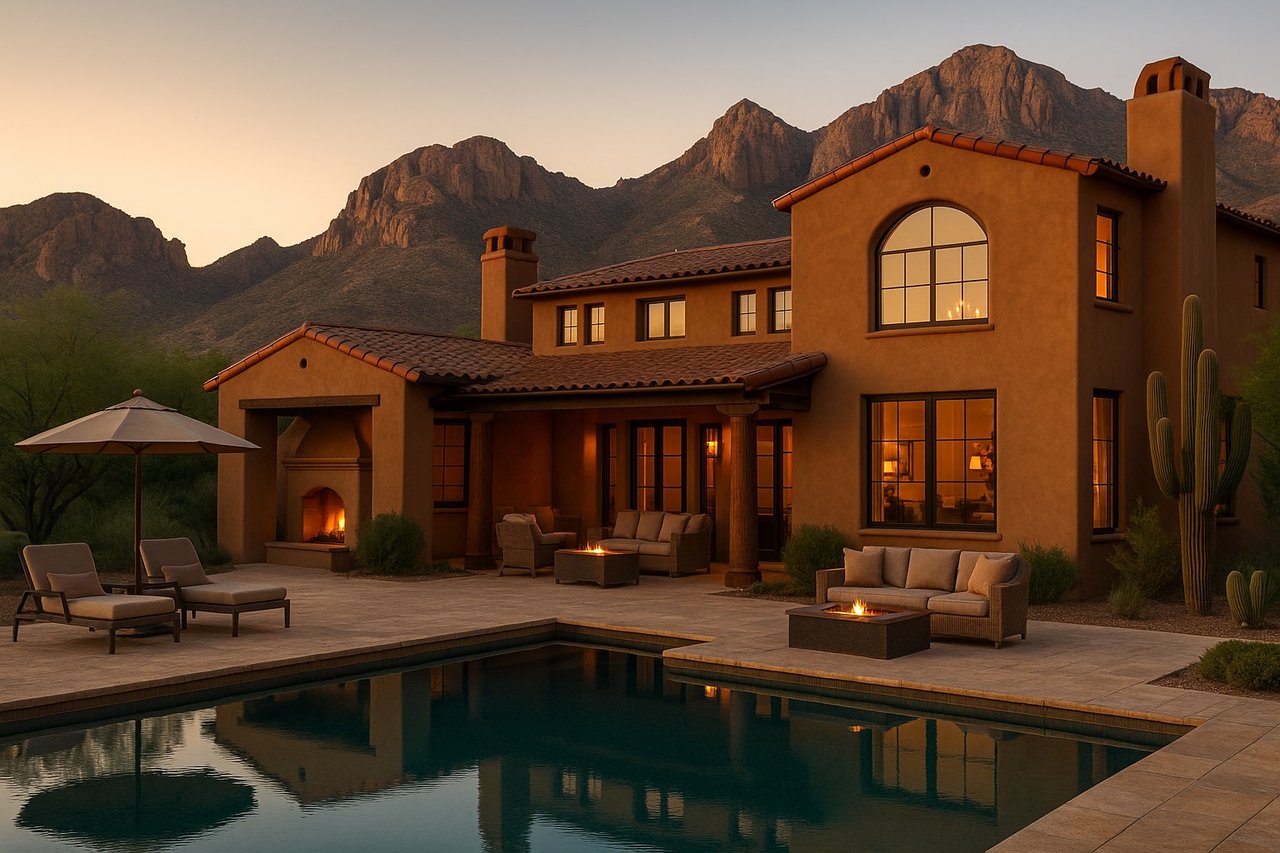
- Spanish Colonial
- Pueblo Revival
- Mid-century modern
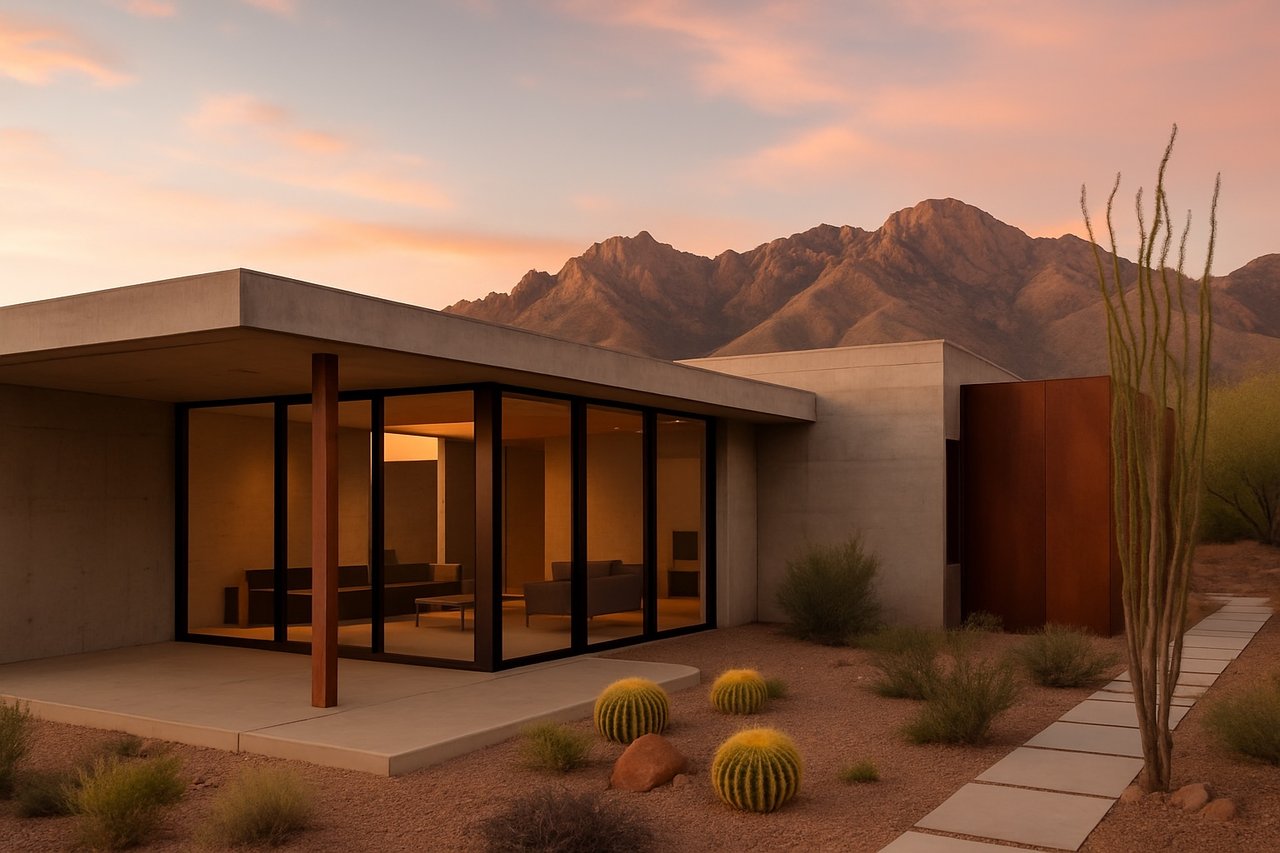
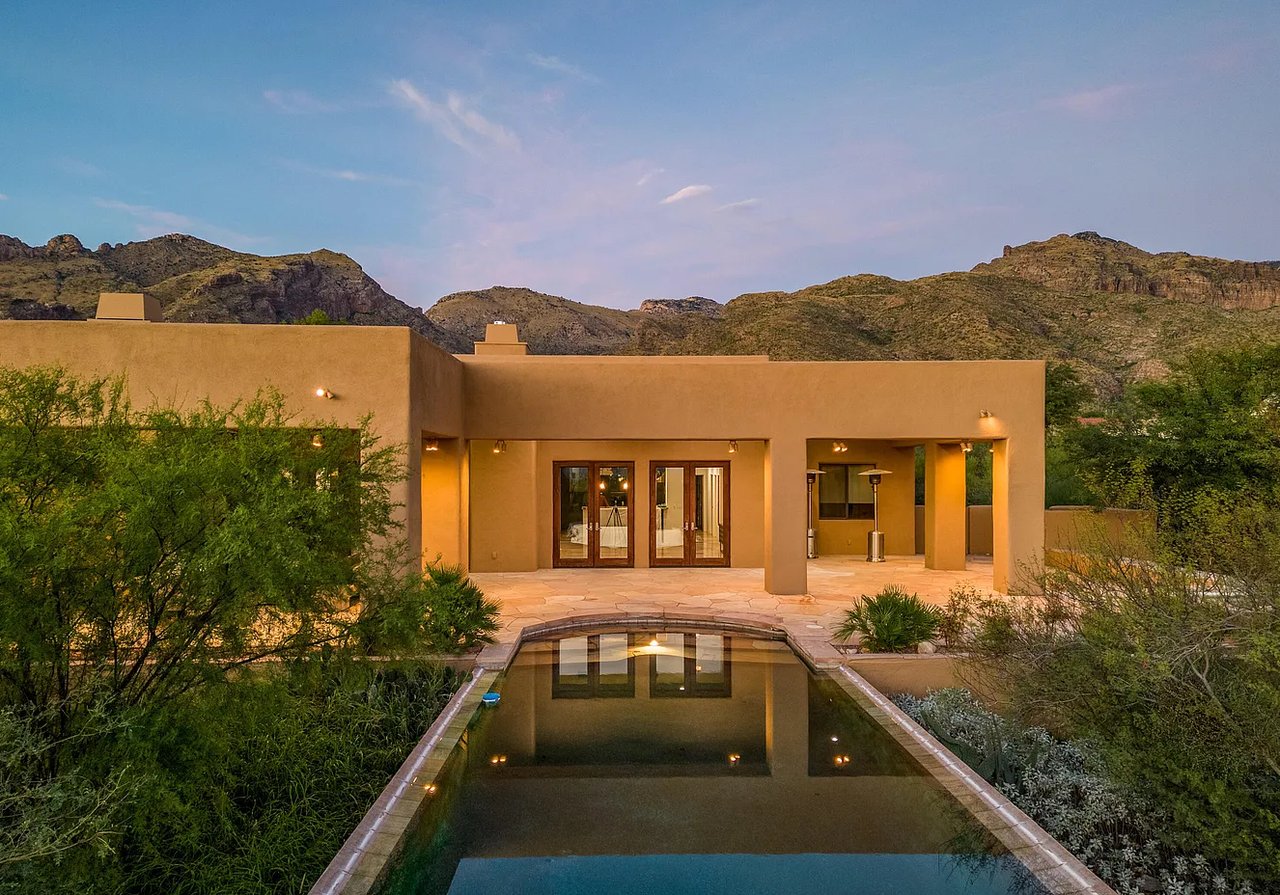
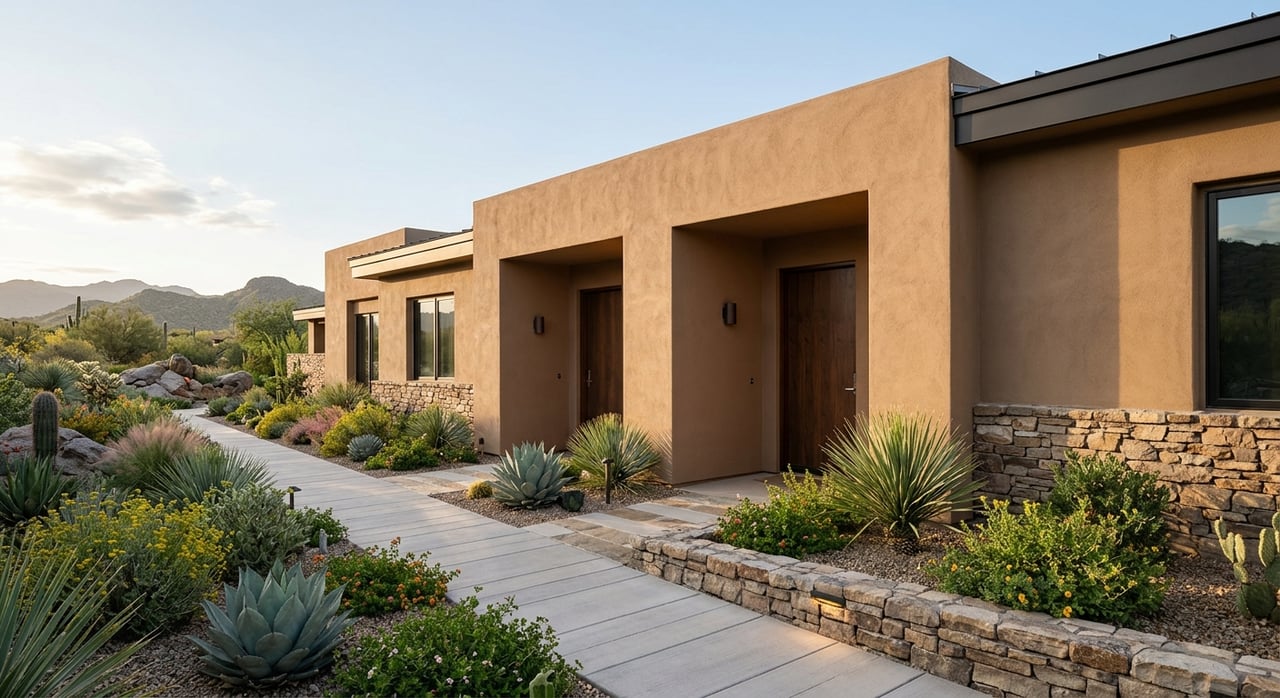
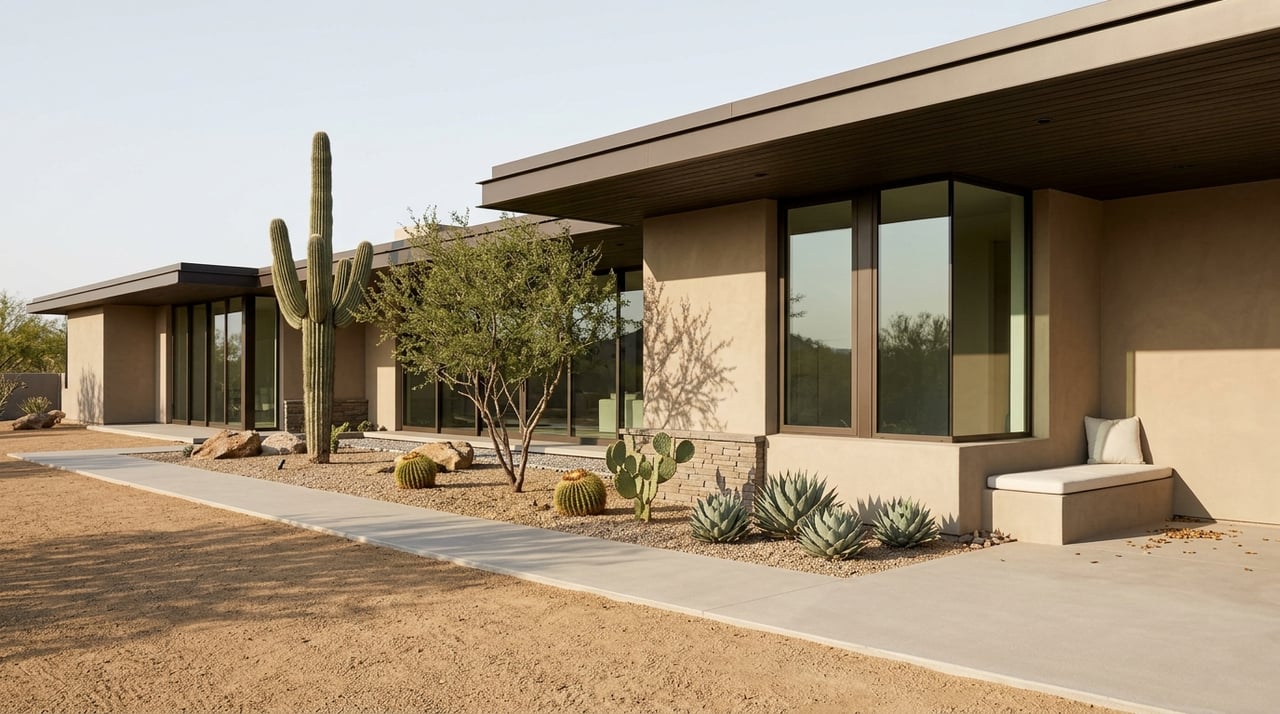
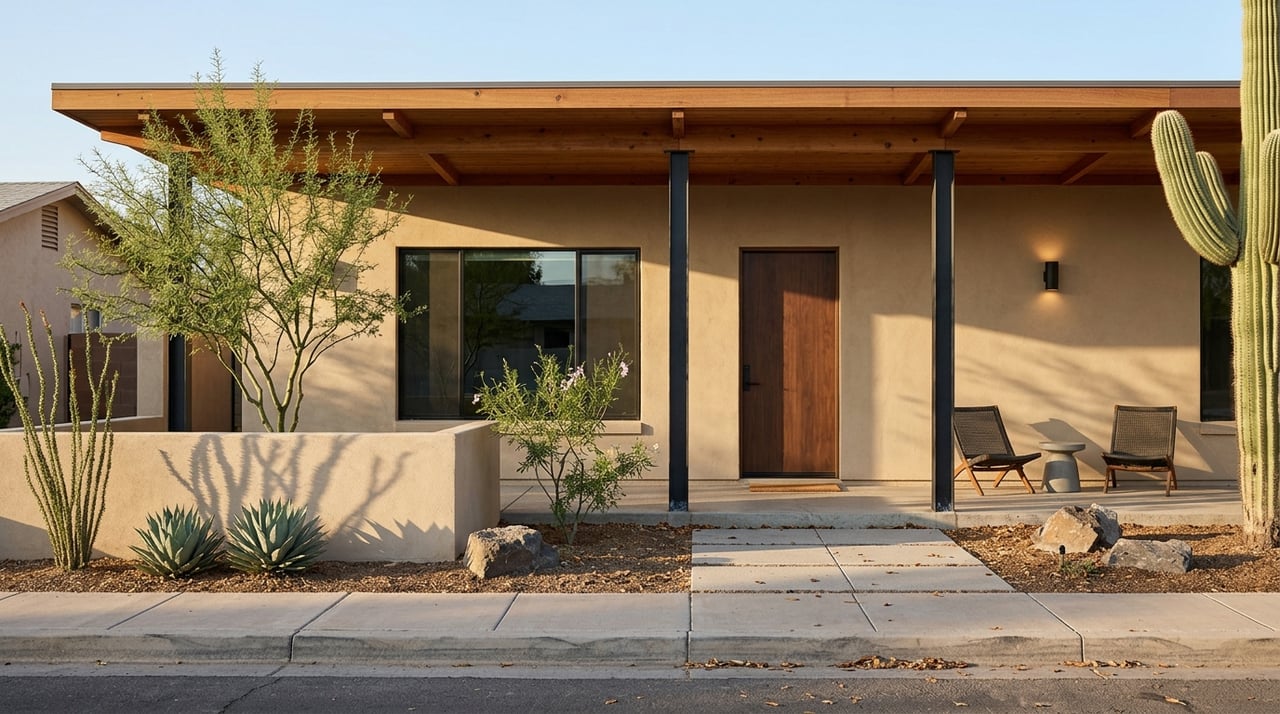
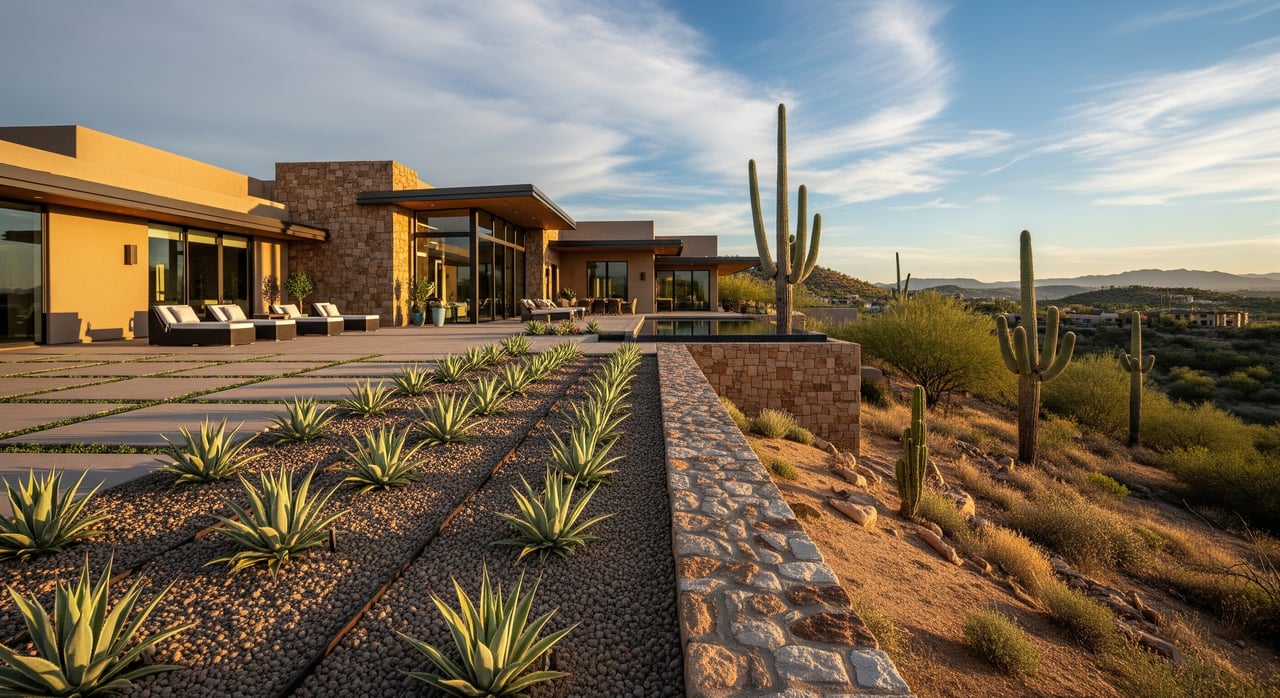
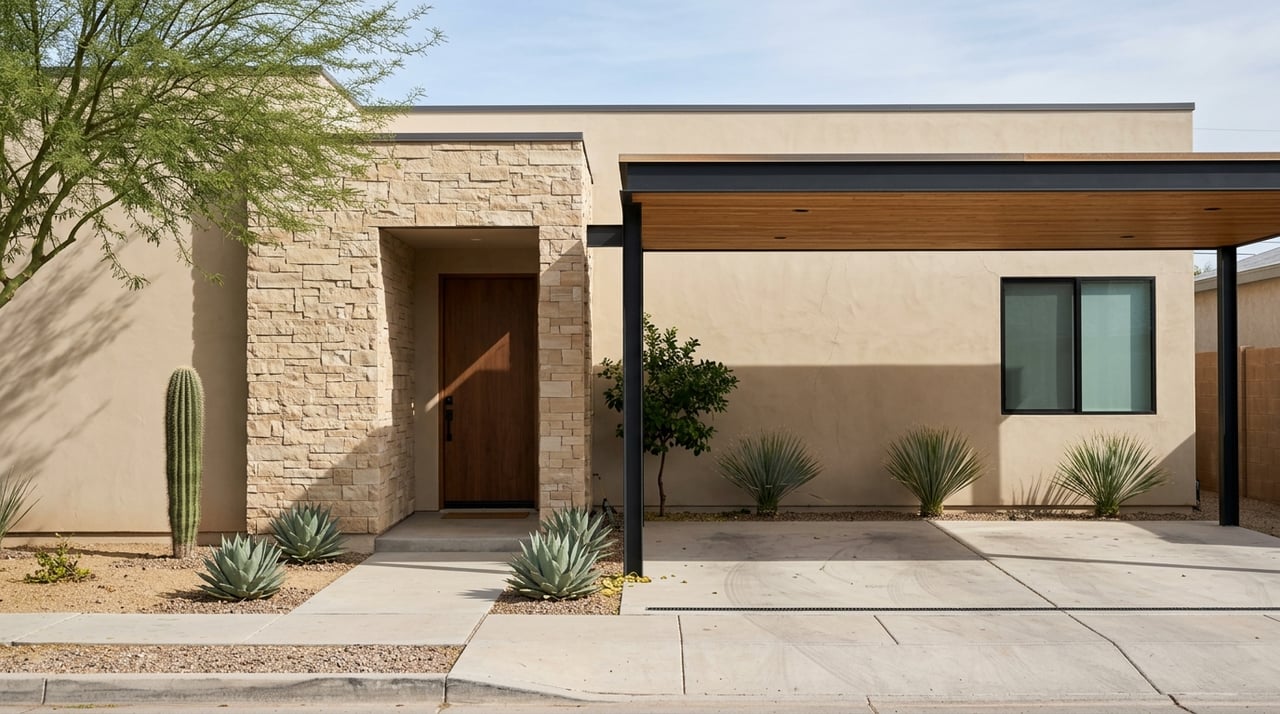
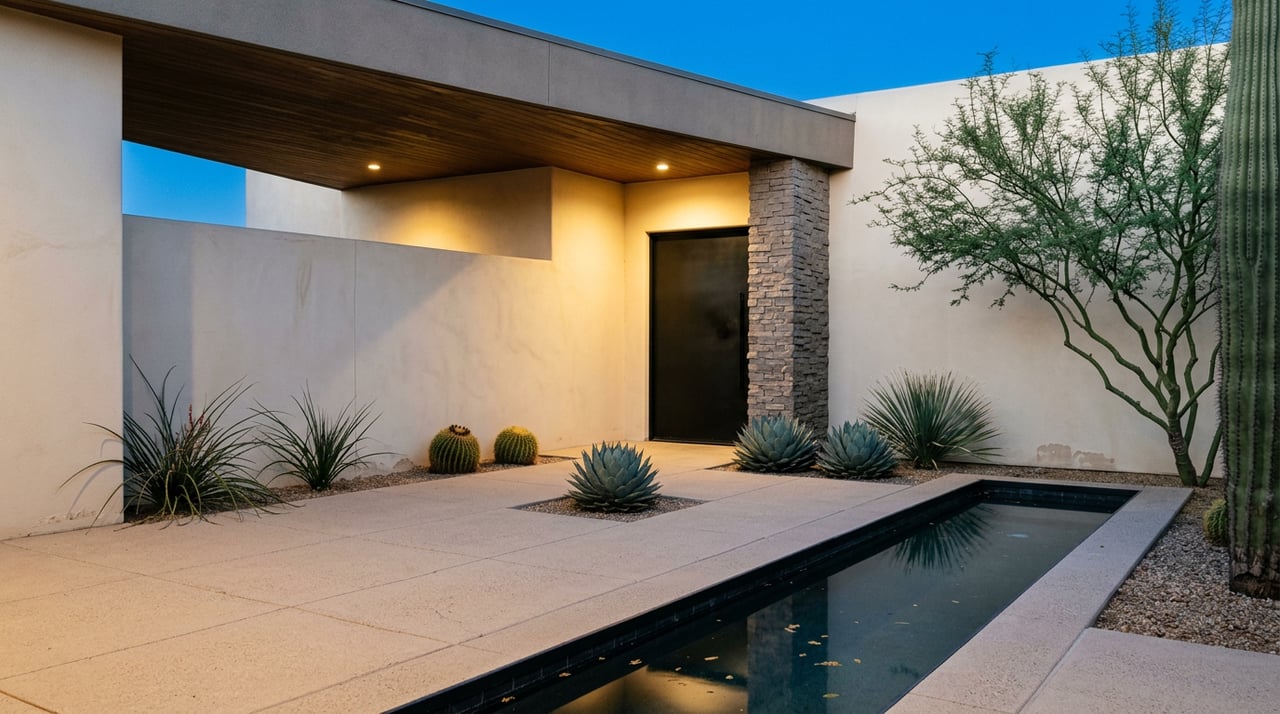
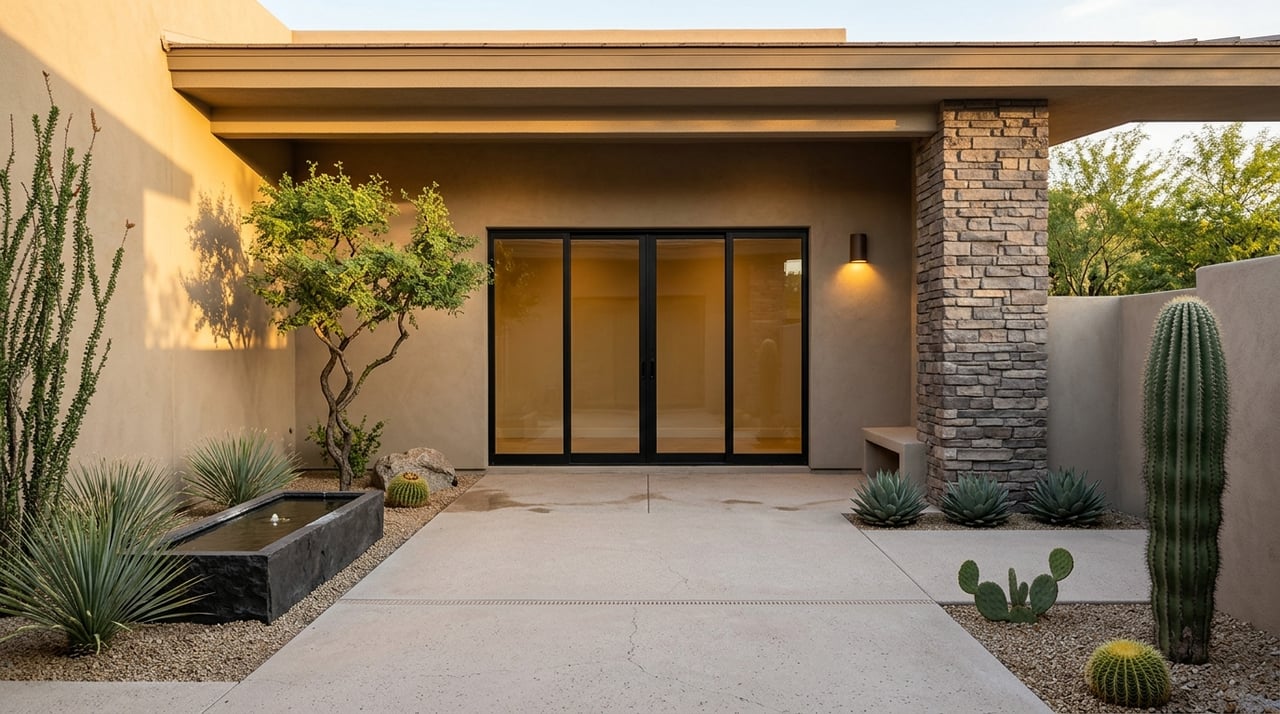
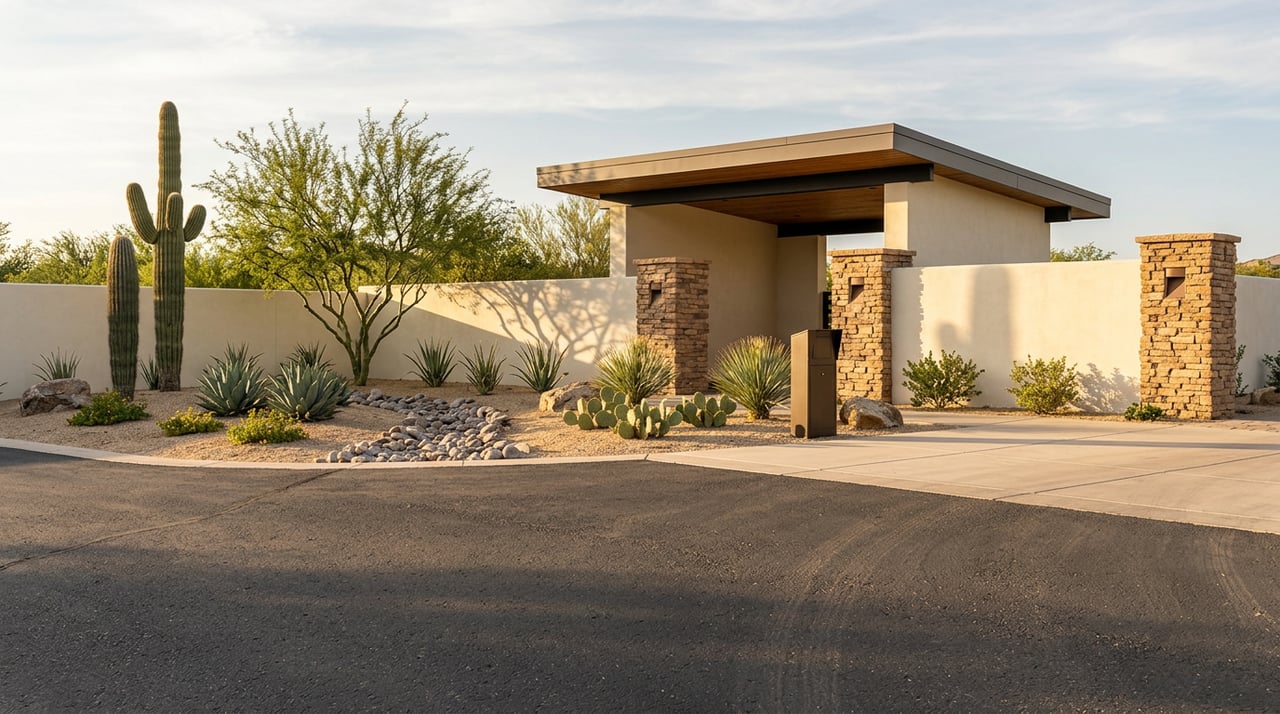
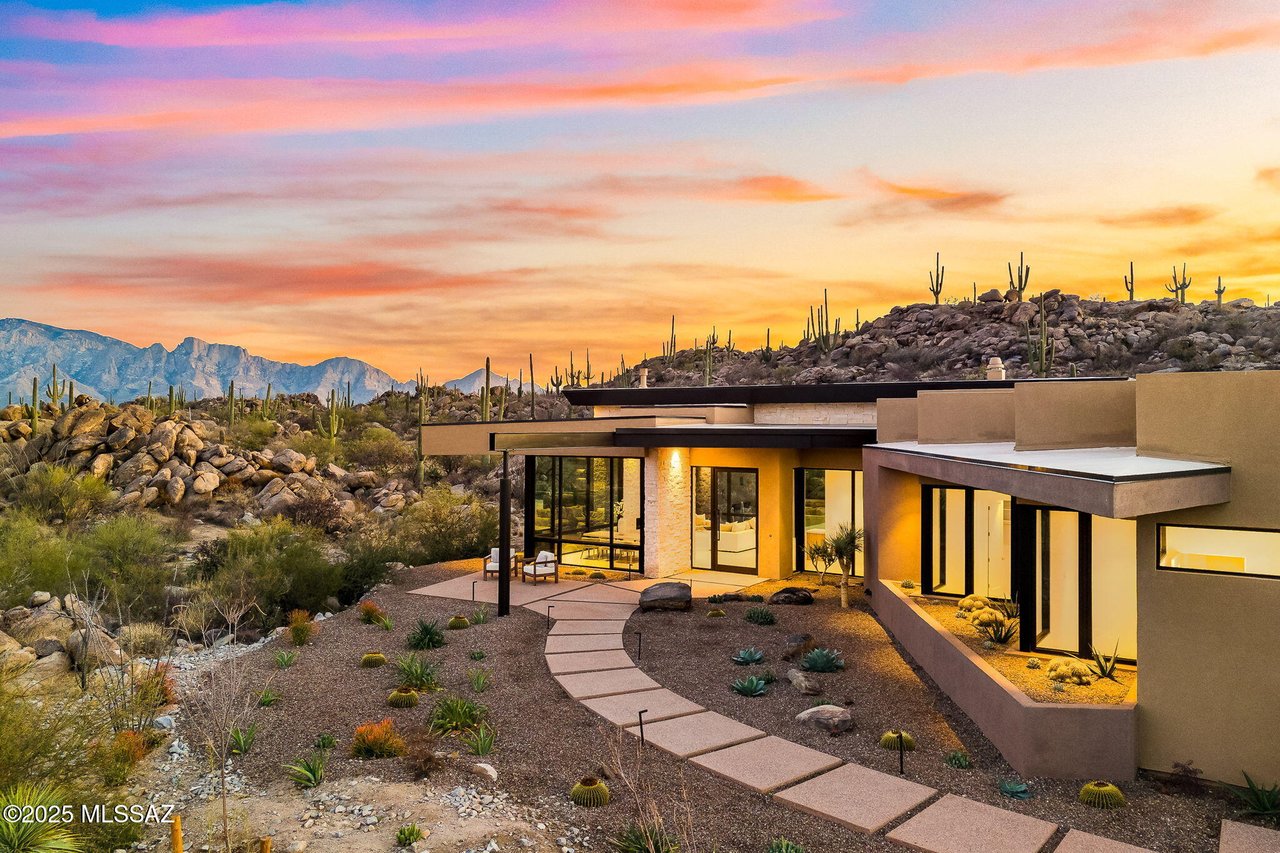
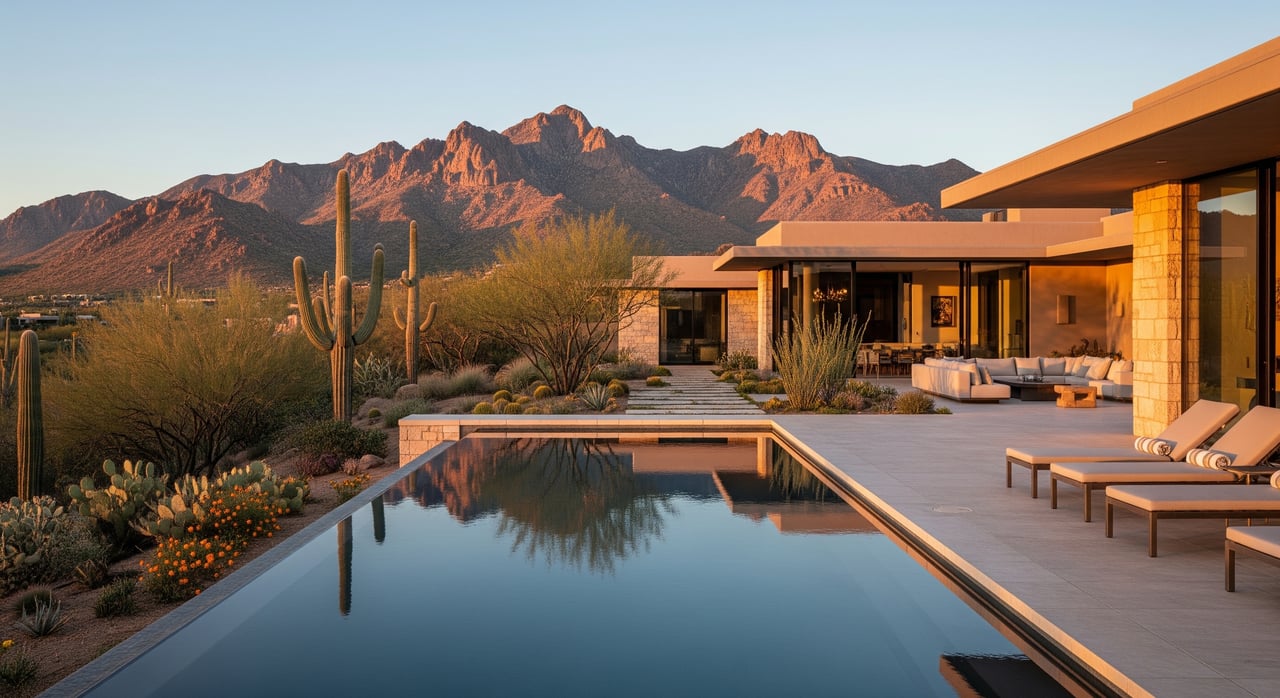
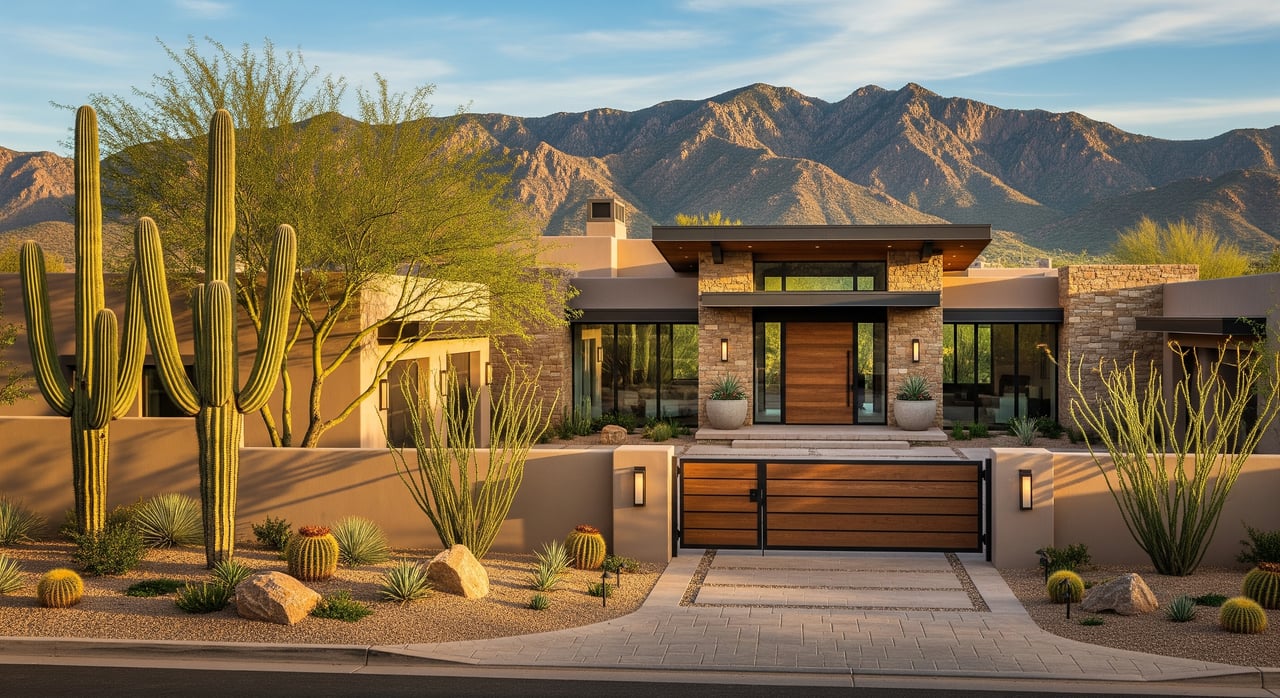
- Contemporary desert design
- Santa Fe-inspired homes
- Architect-designed residences
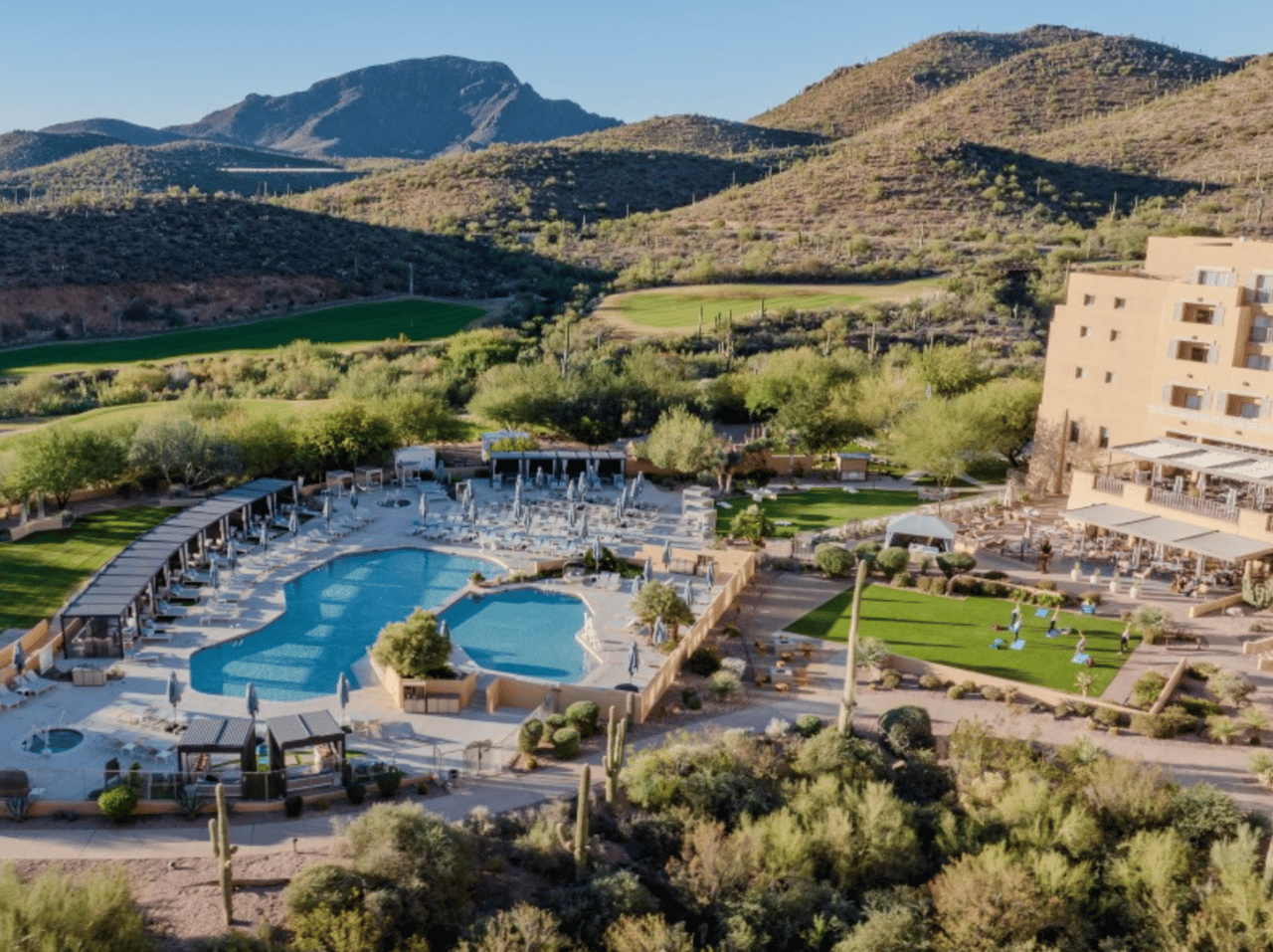
- Resort-style golf properties
Architecture affects more than appearance.
It can influence maintenance, renovation potential, buyer demand, marketability, and long-term value.
An architect-designed home may deserve a different marketing strategy than a conventional production-built residence.
A historic property may appeal to a smaller but highly motivated audience.
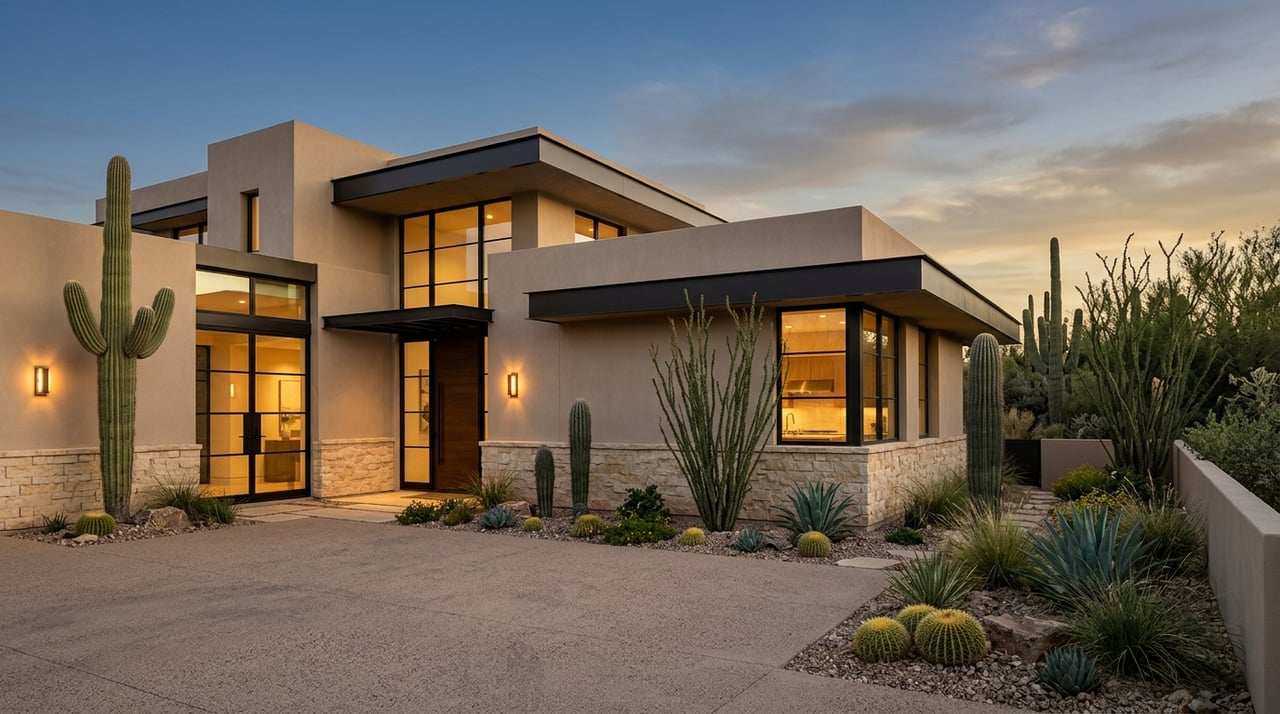
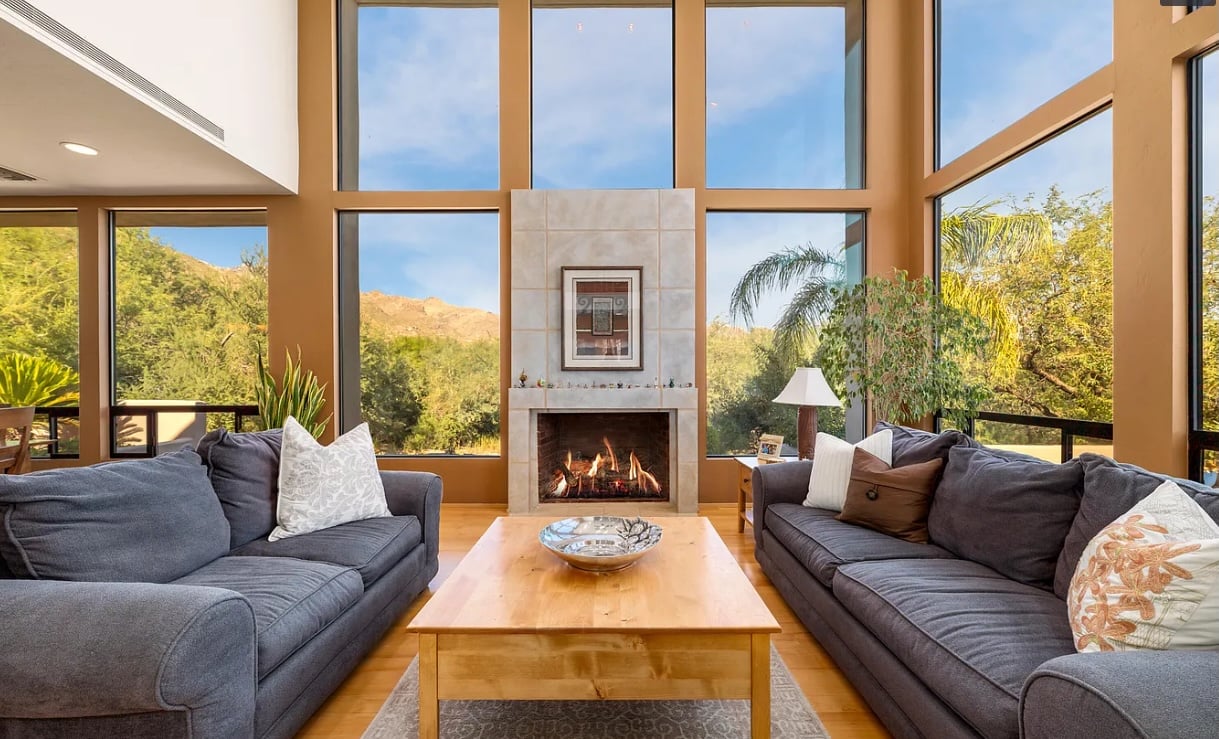
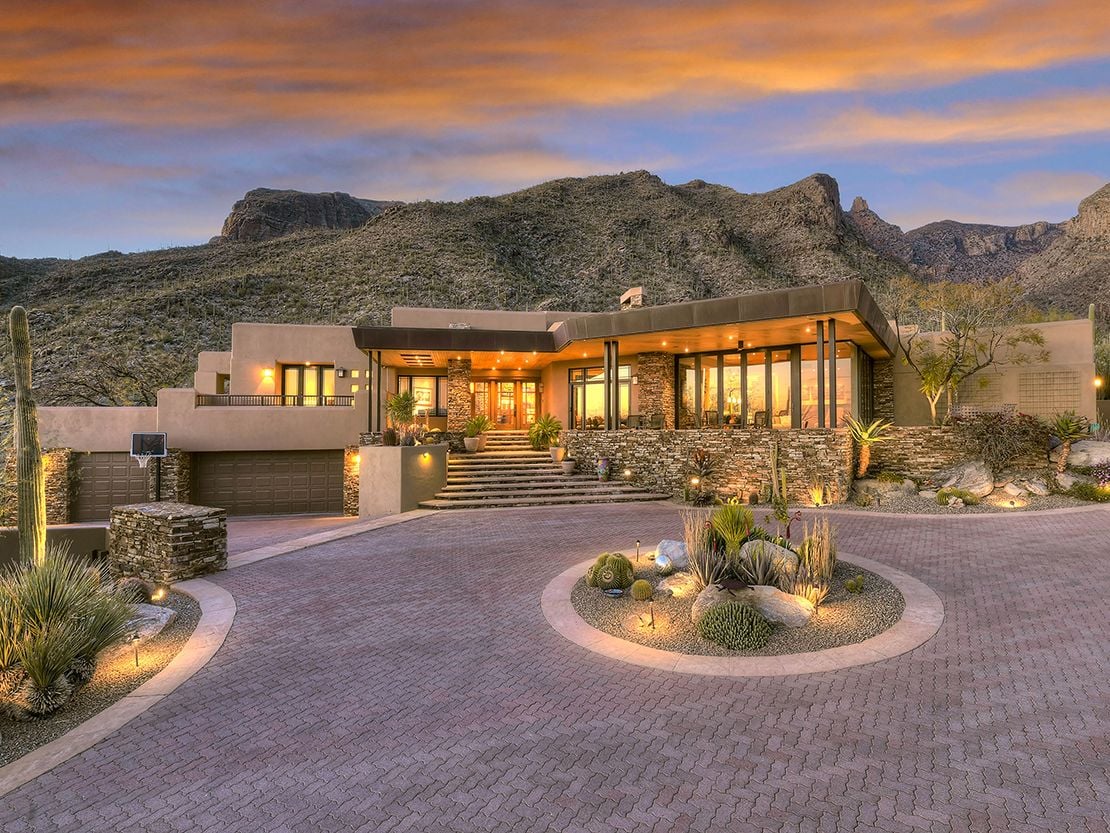
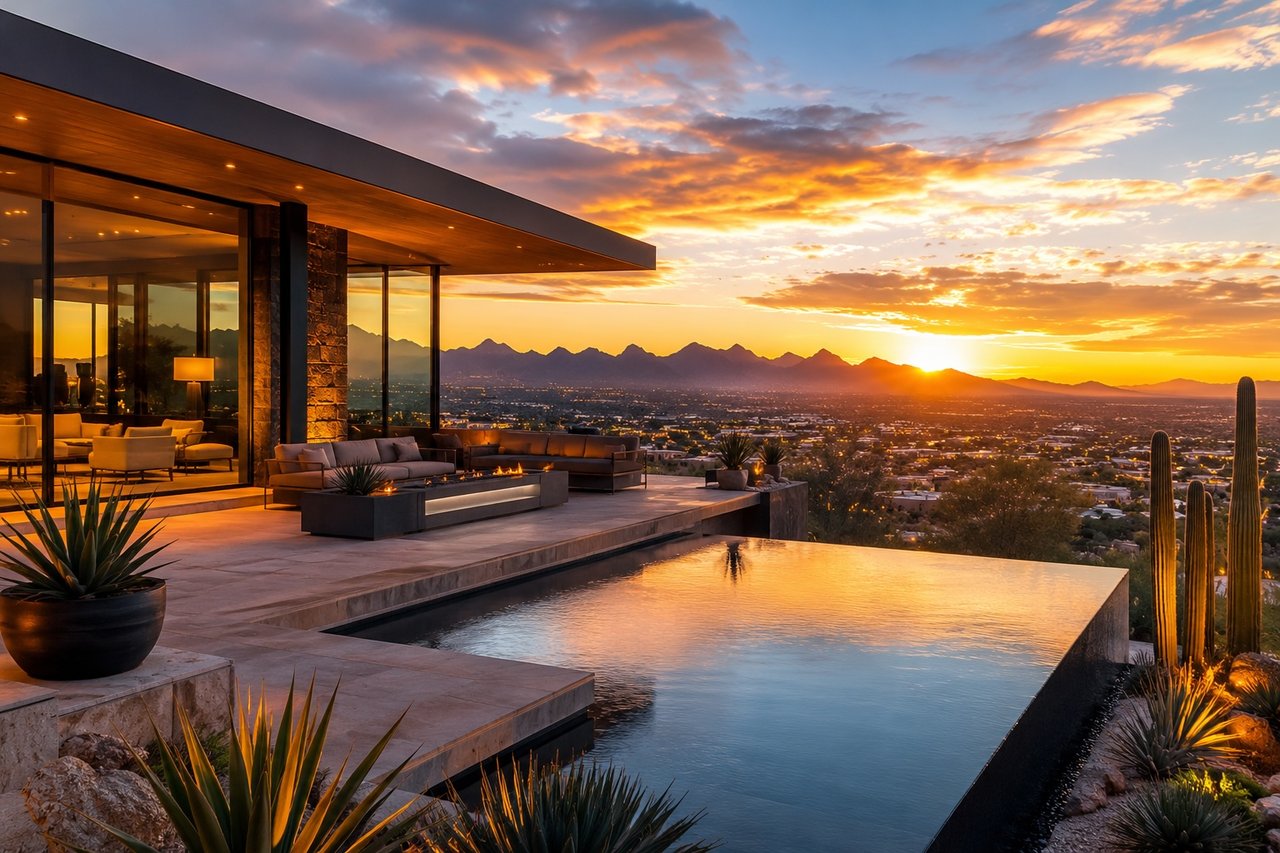
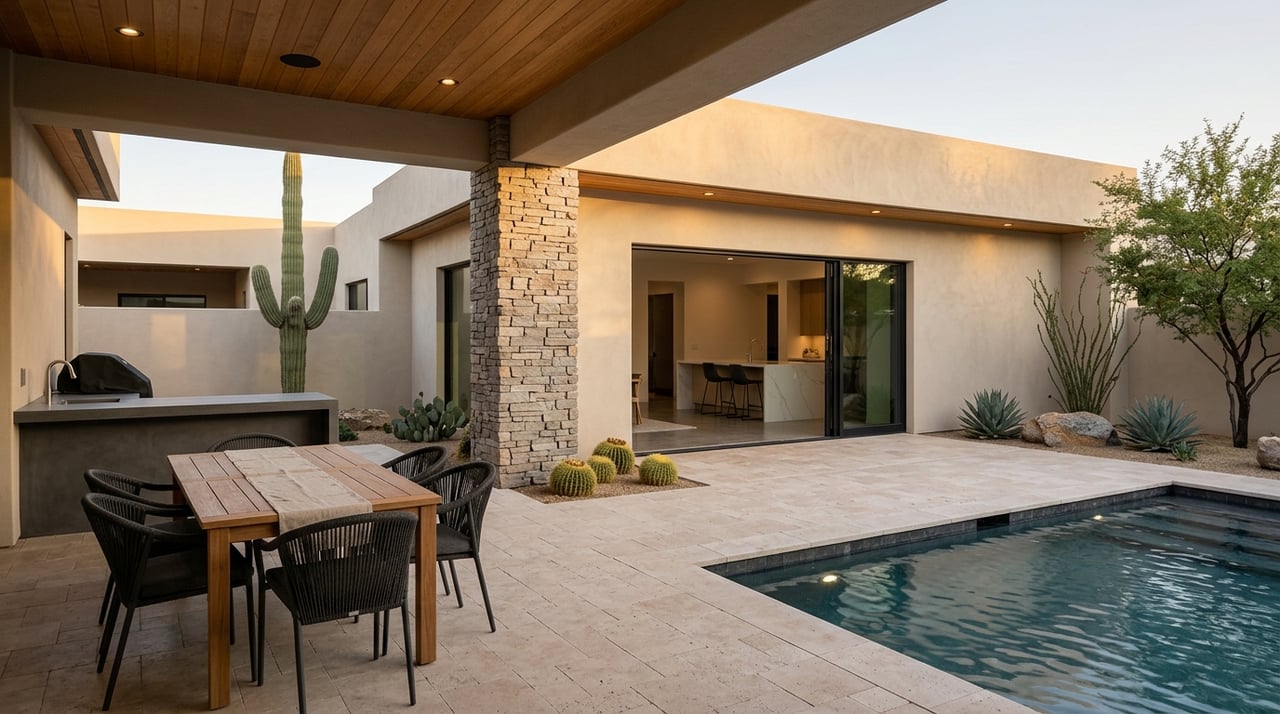
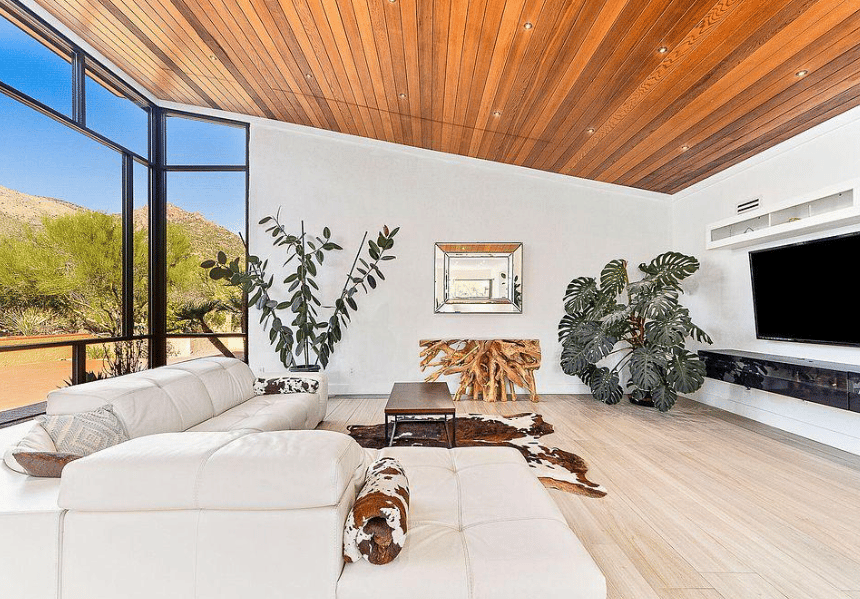
A contemporary glass-and-steel home may attract design-focused buyers who are willing to pay a premium for originality.
Understanding those distinctions helps a luxury Realtor market the property more intelligently.
What Sellers Are Really Hiring
When a seller hires a luxury Realtor, they are not simply hiring someone to place the property online.
They are hiring:
- Judgment
- Market knowledge
- Pricing strategy
- Relationships
- Negotiation
- Discretion
- Communication
- Problem solving
- Preparation
- Accountability
- Calm under pressure
- The ability to recognize opportunity in complexity
That is the invisible product.
The listing, showing, offer, and closing are the visible milestones.
But the result is usually created by everything that happens between them.
What Buyers Are Really Hiring
Luxury buyers are not simply hiring someone to open doors.
They are hiring someone to:
- Interpret value
- Identify risks
- Compare micro-markets
- Recognize hidden opportunities
- Ask better questions
- Communicate with listing agents
- Structure stronger offers
- Protect their interests
- Coordinate inspections and due diligence
- Help them move confidently when the right property appears
The right home is not always the newest listing.
It may be a home that has been misunderstood by the market.
It may be a property with strong architecture but poor presentation.
It may be a listing that appears overpriced until its replacement cost and location are fully understood.
It may be a home that requires vision.
A luxury Realtor should help the buyer recognize the difference between a problem and an opportunity.
Why the Invisible Work Matters
Success in real estate often appears sudden.
A showing is scheduled.
An offer arrives.
A contract is accepted.
A home closes.
From the outside, it may seem as though everything happened at once.
But the visible result was often built through:
- Weeks of preparation
- Repeated follow-up
- Market research
- Pricing decisions
- Strategic conversations
- Agent relationships
- Negotiation planning
- Problem solving
- Consistent communication
Success is usually visible only after invisible work has had time to compound.
A Tucson Luxury Realtor’s Role
Whether I am representing an architect-designed home in the Catalina Foothills, a golf property in Starr Pass, a gated estate in Pima Canyon, a residence in Ventana Canyon, or a client relocating to Tucson, my goal is the same:
To make the process feel calm, strategic, and personal.
I believe clients deserve direct communication.
They deserve thoughtful advice.
They deserve someone who answers the phone, understands the market, anticipates problems, and remains engaged from the first conversation through closing.
The phone call is not the work.
The phone call is often the result of the work.
And the most valuable work in luxury real estate is often the work the client never has to worry about.
Frequently Asked Questions About Tucson Luxury Realtors
What does a luxury Realtor do differently?
A luxury Realtor provides deeper market analysis, strategic property positioning, elevated marketing, stronger agent outreach, greater discretion, more complex negotiation support, and personalized service throughout the transaction.
Is a luxury Realtor only for expensive homes?
Not necessarily. Luxury service is defined by the quality of representation, preparation, communication, and strategy—not only by price.
Why is local Tucson experience important?
Tucson is made up of distinct micro-markets. Catalina Foothills, Starr Pass, Pima Canyon, Ventana Canyon, Oro Valley, Dove Mountain, and Central Tucson each attract different buyers and require different pricing and marketing strategies.
How should a luxury home in Tucson be priced?
A luxury home should be priced using comparable sales, current competition, buyer behavior, architecture, views, lot quality, privacy, renovation level, and the specific characteristics of the surrounding micro-market.
Does Sotheby’s International Realty help market Tucson luxury homes?
Sotheby’s International Realty provides a globally recognized luxury brand, international exposure, sophisticated marketing platforms, and access to a network of real estate professionals serving affluent buyers around the world.
What should I look for in a Tucson luxury Realtor?
Look for local knowledge, direct communication, strong negotiation skills, discretion, market expertise, high-quality marketing, responsiveness, and a clear strategy tailored to the property or buyer.
About Daniel Sotelo
Daniel Sotelo is a Tucson Realtor with Russ Lyon Sotheby’s International Realty, representing buyers and sellers throughout Tucson’s luxury and lifestyle communities.
His approach combines local market knowledge, thoughtful strategy, direct communication, and calm problem solving.
Daniel works with clients throughout the Catalina Foothills, Pima Canyon, Ventana Canyon, Starr Pass, Oro Valley, Dove Mountain, the Tucson Mountains, and other distinctive communities across Southern Arizona.
For clients buying, selling, relocating, or evaluating a Tucson luxury property, Daniel provides personalized representation designed to make the process clear, strategic, and exceptionally well managed.