TUCSON LUXURY REAL ESTATE · BUYER GUIDE
What deserves closer review in a Tucson home priced from $3 million to $4 million? Start with the relationship between architecture and land, then verify the property’s story through permits, drainage, water, major systems and the practical work of caring for it. At this level, a beautiful first impression should lead to better questions.
Explore Tucson-area homes from $3 million to $4 million
The Price Range Is a Starting Point, Not the Standard
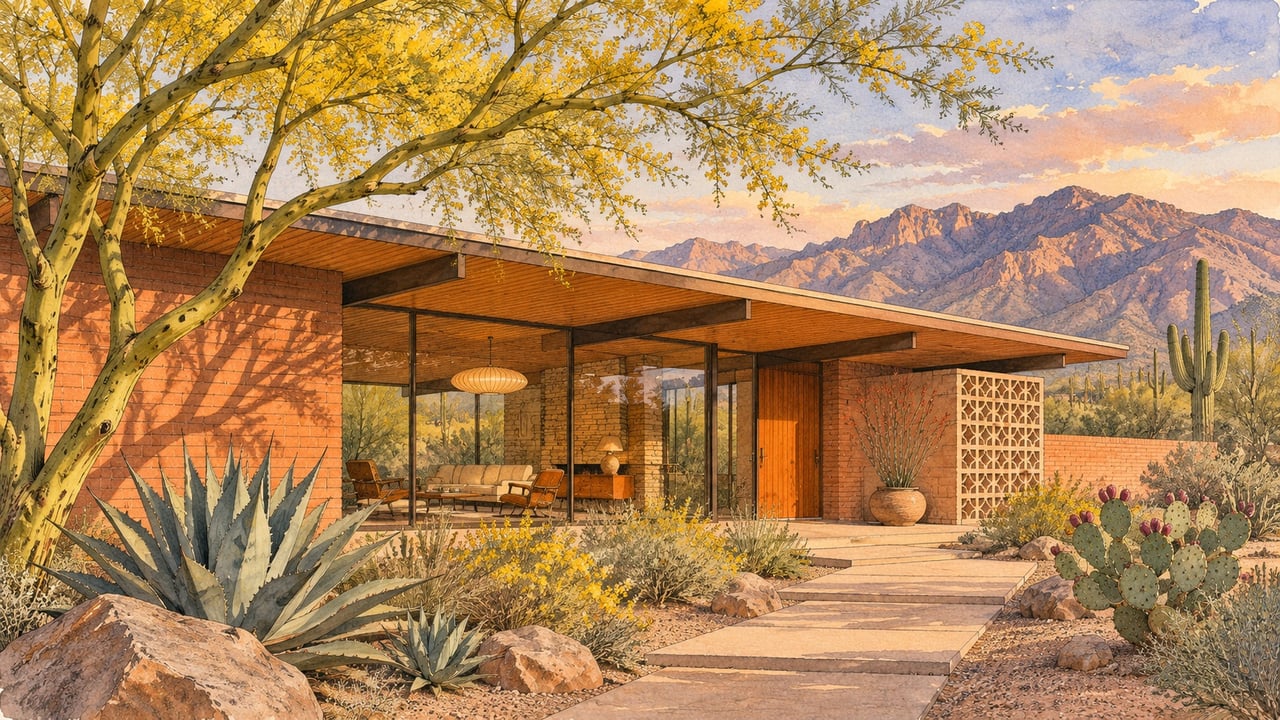
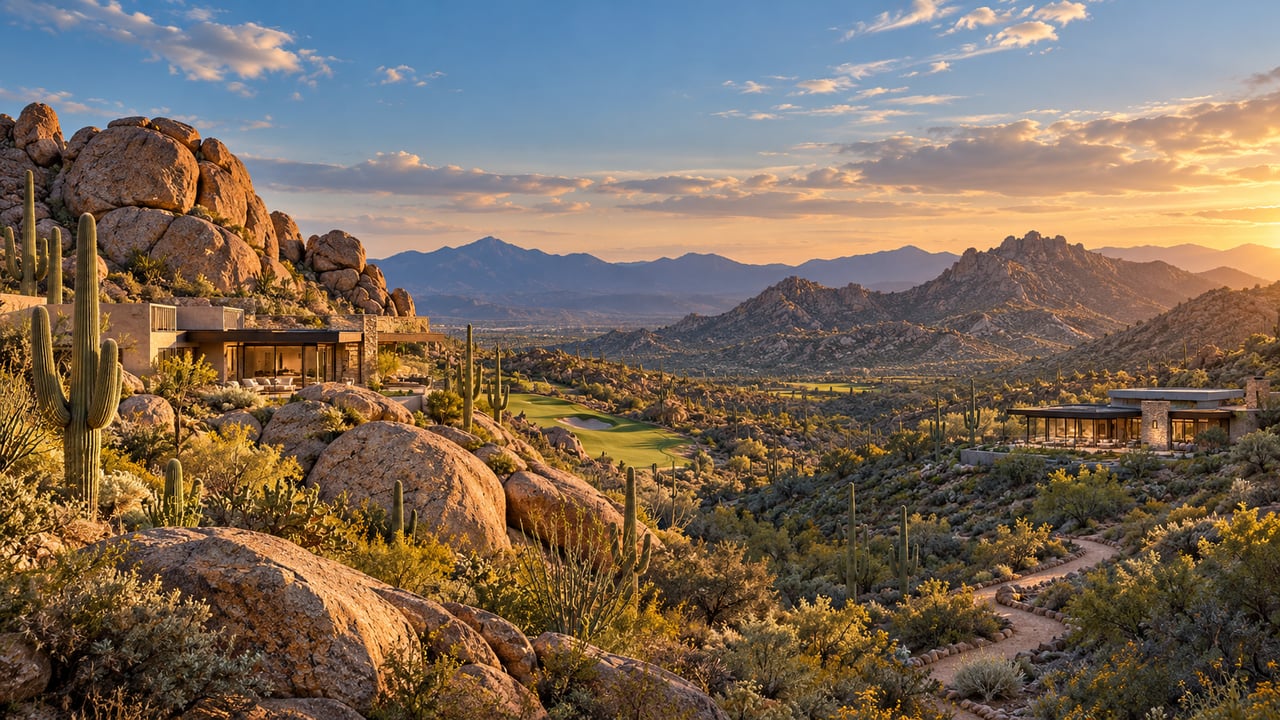
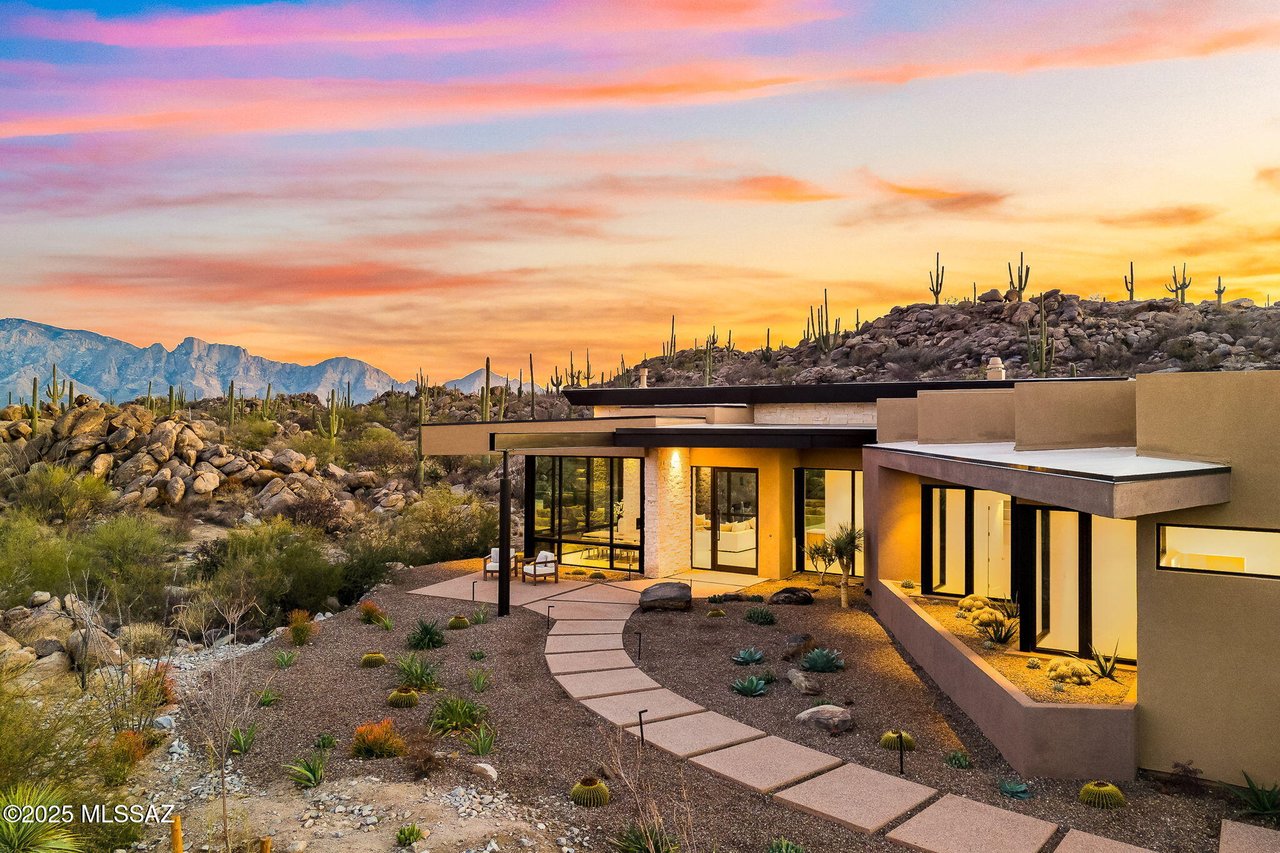
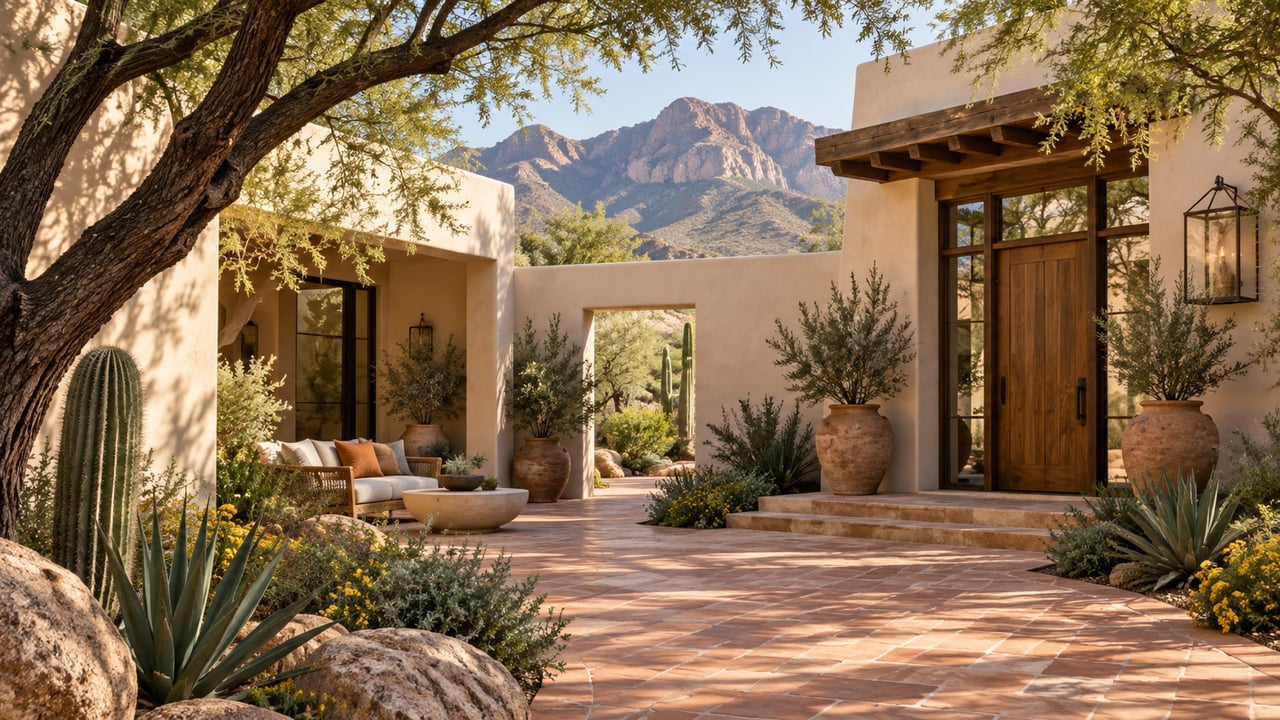
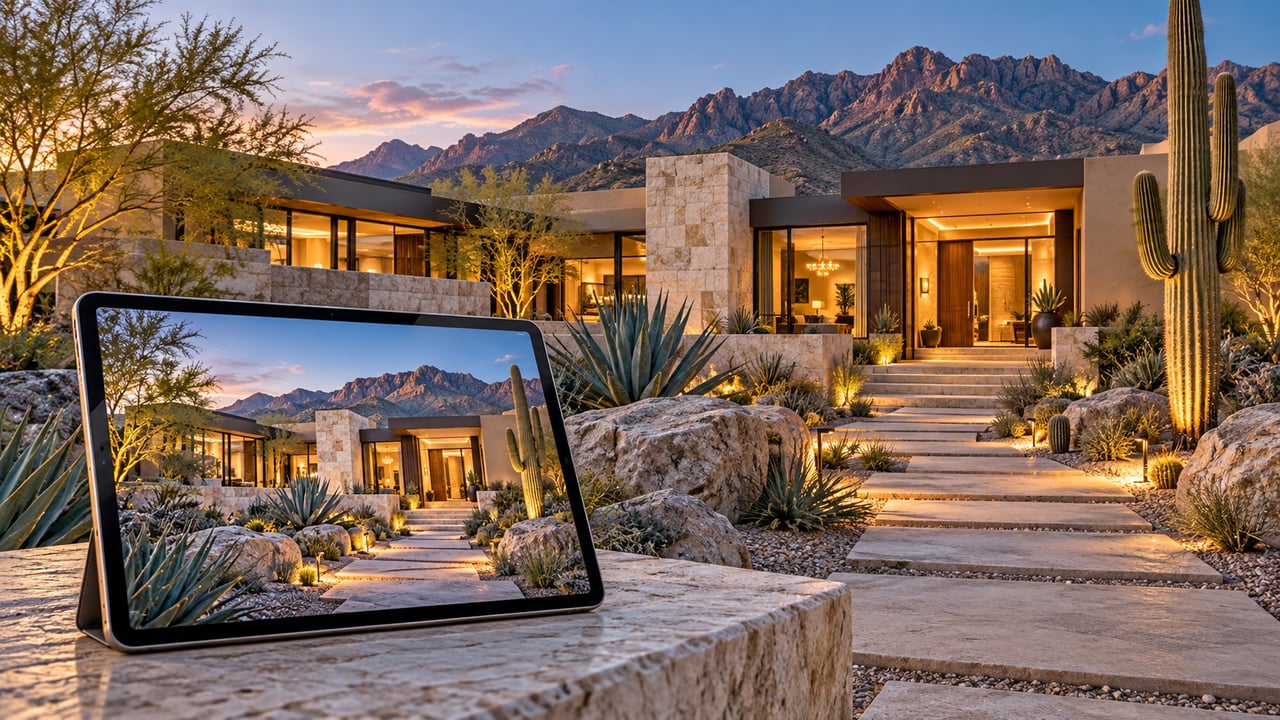
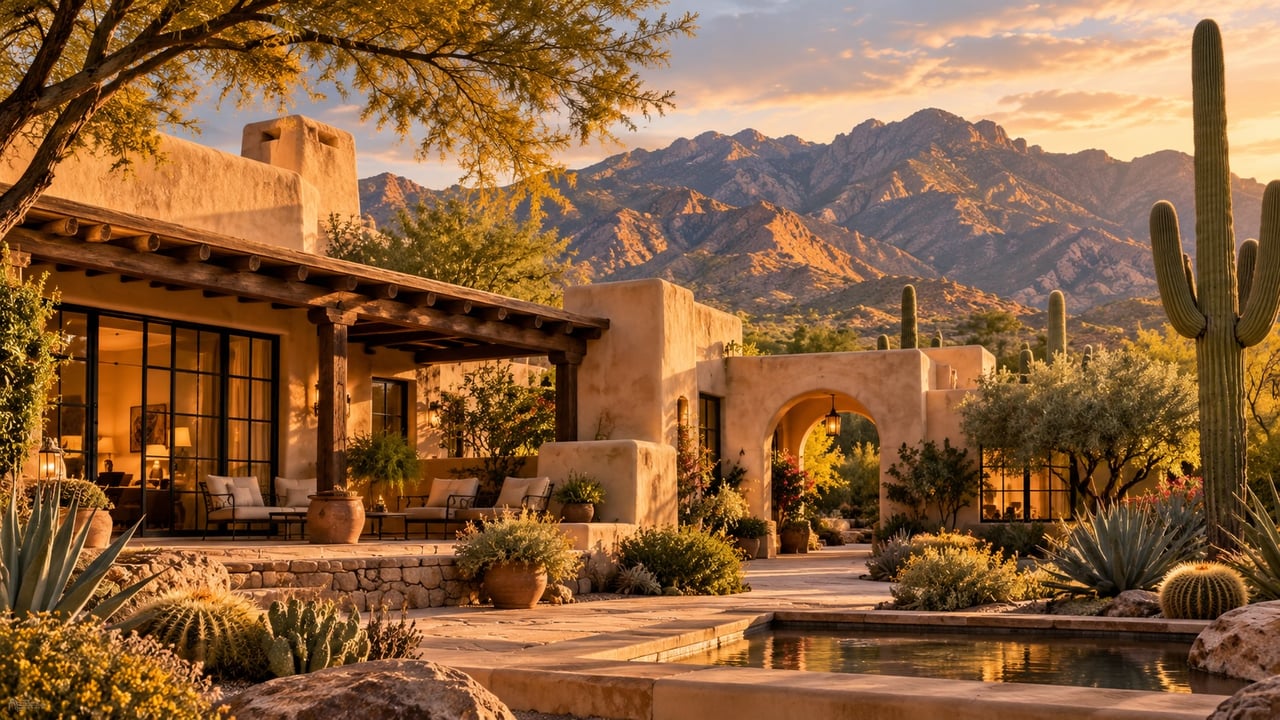
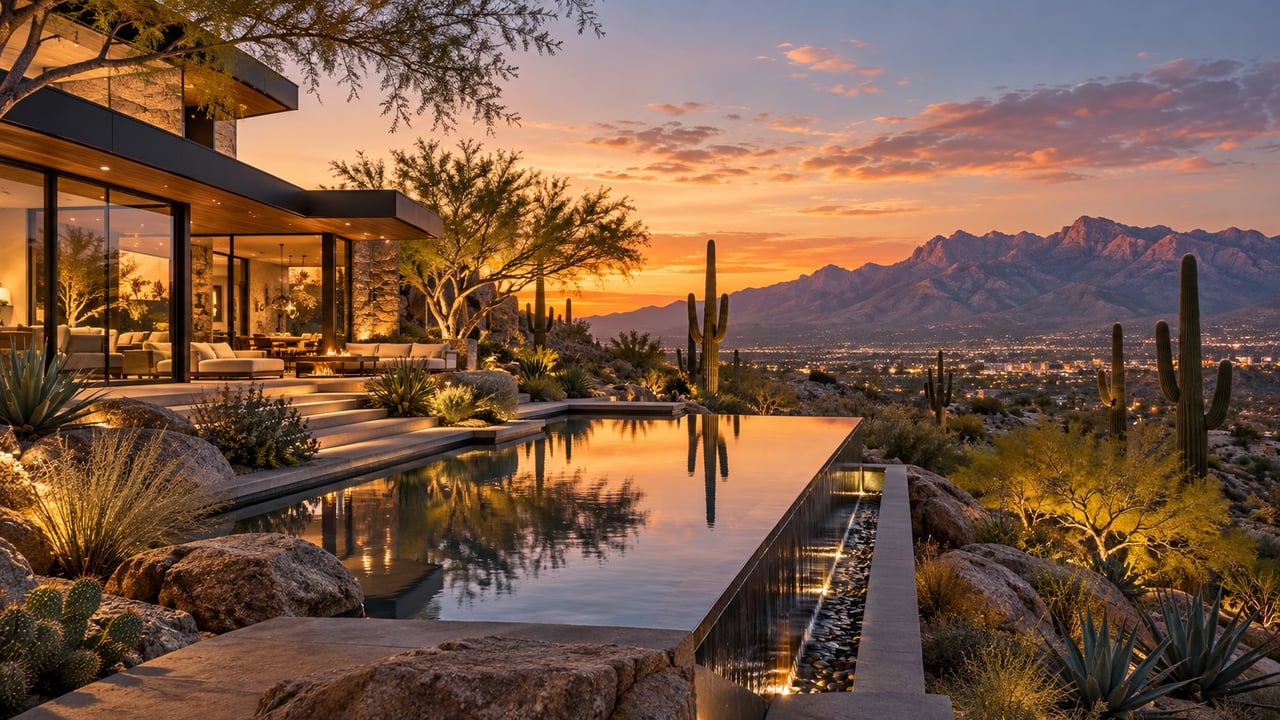
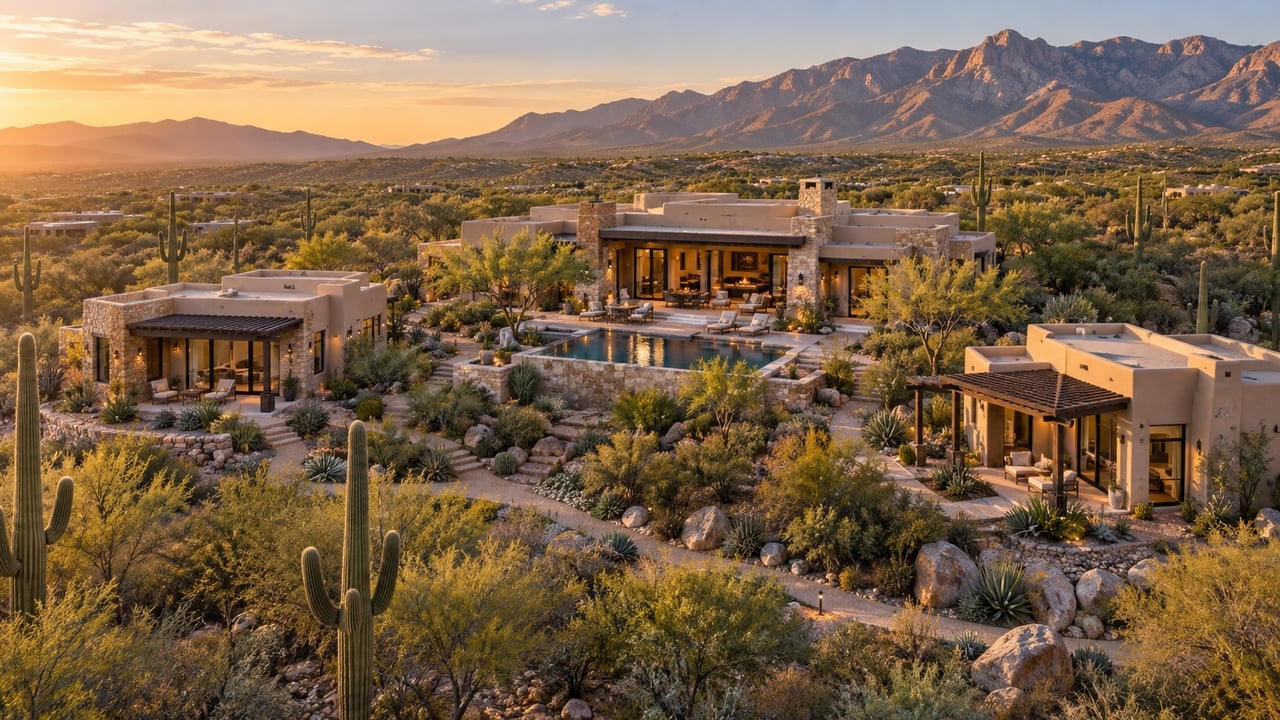
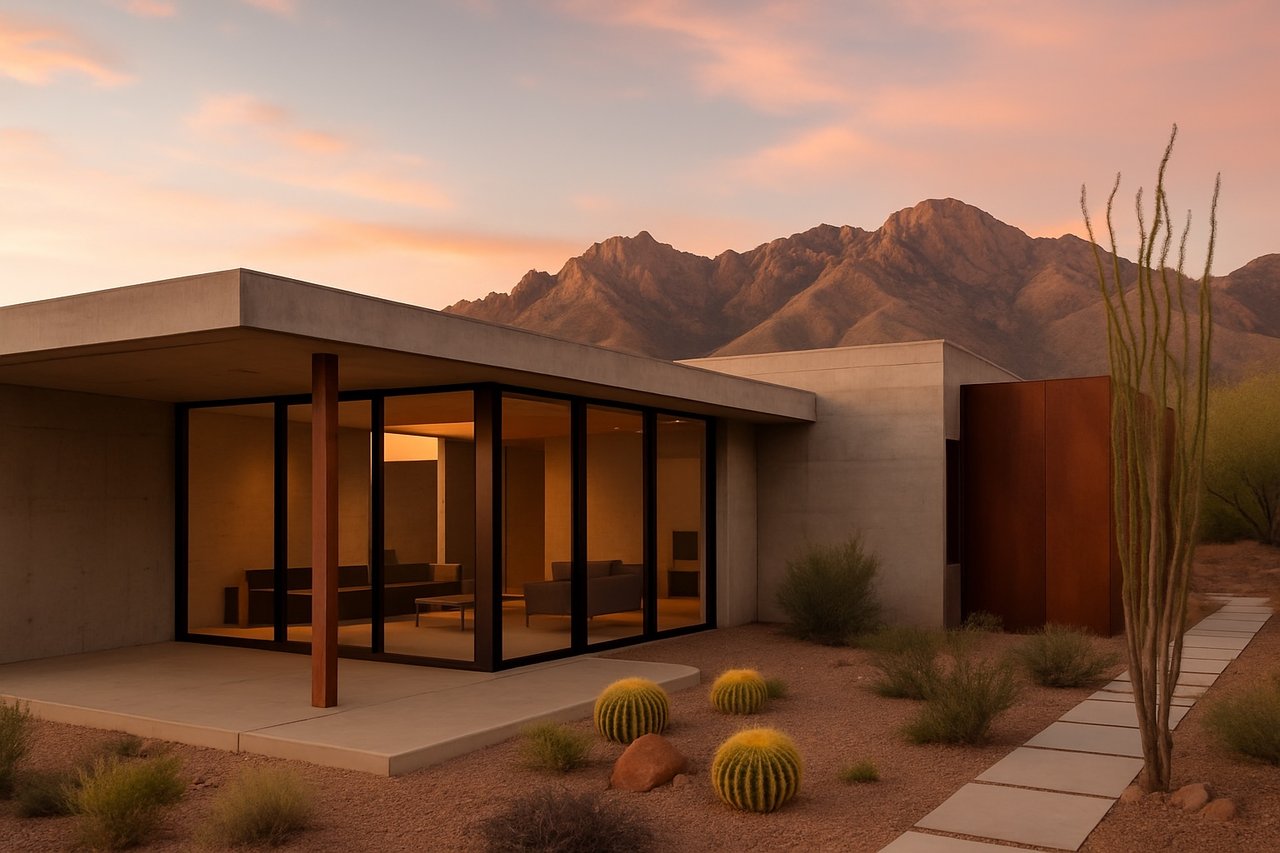
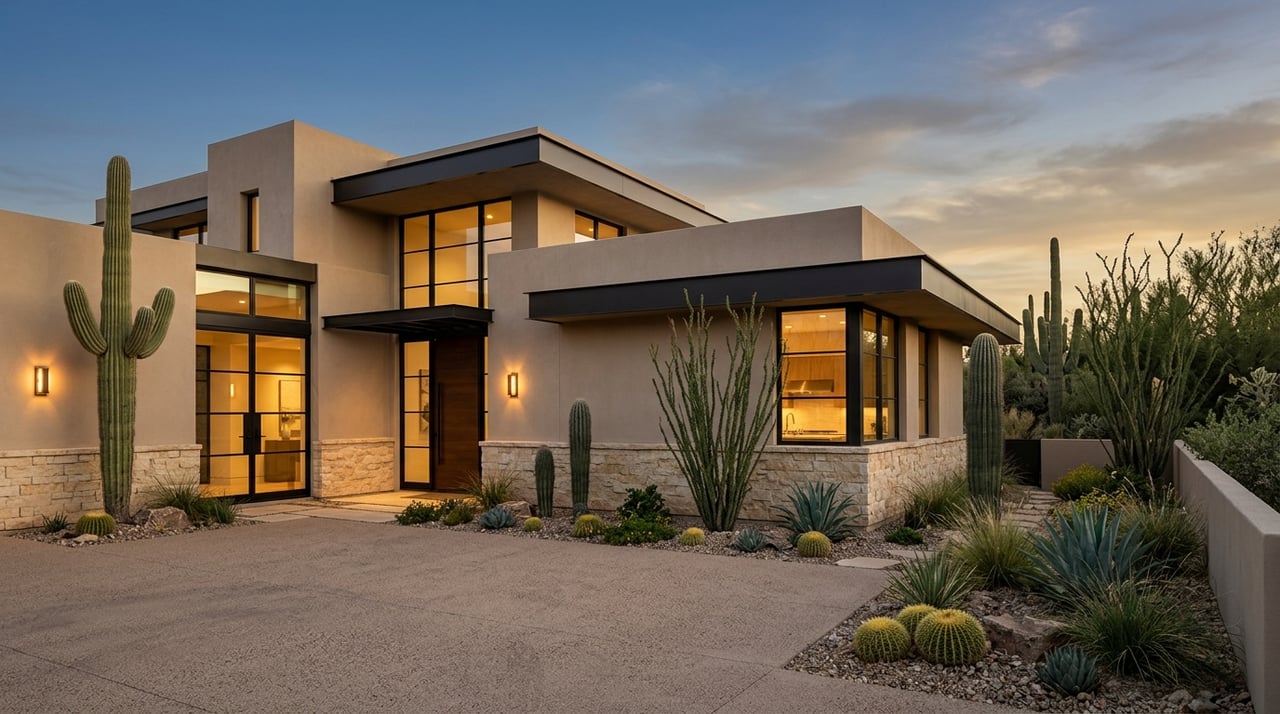
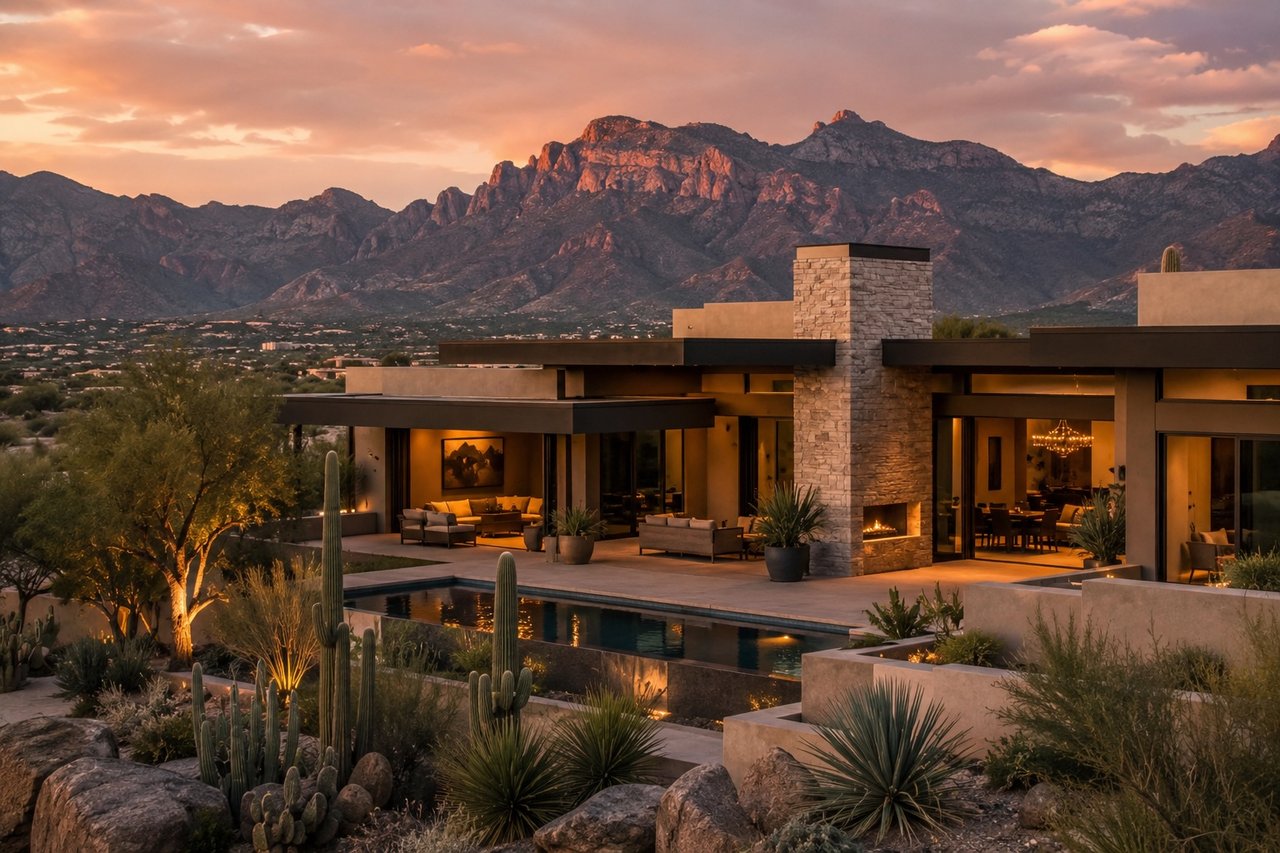
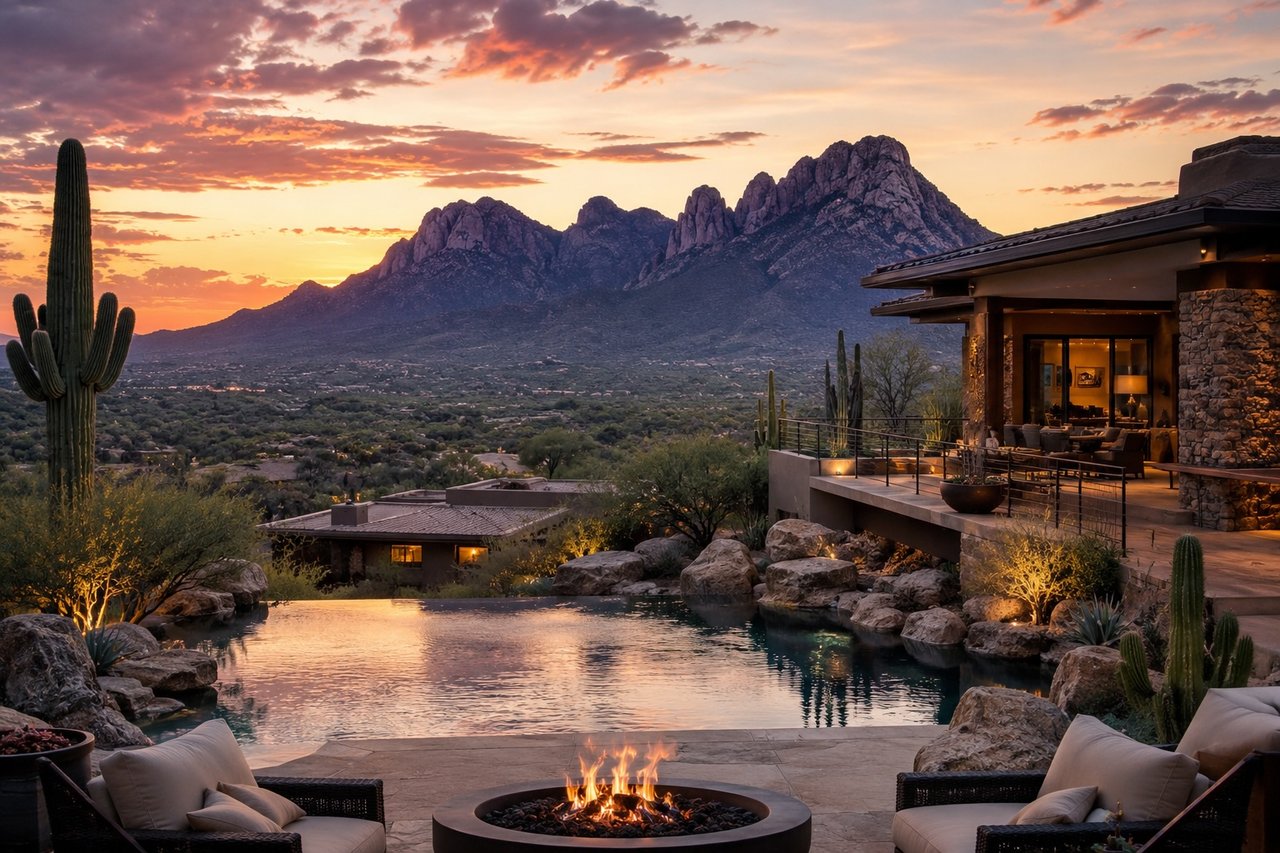
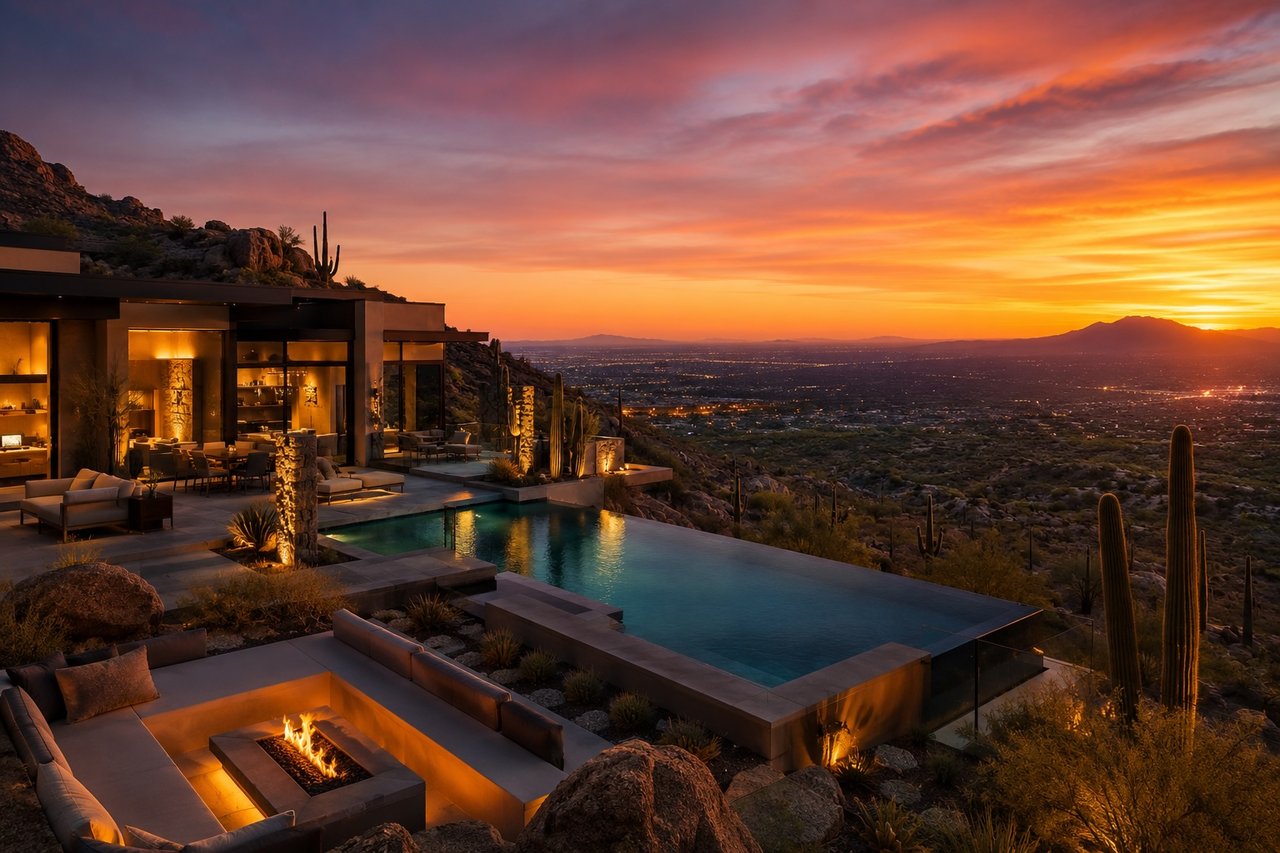
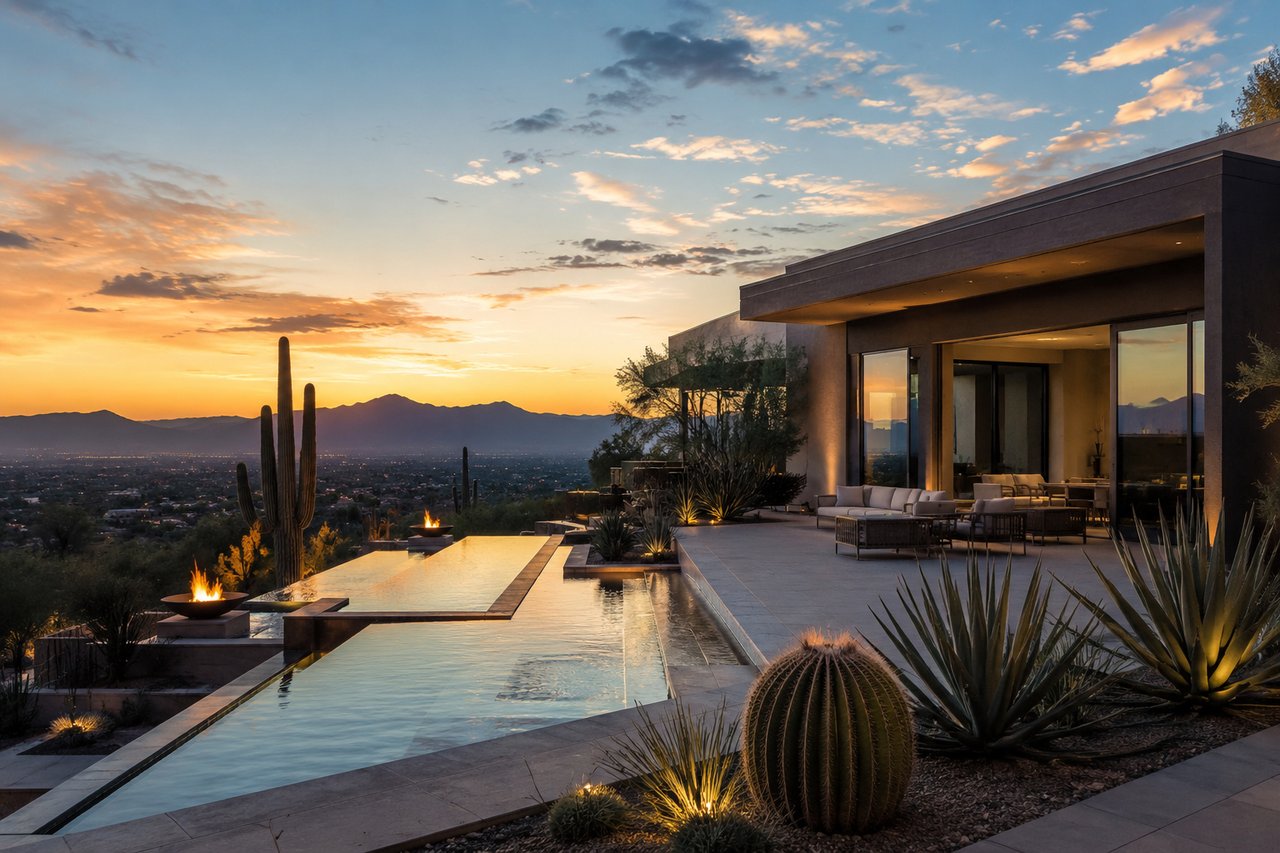
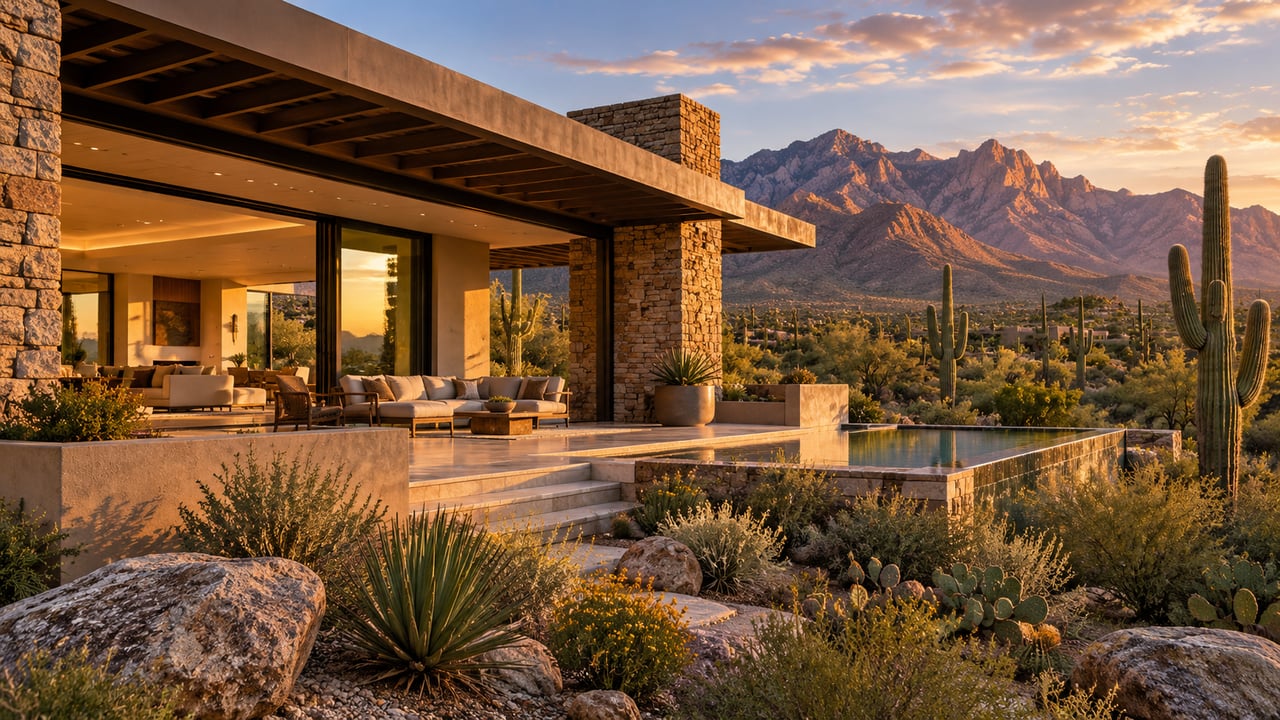
A three-to-four-million-dollar asking price can describe very different Tucson properties. One may be a carefully resolved desert contemporary home in the Catalina Foothills, with mountain views composed from nearly every important room. Another may offer acreage, guest accommodations and a quieter Tortolita Mountain setting. A third may have an established architectural identity, but also a longer list of systems, structures and landscape decisions to understand.
The useful question is not whether a home looks impressive. It is whether the house, land and ownership obligations make sense together. That is where due diligence becomes more than a defensive exercise. Done well, it reveals the intelligence of the property—and the kind of stewardship it will ask of its next owner.
Read the Architecture and the Site as One Composition
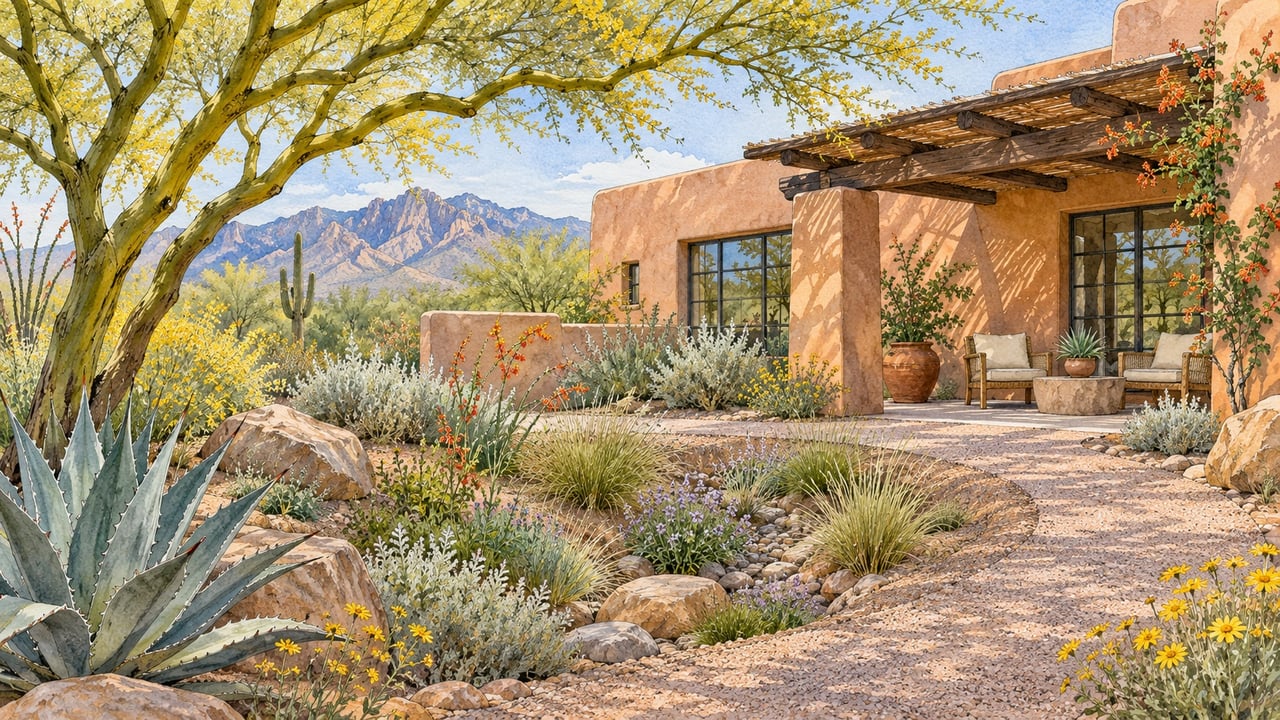
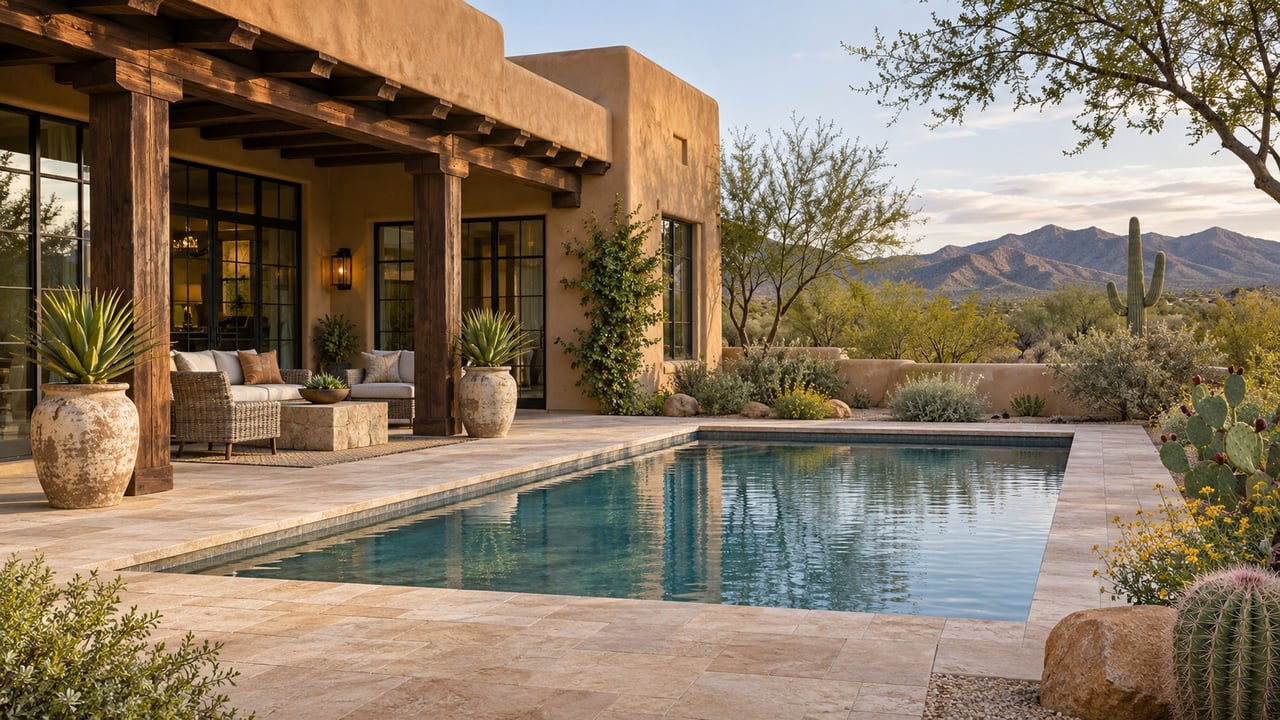
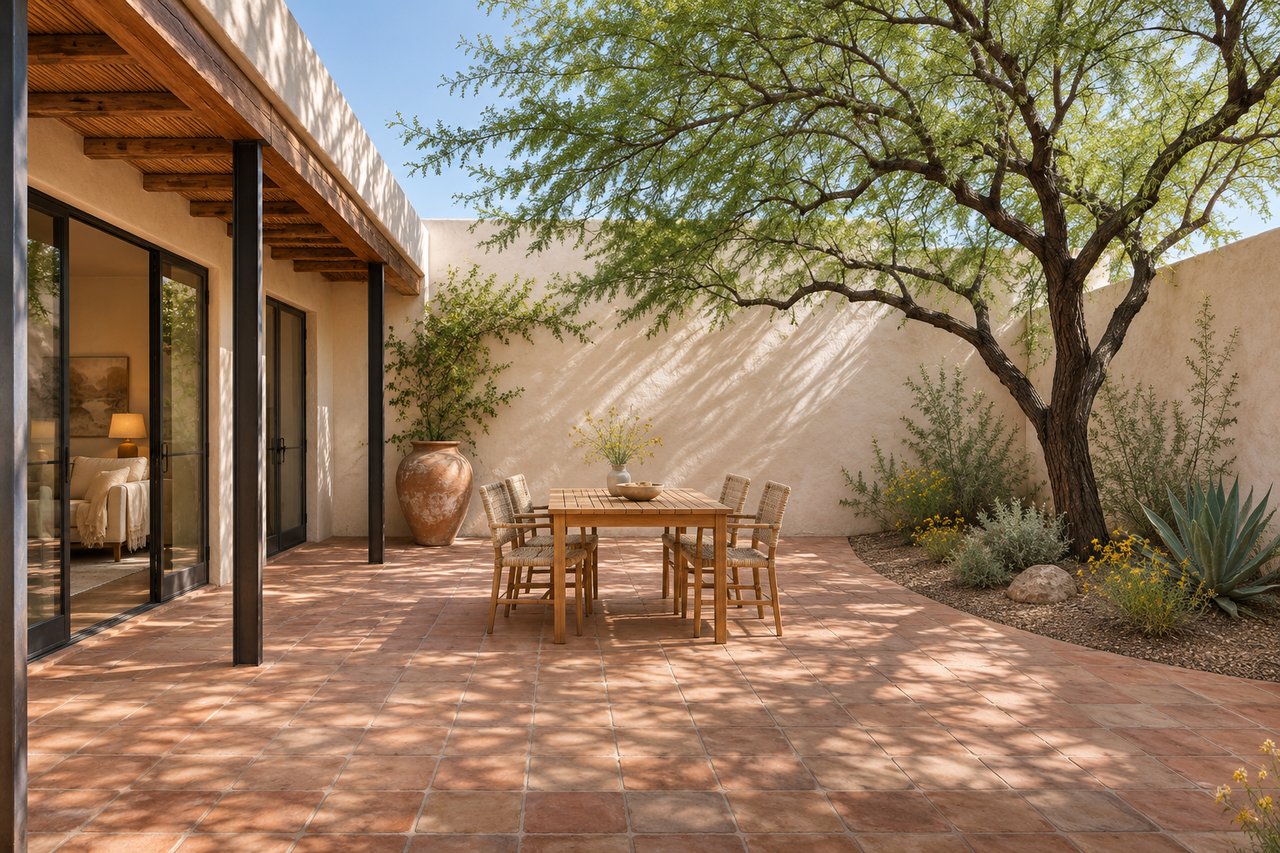
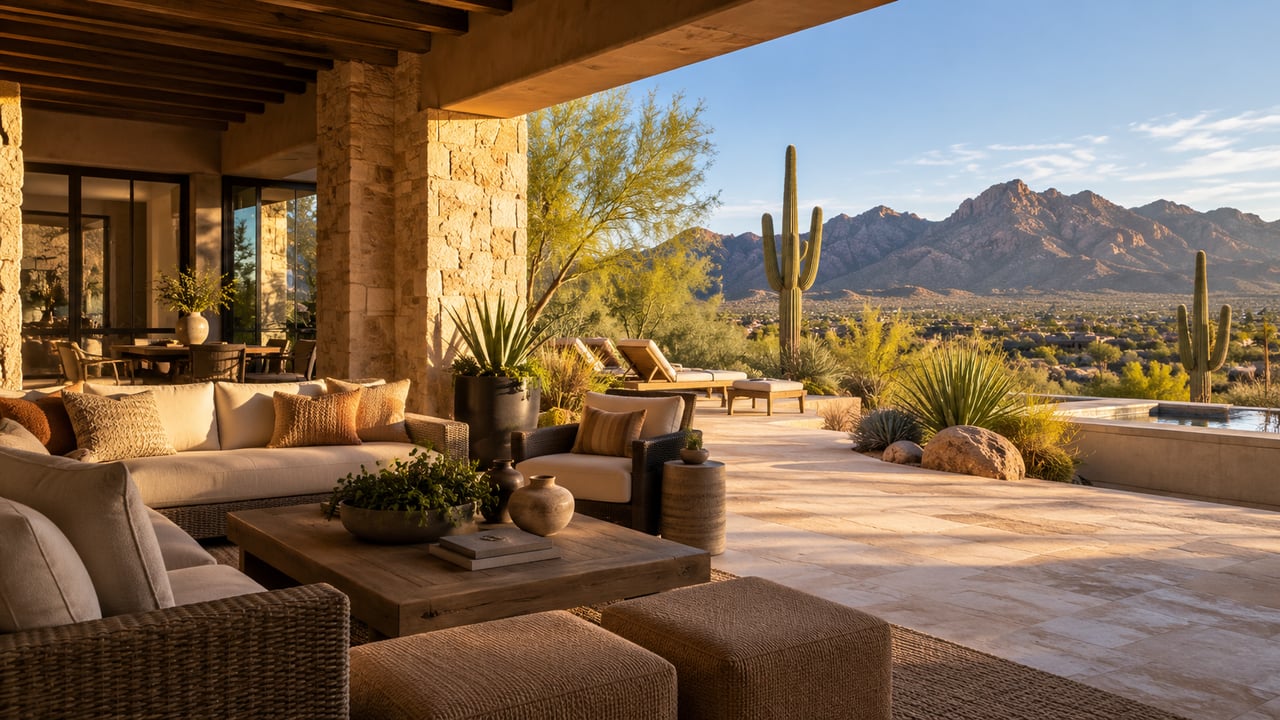
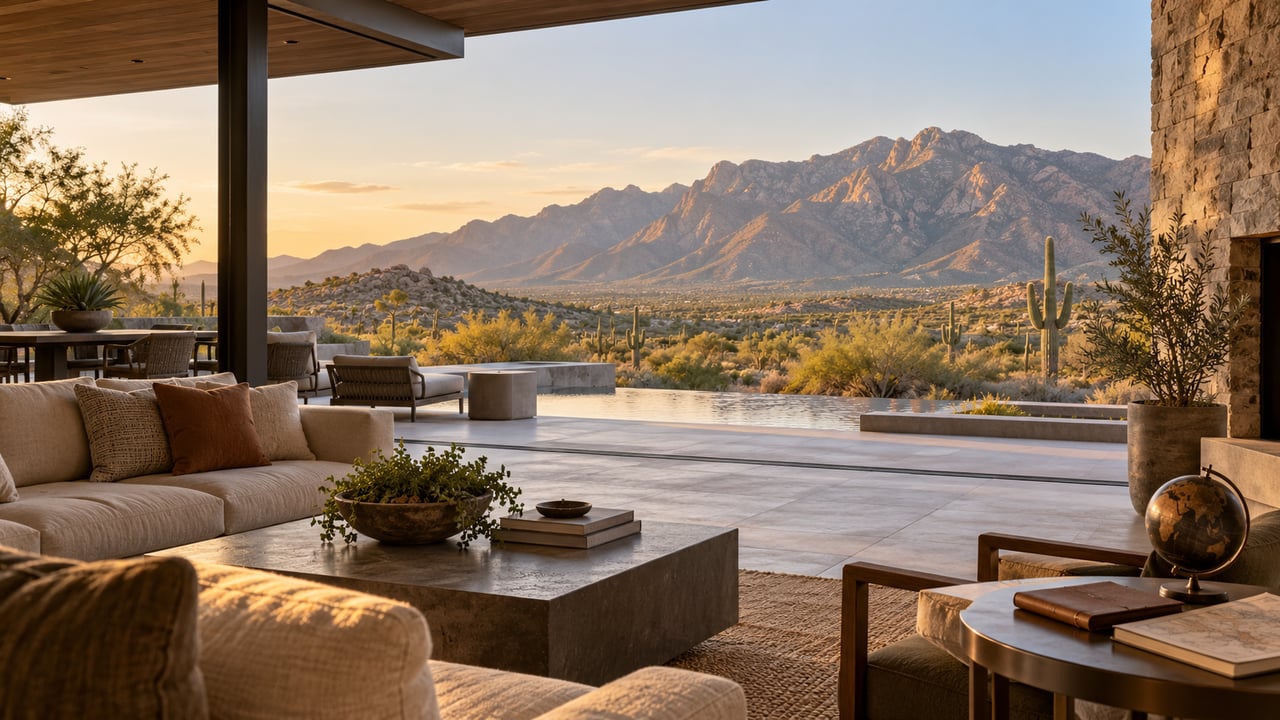
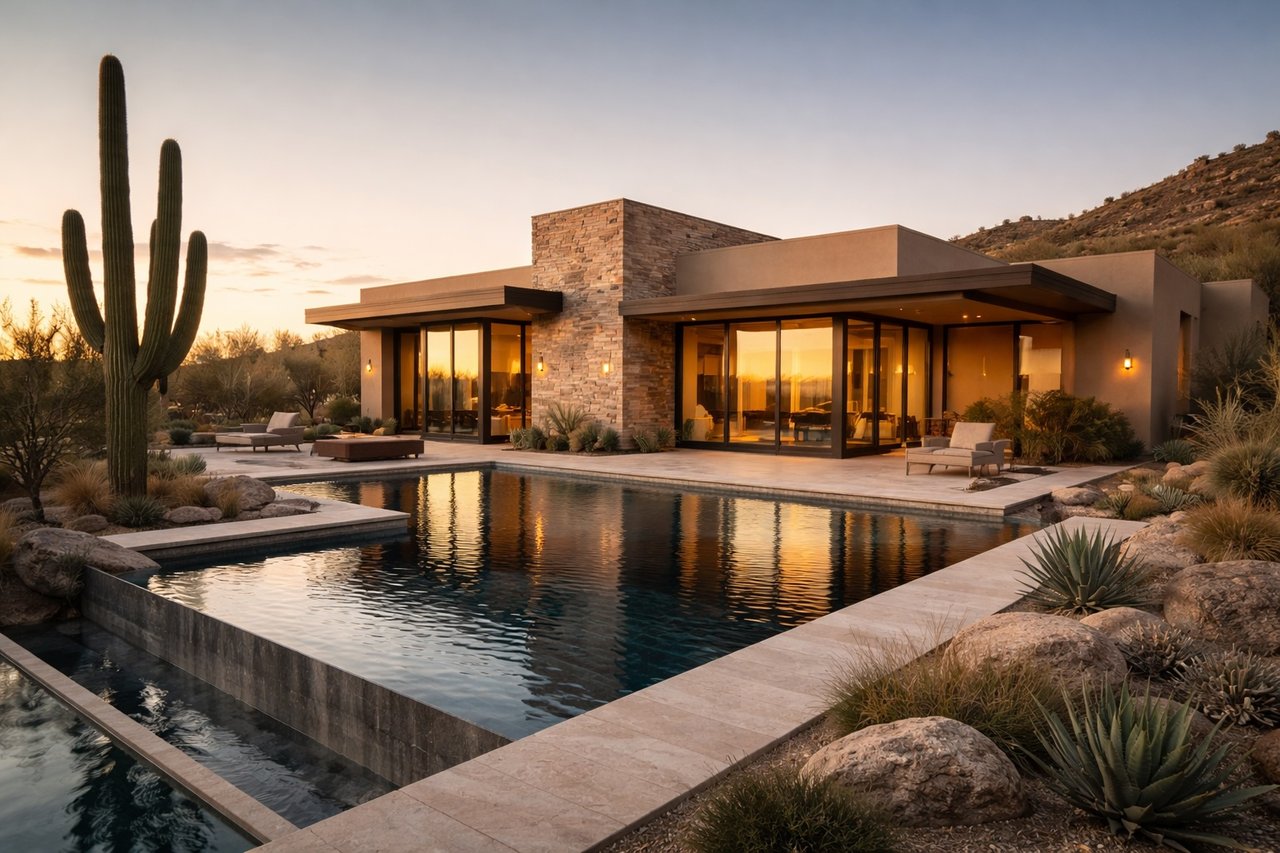
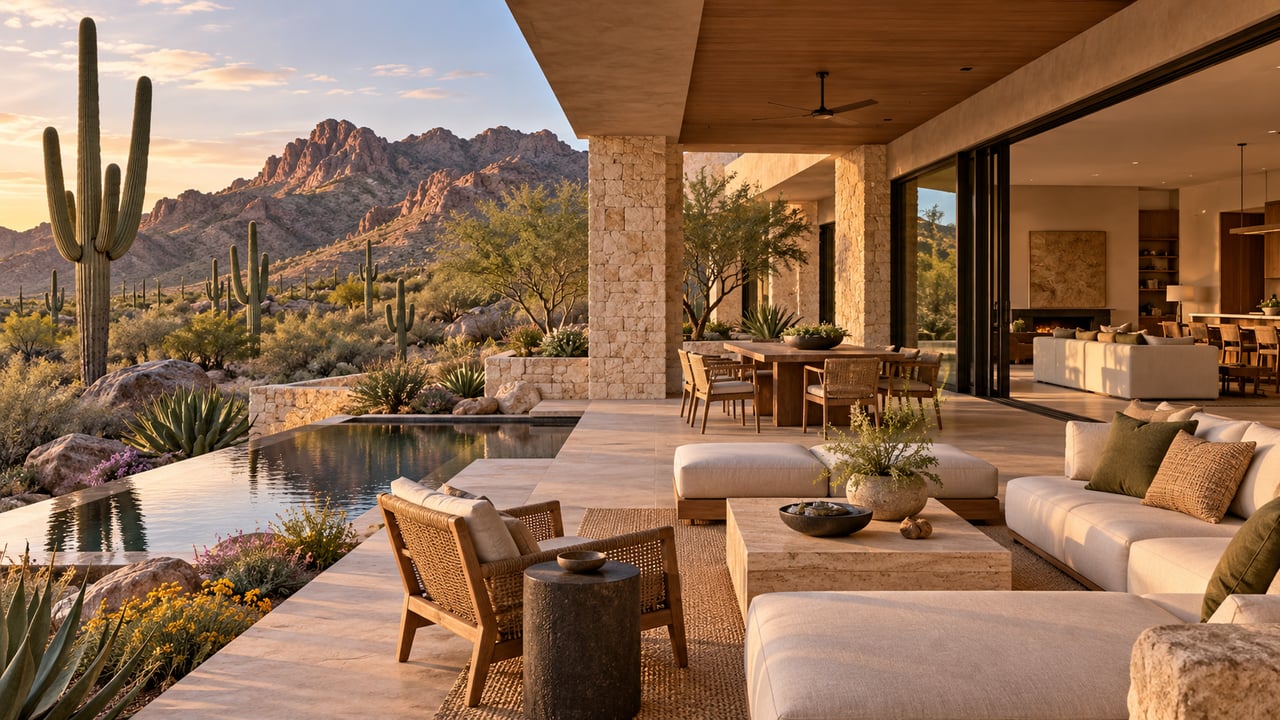
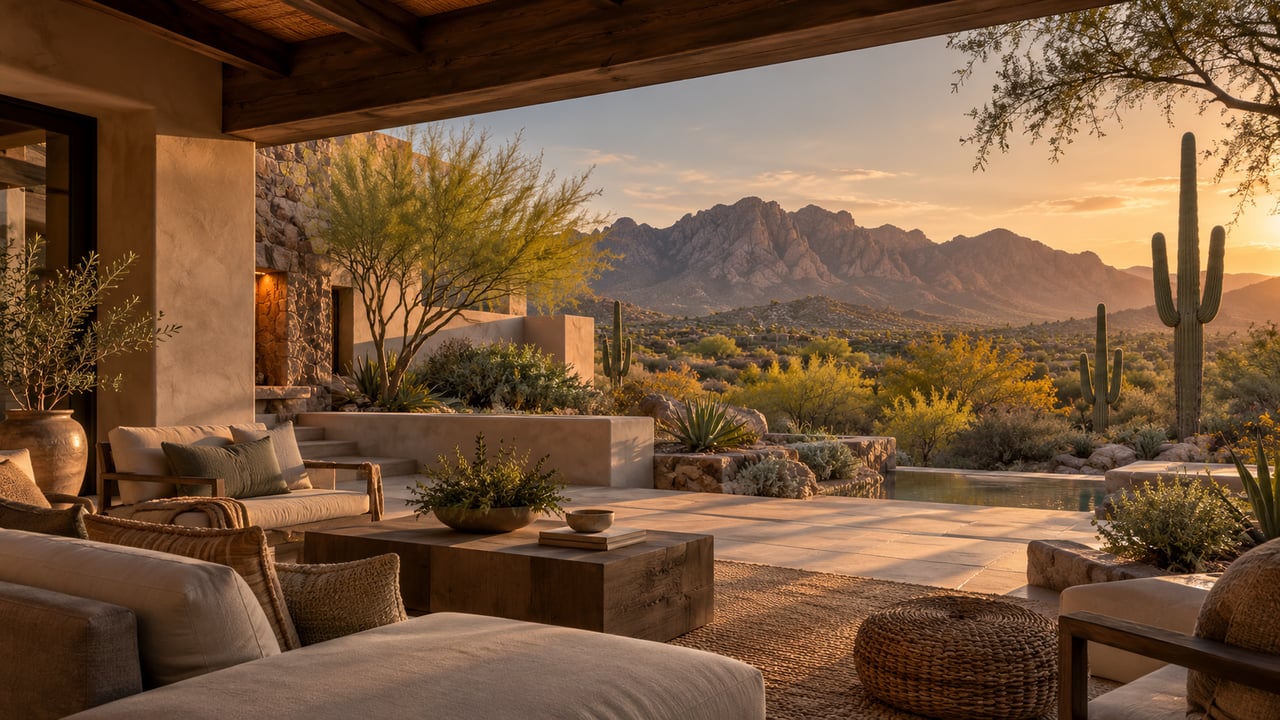
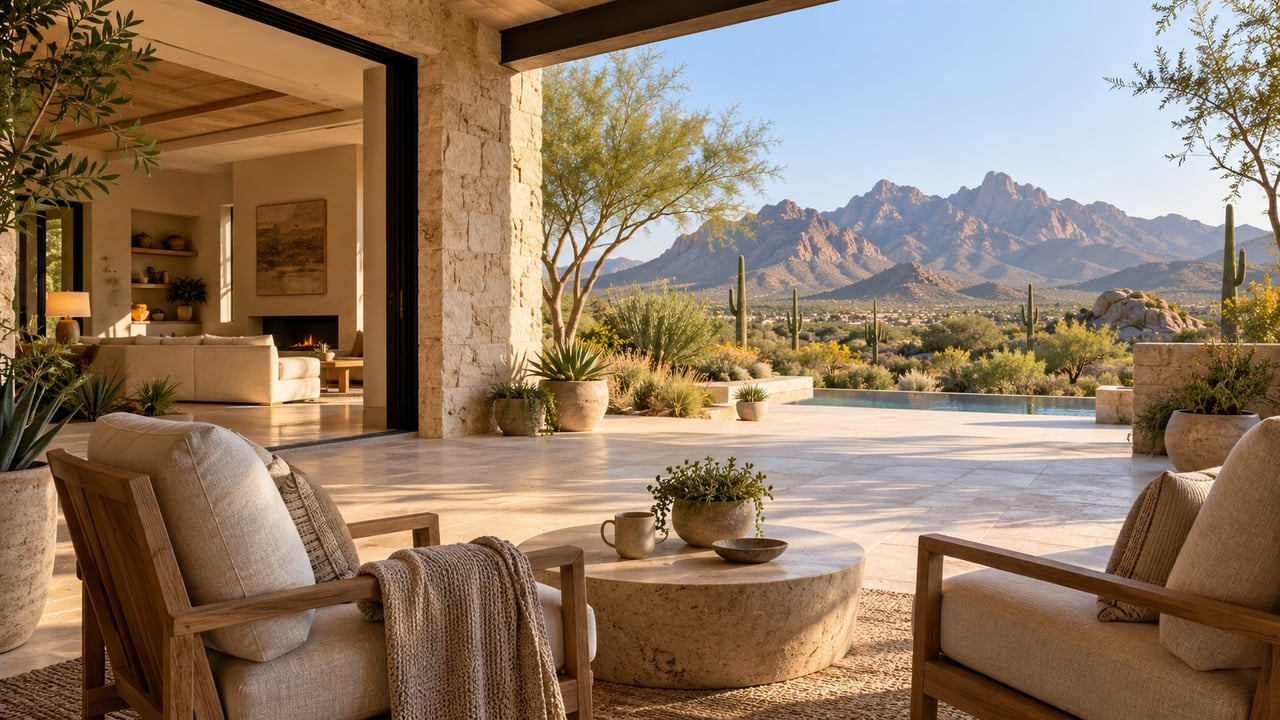
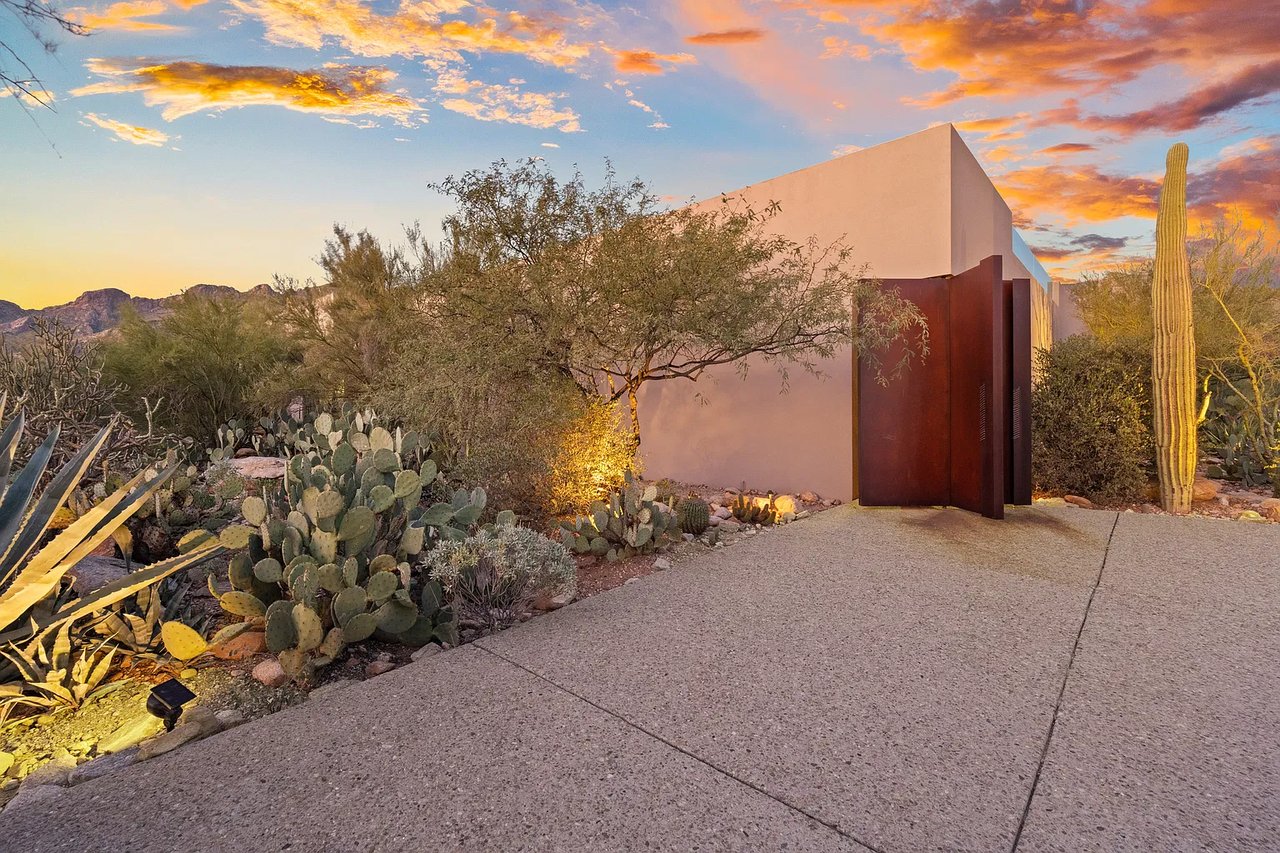
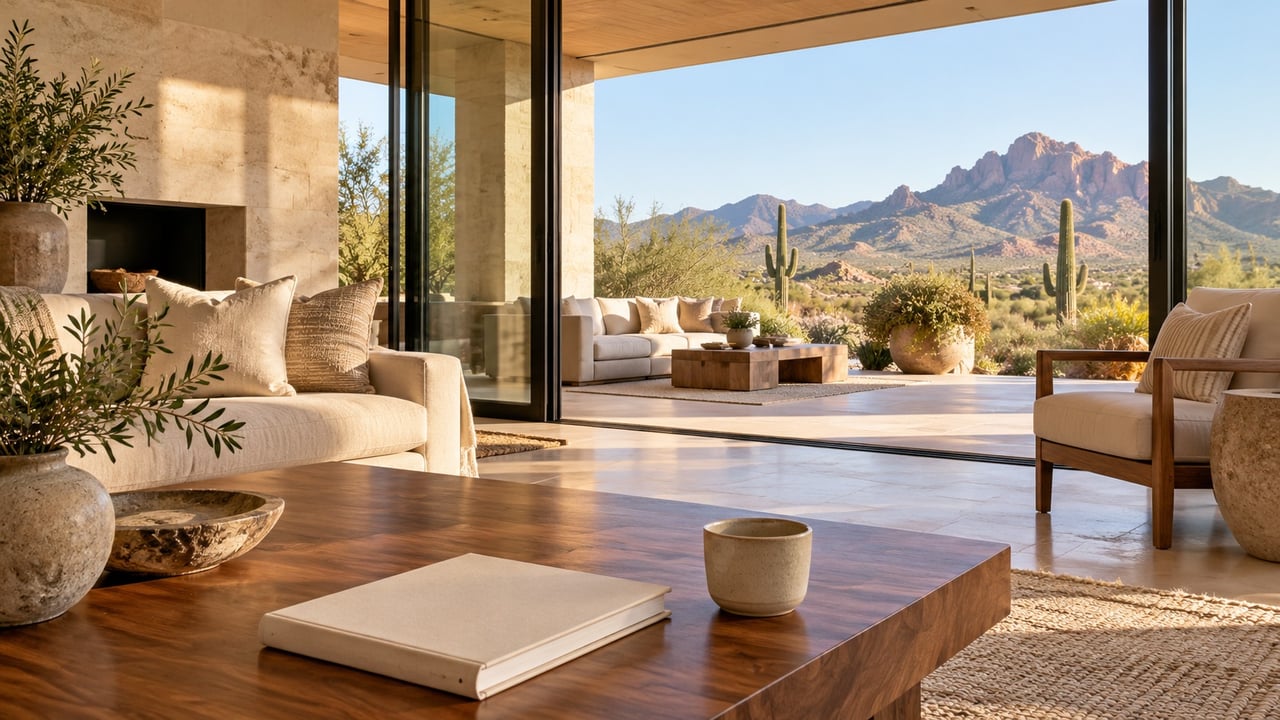
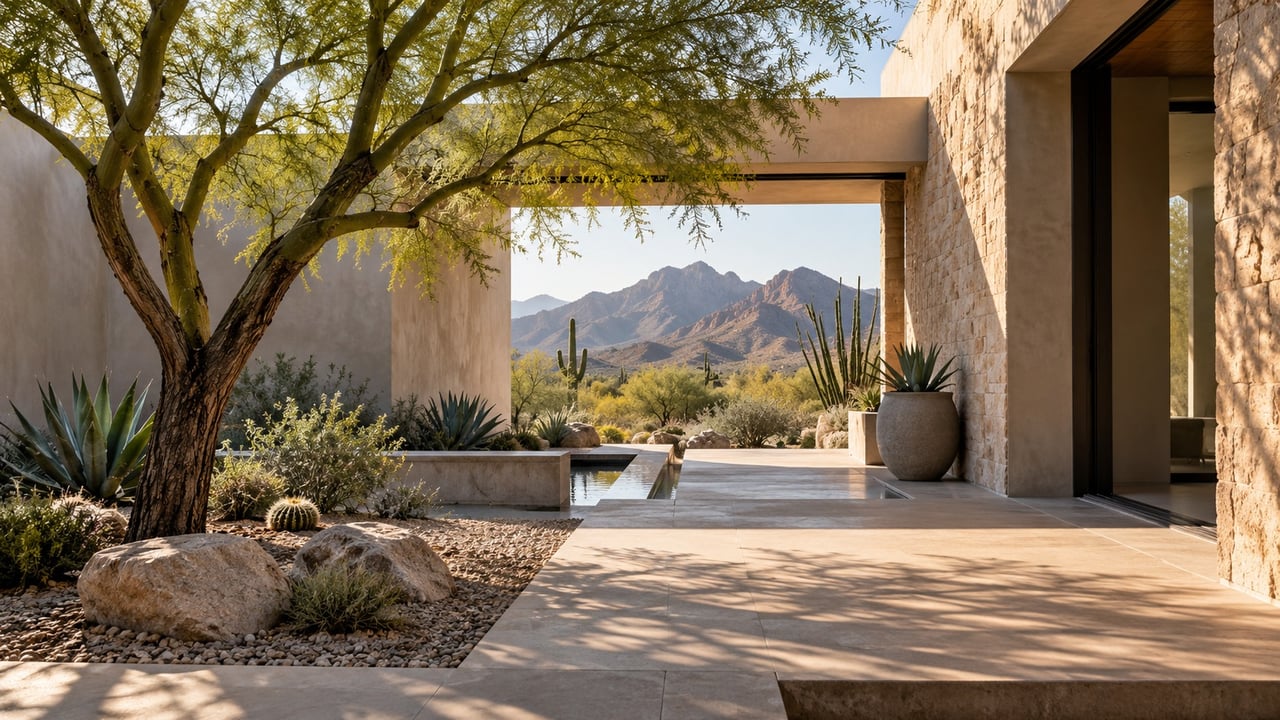
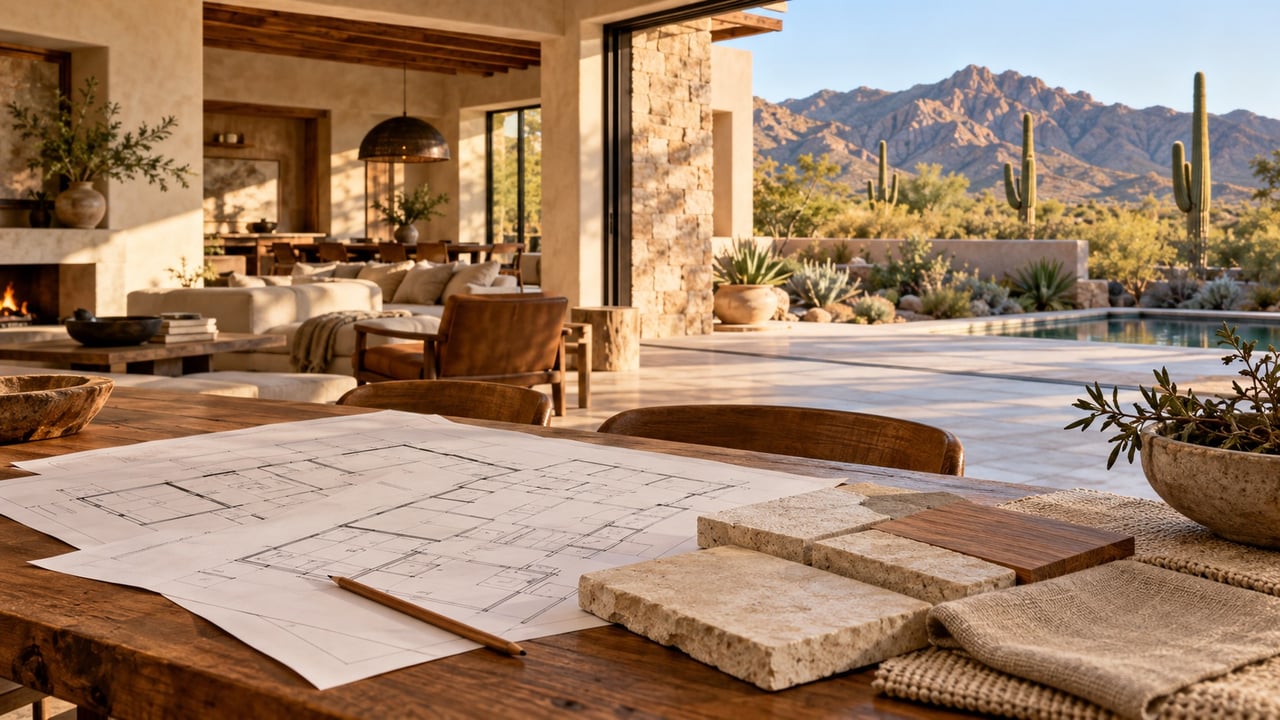
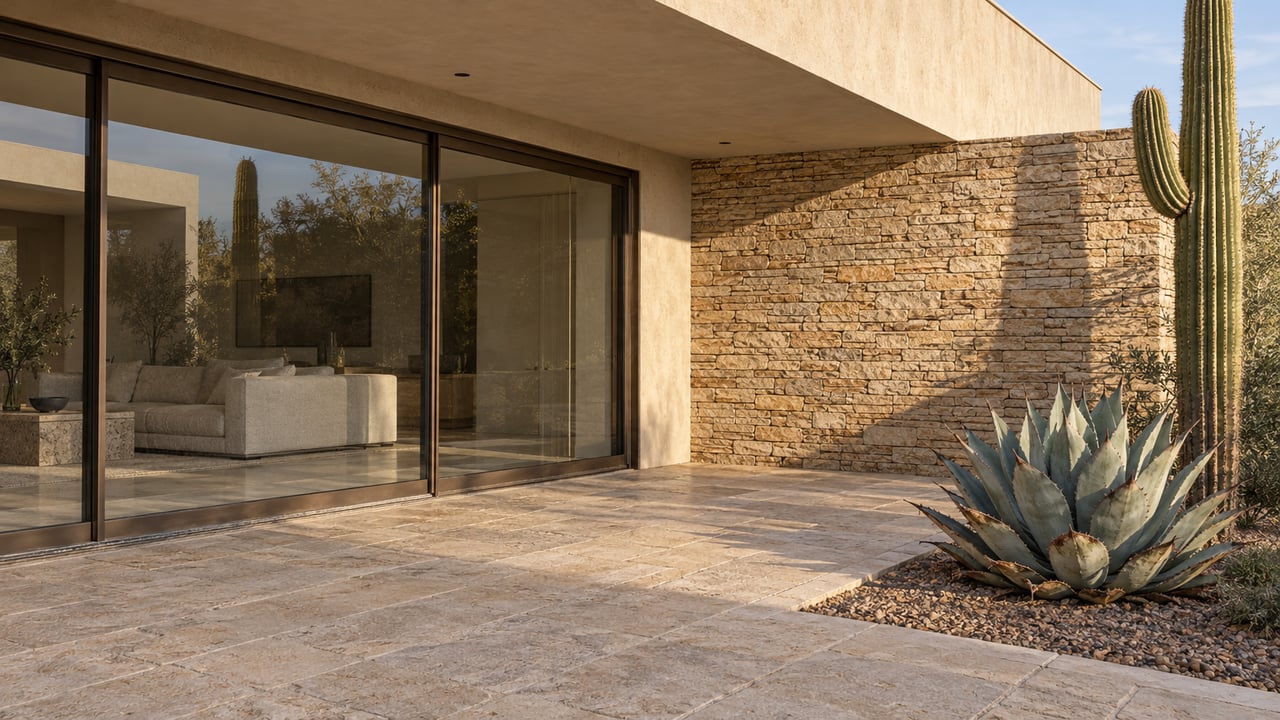
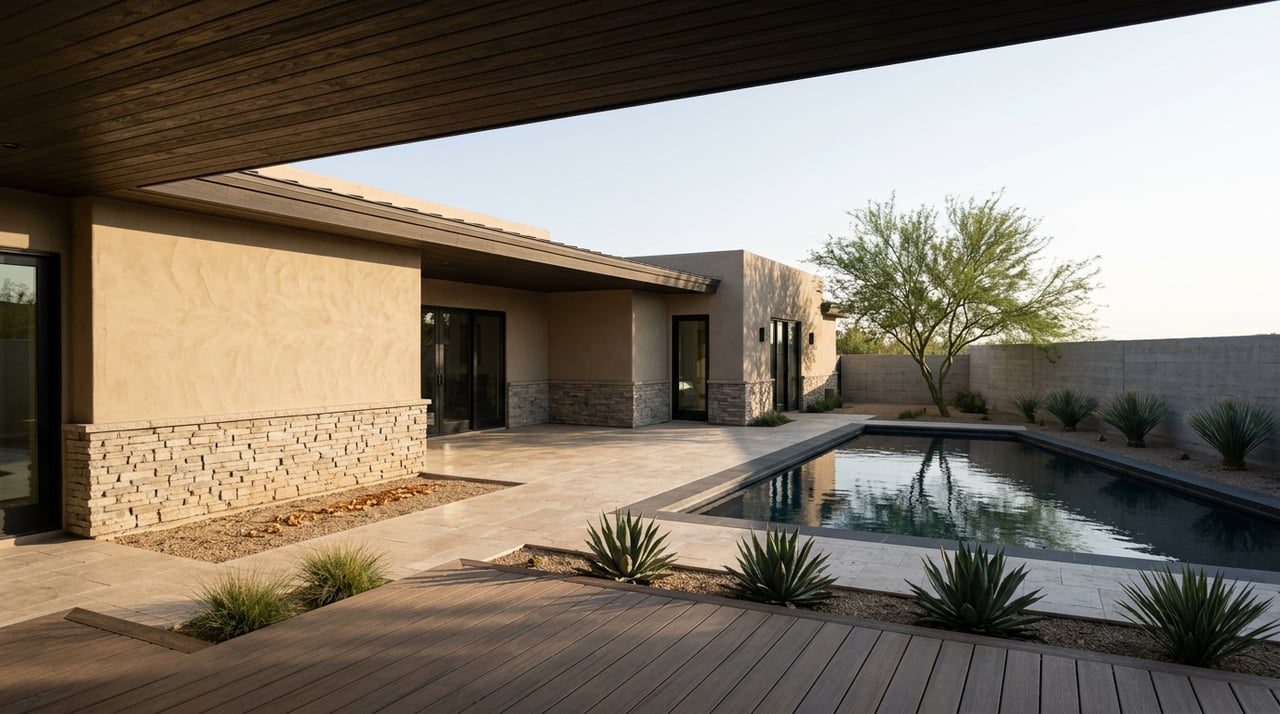
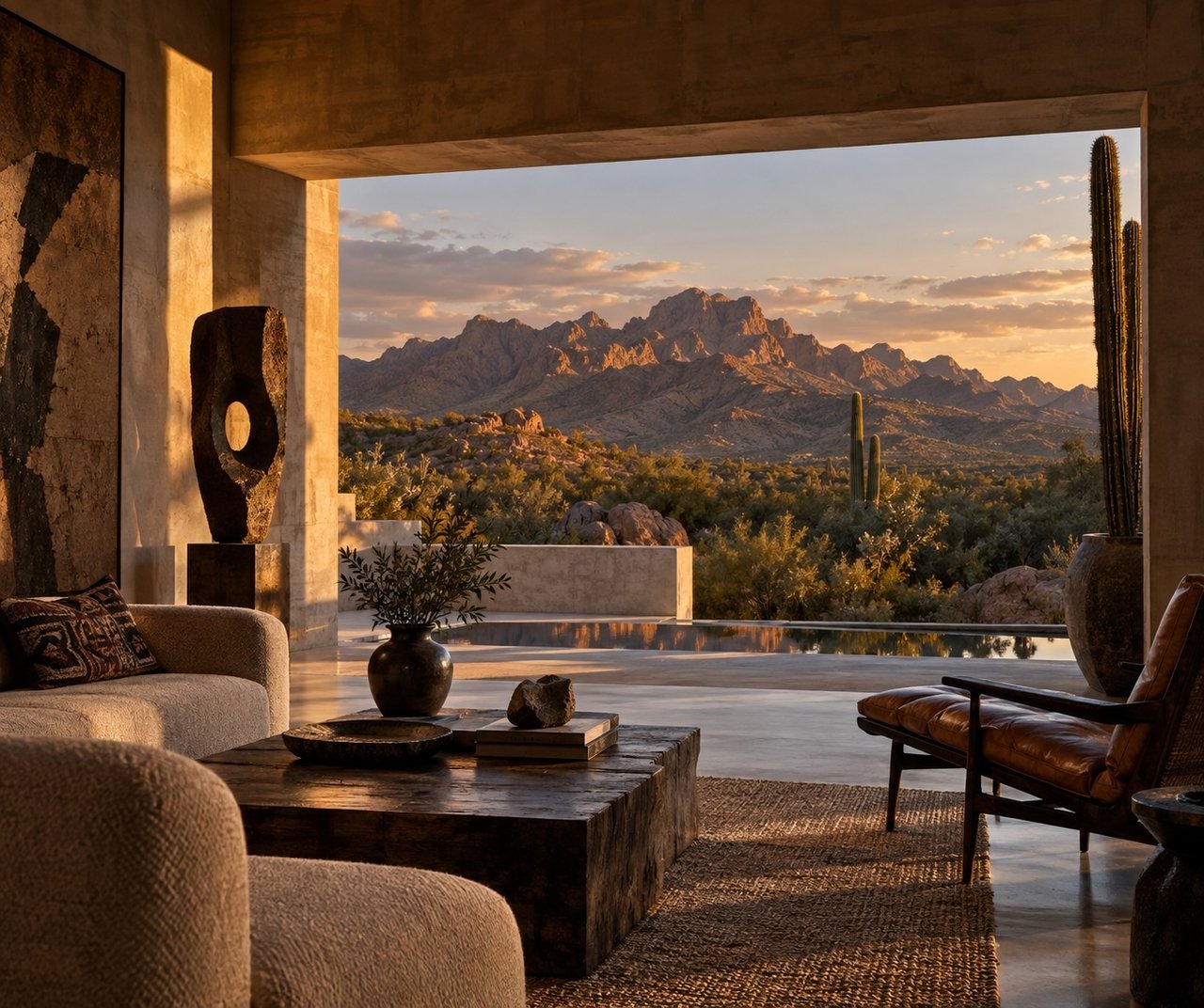
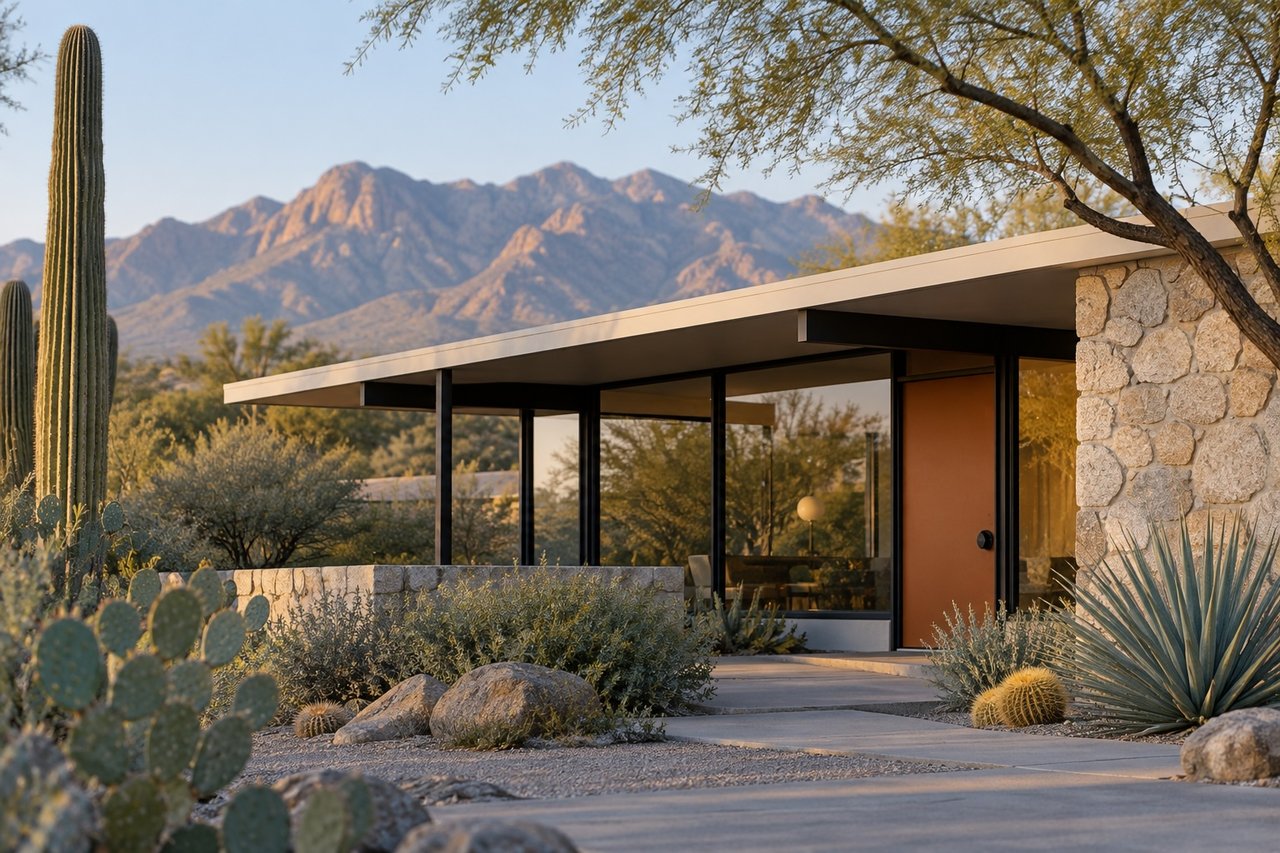
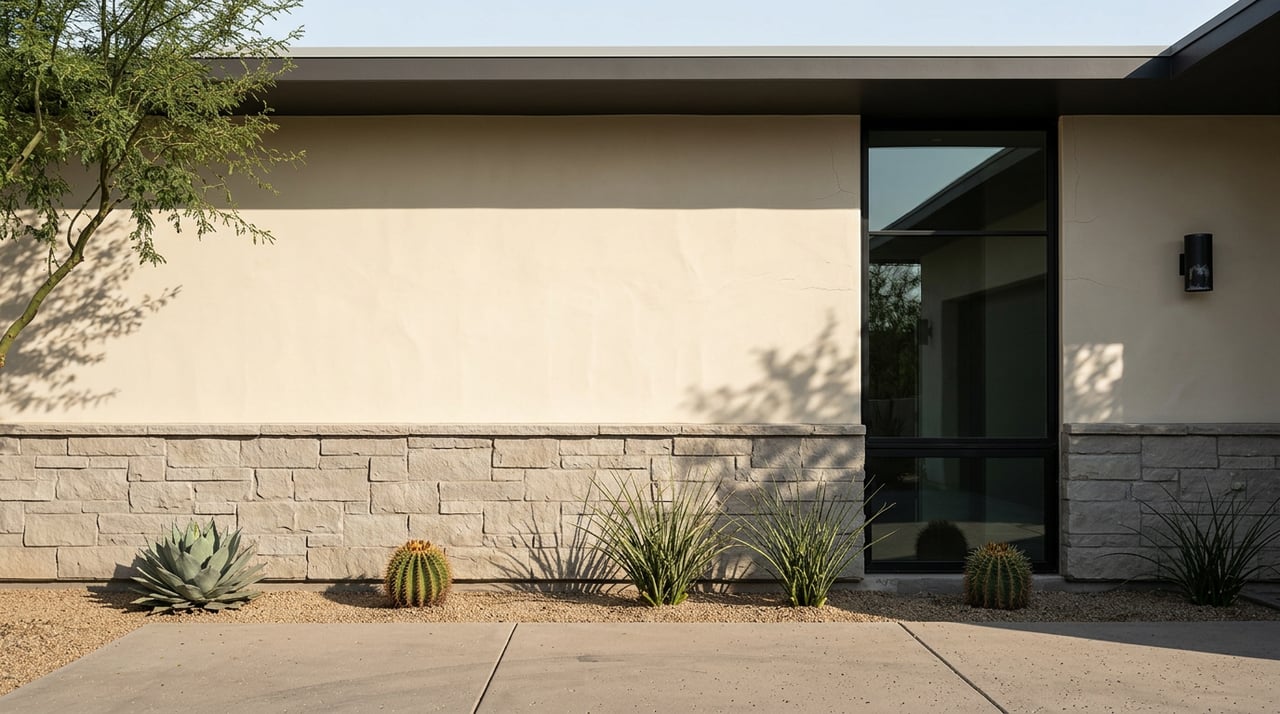
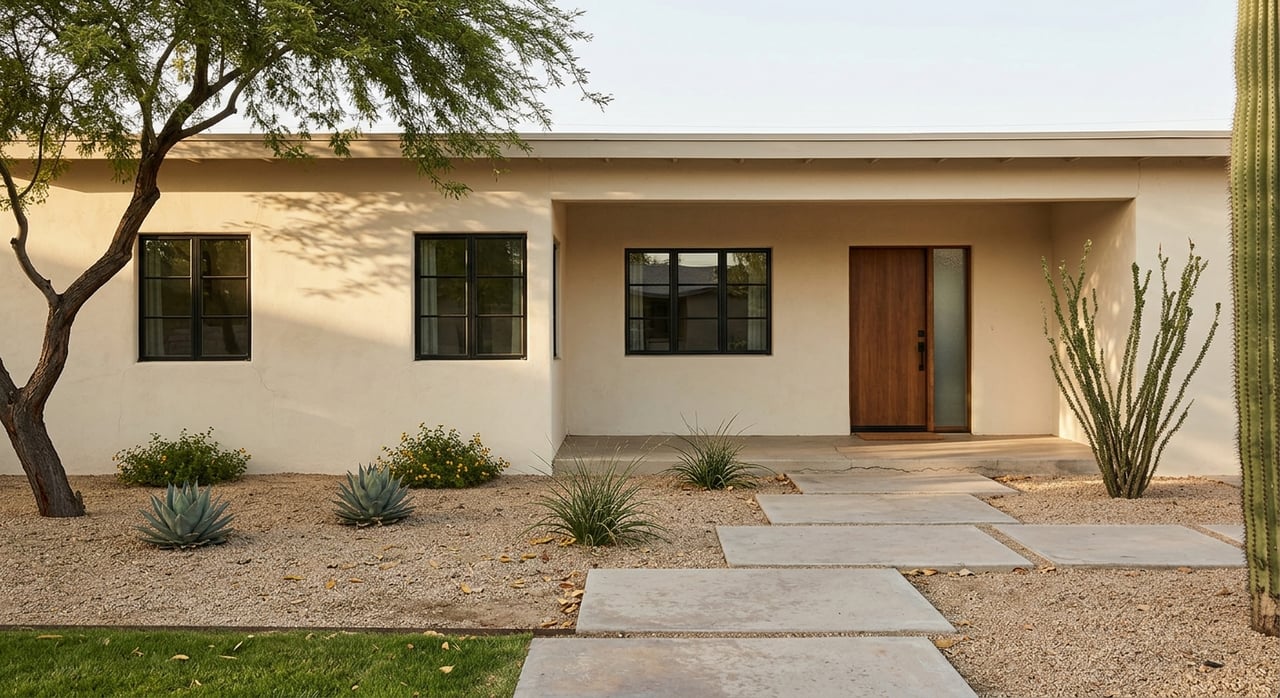
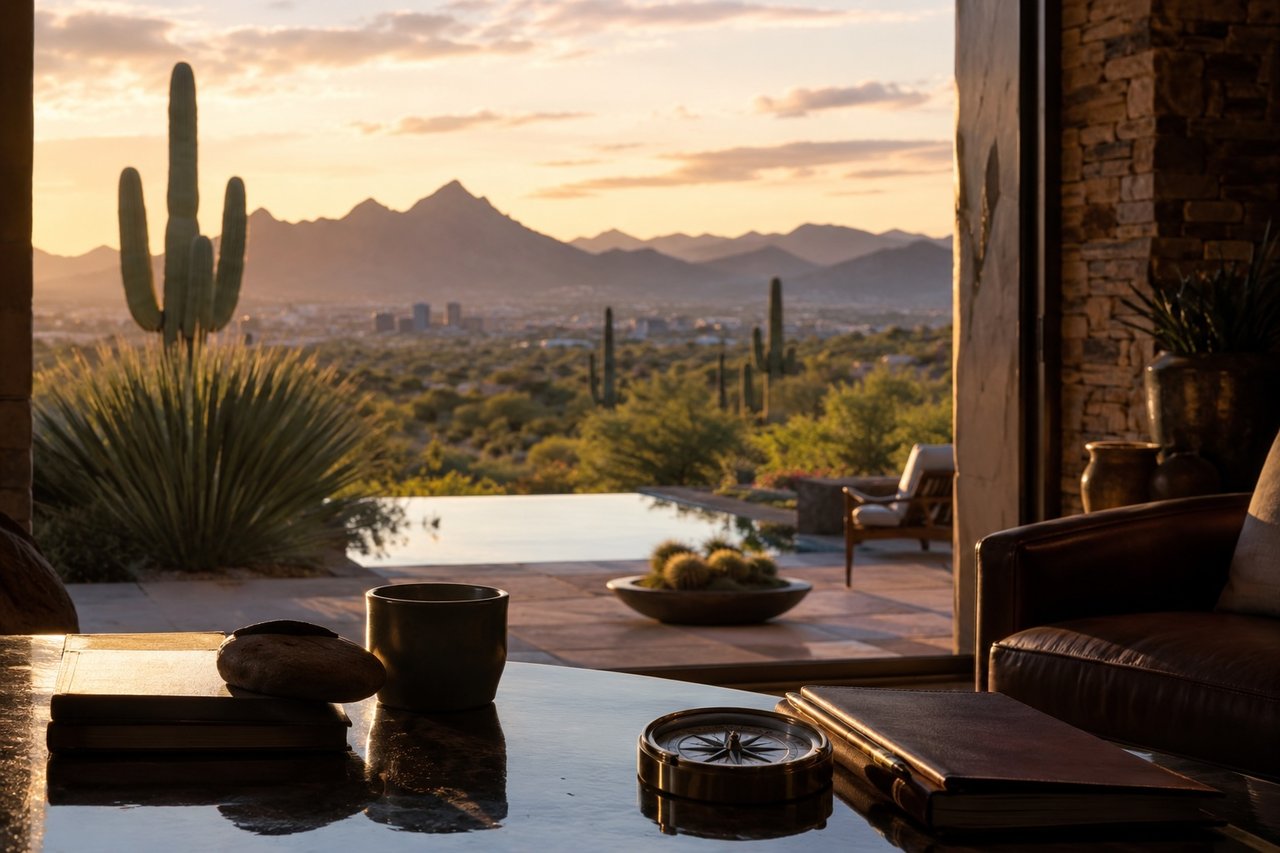
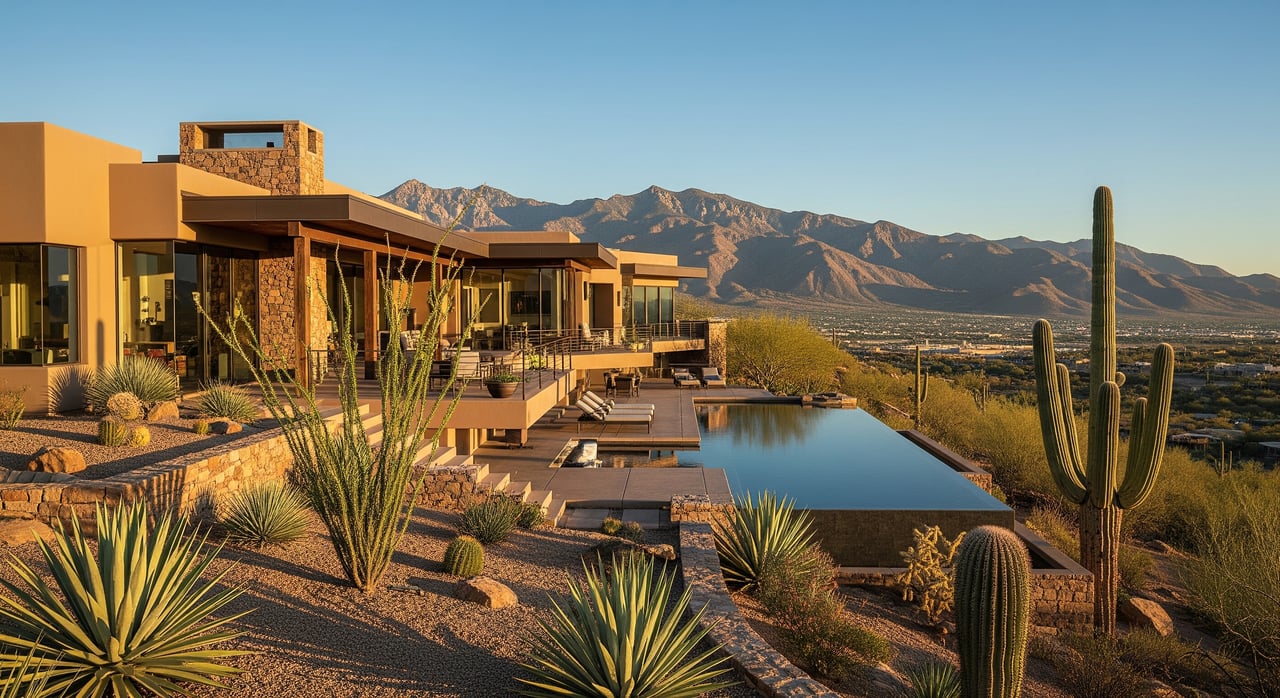
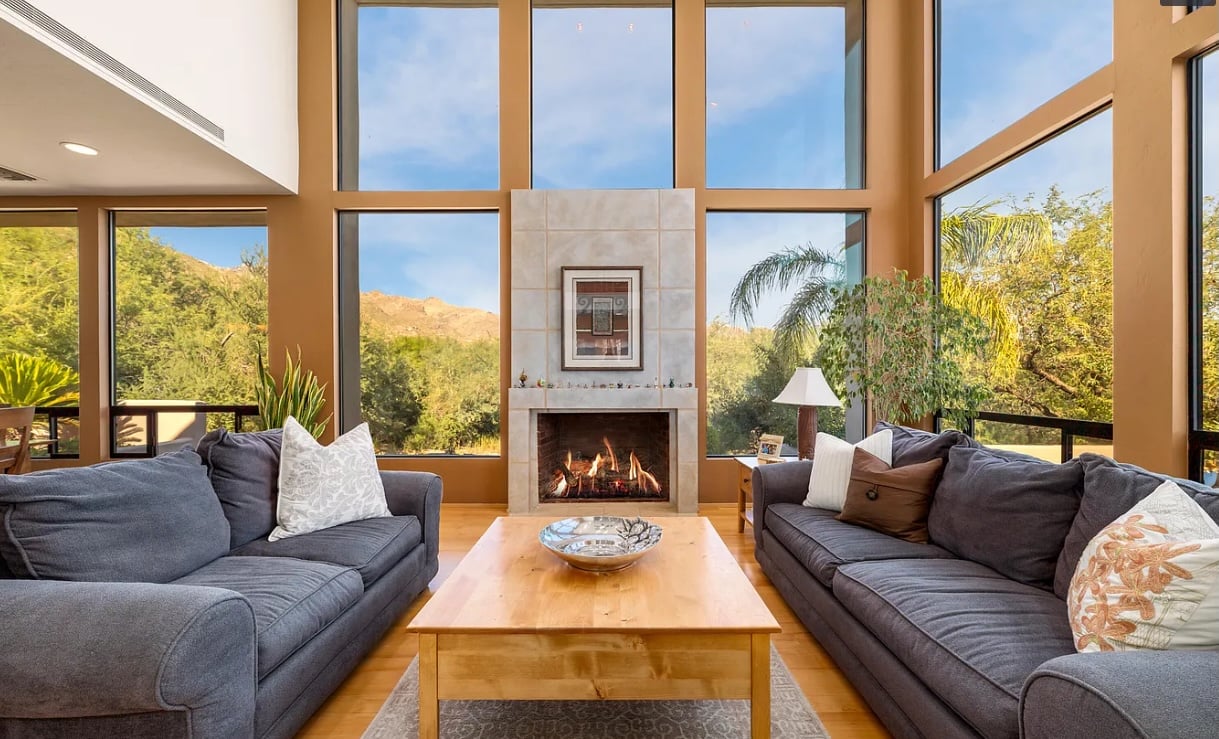
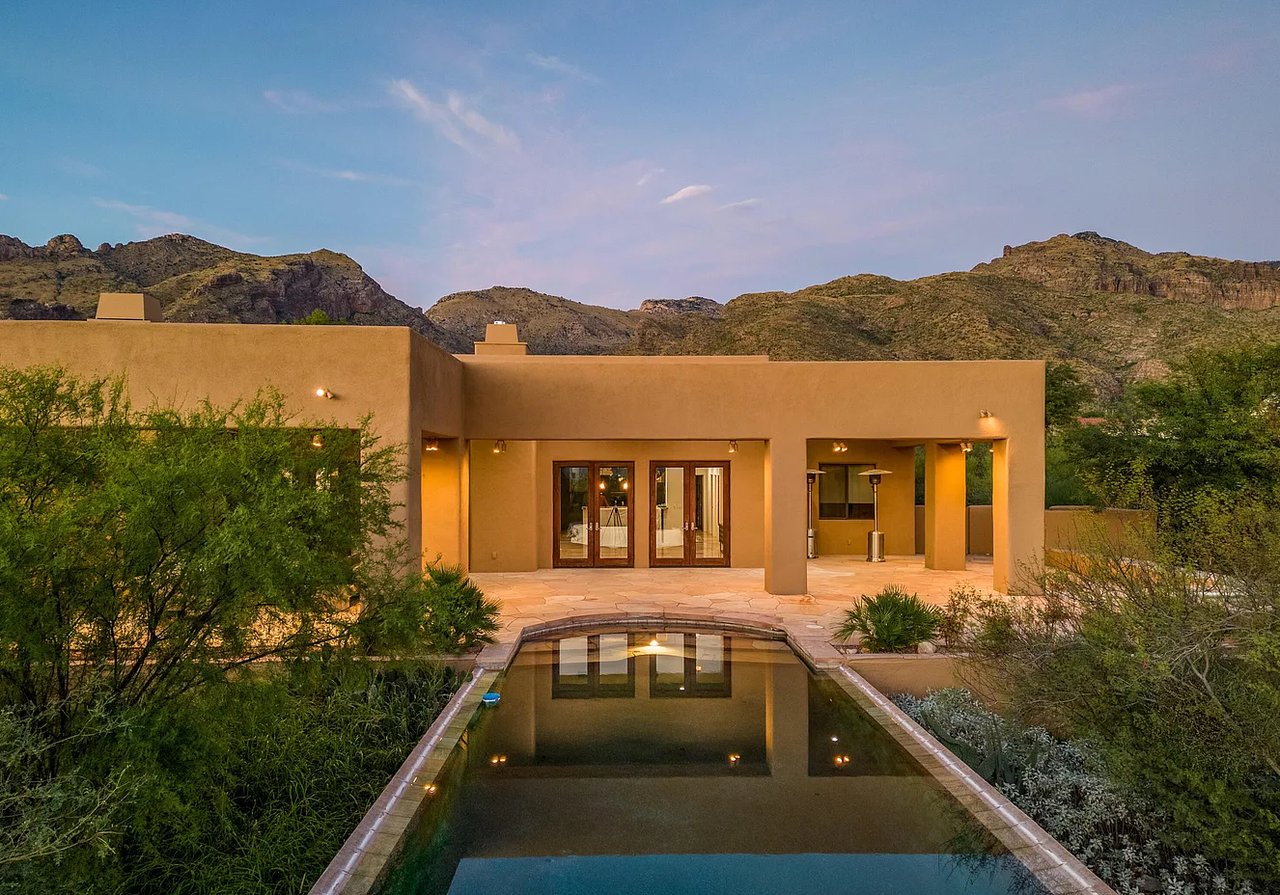
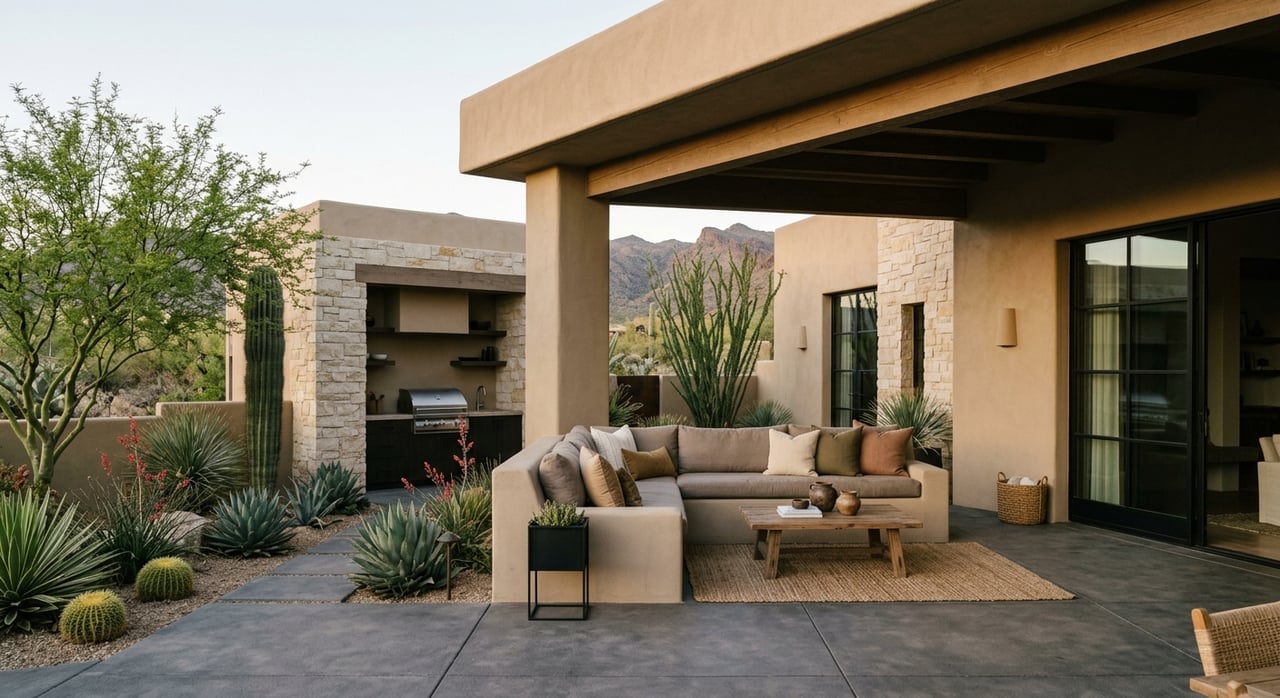
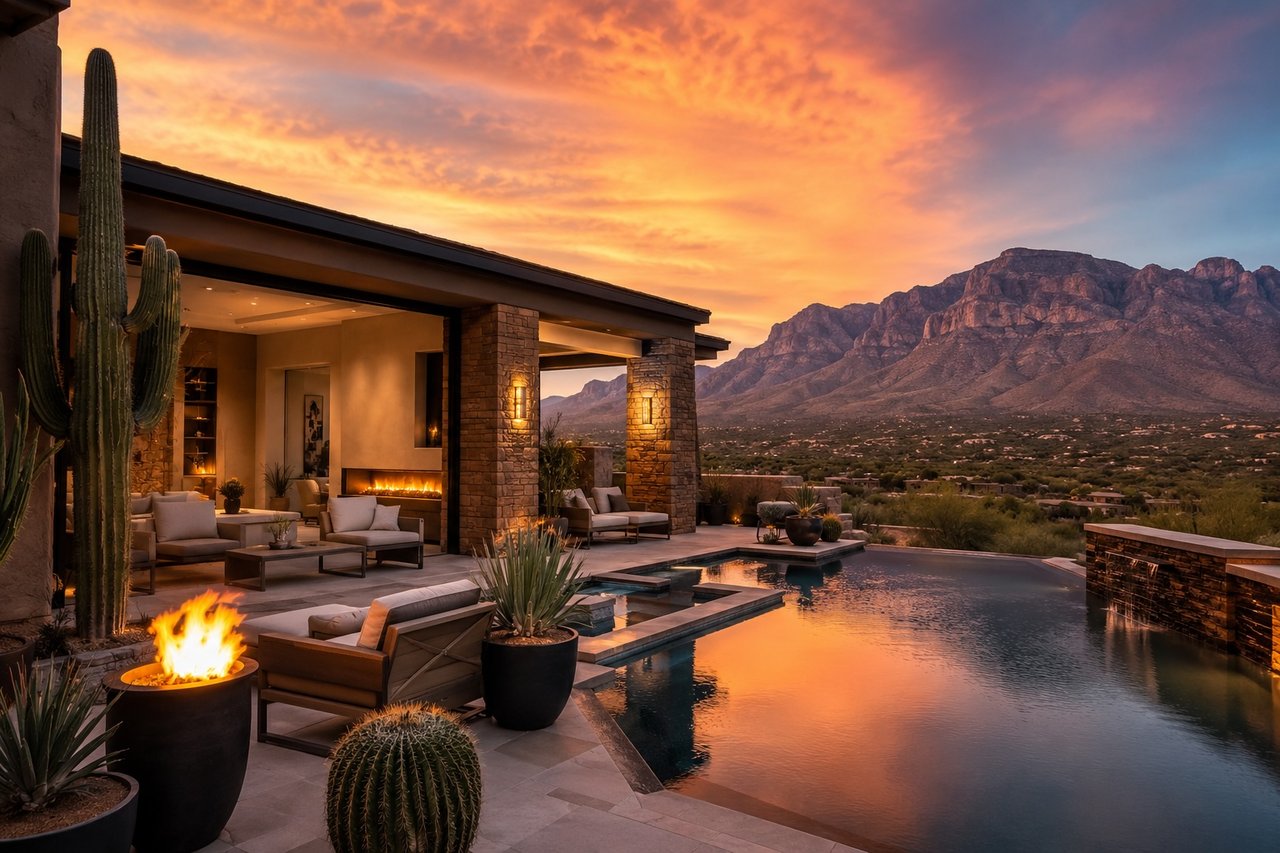
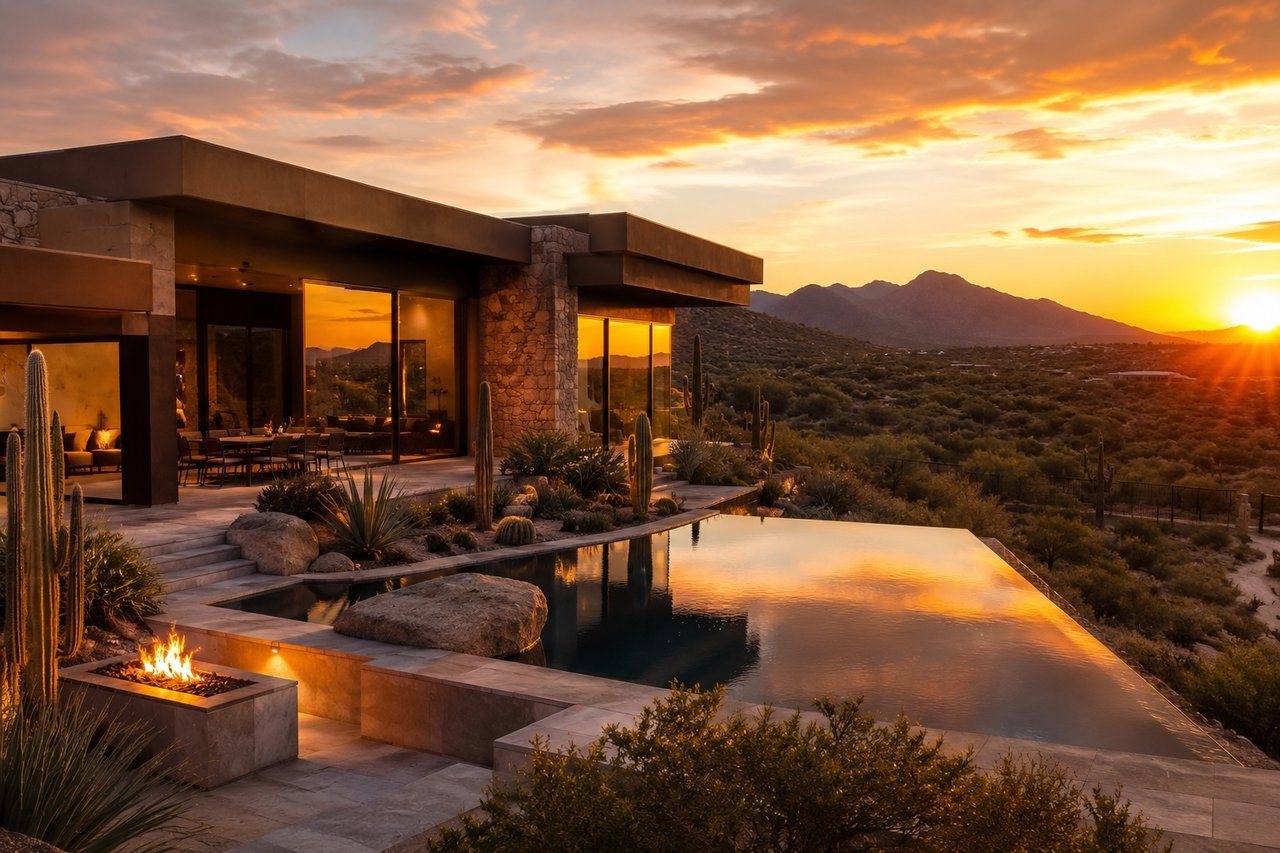
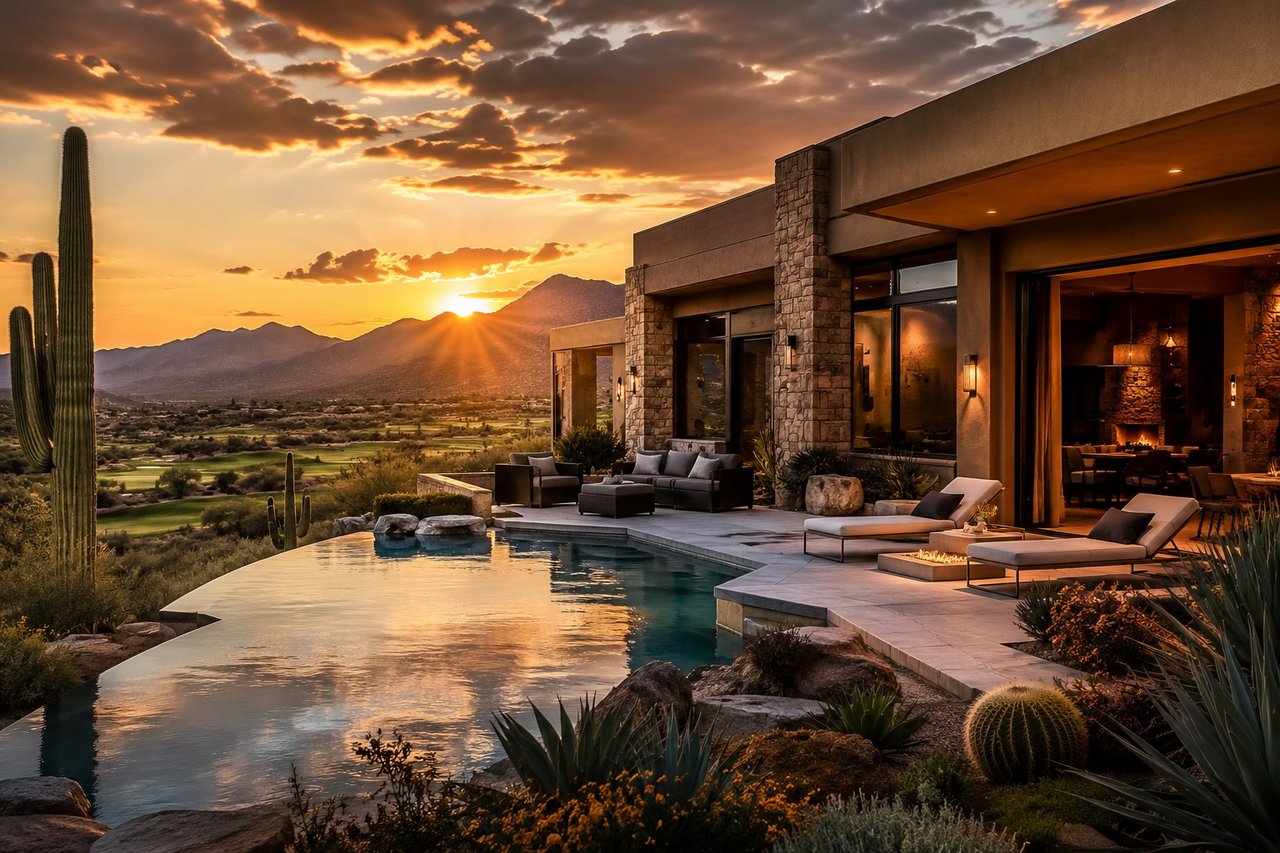
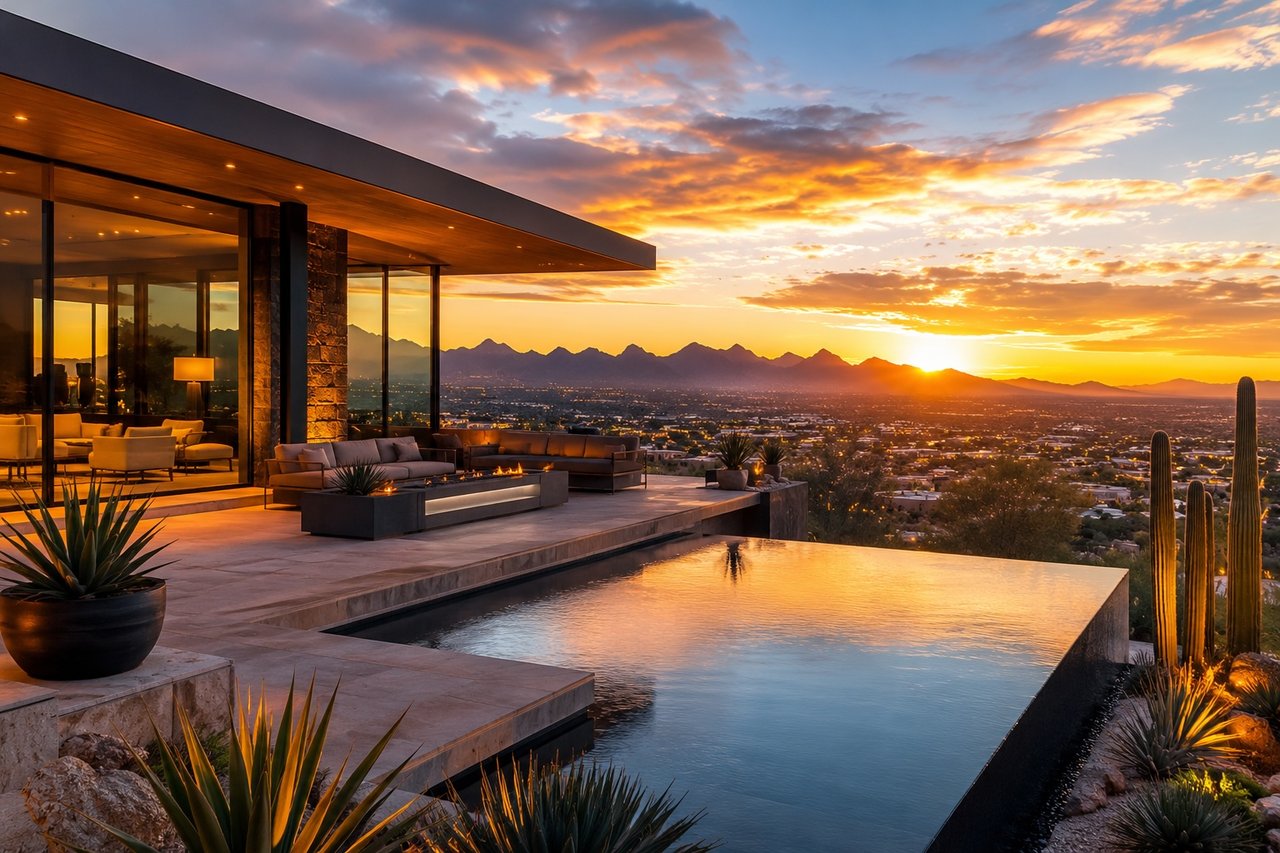
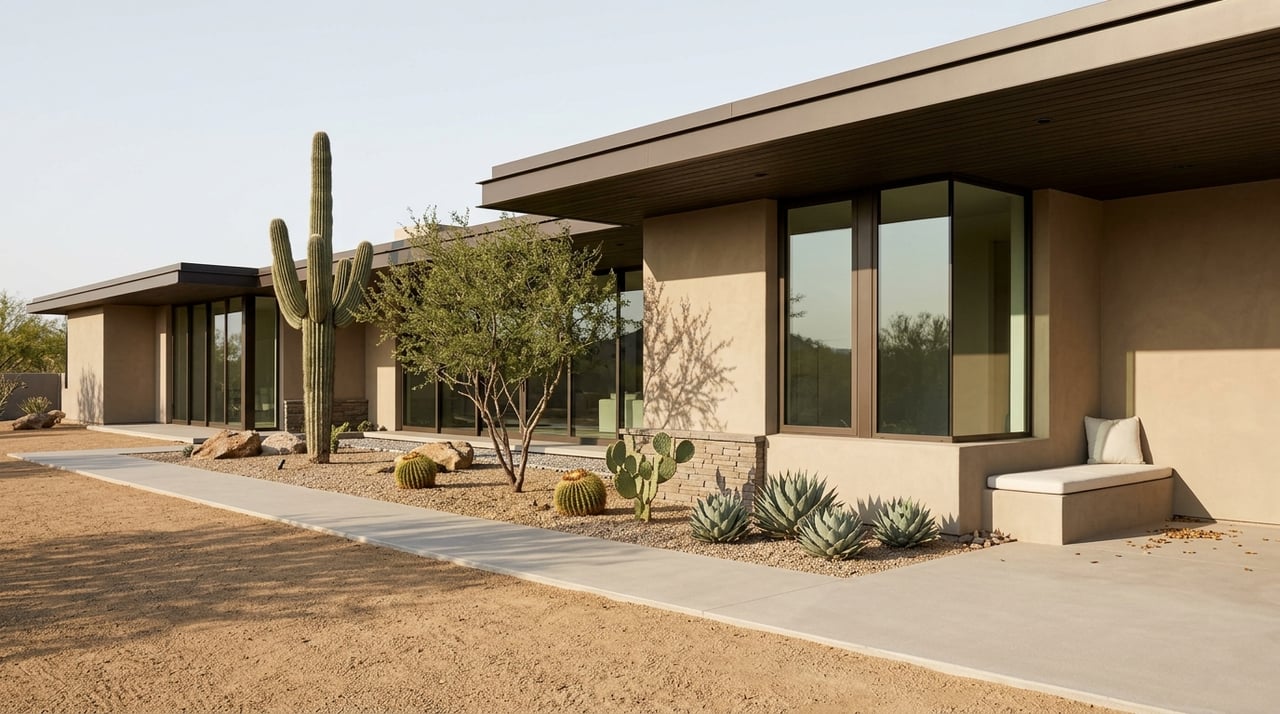
In the Sonoran Desert, architecture is never separate from orientation. Deep overhangs, shaded courtyards, protected western glass and the placement of a pool can shape comfort as much as a dramatic finish schedule. A mountain view matters, but so does the hour when the room receives direct sun, the way monsoon water moves around the house and whether outdoor spaces remain usable beyond a narrow season.
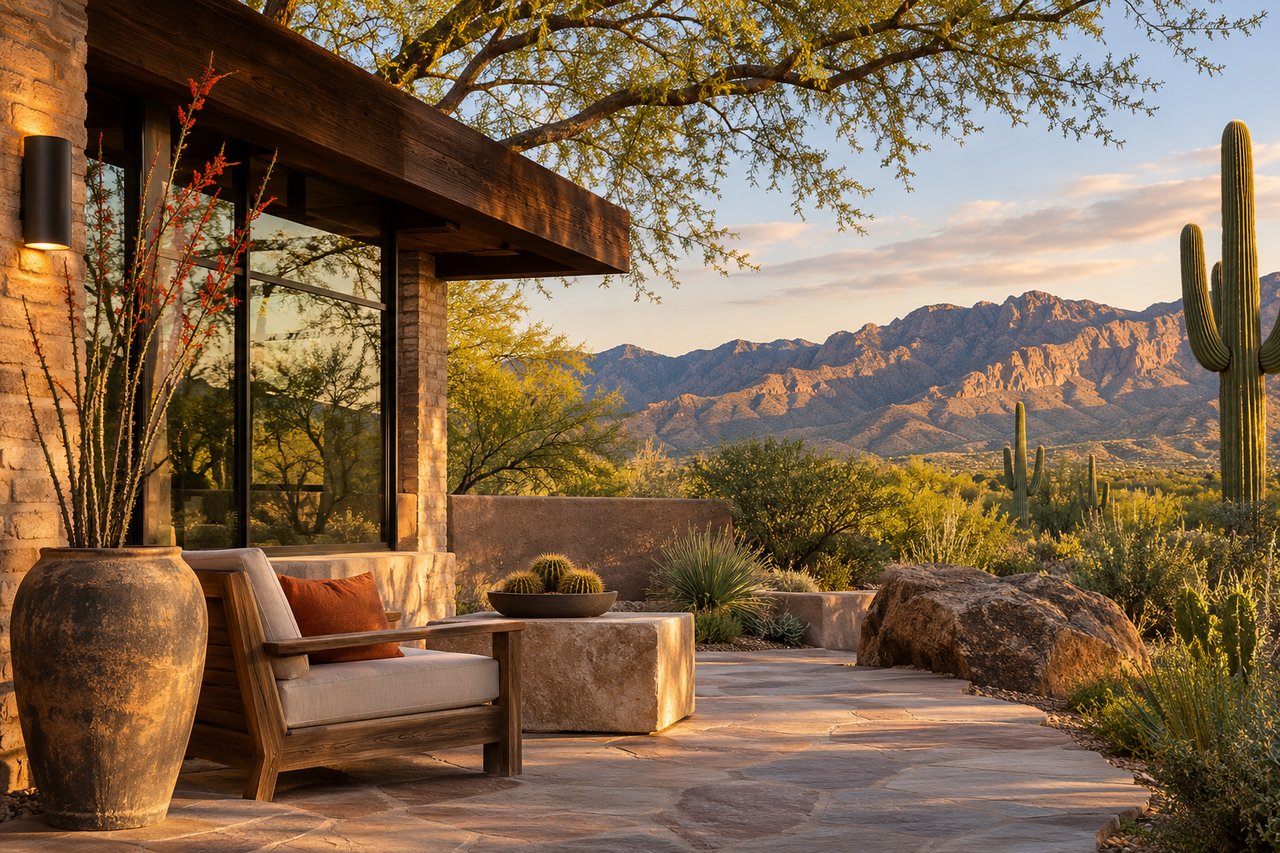
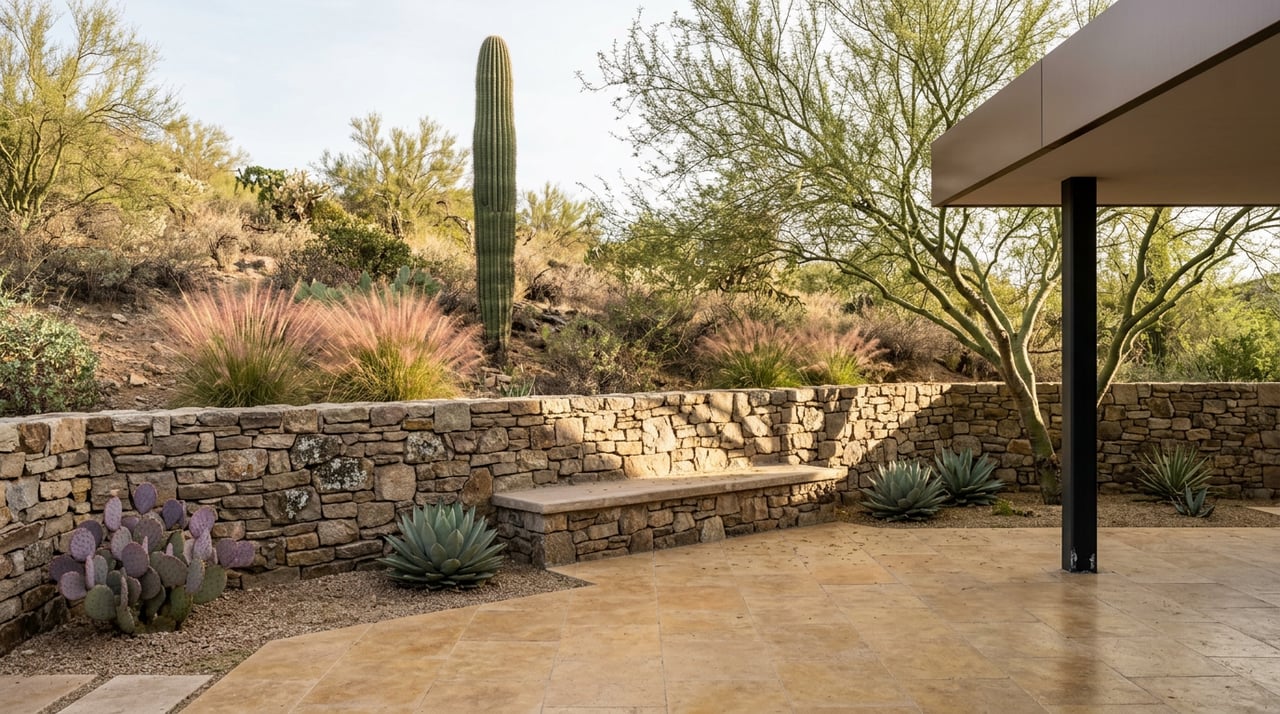
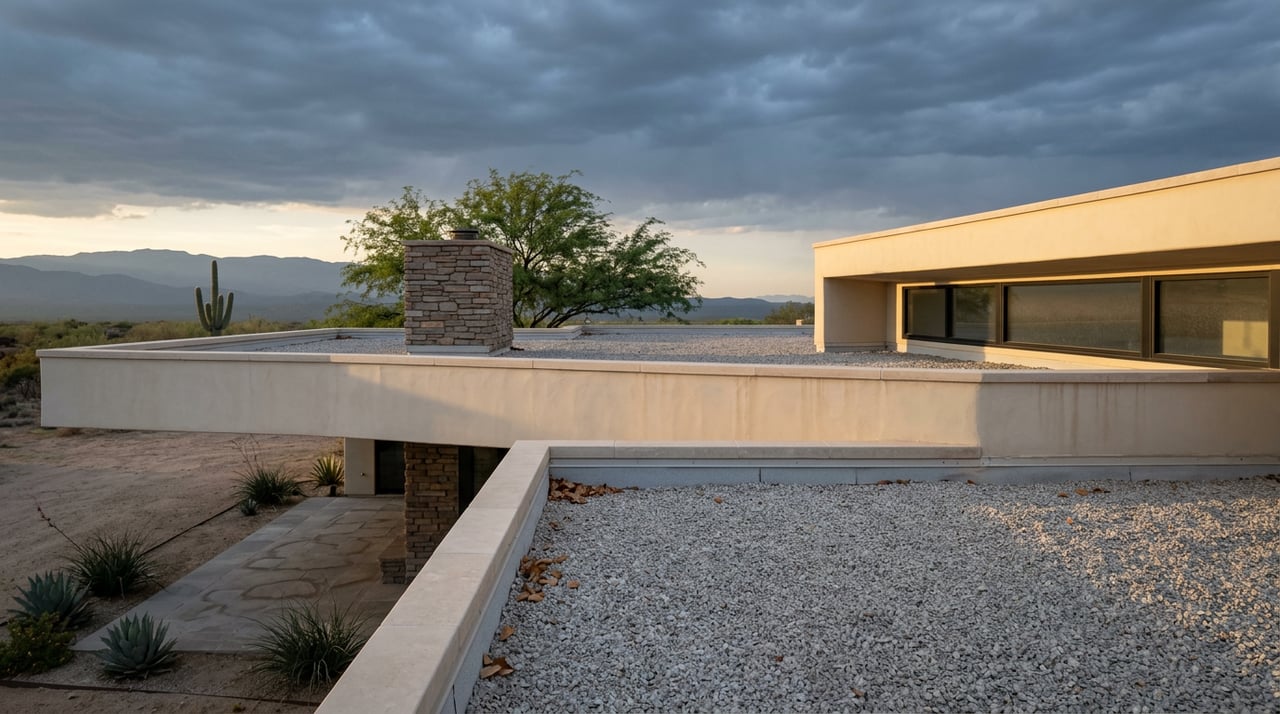
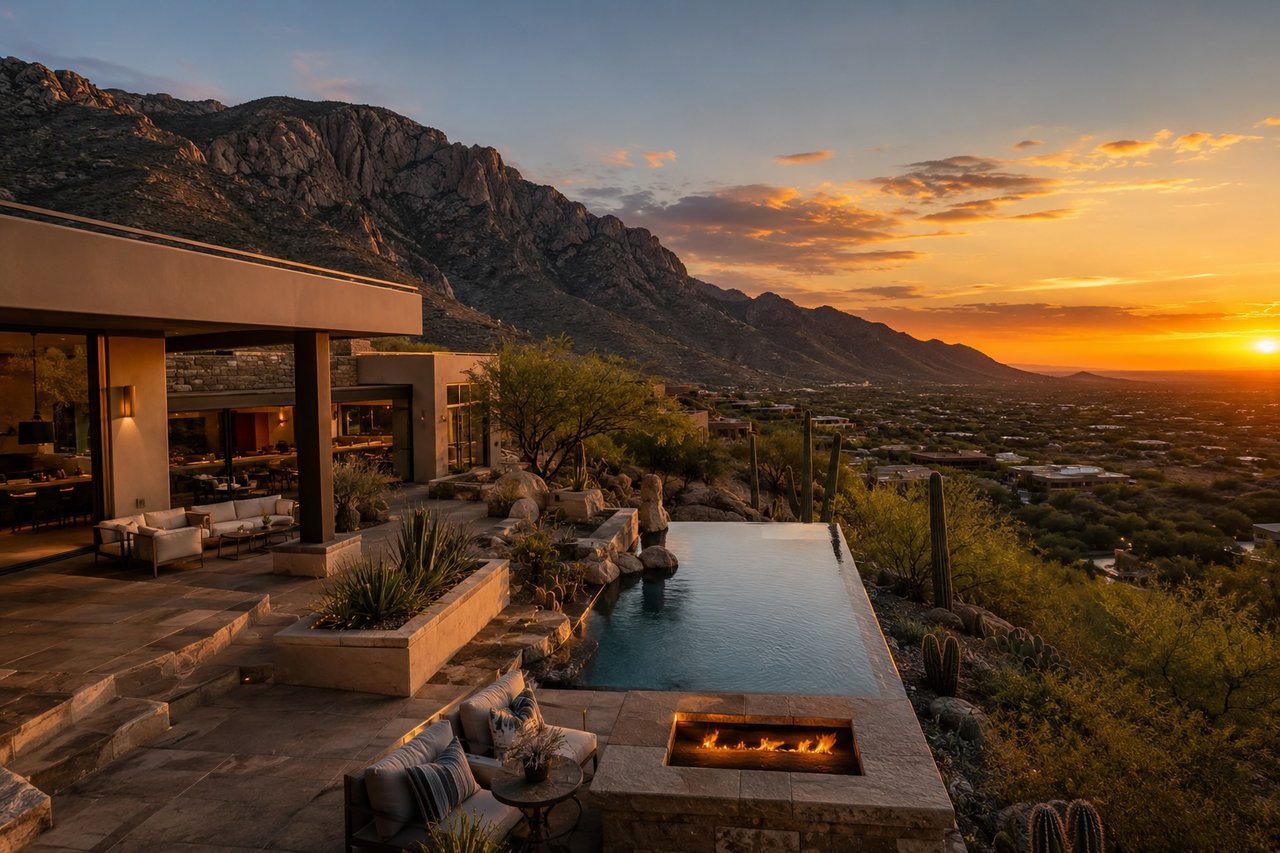
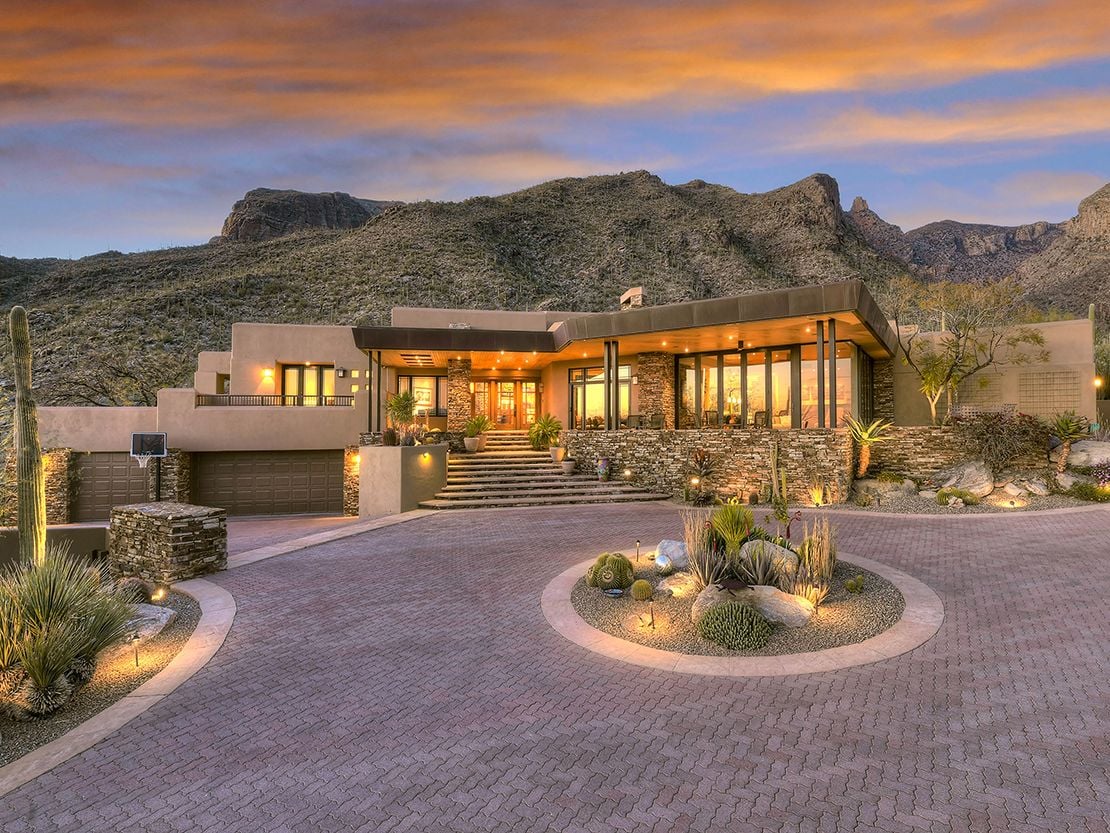
In the Catalina Foothills and Pima Canyon, a sloped lot may create privacy and a powerful view corridor while also making driveway geometry, retaining structures and drainage part of the property’s daily reality. In Oro Valley or the Tortolita Mountains, a broader desert setting can shift attention toward distance, wind exposure, landscape preservation and the relationship between the main residence and detached spaces.
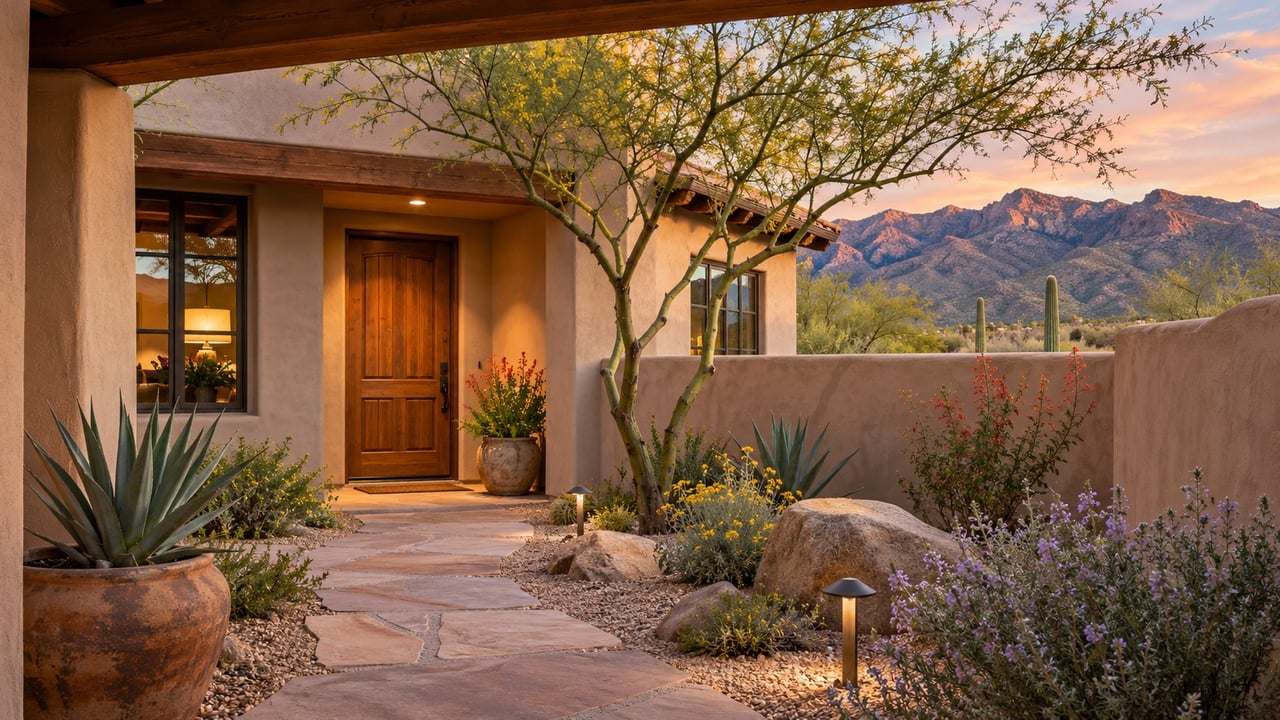
These are not reasons to prefer one setting over another. They are reasons to walk the site before letting the interiors settle the decision. Stand where the afternoon sun reaches the glass. Follow the path from the garage to the kitchen. Notice how guests arrive, where service access occurs and whether the outdoor rooms feel connected or simply added.
Verify the Property’s Story Through Records
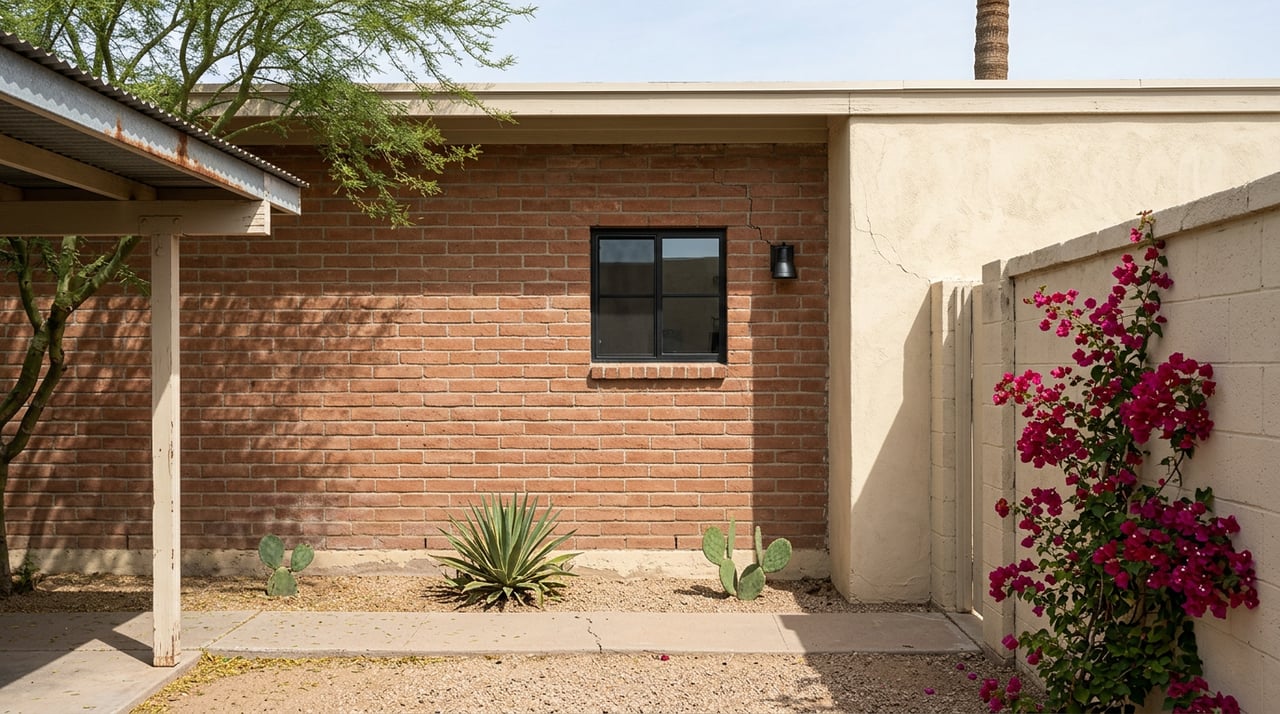
Distinctive homes often evolve. A guest house may have begun as a studio. A roofline may have been extended over a terrace. A pool, solar array, elevator, wall or mechanical room may have been added years after the original construction. Quality can be excellent and the paper trail can still be incomplete.
Pima County’s records search provides access to permit and project records, inspections, building records, septic records and related documents. The county also notes that residential plans built before 2007 may not always be available under its retention schedule. That makes the absence of a document something to investigate, not an automatic conclusion about the work itself.
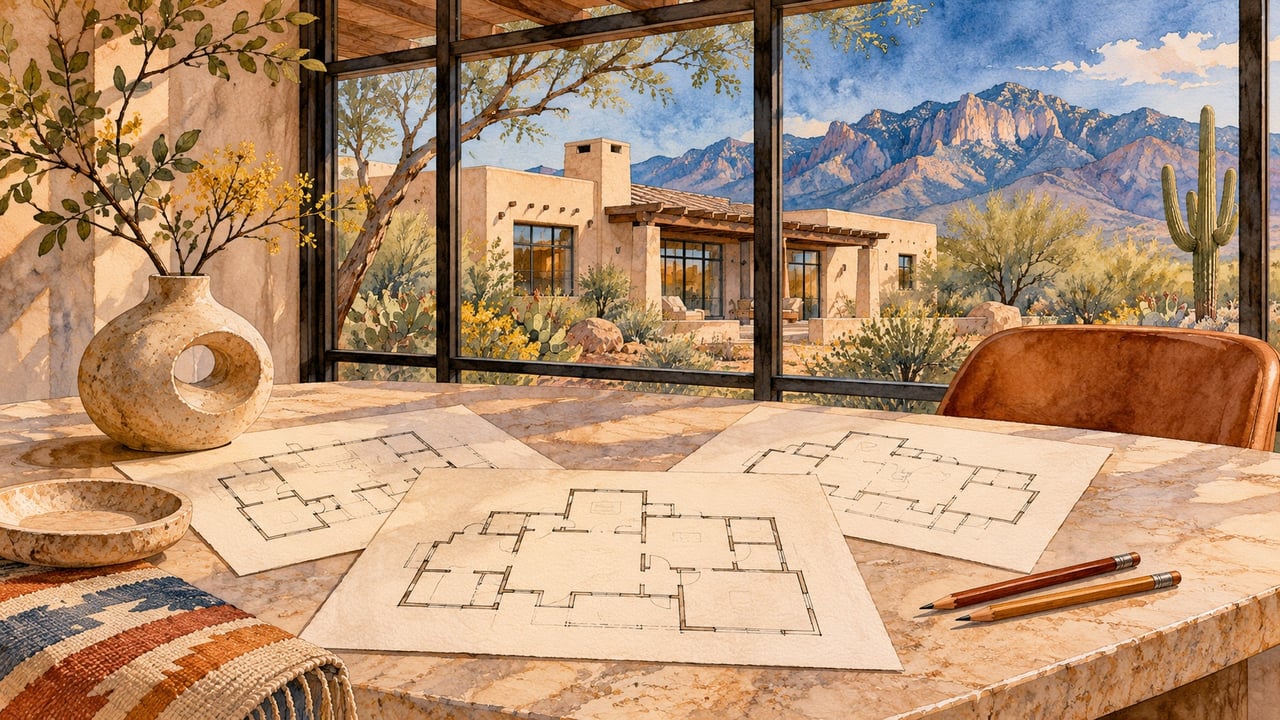
I would want the physical house, seller disclosures and available records to tell the same story. Confirm the permitted use of detached spaces. Ask what was replaced, when it was completed and who has serviced it since. Compare plans or sketches with what actually exists. If a feature is central to your decision—an art studio, guest wing, observation deck or elaborate outdoor kitchen—its legal status and condition deserve the same attention as its design.
In Tucson, Water and Drainage Require Their Own Conversation
Clear desert weather can make drainage easy to overlook. It should not be. Pima County’s Regional Flood Control District explains that FEMA floodplains are only part of the picture; locally mapped floodplains, erosion hazards and riparian habitat can extend beyond federal mapping. Its real-estate resources direct buyers and sellers to parcel research, elevation certificates and the appropriate local jurisdiction.
A map is a starting point. On the property, look for finished-floor elevation, drainage paths, scuppers, channels, retaining walls and evidence of repairs. Ask how water leaves roof areas and hardscape without concentrating against the structure. If the parcel borders a wash, examine both the view and the responsibilities that come with it.
Water service and wastewater deserve equal precision. Many Tucson-area homes use municipal water and sewer; some properties rely on a well, septic system or a combination that requires separate review. Pima County maintains septic records and transfer-inspection resources. The Arizona Department of Water Resources provides a well-record search by registry number or parcel. Where these systems apply, verify capacity, age, service history, shared-well agreements, testing and transfer requirements with the appropriate specialists.
Complex Systems Should Be Understood as a Whole
A large custom home is a network. Multiple cooling zones, boilers or water heaters, motorized shades, lighting controls, pool equipment, irrigation, gates, security, solar and battery systems may all be individually functional while working together with very different levels of efficiency.
A general inspection is essential, but it may be the beginning rather than the full scope. The property may justify focused reviews by roofers, pool professionals, HVAC contractors, structural engineers, solar specialists or other qualified experts. The Arizona Department of Real Estate Buyer Advisory encourages buyers to investigate the physical condition of the property and other matters that affect their decision, while recognizing that the relevant documents and specialists vary by home.
Records can reveal patterns that one afternoon cannot. Review utility history, service agreements and replacement dates when available. Ask which controls still receive manufacturer support. Confirm whether a smart-home system can be transferred and operated without a proprietary relationship that the next owner does not want. A sophisticated system should make the house easier to live in, not turn every ordinary adjustment into a service call.
Separate the Home From the Association and the Club
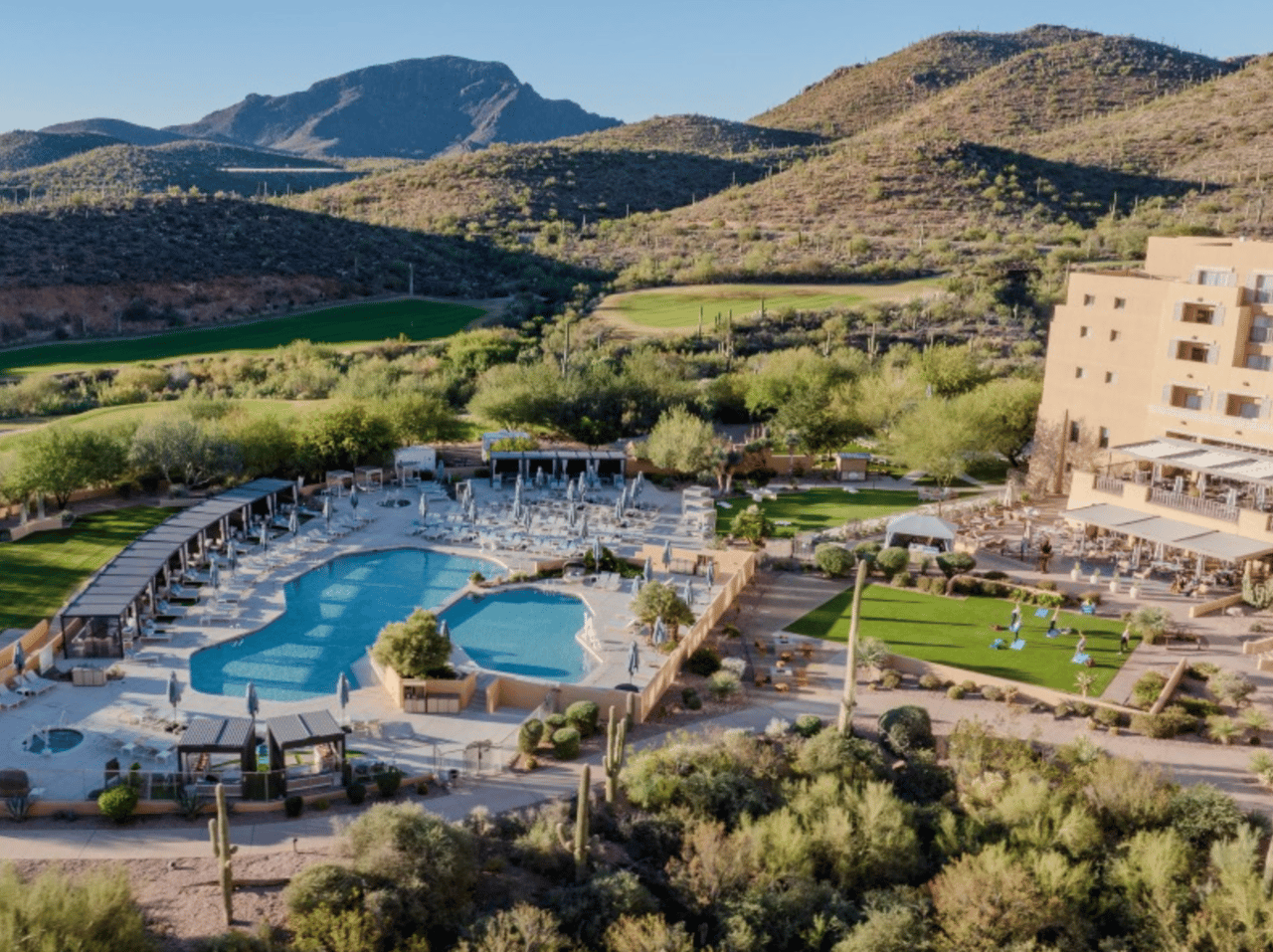
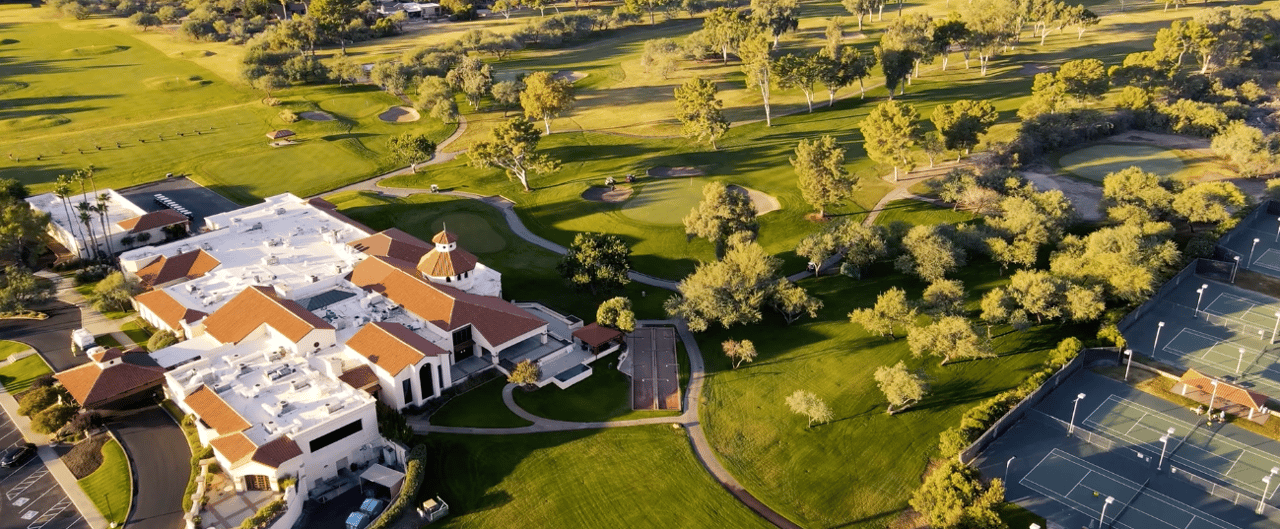
Some Tucson luxury homes sit within gated, golf or resort settings. The view from a terrace and the experience of a community may feel inseparable, but the documents are separate. Review the residence, the association and any club relationship on their own terms.
Association documents can affect exterior changes, guest-house use, landscape work, short-term occupancy, construction timing and other decisions that matter to a custom property. Club access, categories, dues, transfer terms and waiting lists should be verified directly with the club. Never assume that a home’s location automatically conveys a particular membership. My Ventana Canyon guide applies the same discipline: appreciate the setting, then confirm the exact form of access you would use.
Character Should Survive the Inspection
Due diligence is sometimes described as a process of finding defects. That is too narrow for a distinctive home. The better purpose is to separate authentic character from unresolved condition.
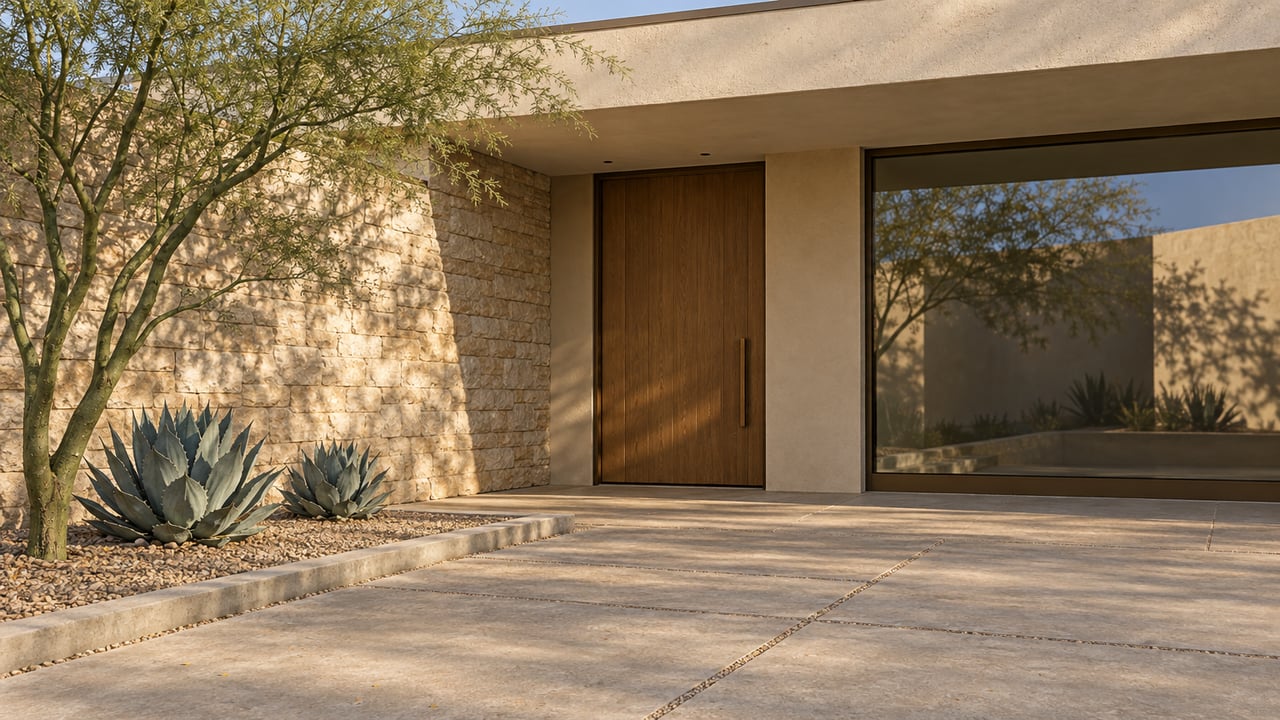
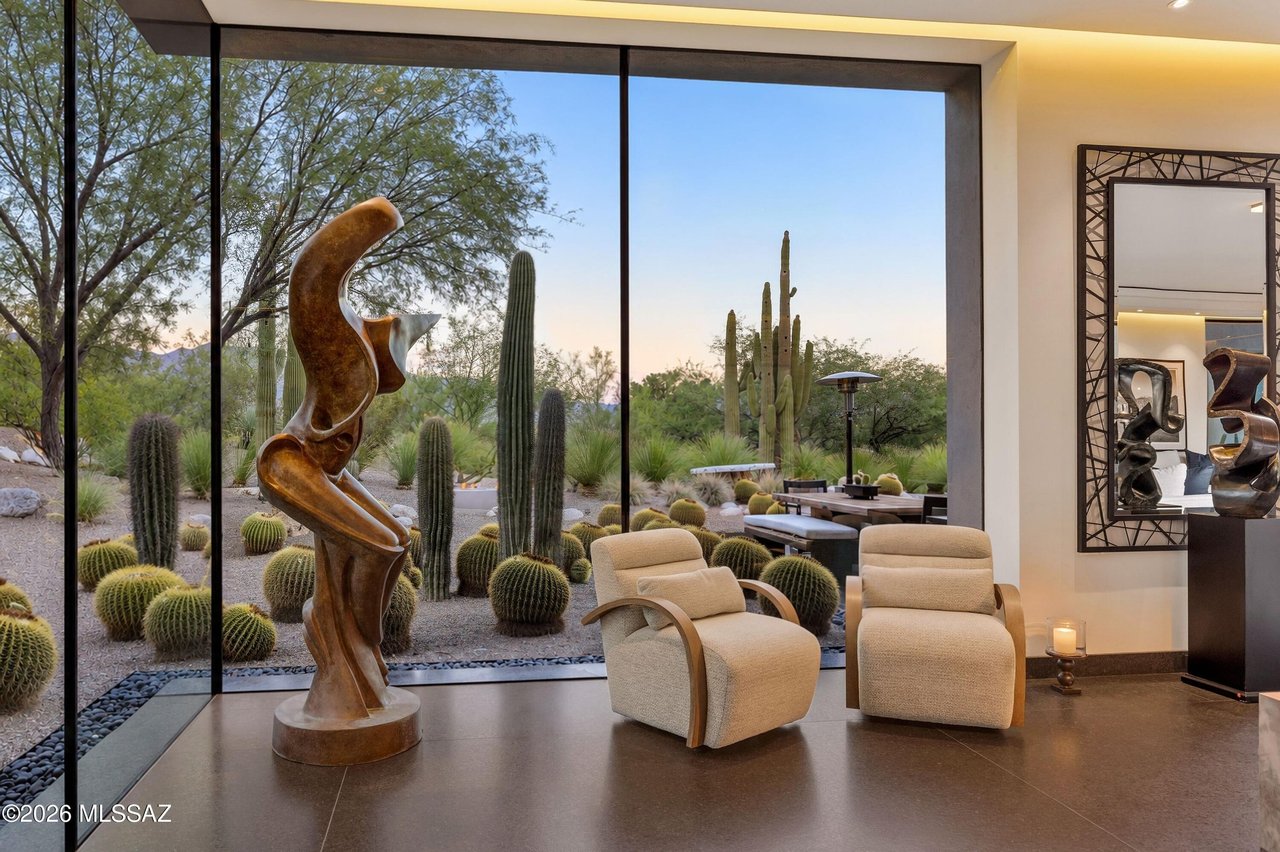
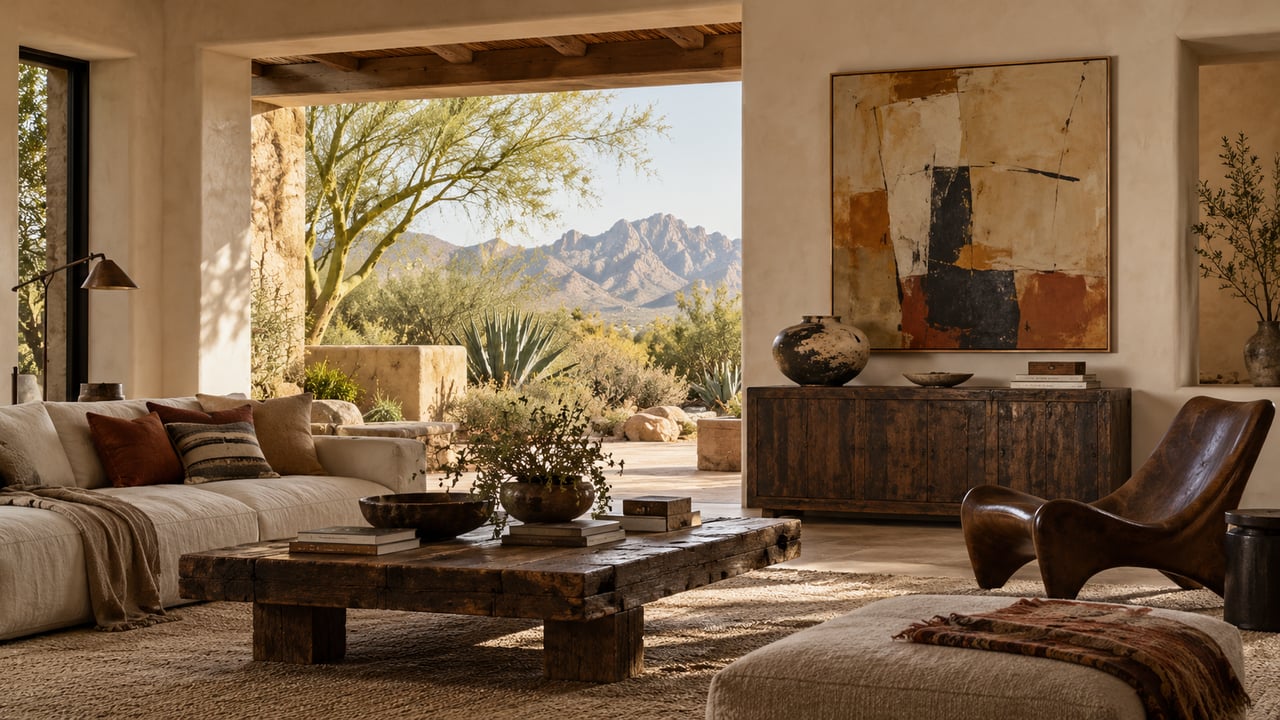
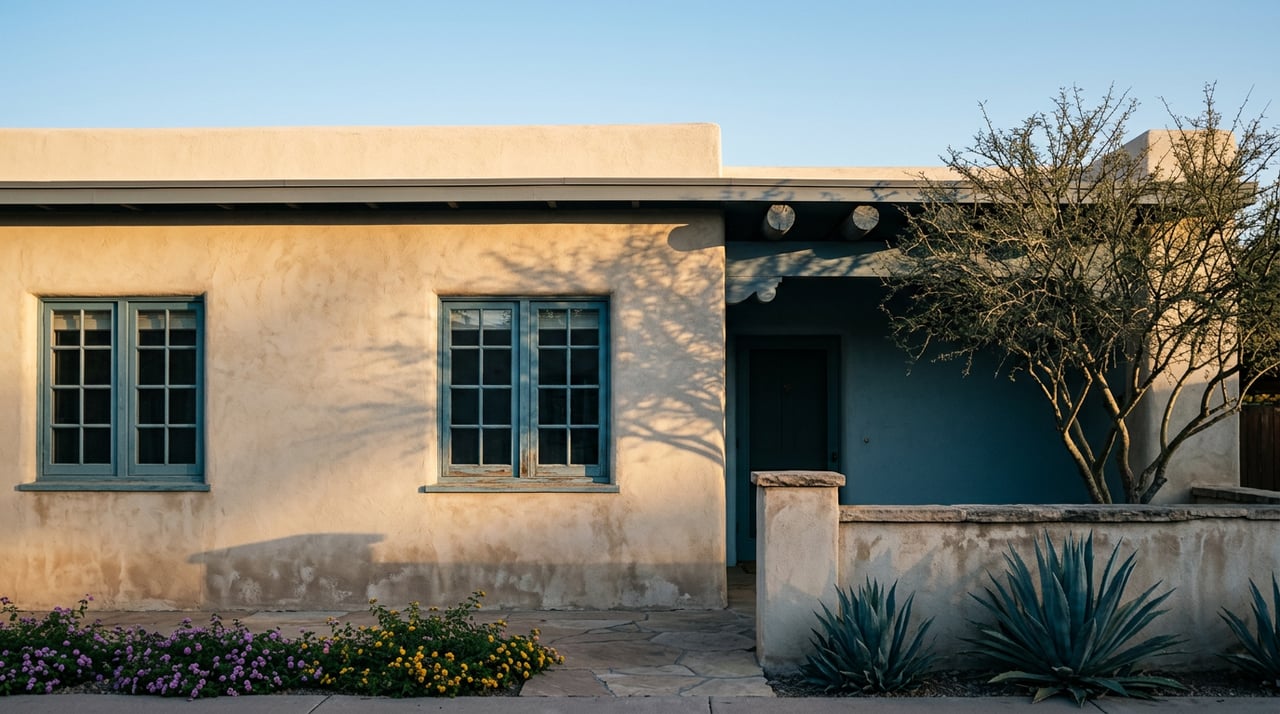
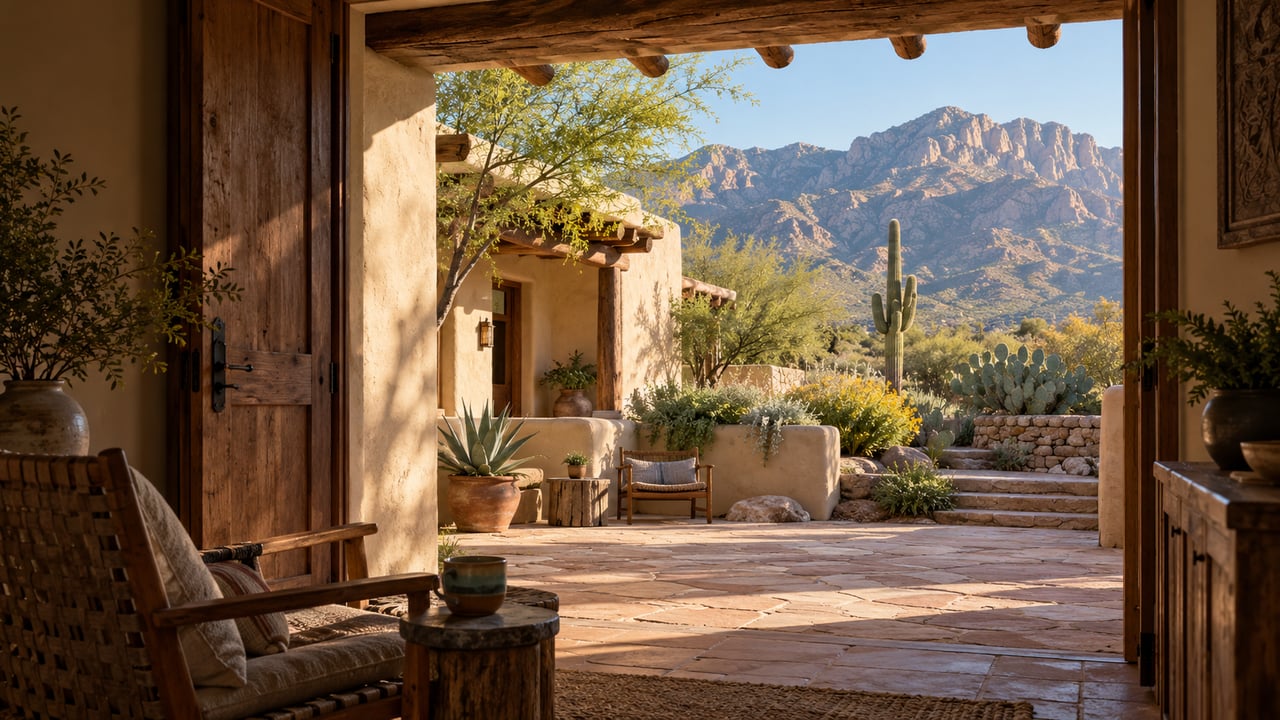
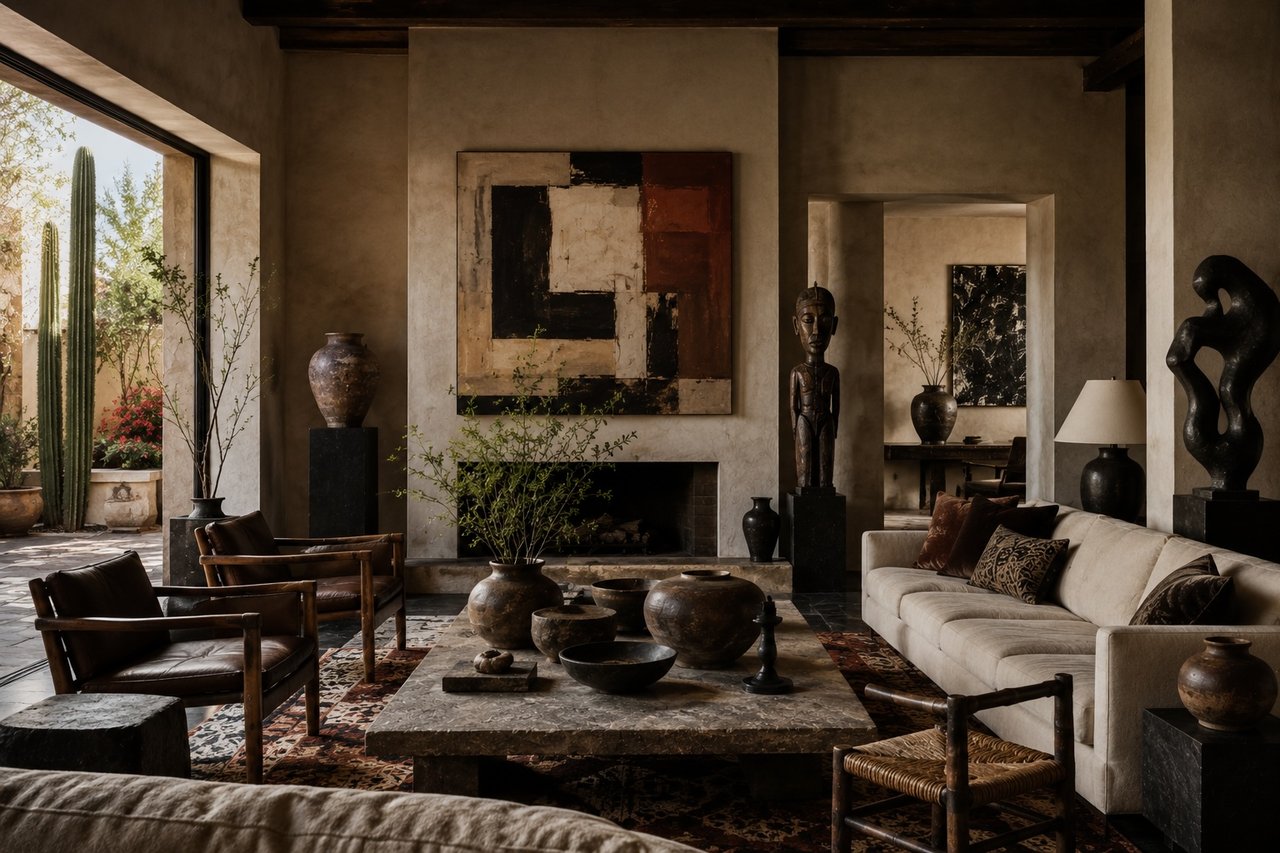
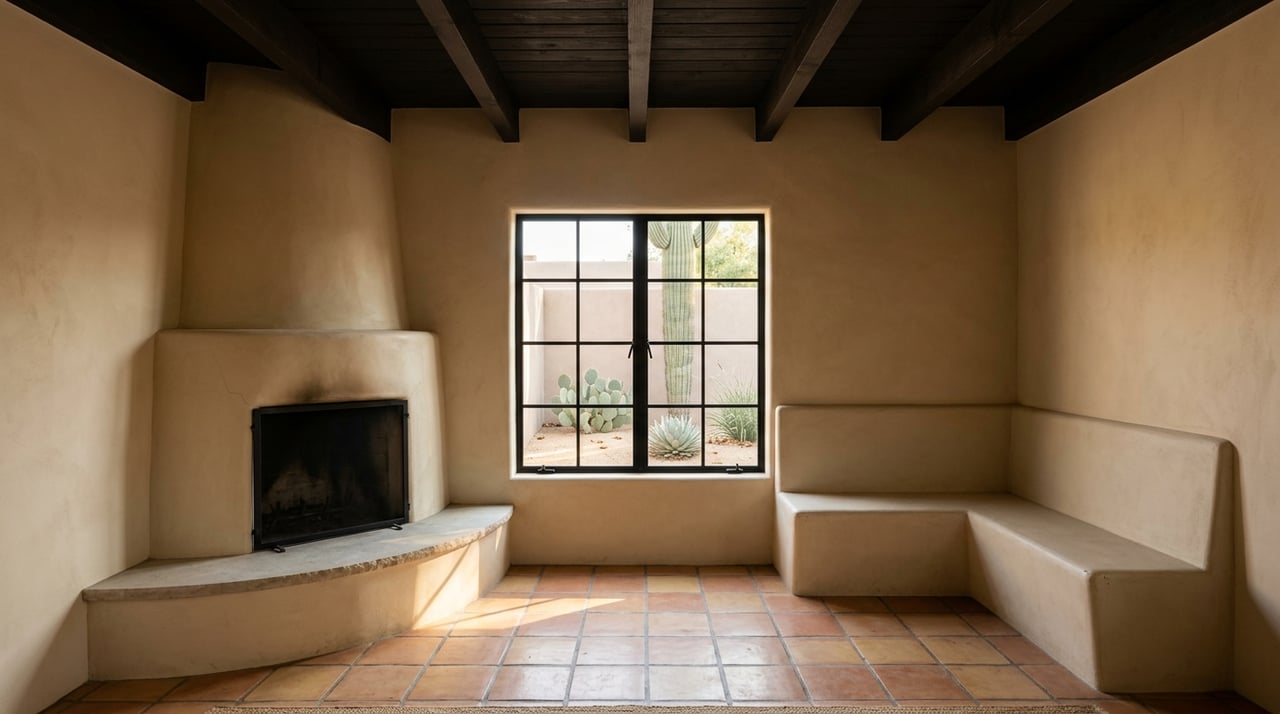
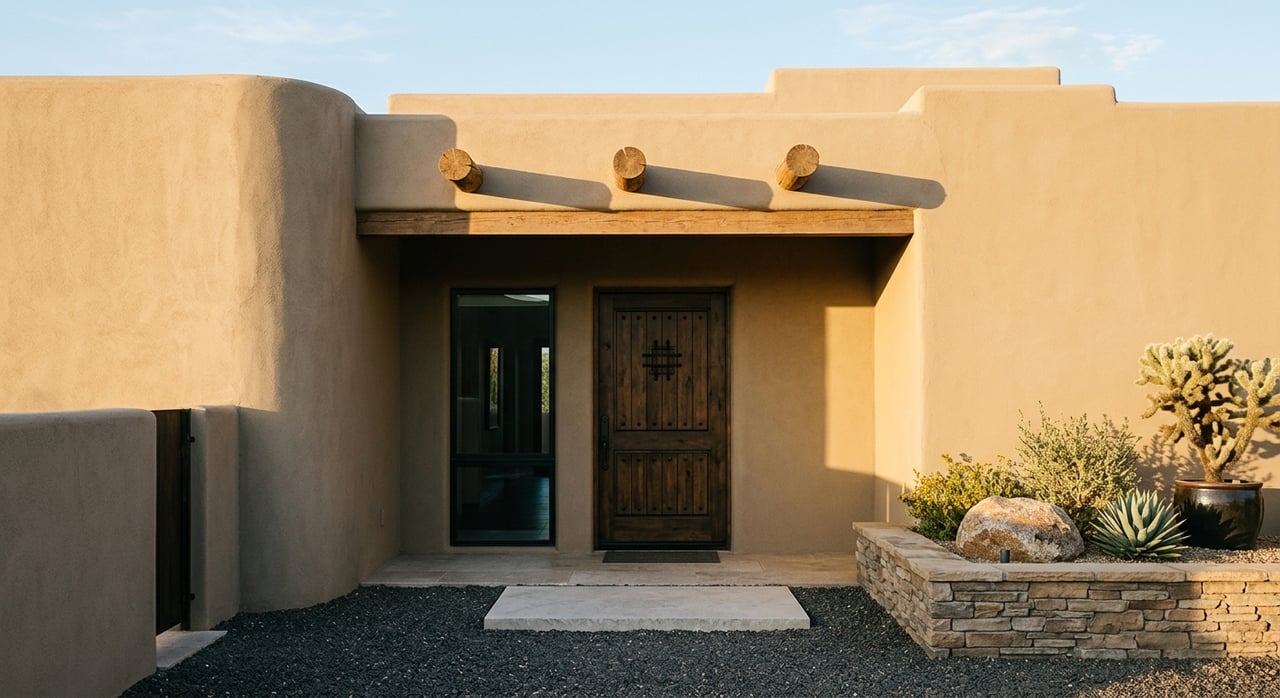
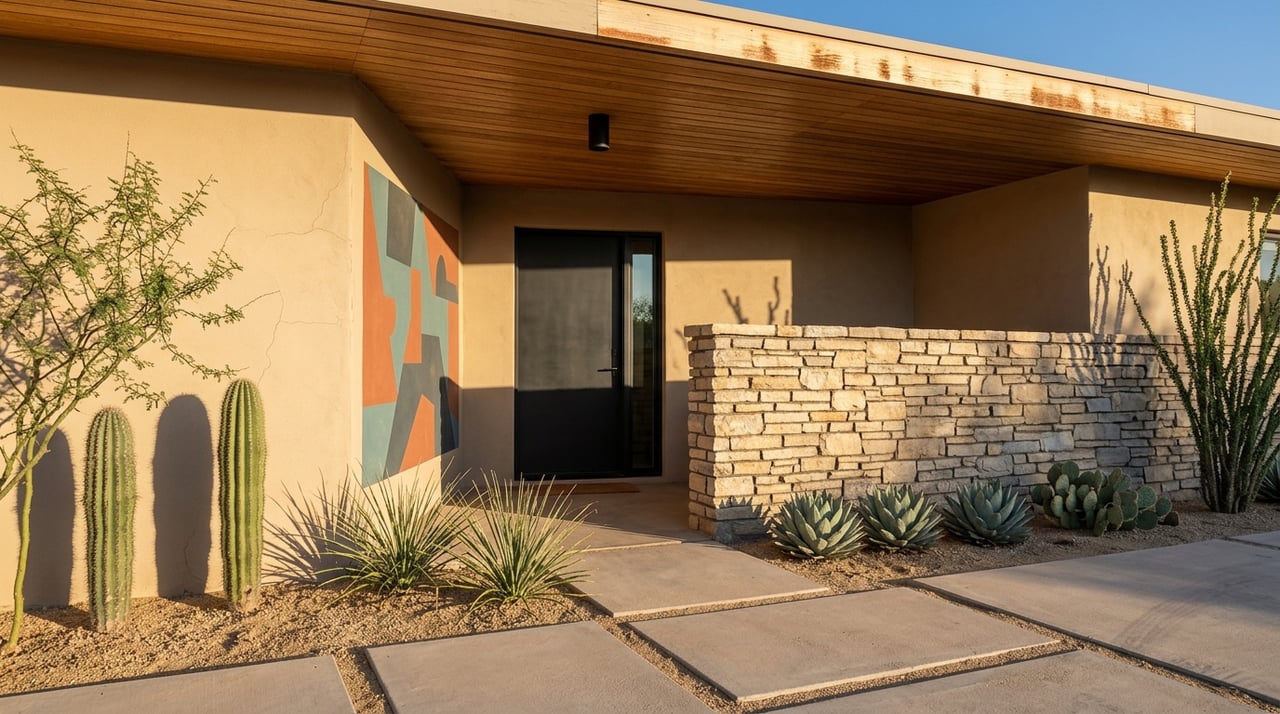
A hand-finished wall, aged timber door or quiet change in floor level may be part of the architecture rather than something to erase. Original drawings, artist information, landscape plans and a clear record of prior work can deepen a home’s meaning. This is the practical side of what I call the collected home: provenance gives objects and spaces context, while condition tells you how responsibly that context has been carried forward.
The goal is not to make an expressive home generic. It is to understand which qualities deserve preservation, which systems need attention and whether the next owner wants the responsibility that comes with both.
A More Useful Showing Sequence
For a short list of Tucson homes from $3 million to $4 million, I would organize the comparison in this order:
- Setting: orientation, views, privacy, slope, wash conditions, access and outdoor comfort.
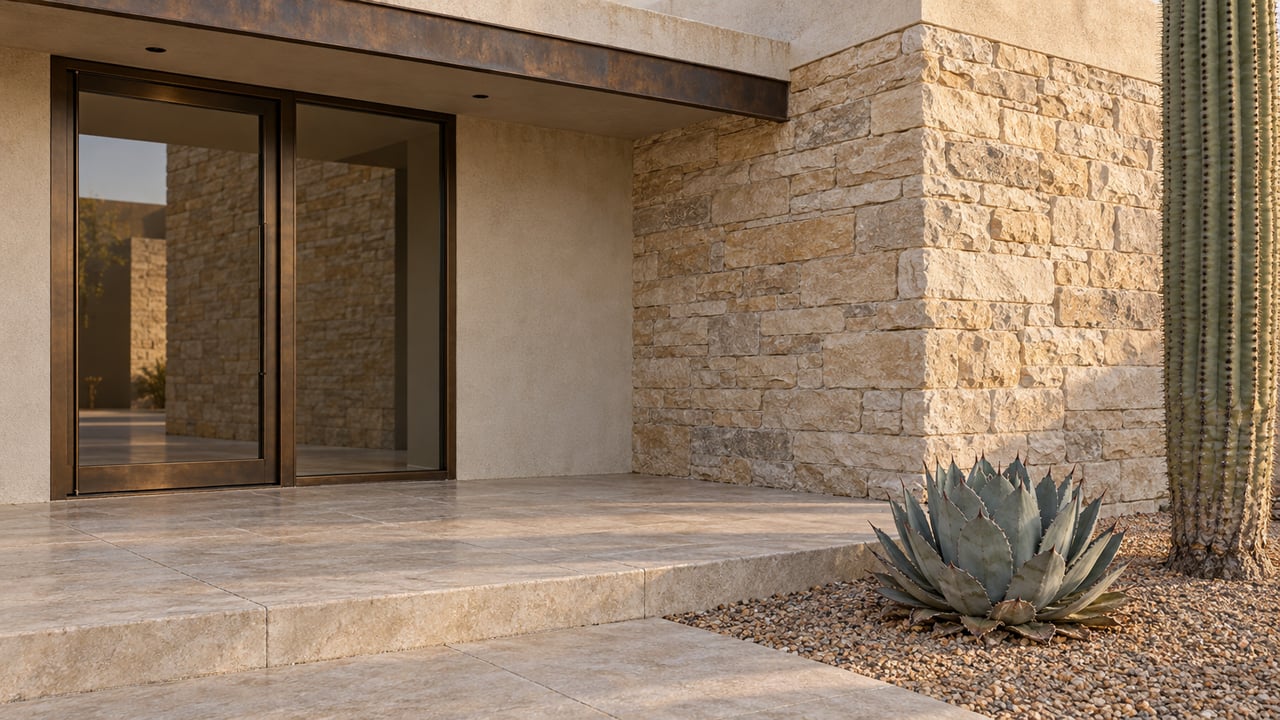
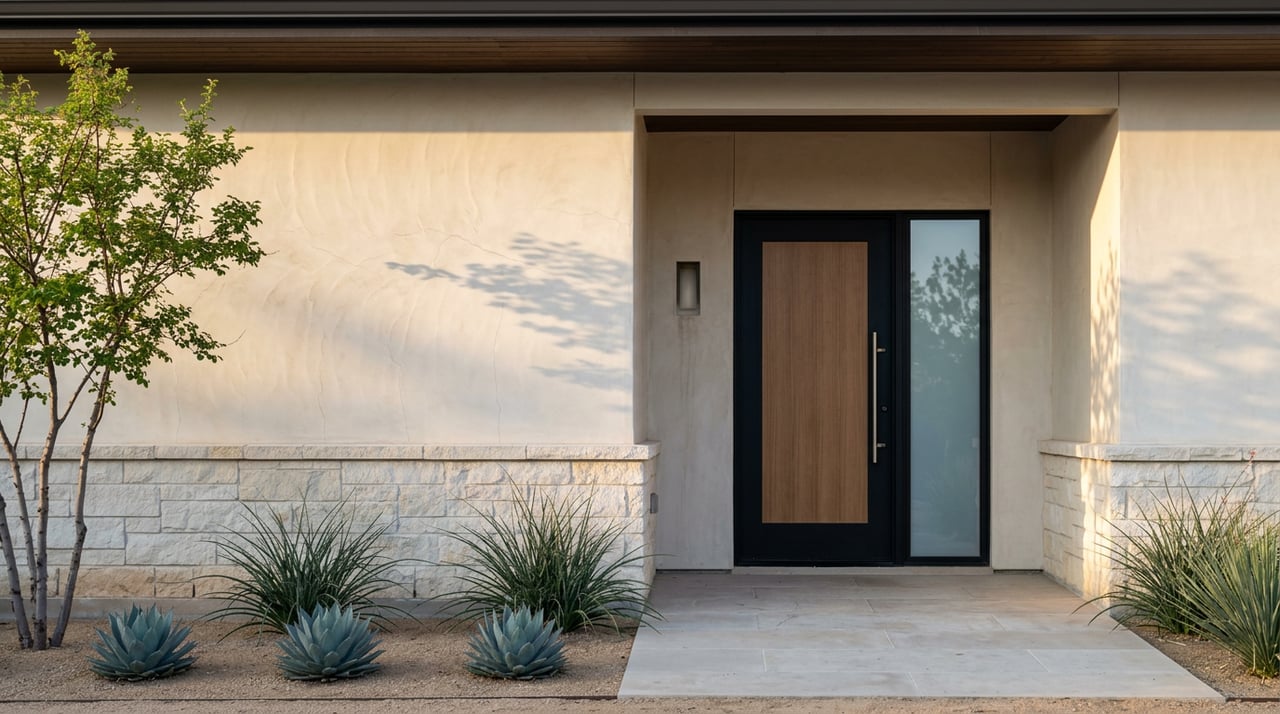
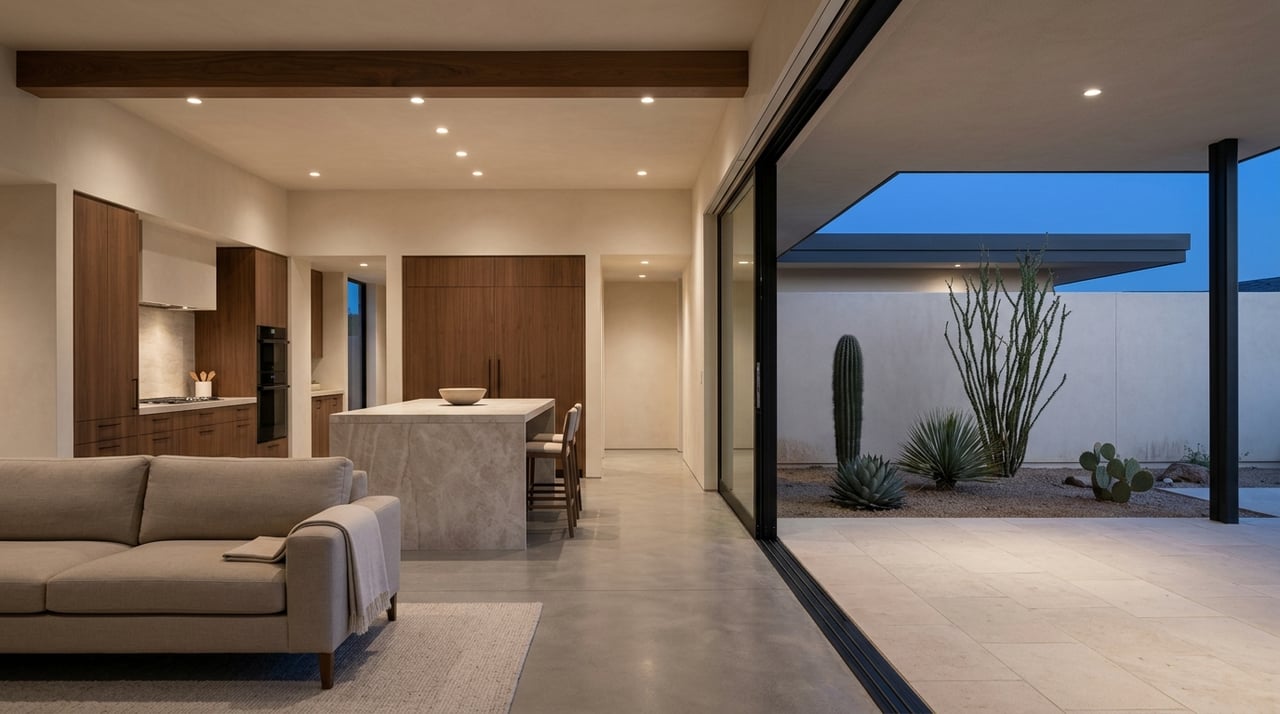
- Architecture: circulation, proportions, natural light, shade, material continuity and the relationship between original work and later additions.
- Records: permits, plans, disclosures, improvement history, warranties and specialist reports.
- Systems: roof, structure, cooling, water, wastewater, pool, irrigation, solar, controls, security and backup capacity.
- Ownership structure: association responsibilities, club terms, service arrangements and the practical demands of seasonal or full-time living.
- Stewardship: what should be preserved, what should be improved and whether the property fits the life you intend to build around it.
This sequence keeps the most compelling features in view without allowing them to eclipse the questions that make a purchase feel sound months and years later.
Quick Answers
Are all Tucson homes in this price range custom estates?
No. Property type, land, architecture and community context vary, and current availability changes. Evaluate the actual home and parcel rather than assuming a standard profile from the asking price.
Should a luxury buyer use specialists beyond a general inspector?
Often, yes. The appropriate scope depends on the property. Roof, pool, HVAC, structural, solar, septic, well or other specialists may be useful when those features are material to the decision.
Does a golf-community address include club membership?
Not necessarily. Verify membership categories, availability, costs and transfer terms directly with the club, and review association obligations separately.
What is the best first question at a showing?
Ask how the home and site work together through a full day and a full Tucson season. That question often reveals more than a room-by-room inventory of finishes.
Compare the Properties That Merit a Closer Look
View the current Tucson-area search from $3 million to $4 million. The regional search can include surrounding communities, so each property should be evaluated in its actual municipal, community and site context.
If you are comparing a small number of distinctive homes, I can help you build a showing and due-diligence plan around architecture, setting, condition and the way you intend to live. Contact Daniel Sotelo at Russ Lyon Sotheby’s International Realty to begin a thoughtful Tucson search.