Anne Rysdale and the Architecture of Tucson: The Mid-Century Homes That Helped Define Desert Living
There are houses that can be understood almost entirely through numbers: square footage, lot size, bedrooms, bathrooms and recent comparable sales.
And then there are houses where the story matters.
In Tucson, some of our most interesting residential properties belong to that second category. Their value is connected not only to where they sit or how large they are, but to the architect who conceived them, the era in which they were built, the materials that remain, and the way the home responds to the Sonoran Desert.
Few architects are more deserving of renewed attention in that conversation than Anne Rysdale.
A Tucson native and pioneering Arizona architect, Rysdale helped shape the city's residential landscape during an extraordinary period of postwar growth. Her work can be found in some of Tucson's most established neighborhoods, including Colonia Solana, El Encanto, Winterhaven and Tucson Country Club Estates. She developed a particular reputation for residential architecture and the Ranch house at a moment when Tucson was defining what modern desert living could look like.
Today, her work offers something else: a reminder that understanding Tucson real estate sometimes requires understanding Tucson architecture.
Who Was Anne Rysdale?
Anne Jackson Rysdale was one of the most consequential women in the history of Arizona architecture.
A Tucson native, she studied engineering and fine arts at the University of Arizona at a time when the university did not yet offer the architectural degree available to students today. Historical records document her early professional connections to Henry Jaastad and, later, Tucson modernist Arthur T. Brown. She established her own architectural practice in 1949.
That alone would make her career notable.
What makes it extraordinary is the environment in which she built it.
From 1949 into the early 1960s, Rysdale was the only registered woman architect practicing in Arizona, according to Tucson historic-preservation documentation.
She wasn't simply participating in Tucson's architectural development. She was establishing herself in a profession overwhelmingly dominated by men while Tucson itself was undergoing enormous transformation.
Her early practice concentrated heavily on residential architecture. Later, she moved into larger commercial commissions, including projects associated with Tucson's historic Miracle Mile. The Tucson Inn, designed in 1952, and Flamingo Hotel, designed in 1954, are attributed to Rysdale in documentation surrounding the Miracle Mile Historic District.
But for those of us interested in residential real estate, her houses may tell the more intimate story.
They show us how Tucson learned to live in the desert.
Tucson Was Developing Its Own Kind of Modernism
When people hear "Mid-Century Modern," they often picture Palm Springs: dramatic rooflines, swimming pools, walls of glass and an architecture inseparable from a particular image of California modernism.
Tucson deserves to be understood on its own terms.
Our architectural identity developed from a different landscape and a much older regional vocabulary.
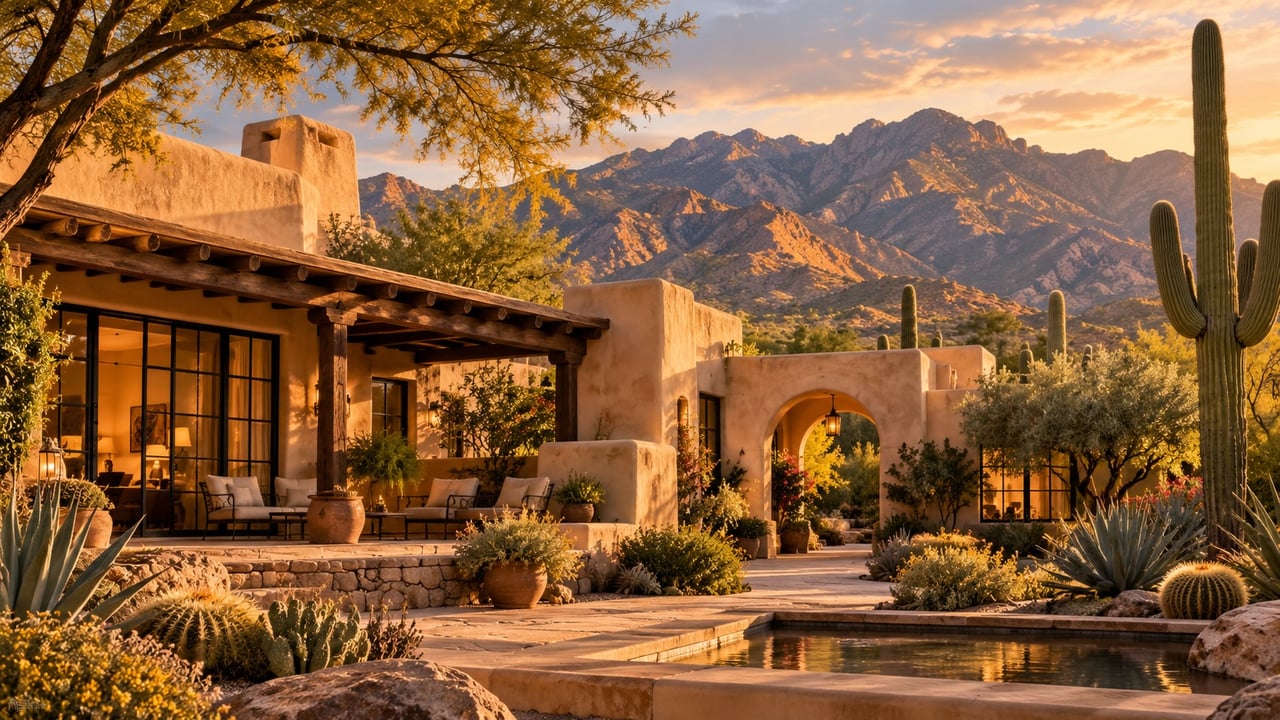
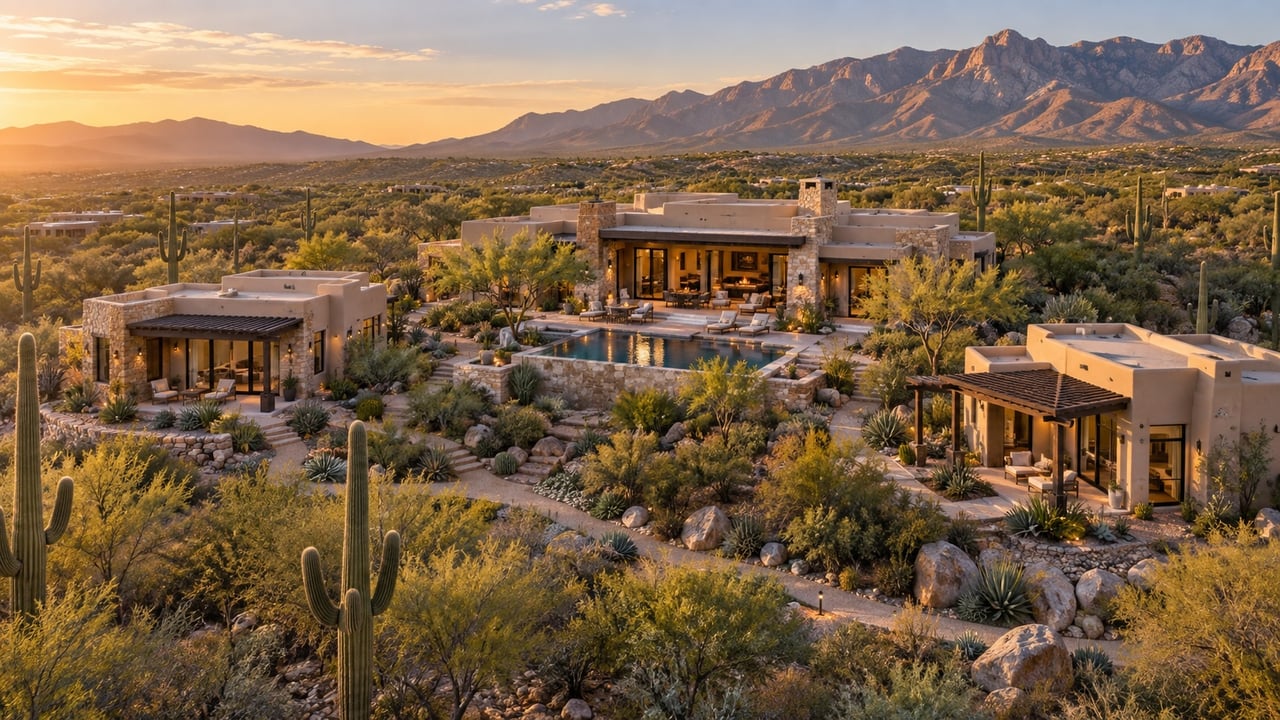
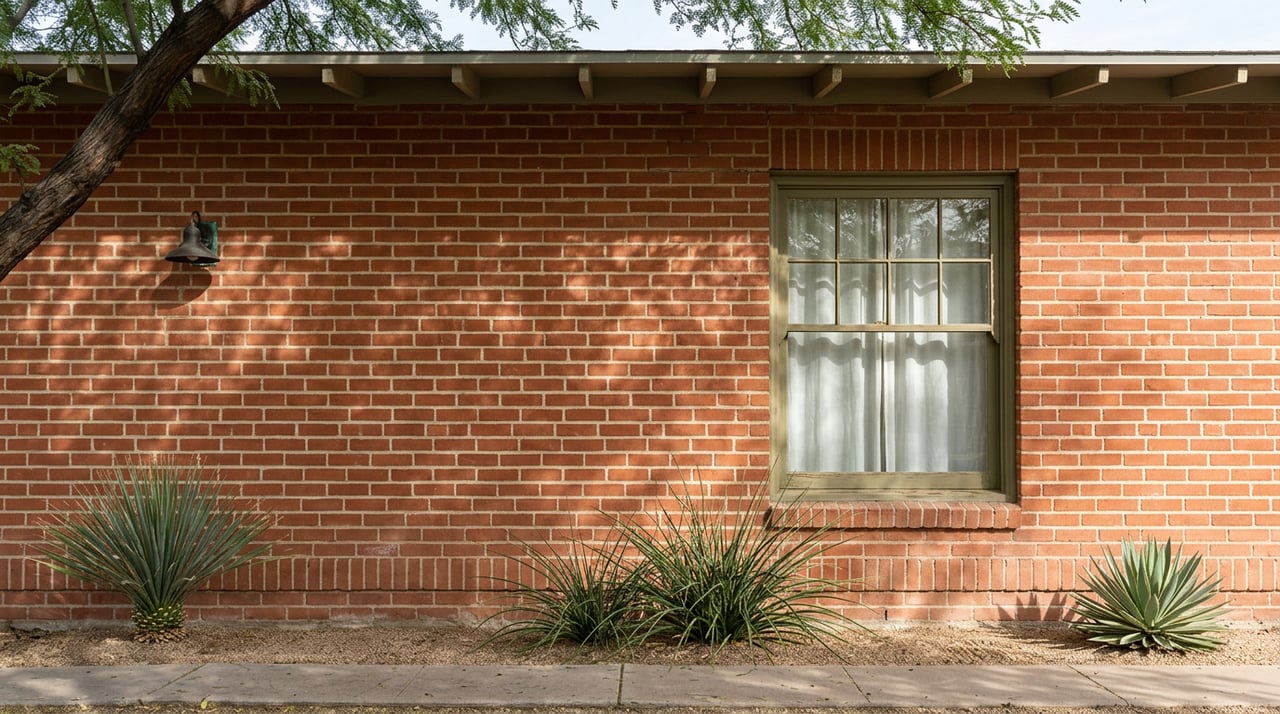
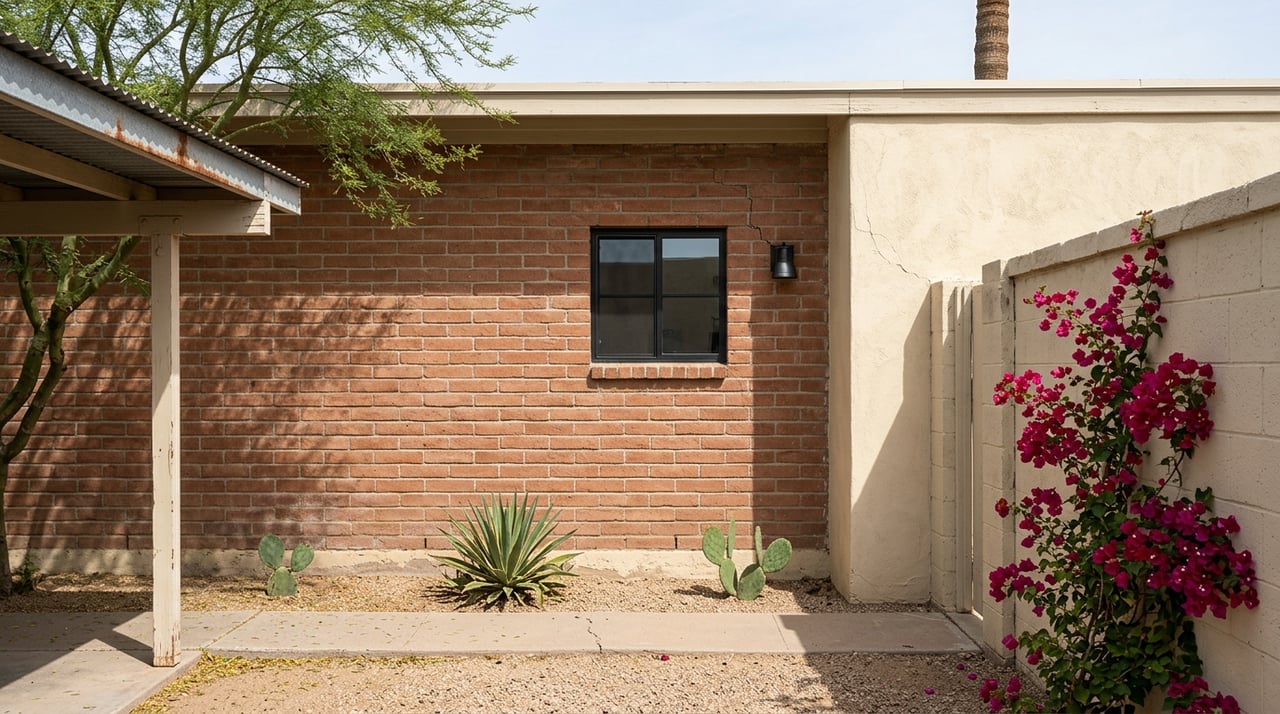
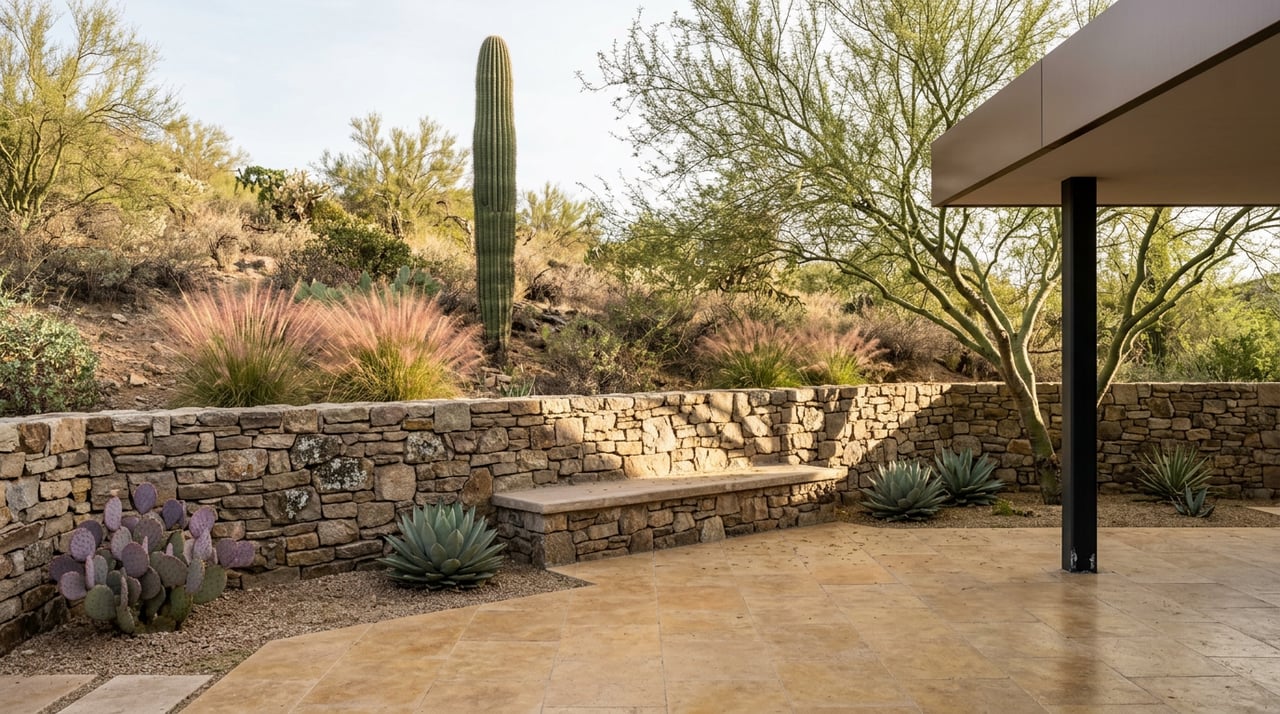
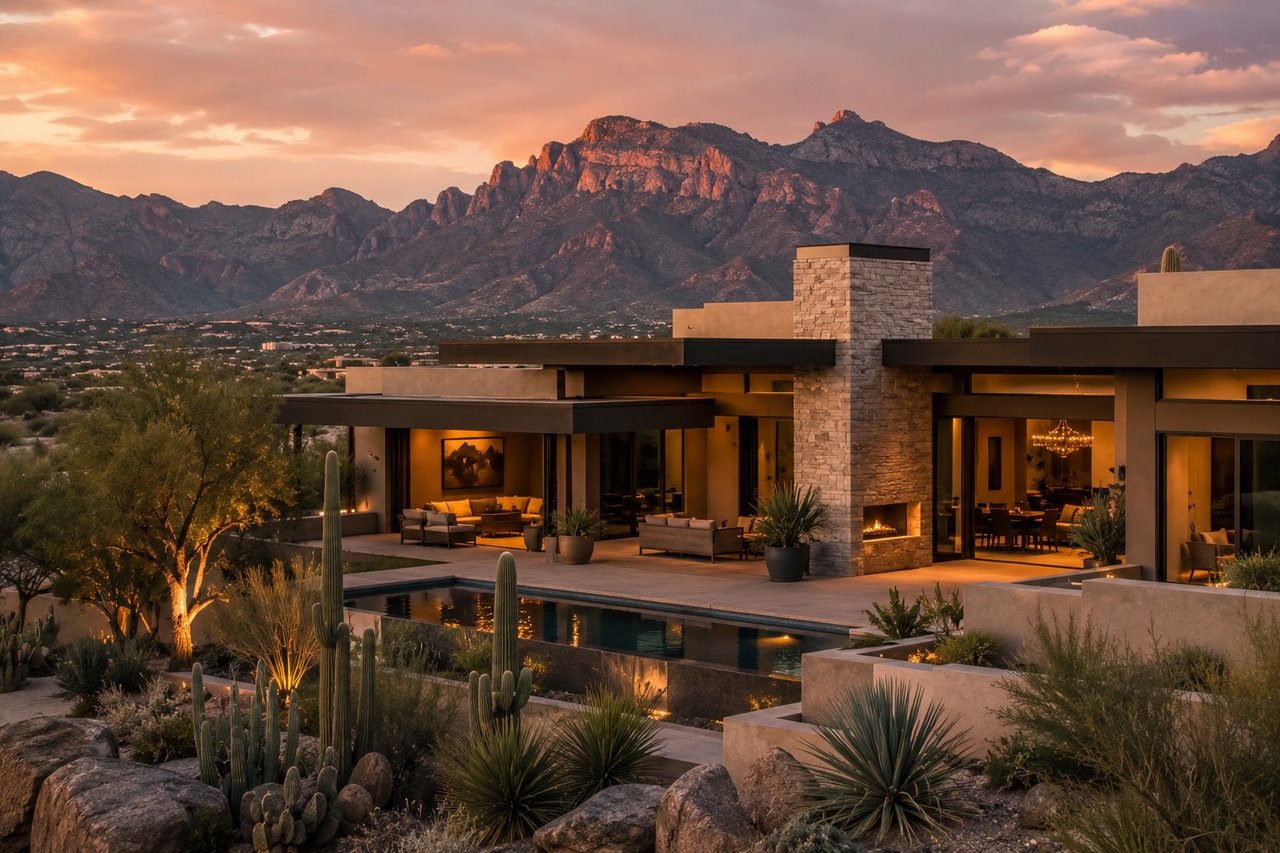
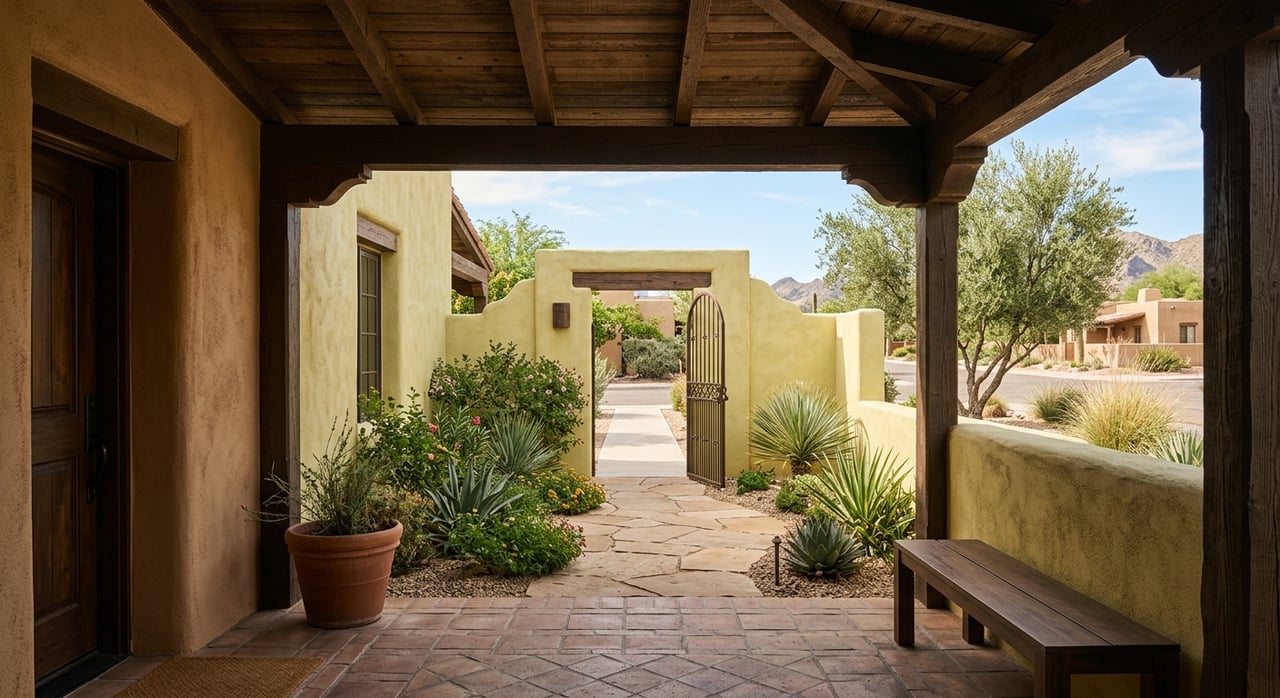
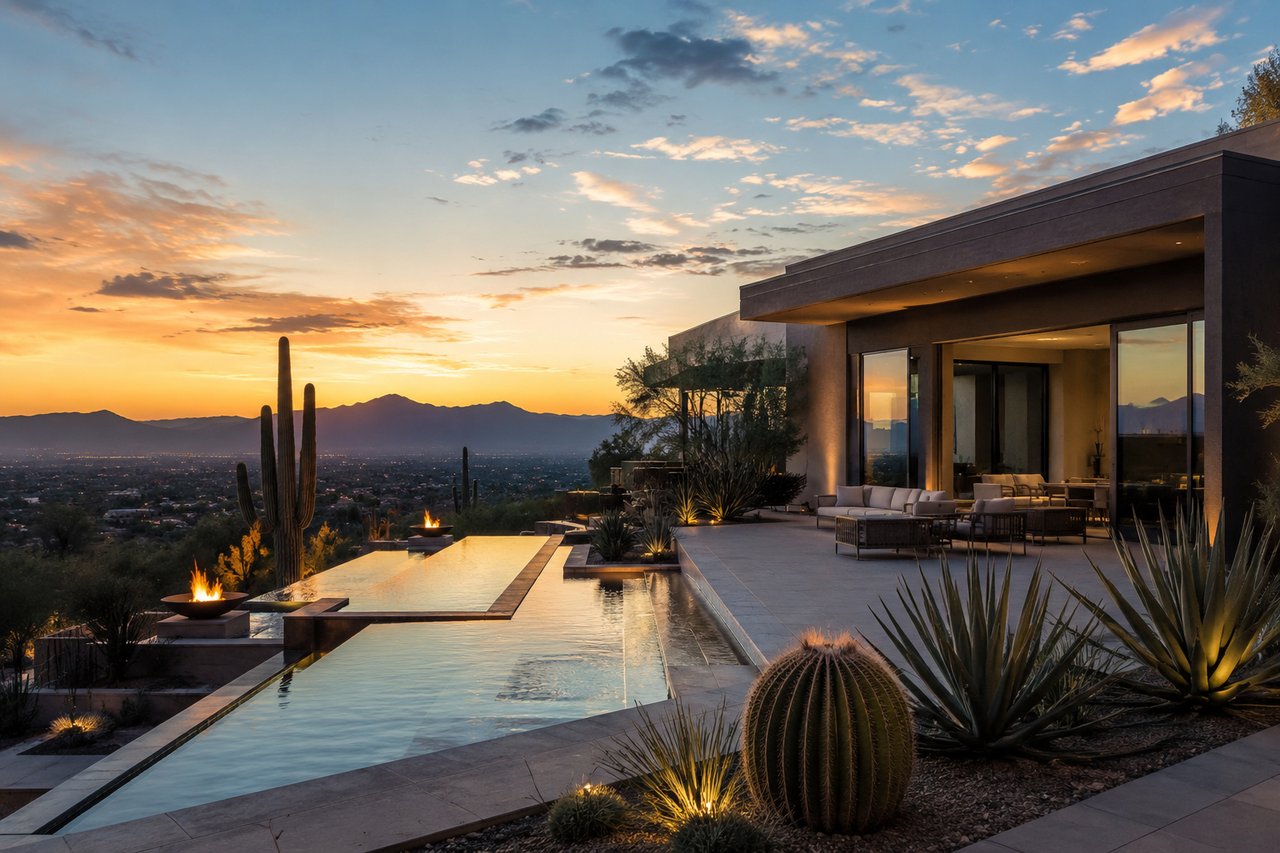
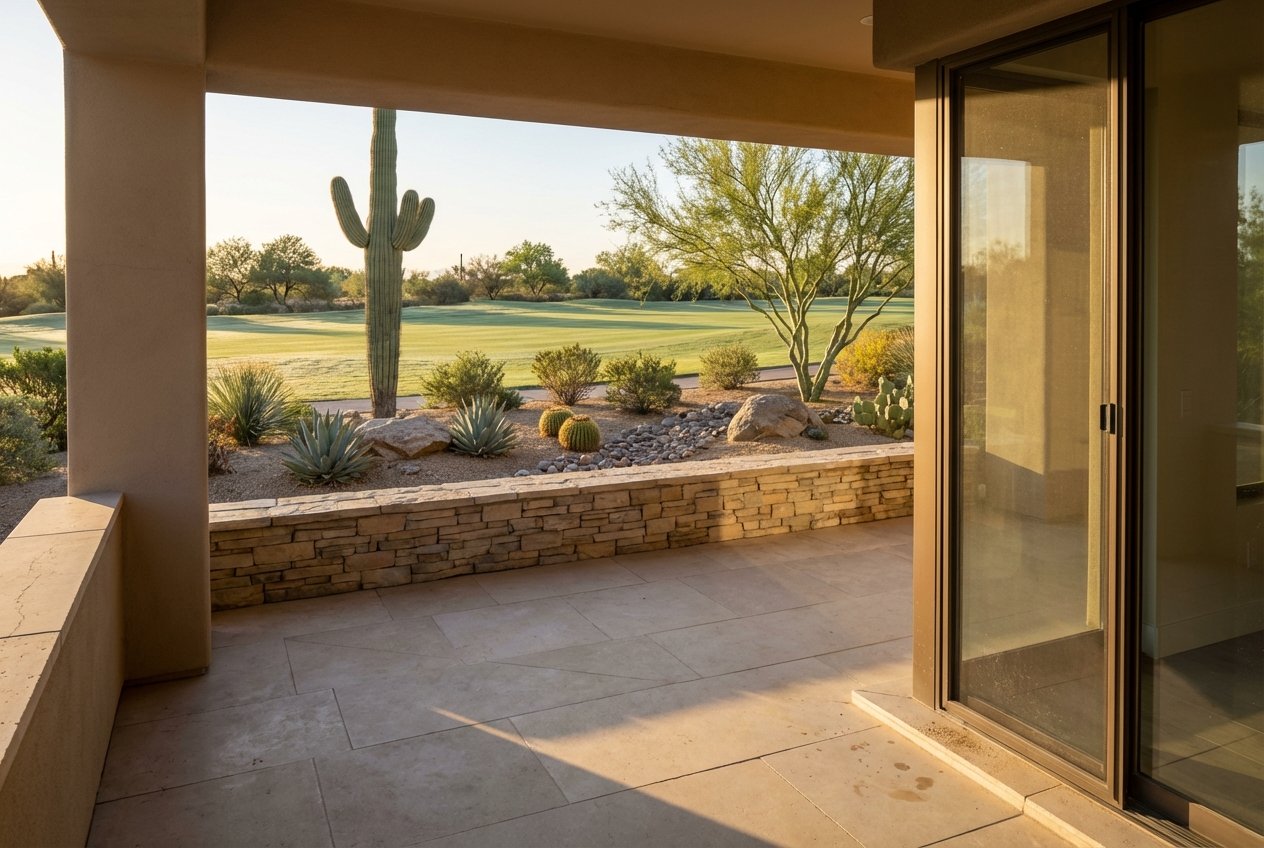
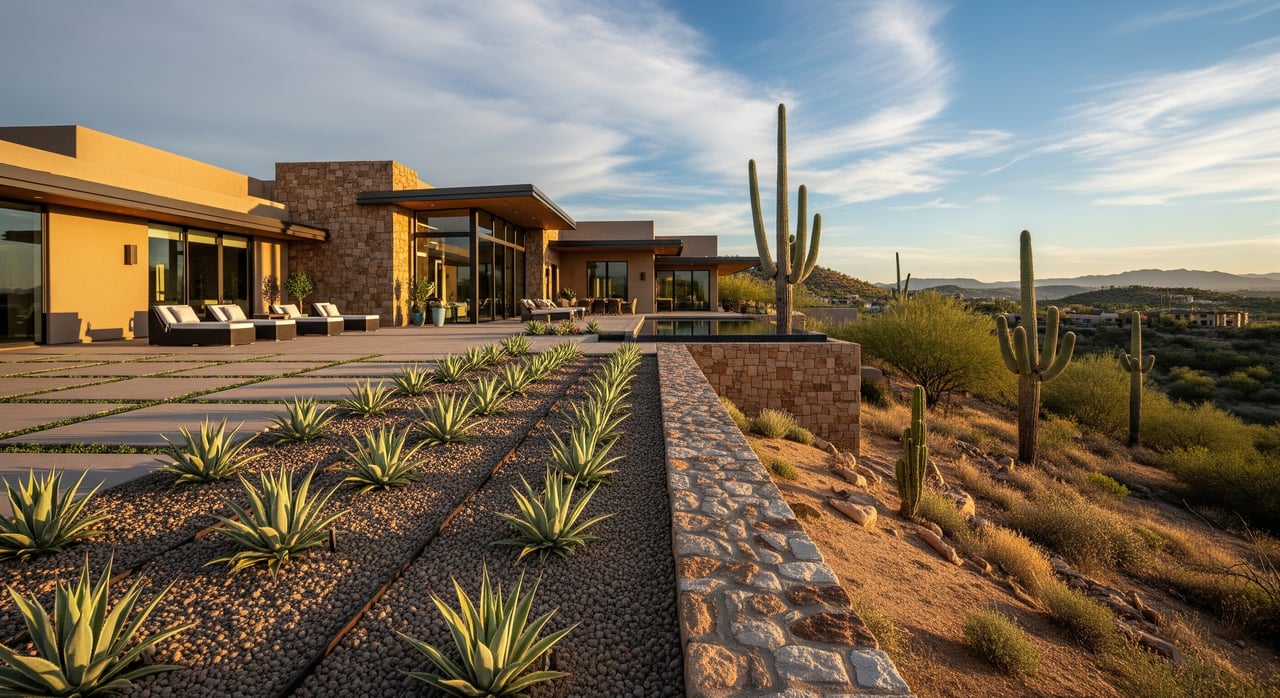
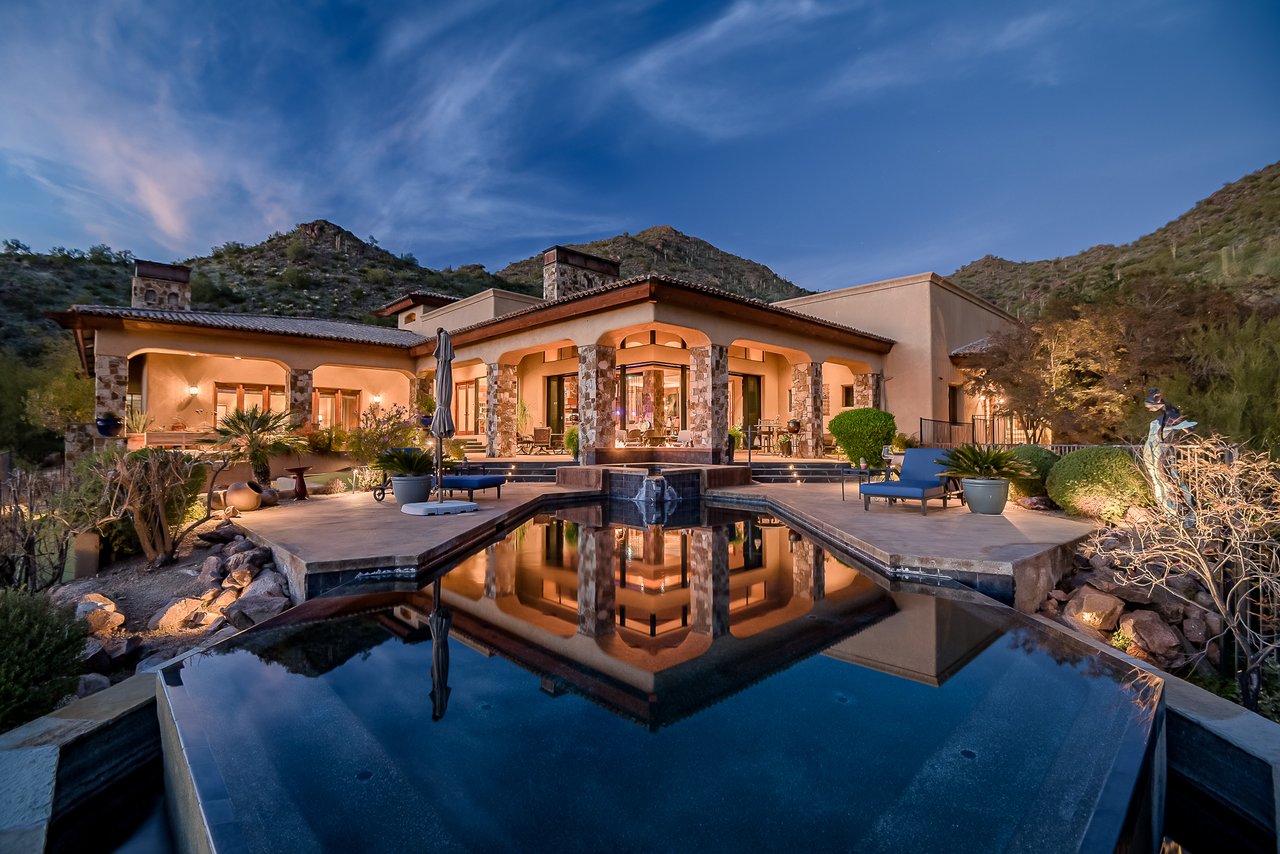
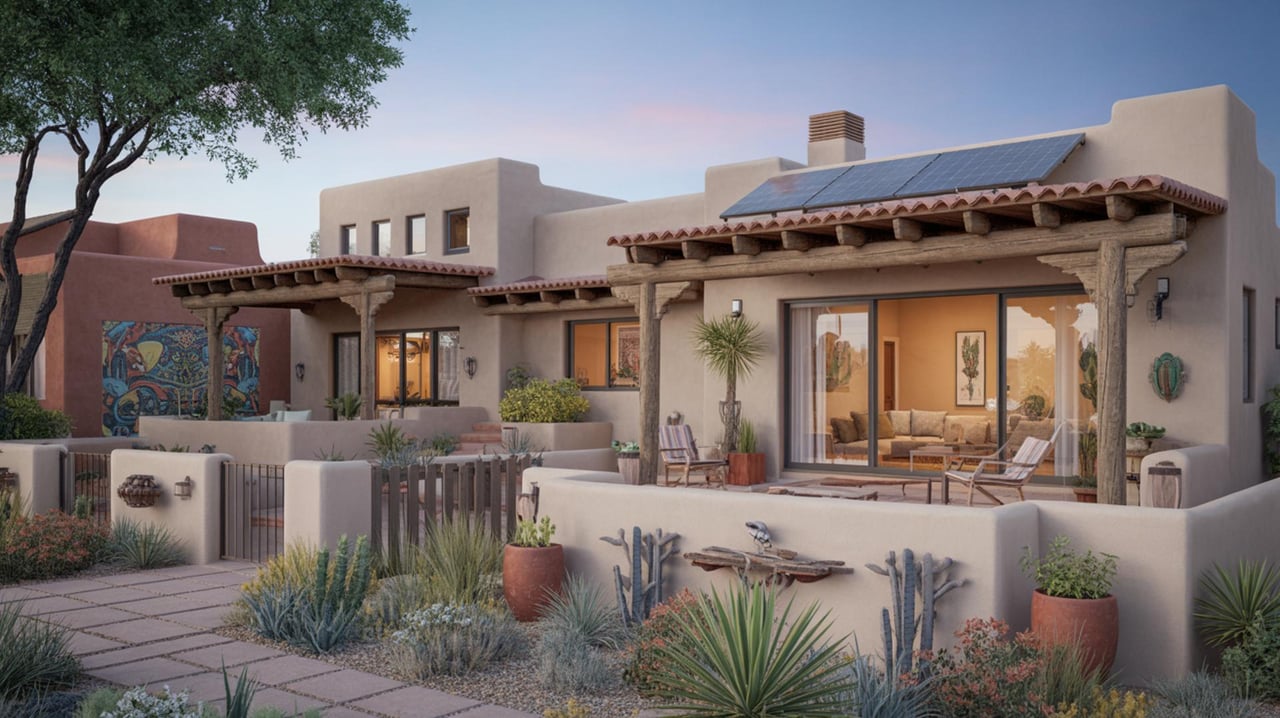
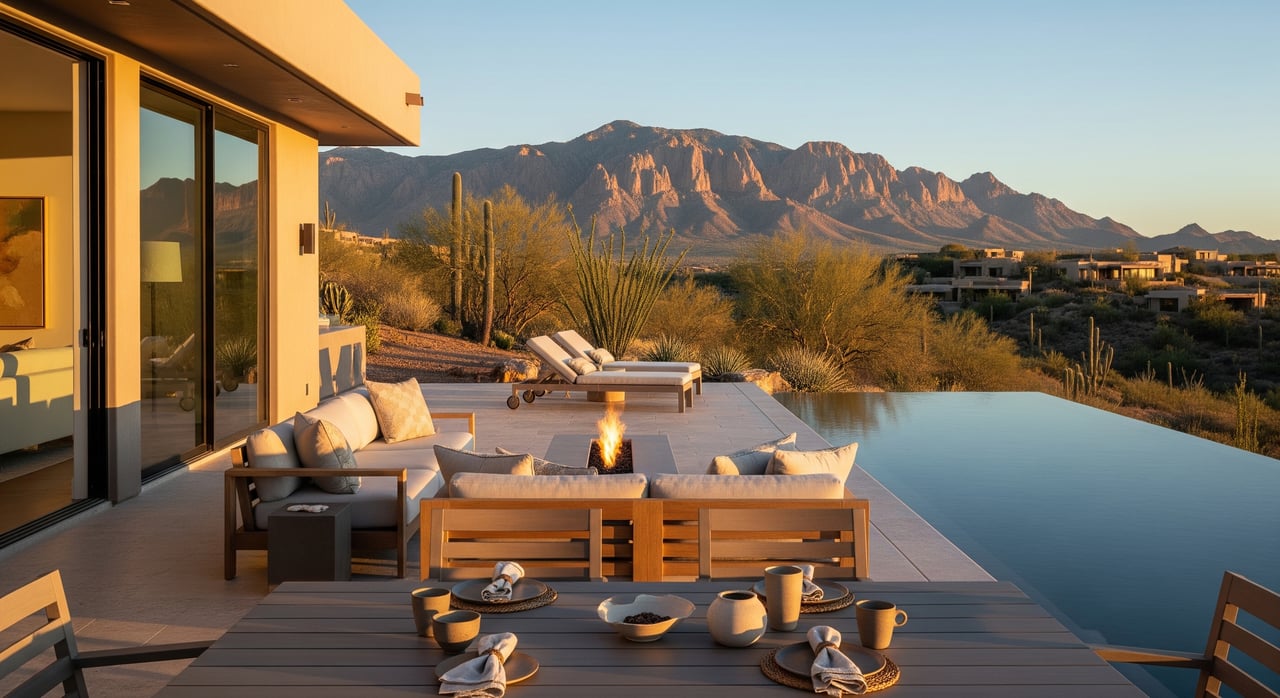
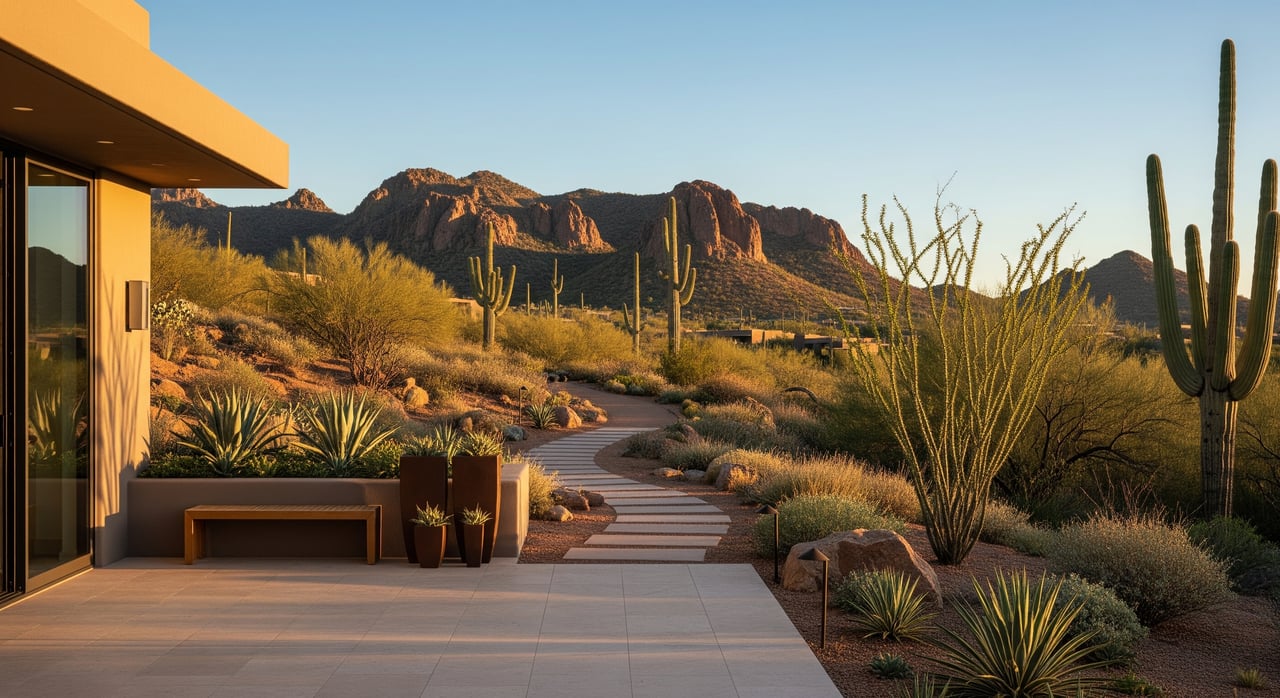
The Sonoran Desert demanded shade. Intense sunlight affected orientation. Indoor and outdoor spaces needed to interact differently. Adobe, masonry, stucco, wood and regional materials already belonged to a building tradition that predated the arrival of modernism by generations.
The result was not a single architectural style.
It was a conversation between modern ideas and the desert.
That distinction is important because some of Tucson's most interesting mid-century houses don't immediately announce themselves as "Mid-Century Modern."
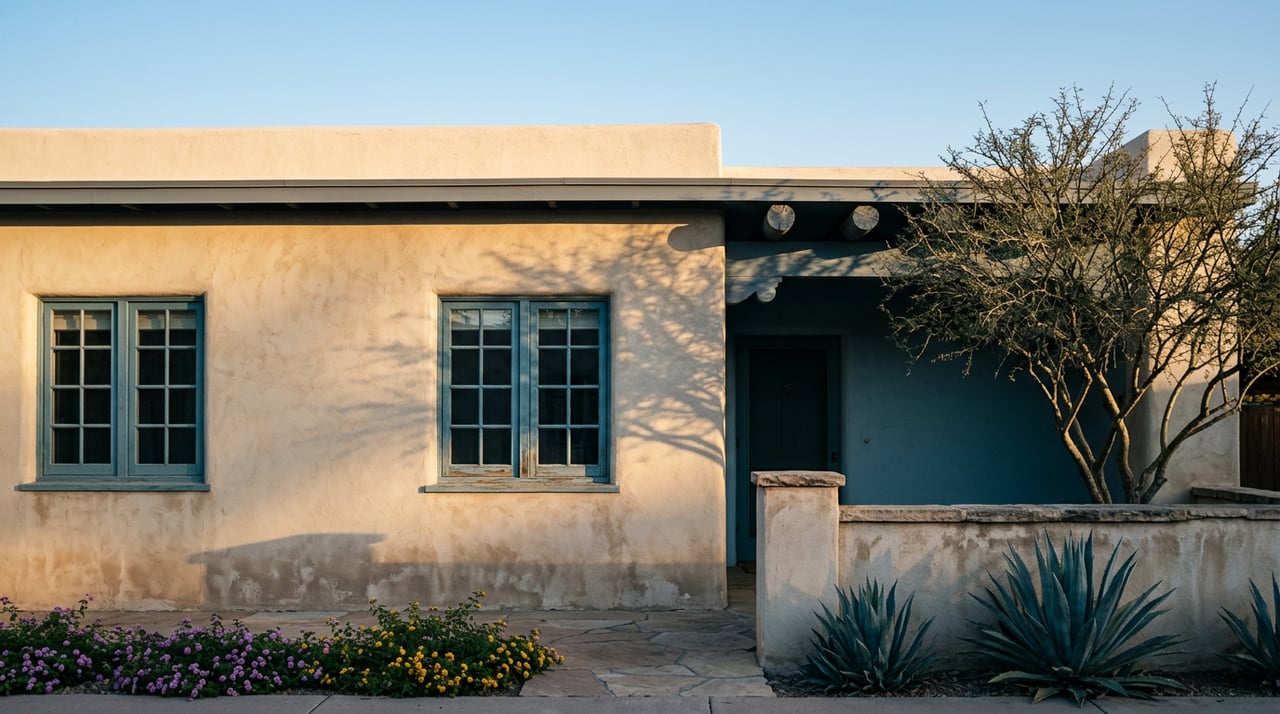
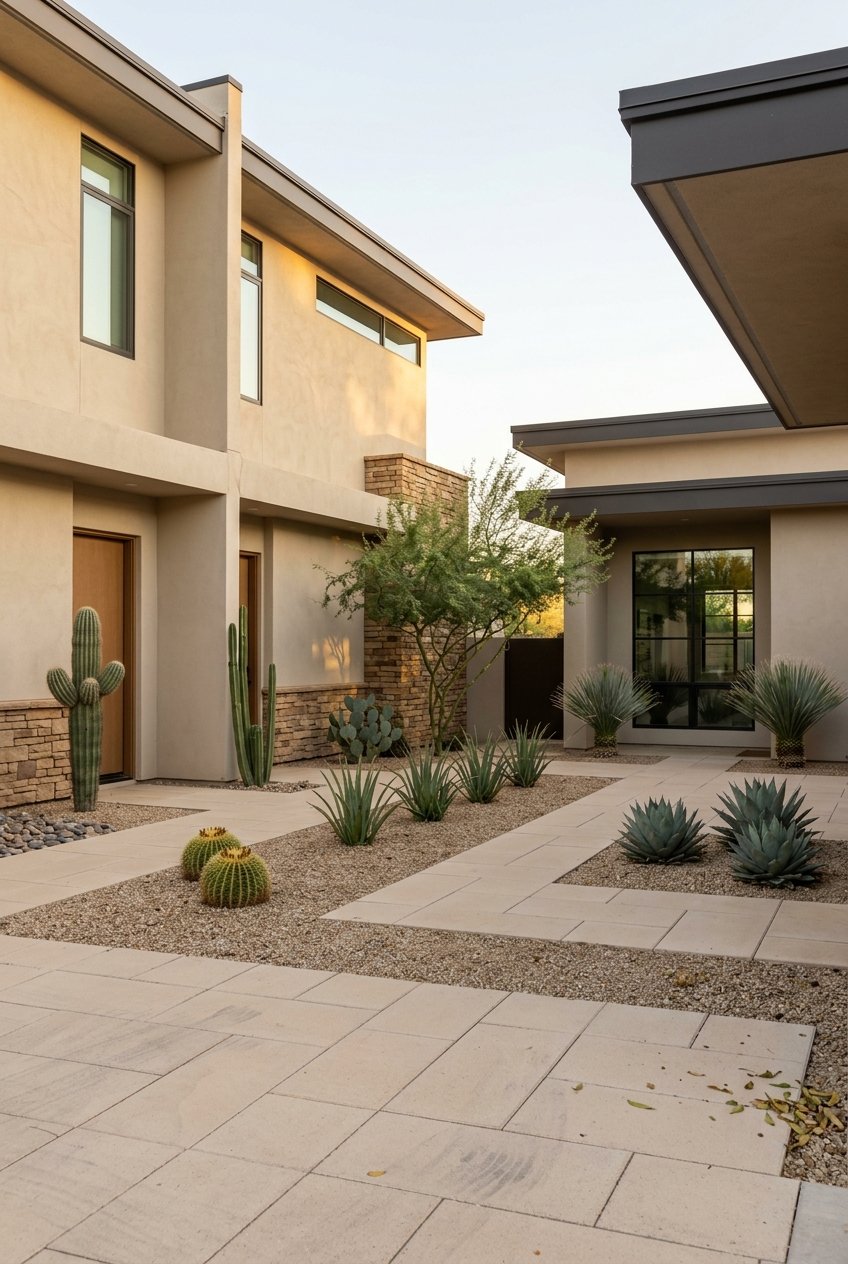
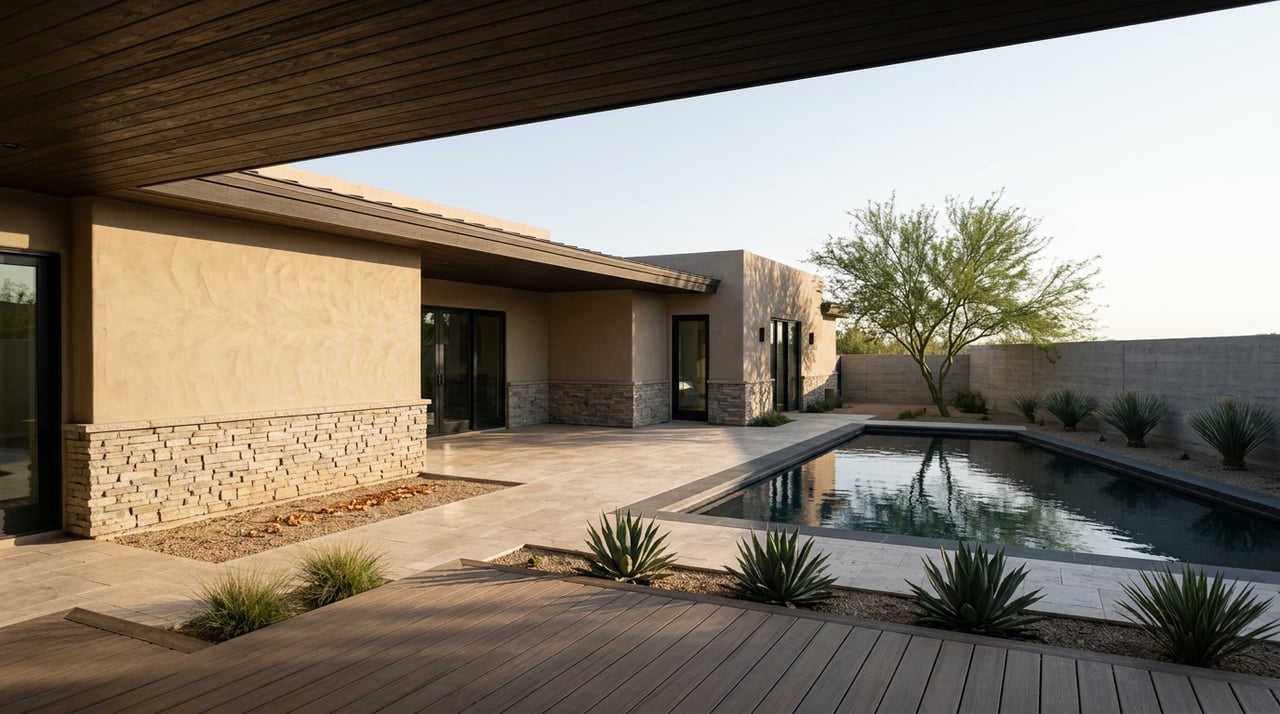
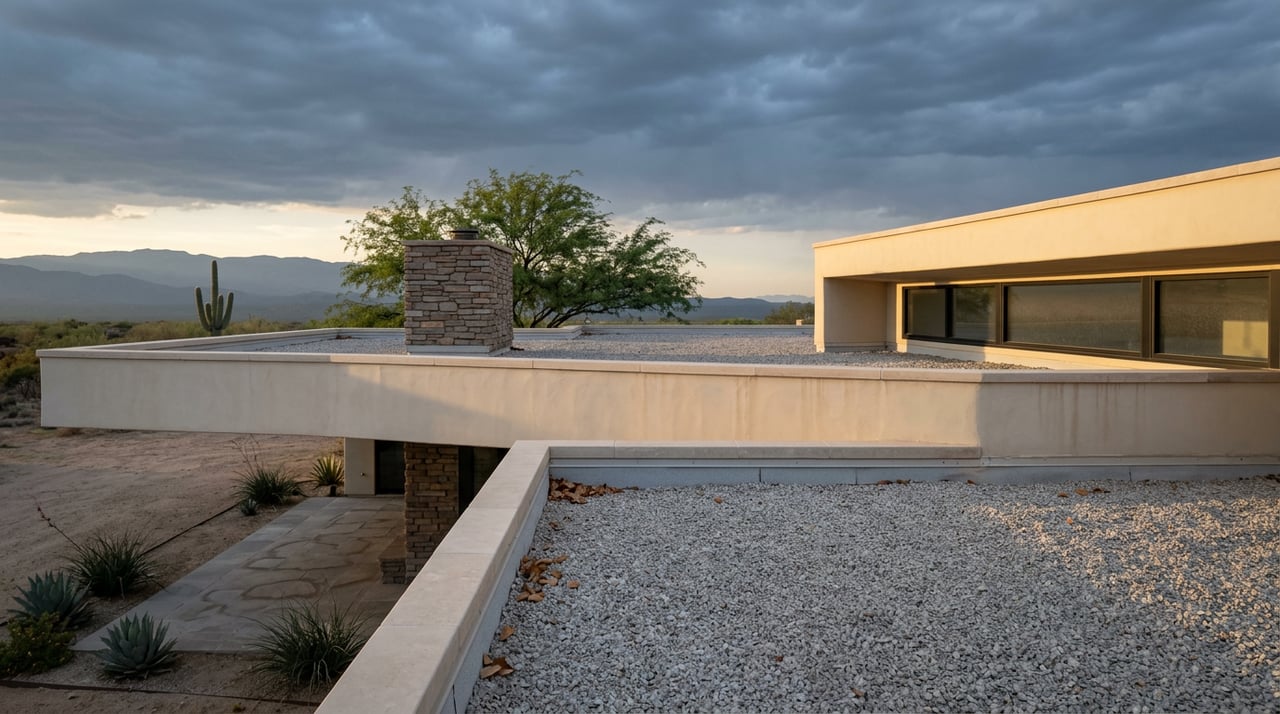
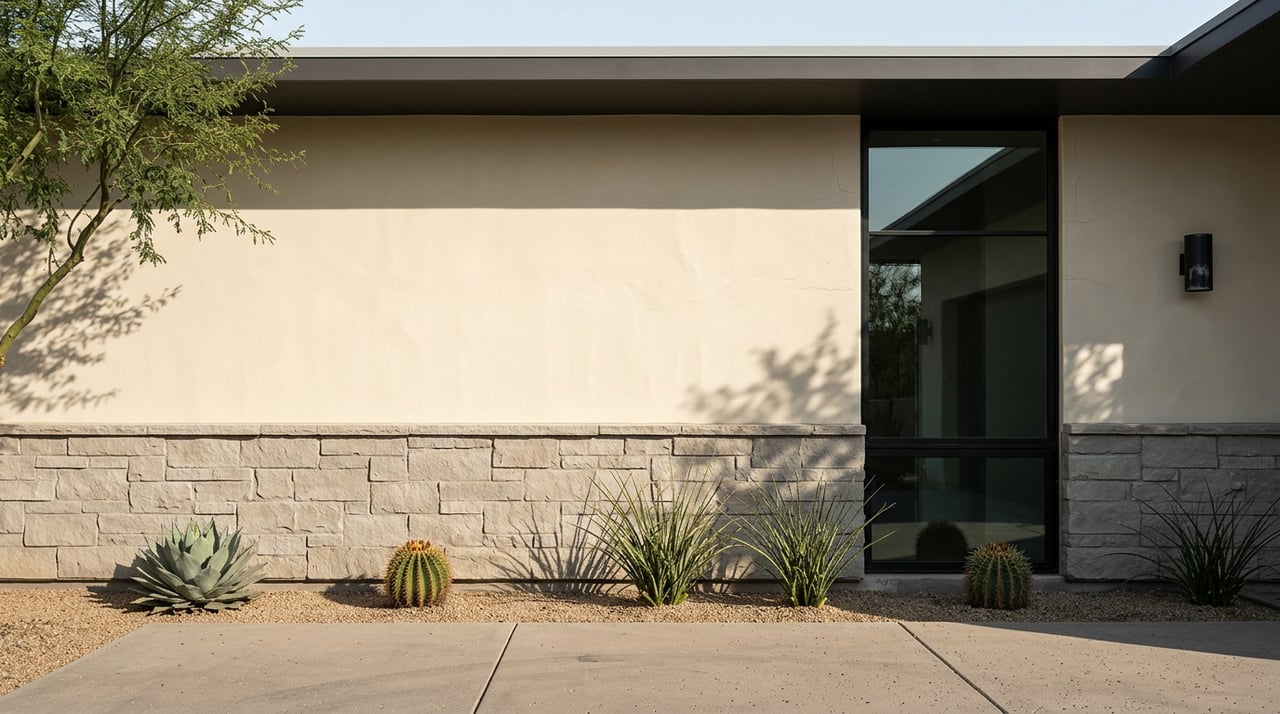
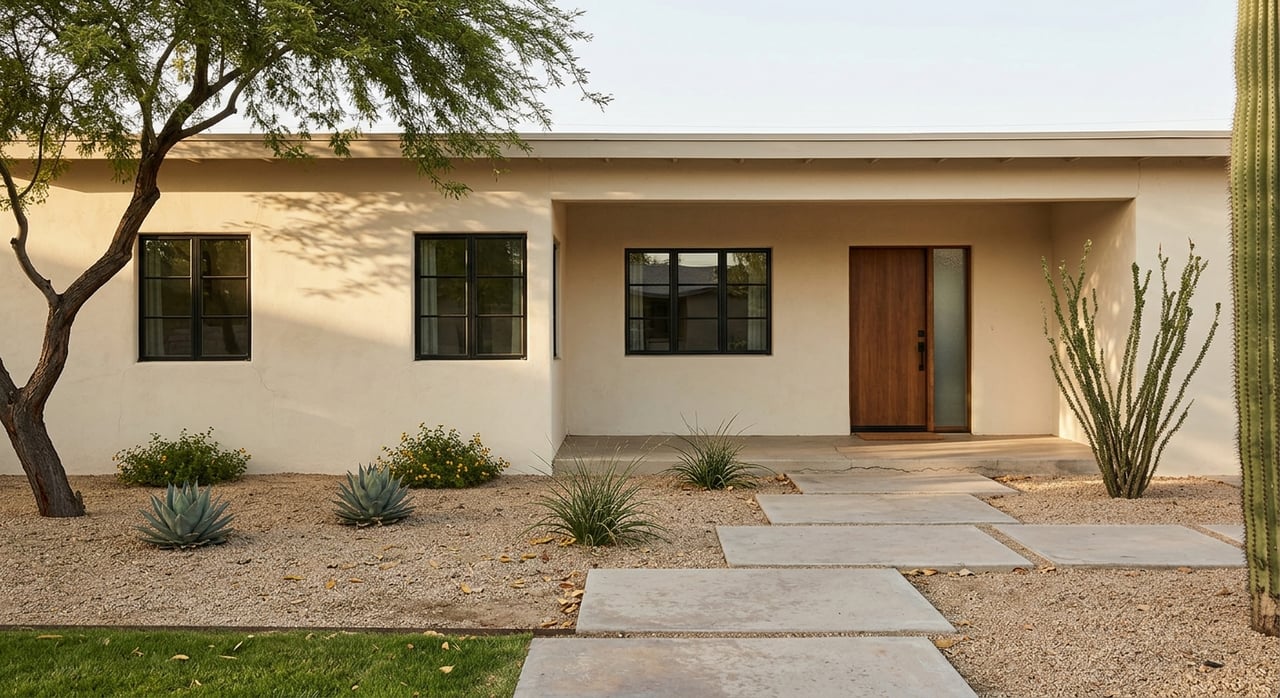
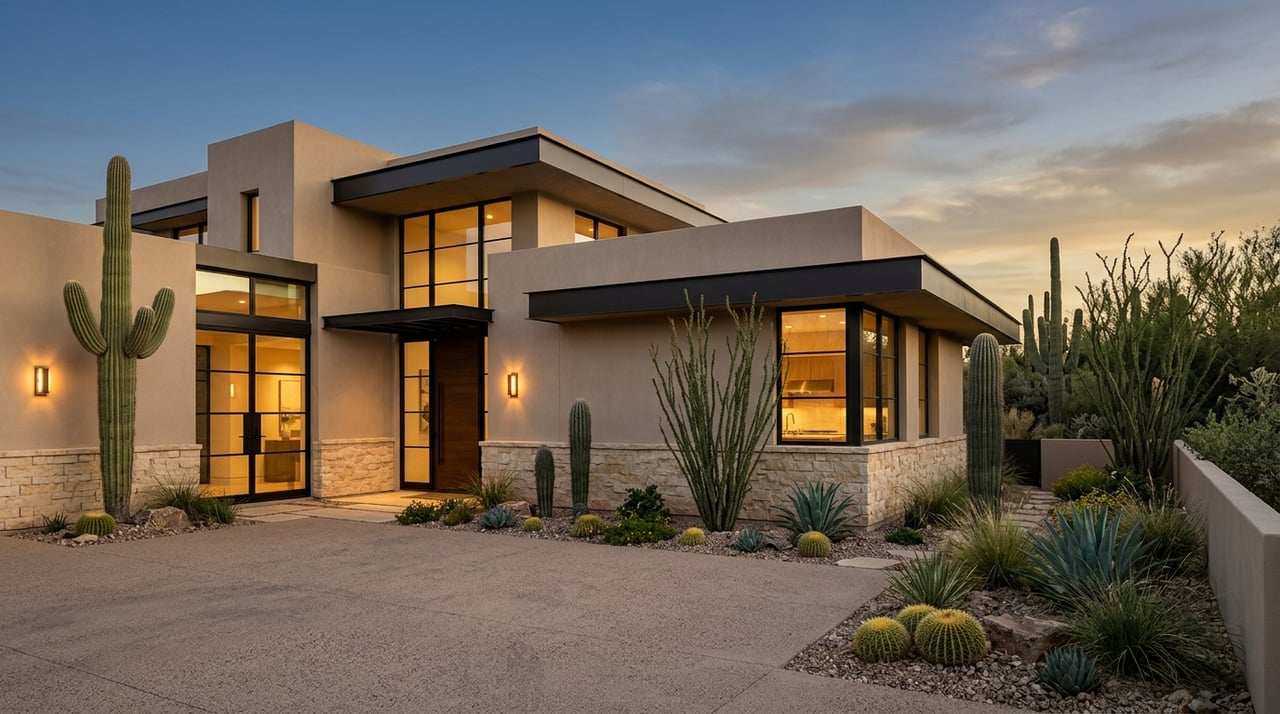
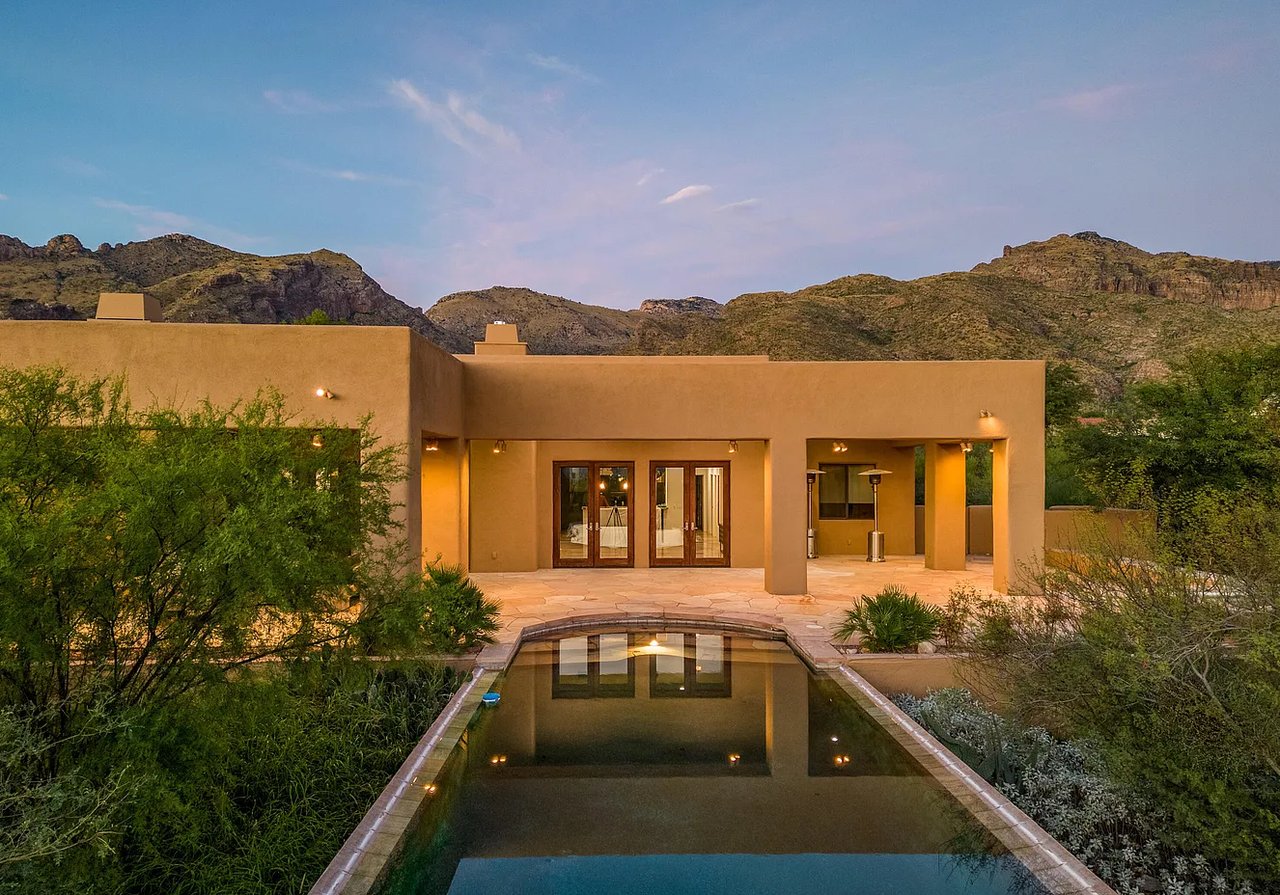
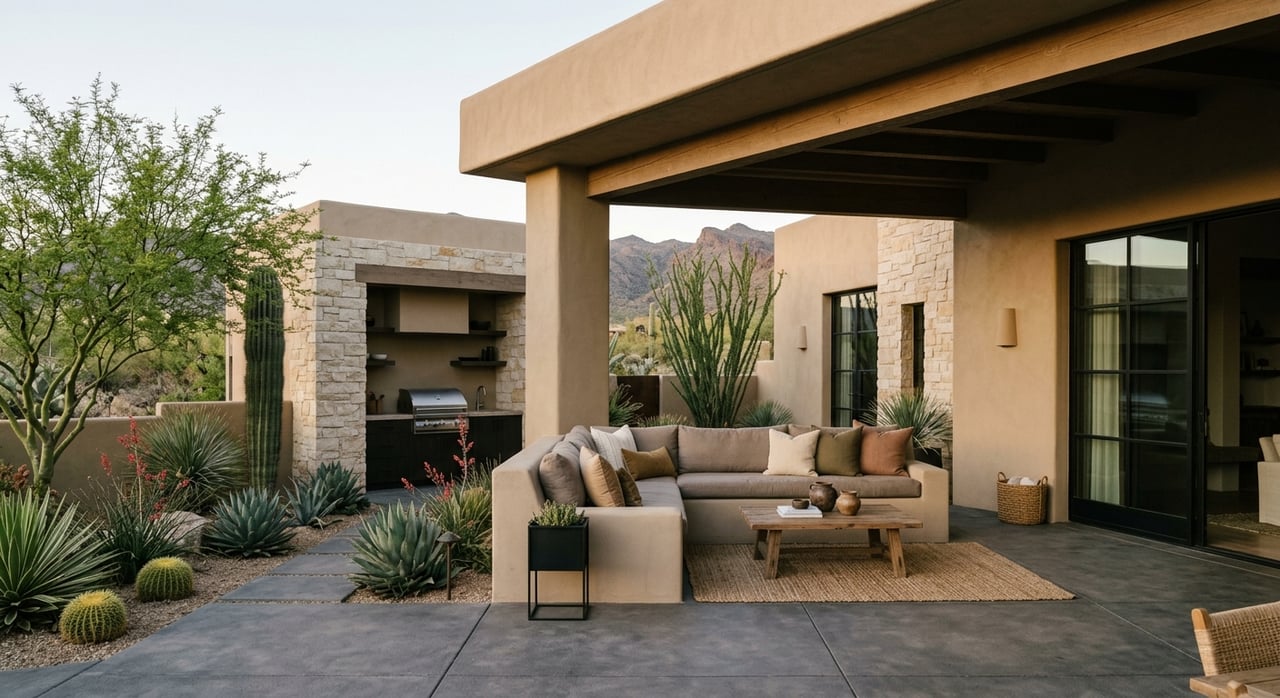
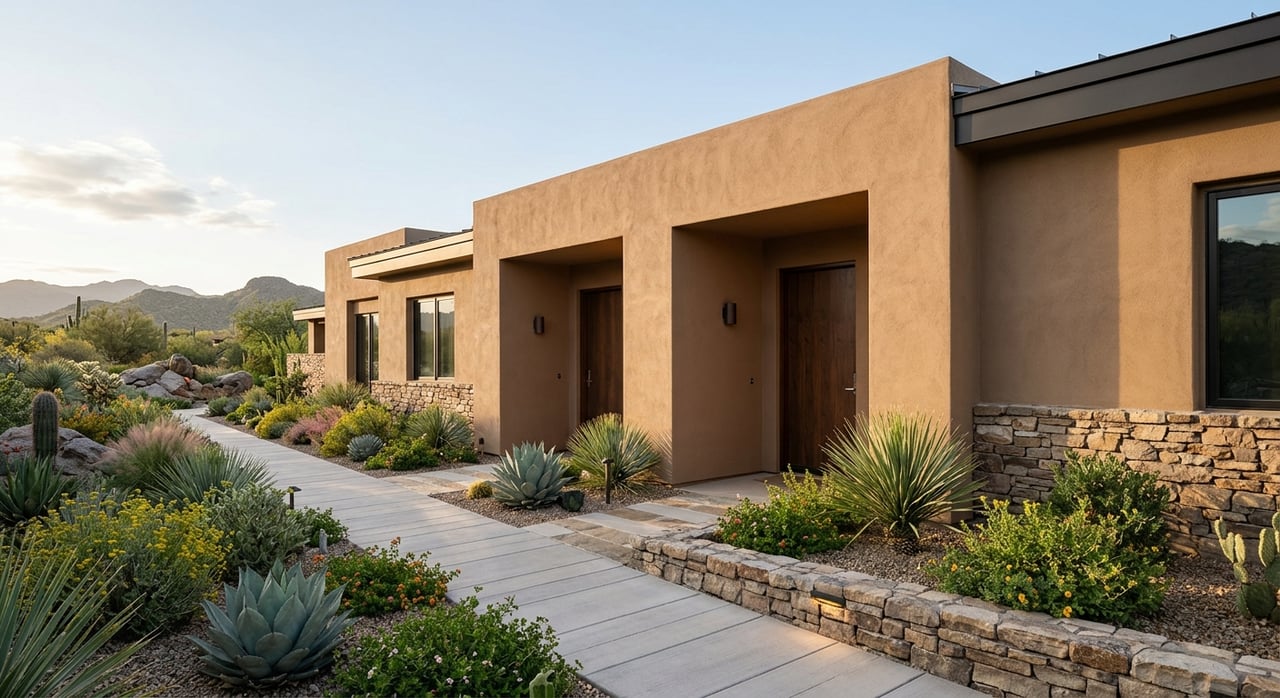
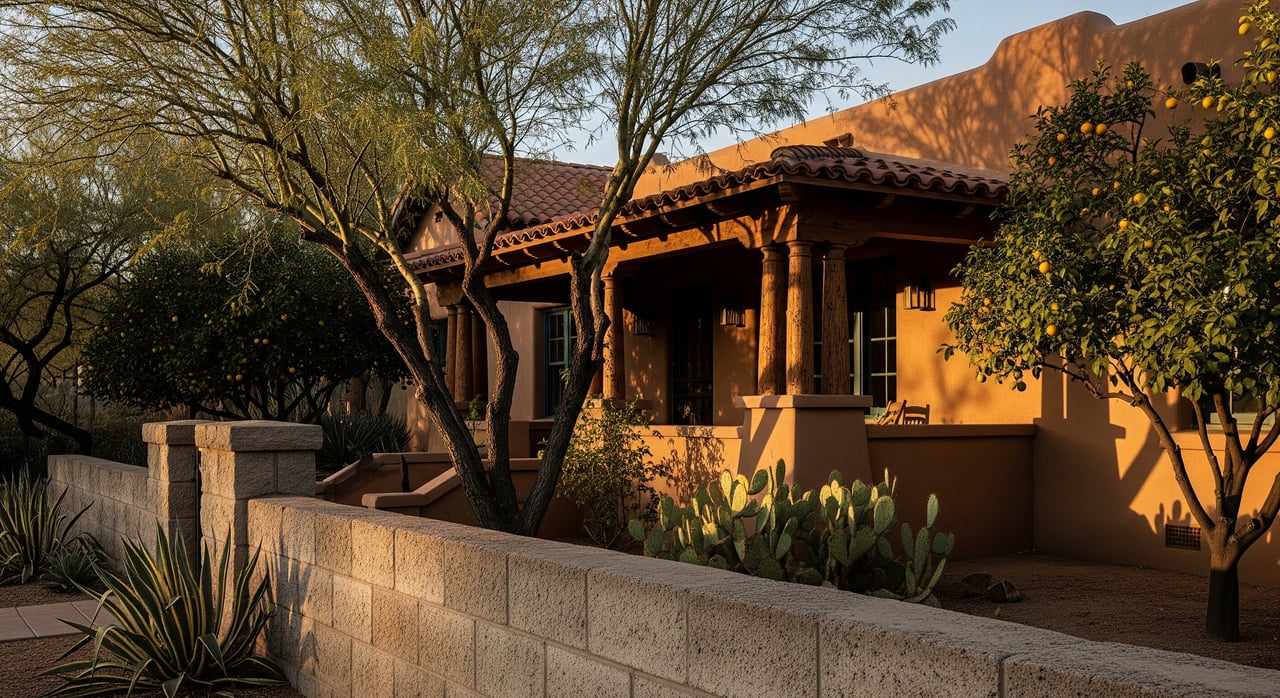
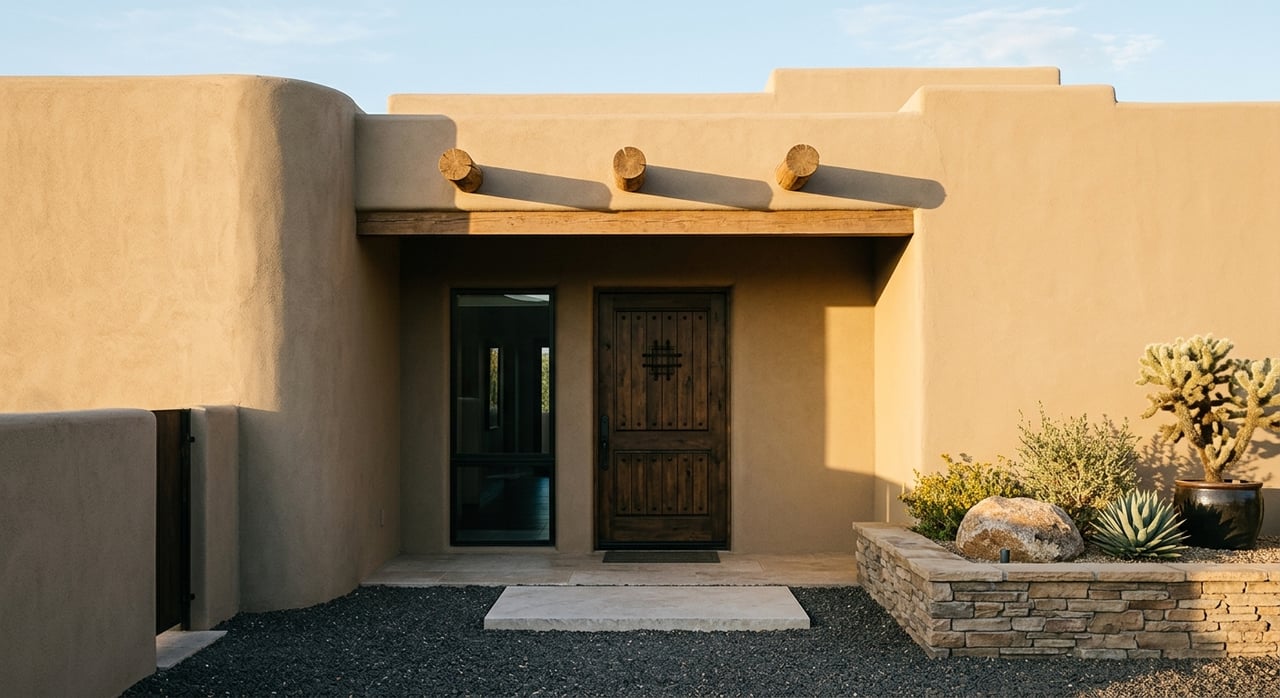
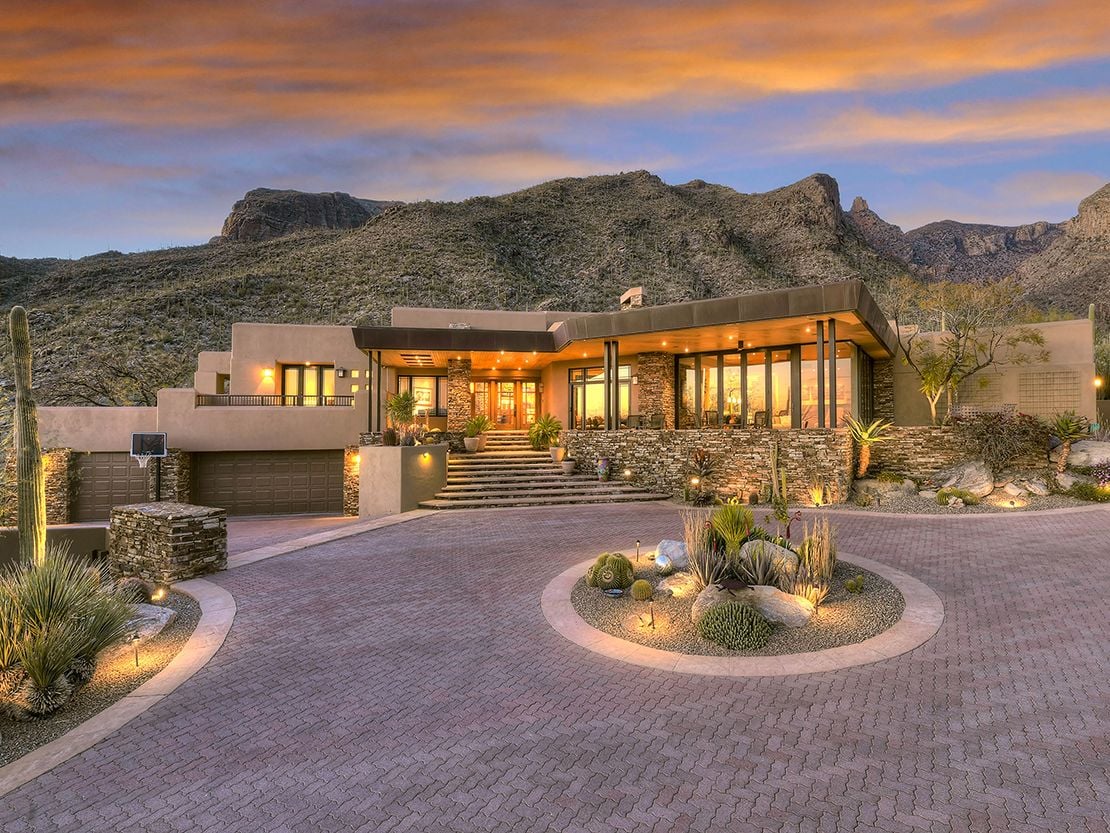
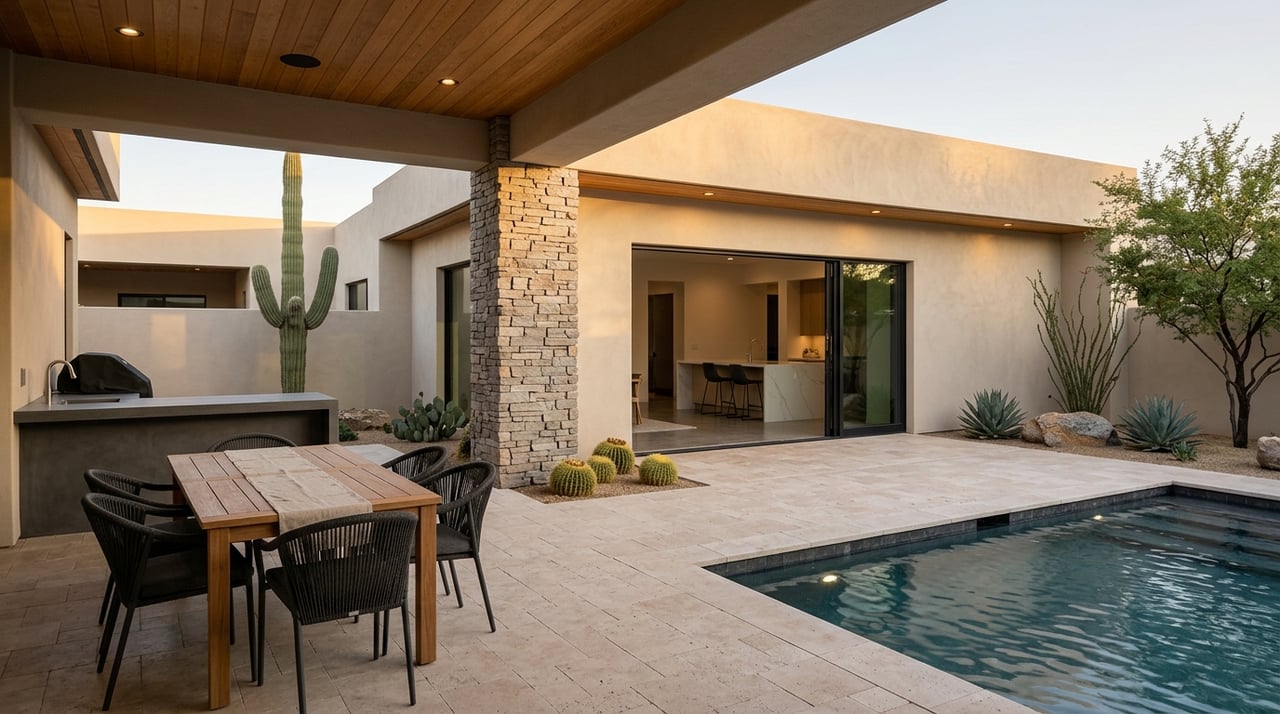
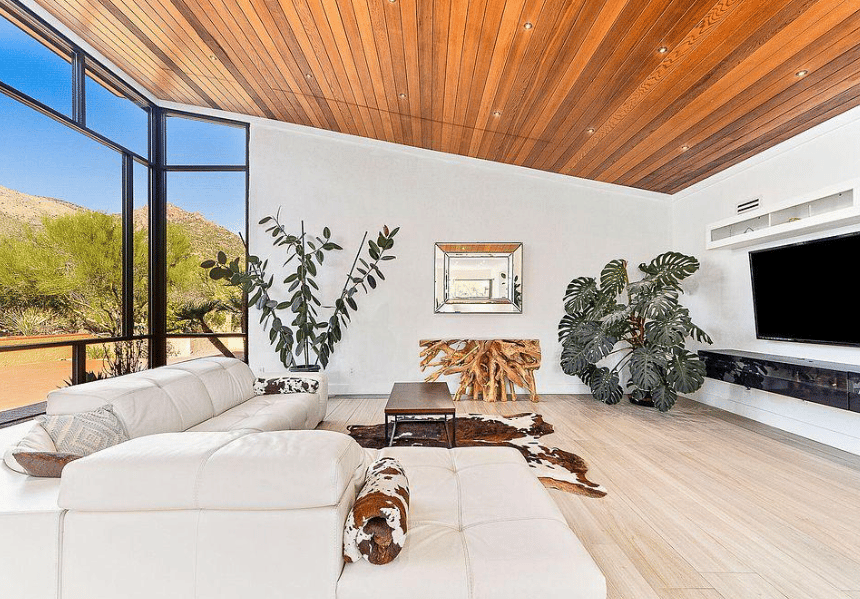
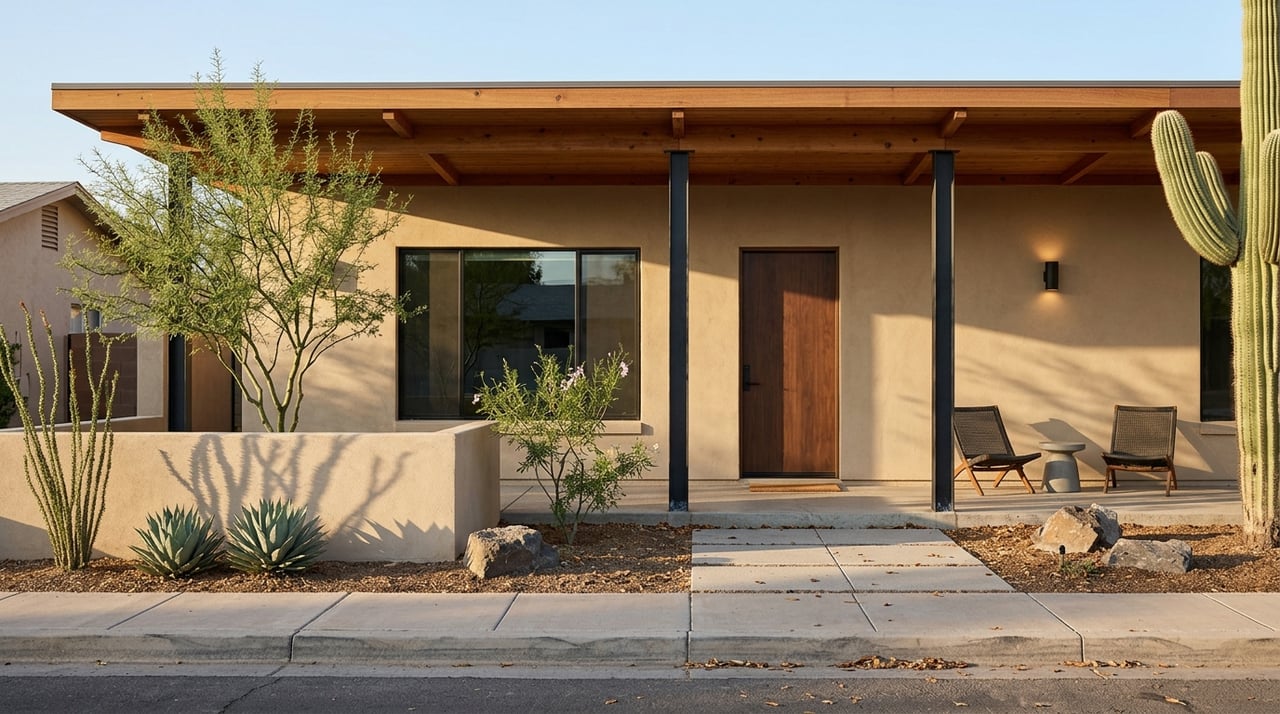
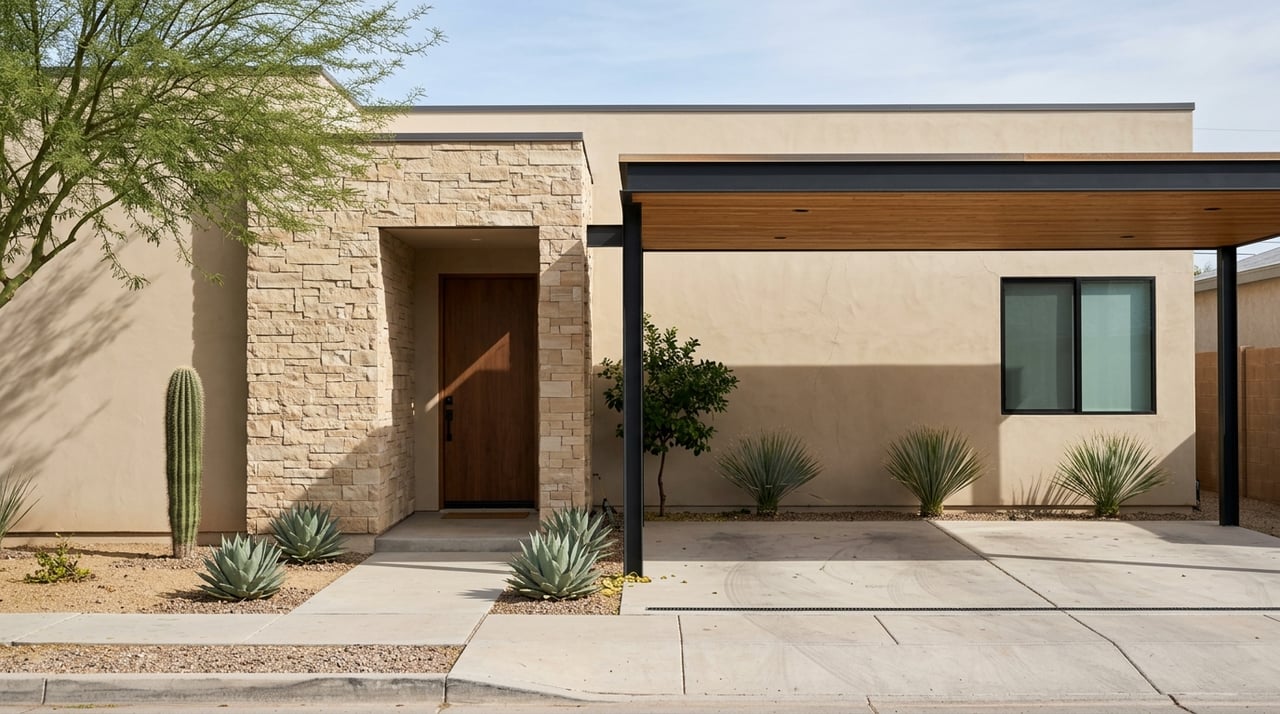
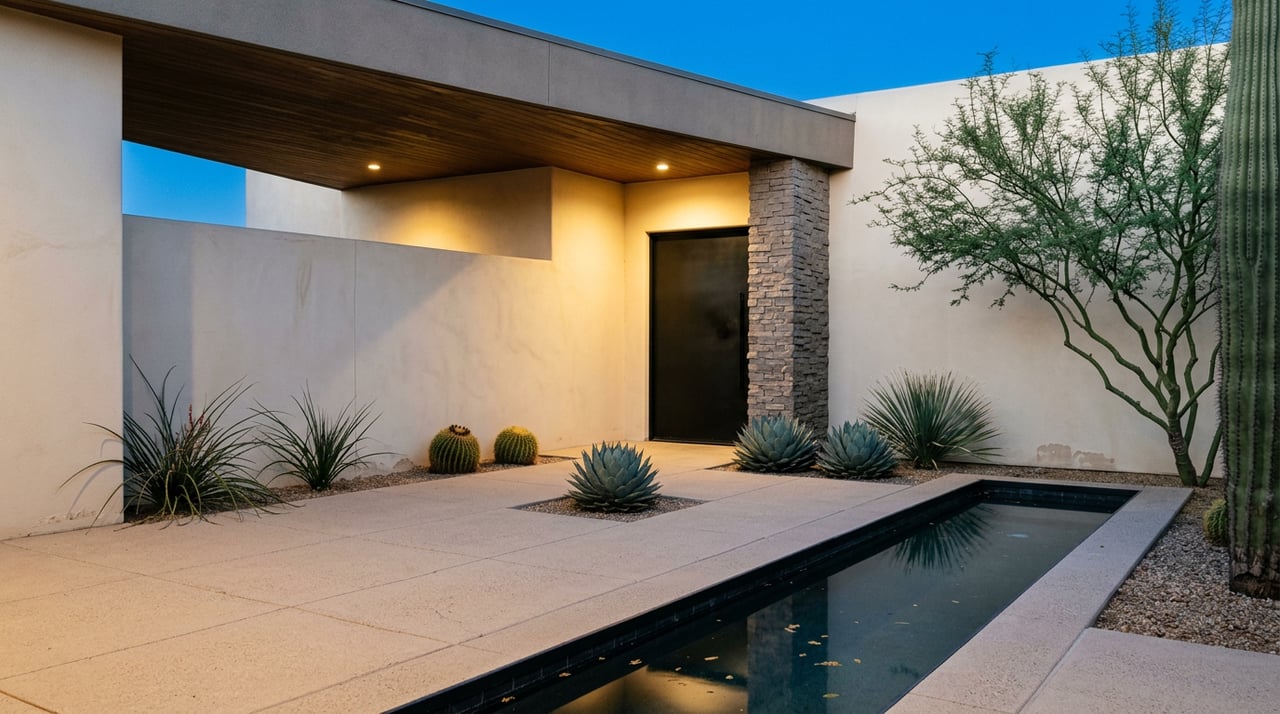
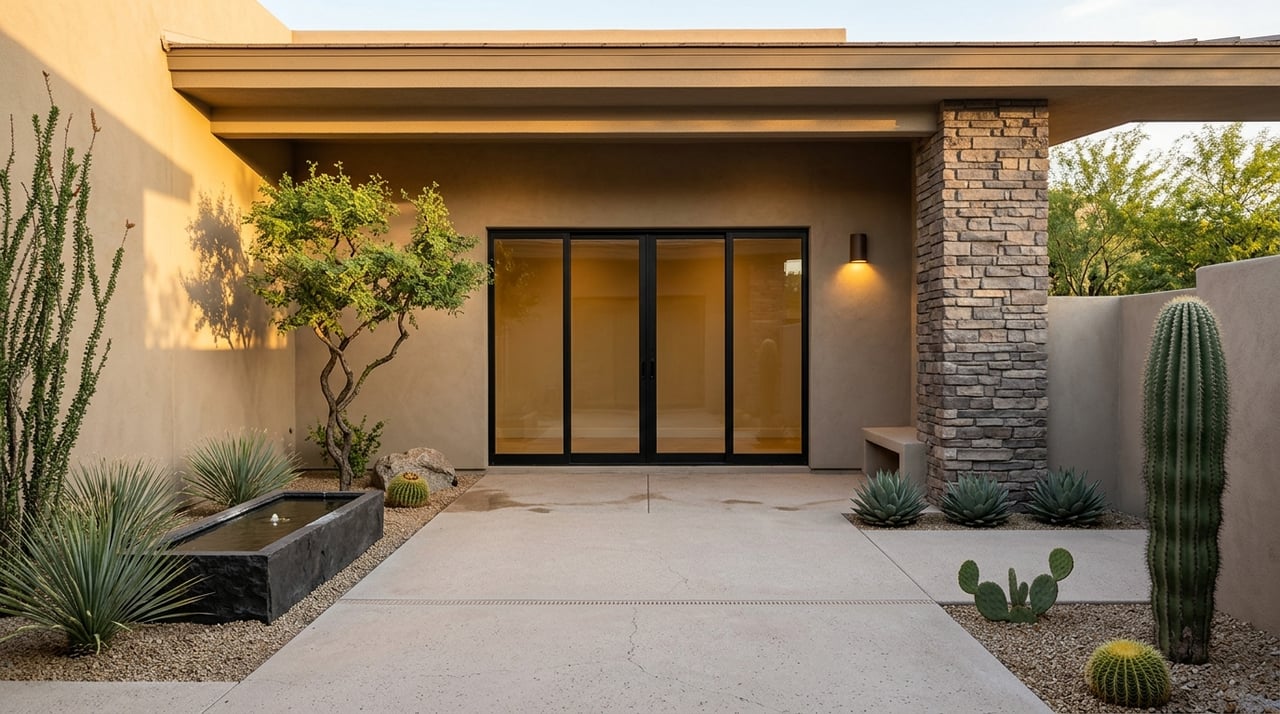
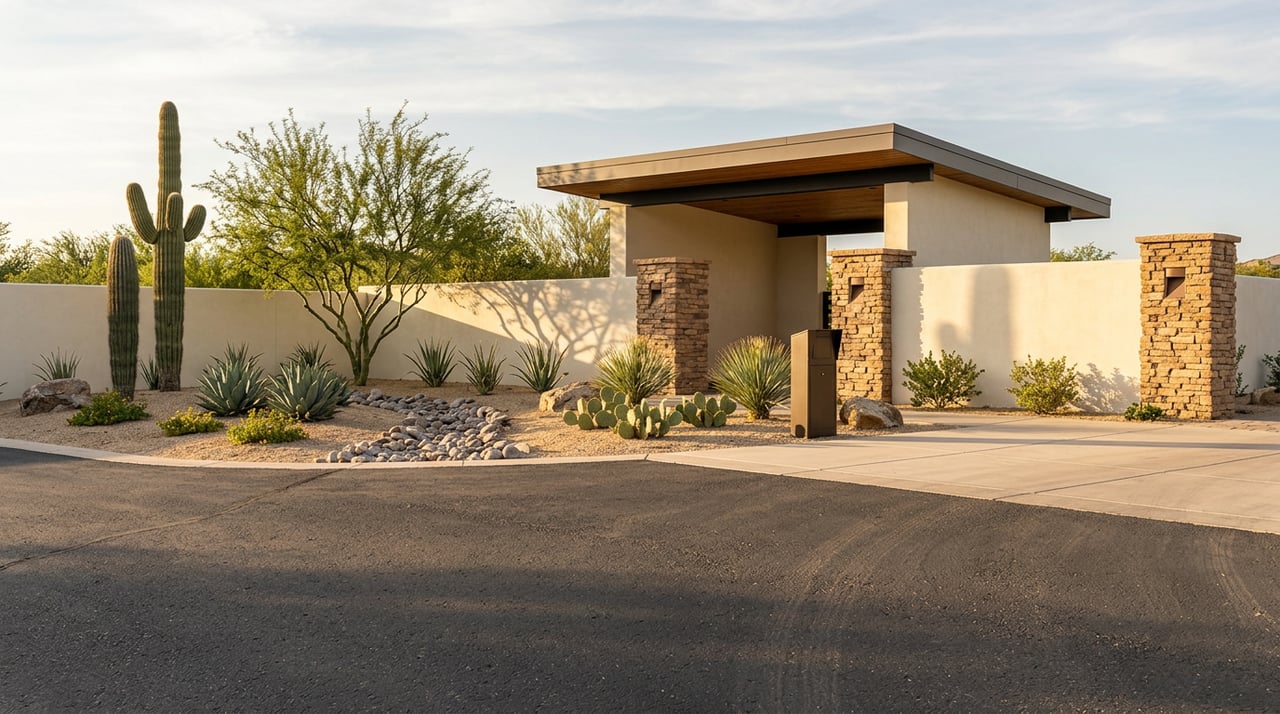
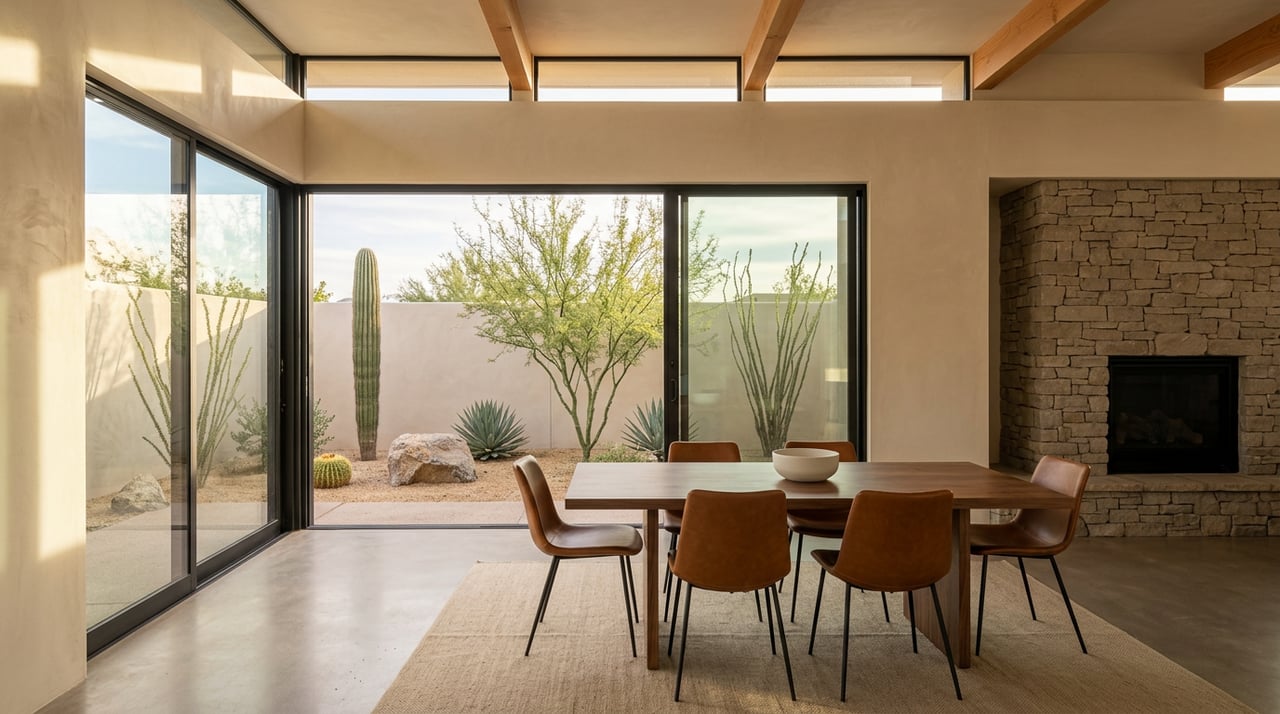
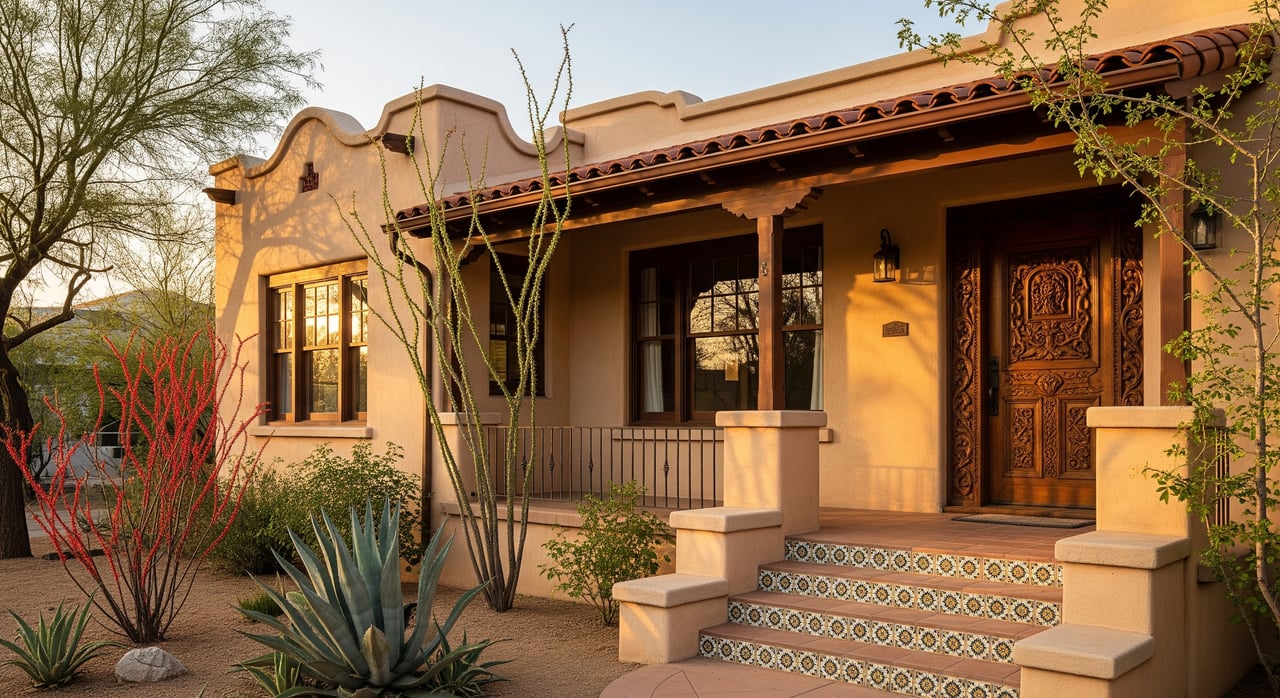
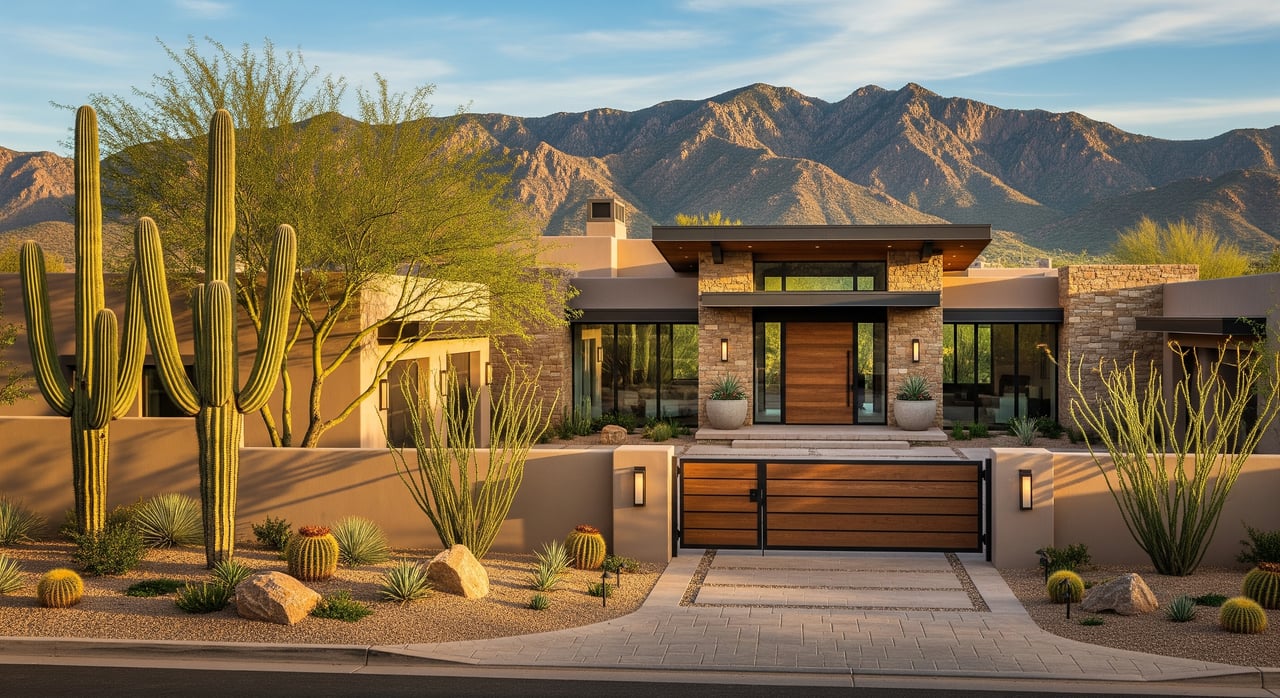
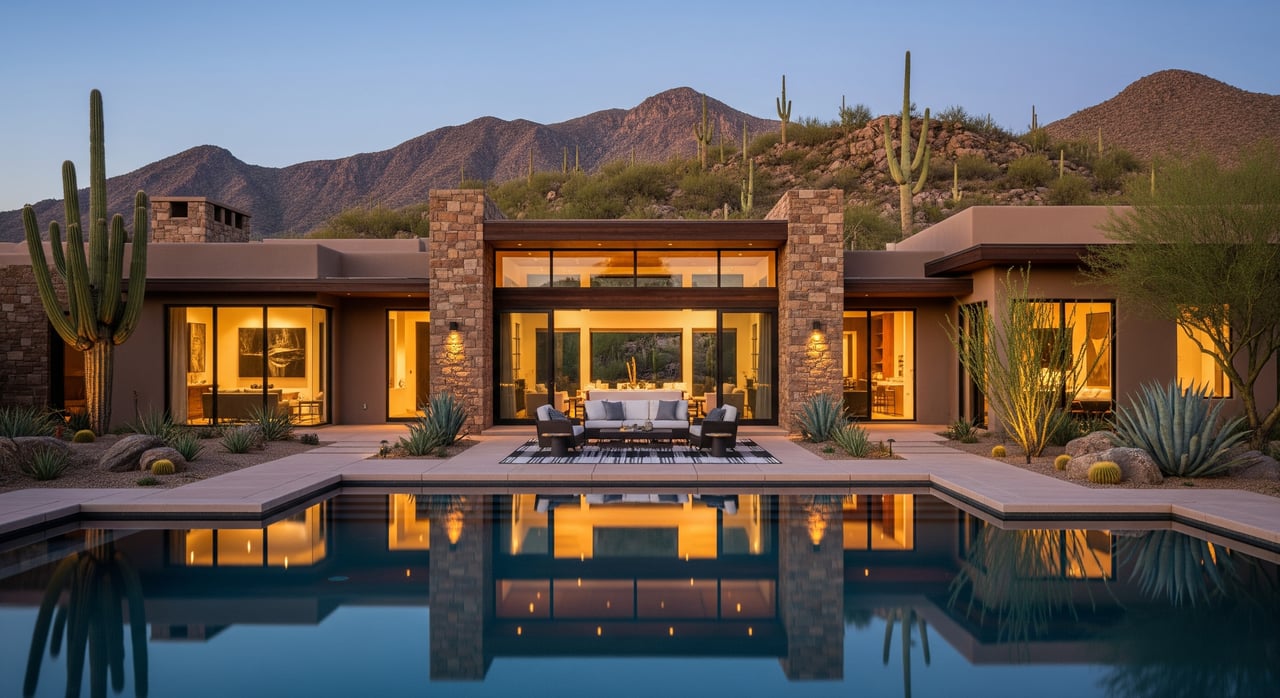
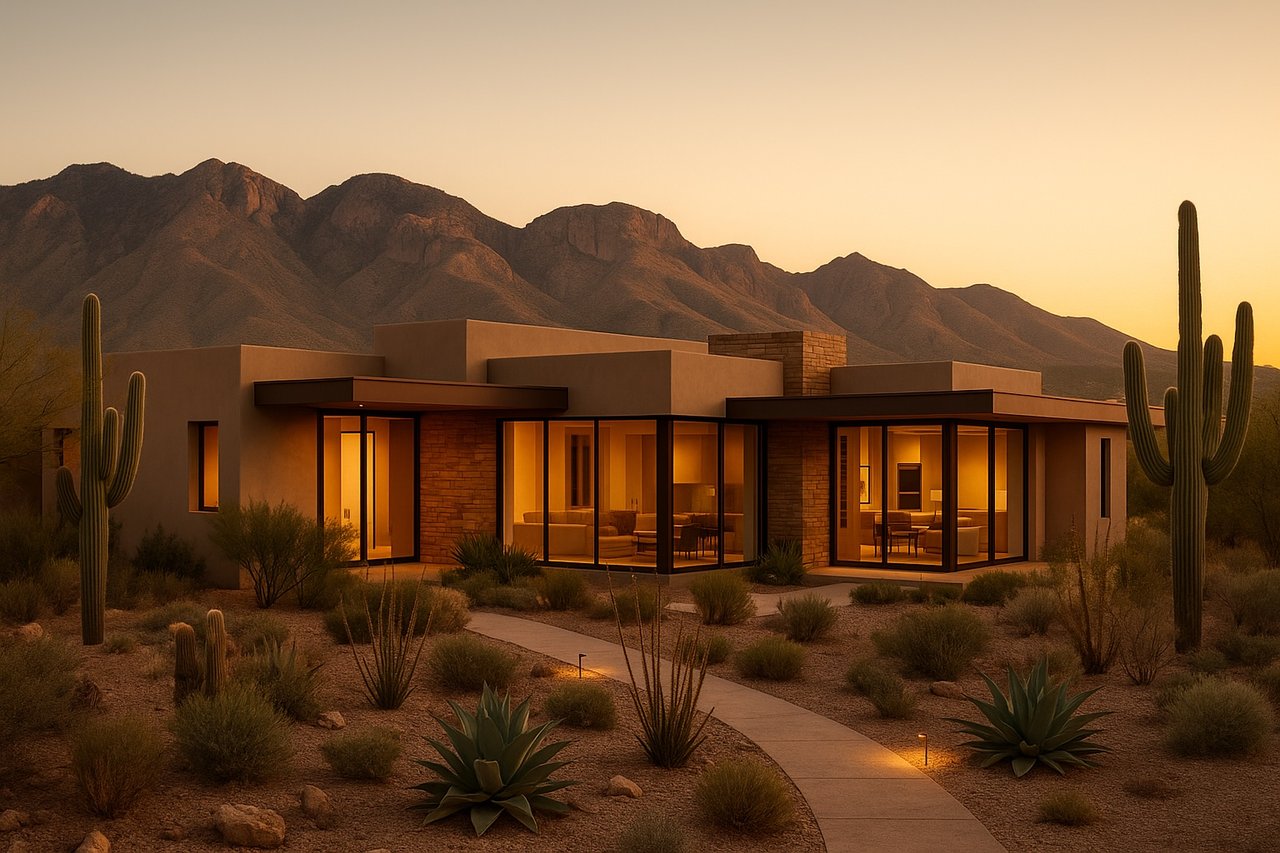
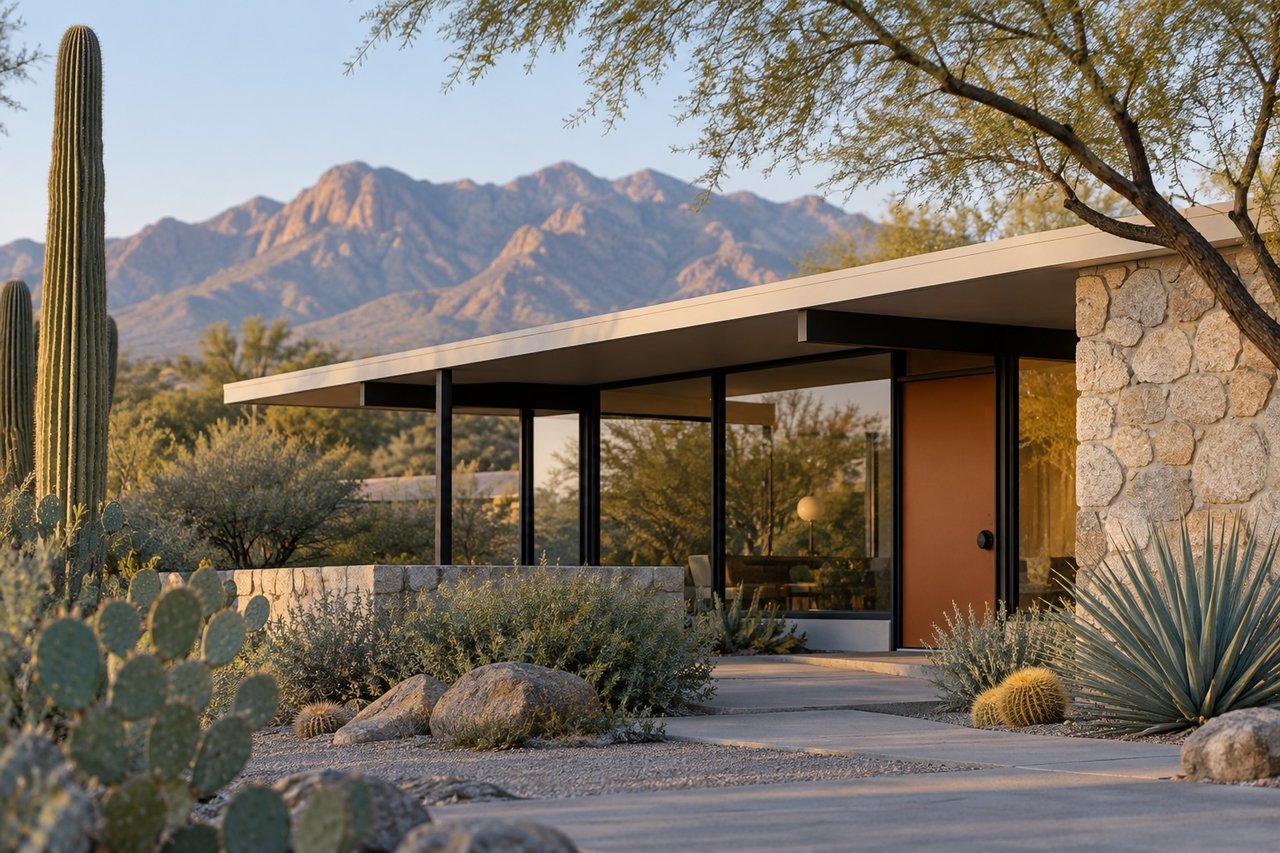
A house may be Ranch, Territorial, Modernist or some combination of regional influences. It may have a low horizontal profile, deep overhangs, carefully positioned windows, shaded patios or courtyards rather than the more theatrical elements people associate with textbook modernism.
That restraint is part of what makes Tucson architecture interesting.
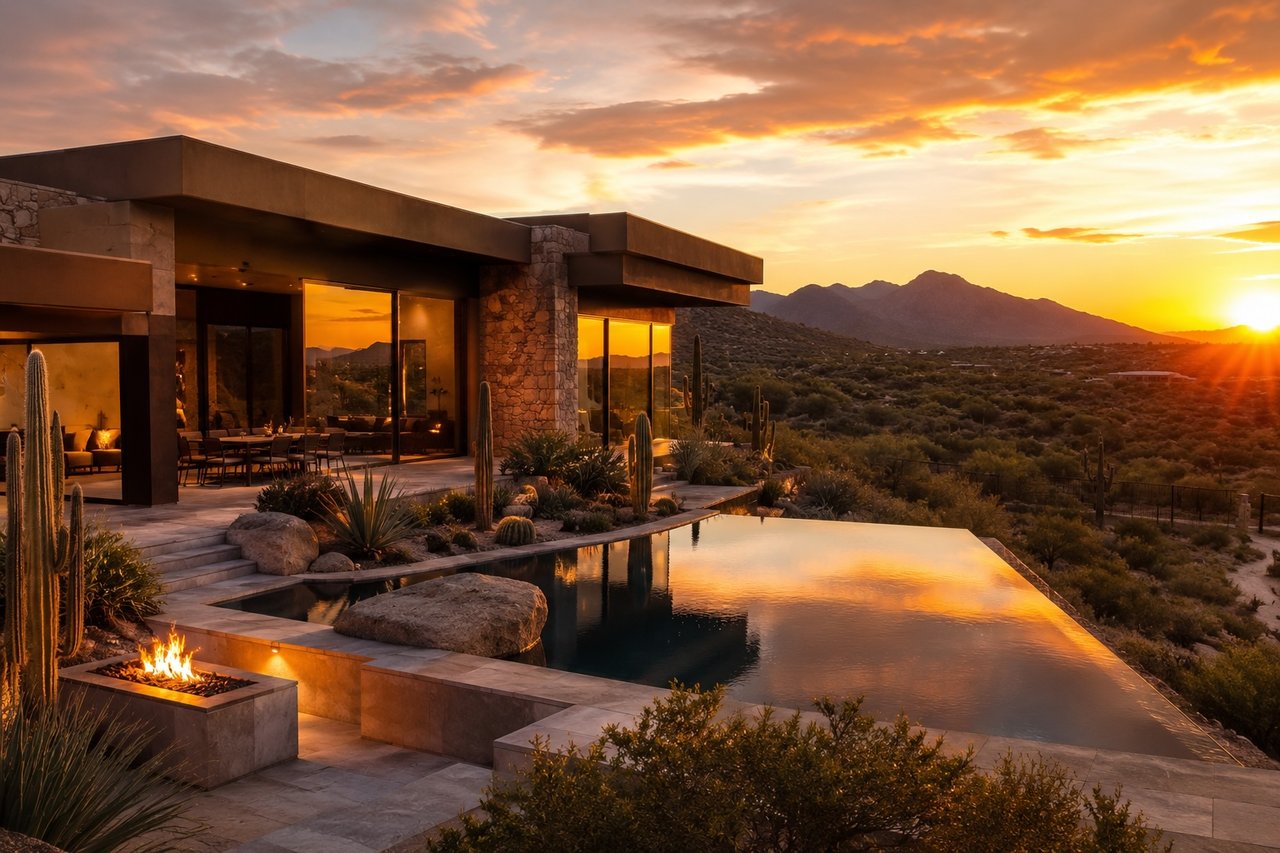
The best desert architecture doesn't simply sit in the Sonoran Desert. It responds to it.
And Rysdale understood that relationship.
Anne Rysdale's Tucson Houses
Rysdale's residential work appeared across several of Tucson's important postwar neighborhoods, including Colonia Solana, El Encanto, Winterhaven, Country Club Estates, Highland Manor and Palo Alto Village, according to historic documentation.
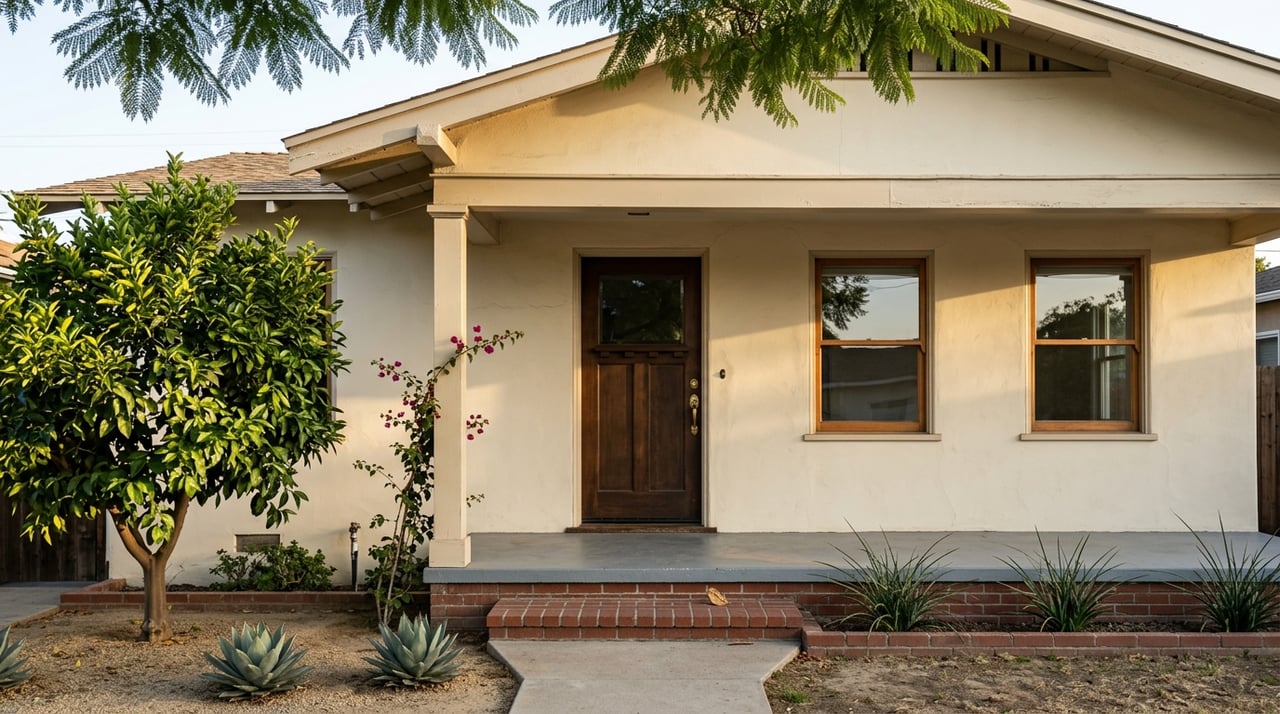
Her specialty became the Ranch house—an architectural form sometimes underestimated because of how ubiquitous later versions of the style became throughout America.
But a thoughtfully designed Ranch house can be remarkably sophisticated.
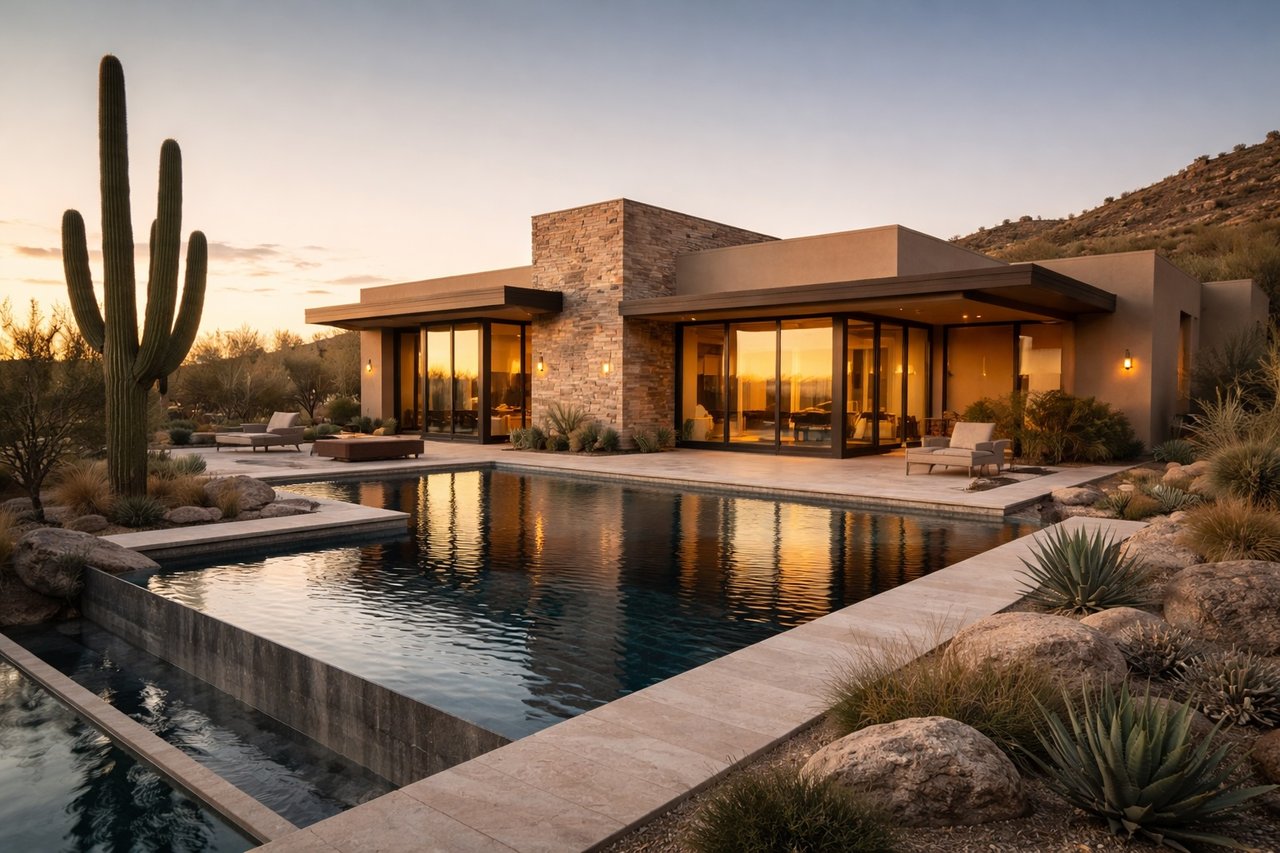
The horizontal architecture can relate naturally to the desert landscape. Living spaces can extend toward patios and gardens. Rooms can be arranged around how people actually live rather than around architectural formality. Rooflines and overhangs can create shade, while orientation can make the house feel connected to its site.
Rysdale's work belongs within this broader evolution of Southwestern residential architecture.
And nowhere is her impact more striking than Colonia Solana.
Colonia Solana: A Concentration of Tucson Architectural History
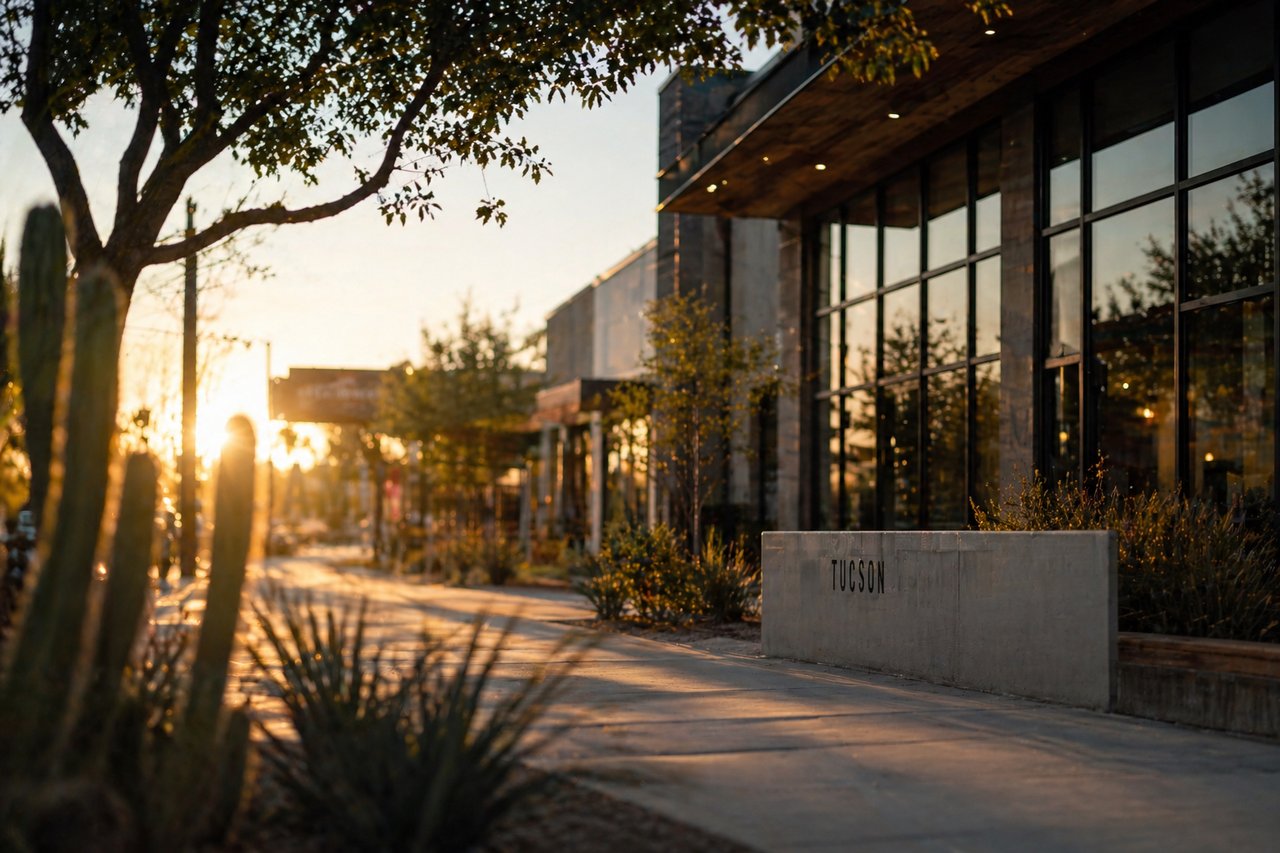
Drive through Colonia Solana today and it is easy to understand why the neighborhood remains one of Tucson's most distinctive residential environments.
The neighborhood was platted in 1928 with a plan by landscape architect Stephen Child. Its curving streets created irregular lots rather than the rigid grid found throughout much of Tucson. Large setbacks, substantial parcels and architectural oversight helped establish a remarkably cohesive environment.
But what makes Colonia Solana especially interesting is that it isn't a museum of one architectural style.
It is a collection.
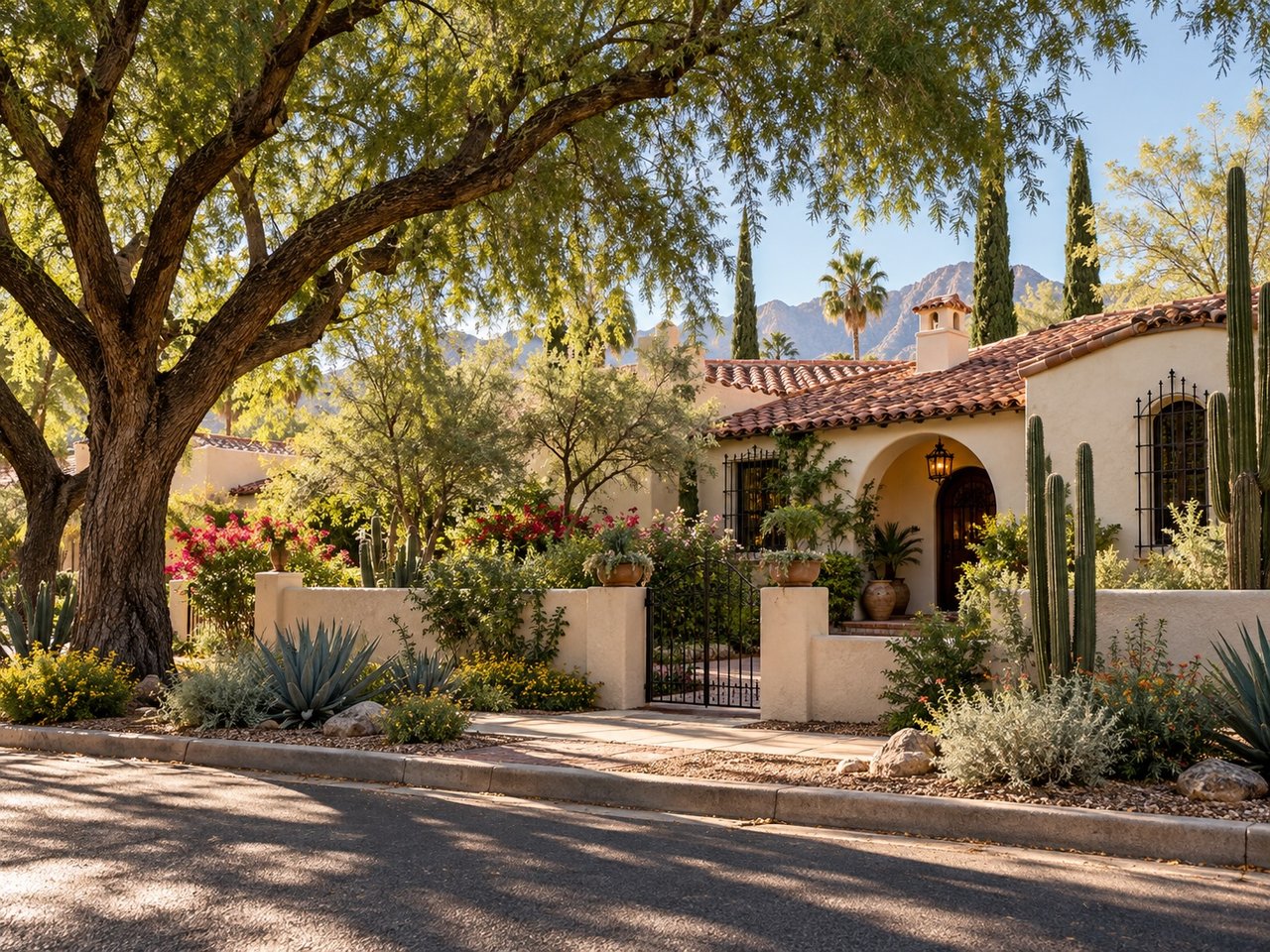
Spanish Colonial Revival, Pueblo Revival, Mission Revival, Ranch and Modernist architecture coexist within the neighborhood. Over time, some of Tucson's most important architects contributed houses there.
Josias Joesler.
Arthur T. Brown.
Anne Rysdale.
Tom Gist.
And others.
That layering is what gives the neighborhood its character.
According to both the National Register documentation and SAH Archipedia, Anne Rysdale designed 21 houses in Colonia Solana.
Twenty-one.
For a neighborhood containing only a limited number of residential parcels, that represents a significant architectural imprint.
It also illustrates something I think is frequently overlooked in Tucson real estate:
Sometimes the history of a house extends well beyond the property line.
When the Architect Becomes Part of the Property
When I evaluate a distinctive Tucson home, I don't believe the analysis should always begin and end with price per square foot.
Comparable sales remain essential. Market conditions matter. Condition matters. Location matters.
But sometimes the first question should be:
Who designed the house?
That question can lead to others.
Are the original plans available?
Is the architectural attribution documented?
How much of the original design survives?
Have additions changed the proportions of the house?
Were original windows, masonry, cabinetry or other defining elements retained?
Was the renovation sympathetic to the architecture—or did it simply make the house newer?
Is the property within a historic district?
Those questions don't automatically translate into a predetermined financial premium. A famous architect's name does not magically add a specific percentage to a home's market value.
But provenance can affect something equally important: scarcity.
There may be hundreds of houses available within a particular price range.
There may be only one available Rysdale.
That changes the conversation.
Architecture Changes How a Home Should Be Marketed
Architecturally important homes can be underserved by conventional real estate marketing.
Imagine taking a thoughtfully preserved mid-century Tucson residence and describing it simply as:
"3 bedrooms, 2 bathrooms, updated kitchen, large backyard."
All of those statements may be true.
And they may completely miss the point.
If a property's defining characteristic is its architecture, the marketing needs to explain why the architecture matters.
That requires research.
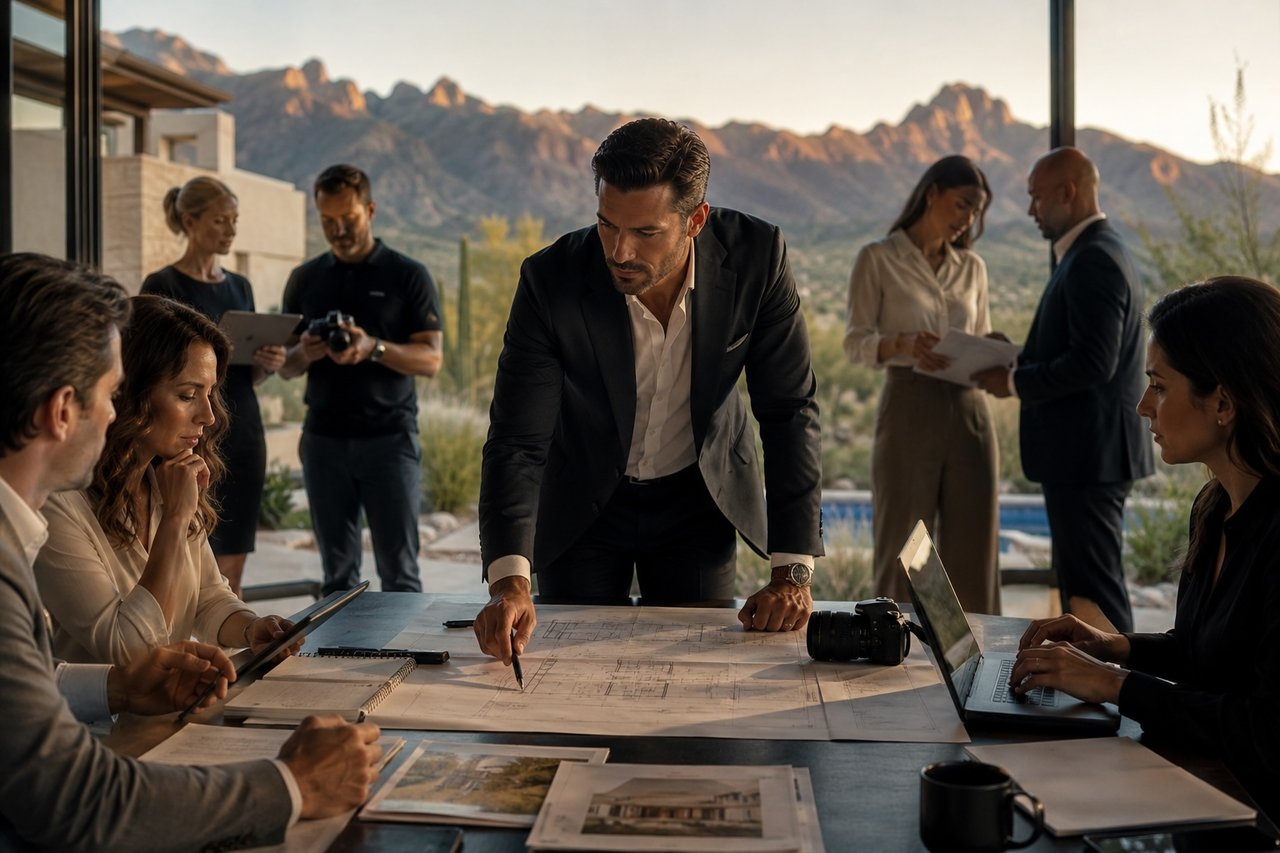
It can mean examining historic records, original plans, previous ownership, architect attribution, neighborhood history and significant alterations. The University of Arizona's Arizona Architectural Archives preserves professional papers, project records and other materials related to important Arizona architects and builders, while the City of Tucson provides additional resources for researching historic properties.
For the right property, that research can fundamentally change the story being presented to the market.
And sophisticated buyers tend to understand the difference.
They aren't necessarily looking for "old."
They're looking for authenticity.
The Renovation Question: What Should We Keep?
This may be the most interesting issue facing Tucson's mid-century housing stock today.
How do you modernize a 1950s or 1960s house without renovating away the reason someone would want it in the first place?
Not everything old needs to remain.
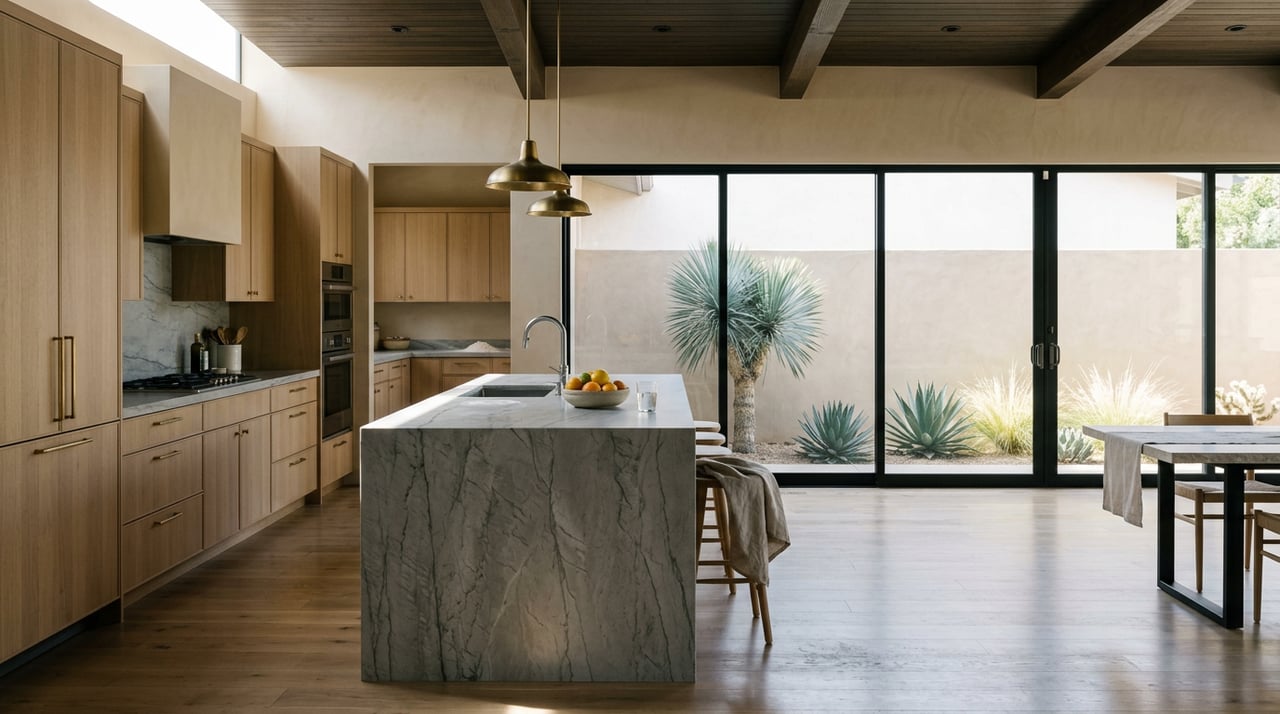
Mechanical systems age. Electrical systems evolve. Kitchens need to function. Bathrooms change. Energy efficiency matters. Modern buyers have legitimate expectations regarding comfort and technology.
Preservation does not have to mean freezing a house in time.
But there is a meaningful difference between modernizing a house and erasing its architecture.
Original cabinetry may be worth examining before replacing.
A distinctive masonry wall may deserve to remain exposed.
A roofline shouldn't necessarily be altered simply because another style is currently fashionable.
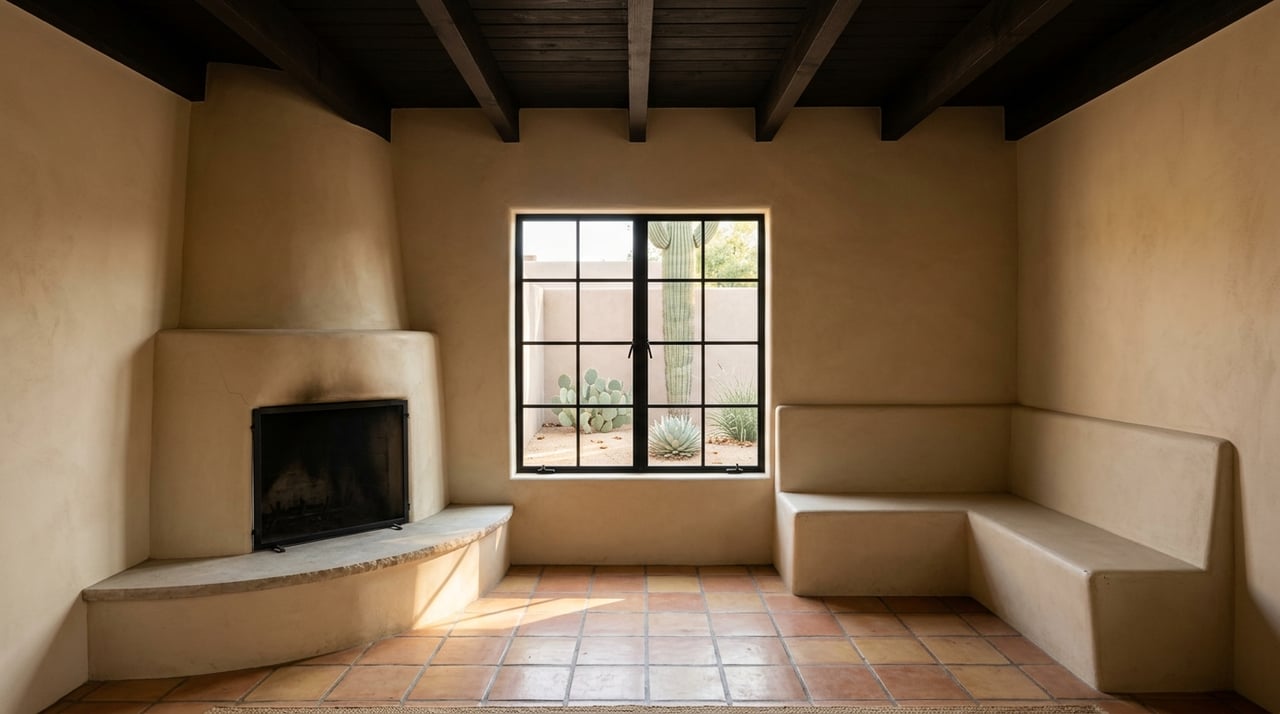
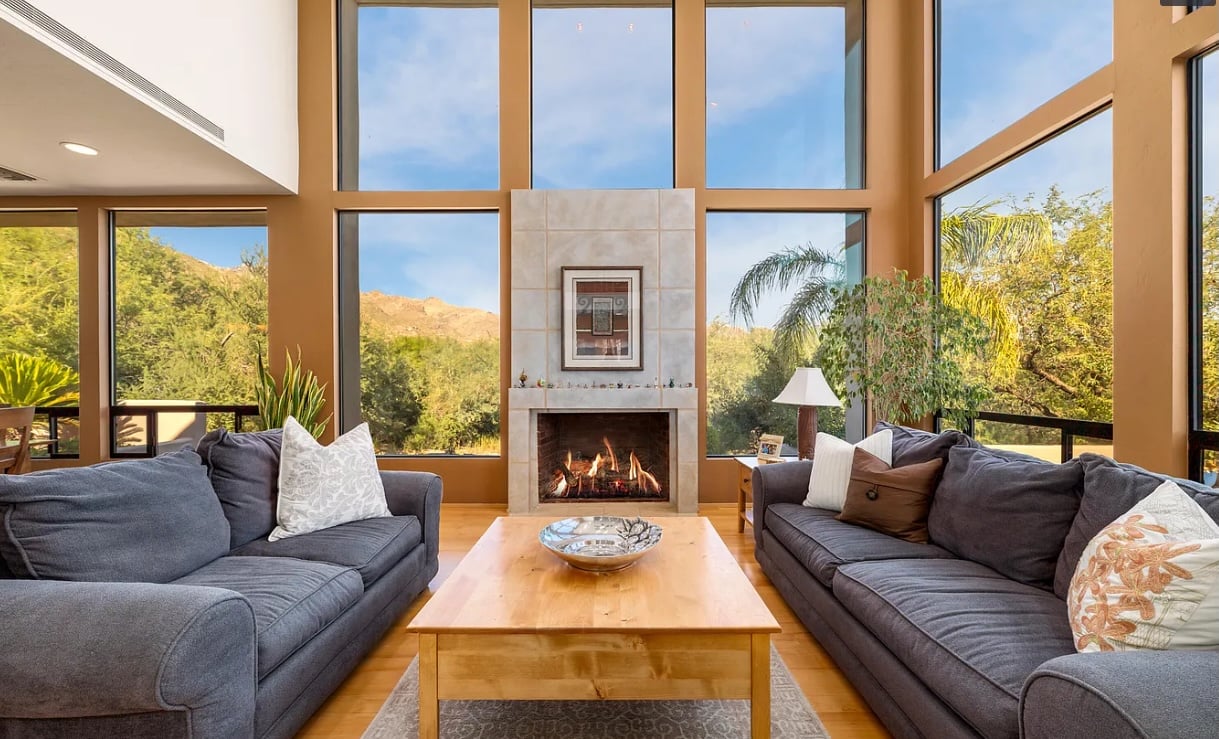
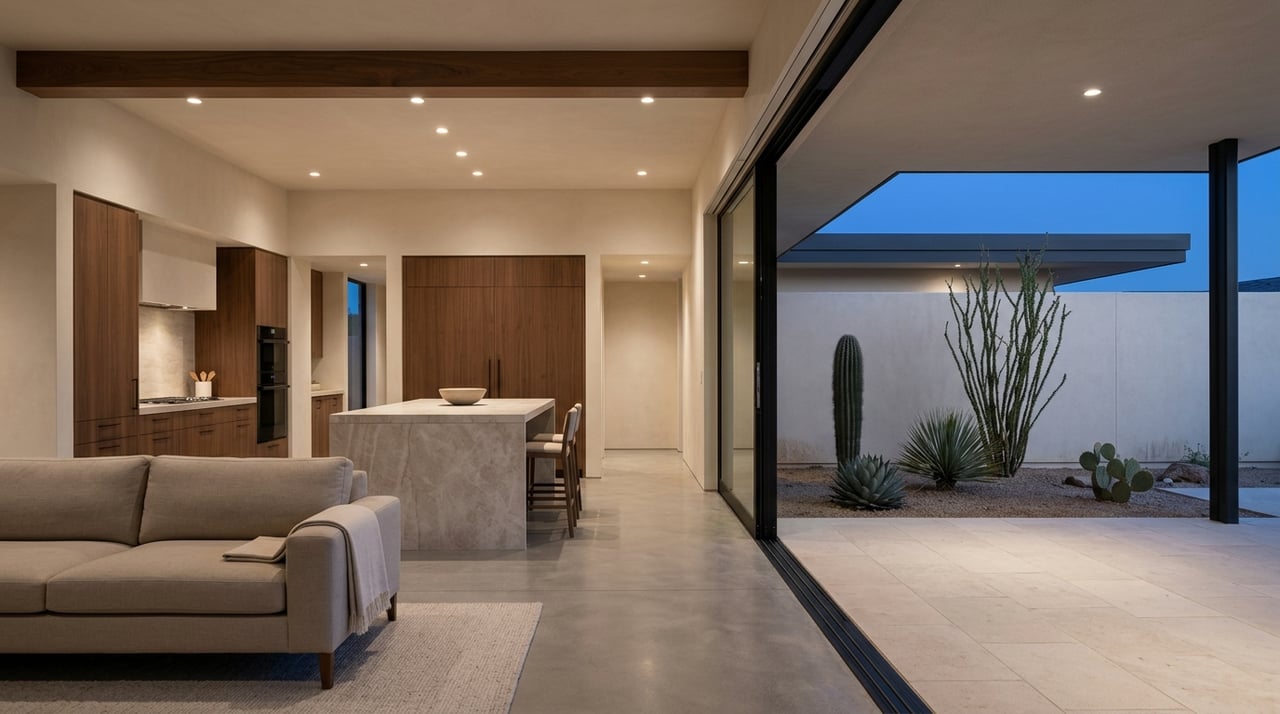
Original window proportions, courtyards, fireplaces, built-ins, terrazzo, concrete floors, woodwork and relationships between interior and exterior spaces can be fundamental to the architectural experience.
The question shouldn't automatically be:
How do we make this house look new?
A better question may be:
How do we make this house work beautifully for the next generation without losing what made it special in the first place?
That distinction matters.
Are Architect-Designed Homes Worth More in Tucson?
Sometimes.
But architecture needs to be considered more carefully than a simple price-per-square-foot adjustment.
Documented architectural provenance can influence desirability, scarcity and buyer interest, particularly when a property retains significant elements of its original design.
Condition and integrity matter considerably.
The City of Tucson notes that historic significance involves qualities including design, setting, materials, workmanship, feeling and association.
That provides a useful framework even outside formally designated historic properties.
A beautifully preserved architect-designed residence may appeal strongly to a particular buyer.
The same house after decades of unsympathetic additions and alterations may be a different proposition.
This is where valuation becomes nuanced.
The most appropriate comparable isn't always simply the house that sold half a mile away.
For certain properties, we need to consider architectural quality, provenance, integrity, lot characteristics, neighborhood context and scarcity alongside the traditional real estate metrics.
What Should Buyers Know Before Purchasing a Mid-Century Home in Tucson?
Buying an older architecturally distinctive house requires curiosity.
Research the architect when attribution is available. Understand what has been altered. Look beyond finishes and examine the underlying design.
Buyers should also understand whether a property has historic designation and what that designation means.
In Tucson, exterior modifications to properties within a Historic Preservation Zone can require design review. The City also maintains resources related to historic districts, designated properties, reports and surveys.
That shouldn't necessarily discourage a buyer.
For someone who values architectural character, preservation can be part of the reason a neighborhood remains special.
Due diligence simply needs to go beyond the conventional inspection.
Why Tucson Architecture Matters to Tucson Real Estate
One of the things I appreciate most about Tucson is that our best neighborhoods don't feel manufactured.
They evolved.
Architecture changed as Tucson changed.
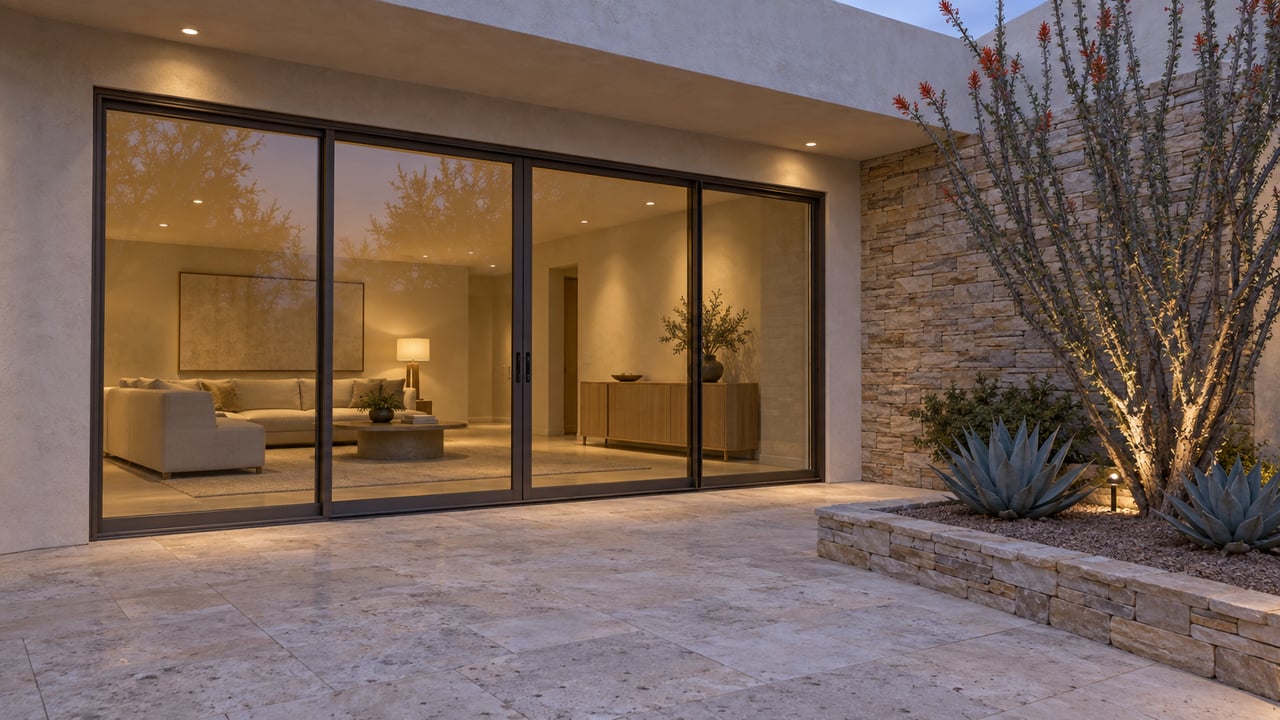
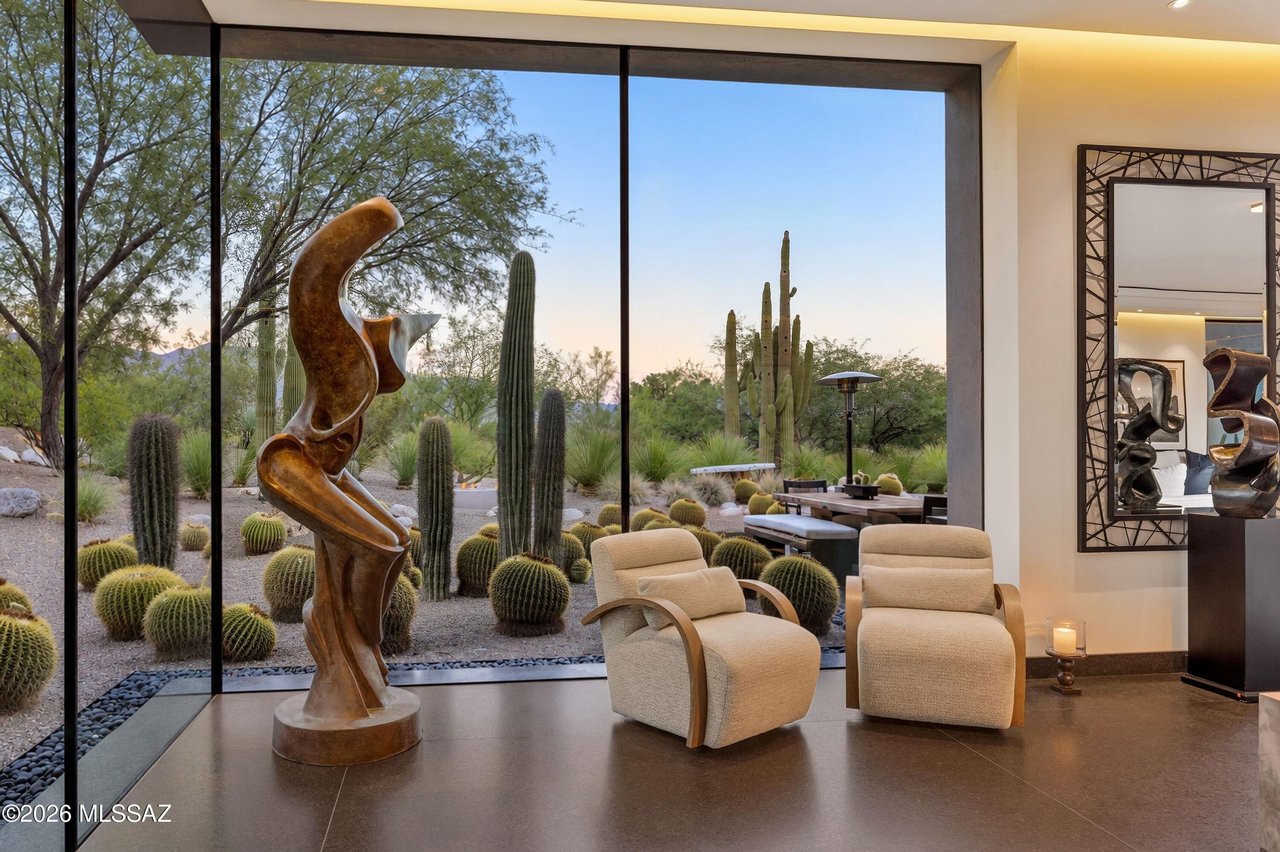
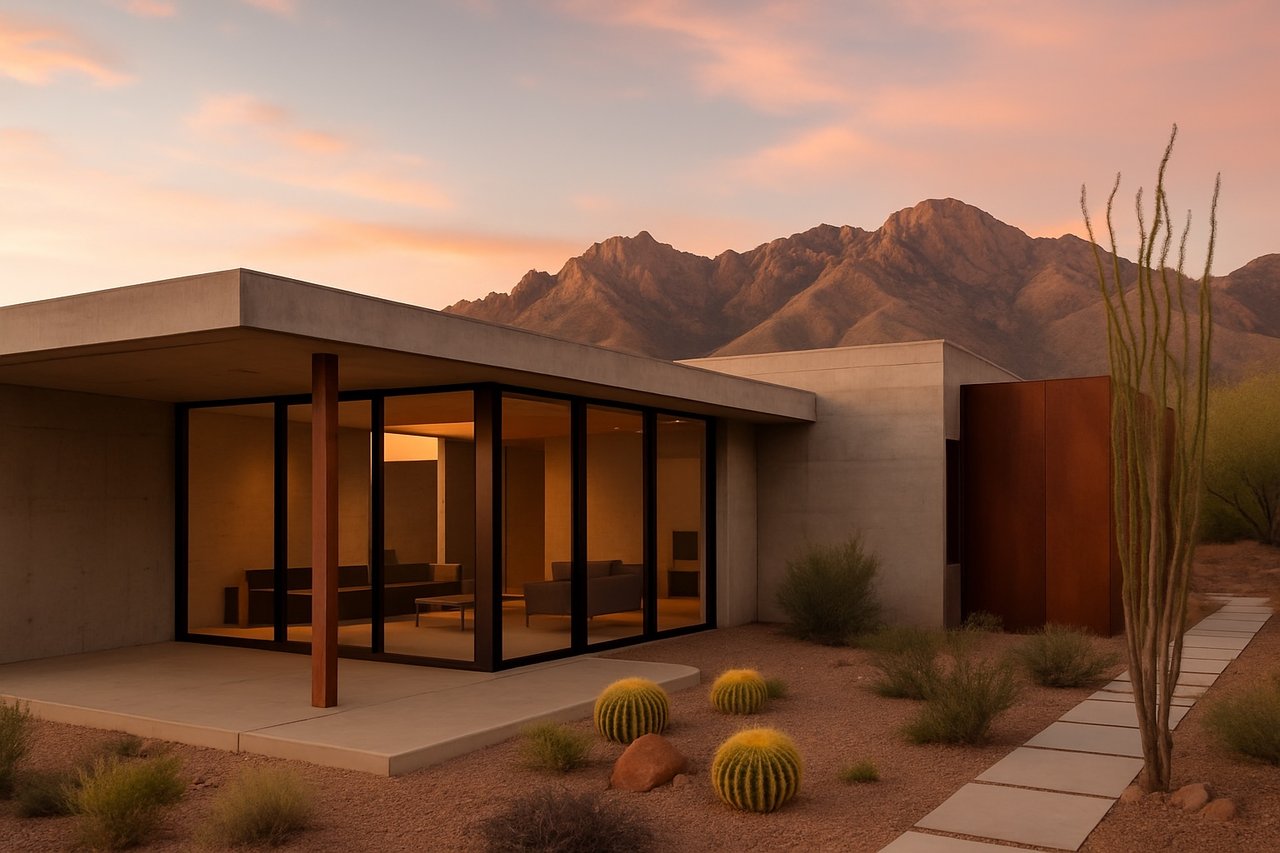
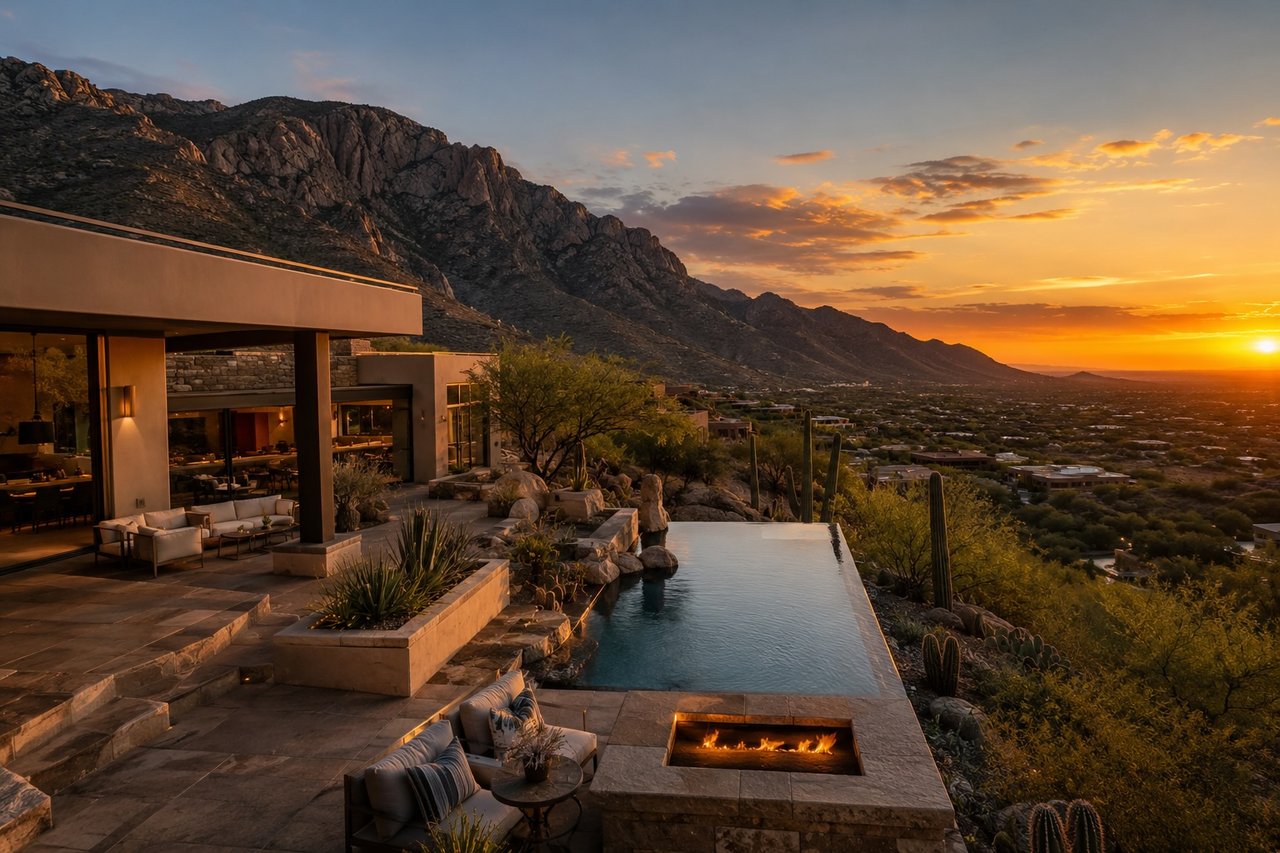
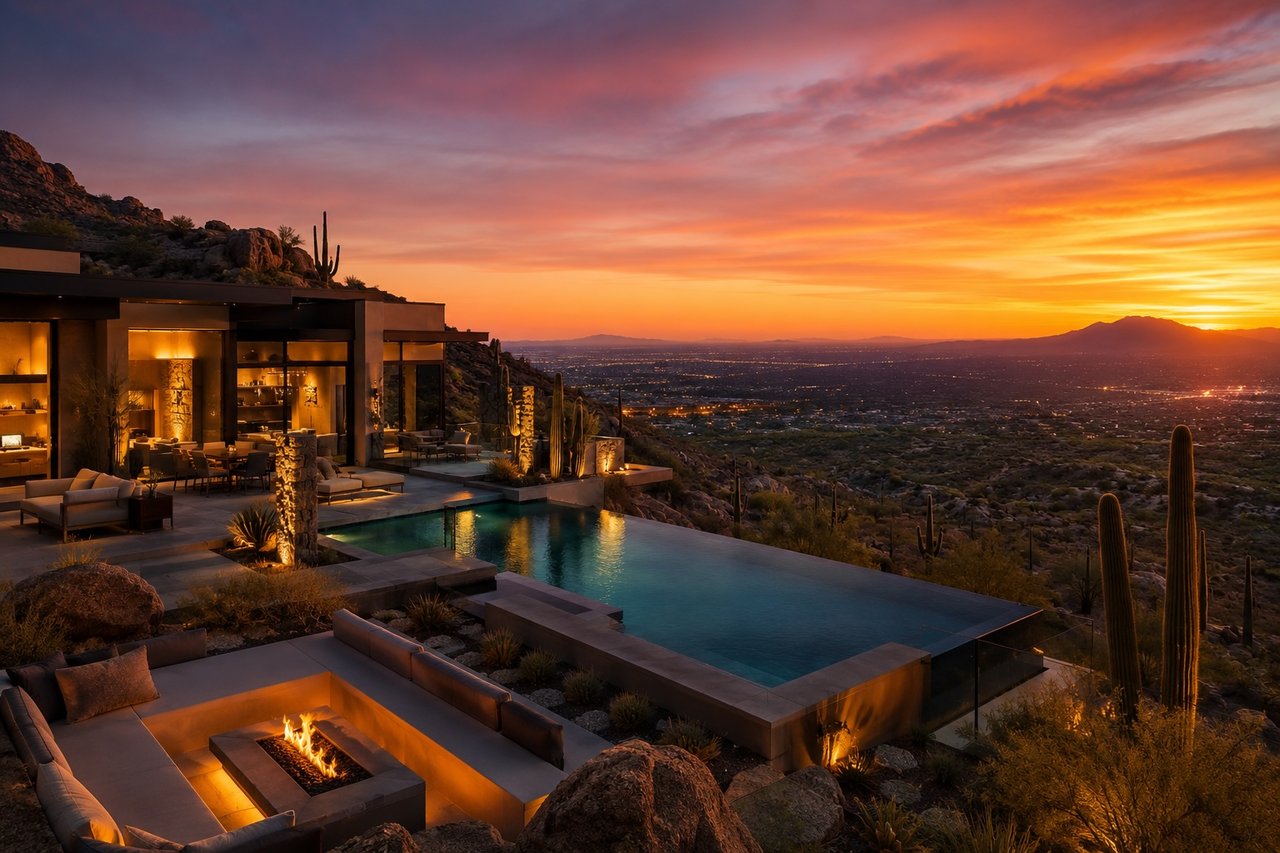
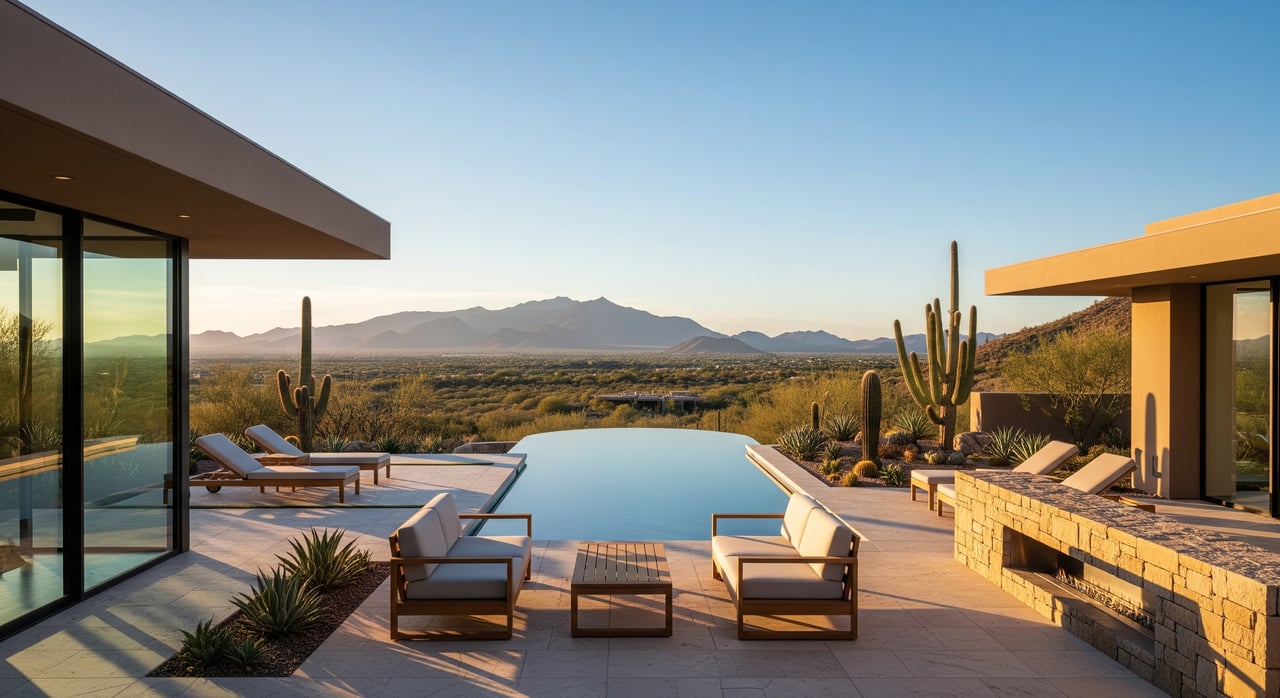
Adobe traditions met Spanish Colonial influences. Ranch houses responded to postwar lifestyles. Modernist architects experimented with glass, masonry, shade and geometry. Houses were designed around mountains, washes, desert vegetation and the intense Arizona sun.
You can see those layers in neighborhoods throughout central Tucson and the Catalina Foothills.
And when those properties come to market, understanding that history matters.
Not because every older house is architecturally important.
Not because every architect-designed house commands a premium.
And certainly not because every original feature should be preserved forever.
It matters because real estate is ultimately about place, and architecture is one of the ways Tucson tells the story of its place.
Anne Rysdale's Legacy in Tucson
Anne Rysdale's career deserves attention for many reasons.
She established a professional architectural practice in an era when very few women were given that opportunity. She contributed commercial buildings to Tucson's expanding postwar landscape. She taught architecture. And she designed residences throughout neighborhoods that remain desirable generations later.
But perhaps the best way to appreciate her legacy isn't simply to study a list of buildings.
It is to look at Tucson differently.
Drive through Colonia Solana.
Look at the relationship between the houses and their lots.
Notice the rooflines.
The courtyards.
The masonry.
The shade.
The way different architectural periods somehow coexist.
Then consider that one woman designed 21 houses within that neighborhood alone.
More than half a century later, those houses continue participating in Tucson's architectural story.
That is a remarkable legacy.
And for those of us working in Tucson real estate today, it is also a reminder:
A house is more than a collection of rooms.
Sometimes it is architecture.
Sometimes it is history.
And sometimes understanding those things is essential to understanding the property itself.
About Daniel Sotelo | Tucson Real Estate
Daniel Sotelo works with buyers and sellers throughout Tucson and Southern Arizona, with a particular appreciation for luxury, historic and architecturally distinctive properties.
For owners considering the sale of a unique Tucson residence—or buyers searching for a home where architecture, setting and provenance matter—the process should begin with understanding what makes the property different.
Because distinctive homes deserve to be understood before they are marketed.