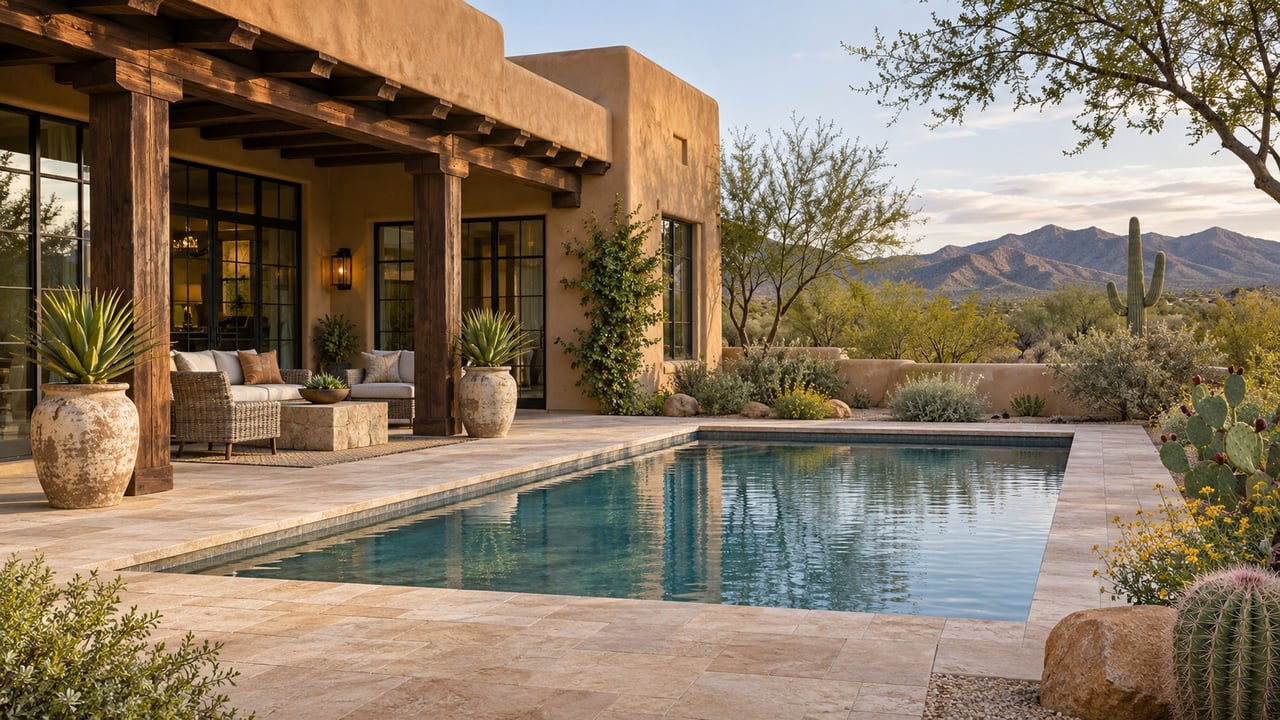
By Daniel Sotelo | Russ Lyon Sotheby’s International Realty
Buying a Tucson home with a pool starts with three questions: does the pool suit the way you want to live, what condition is the complete system in, and what will it require from you after closing? Clear water and a beautiful mountain backdrop answer only a small part of that decision. The stronger purchase is a home whose pool, outdoor rooms, service needs, and safety arrangements make sense together.
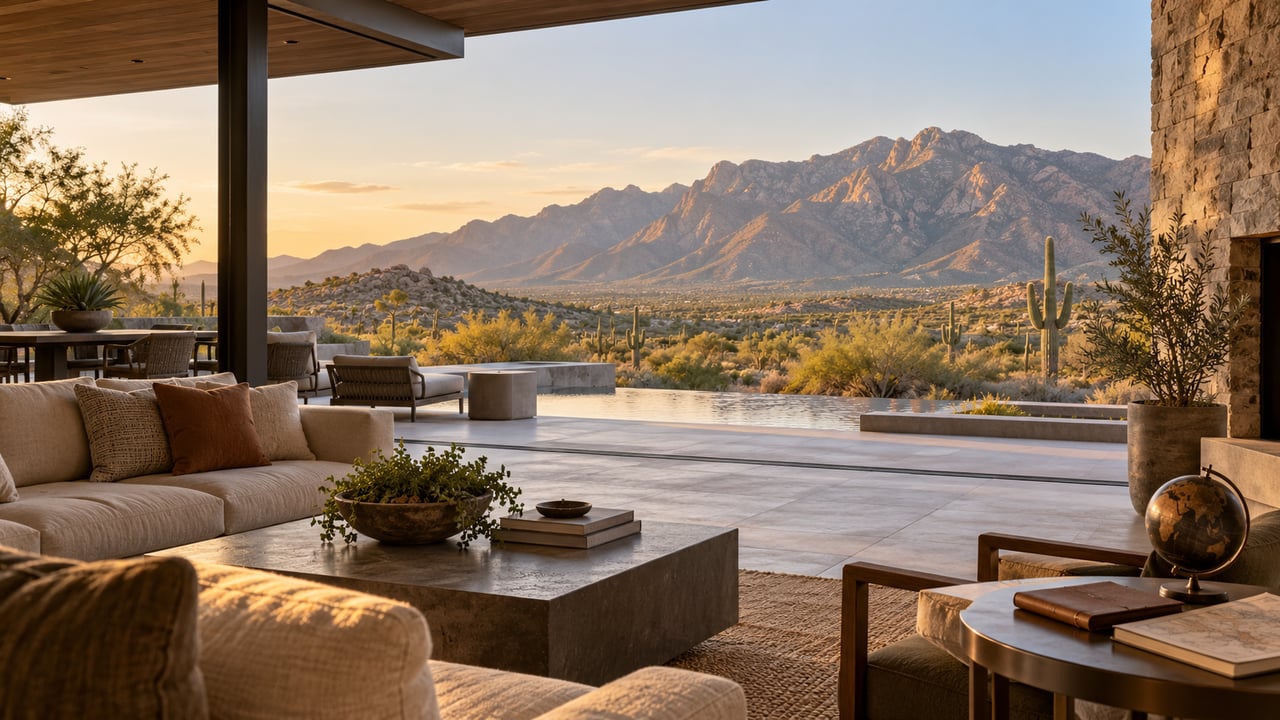
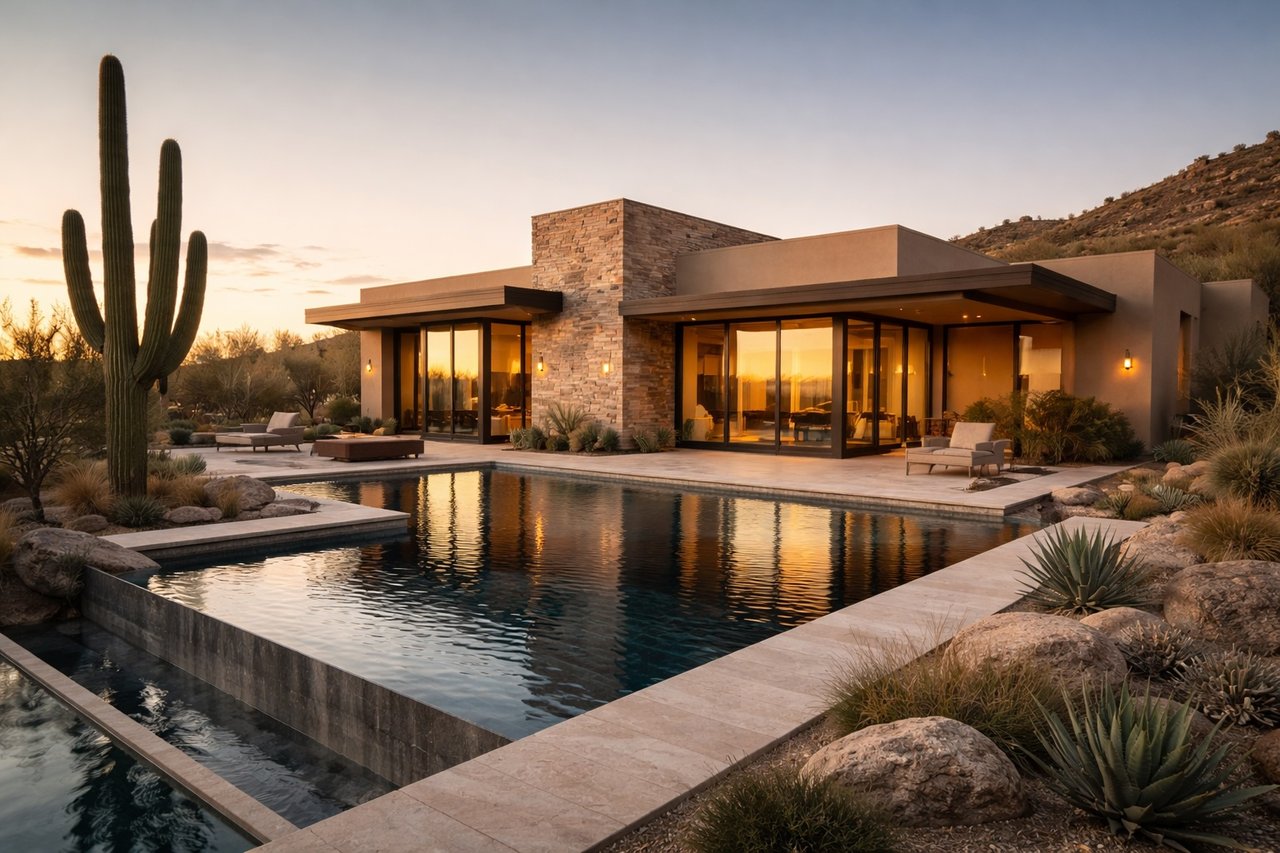
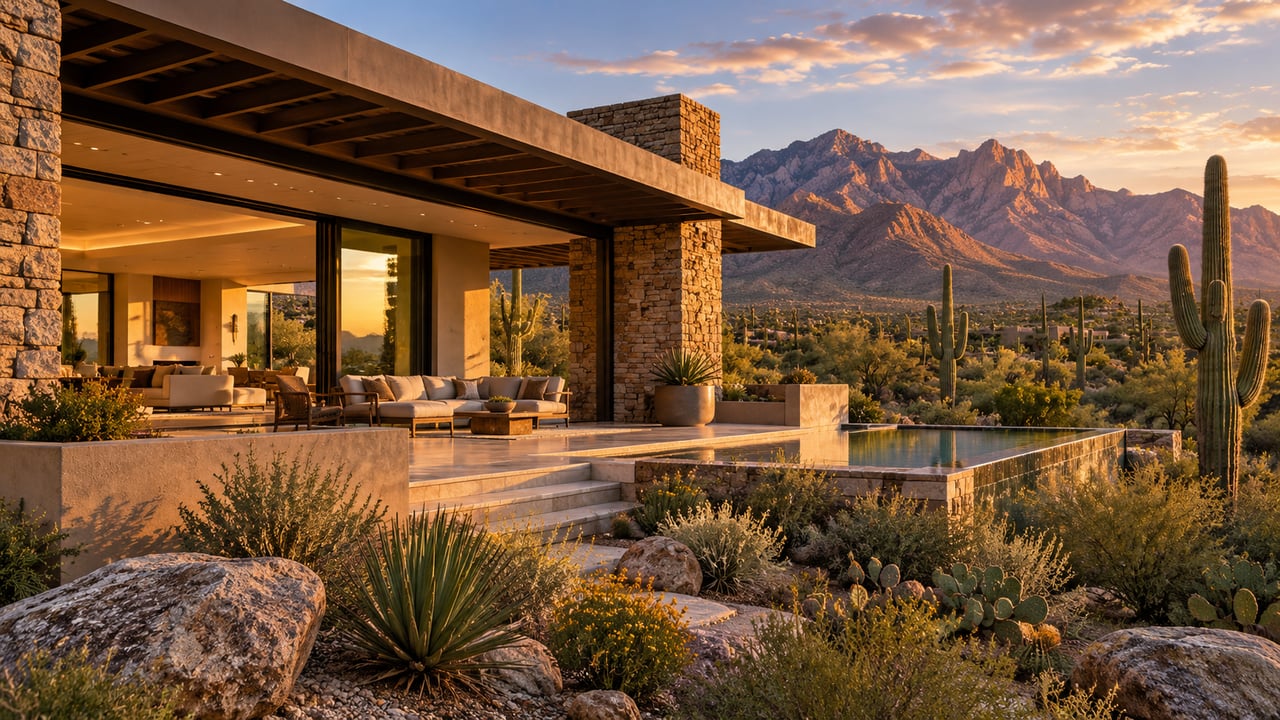
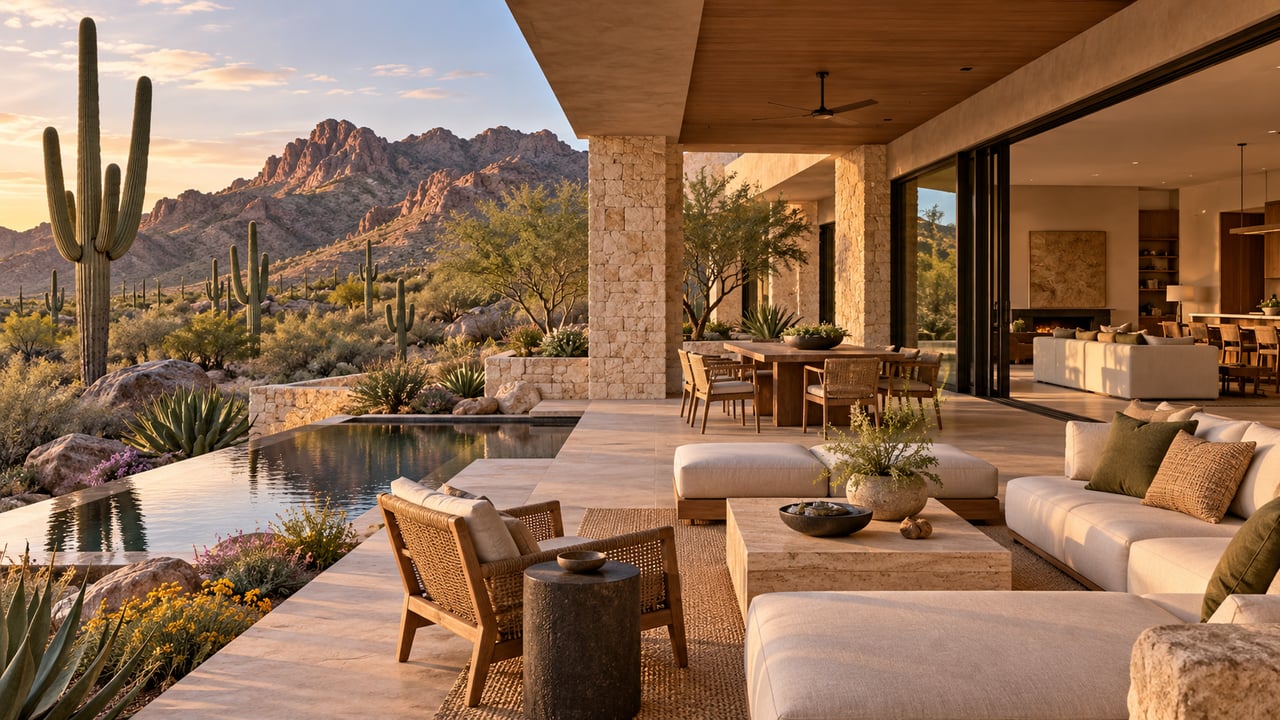
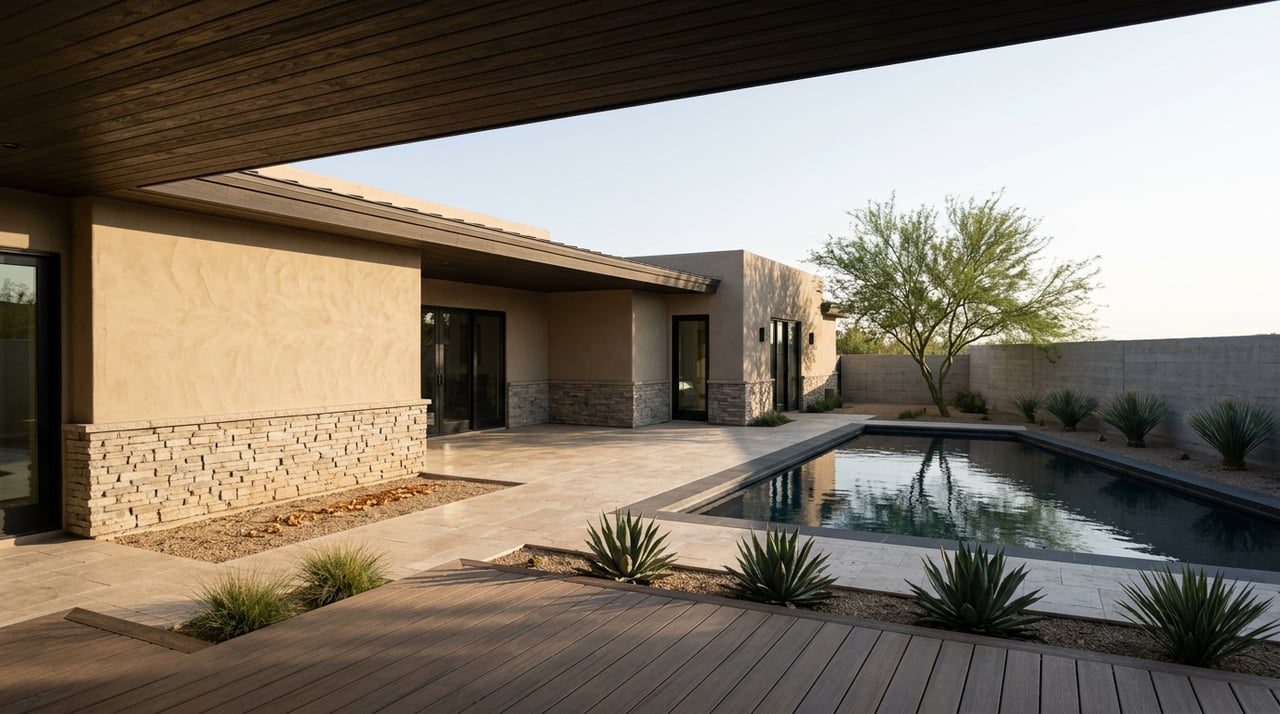
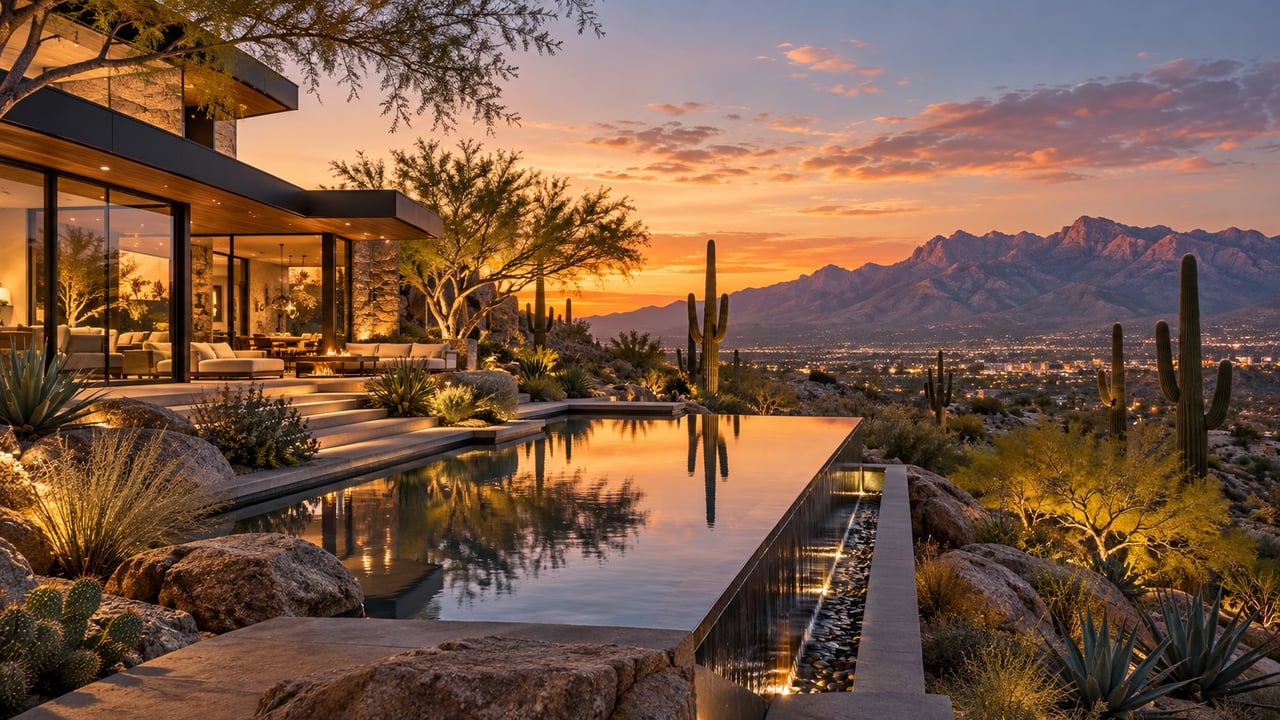
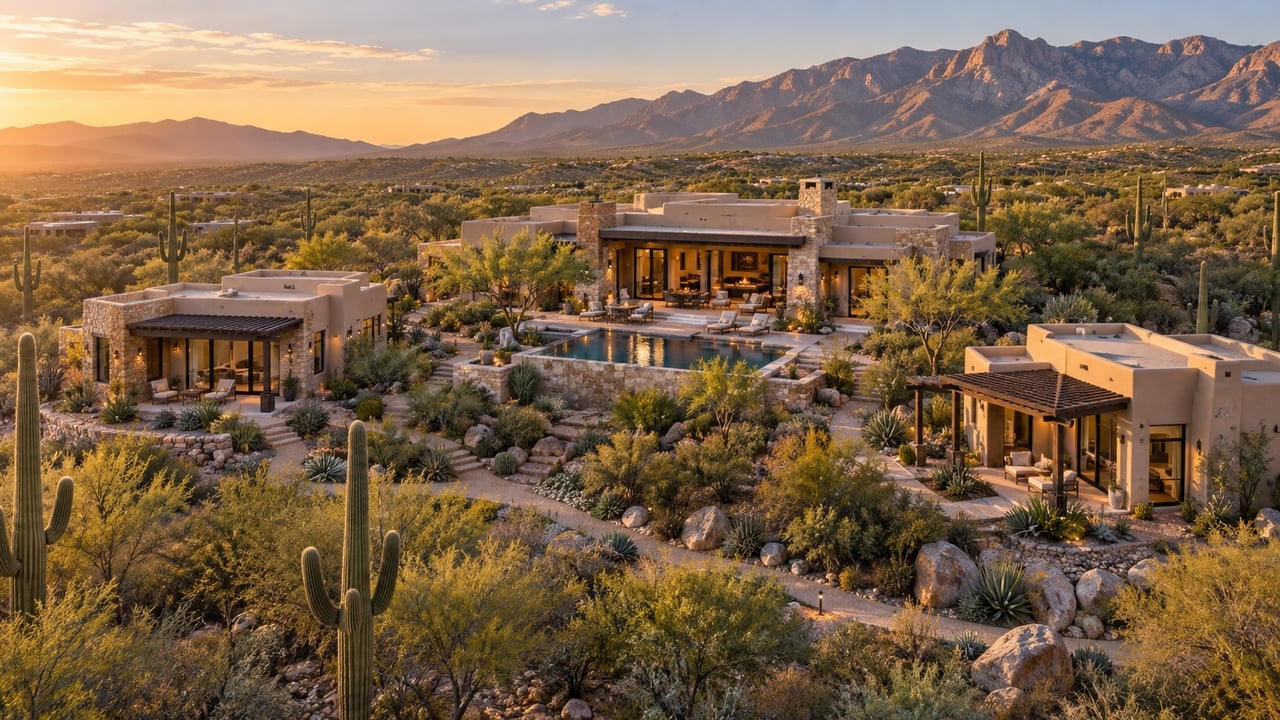
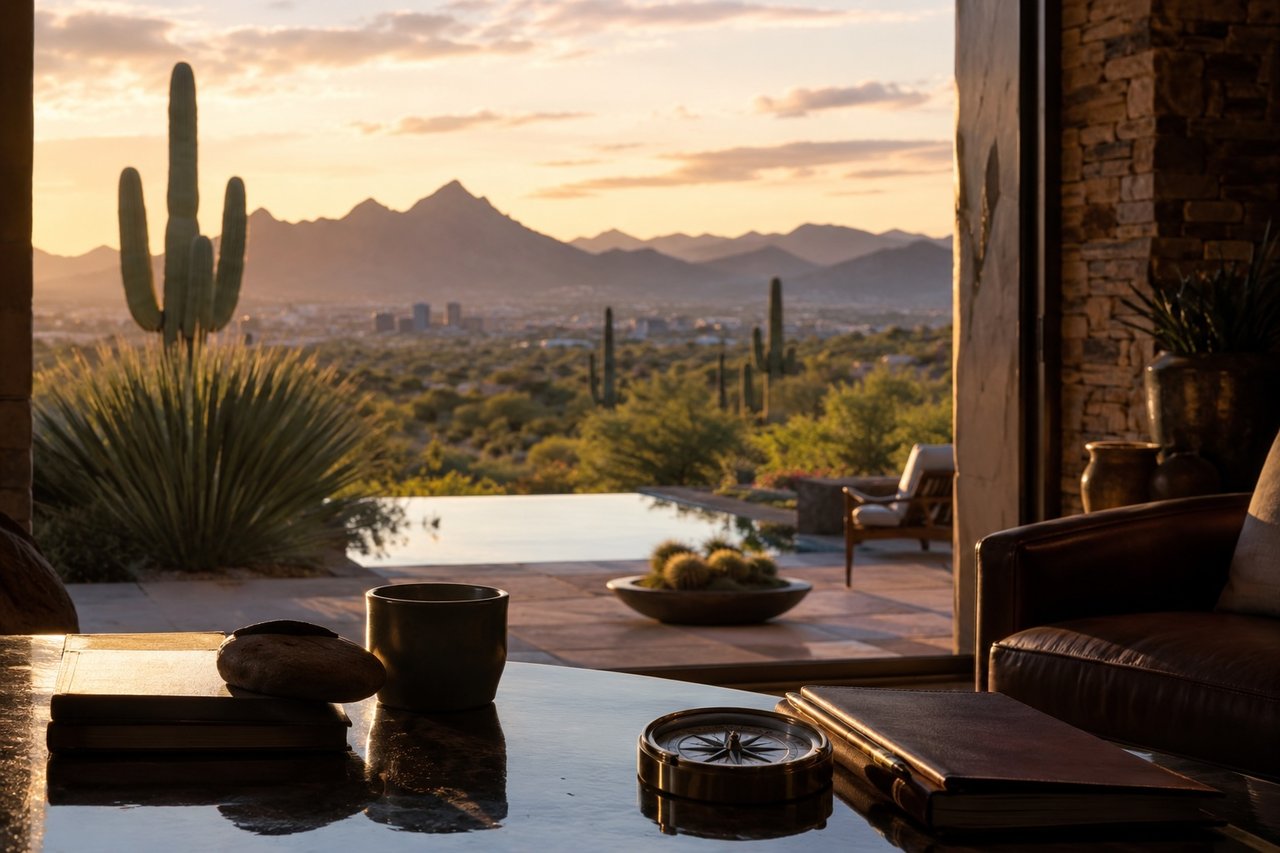
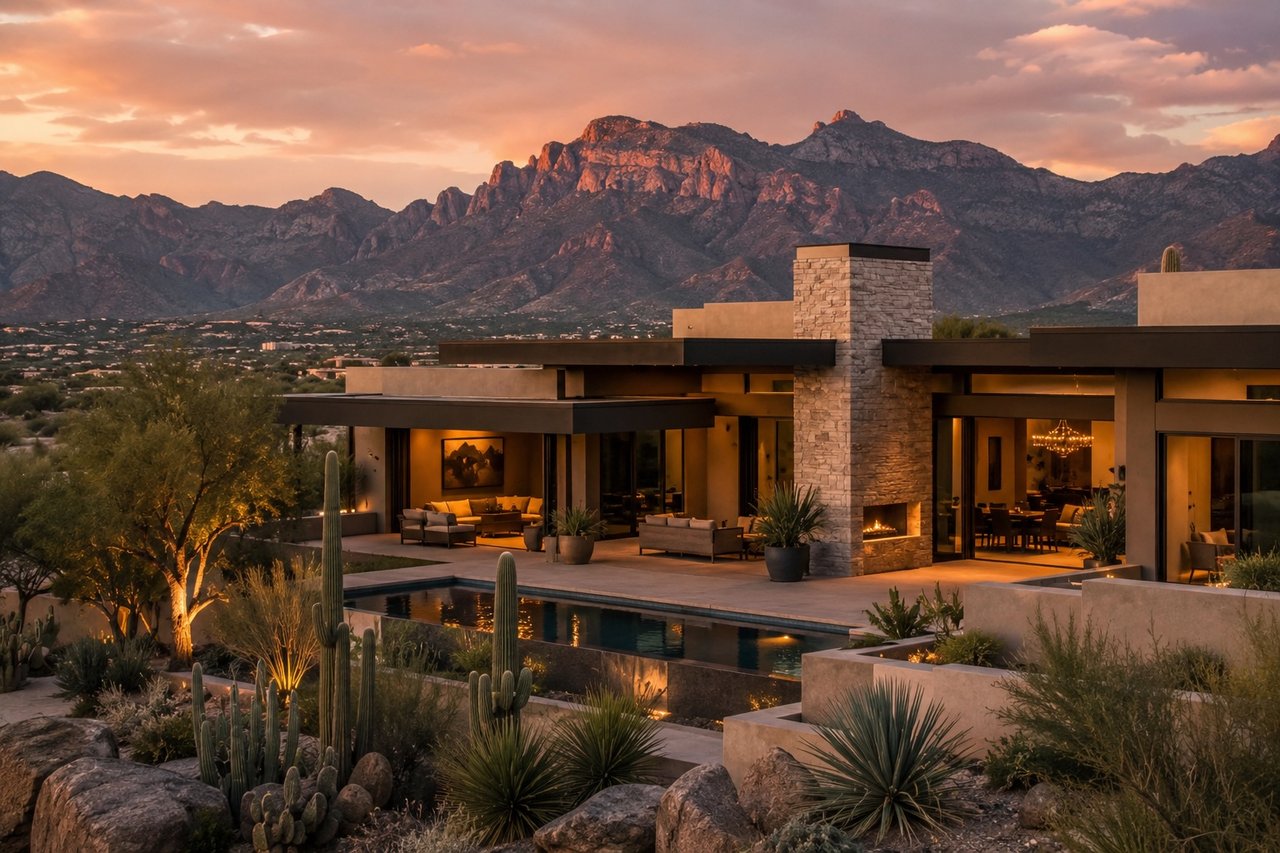
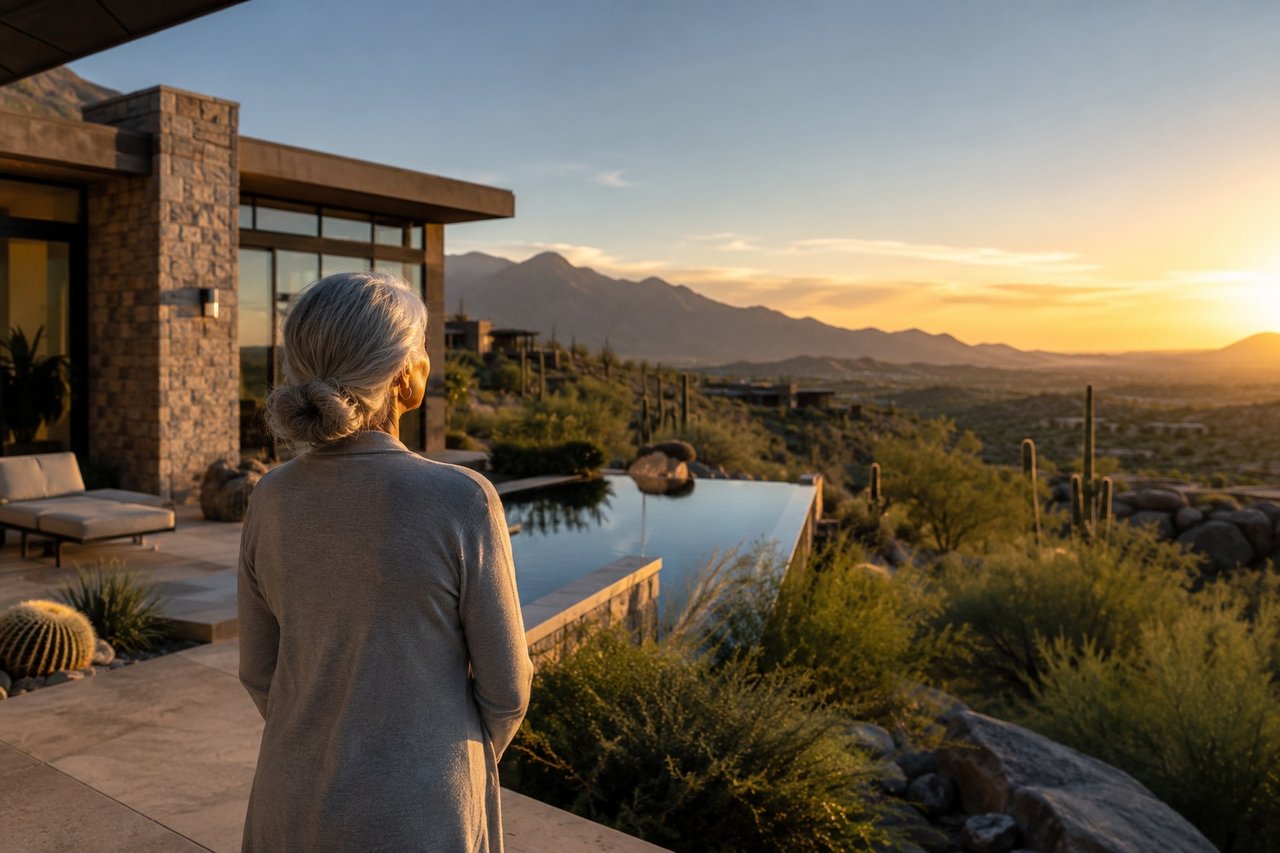
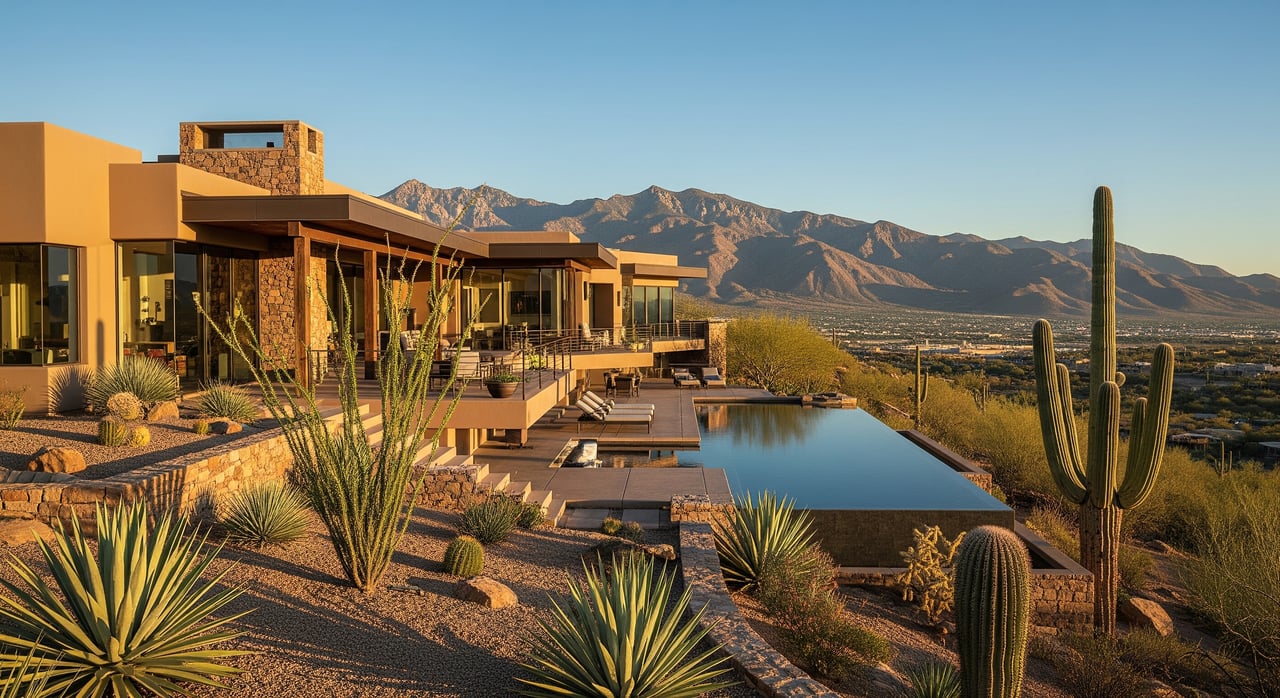
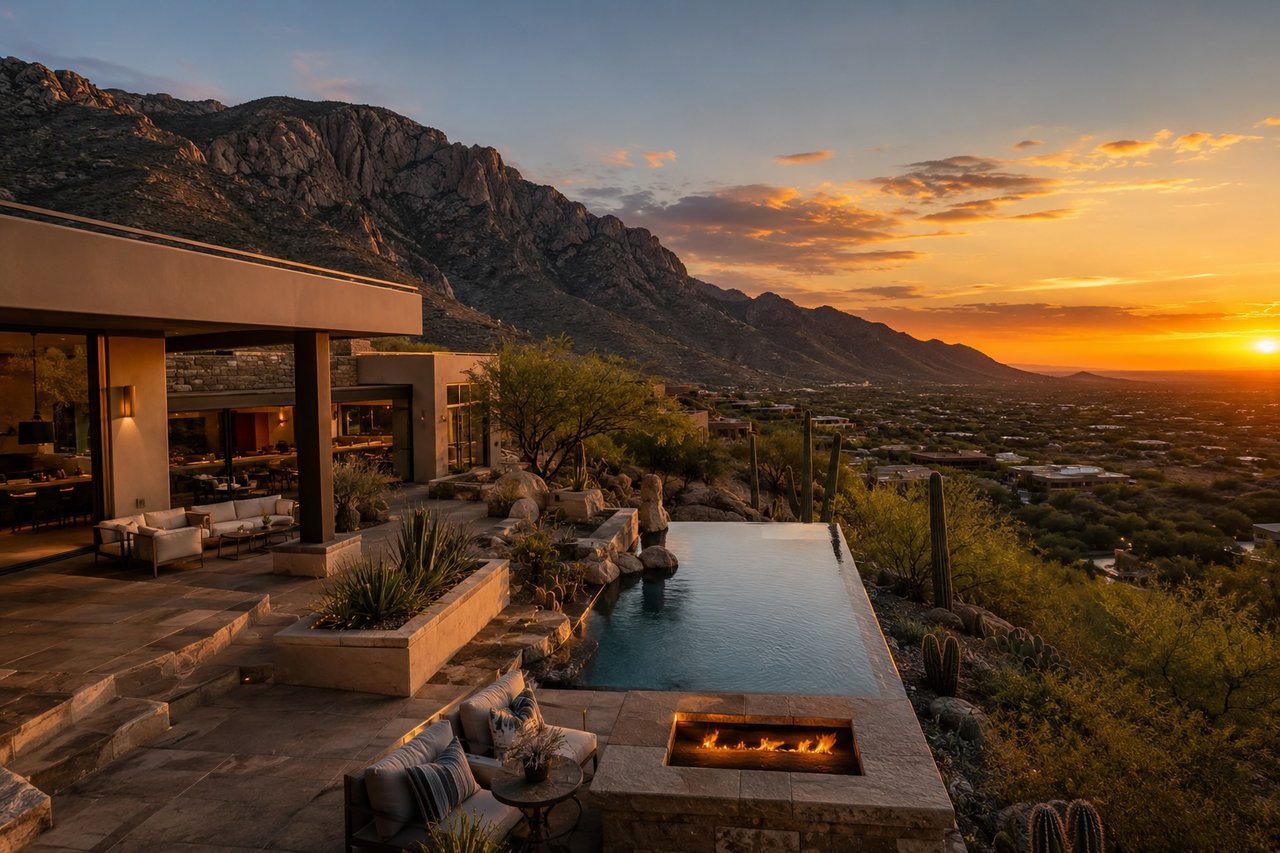
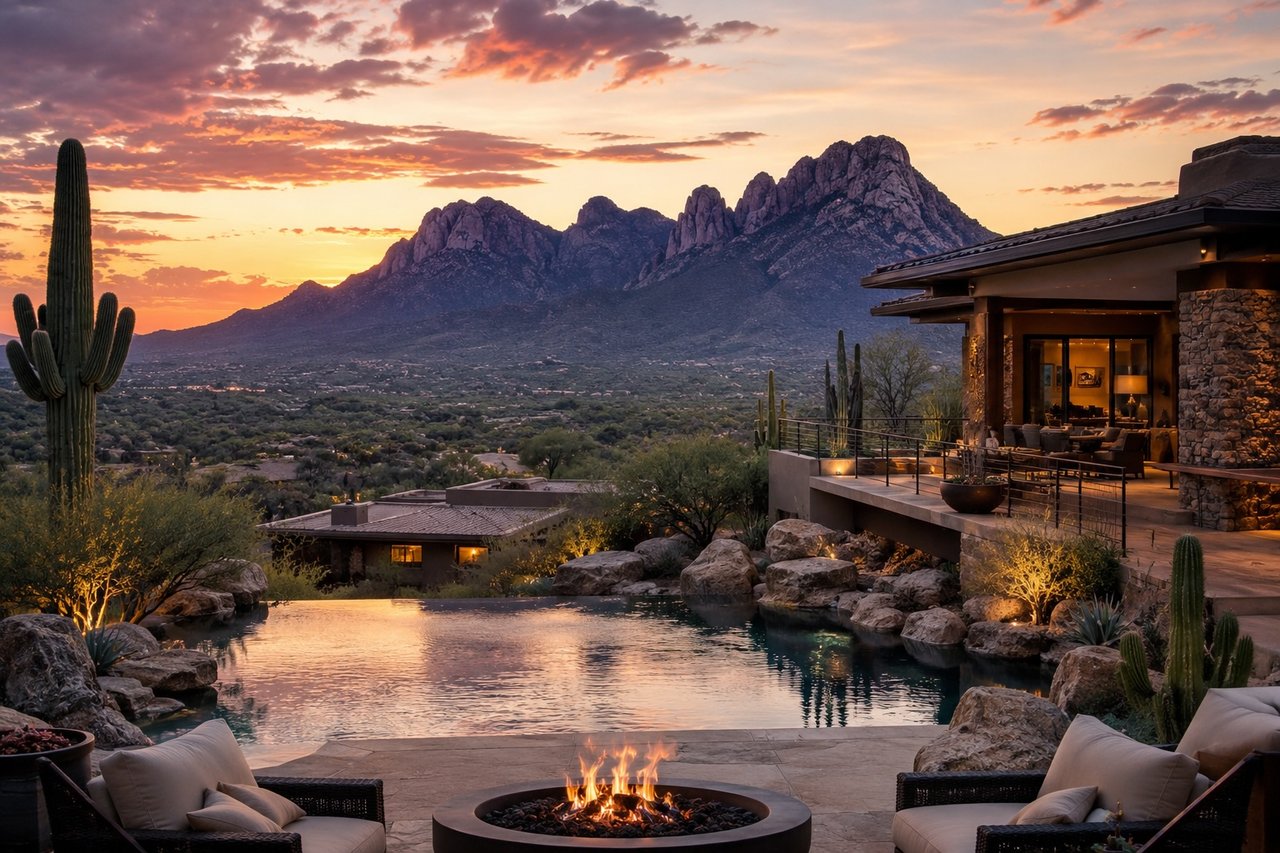
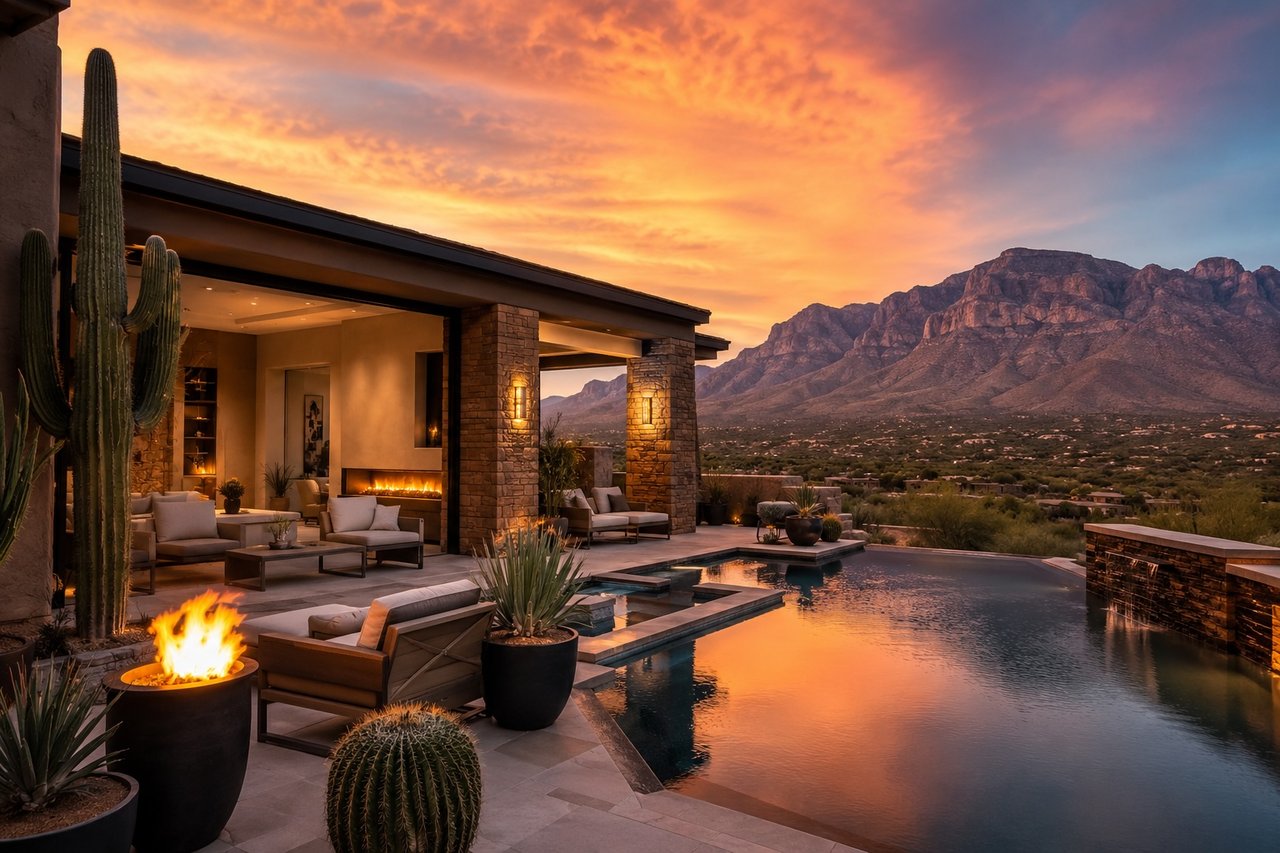
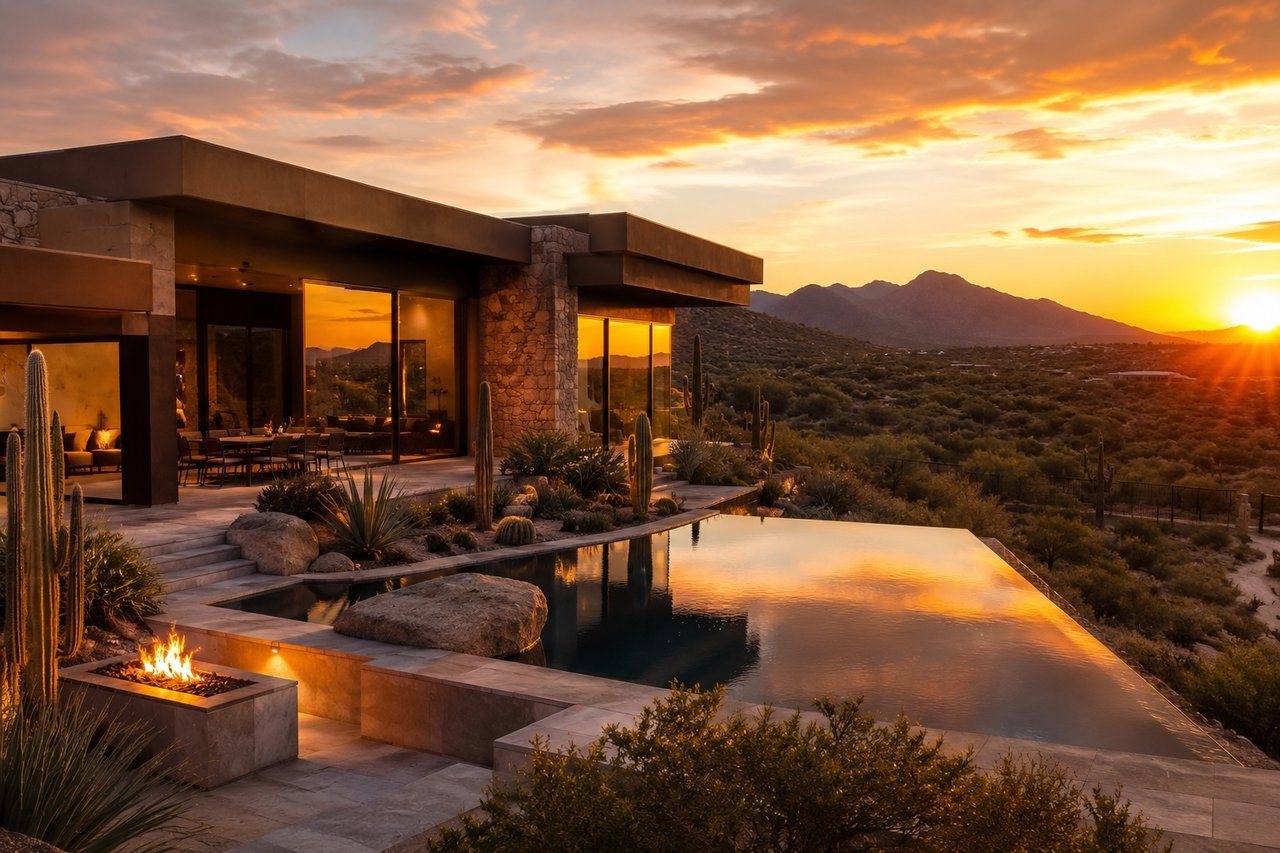
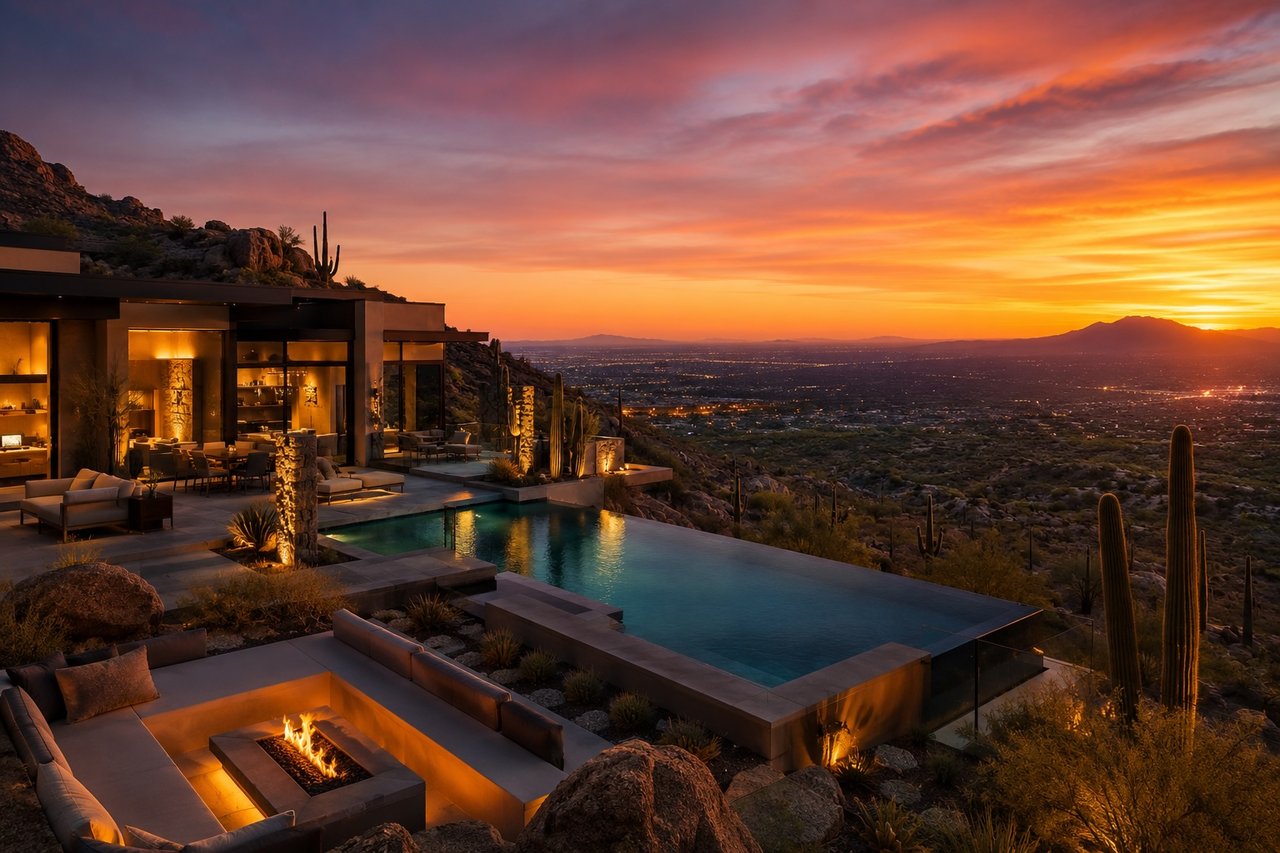
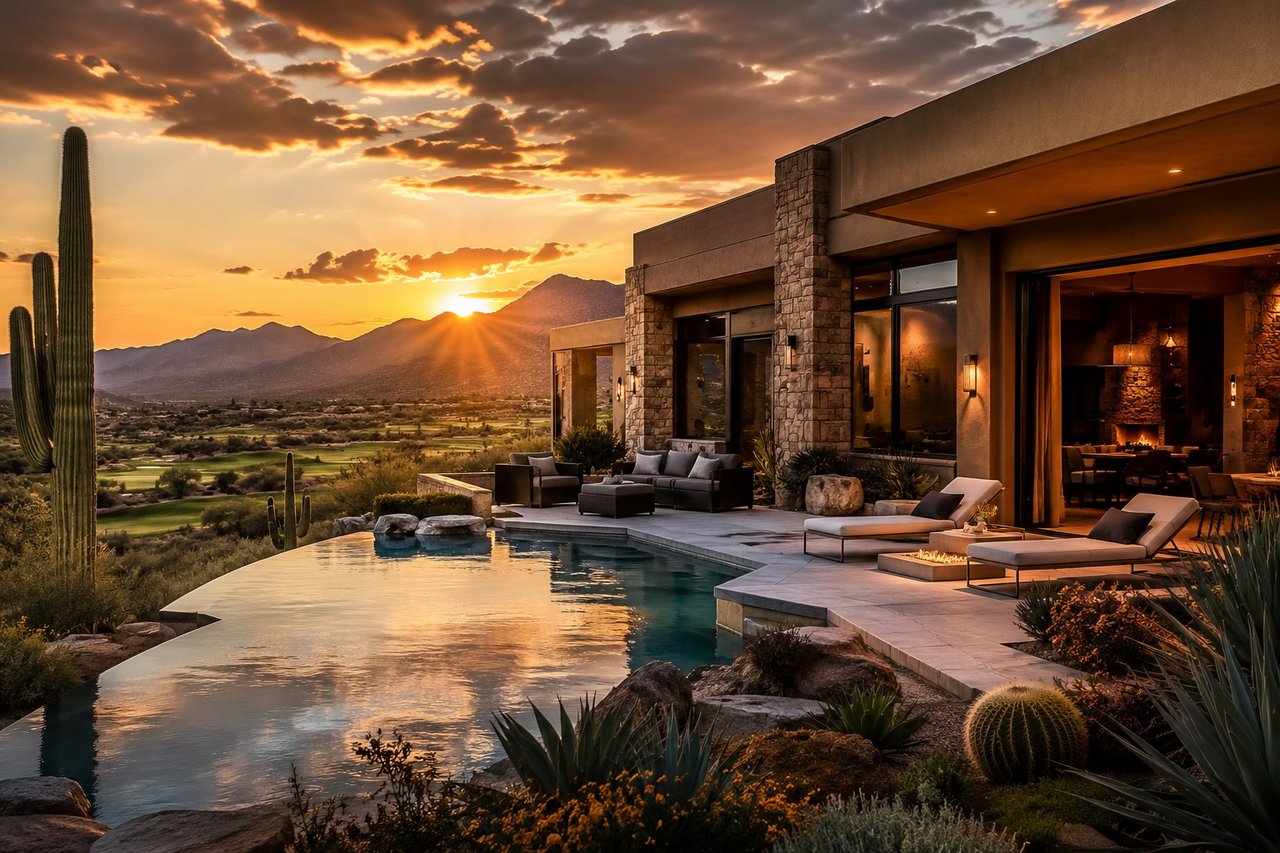
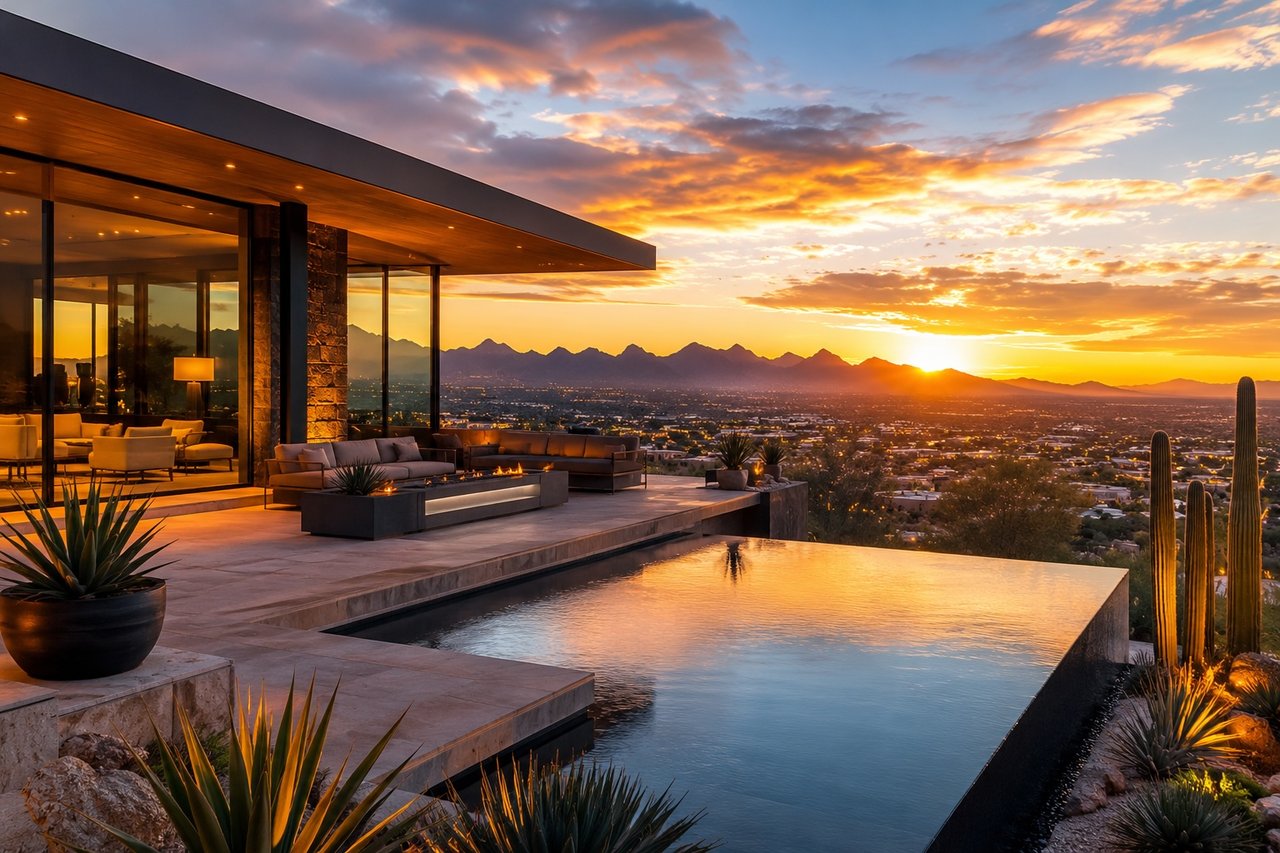
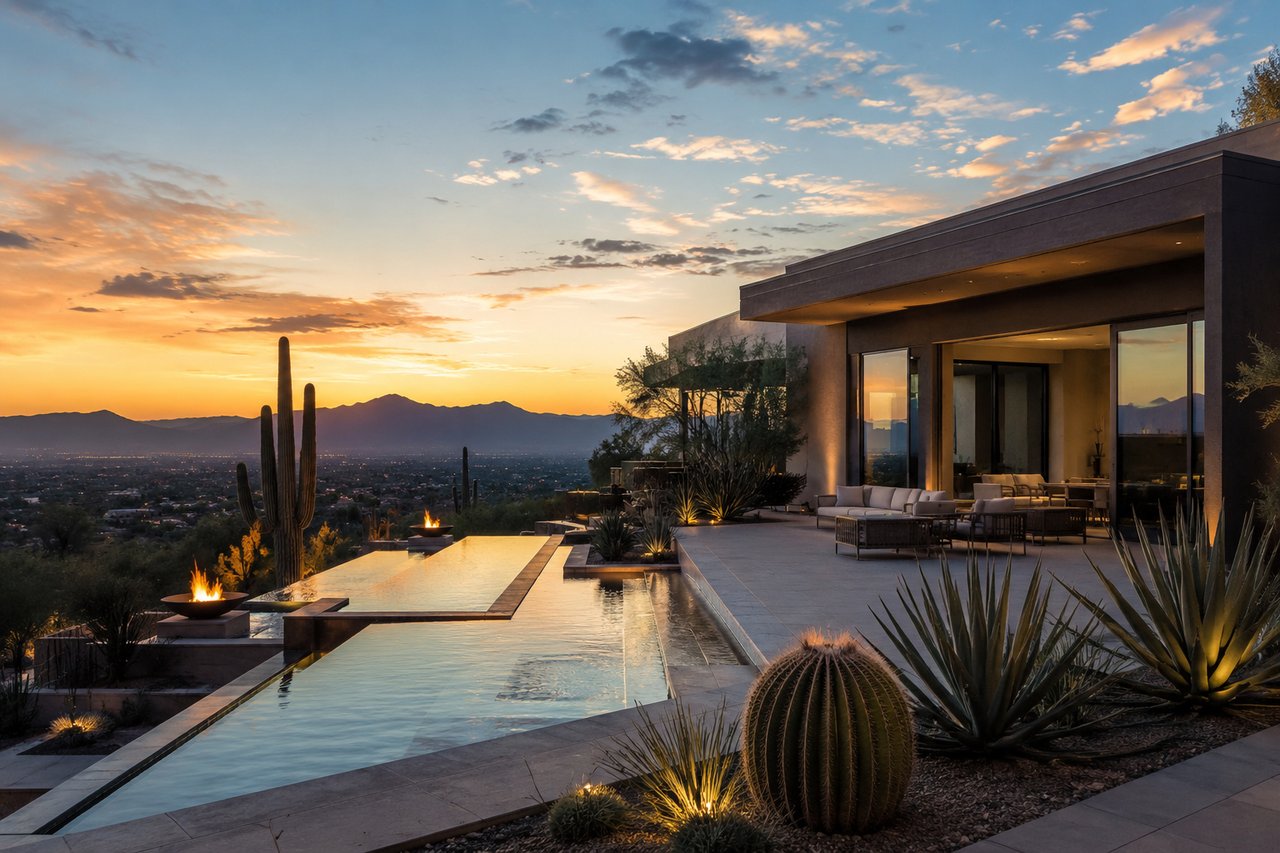
A pool can give a Tucson property a compelling center of gravity. Morning exercise, an afternoon with visiting family, or an evening beside the water can become part of ordinary life. Before assigning that experience a premium, look closely at how it would actually work.
As you compare Tucson-area homes from $1 million to $1.5 million or Tucson-area homes from $2 million to $3 million, give the pool the same attention as the architecture around it. Start with the property search, then evaluate each home’s outdoor layout and pool system in detail.
Begin with the pool you will use
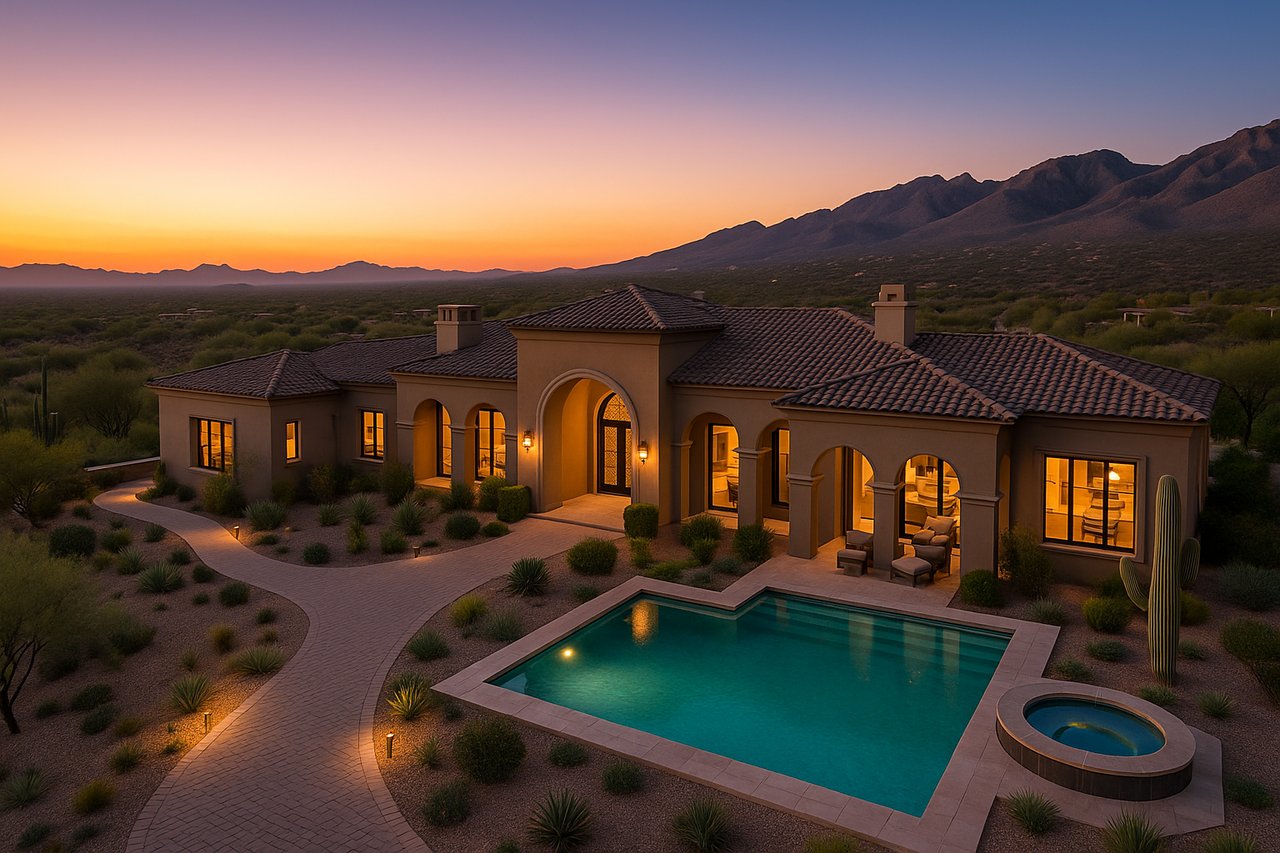
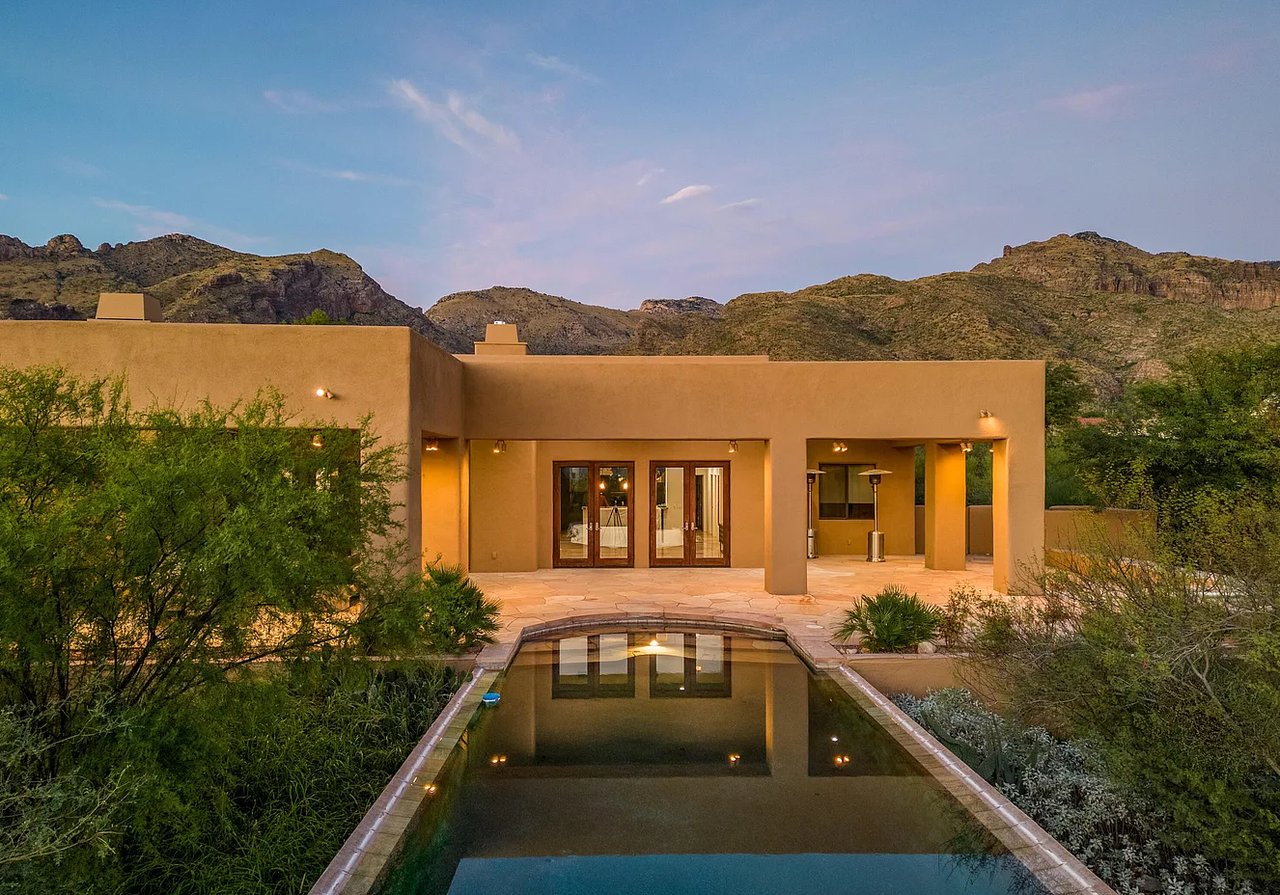
Describe your ideal use before comparing pool shapes. A buyer who wants to swim laps needs to evaluate uninterrupted length and turning space. Someone who imagines relaxed conversation may care more about seating, entry steps, and the relationship to a covered terrace. A dramatic pool photographed from the living room can be a poor match for either routine.
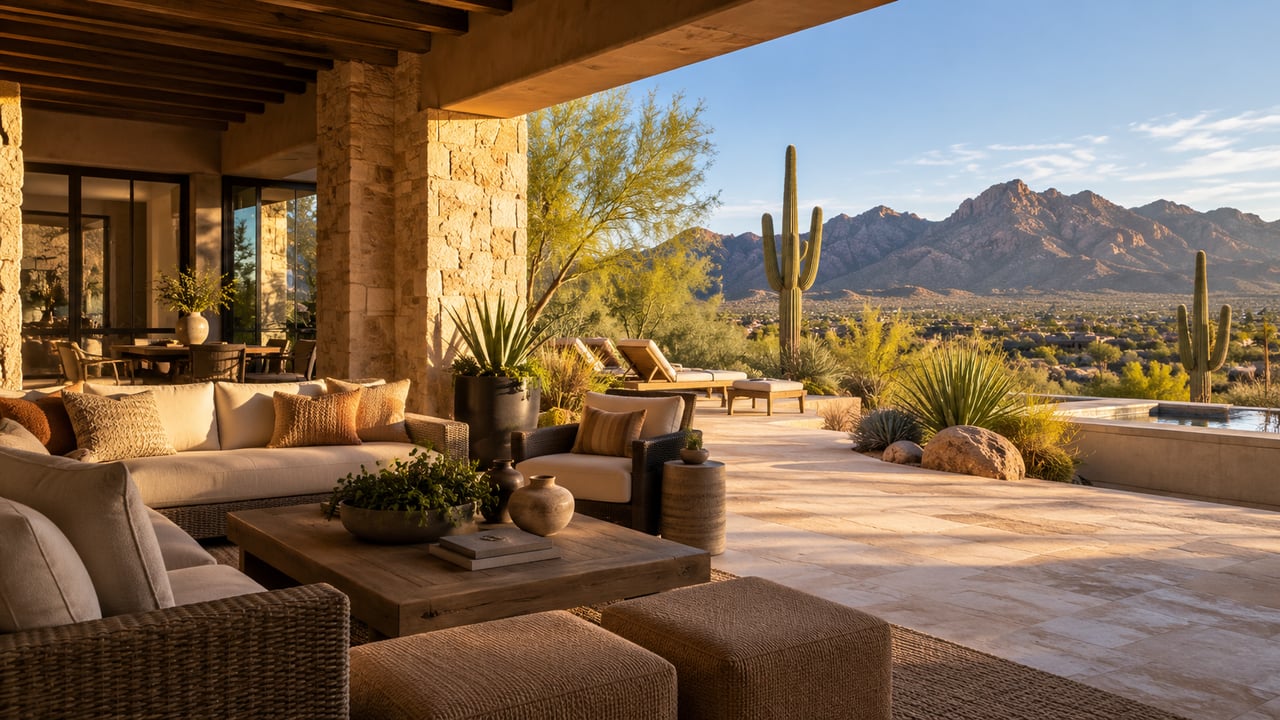
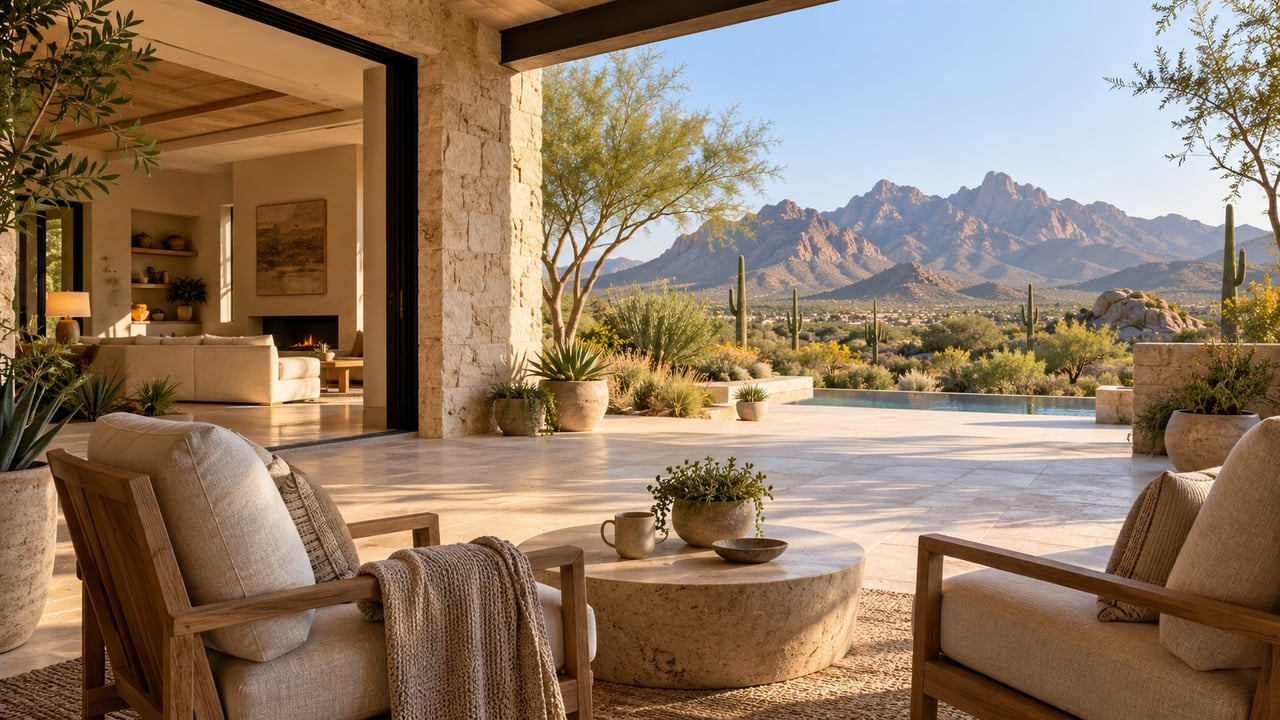
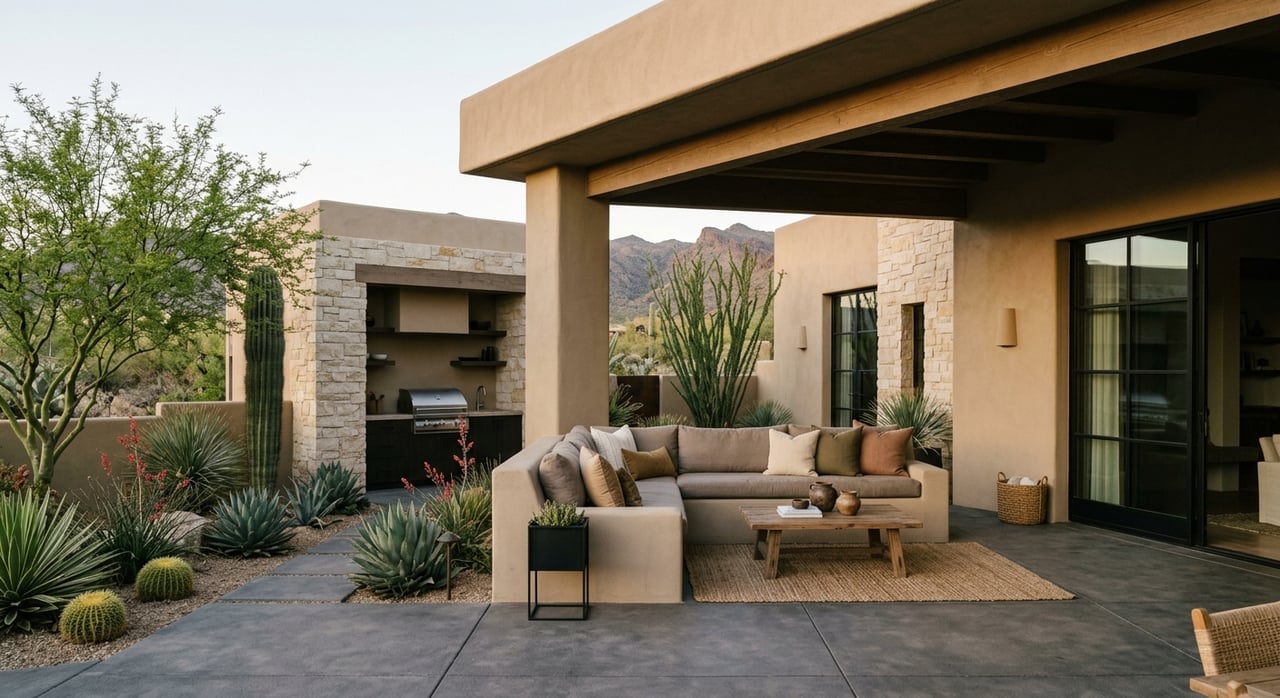
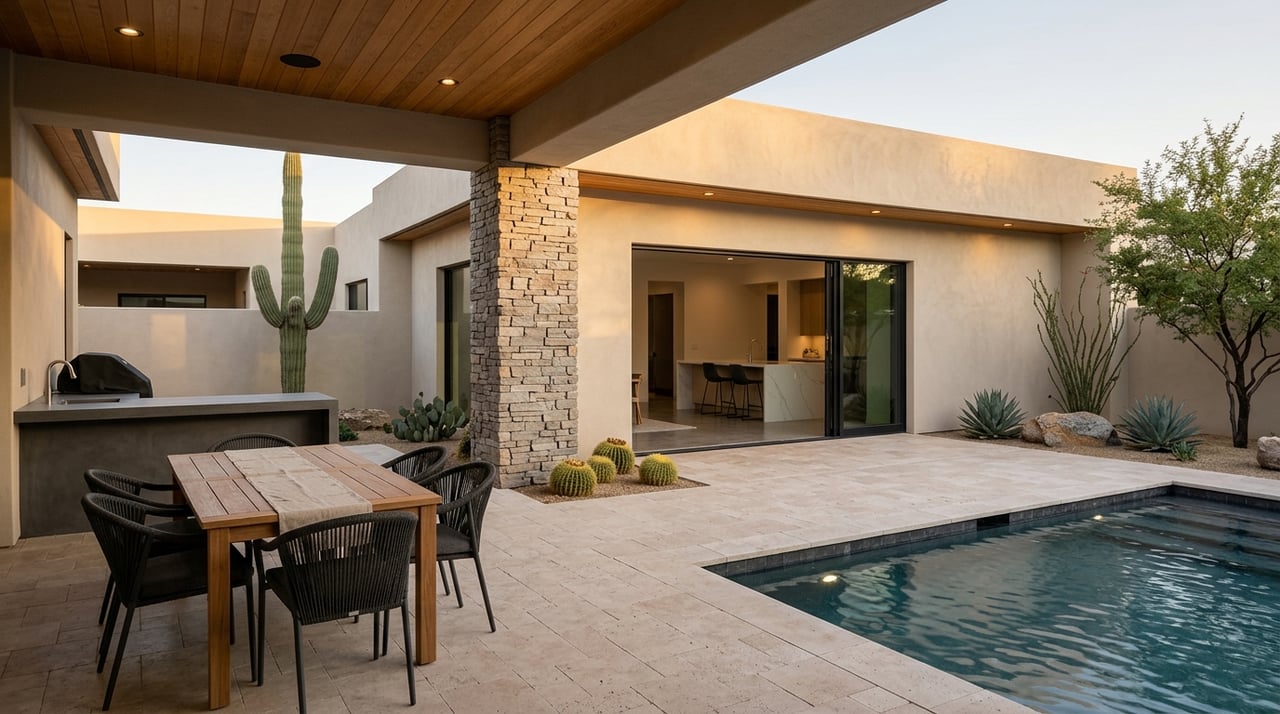
Walk from the kitchen to the outdoor dining area, then from the pool to the nearest bathroom. Notice where wet feet would travel, where towels would live, and whether people carrying food would cross the main swimming circulation. Check how much usable deck remains after placing the furniture you would actually bring.
Also decide which months matter. A buyer planning winter visits should investigate heating and pool orientation differently from someone who mostly wants a summer retreat. Ask what the current owner heats, when they heat it, and to what temperature. A spa and a full-size pool can support very different routines even when they share equipment.
Make the inspection scope explicit
Before booking inspections, ask exactly what the home inspector includes and what calls for a separate pool professional. Request a written scope rather than assuming the word “pool” includes every component or every kind of testing.
The review should address the visible pool shell and finish, tile and coping, deck condition, equipment operation, accessible plumbing, lighting, controls, and safety-related observations appropriate to the inspector's qualifications. Have the professional explain what was operated, what was inaccessible, and what needs a specialist. A visual review and a dedicated leak investigation answer different questions.
Ask for findings in three groups: items needing immediate attention, items that warrant further investigation, and components to plan for over time. That structure is more useful than a long list with no sense of consequence. A worn finish, a failed control, and an unresolved water-loss concern should not disappear into one general comment that the pool “needs work.”
Request model numbers and available installation dates for the pump, filter, heater, and automation. If the seller describes a recent renovation, establish what was actually replaced. New tile does not tell you the age of the equipment or underground plumbing.
Well-connected guidance is useful at this stage because the questions cross several specialties. I can help organize the findings and coordinate appropriate introductions, so the inspector, pool specialist and relevant records office each address the part they can verify. The goal is a purchase decision built on answers rather than a collection of disconnected reports.
Check the records against the property
Start with the property's jurisdiction. Pima County's Building & Site Development resources provide a zoning and jurisdiction lookup, building-record requests, and links for permit and inspection research. Use the appropriate authority for the address rather than treating a Tucson mailing address as the answer.
Where Pima County is the reviewing authority, its custom-pool submittal requirements illustrate the breadth of the system: site placement, barriers, equipment specifications, electrical information, and related plans. That is a useful reminder to compare records with more than the outline of the pool.
Ask for available permits, final inspection information, renovation invoices, equipment warranties, and service records. Compare the pool and equipment locations with the documented work. If something differs, identify the difference and obtain a clear answer before treating the documentation as complete.
A missing receipt is not the same issue as an unresolved permit. Keep those questions separate so the right person can address each one. Records help establish the history; a current inspection helps establish present condition.
Evaluate access and safety as part of the design
Pool safety deserves its own walk-through. The U.S. Consumer Product Safety Commission's home-pool barrier guidance discusses fences, gates, door alarms, and covers as layers of protection. It also makes a central point: barriers never replace adult supervision. Its recommendations are guidance, while applicable local requirements must be confirmed for the property.
Look at every route to the water, including doors from bedrooms, side gates, and guest accommodations. Have gates and installed safety devices evaluated. Consider whether furniture or equipment near a barrier creates an access concern, and how the arrangement will work when guests are visiting.
Do not assume every pool cover is a safety cover. The EPA's pool water-efficiency technical sheet distinguishes cover types and identifies solar bubble covers as unsuitable for that role. Verify the specifications and condition of the actual product.
This review matters even if children do not live in the home. Think through visitors, household routines, and the people who will have access to the property. Resolve any required changes as part of the purchase planning, with qualified guidance on the appropriate solution.
Separate operating costs from replacement costs
A useful ownership estimate has several parts: routine service, water, electricity, heating fuel where applicable, and future repairs or replacements. Ask for available service invoices and utility history, then learn how the seller used the pool during the period those records cover.
A household that rarely heats the water is not a meaningful operating-cost comparison for someone who intends to swim throughout winter. Whole-house utility bills also include uses unrelated to the pool. Read them as evidence of that owner's routine, then obtain an estimate based on yours.
The Department of Energy's pool-heating overview explains that solar, heat pump, and gas systems have different efficiency measures and characteristics. For a specific home, ask a pool professional to identify the installed system and assess its suitability for your preferred season, temperature, and use. A heater's presence does not establish that it will deliver the experience you have in mind.
Keep anticipated equipment work distinct from the monthly service quote. Ask which supplies and visits are included, what generates an additional charge, and how urgent service requests are handled. Those answers make competing homes easier to compare without relying on a generic cost-per-month claim.
Understand water use without guessing
The EPA identifies evaporation, leaks, water quality, and use patterns as factors in pool water efficiency. Its residential pool guidance recommends considering both covers and filtration, and notes that filter types differ in their need for backwashing.
Ask how the pool is filled and how water use is monitored. If there is an automatic fill system, ask the inspector to explain its operation and whether any further evaluation is appropriate. A consistently full pool does not, by itself, answer a question about water loss.
Examine whether a cover can be deployed conveniently and stored without blocking the terrace. An efficiency feature that is awkward to use may not fit your routine. Have a professional investigate suspected leaks rather than accepting an unsupported explanation that all observed water loss is normal.
Consider the weeks you will be away
For a second home or a household that travels, establish who visits the property, who services the pool, and who can authorize a repair. A pool-service visit and a whole-home check are different assignments. Confirm the scope of each.
Walk the service route. Can a professional reach the equipment without entering the house? How are gates secured after a visit? Who receives an equipment alert, and who can physically respond? Remote controls are useful when they are paired with a person and a clear plan.
Use the findings to make a better purchase
Before completing your due diligence, assemble a short pool file: inspection findings, unresolved questions, records, repair estimates, service terms, and the proposed safety arrangement. Decide which items must be resolved before closing and which you are comfortable taking on afterward.
The best pool for you supports the rest of the house. It leaves room for the outdoor life you want, works with your travel habits, and comes with an ownership picture you understand. For a closer look at how outdoor spaces feel beyond the listing photographs, read what a second Tucson showing can reveal.
Explore Tucson-area homes by purchase range
Compare homes across these six purchase ranges, then build a focused shortlist around your preferred layout, outdoor spaces and ownership needs.
- Tucson-area homes from $800,000 to $1 million
- Tucson-area homes from $1 million to $1.5 million
- Tucson-area homes from $1.5 million to $2 million
- Tucson-area homes from $2 million to $3 million
- Tucson-area homes from $3 million to $4 million
- Tucson-area homes from $4 million and above
Connect with Daniel Sotelo to turn those priorities into a considered Tucson home search.
As a Tucson native and luxury real estate advisor with Russ Lyon Sotheby's International Realty, I help buyers connect the appeal of a property with the questions that deserve closer review. Tell me how you want to use your Tucson home, and we can focus the search, inspection conversations, and local professional introductions around that life.
Daniel Sotelo | Tucson expertise. Well-connected guidance.