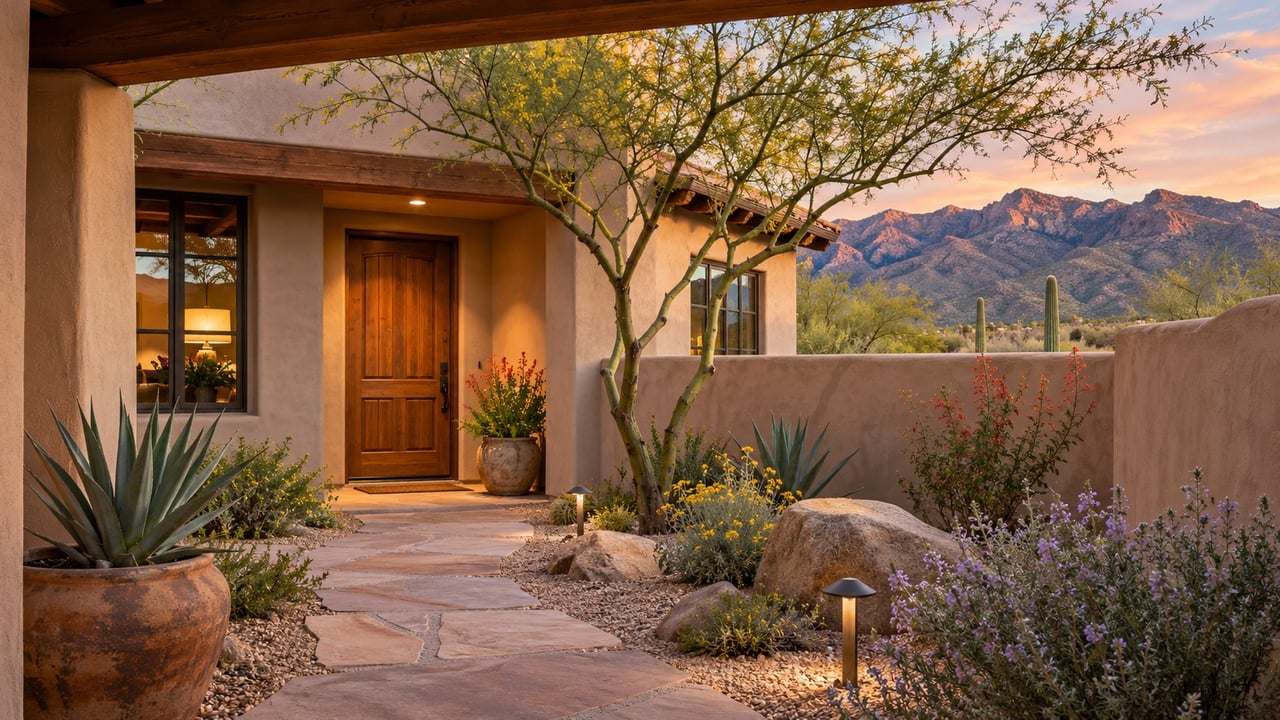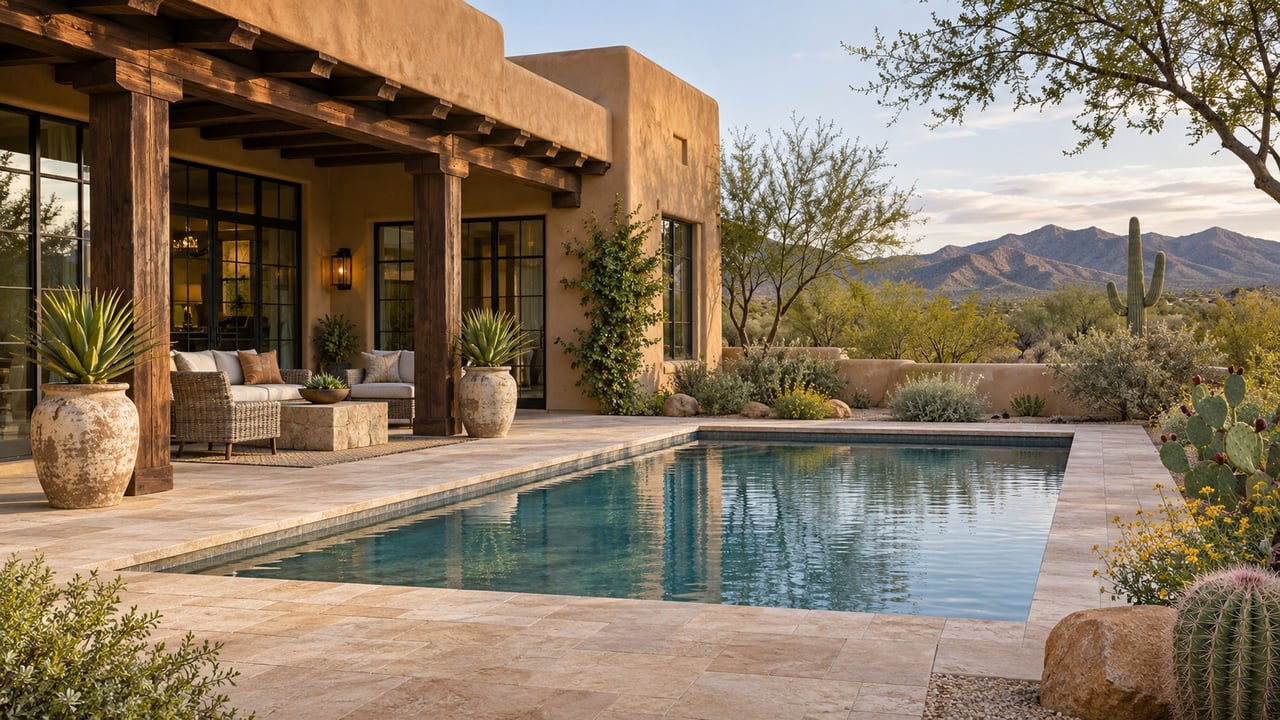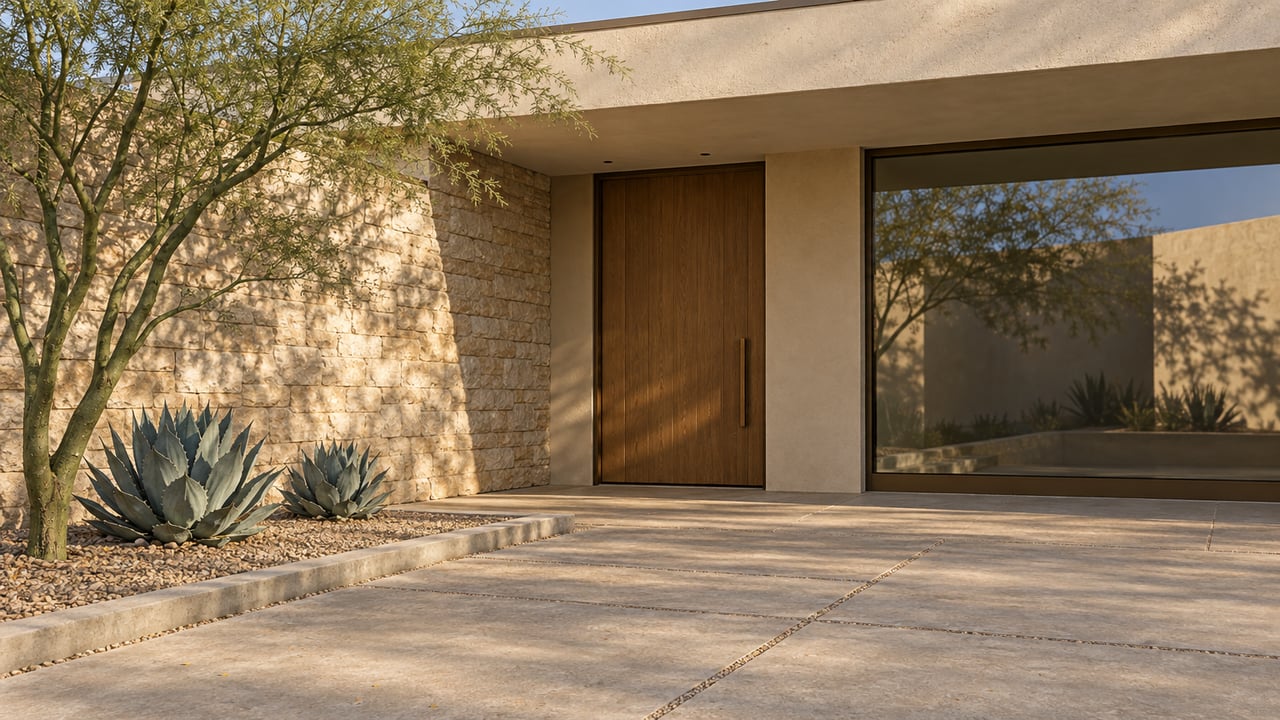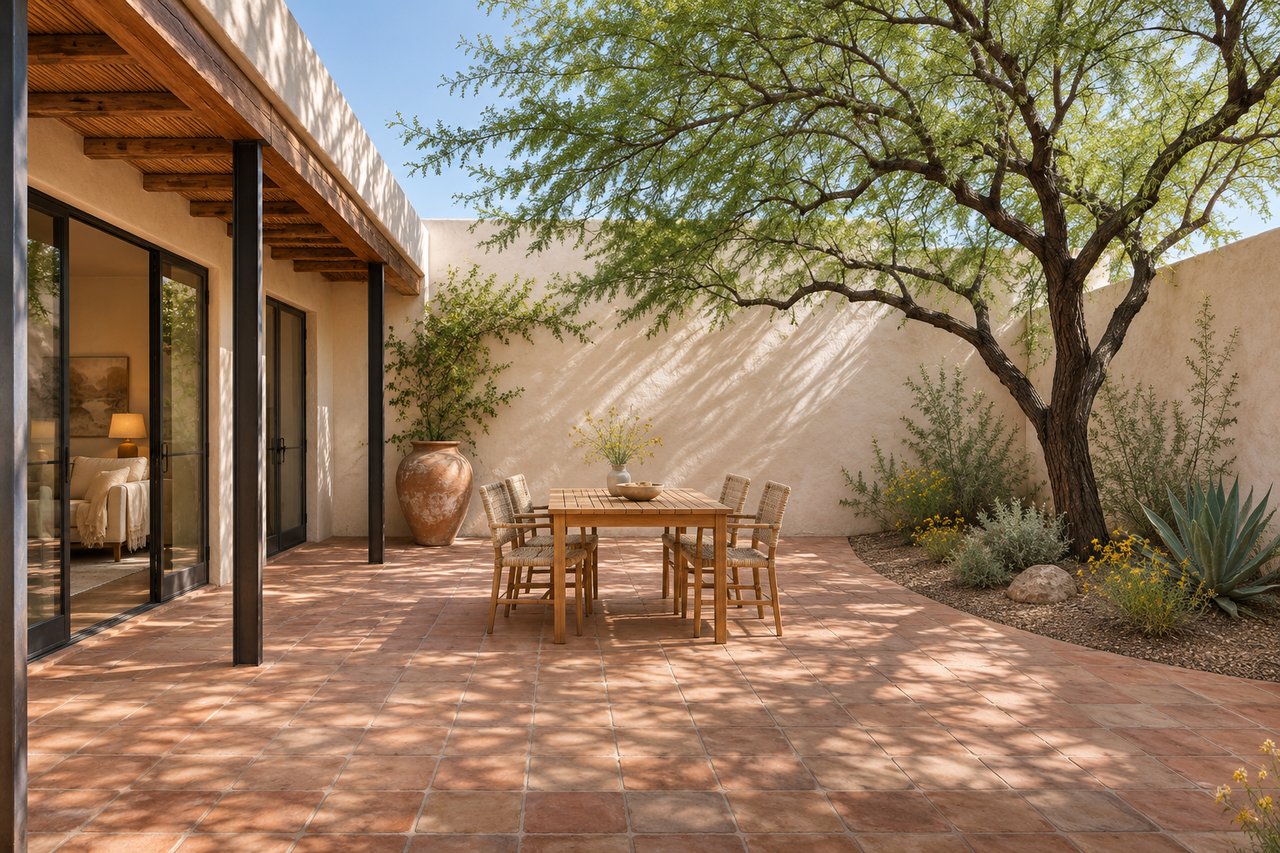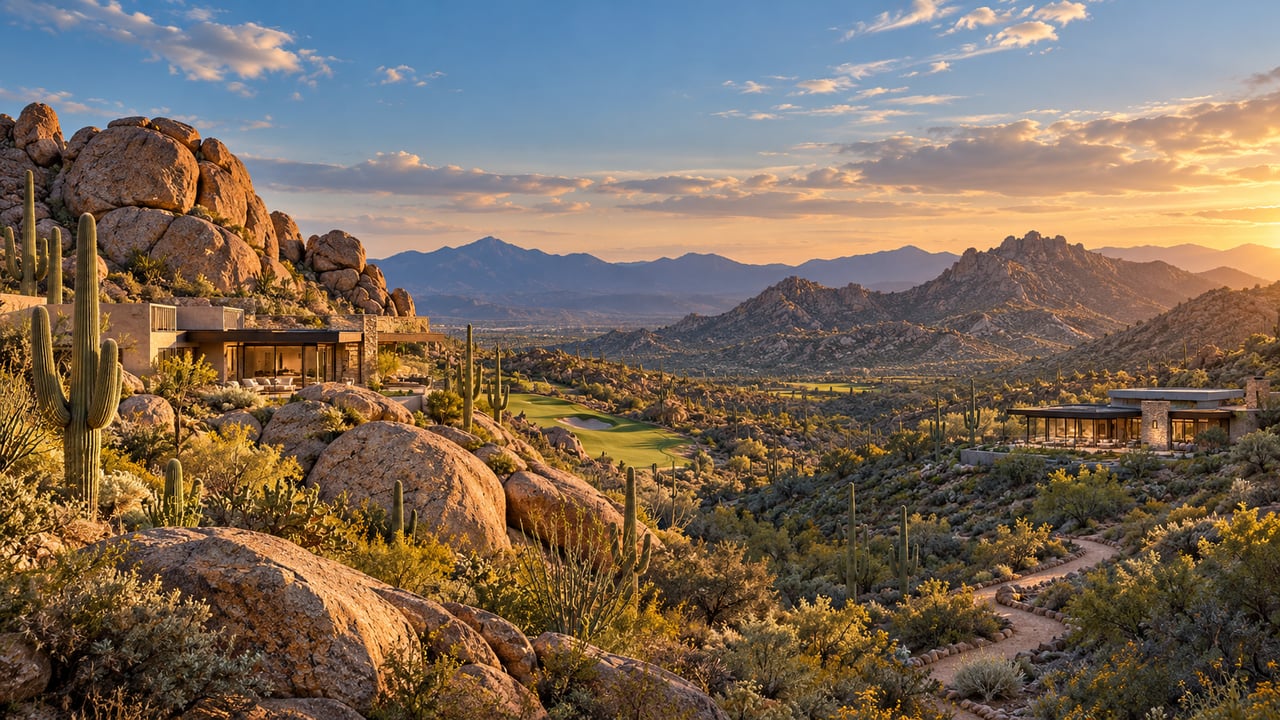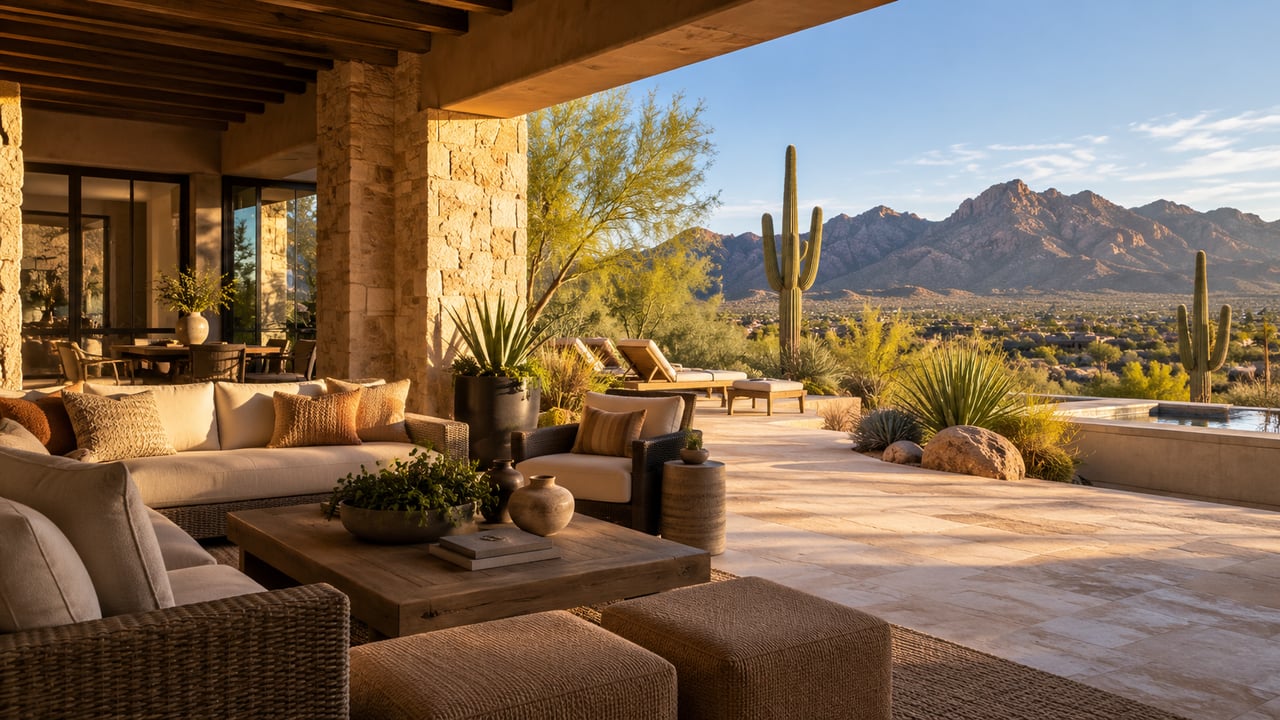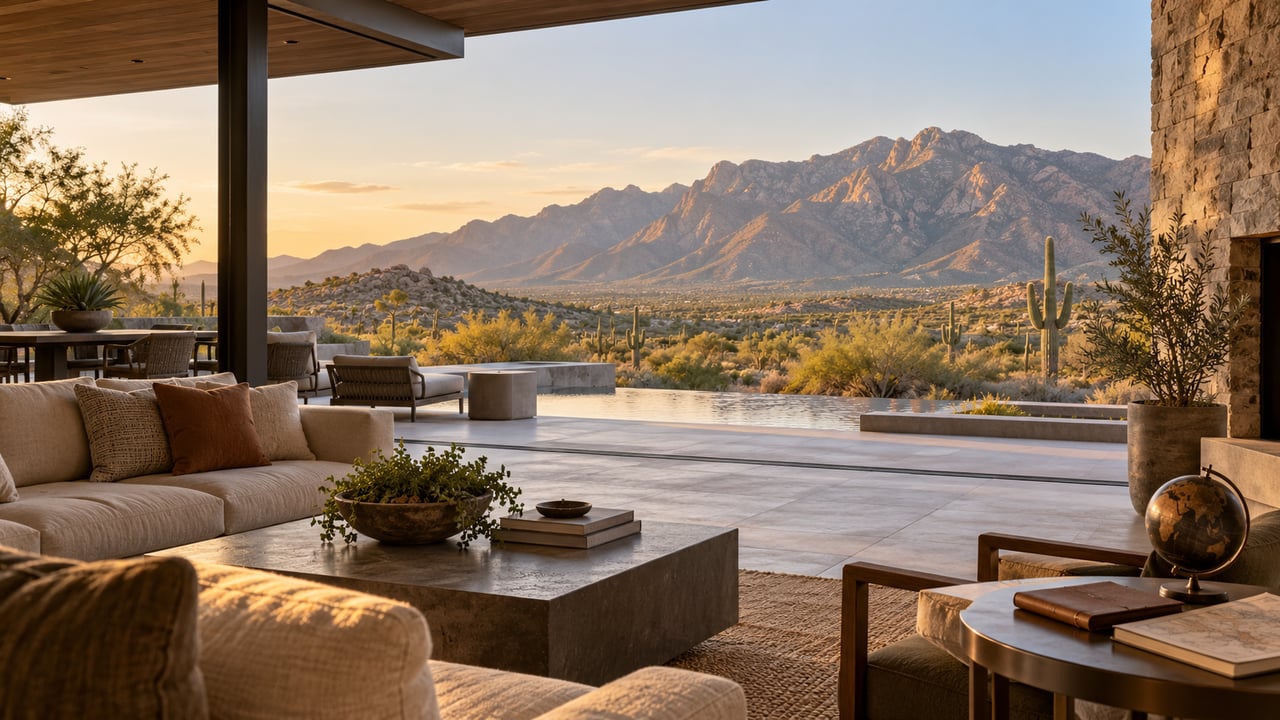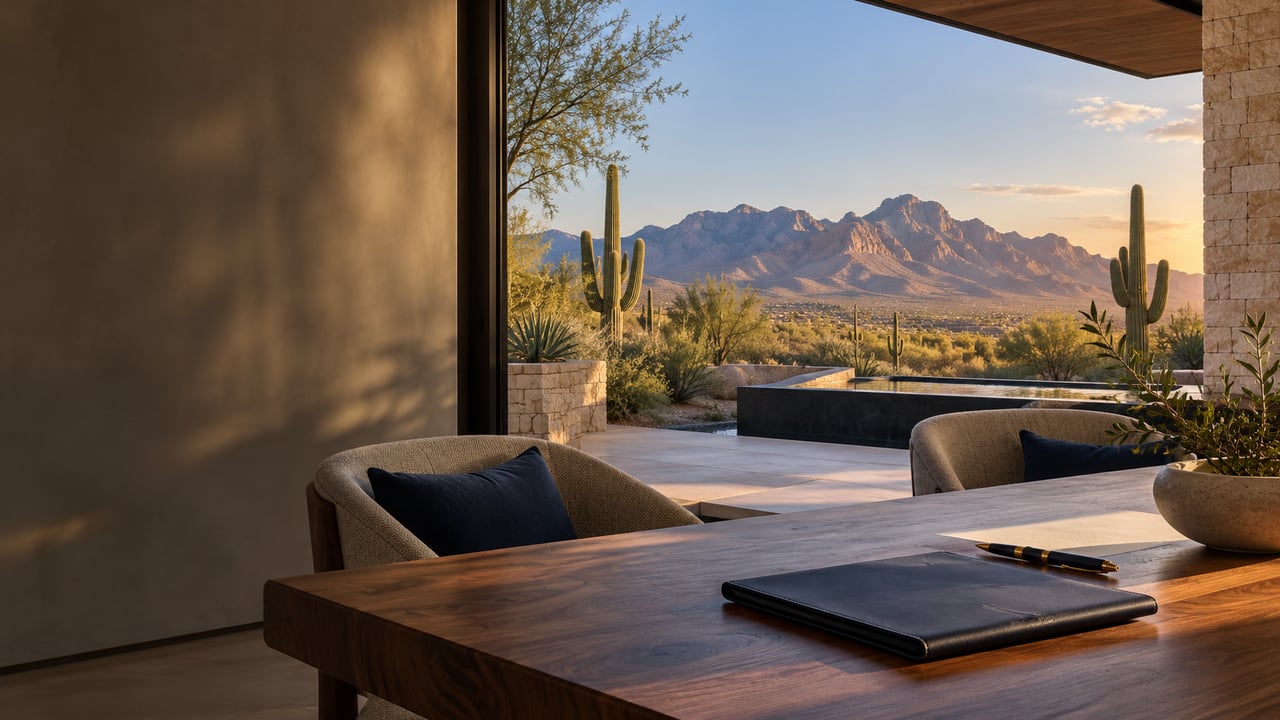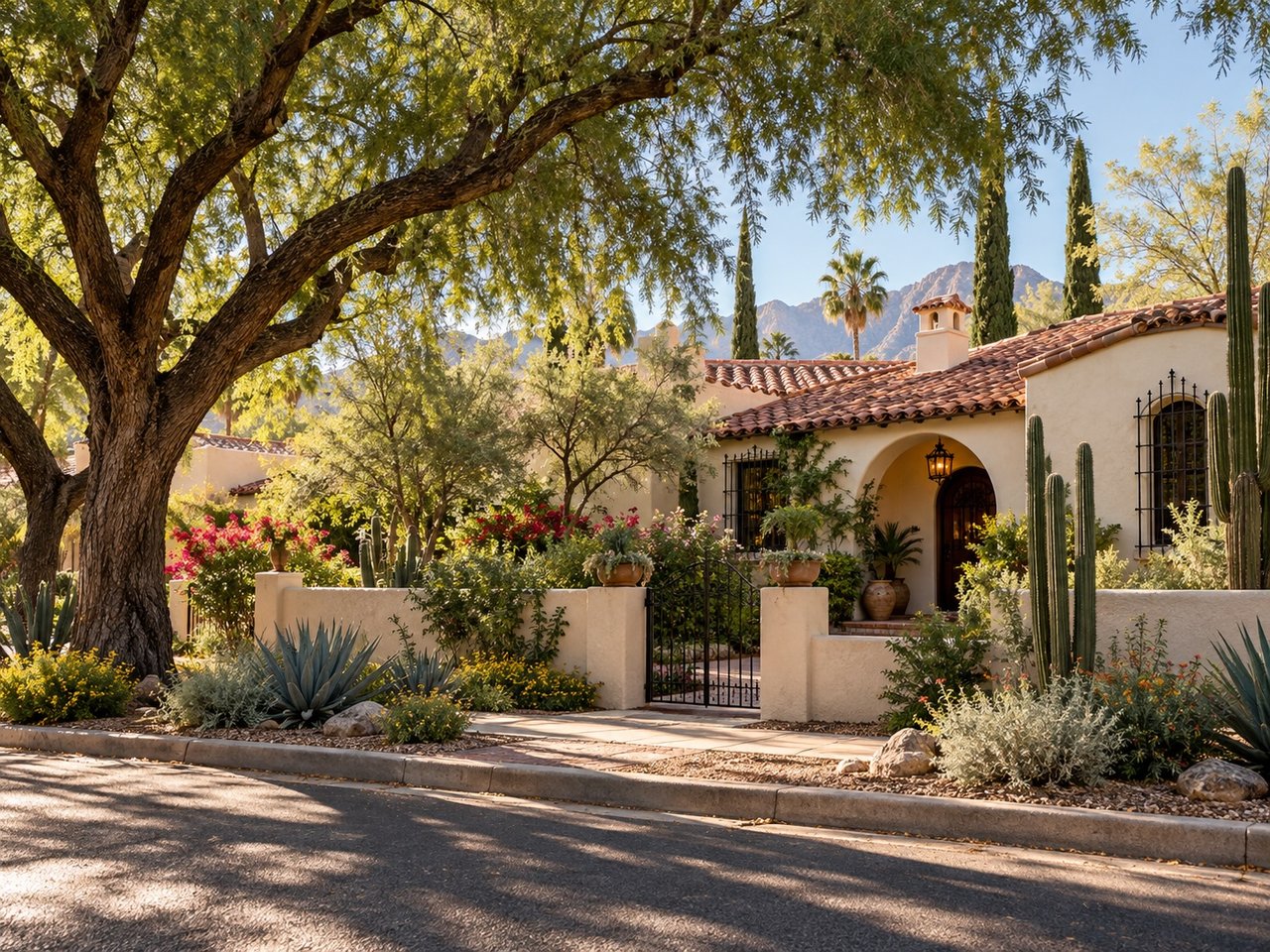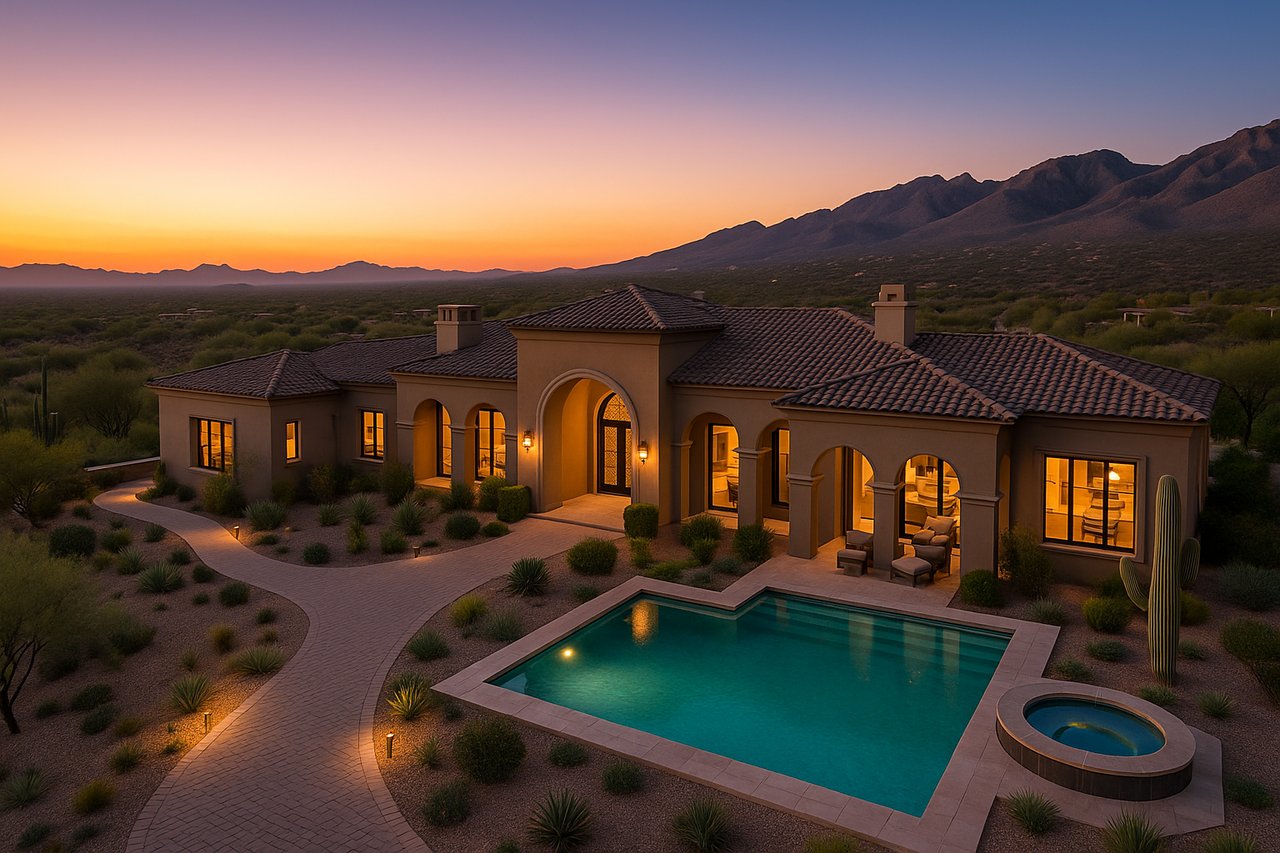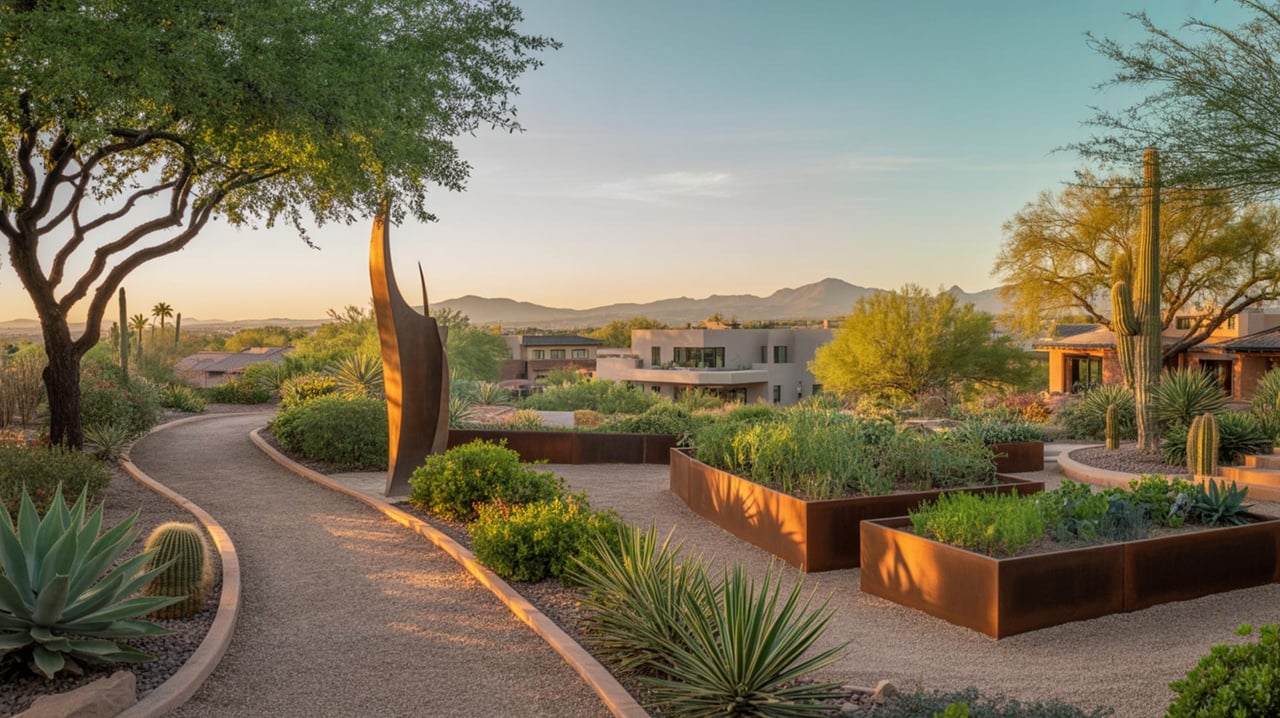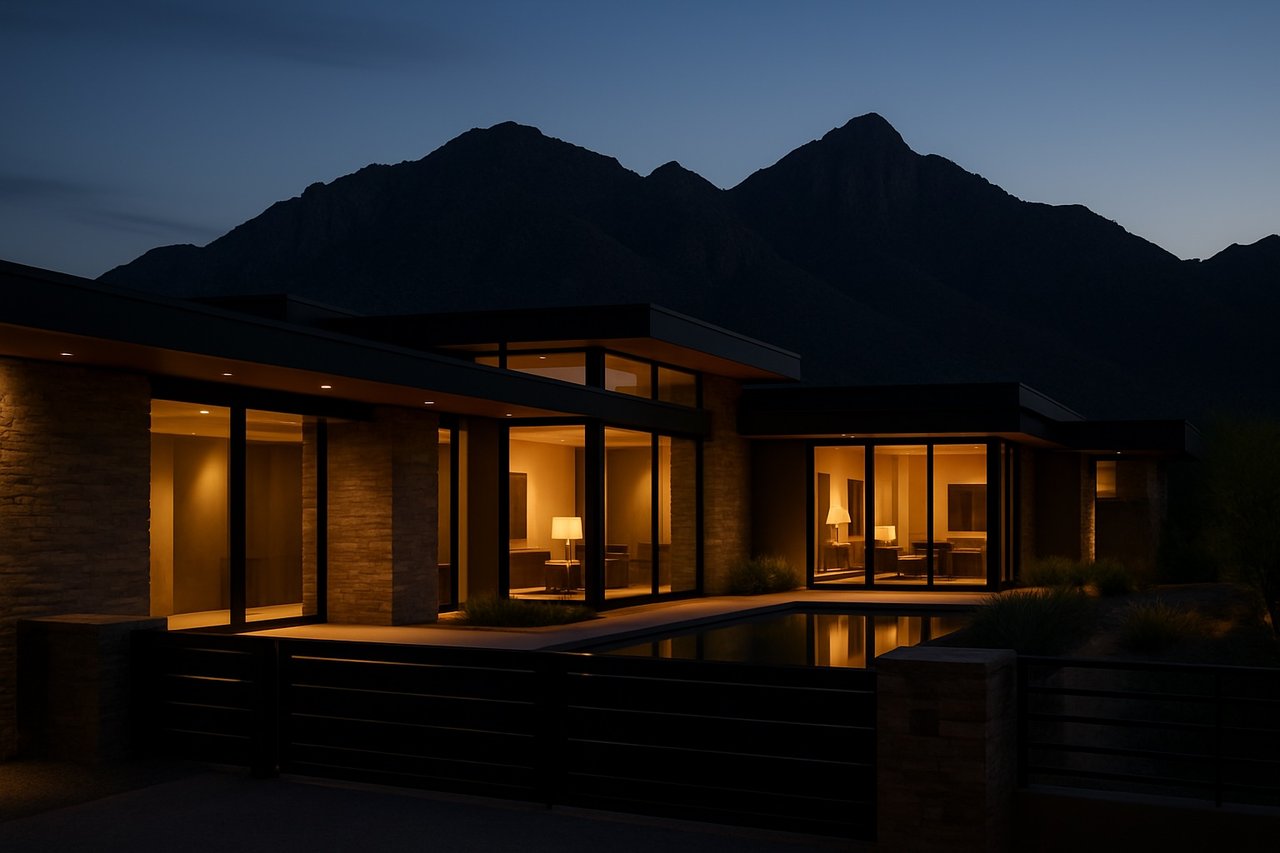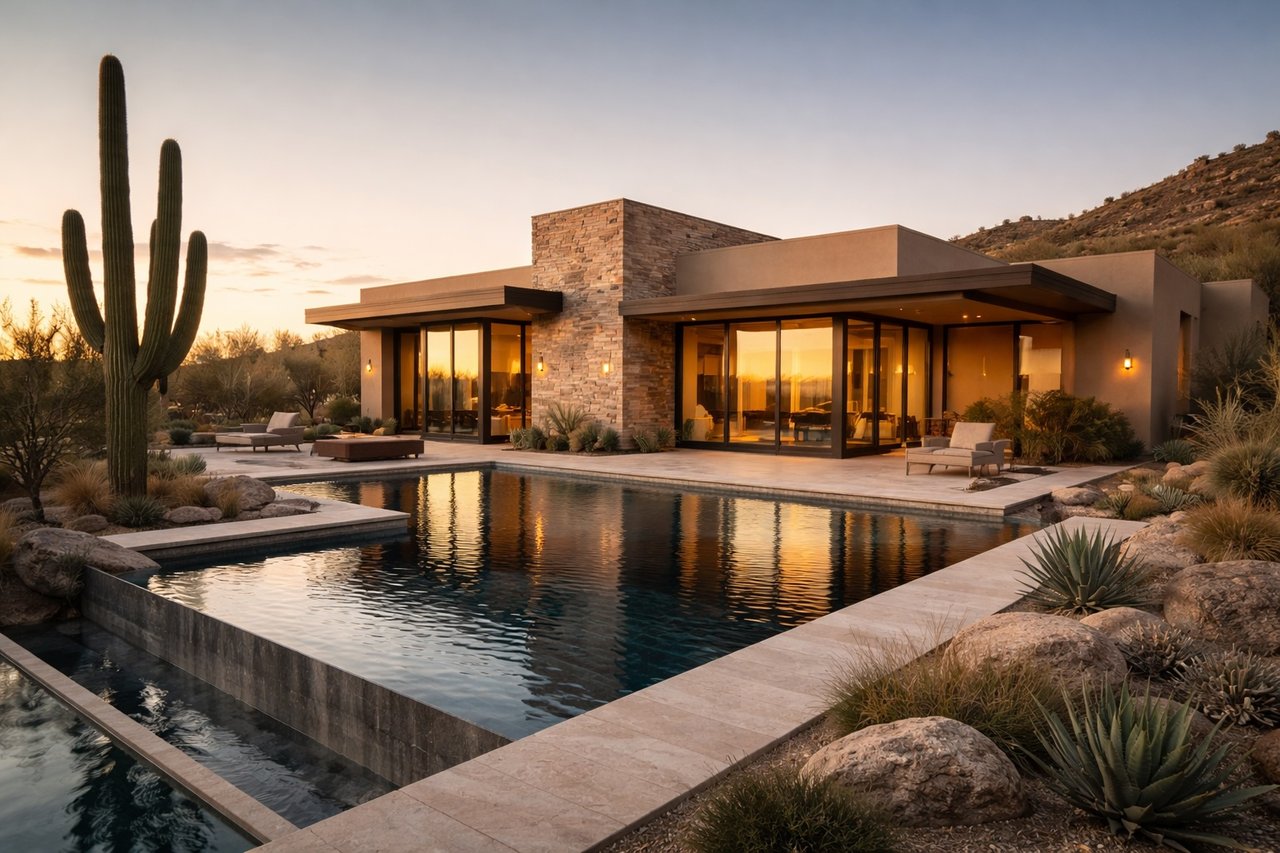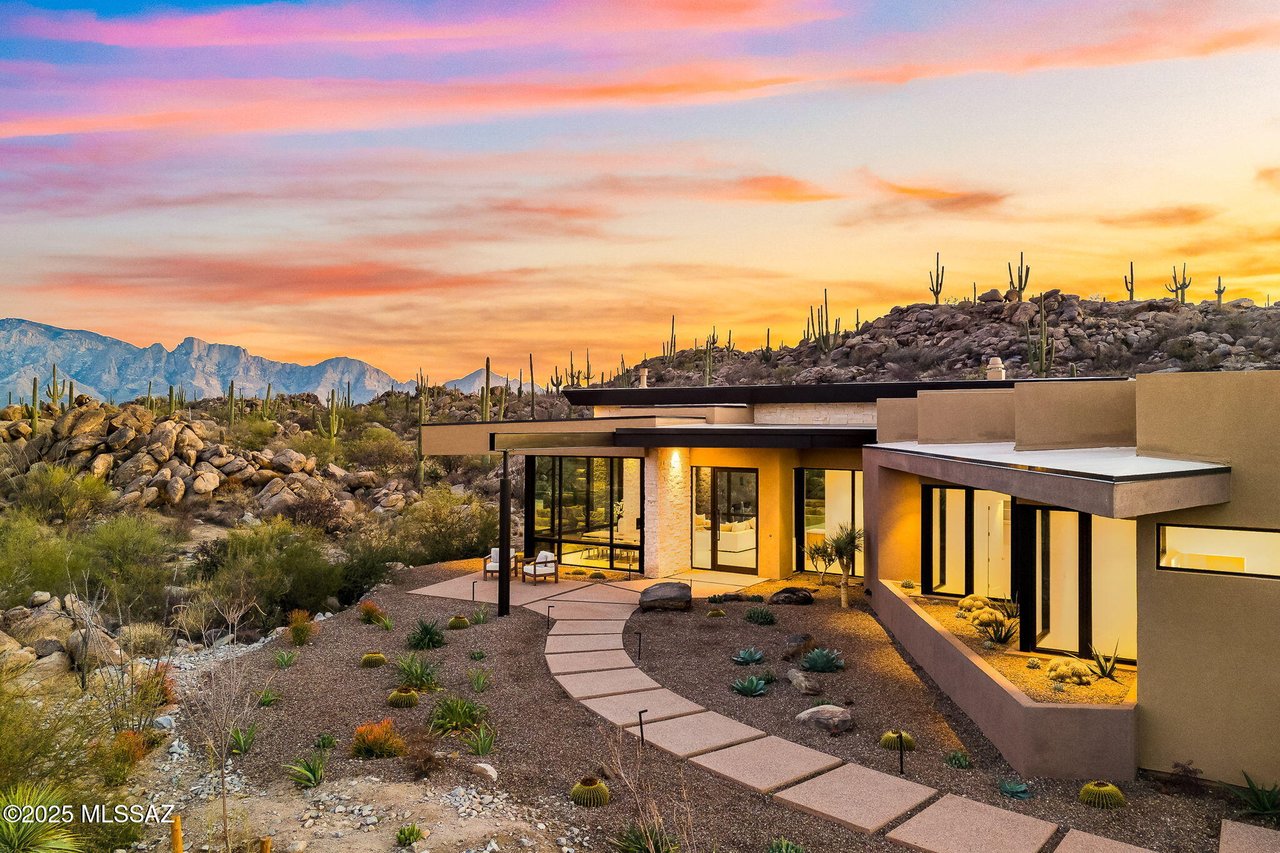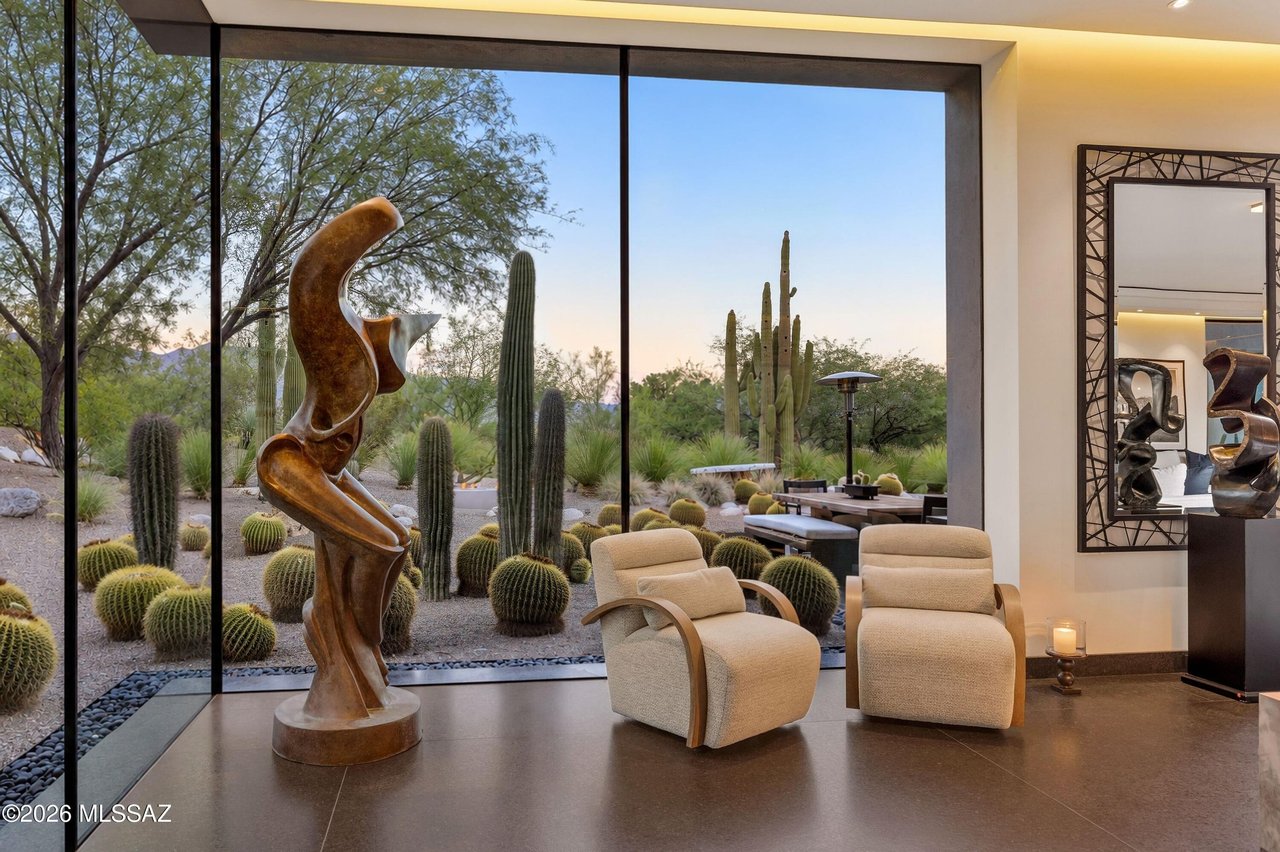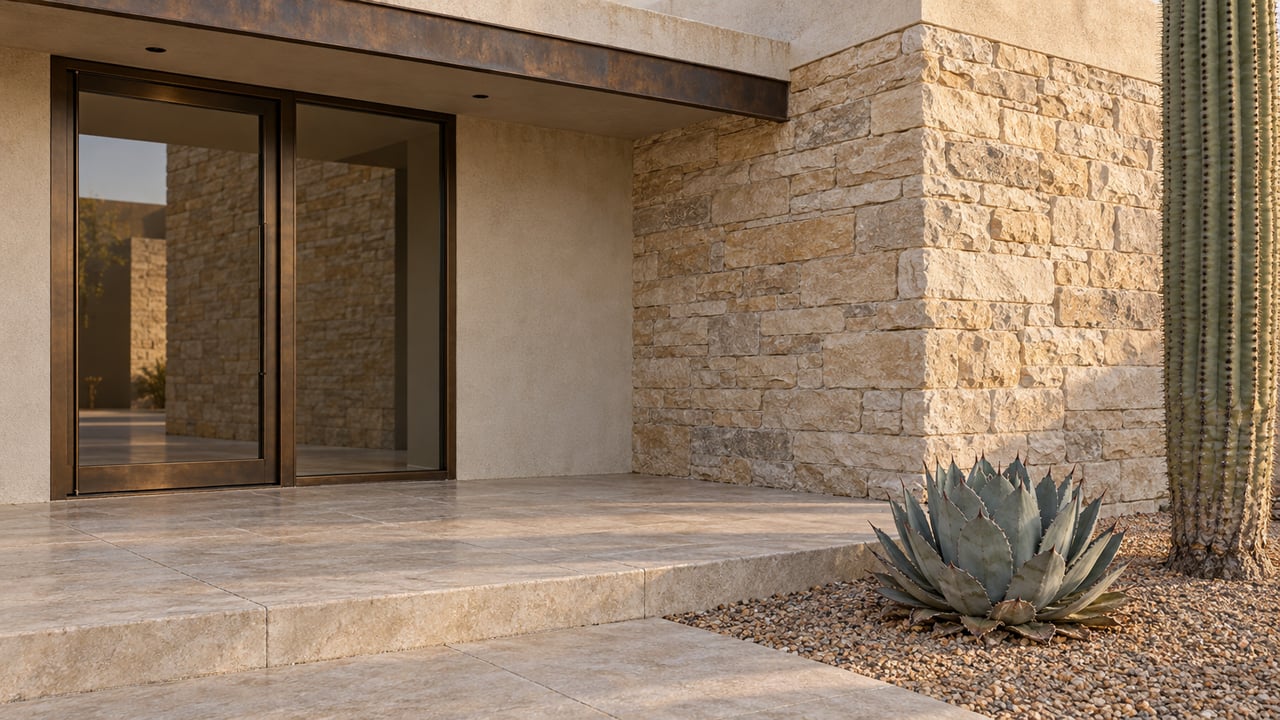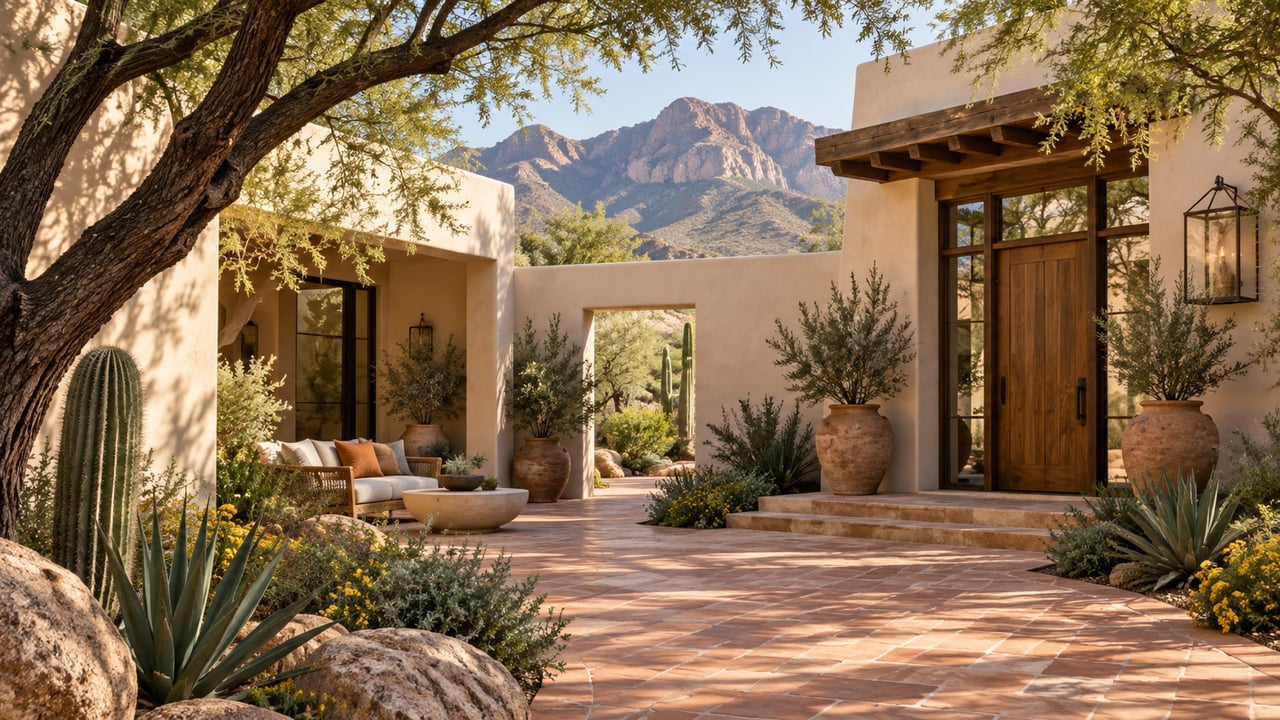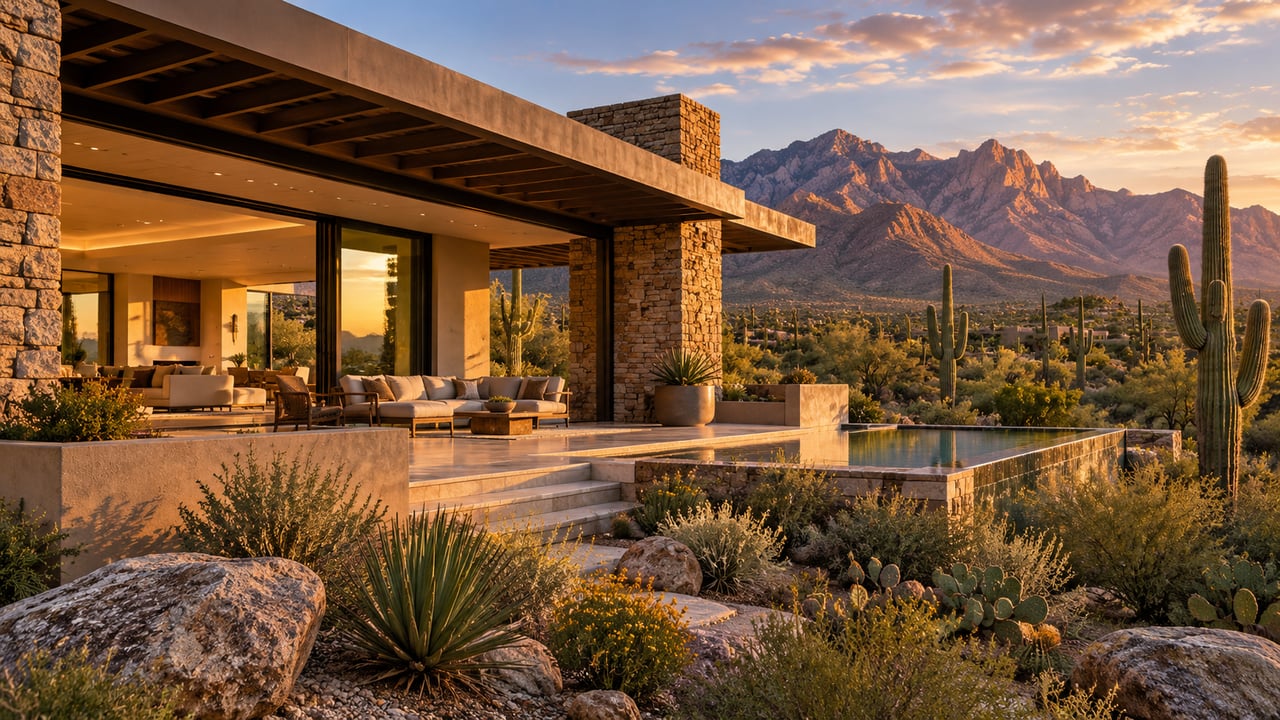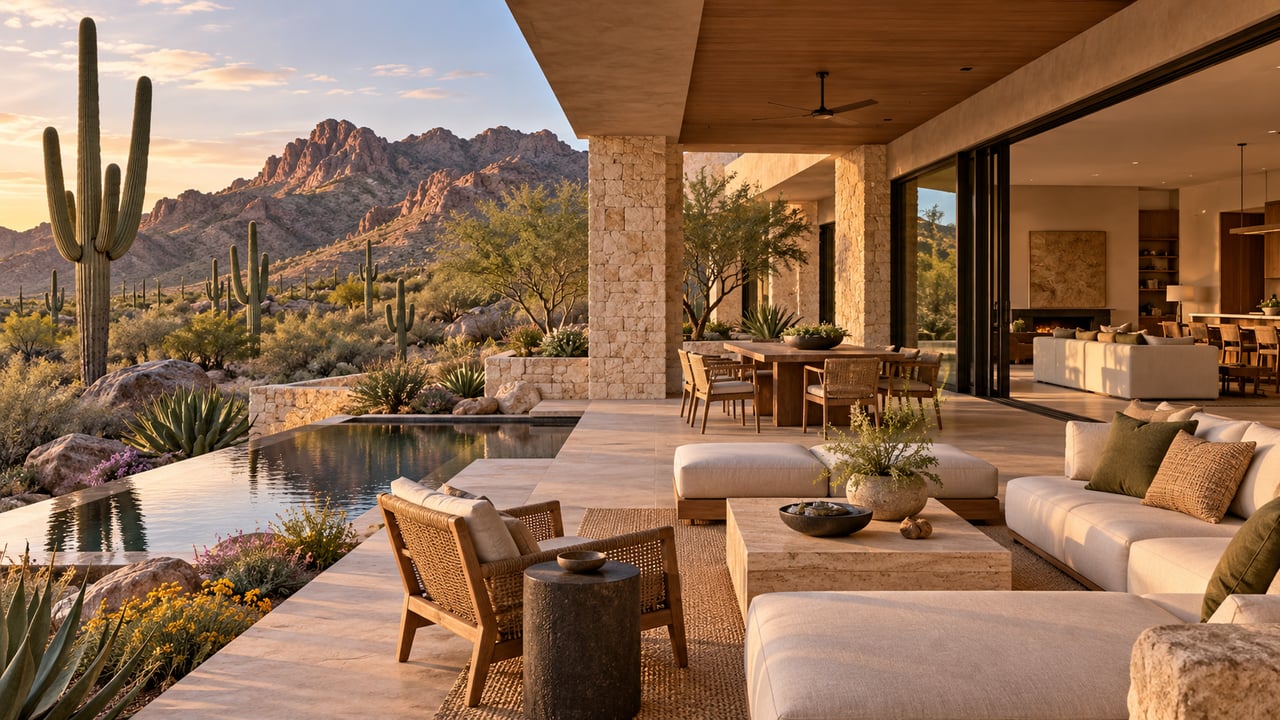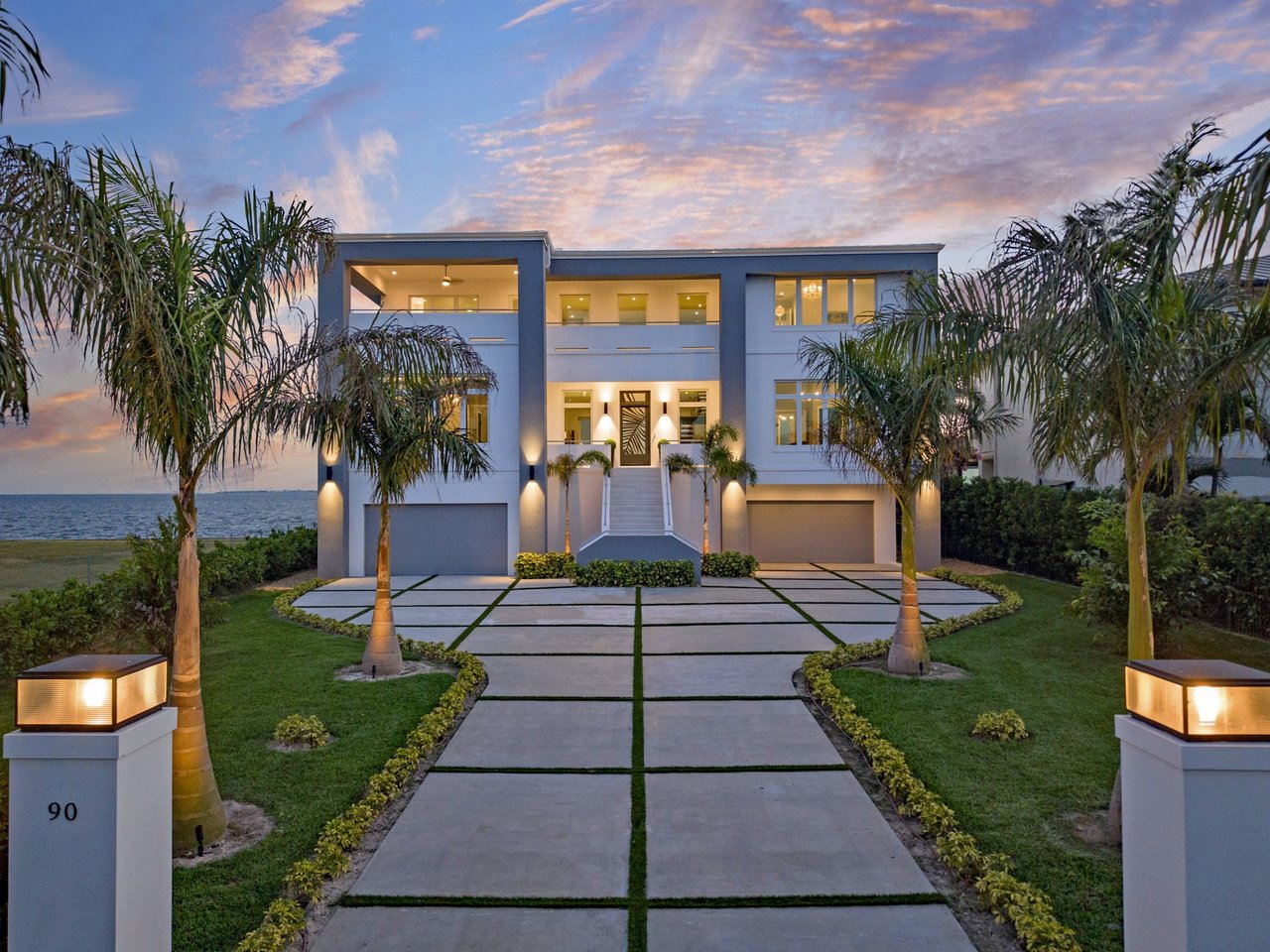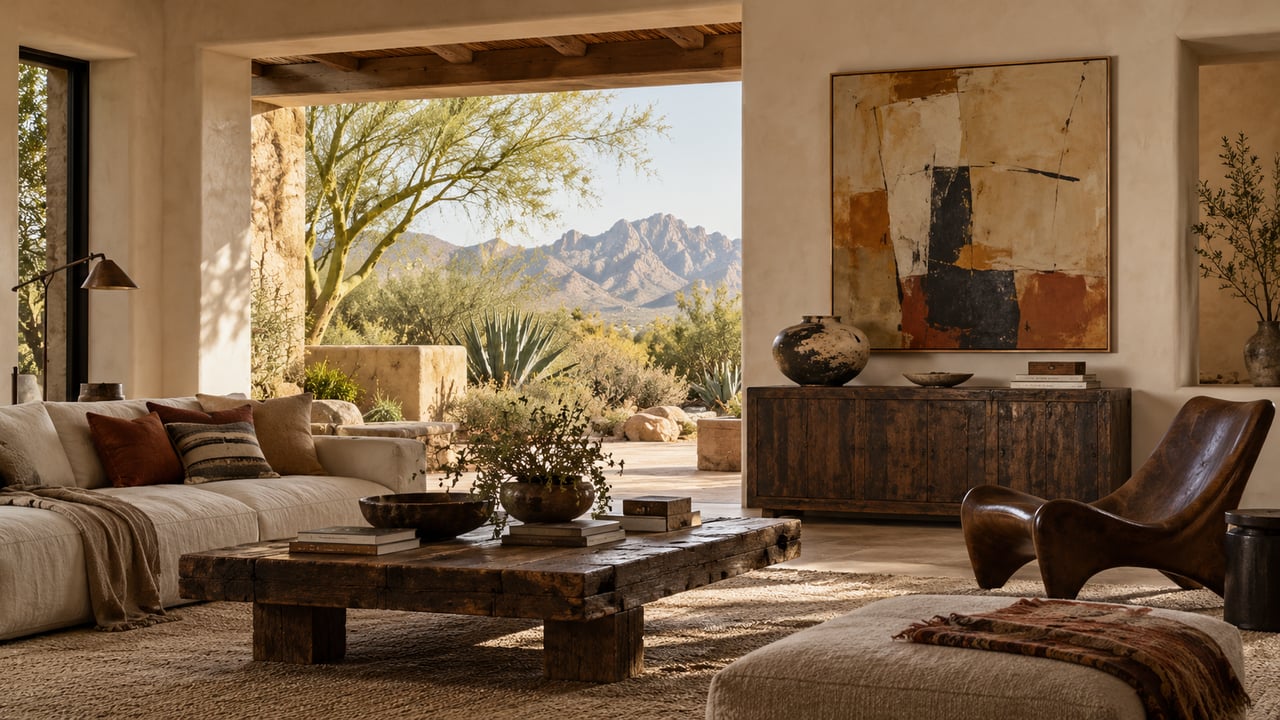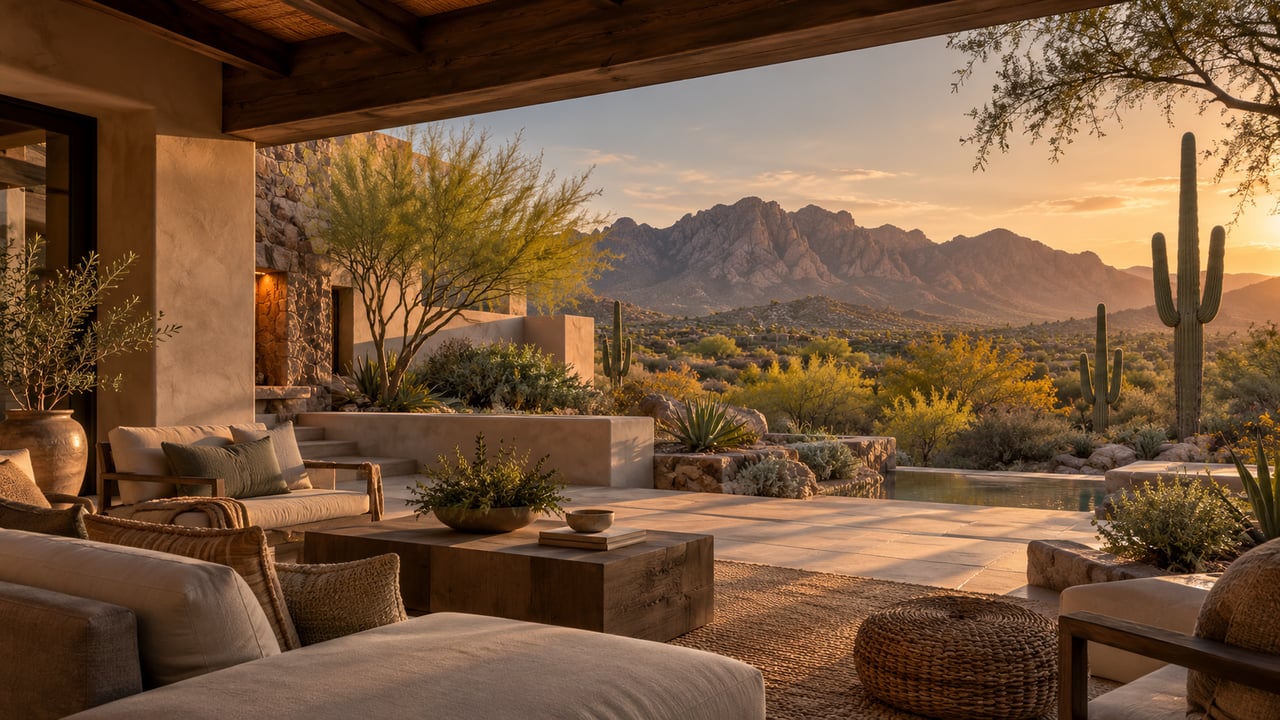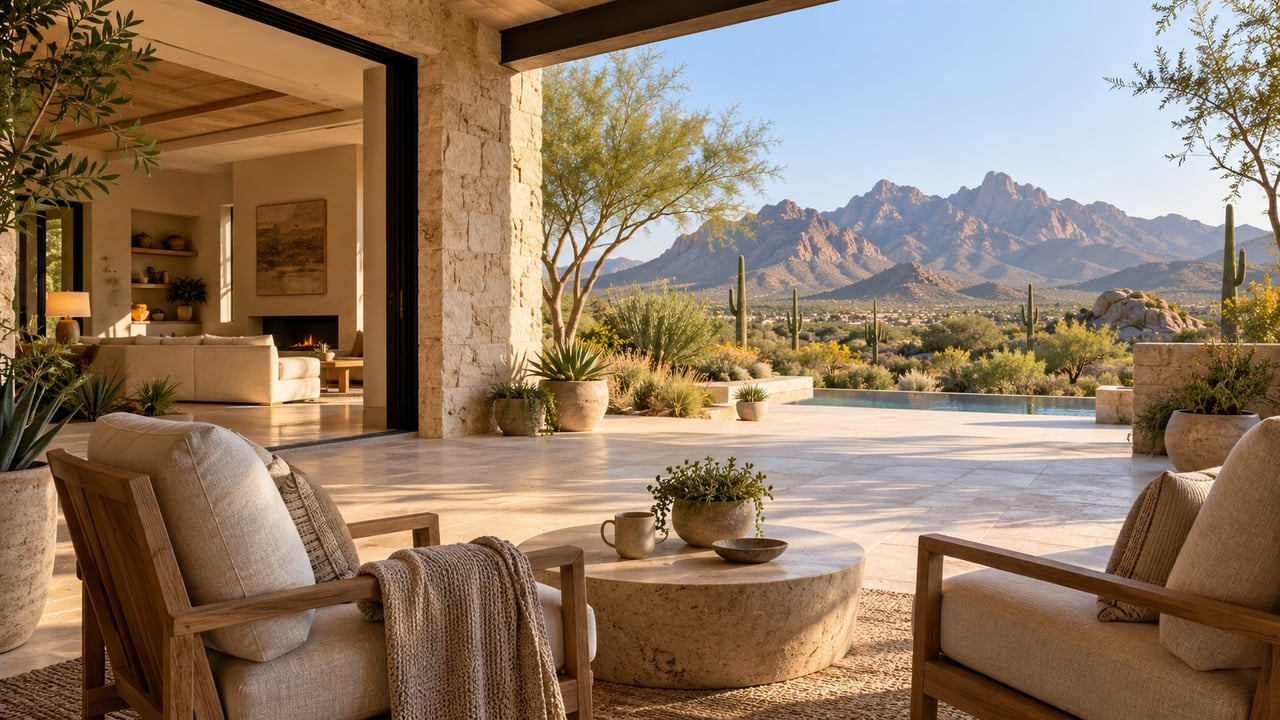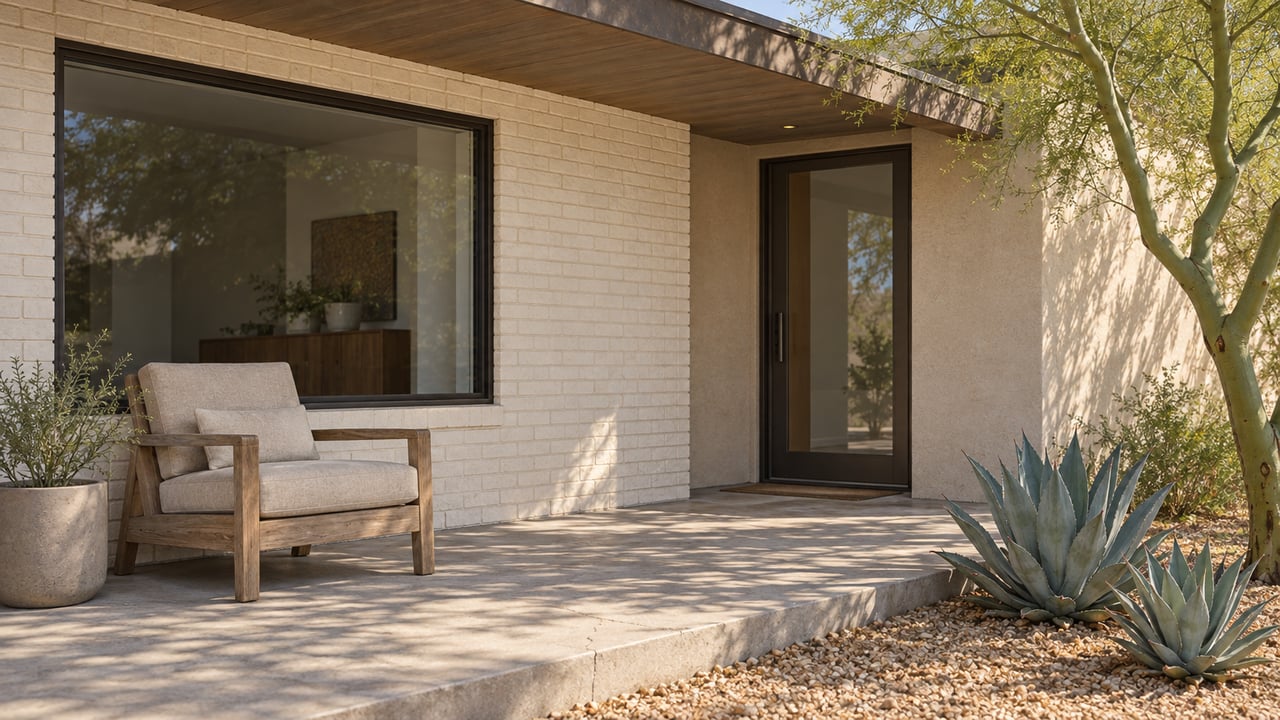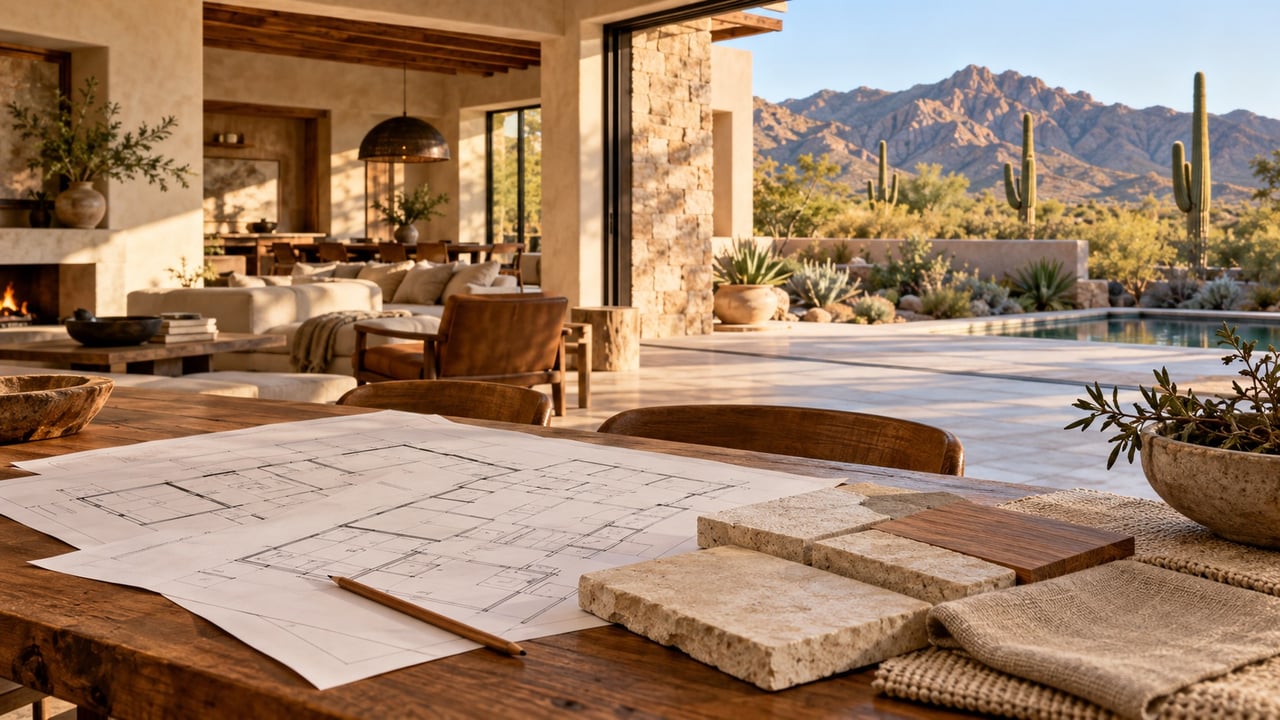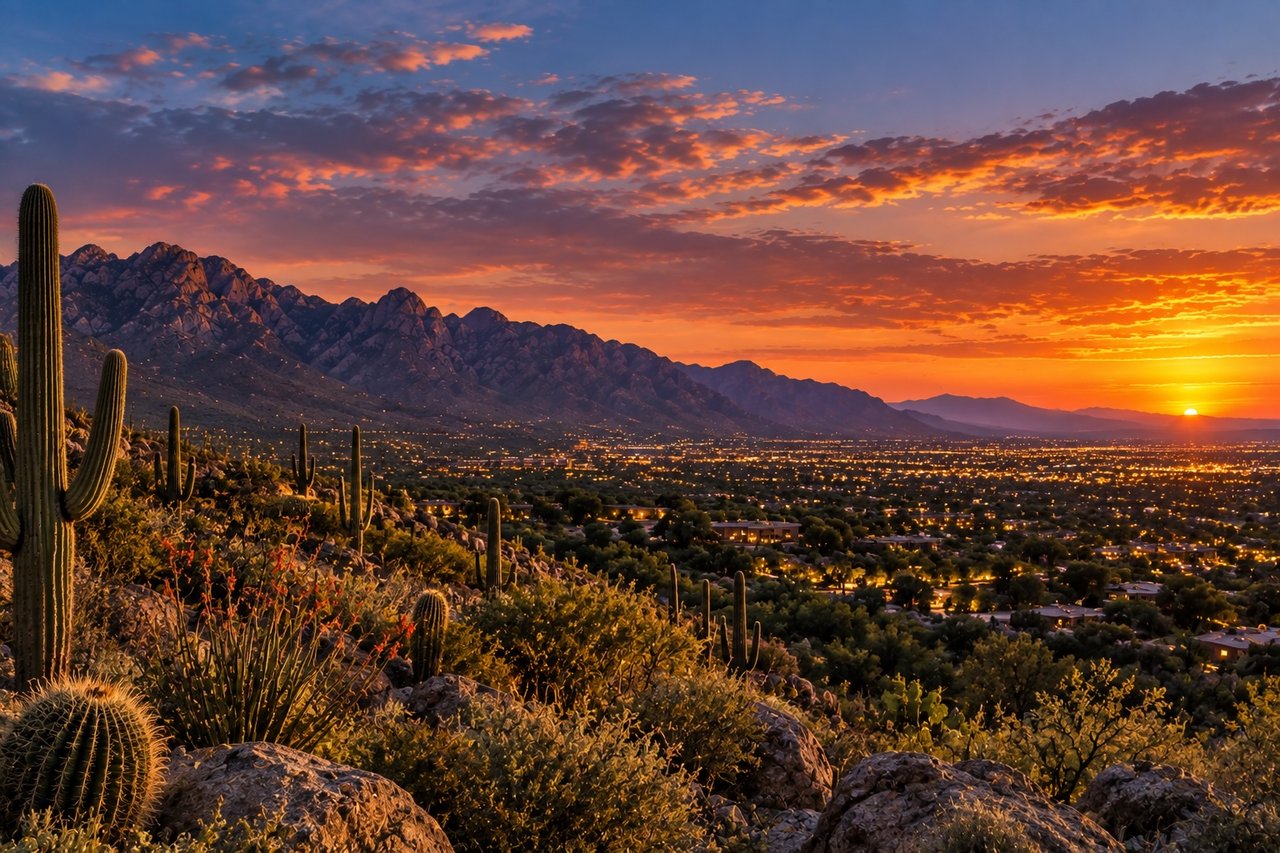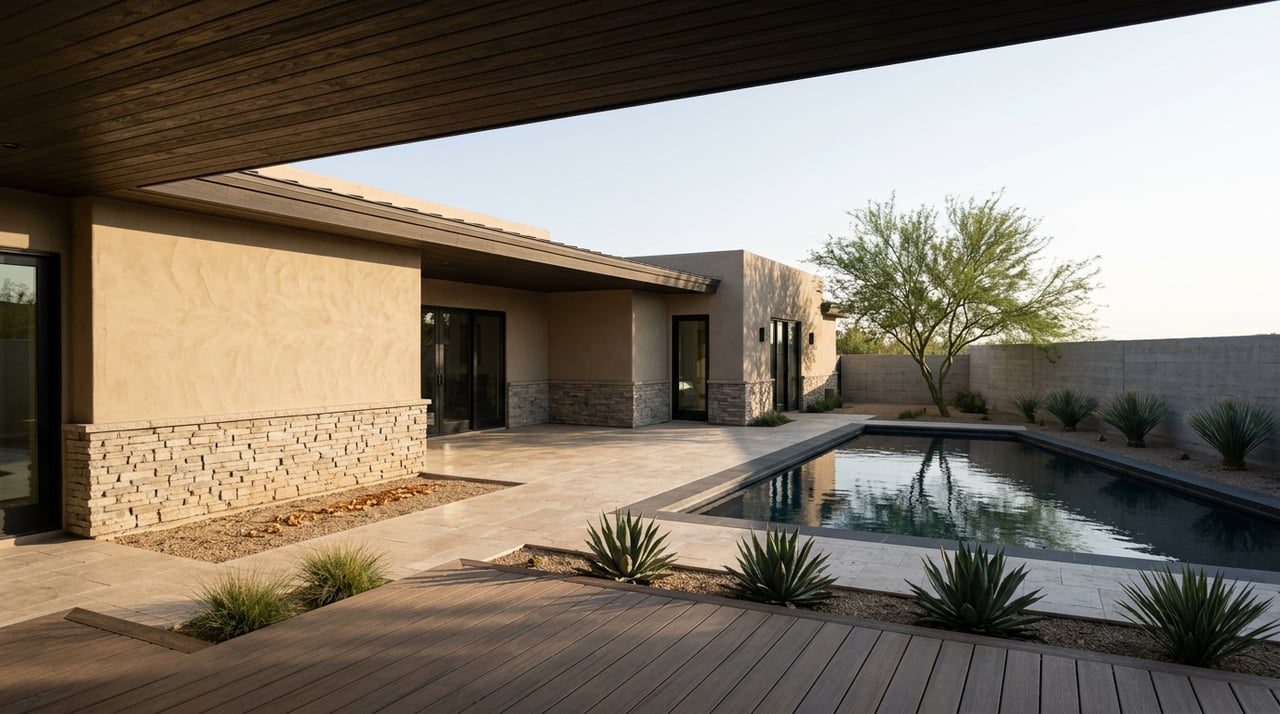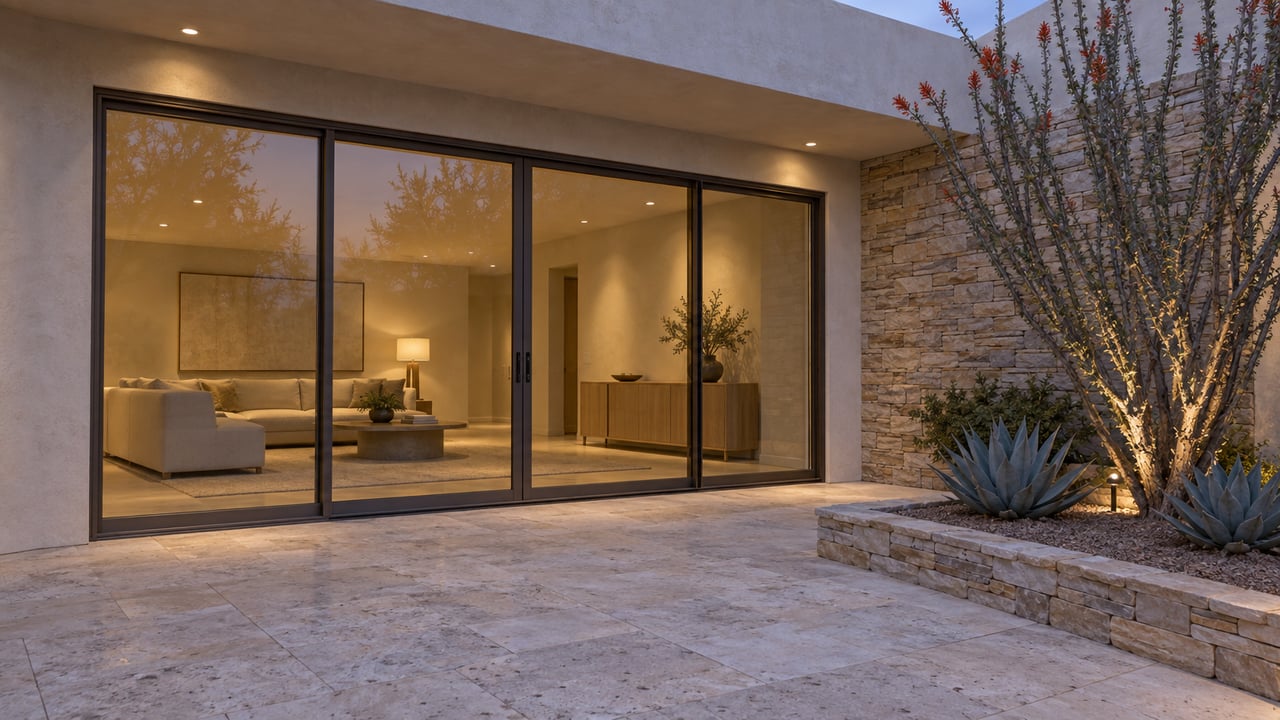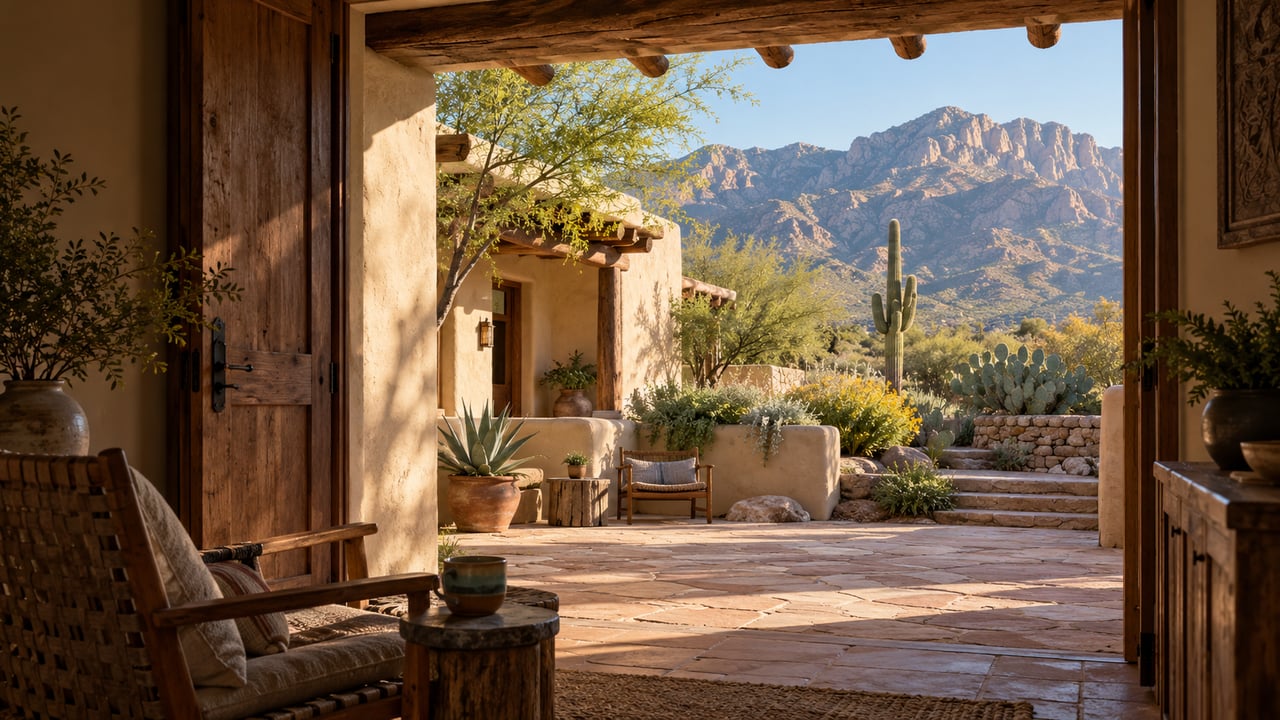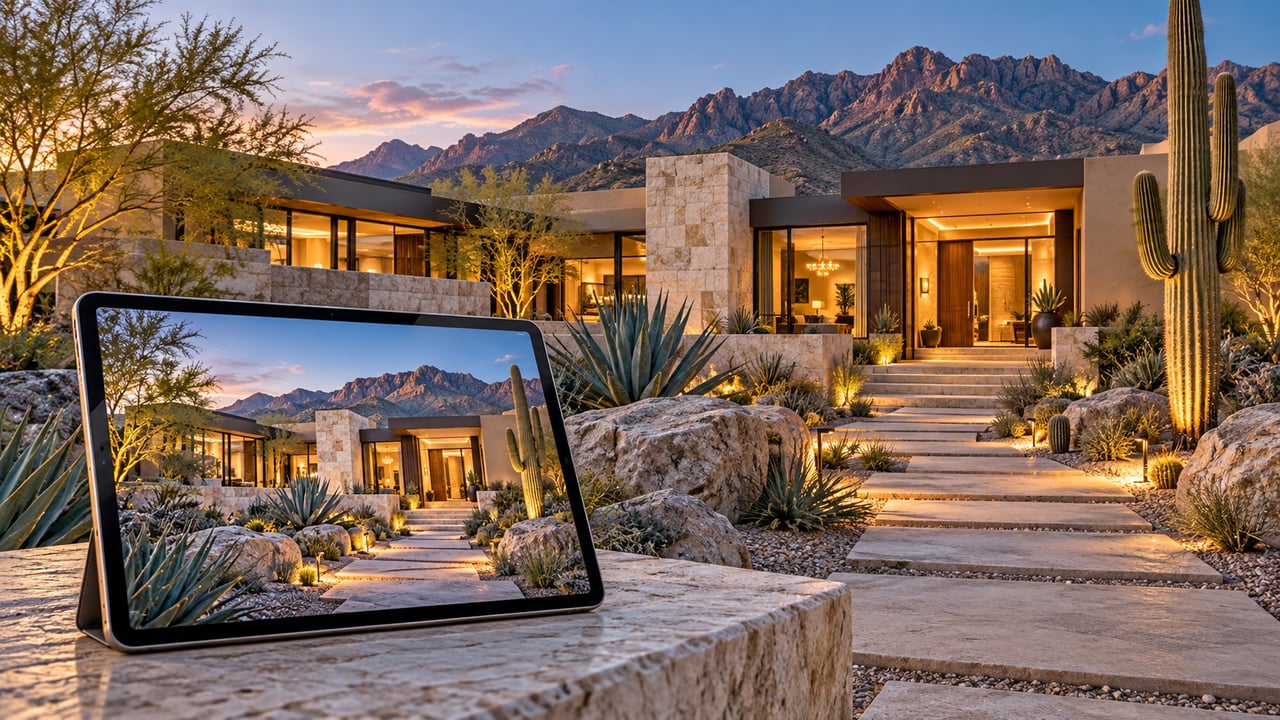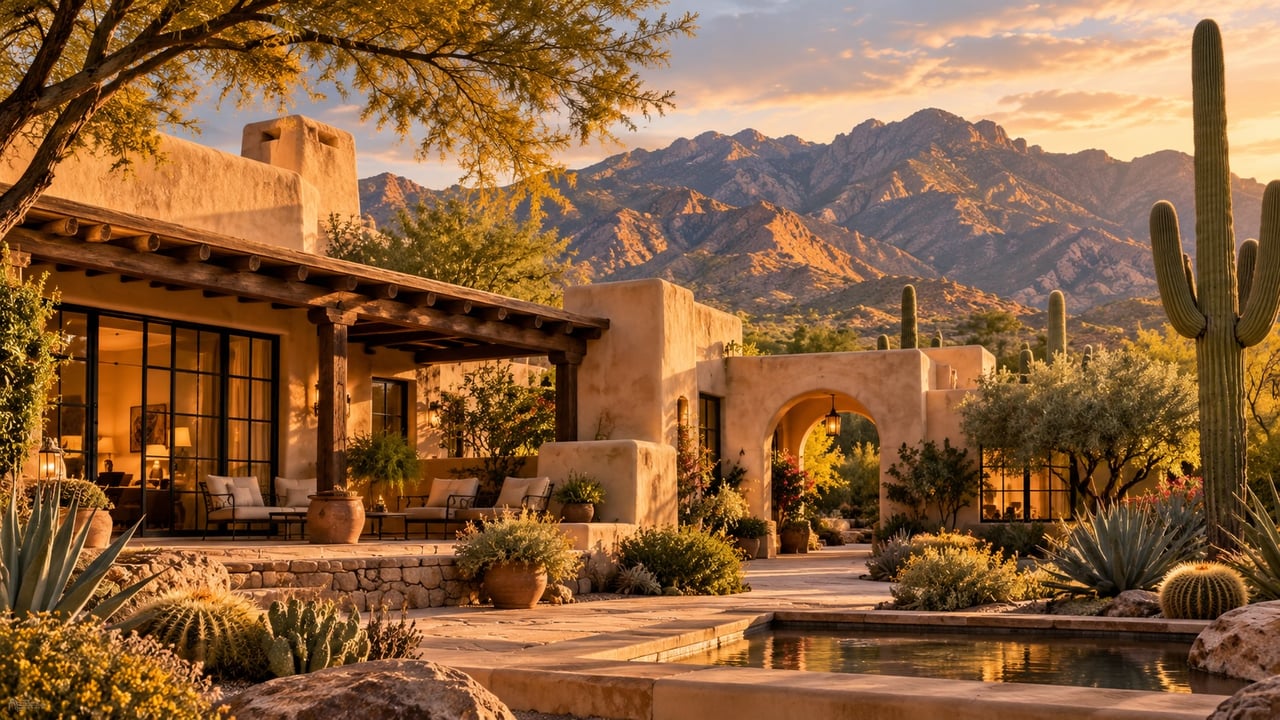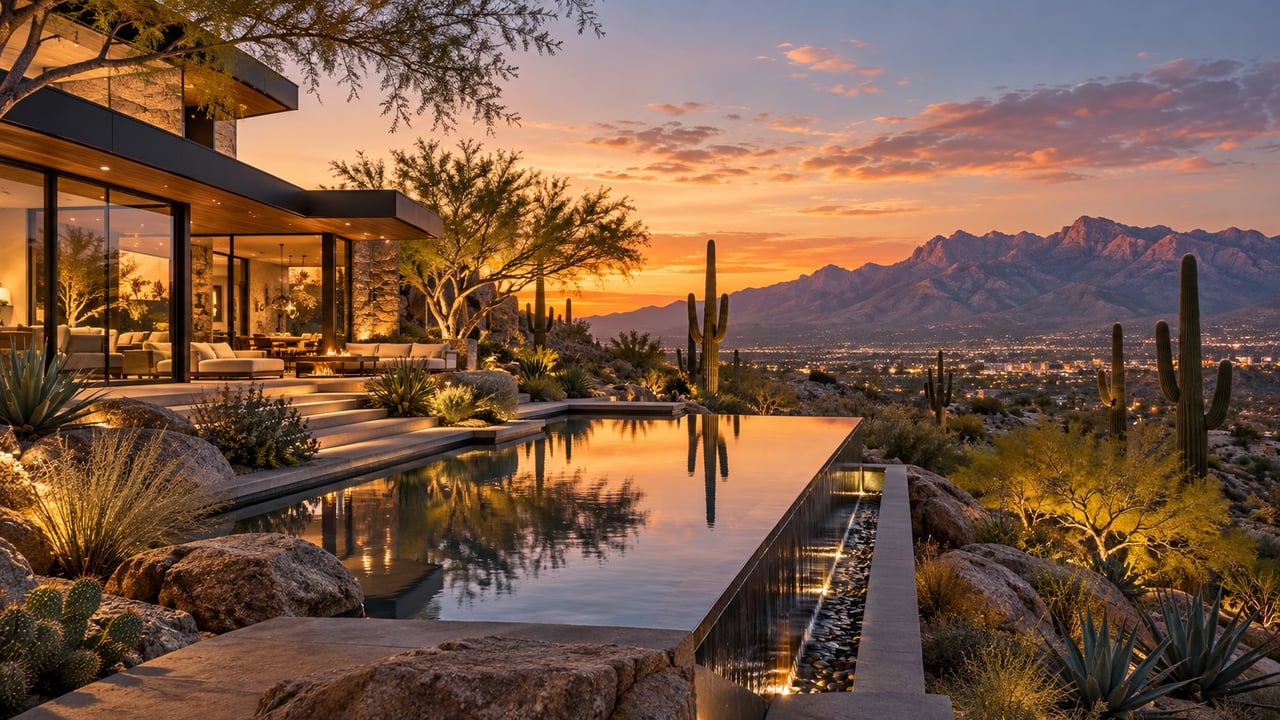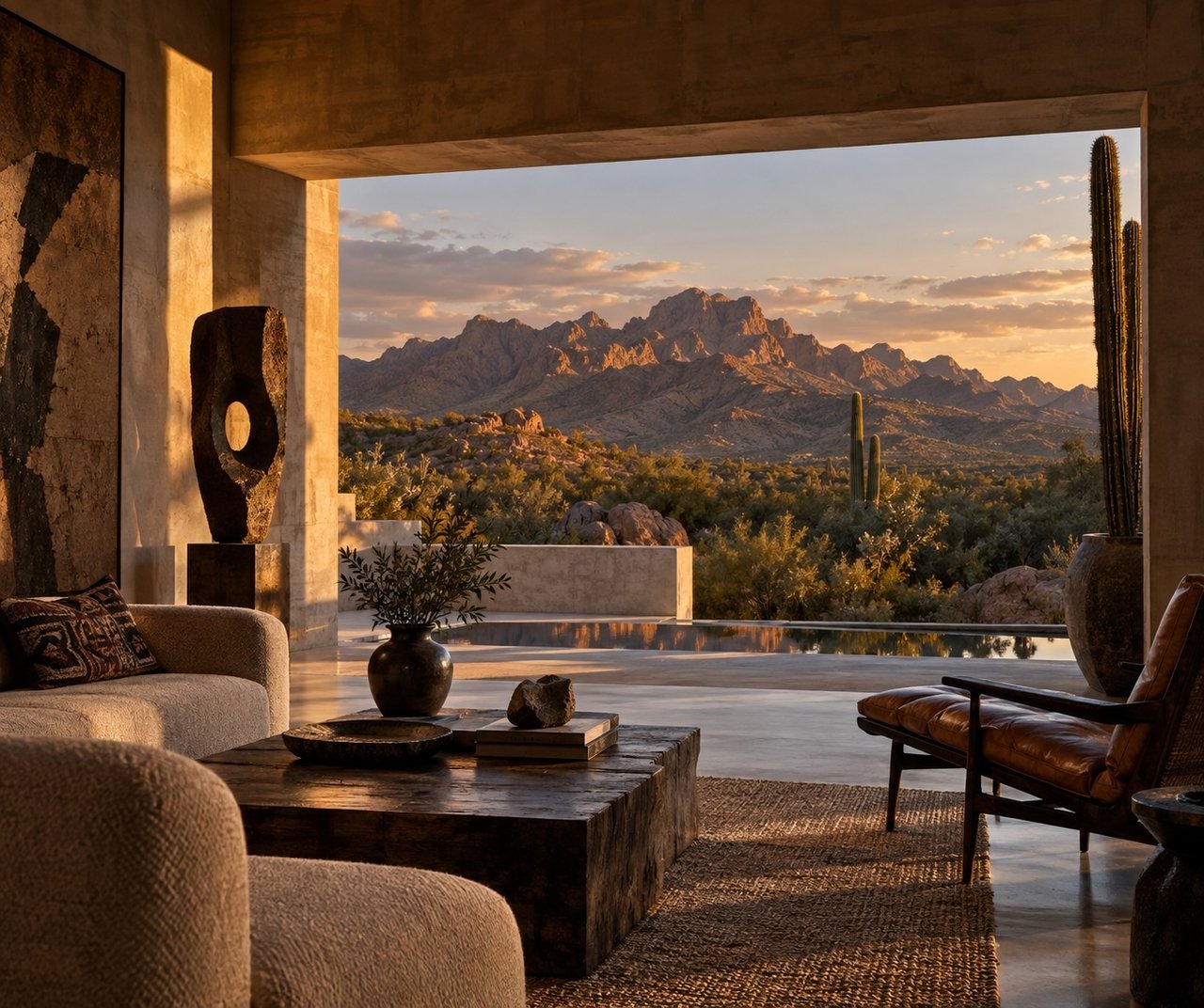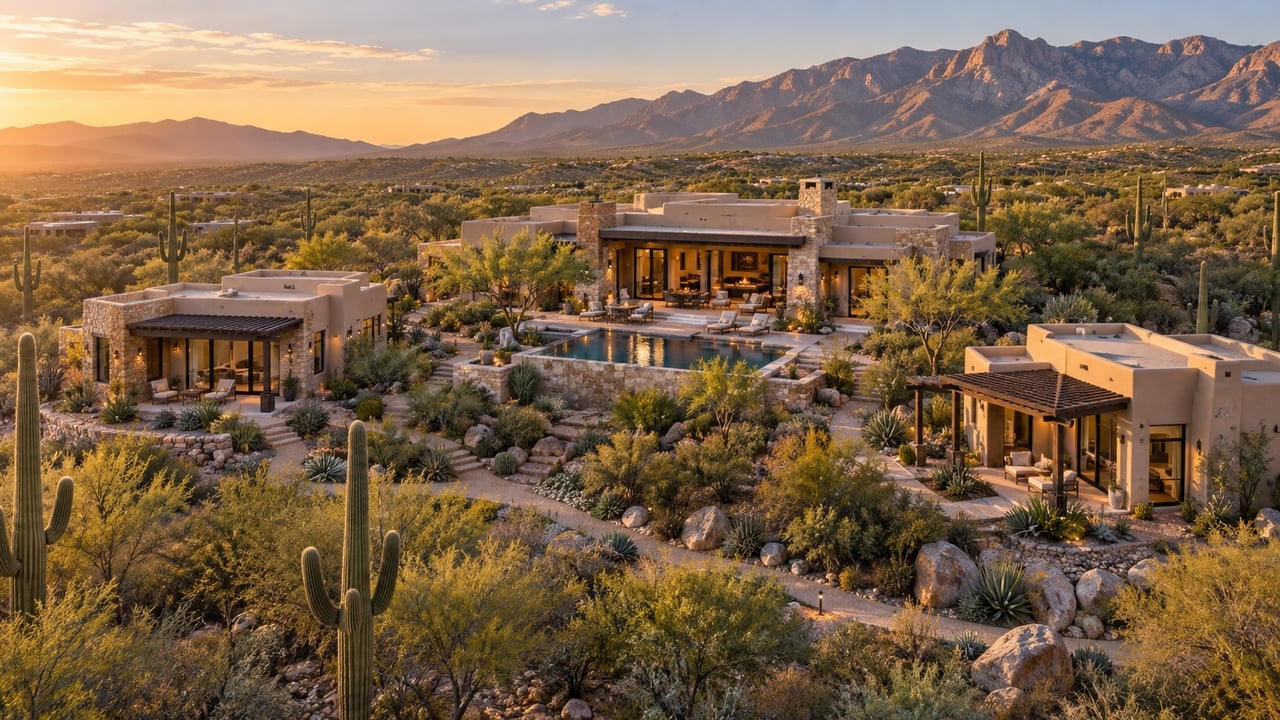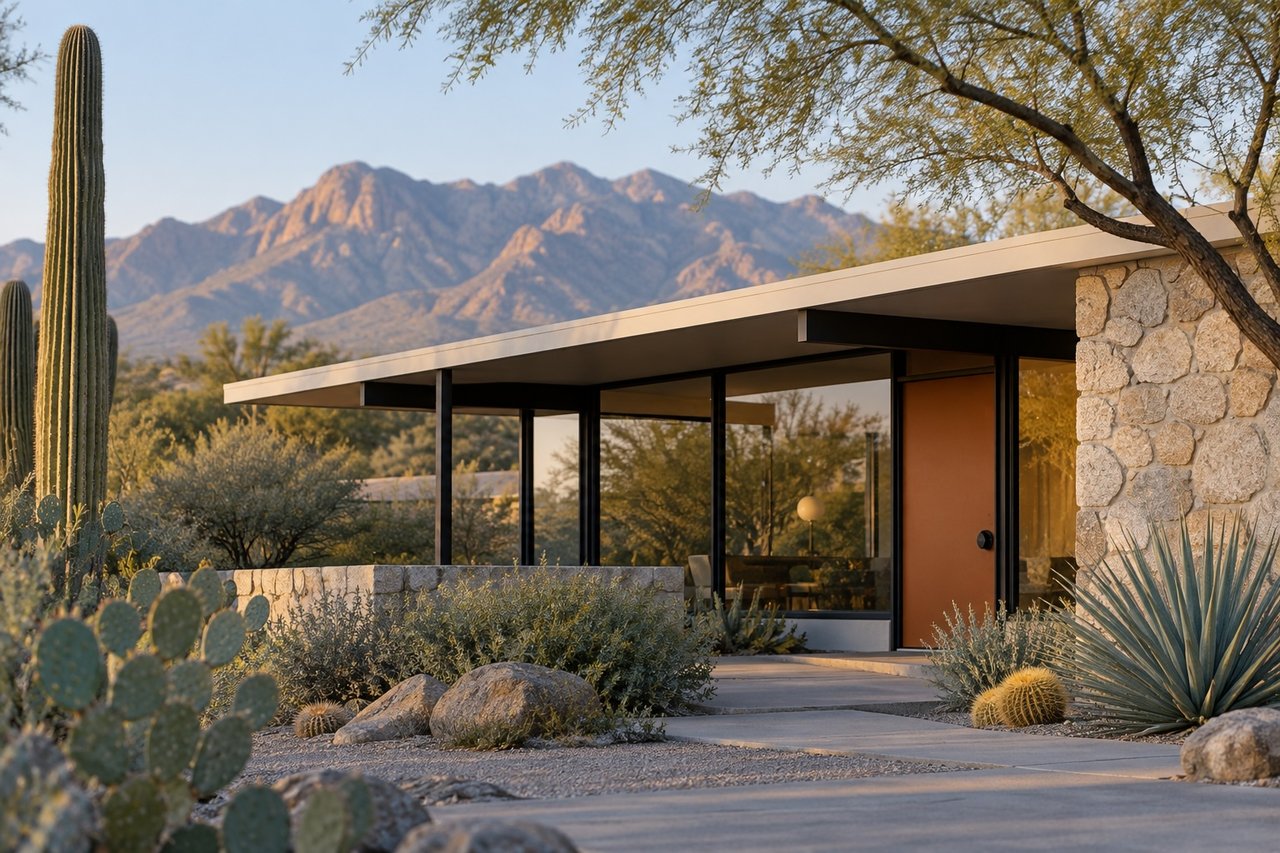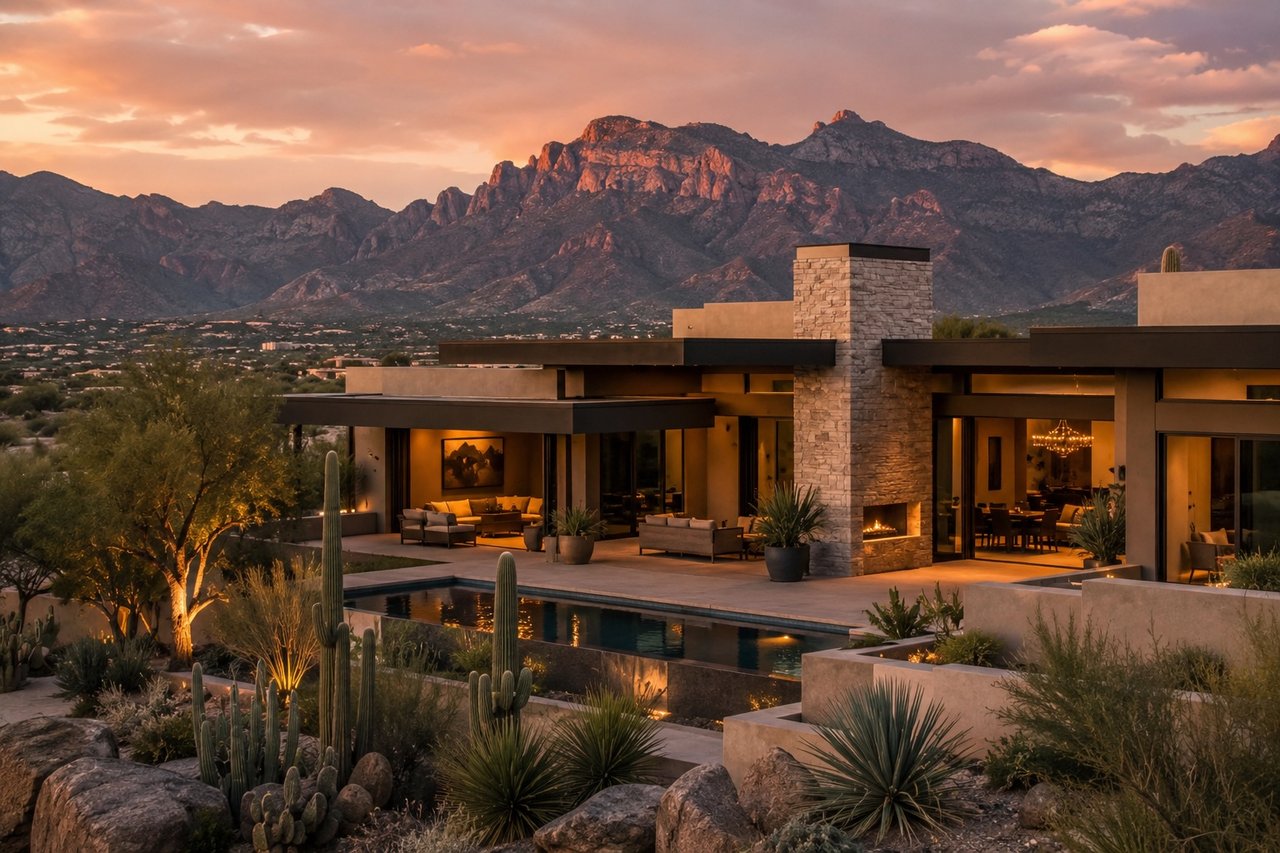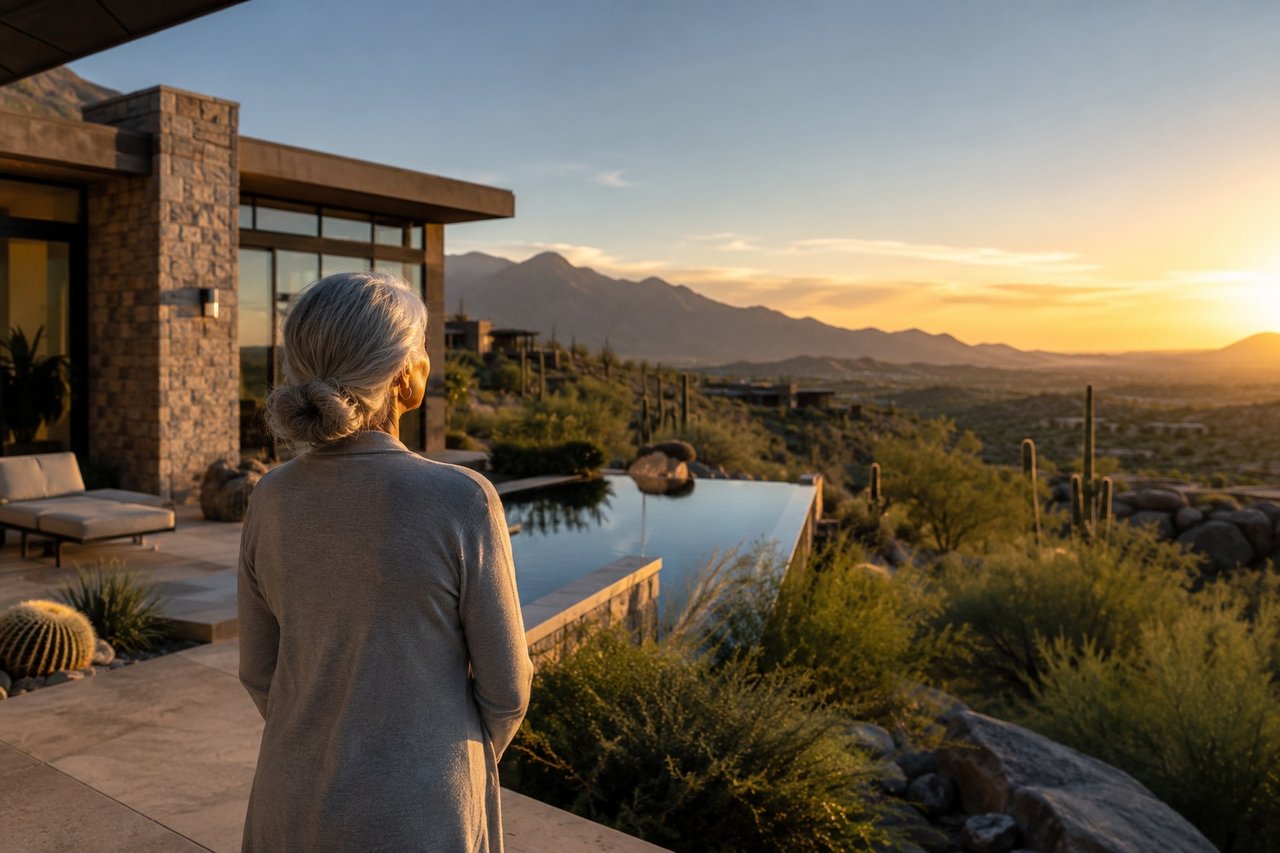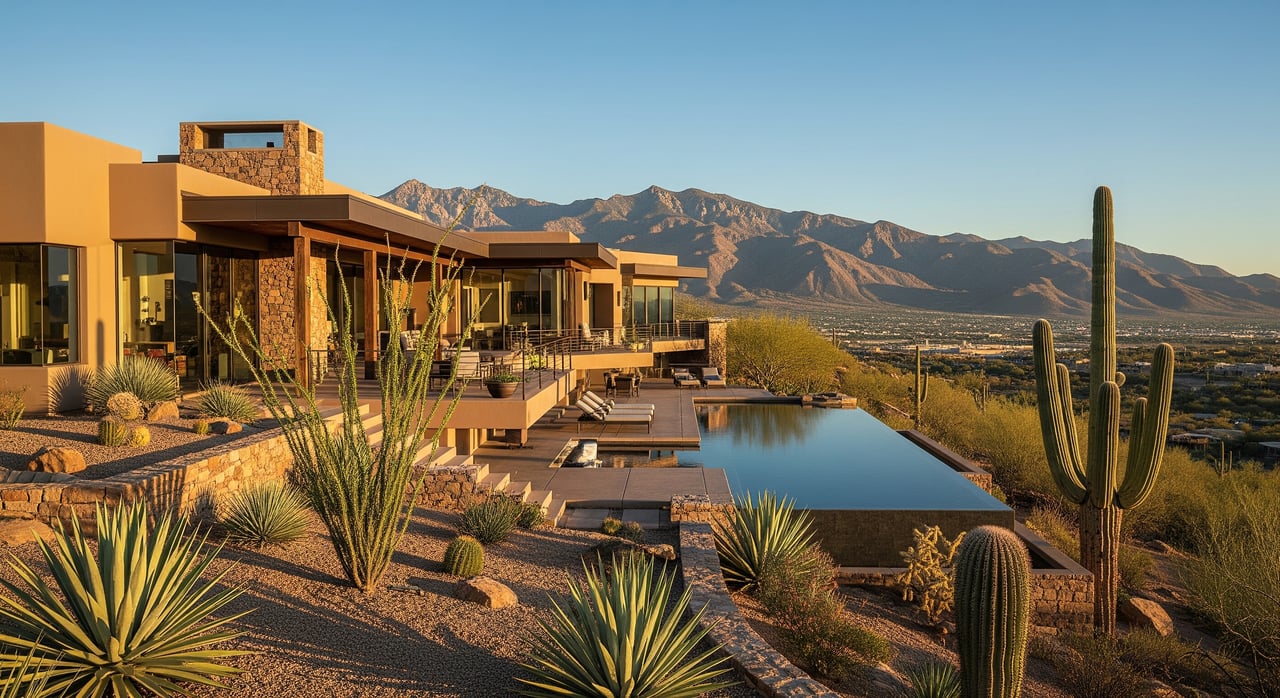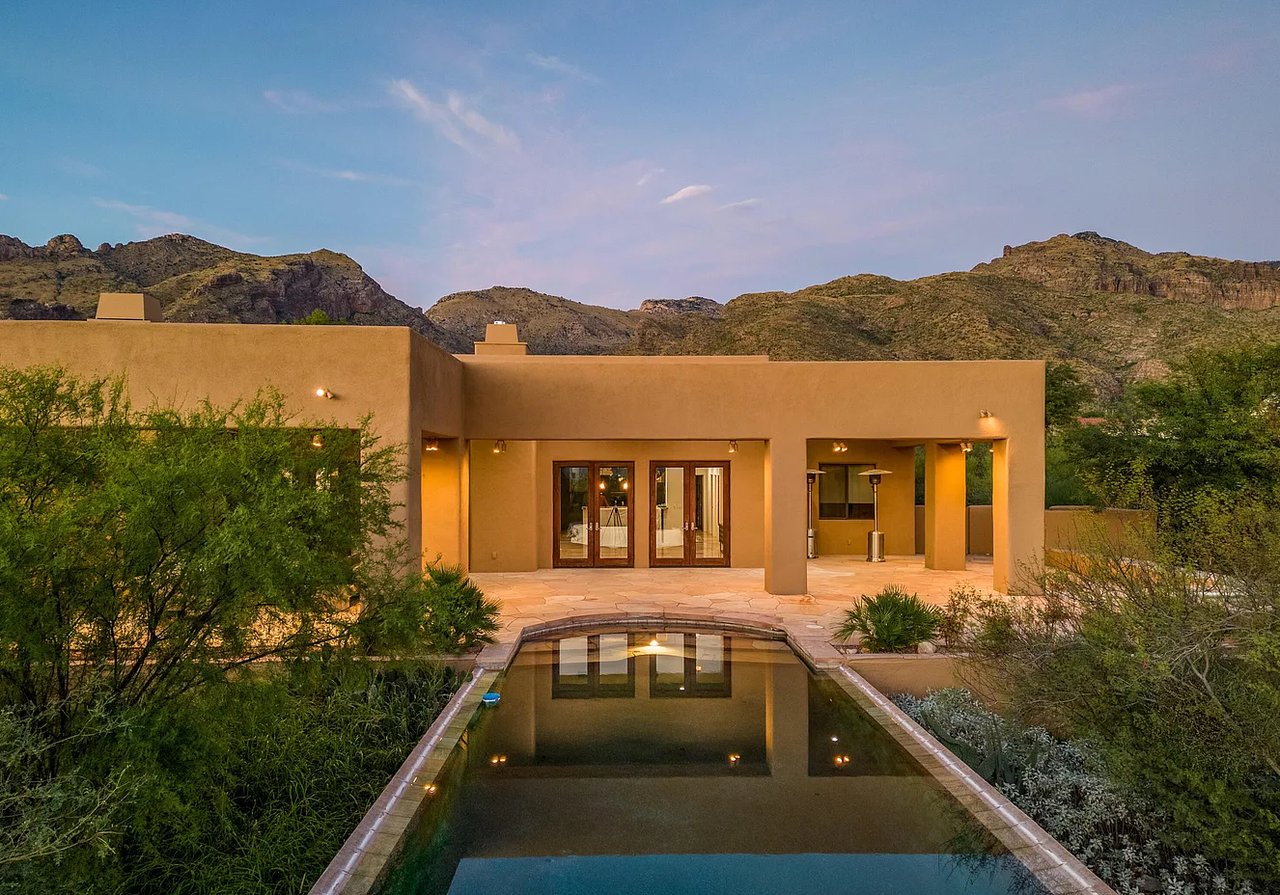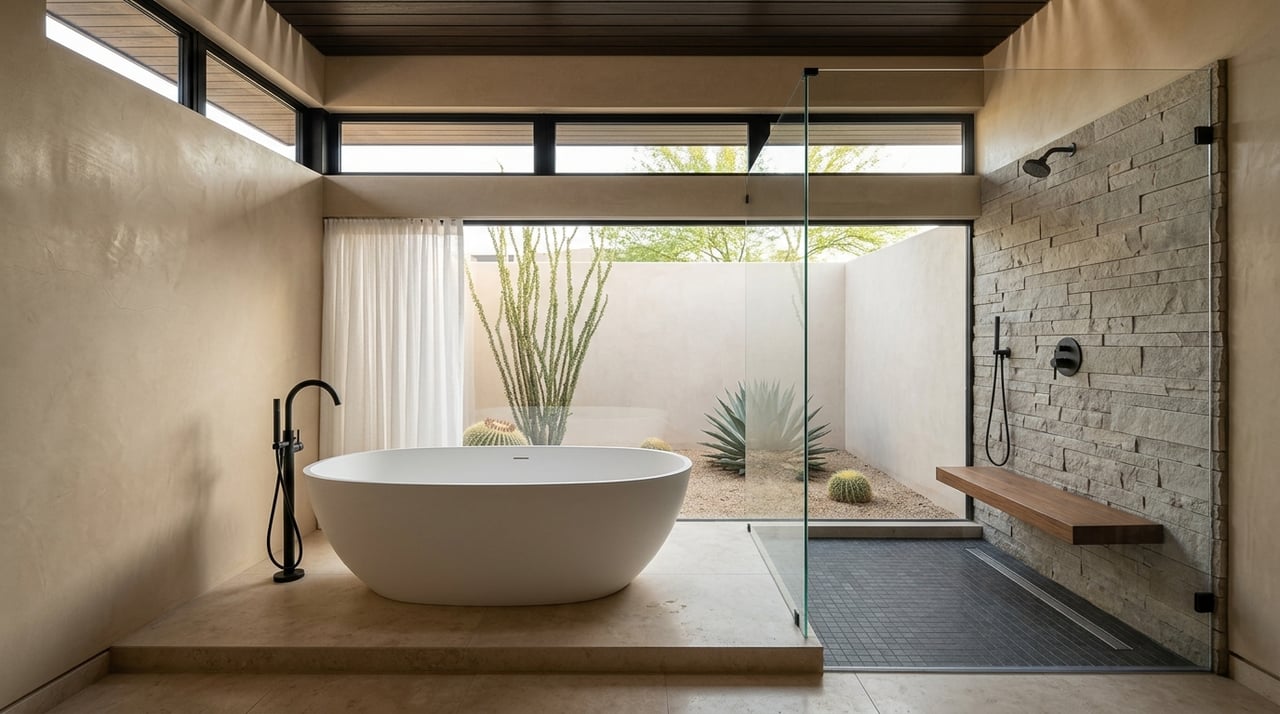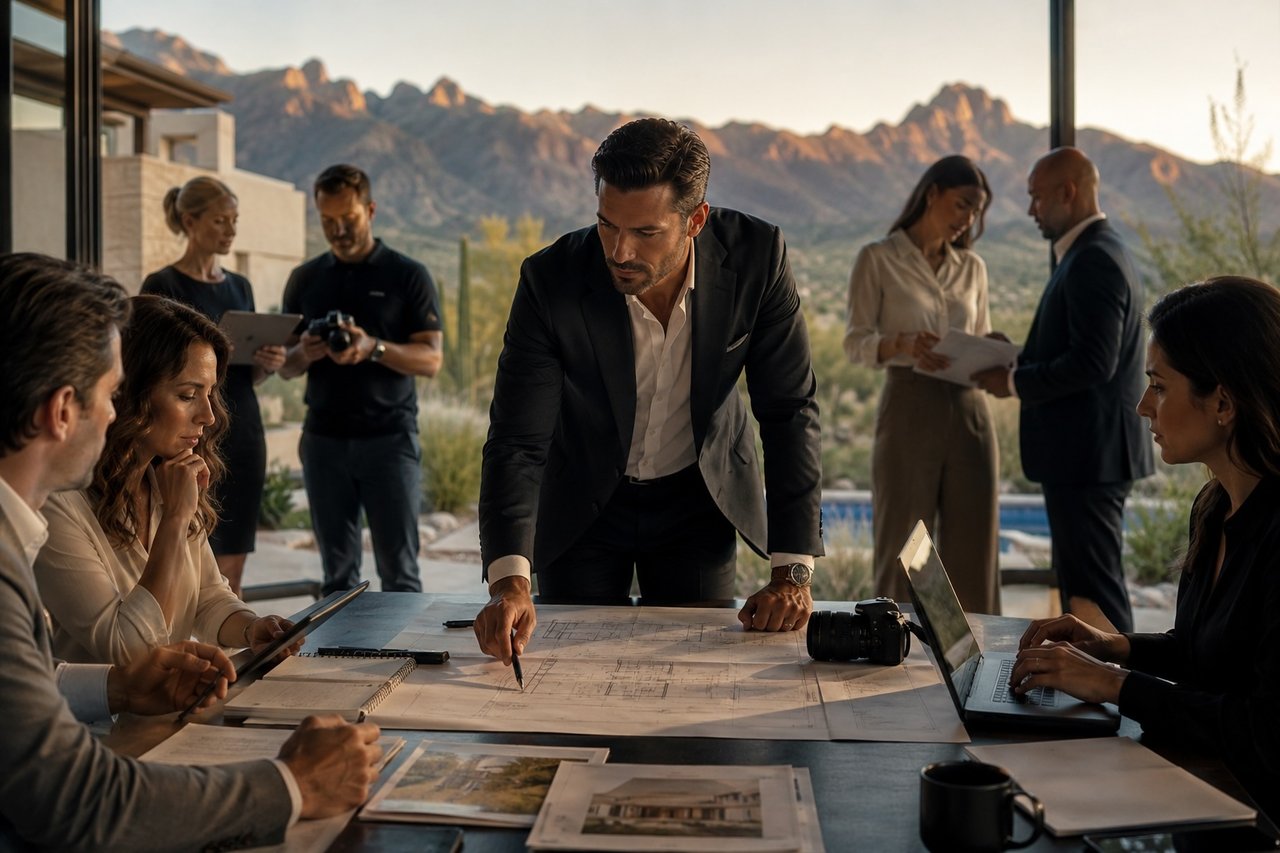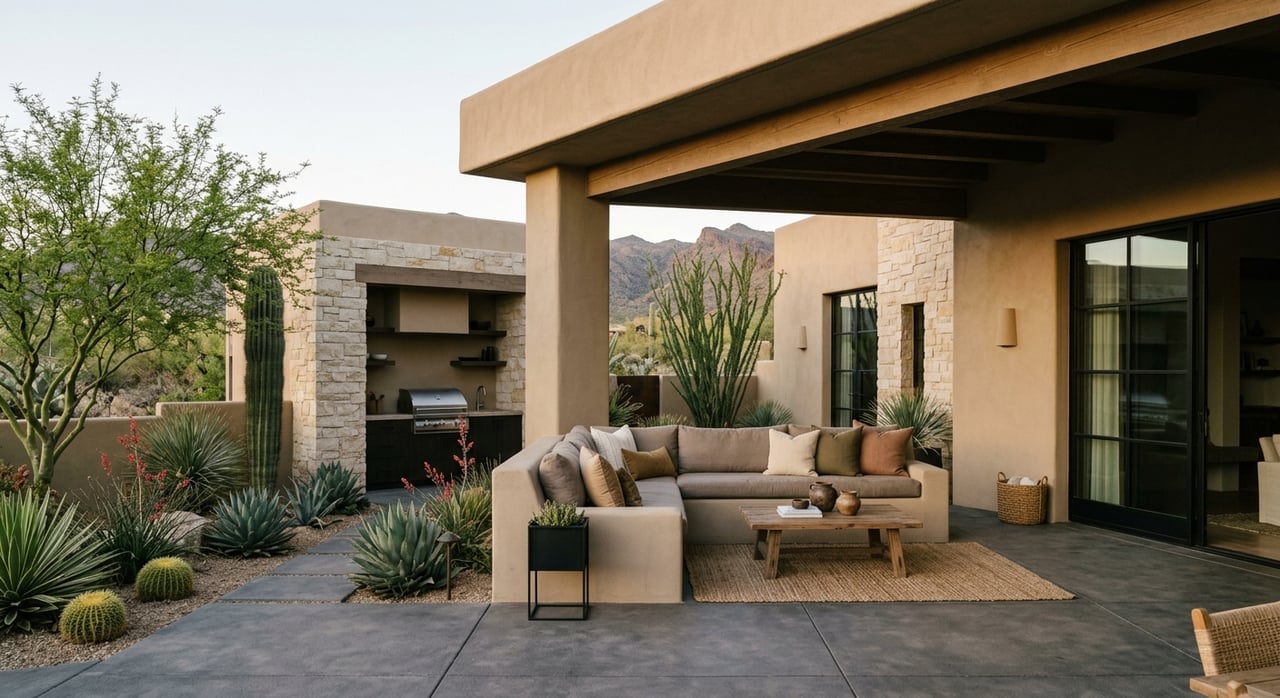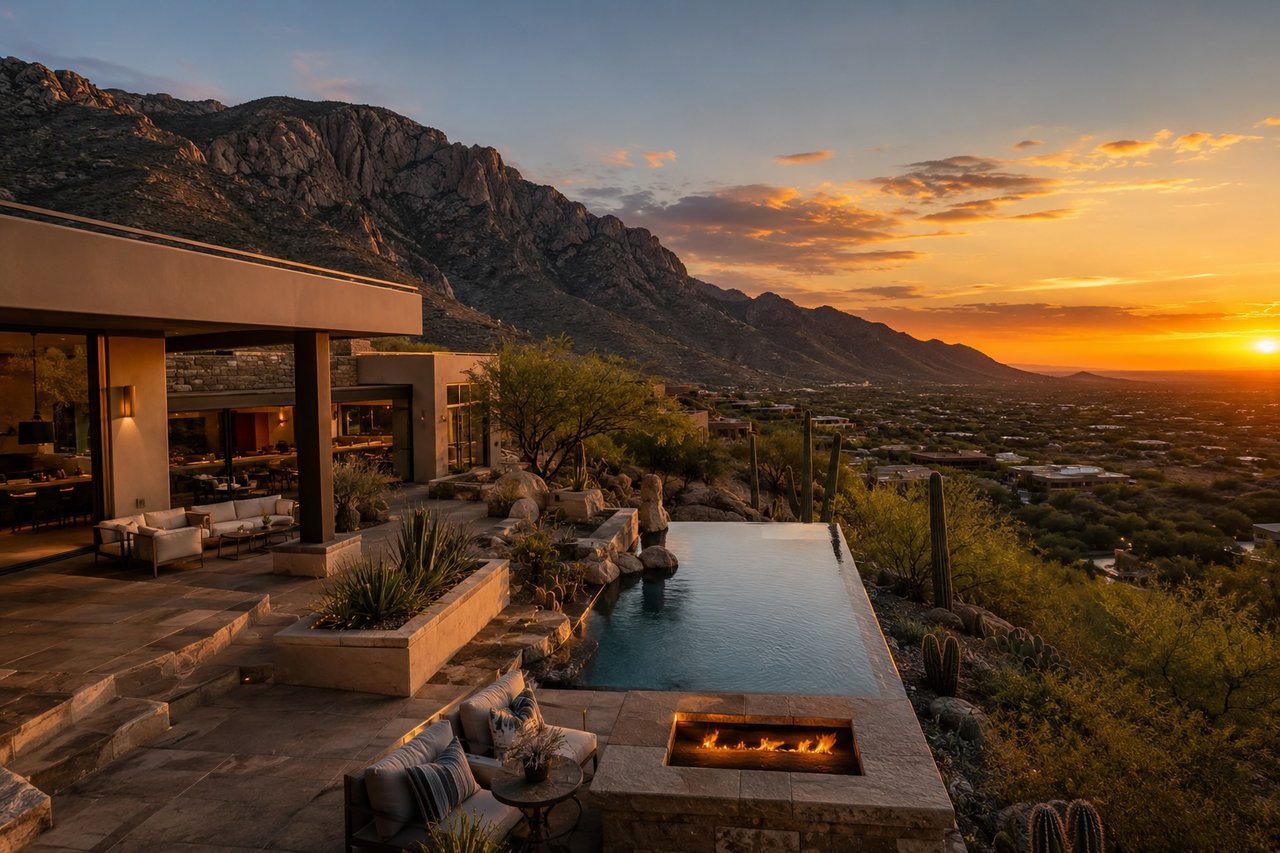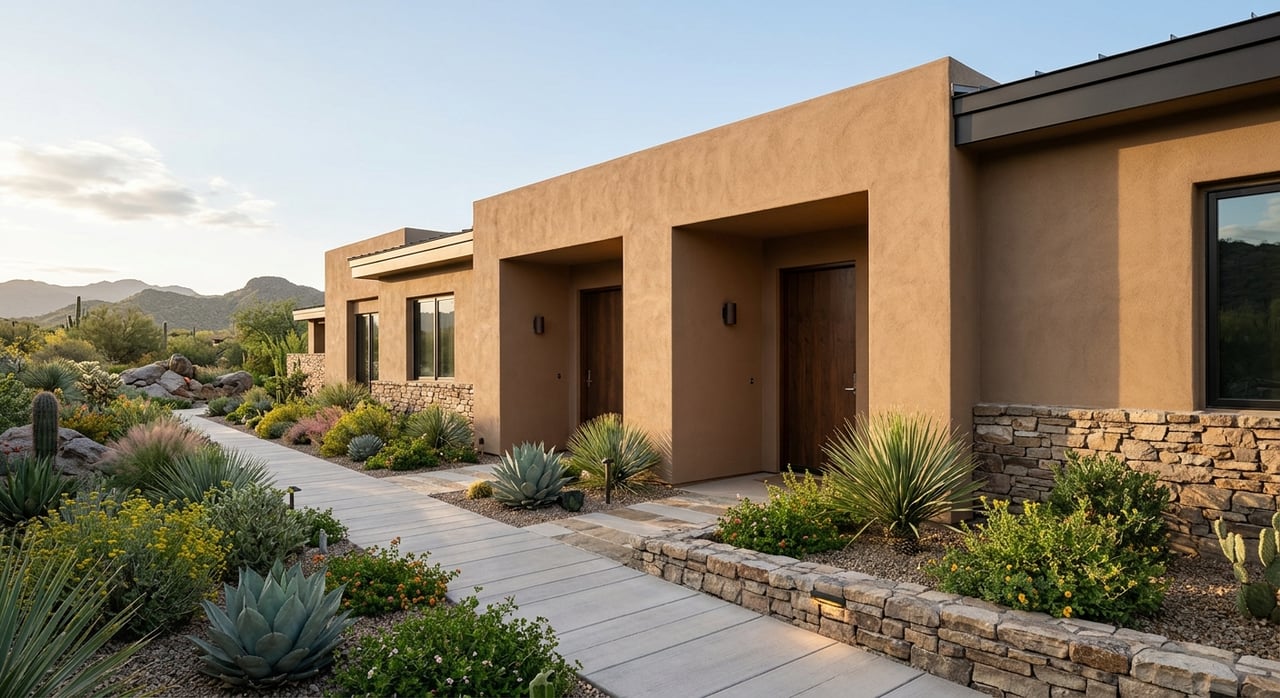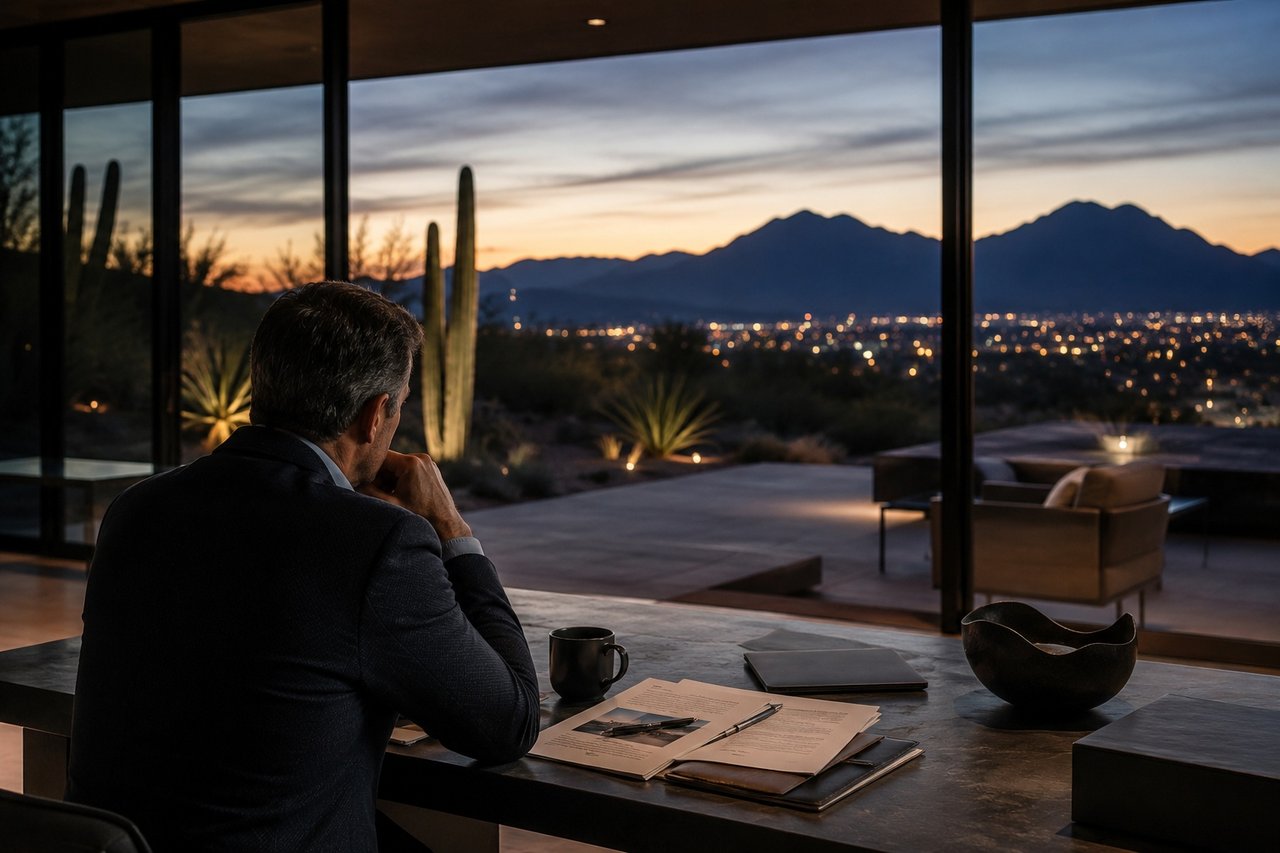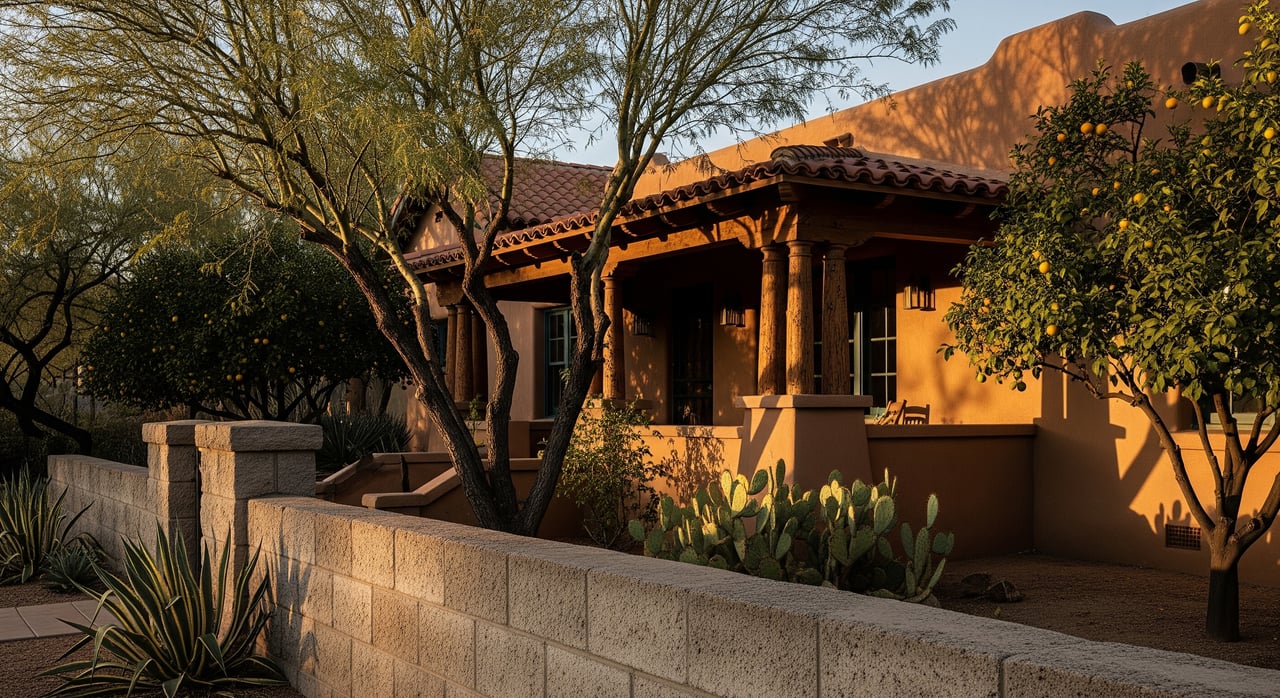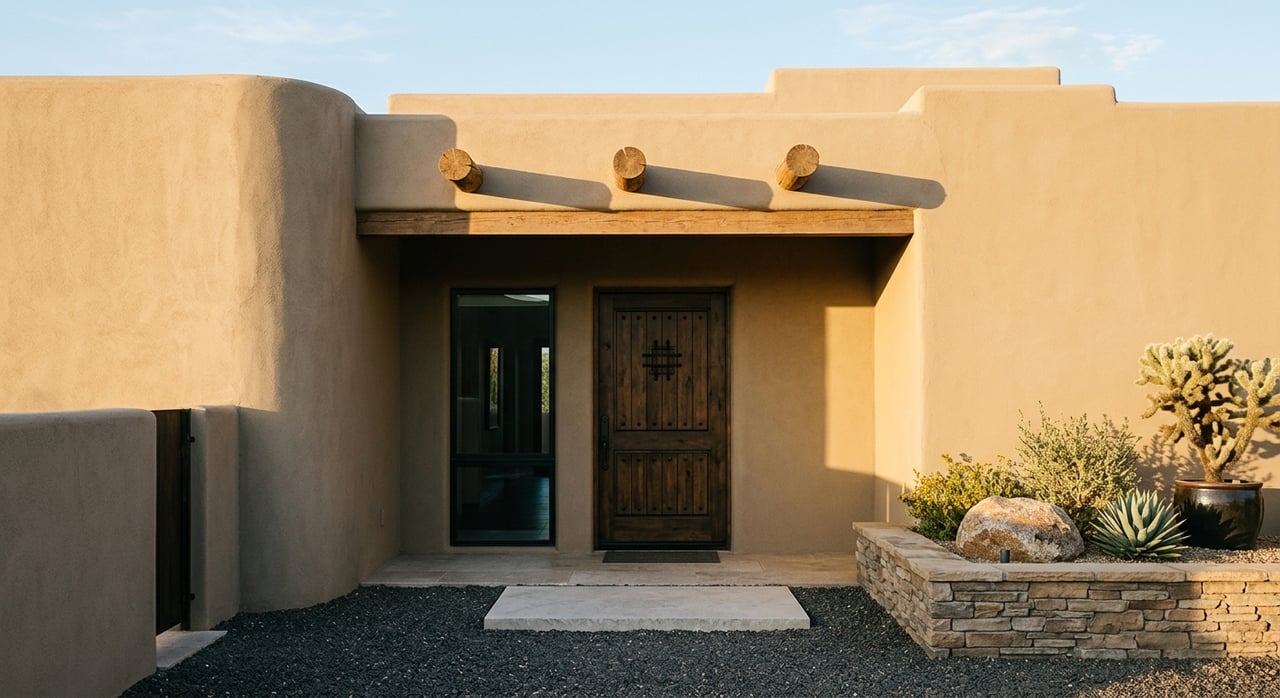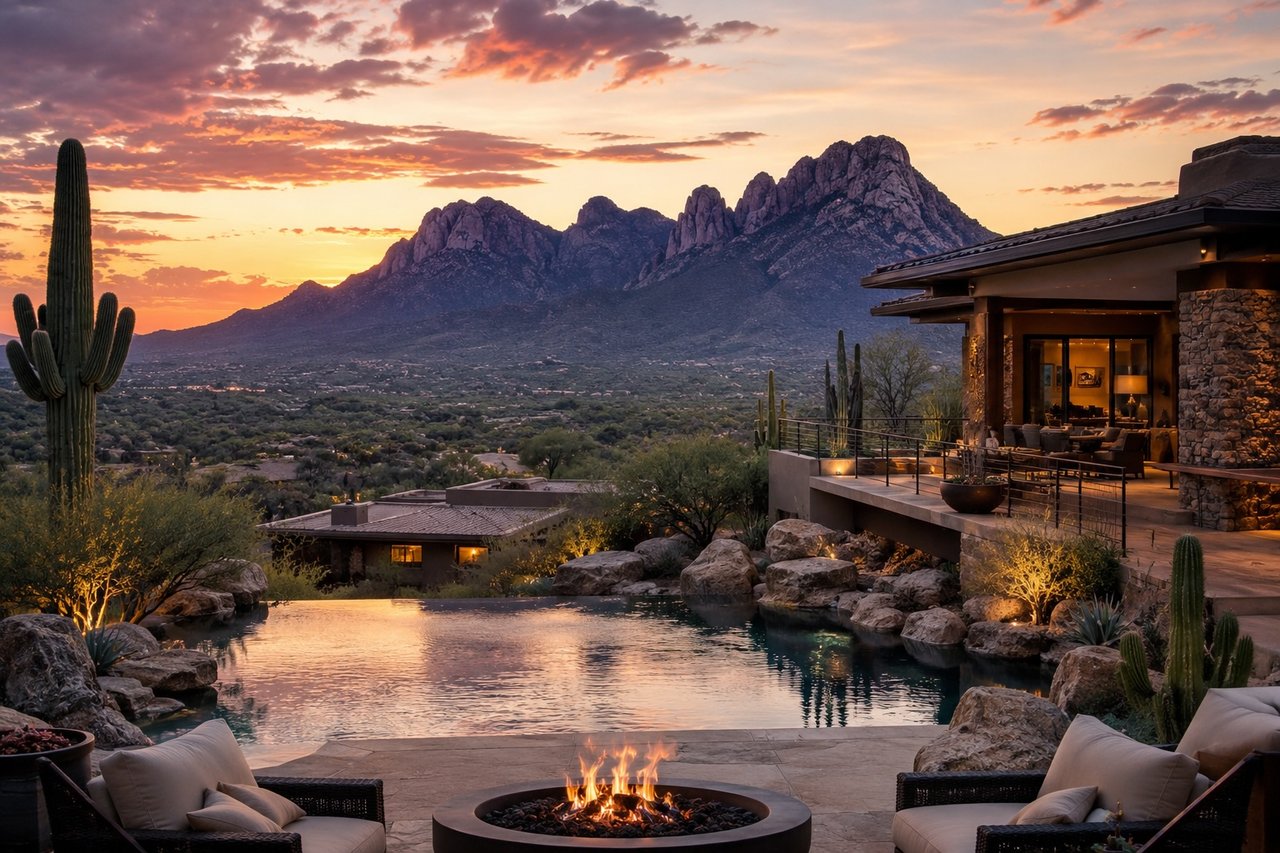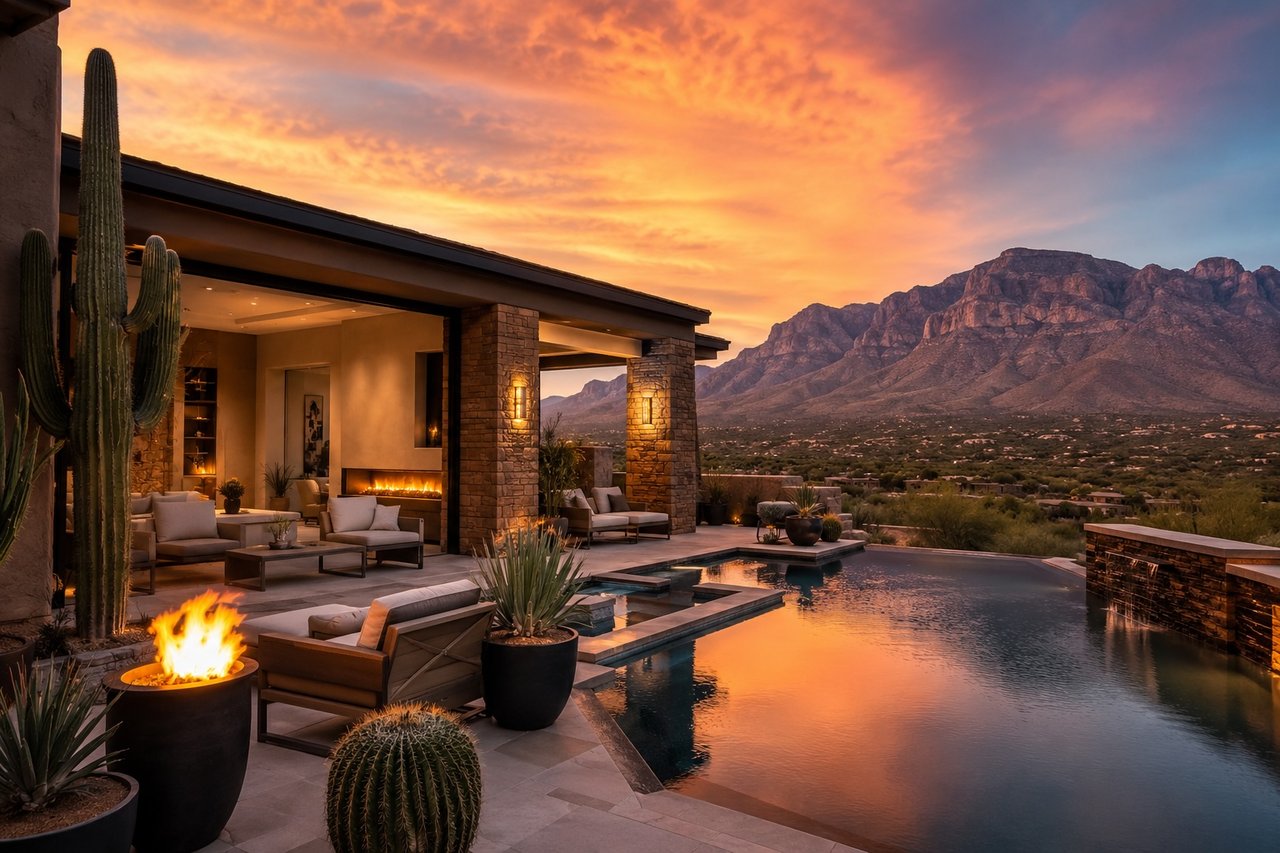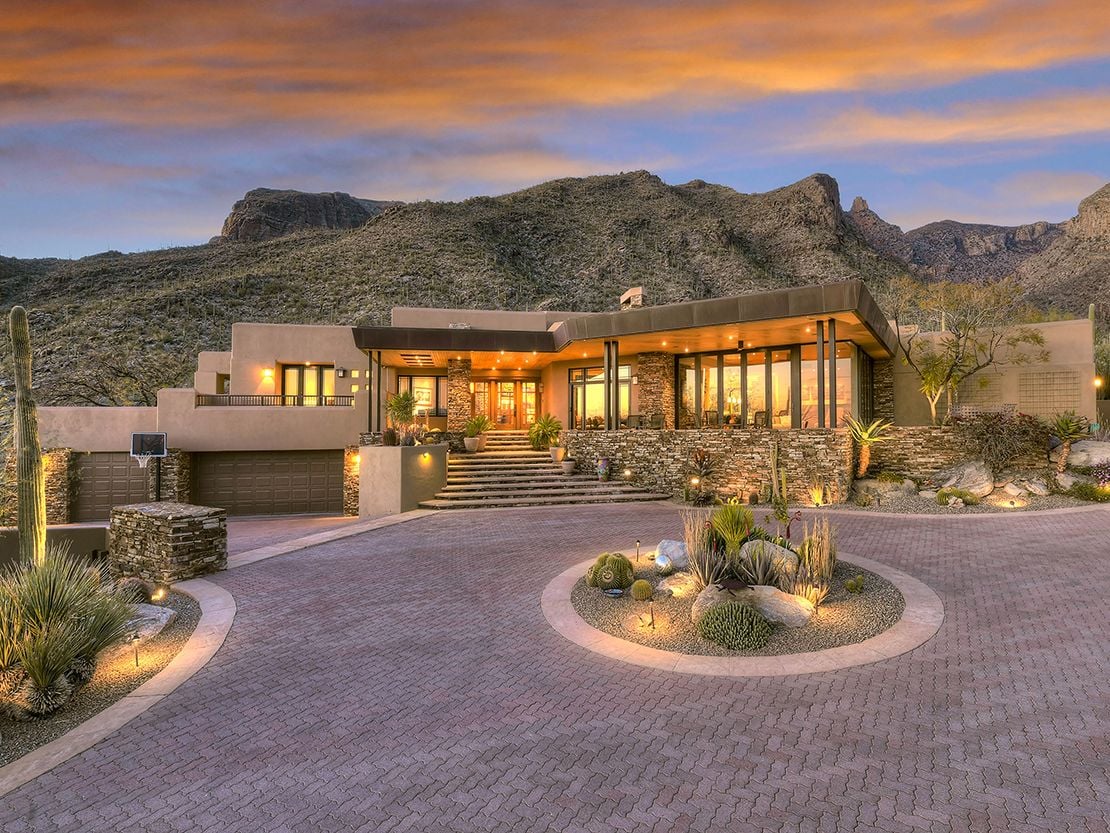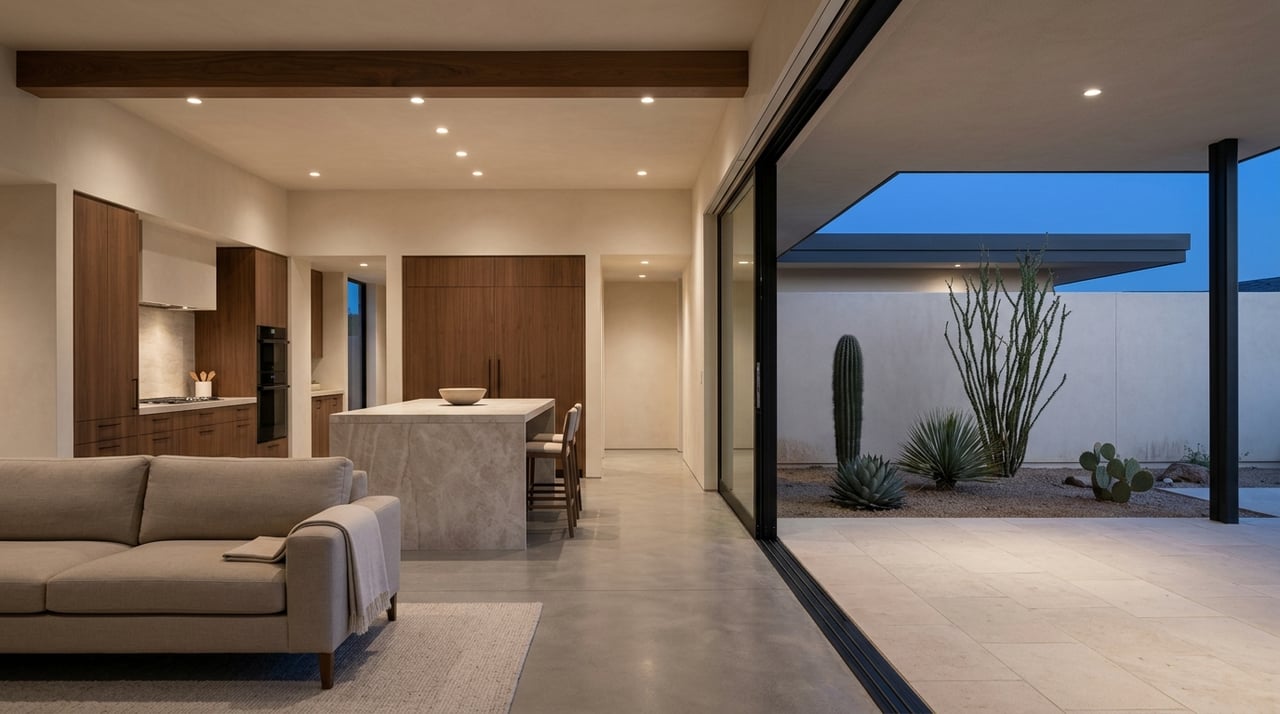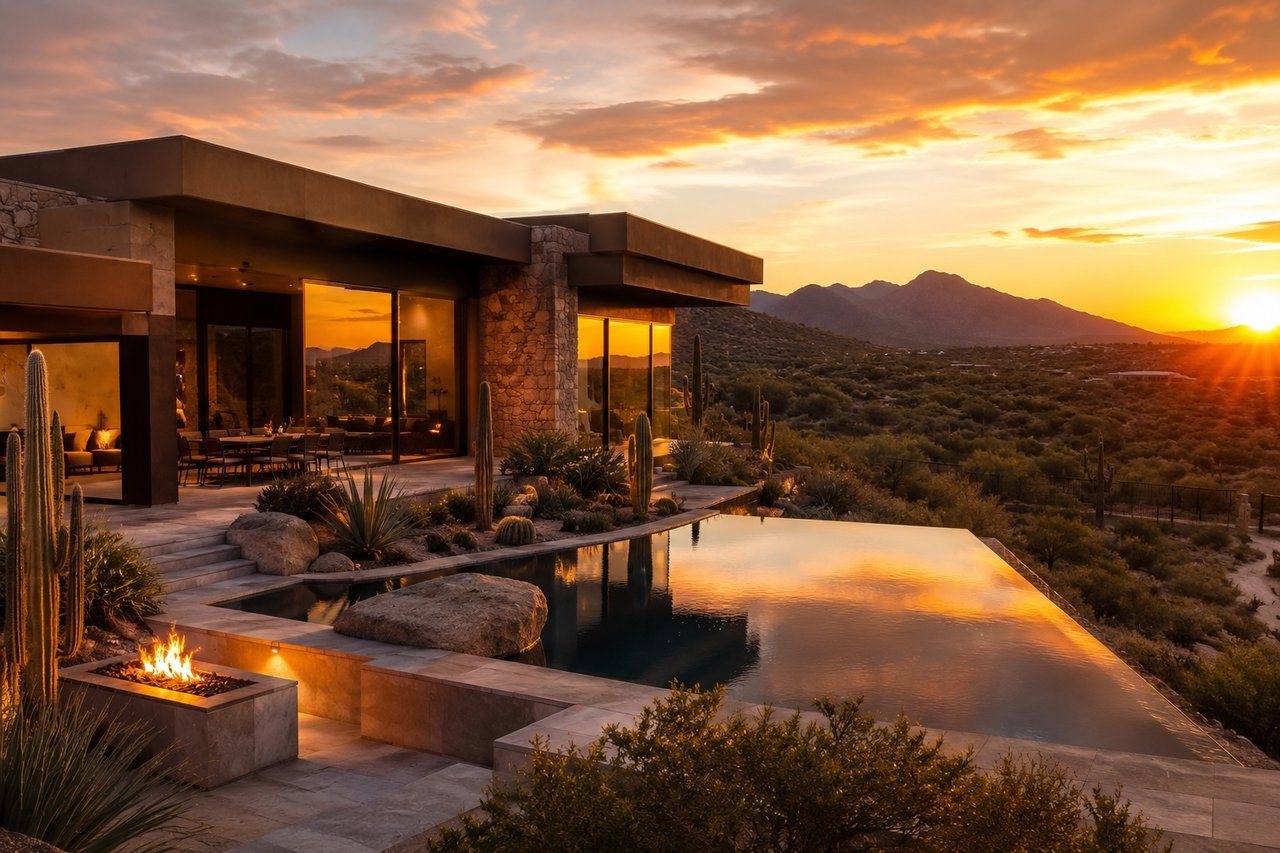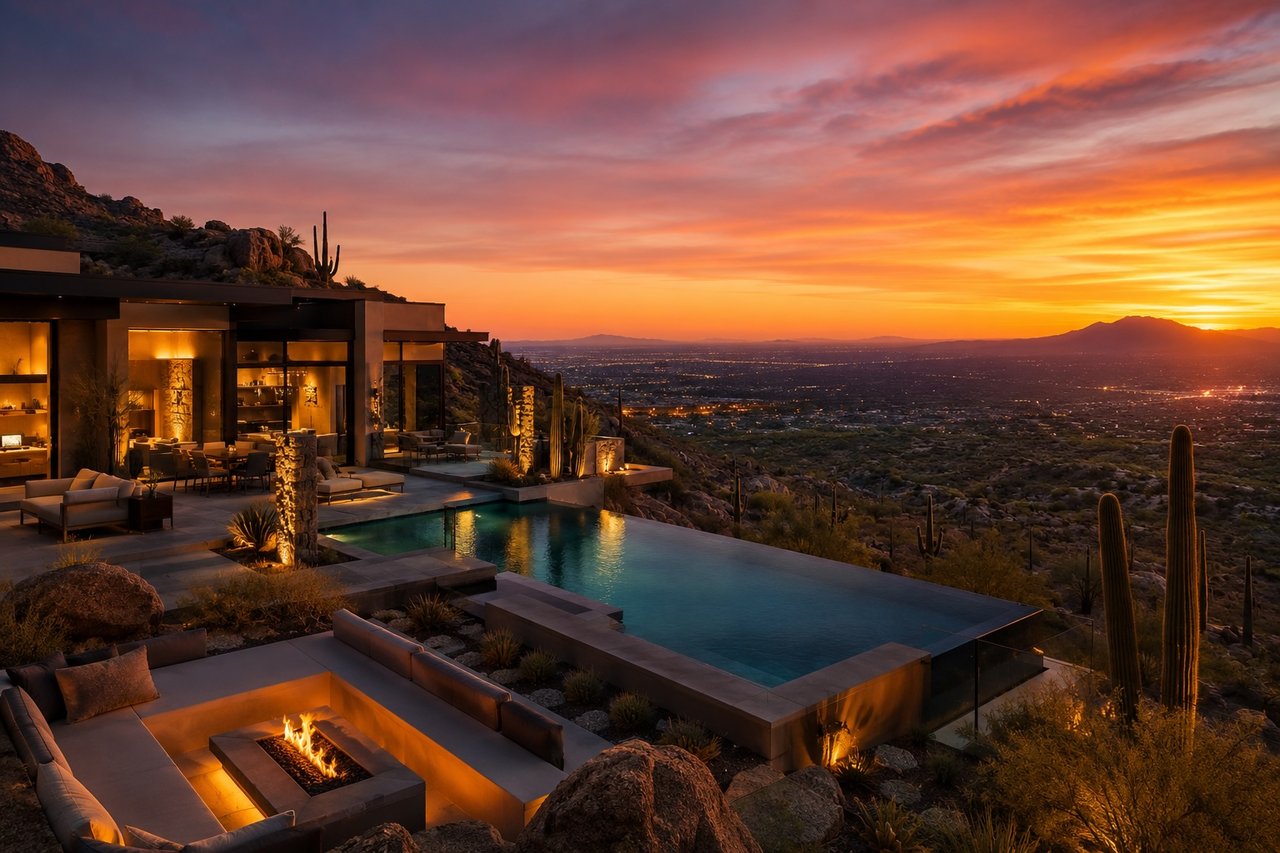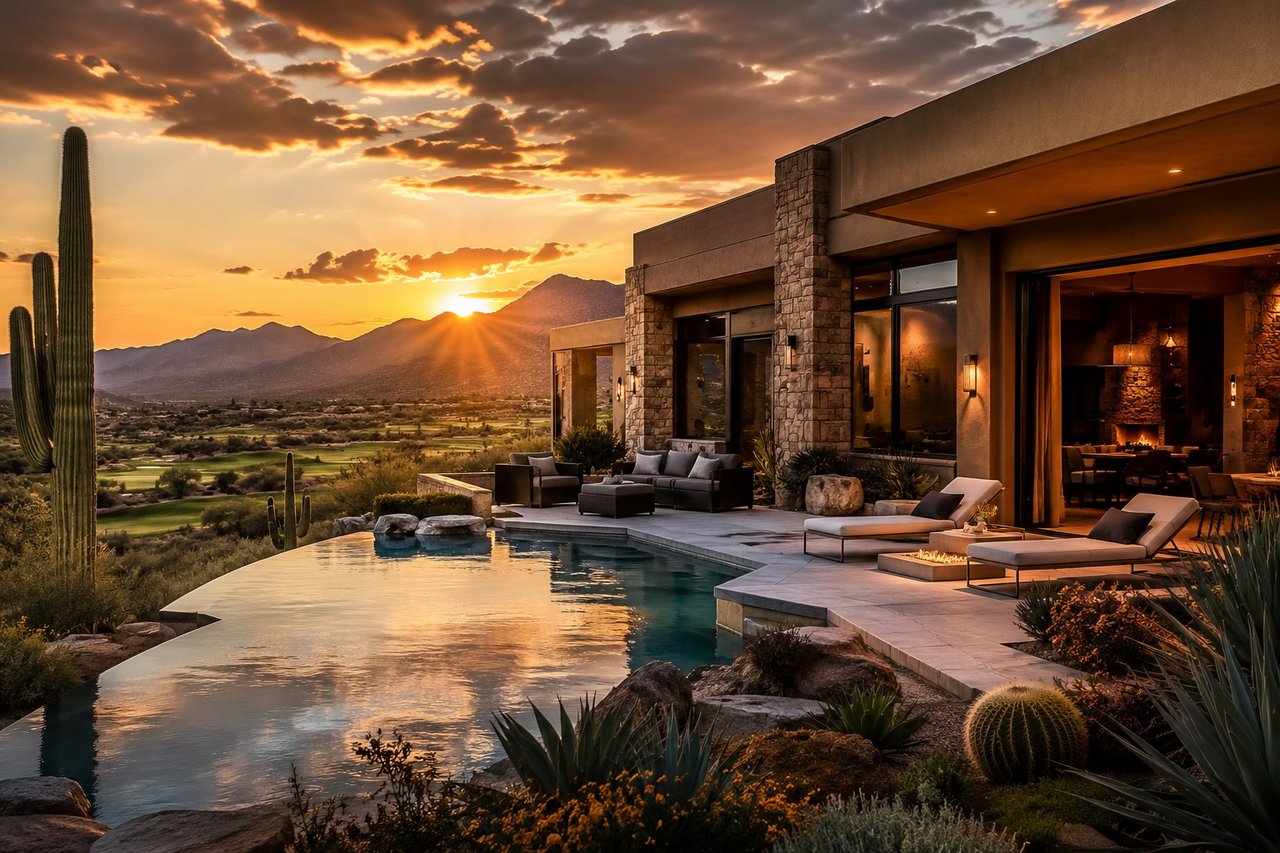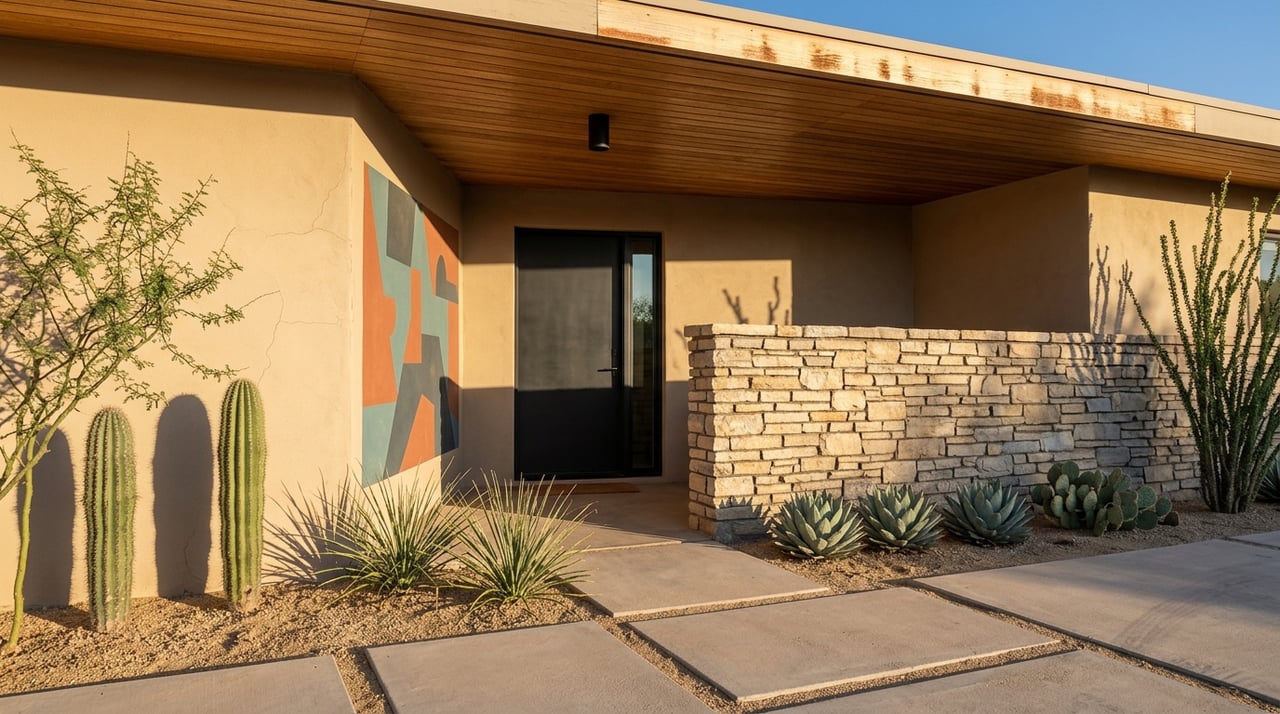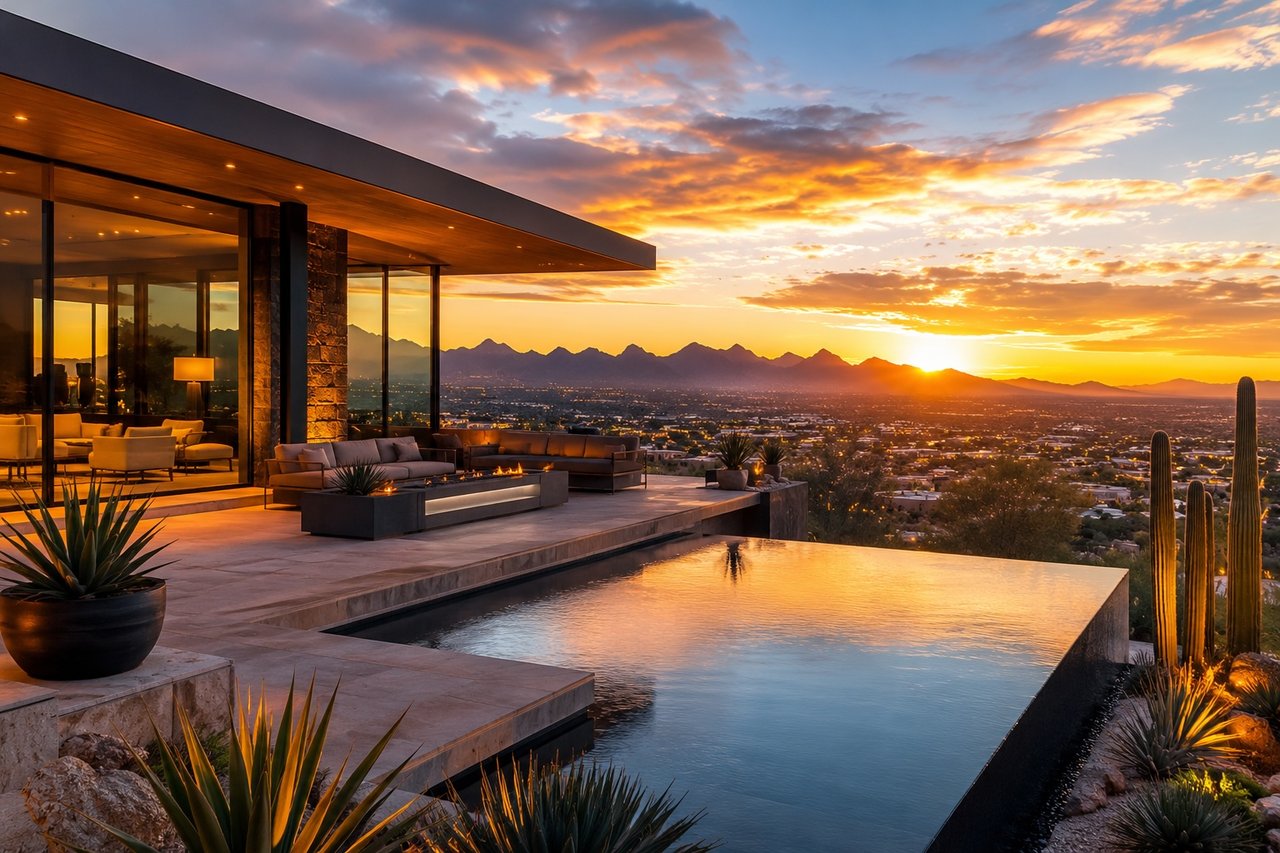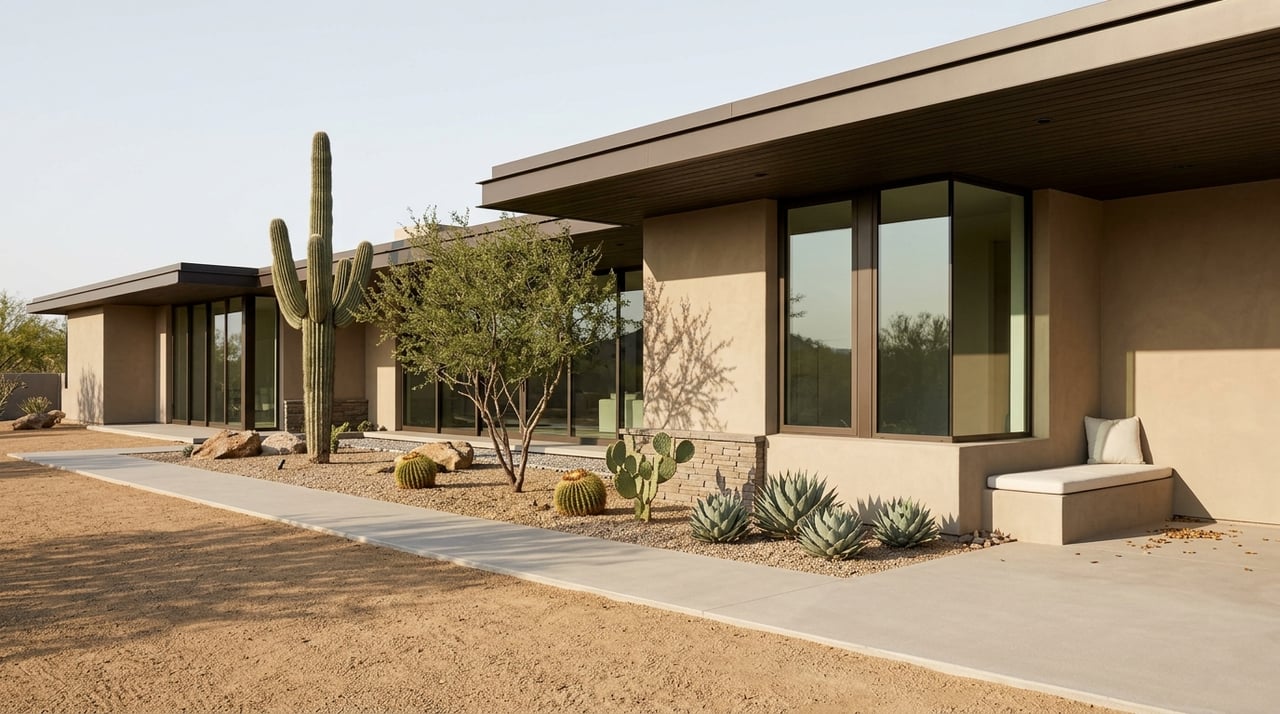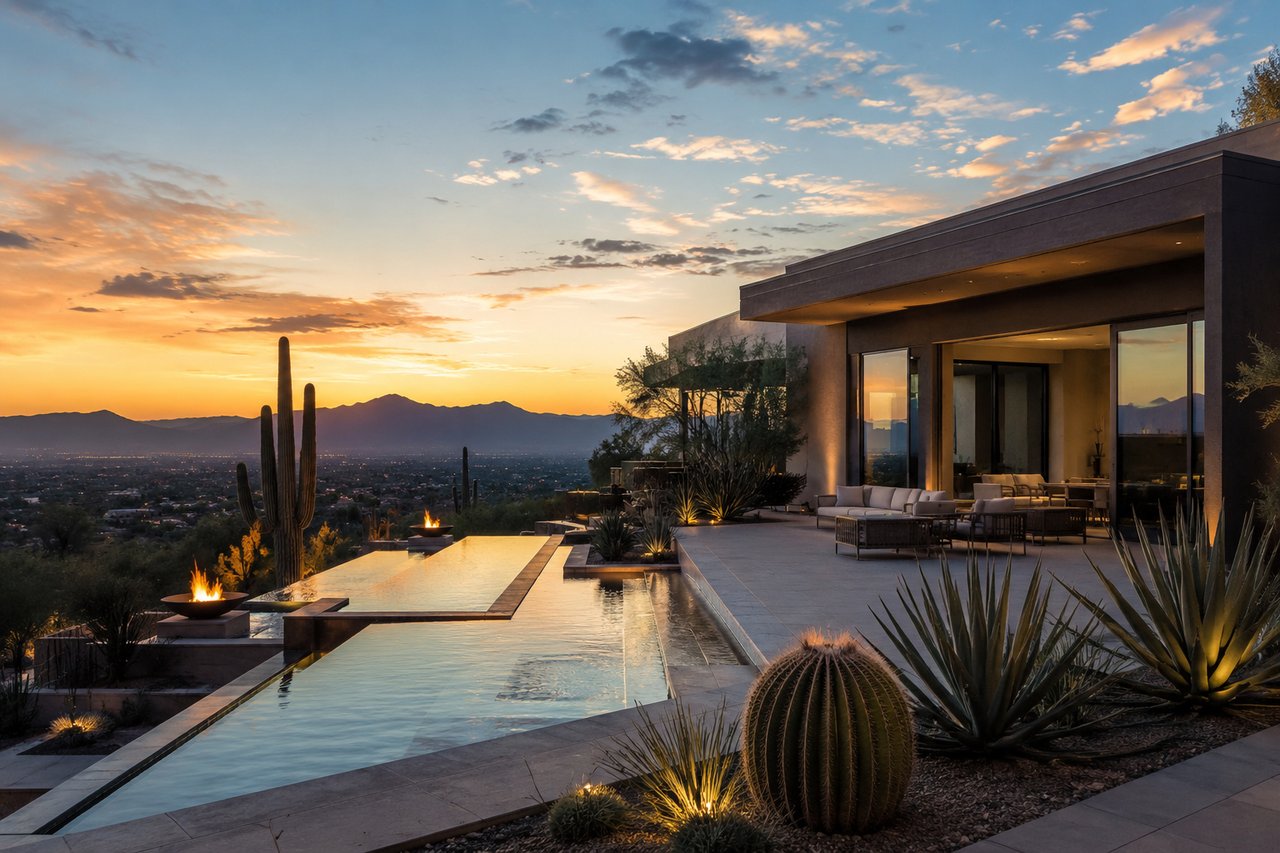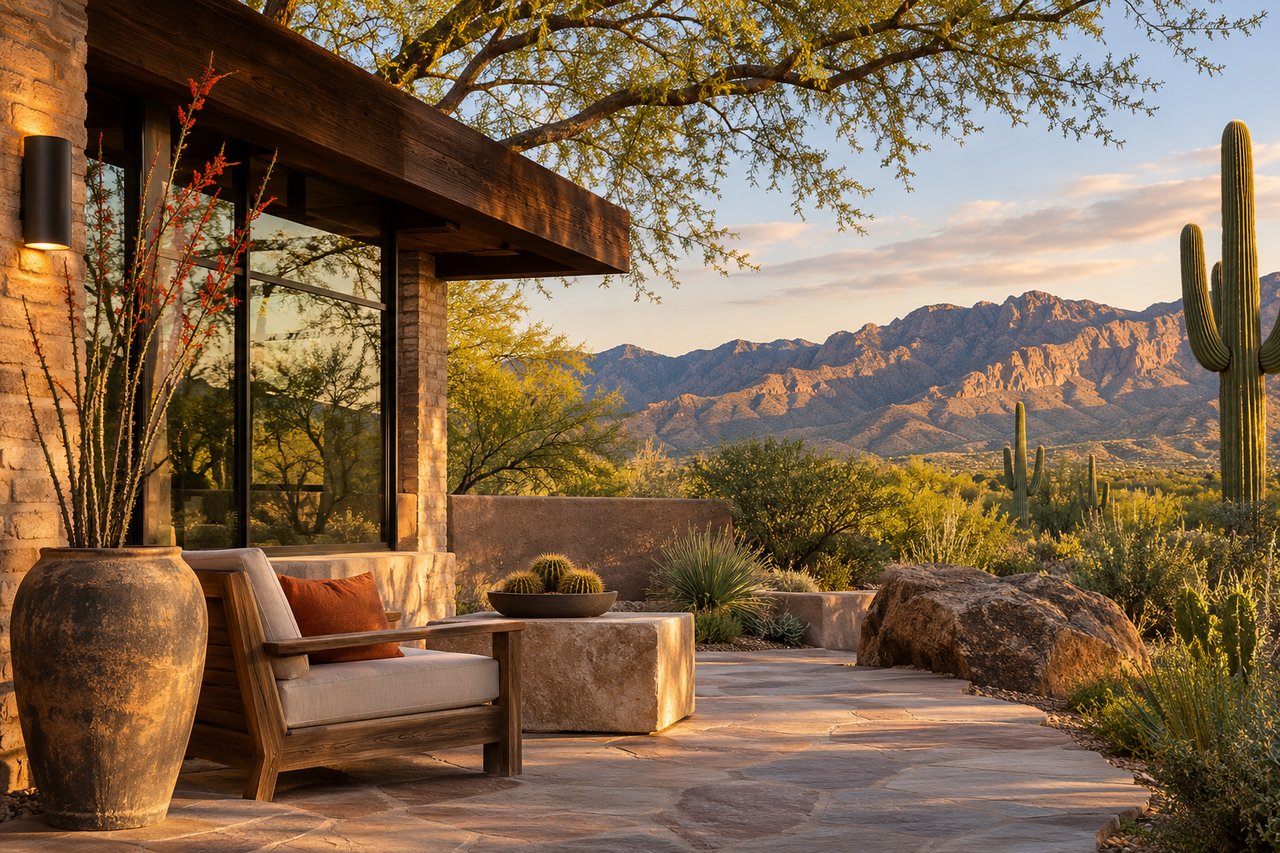
A Tucson mountain view can influence everything about a home: where the living room faces, how a terrace is used, even which chair becomes your favorite. But there is an important distinction between having a view today and having a legally protected right to preserve it. They are not automatically the same thing.
That distinction became especially relevant on August 28, 2026, when the Arizona Court of Appeals issued a decision involving a homeowner's anticipated loss of mountain views. The case arose in Mesa, not Tucson, but its reasoning is worth understanding before buying a view-oriented home in the Catalina Foothills, Oro Valley, Marana or elsewhere in Southern Arizona.
As you compare Tucson-area homes from $1 million to $1.5 million or homes from $2 million to $3 million, the first question is not simply which view is most dramatic. It is what can actually be documented about the land in front of it.
What Arizona’s 2026 court decision actually said
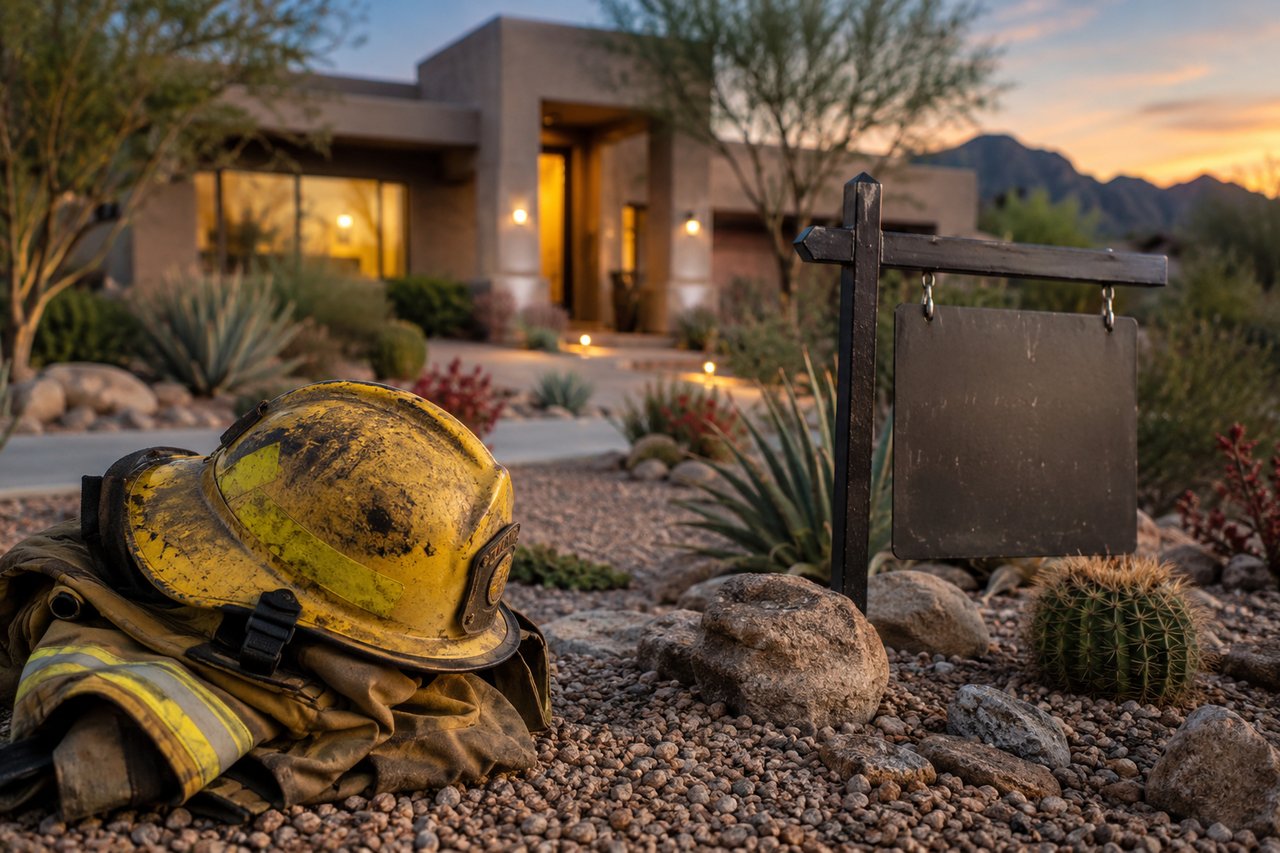
In Pavlak v. Funk Family Enterprises LLC, No. 1 CA-CV 25-0891, neighboring owners challenged plans for a house on a vacant lot in Mesa. They alleged that they had purchased and improved their property based partly on the adjacent lot's original building envelope. The neighboring owner later received HOA and city approval to move that building envelope uphill.
The homeowners alleged that the proposed home would impair their view and privacy, affect their property's value and potentially alter runoff. The Court of Appeals upheld dismissal of their common-law private-nuisance claim. On the view question, the court did not recognize an automatic right to an unobstructed scenic view across a neighbor's property merely because the view existed when the owners purchased.
Two limits to that conclusion matter. First, the decision addressed a particular common-law nuisance claim; it did not declare that recorded easements, enforceable covenants or applicable land-use laws have no effect. The court expressly discussed the difference between ordinary view loss and a view protected by statute or easement. Second, the court did not hold that harmful runoff can never be actionable; it found the allegations about possible future runoff too speculative on the facts pleaded.
As of November 4, 2026, a petition for Arizona Supreme Court review remains pending.
For a homebuyer, the lesson is practical rather than alarmist: if a particular view is central to your decision, ask which documents and rules protect it, if any. A reassuring verbal description is not a substitute for that answer.
A view corridor on a city plan is not automatically your private view
Even the phrase “view corridor” can create confusion. The City of Tucson's Scenic Corridor Zone rules include design and siting provisions for qualifying sites along designated scenic routes. Certain properties with at least 200 feet of scenic-route frontage must provide view corridors under that section.
Those public development standards serve a planning purpose. They should not be casually presented as a recorded private guarantee that the Catalina Mountains will remain visible from your bedroom window. Whether any particular parcel is subject to a scenic-route rule—and what it requires—needs its own jurisdiction and property-specific review.
In Tucson, the word “view” can refer to several different things: the open desert that presently lies beyond a patio, an elevation difference that makes an outlook possible, a restriction on construction within a subdivision, or a formally recorded right. Each has a different evidentiary basis. A beautiful setting is immediately visible; a legal restriction must be found and understood.
Start with the land in front of the house
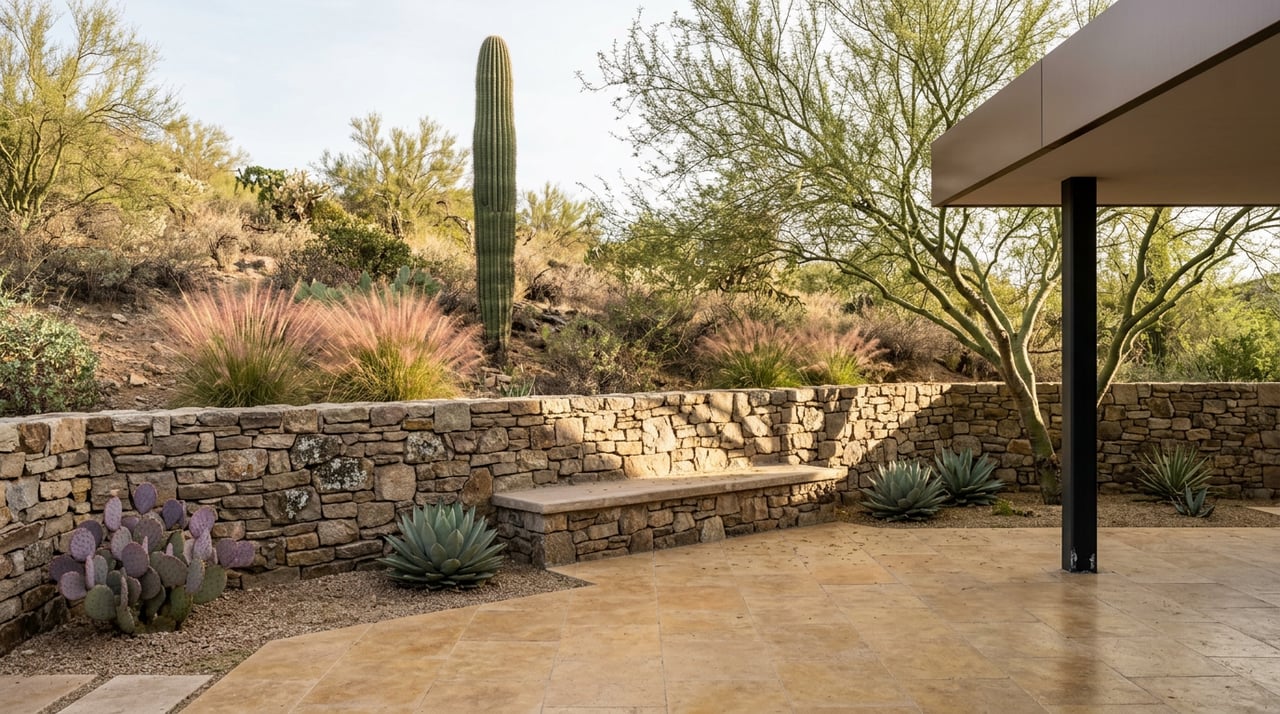
A vacant parcel deserves attention precisely because it can look so settled. Saguaros, rock formations and an uninterrupted line to the Catalinas may suggest permanence. The relevant questions are more specific: Who owns the adjoining parcel? Is it a separate legal lot? What zoning applies? Where is its present building envelope, and can that envelope be changed through an association or government process? Are there recorded limits on height, setbacks, grading or use?
Use the Pima County GIS map resources to begin identifying parcels, boundaries and applicable jurisdictions. Review the recorded subdivision plat, deed restrictions, easements and related instruments through the Pima County Recorder's public records portal. These are research starting points, not replacements for a current survey, title review or professional interpretation of a particular document.
If there is an HOA or architectural-review committee, request the current governing documents and amendment procedures. The Mesa dispute is a reminder that a shown building envelope may have an approved modification process. “It has always been there” and “the documents prohibit a change” are very different statements.
Know which government actually reviews the property
Tucson-area addresses do not all fall under the same land-use authority. A house inside City of Tucson limits is reviewed under the City's Unified Development Code. The City's Property Research Online and MapTucson tools can help locate zoning, parcel information and development activity for properties in its jurisdiction.
Properties in unincorporated Pima County may involve Pima County Development Services. Oro Valley and Marana have their own municipal review systems. Do not use a Tucson city code provision to make a conclusion about a Marana parcel or assume that two neighboring properties necessarily have identical restrictions.
Once the right jurisdiction is established, examine available permits and development records for the subject property and the parcel that might affect the view. Ask what is approved, what is proposed, what might be permitted under current rules and what remains uncertain. A digital map layer can narrow the questions; it cannot predict every future application or eliminate the need for competent review.
The best photograph may not show the view that matters most
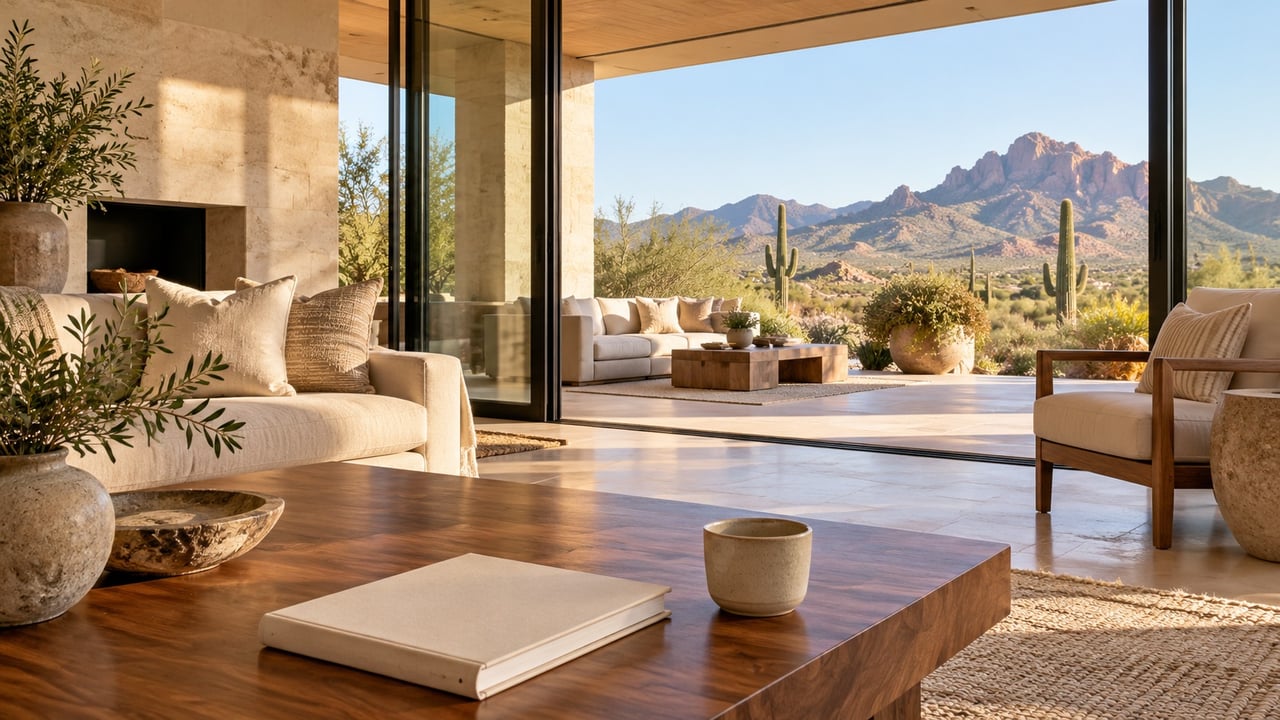
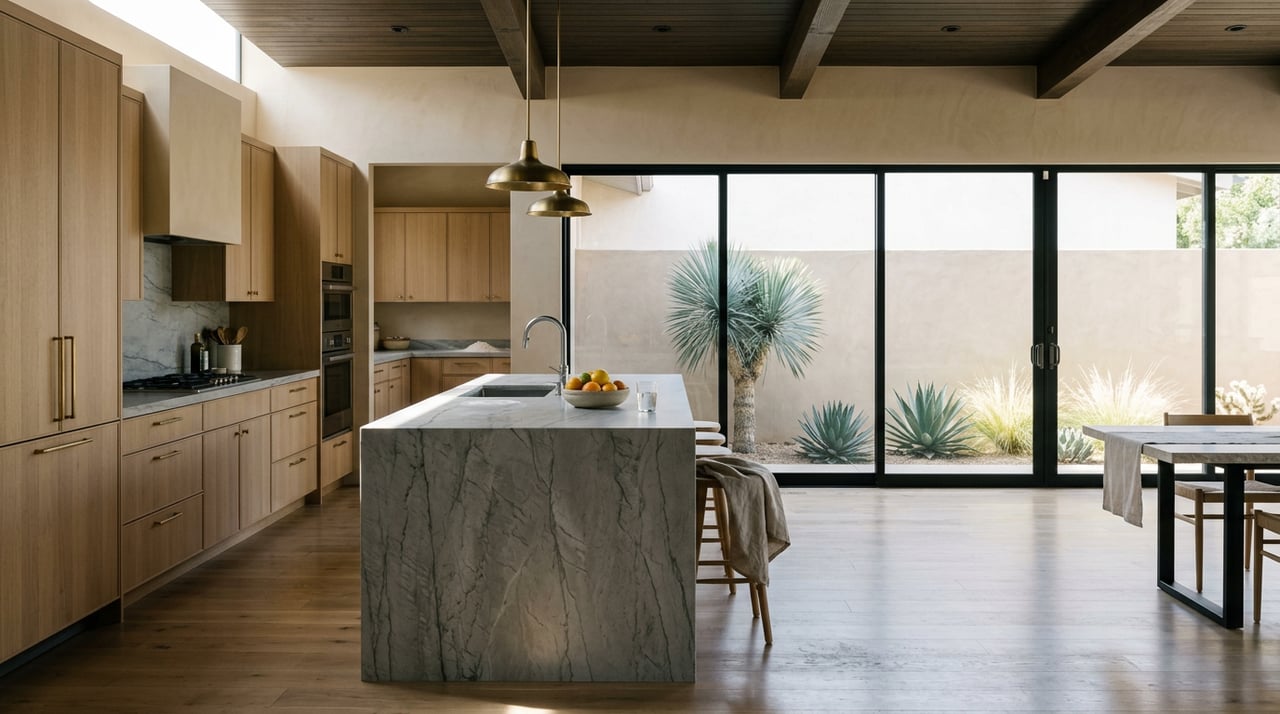
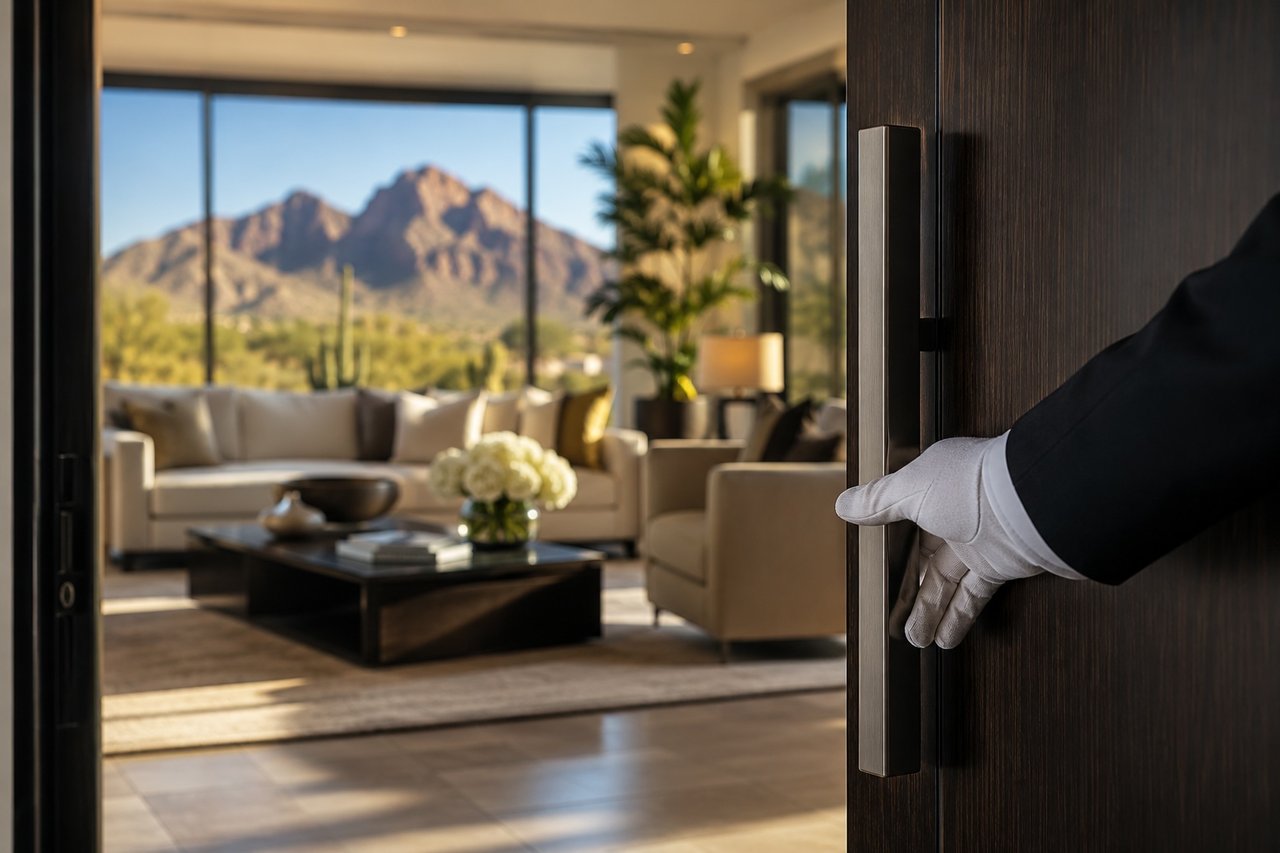
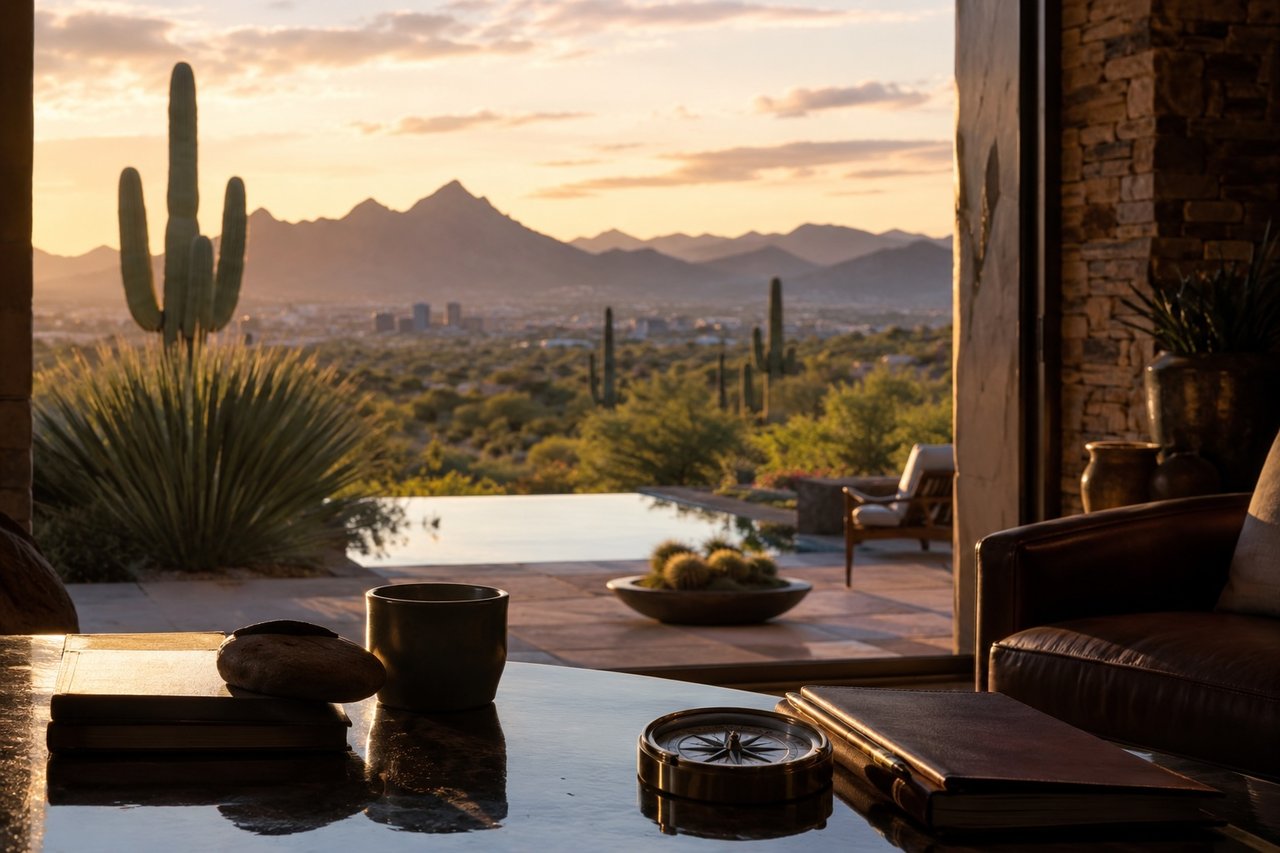
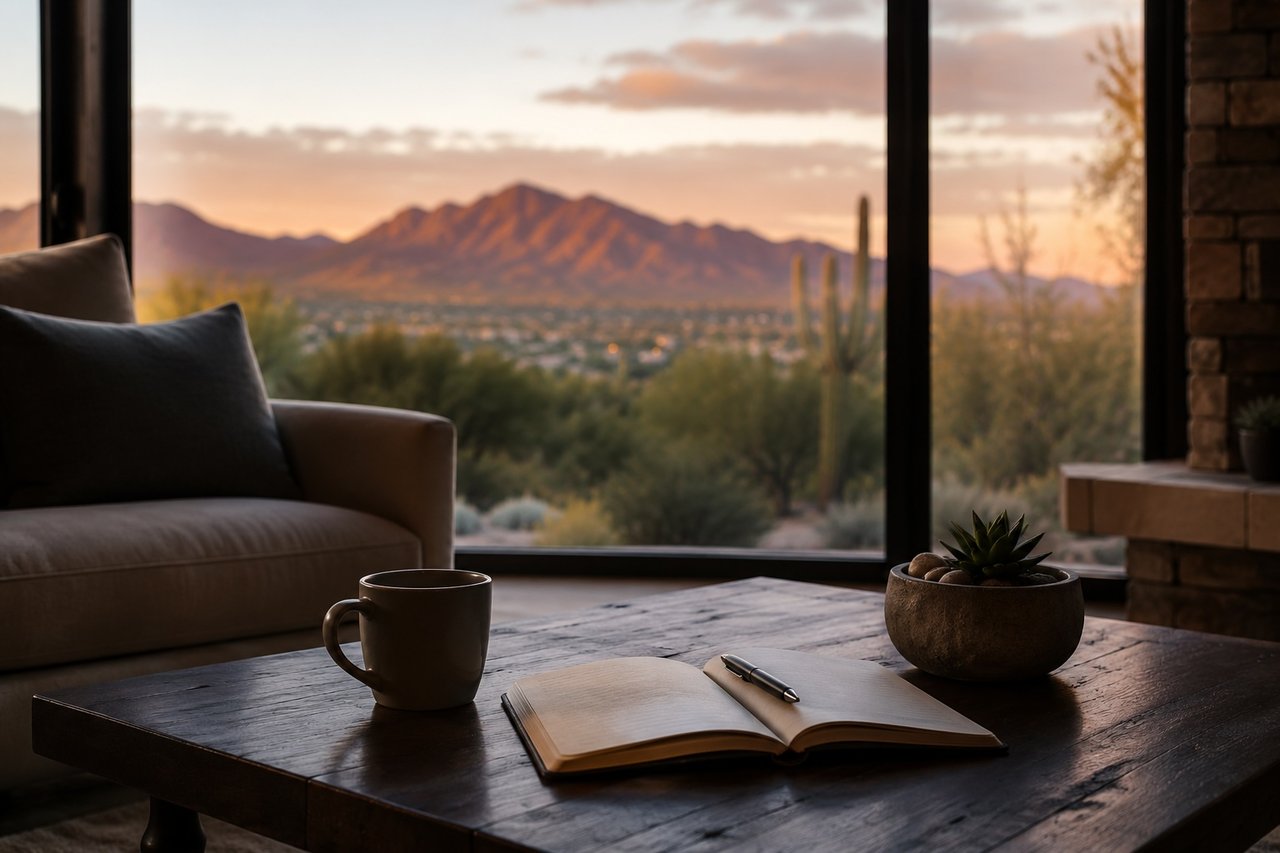
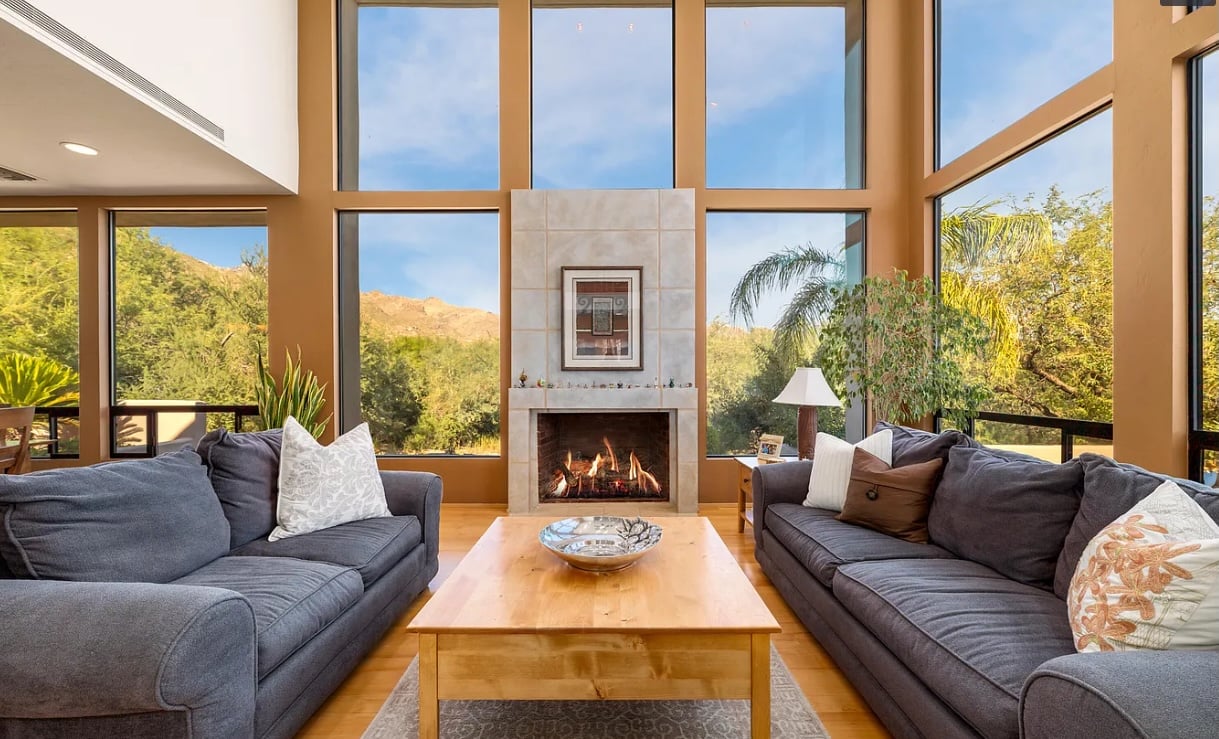
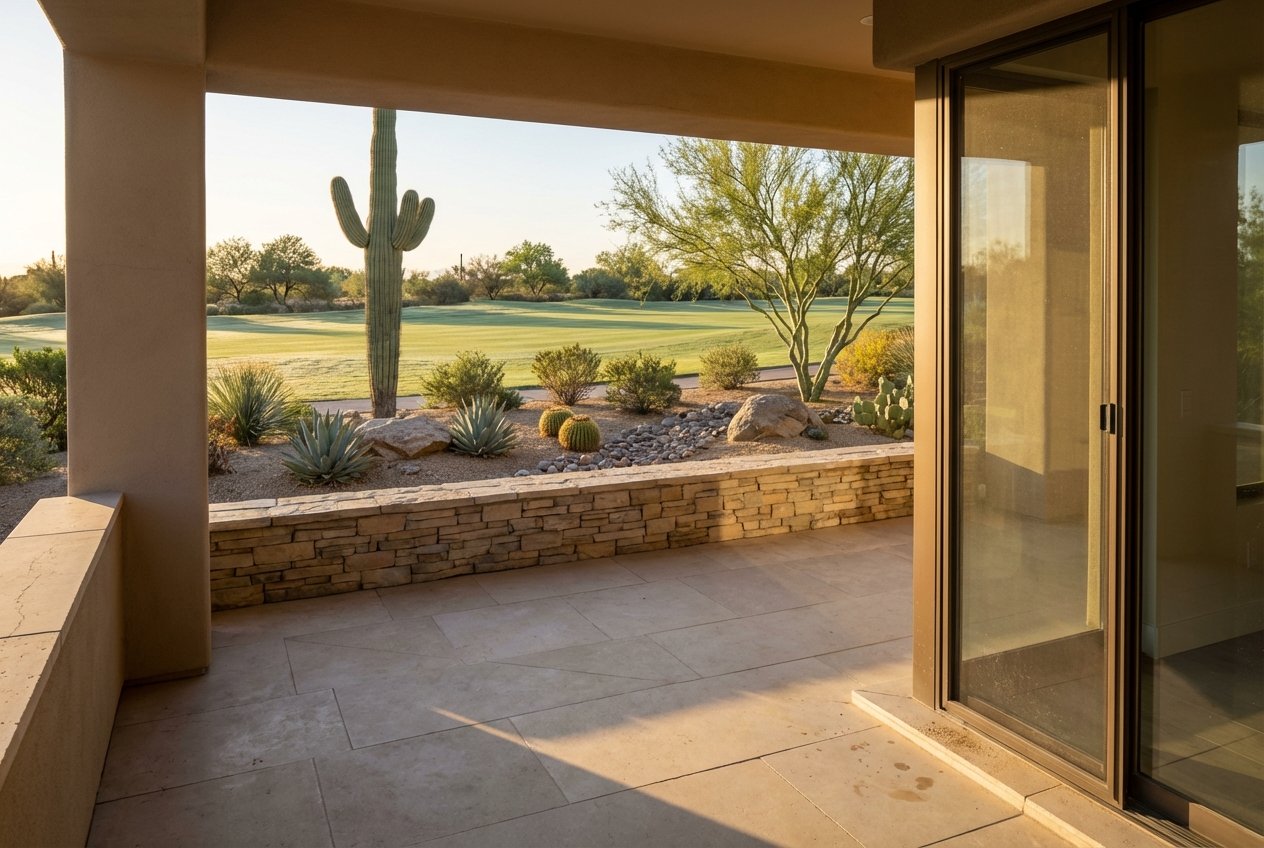
Now return to the house itself. An expansive photograph taken from the edge of a terrace can make a distant ridge feel omnipresent. But the buyer who expects to enjoy that ridge while making coffee needs to stand at the kitchen counter. A collector should notice whether direct light or reflective glass complicates art placement. Someone who works from home should test the office at the hour it will be used.
On a sloping site, look from a seated position as well as standing. Study the route between the interior rooms and the shaded outdoor space. Check how a neighbor's roofline, a retaining wall or a higher building pad might relate to those sightlines. This is not an engineering assessment; it is a better way to define what you value before asking specialists to evaluate it.
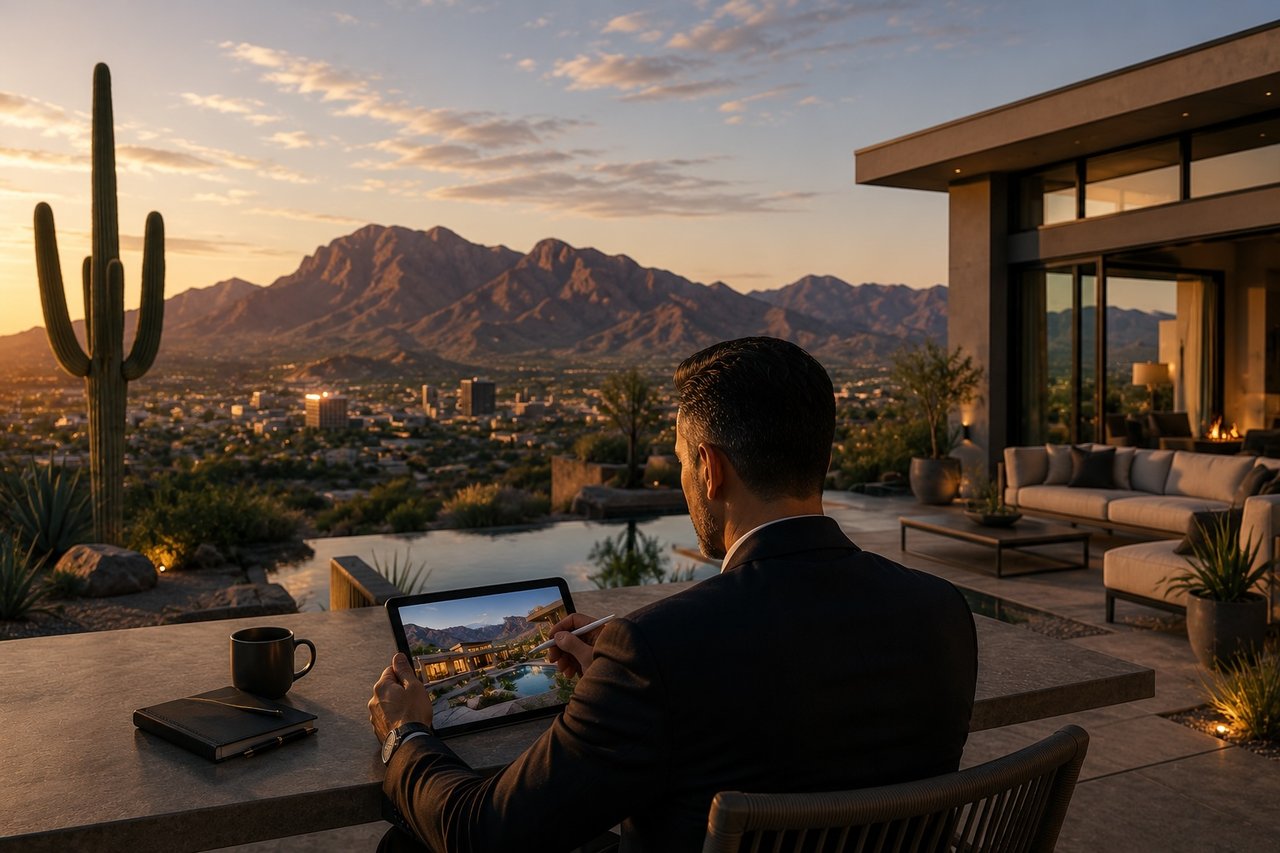
For another practical visit, read my guide to what a Tucson home reveals at a different time of day. The perspective gained at sunset may differ from what a midday showing suggests, especially where shade, visibility and outdoor living drive the decision.
A mountain-facing lot also has a drainage story
View-oriented properties often invite attention upward—to the mountains and sky. The ground deserves equal attention. Tucson's desert washes, changing grades and monsoon runoff paths can influence retaining improvements, access and outdoor areas. Do not draw a drainage conclusion simply because a wash appears dry during a showing.
There is also a technical reason not to stop at one online flood-map result. Pima County Regional Flood Control explains that FEMA digital flood maps do not show every locally mapped flood or erosion hazard. Some subdivision plats contain their own flood or erosion information, and areas not presently mapped can still have exposure. The district's flood-status service applies to unincorporated Pima County; incorporated jurisdictions should be checked with their own flood authorities.
Where a site raises questions, review the applicable maps, plat notes and property-specific records, then obtain appropriate professional advice. The court decision did not erase legitimate drainage concerns. It illustrates why an unverified prediction about a future project and a documented existing condition are not the same thing.
What I would want resolved before a decision
The strongest view-home comparison keeps three categories separate. Observed today: the sightlines from primary rooms, patio shade, privacy and neighboring improvements. Documented: parcel boundaries, recorded restrictions, existing approvals and applicable land-use controls. Still requiring verification: a possible adjacent development, an amendable building envelope, grading questions or a claimed protected view.
That separation protects the quality of the decision. A gorgeous house can be the right purchase without a permanent guarantee of its current outlook. But the buyer should know which expectation is supported by a document, which rests on existing conditions and which is an assumption.
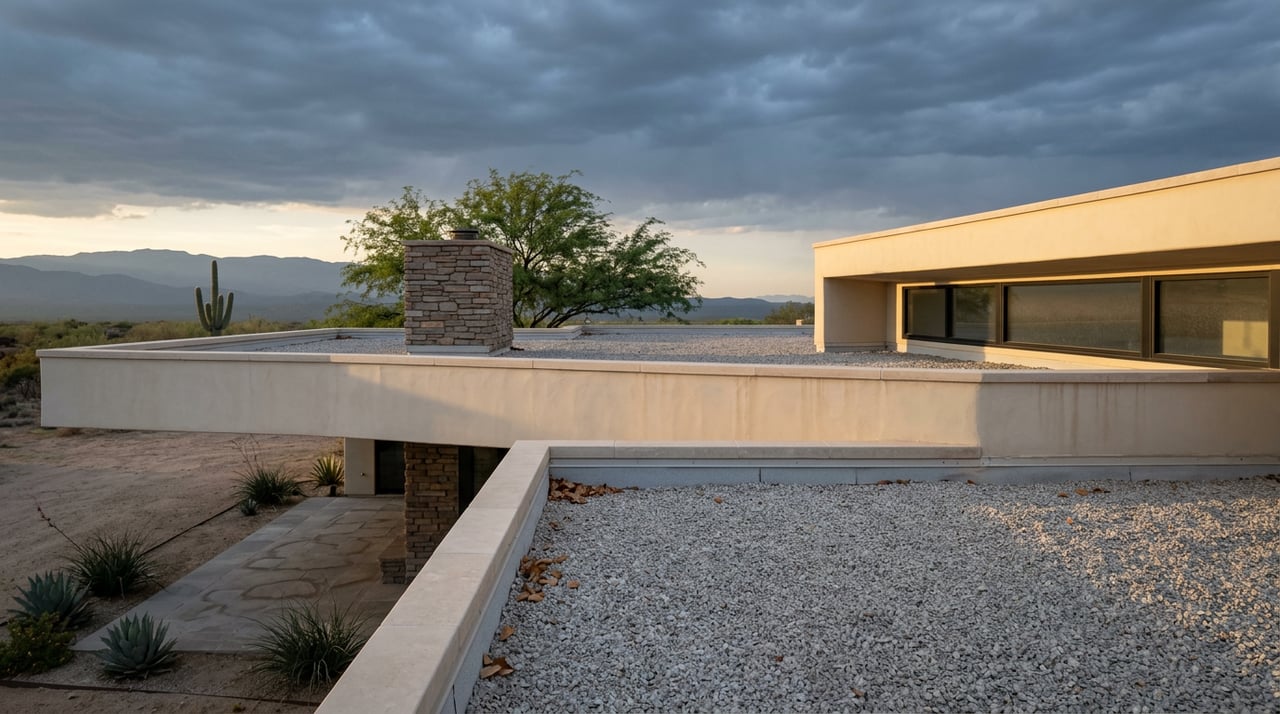
For sellers, the same discipline creates more credible marketing. Show the mountain relationship beautifully, but describe what the property actually offers. If a protected view or conservation restriction is material to the presentation, make the relevant recorded documentation available for review rather than relying on the adjective “protected.” Architectural imagery is strongest when the written claims can withstand scrutiny.
Explore the Tucson-area homes, then investigate the site
Begin with the purchase range that fits your plans. Explore Tucson-area homes across these six purchase ranges:
- Tucson-area homes from $800,000 to $1 million
- Tucson-area homes from $1 million to $1.5 million
- Tucson-area homes from $1.5 million to $2 million
- Tucson-area homes from $2 million to $3 million
- Tucson-area homes from $3 million to $4 million
- Tucson-area homes at $4 million and above
If a particular property earns its place on your shortlist, I can help organize the site questions and coordinate appropriate document and professional review. That is where Tucson expertise and well-connected guidance meet: not in promising that every view will last, but in giving a distinctive home the careful attention it deserves.
Daniel Sotelo
Russ Lyon Sotheby’s International Realty
520.727.9000
Tucson expertise. Well-connected guidance.