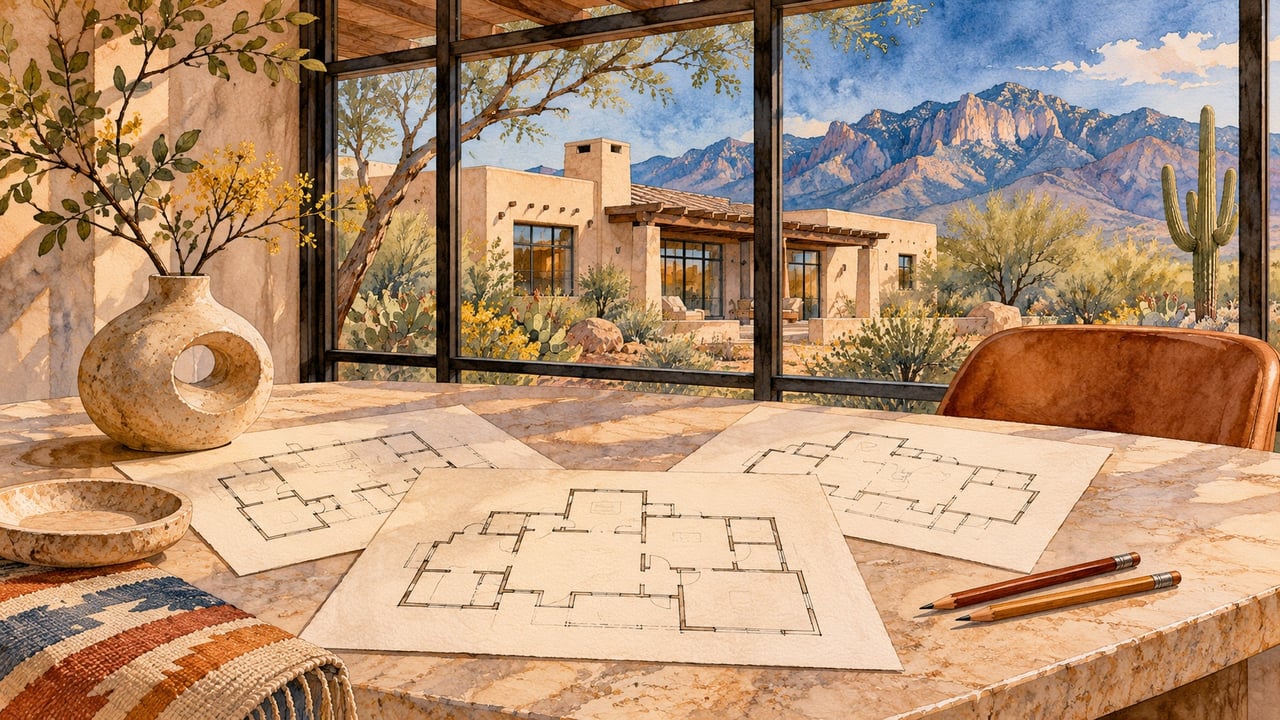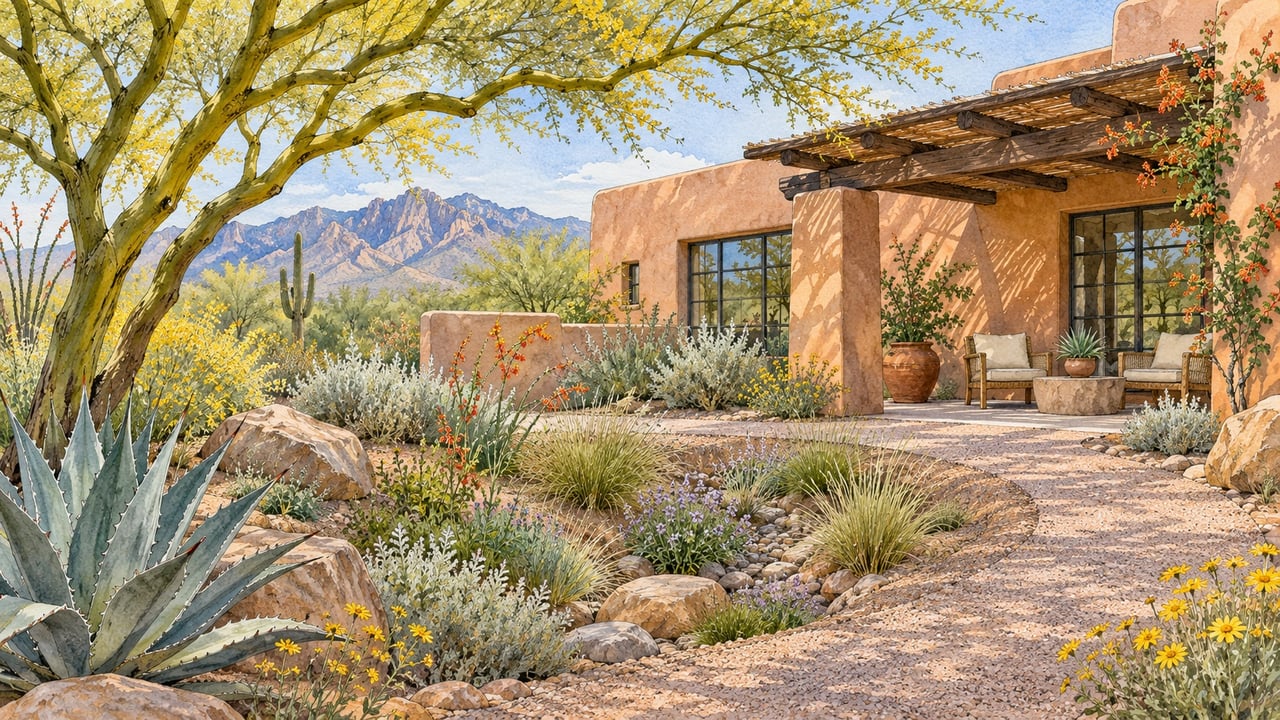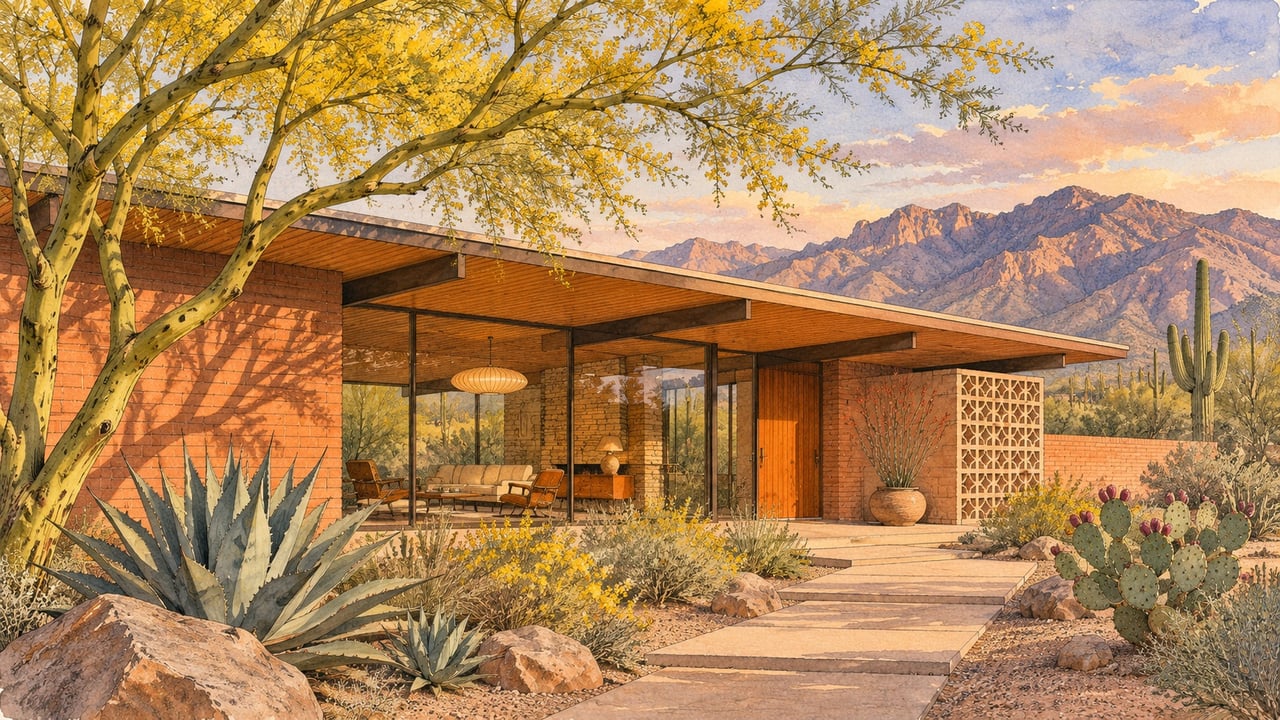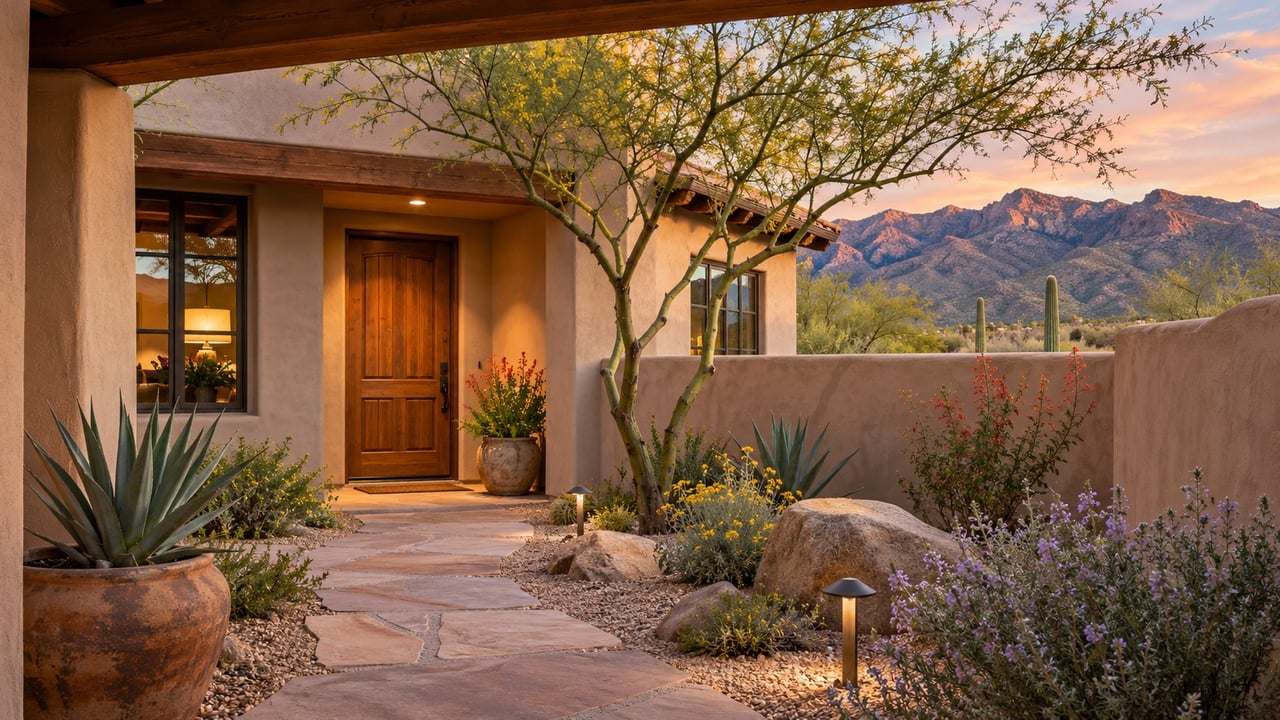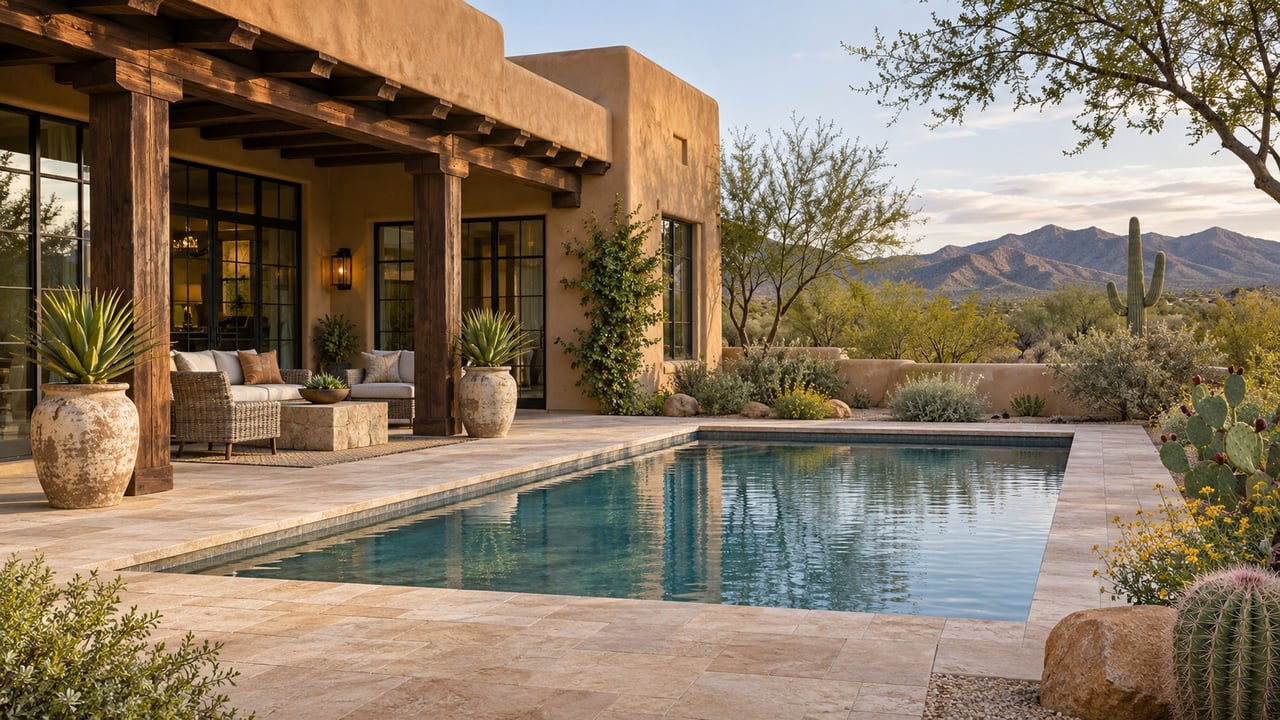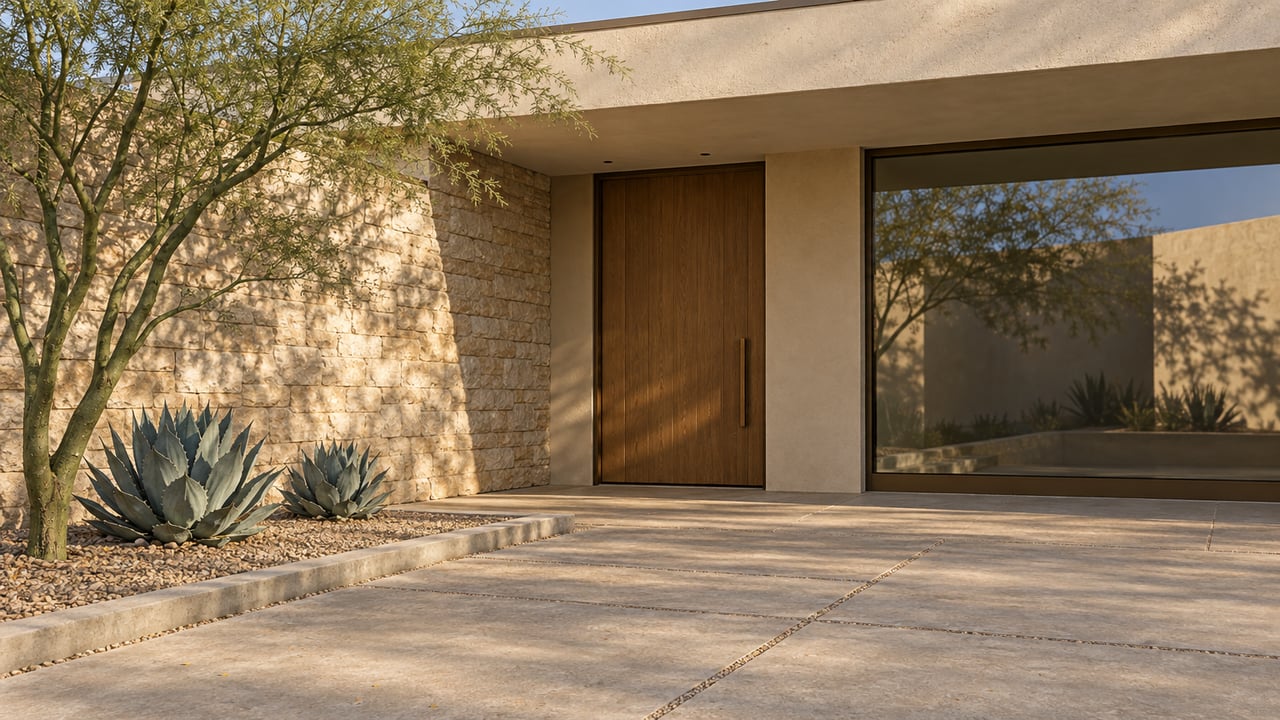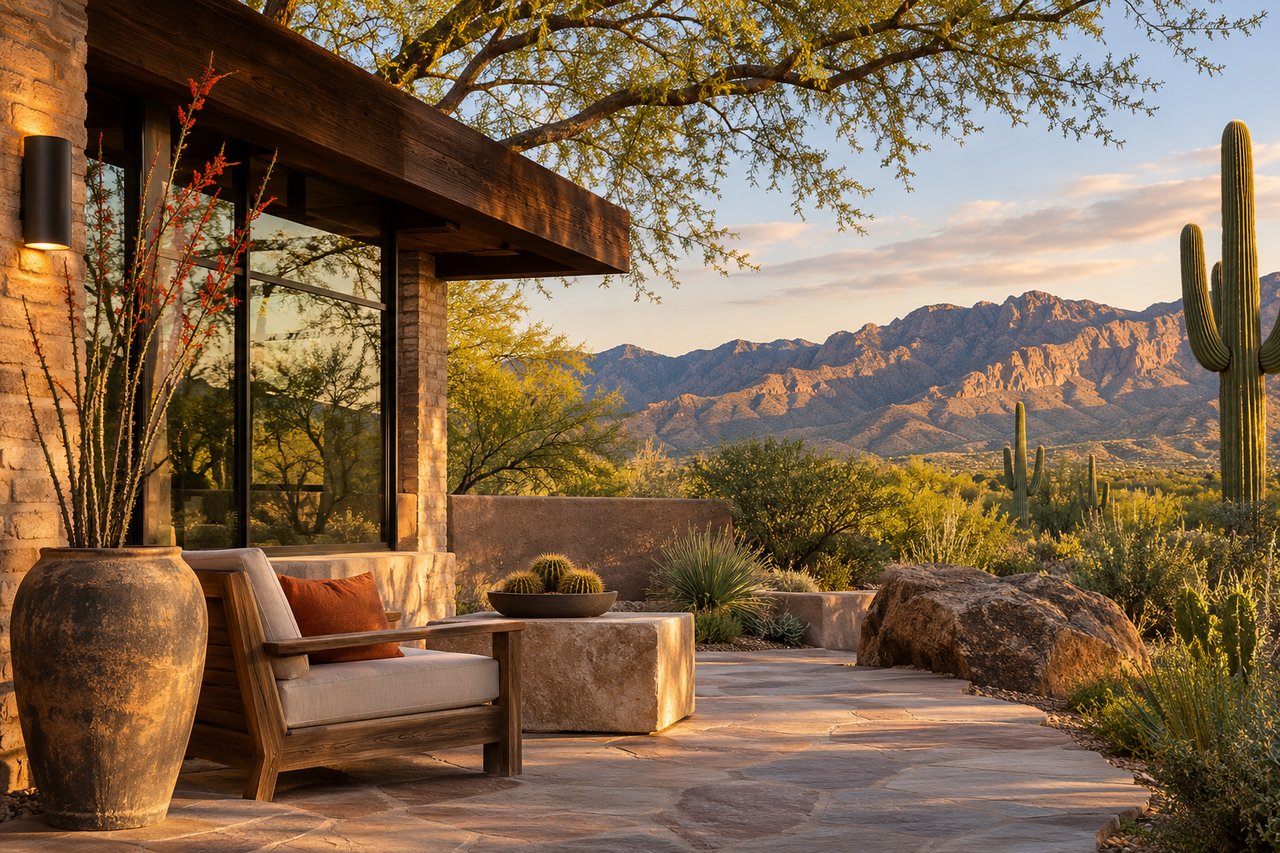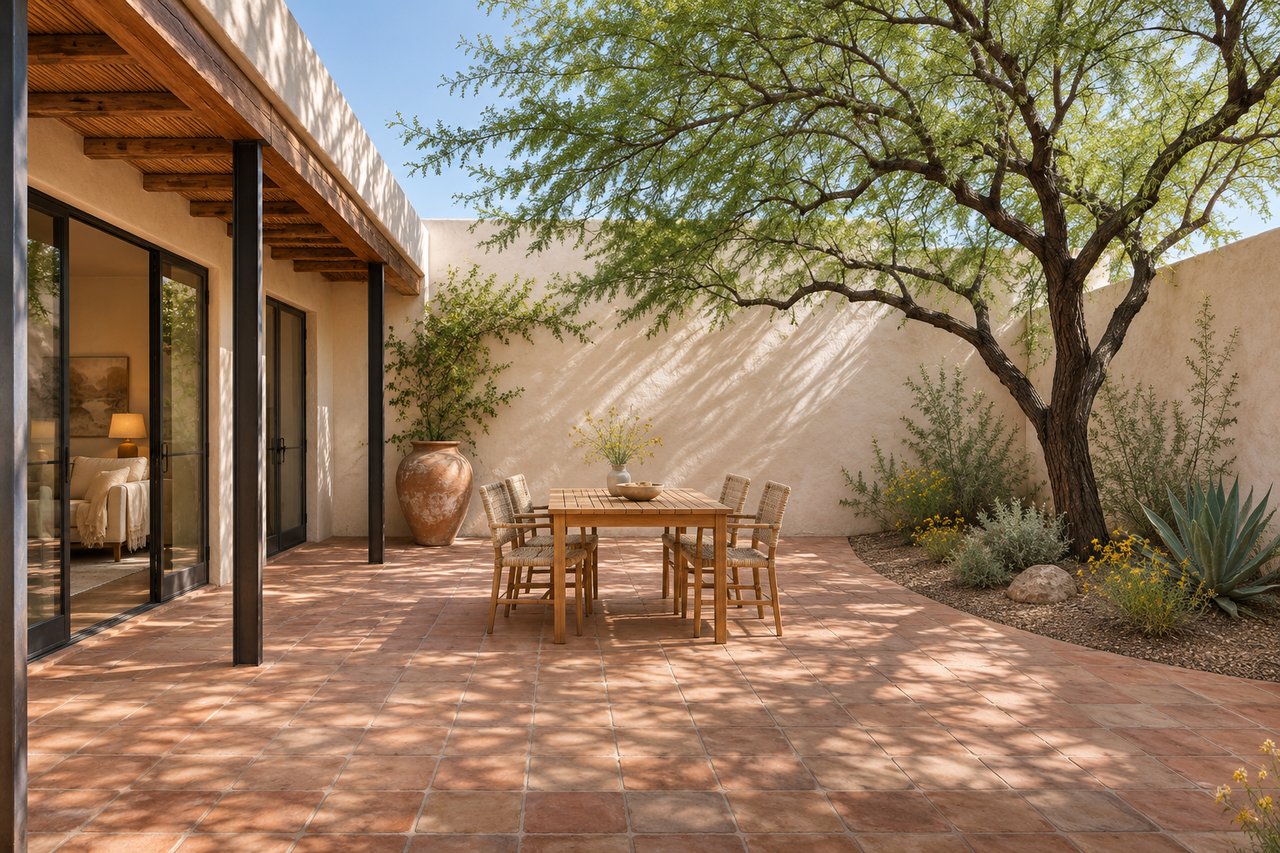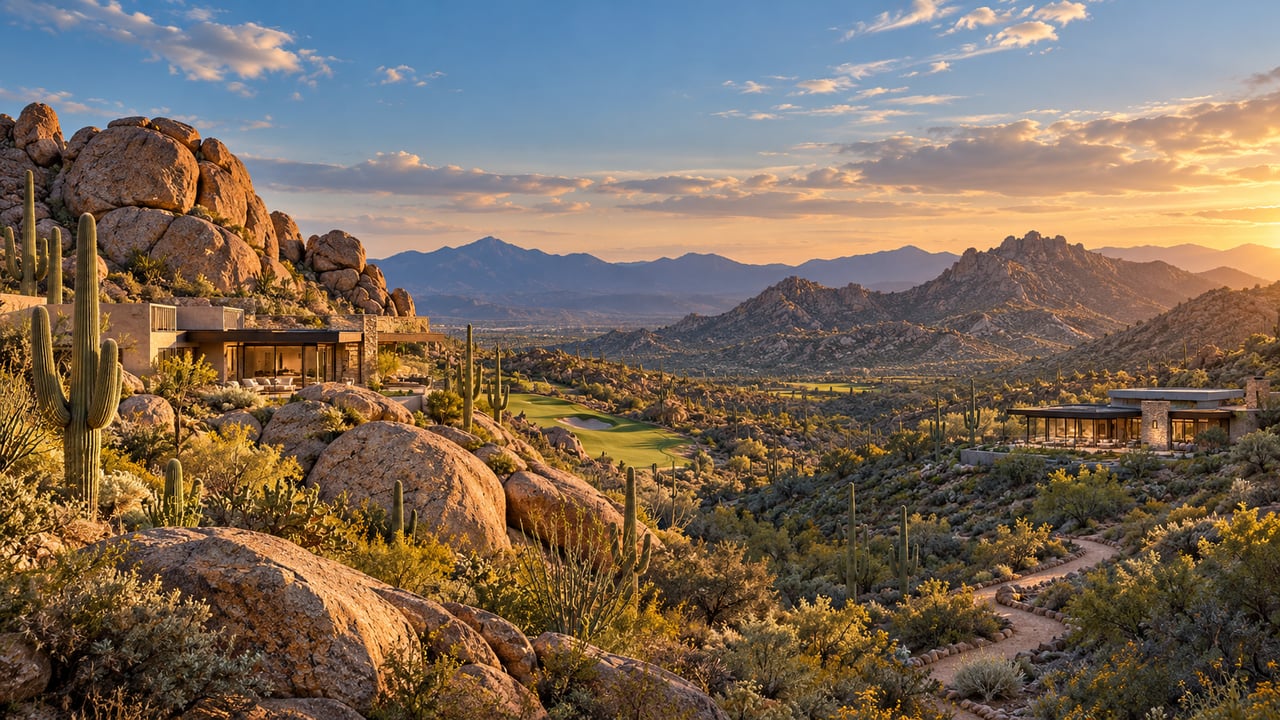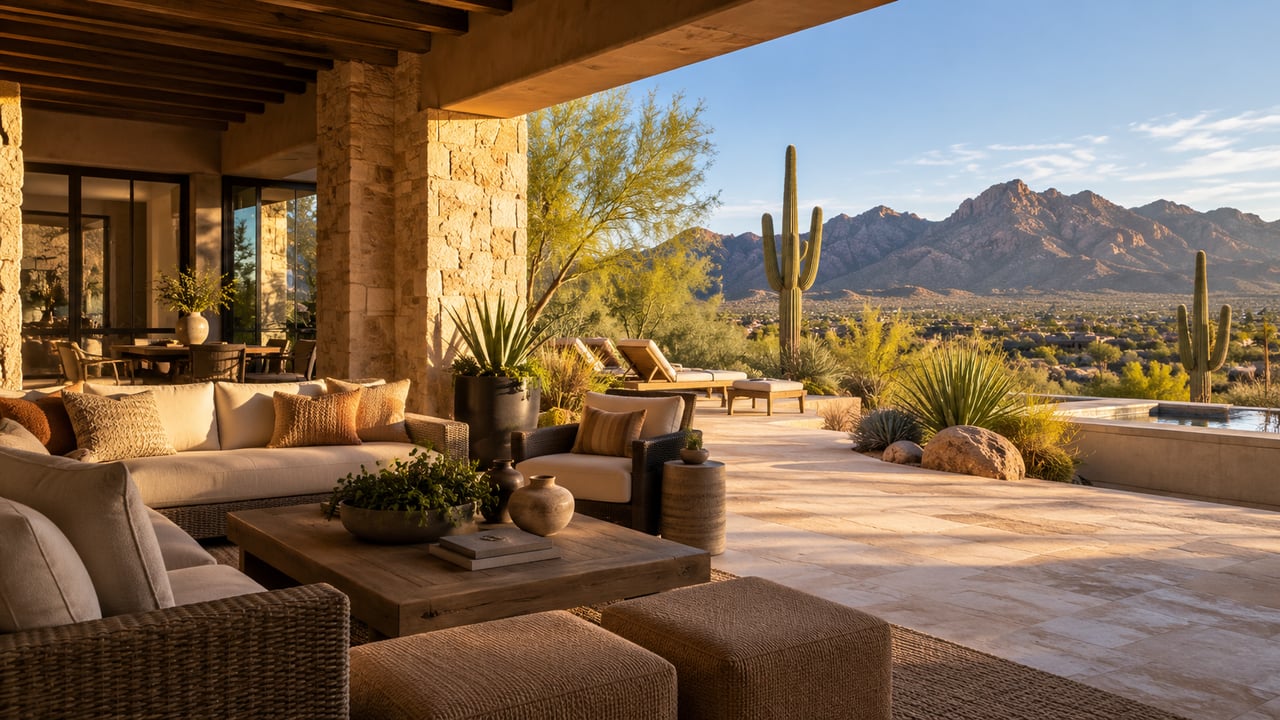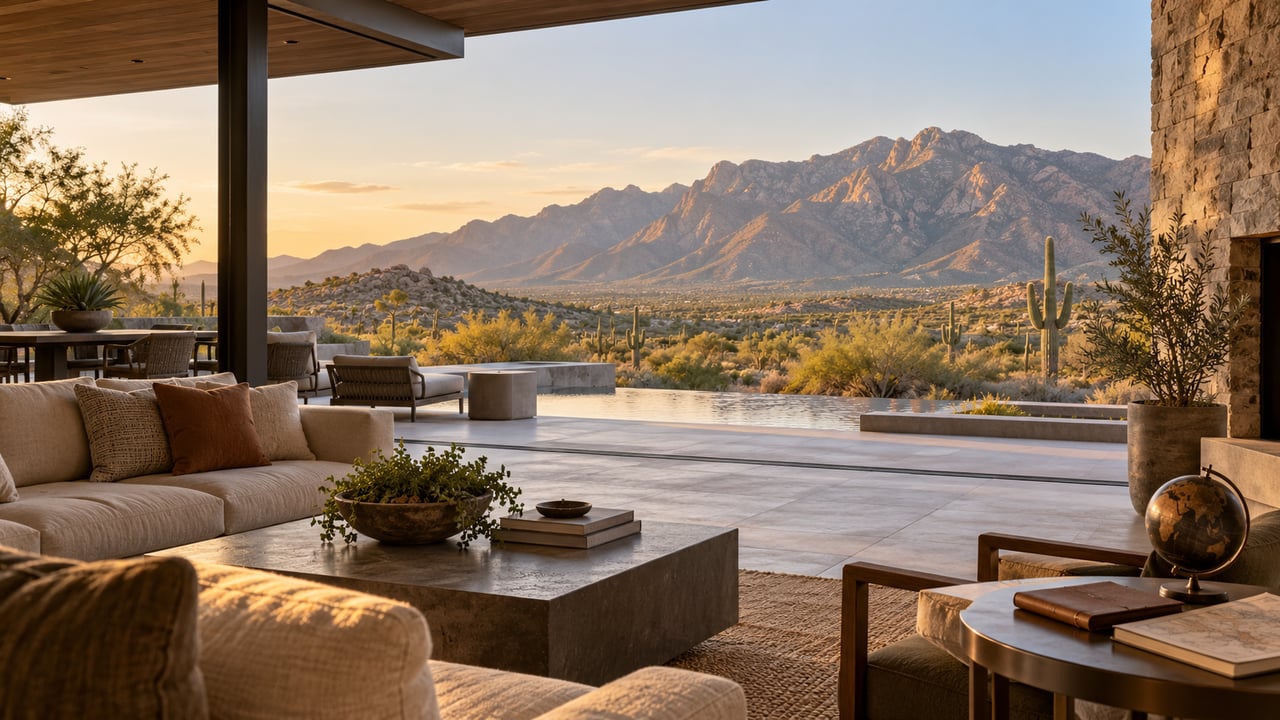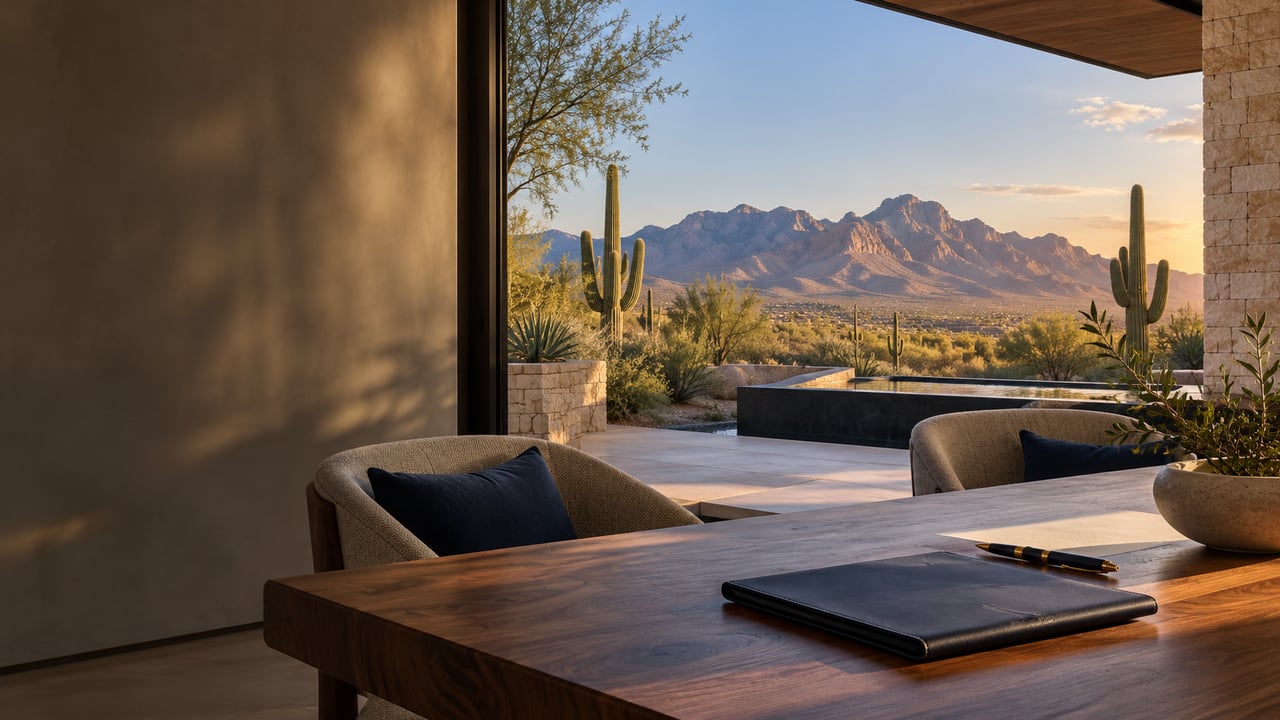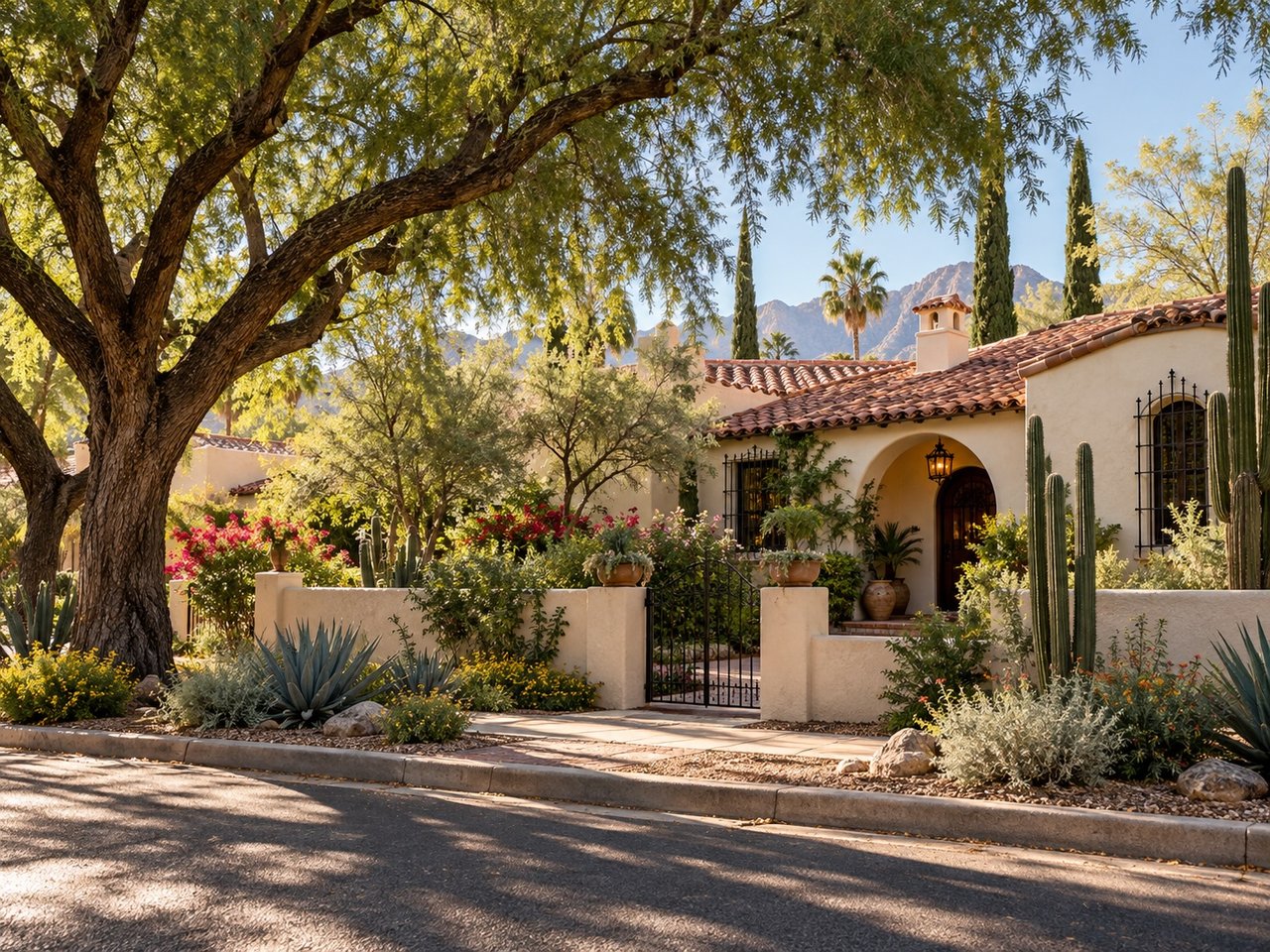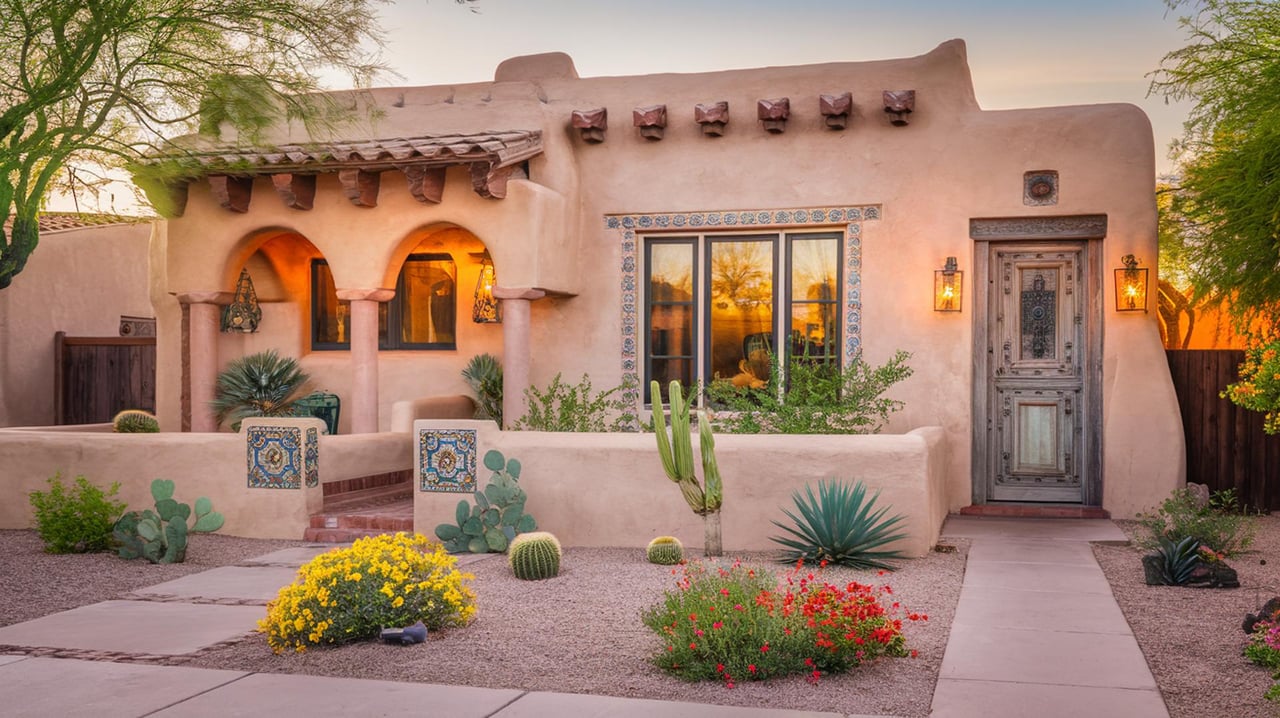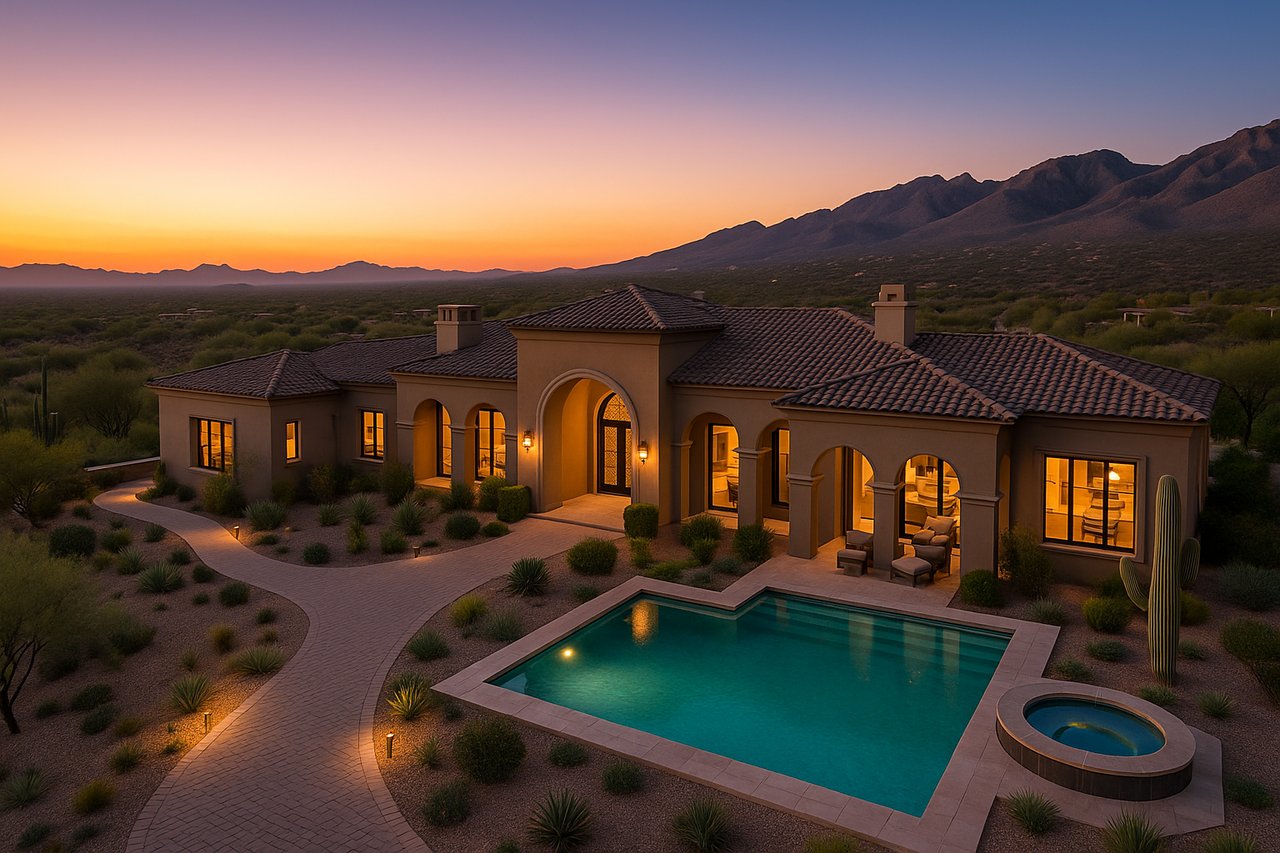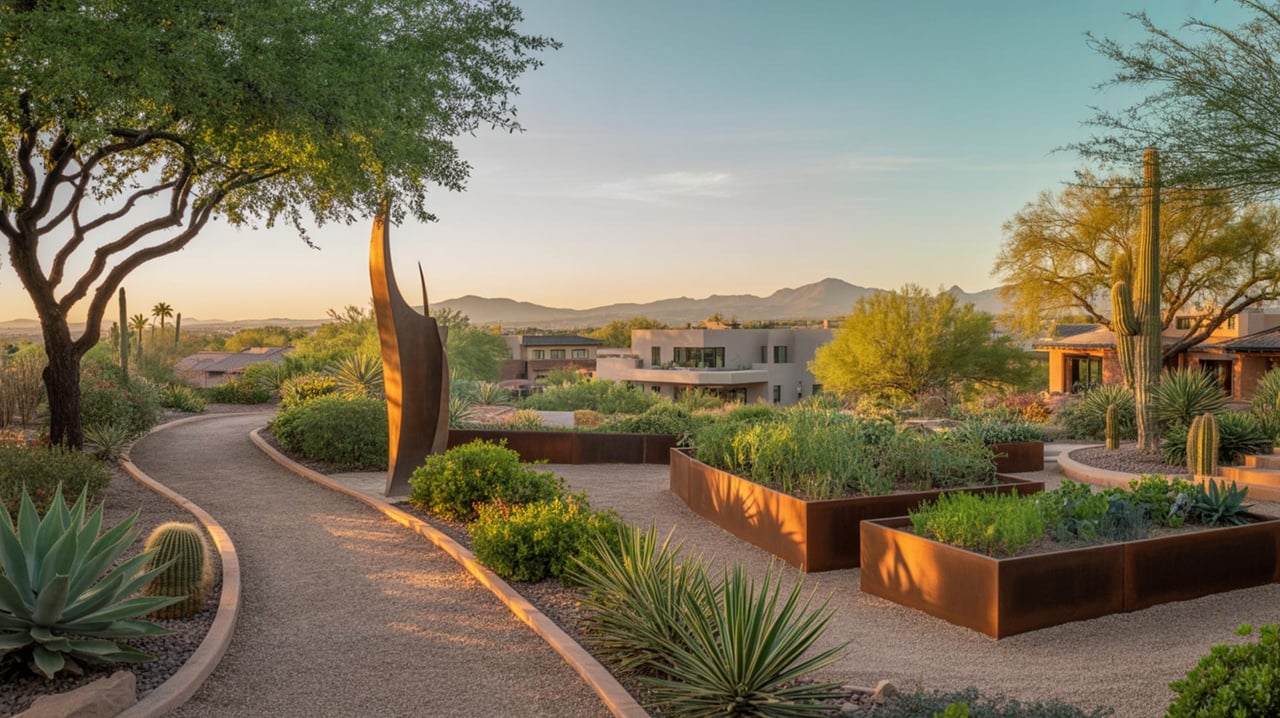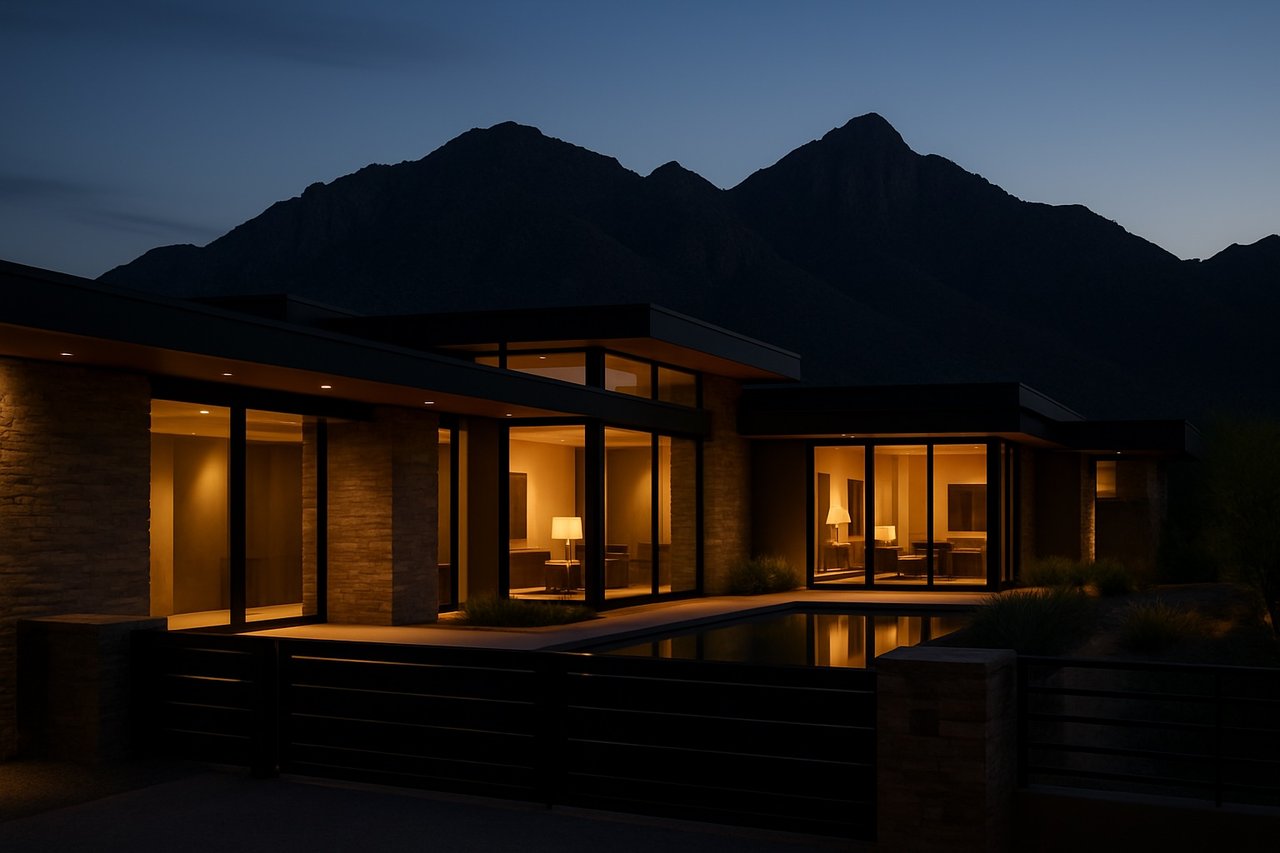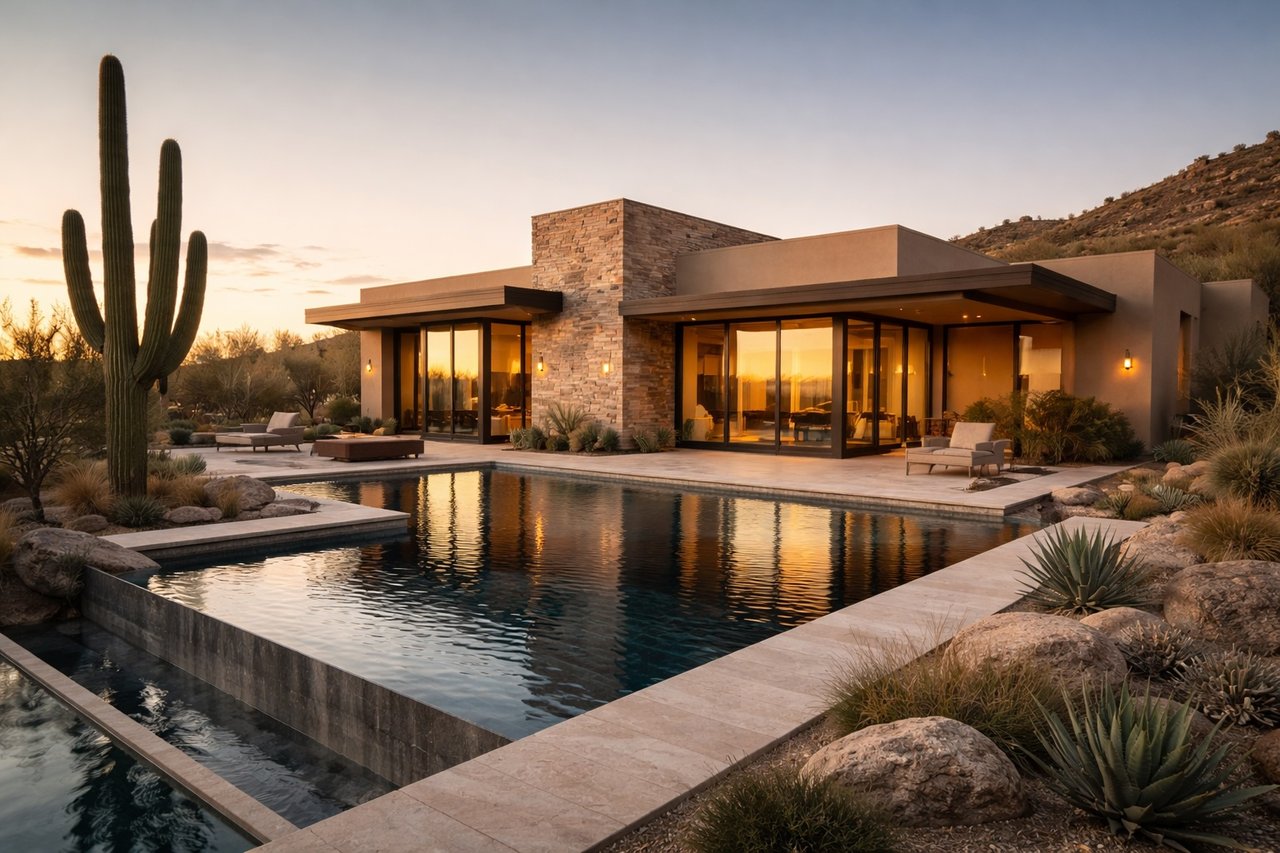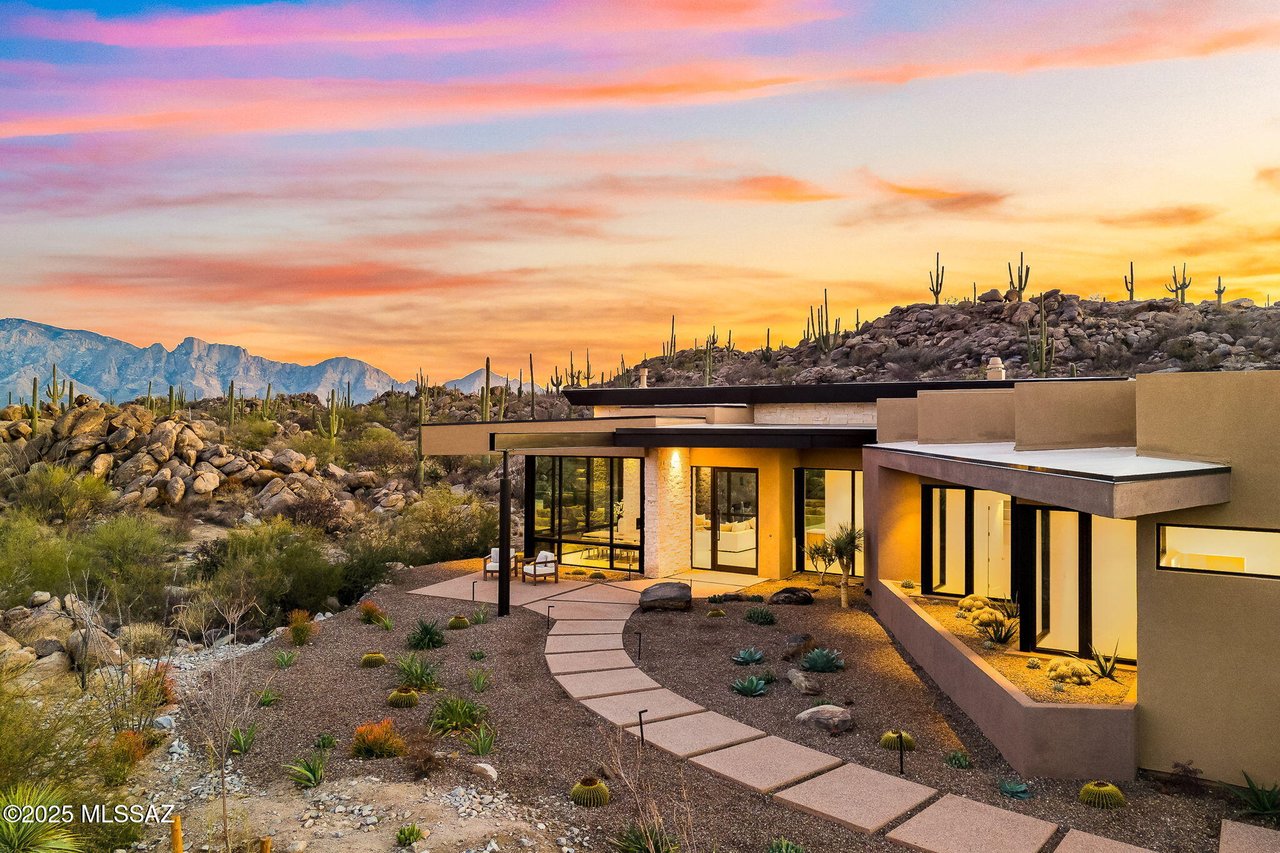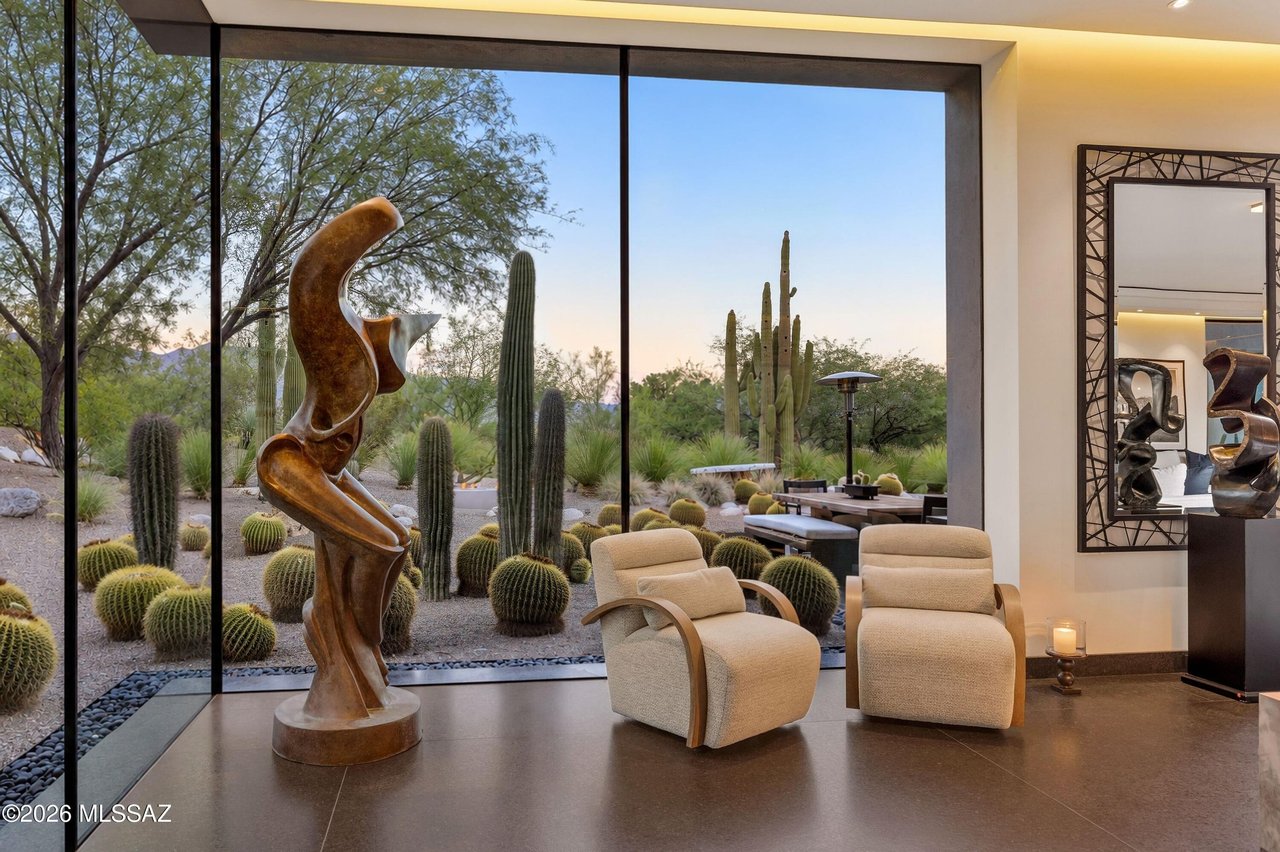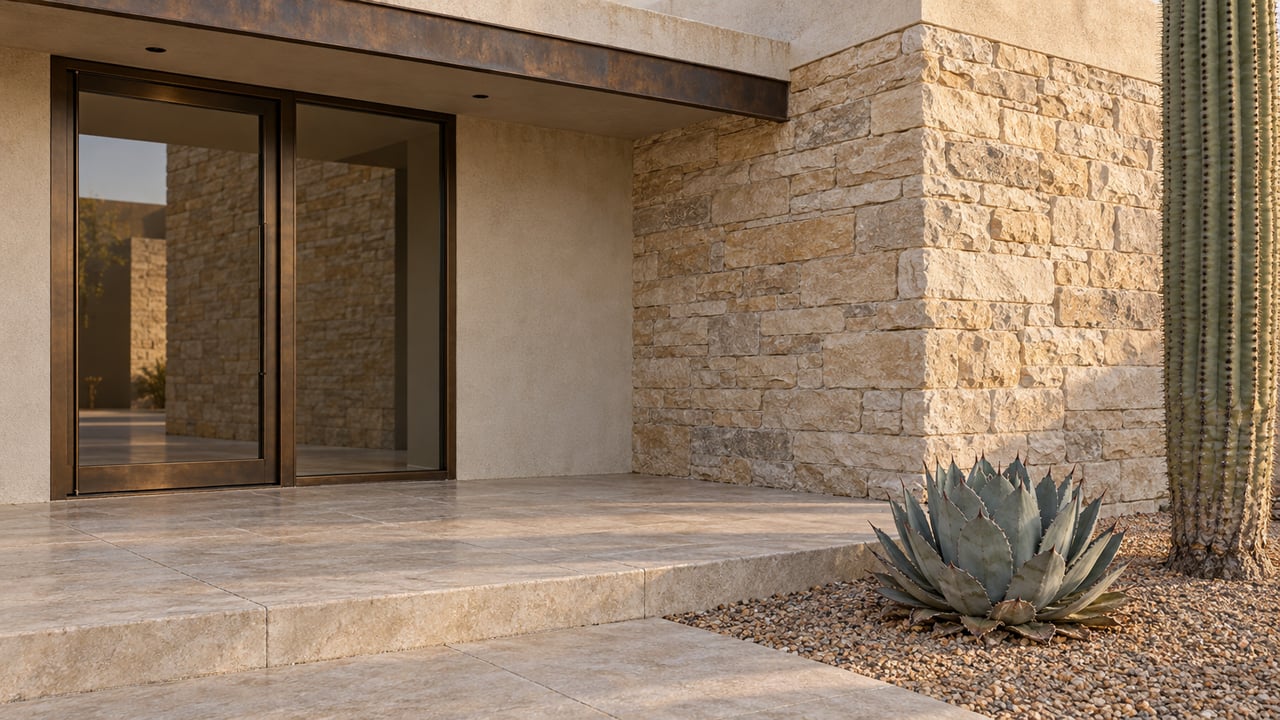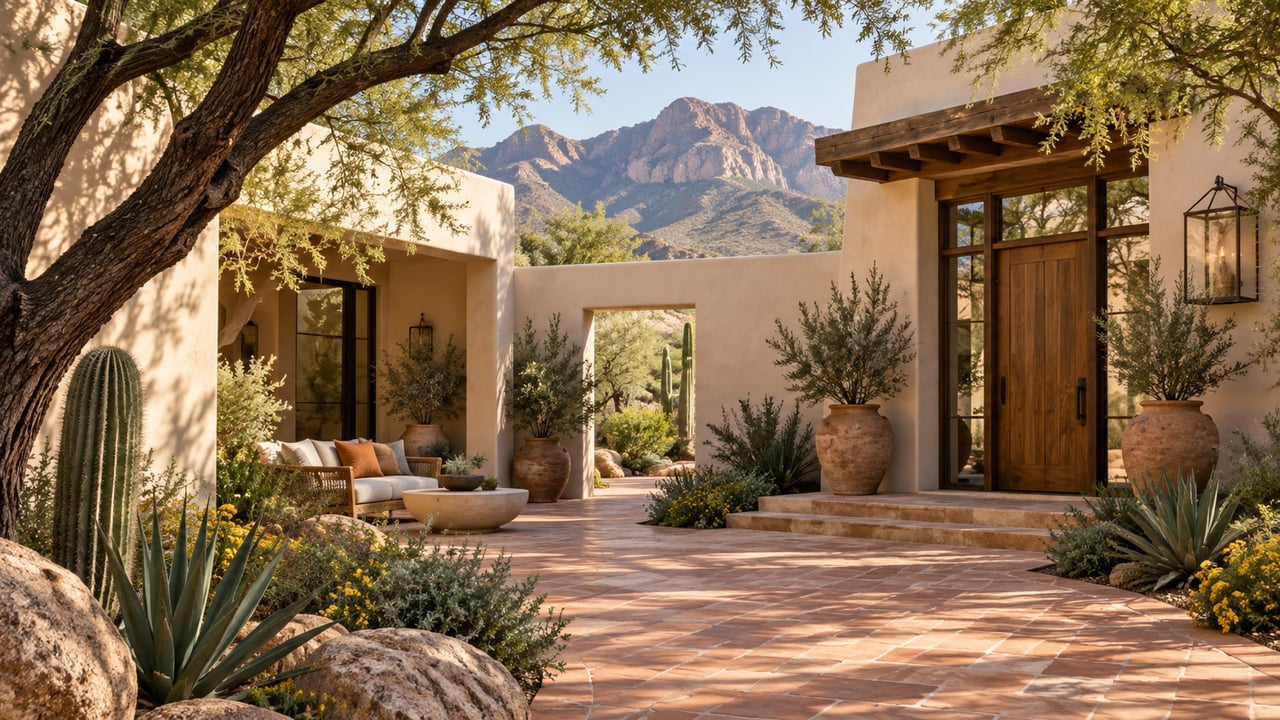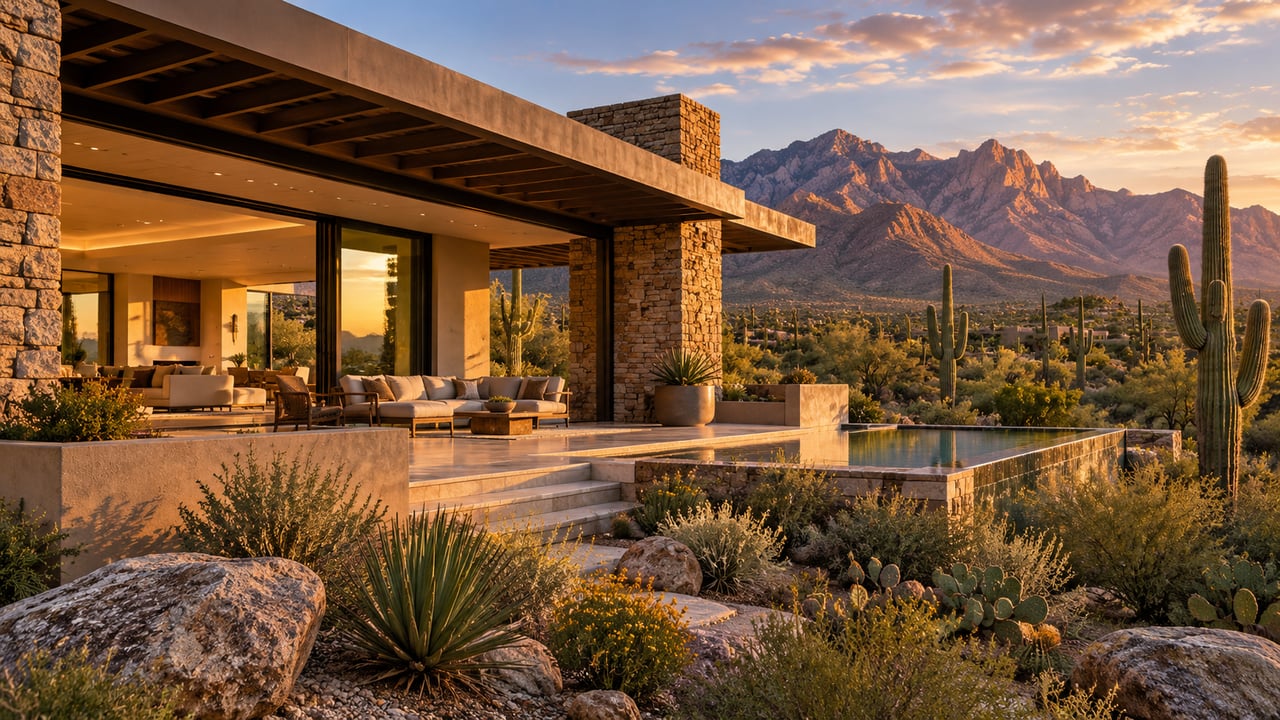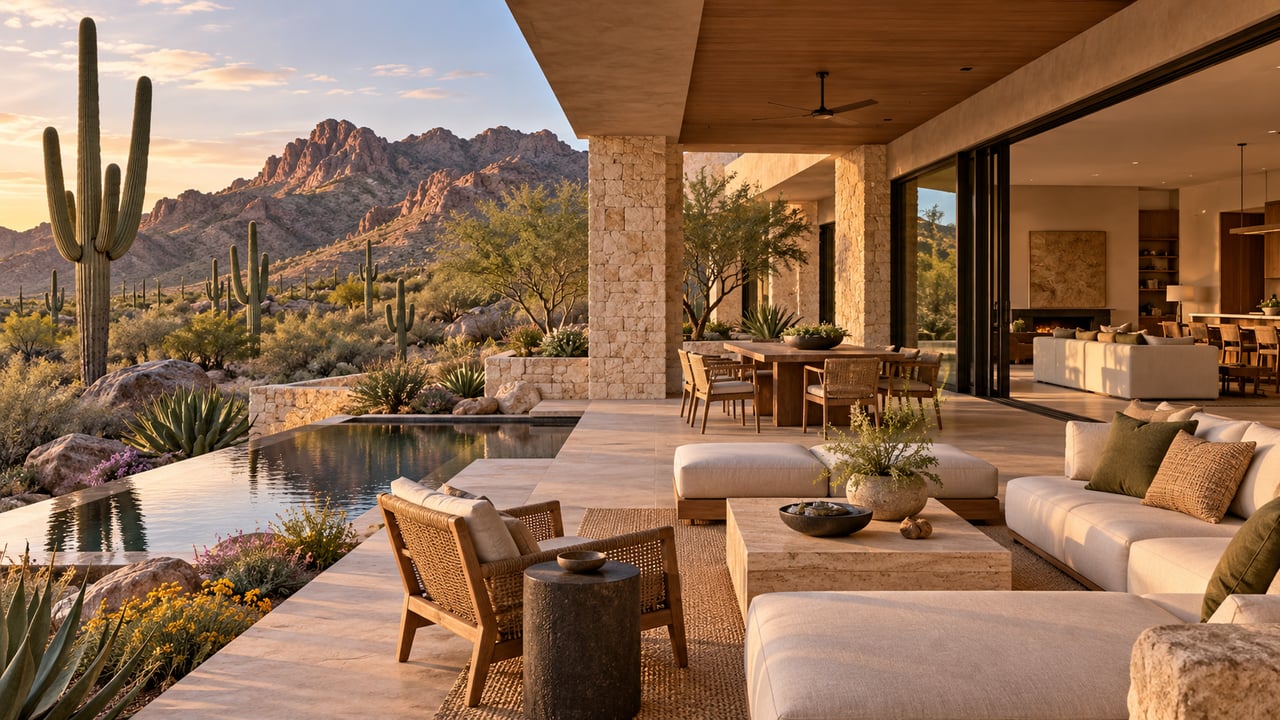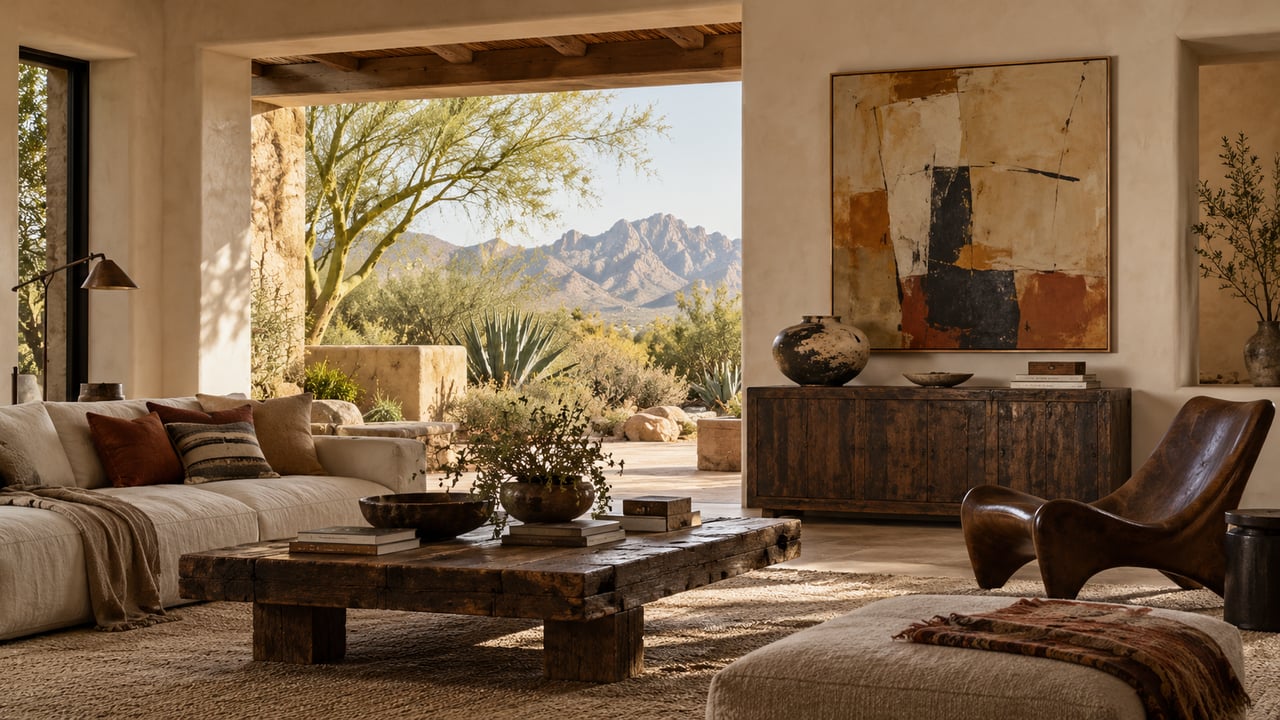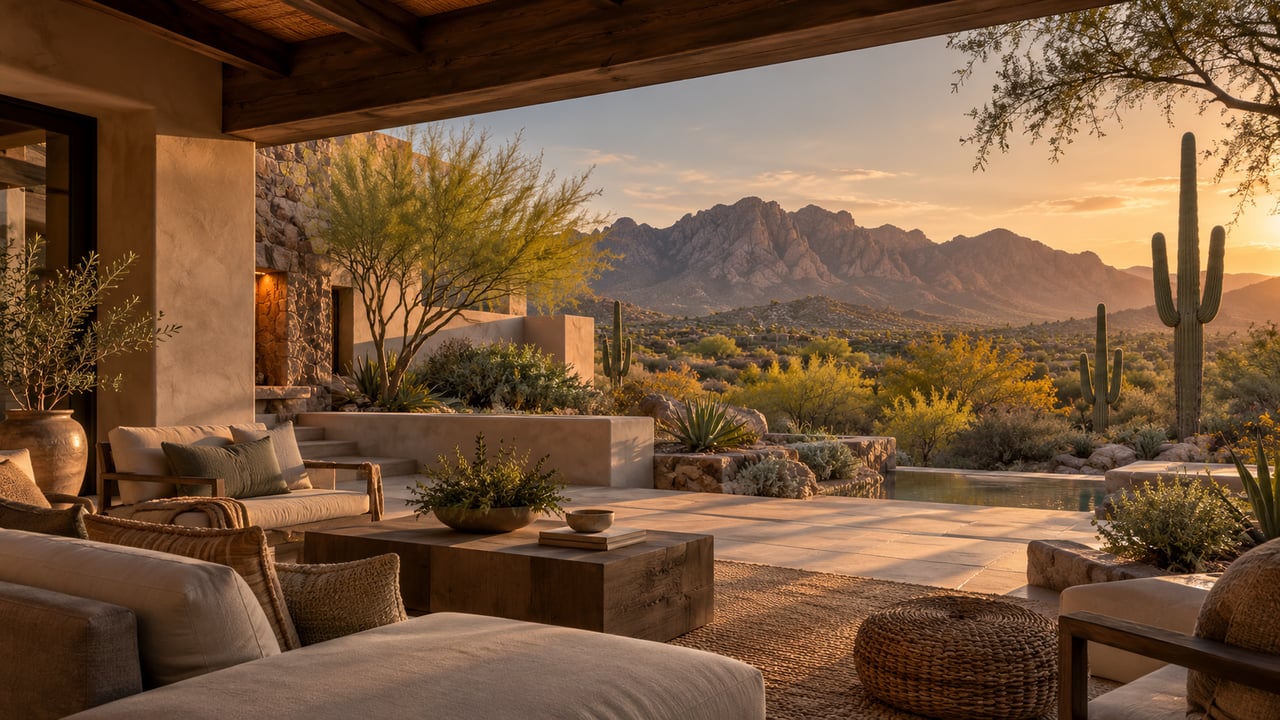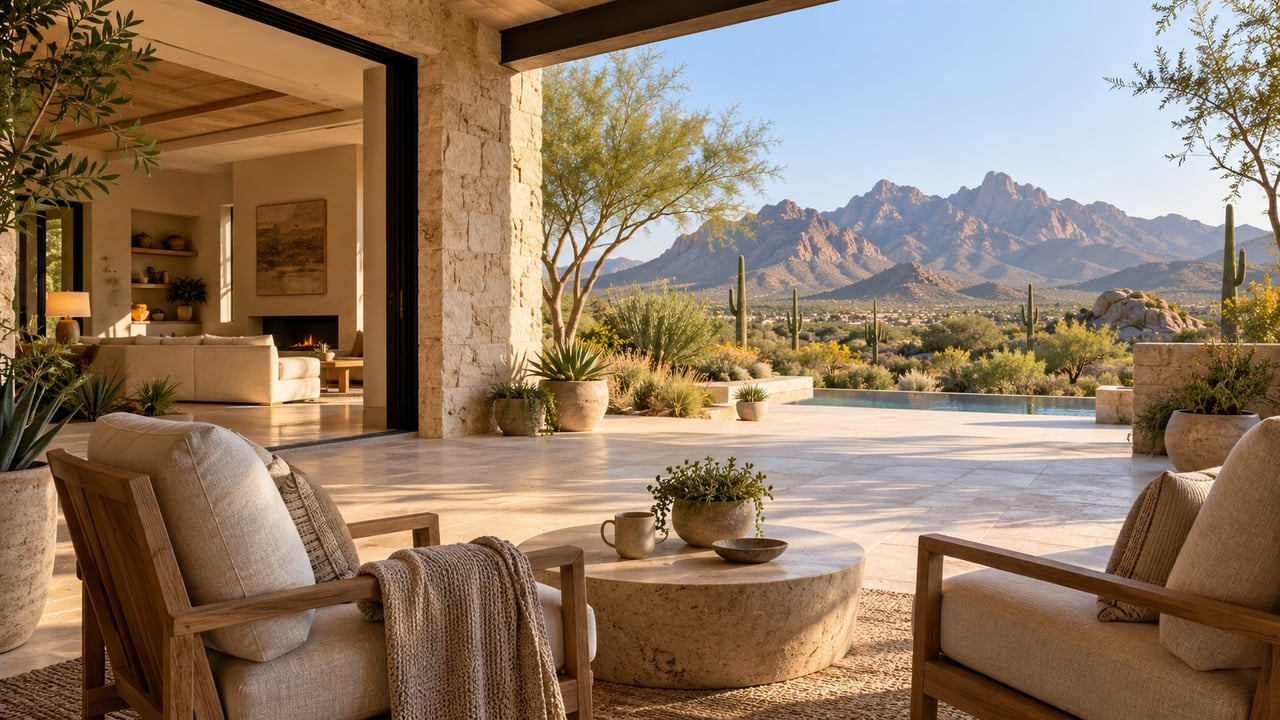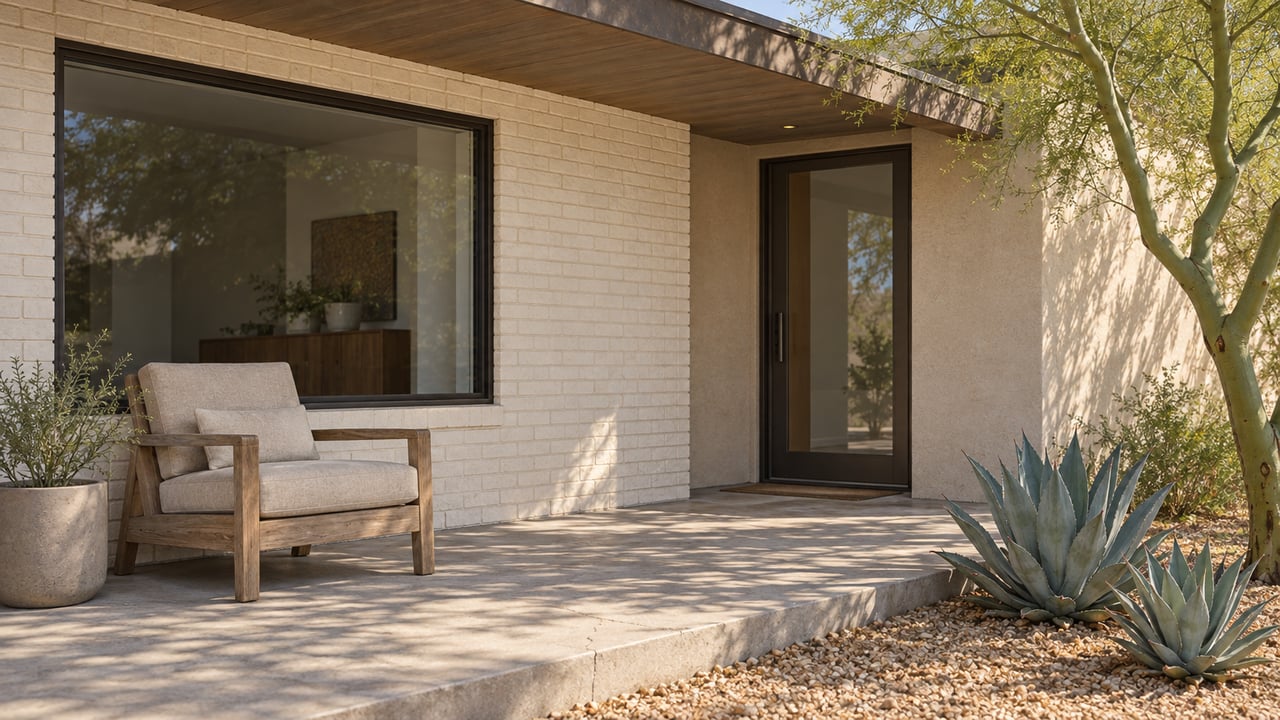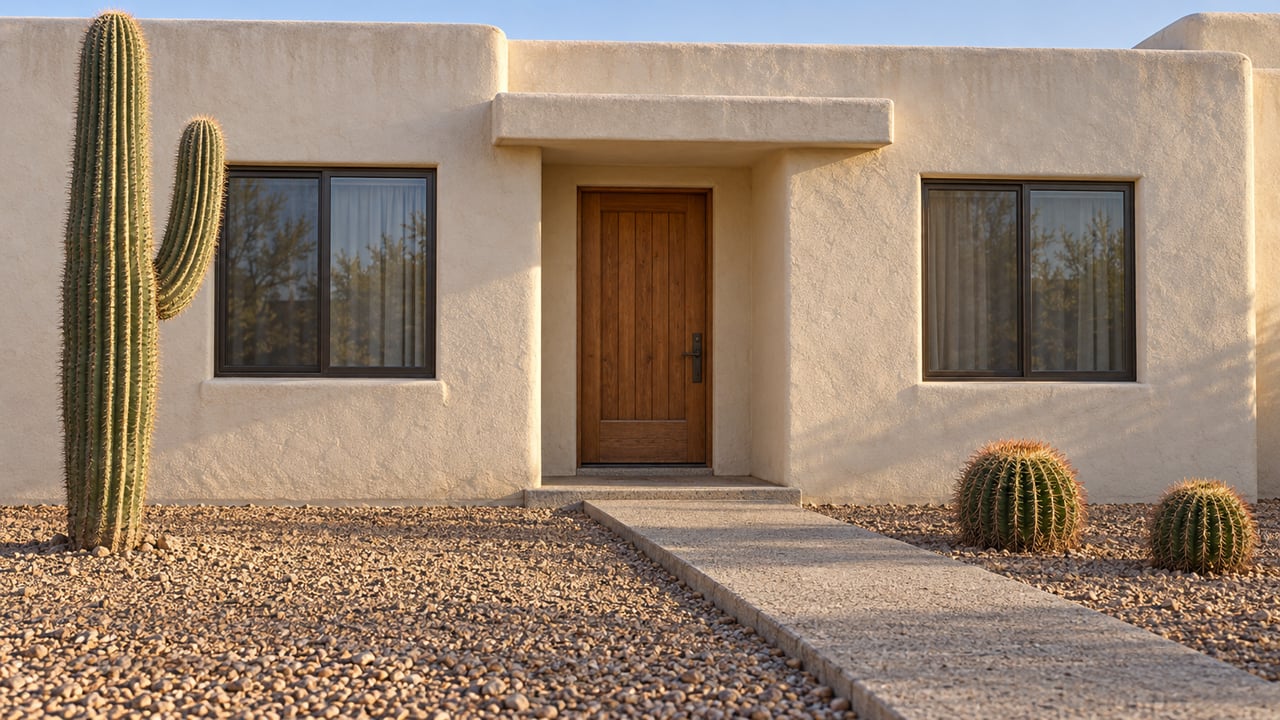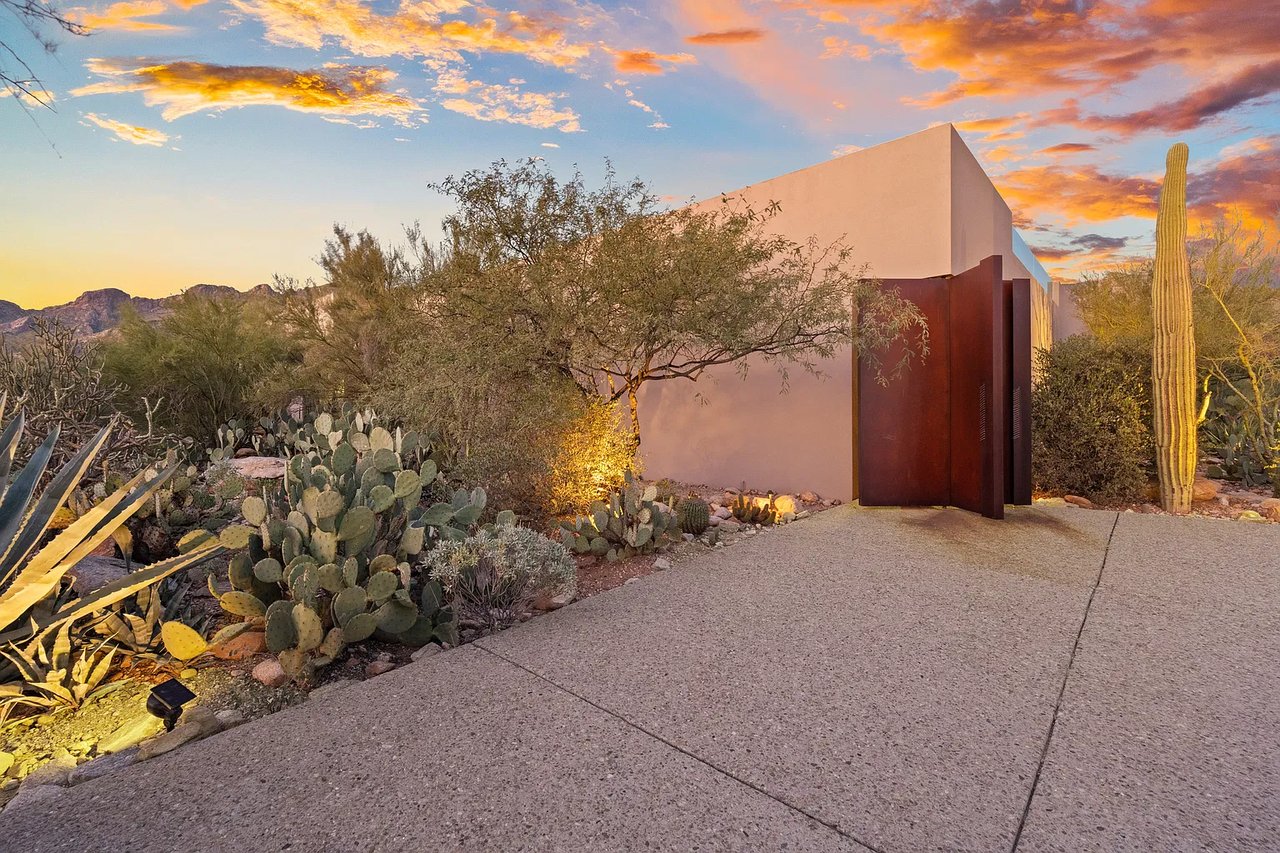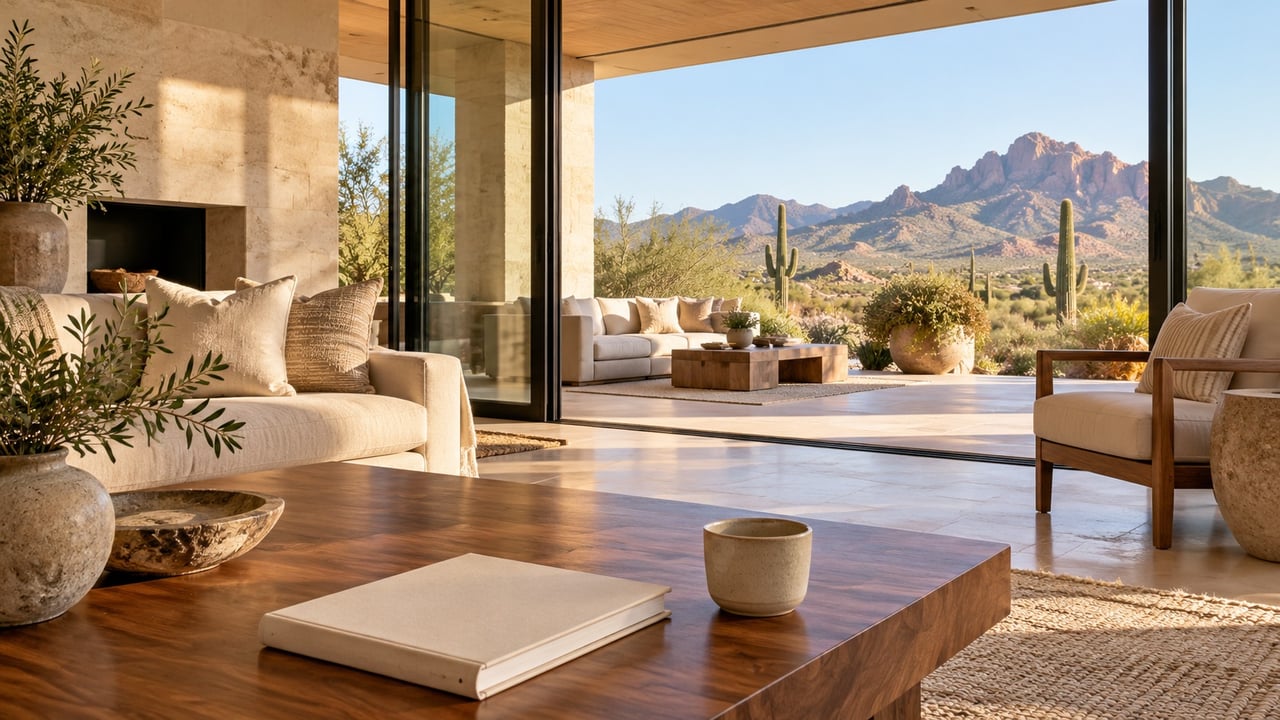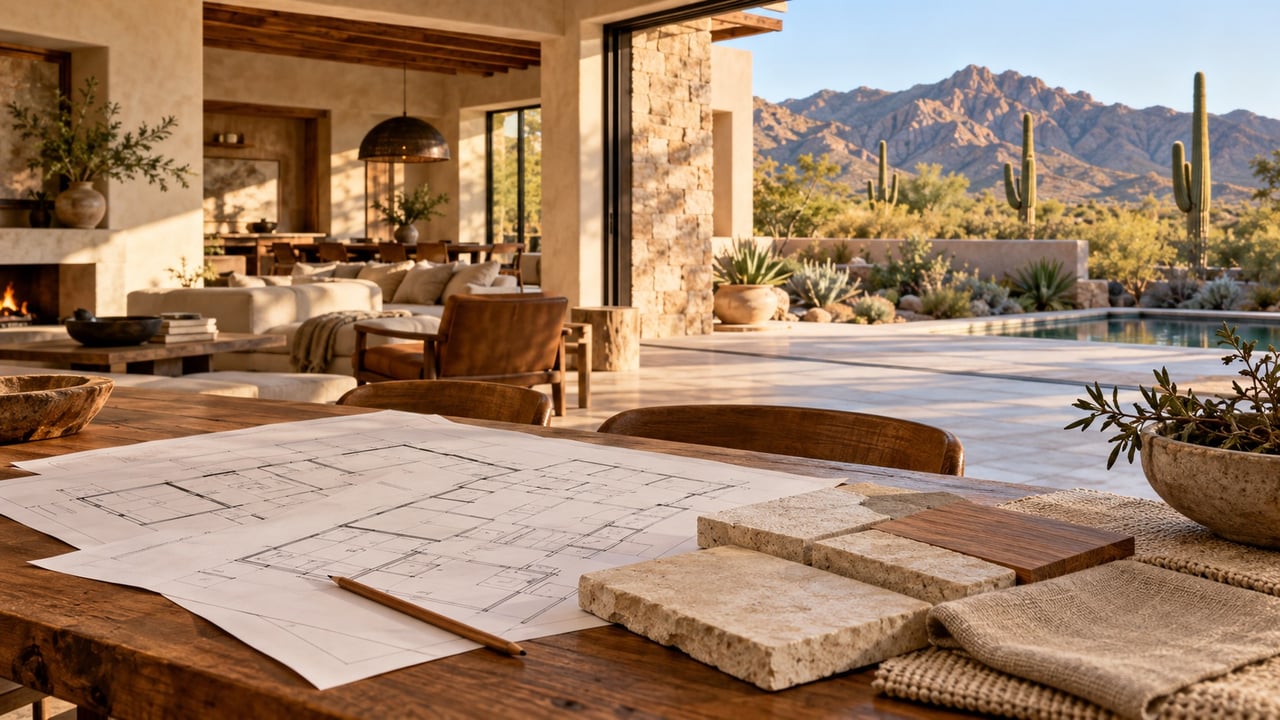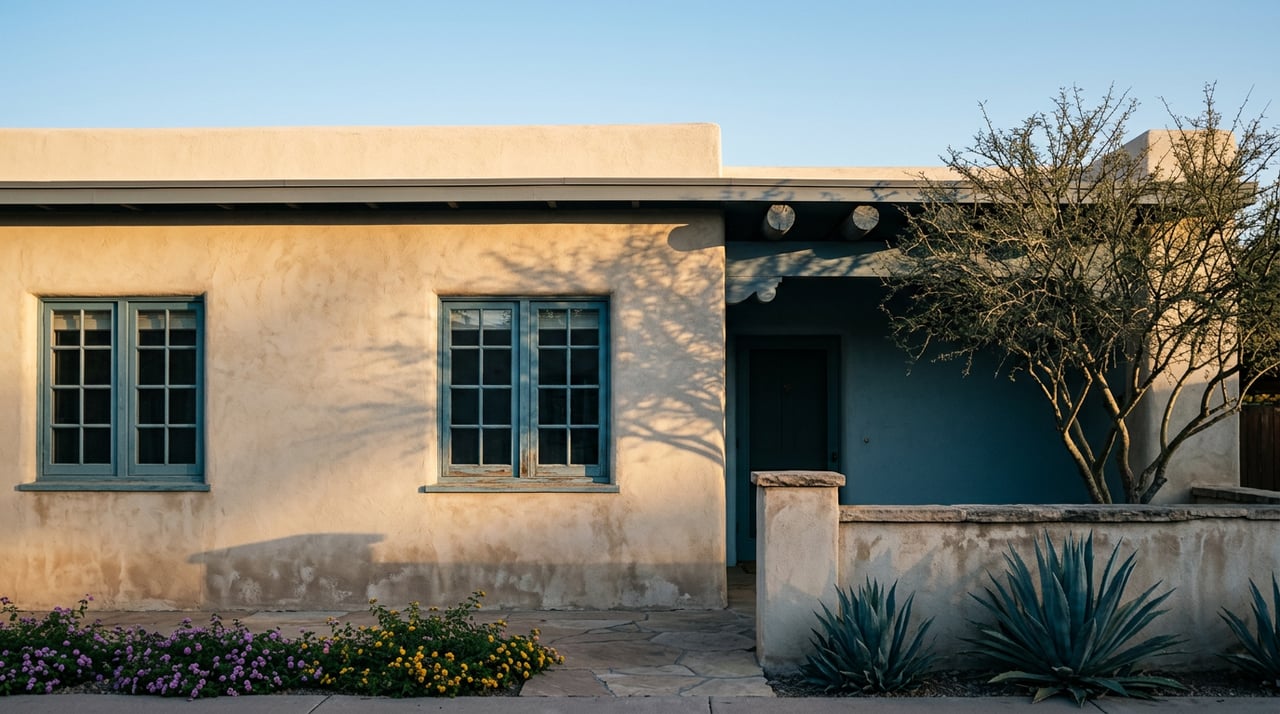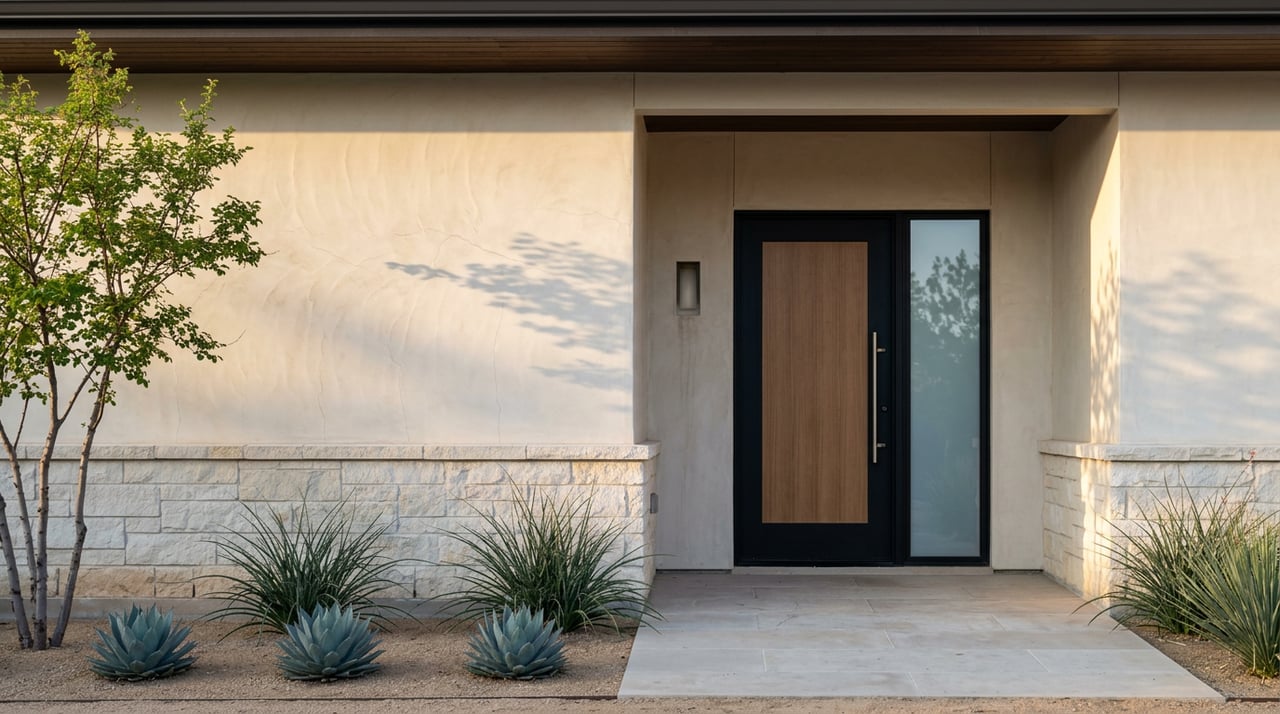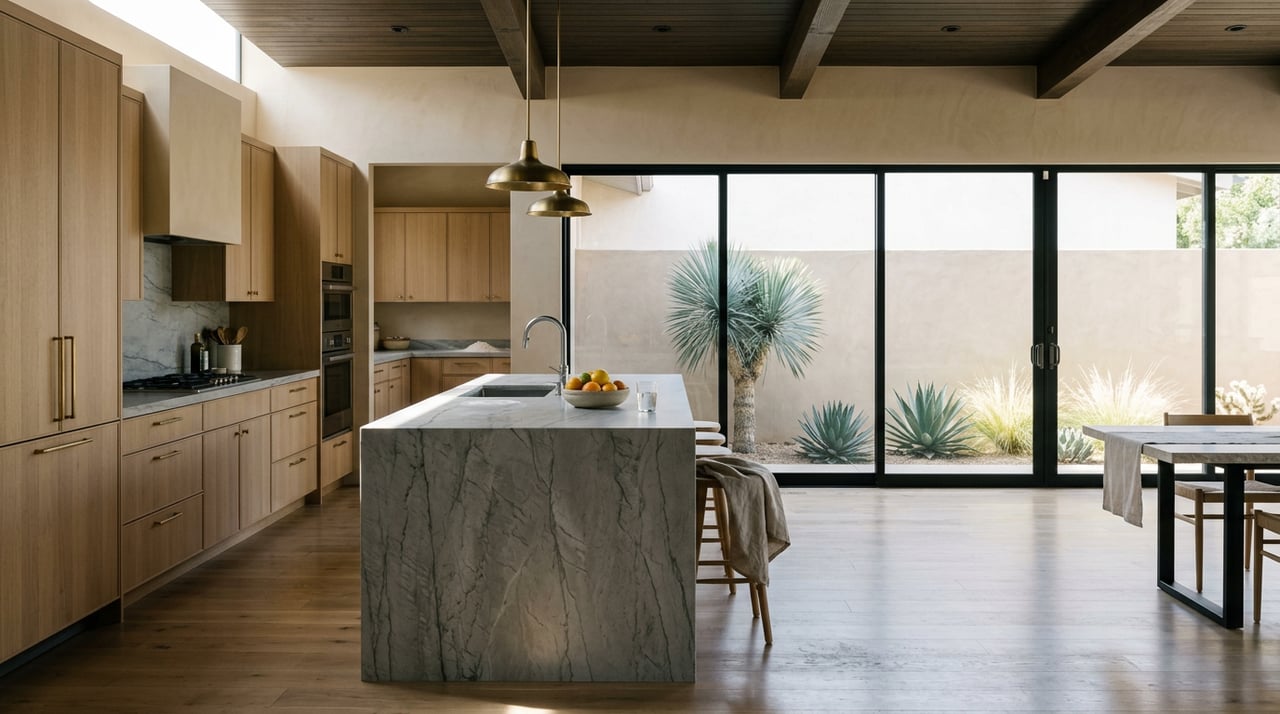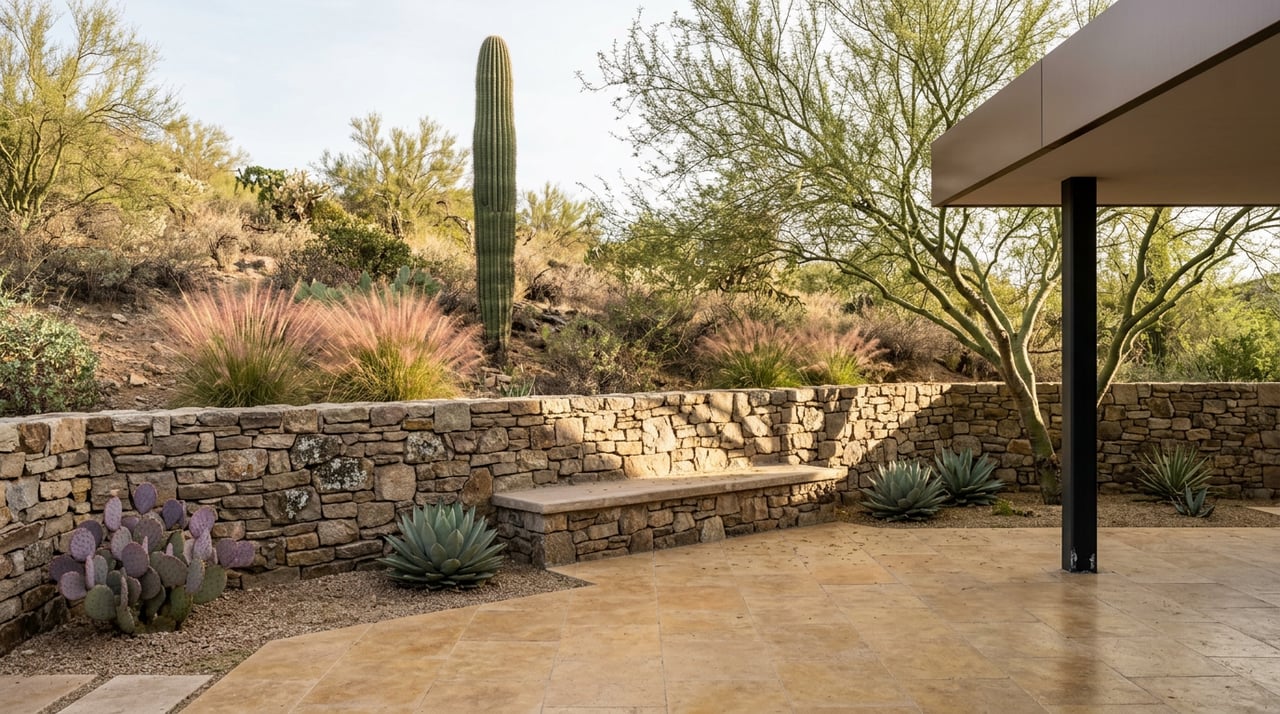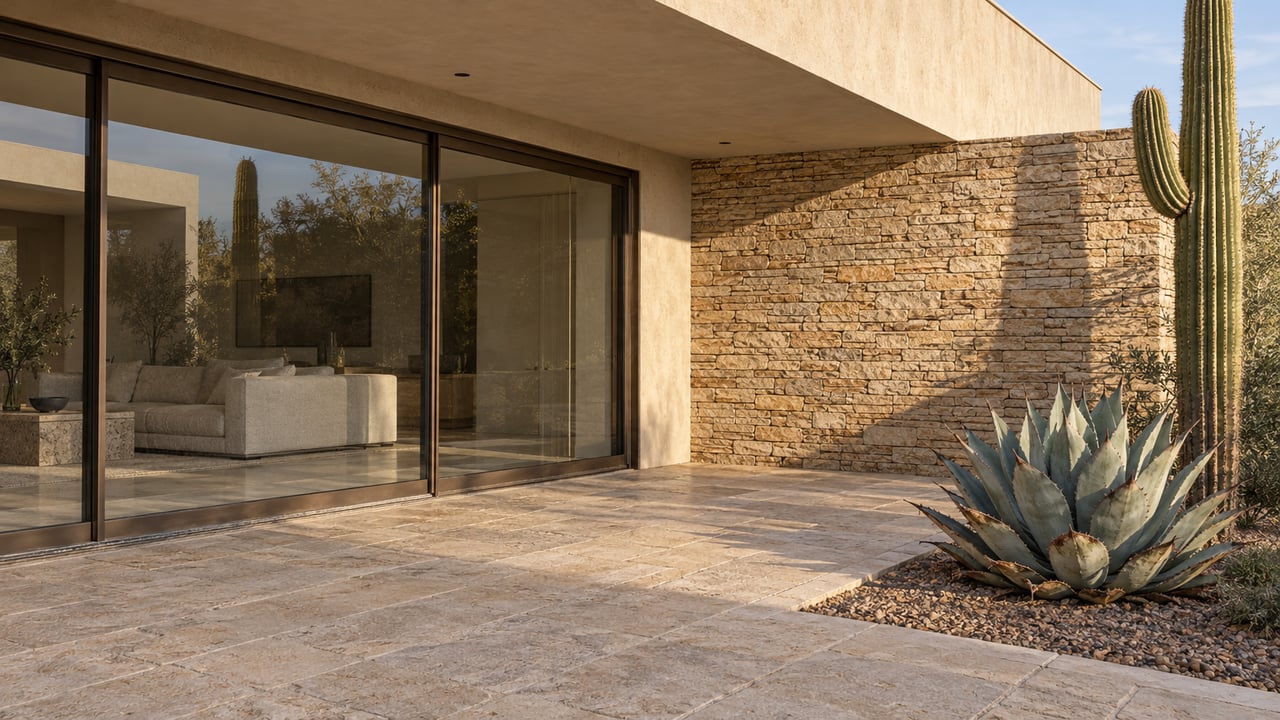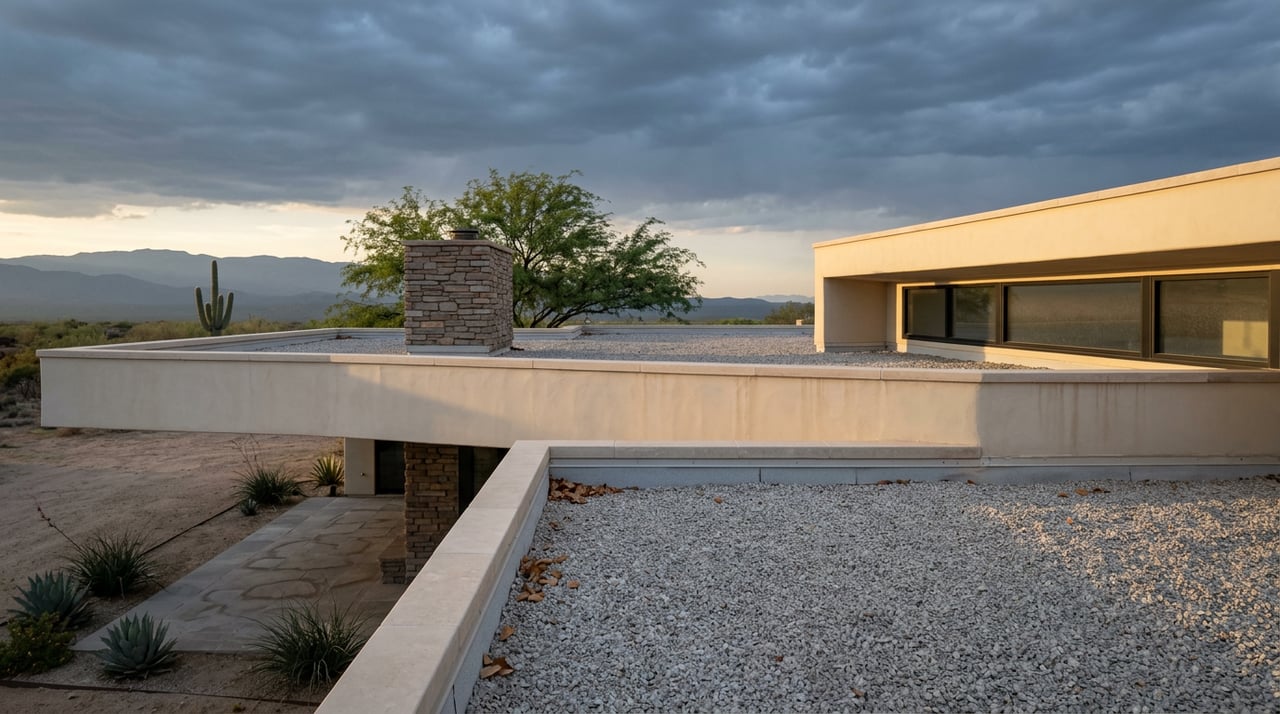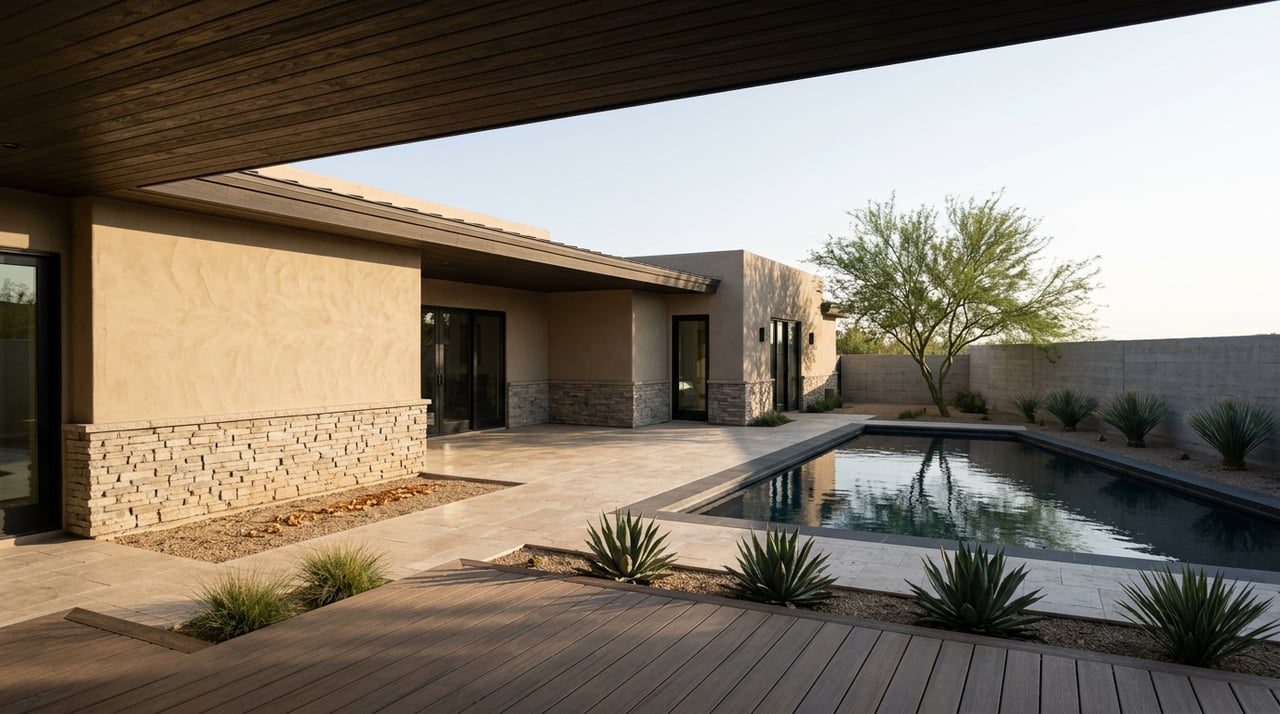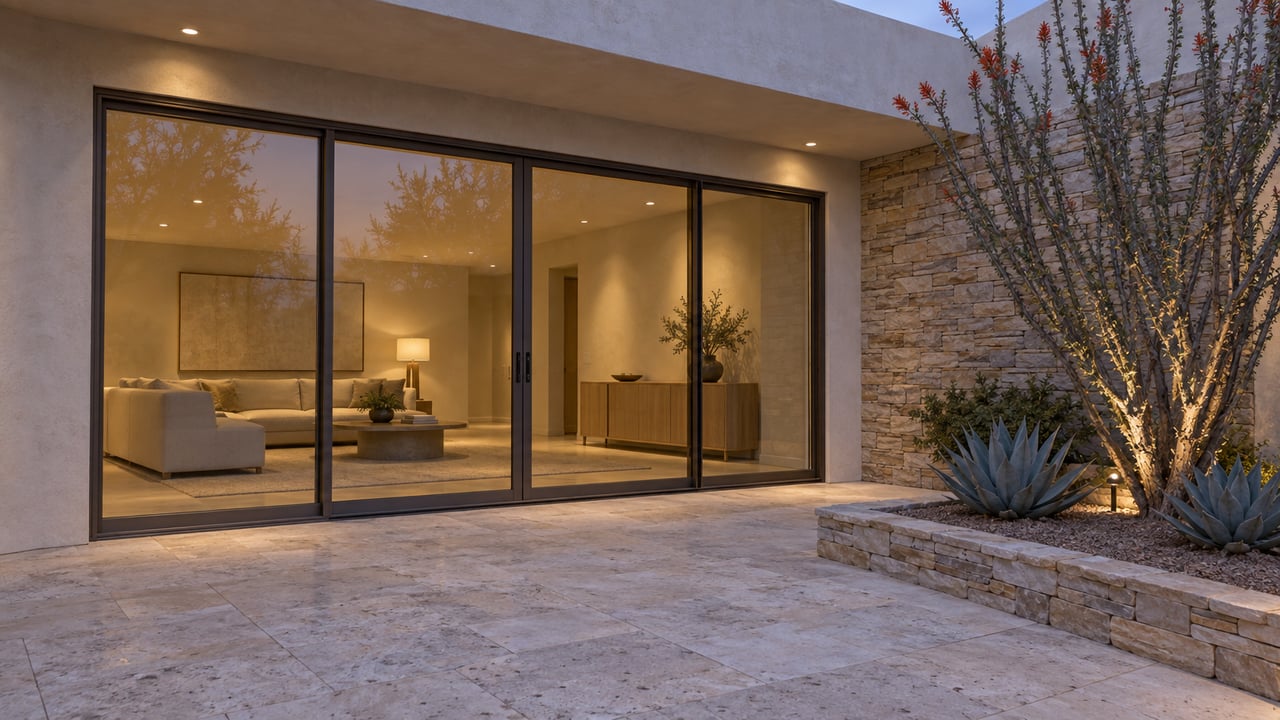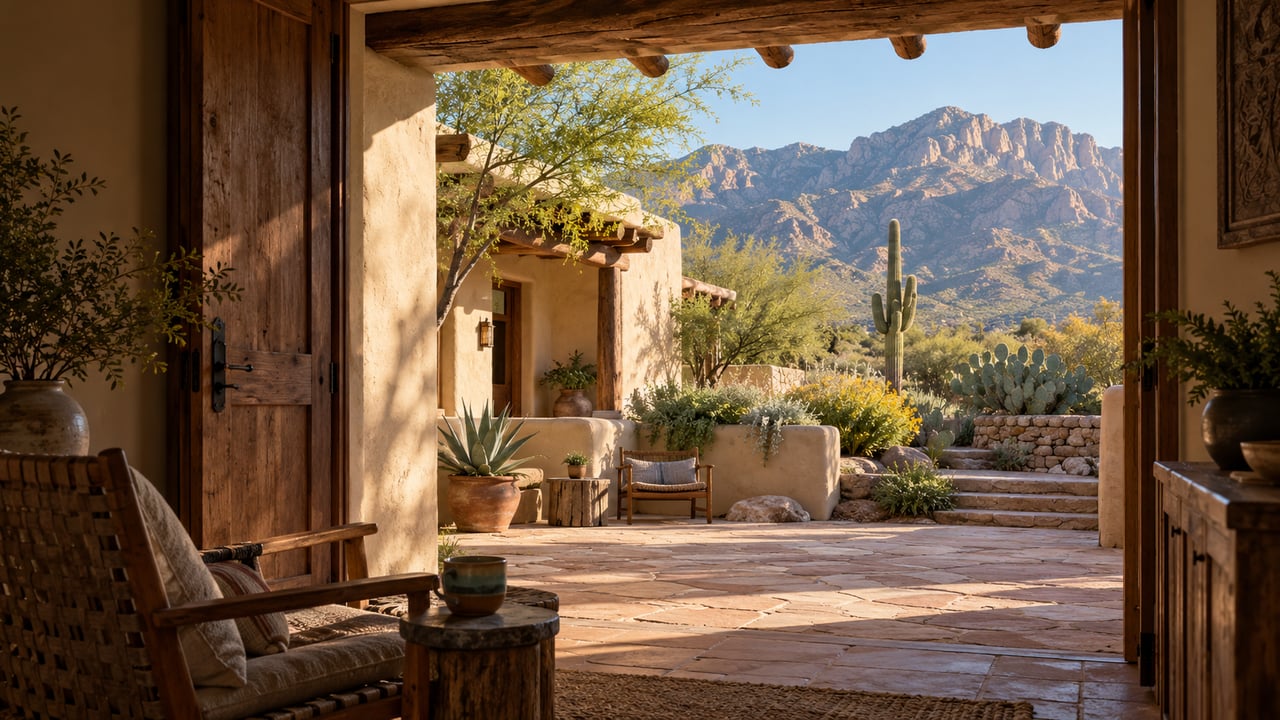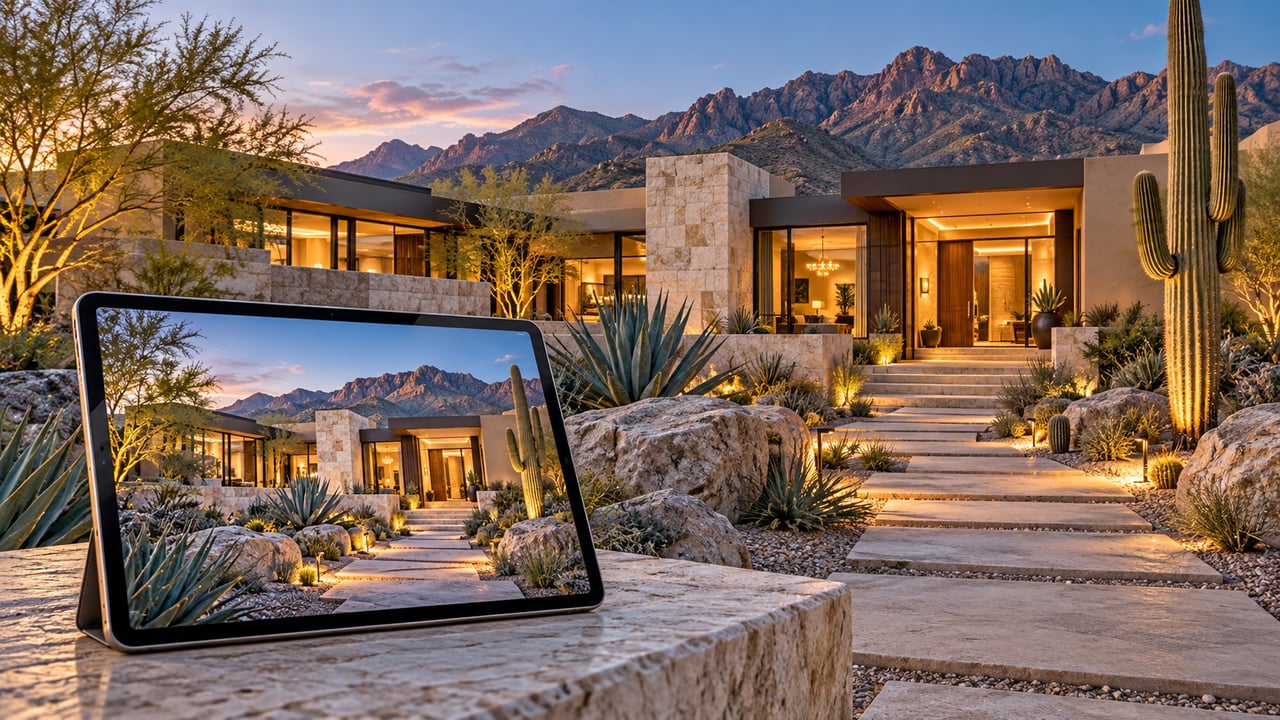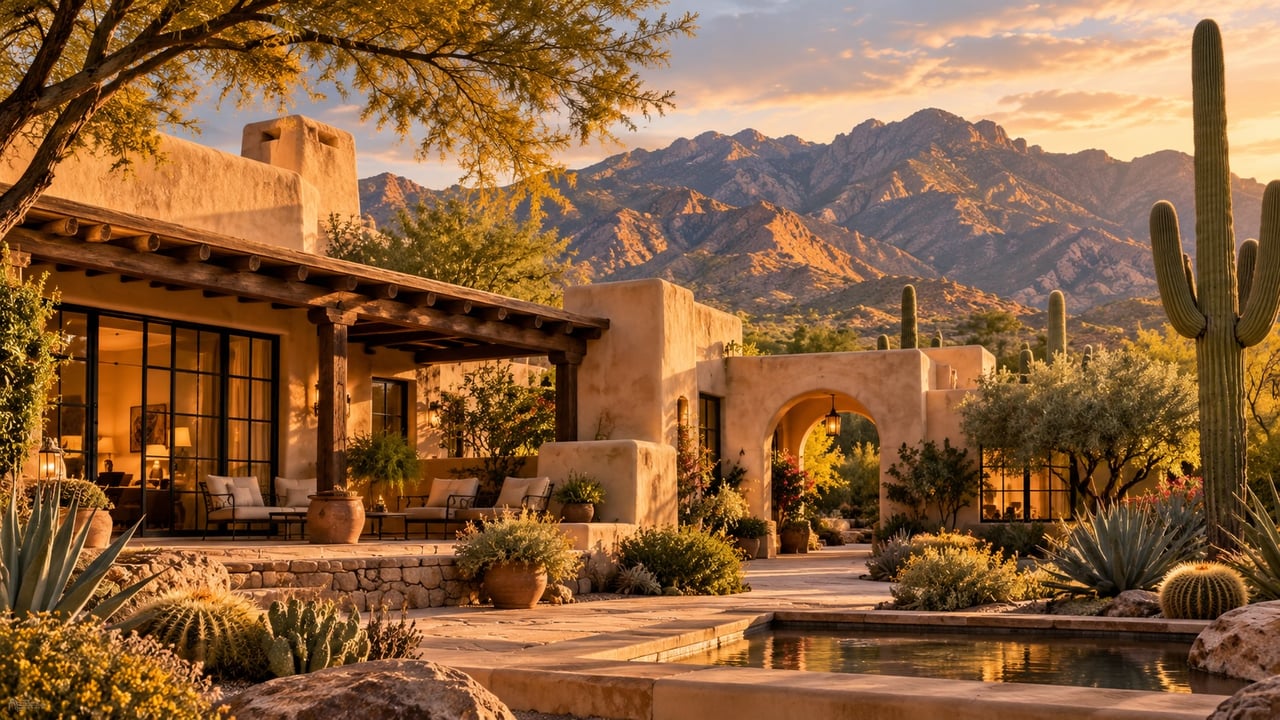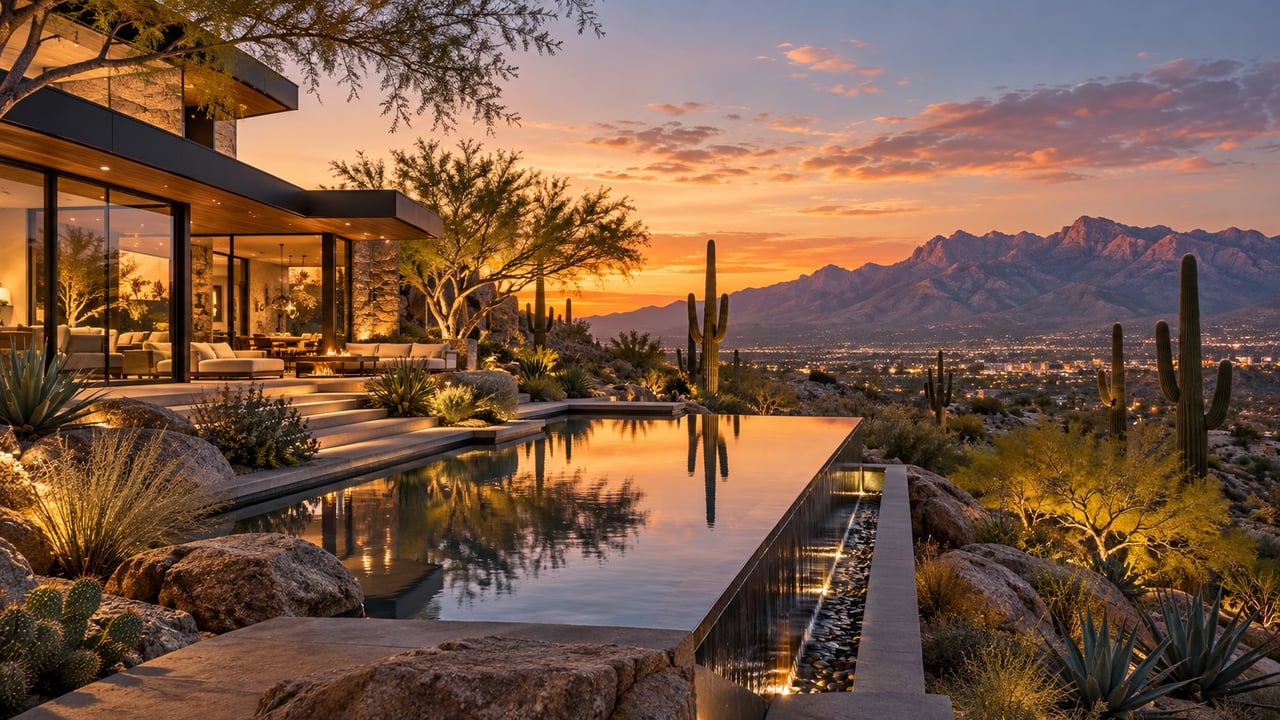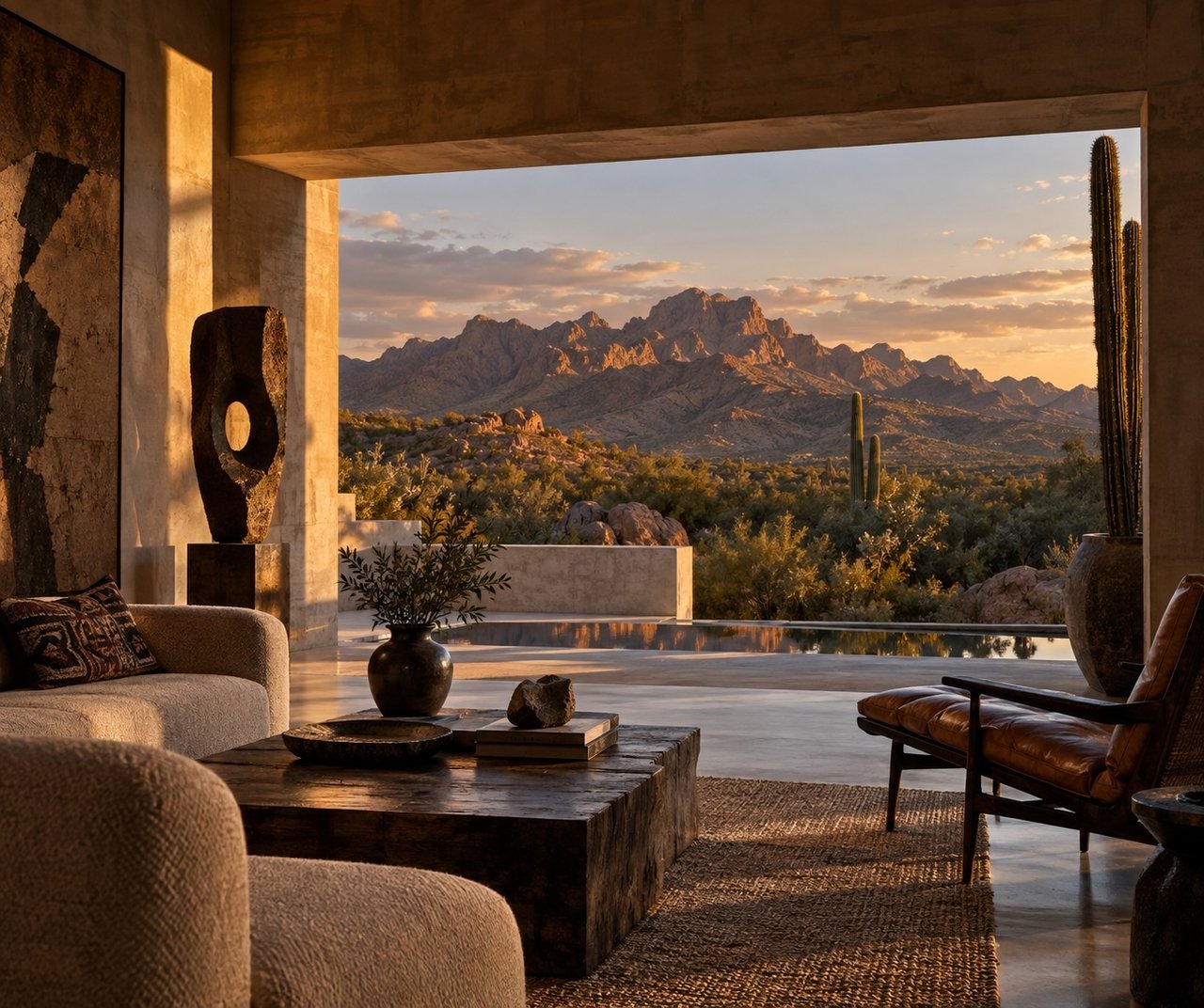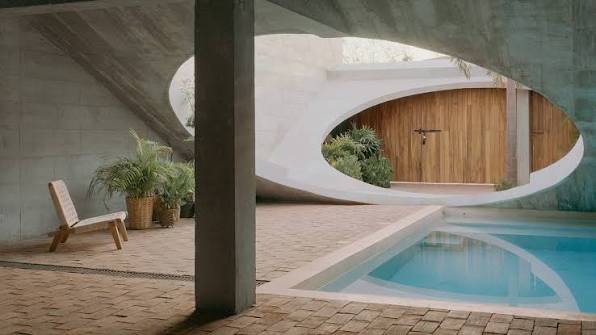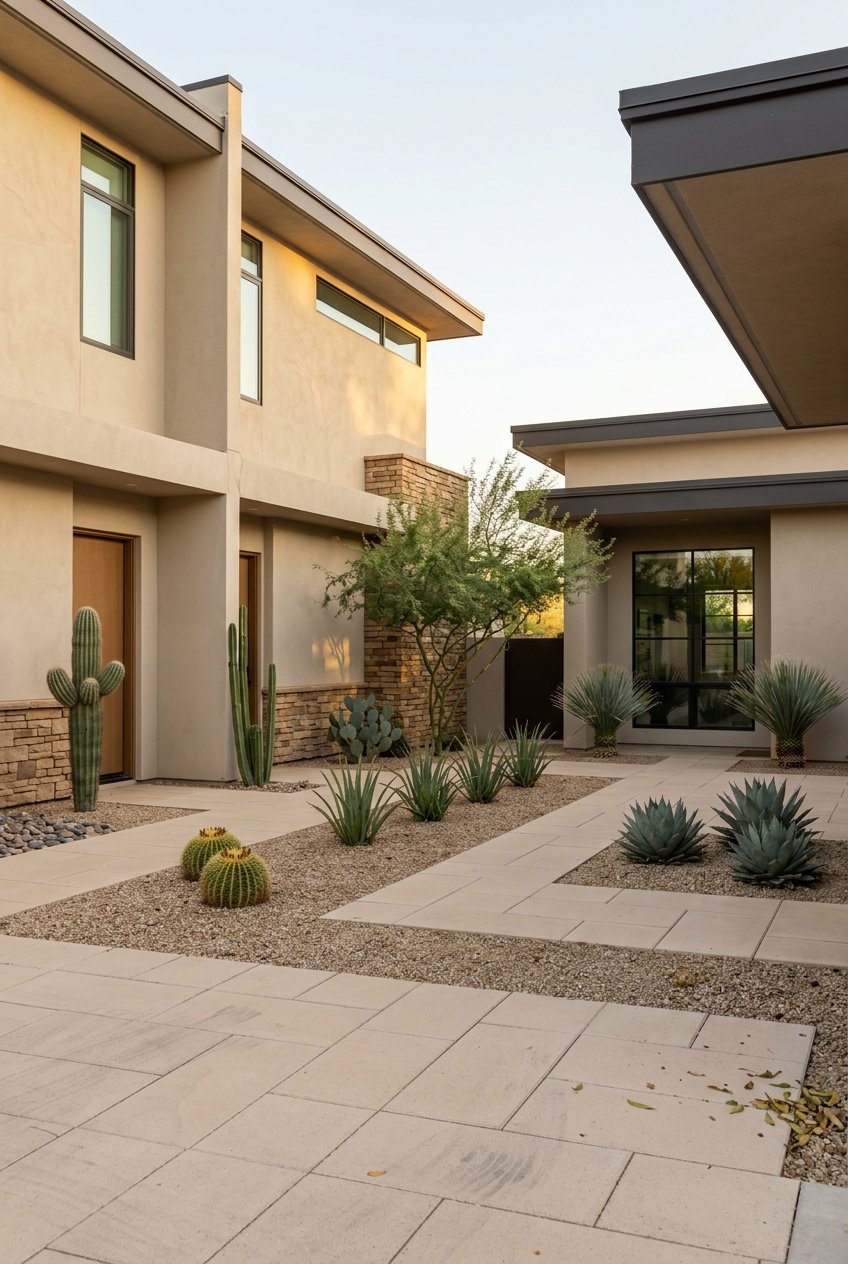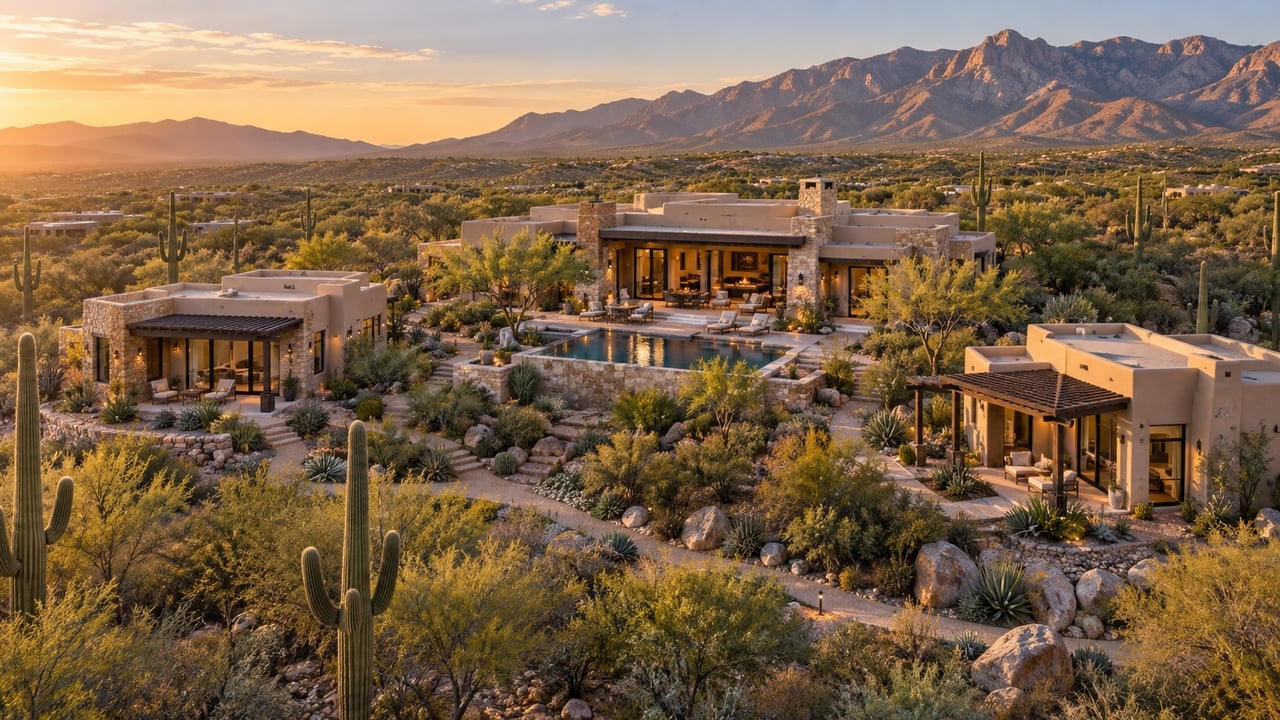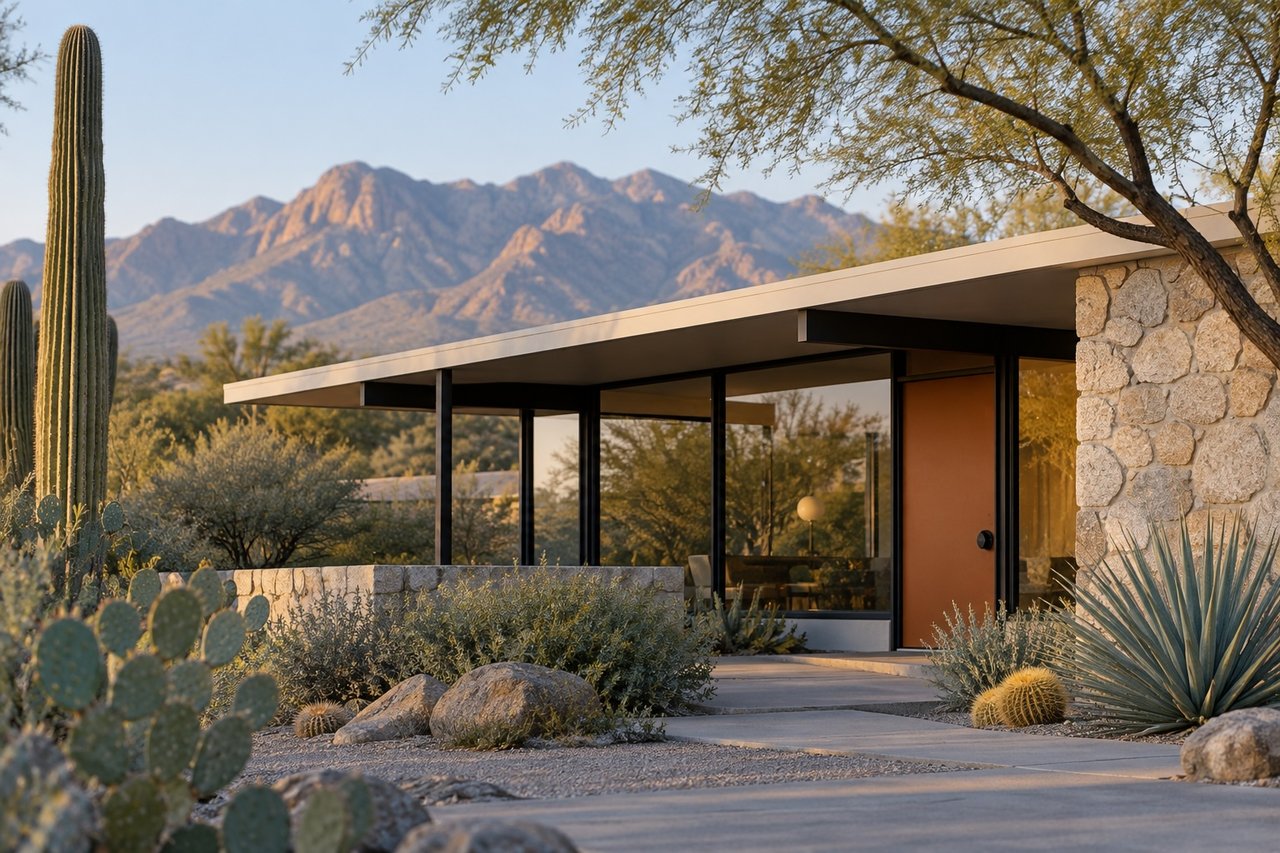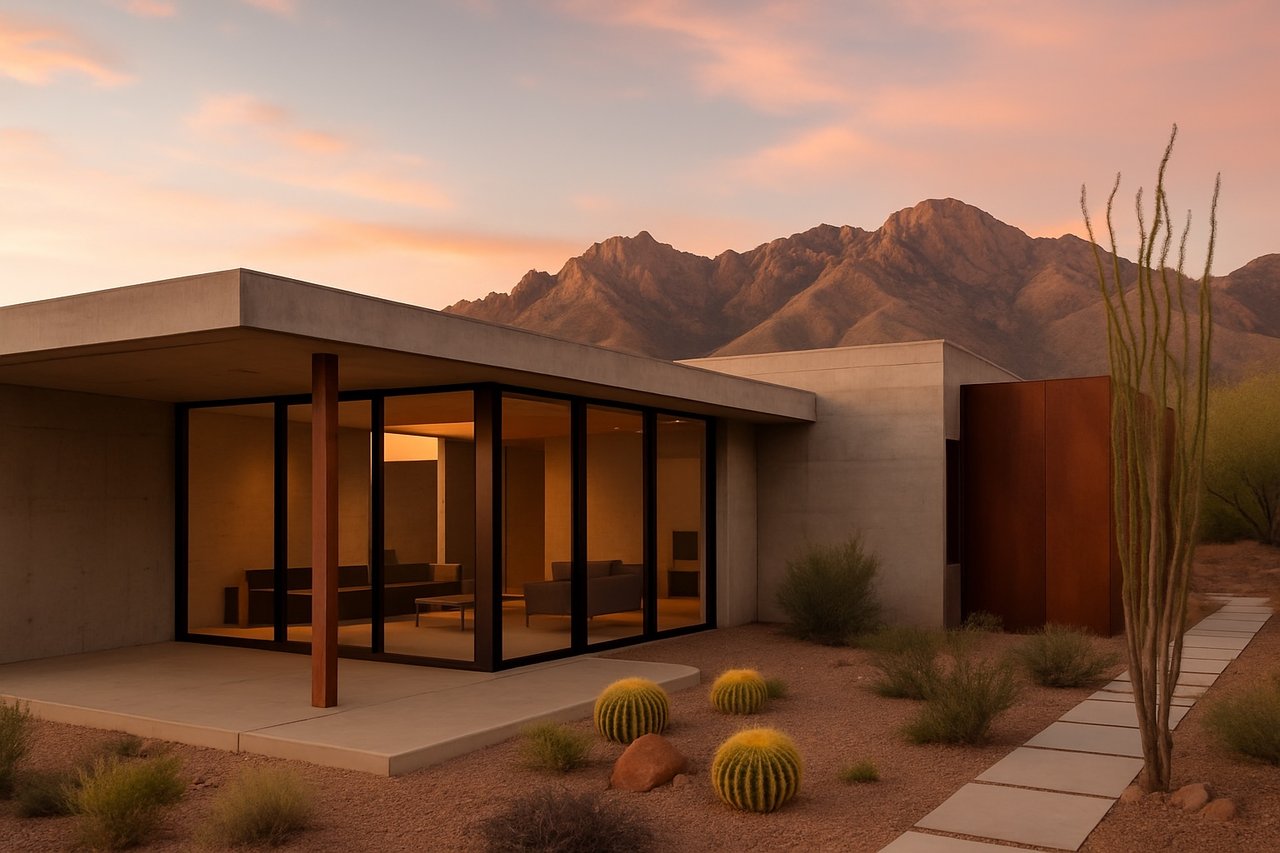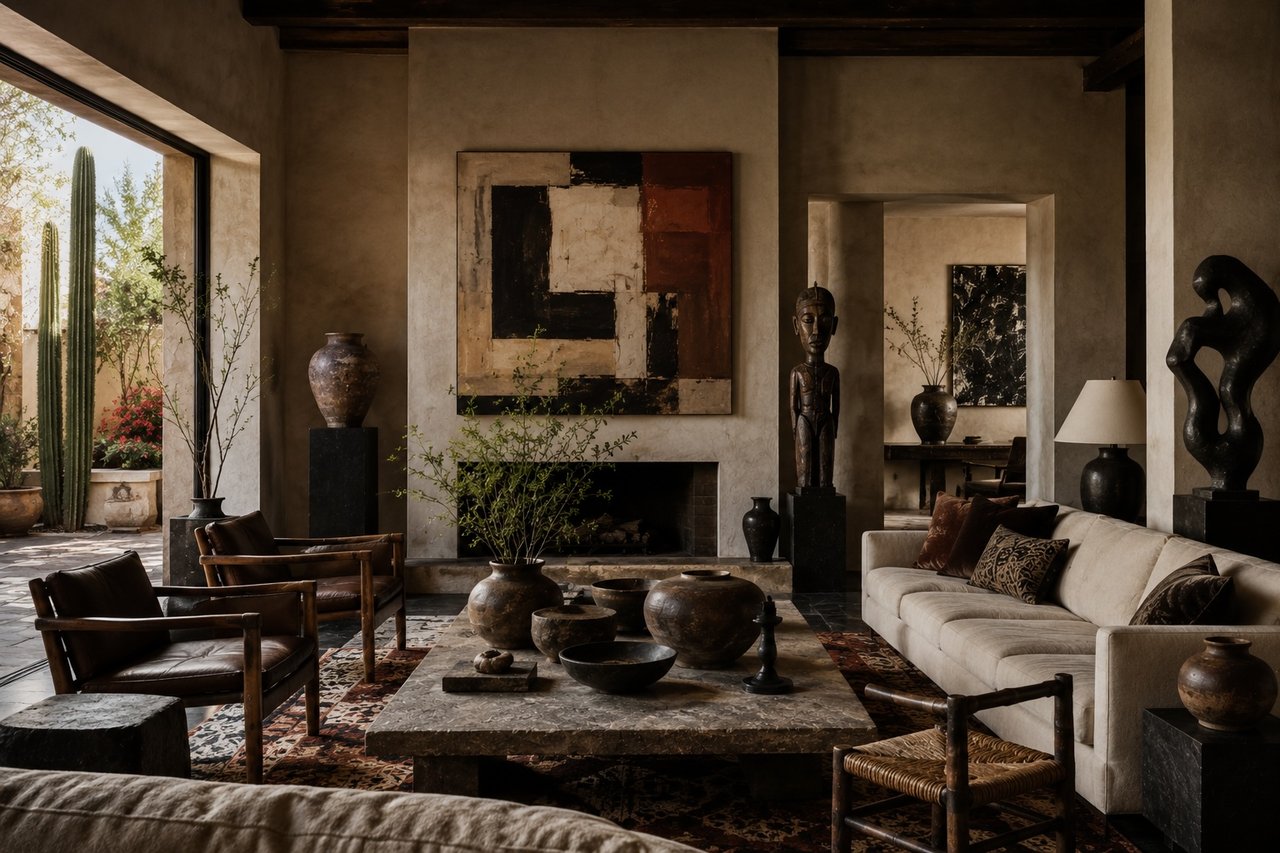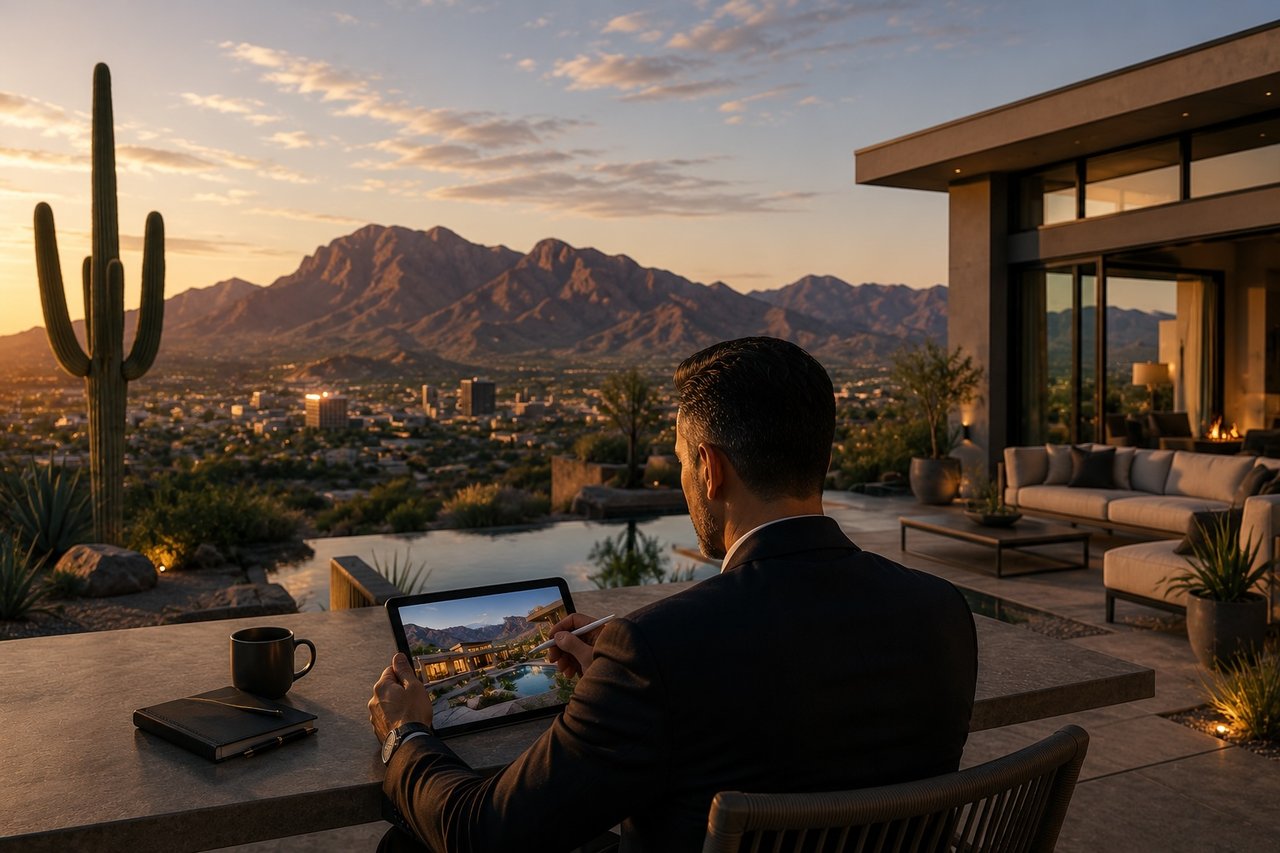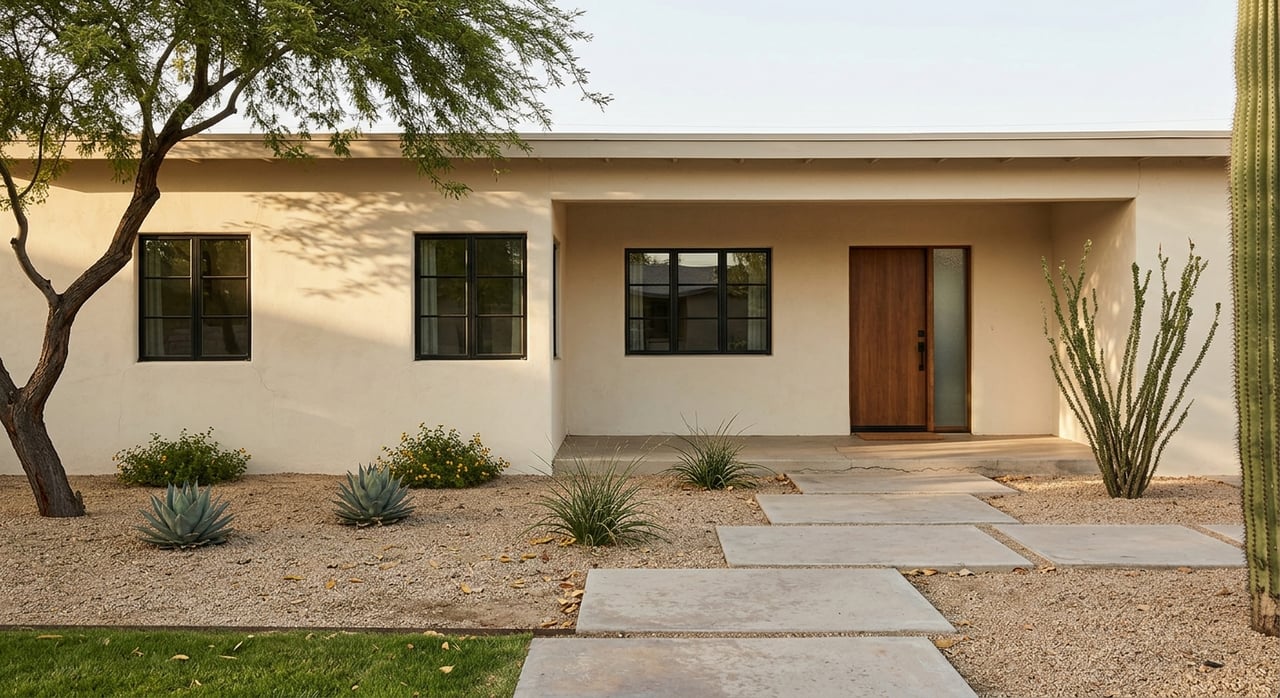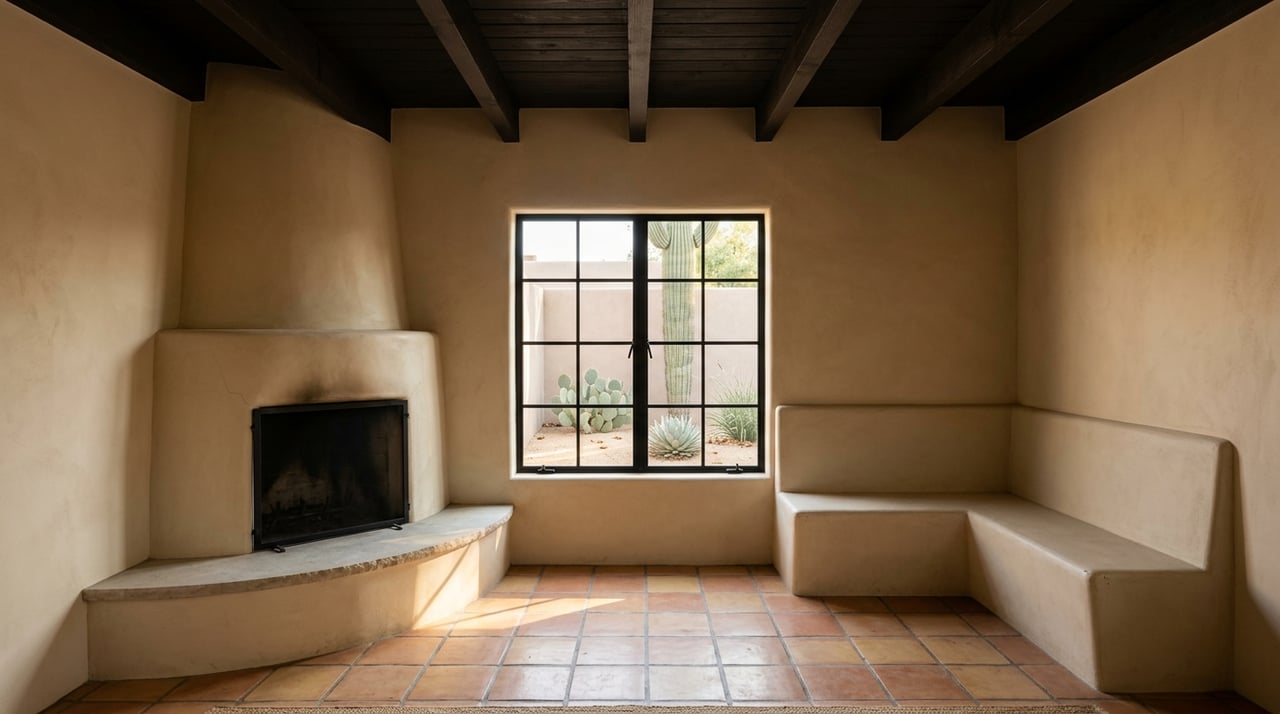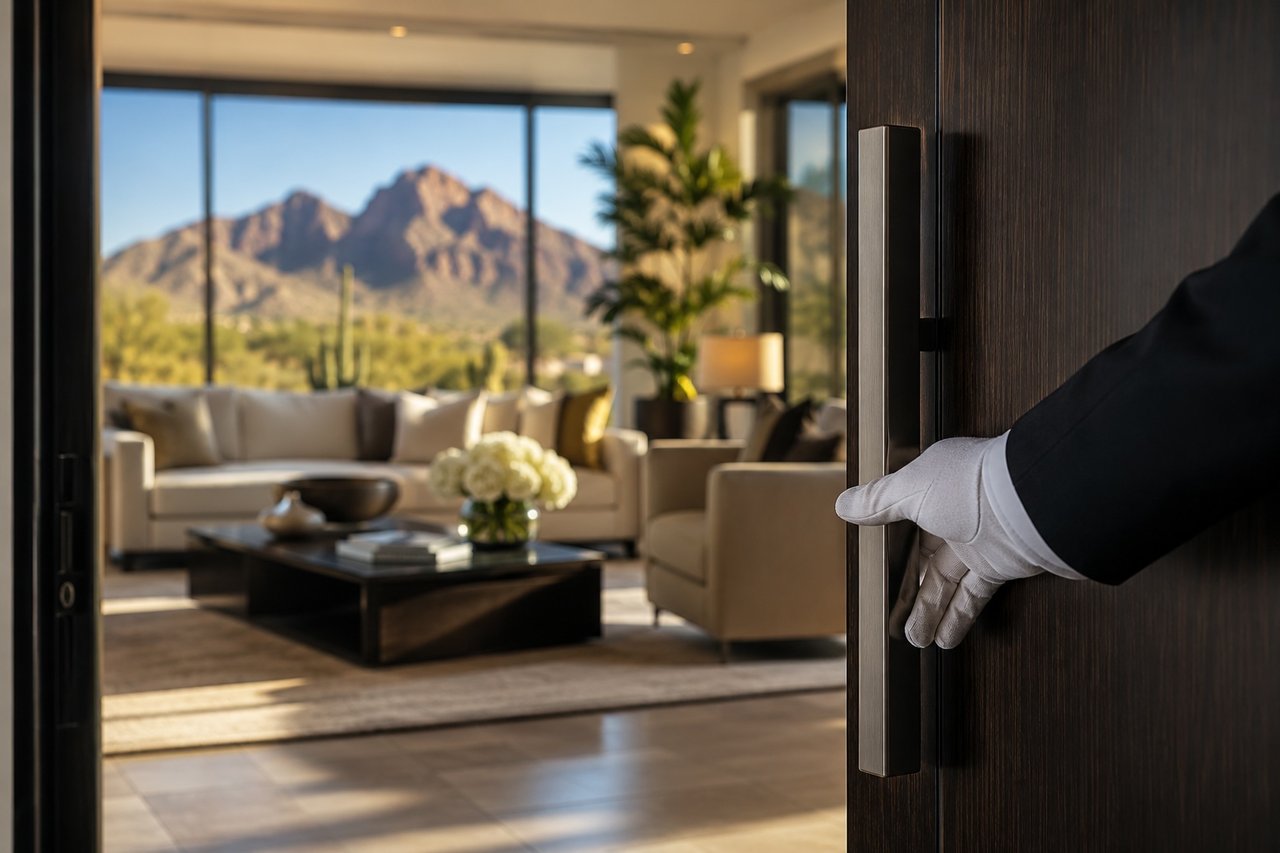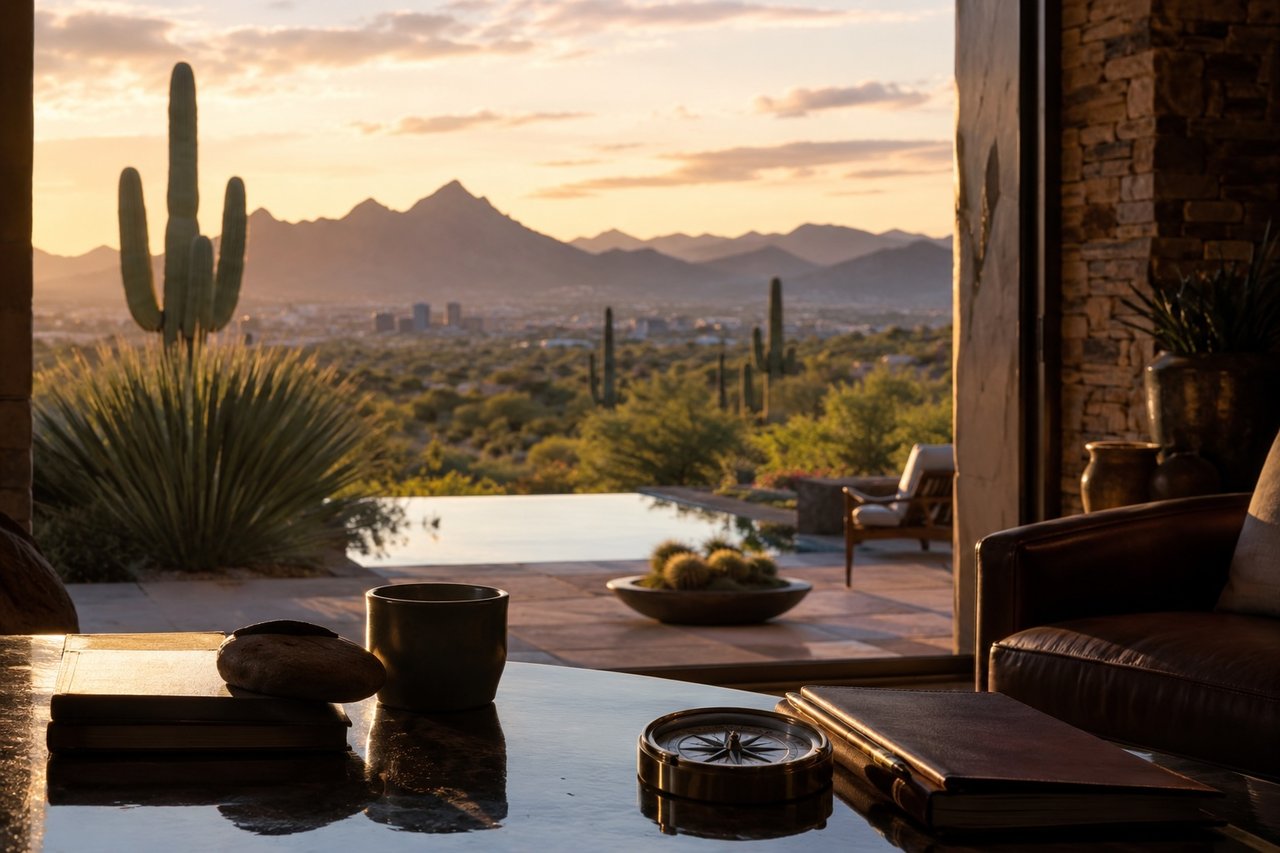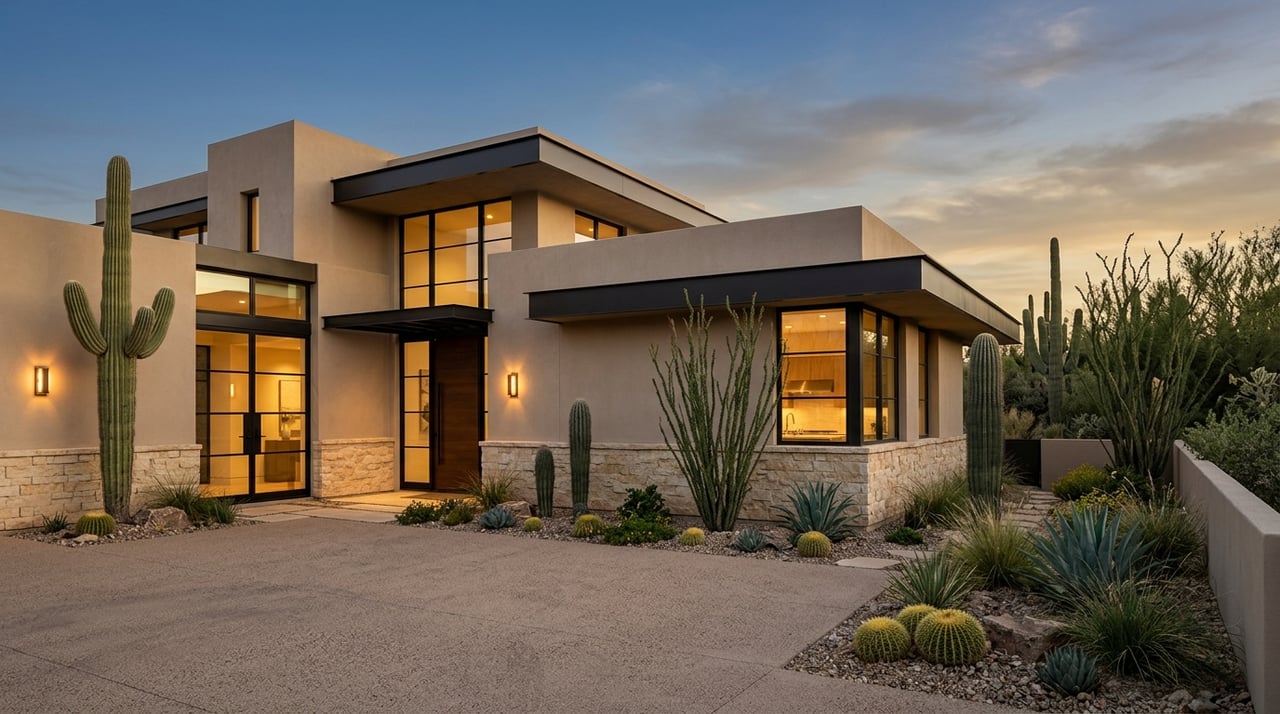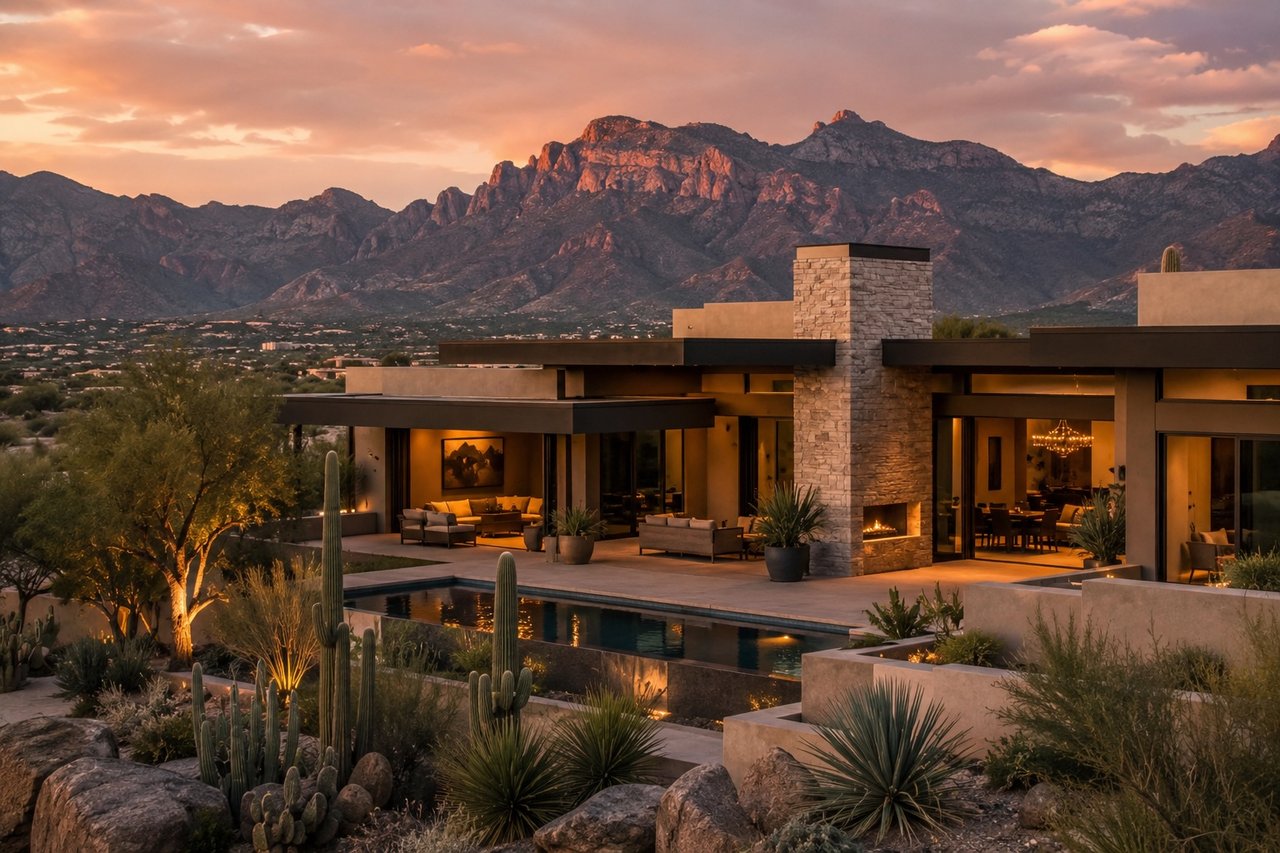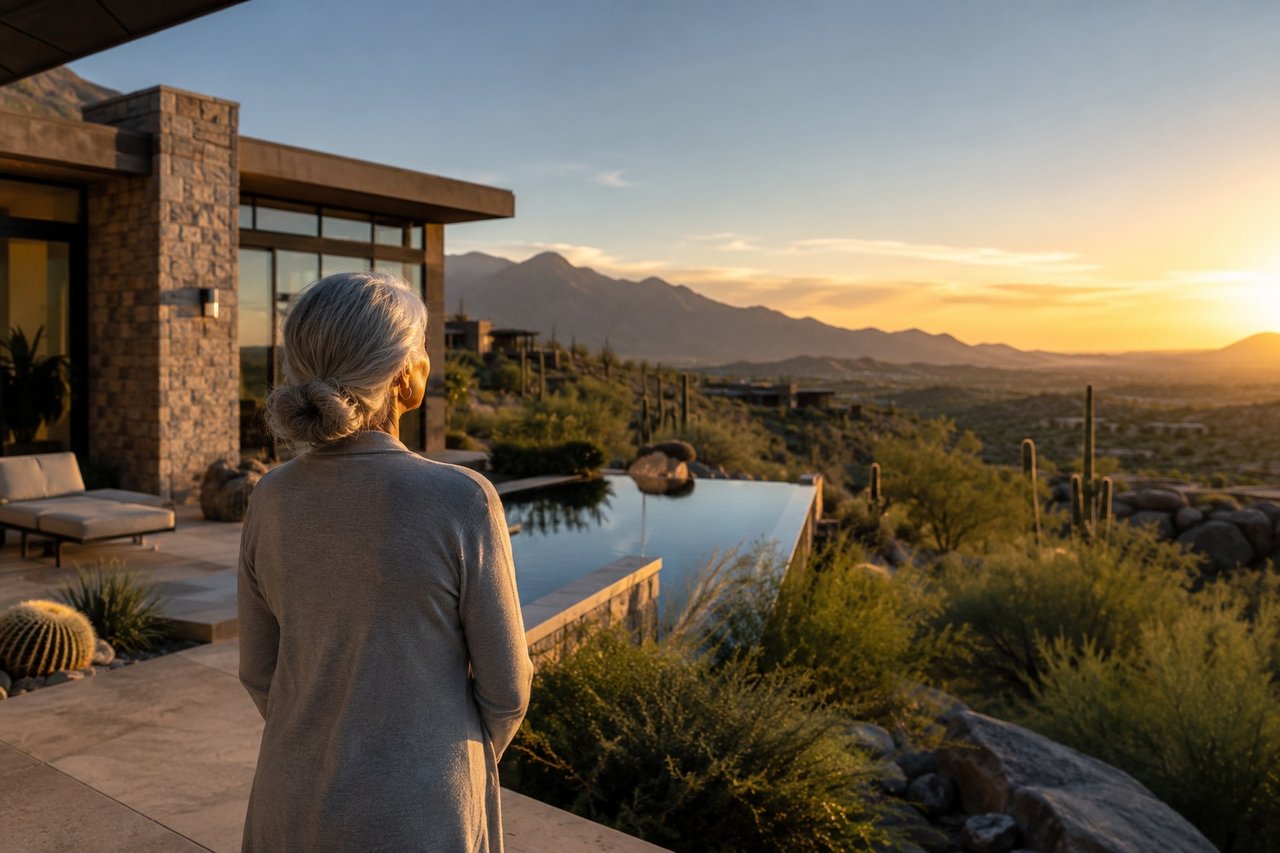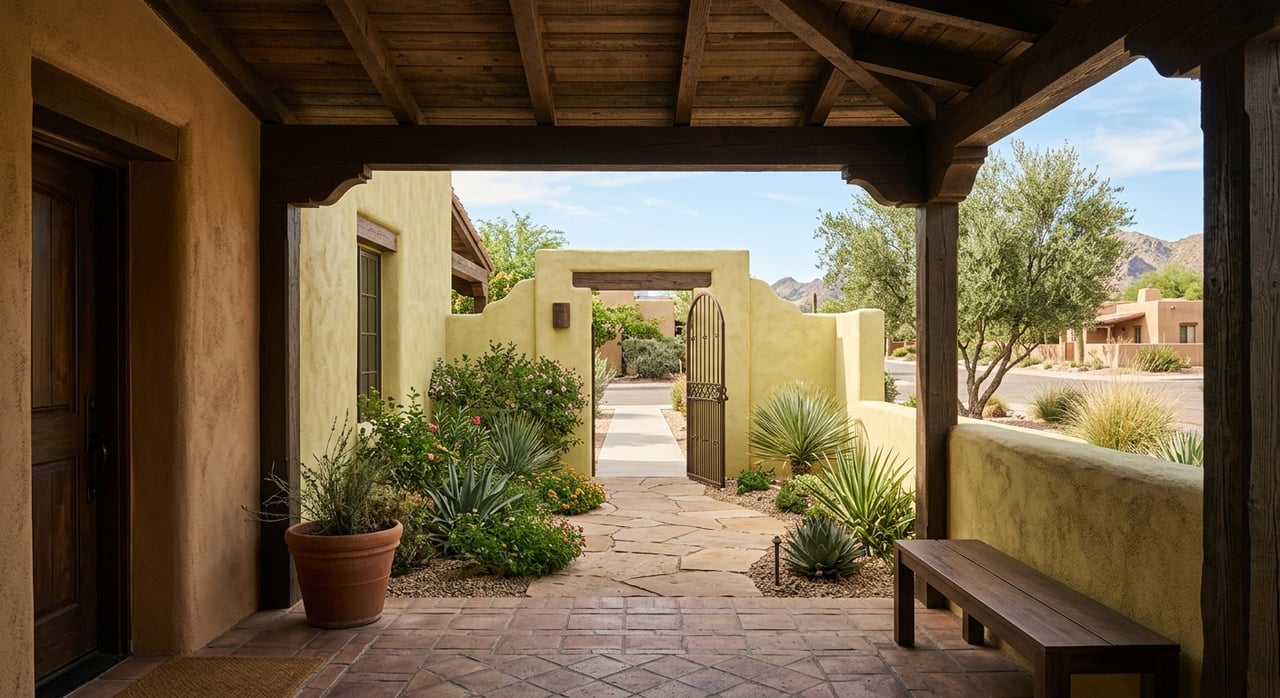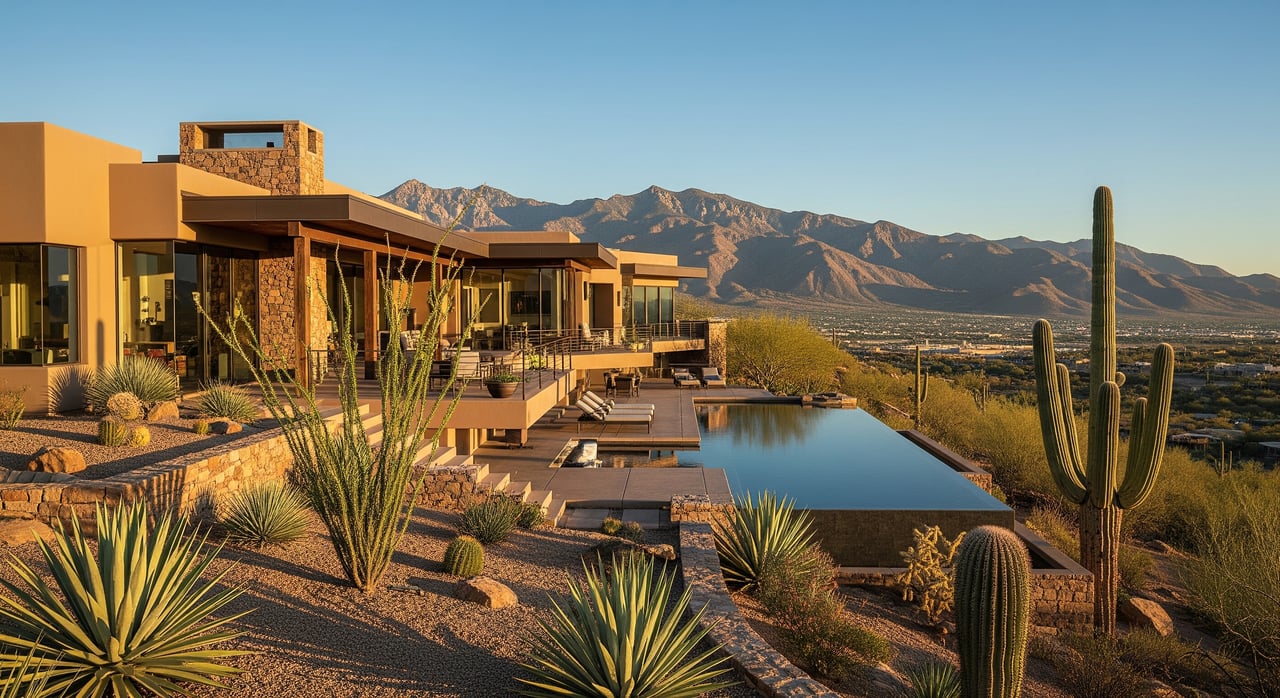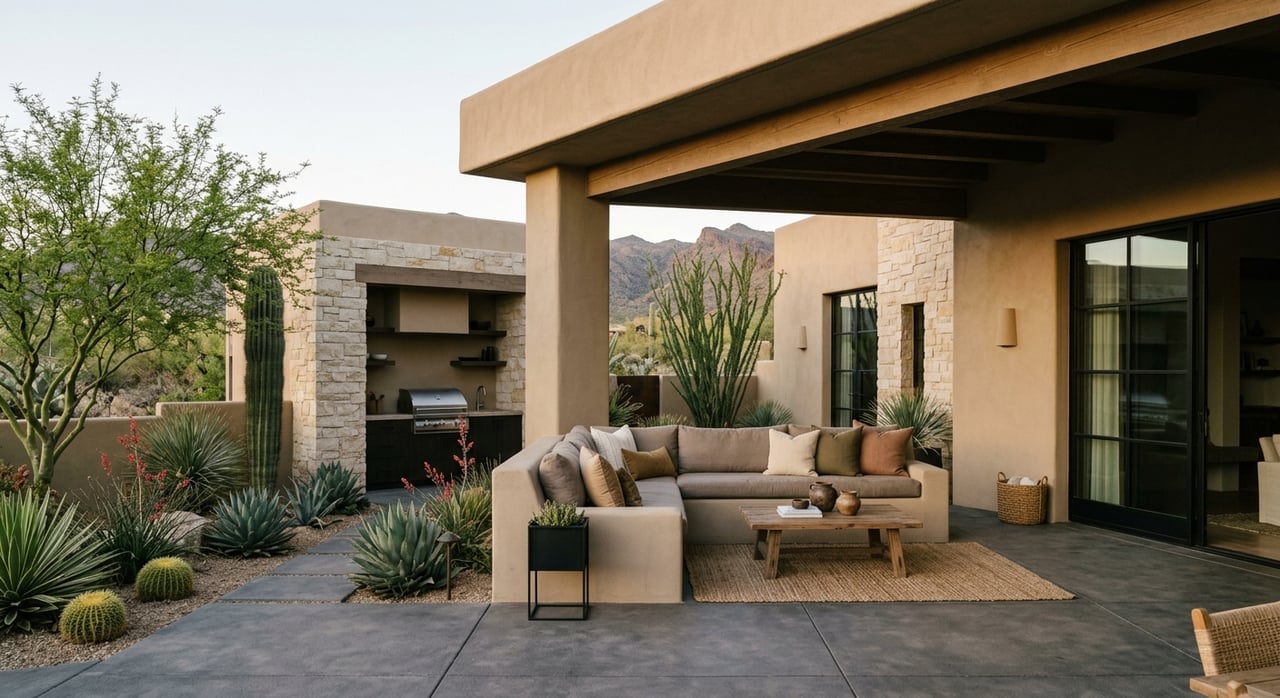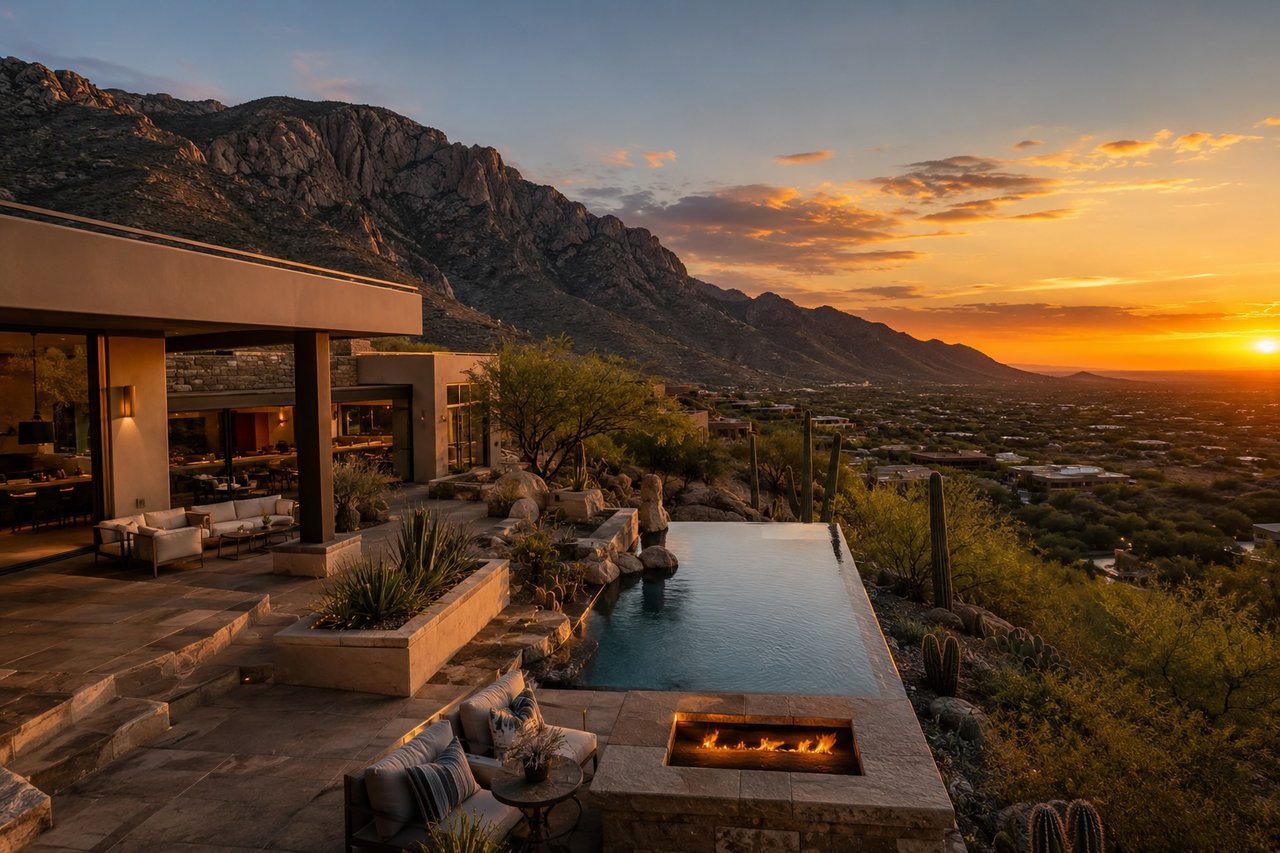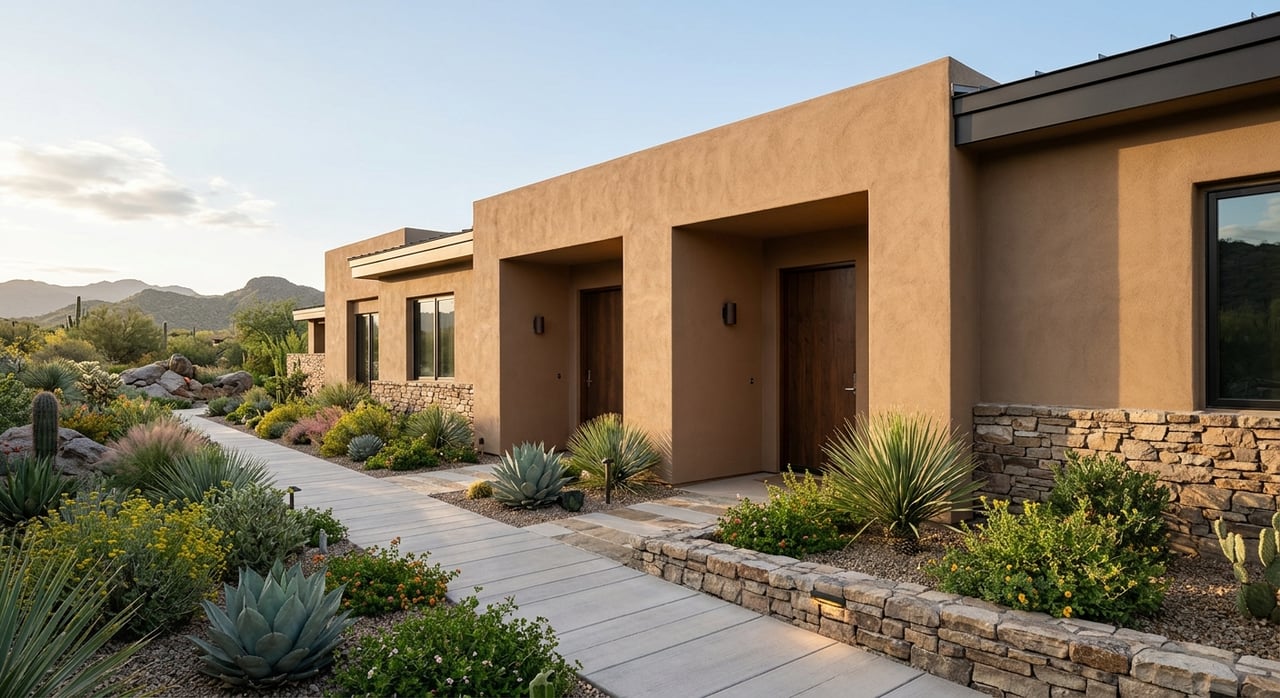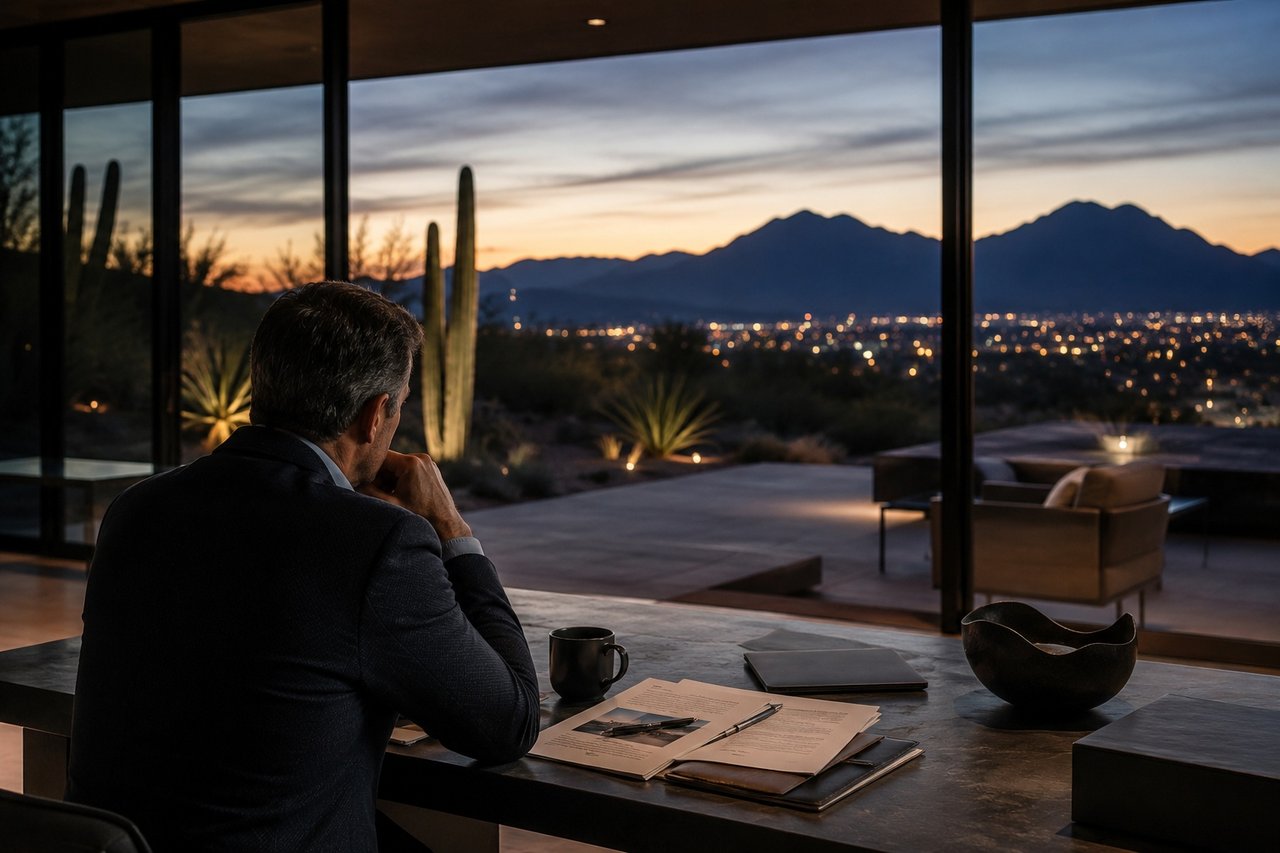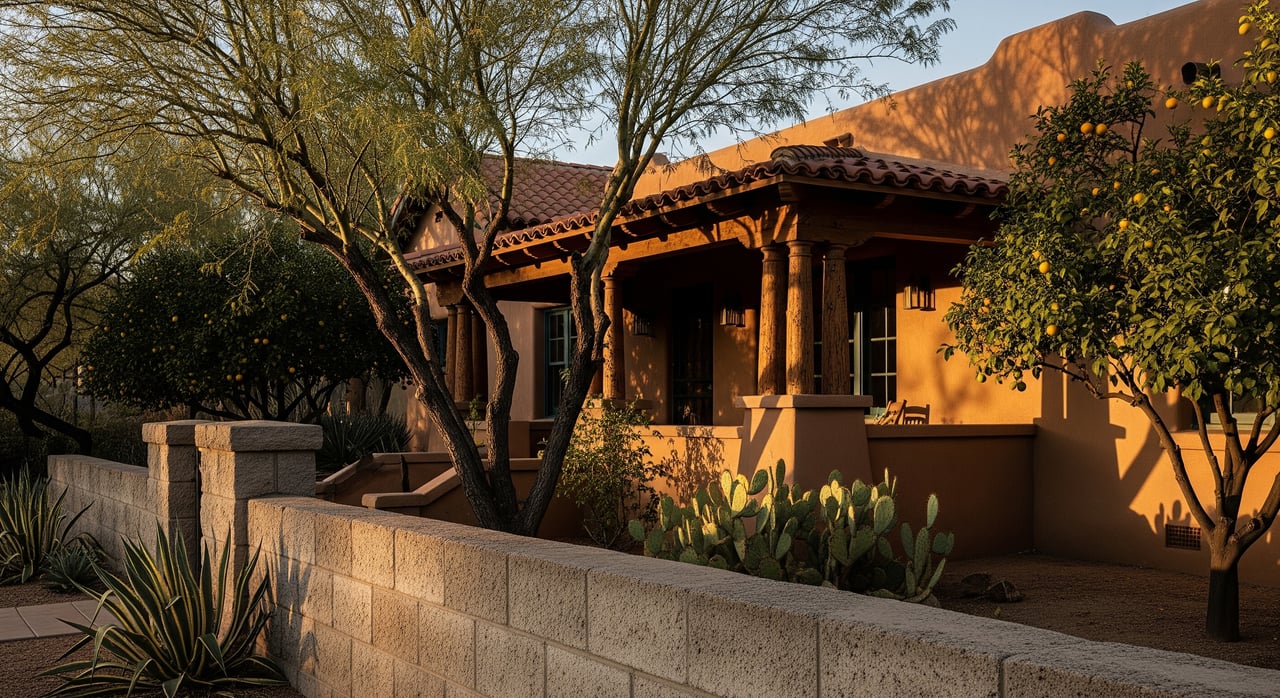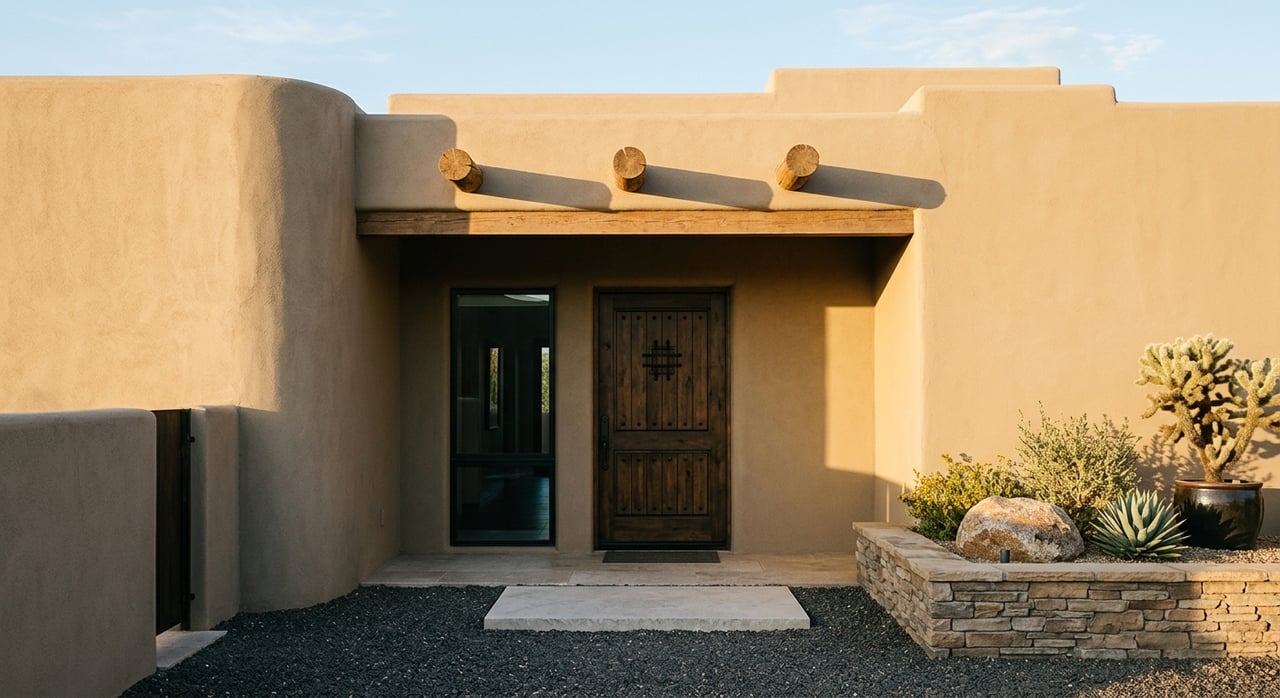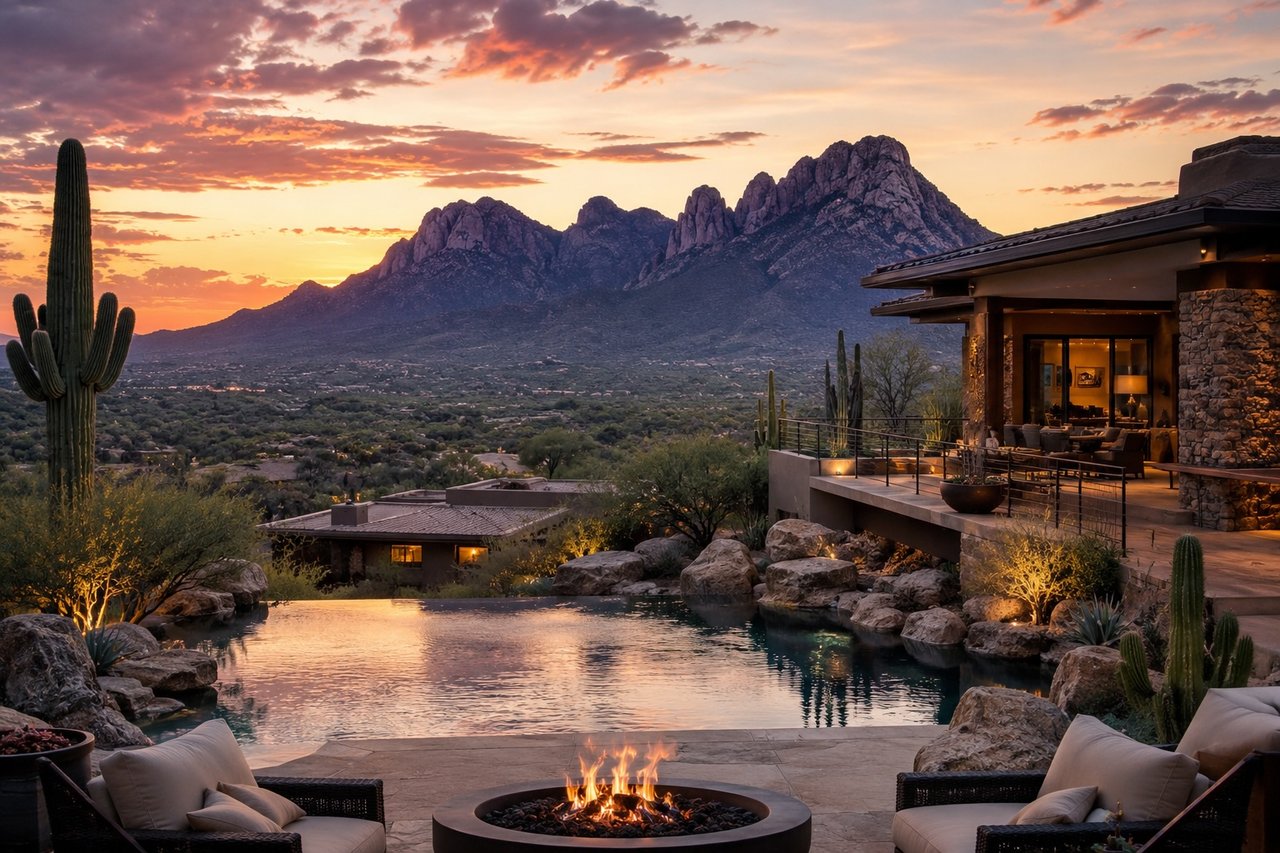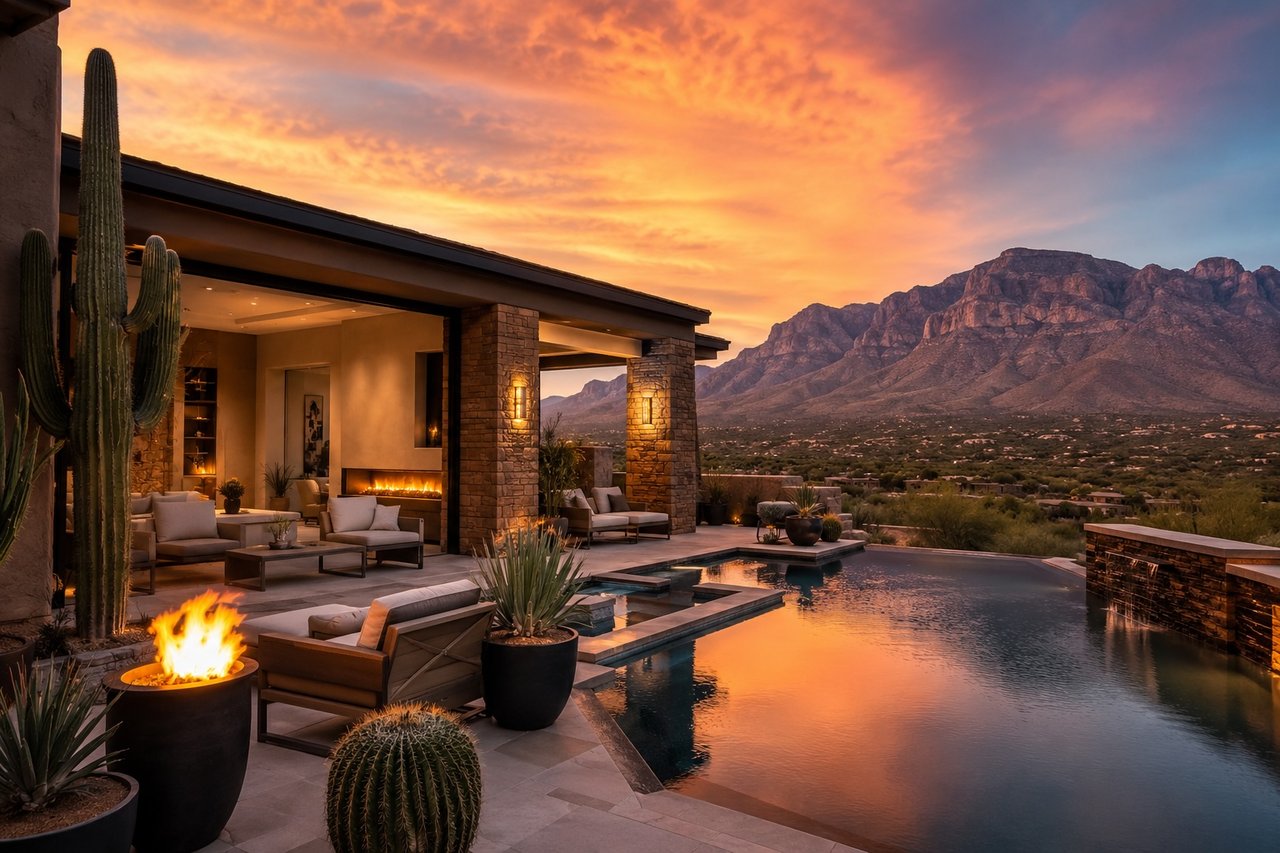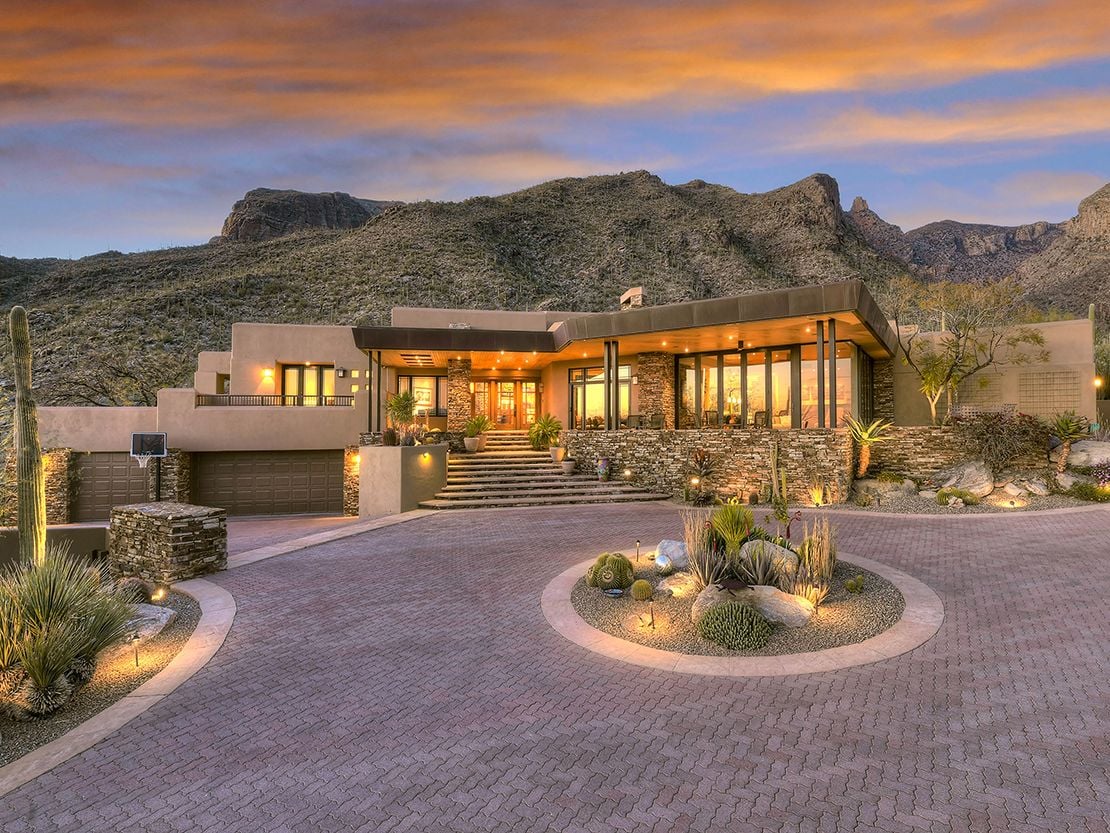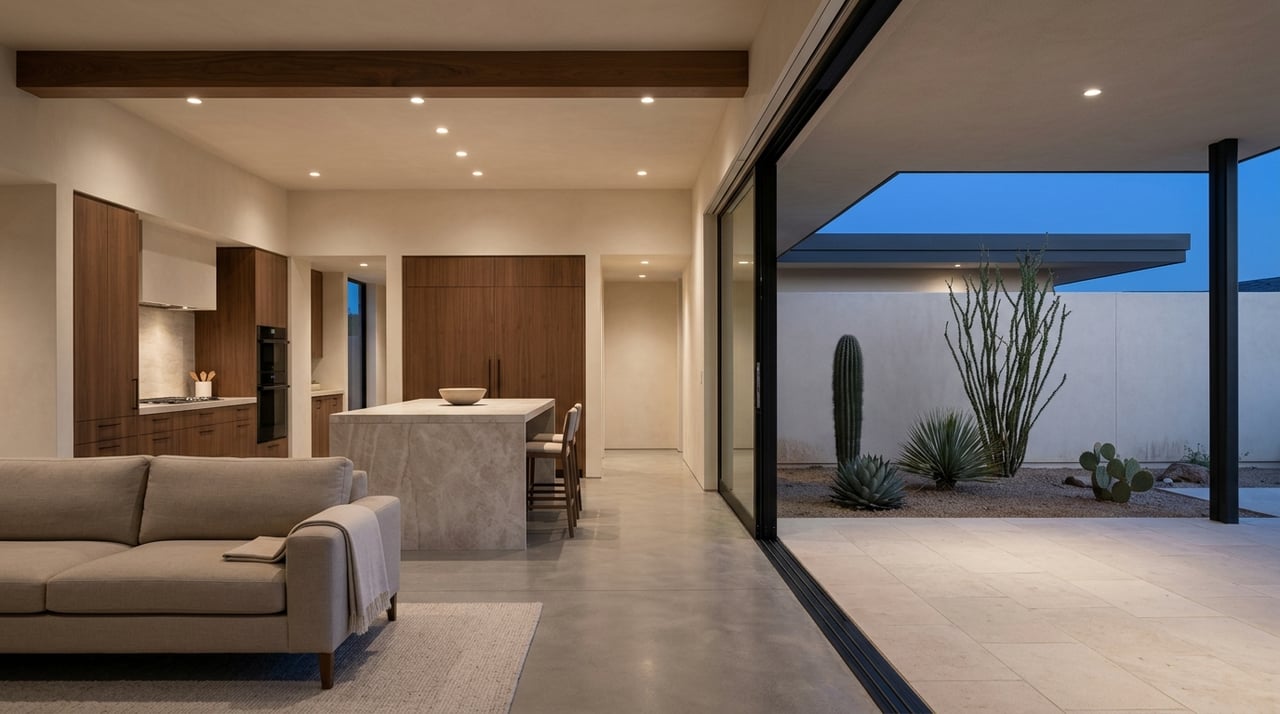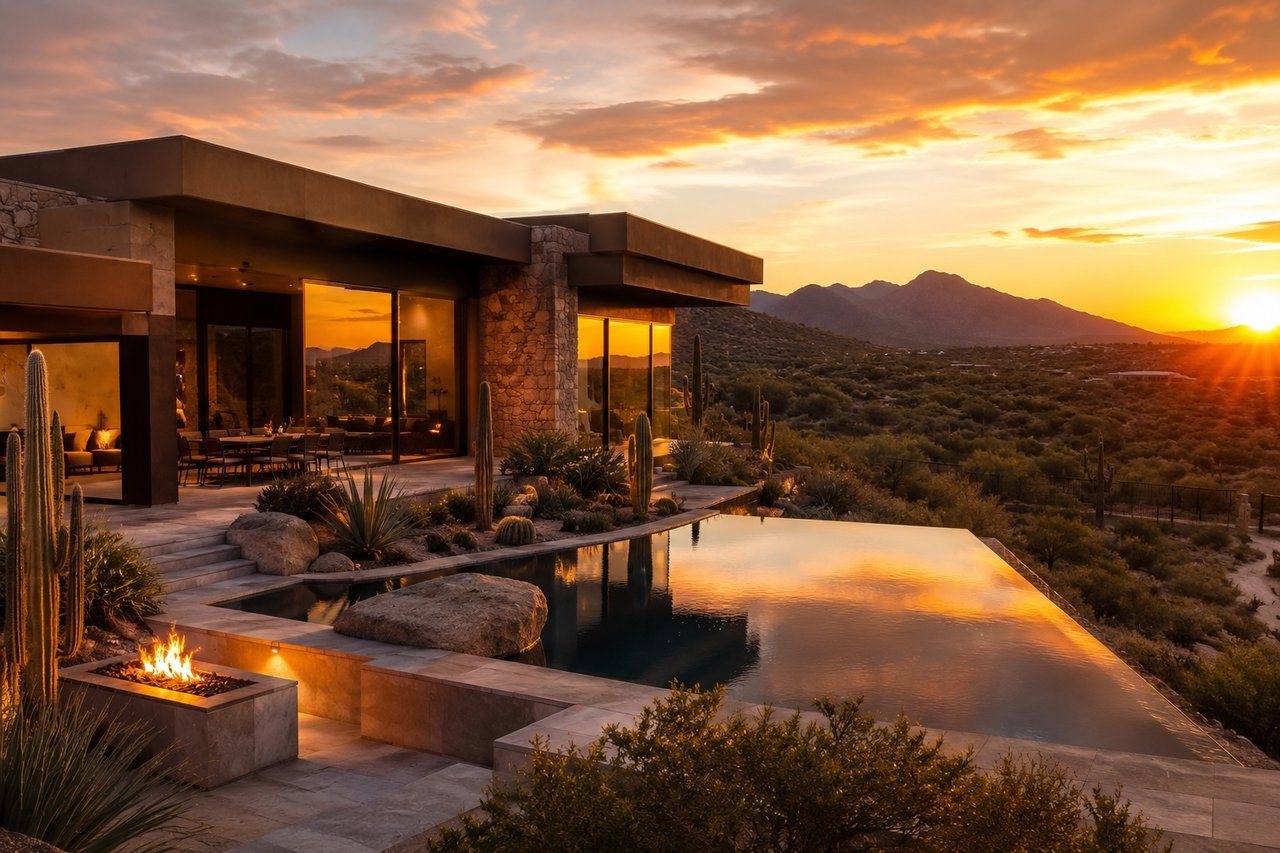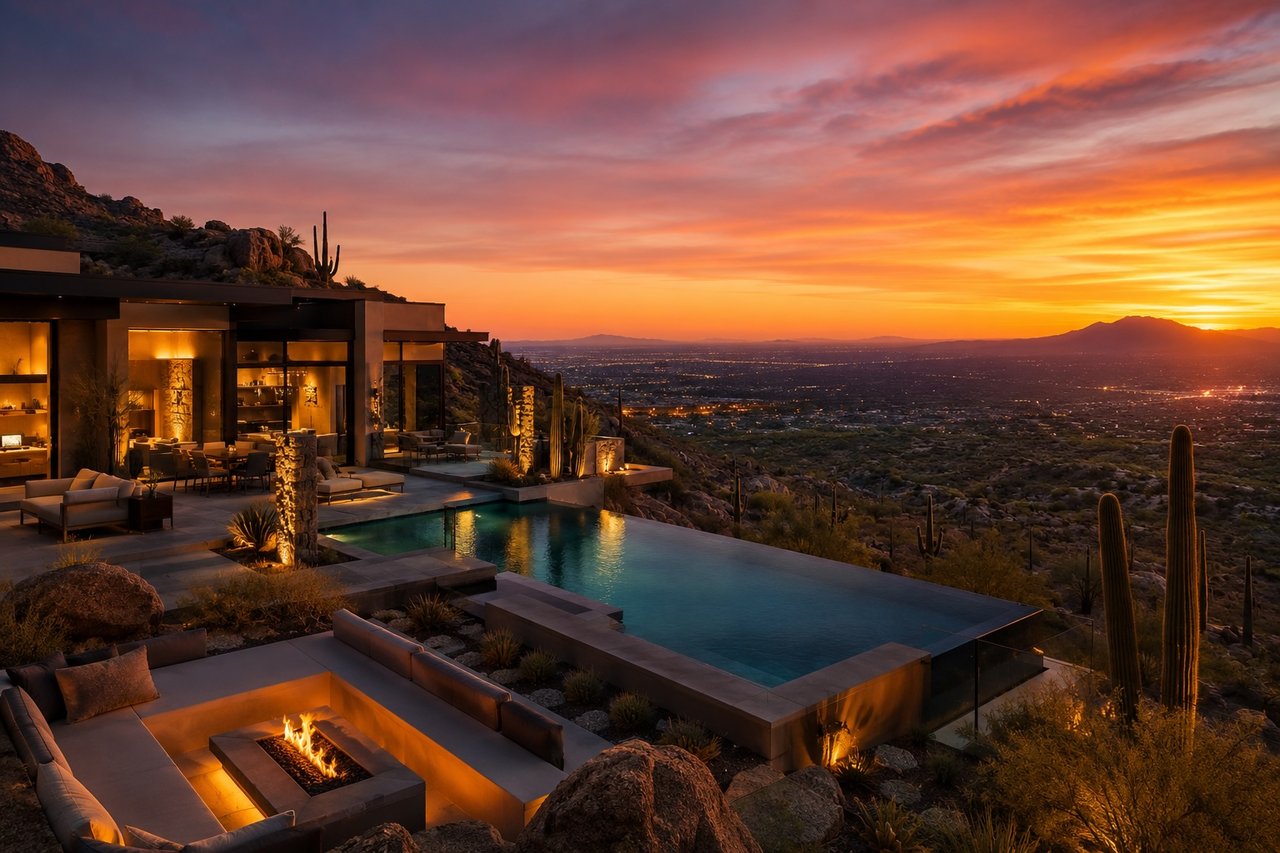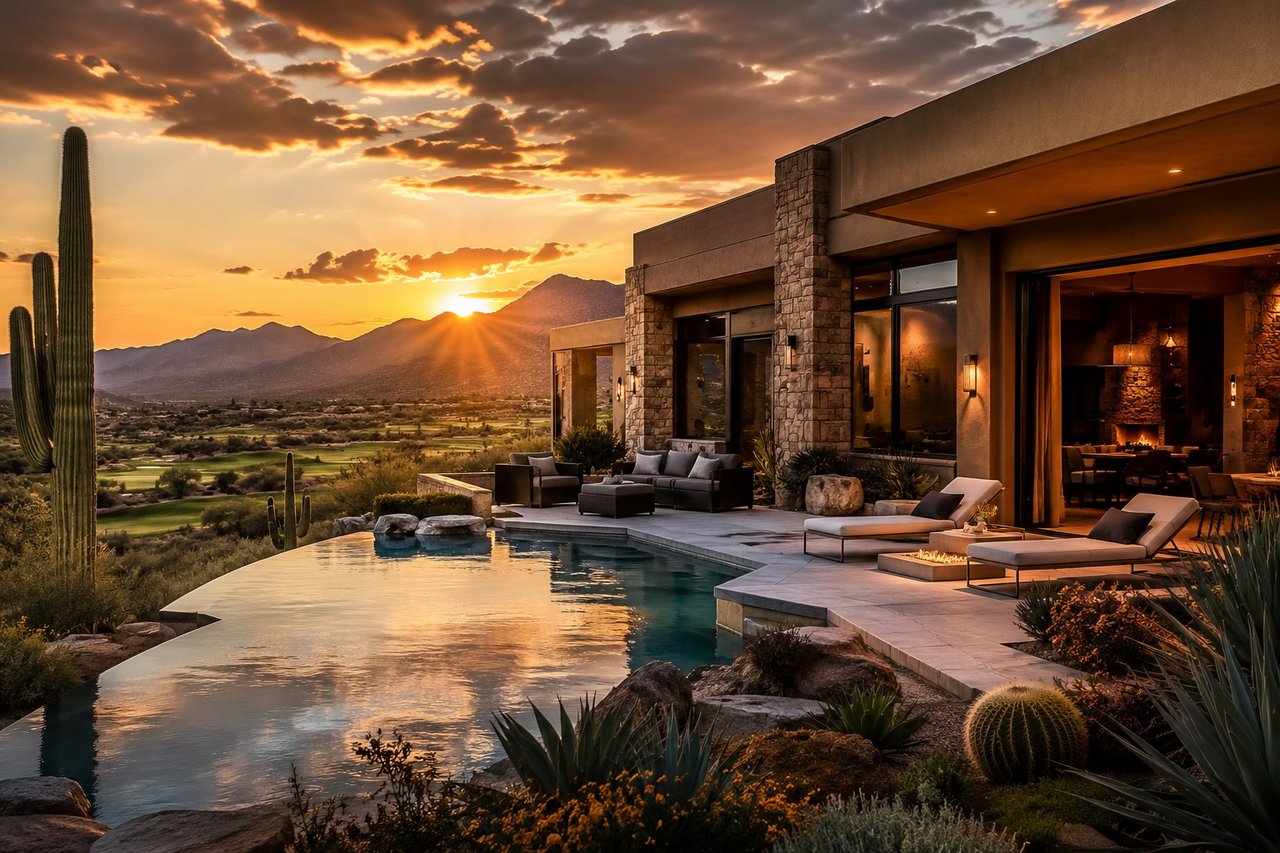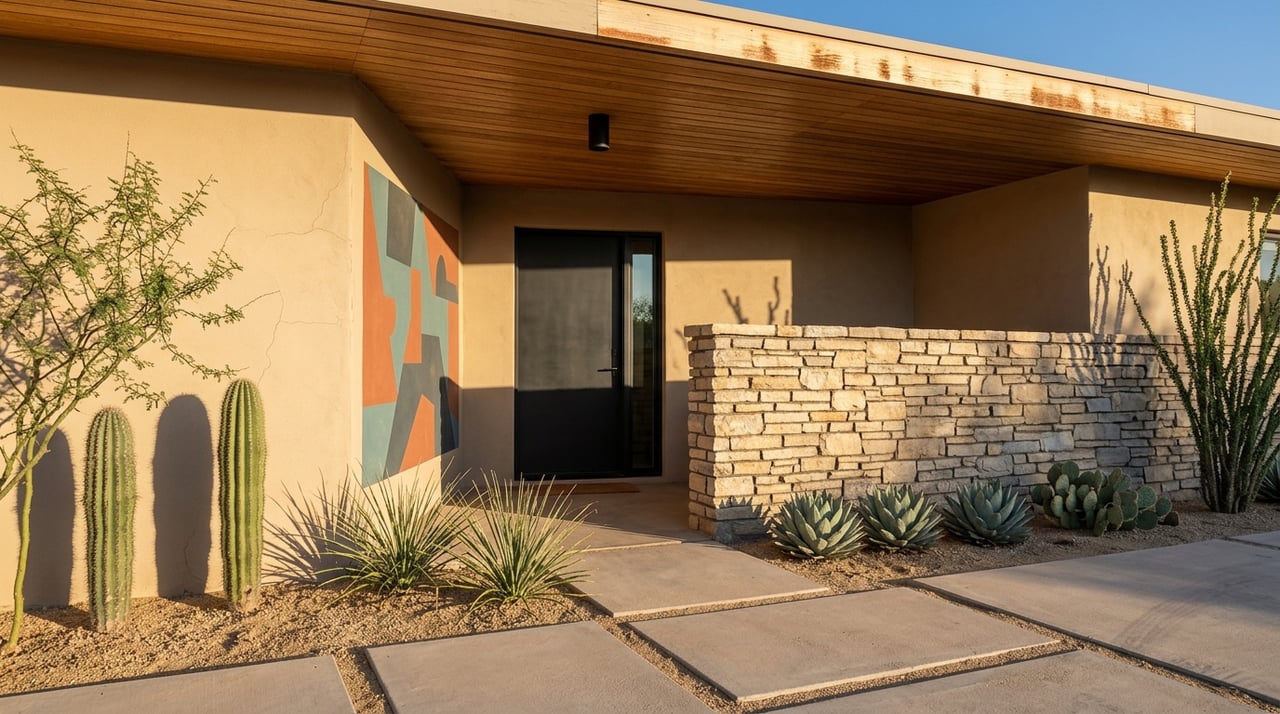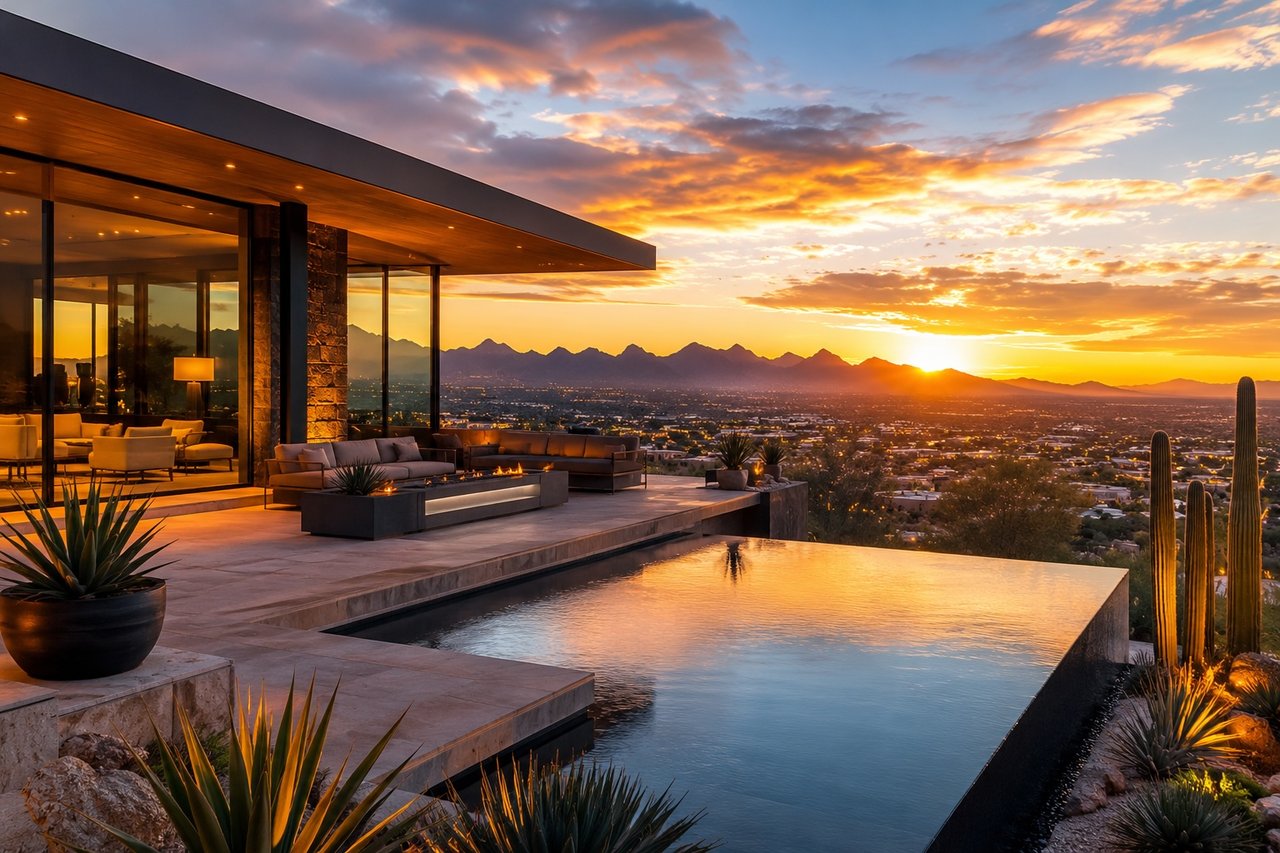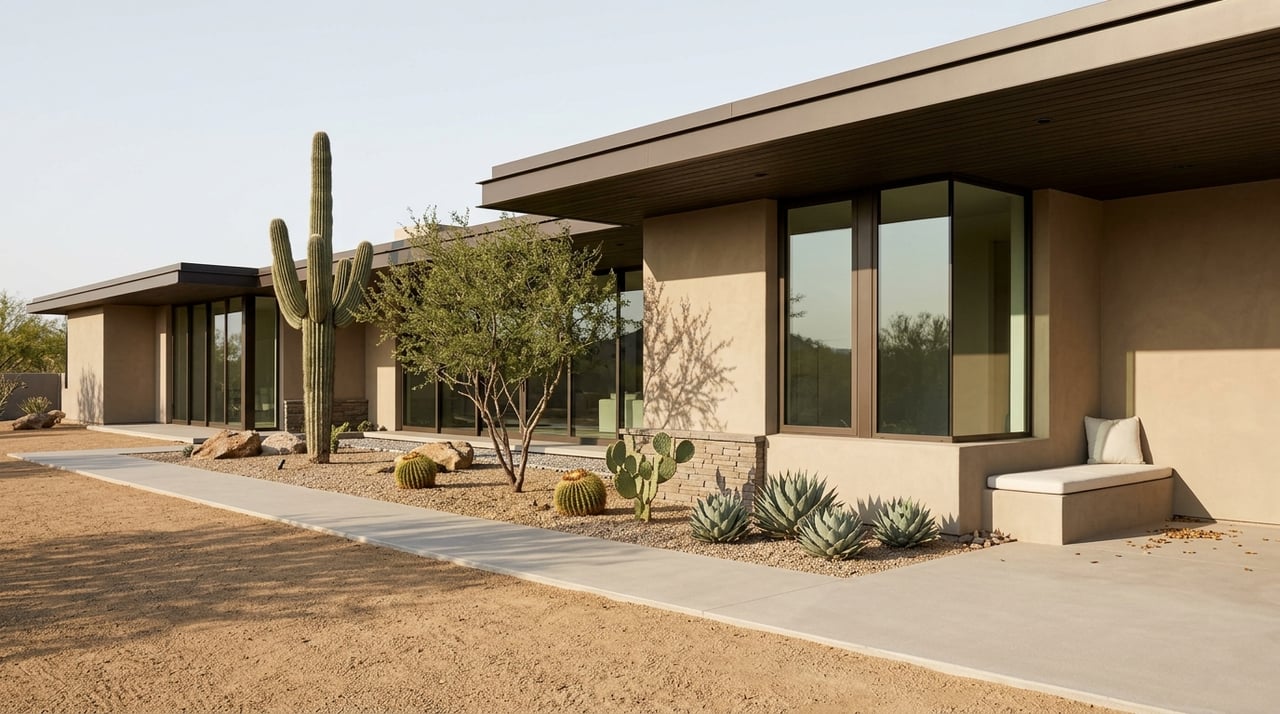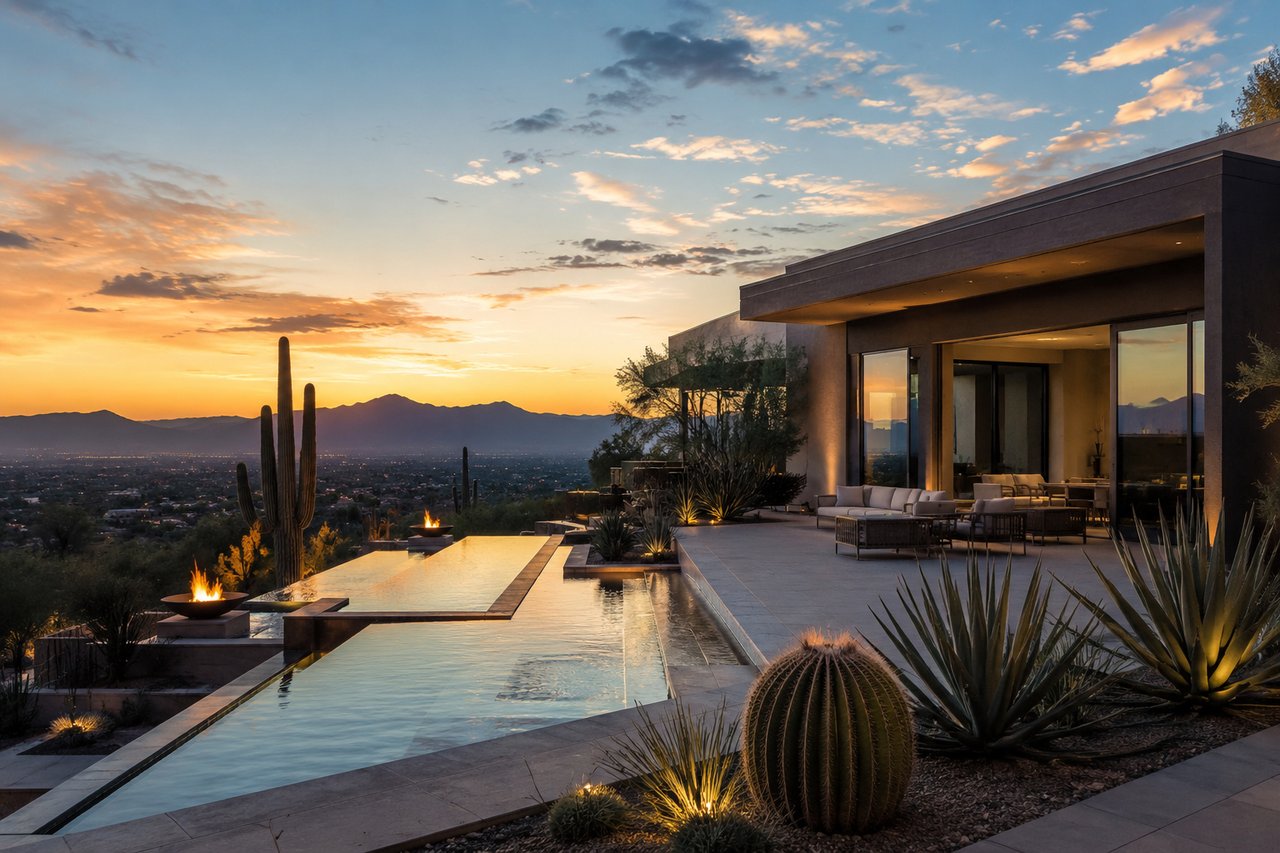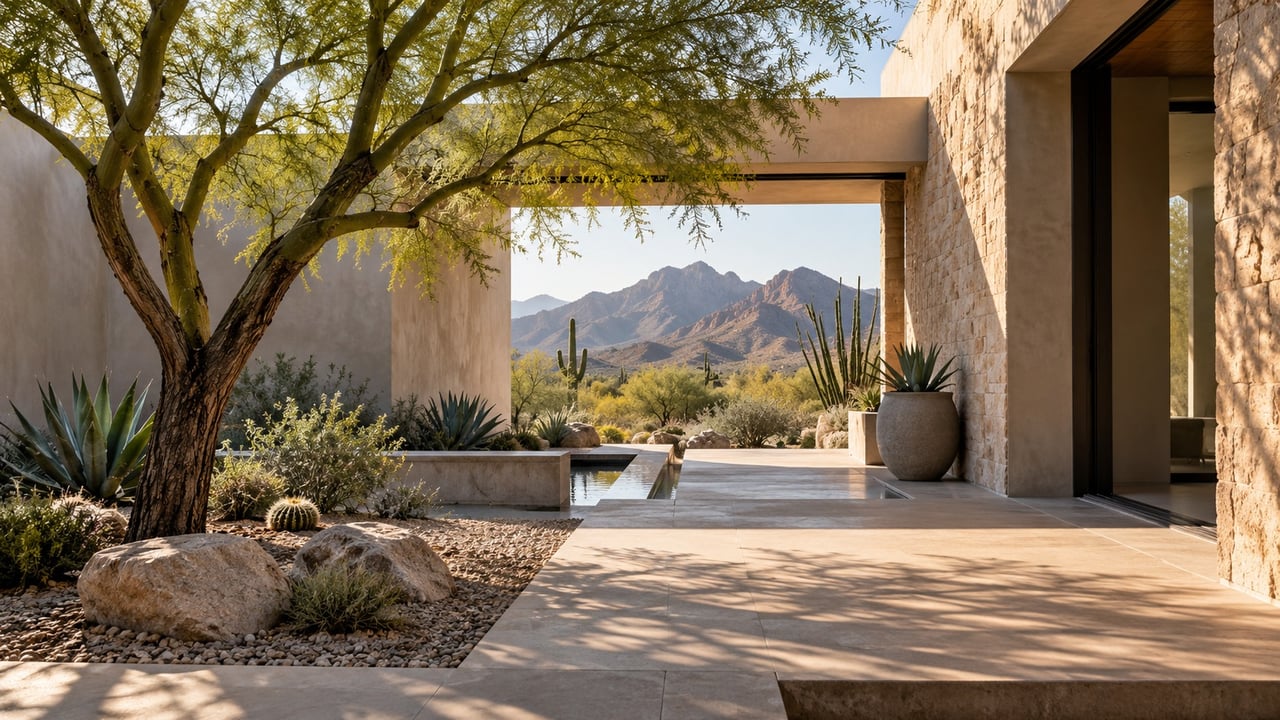
The most compelling desert homes make their setting part of daily life. Some make that impression before you have taken ten steps inside. A shaded entrance slows your pace. A courtyard draws your eye toward a tree. A mountain appears at the end of a hallway, framed so precisely that it feels like part of the room.
That relationship between a home and its surroundings is what interests me about architecture—and what I encourage buyers to look for beyond a beautiful listing photograph. It is also why the work of Japanese architect Tadao Ando feels relevant to a conversation about Tucson luxury real estate.
As a Tucson native and real estate advisor, my role is to help clients understand what makes a property worth their attention. Architecture gives me another way to ask that question: How does this home make the most of the place where it stands?
What Tadao Ando Helps Us Notice
Ando, recipient of the 1995 Pritzker Architecture Prize, is known for concrete buildings whose geometry creates carefully considered encounters with light and nature. His work brings Japanese aesthetic traditions into conversation with international modernism. [1]
Two projects make these ideas tangible. At Azuma House in Osaka, a central courtyard becomes part of the route between rooms, making the outdoors an unavoidable presence within a compact home. [2] At Chichu Art Museum on Naoshima, much of the building sits underground to preserve the surrounding scenery, while daylight changes the experience of its interiors and artworks. [3]
What I take from these buildings is the importance of intention. Where does a wall direct your attention? What does a window reveal? How does moving through a building change your awareness of the world outside?
Those questions translate beautifully to Southern Arizona.
Light and Shade in a Tucson Home
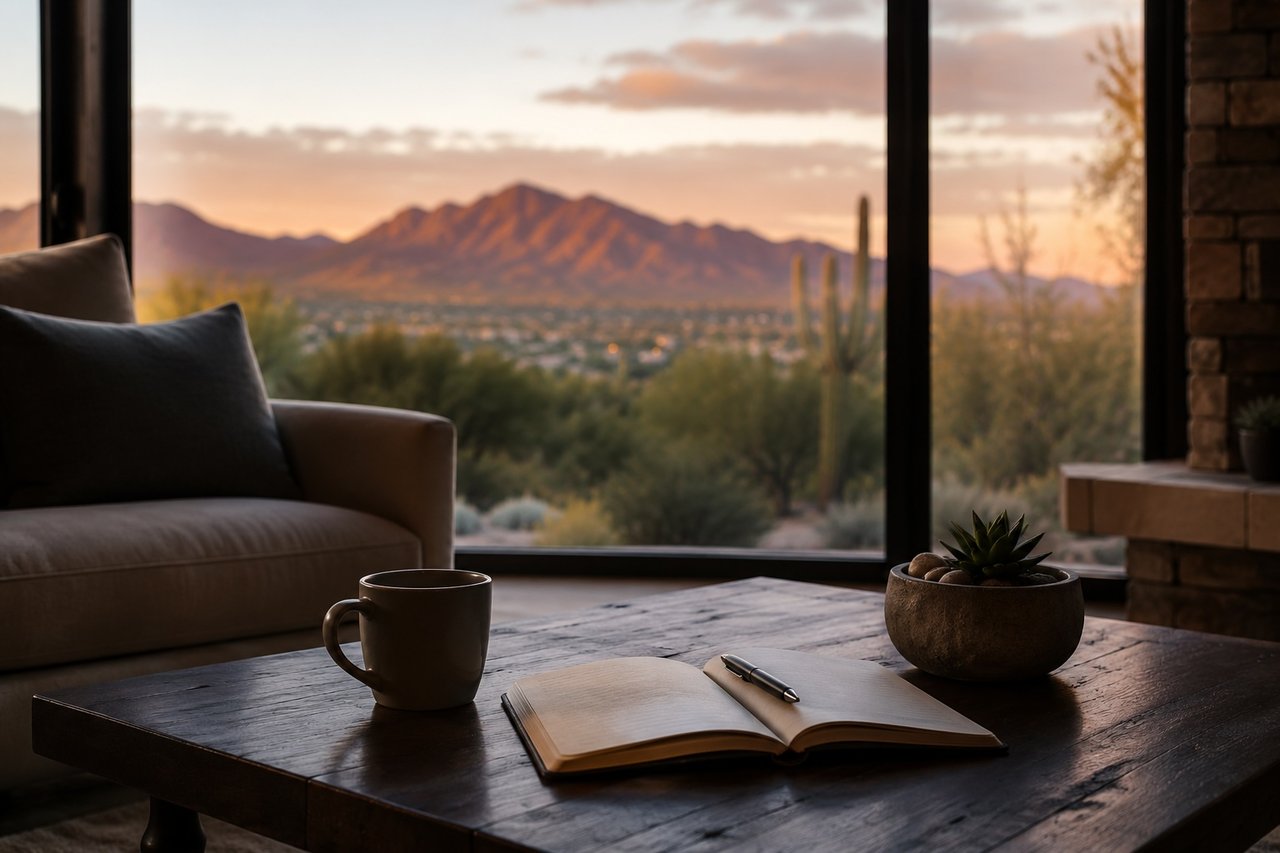
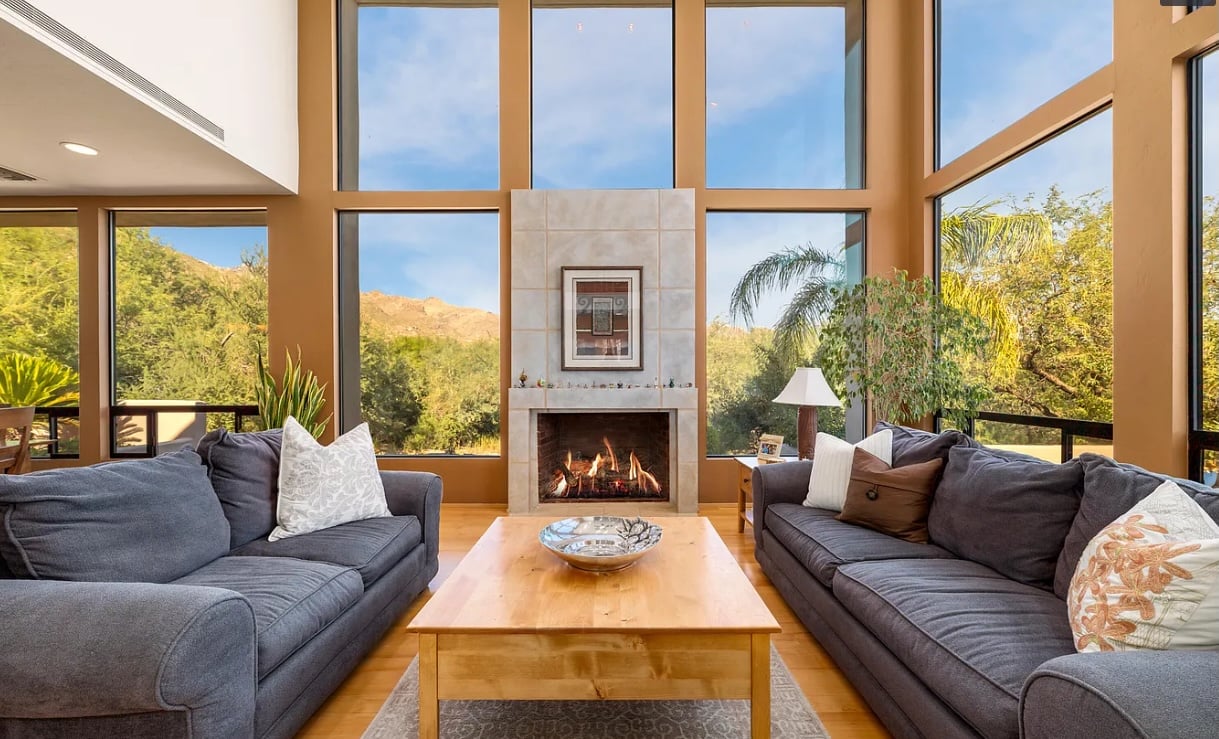
Imagine a living room with an expansive mountain view. Now imagine that the most comfortable place to sit faces away from it, or that afternoon glare makes you close the shades.
The view still exists. The daily experience deserves a closer look.
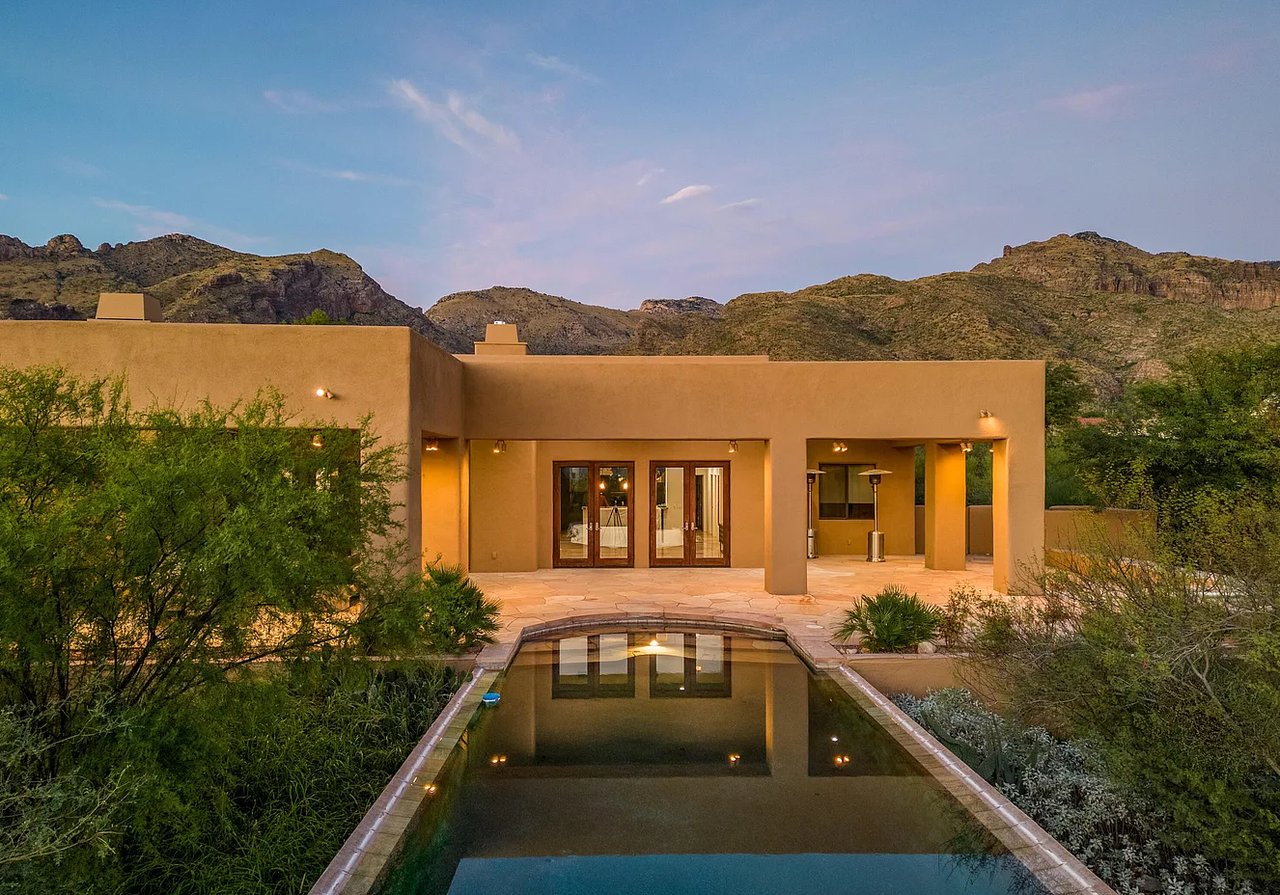
When evaluating a Tucson home, I want to consider how its windows, covered terraces, and room arrangement work together. Can you enjoy the landscape from the dining table? Does the outdoor seating have shade when you expect to use it? How might the rooms feel at a different hour?
Ando’s work encourages that attention to changing light. Applying it here means thinking carefully about desert comfort. A photograph captures one moment; a home needs to work throughout the day.
Japanese Design in Tucson: Yume Gardens
Tucson’s connection to Japanese design becomes especially specific at Yume Japanese Gardens on North Alvernon Way.
Yume describes its architecture through sukiya, emphasizing refined use of natural materials and an intimate relationship between interior spaces and gardens. Its courtyard gardens demonstrate how a small, carefully composed setting can hold our attention. [4]
There is an especially compelling local detail: Yume’s description of its dry landscape garden identifies stones from the Santa Catalina Mountains. It also explains that, when intervening trees lose their leaves in winter, the mountains become visible beyond the garden. The distant landscape participates in the composition. [4]
That is a direct meeting of Japanese garden design and Tucson’s geography. It gives this conversation a local foundation.
Borrowed Scenery and the Mountain View
The Japanese garden concept of shakkei, often translated as “borrowed scenery,” incorporates features beyond a garden’s boundaries into its design. A distant mountain can become part of a much smaller foreground composition. [5]
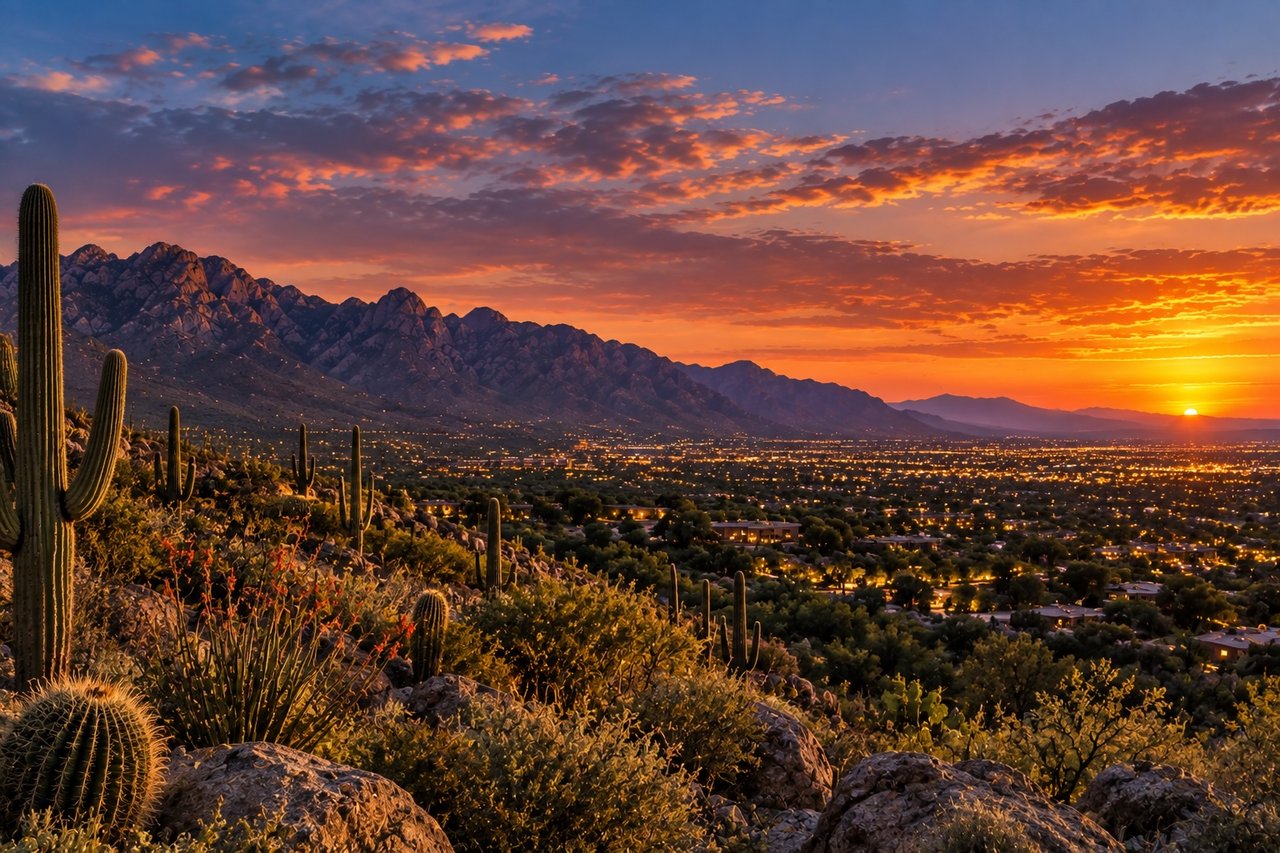
For me, that offers a useful way to think about homes in the Catalina Foothills, including Pima Canyon.
Consider the difference between having mountains somewhere on the horizon and seeing a ridgeline deliberately framed from the main living space. The placement of a window, the height of a wall, and the arrangement of the garden can all change the experience.
This is an architectural analogy. Tucson homes have their own design histories, and an apparent similarity does not establish Japanese influence. It does, however, give buyers a more precise vocabulary for what they appreciate.
What to Look for in a Tucson Desert Home
For buyers drawn to desert modern architecture or distinctive Tucson homes, I would bring these questions to a showing:
- Views: Can you enjoy them from the places where you will spend time, including seated positions?
- Privacy: How do neighboring windows, outdoor spaces, and the street relate to the home?
- Light: Where do you notice glare, useful daylight, or deep shade?
- Movement: Do the routes between rooms and outdoor areas feel comfortable and practical?
- Materials: How have surfaces weathered, and what care will they require?
These observations should complement professional inspections and a review of the property’s condition. A compelling design deserves the same careful evaluation as any other home.
My Tucson buyer’s guide offers a starting point for the broader purchase process.
How Sellers Can Tell the Architectural Story
For sellers, this perspective changes what deserves attention before a home reaches the market.
The important feature may be a courtyard that brings daylight into several rooms, an entrance that preserves privacy, or a terrace positioned to make the mountains part of everyday life. Those qualities deserve clear photography and specific language.
The presentation should show how the home works: the relationship between rooms, the progression toward a view, and the character of its materials. Before recommending changes, I would also consider which original details give the property its identity.
Architecture can help explain a home’s appeal. Pricing still requires comparable sales, condition, location, and current competition; design alone does not establish a premium.
For an owner preparing to sell, the goal is to make the home’s distinctive qualities understandable to the right buyer. My Tucson seller’s guide introduces that larger process.
Finding Your Own Version of Desert Luxury
What draws me to Ando is the attention his work asks us to give to ordinary experiences: entering a room, moving into shade, looking outside.
In Tucson, luxury can be deeply connected to those moments. A private outdoor space. A comfortable room filled with daylight. A mountain view that becomes part of your morning.
That is the conversation I want to have with clients. What matters to you, and how well does a particular home deliver it?
If you are considering a distinctive home in Tucson or Southern Arizona, I would welcome a conversation about the setting, the architecture, and how you want to live. Explore my buyer services or seller services to begin planning your next move.
Quick Answers
How does Tadao Ando’s architecture relate to Tucson?
His approach to light, enclosure, and nature provides a useful lens for evaluating desert homes. The connection is a comparison of design principles, especially the experience of views, shade, and privacy.
Where is there a Japanese design connection in Tucson?
Yume Japanese Gardens offers a documented example through its garden compositions and sukiya architecture, including a dry landscape garden that uses local stones and incorporates a seasonal mountain view. [4]
What should I consider when buying an architecturally distinctive Tucson home?
Evaluate the design alongside condition, maintenance, privacy, orientation, and comparable properties. Pay particular attention to how the home feels from the rooms and outdoor spaces you will actually use.
About Daniel Sotelo
Daniel Sotelo is a Tucson native and real estate advisor with Russ Lyon Sotheby’s International Realty. He helps buyers and sellers throughout Tucson and Southern Arizona, bringing a personal interest in architecture, desert living, and the qualities that make a home distinctive.
Sources
1. The Pritzker Architecture Prize — Tadao Ando, 1995 laureate. Architectural approach, materials, and award.
2. Praemium Imperiale — Tadao Ando. Azuma House and its courtyard circulation.
3. Benesse Art Site Naoshima — Chichu Art Museum. Underground design, landscape relationship, and natural light.
4. Yume Japanese Gardens — Gardens and Sukiya Living. Sukiya architecture, courtyard gardens, local stones, and seasonal borrowed scenery.
5. Bowdoin College — Borrowed Scenery. Definition of shakkei.
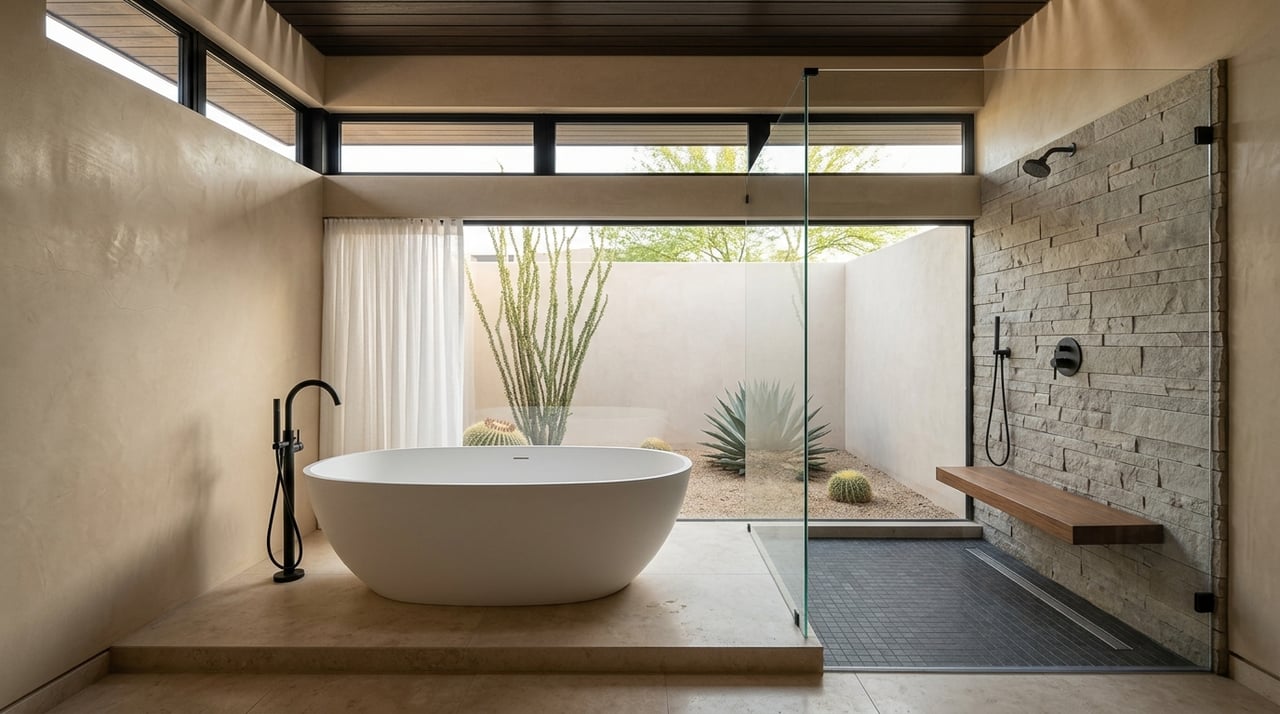
Image: AI-generated architectural concept.