By Daniel Sotelo | Russ Lyon Sotheby’s International Realty | Tucson, Arizona
You have preserved the original windows, replaced the aging mechanical equipment and created a kitchen that belongs in the house. Now you are preparing to sell. How much of that work will a buyer recognize in the price?
Price a renovated Sam Hughes home by comparing the complete property with relevant closed sales, then explaining the value of its condition, architecture, usable space and location. Renovation invoices document the work; they do not establish a dollar-for-dollar increase in market value.
That distinction matters in a neighborhood where two similarly sized homes can offer very different living experiences. A thoughtful renovation may preserve the reason someone wants an older Tucson house while making it easier to own. Another project may look impressive in photographs but leave an awkward floor plan or unresolved systems behind the new surfaces.
My approach is to make the differences understandable before choosing an asking price. Strong representation begins with a clear explanation of what the home offers and which evidence supports its position.
Start with the right Sam Hughes comparison
Sam Hughes occupies the Central Tucson area bounded by Campbell Avenue, Speedway Boulevard, Country Club Road and Broadway Boulevard. The City of Tucson’s Sam Hughes Neighborhood Plan describes that geography. Within it, the home’s particular street, lot, architecture and relationship to nearby destinations still deserve individual attention.
I would first identify properties that a likely buyer could reasonably consider substitutes. Size and proximity help, but they are only the beginning. Compare the main living area, bedroom arrangement, parking, outdoor space, construction, condition and the quality of any addition. Then look at sale timing and the circumstances that can be confirmed.
A house with a detached guest space should not automatically be compared with a house offering all its rooms under one roof. A large lot with limited usable outdoor space is different from a smaller lot with a comfortable shaded garden. A busy-street location deserves its own consideration rather than disappearing into a neighborhood average. The East 8th Street bungalow with a detached studio is a case in point. Separate the studio from the main-house area before comparing price per square foot.
My broader guide to pricing a Tucson home with relevant comparable sales explains the foundation. For a renovated Sam Hughes property, the next step is understanding the work itself.
Separate four kinds of renovation value
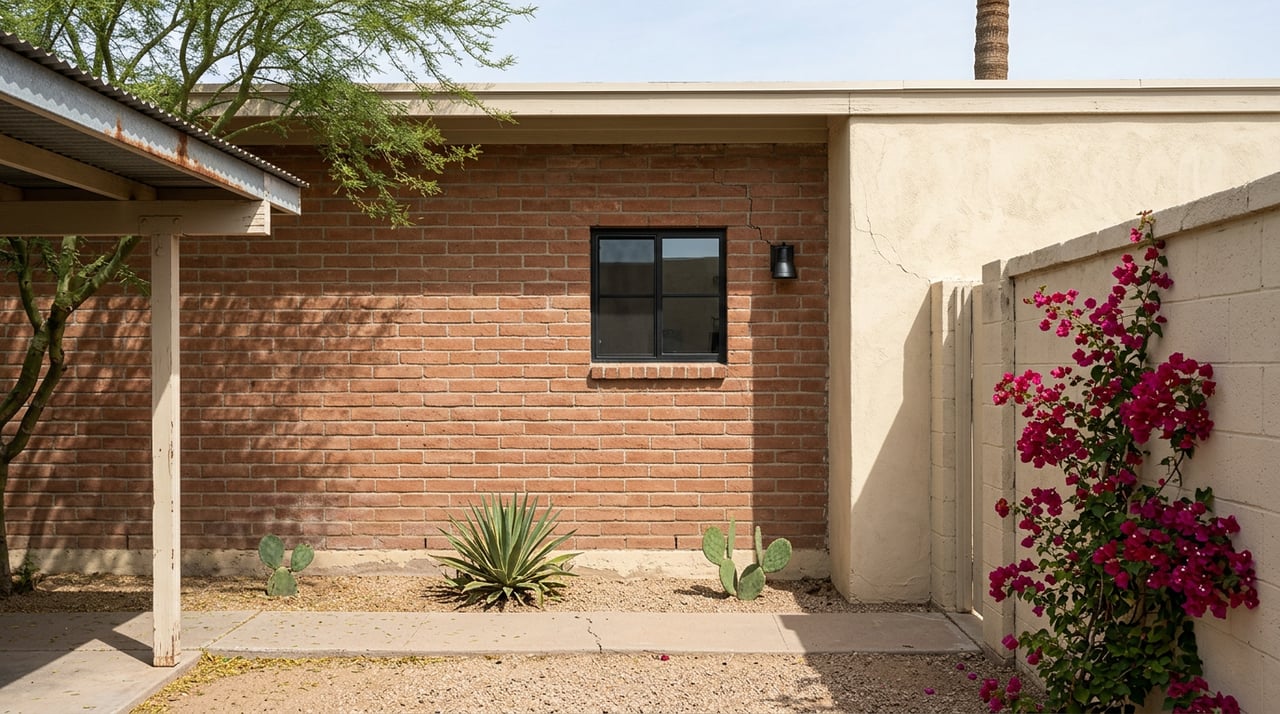
Instead of presenting one large renovation total, organize the improvements around what they accomplish for the next owner. This makes the pricing discussion more precise and the marketing more useful. At the brick home on East 9th Street, distinguish the documented scope of HVAC and electrical work from the appeal of the finishes a buyer can see.
Type of work | Buyer benefit to explain | Evidence to prepare |
|---|---|---|
Systems and condition | Clearer understanding of ongoing ownership | Dates, scope, service records and applicable warranties |
Functional improvements | Rooms and circulation that better support daily use | Floor plans, measurements and relevant approvals |
Architectural preservation | Character and craftsmanship retained through the renovation | Before-and-after photographs and available provenance |
Finish selections | A coherent appearance and an inviting move-in experience | Accurate material descriptions and workmanship details |
These categories can overlap. Restoring original windows may support both architectural character and everyday function. Reworking a kitchen may improve circulation as well as appearance. The useful question is what the work changes for someone living in the home.
They also carry different limitations. A highly personal finish can be beautifully executed without appealing equally to every buyer. An expensive improvement may solve a condition issue that buyers expect to be resolved. Neither makes the work unimportant; it changes how I would explain its contribution to value.
A useful comparison starts with what the work accomplished
Consider two hypothetical homes with similar living area and similar renovation spending. In the first, the work reorganized a difficult kitchen, addressed aging equipment and retained the original room proportions. In the second, most of the spending went into premium finishes while the awkward circulation and several older systems remain.
I would not assign the same contribution to those projects simply because their invoices total the same amount. I would compare each finished property with relevant sales and ask which buyer needs it answers. The first may offer a clearer ownership story; the second may appeal strongly to a buyer who values those finishes. Market evidence must establish the pricing response.
Now add a different street location or a detached guesthouse to the comparison. The renovation is still important, but it is no longer the only meaningful difference. This is why a percentage added for “fully renovated” can be misleading. The task is to understand the whole property and make the adjustment logic clear.
Make the renovation easy to understand
Create a concise improvement history with the approximate completion date, the work performed and the records available. Keep invoices and contractor details organized behind that summary. Identify what was replaced, what was repaired and what remains original.
“Updated electrical” is less useful than a specific description of the actual work. “New roof” should not stand in for a coating or a limited repair. Buyers should be able to connect the language in the listing with the documents and the physical property.
For additions and significant alterations, gather the available permit and completion records. If a record is missing, identify the question before launch and determine the appropriate next step. A neat folder does not certify the home’s condition, but it can prevent an otherwise attractive renovation from being presented vaguely. For the Hawthorne Street home with a guest house, match the finalized permits described in the listing to the rooms shown on the plan.
My experience in an active Tucson practice is most useful when preparation, pricing and negotiation support one another. A clearly documented improvement gives us something concrete to discuss when a buyer asks how the property differs from another home they are considering.
Protect the architectural story
Sam Hughes includes a recognized National Register historic district. That does not make every house identical in status or every alteration subject to the same process. The City’s historic preservation guidance directs owners to MapTucson to check designations and contributing status.
If the property’s historic standing is part of its appeal, verify that standing for the address. Keep a documented architect attribution separate from an impression that a home resembles a particular architect’s work. Preserve what can be established and describe the rest through the home’s actual materials, proportions and design.
I would also distinguish a National Register designation from a local preservation overlay and from participation in a historic property tax program. They answer different questions. If the sale involves claimed tax benefits or plans for additional work, obtain the current property-specific information before building those claims into the marketing.
For buyers attracted to older construction, the discussion of adobe, slump block and frame homes in Sam Hughes offers another useful layer. The point is to explain what makes this home distinctive rather than reducing it to “historic charm.”
Use active listings to understand the buyer’s alternatives
Closed sales help establish market evidence. Active listings show the choices competing for attention today. Begin with current Sam Hughes properties for sale and compare the photographs, layouts, condition and outdoor spaces a buyer can see alongside your home.
This neighborhood search includes different property types and purchase ranges. Narrow it to the homes that actually compete with yours. A condominium, a modest bungalow and a substantially expanded residence should not be treated as one comparable group simply because they share a neighborhood label.
For each meaningful alternative, ask what a buyer would gain or give up by choosing your property. Perhaps your renovation preserves a more coherent exterior, provides a better guest arrangement or makes the garden easier to use. Perhaps another home offers a garage, a different location or more living space. A credible pricing strategy acknowledges both sides.
Decide what to finish before you list
Before starting another project, separate work that resolves a practical concern from work that mainly changes taste. Completing an unfinished repair or clarifying an addition’s records may remove an obstacle to a buyer’s decision. Replacing a sound kitchen because its finishes are no longer the newest style is a different choice.
I would compare the scope, likely timing and effect on the property’s presentation with the alternatives available to buyers. Sometimes the strongest preparation is careful maintenance, better lighting and a complete improvement history. Sometimes a defined repair deserves attention first. The decision should serve the sale, rather than extend the renovation indefinitely.
Set a launch strategy you can explain
I would prepare a price recommendation with the strongest supporting sales, the current alternatives and the differences that matter. The recommendation should lead to a clear conversation about your timing, preparation and negotiating priorities.
After launch, evaluate the substance of the response. Are the right buyers visiting? What alternatives are they choosing? Are questions concentrating on a condition issue, the layout or the asking price? Attention alone is not the same as a convincing market position.
If the evidence calls for a change, act on the reason. Improve the information when the value is poorly explained. Resolve a practical obstacle when it can be addressed sensibly. Revisit the price when the home’s position is not supported by the available choices and buyer response.
Bring the details into the conversation
If you are preparing to sell a renovated Sam Hughes home, send me the address and a brief improvement history. We can assess the architecture, records, competition and preparation together before deciding how to introduce the property.
Sotheby’s International Realty’s Well-Connected relationships can also help when your sale is part of a move to another city. I can introduce an appropriate advisor in the destination market so both sides of the move begin with informed local guidance.
Know someone considering the sale of a distinctive Sam Hughes home? I’d welcome an introduction. Connect us by email or call 520.727.9000; I can help them understand how their improvements and the current market fit together.
About Daniel Sotelo
Daniel Sotelo is a Tucson native and real estate advisor with Russ Lyon Sotheby’s International Realty who consistently ranks among the highest-producing individual agents in the Tucson MLS. His successful, active practice emphasizes luxury homes, distinctive architecture, informed pricing and strategic negotiation.
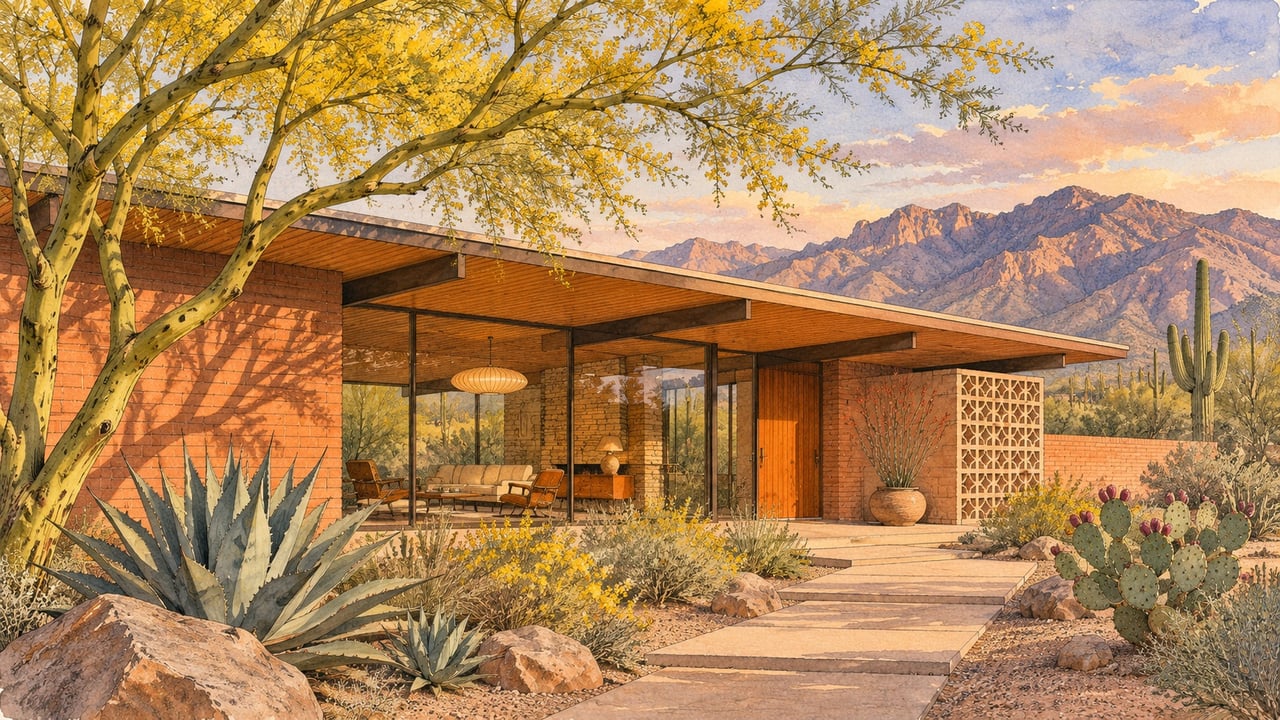
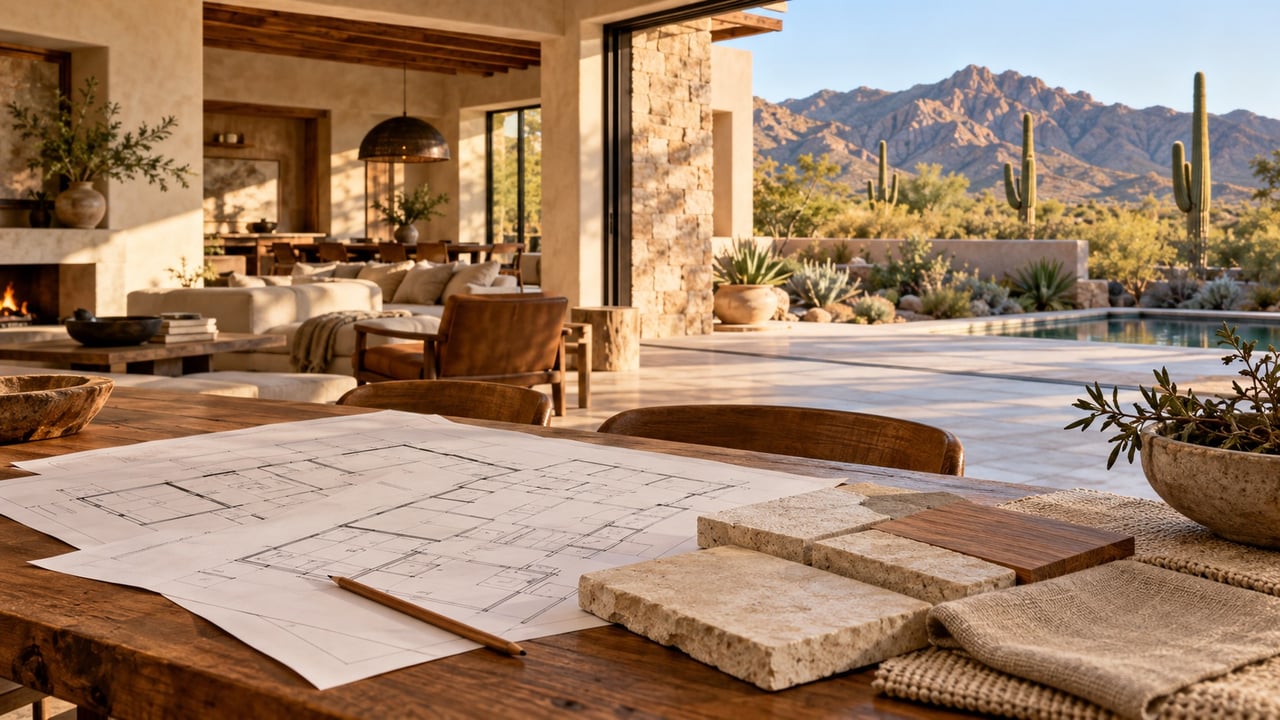
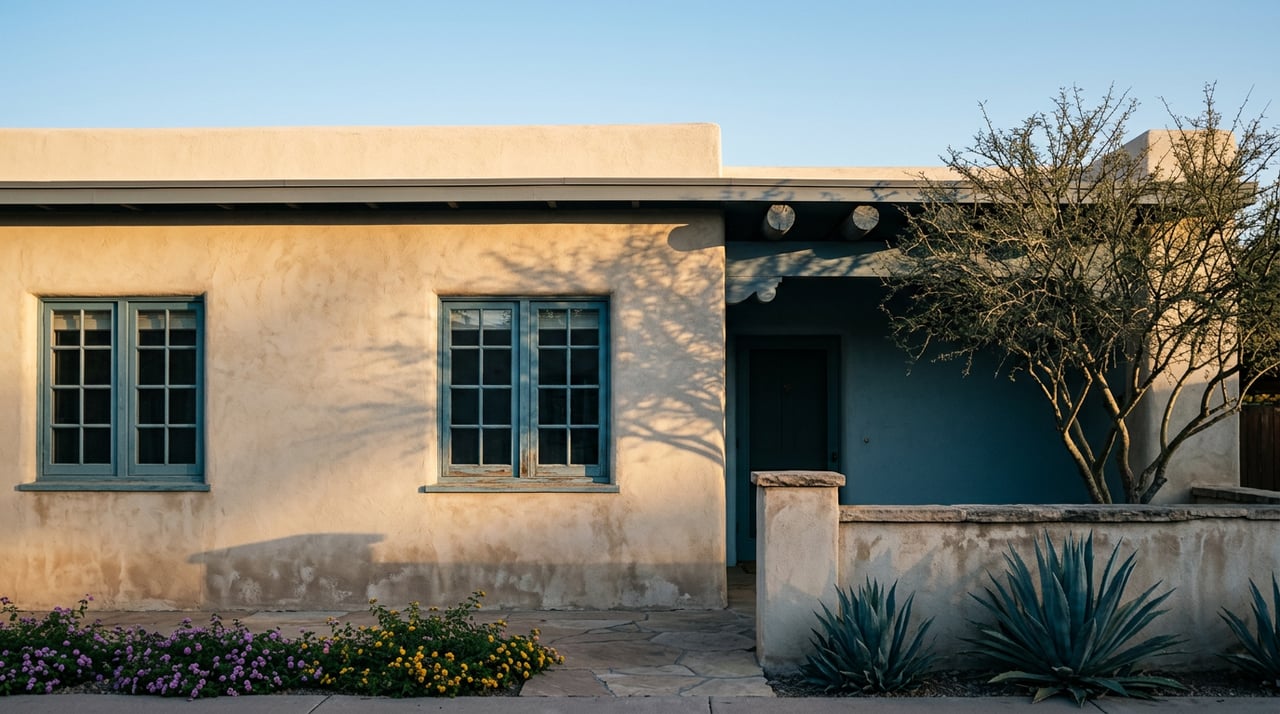
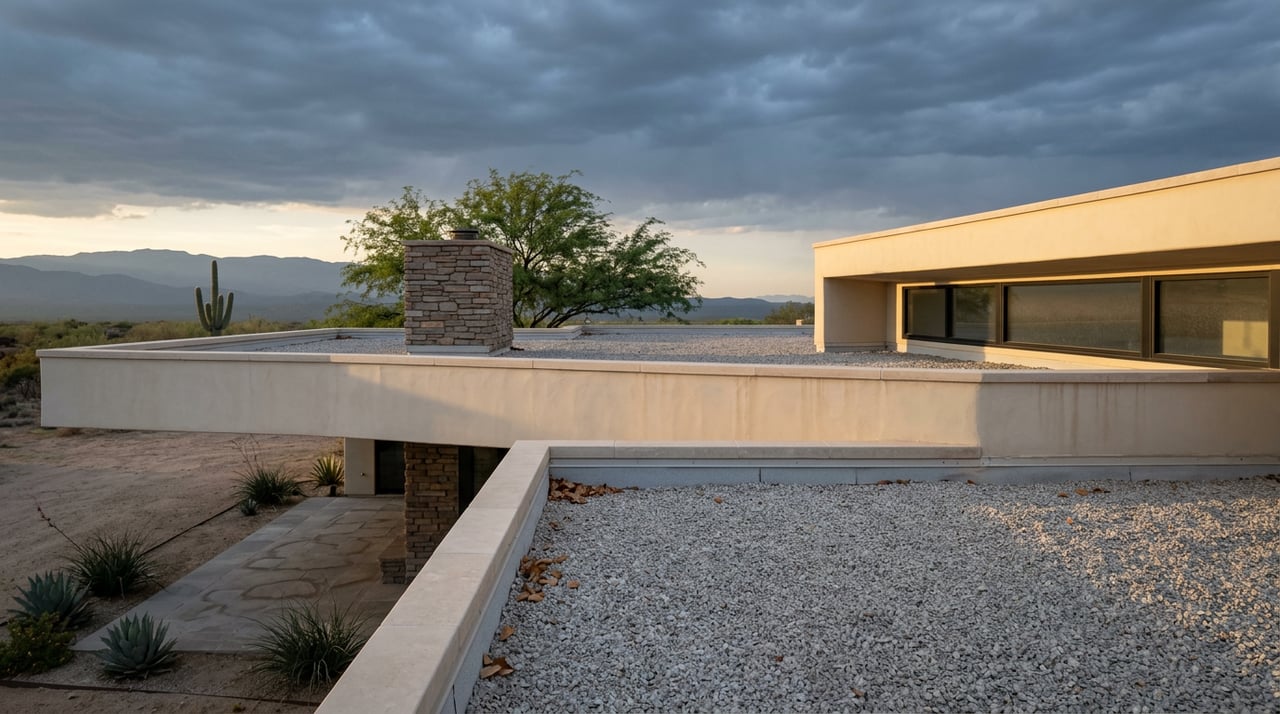
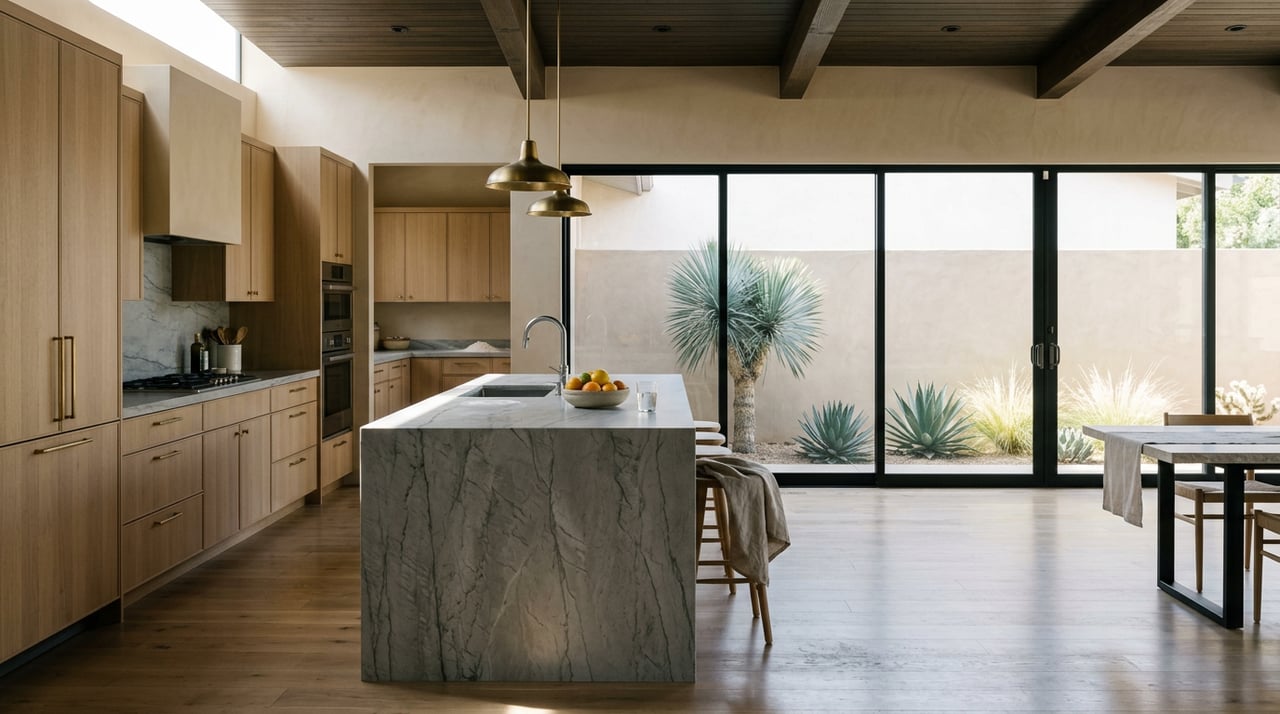
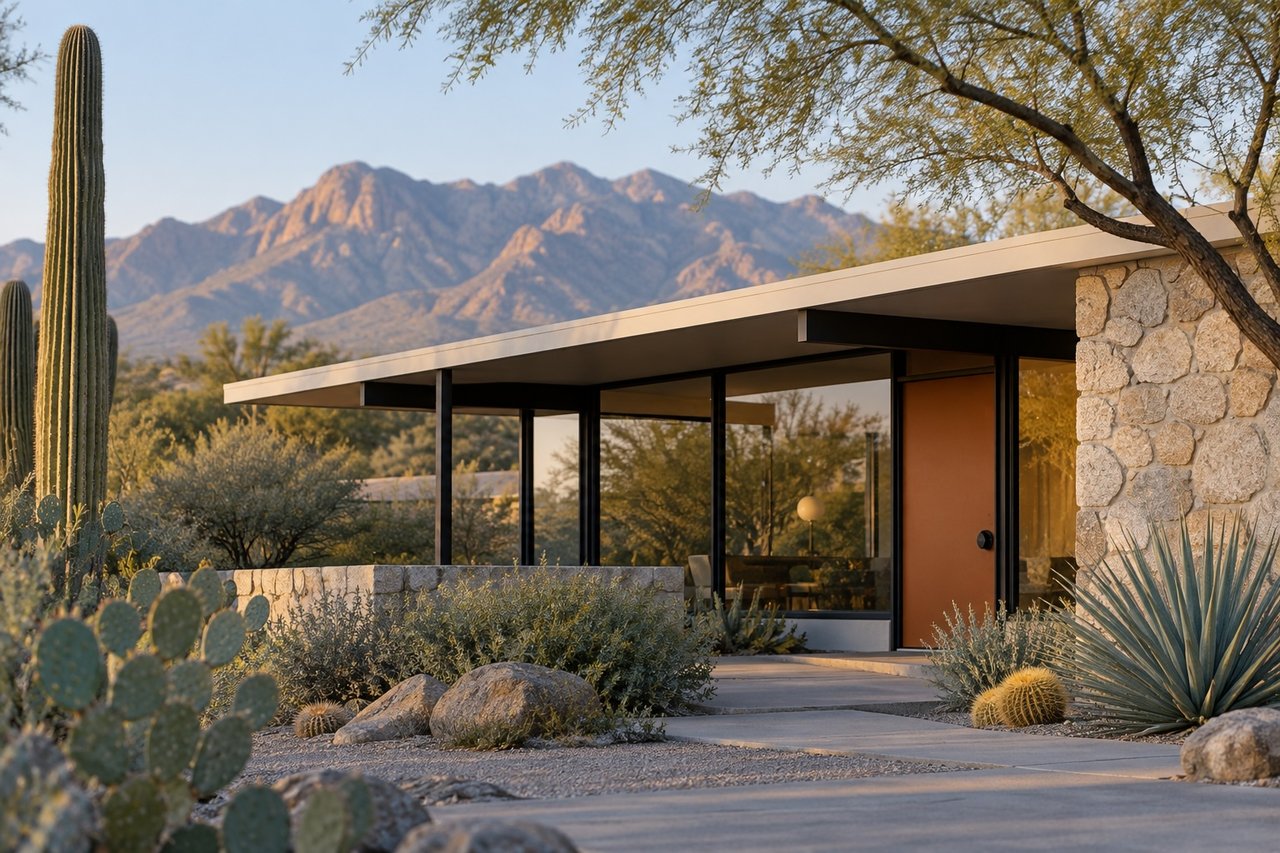
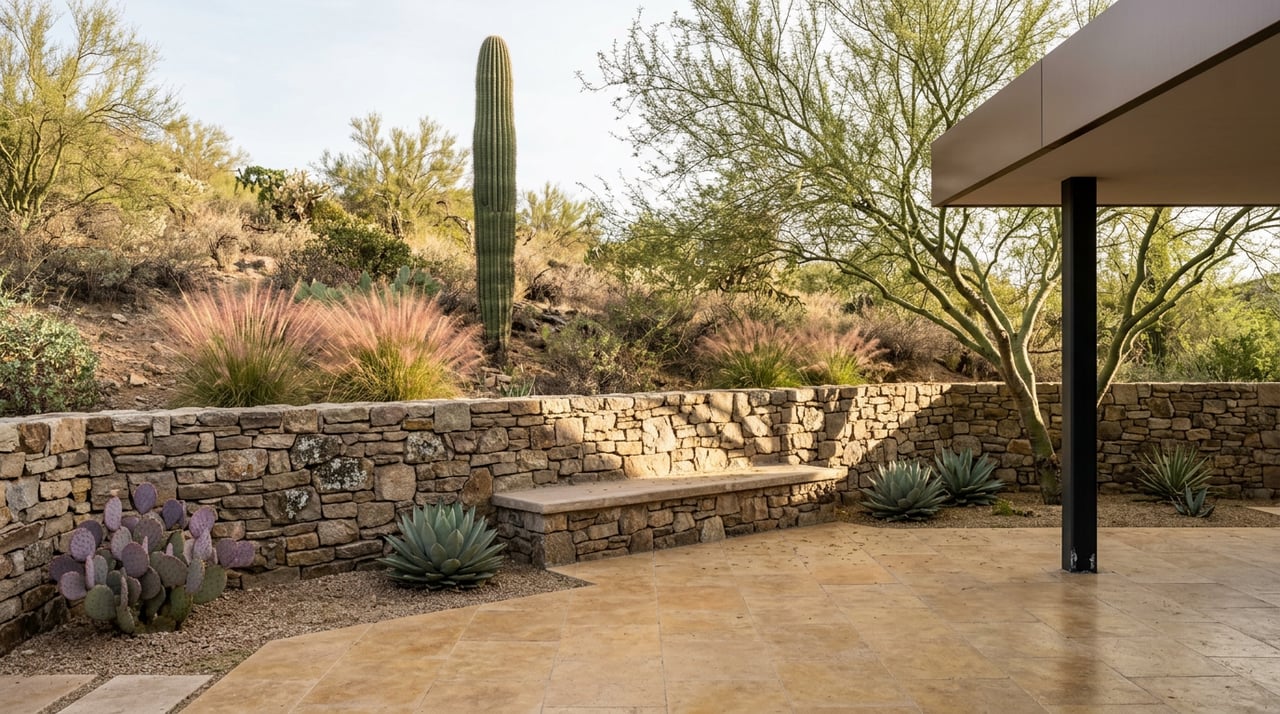
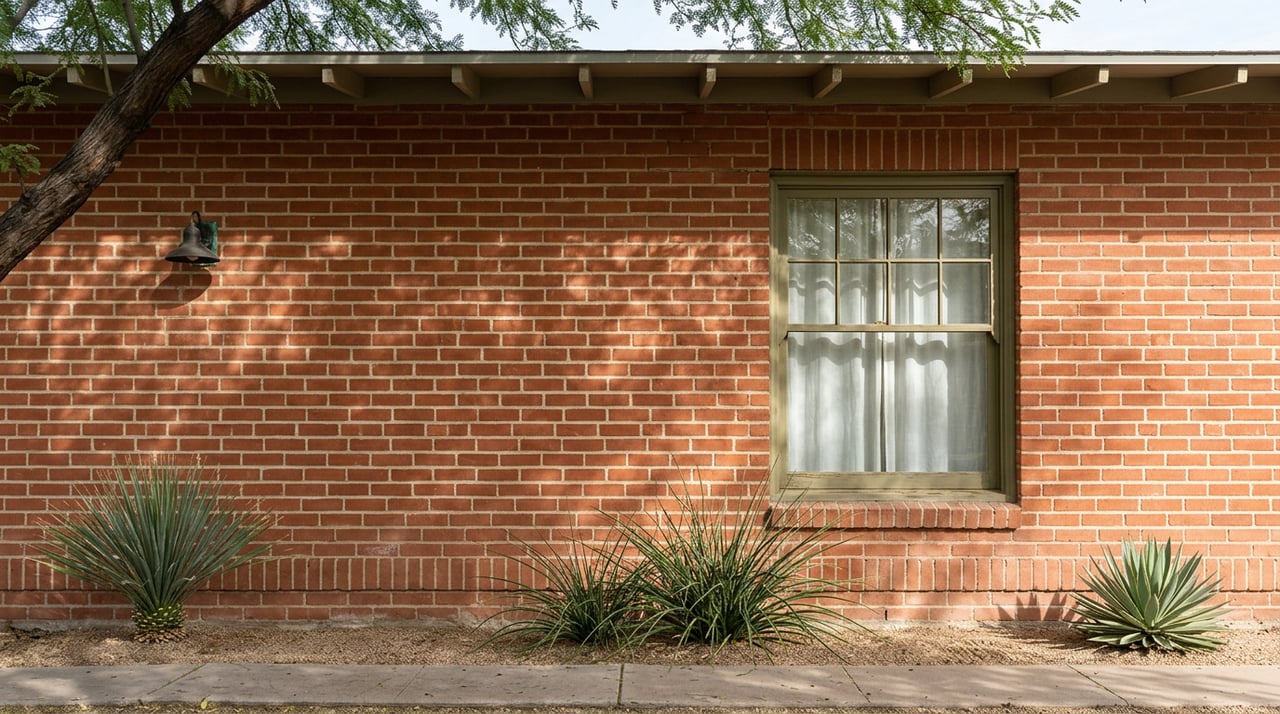
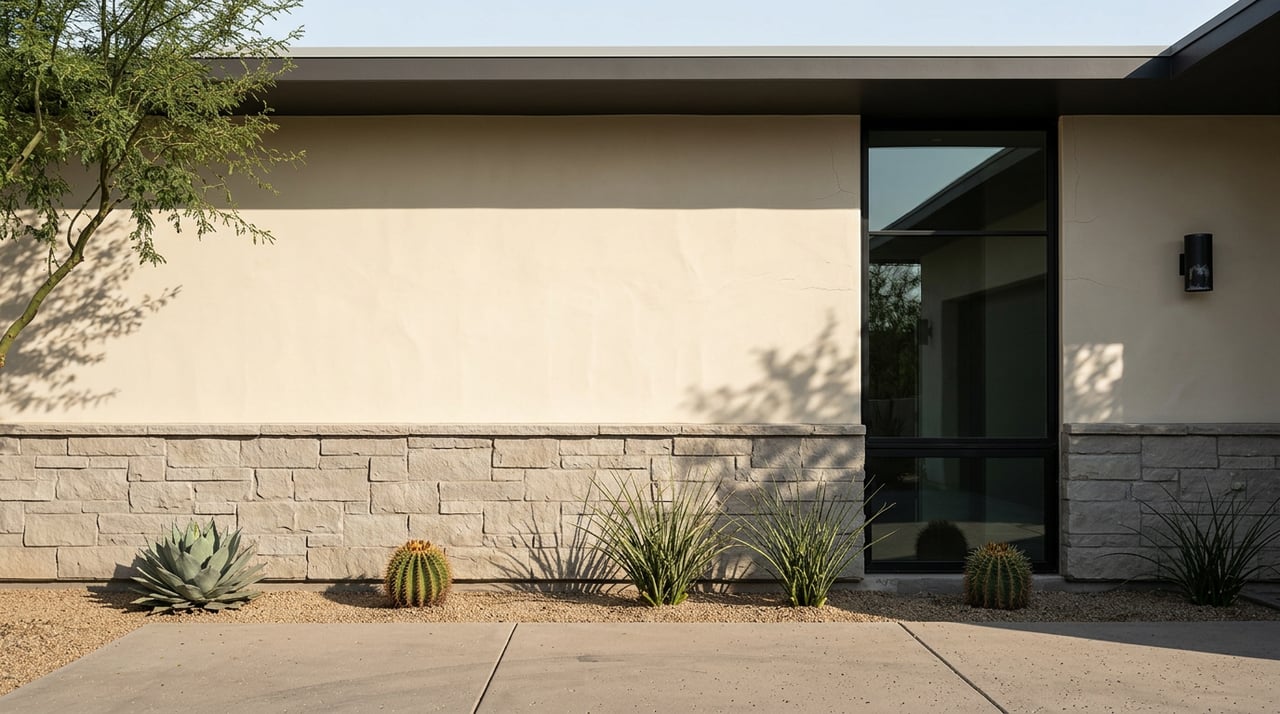
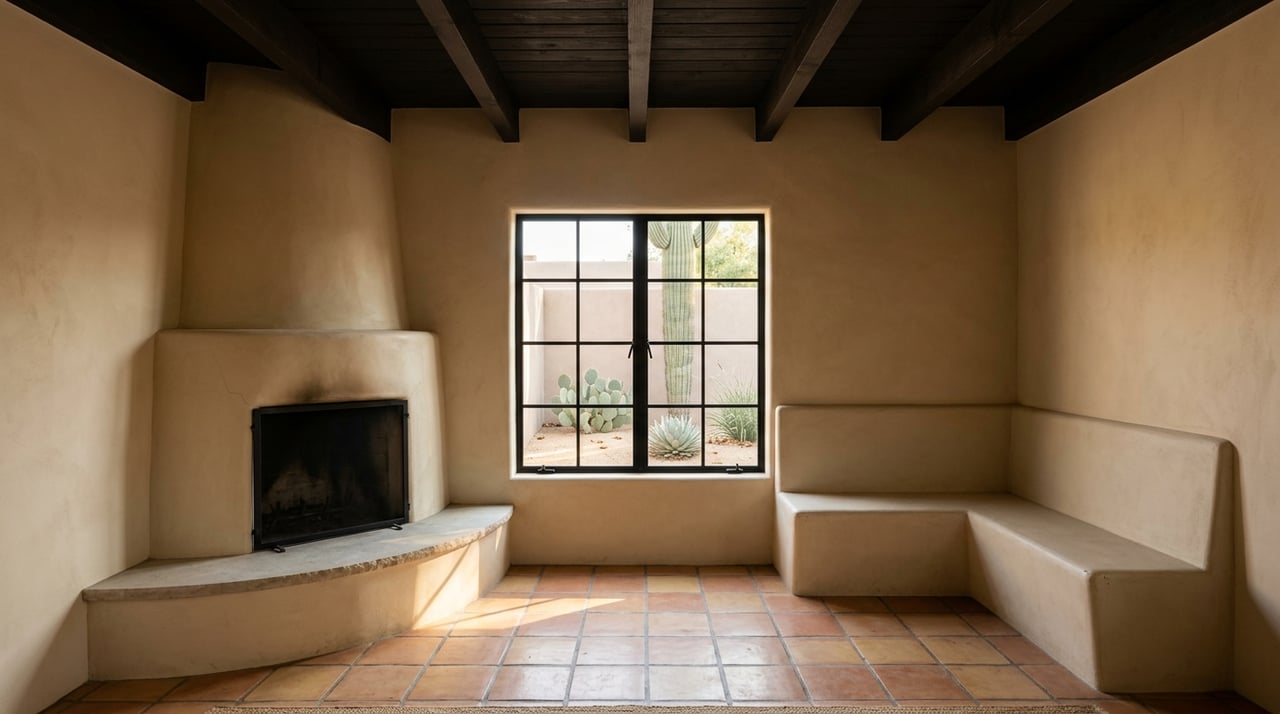
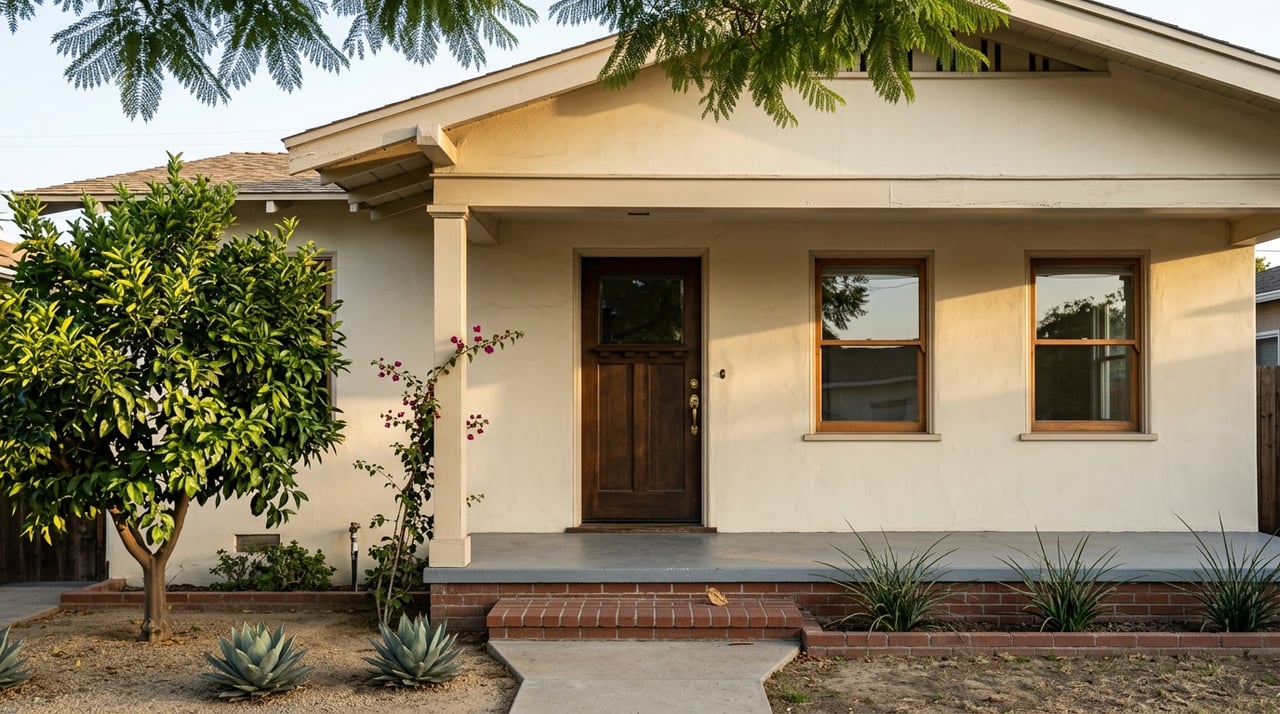
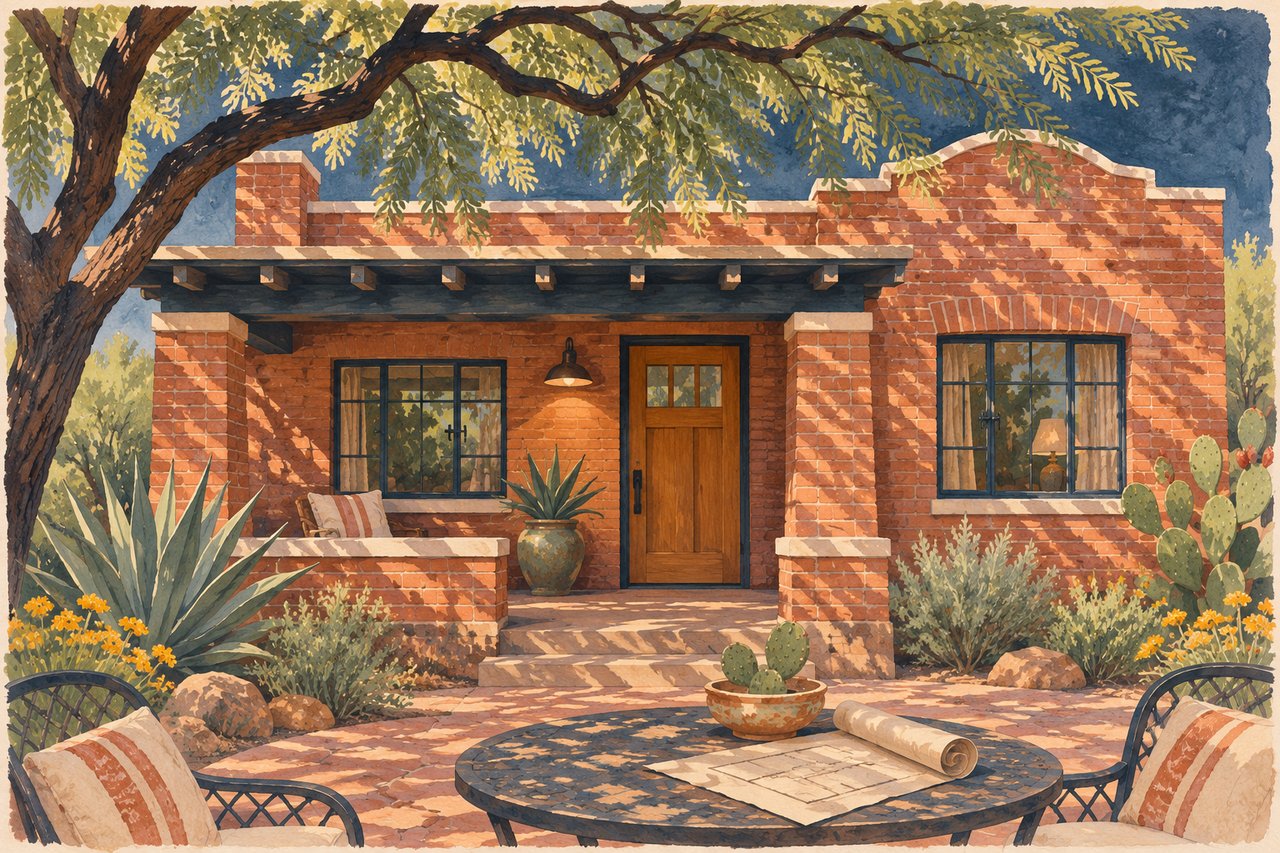
Hero: editorial illustration of a desert brick bungalow and architectural plans.