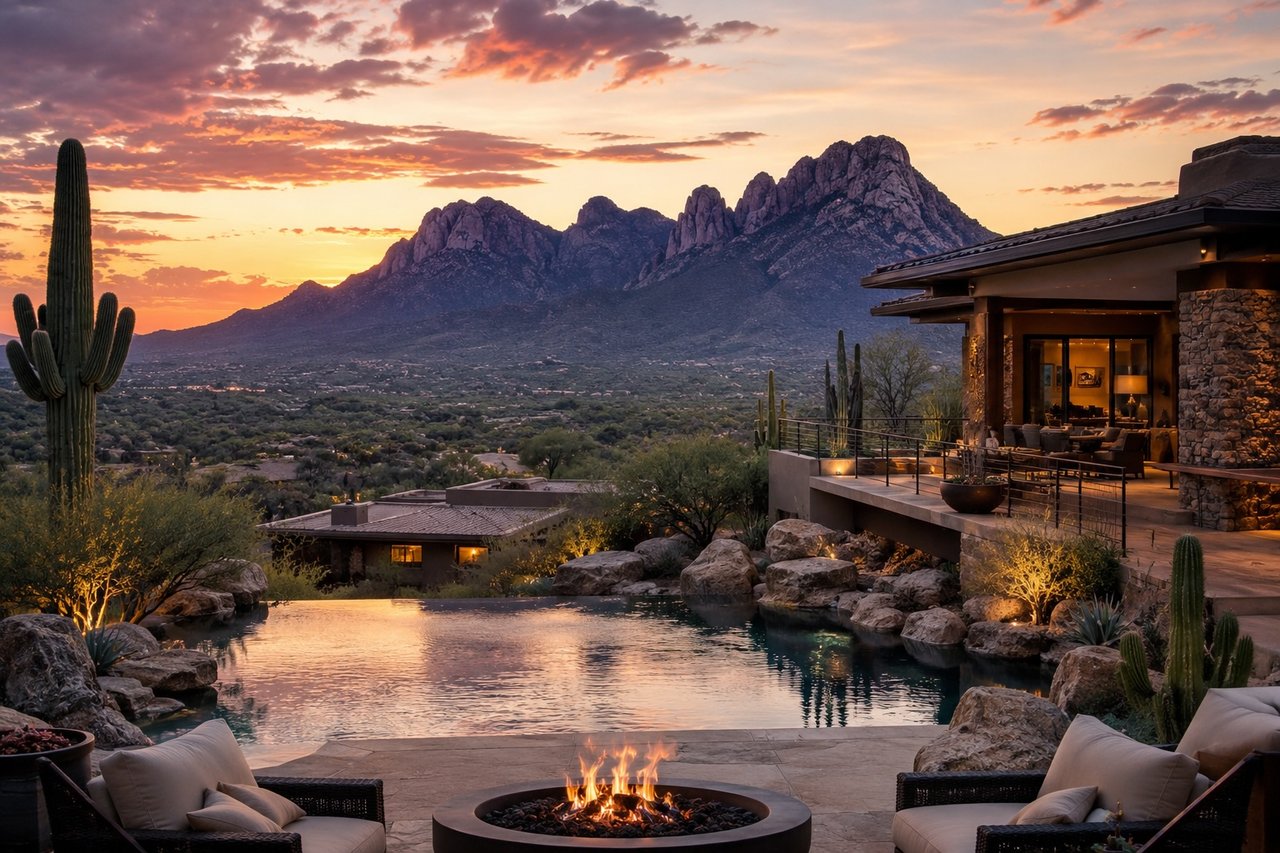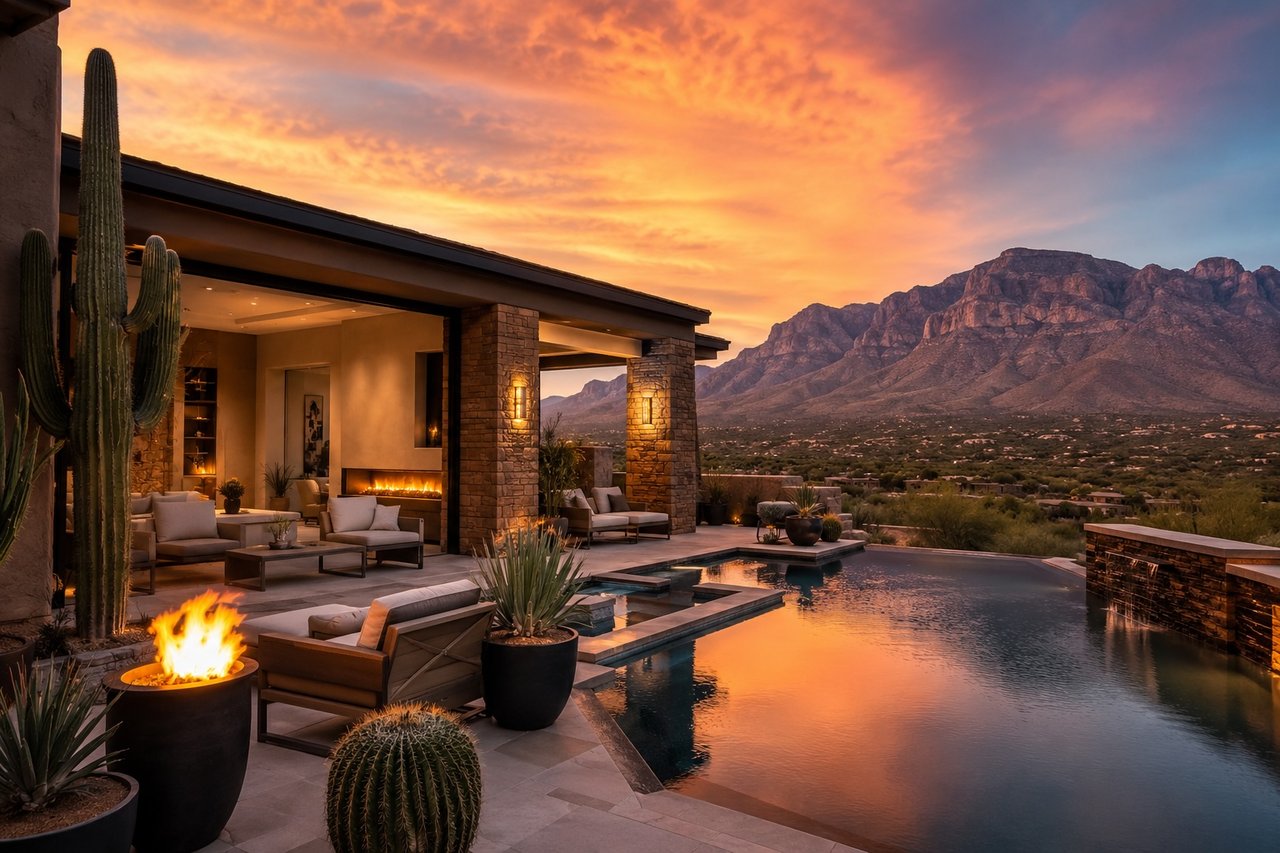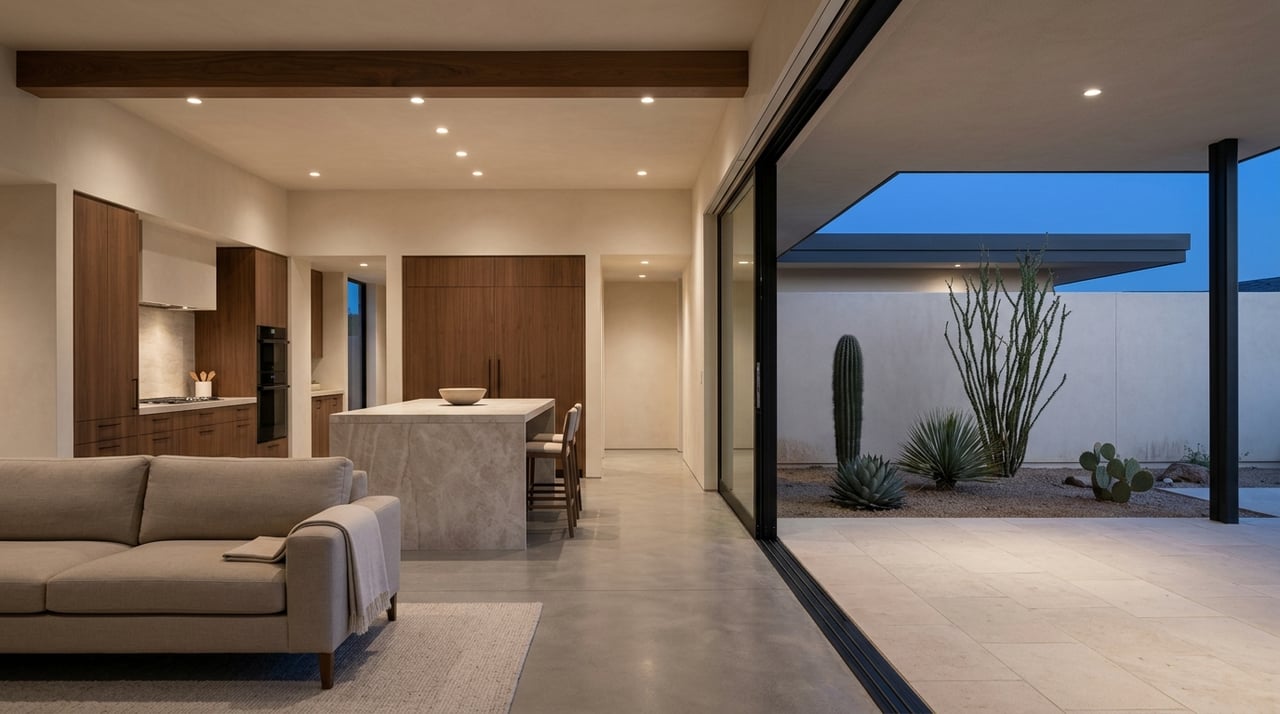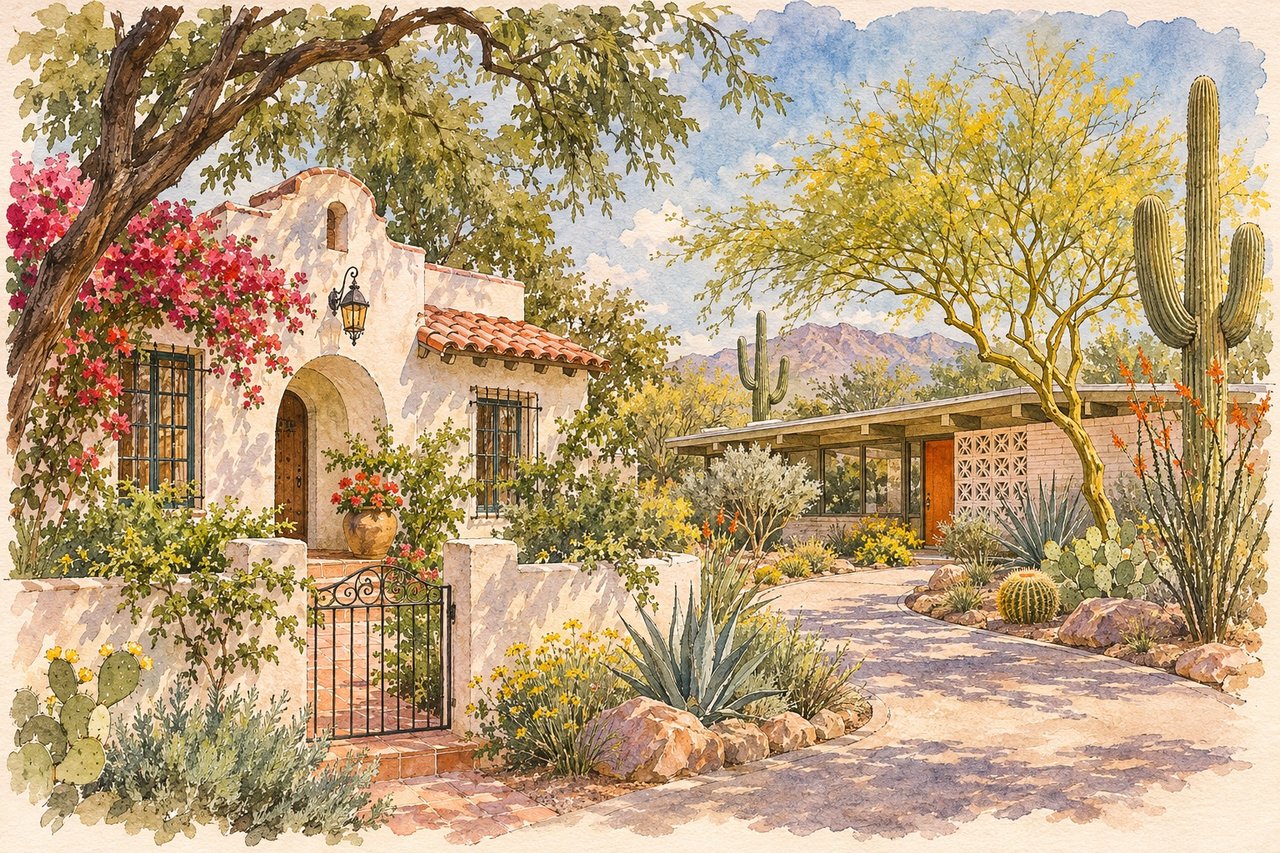
By Daniel Sotelo | Russ Lyon Sotheby’s International Realty | Tucson, Arizona
A mountain view is one way to experience Tucson. A garden behind an established Central Tucson home is another. If you are drawn to architectural character, mature landscapes and a location connected to the city, El Encanto and Colonia Solana deserve a deliberate comparison.
Choose between El Encanto and Colonia Solana by comparing the individual home’s architecture, garden, street setting and ownership demands. Both have recognized historic residential districts, but neither neighborhood name guarantees a particular house style, renovation quality or daily experience.
The most useful comparison begins with what you want to do at home. Entertain around a courtyard? Display art in generous rooms? Enjoy a native garden? Spend less time managing a large property? Those priorities tell us which houses to see and what to investigate when we arrive.
Two historic settings within the City of Tucson
El Encanto Estates and Colonia Solana are Central Tucson settings within the city, distinct from the unincorporated Catalina Foothills. Broadway Boulevard is an important reference point between their historic core areas. The original El Encanto historic district is generally north of Broadway, east of Country Club Road; Colonia Solana lies south of Broadway, between Country Club Road and Randolph Way, extending toward Camino Campestre.
Use those descriptions for orientation, then verify the address. Historic-district boundaries, neighborhood association boundaries and the areas used by listing searches need not be identical. The City’s historic district records and maps provide a better starting point than a broad listing label.
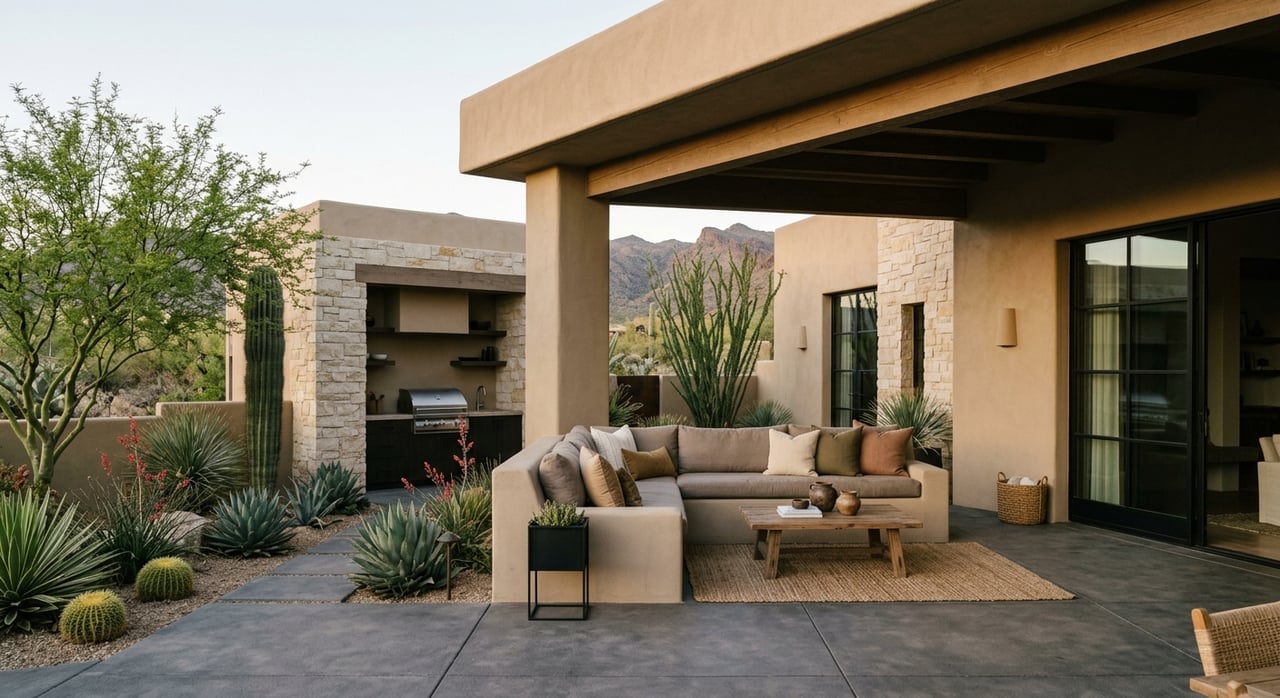
Both neighborhoods reward attention to the street plan and the land around the house. They offer an alternative to choosing a property primarily for a distant panorama. Here, the relationship among the residence, garden, approach and neighboring buildings can be the central architectural experience.
What the neighborhood plans help explain
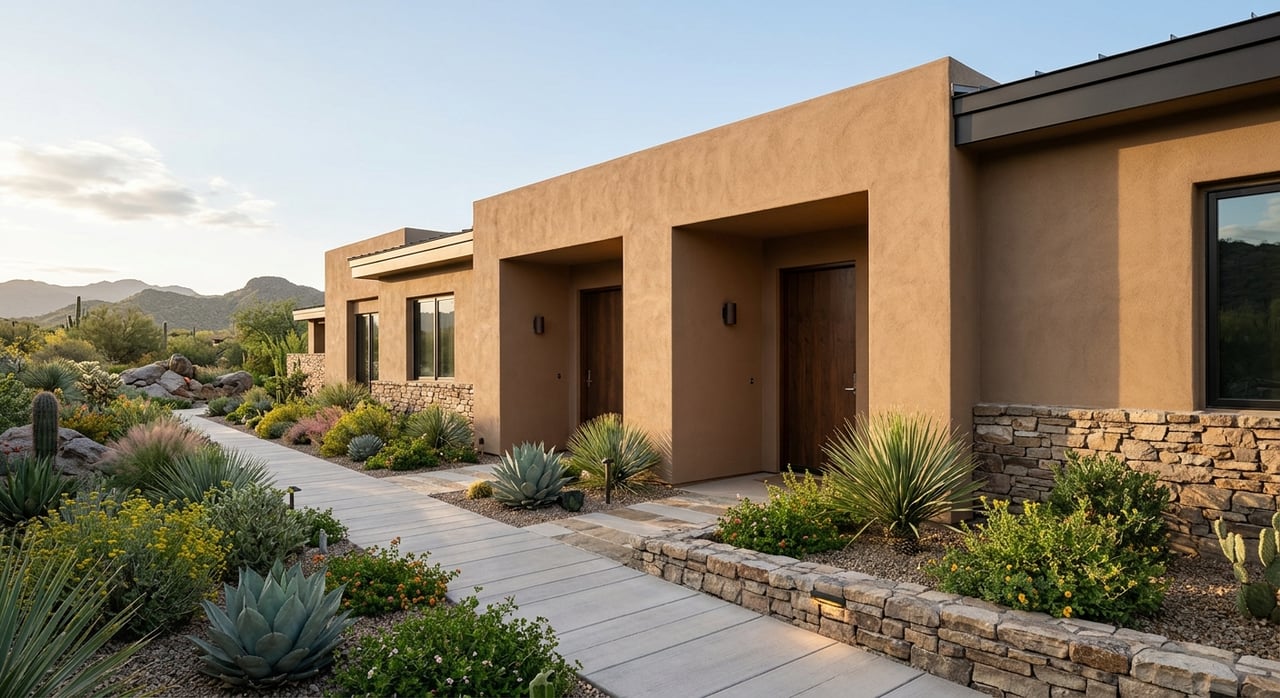
The historic documentation for Colonia Solana emphasizes its curving street layout, naturalistic desert planting and the arroyo incorporated into its plan. That history helps explain why the setting should be evaluated as part of the property rather than as scenery around it.
At a particular home, look at where the outdoor spaces sit, how they connect to the rooms and which parts of the lot you would use. A curving approach can create an appealing arrival. It can also place the driveway, entrance and principal garden in a relationship that deserves a careful walk-through.
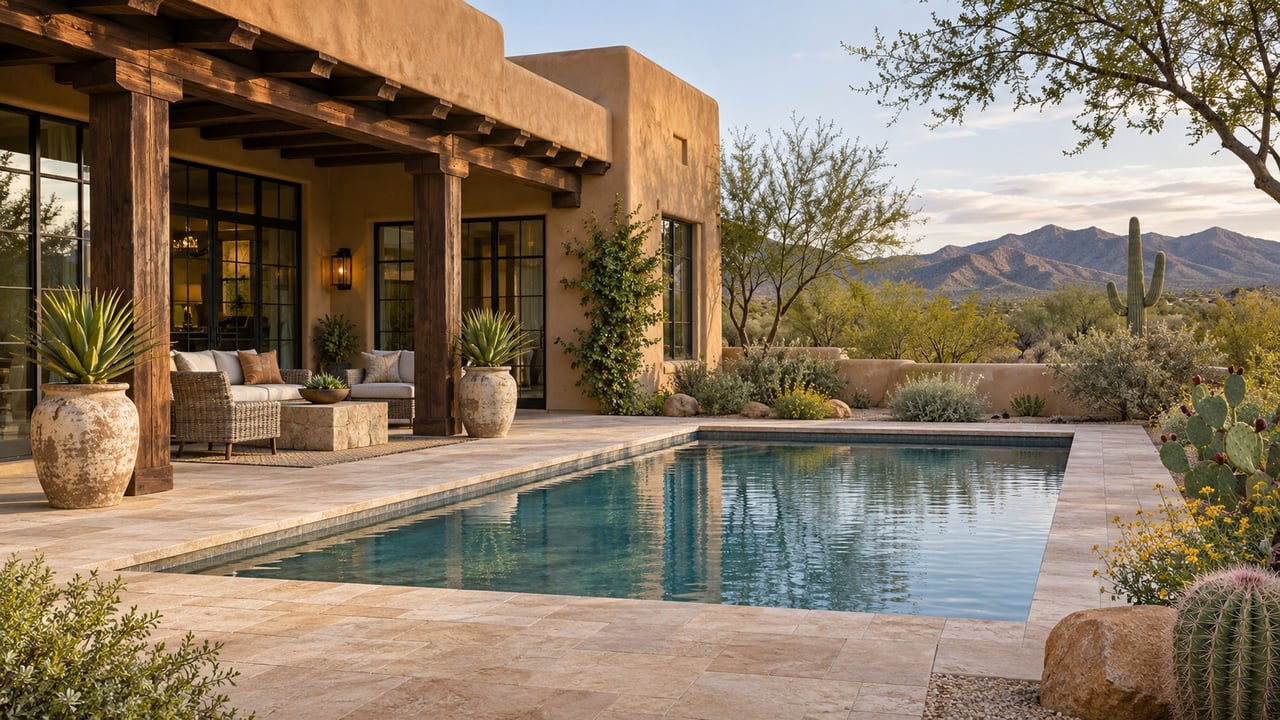
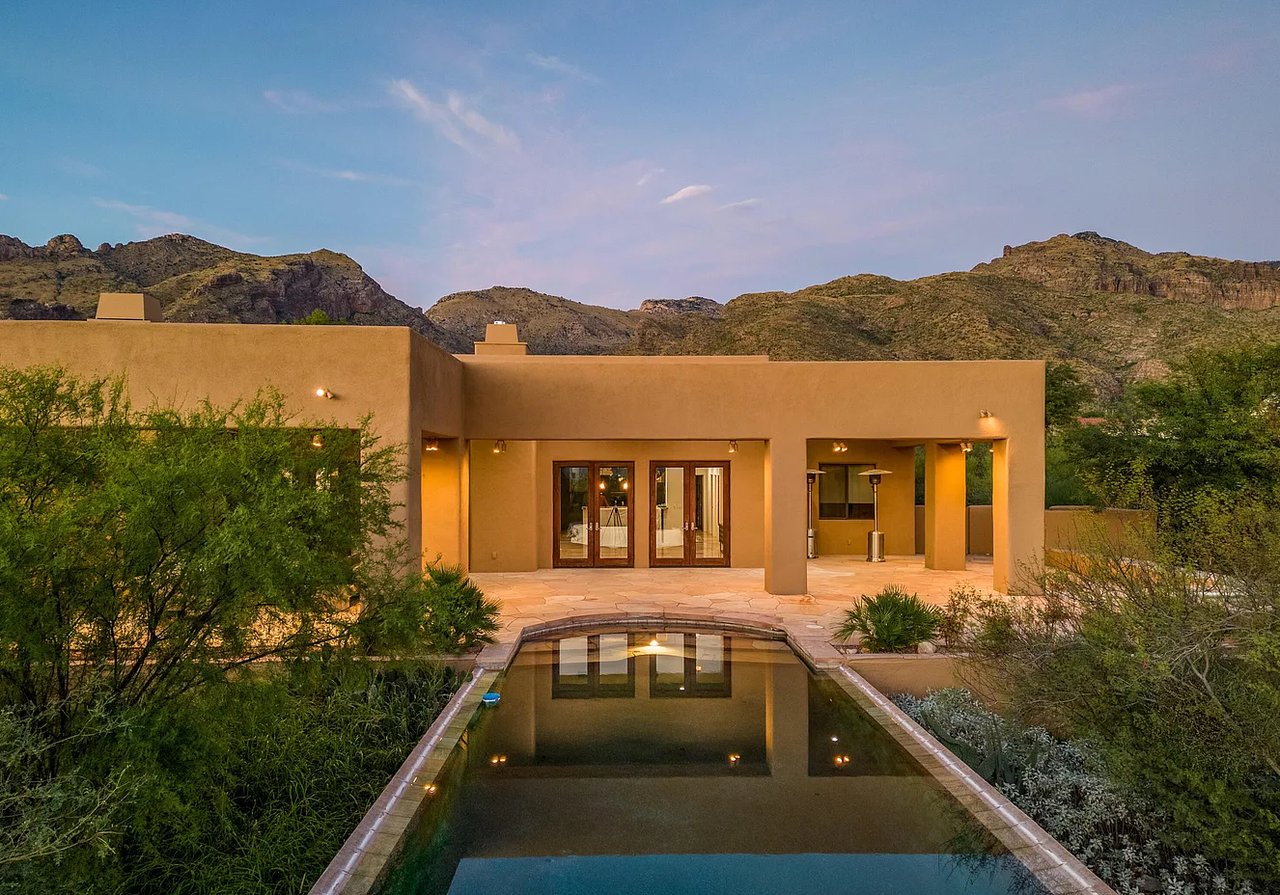
El Encanto’s historic designation likewise recognizes architecture, landscape architecture and community planning. Its documented architectural range includes revival styles and the Modern Movement. A search confined to one imagined “El Encanto look” can miss a home that better suits your priorities. At the El Encanto home on Camino Español, look from the living space toward the pool, then walk the garden. Where does the house give you shade and privacy?
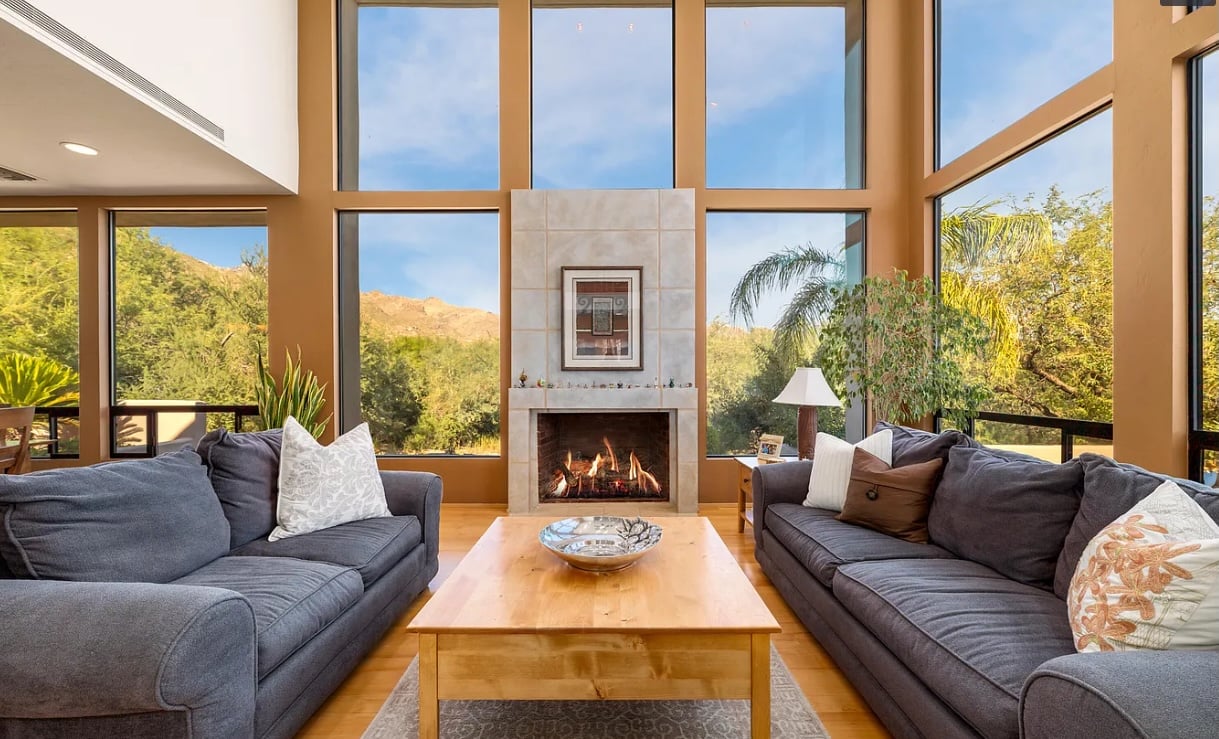
I would compare the actual composition: the scale of the rooms, the transitions between formal and informal spaces, the placement of windows and the enclosure of the garden. Architectural distinction becomes useful when it supports the way you live, not simply when it supplies a compelling photograph.
A comparison built around the property
Decision | What to examine in either neighborhood | What the answer changes |
|---|---|---|
Architecture | Original design, later additions, proportions and materials | Whether the house feels coherent and what future work would involve |
Outdoor living | Shade, privacy, drainage and the route from kitchen to garden | How much of the property becomes part of daily life |
Street setting | Driveway access, traffic exposure and the exact routes you use | Arrival, errands and the experience beyond the front door |
Ownership | Roof, mechanical equipment, landscape and pool care | The time and resources required to maintain the home |
Future plans | Records, historic status and feasibility of intended changes | Whether the existing home or a defined renovation meets your needs |
This framework avoids a false winner. A carefully maintained home in one neighborhood may be a more comfortable purchase than a superficially updated home in the other. The better match depends on the address, the work already completed and the changes you would still want.
Read the garden as a living space
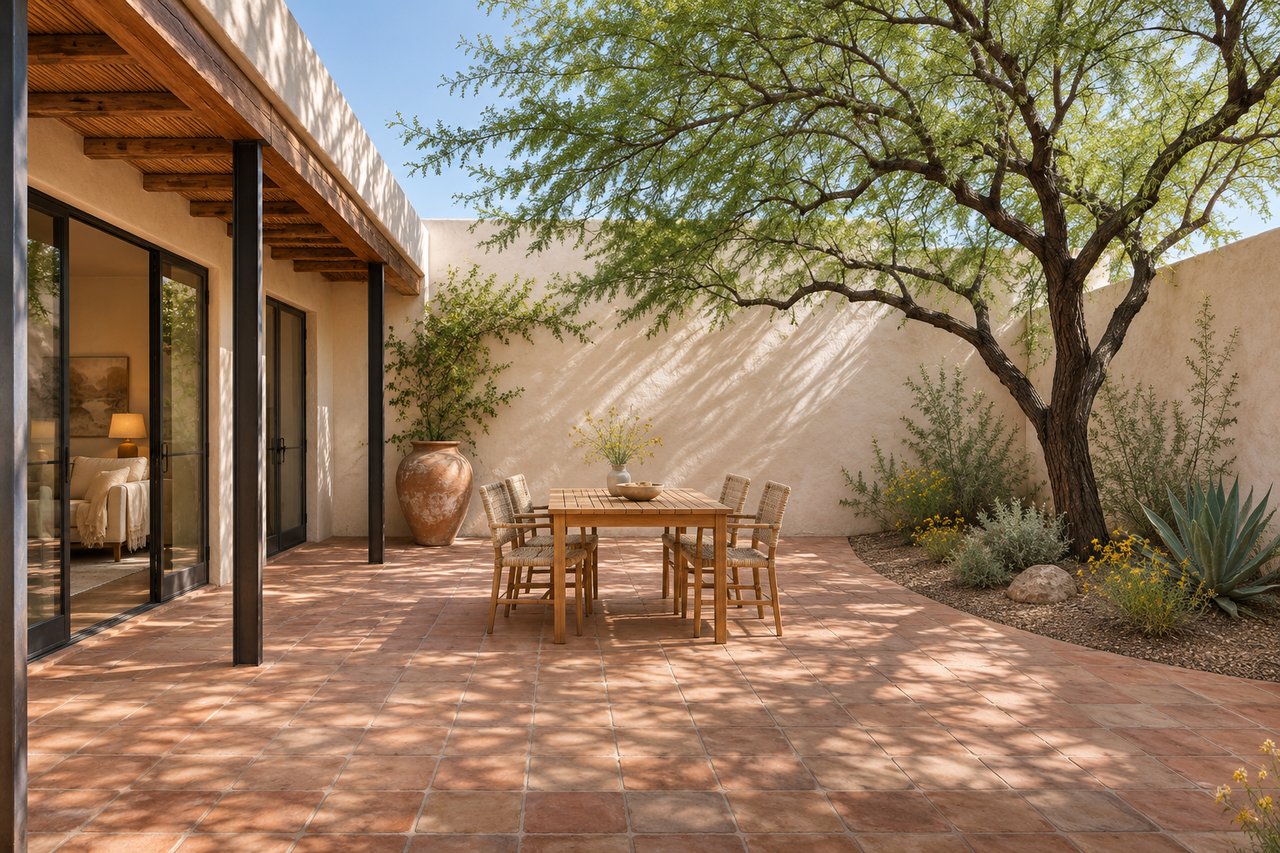
Start at the room from which you expect to use the outdoors. Open the door and walk to the table or seating area. Notice the threshold, the distance, the shade and whether the route crosses a service area. A large garden can function beautifully, but square footage alone does not make it convenient.
Then consider different times of day. A breakfast terrace and an evening dining area may need different exposure. A deeply shaded interior may feel comfortable in one room and too dark in another. The same mature tree that gives a garden its character also deserves a realistic maintenance plan.
Ask how the landscape is watered, what work is routine and who has maintained it. If there is a pool, evaluate its relationship to the house, outdoor circulation and service access. My guide to water service and landscape questions before buying helps turn the visual appeal into an ownership conversation.
Privacy deserves a similarly practical review. Sit where you would sit and look back toward the neighboring windows, street and entrances. A wall, hedge or change in grade can shape the experience, but it should be assessed from the places you will actually use. The interior end-unit townhome on Placita Colonia Solana offers a different test. Sit in the backyard and locate the adjoining walls before comparing it with a detached home.
Look past the age of the renovation
A recently renovated home is not automatically the more thoughtful purchase. Ask what the work included and what remained untouched. A redesigned kitchen can be excellent while the roof, drainage or mechanical equipment still needs attention.
Equally, an older renovation may have preserved room proportions and original materials unusually well. It may offer a strong starting point for modest changes. I would rather evaluate the scope, workmanship and remaining needs than make a decision from a renovation date.
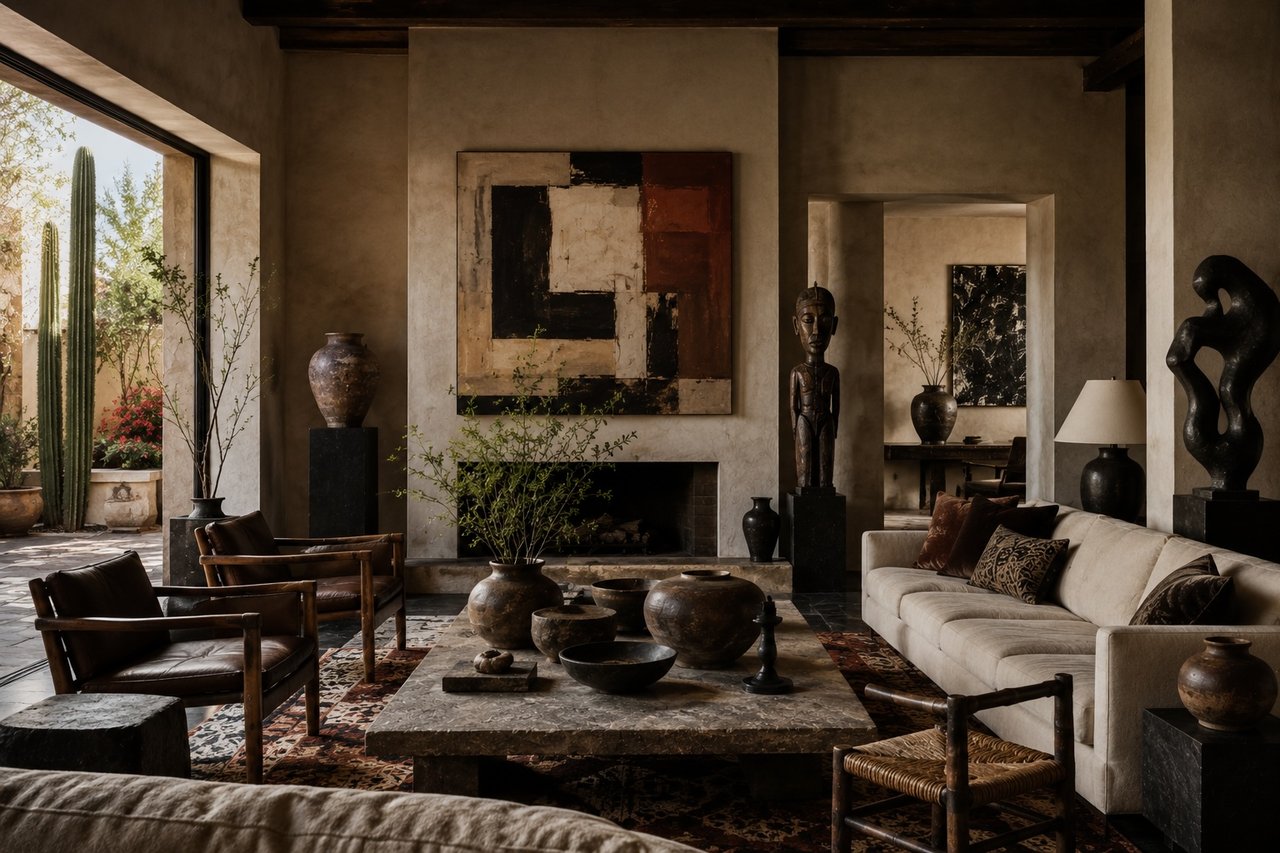
Walk through the house as if it were furnished for you. Where would a large dining table fit? Is there an appropriate wall for artwork? Does the primary suite connect comfortably with the rest of the home? Can guests stay independently without making daily circulation awkward?
The answers often reveal whether you are buying a home that works now or a project with an appealing setting. Both can be worthwhile. They deserve different timelines, purchase analyses and professional input before you commit.
Understand historic designation at the address level
The City lists both El Encanto Estates and Colonia Solana as National Register historic districts. Its preservation guidance distinguishes National Register recognition from local Historic Preservation Zones and other overlays. Do not use one label as a substitute for checking the actual property.
For a home you are seriously considering, verify contributing status, applicable zoning and any recorded restrictions. If a tax incentive is advertised, confirm enrollment and the requirements that would apply to your ownership. If you intend to change the exterior, add space or alter a significant feature, investigate that specific proposal early.
The City’s historic preservation questions and answers point readers to MapTucson for current designation information. That is a useful beginning; your intended project gives the research its focus.
A neighborhood association and a homeowners association also are not interchangeable terms. The City describes registered neighborhood associations as voluntary community organizations. Determine any property-specific obligations from the actual documents rather than assuming either that an HOA exists or that no restrictions apply.
Use current searches without confusing different home types
Begin with El Encanto properties for sale and Colonia Solana properties for sale. Compare architecture, room arrangement and usable outdoor space before treating asking prices as directly comparable.
As of November 16, 2026, the broad El Encanto search displayed two active listings, at $1,250,000 and $1,849,000. The broad Colonia Solana search mixed several property types, including lower-priced attached homes and a residence at $2,800,000. That mix is a reason to filter carefully, not a basis for declaring one neighborhood more or less expensive.
These are asking-price observations within the website’s search areas, not closed-sale statistics or a neighborhood valuation. For a specific purchase, I would build a comparable set around the property type, size, condition and setting. When the live choices do not align, we should say so rather than force a same-price comparison.
If you are also considering a smaller bungalow or a different Central Tucson pattern, the Sam Hughes and El Encanto comparison adds a relevant alternative. If your preference shifts toward land and a mountain setting, we can widen the conversation to the Catalina Foothills with that change in priorities made explicit.
Make an ordinary week part of the tour
Choose the destinations you actually visit and test the routes from each candidate property. Include the approach home, the driveway and the parking arrangement. A neighborhood can be centrally located without every trip feeling the same from every street.
Visit at a time that resembles your routine. Spend a few quiet minutes in the garden and the main living area. Notice the ambient sound and the changing light. My second-showing guide explains why a return visit can answer questions a first tour leaves open.
Afterward, write down what worked before discussing finishes you might change. A well-placed living room, useful outdoor space and a convenient arrival may matter more over time than a color or light fixture. Separating the durable qualities from the adjustable ones makes the choice clearer.
Tour in three passes before choosing a neighborhood
First, assess the setting without trying to solve the house. Notice the approach, the surrounding scale and the relationship of the garden to the street. For Colonia Solana, pay particular attention to how the curving streets and desert landscape relate to the individual lot. For El Encanto, examine how the home’s architecture and garden create an arrival and a sense of enclosure. These are questions to test at each property, not universal descriptions.
Second, evaluate the existing floor plan. Ignore furniture you would replace and identify the spaces you cannot easily change. A generous room with good light may support several uses; a difficult connection between the kitchen and terrace may remain an everyday frustration even after new finishes.
Third, consider the work and ownership that follow the purchase. Ask which features you would preserve, which projects are necessary and which changes can wait. Then compare the complete commitment, including time and disruption, alongside the asking price.
If a home repeatedly wins on the qualities you cannot easily recreate, it deserves closer investigation. If its appeal depends on several untested alterations, define those projects before choosing it over a home that already works. This sequence helps us keep architectural enthusiasm connected to a practical decision.
Bring local judgment to a distinctive purchase
As a Tucson native with a successful, active luxury practice, I help buyers compare distinctive homes without flattening their differences into a price-per-square-foot contest. My role is to connect the architecture and setting with condition, documentation, pricing and negotiation.
Tell me what you want your Central Tucson home to make possible. We can use that conversation to select purposeful showings in El Encanto, Colonia Solana and any genuinely relevant alternatives.
If a move begins with a sale elsewhere, Sotheby’s International Realty’s Well-Connected relationships can help me identify an appropriate advisor in that market. Coordinating the conversations early gives us a clearer view of timing and the decisions on both sides.
If someone you know is considering a distinctive Central Tucson home, I’d welcome an introduction. Share this comparison and connect us by email or 520.727.9000. I can help them compare the homes, gardens and ownership details that fit their plans.
About Daniel Sotelo
Daniel Sotelo is a Tucson native and real estate advisor with Russ Lyon Sotheby’s International Realty who consistently ranks among the highest-producing individual agents in the Tucson MLS. He combines architectural interest and local knowledge with informed pricing, thoughtful preparation and strategic negotiation for luxury and distinctive properties.
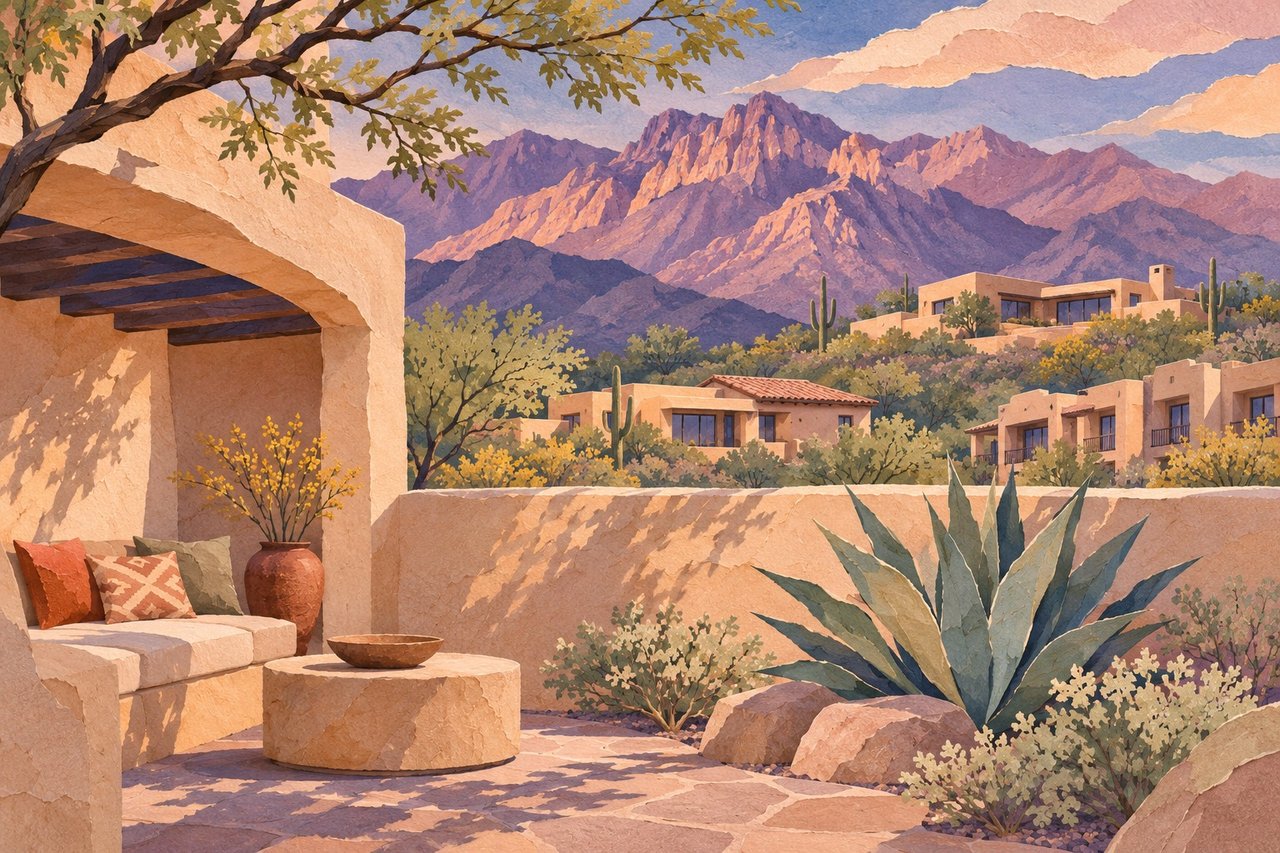
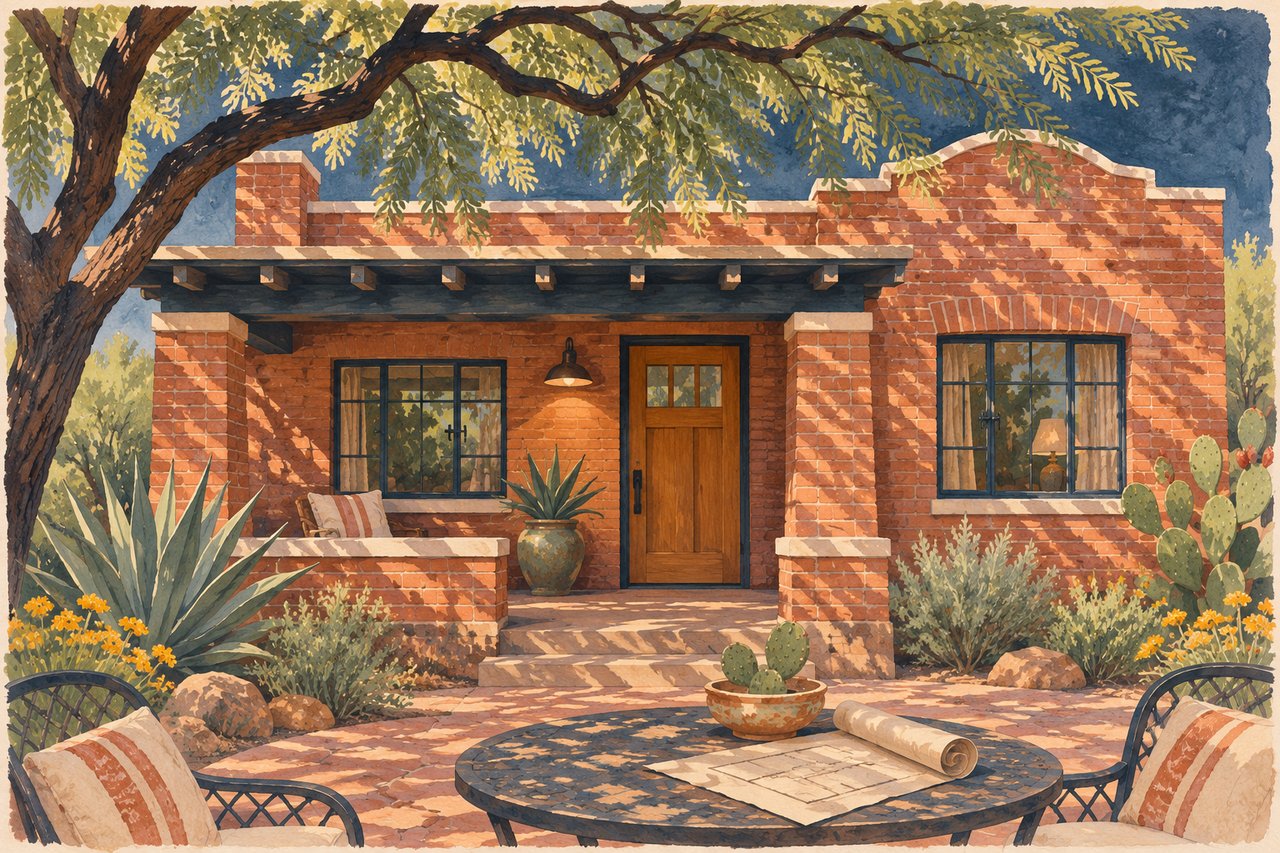
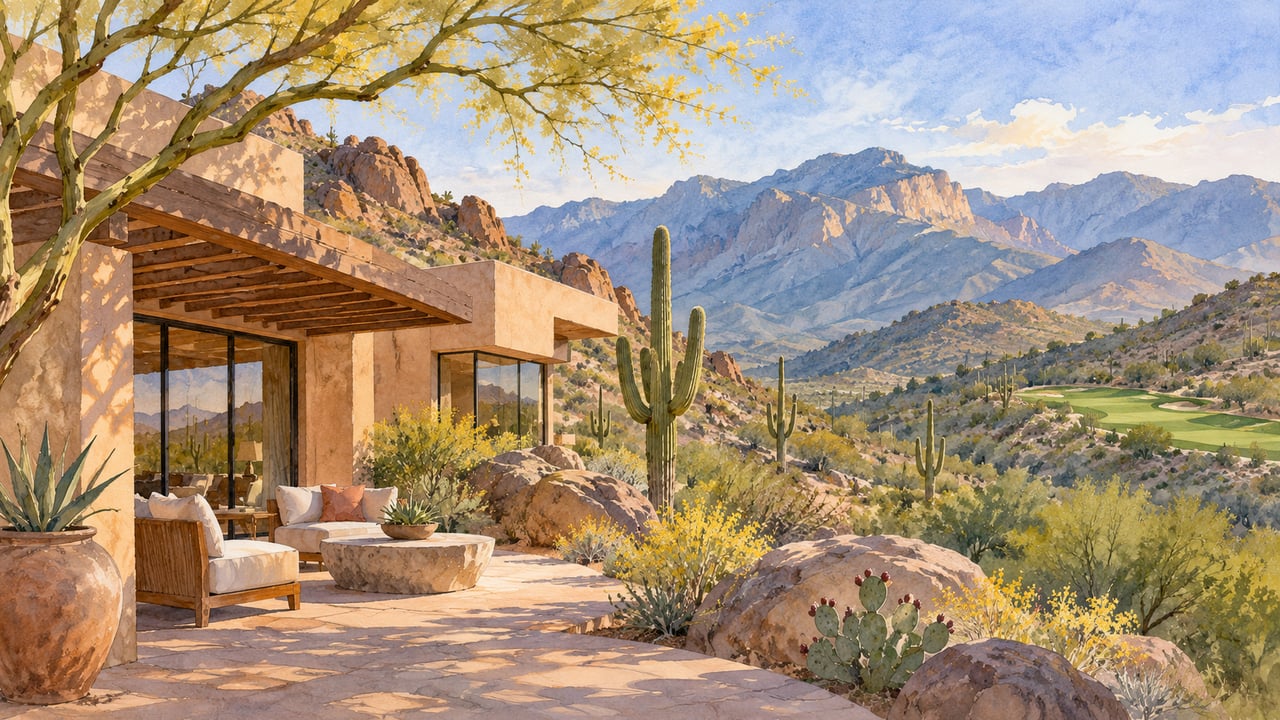
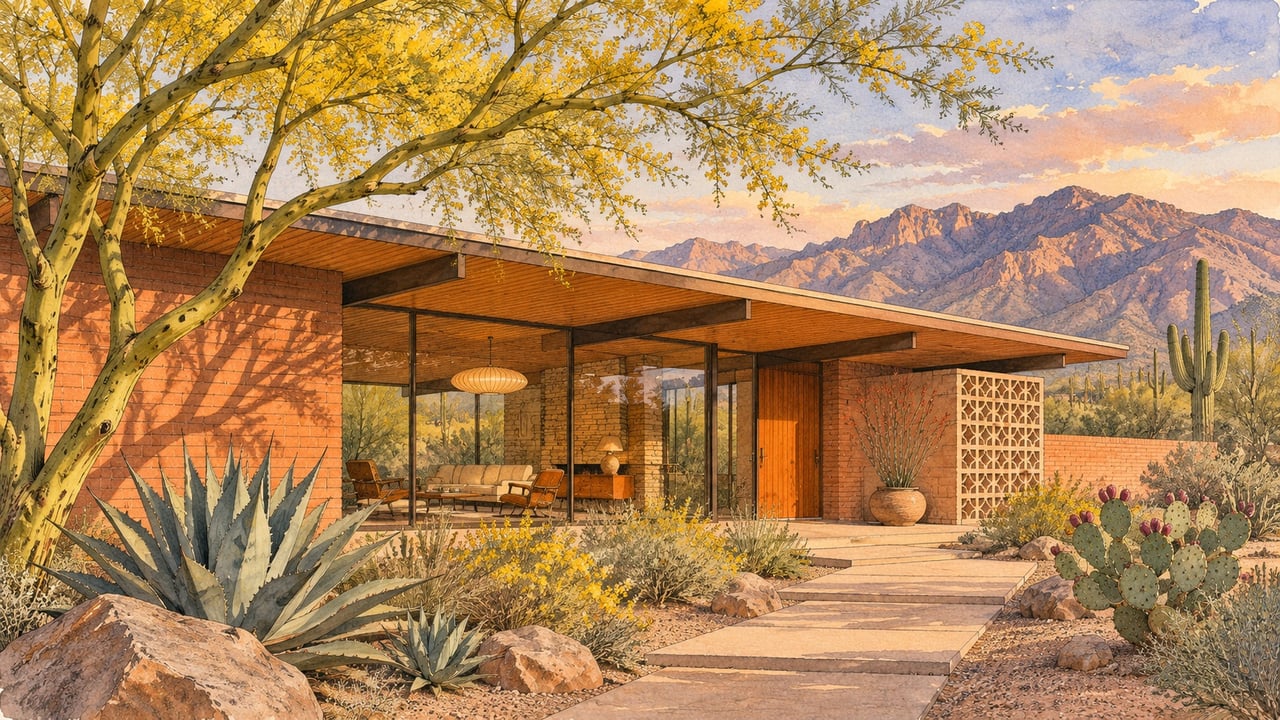
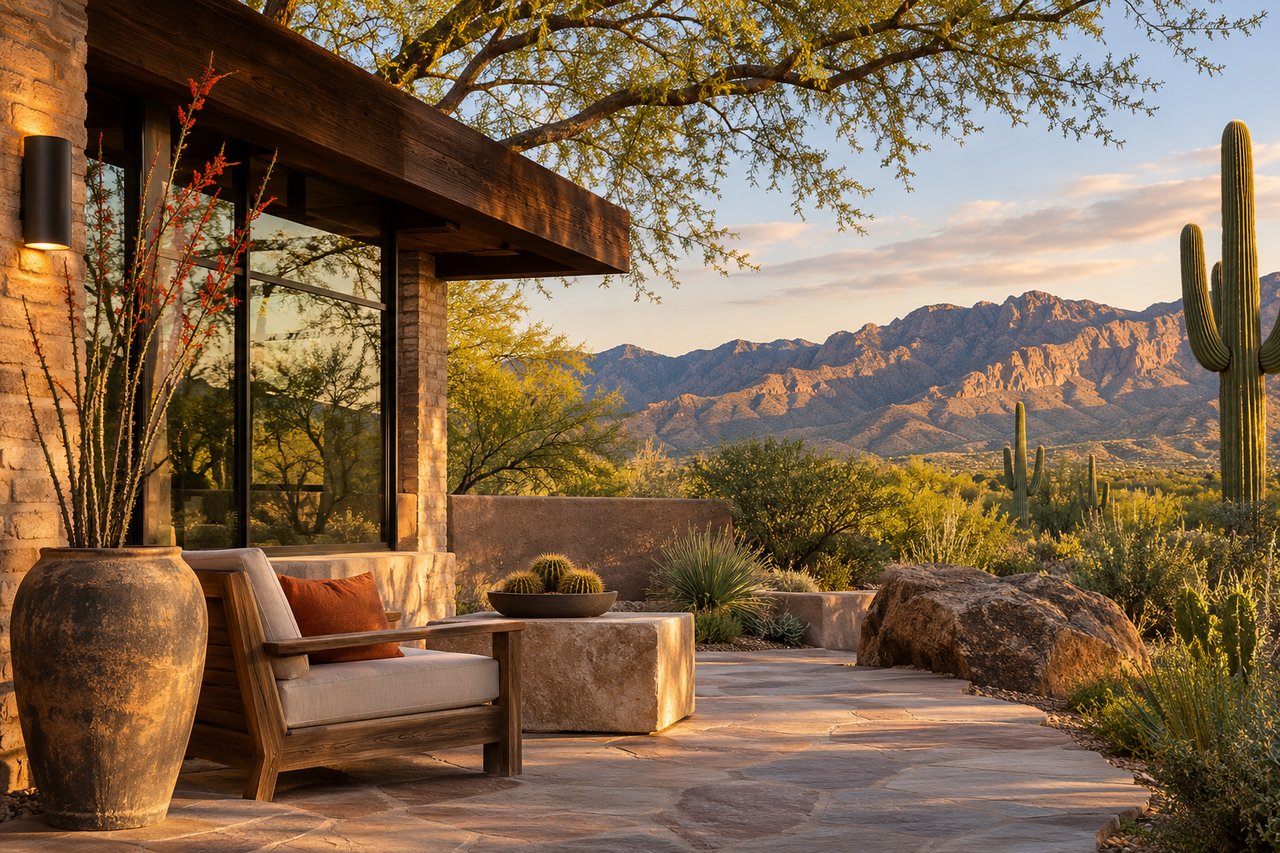
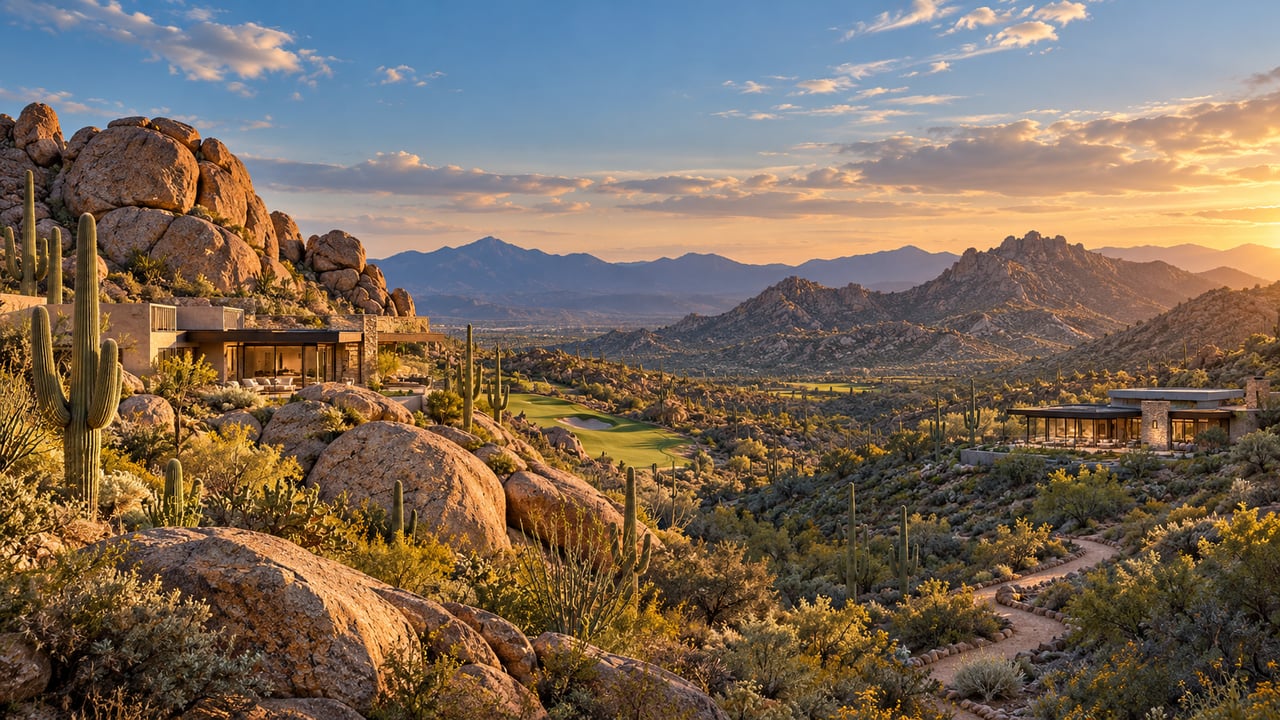
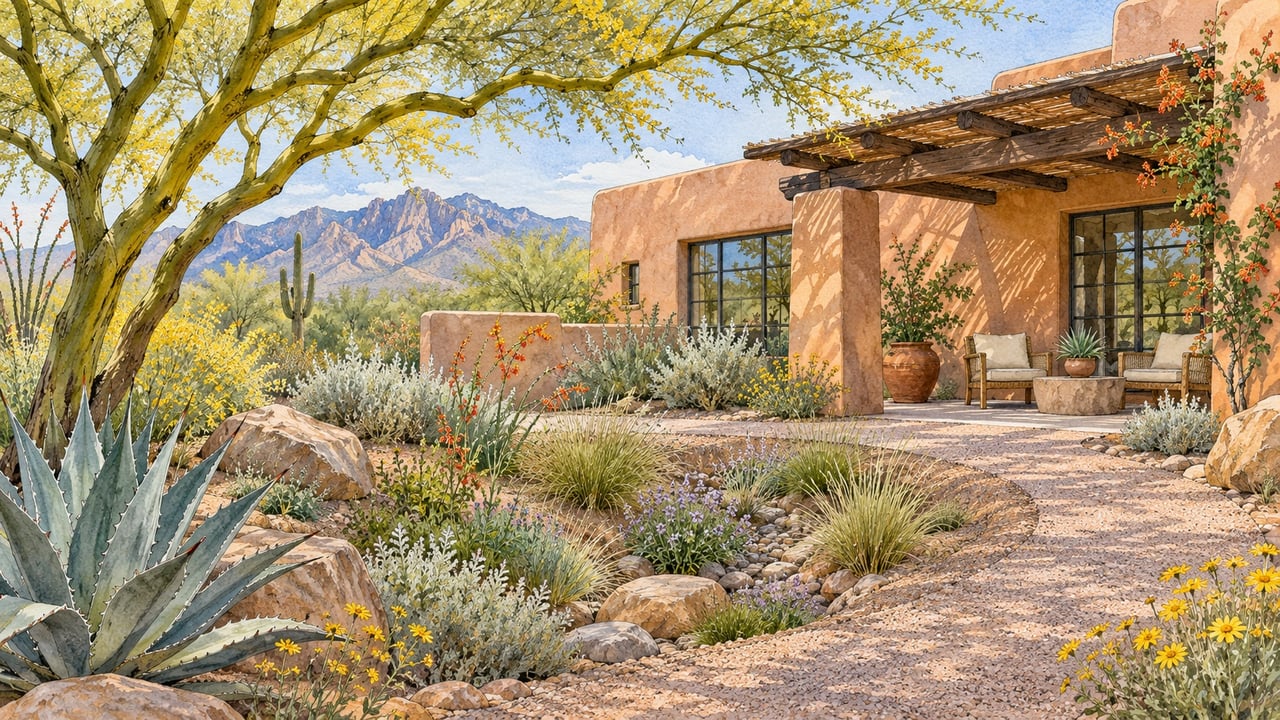
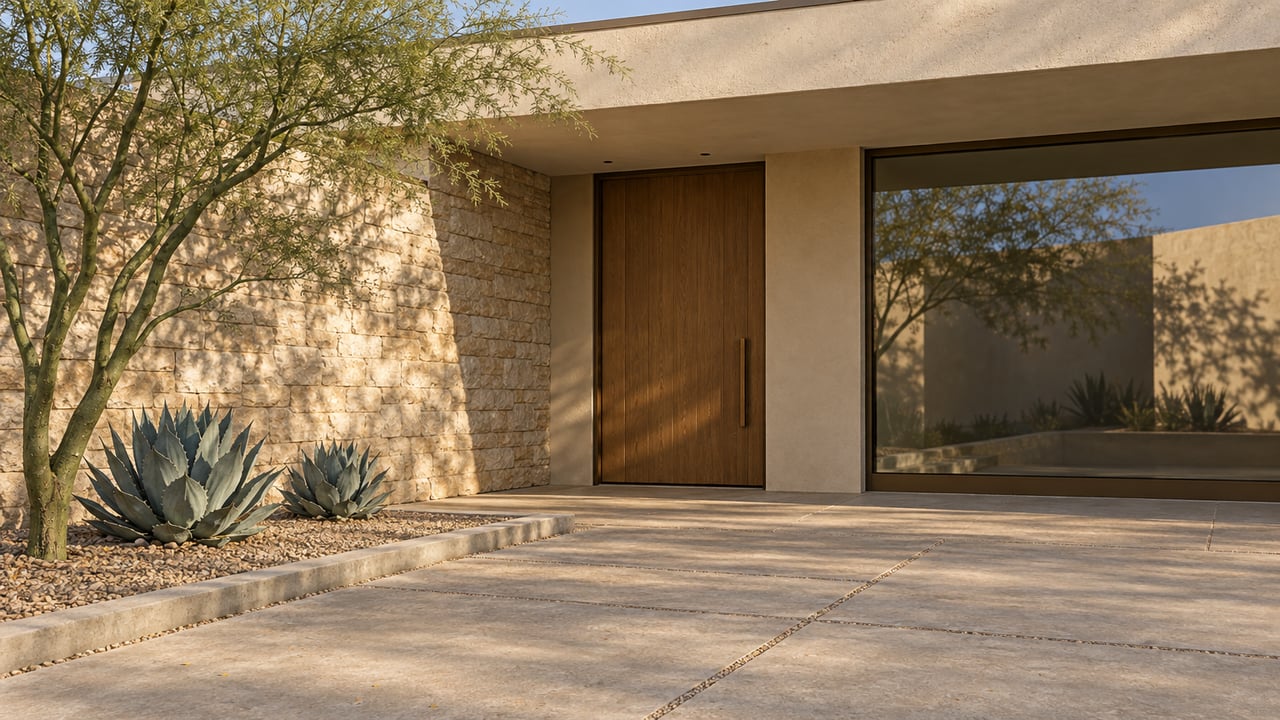
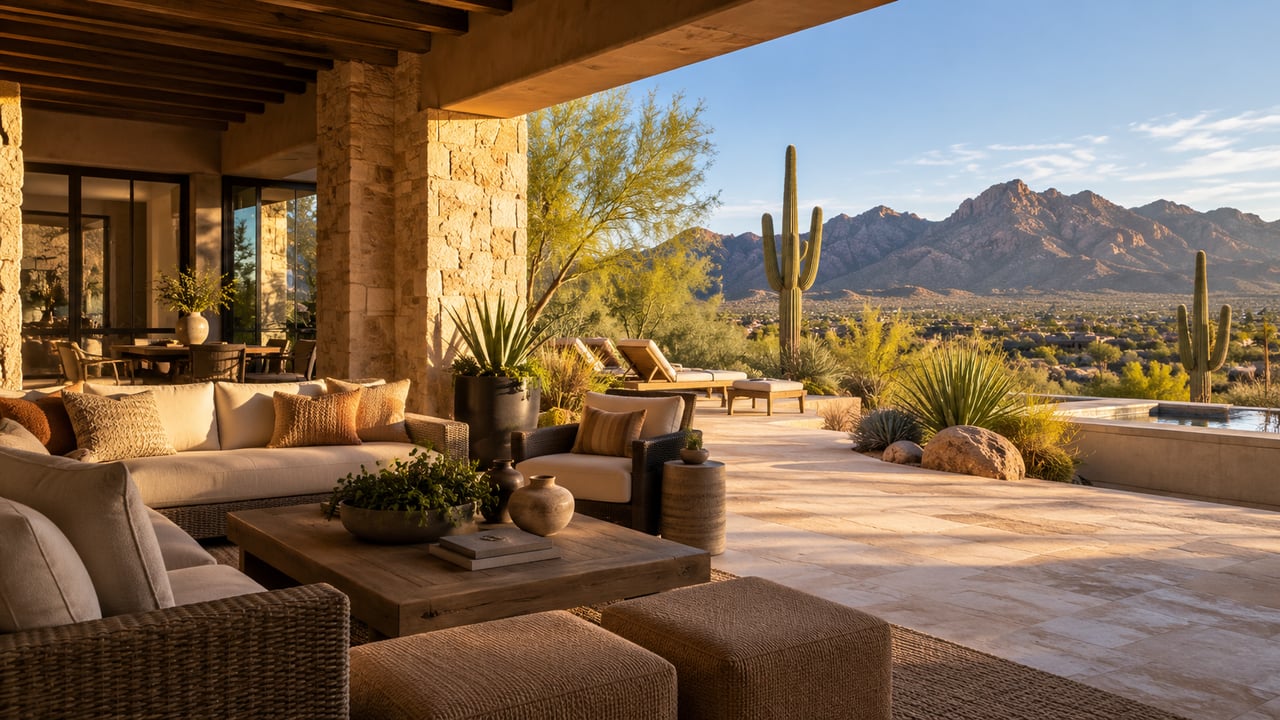
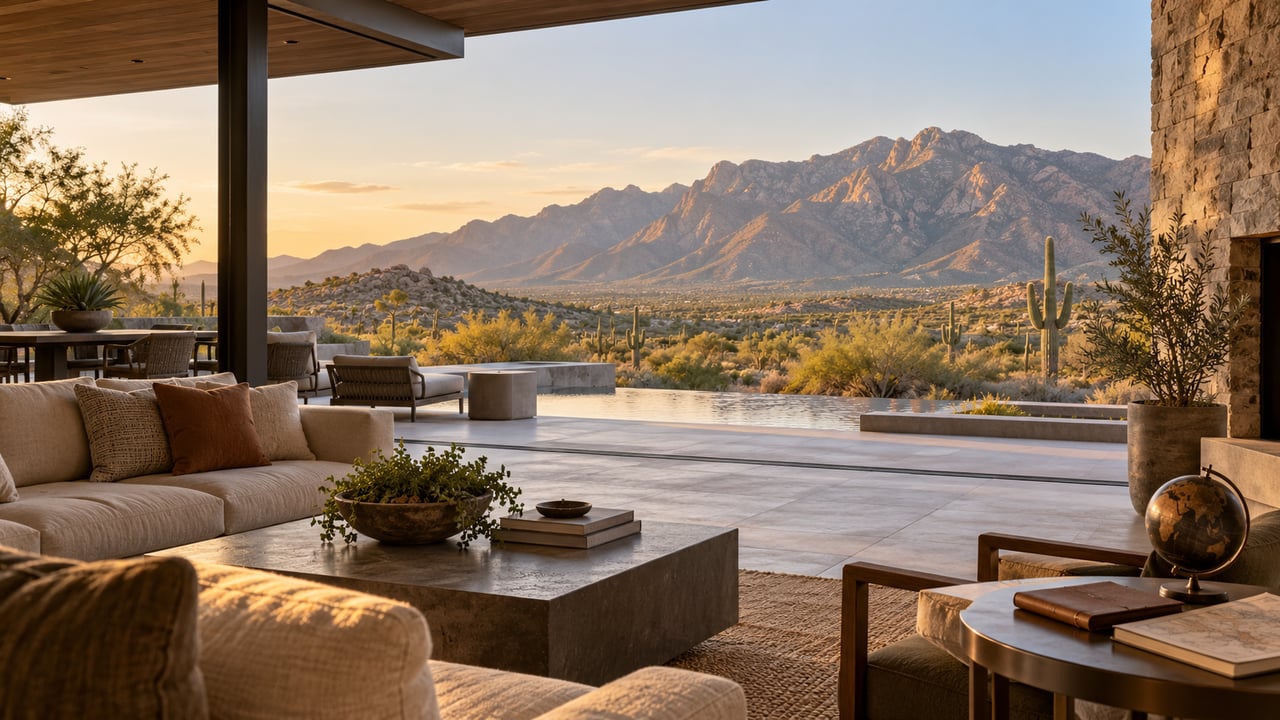
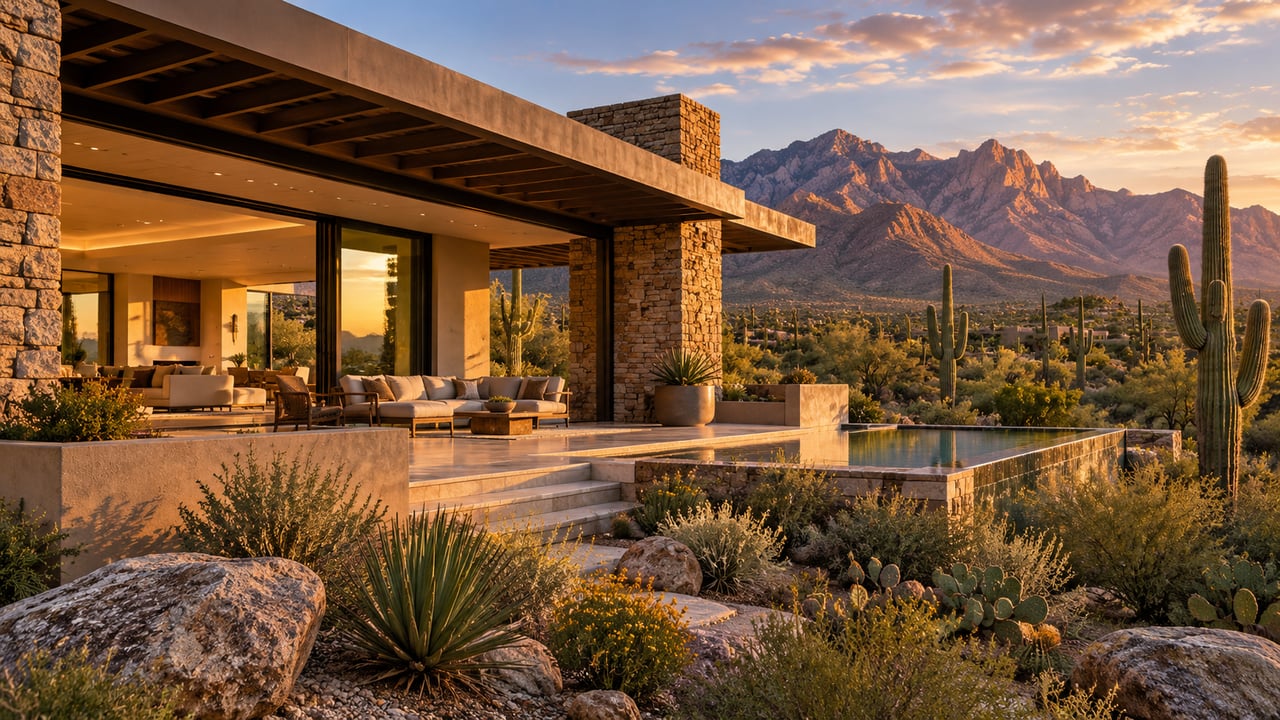
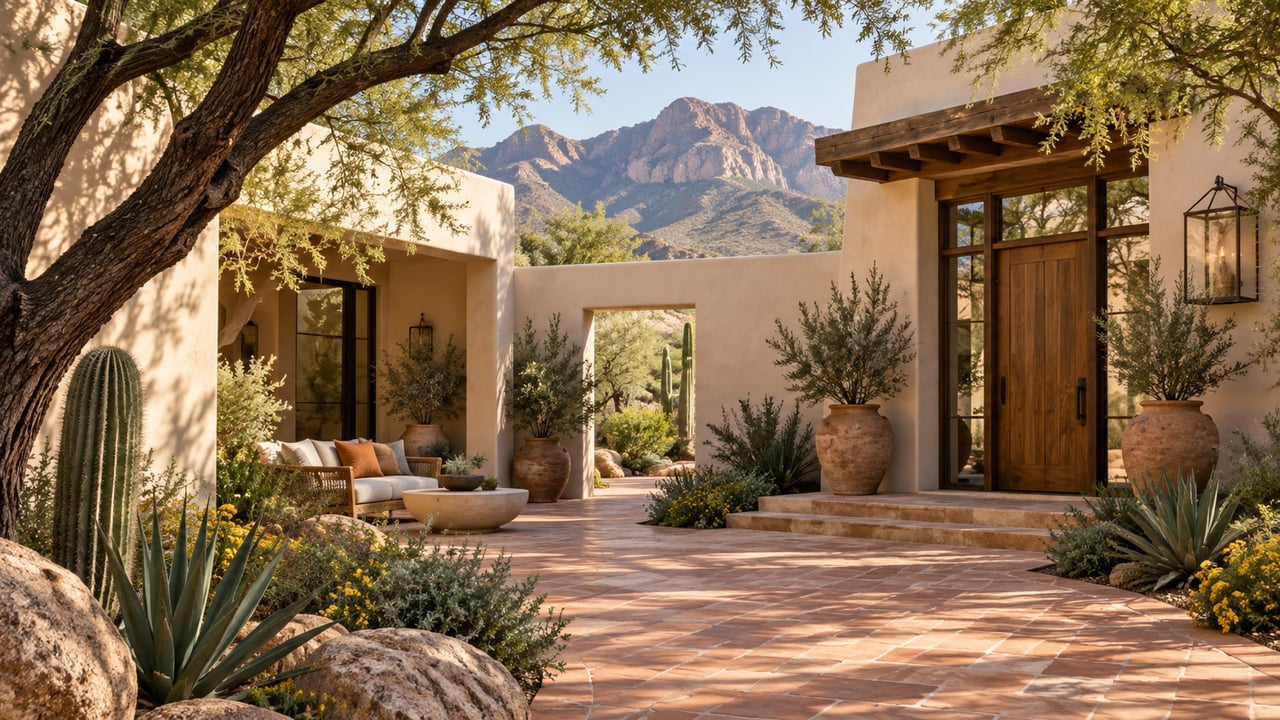
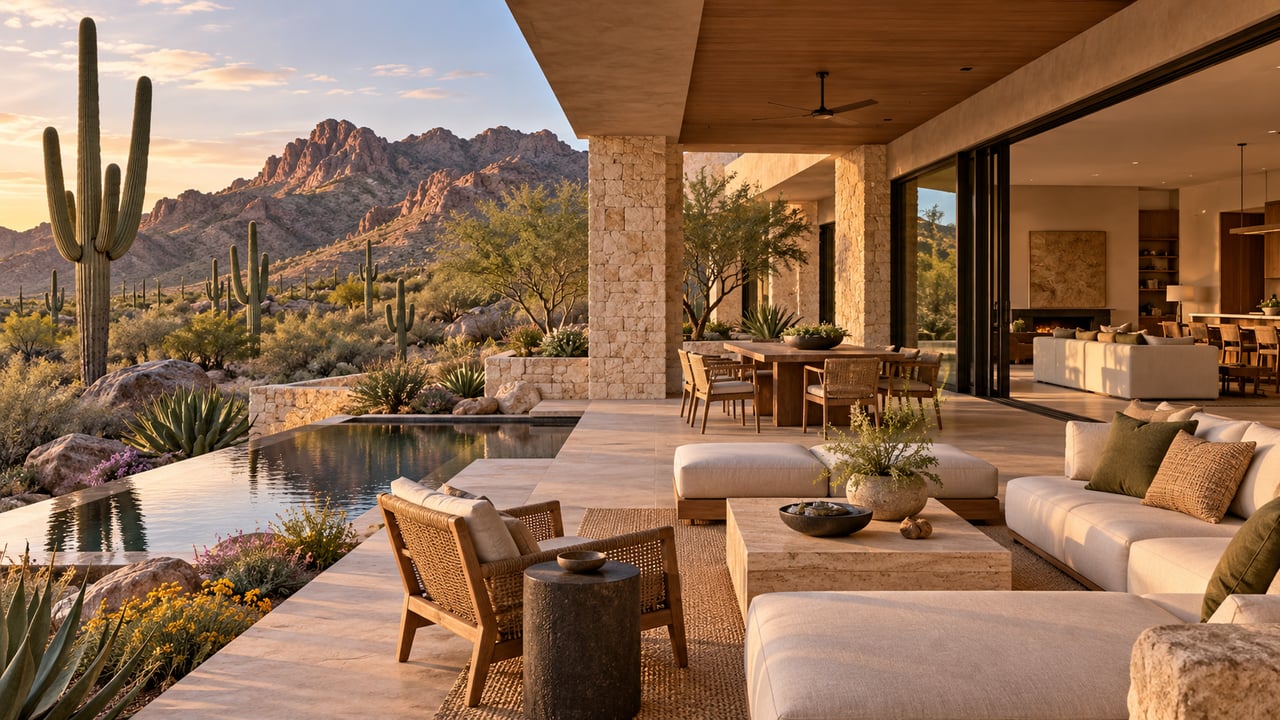
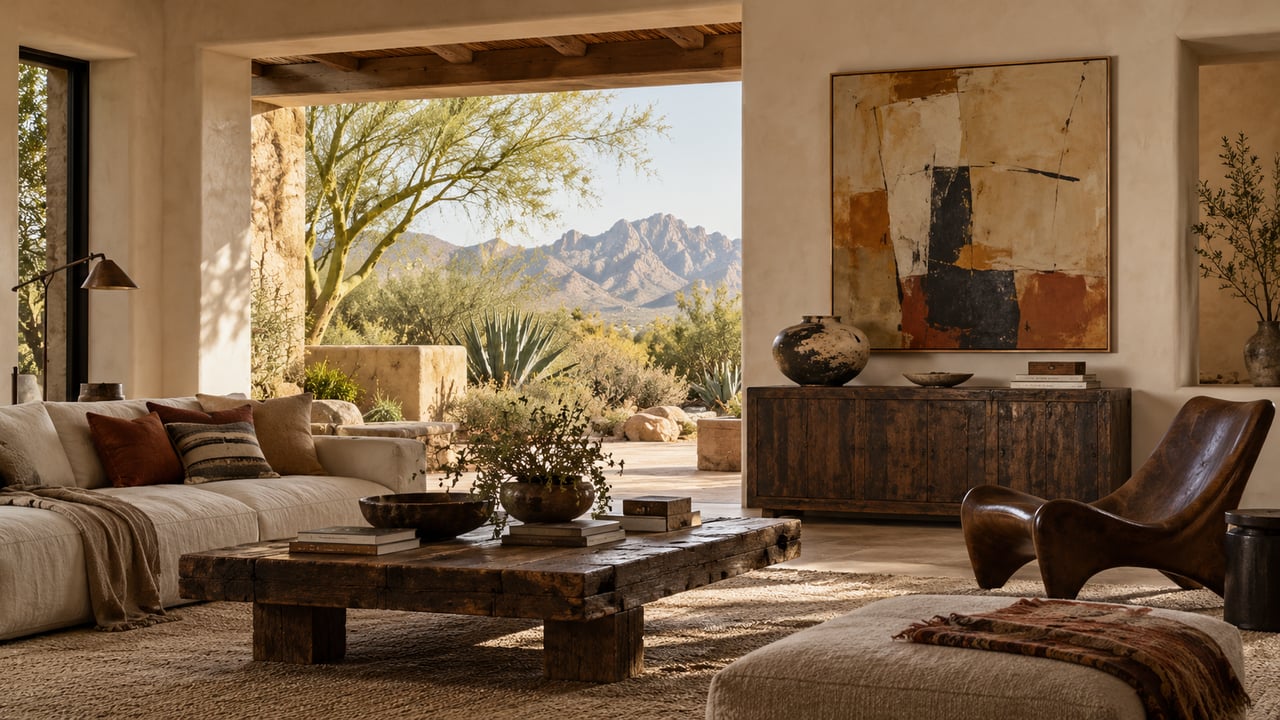
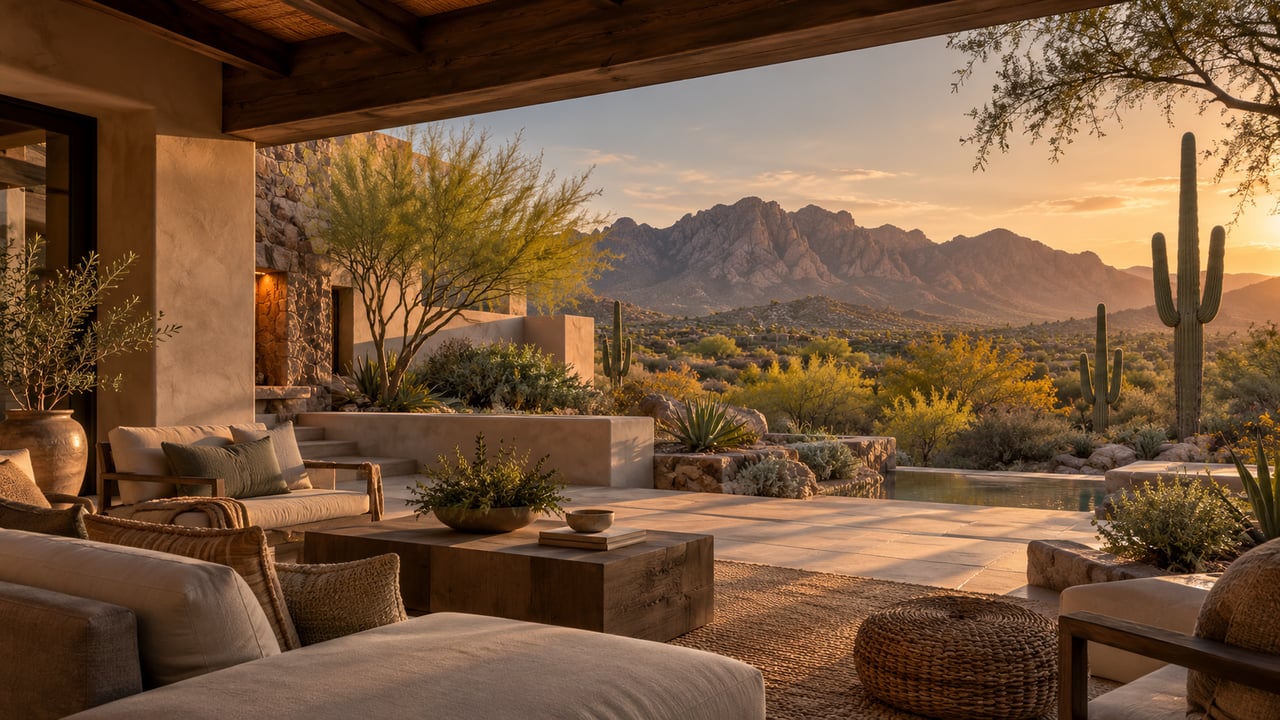
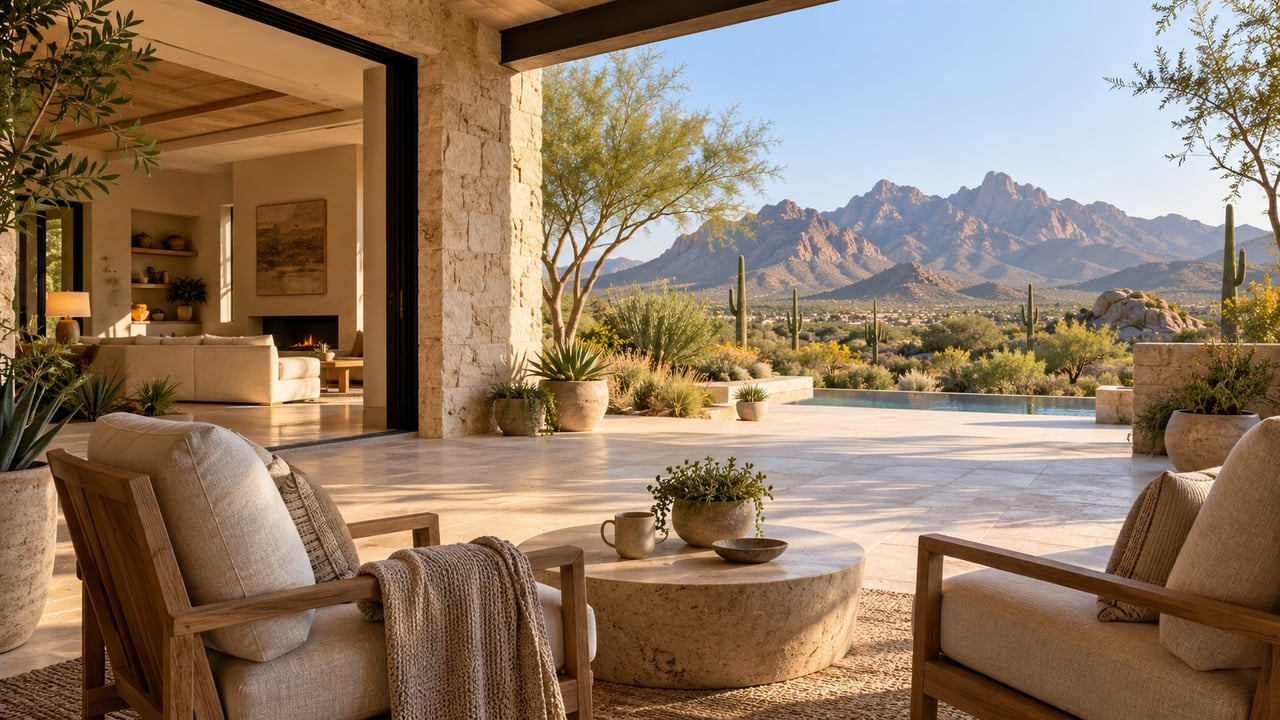
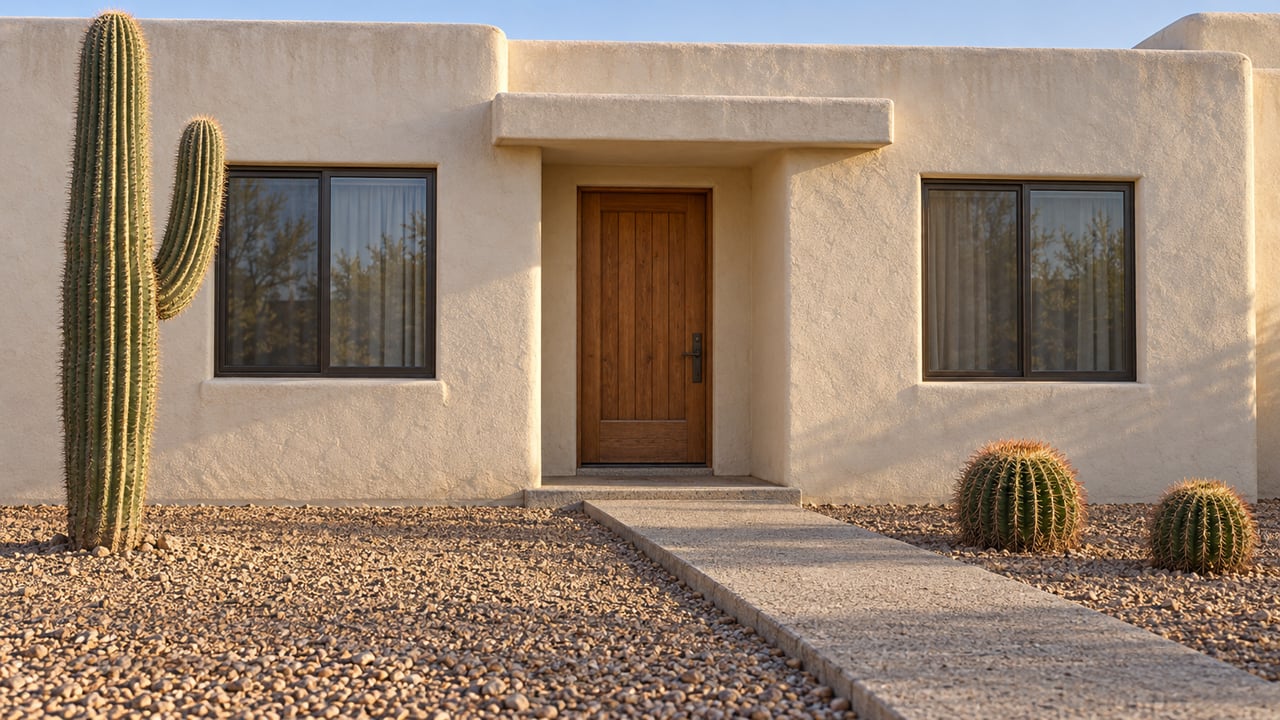
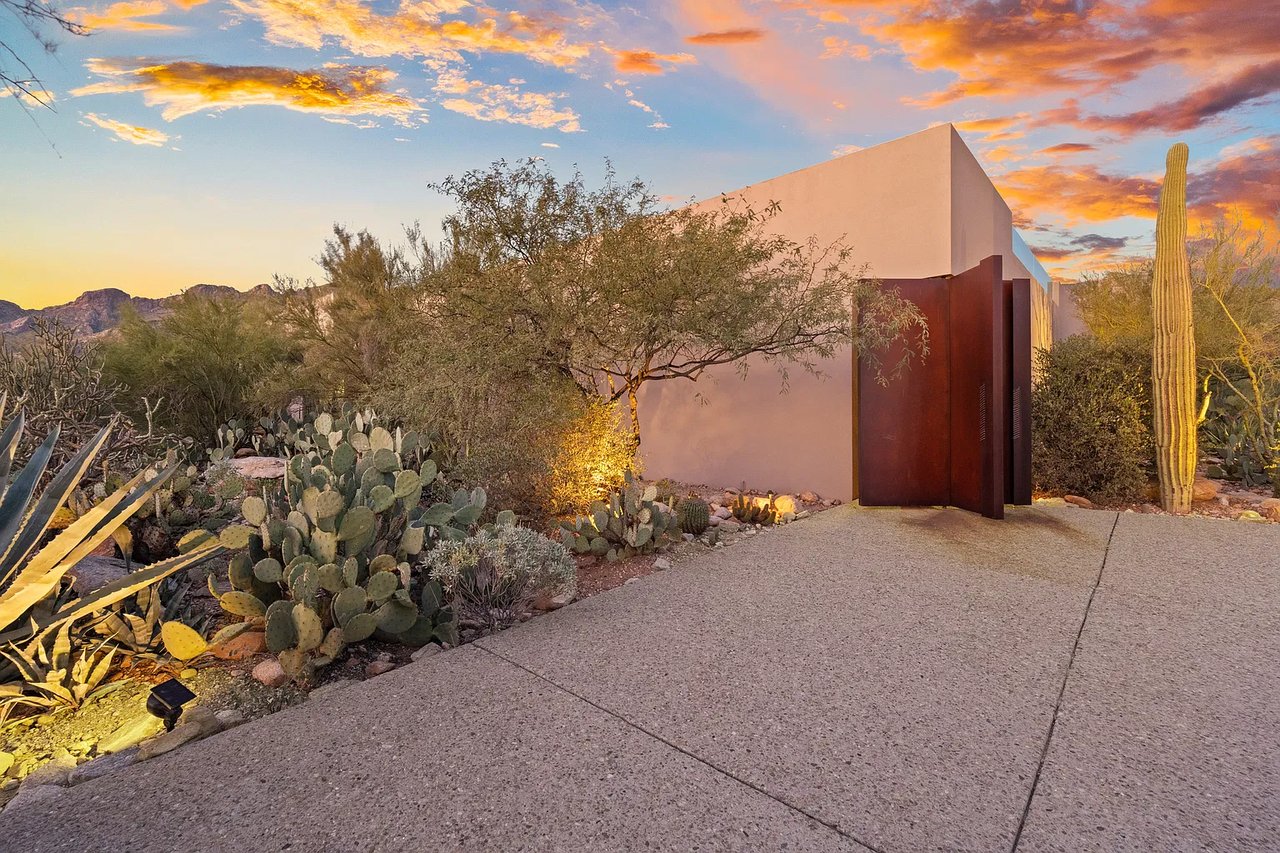
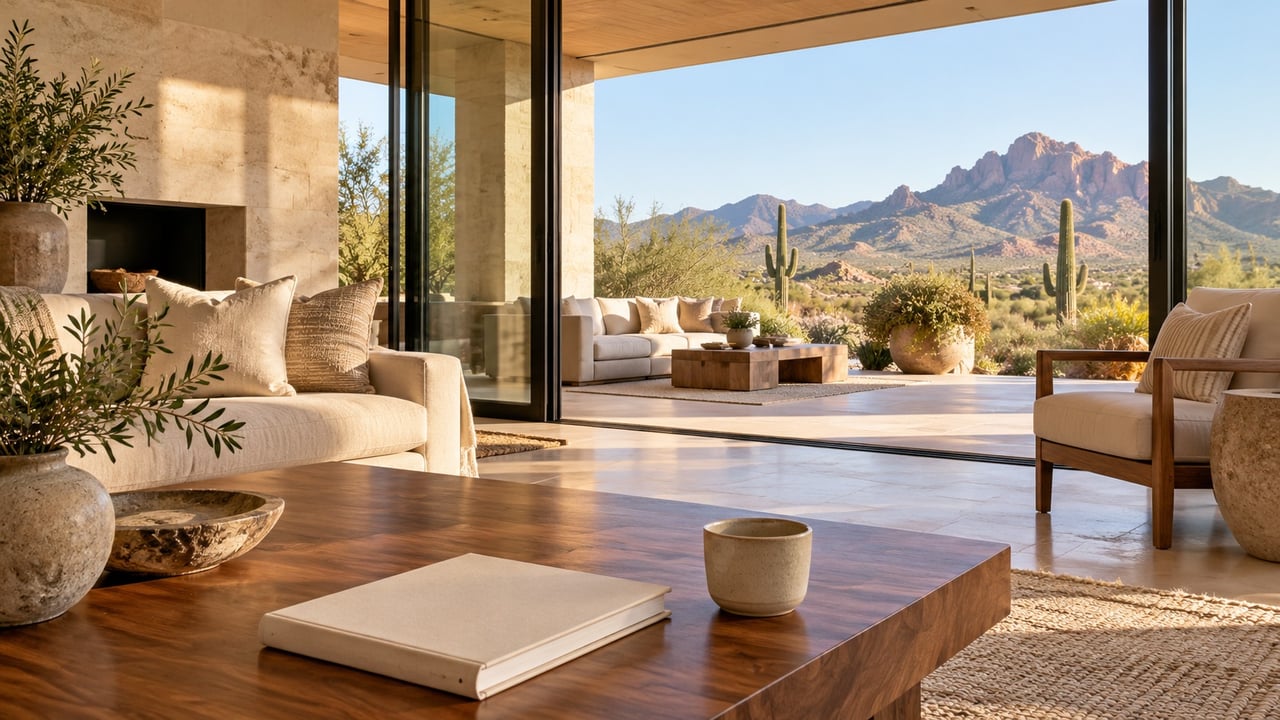
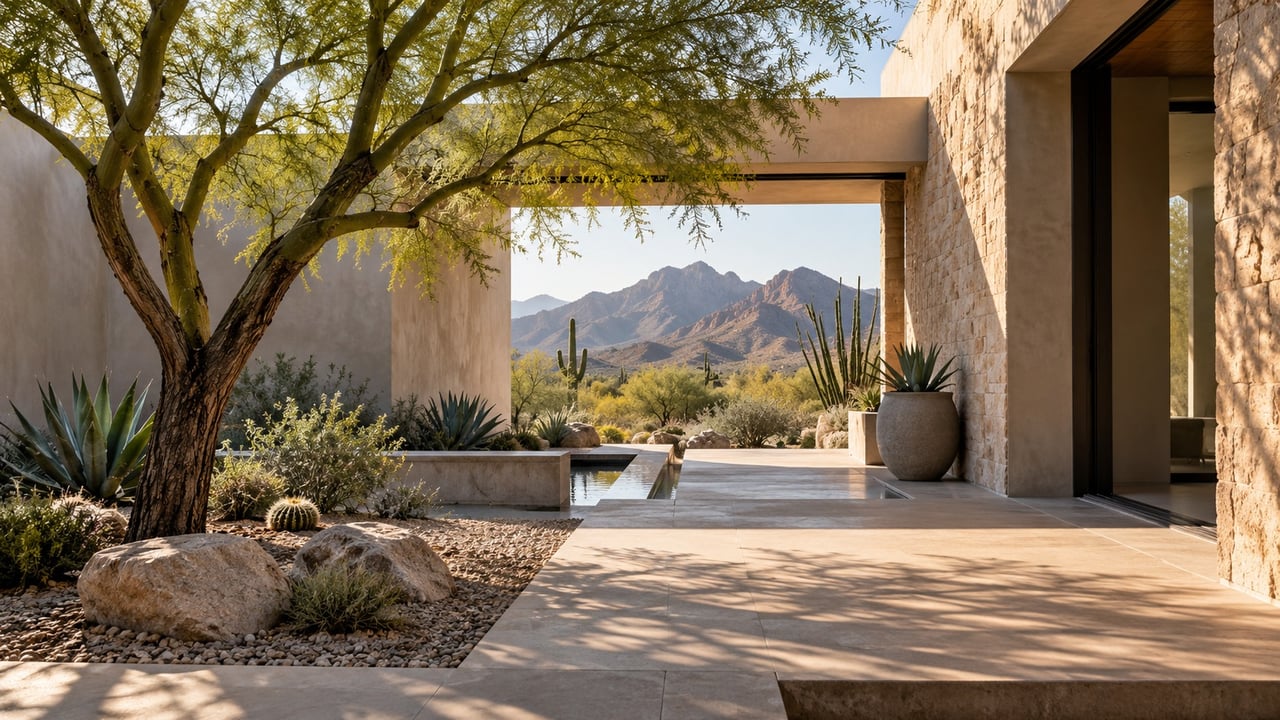
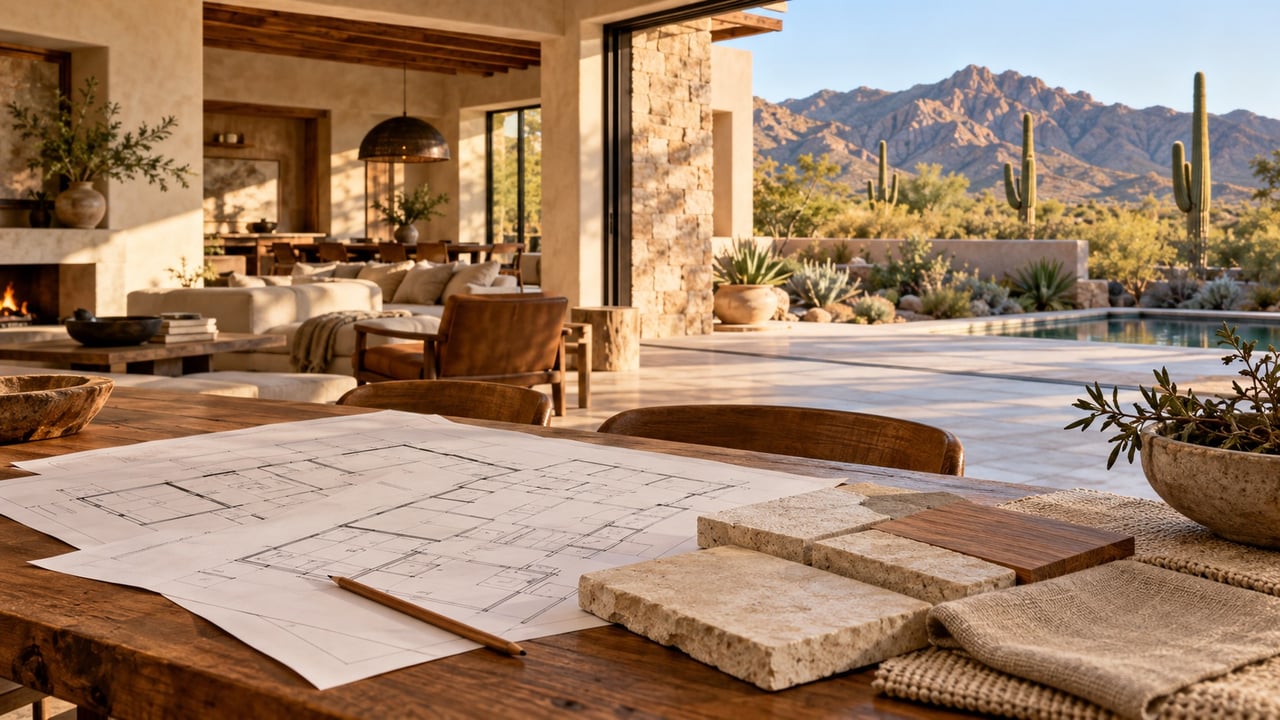
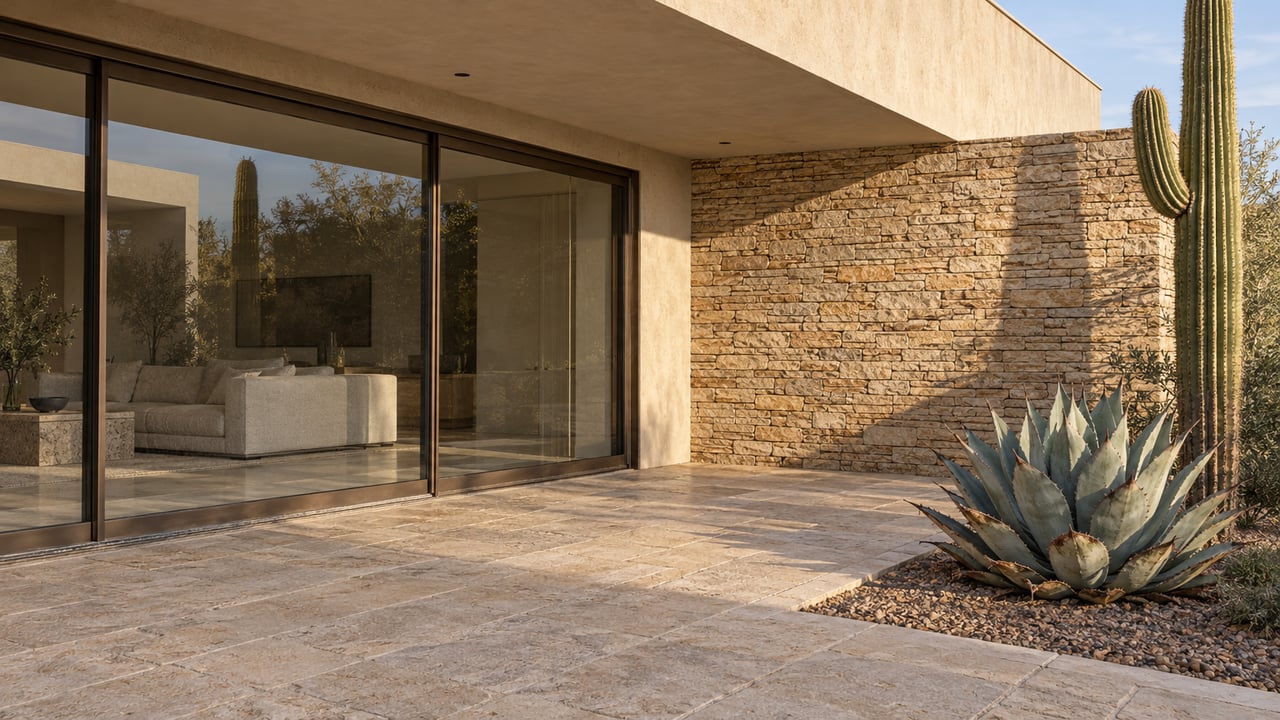
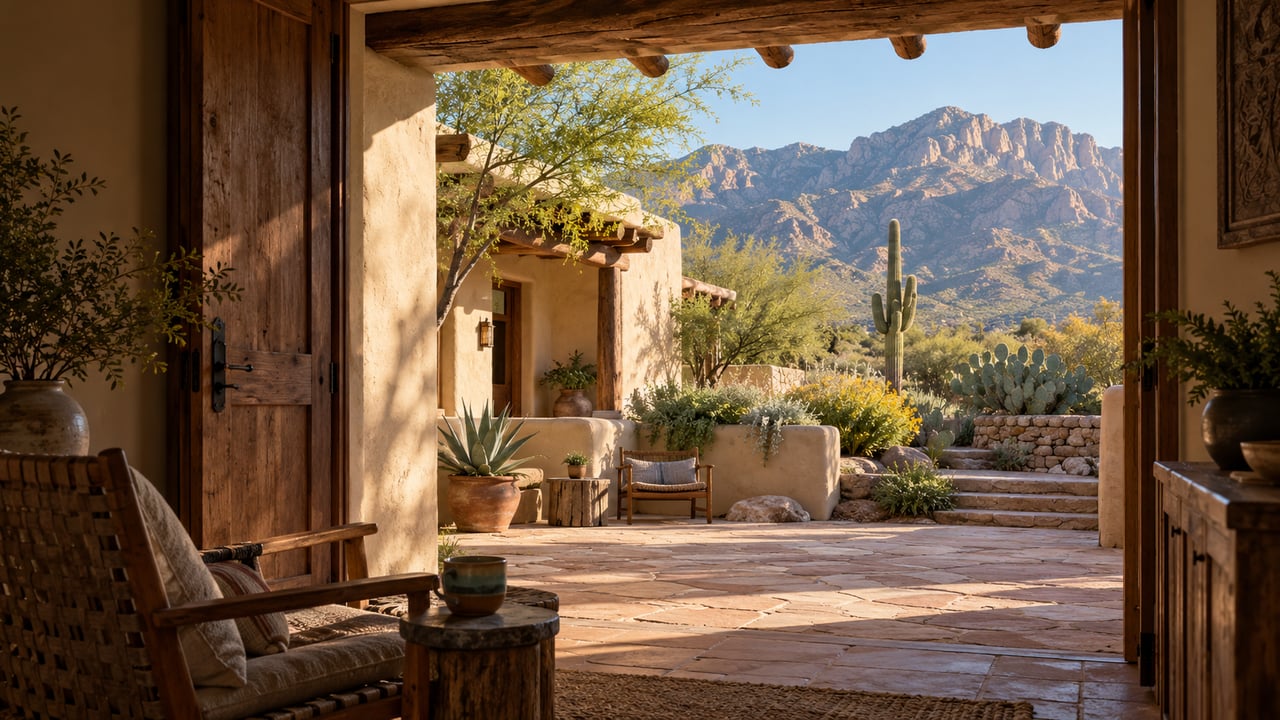
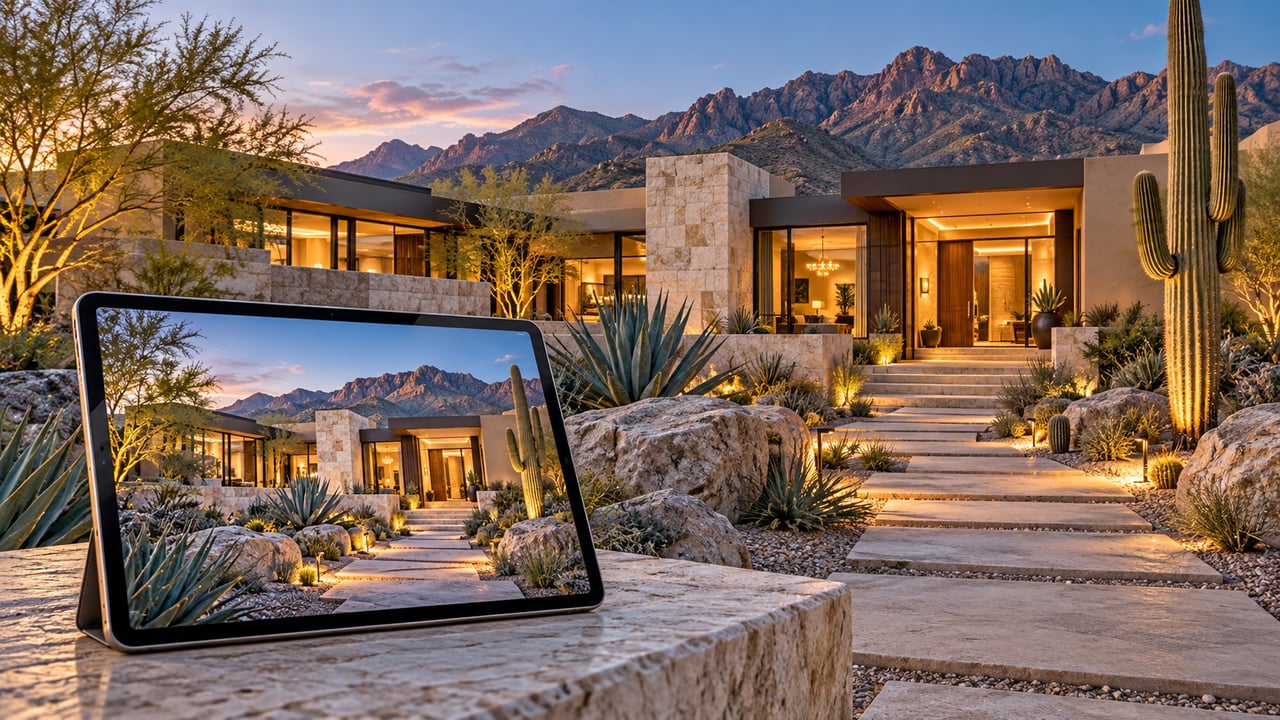
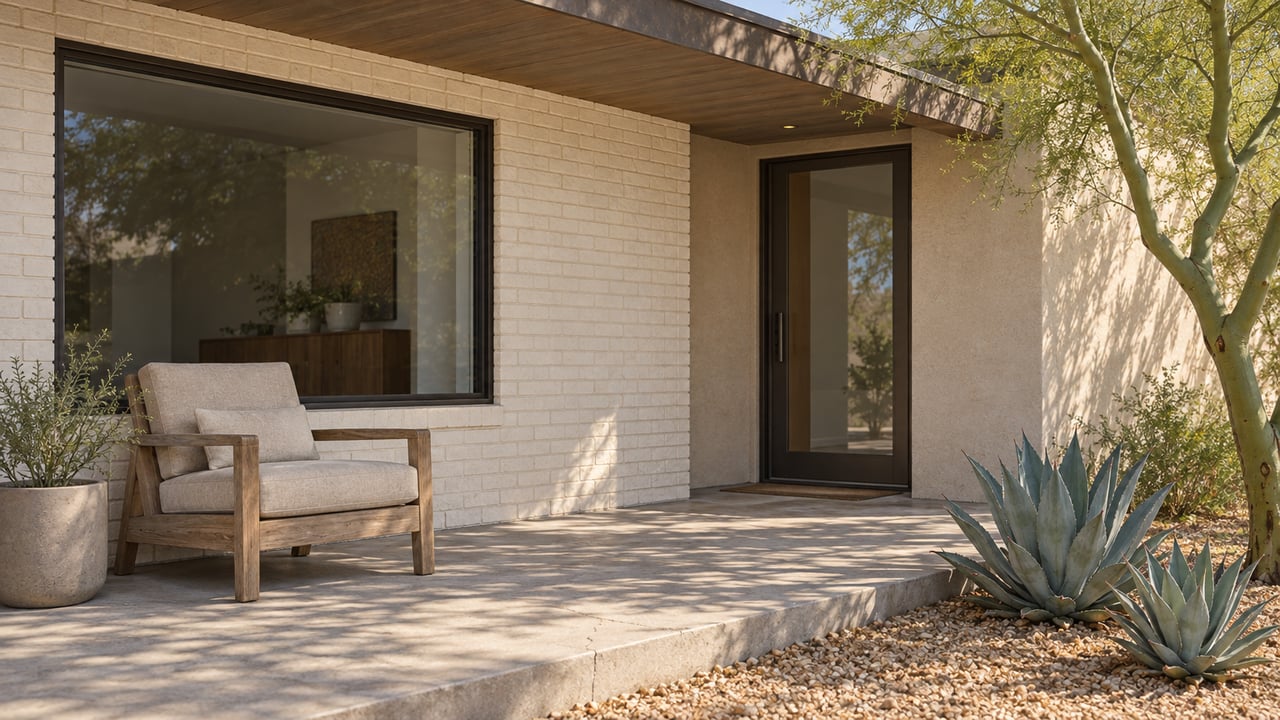
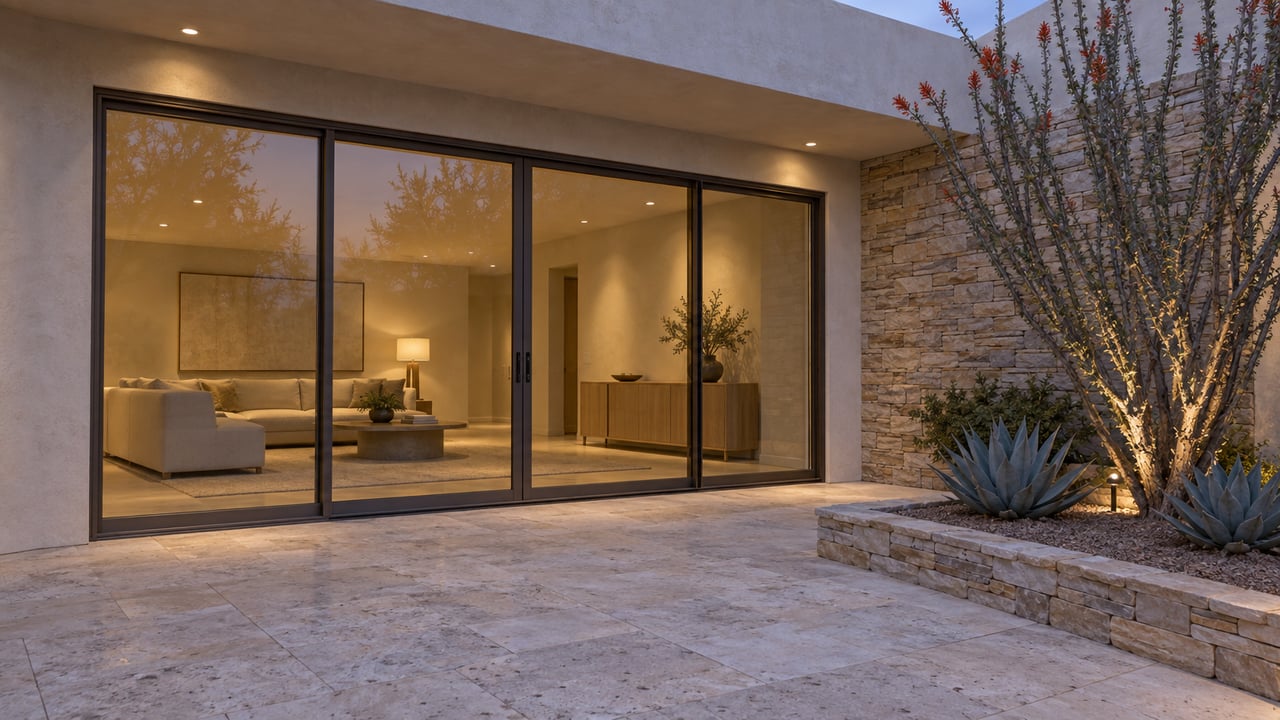
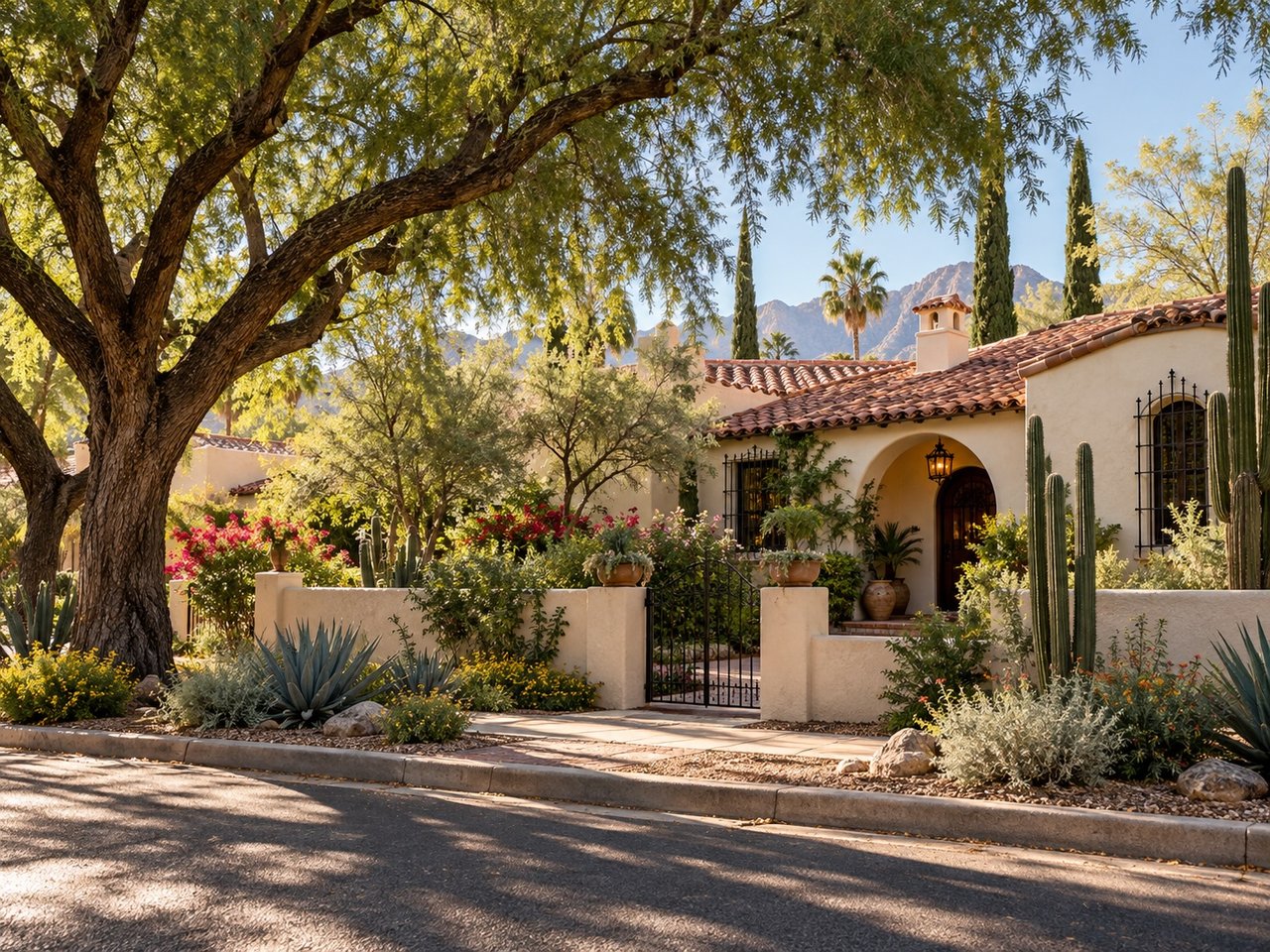
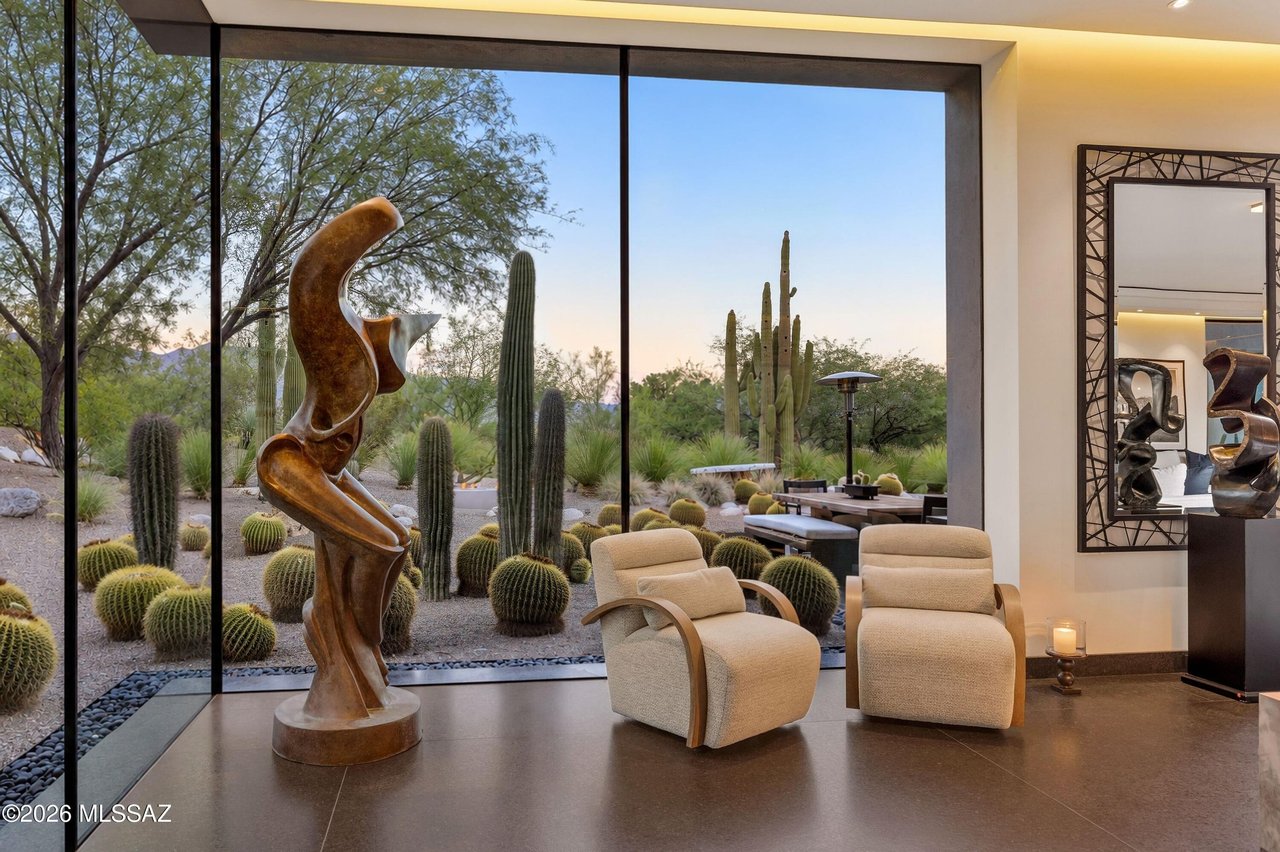
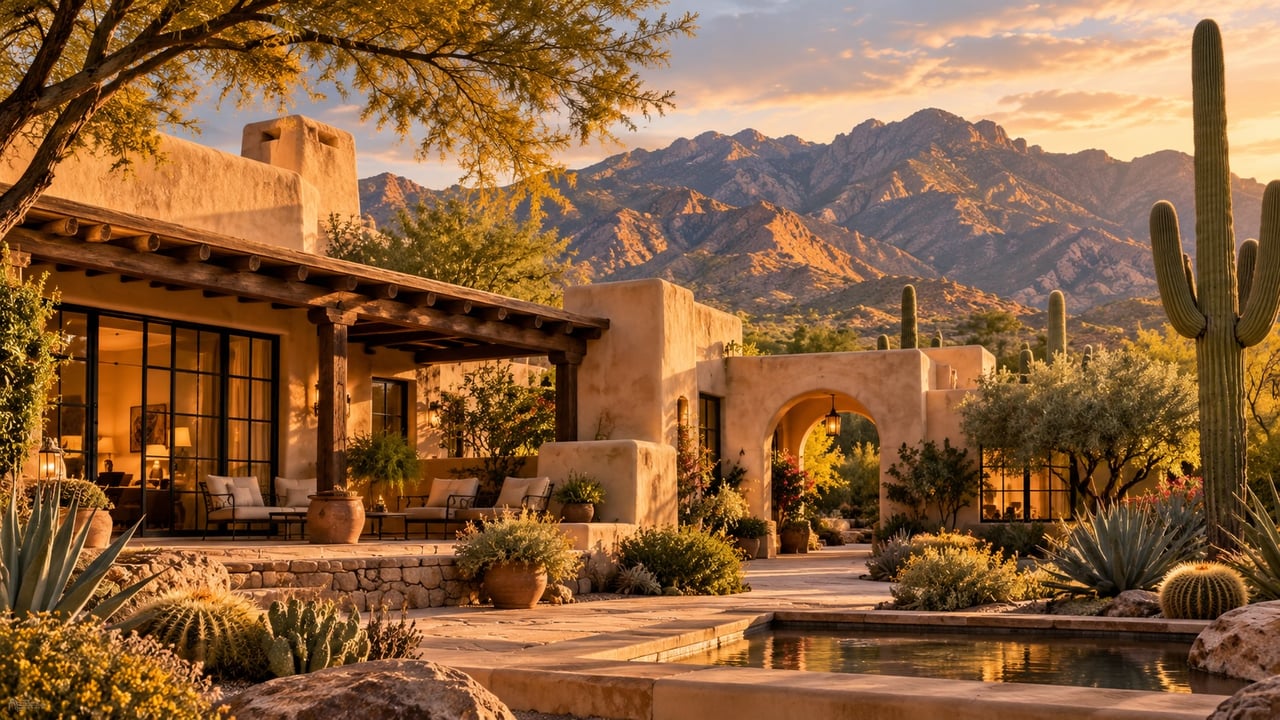
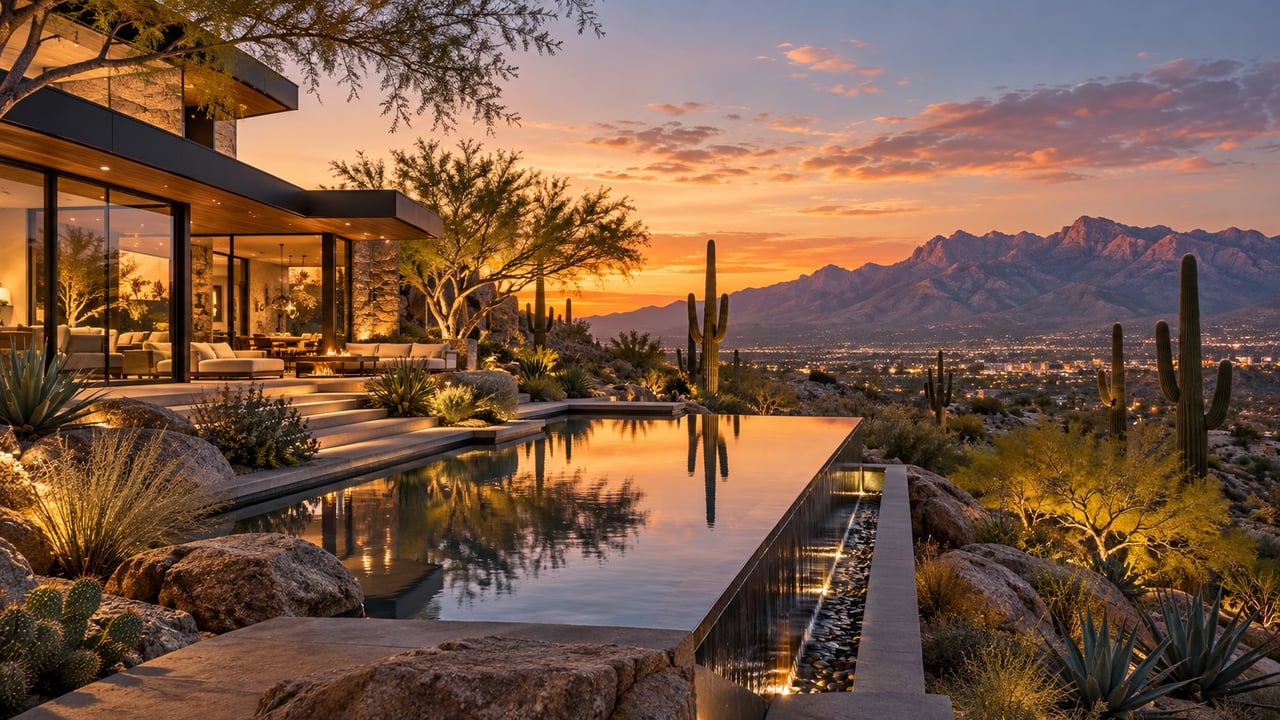
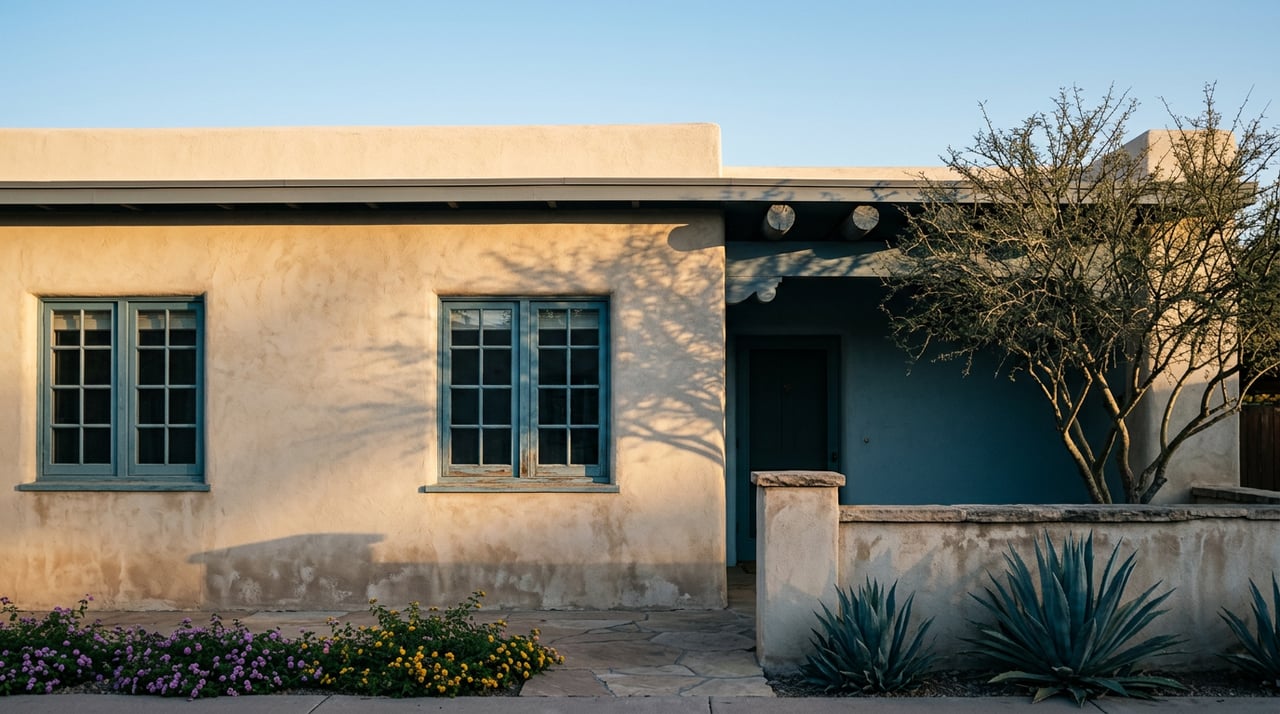
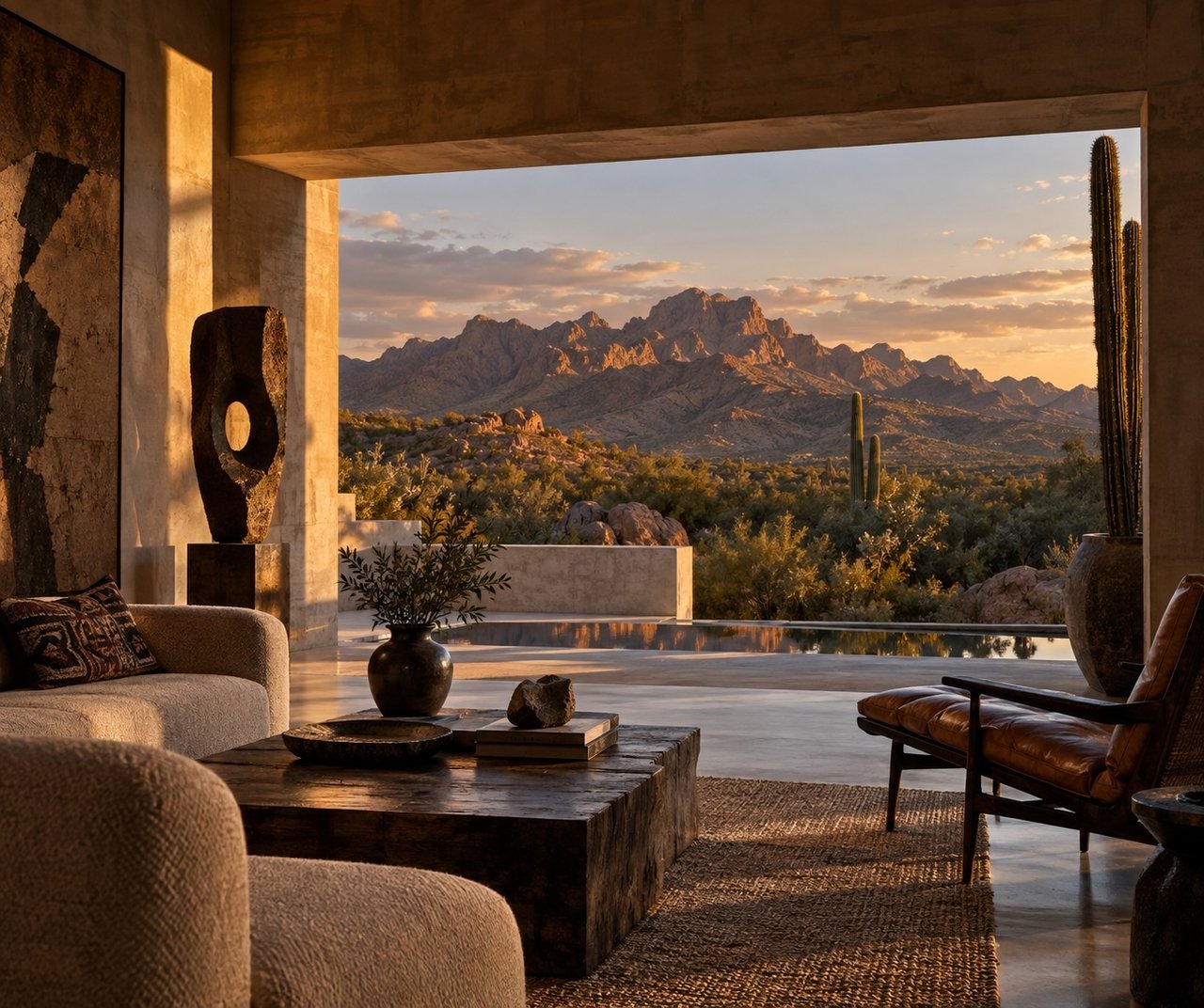
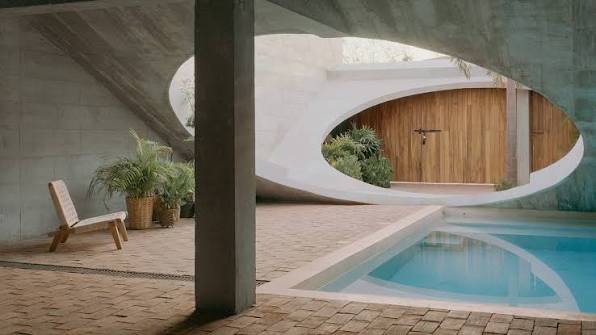
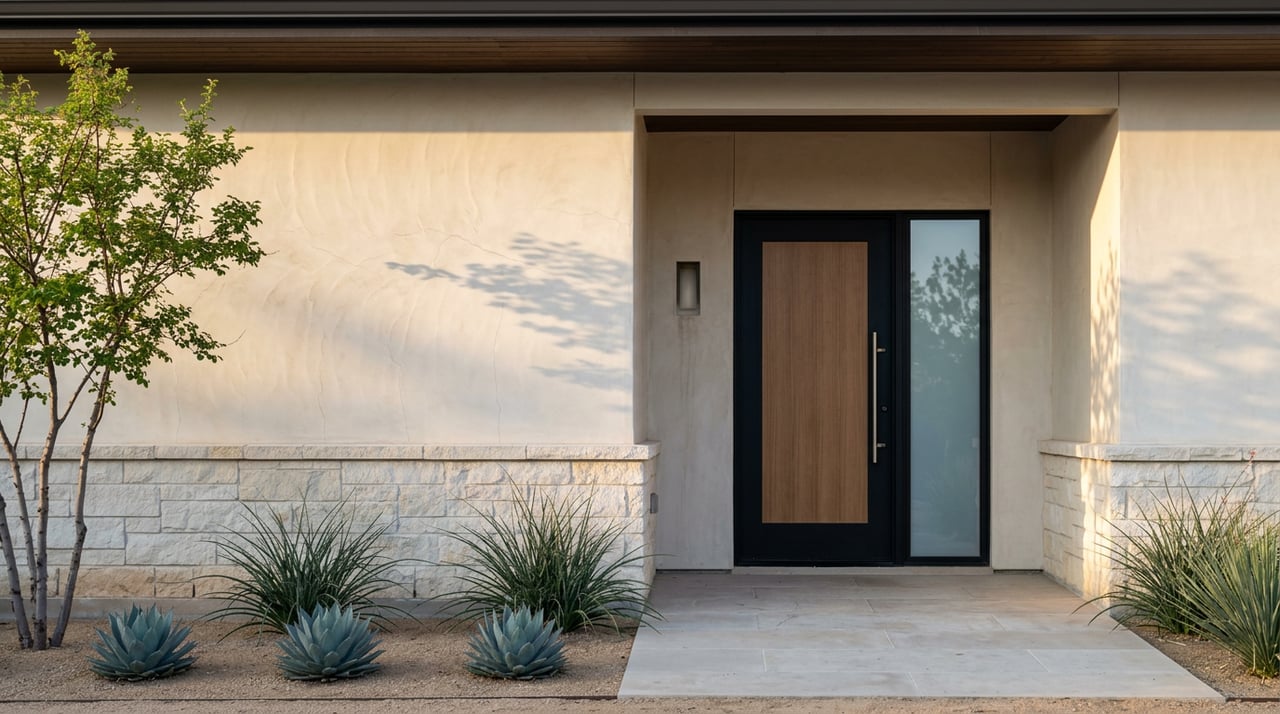
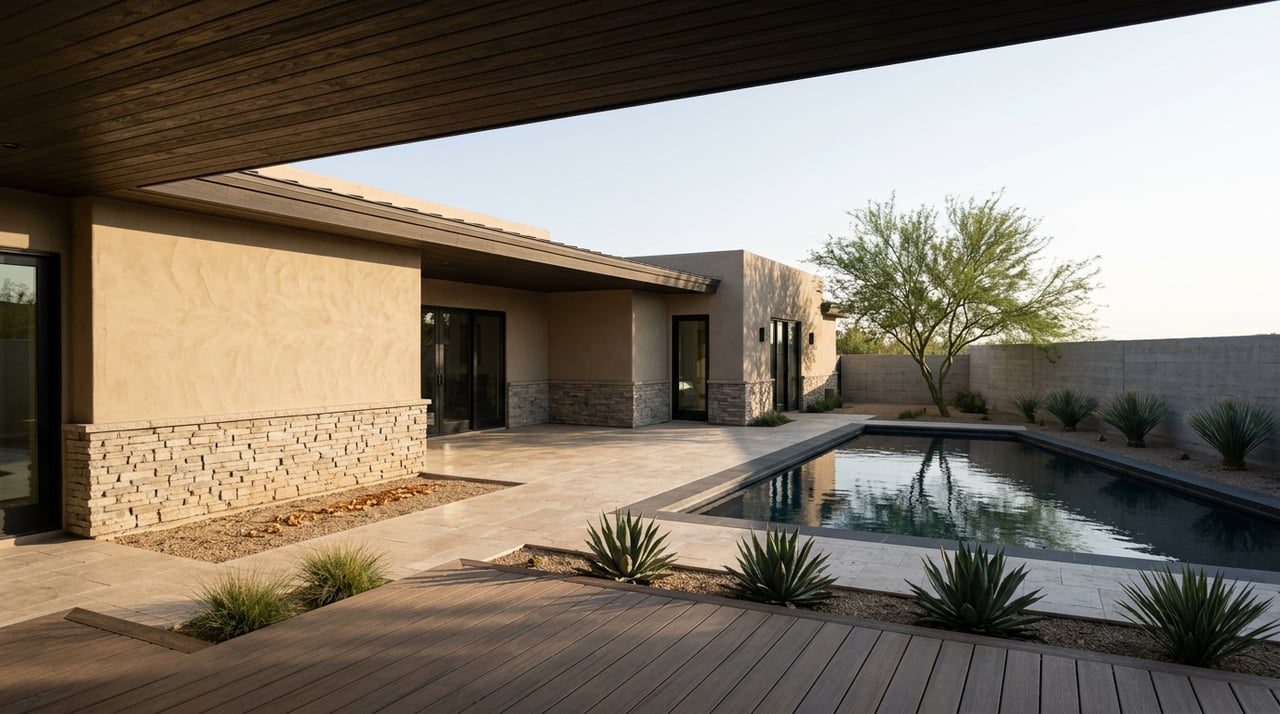
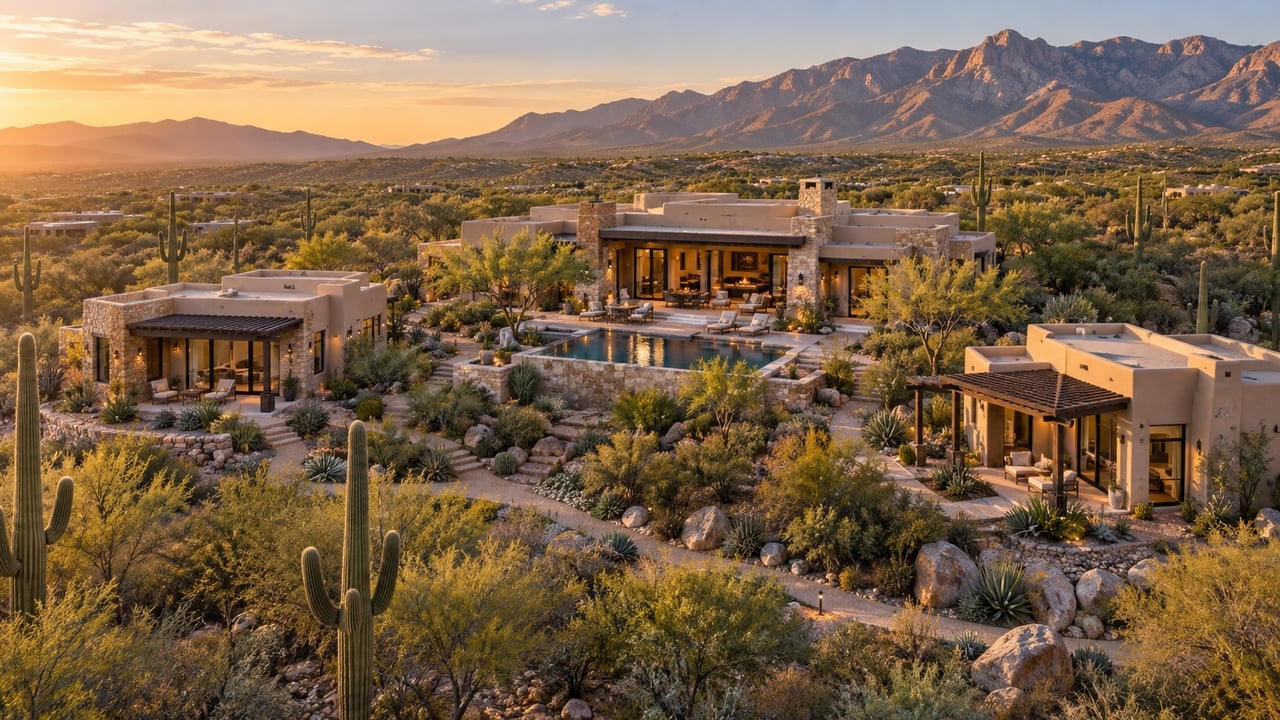
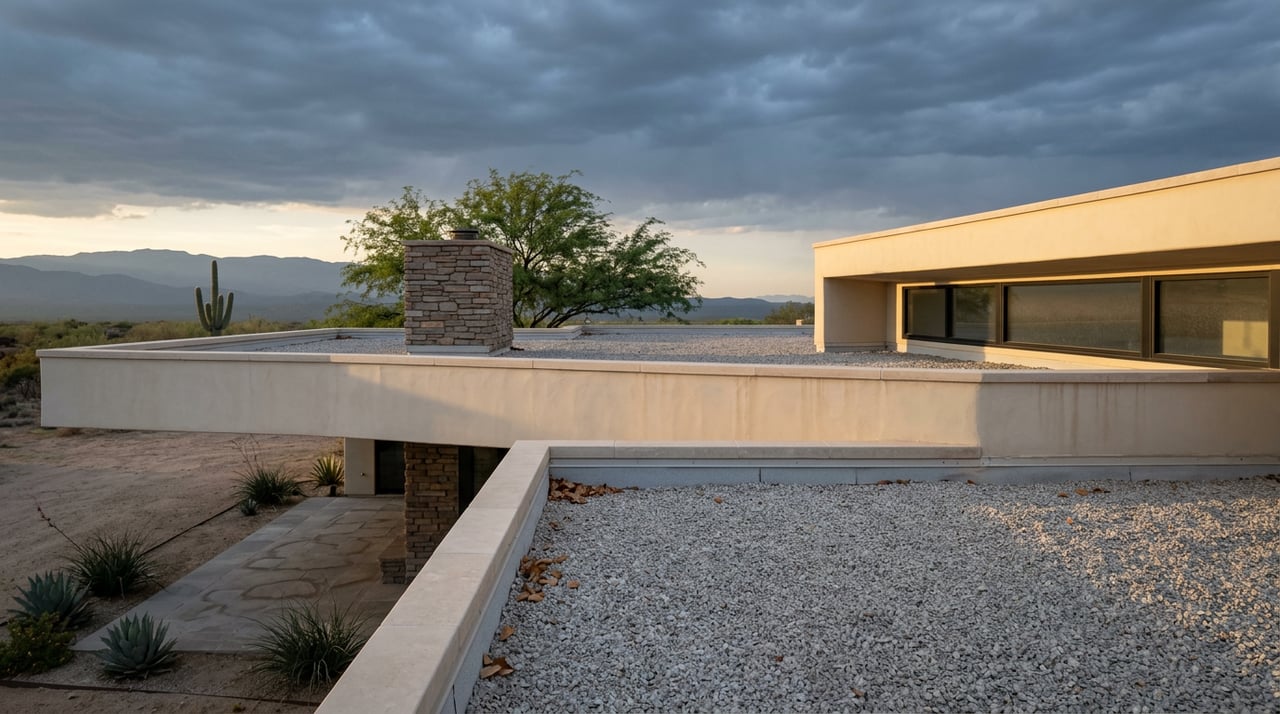
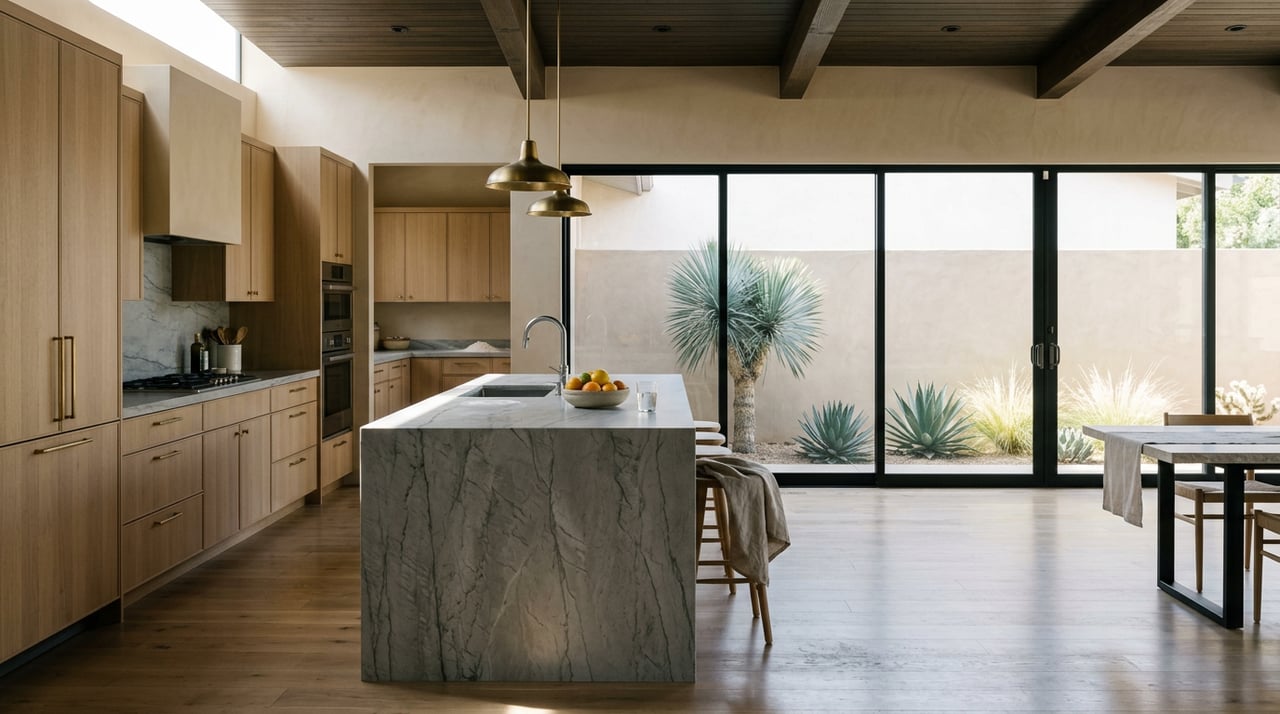
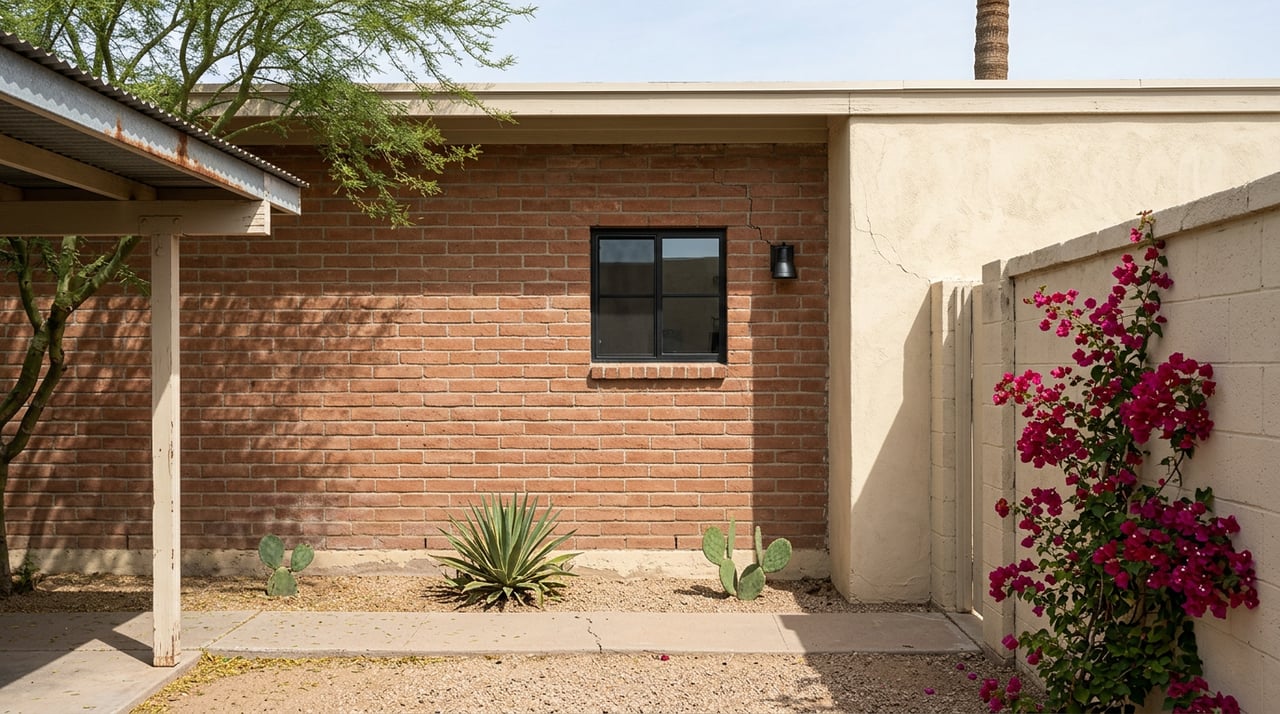
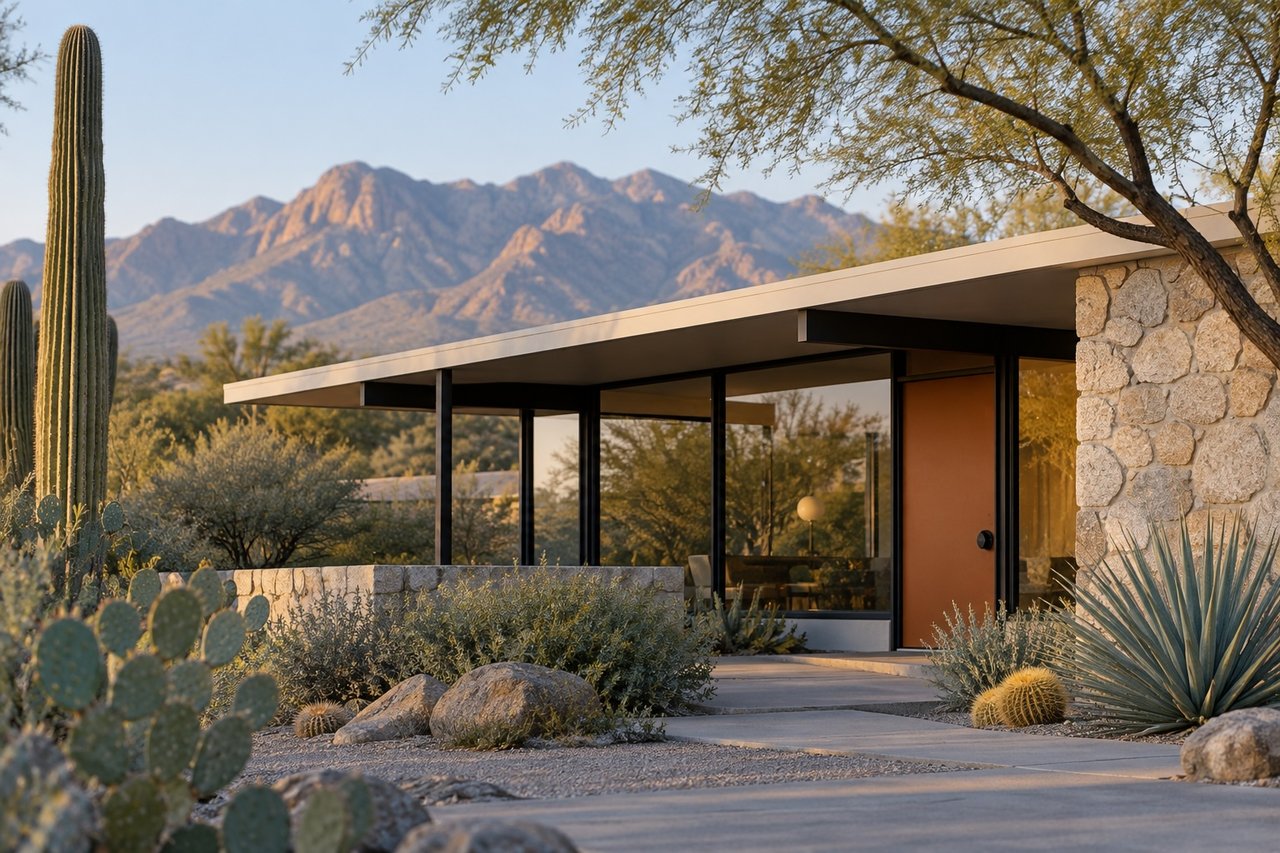
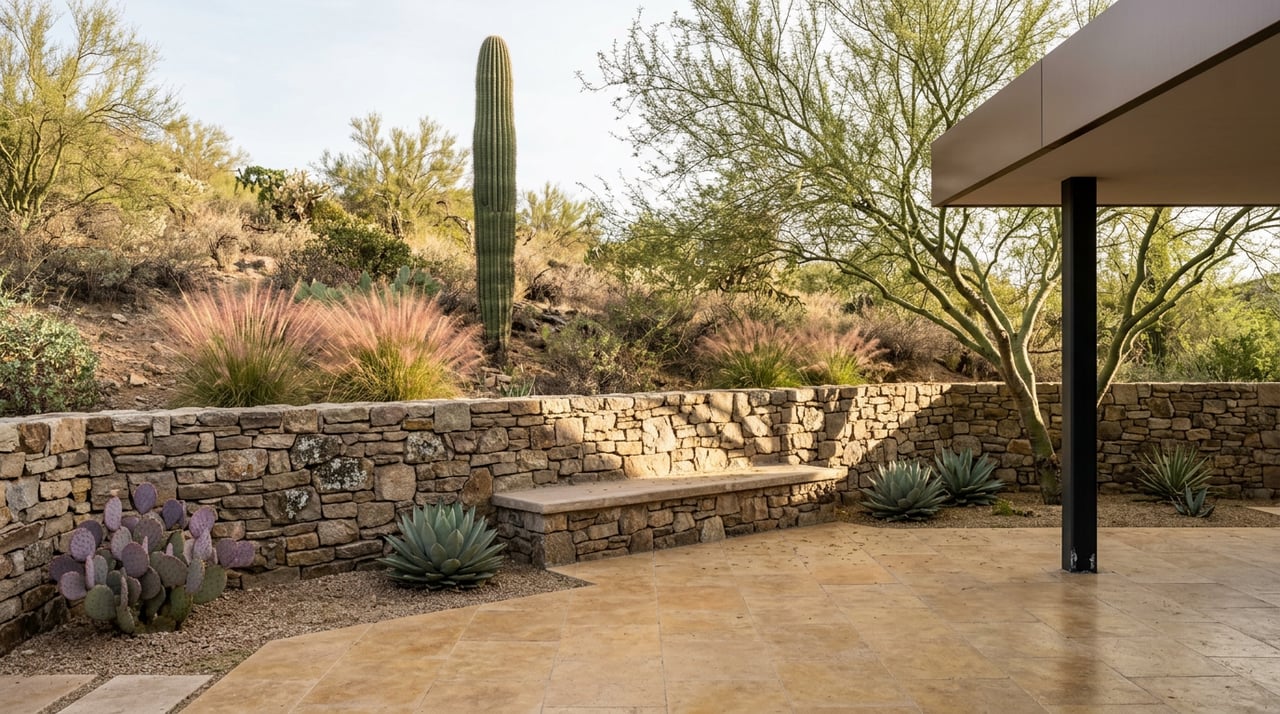
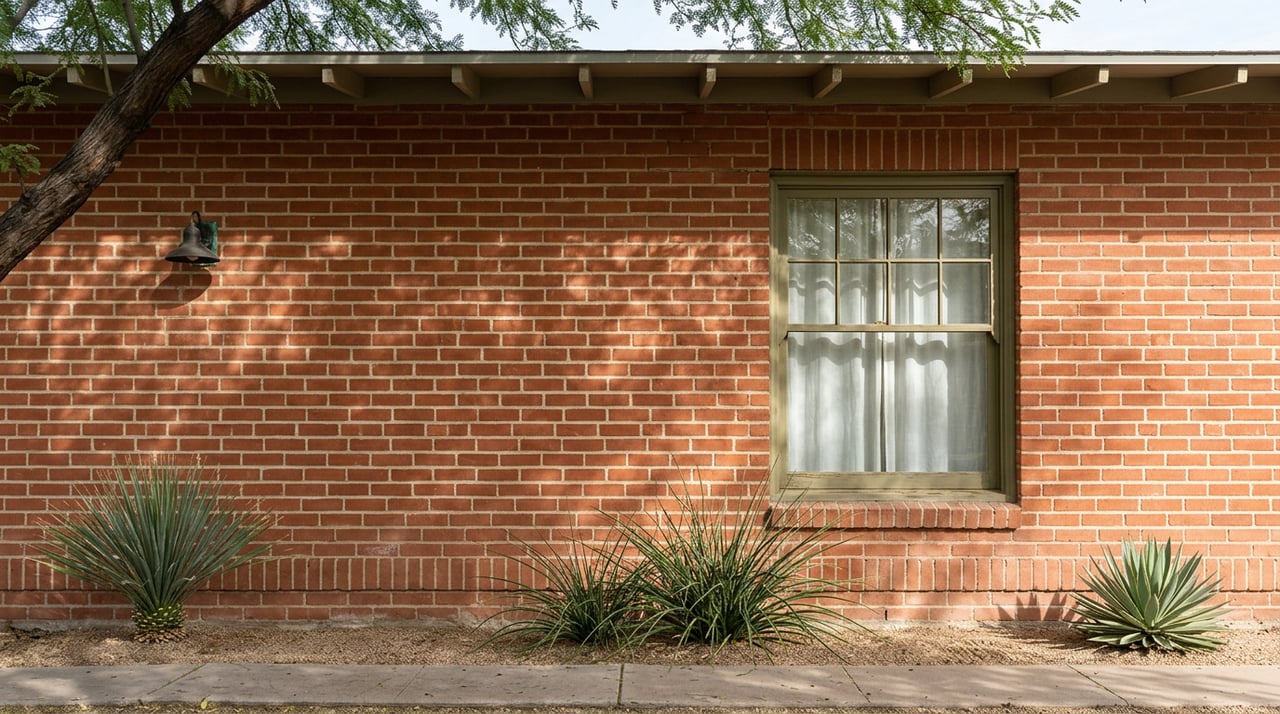
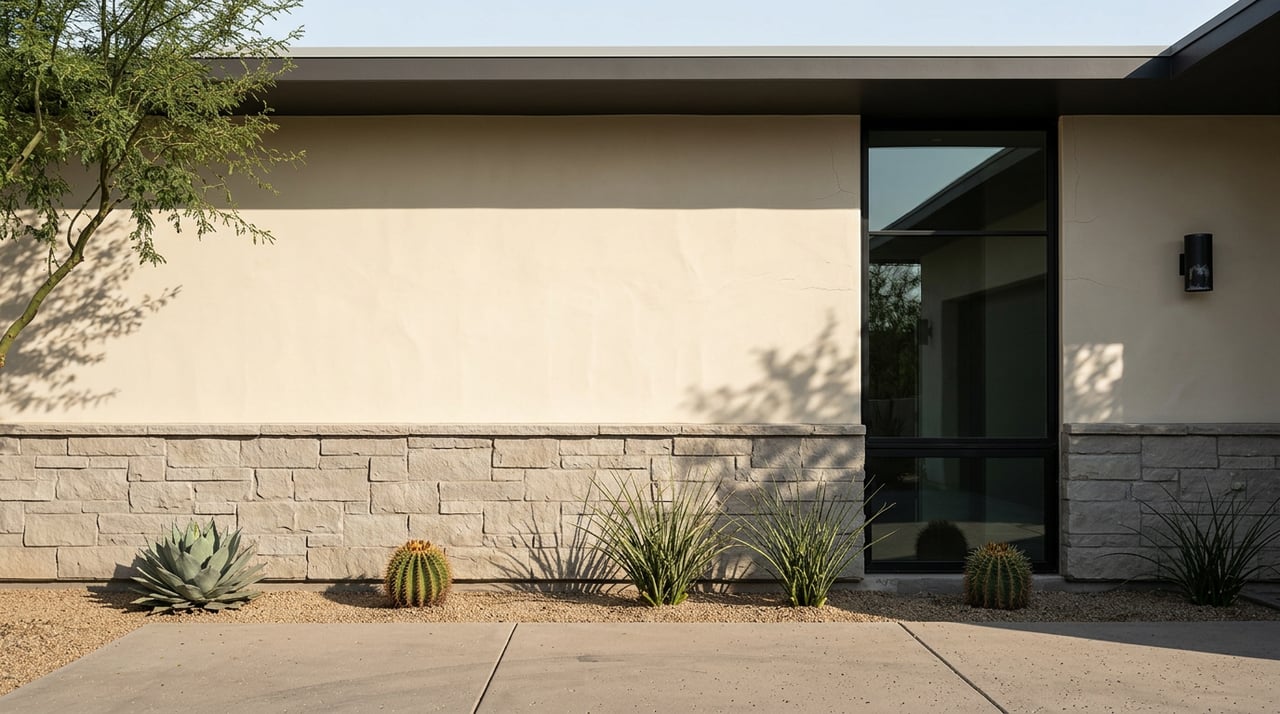
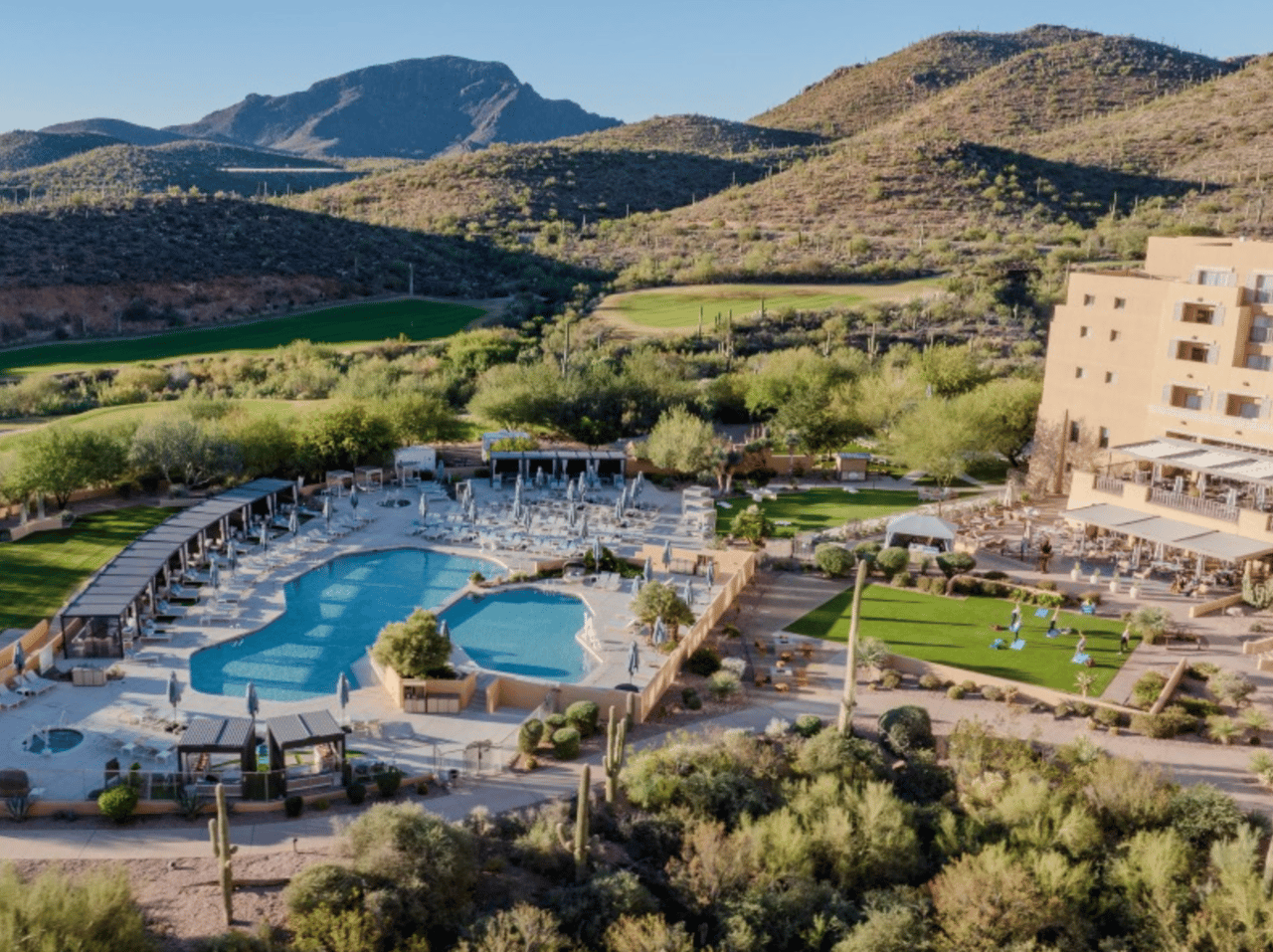
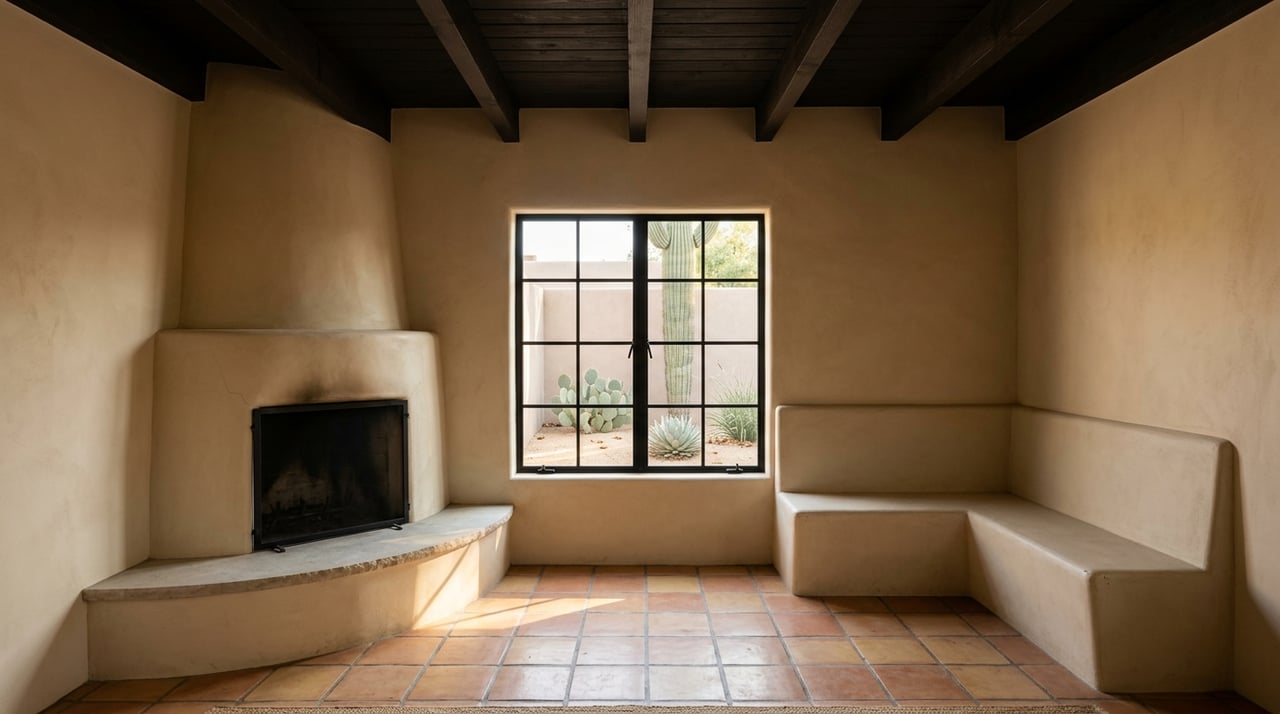
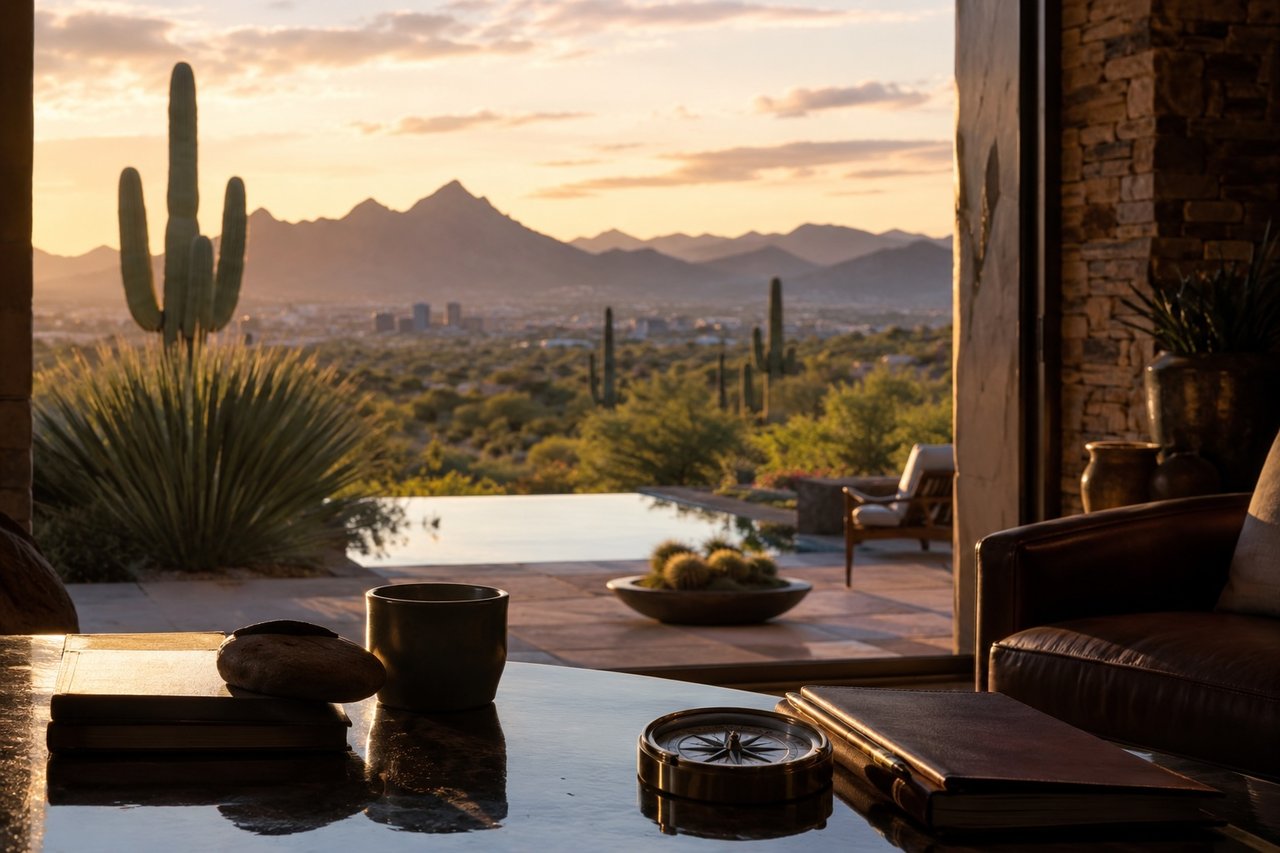
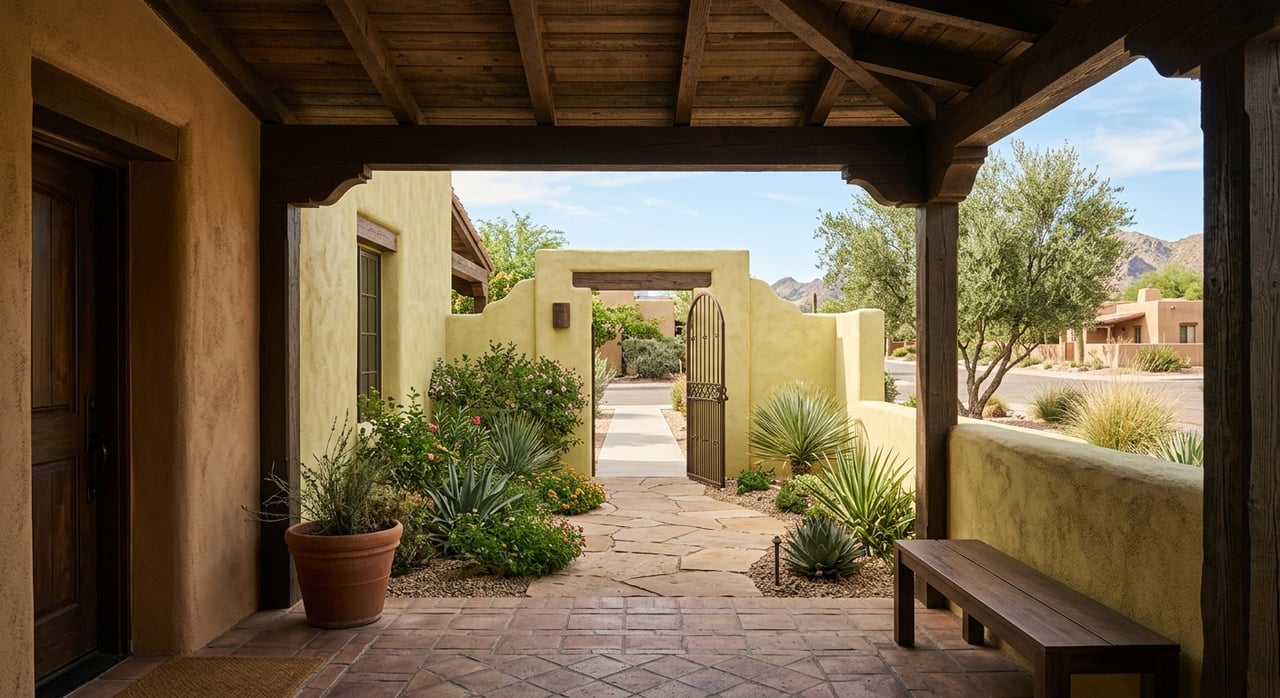
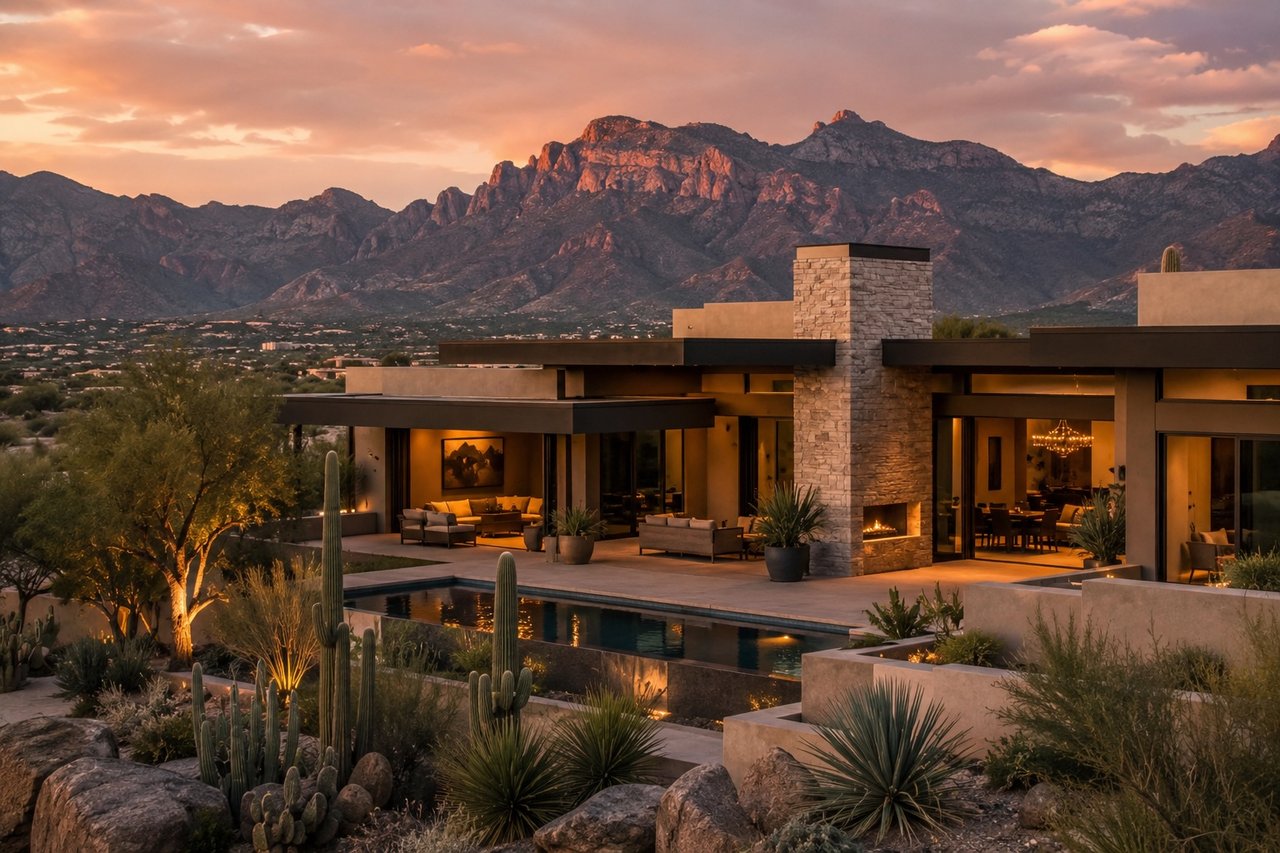
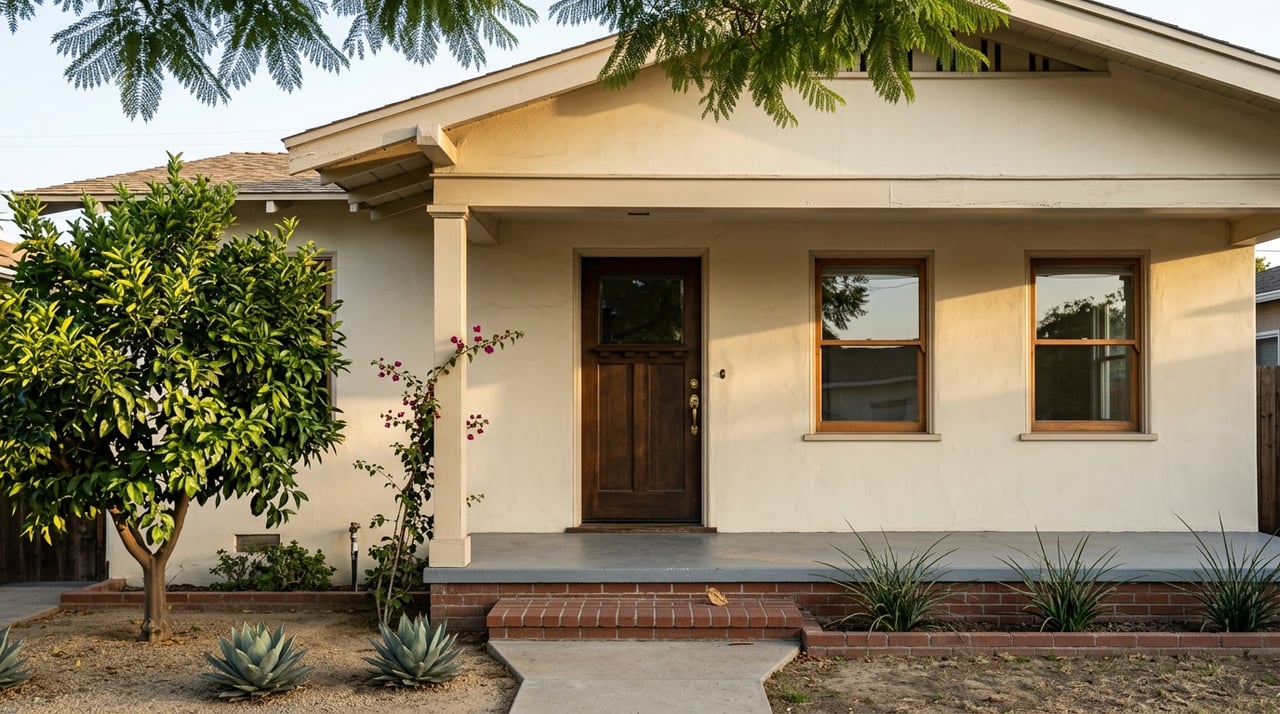
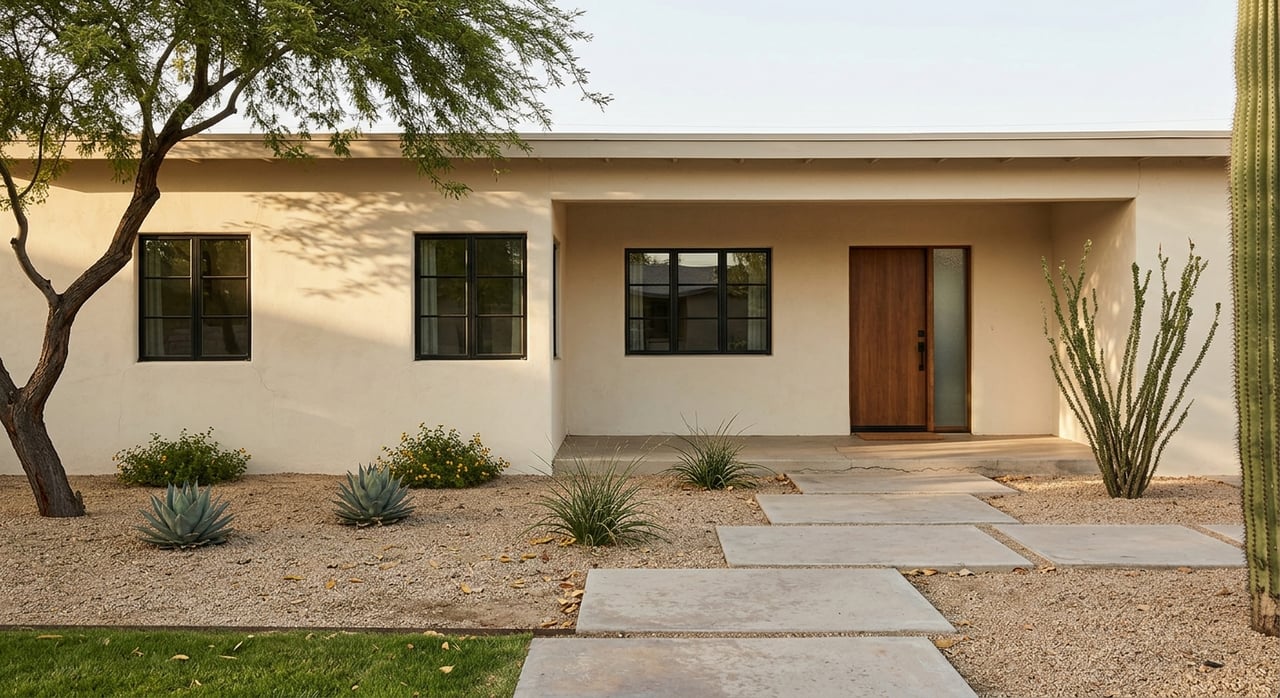
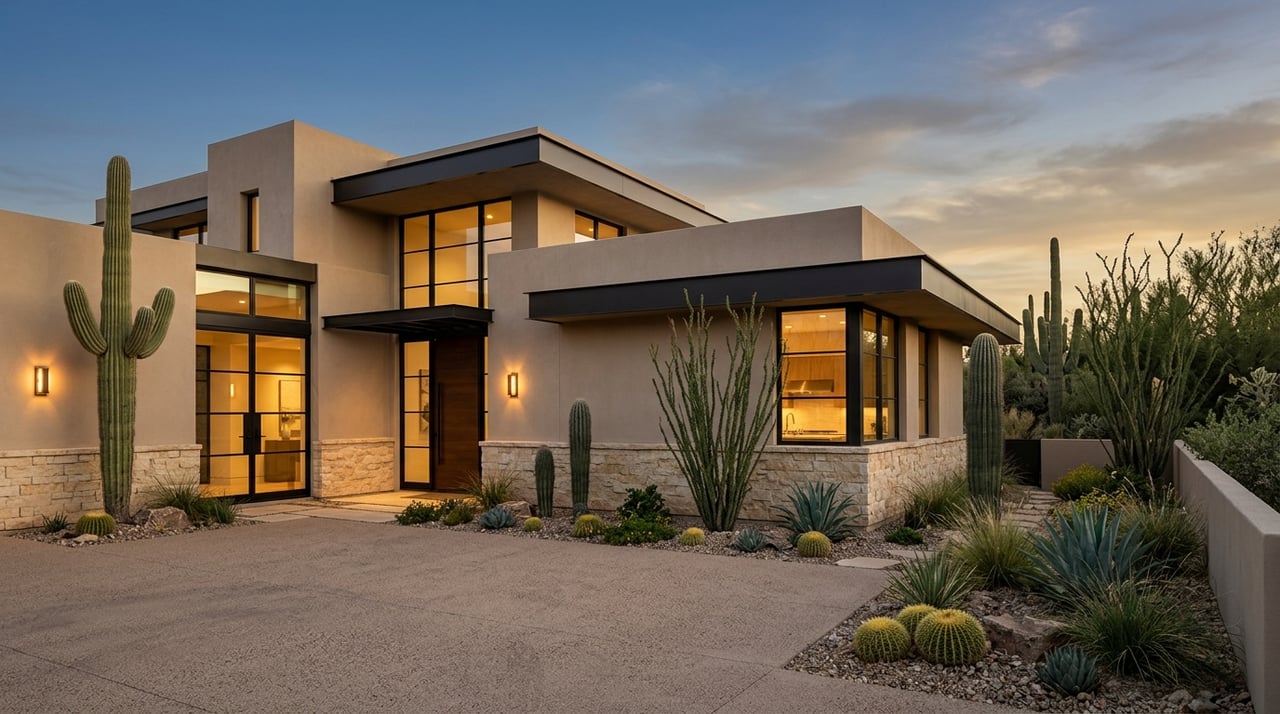
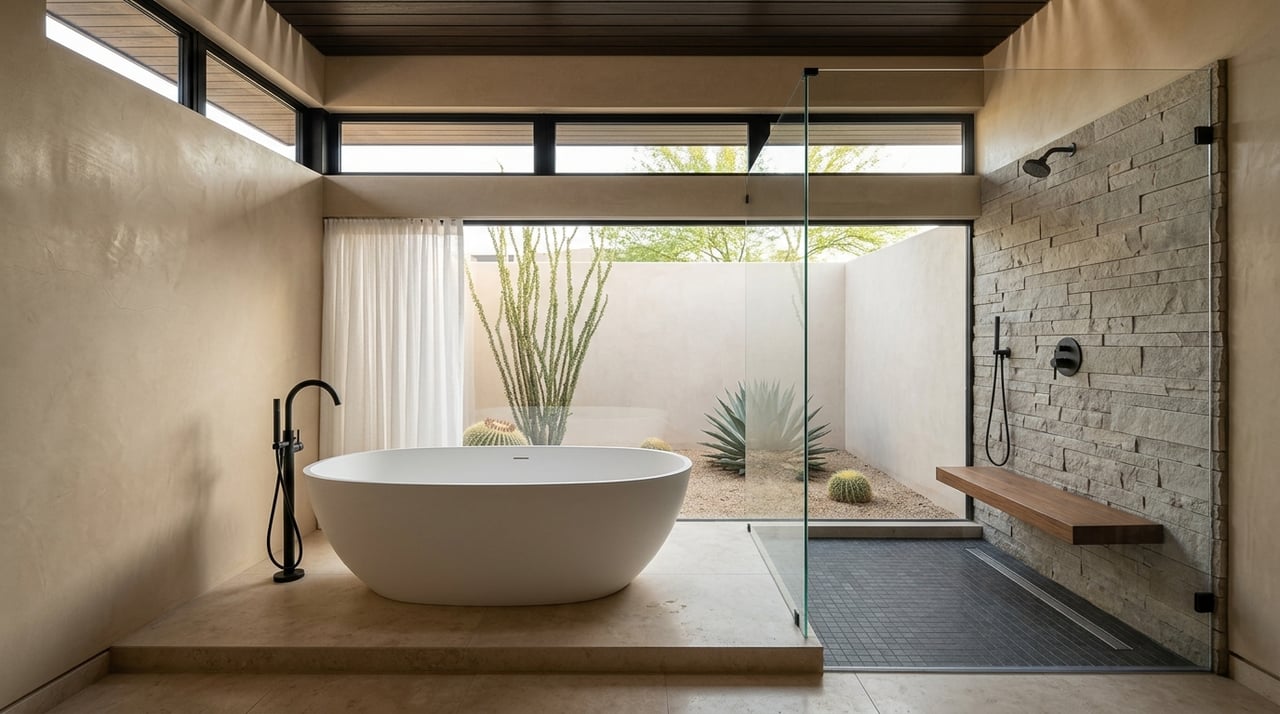
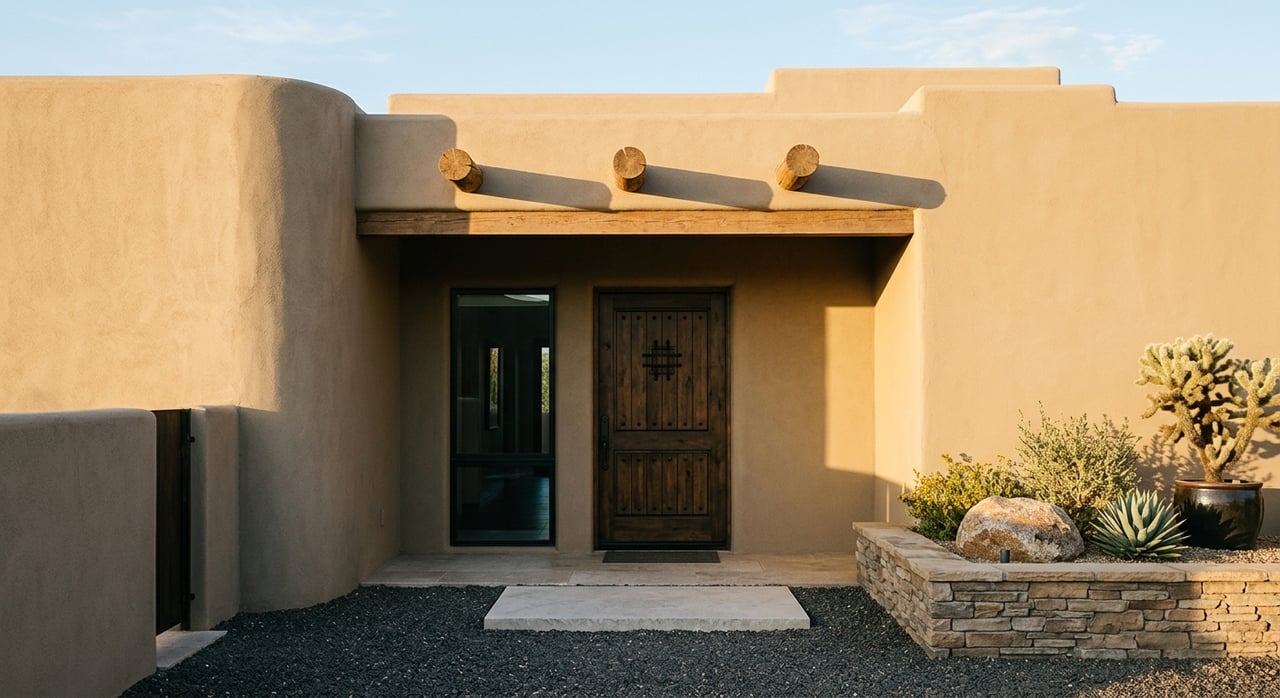
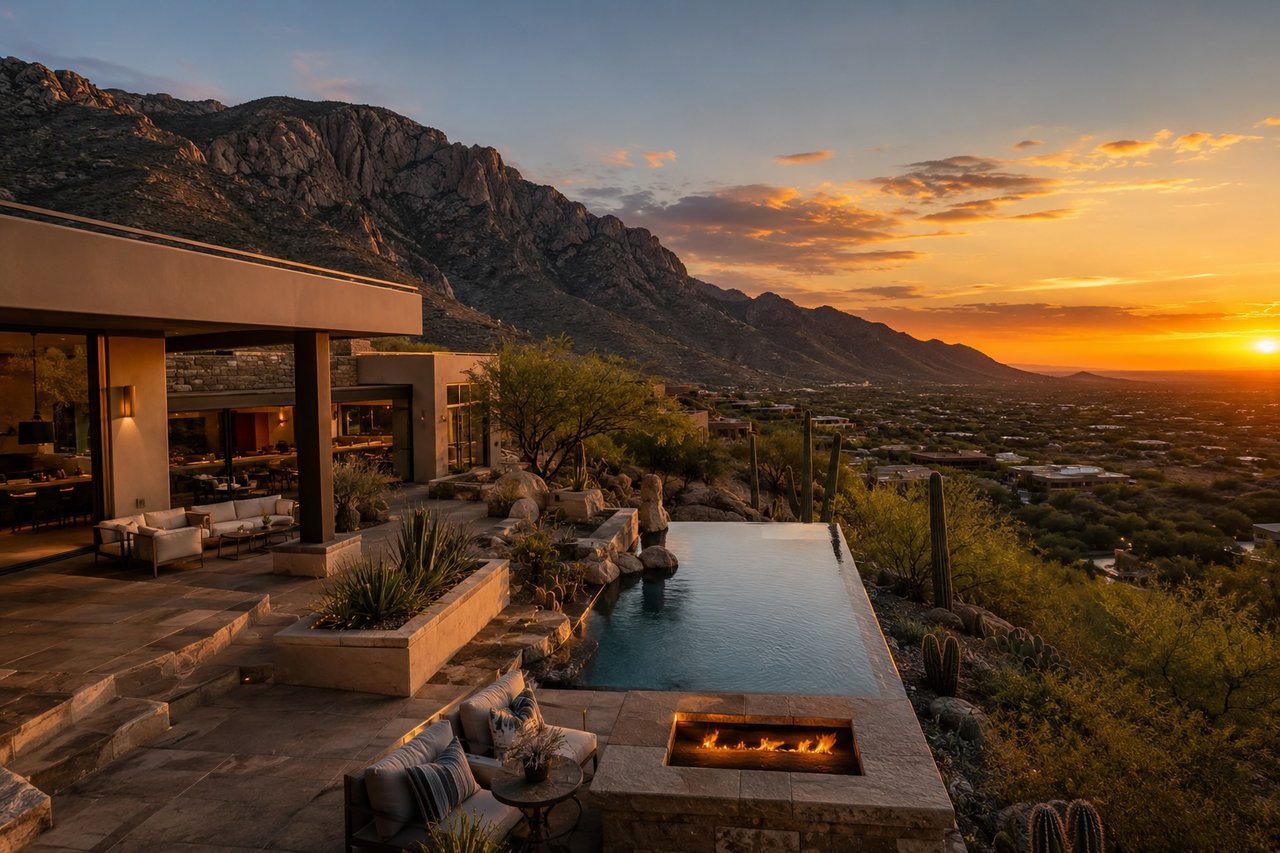
Source context: City of Tucson historic-district records, preservation guidance and Neighborhood Resources; National Park Service El Encanto record. Search observation dated November 16, 2026. Hero: editorial illustration of two architectural garden settings.