A home for sale has a visible history. Buyers study its days on market, price changes, and whether a previous contract fell through. Those details shape their confidence in the property.
For a seller, confidence depends on another question: how prepared is the person making the offer to complete the purchase?
At the Sotheby’s International Realty 2026 Global Networking Event in San Francisco, Robert Reffkin drew that comparison. If buyers can examine a property’s history, he asked, should sellers have a clearer understanding of a buyer’s search and transaction history?
The question stayed with me because it reaches beyond access to information. Good representation means knowing which facts matter, asking what they mean, and helping a client make a sound decision.
For Tucson buyers and sellers, that begins with three things: an honest assessment of readiness, context behind the numbers, and a clear explanation of the choices ahead.
What a Seller Should Understand Before Accepting an Offer
An offer’s price deserves attention. So does the buyer’s ability to perform on the proposed terms.
Accepting an offer commits a seller’s time. It can affect another purchase, moving arrangements, and carrying costs. I want a seller to understand the strength of the entire offer before making that commitment.
The practical questions include:
- Financial preparation: What financing documentation or proof of funds supports the offer?
- Contingencies: What must happen before the buyer can close, including any sale of an existing home?
- Timing: Does the proposed schedule fit the seller’s plans, and is it realistic for the transaction?
- Property understanding: Has the buyer considered the home carefully enough to make an informed commitment?
These questions give us something specific to evaluate. A higher price can come with terms that introduce uncertainty. A well-prepared buyer can explain how the purchase will move forward.
My role is to help the seller understand those differences and decide which terms best support their goals.
Buyer History Requires Context and Discretion
Reffkin’s transparency proposal raises worthwhile questions. How long has a buyer been searching? Have they made offers that were unsuccessful? Have accepted contracts ended without closing, and why?
Those circumstances should never be treated as interchangeable. Losing an offer to another buyer says little about someone’s ability to close. A contract that ended after a significant inspection finding tells a different story from a purchase abandoned because the buyer remained uncertain about what they wanted.
A long search may have produced a decisive, well-informed buyer. A short search does not guarantee readiness.
I believe relevant history, shared appropriately and understood in context, could improve a seller’s evaluation. That conversation must preserve confidentiality, respect contractual rights, and treat buyers fairly. The REALTOR® Code of Ethics includes duties concerning client confidentiality and equal professional service.
I view reciprocal transparency as a policy idea worth discussing. It does not create an automatic entitlement to a buyer’s private records. The useful question remains whether this buyer is prepared for this particular purchase.
Listing History Deserves the Same Care
A property’s history also needs interpretation.
A price reduction may reflect a response to buyer feedback. Extended time on market may reflect an ambitious starting price, a smaller audience for a distinctive home, or several factors working together. A return to market warrants a conversation about what happened.
The numbers tell us where to look more closely. They rarely tell the entire story.
Consider a hypothetical comparison between a custom home in Pima Canyon and another property in the Catalina Foothills. Similar square footage would not resolve differences in privacy, architecture, condition, or how each home sits on its lot. Days on market would not resolve them either.
For sellers, this means positioning a home honestly and responding to evidence. For buyers, it means assessing the property, comparable sales, and the results of due diligence together.
Seller Choice Begins with Understanding the Tradeoffs
Reffkin also discussed giving sellers and their advisors more control over how a home is marketed. Meaningful choice requires a clear explanation of what each approach offers and what it gives up.
Broad exposure can help a property reach more prospective buyers. Privacy or the timing of public exposure may also matter to a seller. Those priorities belong in the conversation before a marketing plan is chosen.
NAR’s consumer guide to alternative listing options describes office exclusive and delayed marketing approaches, subject to applicable rules. It also explains the seller’s acknowledgment of the exposure being waived. Availability and implementation must be checked against local requirements.
For a Tucson seller, I would begin with the objective, then examine the implications for reach, privacy, and timing. A strategy should fit the client’s circumstances and be reconsidered when the response from buyers does not support our expectations.
My Tucson seller’s guide provides a starting point for that broader preparation.
The Responsibility Behind the Advisor Title
Reffkin spoke about watching his mother build her business as an agent and seeing the personal effect of transactions that did not close. That perspective stayed with me. A transaction is tied to people’s plans, and uncertainty has a real cost.
He also discussed professional standards, technology, and the global relationships within Sotheby’s International Realty. Those resources become valuable through the service they help an advisor provide.
A buyer considering Southern Arizona may begin with an advisor elsewhere. A thoughtful introduction can connect that buyer with local knowledge. The questions here remain specific: How does this home live through the seasons? What does privacy mean on this lot? Which comparable sales are relevant? What deserves further investigation?
As a Tucson real estate advisor with Russ Lyon Sotheby’s International Realty, I measure the value of technology and professional relationships by how they help me serve those decisions.
What I Want My Clients to Expect
I want clients to understand why I recommend a price, what an offer’s terms mean for them, and where uncertainty remains. They should feel comfortable asking difficult questions and expect candid answers.
For sellers, that includes examining the marketing plan and the strength of an offer. For buyers, it includes looking beyond a listing’s history and preparing for the responsibilities of the purchase.
If you are considering buying or selling in Tucson or Southern Arizona, I welcome a conversation about your goals. Clear information, thoughtful interpretation, and careful preparation give us a stronger foundation for your next move.
About Daniel Sotelo
Daniel Sotelo is a Tucson real estate advisor with Russ Lyon Sotheby’s International Realty, serving buyers and sellers throughout Tucson and Southern Arizona.
This article reflects on Robert Reffkin’s conversation at GNE 2026. The interpretation and Tucson applications are my own.
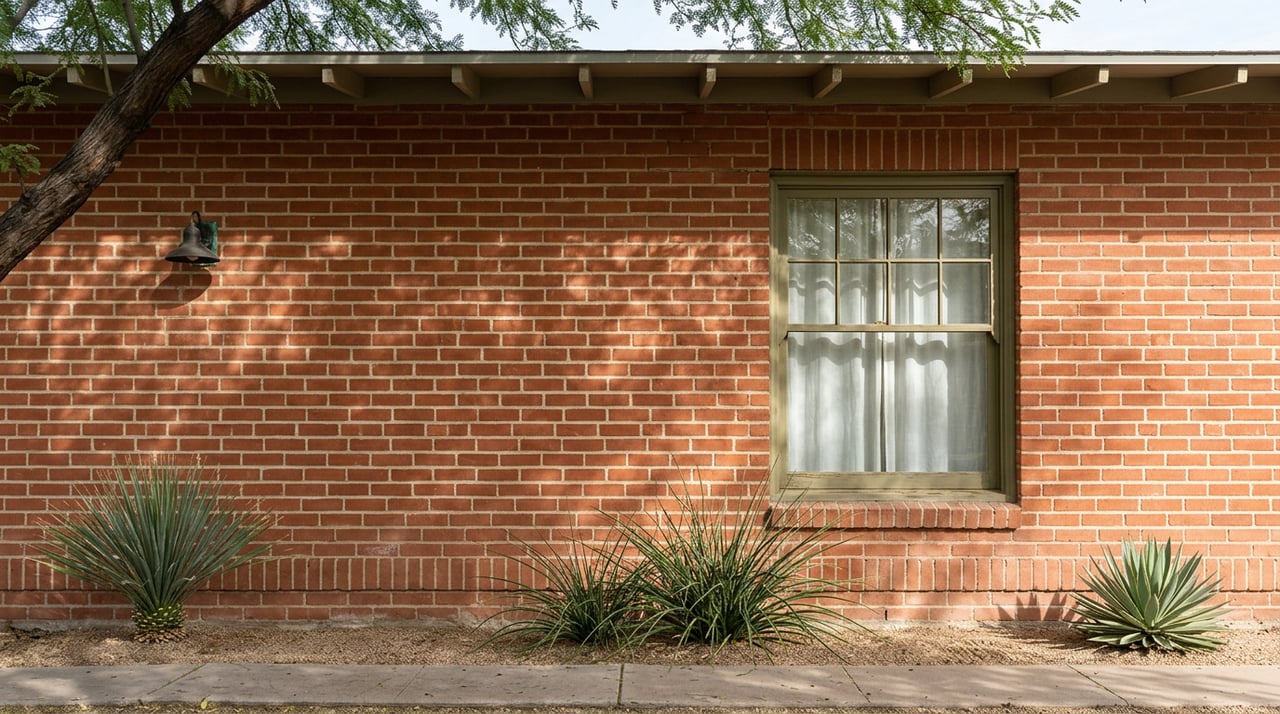
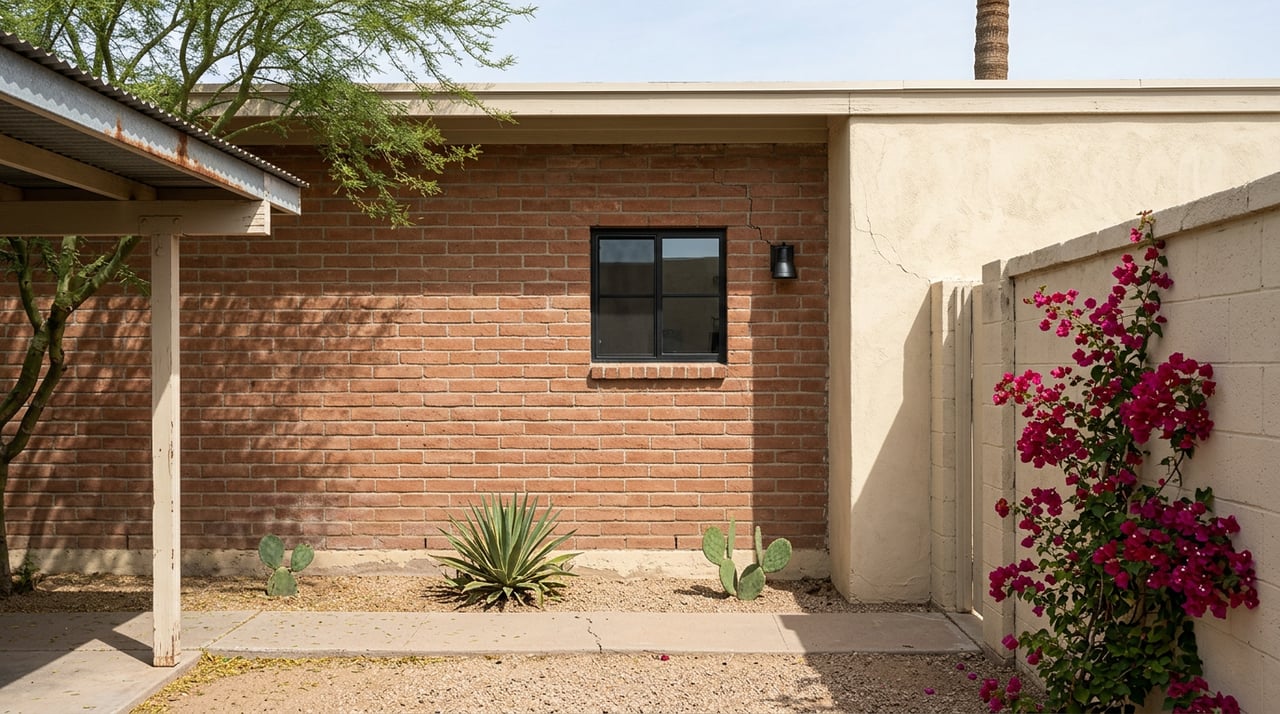
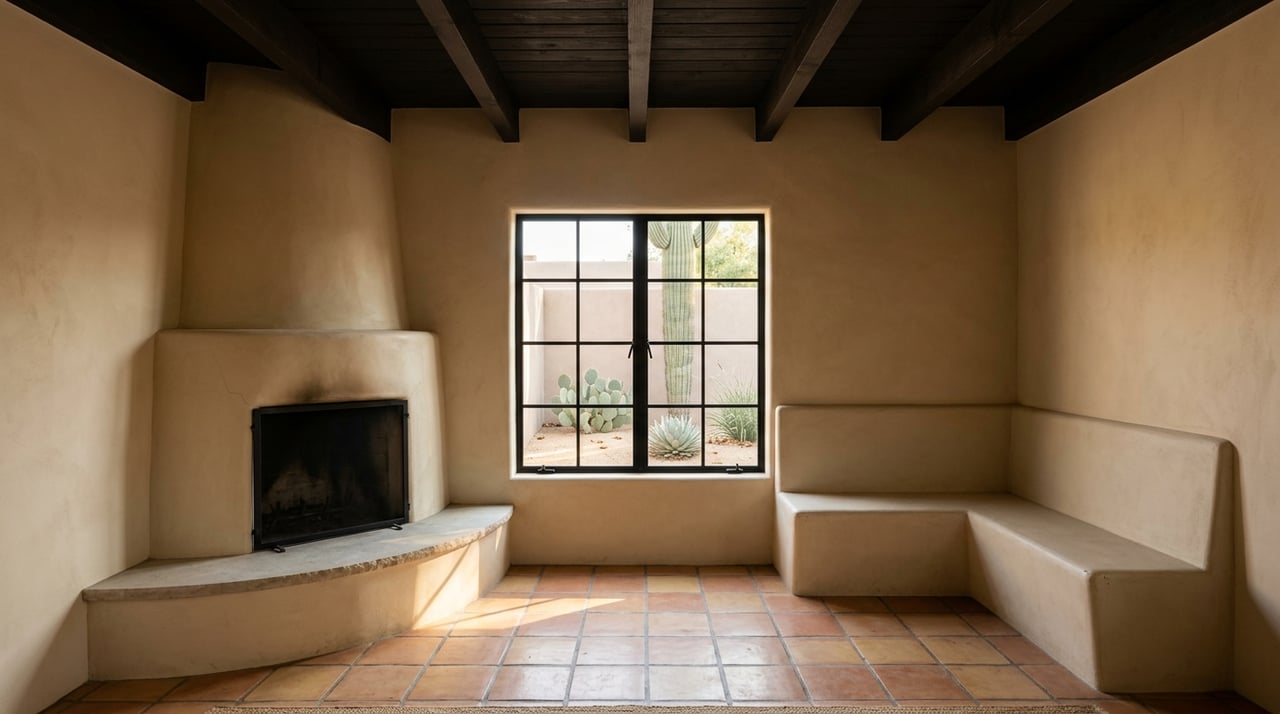
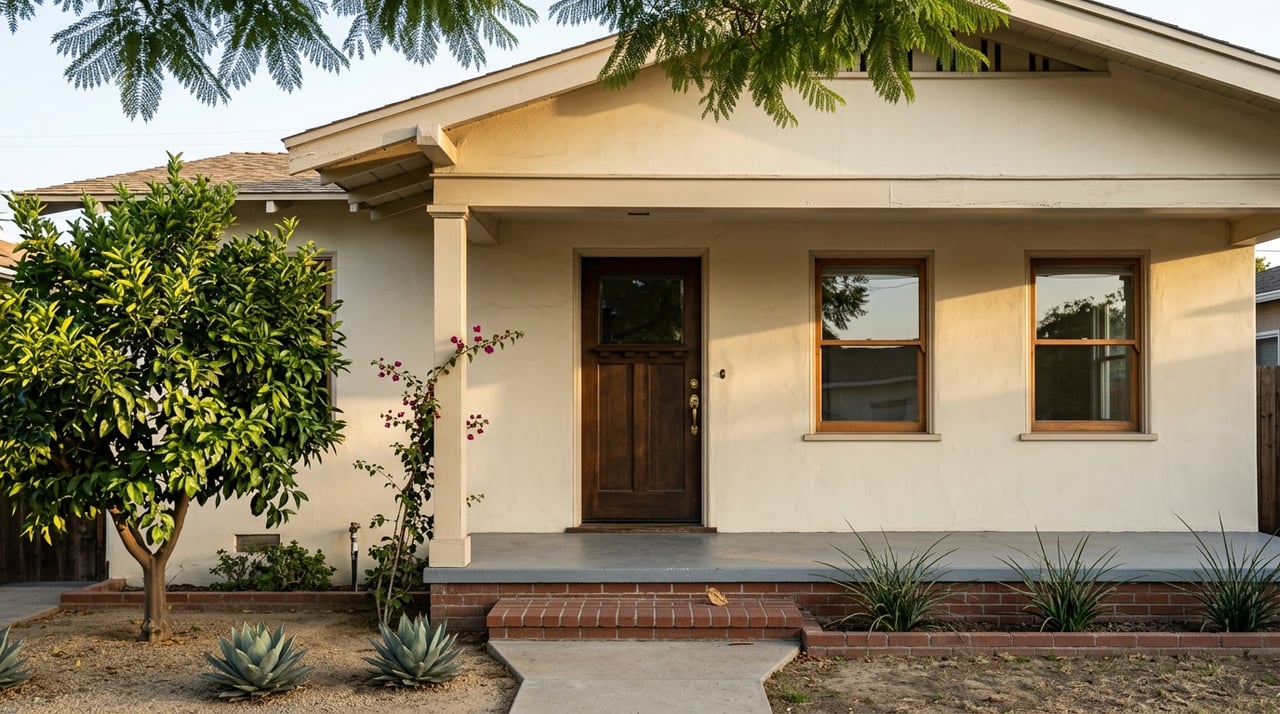
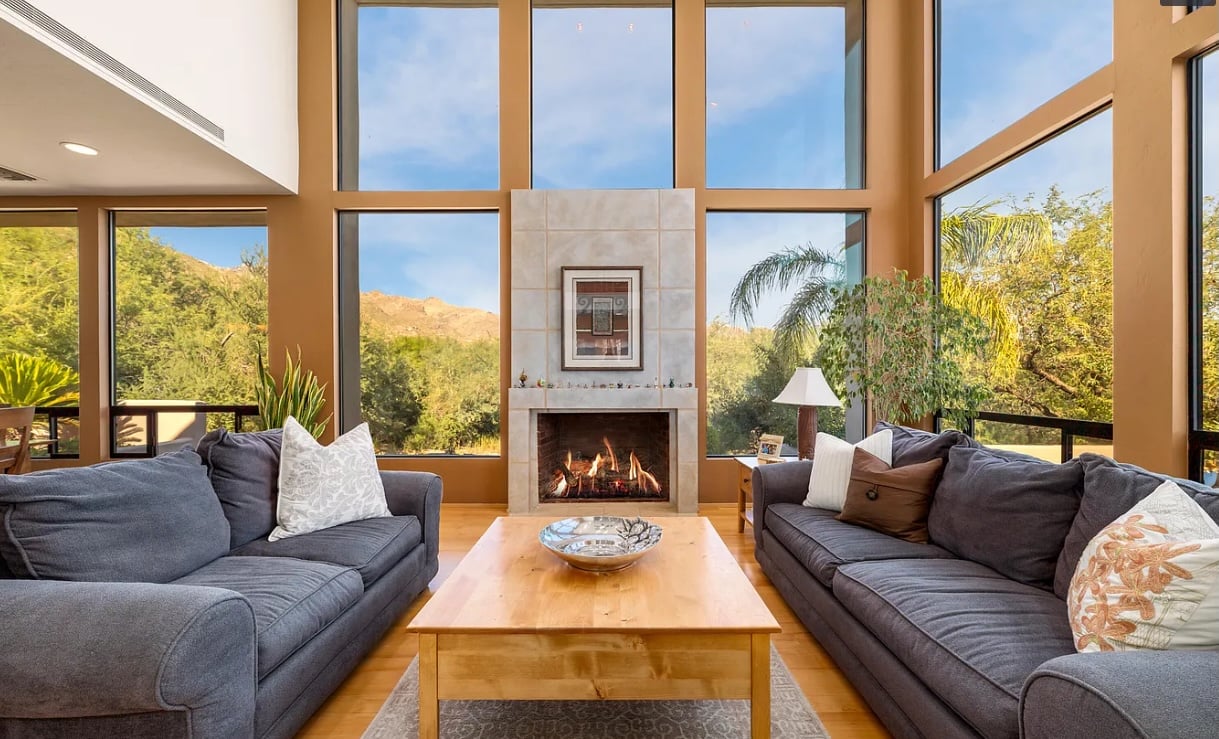
Image: AI-generated architectural concept.