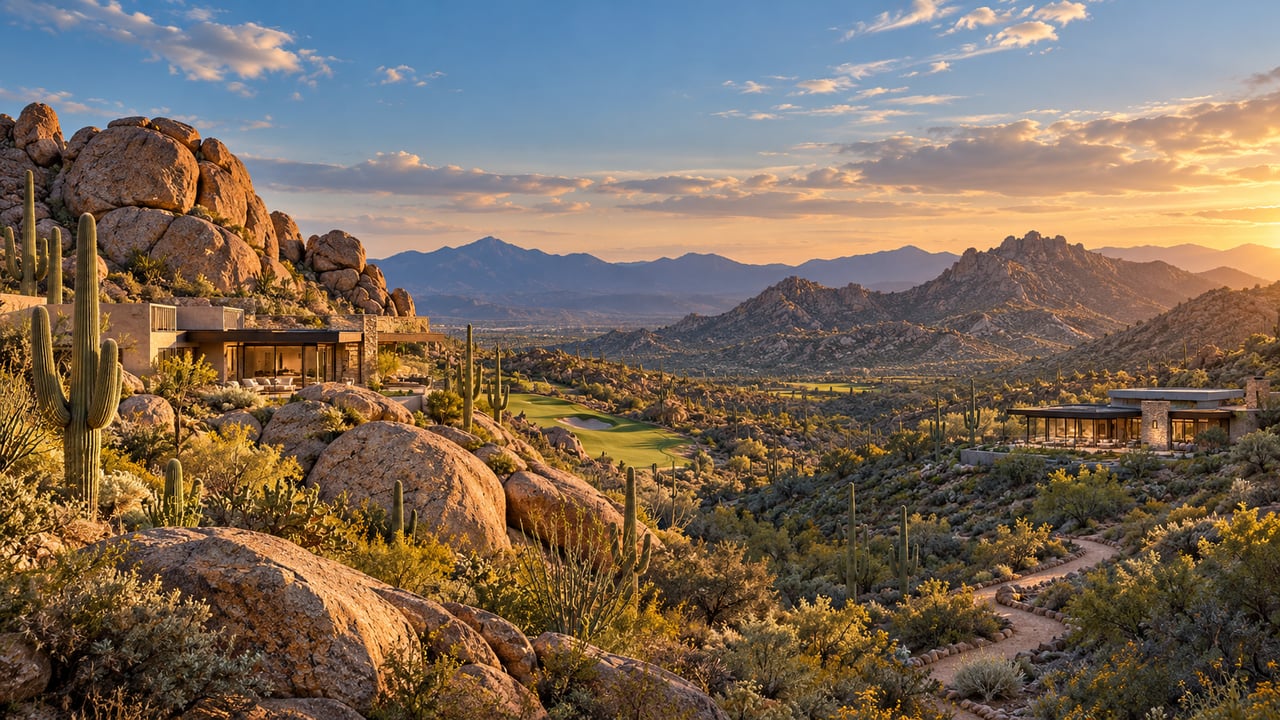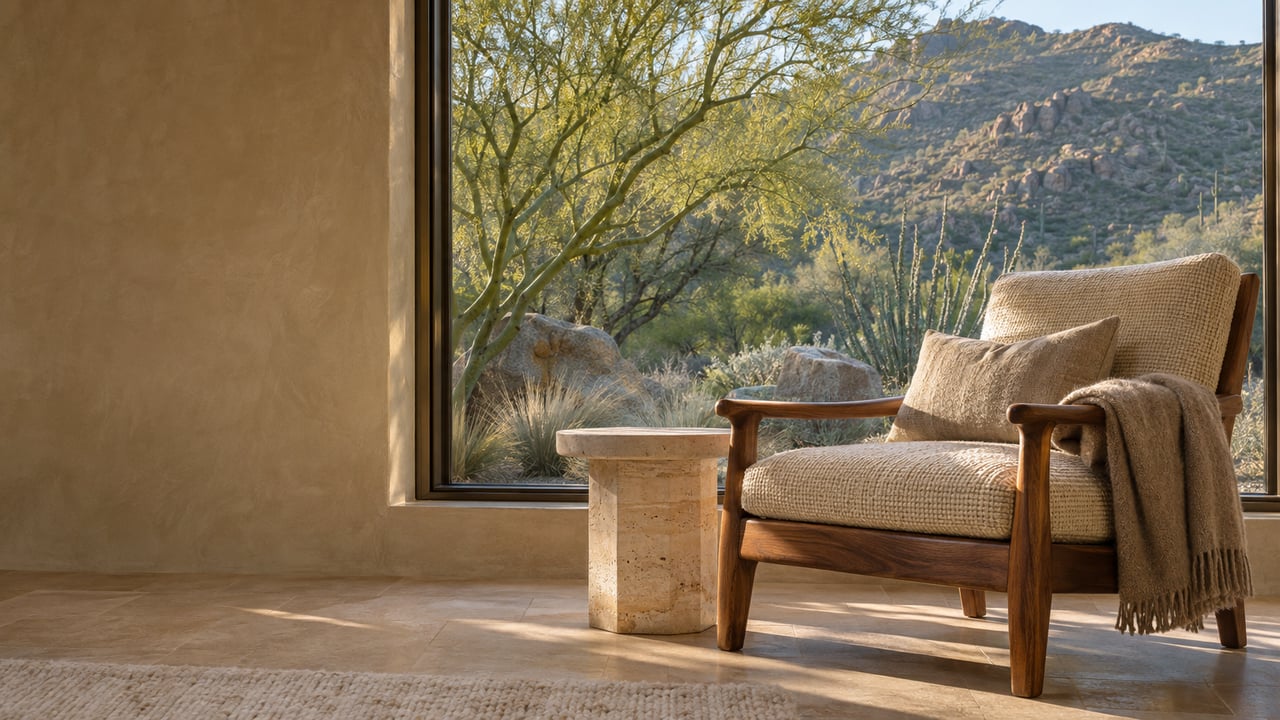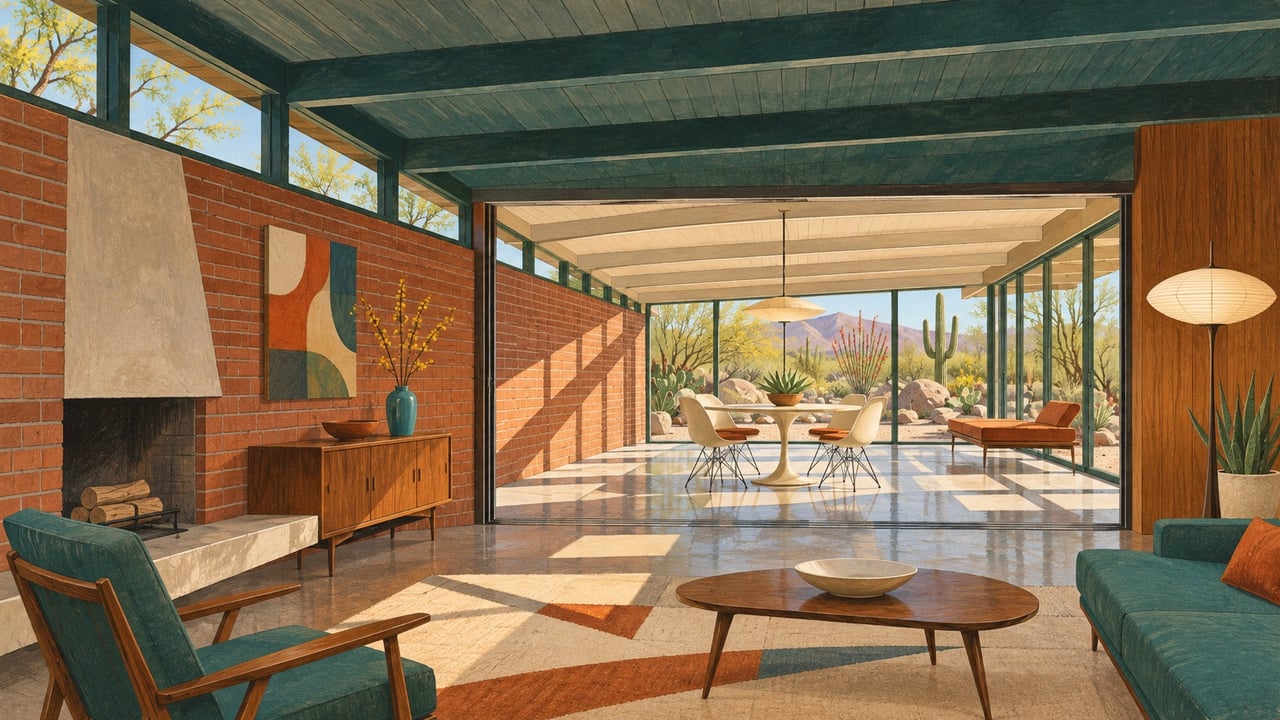
Bring the dimensions of the one piece you would have the hardest time leaving behind. A house in Pima Canyon can give you an entire wall of Catalina Mountains and very little uninterrupted space for a large canvas. Another can offer a quiet passage where you would see a favorite print several times a day. The difference rarely comes through in the square footage.
For a buyer with a collection, I would build the first tour around three questions. Can the work reach the room? Can it hang there under suitable light? And from the place where you actually sit, will you enjoy seeing it? Those questions make it easier to appreciate the architecture on its own terms while deciding whether it suits the things you intend to bring.
Give the view and the artwork a wall apiece
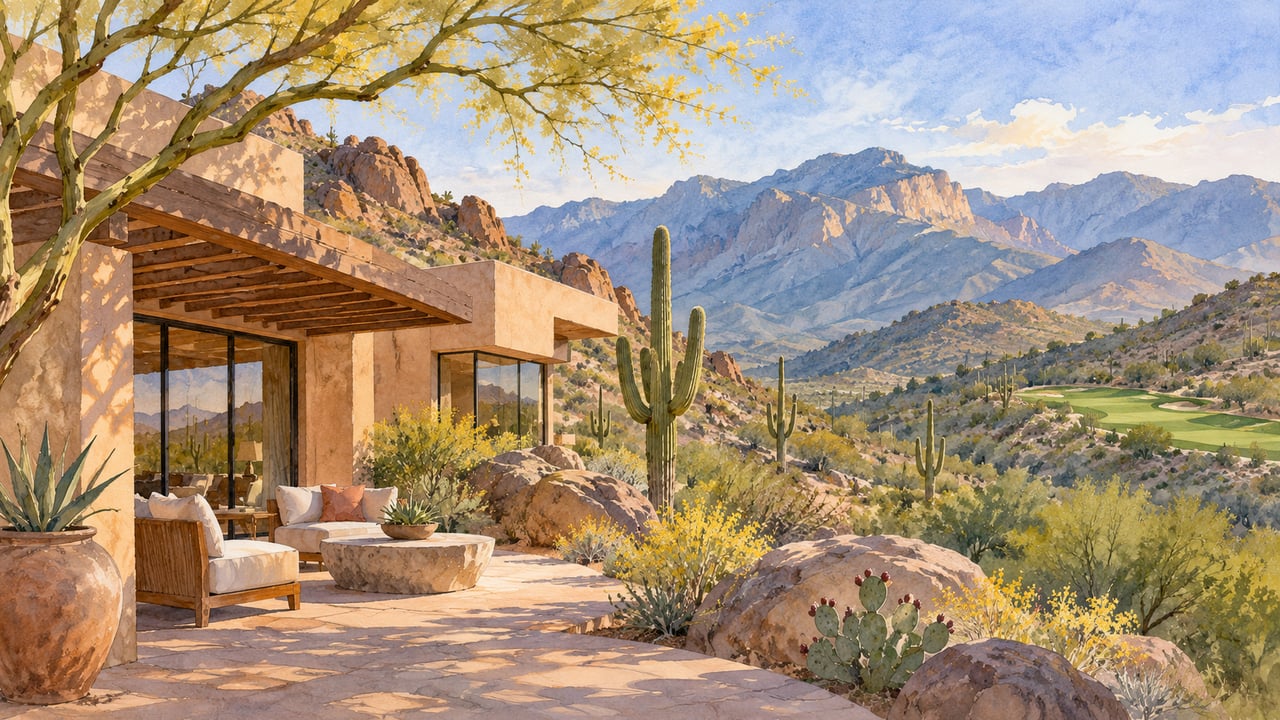
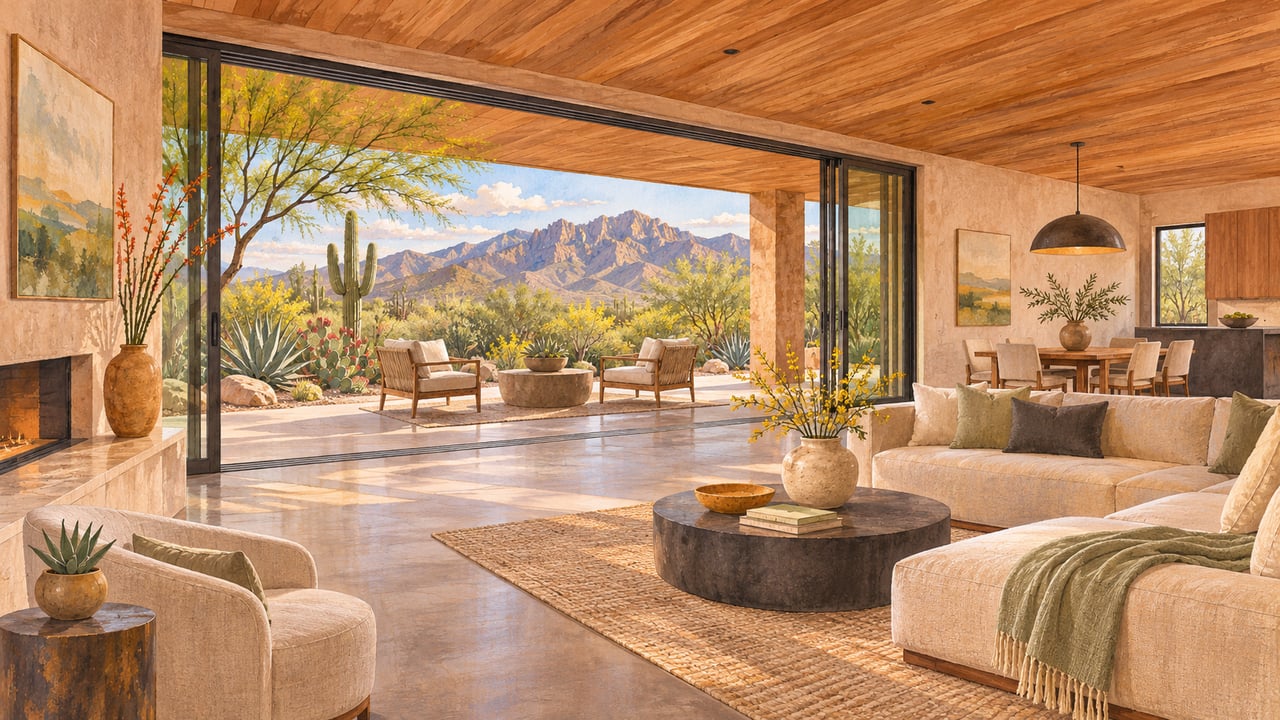
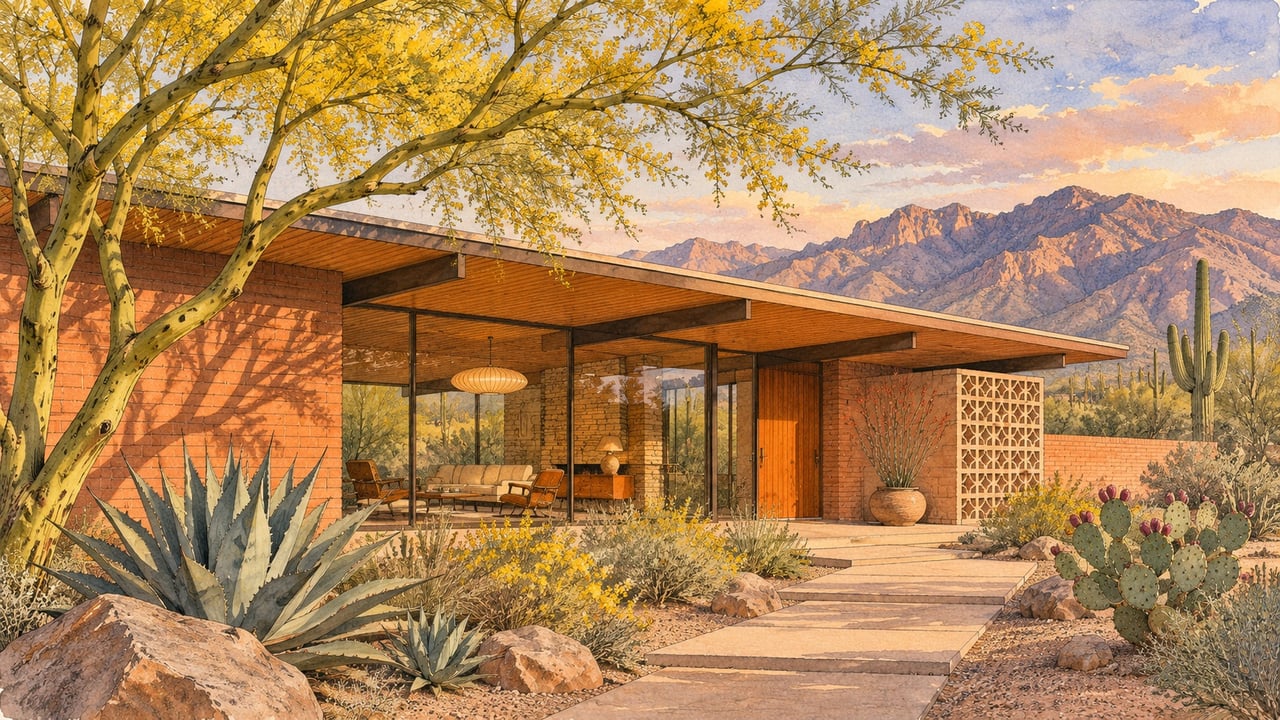
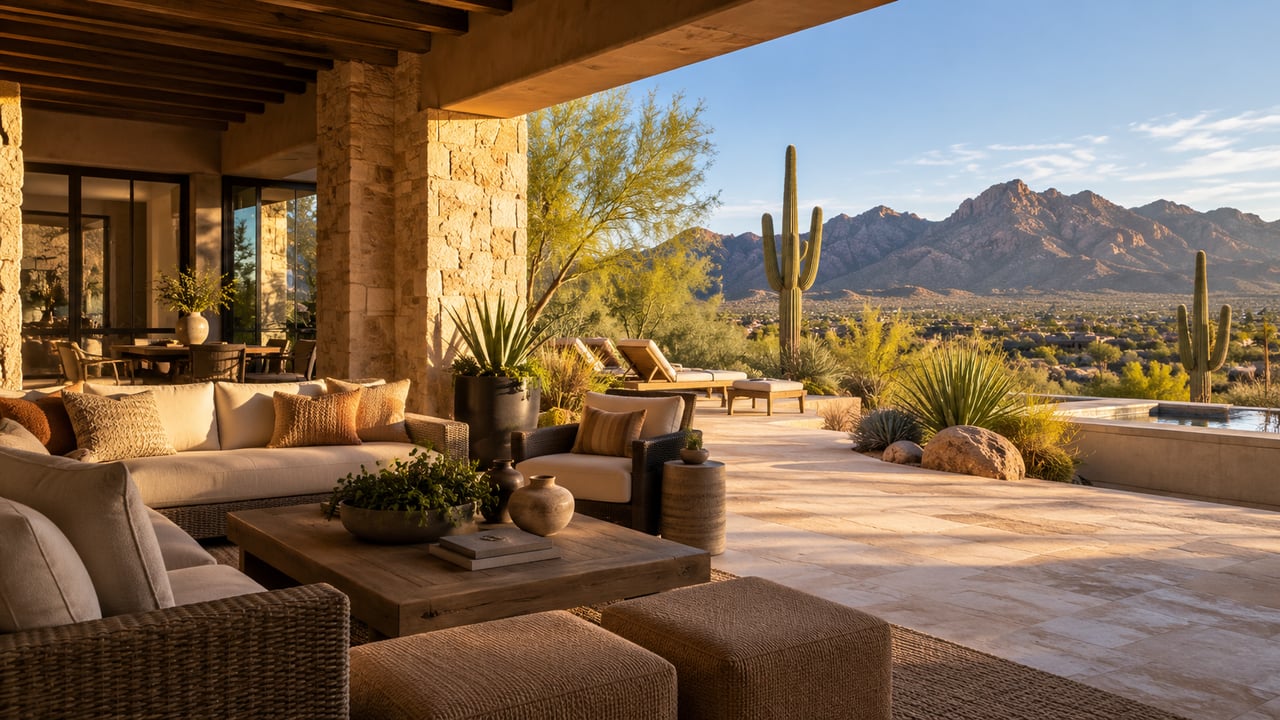
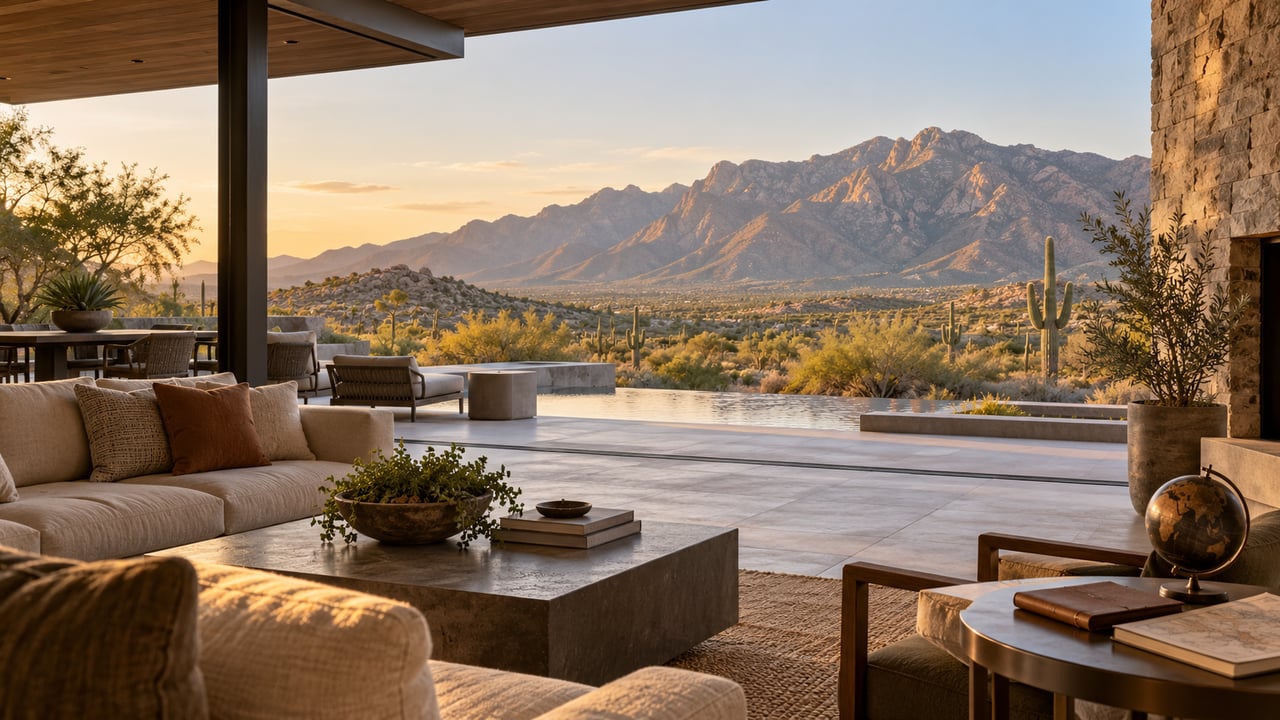
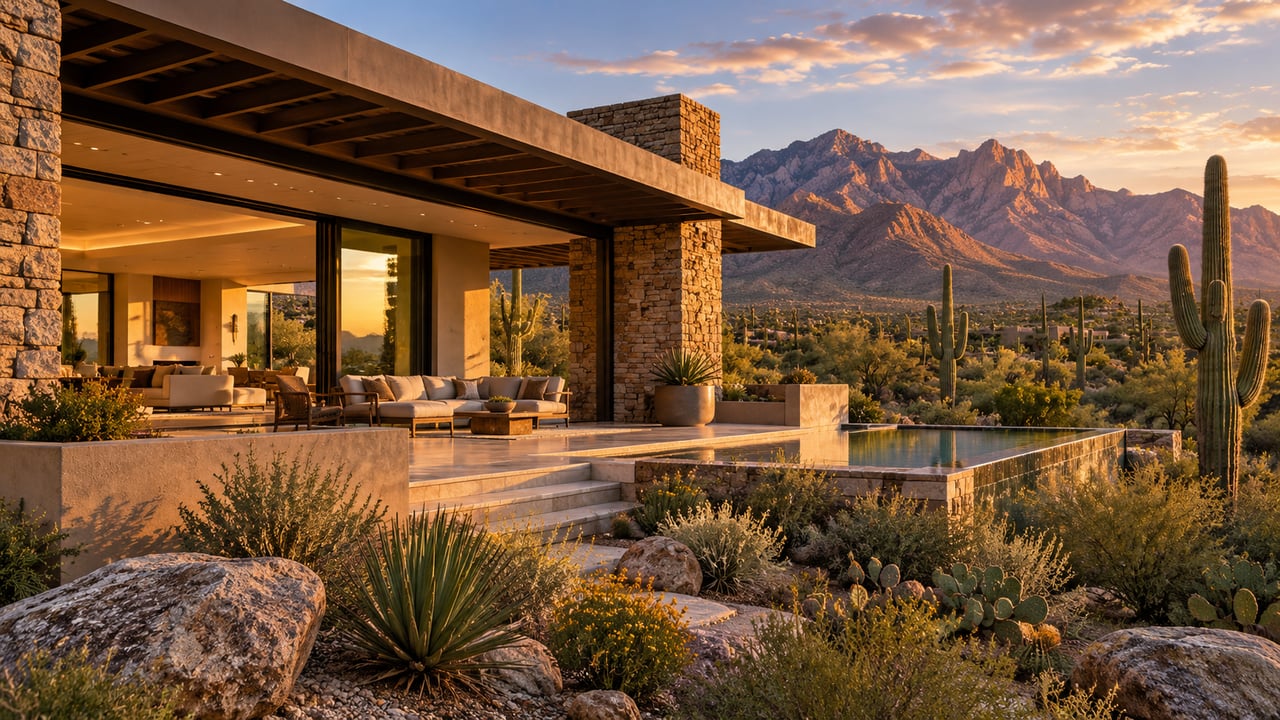
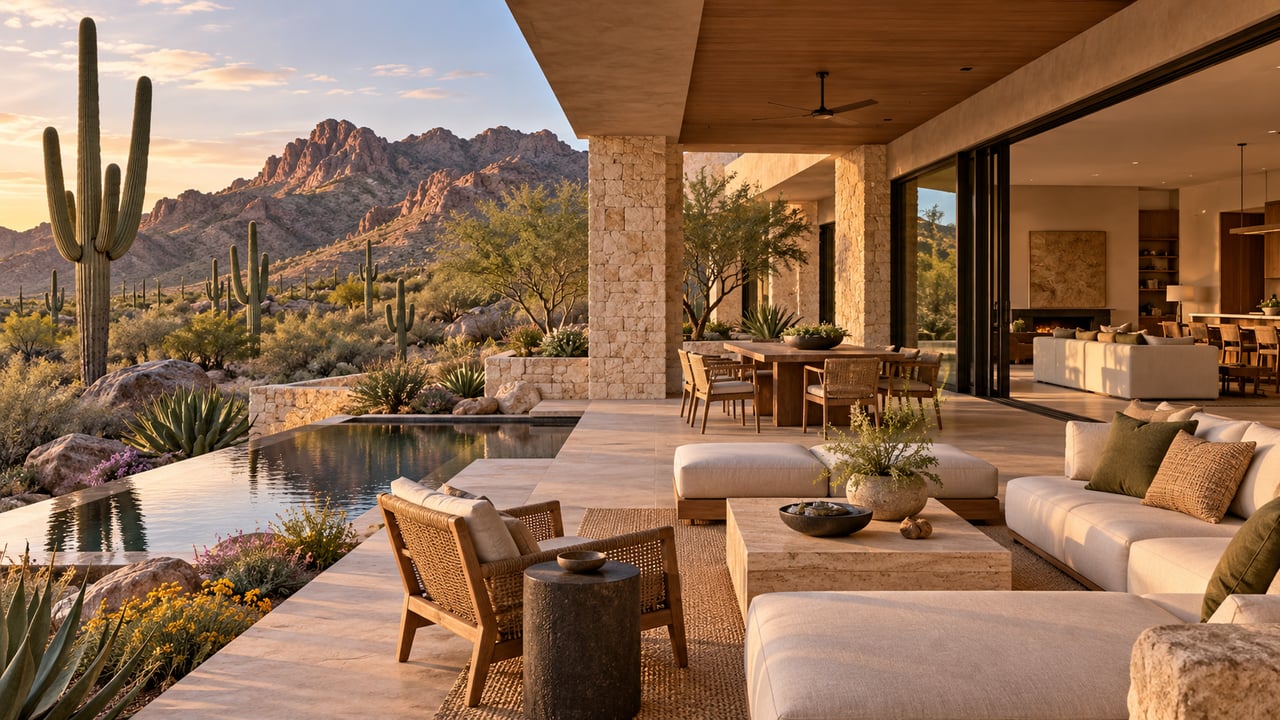
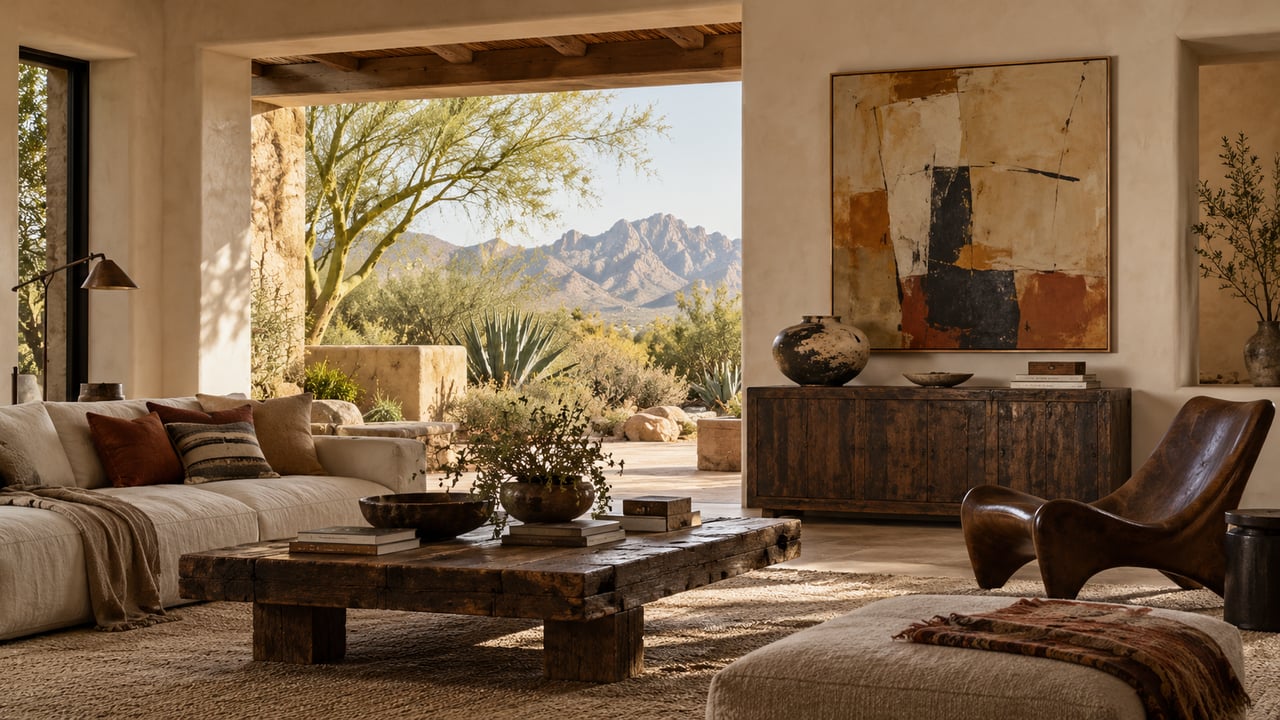
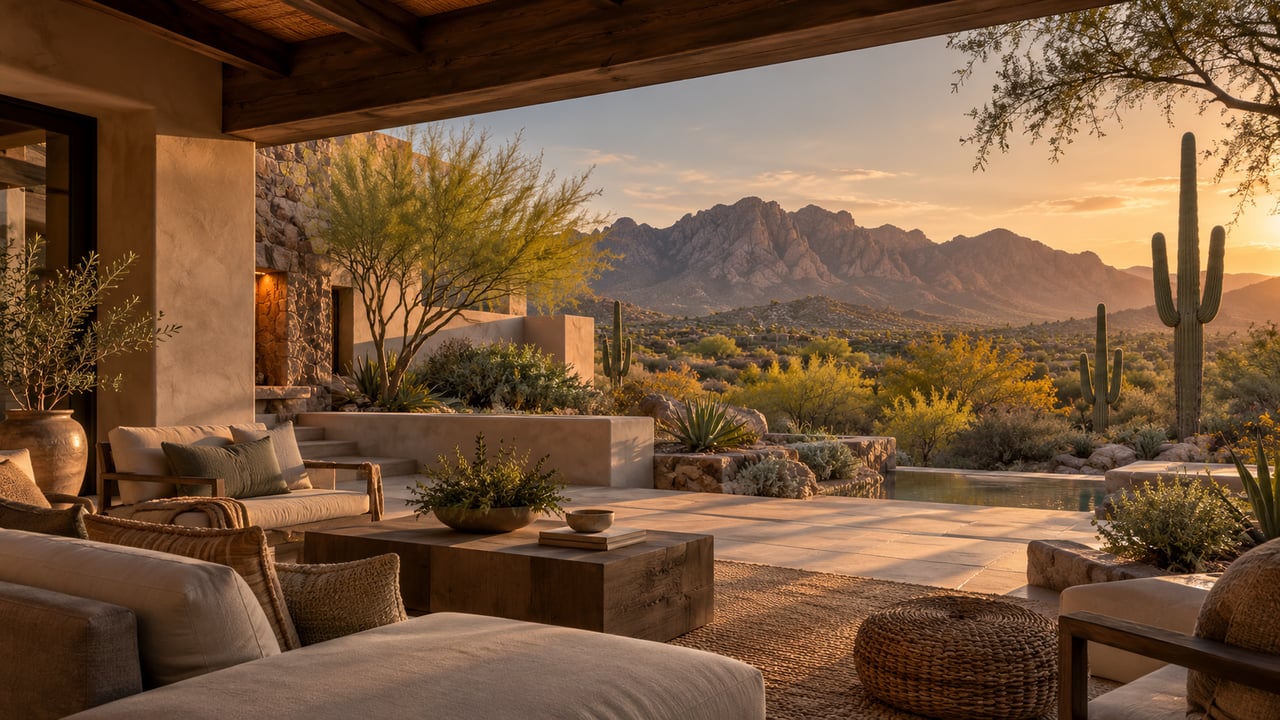
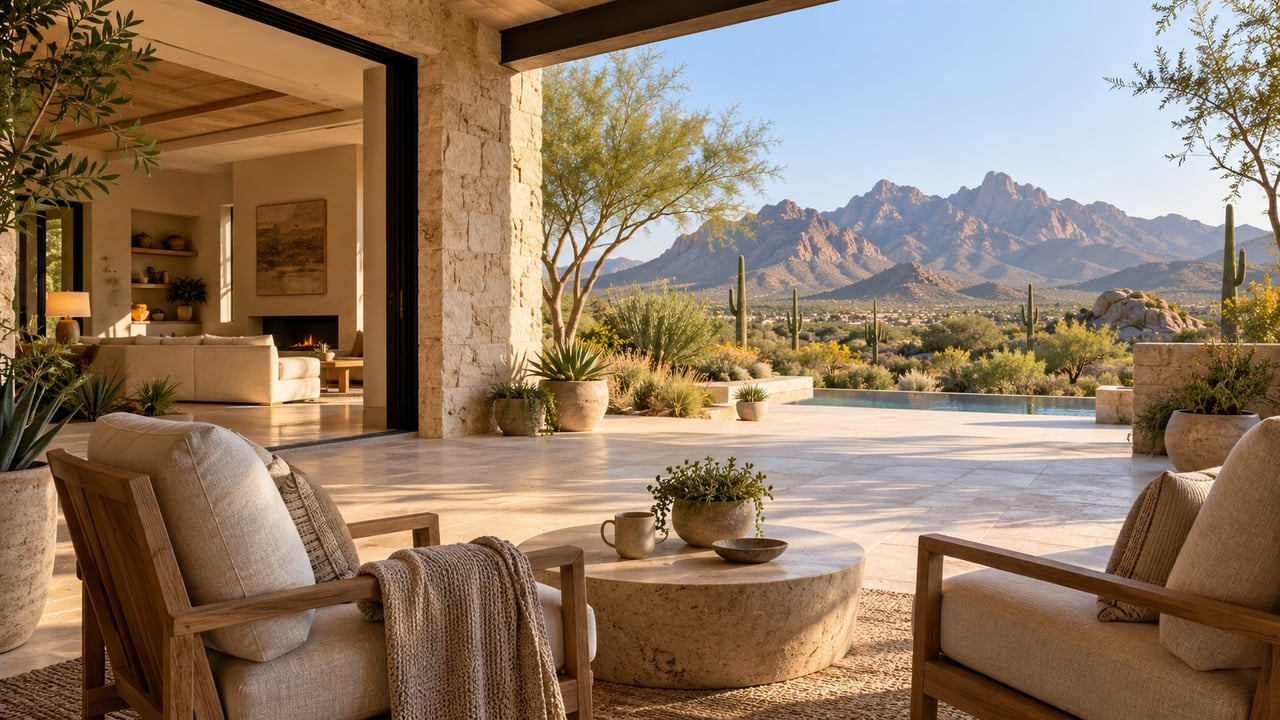
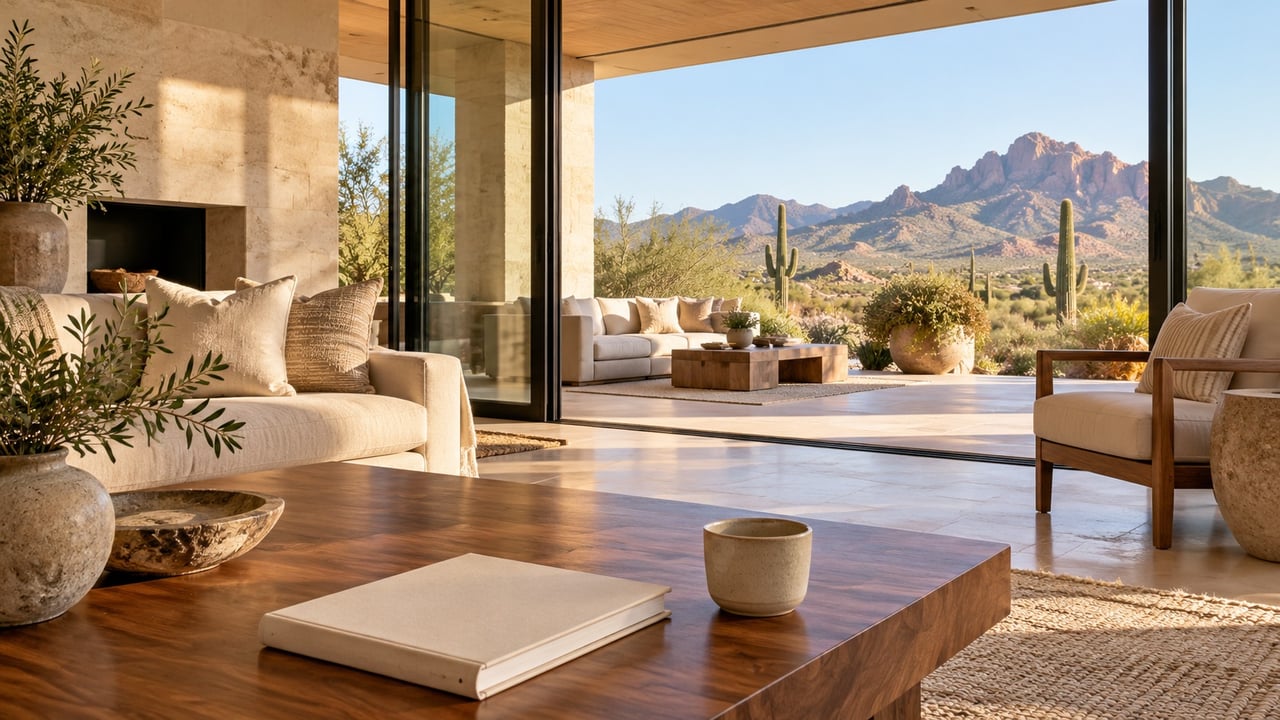
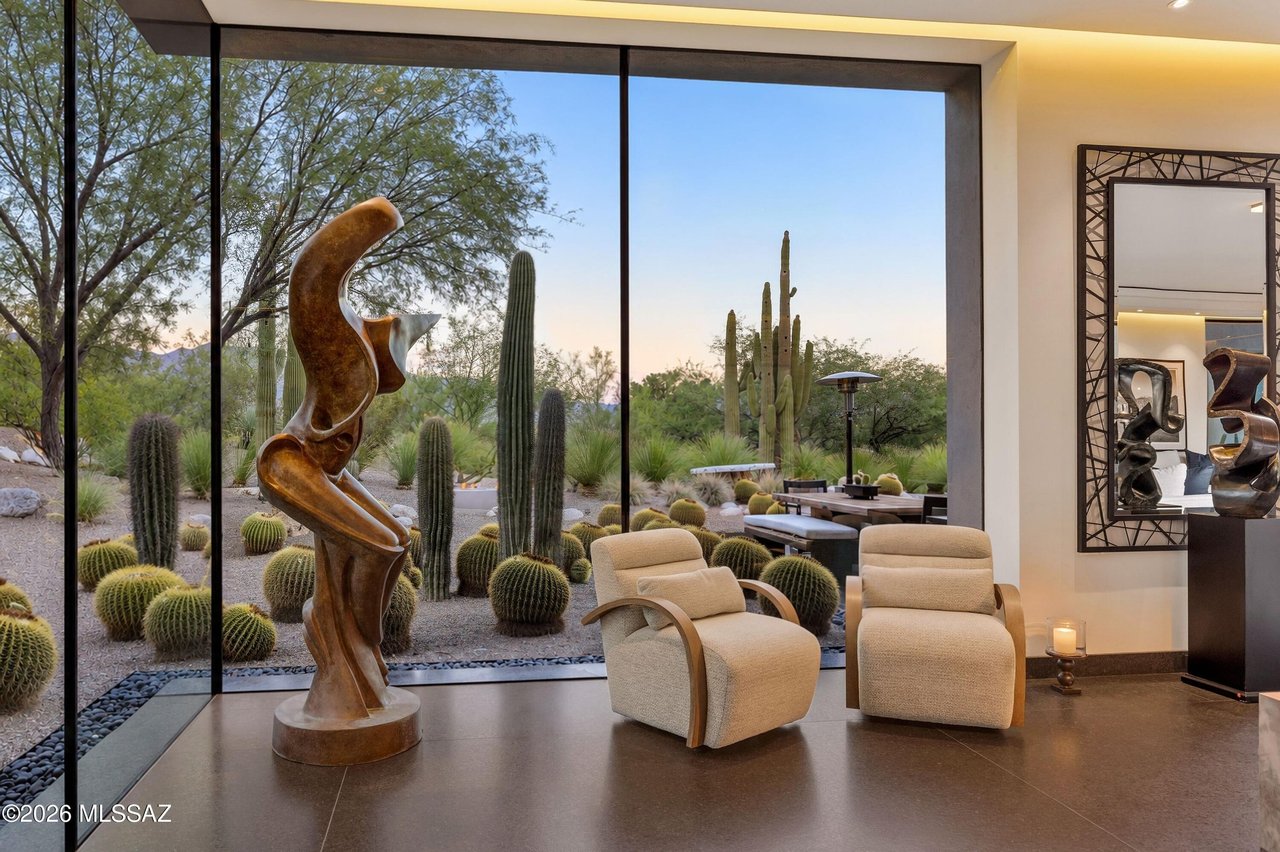
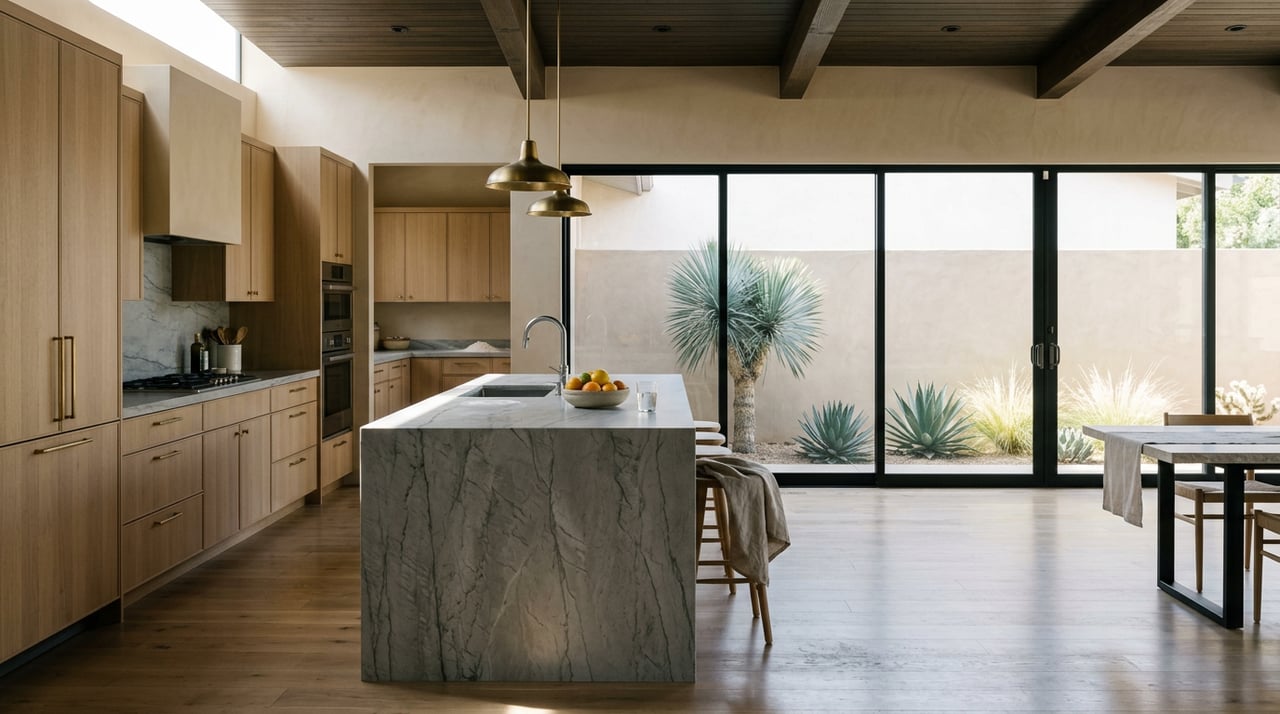
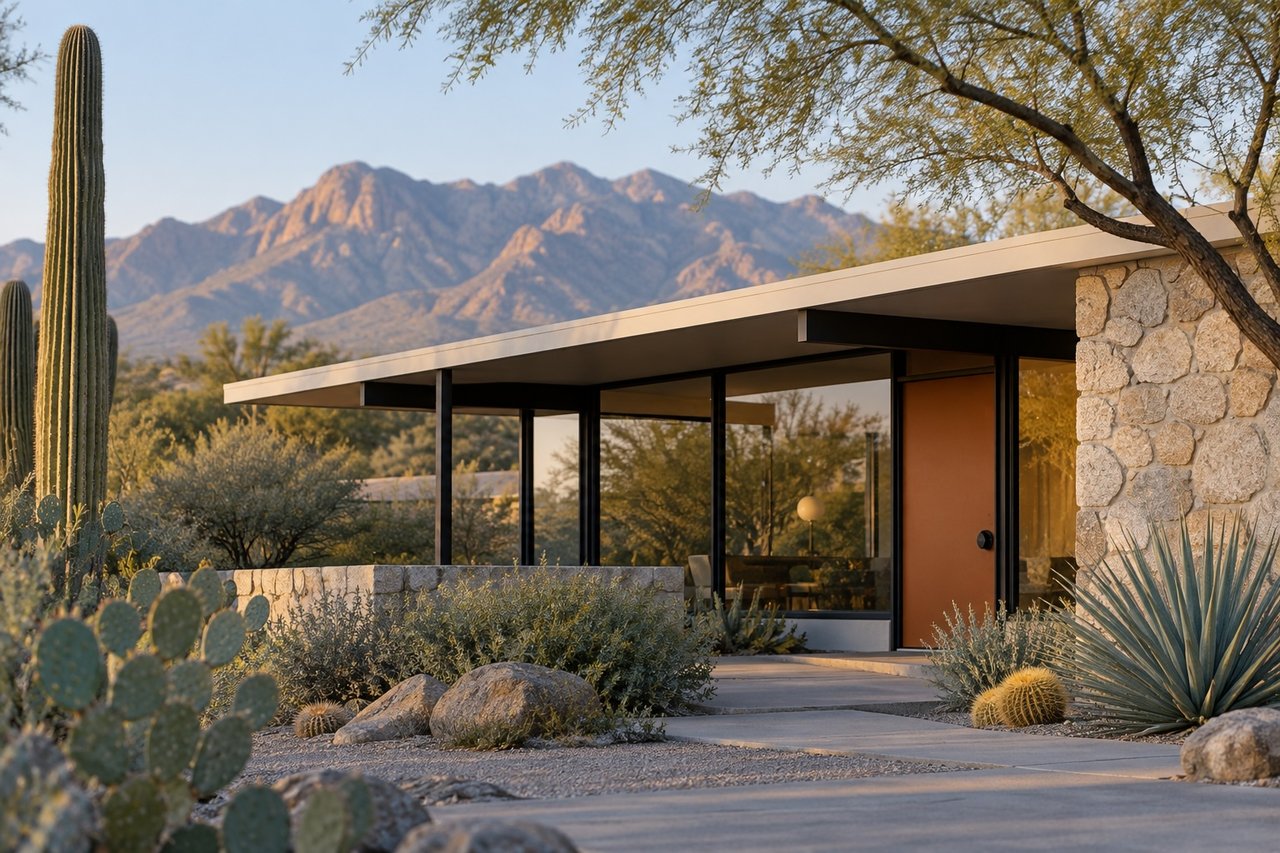
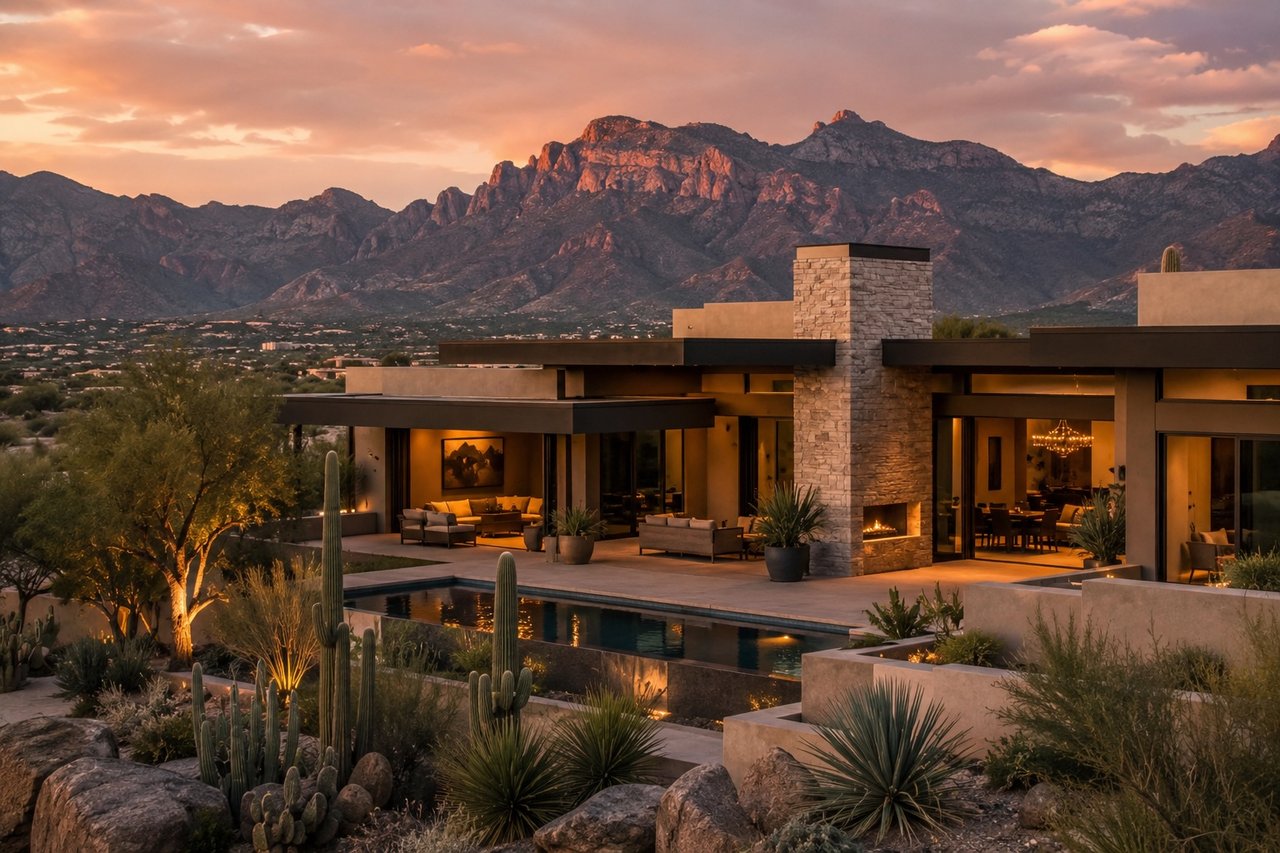
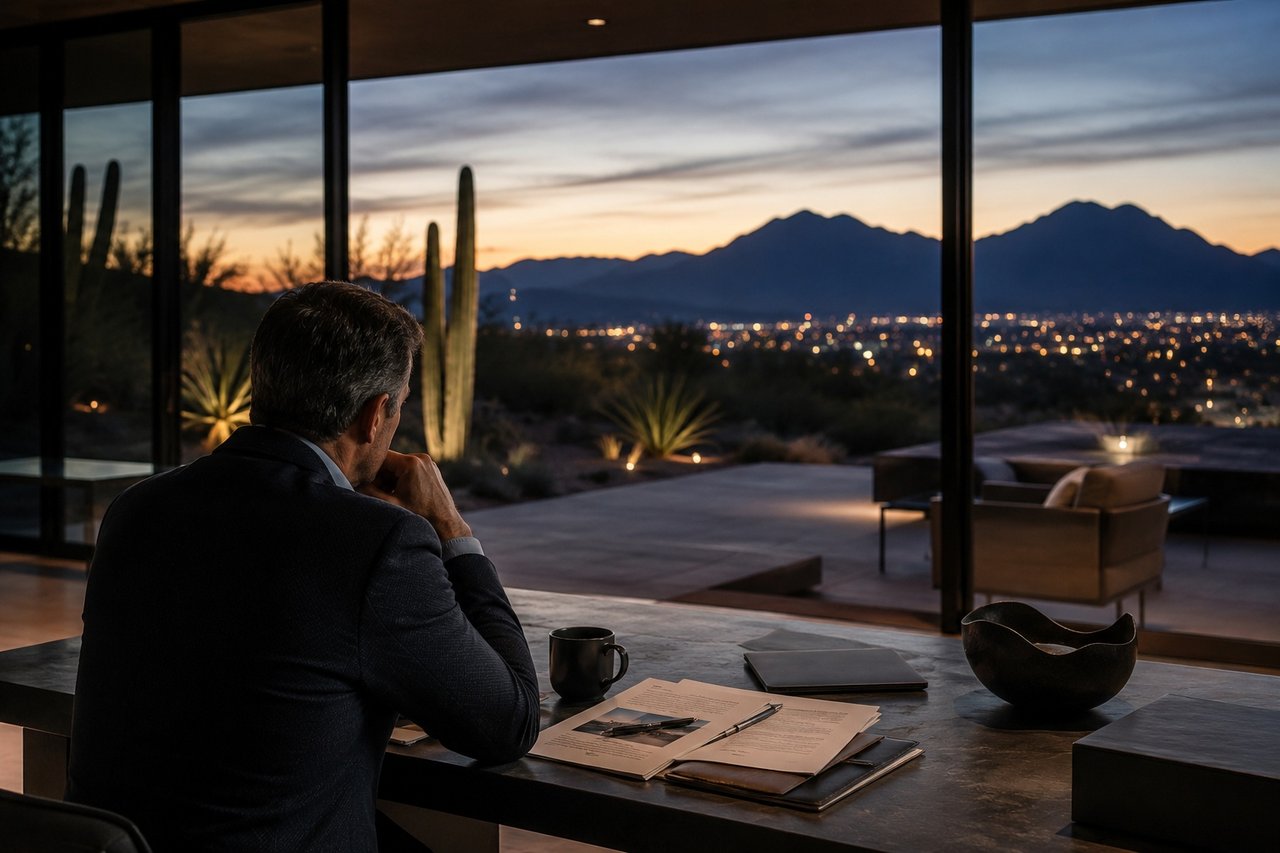
Consider the Rick Joy residence on East Long Shadow Place in Pima Canyon Estates. The listing describes floor-to-ceiling glass, walnut cabinetry and solid Ameristone wall surfaces. Read the room photographs in that order. First find the mountain view. Then identify which solid surfaces remain once you subtract the doors, cabinetry and built-ins. That second look is where a collector’s tour begins.
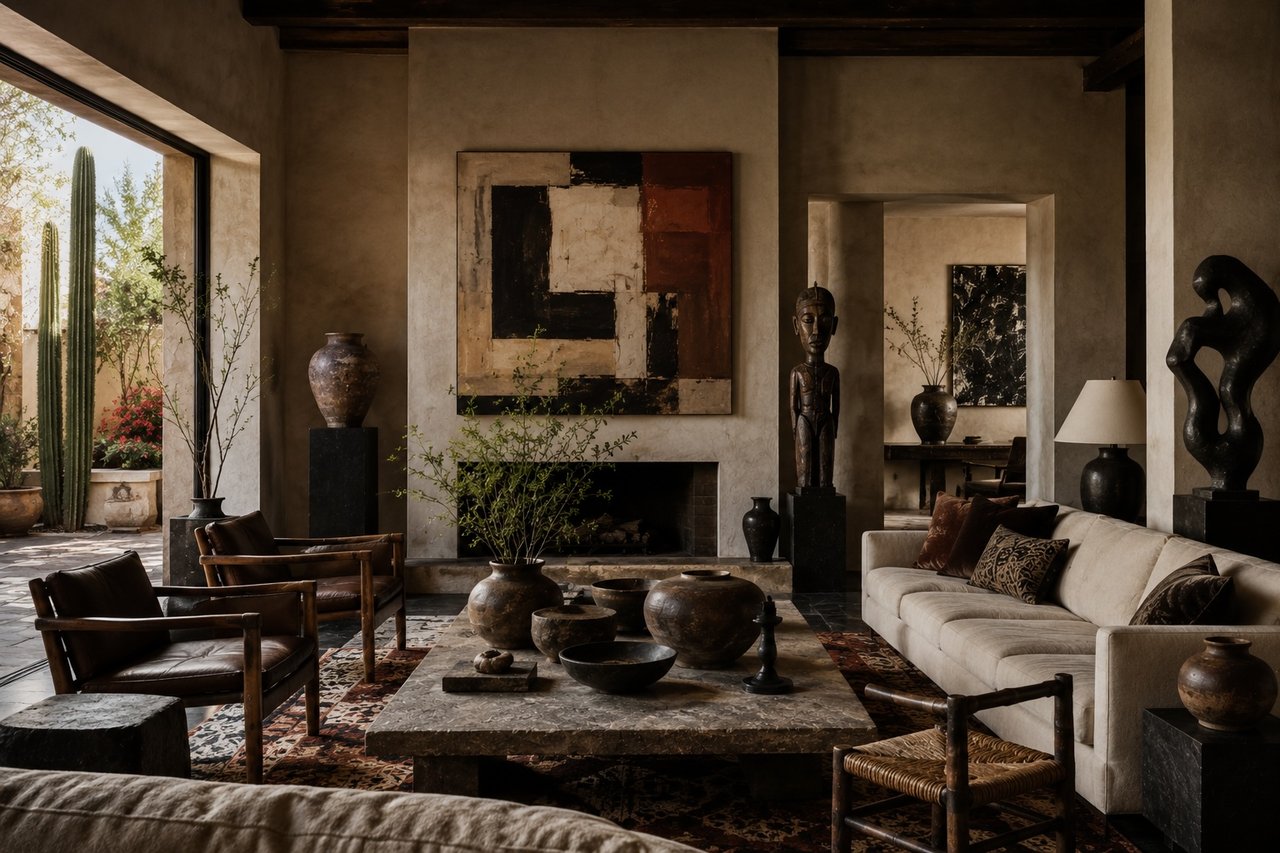
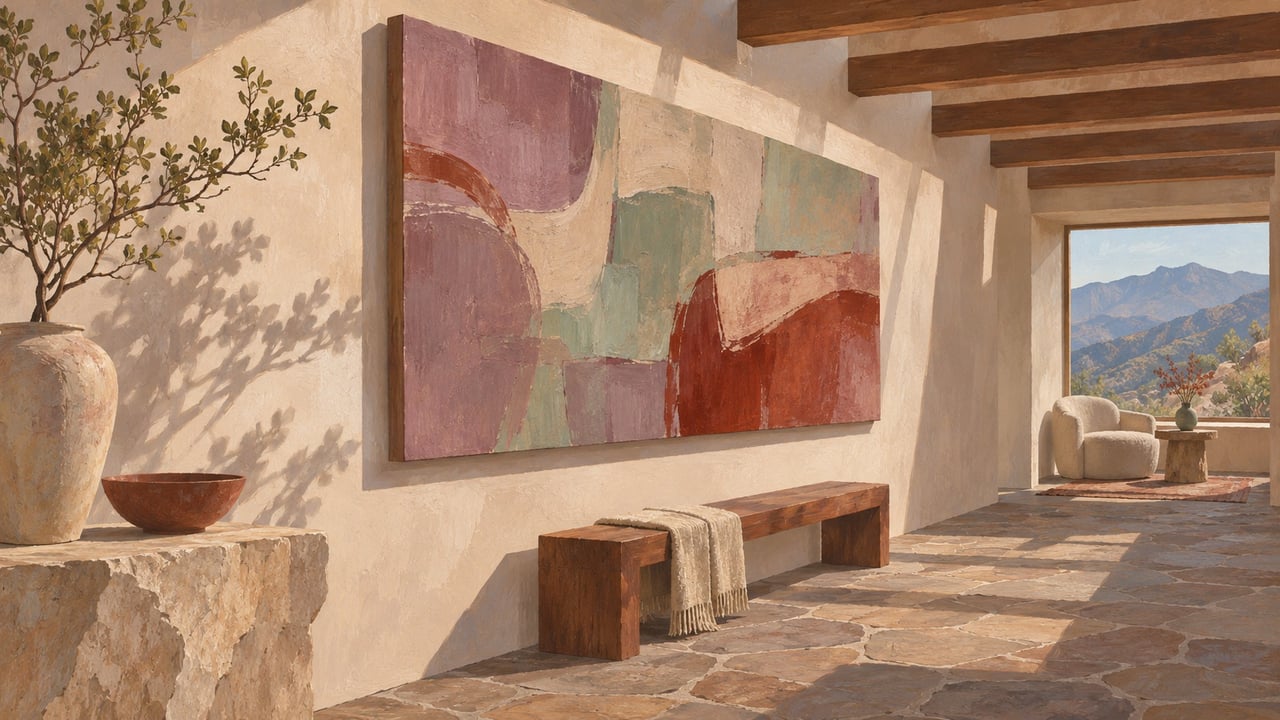
Imagine a framed canvas six feet wide on a seven-foot stretch of wall. Centering it leaves six inches on either side. It fits on paper. A switch, an opening door or a deep return at the end of the wall could change the composition completely. Now stand back. A narrow hall may let you see the surface of a painting beautifully as you pass and give you no place to see the whole composition straight on. For a series of small etchings, that same hall might be the best room in the house.
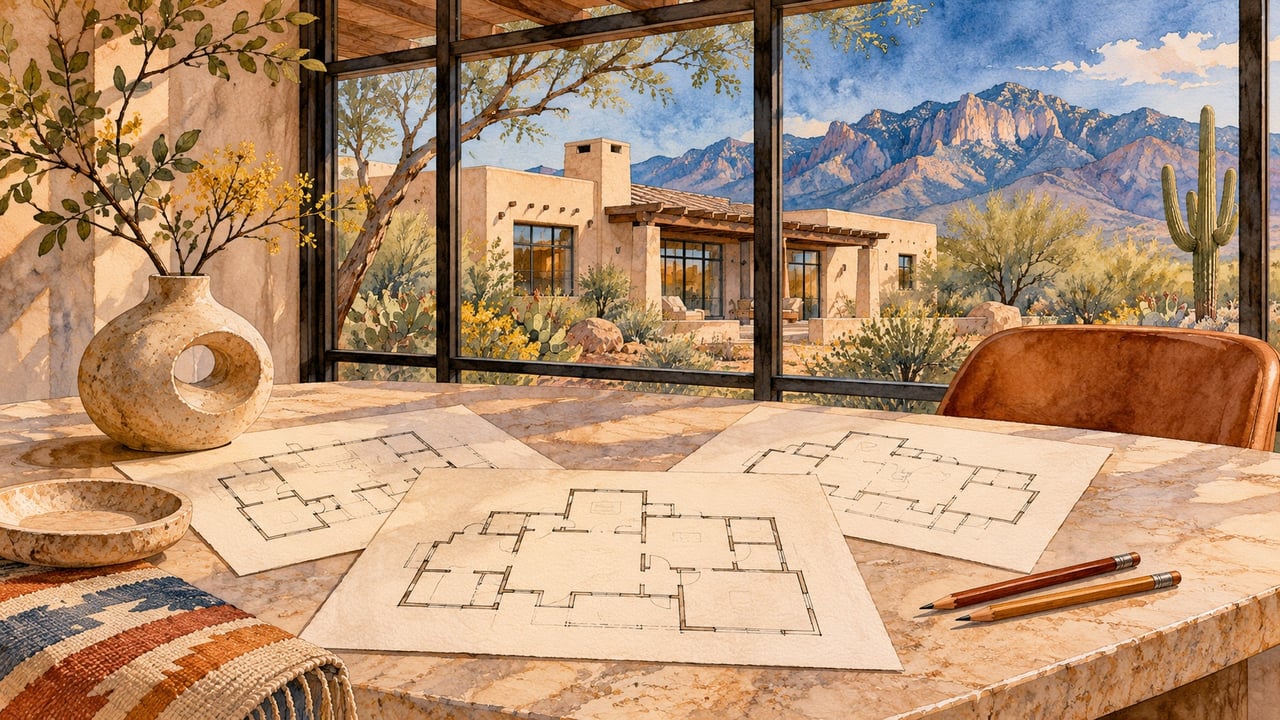
I would sketch just the walls for the two or three works that matter most. Include the width of the frame and its depth, then mark the nearest opening. If a room is furnished, sit where you would put your own chair. In some houses the mountain window and the art share a single line of sight. In others, the room gives each its own moment. My closer look at Joy’s design in Pima Canyon explains how the placement of the glass shapes the experience of the house.
Return when the light has moved
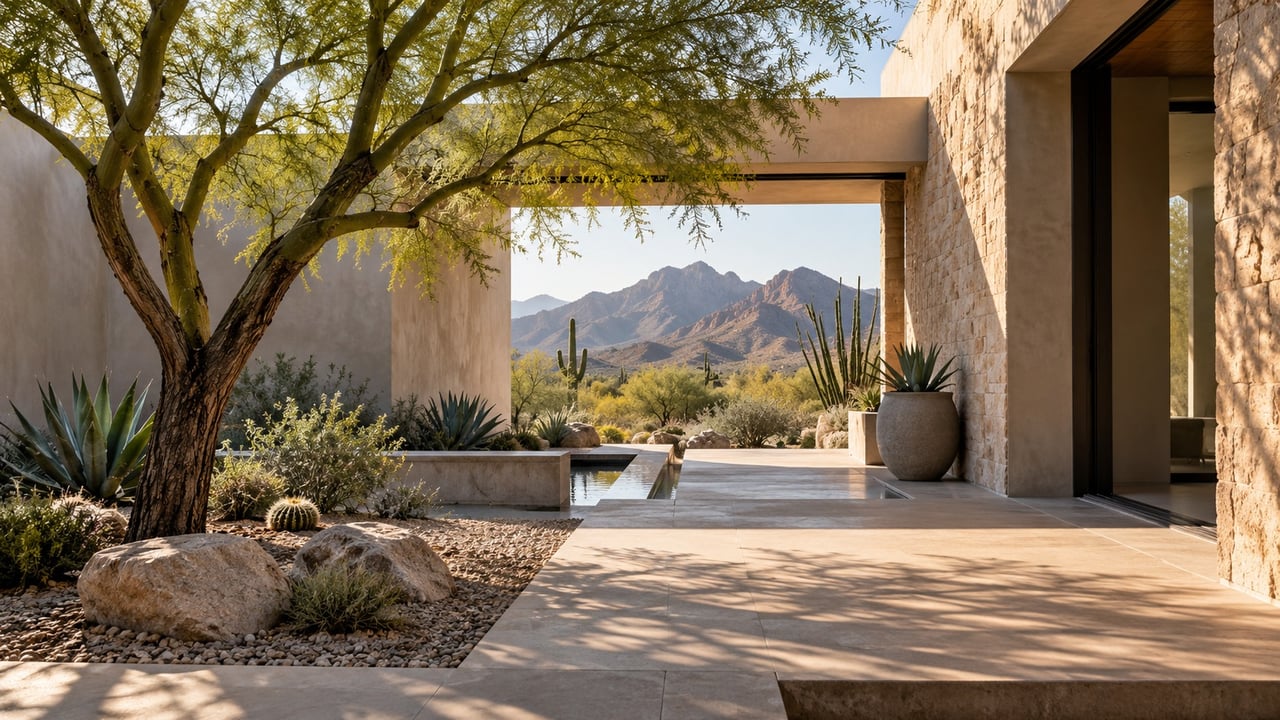
In the Catalina Foothills, a deep roof overhang or a courtyard can make a room feel sheltered even when the opposite wall receives a band of direct sun. Look at the wall itself. At a morning showing, note where the light falls and which openings admit it. At a later visit, stand in the same position. Reflections in the glazing over a photograph can obscure it from the sofa even when direct sun never reaches the frame.
A work on paper deserves particular care. The Canadian Conservation Institute explains that exposure can fade colors and that the damage is irreversible. It recommends keeping works on paper away from sunlight entering through windows and skylights. For a watercolor or drawing of particular importance, ask a conservator to evaluate the proposed location and glazing. The institute’s guide to works on paper is a useful starting point.
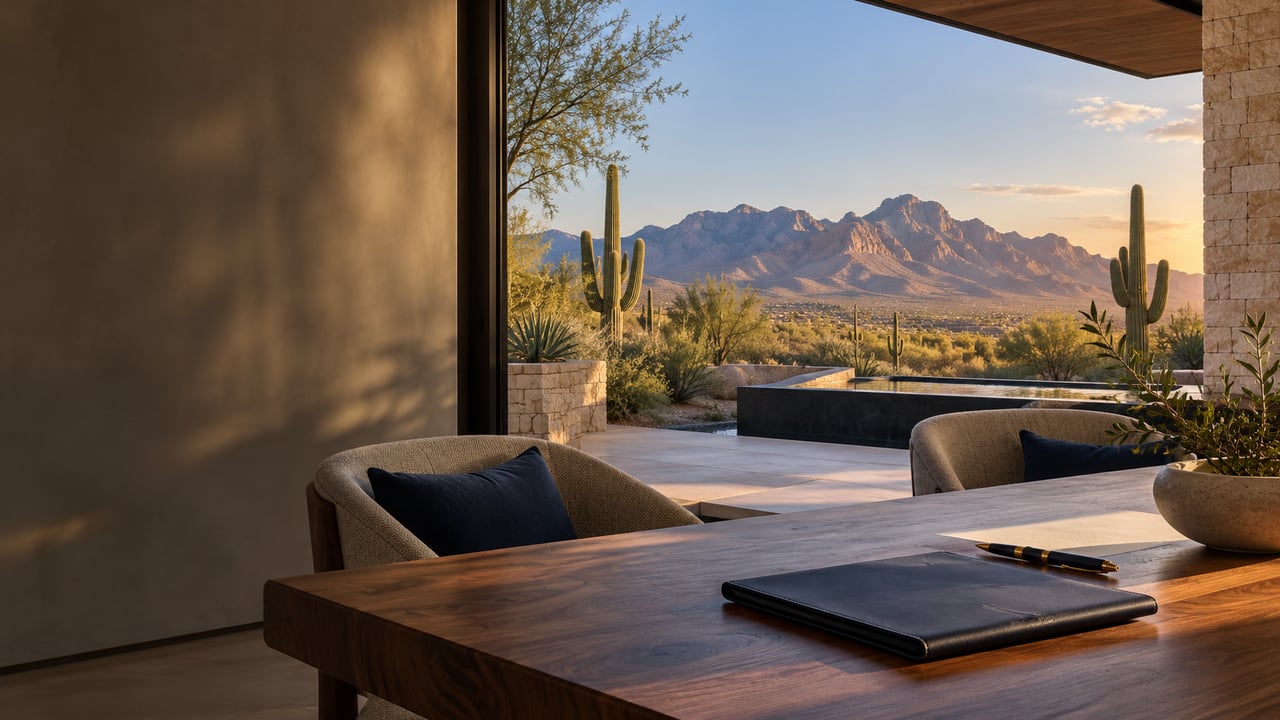
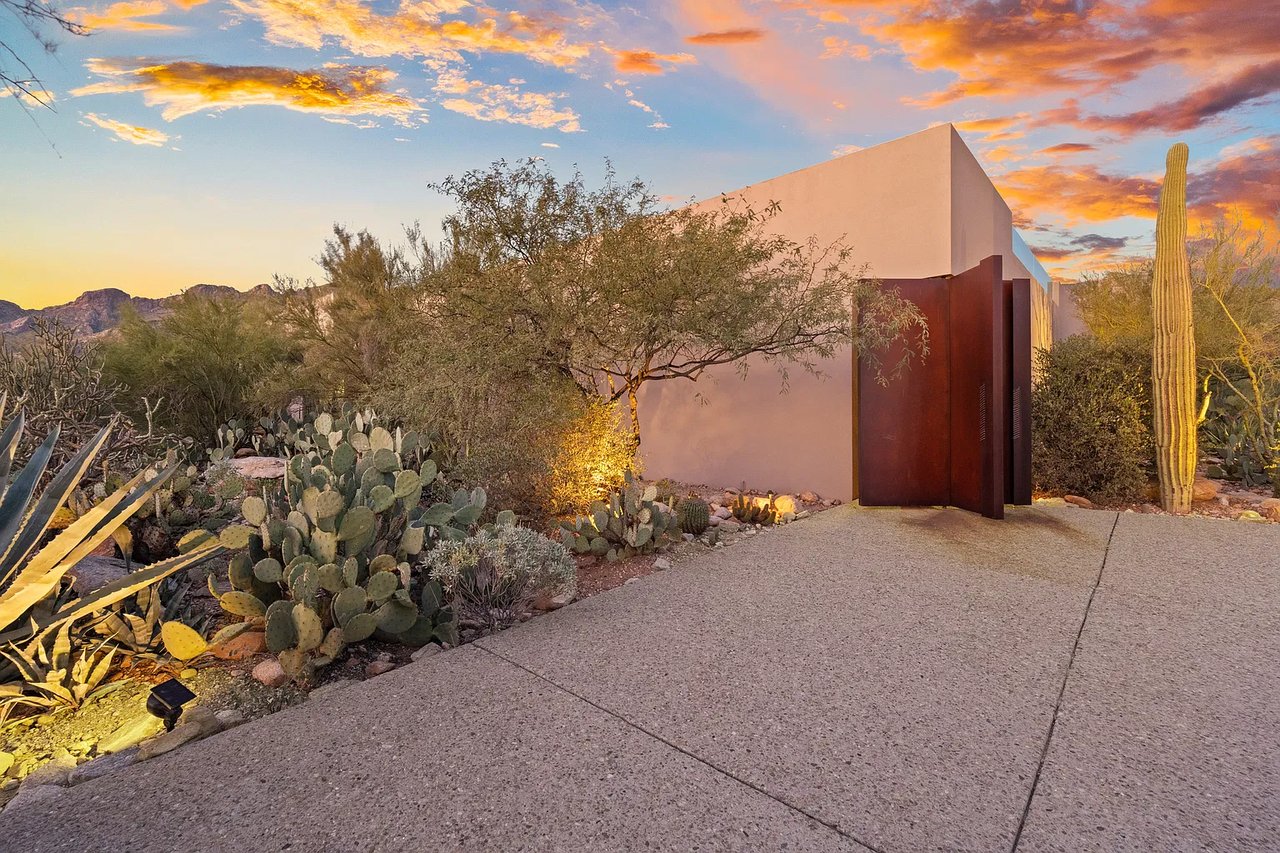
1779 E Barrell Cactus Court offers a different Pima Canyon exercise. The Kevin B. Howard Architects design is listed with 6,000 square feet and a dedicated office. Compare a potential office wall with the principal entertaining room. Which could you shade without giving up the view you bought the house for? Which would let you read a small work at close range? A less prominent room can give a favorite piece a much larger role in daily life.
Walk the delivery route before discussing installation
A large painting has to clear two sets of dimensions: its frame once installed and its protective package in transit. Ask the handler for the packed dimensions and permitted orientation. With the owner’s permission, walk from a plausible unloading point through the entrance and every turn to the proposed wall. Give particular attention to pairs of doors with a fixed center post and to the ceiling height where a crate would have to change direction.
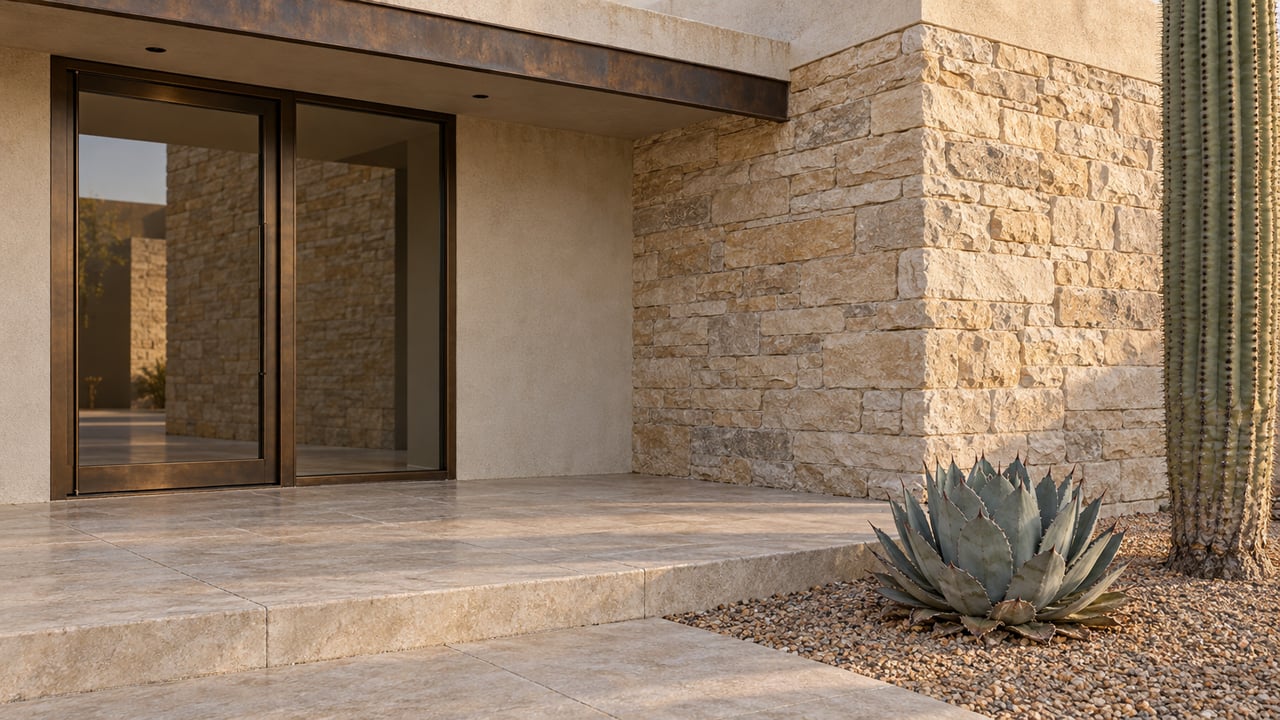
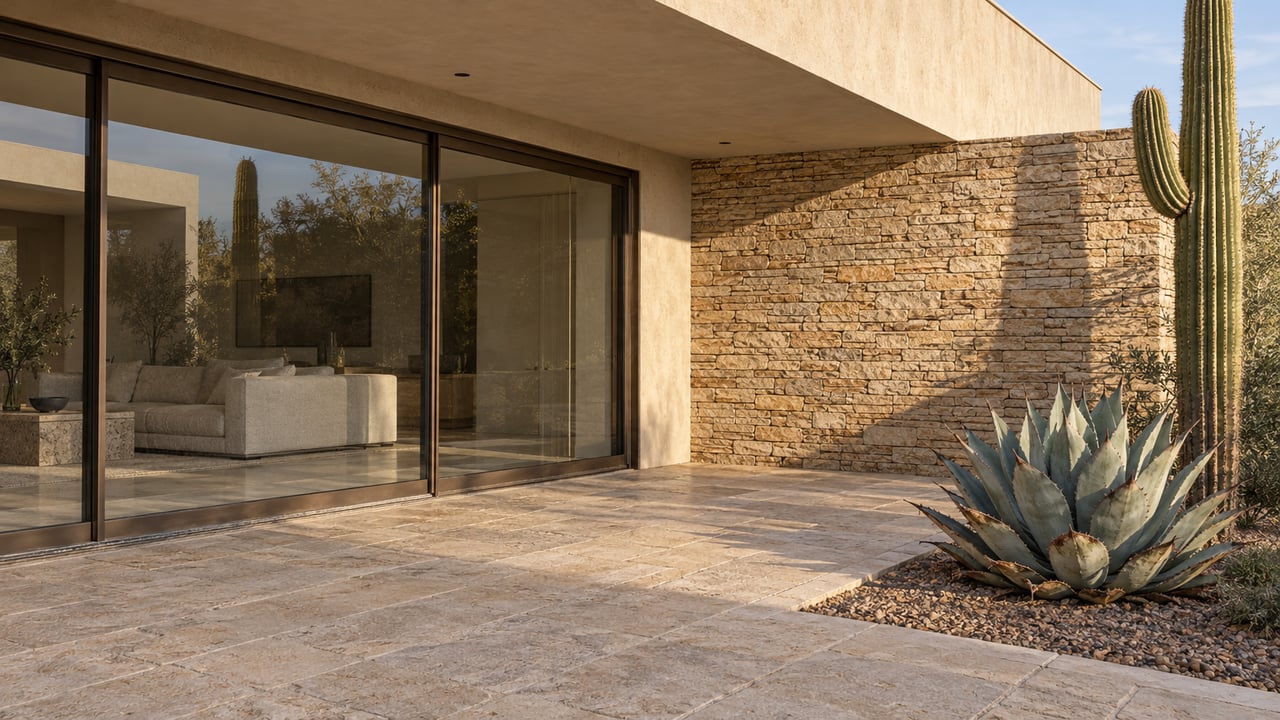
The most instructive measurement may be just inside the front door. A tall opening followed immediately by a turn toward a gallery can be harder to negotiate than a smaller opening with a straight approach. If the promising route leads through a terrace, establish whether the panel you see in the photographs actually opens and how equipment could reach it. Where a heavy work will require anchoring into an architectural finish, have the installer review the wall and propose a mounting method before assuming the job is straightforward.
Beyond Pima Canyon, the Ventana Canyon home on Desert Moon Loop adds a useful comparison. Its listing describes a workshop, storage and a private office. For someone who rotates pieces, the practical question is whether there is a suitable place for packing materials and a workable route to it. A workshop may be excellent for keeping empty crates. A conservator or art handler can advise separately on a suitable environment for the work itself.
What a house designed around a collection can teach you
For a different starting point, look east to 13501 E Sahuaro Sunset Road in Redington Ranch. The listing describes a Ron Robinette house conceived in part for the owners’ collection of Western art and Native American rugs. This is a comparison of design intent across two Tucson-area settings. It offers a better question than simply asking which house has the longest gallery.
Choose one furnished photograph and mentally remove the work. Does the wall still have the proportions your collection needs? Would a smaller piece become difficult to see from the seating area? A home shaped around someone else’s collection can be an exceptional starting point. The value to you lies in how well the rooms work after their pieces leave and yours arrive.
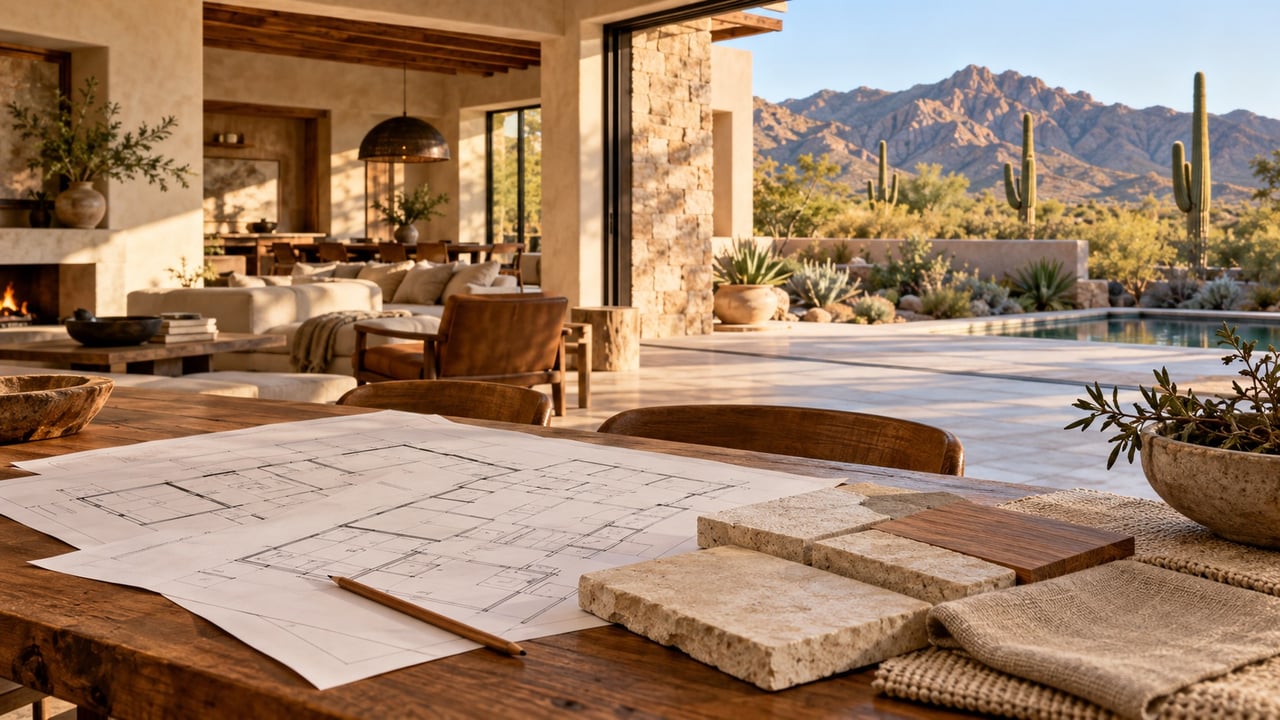
Before an offer, I would separate the features you can use immediately from the installation work you would commission. Identify any picture rails, lighting controls, shades or specialized fixtures you are relying on and have their inclusion addressed in writing. Give the installer the plans or measurements the owner has authorized you to share. You can then negotiate with a clearer understanding of what the purchase delivers and what the move will require.
If you know a collector moving to Tucson, I’d welcome an introduction at [email protected]. A photograph and the framed dimensions of one favorite work are enough to start planning a tour. If the move begins with a sale elsewhere, I can draw on Sotheby’s International Realty’s Well-Connected relationships to introduce an advisor in that market as well.
About Daniel Sotelo
Tucson native Daniel Sotelo advises buyers and sellers of luxury homes and distinctive architecture with Russ Lyon Sotheby’s International Realty. He consistently ranks among the highest-producing individual agents in the Tucson MLS and brings an active practitioner’s eye to preparation, comparisons and negotiation.