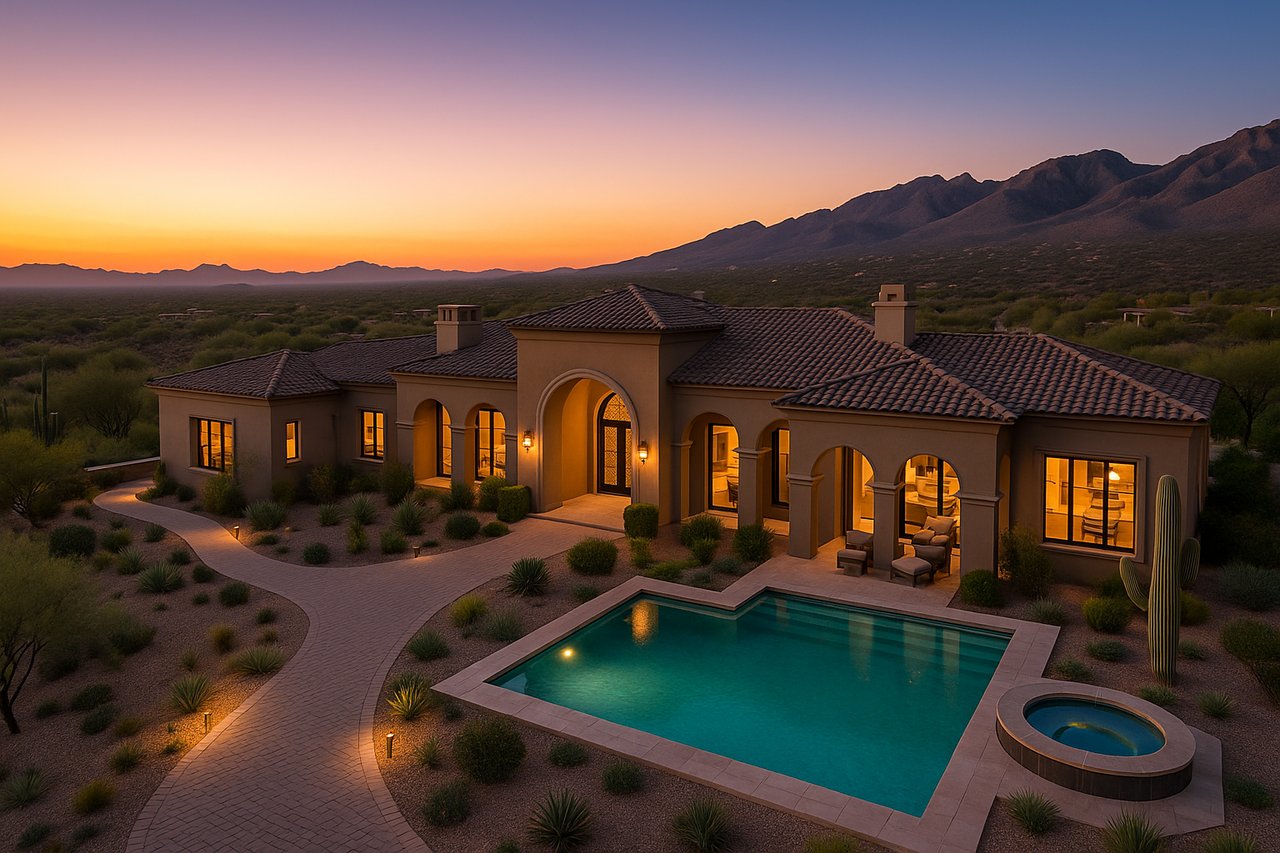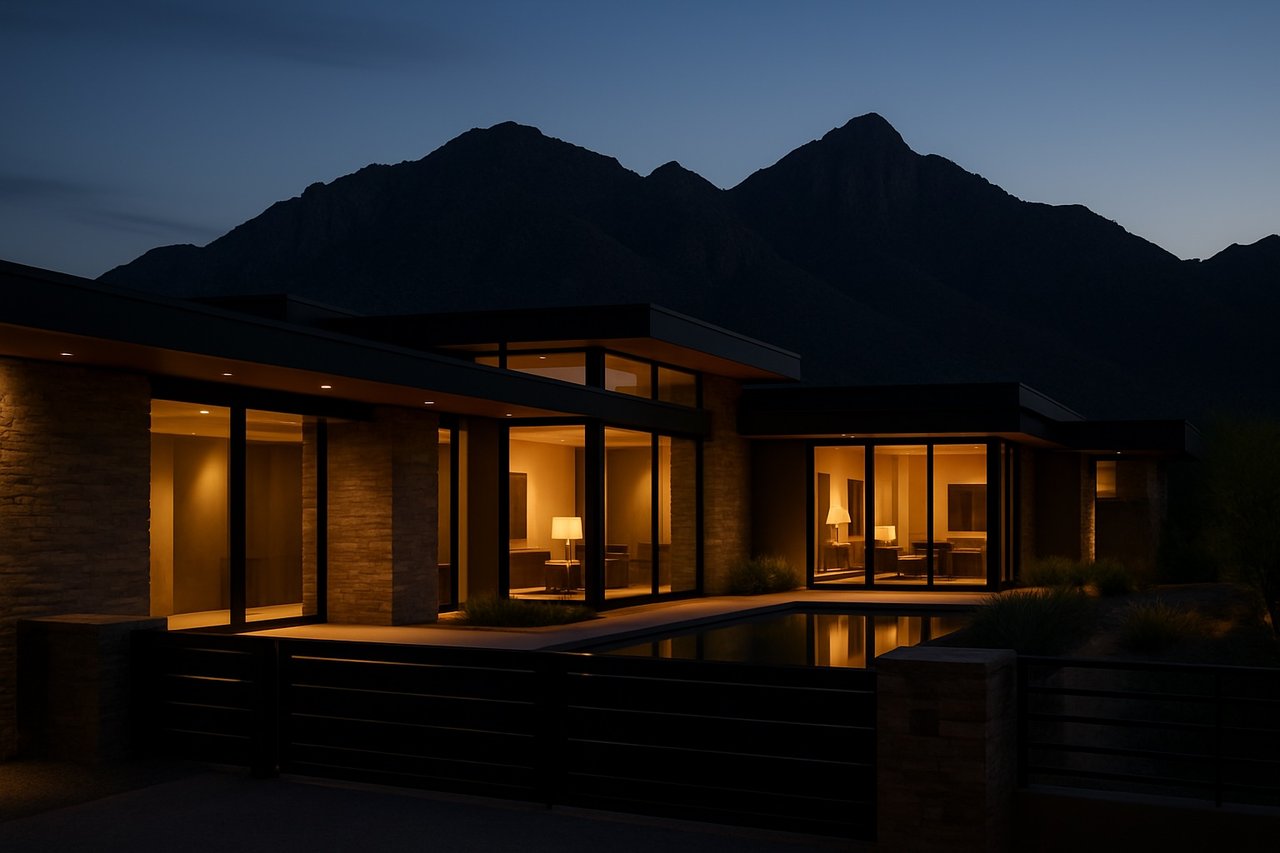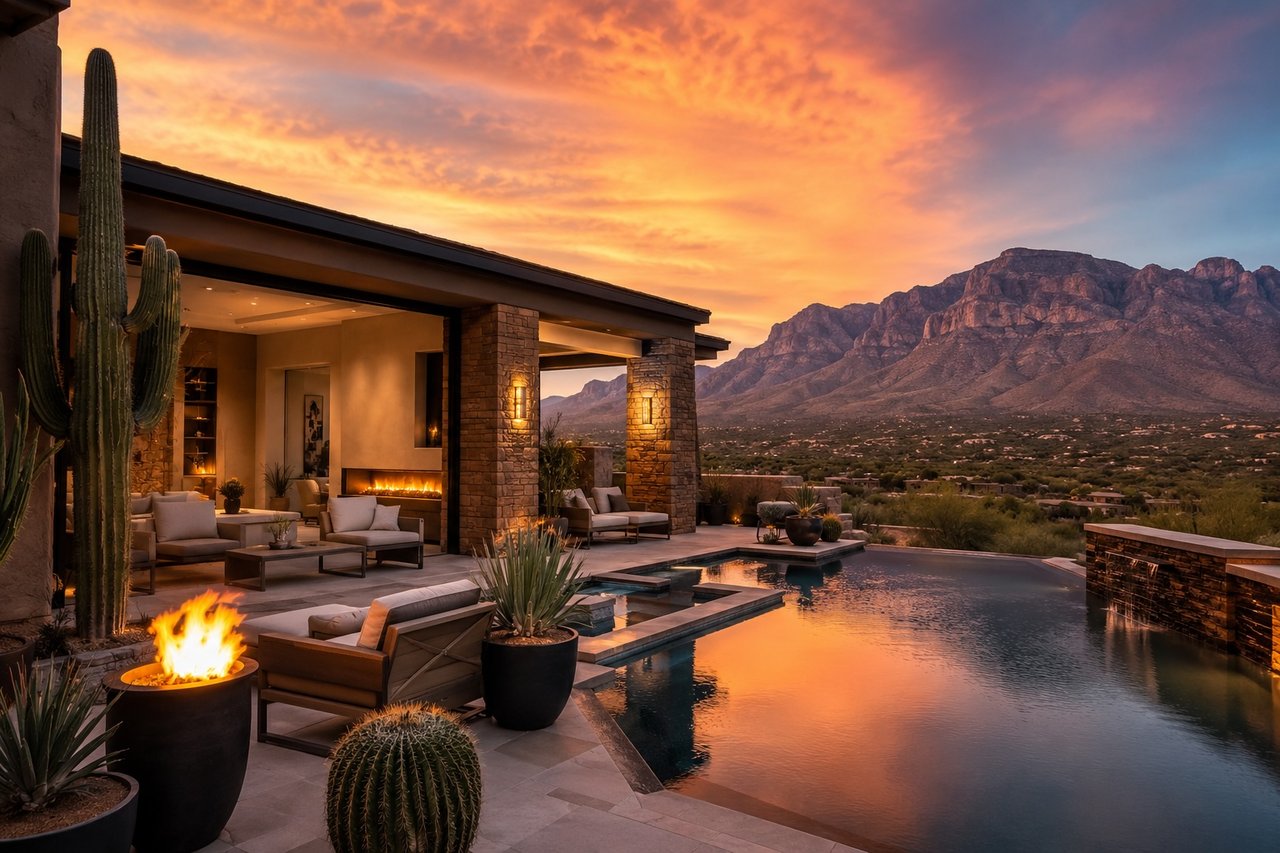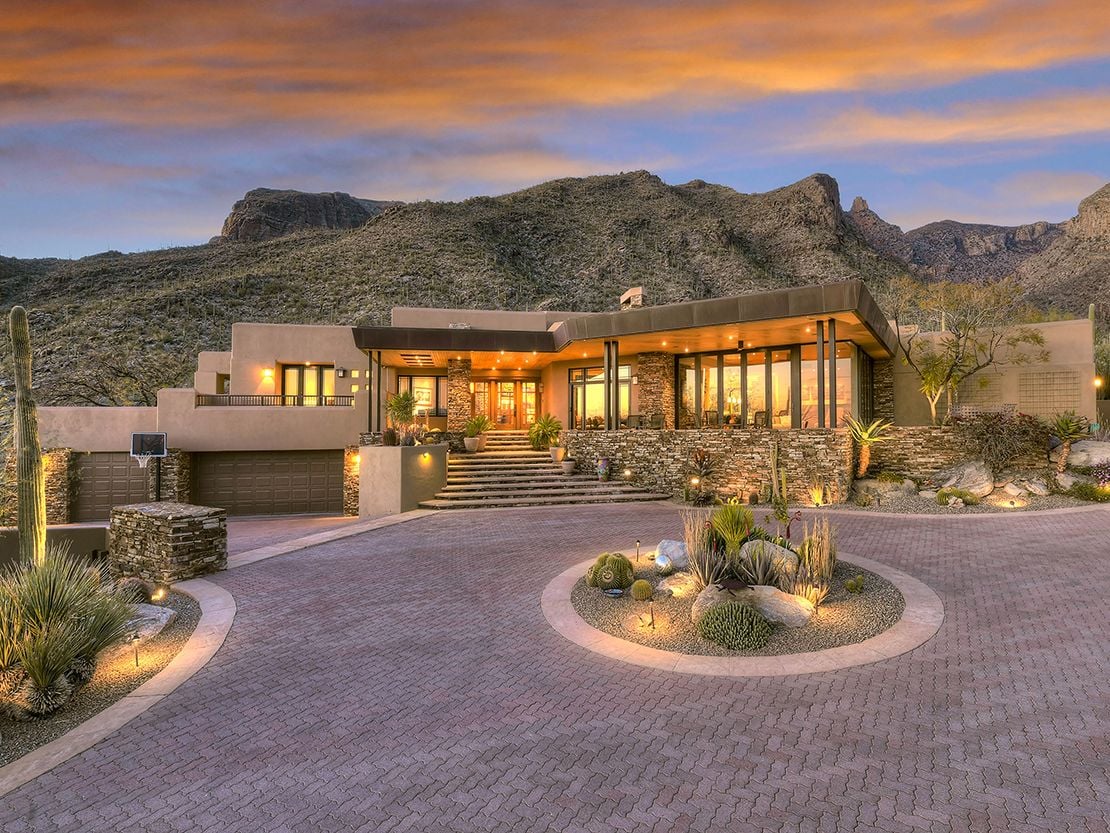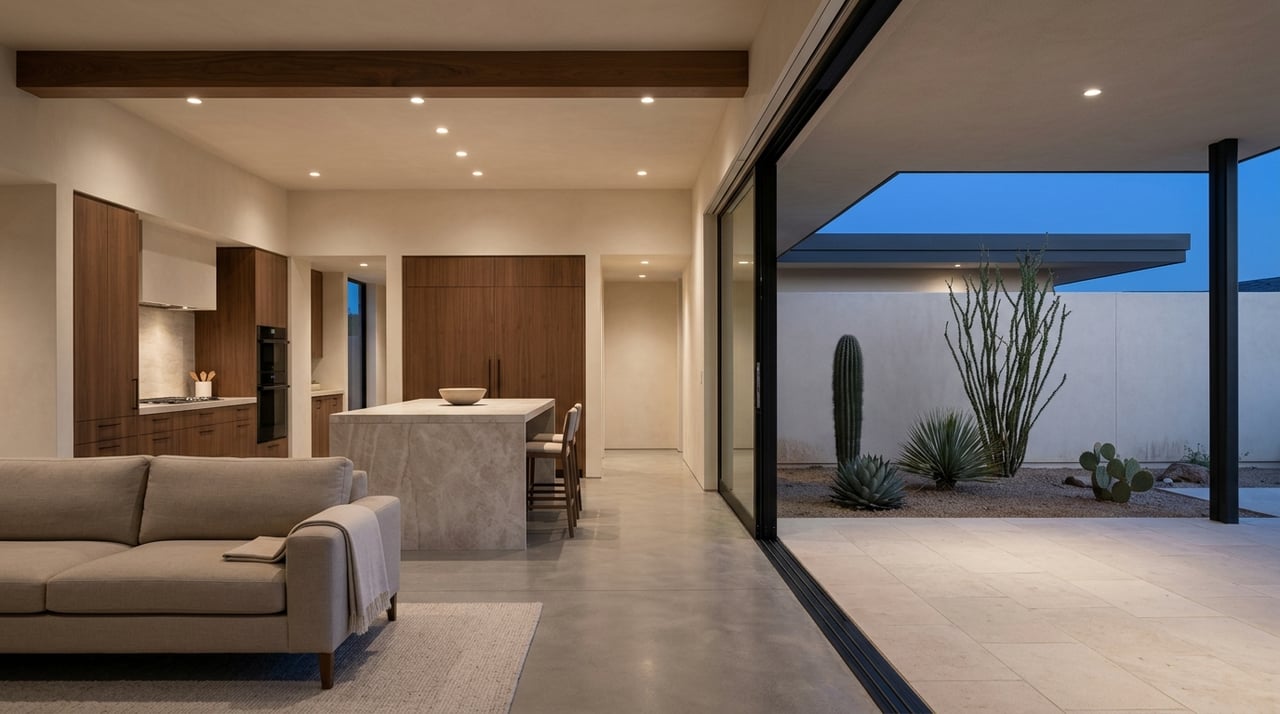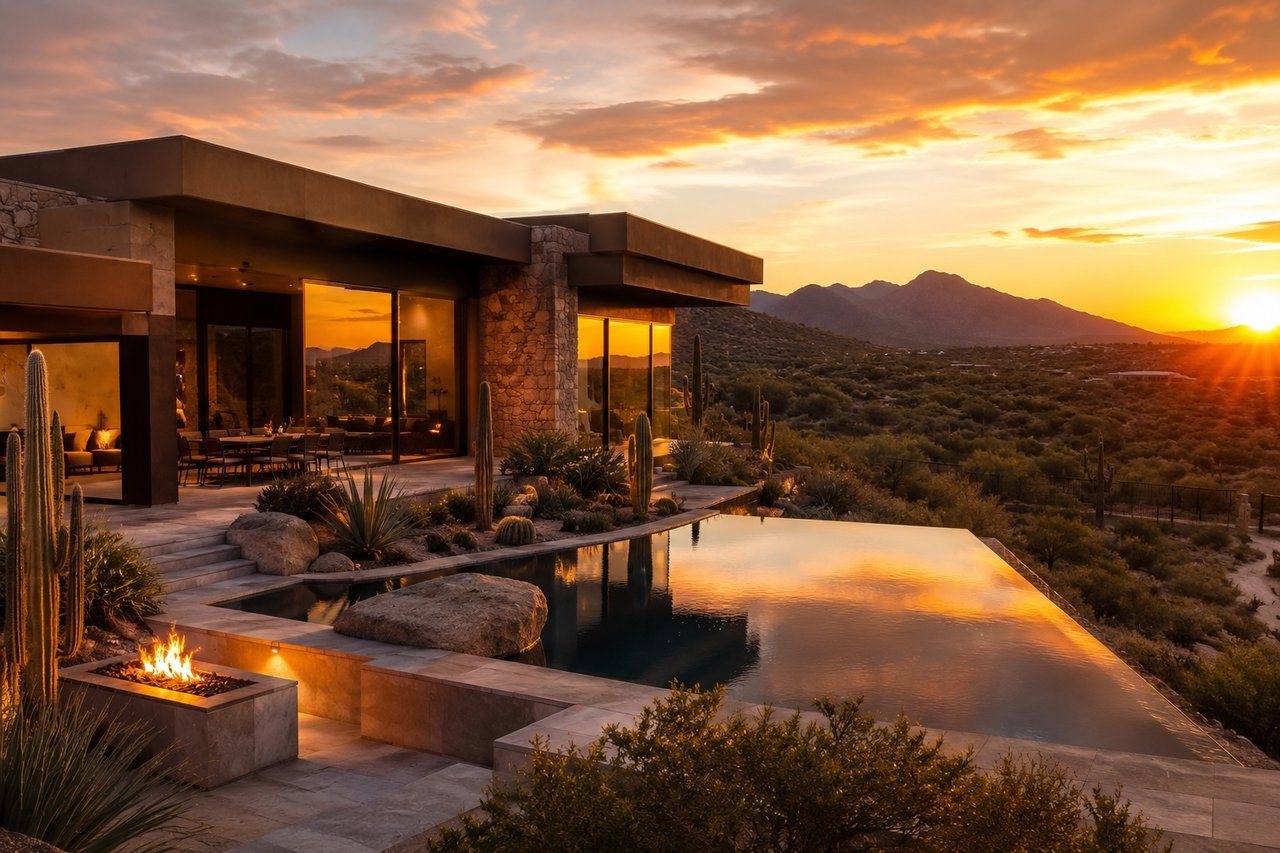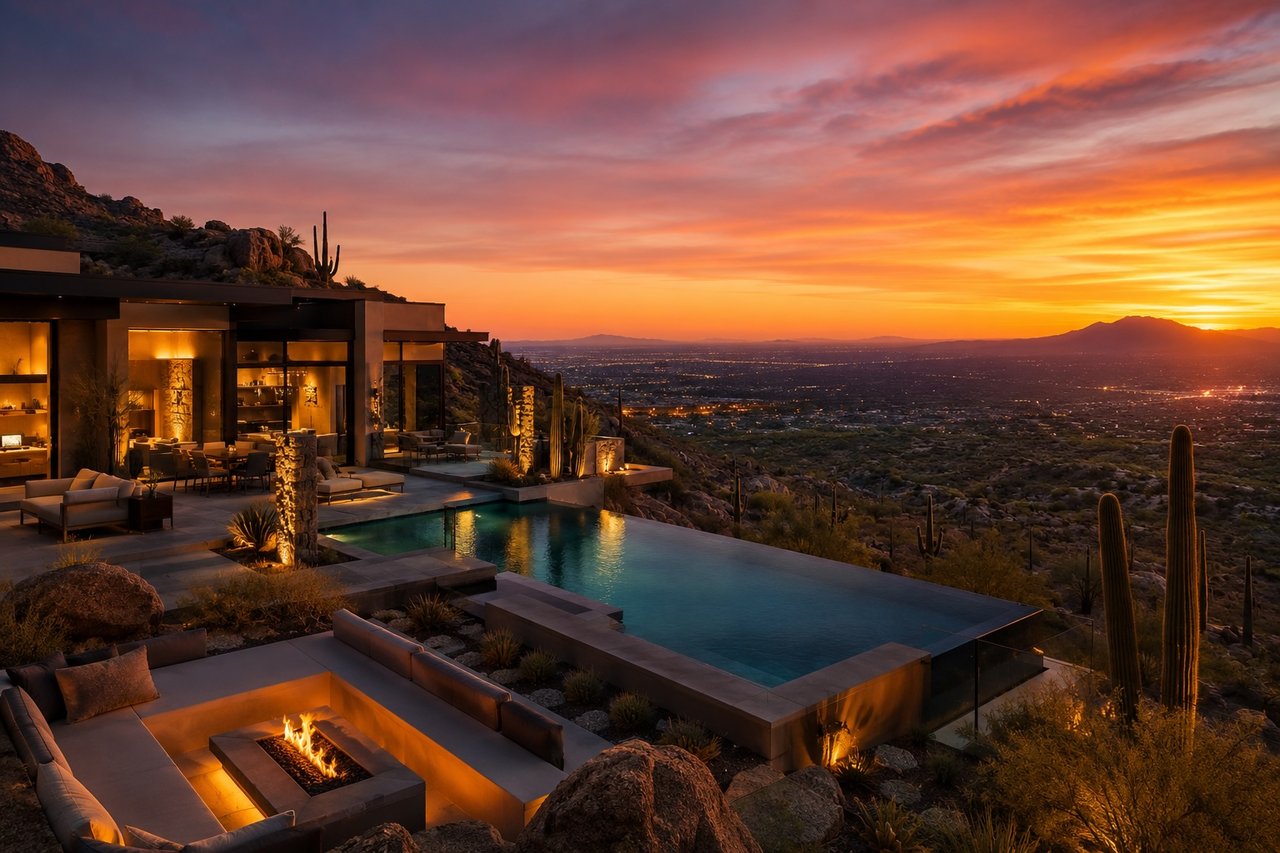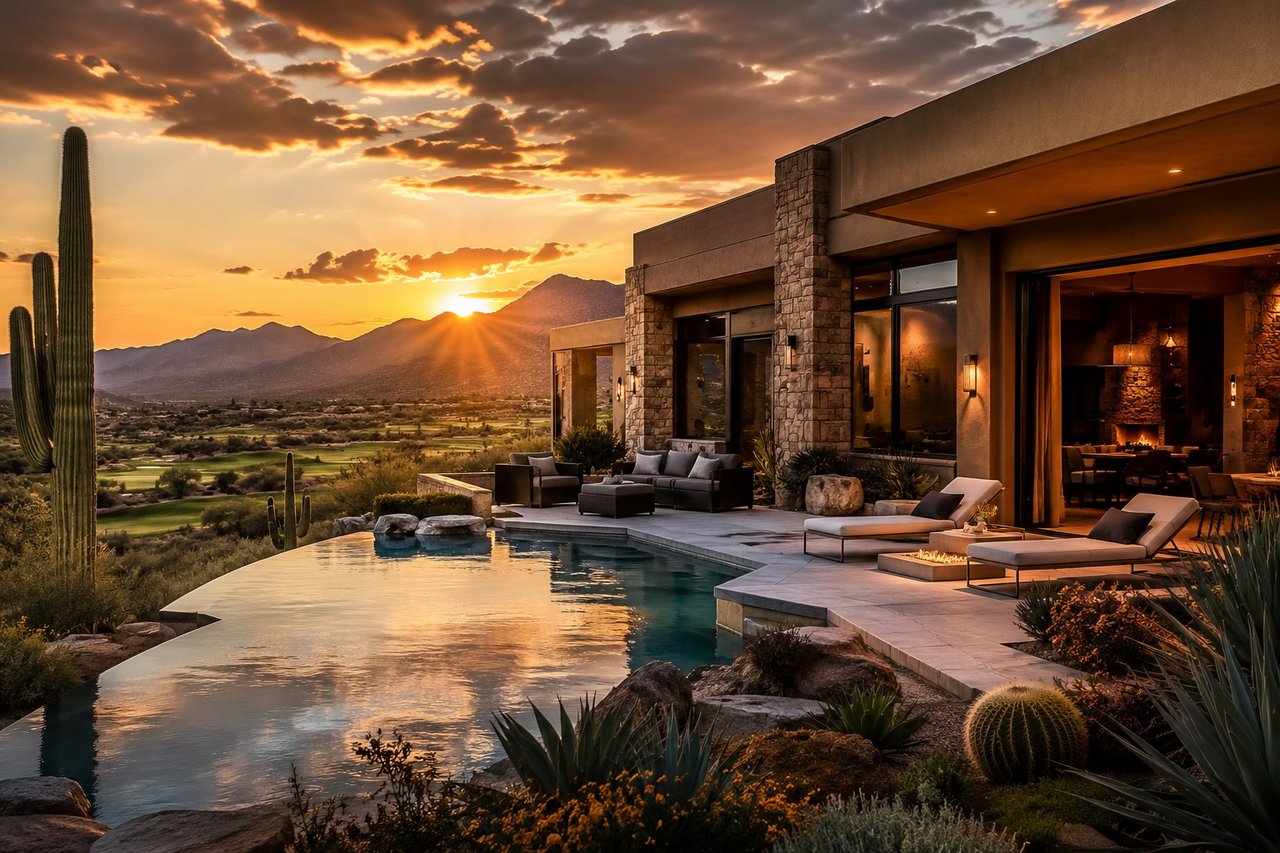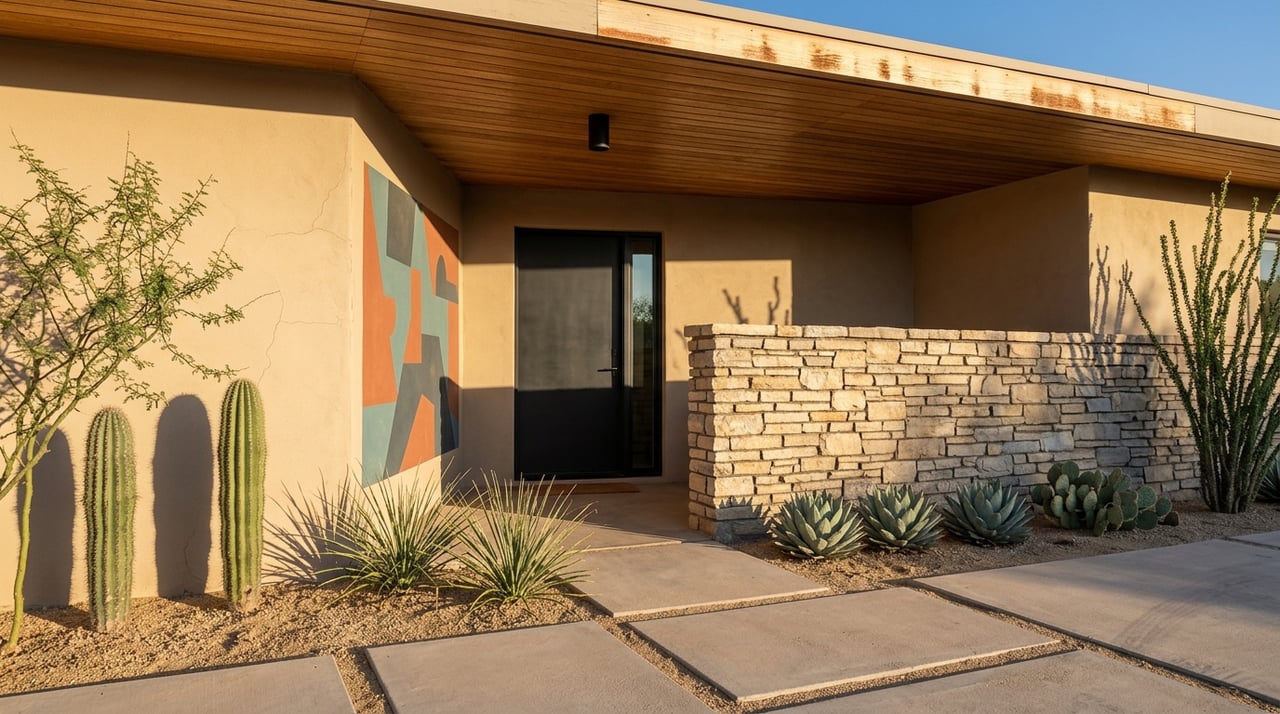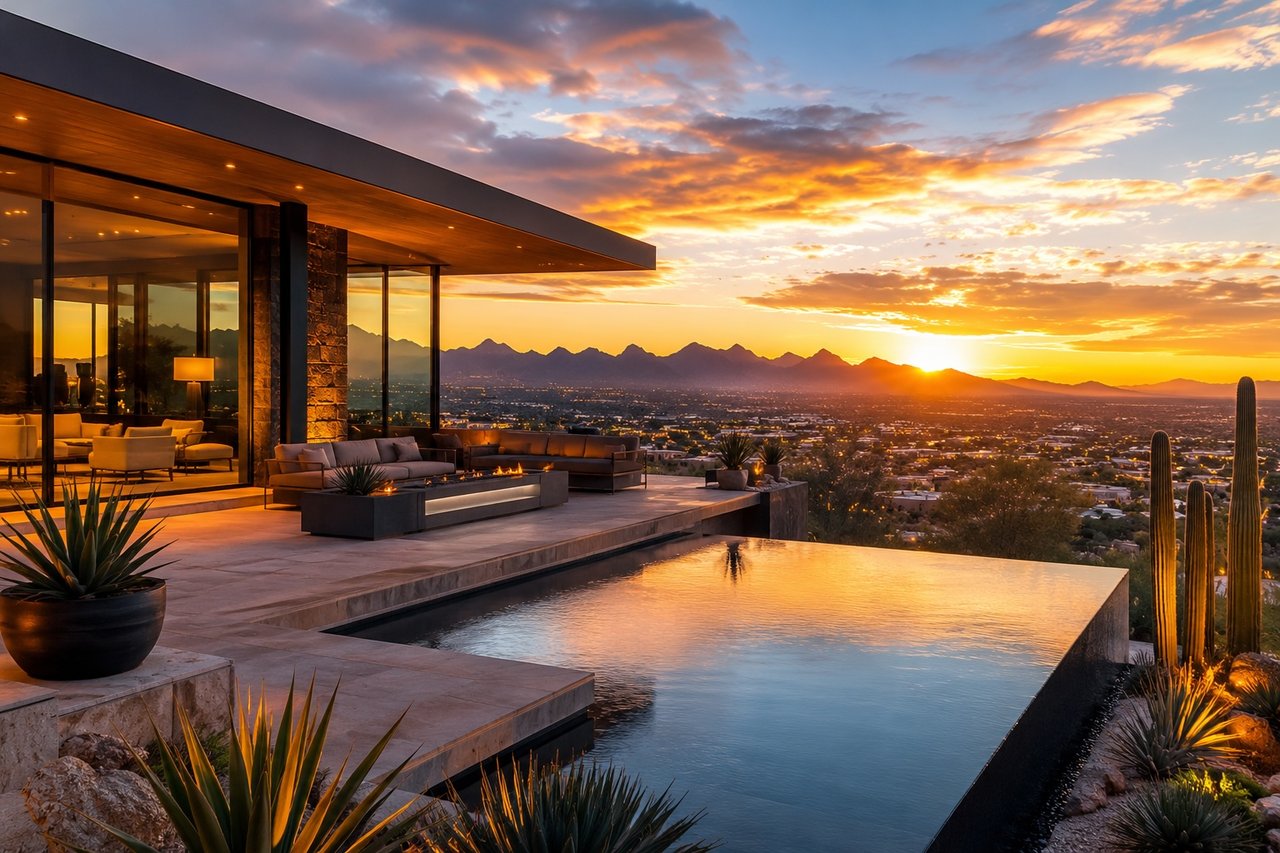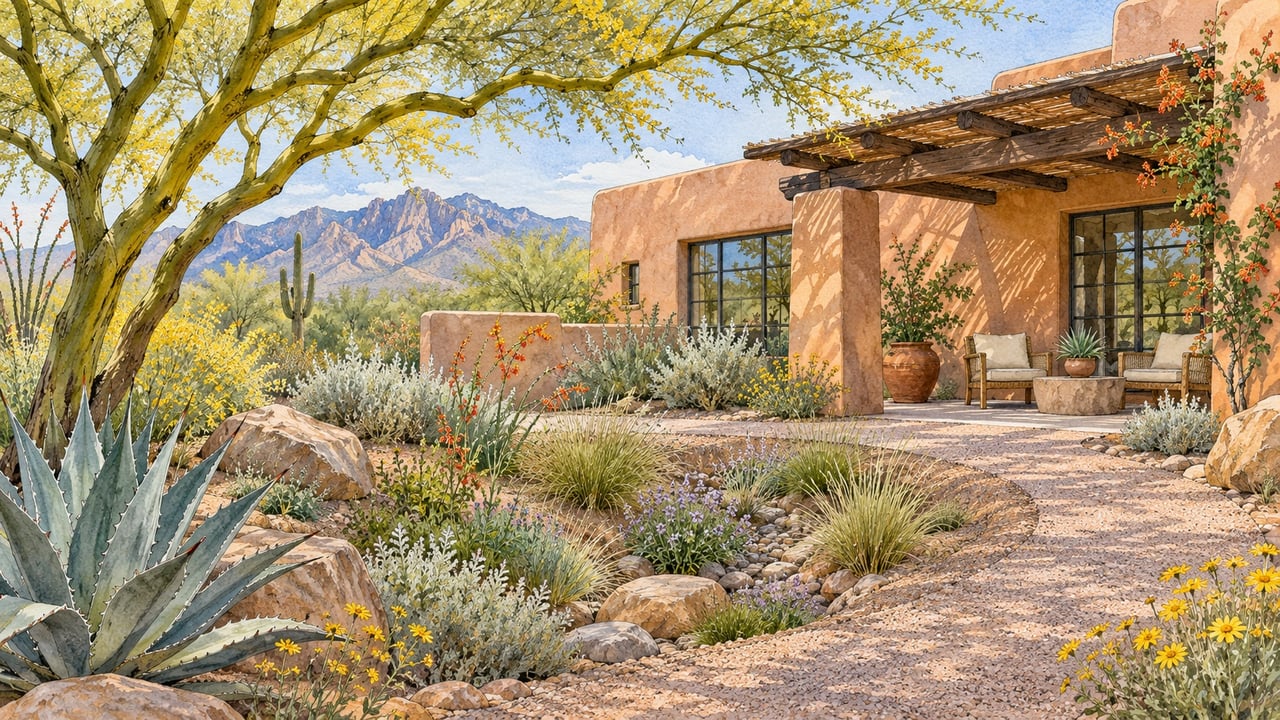
Before buying a Tucson-area home, confirm its water provider, review a full year of consumption when available, and understand the systems that serve the house and landscape. Those three steps turn a broad question about desert living into a practical ownership plan.
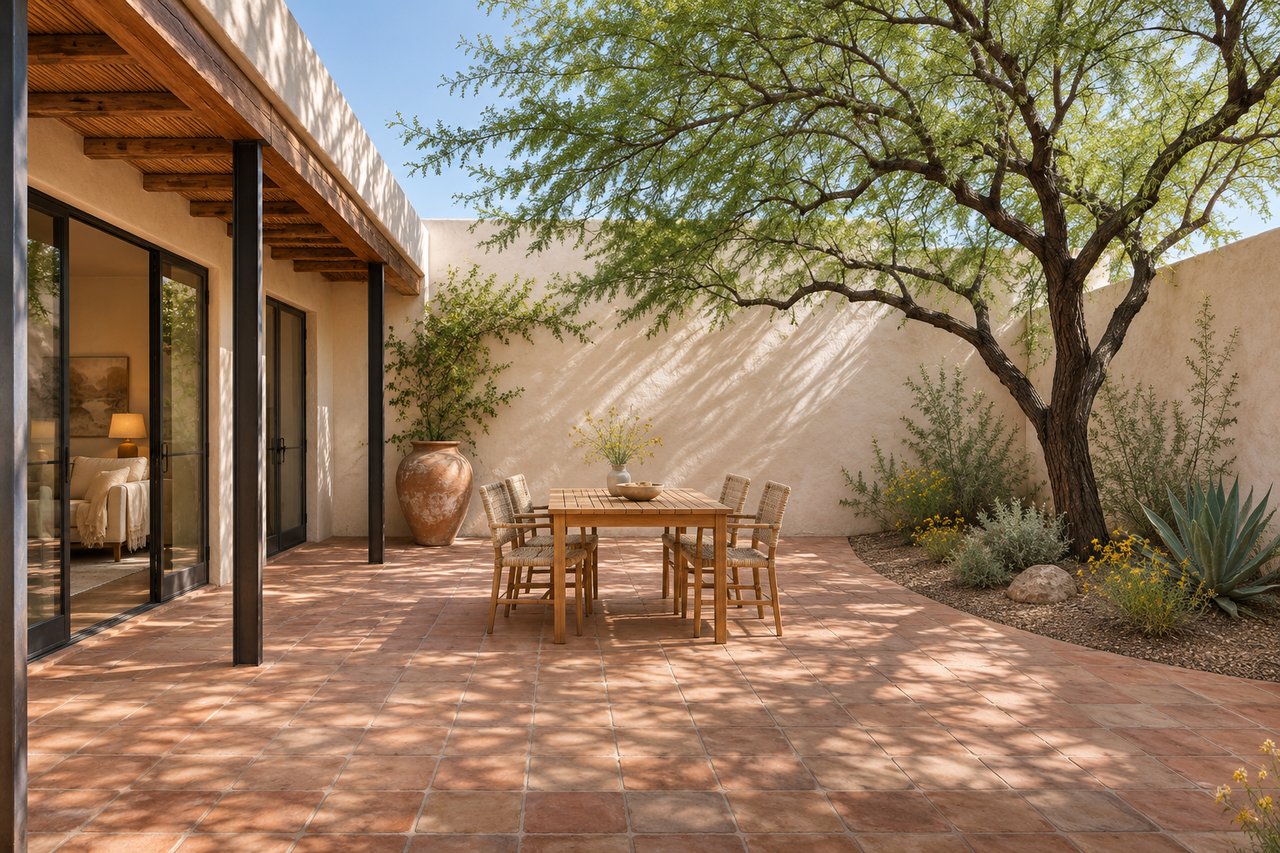
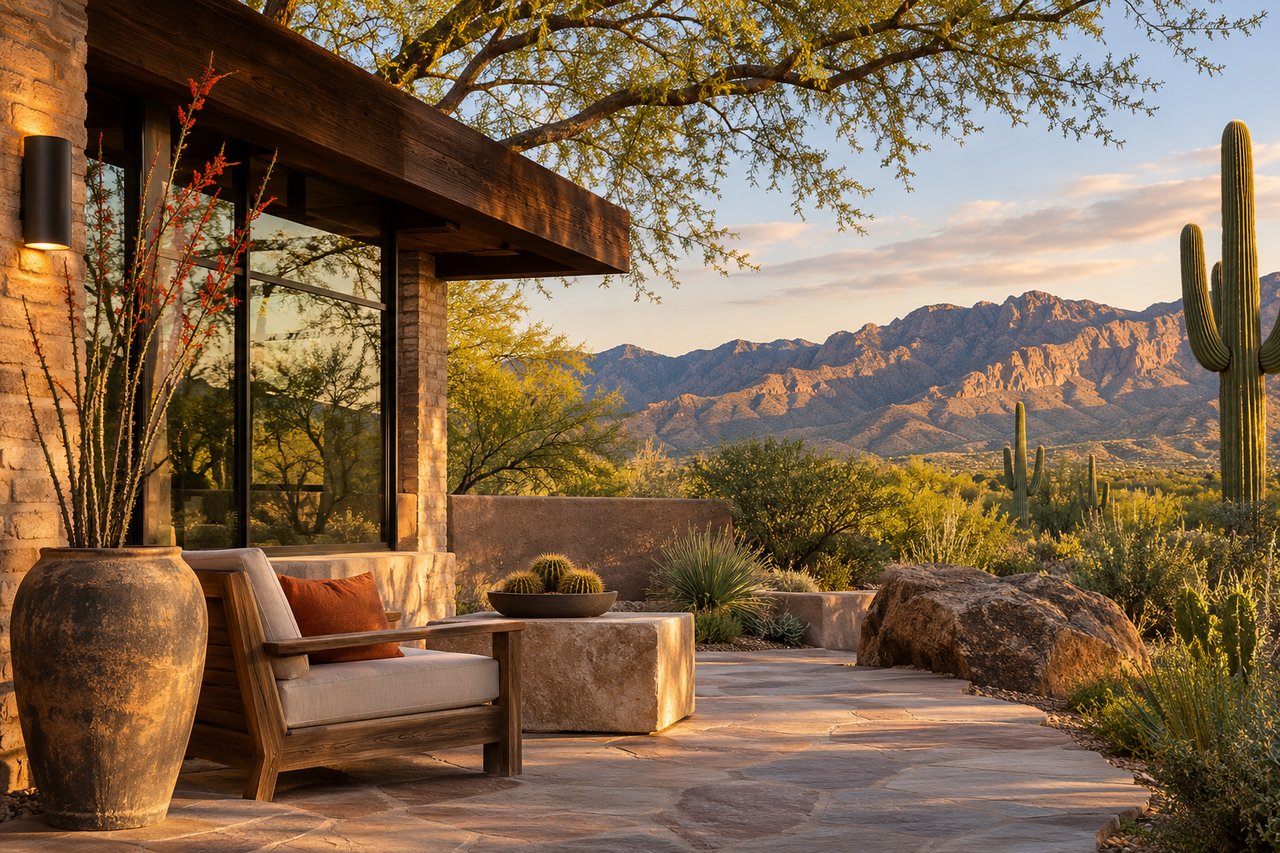
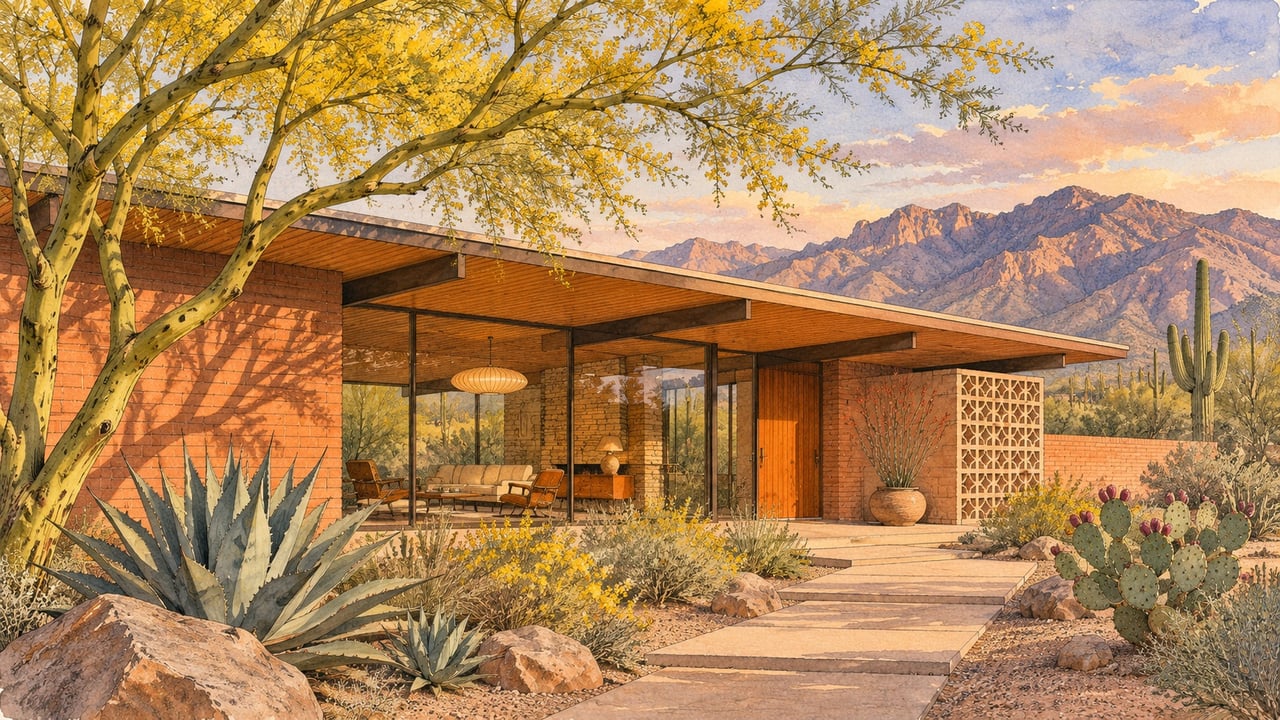
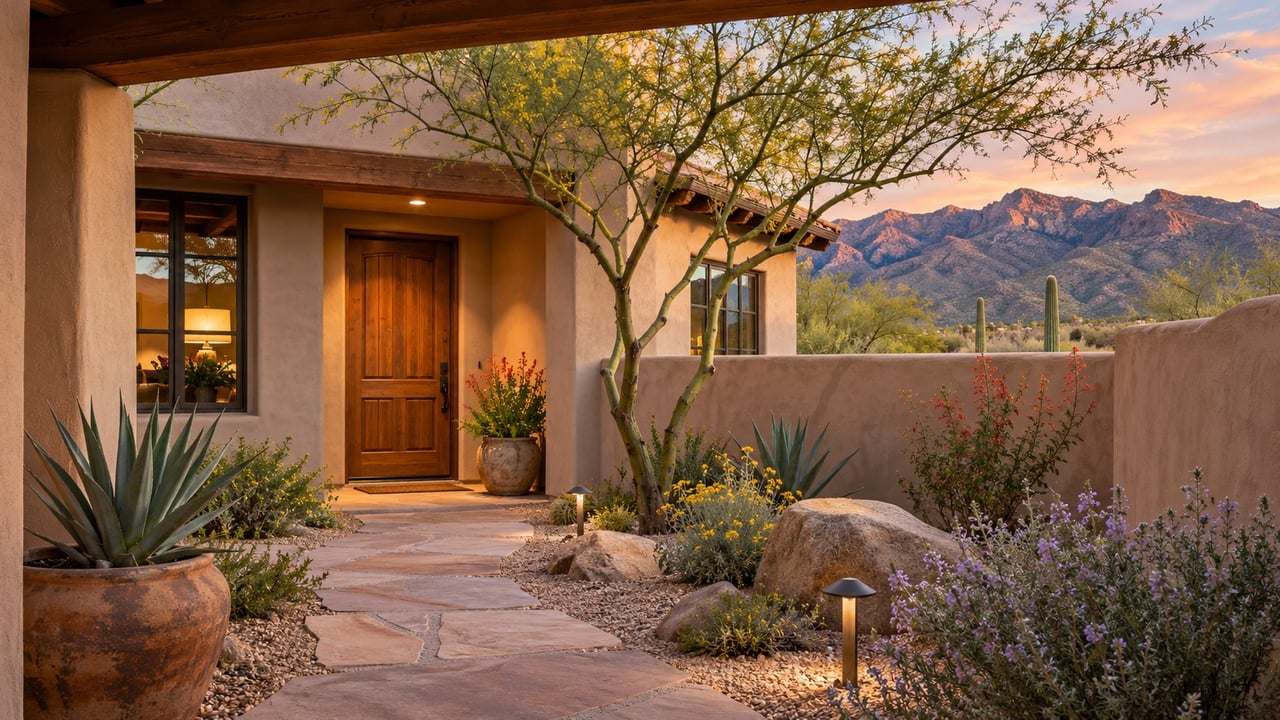
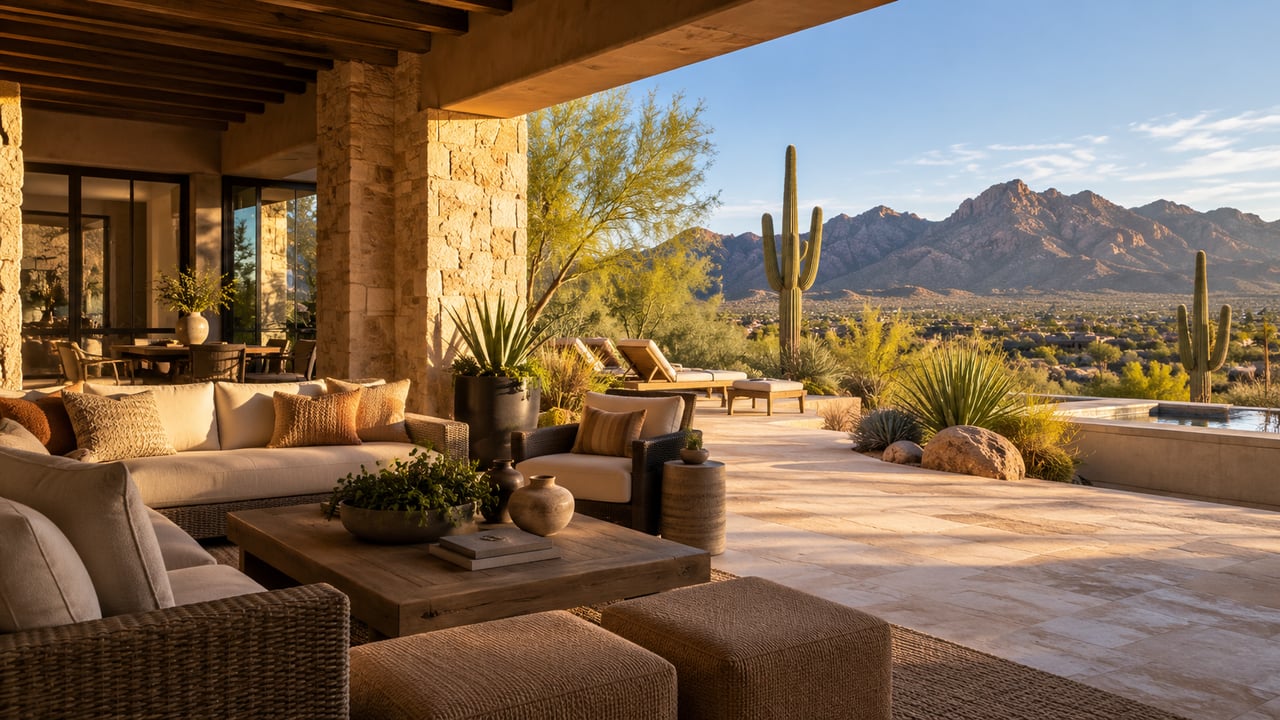
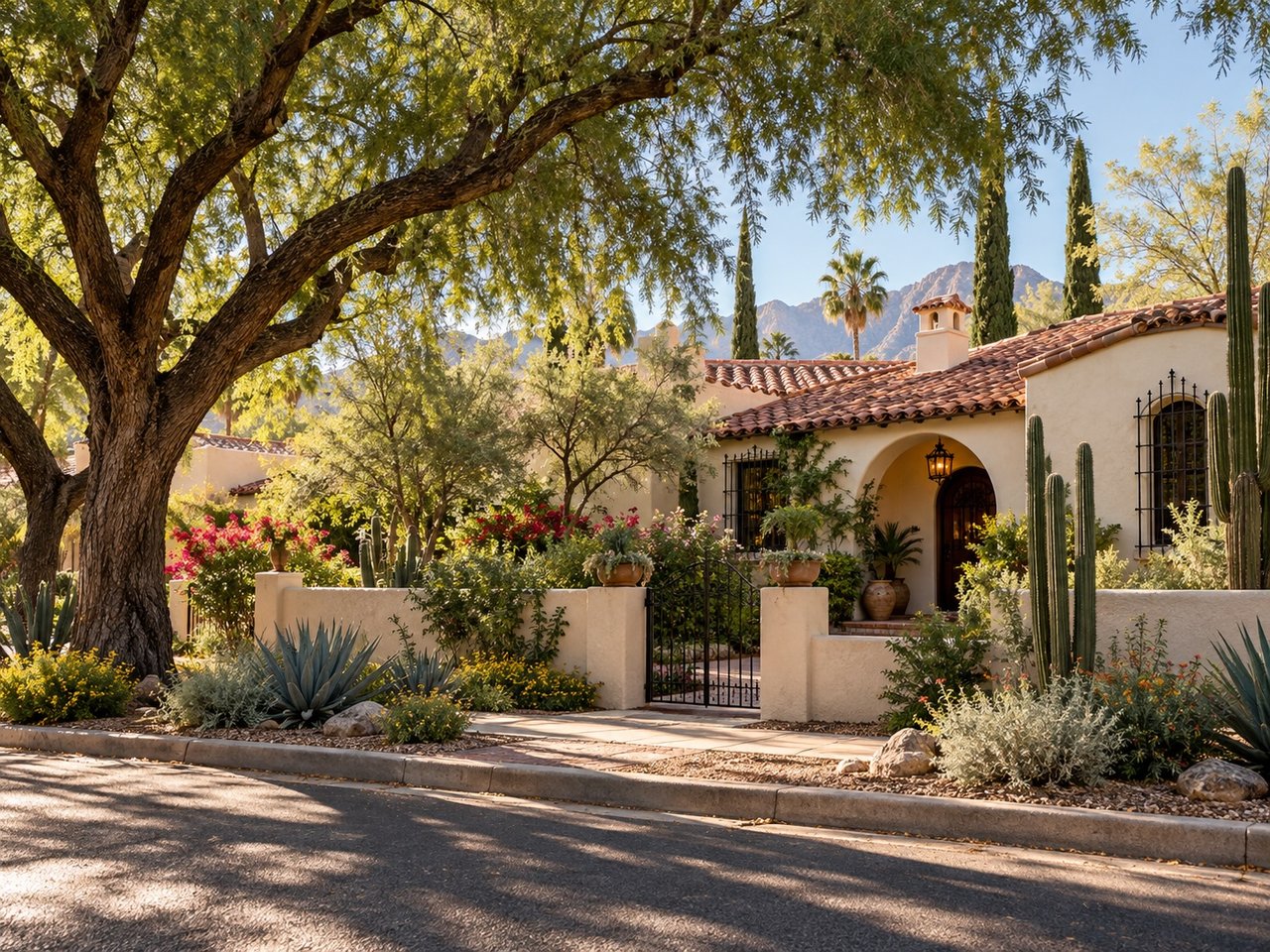
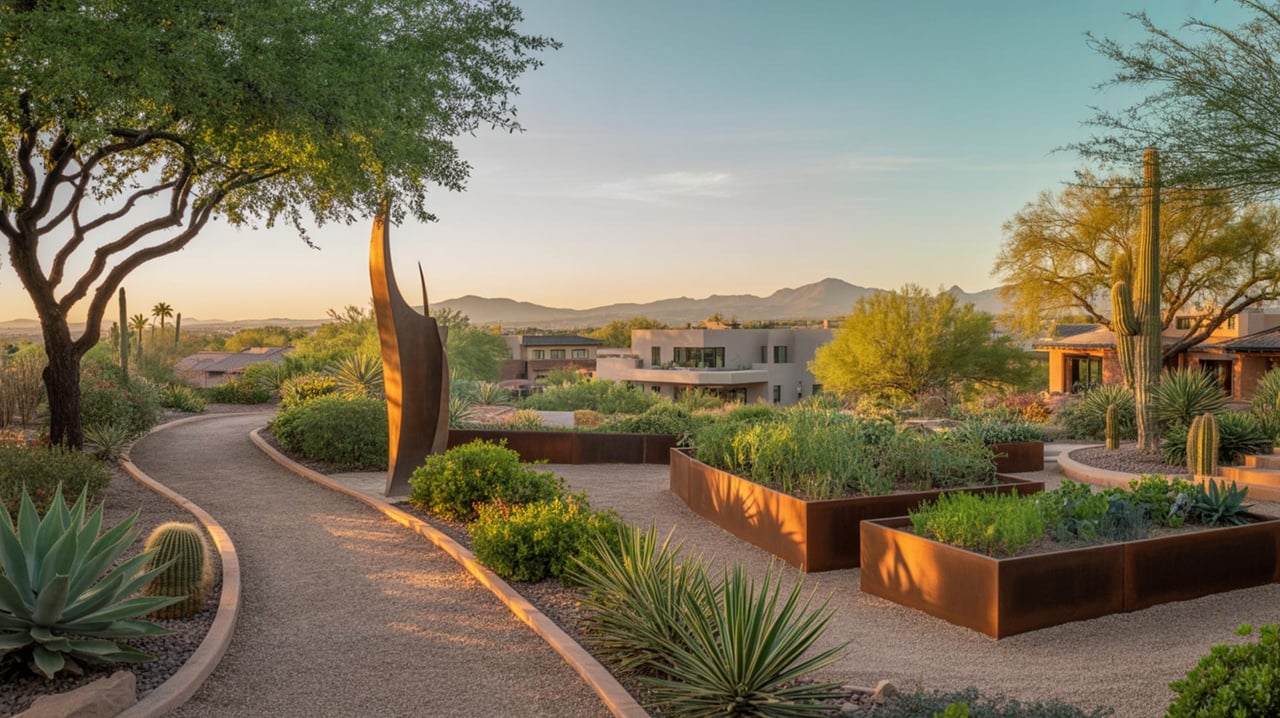
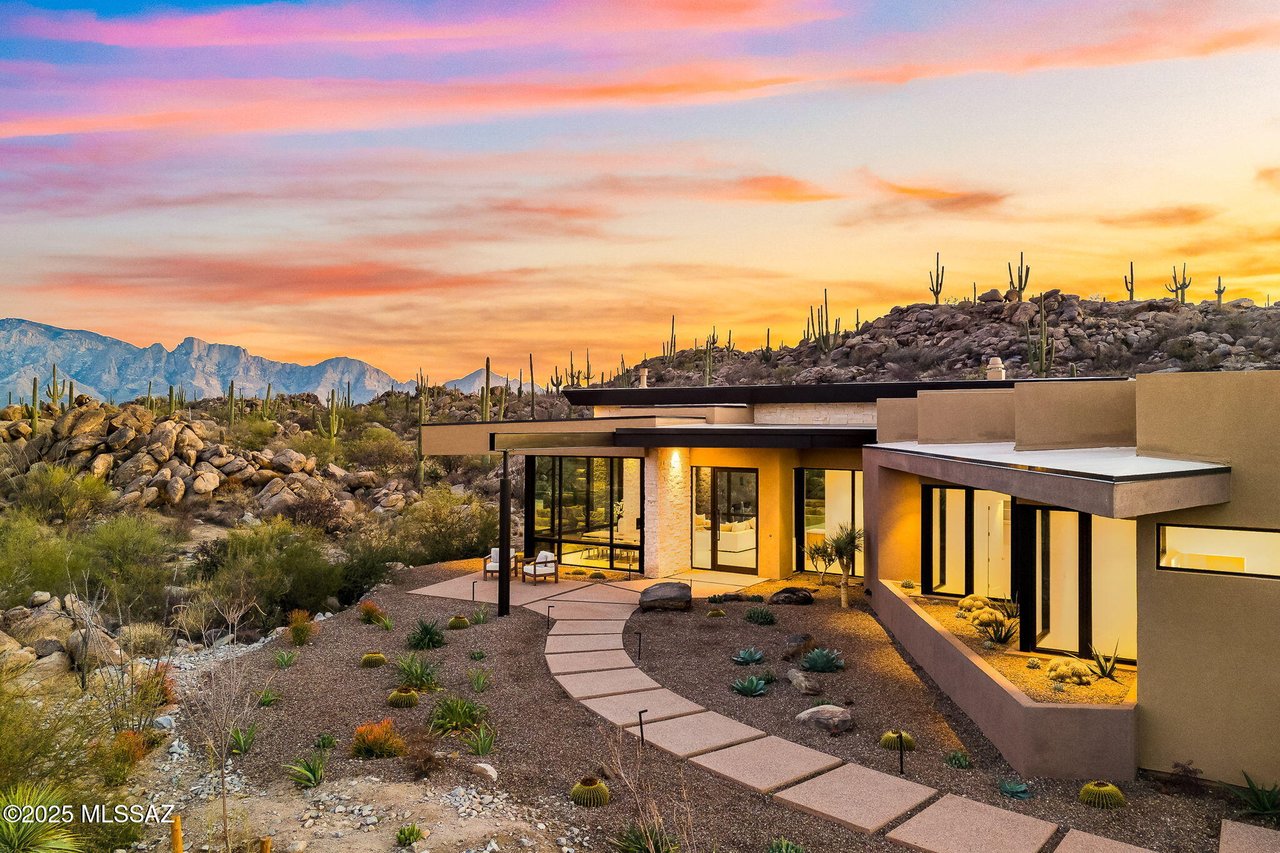
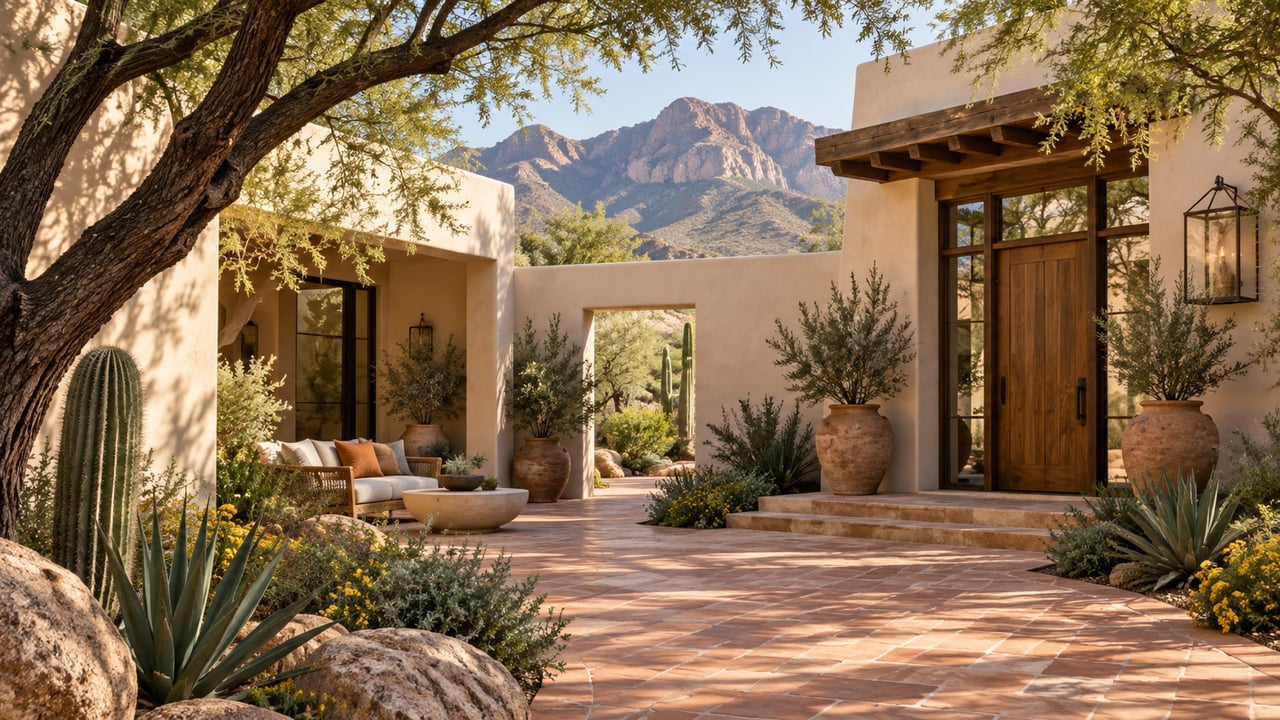
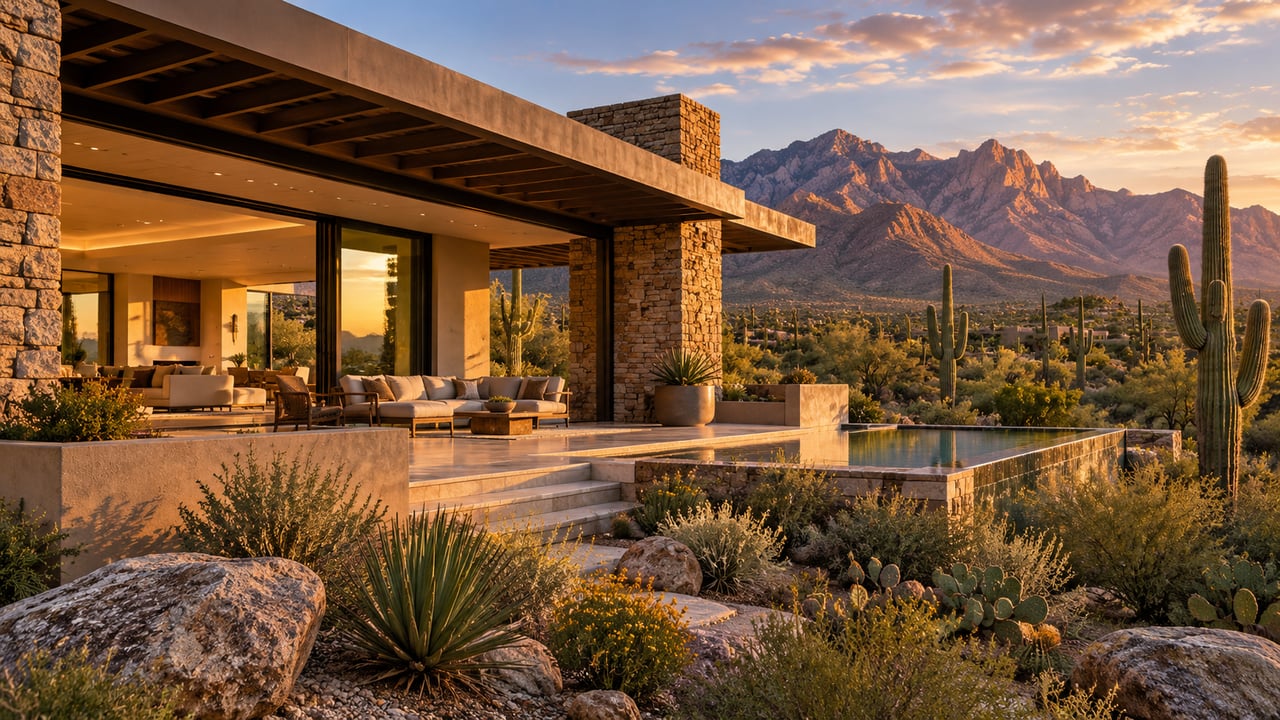
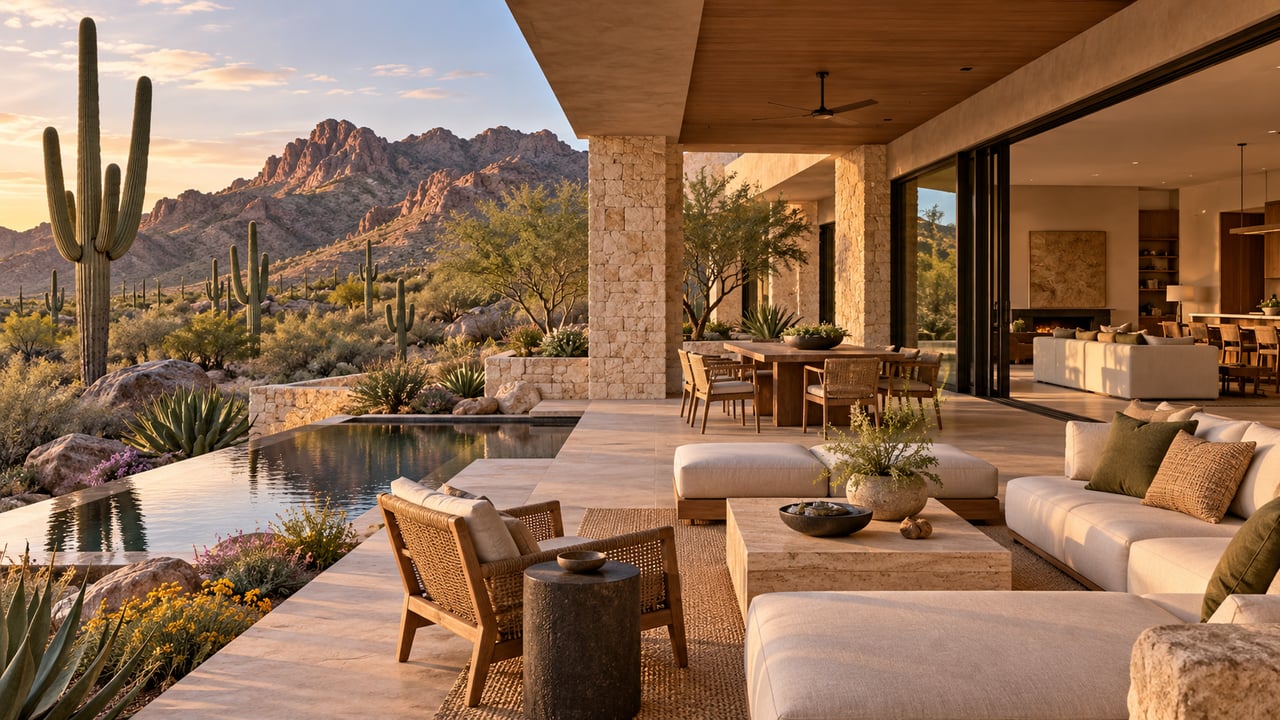
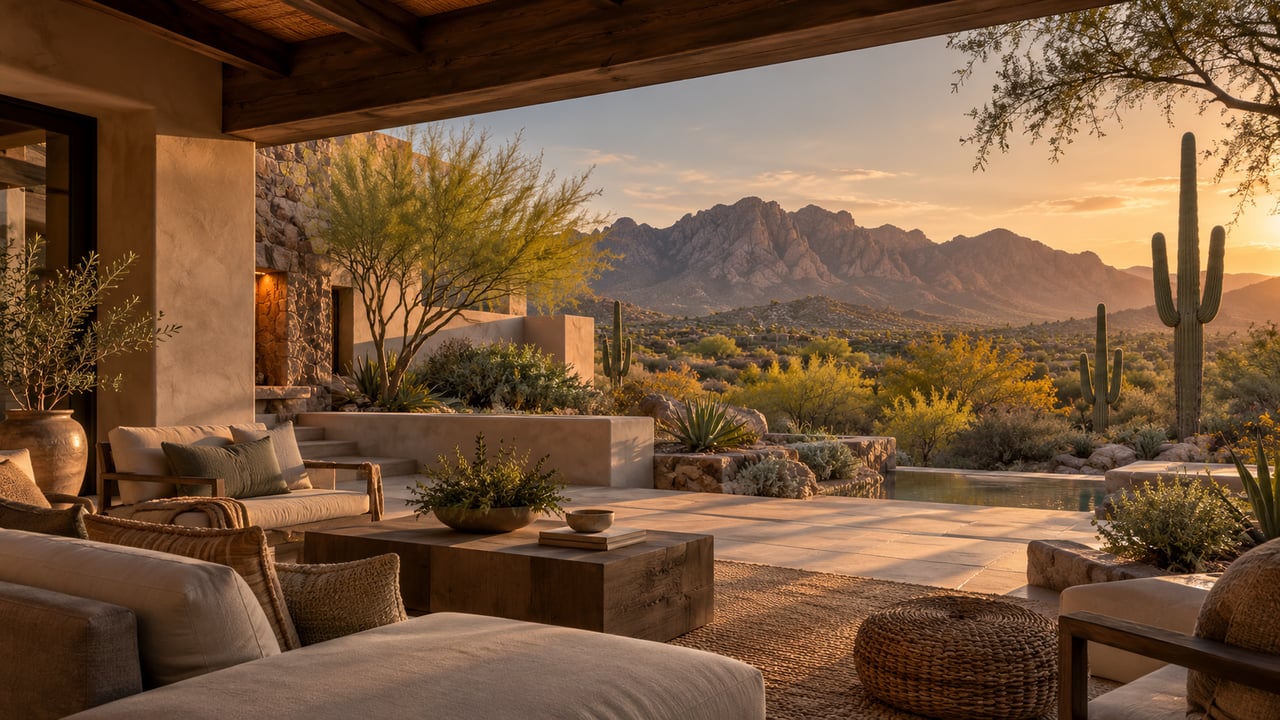
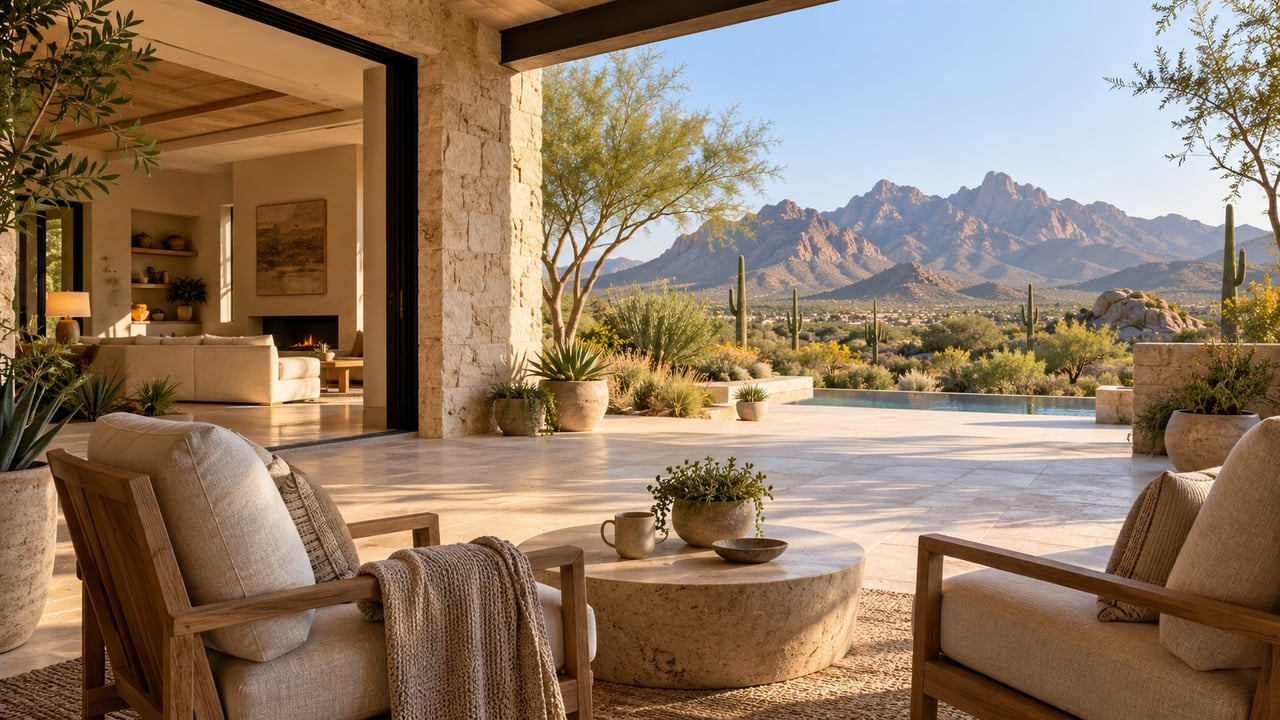
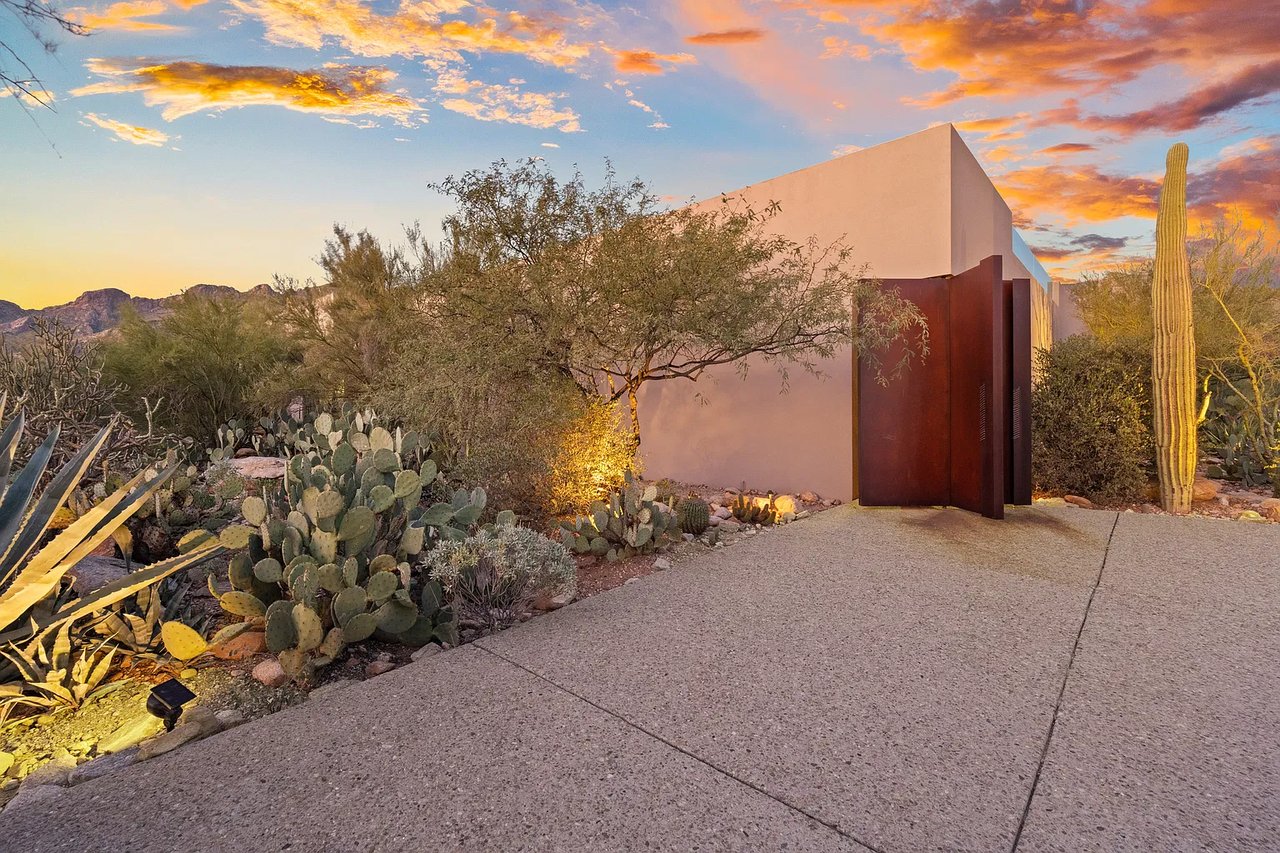
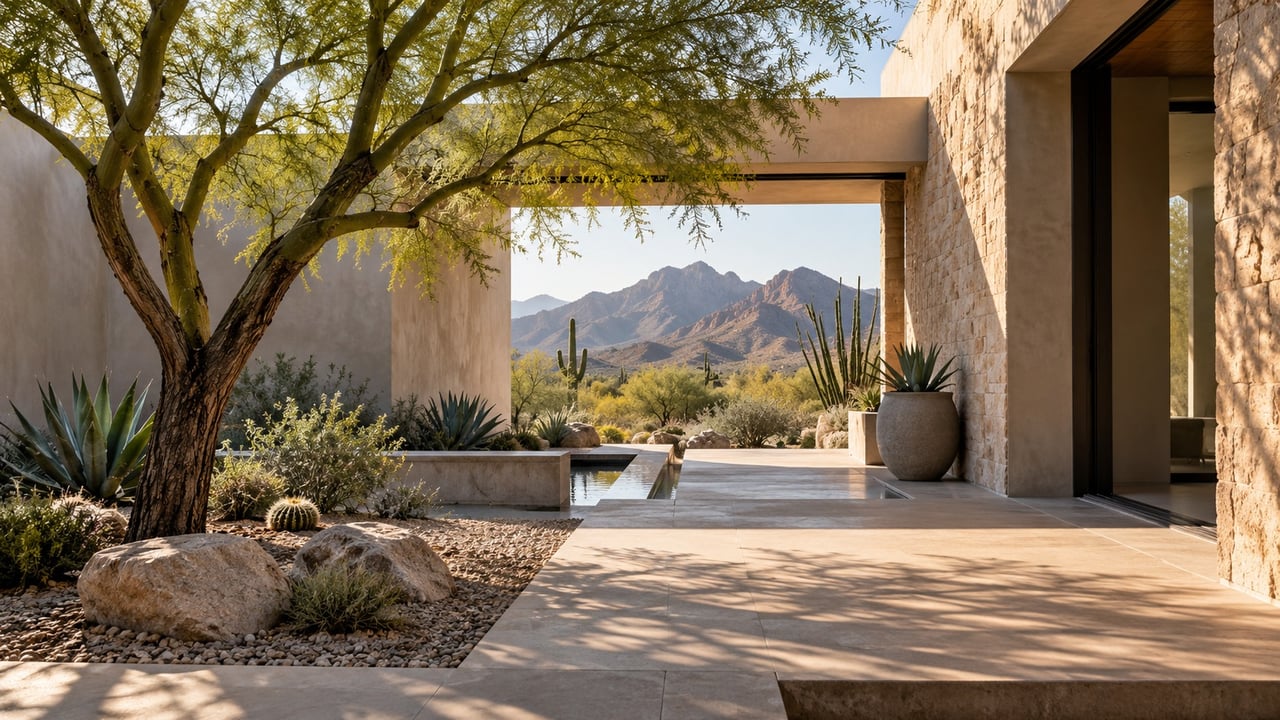
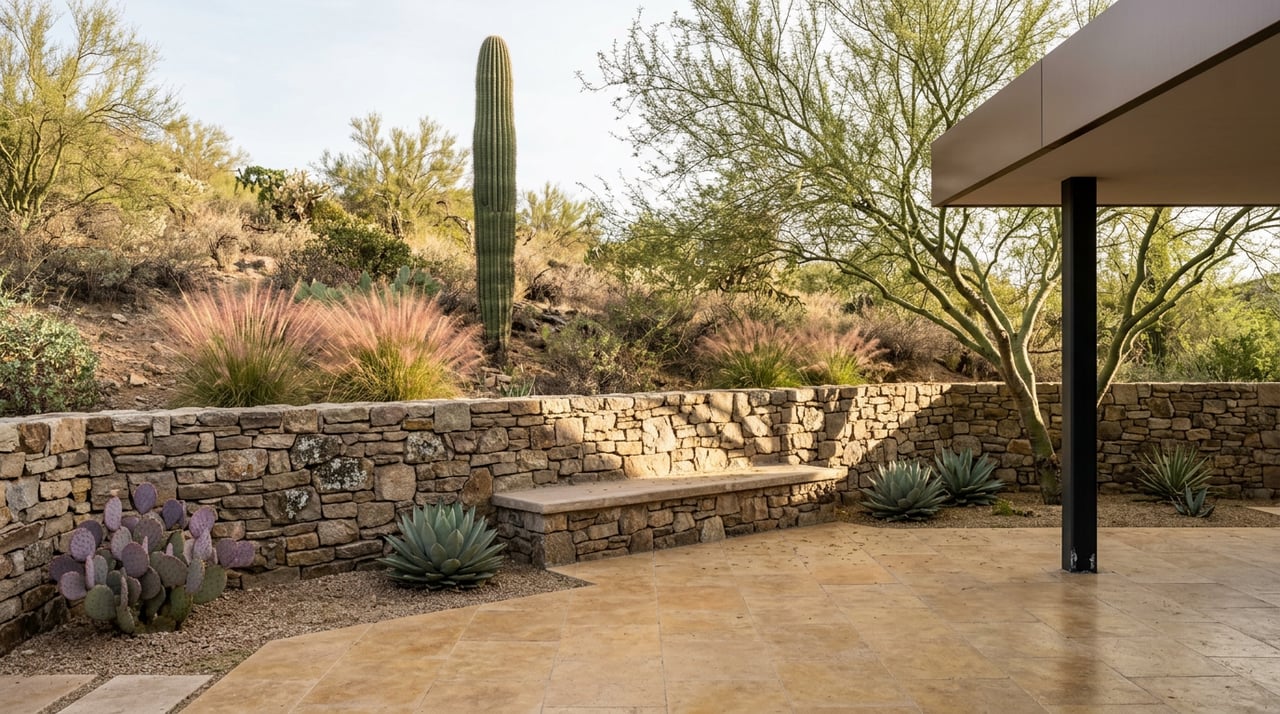
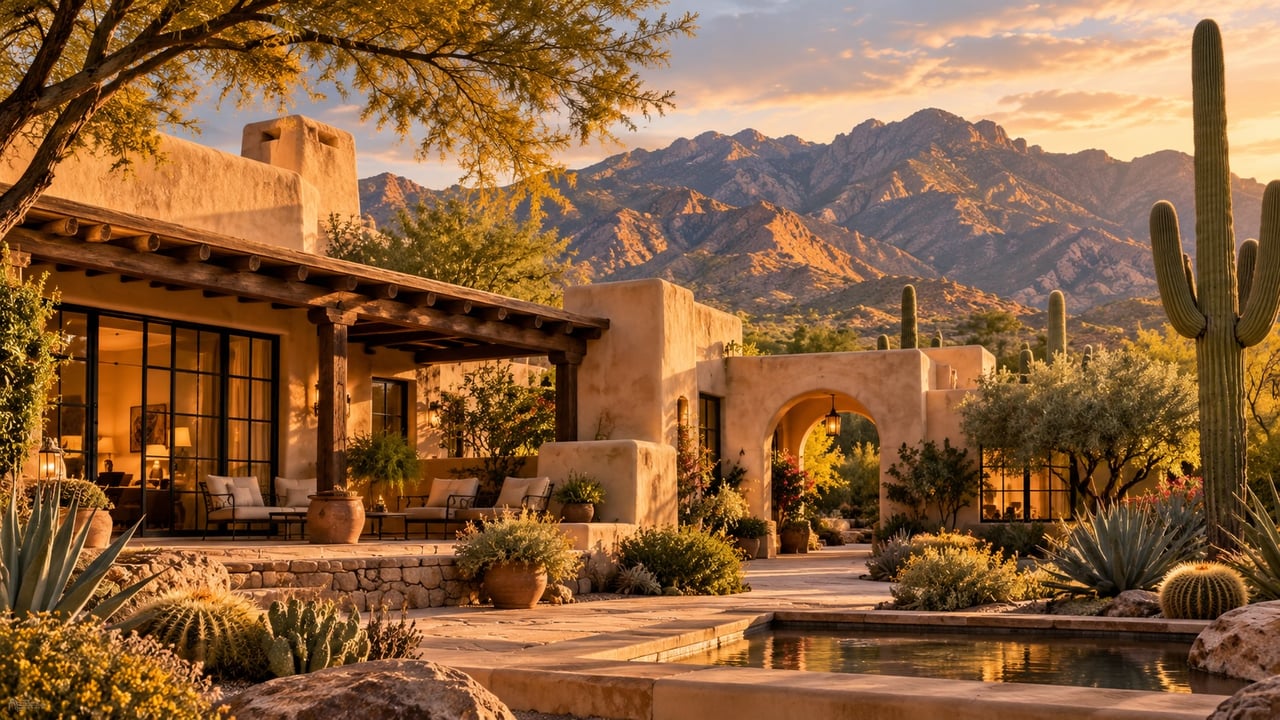
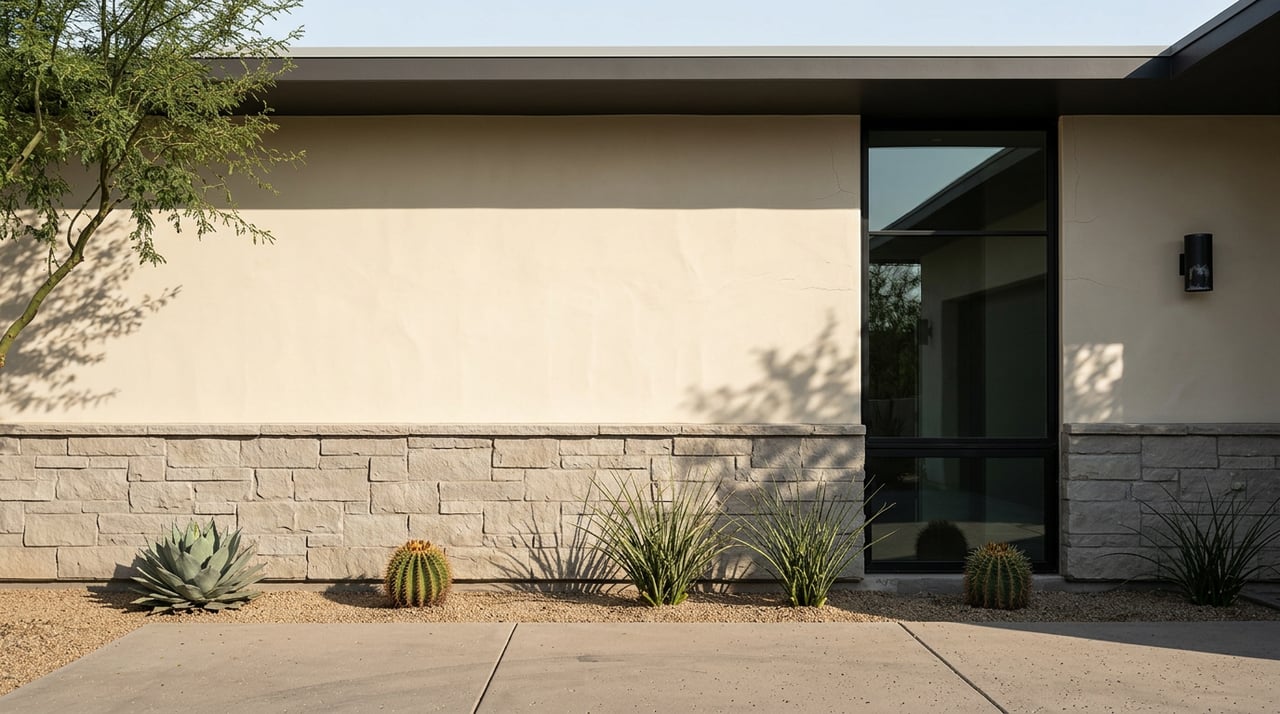
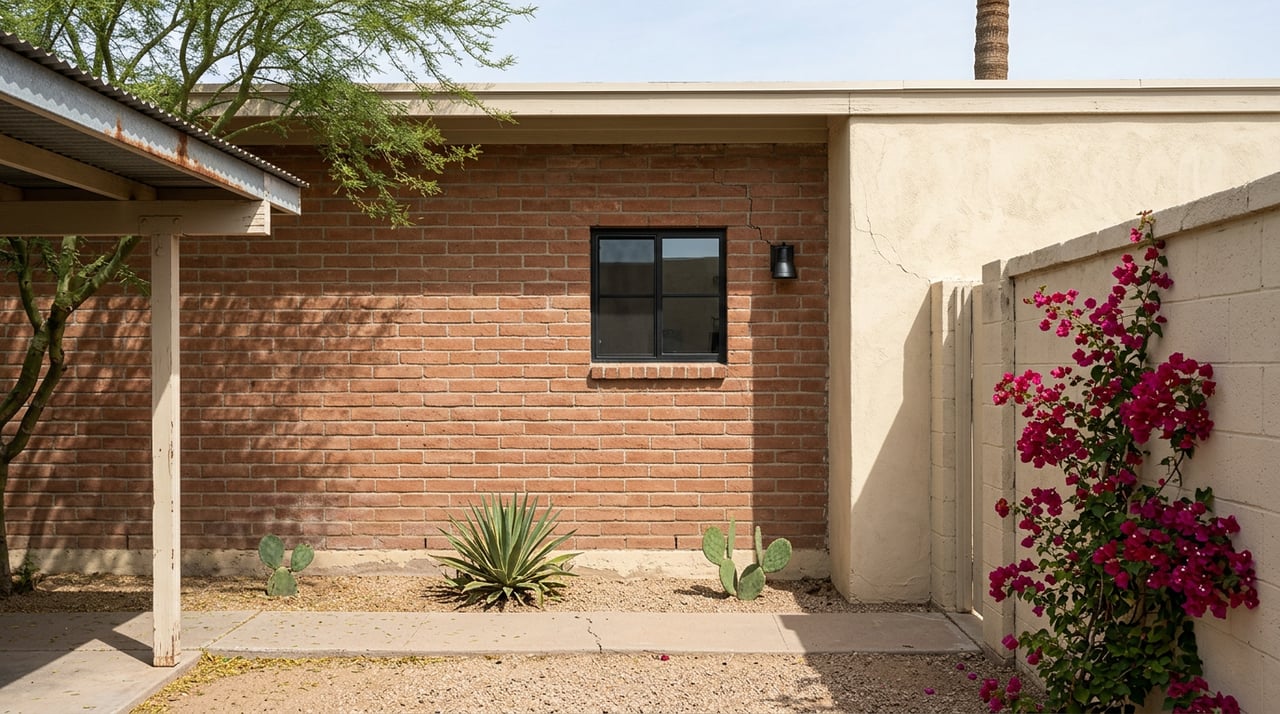
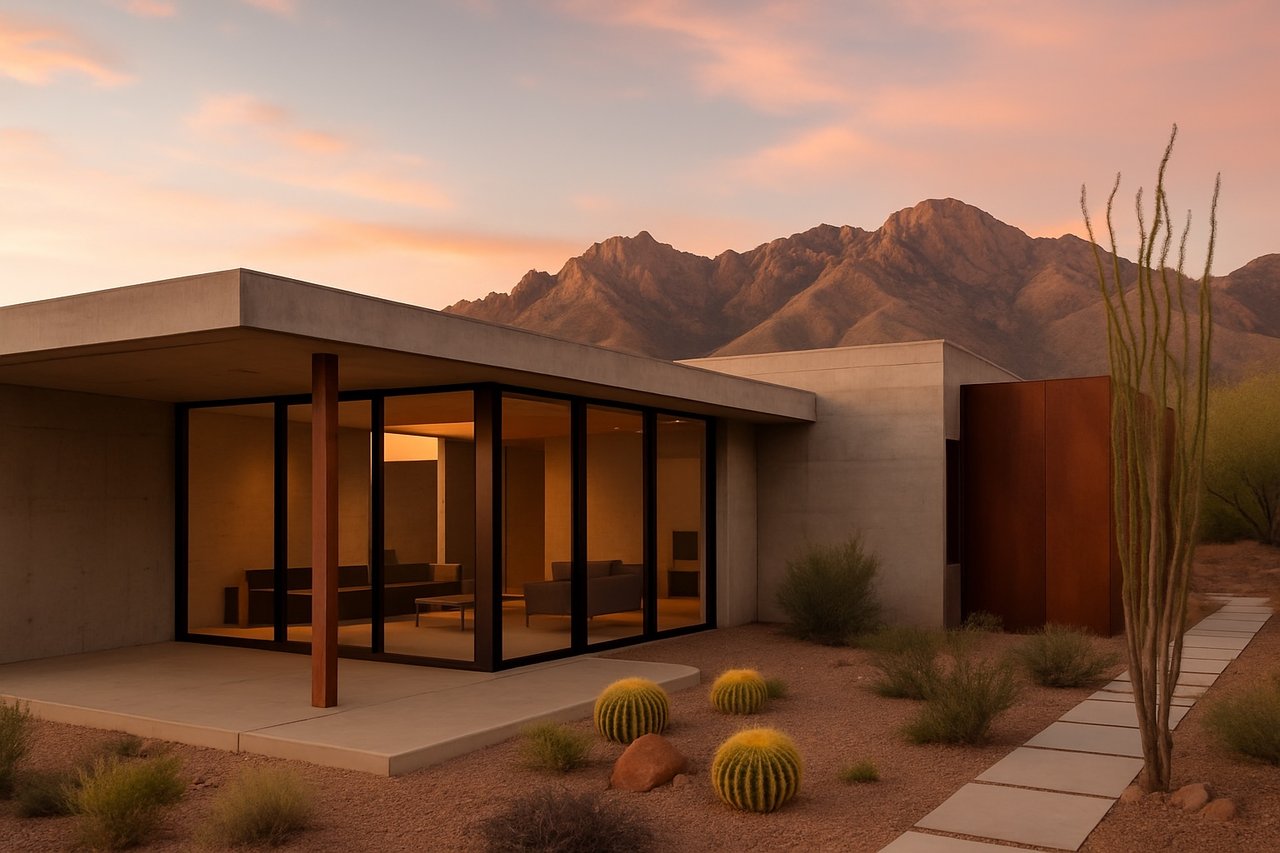
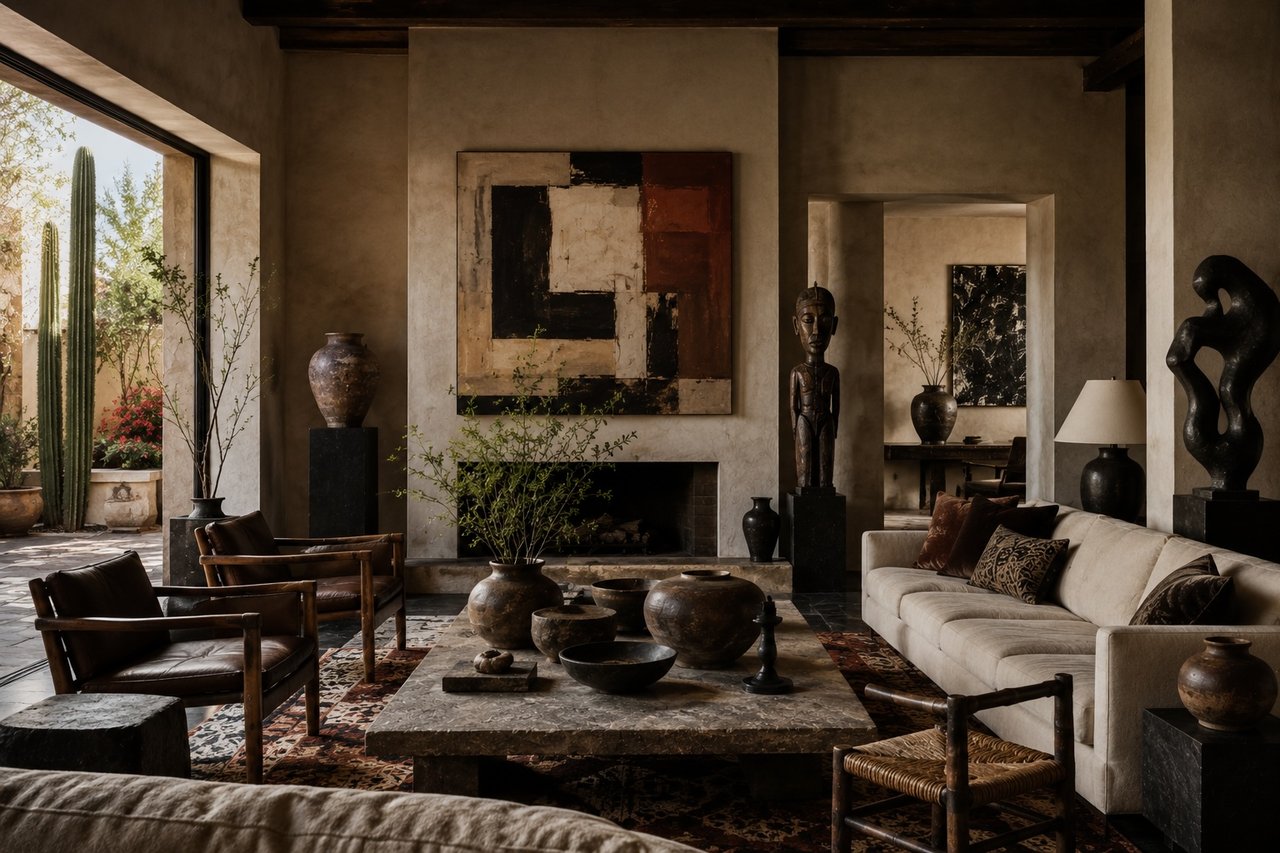
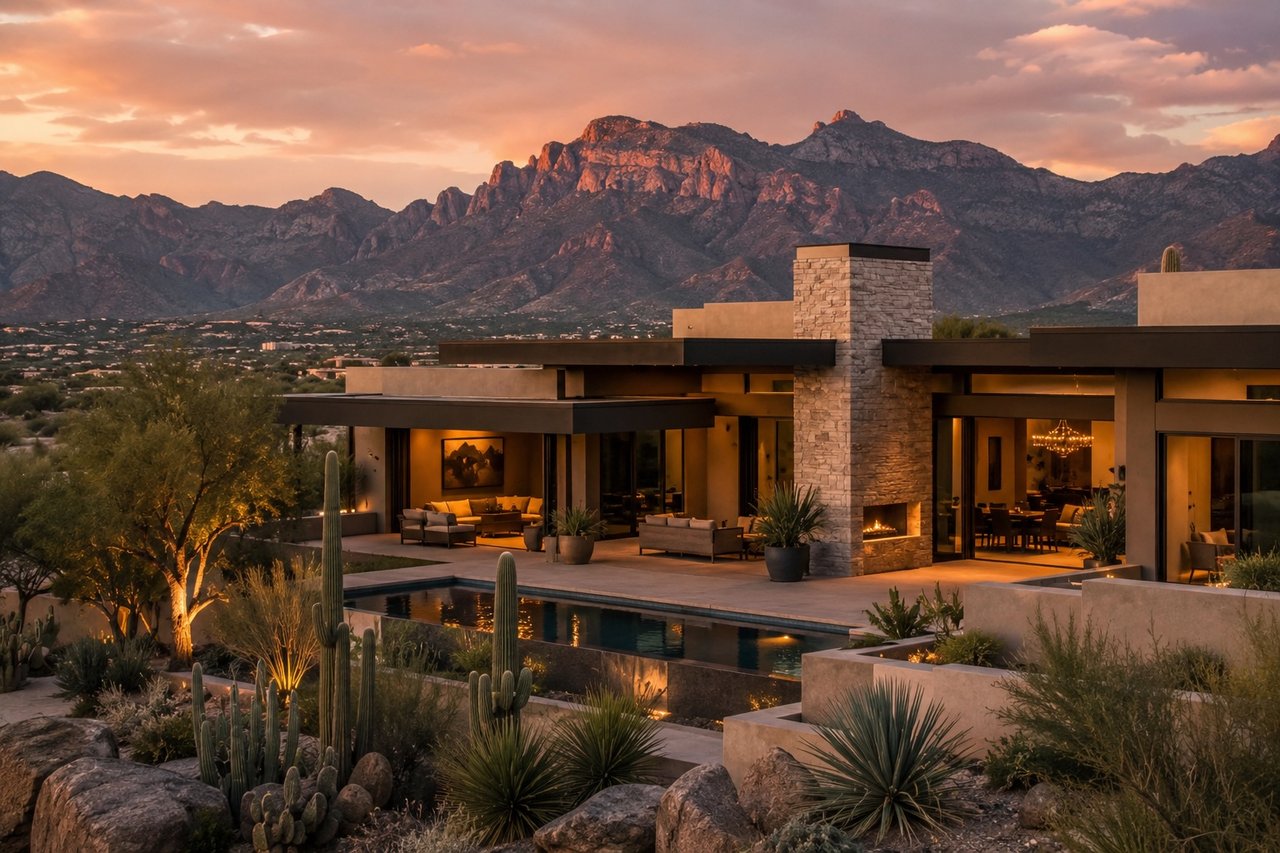
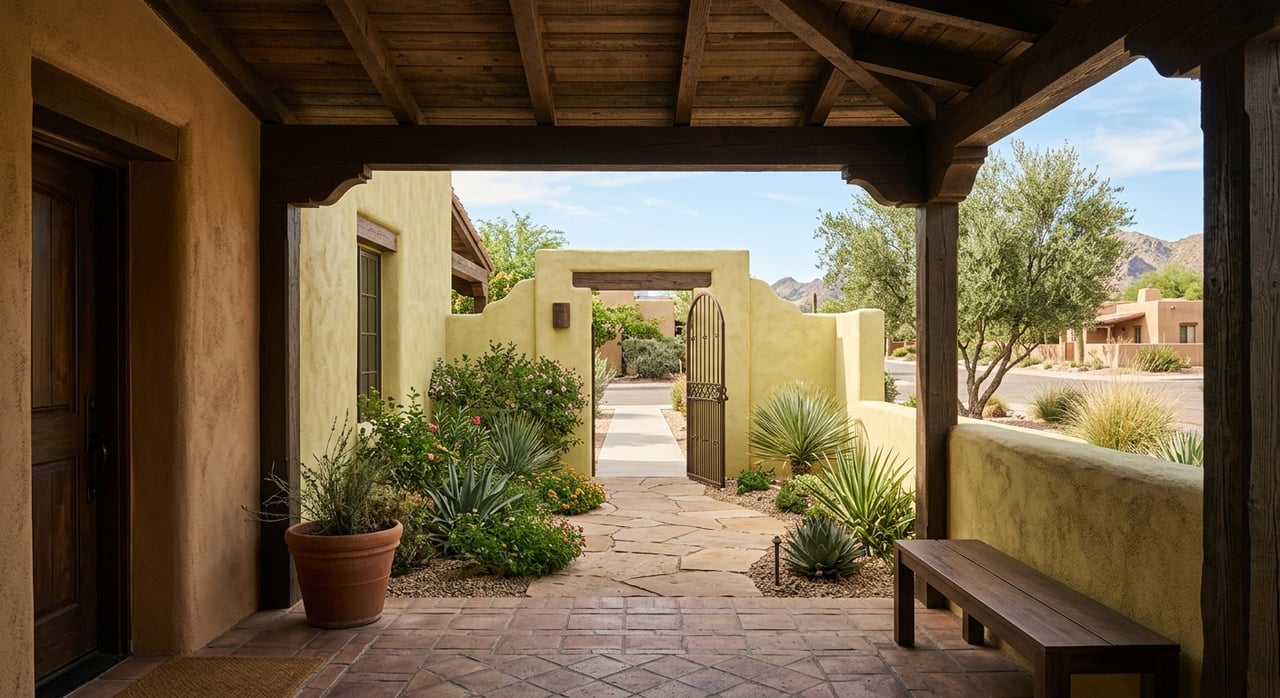
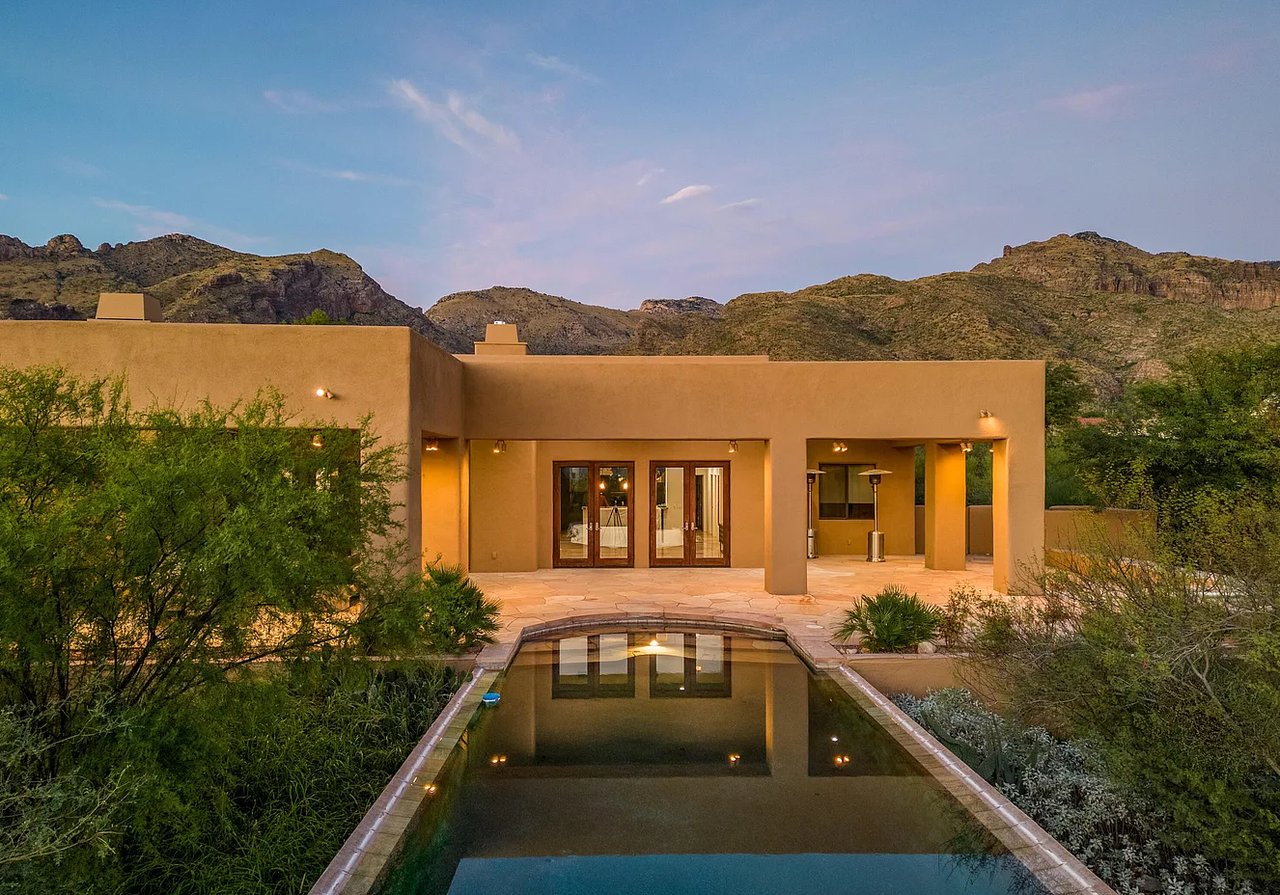
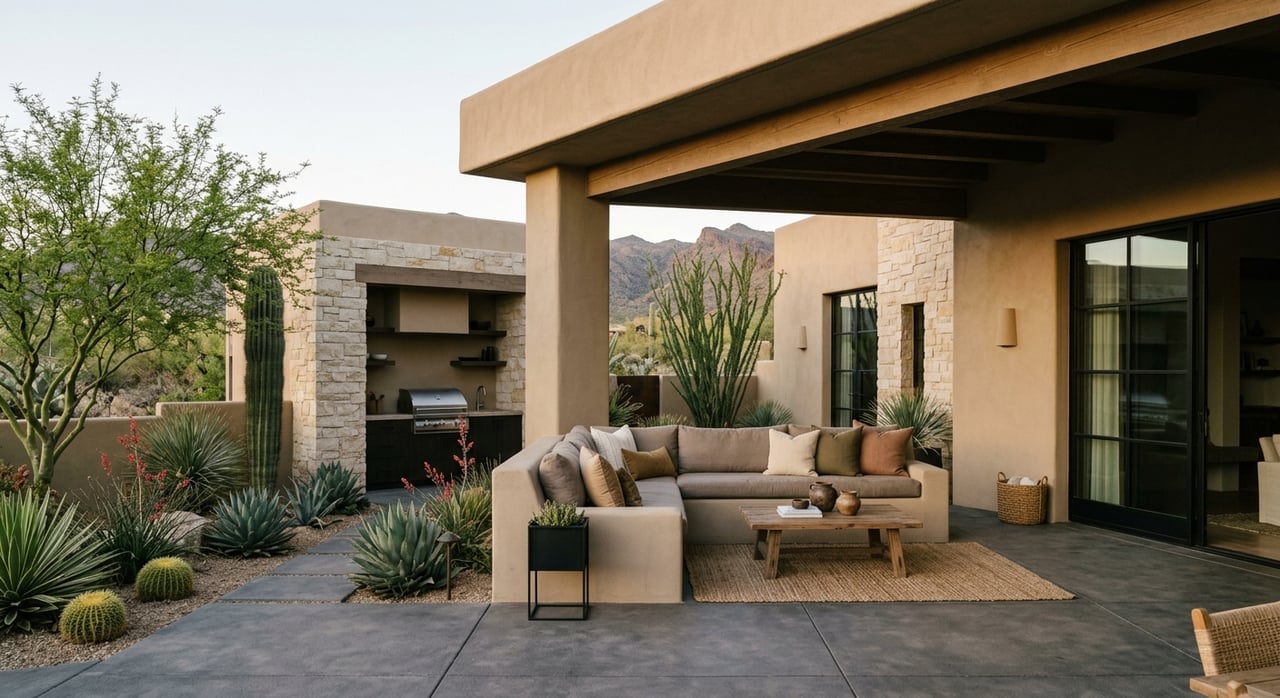
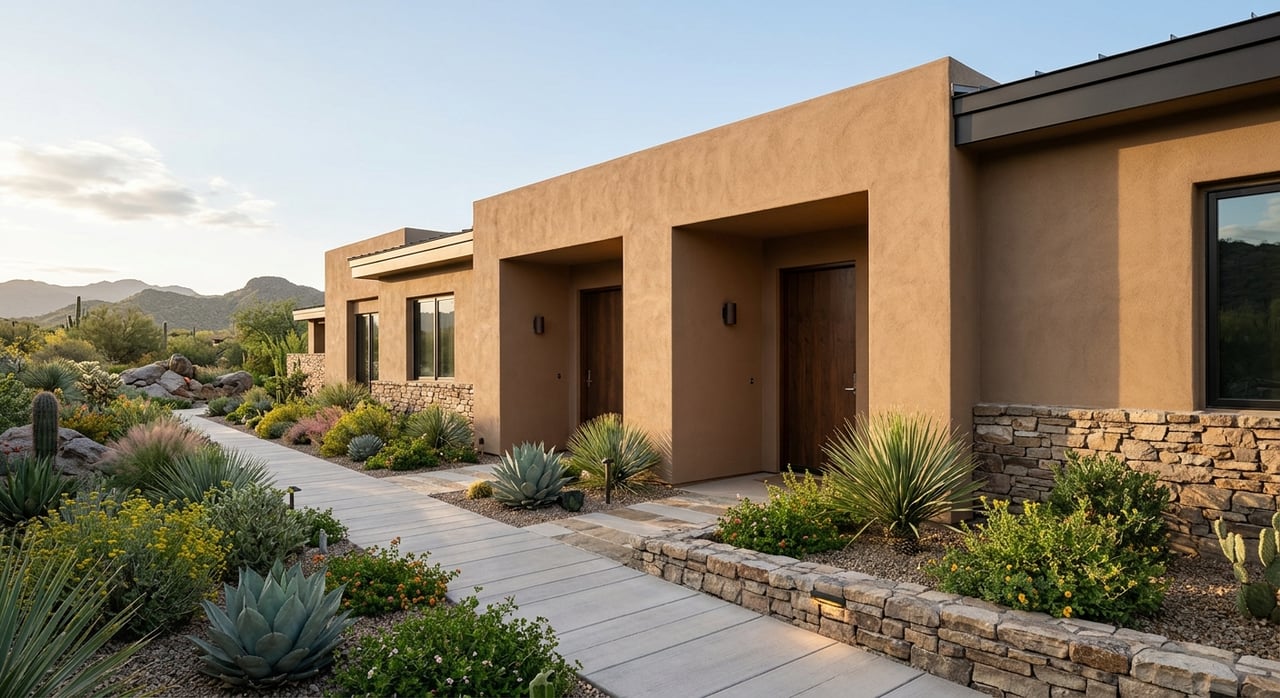
A mature garden, courtyard or planted terrace can be a defining part of a home. The useful question is what makes it work: the water source, irrigation equipment, maintenance routine and people responsible for it. Those details deserve a place in your home search.
As you compare Tucson-area homes from $800,000 to $1 million or from $1 million to $1.5 million, look beyond the landscape photographs. Ask for the records and operating information that will help you understand the property after closing.
Confirm the provider for the address
Start with the seller's utility information and a recent bill. Identify the provider and confirm the service arrangement for the property. A Tucson mailing address is not a substitute for that investigation.
Tucson Water publishes its service-area policy and map. Use those resources as orientation, then direct property-specific questions to the provider. If your plans include a new connection or a substantial change, get the relevant service information for that proposal rather than relying on a regional map.
Keep wastewater on a separate line in your review. Establish whether the home uses sewer service or a septic system and obtain the appropriate records and inspections. Water arriving at the house and wastewater leaving it are separate ownership responsibilities.
Read the consumption history, not just the total charge
Request twelve months of available bills or usage history, with the seller's private account details removed where appropriate. Look at consumption units and billing periods alongside the amount paid. Ask which services and fees are included in the total.
Then put the pattern in context. Was the property occupied year-round? Were new trees being established? Did the irrigation schedule change? Was there a documented leak or repair? Useful records explain differences instead of simply presenting a low or high number.
For example, imagine a home that sat vacant for several months while its garden continued to be irrigated. Those bills may help explain outdoor demand, but they would not represent your complete pattern once the home is occupied. This is a hypothetical comparison, not a prediction of consumption or cost.
The goal is a baseline you can understand. When a month looks unusual, ask for an explanation and supporting information. A single bill should not carry the whole decision.
Walk the garden as an operating system
During the inspection period, arrange a review of the irrigation controller, zones, accessible shutoffs and available service history. Ask which planted areas share a schedule and who has maintained the system. A landscape that appears simple may still include equipment and seasonal adjustments that need attention.
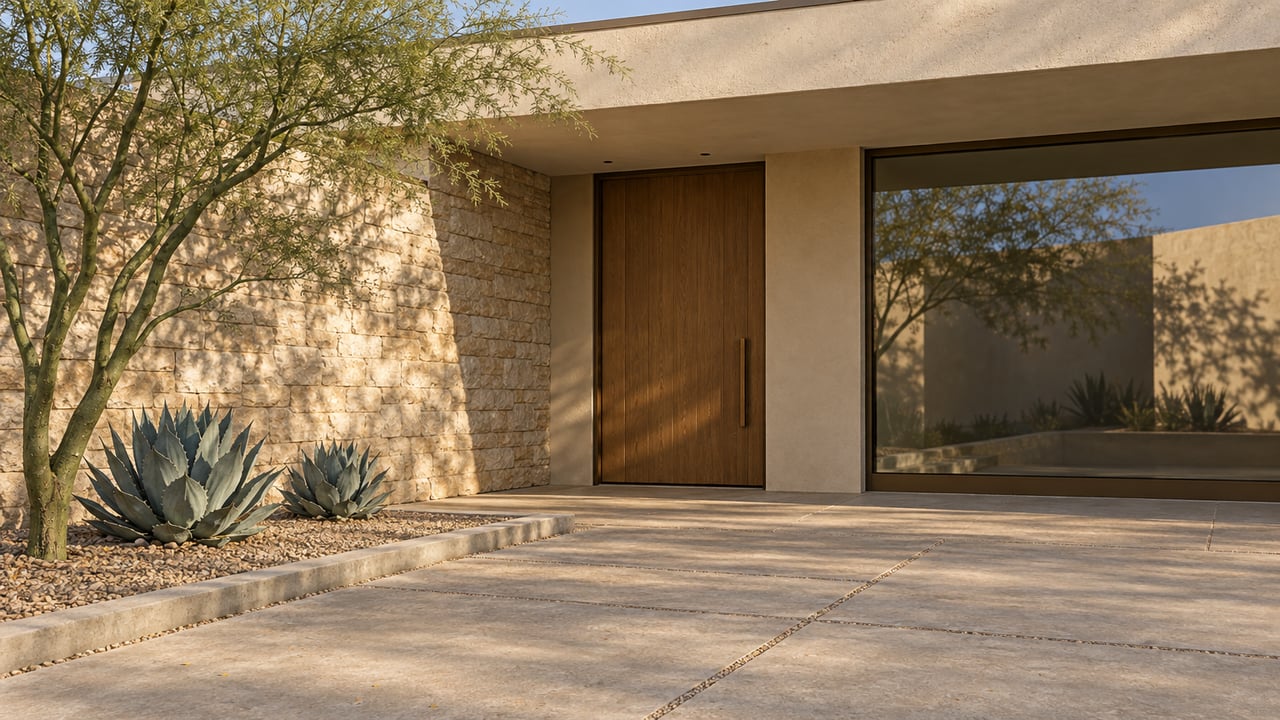
Mature trees deserve particular care. Ask a qualified landscape professional about their condition, irrigation needs and the effect of any proposed changes. Removing water use indiscriminately is not a landscape plan.
If the property uses rainwater harvesting, identify how runoff reaches the planted areas or storage system, how overflow is managed and what maintenance is required. Have drainage concerns evaluated by a suitable professional. A visually appealing basin or tank does not by itself establish that the system is functioning as intended.
The Tucson Water conservation hub links to landscape resources, efficiency checkups and residential programs. Review the applicable provider's current offerings and eligibility when planning improvements.
Distinguish useful technology from a promised future feature
Tucson Water is introducing advanced metering in phases. Its published AMI timeline identifies residential installation for 2027–2029, and its August 2026 customer update describes a new portal planned for 2027. These are published plans, not confirmation that a particular home already has the equipment or customer access.
For a home you are considering now, ask what is installed, what information is available today and how the provider will communicate future changes. Avoid building an absence plan around alerts you have not verified.
For the wider regional discussion, my article on Tucson's long-term water planning provides context. The purchase decision still comes back to the specific home and its service arrangements.
Include pools and periods away in the plan
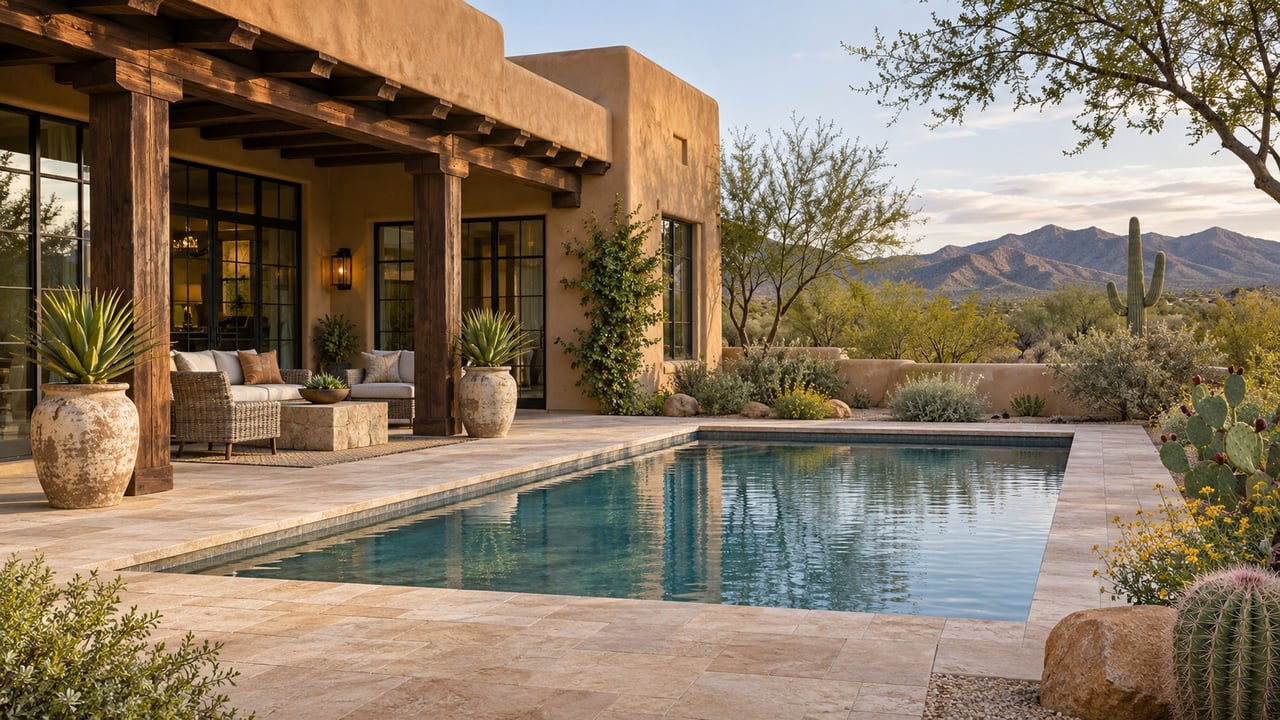
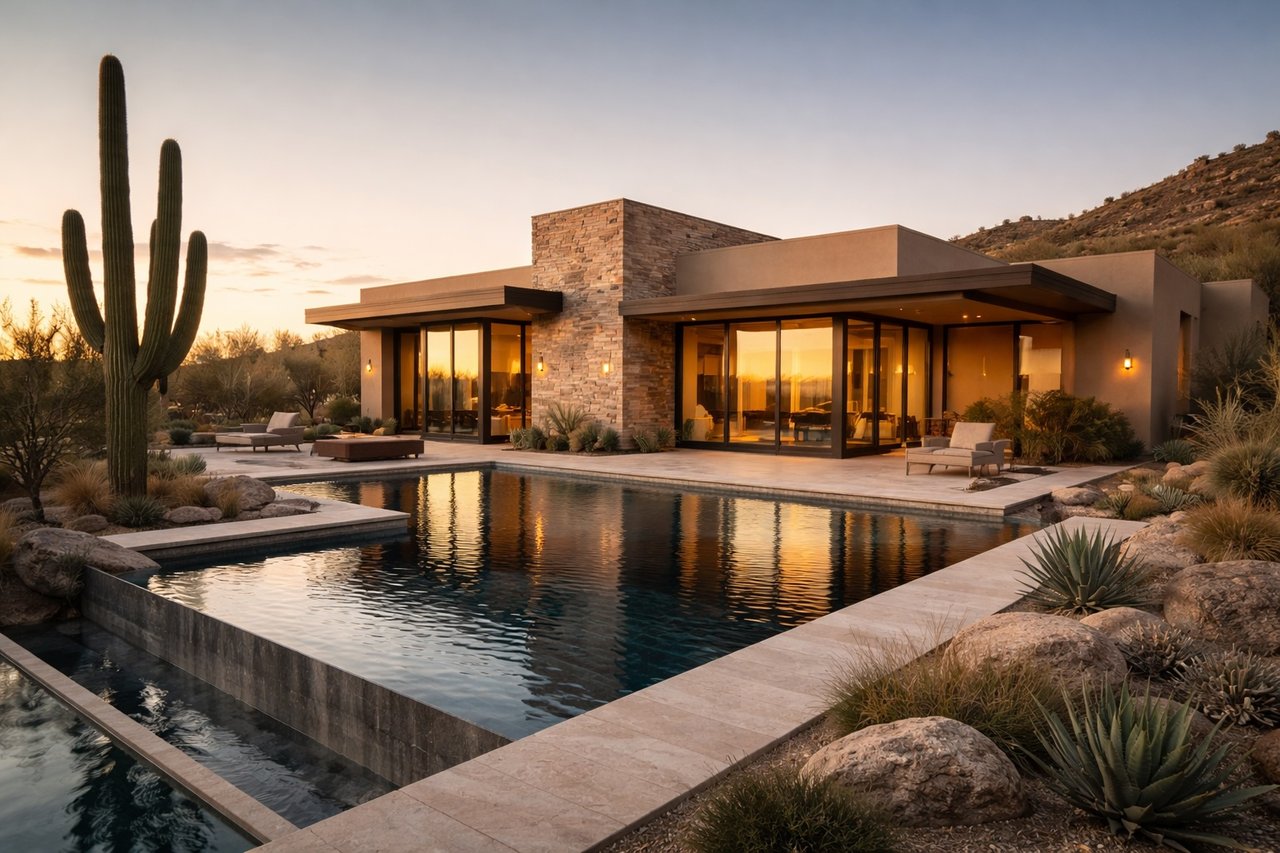
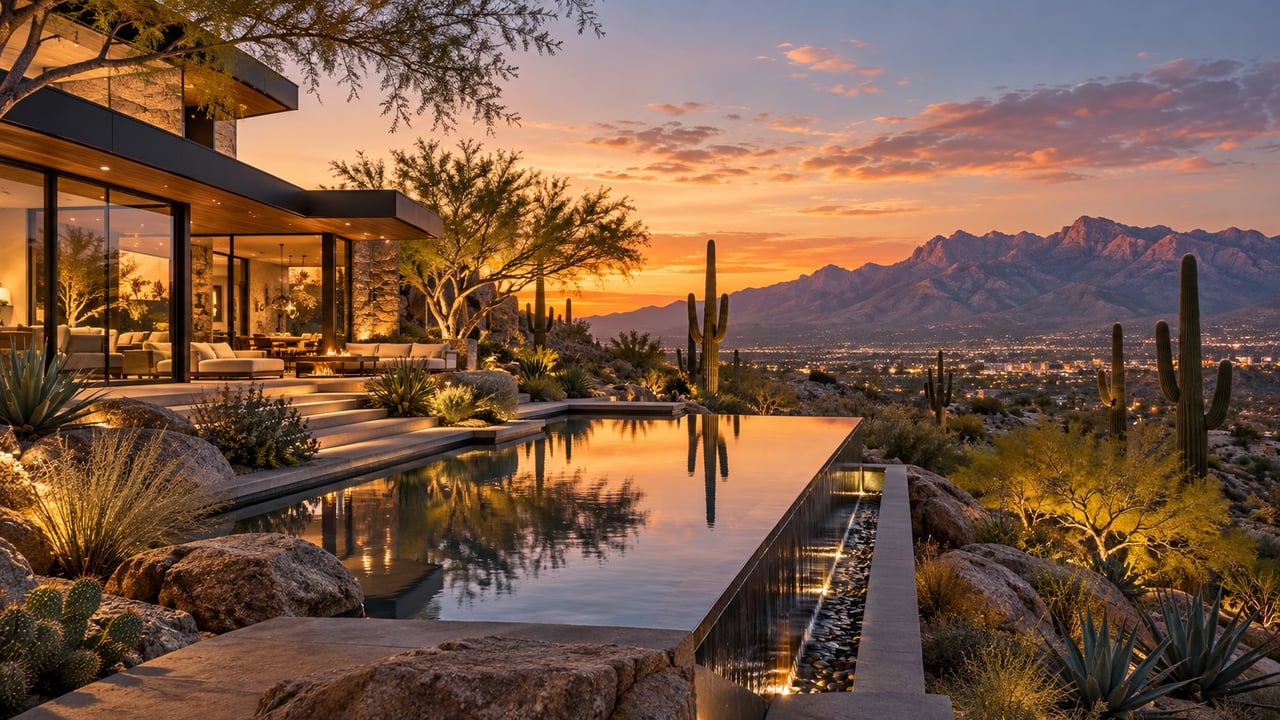
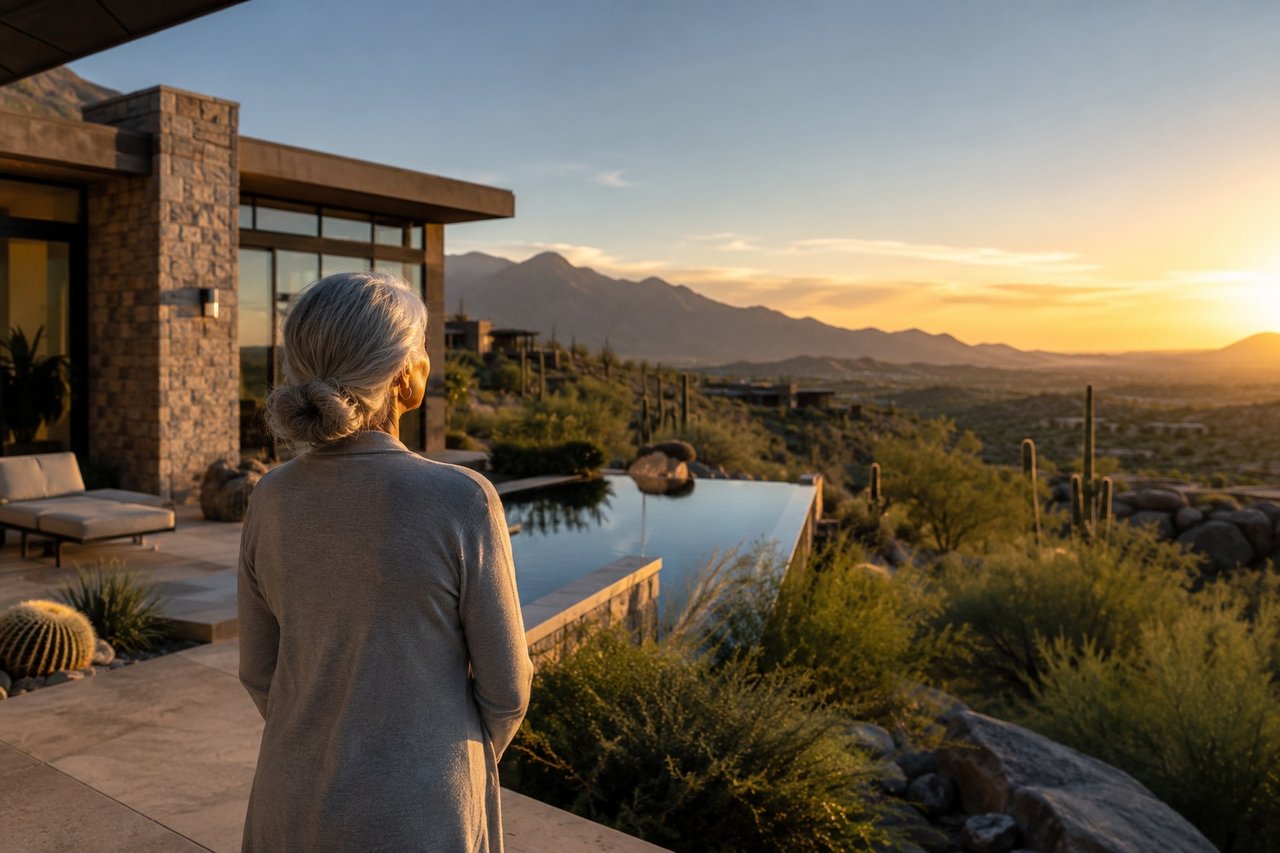
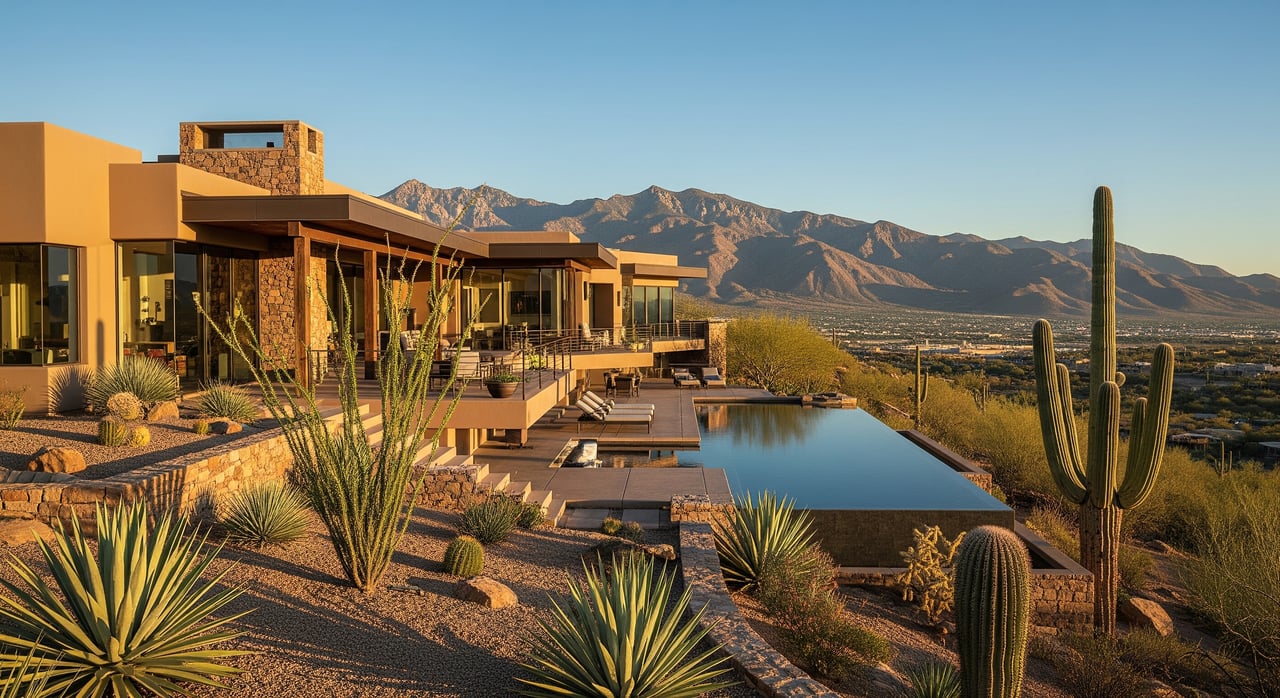
A pool adds its own equipment, maintenance history and questions about water loss. Review it with an appropriate professional rather than treating all changes in the water level as having the same cause. My Tucson pool-home guide explores the broader evaluation.
If the home will be used seasonally, decide who responds to a suspected leak or an irrigation problem while you are away. Confirm that person can access the necessary areas and understands the equipment. A monitoring device is useful only when someone knows what to do with its information.
The same planning belongs in a lock-and-leave ownership review. Clarify which responsibilities belong to you, an association or a service provider rather than assuming the listing label settles them.
Leave closing with a usable handover
Ask for an organized handover that includes available equipment manuals, service contacts, maintenance records and an orientation to the irrigation controls and shutoffs. Arrange your own service and account access through the proper channels. Keep account credentials out of general property documents.
My role is to connect the appeal of a Tucson home with the information that makes ownership more predictable. Through Russ Lyon Sotheby's International Realty, I combine local guidance with appropriate introductions so you can direct technical questions to the people qualified to answer them.
Continue exploring Tucson-area homes from $1.5 million to $2 million, $2 million to $3 million, $3 million to $4 million and $4 million and above. Bring your landscape preferences, travel plans and ownership questions to the shortlist.
Daniel Sotelo | Russ Lyon Sotheby's International Realty
520.727.9000
Tucson expertise. Well-connected guidance.