A neighbor who has been buying eggs and greens from the same booth at St. Philip's Plaza for years finally sends her husband on a Sunday morning instead of her usual Saturday run. He comes back with jewelry and a bag of dog treats. No eggs. He wasn't at the wrong market. He was at the right market on the wrong day, and nobody at the plaza tells you that in advance.
That's the thing about the open-air market at the southeast corner of River Road and Campbell Avenue. It looks like one market. It runs on one lease, under one name, in the same cobblestone courtyard under the same stand of sycamores. But it behaves like two separate operations depending on which day you show up, and its posted hours quietly rewrite themselves twice a year. If you live in the Foothills and treat this place as background noise, that's fine. If you actually use it, the schedule is worth knowing cold.
The Corner Everyone in the Foothills Already Knows
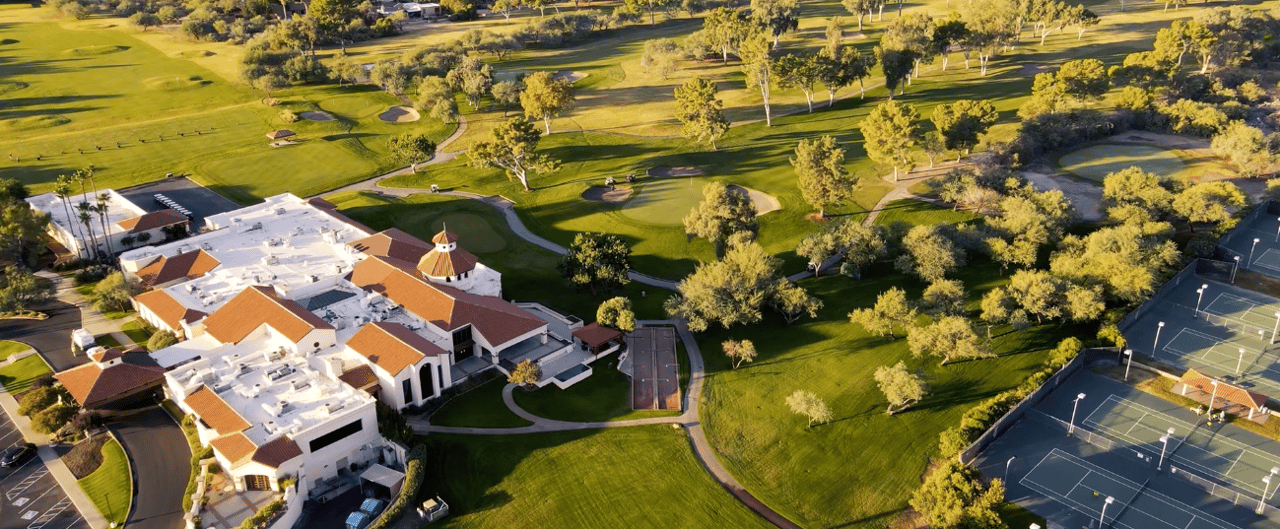
St. Philip's Plaza has been running its weekend market since 2012, tucked into a shopping courtyard that's shared real estate with St. Philip's in the Hills Episcopal Church next door and Joesler Village across the street, a plaza named for architect Josias Joesler whose fingerprints are all over this stretch of River Road. The market itself sits under towering sycamores along a cobblestone path, with fountains that make it feel more like a European square than a strip mall parking lot, which is by design and part of why it's outlasted plenty of other weekend markets around town.
None of that is news to anyone who's lived here more than a season. What's less obvious is what actually happens once you're standing in that courtyard, because the answer depends entirely on which day of the weekend you picked.
Saturday Buys Different Things Than Sunday Does
Ask a handful of regulars what they go for and you'll get two different shopping lists depending on the day.
- Saturdays skew toward artisans and makers: jewelry, pottery, one-of-a-kind gifts, the kind of booth you browse rather than shop.
- Sundays skew toward food and creative vendors, plus a noticeable pet-products presence that Saturday doesn't really have.
That split shows up again and again in how longtime visitors describe the place. One regular put it plainly: Saturdays are for local artisans and their one-of-a-kind creations, and Sundays are for food and creative vendors with goods for you and your pets. It's not a rule the plaza publishes anywhere. It's just what happens when you track who sets up on which day over enough weekends.
The food side of the market has its own texture worth knowing, and it's not confined neatly to one day. A vendor selling nothing but strawberries has built a following. A stand serving pupusas draws a line. Every other weekend, a Maine transplant shows up with lobster he brings in on his own boat and turns it into rolls and hot dogs that sell out fast. Tucson Tea Co, a woman-owned loose-leaf tea business with no brick-and-mortar shop anywhere in town, sells here and ships anything they're out of. Double Check Ranch sells its own grass-fed beef at the market, and at least one visitor has made the drive up from Phoenix specifically for San Rafael Valley grass-fed beef from Lazy J2 Ranch. None of that shows up if you only ever catch the day the plaza's own promotional material leans hardest into artisans and crafts.
The tension underneath all of this is real, and longtime visitors have flagged it for years: as the craft and jewelry booths have grown, some of the produce and food vendors that made this feel like a genuine farmers market have thinned out. That drift is worth knowing about if you're headed there expecting a full farm stand experience and mostly find bath products and CBD tinctures instead. The food is still there. It's just concentrated on one day, and it competes with everything else for table space.
The Market Keeps Two Clocks a Year
The bigger surprise for a lot of Foothills residents isn't the day split. It's that the hours themselves change on a seasonal schedule that has nothing to do with weekdays and everything to do with the Arizona sun.
| October–April | May–September | |
|---|---|---|
| Hours | 10 a.m.–3 p.m. | 8 a.m.–12 p.m. |
| Window length | 5 hours | 4 hours |
| Start time | Later | Two hours earlier |
For half the year, the plaza runs a leisurely five-hour window that lets people wander in after a late breakfast and still catch the full market. For the other half, that window collapses to four hours and starts two hours earlier, because nobody wants to browse pottery booths at noon in a Tucson summer. The plaza treated this year's transition as an actual event rather than a quiet hours update, running a "Summer Vibe Season Launch" on the first Saturday in May to mark the switch.
Right now, in the middle of September, the market is still running on its summer clock: doors open at 8 and the whole thing wraps by noon. If you're used to strolling in around 10 because that's when it opens the other half of the year, you'll show up this month to vendors already packing up their tables. The cooler-season hours don't return until October, and most regulars only learn the exact timing by getting caught out once.
What Keeps People Coming Back When the Vendor Mix Doesn't
The market is the reason most people first find their way into this courtyard, but it's not the only reason they keep coming back on the weekends the produce guy skips.
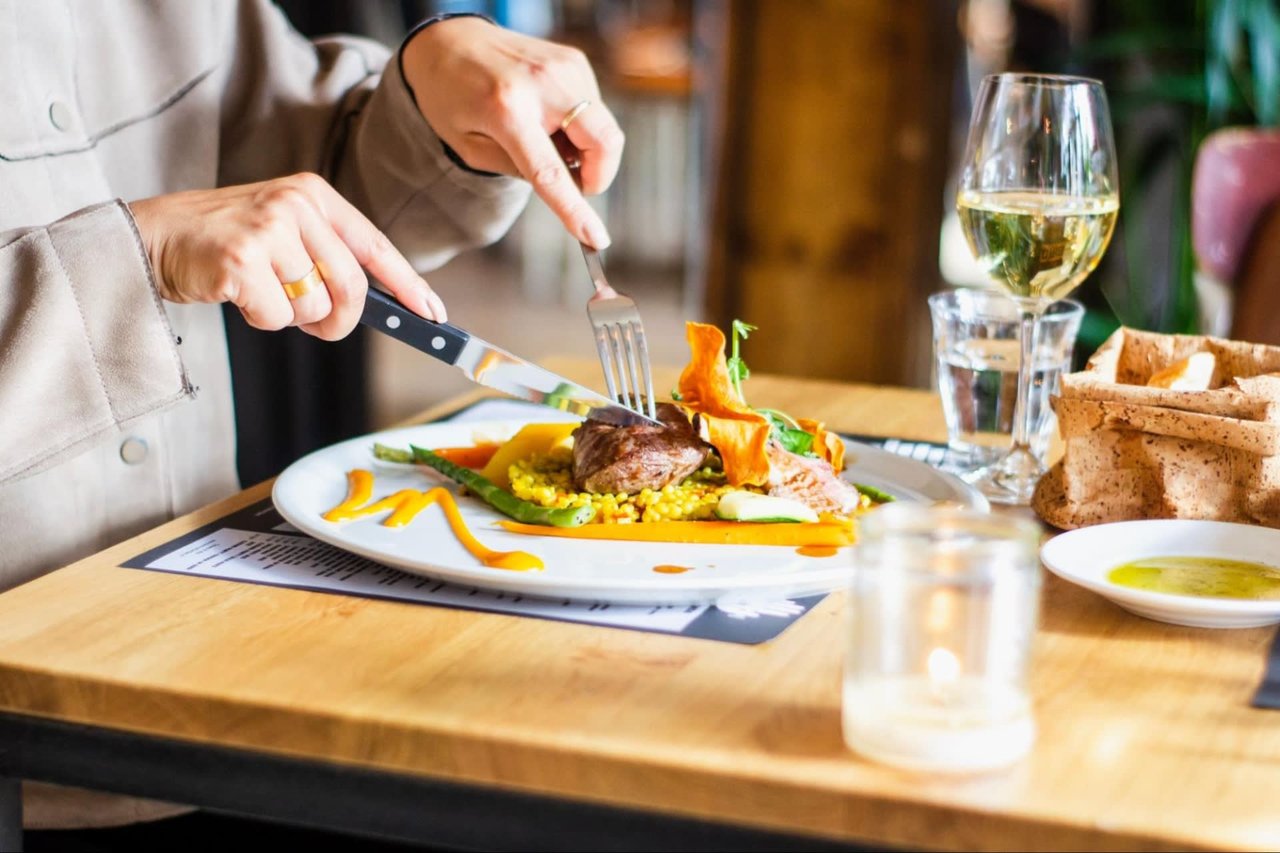
St. Philip's Plaza has built a restaurant and retail lineup around the market that gives the address a reason to exist seven days a week, not just two mornings. Union Public House has anchored the River and Campbell corner since late 2011, known around town for a happy hour that's been voted among the city's best and a patio that overlooks the courtyard fountains. Reforma Modern Mexican brings a mezcal and tequila list to the same stretch of cobblestone. Proof Artisanal Pizza and Scordato's Pizzeria cover two different versions of the same craving. Vivace and Bodega Kitchen and Wine round out a dining lineup that's almost entirely locally owned, without the chain restaurants you'd expect at a shopping center this size. Gadabouts handles the neighborhood's haircuts, and a dance studio has taken up space in the plaza too.
The plaza doesn't post a sign explaining any of this. You just have to already live here to know which version of the market you're walking into.
That's really the point. A market with a shifting vendor mix and a schedule that rewrites itself twice a year isn't a flaw. It's just a place that behaves like it's run by and for the people who actually live around it, rather than for a tourist expecting the same experience every time they visit. Foothills residents who've figured out the rhythm plan their Saturdays and Sundays differently on purpose. Everyone else finds out the hard way, usually with a bag of jewelry instead of the eggs they came for.
If you're weighing what daily life actually looks like in this part of the Foothills, beyond the market itself, the Catalina Foothills neighborhood guide covers more of what makes this stretch of Tucson worth knowing block by block. And if a market rhythm like this one is part of what you value about where you live, or where you're thinking about living next, that's exactly the kind of local detail Daniel Sotelo brings to every conversation about Catalina Foothills real estate. Let's connect.