The Future of Water in Tucson: What Luxury Homeowners Need to Know About Southern Arizona’s Next Century
Water, growth, architecture, conservation—and what they mean for the future of luxury real estate in Tucson
By Daniel Sotelo | Tucson Luxury Real Estate Advisor | Russ Lyon Sotheby’s International Realty
There is a moment I experience often in Tucson real estate.
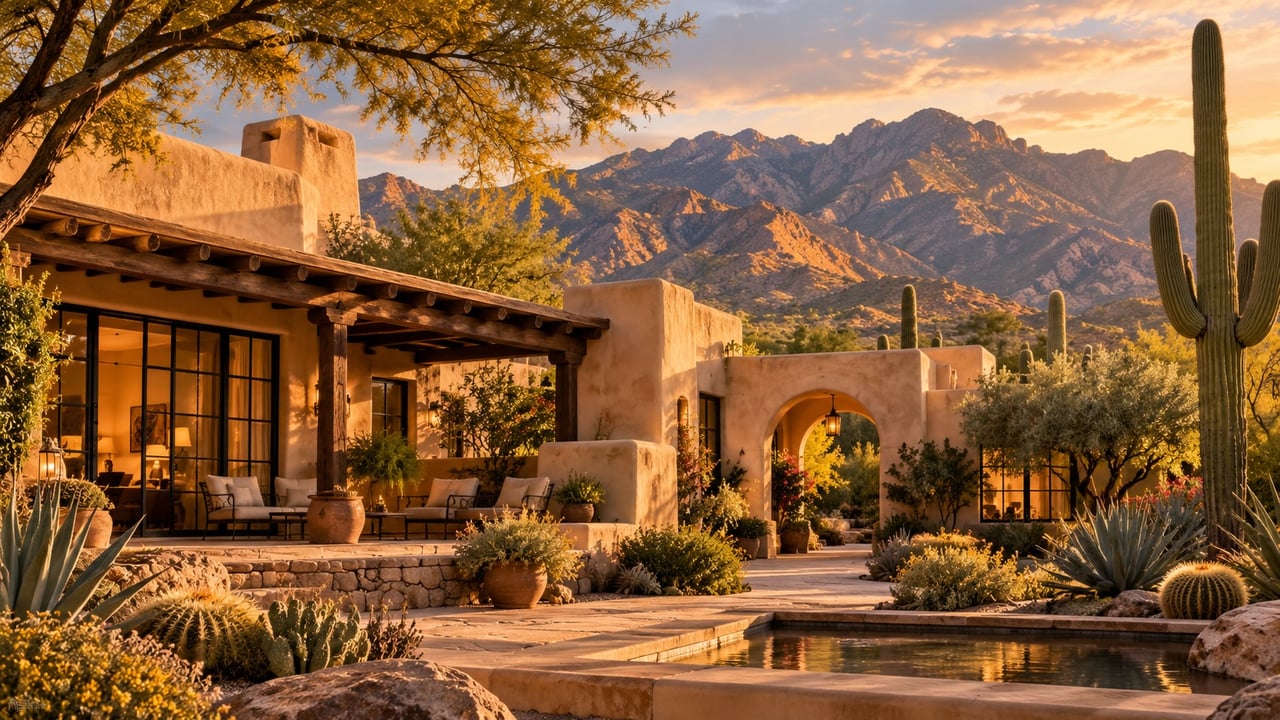
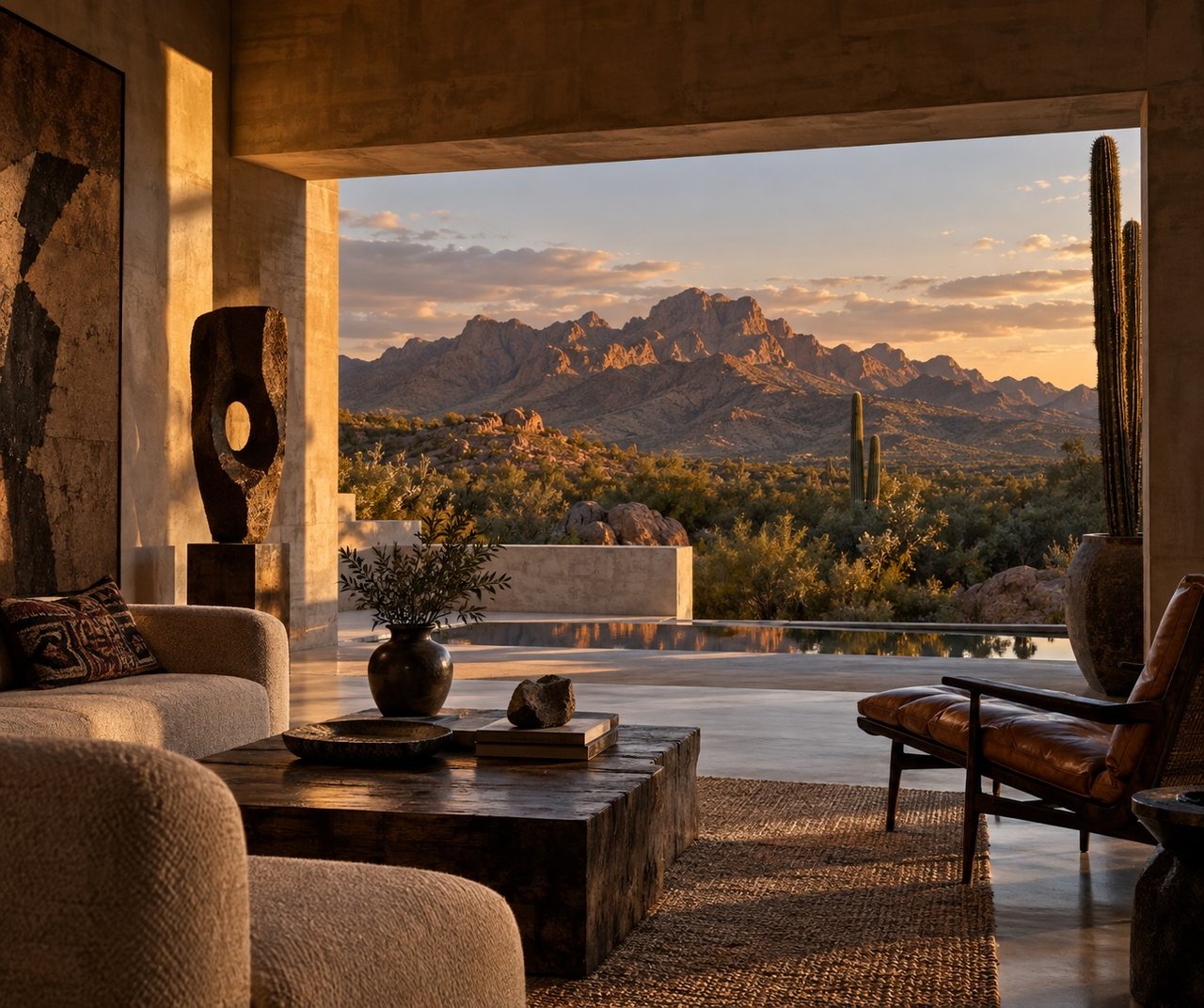
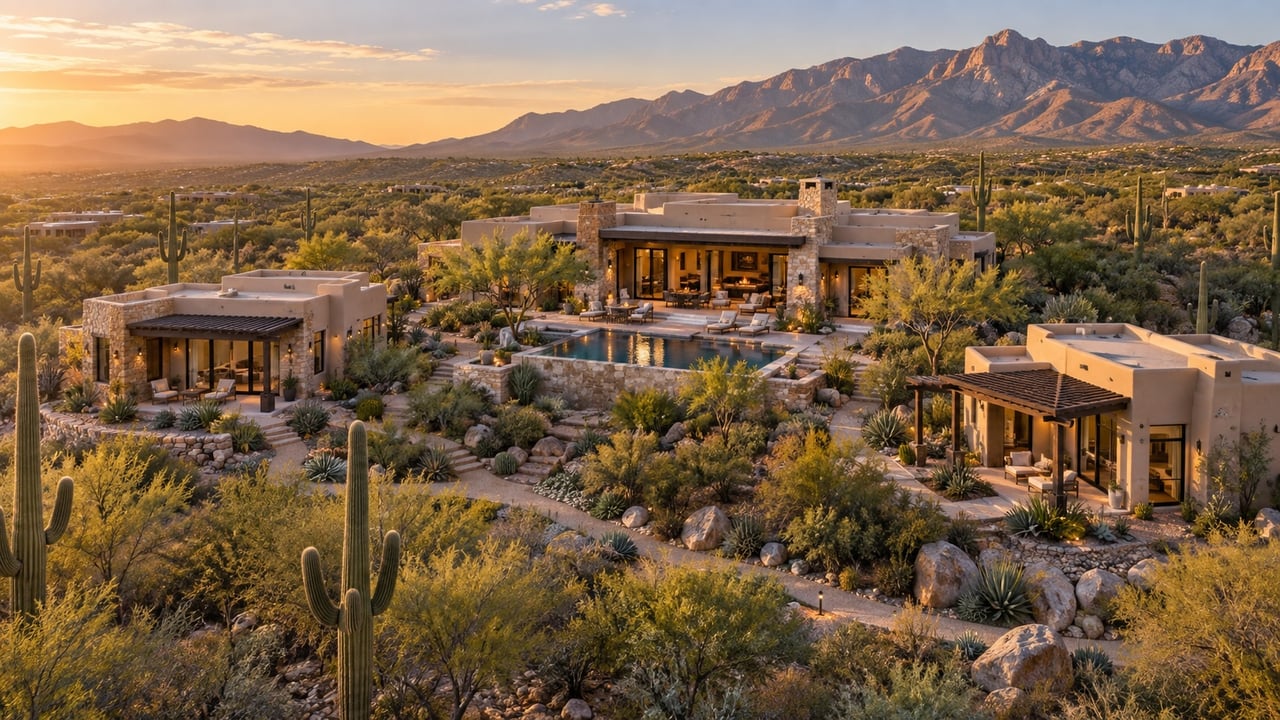
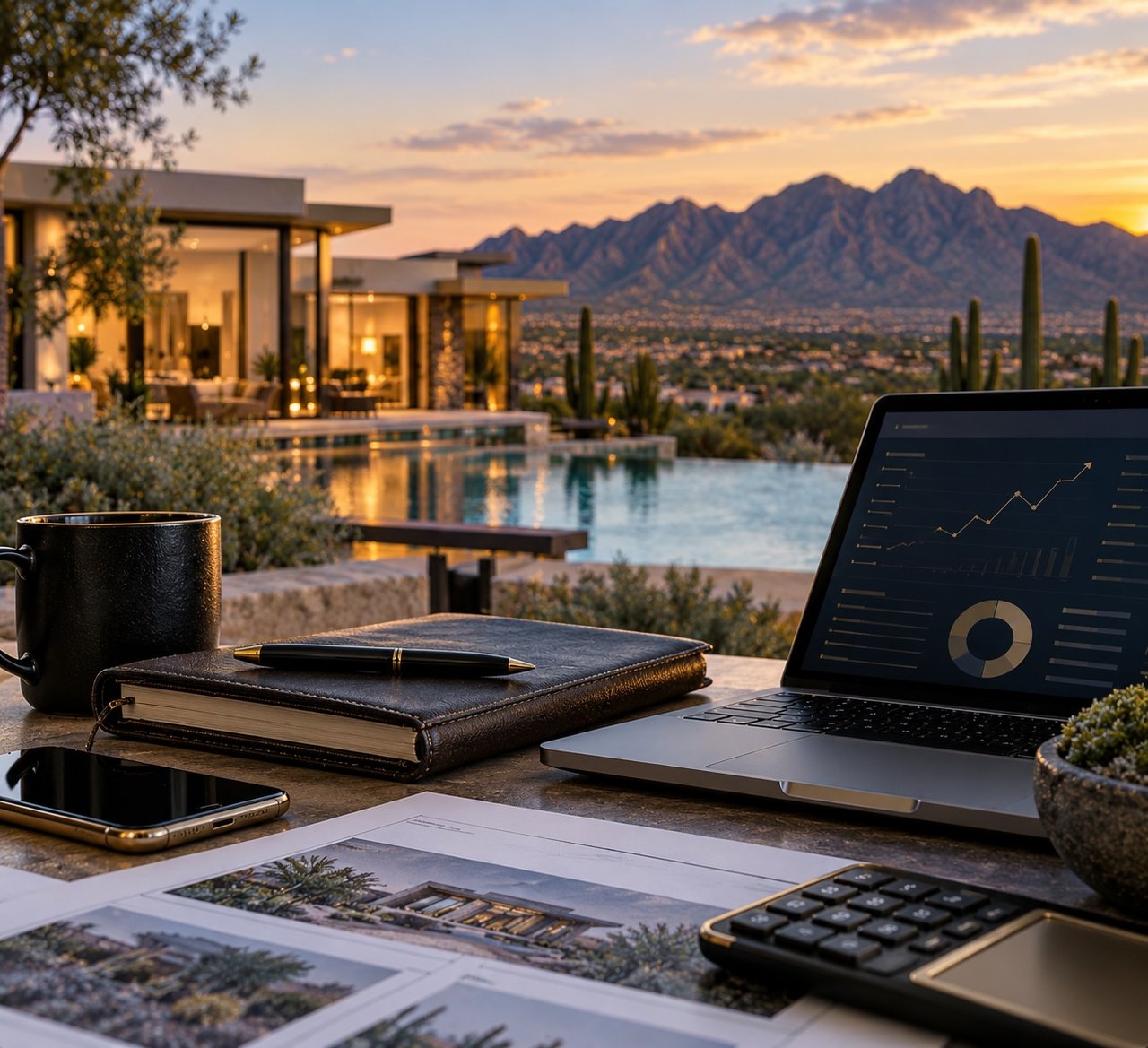
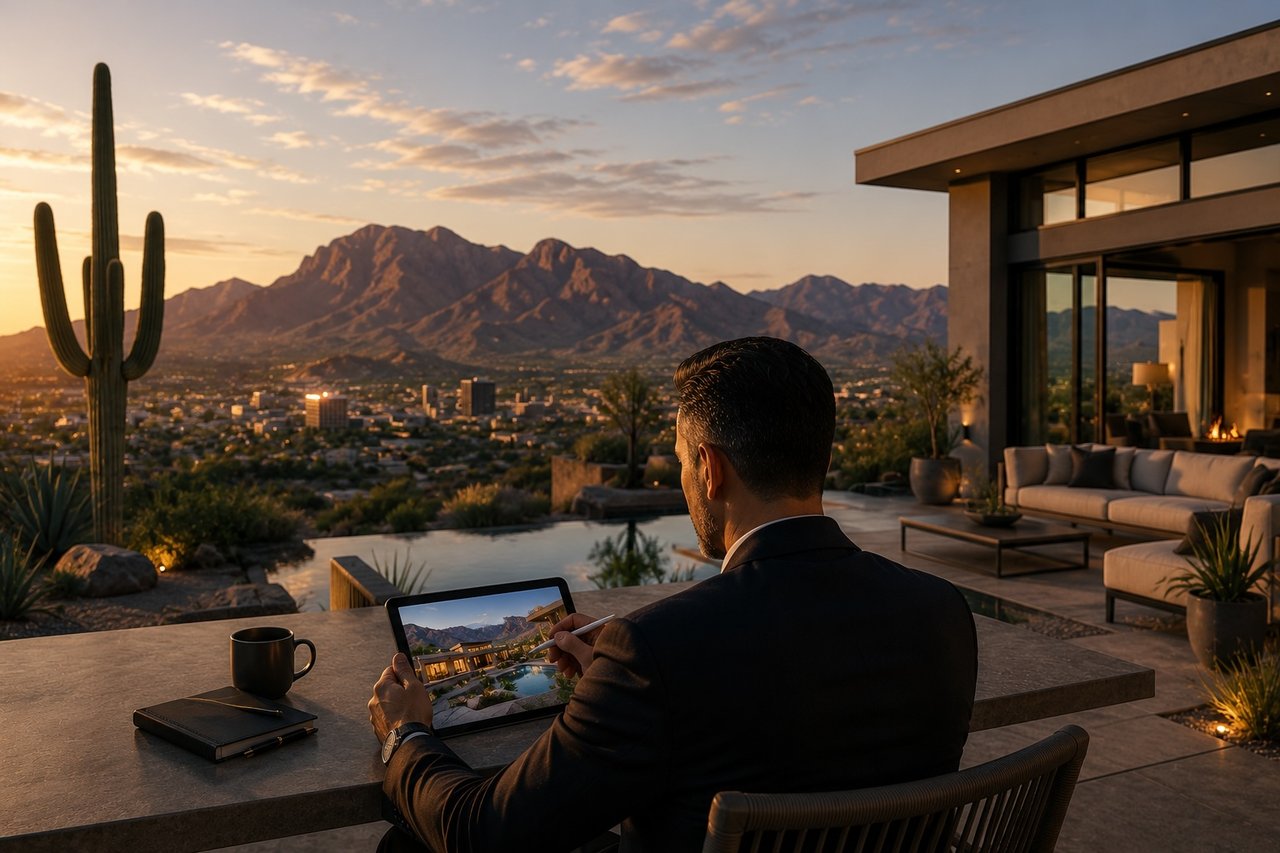
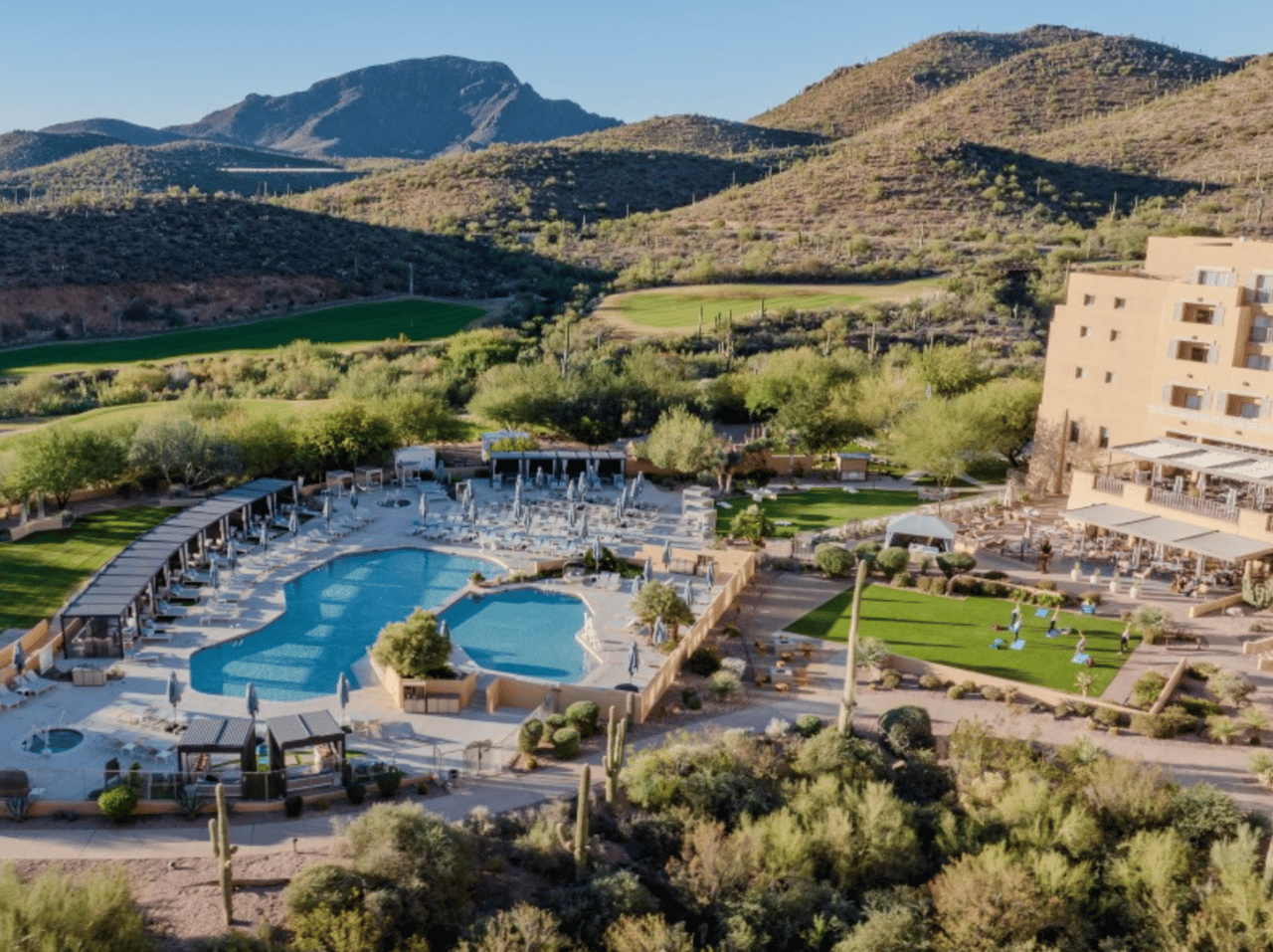
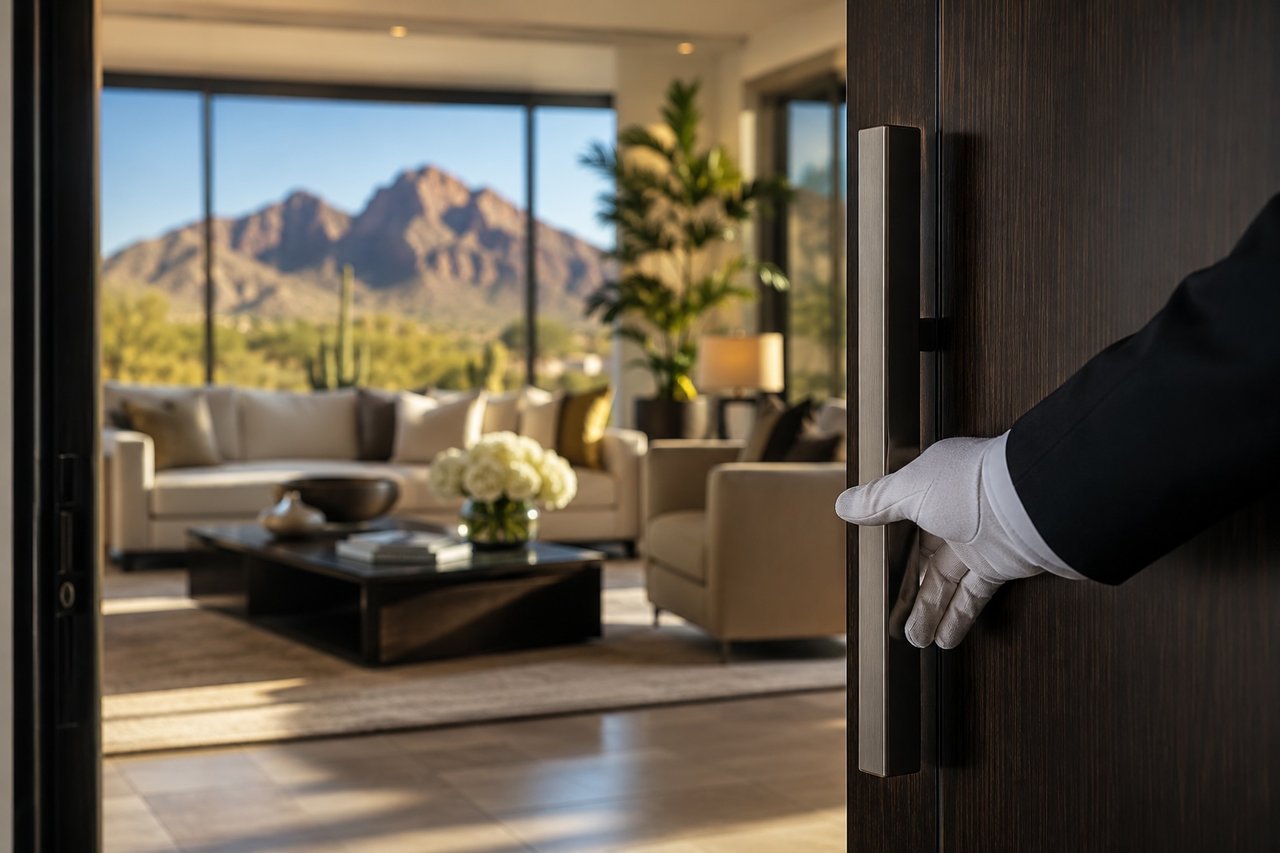
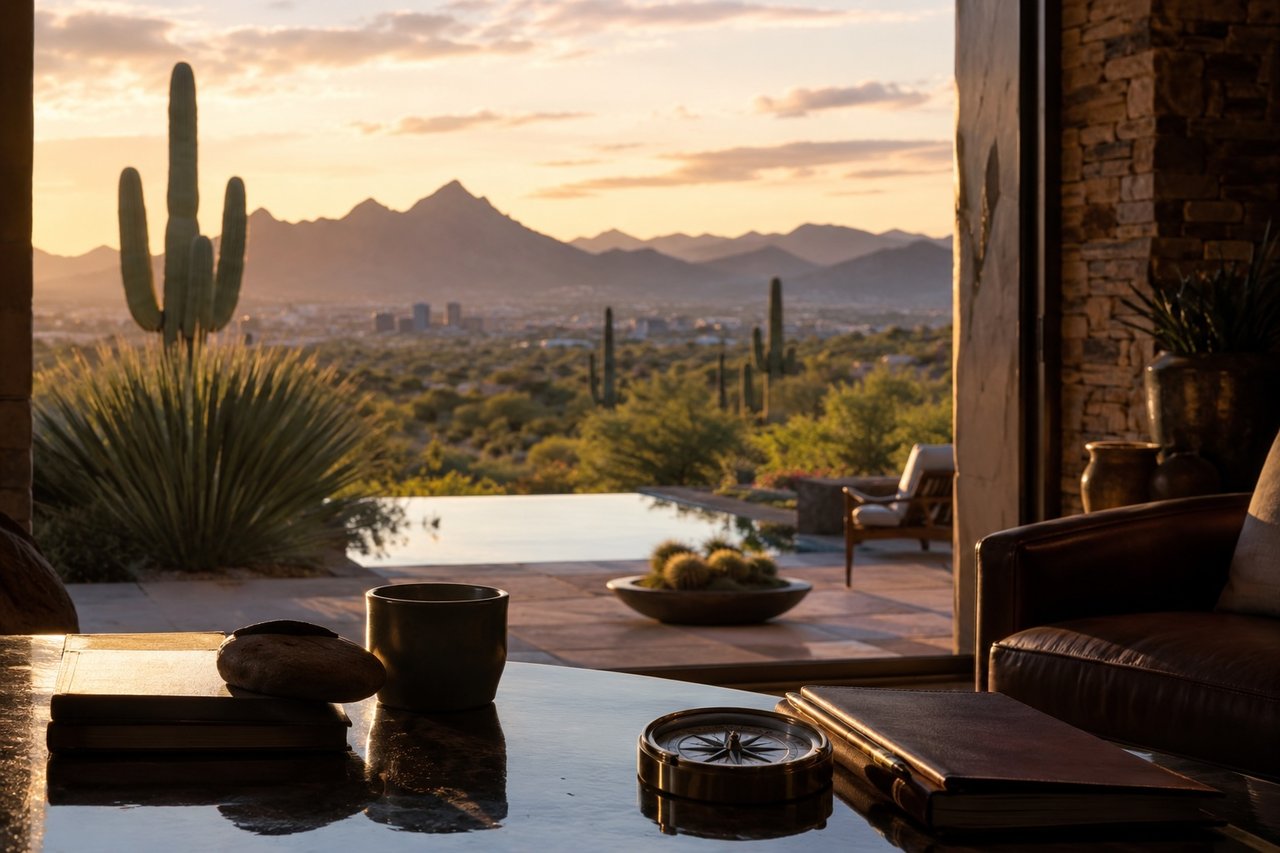
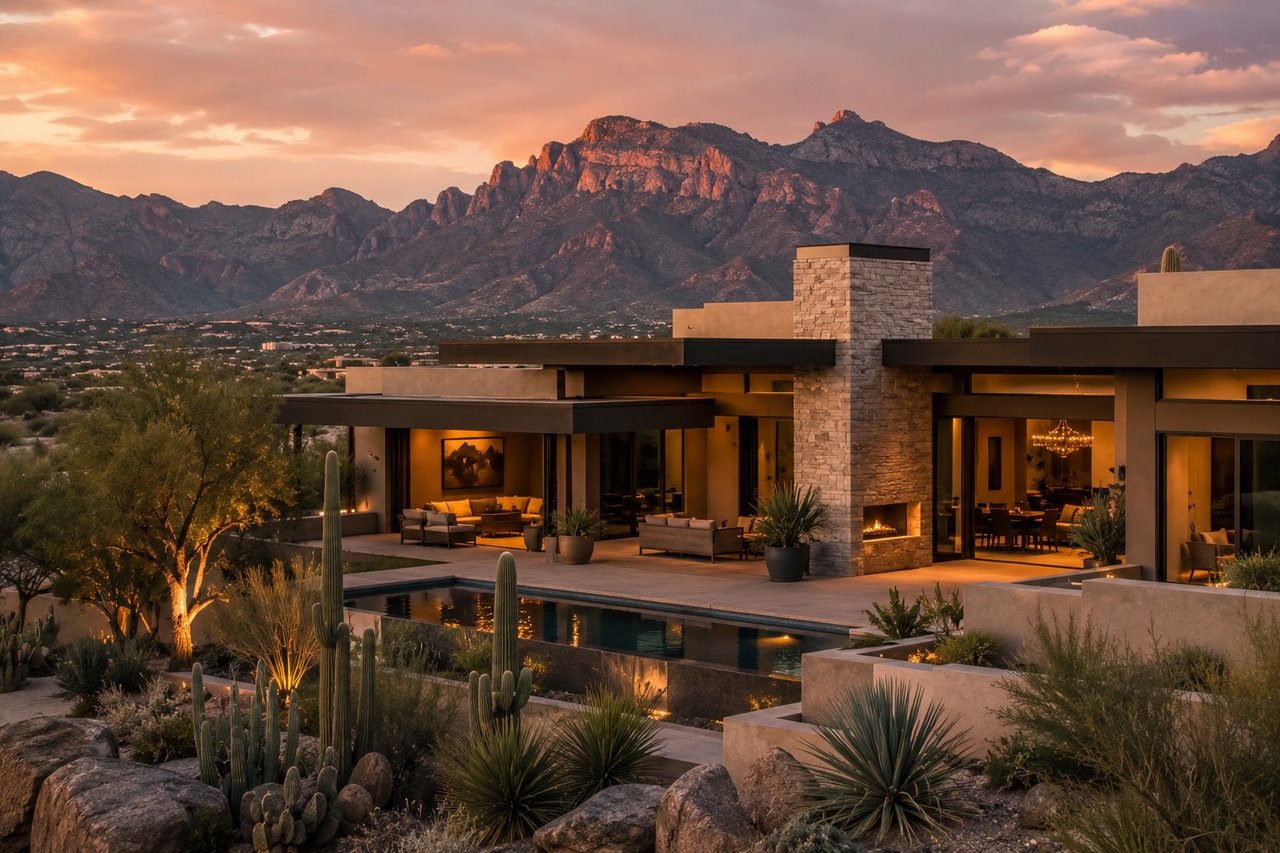
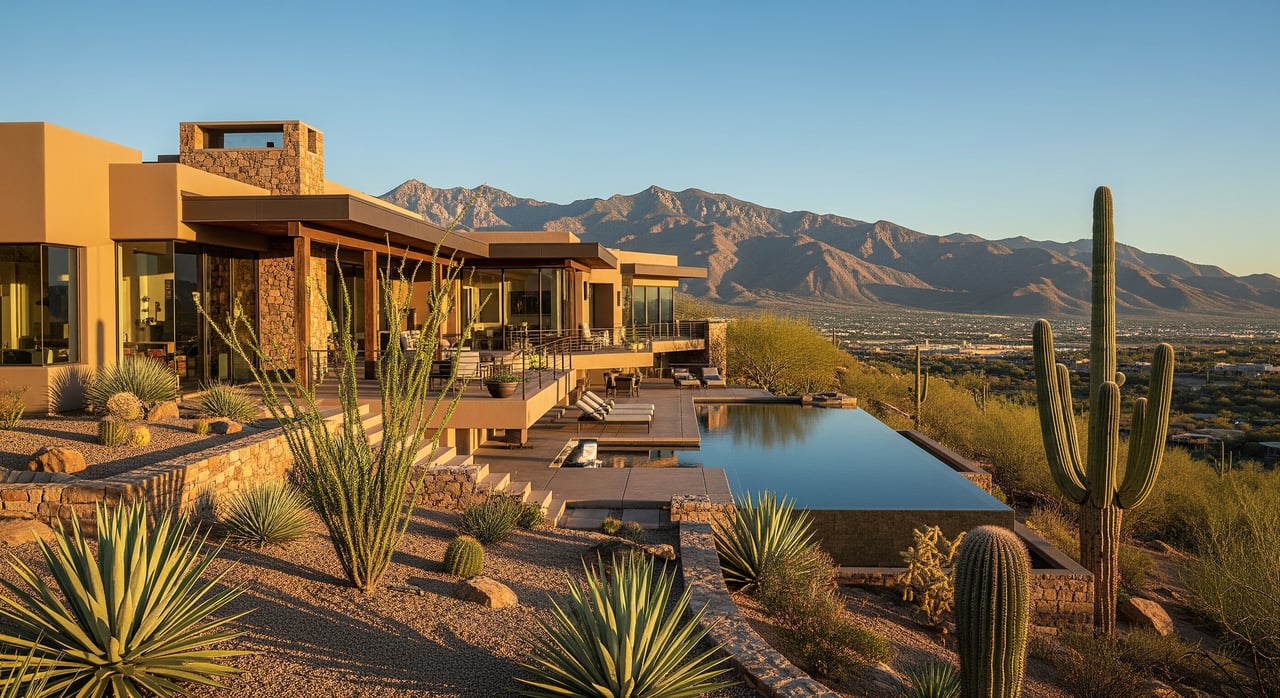
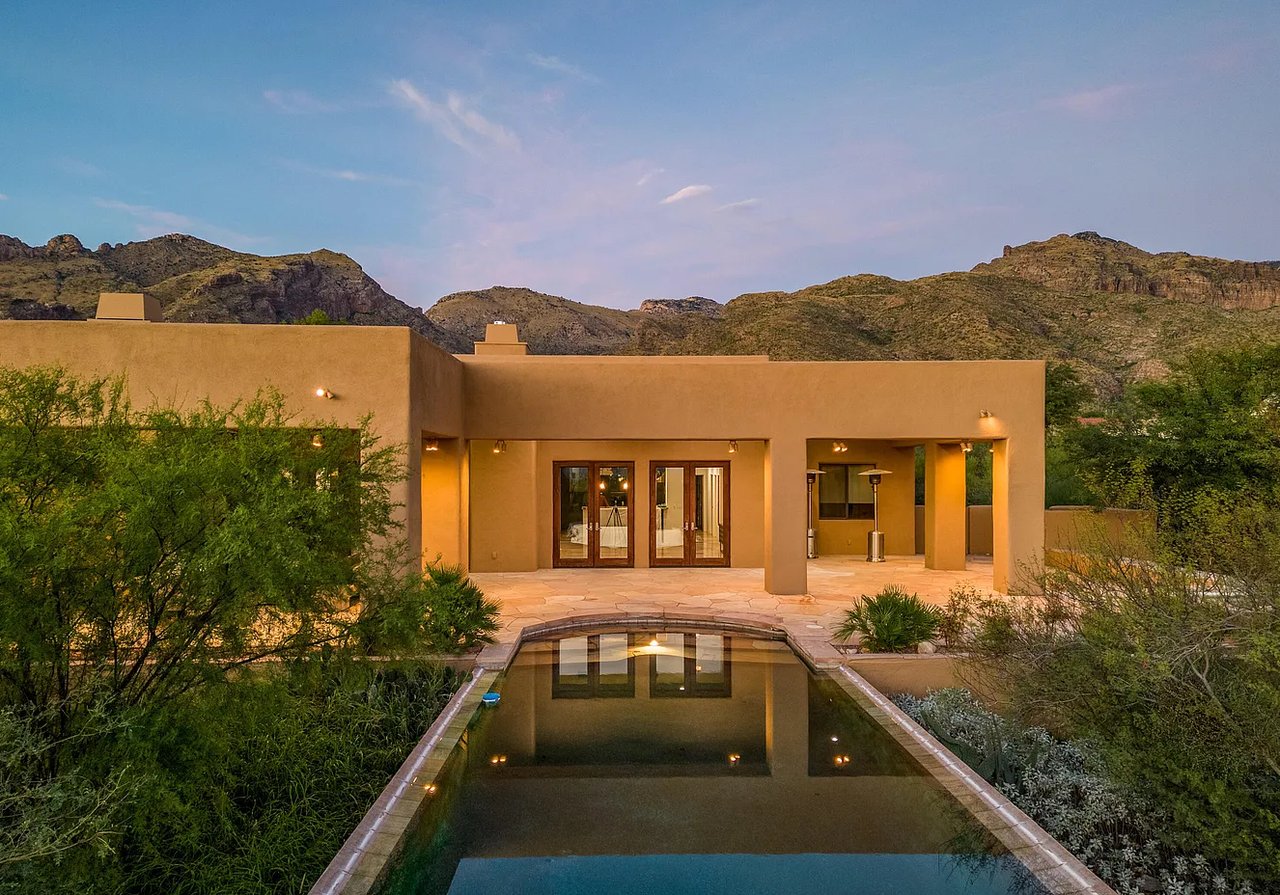
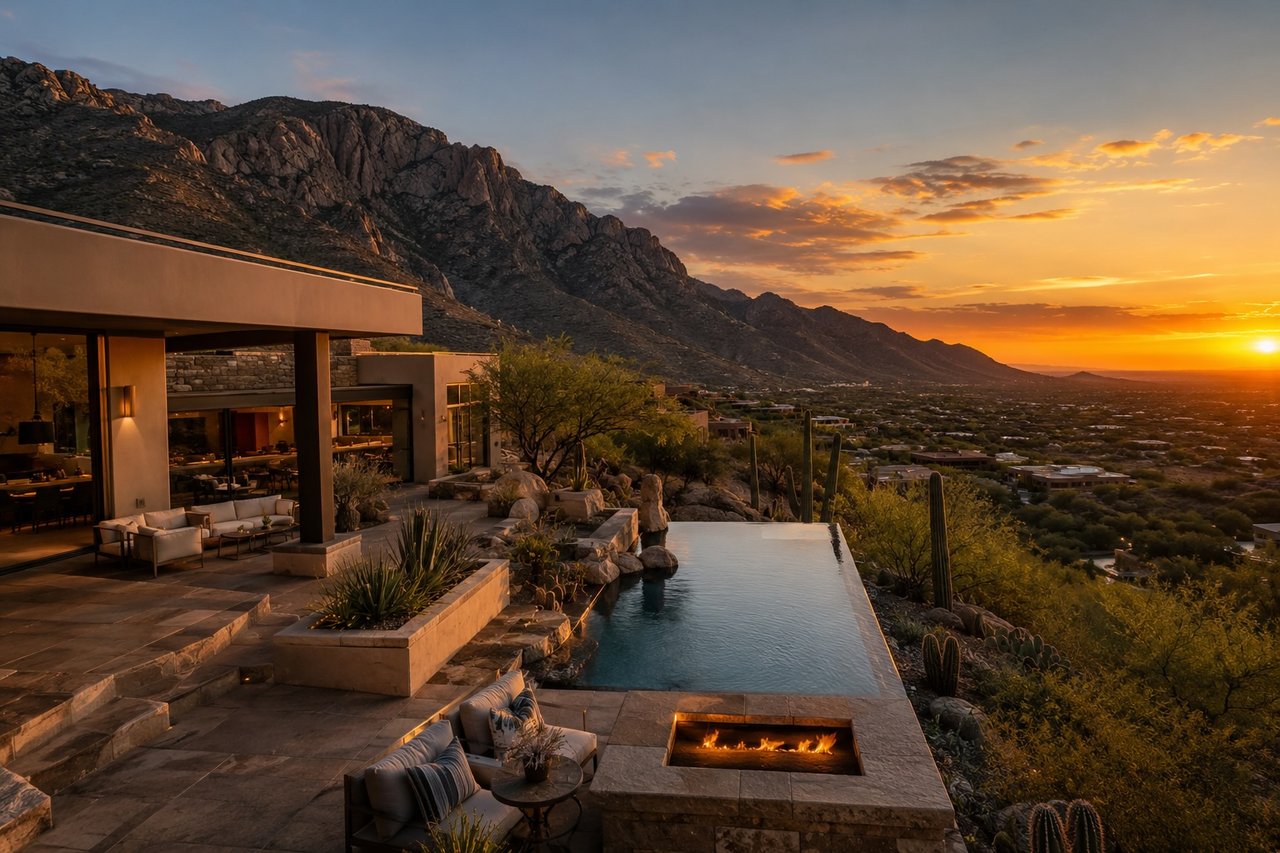
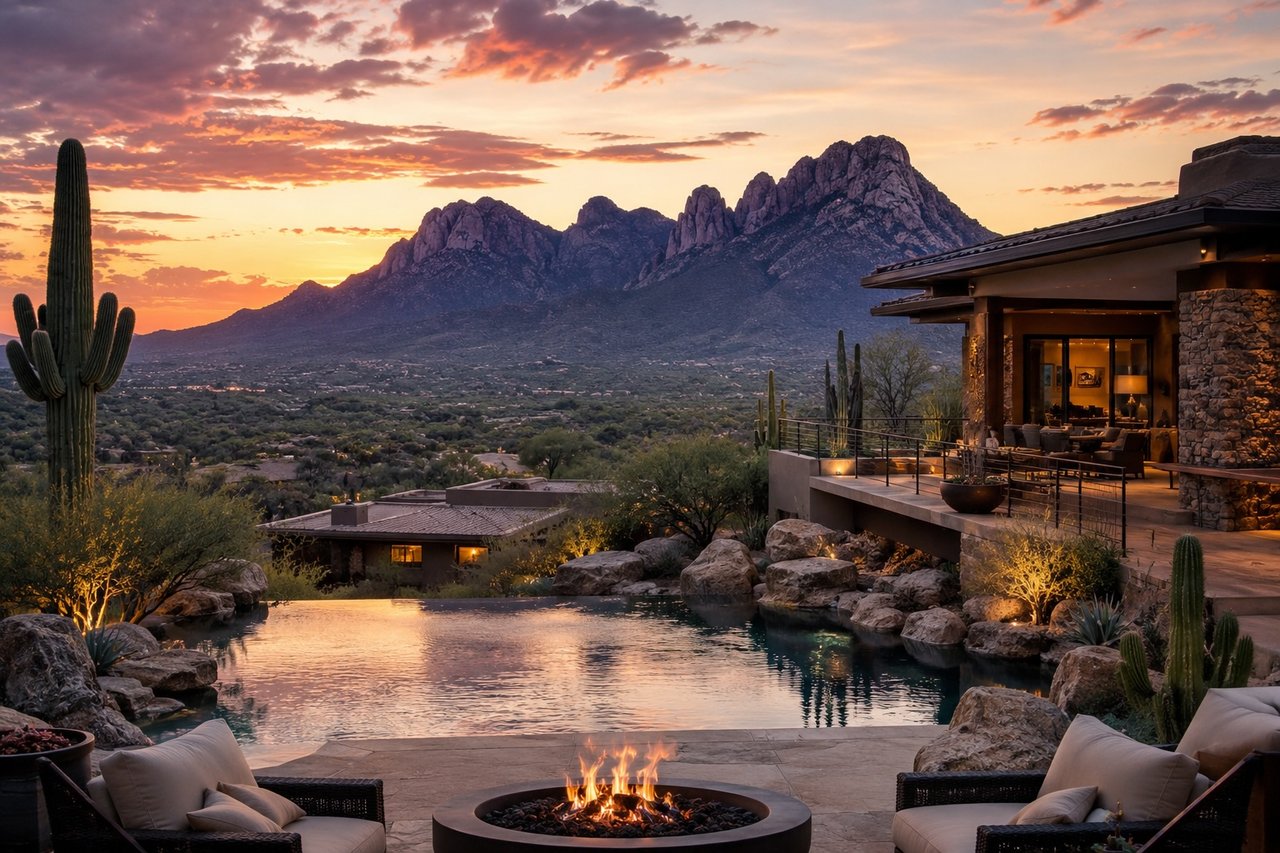
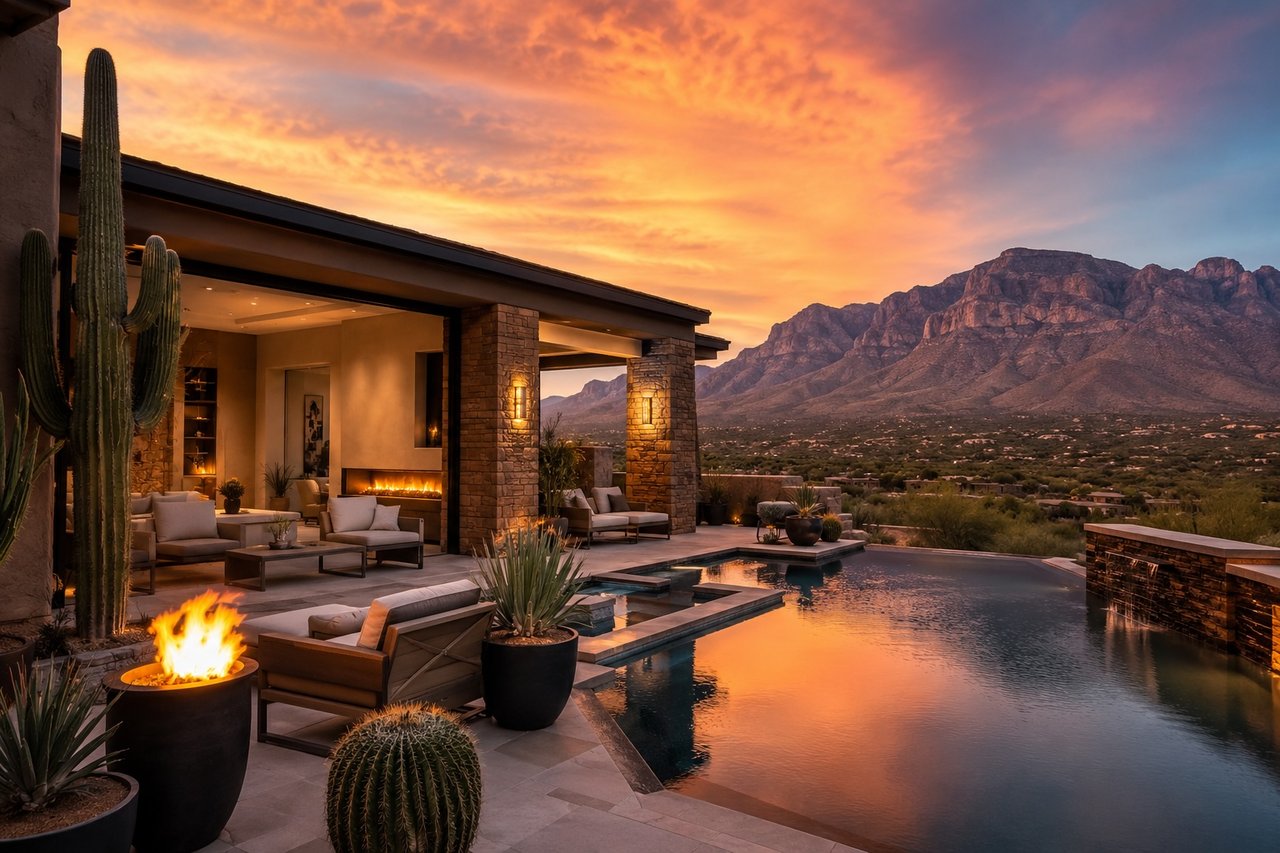
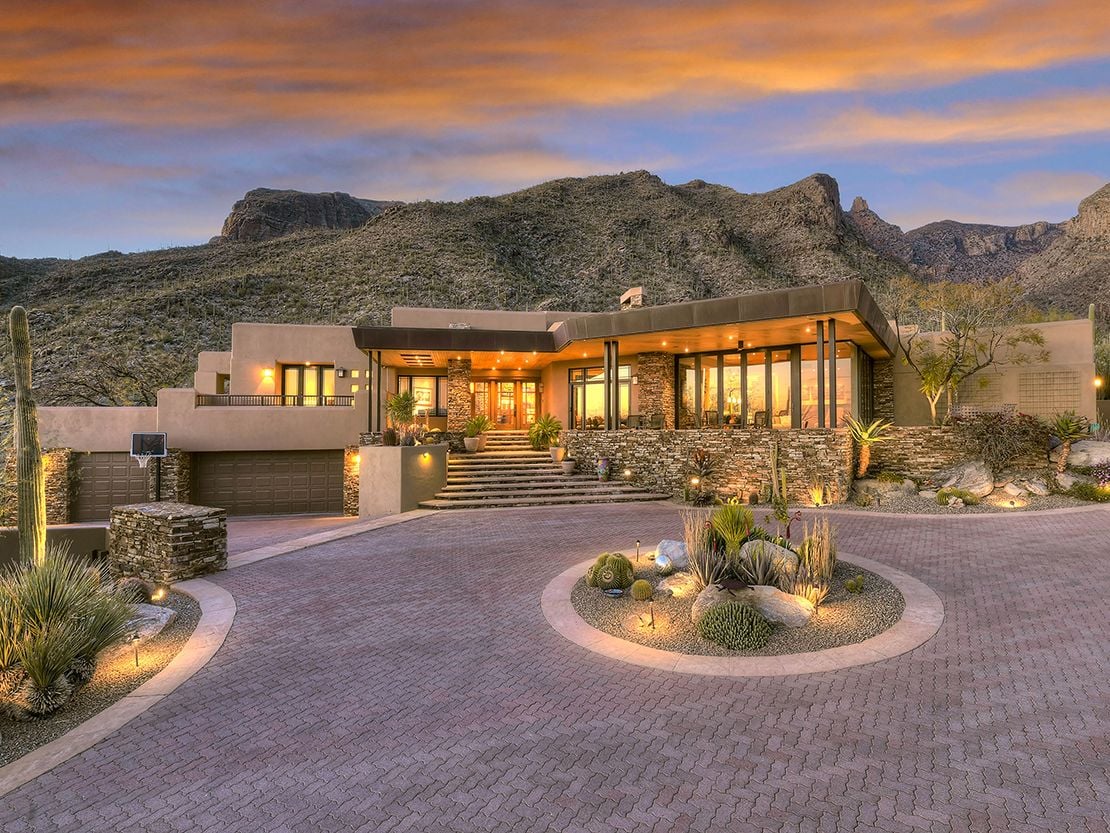
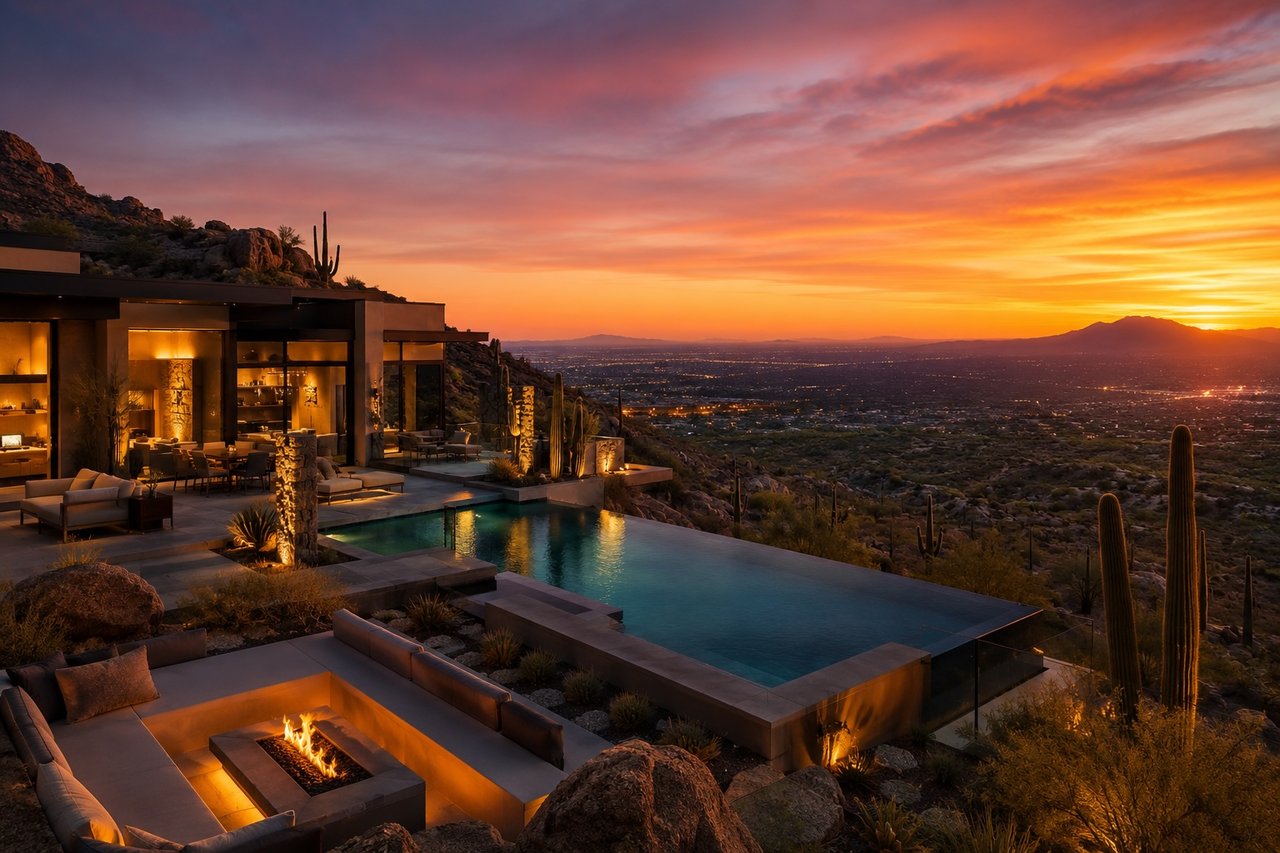
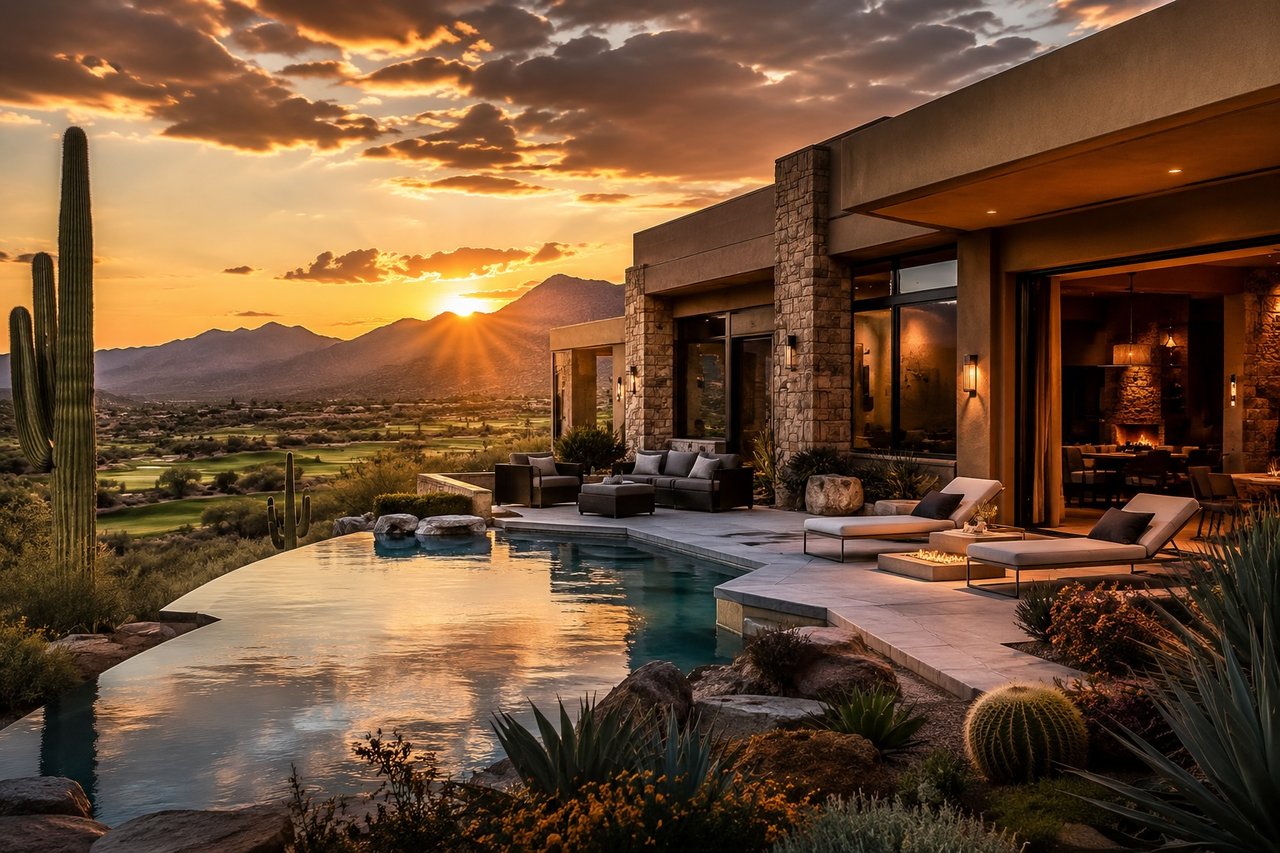
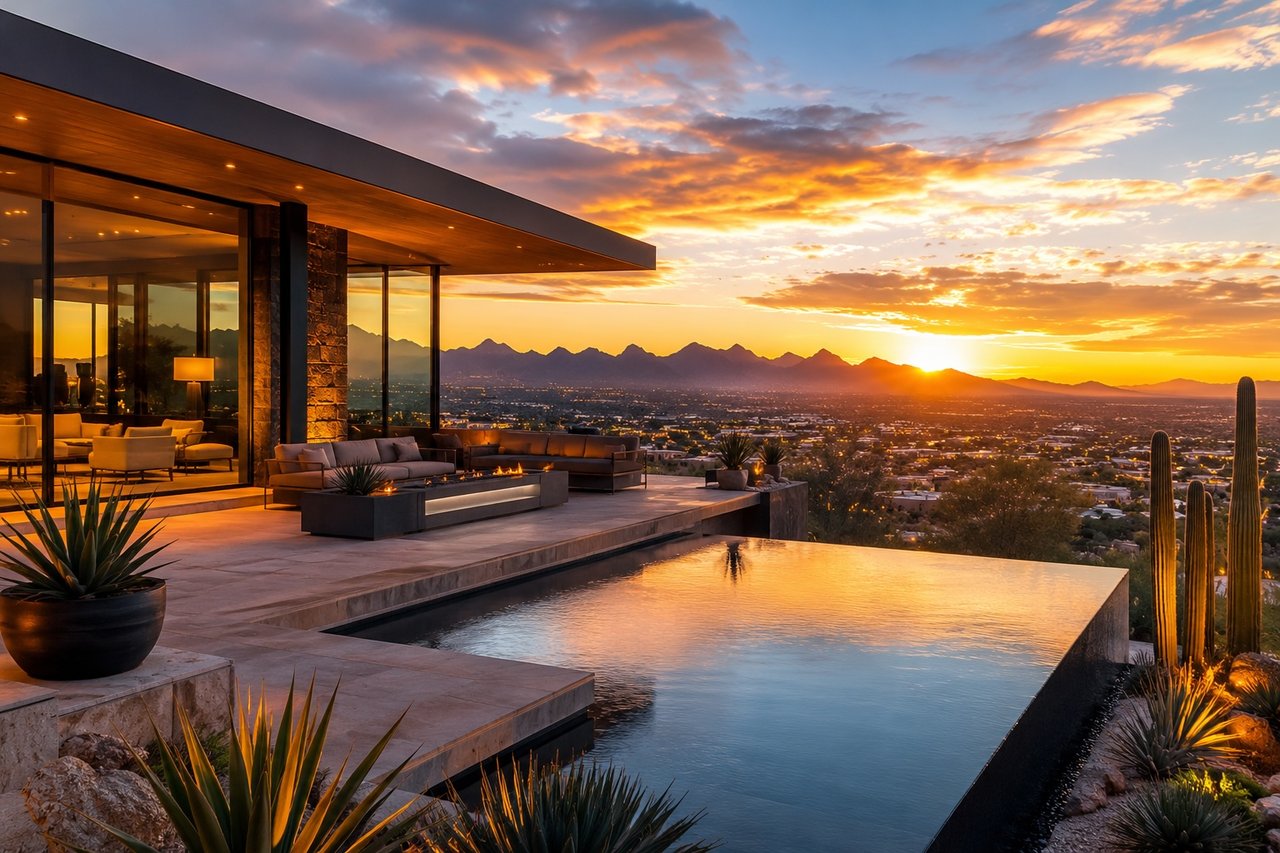
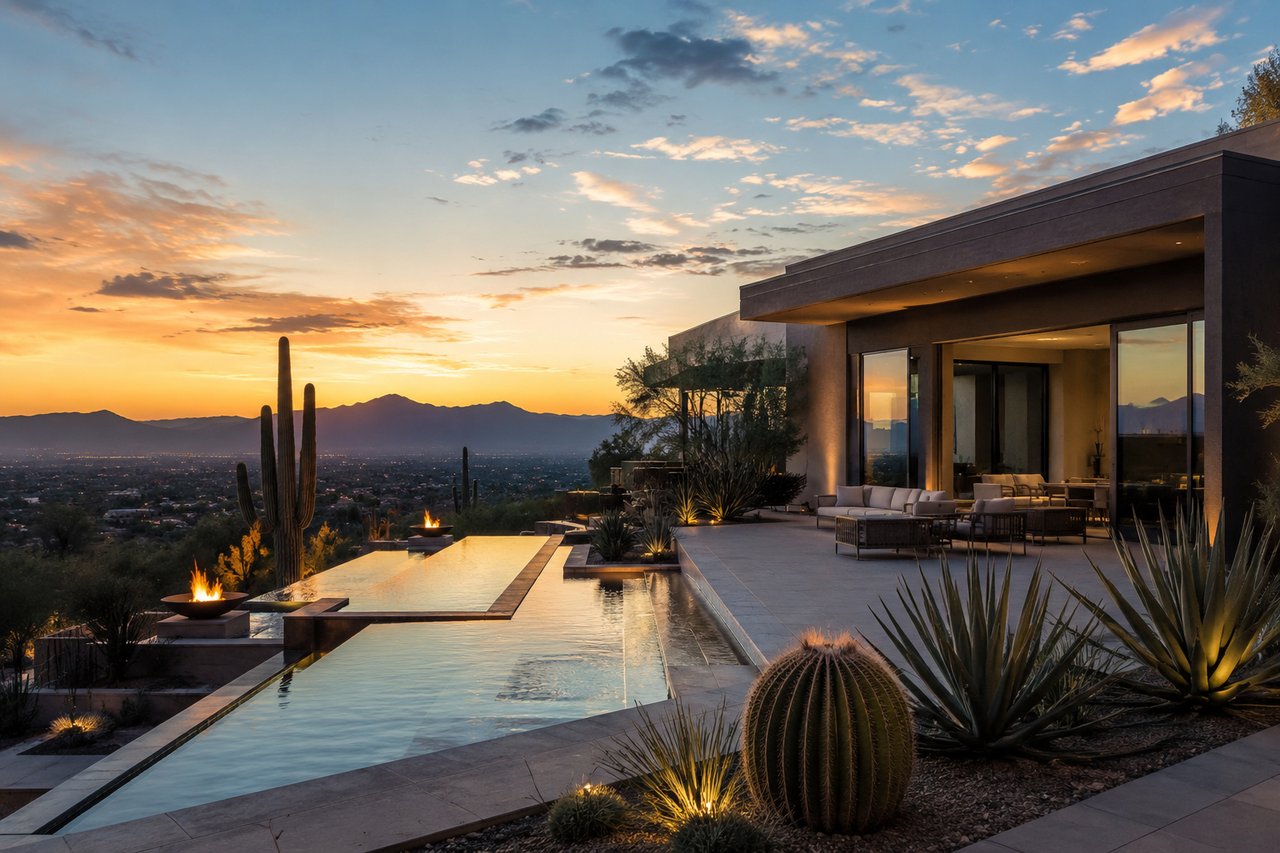
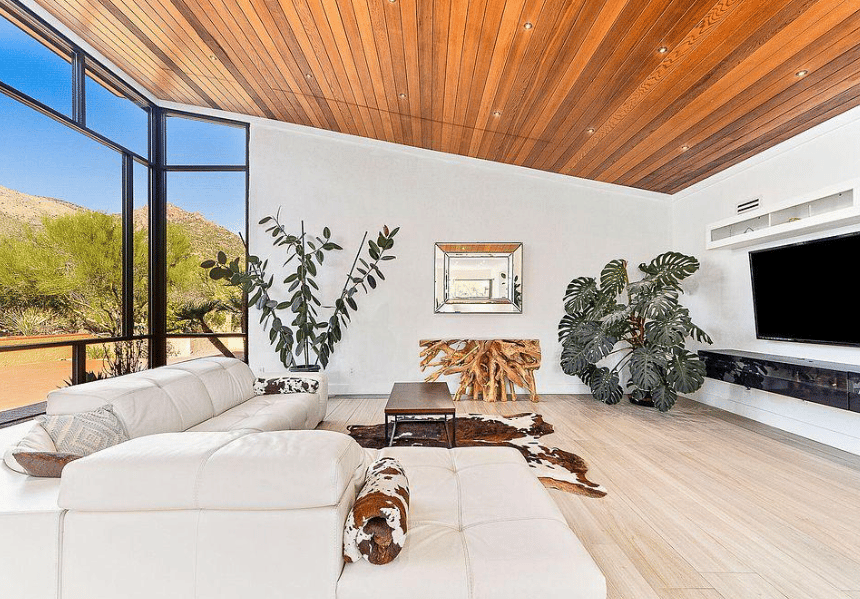
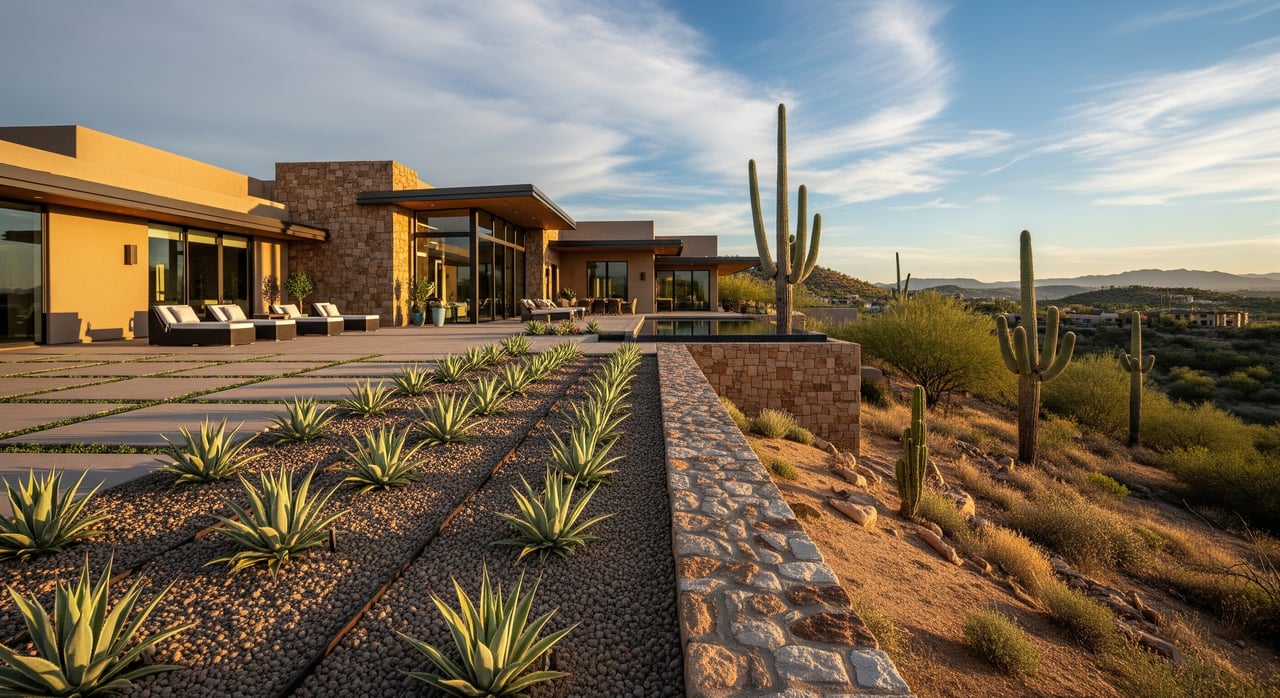
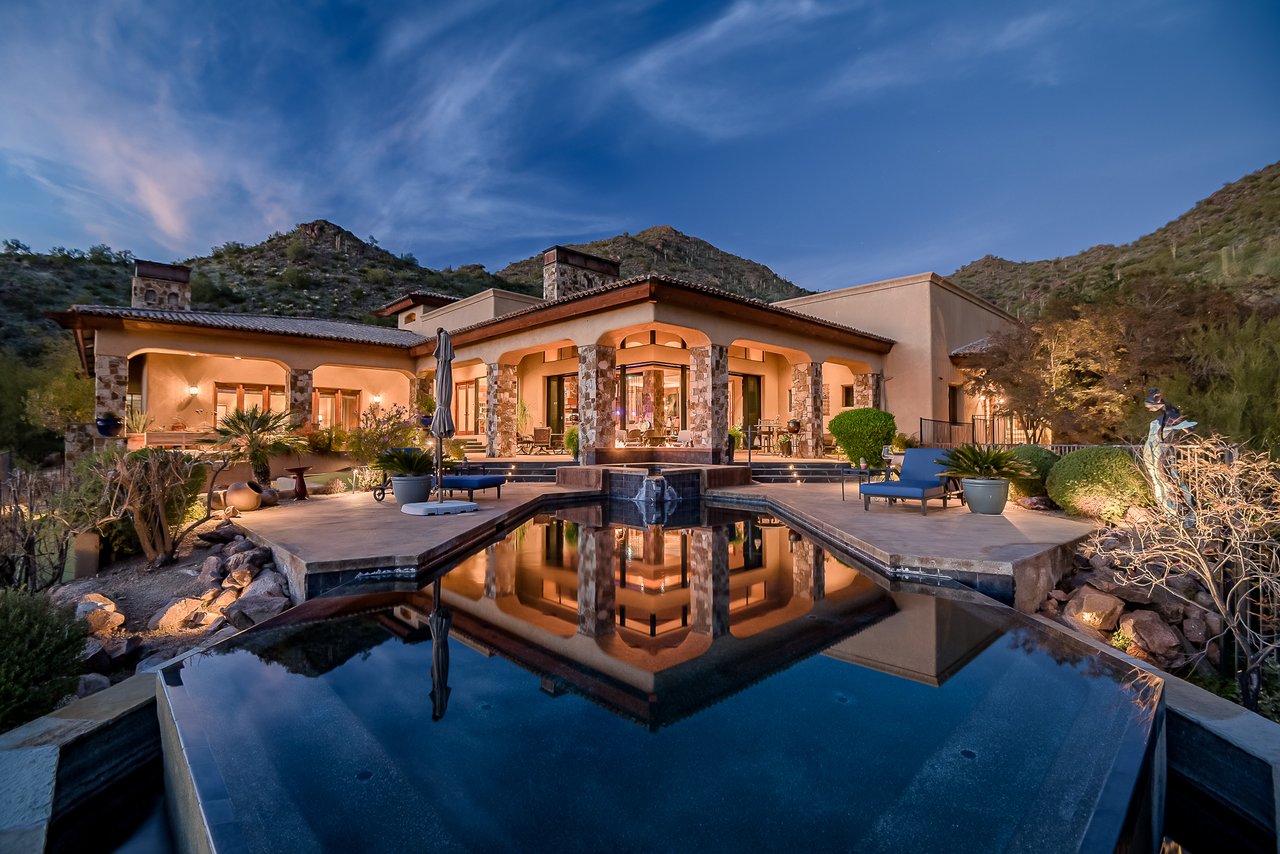
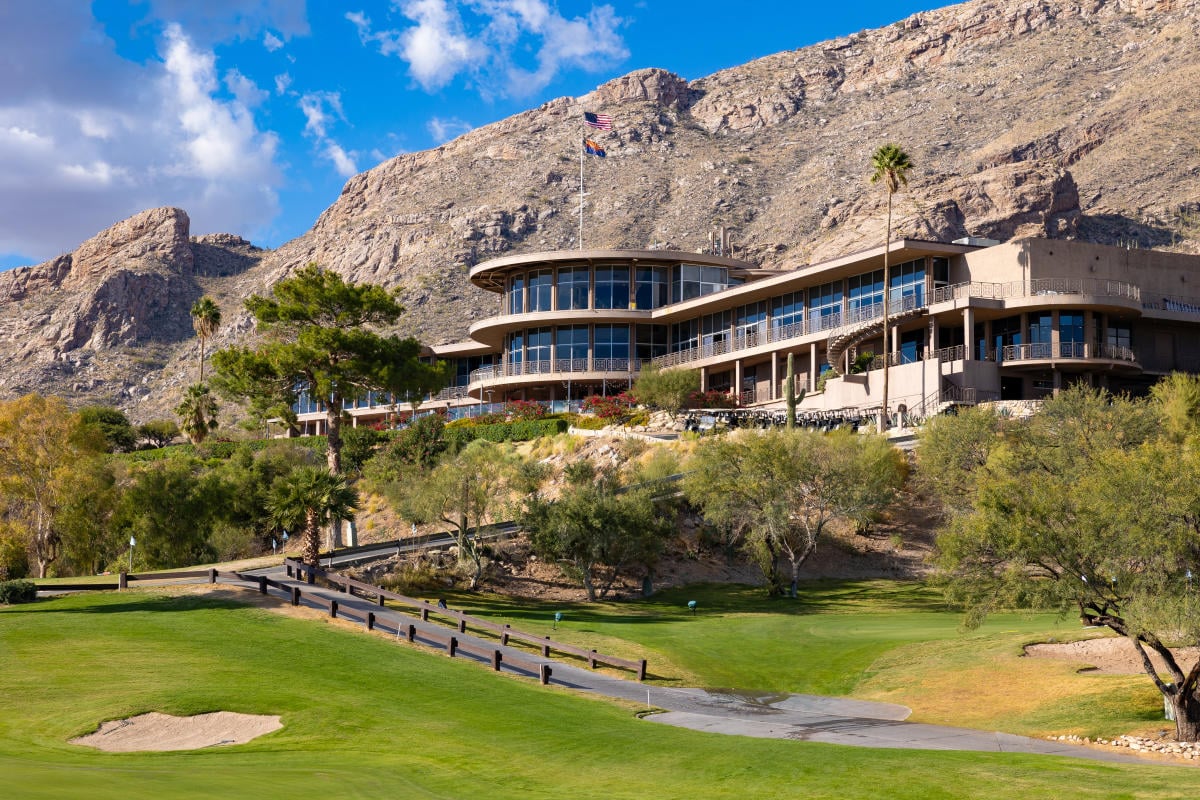
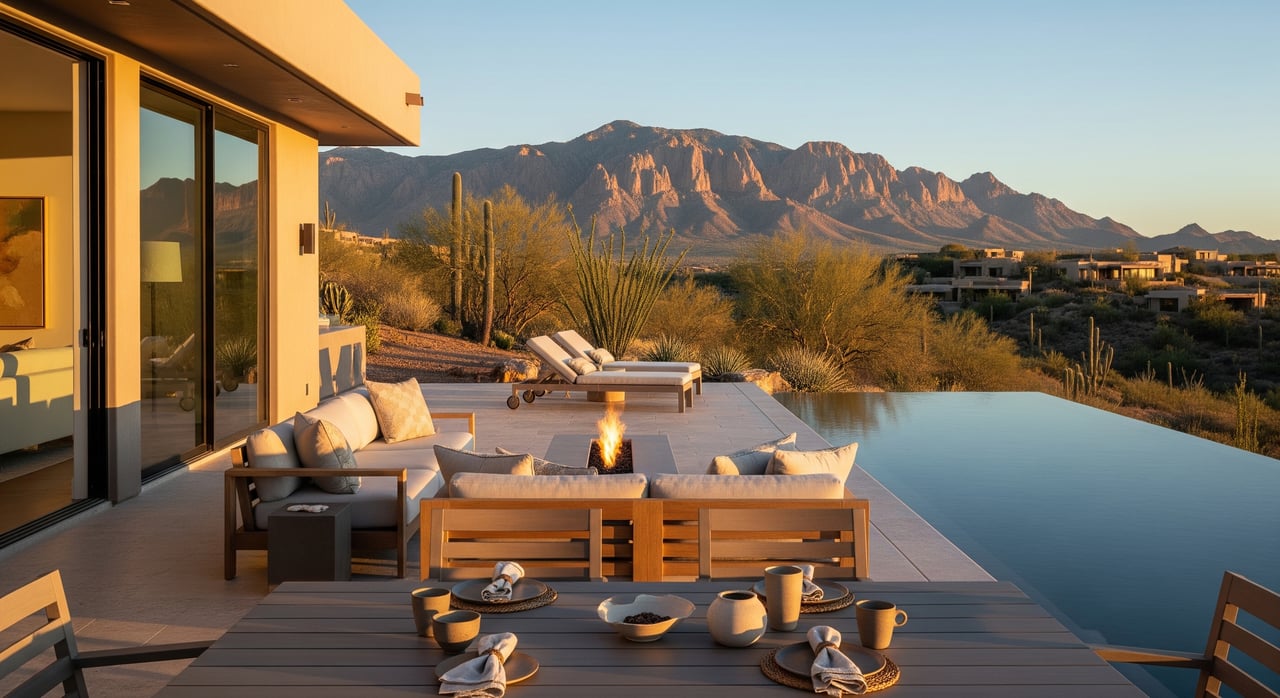
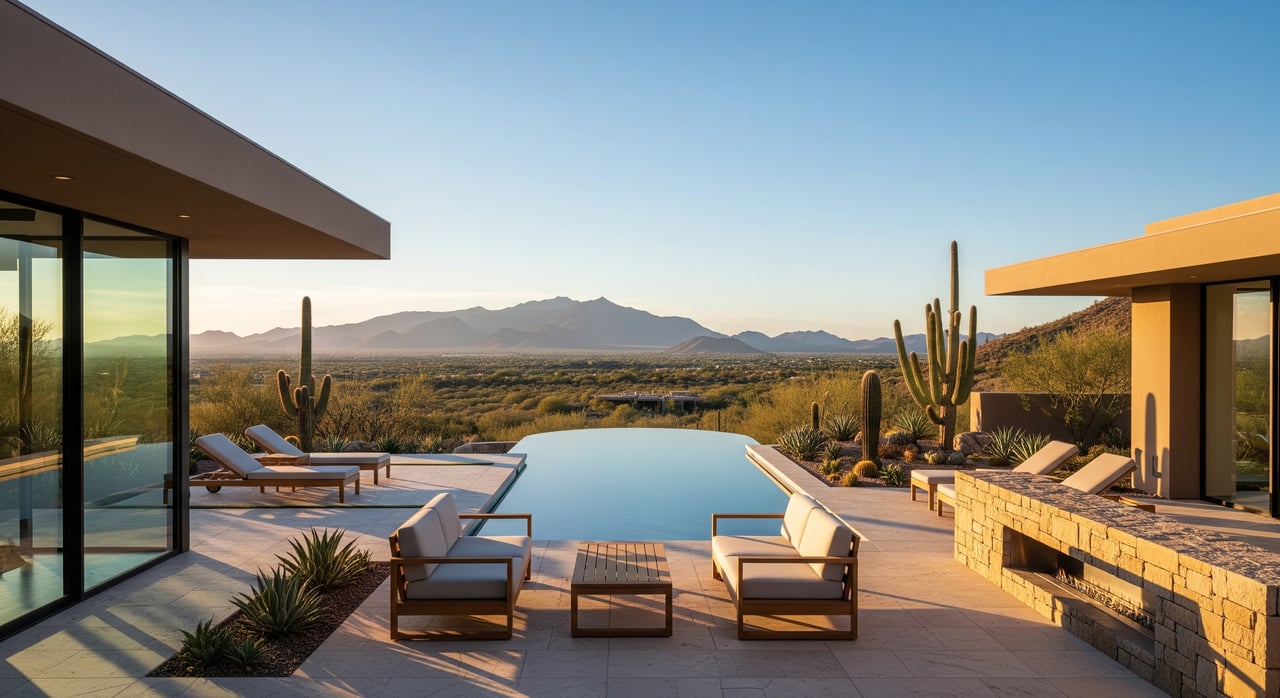
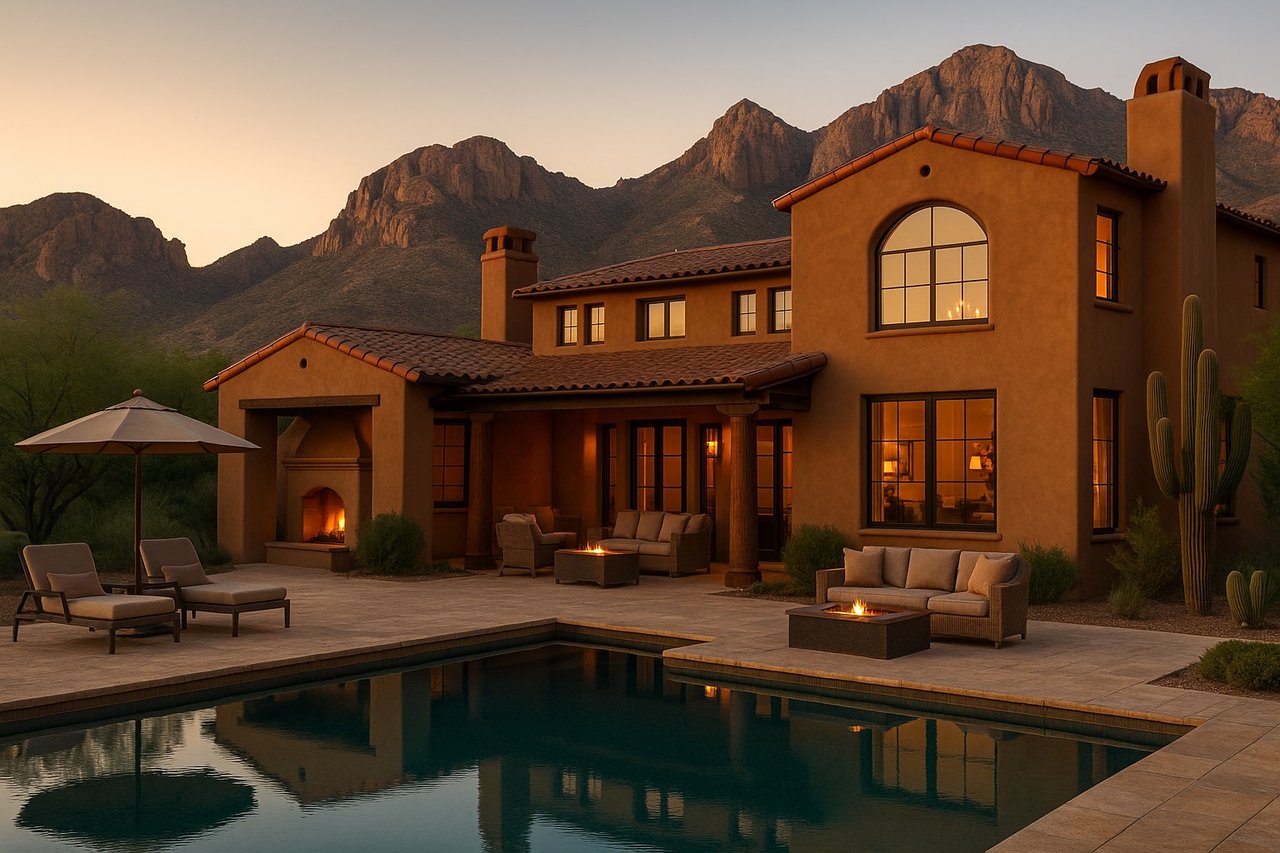
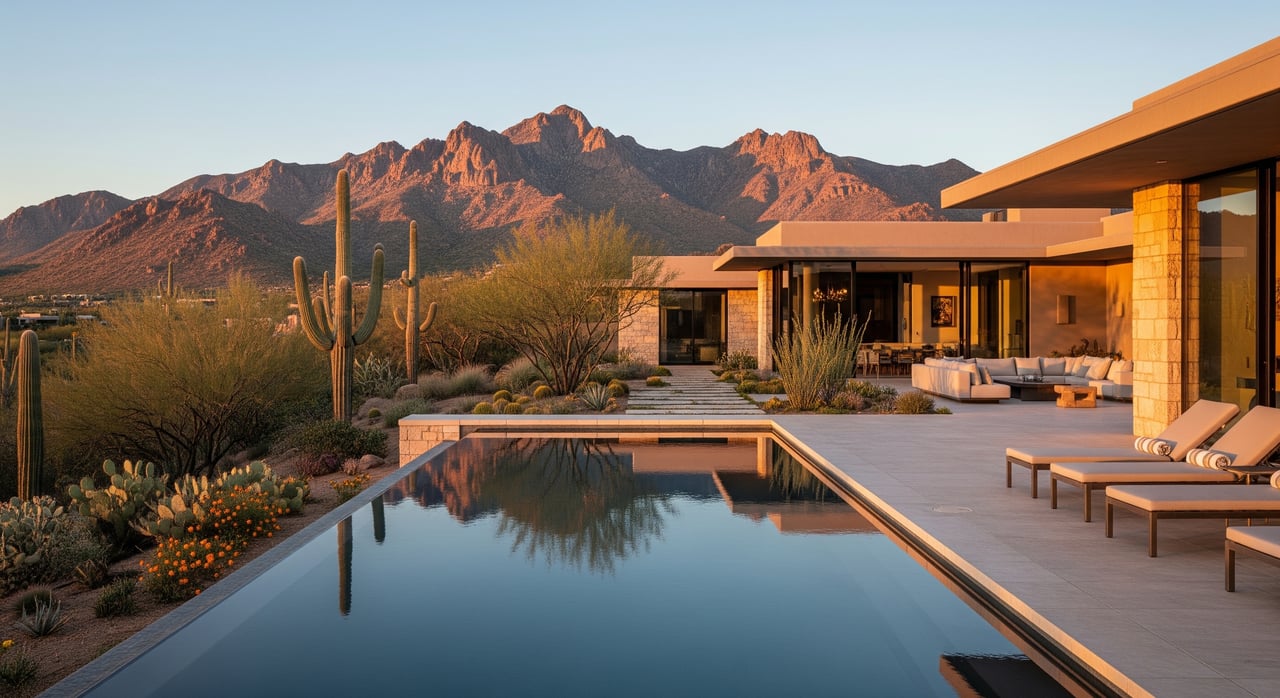
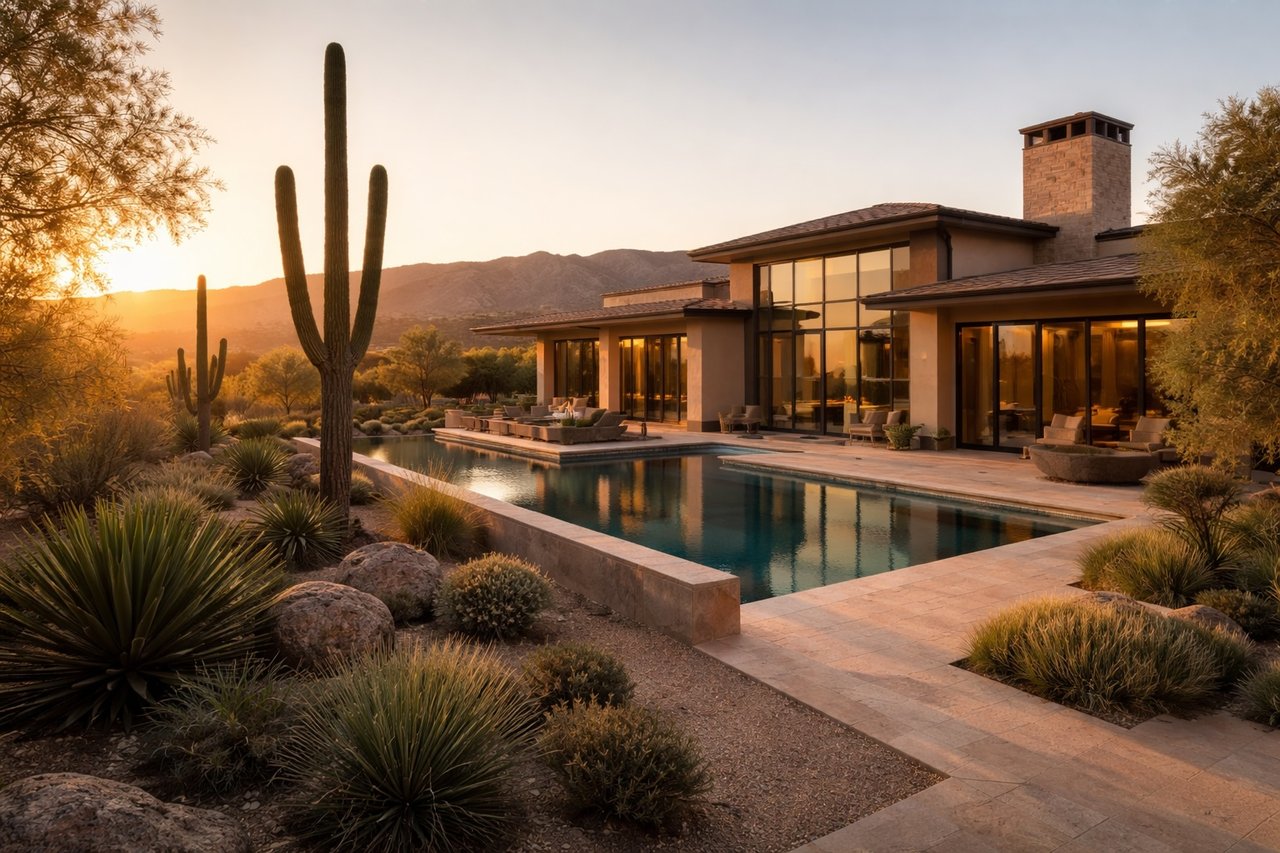
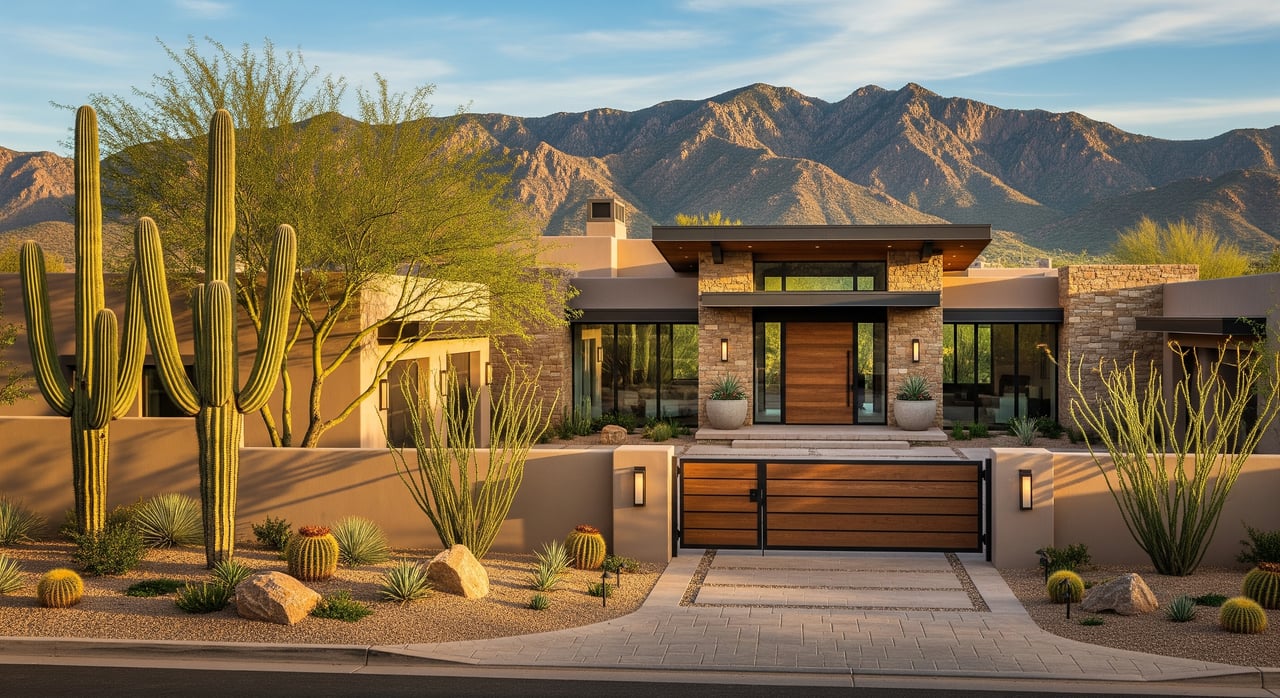
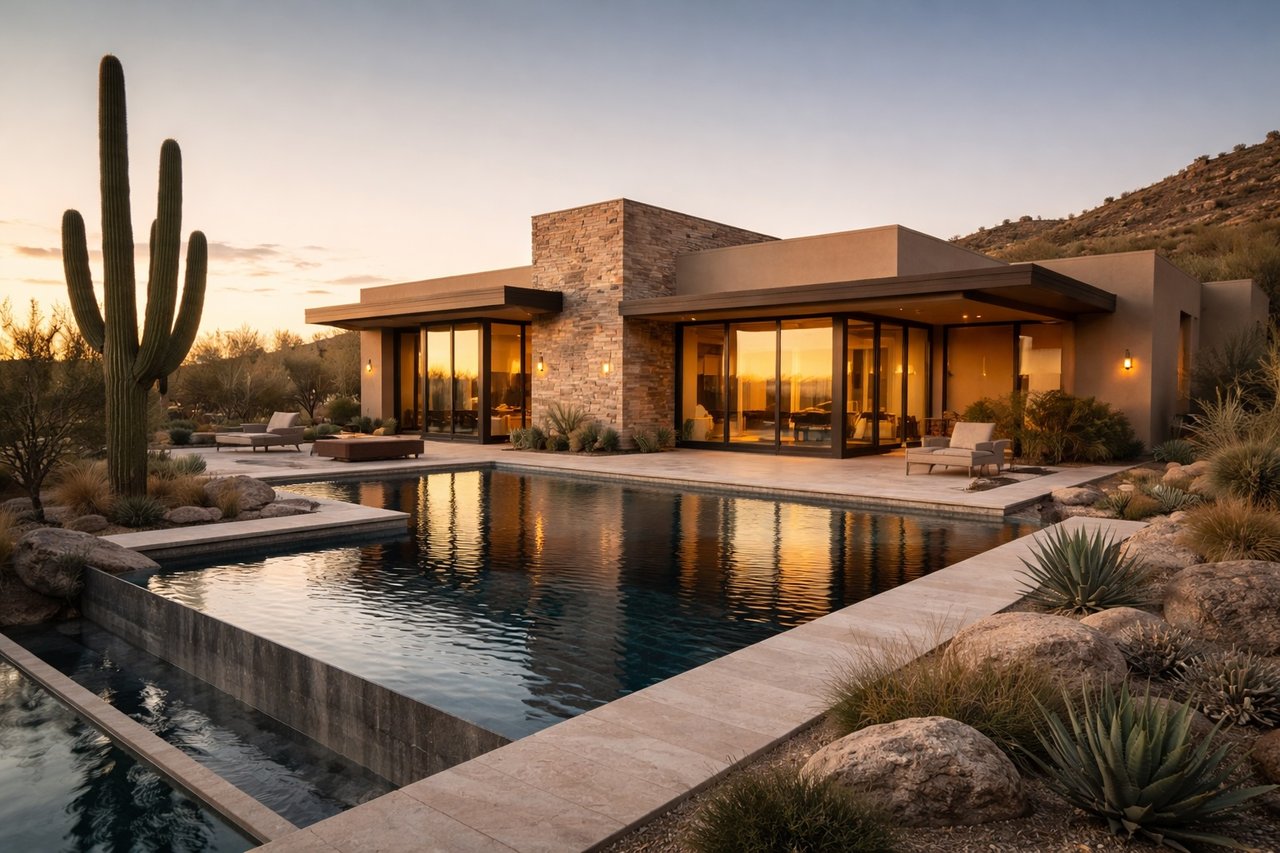
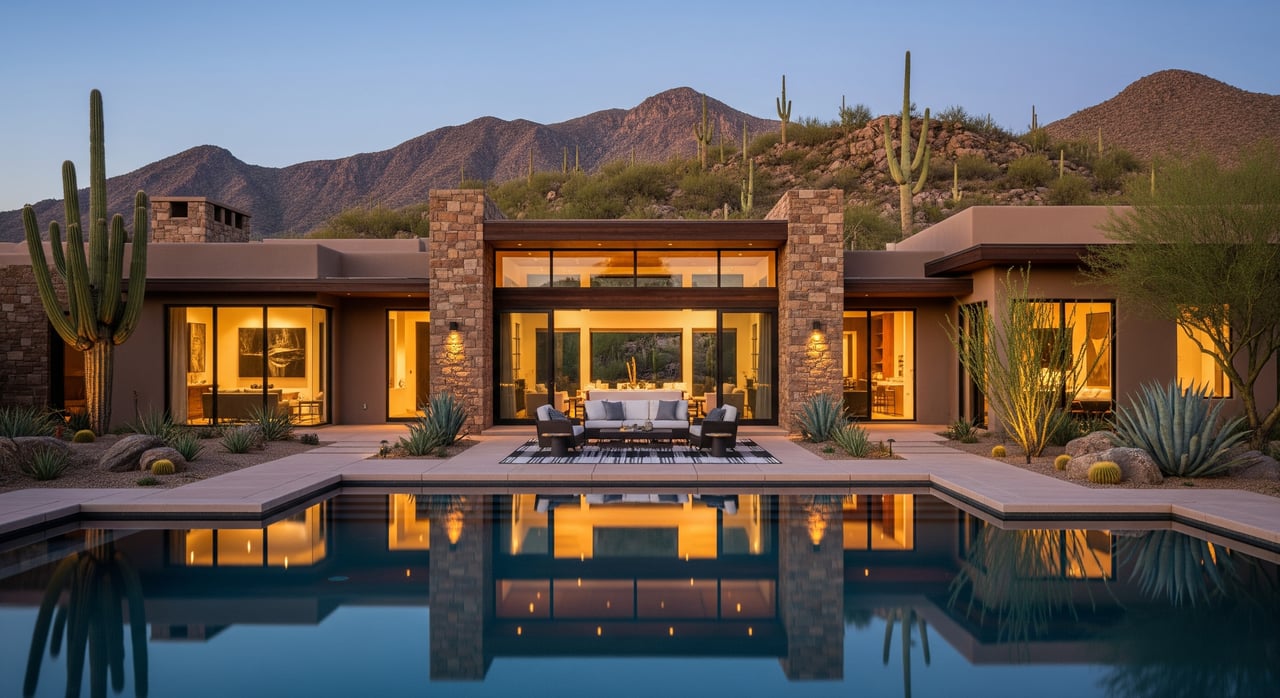
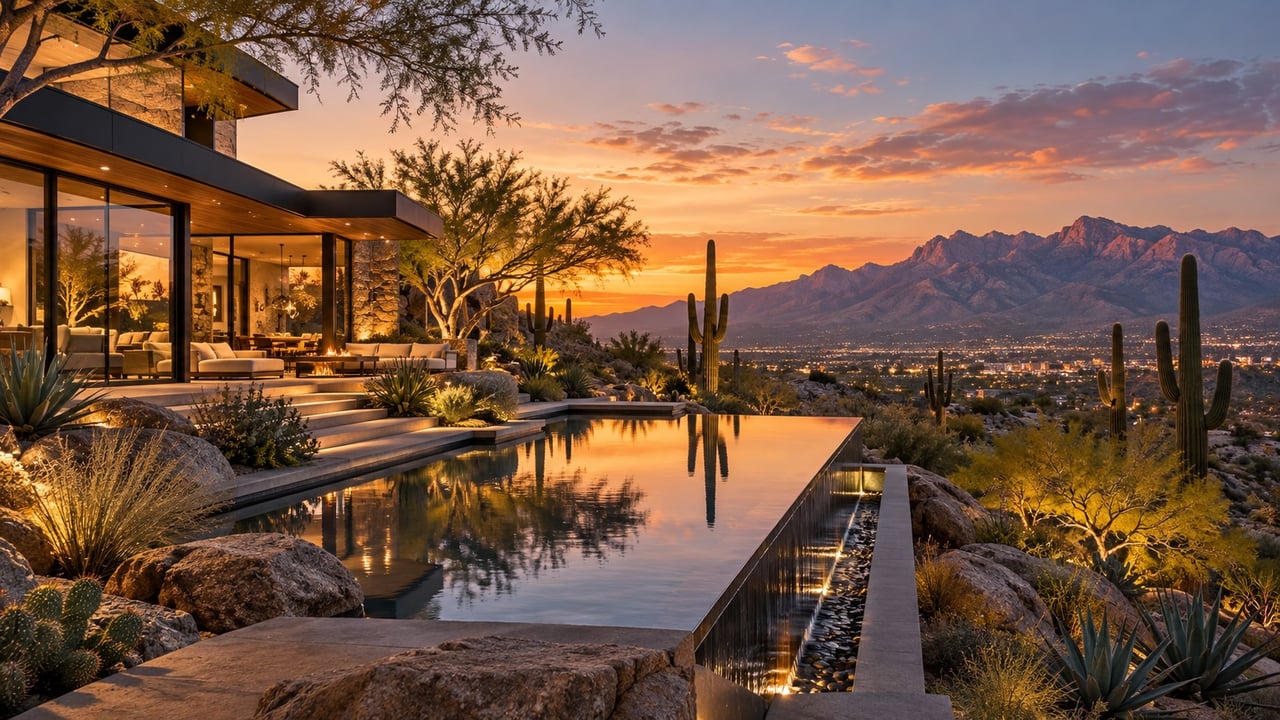
You walk through a remarkable home in the Catalina Foothills or Pima Canyon, step outside onto a terrace, and suddenly the house almost disappears.
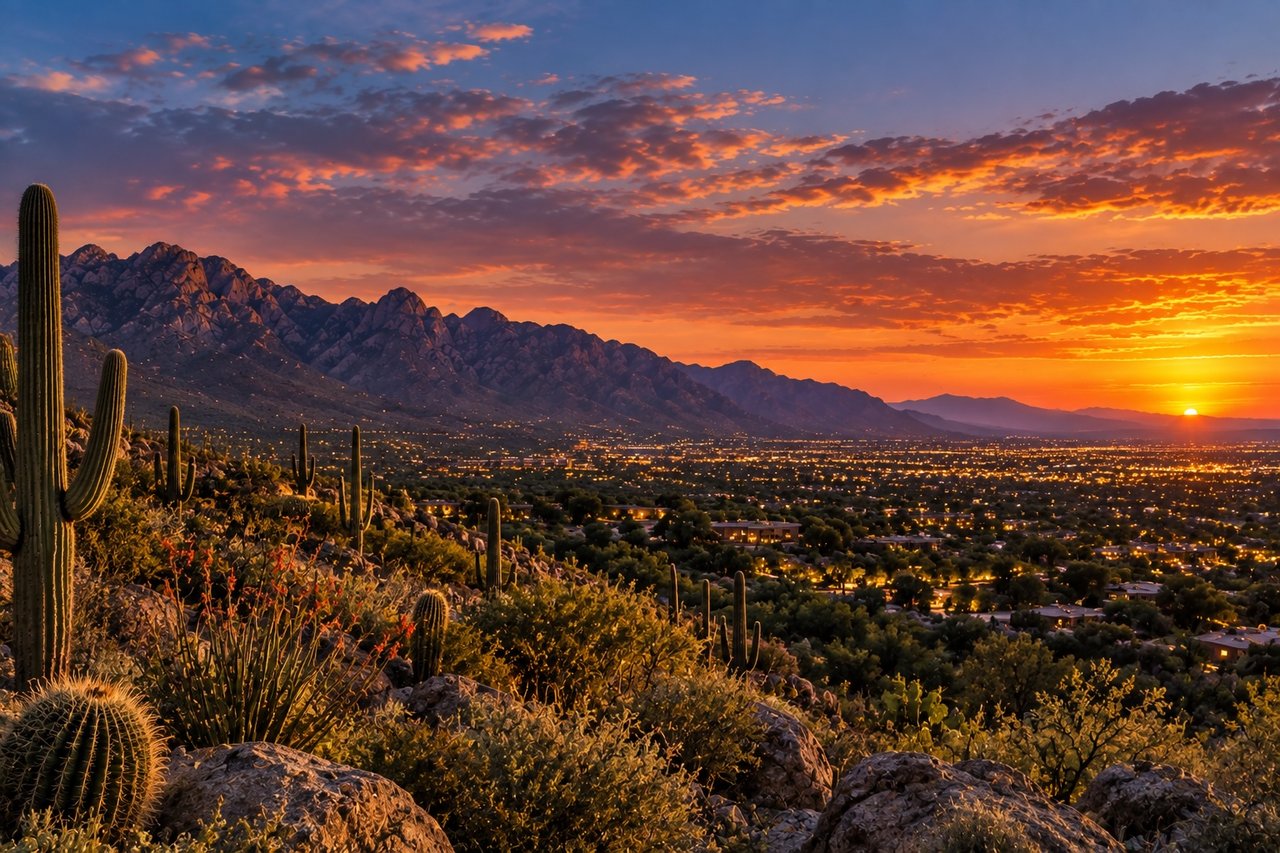
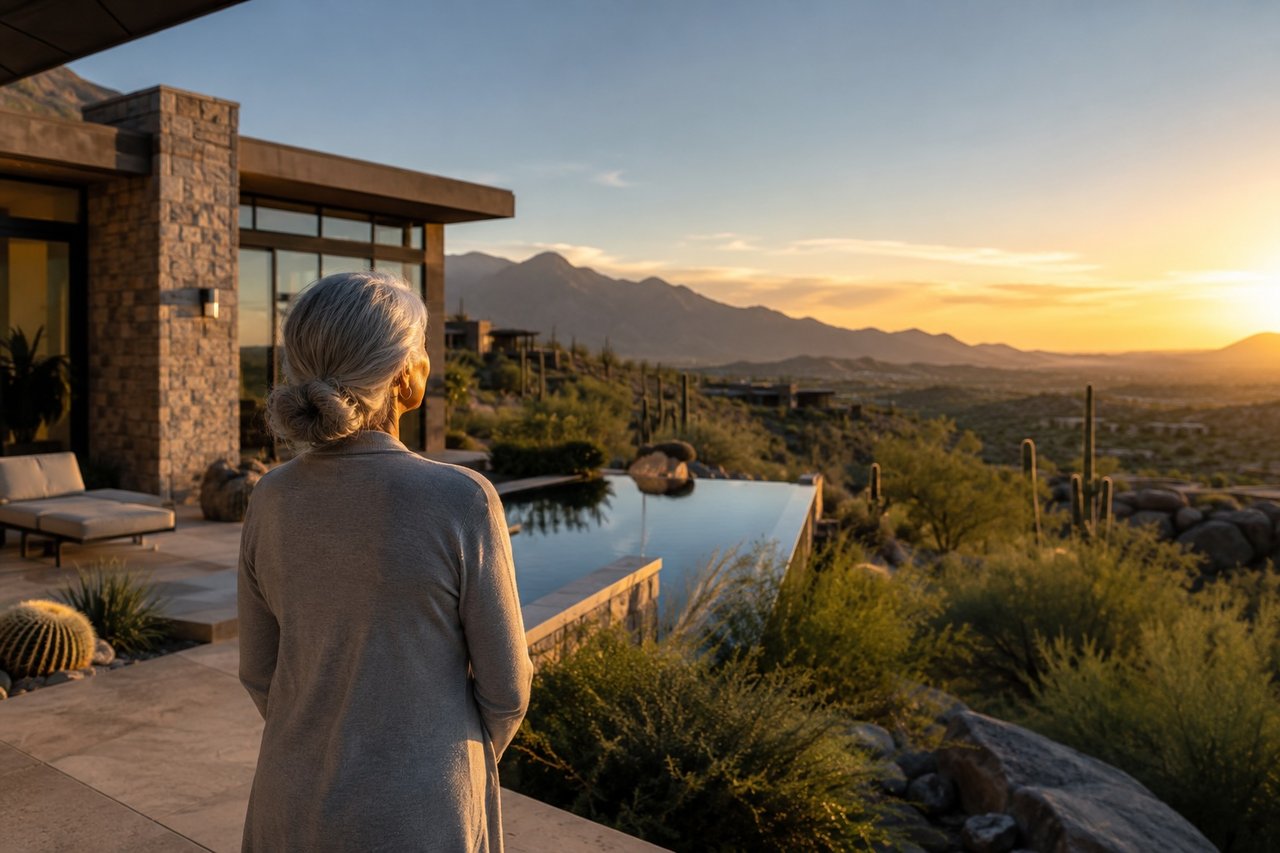
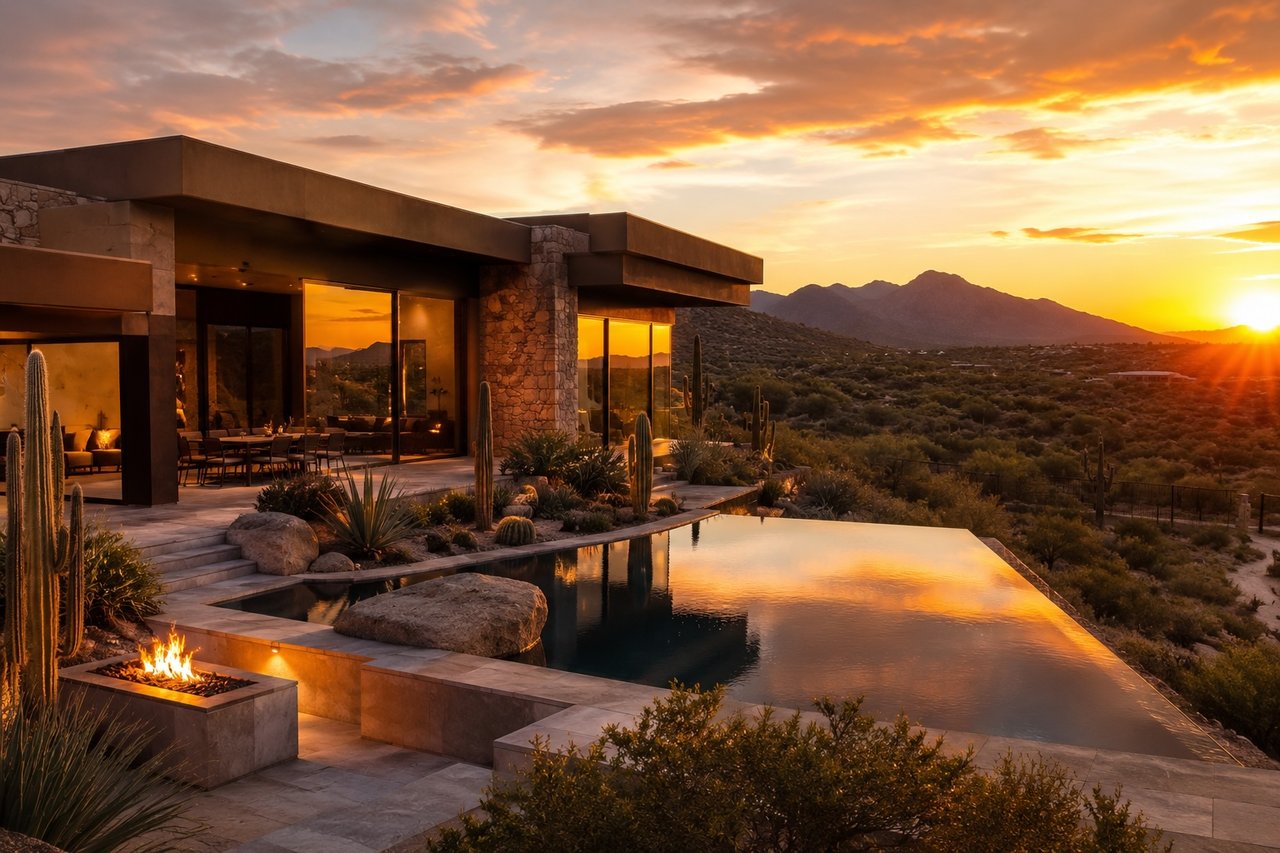
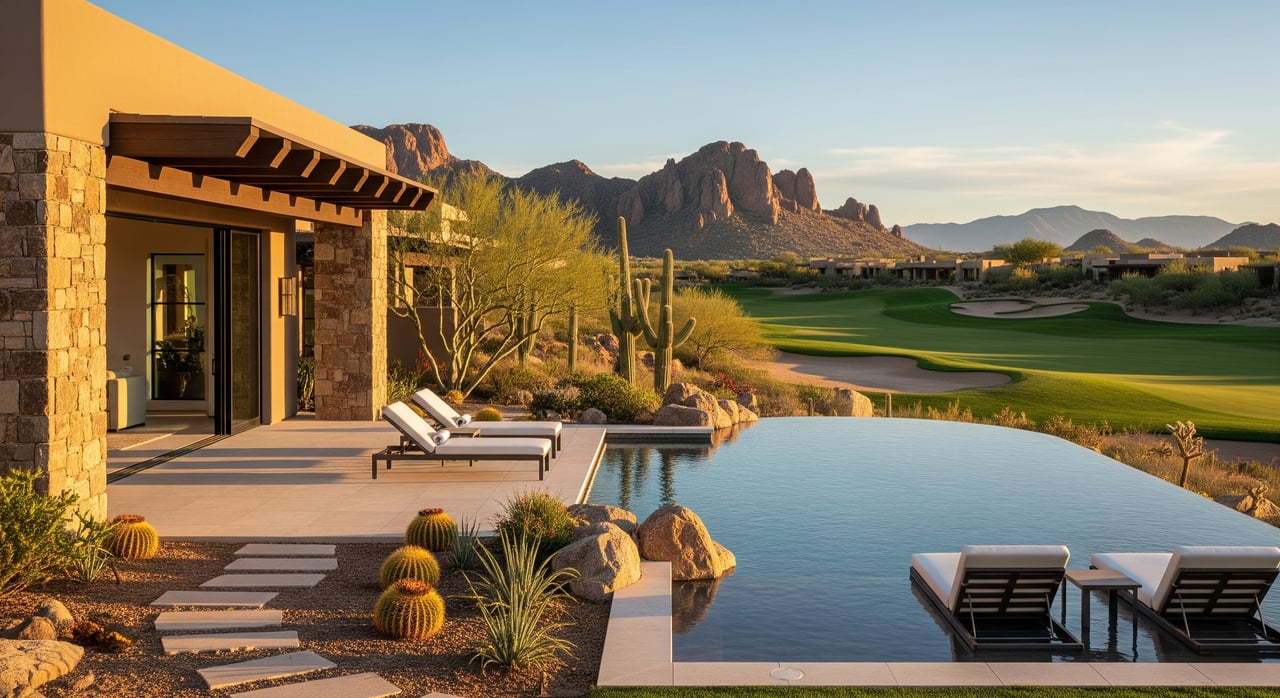
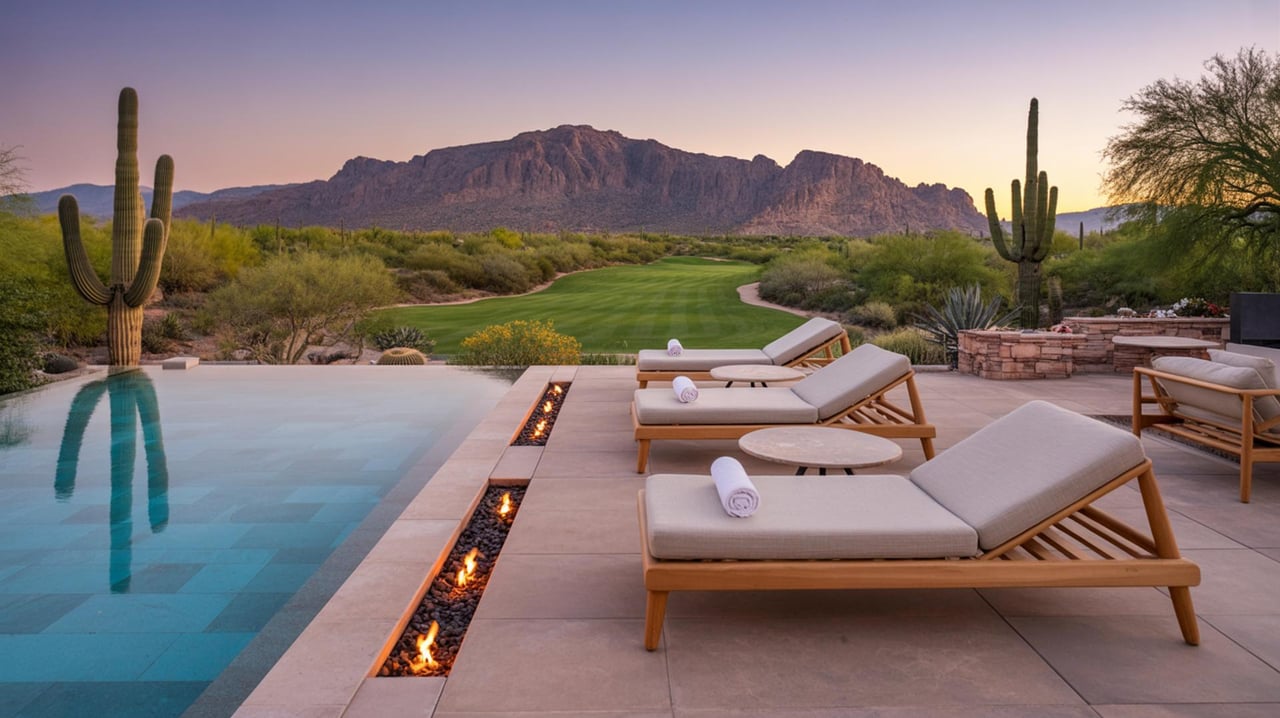
The Catalina Mountains command the horizon. Saguaros rise out of the surrounding desert. A pool reflects an impossibly blue Arizona sky. As evening arrives, the lights of Tucson begin to shimmer across the valley.
This is why people fall in love with Southern Arizona.
But if we are going to talk seriously about the future of luxury real estate in Tucson, there is another part of that landscape we should be talking about:
Water.
Not because Tucson is about to run out of it.
And not because every alarming headline about water in Arizona accurately describes conditions in Southern Arizona.
Rather, water deserves our attention because the next generation of luxury ownership will increasingly be about more than square footage, finishes and views. It will also be about resilience, intelligent design, infrastructure and understanding the environment in which we choose to live.
As a Tucson native and luxury real estate advisor with Russ Lyon Sotheby’s International Realty, I believe sophisticated buyers should understand both sides of this story: the genuine challenges facing the American Southwest and the extraordinary amount of planning, conservation and innovation already underway in Tucson.
The future of water is ultimately part of a much larger question:
What will luxury living in the Sonoran Desert look like 25, 50 or even 75 years from now?
First, Is Tucson Running Out of Water?
This is probably the most important question to answer directly.
Tucson Water’s current long-range planning does not project that Tucson simply “runs out of water.” Its One Water 2100 Plan evaluates future conditions through the end of the century and is designed around maintaining reliable water supplies while responding to population growth, climate change, Colorado River uncertainty, conservation, water quality and economic development.
That does not mean water is unlimited.
It means Tucson has spent decades planning around the reality that it isn't.
This distinction matters.
Tucson was once one of the largest American cities relying almost entirely on groundwater. Today, Tucson Water manages a much more diversified portfolio that includes Colorado River water delivered through the Central Arizona Project, groundwater, recycled water, and rain and stormwater. The city's long-range strategy calls for increasing locally controlled supplies, expanding recycled water, managing groundwater and using conservation to control demand.
That evolution is one of the more important stories in Southern Arizona.
Living successfully in the desert has required Tucson to think differently about water for generations.
And it will require us to keep doing so.
The Colorado River Still Matters
It would be equally misleading to ignore what is happening on the Colorado River.
In August 2026, the U.S. Department of the Interior reported that the combined contents of Lake Powell and Lake Mead had fallen to levels not seen since before Lake Powell began filling in the 1960s. The federal government subsequently finalized a new framework for Colorado River operations beginning in 2027, including reduced Lower Basin deliveries and a structure intended to adapt operations as hydrologic conditions change.
That deserves attention.
But a headline about Lake Mead is not, by itself, an explanation of the water situation at a home in Tucson.
Tucson Water has spent decades storing water, managing groundwater and diversifying supplies. Its One Water strategy explicitly anticipates uncertainty on the Colorado River and identifies reducing dependence on the river over time as part of Tucson's long-range approach.
This is where I think buyers should resist both extremes.
There is little value in pretending that water challenges do not exist.
There is equally little value in assuming that every property in Arizona faces the same water circumstances.
Water in Arizona is local.
The source serving a home in the Catalina Foothills may be different from the source serving another property only a few miles away. Properties farther from established metropolitan infrastructure may rely on private wells, shared wells or smaller water providers.
For real estate, those distinctions matter far more than a generalized headline about “Arizona water.”
Tucson Has Been Preparing for This Conversation for Decades
One of the most interesting things about Tucson's water story is that conservation is not new here.
The city's One Water 2100 strategy describes a transition from dependence on groundwater toward an integrated system involving surface water, groundwater, recycled water and stormwater. Tucson has also developed reclaimed-water infrastructure and programs encouraging rainwater harvesting and conservation.
In other words, the desert forced us to innovate early.
I think that matters when discussing Tucson's future with people relocating from other parts of the country.
A buyer coming from Seattle, Chicago, San Francisco or the East Coast may understandably look at the Sonoran Desert and ask:
“Where does all the water come from?”
That is a good question.
The more interesting question is:
How has a desert city learned to manage the water it has?
That story involves conservation, aquifer management, reclaimed water, underground storage, stormwater, infrastructure and, increasingly, technology.
It is much more sophisticated than the simple narrative of “Arizona is dry.”
The Next Frontier: Purifying and Reusing Water
One of the developments I find particularly interesting is advanced water purification.
The concept is straightforward even if the engineering behind it is not: water that has already been used can undergo additional advanced treatment and purification so that it can become part of a community's future water supply.
Tucson's One Water strategy identifies expanded use of recycled water—including potable applications—as one of its future supply tools. Tucson Water now says it has secured federal funding to develop the city's first advanced water purification facility, and a 2026 City of Tucson planning record describes a demonstration facility intended to comply with Arizona's advanced water purification requirements while also serving as an educational facility.
I think this represents something larger than a single water project.
It illustrates how desert cities may increasingly approach resources in the future.
Instead of continually asking, “Where can we find more water?” the question becomes:
How intelligently can we use the water already within our environment?
That same philosophy can be applied at the residential level.
And that is where this conversation becomes particularly interesting for luxury real estate.
The Future of Luxury Is Not Less Luxury. It Is Smarter Luxury.
There is sometimes an assumption that sustainability means sacrifice.
I don't believe that has to be the case.
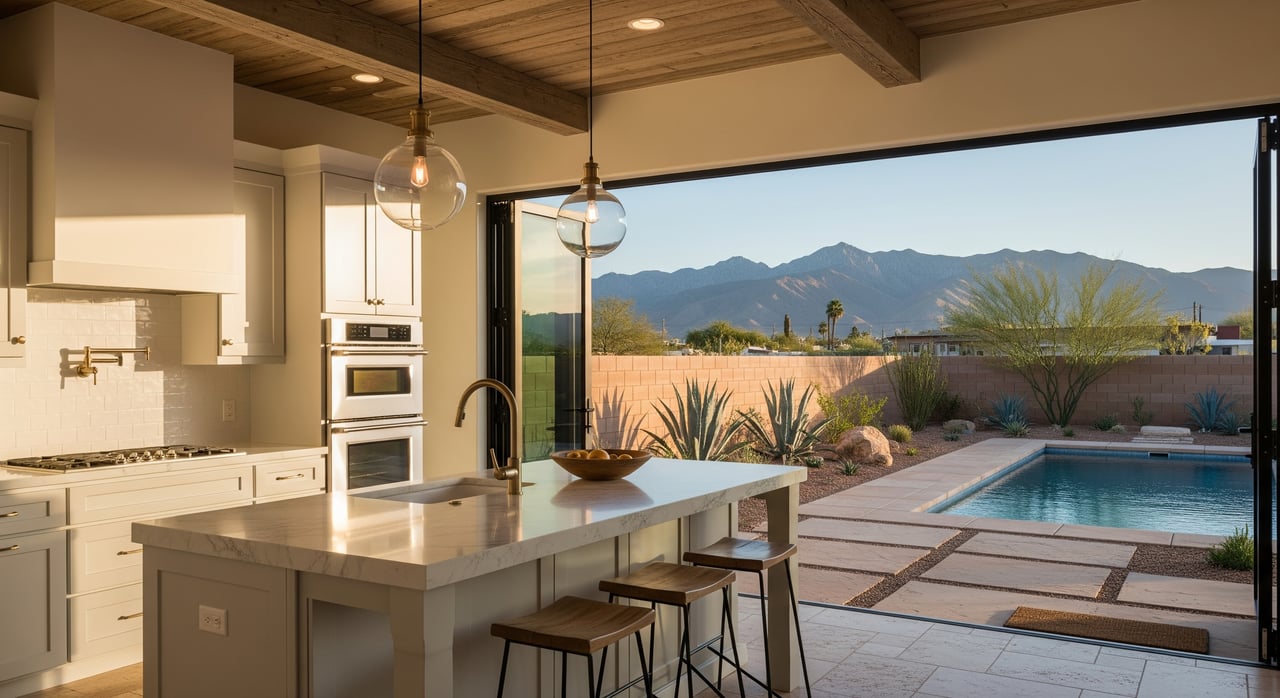
A spectacular desert estate can still have a swimming pool.
It can still have mature landscaping.
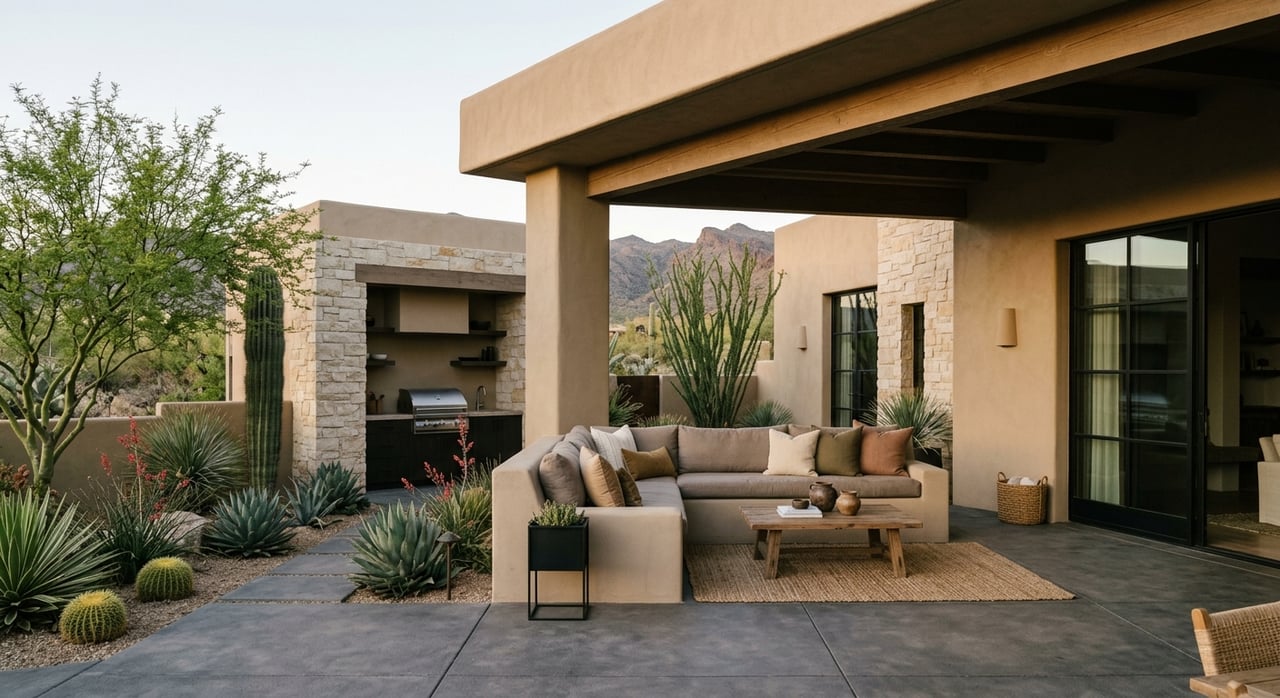
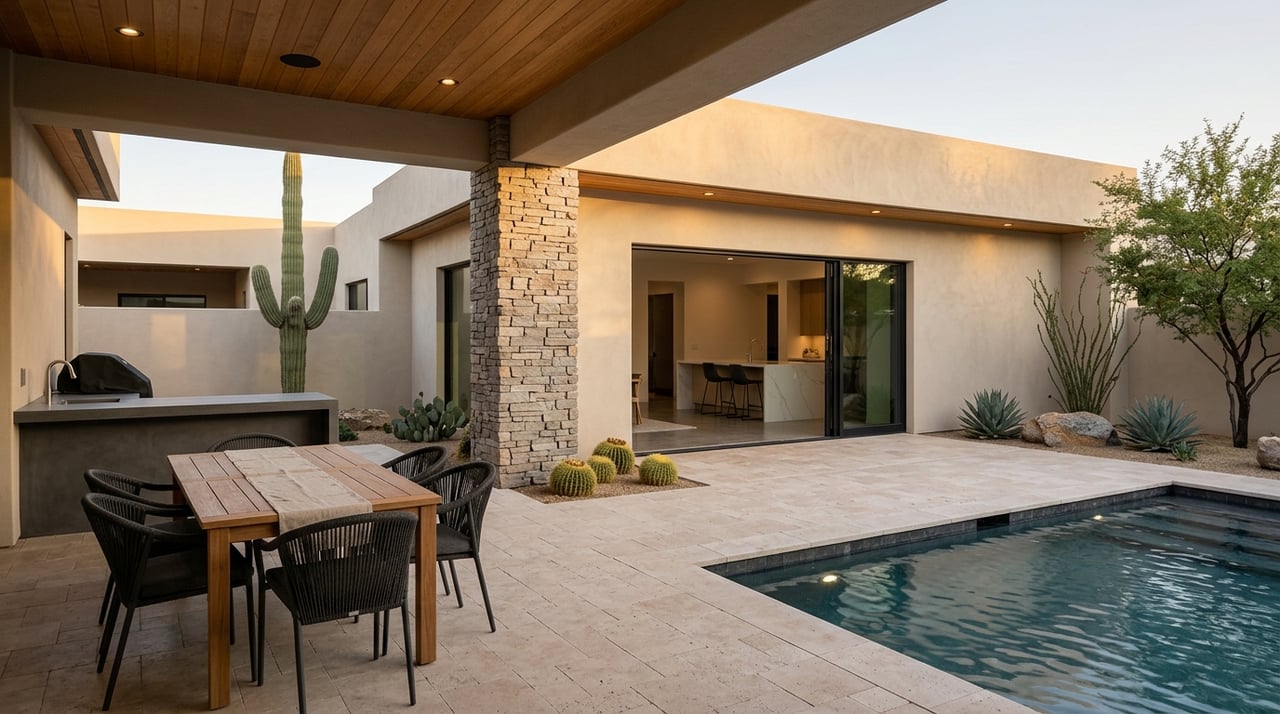
It can still have fountains, gardens, courtyards, outdoor kitchens, guest residences and beautiful entertaining spaces.
But increasingly, the most thoughtfully designed homes will ask how those amenities interact with their environment.
Imagine two equally beautiful Tucson estates.
One depends on acres of thirsty landscaping and an aging irrigation system nobody fully understands.
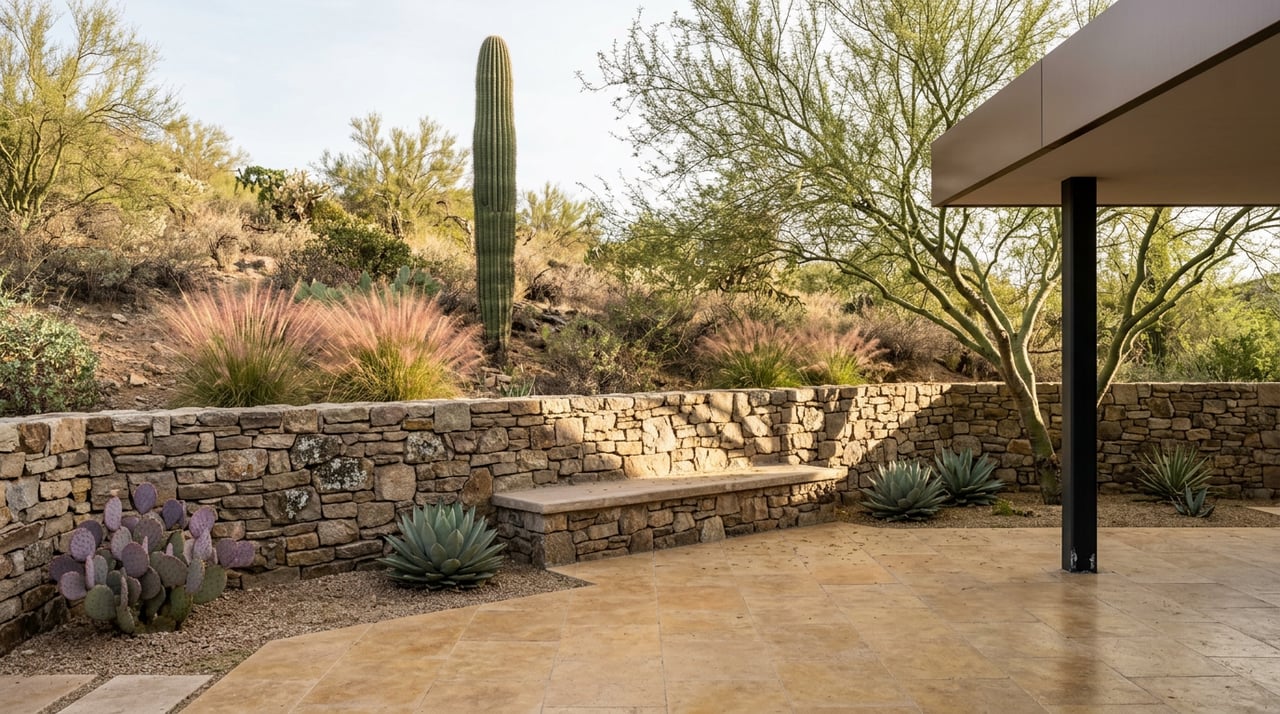
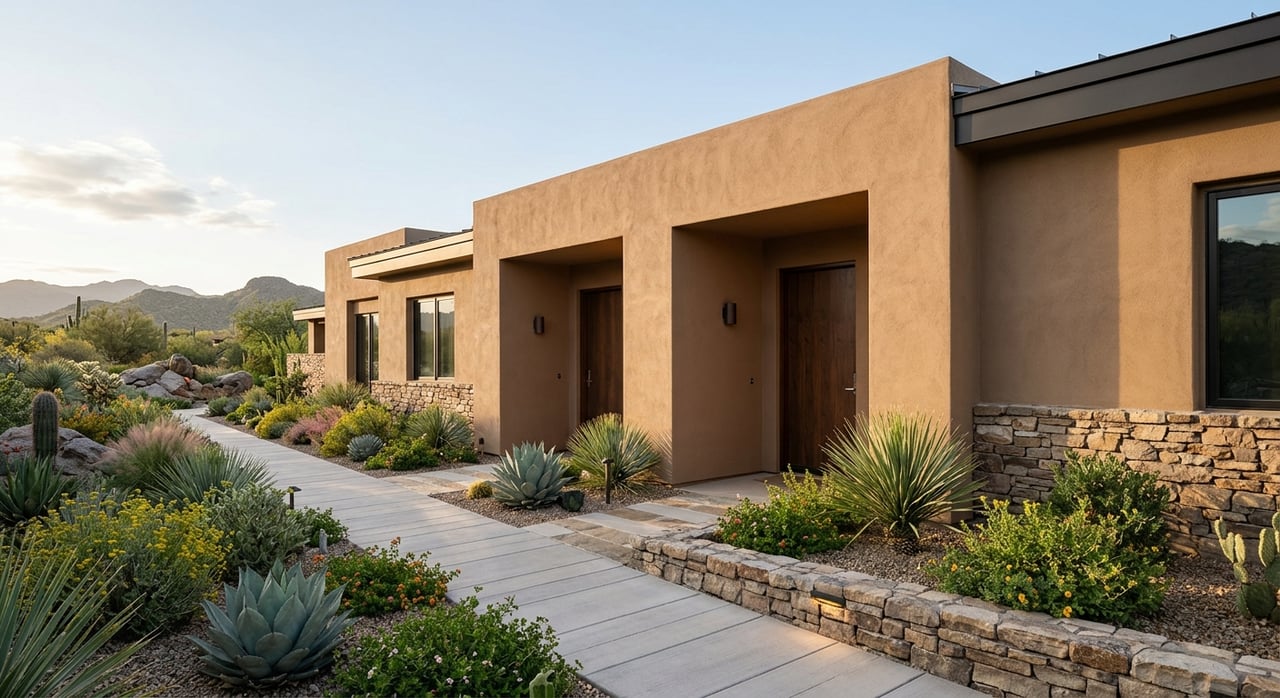
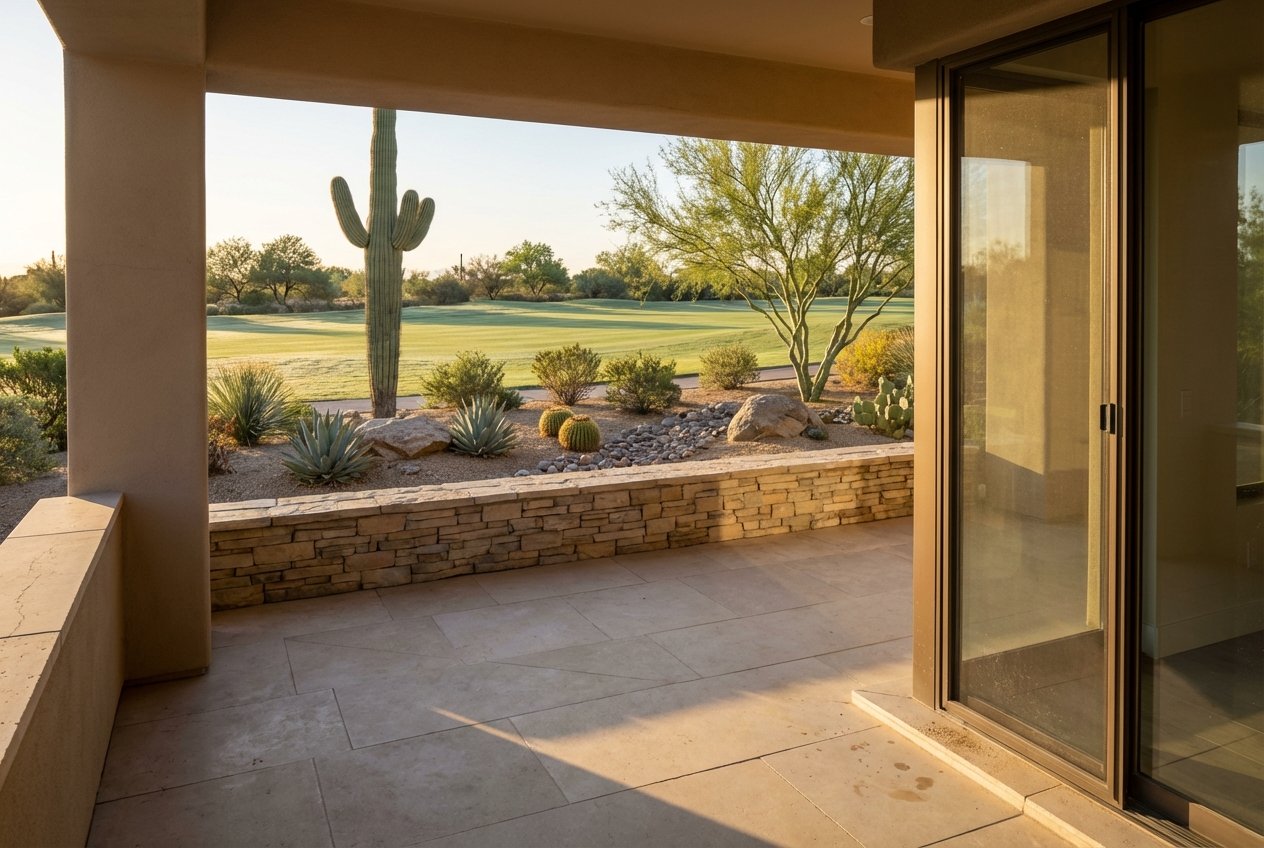
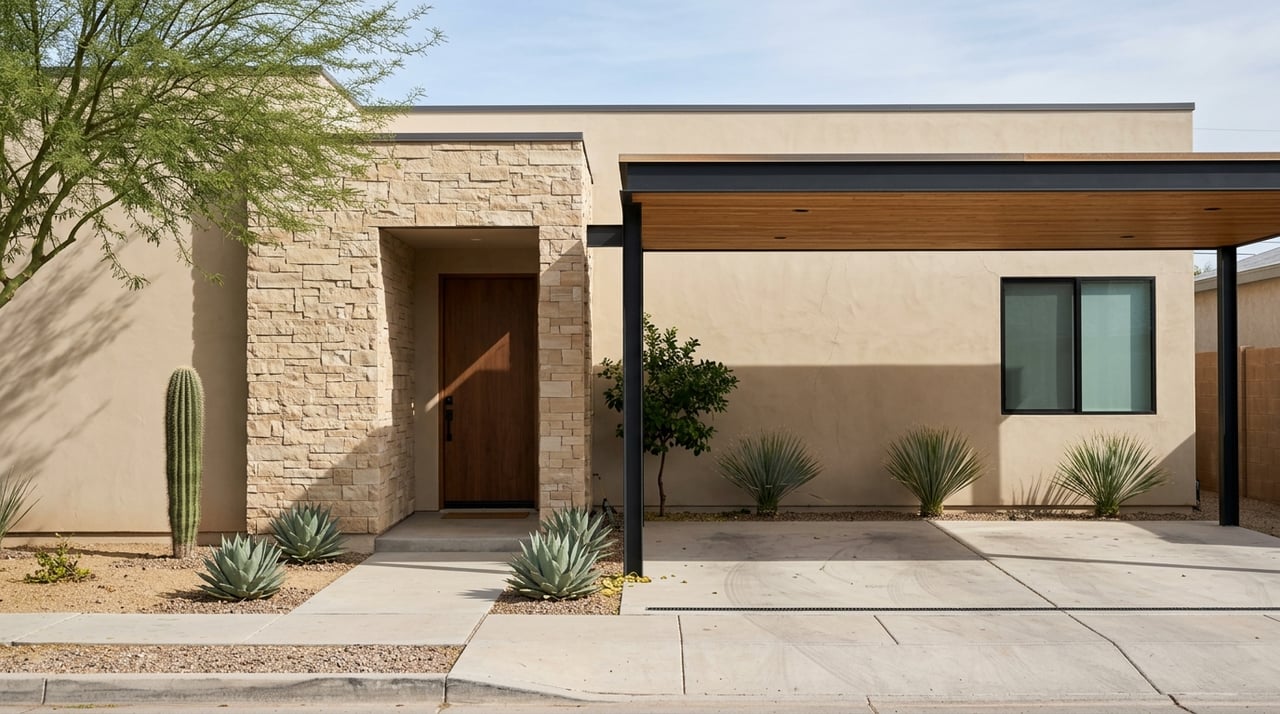
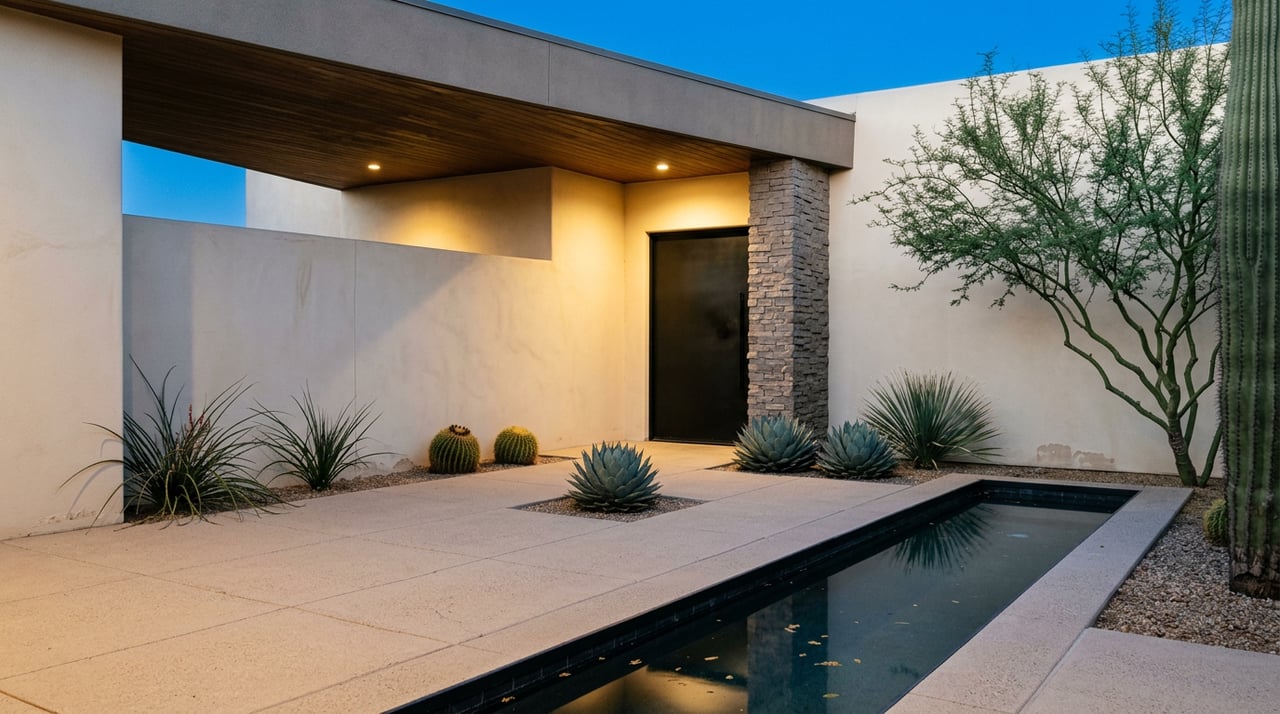
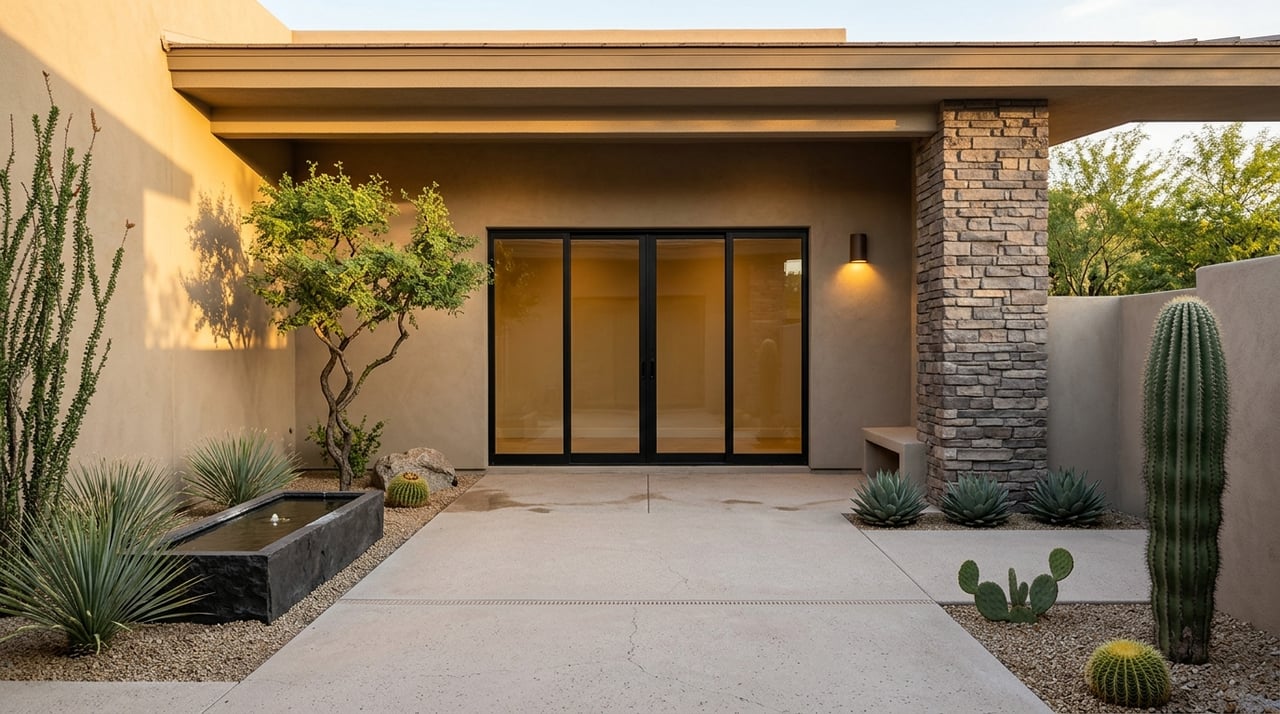
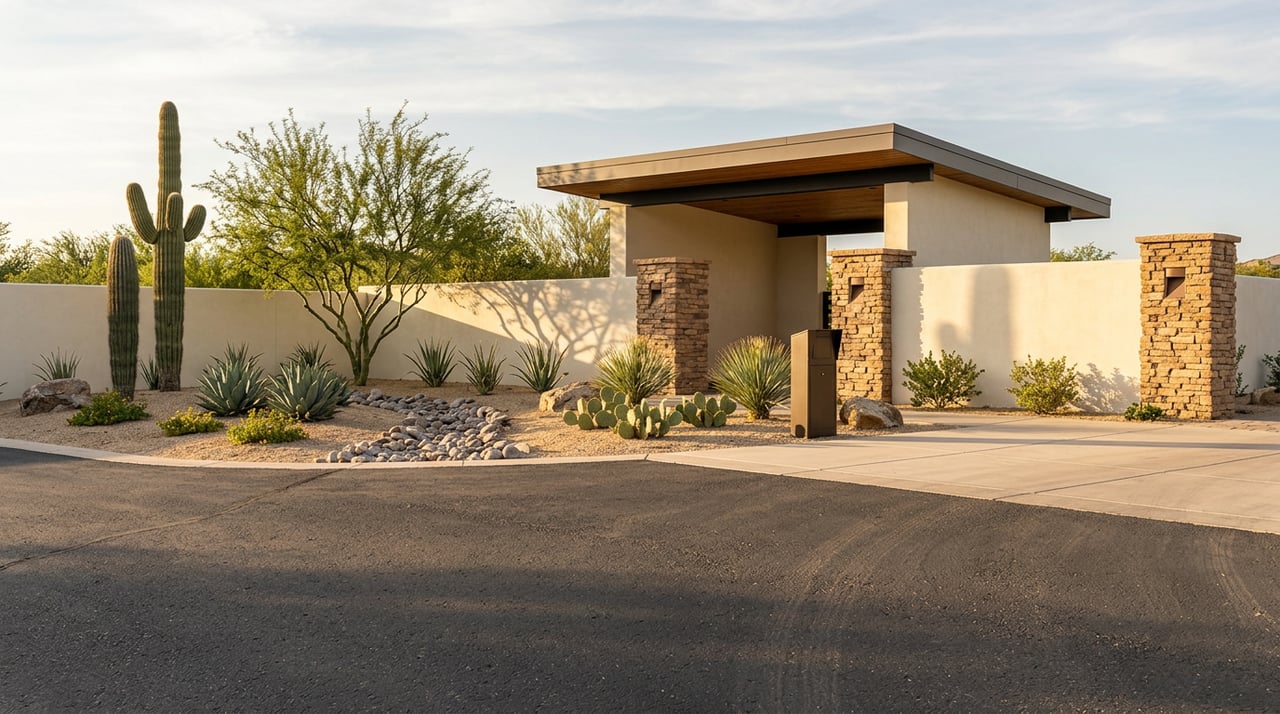
The other uses mature native and climate-adapted landscaping, intelligent irrigation, rainwater capture, leak monitoring, shaded outdoor spaces and carefully designed drainage to put rainfall to work on the property.
Both can be luxurious.
But one demonstrates a deeper understanding of where it exists.
To me, that is the evolution of desert luxury.
Luxury does not have to mean overpowering the Sonoran Desert.
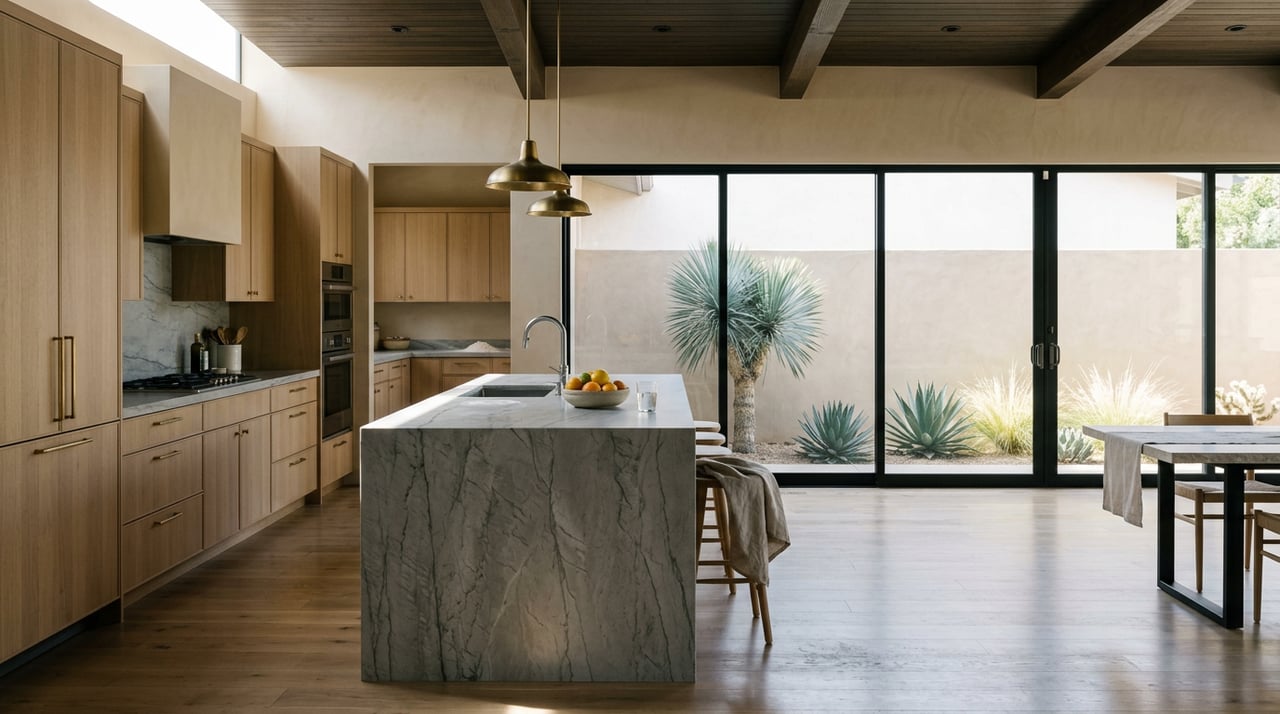
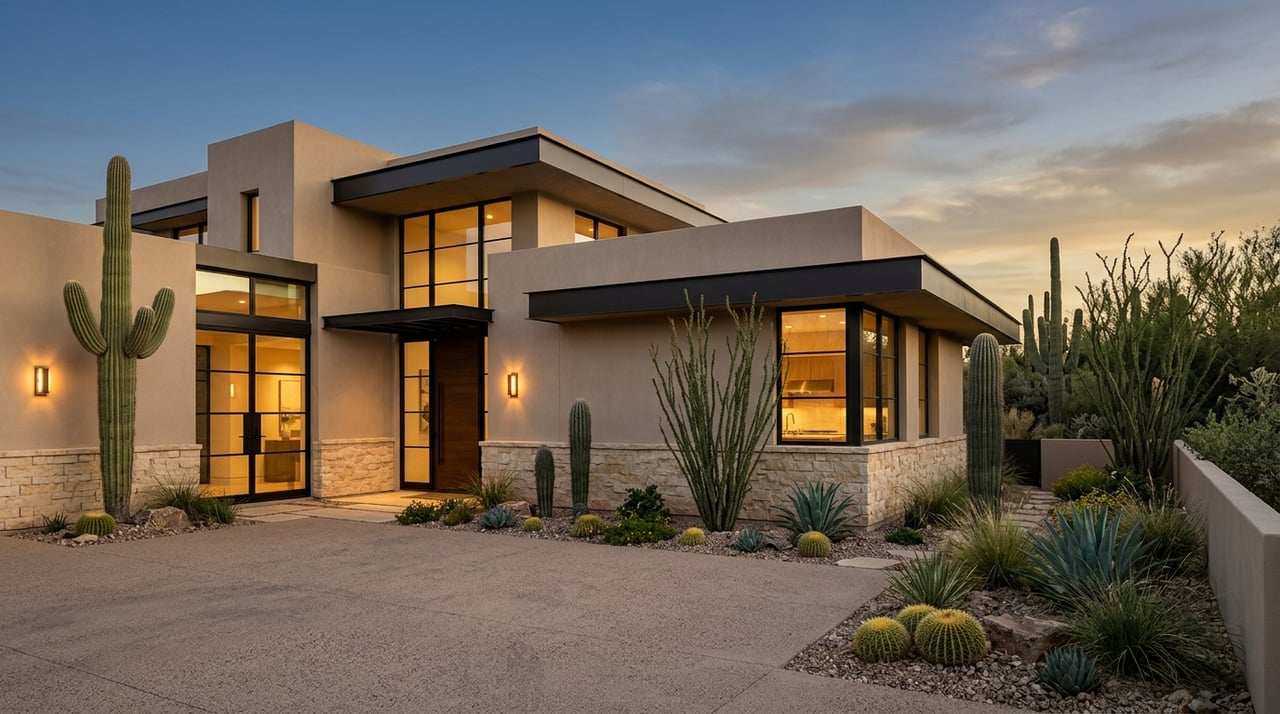
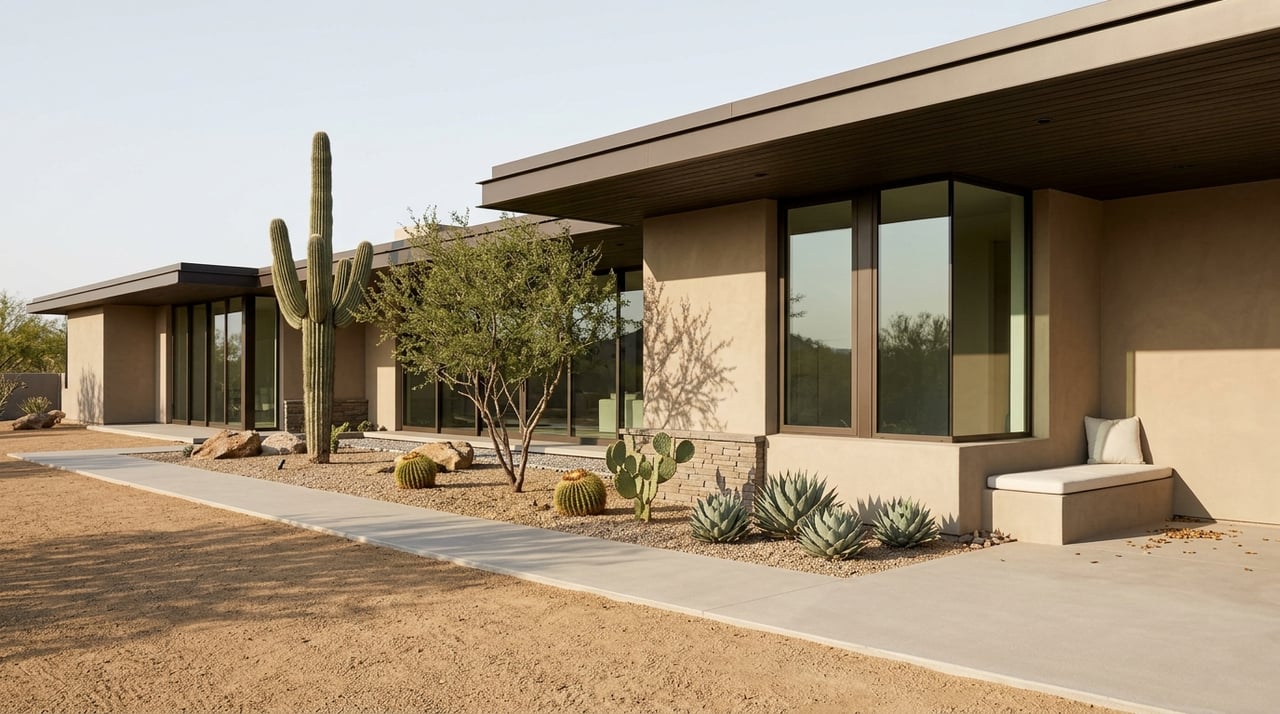
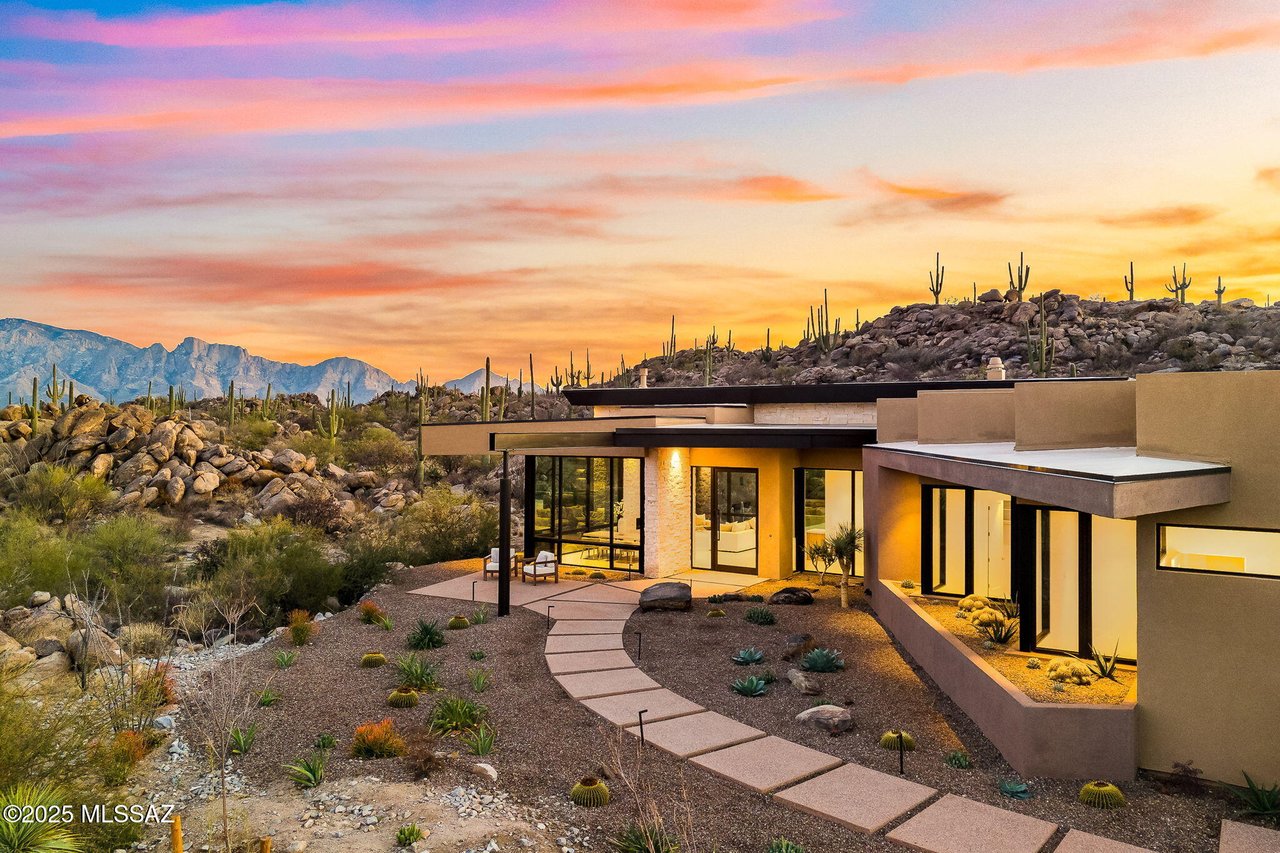
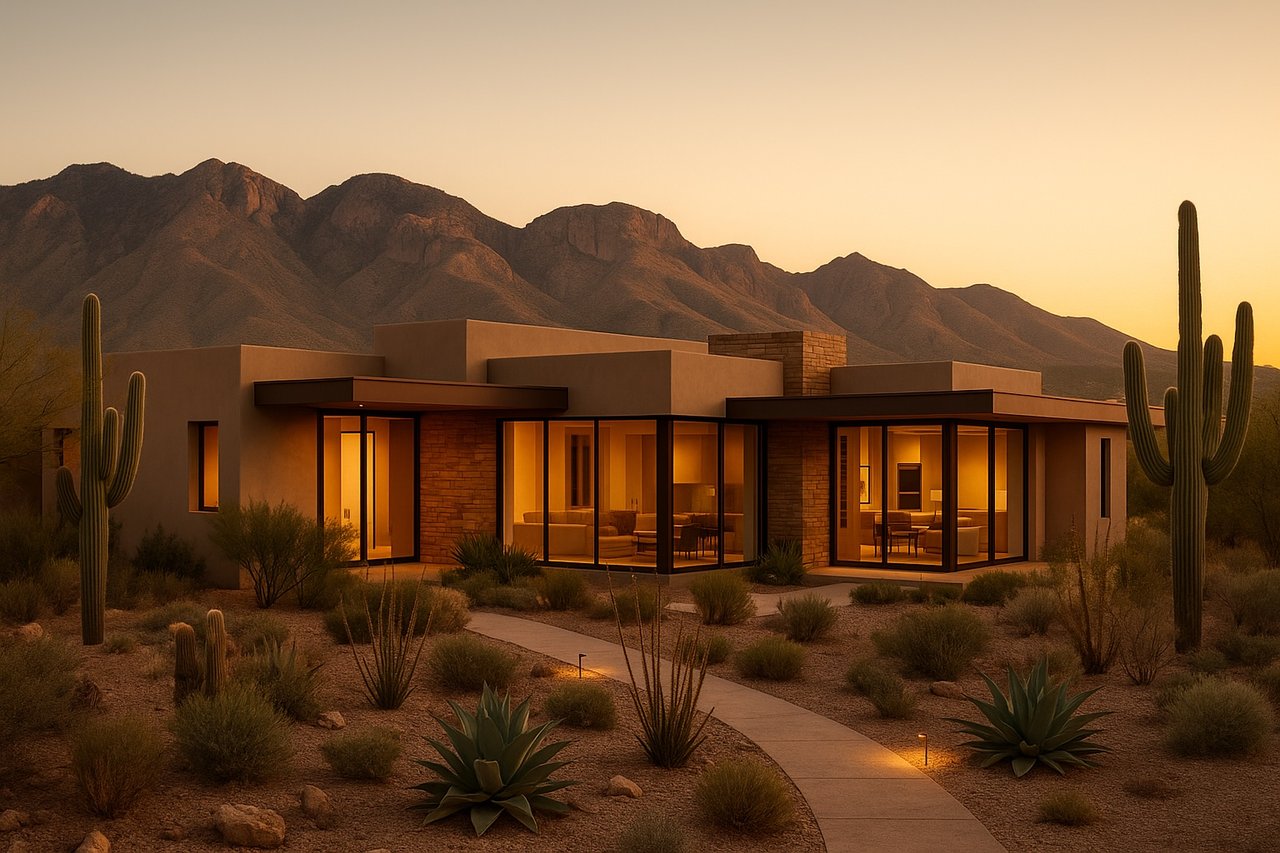
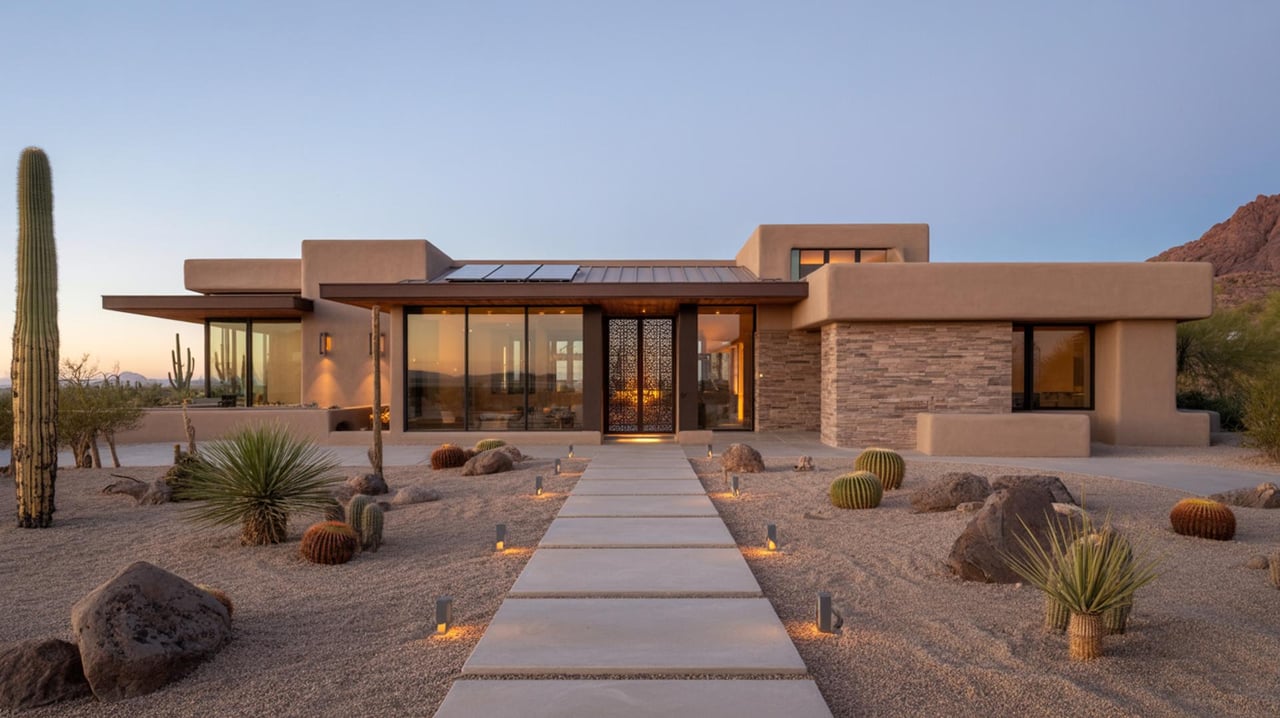
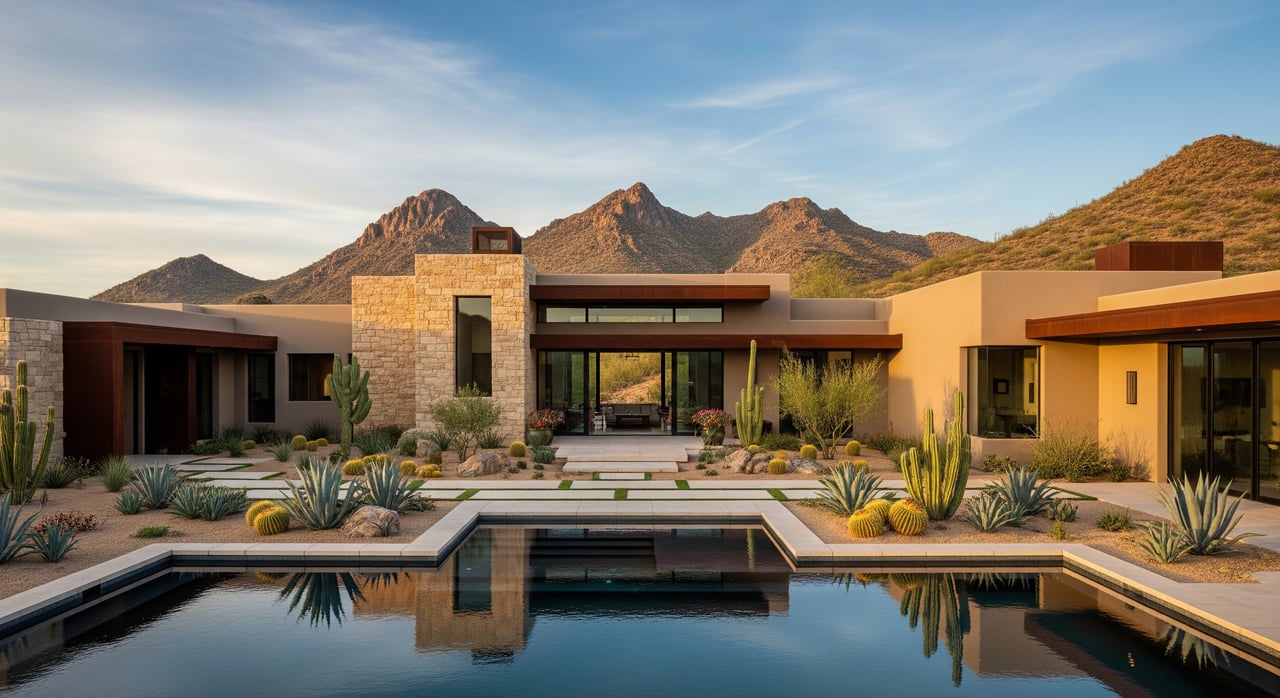
Some of our finest architecture succeeds precisely because it responds to it.
Water May Become Part of Architectural Prestige
We already understand certain features as signs of sophisticated residential design.
Orientation matters.
Shade matters.
Materials matter.
Indoor-outdoor relationships matter.
Energy efficiency matters.
I believe water intelligence increasingly belongs in that same conversation.
There is tremendous architectural potential here.
Rooflines can become part of rainwater collection.
Courtyards can direct stormwater toward gardens.
Native trees can provide natural shade while being supported by captured rainfall.
Pools can incorporate more efficient systems and covers.
Smart technology can detect abnormal consumption before a small leak becomes a major problem.
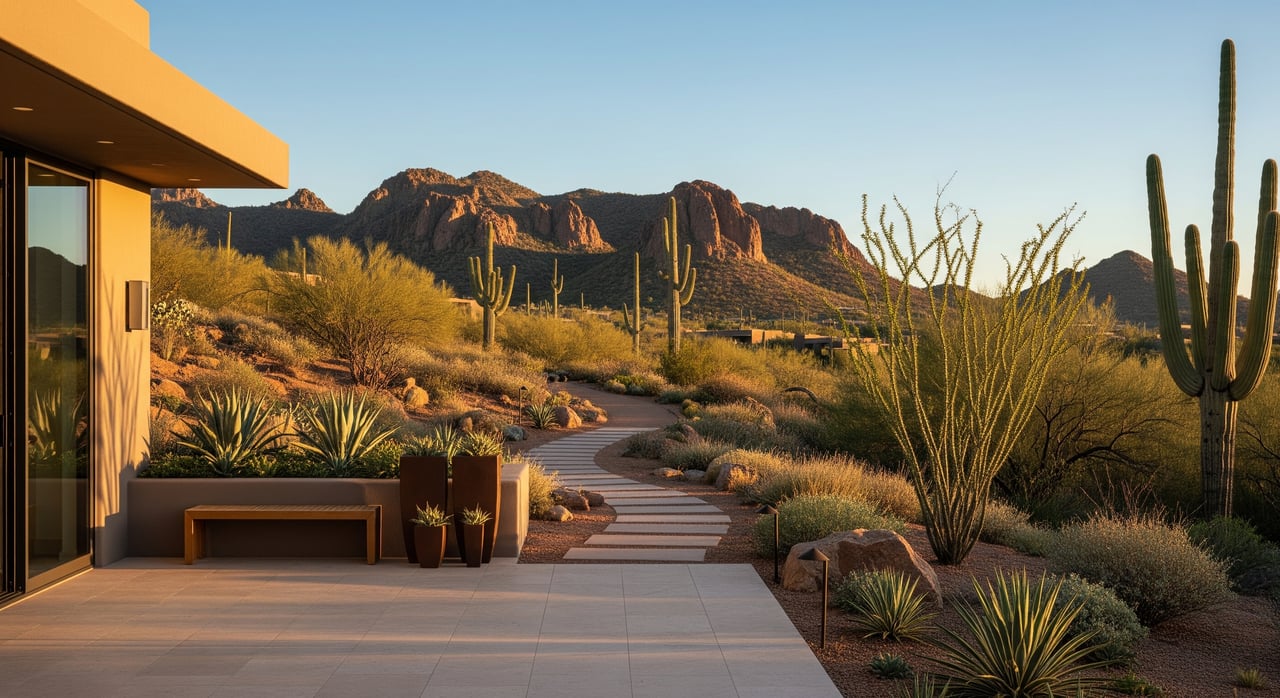
Landscape architecture can celebrate the Sonoran Desert instead of attempting to disguise it.
Tucson Water continues to incentivize residential rainwater harvesting. As of its July 2026 program update, eligible Tucson Water customers can potentially receive up to $1,999 per property toward qualifying rainwater-storage and tree-related improvements, subject to program requirements and available funding.
A cistern by itself does not make a property luxurious.
But when architects, landscape designers and homeowners integrate water into the design of a residence from the beginning, something more interesting can happen:
Conservation becomes architecture.
What Does Arizona's “100-Year Water Supply” Actually Mean?
Another phrase buyers frequently encounter in Arizona real estate is “100-year water supply.”
It can sound more absolute than it actually is.
Arizona's Assured Water Supply Program operates within the state's Active Management Areas, including the Tucson Active Management Area. The program evaluates whether sufficient water is expected to be physically, legally and continuously available to support applicable development demands over a 100-year period.
It is an important planning and consumer-protection framework.
But it should not be interpreted as a promise that every water condition, rate, source or circumstance affecting a particular property will remain unchanged for a century.
There is another important distinction for luxury buyers.
An existing custom residence on acreage, an individual parcel, a new subdivision and a property with a private well can involve very different questions.
That is why I believe water due diligence should become increasingly property-specific.
What Should a Luxury Buyer Investigate?
For my clients considering significant properties in Pima Canyon, the Catalina Foothills, Ventana Canyon, Oro Valley, Starr Pass and other areas of Southern Arizona, the objective is not to turn water into something frightening.
It is simply another component of intelligent due diligence.
For the right property, I would want to understand:
- Who actually provides the property's water, and what is the source?
- Is the residence connected to a municipal or private water system, or does it depend upon an individual or shared well?
- What can historical water bills tell us about irrigation, landscaping, pools and overall consumption?
- If there is a well, what records exist regarding its registration, equipment, production, water quality and maintenance?
- If there is a shared well, what agreement governs its use and expenses?
- What irrigation, leak-detection, rainwater-harvesting or graywater infrastructure already exists?
- How water-intensive is the landscape, and what would it take to maintain its current appearance over the long term?
- If the buyer intends to substantially expand or redevelop the property, are there additional water-service or regulatory considerations that should be investigated before making those plans?
Private and shared wells deserve particular attention. The Arizona Department of Water Resources maintains well records, but it notes that shared-well agreements themselves are private civil arrangements rather than agreements regulated by ADWR. That makes reviewing the actual documentation—and obtaining appropriate legal, water-quality or well-system expertise when warranted—especially important.
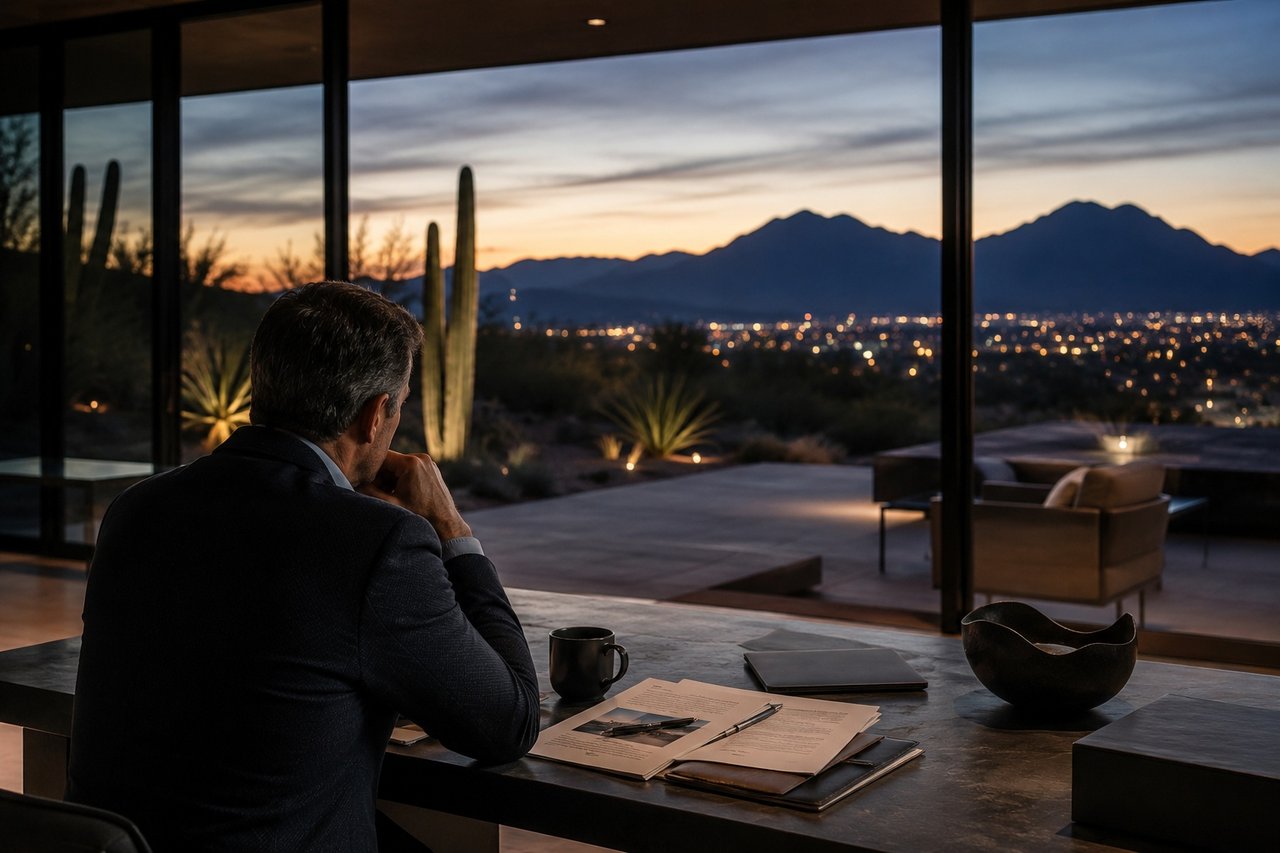
To me, this is simply what sophisticated representation looks like.
The larger and more complicated the property, the more there is to understand beyond the walls of the house.
Will Tucson Have Enough Water in 2050?
Based on Tucson Water's current long-range planning, the utility is planning for reliable supplies well beyond 2050 and through 2100.
Its scenario planning considers variations in future water supply and demand, including more difficult circumstances involving the Colorado River. Under the more challenging scenarios, Tucson could rely more heavily on stored Colorado River water and groundwater while continuing to pursue diversification and demand management.
That is not a guarantee of what 2050 will look like.
No credible long-range plan could provide one.
It is evidence that Tucson is actively planning for multiple possible futures rather than assuming today's conditions will simply continue.
Should Water Concerns Stop Someone From Buying a Luxury Home in Tucson?
I would frame the question differently.
Before making a significant real estate investment anywhere, buyers should understand the forces that could shape that property's ownership experience over time.
In coastal communities, that might include insurance and storm exposure.
In mountain markets, it could include wildfire.
In other parts of the country, flooding, property taxes, aging infrastructure or extreme winter conditions may dominate the conversation.
In Southern Arizona, water belongs on the list.
The presence of a long-term issue does not automatically make an investment good or bad.
Information is what allows someone to make that decision intelligently.
And with water, the most useful information is often specific to the individual property rather than Arizona as a whole.
Could Water-Conscious Homes Become More Desirable?
This is where we move from established fact into my own view of the future.
I believe the definition of an exceptional desert property will continue to evolve.
There was a time when solar panels were primarily discussed as an environmental feature. Today, buyers may also consider ownership structure, production, utility savings, battery storage and the system's relationship to the home's operating costs.
I can imagine water following a similar trajectory.
A sophisticated buyer may increasingly appreciate knowing that a property was intentionally designed for its environment: efficient irrigation, established native landscaping, sophisticated drainage, rainwater storage, smart monitoring and infrastructure that is understandable and maintainable.
I would not claim today that a cistern automatically adds a specific dollar amount to a Tucson home's market value.
Real estate is far too property-specific for that.
But I do believe resilience can become part of desirability.
And in the luxury market, desirability matters.
What Tucson Can Teach Us About the Future of Desert Living
Tucson's greatest advantage may be that the desert has never allowed us to pretend resources are infinite.
That constraint can produce remarkable creativity.
It can be seen in our architecture.
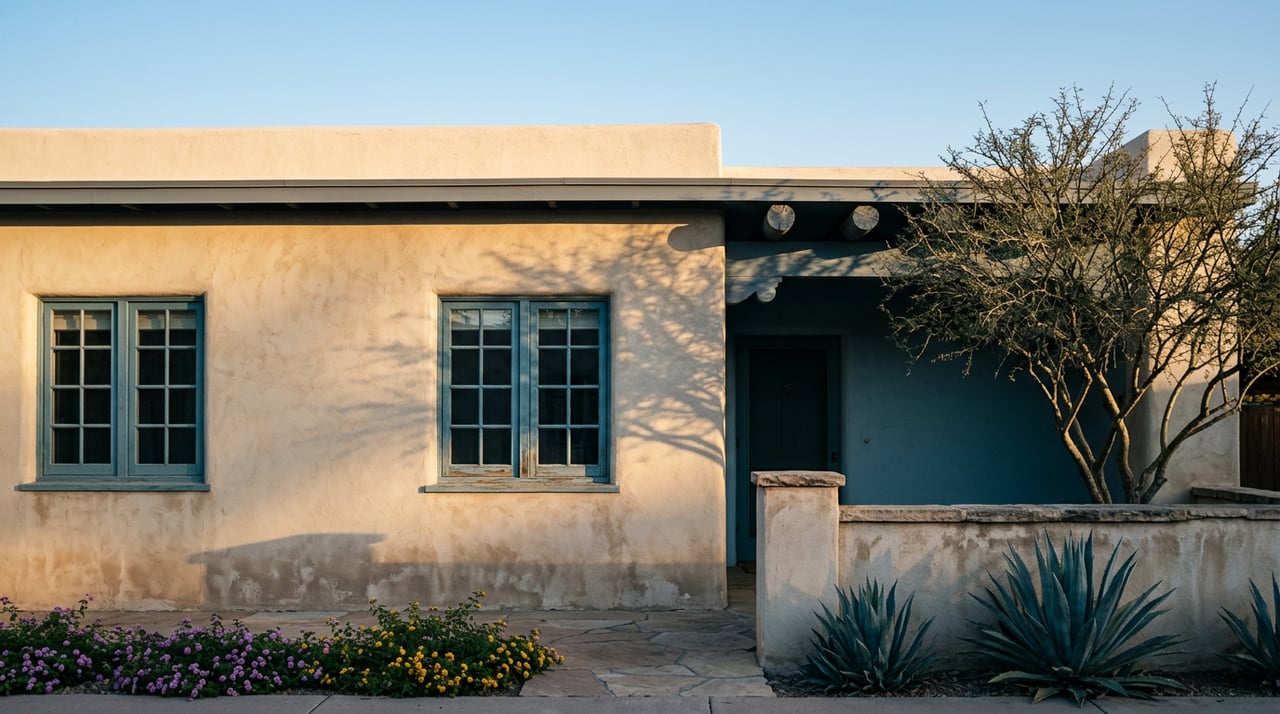
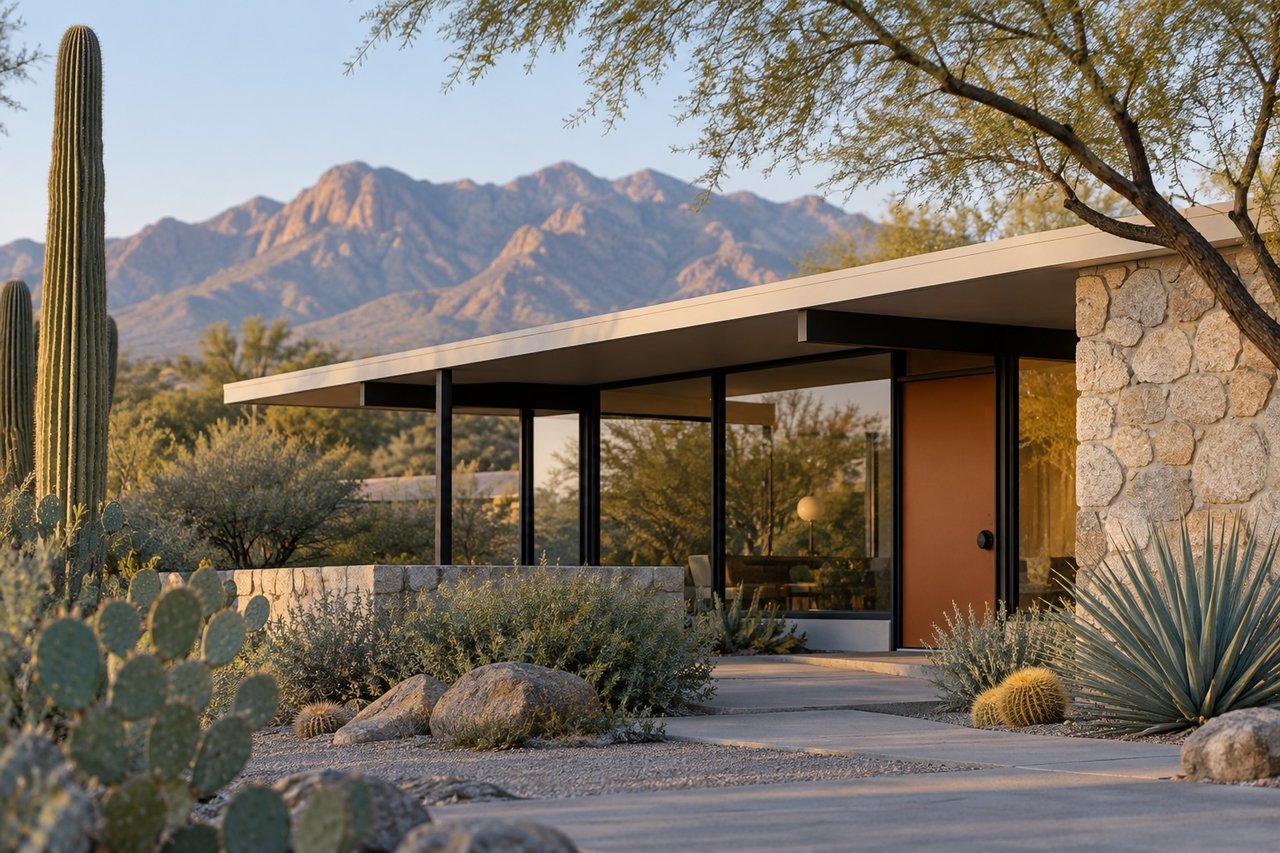
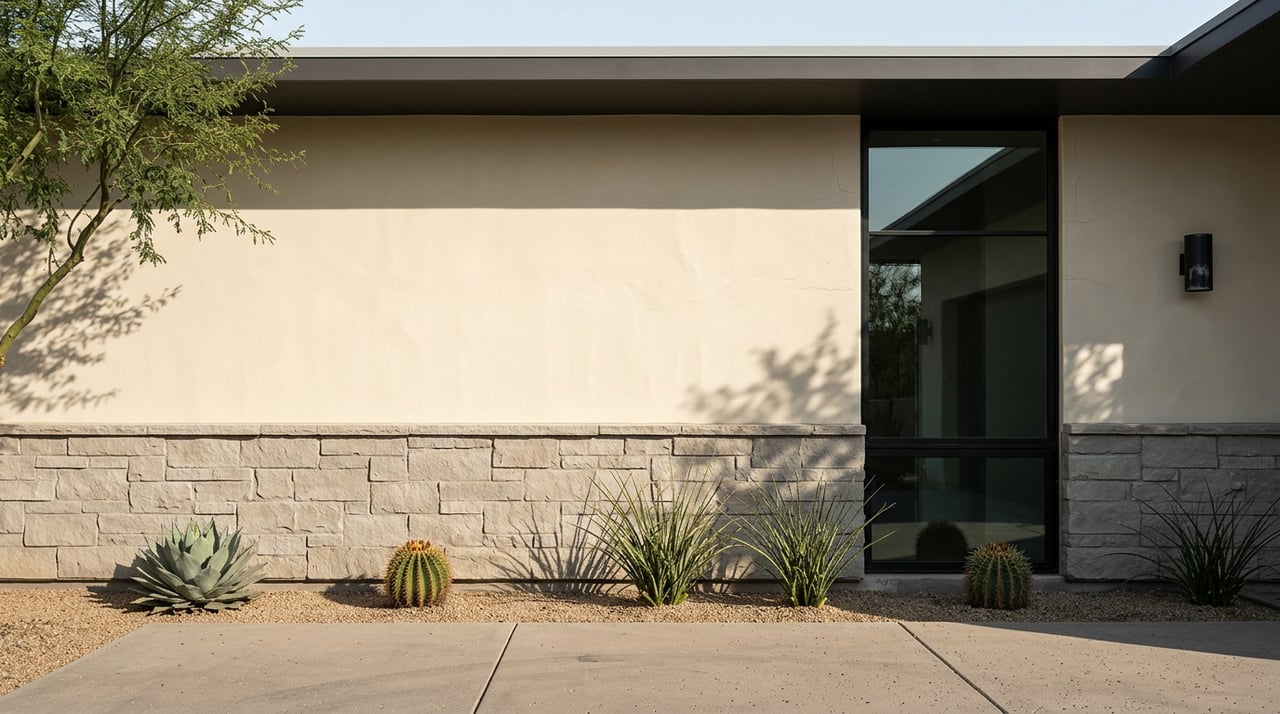
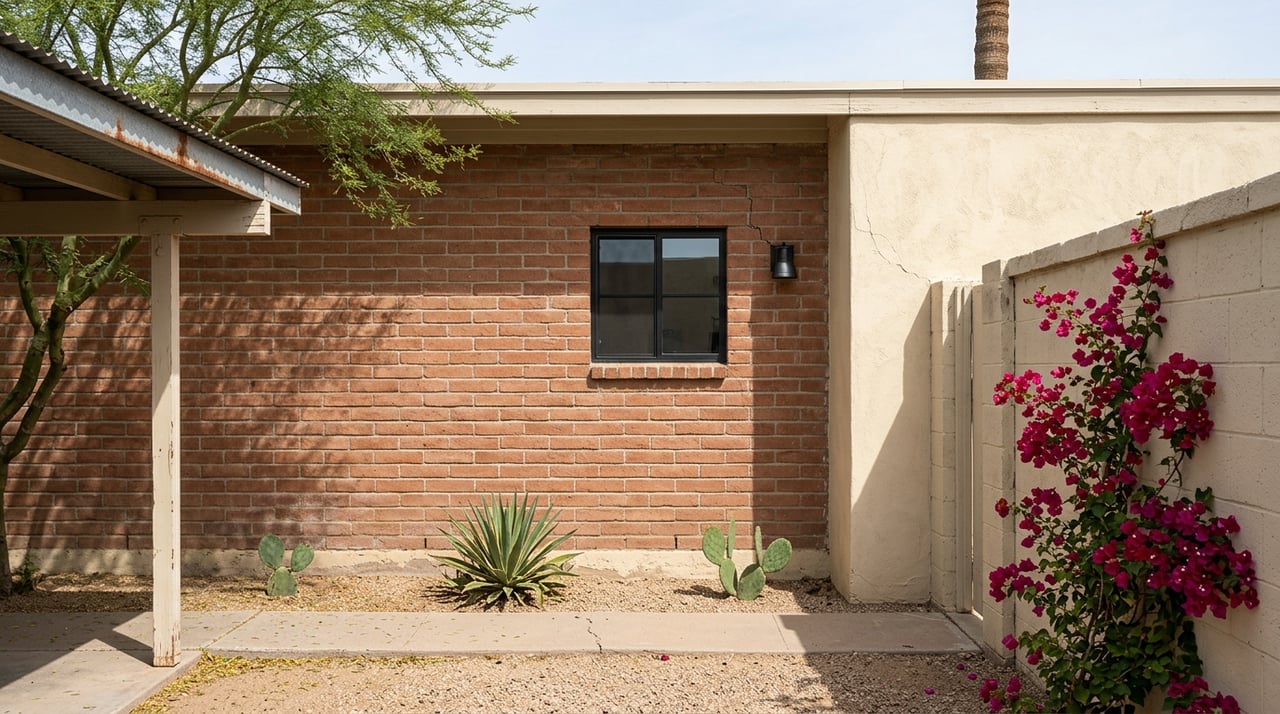
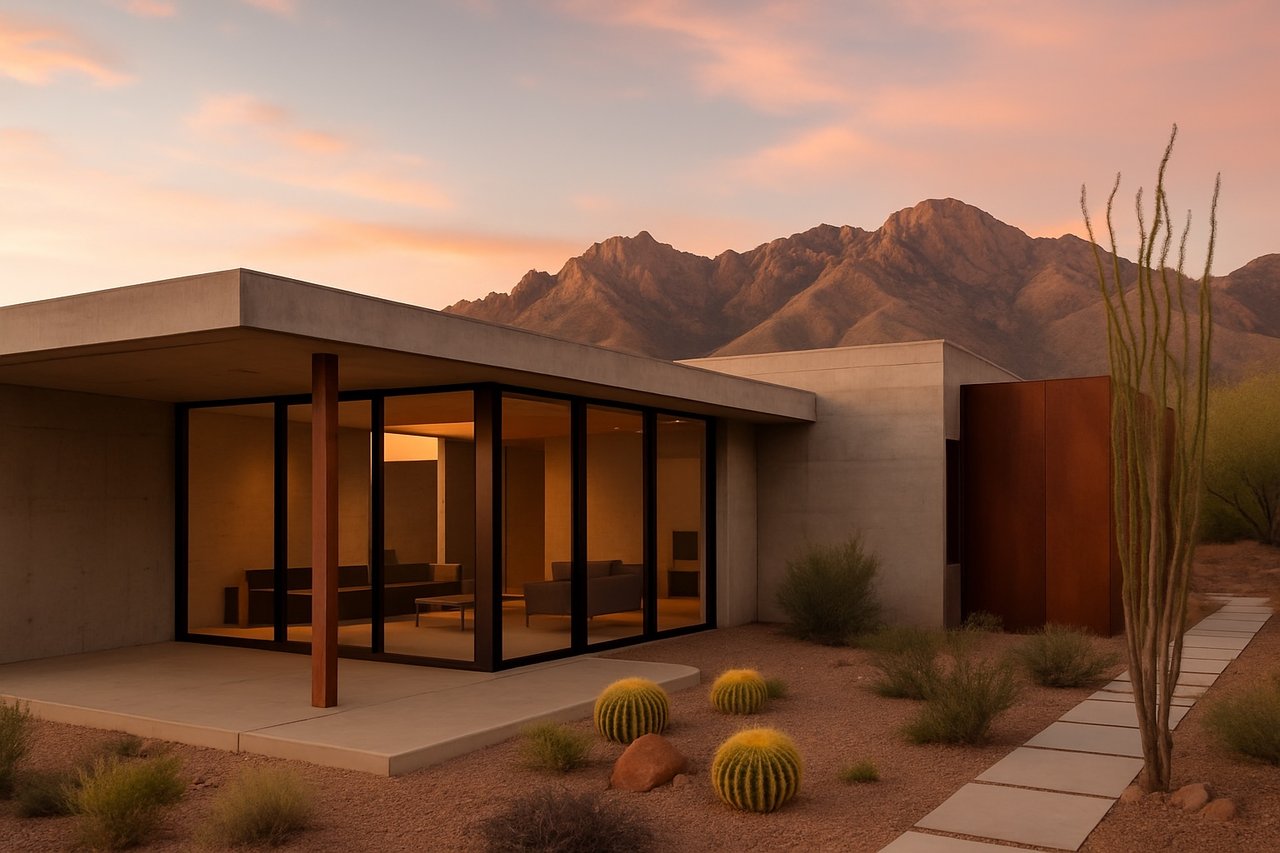
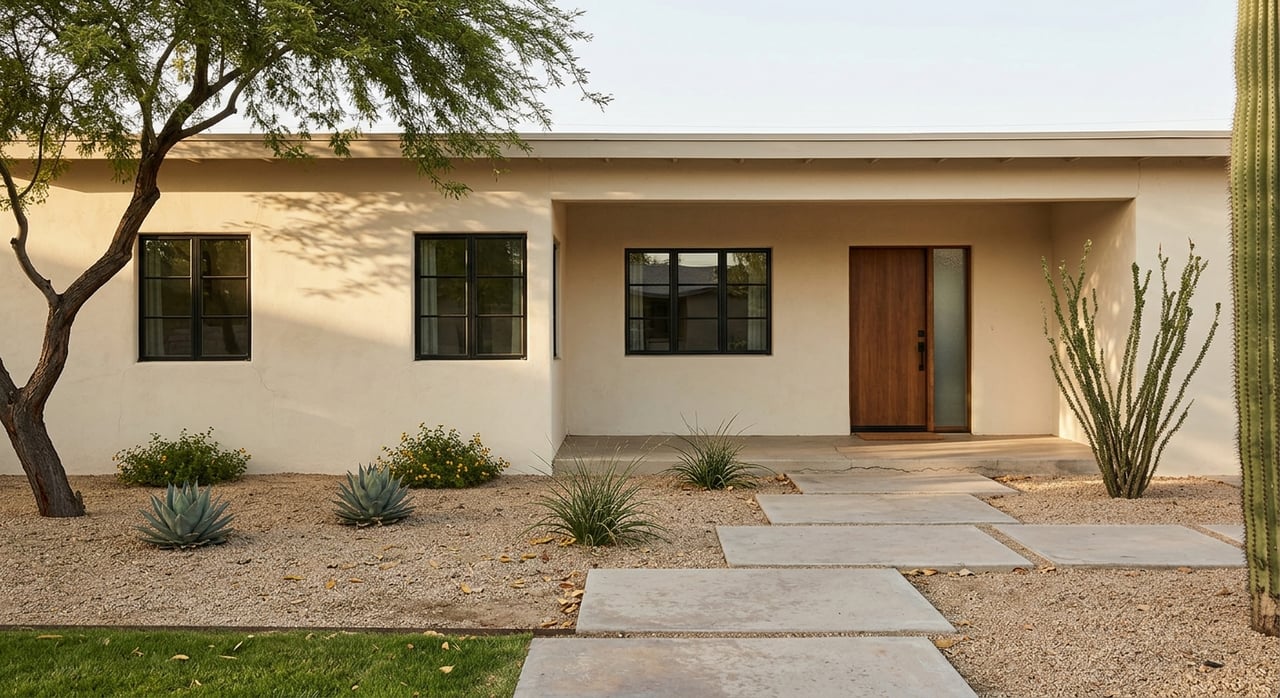
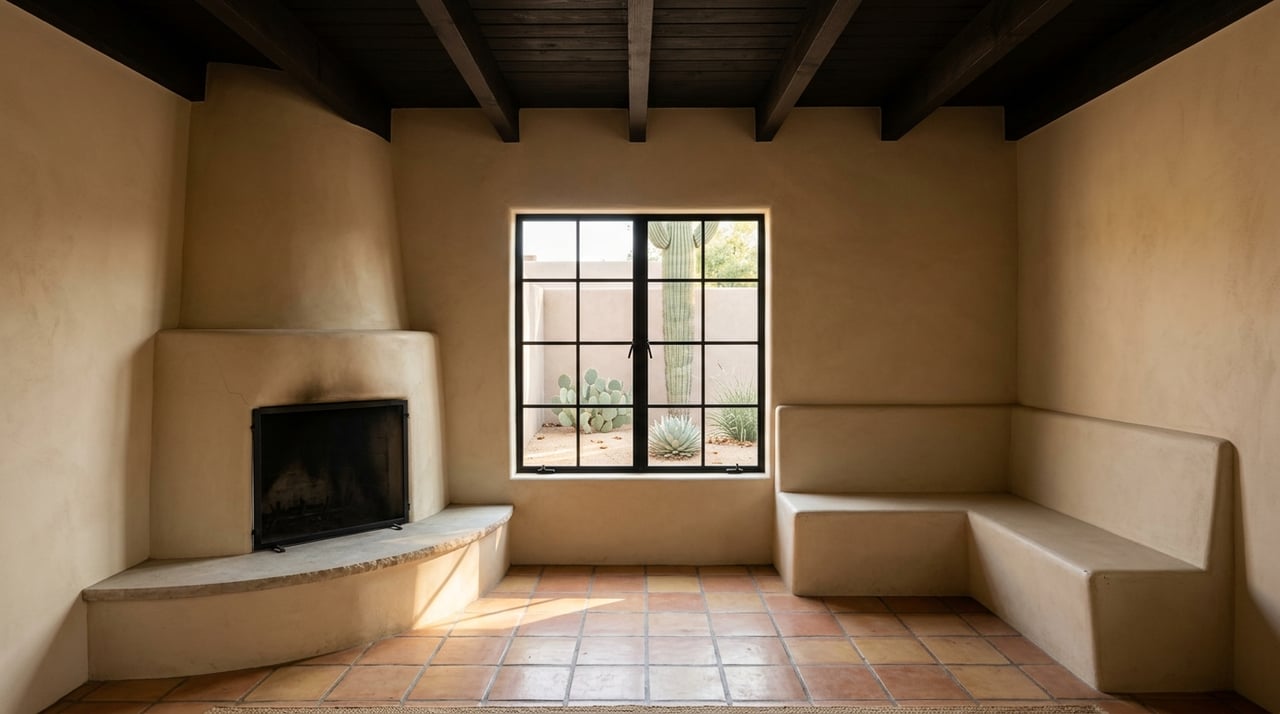
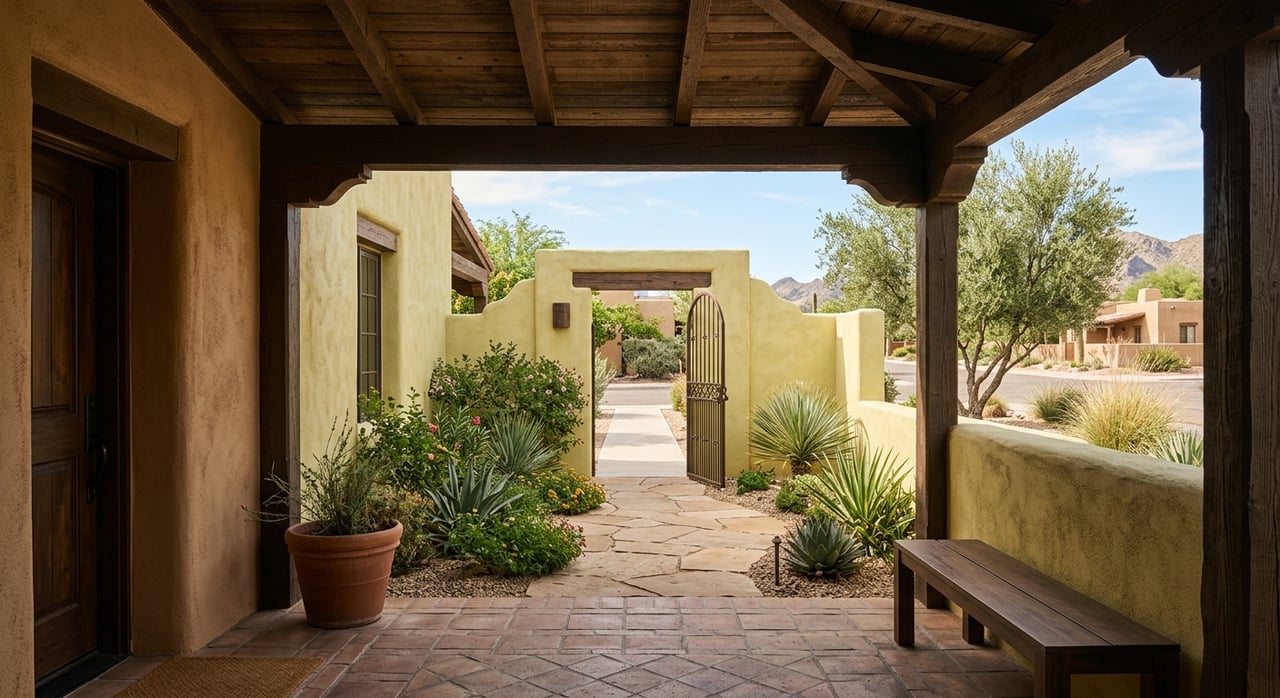
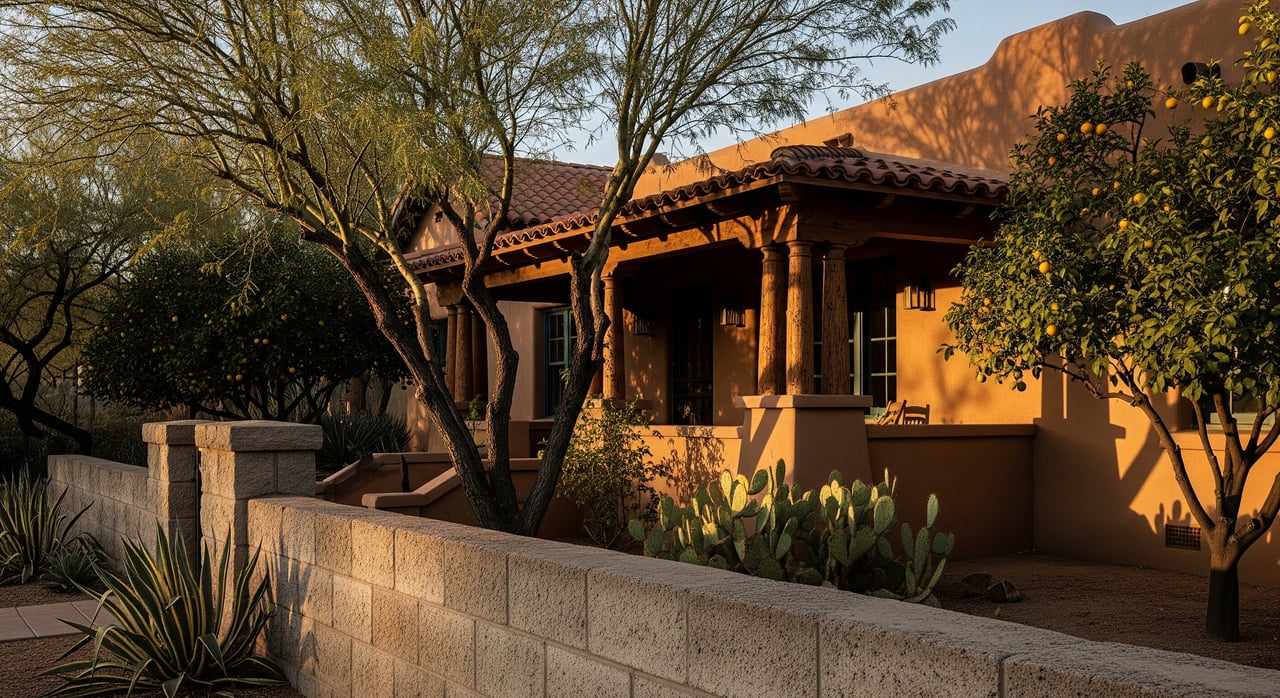
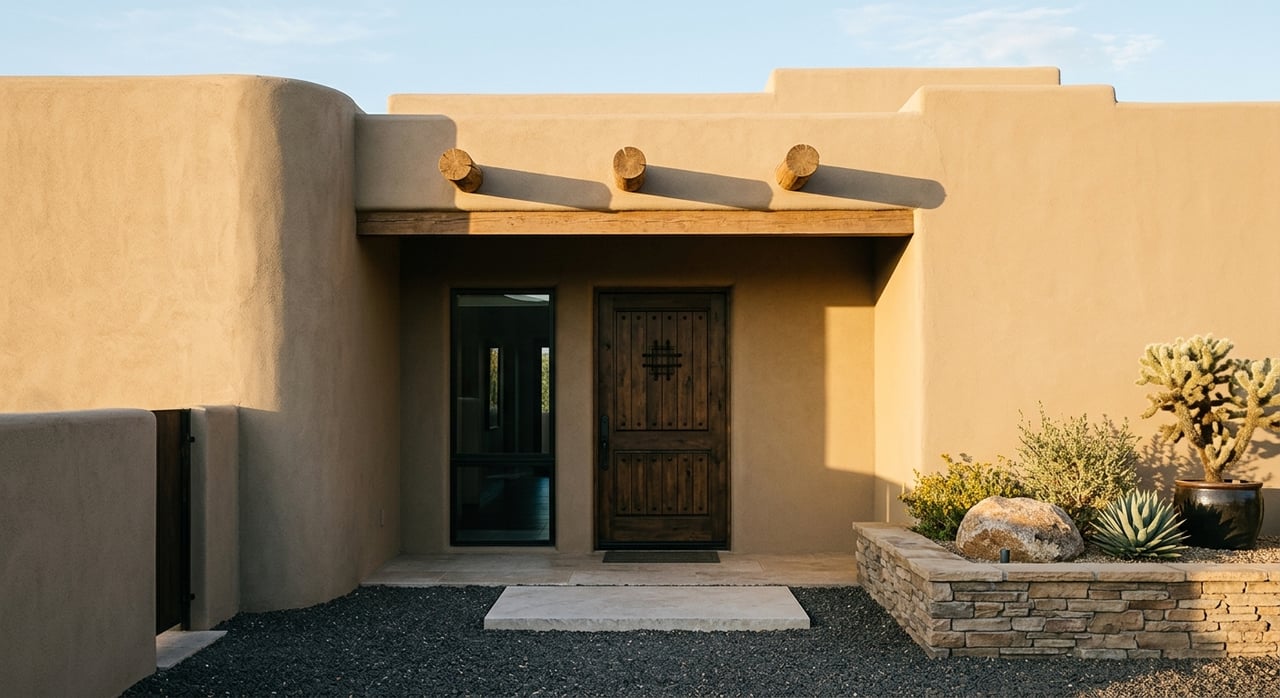
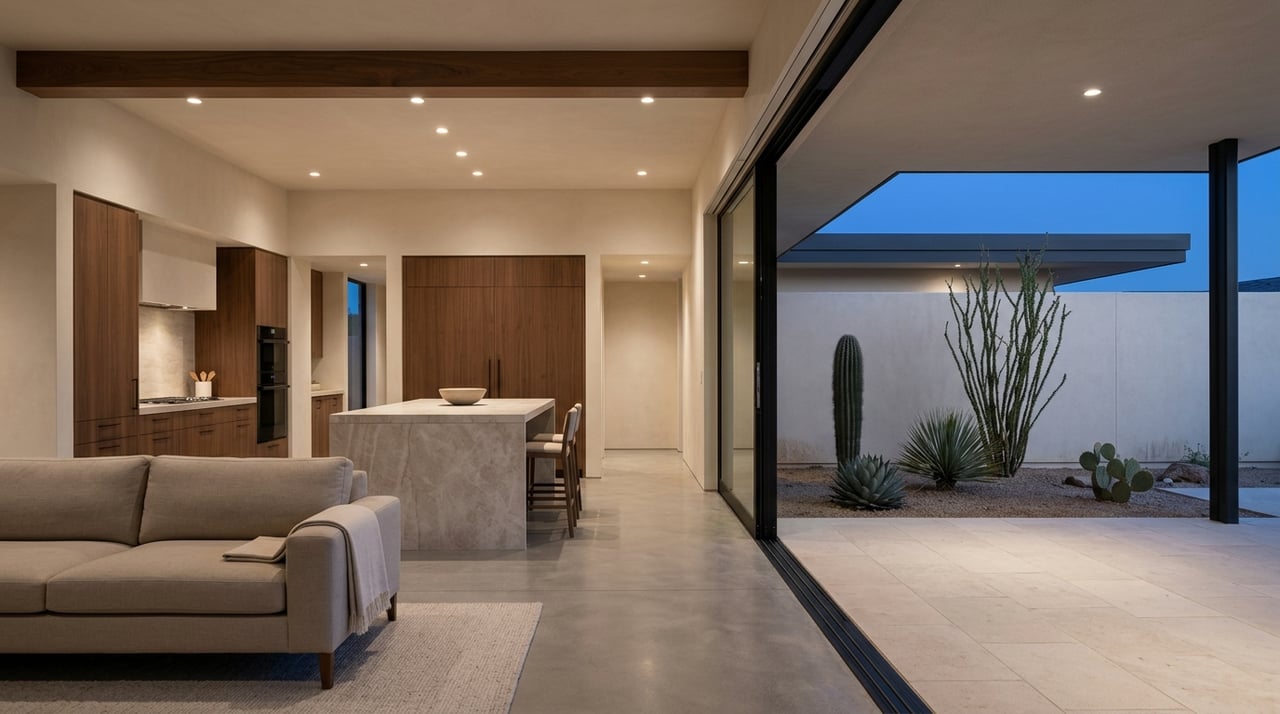
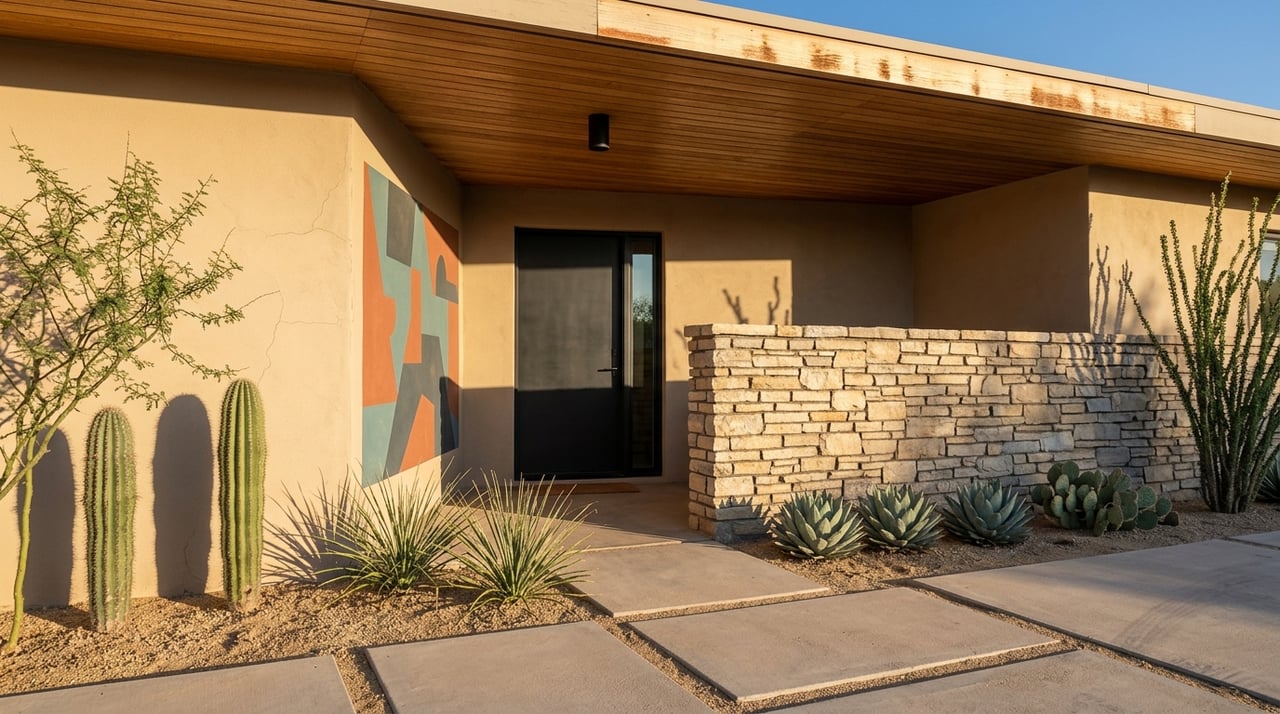
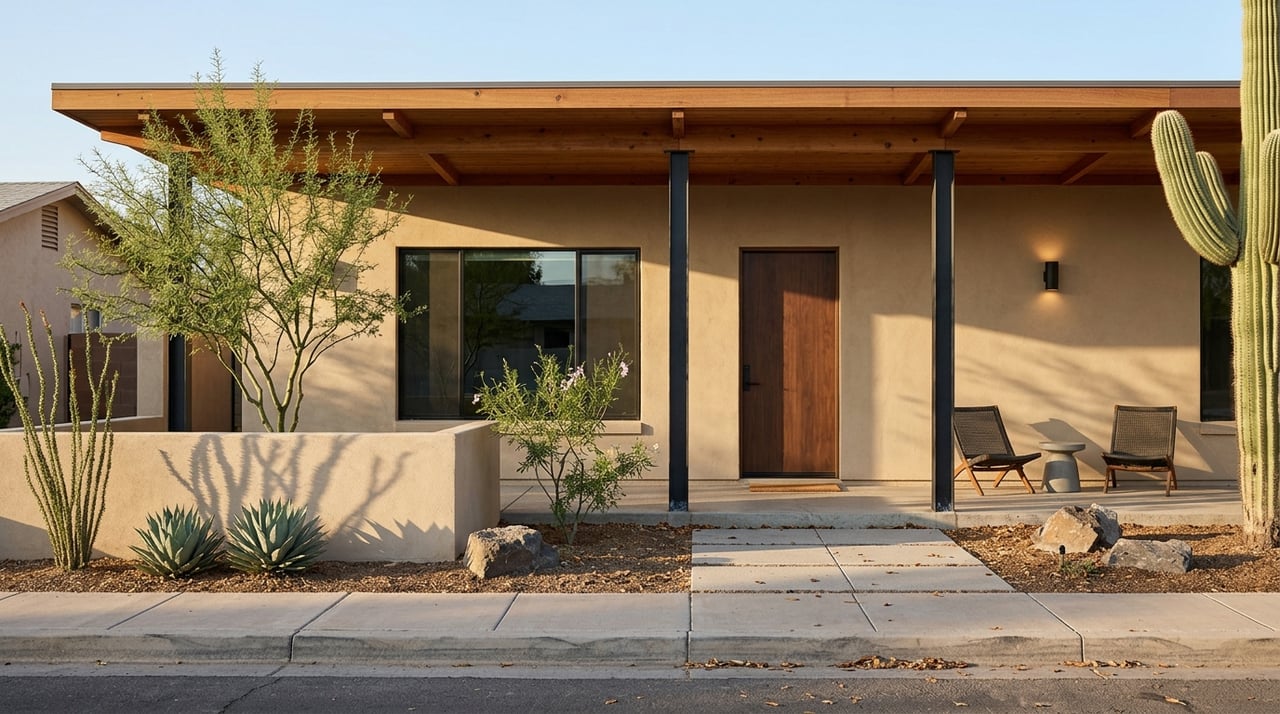
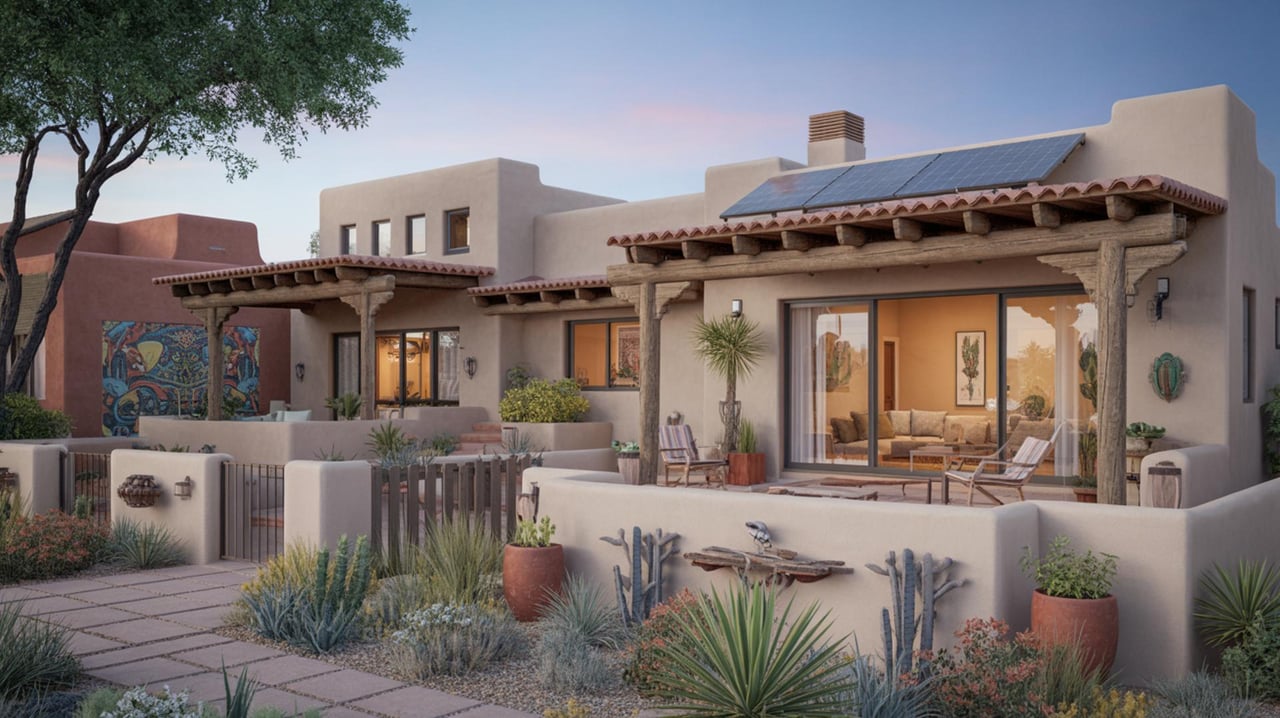
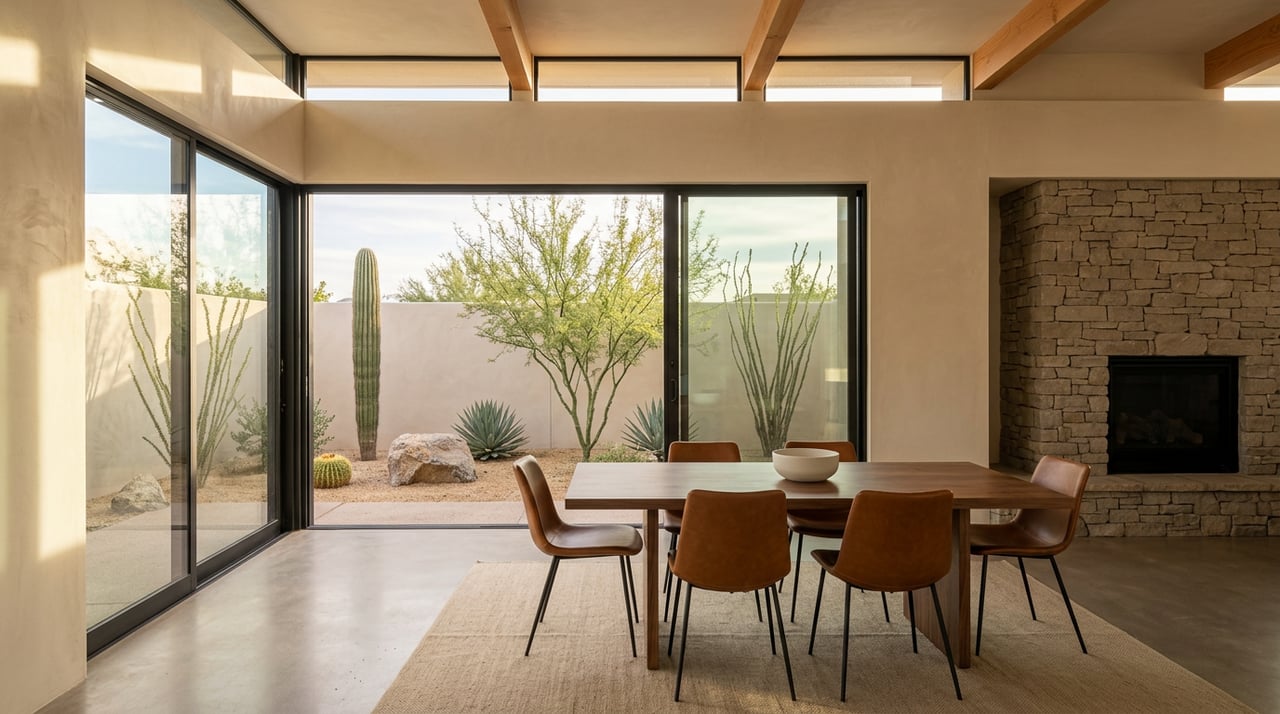
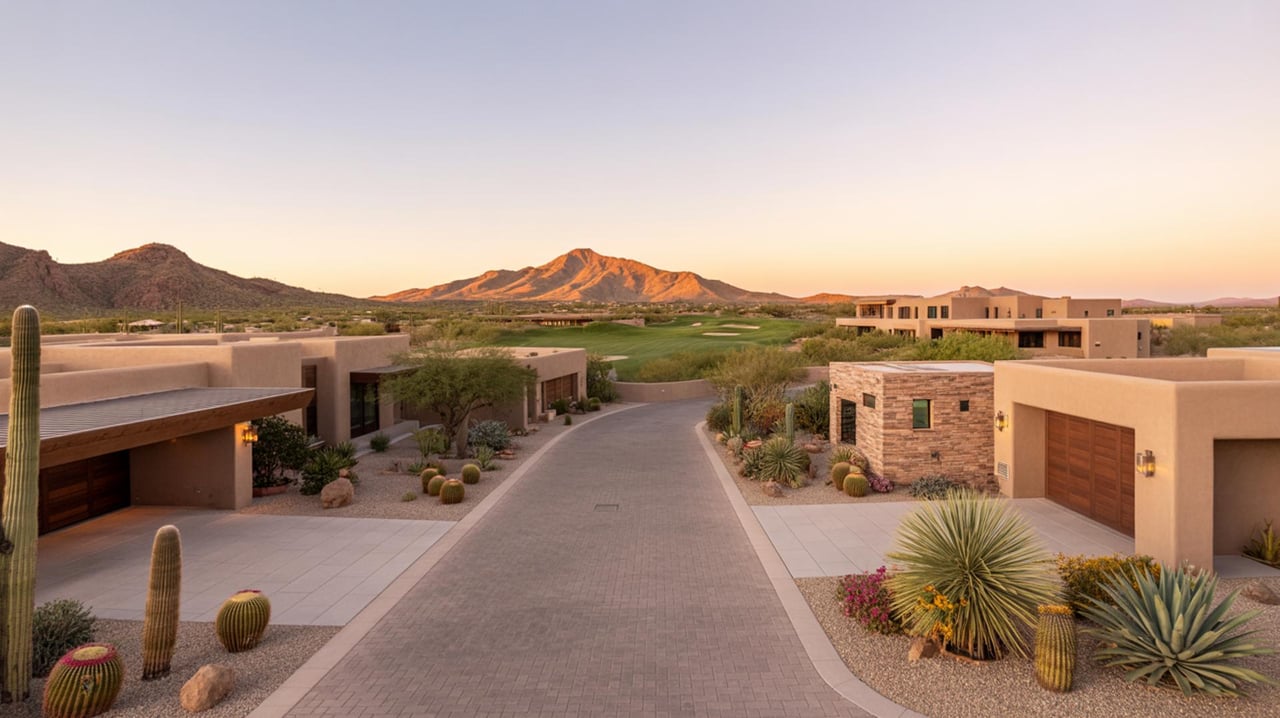
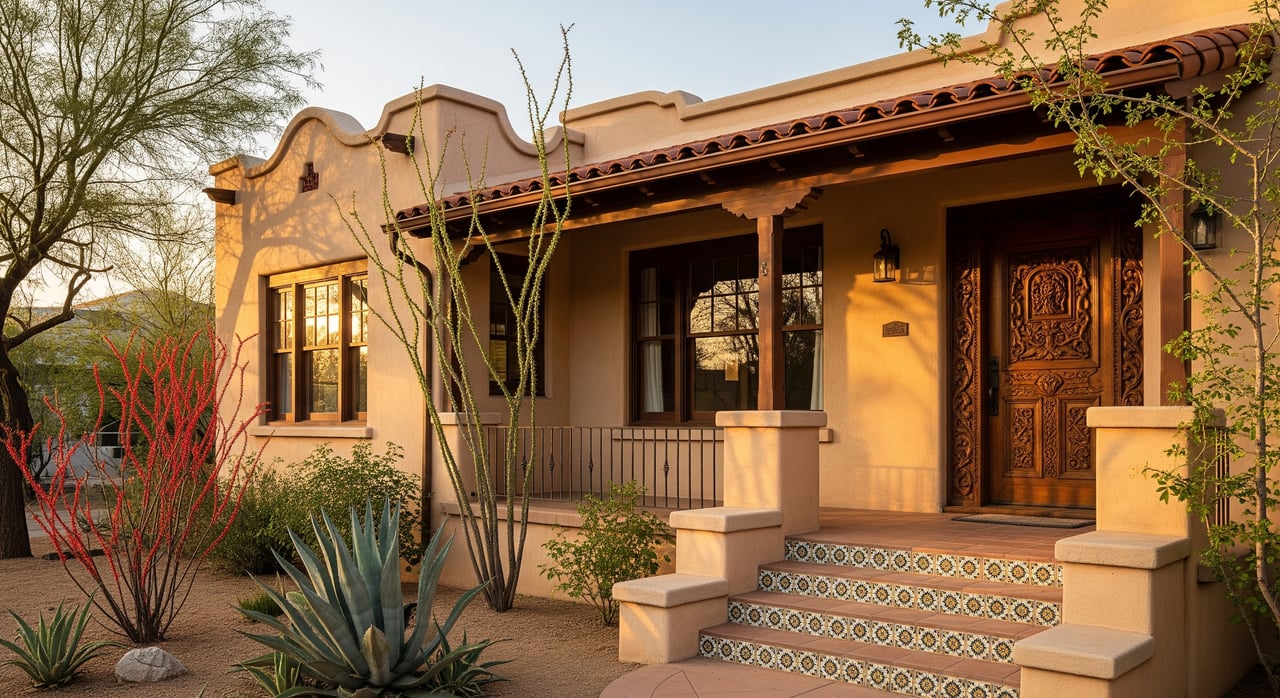
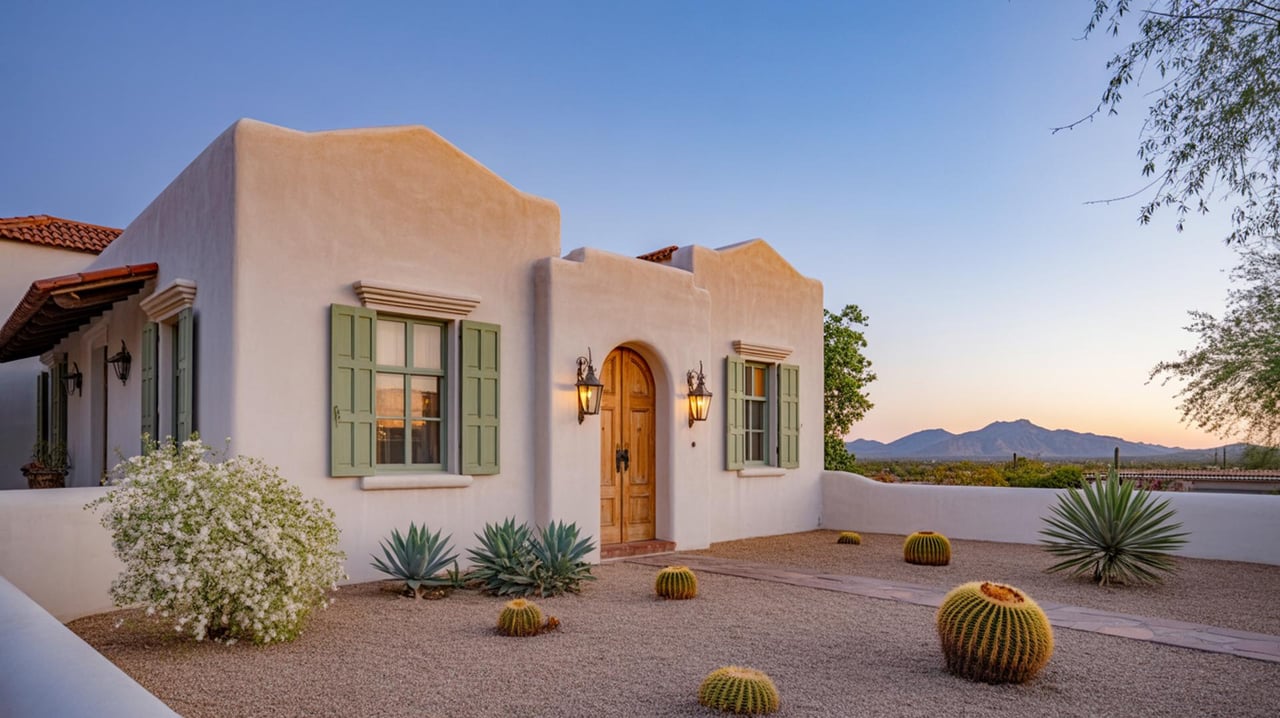
Thick masonry walls. Deep overhangs. Shaded courtyards. Buildings positioned around views and solar exposure. Native vegetation incorporated into residential design rather than cleared away from it.
The best Sonoran Desert homes have always understood something important:
The desert isn't a backdrop. It is part of the architecture.
Our approach to water can follow the same philosophy.
Rather than asking how much of another climate we can recreate in Southern Arizona, perhaps the more compelling question is how extraordinary life can become when we design specifically for this one.
That is where sustainability stops feeling restrictive.
It becomes distinctive.
And distinction is at the heart of luxury.
The Future of Tucson Luxury Real Estate
When I think about Tucson 25 or 50 years from now, I don't imagine a city defined solely by scarcity.
I see enormous opportunity for better architecture, smarter infrastructure, advanced water technology, thoughtful development and a deeper appreciation for the Sonoran Desert.
There will be challenges.
The Colorado River will continue to require difficult decisions. Population growth will need to be managed intelligently. Infrastructure must continue to evolve. Conservation will remain important.
But Tucson is not beginning this work today.
It has been adapting to desert life for generations.
For buyers considering Tucson luxury real estate today, I believe the lesson is relatively simple:
Look beyond the house.
Understand its architecture.
Understand its land.
Understand its infrastructure.
Understand where its water comes from.
Understand how it functions in July, not just how beautiful it looks during an open house in February.
And understand how the property might adapt over the decades ahead.
A remarkable luxury home should not merely impress us today.
Ideally, it should continue making sense tomorrow.
A Tucson Native's Perspective
Real estate has given me the privilege of seeing Tucson from an unusual perspective.
I enter homes built across different generations. I speak with people who have lived here their entire lives and others who are discovering Southern Arizona for the first time. I see what buyers value, what sellers have preserved, and how our definition of luxury continues to change.
My work naturally involves market value, negotiation and property.
But the conversations I find most interesting are often bigger than real estate.
What makes Tucson special?
What should we protect?
How should we grow?
What will the next generation of extraordinary homes look like?
And what does responsible luxury mean in one of the most beautiful desert environments in the world?
Water is only one piece of that discussion.
But it may be one of the most important.
Because the future of Tucson luxury real estate will not be defined simply by building bigger houses or adding more amenities.
I believe it will increasingly be defined by better thinking—architecture that belongs here, landscapes designed for this climate, technology that makes ownership more intelligent, and homes that deliver an extraordinary lifestyle while maintaining a thoughtful relationship with the desert surrounding them.
That is a future of Tucson I find incredibly exciting.
And it is one worth planning for.
About Daniel Sotelo
Daniel Sotelo is a Tucson native and luxury real estate advisor with Russ Lyon Sotheby's International Realty, representing buyers and sellers of distinctive properties throughout Tucson and Southern Arizona.
His approach to luxury real estate extends beyond the transaction to architecture, design, lifestyle, market intelligence and the long-term forces shaping Southern Arizona. Daniel works with clients throughout the Catalina Foothills, Pima Canyon, Ventana Canyon, Starr Pass, Oro Valley and the greater Tucson luxury real estate market, as well as clients relocating to Arizona and real estate professionals seeking trusted local representation for referrals.
For those considering buying or selling a luxury home in Tucson, Daniel provides highly personalized representation grounded in local knowledge, thoughtful strategy and an understanding of what makes Southern Arizona unlike anywhere else.
Daniel Sotelo
Russ Lyon Sotheby's International Realty
Tucson, Arizona