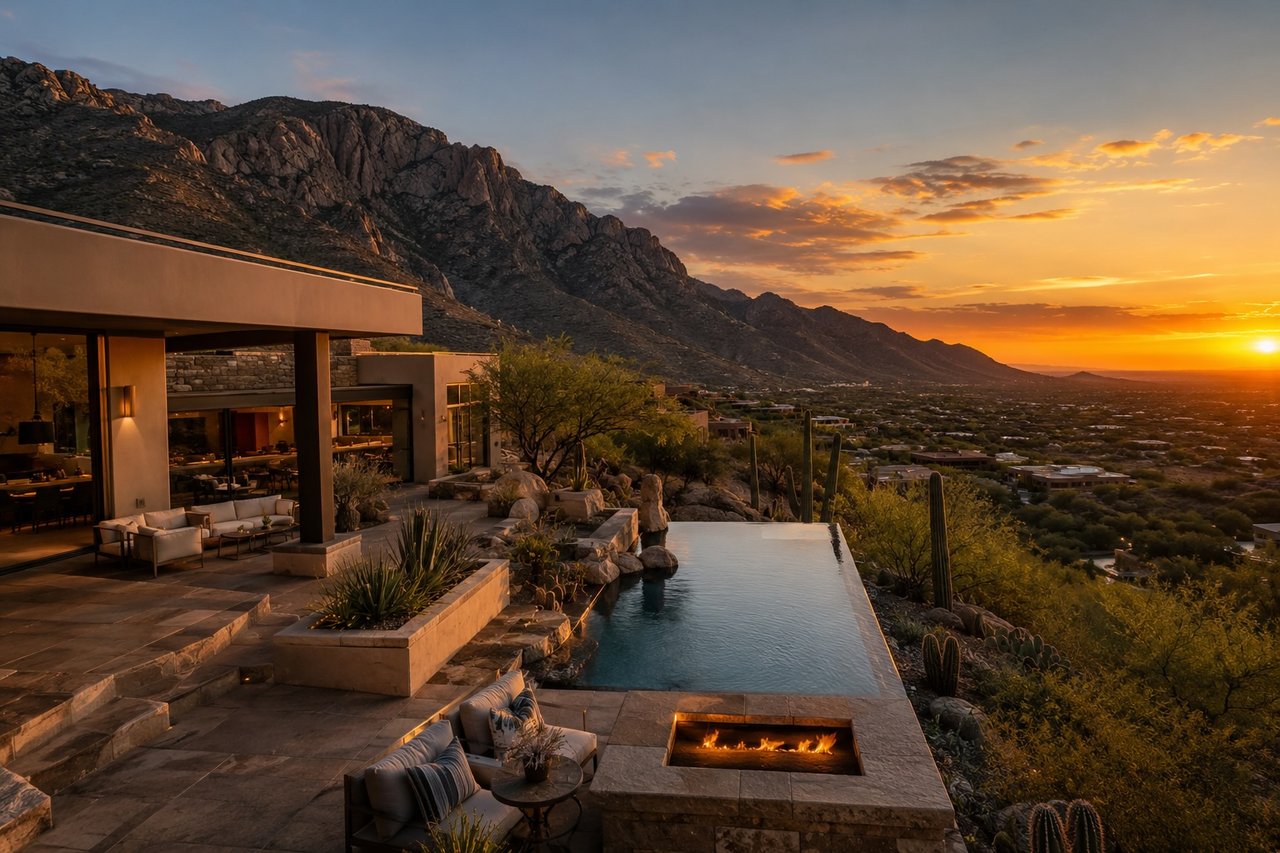
Ask a neighbor why the trailhead behind the resort sometimes feels off-limits and you'll probably hear a guess about triple digits or fire danger. Neither is the real answer. The Ventana Canyon Trail shuts down access twice a year for two completely different reasons, and once you know the calendar, the trail stops feeling unpredictable and starts feeling like something you can actually plan around.
A Trailhead Inside an Employee Parking Lot
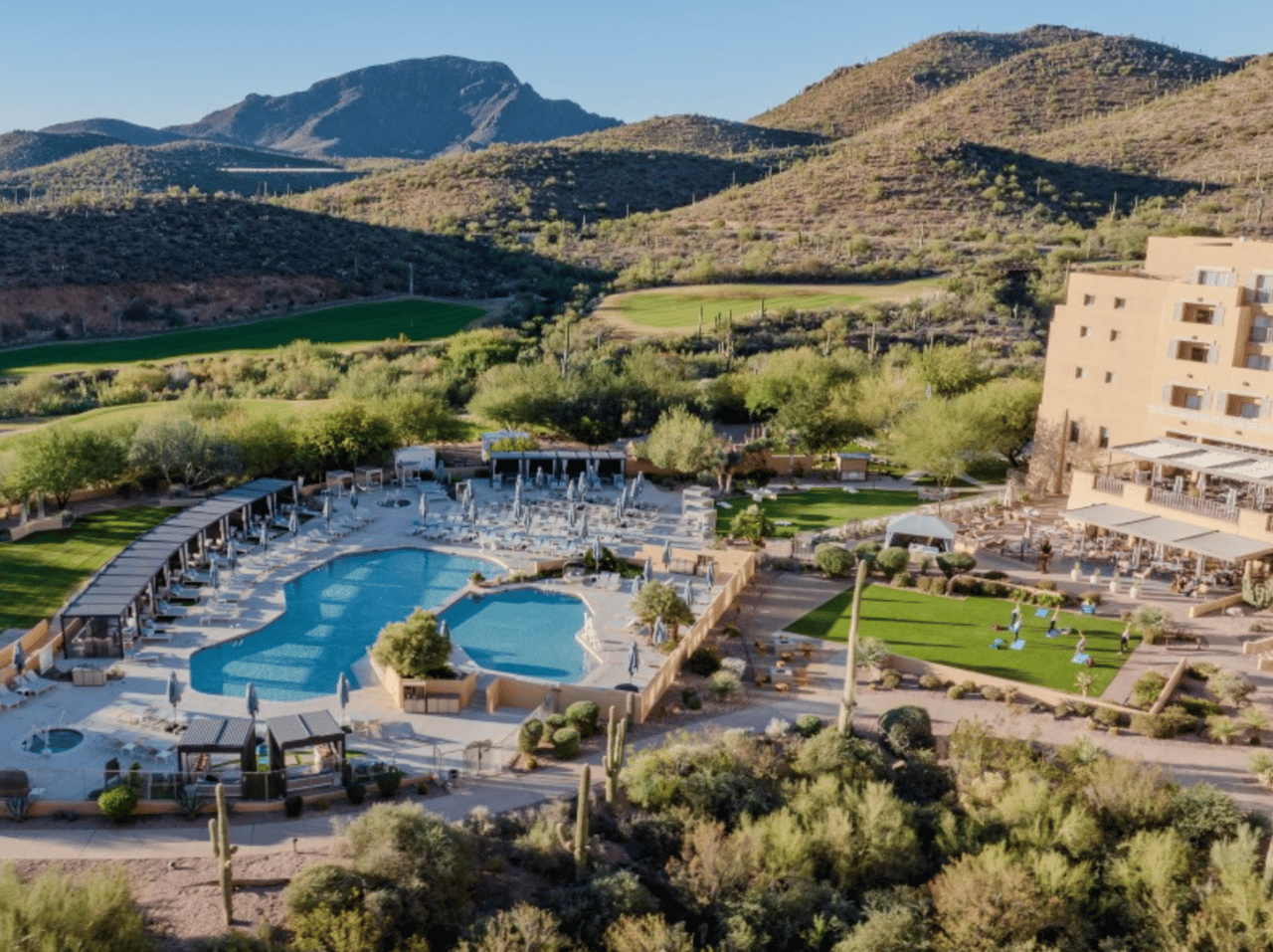
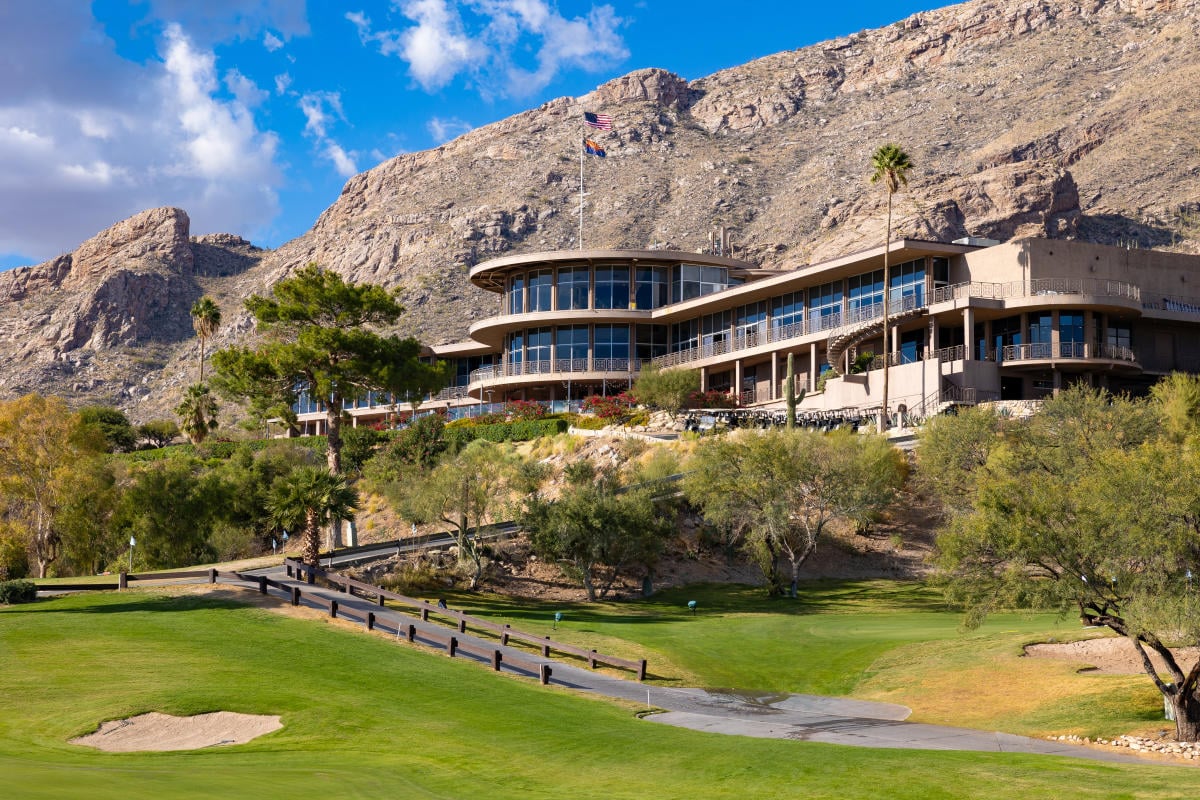
Start with the part almost nobody explains clearly: to hike Ventana Canyon Trail #98, you park in the employee lot at Loews Ventana Canyon Resort, on the west side of the property near 7000 N. Resort Drive. The Coronado National Forest calls it one of the least visited canyons in the Santa Catalina front range, largely because the access point sits inside a resort's back lot rather than a public trailhead with a sign out front.
That setup creates a jurisdictional split that matters more than it sounds like it should. Pima County controls the parking area and the first 5,200 feet of access trail, which mostly follows the Ventana Wash, and that stretch is open sunrise to sunset. Once you cross into the Coronado National Forest boundary, the U.S. Forest Service takes over, and its posted hours are dawn to dusk. Two agencies, two rulebooks, one trail. It's a small detail, but it's the kind of thing that explains why online trail guides sometimes list conflicting hours for the same hike.
Closure One: Four Months for the Bighorn Sheep
The first shutdown is easy to verify and easy to plan for. From January 1 through April 30 every year, the Forest Service prohibits hikers from traveling more than 400 feet off the marked trail across the entire Pusch Ridge Wilderness Bighorn Sheep Management Area, and Ventana Canyon Trail #98 is named specifically as one of the trails inside that boundary, alongside Pima Canyon, Esperero, Finger Rock, and Pontatoc. The restriction protects lambing bighorn sheep during the months they're most vulnerable to disturbance.
Dogs are barred from the entire Bighorn Sheep Management Area year-round, not just during lambing season, under federal regulation 36 CFR 261.53(a). So if you've ever wondered why you never see anyone walking a dog on this particular trail even in October, that's why. It's not a seasonal courtesy. It's a standing rule.
For most hikers, the 400-foot restriction barely registers, since the out-and-back route to Maiden Pools or The Window stays on the established path anyway. The people who feel it are the ones who like to scramble off-trail toward the ridgeline for a better photo. From January through April, that's a $5,000 fine waiting to happen, not a shortcut.
Closure Two: A Warning, Not an Order
The second shutdown doesn't come with a posted date range or a federal citation. It comes with a National Weather Service alert, and it happens during monsoon season, roughly June through September, though the exact dates shift with the storms each year.
On July 16, 2026, a flash flood warning covering the Tucson area specifically named Ventana Canyon as one of the "main areas of concern," alongside Pima Canyon, Bird Canyon, and Esperero Wash, according to tucson.com's coverage of that storm. That's not a coincidence tied to one bad afternoon. It's structural. The first mile of Ventana Canyon Trail crosses the Ventana Wash repeatedly, more than a dozen times according to hikers who've counted, which means a trail that's perfectly dry on a Tuesday morning can become a series of fast-moving water crossings by Tuesday evening if a cell parks itself over the Catalinas.
"Life-threatening flash flooding is ongoing or expected shortly."
That's the kind of language the National Weather Service uses for washes like this one during an active storm, and it's worth taking literally rather than treating as boilerplate.
The distinction matters. The sheep closure is a legal order with a start date, an end date, and a fine attached. The monsoon closure is a hazard window that functions like a closure without ever being declared one on paper. Nobody locks a gate. The water does the closing for you, and it does it fast enough that checking the forecast before you leave the house is the only real safeguard.
Two Windows That Don't Overlap
Here's the part that actually changes how you'd plan a season of hiking this trail: those two shutdown periods don't overlap.
| Closure | Roughly When | Who Enforces It | What's Restricted |
|---|---|---|---|
| Bighorn sheep lambing | January 1 to April 30 | U.S. Forest Service, Coronado National Forest | No travel beyond 400 feet off-trail; dogs banned year-round |
| Monsoon wash flooding | Roughly June through September | No fixed authority; NWS flash flood warnings drive it | Wash crossings become dangerous or impassable during and after storms |
That leaves May and the stretch from October through December as the two cleanest windows for hiking the full route without either restriction in play. May is also close to when Maiden Pools, the popular turnaround point 2.7 miles up the canyon, is most likely to actually hold water, since the stream is dry most of the year but tends to fill during spring and early summer before the ground dries out completely ahead of monsoon season.
If you're chasing water in the pools after a big monsoon storm instead, the smarter move is waiting a day or two rather than heading out the morning after. The same rain that fills the pools is the rain that just came down the wash you'd be crossing to get there.
Where Neighbors Go When Ventana Canyon Isn't an Option
The trail's isolation cuts both ways. Because the trailhead sits inside a resort lot rather than a shared trail network hub, there's no obvious detour if the wash is running or you just want a shorter outing. But a short drive across the foothills gets you to a lot that solves both problems.
The 35-vehicle parking area at the north end of Alvernon Way, run by the Forest Service, feeds three separate trails:
- Finger Rock Trail #42, which has potable water at the trailhead, unlike Ventana Canyon's trailhead, which has none.
- Pontatoc Trail #410, which follows a canyon bottom north for about a mile before splitting off toward the ridge.
- Garnet Trail #411, the trail most hikers call "Pontatoc Ridge," which forks off Pontatoc #410 and climbs to Pontatoc Saddle for a wide view back over the city.
All three sit inside the same Bighorn Sheep Management Area, so the January through April restriction applies to them too. But they're less dependent on wash crossings than Ventana Canyon, which makes them a more reasonable option during an active monsoon pattern when the Ventana Wash is running high.
What You're Actually Sharing the Trail With
The canyon isn't just rock and switchbacks. Hikers on Ventana Canyon Trail commonly report seeing javelina, jackrabbits, roadrunners, and hummingbirds along the lower stretch, with the occasional rattlesnake sunning on the trail itself and mountain lion sign further up. None of that should be a reason to skip the hike. It's a reason to watch your footing near the wash edges and give any wildlife you spot plenty of room, especially during lambing season when the bighorn sheep the closure exists to protect are at their most sensitive.
Living With a Trail on Its Own Schedule
None of this makes Ventana Canyon Trail less worth hiking. If anything, understanding the two shutdown windows is what turns it from an unpredictable outing into a reliable one. You know the sheep closure is coming every January and lifting every May. You know the monsoon risk isn't a fixed date but a forecast you can check the night before. And you know that if the wash is running or the calendar says lambing season, Finger Rock and Pontatoc are a five-minute drive away with the same mountain and none of the crossings.
That's the kind of thing you only learn by living with a trail long enough to notice its patterns, which is exactly the position most Ventana Canyon residents are already in.
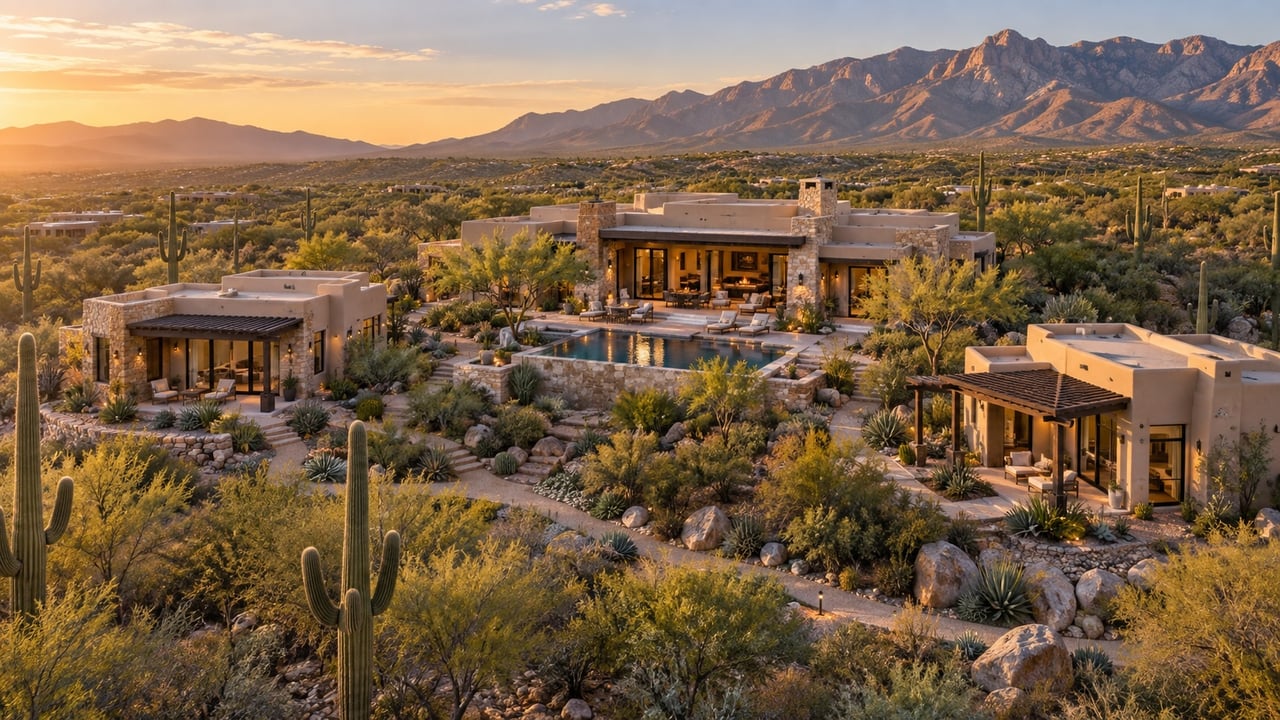
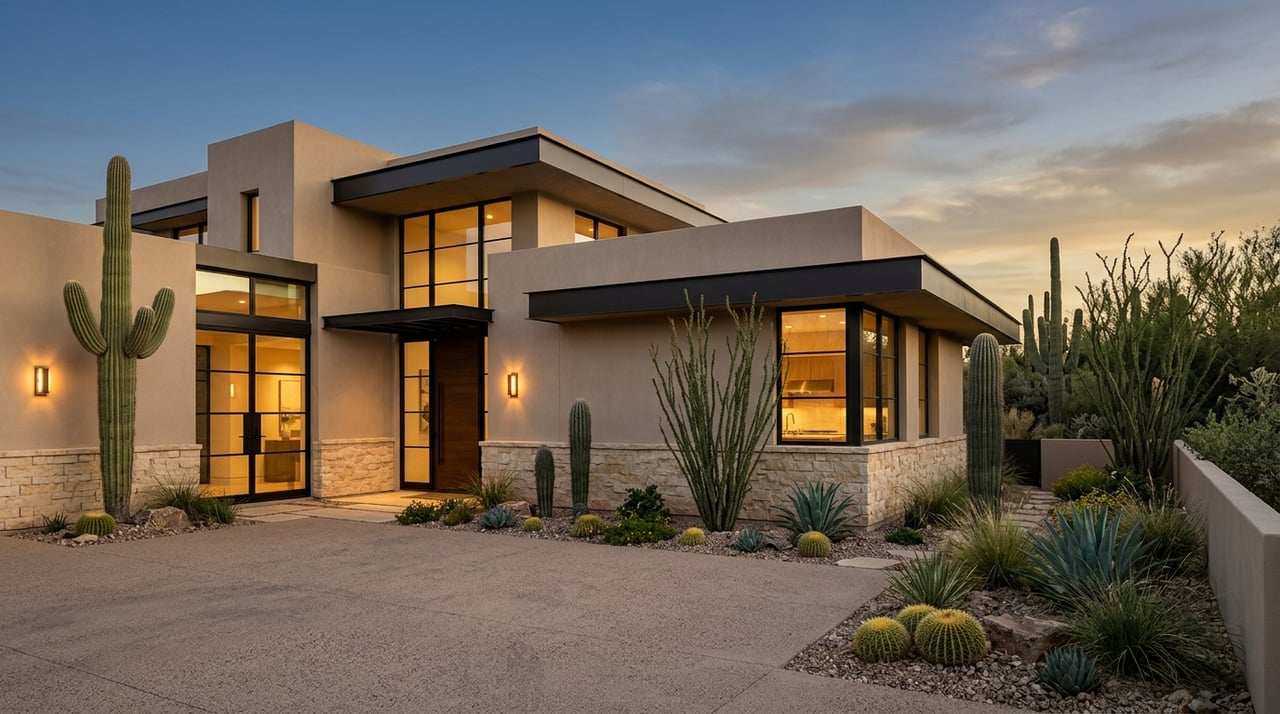
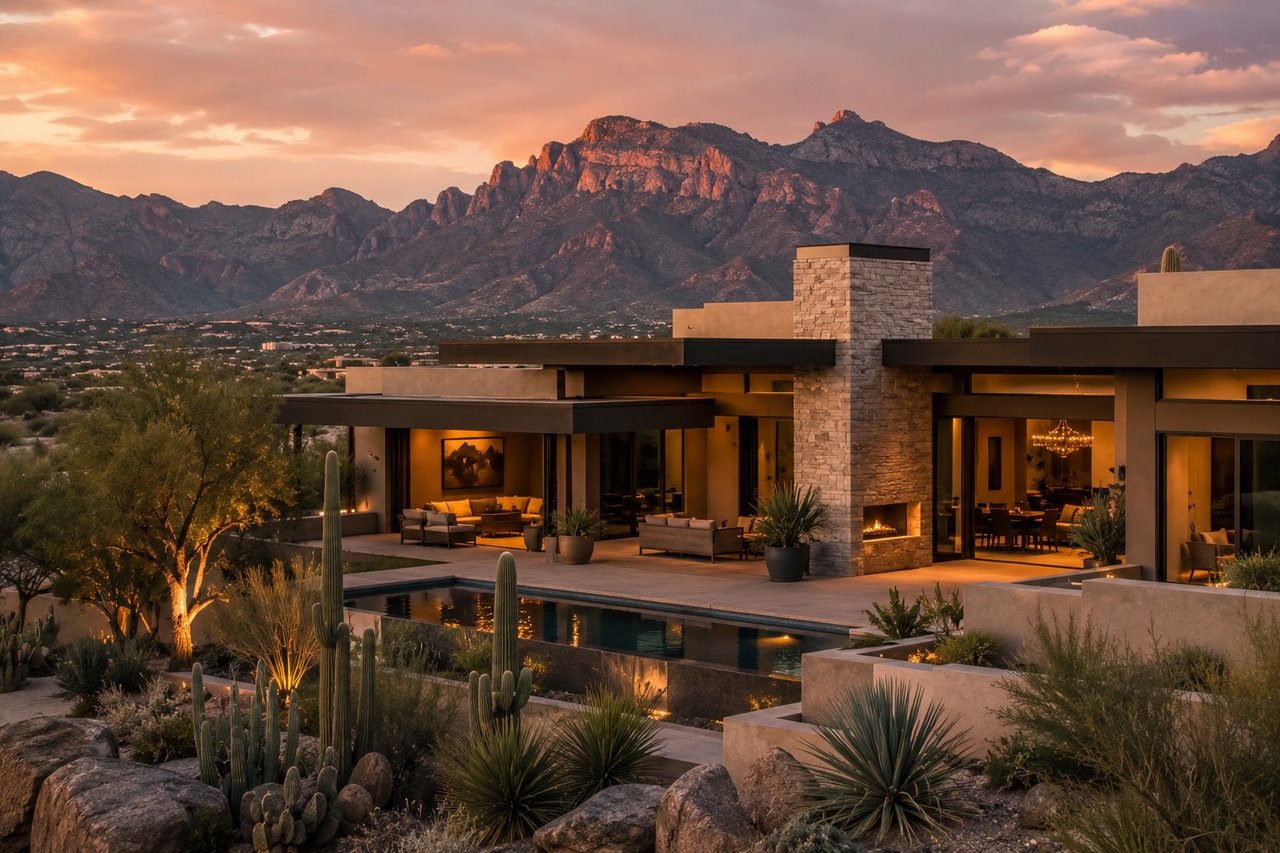
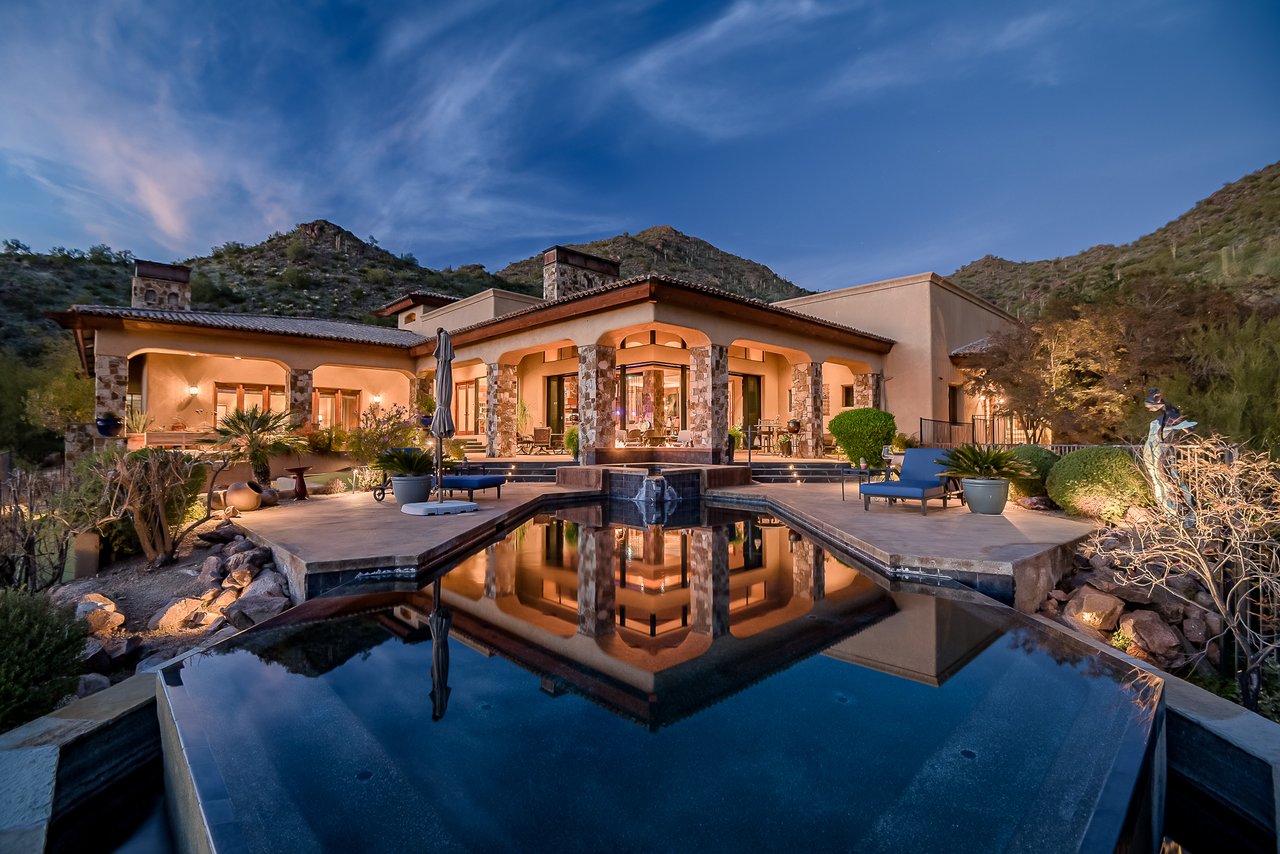
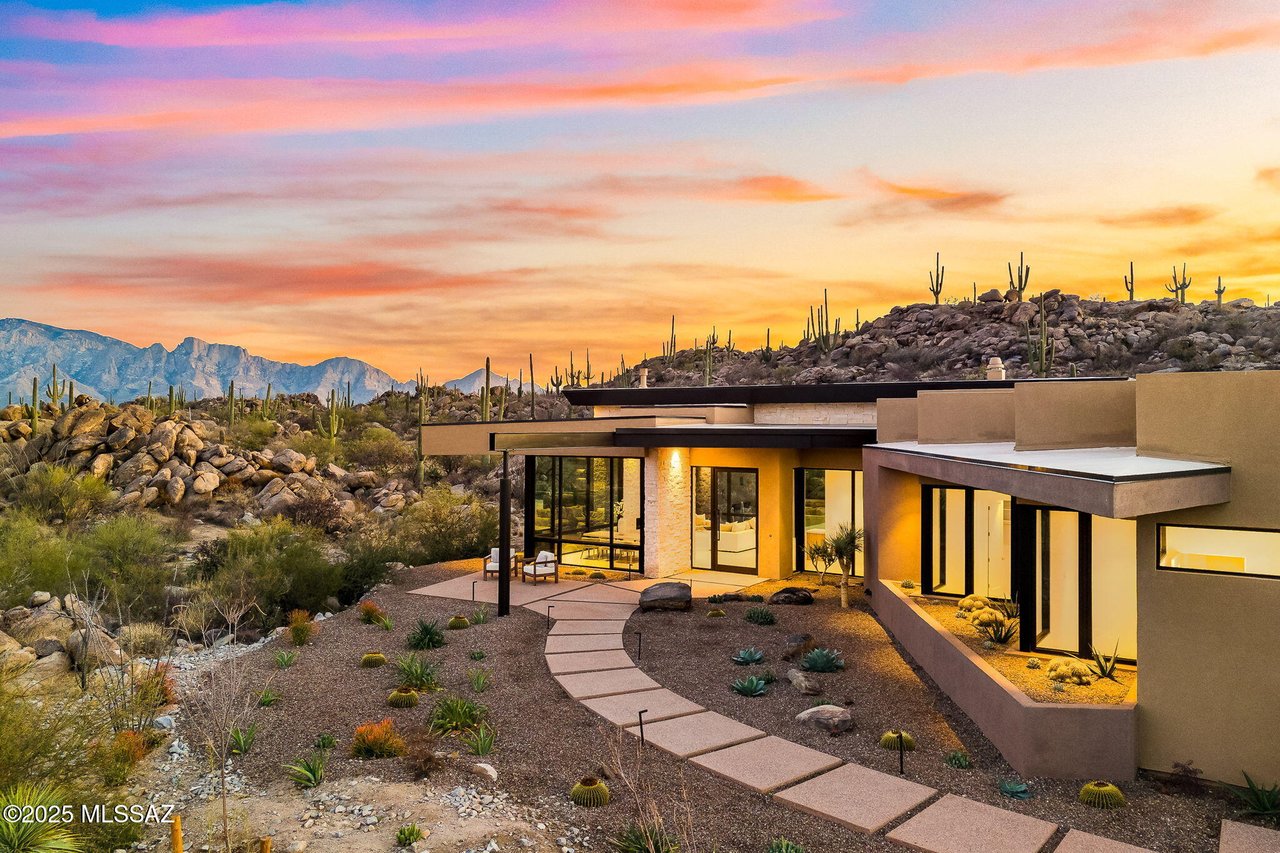
If you're weighing what else the neighborhood offers beyond its trail access, from golf to HOA structure to the kind of homes that back directly onto this canyon, Daniel Sotelo knows this stretch of the Catalinas well enough to answer the specific questions the internet can't. Let's connect.