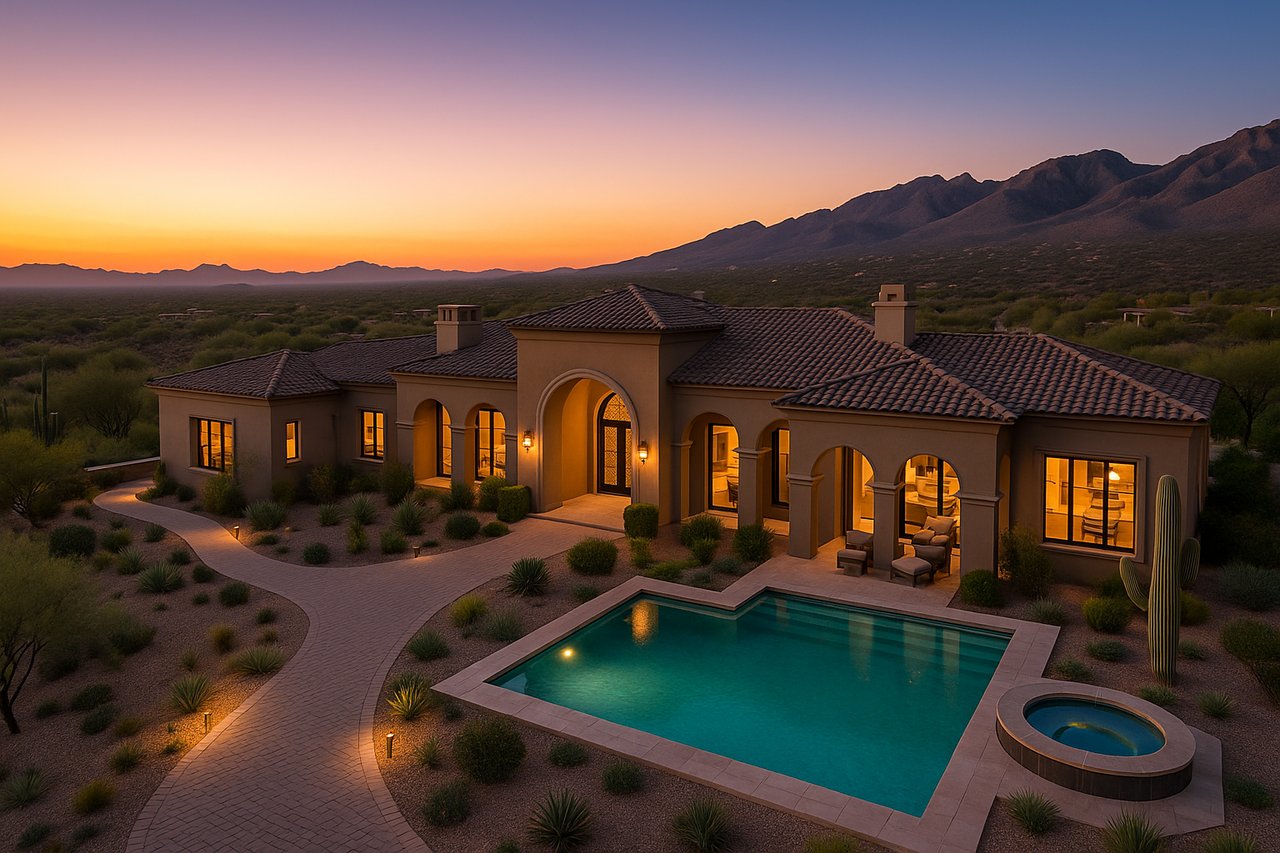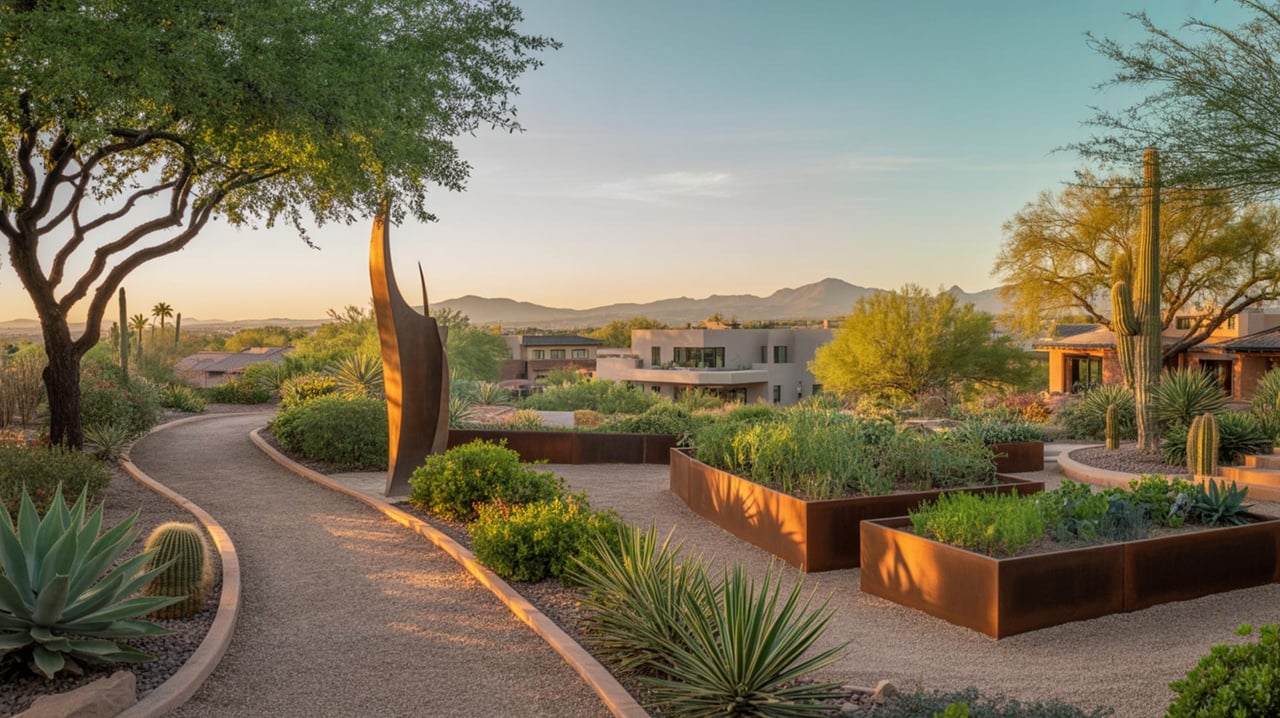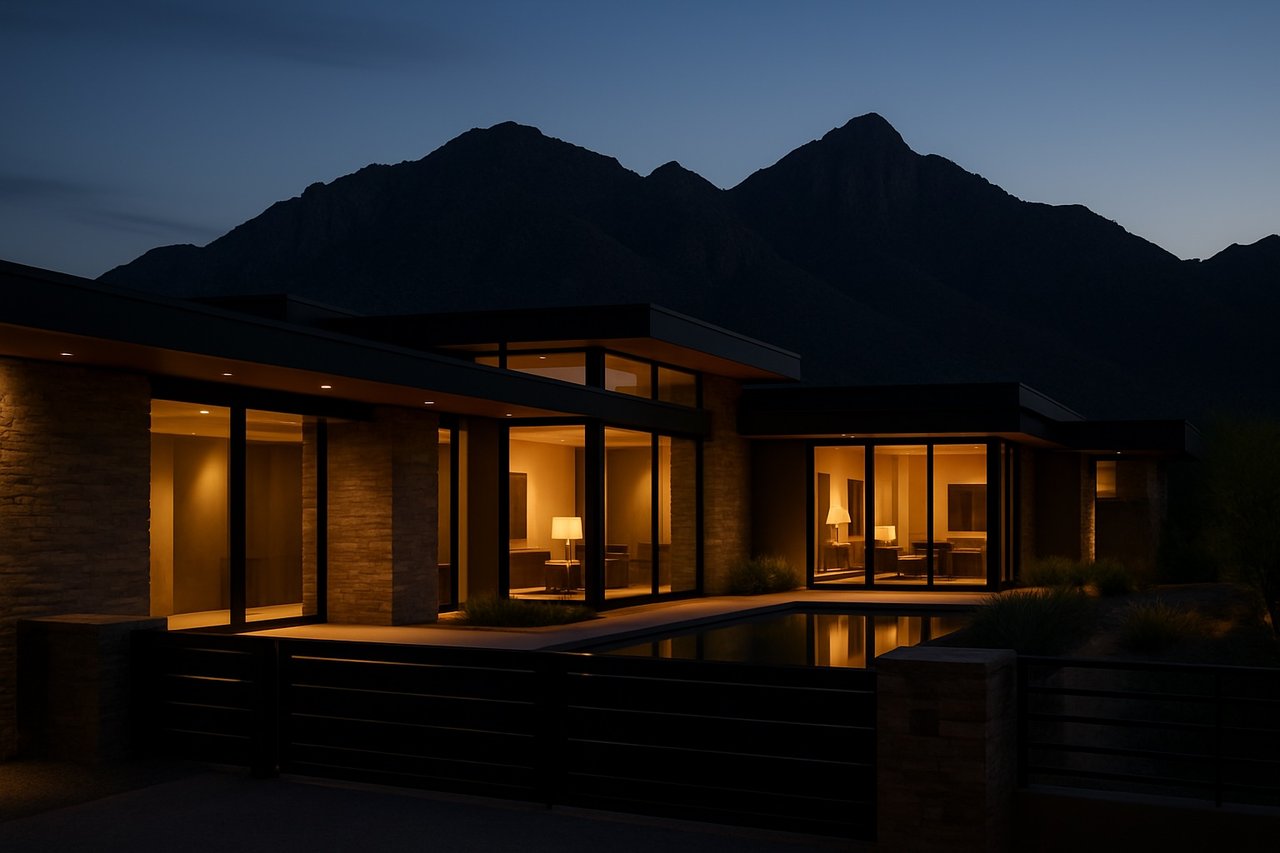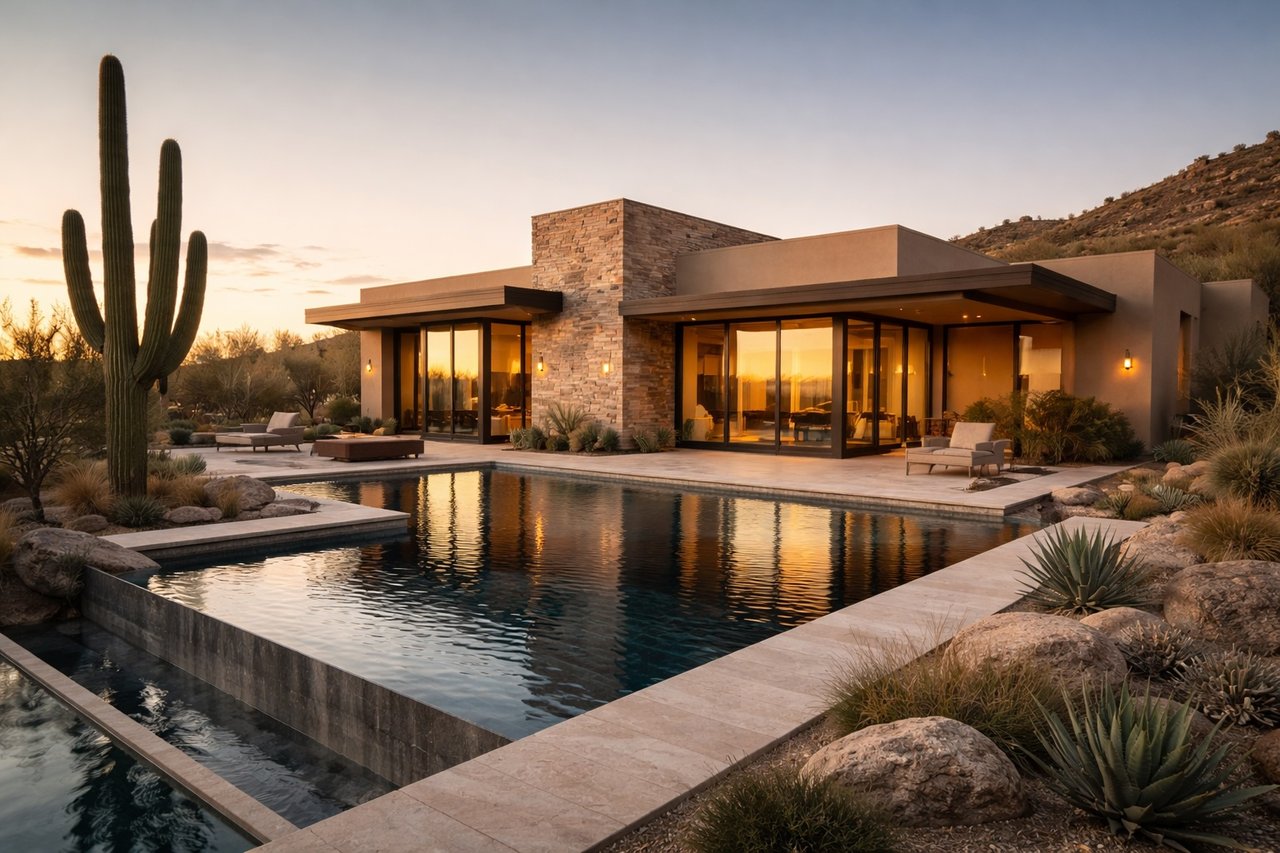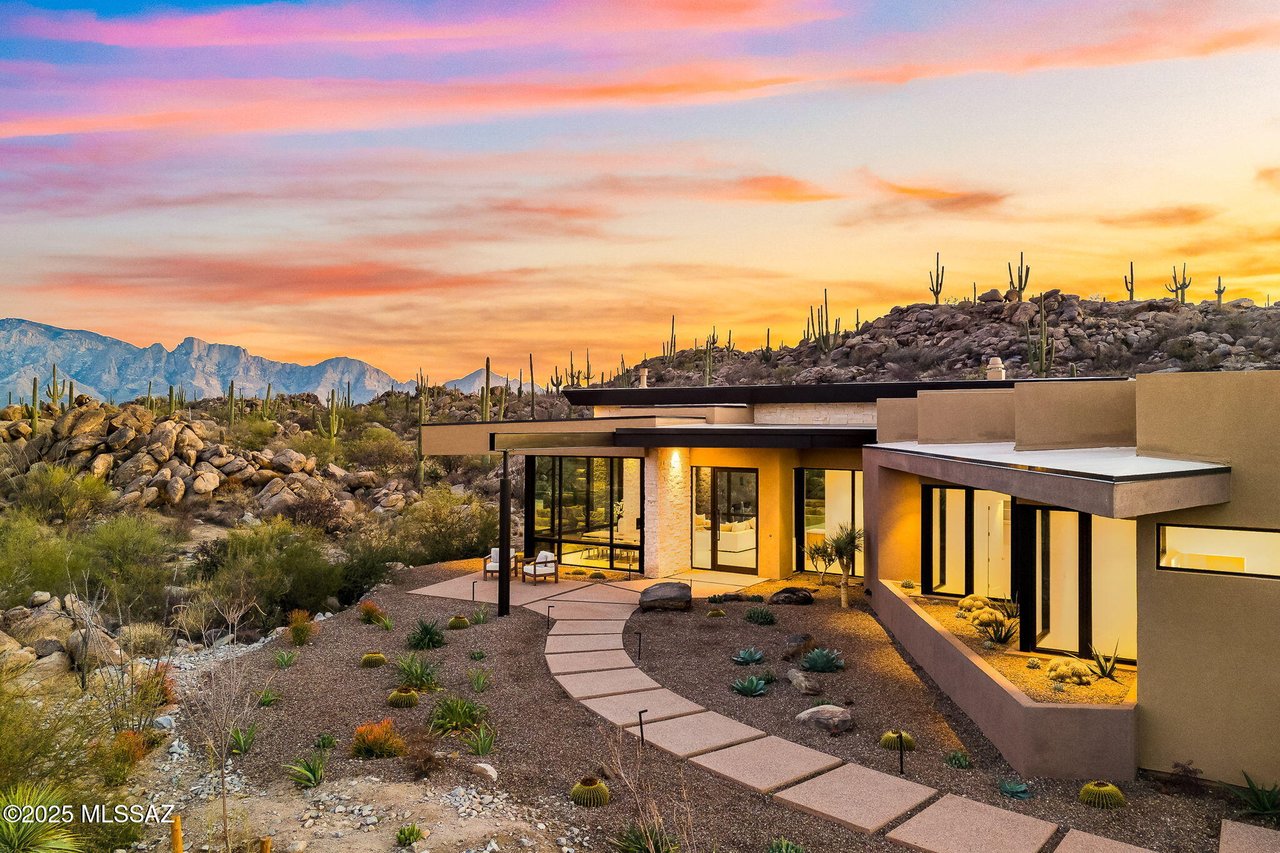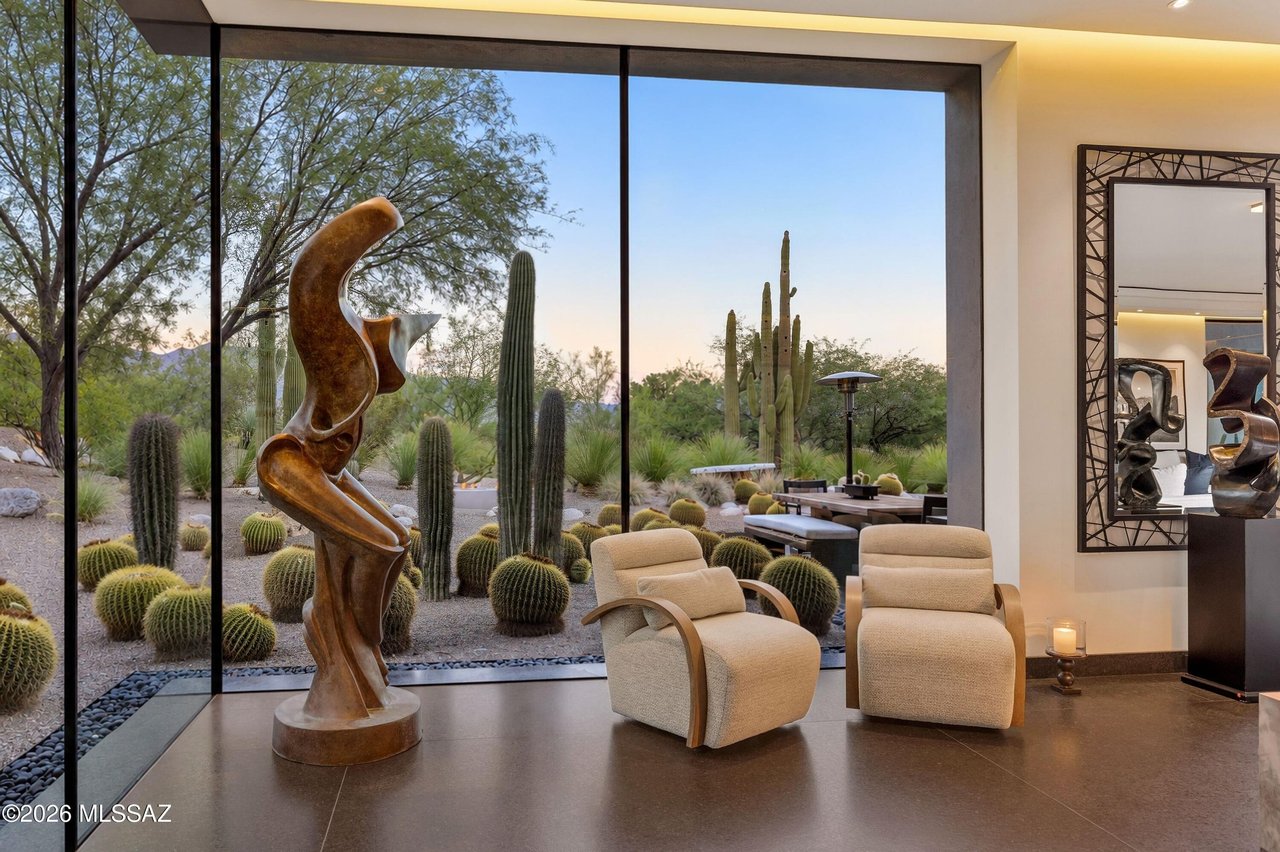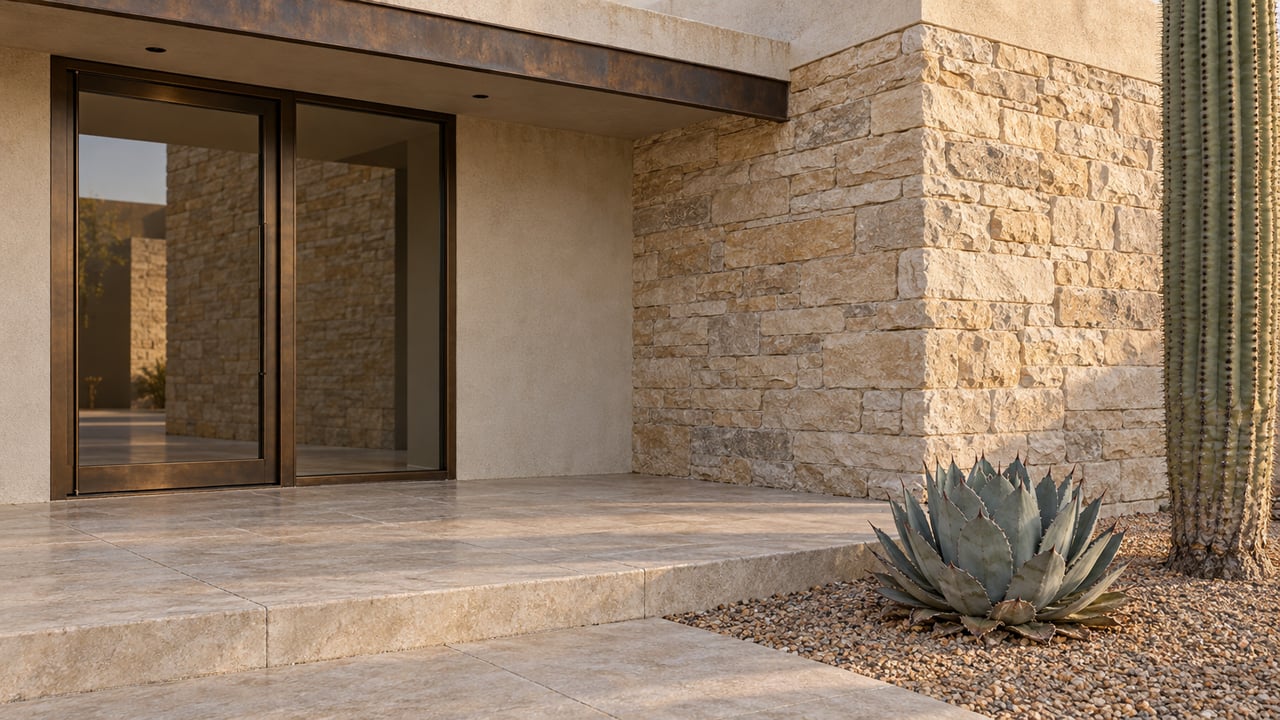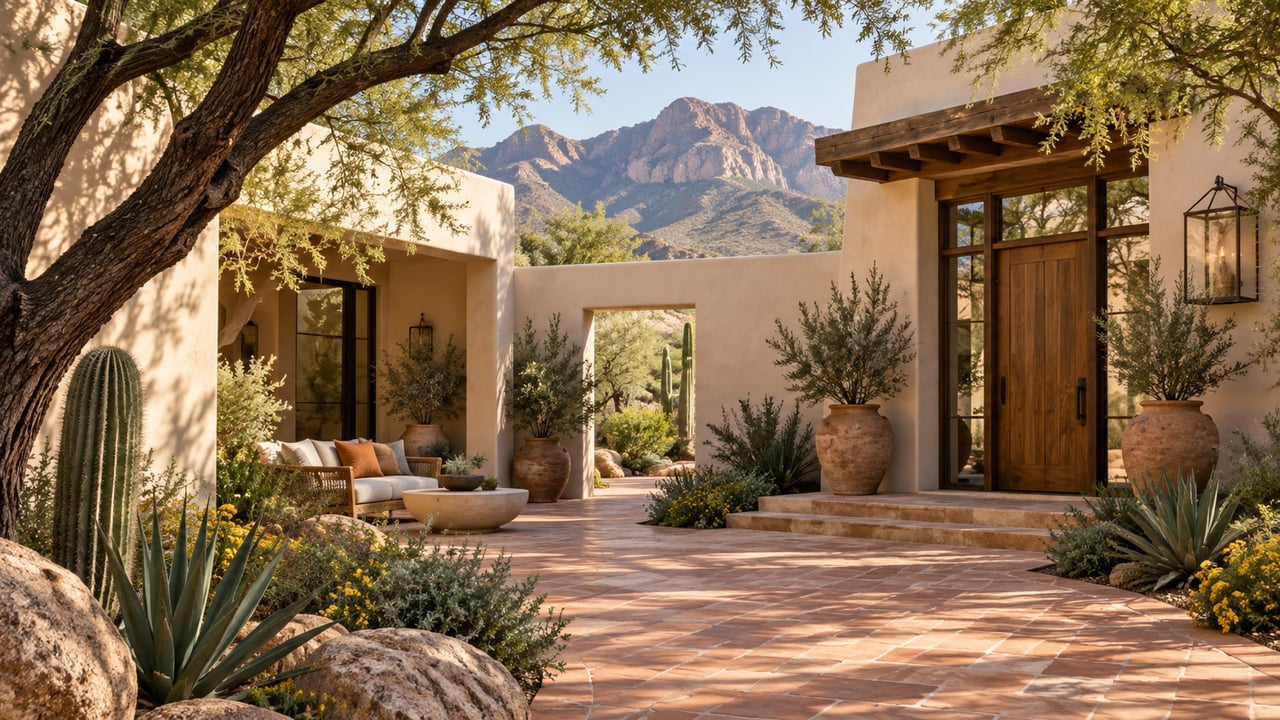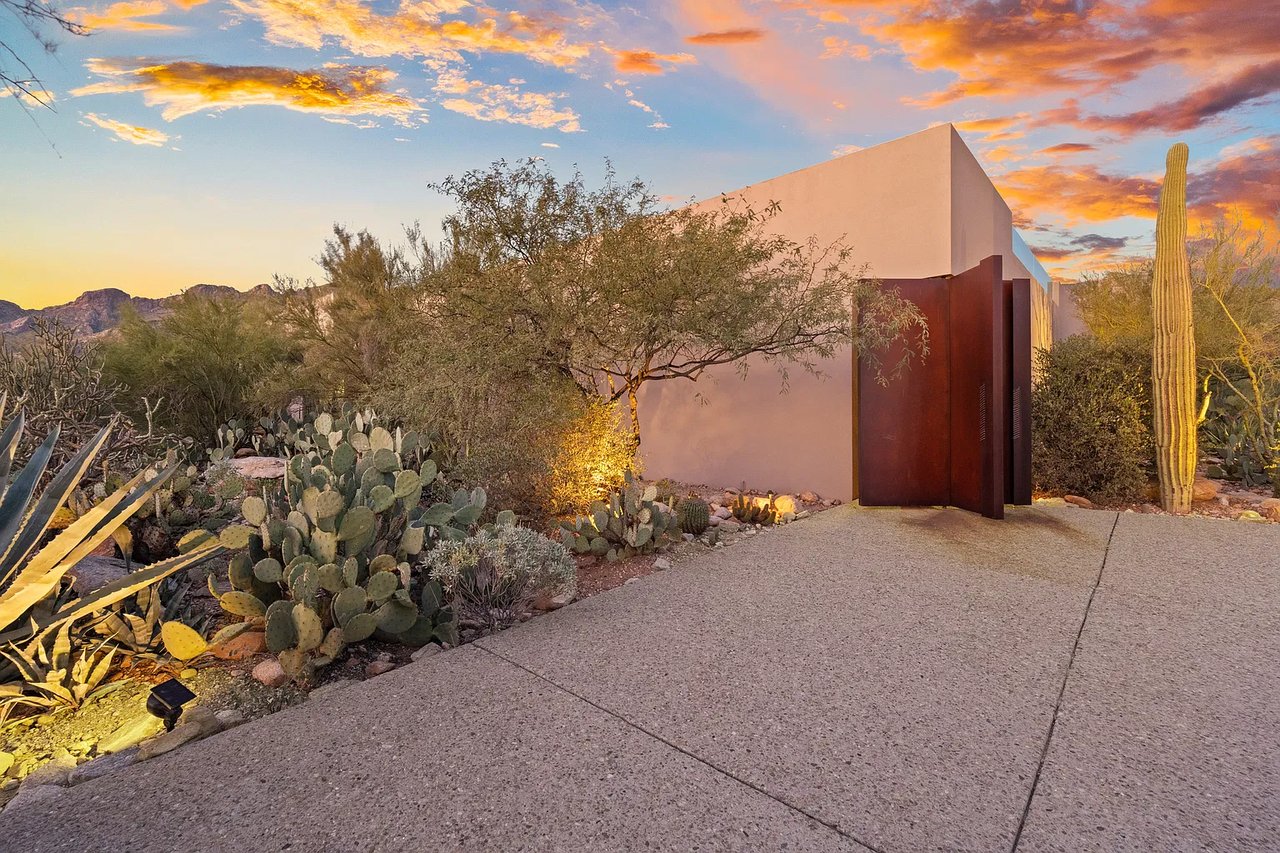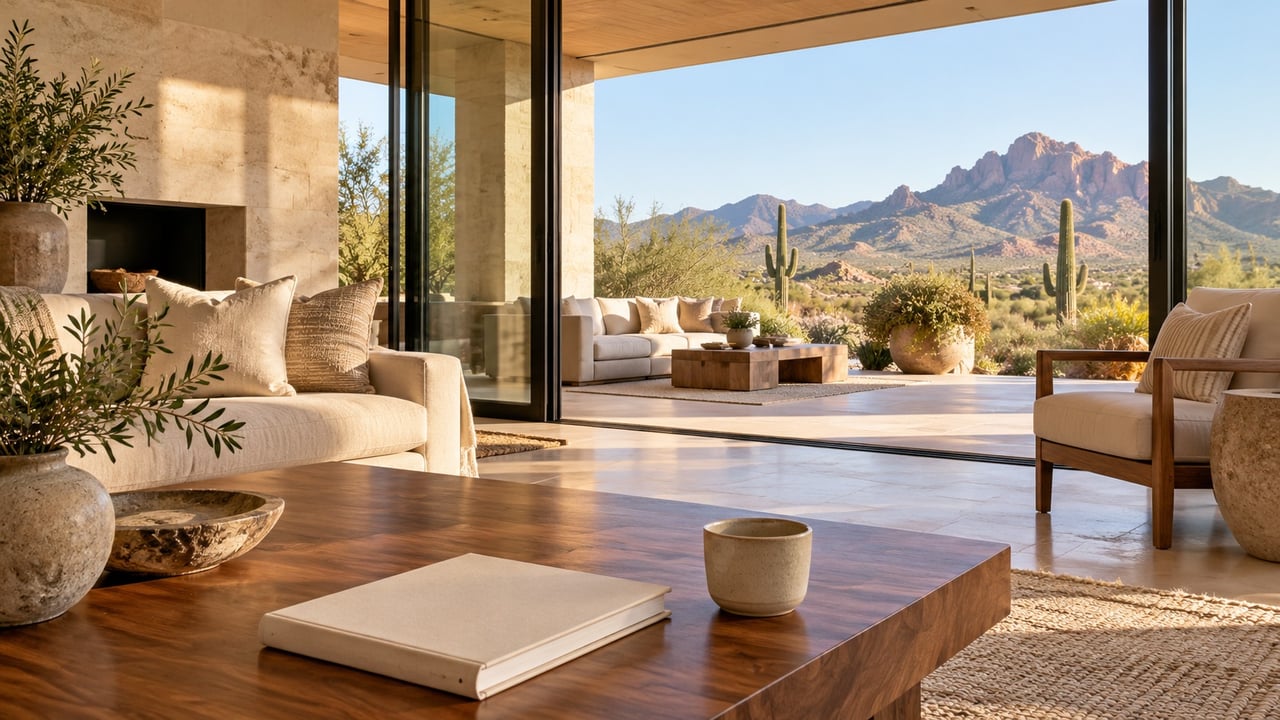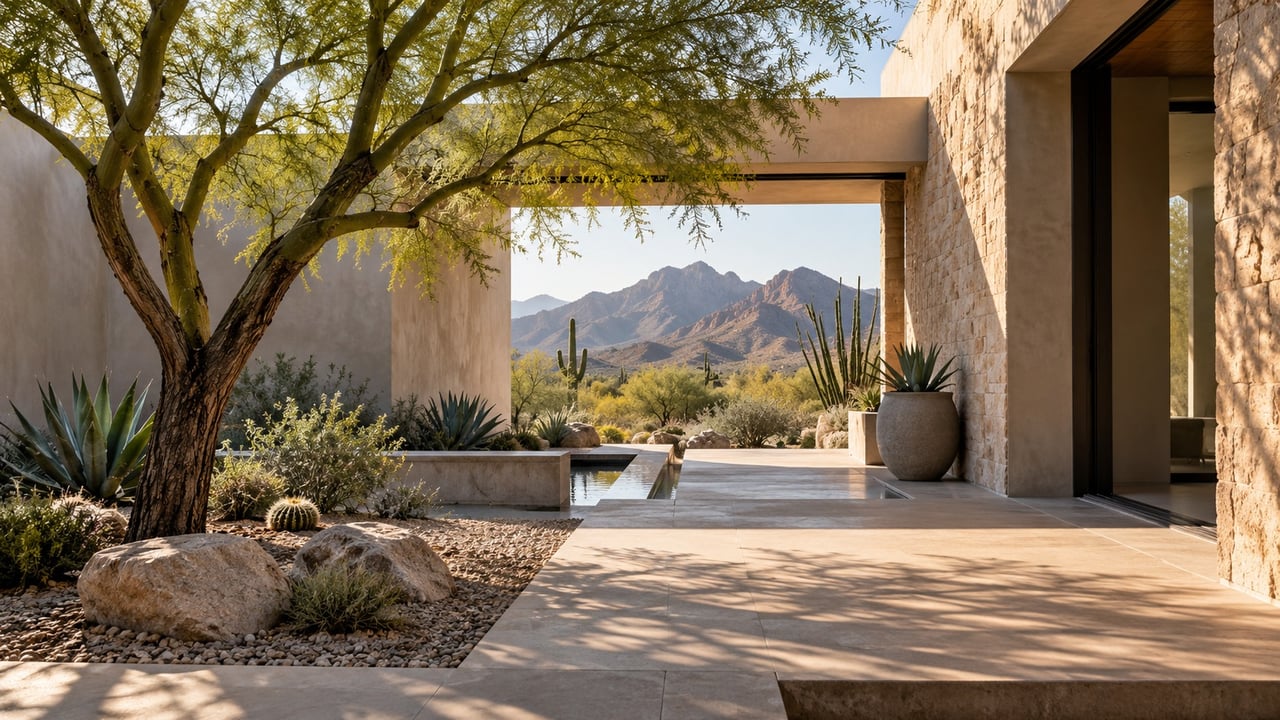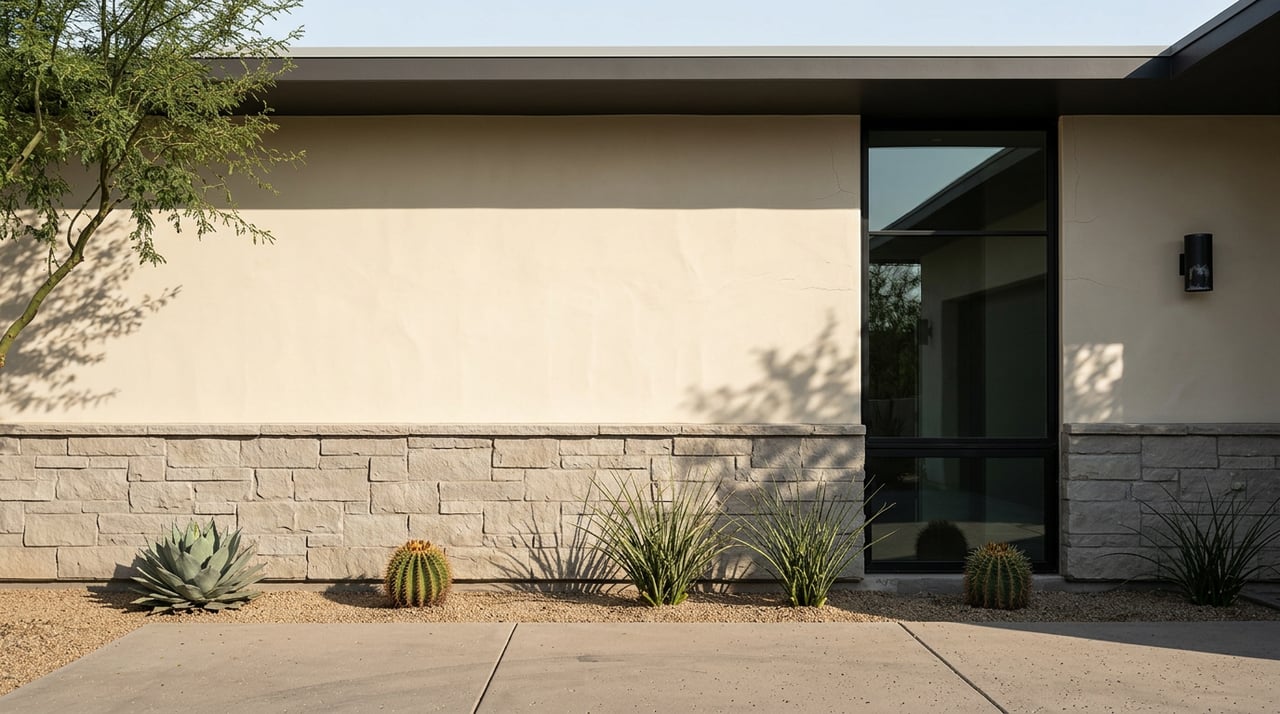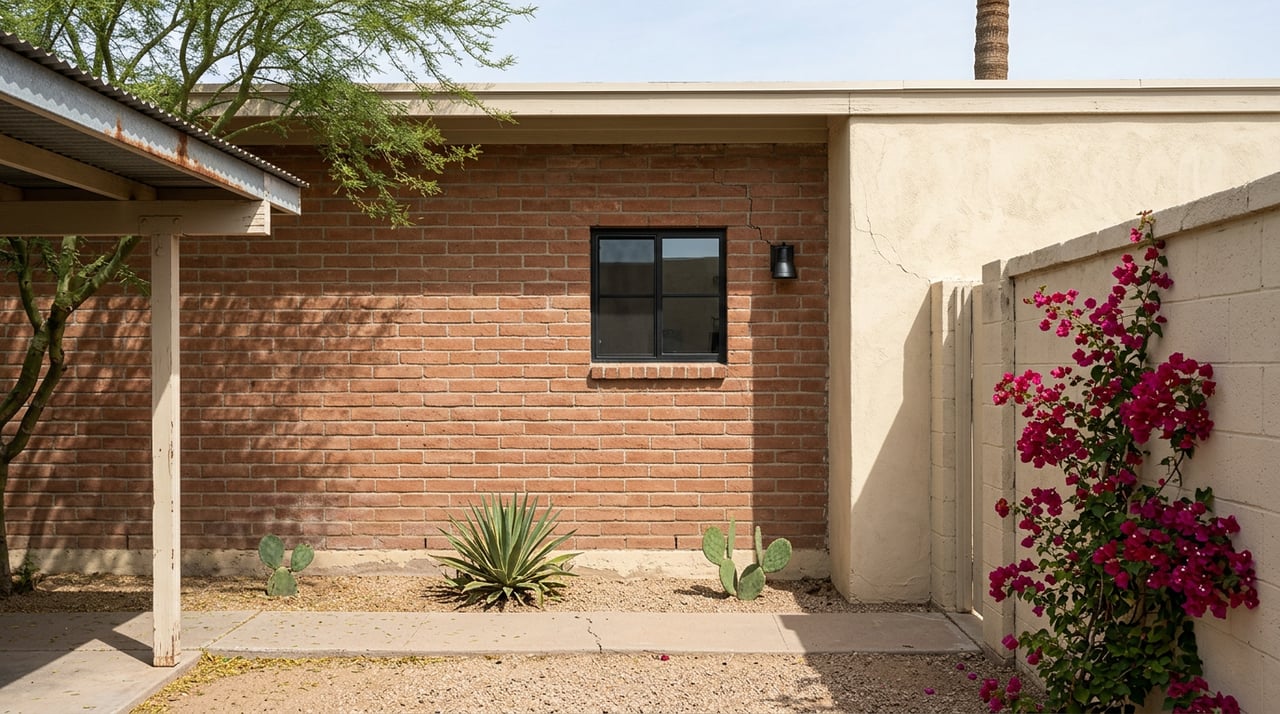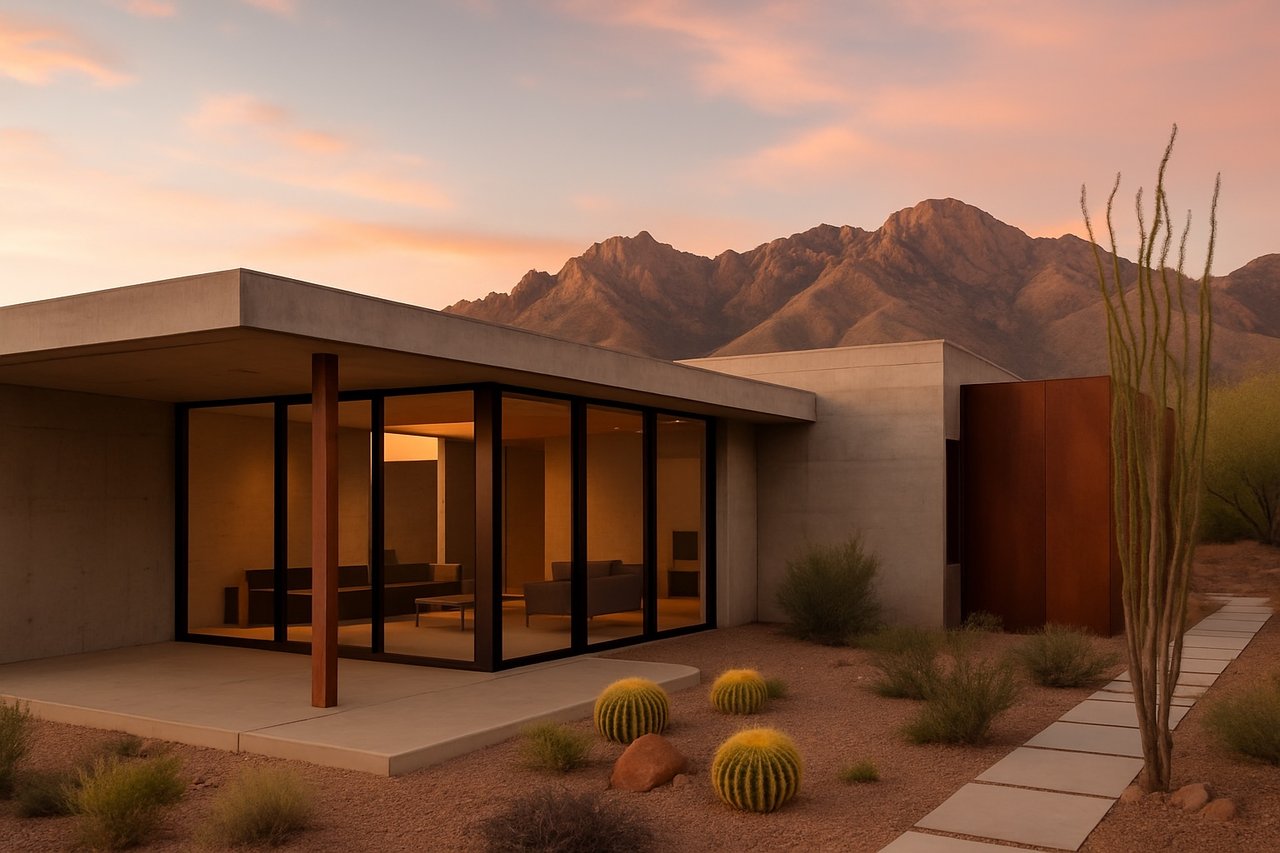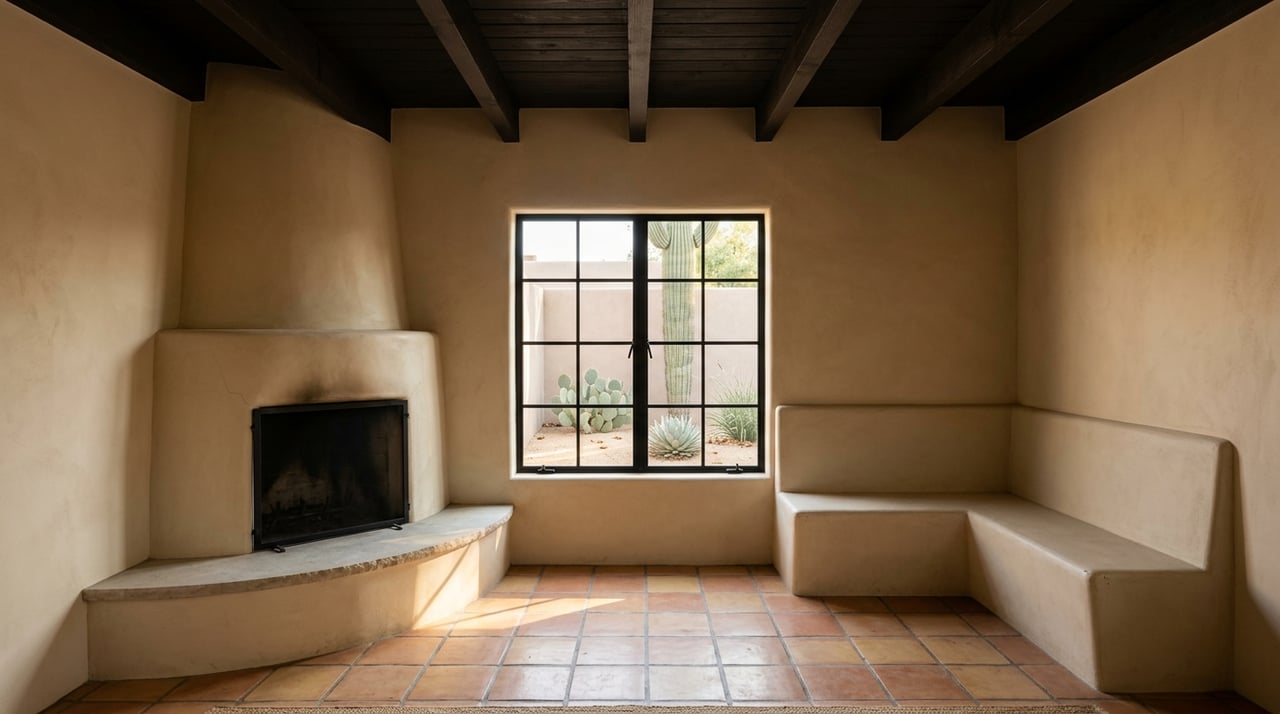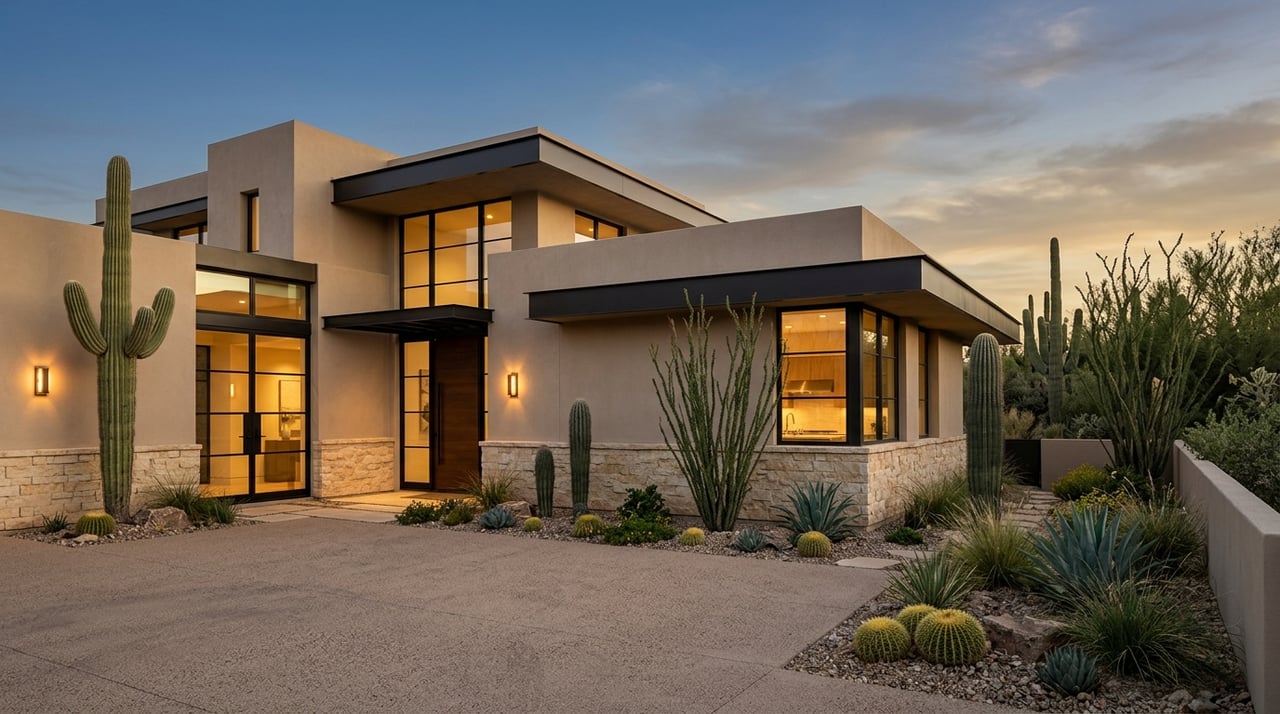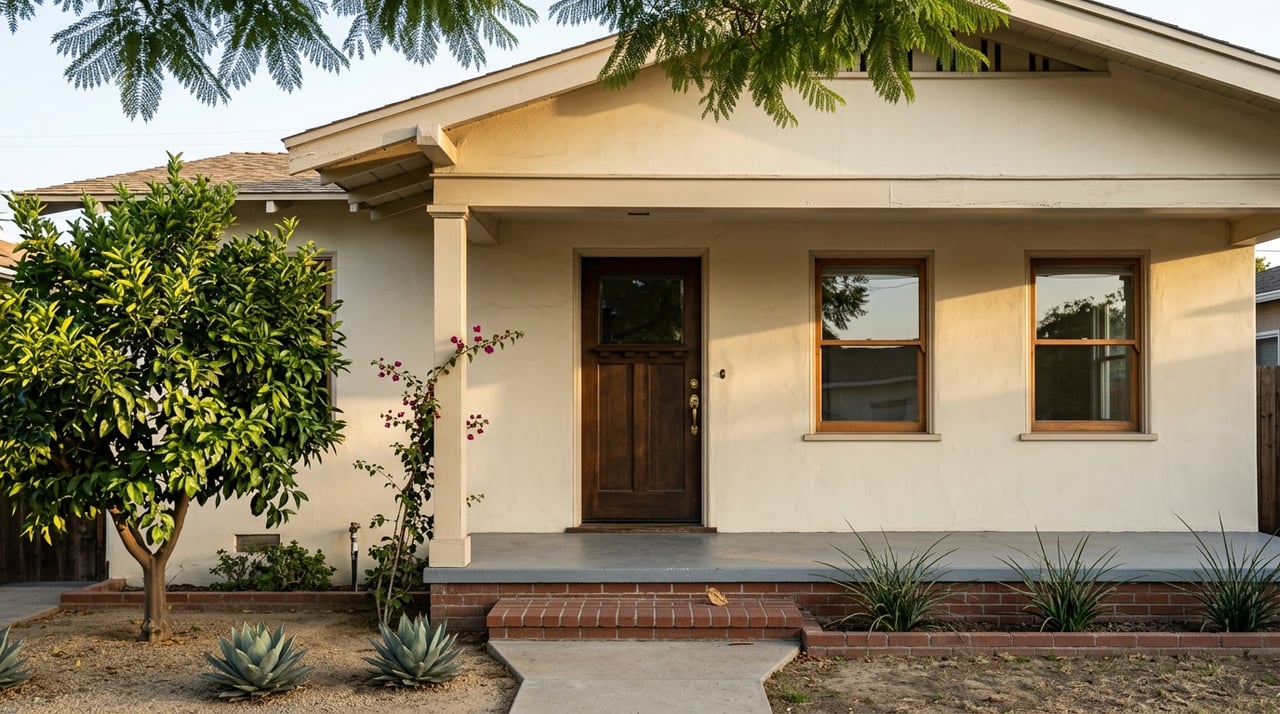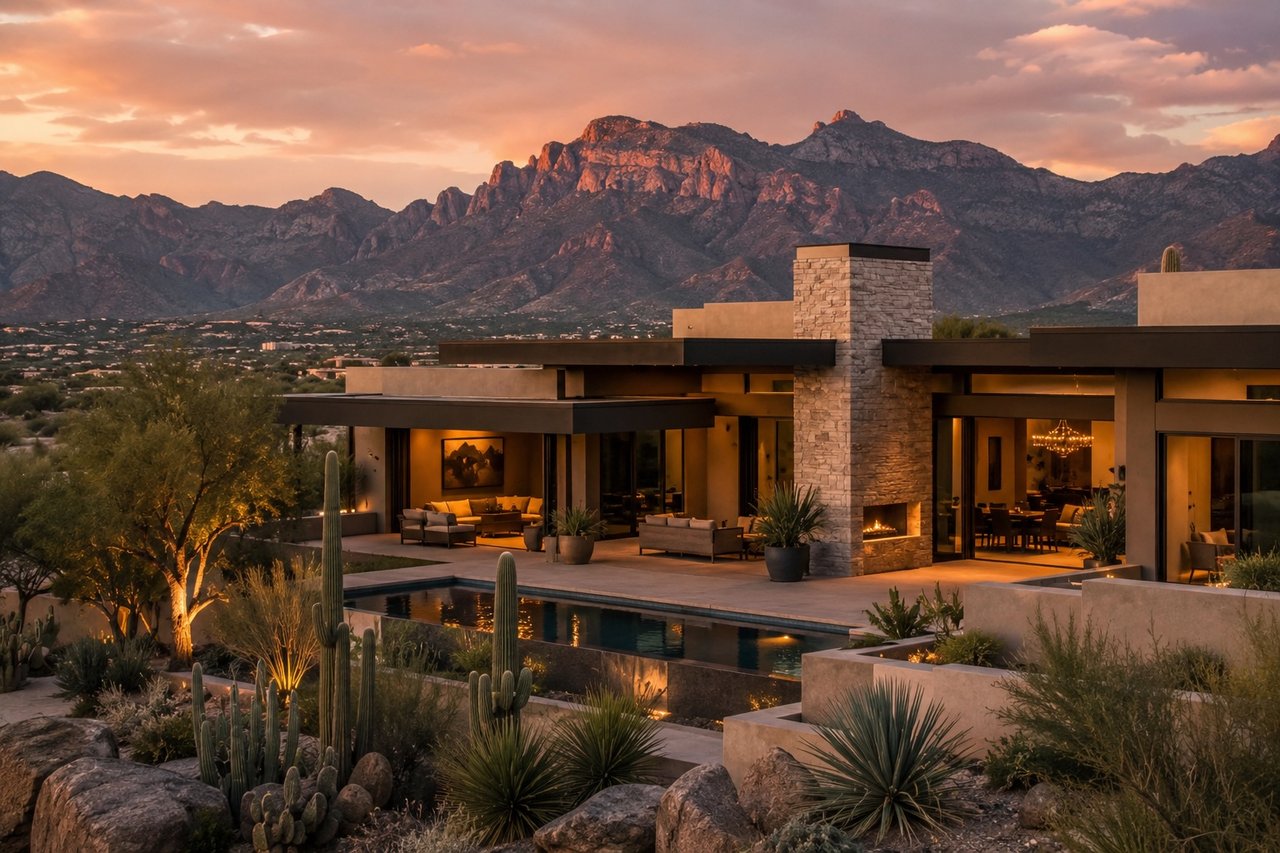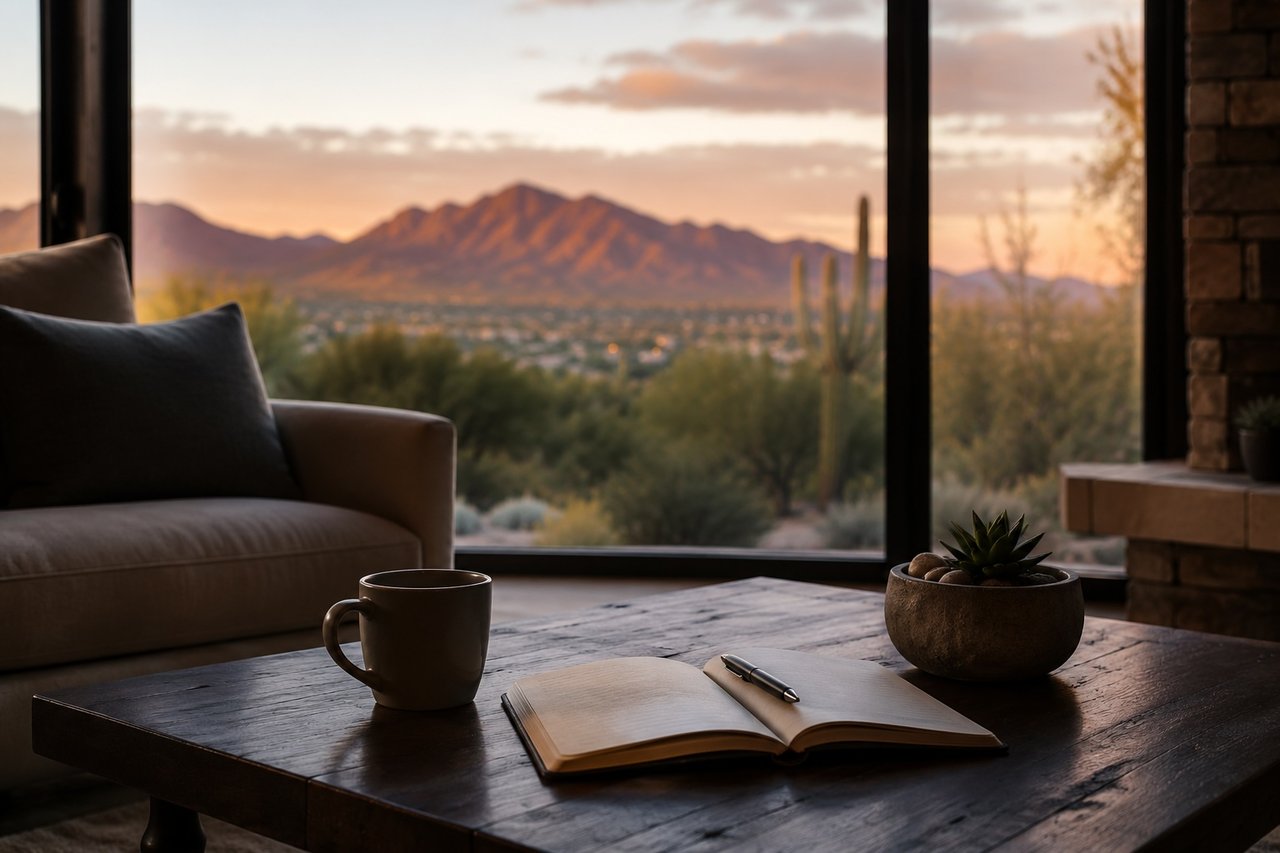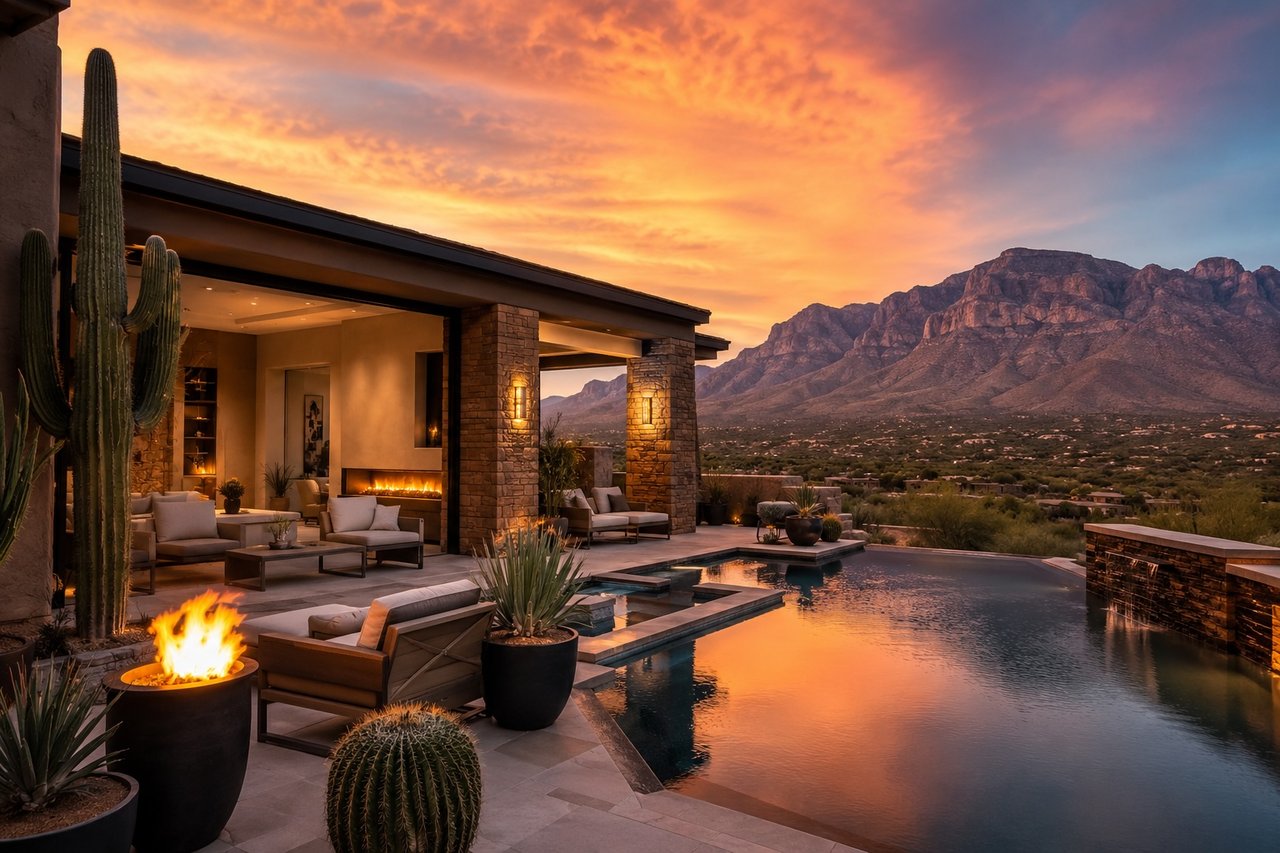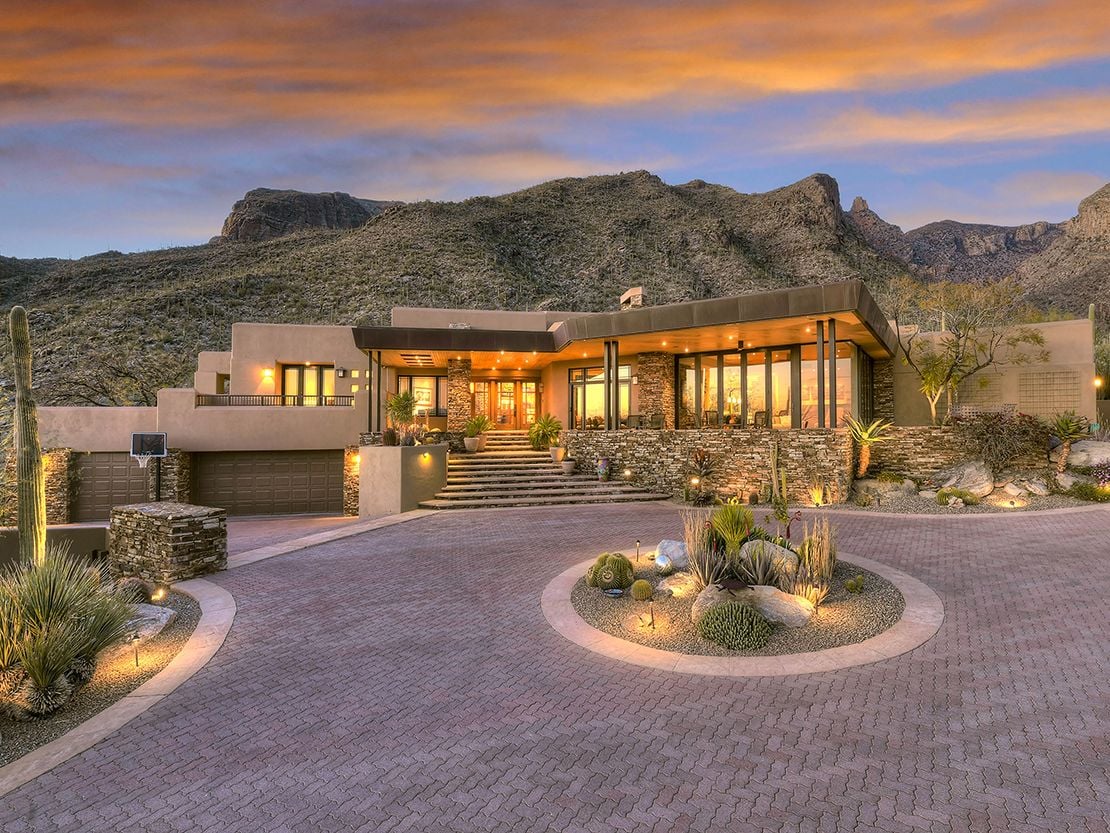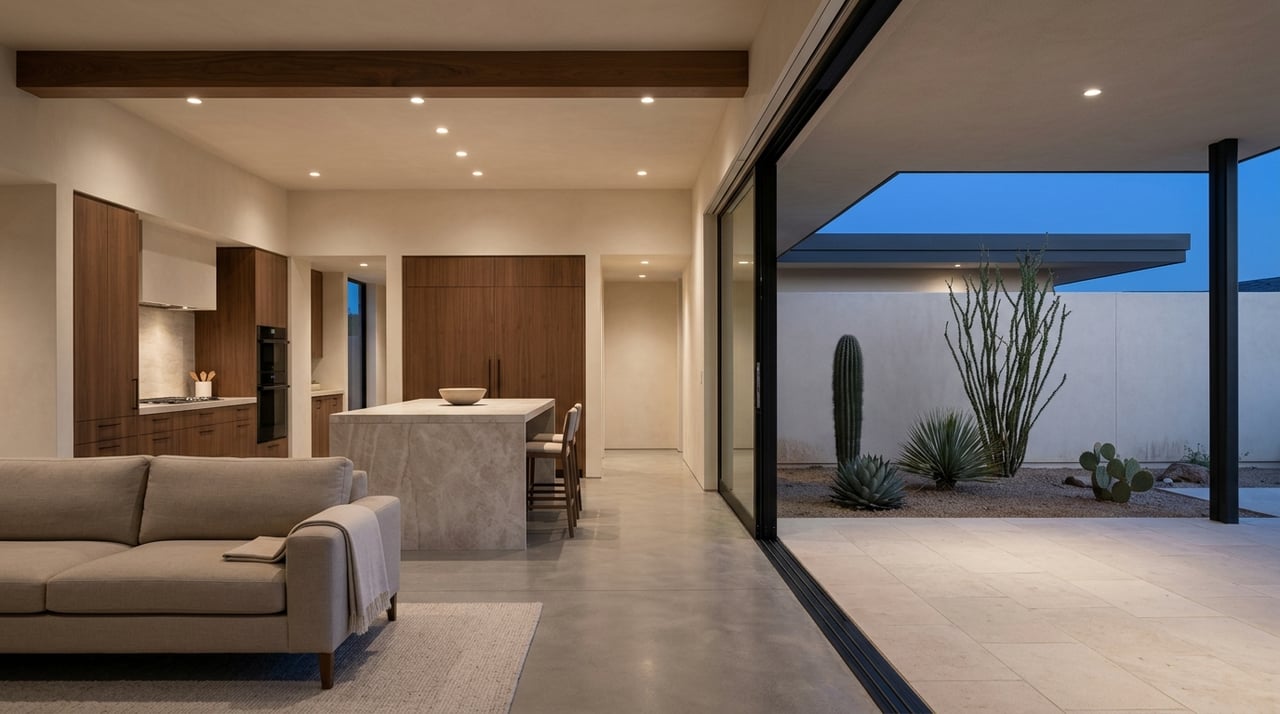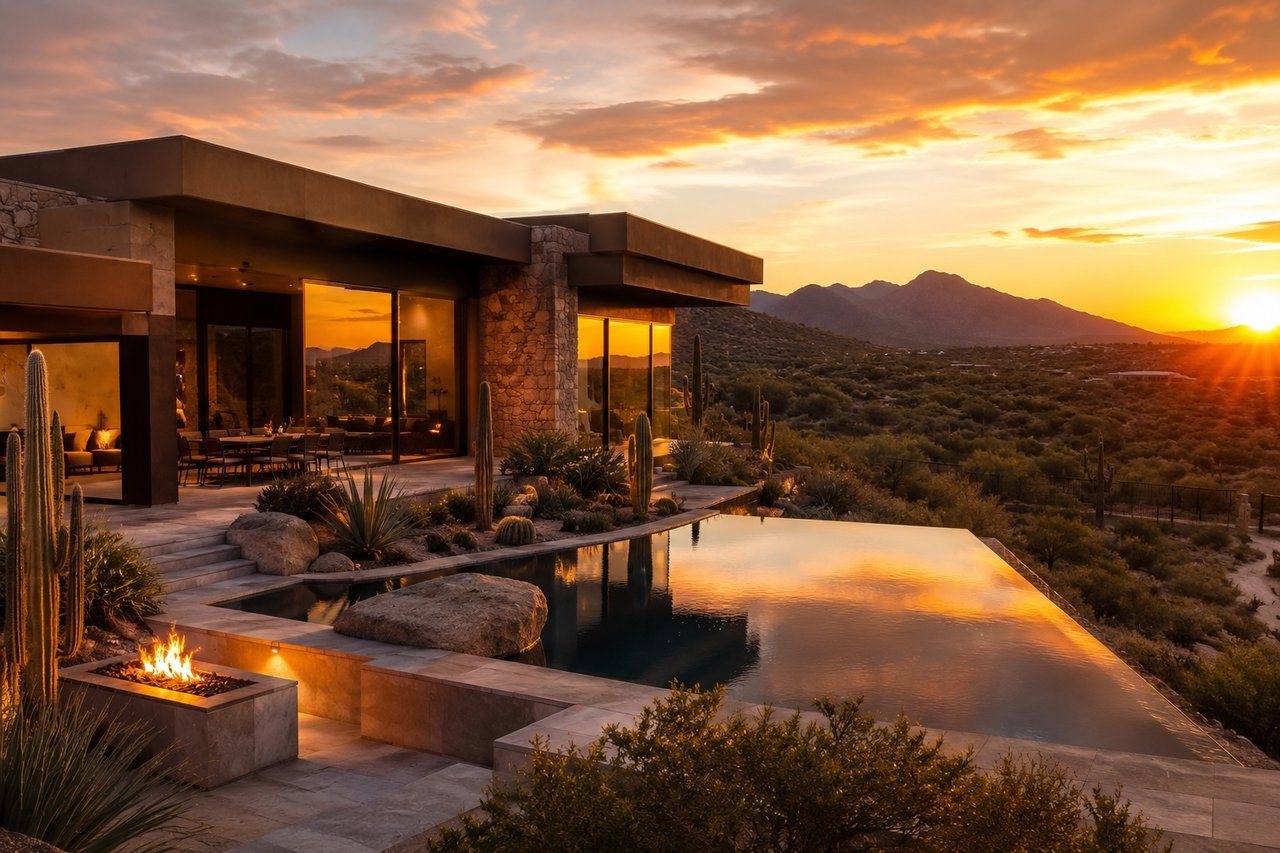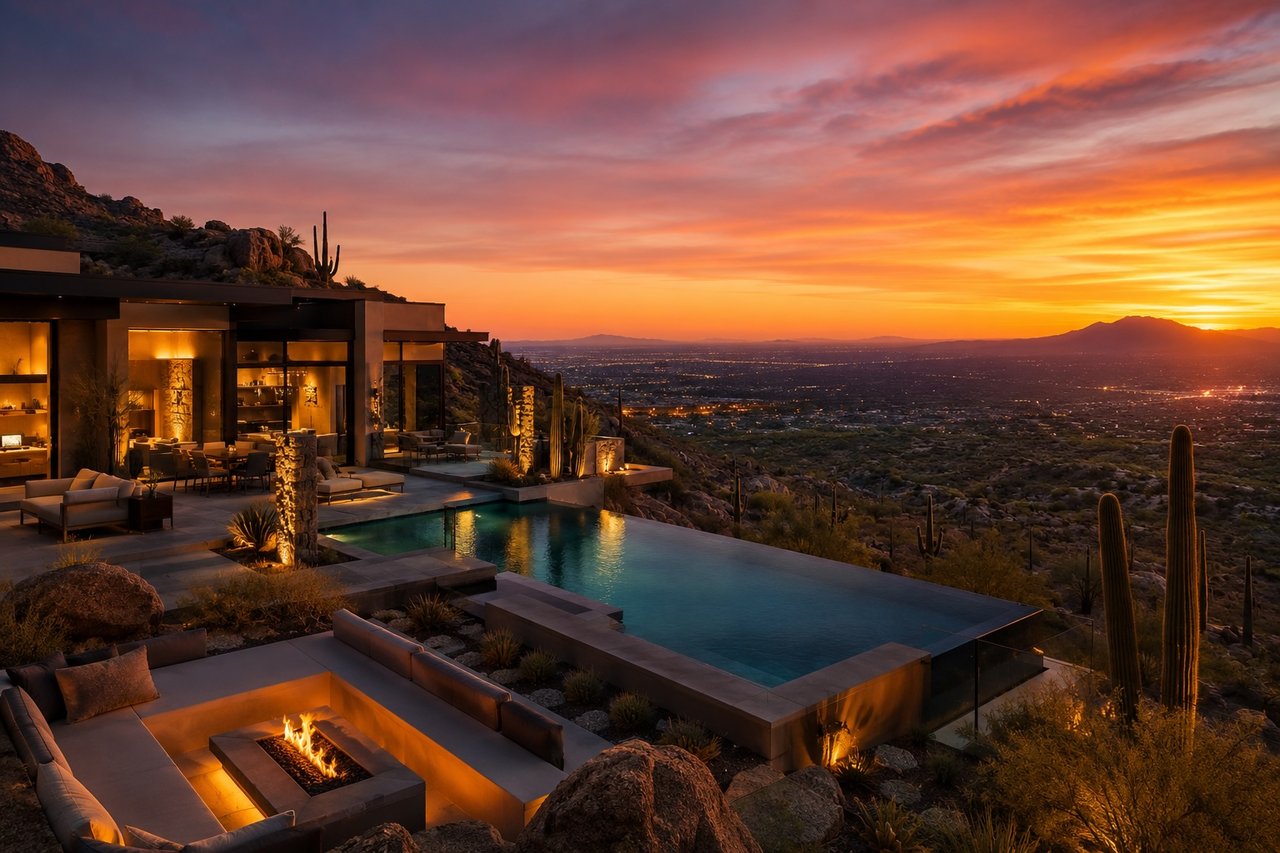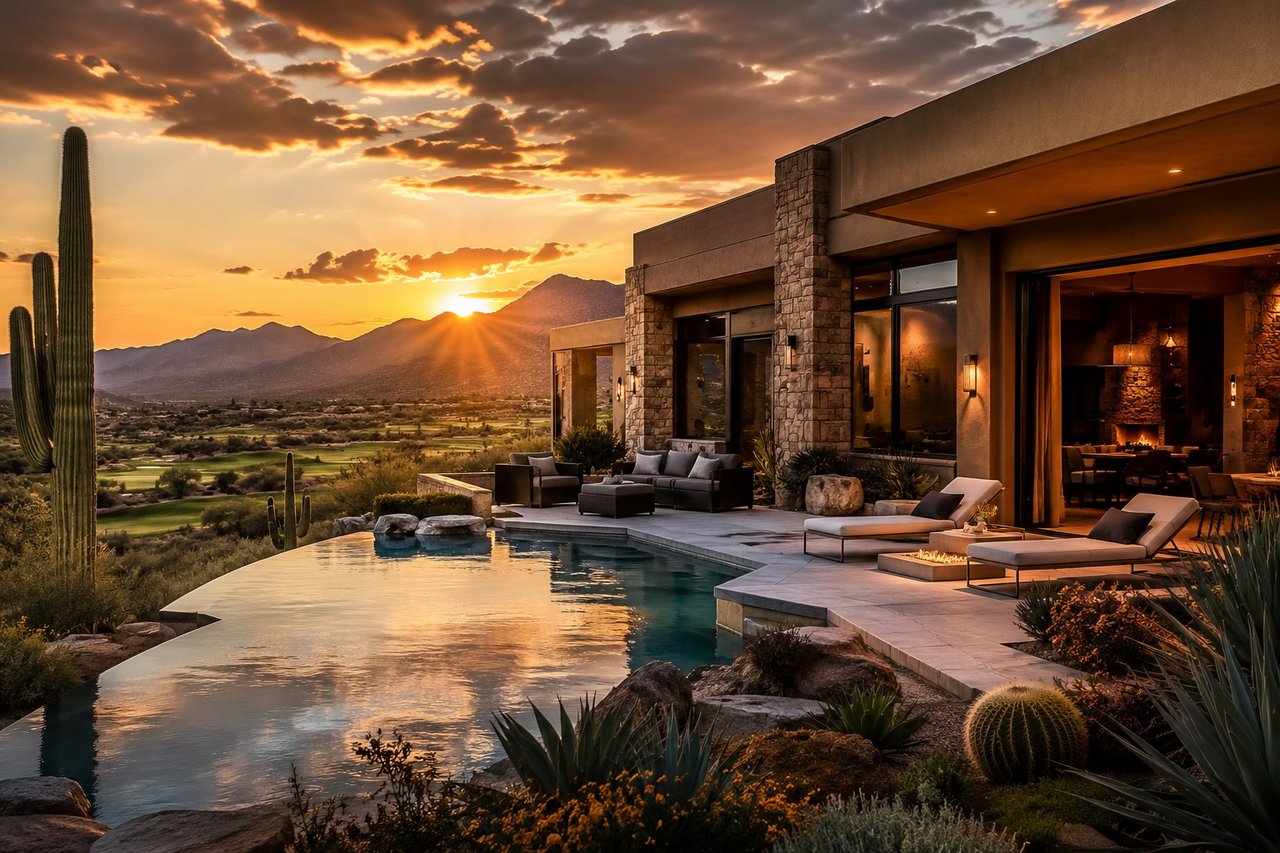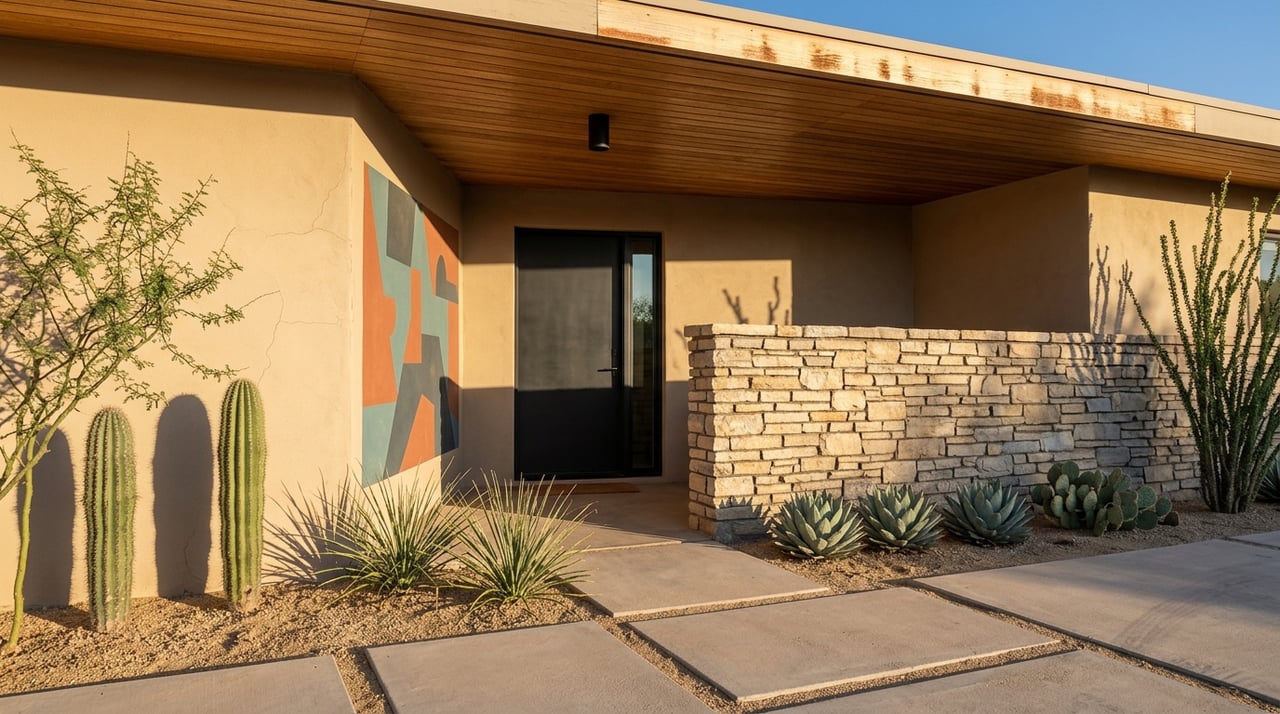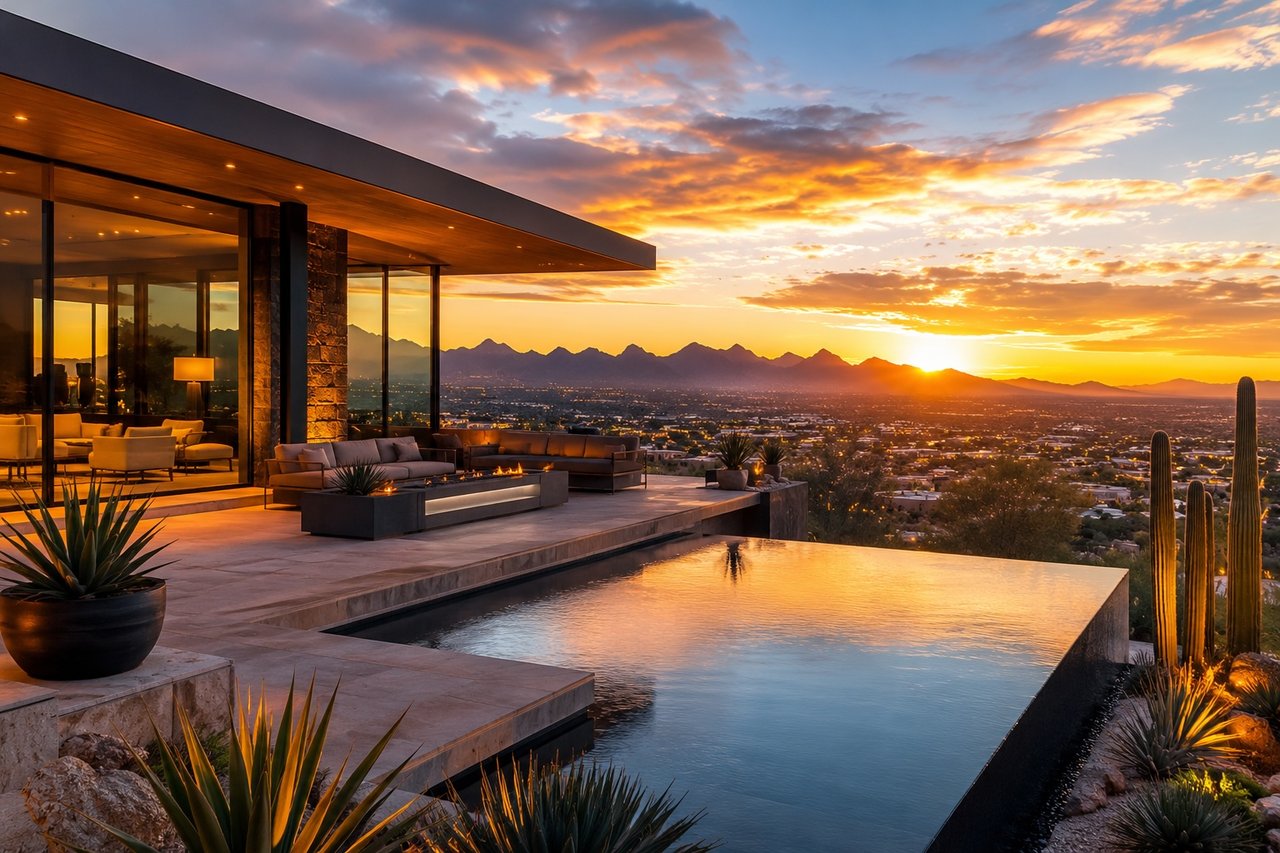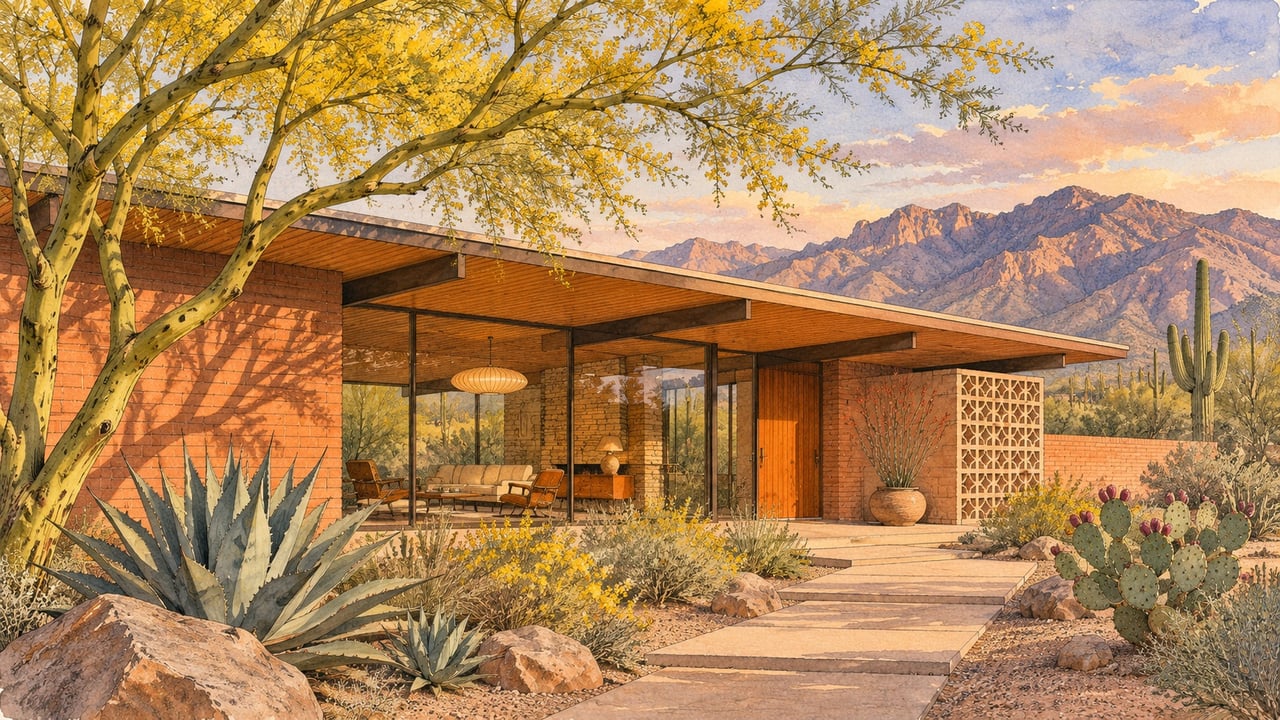
Buying a mid-century home in Tucson means evaluating two things together: the design that makes it distinctive and the work required to make it yours. Begin with the original plan, investigate later changes, and identify which features you want to preserve before building a renovation wish list.
Tucson Modernism Week, November 3–8, 2026, offers a timely reason to look closely. The Tucson Historic Preservation Foundation's November 8 home tour features six private residences dating from 1950 through 1963, alongside four additional stops. These are opportunities to study architecture; participation in the tour does not identify a home as being for sale.
The larger lesson lasts beyond the weekend. A house can be compelling because of how its rooms, materials and outdoor spaces work together. Understanding that relationship helps you decide whether to preserve it, adapt it or keep looking.
Start with the design you actually want to live with
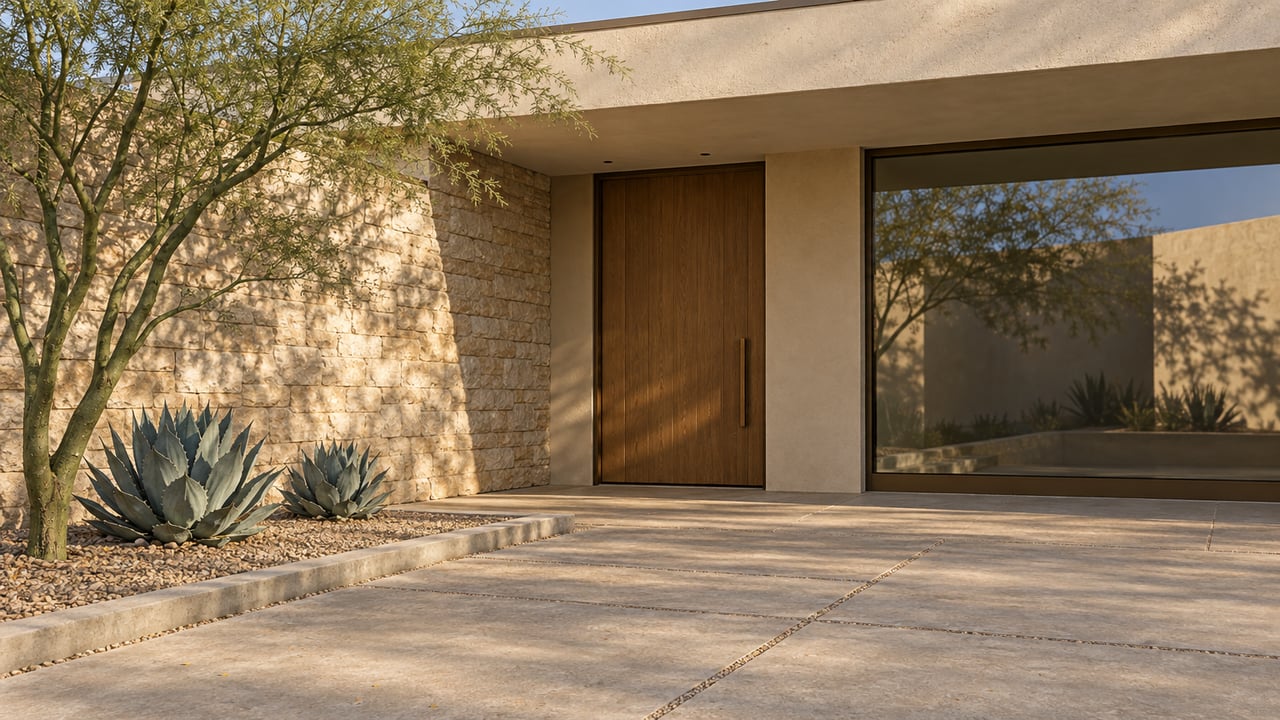
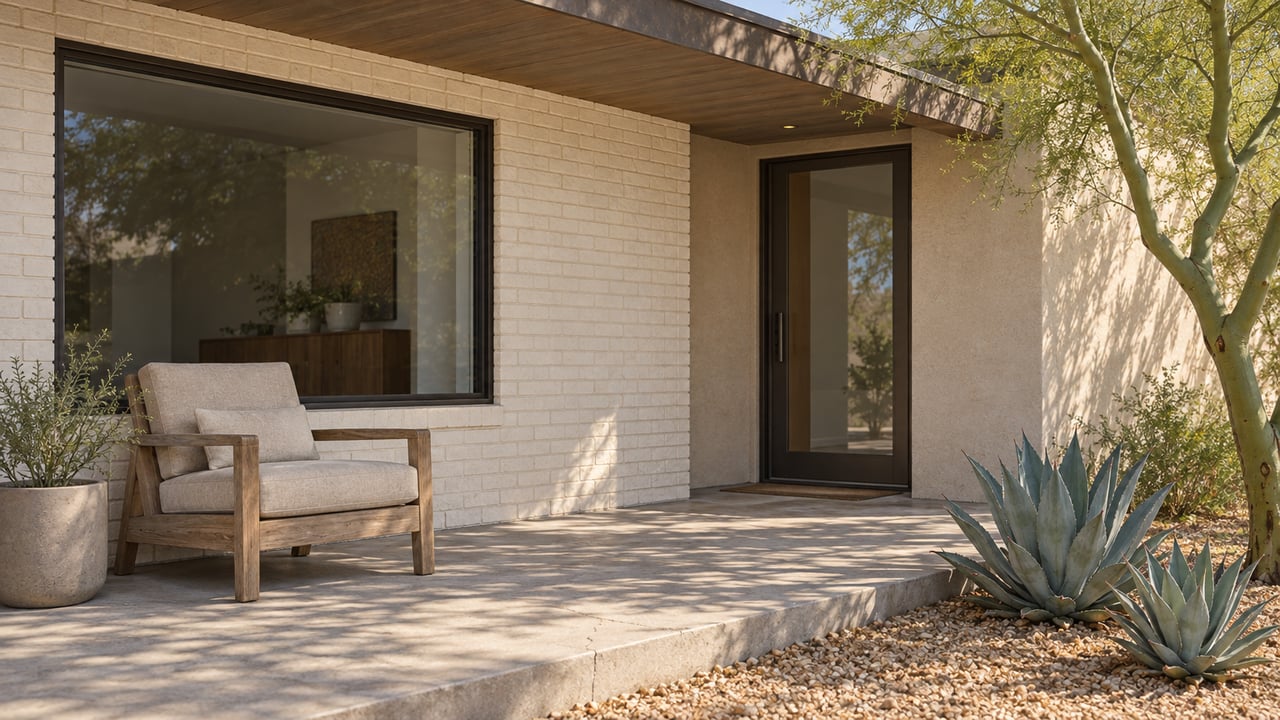
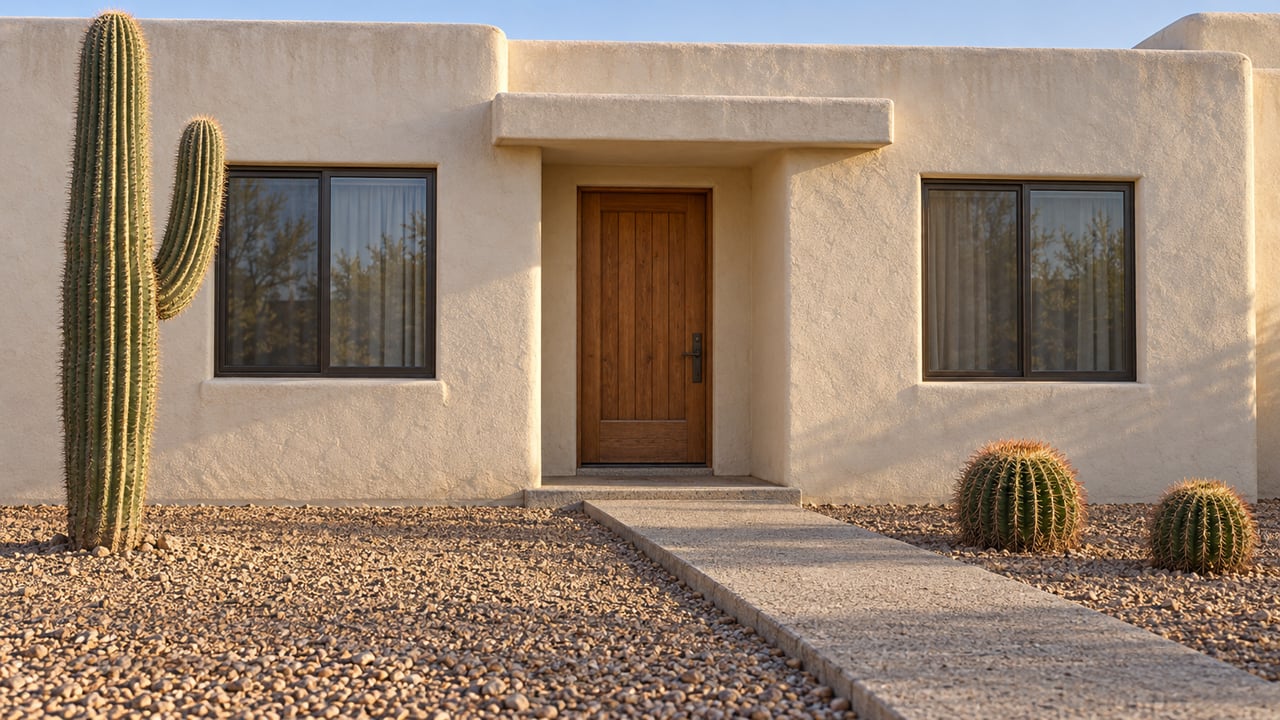
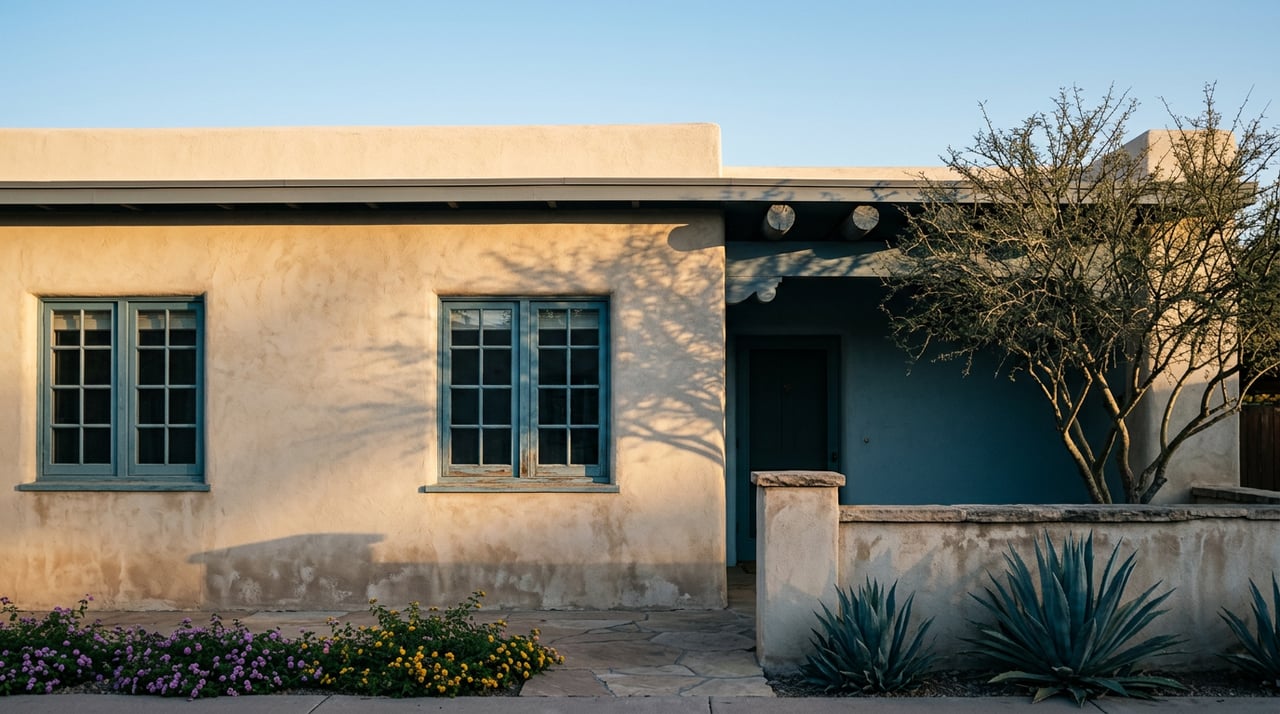
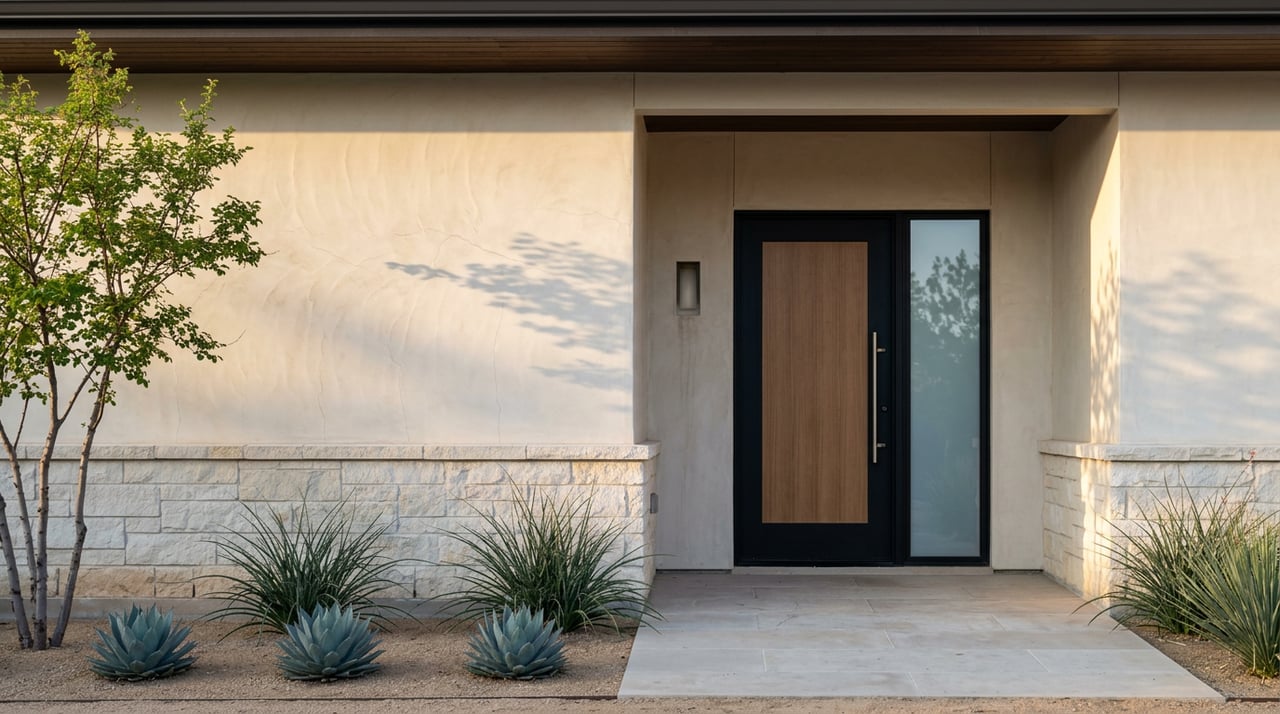
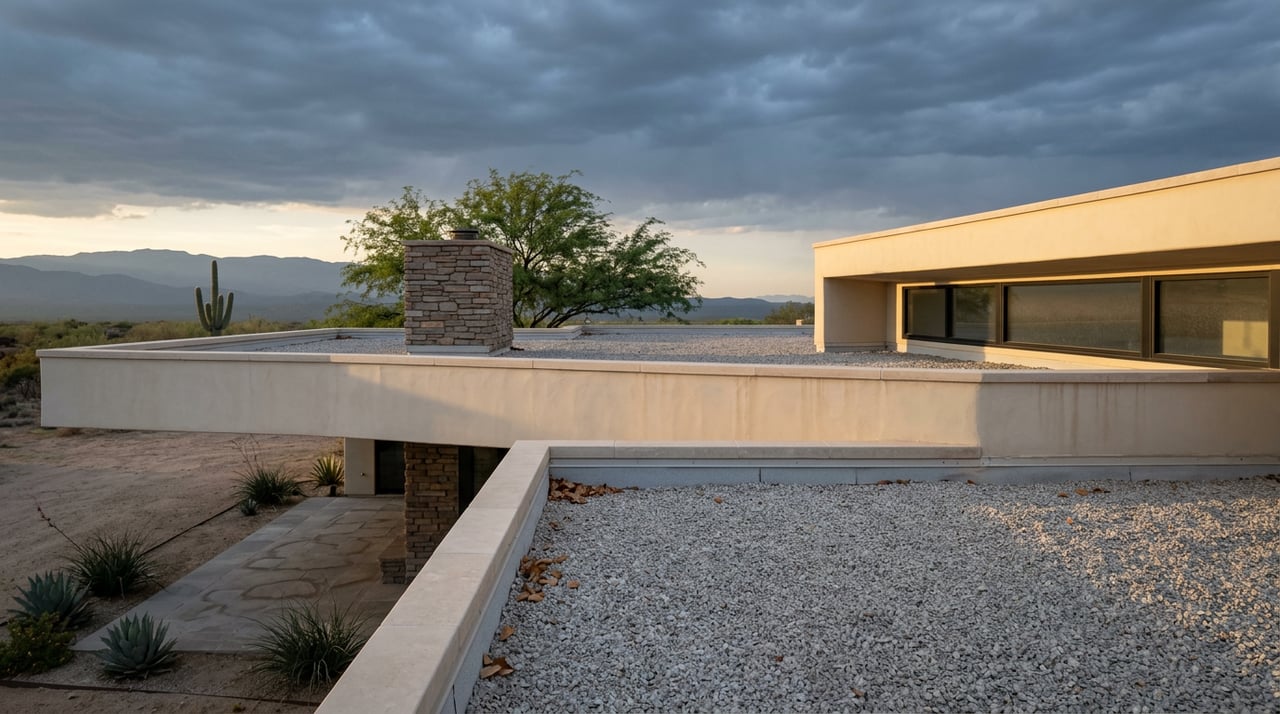
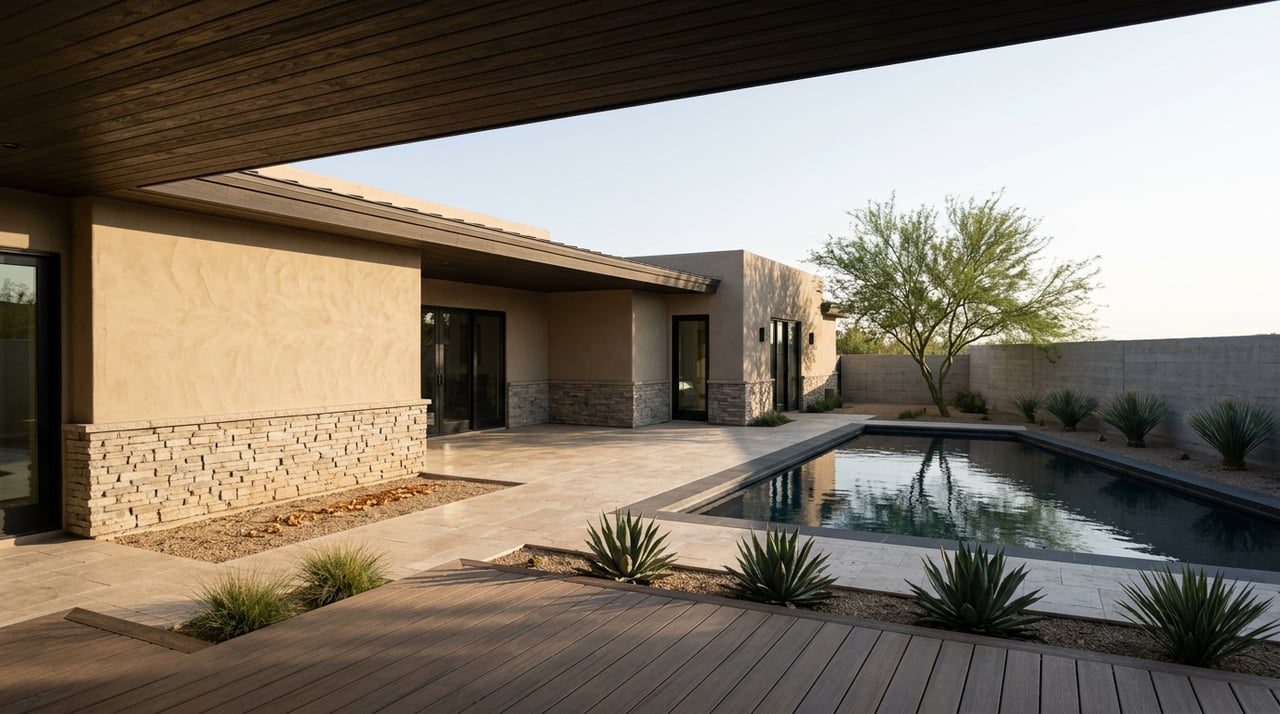
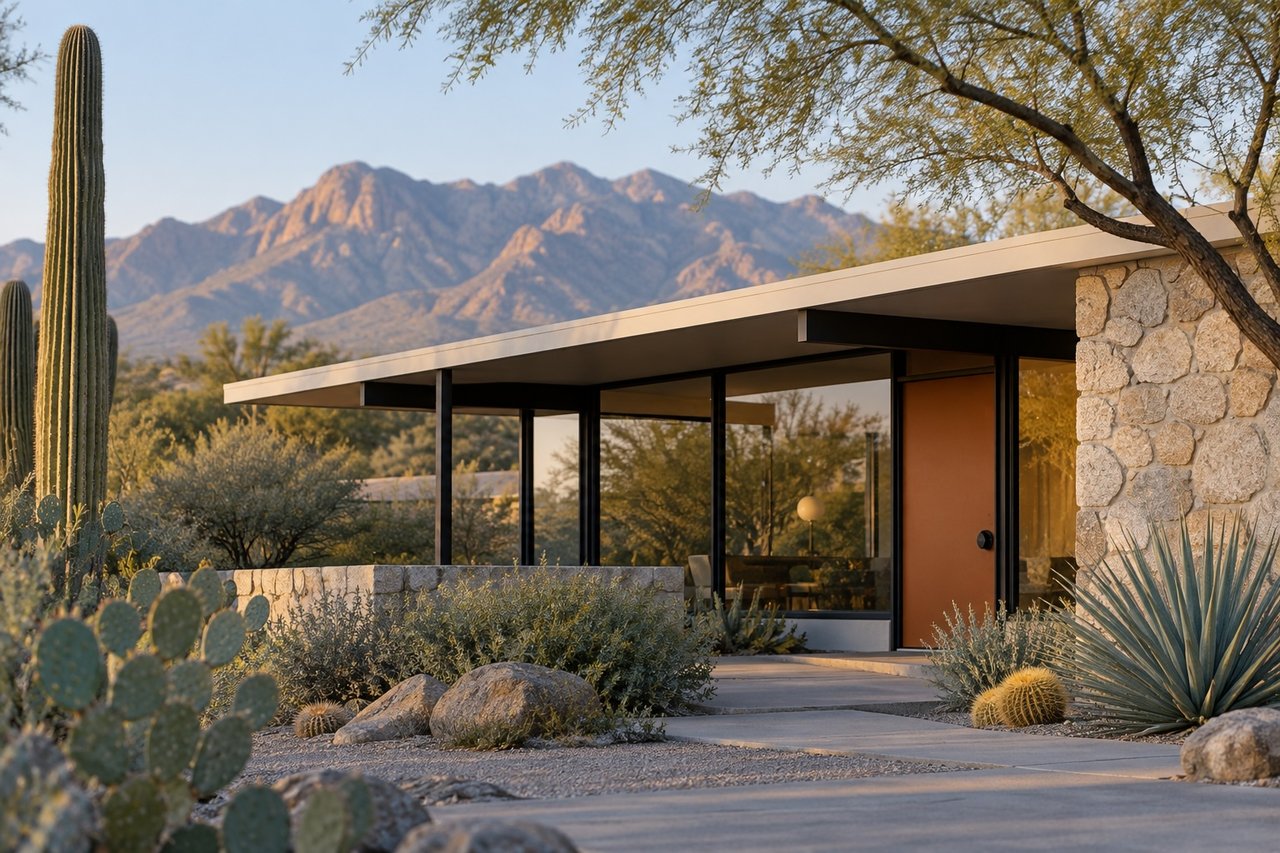
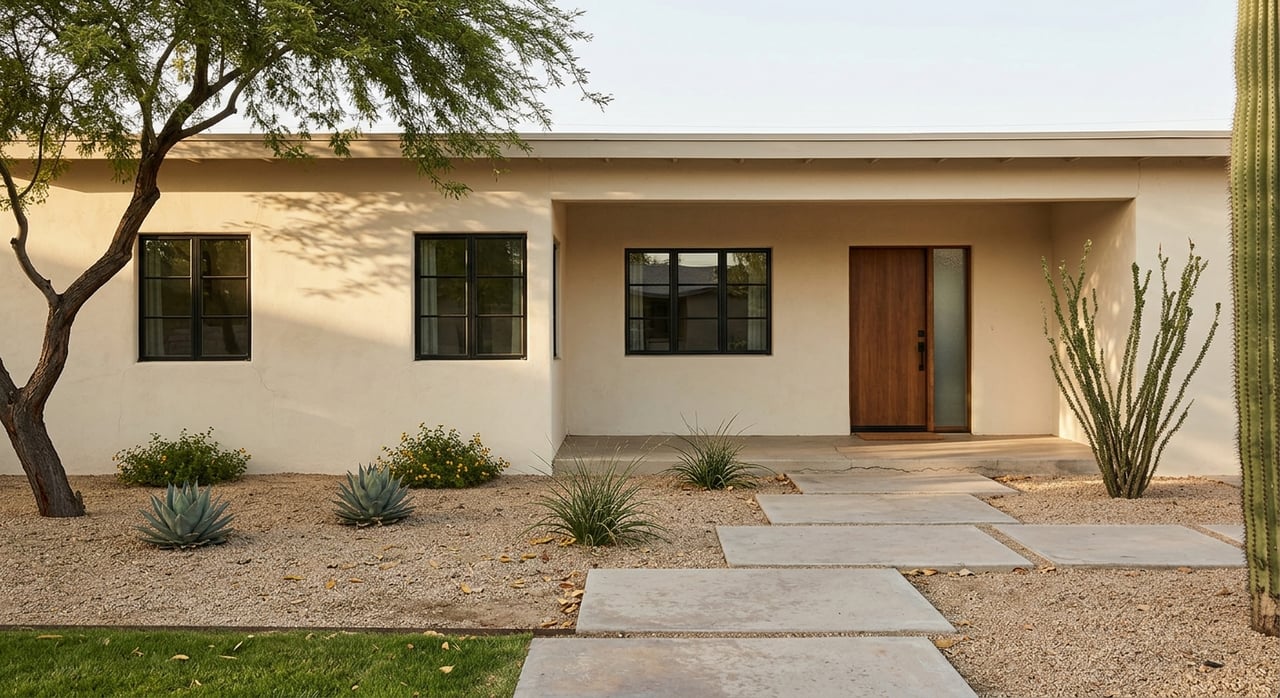
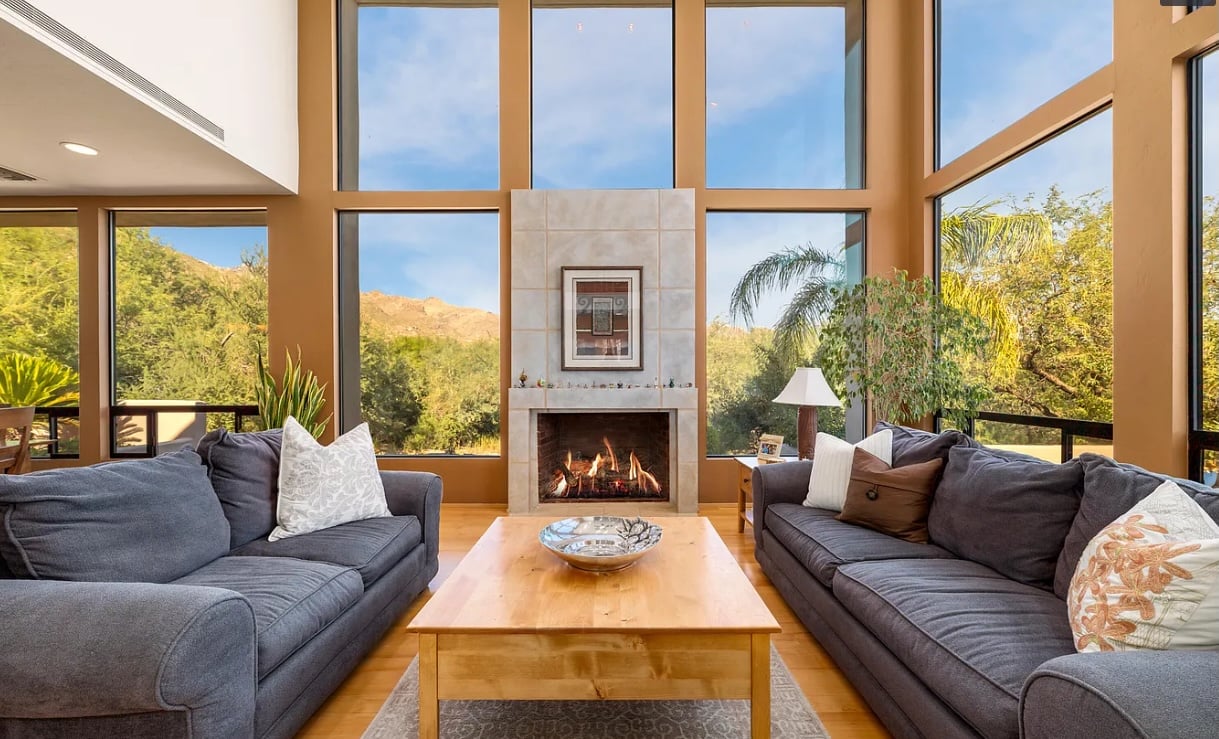
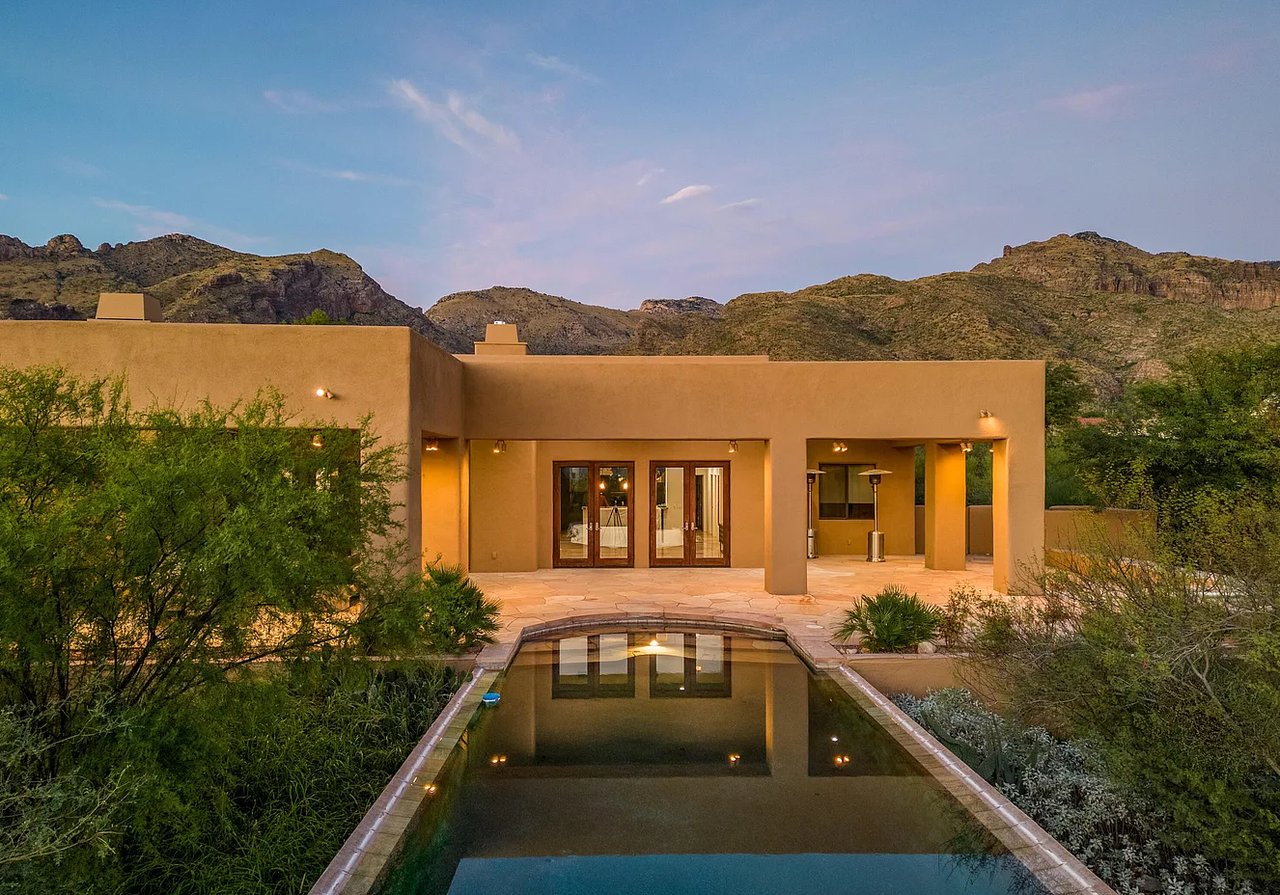
A long roofline or decorative block wall can attract your attention. Stay long enough to understand the plan behind it. Where does the entry lead? Which rooms open to the garden? Does the roof shade the glass? Can the furniture you use fit without interrupting circulation?
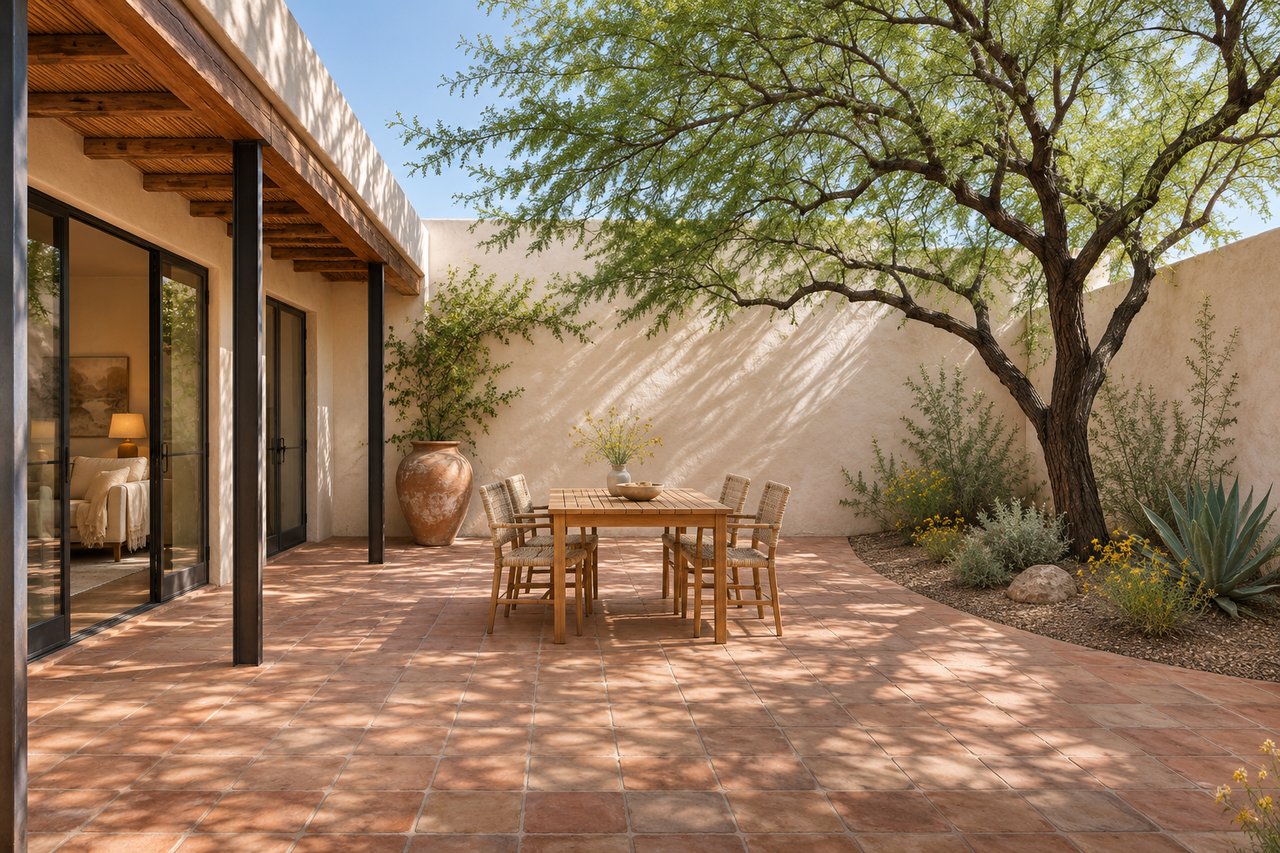
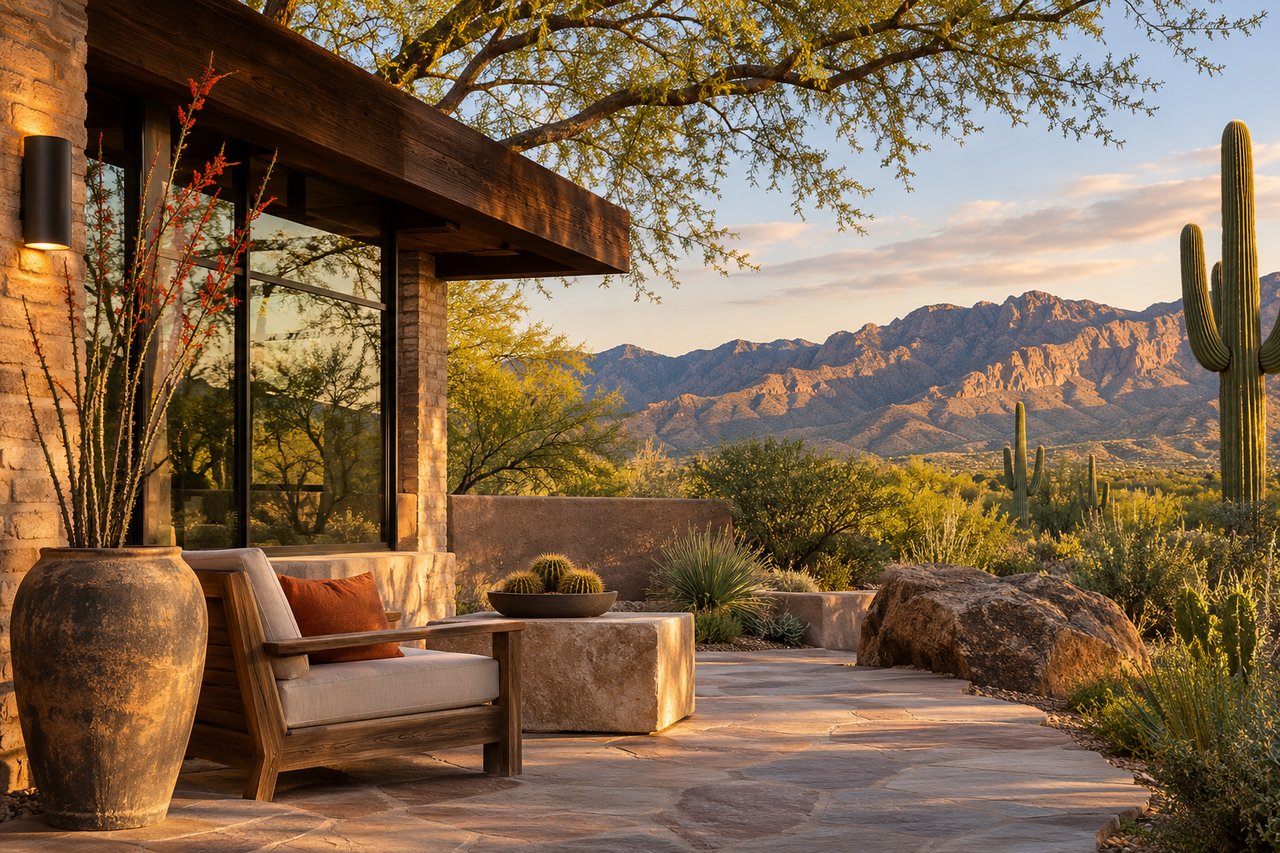
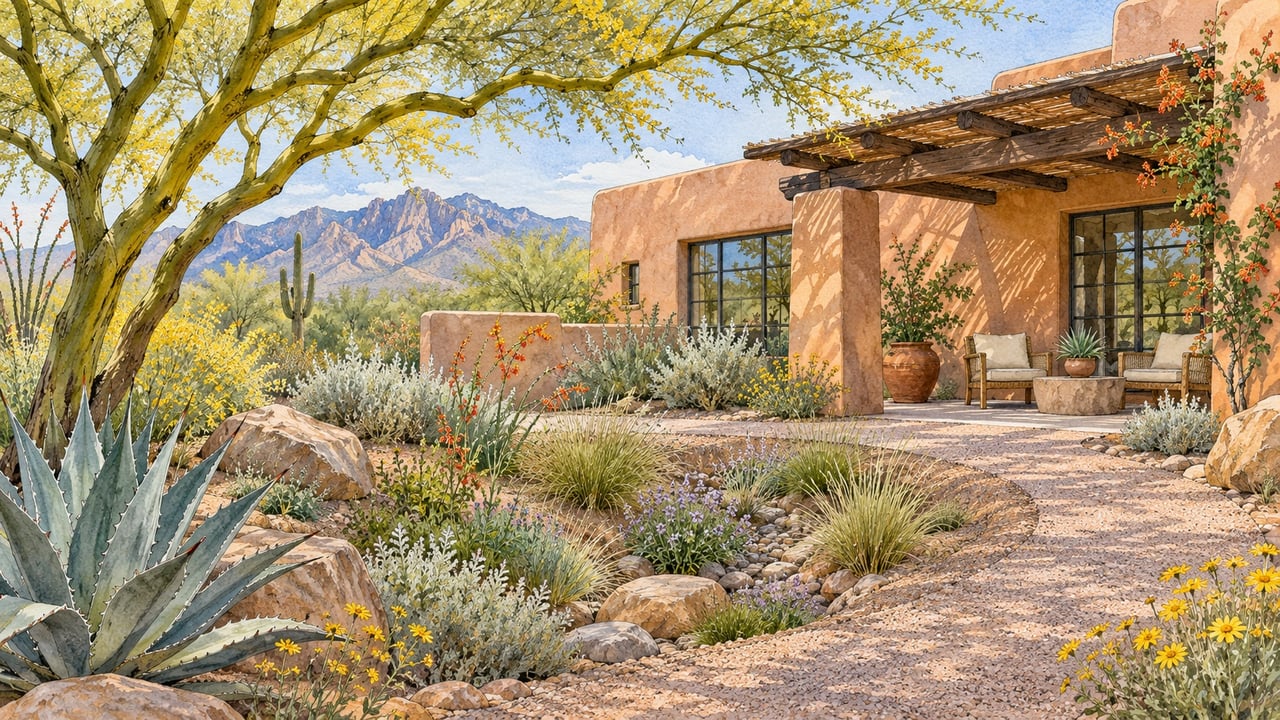
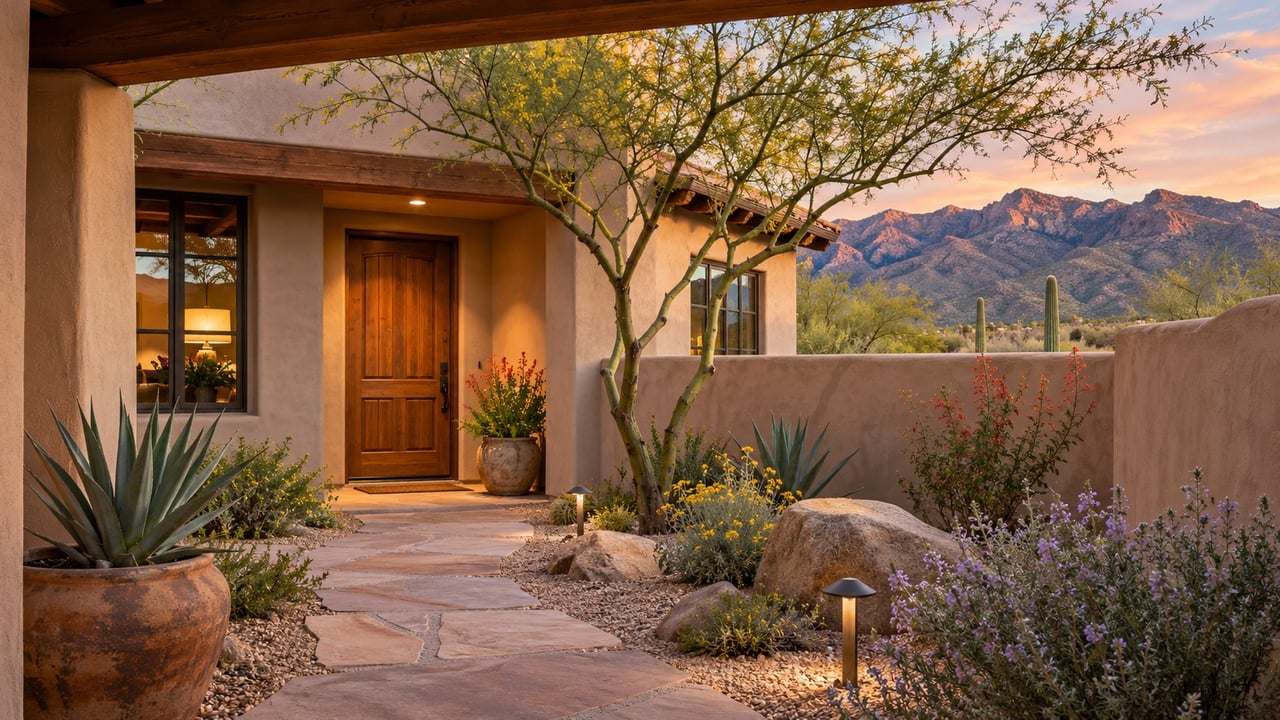
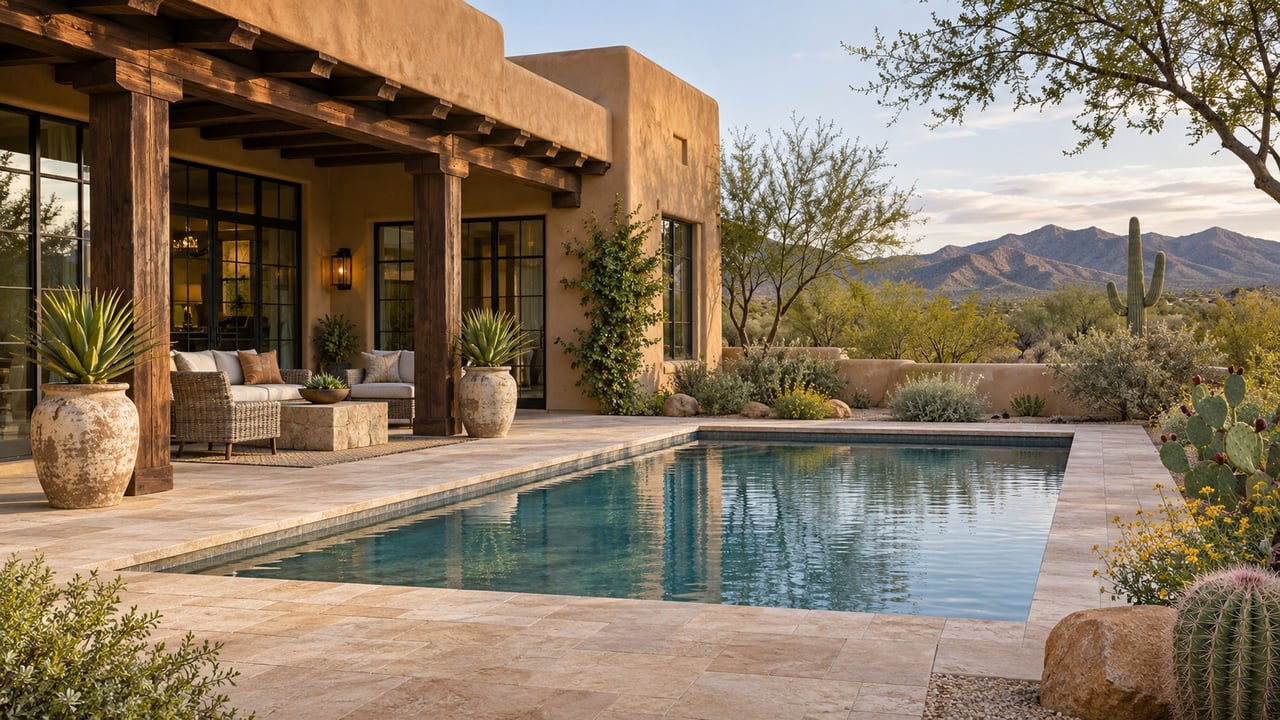
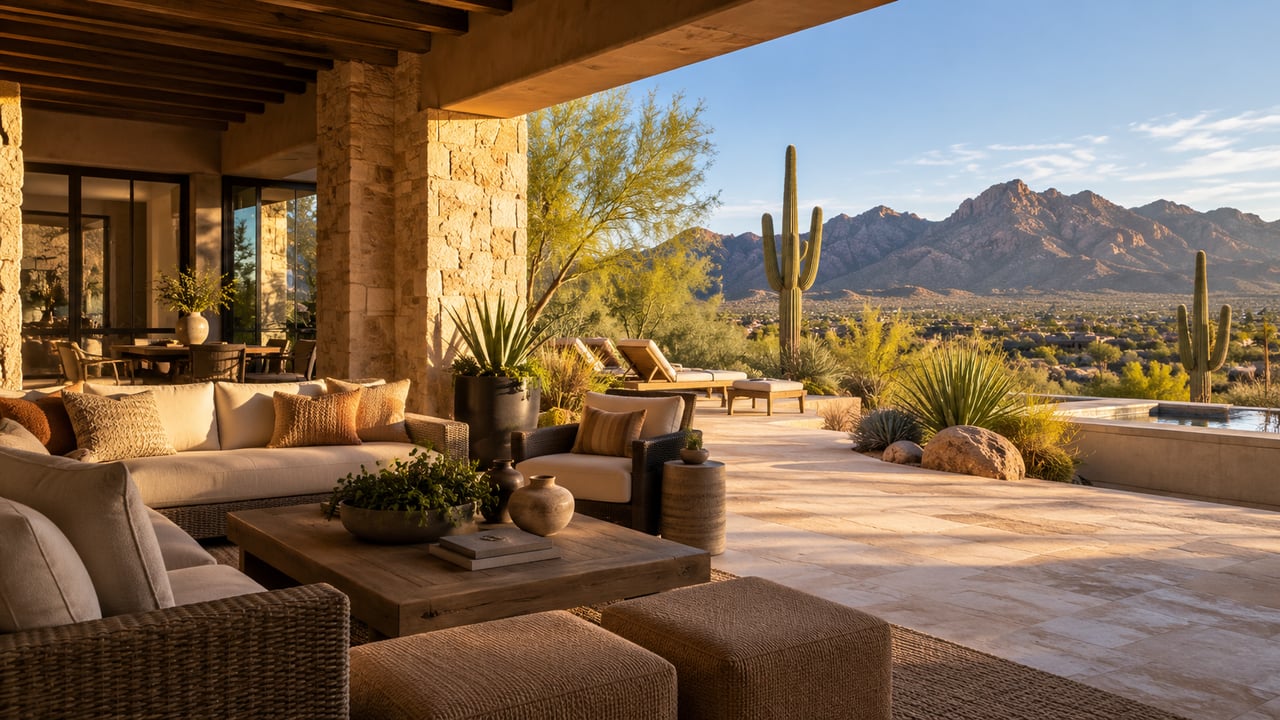
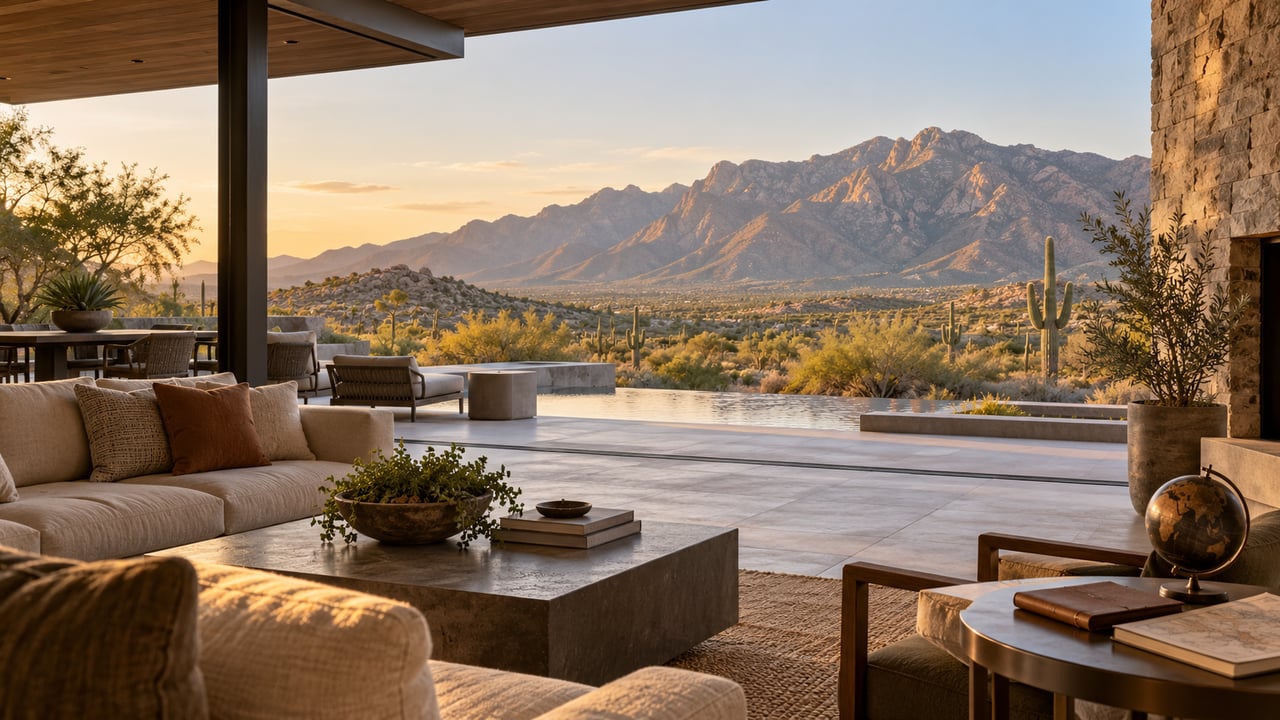
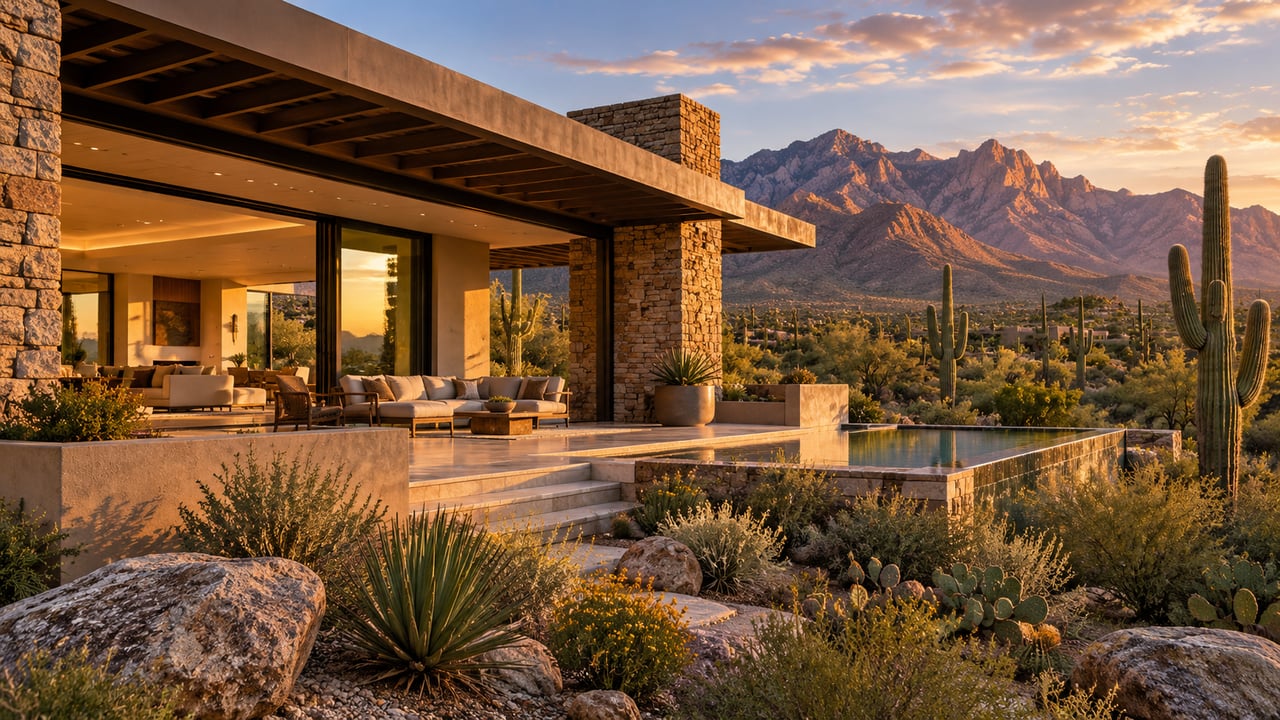
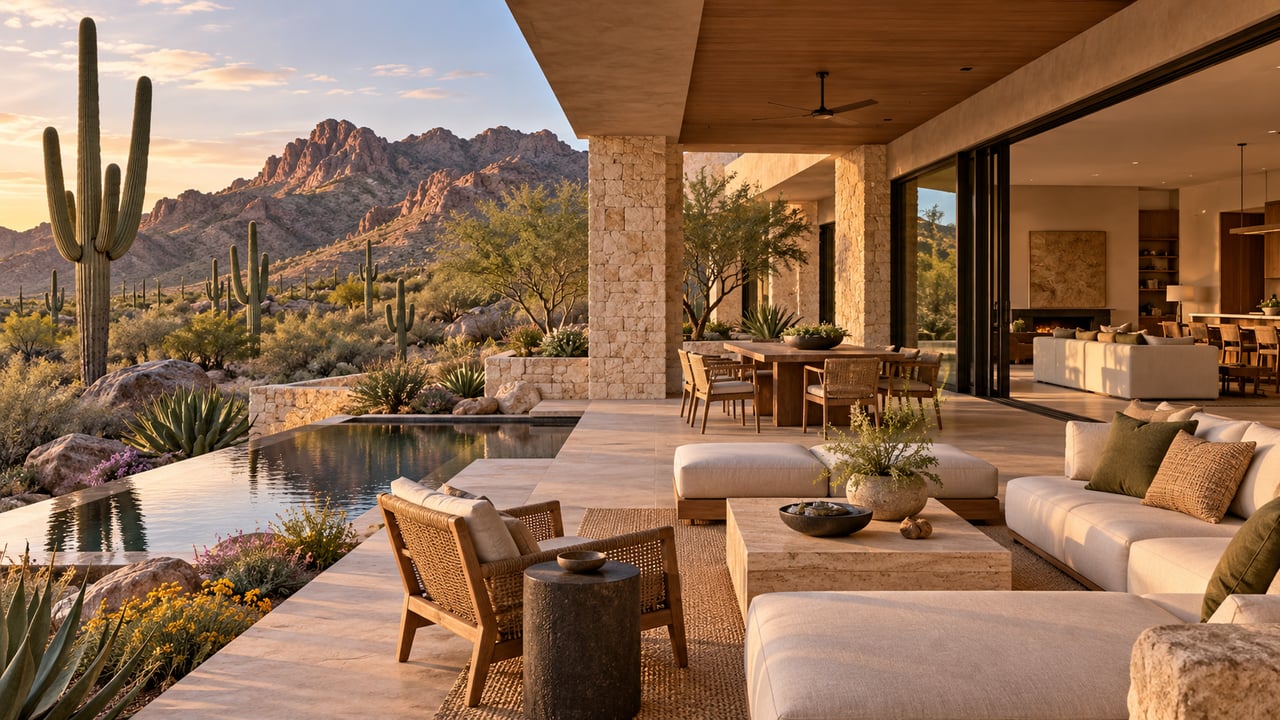
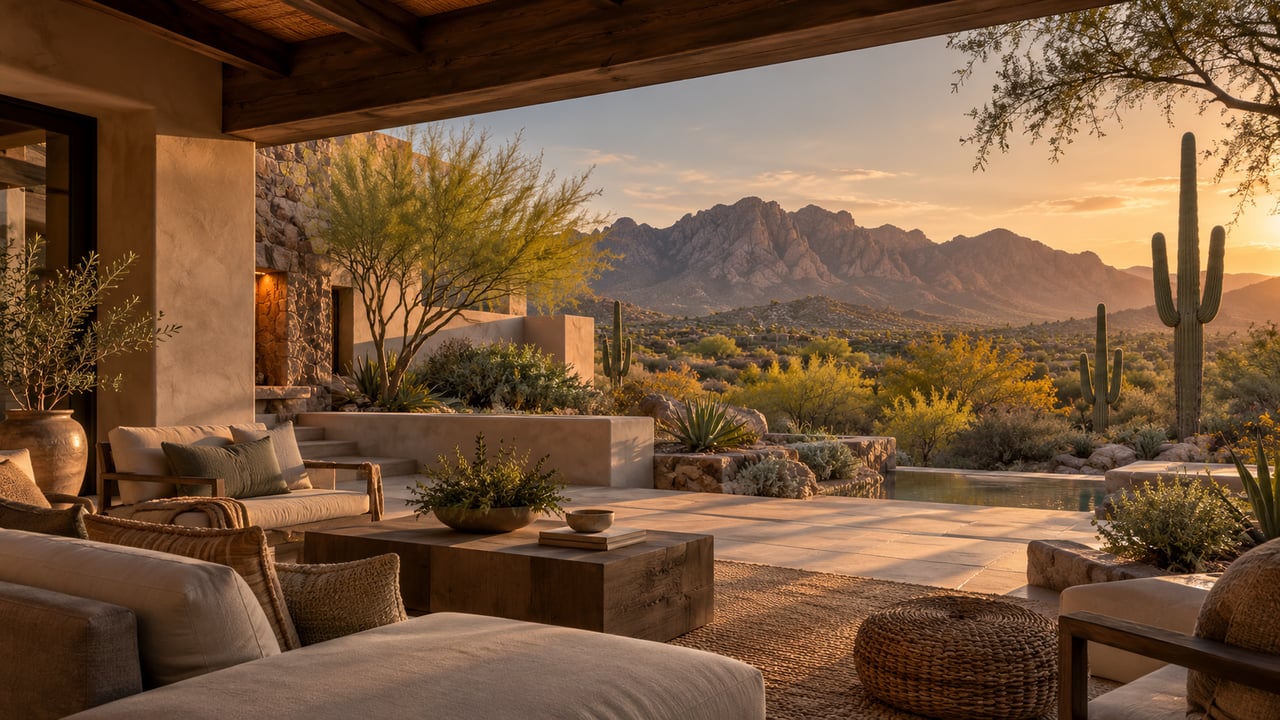
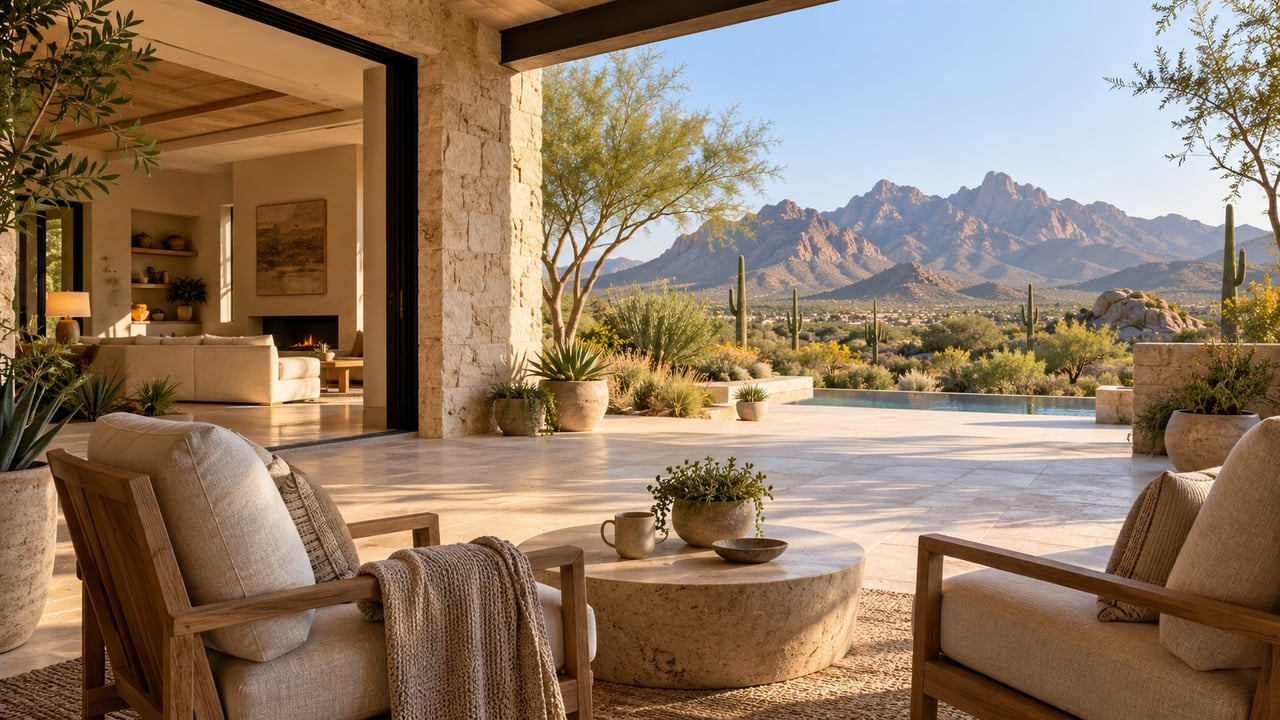
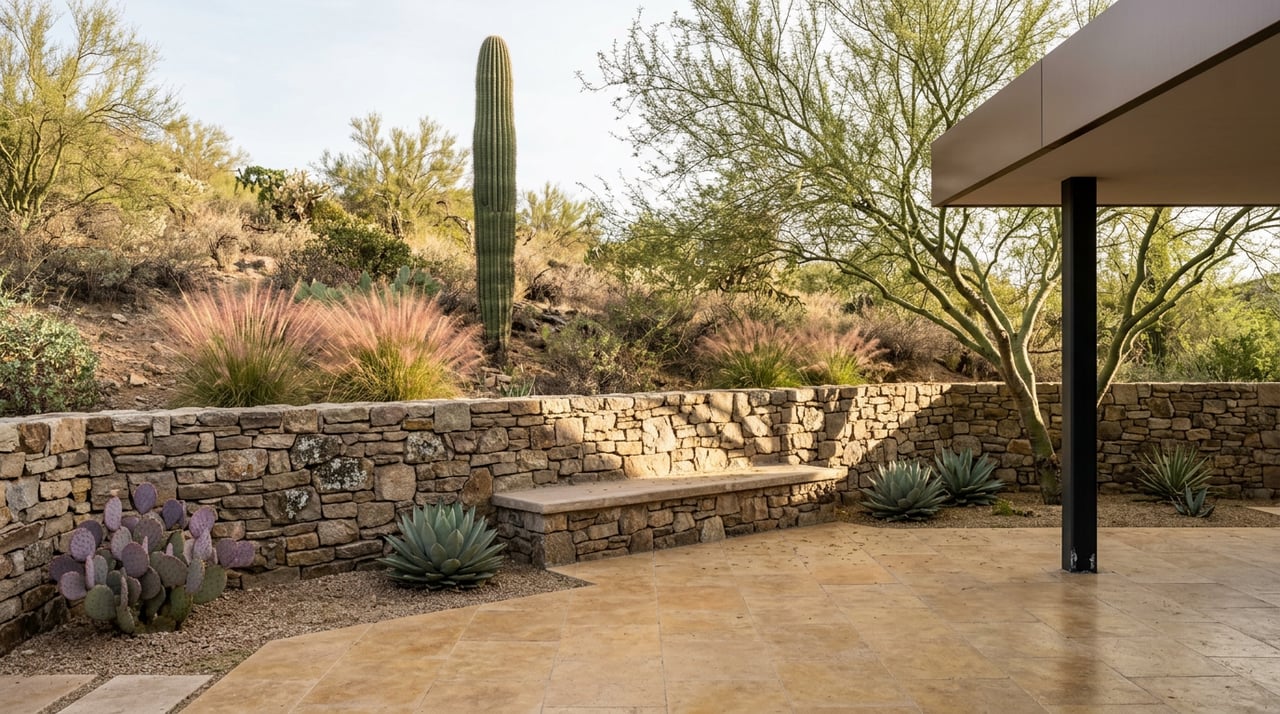
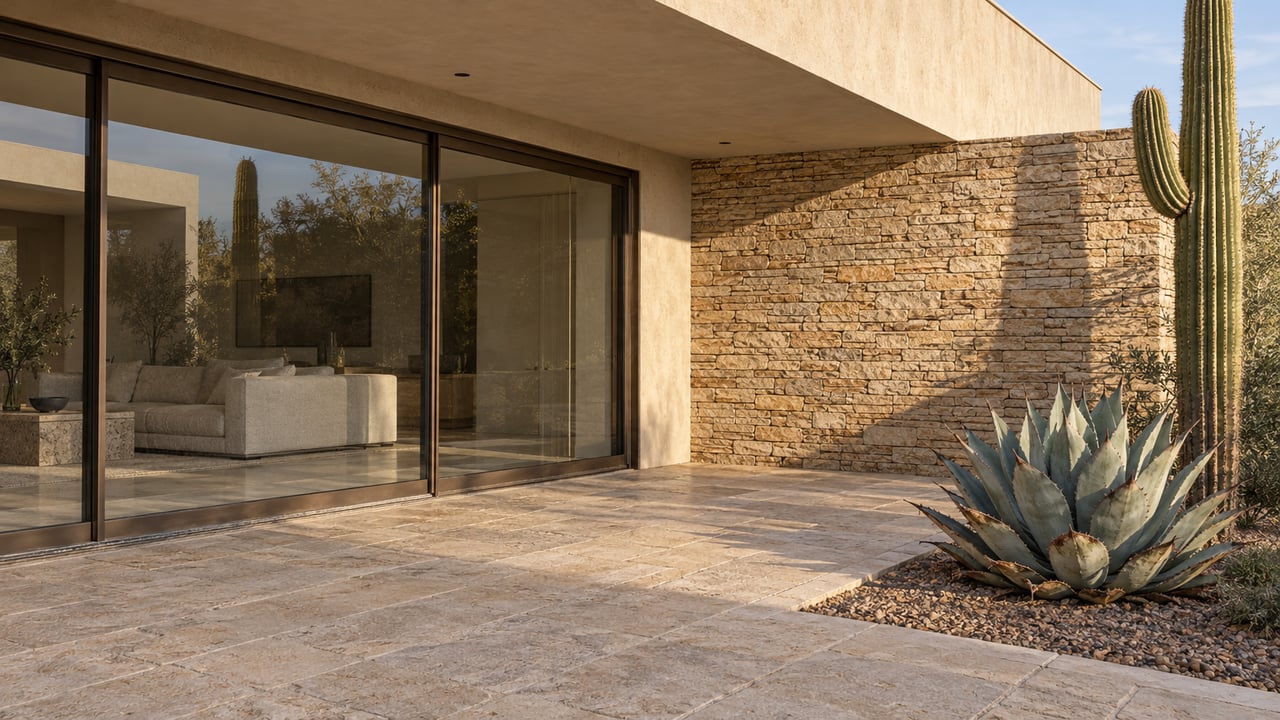
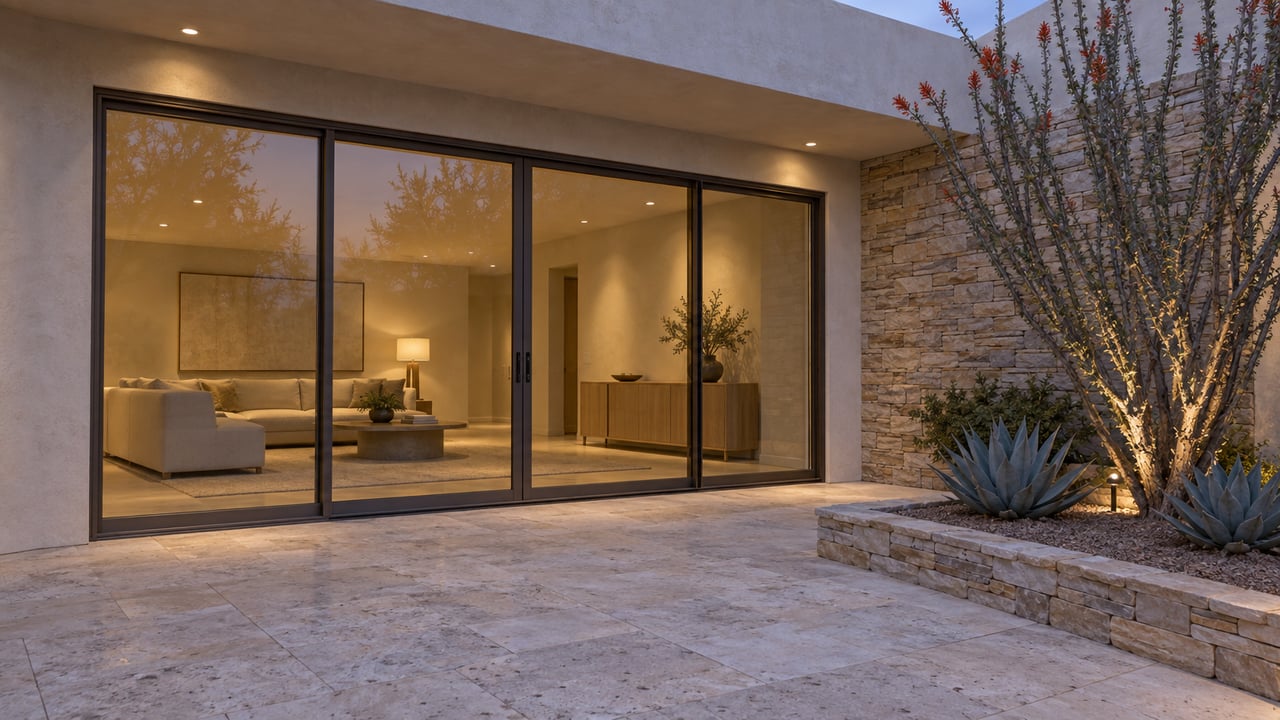
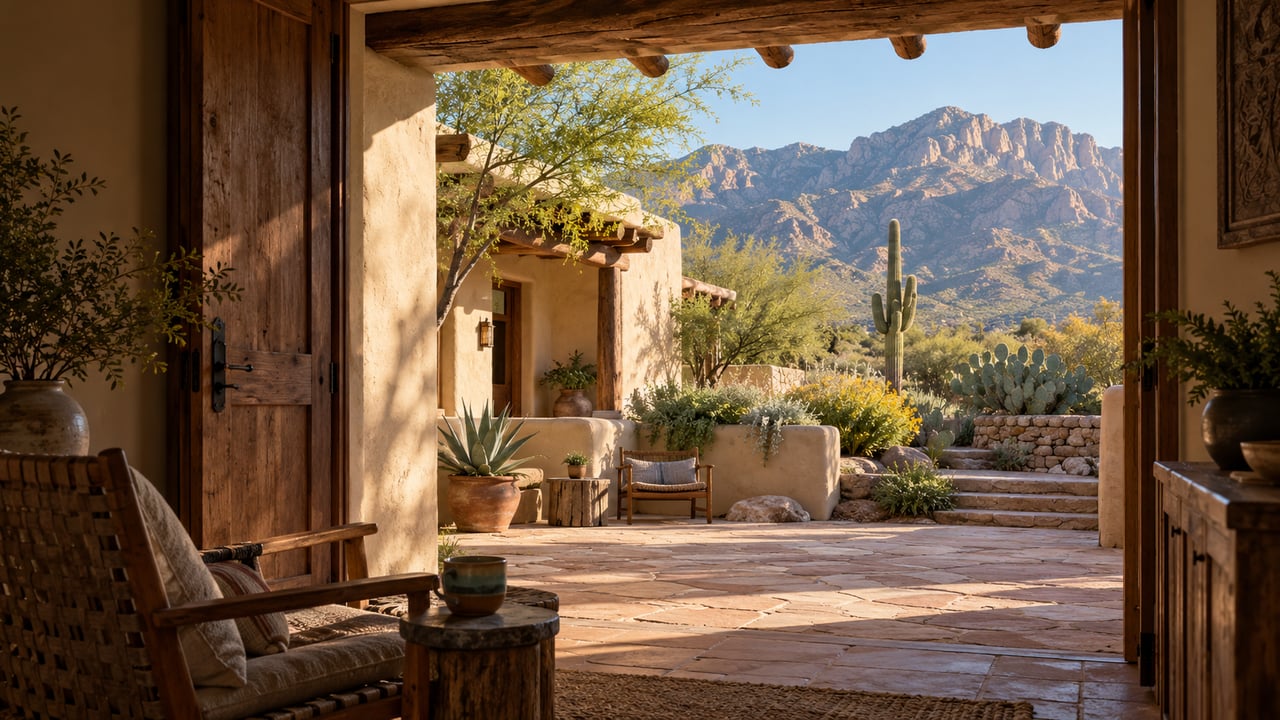
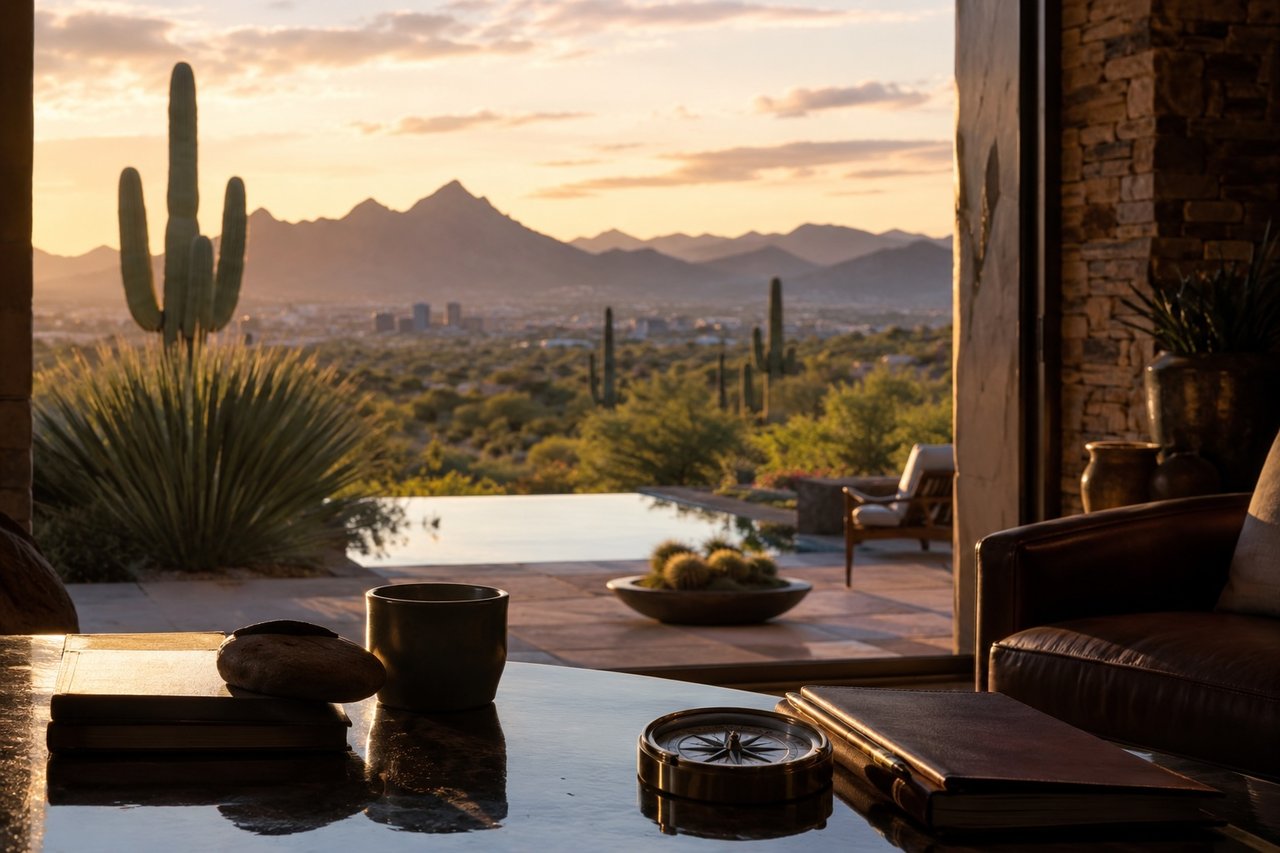
In Tucson, the conversation naturally includes sun, shade and the connection to the desert. Evaluate those qualities in the specific house. An architectural label alone cannot tell you whether a room is comfortable, a terrace is usable or the cooling system performs well.
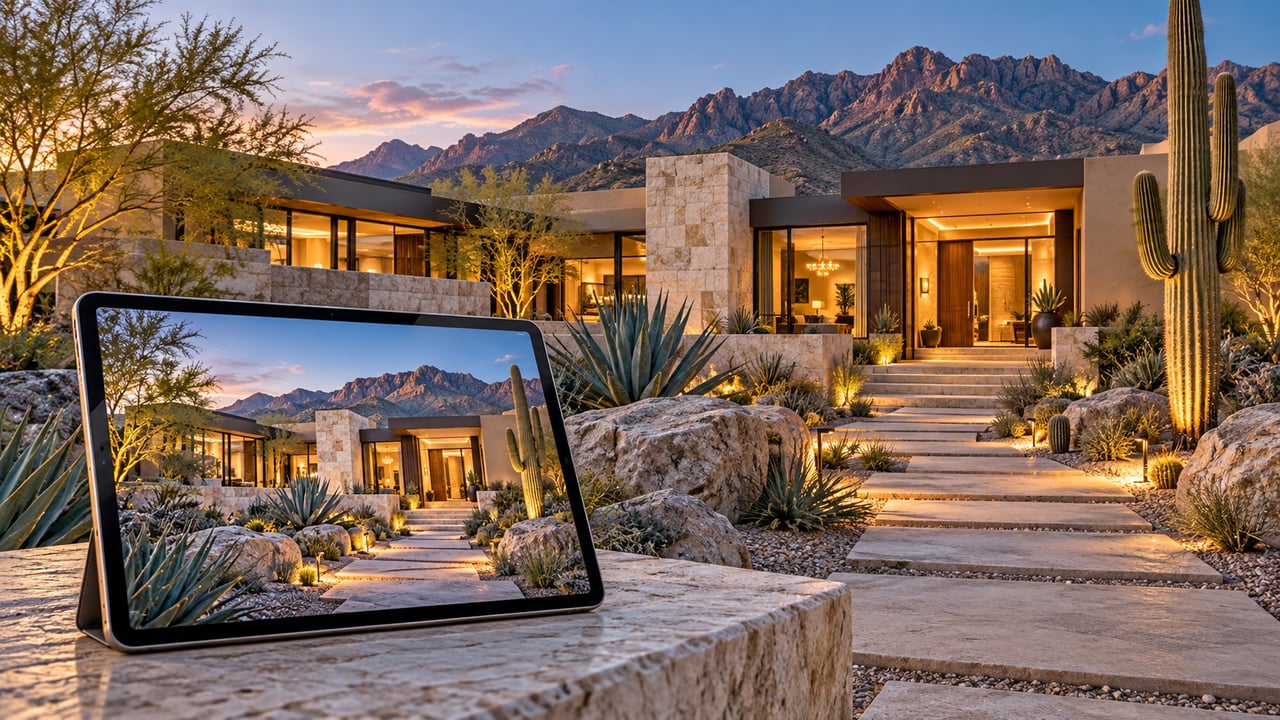
If you are beginning a search, explore Tucson-area homes from $800,000 to $1 million and homes from $1 million to $1.5 million. These broad searches are a starting point for building a shortlist; I can help identify the design characteristics within that selection that deserve a closer look.
Separate documented history from an appealing description
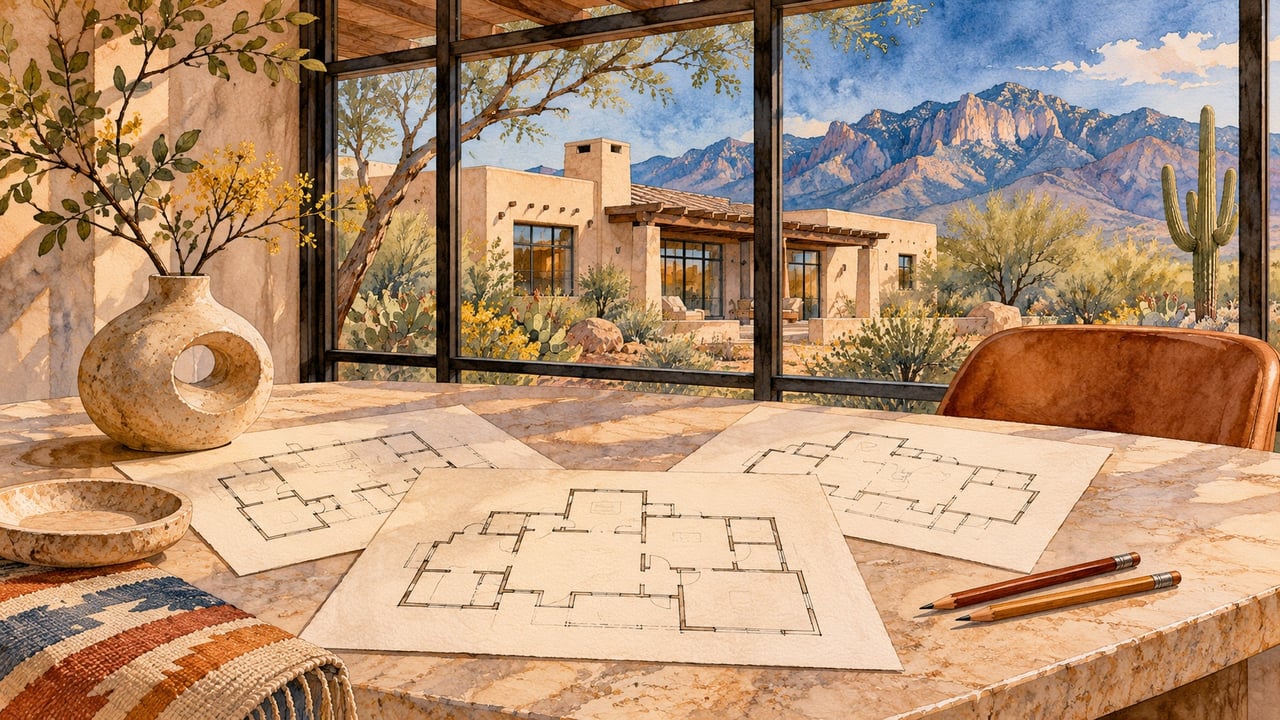
Ask what supports the home's stated date, architect or builder. Original plans, permit records, historic surveys and other reliable documentation can tell a more complete story than a repeated listing description. Keep confirmed information separate from an attribution that still needs research.
Then ask what remains of the original design. A later addition may be a thoughtful improvement. It may also explain an awkward transition, a dark interior room or a roof intersection that needs closer inspection. Neither age nor originality substitutes for an assessment of condition.
My broader essay on modernism and desert design in Tucson explores the architectural perspective. At the property level, the next step is to connect that appreciation with documents and observations.
Make the renovation question concrete before you commit
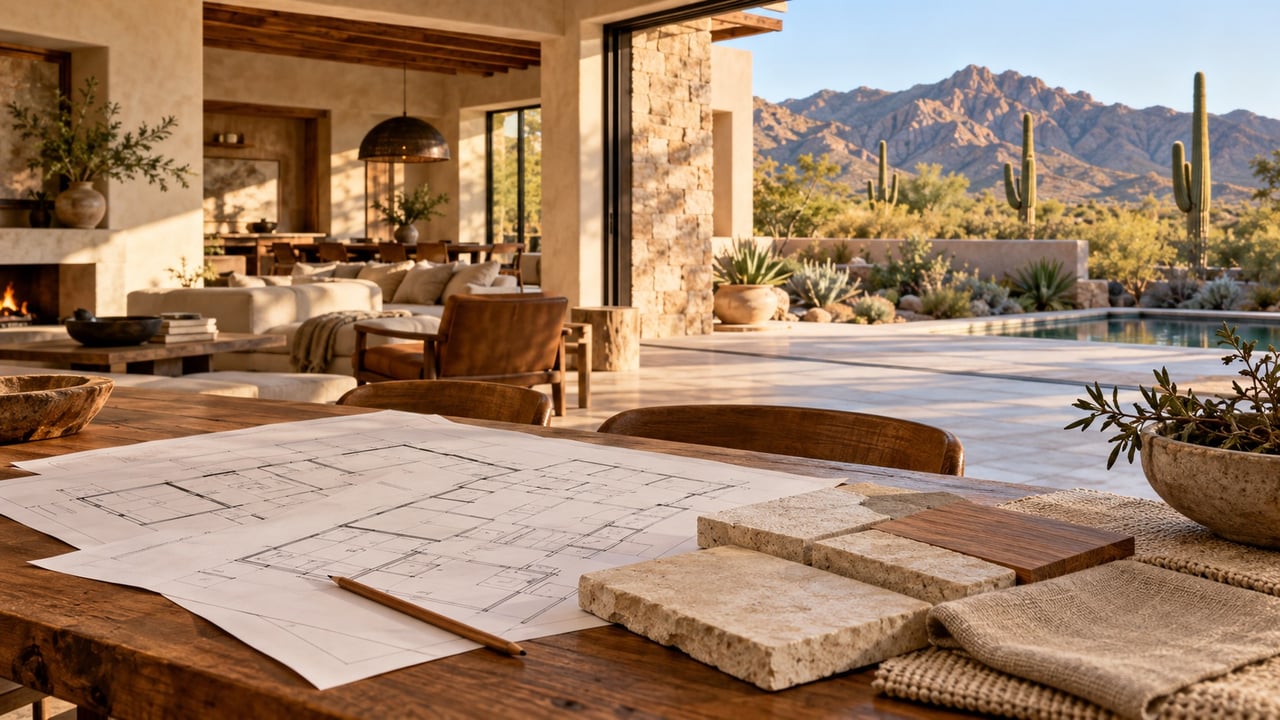
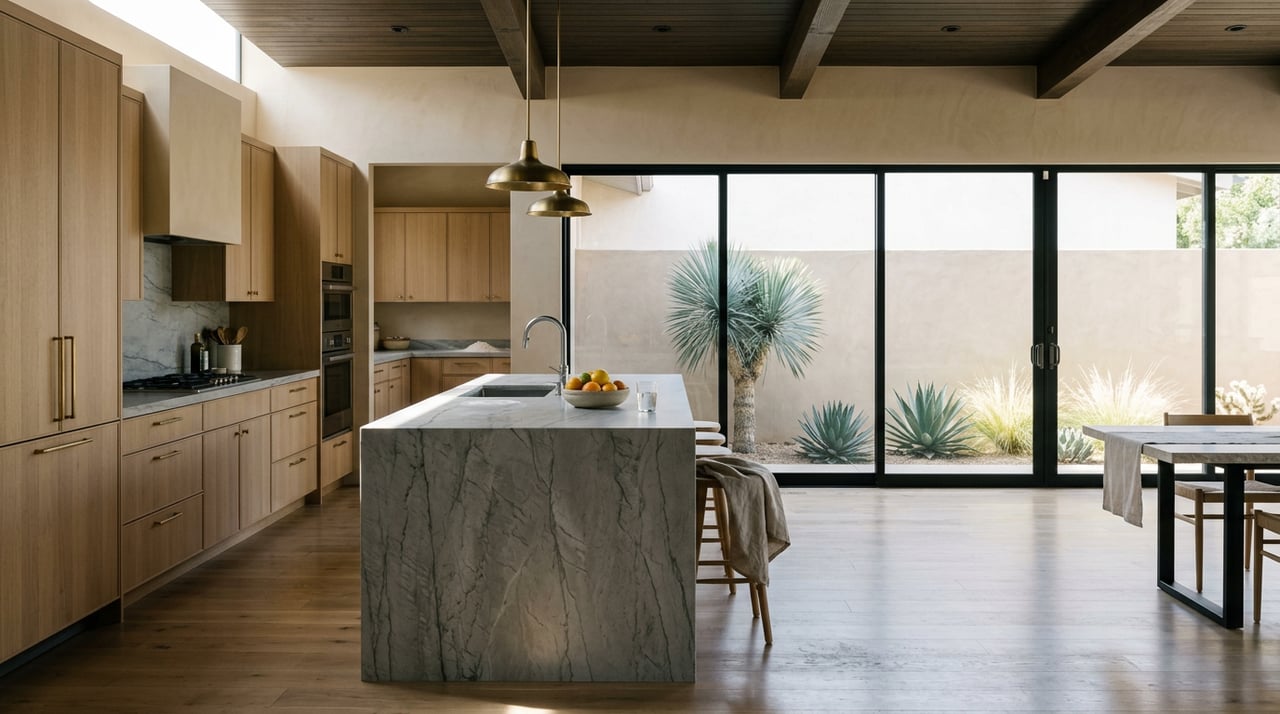
Imagine a hypothetical house with a compact original kitchen, a finely proportioned living room and a sheltered patio. You love its atmosphere but want a much larger kitchen. Before treating that as an easy update, consider what expanding the kitchen would require and which qualities might change.
Would the work remove a wall central to the layout? Alter an exterior opening? Change a roofline? Consume the outdoor space that made the property appealing? A qualified architect or contractor can help test feasibility and scope before a hoped-for improvement becomes the foundation of your purchase decision.
Build three short lists: qualities to preserve, changes needed for daily use, and improvements that can wait. If the second list requires remaking most of the first, the house may be a beautiful mismatch. That is useful information to discover early.
Check the parcel's actual historic status
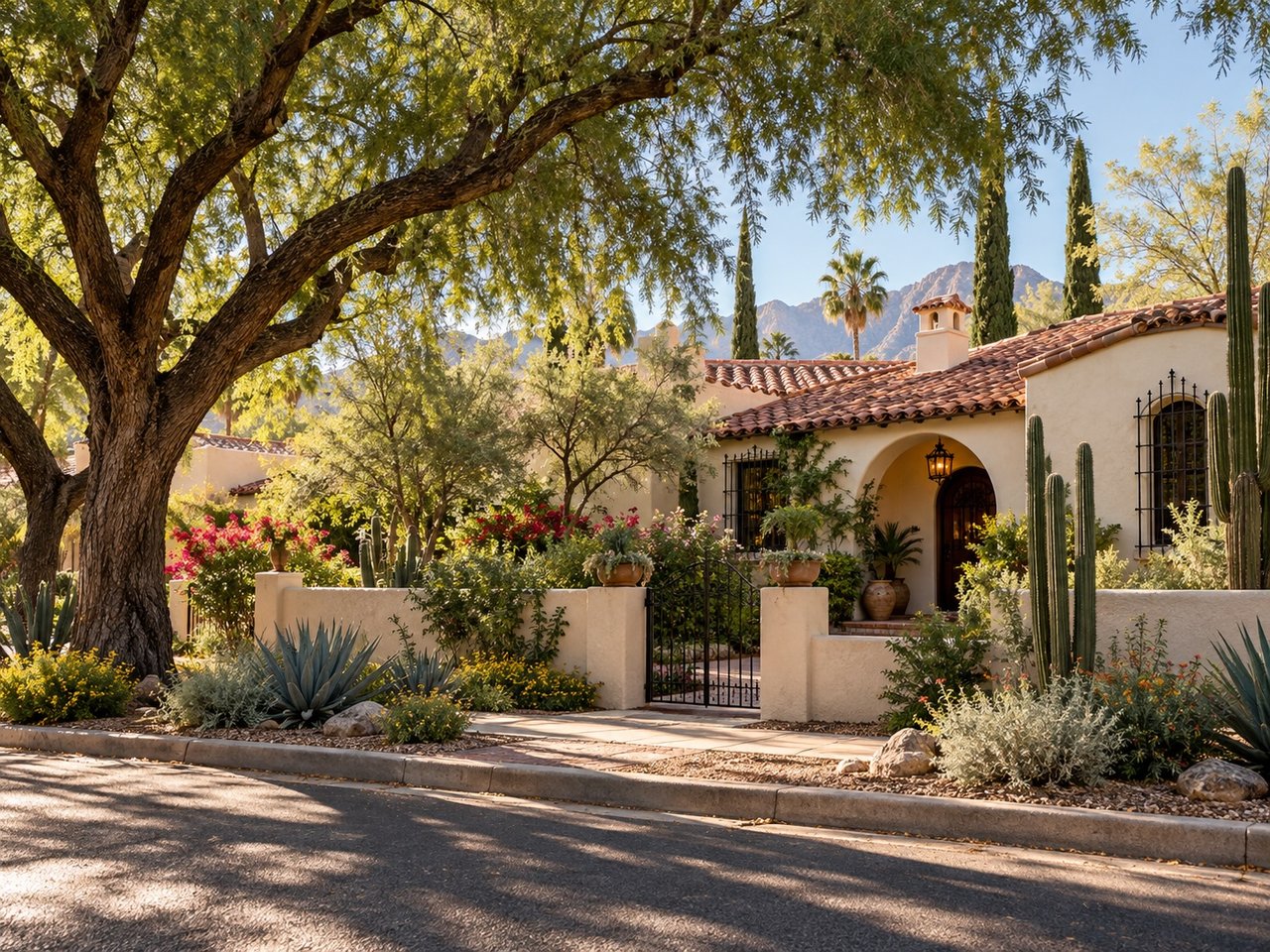
Architectural character, National Register recognition and a local zoning designation are different pieces of information. Investigate the parcel itself rather than assuming that every older house carries the same requirements.
The City of Tucson's historic preservation office states that development or exterior modifications within a Historic Preservation Zone require design review. Its resources distinguish local designations from National Register listings and direct readers to current mapping and review information. Bring your proposed exterior changes to the appropriate staff before relying on a renovation plan.
The City's records page also explains that nearly all City development records from 2006 onward are available through Property Research Online, while additional records can require a request. An incomplete online search is a reason to investigate further. Confirm the correct jurisdiction when the property is outside Tucson's city limits.
Let the inspection follow the house
A general inspection should help establish where specialist review is useful. Pay attention to the roof and drainage, electrical and plumbing systems, heating and cooling, and the condition of materials that would be difficult to replace faithfully.
Ask what is functioning now, what requires near-term work, and what remains uncertain. Request available service history and invoices. An attractive restoration and a documented systems update answer different questions; the best evaluation understands both.
Windows, built-ins and original finishes deserve a considered discussion. Ask about repair options, maintenance and suitable replacement approaches before assuming that wholesale replacement is the only route. Bring the right professional into the conversation when those elements are central to your decision.
Choose the next chapter with intention
Living in a distinctive home also involves storage, parking, accessibility within the property, workspace and everyday privacy. Test the actual layout against your routines. My guide to a second Tucson showing at a different time of day offers another useful way to examine light and outdoor comfort.
For a broader selection, explore Tucson-area homes from $1.5 million to $2 million or from $2 million to $3 million. The goal is a coherent shortlist built around the architecture and ownership experience you want.
As a Tucson native with Russ Lyon Sotheby's International Realty, I bring local judgment to that process and help coordinate appropriate professional introductions when a property's questions extend beyond the showing. Tell me what you want to preserve, what you need to change and how you want the home to feel. That is where a productive search begins.
Daniel Sotelo | Russ Lyon Sotheby's International Realty
520.727.9000
Tucson expertise. Well-connected guidance.