Sam Hughes Homes: Architecture, Value and the Enduring Appeal of Historic Tucson
By Daniel Sotelo | Tucson Luxury Real Estate
Some neighborhoods are planned in a single gesture.
Sam Hughes was assembled over generations.
That distinction is visible almost immediately.
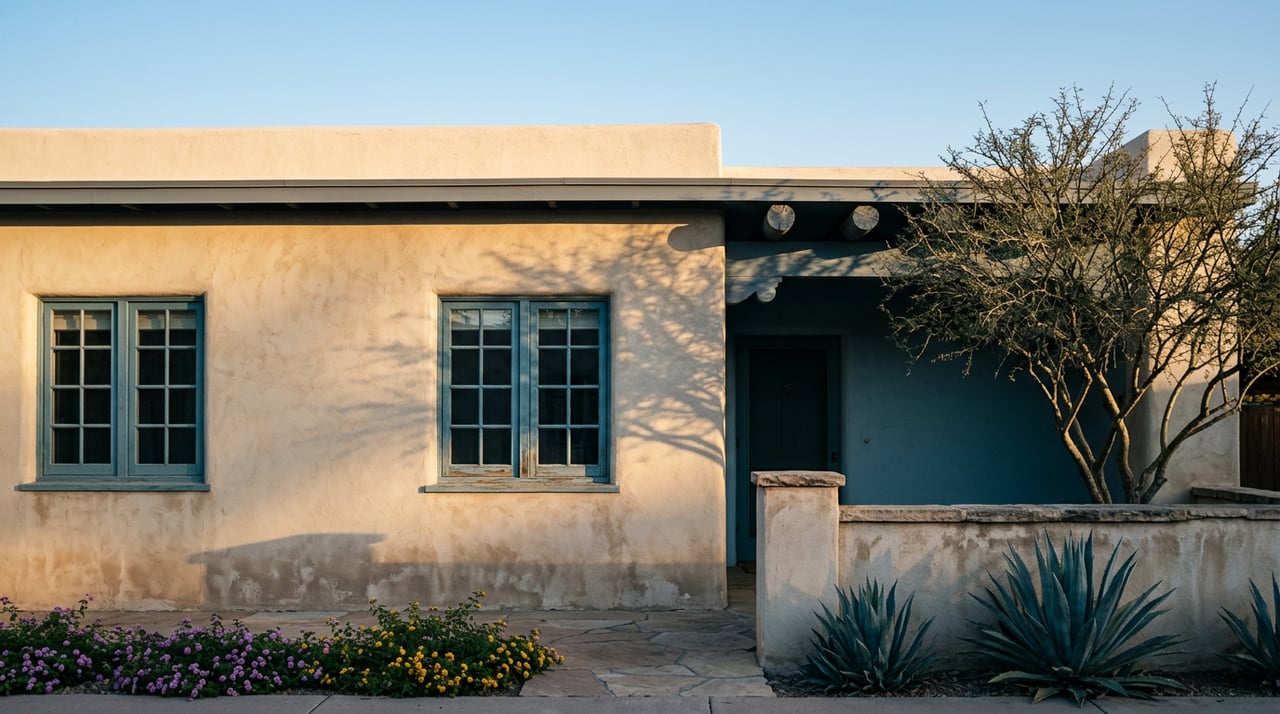
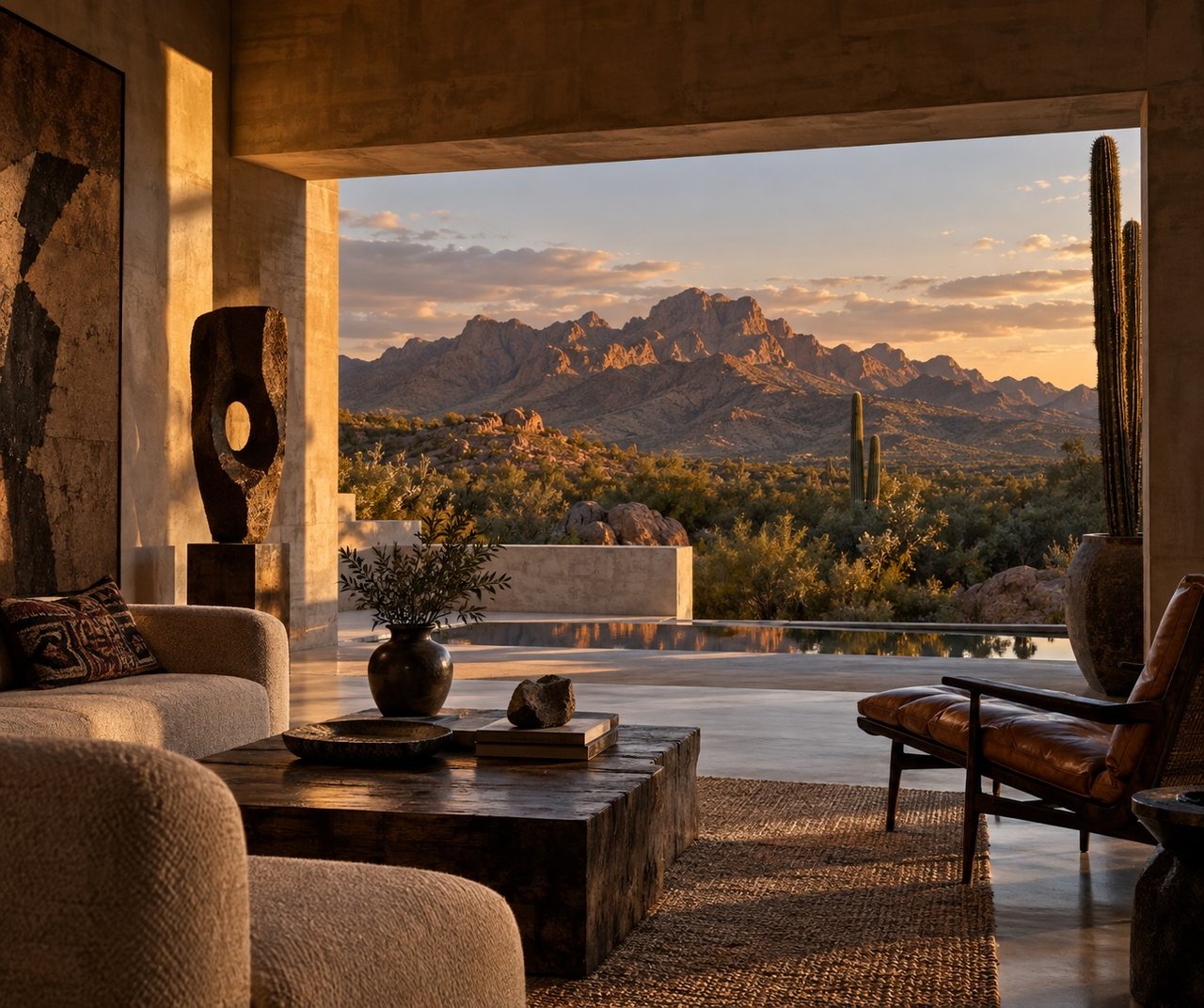
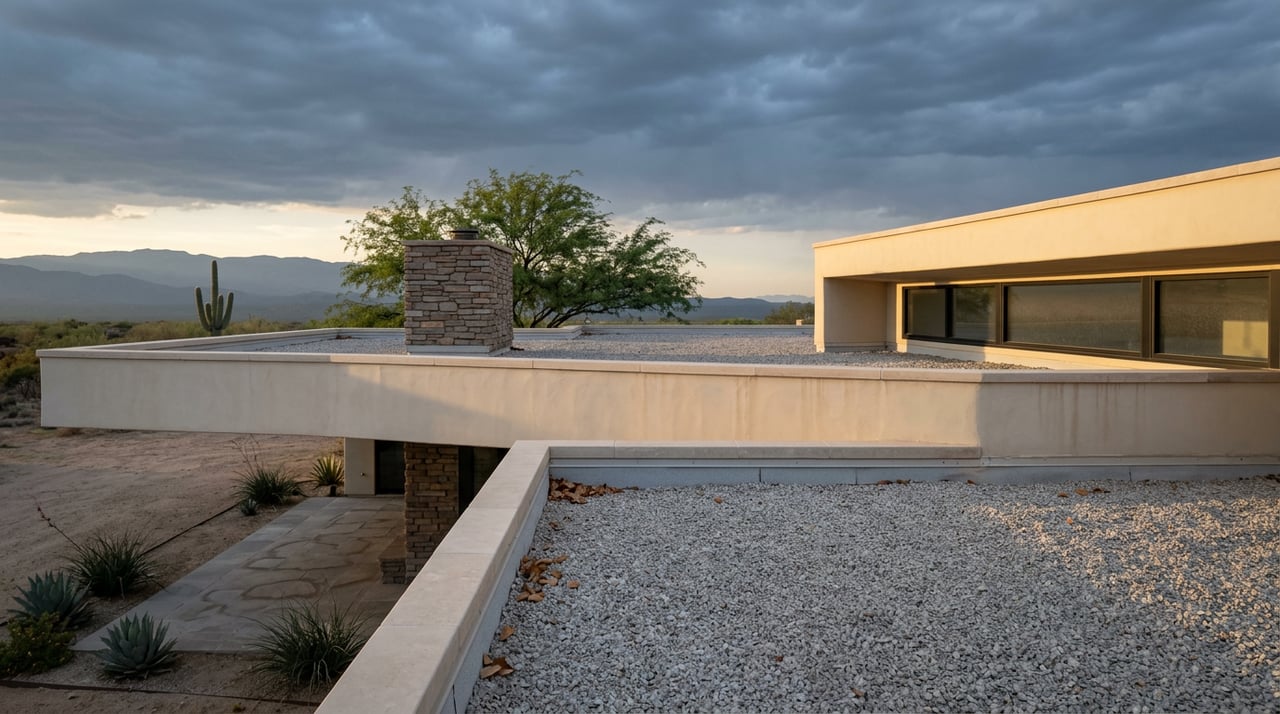
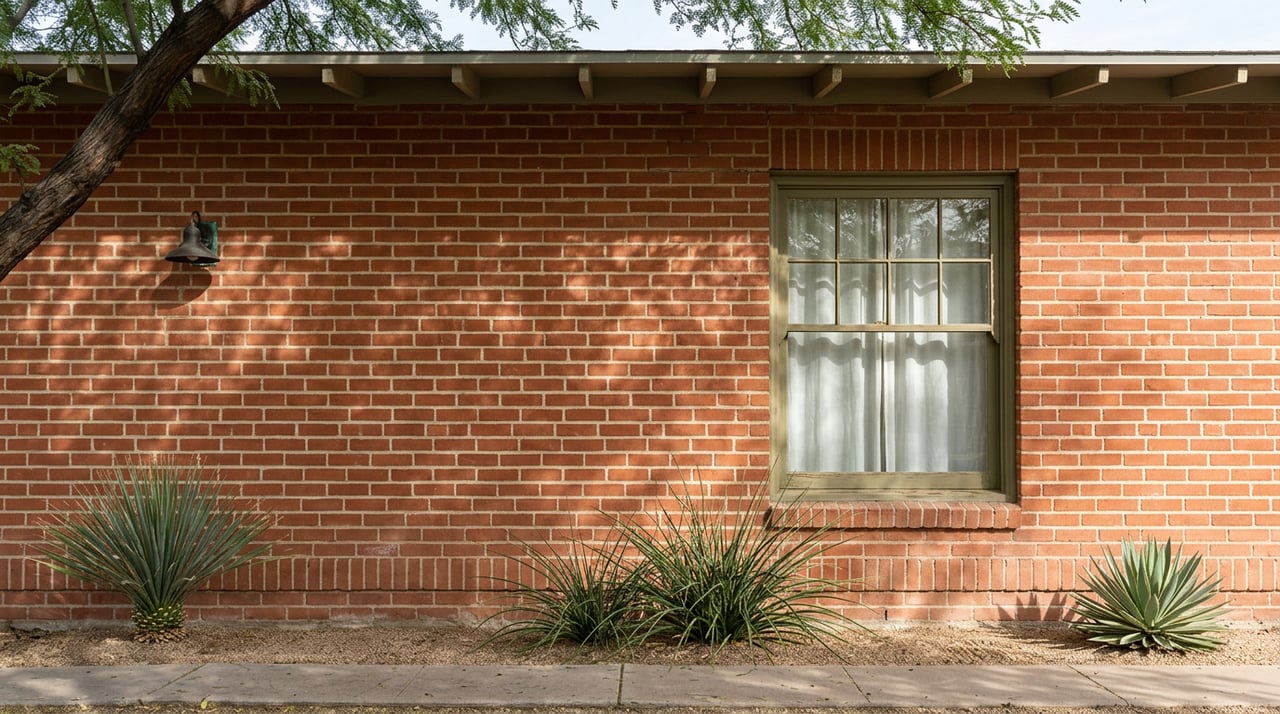
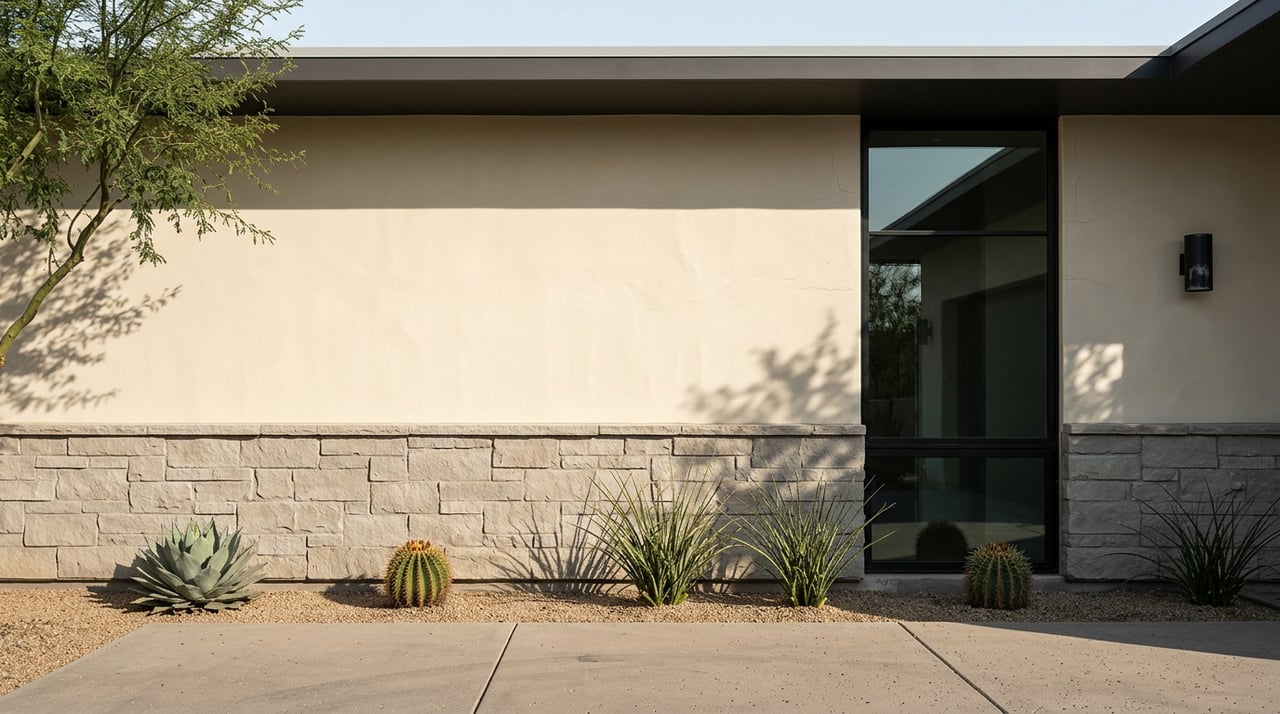
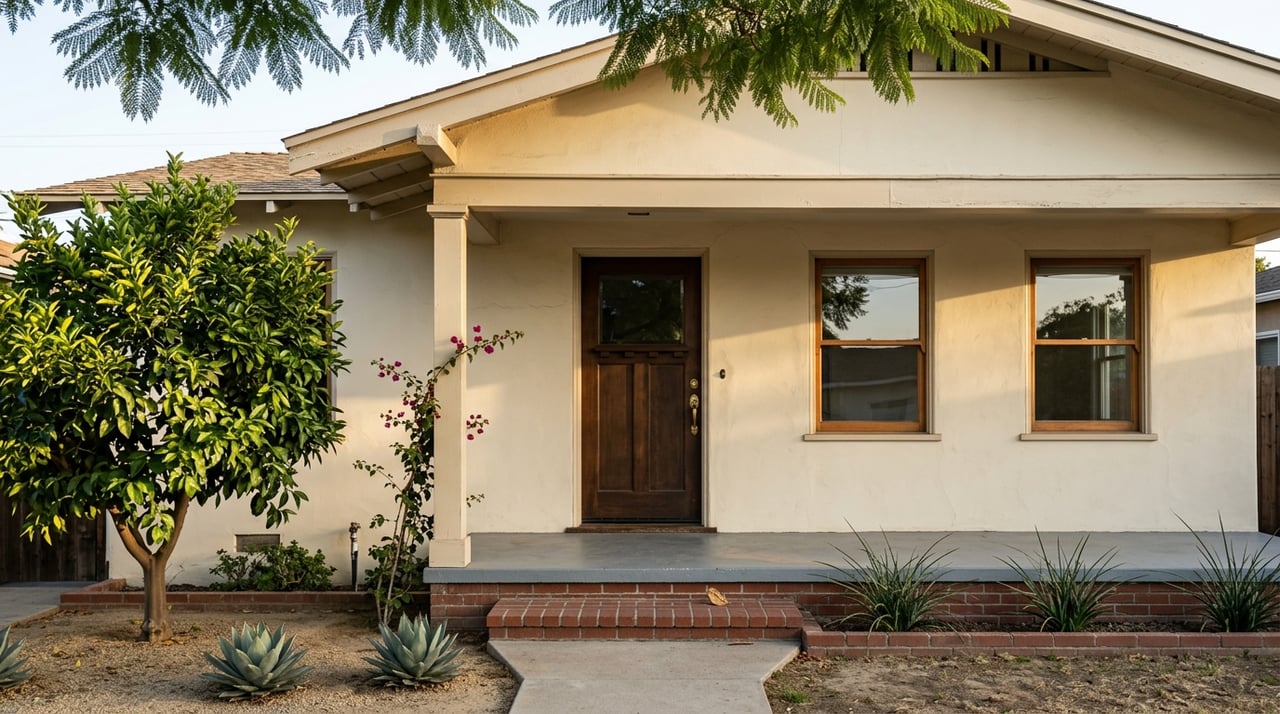
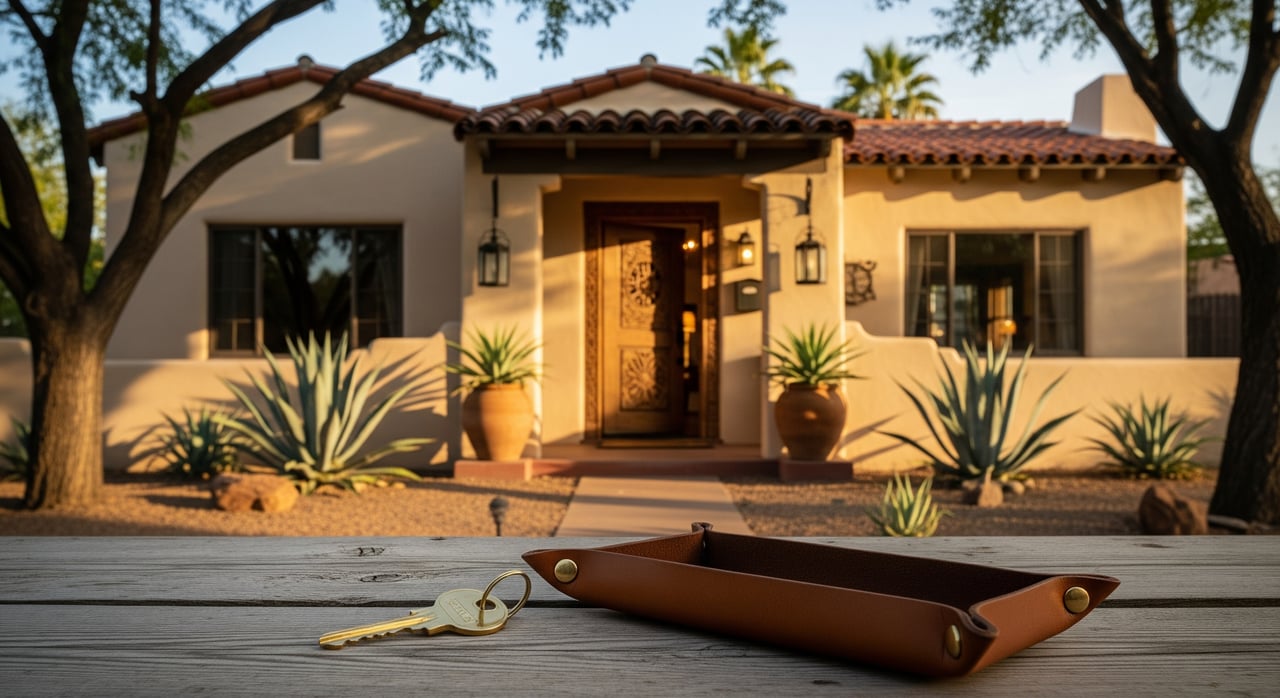
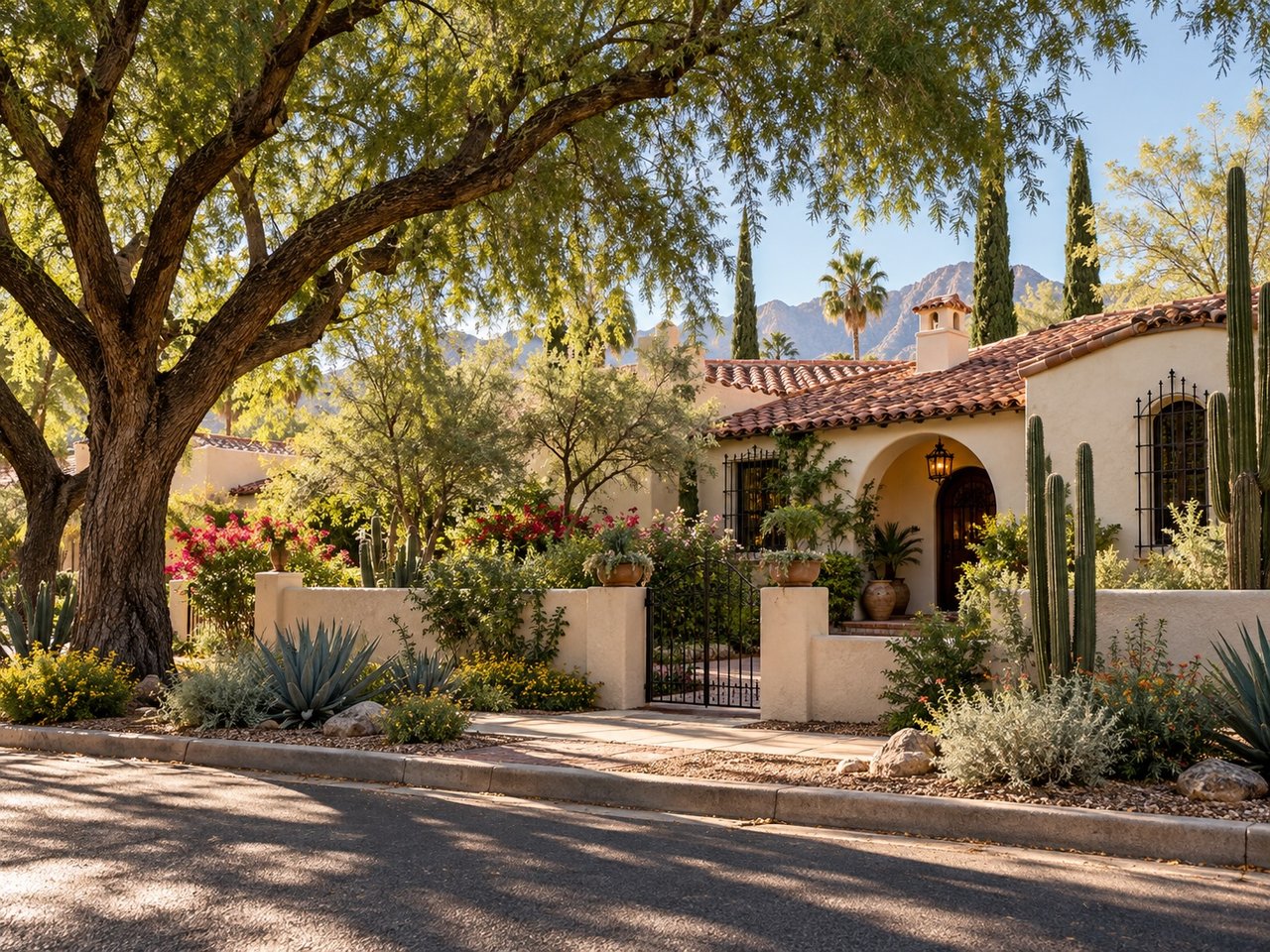
One block may contain an early Craftsman bungalow beneath mature trees. Around the corner, a Spanish Eclectic house sits behind a low courtyard wall. Farther along, Tucson’s postwar years appear in Ranch and Modern-era homes.
The streets do not feel as though someone selected three floor plans and repeated them until the land ran out.
They feel collected.
For anyone studying Sam Hughes homes, Tucson architecture or central Tucson real estate, that layered quality is fundamental to understanding the neighborhood.
It is also one of the reasons Sam Hughes continues to occupy such a distinctive position in the Tucson housing market.
In Brief: What Makes Sam Hughes Different?
Sam Hughes is a historic central Tucson neighborhood immediately east of the University of Arizona. Much of its development occurred between the 1920s and 1950s, creating an unusually diverse collection of architectural styles and construction periods.
The Sam Hughes Residential Historic District was listed on the National Register of Historic Places in 1994 and expanded in 2000. City of Tucson historic documentation identifies a wide range of architectural styles throughout the district, including Spanish Eclectic, Craftsman, Mission, Pueblo, Ranch, International and other period designs.
But architecture is only part of the story.
Sam Hughes combines historic residential character with proximity to the University of Arizona, Himmel Park, established bicycle routes and a neighborhood commercial center around Sixth Street and Tucson Boulevard.
For real estate, the result is something difficult to reproduce:
location, architecture, history and daily usability occupying the same part of Tucson.
Sam Hughes Was Built in Layers
One of the mistakes people make when describing Sam Hughes is treating it as though it represents one architectural era.
It does not.
And that is precisely why it is interesting.
City of Tucson historic documentation describes Sam Hughes as one of the surviving examples of a neighborhood associated with Tucson’s early twentieth-century growth. Its architecture records a transition from Craftsman-era homes to Spanish Eclectic designs and later toward Ranch and postwar residential styles.
That evolution can still be read in the streetscape.
Earlier homes may emphasize deep porches, exposed woodwork and compact bungalow proportions.
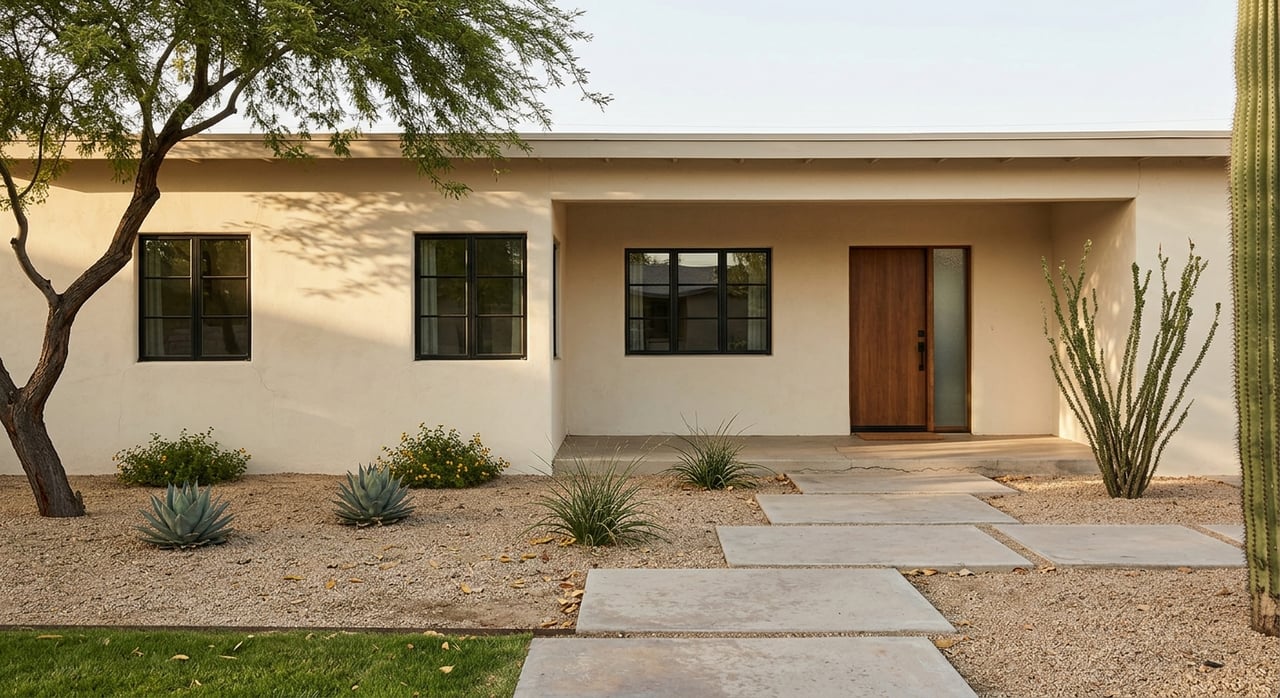
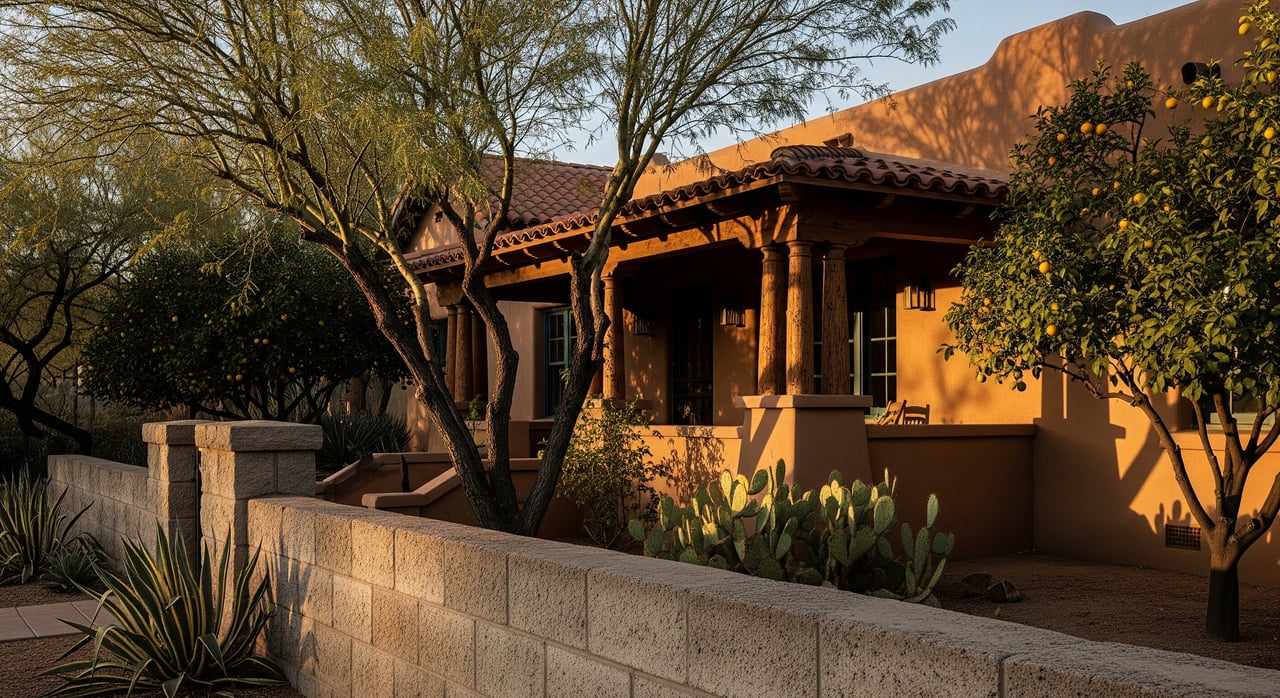
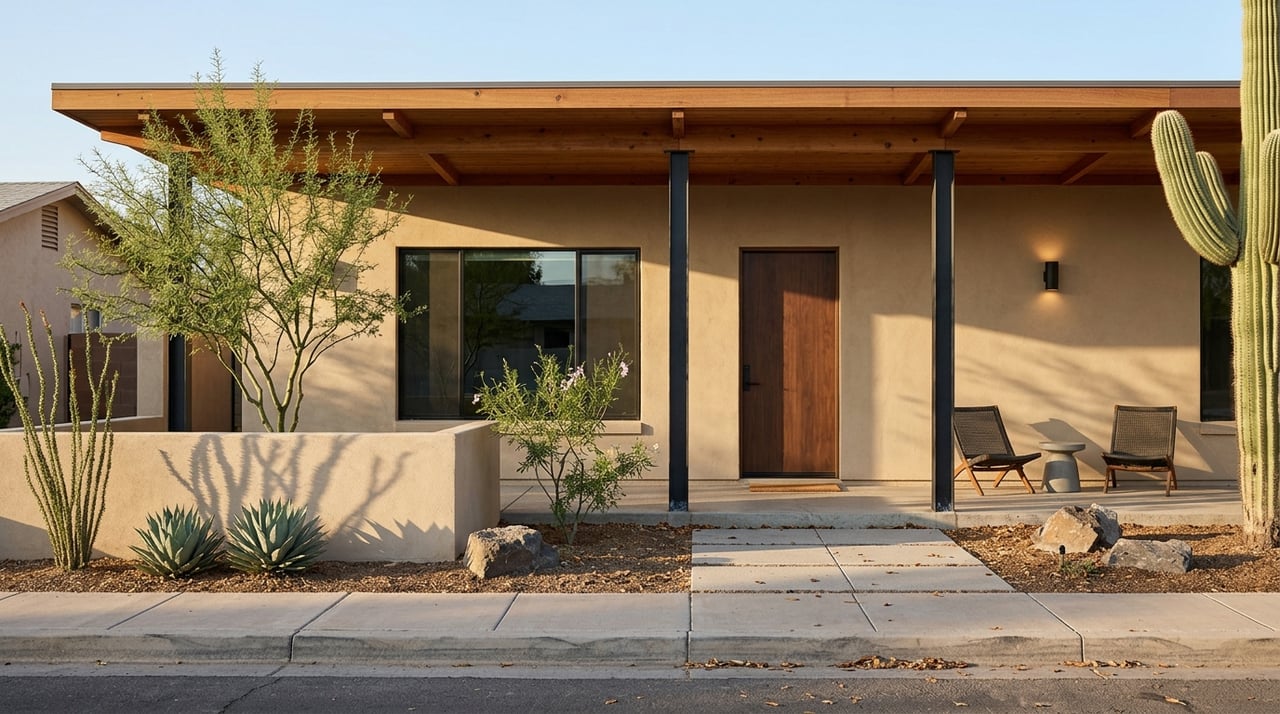
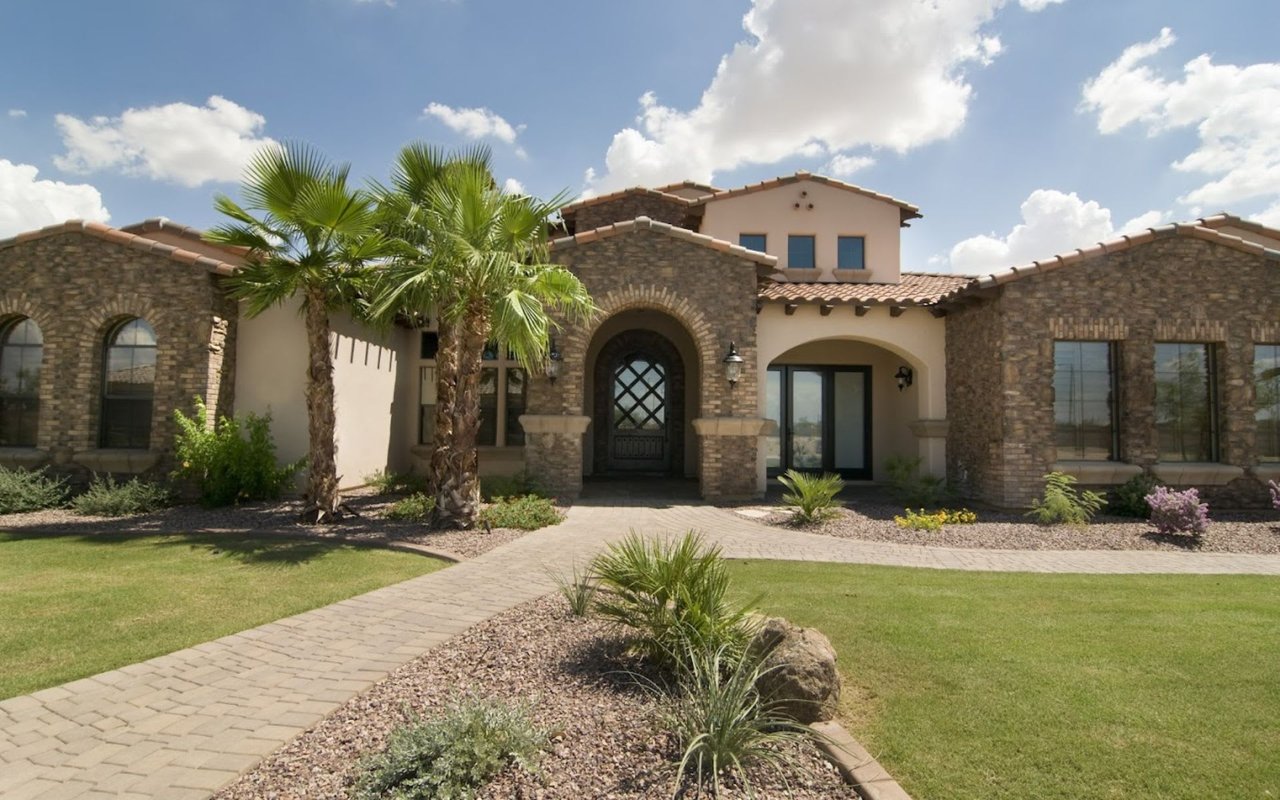
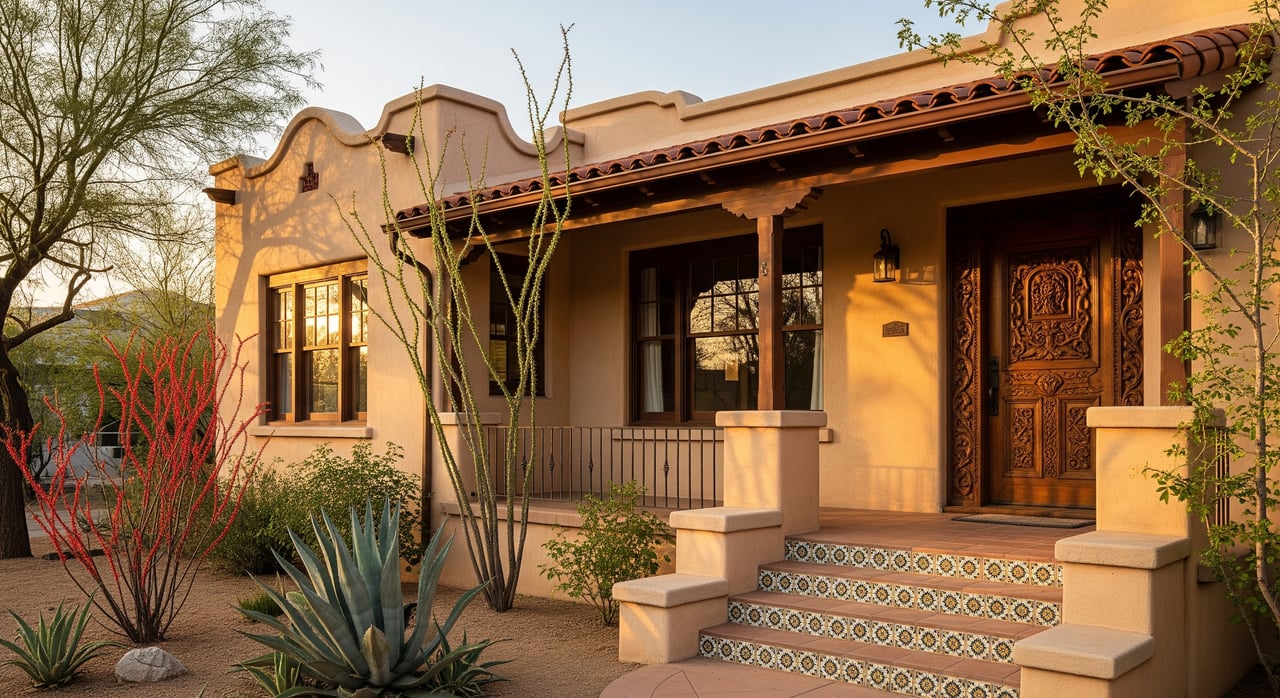
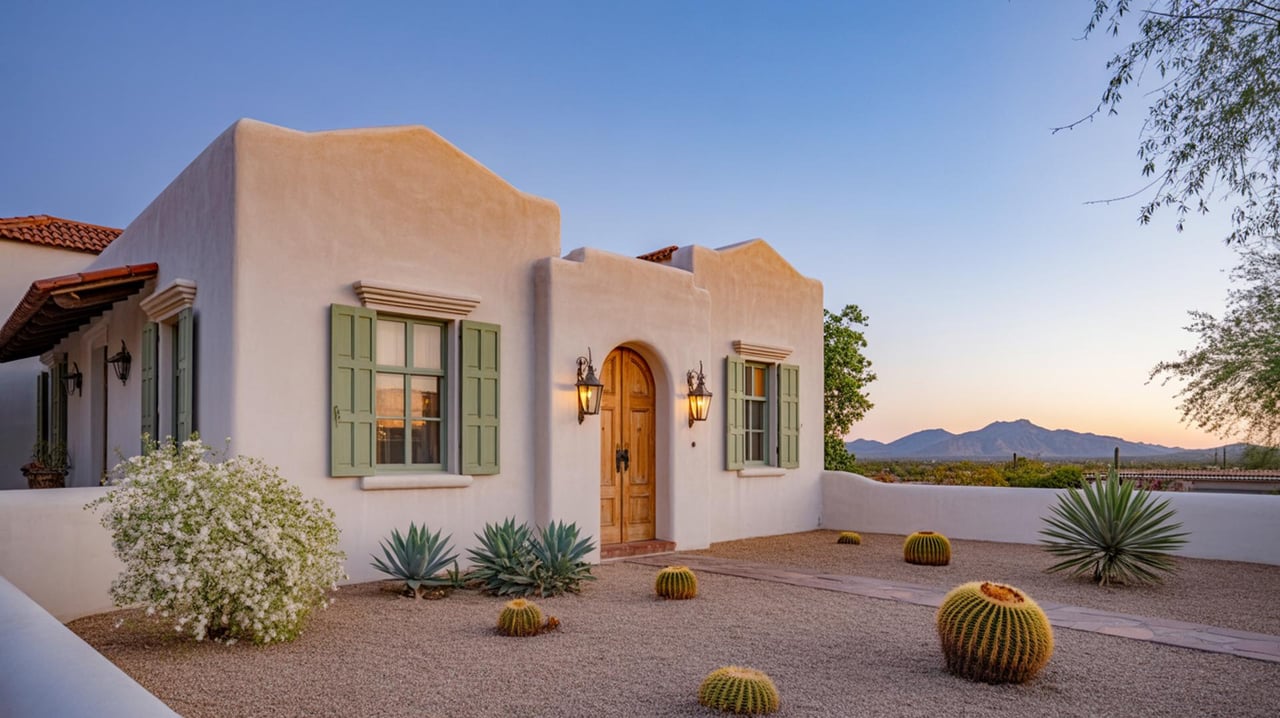
Spanish-influenced residences introduce stucco walls, arches, courtyards, tile roofs and more inward-looking outdoor spaces.
Later homes reflect changing expectations surrounding automobiles, larger living spaces and postwar Tucson.
The neighborhood contains multiple generations of Tucson residential design existing side by side rather than one replacing another.
That matters because buyers are not really shopping for a generic “Sam Hughes house.”
They are shopping for individual properties with different construction methods, histories, remodels, lots, orientations and levels of architectural integrity.
Two houses a block apart can require completely different evaluations.
Architecture Is Part of the Real Estate
In many newer neighborhoods, architecture helps establish price.
In Sam Hughes, architecture can help establish identity.
There is a difference.
An original bungalow with thoughtful improvements should not necessarily be evaluated the same way as a heavily altered bungalow of comparable size.
A Spanish Eclectic home that preserves its proportions, courtyard relationship and architectural details may communicate something very different from a house where decades of remodeling have gradually obscured the original design.
That does not mean “original” is automatically better.
Historic homes still need to function.
Electrical systems change.
Plumbing changes.
HVAC changes.
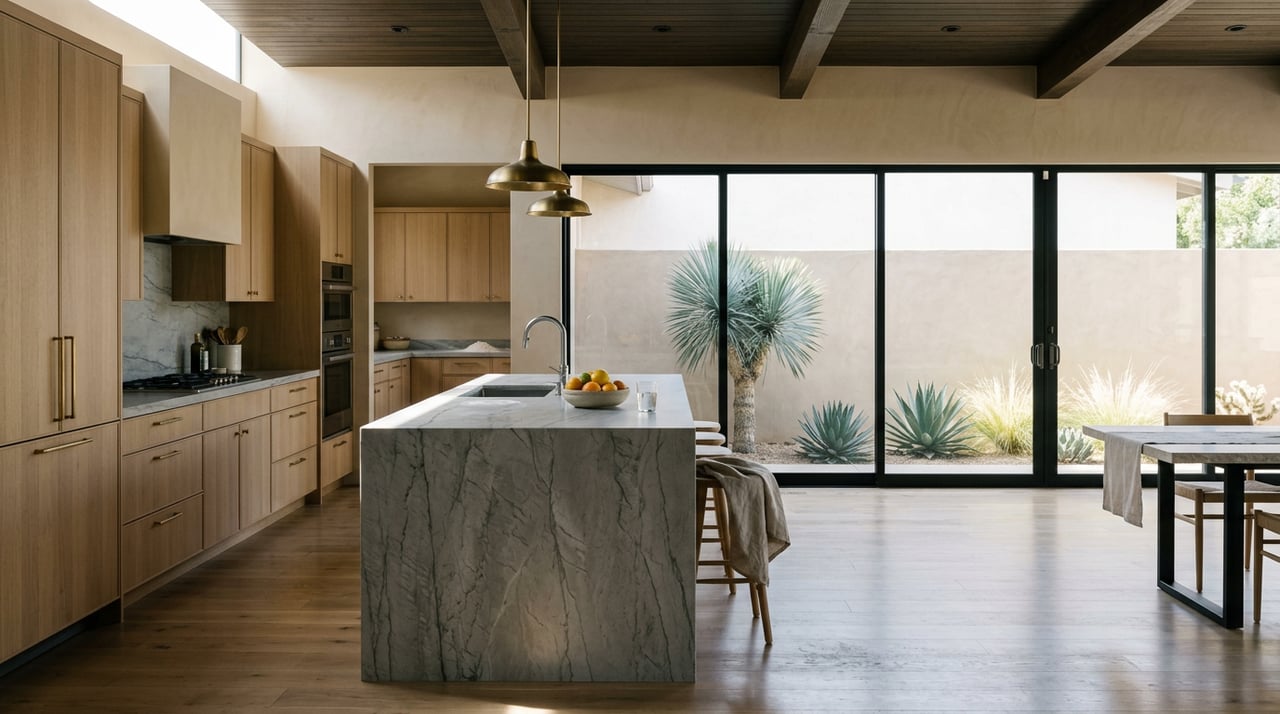
Kitchens and bathrooms change.
Families use houses differently than they did in 1930.
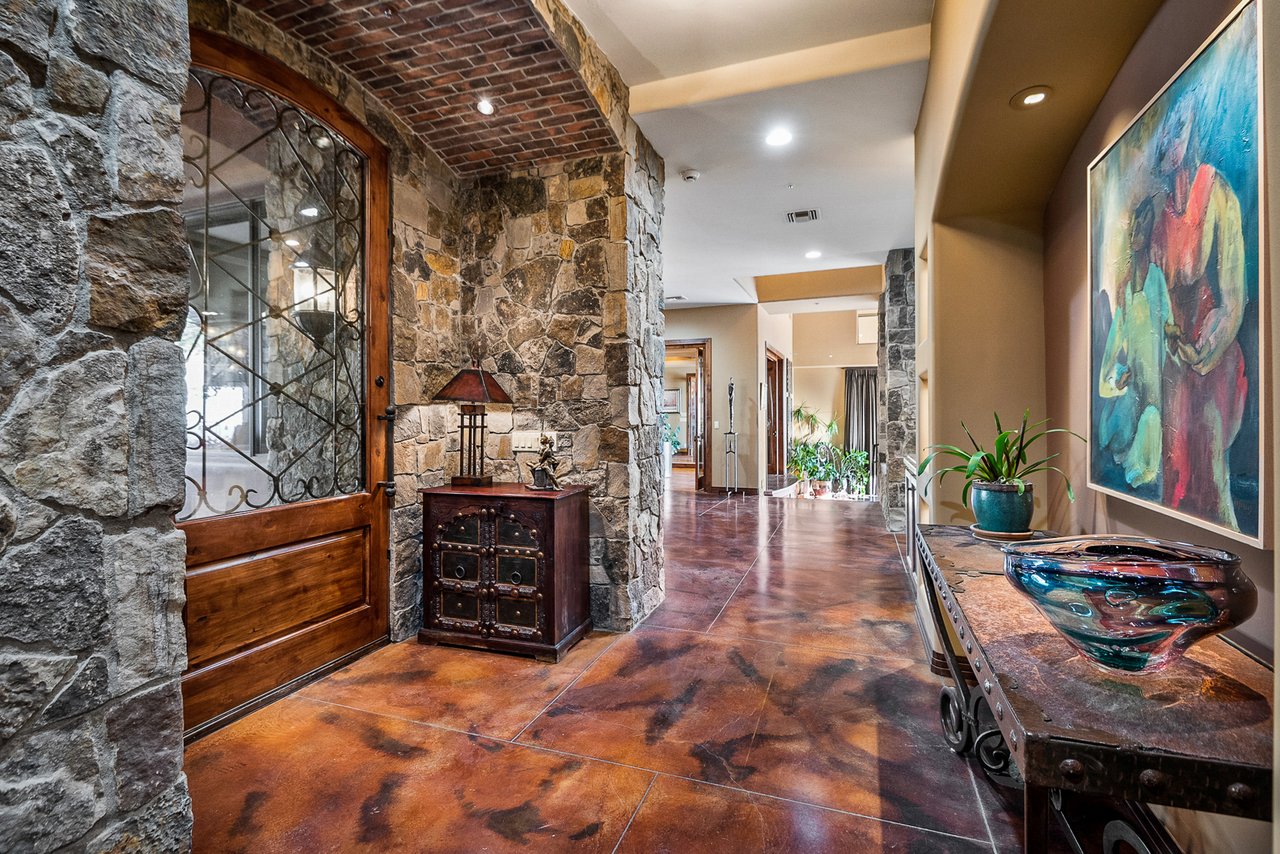
The strongest properties often find a balance between preserving character and improving livability.
That balance is where experienced real estate analysis becomes particularly important.
A renovation can add substantial utility without improving the qualities a future buyer values most.
Another renovation may appear relatively restrained but dramatically improve the way a historic home lives.
Square footage alone does not explain the difference.
A Neighborhood That Does Not Read Like a Subdivision
This may be the defining quality of Sam Hughes.
The neighborhood does not feel manufactured.
Its development occurred over decades, and the land itself reflects that evolution. Different subdivisions, building periods, architectural styles and infill patterns eventually became what Tucson now understands collectively as Sam Hughes.
That gives the neighborhood something increasingly scarce in American residential real estate:
visual variety without losing a recognizable sense of place.
A walk through Sam Hughes does not produce endless repetition.
It produces discovery.
A courtyard.
A mature citrus tree.
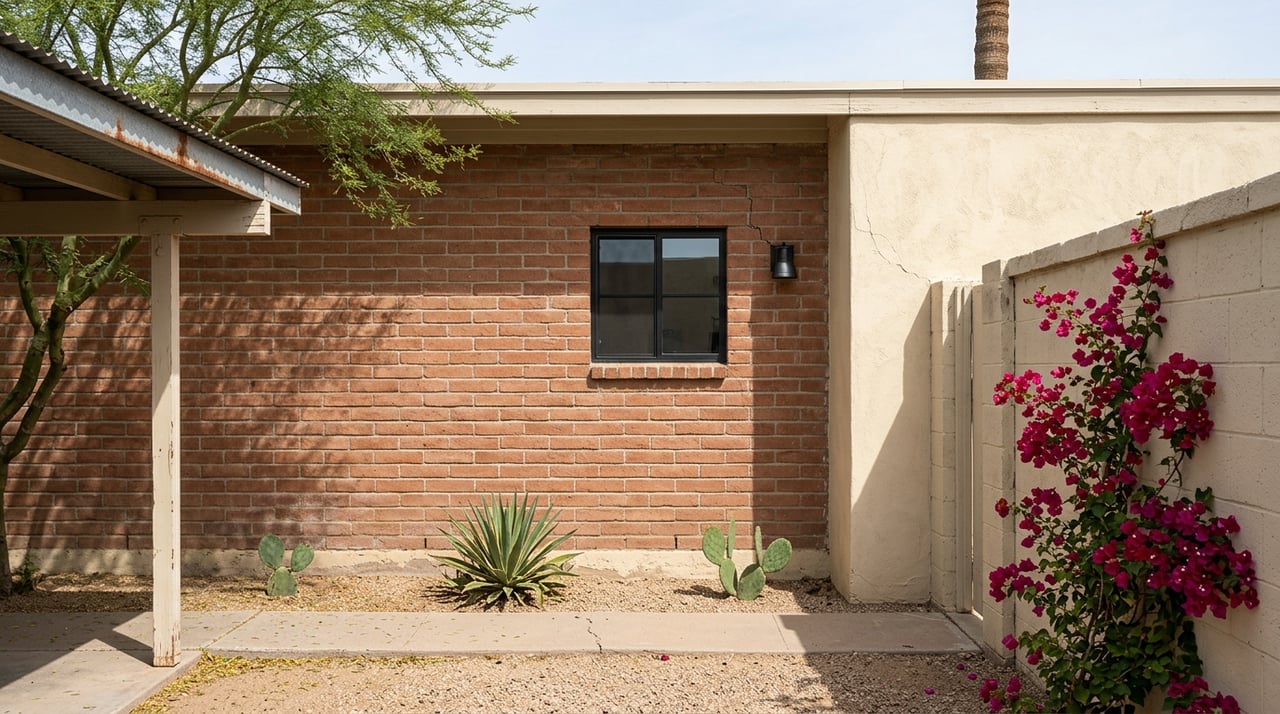
An old brick bungalow.
A carefully restored porch.
A contemporary addition tucked behind an older façade.
Palm-lined portions of Third Street.
An unexpected piece of Tucson architectural history.
This is the kind of neighborhood where the value of an individual house is influenced not only by what happens inside its property lines, but also by the architectural context surrounding it.
Location Matters — But It Is Not the Whole Story
Sam Hughes sits immediately east of the University of Arizona, and proximity to the university has influenced the neighborhood for generations.
From a real estate perspective, that location provides something increasingly difficult to create in Tucson: an established residential neighborhood with direct access to major employment, education, medical, cultural and downtown destinations.
But reducing Sam Hughes to “close to the University” misses most of the story.
Plenty of neighborhoods are conveniently located.
Far fewer combine that convenience with nearly a century of residential architecture, mature landscaping, significant public open space and an established neighborhood commercial center.
That combination is the real differentiator.
Himmel Park Is More Important Than It Looks on a Map
At the heart of the broader Sam Hughes experience is Himmel Park.
The park began taking shape during the 1930s and today encompasses roughly 25 acres with fields, courts, playground facilities, recreational amenities and gathering spaces.
Real estate maps often reduce parks to green rectangles.
That misses their effect.
A substantial neighborhood park creates breathing room.
It gives nearby streets another reason to be walked and biked.
It provides a gathering place that is neither privately owned nor dependent upon buying something.
Over decades, those qualities become part of a neighborhood’s identity.
The same is true of mature landscaping.
Trees take time.
So do parks.
So does architectural character.
That is one reason established neighborhoods possess forms of value that cannot simply be installed in a new development.
Sixth Street Gives Sam Hughes a Center
Another strength is the neighborhood commercial area around Sixth Street and Tucson Boulevard.
The City of Tucson identifies this intersection as an important neighborhood commercial area within Sam Hughes.
That distinction matters.
Sam Hughes is primarily residential, but it is not entirely dependent on driving elsewhere for every interaction.
Coffee, food and neighborhood gathering places create another layer between private homes and larger commercial corridors.
The best urban neighborhoods often have exactly this hierarchy:
Home.
Street.
Park.
Local gathering place.
The larger city beyond.
Sam Hughes has versions of all five.
That is a very different experience from a residential enclave designed primarily around isolation.
Historic District Does Not Mean Every House Is the Same
This is an important distinction for buyers.
Being located in Sam Hughes does not tell you everything you need to know about the historic status of an individual property.
The neighborhood and the National Register historic district are related, but they are not necessarily identical concepts. Individual properties may also be identified as contributing or noncontributing resources within the historic district.
That is why historic-home due diligence should happen at the property level, not simply the neighborhood level.
Before making assumptions about a particular Sam Hughes home, I would want to understand its construction history, additions, permits, historic designation status and previous renovations.
The same applies to a buyer considering a significant remodel.
A beautiful idea and an appropriate project for a particular historic Tucson property are not always the same thing.
Buying a Home in Sam Hughes Requires a Different Eye
A buyer considering Sam Hughes should look beyond cosmetic presentation.
Older homes can contain decades of decisions.
Some were excellent.
Some were not.
And some renovations that appear contemporary may have addressed finishes without addressing underlying systems.
Depending on the property, buyers may need to pay particular attention to issues such as:
Historic additions.
Roof configuration.
Sewer and plumbing materials.
Electrical capacity.
HVAC systems.
Windows.
Drainage.
Previous structural modifications.
Permits.
But there is another side to due diligence that buyers sometimes overlook:
What survived?
Original doors.
Built-ins.
Wood floors.
Windows.
Hardware.
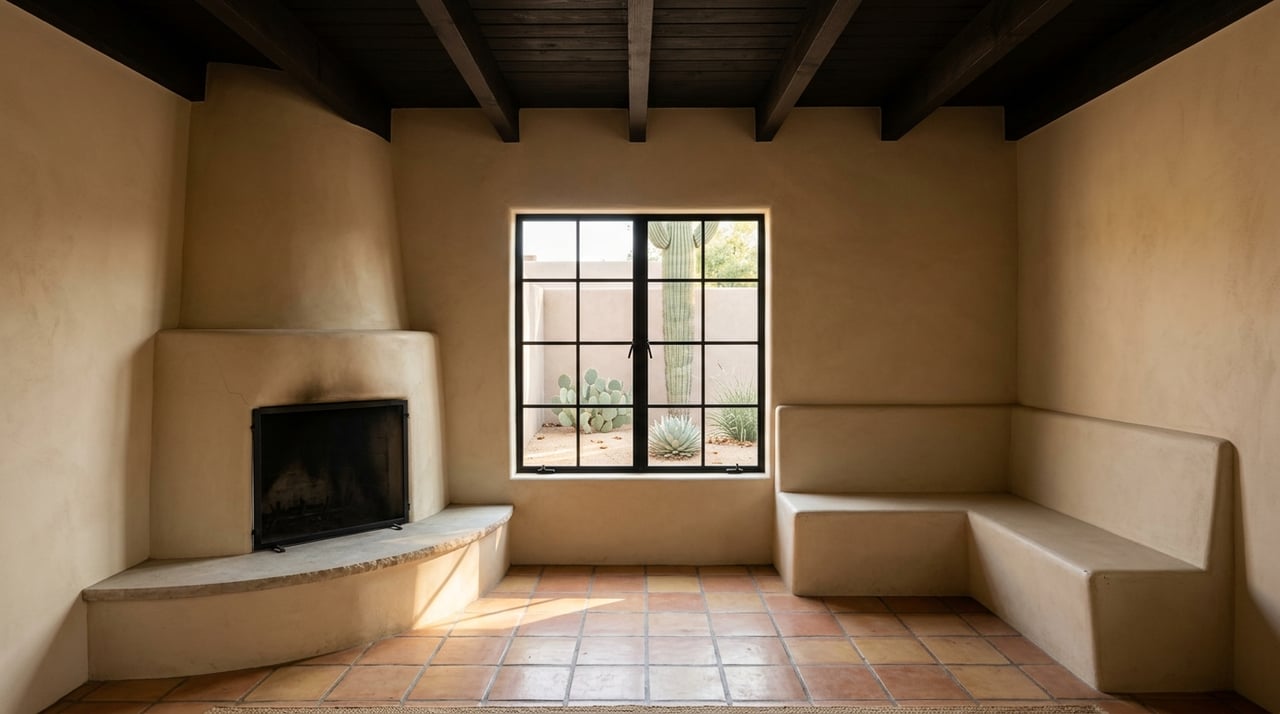
Fireplaces.
Courtyards.
Ceiling details.
Masonry.
Street-facing proportions.
Those features can be difficult—or impossible—to authentically replace once removed.
Buying a historic home is not simply an exercise in identifying what needs to be modernized.
It is also an exercise in recognizing what should be protected.
Selling a Sam Hughes Home Requires More Than a Price Per Square Foot
The same principle applies when selling.
A Sam Hughes seller who markets only bedrooms, bathrooms, remodeled countertops and square footage may leave some of the property’s most compelling value unexplained.
A thoughtful marketing strategy should answer questions such as:
When was the house built?
What architectural language does it reflect?
Which original elements remain?
What has been updated?
Were additions handled sympathetically?
How does the house interact with its lot?
What makes this particular block different?
How close is the property to Himmel Park, the University or Sixth Street?
What story does the home tell?
This does not mean romanticizing defects or substituting history for condition.
It means recognizing that character is part of the product.
Selling an architecturally distinctive house and selling a commodity house should not require identical marketing.
Why Scarcity Matters
New luxury can be built.
Historic context cannot.
That may be one of Sam Hughes’ greatest long-term advantages.
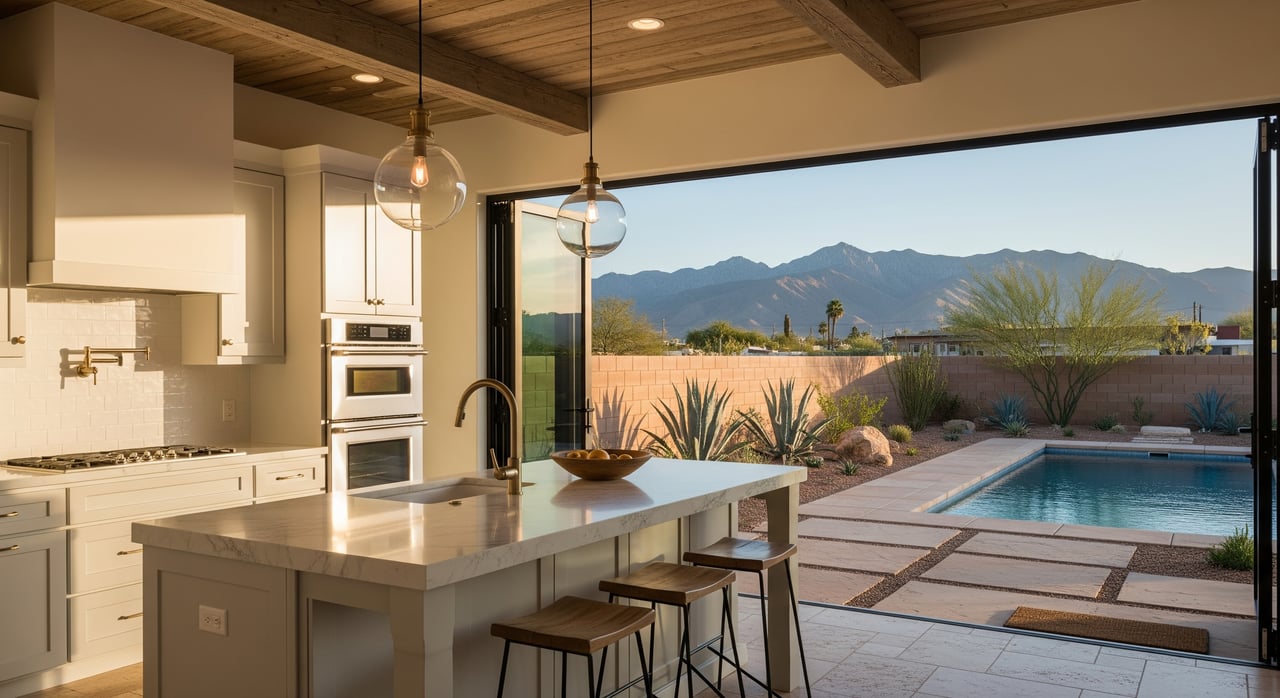
You can construct another large kitchen.
You can install another pool.
You can create another primary suite.
But you cannot instantly produce mature vegetation, generations of architectural variety, an established historic district, a major neighborhood park and decades of accumulated neighborhood identity.
Those elements require time.
And time is one amenity real estate developers cannot manufacture.
That does not mean every Sam Hughes property is exceptional.
It means the neighborhood possesses a collection of characteristics that are inherently difficult to reproduce.
For certain homes, that scarcity becomes part of their real estate story.
Sam Hughes and the Evolution of Tucson Luxury
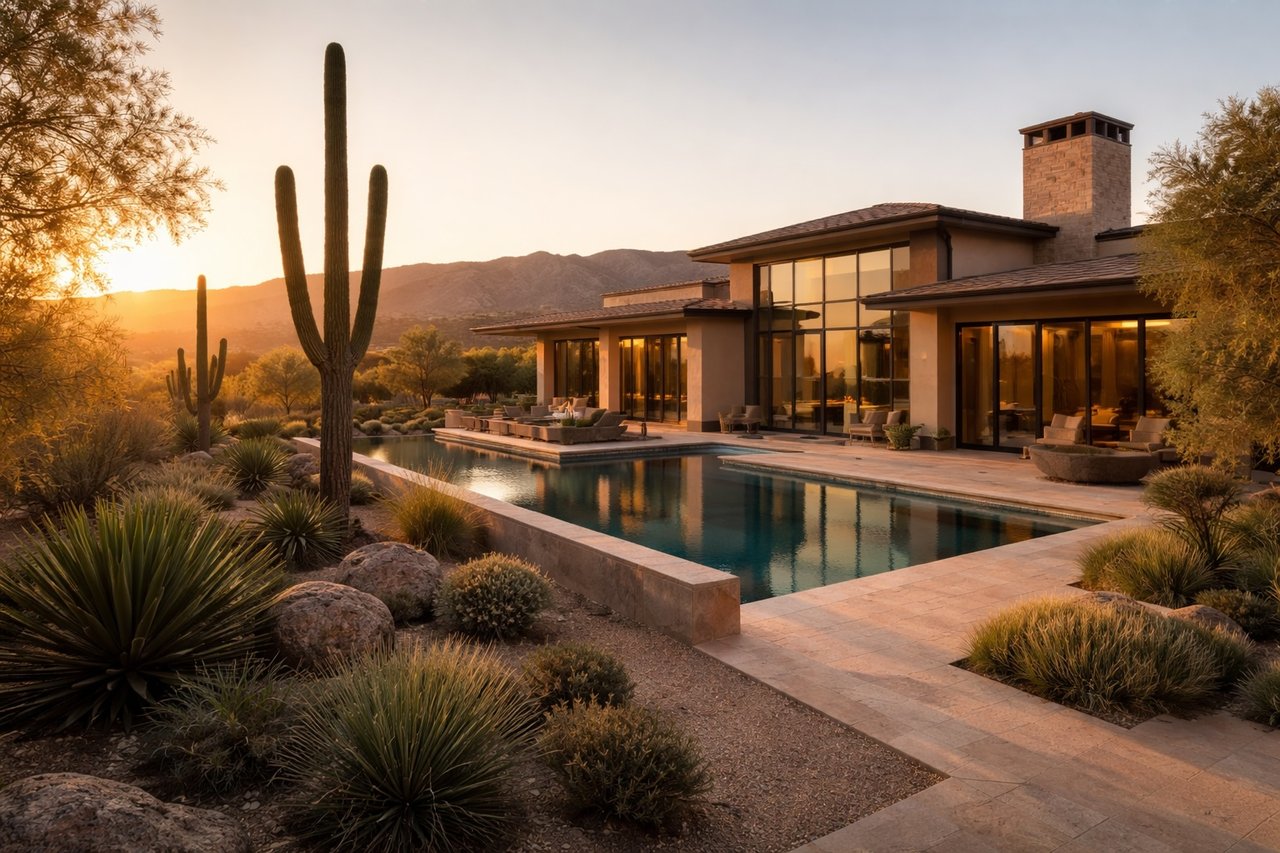
When people hear Tucson luxury real estate, they may immediately think of large Catalina Foothills estates, gated communities, golf properties and dramatic mountain lots.
Those are important parts of the market.
But luxury does not always mean acreage and gates.
Sometimes luxury is living in a house with genuine architectural character, beneath mature trees, near a major park, minutes from the University and within an established neighborhood whose identity evolved over a century rather than being designed in a sales office.
Sam Hughes represents that different definition.
It is urban Tucson luxury through character, location and scarcity.
As a Tucson native and real estate advisor, that is what I find most interesting about the neighborhood.
Sam Hughes does not need to imitate the Catalina Foothills, Pima Canyon or Tucson’s newer luxury communities.
Its value proposition is completely different.
And that is exactly the point.
The Houses Are the Story
Ultimately, the appeal of Sam Hughes is not one restaurant, one park, one architectural style or its proximity to the University.
It is the accumulation of all of them.
The neighborhood evolved instead of arriving fully formed.
Its best homes show that evolution.
They contain evidence of Tucson’s architectural history while continuing to function as places to live today.
That tension between preservation and change is what makes the neighborhood compelling.
Because in Sam Hughes, the house is not merely located in the neighborhood.
The house is part of the neighborhood’s story.
Quick Answers About Sam Hughes Homes and Real Estate
Where is Sam Hughes in Tucson?
Sam Hughes is a central Tucson neighborhood located immediately east of the University of Arizona. The broader neighborhood includes residential streets, Himmel Park and a neighborhood commercial area centered around Sixth Street and Tucson Boulevard.
Is Sam Hughes a historic district?
Yes. The Sam Hughes Residential Historic District was listed on the National Register of Historic Places in 1994 and expanded in 2000.
What architectural styles are found in Sam Hughes?
Sam Hughes contains numerous architectural styles developed over several decades. Historic documentation identifies Craftsman, Spanish Eclectic, Mission, Pueblo, International, Ranch, Minimal Traditional and other styles throughout the neighborhood.
When were most Sam Hughes homes built?
Much of the neighborhood developed between the 1920s and 1950s, although its overall housing stock includes properties from earlier and later periods.
Is every Sam Hughes home historically designated?
No. A property’s location within the Sam Hughes neighborhood does not by itself determine every aspect of its historic status. Buyers and owners should verify the individual parcel, applicable historic designation, contributing status, zoning, permits and property-specific requirements.
What should buyers look for in an older Sam Hughes home?
In addition to overall condition, buyers should evaluate previous additions and renovations, permits, roofing, electrical systems, plumbing, sewer, drainage, HVAC and structural changes while also identifying original architectural features worth preserving.
What should sellers emphasize when marketing a Sam Hughes home?
Condition and pricing remain important, but sellers should also document architectural character, original features, meaningful renovations, the home’s history, lot orientation and location within the neighborhood.
In Sam Hughes, the story of the house can be an important part of how buyers understand its value.
Explore Sam Hughes Real Estate
For current homes, neighborhood information and additional insight, visit my Sam Hughes Tucson real estate and neighborhood guide.
My additional Sam Hughes research explores architecture, remodeling, lifestyle, historic homes and the forces that continue to shape this distinctive central Tucson neighborhood.
About Daniel Sotelo
Daniel Sotelo is a Tucson native and luxury real estate advisor with Russ Lyon Sotheby’s International Realty, representing buyers and sellers throughout Tucson and Southern Arizona.
His work focuses on distinctive real estate and the intersection of architecture, neighborhood identity, lifestyle and market strategy—because an exceptional property cannot always be understood through square footage and comparable sales alone.
Daniel advises clients throughout Sam Hughes, Catalina Foothills, Pima Canyon, Ventana Canyon, Starr Pass and the greater Tucson luxury market.
Buying or selling a home in Sam Hughes?
Whether you are evaluating an older home, preparing an architecturally distinctive property for market, or simply trying to understand what makes one Sam Hughes home different from another, I welcome the conversation.
Contact Daniel Sotelo to discuss Sam Hughes real estate and Tucson’s distinctive residential market.
Sources and Further Reading
Historical and neighborhood information referenced in this article was reviewed using materials from the City of Tucson Planning and Development Services Department, City of Tucson Historic Preservation, the Sam Hughes Neighborhood Plan, and documentation related to the Sam Hughes Residential Historic District and National Register of Historic Places.