By Daniel Sotelo | Russ Lyon Sotheby’s International Realty | Tucson, Arizona
Before I decide how to describe a home, I want to understand what someone might miss on a quick visit.
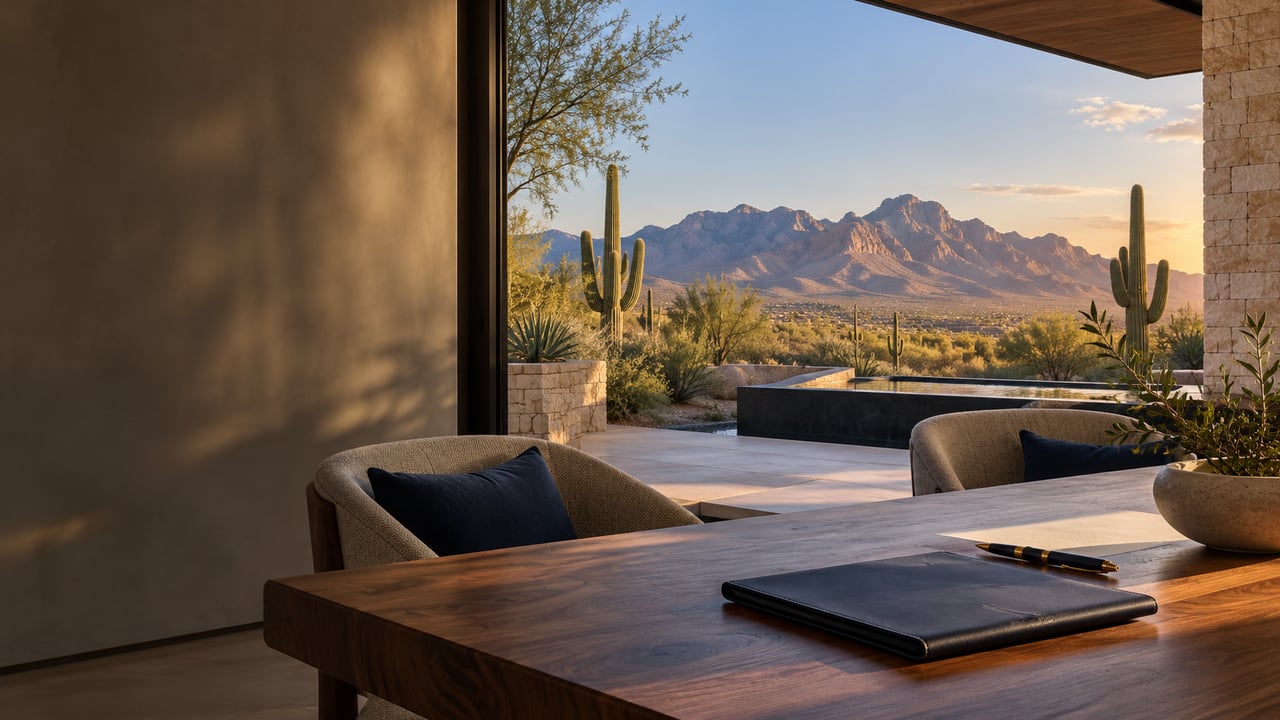
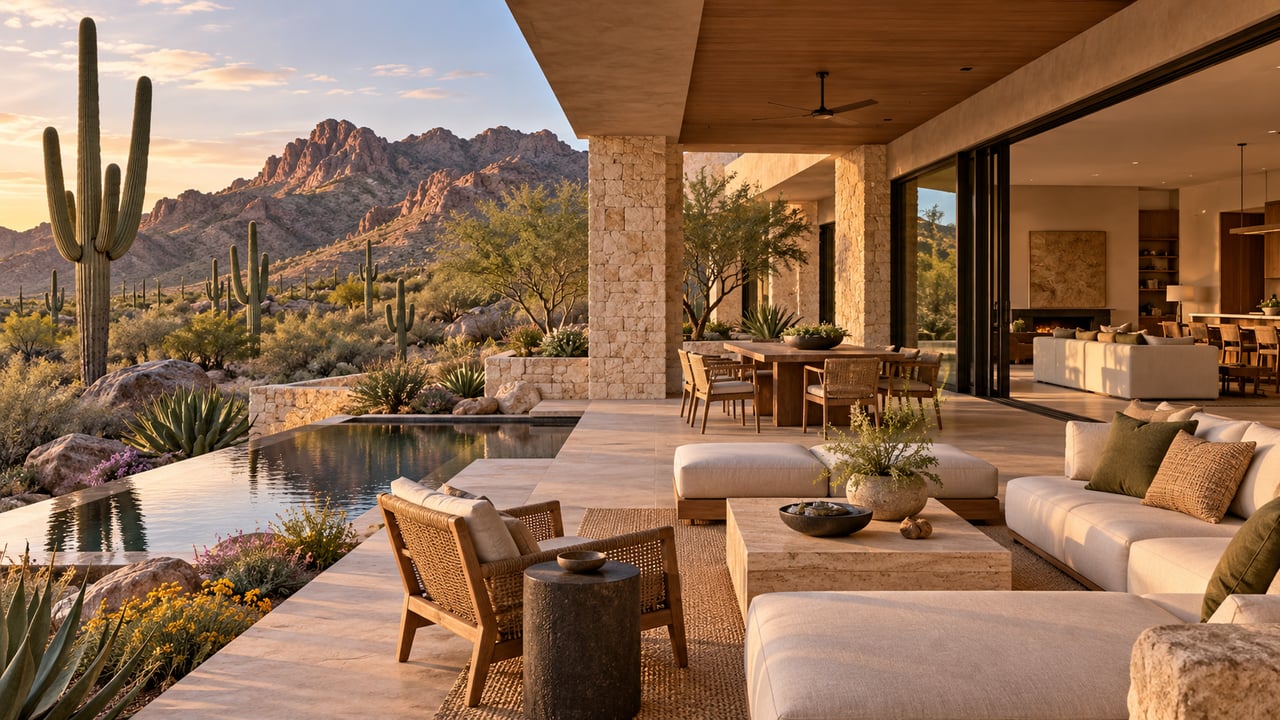
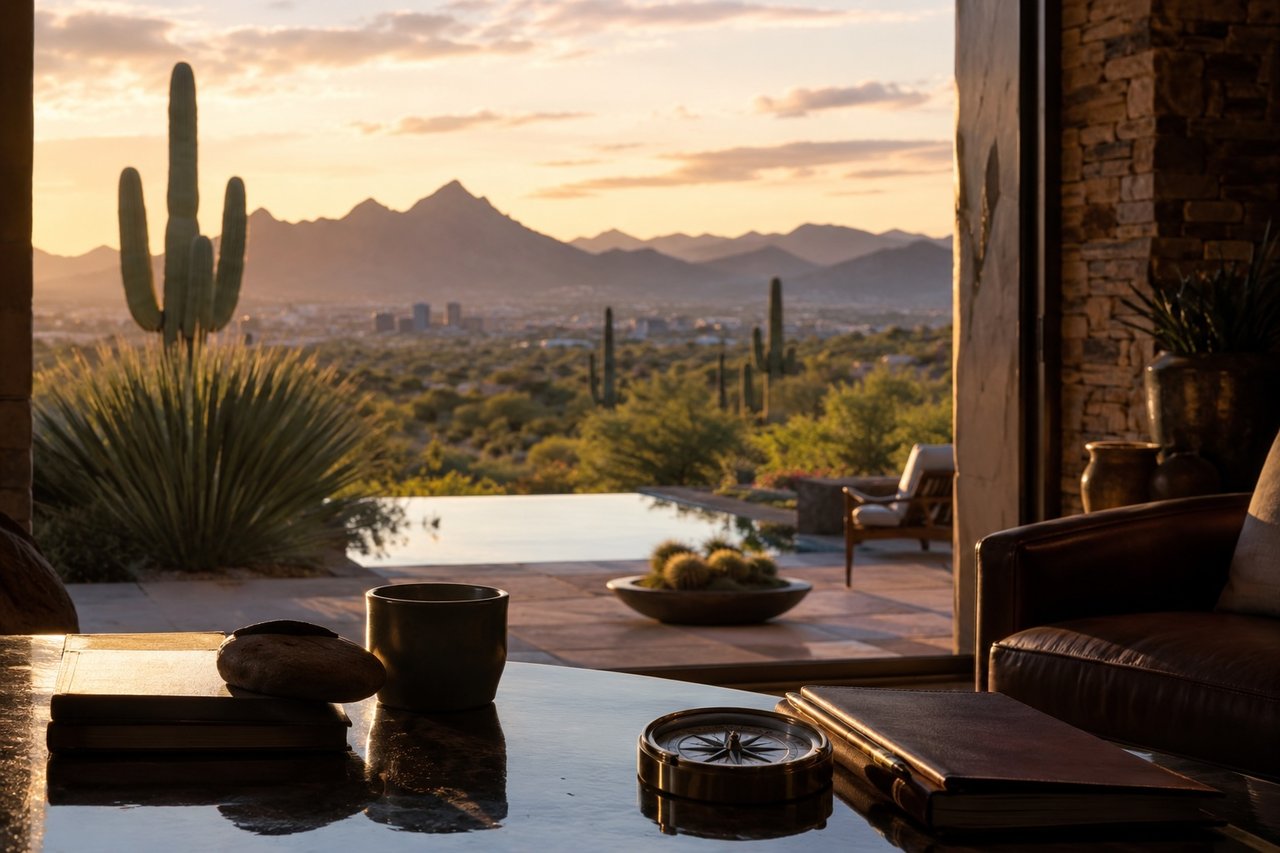
It could be a view that opens only after you turn a corner. A covered terrace that stays connected to the main living spaces. A guest suite positioned so that visitors have privacy. Those are the details that help a buyer imagine living in a property, and they deserve a clear place in the marketing.
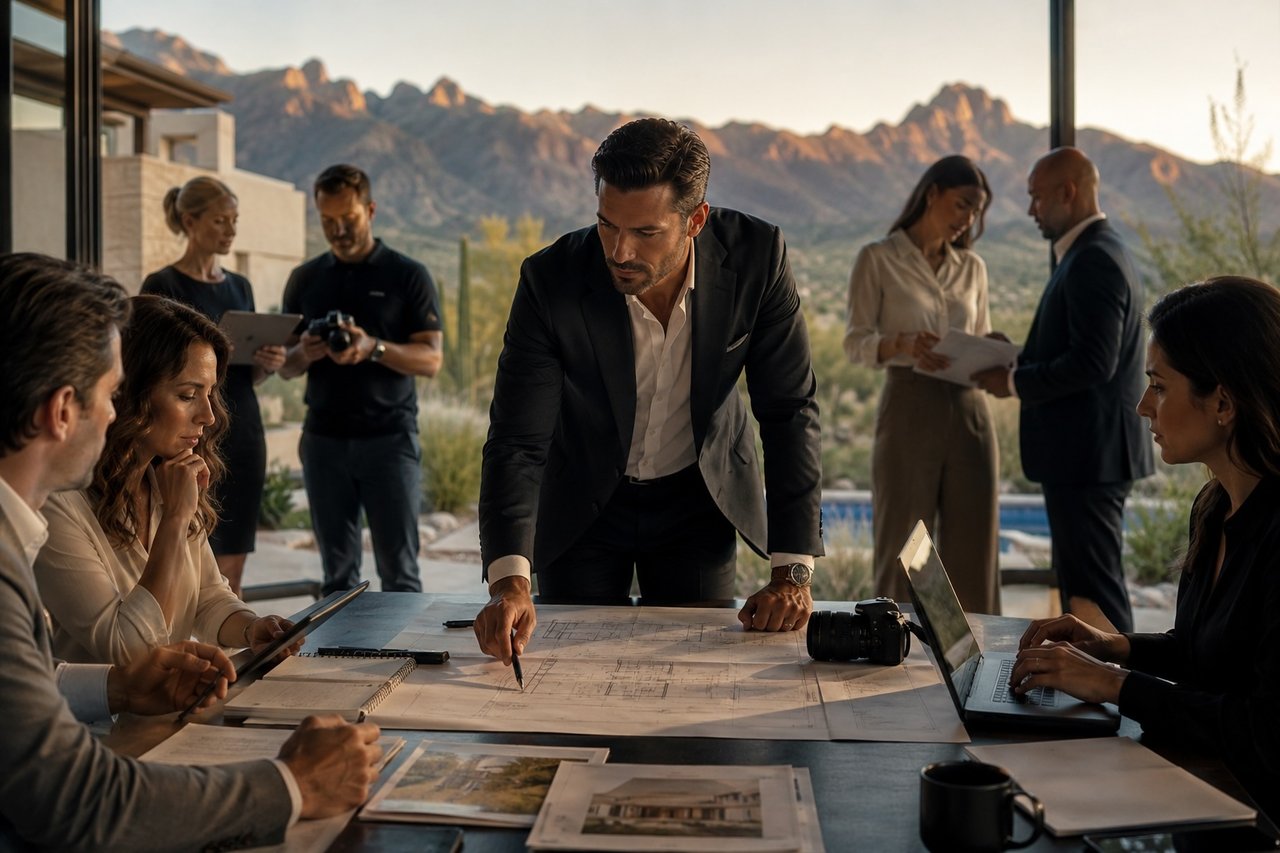
When selling a distinctive home in Tucson, I want the presentation to feel as considered as the property itself. That begins with listening to the owner and looking carefully at the house, then building a story that the photographs, facts and showing experience can support.
First, identify what makes the home particular
I would start our conversation with a few direct questions. Which room do you use most? Where do you spend time outside? What changed after you moved in? What would you want a new owner to understand?
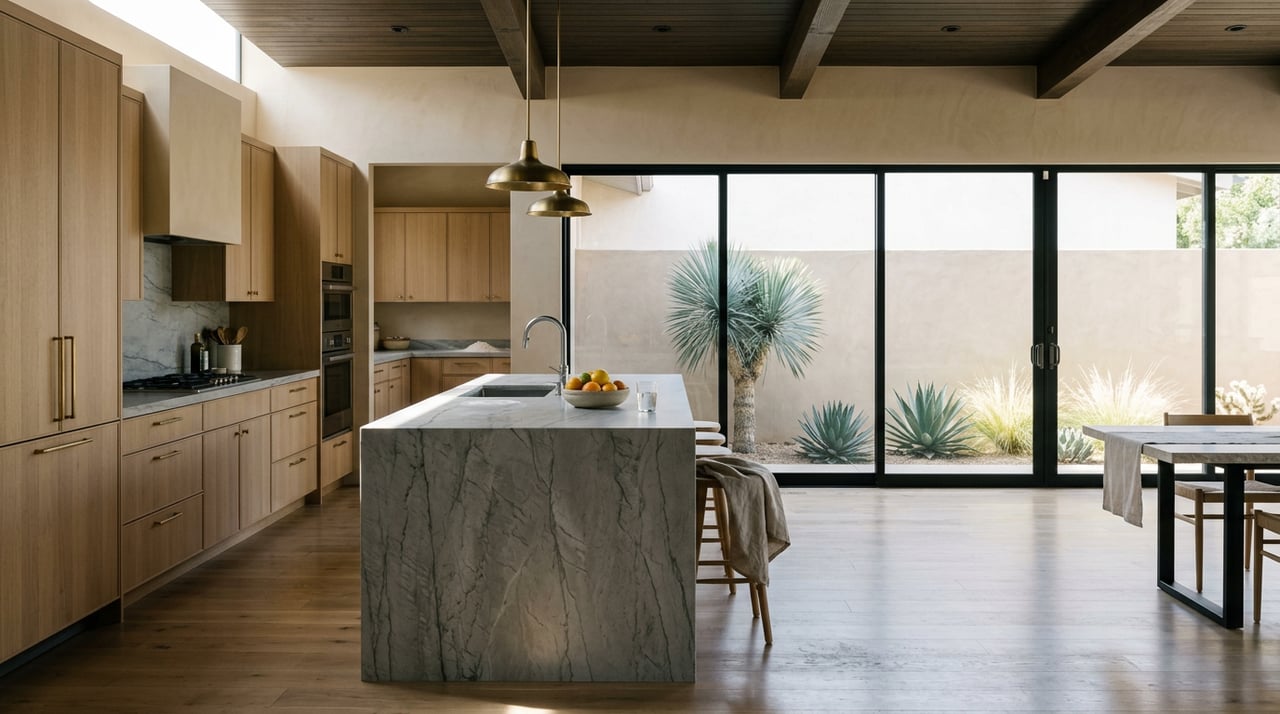
An owner’s answers can reveal useful details, but the description still needs to be specific. “Great for entertaining” becomes more meaningful when we can explain how the kitchen opens to a covered dining terrace, or how the guest rooms sit apart from the primary suite. “Private” needs a description of the setting and sightlines that make it feel that way.
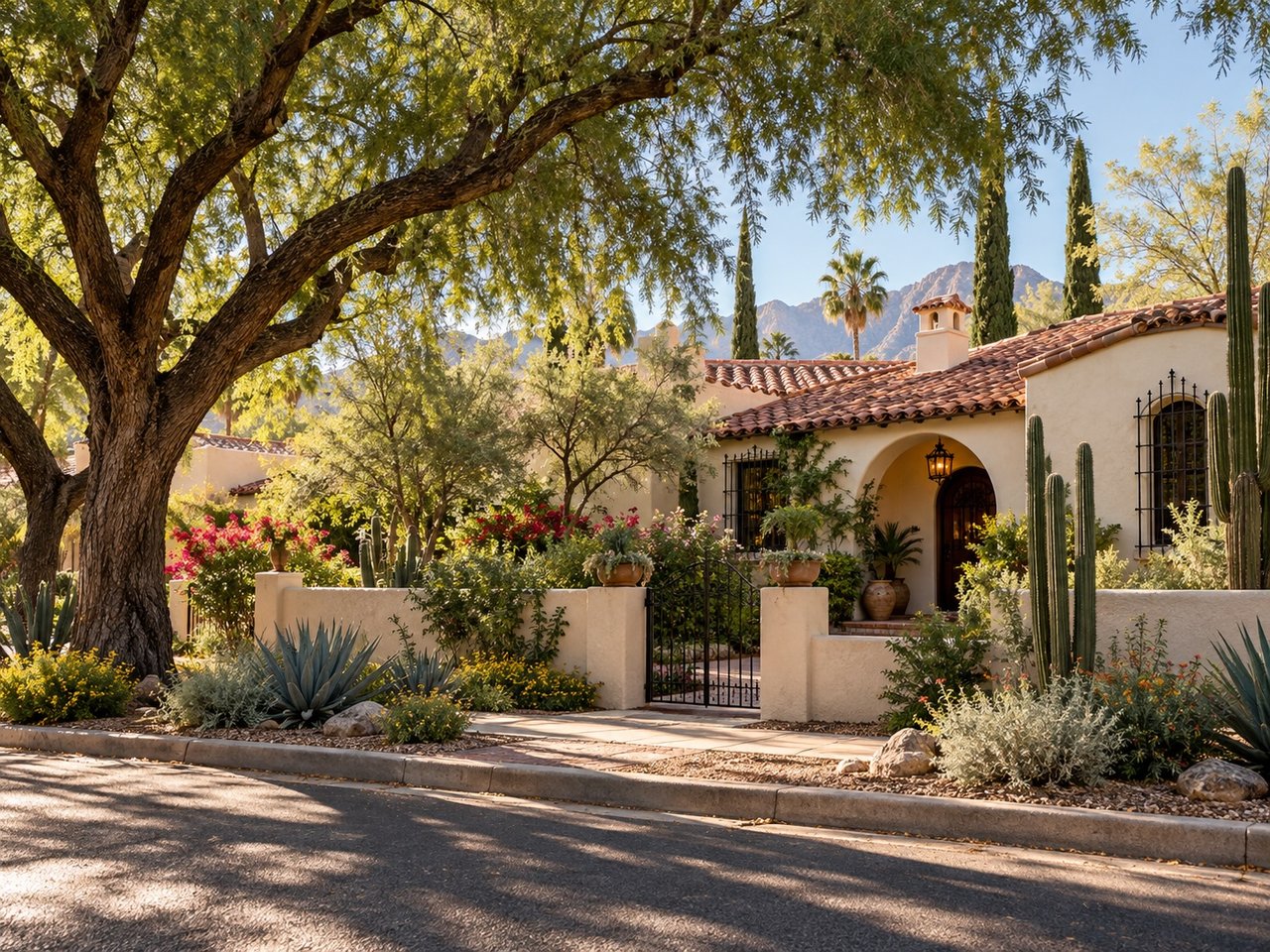
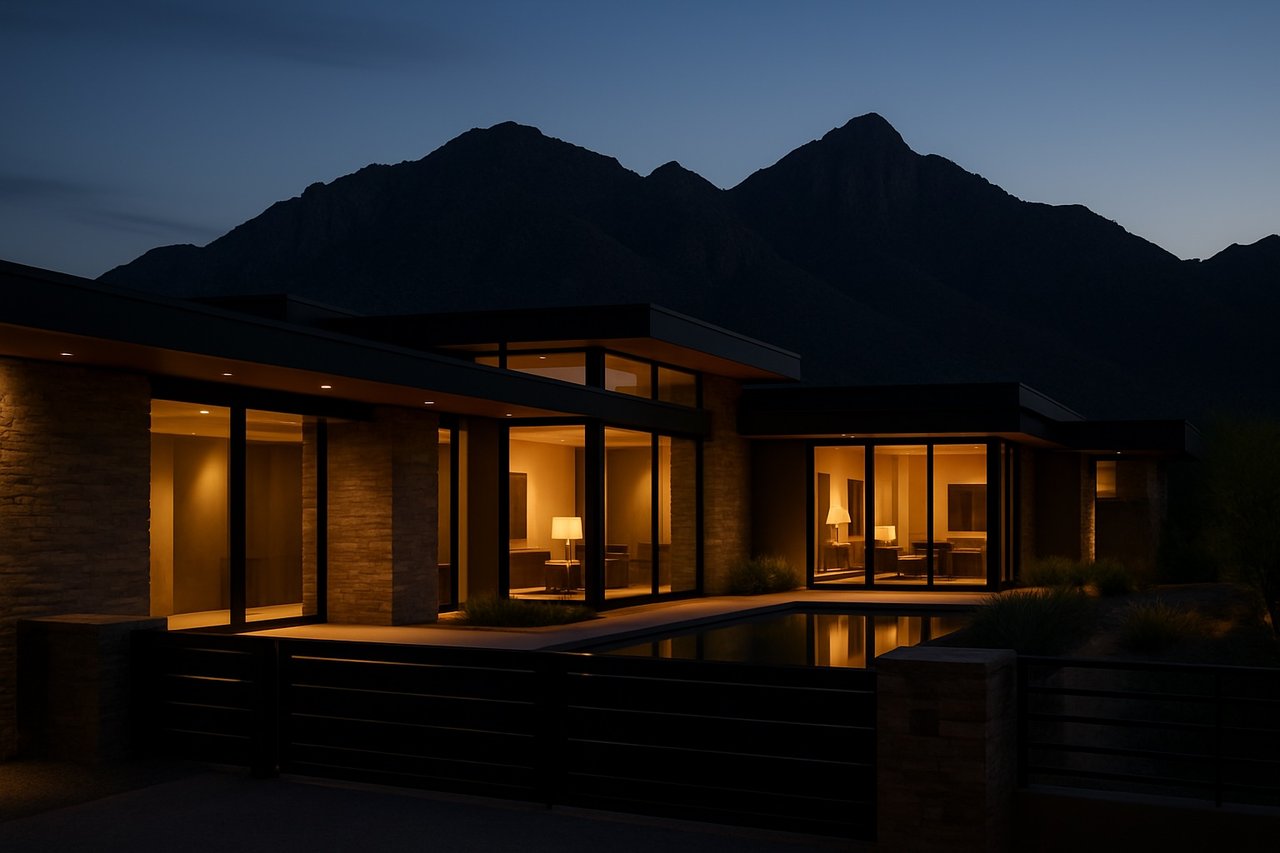
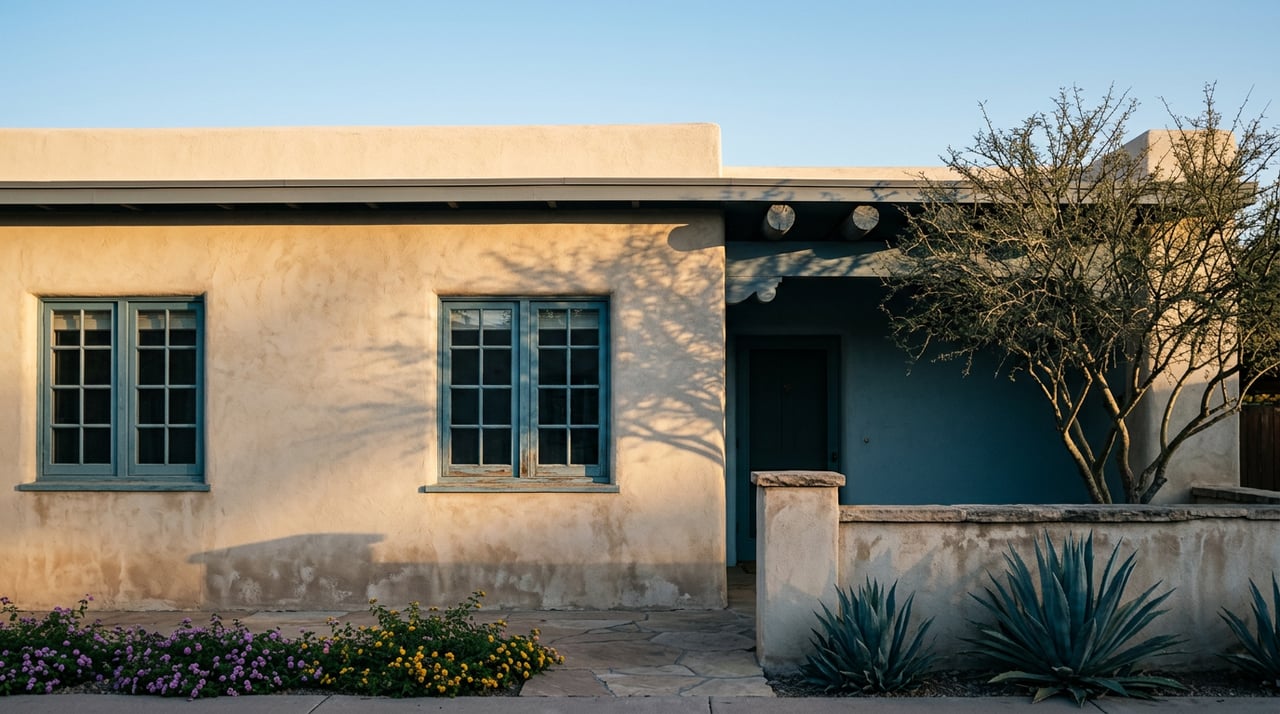
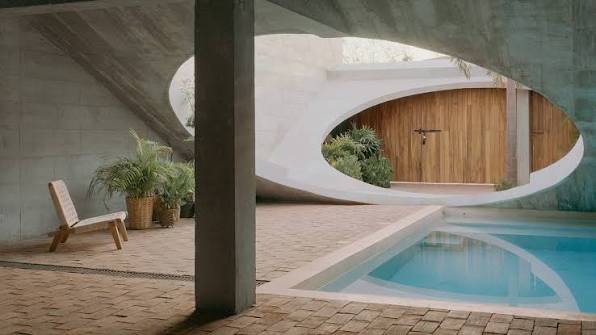
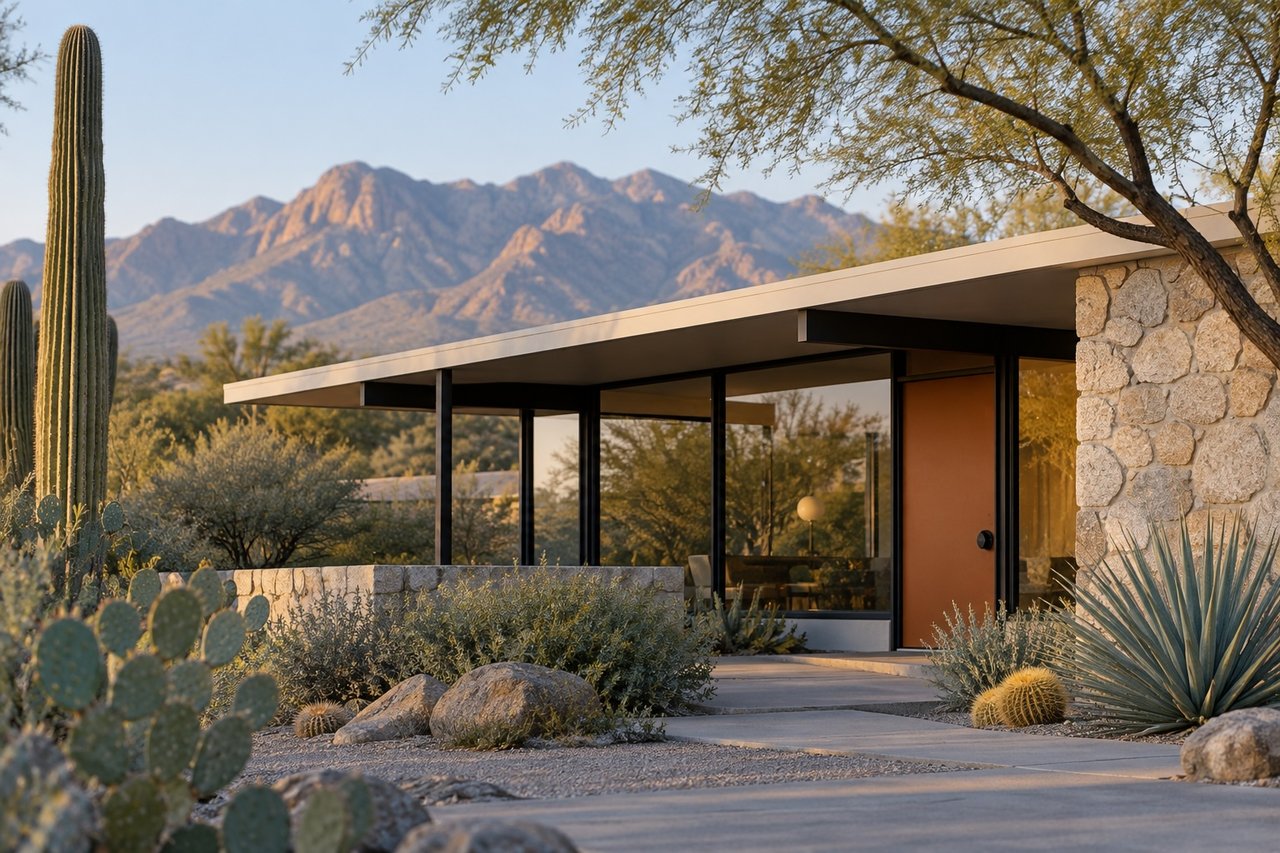
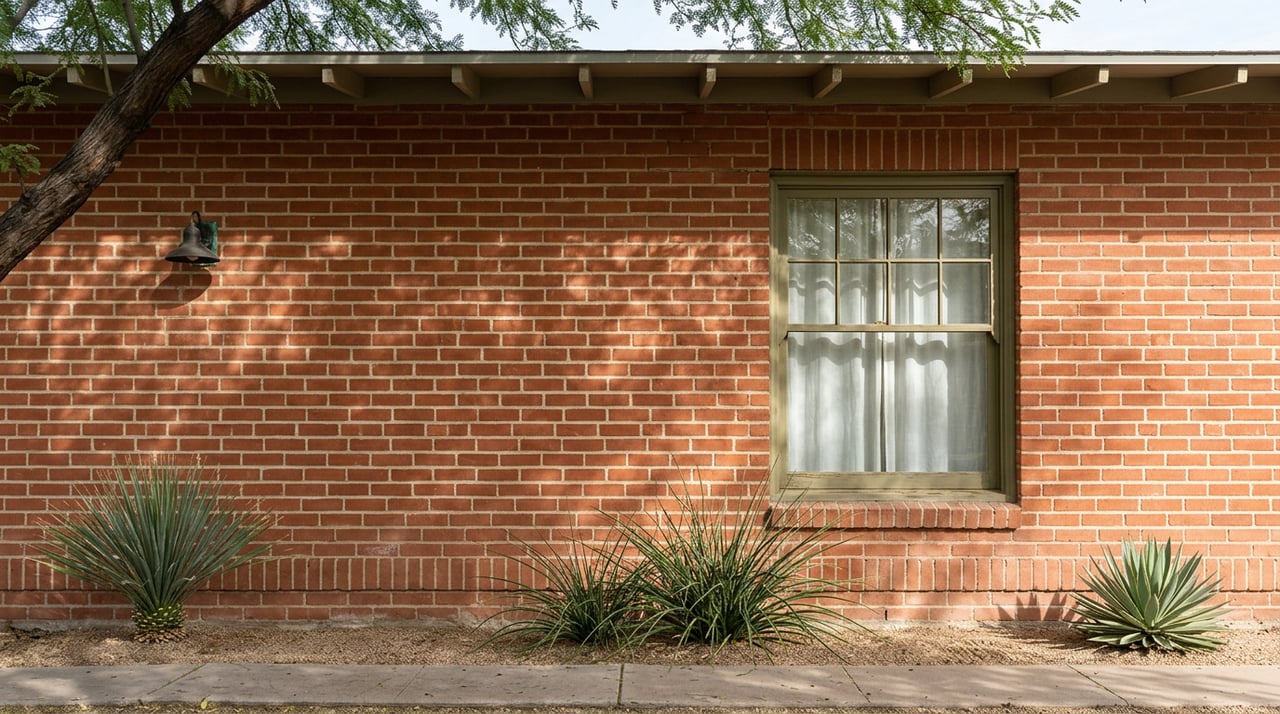
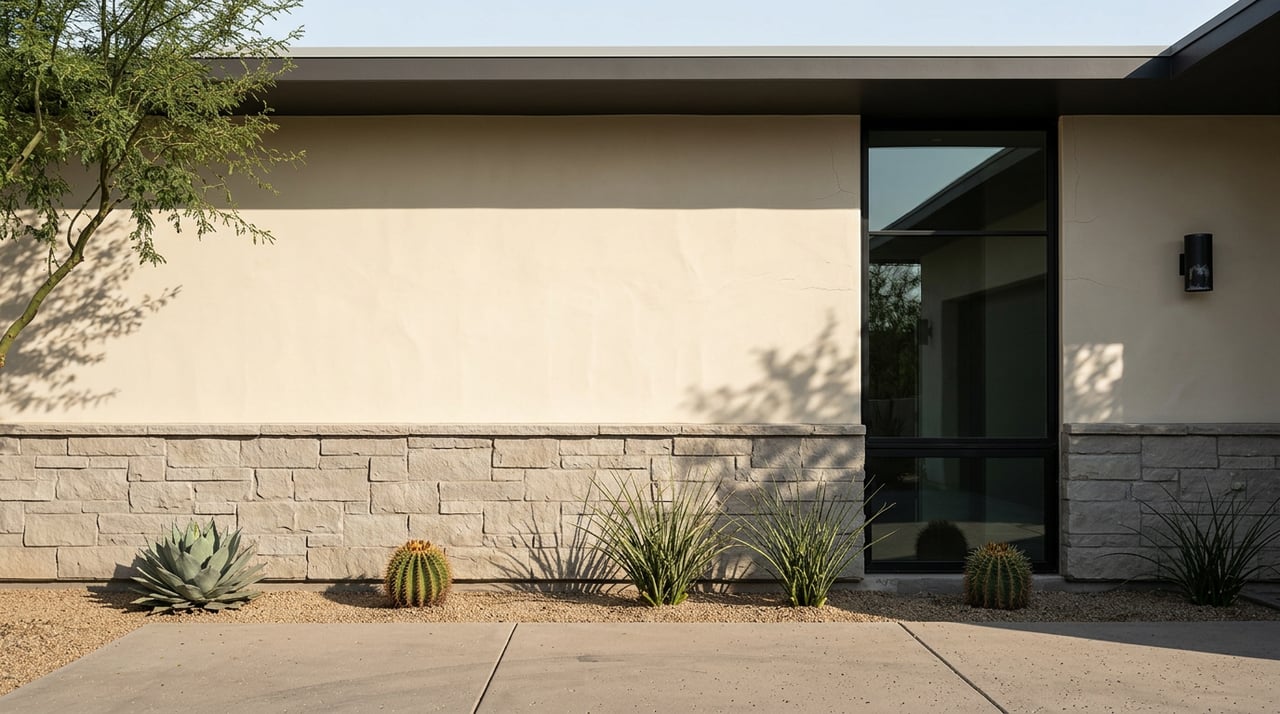
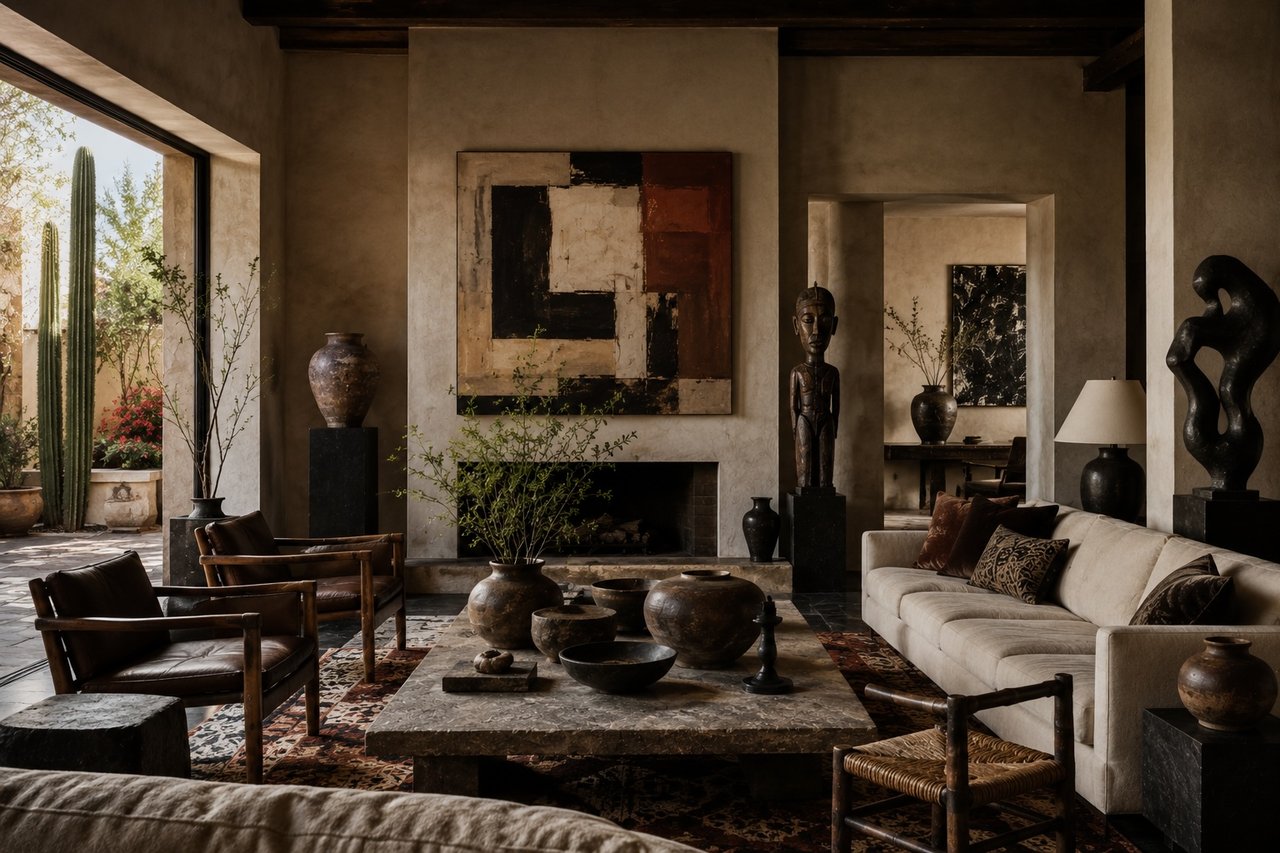
For an architectural property, I also want to understand the design. What gives the house its proportions? How does it manage light? Which materials carry through from outside to inside? Tucson gives us a rich setting for those conversations, from historic homes in Central Tucson to contemporary homes shaped around the desert.
Build the facts before polishing the language
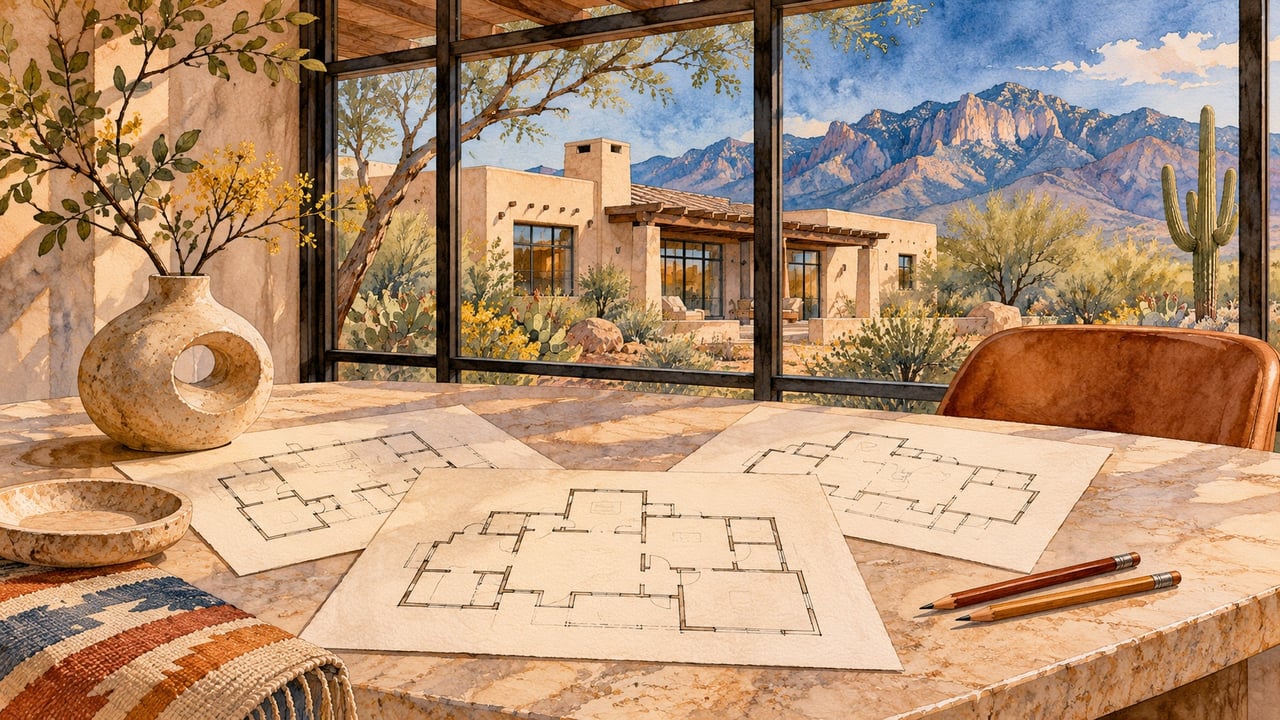
A strong property story needs a reliable foundation. Architect and builder information, plans, permits, renovation records and system details can all help explain the home. I would organize the relevant material with you early, so the public description and the answers provided during a showing agree.
Where architectural attribution matters, we should establish its source. Where the appeal includes a guesthouse or a substantial addition, the size, configuration and available records deserve close attention. A buyer should be able to move from interest to understanding without encountering a different version of the property at every step.
The same care applies to improvements. A recent roof project, owned solar equipment or a carefully executed renovation may deserve emphasis, but the language should reflect the actual work and documentation. Specific information gives the buyer something useful to evaluate.
Prepare for the photographs and the visit
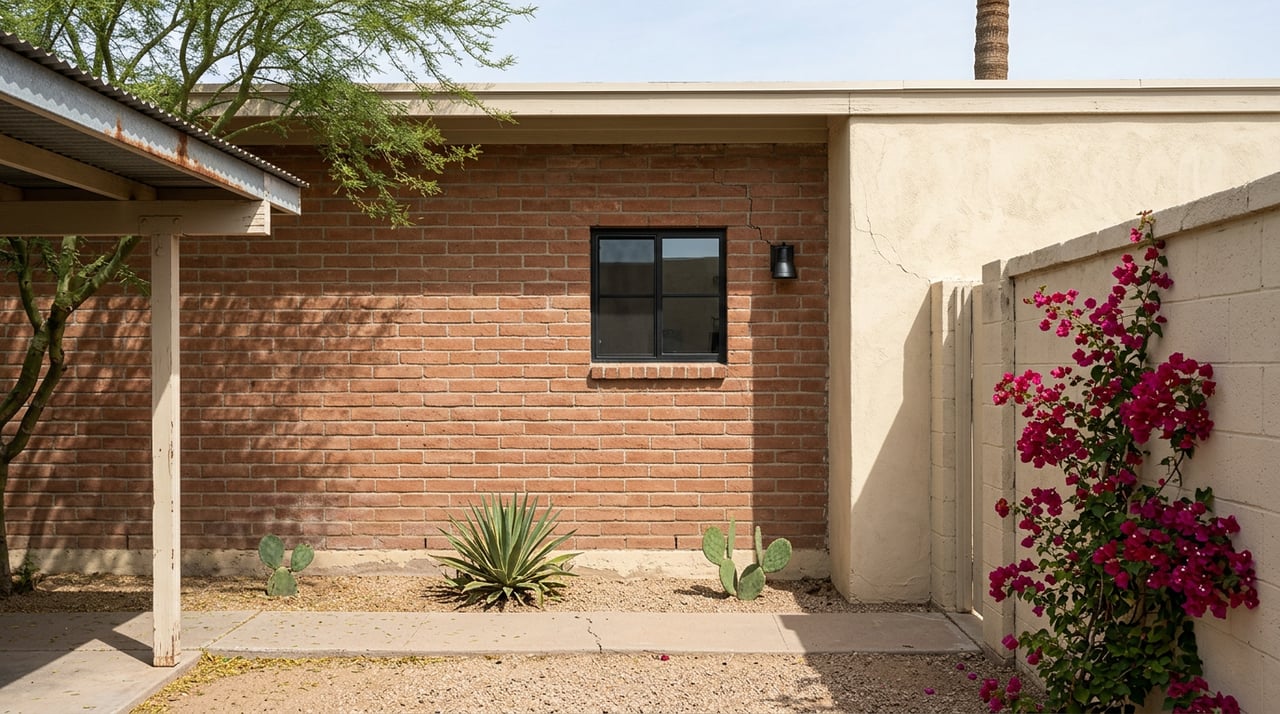
I think about preparation in terms of what helps someone see the home clearly. That may mean simplifying a room, adjusting furniture to show circulation, addressing a visible maintenance item or giving a courtyard the attention it needs. The priorities should come from the property, its condition and the intended price position.
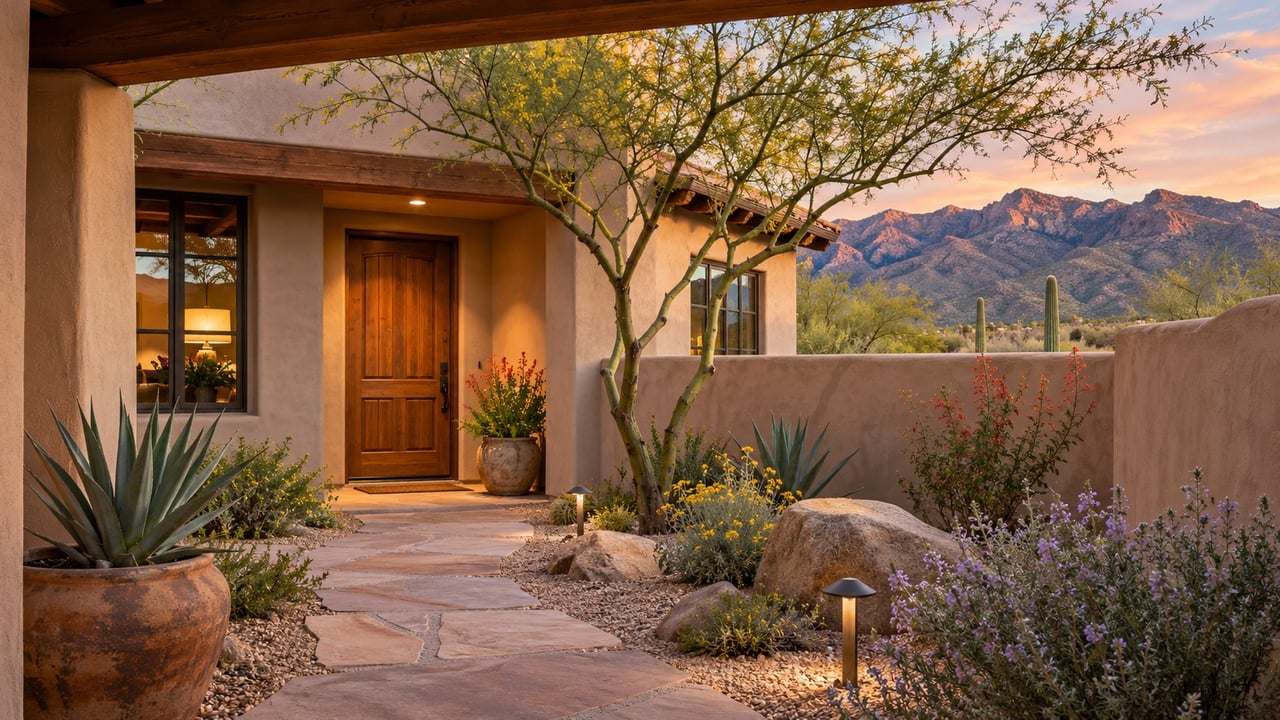
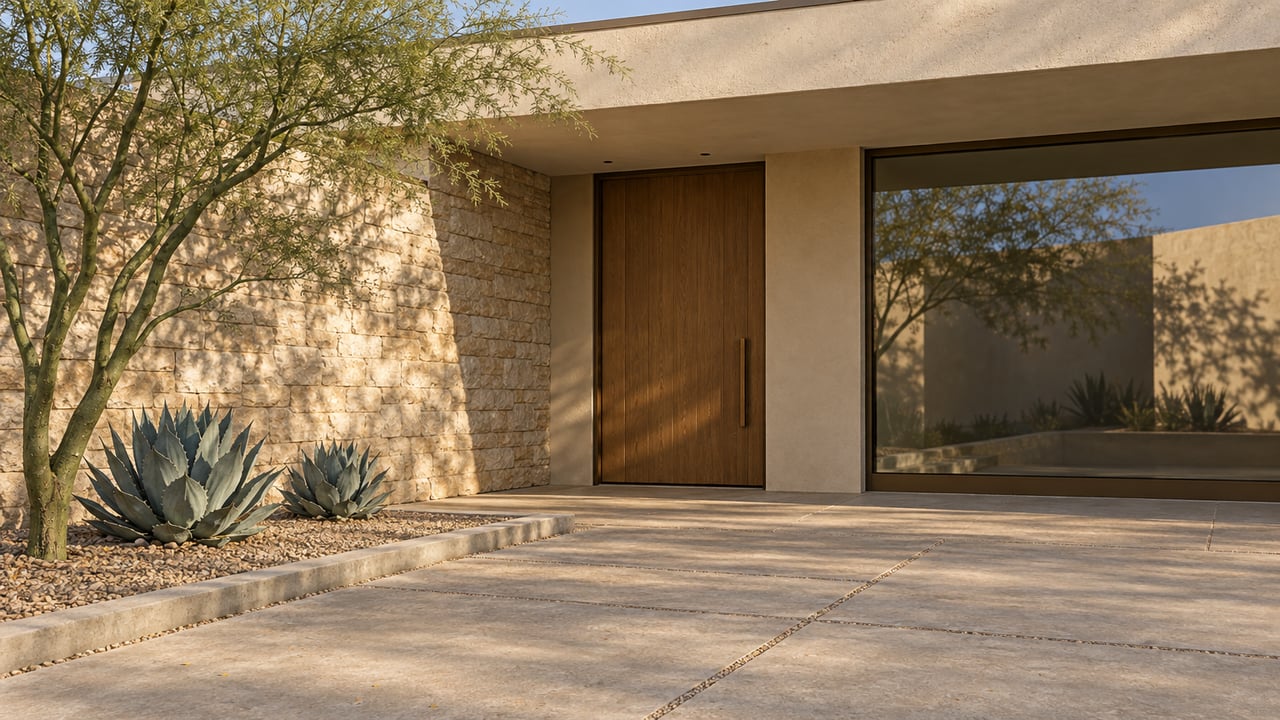
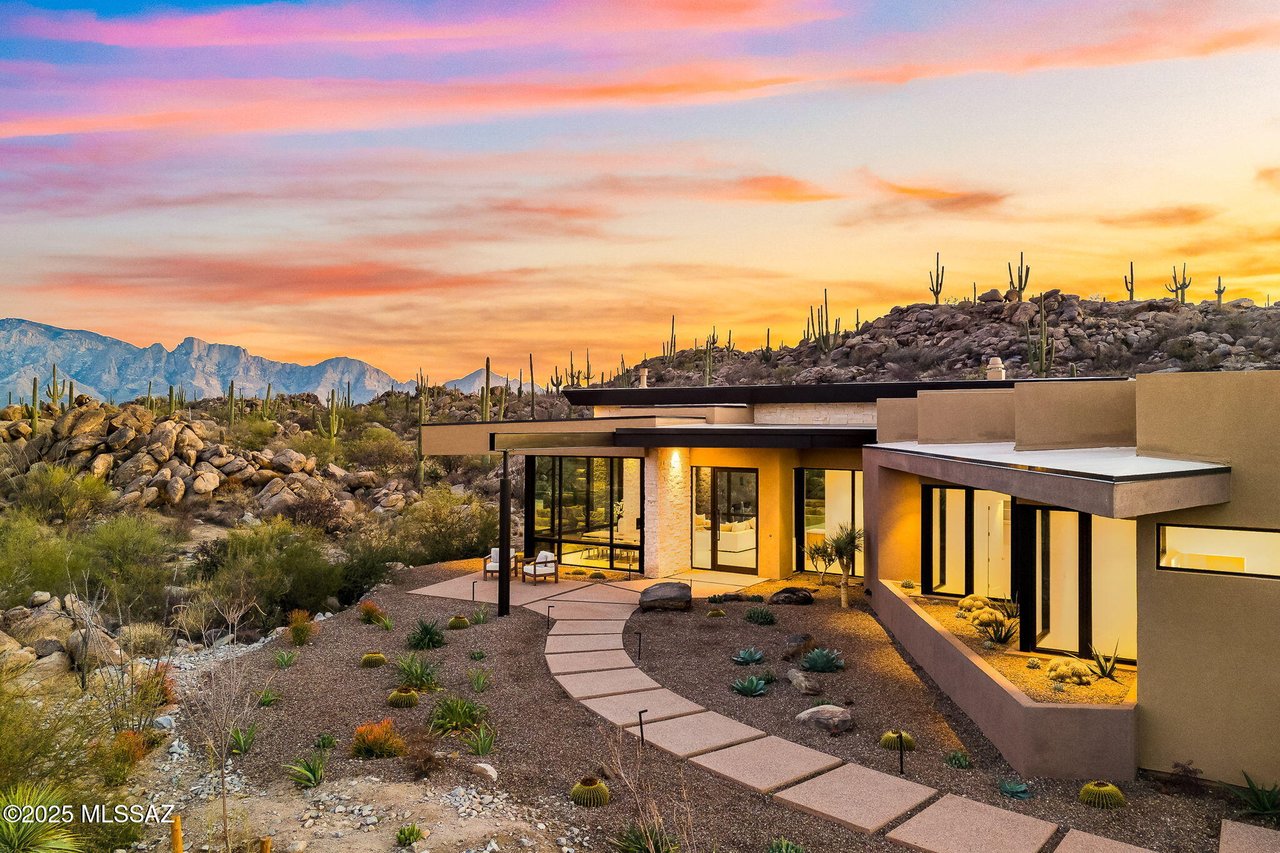
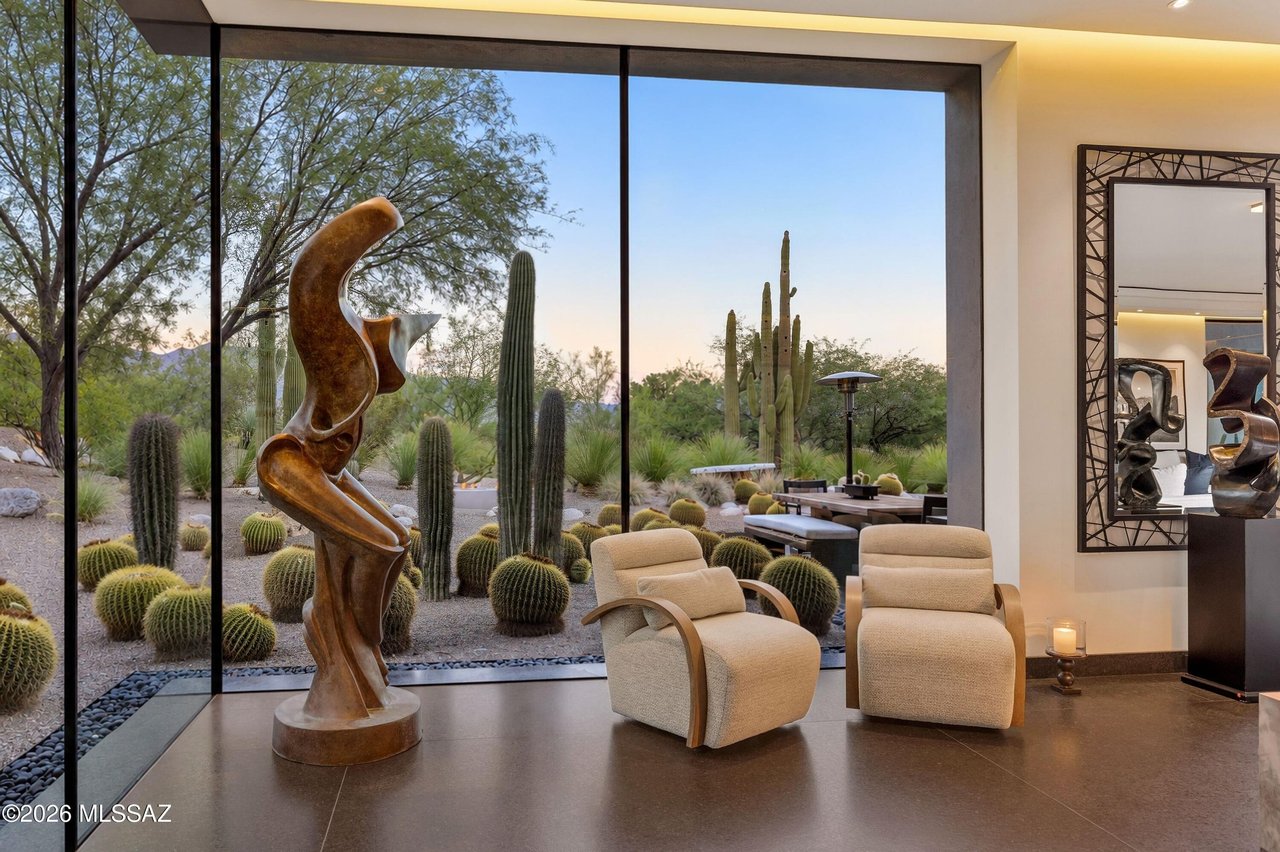
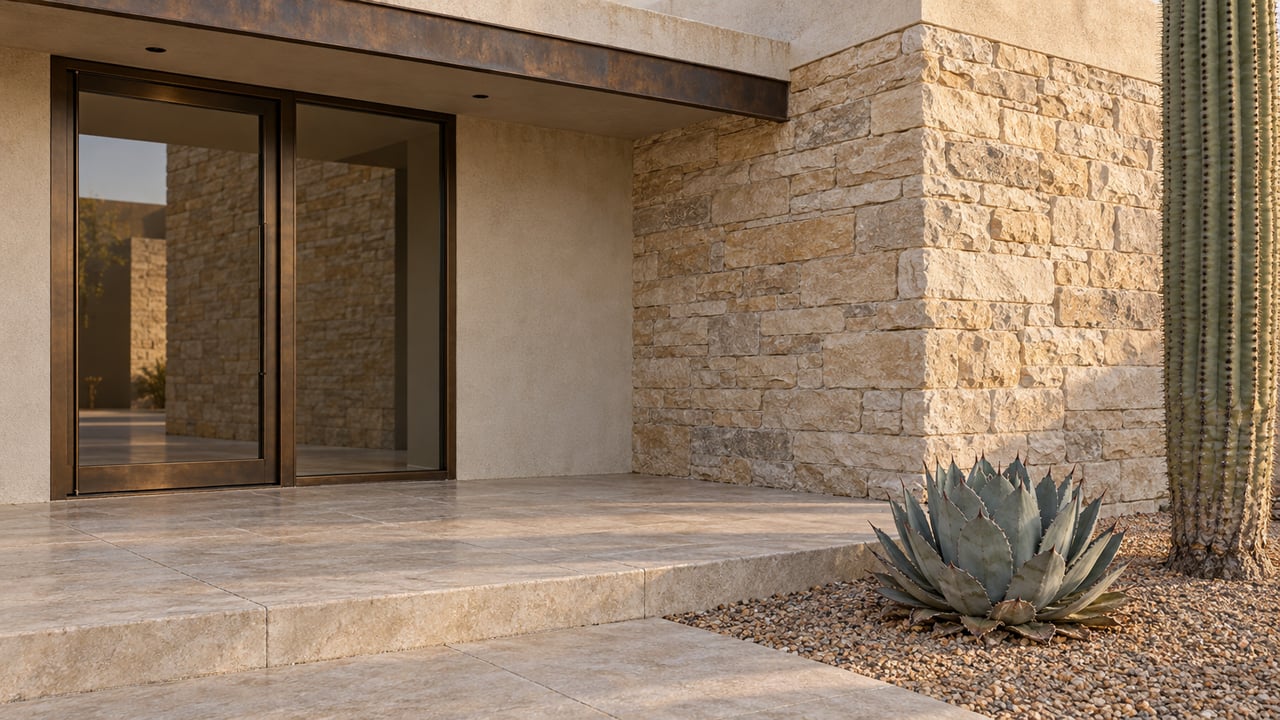
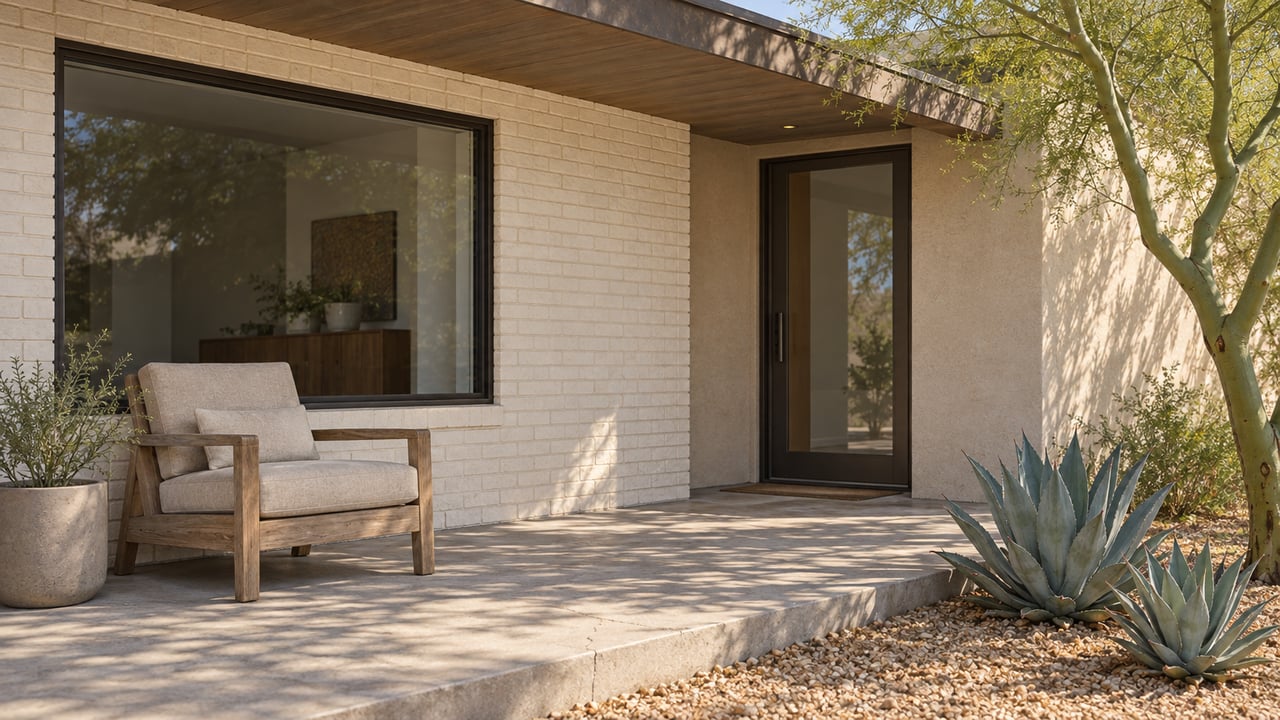
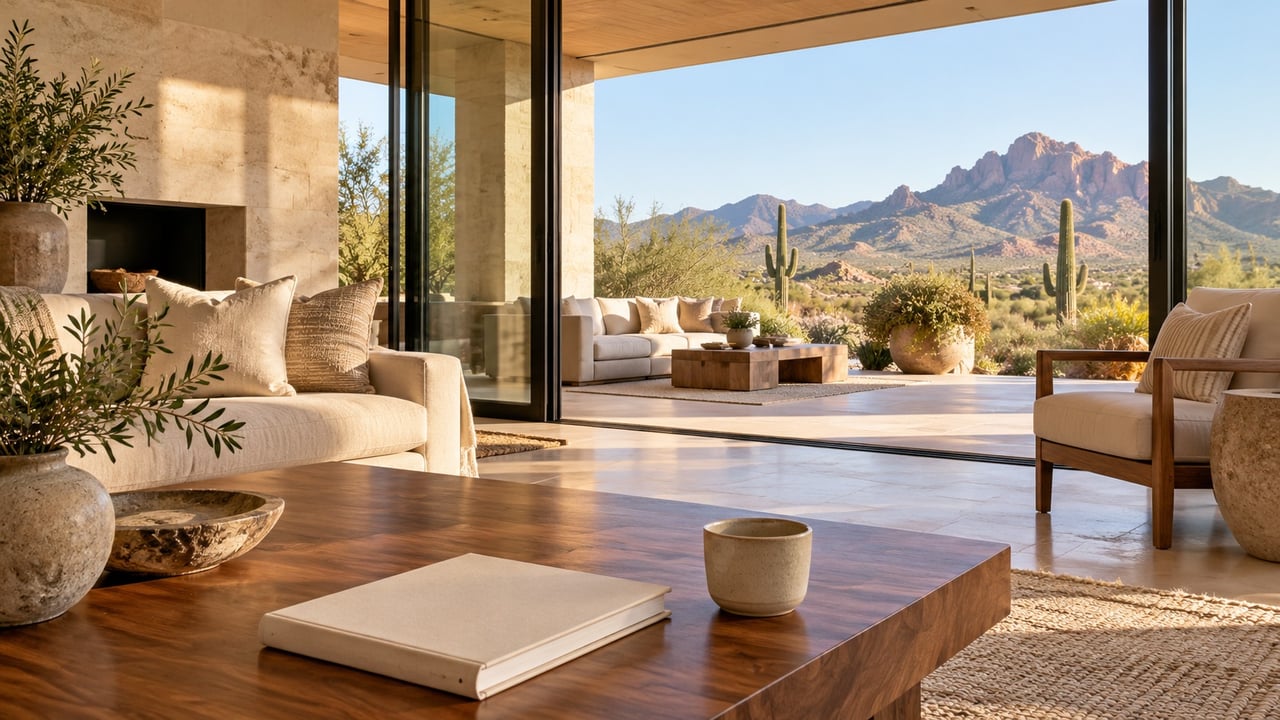
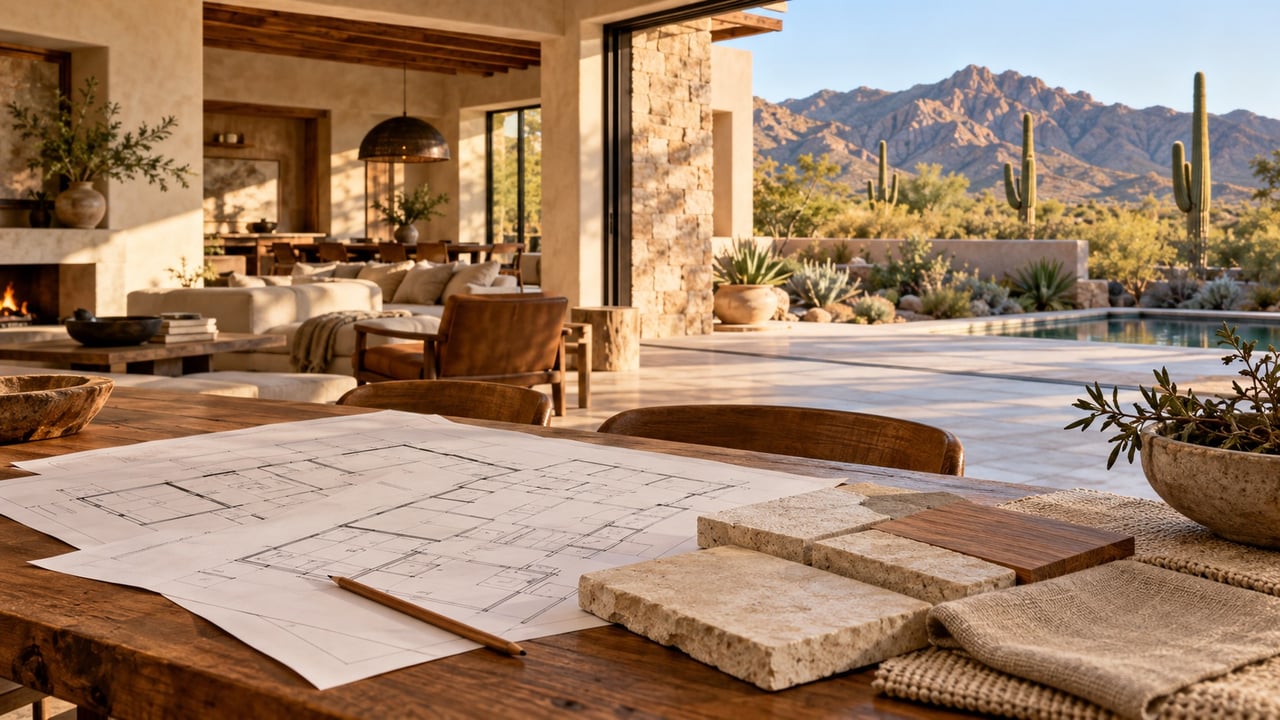
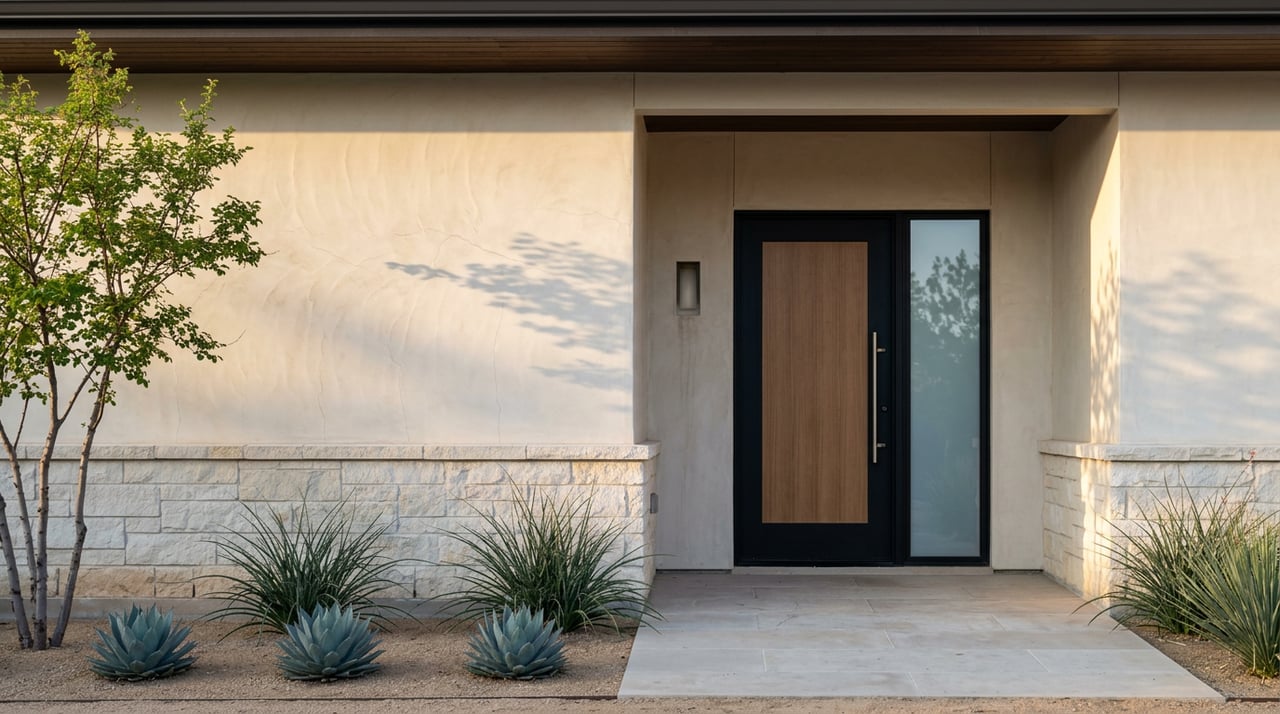
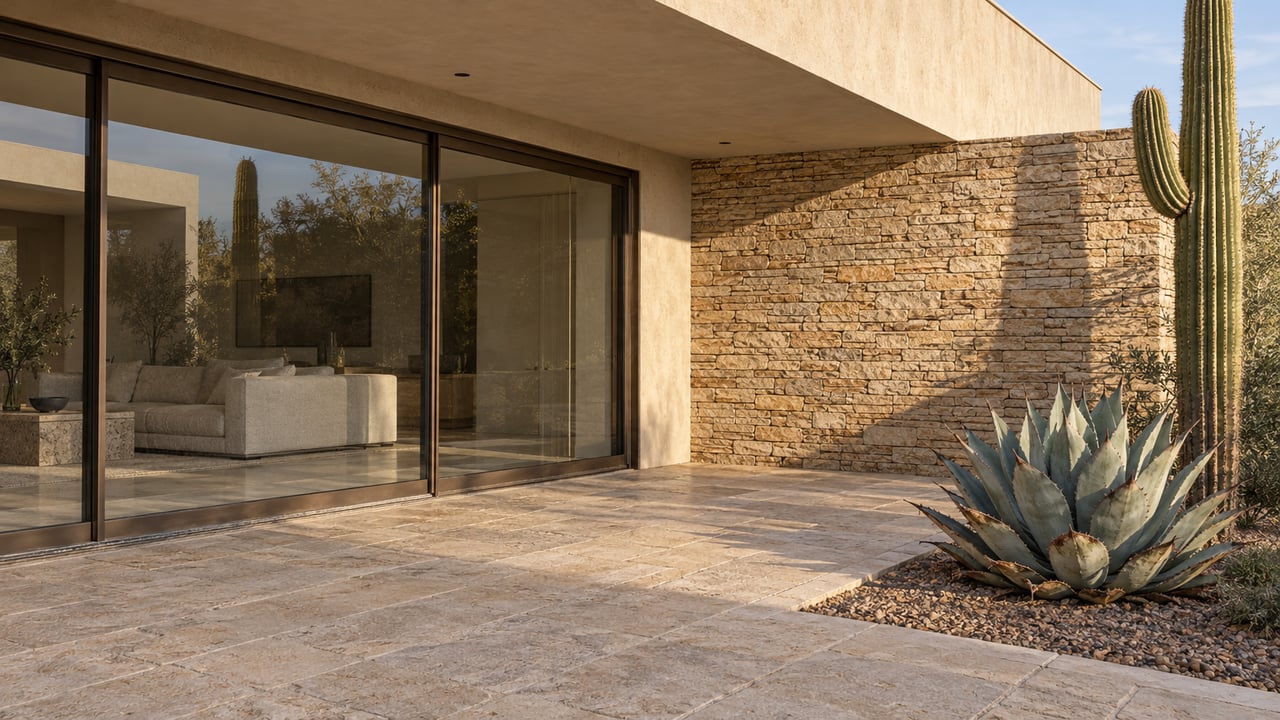
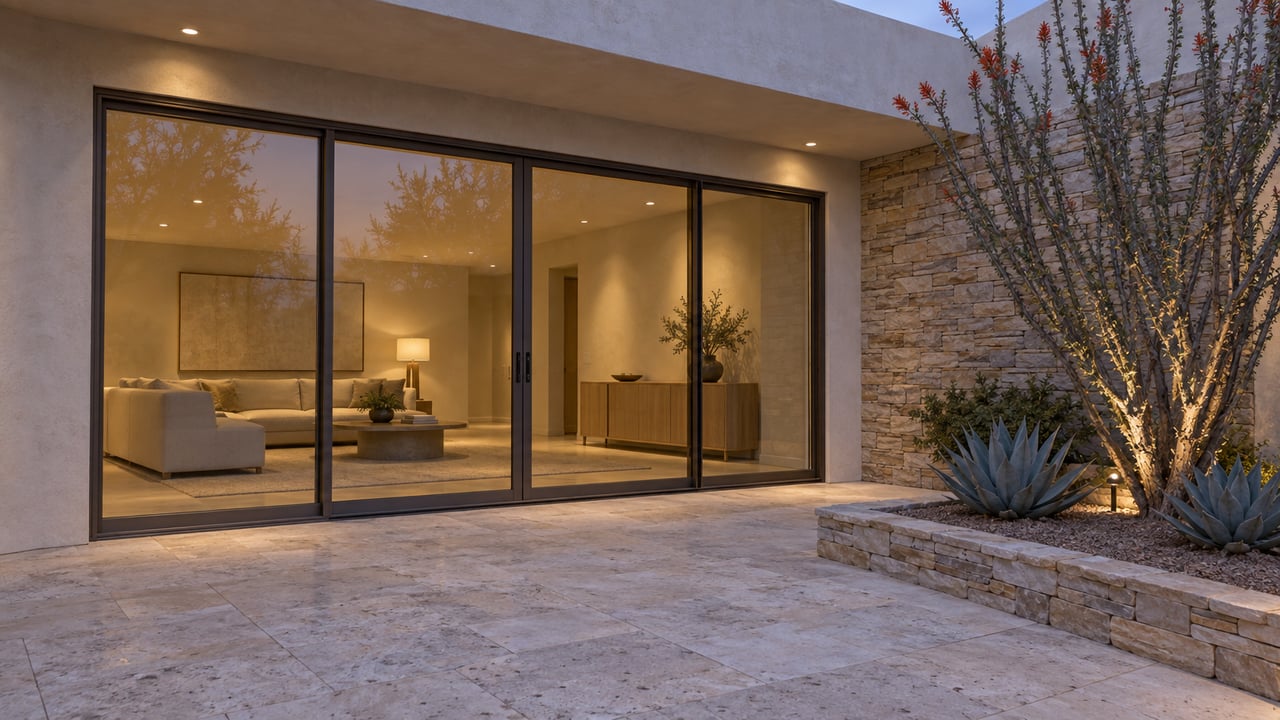
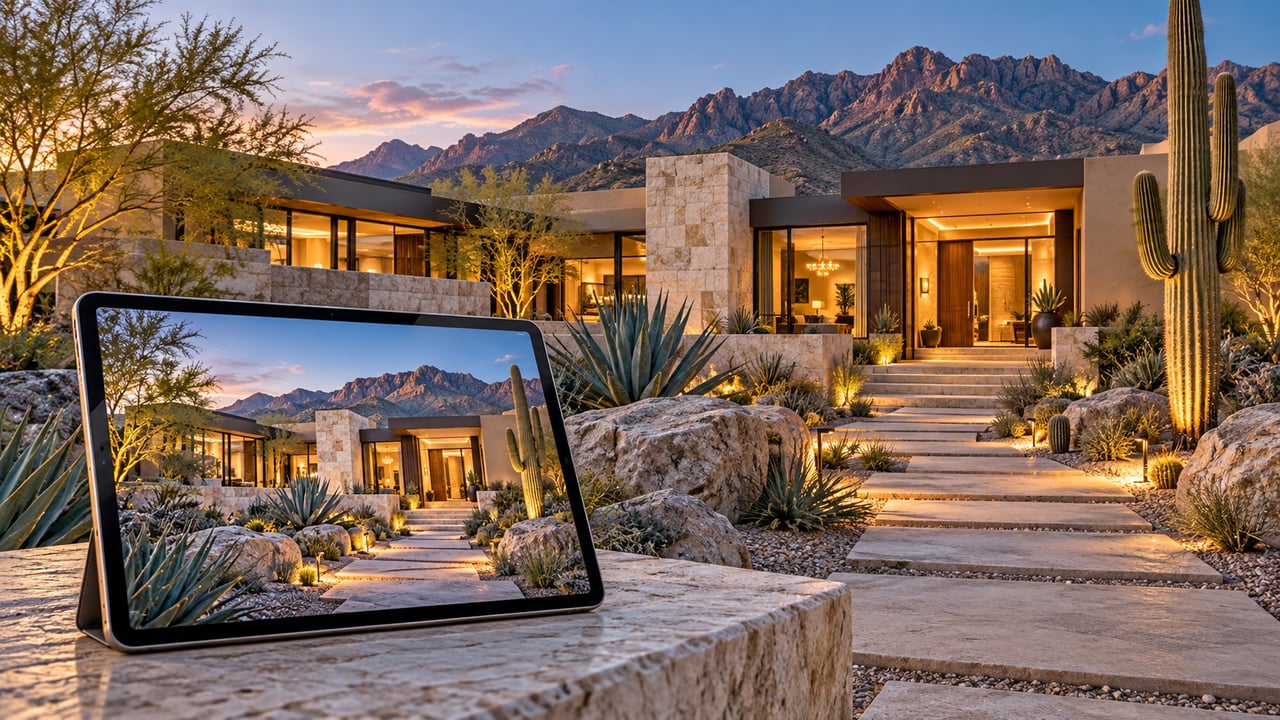
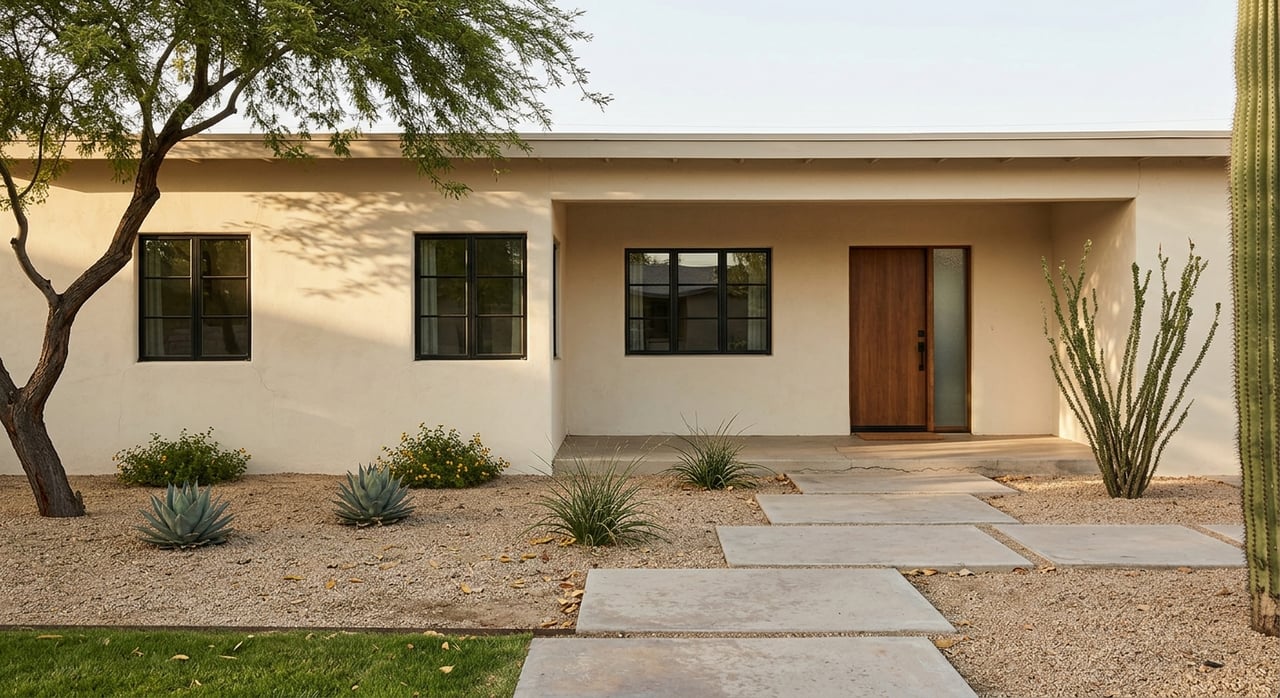
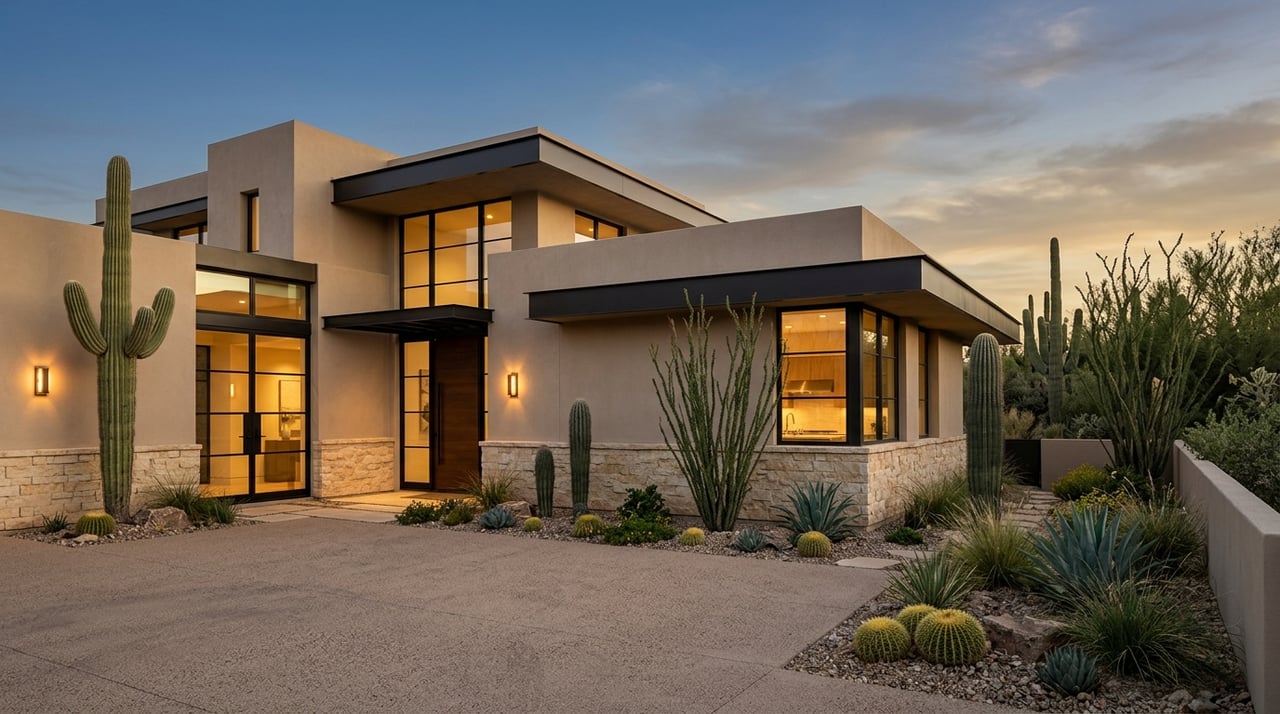
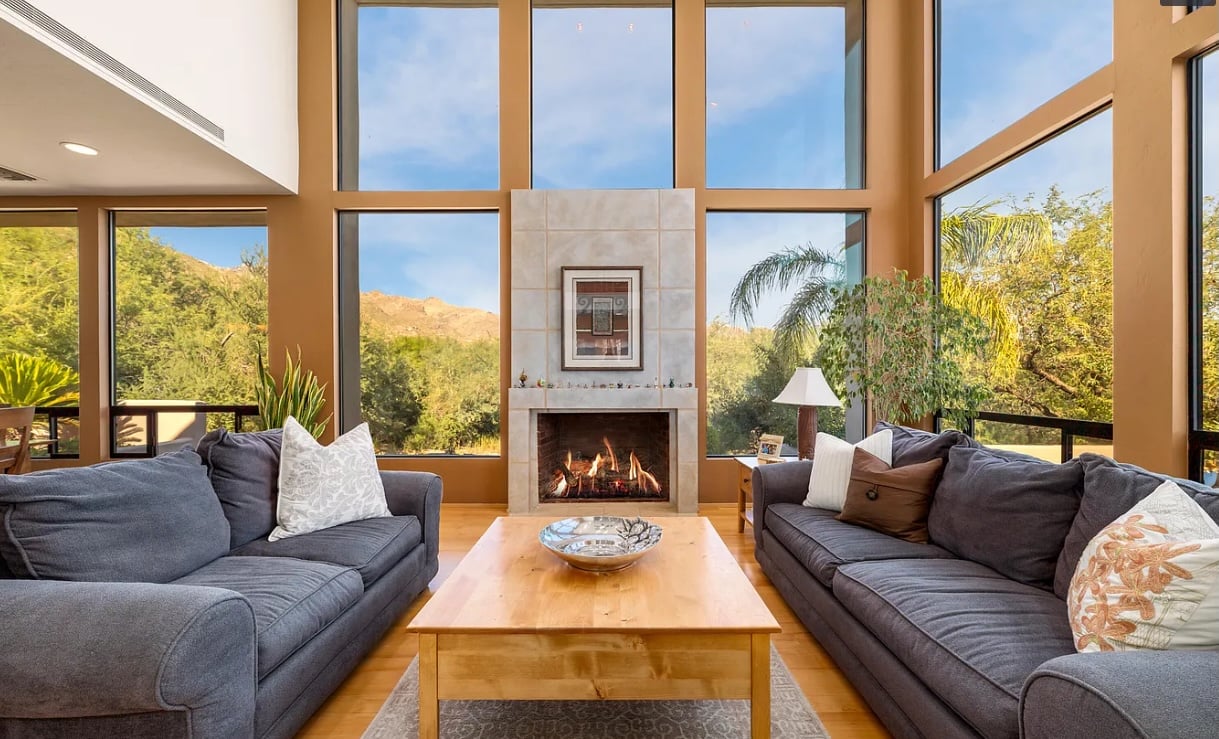
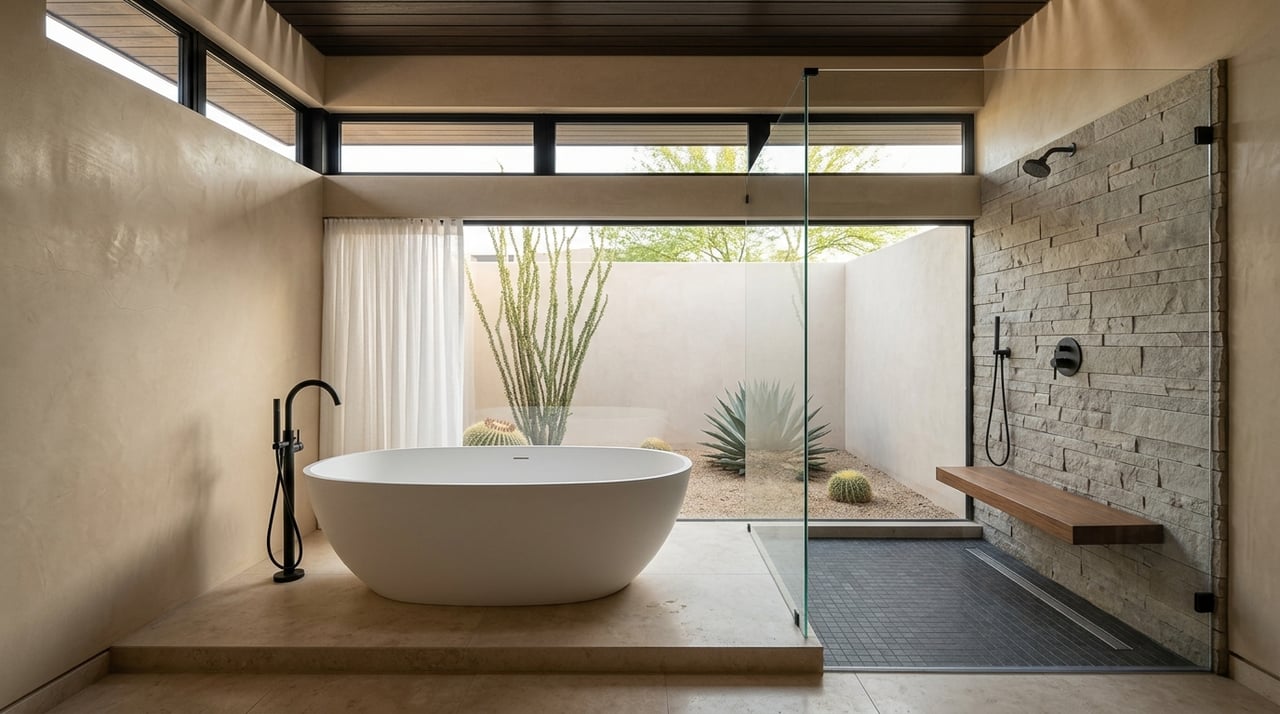
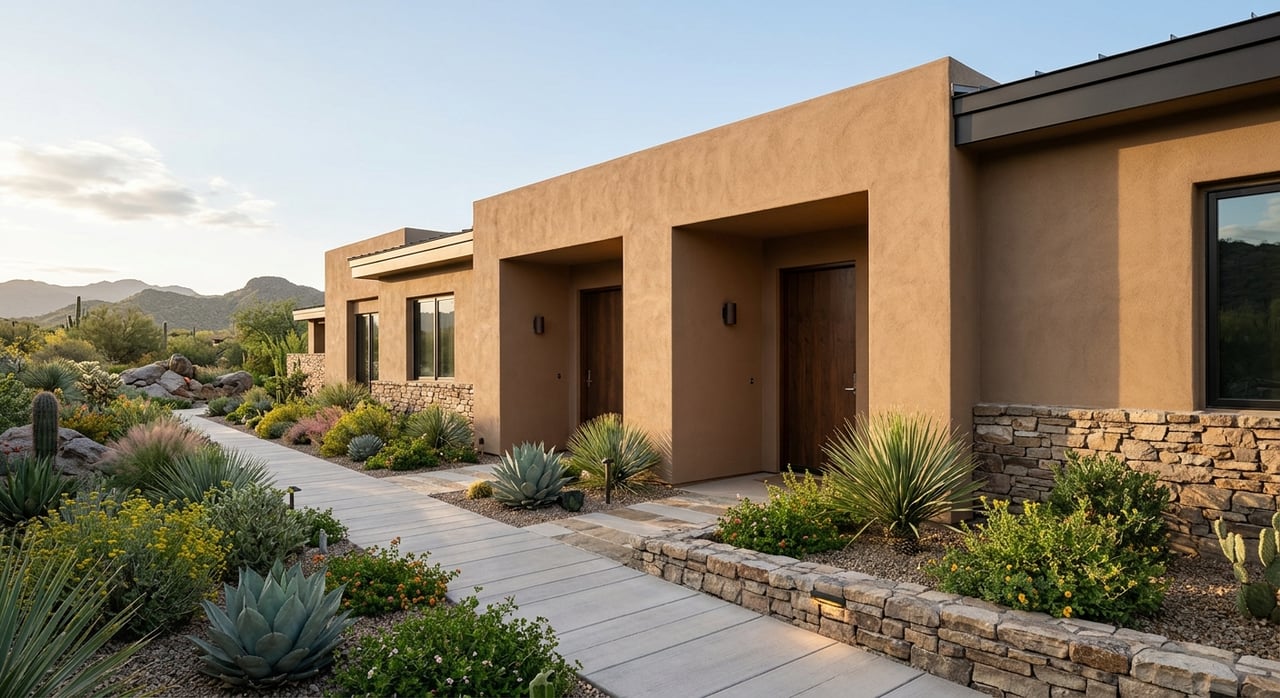
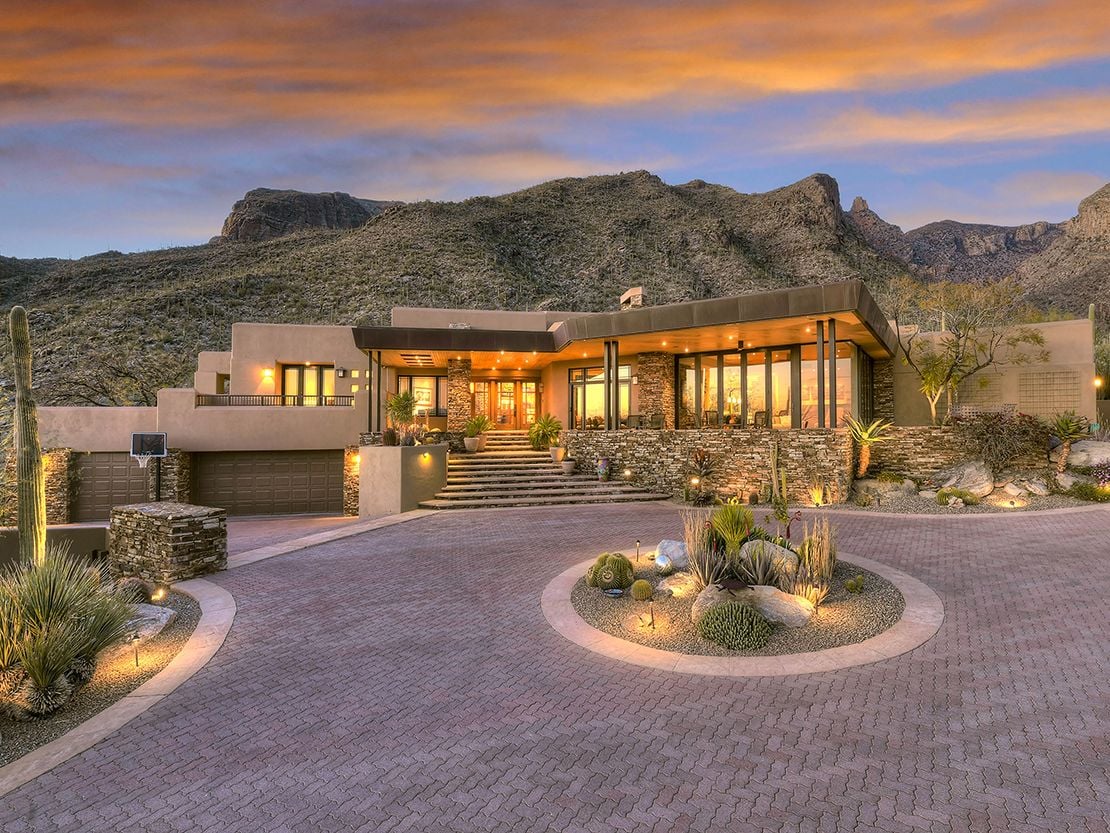
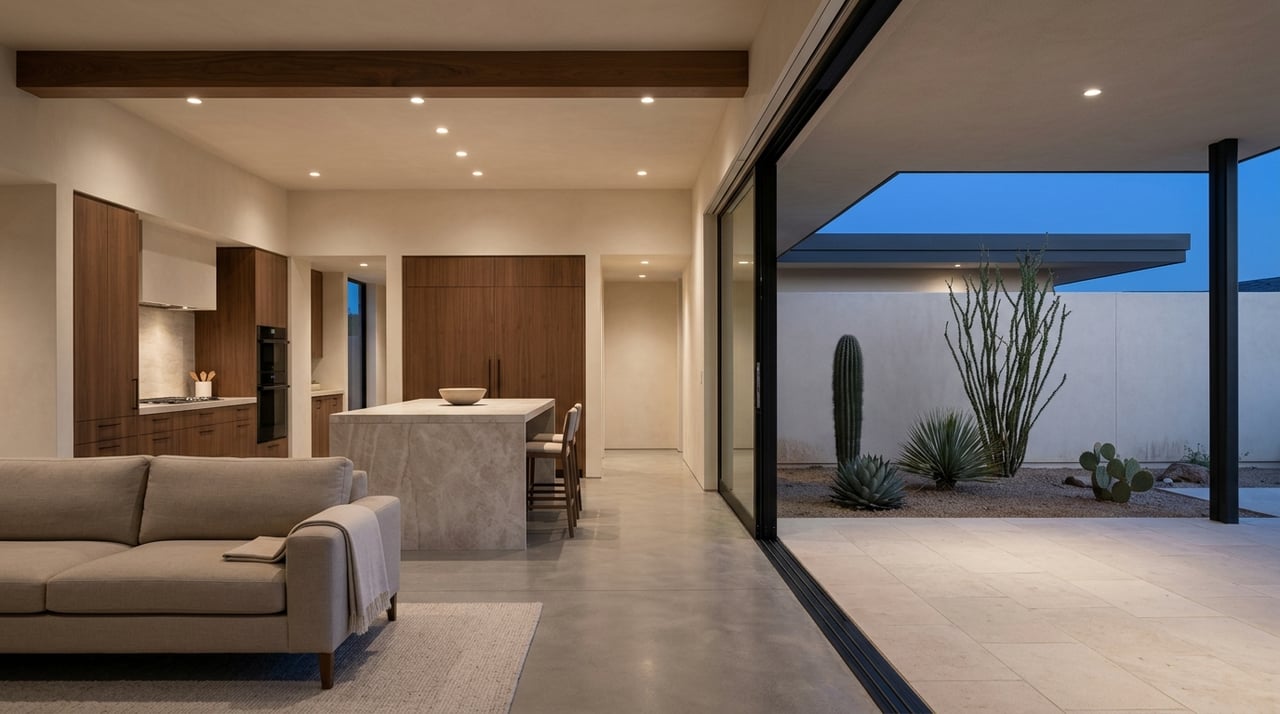
Then we can plan the photography around a sequence. An arrival photograph introduces the setting. Interior views explain how rooms connect. Detail images support the qualities that deserve a closer look. Exterior photographs show how the house and land relate.
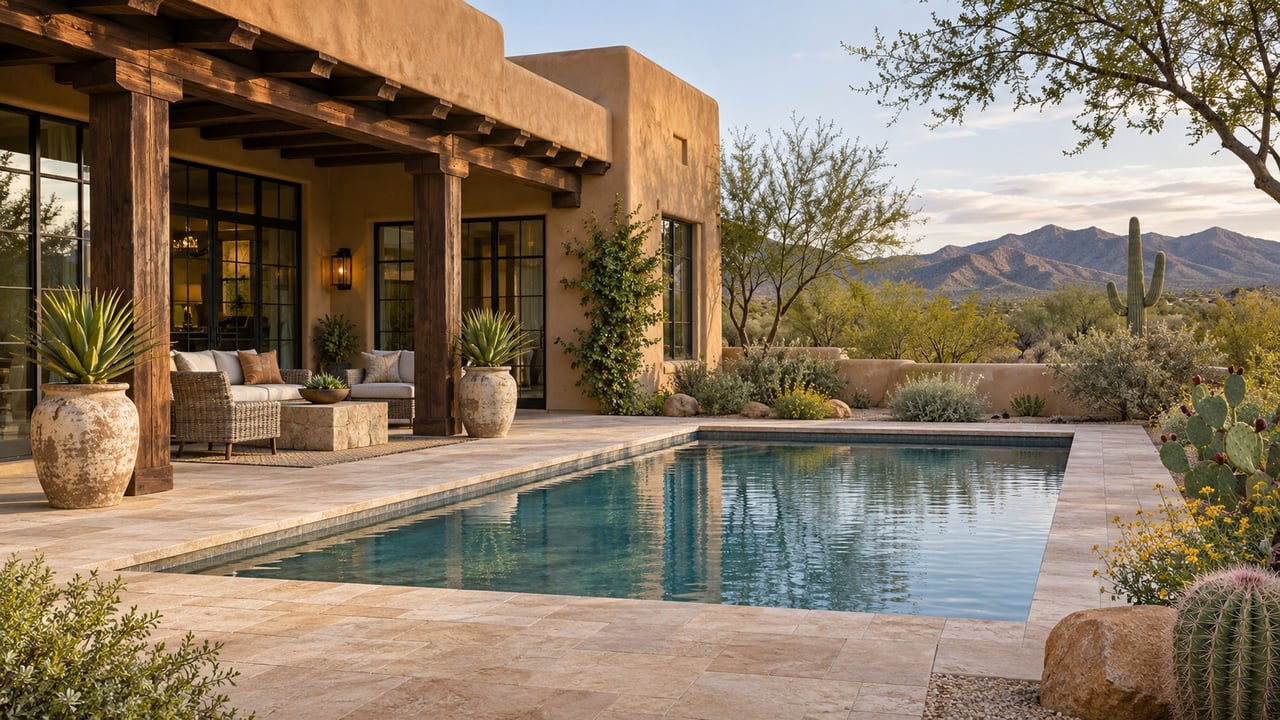
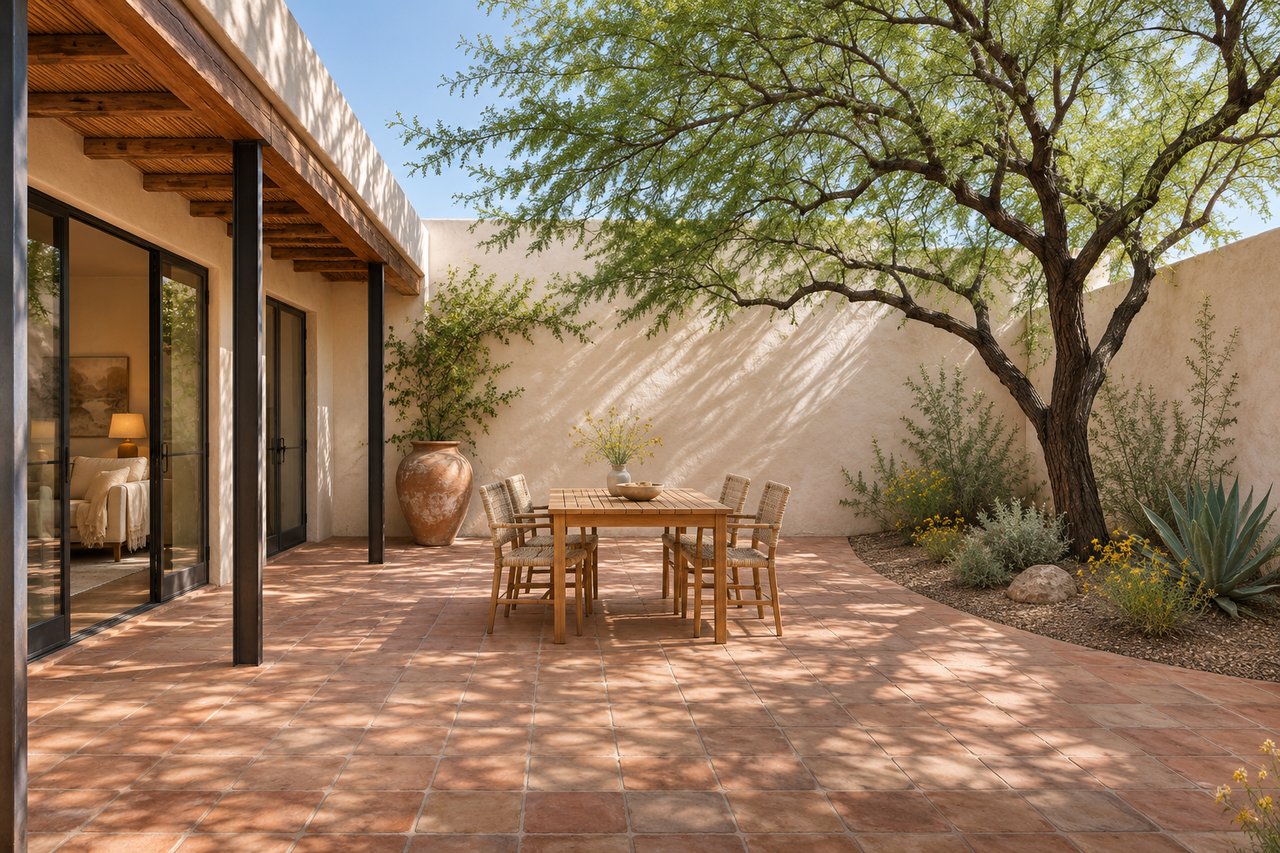
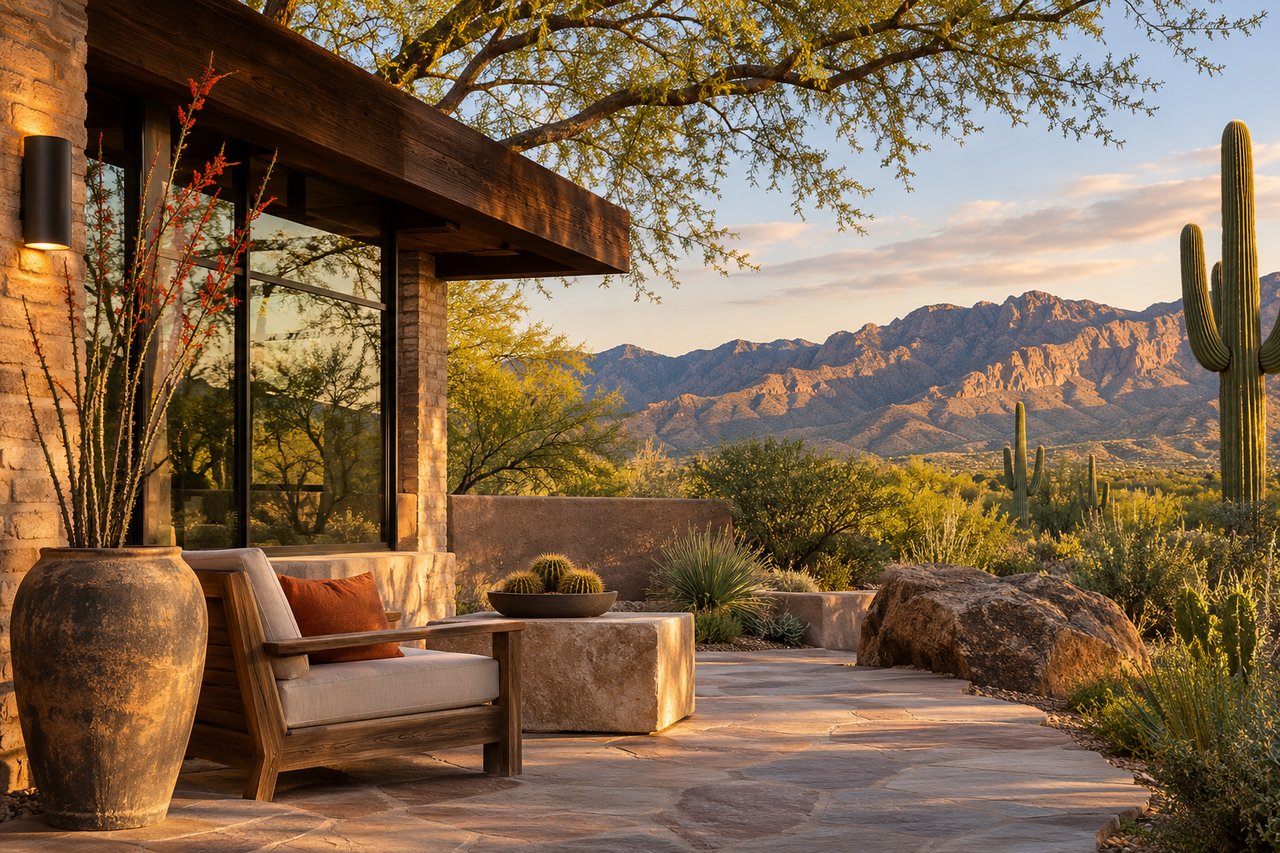
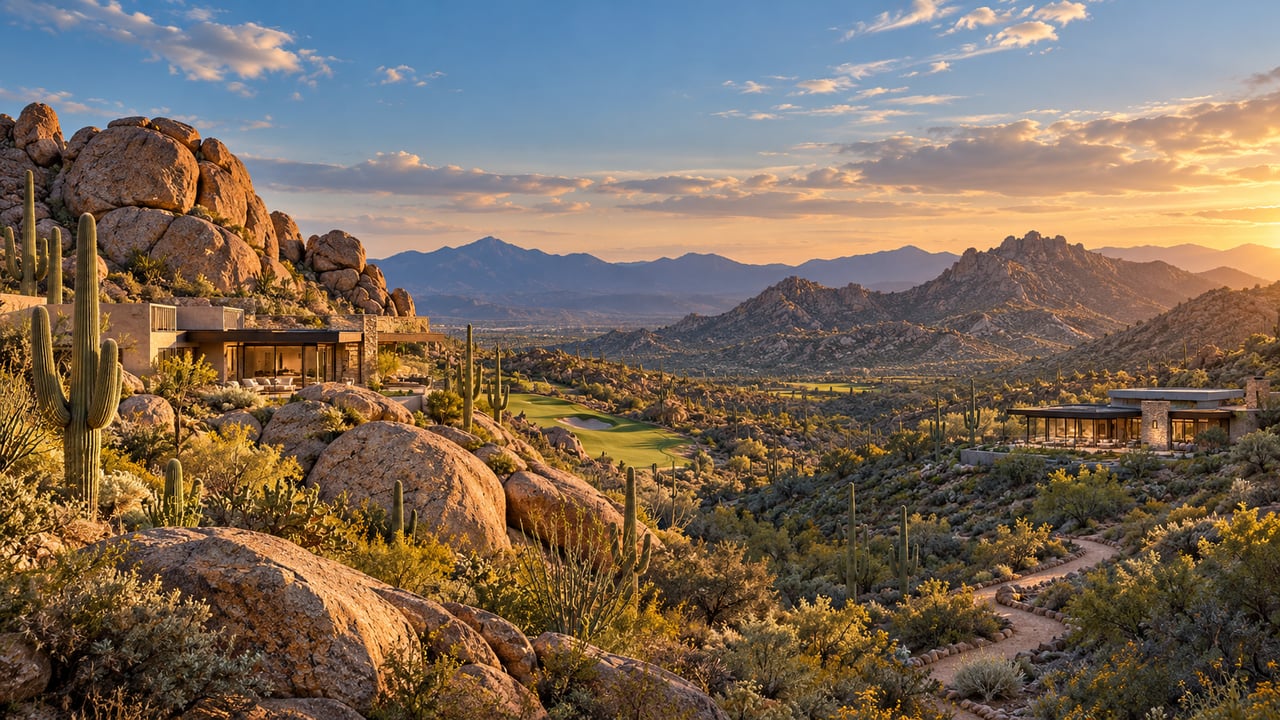
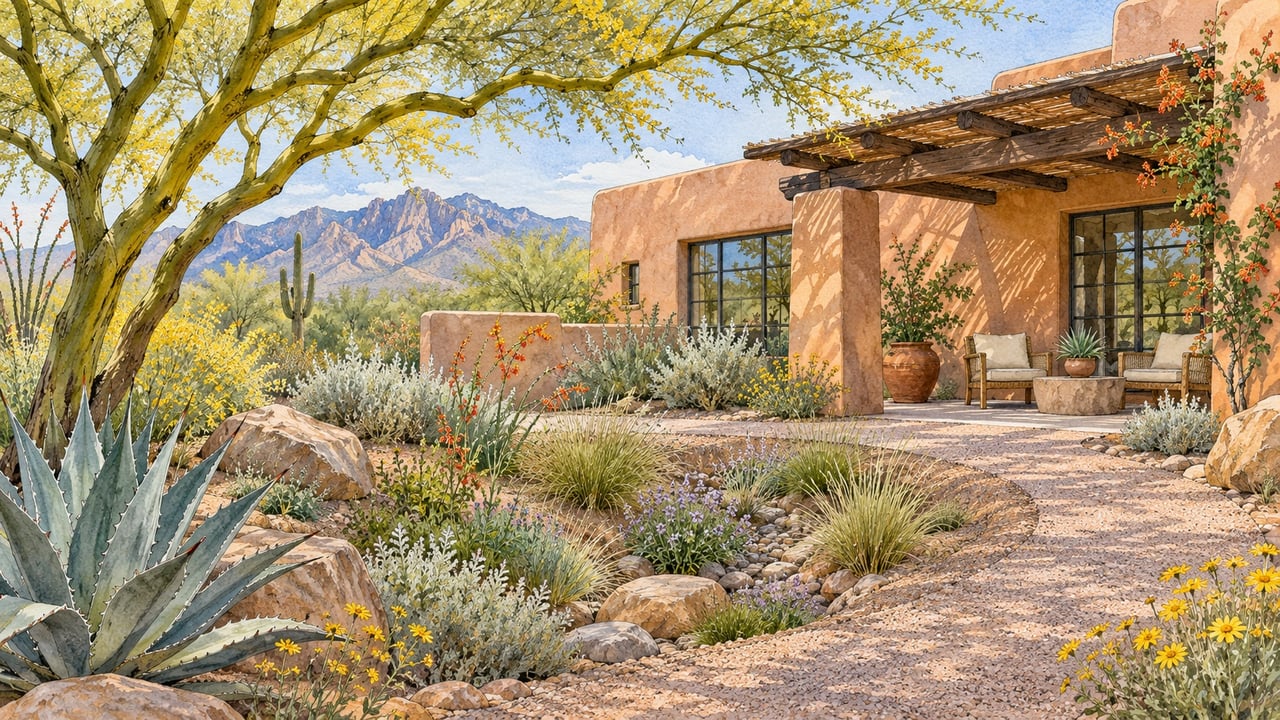
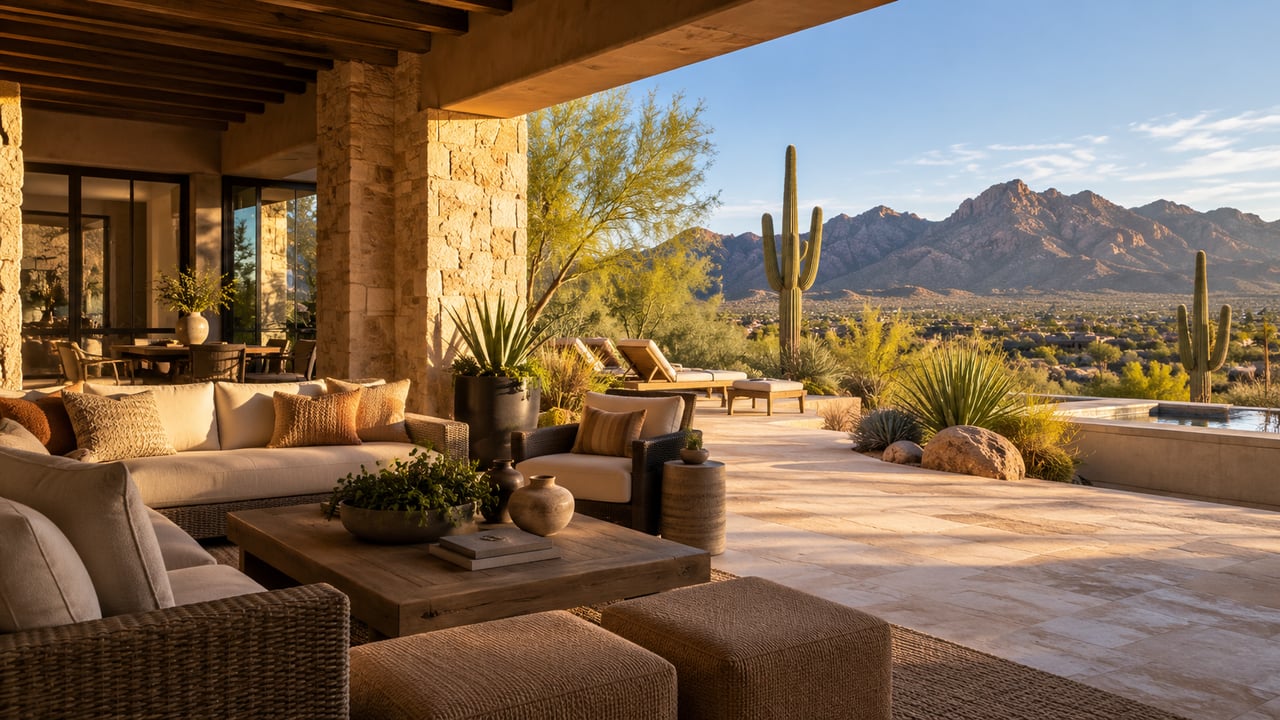
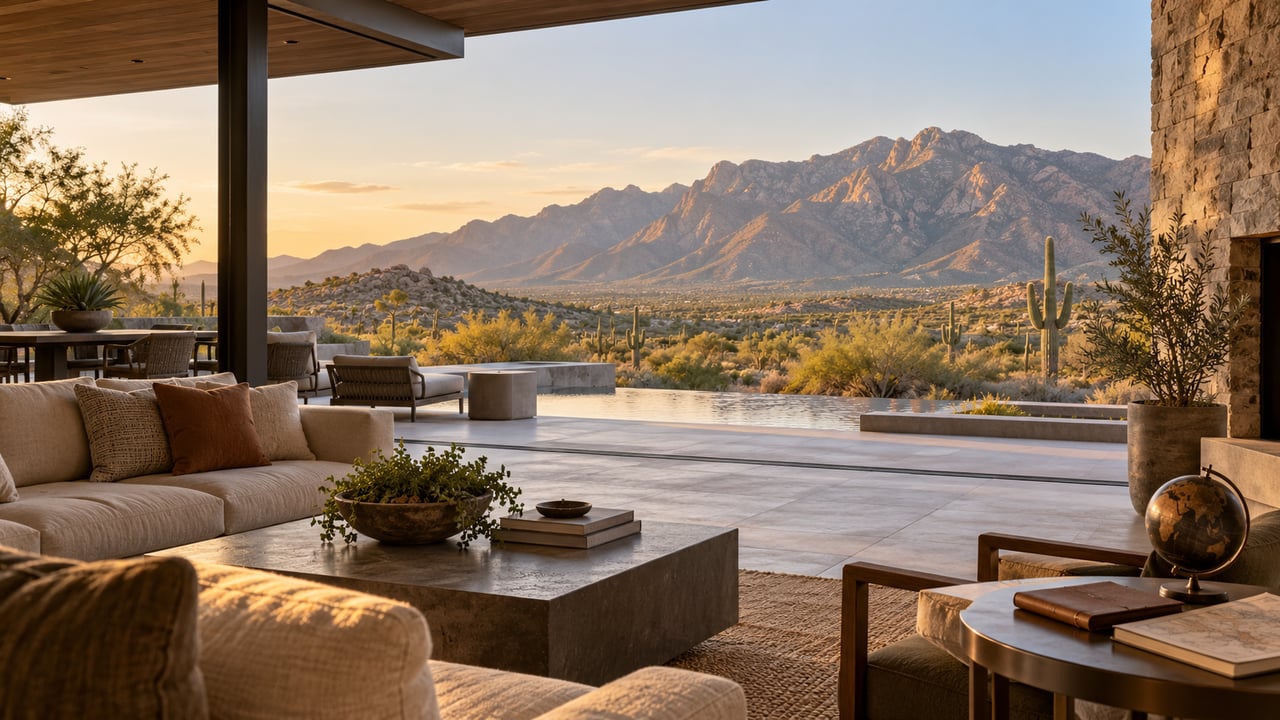
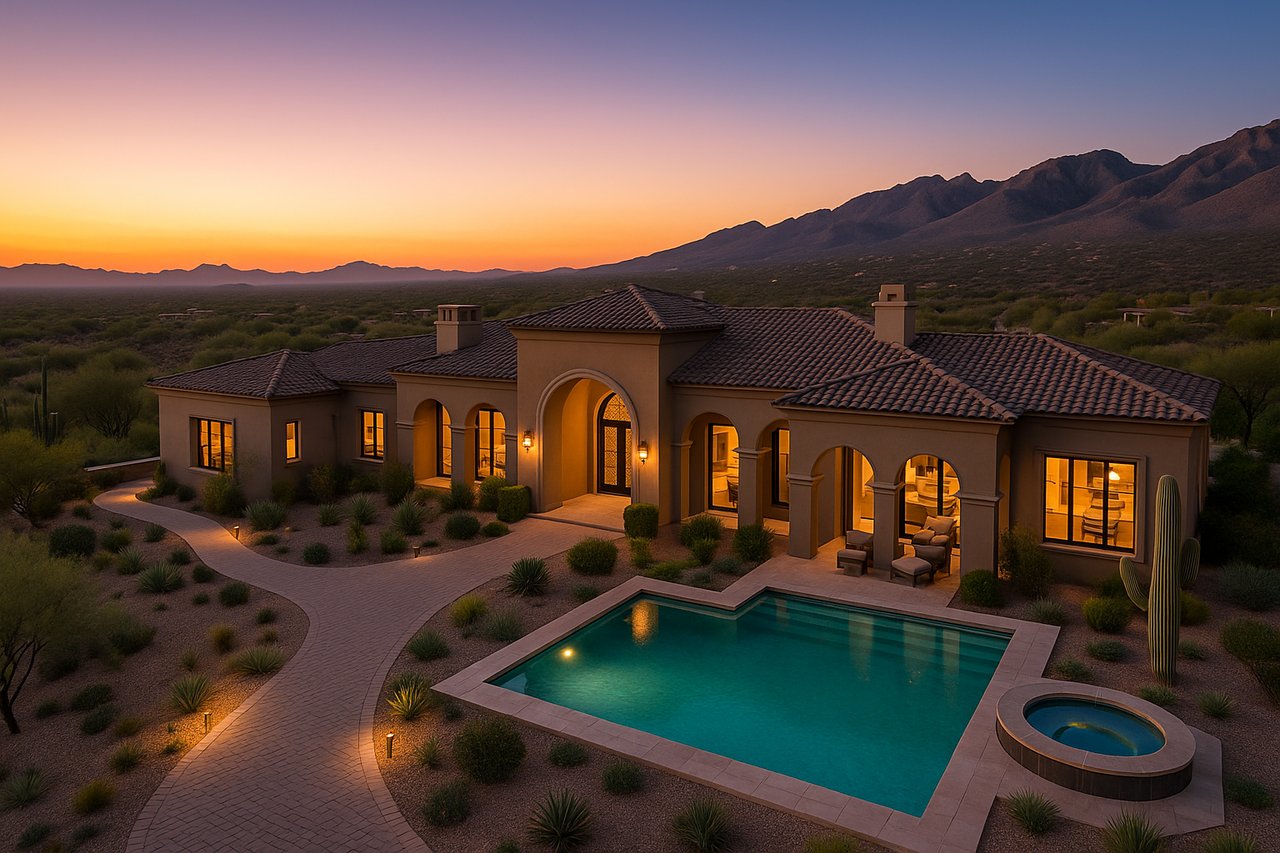
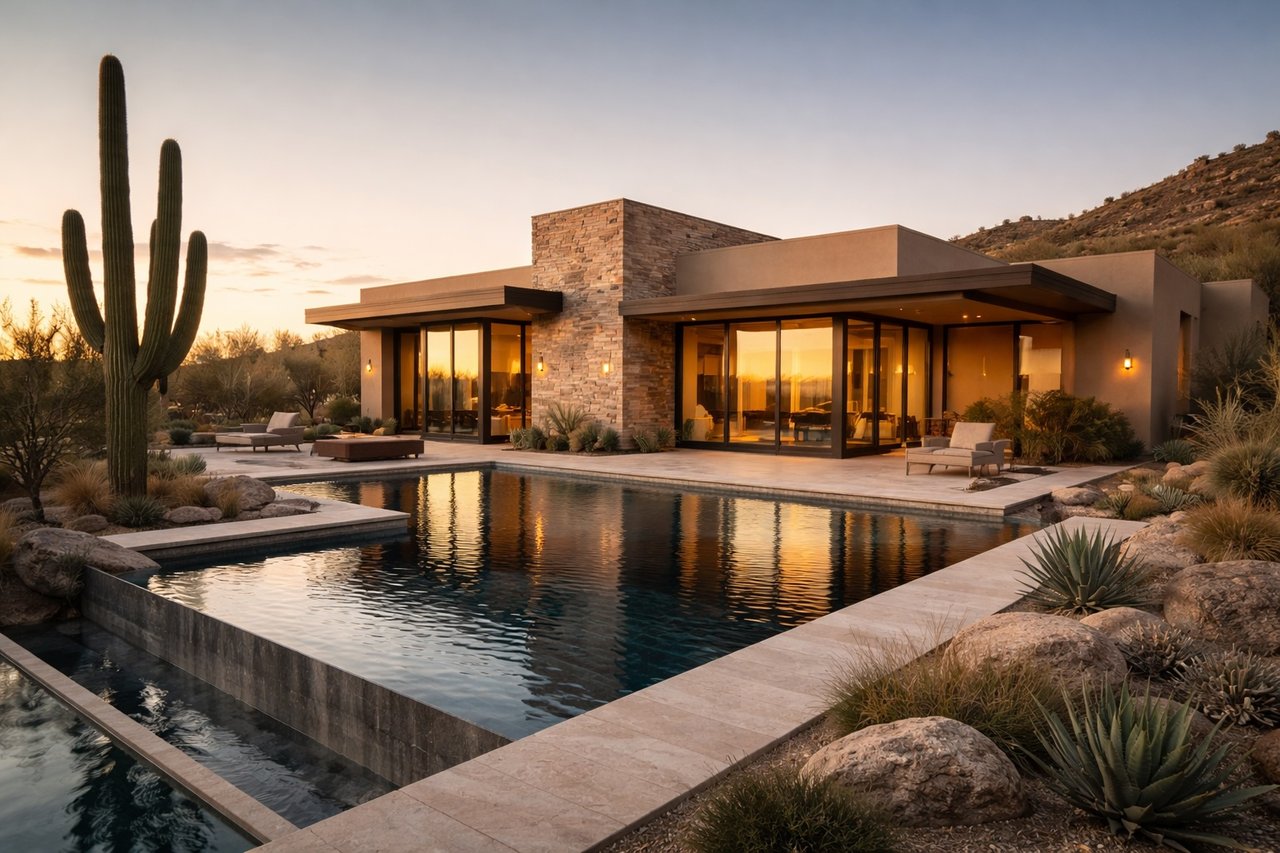
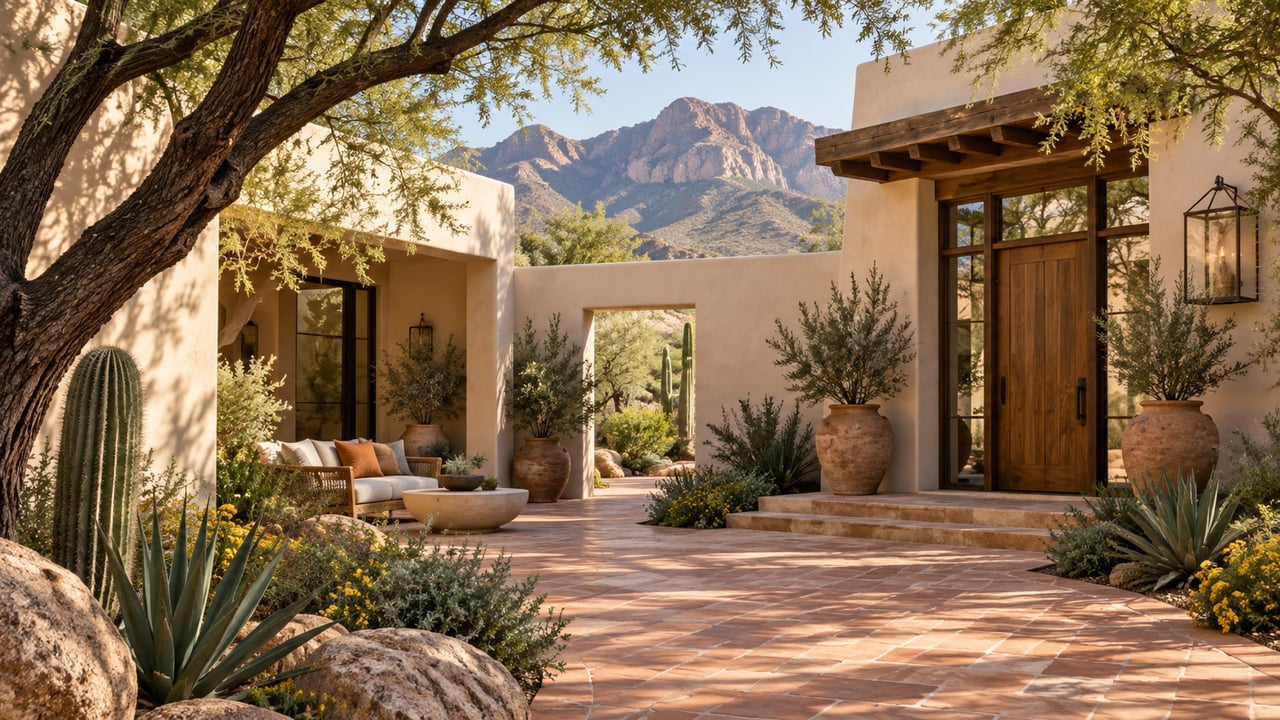
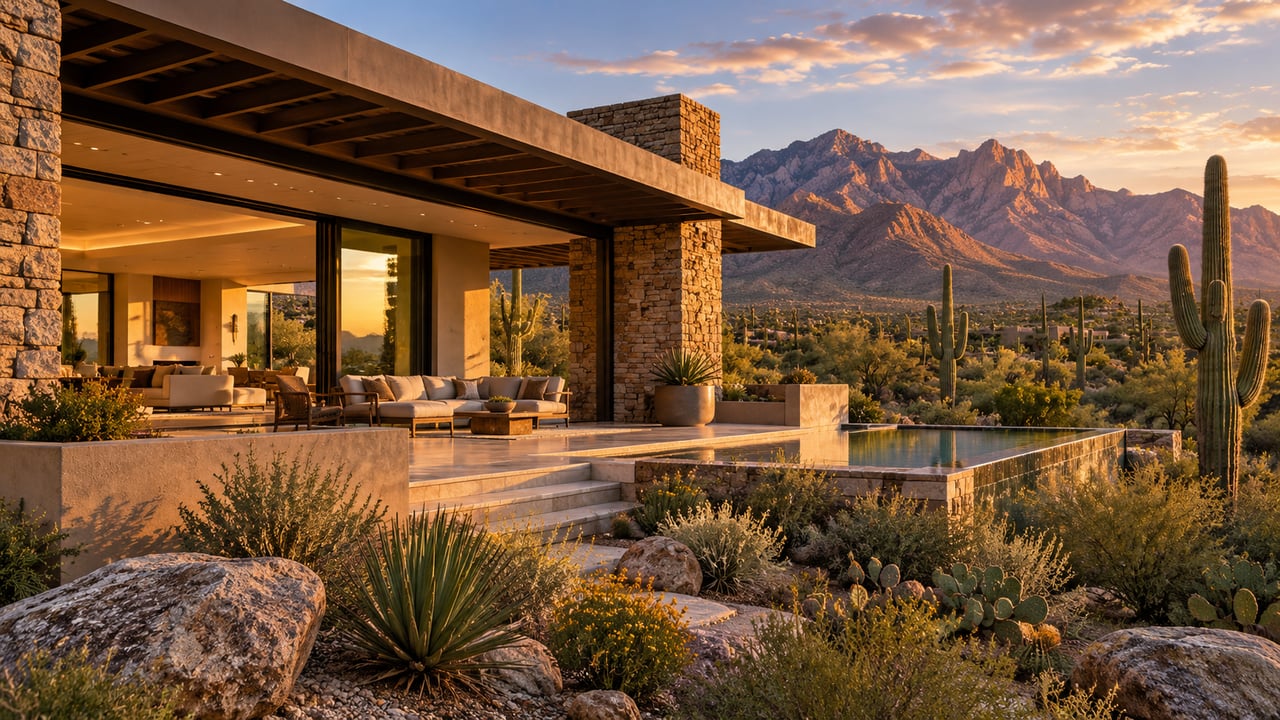
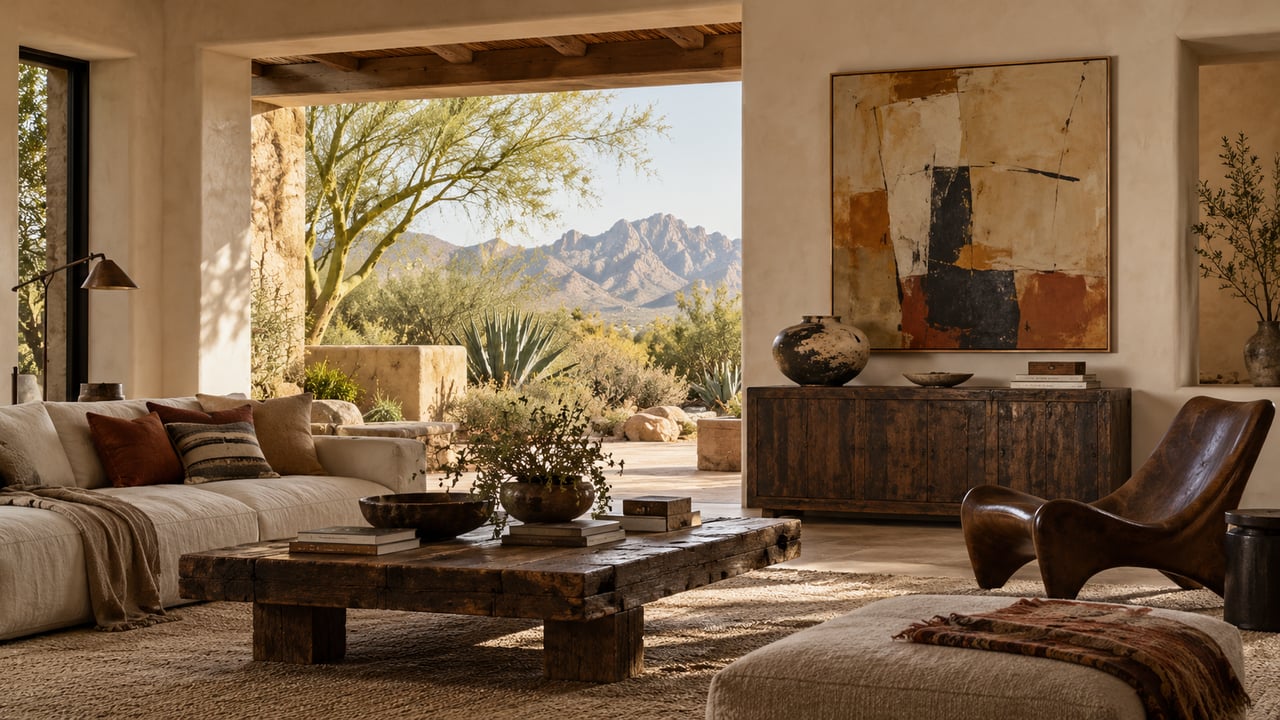
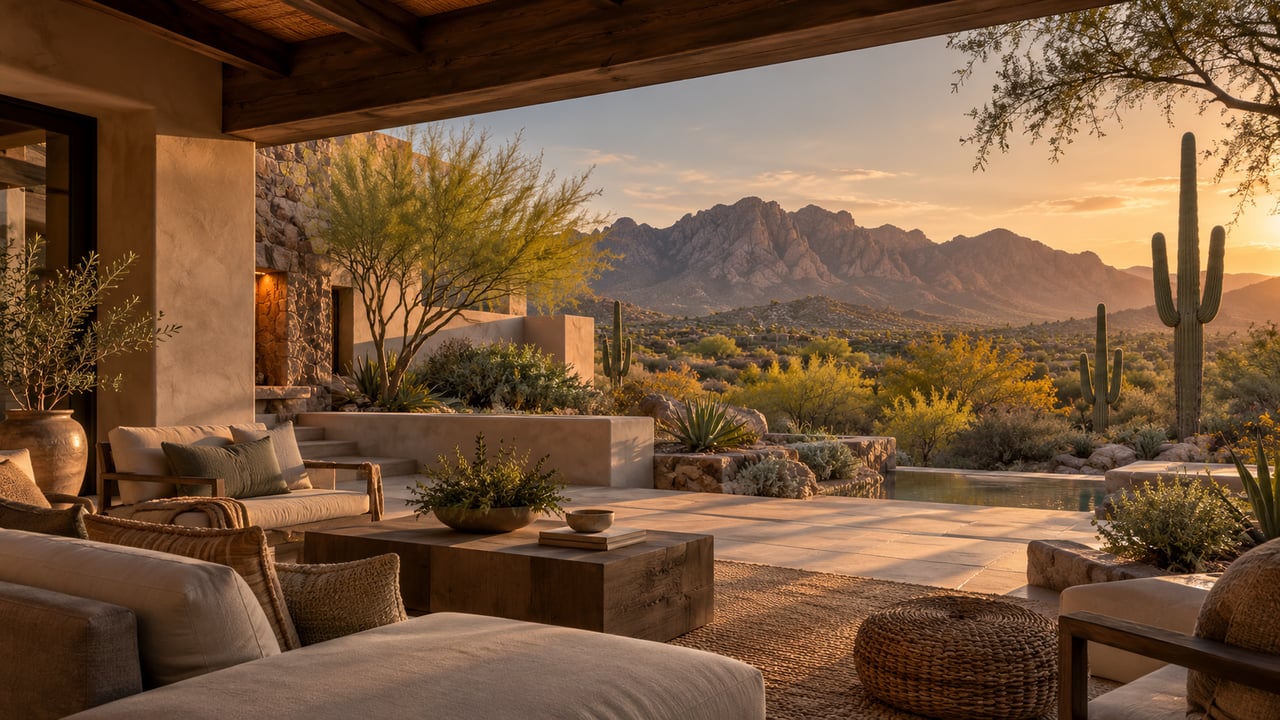
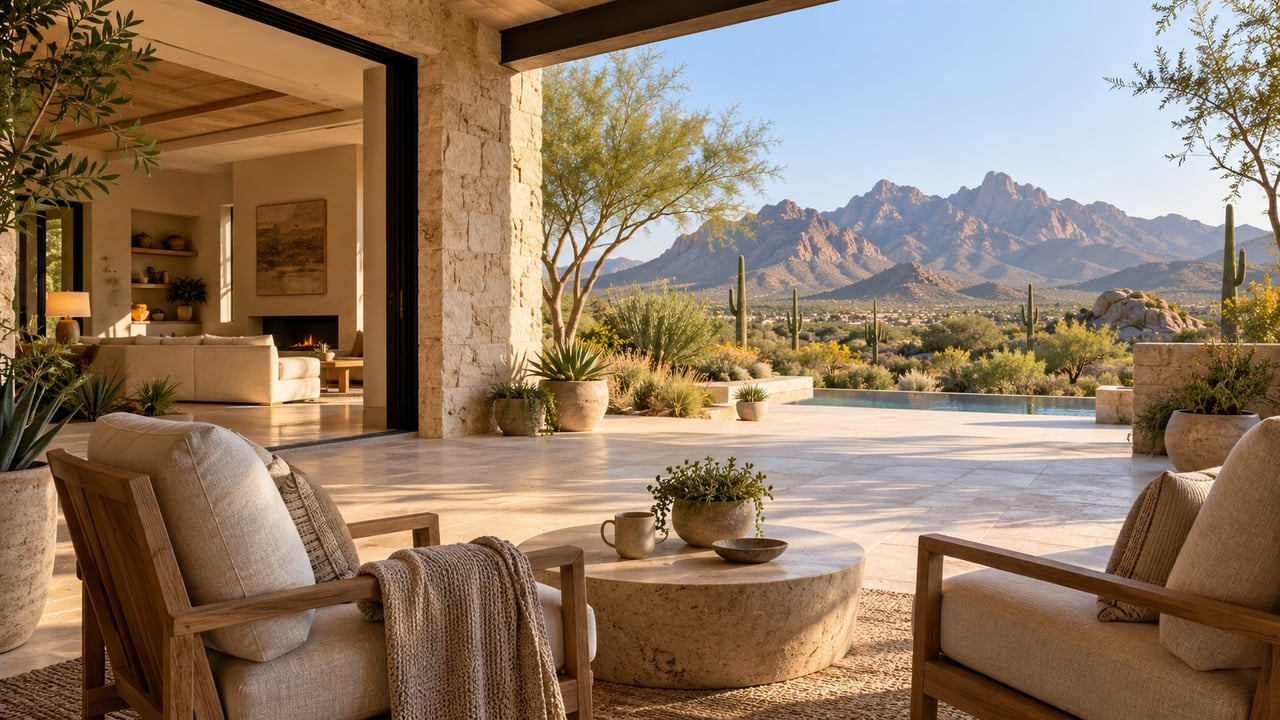
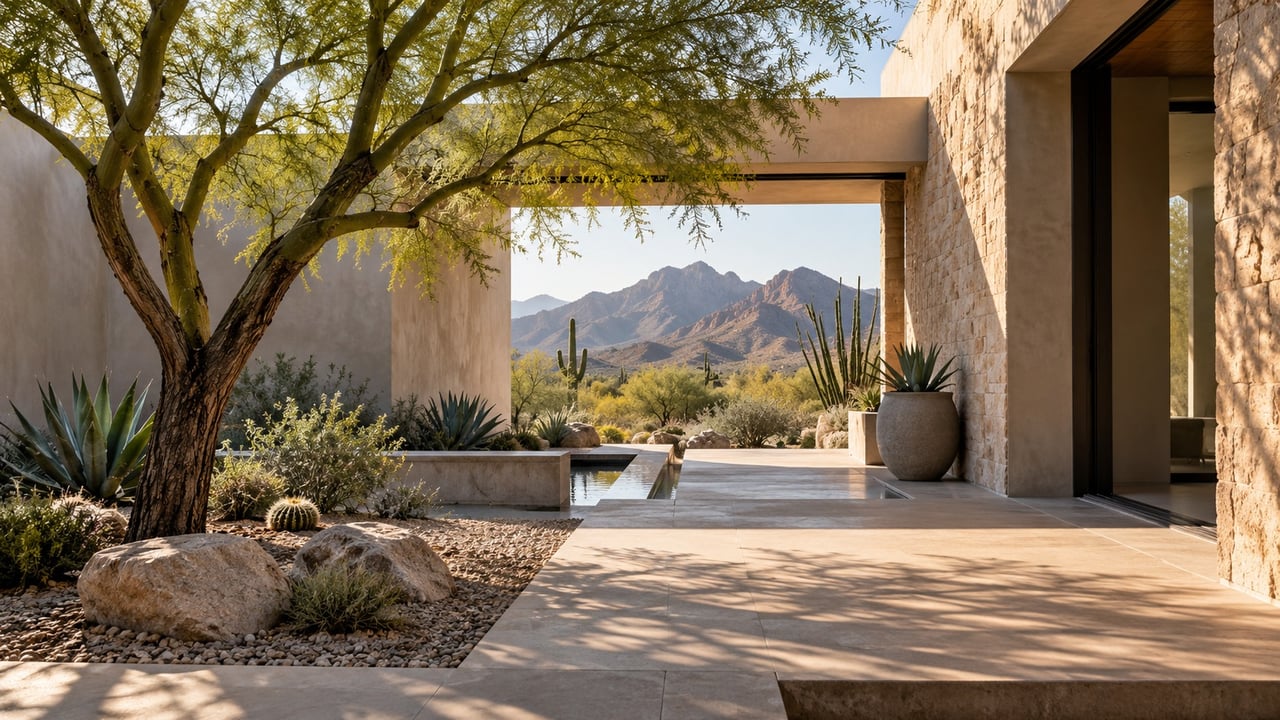
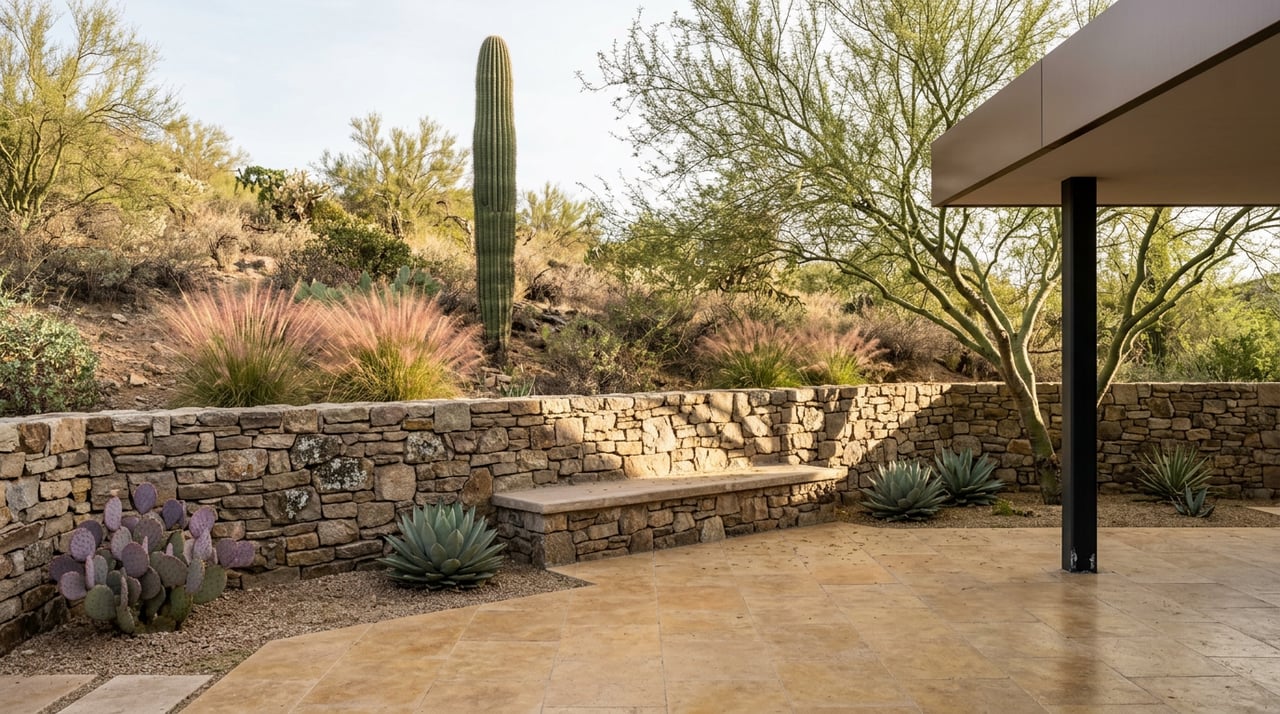
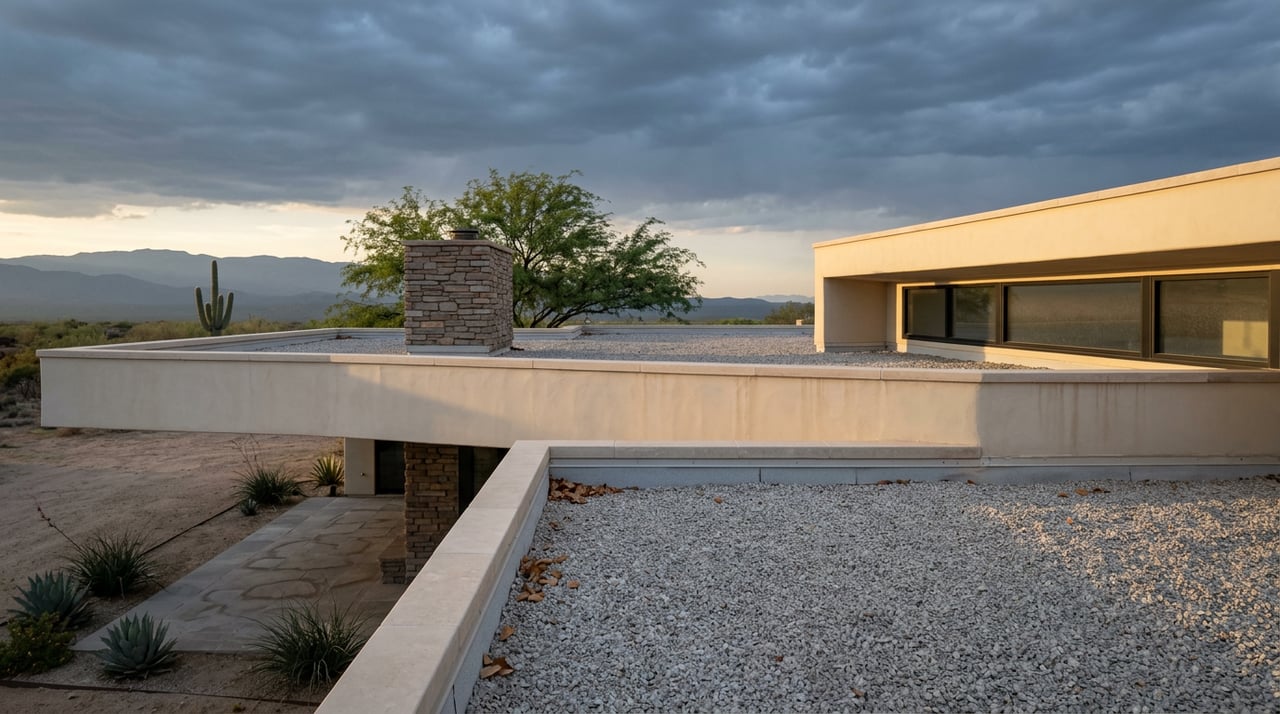
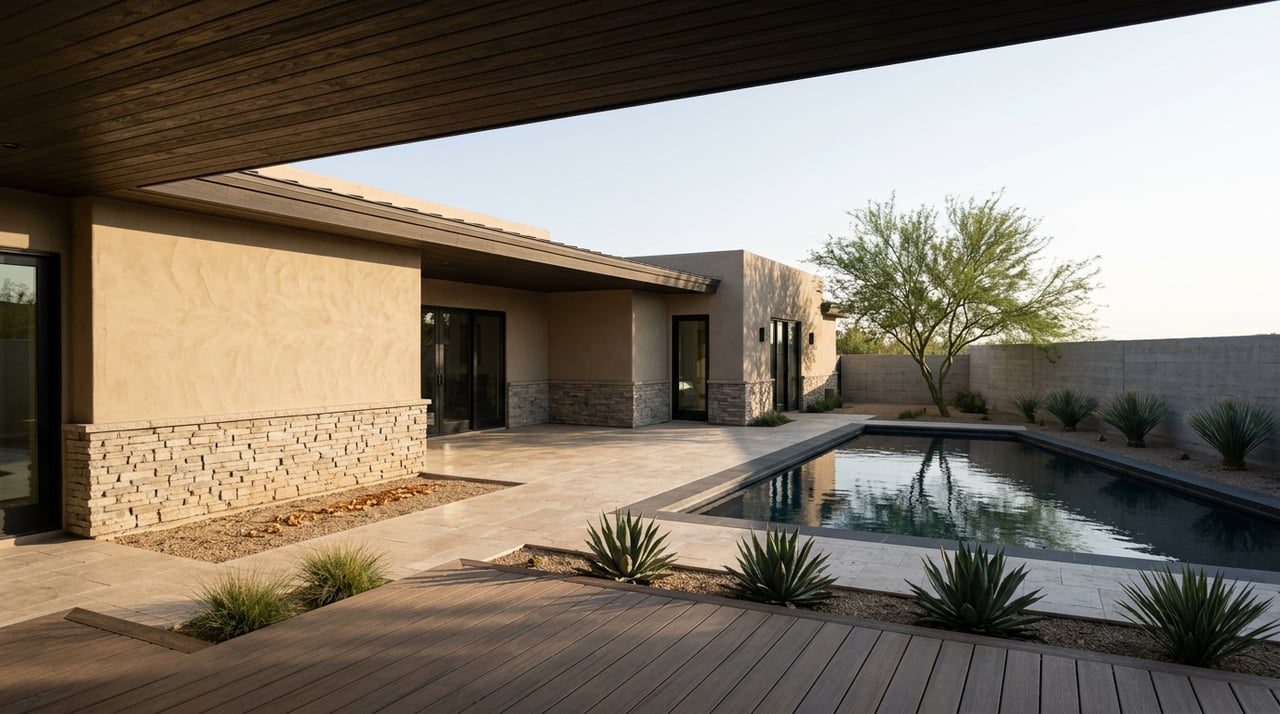
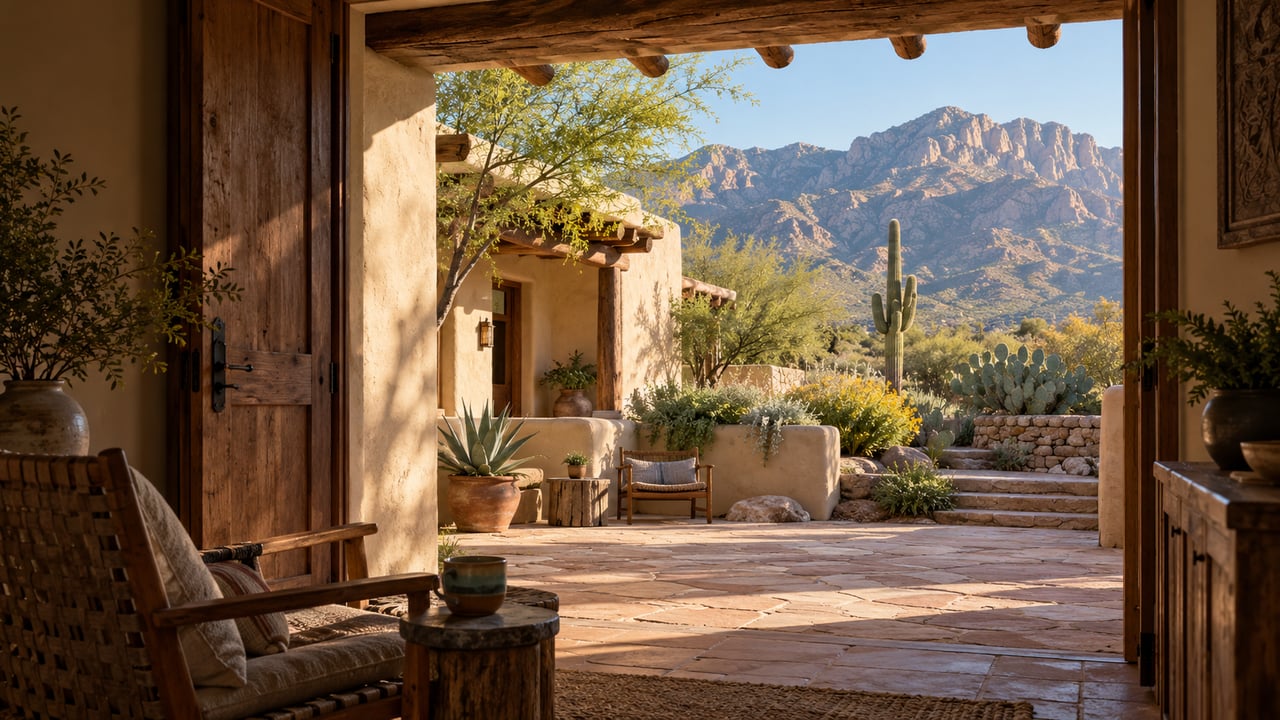
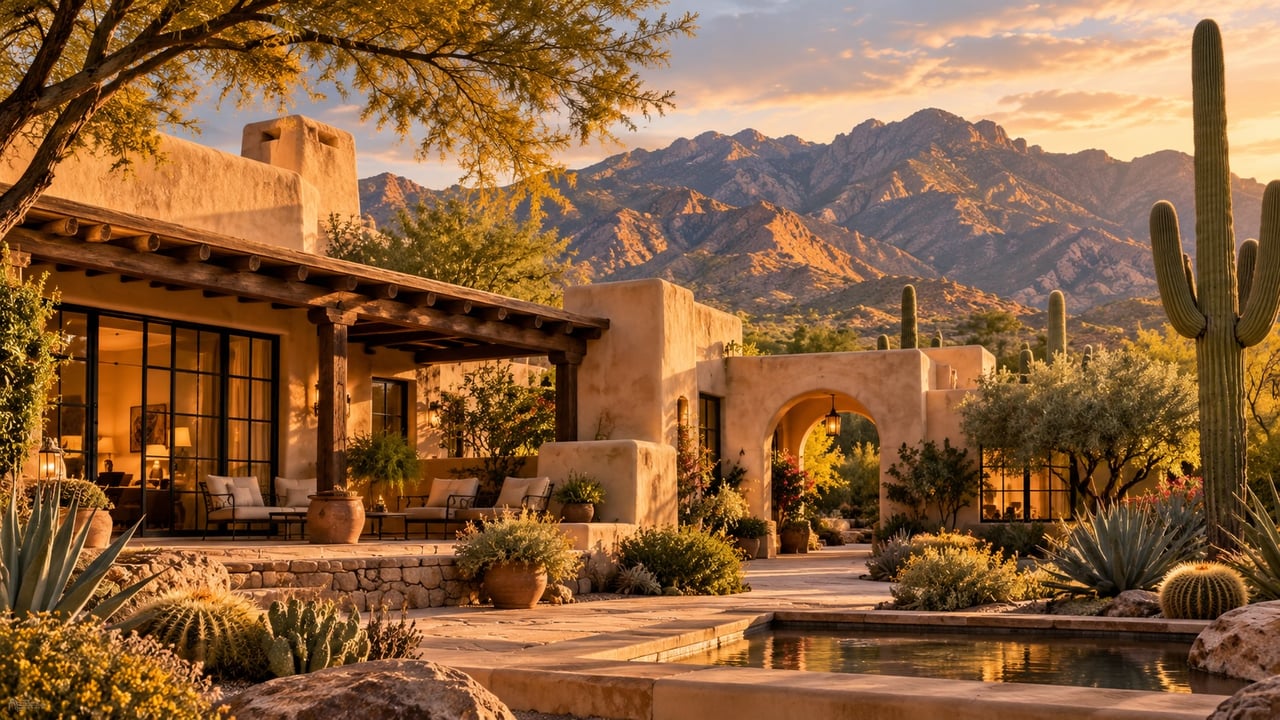
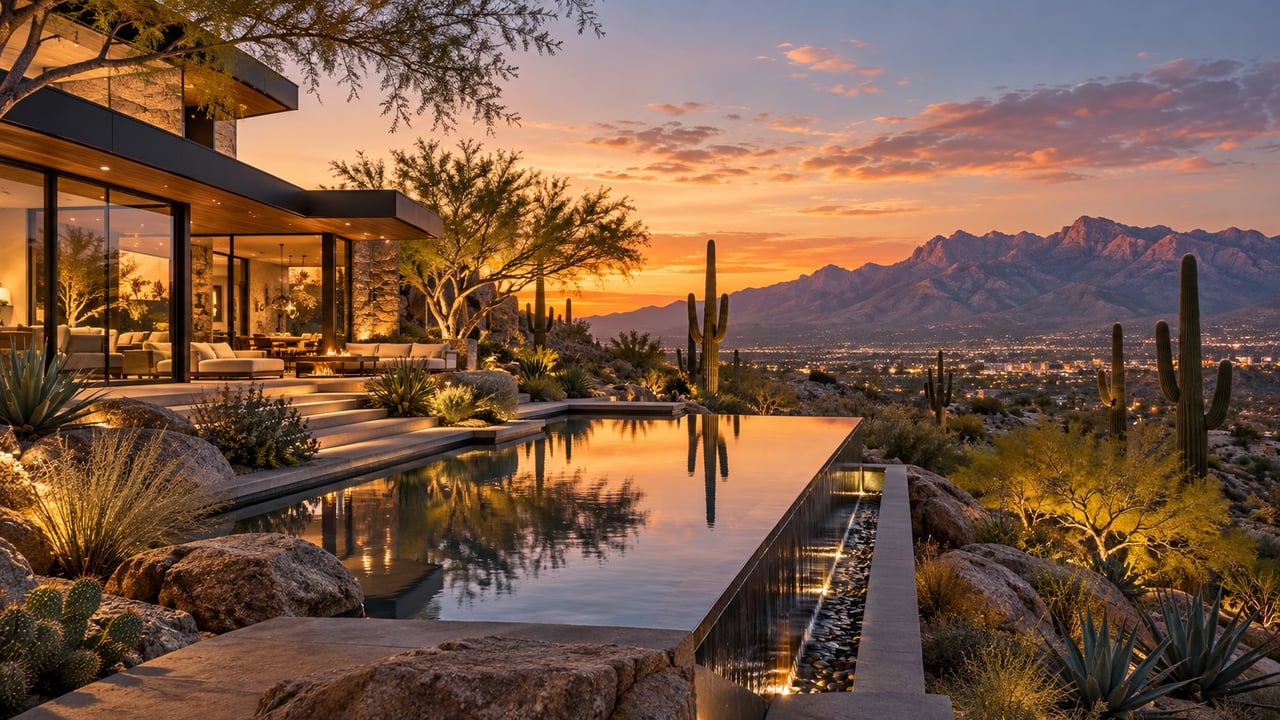
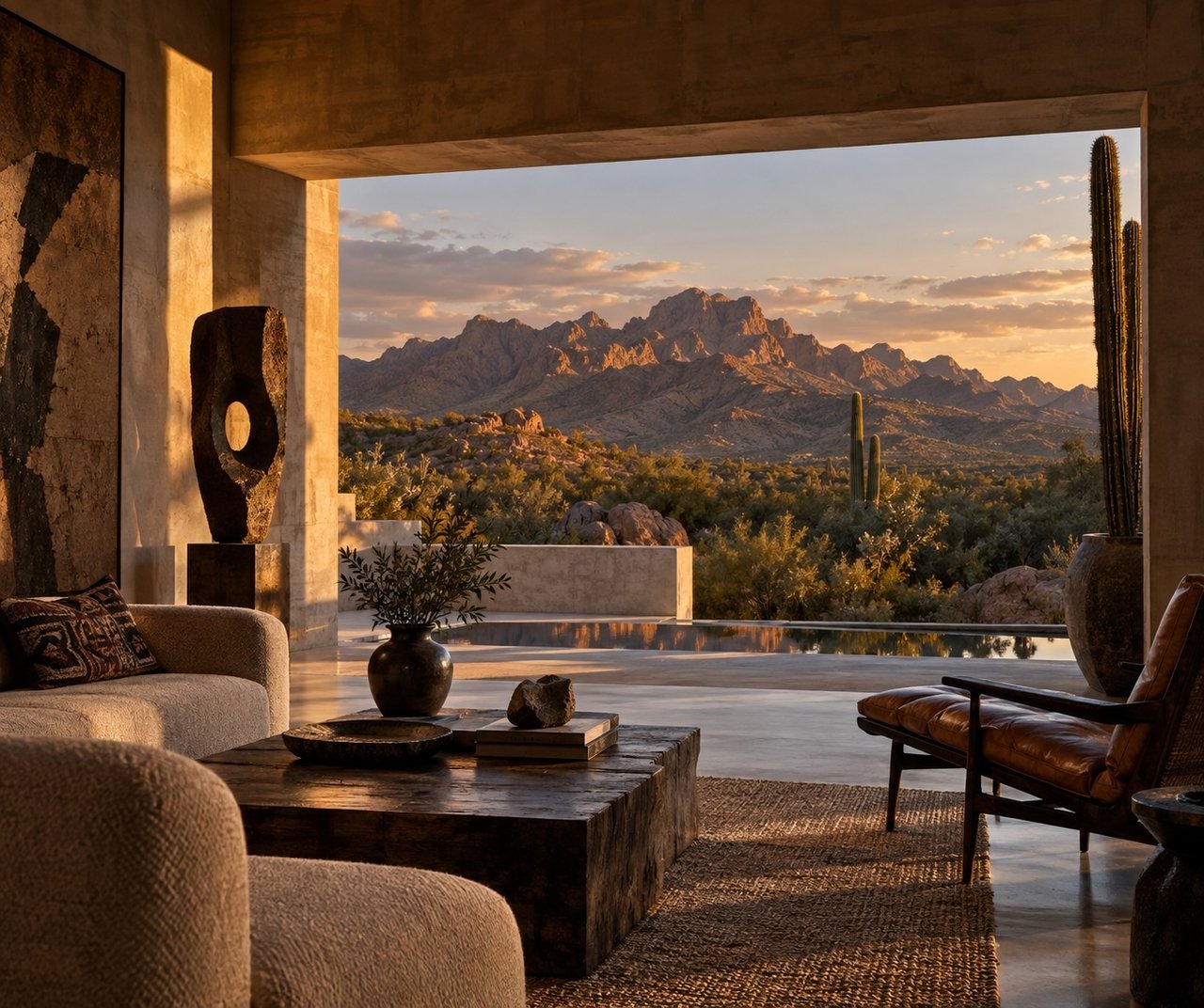
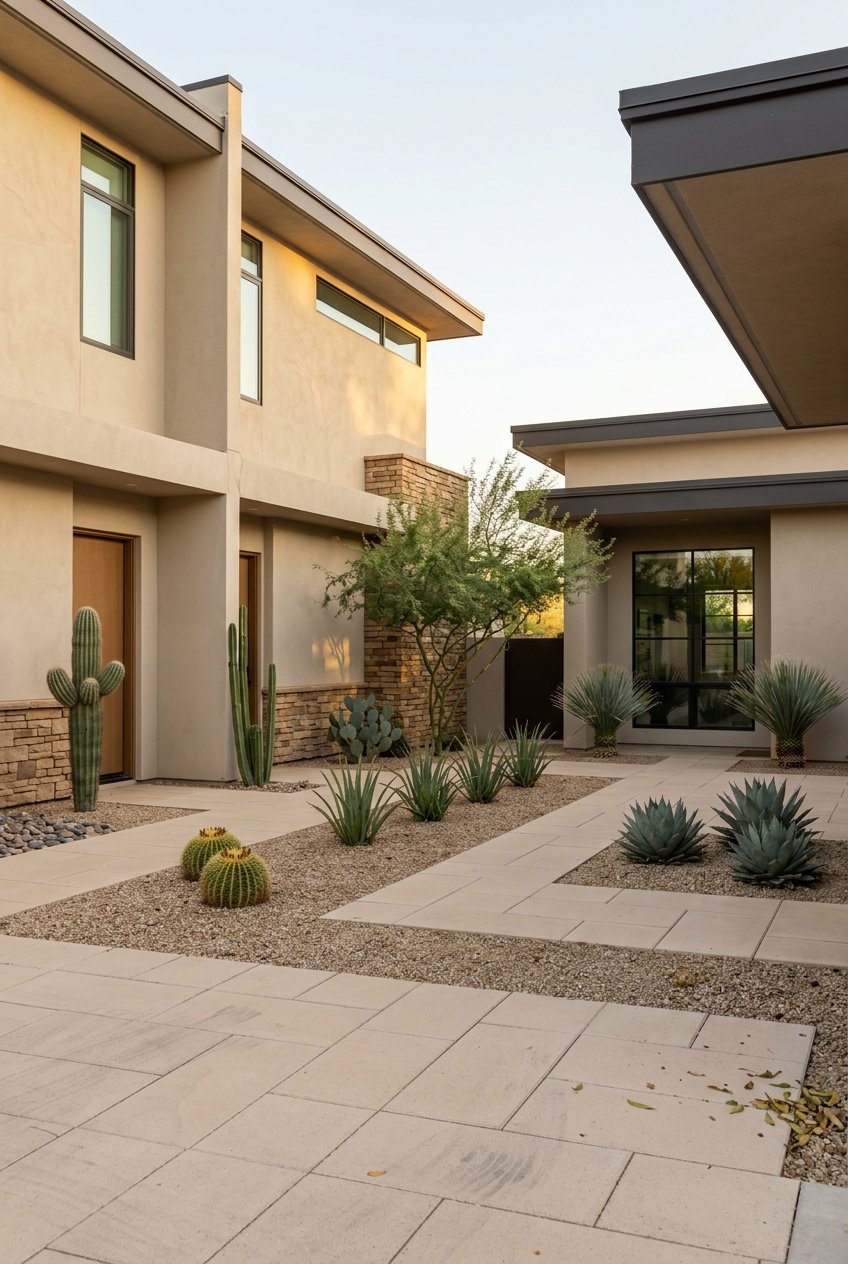
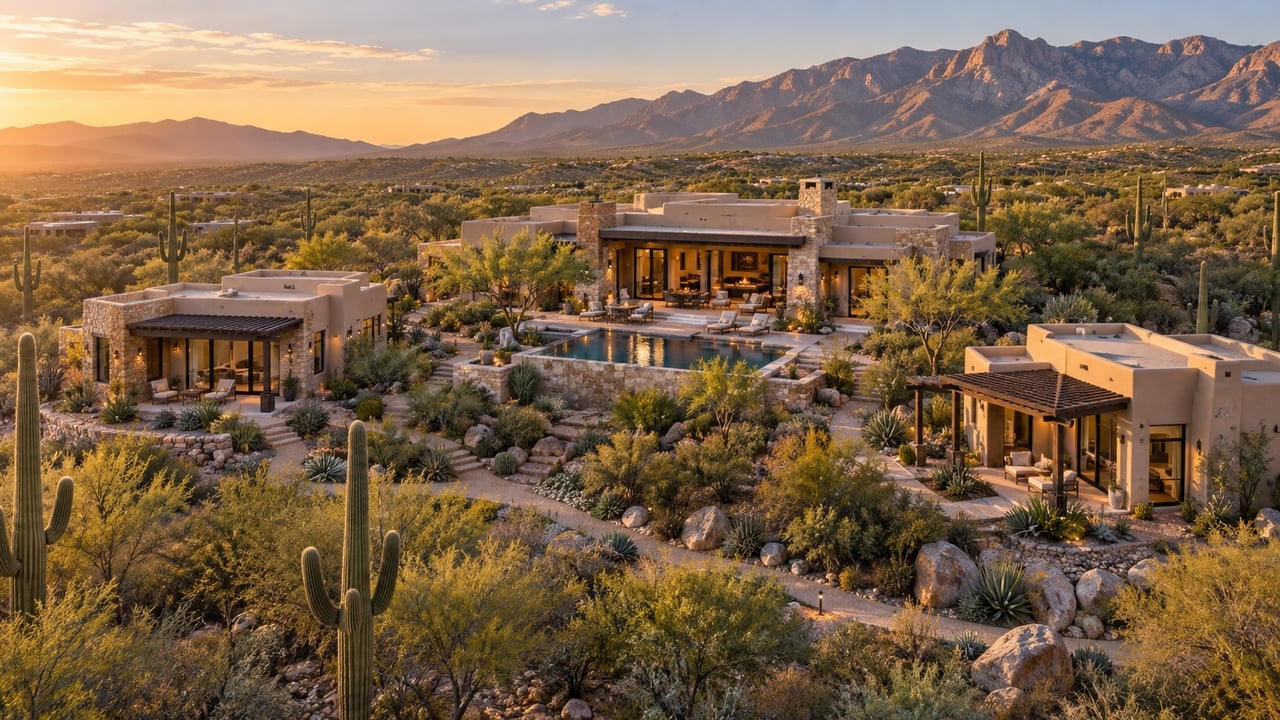
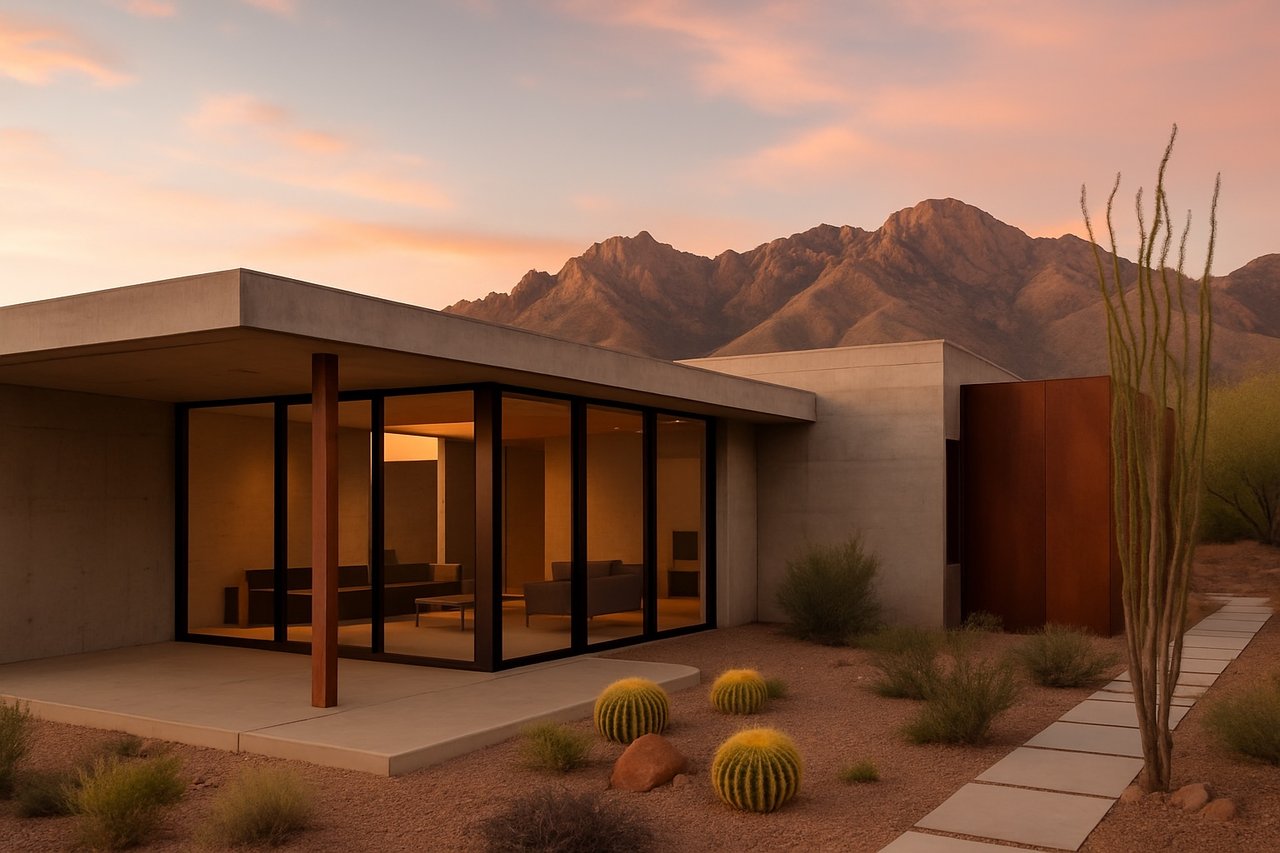
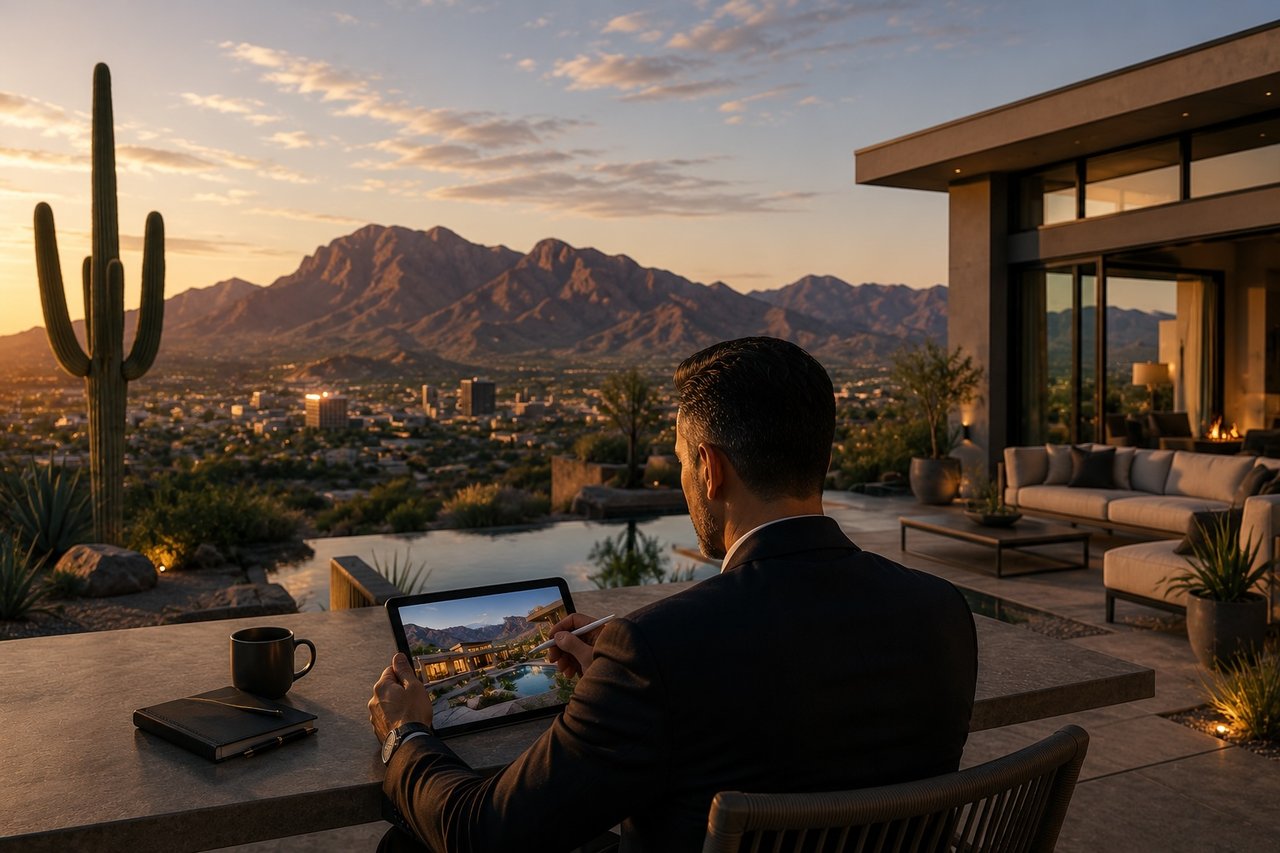
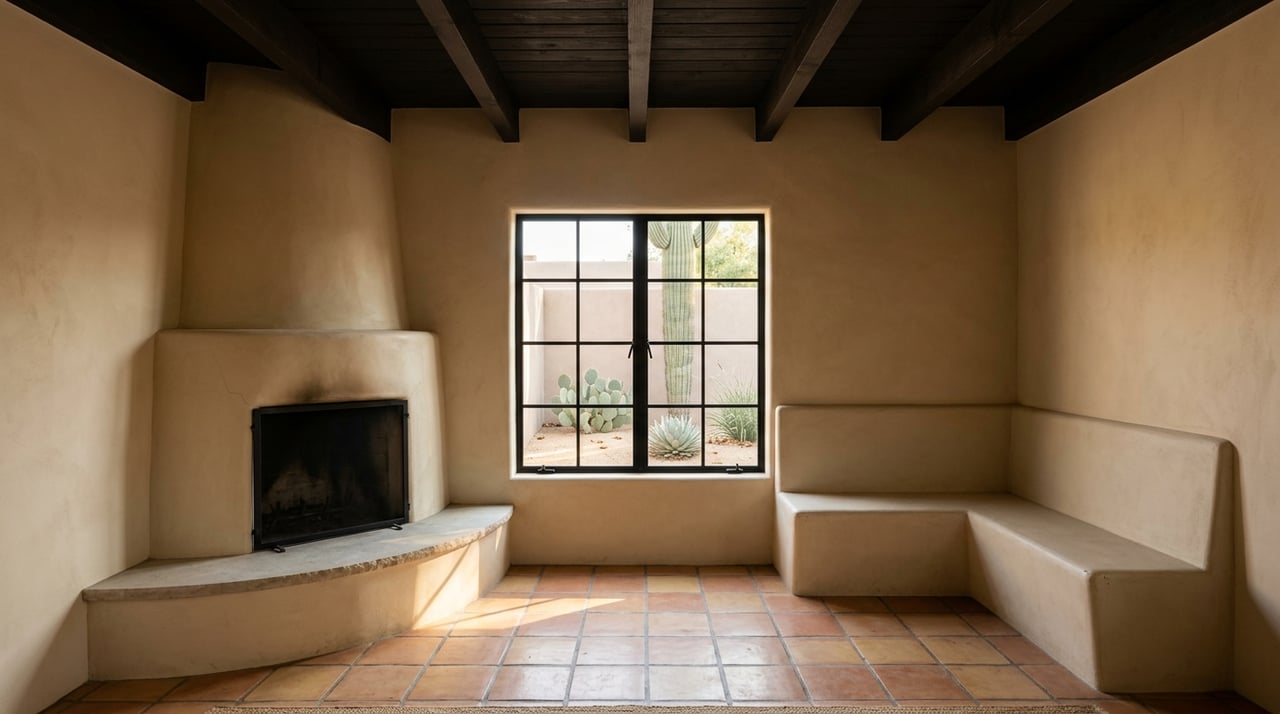
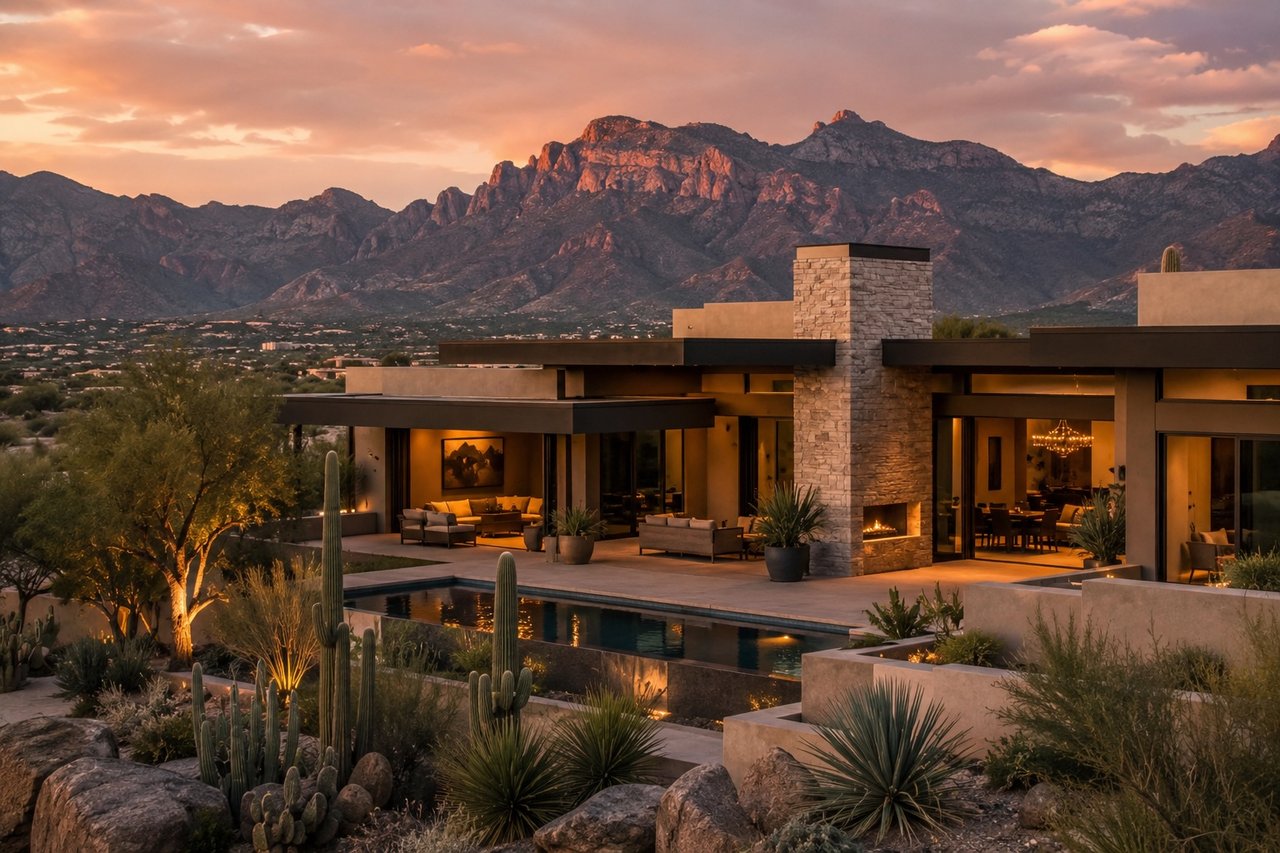
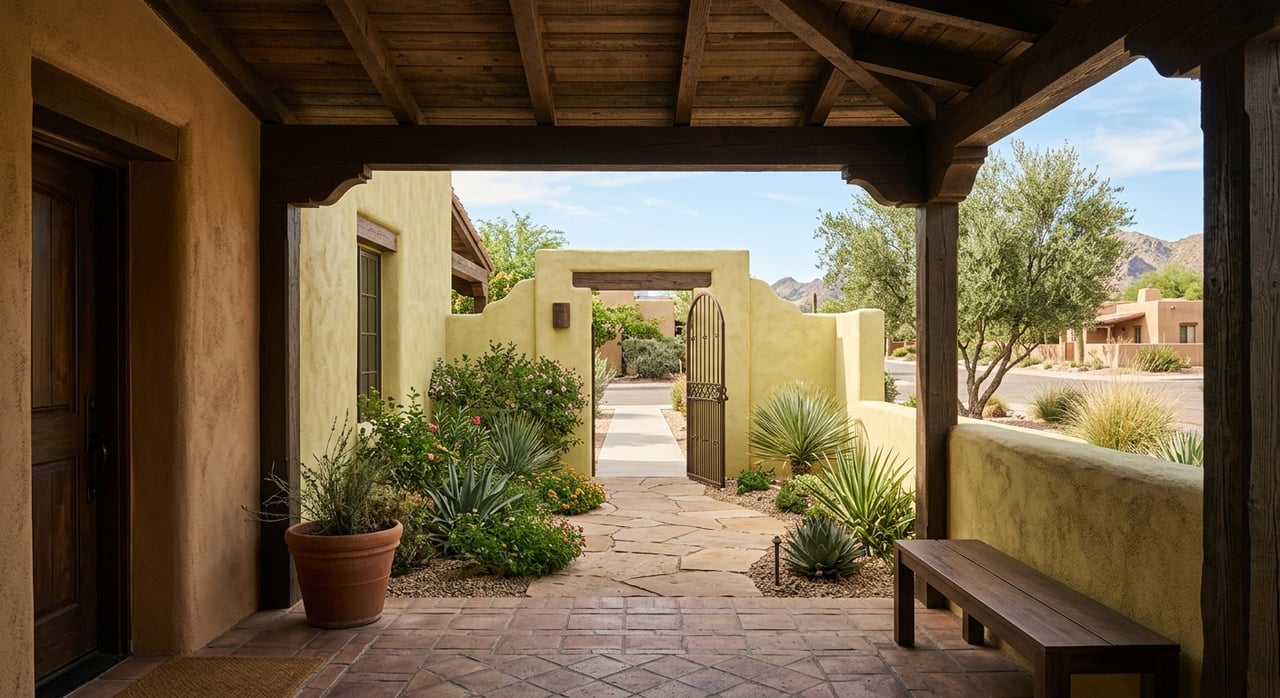
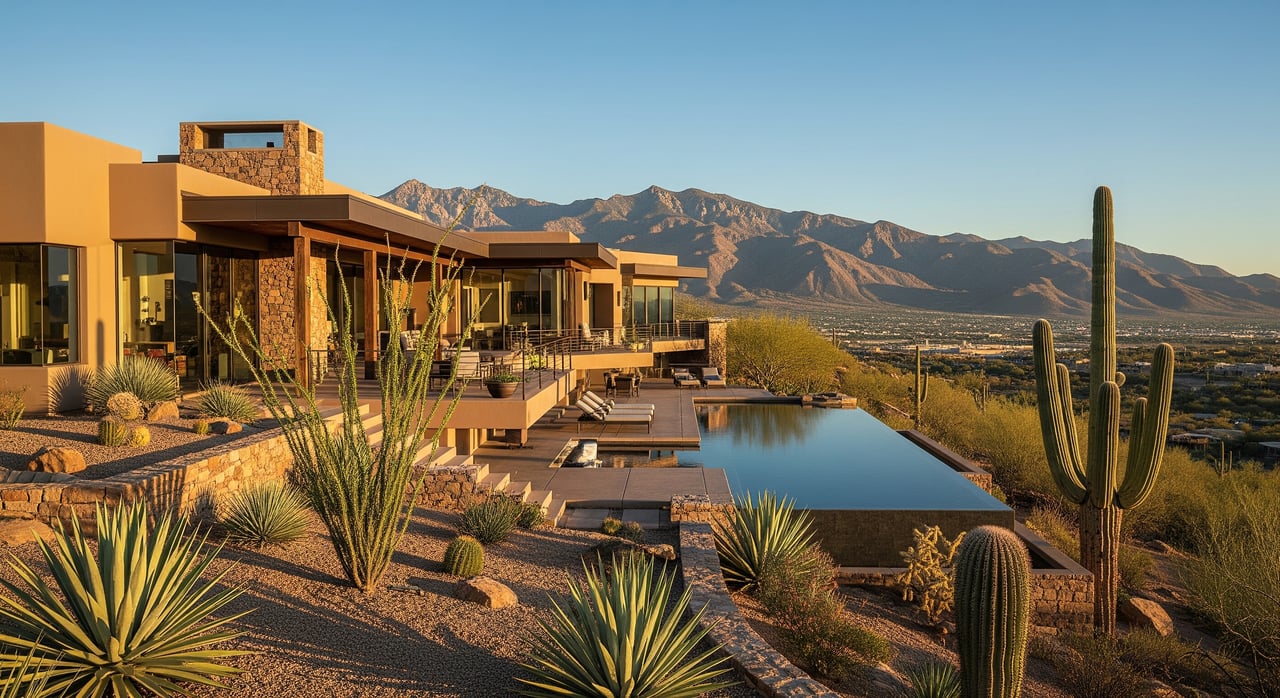
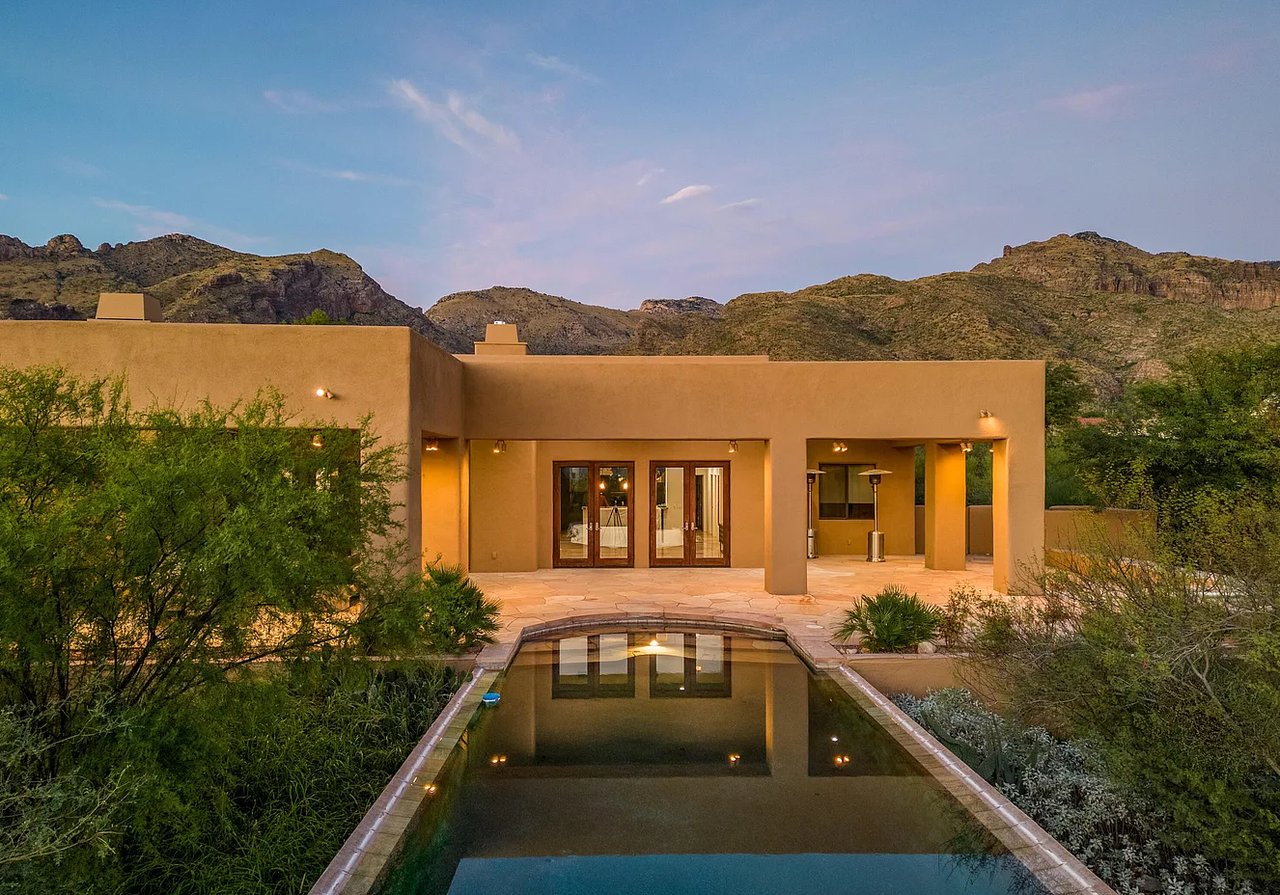
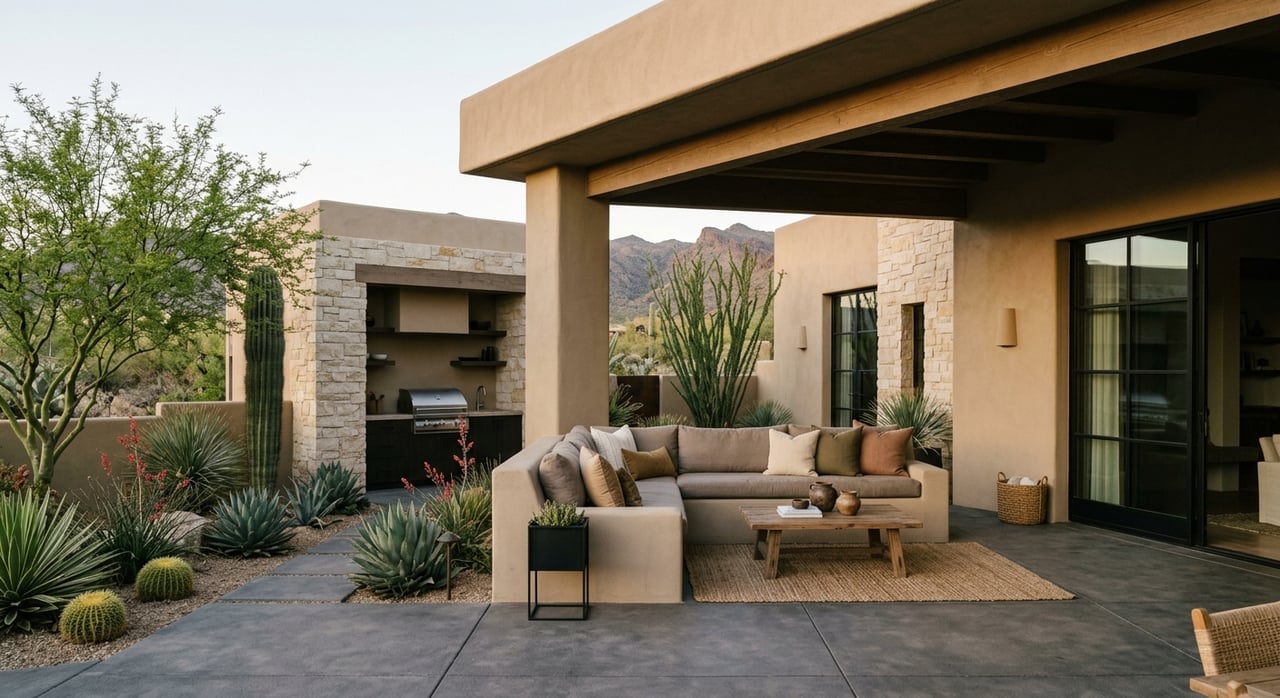
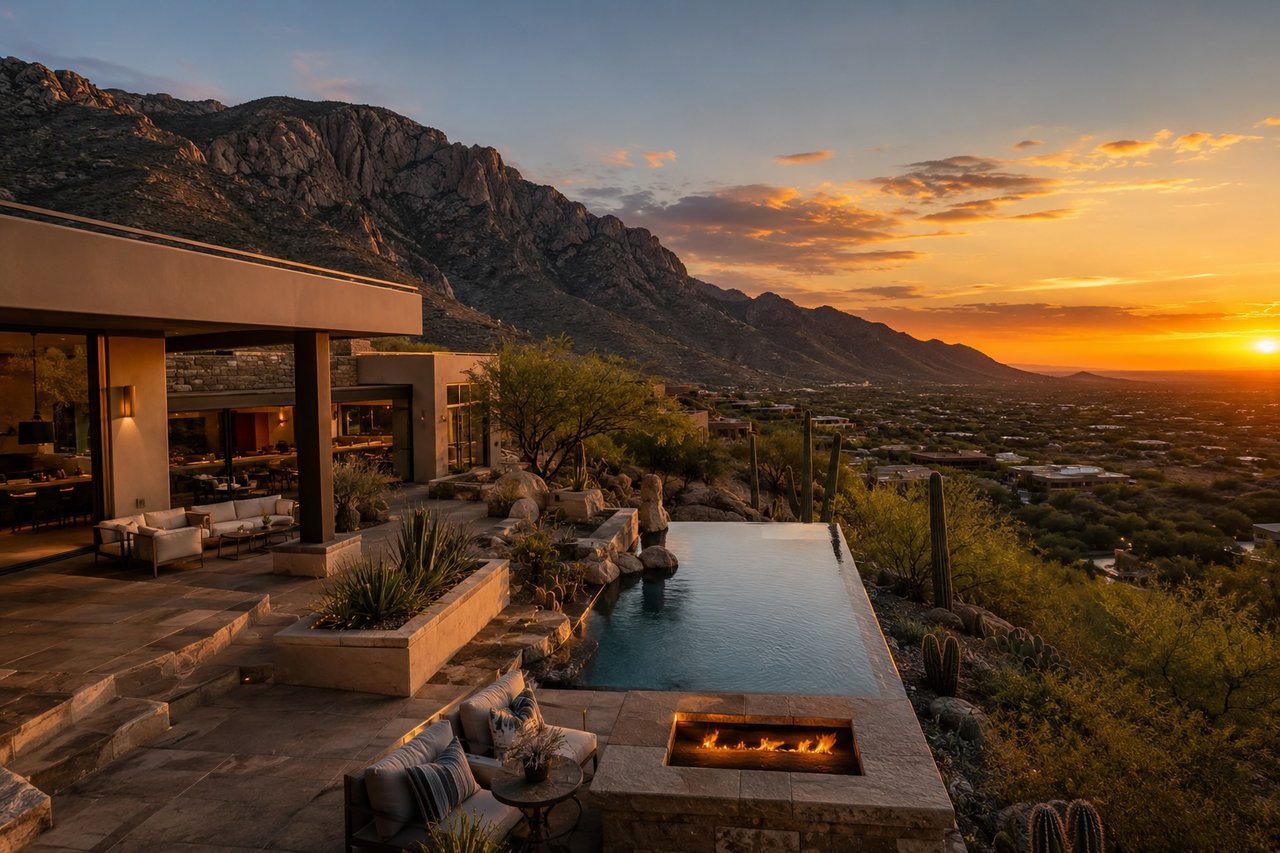
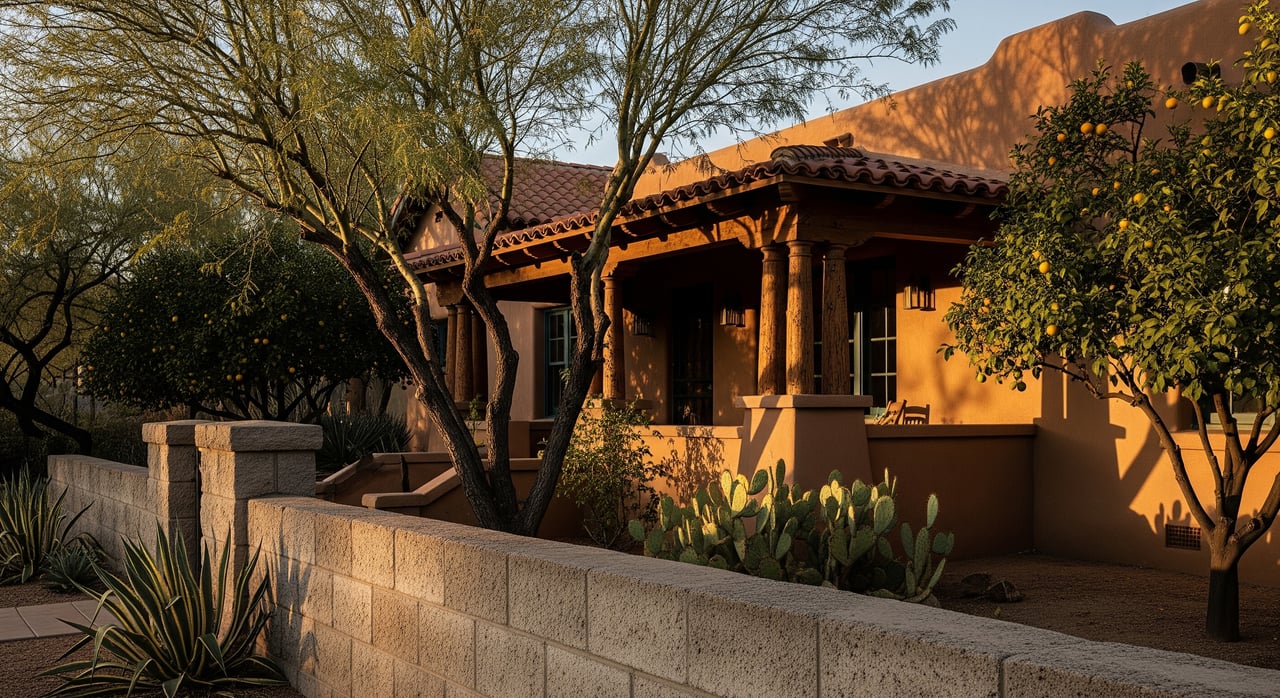
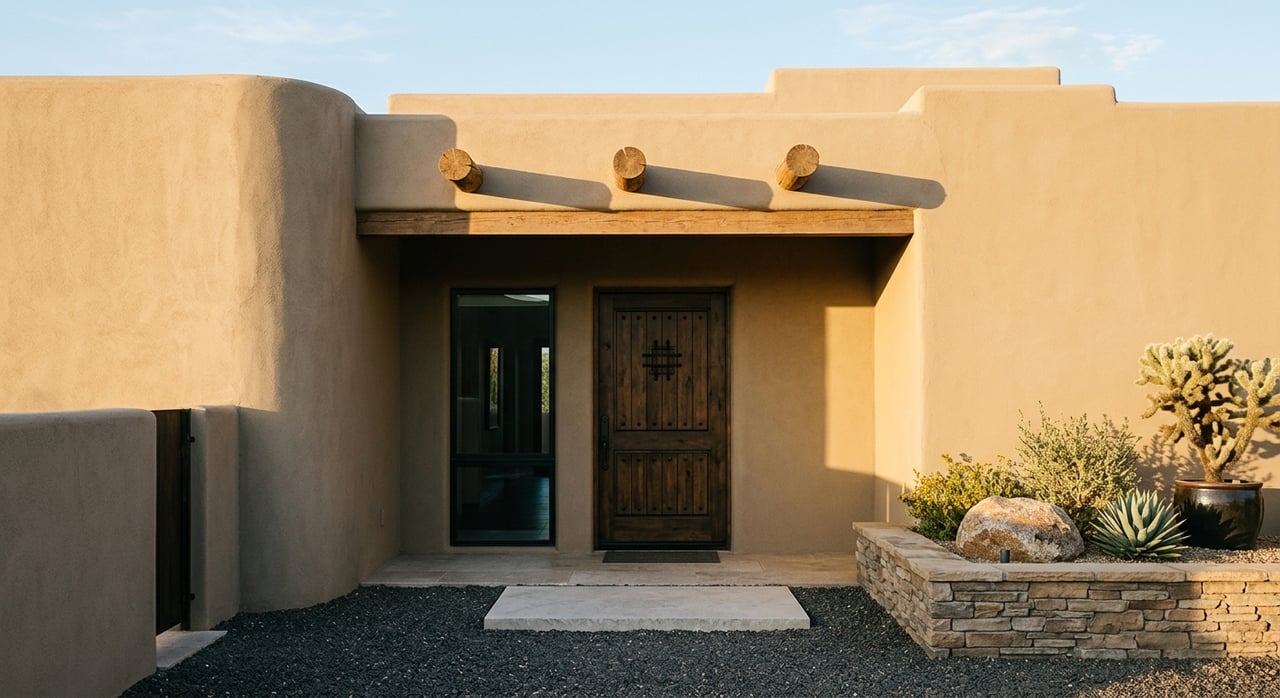
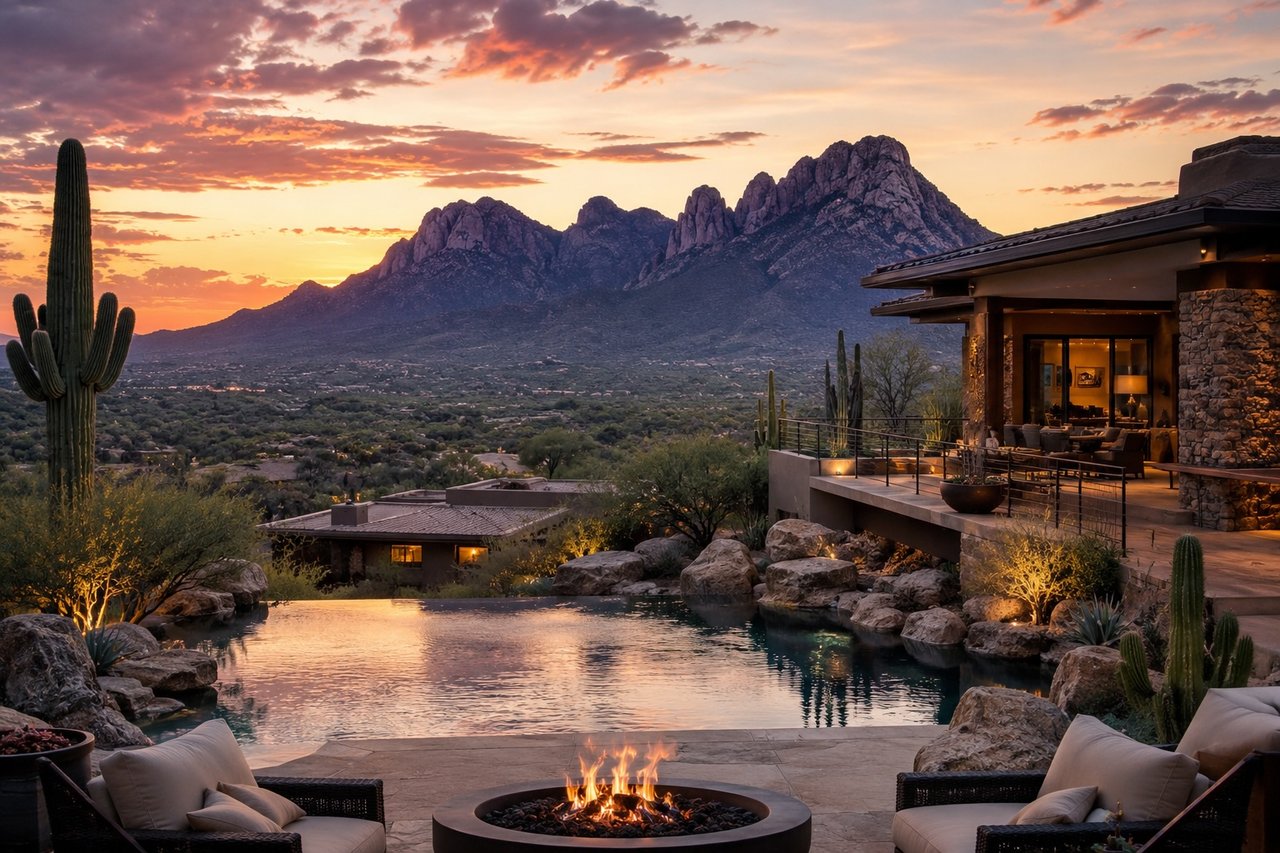
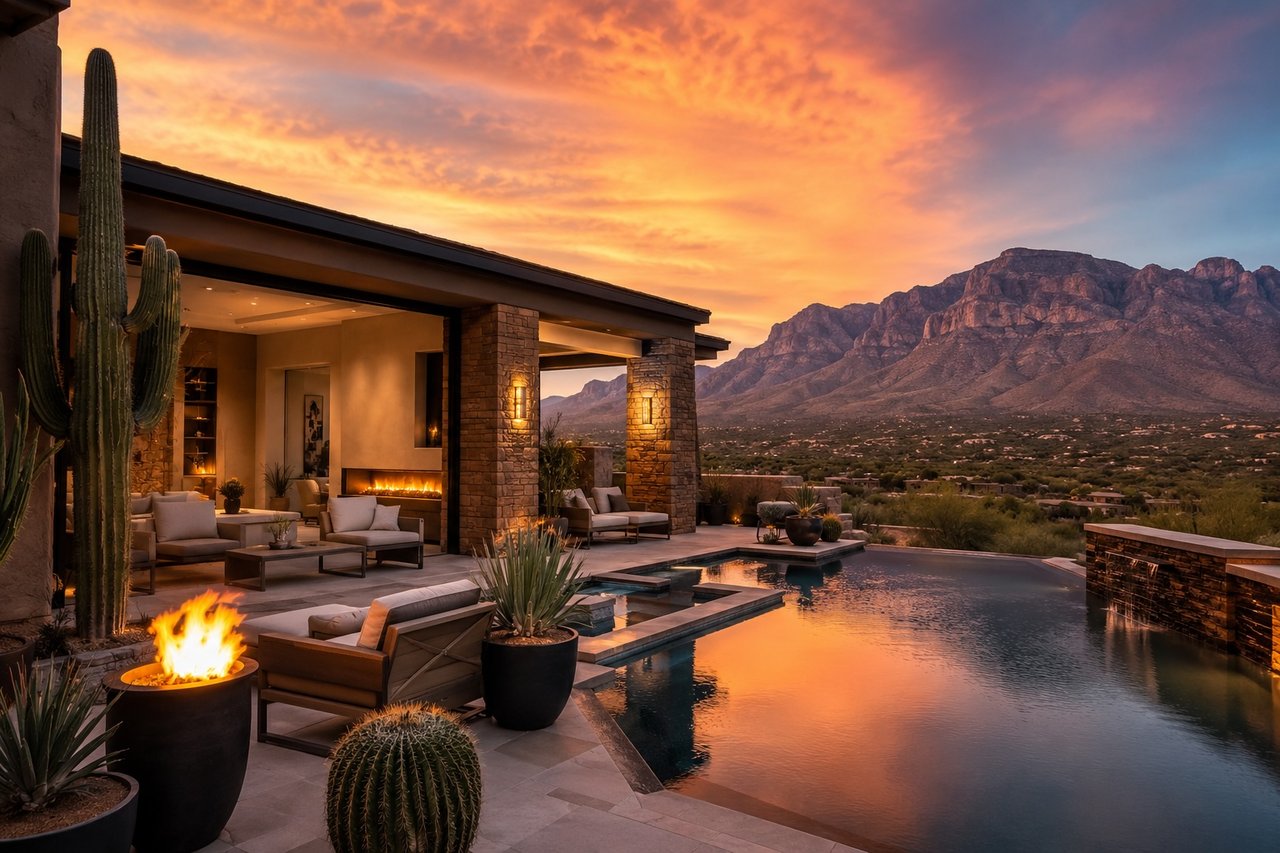
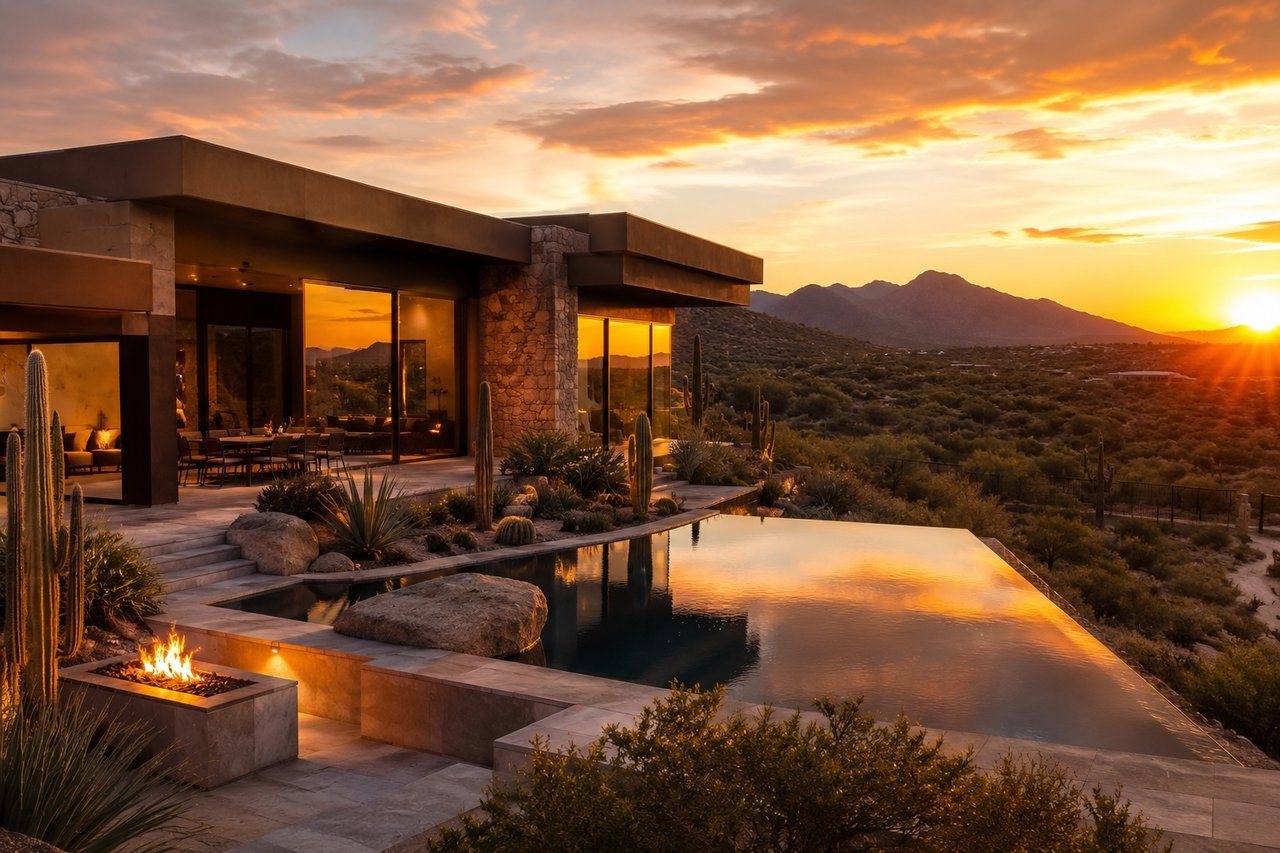
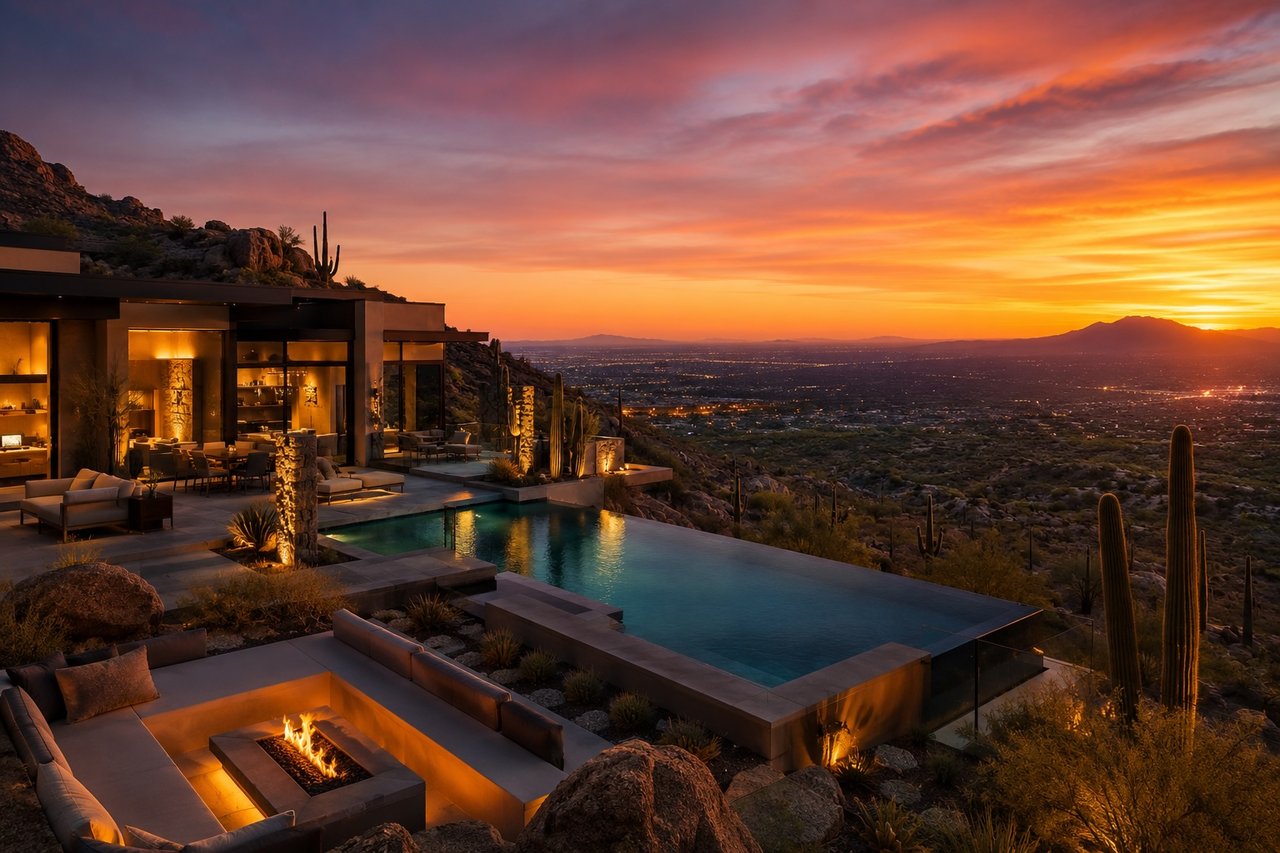
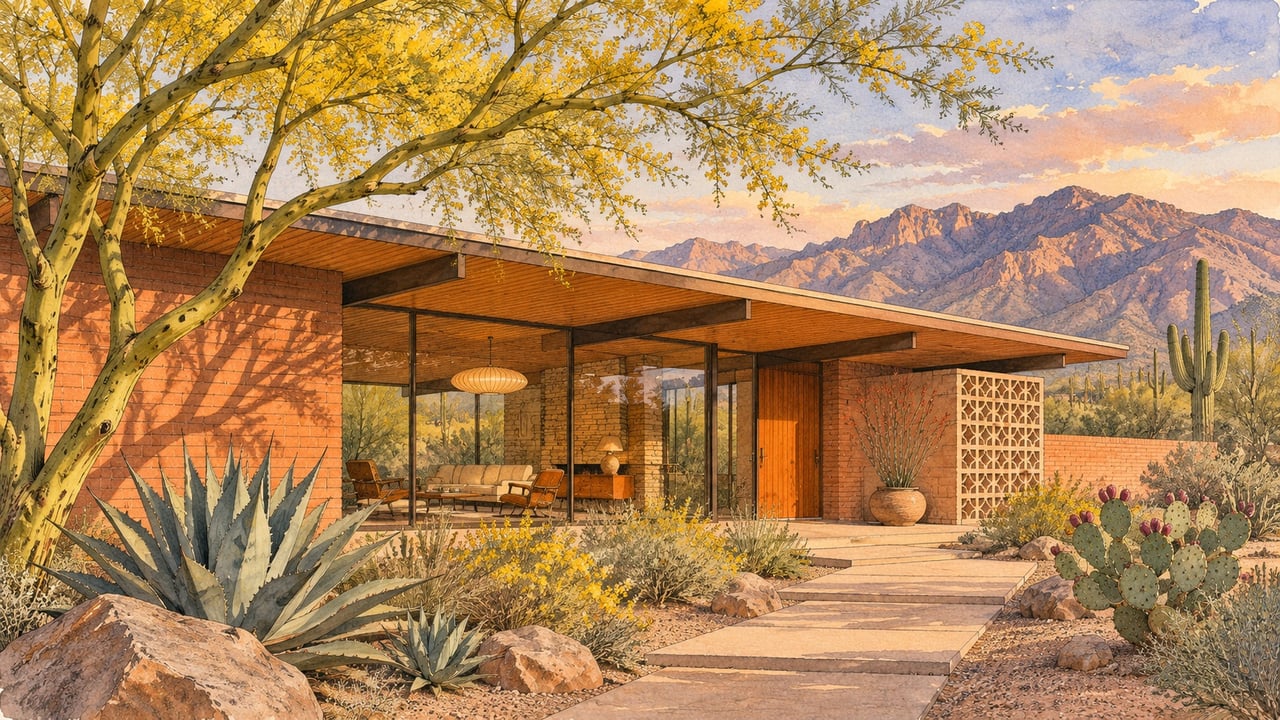
For example, a courtyard home calls for an image that explains the connection between the outdoor room and the spaces around it. A desert property may need a view that shows both the terrace and the surrounding land. These are different visual stories. Our guide to Tucson courtyard homes explores why that relationship can be such an important part of the experience.
Lighting and timing belong in that plan. If the strongest feature is the way morning light enters a room, we should understand it before choosing when to photograph. The resulting images should help someone recognize the home when they arrive.
Place the story in the right market context
Distinctive qualities deserve careful analysis when setting an asking price. I would examine relevant closed sales, the current alternatives a buyer can choose and the differences that make a comparison useful. Location, site, condition, size and the quality of the design all belong in that discussion.
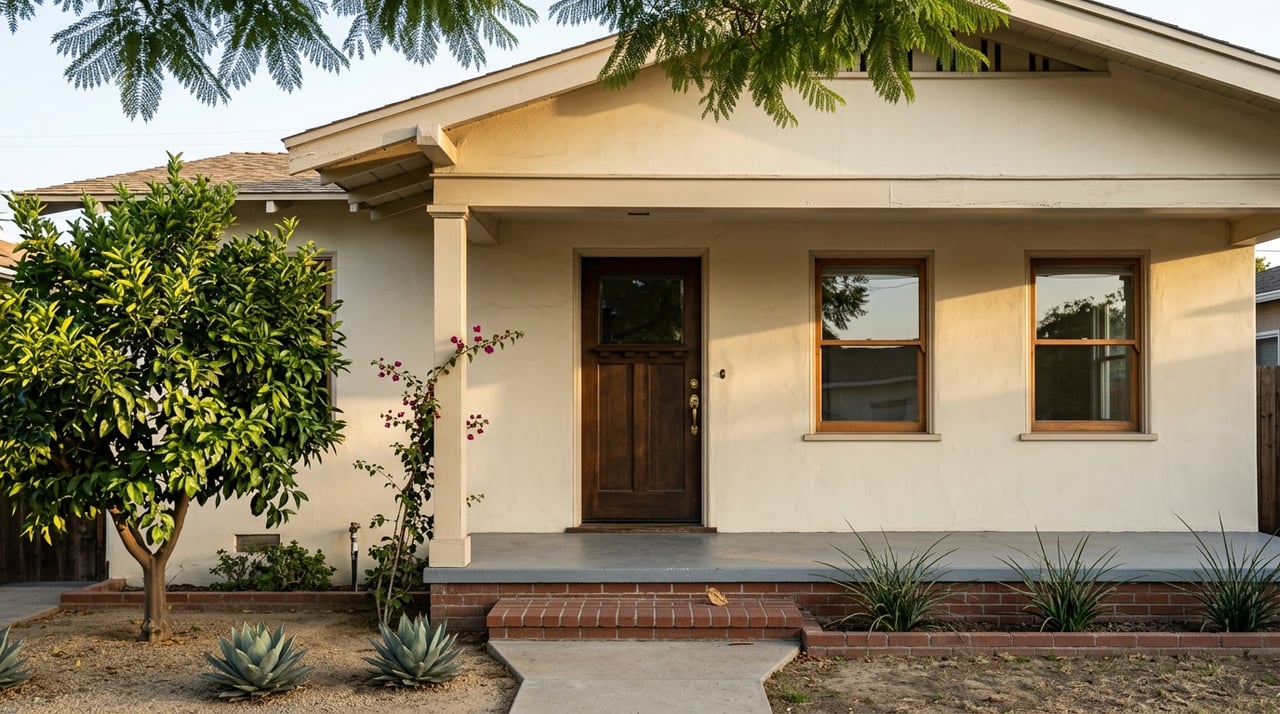
One practical question is what a buyer at the proposed price would visit next. A Central Tucson buyer might be weighing historic character against a more recently updated home nearby. Someone considering the Catalina Foothills may be comparing the setting and outdoor living spaces as closely as the interior finishes. Understanding those choices helps us explain your property with greater precision.
The marketing and the price should tell a coherent story. If we are asking buyers to recognize an important difference, we need to show it clearly and discuss how the available market evidence supports our position.
Make Well-Connected useful to the seller
Sotheby’s International Realty introduced its Well-Connected campaign at the 2026 Global Networking Event, emphasizing the relationship between local expertise and a global network. The event recap captures that focus on collaboration.
Having attended GNE, I see the value in continuing those conversations after the event. For a Tucson seller, my aim is to connect a well-prepared property story with advisors whose clients have a relevant reason to consider this market. A useful introduction carries context: what makes the home distinctive, whom it may suit and why it deserves a closer look.
That is where my local role and Russ Lyon Sotheby’s International Realty affiliation work together. I can explain Tucson with the familiarity of someone who grew up here, while building relationships with advisors in other markets. The property gives those conversations a purpose.
Use the response to sharpen the next decision
Once a home is introduced, I want the feedback to be useful. Which qualities do buyers remember? Are the photographs setting the right expectation? What questions recur? Are buyers comparing the property with the homes we anticipated?
Those answers help guide the next conversation with the seller, whether it concerns presentation, additional information, showing arrangements or price. Thoughtful marketing continues after the launch.
If you are considering selling a distinctive Tucson home, I would welcome the opportunity to walk it with you and identify the story worth telling. Connect with Daniel Sotelo to discuss a property-specific plan for preparation, positioning and presentation.