When the Next Chapter Begins at 80: Gray Divorce and Luxury Real Estate in Tucson
Some of the most consequential real estate decisions I encounter have very little to do with real estate.
A homeowner may call me because they want to know what their property is worth. A buyer may become interested because a beautiful home has unexpectedly entered the market. On the surface, the conversation appears to be about price, timing, architecture, condition, or negotiation.
But behind the transaction, something much larger may be happening.
A marriage may be ending.
A family may be restructuring.
Someone may be reconsidering how they want to spend the remaining years of their life.
And a home that represented stability for decades may suddenly become the asset that allows two people to move forward separately.
Older Adults Are Reconsidering What Comes Next
A recent New York Times article examined the increase in what is often called “gray divorce”—divorce among adults age 50 and older.
The article explored why some couples who have spent decades together are deciding not to remain in marriages that no longer feel emotionally fulfilling.
People are living longer. The stigma surrounding divorce has diminished. Women often have greater financial independence than earlier generations did. Adult children have left home. Retirement creates new questions about identity, companionship, purpose, and how each person wants to spend the years ahead.
At 65, 75, or even 85, the question may no longer be:
“Can I tolerate this?”
It may become:
“Is this how I want to live the rest of my life?”
That national conversation caught my attention because I had recently encountered its real-world implications twice in my own Tucson real estate practice.
Both experiences occurred in Starr Pass.
Both involved luxury homes.
And both reinforced something I have come to believe deeply:
It is almost never just about the house.
A Beautifully Maintained Luxury Home in Starr Pass
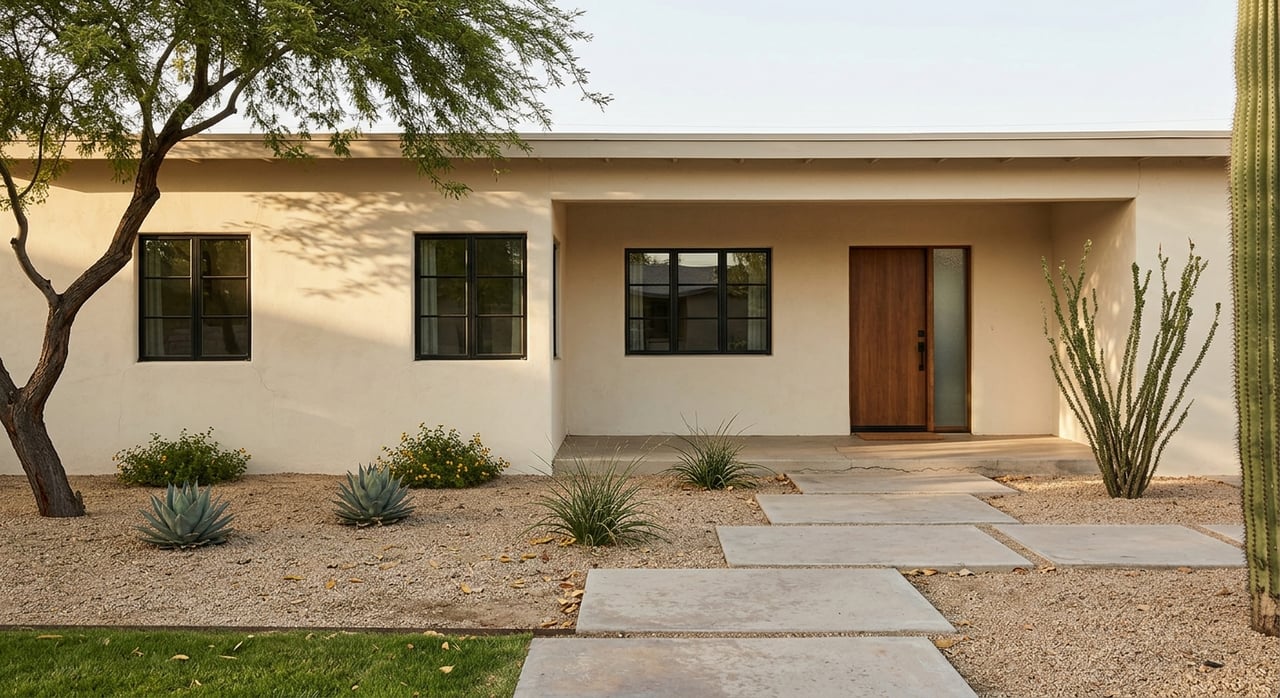
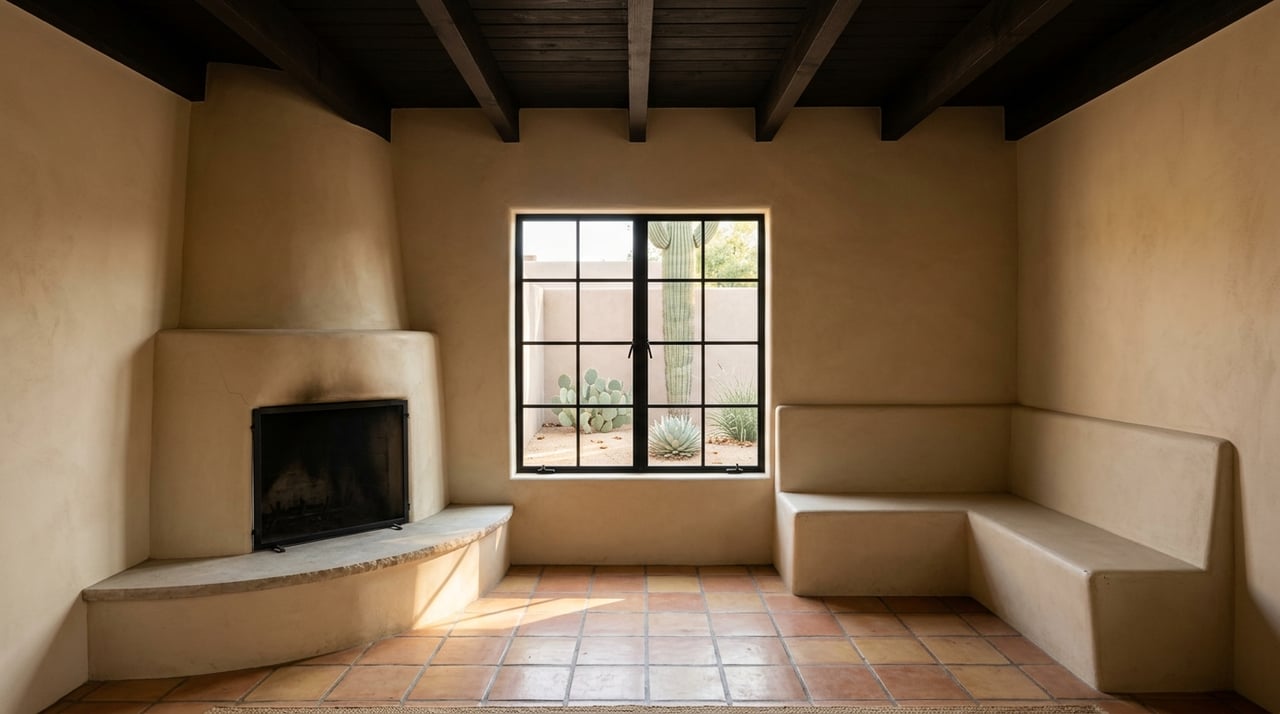
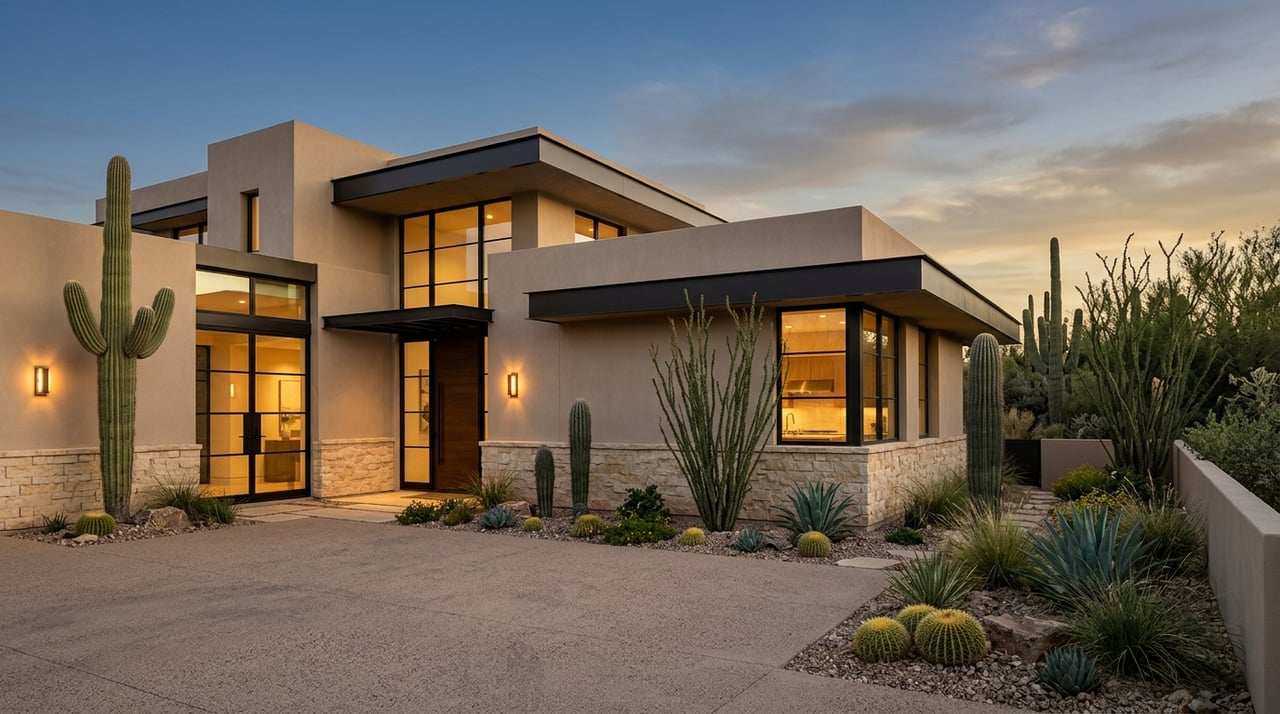
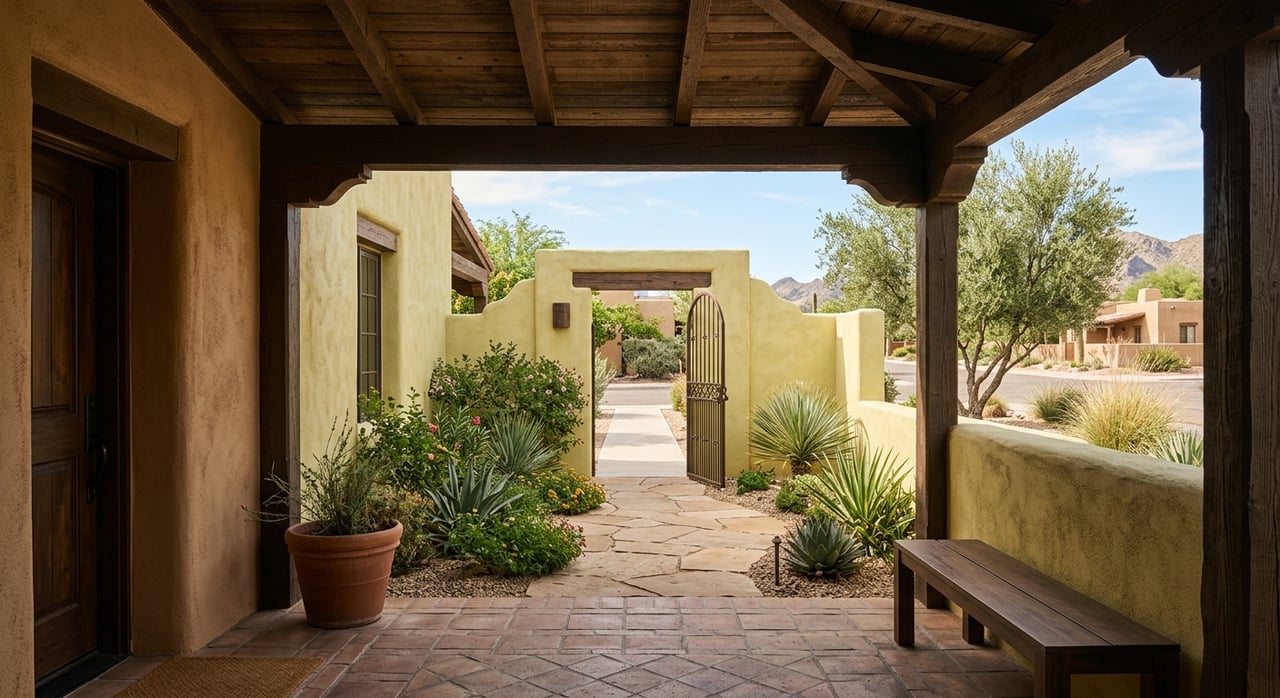
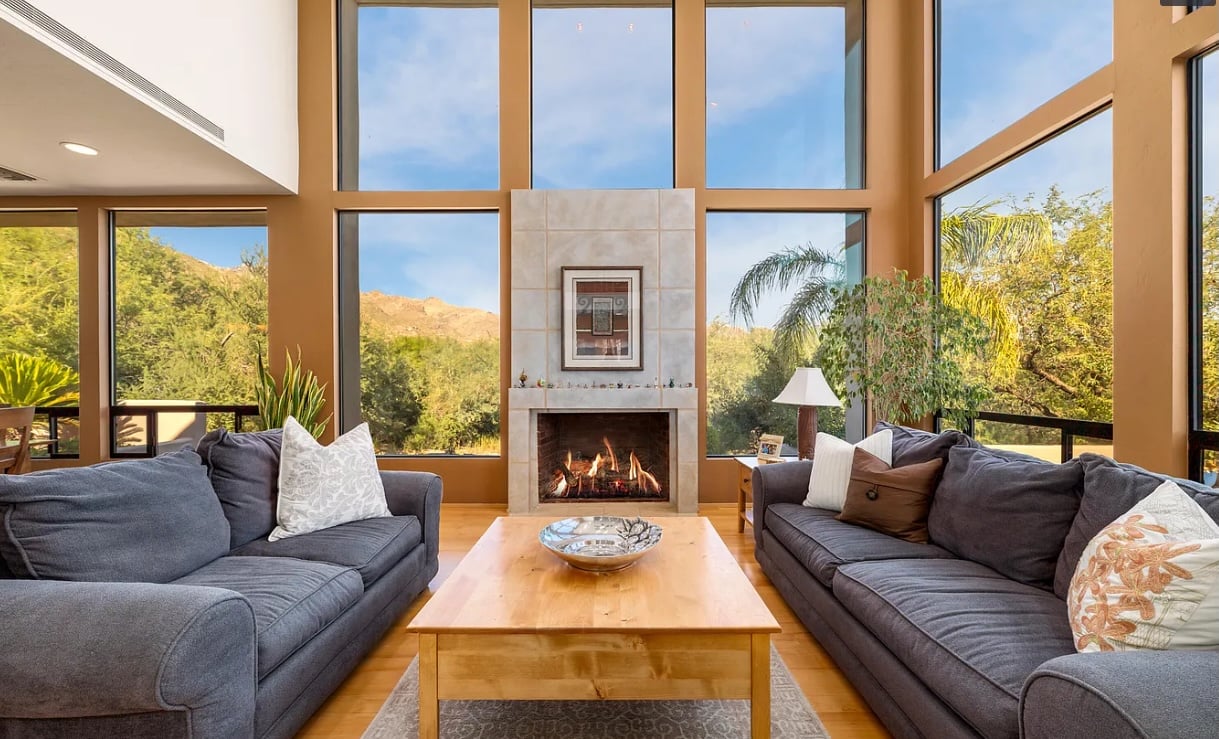
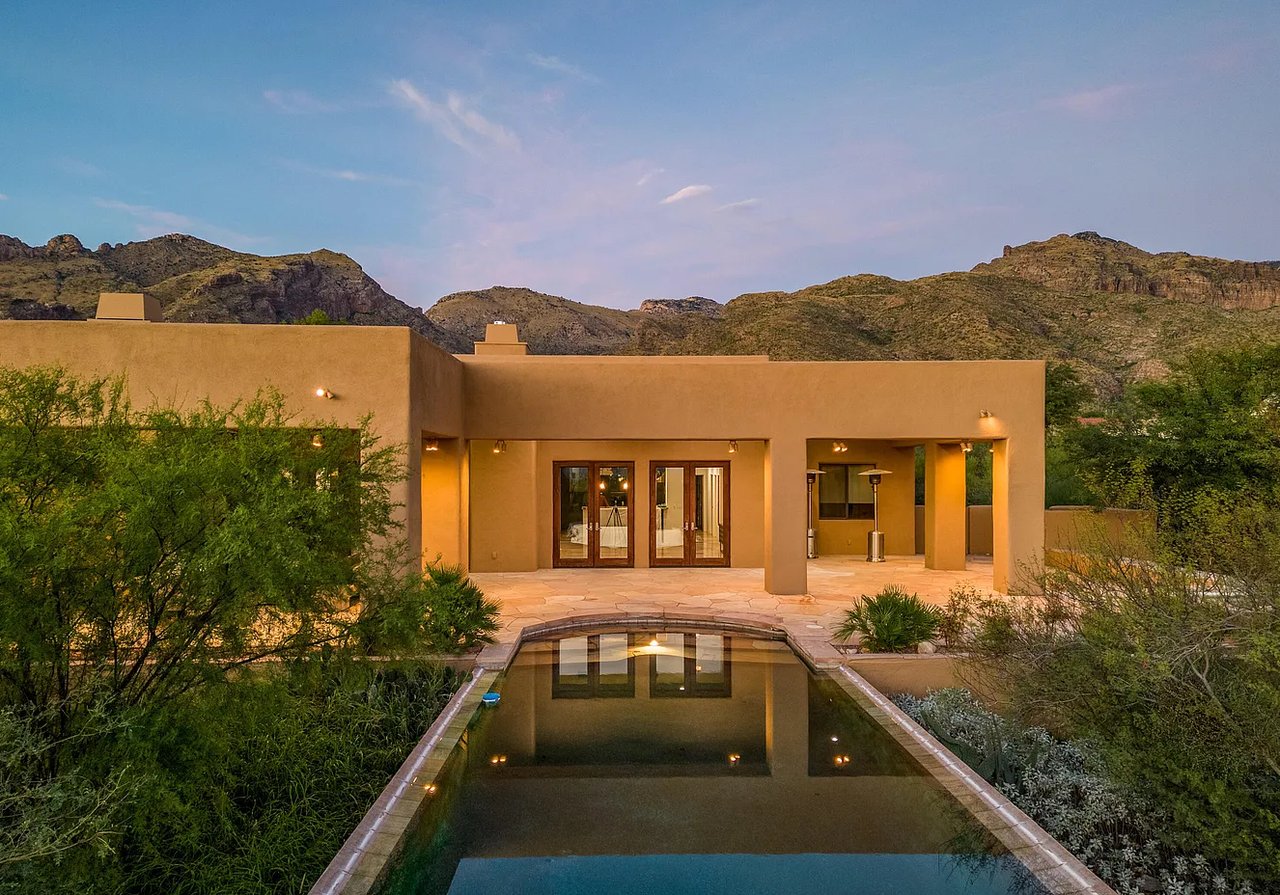
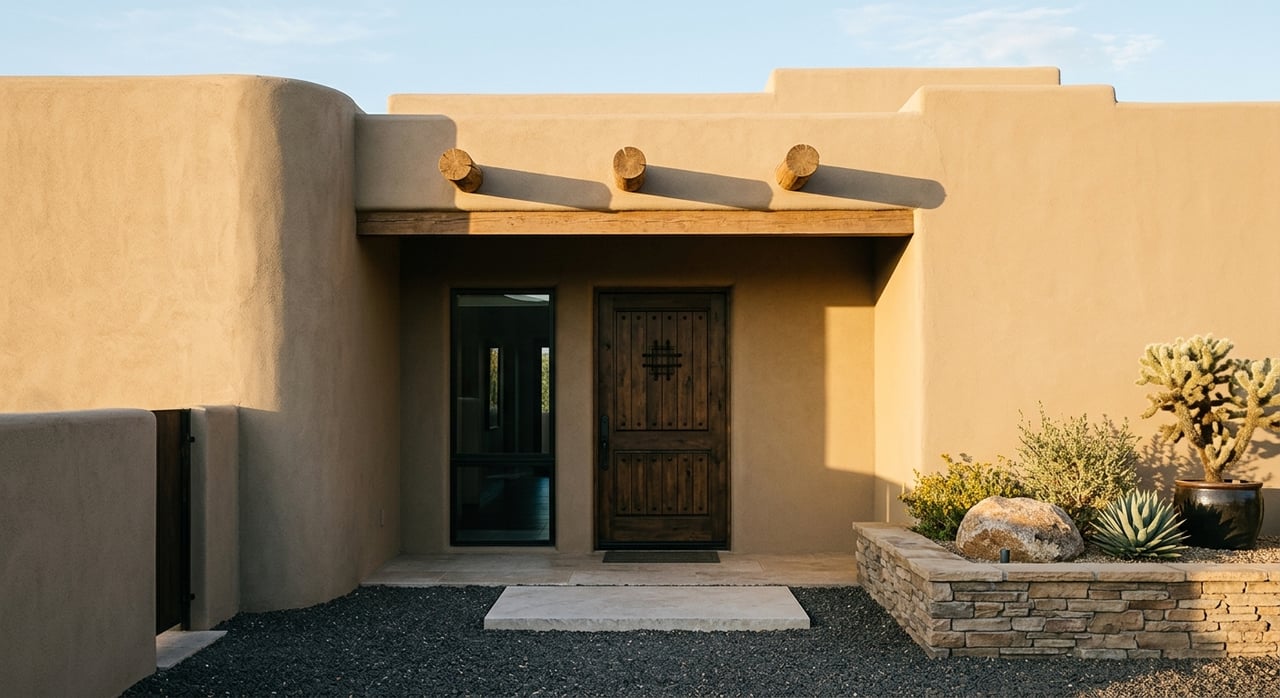
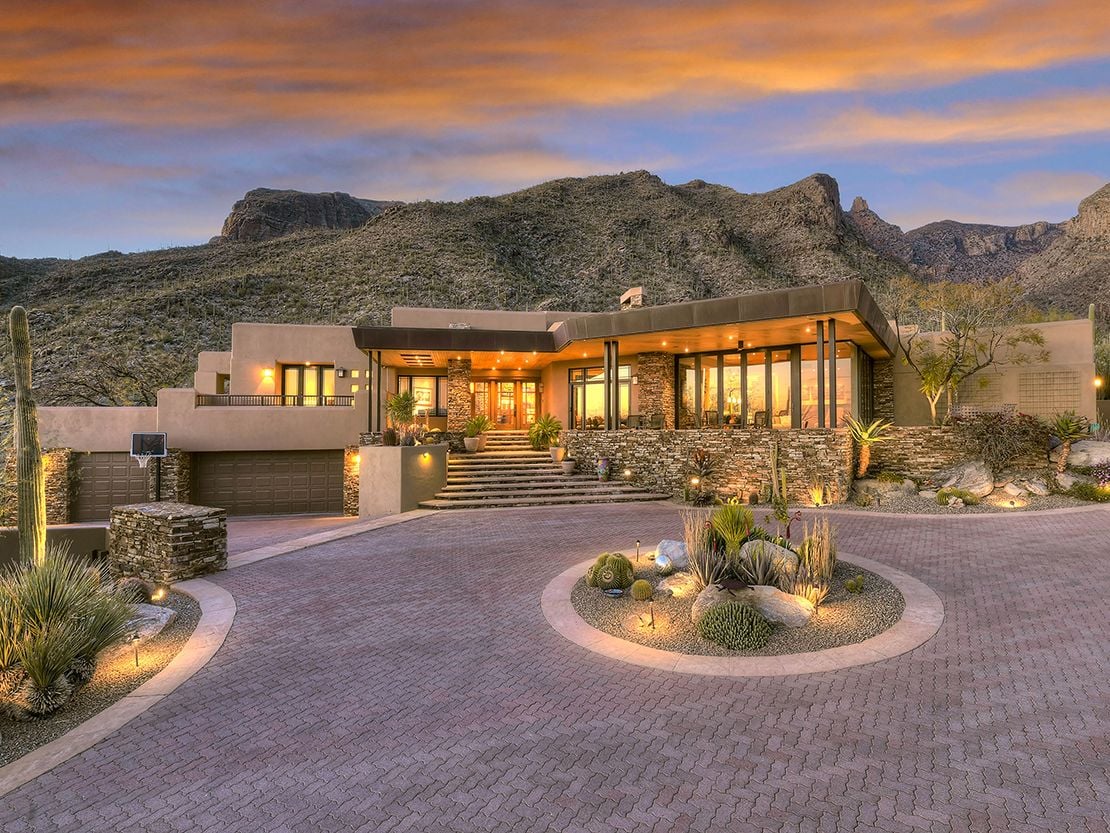
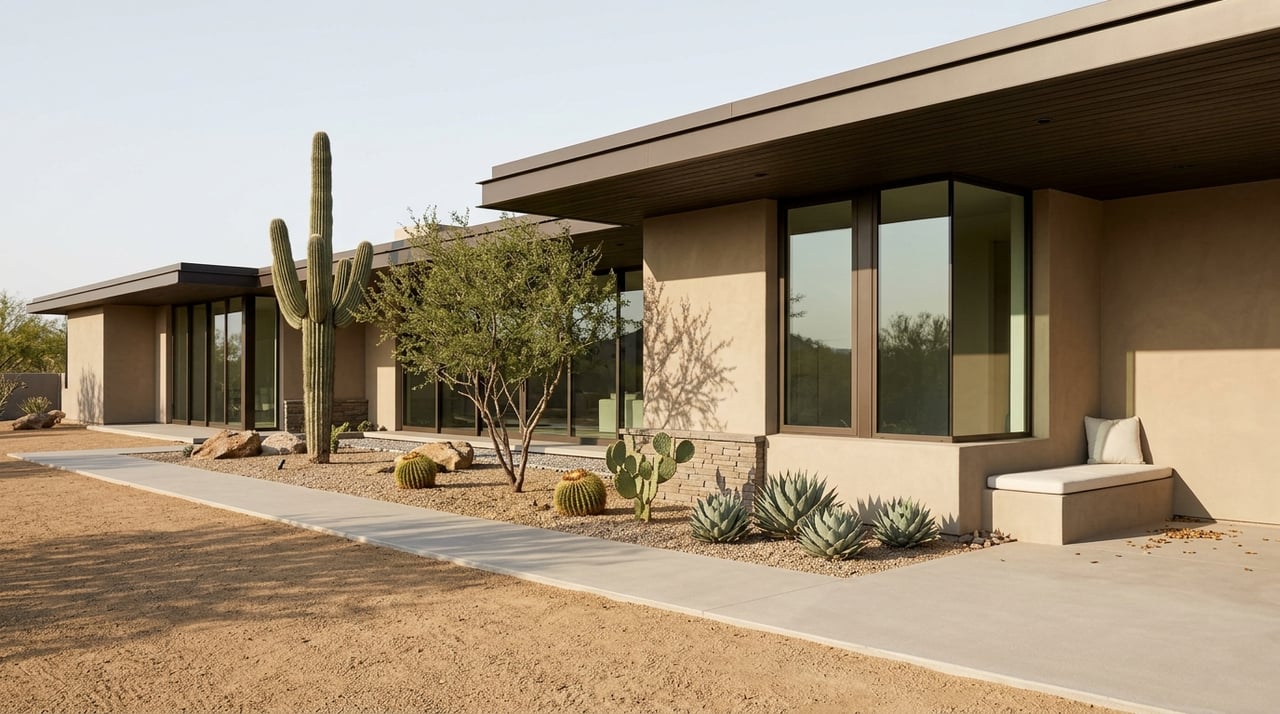
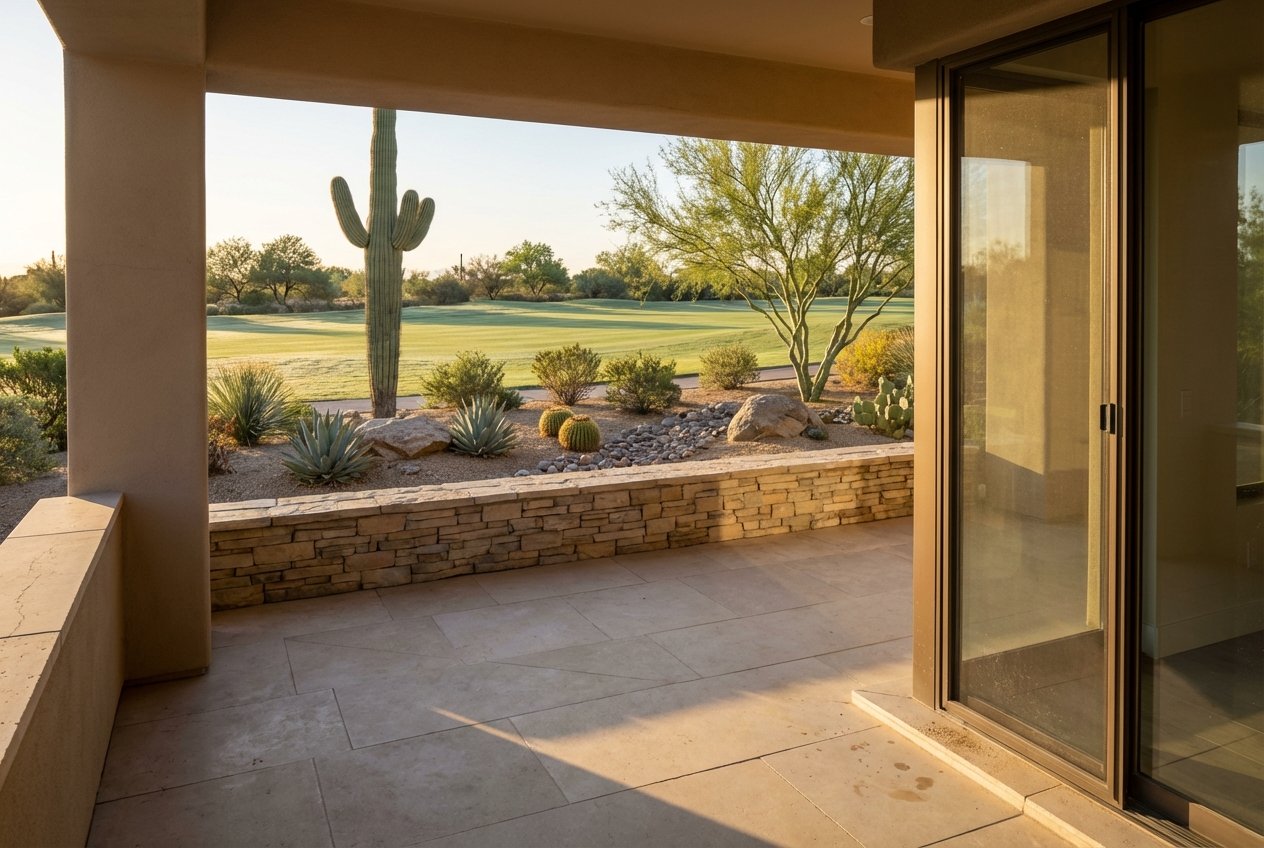
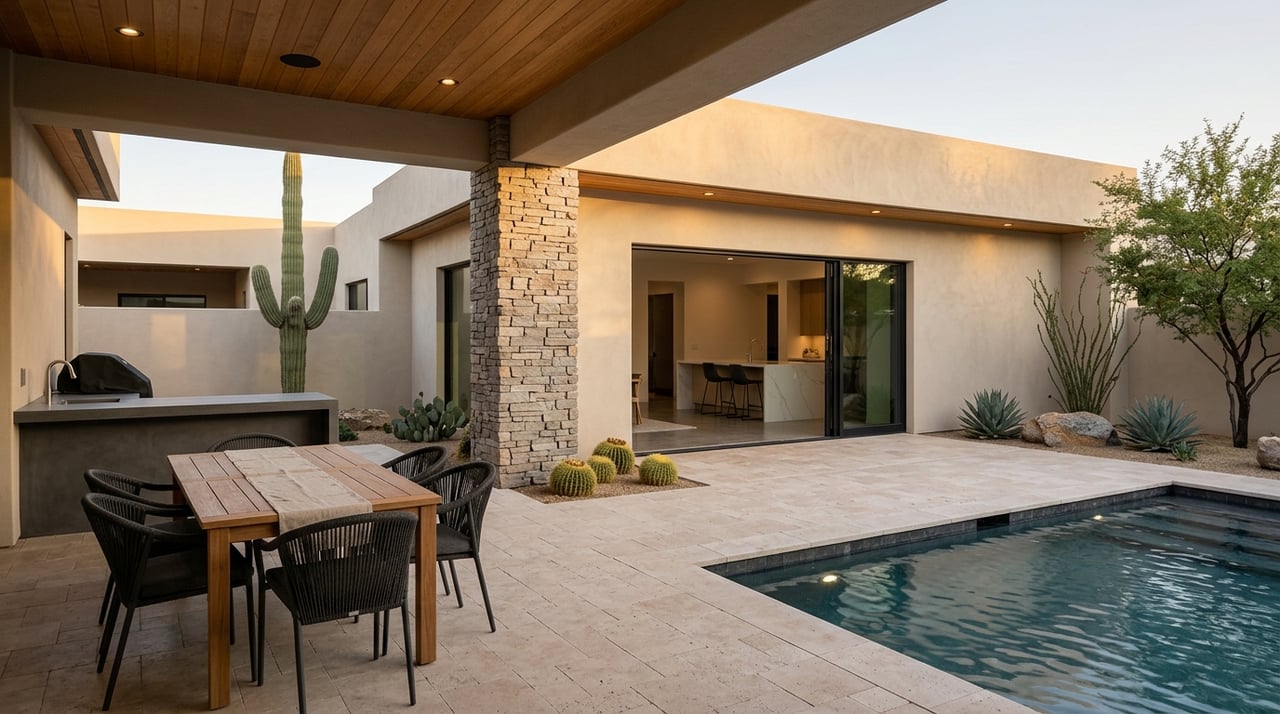
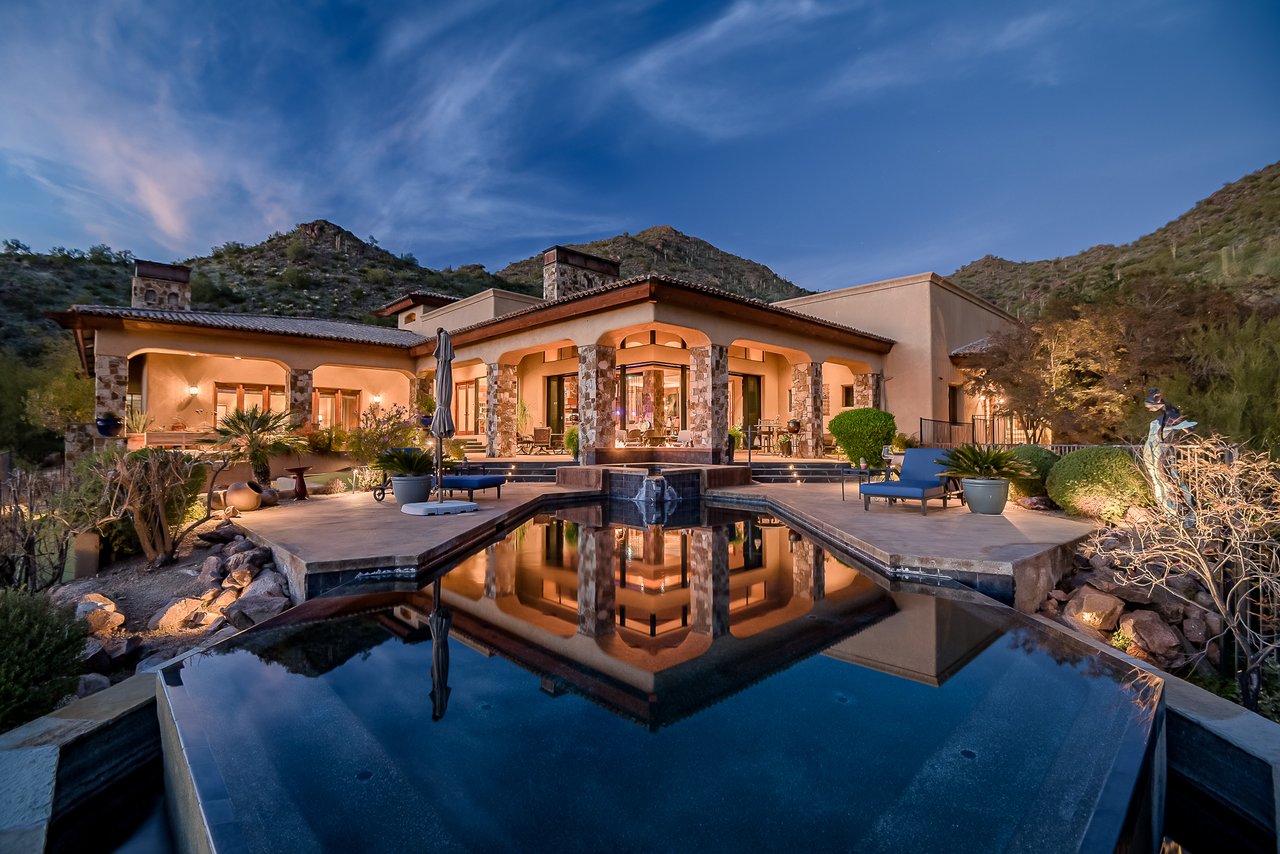
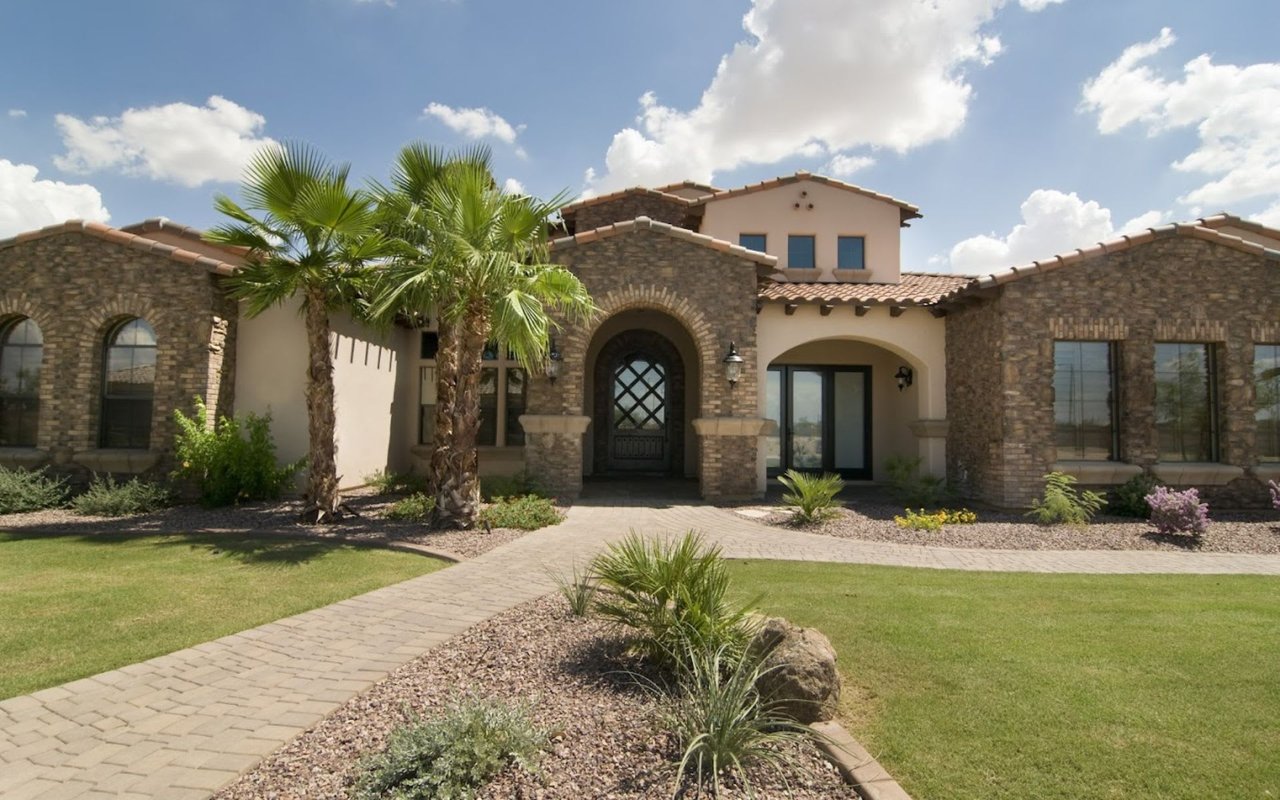
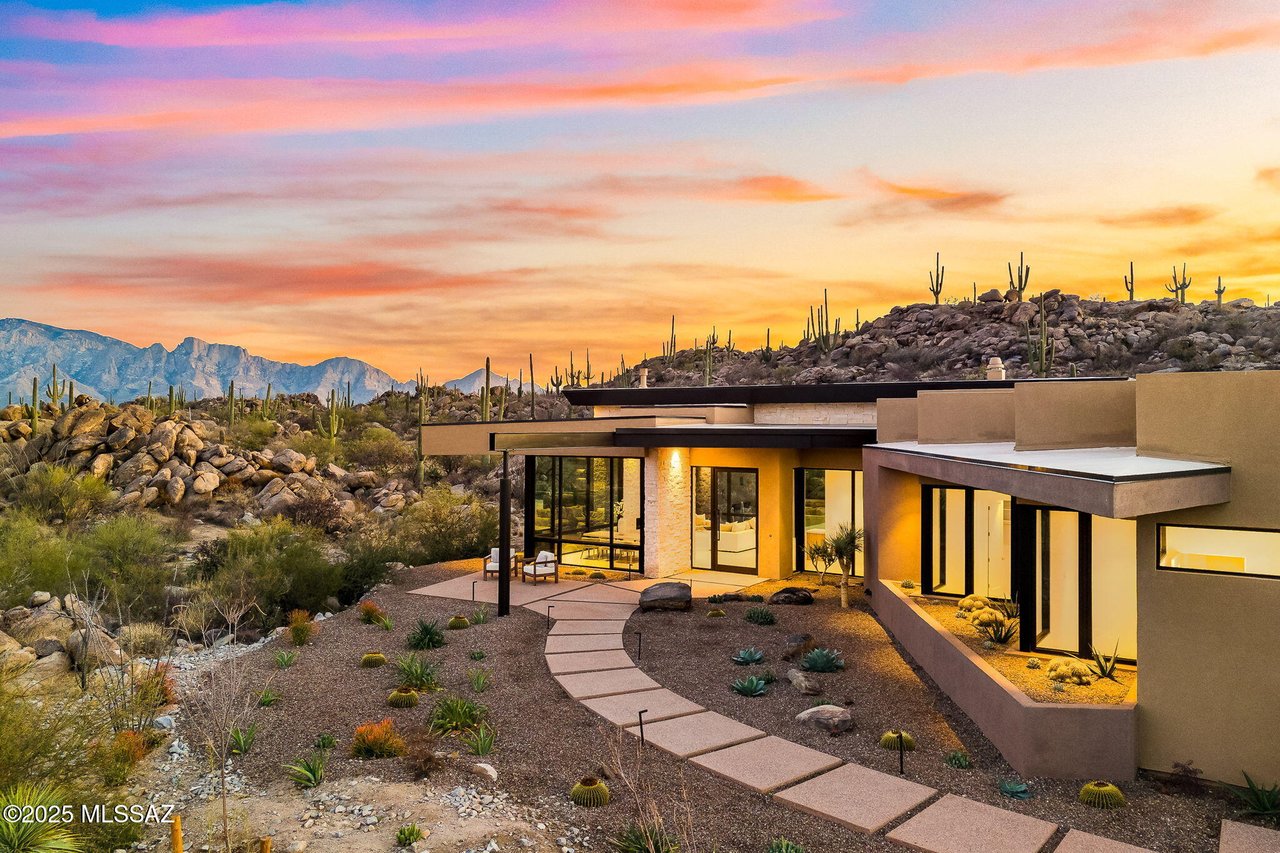
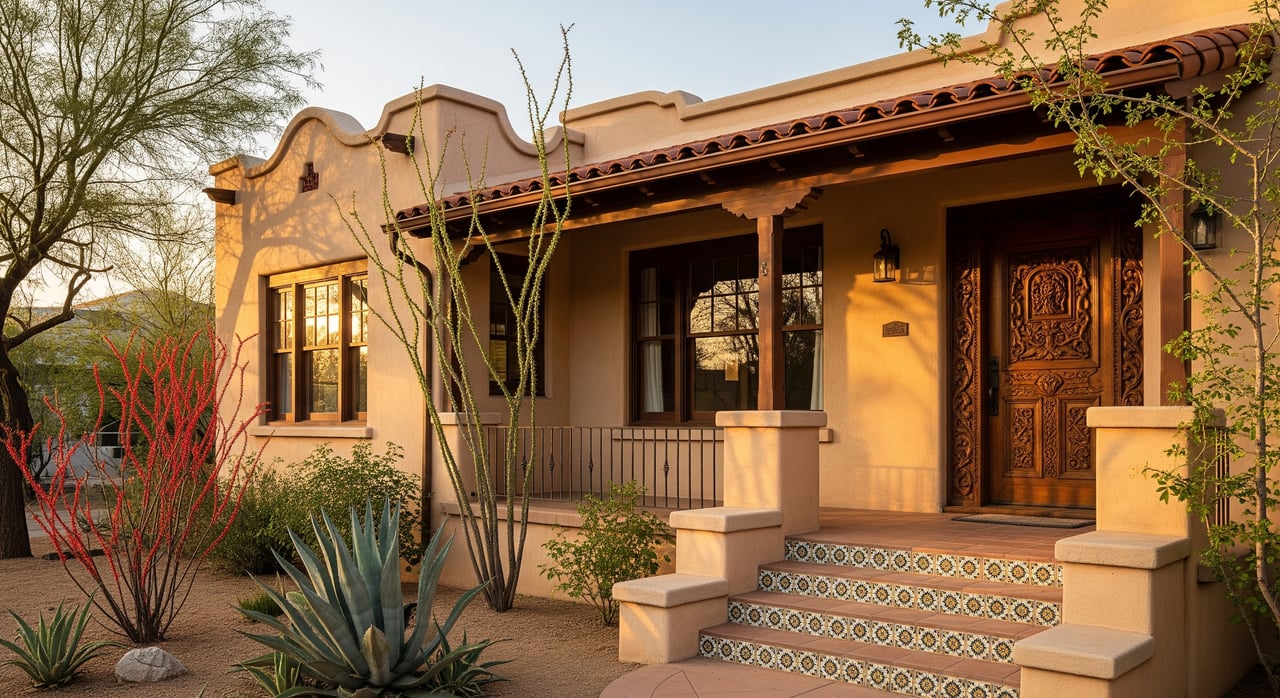
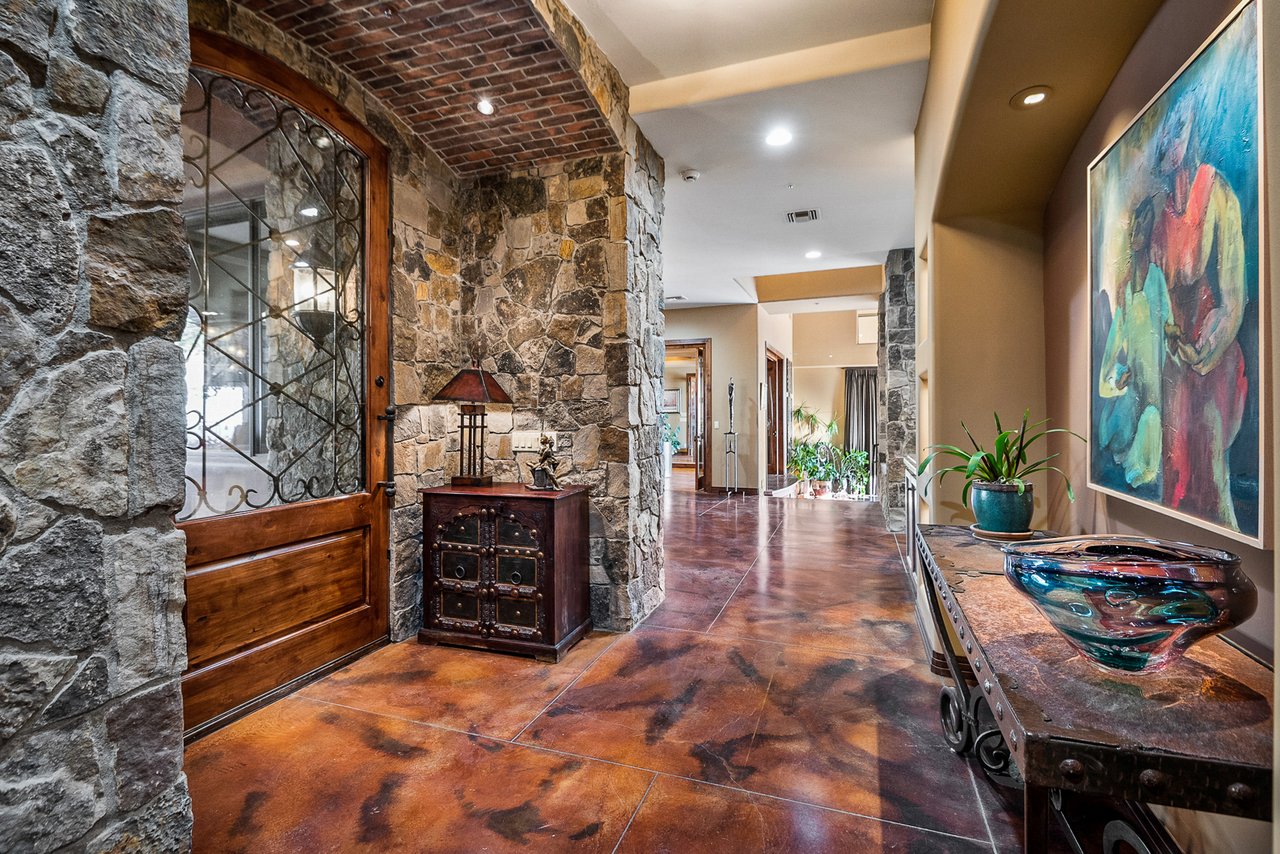
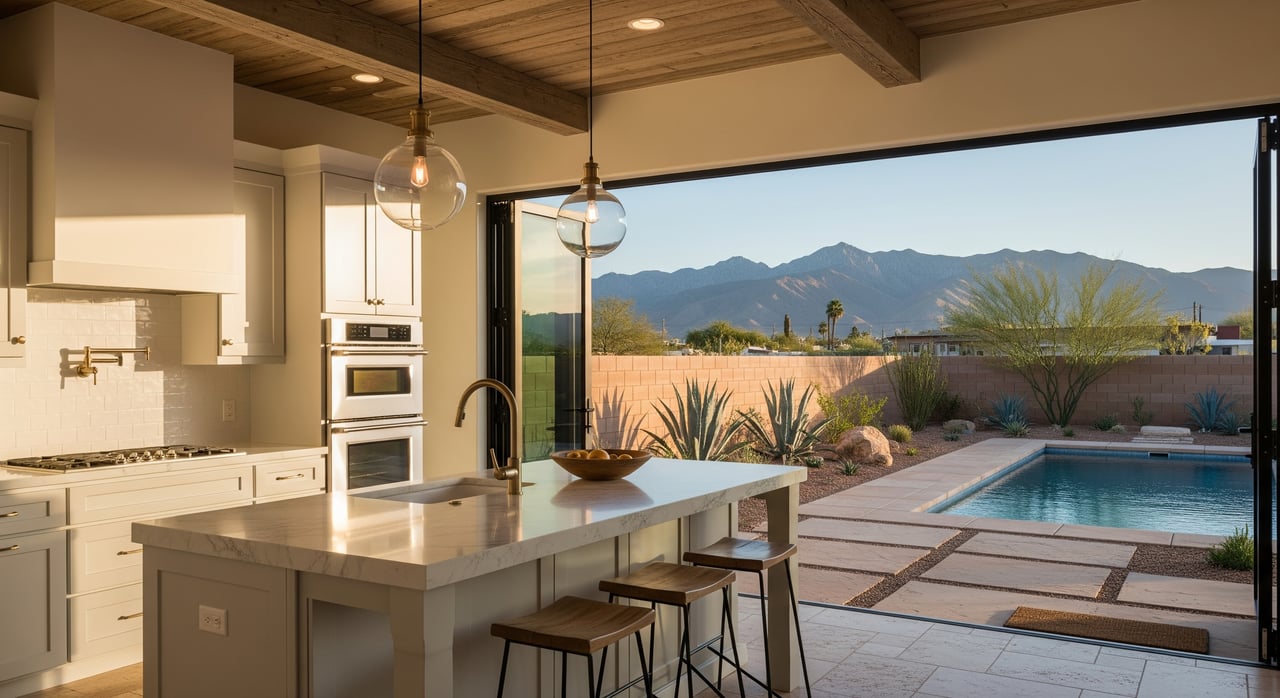
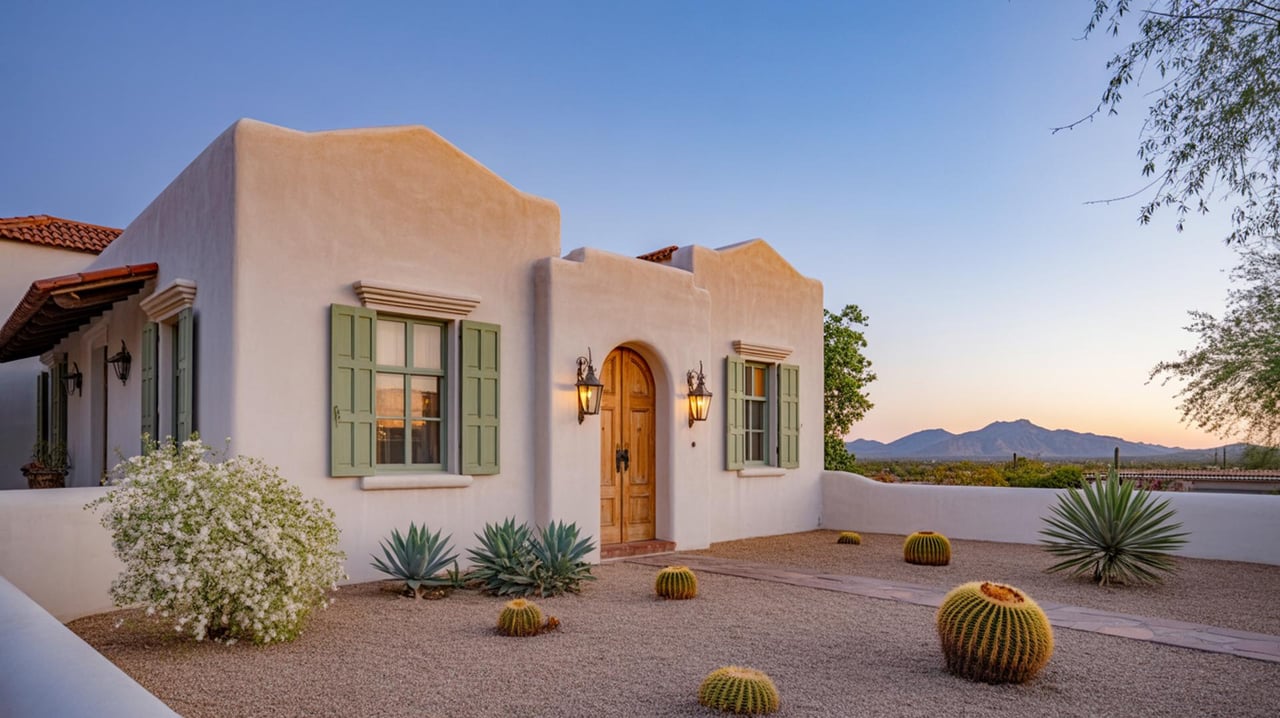
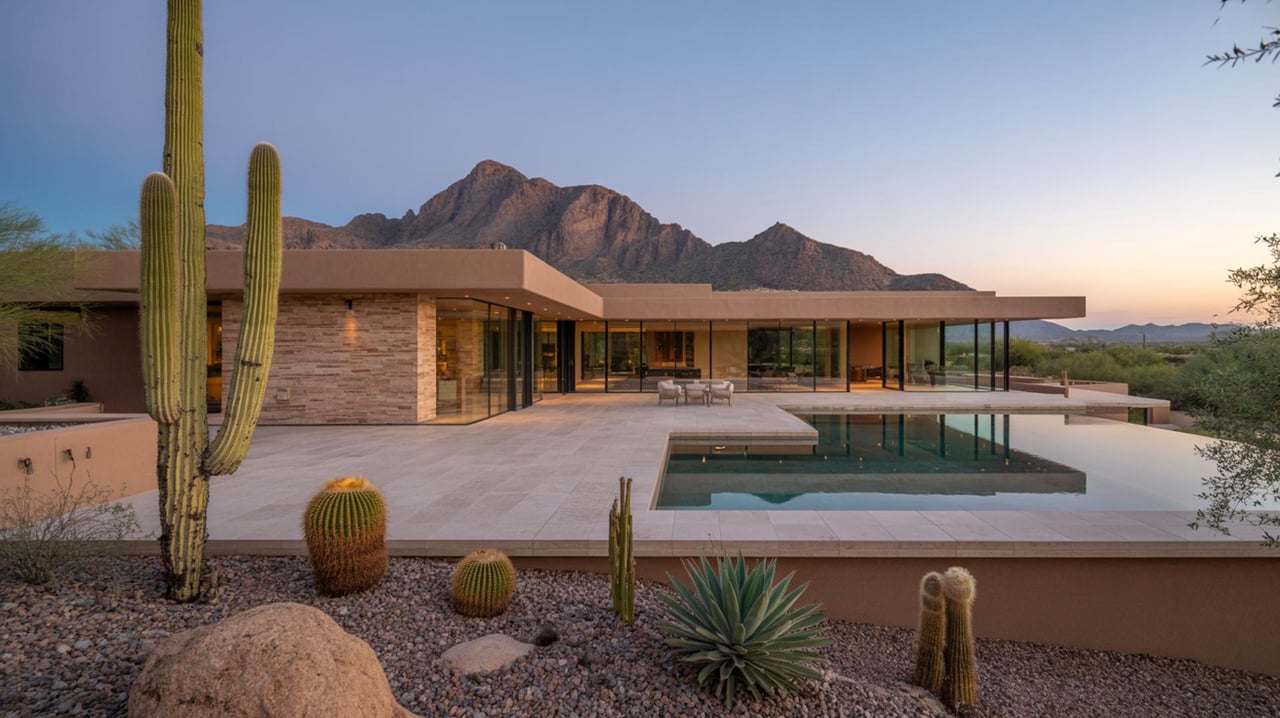
Recently, I represented the buyer of a luxury home in Starr Pass, one of Tucson’s most distinctive desert communities.
The property had been exceptionally well maintained.
The condition of a home often tells a story. This one reflected years of attention, stewardship, and pride of ownership. My clients noticed it immediately. After purchasing the property, they naturally became curious about the people who had lived there before them.
Who had cared for the home so meticulously?
What had prompted them to leave?
We eventually learned that the previous owners, both later in life, were divorcing.
I represented the buyer, not the sellers, so my responsibility throughout the transaction was clear: protect my clients’ interests, evaluate the opportunity, negotiate intelligently, and secure the strongest price and terms reasonably available.
We were able to negotiate a fantastic outcome.
My clients acquired a beautiful luxury home in Starr Pass at a compelling price and on favorable terms.
For them, the transaction represented an extraordinary opportunity.
For the sellers, however, it represented something entirely different.
It was the division of a significant shared asset. It was the conclusion of a chapter that had likely lasted for decades. It was also a practical step that would allow two people to begin moving forward separately.
The same closing can carry two entirely different meanings.
For one party, it may be an arrival.
For another, it may be a departure.
A home can simultaneously represent one person’s ending and another person’s extraordinary beginning.
My role was to understand which side of that equation my clients occupied and represent them accordingly—firmly, thoughtfully, and without losing sight of the human circumstances surrounding the transaction.
Then My Phone Rang
Around the same time, I received a call from another homeowner in Starr Pass.
He was an older gentleman who owned a significant luxury property in the community. He knew that I had recently sold a home nearby and was direct about why he was calling.
“Daniel, you just sold the house down the street. I want you to come over and tell me what my house is worth.”
It was a reasonable request.
When a homeowner sees a nearby property sell, particularly in a luxury community where homes can differ substantially in architecture, lot position, views, condition, and design, curiosity naturally follows.
I agreed to meet with him.
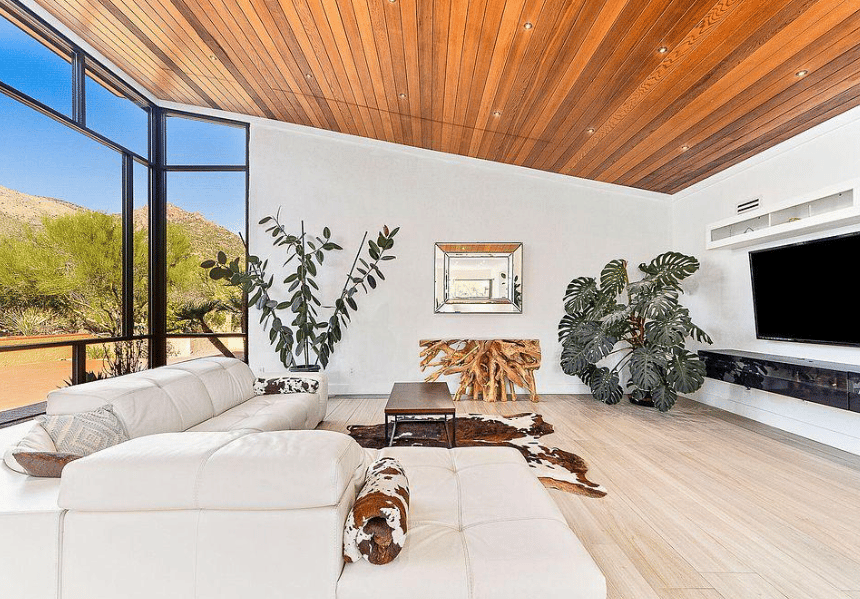
We walked through the residence together. I observed the floor plan, condition, improvements, outdoor spaces, views, and the features that would influence how the property might be positioned in the Starr Pass luxury market.
But before turning the conversation entirely toward comparable sales and pricing, I wanted to understand something more important.
I told him:
“Before we talk about what the house is worth, I would like to understand the entire situation.”
That was when the conversation changed.
He explained that he and his wife were getting a divorce.
Suddenly, the question was no longer simply:
“What could this home sell for?”
The more important questions became:
What does each person need from the transaction?
Is there agreement about selling?
What is the preferred timeline?
How important is privacy?
Will one spouse remain in the property during the sale?
Are there legal, financial, tax, estate-planning, or family considerations that need to be addressed by the appropriate professionals?
What would a successful outcome look like for both parties?
And should the home be sold immediately—or is there a better sequence of decisions?
Those questions cannot be answered through an automated home valuation.
They cannot be resolved by calculating an average price per square foot.
And they should not be rushed simply because an agent wants another listing.
The Value of the House Was Not the First Question
As a real estate advisor, I am trained to discuss property value.
I study comparable sales, absorption rates, buyer demand, inventory, condition, location, architecture, improvements, views, and market momentum. All of those variables matter.
But in complex transactions, determining the value of the house may not be the first question that needs to be answered.
The first question may be:
What is happening in the client’s life?
A salesperson may immediately ask:
How soon can we list?
What price do you want?
Can we sign the paperwork today?
I prefer to take a broader view.
Why are you considering selling?
Who else is involved in the decision?
What financial, personal, and logistical realities need to be understood?
What outcome are you trying to create?
What could go wrong if the process is handled poorly?
Real estate does not exist in isolation. It intersects with money, psychology, family, identity, health, aging, legacy, opportunity, and time.
Reducing a complicated life transition to a suggested listing price may produce an answer.
It does not necessarily produce good advice.
In luxury real estate, understanding why a client is selling can be as important as understanding what the property is worth.
Why Gray Divorce Creates a Different Kind of Real Estate Transaction
Any divorce involving real property requires care. A divorce later in life may introduce additional layers of complexity.
Older homeowners may have occupied the property for decades. The home may contain a lifetime of possessions, memories, improvements, and emotional meaning.
There may be substantial equity.
The property may be owned without a mortgage, held through a trust, or connected to a larger estate plan. Retirement assets, tax considerations, adult children, future healthcare needs, and inheritance expectations may all influence the decisions surrounding it.
One spouse may want to remain in the home.
The other may need access to their share of the equity.
One party may prioritize speed.
The other may believe that waiting or improving the property could produce a stronger result.
Even when both people agree that selling is the correct decision, they may disagree about nearly everything else.
That is why I do not view the sale of a luxury home during divorce as merely a marketing assignment.
It is a financial, emotional, legal, and strategic transition.
My role is to manage the real estate component with clarity, discipline, and discretion while recognizing when attorneys, tax professionals, financial advisors, estate-planning professionals, or other experts need to be involved.
I do not attempt to replace those professionals.
My value lies in understanding how to work alongside them while protecting the real estate strategy and the transaction itself.
Discretion Is More Than a Marketing Phrase
Privacy becomes especially important when the property is significant, the owners are prominent, or the circumstances surrounding the sale are personal.
In an interconnected community like Tucson, information travels quickly.
That does not mean private circumstances should become part of the marketing narrative.
The reason for a sale may influence my strategy, but it does not need to be disclosed publicly. Buyers do not need access to the intimate details of a seller’s marriage. Neighbors do not need a complete explanation. Other agents should receive only the information necessary to evaluate and complete the transaction.
To me, discretion means understanding the circumstances without exploiting them.
It means knowing what is relevant, what is confidential, and what should never become gossip.
It also means being careful about language.
Terms such as “motivated seller” can invite buyers to assume distress and make unnecessarily aggressive offers. In certain situations, the better strategy may be to emphasize the property’s merits, establish market value convincingly, and allow the negotiation to proceed without advertising the sellers’ personal circumstances.
Luxury representation is not defined only by photography, staging, or polished marketing.
Sometimes, it is defined by what I choose not to say.
The Buyer’s Opportunity and the Seller’s Humanity
There is an important balance in transactions like these.
When I represent a buyer, I have a duty to negotiate for that buyer.
Recognizing that a seller values certainty, timing, convenience, or favorable terms is part of sophisticated negotiation. A strong purchase is not determined solely by the lowest possible price. The structure of the offer can be equally important.
Closing date, inspection terms, financing strength, concessions, occupancy, personal property, repair expectations, and certainty of performance can all influence the seller’s decision.
In the Starr Pass purchase, I negotiated an outcome that strongly benefited my clients.
I am proud of that work.
But representing the buyer effectively did not require treating the sellers’ personal transition as entertainment or viewing their circumstances without empathy.
Both ideas can be true:
The buyer deserved strong advocacy.
The sellers deserved dignity.
Professionalism requires the ability to hold both truths at once.
The Most Important Asset May Be Optionality
When someone calls me to ask what their house is worth, they may believe they are asking for a number.
Often, they are really asking for options.
Could I afford to live somewhere else?
Can my spouse and I maintain separate households?
Would selling now create enough liquidity for the next chapter?
Should we prepare the home before putting it on the market?
Could one of us purchase the other person’s interest?
Would a private or off-market sale be more appropriate?
Is the market strong enough to act now?
What happens if we wait?
The value of experienced real estate advice is not simply producing a price range. It is helping the client understand what that price range makes possible.
This is particularly important later in life.
A person in their eighties may not want a complicated renovation, months of showings, or an uncertain sale. Convenience, predictability, and timing may carry more value than achieving the highest theoretical price.
Another homeowner may feel no urgency and prefer to prepare the property carefully for a broader luxury-market launch.
Neither strategy is automatically correct.
The correct strategy is the one that supports the client’s actual circumstances and goals.
The strongest real estate strategy is not always the one that produces the highest theoretical number. It is the one that creates the most successful overall outcome.
Major Life Transitions Often Move the Luxury Market
Divorce is only one of the personal forces influencing Tucson luxury real estate.
In my practice, I regularly encounter decisions connected to retirement, inheritance, estate settlement, relocation, health changes, adult children, financial restructuring, and the loss of a spouse.
From the Catalina Foothills and Ventana Canyon to Starr Pass, Dove Mountain, Oro Valley, and other luxury communities across Southern Arizona, significant properties often enter the market because something meaningful has changed behind the scenes.
The public sees a new listing.
I may see a family in transition.
That distinction matters.
A home is an asset, but it is also the physical setting of a person’s private life. It contains routines, celebrations, grief, ambition, identity, and memory.
That emotional weight should not dictate every financial decision.
But pretending it does not exist rarely produces better decisions.
The most sophisticated representation recognizes the emotional dimension without allowing it to overwhelm the strategy.
Beginning Again Has No Age Limit
What stayed with me most about these two Starr Pass experiences was not simply that both involved divorce.
It was the age of the people involved.
There is a cultural assumption that by a certain point in life, the major decisions have already been made. The house has been chosen. The marriage has endured. The lifestyle has been established. The future is expected to resemble the past.
But people continue to change.
Priorities evolve.
Tolerance changes.
Time becomes more valuable precisely because there is less of it to spend carelessly.
Whether a late-life divorce represents liberation, sadness, necessity, or some combination of all three is deeply personal.
It is not my role to judge that decision.
My role is to understand how the decision affects the property, the timing, the negotiation, and the future my client is attempting to create.
At 80 or 85, selling a longtime home may not represent giving up.
It may represent choosing again.
It Is Never Just About the House
These two experiences reinforced the philosophy that guides my approach to Tucson real estate.
I do not believe the first conversation should always begin with a listing agreement.
It should begin with understanding.
What is happening?
What matters most?
Who needs to be involved?
What options exist?
What would a successful next chapter look like?
Only then should we determine how the real estate can help create it.
A house may be worth one amount on paper and something different within the context of a person’s life.
Price matters.
Terms matter.
Timing matters.
Privacy matters.
But the human circumstances surrounding the transaction matter, too.
Some of the most consequential real estate decisions I encounter have very little to do with real estate.
And sometimes the most important question is not:
“What is the house worth?”
It is:
“What is happening in your life—and where do you want to go from here?”
Frequently Asked Questions About Divorce and Tucson Real Estate
What is gray divorce?
Gray divorce generally refers to divorce involving adults age 50 and older. The term often includes couples who separate after long marriages, sometimes following retirement or after their children have left home.
Should divorcing homeowners speak with a real estate advisor before listing their property?
An early conversation with an experienced real estate advisor can help homeowners understand the property’s likely market value, potential preparation costs, estimated selling timeline, and available sales strategies.
Before making binding decisions, each party should also obtain appropriate legal, tax, and financial advice.
How is selling a luxury home during divorce different from a conventional sale?
Luxury homes can involve substantial equity, longer marketing periods, specialized valuation, privacy concerns, trusts, estate plans, valuable personal property, and more complicated negotiations.
Divorce may add disagreements about price, timing, repairs, occupancy, access, offer selection, and the distribution of proceeds.
Why does discretion matter when selling a luxury property during divorce?
Publicizing the personal reason for a sale can invite gossip, interfere with negotiations, and create incorrect assumptions about seller urgency.
A thoughtful strategy protects the owners’ privacy while still giving qualified buyers the information they need to evaluate the property.
What should older Tucson homeowners consider before selling?
Important considerations may include future housing, accessibility, maintenance, proximity to family and healthcare, tax consequences, moving logistics, liquidity needs, estate plans, and the emotional difficulty of leaving a longtime residence.
The best approach begins with the homeowner’s complete situation—not simply an estimated selling price.
Is a real estate advisor qualified to provide divorce, tax, or financial advice?
No. I can advise on property value, preparation, marketing, offers, negotiation, and the transaction process.
Legal, tax, estate-planning, and financial questions should be directed to appropriately qualified professionals.
A Private First Conversation
If you are considering selling a significant Tucson property because of divorce, retirement, inheritance, health changes, or another major life transition, the first conversation does not necessarily need to be about putting the home on the market.
Sometimes, the most valuable place to begin is simply understanding the situation, the available options, and what a successful next chapter might look like.
I provide thoughtful, discreet representation for buyers and sellers throughout Starr Pass, the Catalina Foothills, Ventana Canyon, Dove Mountain, Oro Valley, and the greater Tucson luxury real estate market.
A private conversation can begin before any decision to sell has been made.
About Daniel Sotelo
I am a Tucson real estate advisor with Russ Lyon Sotheby’s International Realty and a Certified Luxury Home Marketing Specialist. As a Tucson native, I represent buyers and sellers throughout Southern Arizona, with a focus on luxury properties, strategic negotiation, discreet representation, and complex transactions connected to significant life transitions.
My approach begins with understanding the client’s complete circumstances—not simply the property.