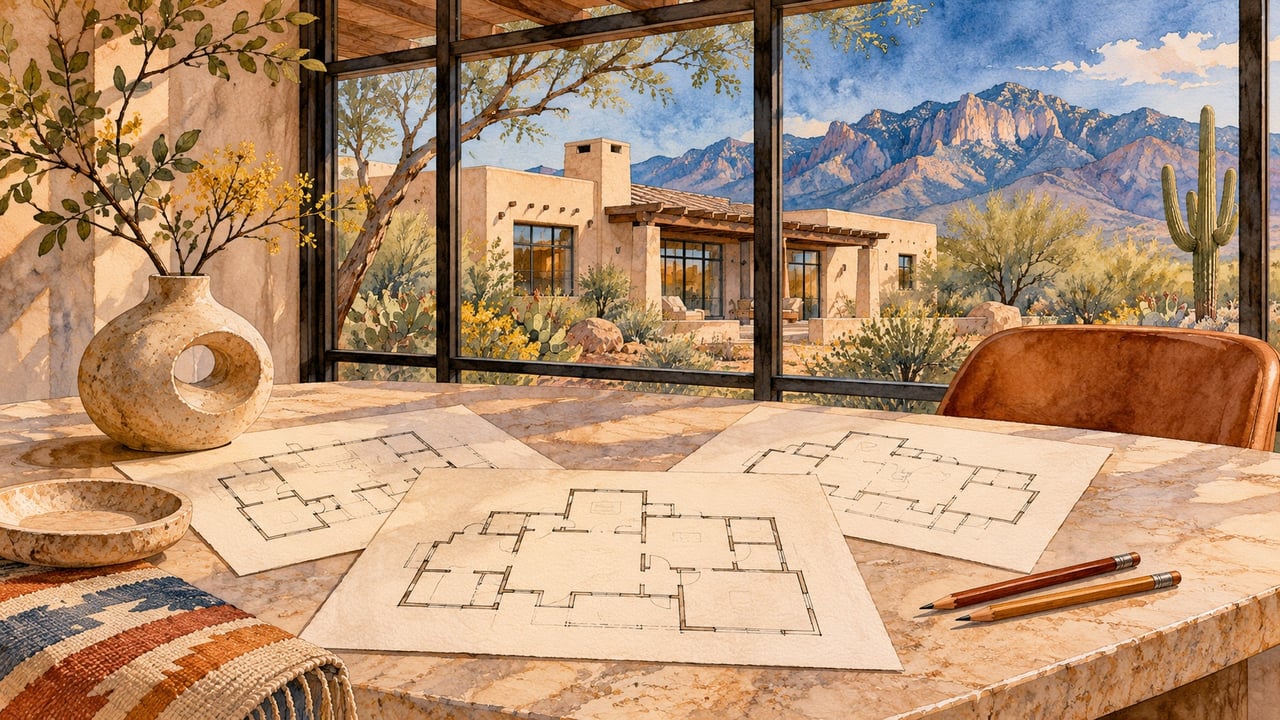
A useful pricing recommendation for a Tucson home should explain which properties buyers will compare with it, what those properties demonstrate, and where the differences matter. A citywide median provides context. It does not set the asking price of an individual residence.
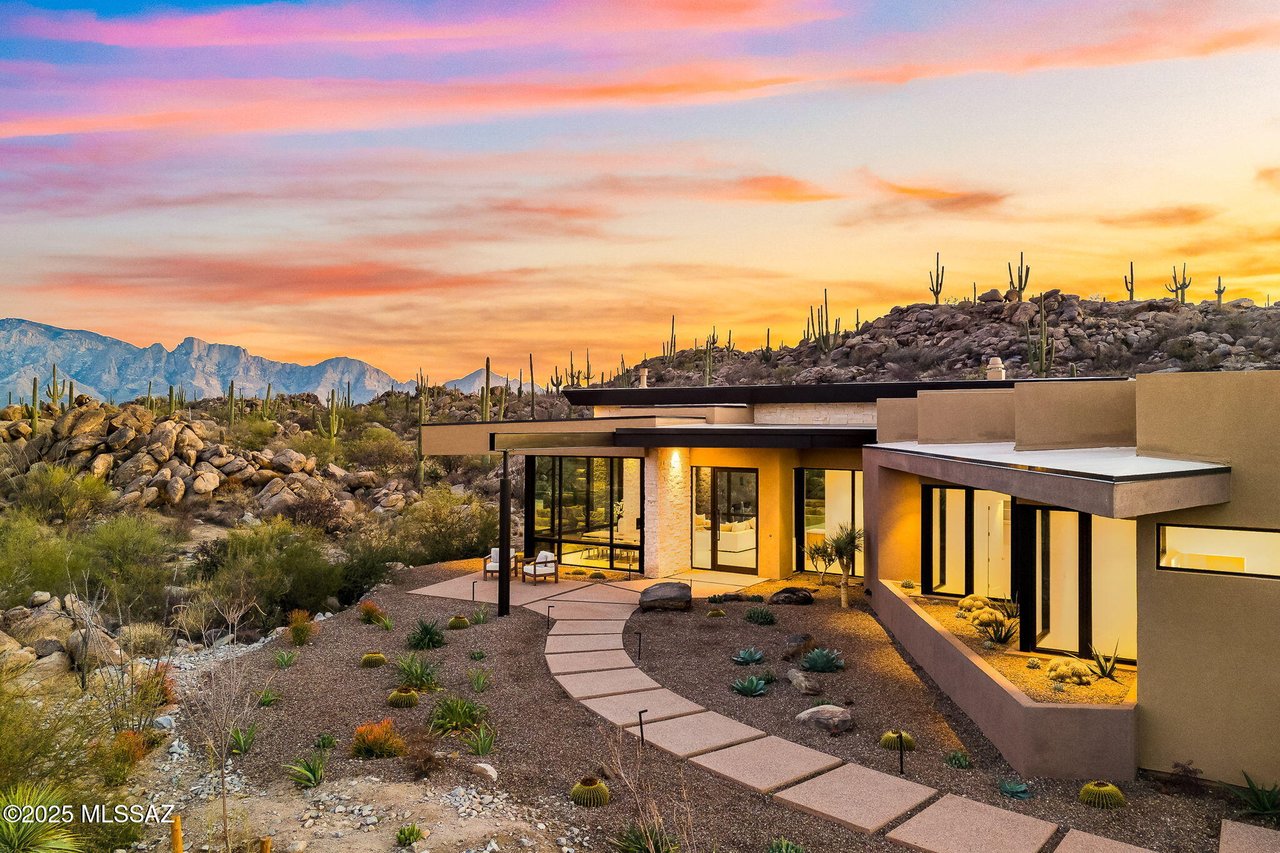
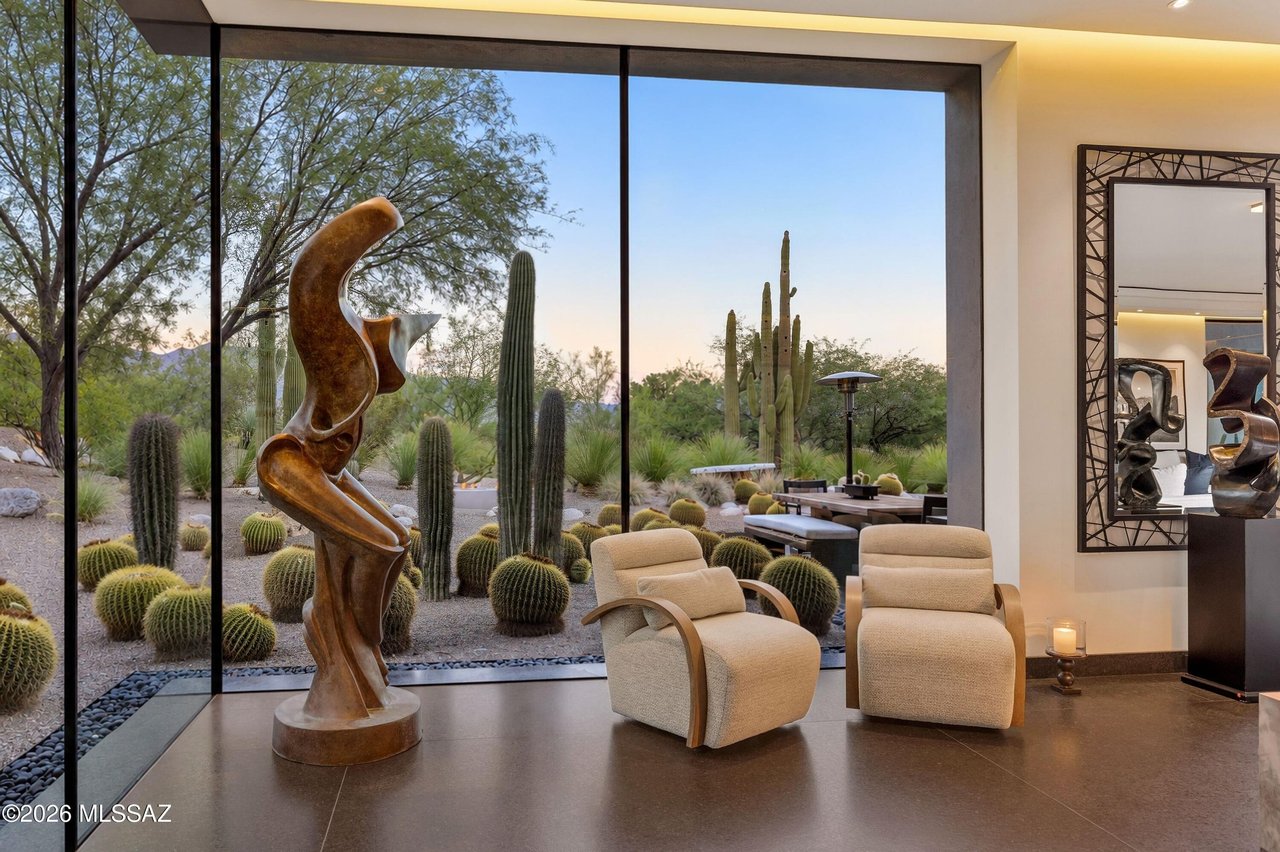
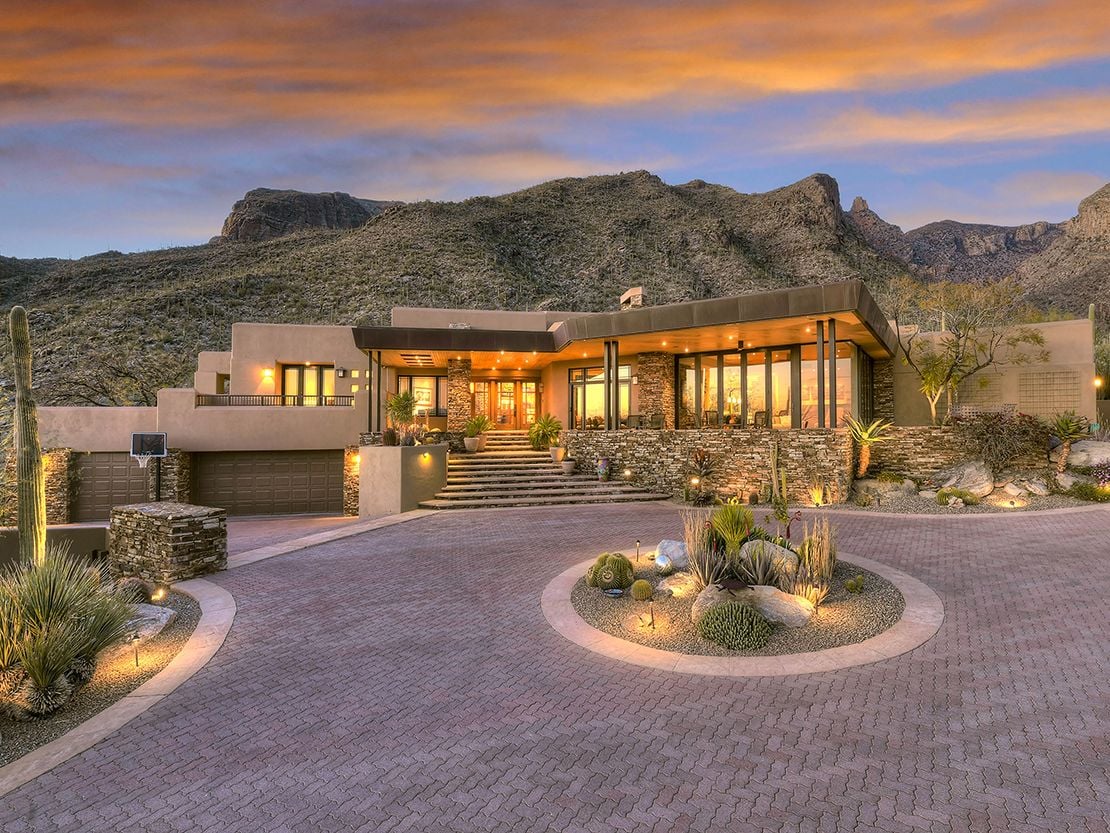
This distinction is especially useful when a home has a particular architectural character, an unusual floor plan or a setting that is difficult to duplicate. The answer is not to abandon comparison. It is to make the comparison more thoughtful.
As you prepare to sell, look at the alternatives buyers can see today. Start with Tucson-area homes from $1 million to $1.5 million or from $1.5 million to $2 million when those ranges are relevant to your property. Asking prices reveal choices in the market; they do not establish completed-sale values.
Read the market report at the right scale
The Tucson Association of REALTORS' MLSSAZ statistics library publishes residential reports across fourteen major market areas. Before using a number in a pricing conversation, identify its data period, geography and property scope.
The median is the middle observation in a group of sales. If the mix of properties changes, that middle observation can change even when an individual home has not gained or lost the same percentage. A broad regional statistic cannot show every difference among a compact courtyard residence, an extensively renovated house and a larger custom property.
My approach is to use the broad report to frame questions, then narrow the analysis to the home. Which alternatives are actually relevant? What evidence is recent enough to be useful? What needs explanation? Those questions are more productive than applying a regional percentage to last year's hoped-for price.
Build a comparison around the buyer's real alternatives
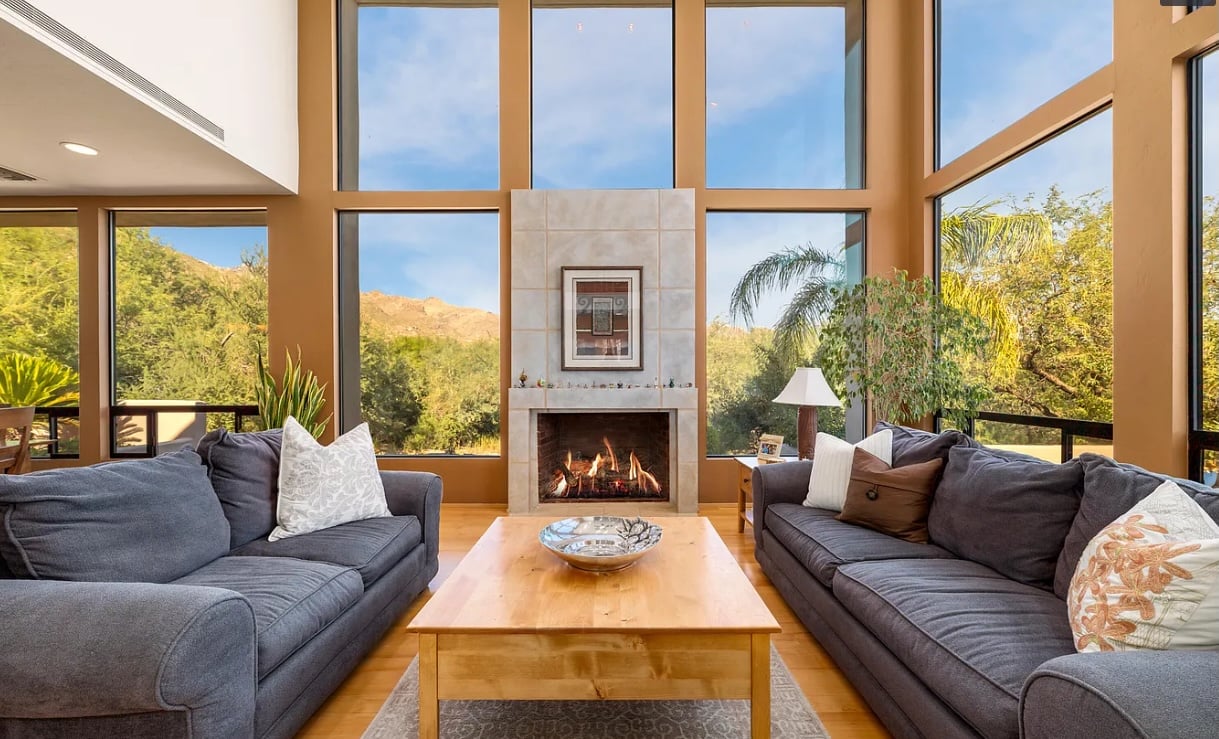
Begin with location, property type, size and recent sales, then examine the features that affect how the home lives. These may include layout, condition, lot use, access, outdoor space and the relationship between the house and its surroundings.
Fannie Mae's comparable-sales guidance emphasizes similar physical and legal characteristics and competition within the relevant market area. That is guidance for appraisals, a separate process from an agent's seller pricing recommendation. It nevertheless illustrates why selecting evidence involves more than drawing a radius around an address.
A nearby sale deserves attention, but proximity alone does not make it the best comparison. When a different location is considered, the analysis should explain why a buyer might see it as an alternative and what differences remain.
Keep closed sales, active listings and pending sales in their lanes
Each group answers a different question. Blending them into one average obscures the evidence.
- Closed sales: What transactions have actually completed? Review the available terms, condition and timing that help explain the reported price.
- Active listings: What can buyers choose from now? These are competing offers to the market, not proof of what a buyer will pay.
- Pending sales: Which homes have attracted an agreement? Treat the published information carefully; an unknown contract price should remain unknown.
- Withdrawn or expired listings: What was offered without a recorded sale during that listing period? Investigate the context before treating the outcome as a price verdict.
A comparison becomes useful when it explains these distinctions. The most ambitious active asking price may be relevant competition, but it is not automatically the strongest evidence for your own price.
Explain the differences that a simple average hides
Consider two hypothetical homes of similar size. One has documented recent roof work and a layout that fits the buyer's needs. The other has a more attractive kitchen but unresolved roof questions and a room arrangement the buyer would need to change. A single price-per-square-foot figure cannot communicate that tradeoff.
The analysis should identify the differences, the evidence available and the uncertainty that remains. It should not invent a fixed dollar adjustment for every feature. A renovation invoice documents an expense; it does not establish that a future buyer will pay back that expense dollar for dollar.
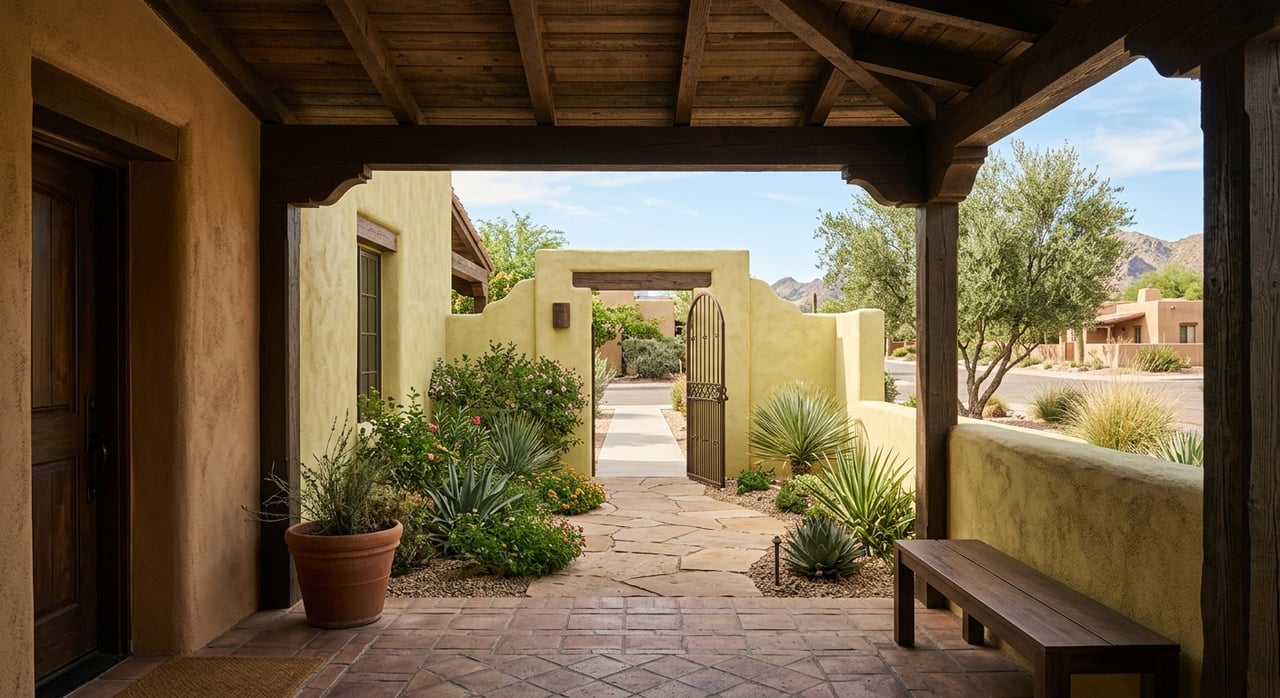
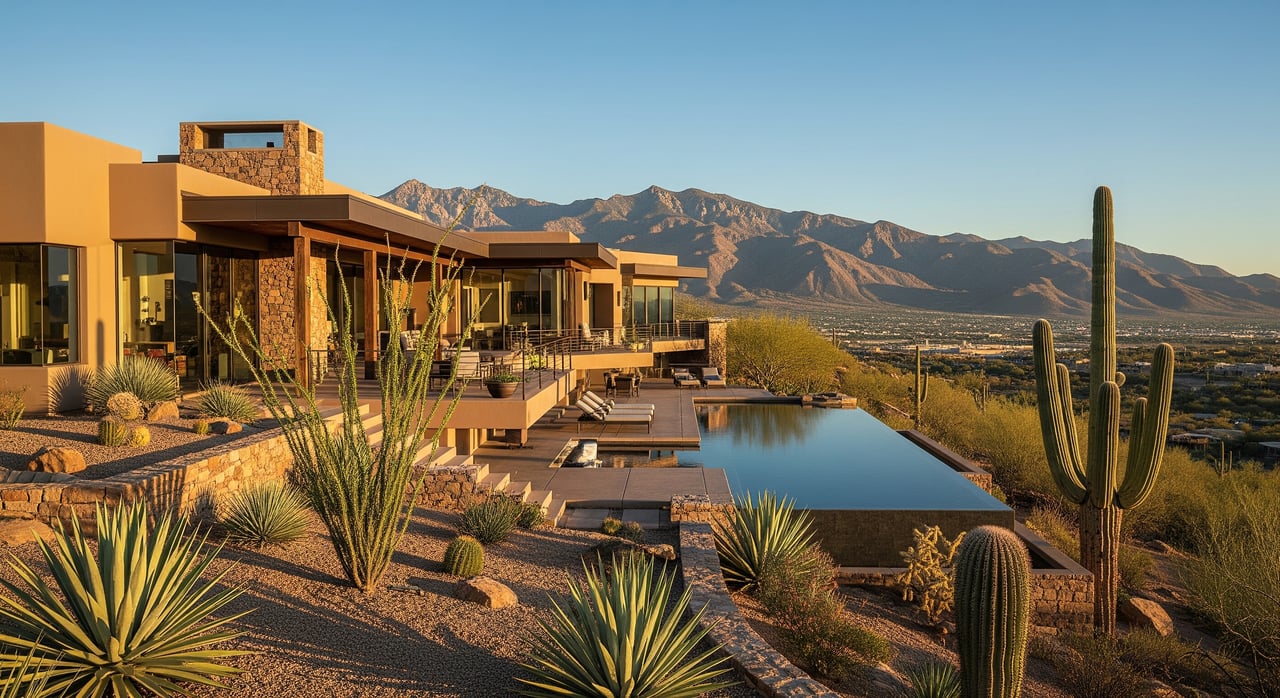
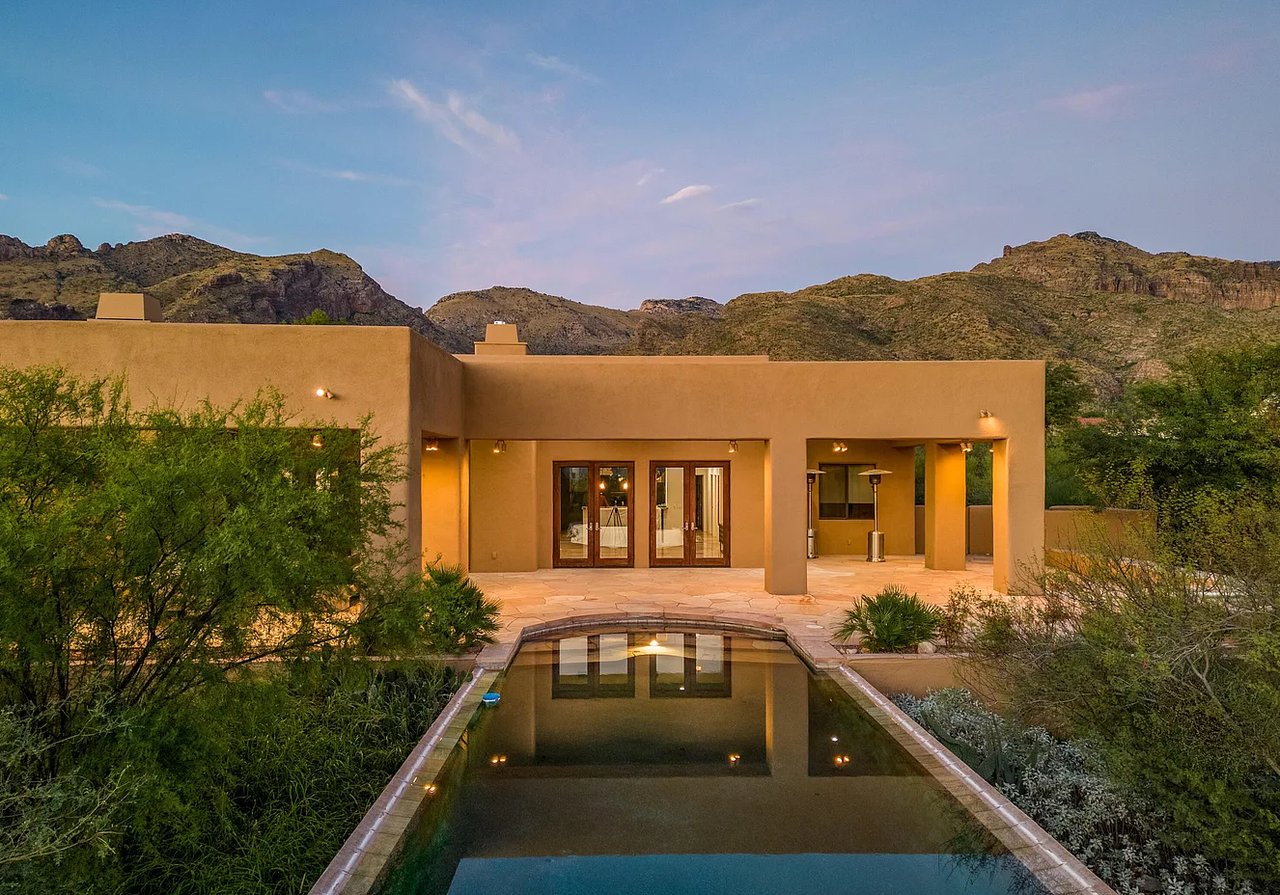
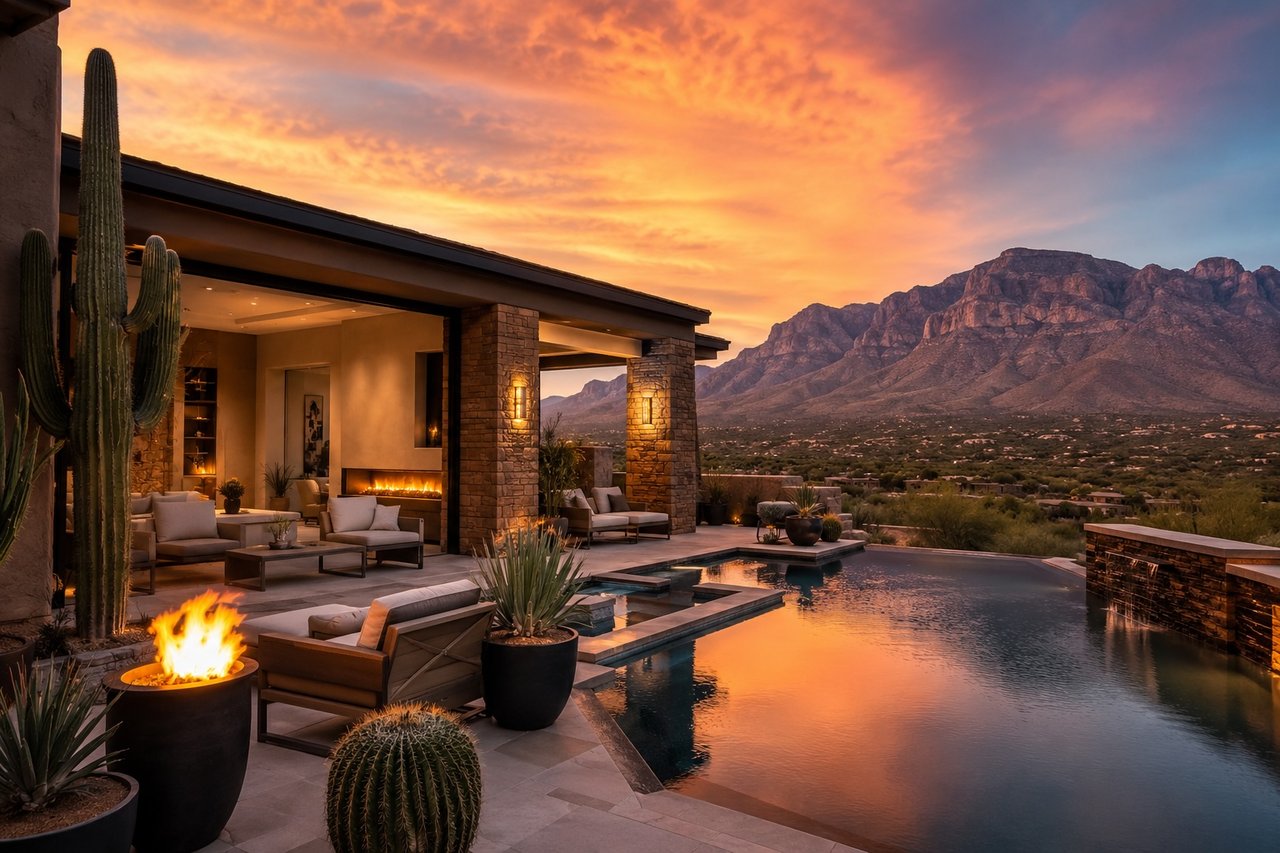
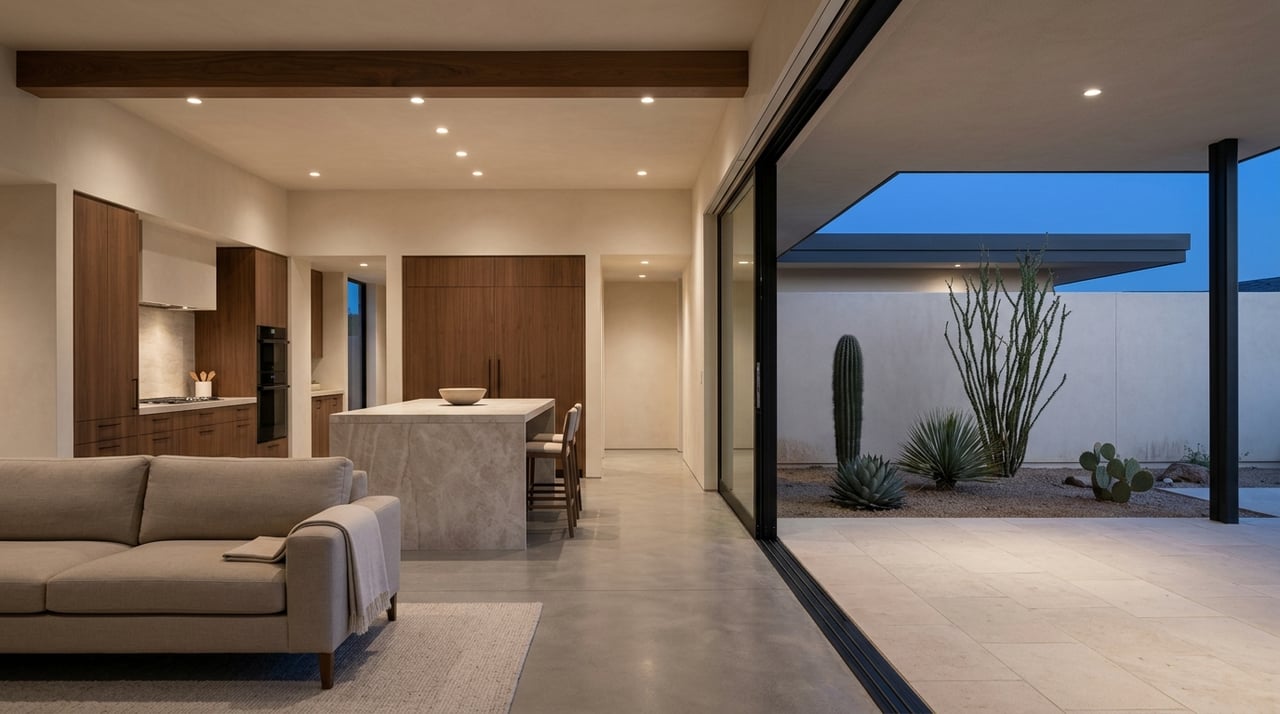
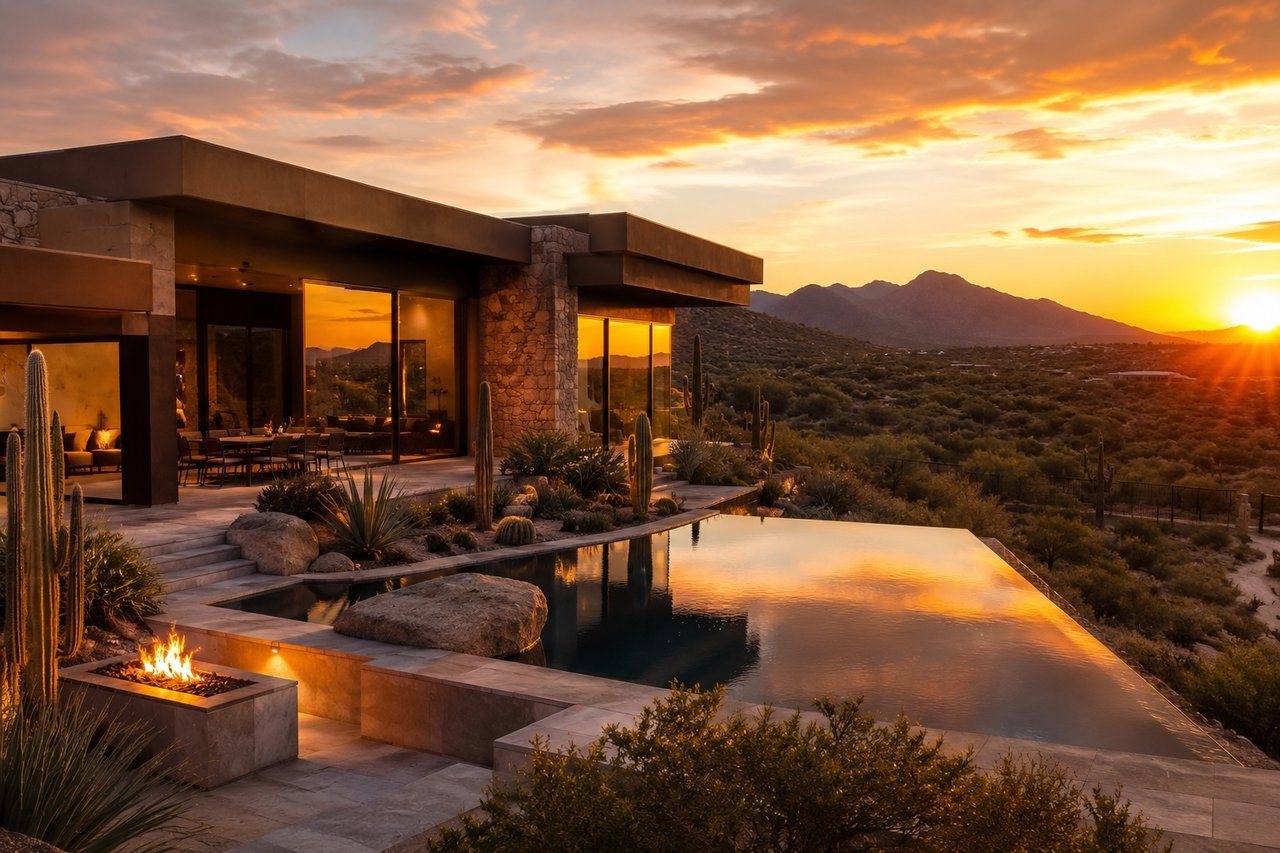
In Tucson, a terrace's orientation, the connection to a courtyard, the usefulness of a lot and the condition of major systems can be important parts of the conversation. Evaluate them property by property. Avoid assigning a universal premium to a mountain view or an architectural label.
When there are few close matches, explain the limits
Some homes are difficult to compare. The response should be a clearer explanation of the available evidence, including why an older sale or a competing area is relevant, rather than a claim that the property has no comparable market.
Ask how the recommendation changes if one exceptional sale is removed. Ask which differences are supported by evidence and which are matters of judgment. A useful analysis should remain understandable even when the available transactions are imperfect.
For a higher purchase range, reviewing Tucson-area homes from $2 million to $3 million and from $3 million to $4 million can help reveal the alternatives a buyer might weigh. The task is to study relevant competition, not to borrow the highest price in a search.
Give the home a clear presentation and a review plan
Before launch, assemble the records that explain the property: available plans, improvement details, service history and documentation of features mentioned in the marketing. Good photography and a legible floor plan help buyers assess the home. My article on presenting the story of a distinctive Tucson property explores that work.
Then agree on a date to review the strategy and what evidence to consider. Showings, access limitations, repeated comments, competing changes and actual offers should be considered together. One visitor's preference is different from a consistent pattern among otherwise relevant buyers.
If interest is limited, diagnose the issue. Does the presentation explain the floor plan? Can buyers arrange a showing? Is a condition concern unanswered? How does the asking price compare with the available alternatives? That sequence creates a specific next step instead of a reflexive reaction.
As Daniel Sotelo with Russ Lyon Sotheby's International Realty, I bring Tucson knowledge, thoughtful presentation and professional connections to the selling process. The purpose is a strategy you can understand and evaluate as the market responds. Contact me to discuss your property, timing and the evidence that should guide its position.
Daniel Sotelo | Russ Lyon Sotheby's International Realty
520.727.9000
Tucson expertise. Well-connected guidance.