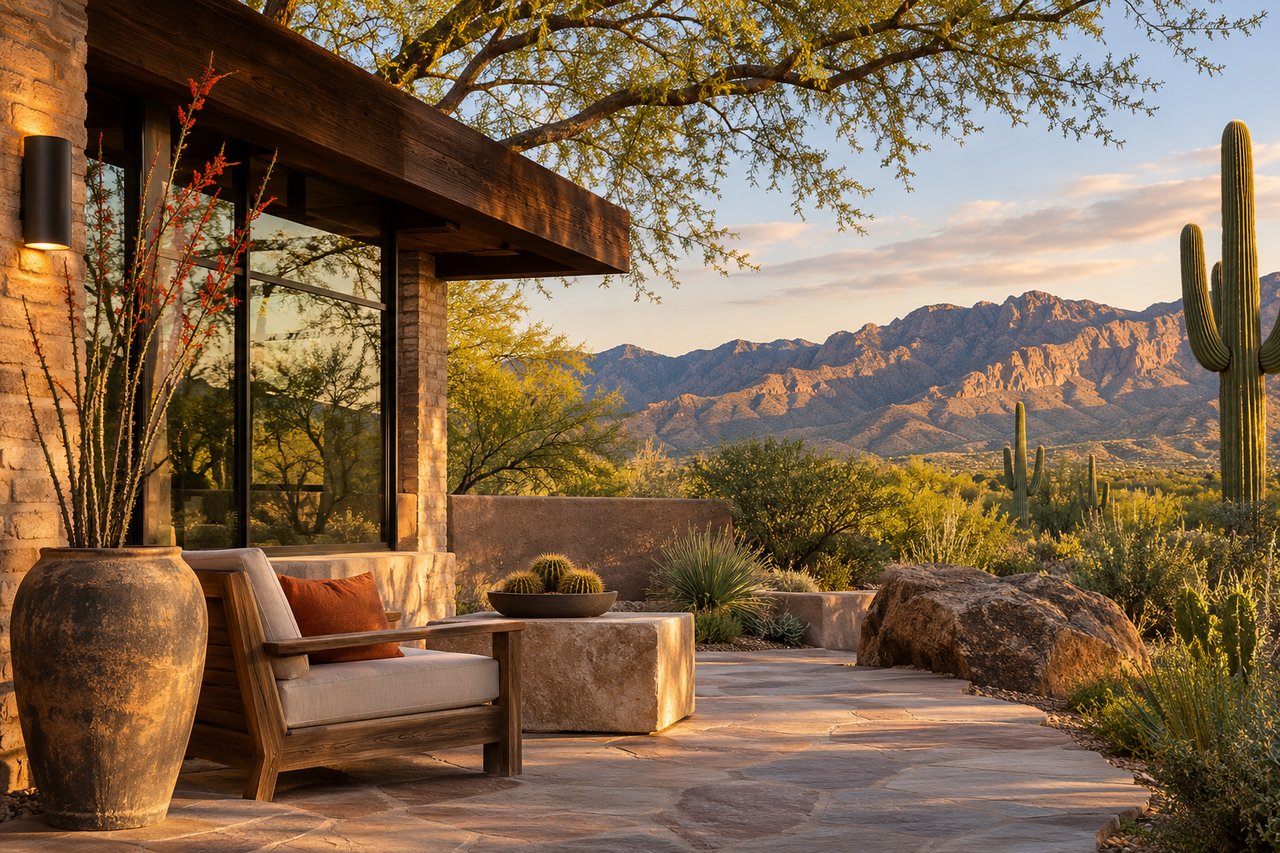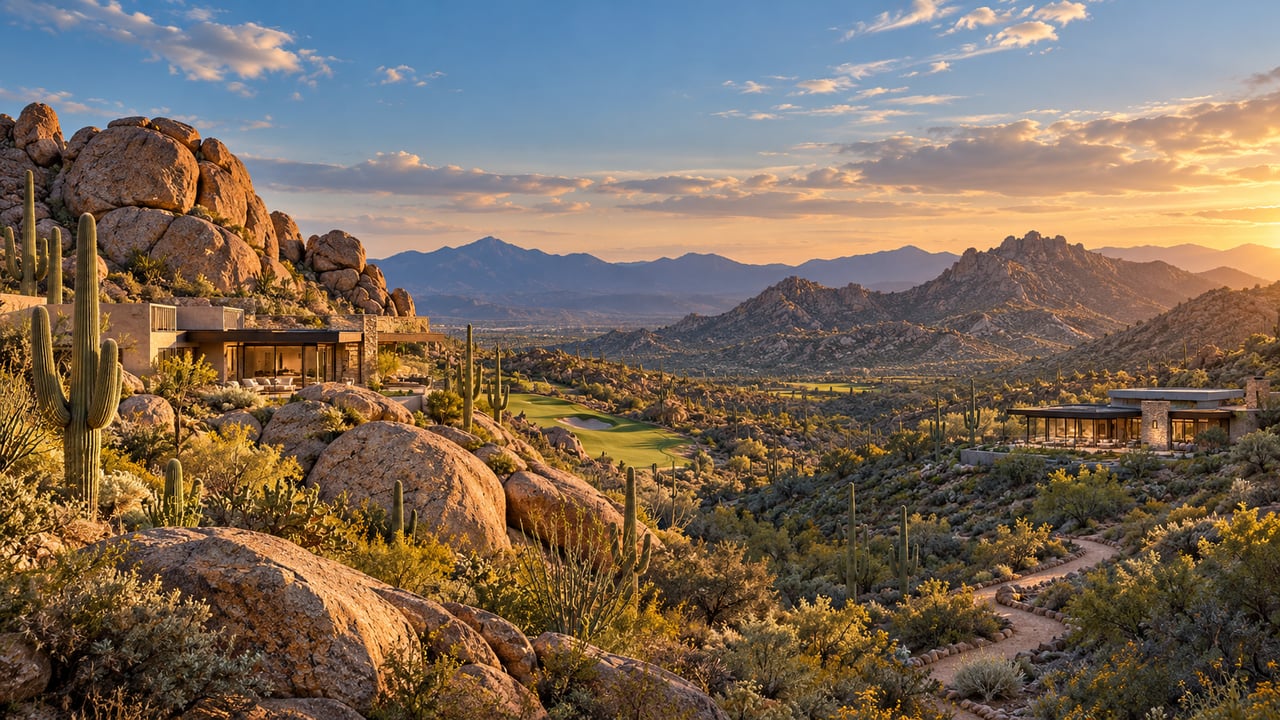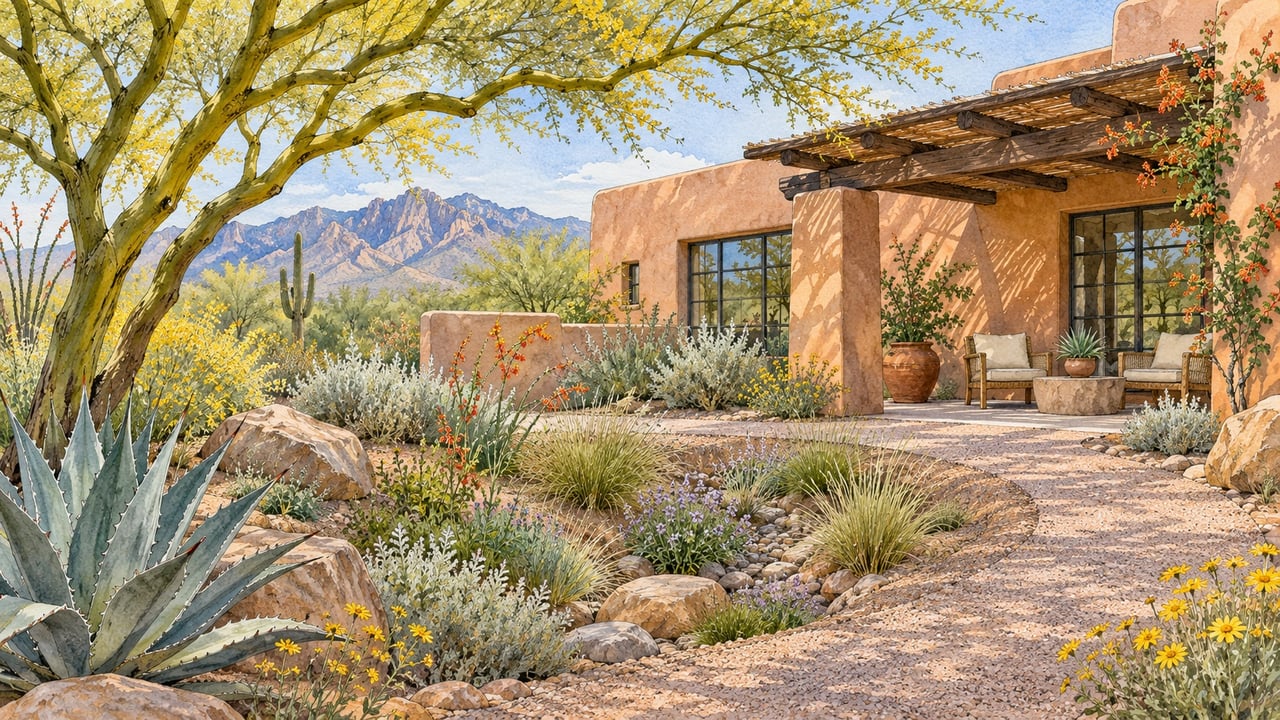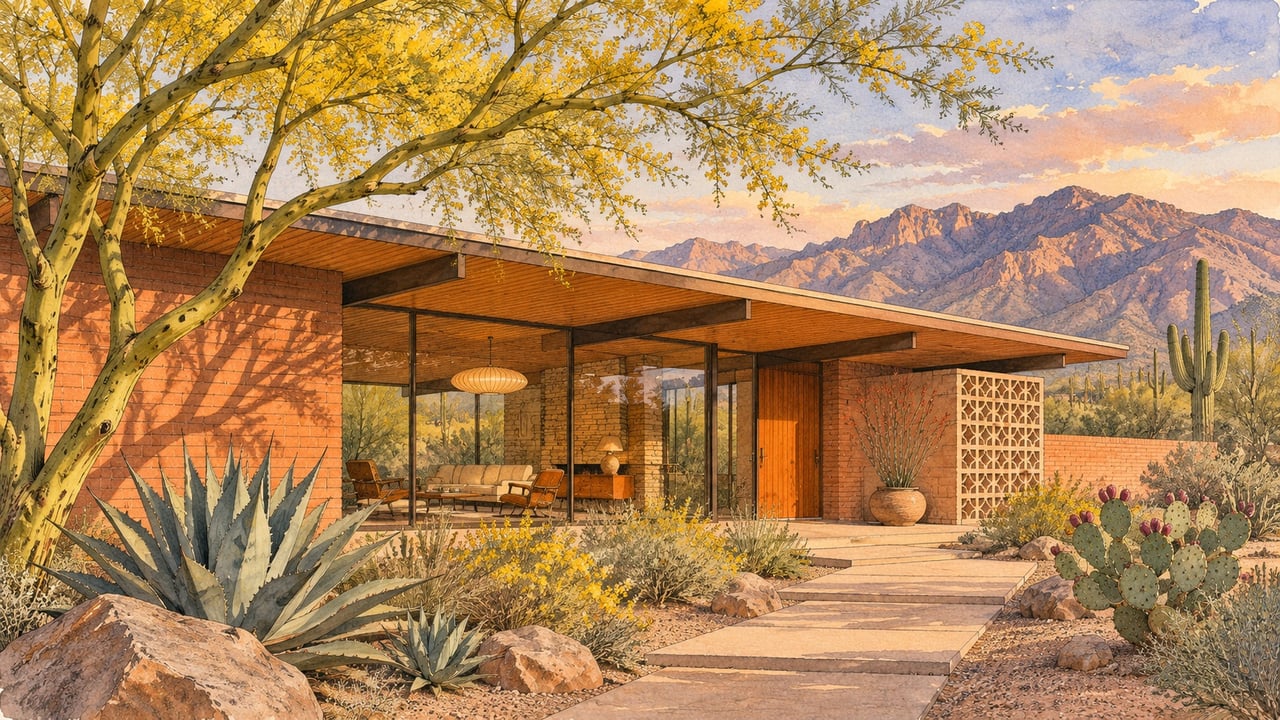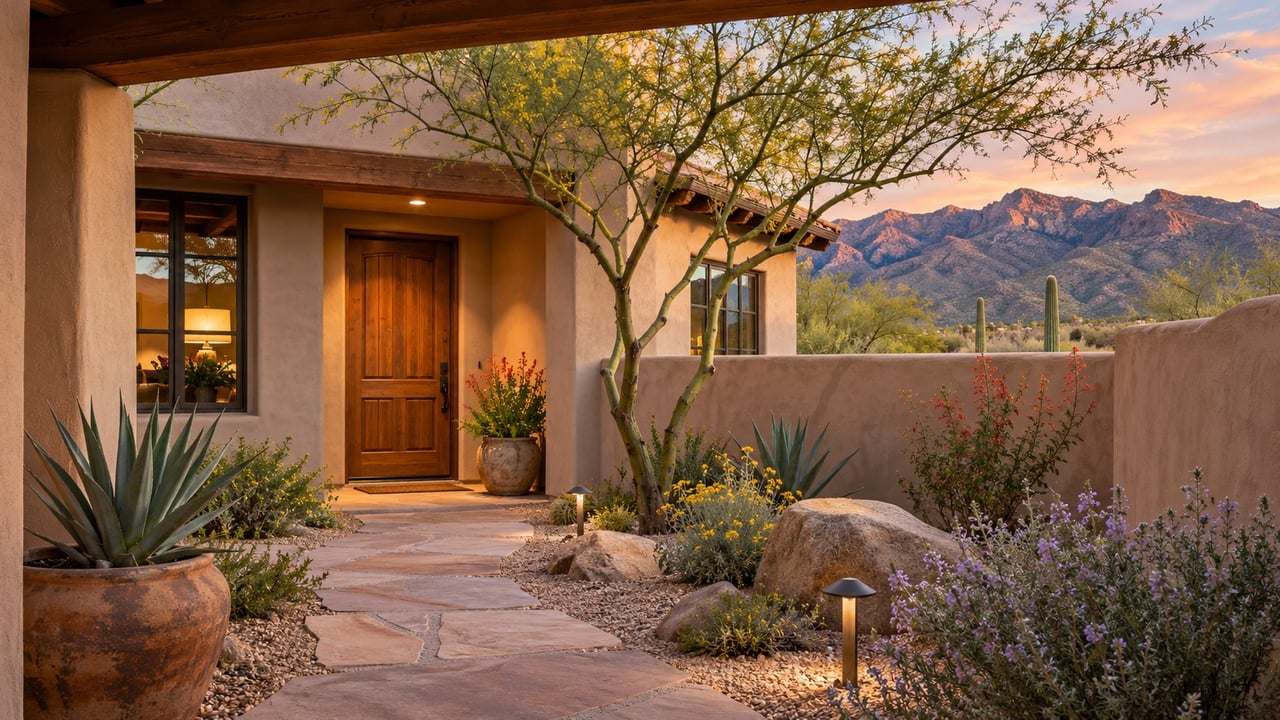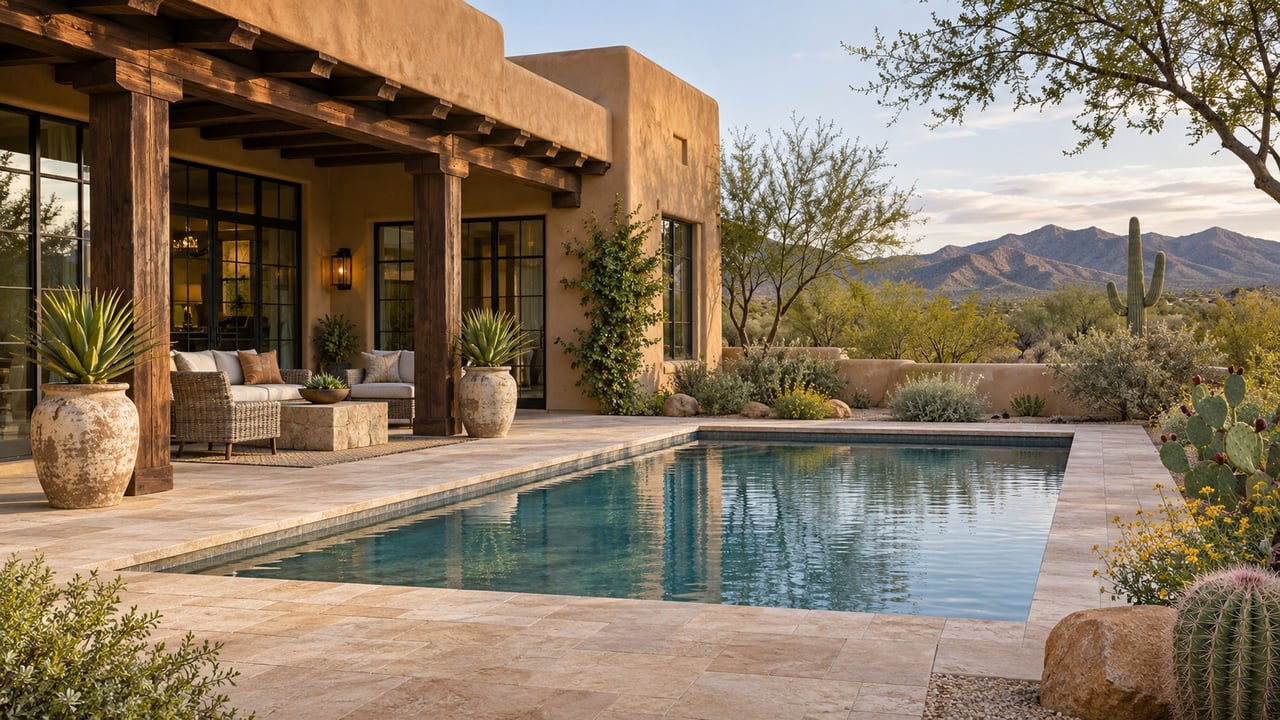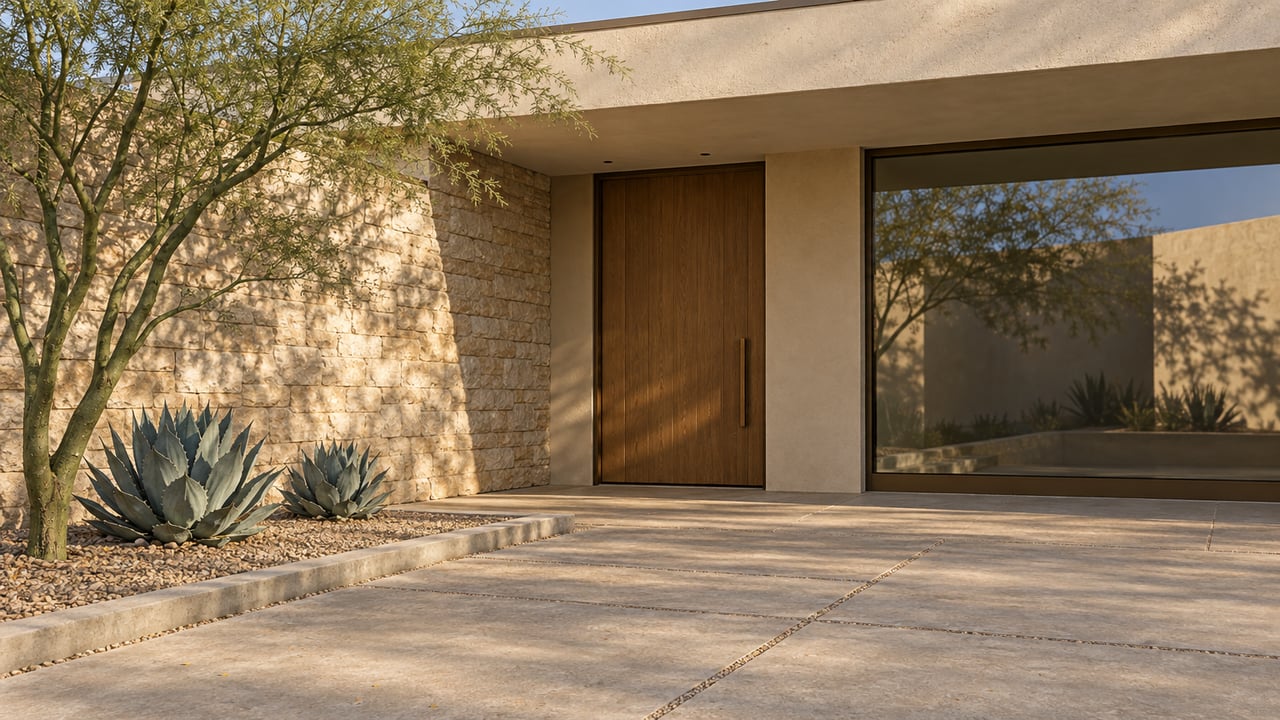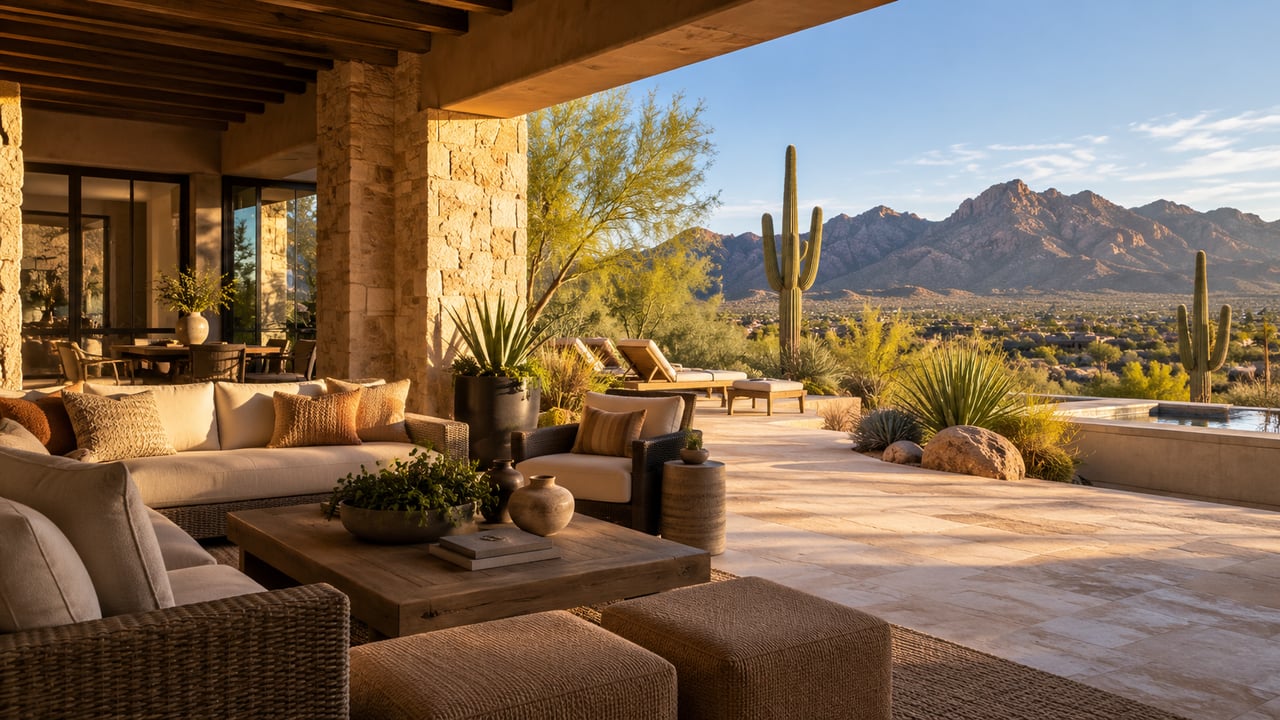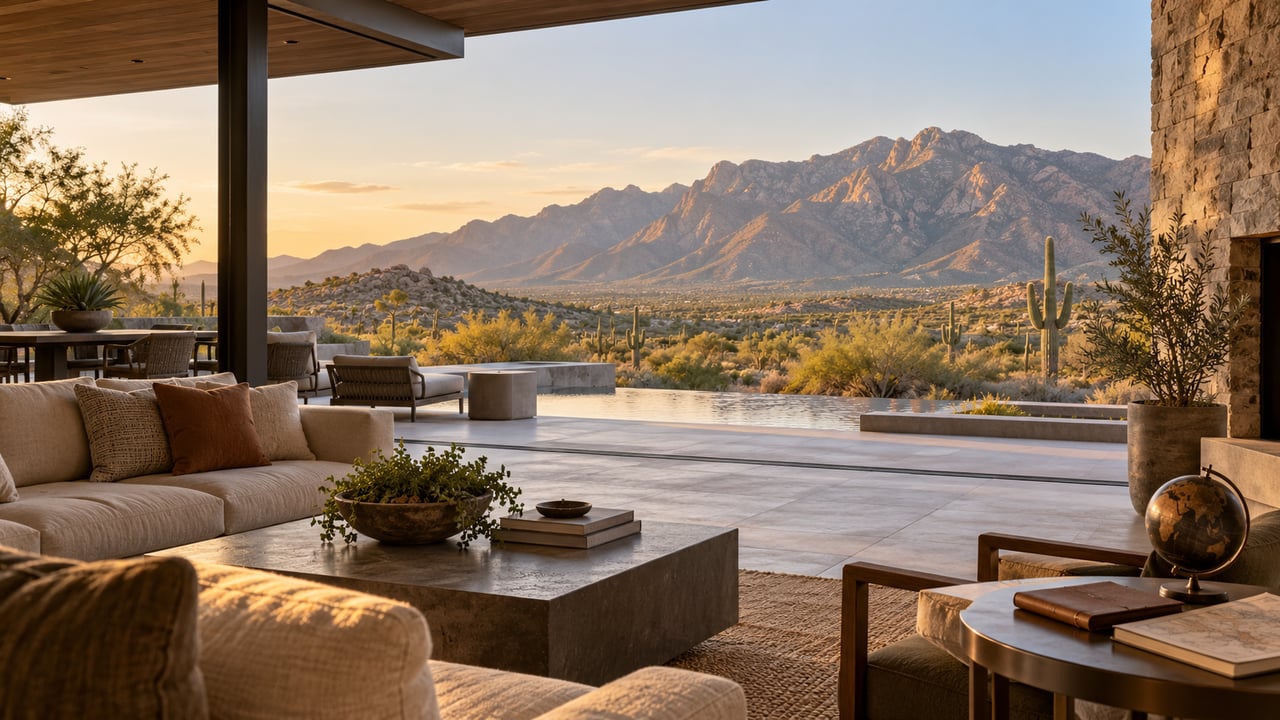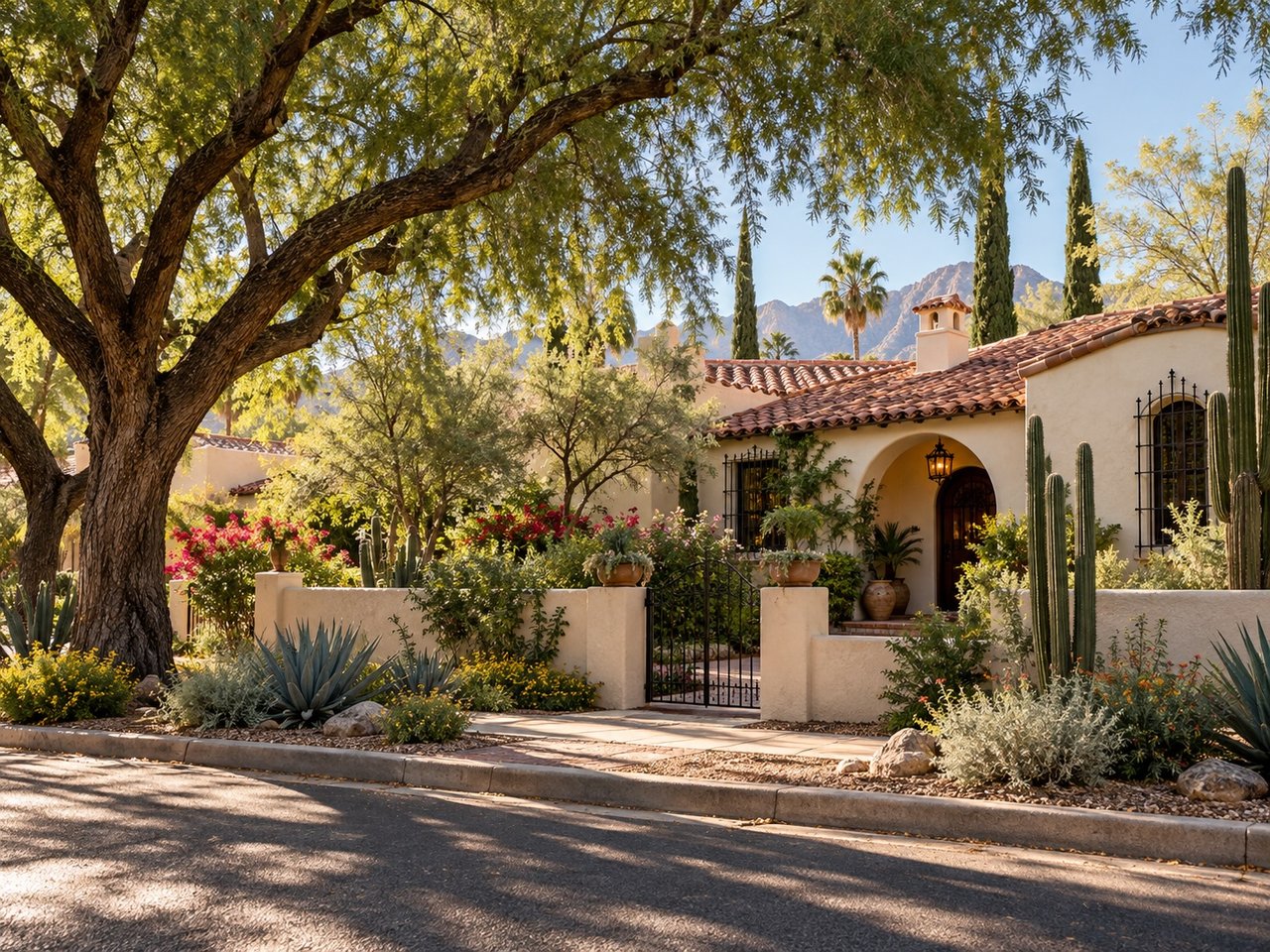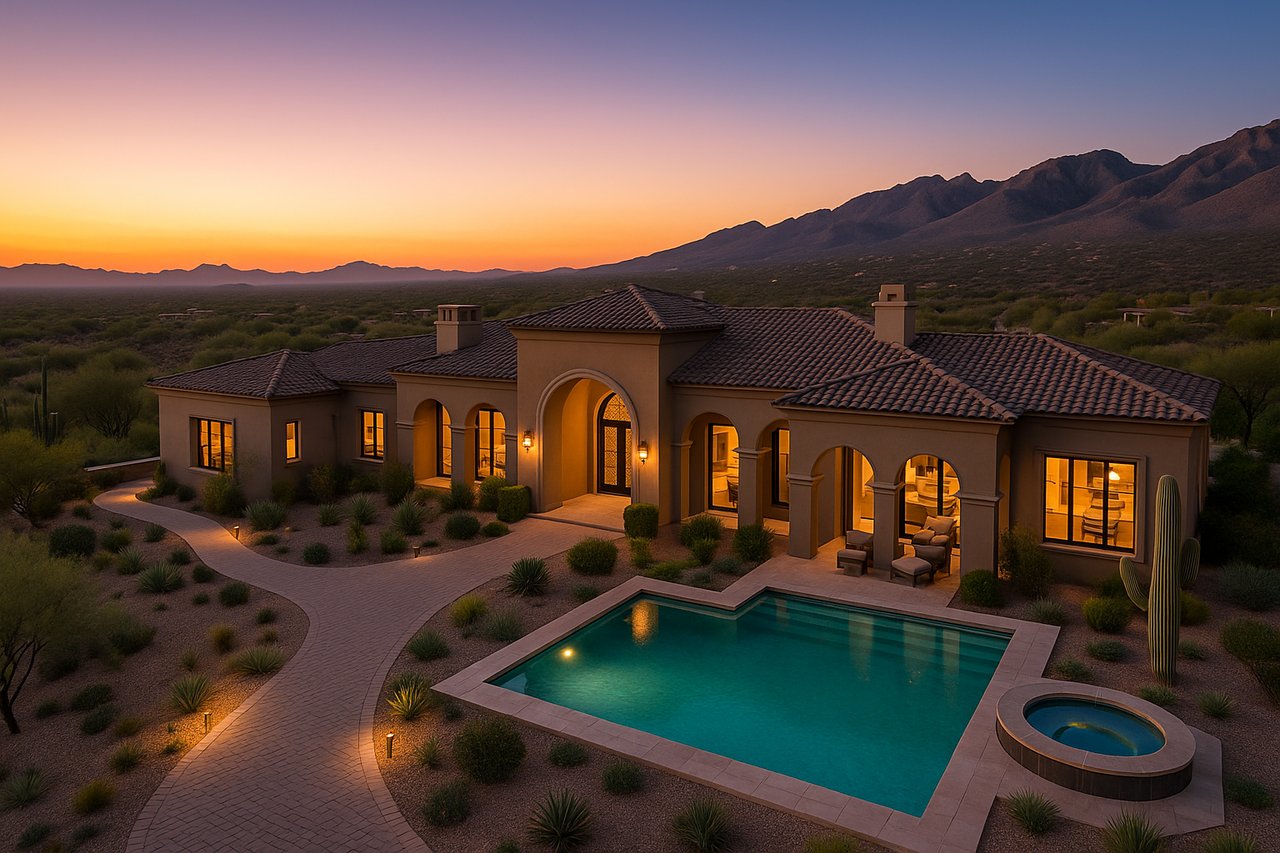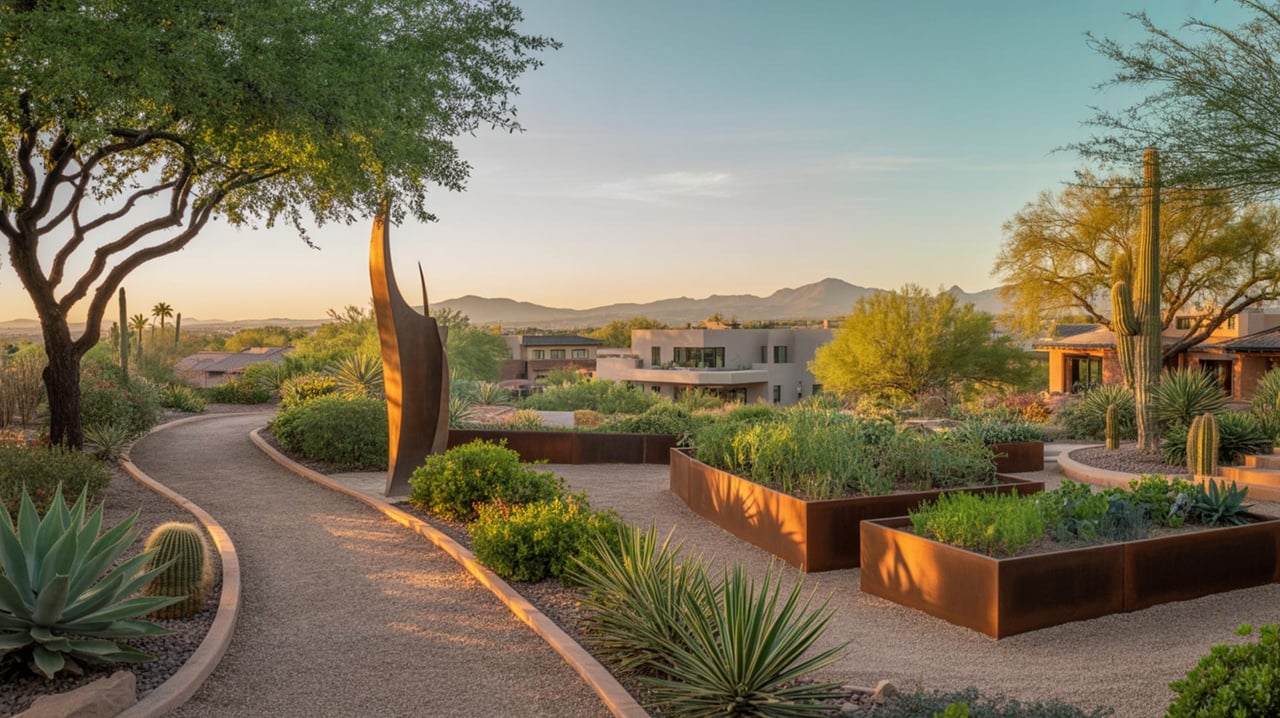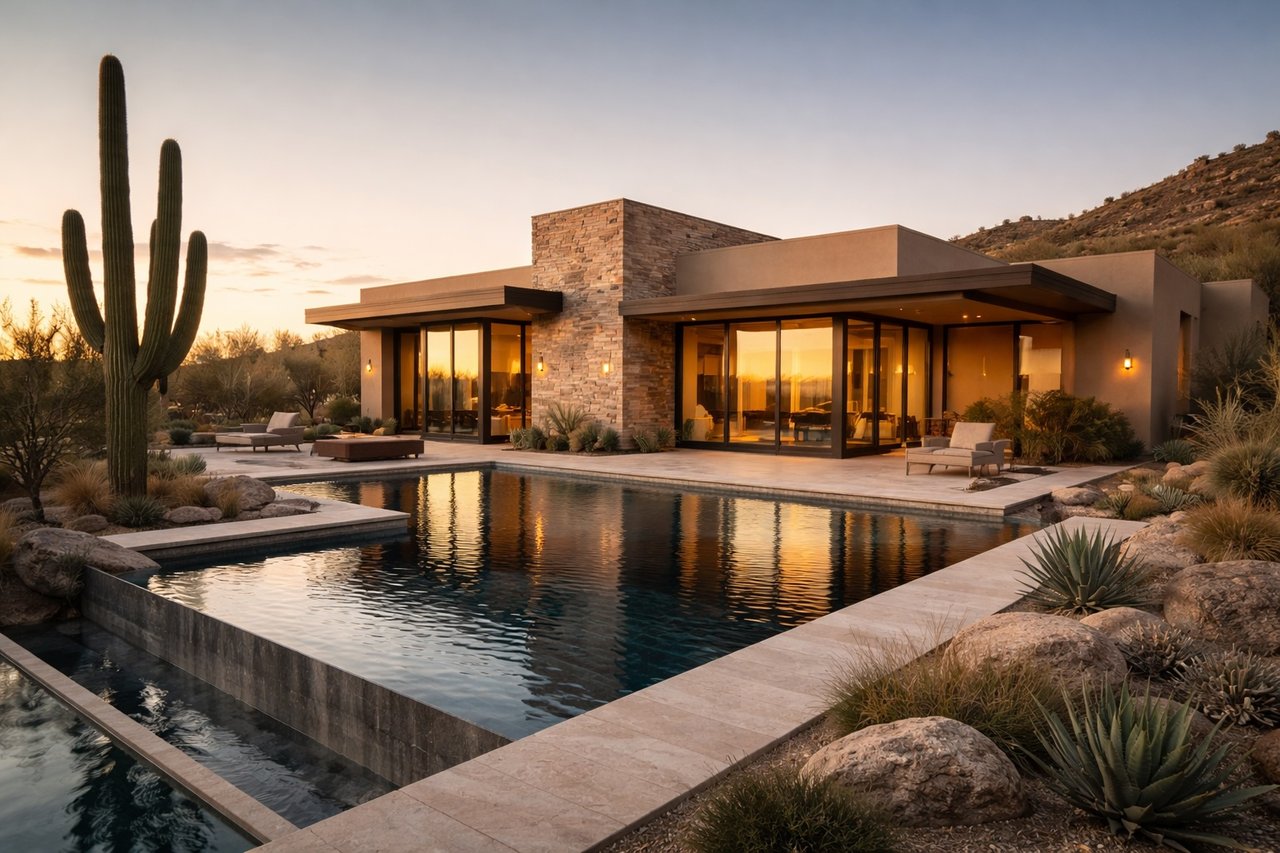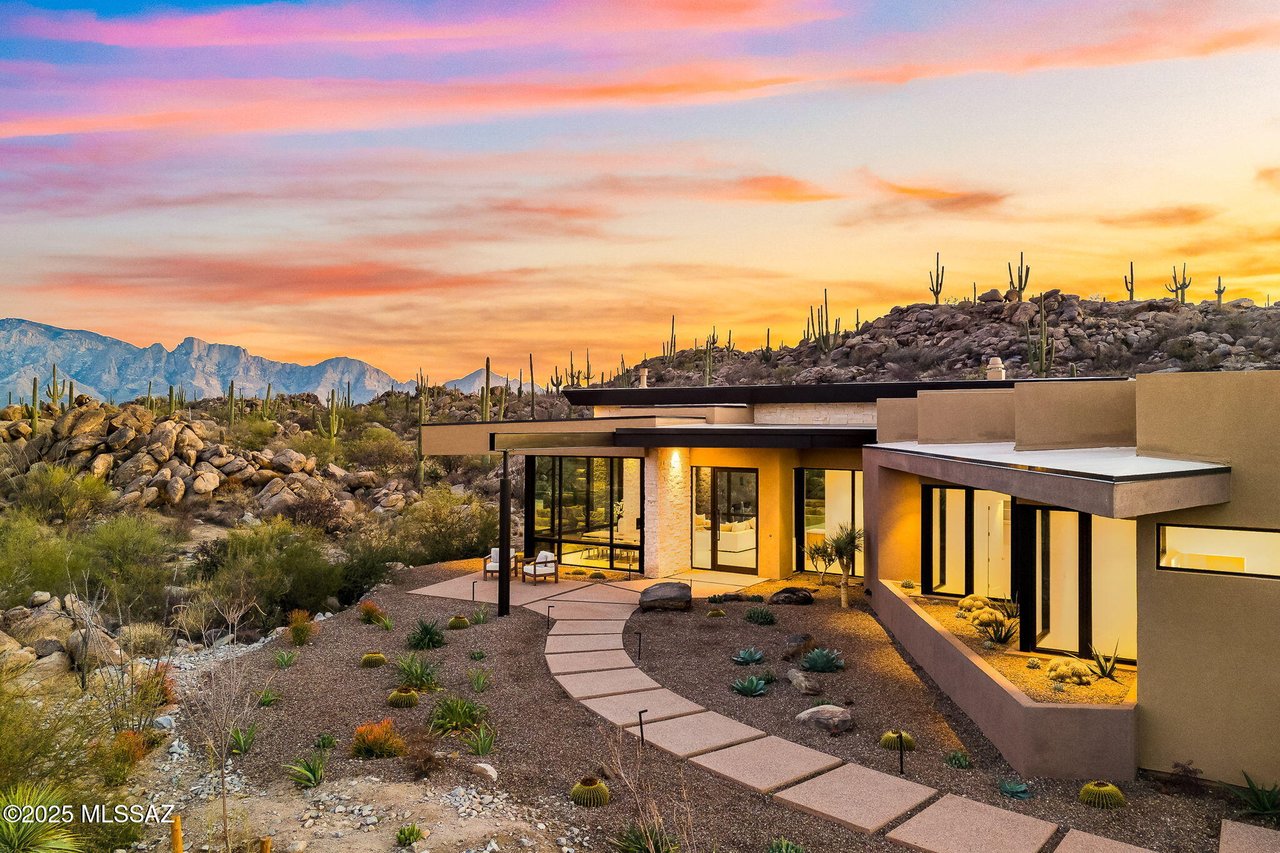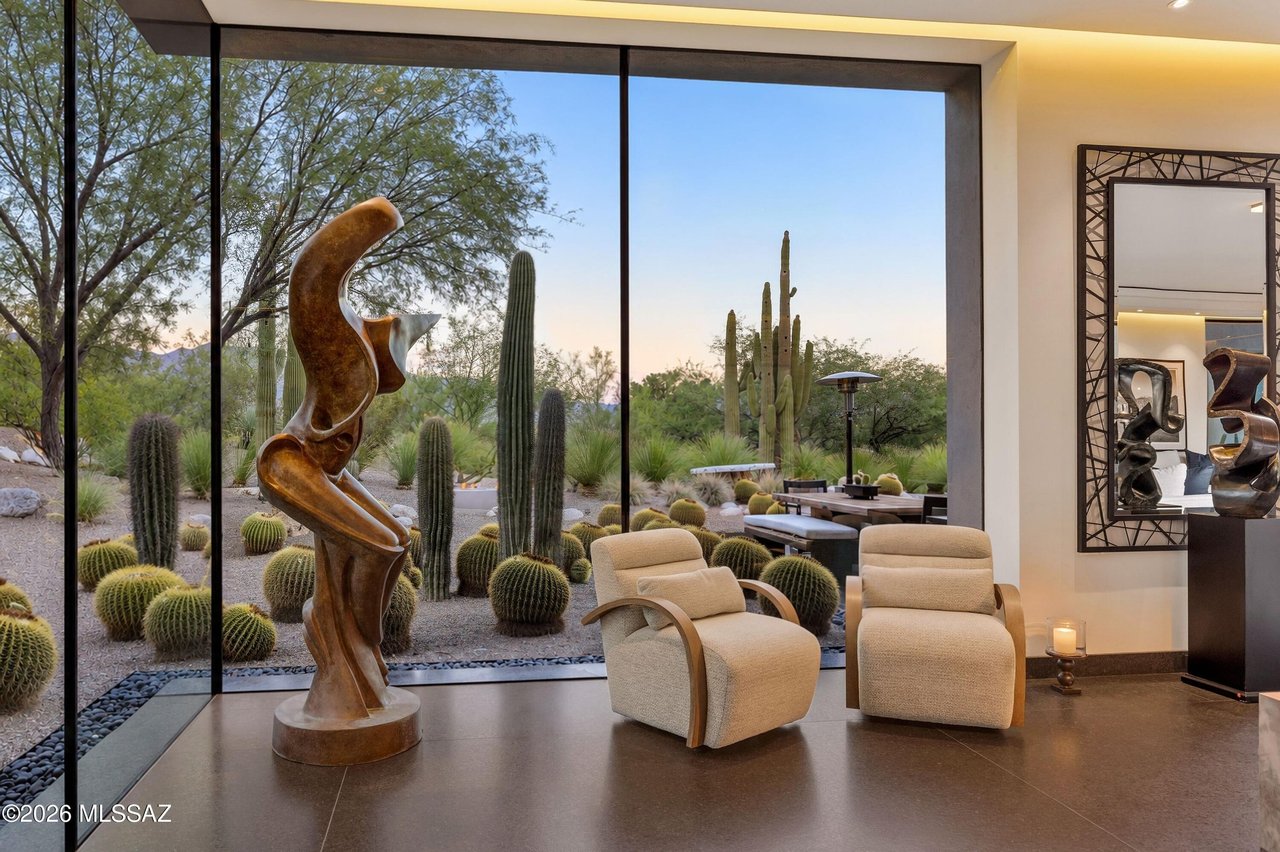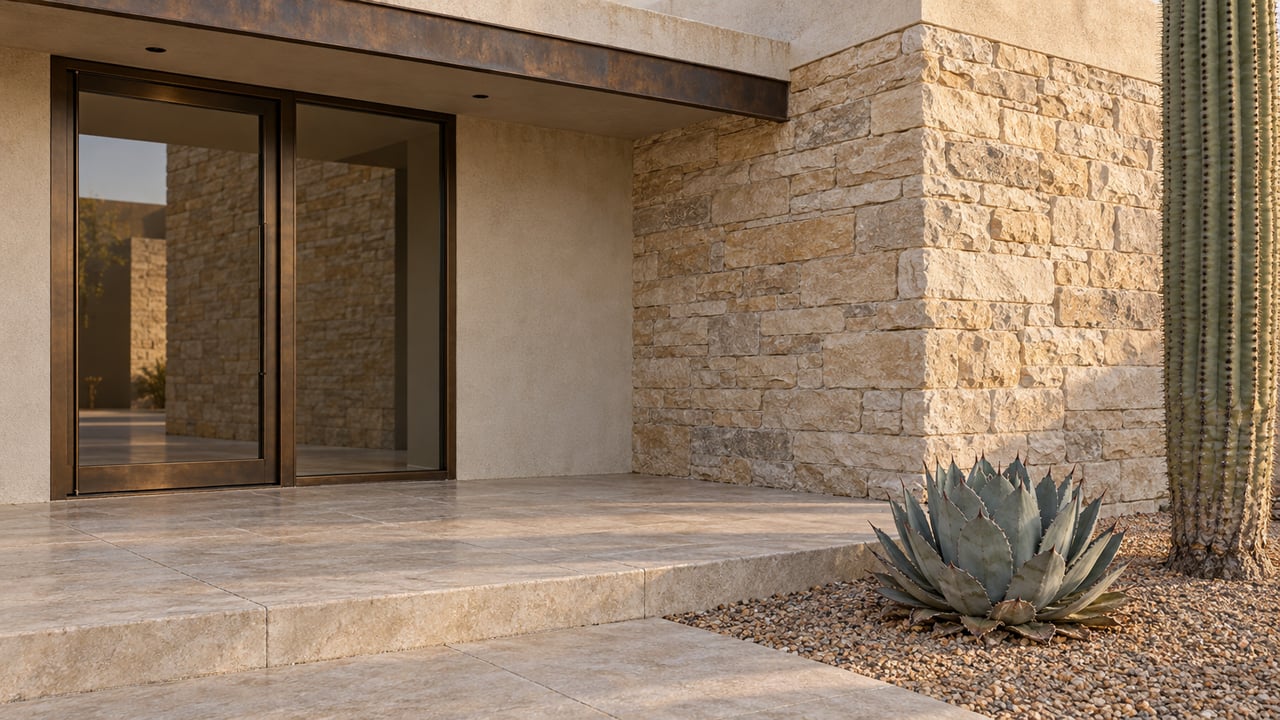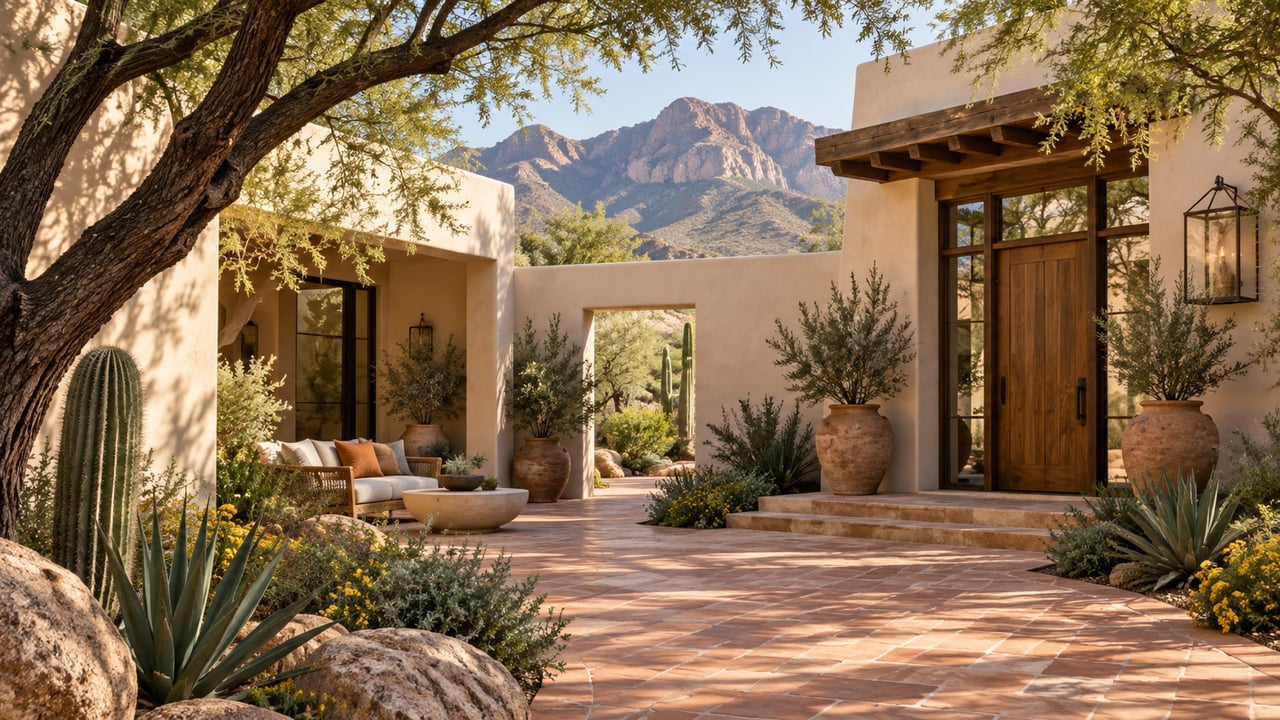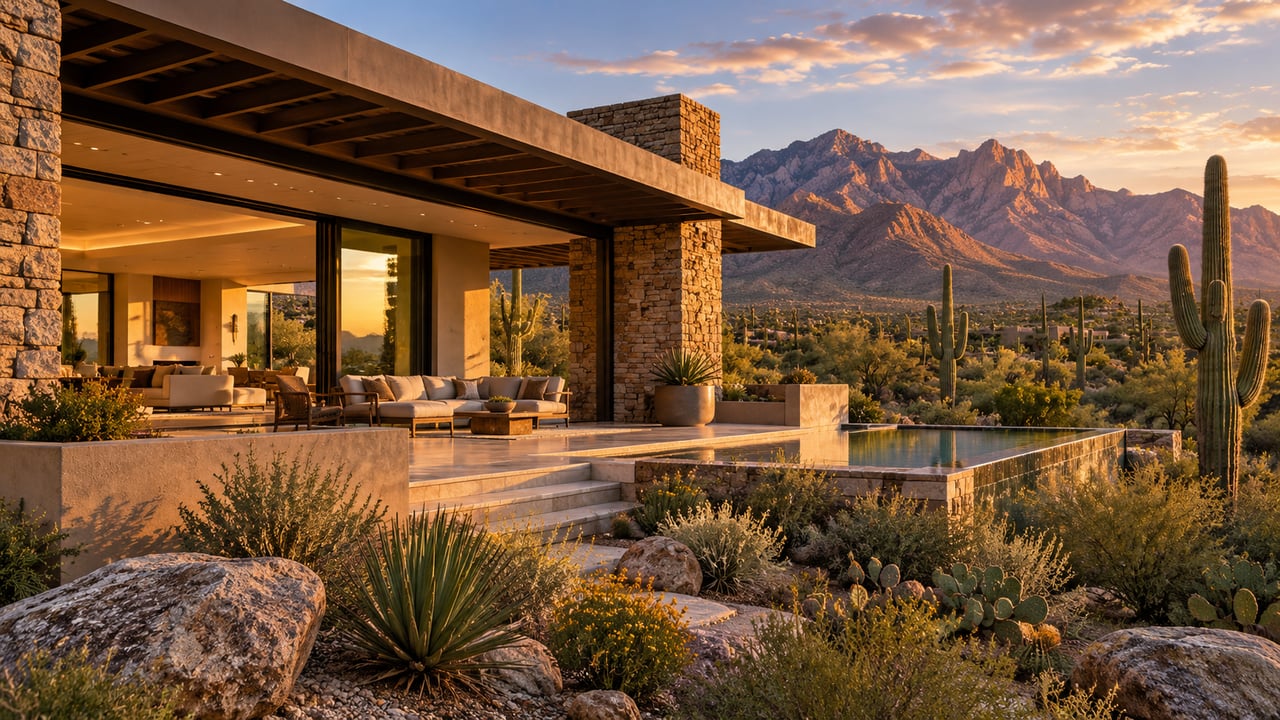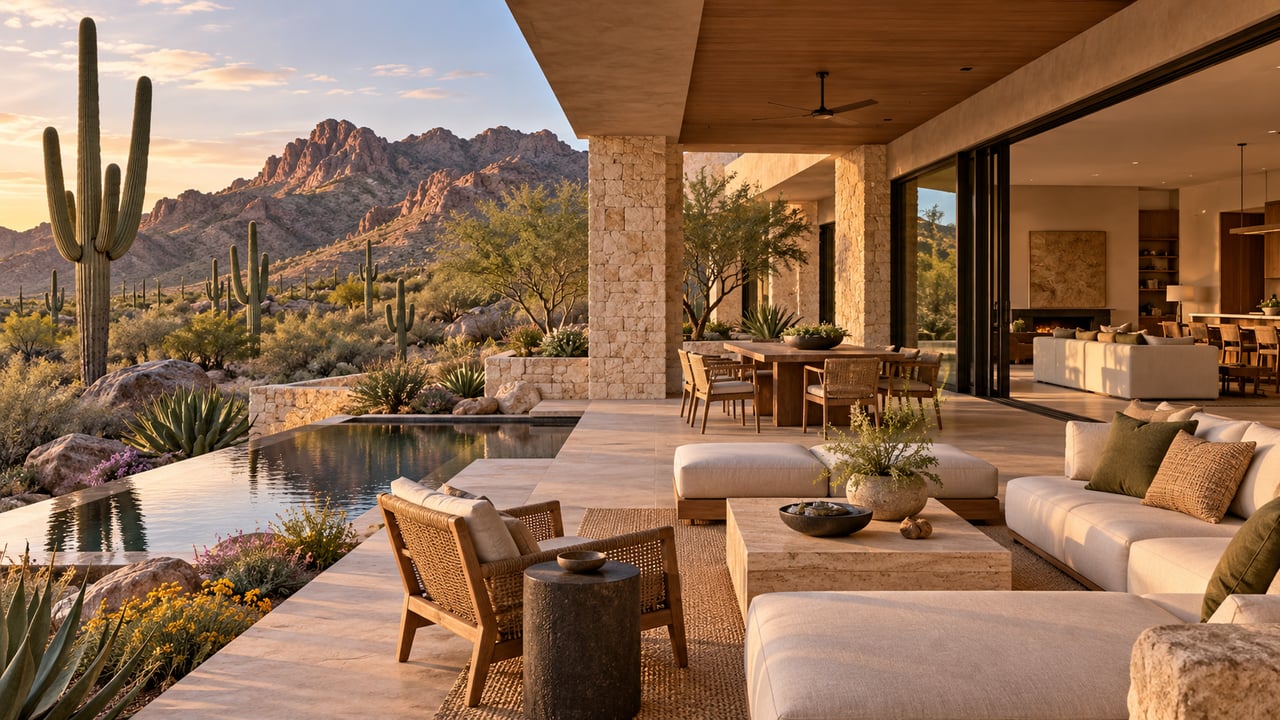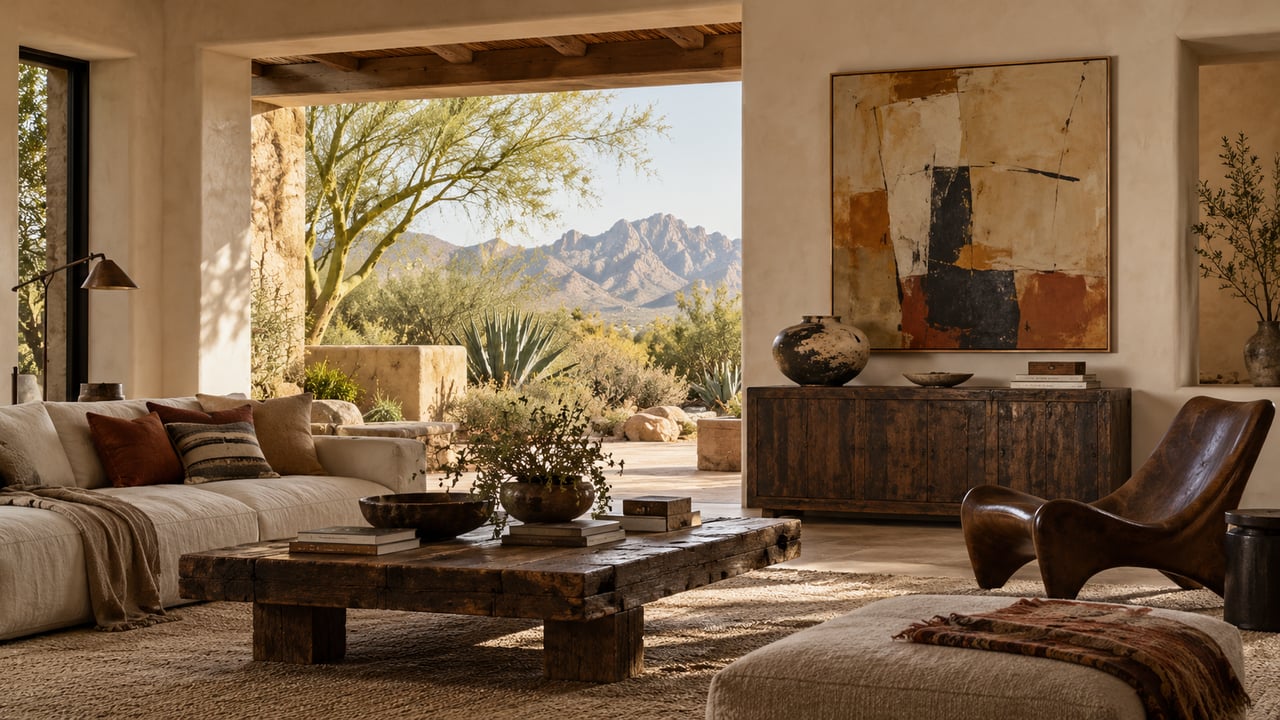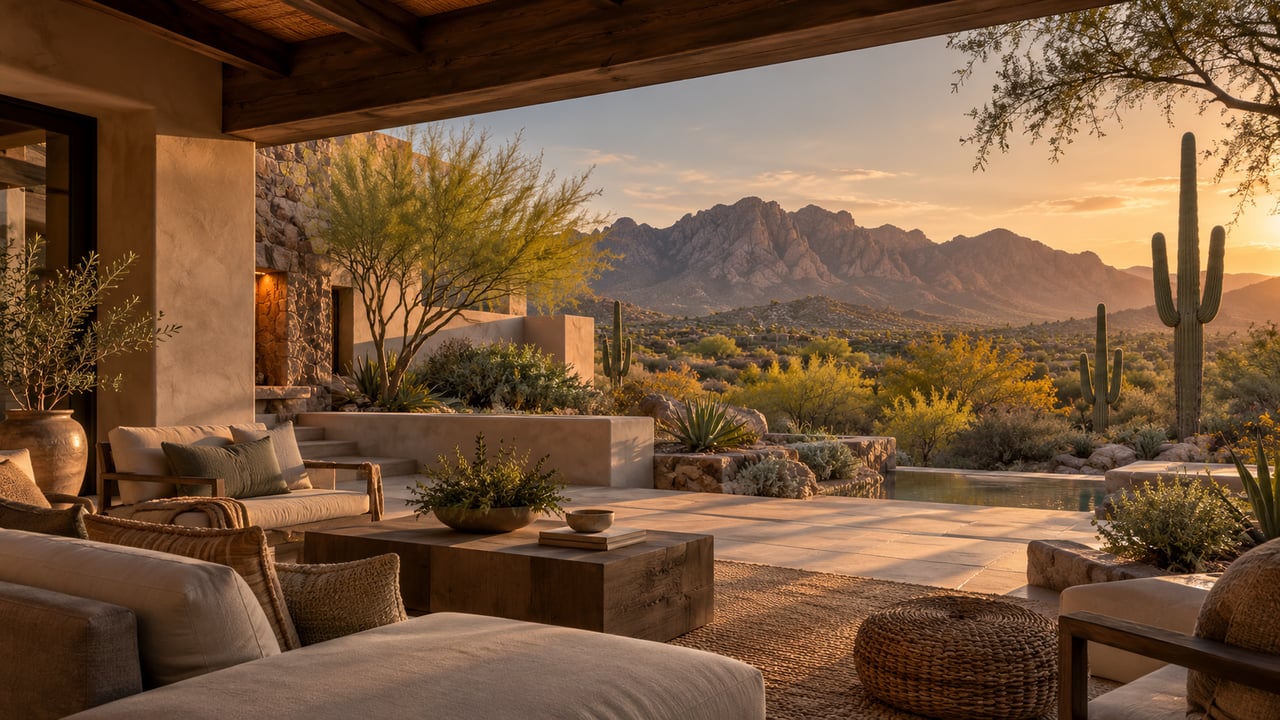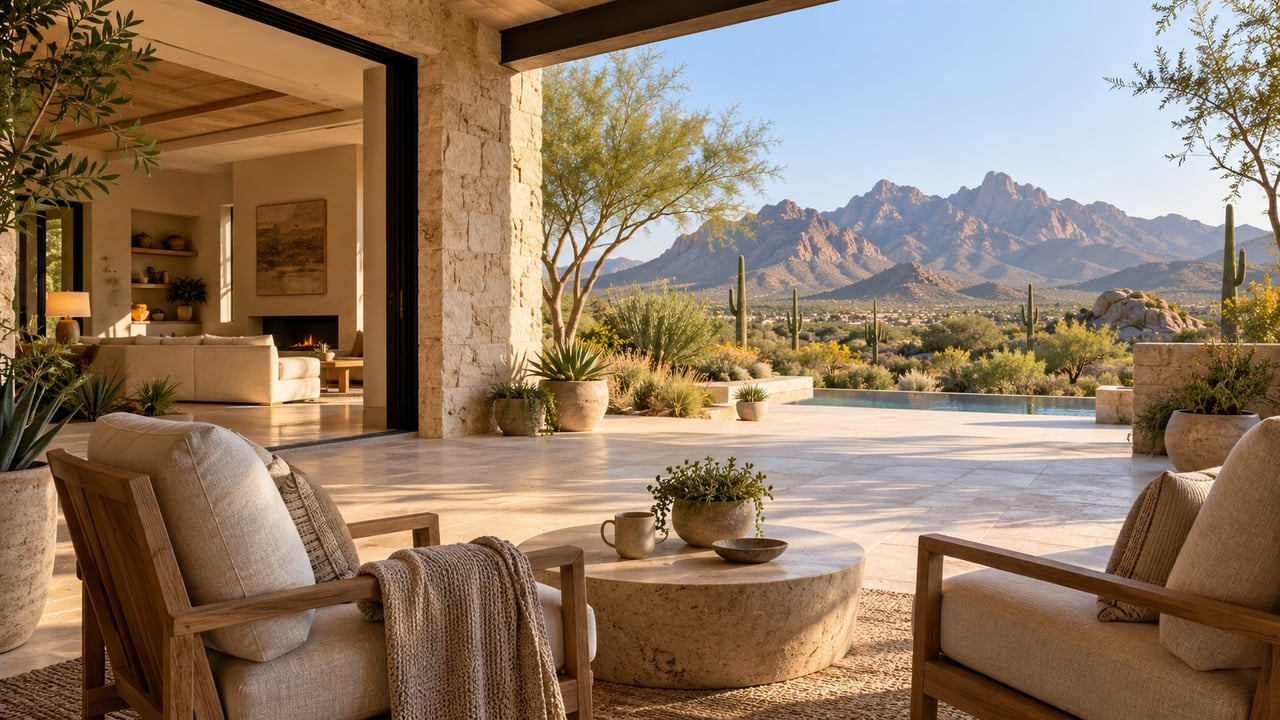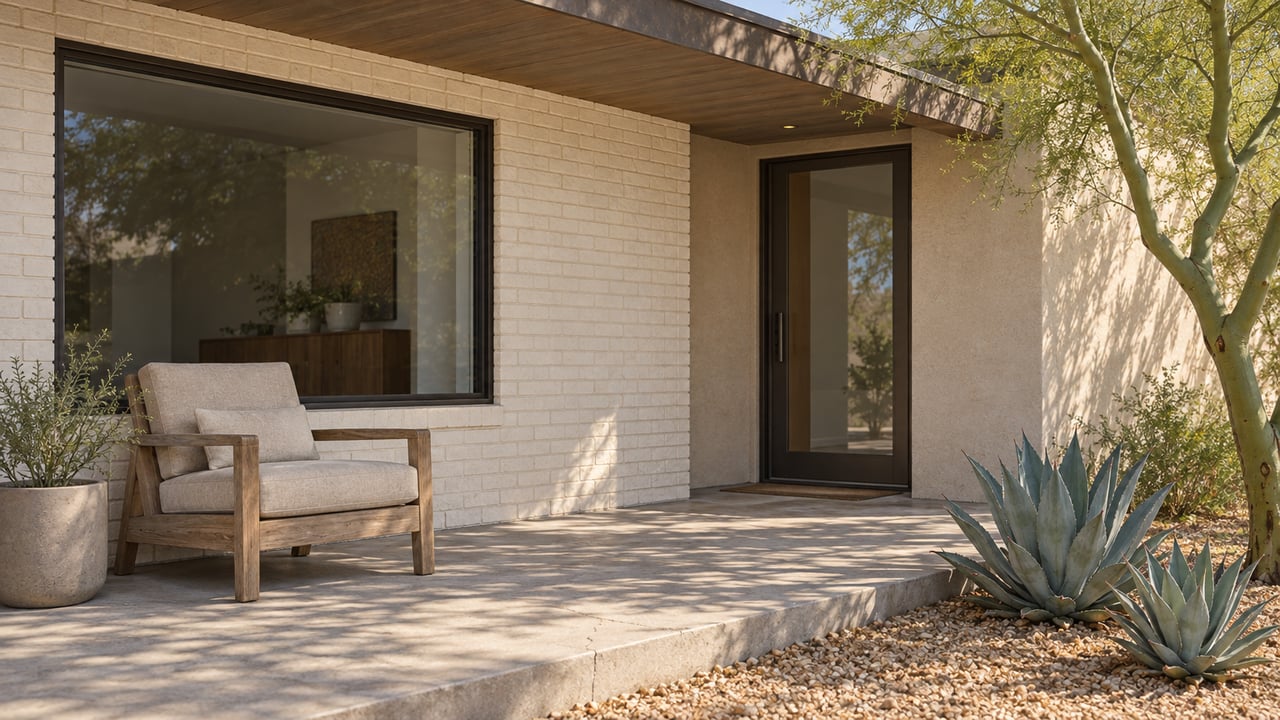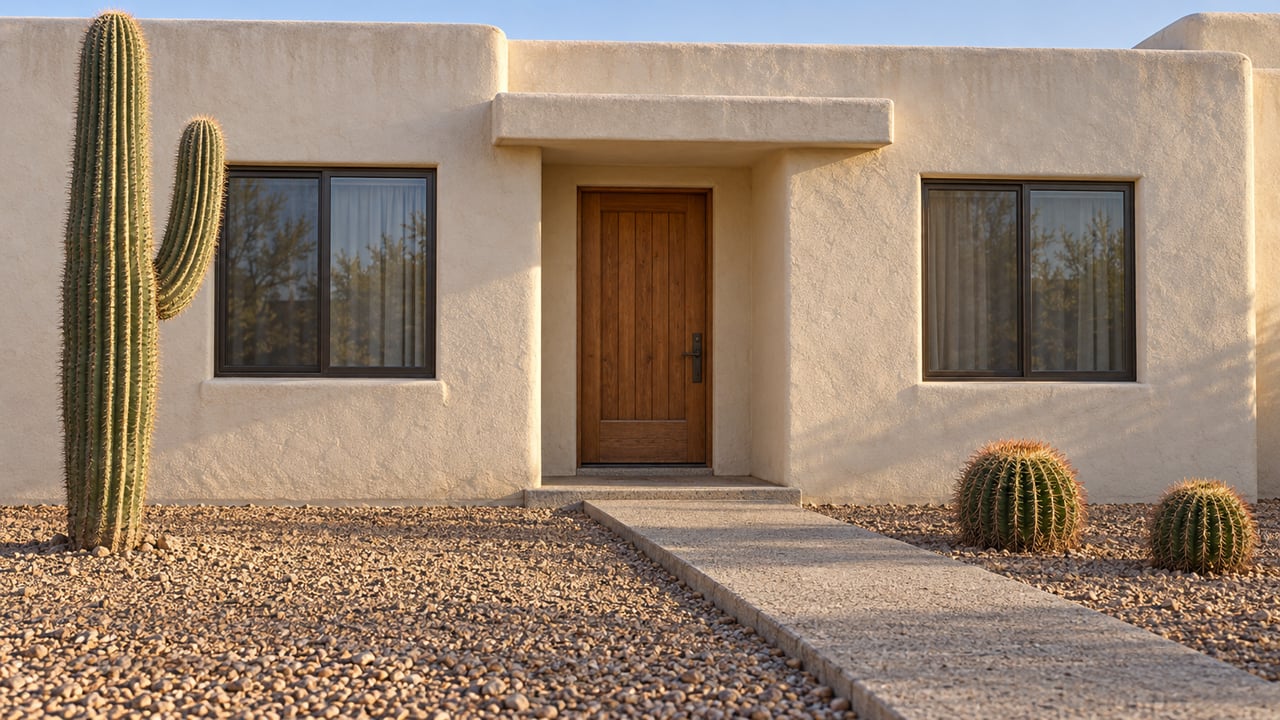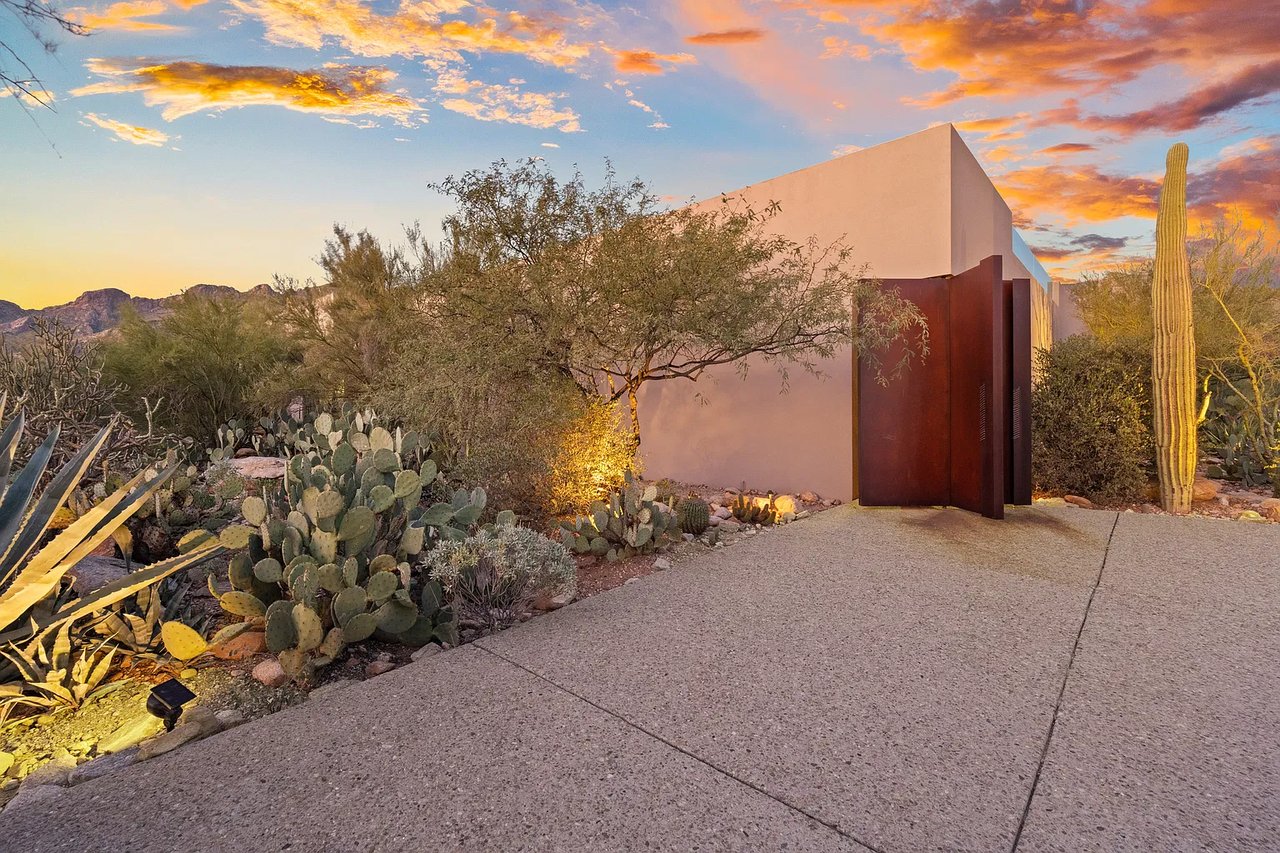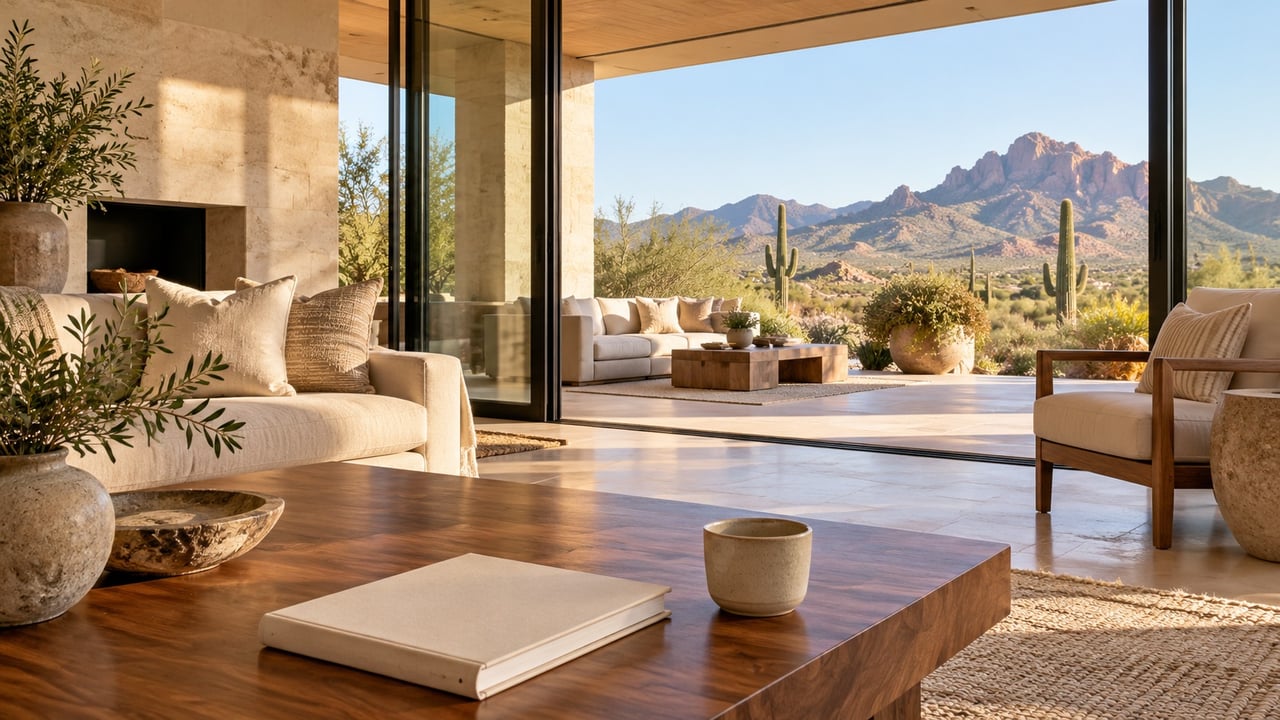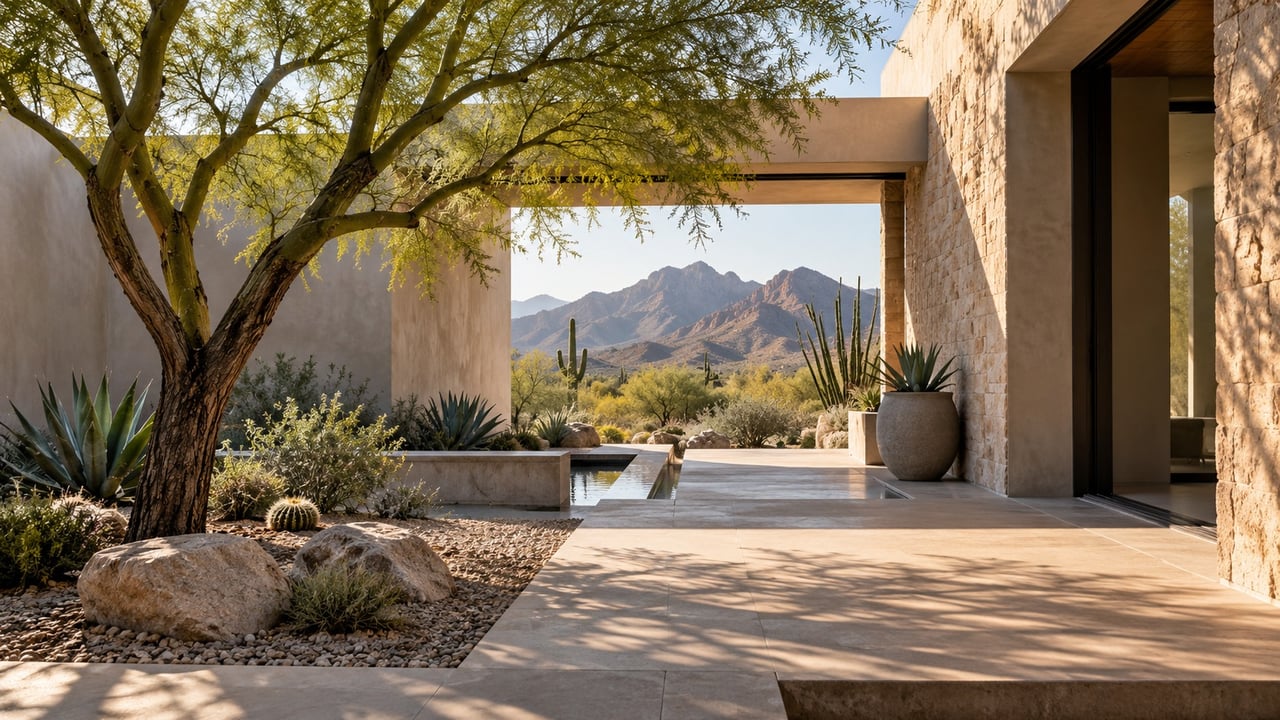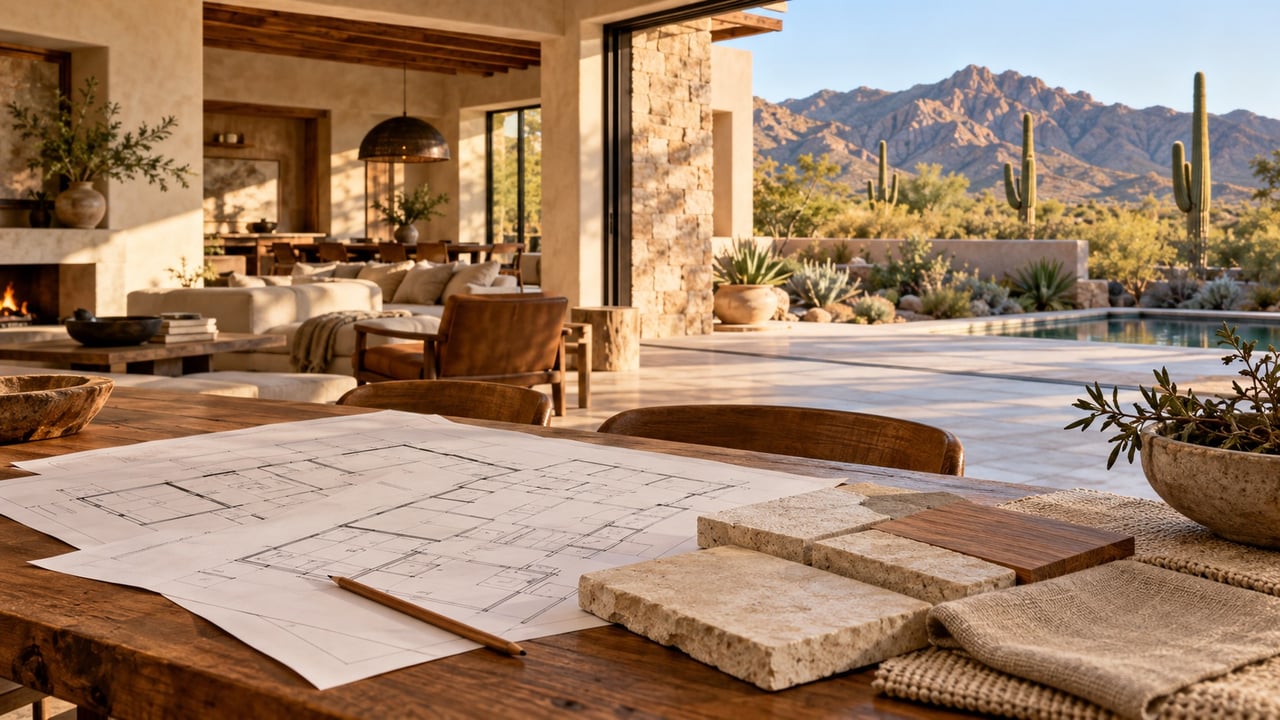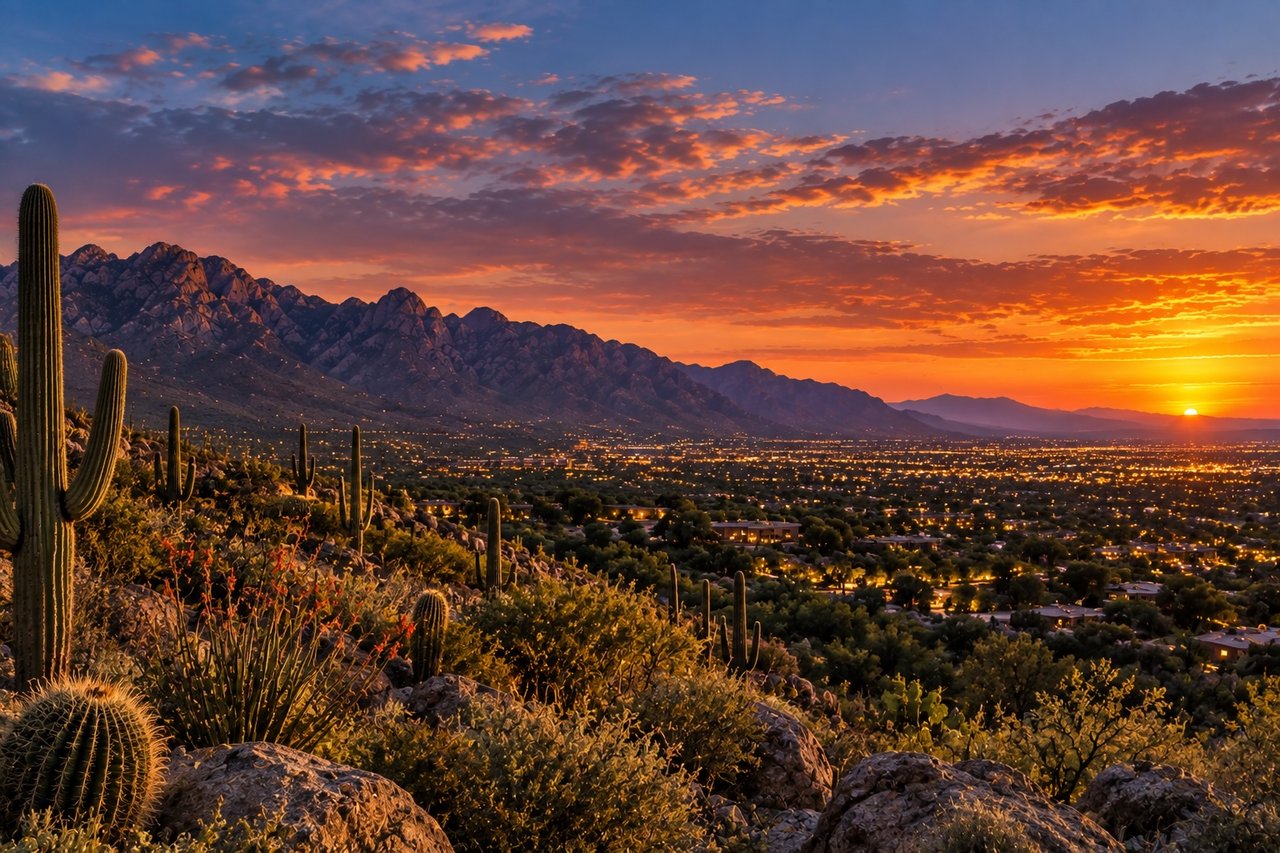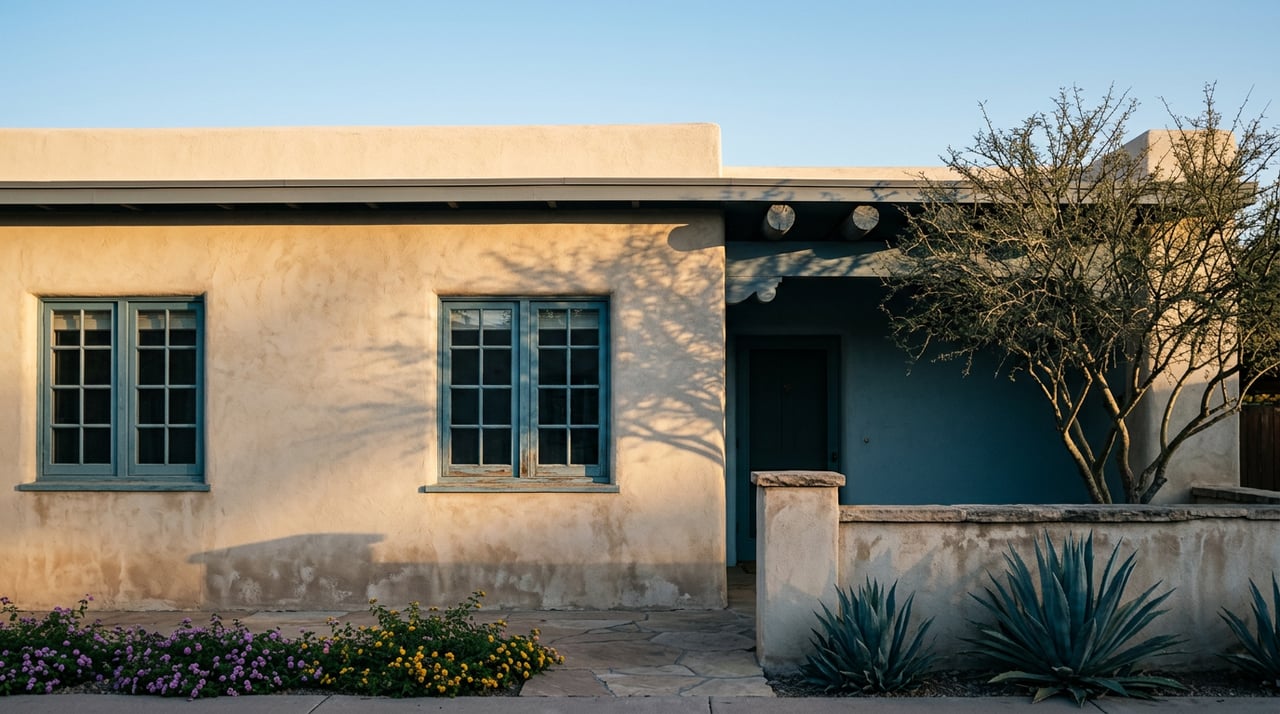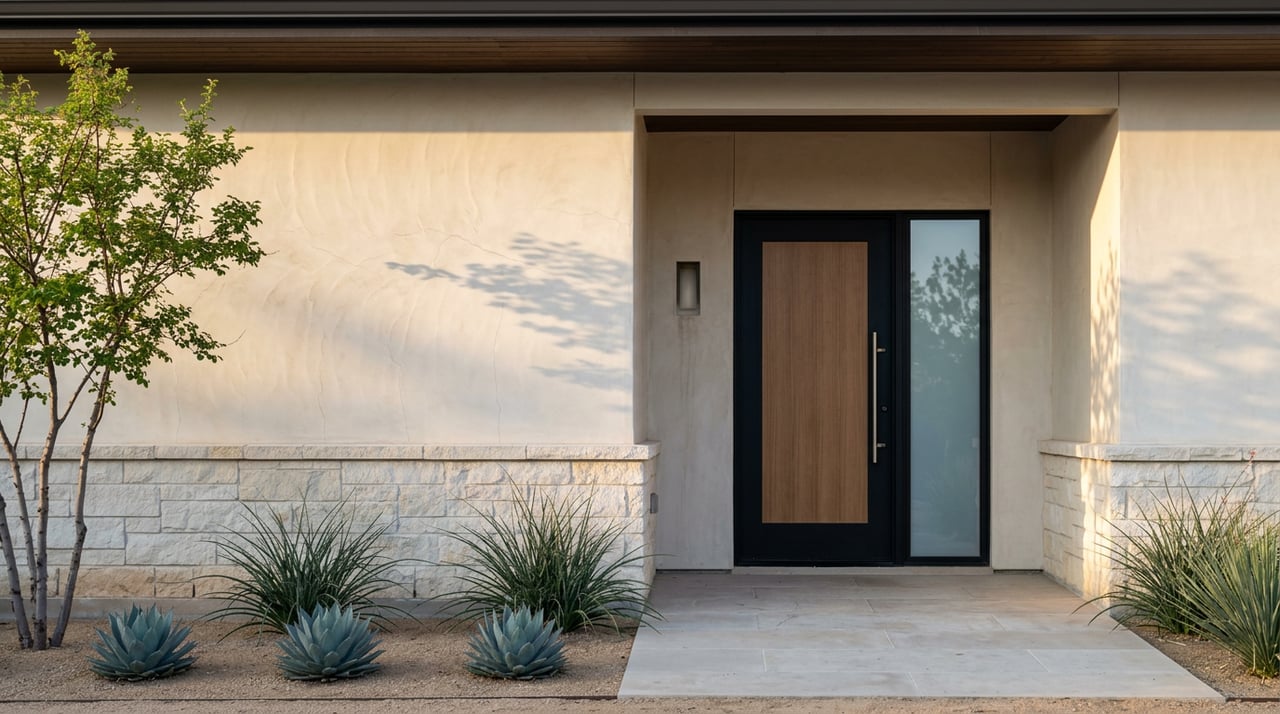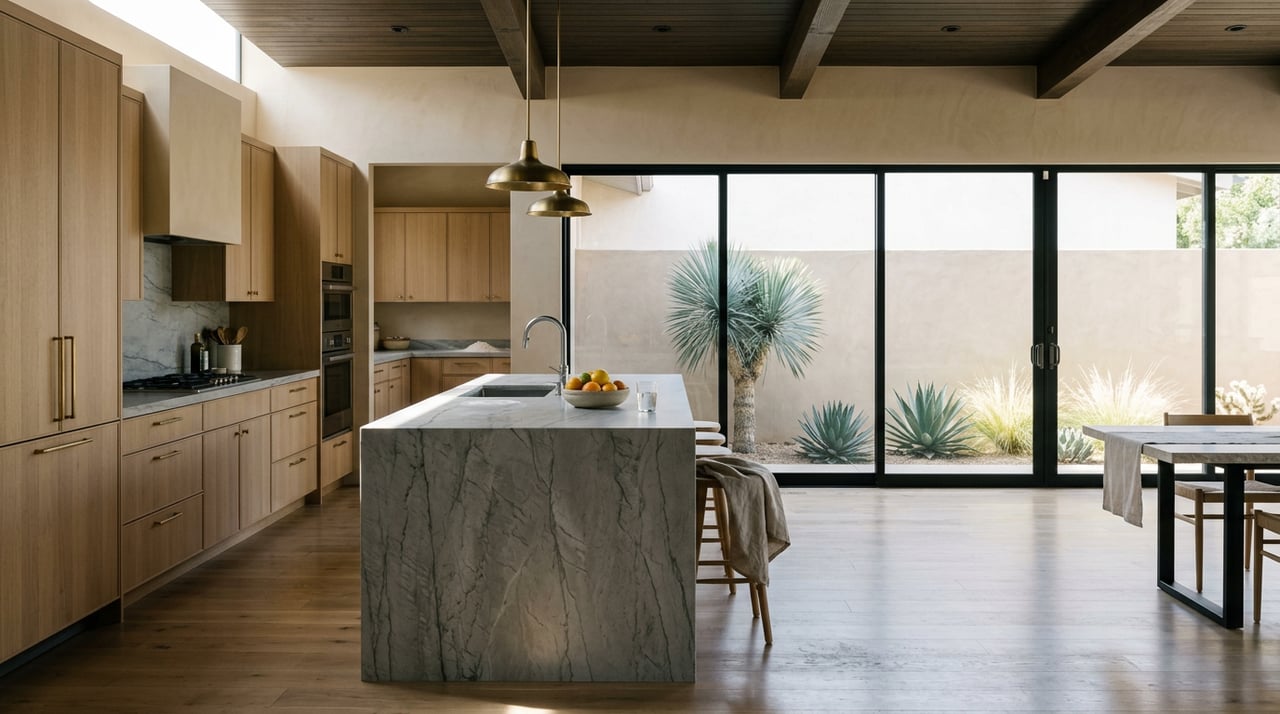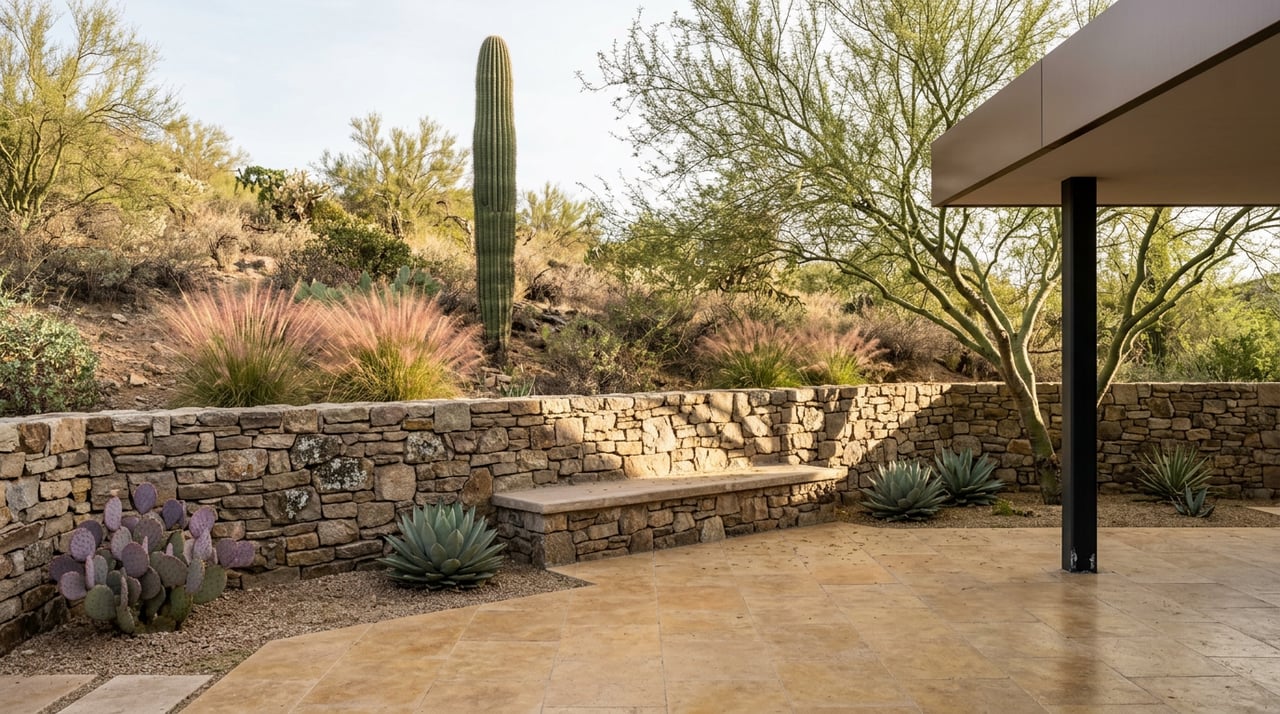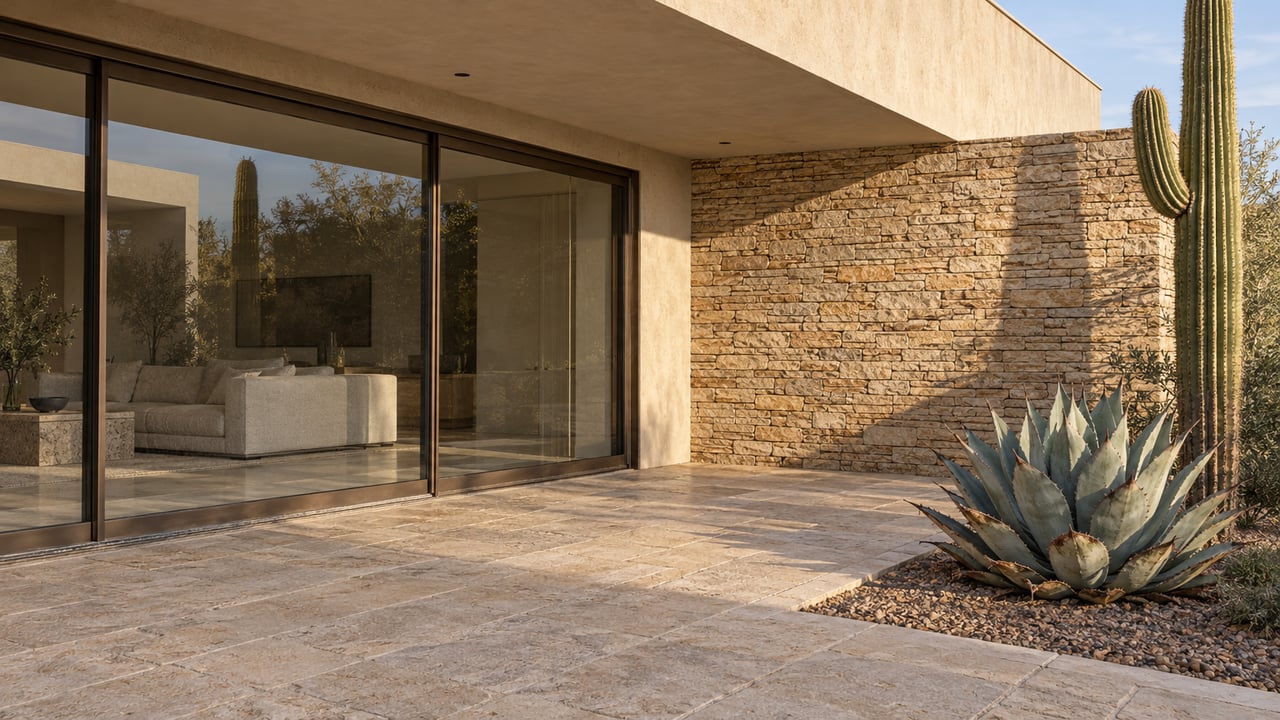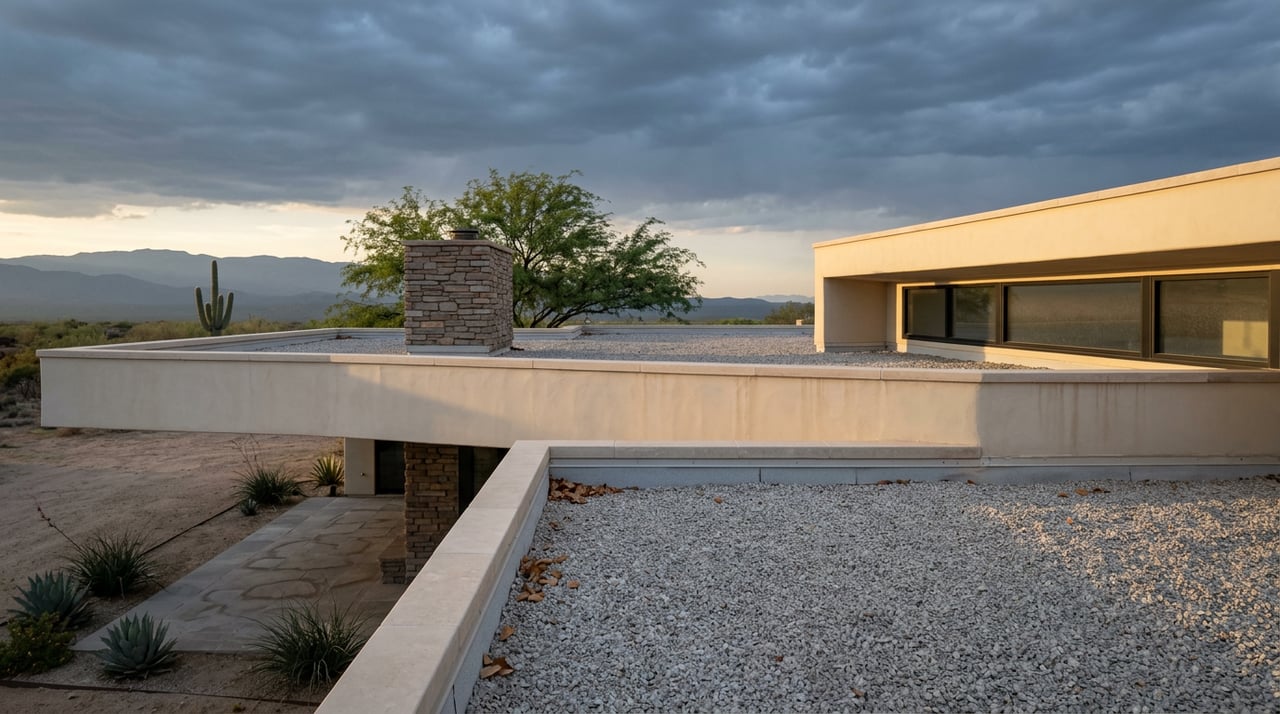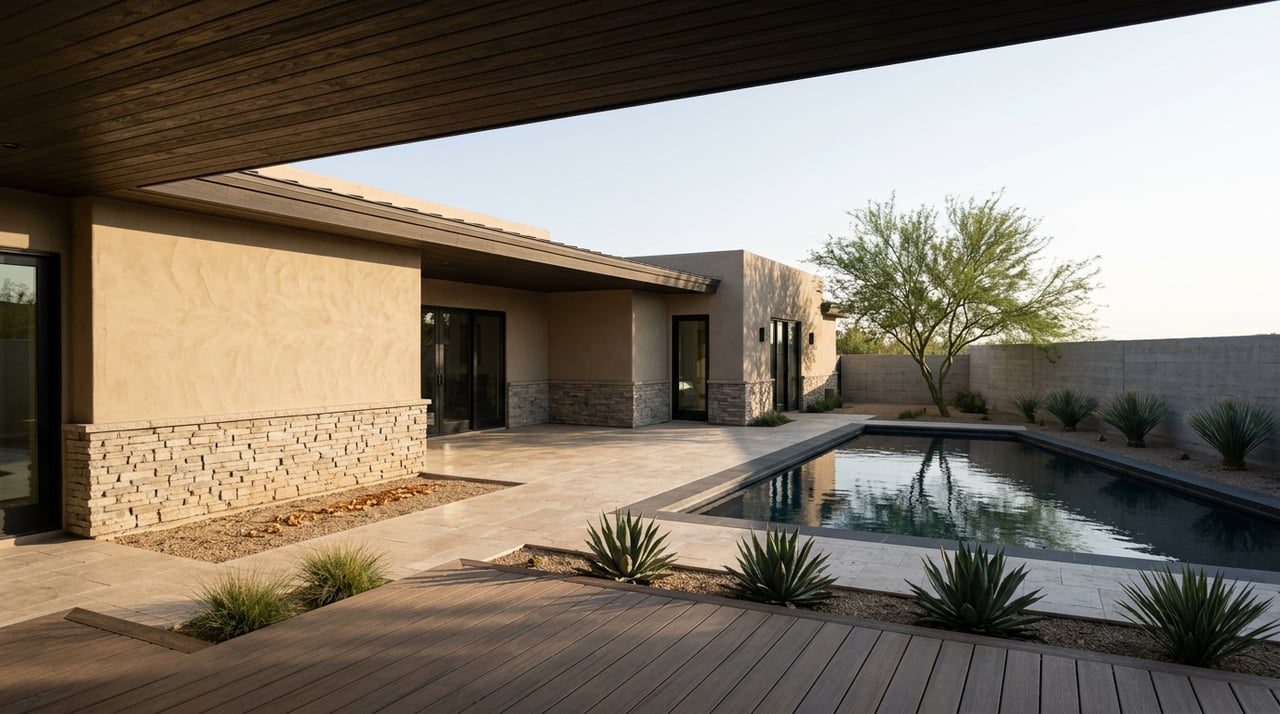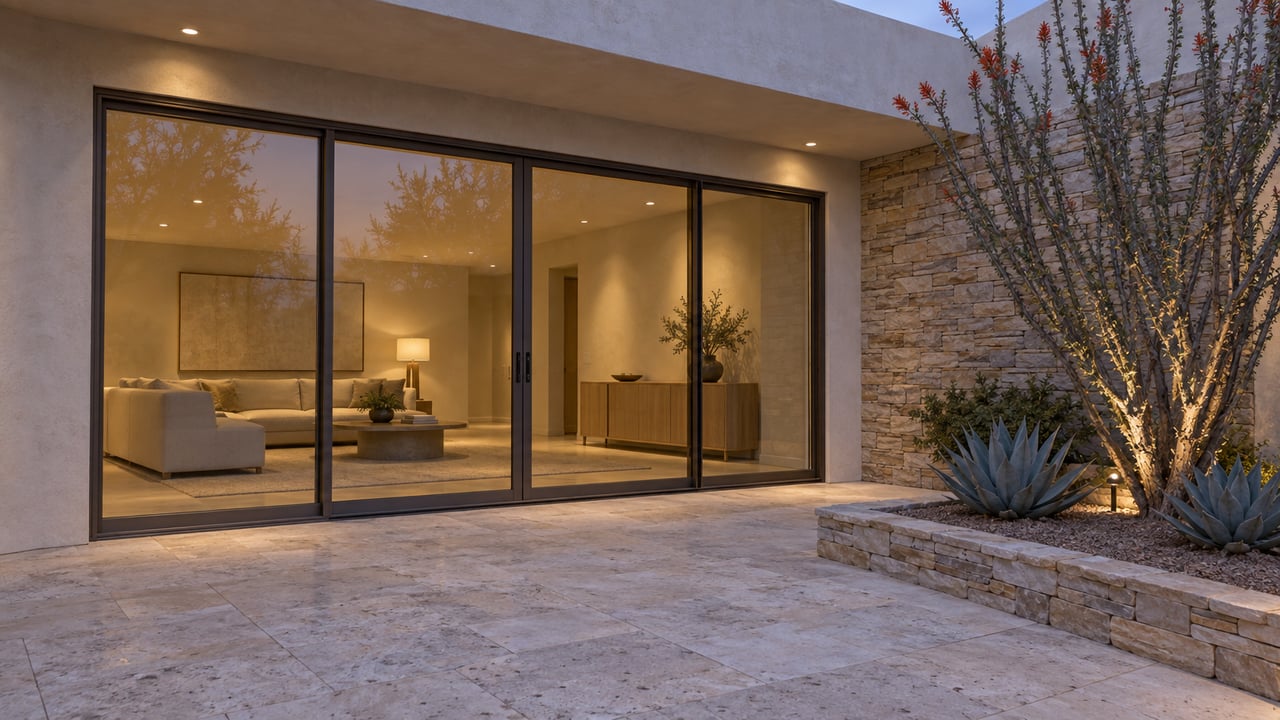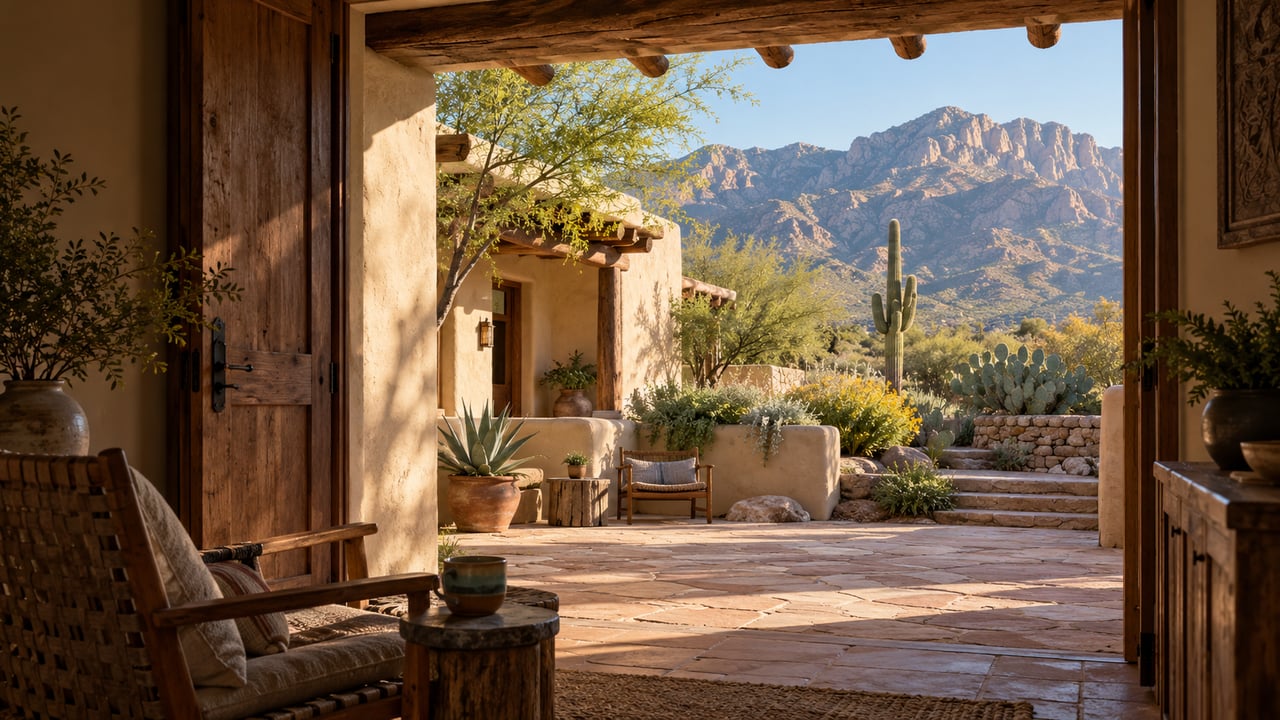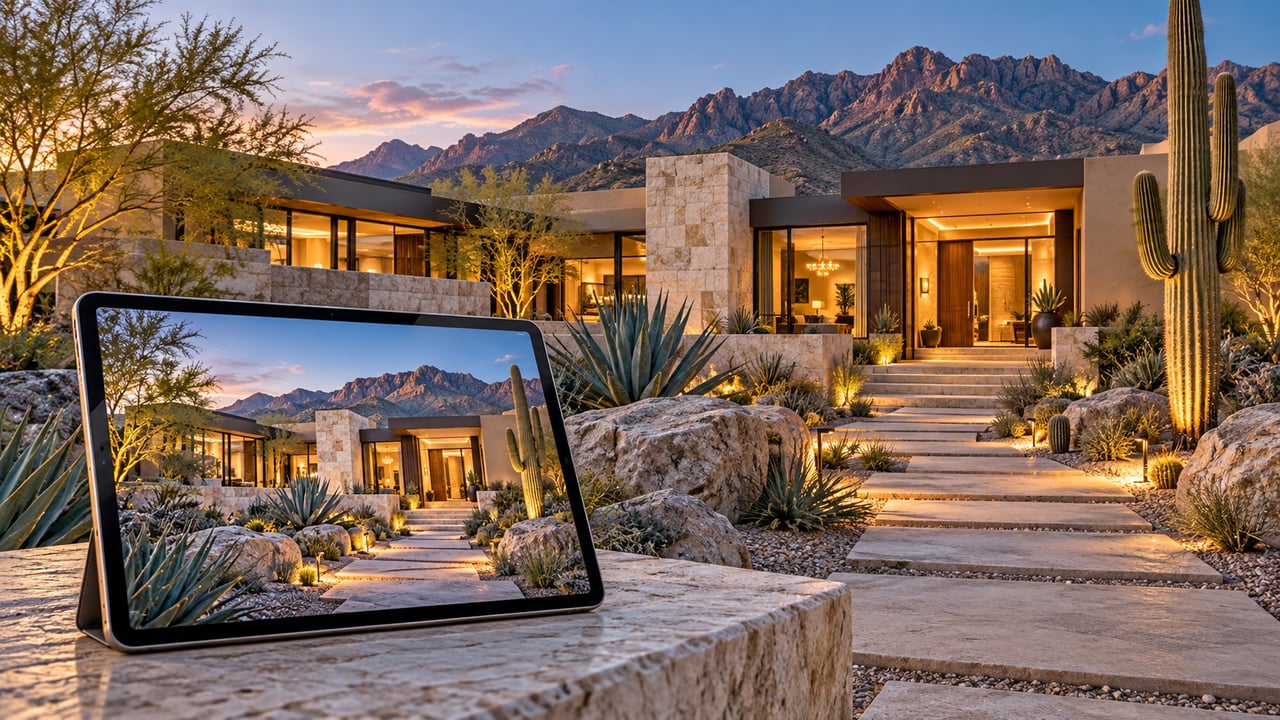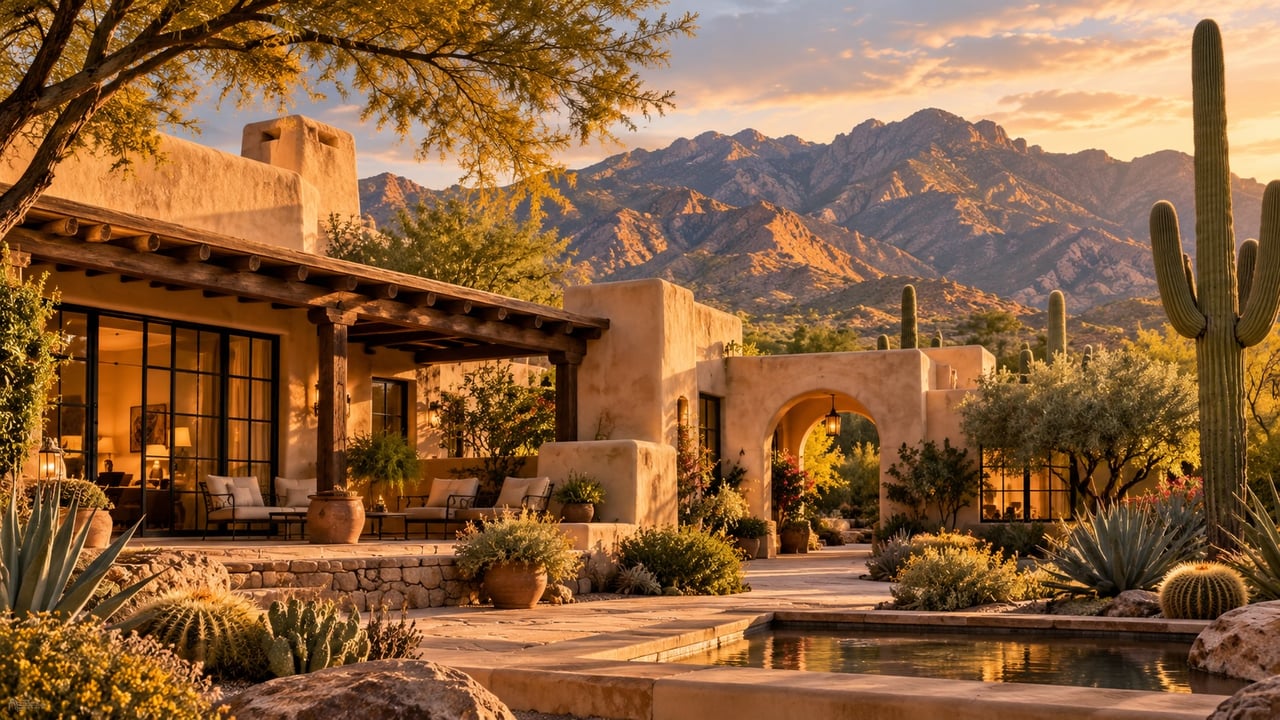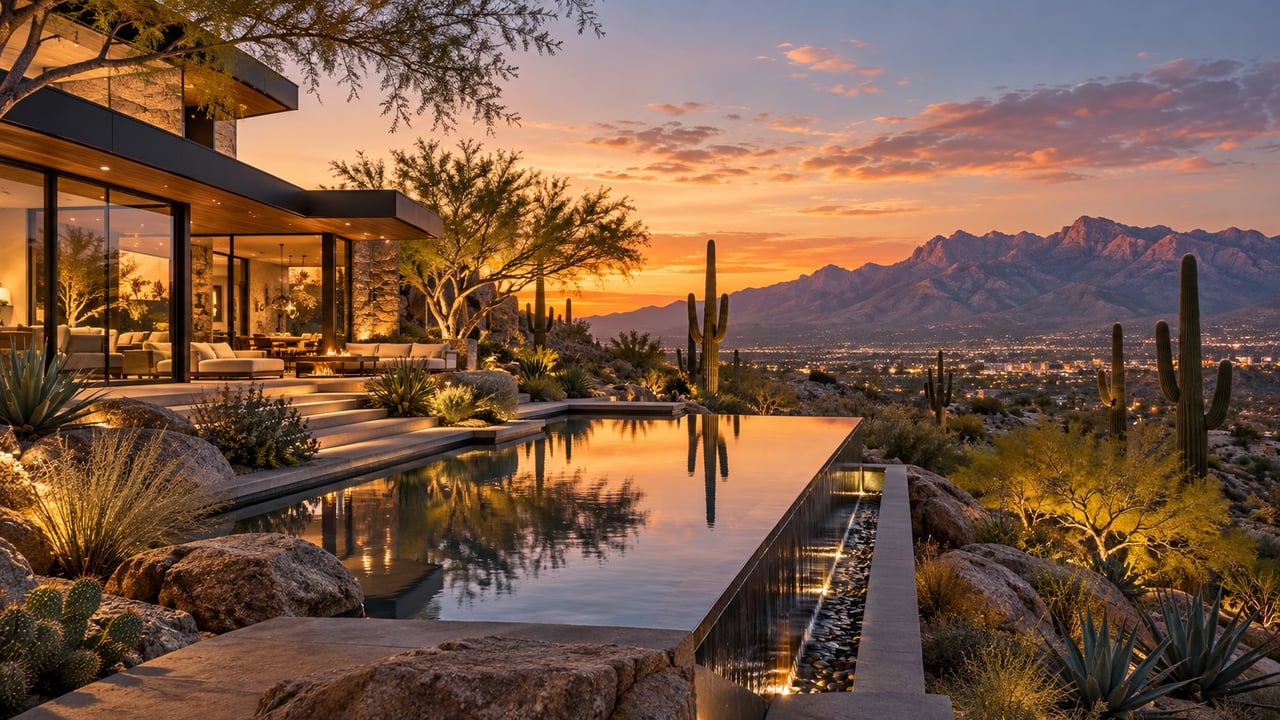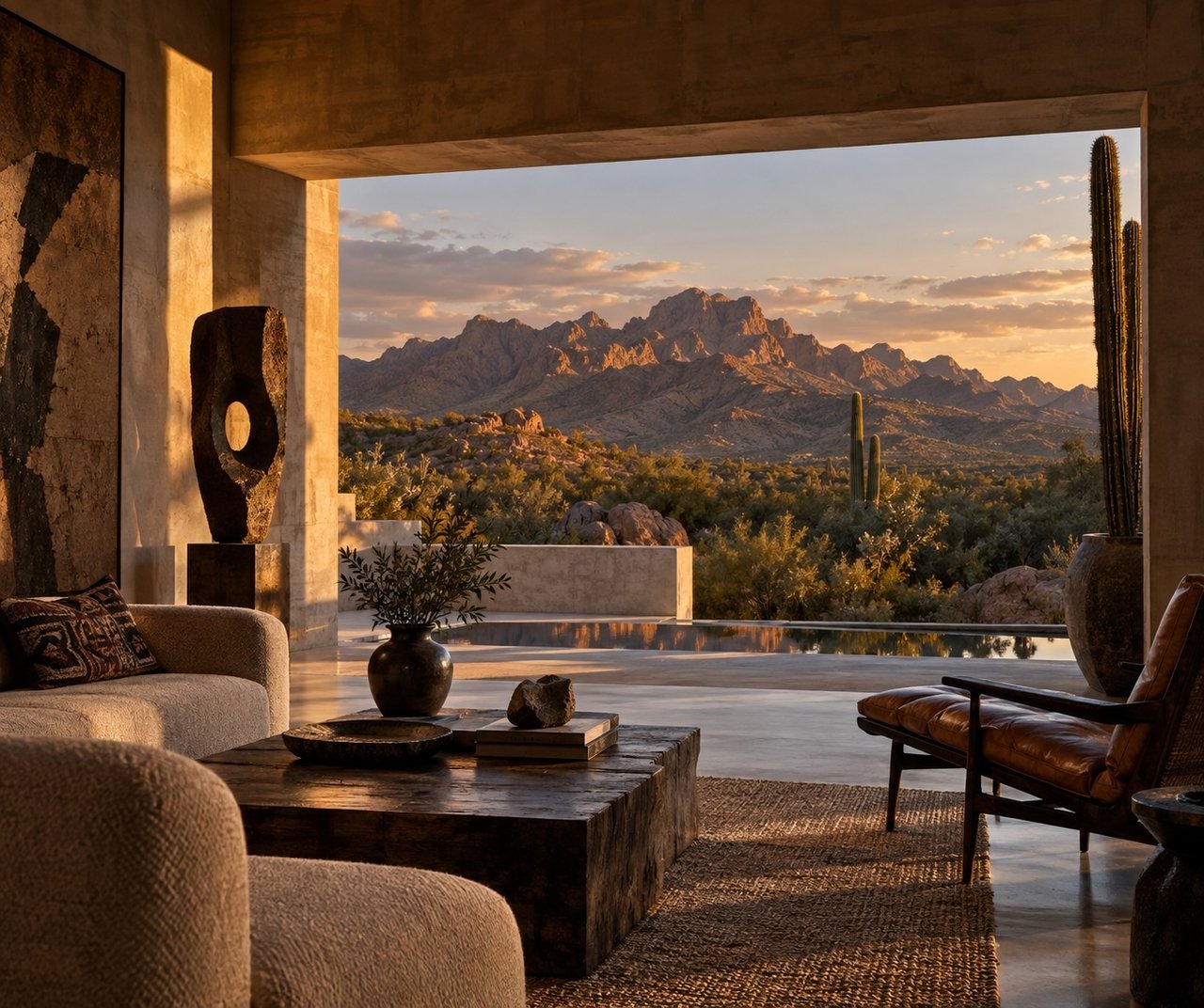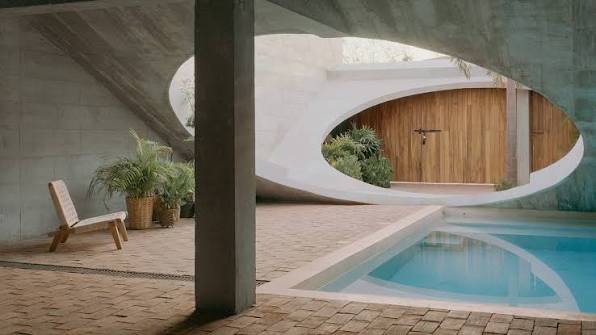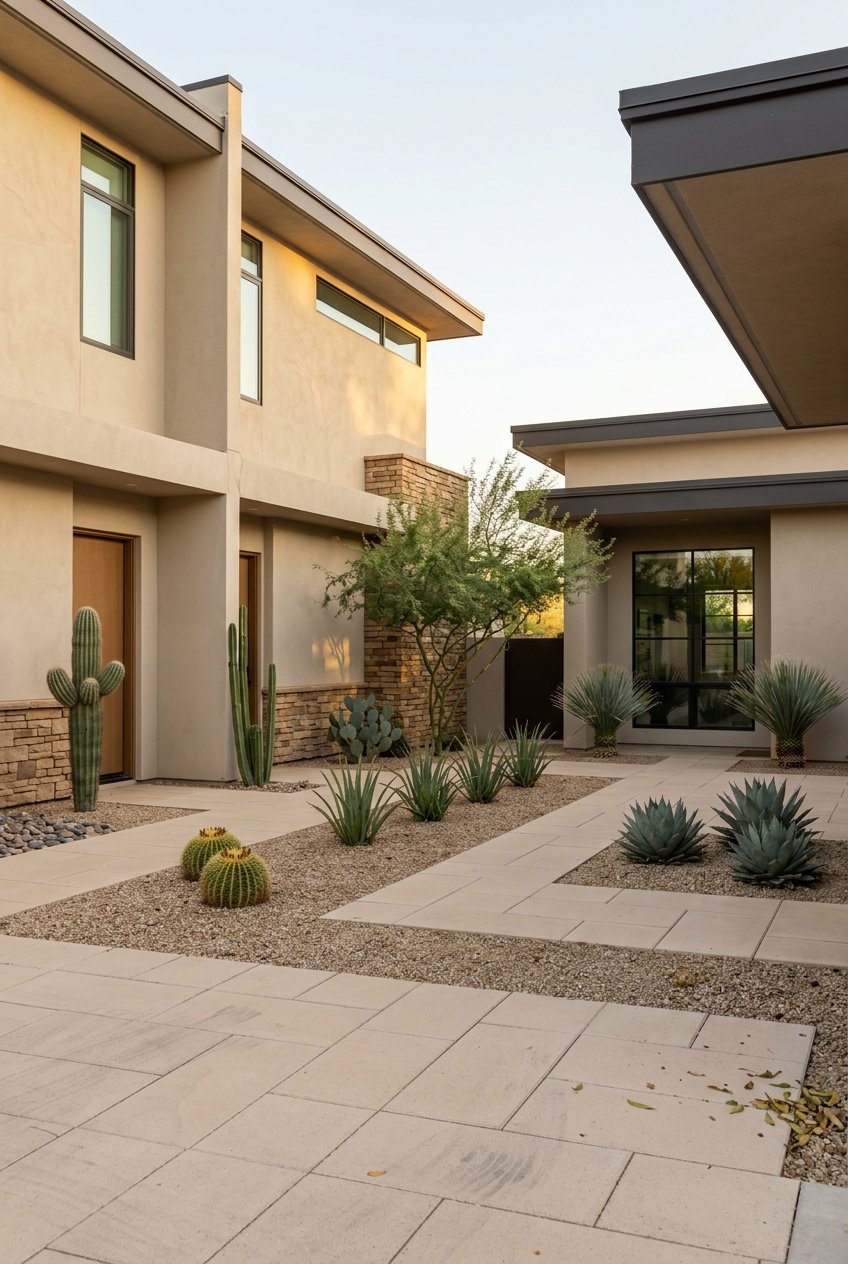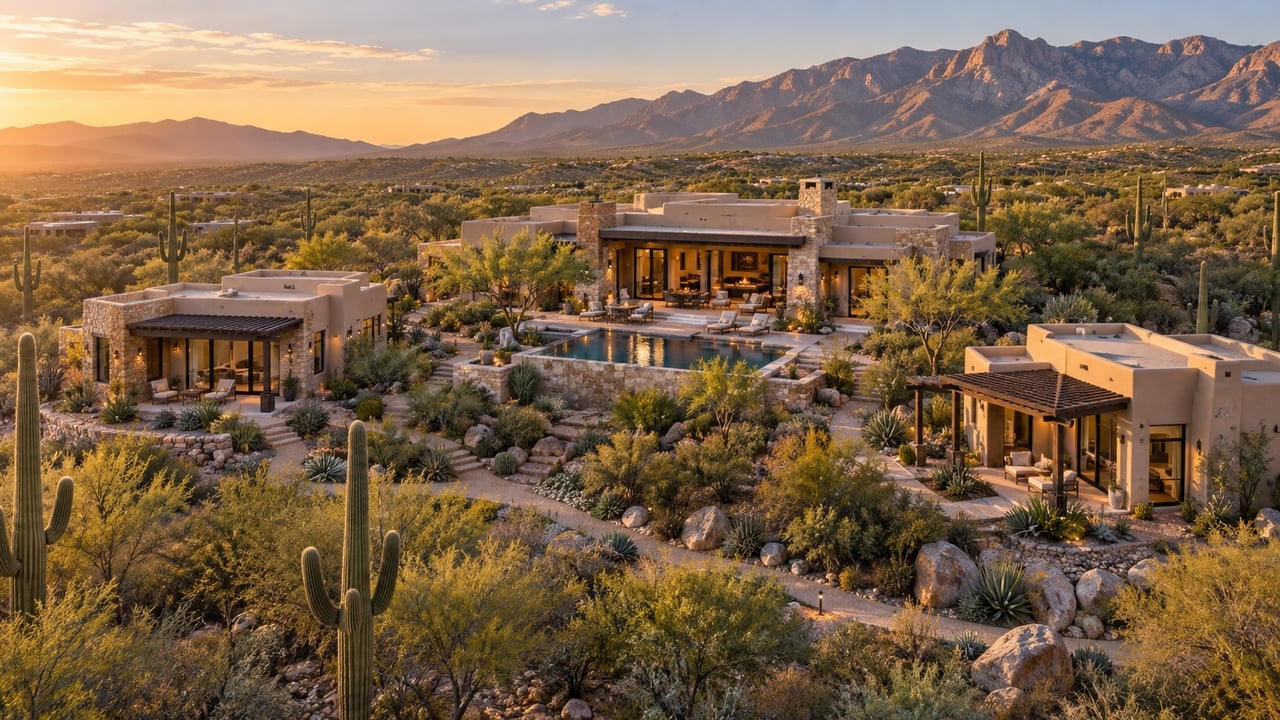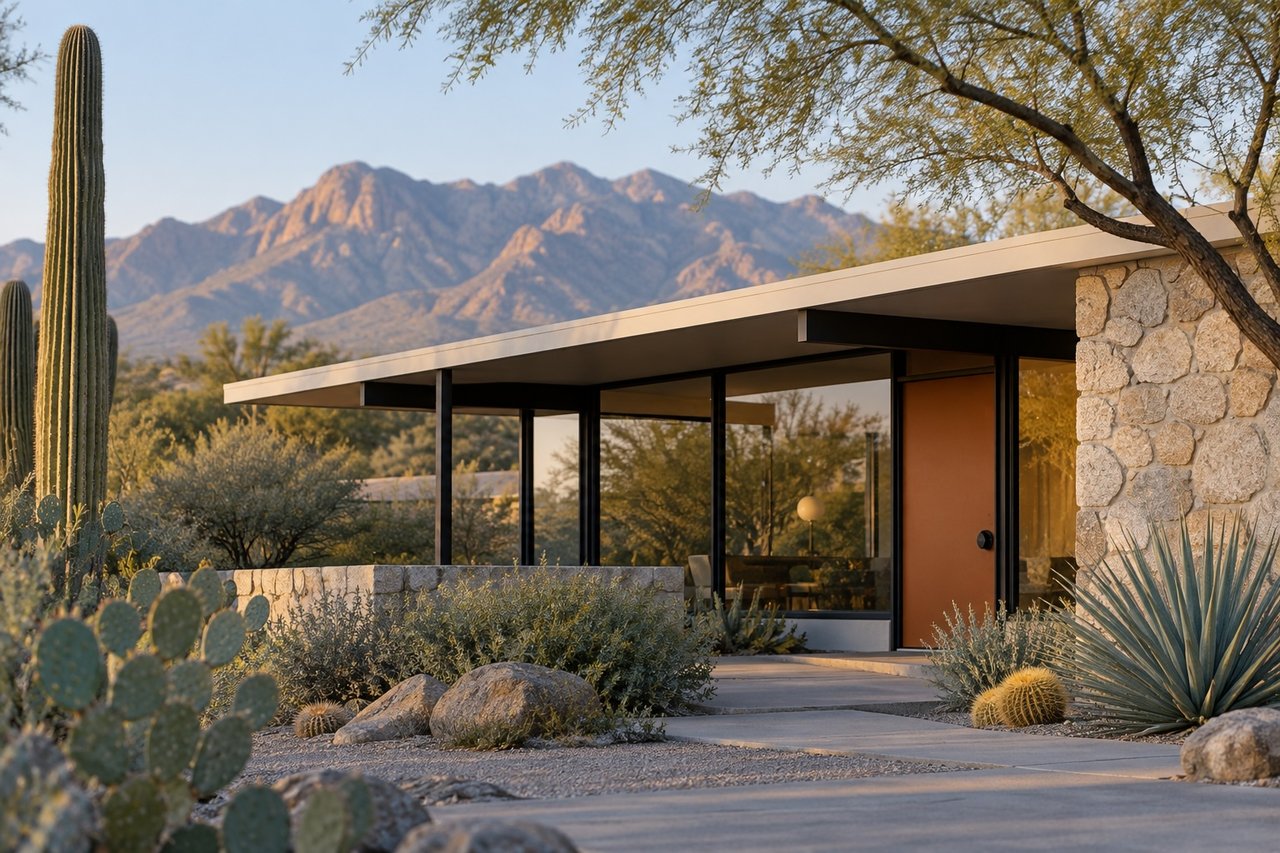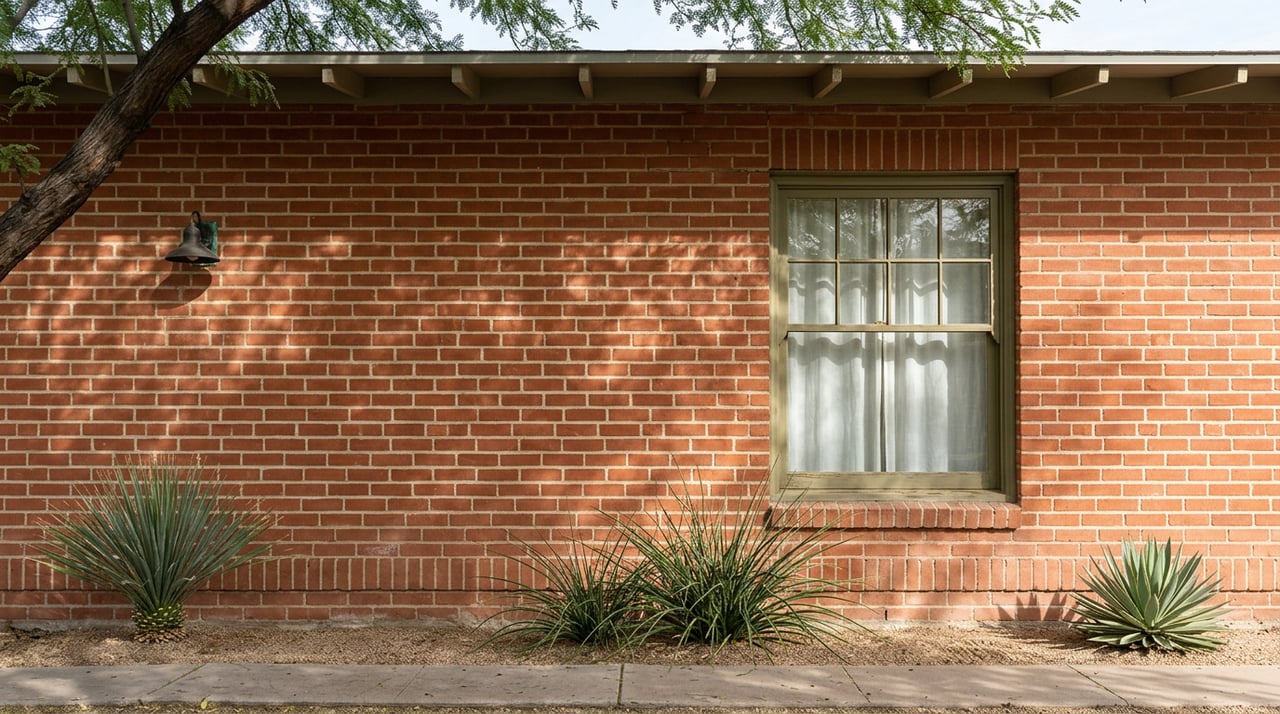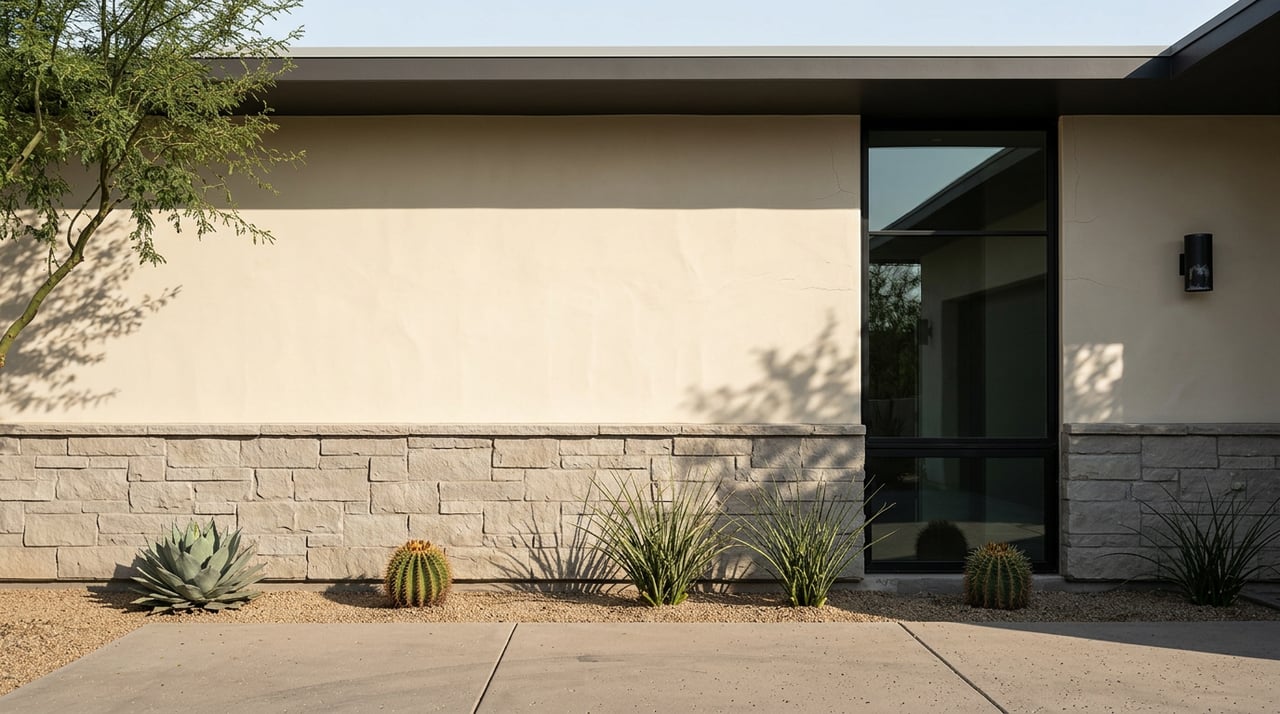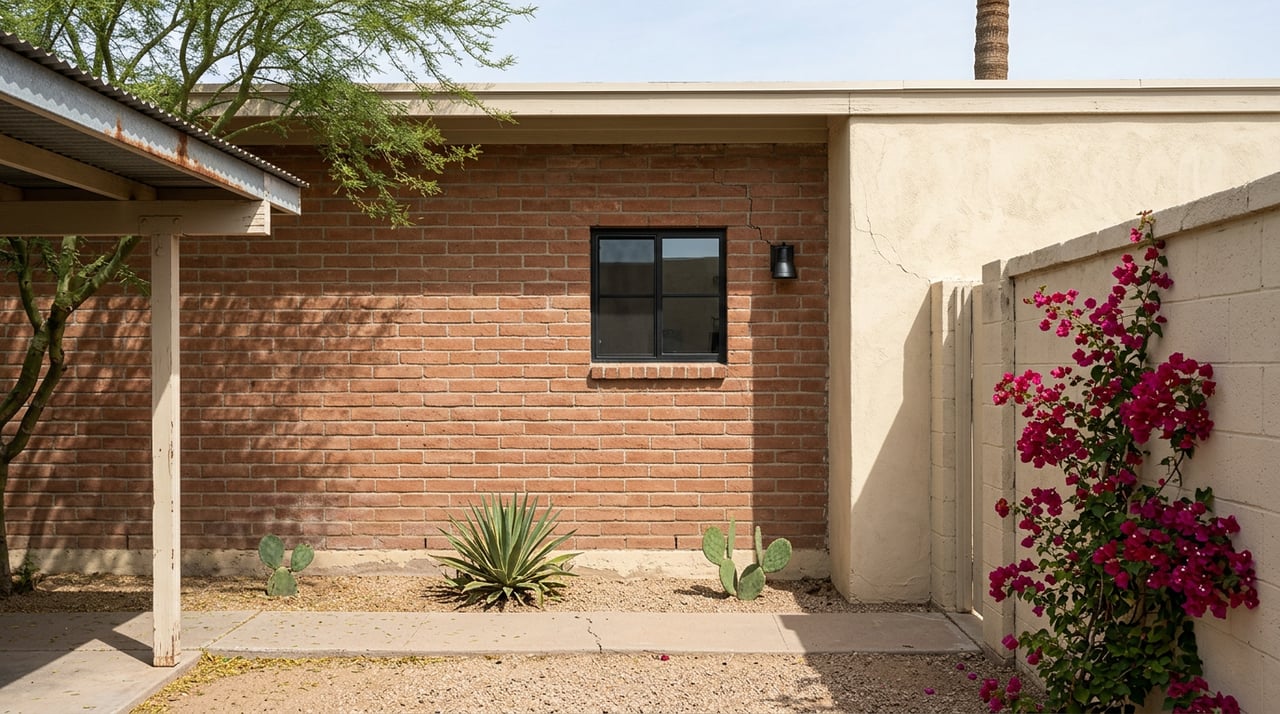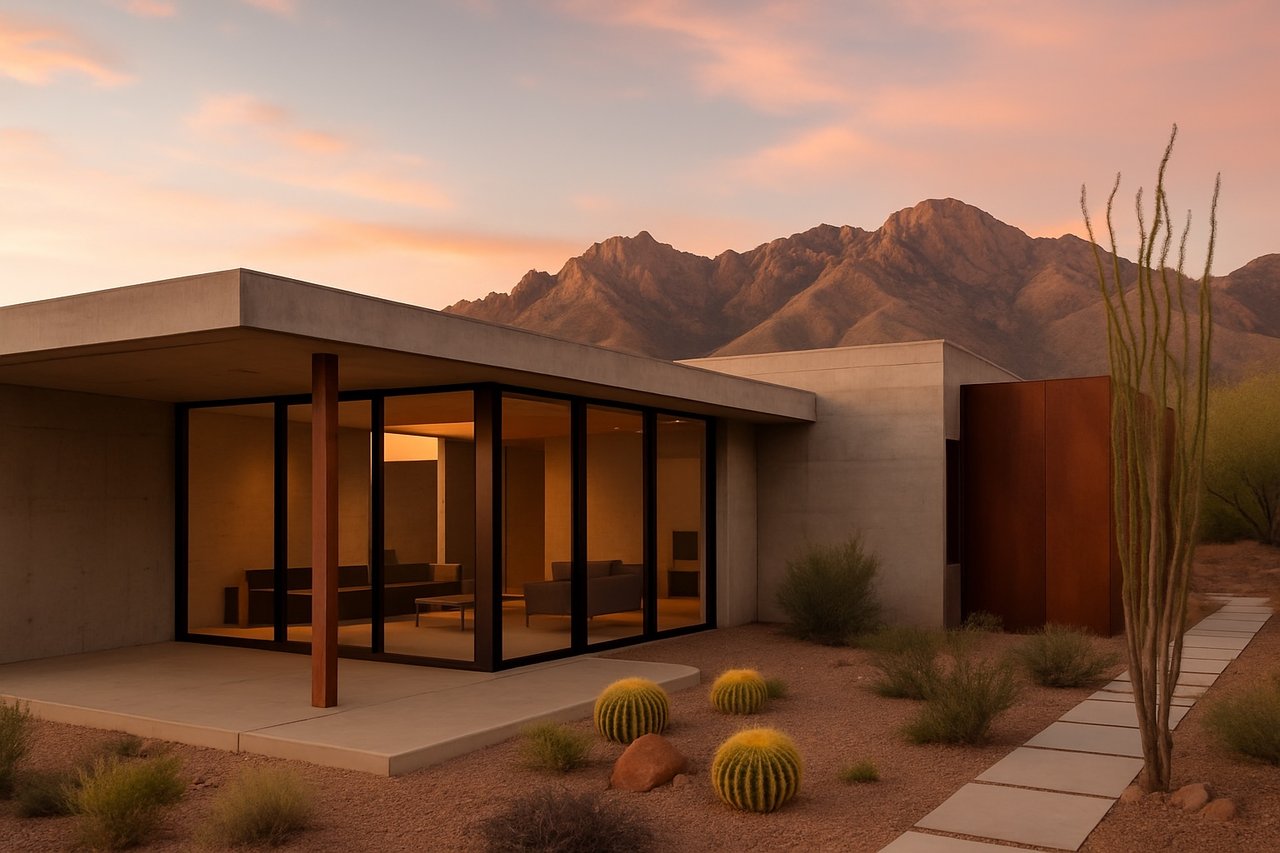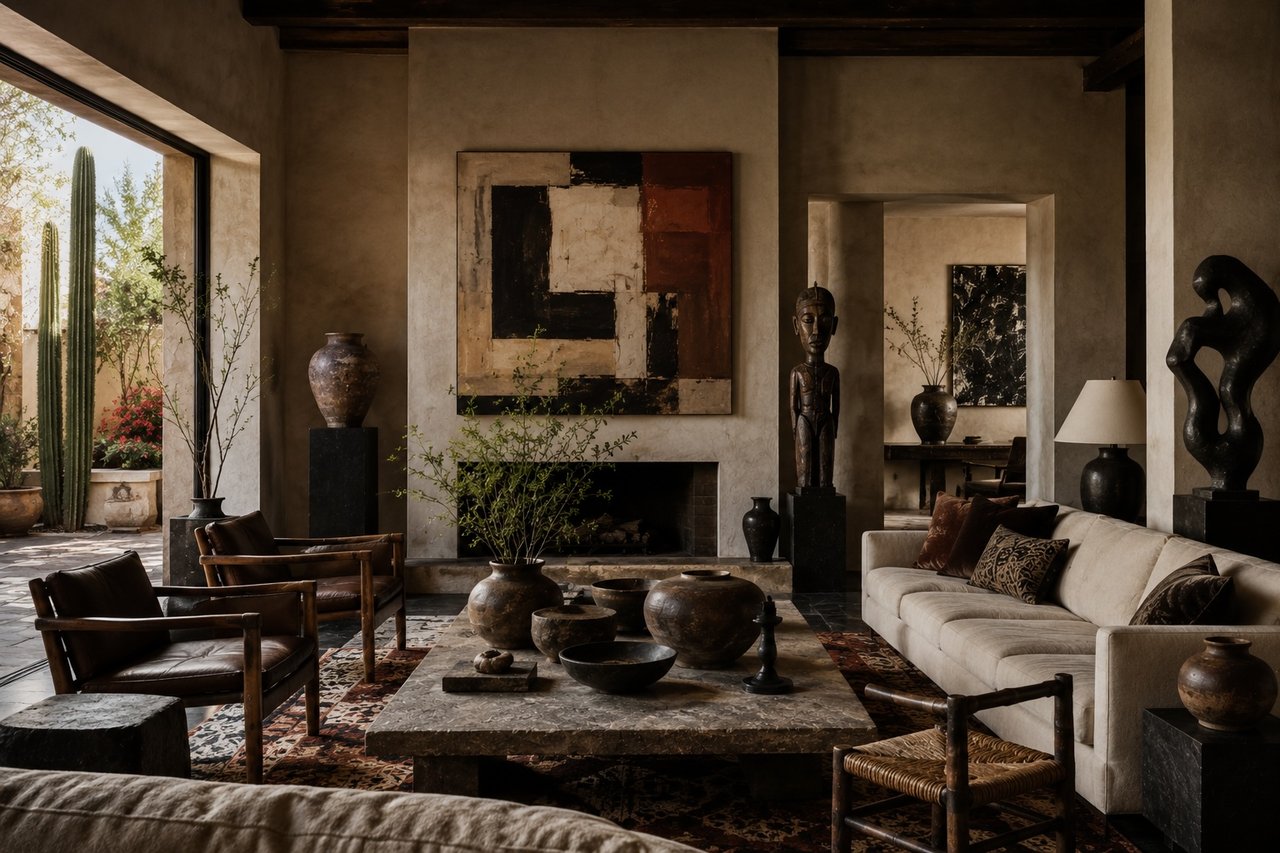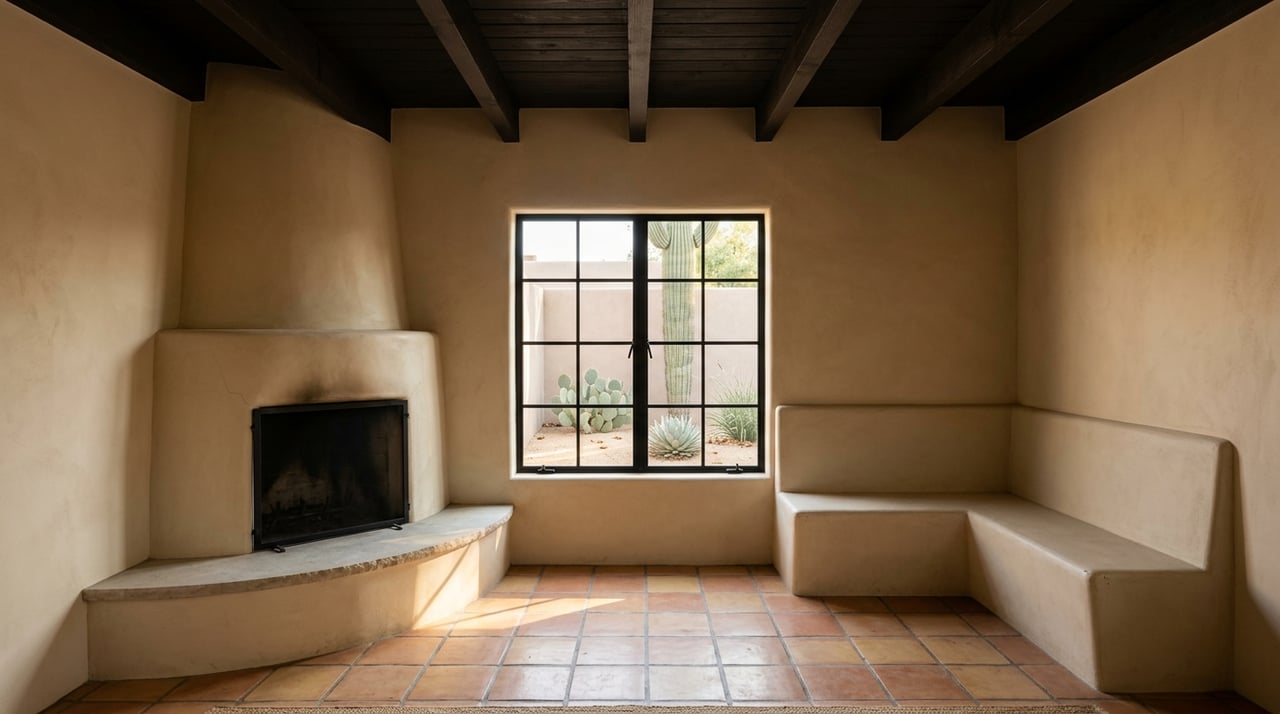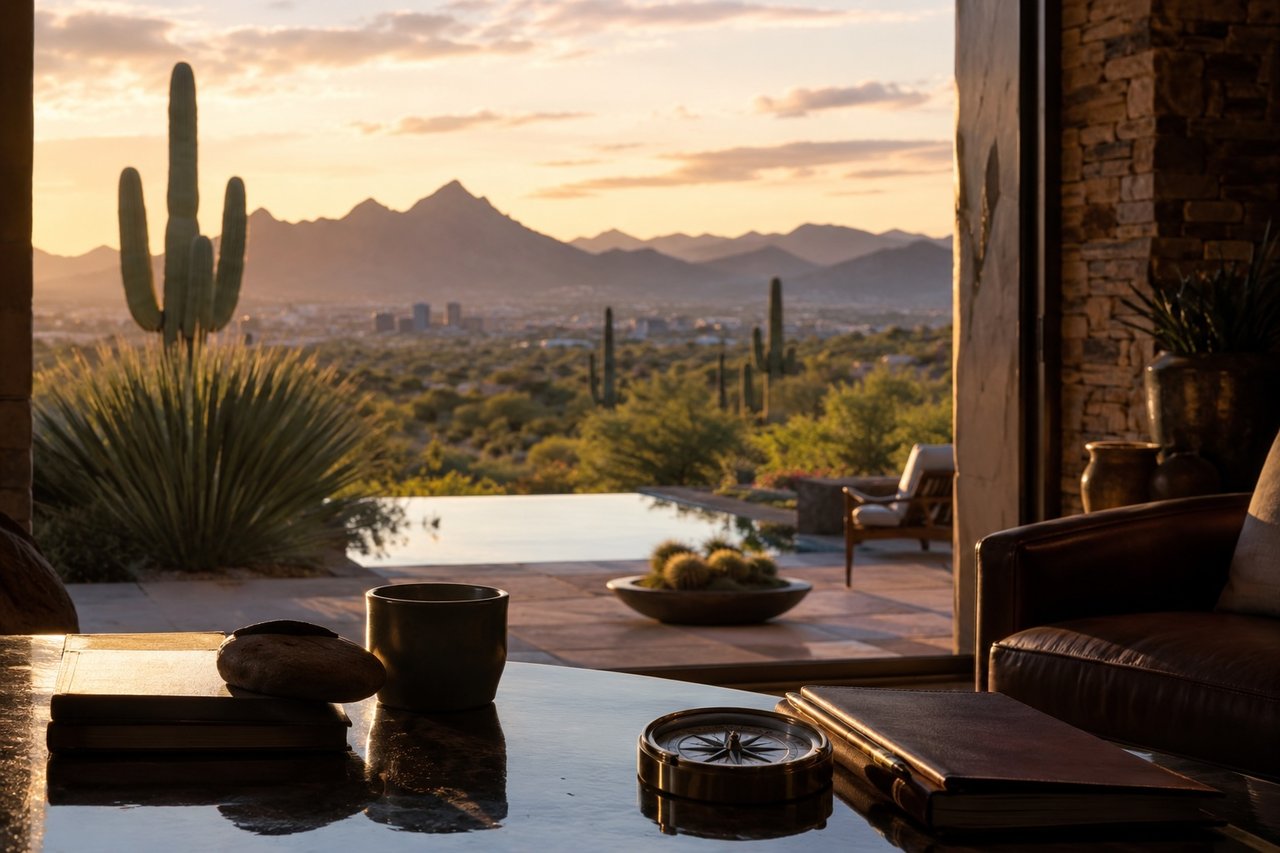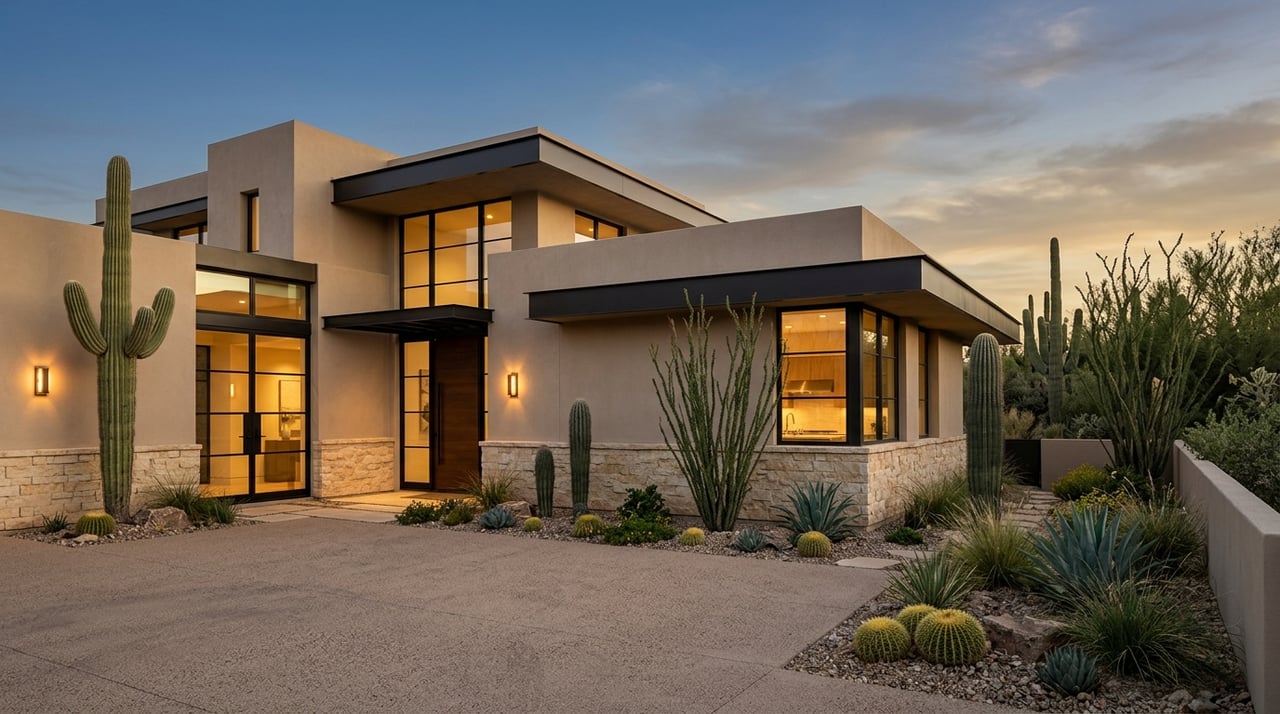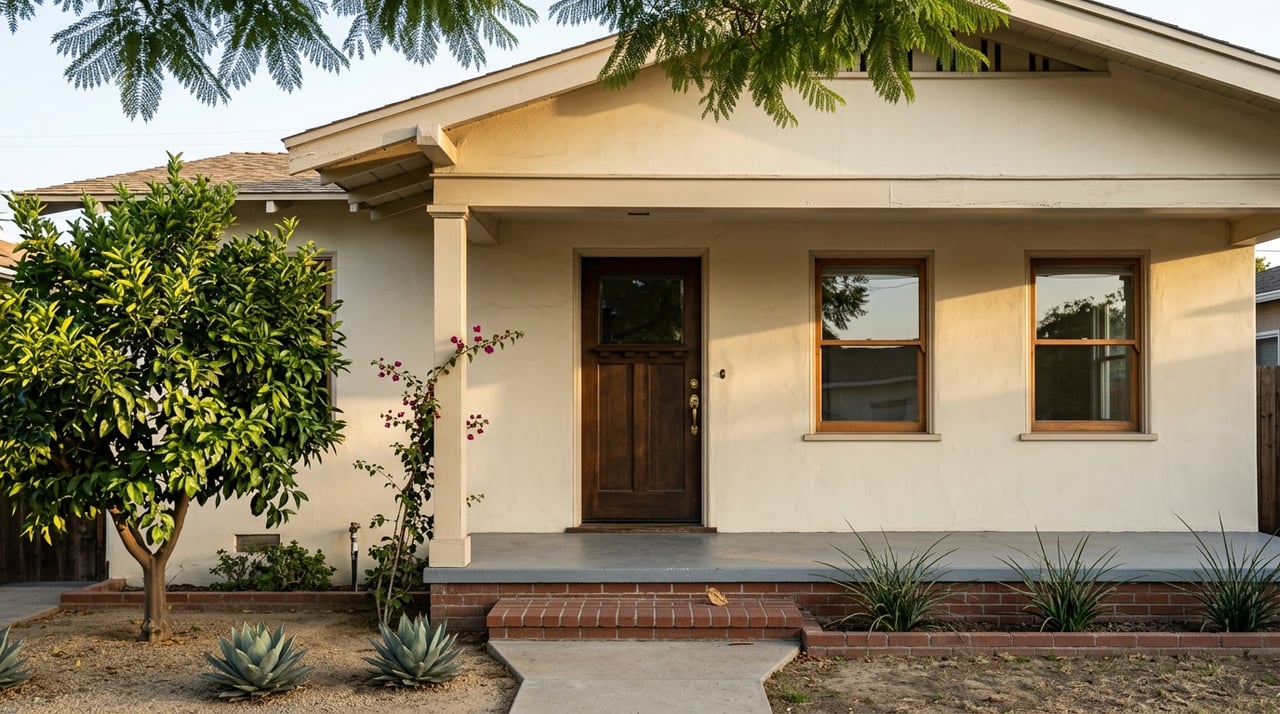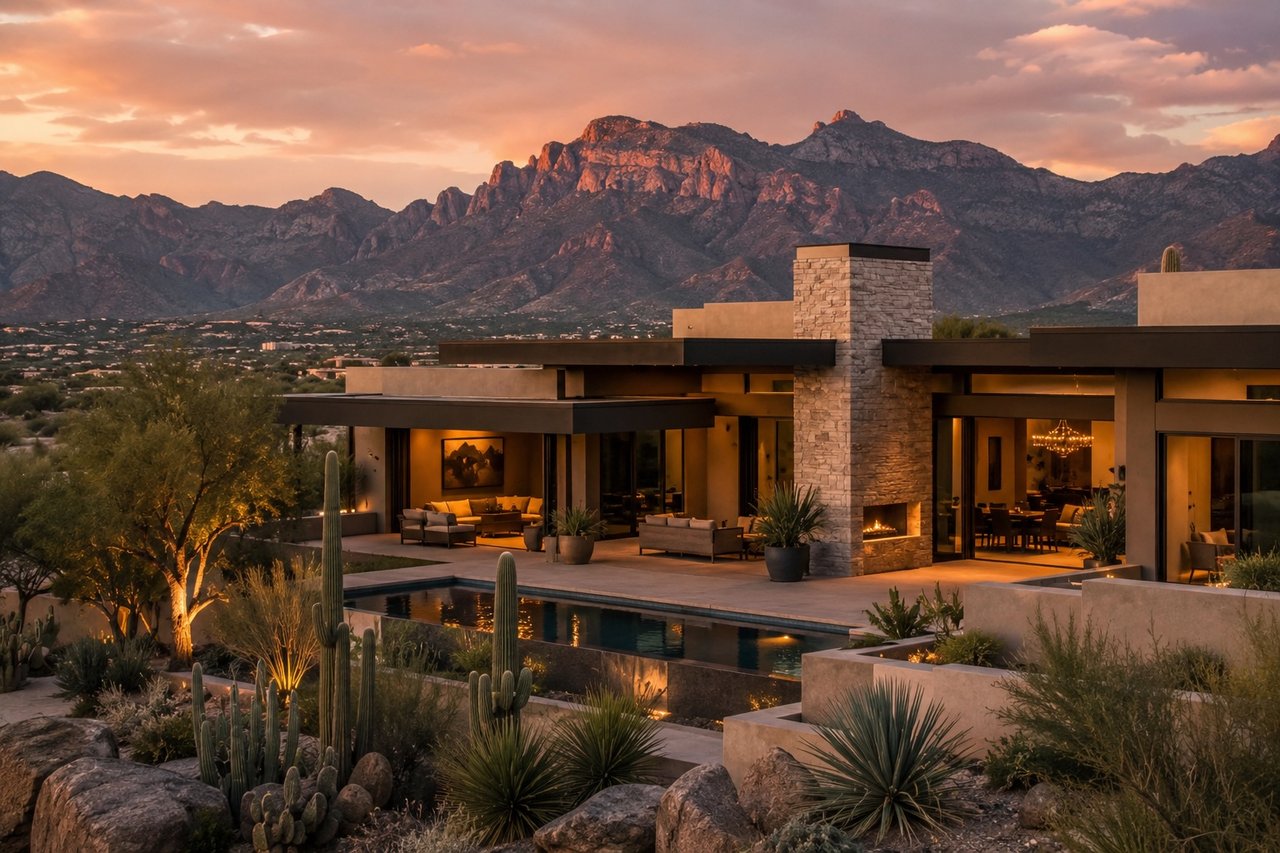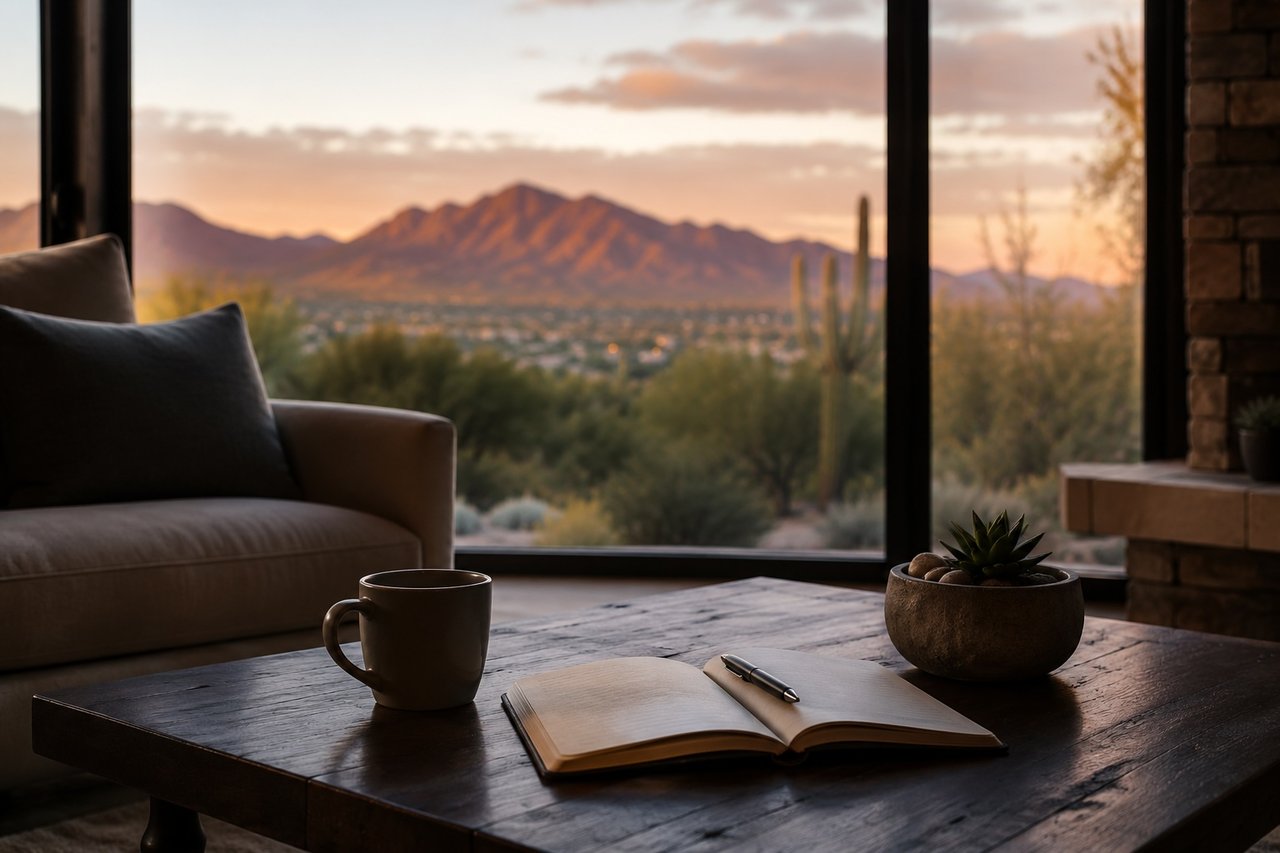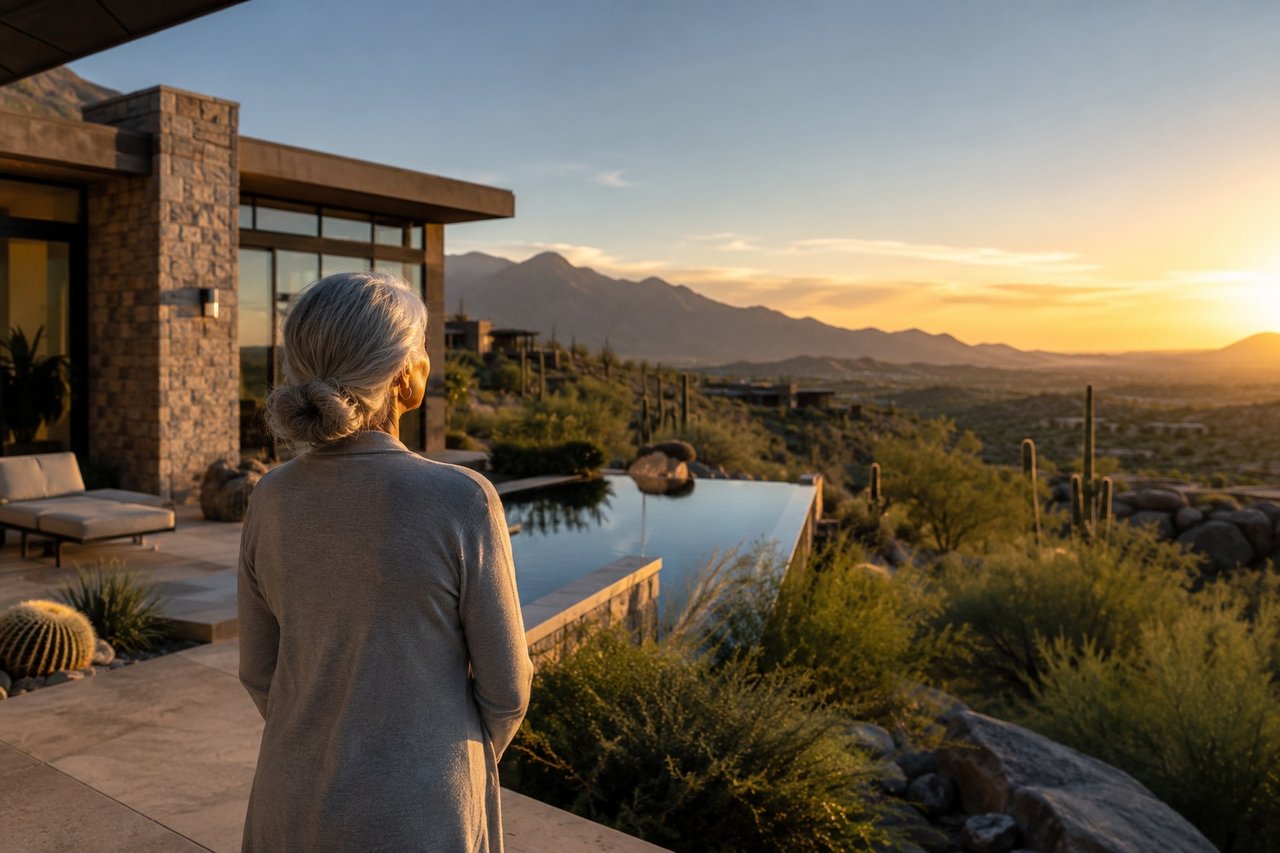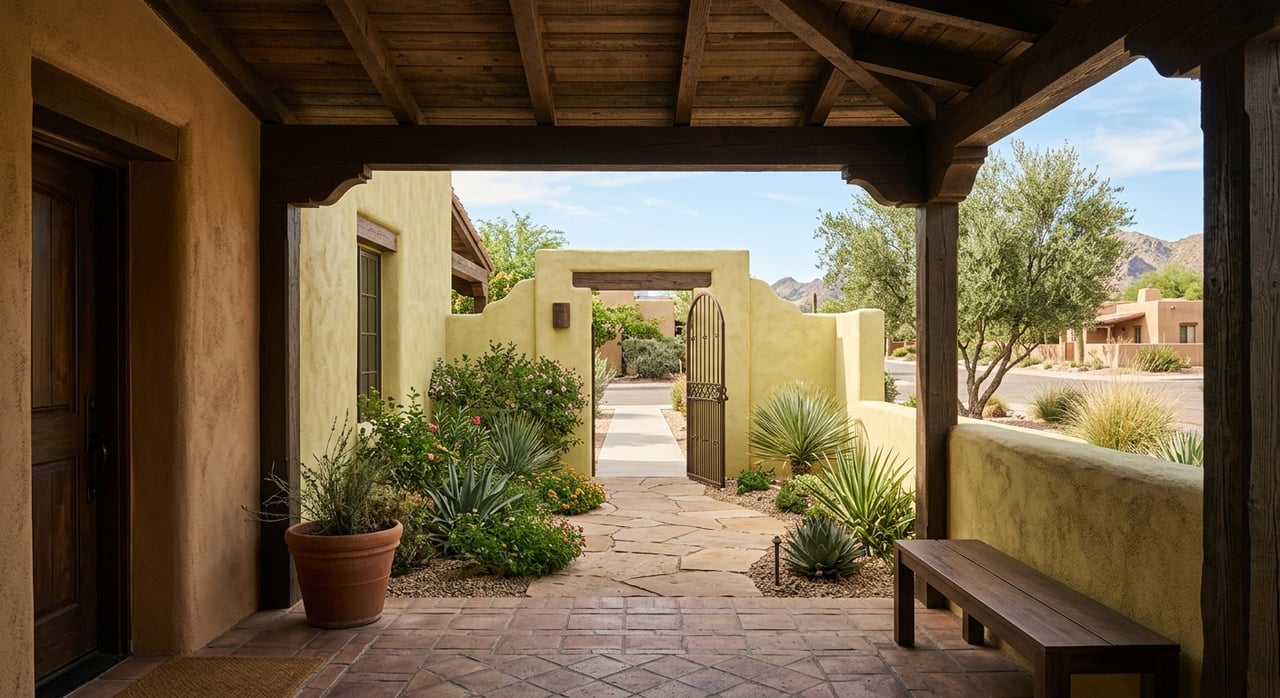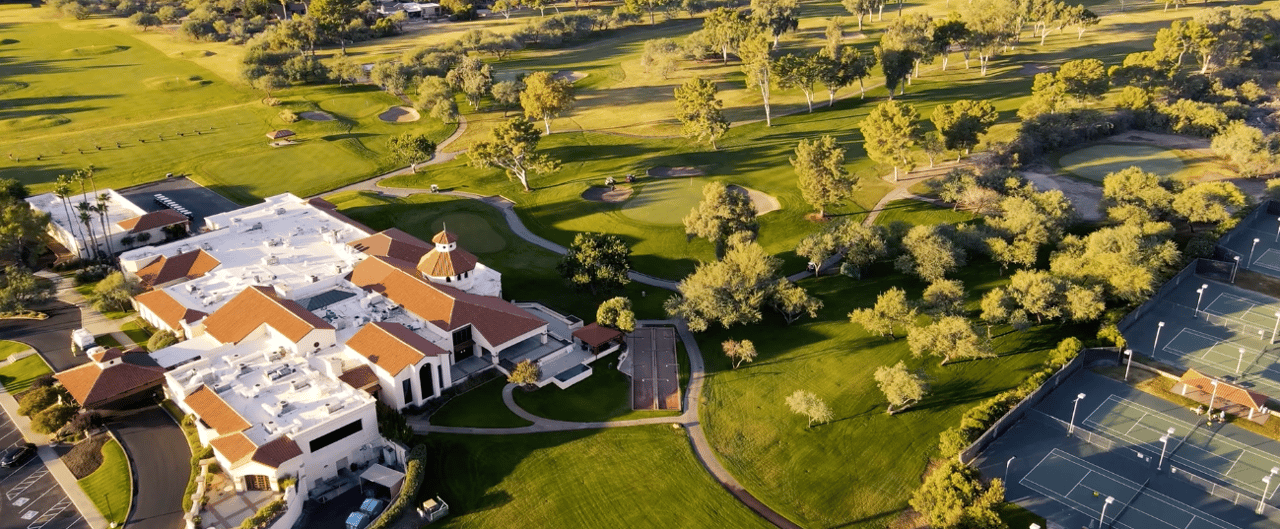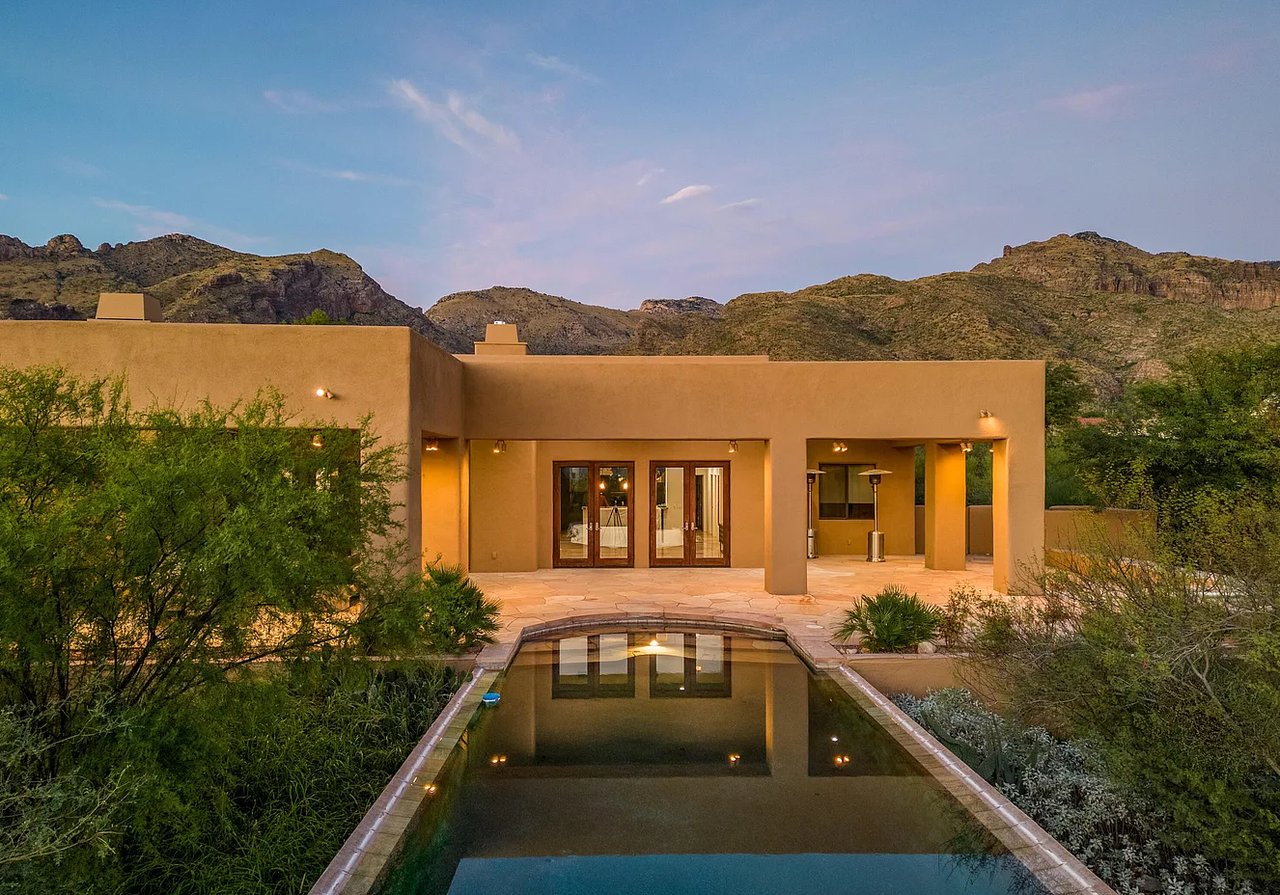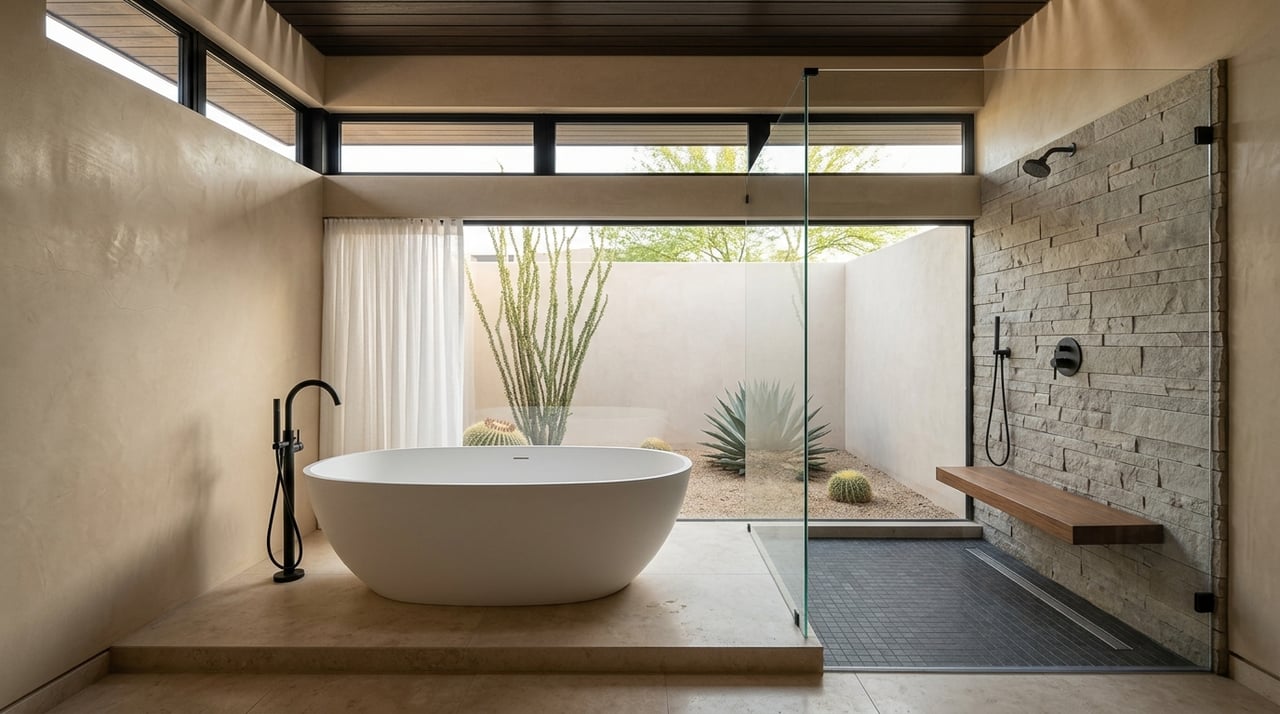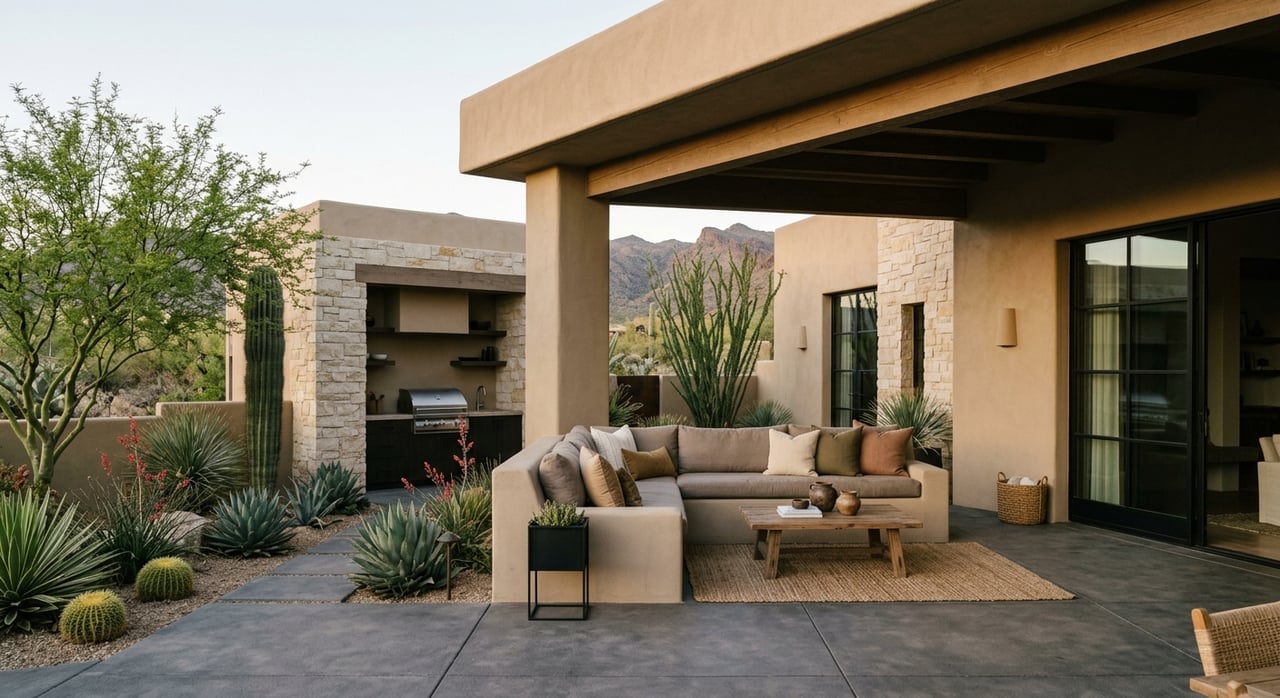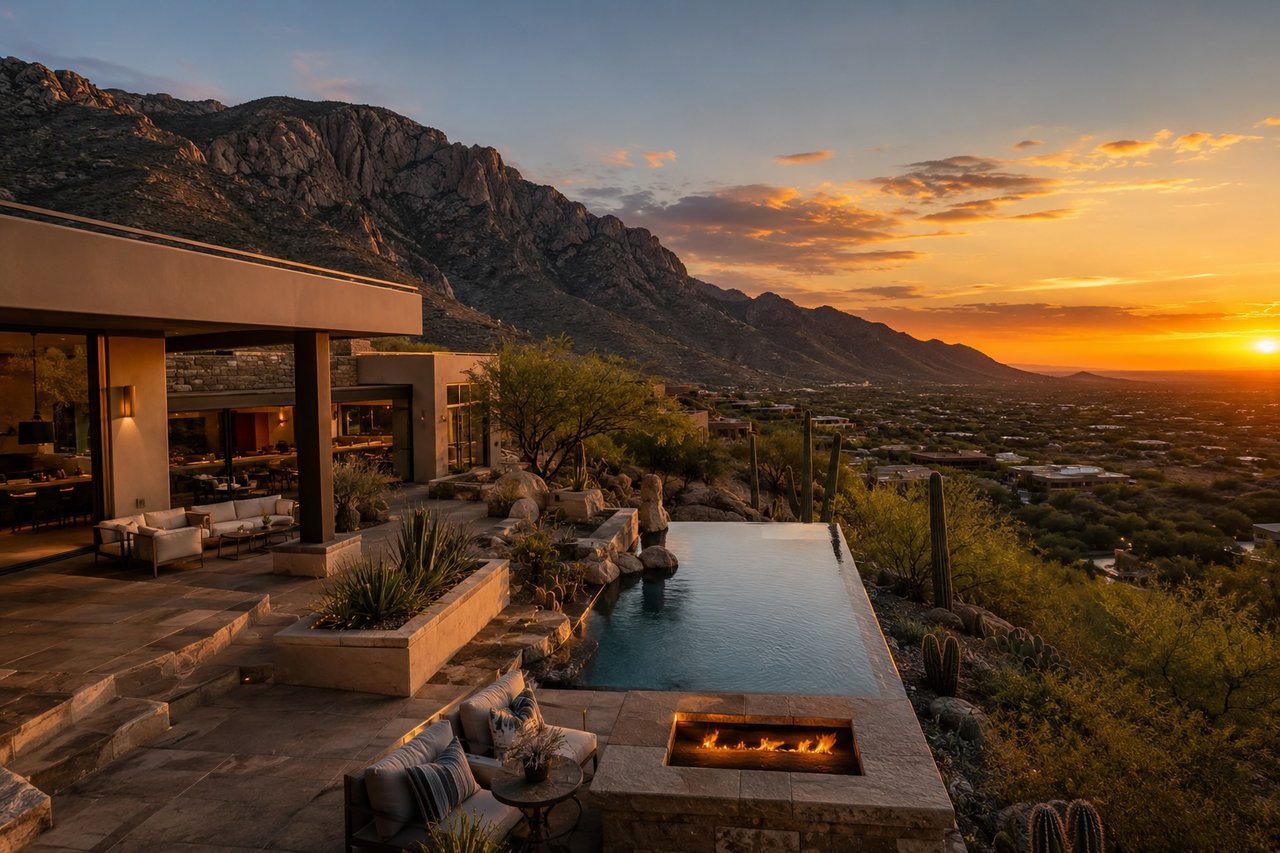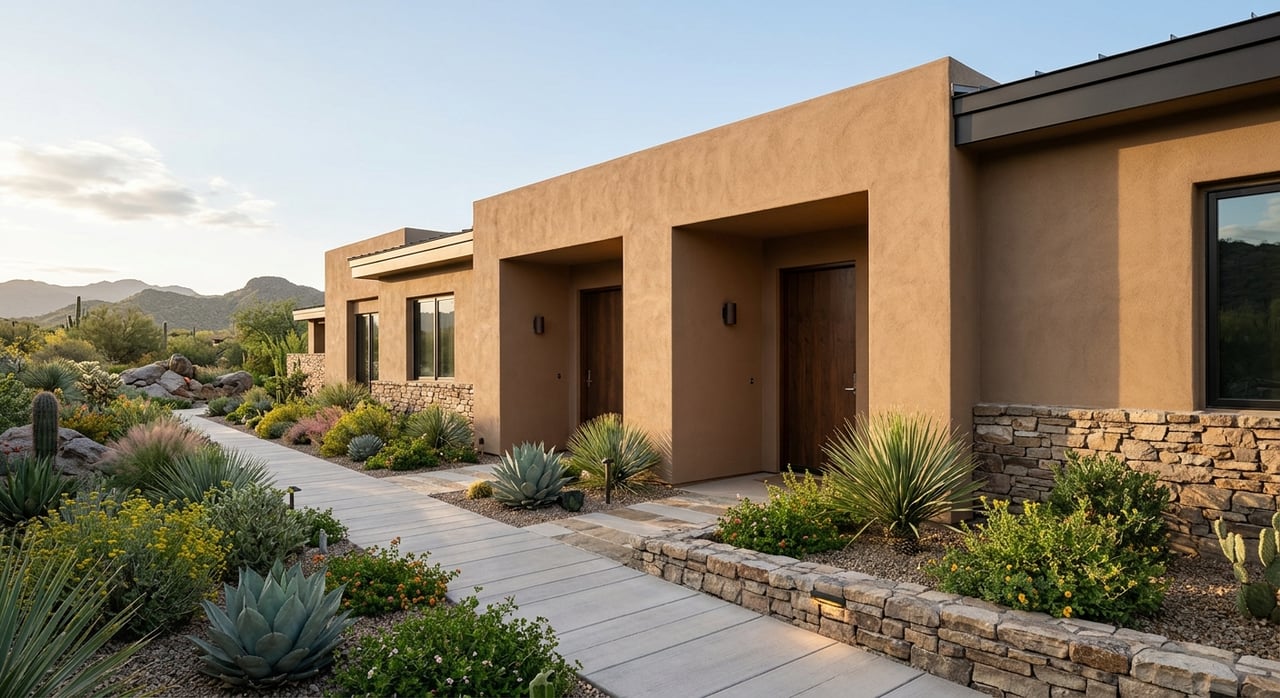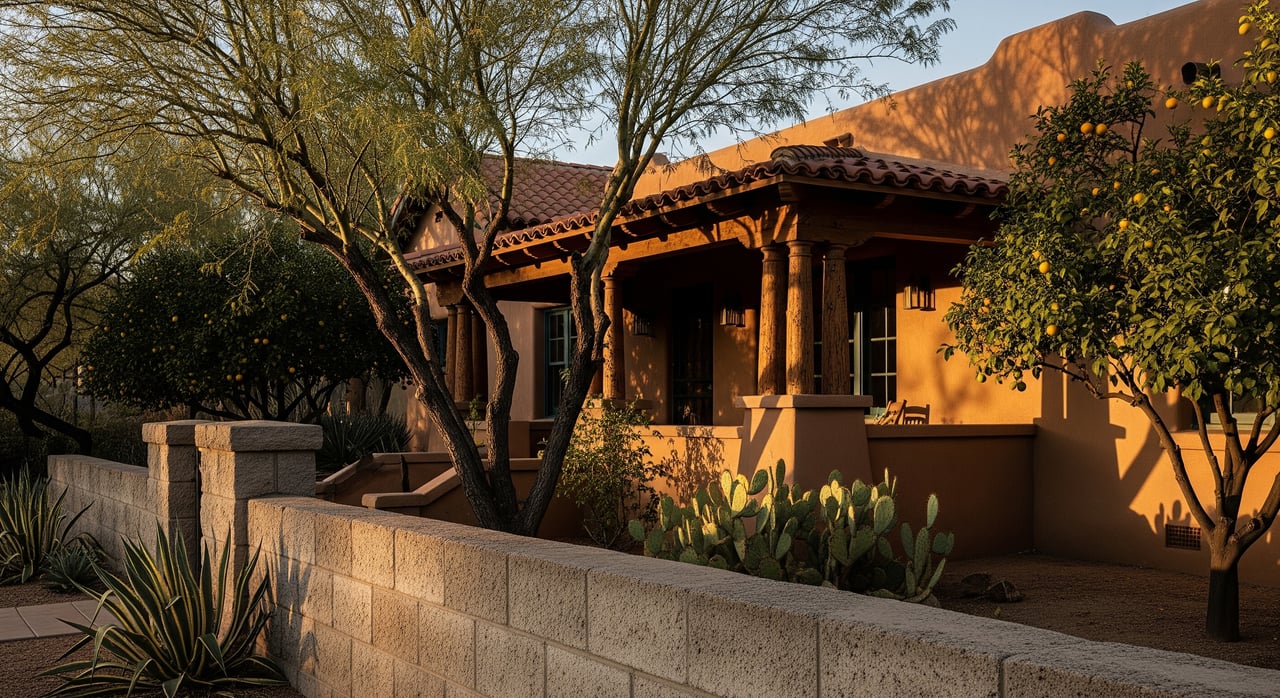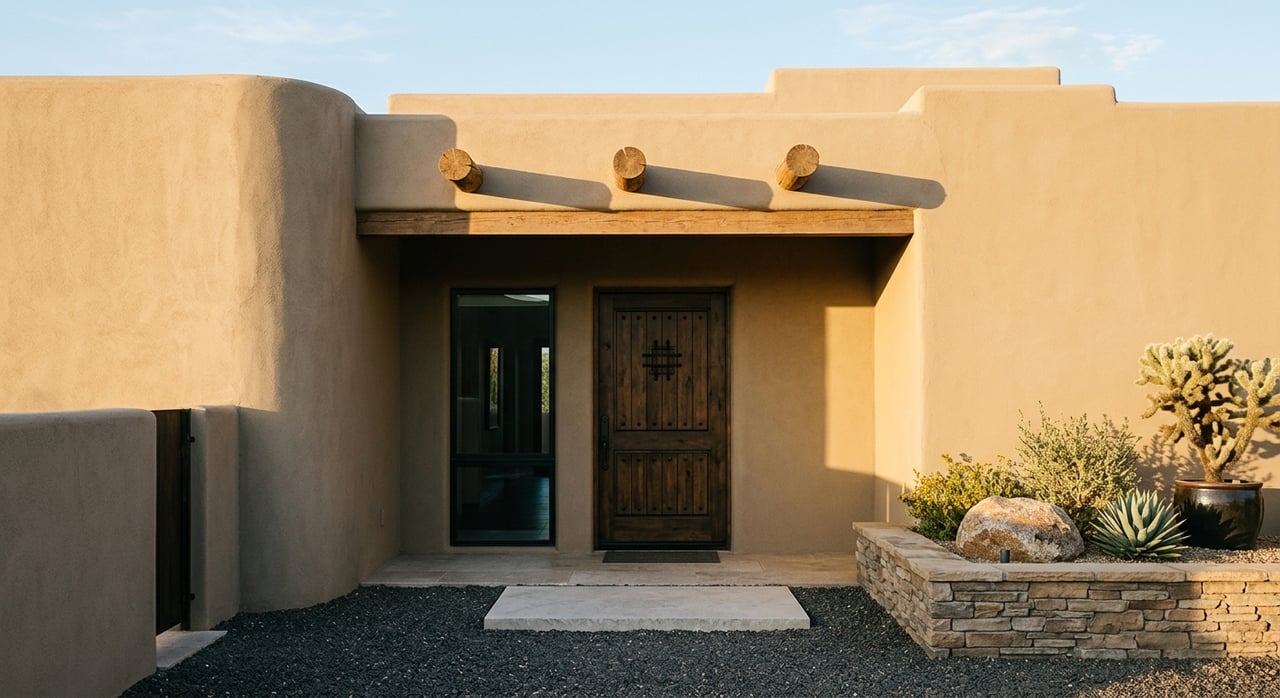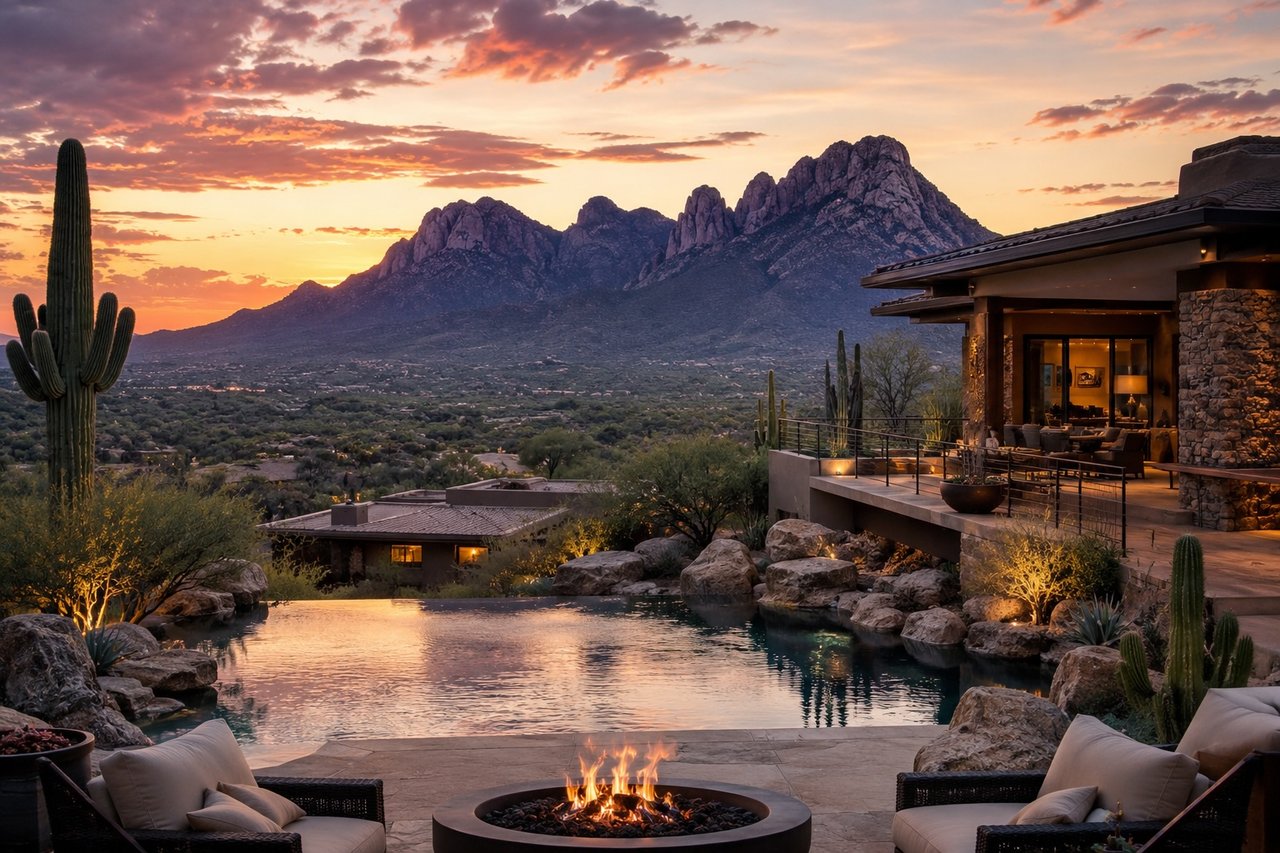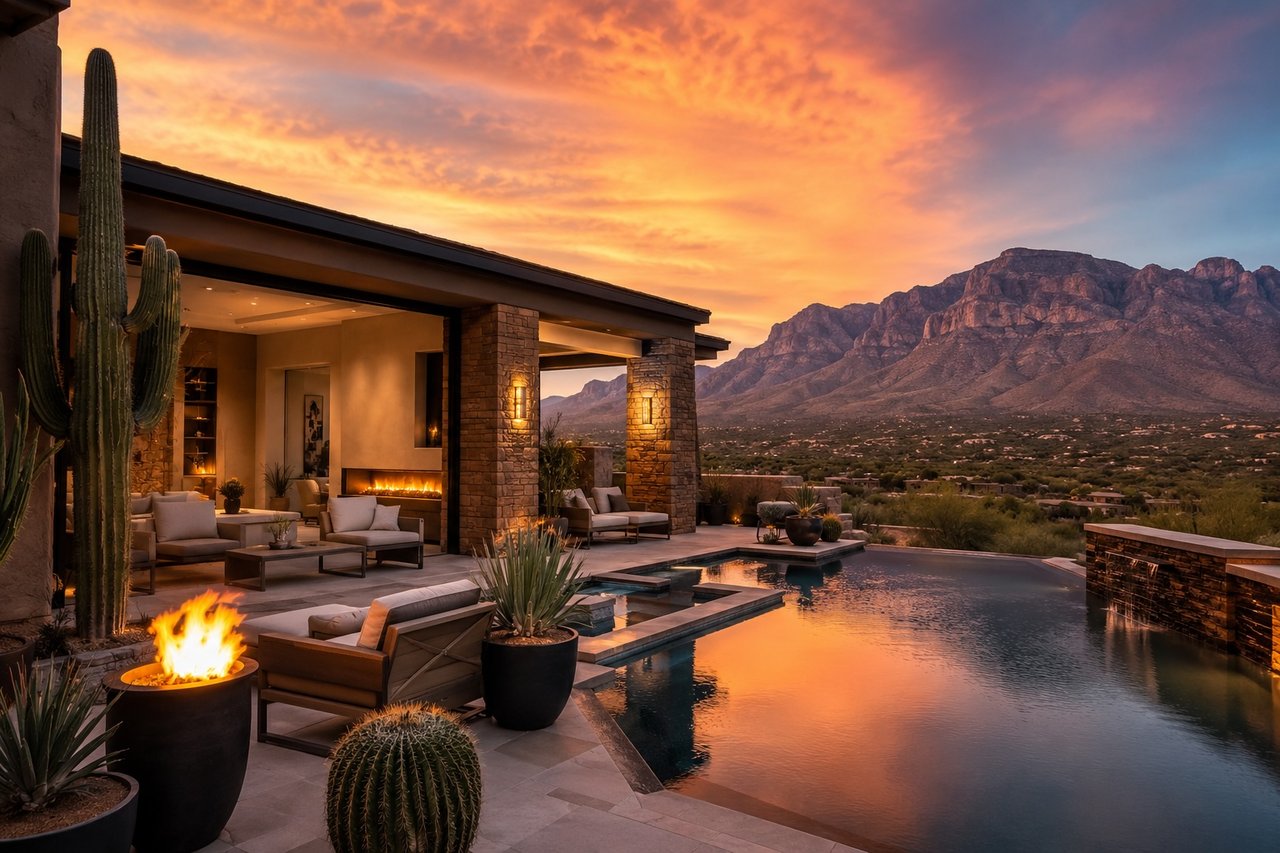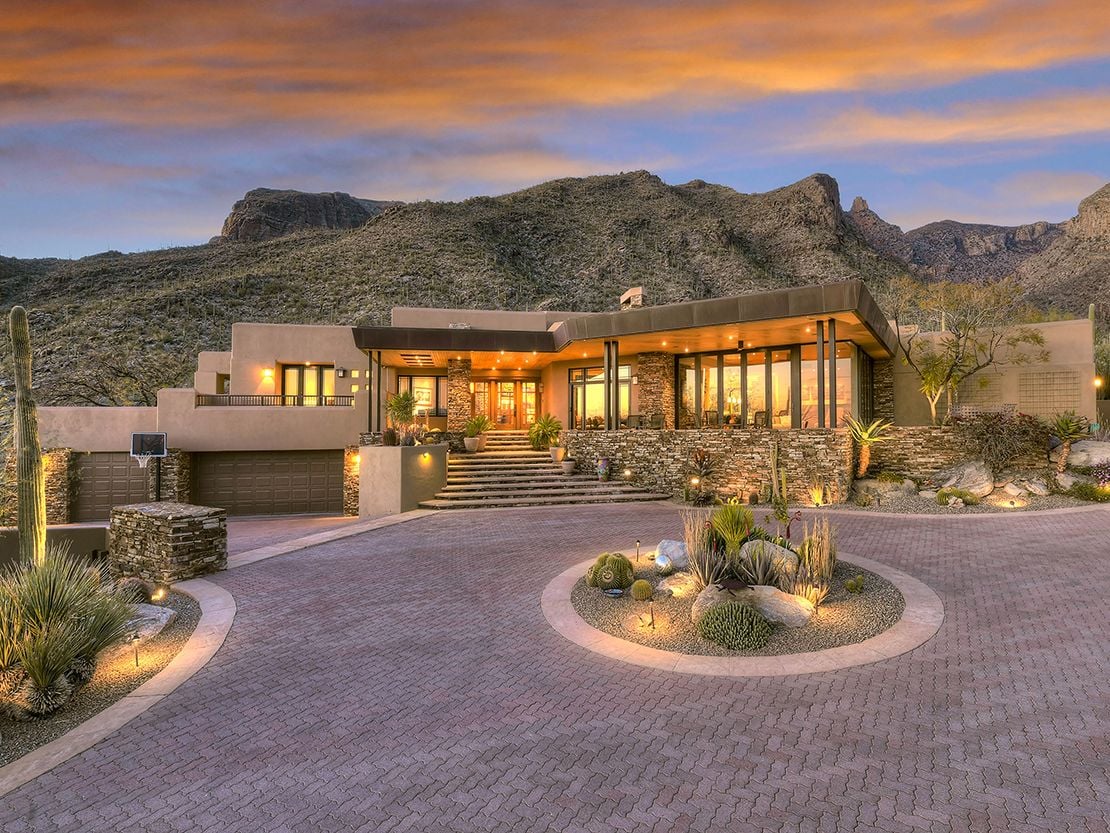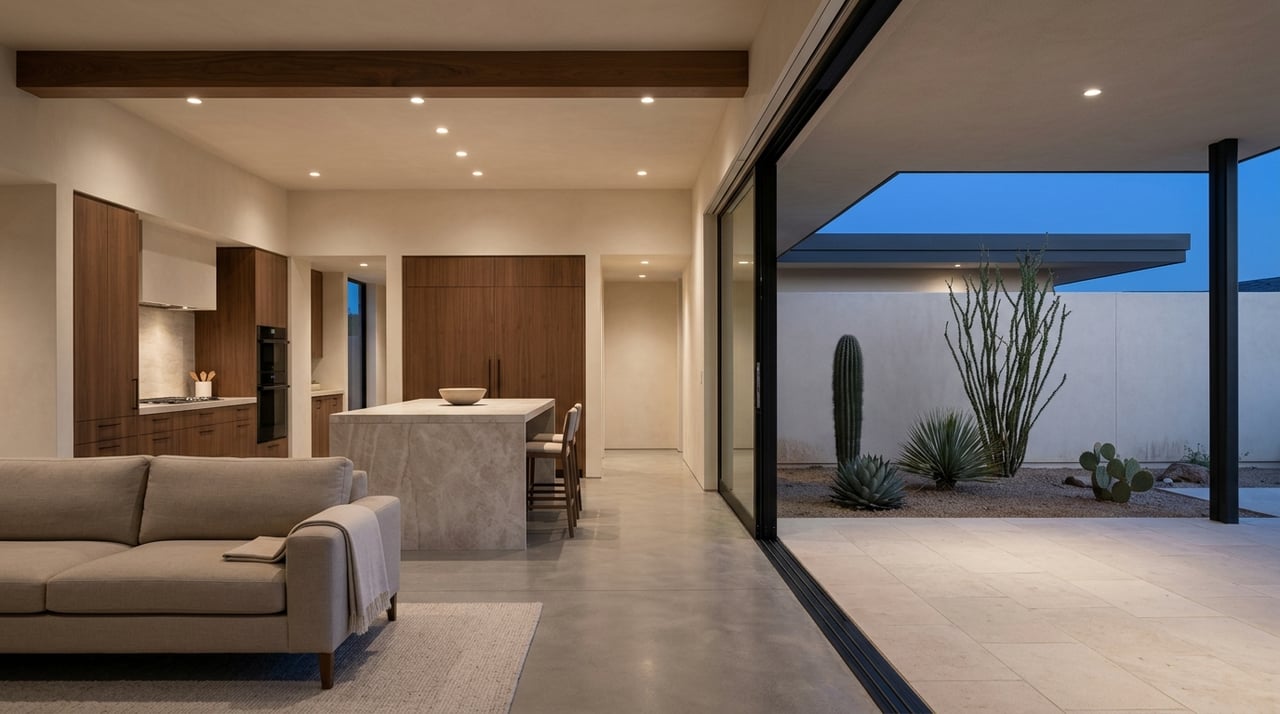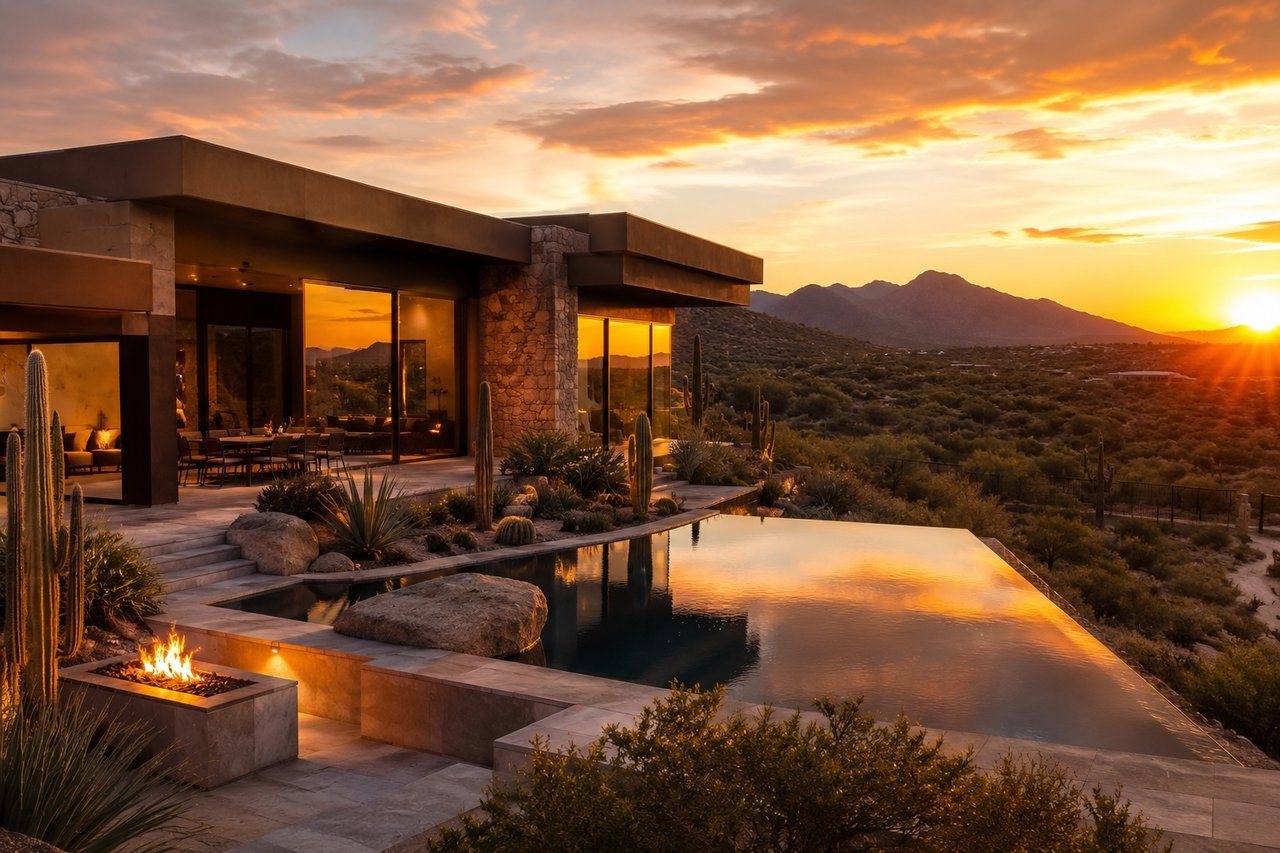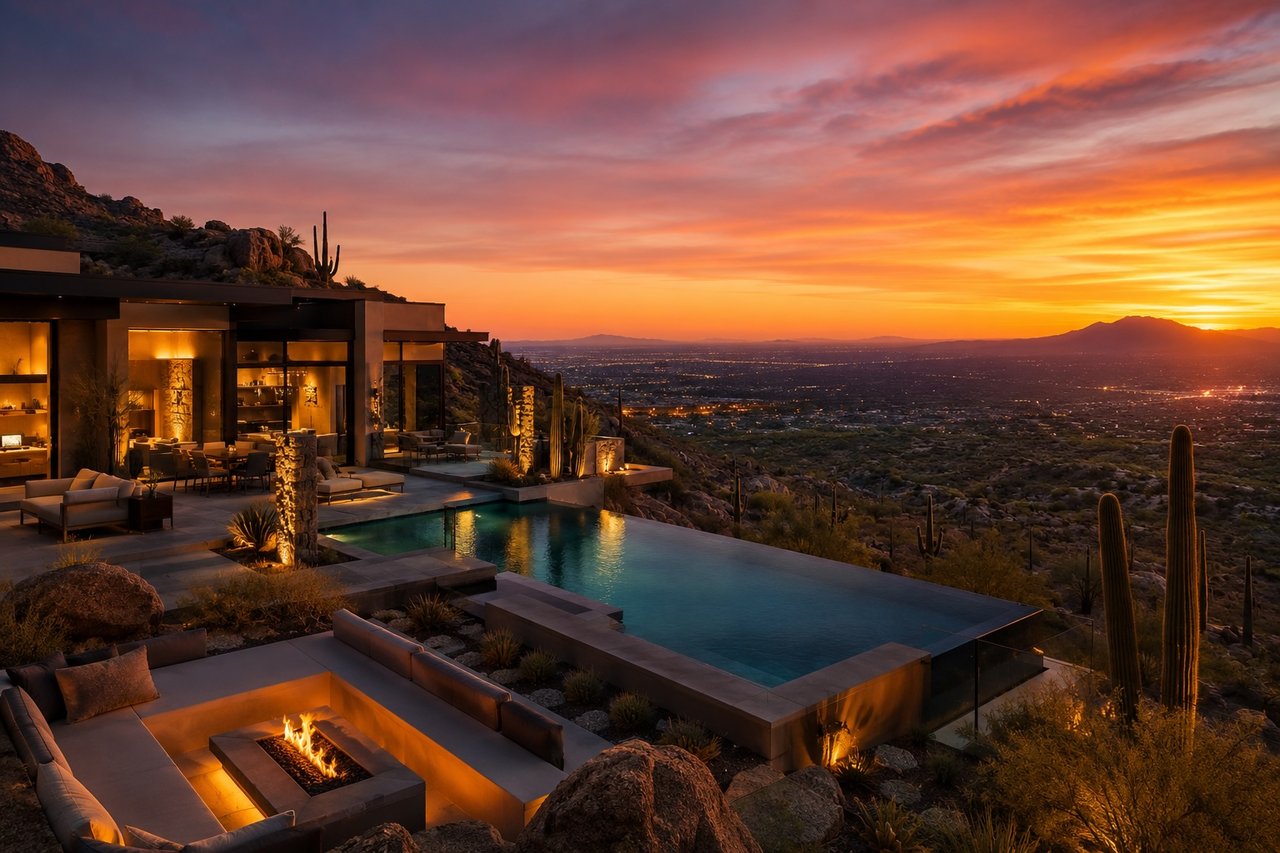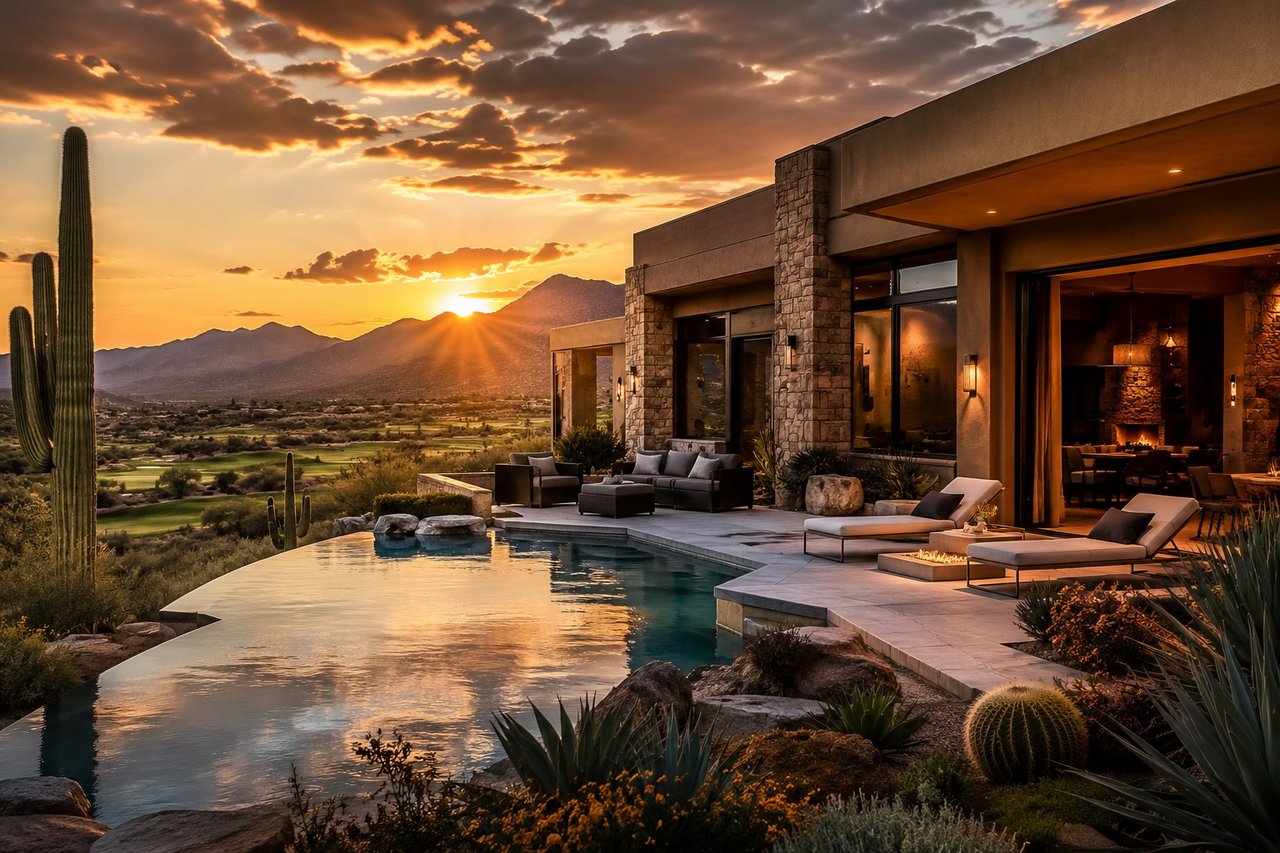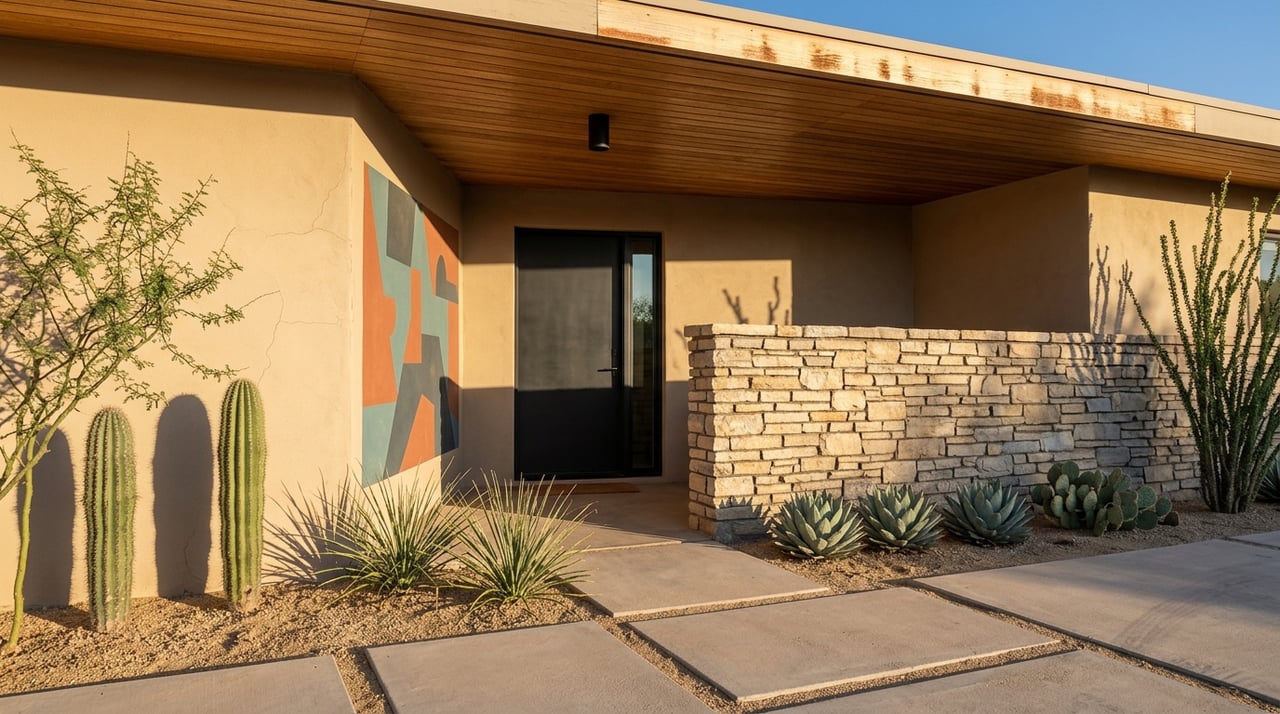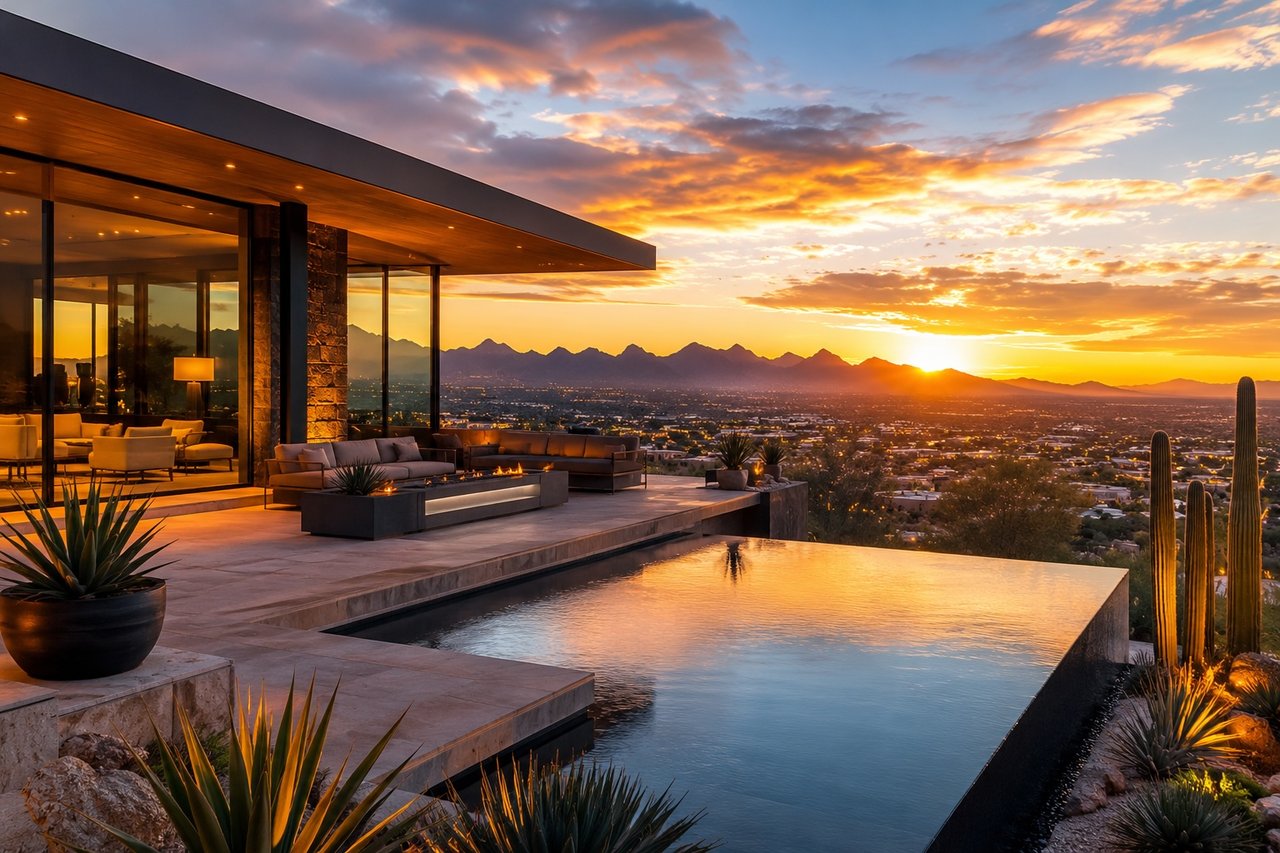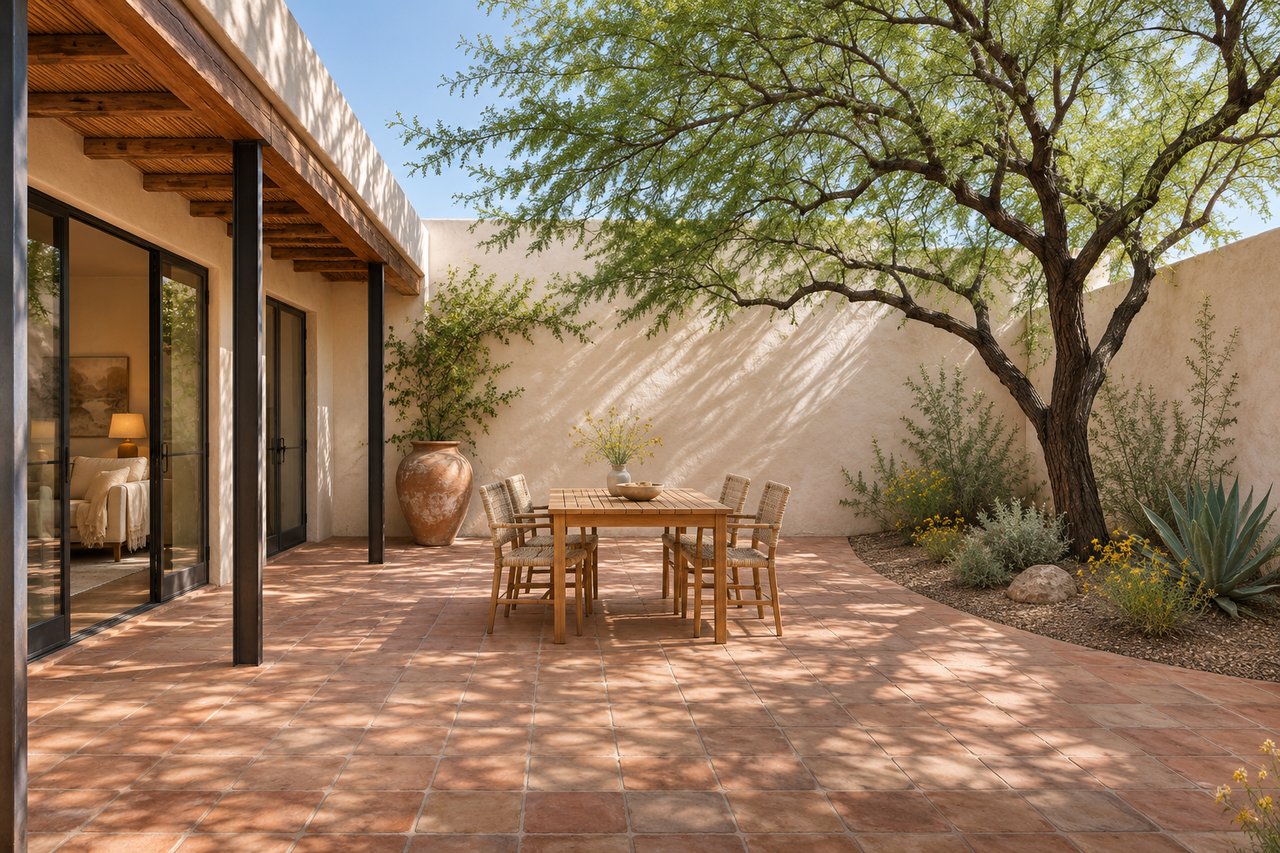
A courtyard behind a quiet wall. An older house with rooms that have retained their proportions. An evening at the university that feels easy to make part of your week. Central Tucson has a particular appeal if you want your home to connect you to the city as well as give you a place of your own.
I am a Tucson native and University of Arizona graduate, so this part of town has a personal pull for me. In my work with Russ Lyon Sotheby’s International Realty, I want buyers to see the possibilities here: architecture with an individual point of view, gardens that feel established and neighborhoods worth getting to know on foot.
Begin with the neighborhood's character
Sam Hughes, Blenman-Elm and El Encanto offer useful places to begin a conversation about Central Tucson's architectural identity. The City of Tucson includes all three in its National Register historic-district resources, with maps and documentation that help explain their history.
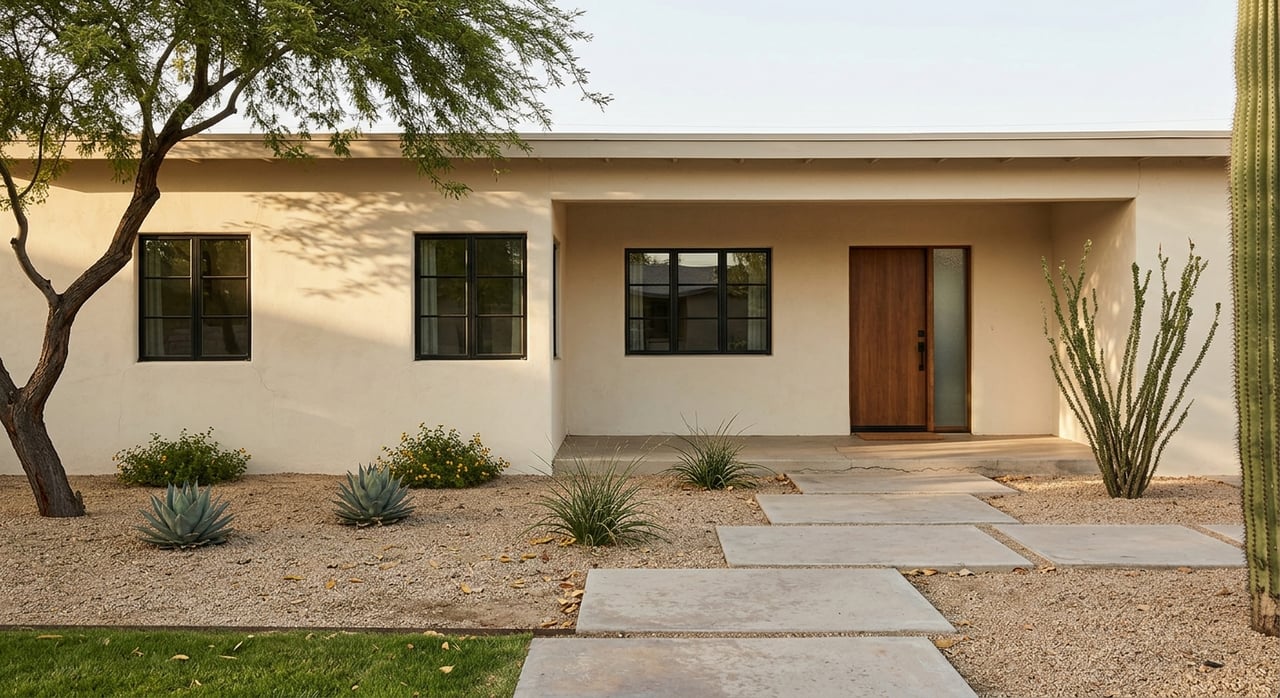
El Encanto’s curving street plan, described in the City’s historic-neighborhood guide, is one example of character that begins before you reach the front door. Sam Hughes and Blenman-Elm deserve their own time and attention. The experience of a particular street matters. Look at the relationship between the houses and their gardens, how the entries meet the sidewalk, and the feeling of the block as you approach on foot. Then notice what changes when you step inside the property.
A home can be central and still offer a beautifully private outdoor space. It can also have a charming facade and a plan that does not suit your daily life. I want the character you respond to from the street to continue into the rooms you will use.
What it means to live near the university
The University of Arizona's main campus is in central Tucson and offers a cultural calendar that includes performances, lectures, museums and athletics. For someone who enjoys those experiences, the relationship between home and campus can become a meaningful part of the search.
Make that relationship concrete. If you expect to attend events, consider the route you would actually take. If walking or cycling matters, experience the route yourself, including crossings and the final approach home. A map's short distance does not tell you everything about a trip.
The same thinking applies to restaurants, work and the other places in your week. Central living becomes valuable when the location makes it easier to do what you enjoy. You should be able to picture that routine without borrowing someone else's version of it.
Explore Central Tucson at the price that fits your plans
If you are starting with Central Tucson homes from $500,000 to $800,000, consider the relationship between location, condition and the changes you want to make. Some buyers enjoy taking a house forward thoughtfully. Others want to move in and begin enjoying the neighborhood. Knowing which describes you helps make the search more efficient.
For Central Tucson homes from $800,000 to $1 million, look closely at how the rooms and outdoor spaces work together. A renovation is most compelling when it improves everyday use while preserving the qualities that made the house appealing in the first place. Beautiful materials deserve a good plan around them.
If you are considering Central Tucson homes at $1 million and above, let the home’s individual character lead the conversation. A carefully composed garden, a guest space that works well, a particularly appealing street or a home with a strong architectural identity may be central to your decision. The right combination is personal.
Once a property catches your attention, the next step is to spend time on its block and inside its rooms. That is where a broad interest in Central Tucson becomes a more personal decision.
A courtyard can change the way a house lives
One of my favorite things to consider in a Tucson home is the transition from the interior to the outdoors. A courtyard can create a sense of arrival, bring light into adjoining rooms or offer a private place to sit within a more urban setting.
Look for the place where you naturally want to pause. Shade at the right hour, an easy route from the kitchen and a garden visible through an open door can make an outdoor space feel like a room you will use every day. Those are modest details with a considerable effect on how a house feels.
My article on Tucson courtyard homes looks more closely at that idea. In a central neighborhood, it can be particularly useful: the house may give you both a connection to the city and a place to step away from it.
A thoughtful update should understand the house
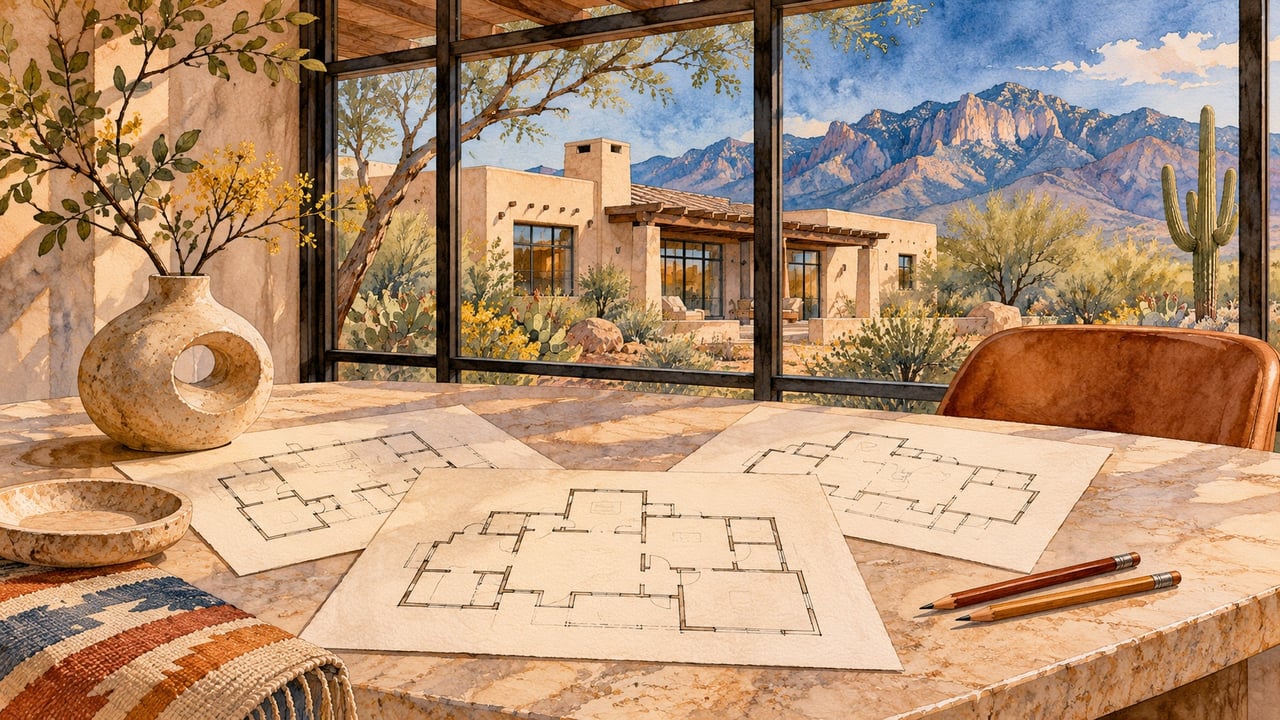
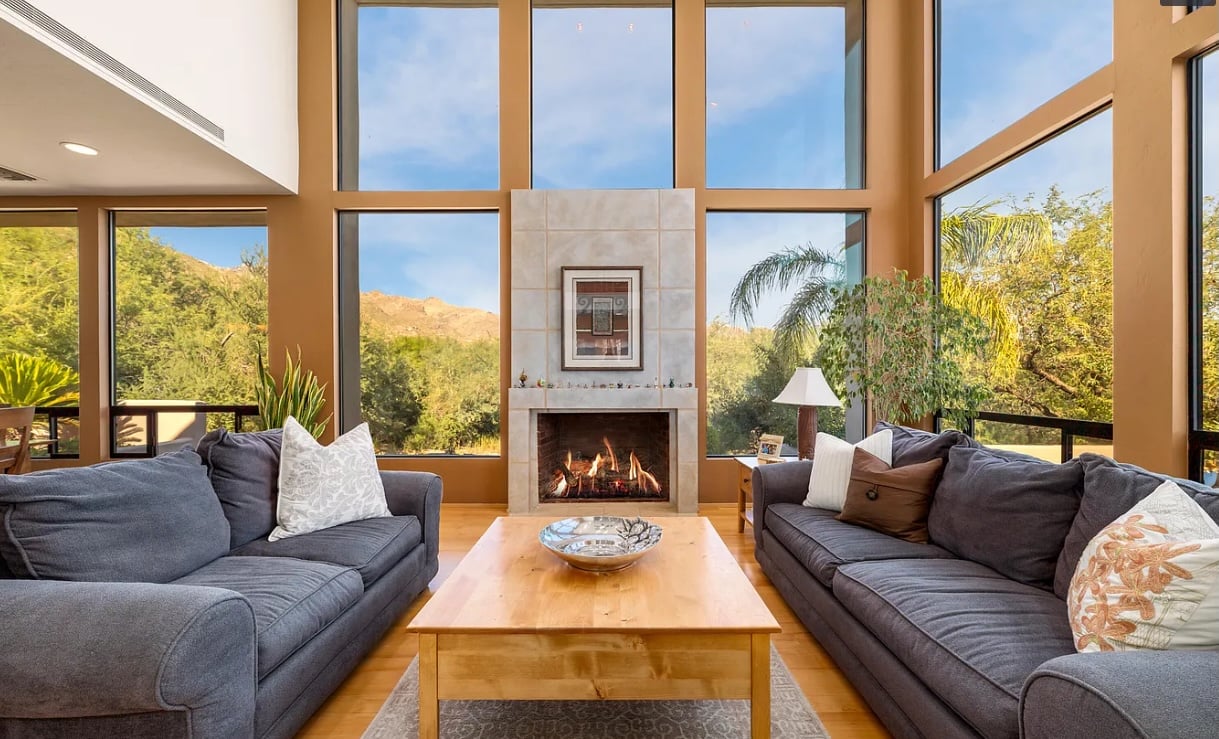
Older homes reward a thoughtful eye. Before deciding what to replace, notice the proportions of the windows, the materials that give a room its atmosphere and the way the original plan handles light. Those qualities can be easy to overlook in the excitement of imagining a renovation.
Then be honest about what you need. If a kitchen, workspace or guest arrangement would require a substantial change, explore that possibility before making it essential to your purchase. A home's architectural appeal and its ability to support your plans deserve equal consideration.
Historic-district context is useful background; the property's own designation and the requirements that apply to proposed work need individual attention. My guide to buying a mid-century home in Tucson offers a deeper look at documentation, original design and thoughtful changes. Those questions can help you preserve the part of a house you fell for.
A broader search can still have a clear purpose
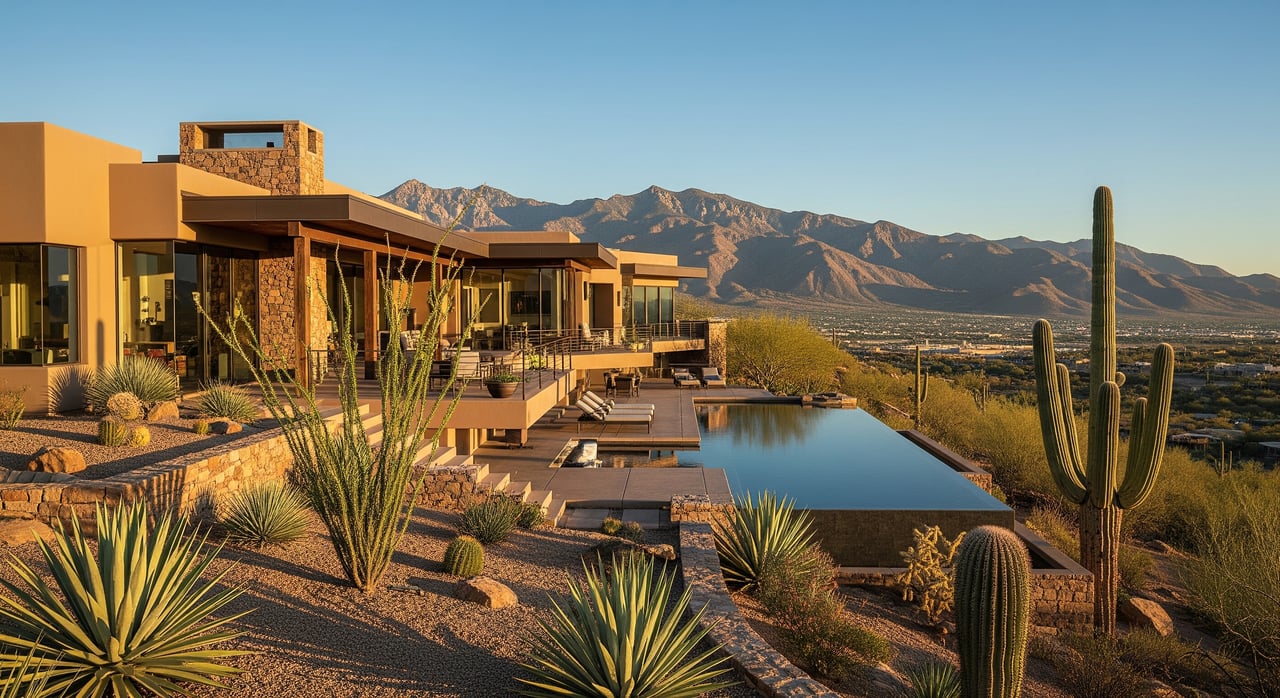
If you love the architecture but find yourself wanting a more immediate mountain setting, compare what you are seeing with Catalina Foothills homes from $800,000 to $1 million. That is a useful way to test a preference: a more central location and established streets, or a different relationship to the desert. Visit both with the same priorities in mind.
Sotheby’s International Realty’s Well-Connected campaign is especially relevant to a home with a particular architectural identity. Finding its audience begins with being able to explain what makes it appealing. A sheltered garden, an original detail or the feeling of the street can be the reason someone wants to see it. My role is to tell that story clearly and bring it into conversations with buyers and fellow advisors, here in Tucson and in other markets.
If this is the Tucson you are drawn to, let's build a search around it. Tell me which matters most: the architecture, the garden, the neighborhood or the places you want nearby. We can use that to find homes worth experiencing in person.
Daniel Sotelo is a Tucson native, University of Arizona graduate and real estate agent with Russ Lyon Sotheby’s International Realty, representing buyers and sellers throughout the Tucson area.