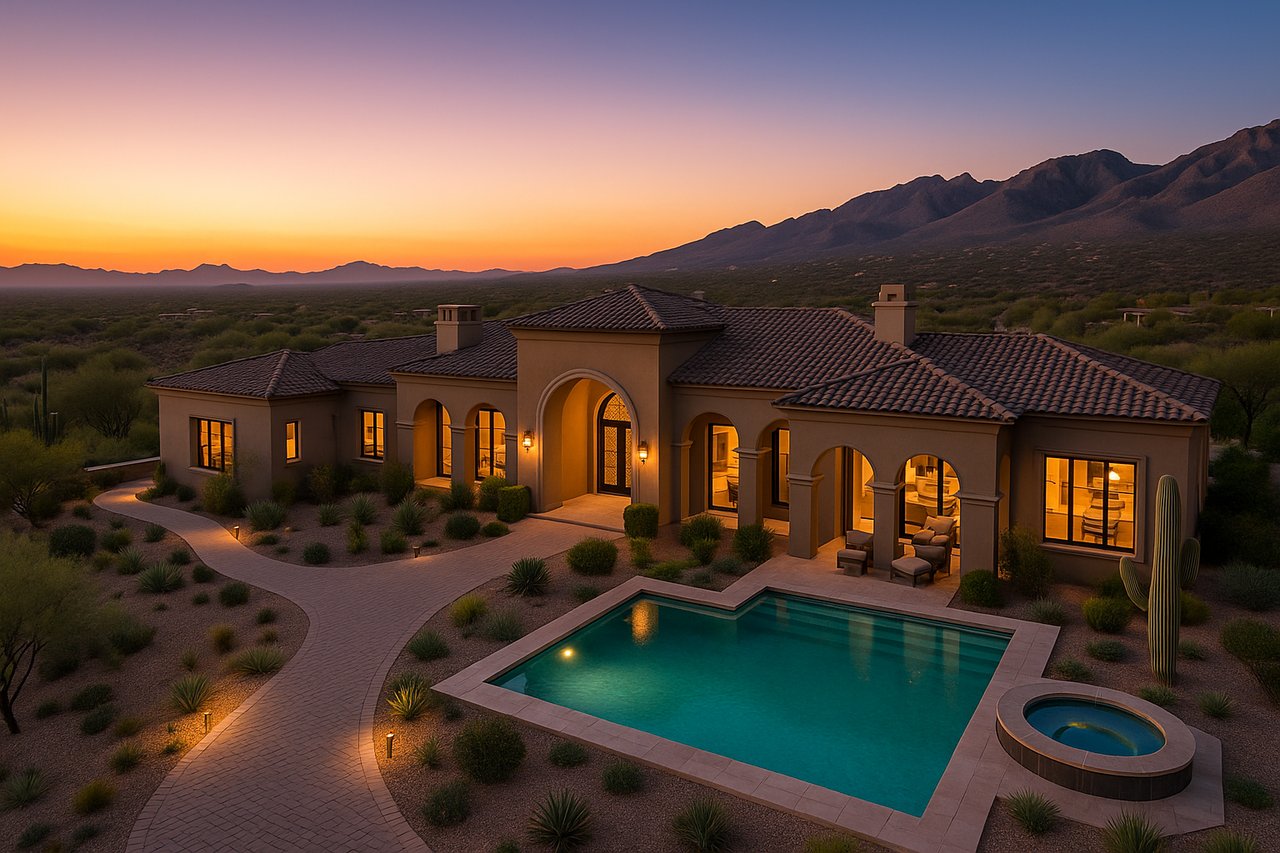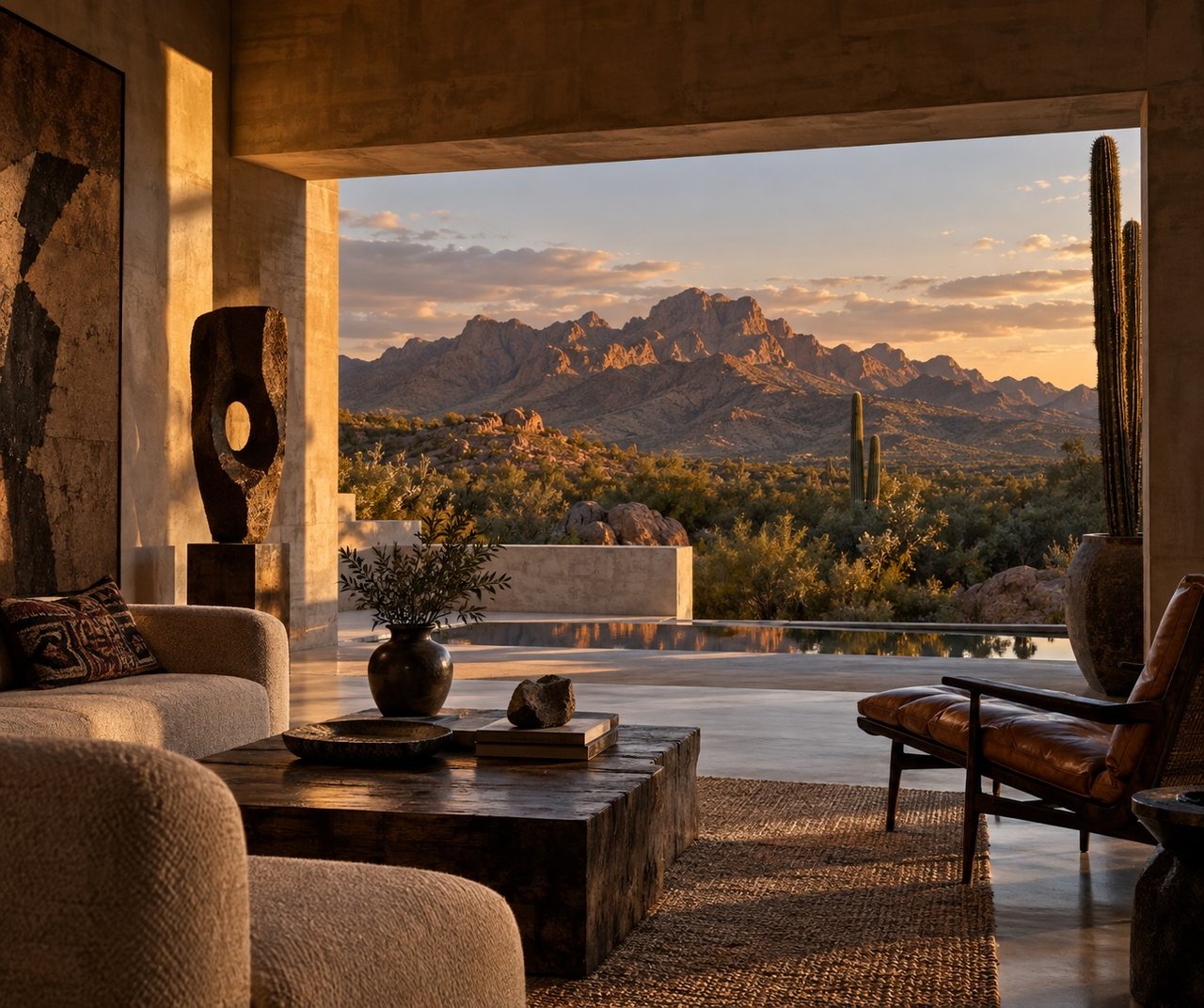
Intellectual Maximalism: A New Perspective on Tucson Luxury Real Estate
There are houses you understand in thirty seconds.
You walk through the front door, see the kitchen, register the finishes, admire the view, and within a few minutes you have essentially figured the place out.
And then there are homes you can live in for years and still discover something new.
A shadow that crosses a wall only during a certain season.
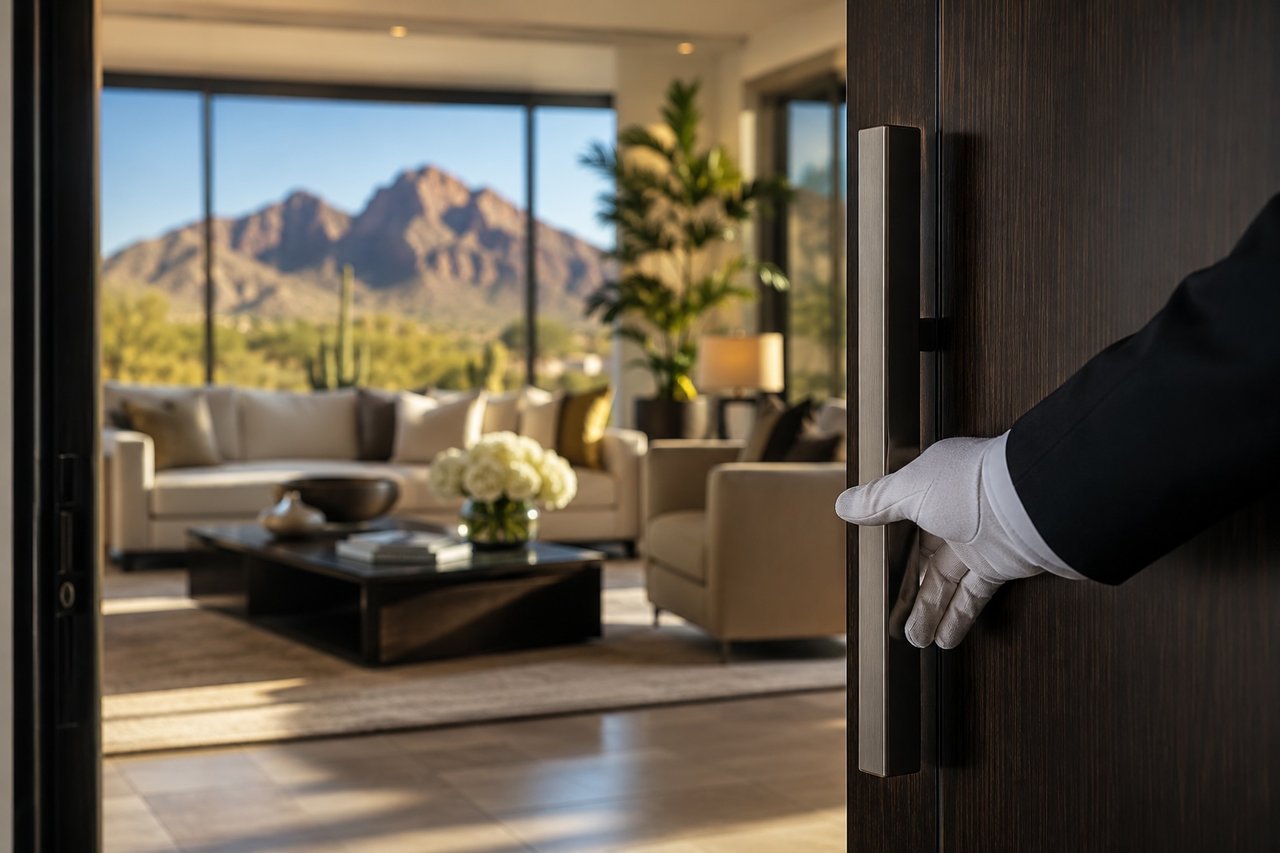
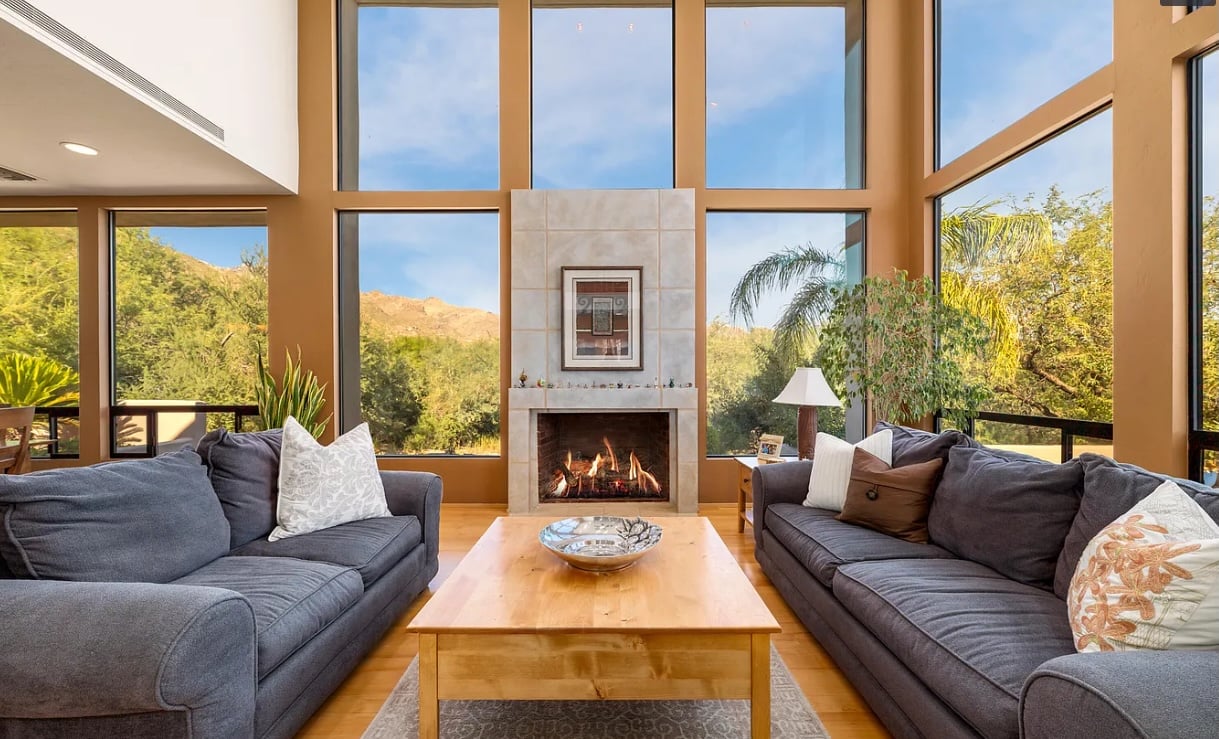
A window positioned precisely toward the Catalina Mountains.
A piece of furniture whose provenance sends you down an unexpected rabbit hole.
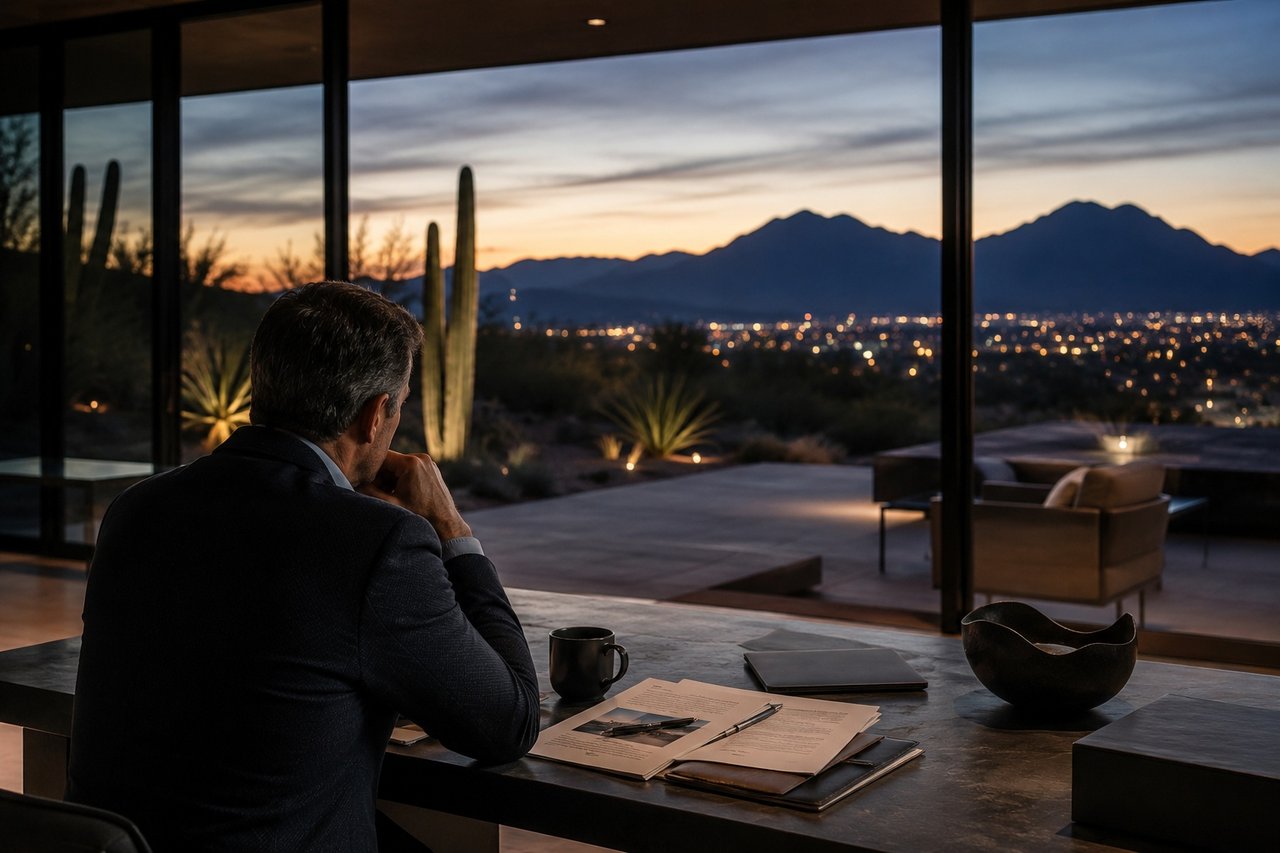
A room that makes more sense at night than it does during the day.
An architectural decision you initially question and eventually realize was brilliant.
Those are the homes that stay with me.
As a Tucson real estate professional with Russ Lyon Sotheby's International Realty, I spend an extraordinary amount of time inside houses. I evaluate pricing, condition, location, marketability and value every day.
But my fascination with real estate has never really been about bedrooms, bathrooms, countertops or square footage.
I am interested in something harder to measure:
Why do certain homes make us feel something?
Why does one perfectly renovated house leave us indifferent while another—perhaps older, stranger, more layered or slightly imperfect—remain in our minds for days?
That question has gradually become the foundation of an idea I call Intellectual Maximalism.
Despite the name, it isn't really about having more things.
It is about having more to understand.
And increasingly, I believe that idea has important implications for architecture, interior design and especially luxury real estate in Tucson, Arizona.
Luxury Has Become Too Easy to Recognize
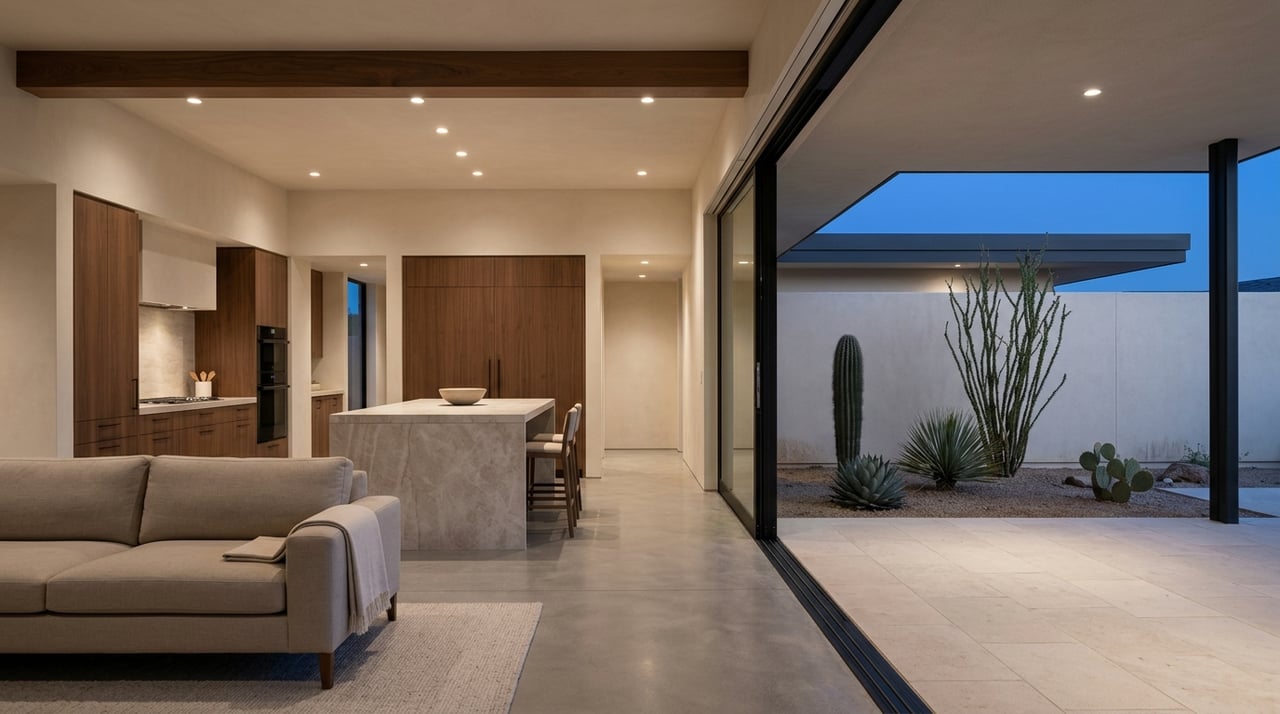
Luxury real estate has developed an extremely recognizable visual vocabulary.
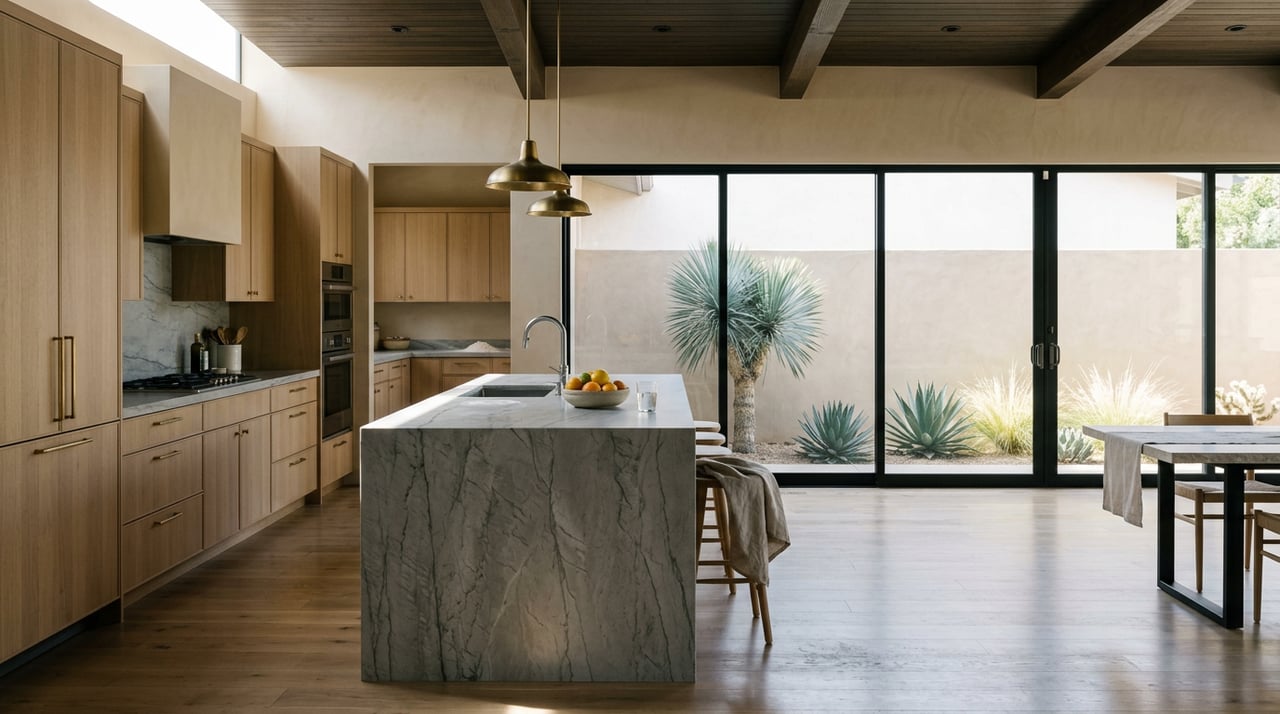
White oak.
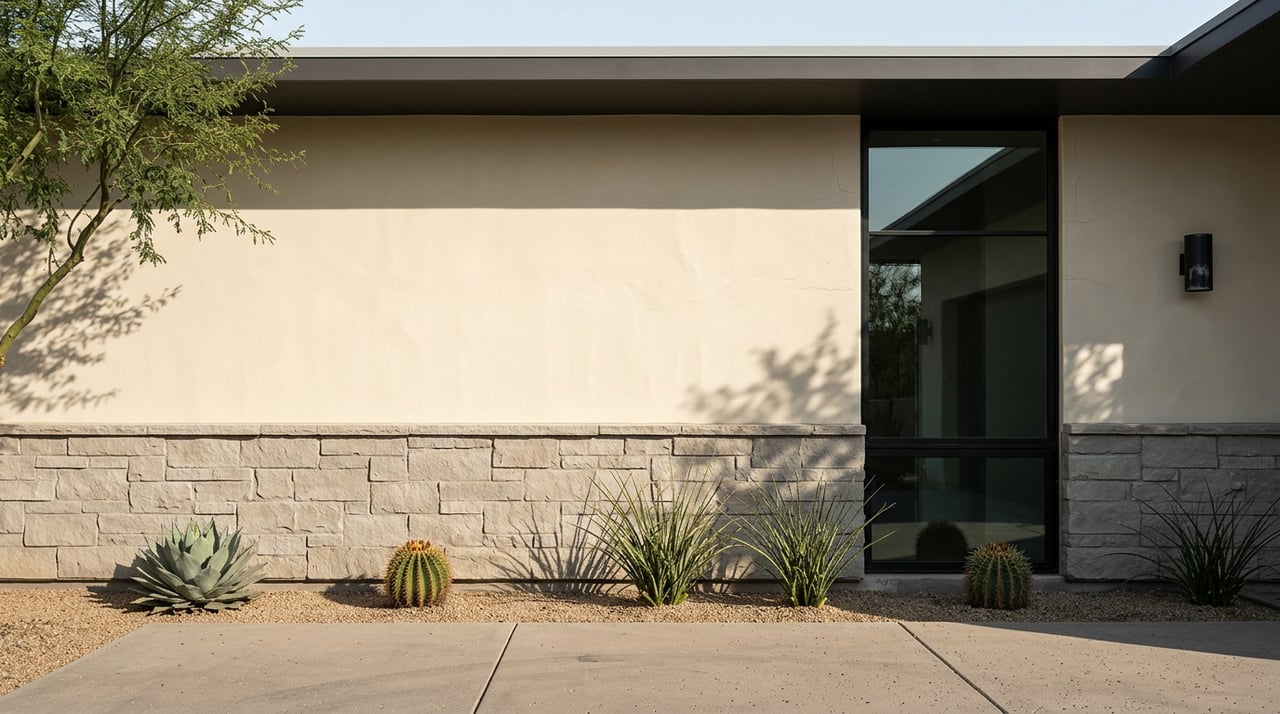
Limestone.
Expansive glass.
Waterfall countertops.
Neutral interiors.
Oversized kitchens.
Statement lighting.
Perfect landscaping.
There is nothing inherently wrong with any of it.
Beautiful materials are beautiful materials.
Exceptional craftsmanship deserves appreciation.
But recognition is not the same thing as fascination.
Somewhere along the way, a portion of the luxury market became remarkably predictable.
A buyer can scroll through photographs and immediately understand the entire design language of a property.
There are no questions left to ask.
Nothing left to discover.
The homes I find most interesting operate differently.
They reveal themselves.
Their architecture creates curiosity.
Their materials have history.
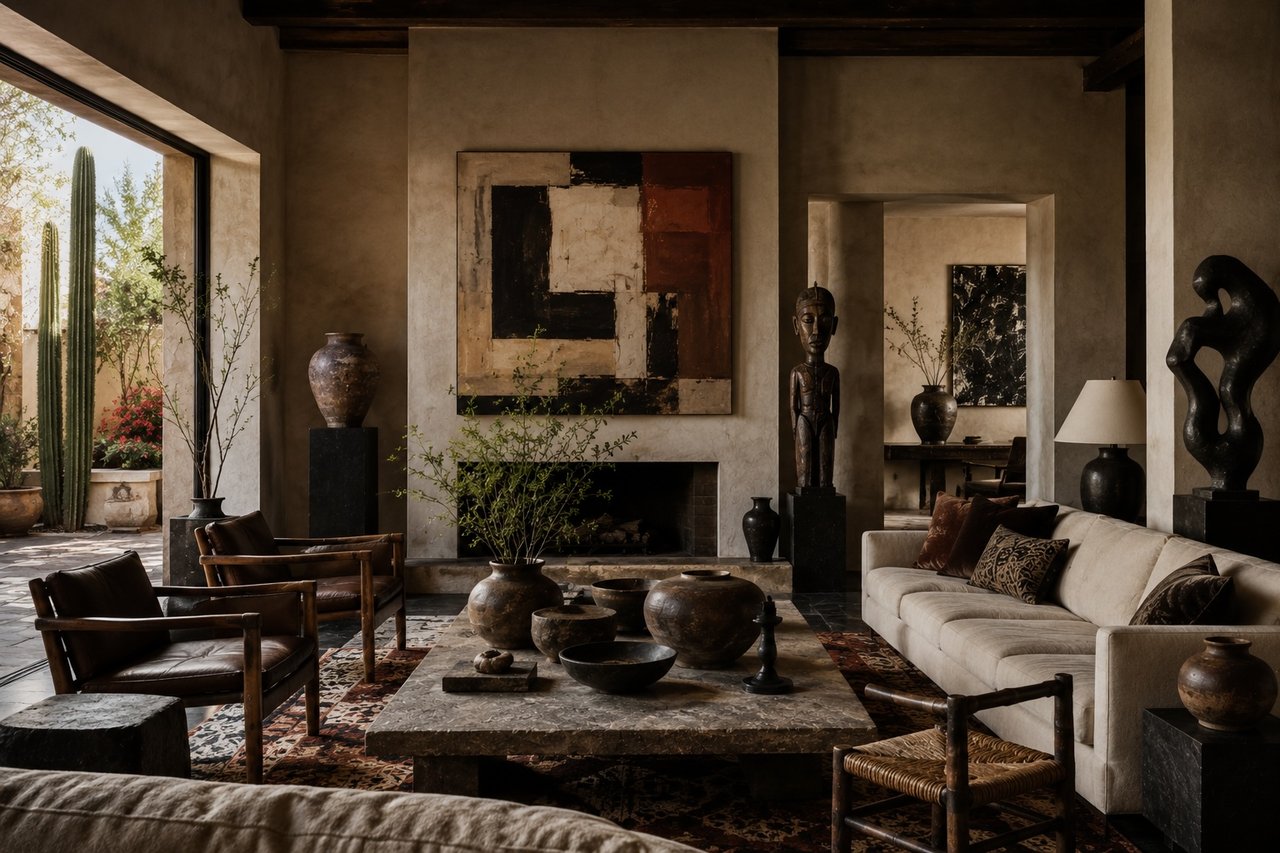
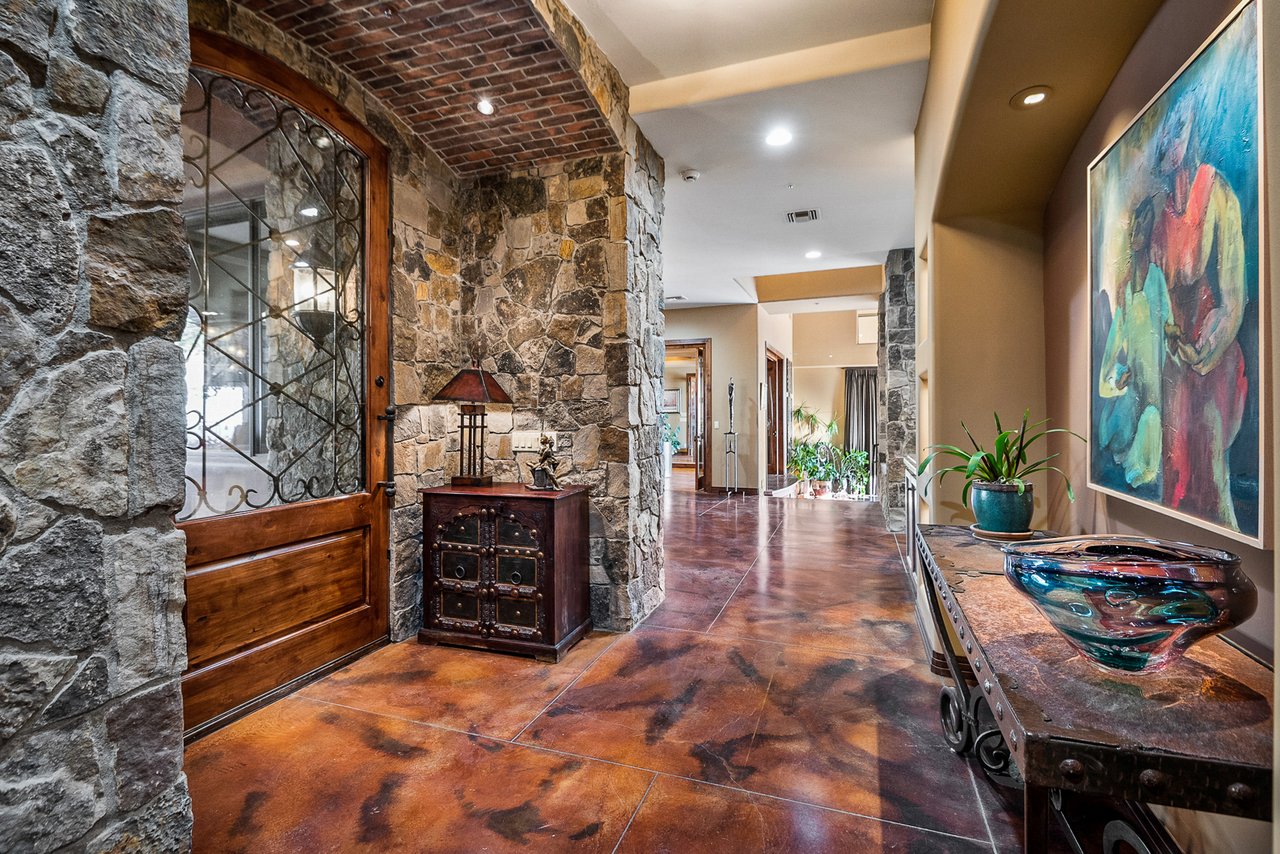
Their furnishings look collected instead of ordered.
Their landscape belongs specifically to the site.
Rooms change throughout the day.
Objects have stories.
There are decisions that may not make complete sense immediately.
That is precisely what makes them memorable.
What Is Intellectual Maximalism?
Traditional maximalism usually suggests abundance.
More color.
More pattern.
More art.
More objects.
More layers.
Intellectual Maximalism is different.
A room containing four extraordinary objects can have more intellectual density than a room containing four hundred.
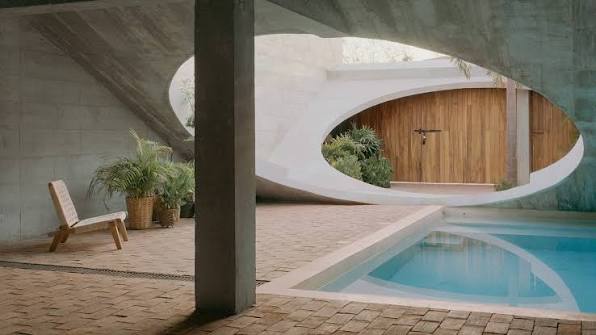
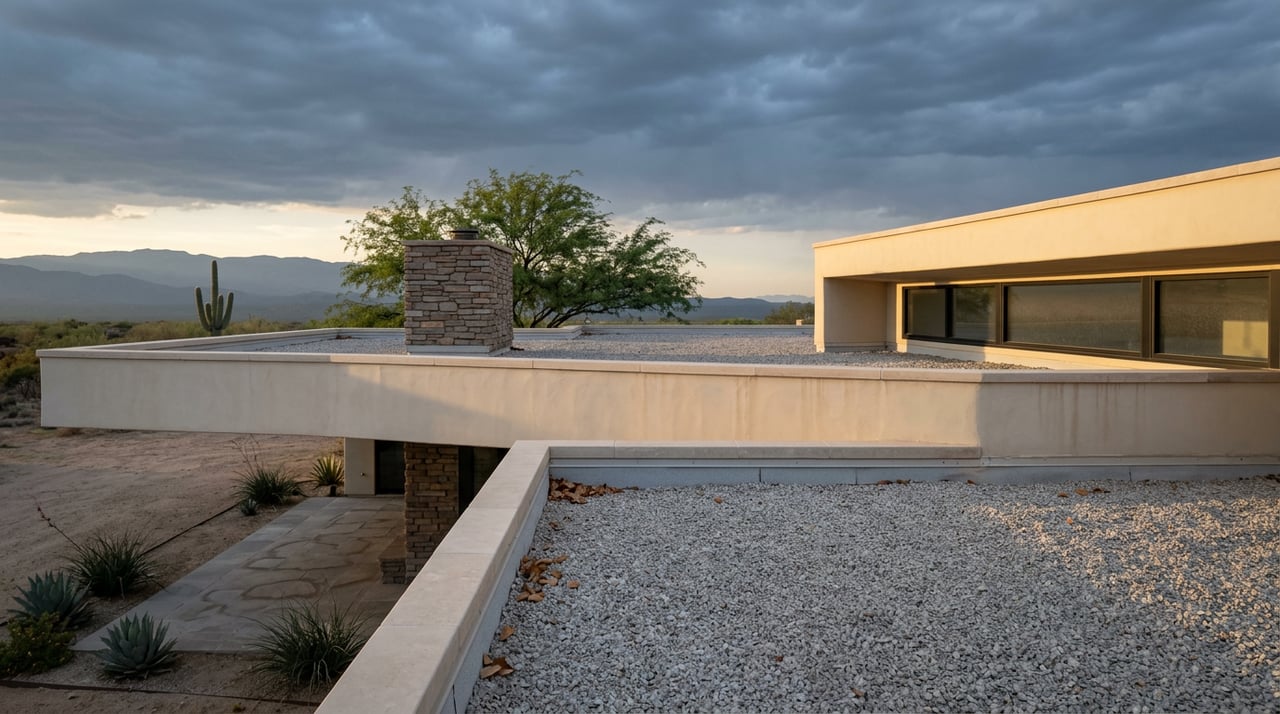
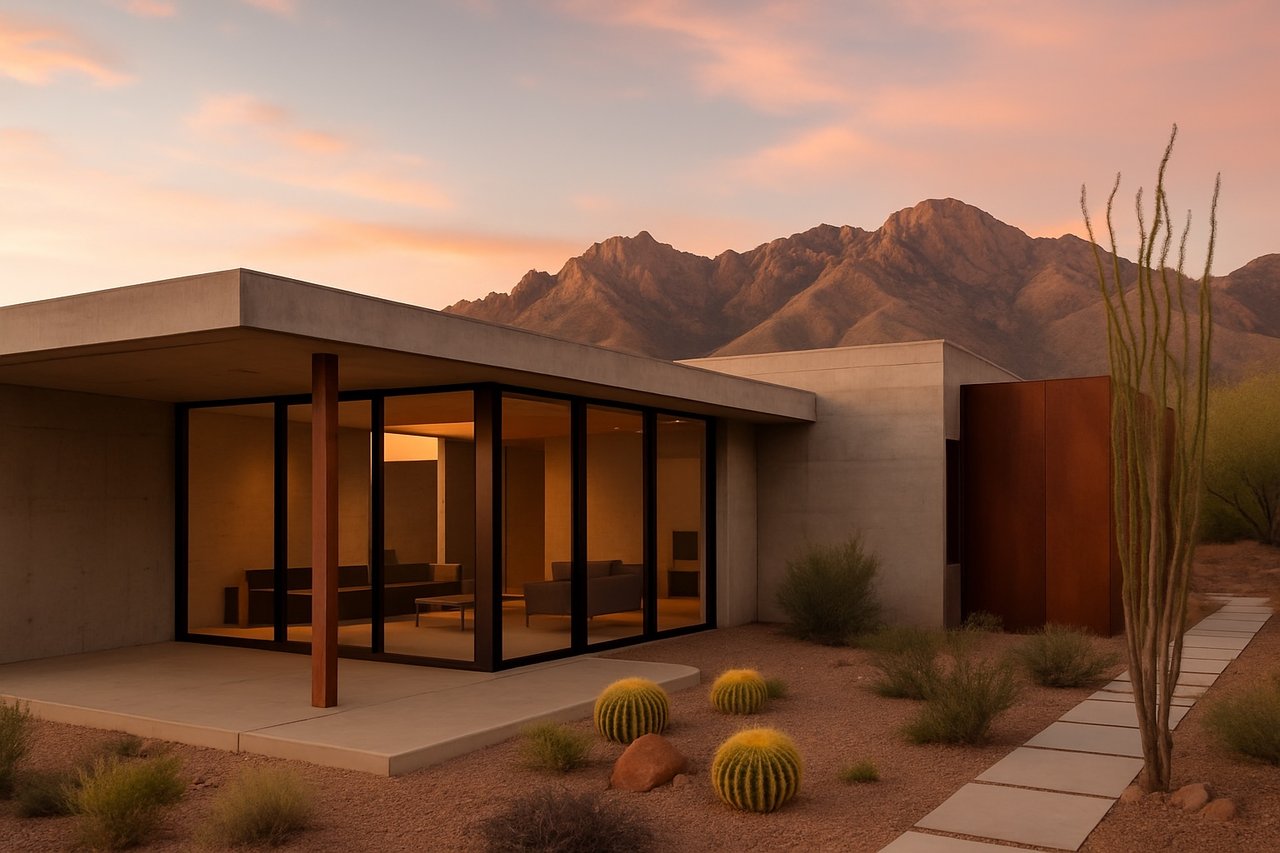
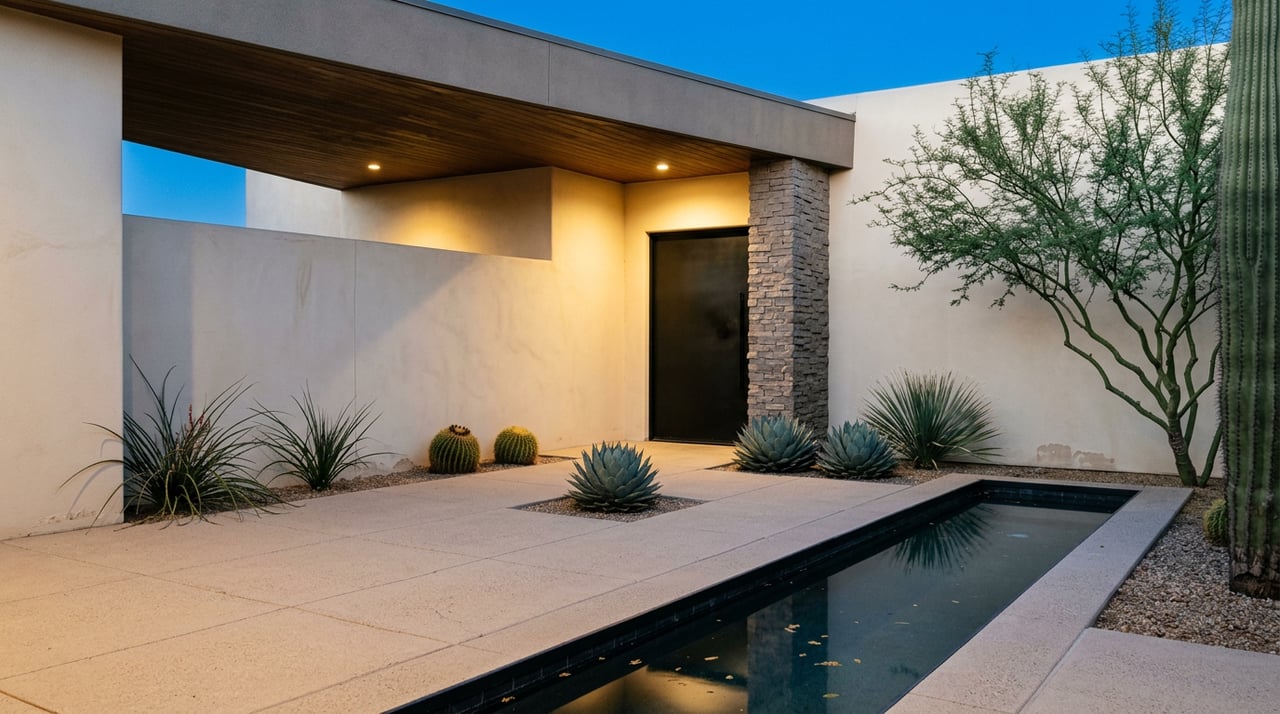
A monumental concrete residence can embody Intellectual Maximalism.
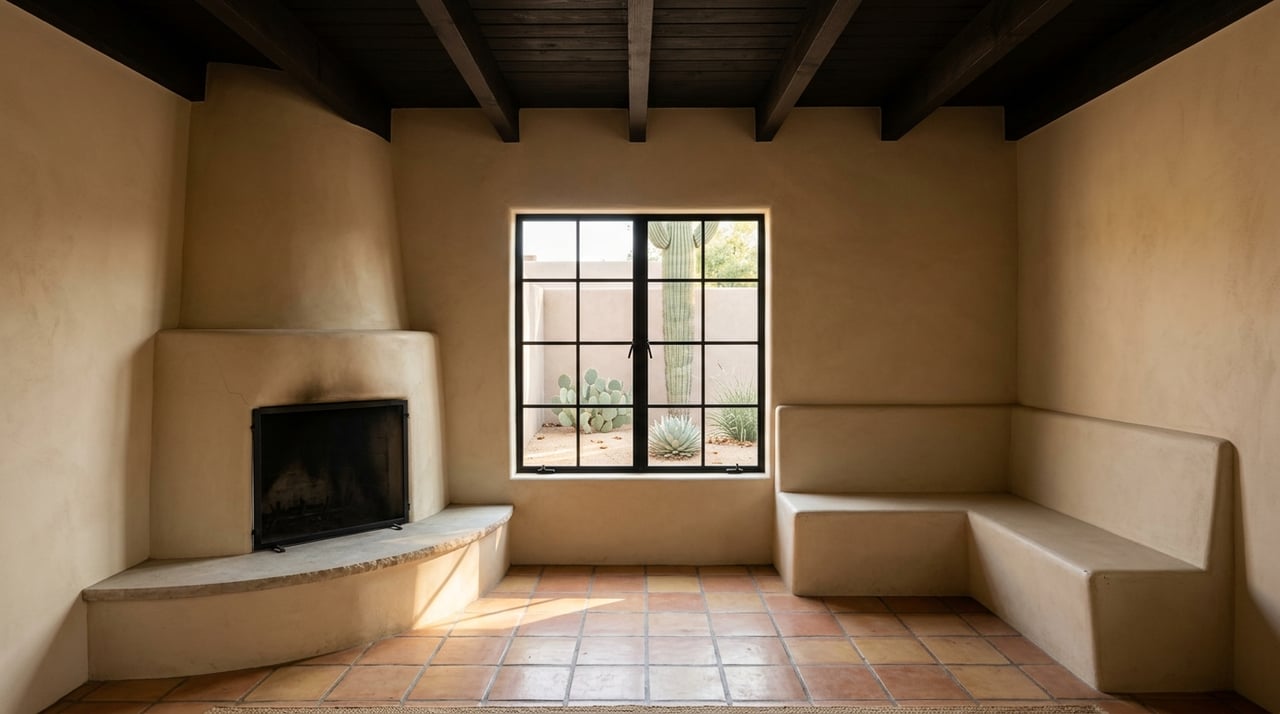
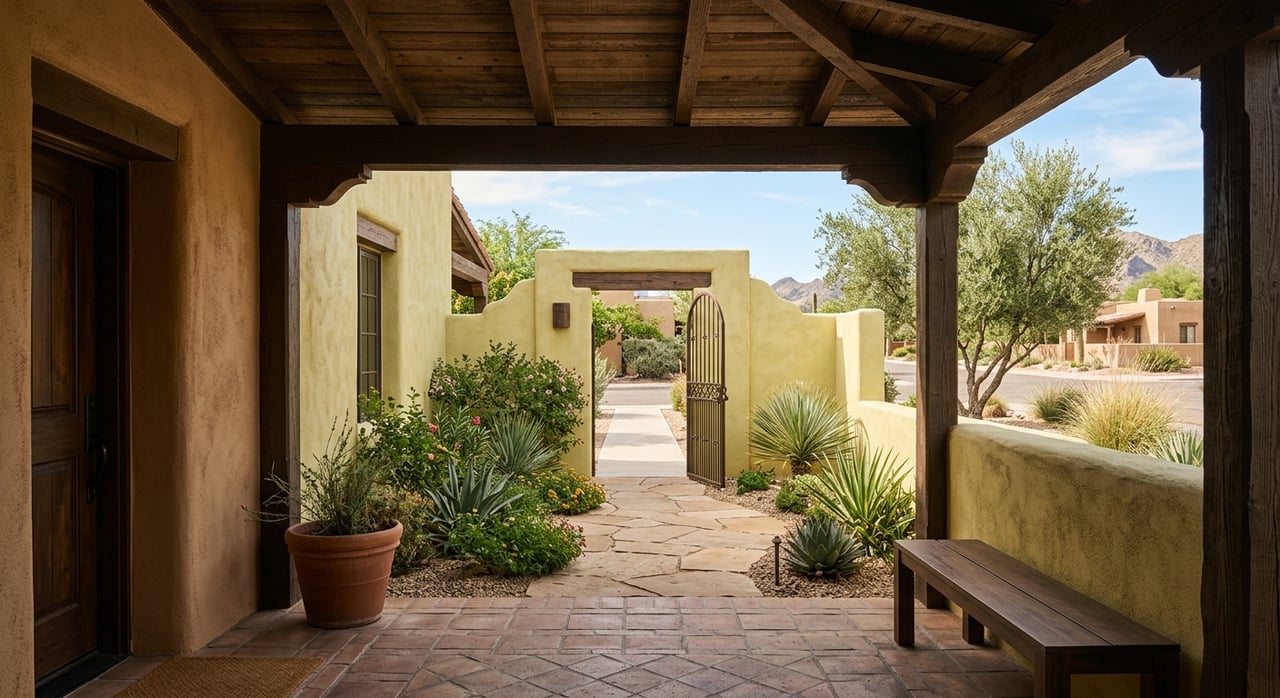
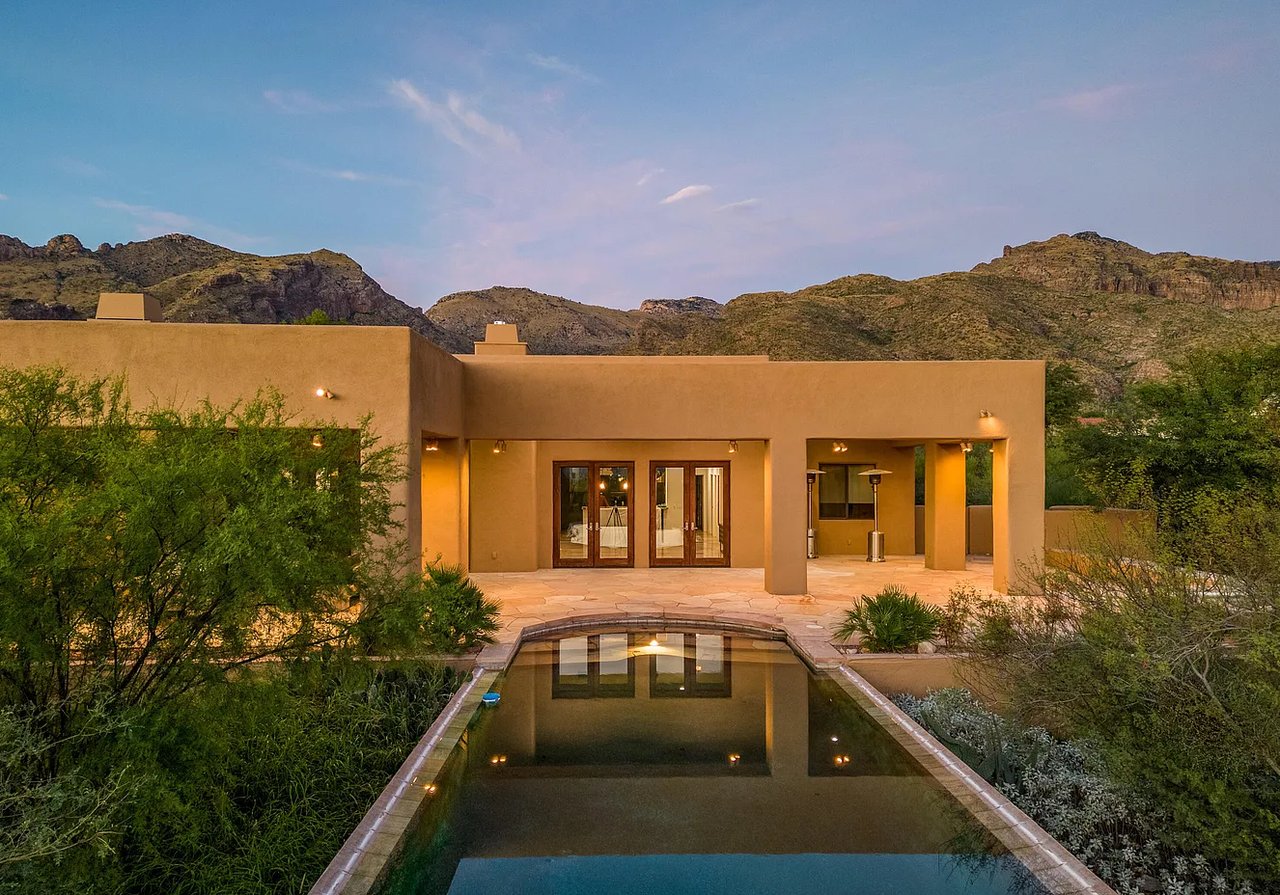
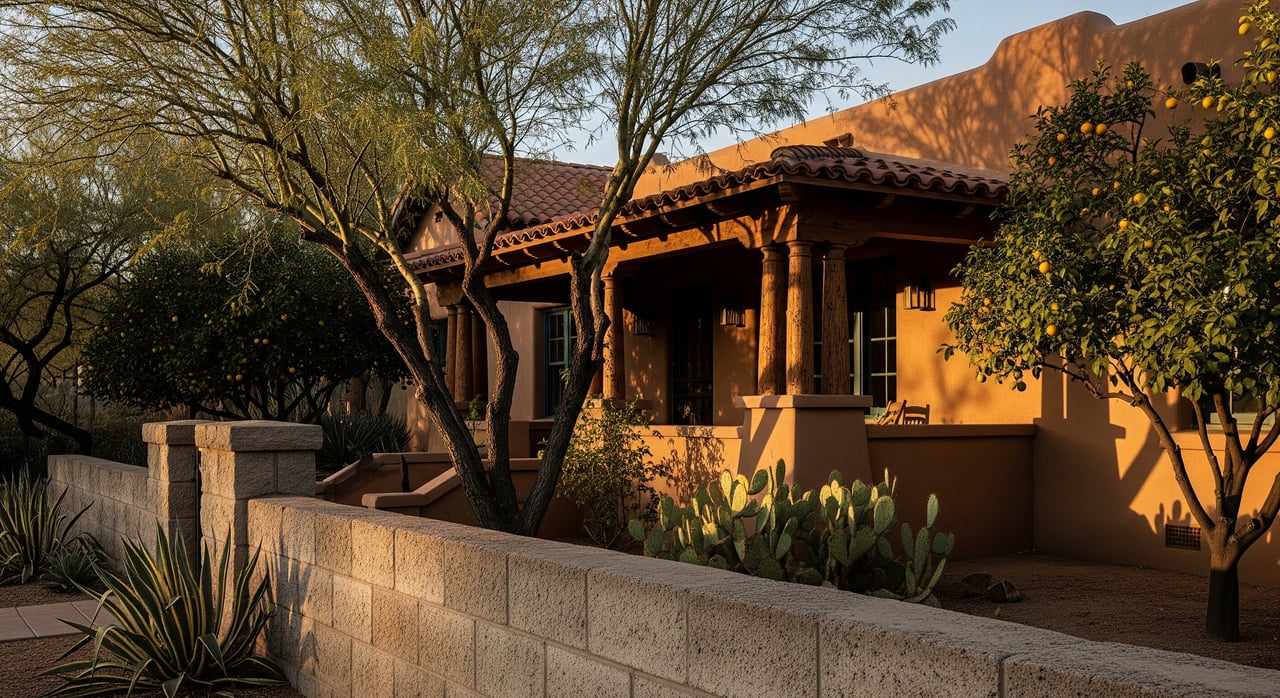
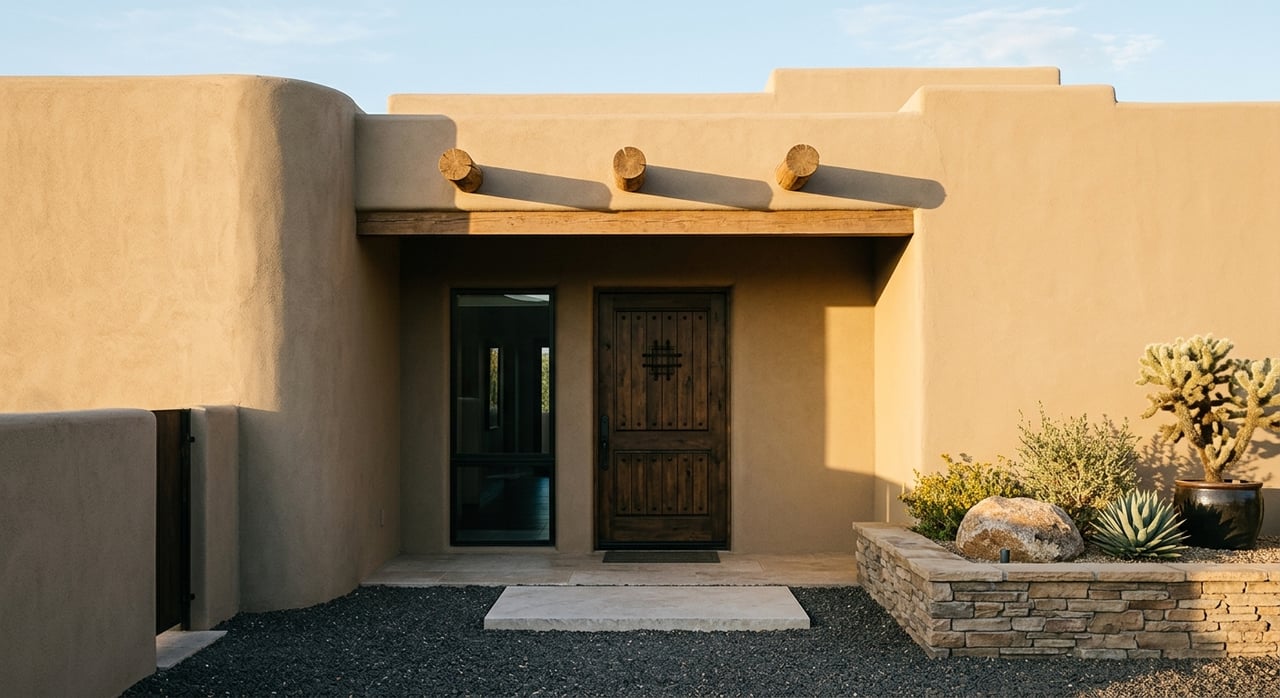
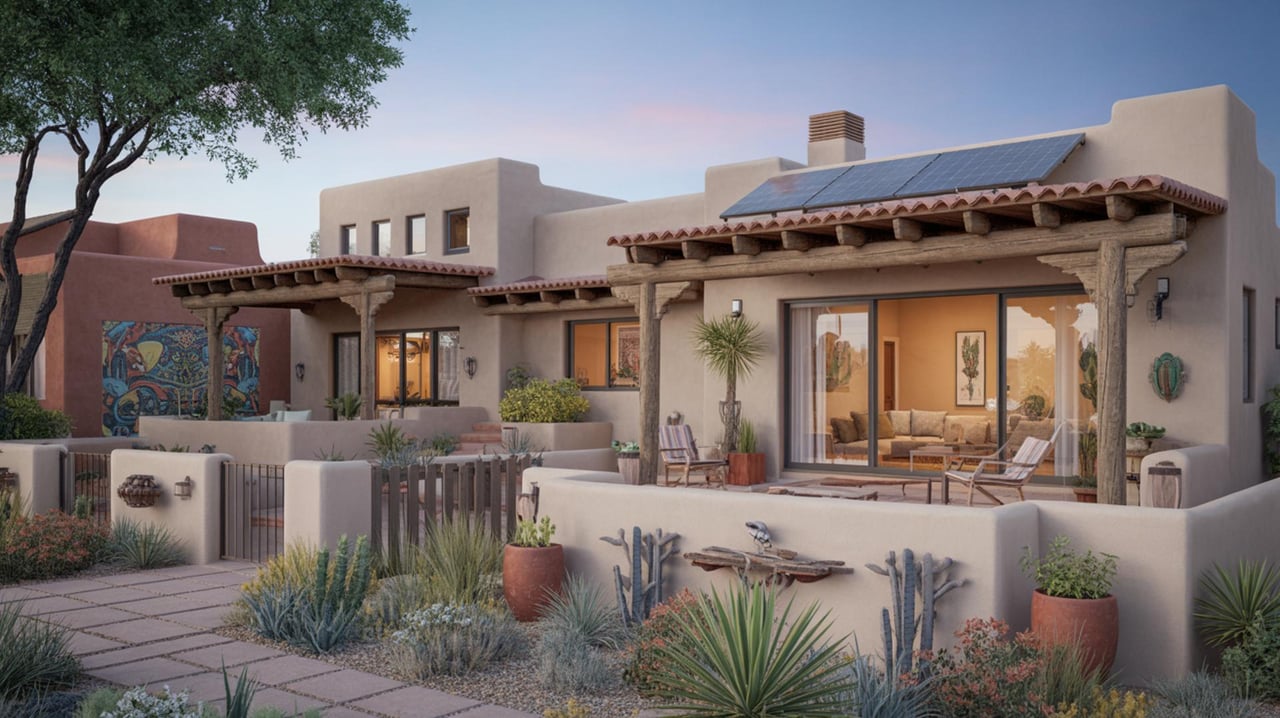
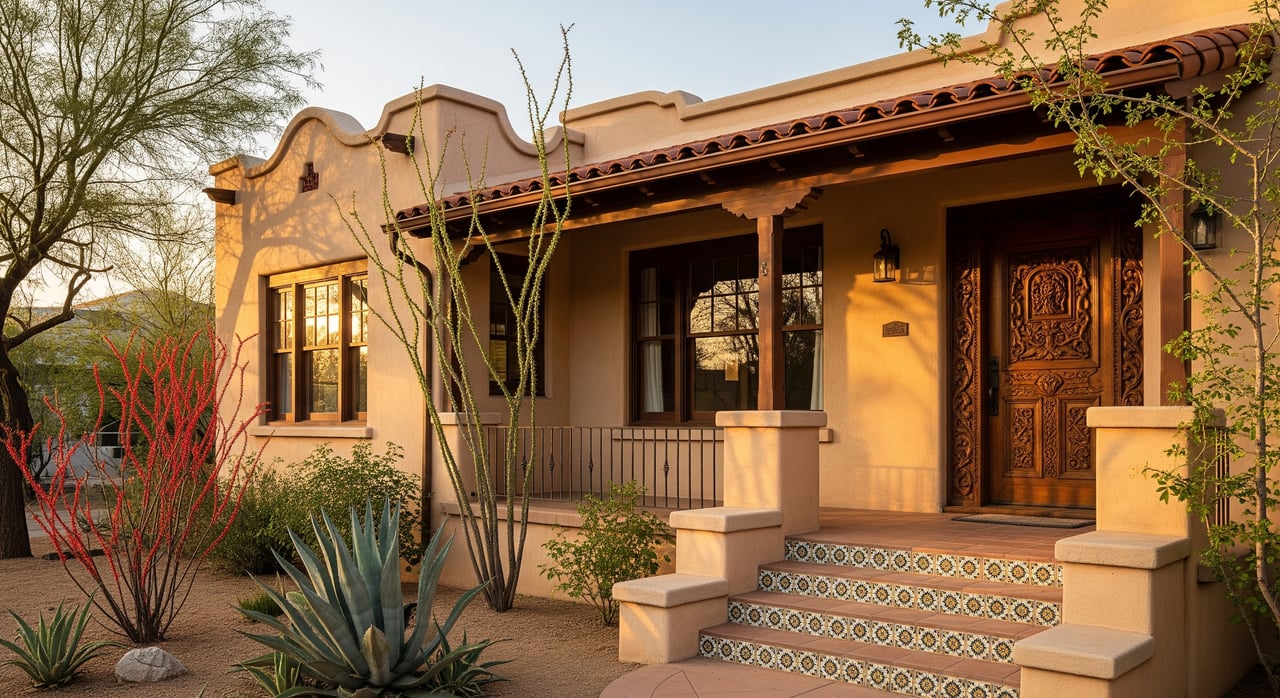
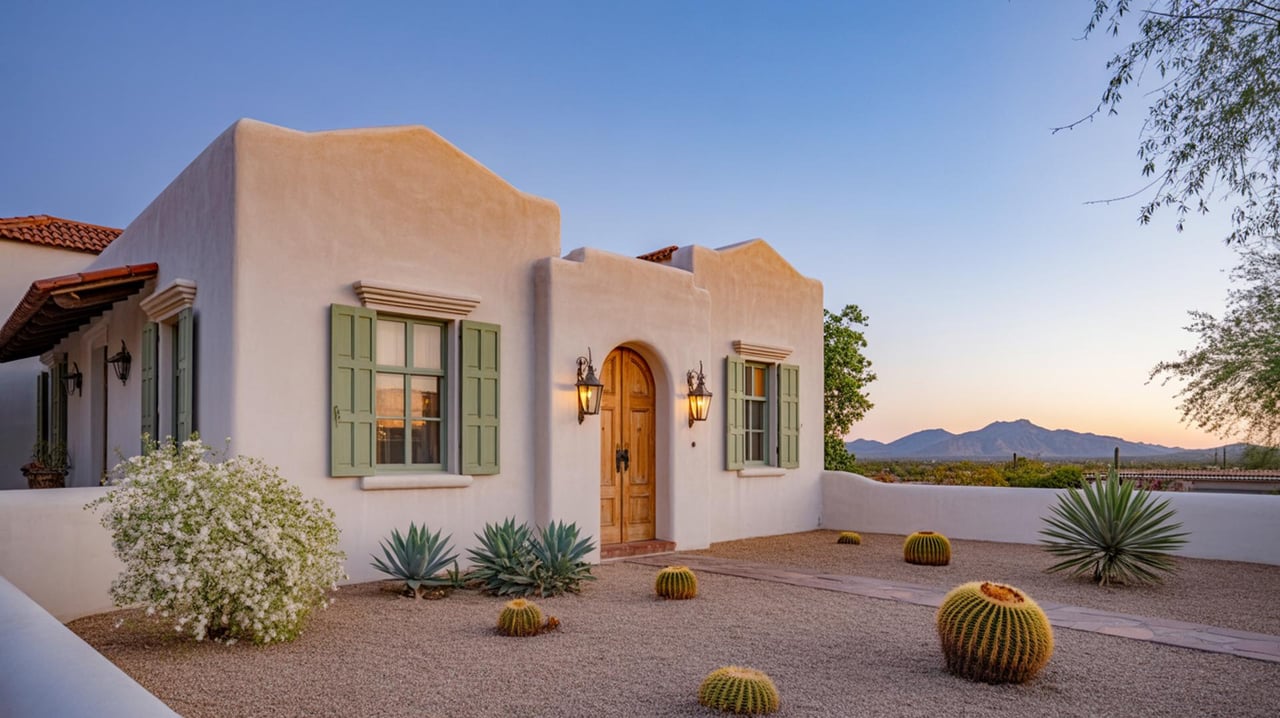
So can a quiet adobe.
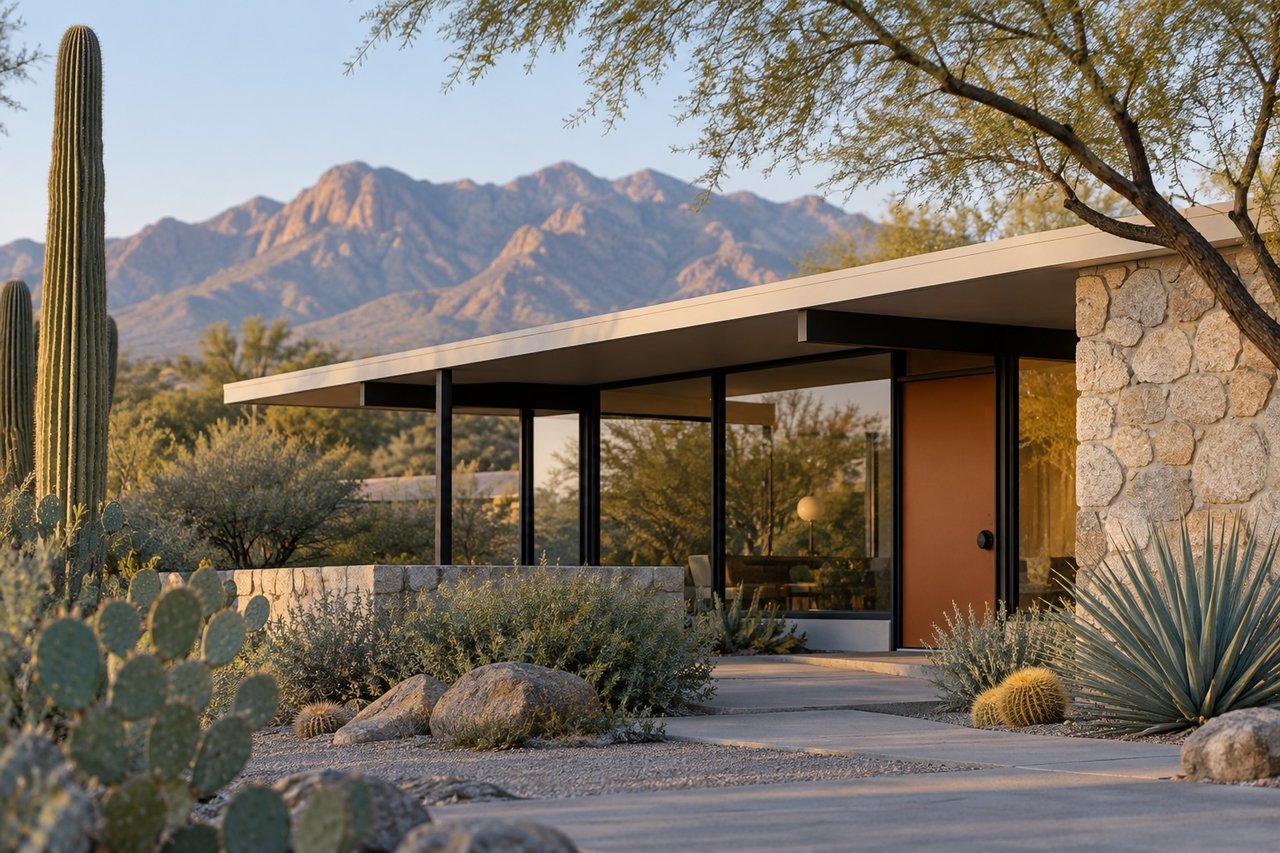
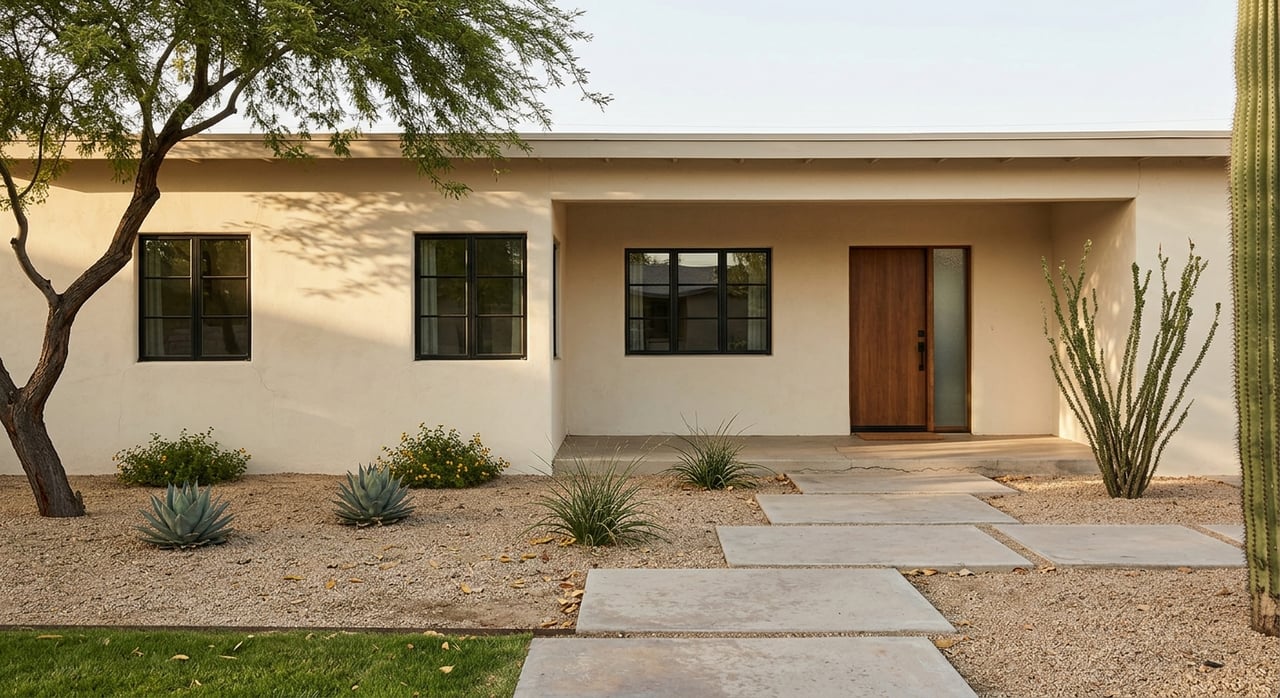
So can a beautifully preserved mid-century Tucson home.
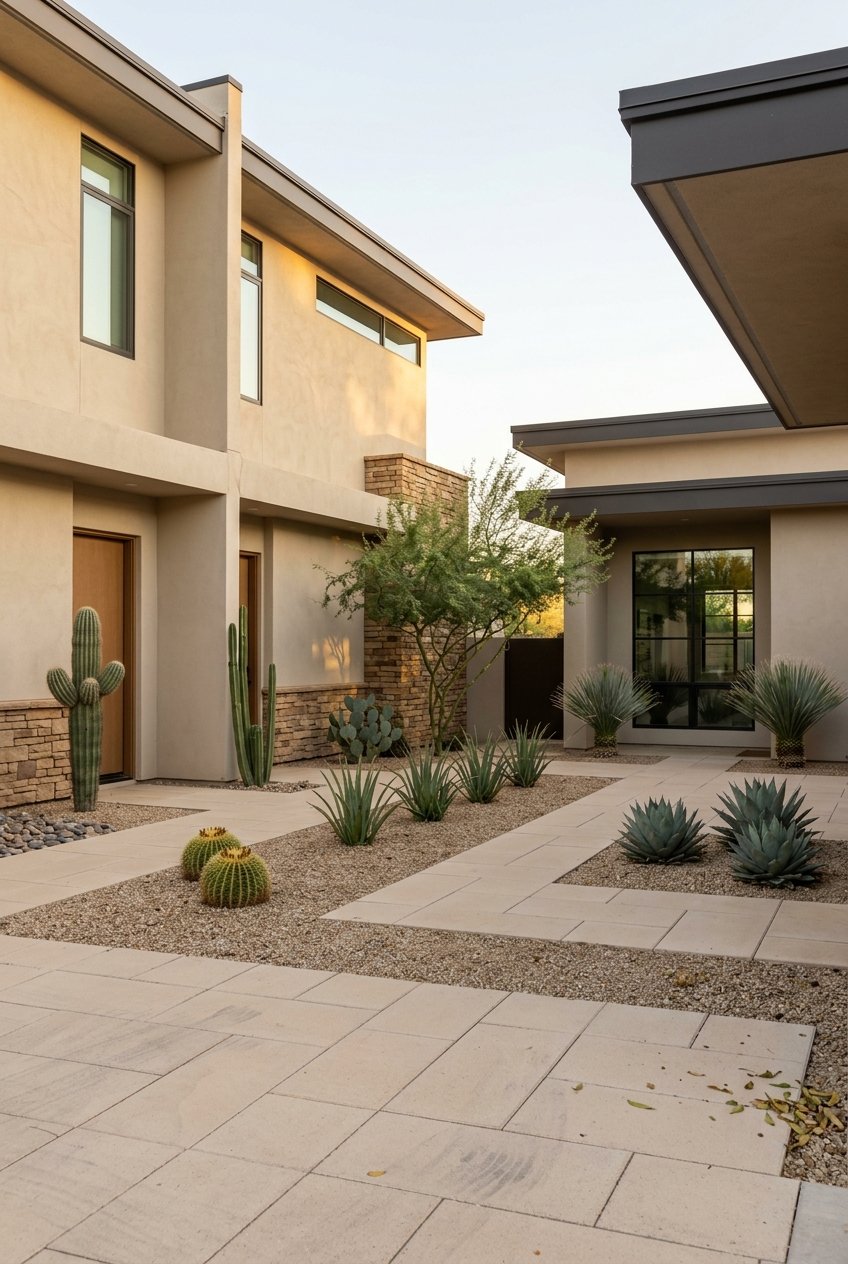
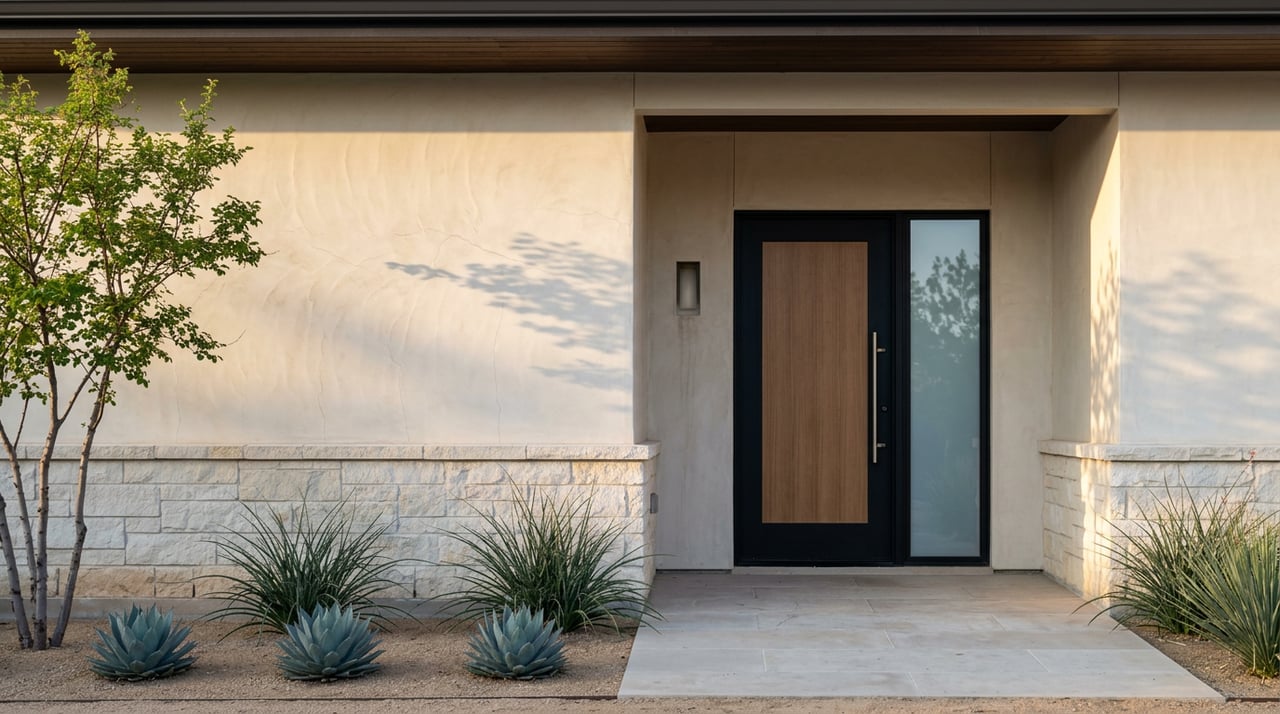
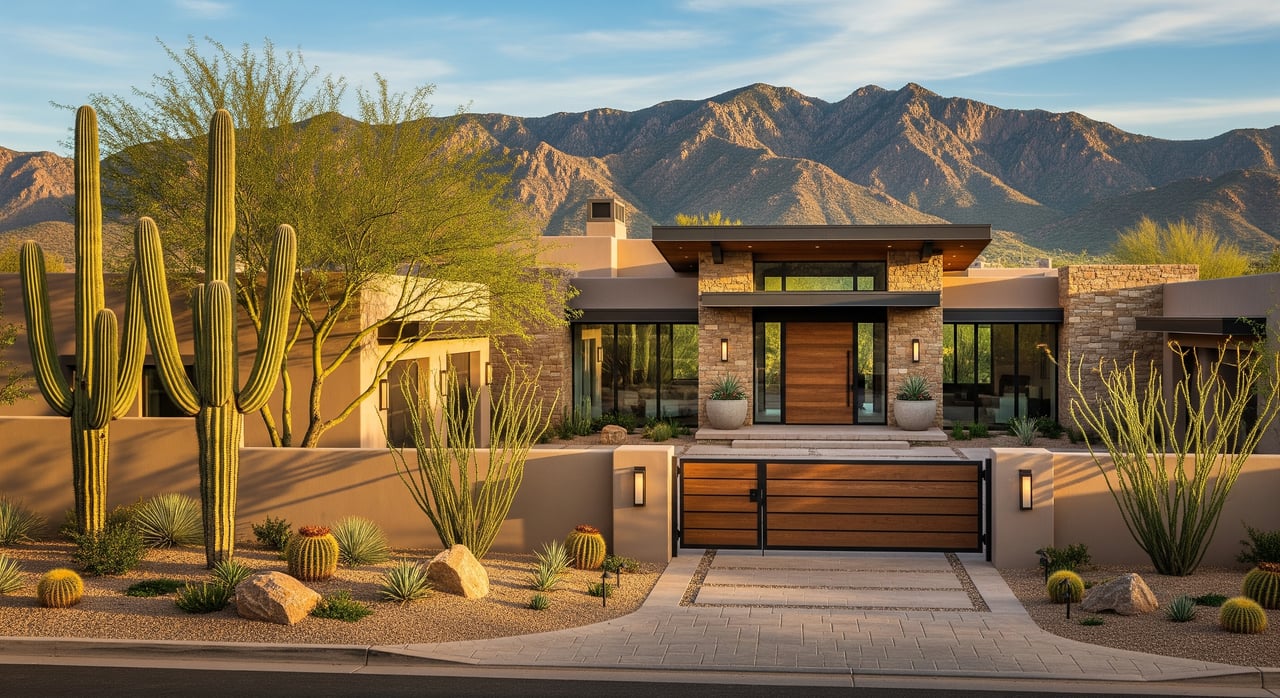
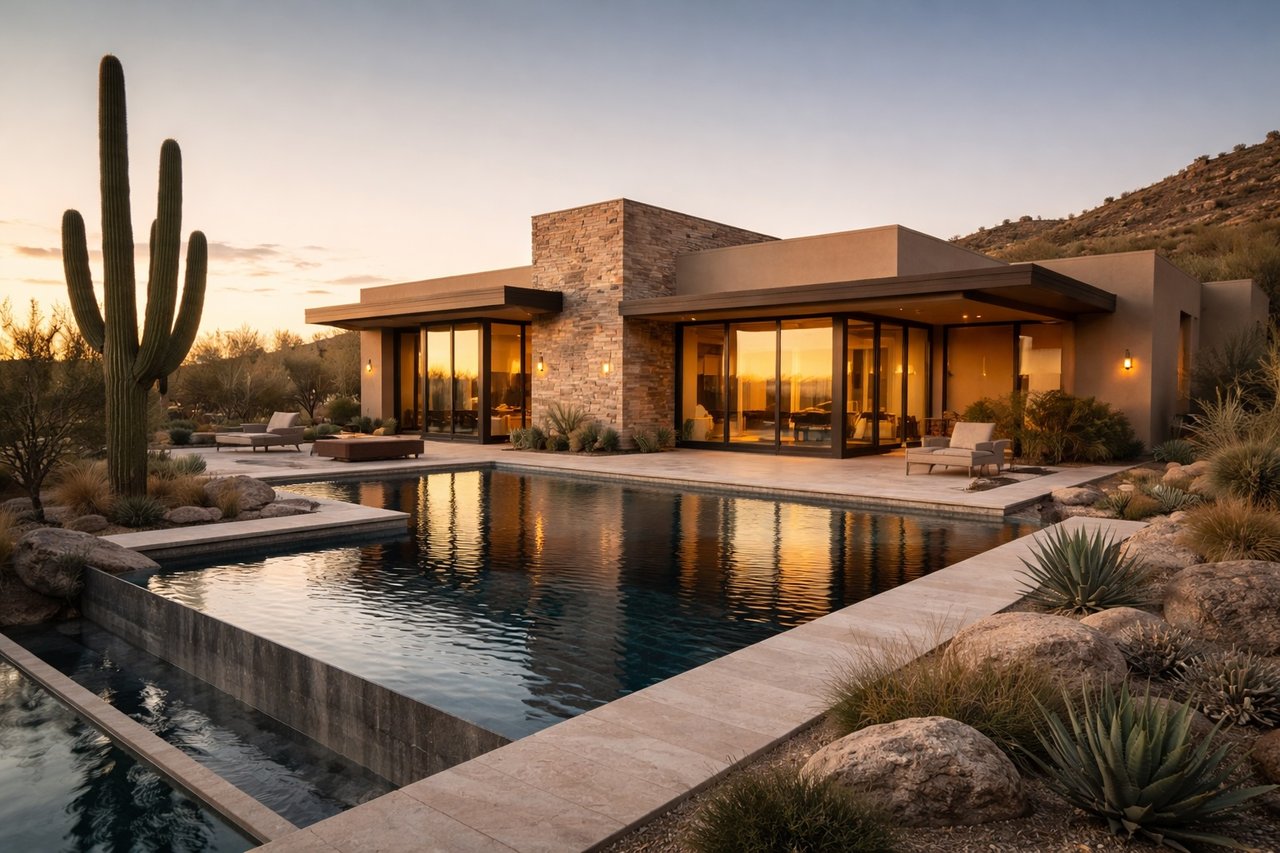
So can a contemporary desert residence, an historic estate or a property assembled over decades by serious collectors.
The common denominator isn't abundance.
It is meaning.
Everything does not need to match.
Everything does not need to be expensive.
Everything does not even need to be conventionally beautiful.
But it should contribute something.
A memory.
A reference.
A contradiction.
A story.
A surprise.
A question.
The best homes have layers.
You cannot completely consume them through a photograph.
And you shouldn't be able to.
The Most Interesting Homes Contain Contradictions
I find myself increasingly drawn to contradiction.
Heavy concrete beside delicate landscaping.
Historic objects inside contemporary architecture.
Rough plaster beside important art.
Enormous spaces interrupted by intimate ones.
Museum-quality furniture sitting comfortably beside something inherited from a grandmother.
A perfectly executed architectural line next to an object worn smooth through decades of use.
These combinations create friction.
And friction creates interest.
That is one reason I am so fascinated by the work of architects such as Ludwig Godefroy.
His use of concrete can feel monumental, almost severe, while the spaces themselves can simultaneously create extraordinary intimacy, privacy and emotion.
The architecture can seem ancient and contemporary at the same time.
Protective and open.
Heavy and peaceful.
Those contradictions force you to spend time with the architecture.
You cannot dismiss it in seconds.
The same is true of great homes.
Decorating Versus Collecting
Some houses are decorated.
Others are collected.
There is an important difference.
Decoration frequently begins with a finished image in mind.
A palette is established.
Furniture is selected.
Art fills the appropriate walls.
Accessories complete the composition.
A collected home develops differently.
It accumulates.
The painting came from a trip twenty years ago.
The sculpture belonged to someone's father.
The chair is an obscure piece of design discovered at an estate sale.
The pottery came from an artist whose studio the owners happened upon while traveling through Mexico.
The books were actually read.
The furniture moved from one house to another.
Eventually, the objects become a biography.
That is incredibly difficult to manufacture.
Money can purchase extraordinary things.
Time creates relationships between them.
And sometimes those relationships become the most interesting part of the house.
The New Luxury Is Specificity
For years, real estate encouraged broad appeal.
Make it neutral.
Make it timeless.
Make sure nothing is too unusual.
Make sure nobody strongly dislikes anything.
From a resale perspective, there can be logic behind that approach.
But there is another side to it.
When you eliminate everything somebody might dislike, you can also eliminate everything somebody might love.
Some of the world's most memorable residences are incredibly specific.
They represent an architect.
A collector.
A family.
A landscape.
A period of design.
A philosophy.
A particular way of living.
They have opinions.
And sophisticated buyers increasingly recognize that.
After someone has seen enough beautiful houses, conventional luxury alone becomes less impressive.
The question begins to change.
Instead of:
How expensive is this?
the buyer starts asking:
Why is this interesting?
That is a much harder question.
And a much more powerful one.
Tucson Luxury Real Estate Is Uniquely Positioned for This
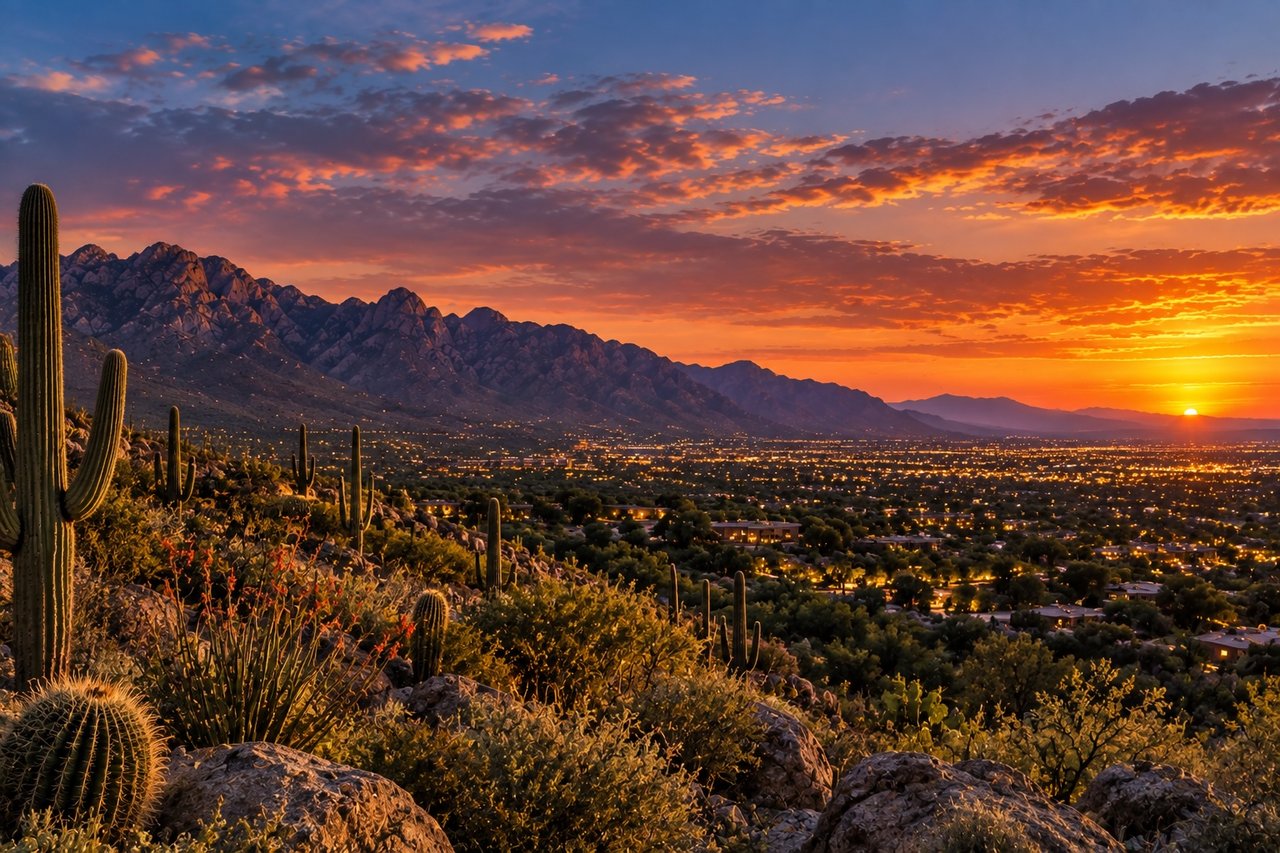
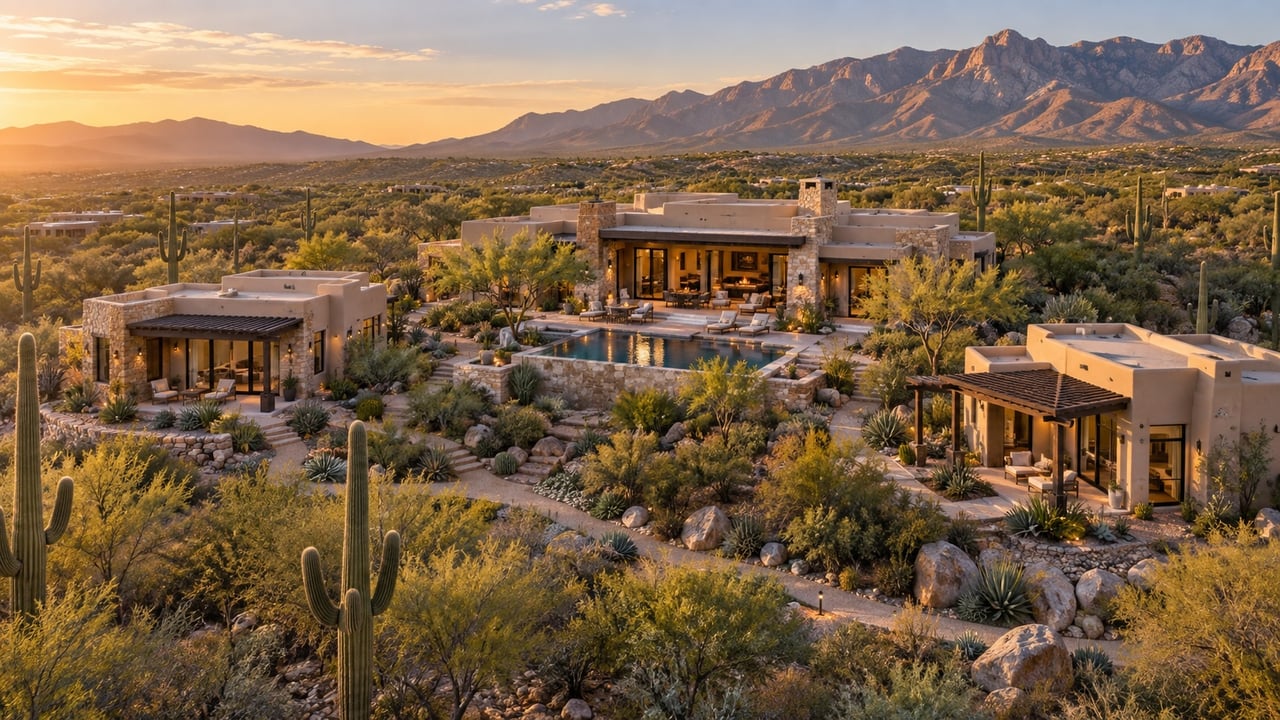
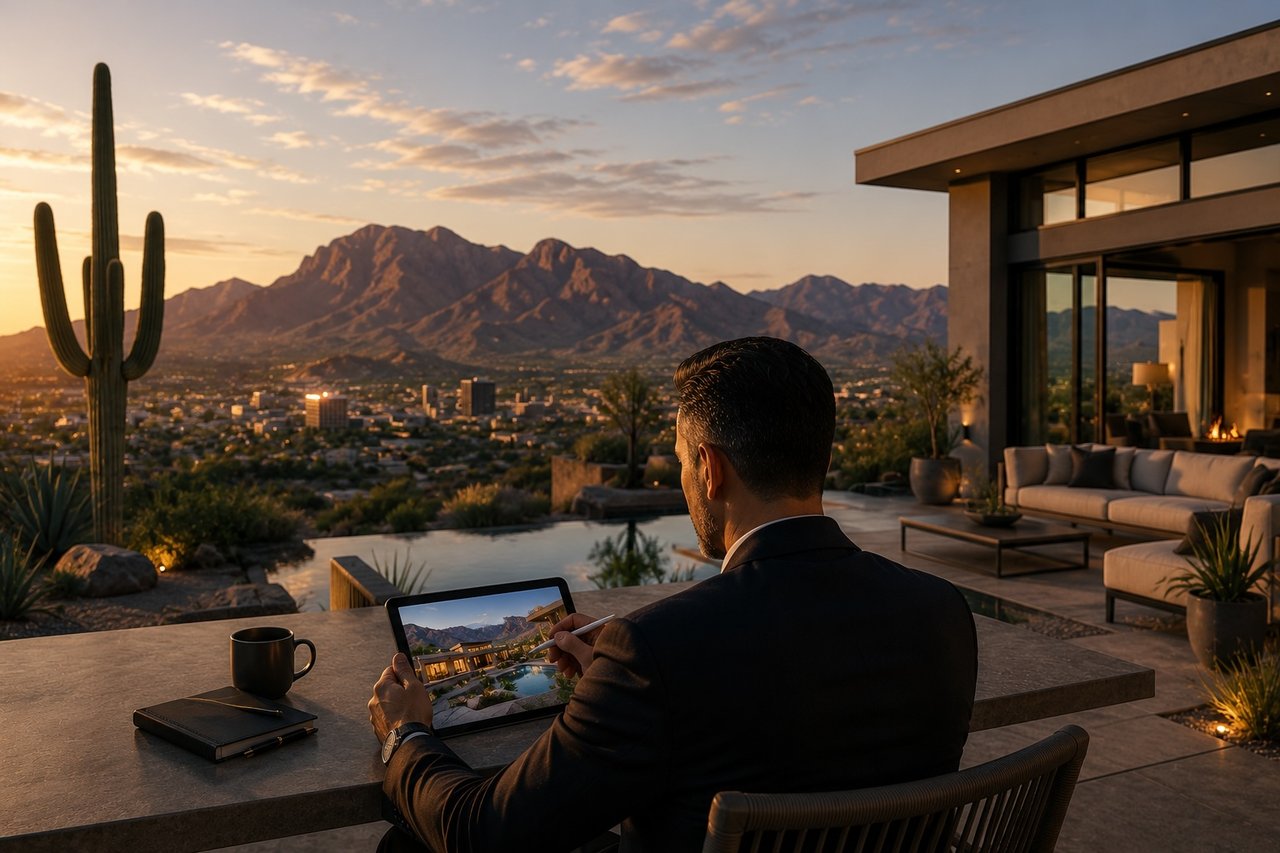
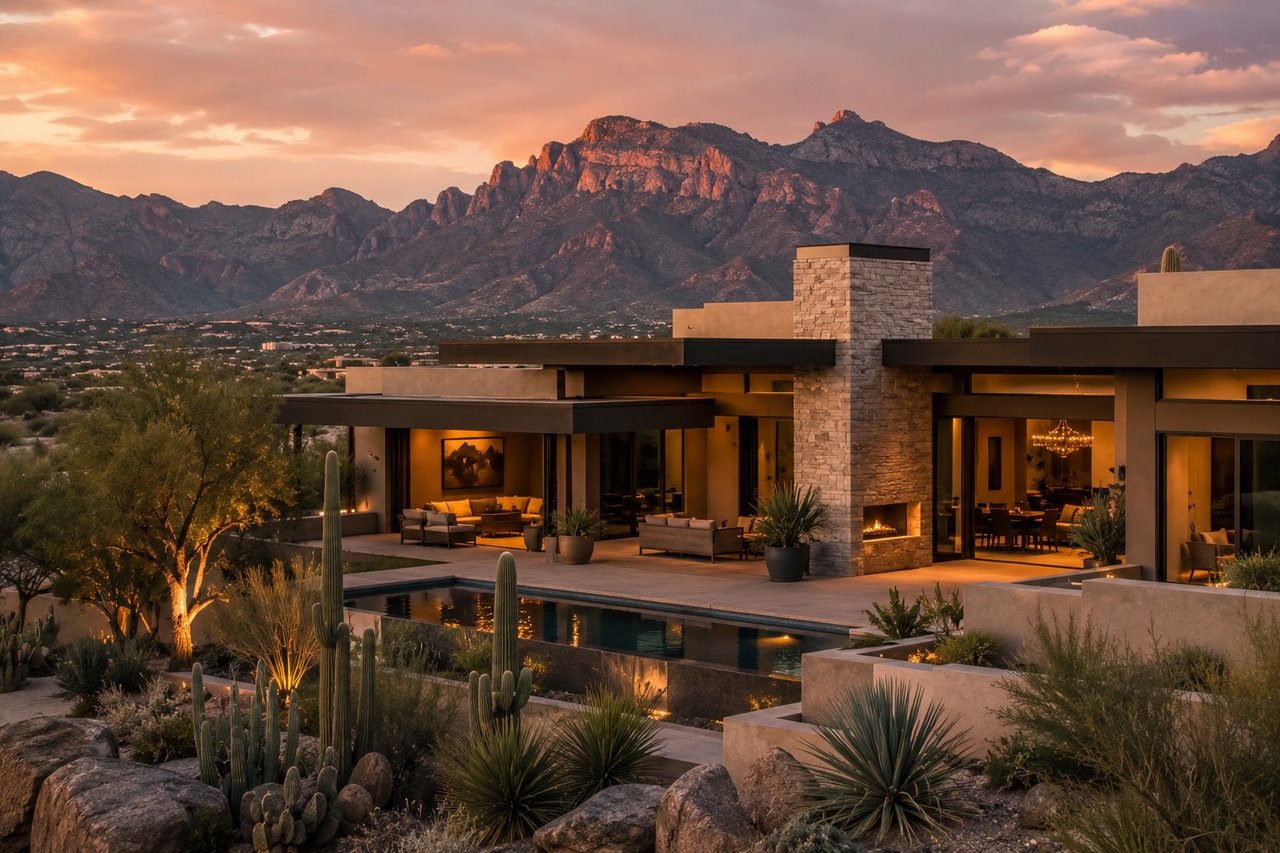
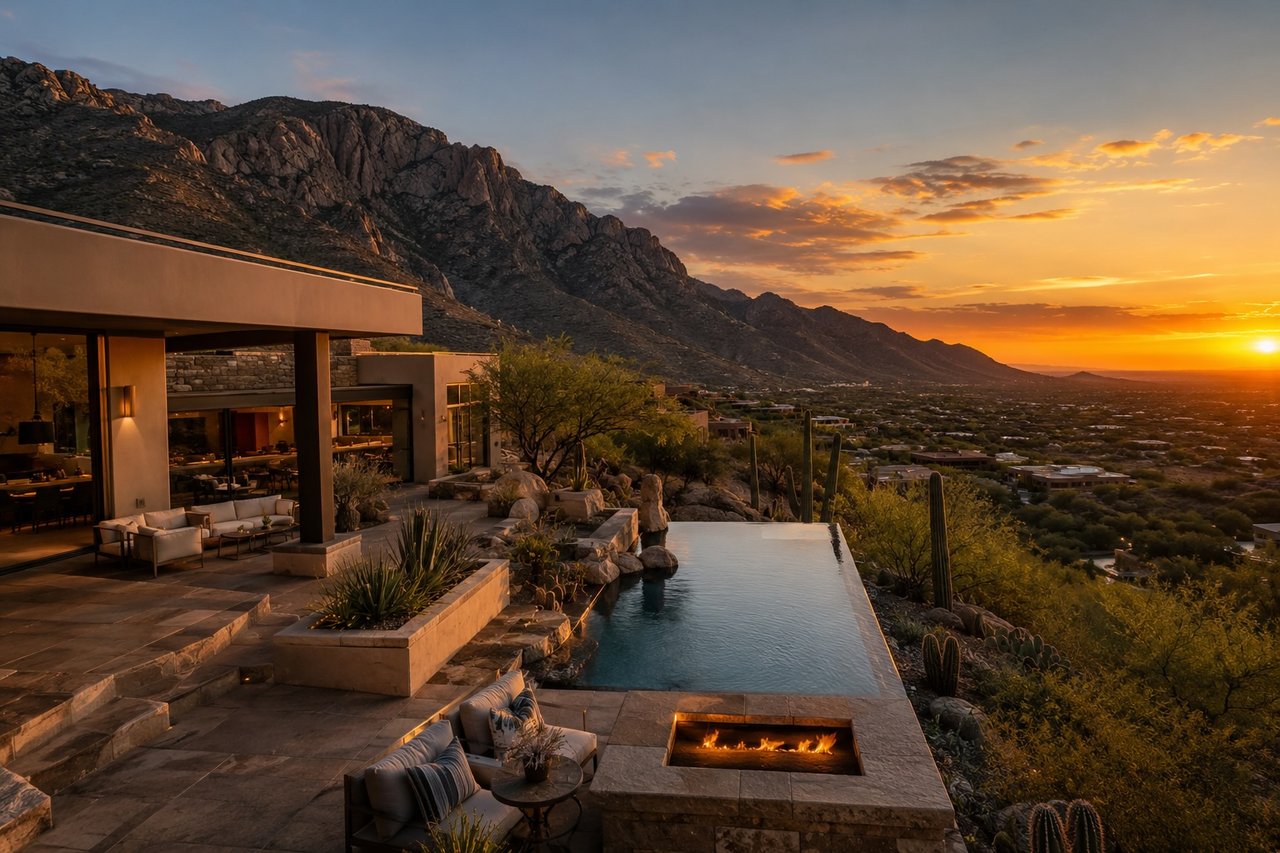
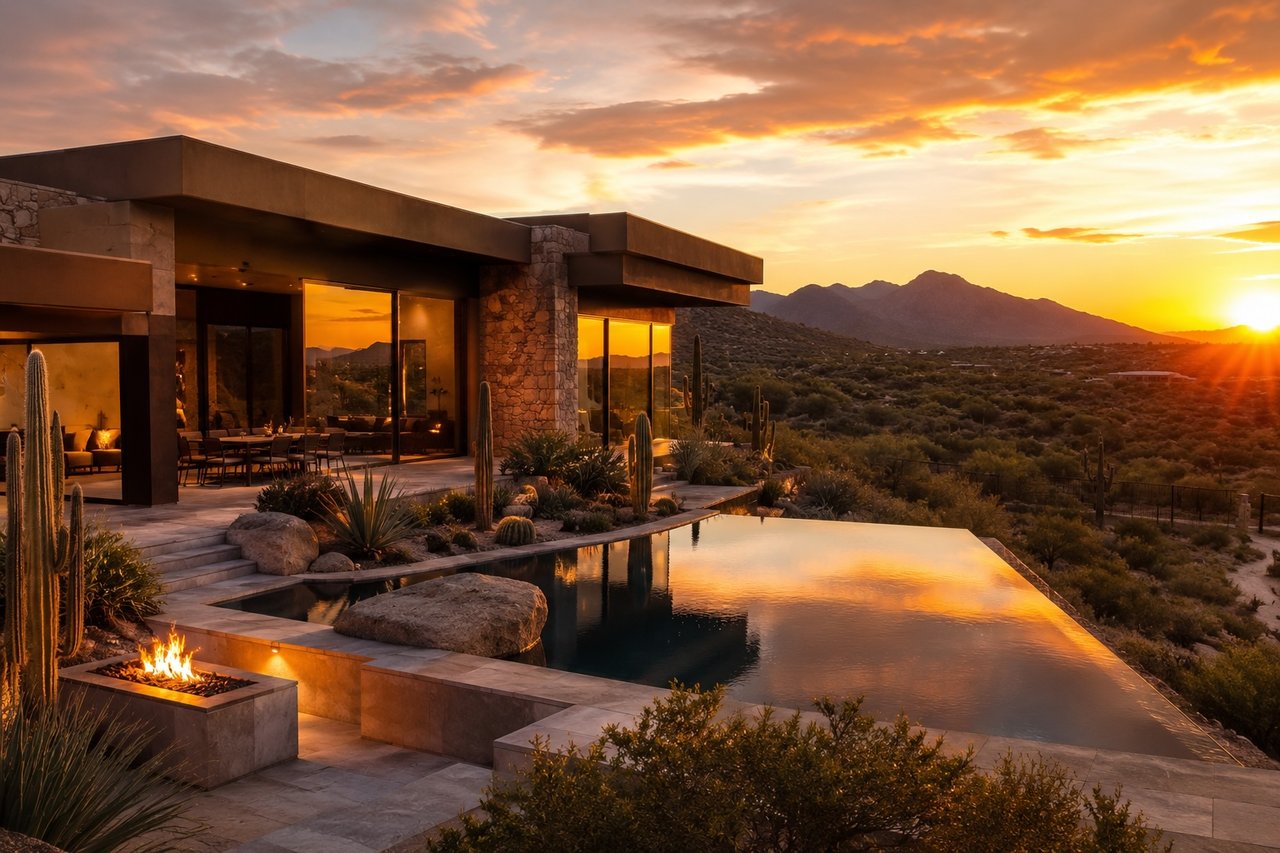
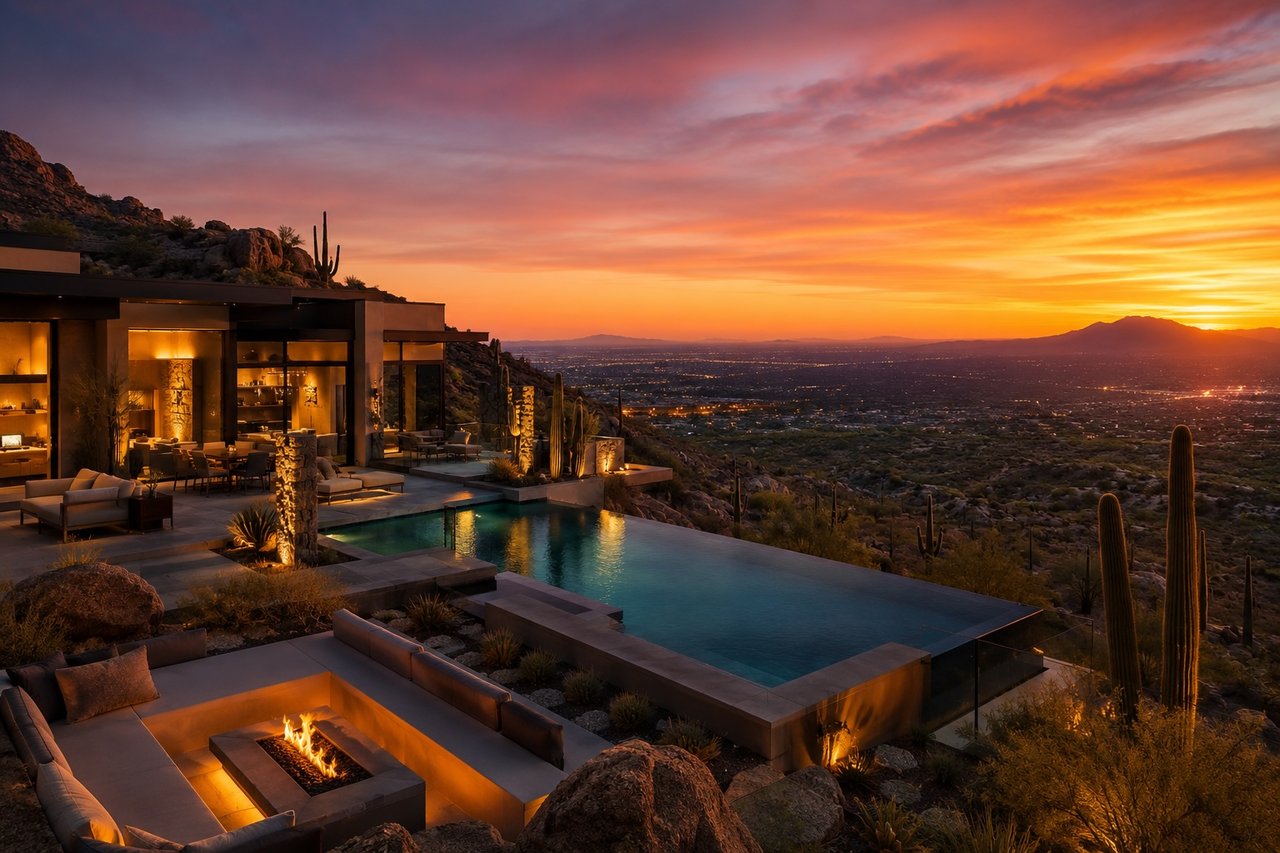
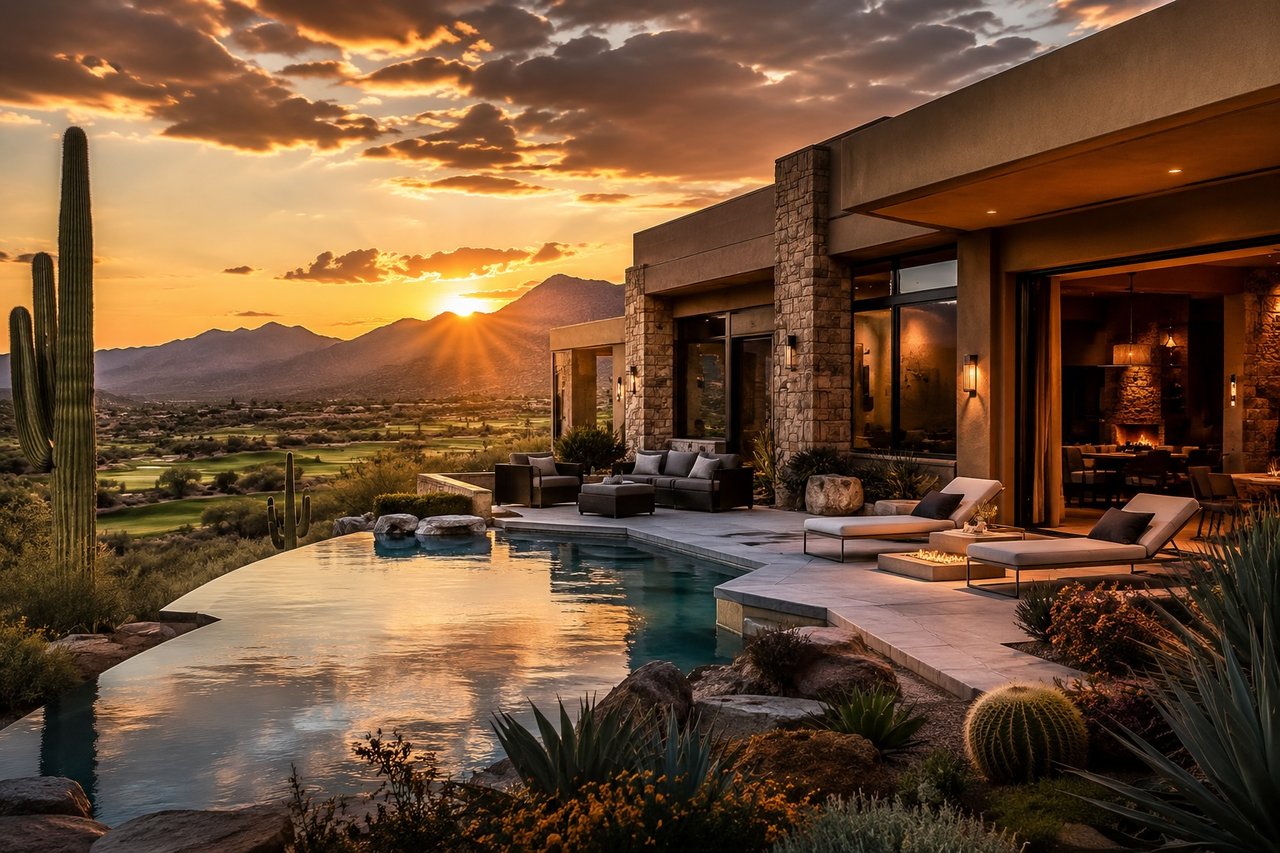
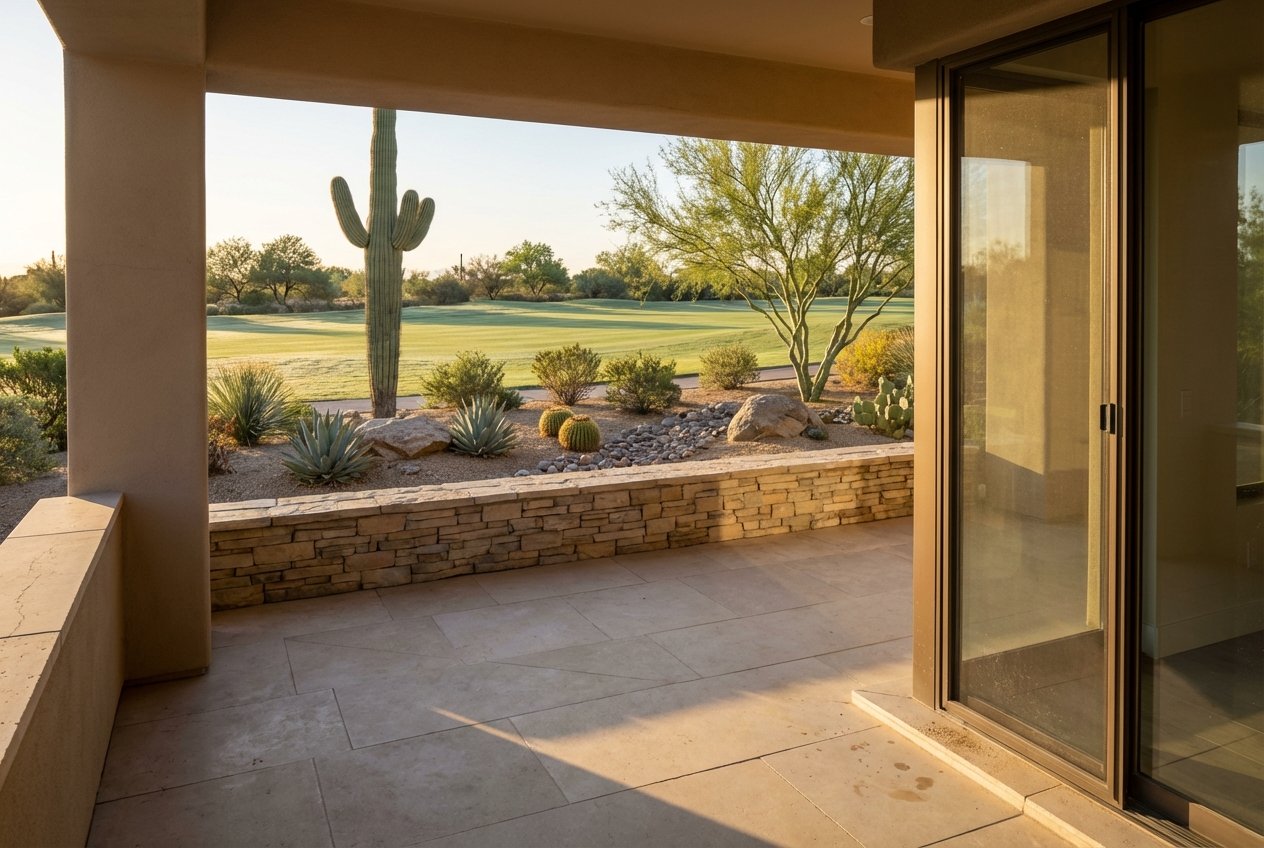
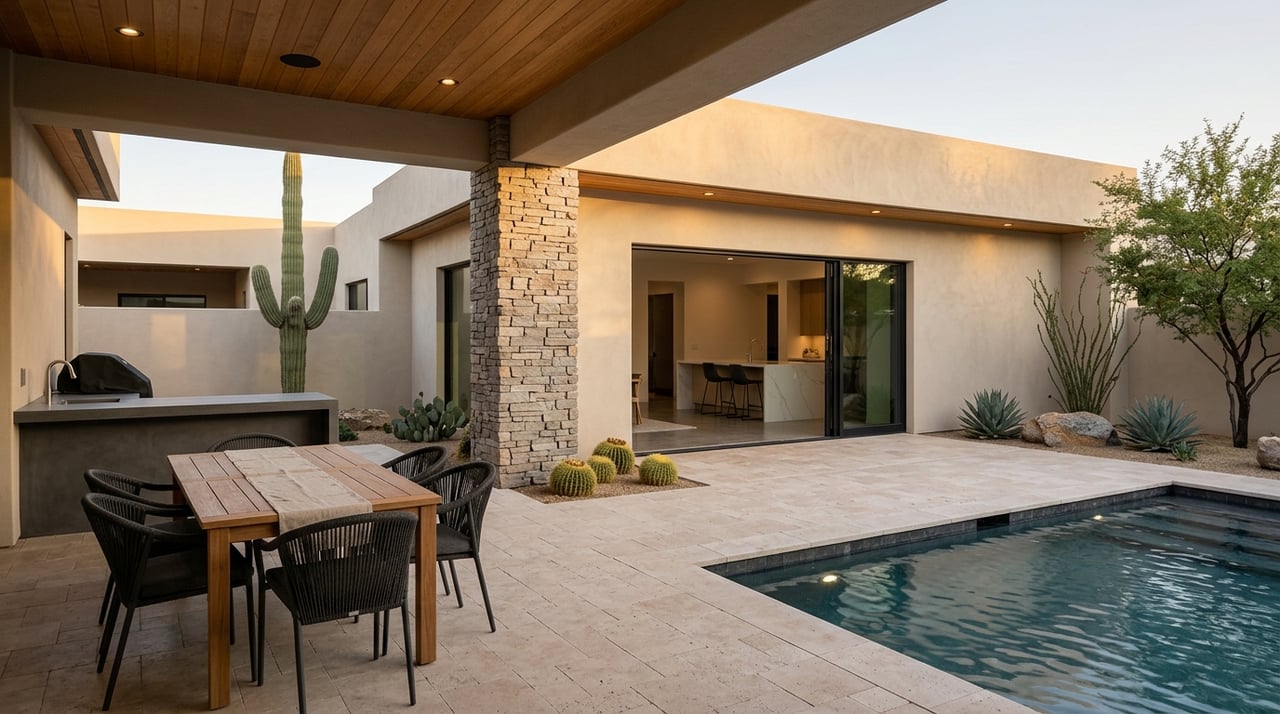
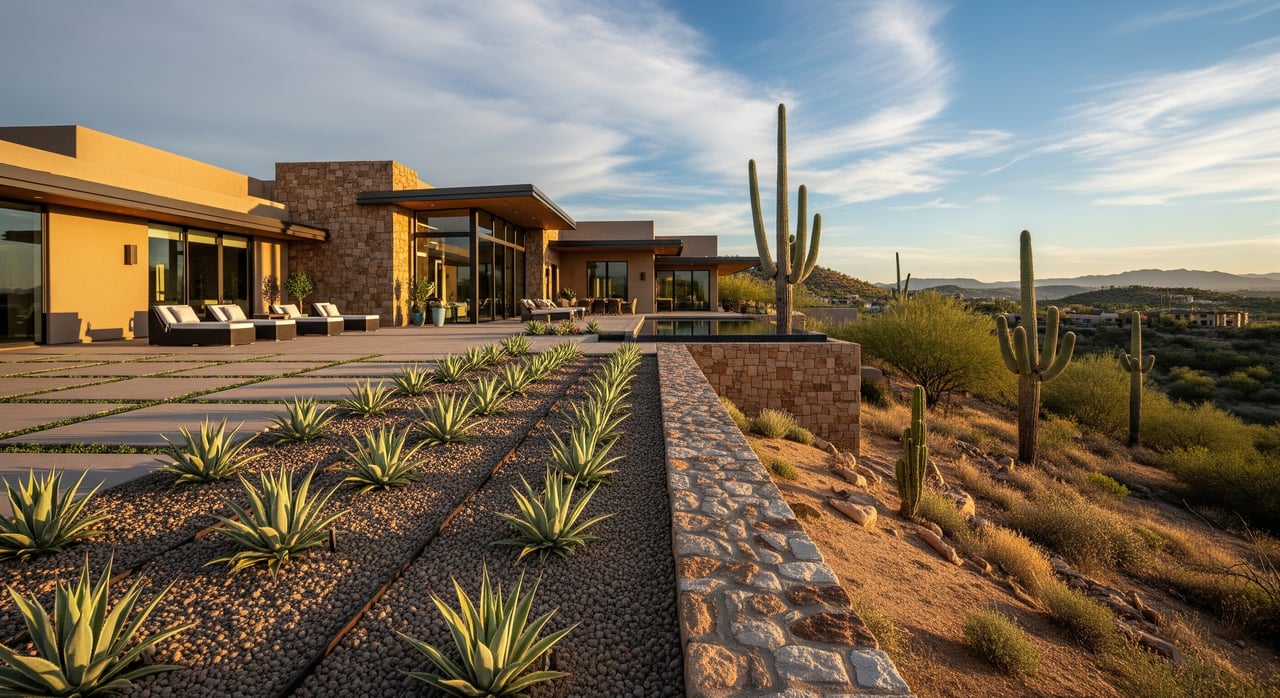
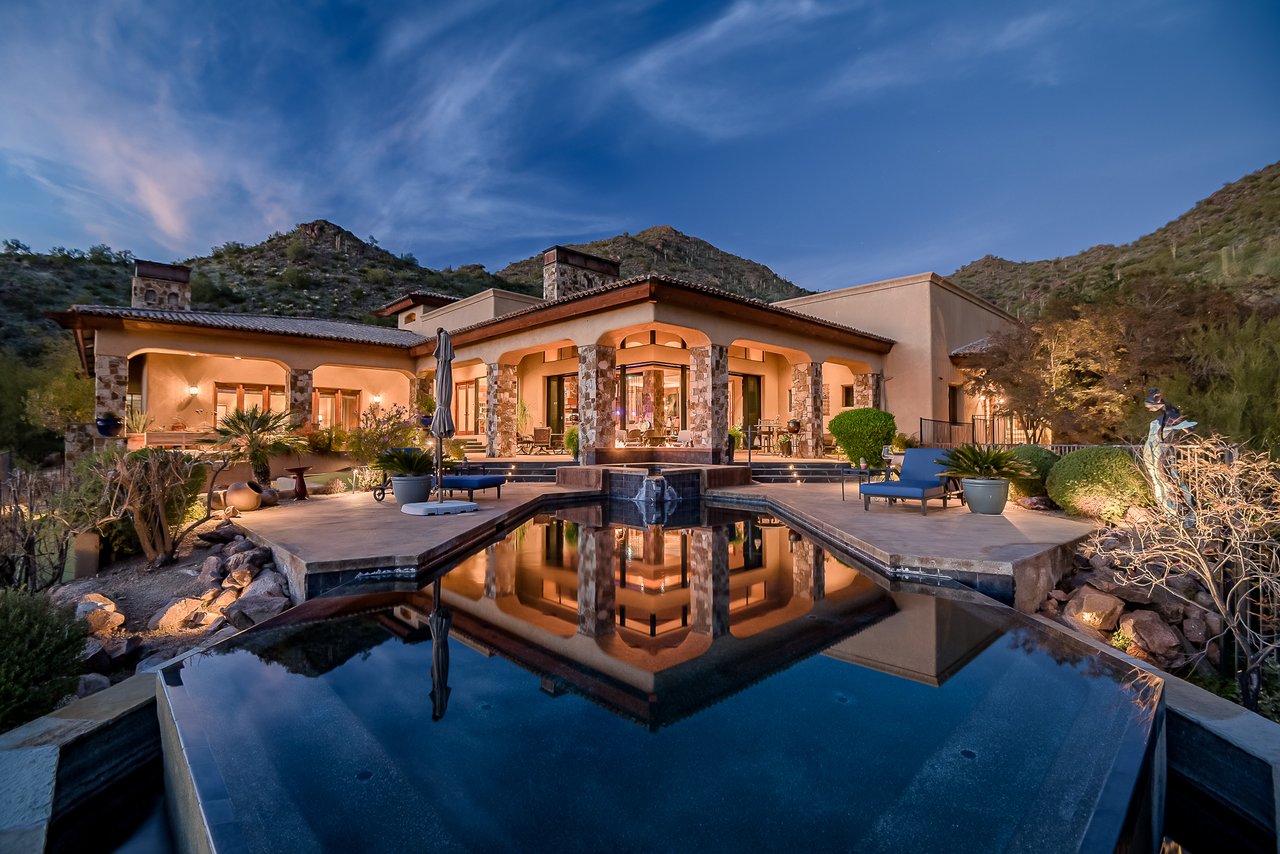
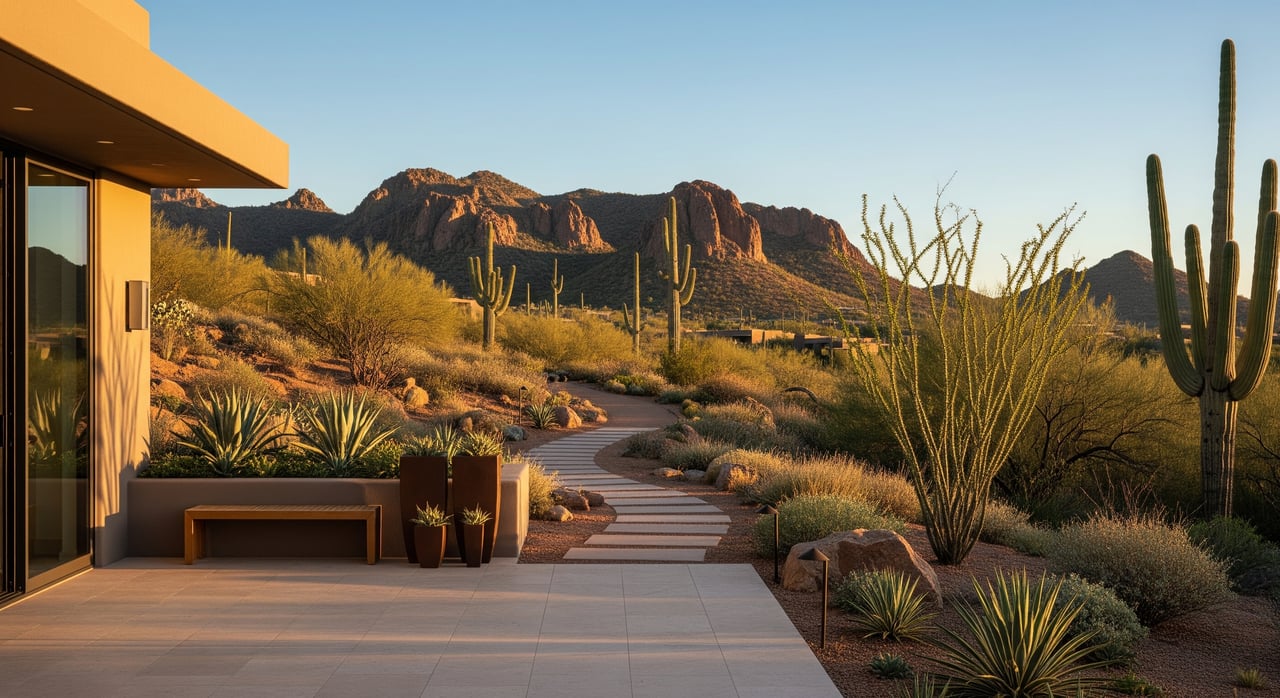
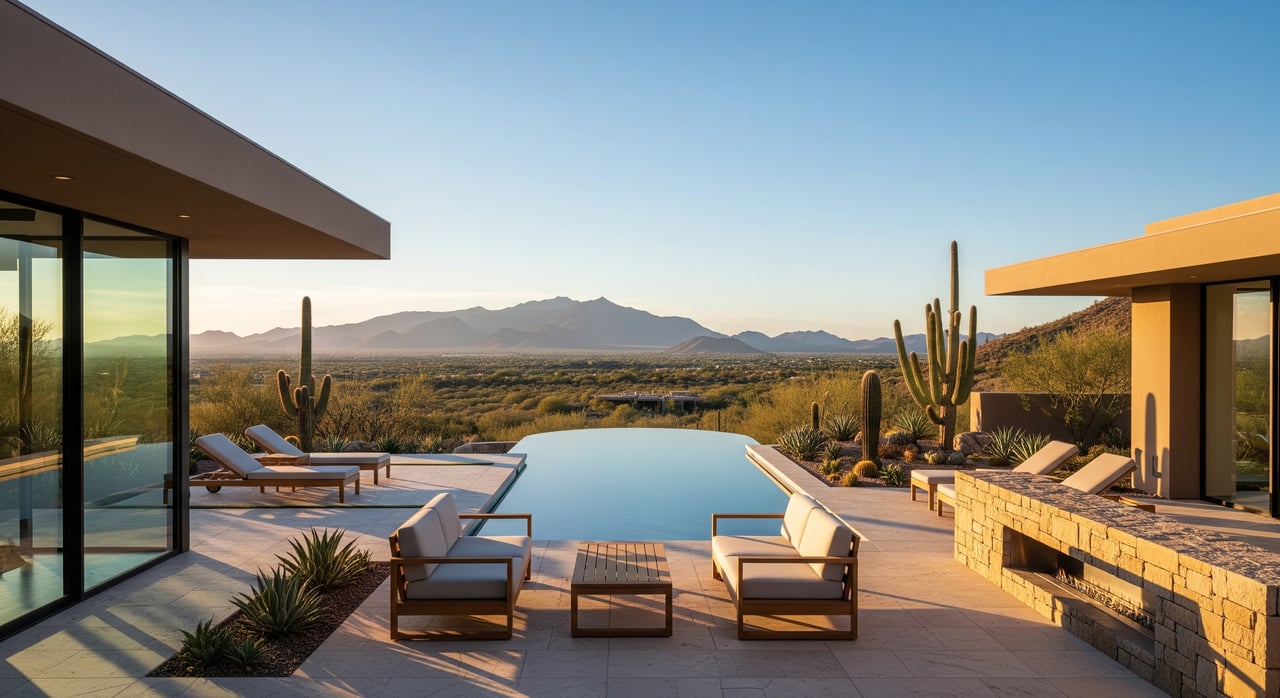
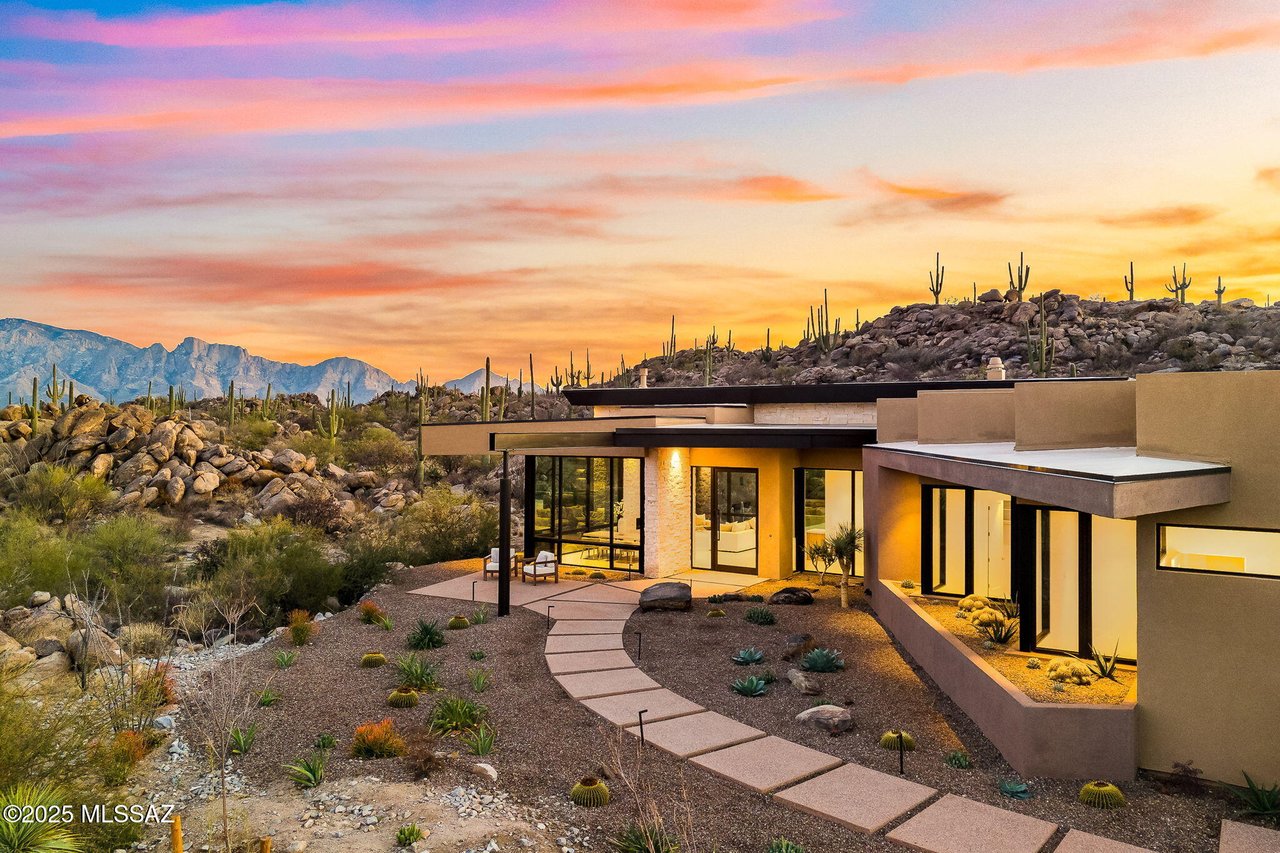
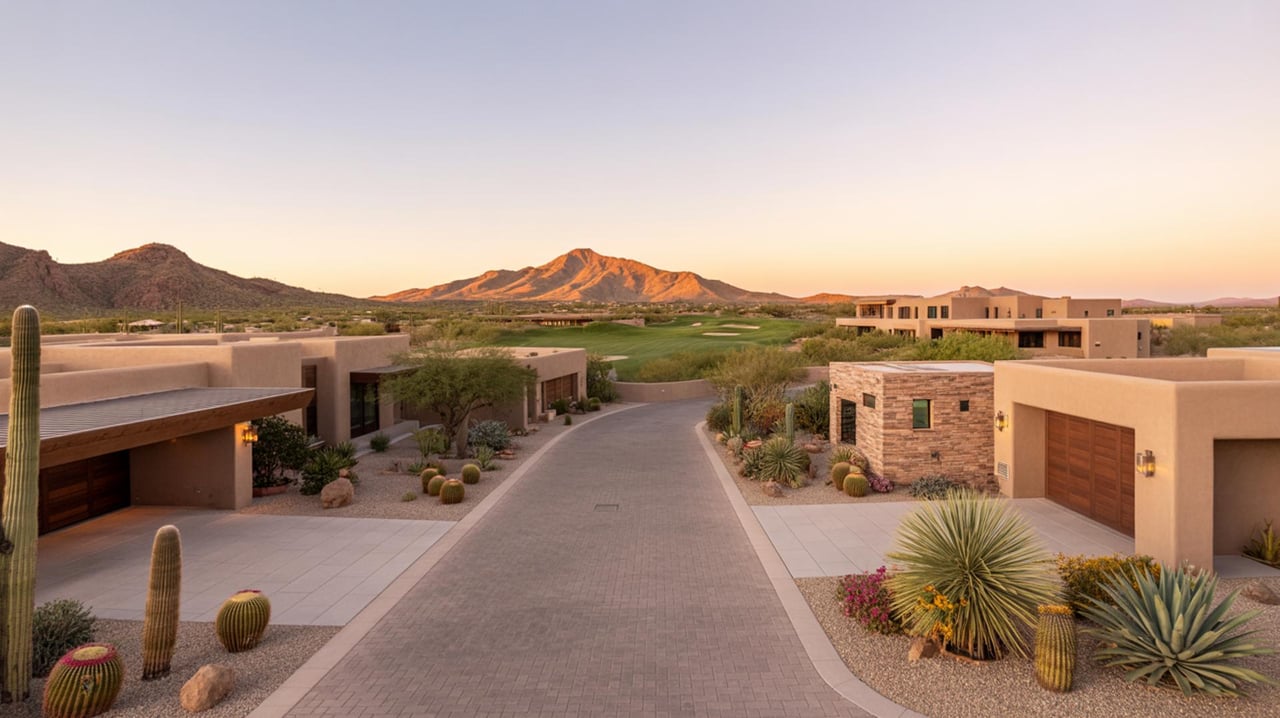
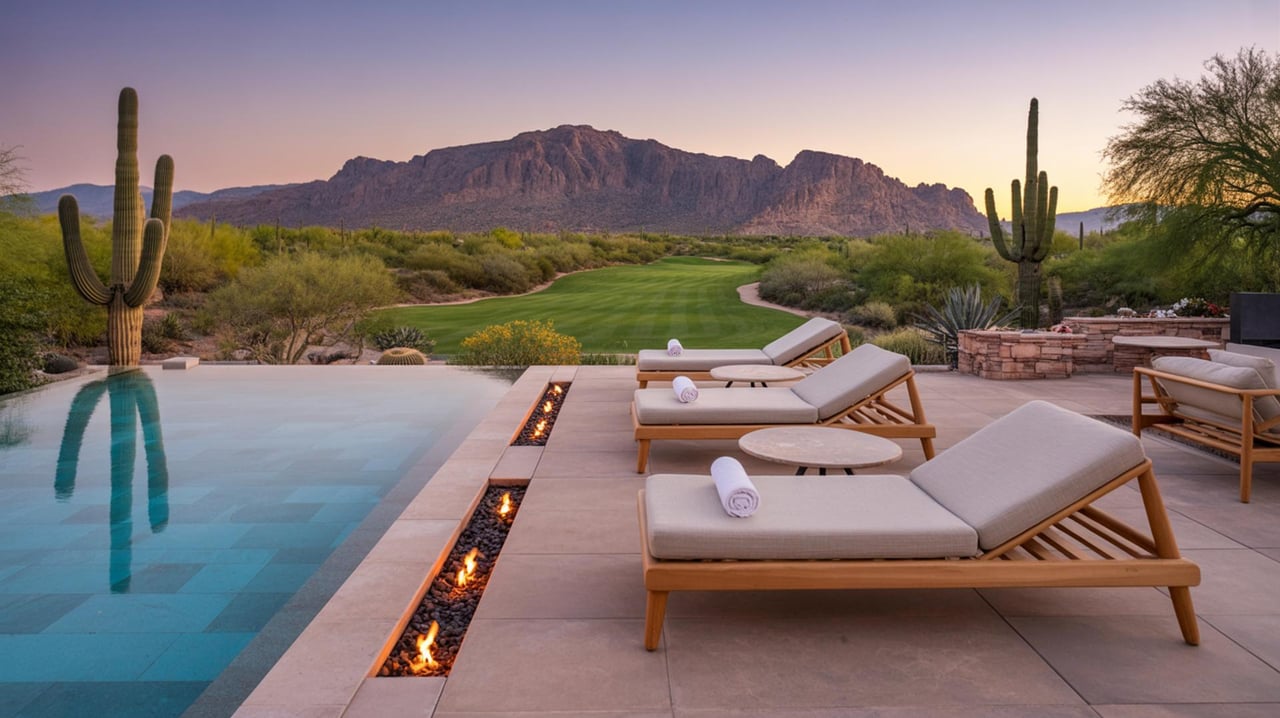
Tucson may be one of the most interesting places in the American Southwest to explore these ideas.
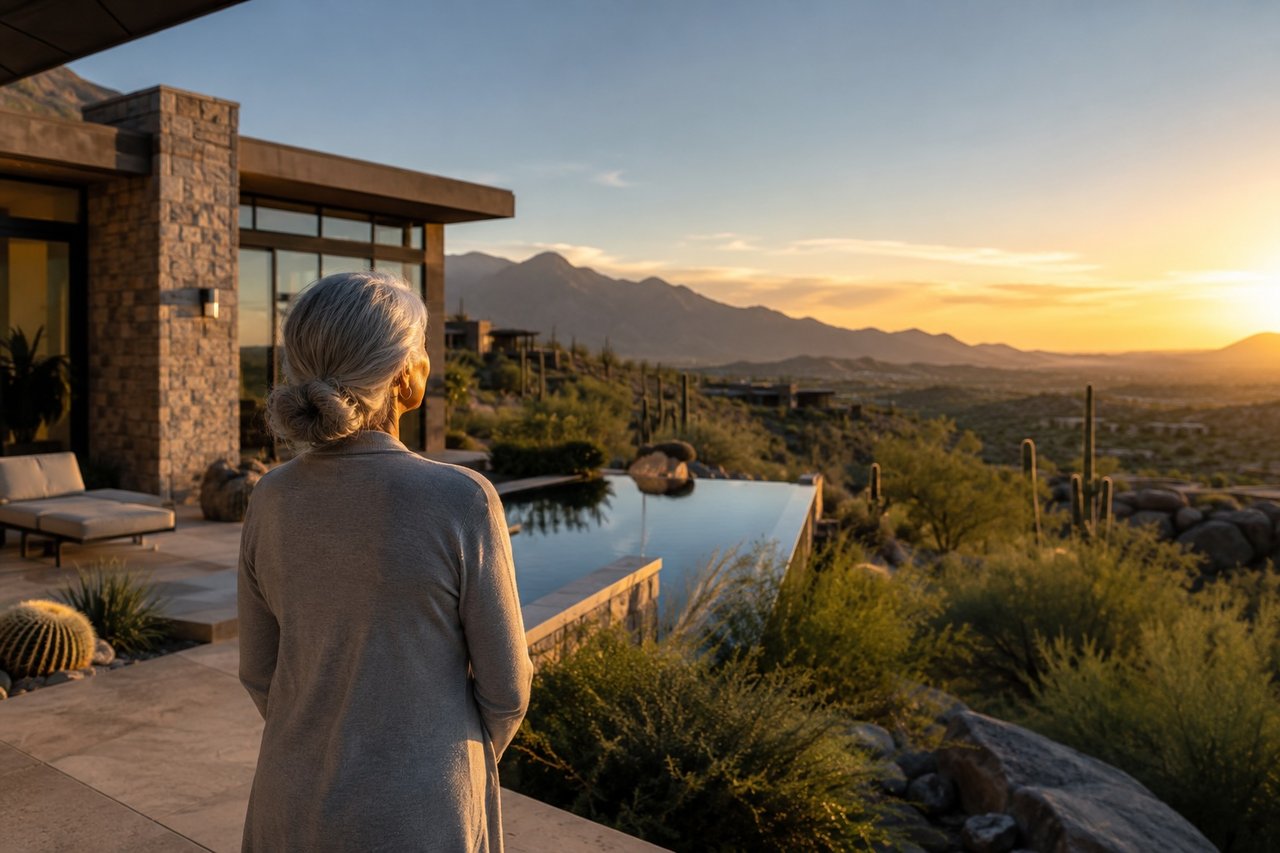
Our best homes do not exist independently from their environment.
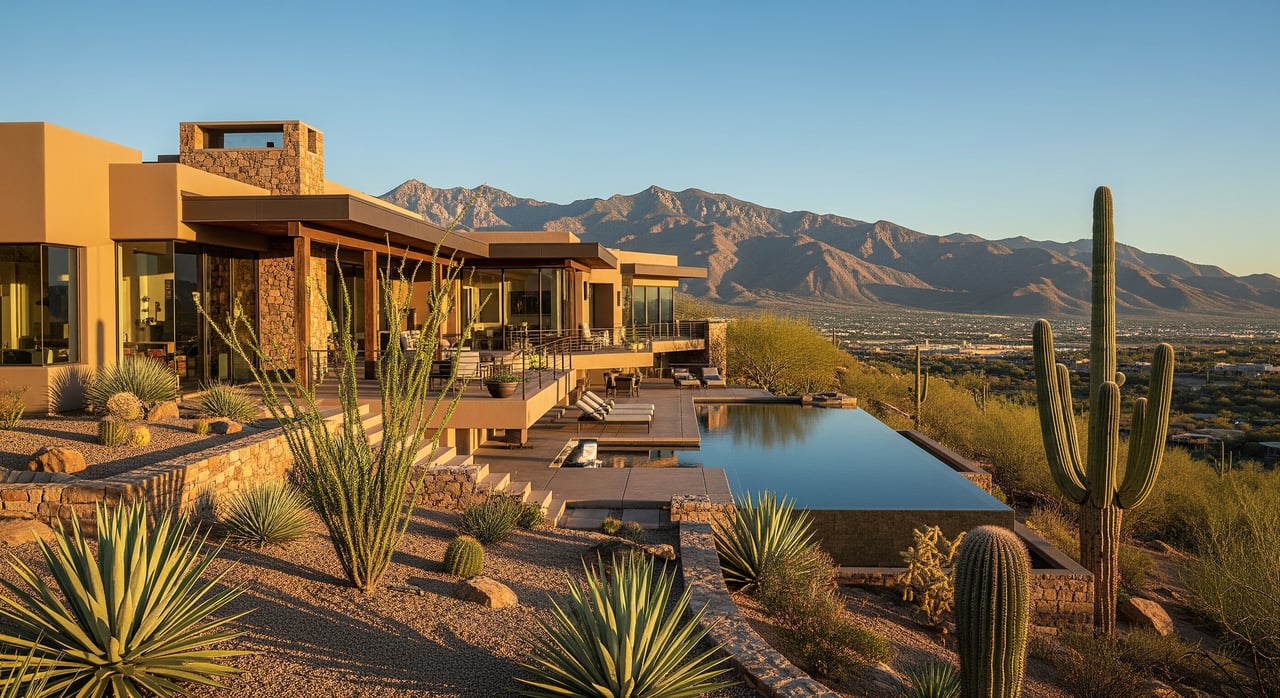
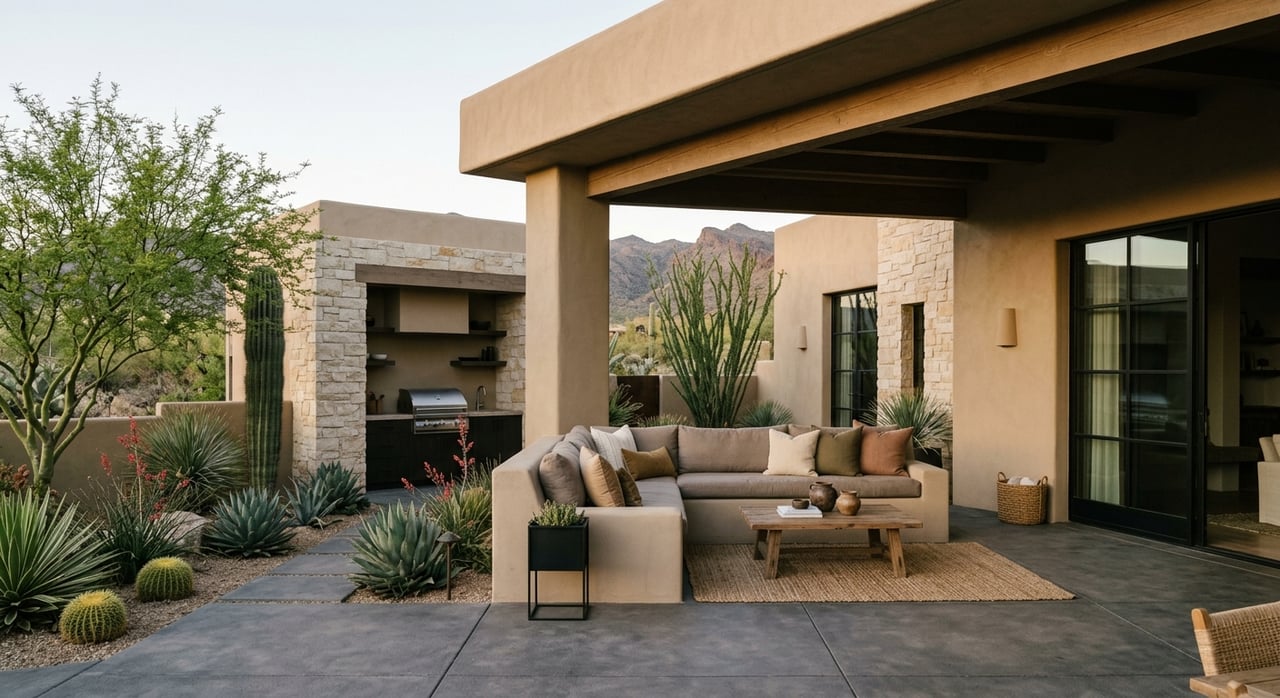
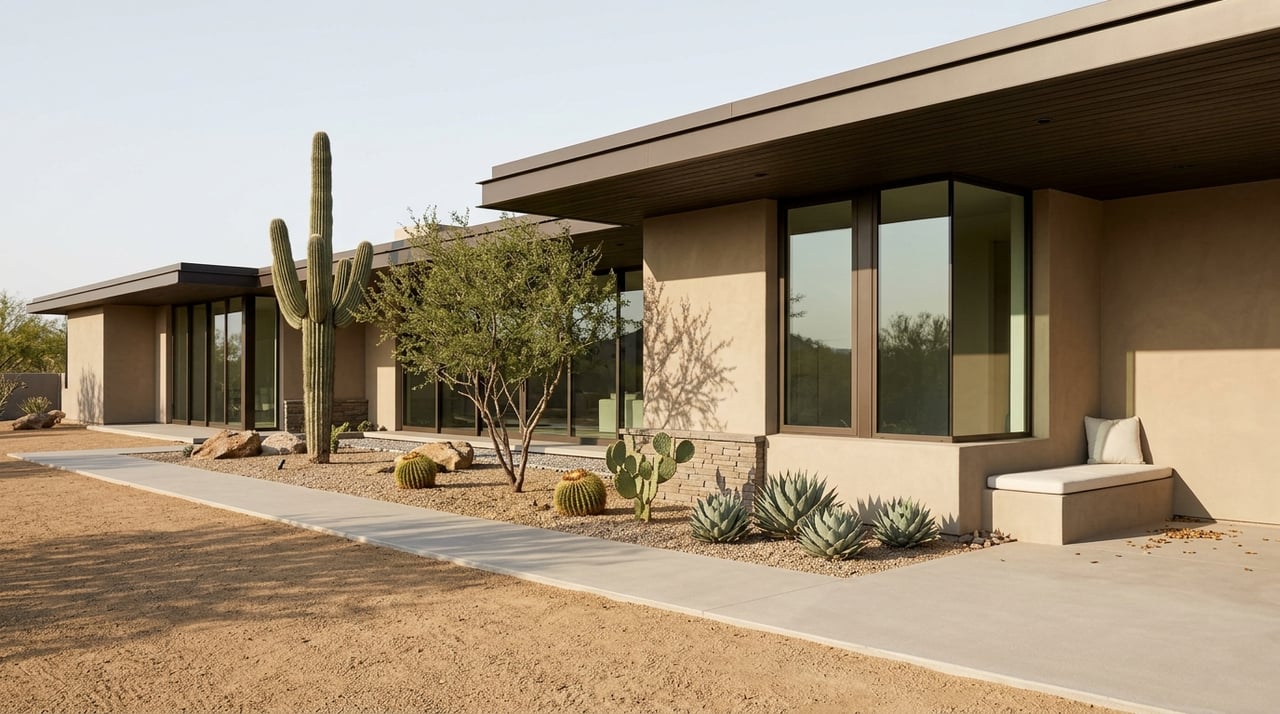
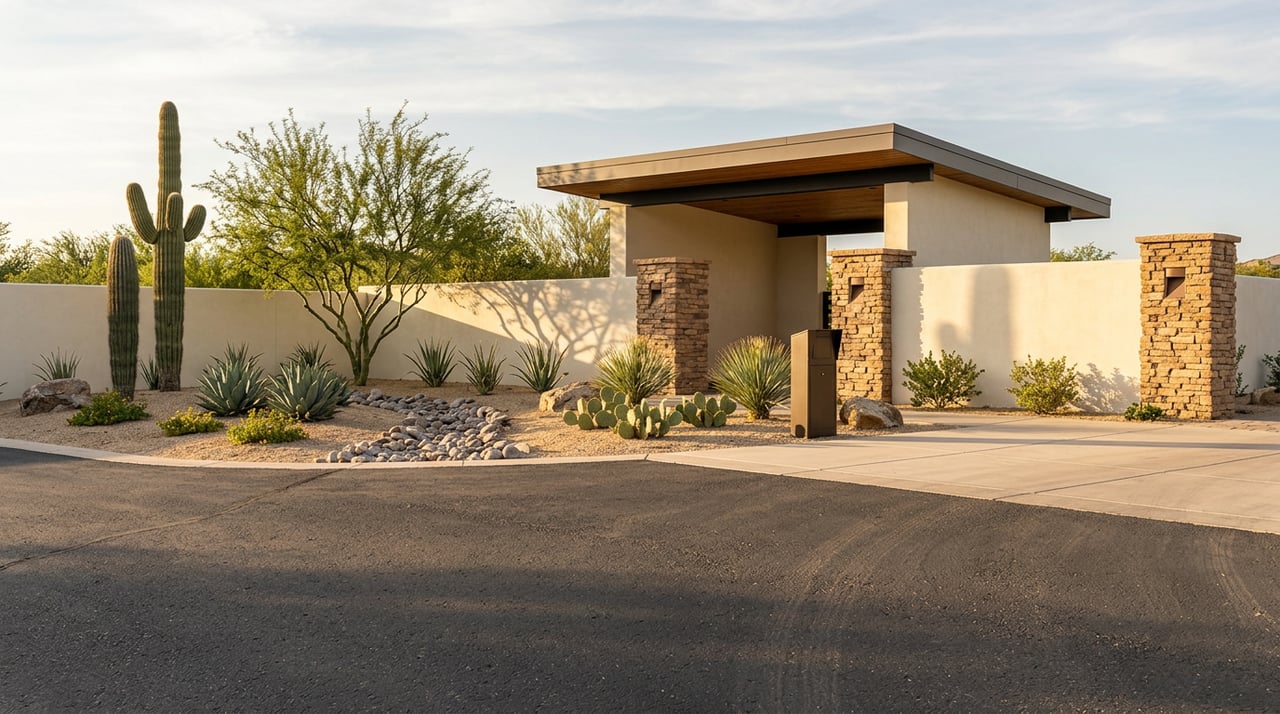
They negotiate with the desert.
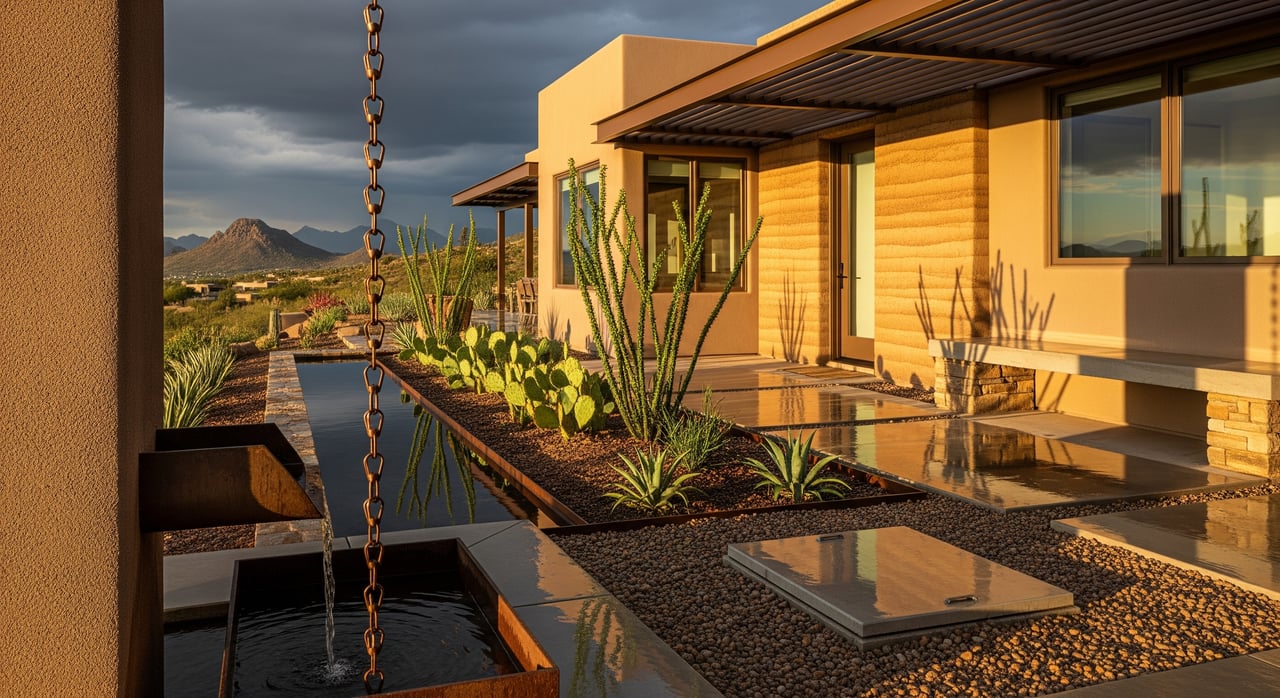
They respond to heat.
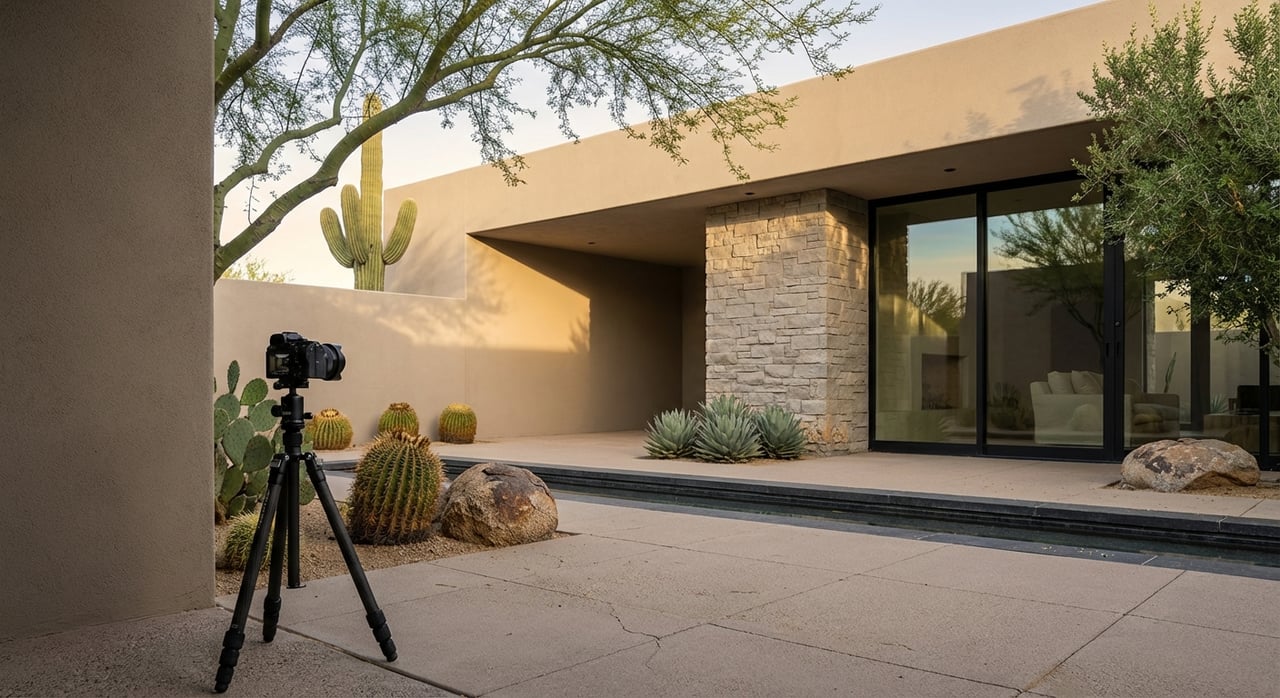
They create shade.
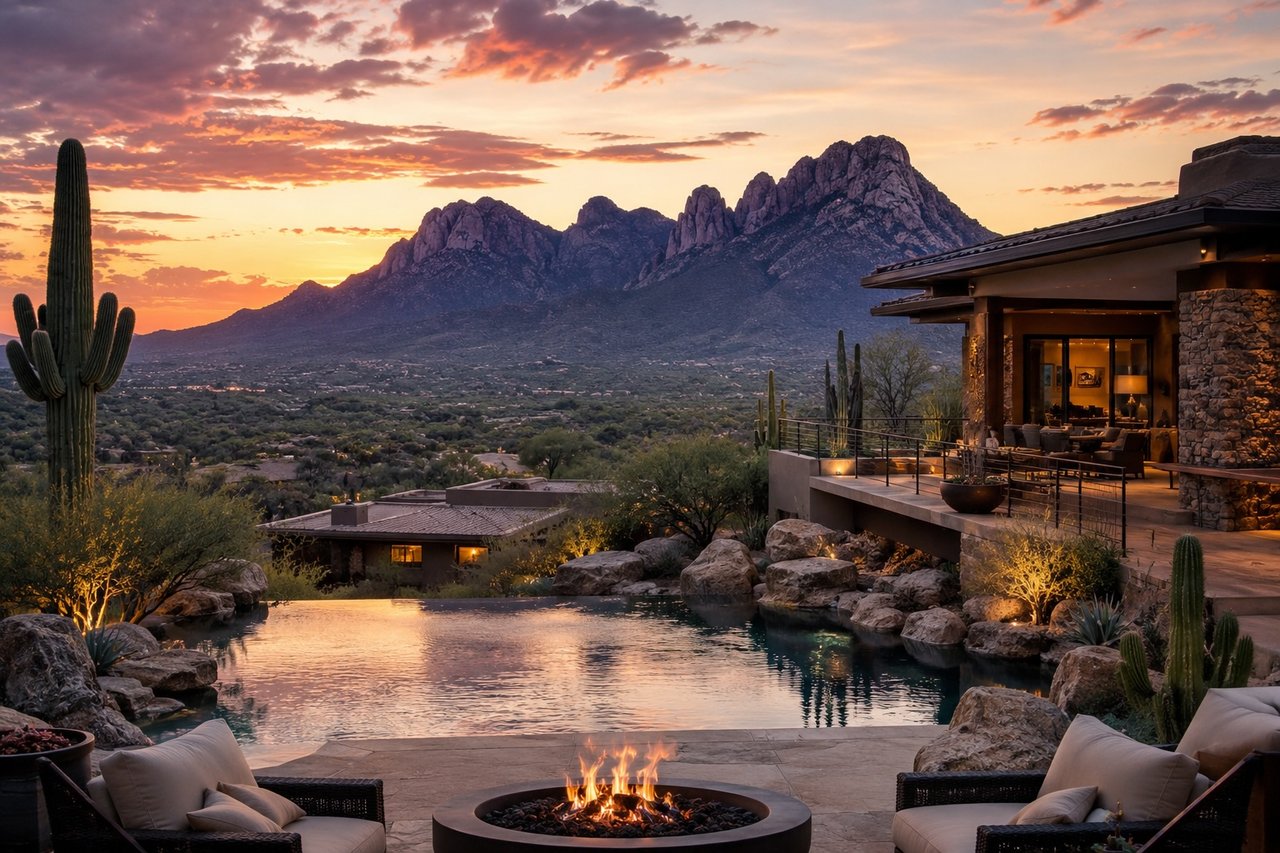
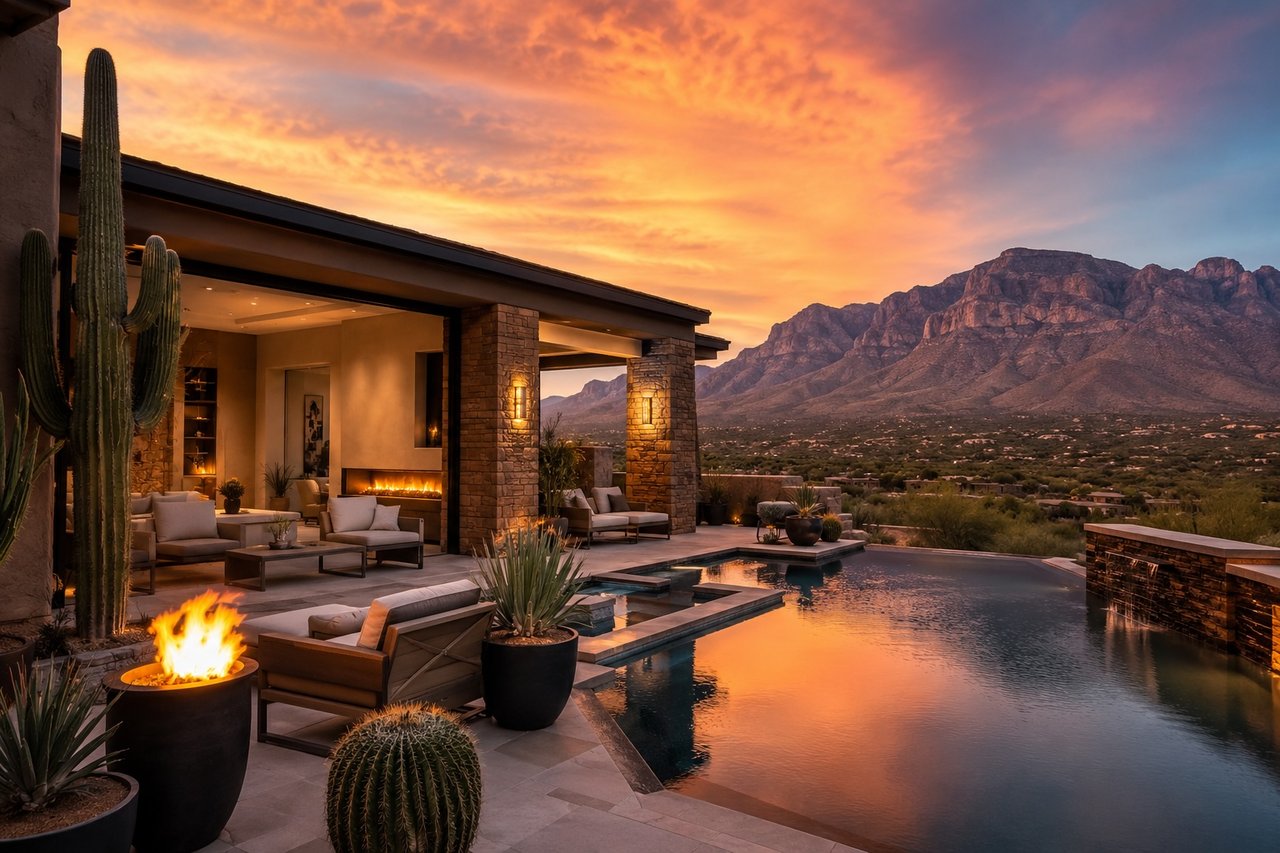
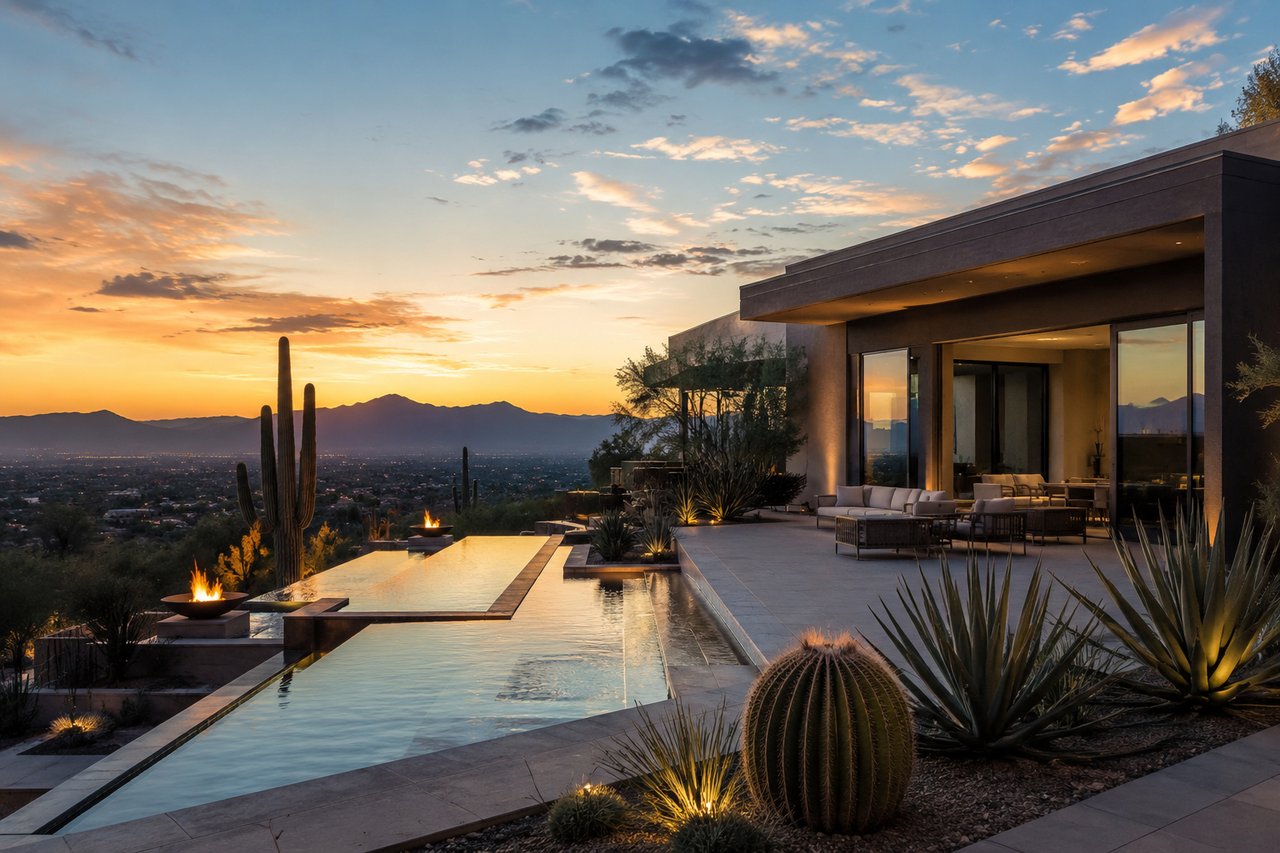
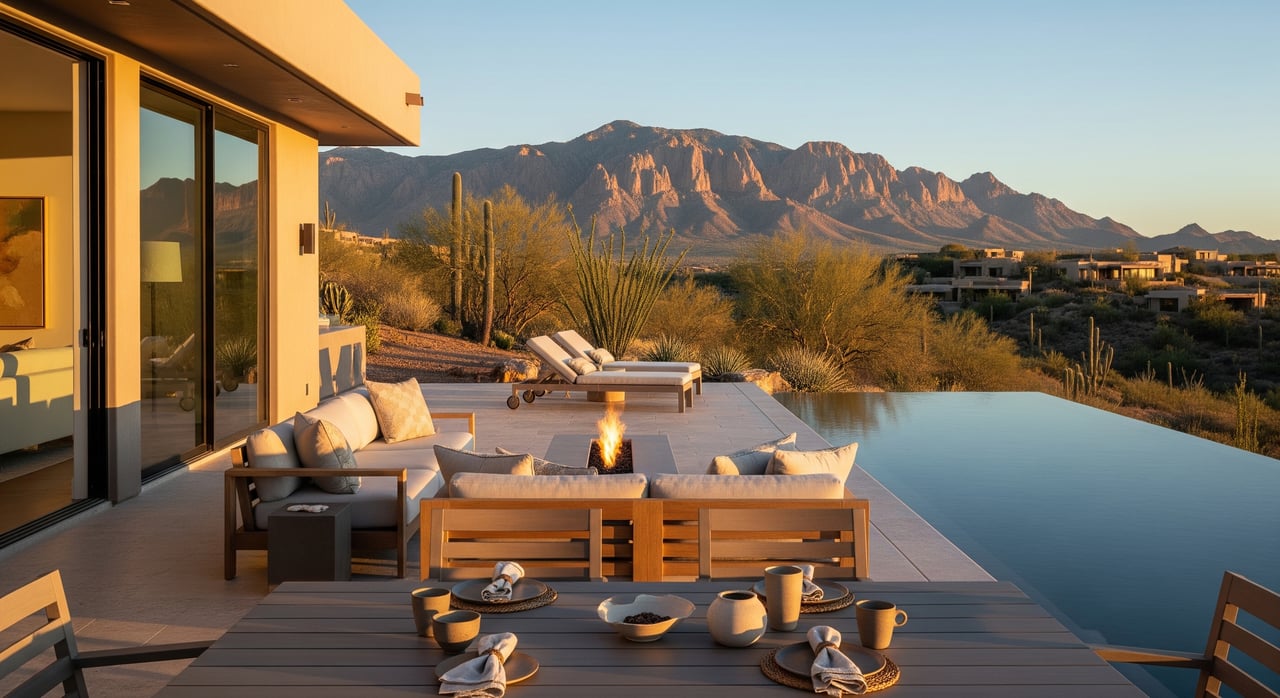
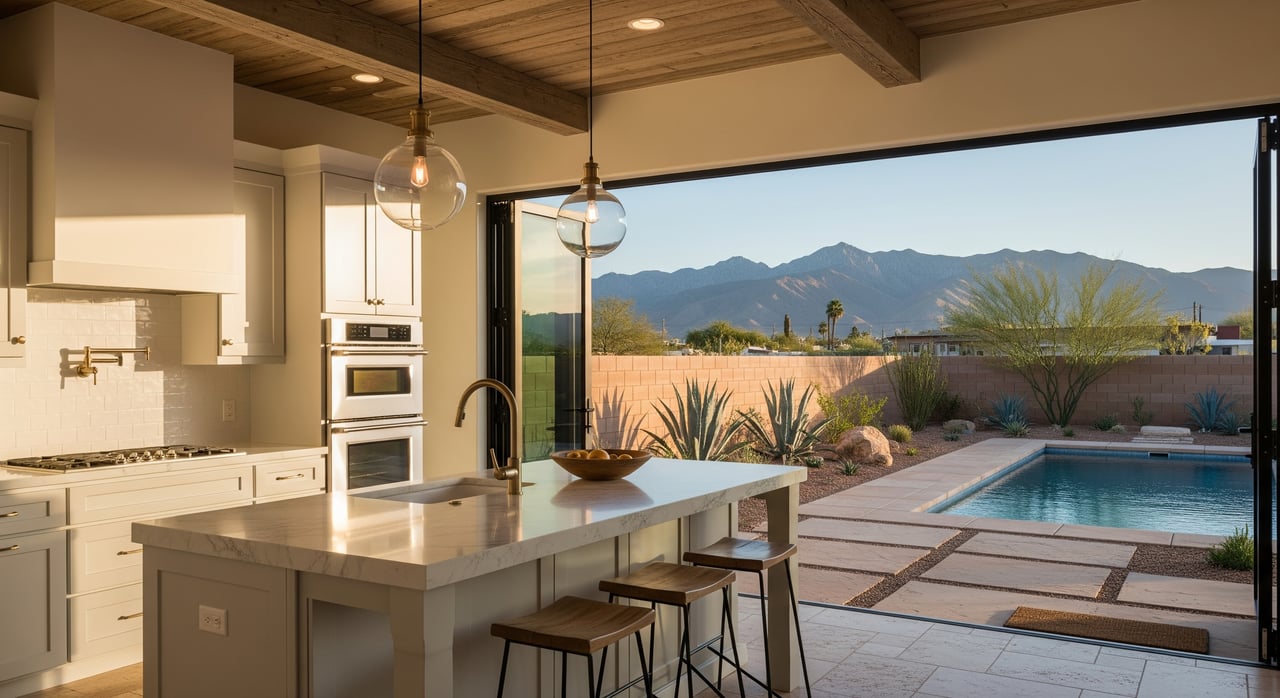
They frame mountains.
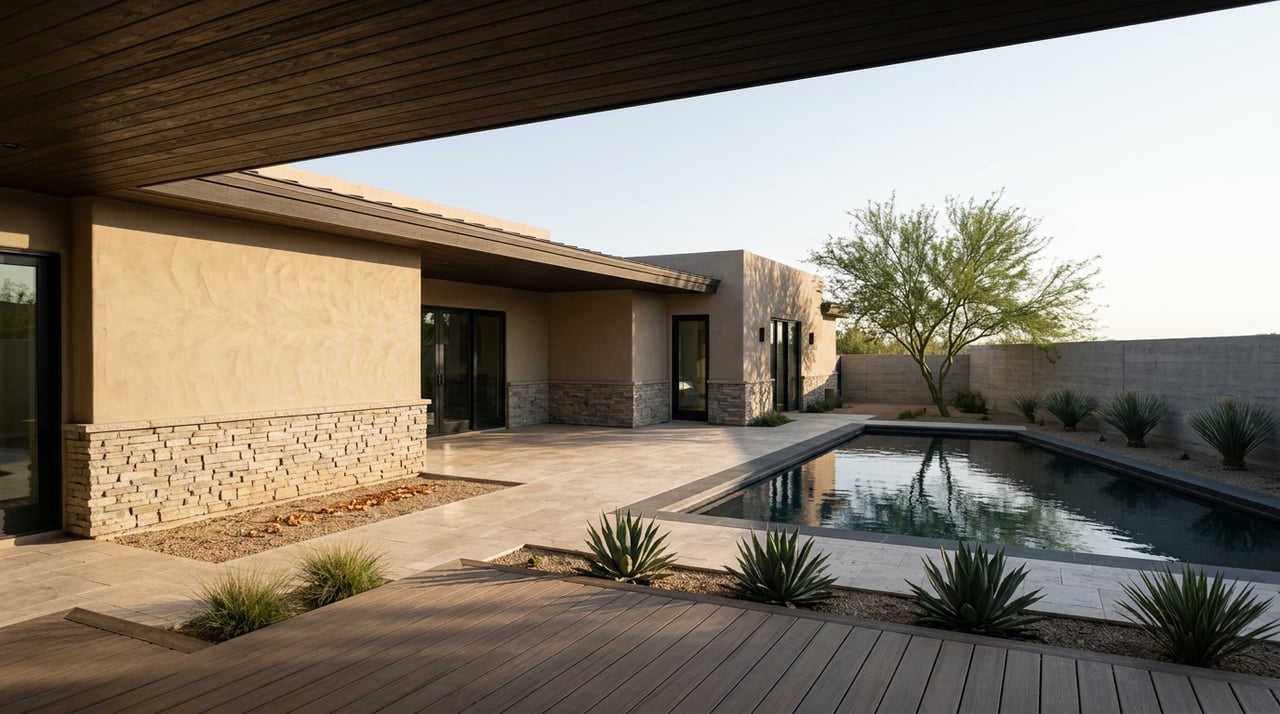
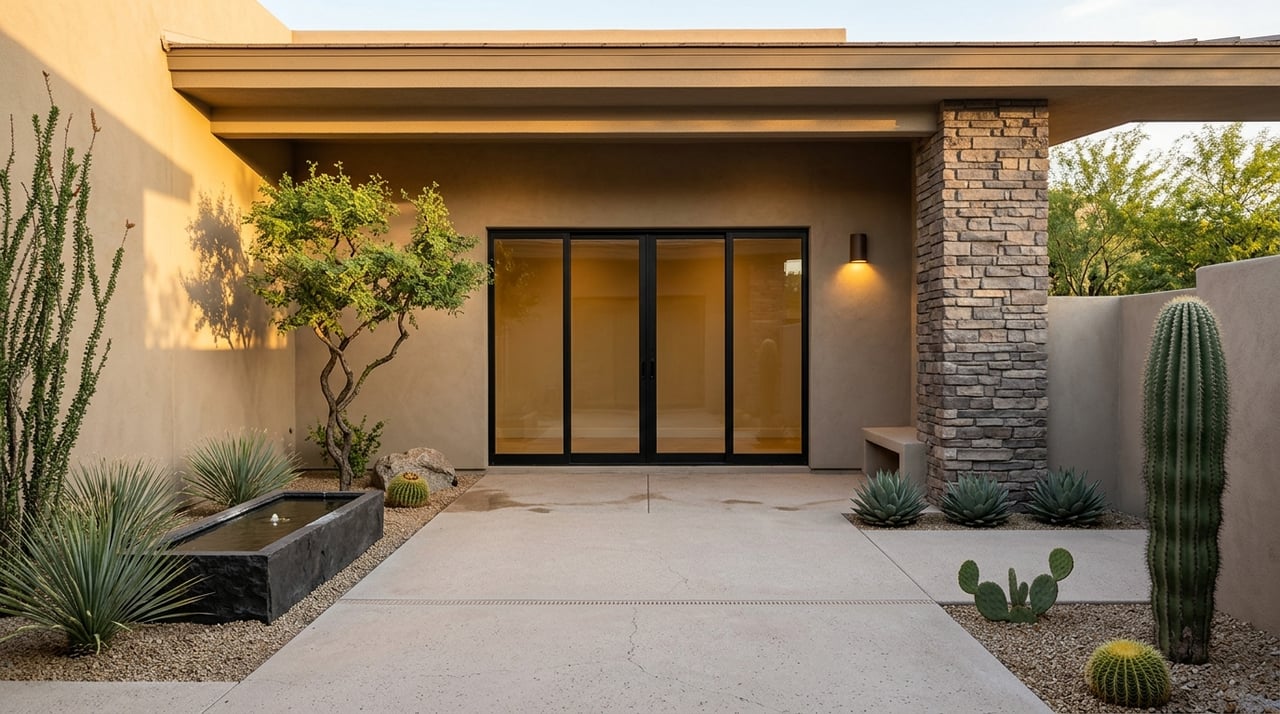
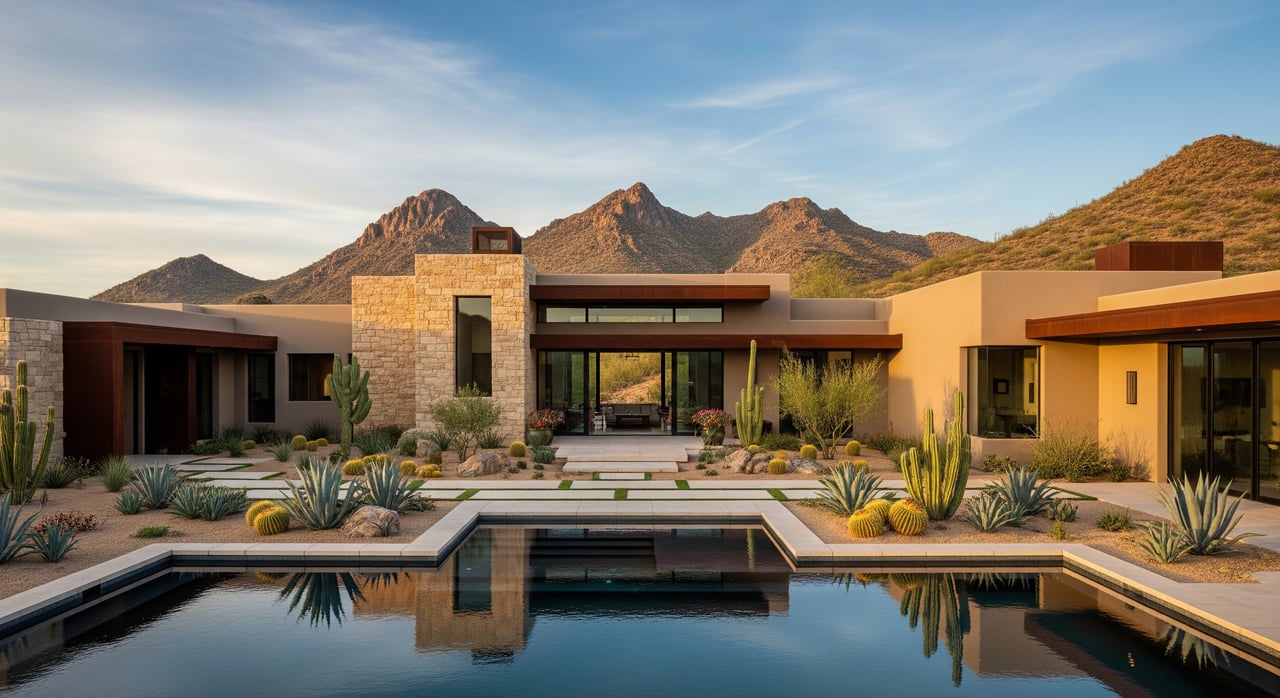
They use courtyards to create privacy.
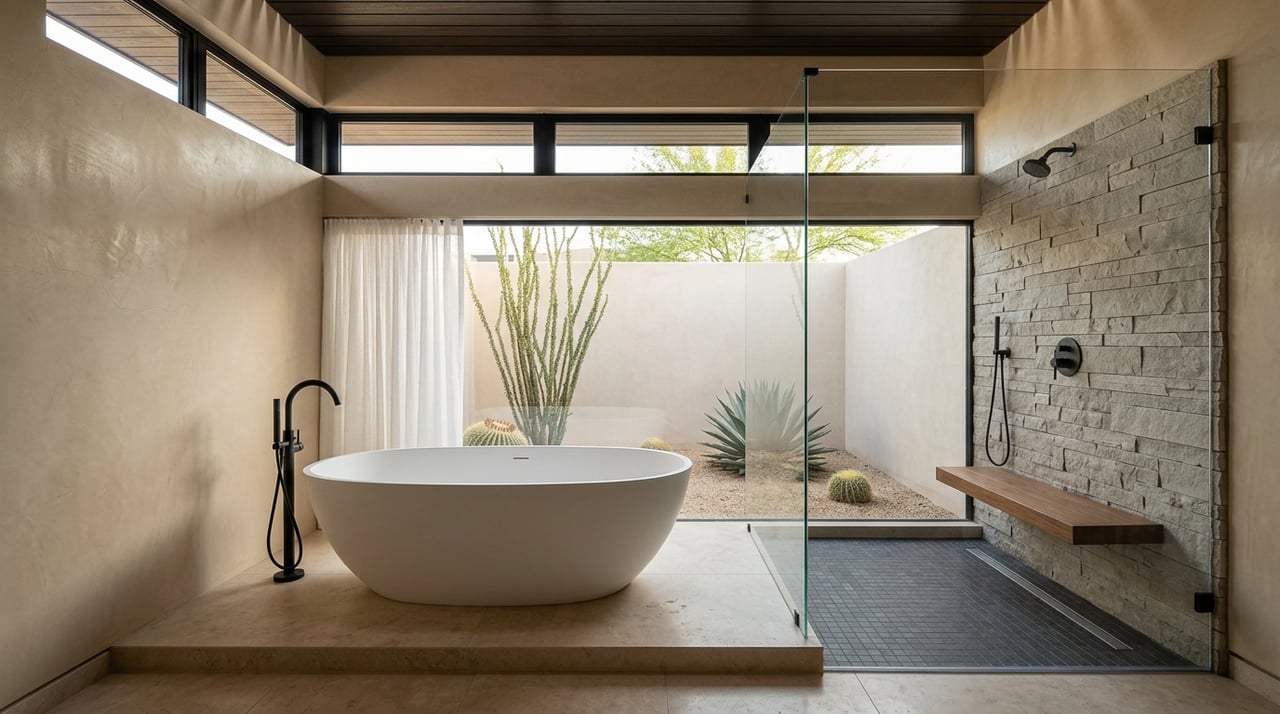
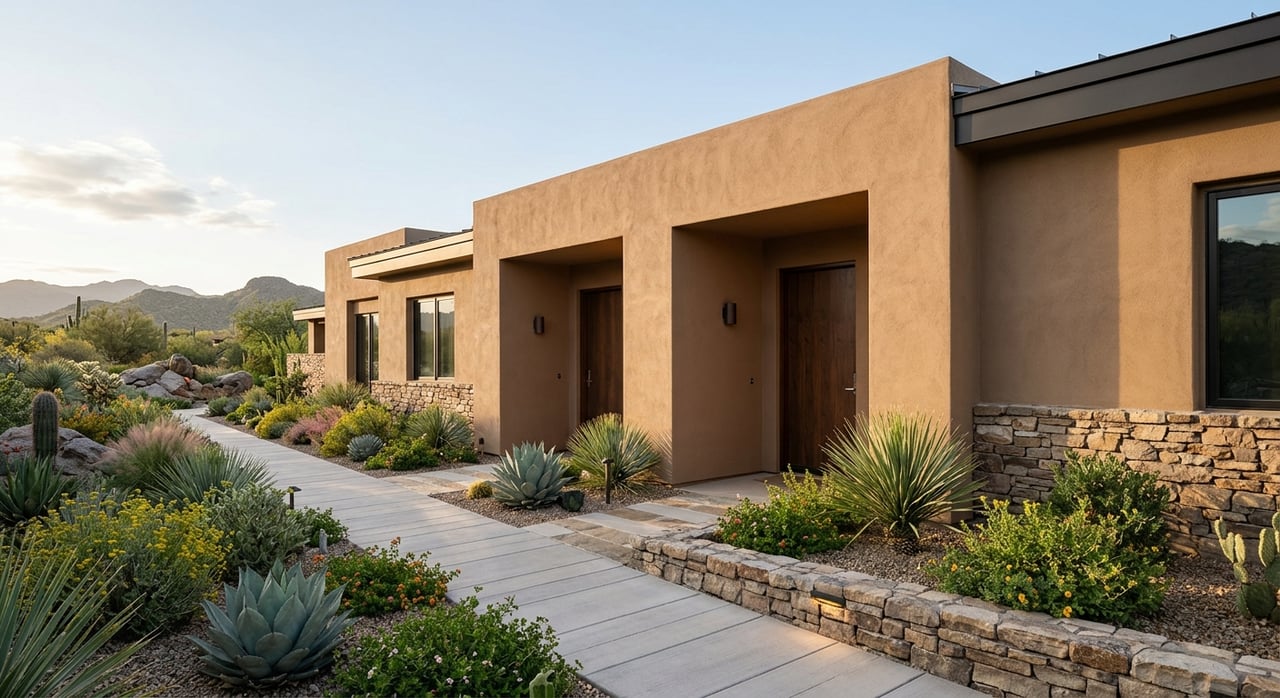
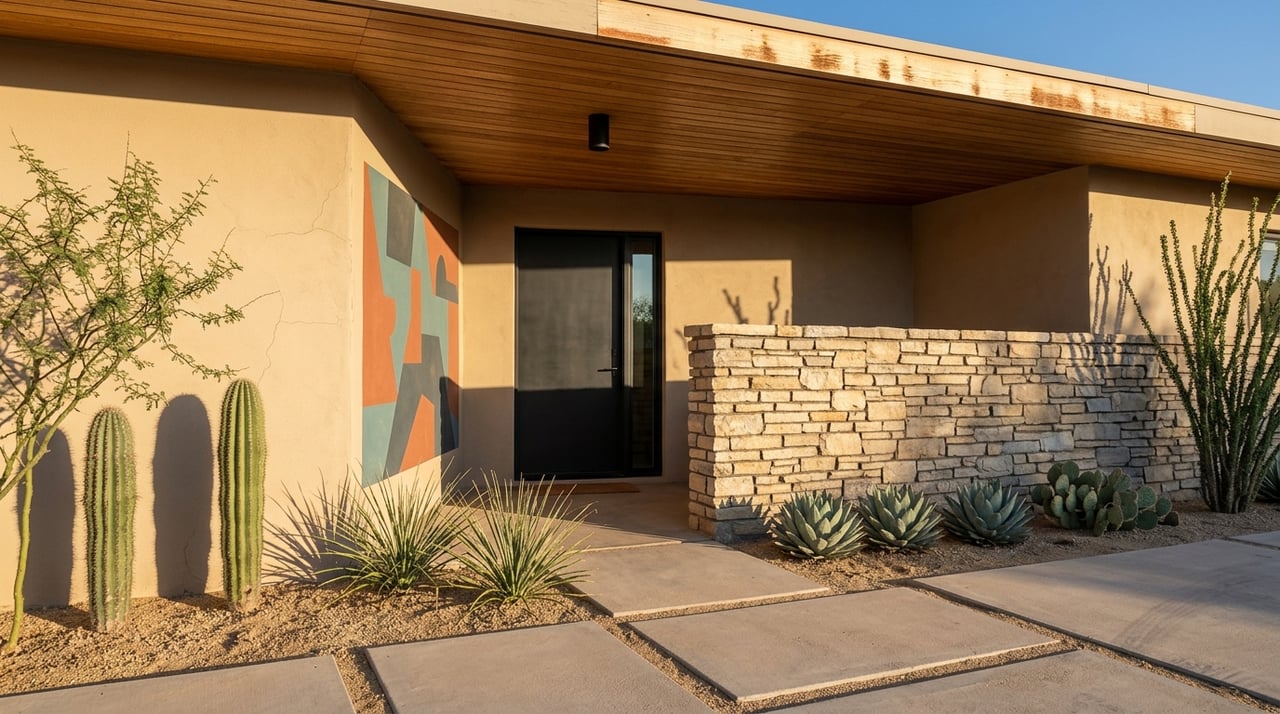
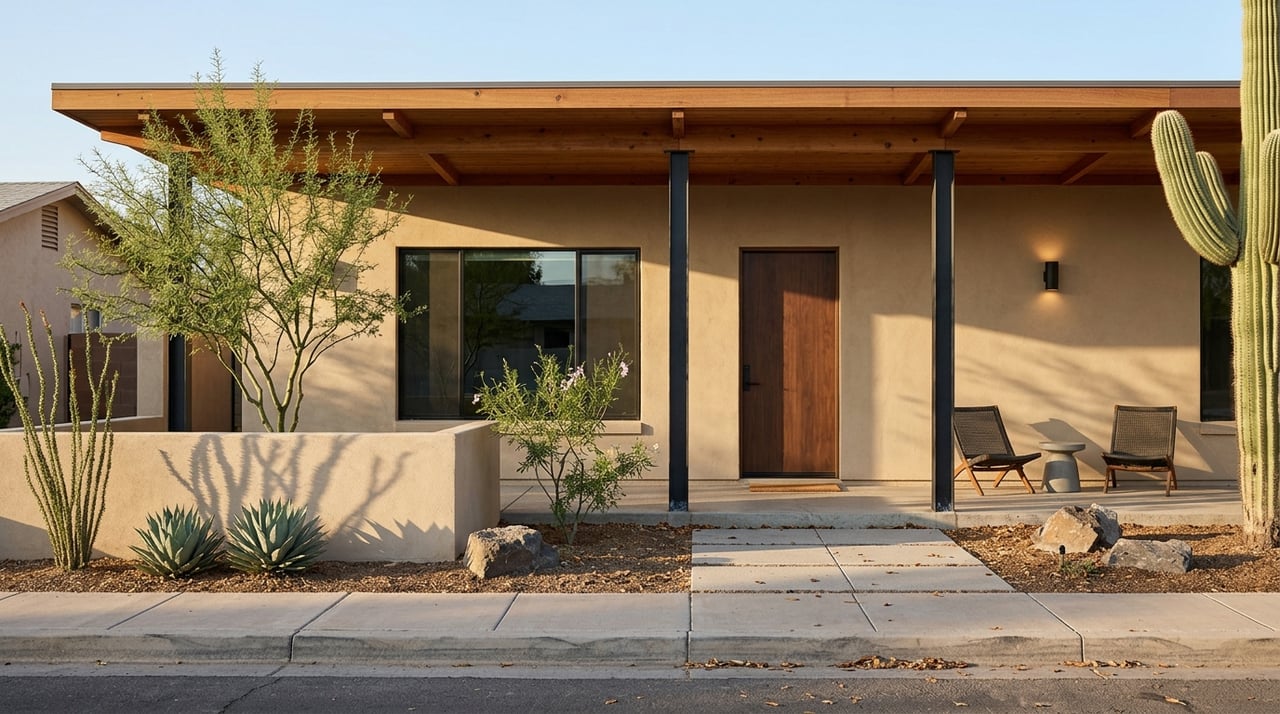
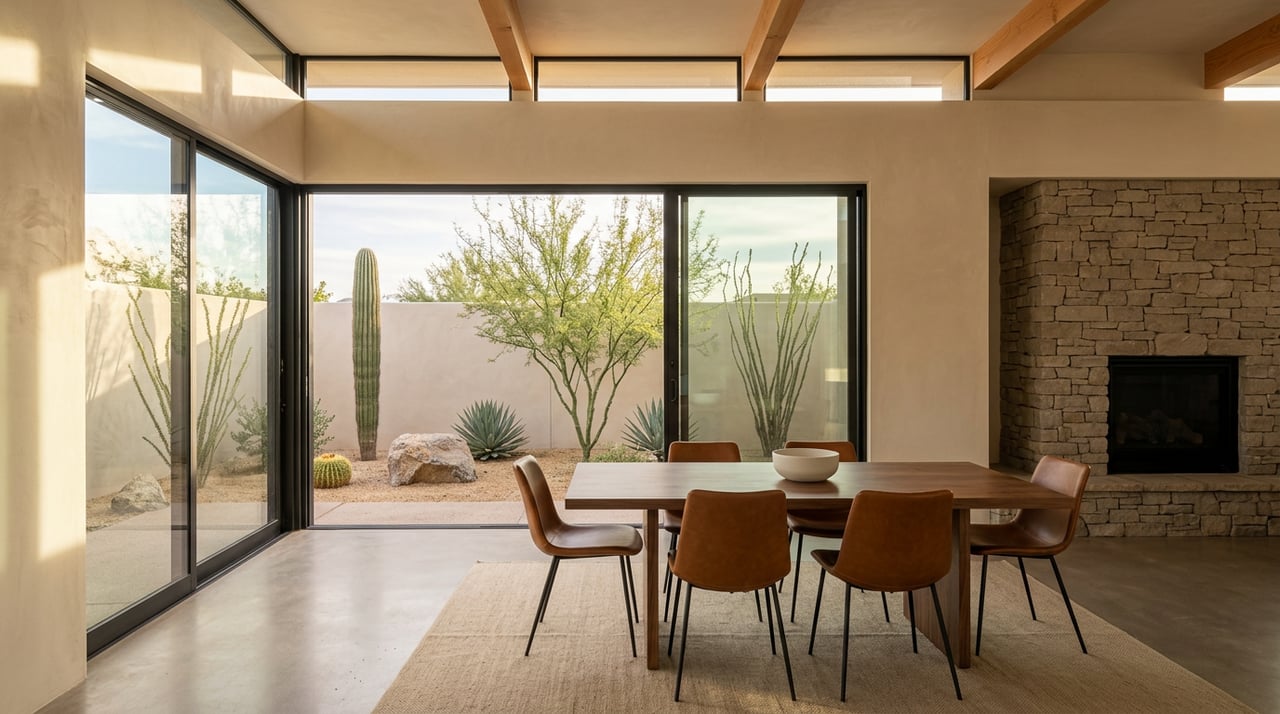
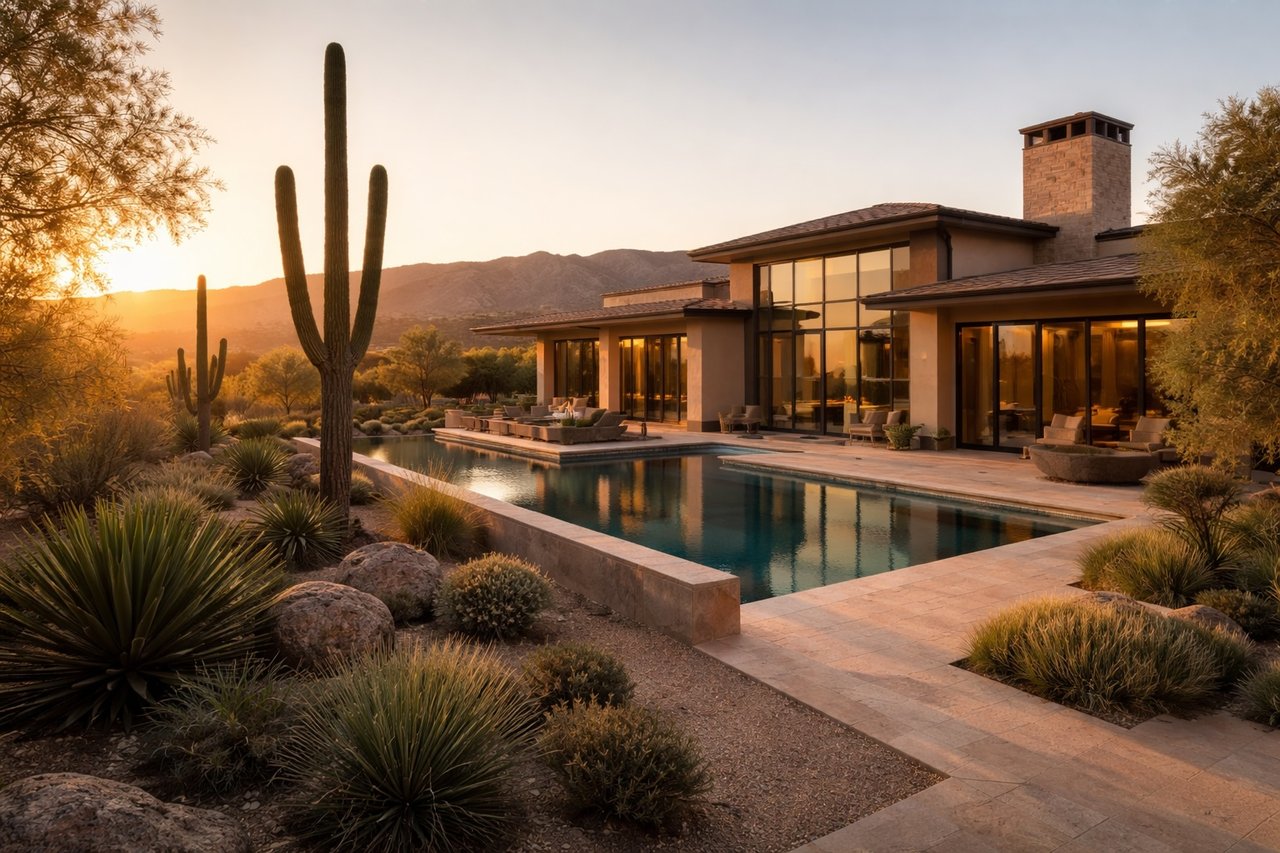
They borrow colors from soil, stone, mesquite, palo verde, ocotillo and evening light.
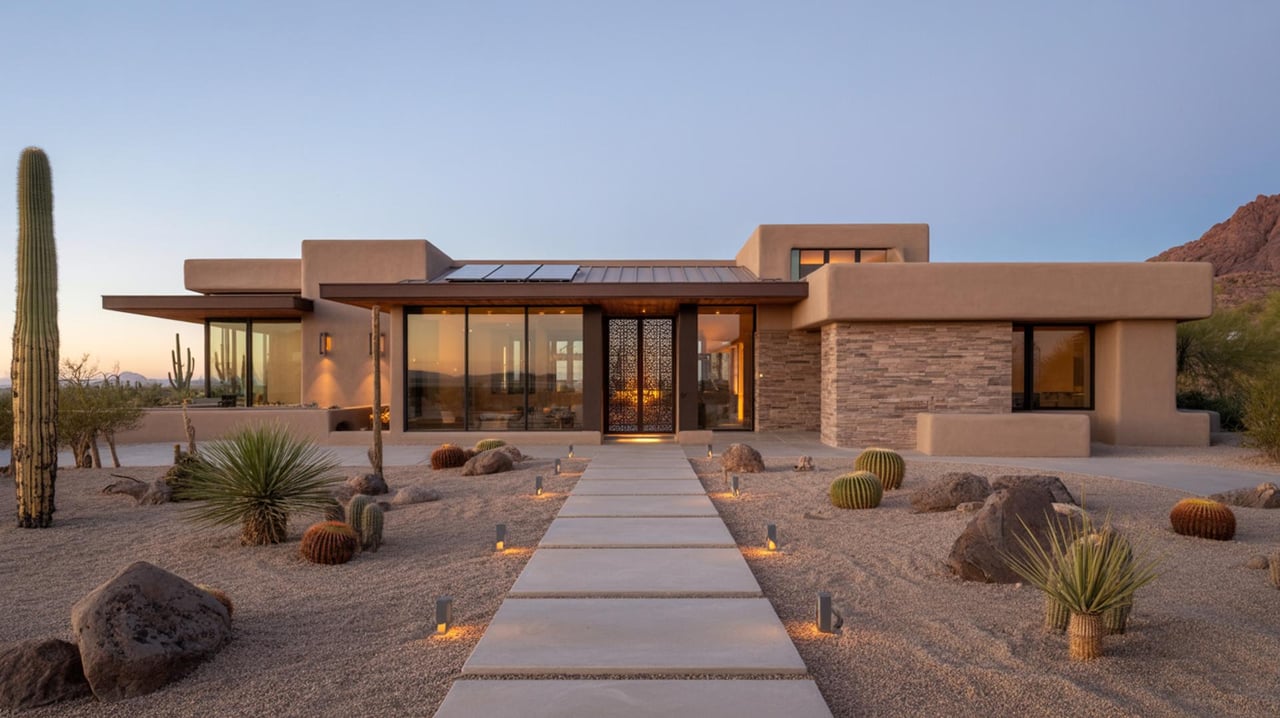
Adobe.
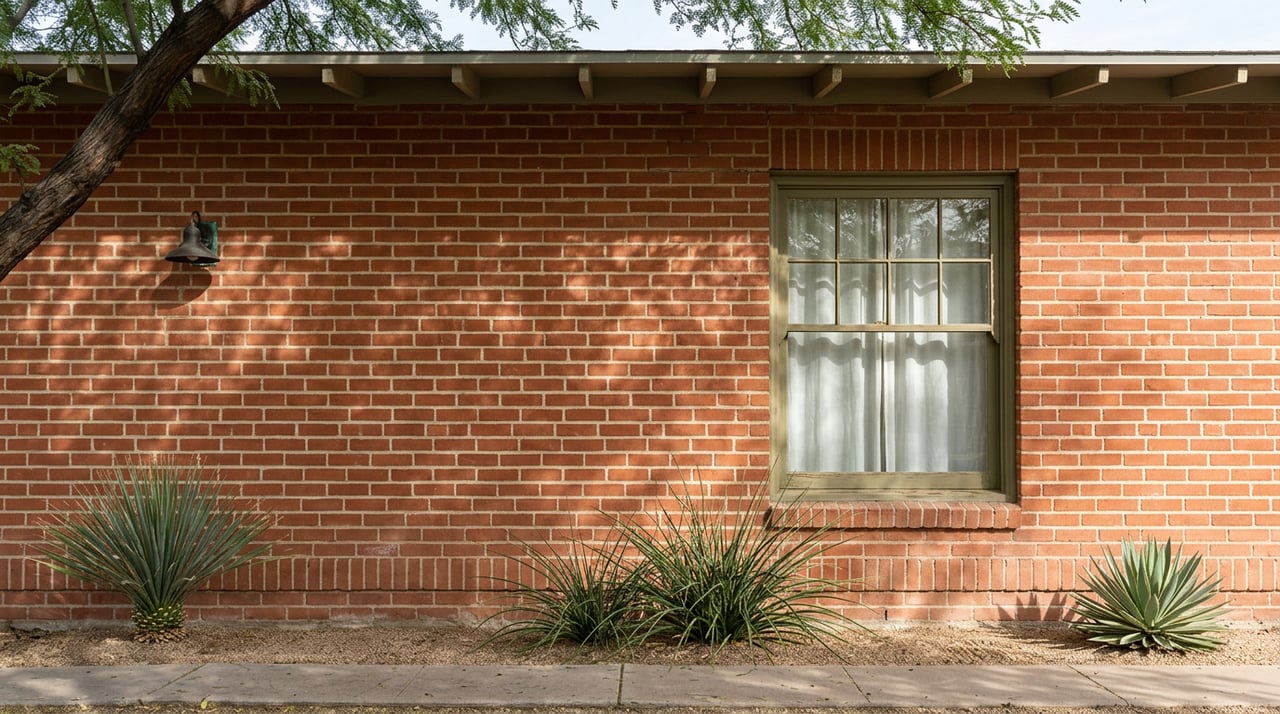
Burnt brick.
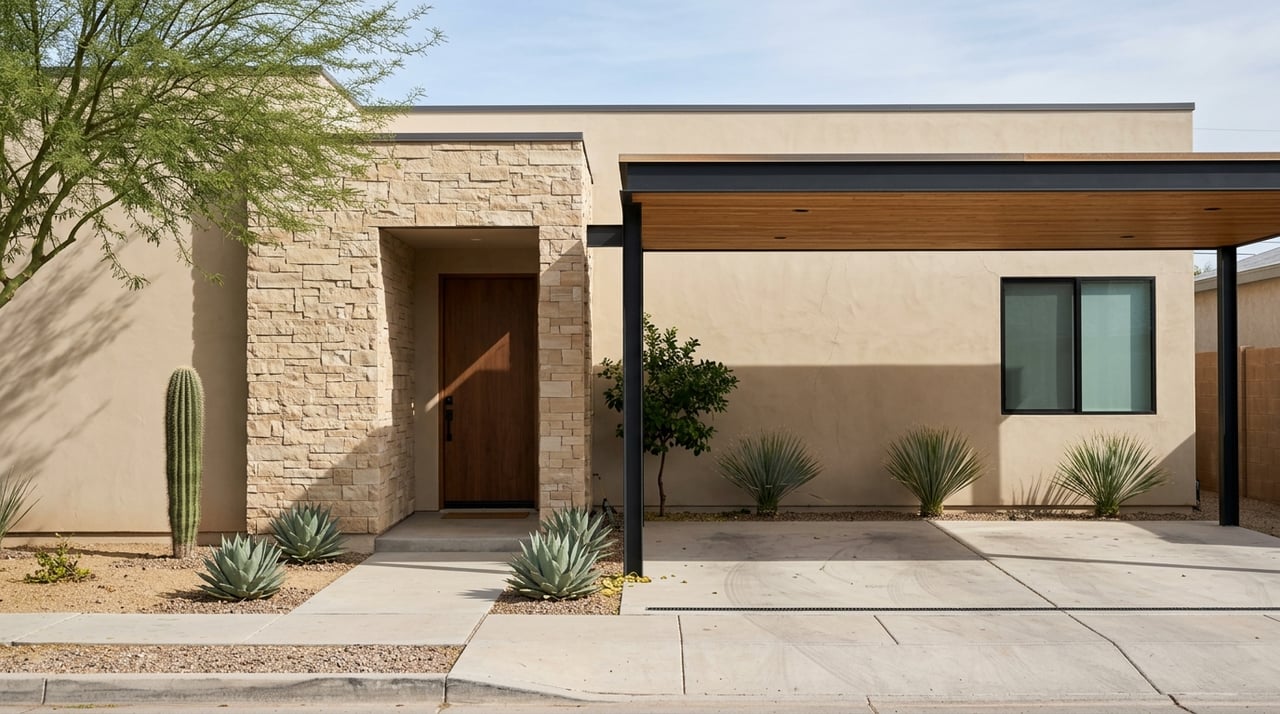
Concrete.
Steel.
Exposed beams.
Deep overhangs.
Shaded breezeways.
Carefully positioned windows.
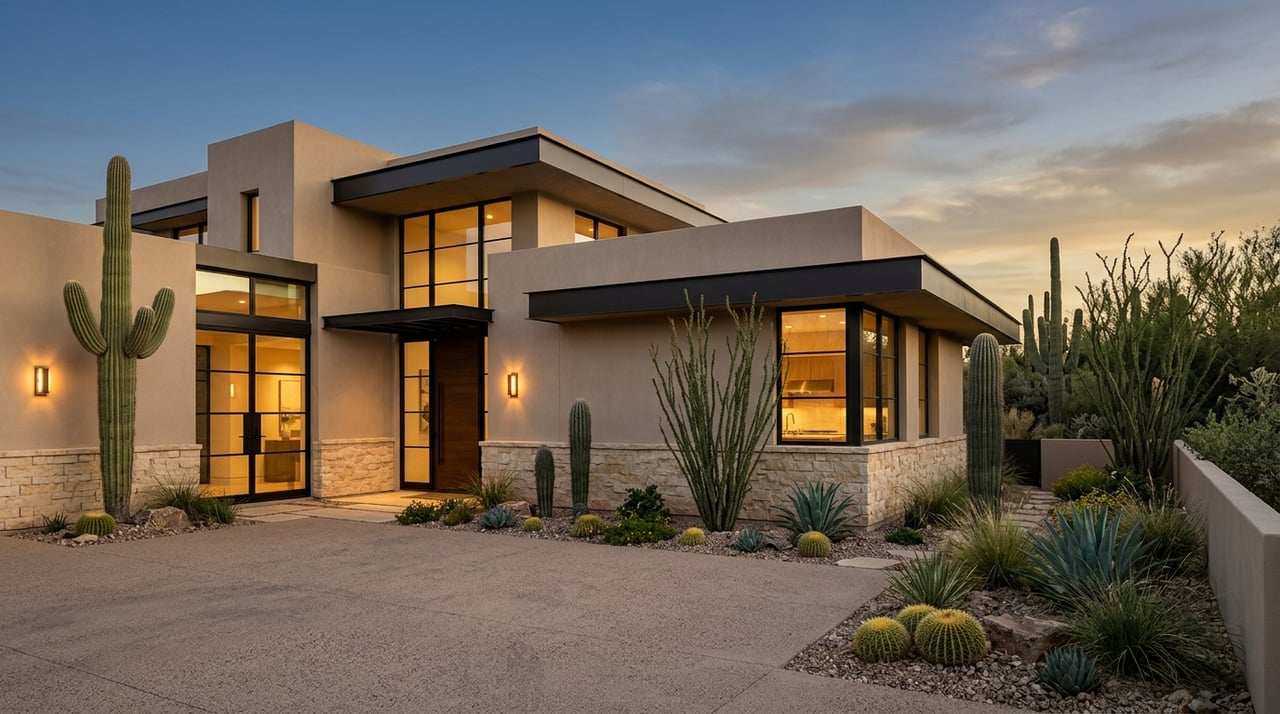
These aren't simply aesthetic choices in Southern Arizona.
They are part of an architectural language shaped by place.
And Tucson offers an extraordinary range of environments in which that language changes.
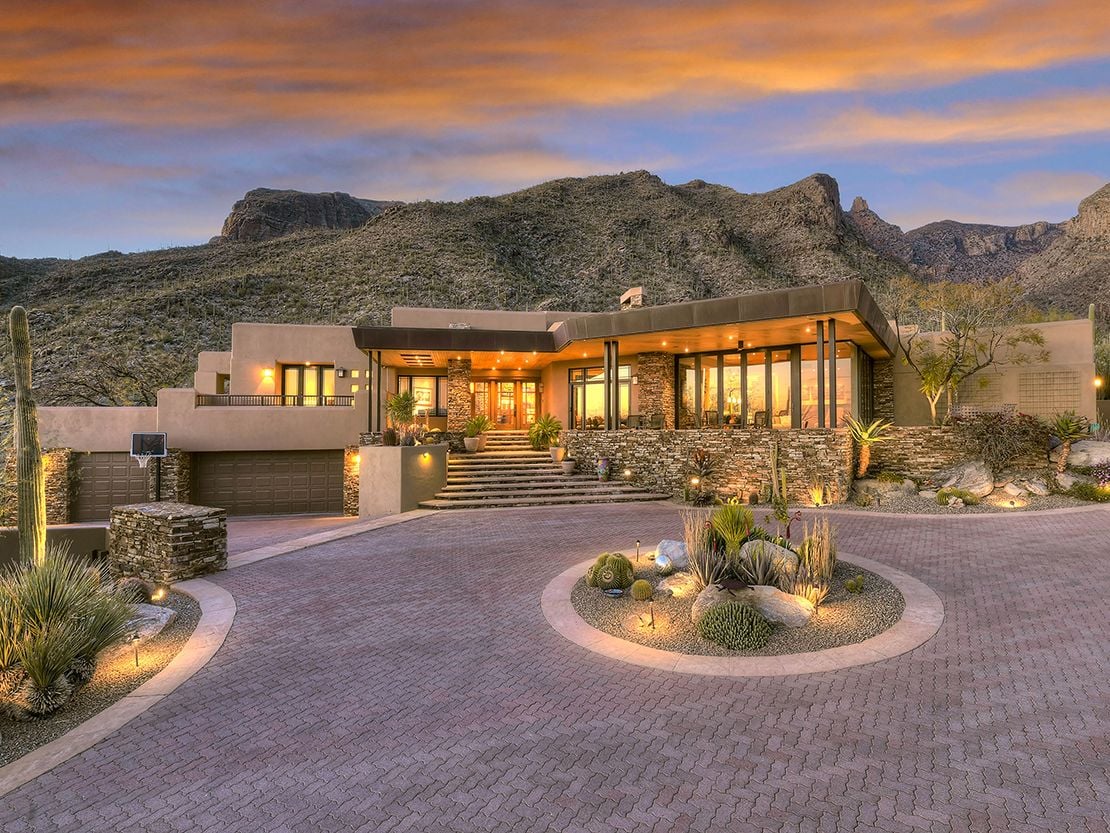
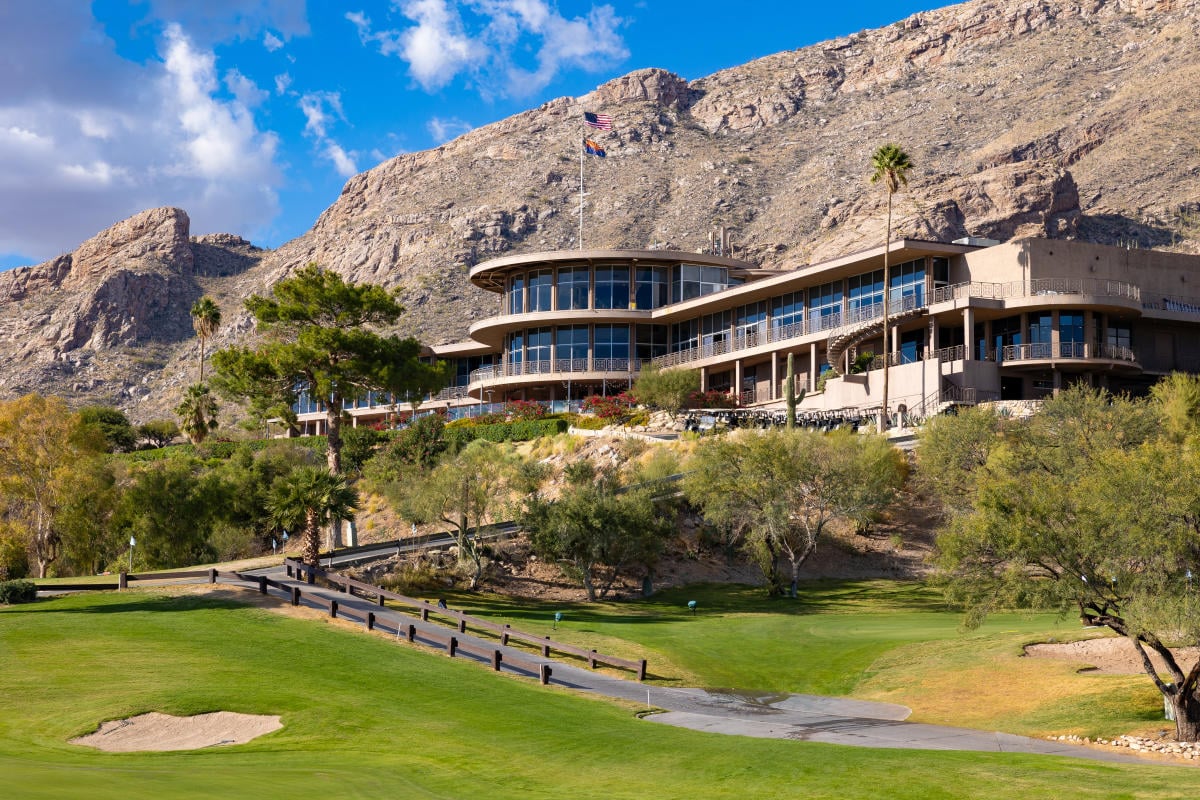
The Catalina Foothills feel different from Starr Pass.
Pima Canyon feels different from Ventana Canyon.
Skyline feels different from Oro Valley.
Homes near Sabino Canyon relate differently to the landscape than properties on Tucson's west side.
Views change.
Elevation changes.
Architecture changes.
Vegetation changes.
Even the quality and direction of light can change dramatically.
This is why buying or selling luxury real estate in Tucson requires more than simply understanding price per square foot.
A great Tucson property often derives significant value from things that aren't immediately captured in a spreadsheet.
Orientation.
Privacy.
Topography.
Architecture.
View corridors.
Landscape.
Provenance.
Lot position.
And the relationship between the house and the Sonoran Desert.
Why Selling a Distinctive Tucson Home Requires a Different Strategy
A conventional house can often be marketed conventionally.
A distinctive house cannot.
If a property has unusual architecture, exceptional interior design, significant art, important provenance, historic relevance, extraordinary views or a particularly compelling relationship with the desert, those elements need to be understood before they can be marketed.
This is where luxury representation becomes considerably more nuanced.
A listing can accurately state:
Four bedrooms.
Five bathrooms.
4,800 square feet.
Three-car garage.
Pool.
Mountain views.
Those facts are important.
But they are measurements.
They are not the story.
The job of a luxury listing agent should be to understand what creates value beyond the specifications.
What makes the house different?
What does a buyer need to understand?
What should be photographed?
What requires explanation?
What should be emphasized?
And sometimes just as importantly:
What should be left alone?
Sometimes the Best Real Estate Advice Is Knowing What Not to Change
Real estate naturally encourages improvement.
Before listing a home, sellers frequently repaint, remodel, declutter, replace fixtures, update landscaping and attempt to make the property broadly appealing.
Often, those improvements are absolutely appropriate.
But not always.
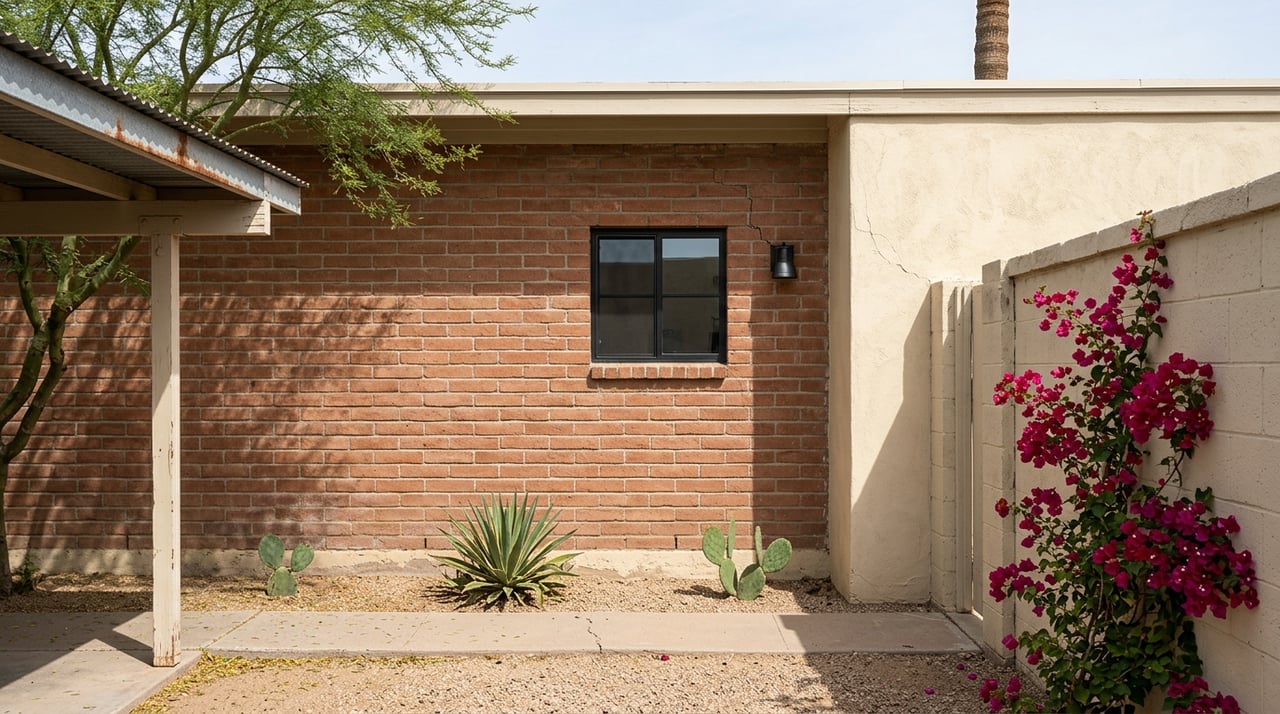
Some imperfections are defects.
Others are evidence.
Evidence that something was handmade.
Evidence that a material aged naturally.
Evidence that a property belongs to a certain architectural period.
Evidence that people actually lived there.
There is an important distinction between:
Patina and neglect.
Originality and obsolescence.
Character and deferred maintenance.
Knowing the difference can materially affect how a distinctive property should be prepared for market.
Sometimes renovation improves value.
Sometimes restoration is the better decision.
And sometimes the smartest move a seller can make is understanding what not to change before listing the house.
That judgment becomes especially important with historic residences, custom homes, architect-designed properties, mid-century houses and homes containing unusual architectural details.
My Discovery Test for Great Real Estate
I have developed a simple question I often think about when evaluating an interesting property:
Will this house still show me something new six months from now?
Great architecture passes that test.
Great art passes it.
Great furniture passes it.
The Sonoran Desert certainly passes it.
And the best homes combine those elements in ways that continually reward attention.
You begin noticing how morning light moves through a hallway.
You understand why an architect positioned a wall exactly where they did.
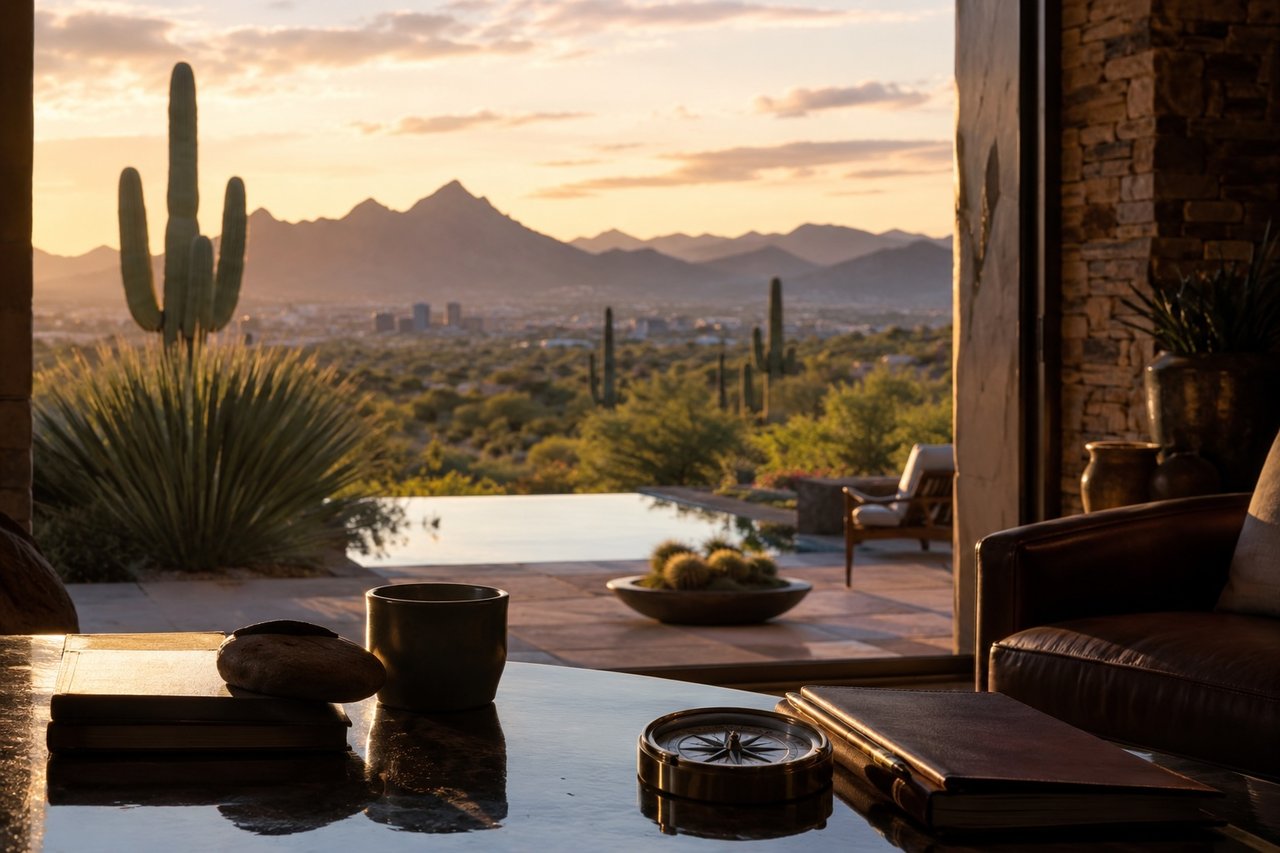
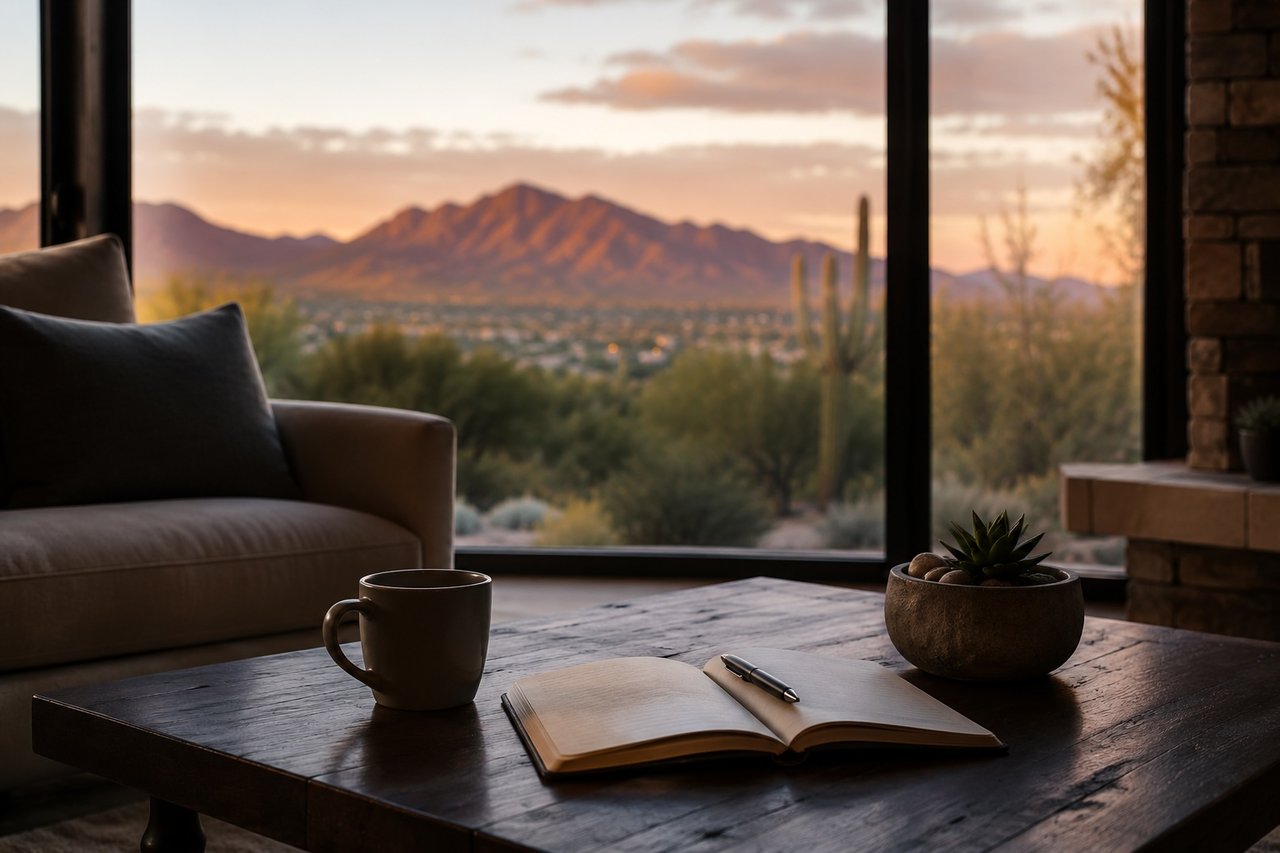
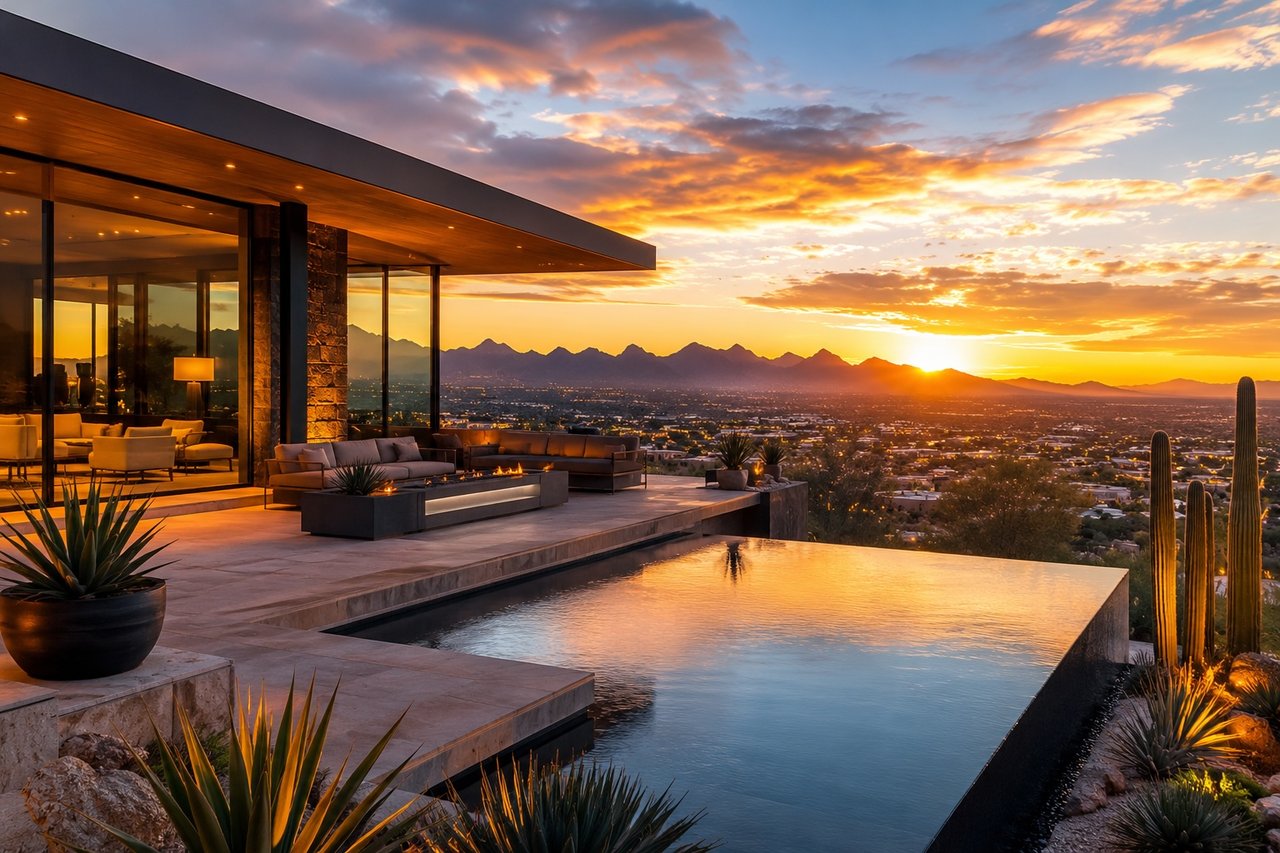
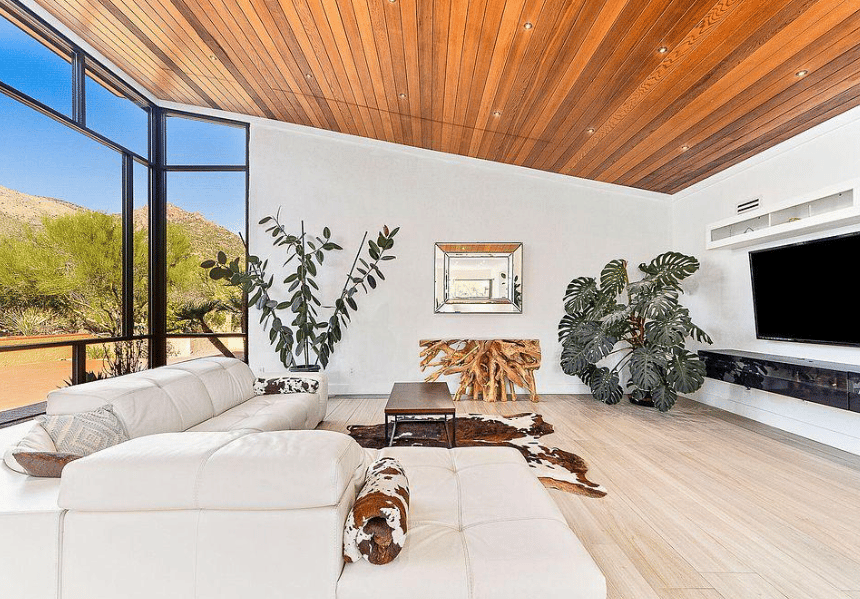
You realize a particular window frames the Catalina Mountains perfectly during sunset.
You notice a small piece of craftsmanship nobody mentioned during the showing.
You discover another detail in the landscape.
Those moments create attachment.
And attachment is ultimately what separates a house we admire from a place we cannot imagine leaving.
A Different Approach to Selling Luxury Homes in Tucson
When I meet with someone considering selling a distinctive Tucson home, one of the first questions isn't simply:
What is this house worth?
I also want to understand:
What makes this property impossible to replicate?
Pricing matters.
Presentation matters.
Photography matters.
Exposure matters.
Negotiation matters.
But positioning matters too.
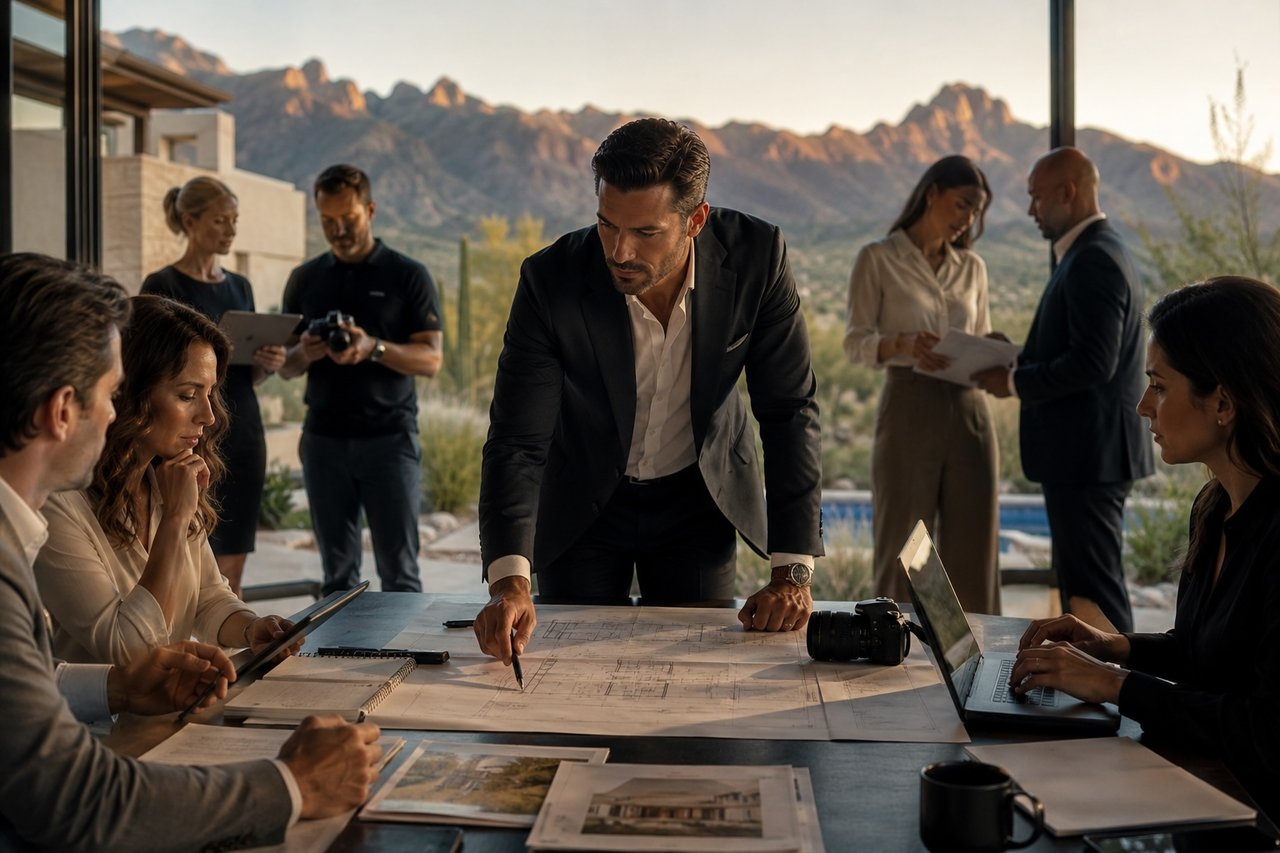
My approach to Tucson luxury home sales begins with understanding the architecture, setting, history, improvements, lifestyle and specific qualities that separate a property from competing homes.
Then the marketing strategy needs to communicate those qualities to the right audience.
That audience may be local.
But increasingly, Tucson luxury buyers come from outside Southern Arizona.
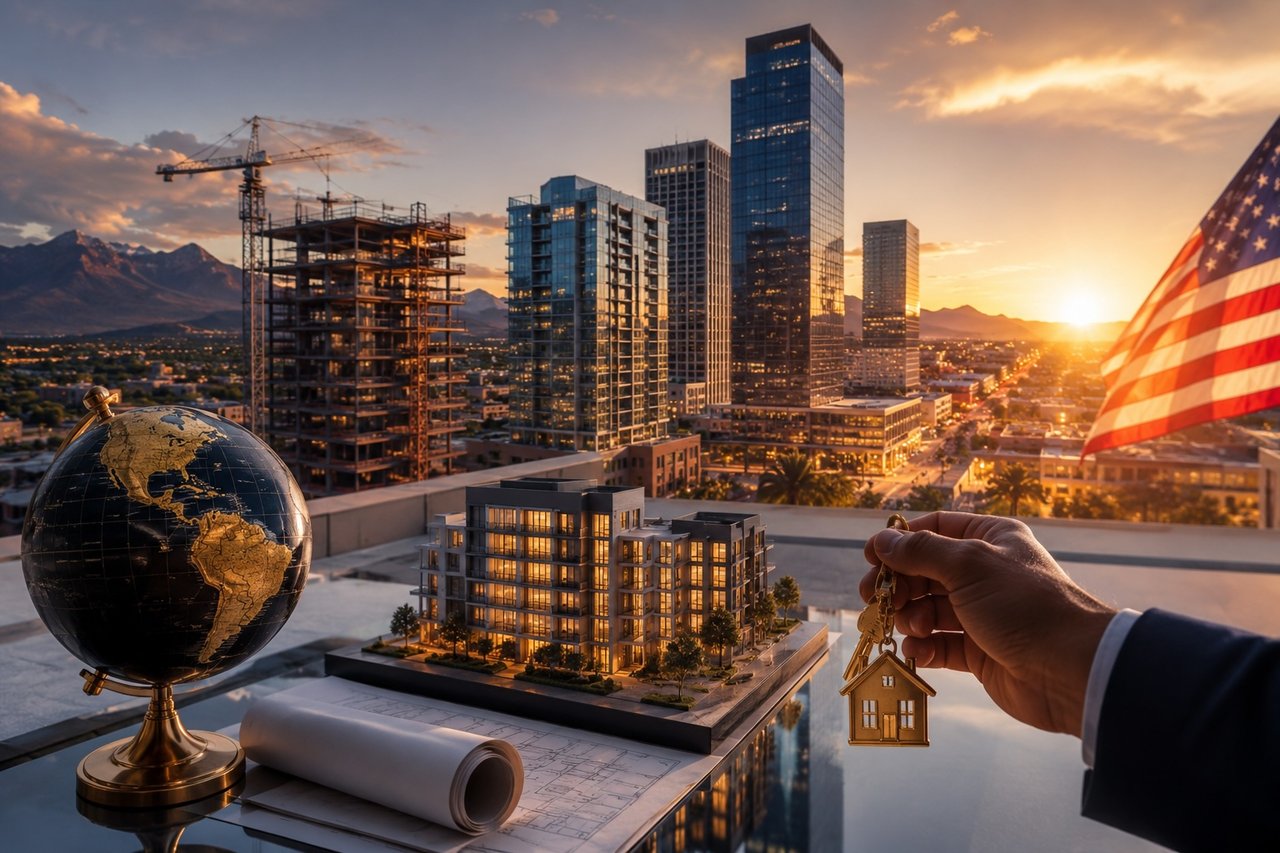
A buyer considering a home in the Catalina Foothills, Pima Canyon, Ventana Canyon, Starr Pass, Oro Valley or elsewhere in Tucson may currently live in California, Colorado, Texas, the Pacific Northwest, Chicago, New York or another major market.
They may be searching for:
A primary residence.
A second home.
More privacy.
More land.
Better winter weather.
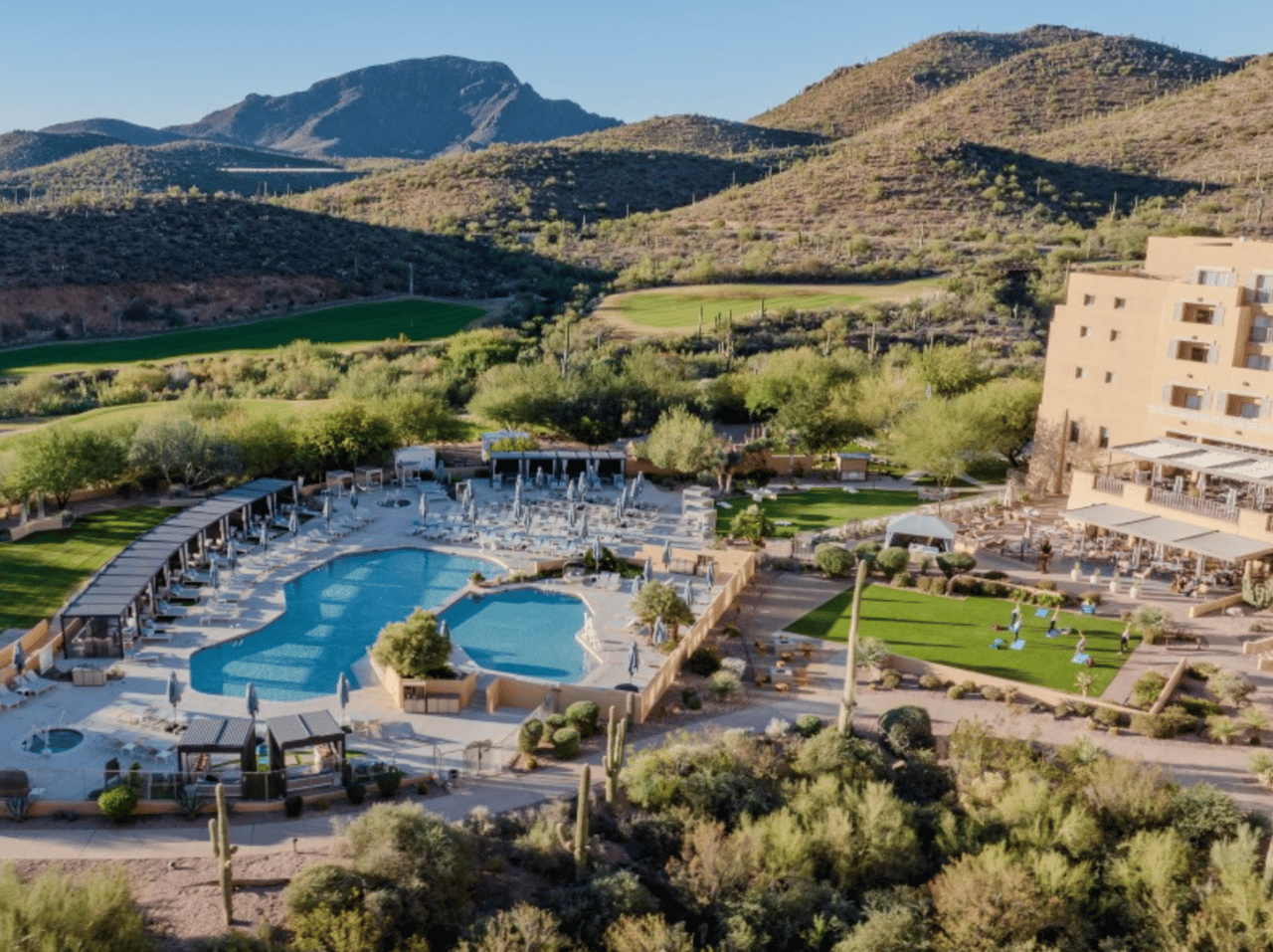
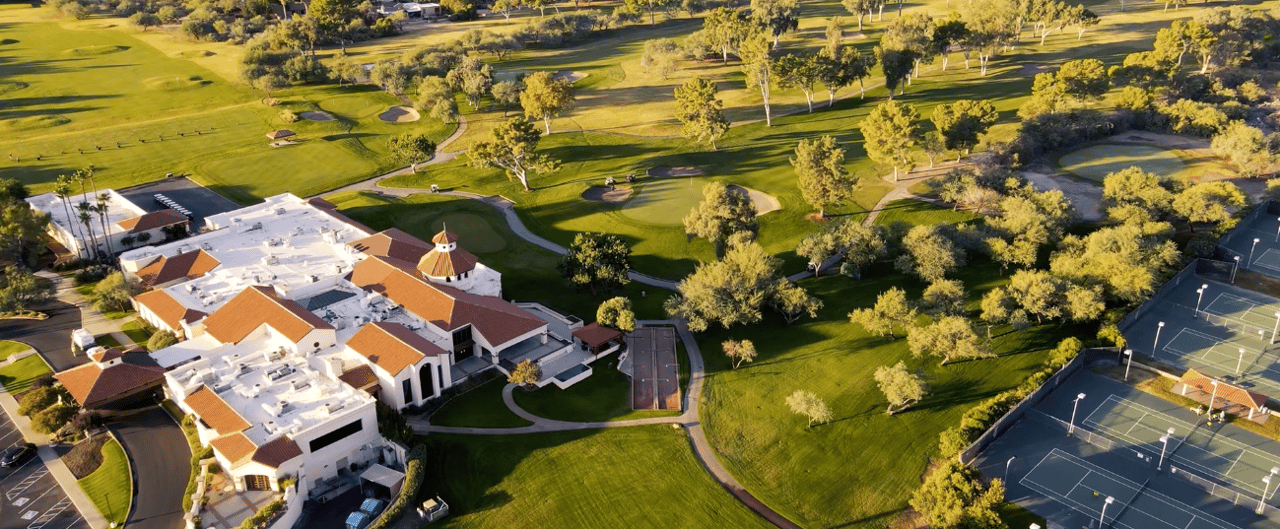
Golf.
Mountain views.
Architecture.
A slower pace of life.
Or simply a completely different relationship with their surroundings.
Marketing a Tucson luxury property therefore means thinking well beyond the immediate neighborhood.
For Luxury Buyers Relocating to Tucson
Tucson can appear deceptively simple when viewed through an online real estate search.
It isn't.
Two homes with similar prices and square footage can offer completely different experiences depending on location.
Elevation.
Orientation.
Traffic.
Views.
Architecture.
Lot configuration.
Sun exposure.
Topography.
Neighborhood.
Golf access.
Proximity to restaurants and amenities.
Even two properties separated by a relatively short distance can feel completely different.
That is where local representation matters.
A national search portal can show someone houses.
Local knowledge helps someone understand Tucson.
For buyers coming from another luxury market, my role is not simply to unlock doors.
It is to provide context.
Why does one Foothills location command a premium?
Why is one mountain view more valuable than another?
Which areas offer privacy?
Which homes feel architecturally important?
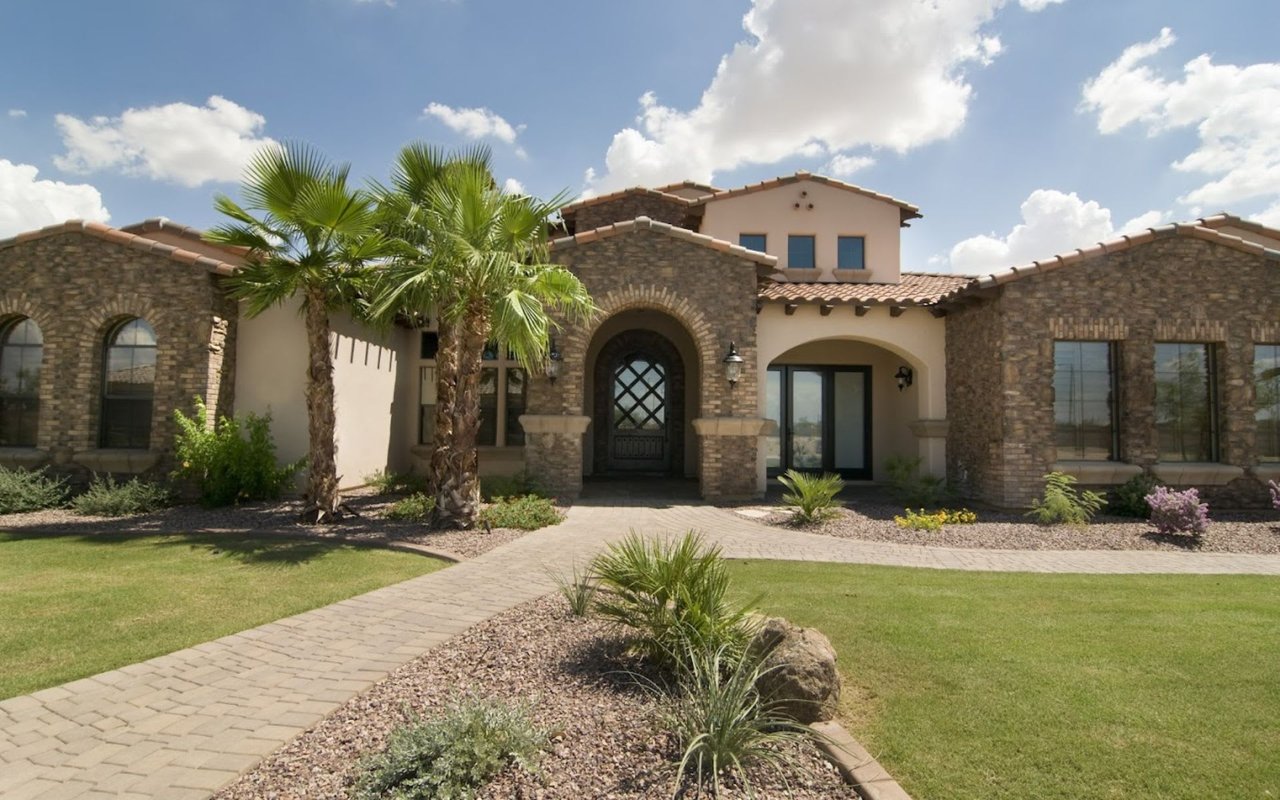
Where do custom properties differ from production homes?
How does west-facing exposure affect a house?
How important is elevation?
What should a buyer understand about Tucson's desert environment before purchasing?
These are the questions that begin separating real estate information from real estate knowledge.
A Tucson Real Estate Referral Partner for Agents Across the United States
Real estate relationships increasingly cross state lines.
Someone relocating to Tucson may already have an excellent Realtor in California, Colorado, Texas, Washington, Illinois, New York, Florida or elsewhere in the country.
That relationship should be respected.
If you are already working with a trusted real estate professional elsewhere, I welcome the opportunity to work collaboratively with that agent through a professional referral relationship.
The concept is simple:
Your agent knows you.
I know Tucson.
Those two relationships can work together.
For real estate professionals outside Arizona, I welcome introductions to clients who need experienced local representation in Tucson and Southern Arizona.
That may include clients who are:
- Relocating to Tucson
- Purchasing a luxury home
- Buying a second residence
- Moving to the Catalina Foothills
- Considering Oro Valley
- Purchasing near Ventana Canyon or Pima Canyon
- Looking for golf-course property
- Searching for architecturally distinctive homes
- Selling a Tucson property while living elsewhere
- Handling an inherited property
- Selling through an estate or trust
- Seeking discreet local representation
- Exploring a move to Southern Arizona before formally beginning a search
When another real estate professional refers a client to me, I understand exactly what is being entrusted to me.
It is not simply a transaction.
It is a relationship.
My responsibility is to communicate well, protect that relationship and take exceptional care of the client locally.
Through Russ Lyon Sotheby's International Realty and the broader relationships associated with the Sotheby's International Realty brand, luxury real estate naturally extends beyond city and state boundaries.
That national and international perspective matters when clients are moving between markets.
For Tucson Luxury Home Sellers
If you own a distinctive property and are considering selling your home in Tucson, there are several questions worth asking before choosing representation.
Does the agent understand what actually makes the property different?
Can they articulate it?
Can they position it beyond bedroom and bathroom counts?
Can they distinguish between an improvement that creates value and one that eliminates character?
Can they market the property to someone who doesn't yet understand Tucson?
Can they explain the home's architecture, neighborhood and lifestyle intelligently?
Can they communicate with sophisticated buyers and their advisors?
Can they recognize when a home requires a different marketing approach?
Luxury real estate isn't simply defined by price.
It can also be defined by rarity.
Architecture.
Land.
Privacy.
History.
Views.
Design.
Location.
And sometimes, by a quality much harder to explain:
A house simply has something about it.
Identifying that "something" and communicating it effectively is where real estate marketing becomes interesting.
Why Architecture and Design Matter in Real Estate
My interest in architecture, interiors, furniture and art isn't separate from my work in real estate.
It informs it.
Understanding why people respond emotionally to space helps me understand buyers.
Understanding architecture helps me evaluate property.
Understanding design helps me recognize what should be emphasized.
Understanding provenance helps me recognize when something deserves additional research.
Understanding Tucson's landscape helps me recognize why some houses belong to their sites more successfully than others.
A great house is rarely just a structure.
It is architecture interacting with landscape, objects, people, light and time.
That relationship becomes especially powerful in Tucson.
Intellectual Maximalism Is Really About Attention
When I first began thinking about Intellectual Maximalism, I thought it was primarily a philosophy about homes.
Architecture.
Art.
Furniture.
Objects.
History.
The layering of things with meaning.
But the more I think about it, the more I realize the philosophy begins somewhere simpler.
It begins with attention.
Why does one concrete wall stop me in my tracks while another leaves me cold?
Why can an old chair hold my attention longer than something costing ten times as much?
Why does a hand-finished wall, an ancient tree, a piece of imperfect pottery or an unexpected architectural opening sometimes become the thing I remember most?
Because beauty becomes more powerful when there is something behind it.
Something to investigate.
Something to understand.
Something that rewards curiosity.
That, to me, is Intellectual Maximalism.
Not the pursuit of more possessions.
Not maximalism simply for the sake of maximalism.
Not expensive objects assembled merely to demonstrate status.
It is the pursuit of:
More meaning.
More curiosity.
More contradiction.
More discovery.
More to understand.
And perhaps that is where my own definition of luxury real estate is heading as well.
Less about immediately recognizing what something costs.
More about wondering why you cannot stop looking at it.
Distinctive Real Estate Deserves to Be Understood
Whether I am helping a longtime Tucson homeowner prepare a distinctive property for sale, introducing an out-of-state buyer to Southern Arizona, representing someone searching for architecture rather than simply square footage, or working with another real estate professional who needs a trusted referral partner in Tucson, the underlying philosophy remains the same.
Pay attention.
Understand the property.
Understand the people.
Understand the market.
And identify what actually matters.
Because exceptional real estate deserves more than exposure.
It deserves to be understood.
About Daniel Sotelo
Daniel Sotelo is a Tucson real estate professional with Russ Lyon Sotheby's International Realty, representing buyers and sellers throughout Tucson and Southern Arizona.
His work includes luxury real estate, distinctive homes, architecturally interesting properties, relocation buyers and sellers, and clients referred by real estate professionals throughout the United States.
Daniel's approach to real estate is informed by his interest in architecture, interior design, art, furniture, landscape and the qualities that make exceptional homes difficult to replicate.
Areas of focus include the Catalina Foothills, Tucson Foothills, Pima Canyon, Ventana Canyon, Skyline, Sabino Canyon, Starr Pass, Oro Valley and surrounding Southern Arizona communities.
If you are considering selling a luxury or distinctive Tucson property, relocating to Southern Arizona, purchasing a second home, or are a real estate professional looking for a trusted Tucson referral partner, Daniel welcomes the conversation.
Daniel Sotelo
Russ Lyon Sotheby's International Realty
Tucson Luxury Real Estate