Beyond the Guesthouse: Why Compound Living May Be the Future of Tucson Luxury Real Estate
By Daniel Sotelo, Russ Lyon Sotheby’s International Realty
The short answer
Compound living is an emerging real estate model in which several independent residences share one thoughtfully planned property. Unlike a traditional house with a guesthouse, a residential compound might include a primary residence, two guest homes, an accessory dwelling unit, caregiver quarters and shared amenities. For Tucson luxury real estate, this model could become increasingly valuable as families combine resources, prepare for the cost of aging and seek connection without sacrificing privacy.
Recently, I was speaking with my financial advisor about something he is seeing among older generations. Many people are holding substantially more cash—not necessarily because they are afraid to invest, but because they are preparing for the potentially enormous cost of aging.
Depending on the location, intensity and duration of care, a household can spend $10,000, $20,000 or even $30,000 in a month. The national median cost of assisted living reached $6,200 per month in 2025, while a private room in a nursing home reached $10,798 per month. Around-the-clock private care can push the expense considerably higher. Even a carefully accumulated nest egg can be depleted much faster than most families anticipate.
That conversation made me think about what may be coming next in real estate—particularly in the Tucson luxury market.
For years, the answer to multigenerational living has been a larger house, an extra bedroom or perhaps a detached guesthouse. I do not believe that will always be enough. What I believe is coming down the road is something broader and more intentional: compound living.
The future may not be one larger house. It may be several independent homes on one property, financed and owned by the people who have chosen to build their future together.
What is compound living?
Compound living brings multiple independent residences together on a single property. It allows parents, adult children, siblings, close friends or caregivers to live near one another while maintaining separate households.
A Tucson residential compound might include:
- A primary residence and two detached guest homes
- A main house, a guesthouse and an accessory dwelling unit
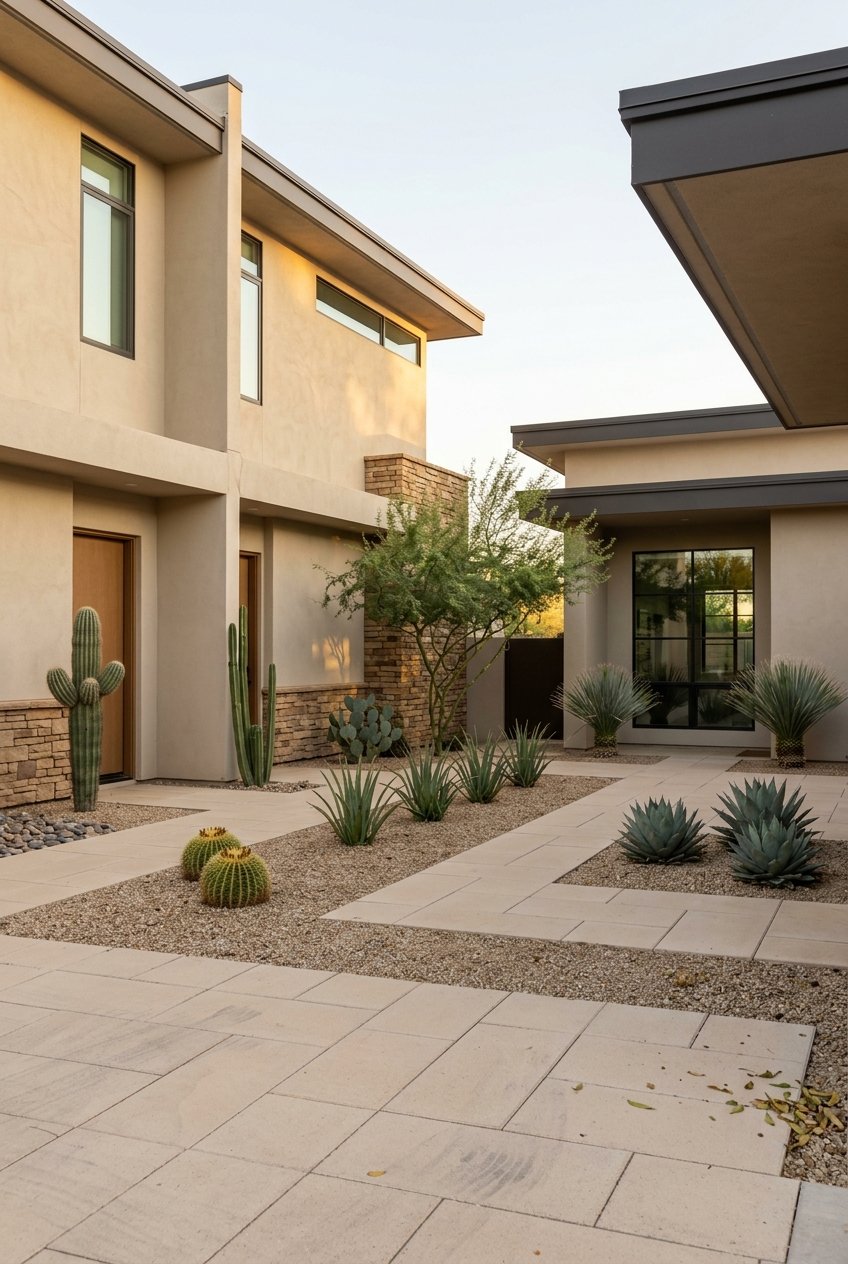
- Several smaller residences arranged around a central courtyard
- A private home for aging parents and another for a caregiver
- Separate garages, kitchens, entrances and outdoor areas
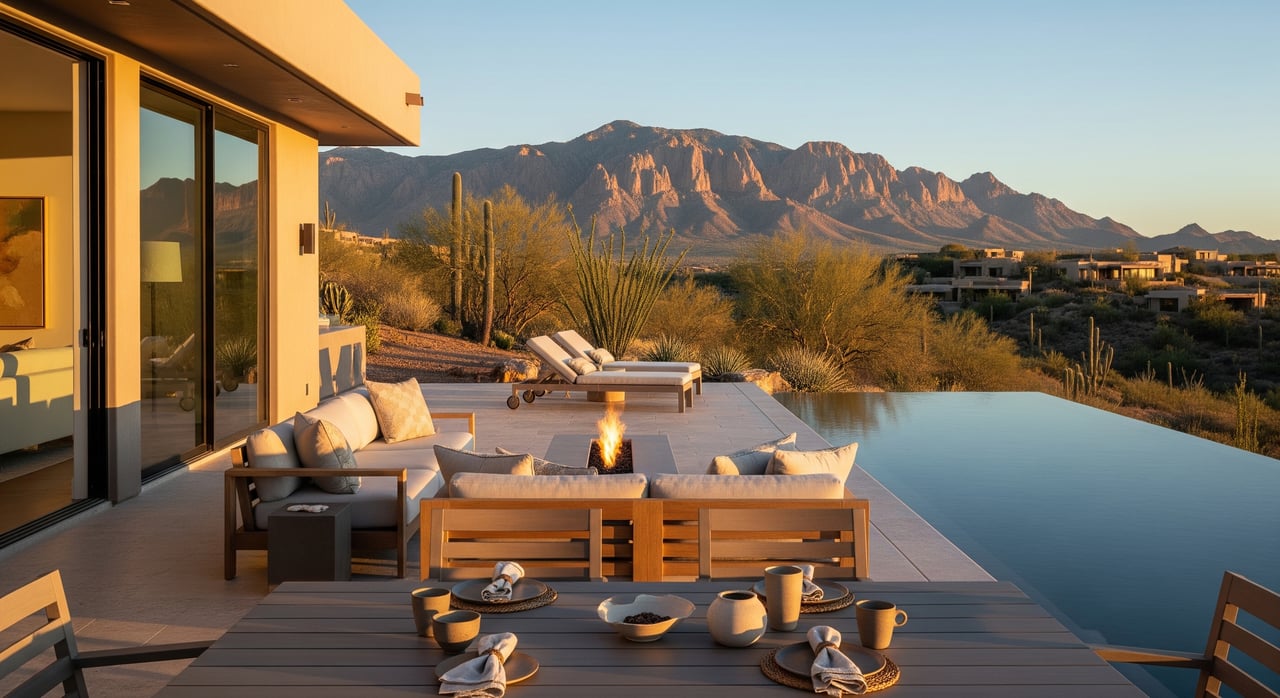
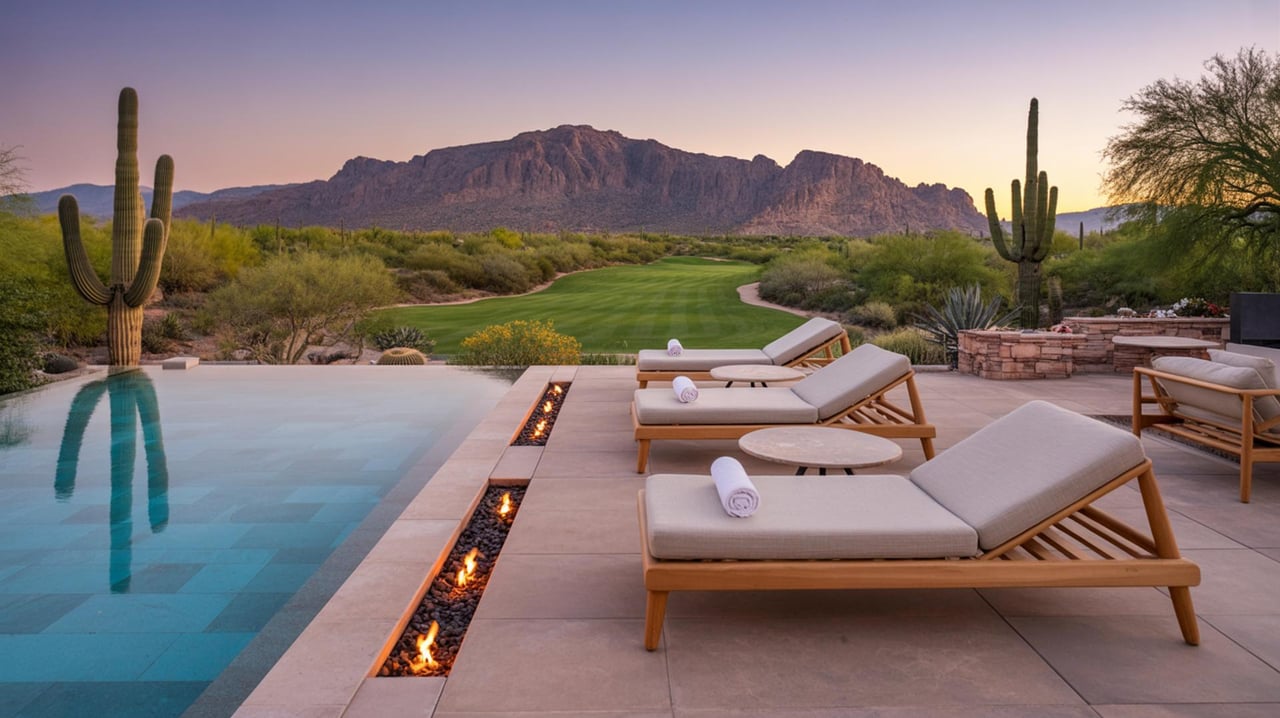
- Shared amenities such as a pool, garden, fitness space or entertaining pavilion
This is not about crowding more people into one oversized residence. It is about creating several complete living environments within one cohesive piece of real estate.
Each household can have privacy, autonomy and a front door of its own. At the same time, the property creates proximity, shared responsibility and a built-in support system.
Why compound living could become a major real estate trend
Several forces are beginning to converge: the cost of aging, housing affordability, the transfer of generational wealth and a growing desire for stronger community.
Older adults want to remain independent, but many do not want to age in isolation. Adult children may want to help their parents without managing care from across town—or across the country. Families may also recognize that separately purchasing and maintaining several homes duplicates expenses and divides resources.
Compound living offers another possibility.
Instead of preserving every available dollar for a future care facility, a family might choose to invest part of its resources into real estate that supports aging, caregiving and long-term independence. An older parent could occupy one residence, adult children could live in another, and a third unit could accommodate a caregiver or future family need.
Professional care may still become necessary. The difference is that the property would already be designed to support it.
In that sense, the real estate itself becomes part of the family’s long-term care strategy.
Why one guesthouse may no longer be enough
The traditional main house and guesthouse arrangement generally serves one additional household. The next generation of luxury buyers may require substantially more flexibility.
Imagine a Tucson property where aging parents occupy a private casita, an adult child and their family live in the primary residence, and a second detached unit is available for a caregiver, sibling, long-term guest or another generation.
Those uses could change over time. A residence occupied by an adult child today could accommodate a parent later. Caregiver quarters could eventually become a private office, guest residence or separate living space for another family member.
That adaptability is part of the value. The property is not designed around one moment in a family’s life. It is designed to evolve across decades.
For luxury buyers, the most desirable property may not necessarily have the largest primary residence. It may have the right land, zoning, infrastructure and configuration to support several independent homes.
Why Tucson is positioned for compound living
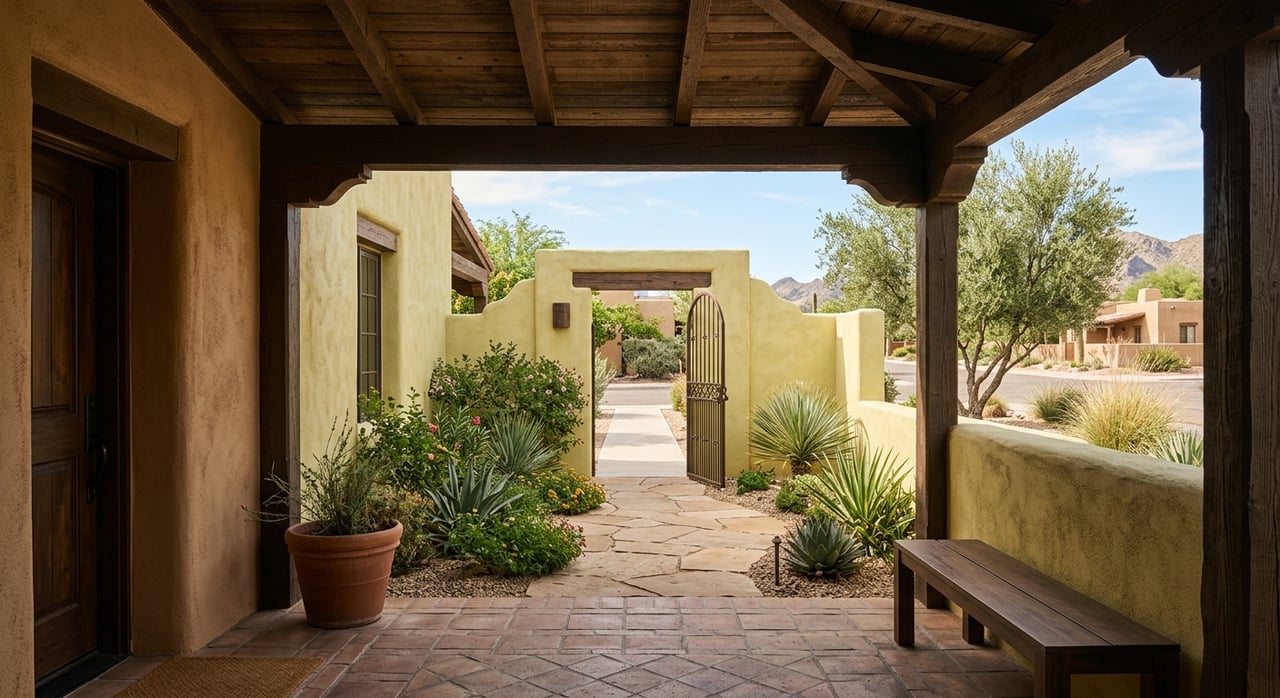
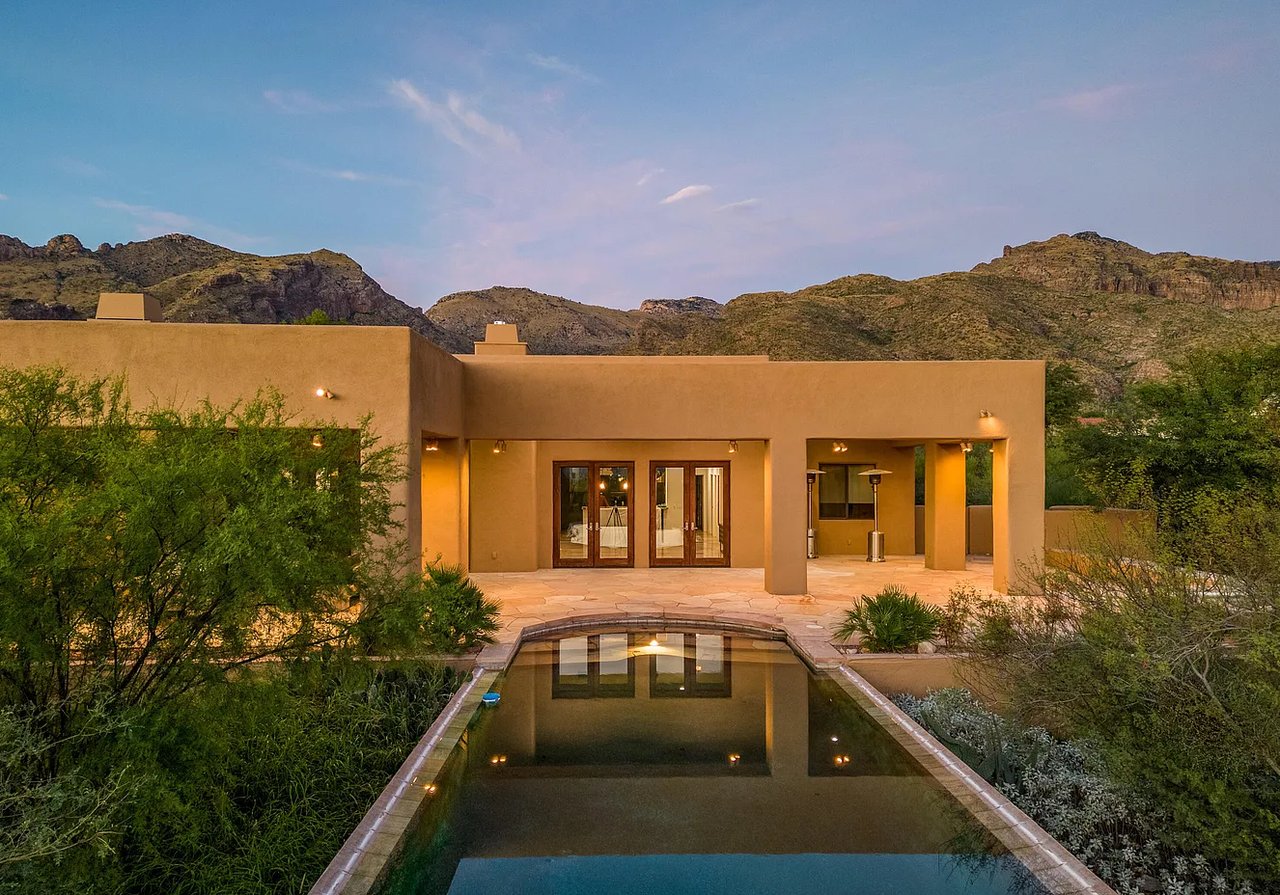
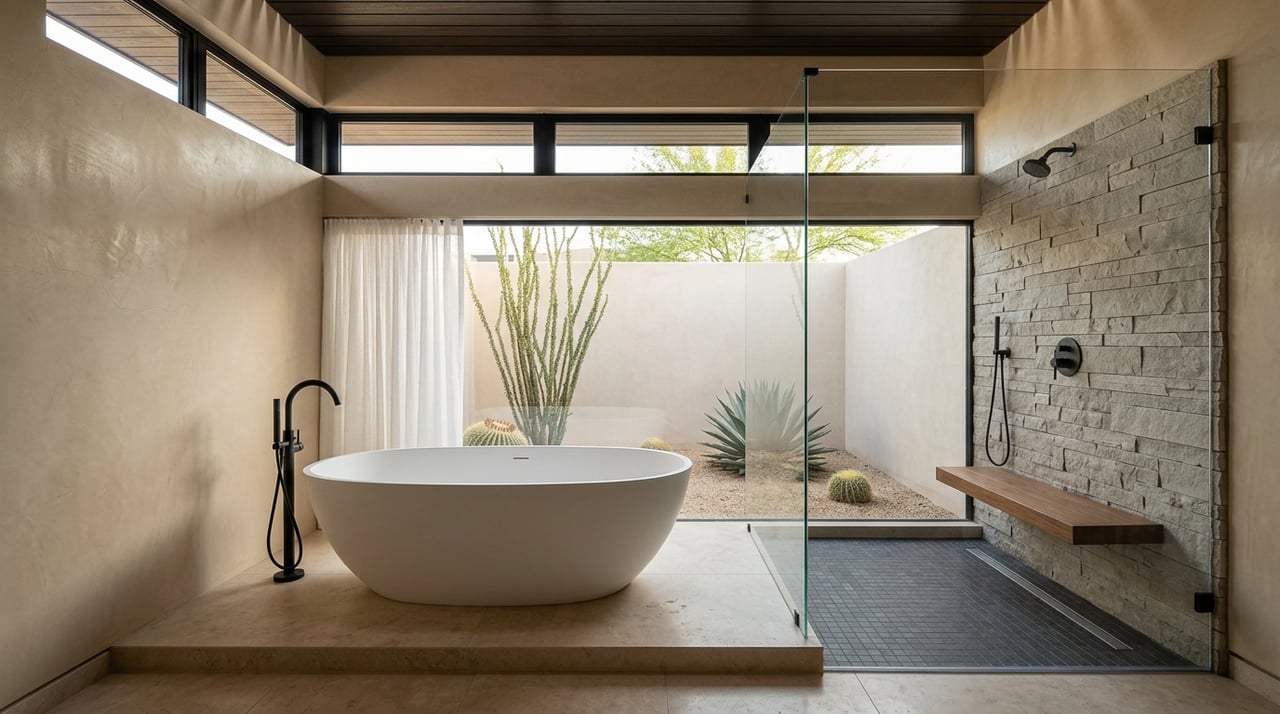
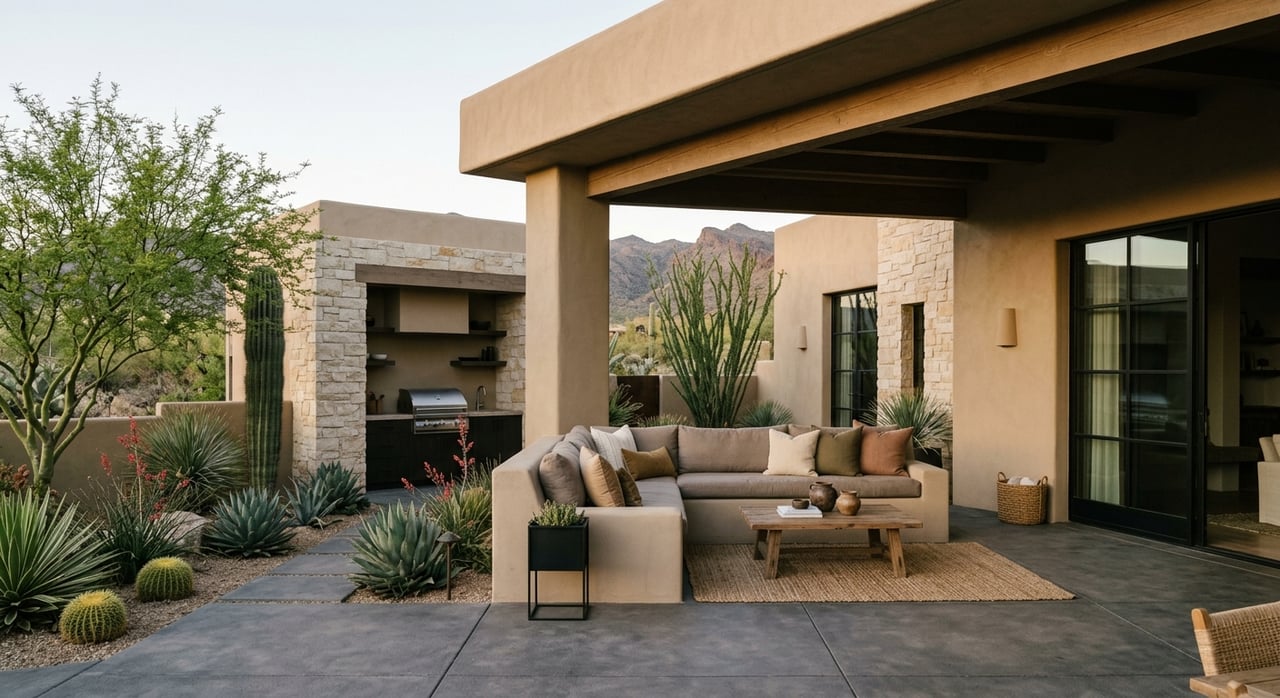
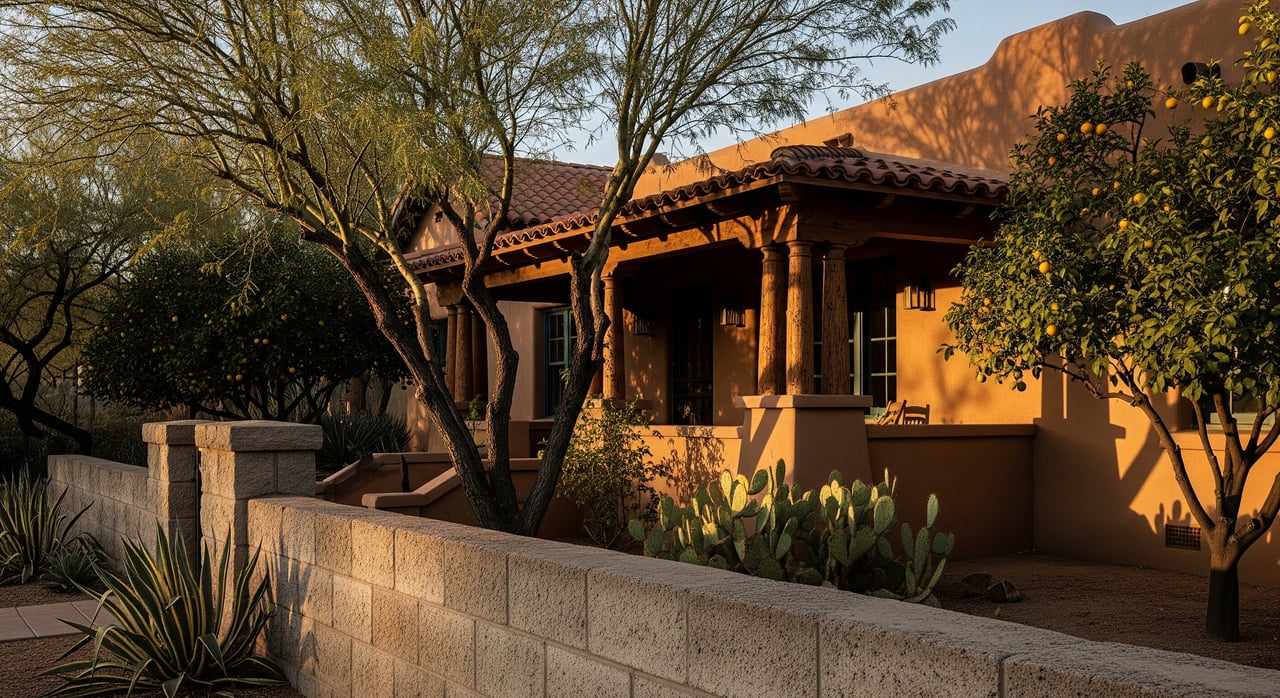
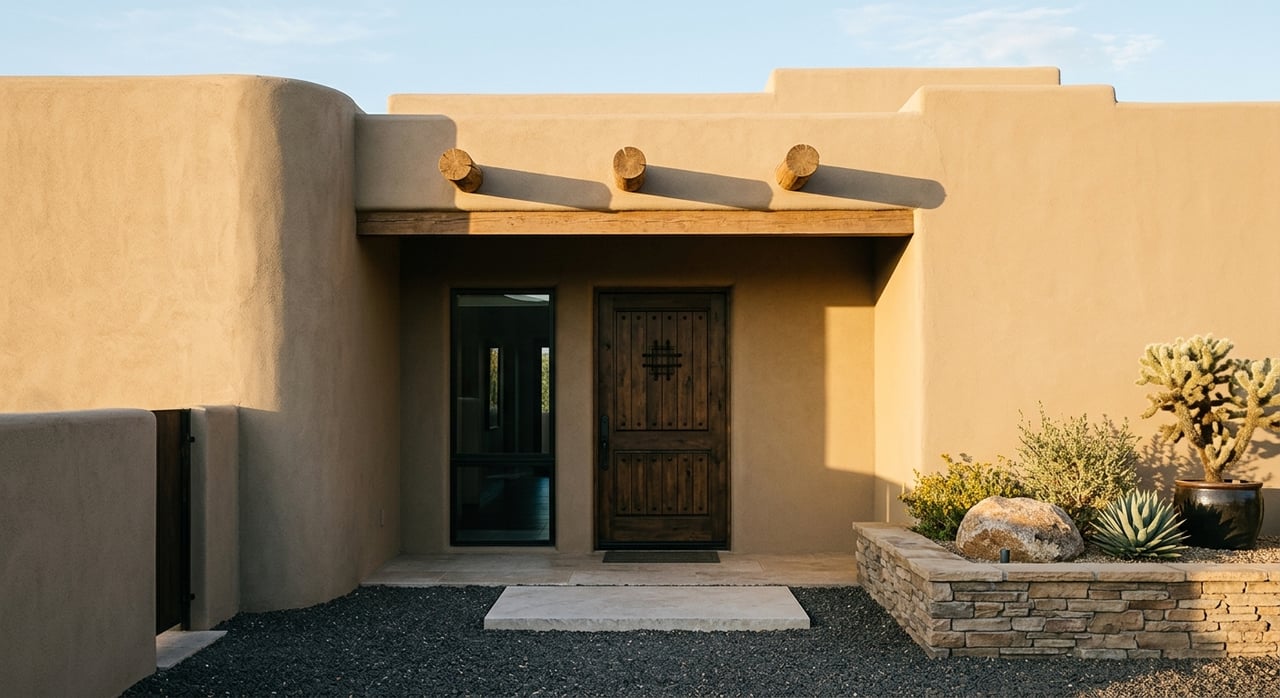
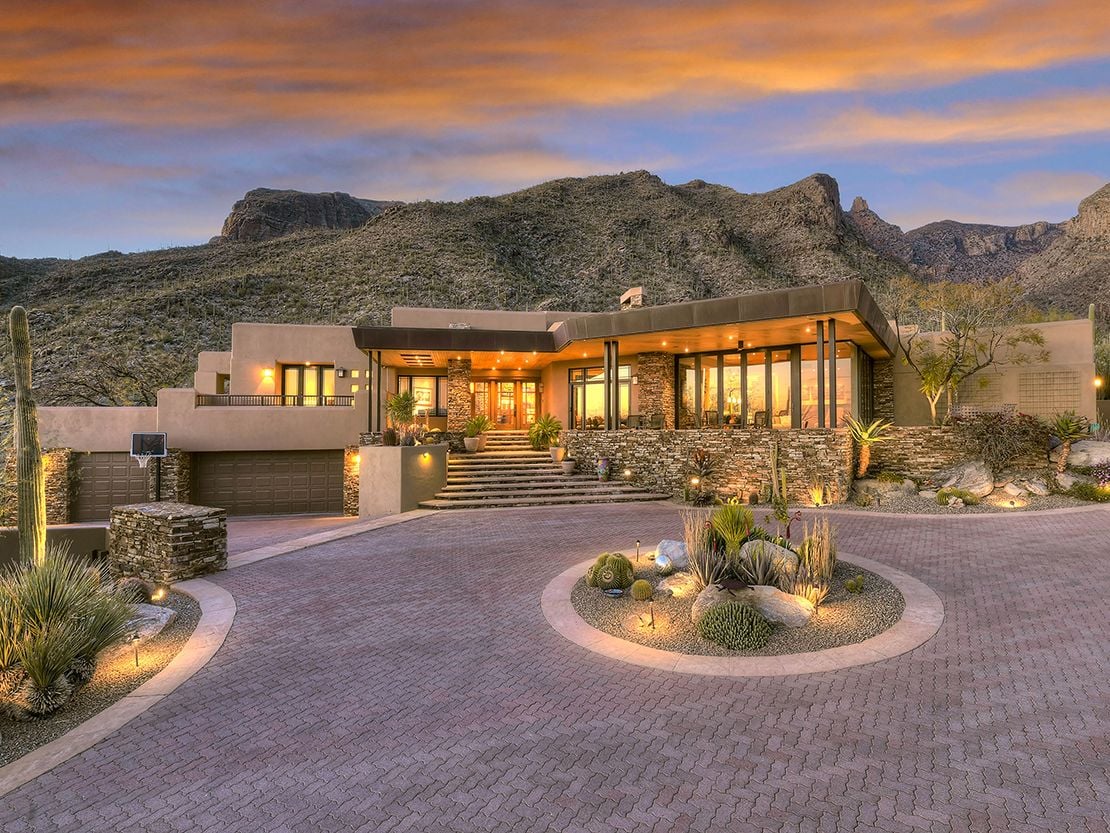
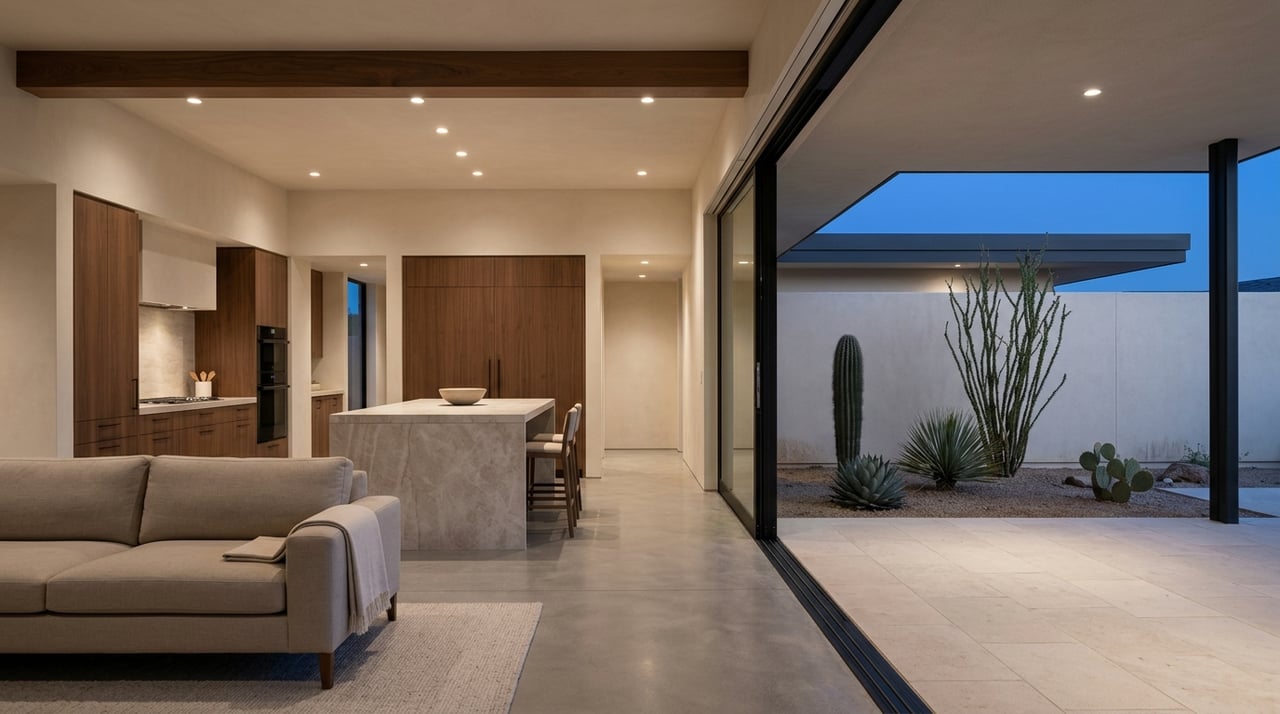
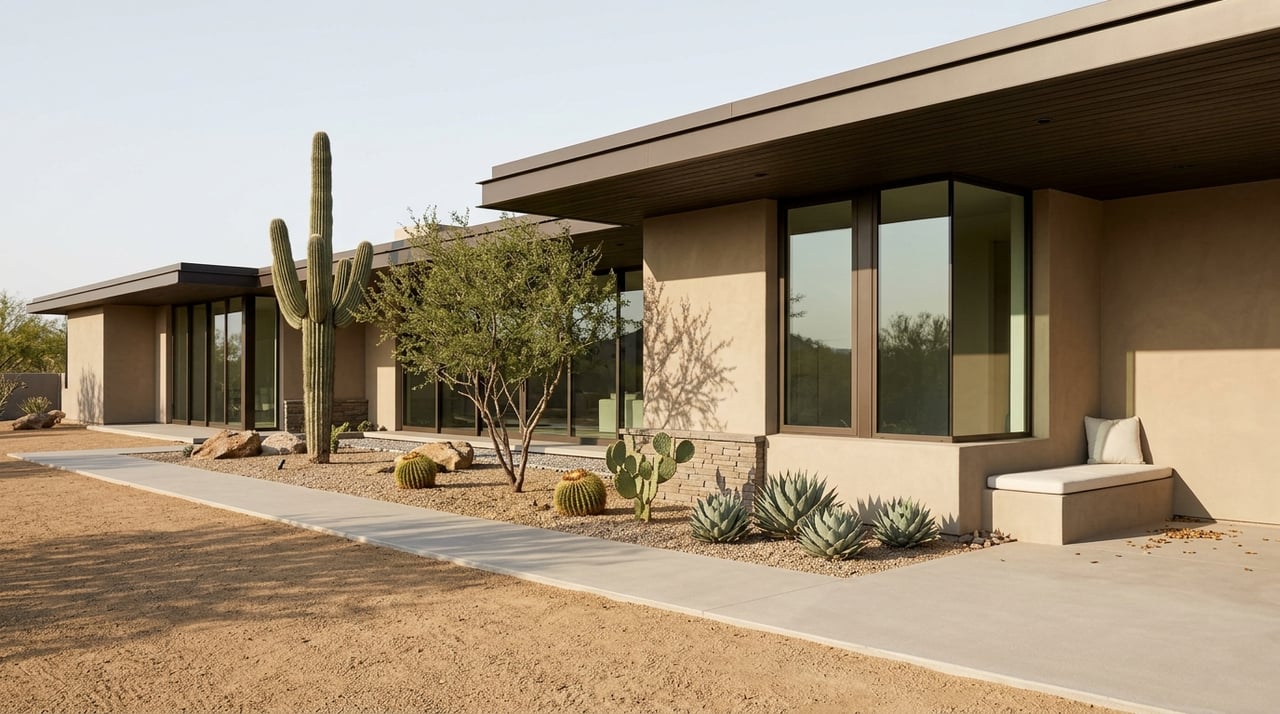
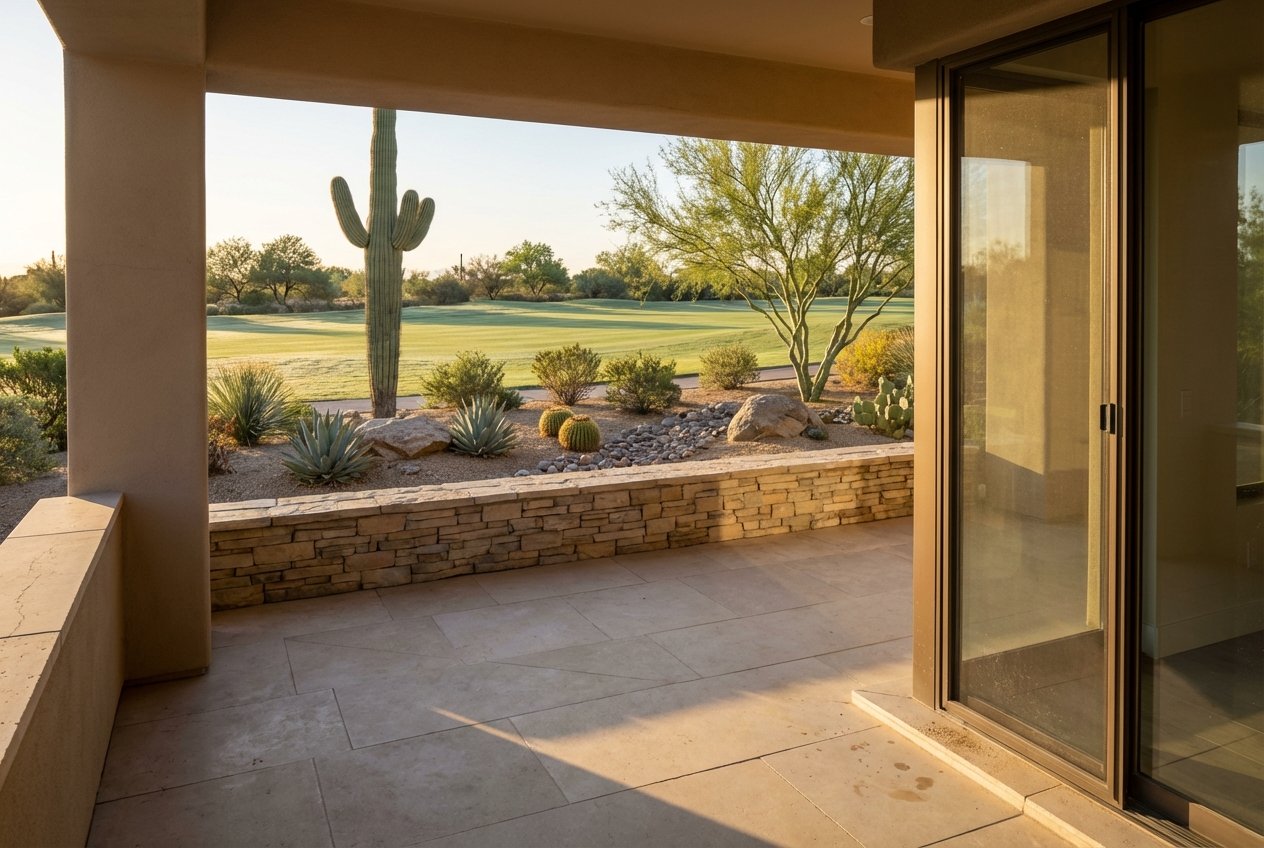
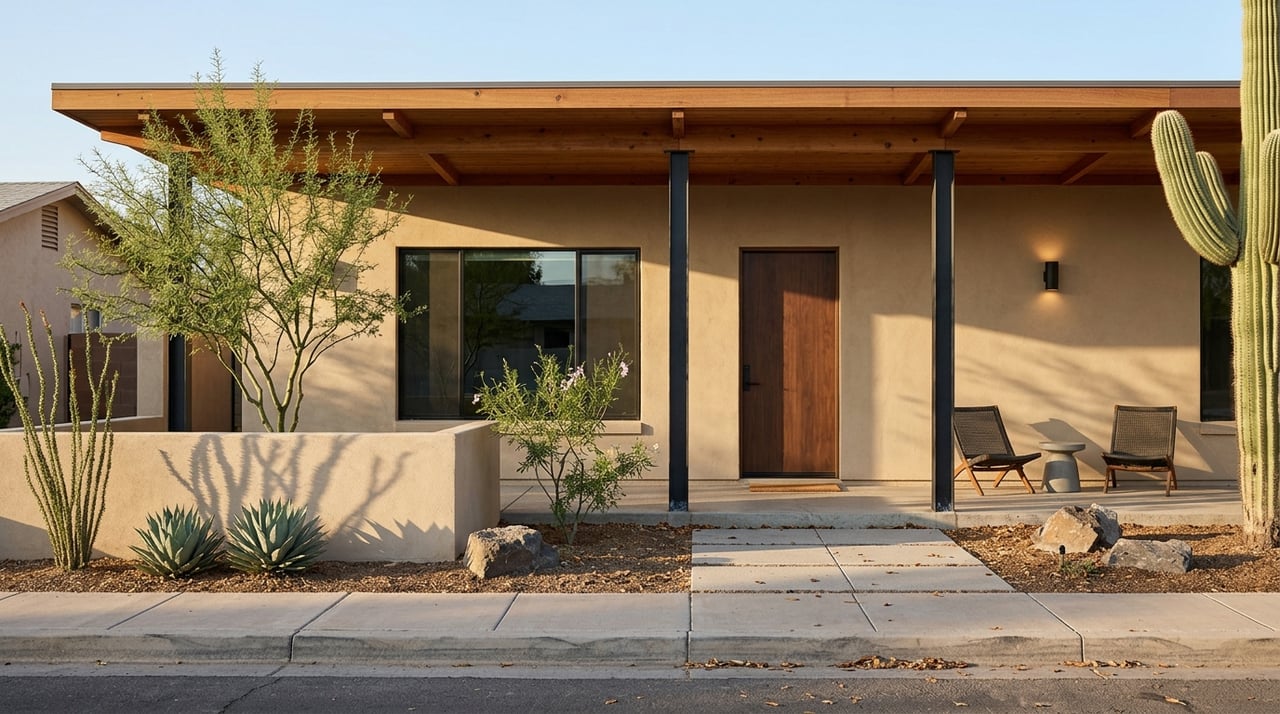
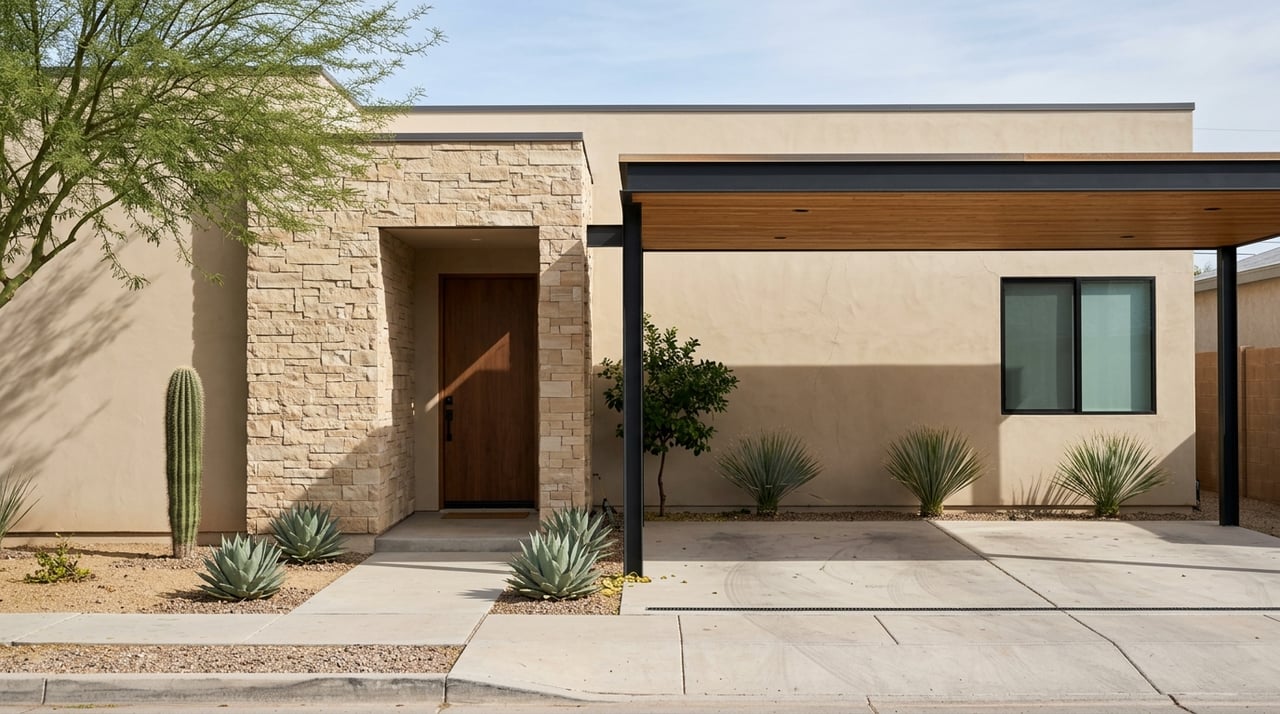
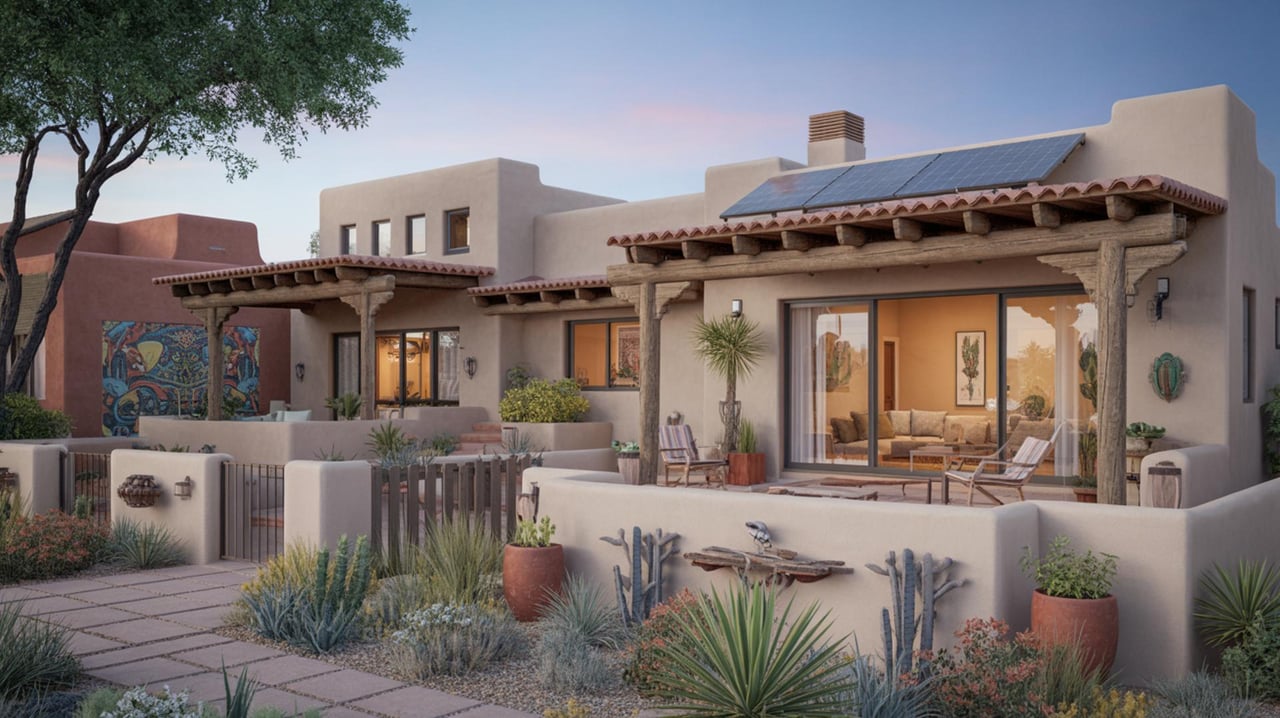
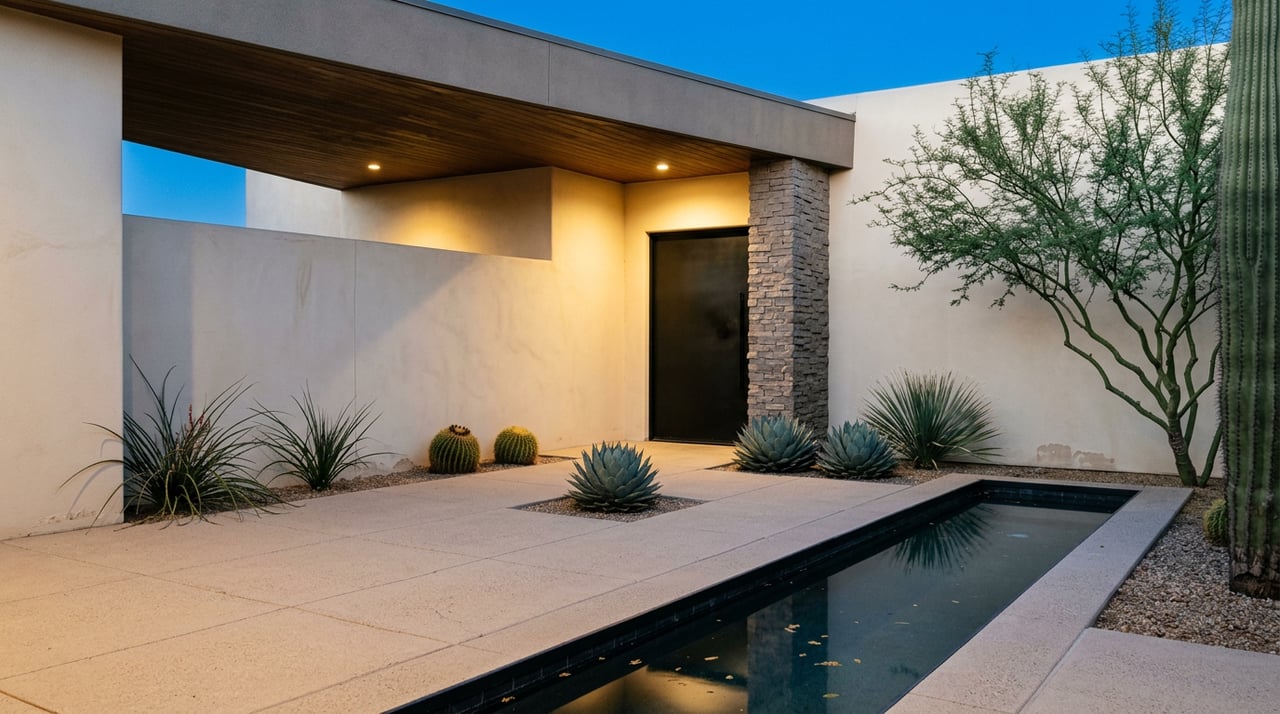
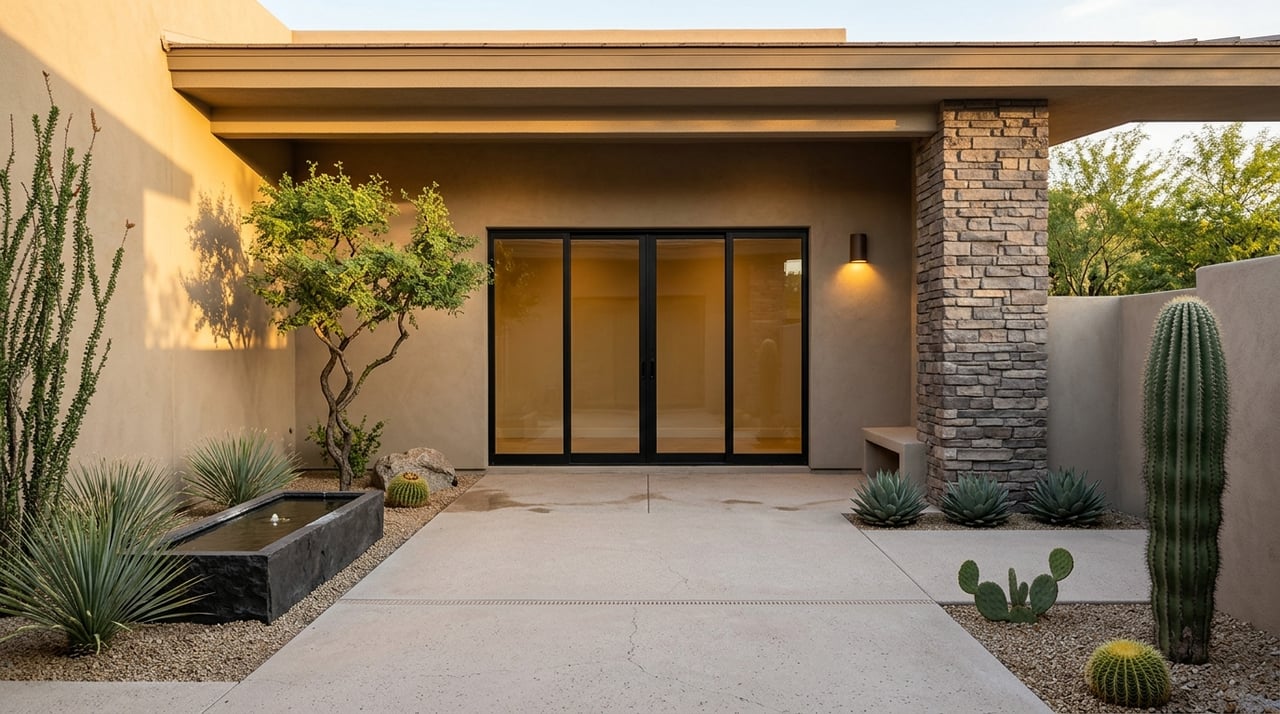
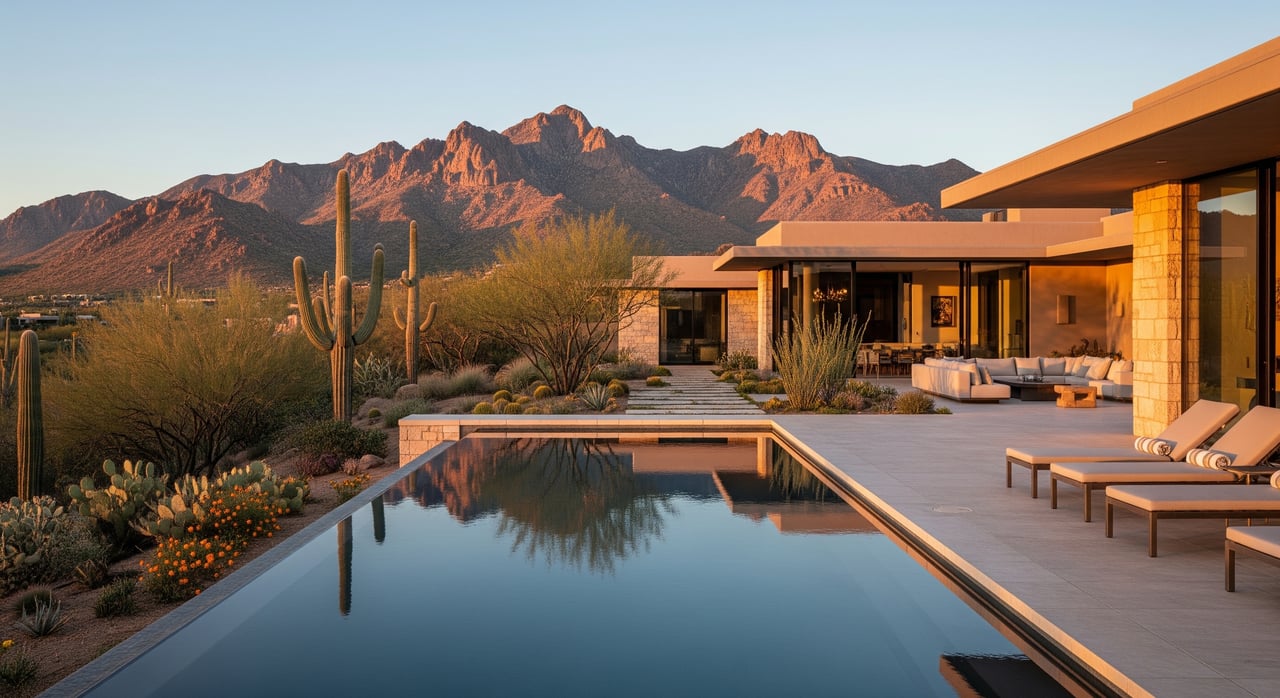
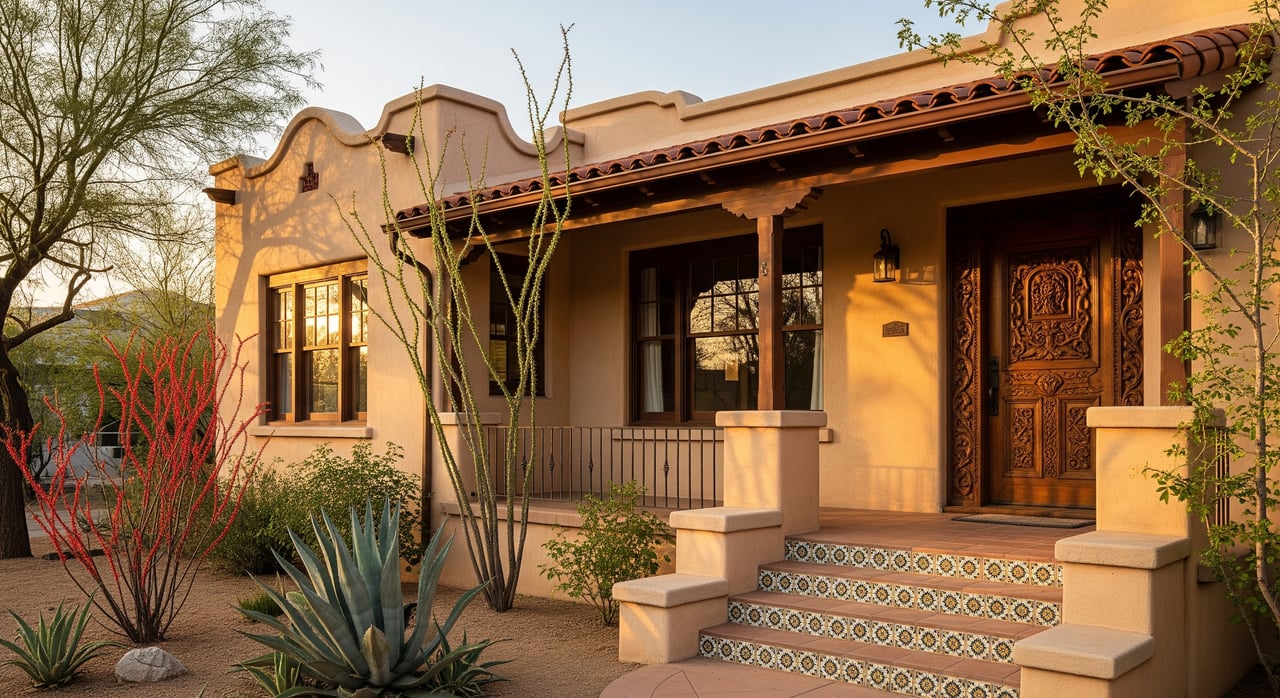
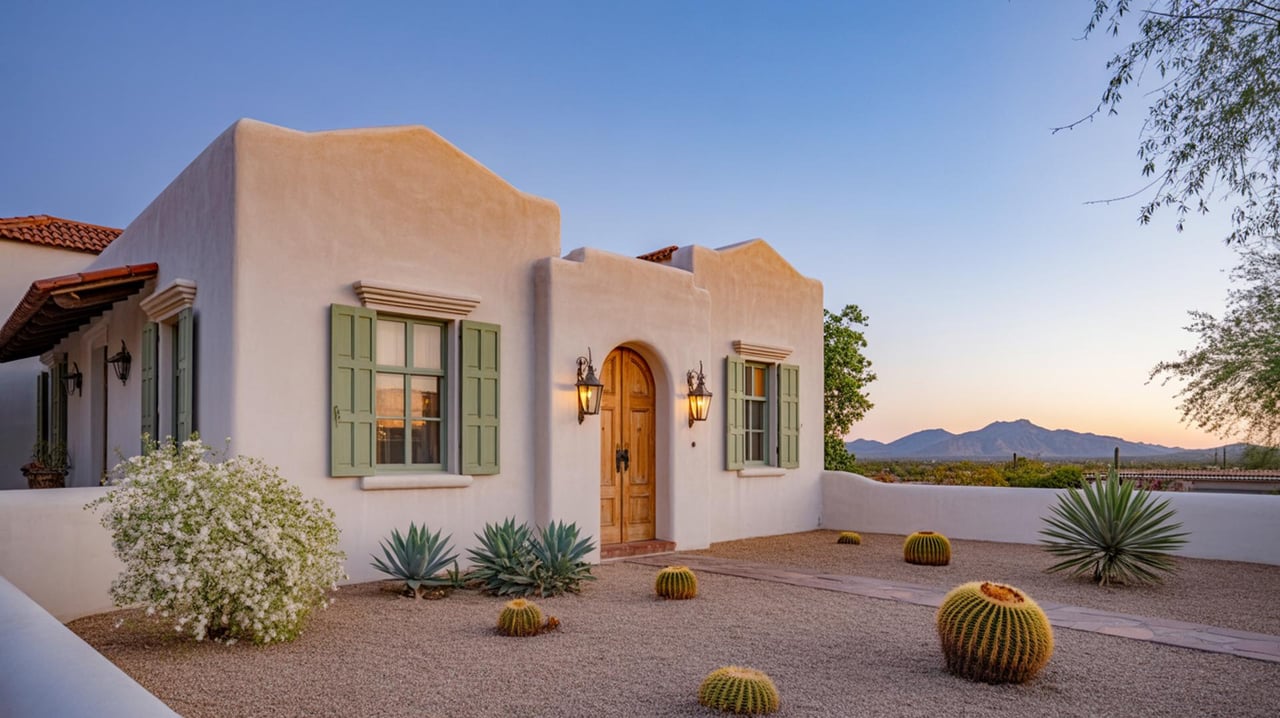
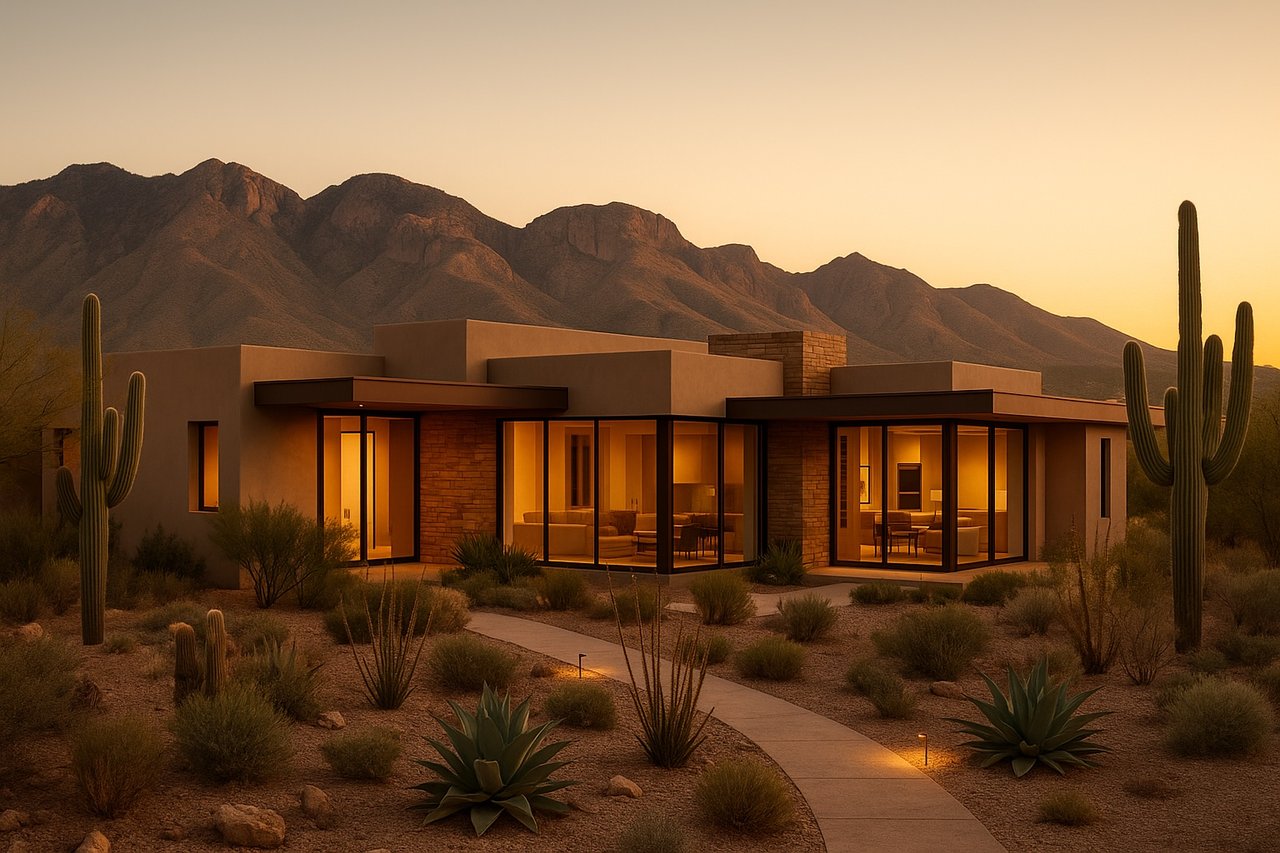
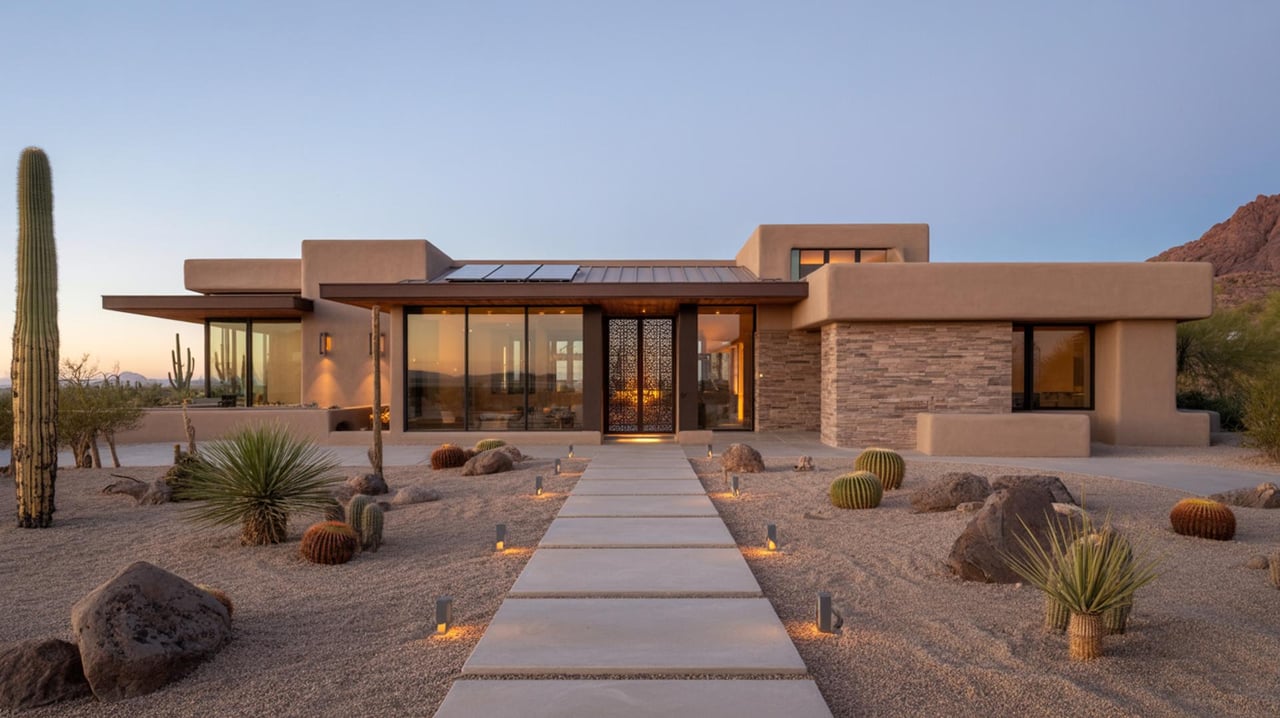
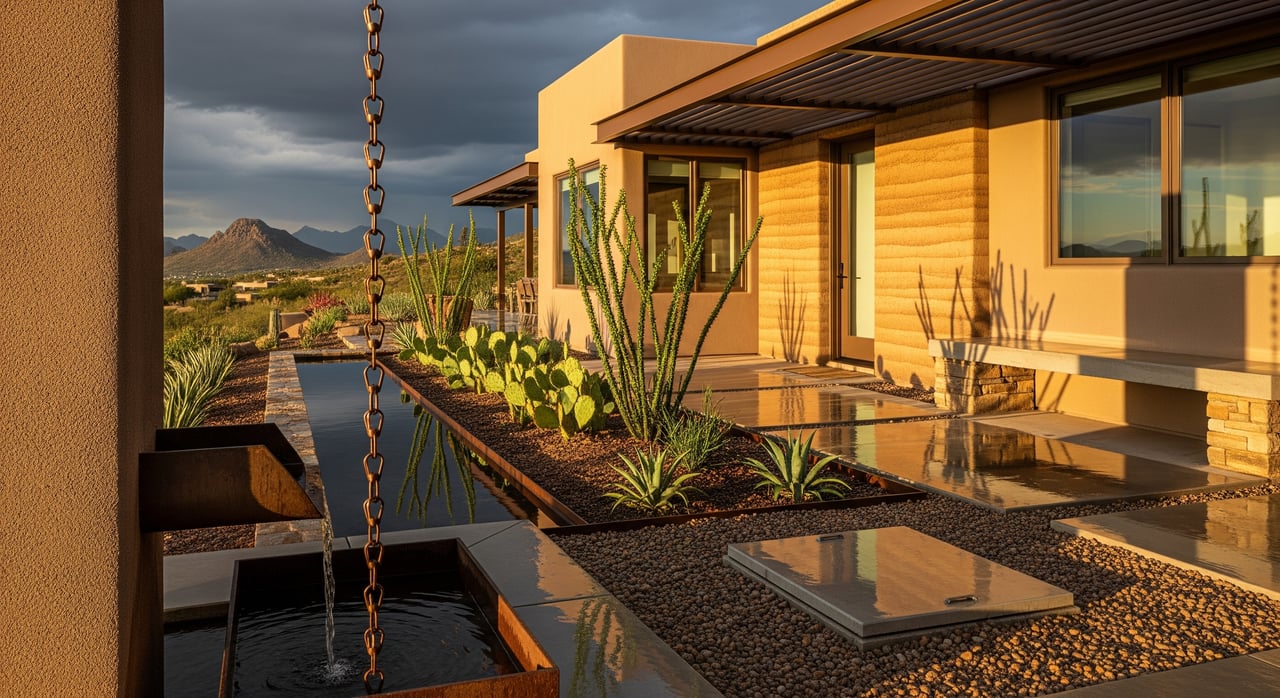
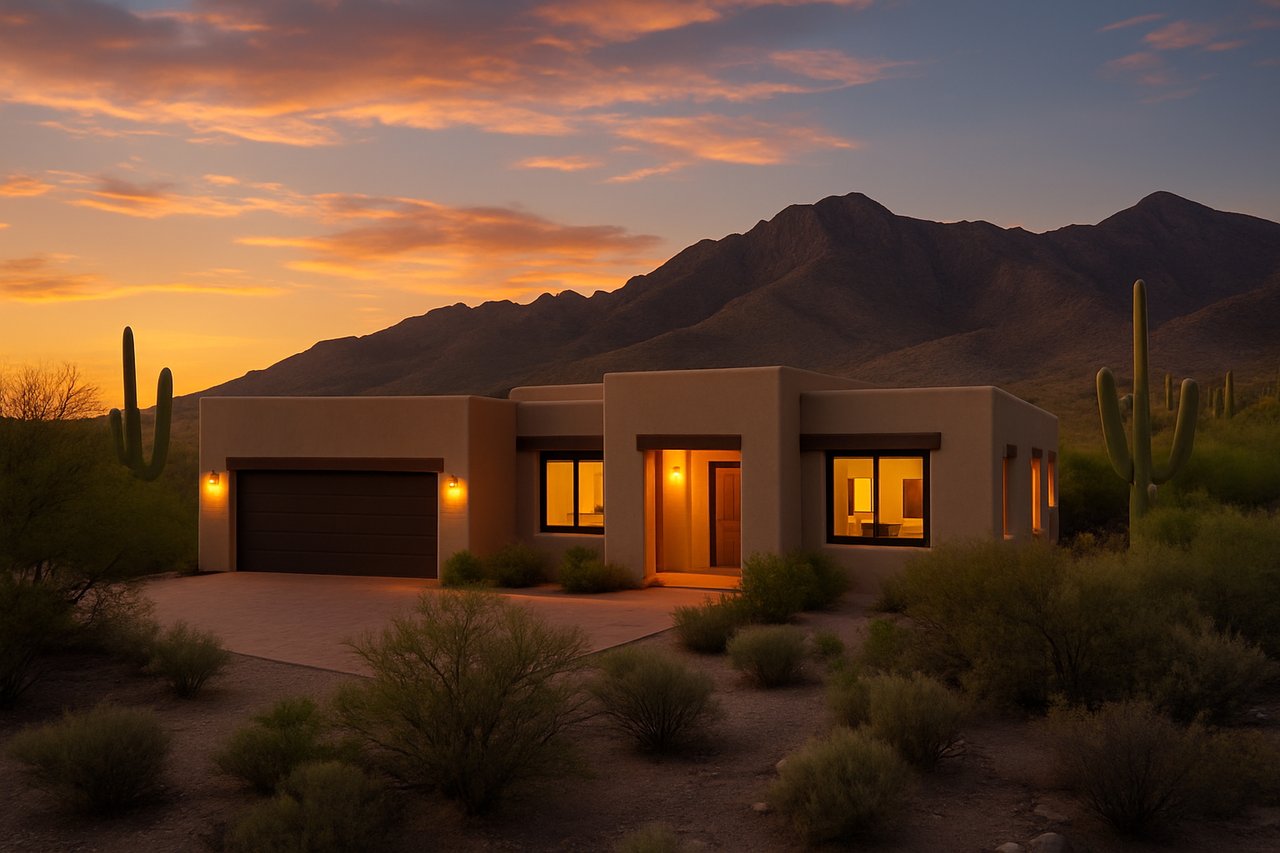
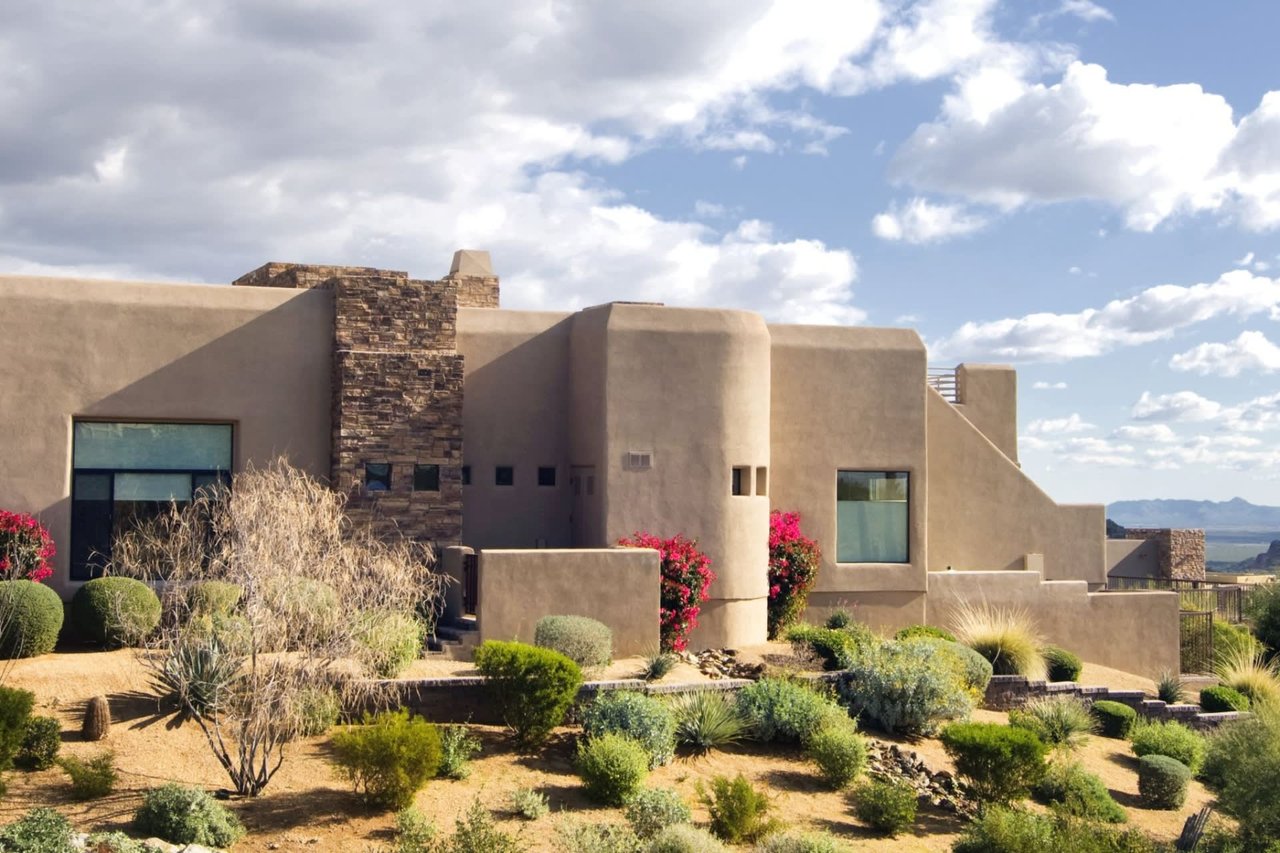
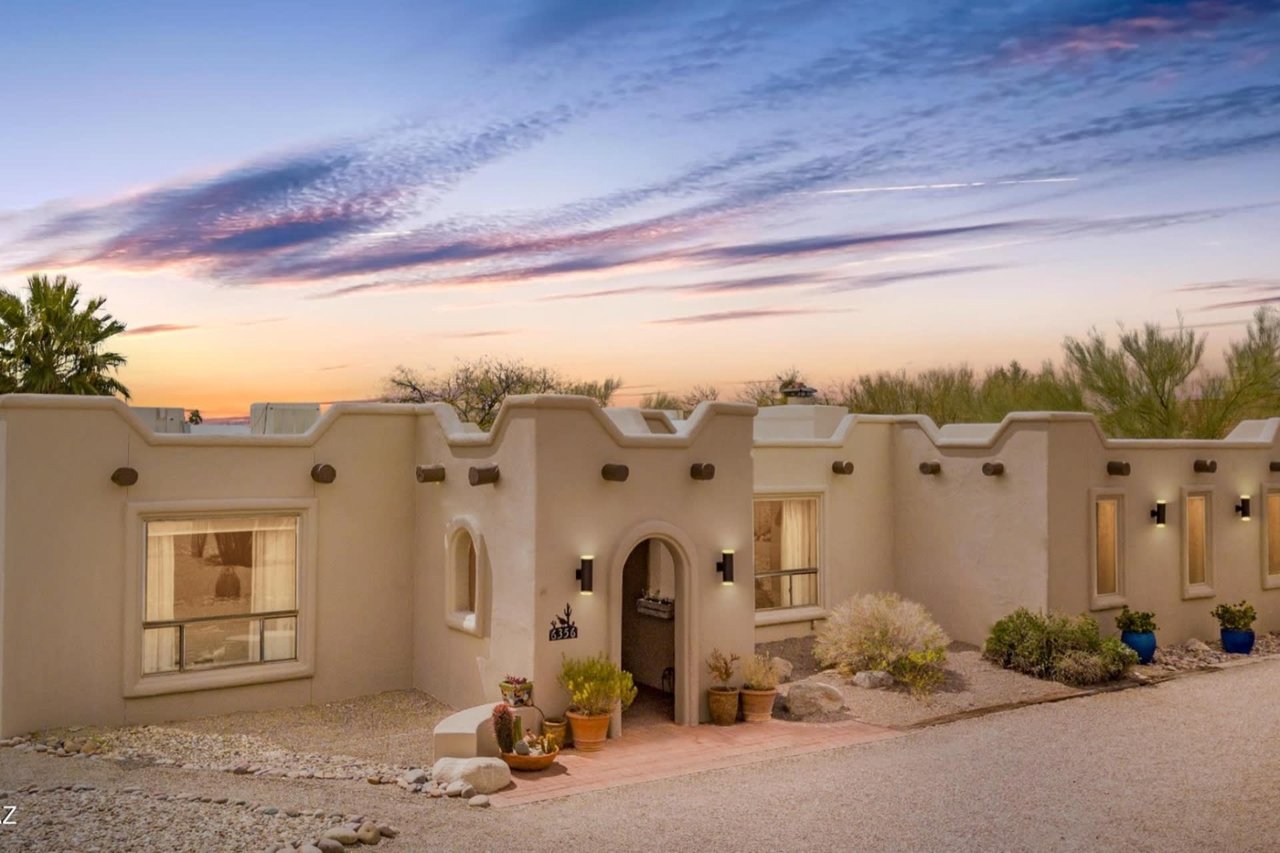
Tucson has a natural architectural and lifestyle connection to this concept. Courtyards, casitas, guesthouses and indoor-outdoor living are already part of Southern Arizona’s residential language.
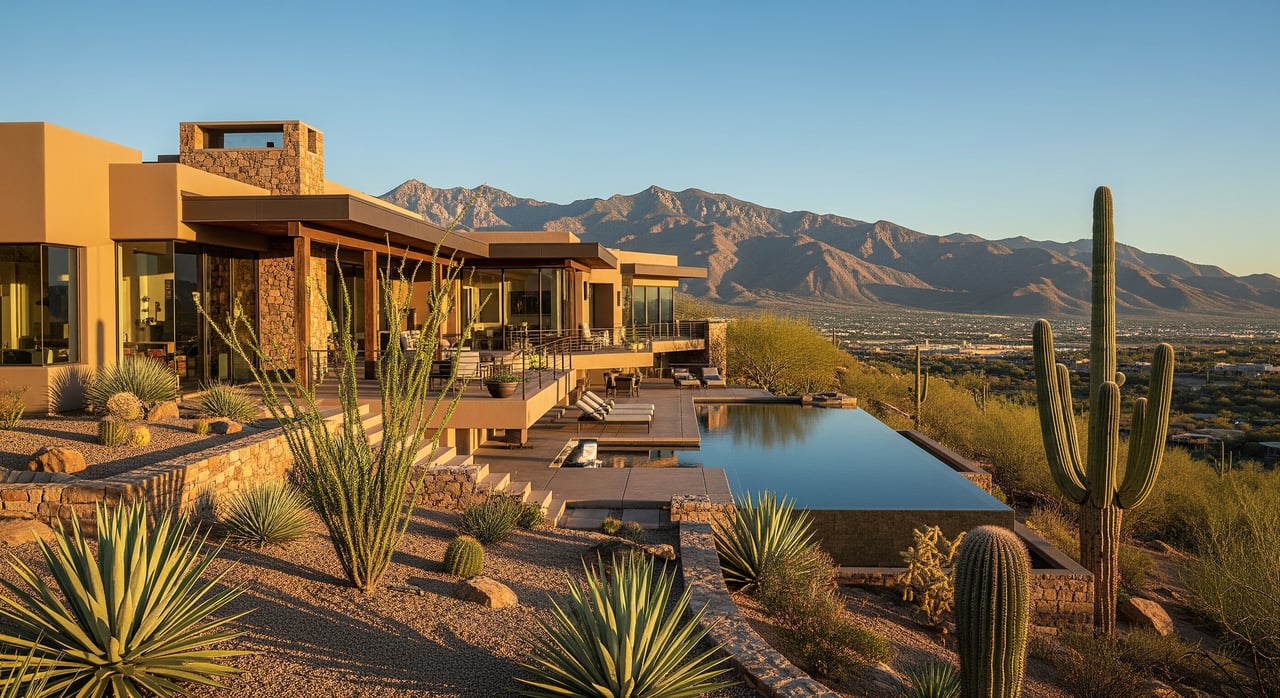
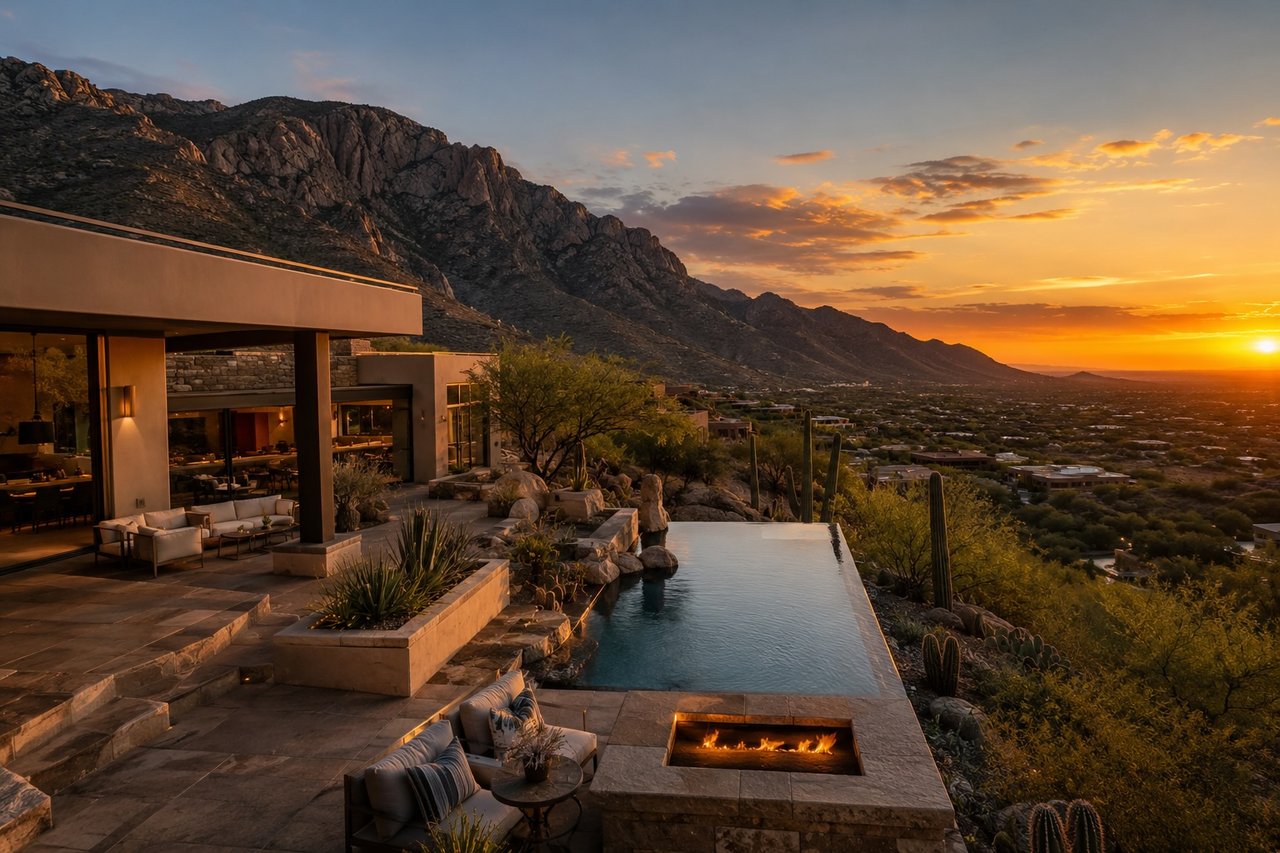
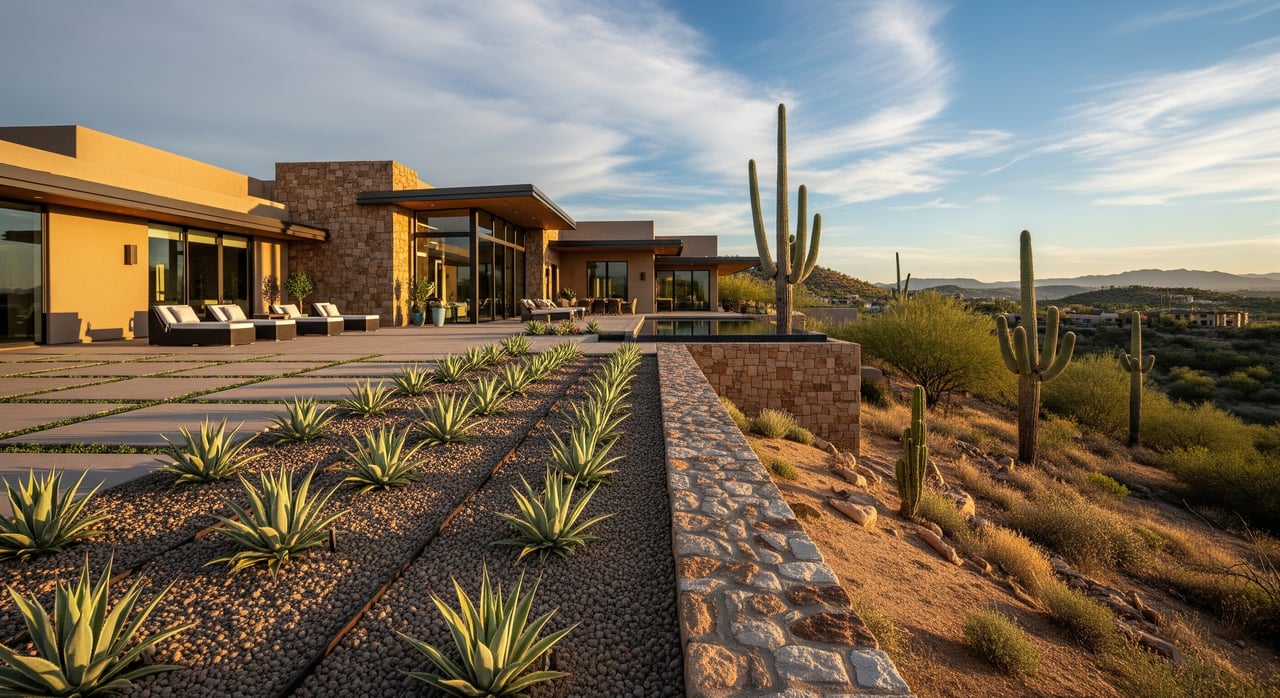
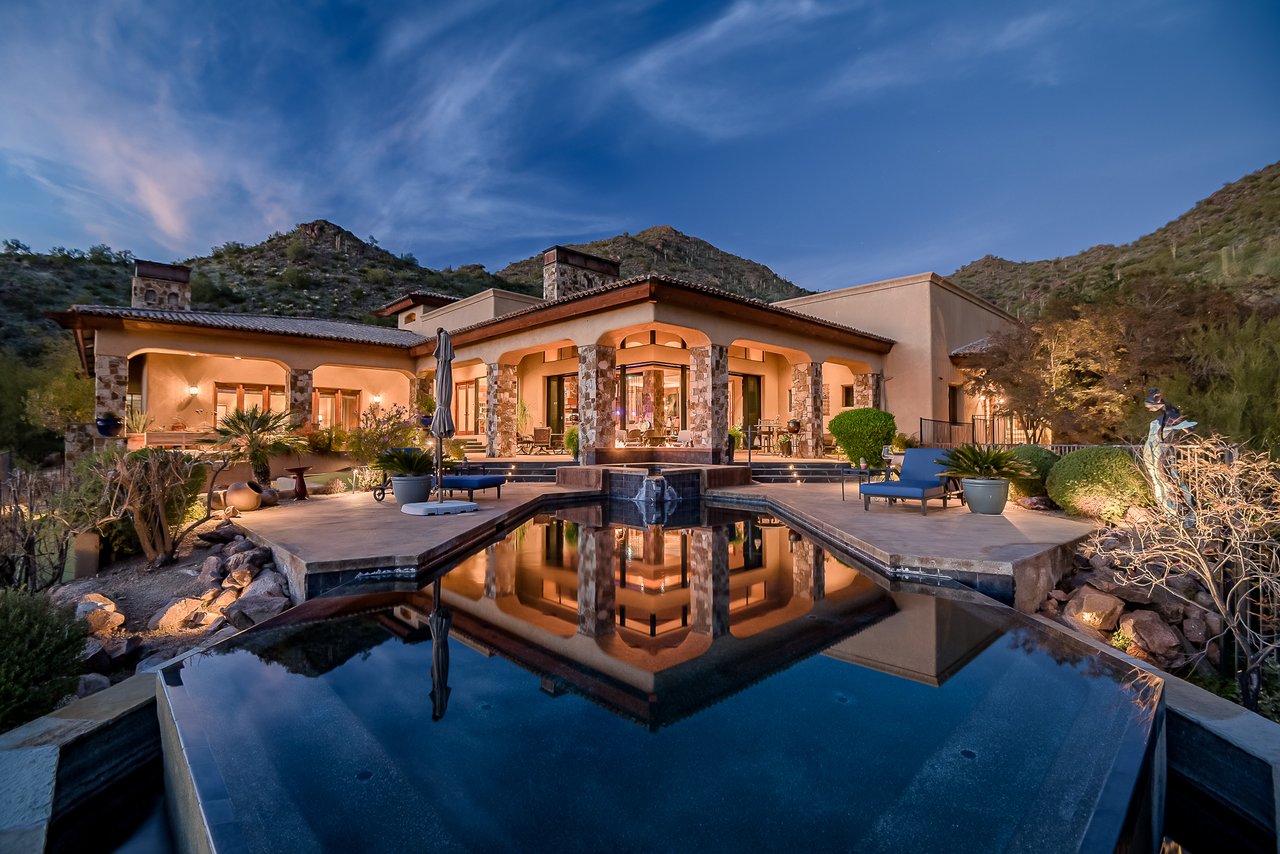
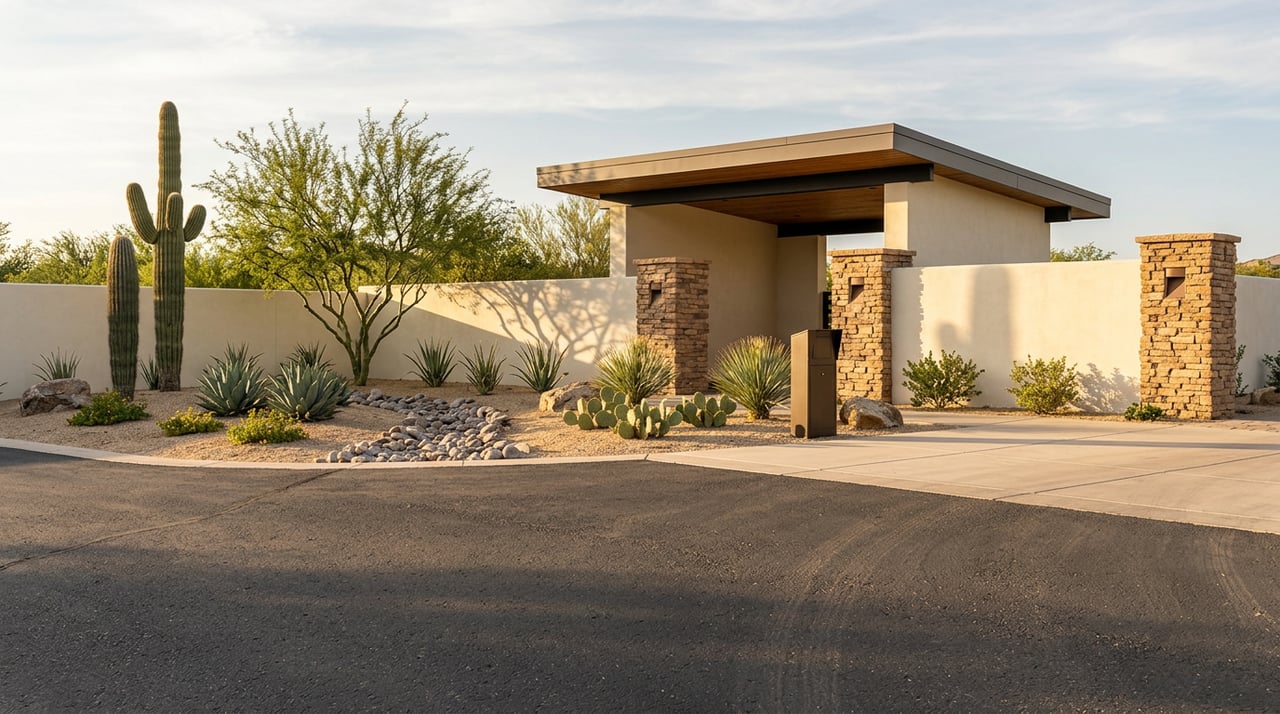
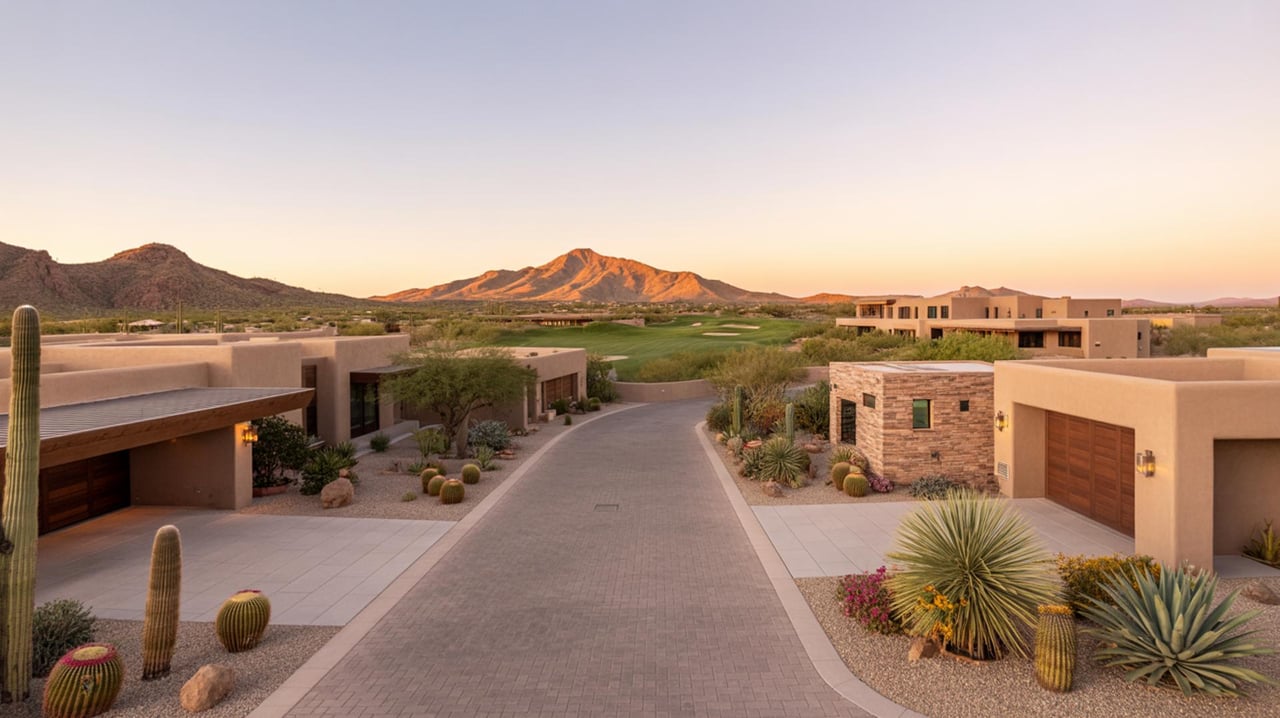
Certain properties in the Catalina Foothills, Oro Valley, Tanque Verde, the Tucson Mountains and other low-density areas may offer the space and privacy needed for multiple residences. Larger homesites can potentially accommodate detached structures, separate entrances, parking and shared recreational spaces more gracefully than a conventional suburban lot.
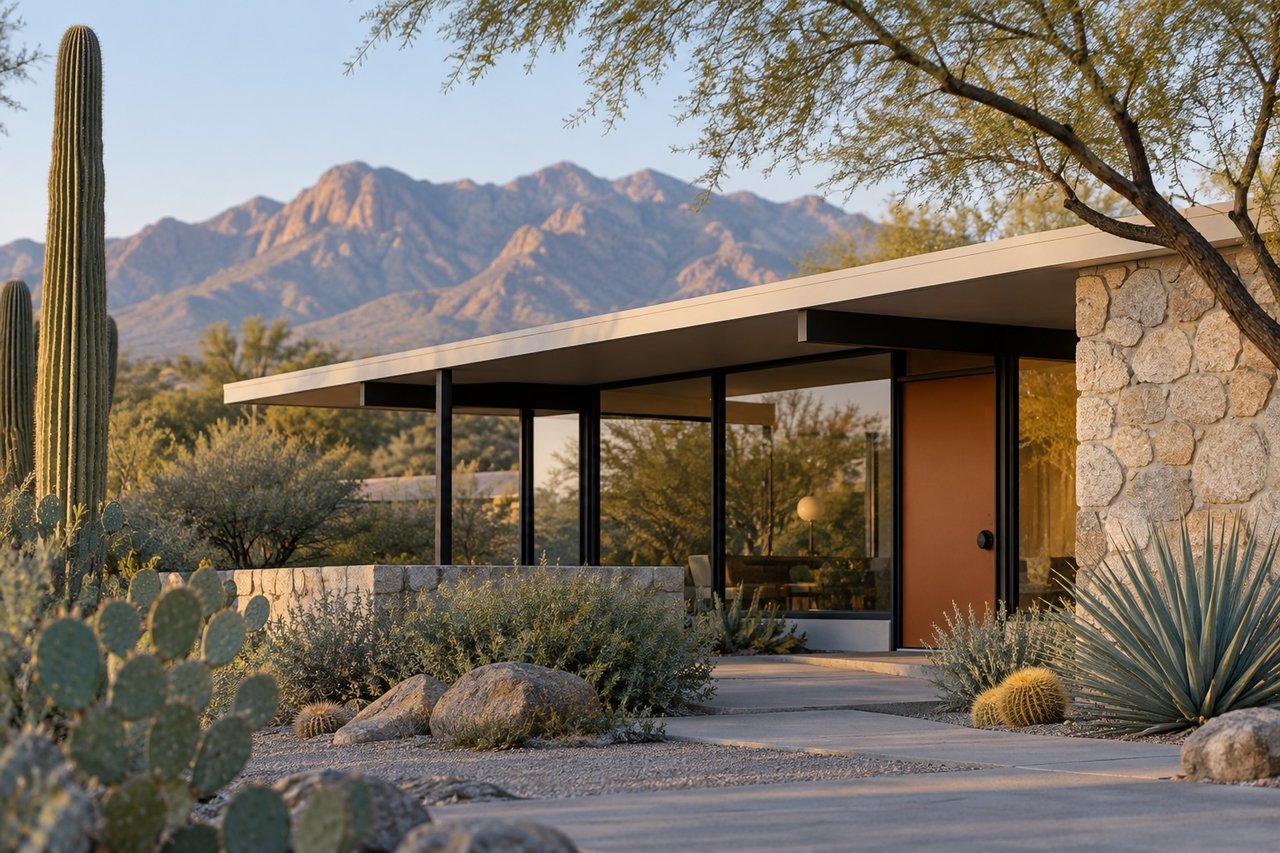
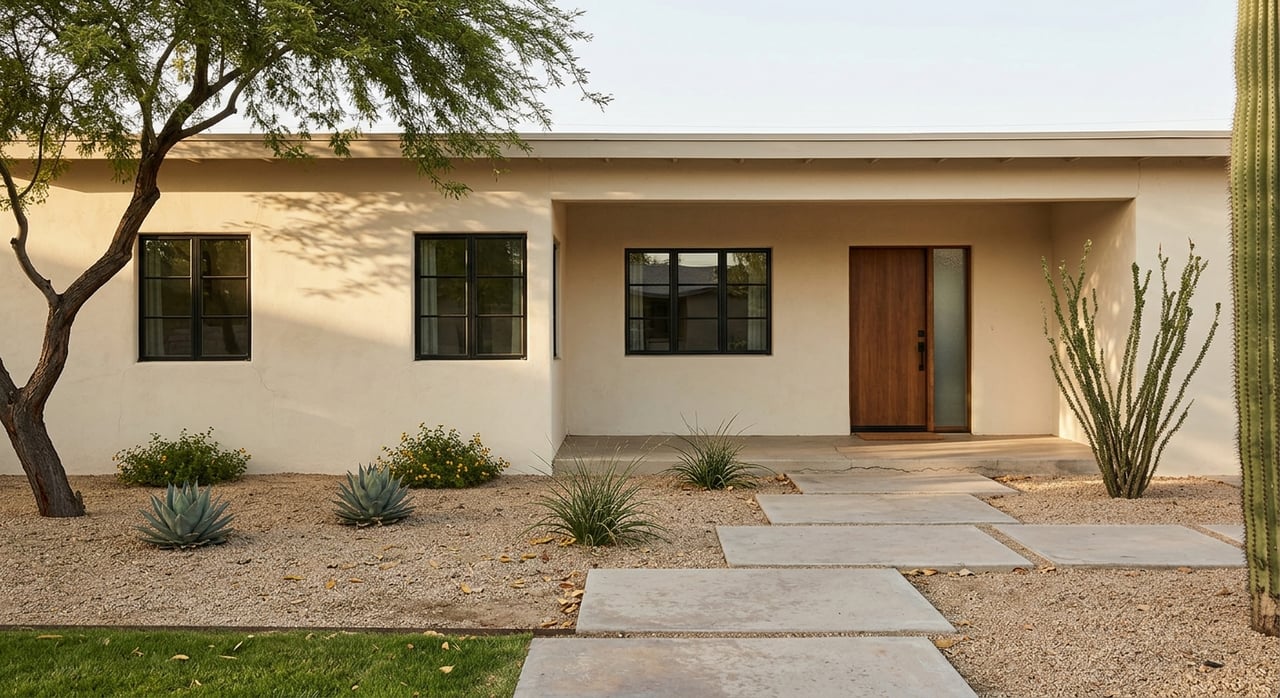
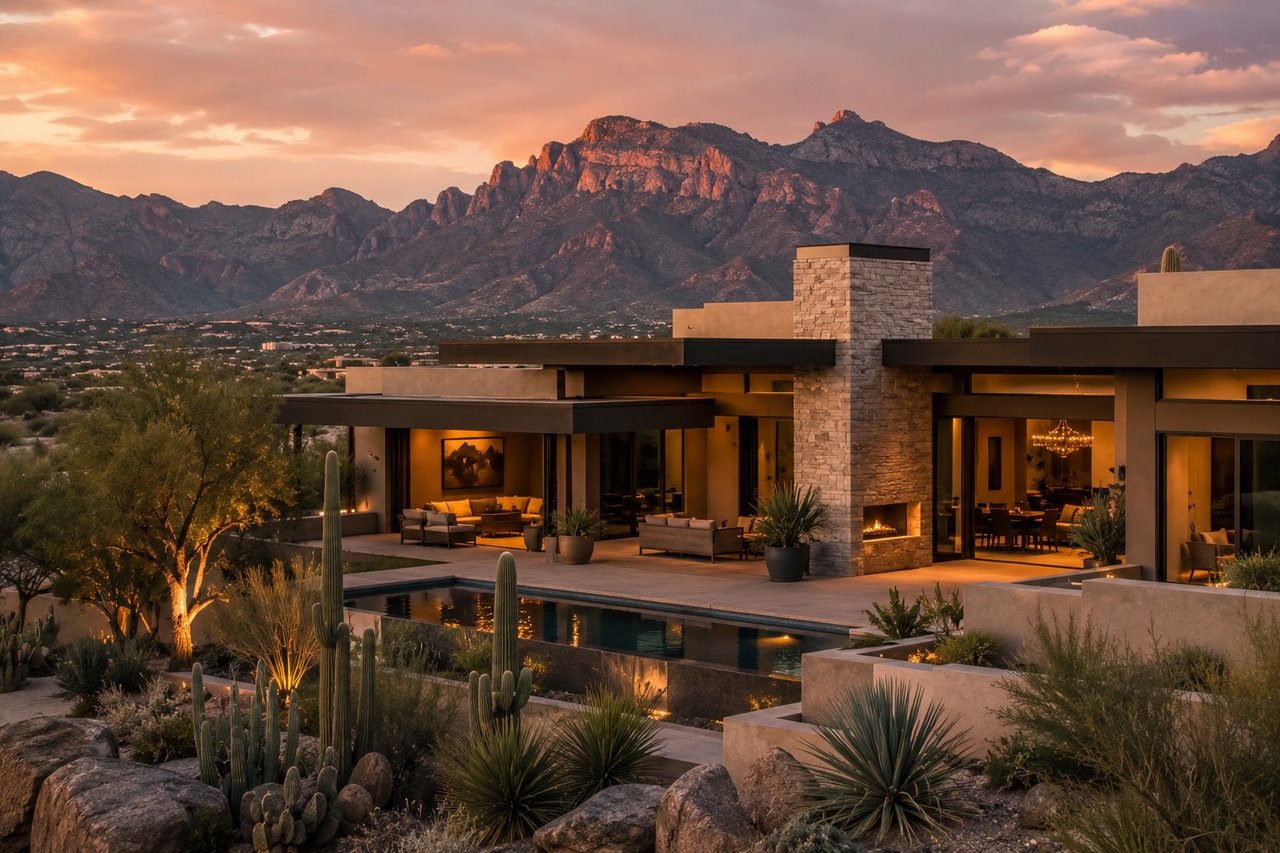
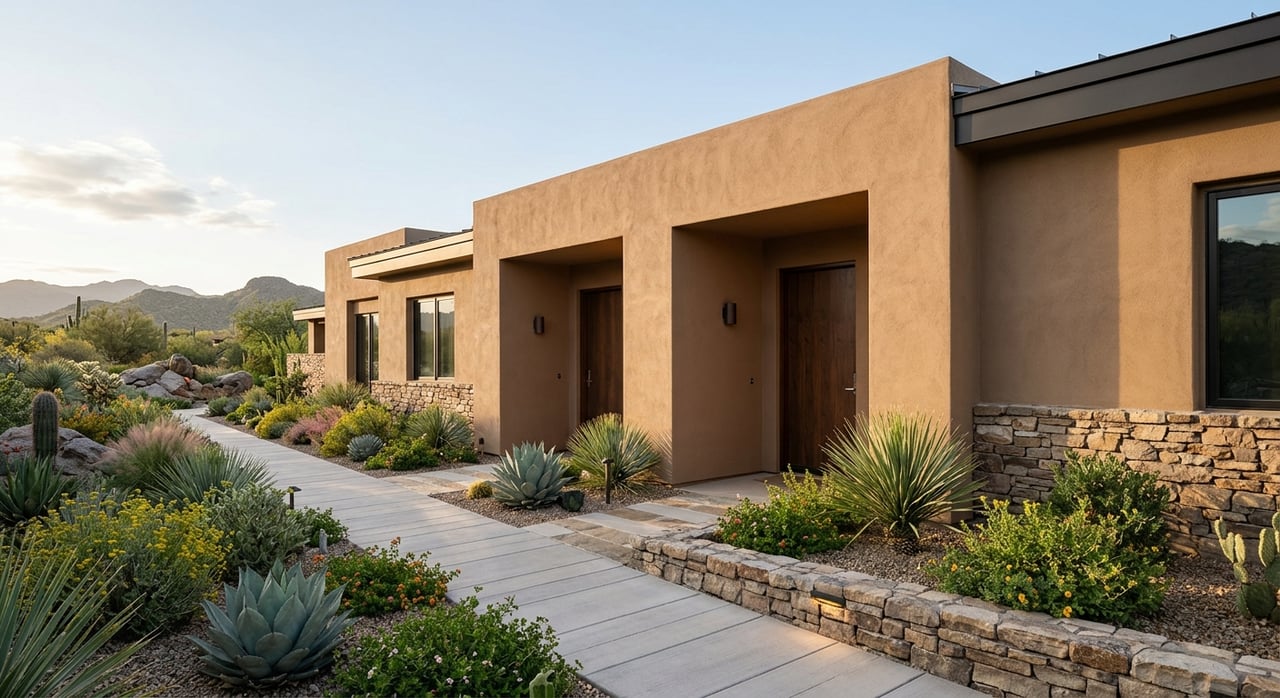
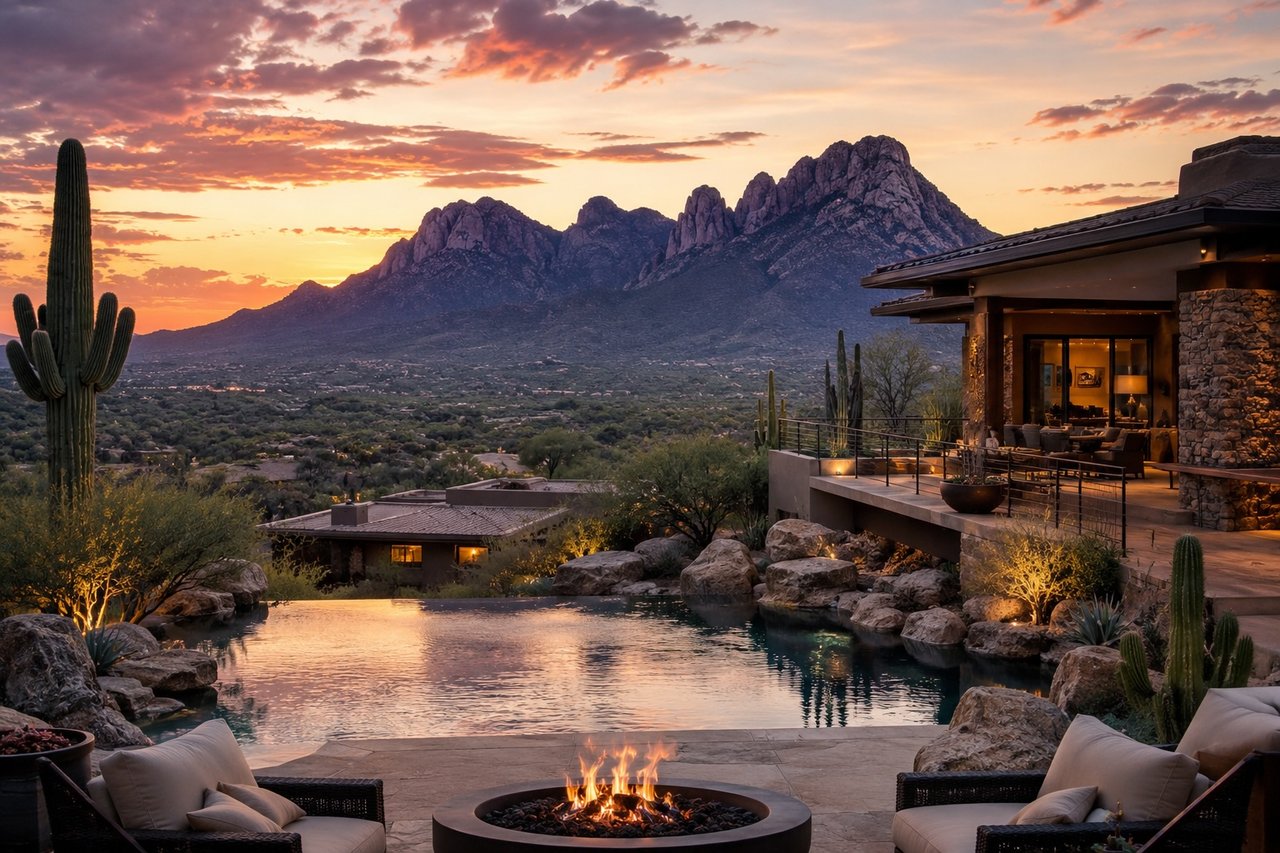
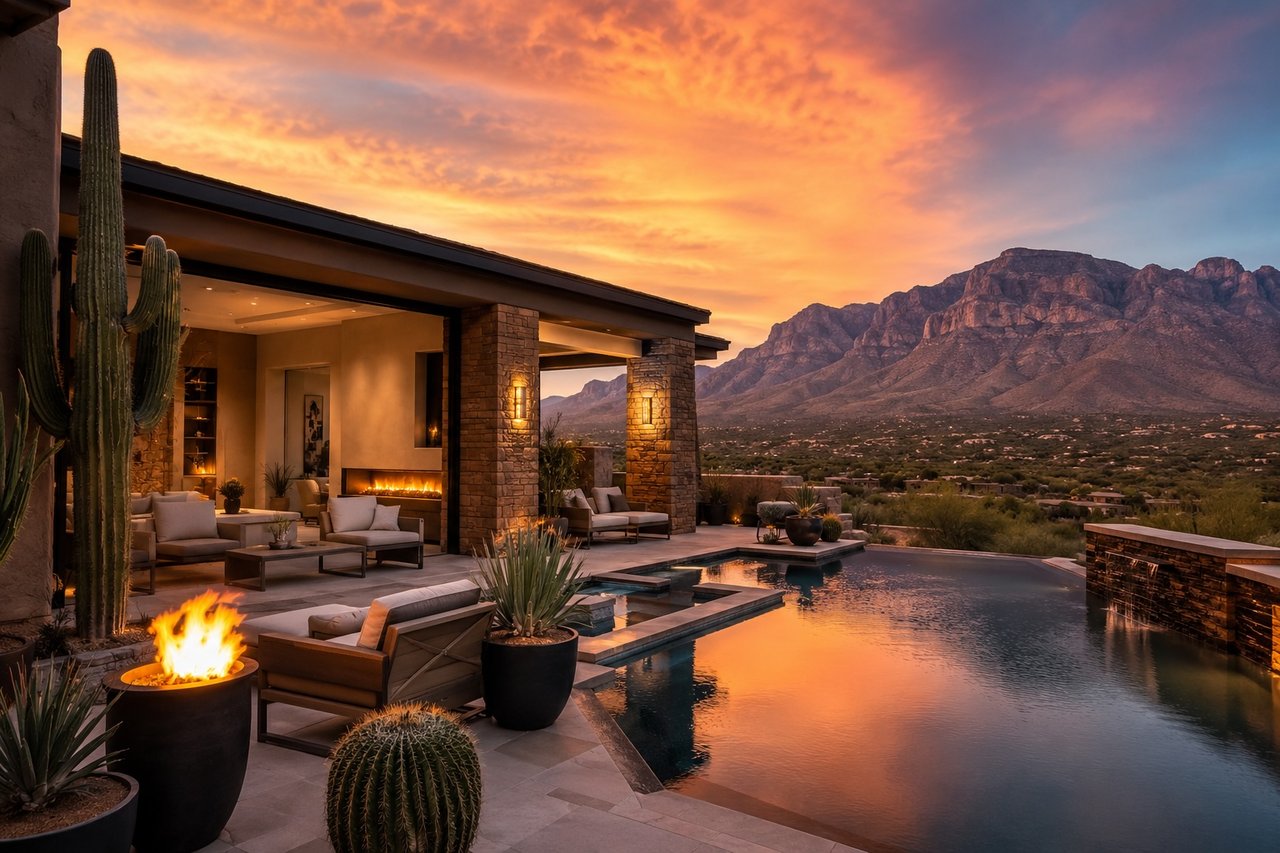
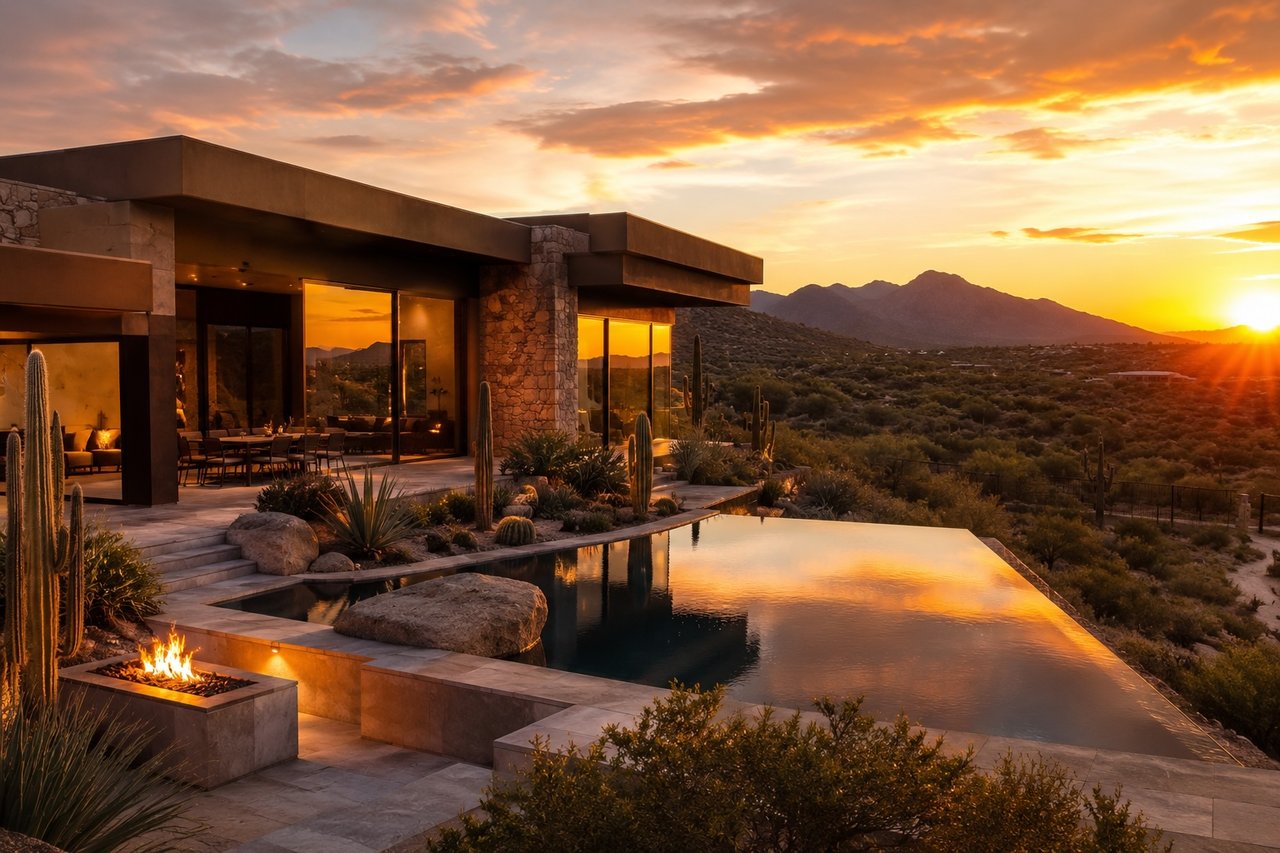
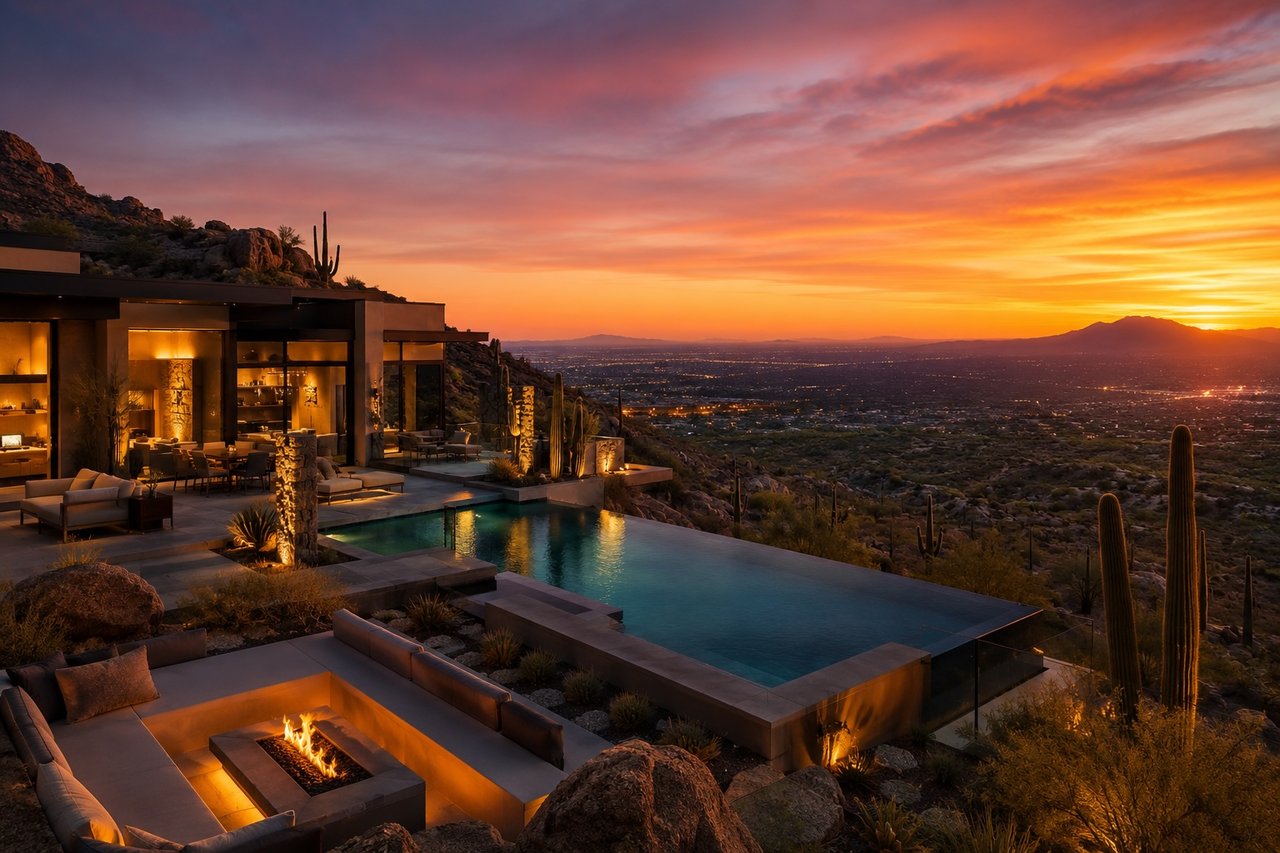
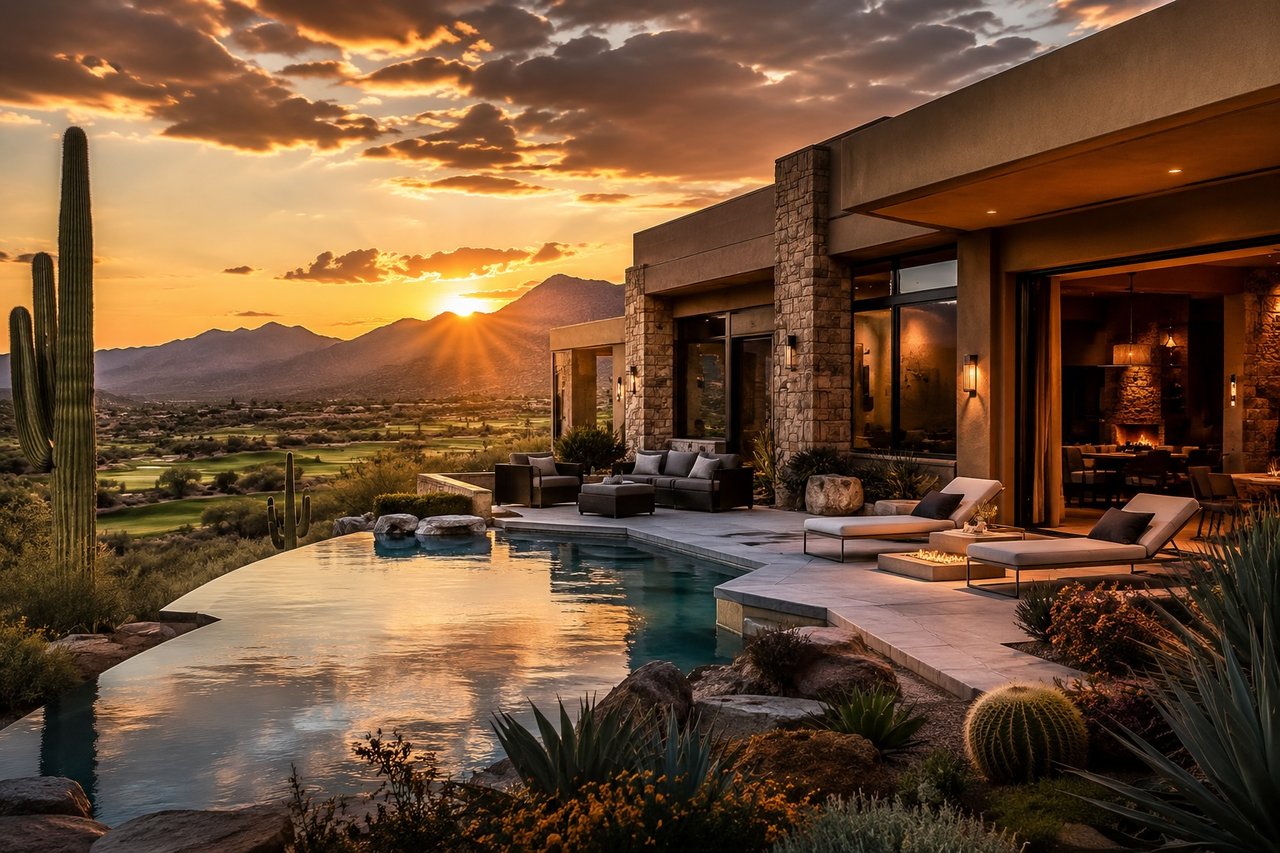
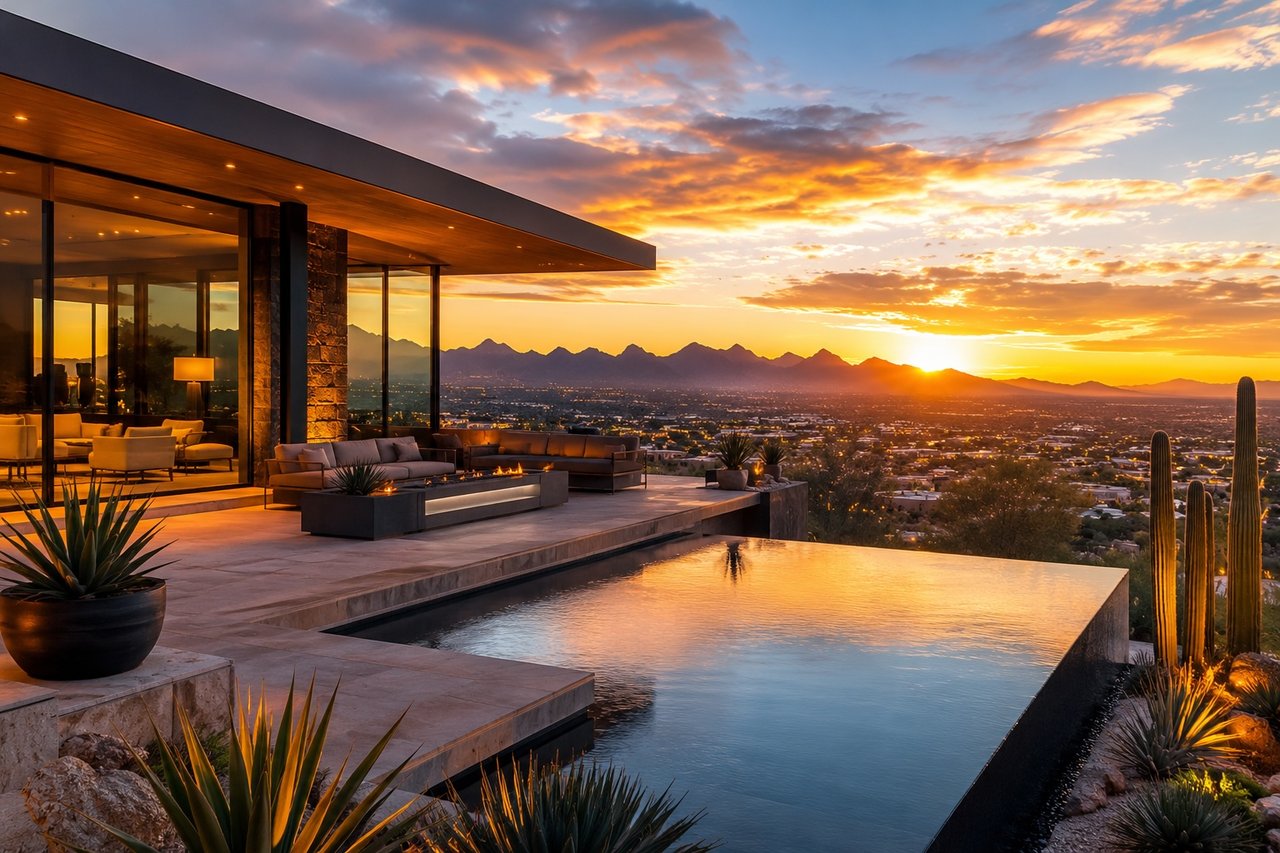
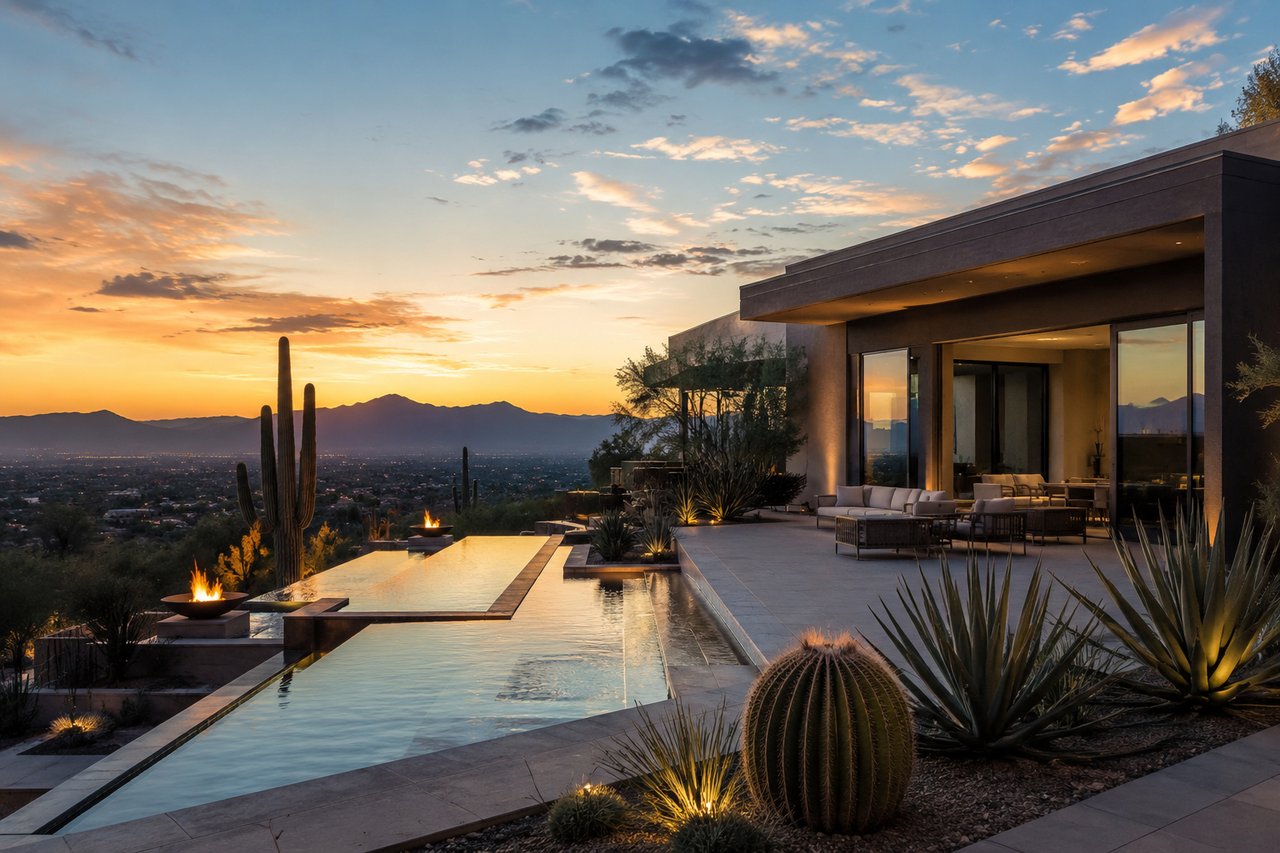
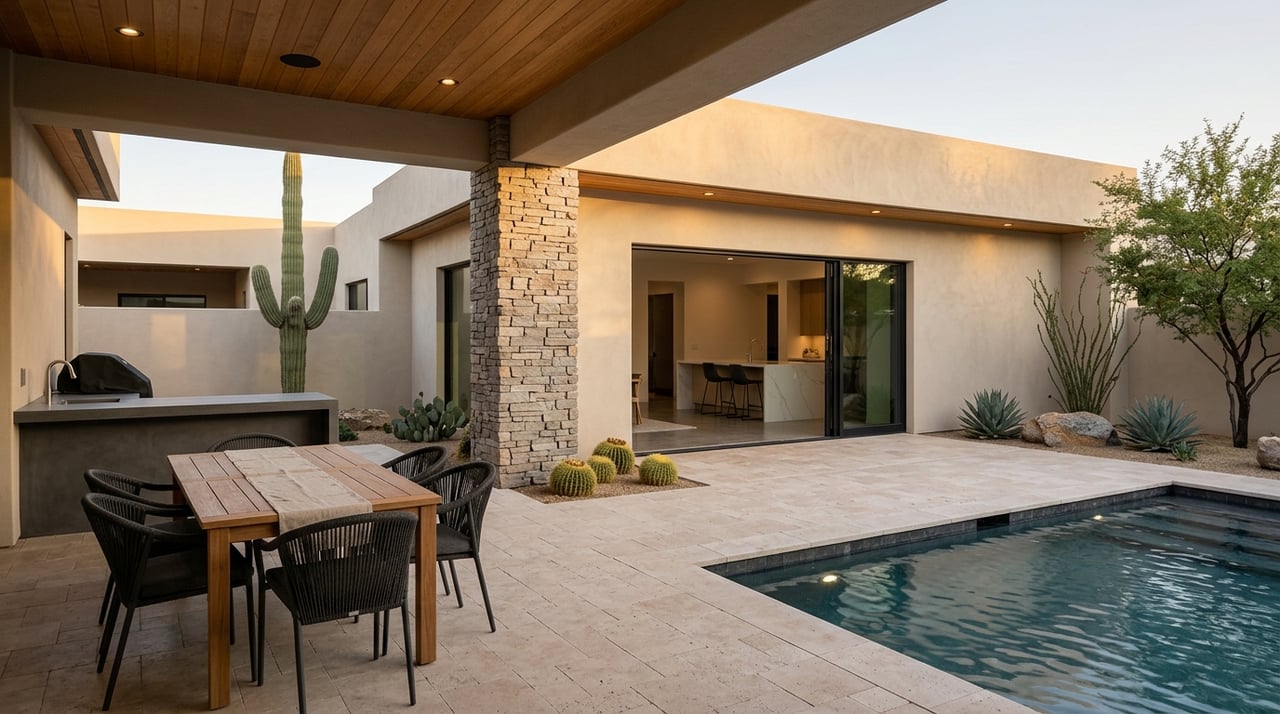
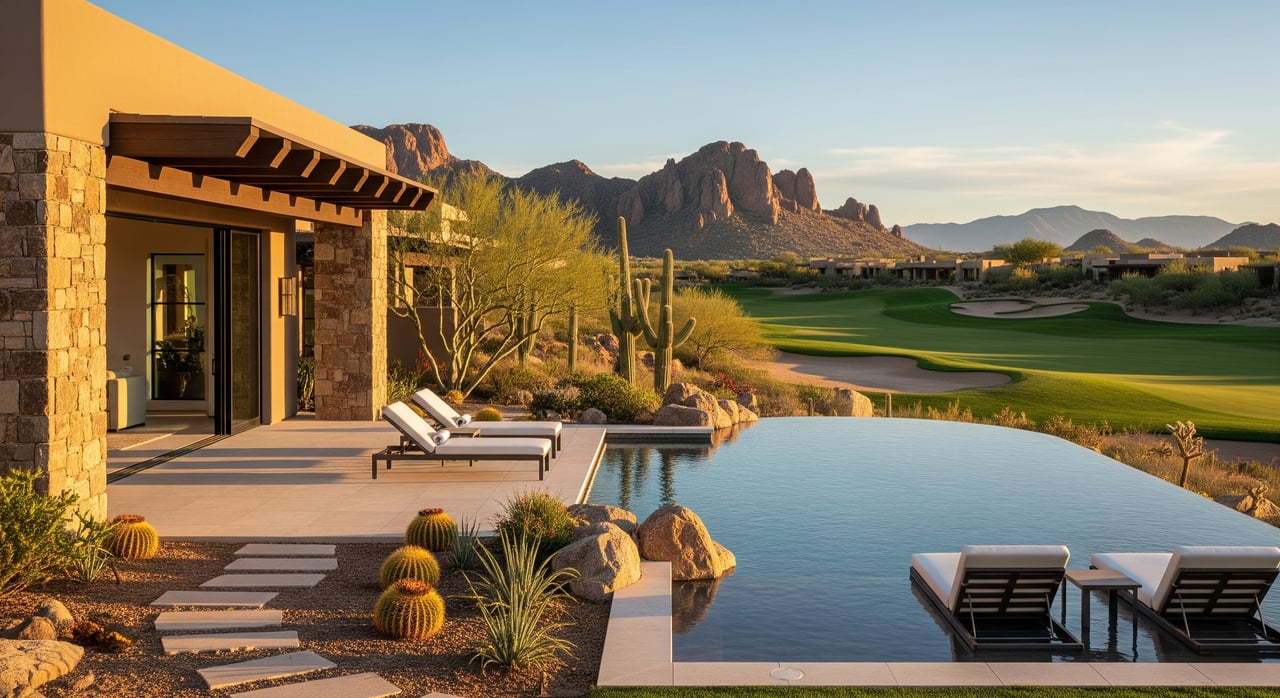
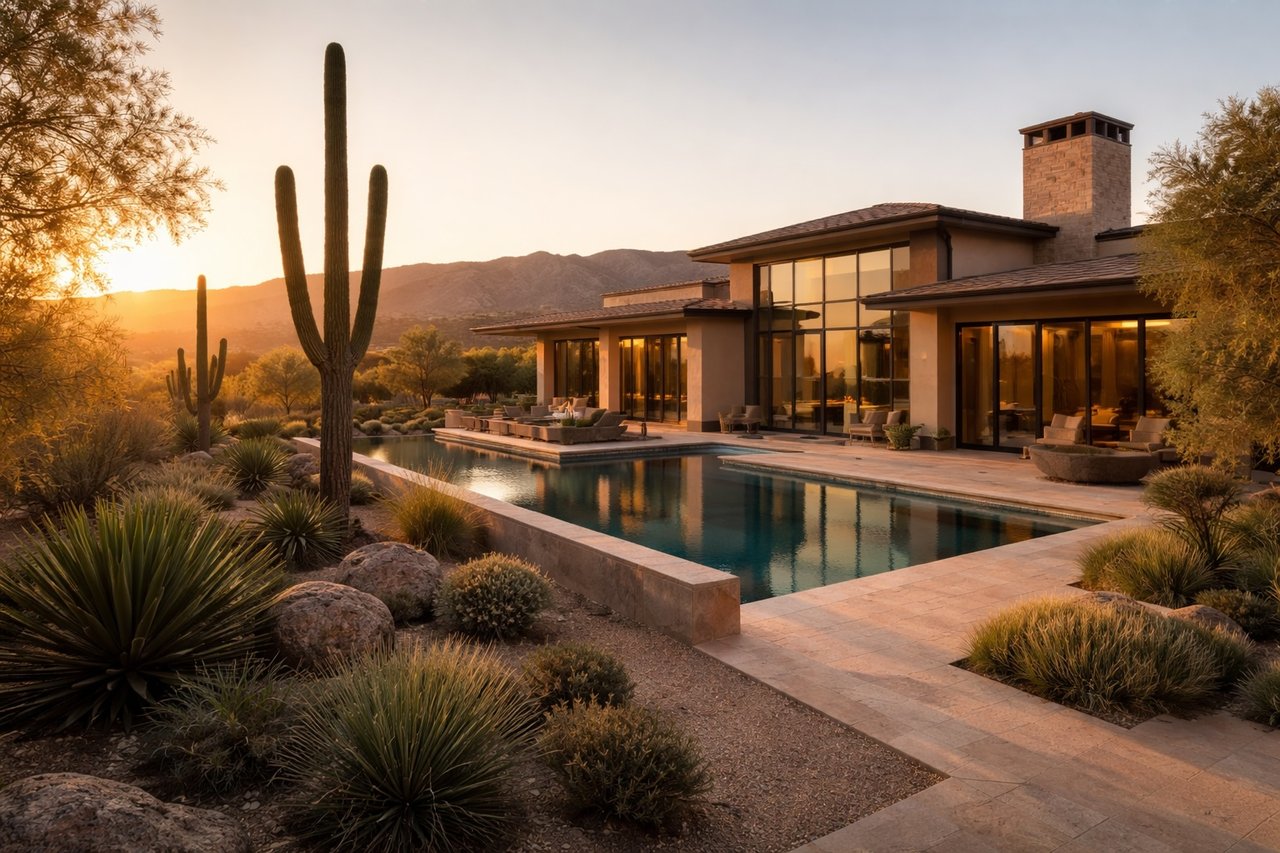
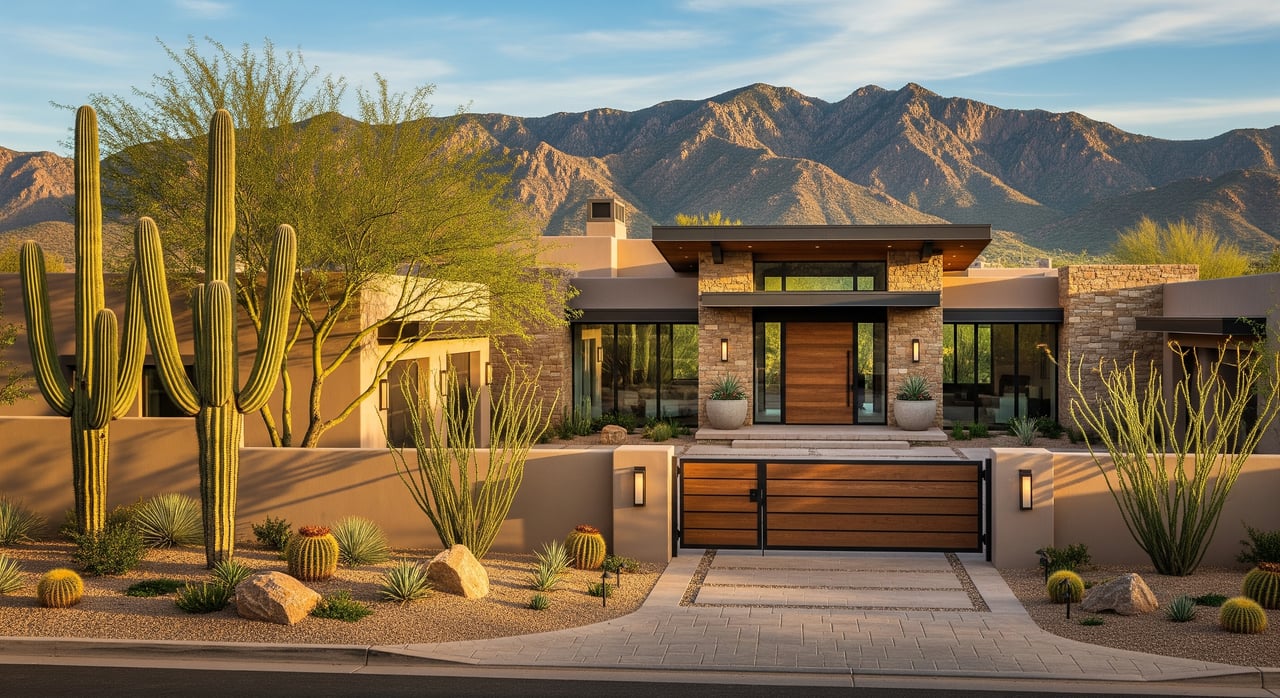
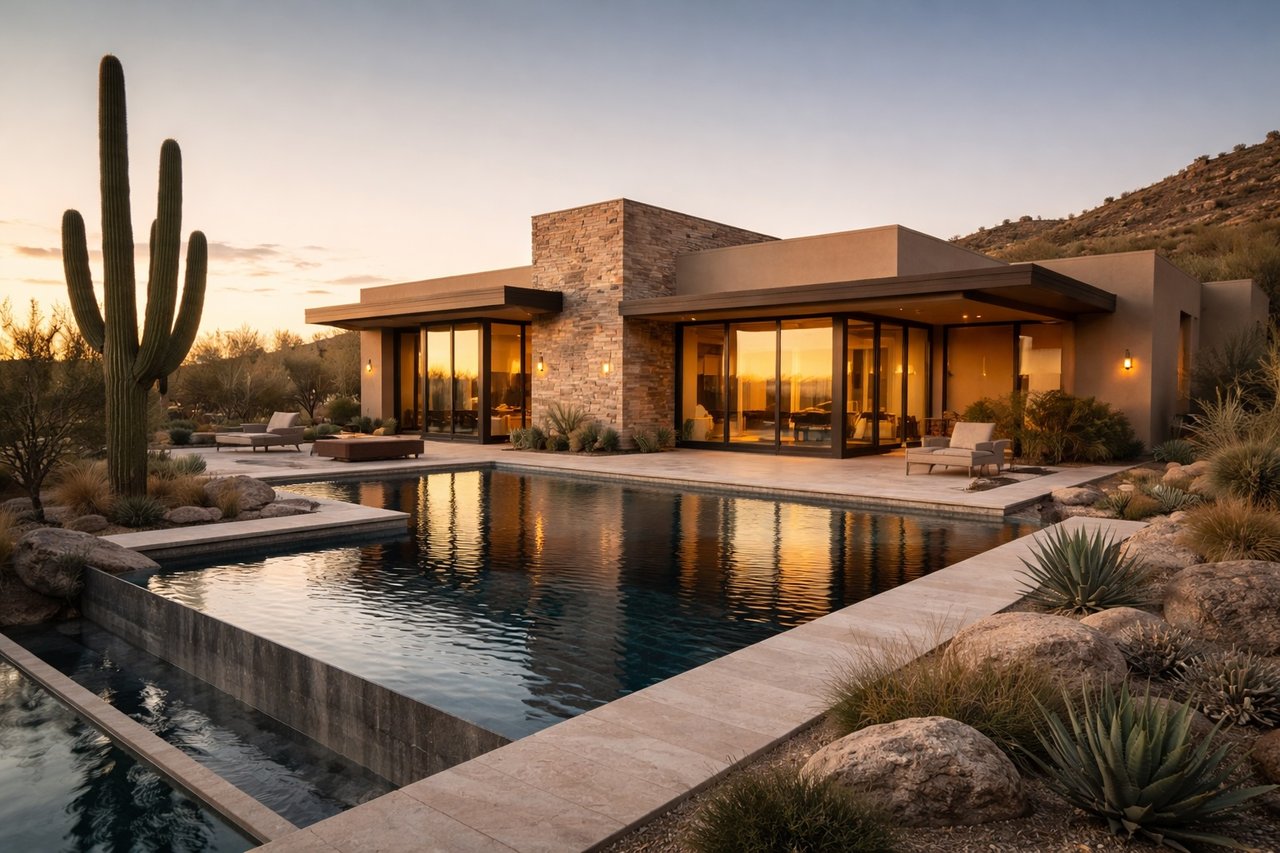
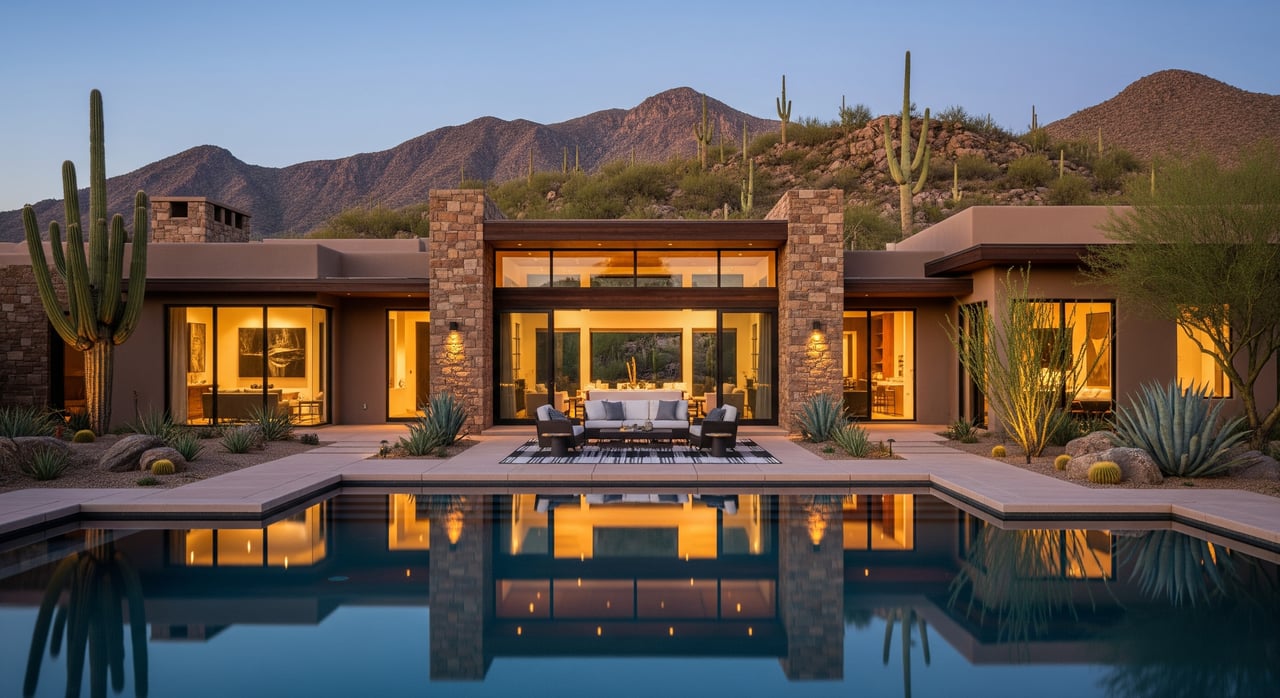
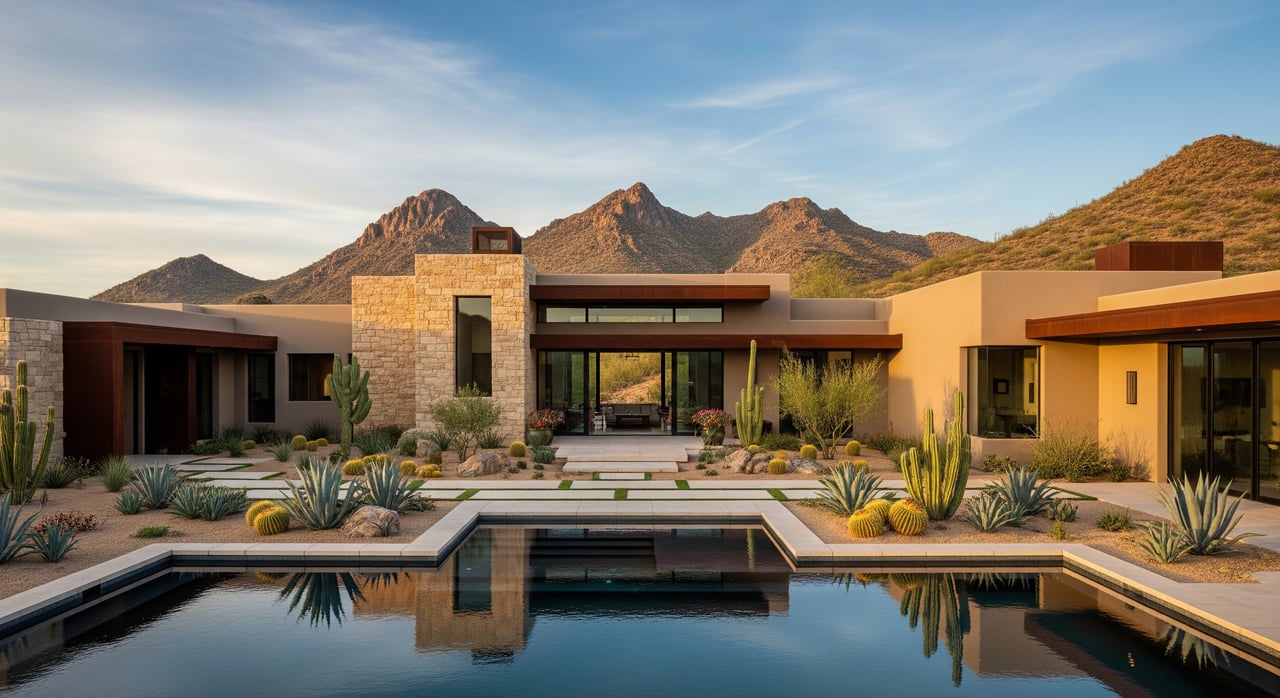
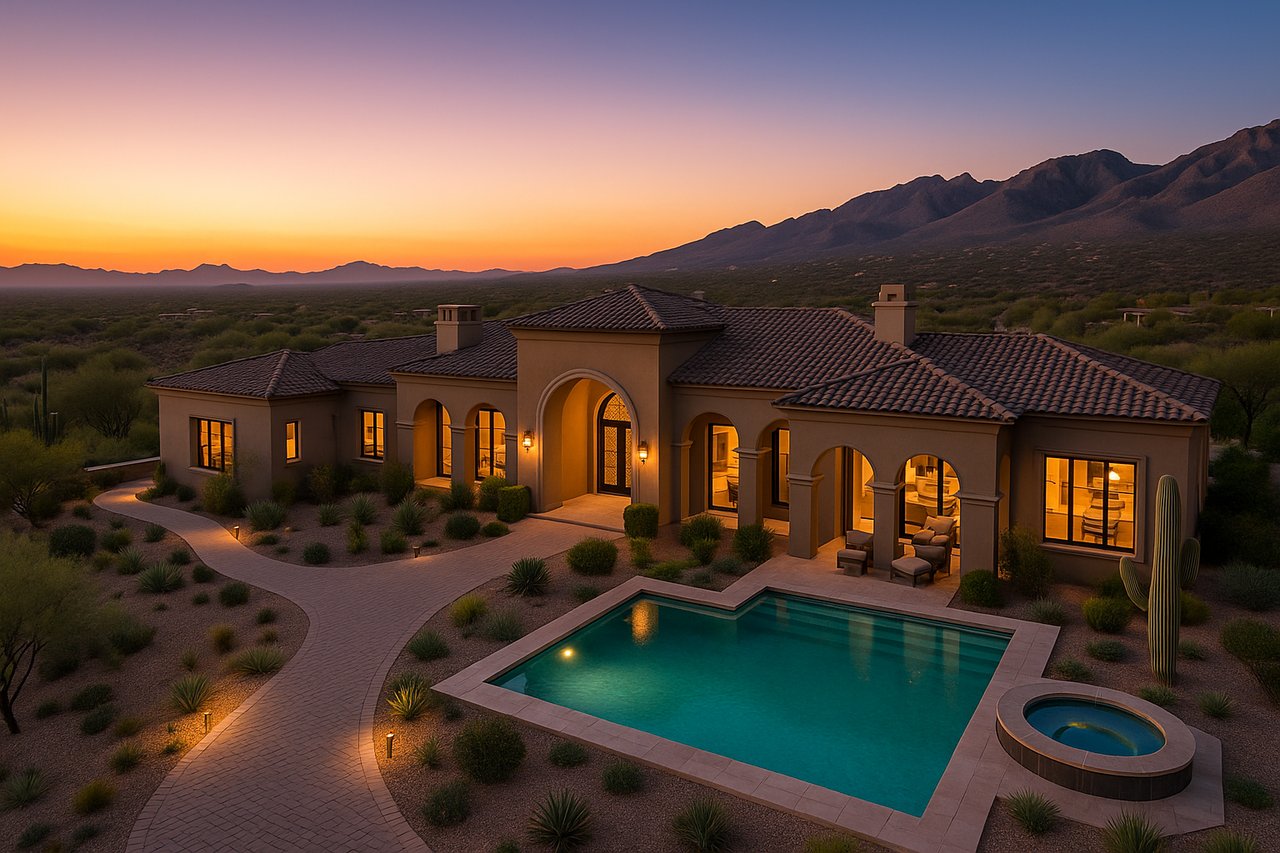
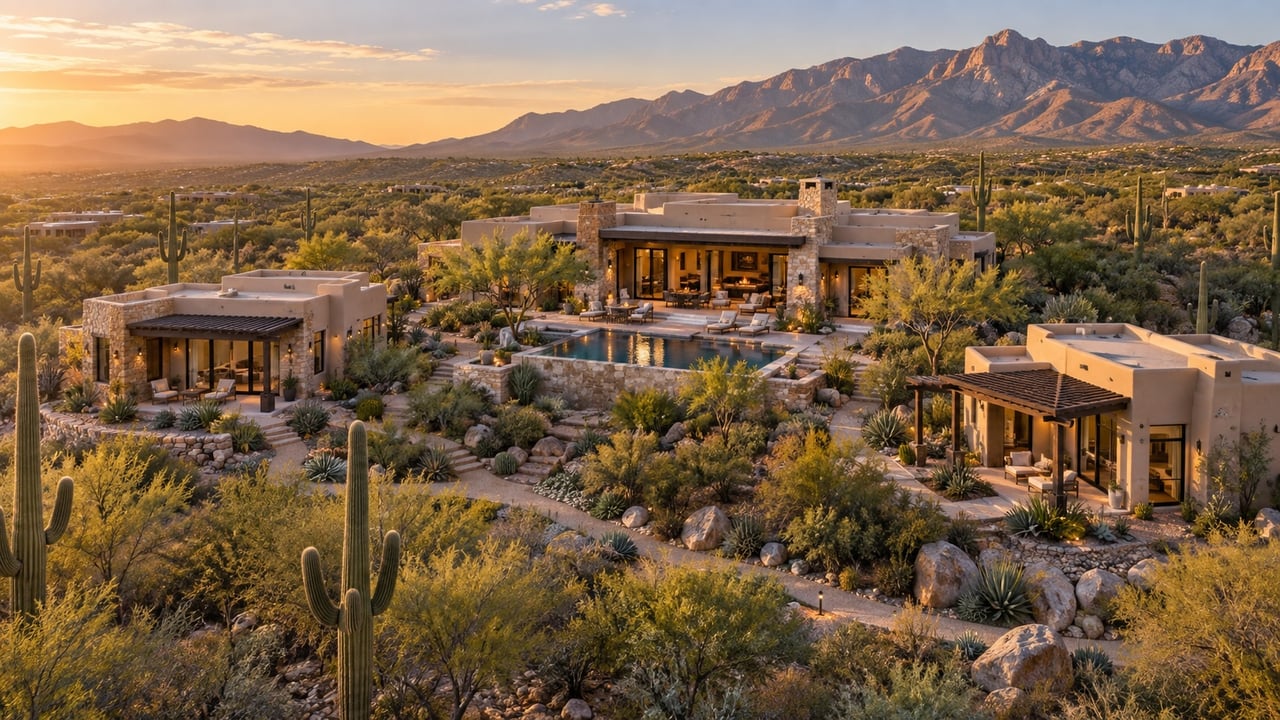
The ideal Tucson luxury compound might include several single-level residences arranged around a central courtyard, pool or garden. Each home would function independently, while the common spaces would allow the residents to gather intentionally.
That combination—privacy without isolation—is what makes the concept compelling.
However, acreage alone does not create development rights. Before purchasing a property based on its expansion potential, buyers must investigate:
- Municipal or county zoning
- Permitted residential density
- Whether additional dwellings are legally allowed
- Building setbacks and lot coverage
- Water, sewer or septic capacity
- Electrical and utility infrastructure
- Fire access and emergency requirements
- Floodplain or hillside restrictions
- Deed restrictions and HOA rules
- Permitting history of existing guesthouses or casitas
The City of Tucson amended its Unified Development Code in 2021 to allow accessory dwelling units under defined standards. That does not mean every property can support two or three additional residences. A second detached dwelling may also be classified differently from an accessory unit, which can affect zoning, appraisal and financing.
For compound buyers, due diligence begins with the land—not the listing description.
Lending must adapt to how families are changing
If compound living becomes more common, lending will have to evolve with it.
Traditional residential mortgage underwriting generally assumes a conventional borrower, household and property structure. A residential compound may involve parents, adult children, siblings or multiple related households combining resources to acquire one property.
These buyers may need financing that can accommodate:
- Multiple co-borrowers and household incomes
- Down payments contributed by several family members
- Unequal ownership interests
- Several legal dwelling units on one parcel
- Construction financing for additional residences
- Rental income from a permitted accessory dwelling unit
- Jumbo or portfolio lending for unusual luxury properties
- Trust ownership and estate-planning considerations
- Future transfers of ownership between generations
The industry has already taken some steps in this direction. FHA policy allows qualifying rental income from certain accessory dwelling units and provides specific appraisal protocols for them. Fannie Mae has also expanded financing flexibility for owner-occupied two- to four-unit properties. These developments demonstrate that housing finance can respond when household needs and property configurations change.
But compound living presents a larger question.
What happens when four family members contribute to the purchase but hold different ownership percentages? How should lenders evaluate a luxury property with a primary residence and two additional permitted homes? How should a family refinance when one generation exits and another assumes a larger interest?
The market will need more flexible answers. That may come through conventional lending changes, private banking, portfolio loans, construction financing or other customized products for high-net-worth borrowers.
A residential compound is not automatically a multifamily property
This distinction is essential for buyers, sellers and real estate professionals.
A property with several structures is not automatically considered a duplex, triplex or conventional multifamily investment. An accessory dwelling unit is generally subordinate to a primary residence, while a legally recognized second or third dwelling may change the property’s unit count and eligibility under certain loan programs.
Zoning classification, permitted use, appraisal methodology and mortgage eligibility do not always use the same terminology.
A listing may casually describe a structure as a “guesthouse,” but the questions that matter are more precise:
- Was it legally permitted as habitable space?
- Does it contain a complete kitchen?
- Is it considered an ADU or another dwelling unit?
- Is it included in the assessor’s records?
- Can its income be used for loan qualification?
- Does its existence affect insurance or septic requirements?
- How will an appraiser recognize its contributory value?
In compound real estate, documentation can be as valuable as design.
Appraisal will become one of the biggest challenges
Unusual luxury properties are already difficult to value because truly comparable sales are limited. A compound with several permitted residences can make that process even more complex.
How much value should an appraiser assign to a second casita? Should a caregiver residence be measured against an ADU, a guesthouse or another primary-quality home? Does a buyer see the property as one luxury estate, several residences or both?
Until more residential compounds sell, appraisers may have to rely on a combination of comparable sales, replacement cost, rental analysis and professional judgment.
Sellers can strengthen their position by maintaining:
- Building permits and approved plans
- Accurate square-footage records
- Separate descriptions of each residence
- Utility and septic documentation
- Construction costs and improvement records
- Floor plans and site plans
- Rental history where legally applicable
Sophisticated marketing will also matter. A compound should not be presented as a large house with several miscellaneous outbuildings. Buyers need to understand how the entire property functions as a private, flexible residential ecosystem.
Shared ownership requires more than a handshake
Combining resources can create extraordinary opportunities, but it also introduces legal and financial complexity.
Before purchasing together, families should determine how title will be held, how ownership percentages will be calculated and how expenses will be divided. They also need a plan for death, incapacity, divorce, inheritance or a decision by one owner to leave the arrangement.
Depending on the circumstances, that planning could involve co-ownership agreements, trusts, defined occupancy rights, maintenance responsibilities, buyout provisions and procedures for transferring an interest.
The emotional appeal of living together should be supported by a durable ownership structure created with qualified legal, tax and financial advisors.
The real estate plan and the estate plan should speak to one another.
What Tucson luxury buyers should look for
Buyers interested in compound living should evaluate much more than bedroom count and total square footage.
The strongest candidates often offer:
- Usable land with logical building areas
- Existing permitted guest quarters
- Privacy between residential structures
- Single-level or accessible living options
- Adequate parking and circulation
- Space for caregivers or household staff
- Utility capacity for additional construction
- Flexible outdoor gathering areas
- Proximity to healthcare, shopping and daily services
- A location with long-term resale appeal
The central question is not simply, “Can my family fit here?”
It is, “Can this property legally, financially and physically evolve with our family?”
What compound potential means for Tucson luxury sellers
For sellers, multiple residences or legitimate expansion potential can become a meaningful point of differentiation—if presented accurately.
A permitted casita, second guesthouse, separate utility configuration or well-planned homesite may appeal to affluent buyers thinking about parents, adult children, caregivers, visiting family or long-term wealth planning.
Marketing should explain the property as a complete real estate solution. Professional photography, aerial imagery, floor plans and a clear site plan can show how the residences relate to one another. Permit records and improvement documentation can help buyers evaluate the property with greater confidence.
The language must also remain precise. “Potential for another residence” is not the same as a verified right to build one. Strong luxury representation communicates the opportunity without overstating what has not been confirmed.
Compound living may become a new form of luxury
Luxury has traditionally been associated with privacy, space and exclusivity. Those qualities will remain important, but I believe the definition is expanding.
For many families, luxury will also mean having parents nearby, providing support without eliminating independence and creating a property that serves several generations without forcing everyone into the same household.
Compound living can offer connection without crowding, shared resources without financial dependence and proximity without sacrificing privacy.
That is more than a housing trend. It is a different way of thinking about real estate, family and the preservation of wealth.
As Tucson continues attracting retirees, professionals, entrepreneurs and multigenerational families, properties capable of supporting this lifestyle may occupy an increasingly important place in the luxury market.
Final thoughts from Daniel Sotelo
The cost of aging is already influencing how people save. I believe it will increasingly influence what they buy.
The next evolution of multigenerational housing may not be a larger home with one guest bedroom or casita. It may be a residential compound: several independent homes, on one carefully selected property, supporting the people who have chosen to build their future together.
That future will require more than thoughtful architecture. Zoning will need to accommodate changing household structures. Lenders will need to recognize multiple borrowers and more complex ownership arrangements. Appraisers will need better ways to value several residences within one estate. Real estate professionals will need to understand how land, financing, documentation and family strategy intersect.
This is where real estate becomes more than a transaction. It becomes part of a family’s long-term plan.
If you are considering purchasing, selling or creating a compound property in Tucson, I can help you evaluate the real estate strategy behind the decision—from location and marketability to existing improvements and long-term potential.
Daniel Sotelo
Russ Lyon Sotheby’s International Realty
Tucson Luxury Real Estate Advisor
Frequently asked questions about compound living in Tucson
What is a residential compound?
A residential compound is one property containing multiple independent living spaces or residences designed to serve several households. It may include a primary residence, guesthouses, casitas, accessory dwelling units and shared amenities.
Can a Tucson property have more than one guesthouse or ADU?
Possibly, but it depends on the jurisdiction, zoning, lot size, density, existing improvements and other development standards. An ADU and an additional primary dwelling may be treated differently. Buyers should verify the permitted use of a property before relying on future construction potential.
Is a compound considered multifamily real estate?
Not necessarily. The number of buildings does not by itself determine the property’s legal unit count or classification. Zoning, permits, appraisal rules and lending guidelines must be reviewed individually.
Can several family members be co-borrowers on one property?
Multiple eligible borrowers can participate in many mortgage transactions, subject to the lender and loan program. More complicated ownership percentages, trusts or unusual property configurations may require specialized underwriting or portfolio financing.
Can ADU rental income help someone qualify for a mortgage?
Certain loan programs may allow qualifying rental income from a legal ADU when their documentation, appraisal and underwriting requirements are satisfied. Eligibility depends on the property, borrower and current program guidelines.
Where in Tucson might compound properties be found?
Larger homesites and existing guesthouse properties can be found in several parts of the Tucson region, including the Catalina Foothills, Oro Valley, Tanque Verde and the Tucson Mountains. Actual development potential depends on the specific parcel and governing jurisdiction.
Why are compounds relevant to Tucson luxury real estate?
Compounds can serve affluent and multigenerational households seeking privacy, flexibility, caregiver accommodations and a long-term approach to family real estate. They can also provide a rare combination of separate living and shared amenities.